Sports Hedge Bet Calculator: Lock in Guaranteed Profit (2026)

Sports Hedge Bet Calculator: Guarantee Profit or Minimize Loss
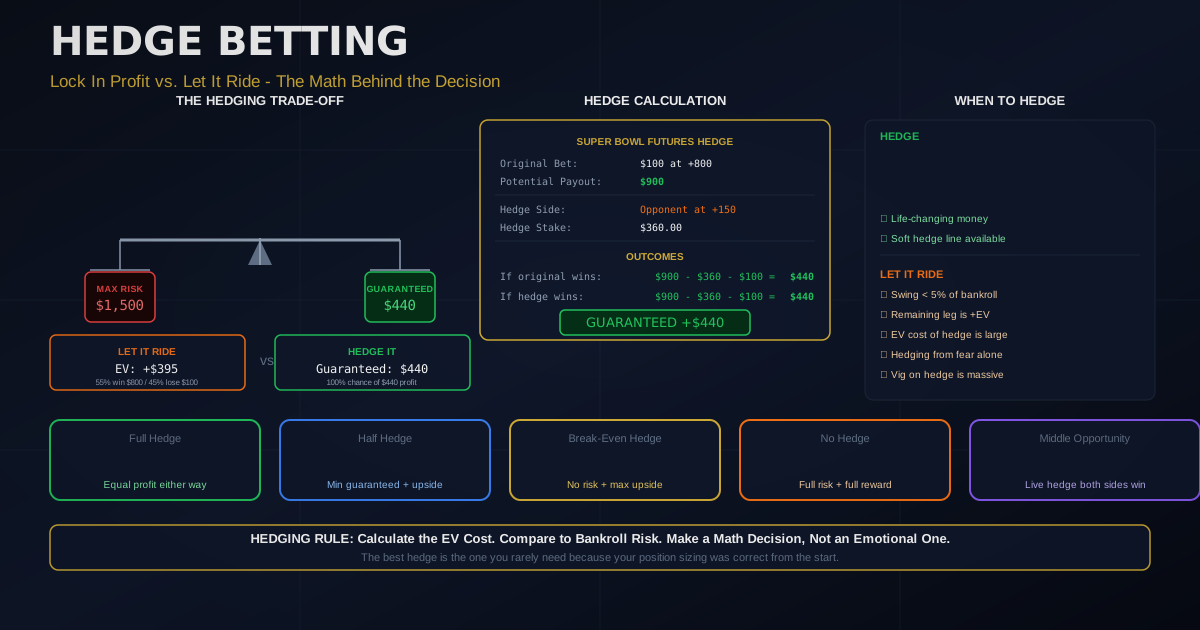
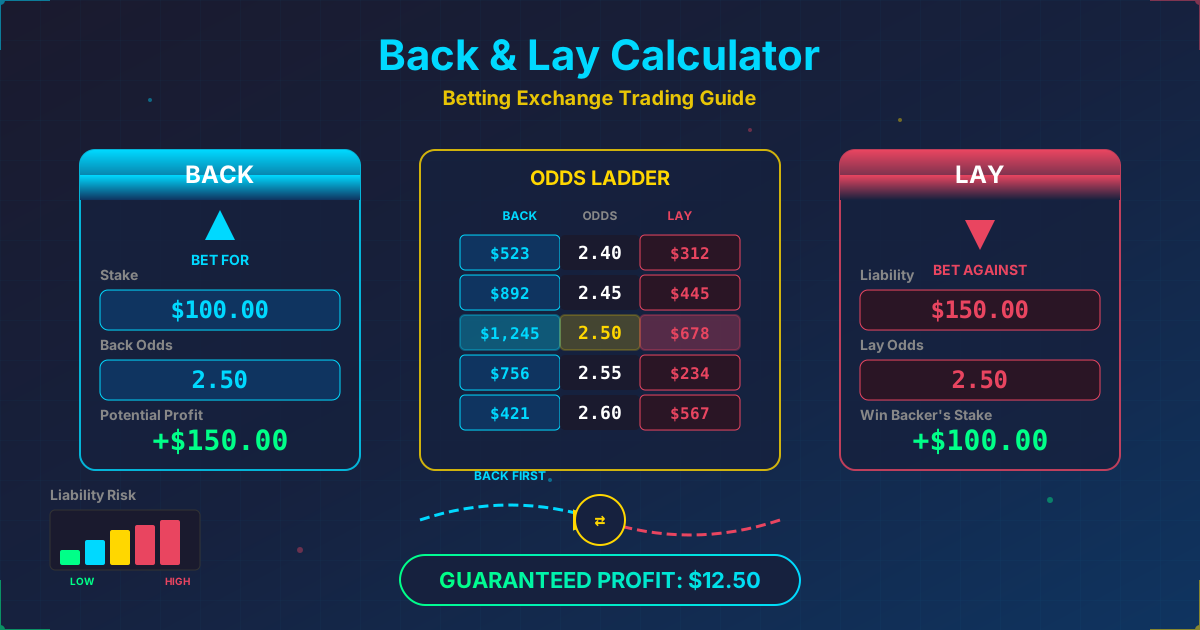
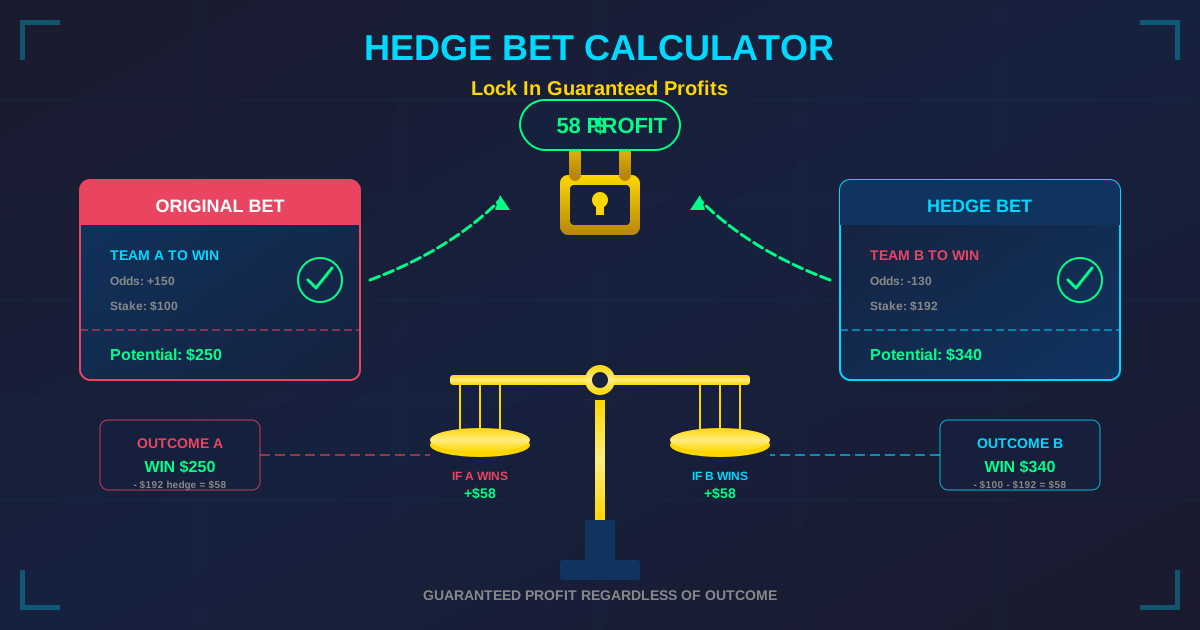
Hedging lets you bet the opposite side to lock in guaranteed profit or limit potential losses. Our calculator shows exactly how much to hedge and whether hedging makes mathematical sense compared to letting your original bet ride.
What Is Hedging?
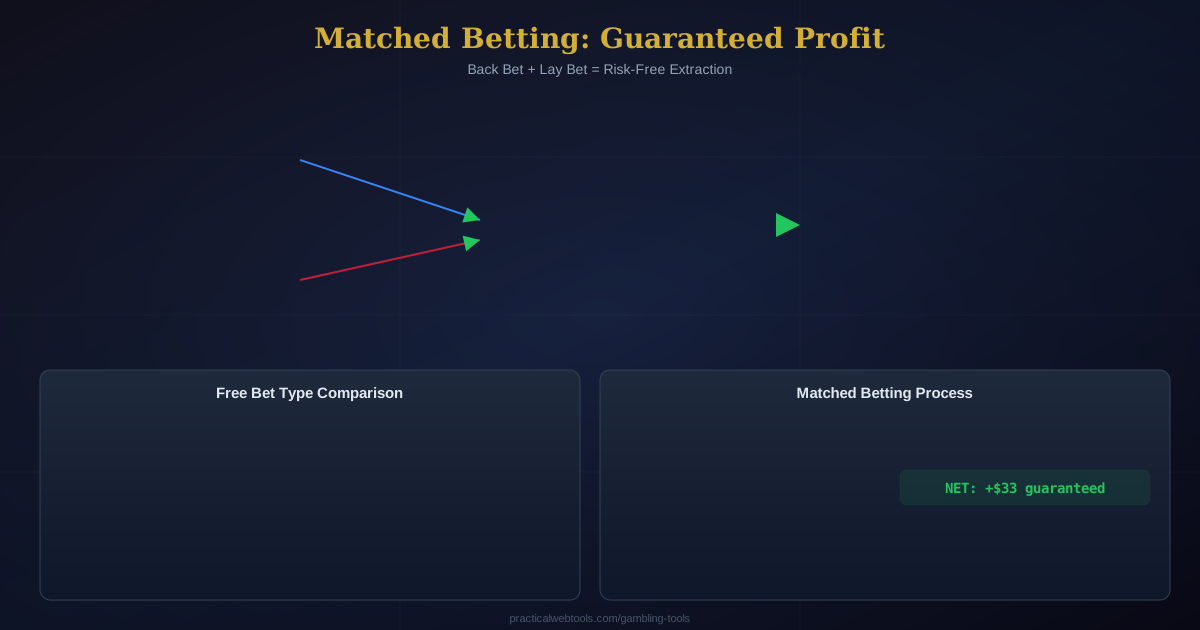
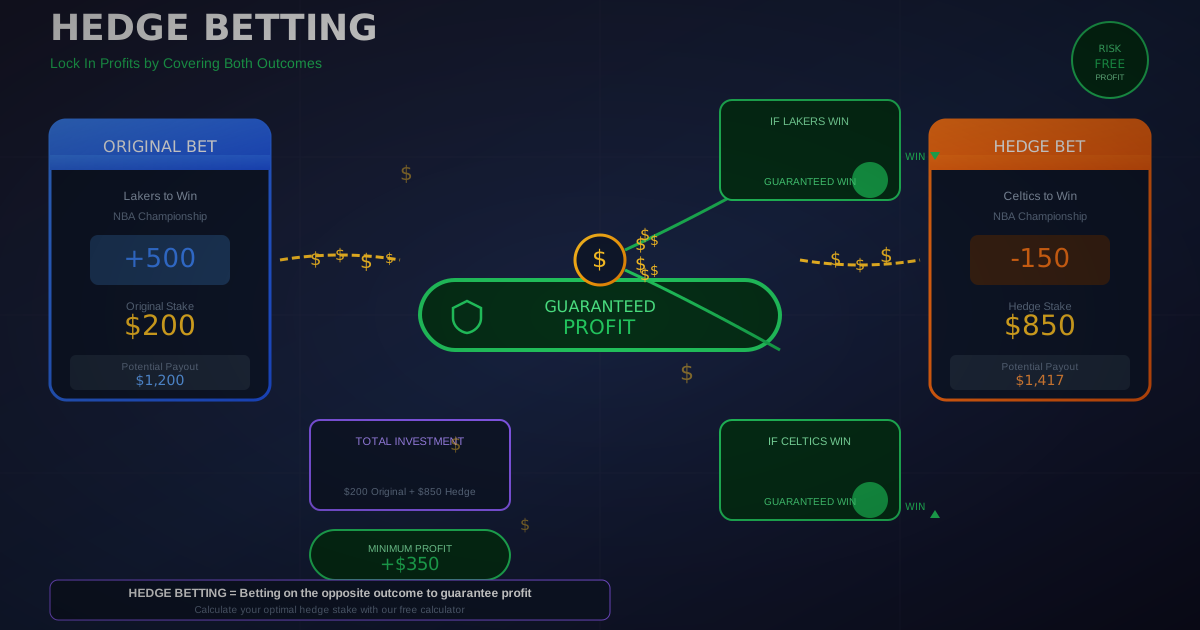
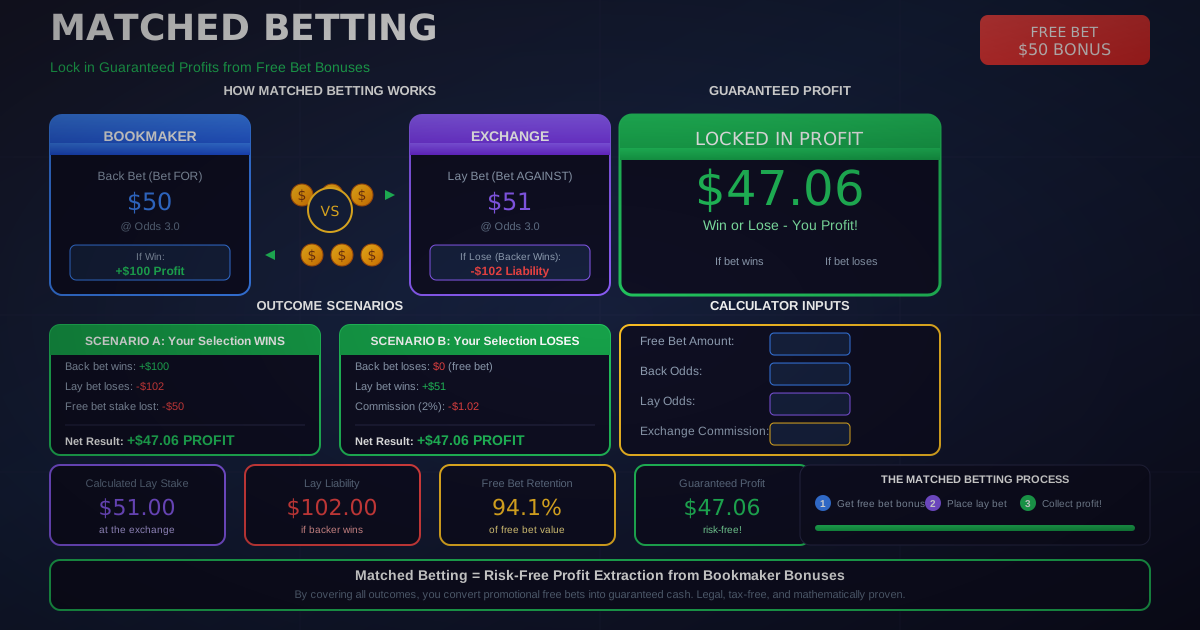
Hedging means placing a bet on the opposite outcome of your original wager. If done correctly, you profit regardless of which side wins. The tradeoff: hedging reduces maximum potential profit in exchange for guaranteed return.
Quick Answer: Hedge amount = (Original Payout × Hedge Odds) ÷ (Hedge Odds + 1). If you bet $100 on Chiefs +400 and they make the Super Bowl, hedging against them guarantees profit. Full hedge: Equal profit both ways. Partial hedge: More profit if original wins, some if it loses. Hedging costs EV but eliminates variance. Hedge when guaranteed profit > continuing EV or when variance reduction is worth the cost.
How to Use Our Calculator
Use the Sports Hedge Calculator →
Enter original bet details and current hedge odds.
Step-by-Step Instructions
-
Enter Original Bet: Amount wagered
-
Input Original Odds: What you bet at
-
Enter Hedge Odds: Current opposing line
-
Select Hedge Type: Full or partial
-
View Results: Guaranteed profit/outcomes
Input Fields Explained
| Field | Description | Example |
|---|---|---|
| Original Bet | Initial wager | $100 |
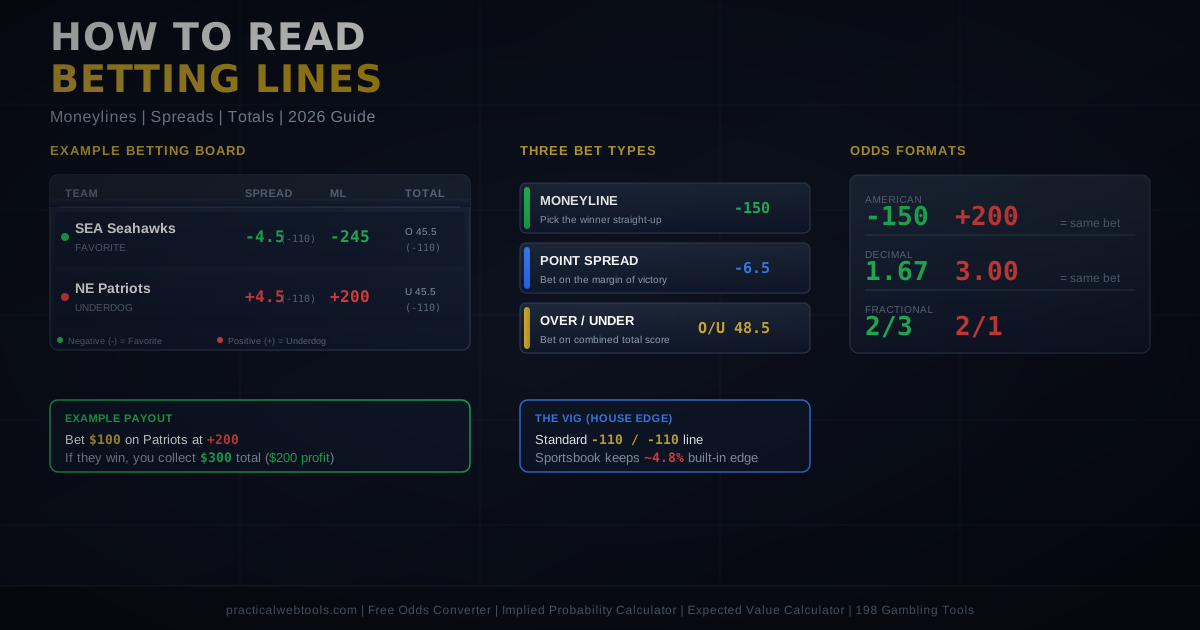
| Original Odds | When you bet | +400 |
| Current Position | Potential payout | $500 |
| Hedge Odds | Opposite side now | -150 |
| Hedge Amount | What to bet | $200 |
| Guaranteed Profit | Either outcome | $133 |
Hedge Calculation Formula
Full Hedge (Equal Profit)
Goal: Same profit regardless of outcome

Hedge Amount = Original Payout / (Hedge Odds + 1)

Example:
Original: $100 at +400 (wins $400)
Hedge at: -150 (risk $150 to win $100)

To guarantee equal profit:
Hedge = $500 / (1 + 1.67) = $500 / 2.67 = $187

If original wins: $400 - $187 = $213 profit
If hedge wins: $187 × 0.67 - $100 = $213 profit
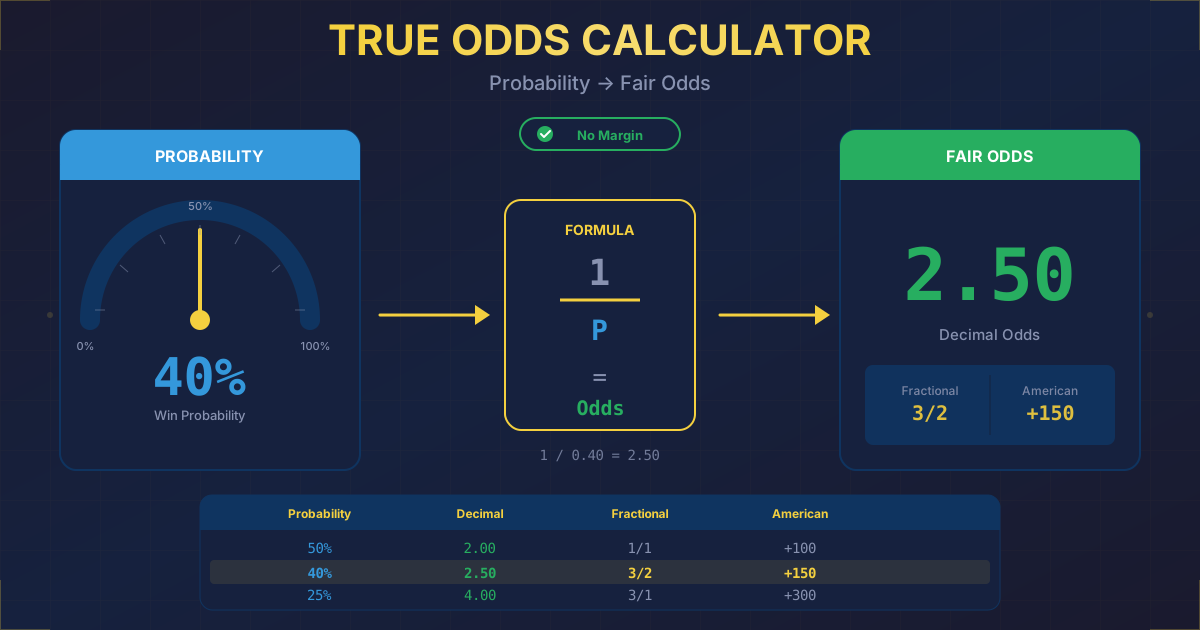
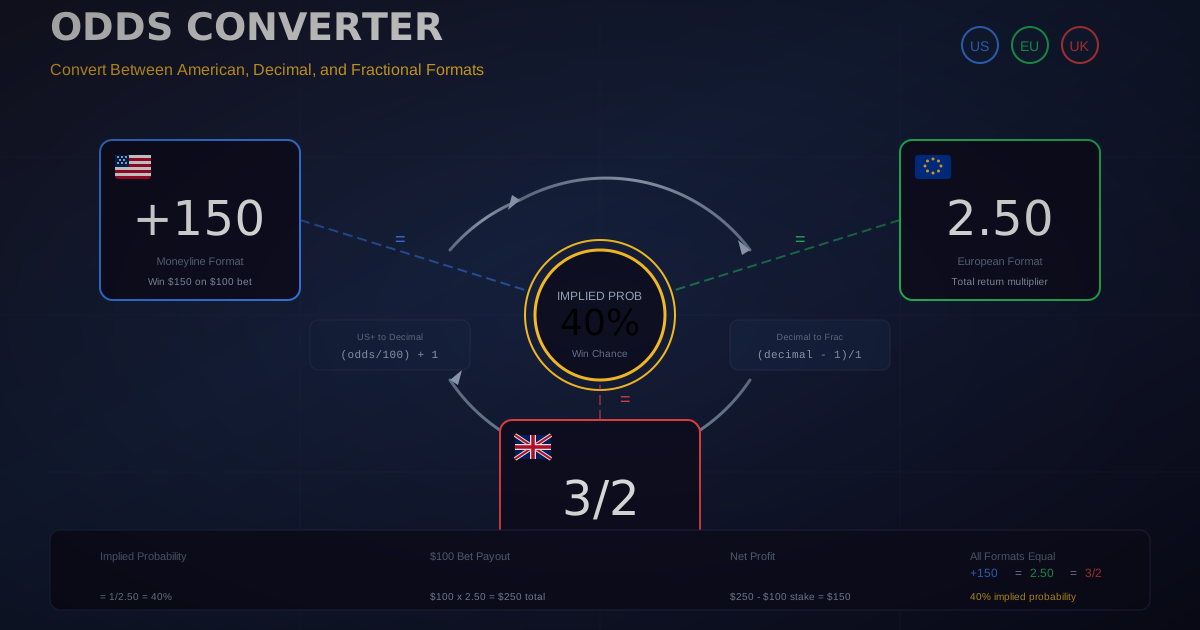
Converting Odds to Decimal
| American | Decimal | Implied % |
|---|---|---|
| +400 | 5.00 | 20% |
| +200 | 3.00 | 33% |
| +100 | 2.00 | 50% |
| -110 | 1.91 | 52.4% |
| -150 | 1.67 | 60% |
| -200 | 1.50 | 67% |
When to Hedge
Reasons to Hedge
| Situation | Reason |
|---|---|
| Futures at good value | Lock in profit now |
| Life-changing money | Variance too high |
| Parlay with 1 leg left | Secure some profit |
| Middle opportunity | Win both sides possible |
| Changed analysis | Original bet looks wrong |
Reasons NOT to Hedge
| Situation | Reason |
|---|---|
| Small amounts | Transaction costs matter |
| Positive EV original | Giving up edge |
| Poor hedge odds | Not enough value |
| Can afford the loss | Let variance play out |
| Emotional decision | Not mathematically justified |
Real-World Examples
Example 1: Futures Hedge
Situation:
- Preseason: $100 on Chiefs +800 to win Super Bowl
- Chiefs make Super Bowl
- Opponent: 49ers -130 to win
Full hedge calculation:
Original payout if Chiefs win: $900 total ($800 + $100)
49ers odds: -130 (risk $130 to win $100)

Hedge amount for equal profit:
= $900 / (1 + 1.77)
= $900 / 2.77
= $325

If Chiefs win: $800 - $325 = $475 profit
If 49ers win: $325 × 0.77 - $100 = $475 profit

Guaranteed: $475 regardless of outcome
Example 2: Parlay Hedge
Situation:
- 4-leg parlay: $50 to win $1,000
- 3 legs won, 1 remaining
- Final leg: Lakers -3 (you have Lakers)
- Hedge: Opponent +3 at -110
Options:
No hedge:
Win: +$1,000
Lose: -$50

Full hedge:
Hedge $475 on opponent +3
Win: $1,000 - $475 = $525
Lose: $432 - $50 = $382

Guaranteed minimum: $382
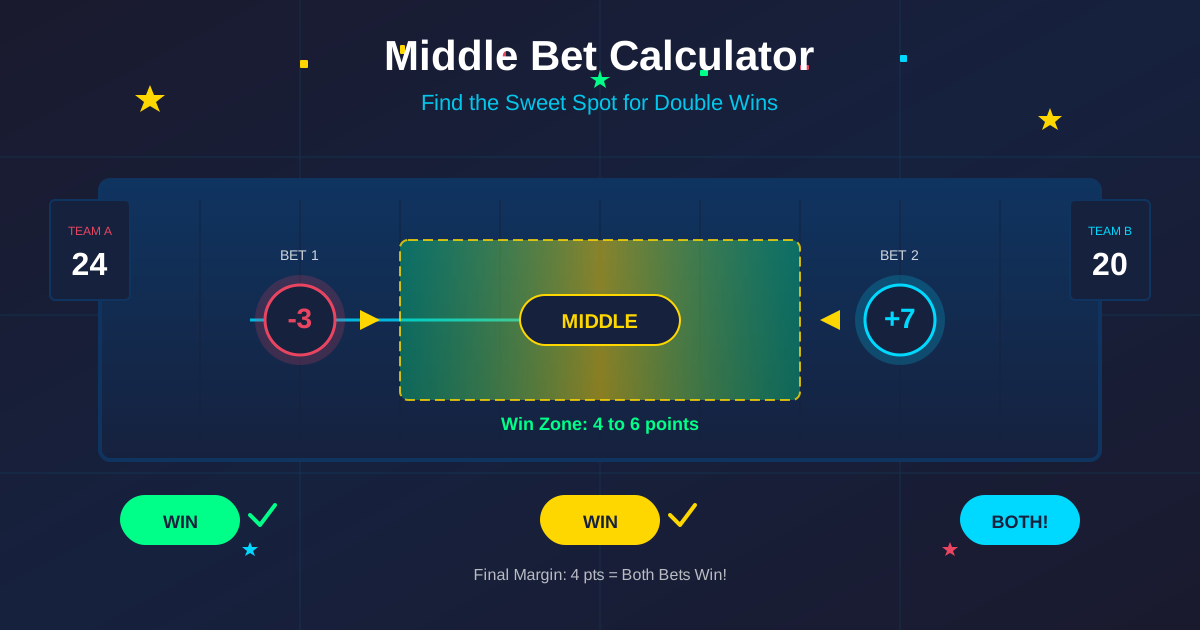
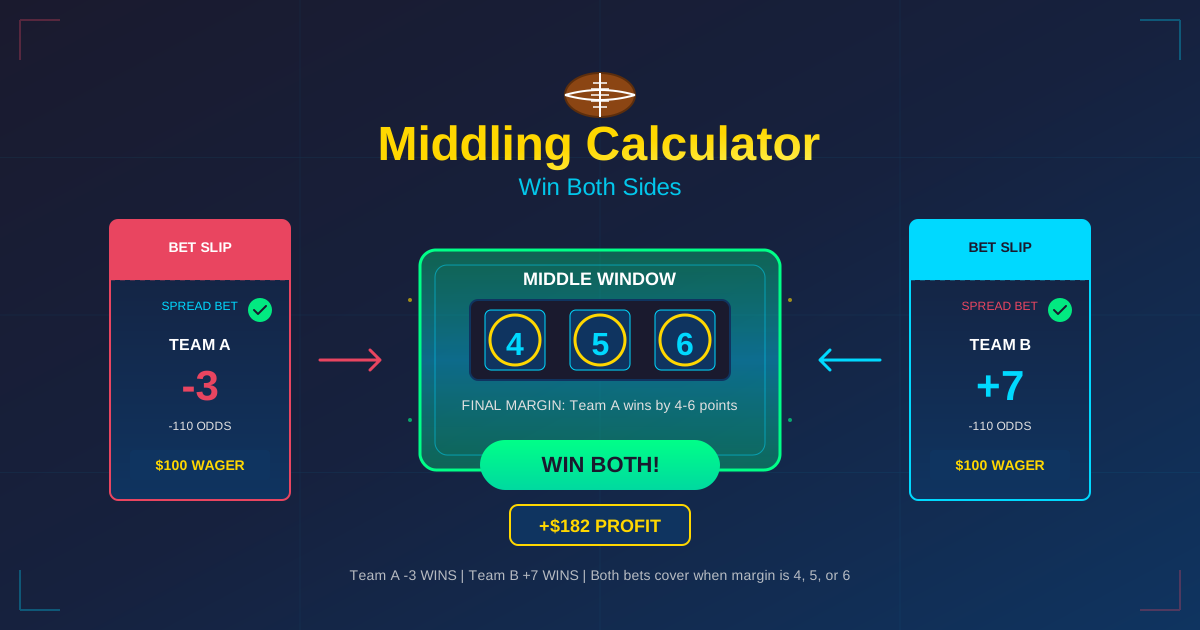
Example 3: Middle Opportunity
Situation:
- Original: Patriots -3 at -110 ($110 to win $100)
- Line moves: Patriots now -7
- Hedge: Opponent +7 at -110 ($110)
Middle calculation:
If Patriots win by 4-6:
Both bets win! (Patriots cover -3, opponent covers +7)
Profit: $100 + $100 = $200

If Patriots win by 7:
Push on hedge, win original: $100

If Patriots win by 1-3:
Win original, lose hedge: $100 - $110 = -$10

If opponent wins or Patriots by 8+:
Win hedge, lose original: $100 - $110 = -$10
EV of middle: Depends on probability of 4-6 margin
Example 4: Partial Hedge
Situation:
- $100 on underdog +300
- Want some protection but not full hedge
Partial hedge (50%):
Full hedge would be $150
Partial hedge: $75

If underdog wins: $300 - $75 = $225
If favorite wins: $50 - $100 = -$50

Middle ground: Less guaranteed, more upside
EV vs Variance Analysis
The Mathematical Tradeoff
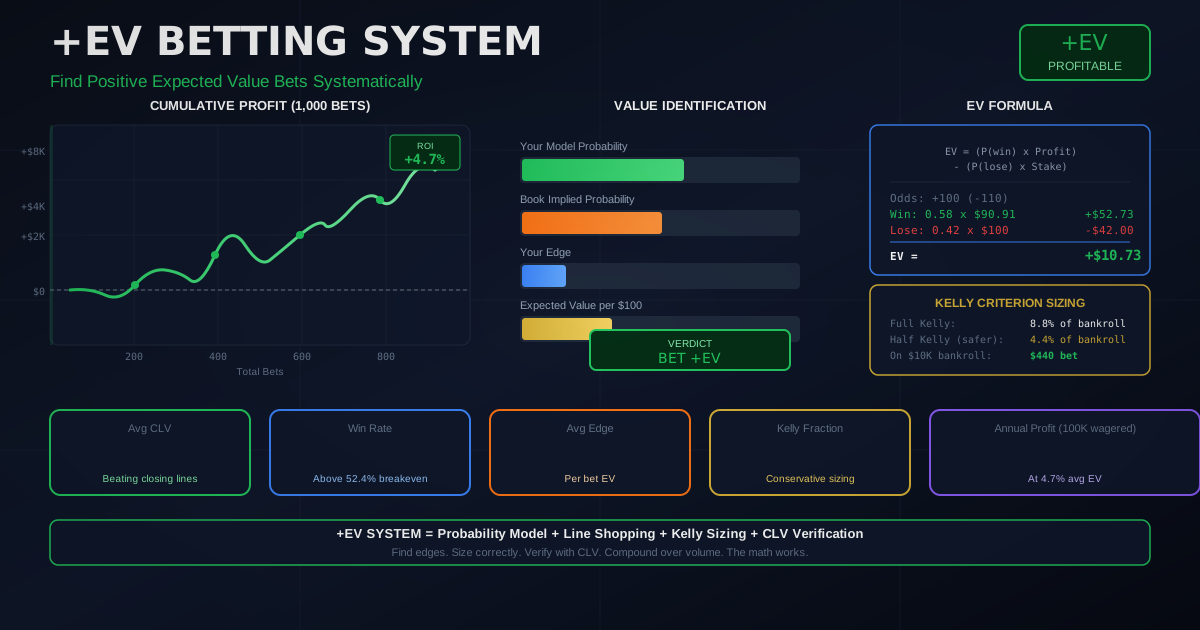
Original bet: $100 at +300
Win probability: 30%
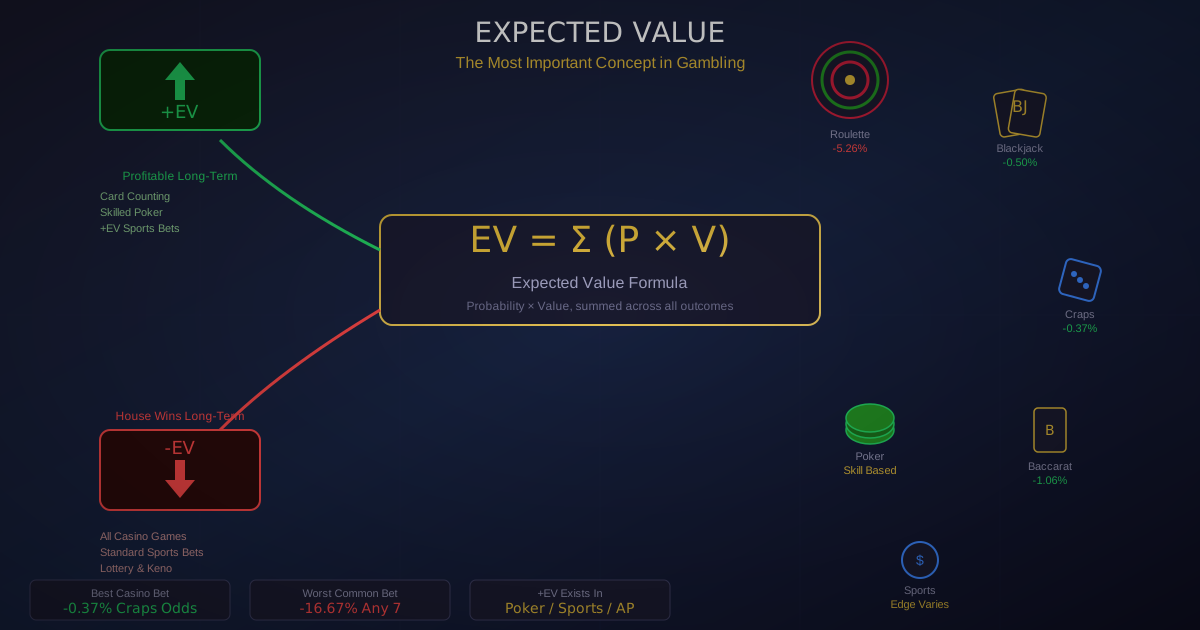
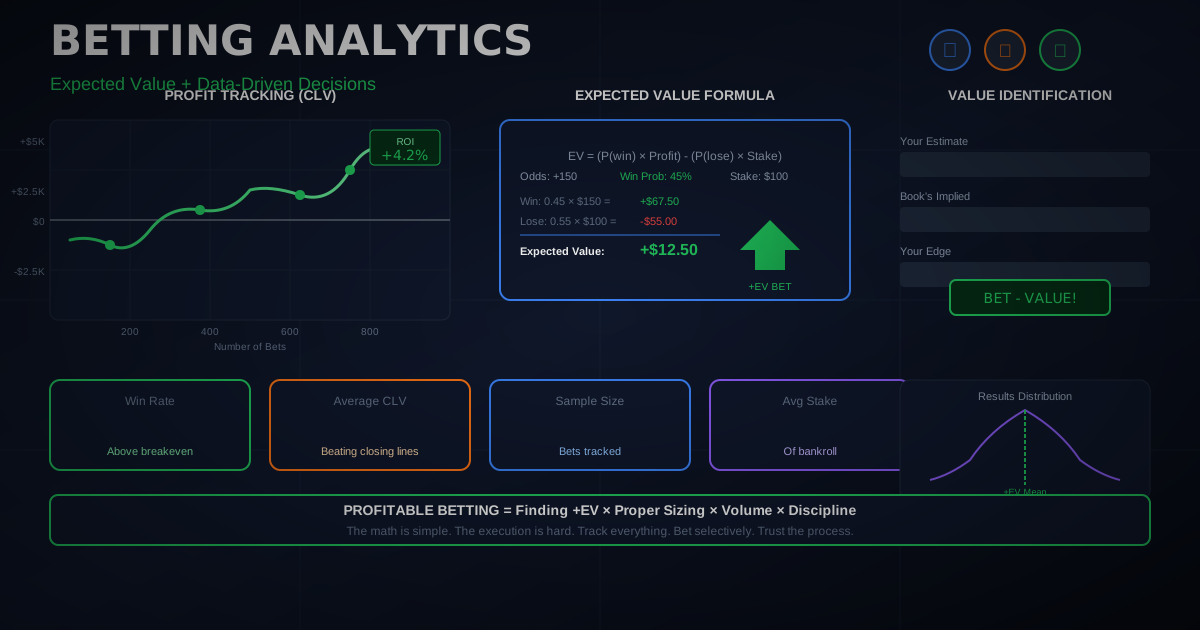
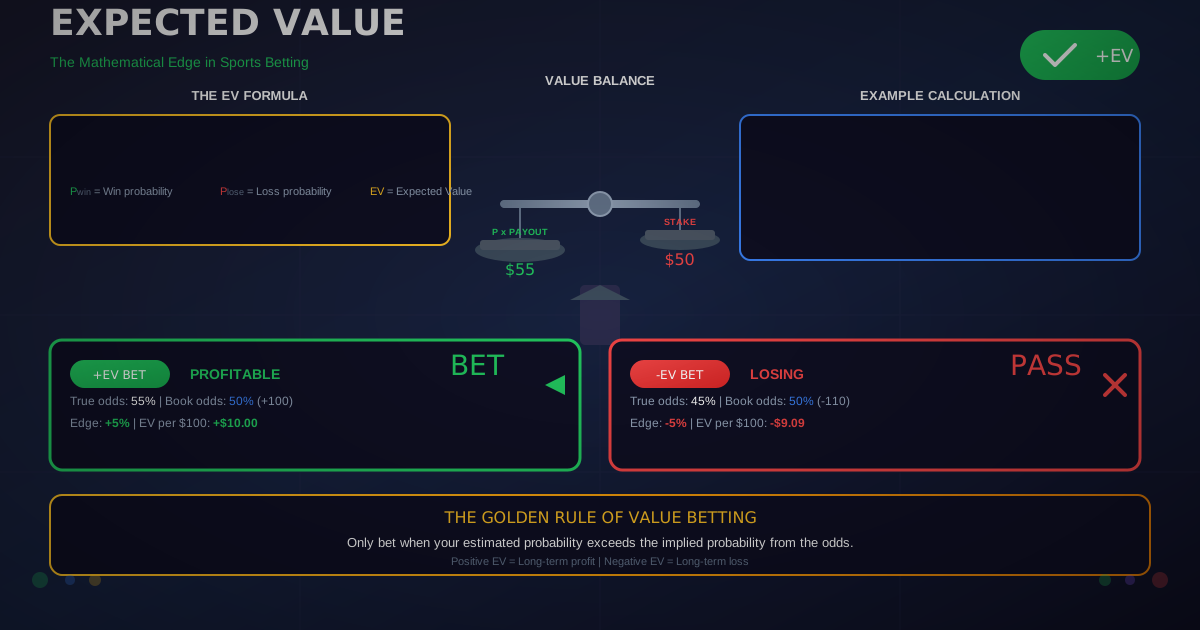
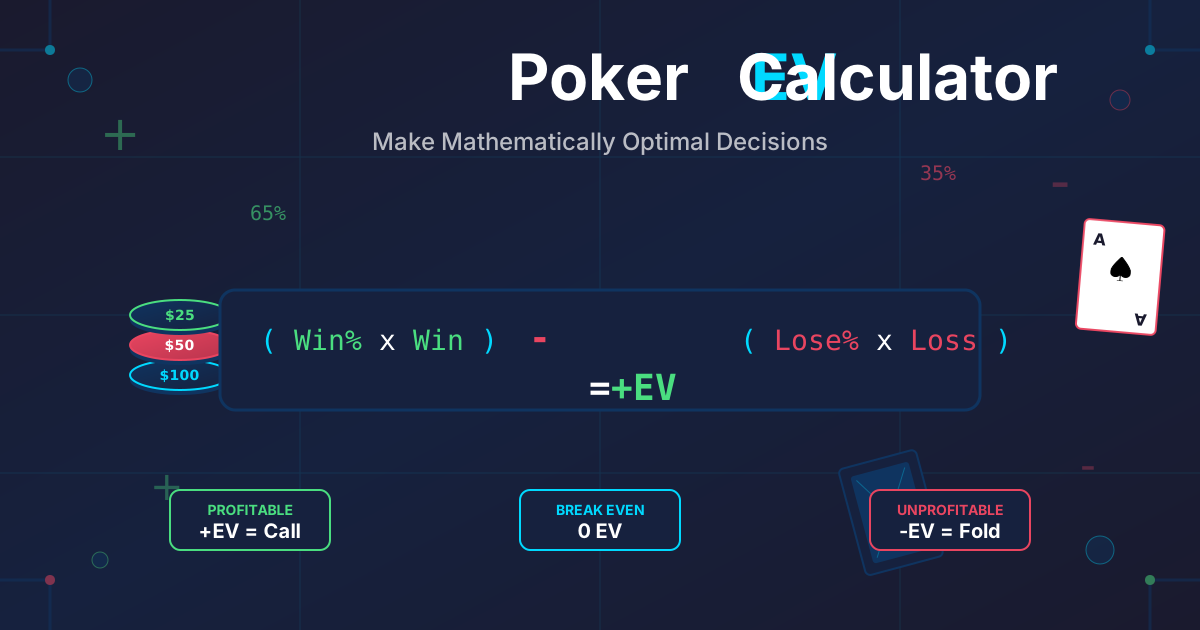
EV = (0.30 × $300) + (0.70 × -$100) = $90 - $70 = +$20

Full hedge eliminates variance:
Guaranteed $X vs uncertain +$20 EV

If guaranteed > EV: Hedge is rational
If guaranteed < EV: Hedging costs expected value
When EV Sacrifice Is Worth It
| Situation | Hedge? |
|---|---|
| $10 EV sacrifice for $500 guarantee | Yes |
| $100 EV sacrifice for $500 guarantee | Maybe |
| $200 EV sacrifice for $500 guarantee | Probably no |
| Life-changing amount | Yes (utility) |
Utility Considerations
$50,000 guaranteed vs $80,000 EV (62.5% chance)

Pure EV: Don't hedge
Utility: $50,000 changes life
Risk tolerance: Personal decision

Hedging isn't always irrational
Common Hedging Situations
Super Bowl Futures
Bet made: Preseason
Time elapsed: 5+ months
Odds movement: Significant

Often best hedge opportunity
Line movement creates value
Emotional attachment high
March Madness Brackets
Tournament futures
Each round: Hedge opportunity
As team advances: Value increases

Consider hedging as you go
Don't wait until championship
Parlays
Multi-leg parlays
One leg remaining
Hedge the final leg

Often good hedge spots
Already locked in profit potential
Hedge Bet Sizing
Conservative (Full Hedge)
Equal profit both ways
Maximum guaranteed minimum
Zero variance

Best when:
- Large amounts
- Risk-averse
- Satisfied with guarantee
Aggressive (Partial Hedge)
Less hedge, more upside
Some downside risk
Moderate variance

Best when:
- Believe in original
- Smaller amounts
- Can afford loss
No Hedge (Let It Ride)
Maximum variance
Maximum EV (if original is +EV)
All-or-nothing

Best when:
- +EV original bet
- Proper bankroll
- No utility concerns
Common Mistakes
1. Over-Hedging
Mistake: Hedge every winning position Problem: Gives up +EV Fix: Only hedge when mathematically justified
2. Emotional Hedging
Mistake: Hedge because nervous Problem: Irrational decision making Fix: Calculate EV vs guarantee first
3. Poor Timing
Mistake: Hedge at worst odds Problem: Lock in less profit Fix: Watch line movement, hedge optimally
4. Ignoring Vig
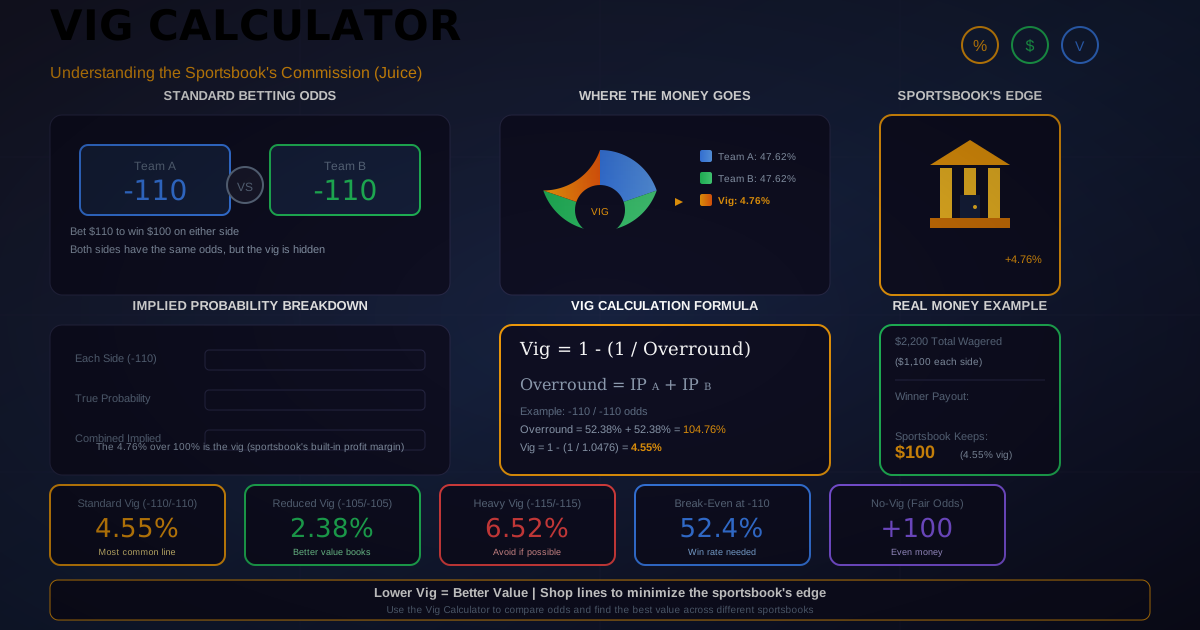
Mistake: Not accounting for juice on both sides Problem: Vig eats into guaranteed profit Fix: Calculate exact outcomes including vig
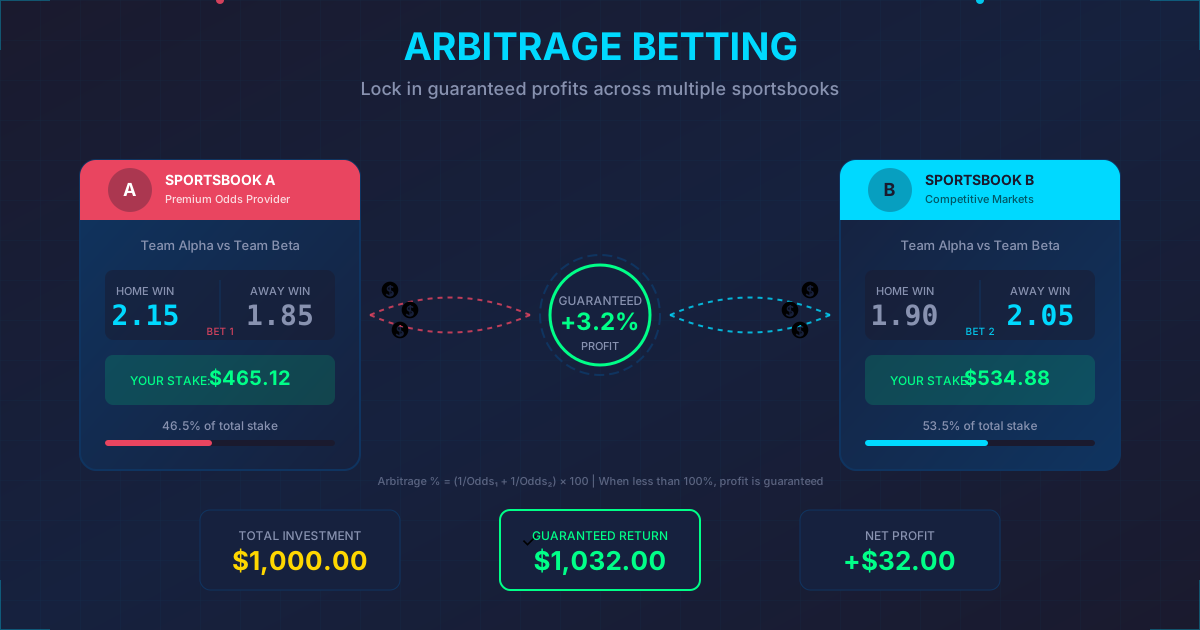
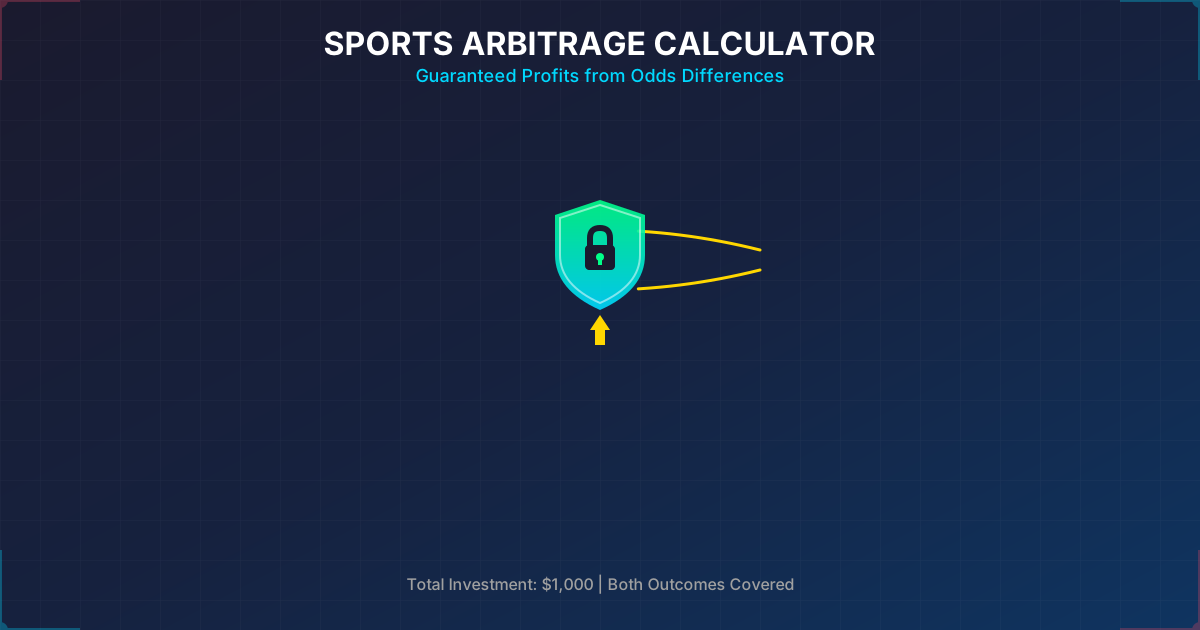
Arbitrage vs Hedging
Key Differences
| Aspect | Arbitrage | Hedging |
|---|---|---|
| Timing | Simultaneous bets | Sequential bets |
| Risk | None | Original bet at risk until hedge |
| Finding | Line differences | Position changes |
| Profit margin | 1-5% typically | Variable |
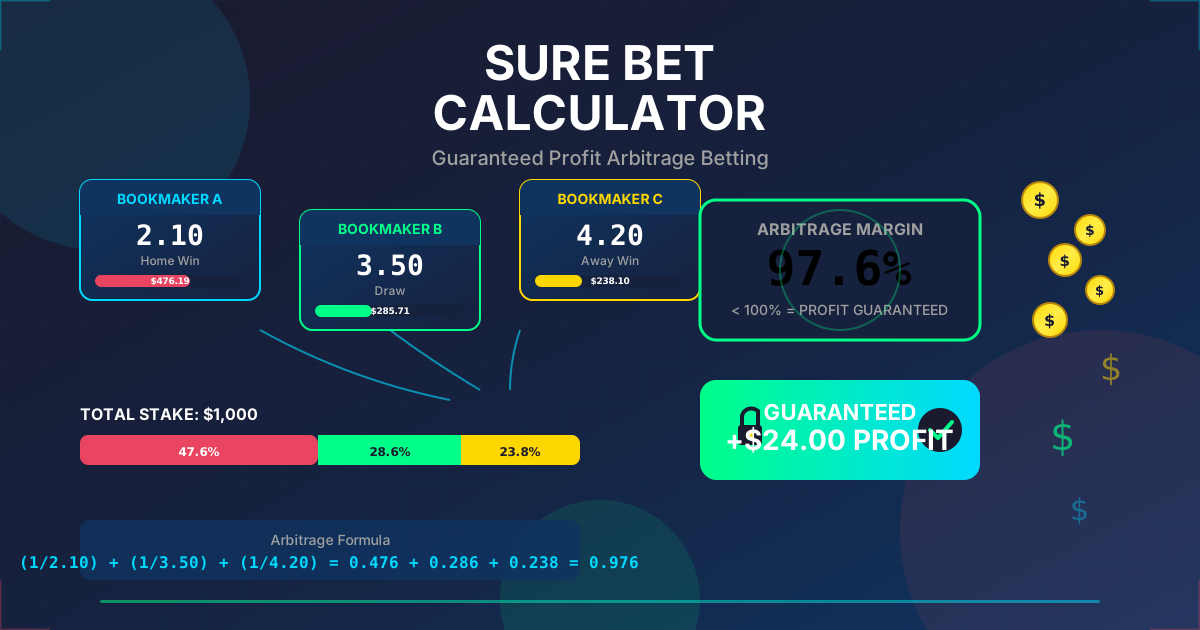
When Hedge Becomes Arb
If you can hedge for MORE than original payout:
You've found arbitrage

Example:
Original: +200 ($100 → $300)
Hedge available: -150 on opposite

If hedge profit > $300, it's arbitrage
Frequently Asked Questions
Is hedging giving up value?
Often yes—you sacrifice EV for guaranteed return. But value includes personal utility, not just mathematical expectation.
When is the best time to hedge?
When hedge odds are most favorable, typically when lines have moved significantly in your favor.
Should I hedge every futures bet?
No. Only hedge when the guaranteed return exceeds your utility threshold or when circumstances have changed.
Can I partial hedge?
Yes. Bet less than full hedge to keep some upside while reducing downside. Calculator shows outcomes for any hedge amount.
What about the vig on hedges?
Vig reduces guaranteed profit. Account for it in calculations. Worse hedge odds = less value in hedging.
Is hedging the same as being scared?
Not necessarily. Hedging can be rational risk management. The key is whether it's mathematically justified for your situation.
Pro Tips
-
Calculate before deciding: Know exact outcomes
-
Watch for middles: Line movement creates opportunities
-
Consider timing: Hedge at best available odds
-
Know your utility: Math isn't everything
-
Don't over-hedge: Giving up EV repeatedly adds up
Related Calculators
- Sports Betting Calculator - Odds conversion
- Parlay Calculator - Parlay payouts
- Expected Value Calculator - EV analysis
- Arbitrage Calculator - Arb finder
- Kelly Criterion Calculator - Bet sizing
Conclusion
Hedging transforms uncertain bets into guaranteed outcomes—at a cost. Our calculator shows exactly how much to hedge and what you'll lock in. Whether hedging makes sense depends on your risk tolerance, the amounts involved, and the mathematical tradeoff between EV and certainty.
Smart hedging isn't about fear—it's about knowing when guaranteed profit exceeds the value of continued risk. Our calculator removes the guesswork, showing precise hedge amounts and outcomes for any scenario. Make informed decisions about when to lock in profits and when to let your position ride.