Sports Reverse Line Movement Calculator: Sharp Money Indicator (2026)
Sports Reverse Line Movement Calculator: Following the Sharp Money
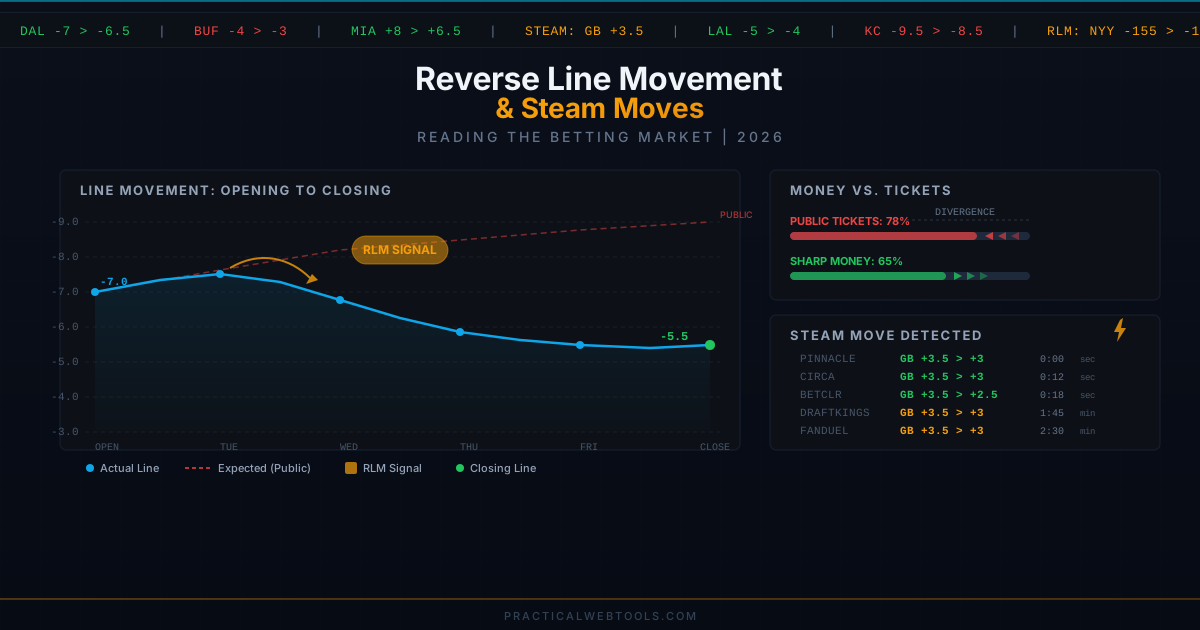
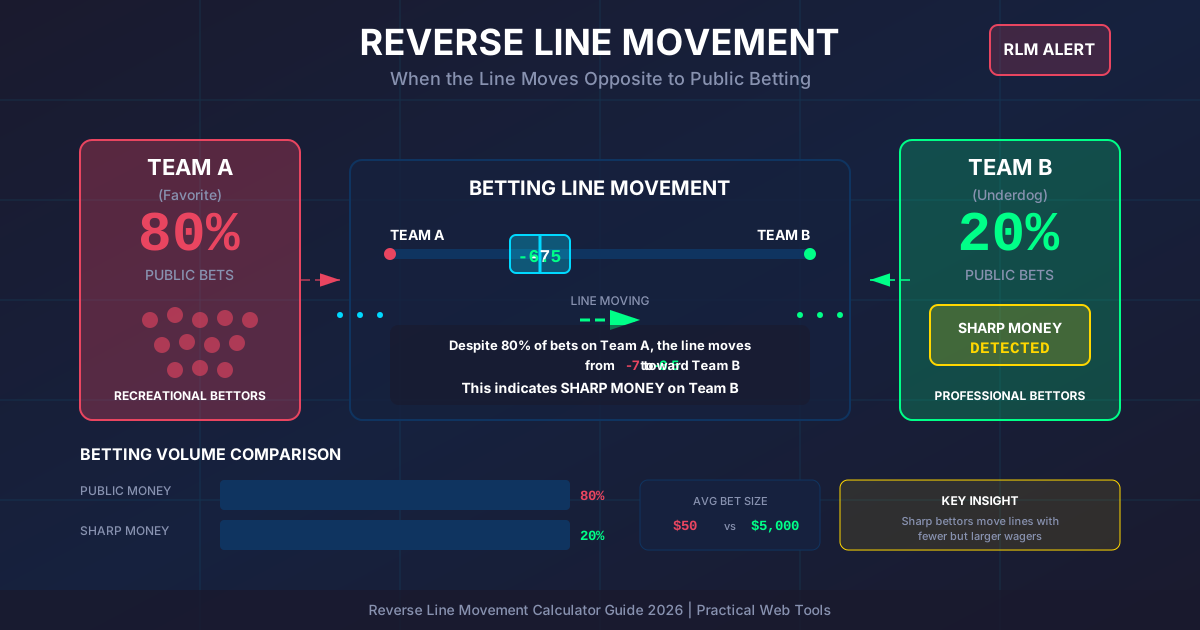
Reverse line movement (RLM) occurs when betting lines move opposite to public betting percentages. Our calculator helps identify potential sharp action—when professionals bet enough to move lines despite being outnumbered by recreational bettors.
What Is Reverse Line Movement?
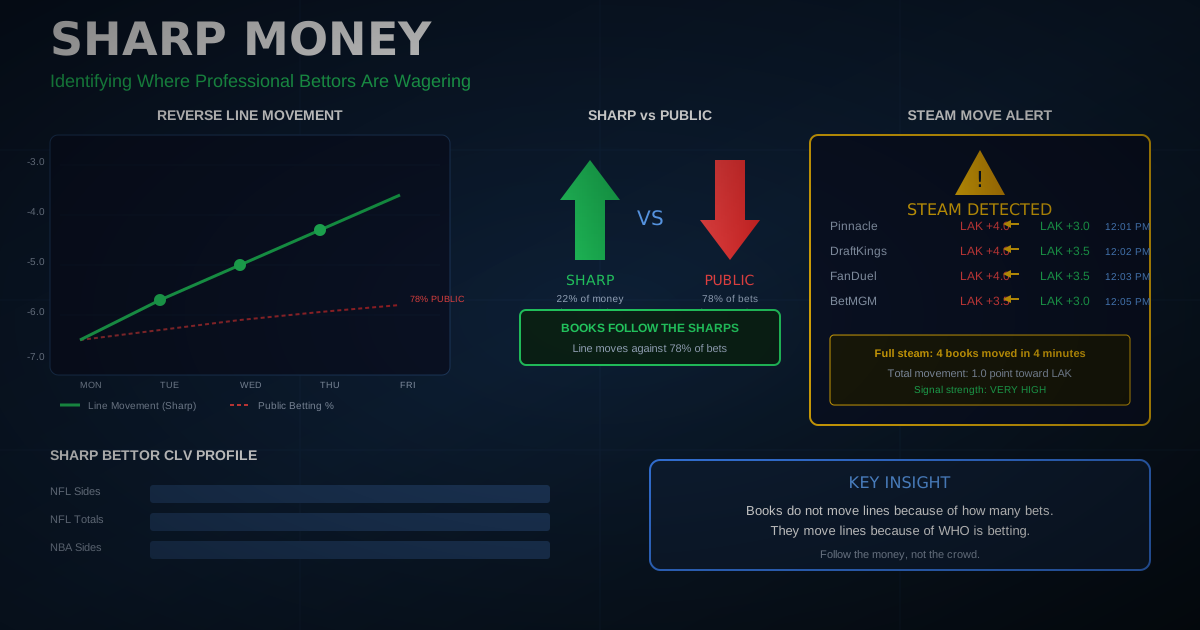
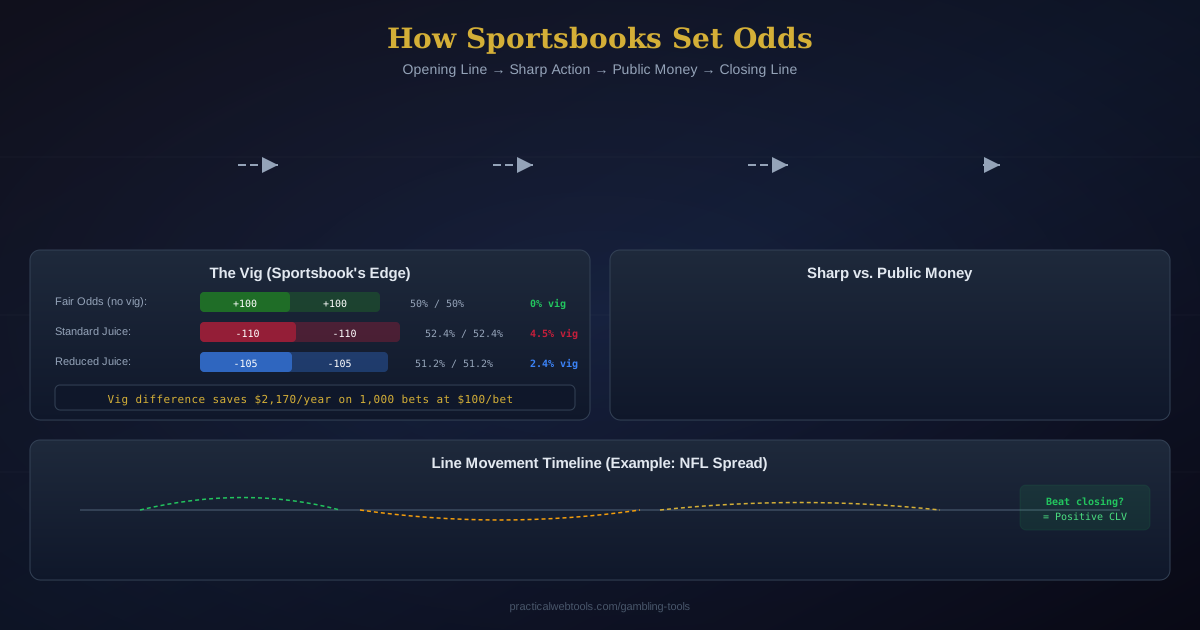
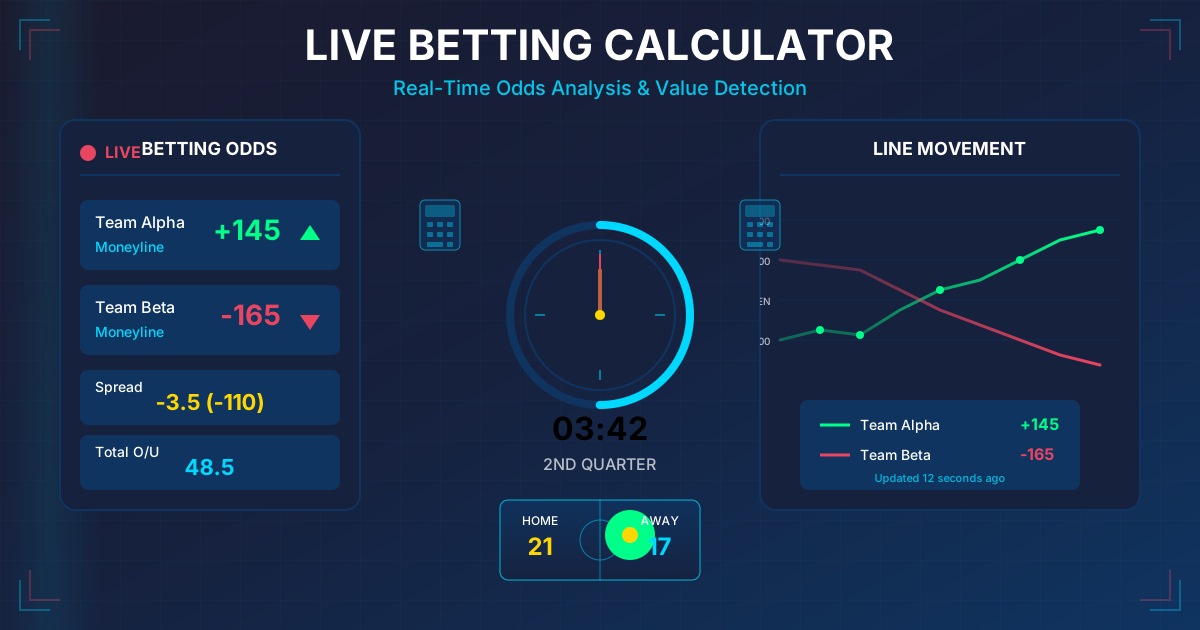
RLM happens when public money goes one way but the line moves the other direction. If 80% of bets are on the favorite at -7 but the line moves to -6.5, sharps likely bet the underdog. Books moved the line to balance liability against professional action.
Quick Answer: RLM = Line moves opposite to betting percentages. 80% on Team A, line moves against Team A = Sharp money on Team B. Why it matters: Sharps bet large amounts. Books respect sharp money. RLM often indicates informed betting. Following RLM isn't guaranteed profit but identifies professional positions.
How to Use Our Calculator
Enter line movement and betting percentages to identify potential sharp action.
Step-by-Step Instructions
-
Enter Opening Line: Original spread/total
-
Input Current Line: Where it's moved
-
Add Betting Percentage: Public split
-
Detect RLM: Calculator identifies
-
View Analysis: Sharp money indication
Input Fields Explained
| Field | Description | Example |
|---|---|---|
| Opening Line | Initial spread | -7 |
| Current Line | Now at | -6 |
| Public % | Bets on favorite | 78% |
| Line Direction | Movement way | Toward underdog |
| Public Direction | Money going | On favorite |
| RLM Detected | Match? | Yes |
| Sharp Indicator | Strength | Strong |
Understanding Line Movement
Normal Movement
Public heavily bets Team A
Line moves toward Team A
Example: 80% on -7, moves to -7.5

This is expected:
Books balance action
More bets = higher line
Nothing unusual
Reverse Movement
Public heavily bets Team A
Line moves toward Team B
Example: 80% on -7, moves to -6.5

This is RLM:
Sharps betting Team B
Fewer bets but larger amounts
Books respect sharp money more
Why Books Move Lines
Goal: Balanced action on both sides
Reality: Books respect sharp money

Sharp bettor bets $50,000 on underdog
100 recreational bettors bet $500 each on favorite

Sharp action: $50,000
Public action: $50,000

Books move toward sharp side
Because sharps are more accurate
Identifying Sharp Action
Strong RLM Signals
High confidence indicators:
- 70%+ on one side, line moves other way
- Movement of half-point or more
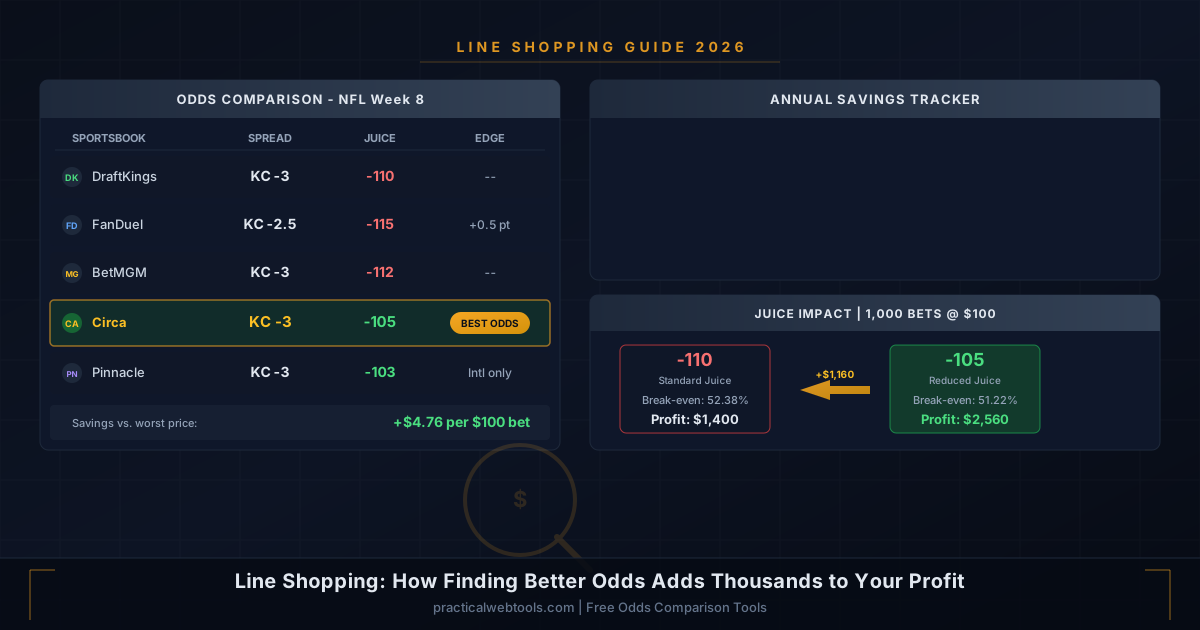
- Movement at "sharp" books (Pinnacle, Circa)
- Steam move (rapid line change)

Example of strong RLM:
Opening: Patriots -7
76% bets on Patriots
Closing: Patriots -6
→ Strong sharp indicator on opponent
Weak RLM Signals
Lower confidence indicators:
- 55-65% on one side (closer split)
- Tiny movement (tenths of a point)
- Only at one book
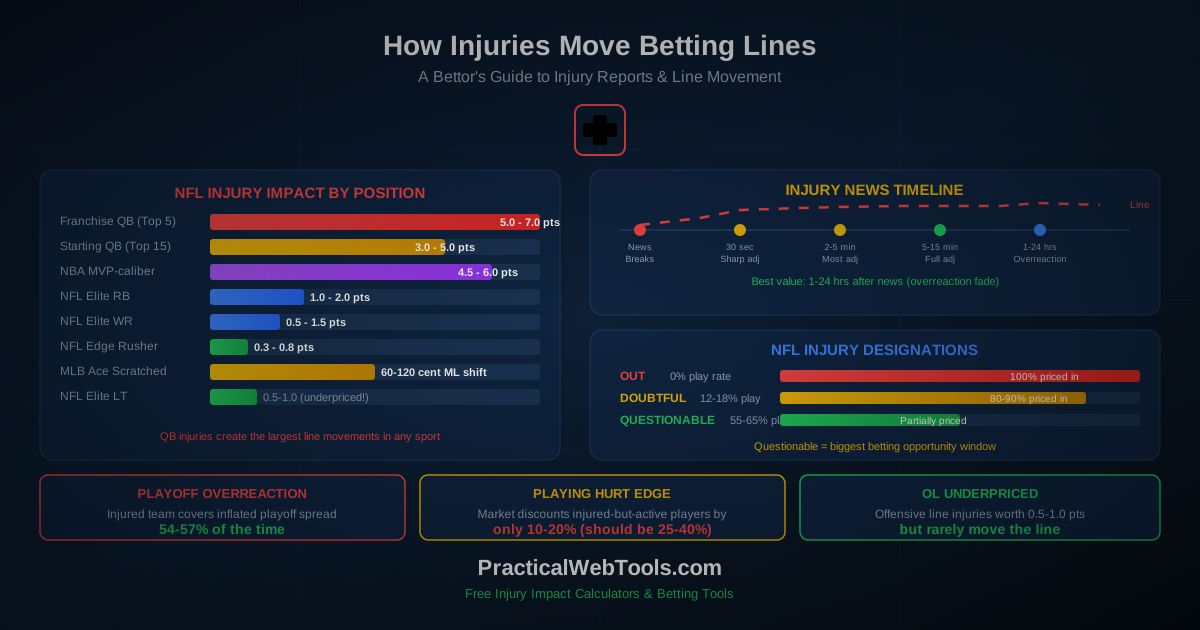
- Injury news explains movement

Not all movement is sharp action
Context matters
Sharp vs Public Money
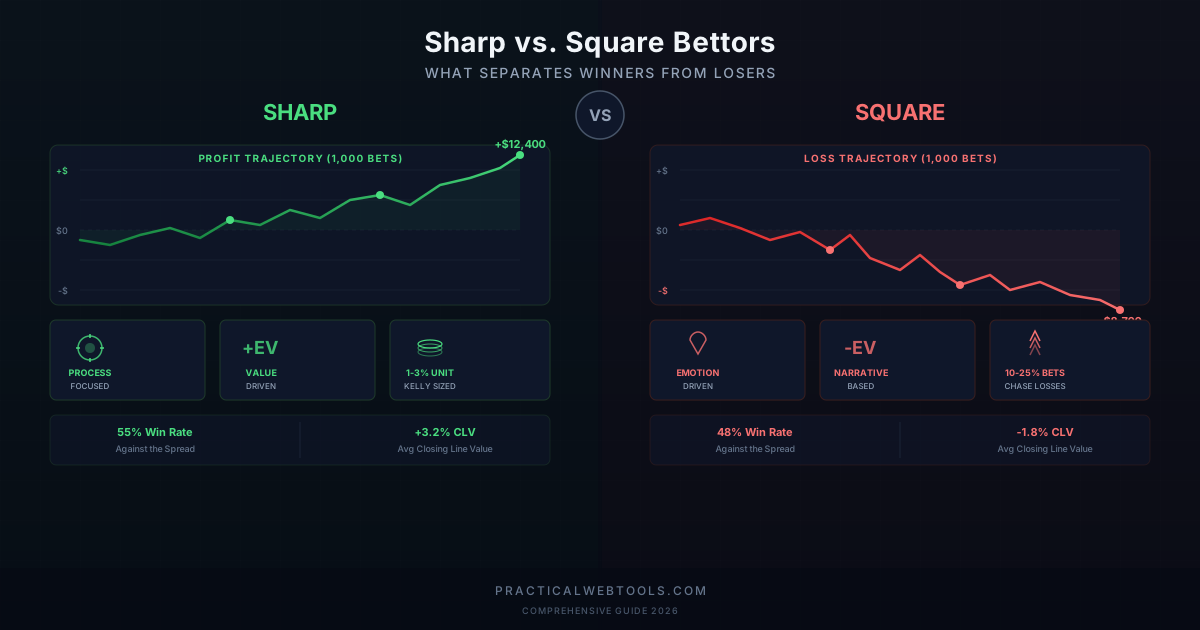
Characteristics of Sharps
Professional bettors:
- Bet large amounts
- Move lines with action
- Focus on specific edges
- Respected by bookmakers
- Limited at recreational books
Characteristics of Public
Recreational bettors:
- Bet smaller amounts
- Rarely move lines individually
- Favor favorites and overs
- Bet popular teams
- Not limited by books
Why Follow Sharps?
Sharp bettors:
- Win long-term
- Have information edge
- Do deeper analysis
- Exploit market inefficiencies

Following RLM:
Not copying blindly
But noting professional positions
Adding to your analysis
Real-World Examples
Example 1: NFL Game Sharp Action
Opening: Bengals -3.5 (-110) Public: 74% on Bengals
Line movement: Bengals -3 (-110)
Analysis:
RLM detected!
Public likes Bengals (74%)
Line moved against Bengals

Sharp money likely on opponent
Half-point move is significant
Worth investigating opponent value
Example 2: False RLM Signal
Opening: Lakers -6.5 (-110) Public: 68% on Lakers
Line movement: Lakers -5.5 (-110) News: LeBron questionable with injury
Analysis:
Looks like RLM...
But injury news explains movement
Not necessarily sharp action
Line adjusted for player status

Must filter out news-driven moves
Example 3: Steam Move
Opening: Over 48 (-110) Public: 55% on over 12:00 PM: Line at 48 12:05 PM: Line at 49 12:10 PM: Line at 49.5
Analysis:
Rapid movement (steam)
Not strongly against public (55/45)
But speed indicates sharp action

Syndicates hitting multiple books
Coordinated professional betting
Strong signal despite neutral public %
Example 4: Totals RLM
Opening: Over/Under 52.5 Public: 72% on over
Movement: 52.5 → 51.5
Analysis:
Public wants over
Line moved down (toward under)
Classic RLM pattern

Sharps betting under
Line dropped full point
Strong indication of sharp under play
Using RLM in Your Analysis
RLM as One Factor
Don't blindly follow RLM:
- It's one data point
- Sharps aren't always right
- Your analysis still matters

Use RLM to:
- Confirm your research
- Identify potential value
- Avoid betting against sharps
Combining with Other Data
Strong betting case:
1. Your analysis favors Team B
2. RLM indicates sharps on Team B
3. Line provides value on Team B

Weak betting case:
1. Your analysis favors Team A
2. RLM indicates sharps on Team B
3. Conflict—need more research
When to Bet Against RLM
Rare but sometimes valid:
- Clear information sharps may lack
- Local knowledge edge
- Injury info not yet public

Usually unwise:
- Going against sharp money
- Without strong reason
- Based only on feeling
Common Mistakes
1. Treating RLM as Guarantee
Mistake: "RLM = automatic bet" Problem: Sharps lose some bets too Fix: Use as one factor, not sole reason
2. Ignoring Context
Mistake: See movement, assume RLM Problem: News/injuries explain many moves Fix: Check for non-sharp explanations
3. Stale Information
Mistake: Act on old RLM Problem: Value may be gone Fix: Monitor in real-time
4. Wrong Percentage Sources
Mistake: Trust any betting % site Problem: Public % varies by source Fix: Use reliable data sources
Frequently Asked Questions
How reliable is RLM as an indicator?
Helpful but not perfect. RLM identifies where sharps likely bet but doesn't guarantee wins. Adds information to your analysis.
Can books manipulate RLM?
Possible but uncommon. Books adjust lines for risk management. Faking RLM would cost them money. Trust verified sources.
What percentage split indicates strong RLM?
70%+ on one side with opposite movement is strong. 60-70% with movement is moderate. 55-60% is weak signal.
Do sharps always cause line movement?
Not always. Sometimes injuries, weather, or public steam moves lines. Context helps determine cause.
Should I bet immediately when I spot RLM?
Not necessarily. Evaluate if value remains. Line may have already moved past value point. Check current odds.
Is RLM more important in certain sports?
NFL is most analyzed for RLM. MLB and NBA have sharp action too. Less data available for smaller sports.
Pro Tips
-
Context matters: Filter news-driven movement
-
Multiple sources: Verify betting percentages
-
Timing is key: RLM loses value once acted upon
-
Combine with analysis: Don't bet blindly
-
Track your results: Measure RLM betting performance
Related Calculators
- Implied Probability Calculator - Convert odds
- Expected Value Calculator - Bet EV
- Sports Middling Calculator - Line movement bets
- Kelly Criterion Calculator - Optimal sizing
- Closing Line Value Calculator - CLV analysis
Conclusion
Reverse line movement reveals where professional money is likely positioned—lines moving opposite to public betting percentages indicate sharp action. Our calculator identifies RLM patterns, helping you understand when to align with or investigate professional betting positions.
Calculate Reverse Line Movement Now →
Following sharp money isn't copying—it's gathering information. Our calculator surfaces RLM patterns, adding professional betting signals to your handicapping process. The sharps aren't always right, but knowing where they're betting is valuable intelligence.