Super Sevens Blackjack Calculator: 7-Focused Side Bet Analysis (2026)
Super Sevens Blackjack Calculator: Chasing the Triple Seven
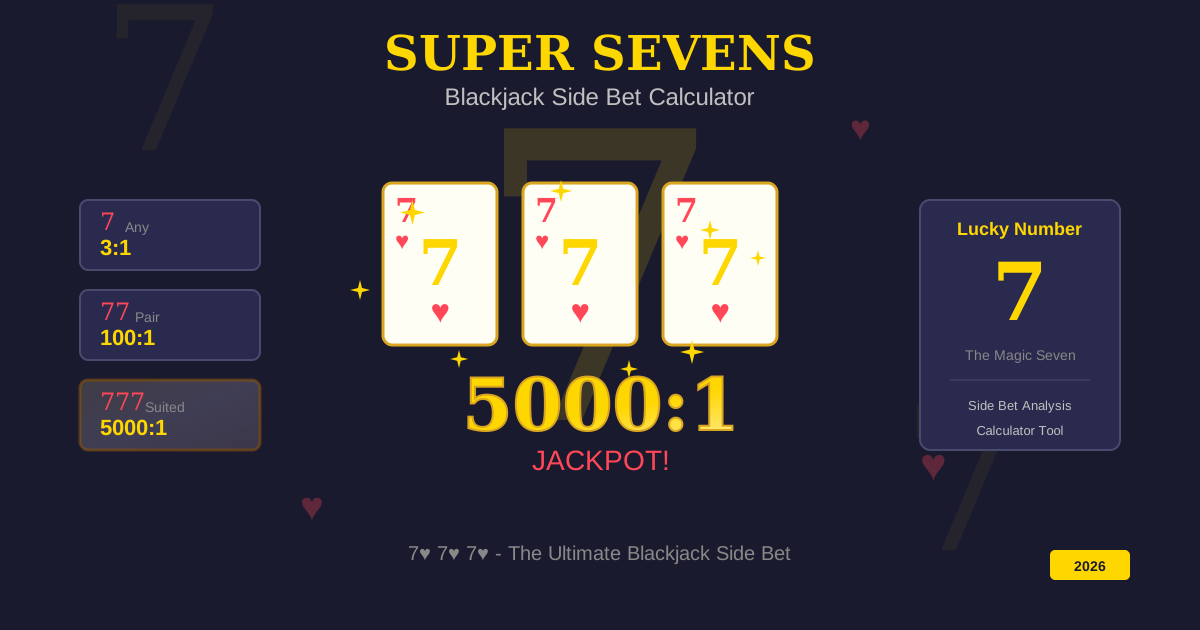
Super Sevens is a blackjack side bet where you win for getting 7s—one 7 pays, two 7s pay more, and three suited 7s can pay 5000:1. Our calculator reveals why this exciting bet carries one of the higher house edges among side bets.
What Is Super Sevens?
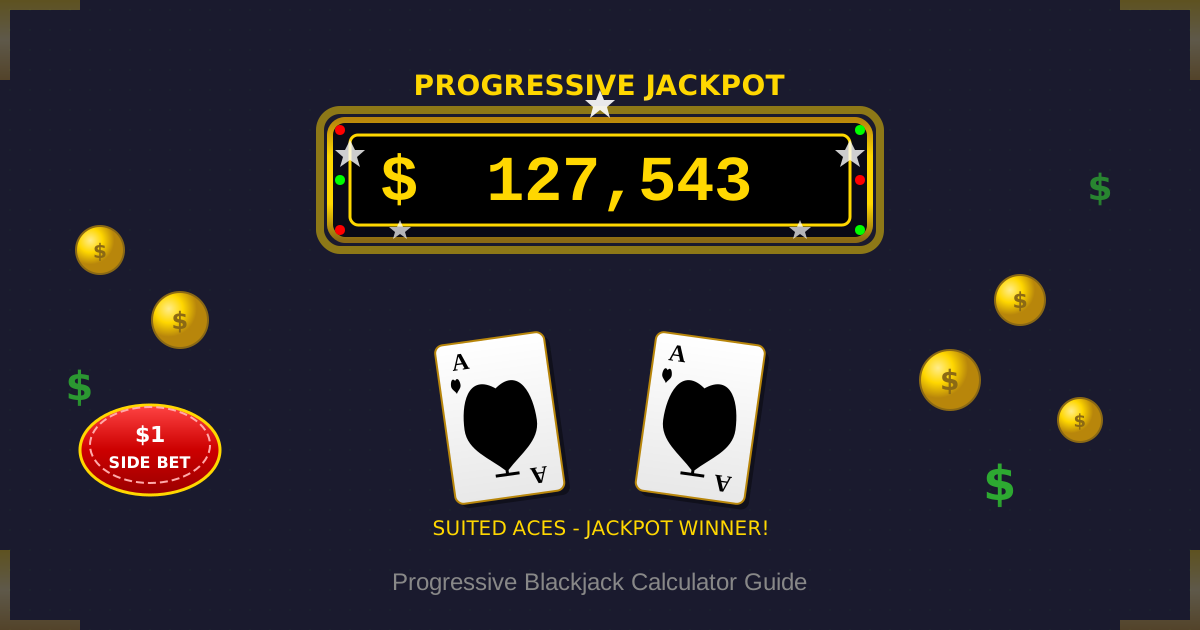
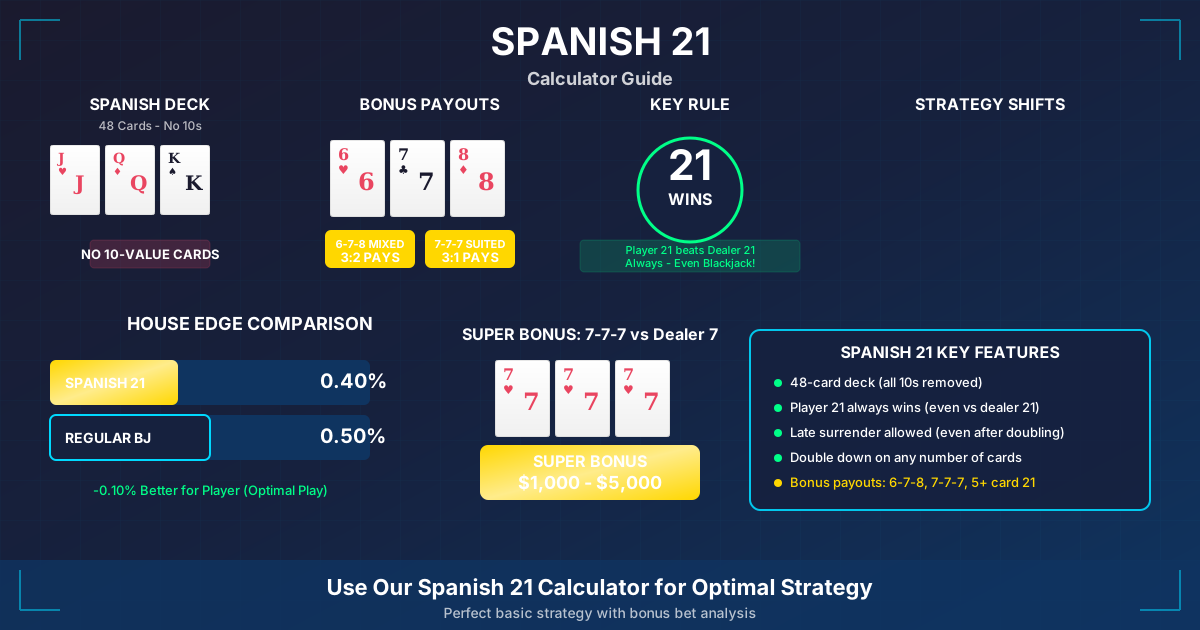
Super Sevens is a side bet where you win if your cards include 7s. The first 7 pays 3:1, two 7s pay more (especially suited), and if dealer's upcard is also a 7, three suited 7s pay the maximum—typically 5000:1.
Quick Answer: Super Sevens = bet on getting 7s. First 7: 3:1. Two unsuited 7s: 50:1. Two suited 7s: 100:1. Three unsuited 7s: 500:1. Three suited 7s: 5000:1. House edge: 11-12%. High variance. Jackpot extremely rare. Entertainment expense only.
How to Use Our Calculator
Use the Super Sevens Calculator →
Calculate the odds of each 7-based combination.
Step-by-Step Instructions
-
Enter Deck Count: Casino setup
-
Enter Pay Table: Your casino's structure
-
View 7 Probabilities: Each combination
-
Calculate House Edge: True cost
-
Understand Reality: Behind the payouts
Input Fields Explained
| Field | Description | Example |
|---|---|---|
| Decks Used | Shoe size | 6 decks |
| First 7 Probability | One seven | 14.1% |
| Two 7s Probability | Paired | 0.58% |
| Three 7s Probability | With dealer | 0.12% |
| Top Payout | Three suited | 5000:1 |
| House Edge | True cost | 11.4% |
Payout Structure
Standard Pay Table
Super Sevens payouts:

First card is 7: 3:1
Second card is 7 (unsuited): 50:1
Second card is 7 (suited): 100:1
Third card is 7 (unsuited): 500:1
Third card is 7 (suited): 5000:1

Third card = dealer's upcard
Builds progressively
Progressive Variants
Some casinos offer progressive:

Three suited 7s = Progressive jackpot
Often $10,000+
Jackpot resets after hit

Same terrible odds
Just bigger potential prize
How It Works
Step-by-Step Building
The Super Sevens sequence:

1. First card dealt
   - Is it 7? → 3:1 win
   - Not 7? → Bet continues

2. Second card dealt
   - Two 7s unsuited? → 50:1
   - Two 7s suited? → 100:1
   - Just one 7? → 3:1 only
   - No 7s? → Lose bet

3. Dealer's upcard
   - Three 7s unsuited? → 500:1
   - Three 7s suited? → 5000:1
   - Less than three 7s? → Pay for what you have
Important Rules
Key mechanics:

Second 7 must follow first 7
Not about any two 7s
Sequential building required

Dealer's card is "third"
Creates the jackpot potential
Three-card combination
Probability Analysis
Getting the First 7
First card is 7:

6-deck shoe:
24 sevens / 312 cards = 7.7%

After first position:
Slightly different odds
~14.1% for any 7 in first two cards
Getting Two 7s
Both cards are 7s:

Two unsuited 7s: ~0.48%
Two suited 7s: ~0.10%
Total paired 7s: ~0.58%

Much rarer
Big jump in difficulty
The Triple Seven
Three 7s (including dealer):

Three unsuited: ~0.09%
Three suited: ~0.023%

Extremely rare!
5000:1 payout seems fair
But occurs too rarely
House Edge Analysis
Typical Edge
Standard Super Sevens:

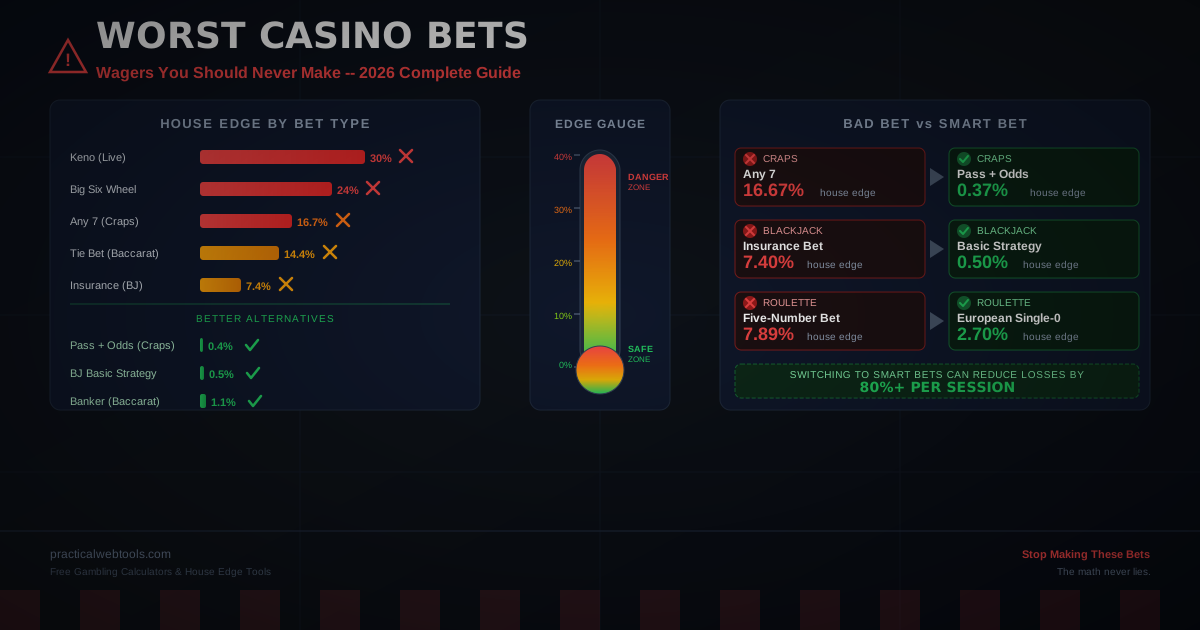
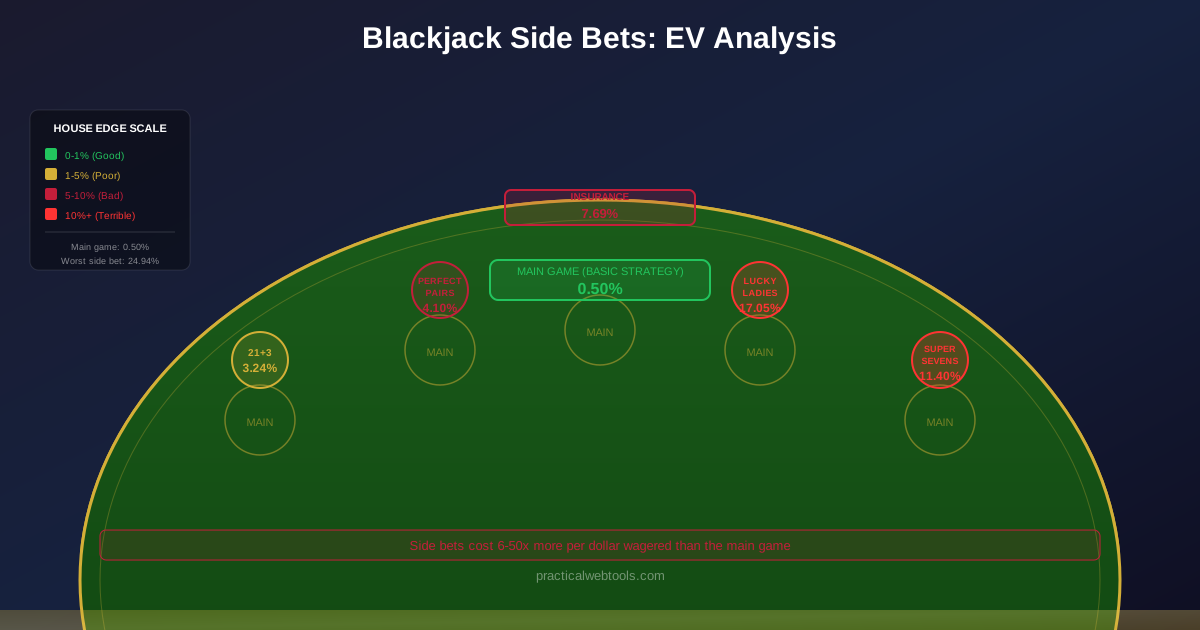
House edge: 11.4%

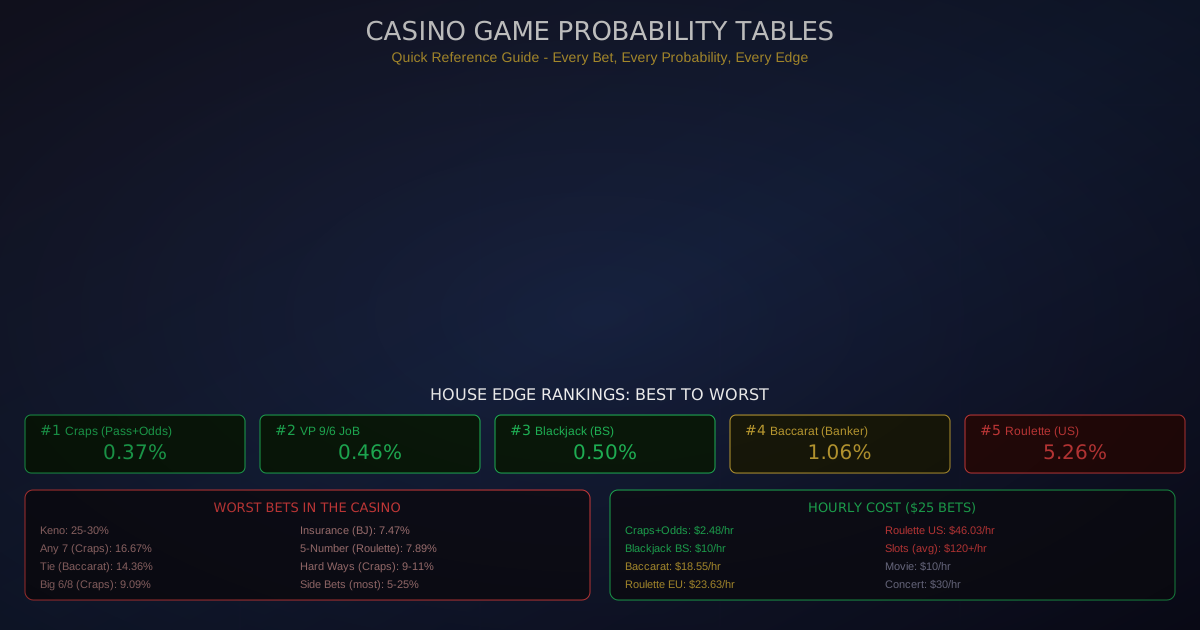
Compare to:
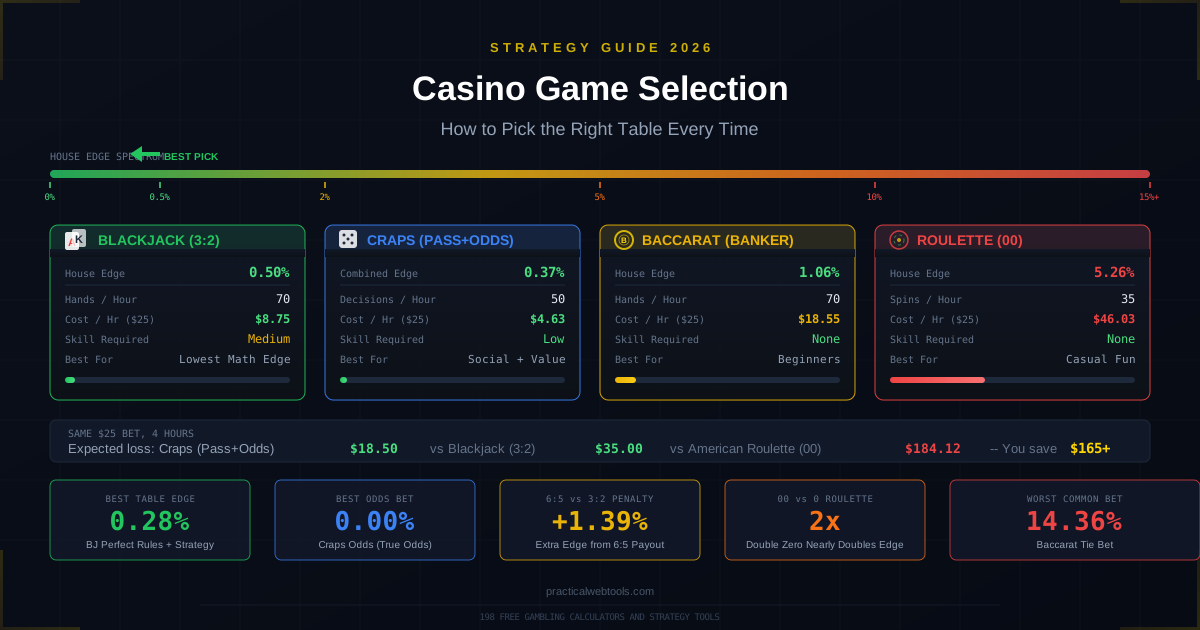
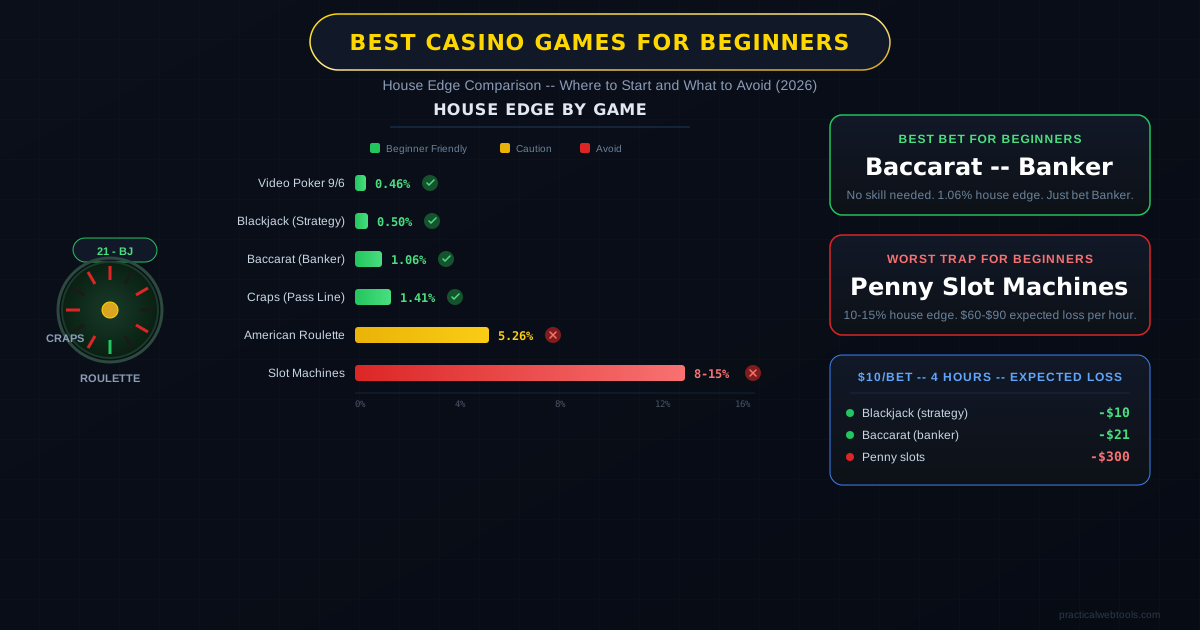
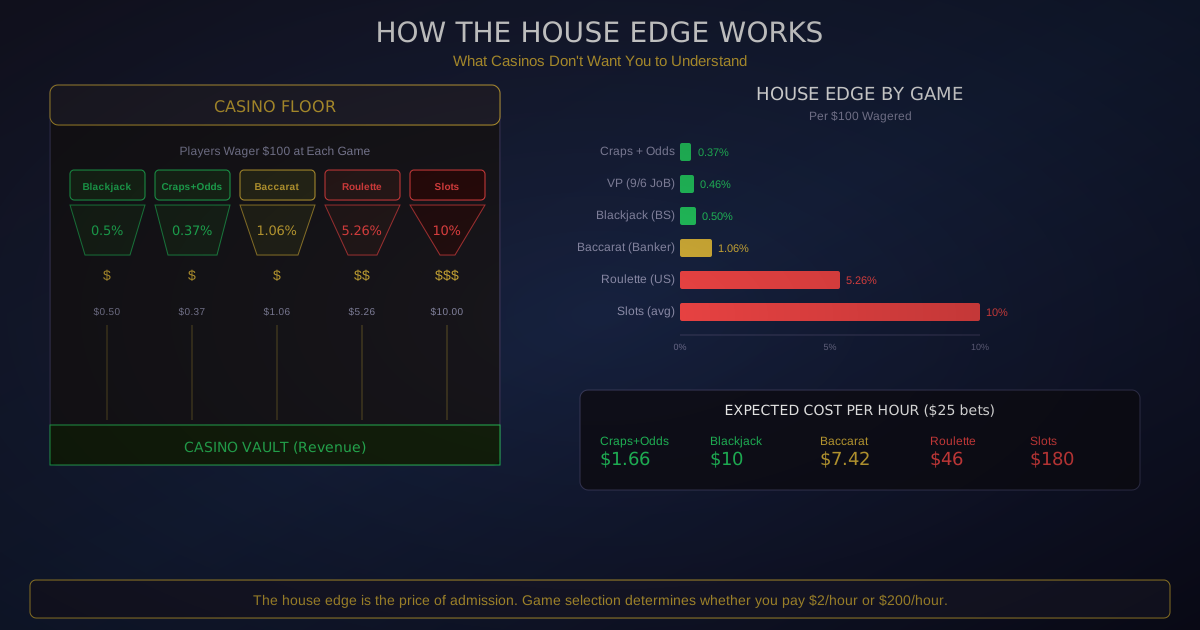
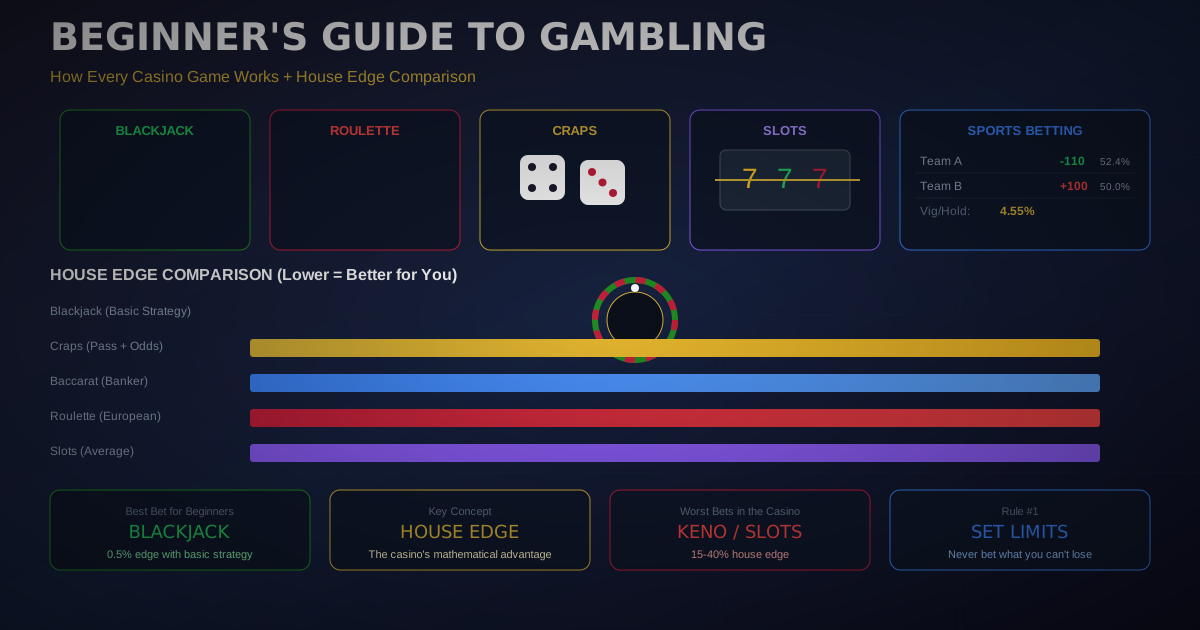
Blackjack: 0.5%
Perfect Pairs: 2-4%
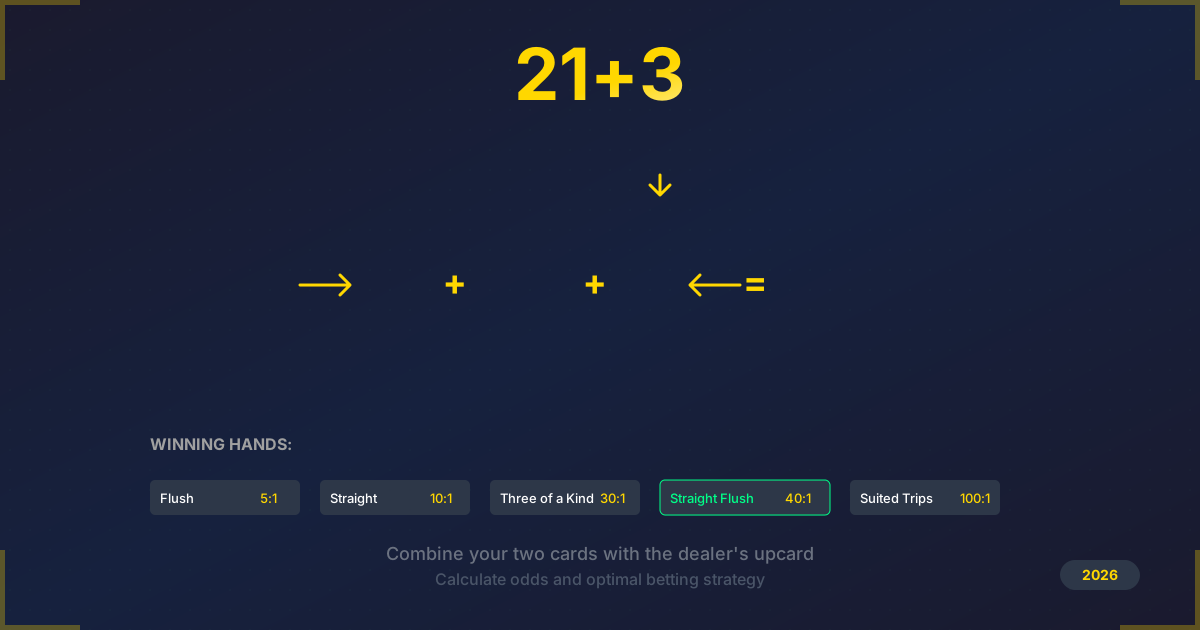
21+3: 3-8%
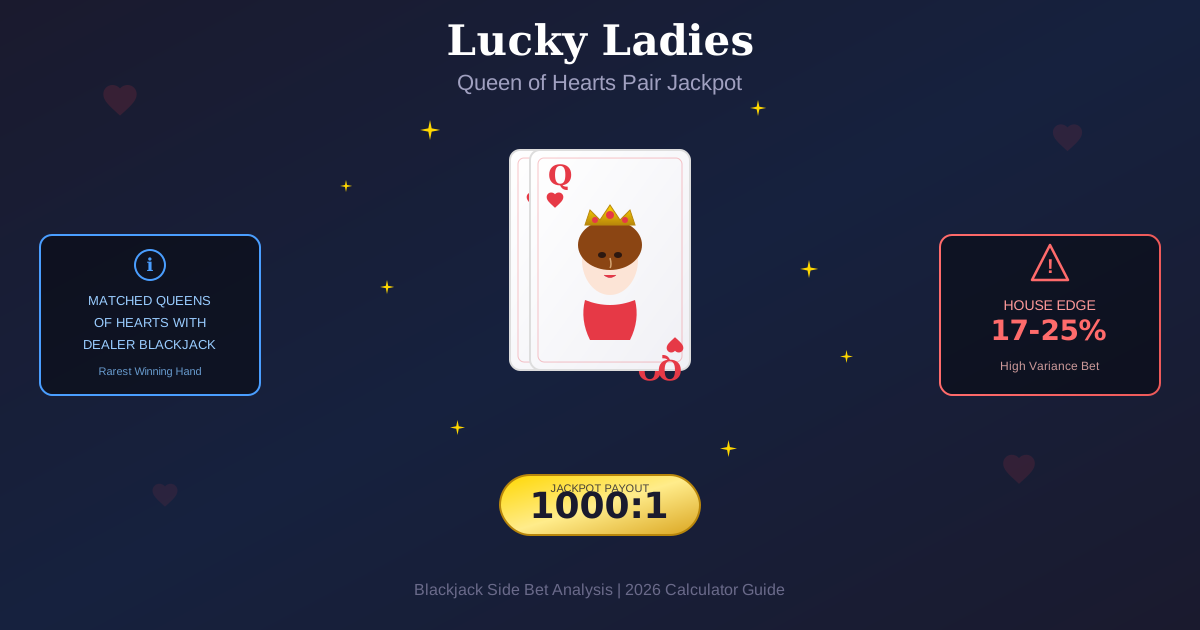
Lucky Ladies: 17-25%

High edge category
Not the worst, but bad
Why Edge Is High
Edge mechanism:

Lower payouts on common outcomes
3:1 for first 7 (most wins)
Jackpot probability too low
Doesn't offset small wins

Net result: ~11% edge
House keeps significant portion
Real-World Examples
Example 1: Single 7
Most common win:
Side bet: $5
Your first card: 7♠
Your second card: K♦

Result: ONE 7

Payout: $5 × 3 = $15

~7.7% of first cards
Most frequent outcome
Example 2: Two Suited 7s
Solid hit:
Side bet: $5
Your first card: 7♥
Your second card: 7♥

Result: TWO SUITED 7s!

Payout: $5 × 100 = $500

~0.10% of hands
Great when hit
Example 3: Jackpot Dream
Maximum payout:
Side bet: $5
Your first card: 7♦
Your second card: 7♦
Dealer upcard: 7♦

Result: THREE SUITED 7s!!!

Payout: $5 × 5000 = $25,000

~0.023% of hands
1 in 4,300 approximately
Lifetime experience
Example 4: No Seven
Typical result:
Side bet: $5
Your first card: J♣
Your second card: 9♠

Result: NO 7

Lose: $5

~85% of hands
Expected outcome
Comparison to Other Side Bets
Edge Ranking
House edge comparison:

Perfect Pairs: 2-4%
21+3: 3-8%
Match the Dealer: 3-4%
Super Sevens: 11-12%
Lucky Ladies: 17-25%

Super Sevens = high edge
Better than Lucky Ladies
Worse than most others
Variance Comparison
Volatility levels:

Super Sevens: Very high
(Jackpot potential, many losses)

Perfect Pairs: Medium
21+3: Medium
Lucky Ladies: Extreme

High variance bet
Boom or bust pattern
Strategy Considerations
No Strategy Possible
Pure luck bet:

Can't influence which cards
Random 7s or not
No skill element

Only decision: bet or not
Entertainment expense
Bankroll Impact
Super Sevens effect:

Main bet: $25
Side bet: $5
100 hands

Main game loss: ~$12.50
Side bet loss: ~$57.00

Side bet = 5× more losses!
Consider carefully
Common Mistakes
1. Chasing the Jackpot
Mistake: Playing for 5000:1 Problem: 1 in 4,300+ odds Fix: Accept as unlikely bonus
2. Large Side Bets
Mistake: $10-25 per hand Problem: 11% edge compounds fast Fix: Tiny bets only ($1-2)
3. Regular Betting
Mistake: Every hand for hours Problem: Expected loss adds up Fix: Occasional fun only
4. Expecting Wins
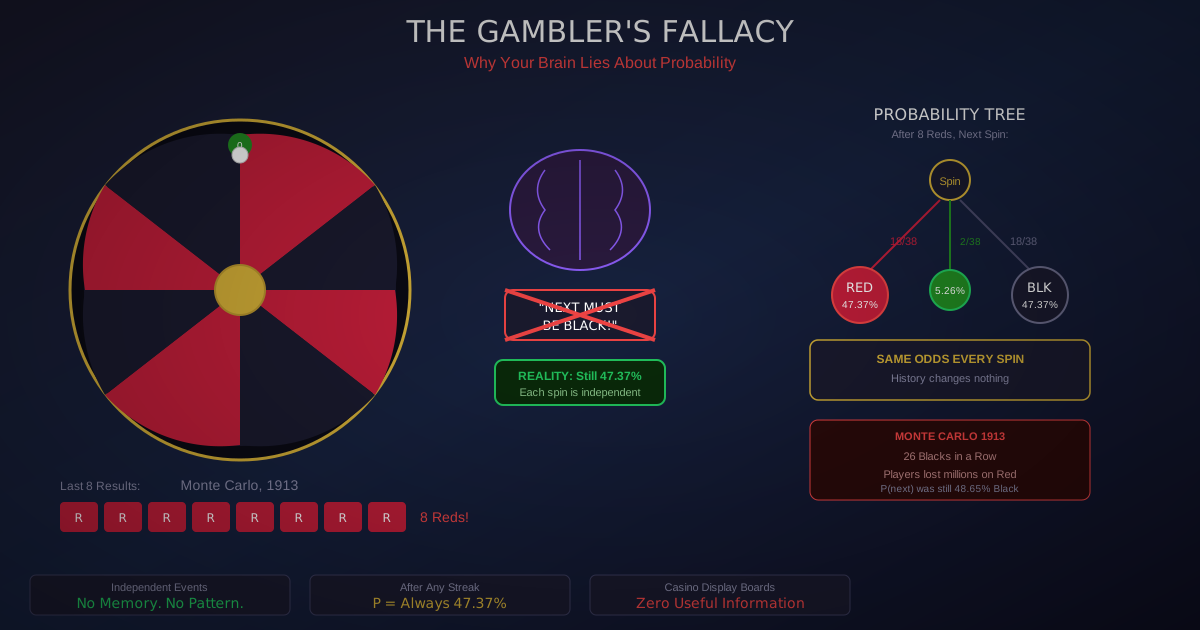
Mistake: Feeling "due" for 7s Problem: Each hand independent Fix: Understand probability
Frequently Asked Questions
How often will I get a 7?
First card 7 happens ~7.7% of hands. Any 7 in first two cards ~14%. Paired 7s only ~0.6%.
Is the 5000:1 payout fair?
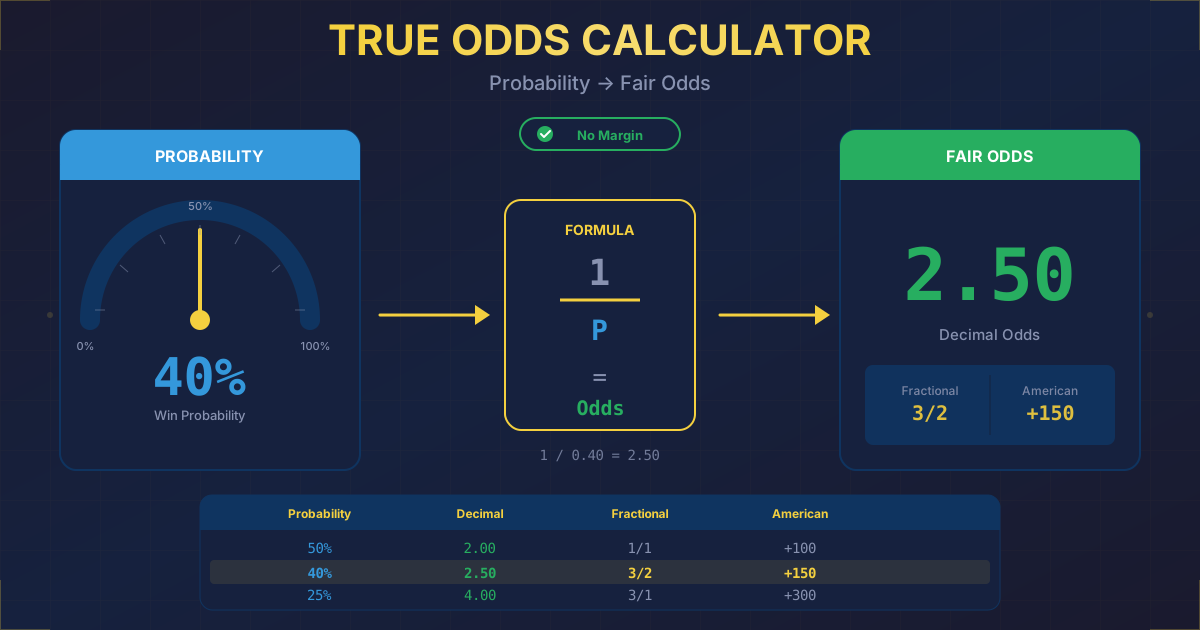
No. True odds are approximately 1 in 4,300 for three suited 7s. Fair payout would be ~4300:1. House profits on the gap.
Which Super Sevens win is most common?
Single 7 paying 3:1. This makes up most of your wins but doesn't offset all the losses.
Should I play Super Sevens?
Only if: entertainment budget, tiny bets, accept likely losses. Not for serious gambling.
Does deck count matter?
Slightly. More decks = marginally more 7s possible. Effect is minimal compared to pay table.
Is Super Sevens better than Lucky Ladies?
Yes. 11% edge beats 17-25%. But both are poor bets mathematically.
Pro Tips
-
11% edge is high: Worse than most side bets
-
Jackpot is rare: 1 in 4,300+ hands
-
First 7 is common: ~8% of hands
-
Tiny bets only: $1-2 maximum
-
Entertainment expense: Budget accordingly
Related Calculators
- Blackjack Odds Calculator - Main game
- Perfect Pairs Calculator - Better edge
- 21+3 Calculator - Better edge
- House Edge Calculator - Compare games
- Expected Value Calculator - Bet analysis
Conclusion
Super Sevens offers jackpot excitement with three suited 7s paying 5000:1—but the 11.4% house edge and microscopic jackpot odds make it a costly entertainment bet. Our calculator reveals why the 3:1 payout for a single 7 dominates your wins while still leaving you losing overall.
Calculate Super Sevens Odds Now →
That dream of 7♦-7♦-7♦ paying $25,000 on a $5 bet happens about once in 4,300 hands. Our calculator shows why Super Sevens is pure entertainment with an 11%+ house edge.