Tens or Better Poker Calculator: Lower Threshold Strategy (2026)
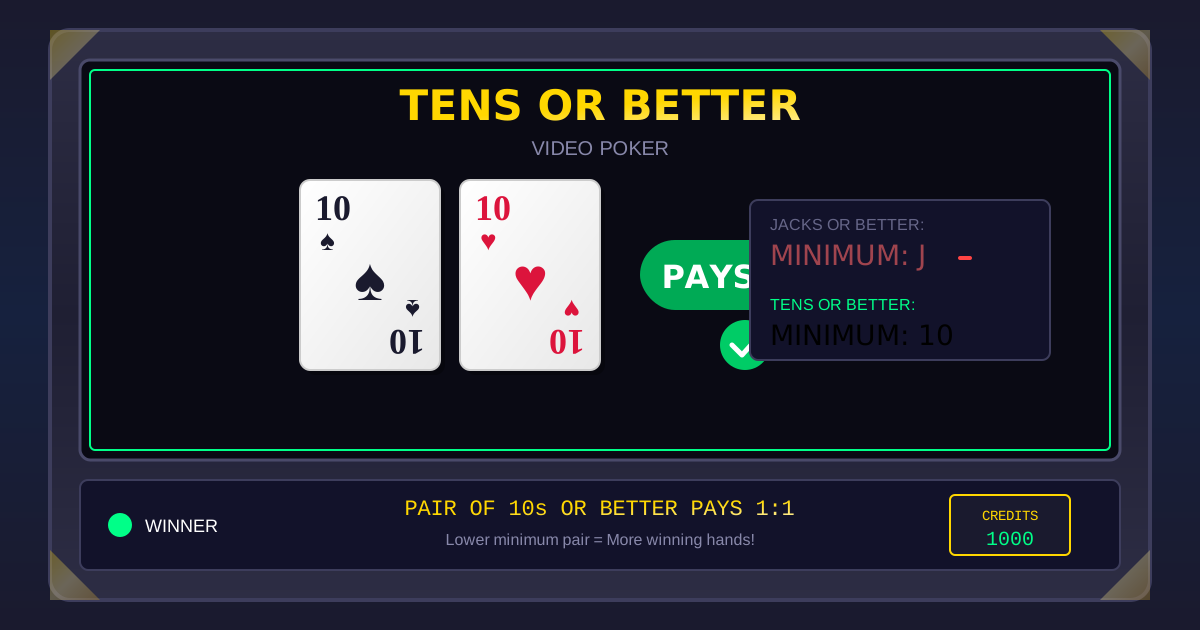
Tens or Better Poker Calculator: When Tens Start Paying
Tens or Better lowers the minimum paying pair from jacks to tens—making wins more frequent but reducing higher hand payouts. Our calculator shows how this threshold change affects strategy and whether the trade-off benefits your playing style.
What Is Tens or Better?
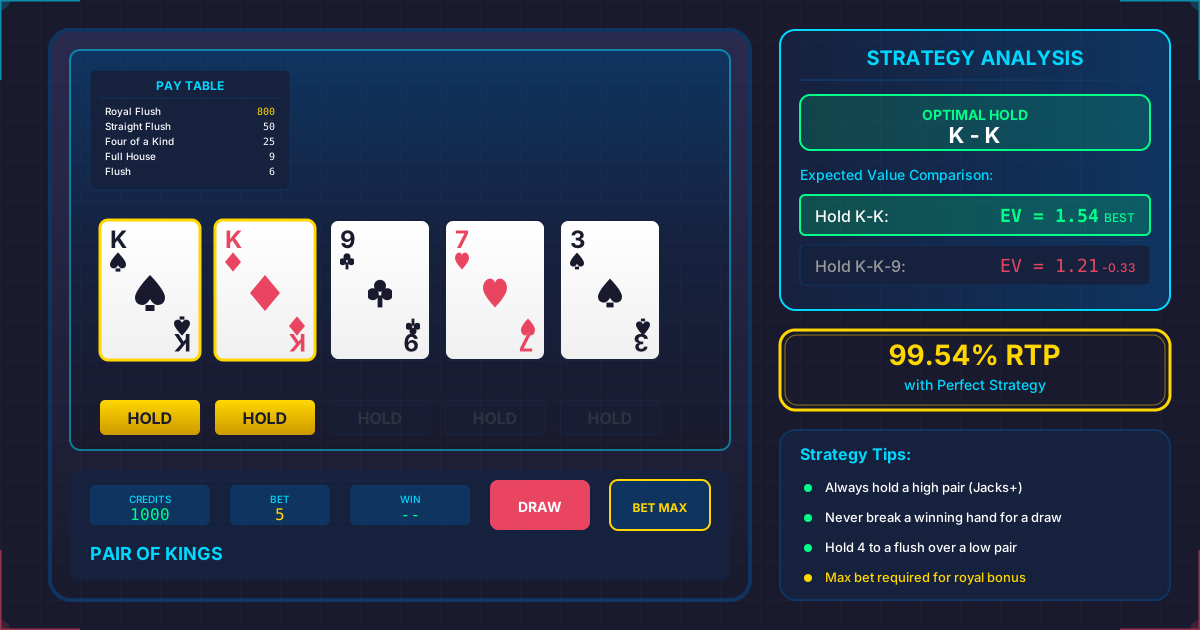
Tens or Better is a video poker variant where the minimum paying hand is a pair of tens instead of jacks. To compensate for more frequent wins, the pay table reduces payouts for flushes, full houses, and other premium hands. It's designed for players who prefer steadier, smaller wins.
Quick Answer: Tens or Better = pair of 10s or higher pays. More frequent wins than JoB. Lower premium payouts to compensate. Full pay: ~99.14% return. Win rate: ~49% of hands. Strategy: 10s are now valuable high cards. More pairs win, lower variance. Good for conservative players.
How to Use Our Calculator
Use the Tens or Better Calculator →
Calculate optimal holds with lower threshold.
Step-by-Step Instructions
-
Enter Your Hand: Five cards dealt
-
Identify Ten+ Cards: 10, J, Q, K, A
-
View Optimal Hold: Best cards to keep
-
Check Pair Potential: 10+ pair odds
-
Calculate EV: Expected return
Input Fields Explained
| Field | Description | Example |
|---|---|---|
| Your Hand | Five cards | 10♠ 10♦ 7♣ 5♥ 2♠ |
| Paying Pair? | 10s or higher | Yes |
| Current Hand | Made hand | Pair 10s |
| Optimal Hold | Best keep | 10♠ 10♦ |
| Win Rate | Hit frequency | 49% |
| Return Rate | Machine RTP | 99.14% |
Pay Table Comparison
Full Pay Tens or Better
Hand              | Coins (5-coin max)
------------------|-------------------
Royal Flush       | 4000 (800:1)
Straight Flush    | 50 (10:1)
Four of a Kind    | 25 (5:1)
Full House        | 30 (6:1)
Flush             | 20 (4:1)
Straight          | 20 (4:1)
Three of a Kind   | 15 (3:1)
Two Pair          | 10 (2:1)
Tens or Better    | 5 (1:1)

Return: 99.14%
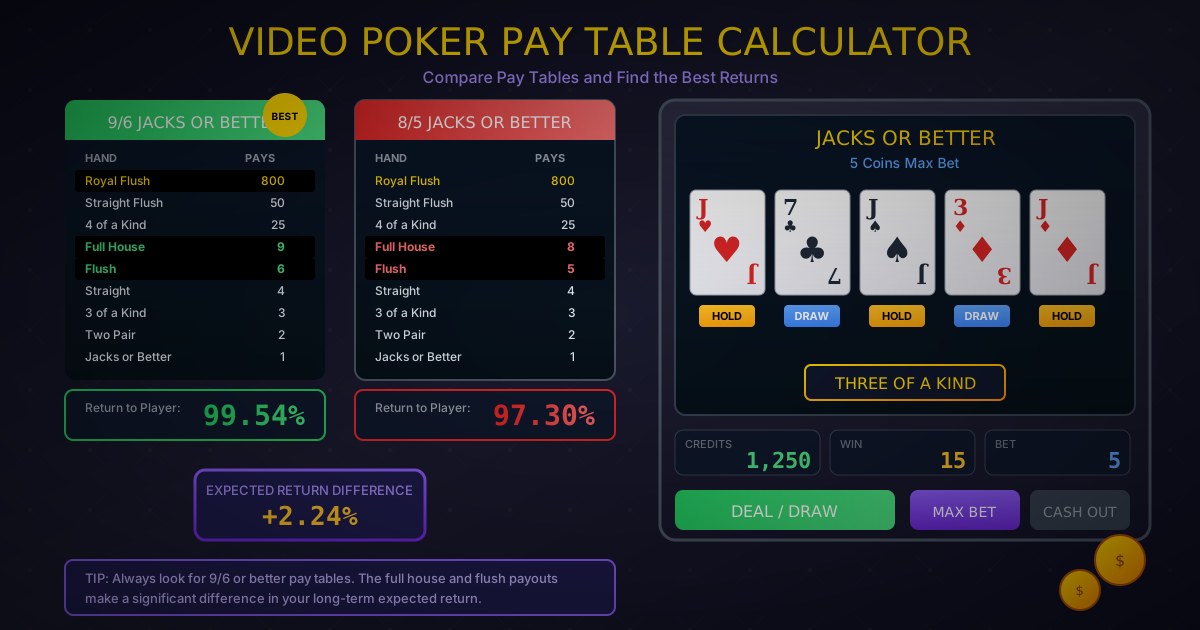
vs Jacks or Better (9/6)
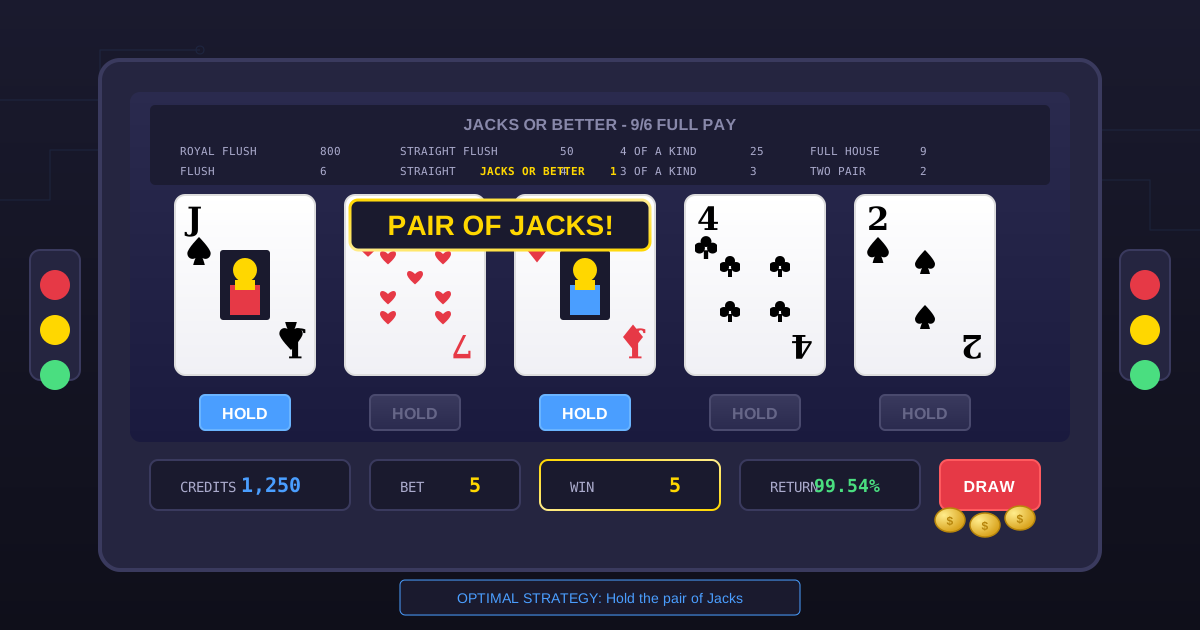
Hand              | ToB  | JoB
------------------|------|------
Royal Flush       | 800  | 800
Straight Flush    | 50   | 50
Four of a Kind    | 25   | 25
Full House        | 30   | 45
Flush             | 20   | 30
Straight          | 20   | 20
Three of a Kind   | 15   | 15
Two Pair          | 10   | 10
Pair              | 5    | 5

Key differences:
- Full house: 6:1 vs 9:1
- Flush: 4:1 vs 6:1
- Threshold: 10+ vs J+
Win Frequency Comparison
How often you win:

Tens or Better: ~49%
Jacks or Better: ~45%

4% more winning hands
But smaller average win
Trade-off for consistency
Strategy Changes
Tens Are Now Premium
High card priority shift:

Jacks or Better:
A > K > Q > J (valuable)
10 and below (not valuable)

Tens or Better:
A > K > Q > J > 10 (all valuable!)
9 and below (not valuable)

Hold 10s like you'd hold Jacks
Pair Hold Priority
Pair values in ToB:

AA > KK > QQ > JJ > 1010 (all pay)
99 < 88 < 77... (don't pay)

vs JoB:
1010 = dead pair in JoB
1010 = paying hand in ToB

Strategy shift on 10s
High Card Decisions
Single high cards:

Hold any 10+ card
When no better options

Example:
10♠ 7♣ 5♦ 3♥ 2♠

JoB: Hold nothing (no J+)
ToB: Hold 10♠

Single 10 has value
Can pair for payout
Real-World Examples
Example 1: Pair of Tens
Now a paying hand:
Hand: 10♠ 10♦ 7♣ 5♥ 2♠

Jacks or Better:
This is NOTHING
No payout, just a draw

Tens or Better:
This PAYS 1:1
5 coins on 5-coin bet

Hold: 10♠ 10♦
Already winning!
Example 2: Single Ten vs Nothing
Keep the 10:
Hand: 10♠ 8♣ 6♦ 4♥ 2♠

Jacks or Better:
No high cards
Draw 5 new cards

Tens or Better:
10 is a high card!
Keep 10♠, draw 4

10 can pair for payout
Worth holding
Example 3: Flush Draw vs Ten Pair
Made hand often wins:
Hand: 10♠ 10♦ 8♠ 6♠ 3♠

Option 1: Hold 10s (paying hand)
Option 2: Hold 4-flush draw

ToB calculation:
10s: Guaranteed 5 coins + improvement
Flush: 20 coins × ~20% = 4 EV

Hold 10s: Slightly better
Already winning matters
Example 4: Multiple High Cards
Ten joins the party:
Hand: A♠ K♦ 10♣ 7♥ 3♠

Jacks or Better:
Hold: A♠ K♦ (two high cards)

Tens or Better:
Hold: A♠ K♦ 10♣ (three high cards!)

10 is now worth keeping
More pair potential
Variance Analysis
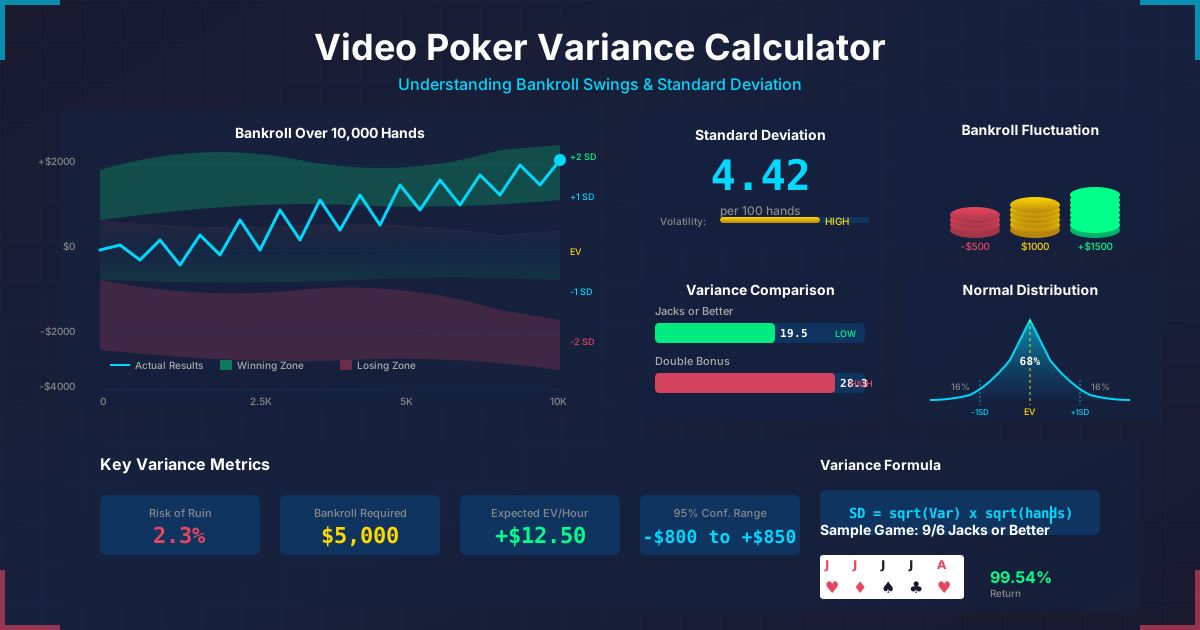
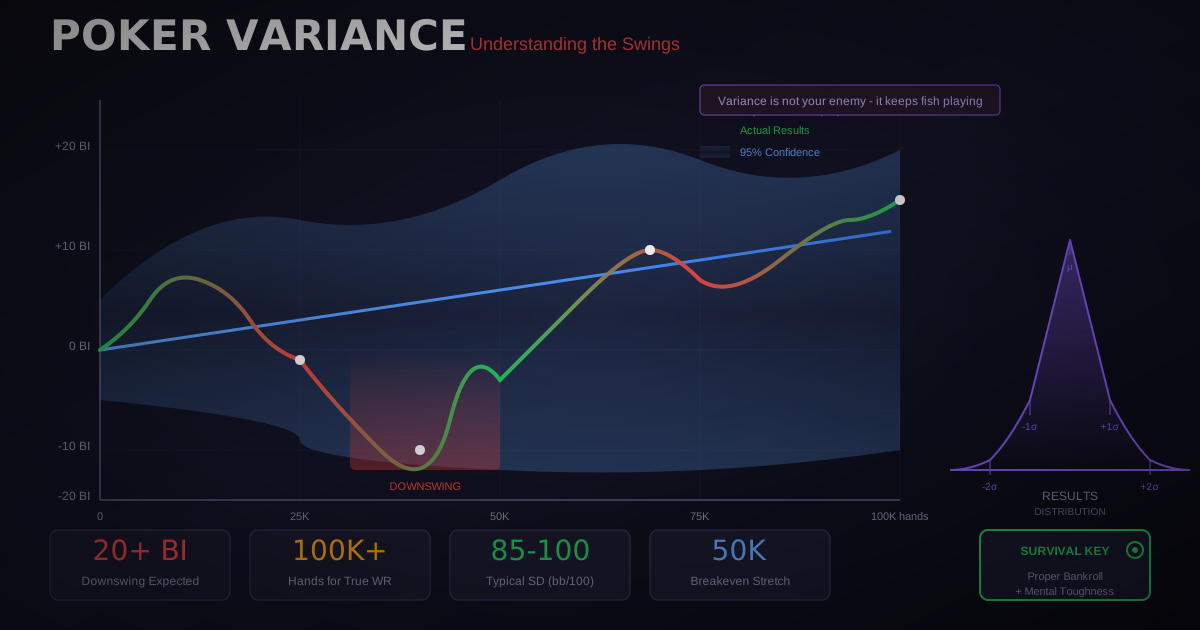
Lower Variance Game
Volatility comparison:

Tens or Better: Low
Jacks or Better: Low-Medium
Bonus Poker: Medium
Double Double Bonus: High

ToB is steadier:
More frequent wins
Smaller swings
Longer play time
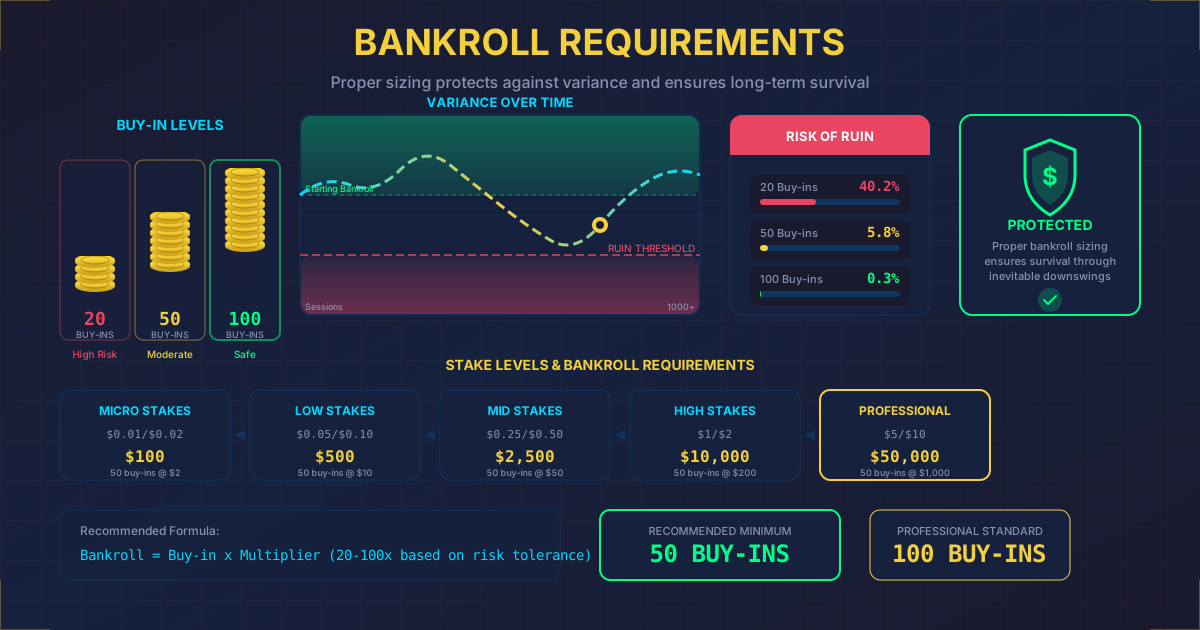
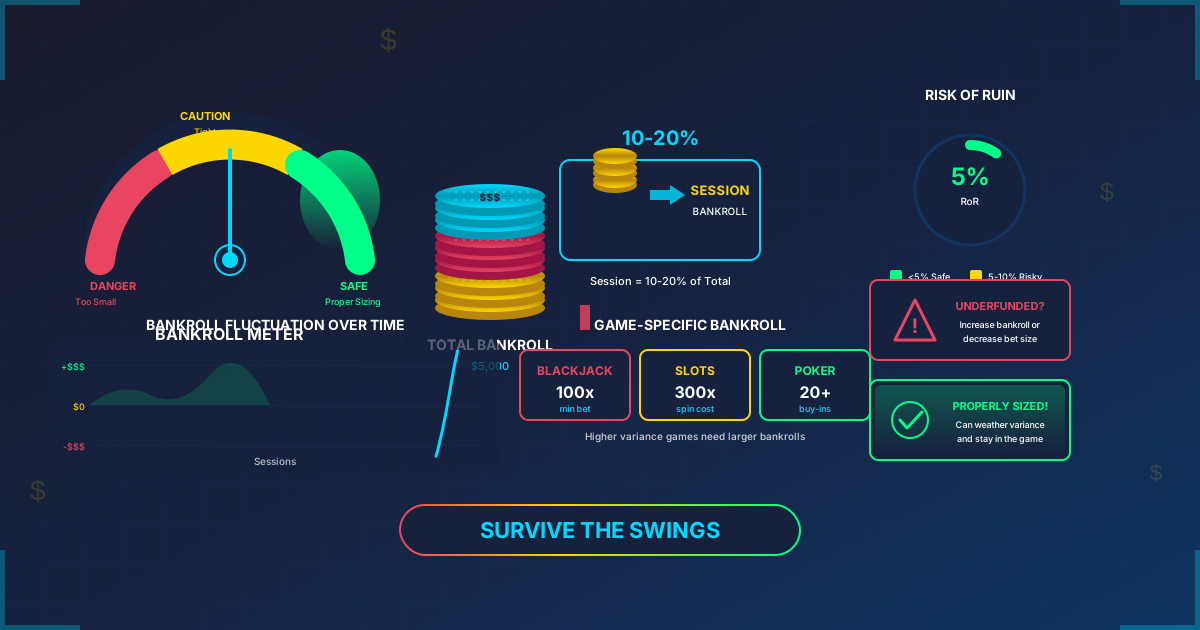
Bankroll Requirements
Session recommendations:

Tens or Better:
15-25× max bet

$1 machines:
$75-125 session roll

Lower than most VP:
Frequent wins reduce variance
More forgiving
Win Rate Analysis
Winning hands:

~49% of hands win something
vs ~45% in JoB

You feel "luckier"
Same actual return
But more winning experiences
Who Should Play?
Good Fit For:
Conservative players:
Prefer frequent small wins
Don't like long losing streaks
Enjoy "almost breaking even" feel

Casual players:
Simpler strategy (10+ = good)
More intuitive
Less memorization
Not Ideal For:
Advantage players:
Lower return than 9/6 JoB
Less edge to exploit

Jackpot hunters:
Reduced premium payouts
Smaller big wins
Finding Pay Tables
What to Look For
Best Tens or Better:

6/4 pay table:
Full house 6:1
Flush 4:1
Return: 99.14%

5/4 pay table:
Full house 5:1
Flush 4:1
Return: 97.96%
Avoid Poor Tables
Red flags:

Full house < 6:1
Flush < 4:1
Return under 97%

Each reduction costs:
~1% return
Adds up quickly
Common Mistakes
1. Forgetting 10s Are Premium
Mistake: Discarding lone 10s Problem: 10s can pair for payout Fix: Hold 10+ cards
2. Using JoB Strategy Exactly
Mistake: Treating 10s like 9s Problem: 10s have more value here Fix: Adjust high card priority
3. Expecting Higher Payouts
Mistake: Flush should pay 6:1 Problem: ToB pays 4:1 for flush Fix: Know the pay table
4. Overvaluing Win Rate
Mistake: "I win more often!" Problem: Average win is smaller Fix: Understand total return
Frequently Asked Questions
Is Tens or Better better than Jacks or Better?
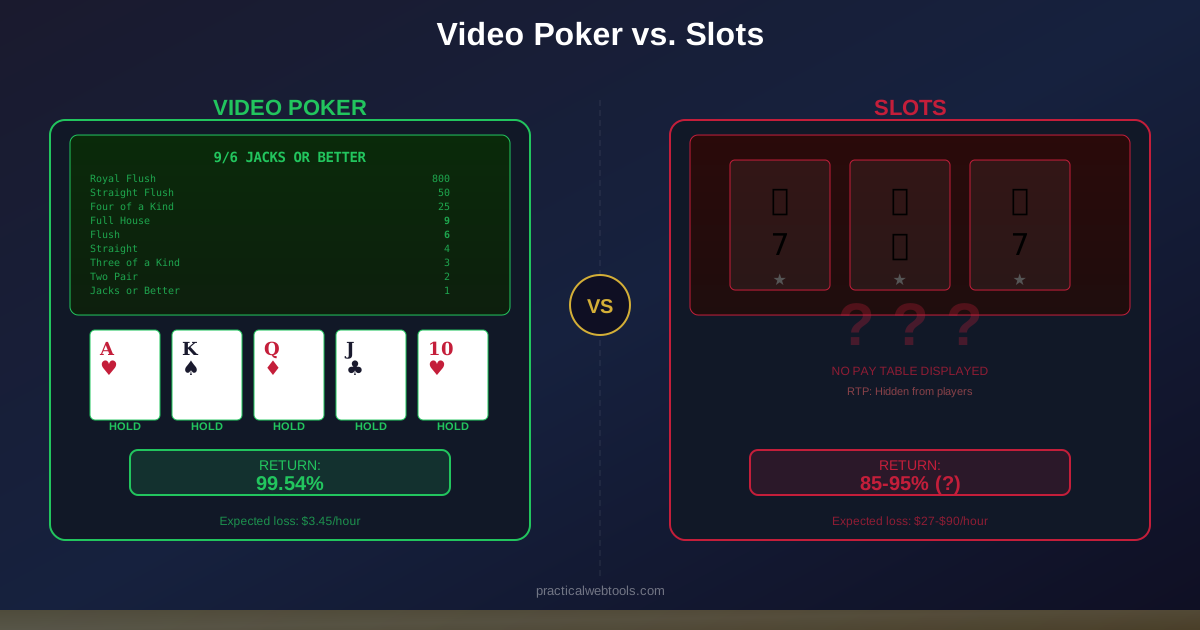
Lower return (99.14% vs 99.54% for 9/6 JoB) but more frequent wins. Choose based on preference: steady small wins vs occasional larger ones.
Why does the pair threshold matter?
Lower threshold = more winning hands but lower premium payouts. The math balances to similar total return but different experience.
How much more often do I win?
About 49% vs 45%—roughly 4% more hands win something. But average win size is proportionally smaller.
Should I hold single tens?
Yes! Unlike JoB where 10s are worthless, in ToB a single 10 has pair potential worth keeping when you have nothing better.
What's the biggest strategy change?
Treating 10s as high cards. Hold 10s like you'd hold jacks in standard games.
Is card counting possible?
Same as JoB—possible but minimal value. Single 10s being "high" doesn't change counting fundamentals.
Pro Tips
-
10s are high cards: Hold them accordingly
-
More wins, smaller: Psychological preference
-
Lower variance: Good for sessions
-
Check flush payout: 4:1 is standard
-
Not for max return: JoB slightly better
Related Calculators
- Jacks or Better Calculator - Standard game
- Bonus Poker Calculator - Enhanced quads
- Video Poker Odds Calculator - General
- Poker Odds Calculator - Full poker
- Expected Value Calculator - Bet analysis
Conclusion
Tens or Better lowers the pair threshold from jacks to tens—creating more frequent wins but reducing premium payouts. Our calculator shows how 10s become valuable high cards, why win rate increases to ~49%, and whether the steadier experience fits your playing style.
Calculate Tens or Better Odds Now →
Your pair of tens is worthless in Jacks or Better but pays 1:1 here. Our calculator reveals how the lower threshold changes strategy and creates a more forgiving video poker experience.