Unit Size Calculator: Optimize Your Sports Betting Bankroll Management (2026)
Unit Size Calculator: Build a Sustainable Sports Betting Bankroll
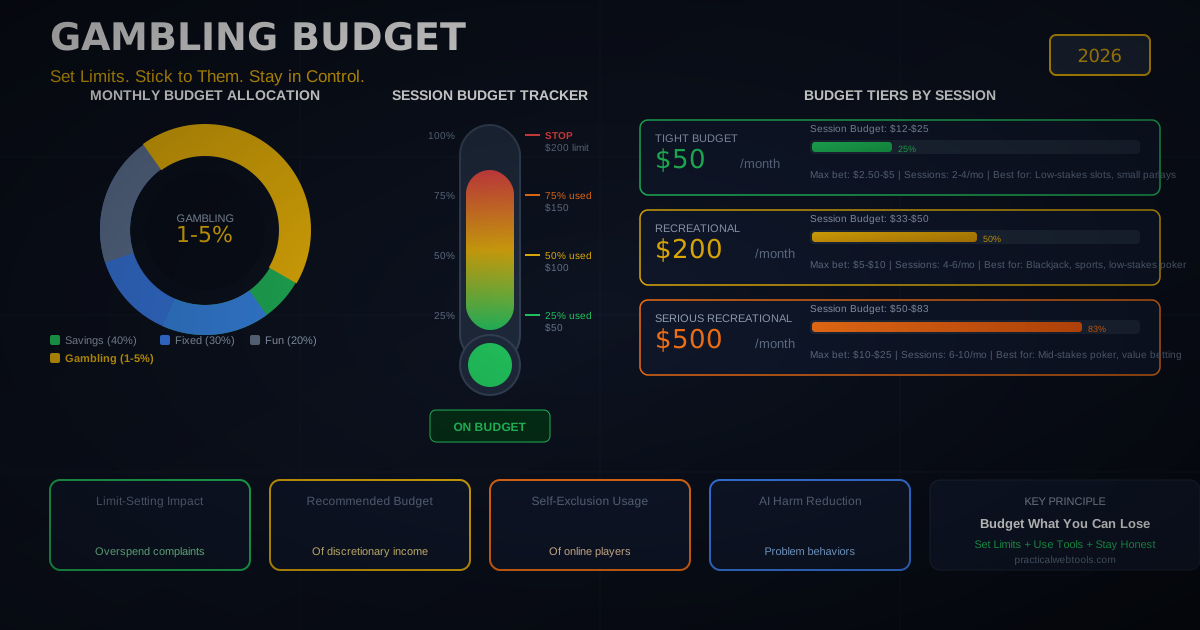
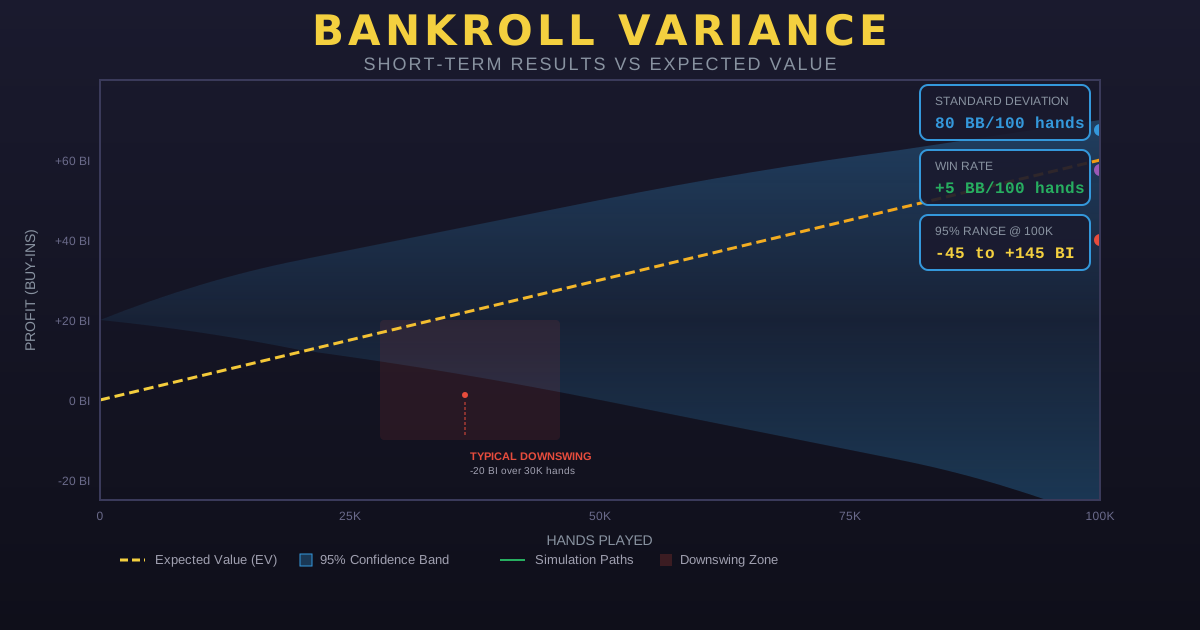
Your unit size is the foundation of responsible sports betting. It determines how much you risk on each wager and directly impacts your ability to survive losing streaks. Our unit size calculator helps you establish appropriate bet sizing based on your total bankroll, risk tolerance, and betting style.
What Is a Betting Unit?
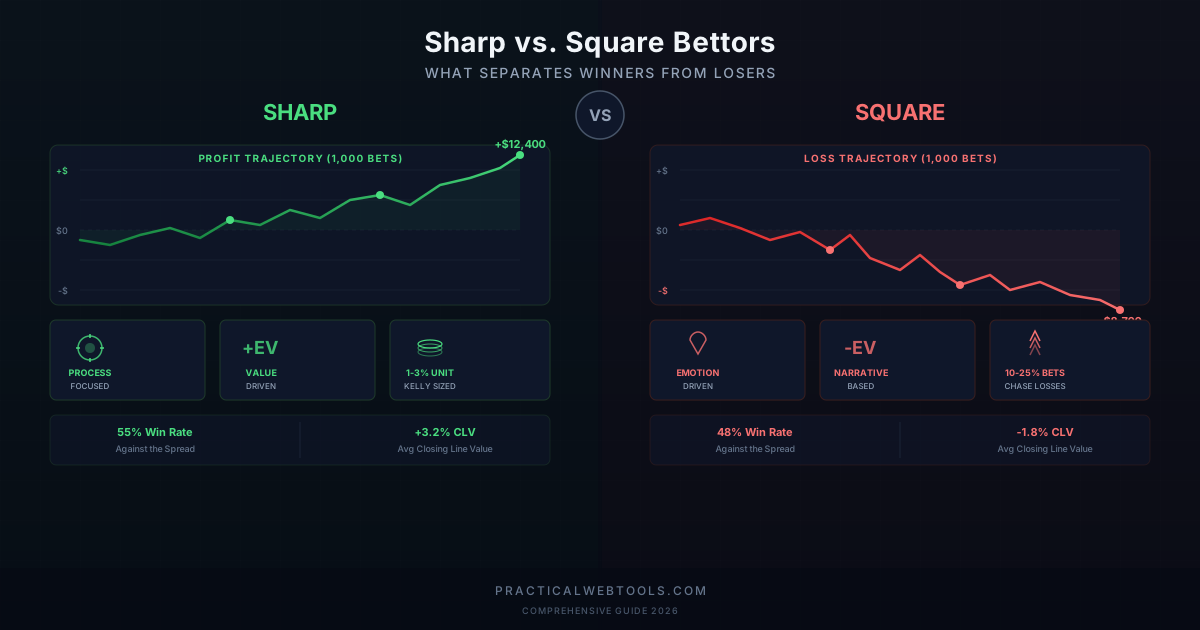
A betting unit is a standardized amount that represents a consistent percentage of your betting bankroll. Rather than betting random amounts, disciplined bettors wager in units (1u, 2u, 3u) to maintain consistency and manage risk. This approach ensures no single bet can devastate your bankroll while allowing for scaled confidence levels.
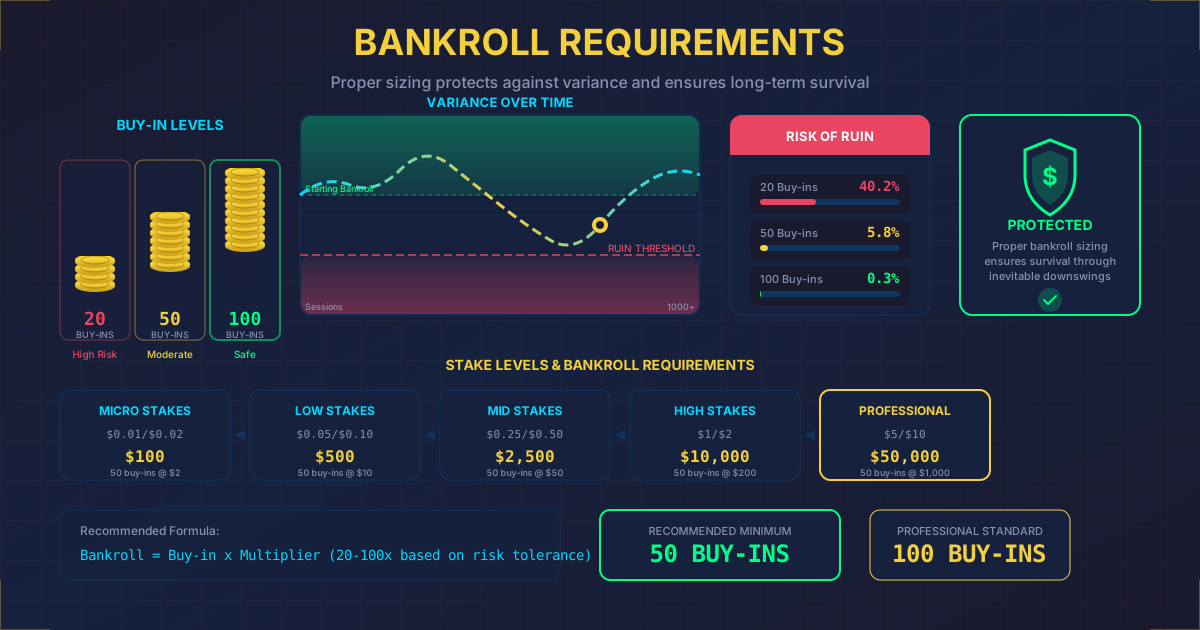
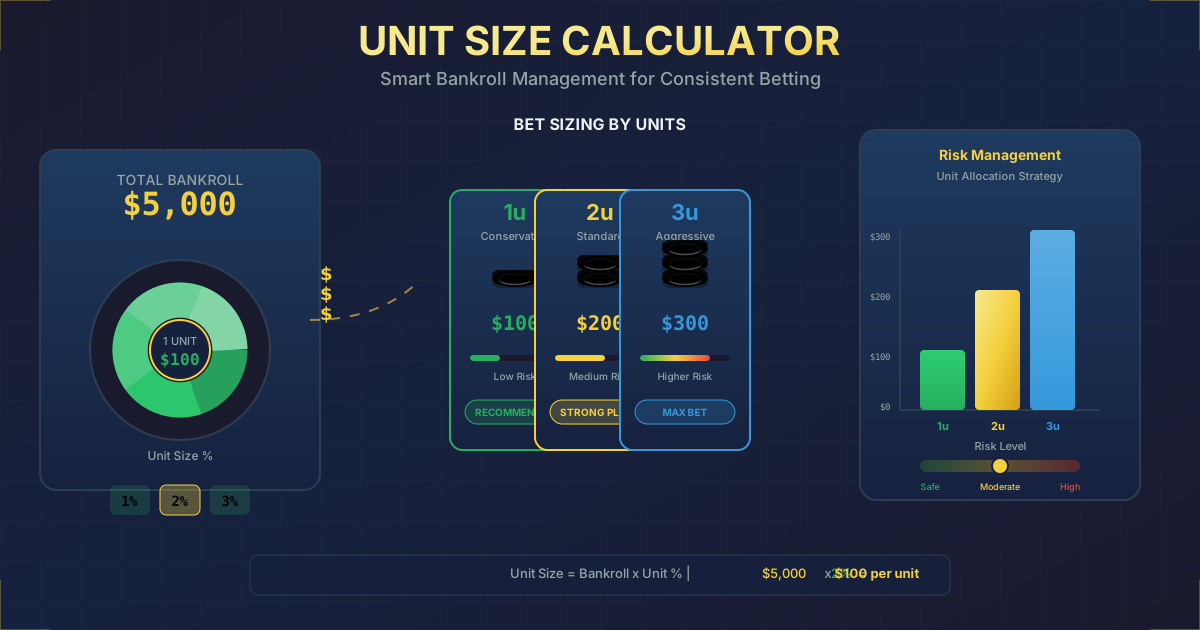
Quick Answer: Your unit size should typically be 1-3% of your total betting bankroll. Conservative bettors use 1%, standard bettors use 2%, and aggressive bettors use 3%. Formula: Unit Size = Bankroll × Percentage. Example: With a $5,000 bankroll at 2%, your unit size is $100. Never exceed 5% per bet regardless of confidence, and recalculate unit size as your bankroll grows or shrinks significantly.
How to Use Our Calculator
Use the Unit Size Calculator →
Step-by-Step Instructions
- Enter Total Bankroll: Input your dedicated betting funds
- Select Risk Tolerance: Choose conservative, standard, or aggressive
- Calculate Unit Size: Get your recommended single unit value
- Set Unit Scale: Establish 1-5 unit confidence levels
- Review Guidelines: Understand when to adjust sizing
Input Fields
| Field | Description | Example |
|---|---|---|
| Total Bankroll | Dedicated betting funds only | $2,500 |
| Risk Percentage | Unit as % of bankroll | 2% |
| Maximum Units | Highest confidence bet size | 3 units |
| Odds Range | Typical odds you bet | -110 to +200 |
| Betting Frequency | Bets per week/month | 20/week |
Unit Size Fundamentals
Standard Percentage Guidelines
Conservative (1% unit):
- Recommended for beginners
- Can sustain 50+ bet losing streak
- Bankroll fluctuates slowly
- Example: $3,000 bankroll = $30 units

Standard (2% unit):
- Most common among serious bettors
- Can sustain 25+ bet losing streak
- Good balance of growth and safety
- Example: $3,000 bankroll = $60 units

Aggressive (3% unit):
- For experienced profitable bettors
- Can sustain ~15 bet losing streak
- Faster growth but more volatile
- Example: $3,000 bankroll = $90 units

Dangerous (5%+ unit):
- Not recommended
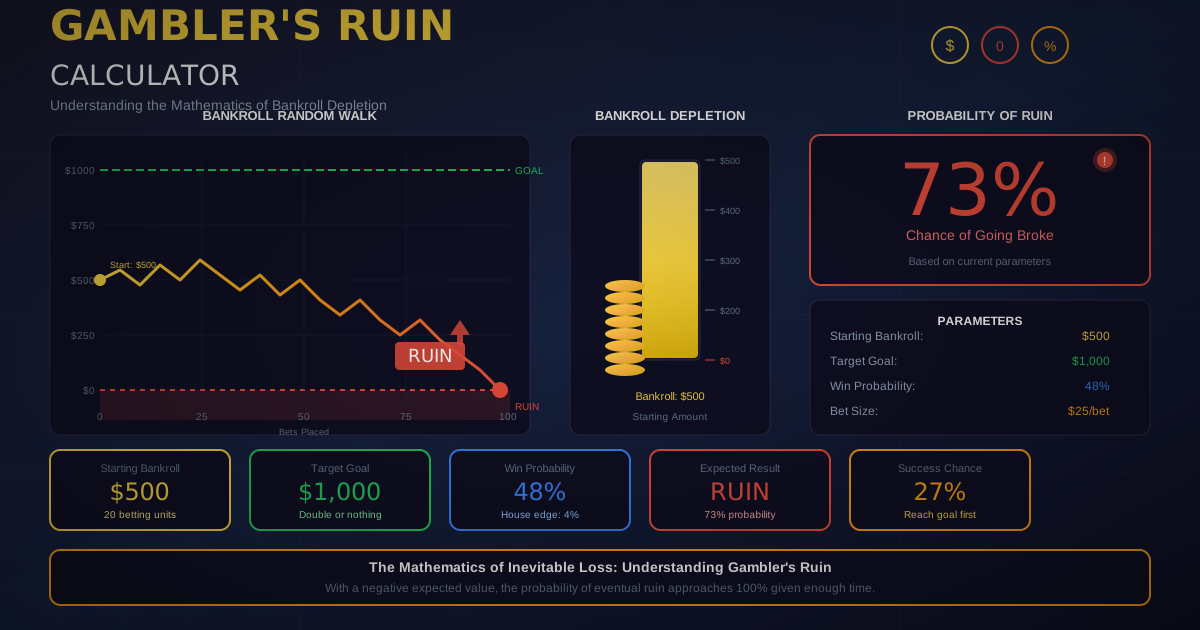
- High risk of ruin
- Even skilled bettors face long losing streaks
- Reserve only for extremely high-edge plays
Why Unit Sizing Matters
Without Unit Sizing:
- Bet $500 when confident
- Bet $50 when unsure
- One bad "confident" bet = 10 small wins erased
- Emotional betting destroys bankroll

With Unit Sizing:
- 1u = $50 (standard bet)
- 2u = $100 (confident bet)
- 3u = $150 (very confident bet)
- Maximum loss is controlled
- Systematic approach reduces emotional decisions
Calculating Your Unit Size
Basic Formula
Unit Size = Bankroll × Unit Percentage

Examples by Bankroll:

$500 Bankroll:
Conservative (1%): $5 per unit
Standard (2%): $10 per unit
Aggressive (3%): $15 per unit

$2,000 Bankroll:
Conservative (1%): $20 per unit
Standard (2%): $40 per unit
Aggressive (3%): $60 per unit

$10,000 Bankroll:
Conservative (1%): $100 per unit
Standard (2%): $200 per unit
Aggressive (3%): $300 per unit
Adjusting for Odds
Different odds require different thinking:

Favorites (-200 and shorter):
- Lower variance, more consistent
- May use slightly larger units
- But beware of low-probability losses

Even Money (-110 to +100):
- Standard unit sizing works well
- Predictable variance

Underdogs (+150 and longer):
- Higher variance, less frequent wins
- Consider slightly smaller units
- Or Kelly-adjusted sizing

Rule of Thumb:
- For +300 or longer: 0.5-1 unit max
- For -300 or shorter: Standard 1-2 units
- For standard odds: Normal unit scale
Multi-Unit Confidence Scale
Creating Your Scale
Typical Confidence Scale:

1 Unit (Standard Play):
- Your baseline bets
- Slight edge identified
- Normal confidence level

2 Units (Strong Play):
- Above-average edge
- Multiple factors align
- Higher confidence

3 Units (Max Play):
- Best edge found
- Highest confidence
- Use sparingly (10-15% of bets)

Some bettors use 4-5 units, but:
- Requires exceptional edge
- Increases variance significantly
- Risk of overconfidence

Recommended Distribution:
1u plays: 60-70% of bets
2u plays: 20-30% of bets
3u plays: 10-15% of bets
Avoiding Unit Inflation
Common Mistake: Unit Creep

Week 1: Average bet = 1.5 units
Week 4: Average bet = 2.2 units
Week 8: Average bet = 3.0 units

This happens when:
- You upgrade marginal plays to 2u
- "Strong plays" become 3u
- You create 4u "locks"

Prevention:
- Track average bet size weekly
- Maintain target distribution
- If average exceeds 1.8u, reassess
Real-World Examples
Example 1: New Bettor Setup
Situation:
Starting bankroll: $1,000
Experience: Beginner
Goals: Learn while preserving capital
Risk tolerance: Low
Calculation:
Recommended: Conservative 1% units

Unit Size = $1,000 × 0.01 = $10

Unit Scale:
1u = $10 (standard bets)
2u = $20 (strong conviction only)
3u = $30 (rare, best opportunities)

Maximum risk per day: 5 units ($50)
Maximum risk per week: 15 units ($150)
Result:
With $10 units, bettor can:
- Place 100 losing bets before bust
- Learn proper analysis without catastrophic loss
- Build confidence systematically

After 3 months, if profitable:
- Increase to 1.5% or 2%
- Or maintain 1% with grown bankroll
Example 2: Experienced Bettor Scaling
Situation:
Current bankroll: $8,000
Experience: 2+ years profitable
Monthly volume: 80 bets
Average ROI: +3%
Calculation:
Recommended: Standard 2% units

Unit Size = $8,000 × 0.02 = $160

Unit Scale:
1u = $160
2u = $320
3u = $480

Expected Monthly Performance:
80 bets × $160 avg = $12,800 wagered
3% ROI = $384 profit
Result:
Bankroll Check:
- 50 bet losing streak = $8,000 loss
- Probability of 50-bet streak: Very low
- Risk of ruin: Under 1%

This sizing allows growth while
maintaining safety margin

If bankroll hits $10,000:
New unit = $200 (maintain 2%)
Example 3: Weekend Recreational Bettor
Situation:
Bankroll: $500
Bets: 5-10 per weekend
Purpose: Entertainment
Risk tolerance: Moderate
Calculation:
Challenge: Small bankroll, want action

Option A - Conservative:
1% = $5 per unit
May feel too small for entertainment

Option B - Standard:
2% = $10 per unit
Better entertainment value
Can sustain ~25 bet losing streak

Recommended: 2% ($10 units)
Result:
Weekend Budget: 5-10 units = $50-$100

This allows:
- Meaningful bet amounts
- Weekend of entertainment
- Survivable losing weekend

Never exceed weekend budget
Refill bankroll only when planned
Example 4: High-Volume Sharp Bettor
Situation:
Bankroll: $50,000
Daily volume: 10-20 bets
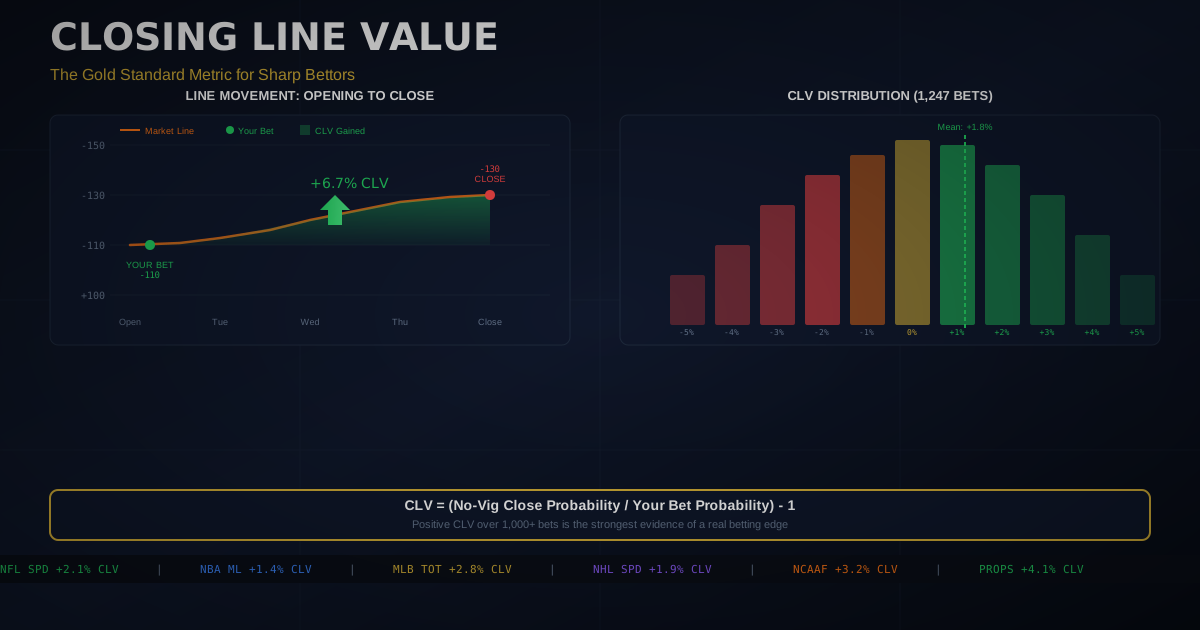
Edge: Closing Line Value +2-3%
Professional approach
Calculation:
Consideration: High volume reduces variance

Standard approach: 2% = $1,000 units
But with 150+ monthly bets:
- Law of large numbers kicks in
- Can afford slightly more aggressive

Adjusted: 2.5% = $1,250 units

Or Kelly-based approach:
Adjust unit by edge on each bet
Result:
At $1,250 units with +2.5% CLV:
Monthly handle: ~$250,000
Expected profit: $6,250/month

Bankroll management still crucial:
- Maintain separate living expenses
- Rebuild to 2.5% after drawdowns
- Drop to 2% if bankroll dips 20%+
Bankroll Milestones and Adjustments
When to Recalculate Units
Recalculate After:

1. 20% Bankroll Increase
   Original: $5,000, 2% = $100
   New: $6,000, 2% = $120

2. 20% Bankroll Decrease
   Original: $5,000, 2% = $100
   New: $4,000, 2% = $80

3. Monthly Review (Recommended)
   Assess bankroll and adjust

4. After Significant Win/Loss
   Don't chase or get overconfident
   Stick to percentage-based sizing
Bankroll Growth Projections
Starting: $2,000 at 2% ($40 units)
Assumed ROI: +5% monthly

Month 1: $2,000 → $2,100 (40u)
Month 3: $2,100 → $2,315 (46u)
Month 6: $2,315 → $2,693 (54u)
Month 12: $2,693 → $3,585 (72u)

Compounding effects:
- Unit size grows with bankroll
- Profits accelerate over time
- Requires consistent edge

Warning: Most bettors don't have +5% ROI
Realistic recreational ROI: -5% to +2%
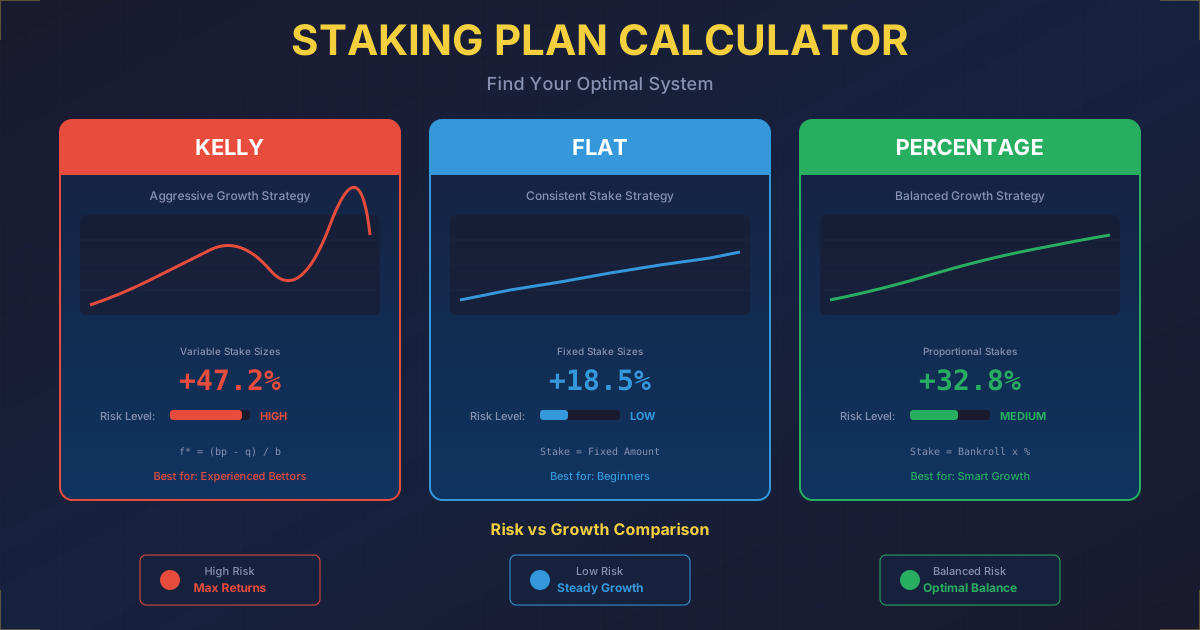
Unit Sizing Strategies
Flat Betting (Constant Units)
Method: Bet same amount every bet

Pros:
- Simple to execute
- Easy to track
- Reduces emotional decisions

Cons:
- Doesn't account for edge variation
- May over/under bet opportunities

Best for:
- Beginners
- Recreational bettors
- Those who struggle with discipline
Confidence-Based Scaling
Method: Scale 1-3 units based on confidence

Implementation:
1u: Standard edge (60% of bets)
2u: Strong edge (30% of bets)
3u: Maximum edge (10% of bets)

Pros:
- Maximizes strong opportunities
- Still maintains risk control

Cons:
- Requires accurate self-assessment
- Easy to over-confidence

Best for:
- Intermediate bettors
- Those with proven track record
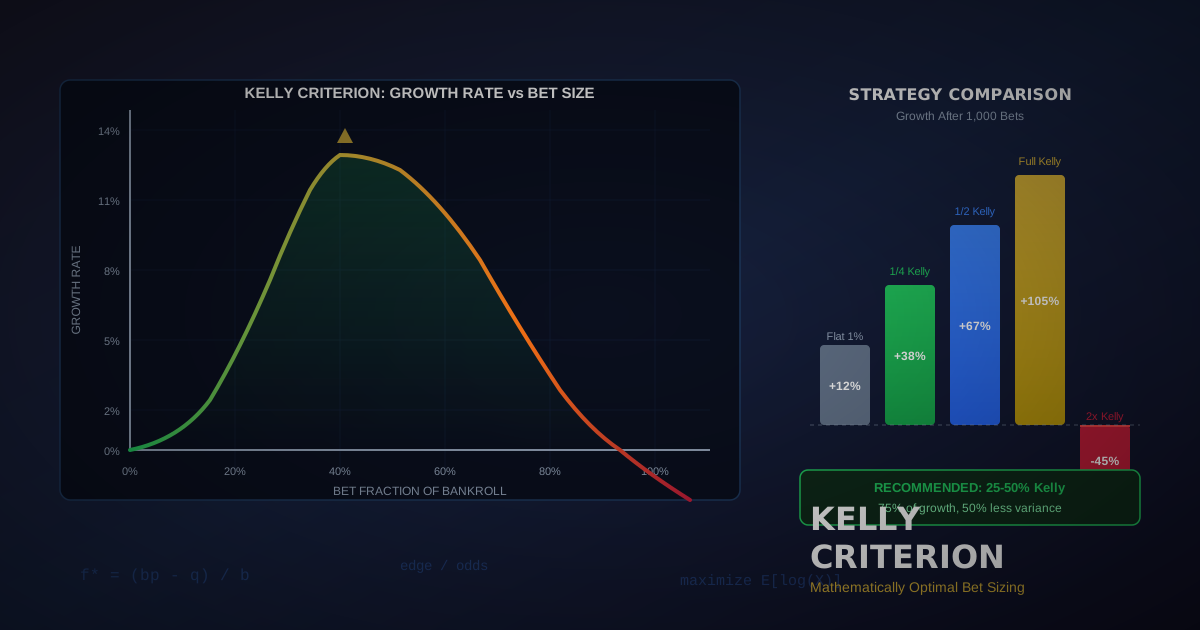
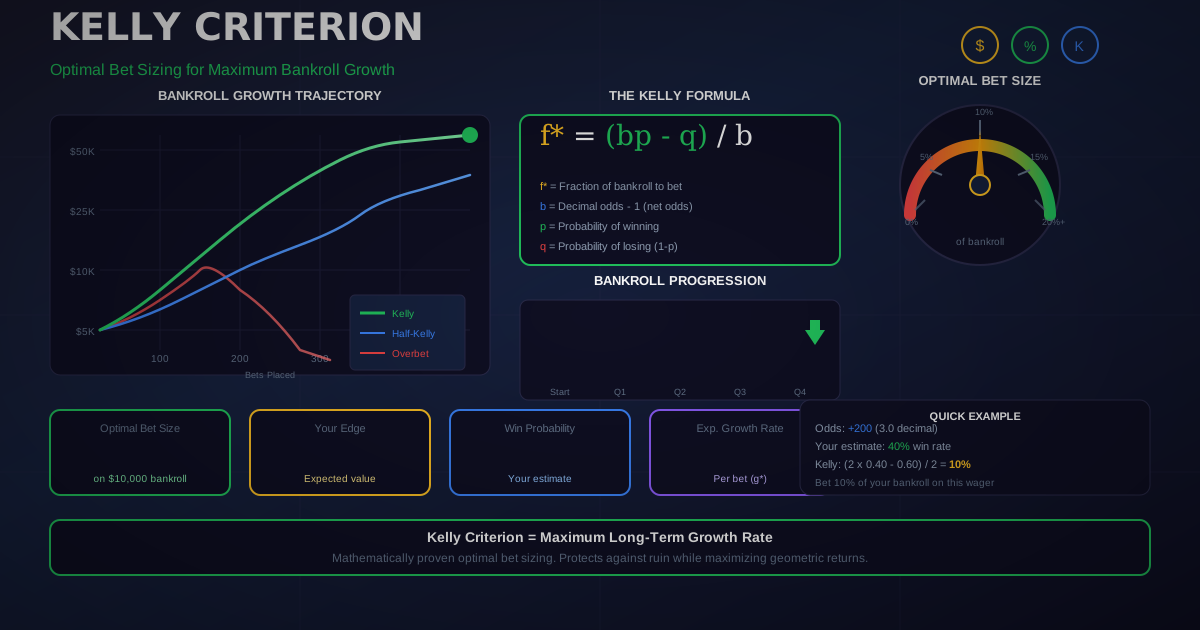
Kelly-Based Unit Sizing
Method: Size based on edge and odds

Formula:
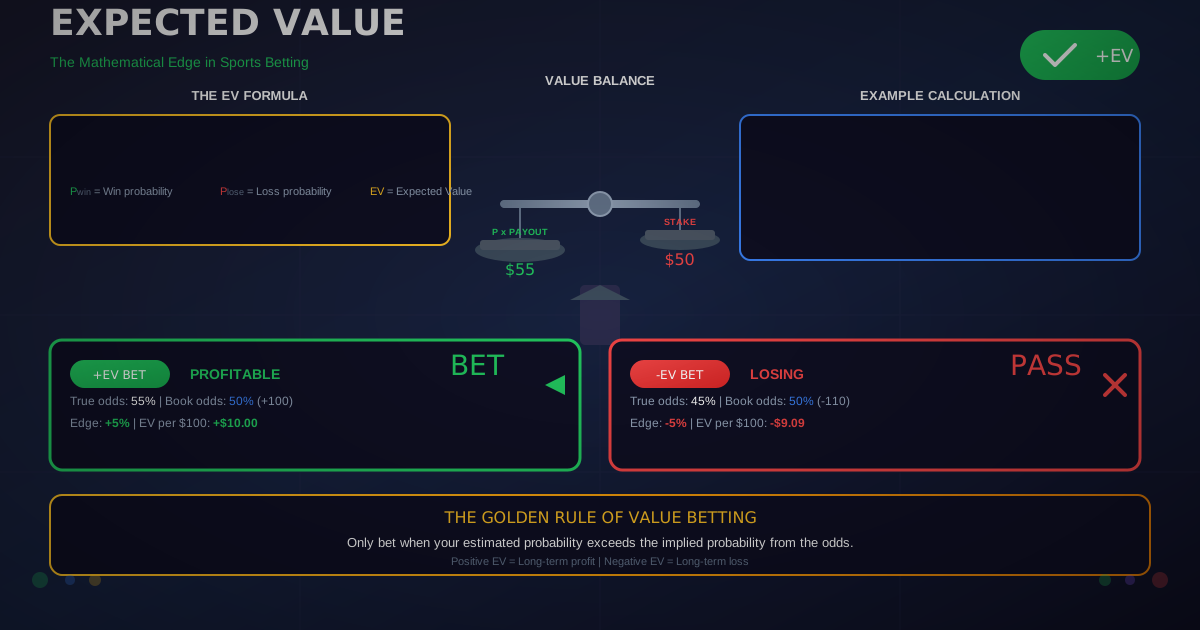
Kelly % = (Edge × Odds) / (Odds - 1)

Then apply to bankroll for unit size

Example:
Edge: 5%, Odds: 2.00
Kelly = (0.05 × 2.00) / (2.00 - 1) = 10%

But 10% is way too aggressive!
Use fractional Kelly: 25% of full Kelly
Fractional Kelly = 10% × 0.25 = 2.5%

Pros:
- Mathematically optimal
- Accounts for edge variation

Cons:
- Requires accurate edge estimation
- Full Kelly is too aggressive

Best for:
- Advanced bettors
- Those with reliable edge data
Common Mistakes to Avoid
-
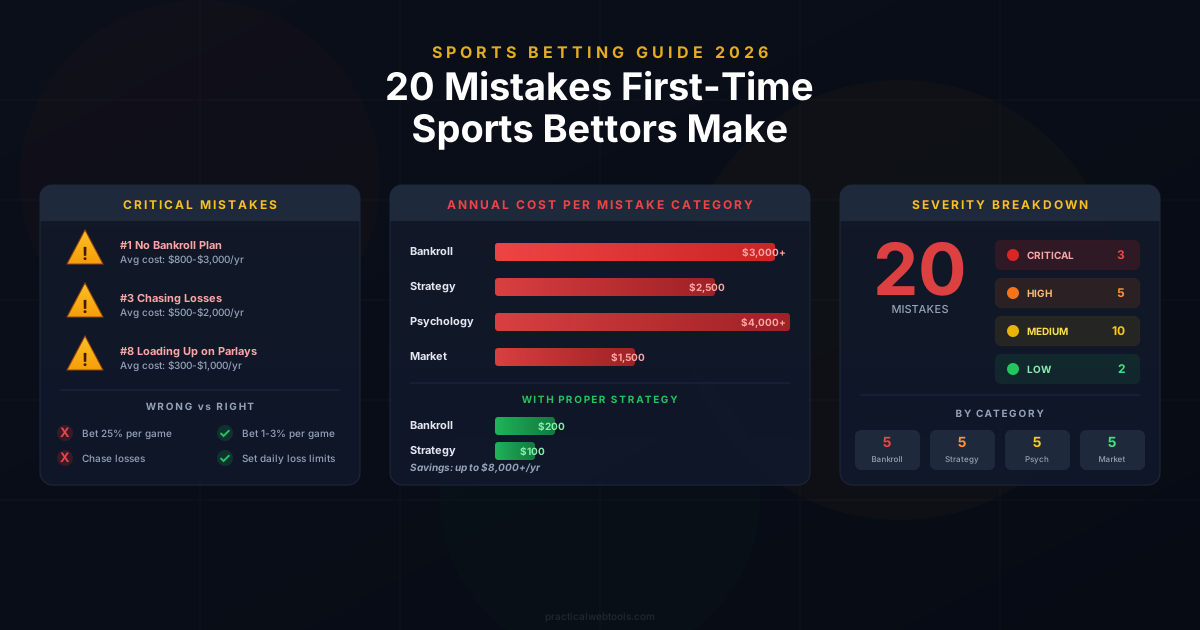
Betting Too Large a Percentage: Exceeding 5% per bet dramatically increases risk of ruin. Even with a proven edge, variance can destroy over-leveraged bankrolls.
-
Not Separating Betting and Living Money: Your bankroll should be funds you can afford to lose. Mixing with rent money leads to desperate, emotional decisions.
-
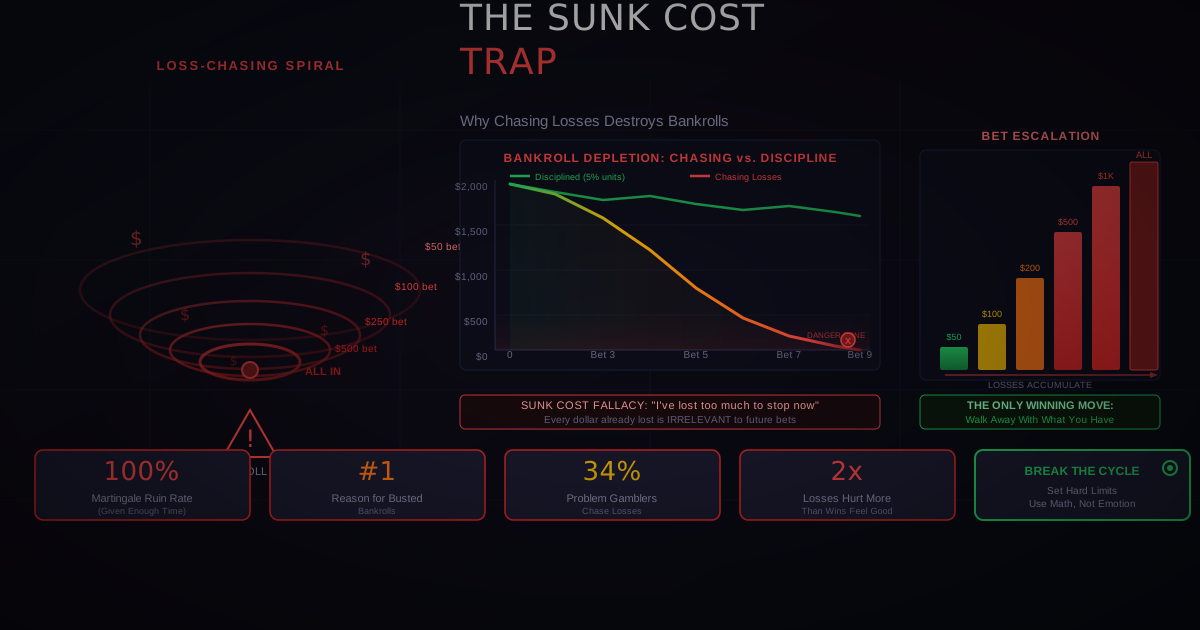
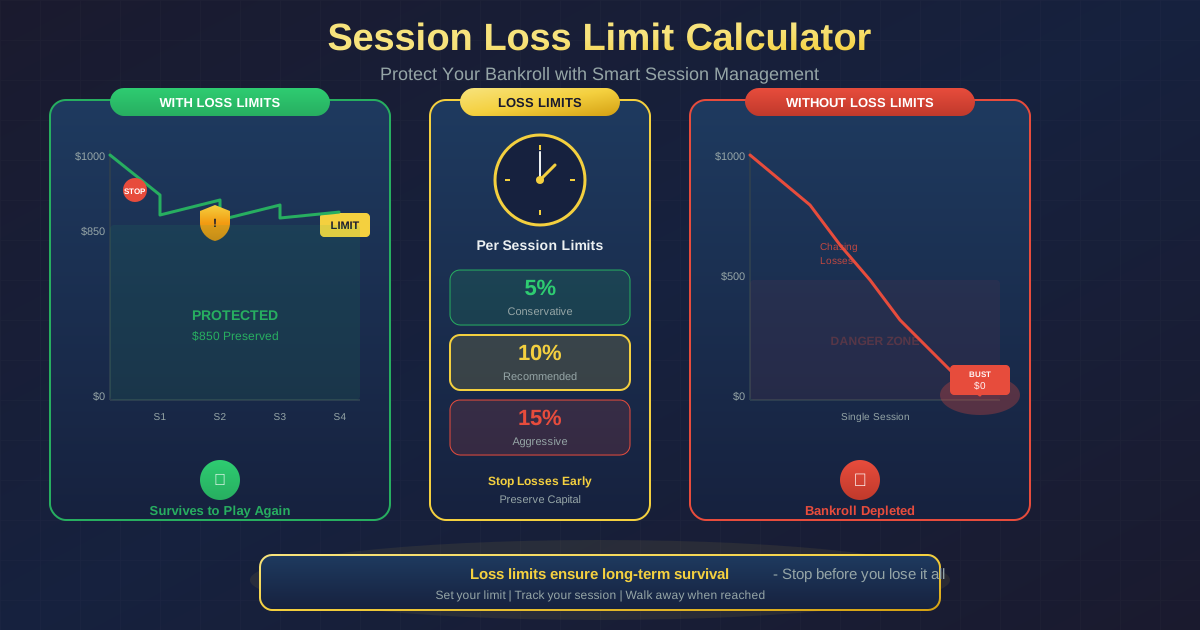
Chasing Losses with Larger Bets: After a loss, the temptation is to bet bigger to recover. This is the fastest path to going broke. Stick to your units.
-
Ignoring Bankroll Changes: If your bankroll drops 30%, you should have already reduced unit size. Betting original units on a smaller bankroll is effectively increasing percentage.
-
Creating Too Many Unit Levels: 1-3 units is plenty. Adding 4u, 5u, and "max" plays leads to unit inflation and overconfidence.
-
Weekend Warrior Syndrome: Depositing $100 each weekend and betting $25 units isn't bankroll management - it's recreation. Be honest about your approach.
Frequently Asked Questions
What's a good starting bankroll for sports betting?
Start with an amount you can completely afford to lose - typically $500-$2,000 for recreational bettors. With $1,000 and 2% units ($20), you can learn properly while managing risk.
Should I increase my unit size after a big win?
Only if your overall bankroll has increased by 20%+ and maintained at that level. A single big win followed by returning to losses means you'll be over-betting. Wait for consistent growth.
How do I handle a losing streak?
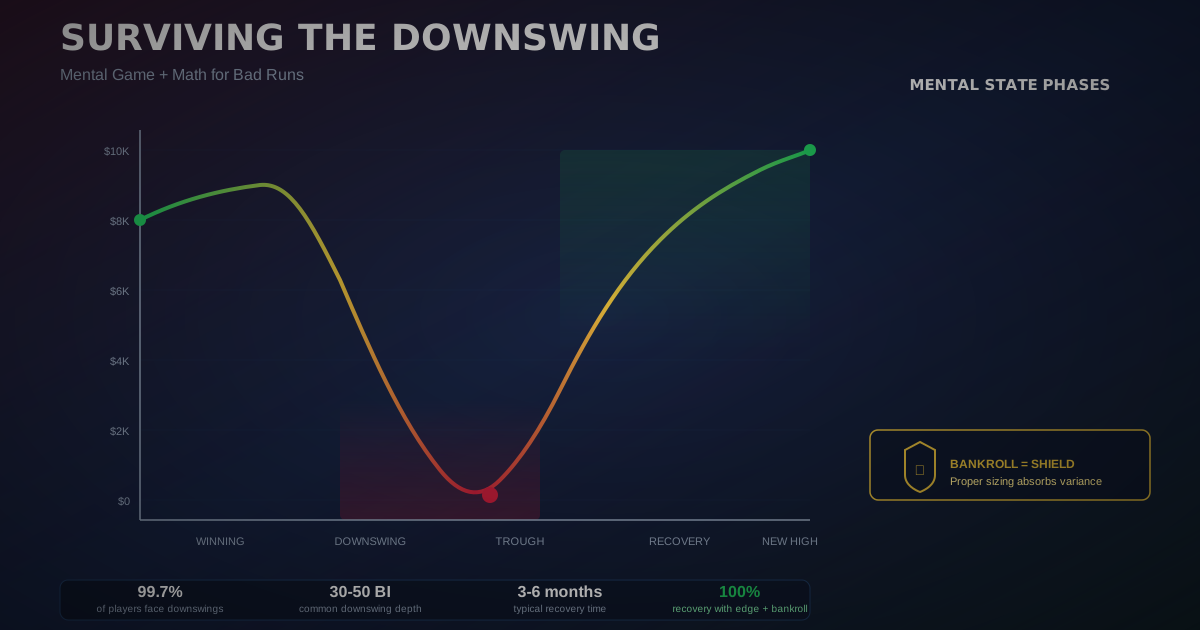
Maintain your percentage-based unit size. If using 2% and your bankroll drops from $5,000 to $4,000, your new unit is $80, not $100. Never increase bet size to chase losses.
Is 5% per bet too aggressive?
For recreational bettors, yes. Even profitable professional bettors rarely exceed 3% on individual bets. At 5%, a 10-bet losing streak loses half your bankroll.
Should I bet more on favorites?
Not necessarily. Favorites have lower payouts but aren't "safer" - they lose too. Your unit size should be based on edge confidence, not just odds level.
How many units should I bet per day/week?
There's no fixed rule, but consider limiting daily risk to 5-10 units and weekly risk to 15-25 units. This prevents over-exposure to short-term variance.
Pro Tips
- Treat your unit size as sacred - the moment you start "rounding up" or making exceptions, you've lost discipline
- Keep separate tracking of 1u, 2u, and 3u plays to verify your confidence calibration is accurate over time
- If you're on a heater, resist increasing unit percentage - instead let the natural bankroll growth increase absolute unit size
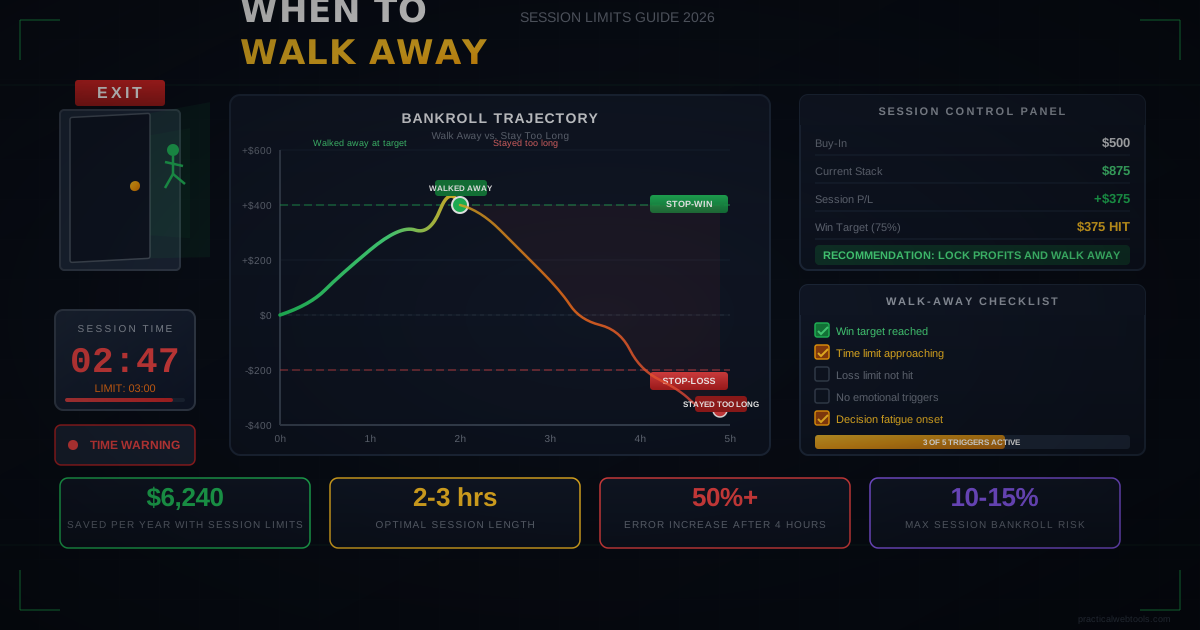
- Set a "reload" point (e.g., 50% bankroll loss) where you stop, reassess your edge, and decide whether to continue
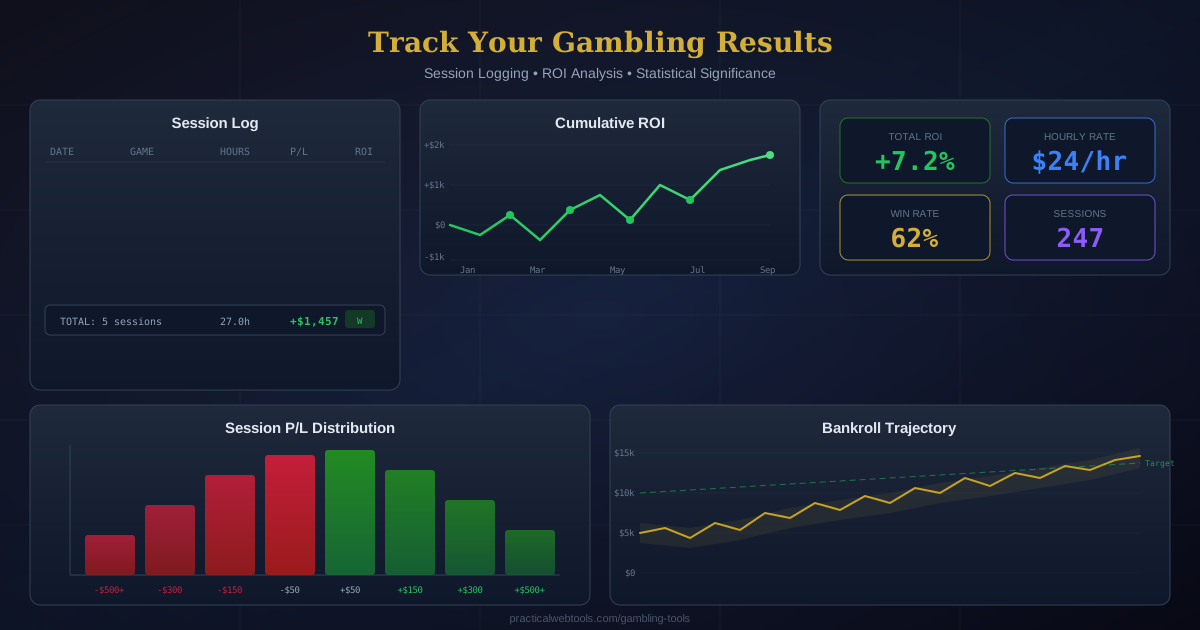
- Use spreadsheets or betting trackers that calculate unit-based ROI, not just dollar amounts
Related Calculators
- Kelly Criterion Calculator - Mathematically optimal sizing
- Bankroll Calculator - Overall bankroll management
- Expected Value Calculator - Calculate bet profitability
- Risk of Ruin Calculator - Probability of going broke
- Sports Staking Plan Calculator - Advanced staking systems
Conclusion
Proper unit sizing separates recreational bettors from those with a chance at long-term success. It's not exciting, it doesn't promise quick riches, but it's the foundation that makes everything else possible. Our unit size calculator helps you establish appropriate sizing based on your specific situation.
Remember: the goal isn't to maximize any single bet's return - it's to stay in the game long enough for your edge to manifest over thousands of bets. Disciplined unit sizing ensures you're still betting when that edge finally pays off.