Blind Bet Calculator: Texas Hold'em Position Strategy (2026)
Blind Bet Calculator: Mastering Position Disadvantage
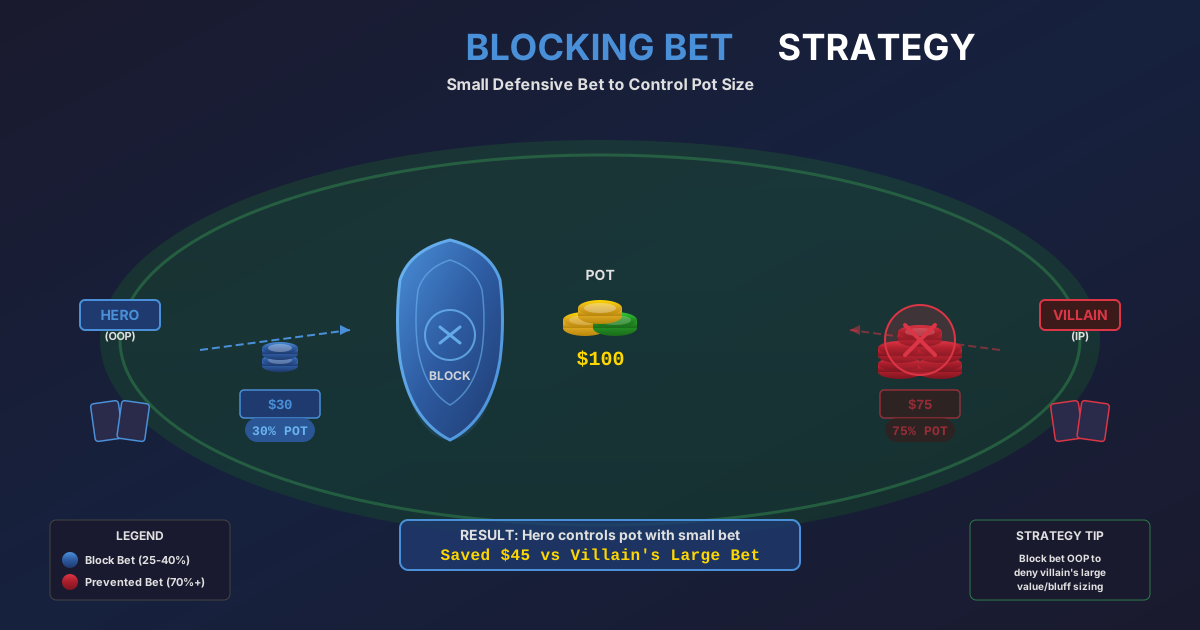
Blinds are mandatory bets that create action—but playing from the blinds means defending with a positional disadvantage. Our calculator reveals optimal defense frequencies, steal success rates, and how to minimize losses from these forced investments.
What Are Blind Bets?
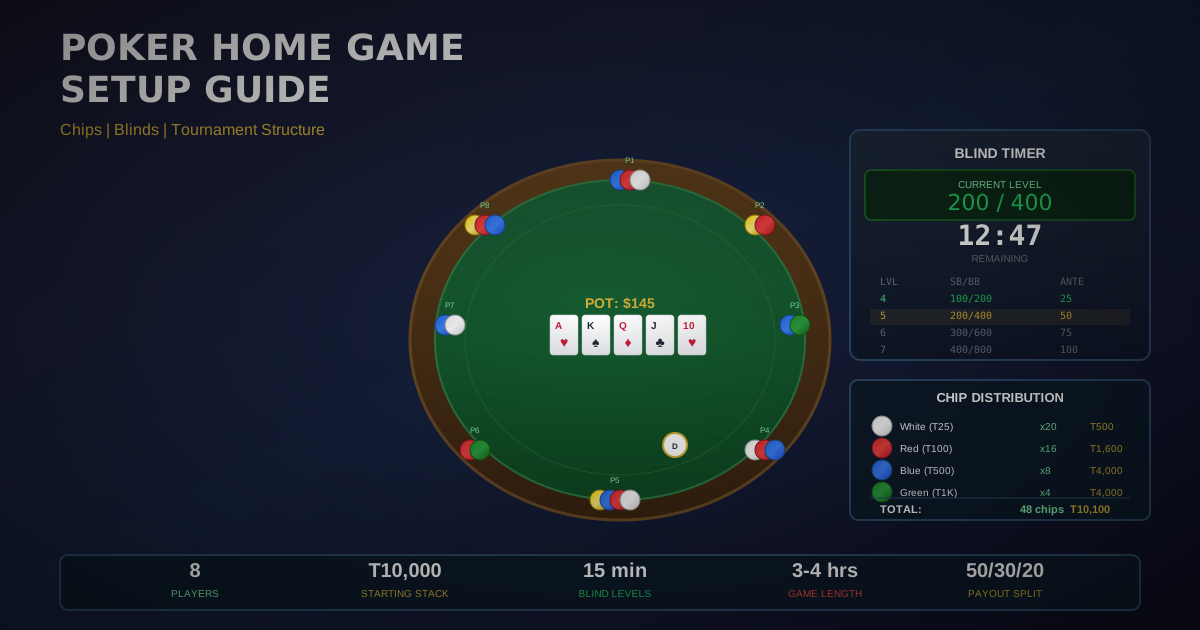
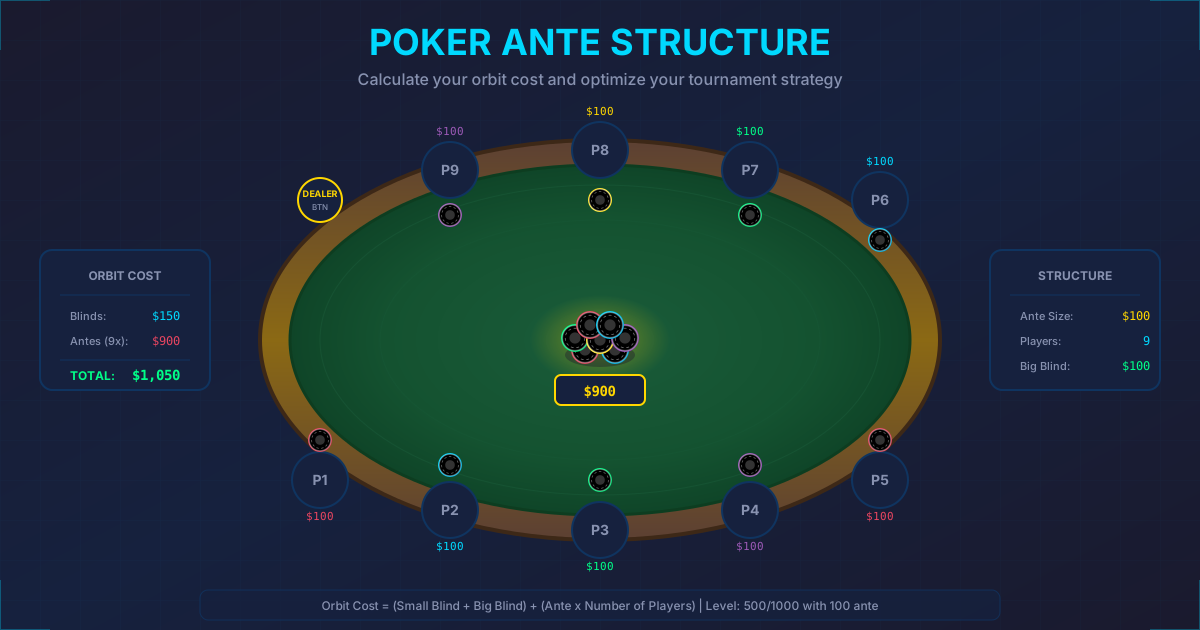
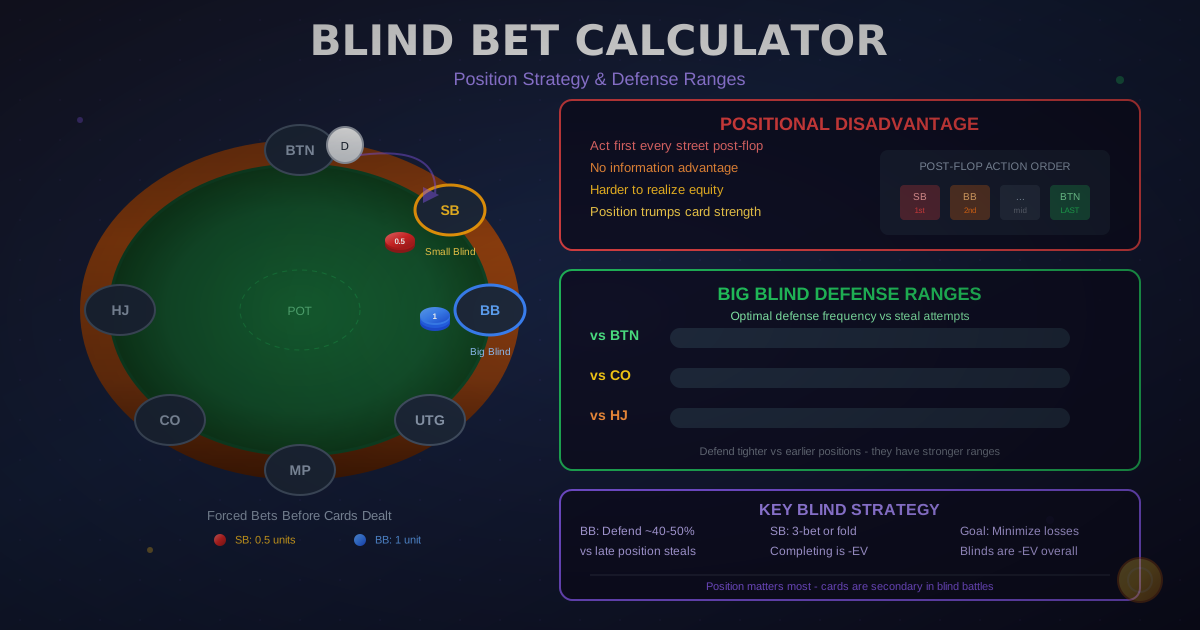
Blind bets are forced wagers posted before cards are dealt in Texas Hold'em and Omaha. The small blind (left of dealer button) posts half the minimum bet; the big blind posts the full amount. They rotate each hand, creating action and ensuring there's always money in the pot.
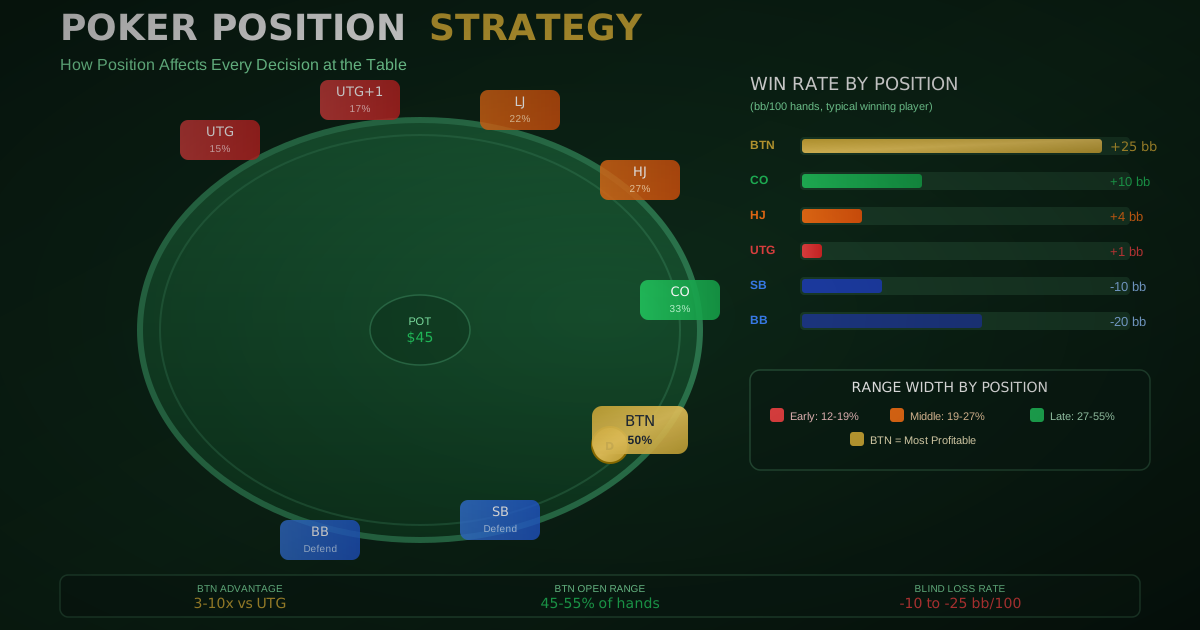
Quick Answer: Blinds = forced bets before cards dealt. Small blind: 0.5 units. Big blind: 1 unit. Worst position (act first post-flop). Defend ~40-50% of hands in BB vs steal. Fold more from SB due to worse position. Blinds are -EV overall—goal is minimize losses, not profit.
How to Use Our Calculator
Use the Blind Bet Calculator →
Calculate blind defense ranges and steal success.
Step-by-Step Instructions
-
Select Position: SB or BB
-
Enter Situation: Steal attempt, 3-bet, etc.
-
View Defense Range: Hands to continue with
-
Check Fold Equity: Steal success rates
-
Calculate EV: Each action's value
Input Fields Explained
| Field | Description | Example |
|---|---|---|
| Position | SB or BB | Big Blind |
| Action Faced | What opponent did | BTN steal 2.5bb |
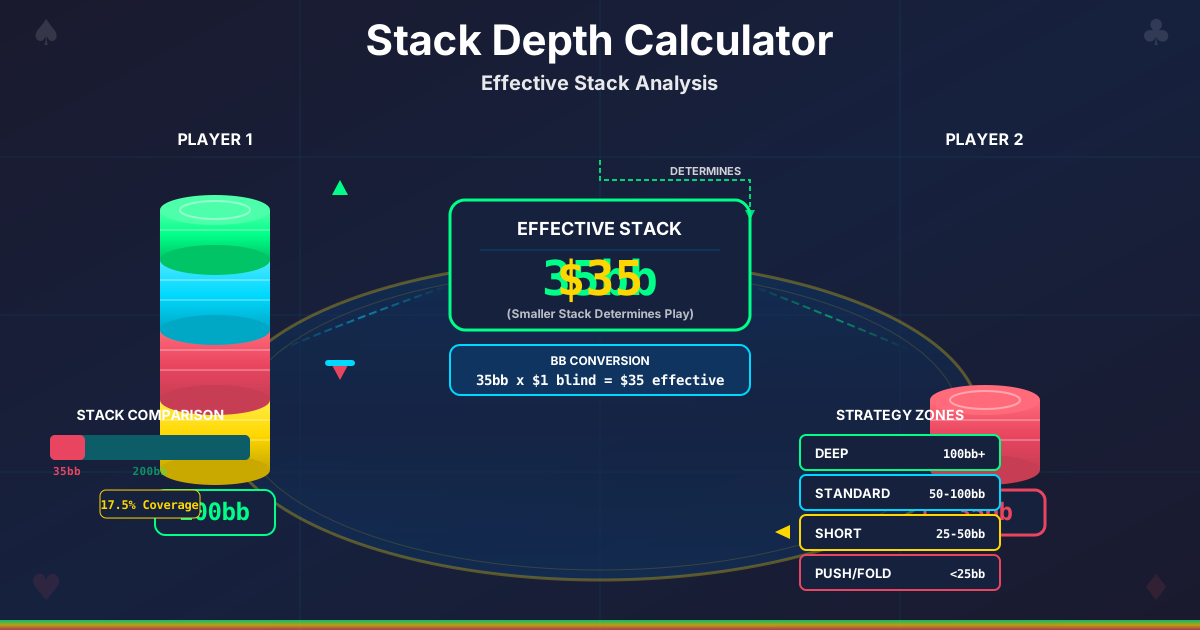
| Stack Depth | Effective stacks | 100bb |
| Defense % | How often continue | 45% |
| 3-Bet % | How often reraise | 12% |
Blind Defense Fundamentals
Big Blind Defense
Why defend the BB:

Already invested 1bb
Getting good odds to call
Close action (last to act preflop)

Standard defense ranges:
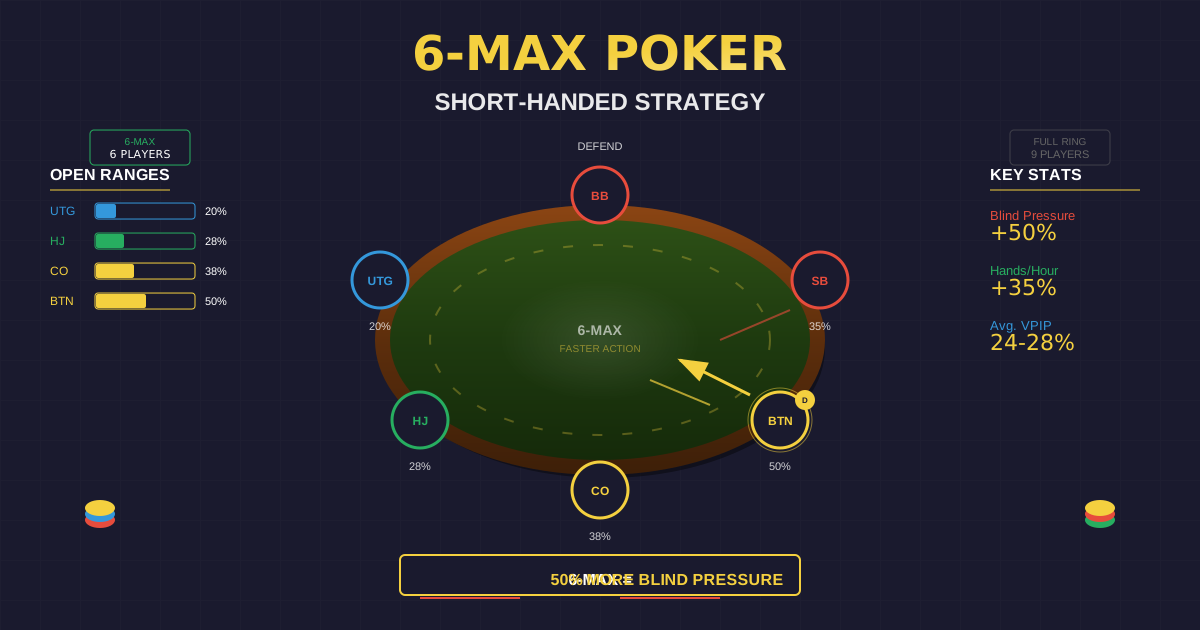
vs BTN steal: ~40-50%
vs CO steal: ~35-45%
vs HJ steal: ~25-35%

Tighter vs earlier positions
They have stronger ranges
Small Blind Play
SB considerations:

Only 0.5bb invested
Must act first post-flop
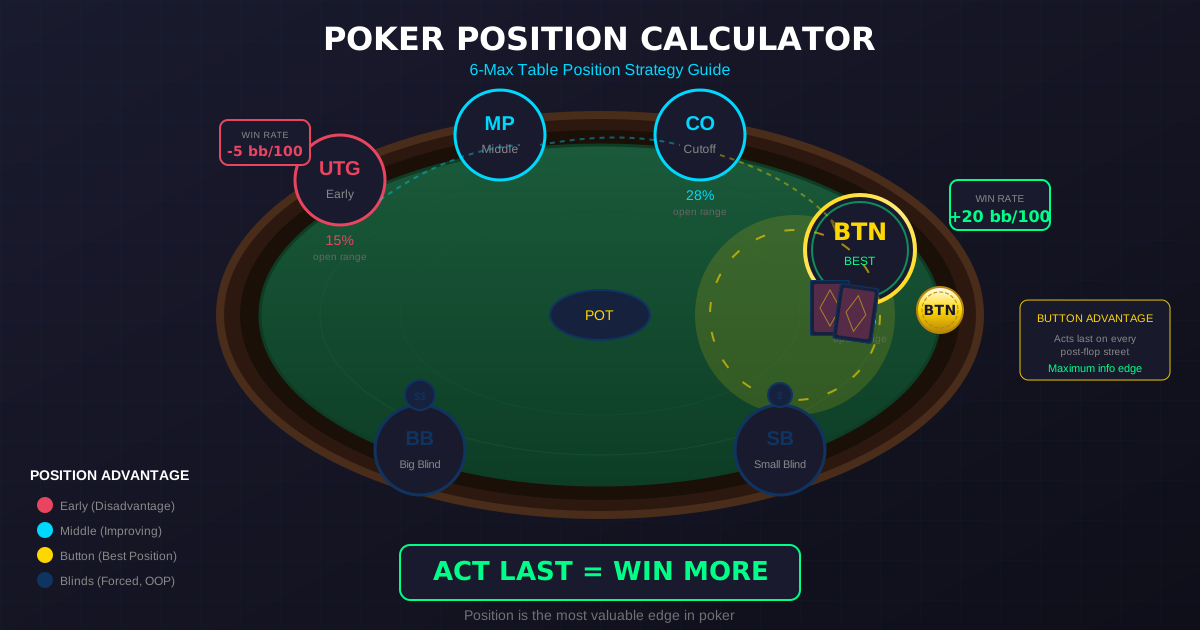
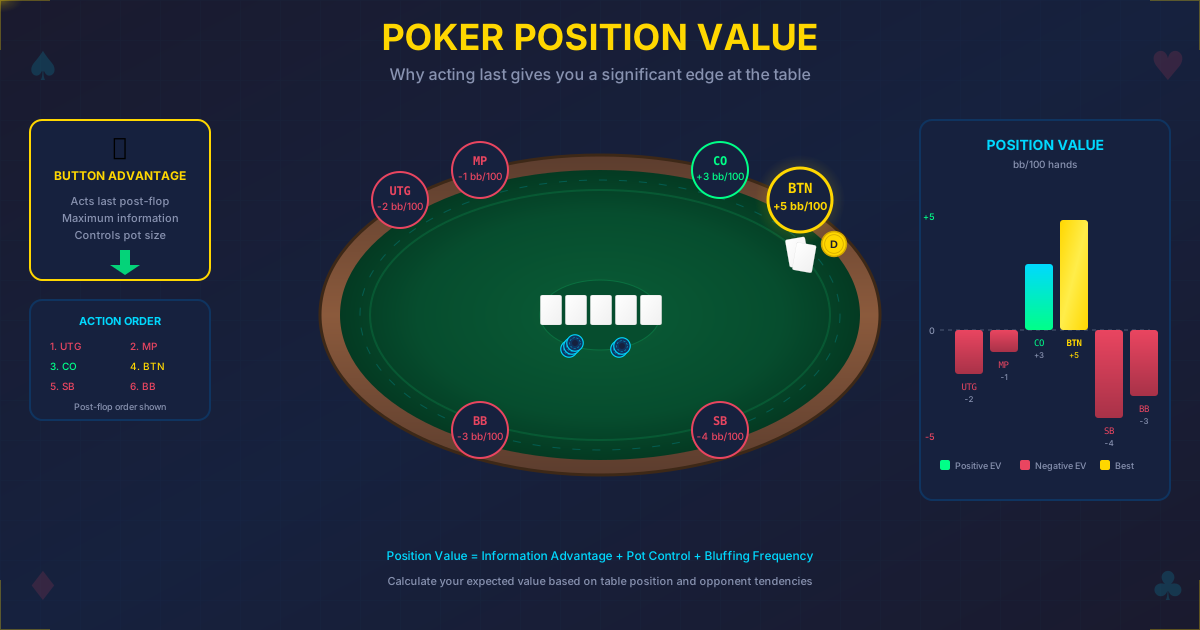
Worst position in poker

Standard ranges:
vs BTN steal: ~30-35%
vs CO steal: ~25-30%
3-bet or fold preferred

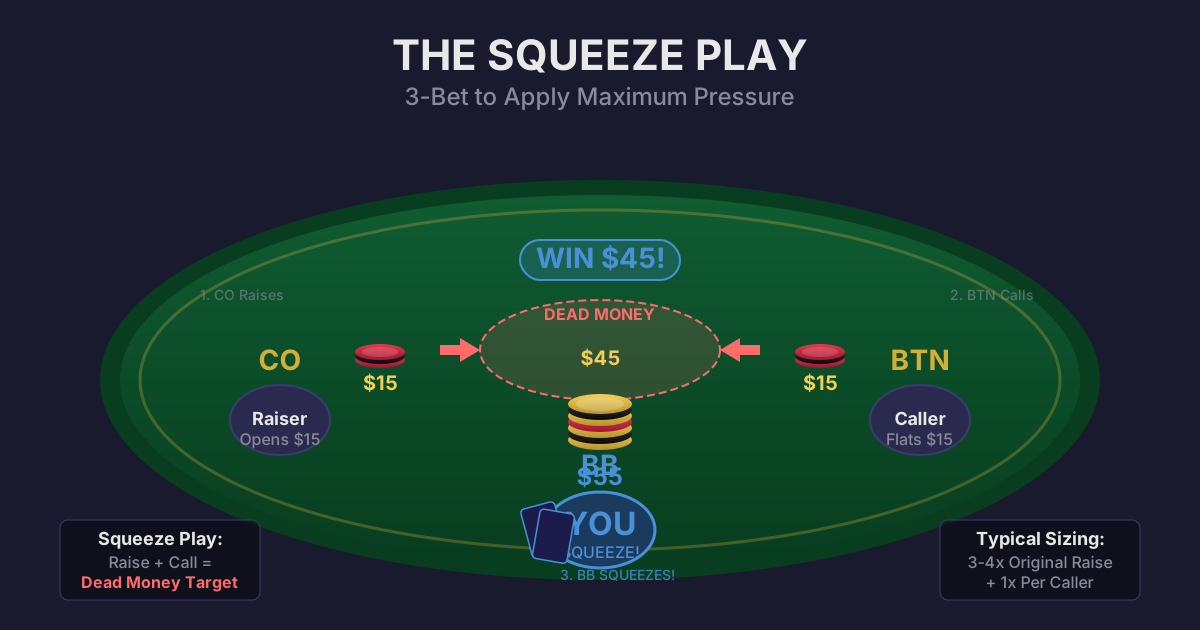
Calling creates squeeze spots
Limping is usually wrong
Positional Disadvantage
Why blinds are tough:

Post-flop disadvantage:
Act first every street
No information advantage
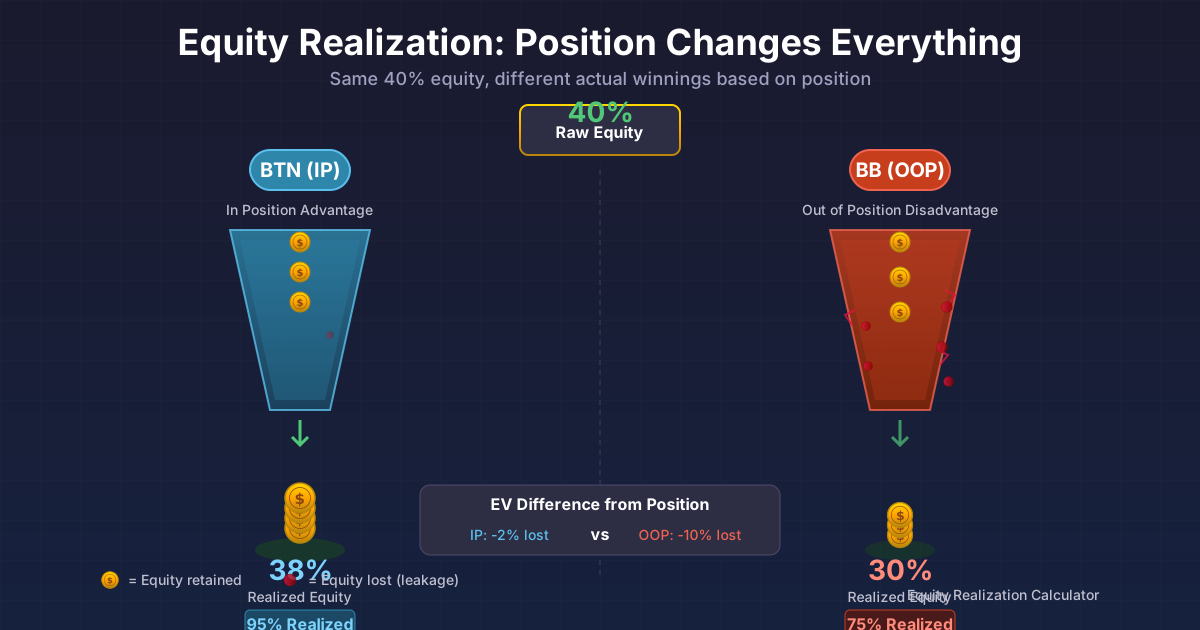
Harder to realize equity

This is why:
Many hands are -EV to play
Even "playable" hands suffer
Position trumps card strength
Steal and Defense Math
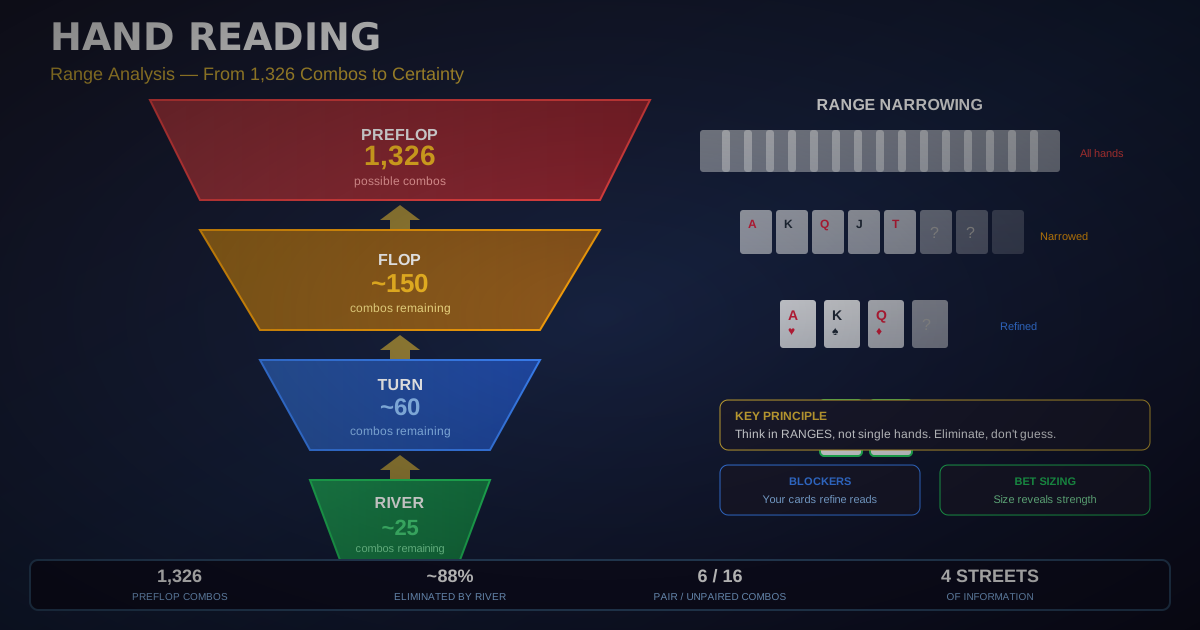
Steal Success Rates
Button steal profitability:

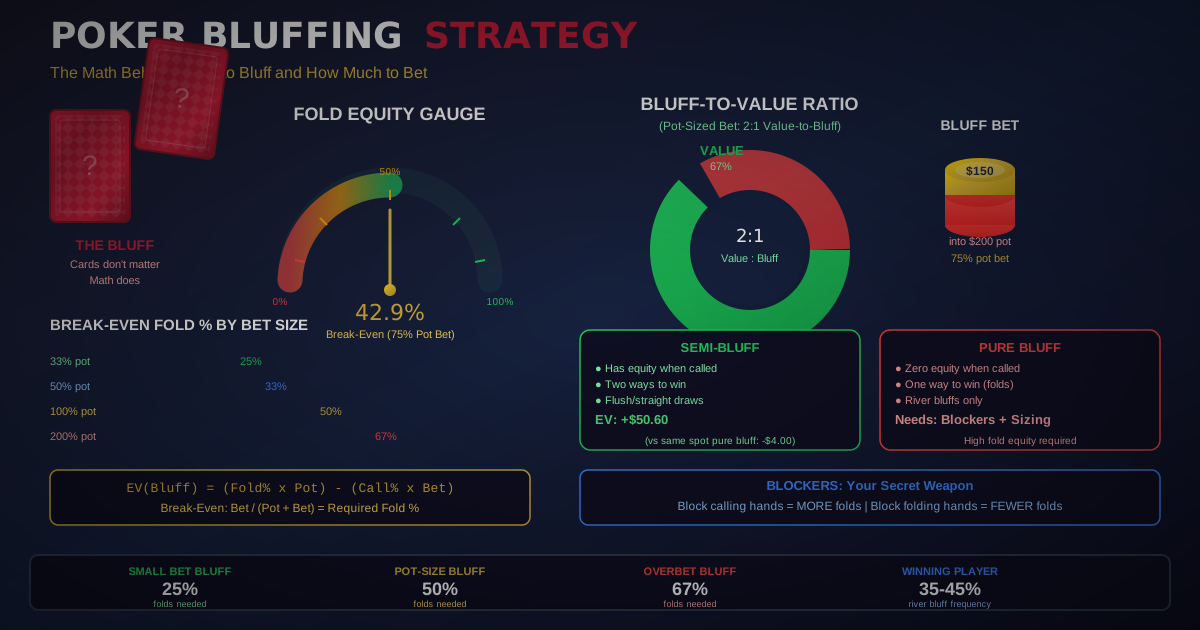
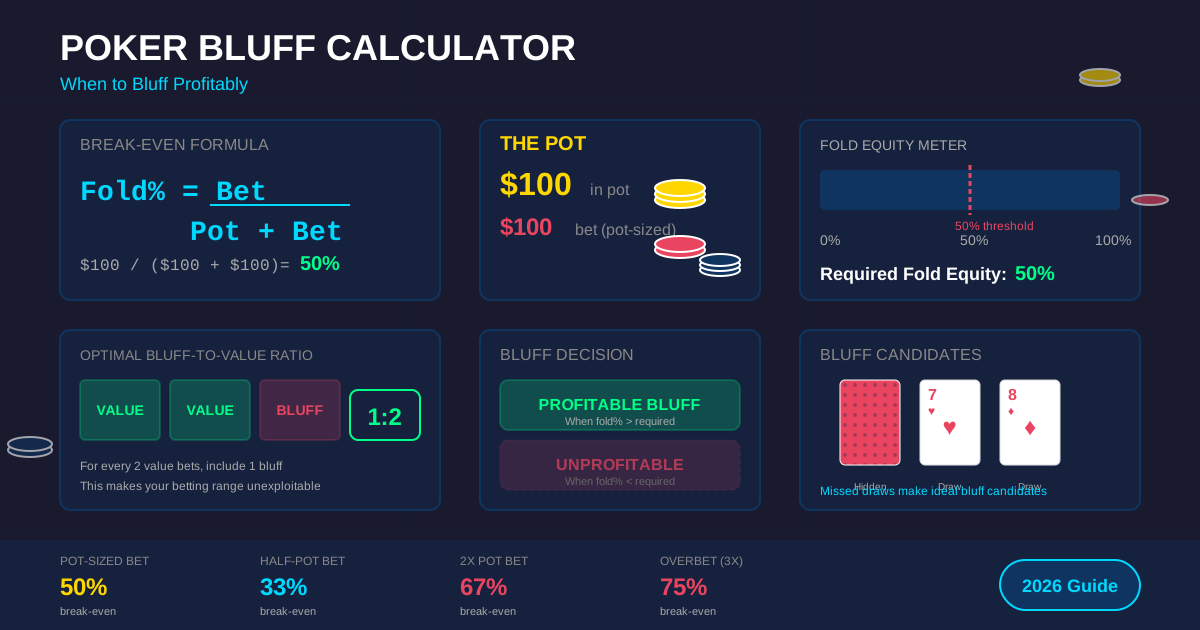
Need ~50% fold to profit at 2.5bb
Typical success rate: 60-70%

EV of steal attempt:
Success: Win 1.5bb (SB+BB)
Failure: Lose ~2.5bb (or play pot)

If 60% fold:
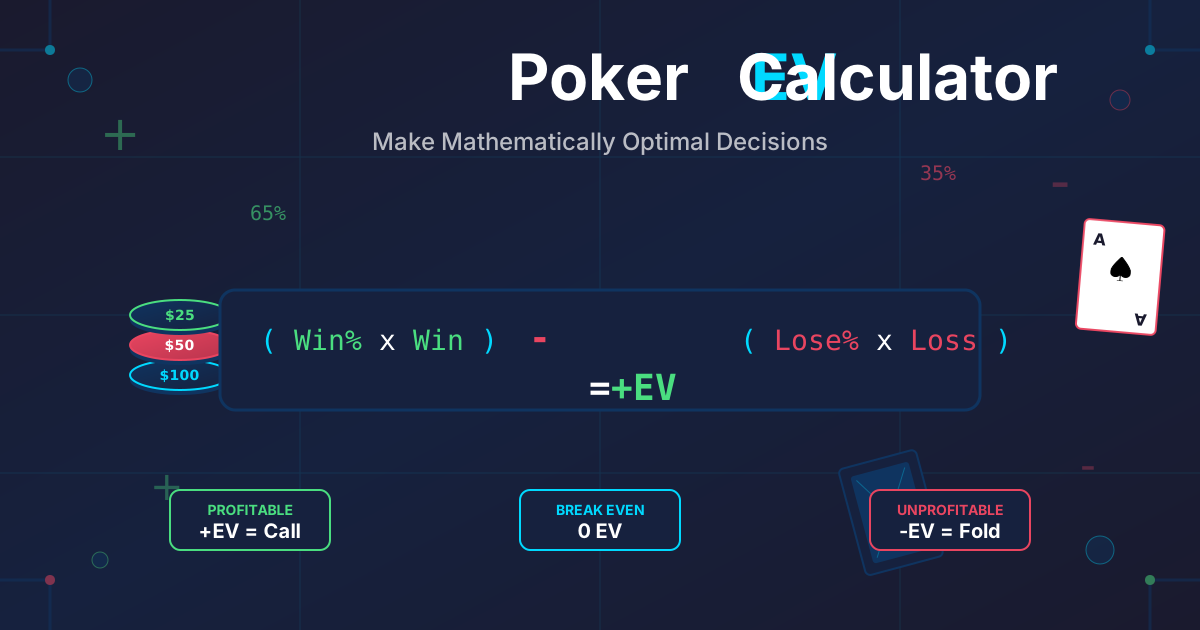
EV = 0.6 × 1.5 + 0.4 × (-2.5 or +varies)
Generally profitable
Defense Frequencies
Game theory defense:

If BB always folds:
Stealing is hugely +EV

If BB always defends:
Stealing becomes -EV

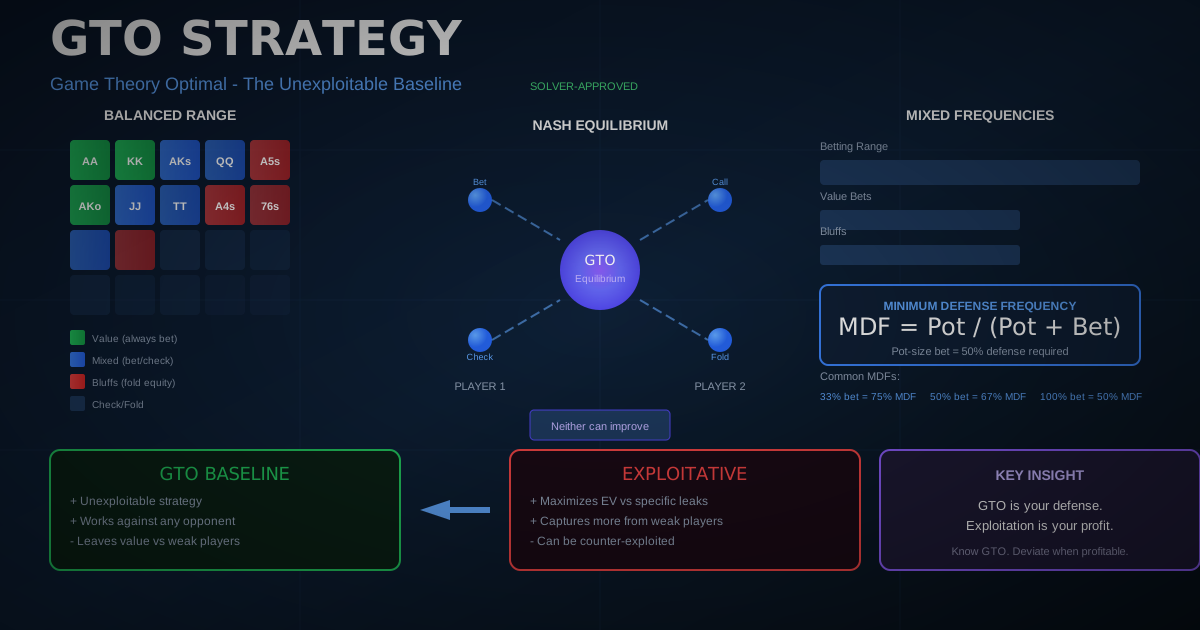
Equilibrium:
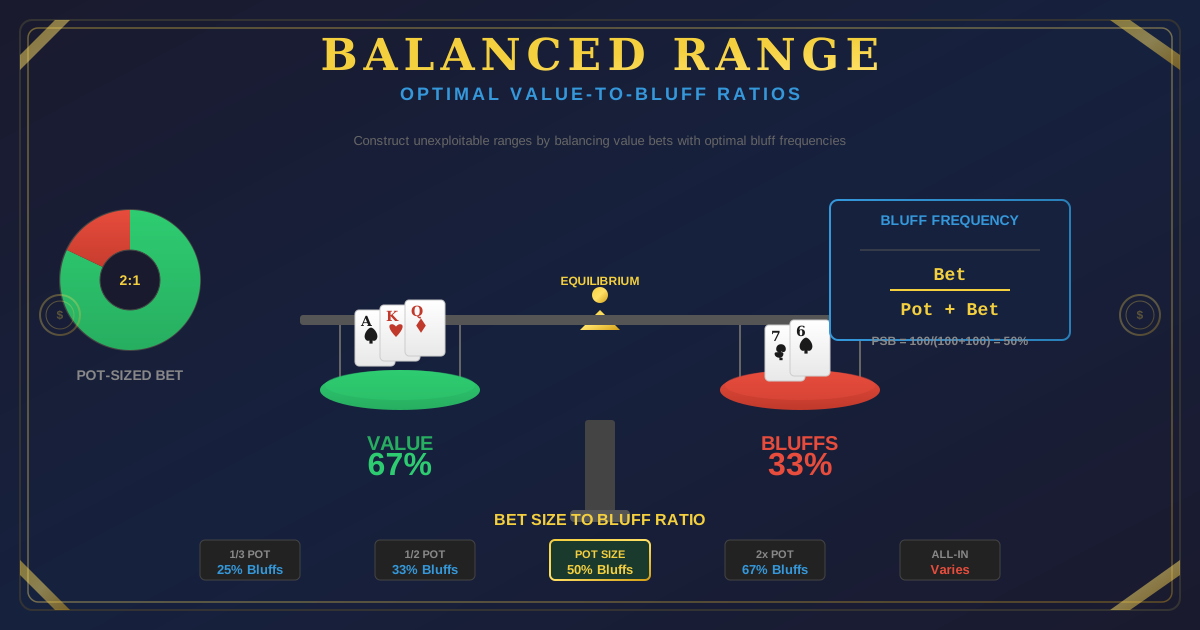
BB defends enough to make
Marginal steals break-even
~40-50% defense vs button
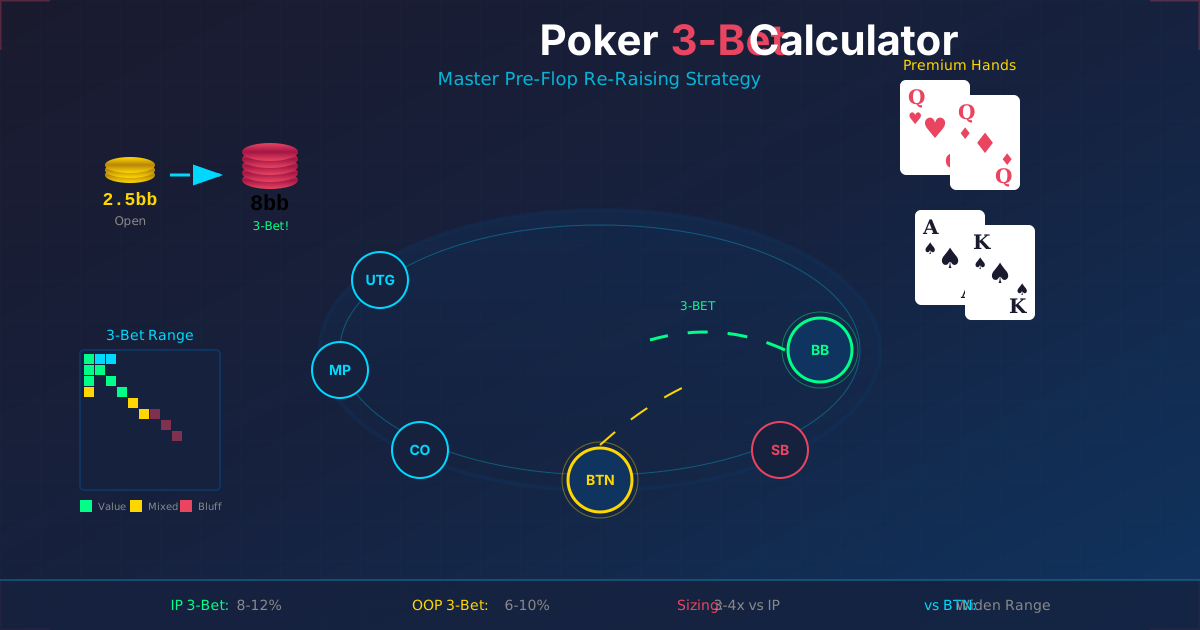
3-Bet Frequencies
When to 3-bet from blinds:

Value: Premium hands
Bluff: Suited Aces, suited connectors

SB 3-bet range vs BTN: ~10-15%
BB 3-bet range vs BTN: ~12-18%

3-betting > calling often
Regains initiative
Denies position advantage
Position-Specific Strategy
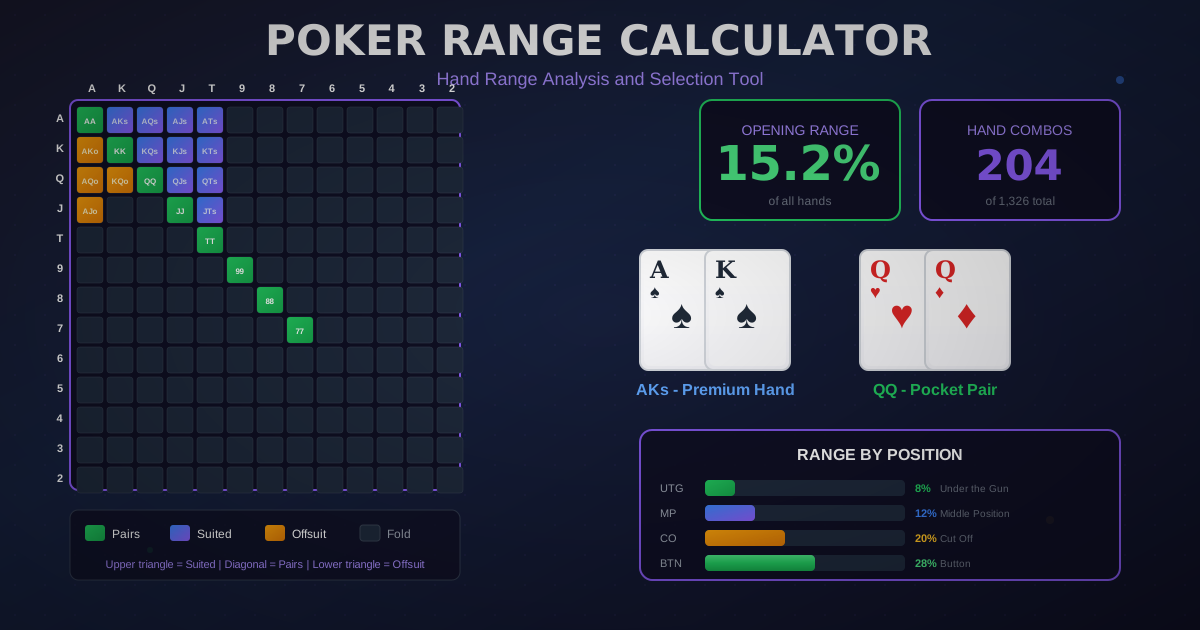
Big Blind Defense Ranges
BB vs Button 2.5bb open:

Call range (~35%):
K9s-K2s, Q9s-Q2s, J8s-J2s
T8s-T5s, 97s-95s, 86s-84s
A9o-A2o, K9o-K5o
All pairs 22-88

3-bet range (~12%):
AA-99, AK-ATs, KQs-KJs
A5s-A2s, 76s-54s (bluffs)

Fold (~53%):
Everything else
Small Blind Ranges
SB vs Button 2.5bb open:

3-bet range (~10%):
AA-TT, AK-AJs, KQs
A5s-A4s, 76s-65s (bluffs)

Call range (~5-10%):
Only if 3-bet range full
Some suited connectors
Marginal with position disadvantage

Fold (~80-85%):
Most hands
SB is worst position
Tighter = better
Real-World Examples
Example 1: Standard BB Defense
Common spot:
Blinds: $1/$2, you have $200
BTN opens $5, folds to BB (you)
You hold: K♠ 7♦ (K7o)

Getting 3.5:1 on call
K7o is ~35th percentile

Decision: Fold
K7o plays poorly postflop
Not in standard defense range
Example 2: BB 3-Bet
Taking initiative:
Blinds: $1/$2, you have $200
BTN opens $5, SB folds
You hold: A♠ 5♠ (A5s)

Options:
Fold: Lose $2
Call: Play OOP, ~-$1 EV
3-bet to $18: Take initiative

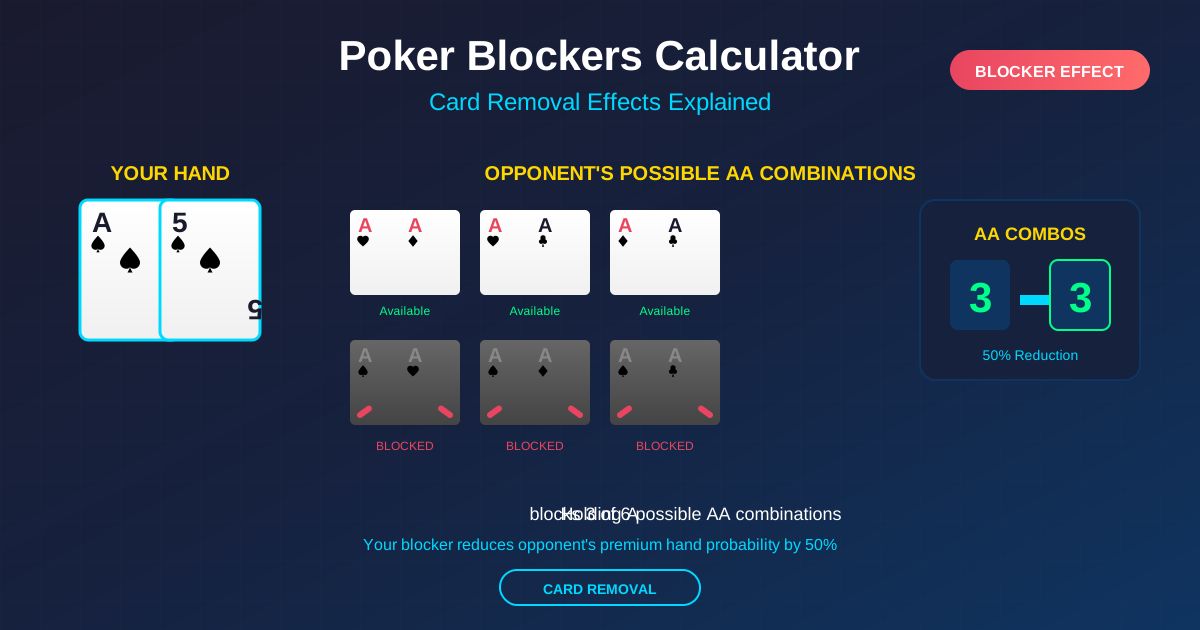
Decision: 3-bet
A5s is good 3-bet bluff
Suited Ace, blocker value
Example 3: SB Complete
Trap spot:
Blinds: $1/$2, you have $200
Folds to you in SB
You hold: J♥ 9♥ (J9s)

Options:
Complete $1: Creates BB squeeze
Raise $6: Take initiative
Fold: Save $1

Decision: Raise to $6
Completing invites 3-bet
J9s plays well heads-up
Position still bad but better
Example 4: Blind Battle
SB vs BB:
Blinds: $1/$2
Folds to SB who opens $6
You're in BB with Q♠ T♦ (QTo)

SB stealing wide
QTo is decent
Getting 3.5:1

Decision: Call or 3-bet
QTo in top 30% of hands
SB range is wide
3-bet to $20 or call both viable
Common Mistakes
1. Over-Defending BB
Mistake: Calling with any two cards Problem: OOP play kills equity Fix: Fold bottom 50%+ of range
2. Completing SB
Mistake: Limping small blind Problem: Creates squeeze opportunities Fix: Raise or fold, rarely complete
3. Ignoring Position
Mistake: Playing like you have position Problem: Can't bluff effectively Fix: Accept positional disadvantage
4. Flat Calling Premium Hands
Mistake: Calling AA in blinds Problem: Multi-way, hard to play Fix: 3-bet premiums for value
Frequently Asked Questions
Should I defend my big blind?
Yes, but selectively. Defend ~40-50% vs button steals, less vs earlier positions. You're getting good odds but have position disadvantage.
Is completing the small blind bad?
Usually, yes. It invites BB squeeze and creates difficult post-flop spots. Raise or fold is generally better.
How often should button steal?
Against tight blinds, very often (70%+). Against aggressive defenders, tighten to ~50%. Adjust to opponents.
Why is small blind the worst position?
You post money, act first post-flop, and have no information advantage. Combine forced investment with worst position = highest loss rate.
Should I 3-bet more from blinds?
Often, yes. 3-betting regains initiative, denies positional advantage, and builds pots with strong hands. Include bluffs for balance.
How do stack depths affect blind play?
Deeper stacks favor implied odds (calling more). Shorter stacks favor aggression (3-bet or fold more). Adjust ranges accordingly.
Pro Tips
-
BB defense ~40-50%: vs late position steals
-
SB: 3-bet or fold: Completing is usually wrong
-
Position matters most: Cards secondary
-
Include bluffs: In 3-bet range from blinds
-
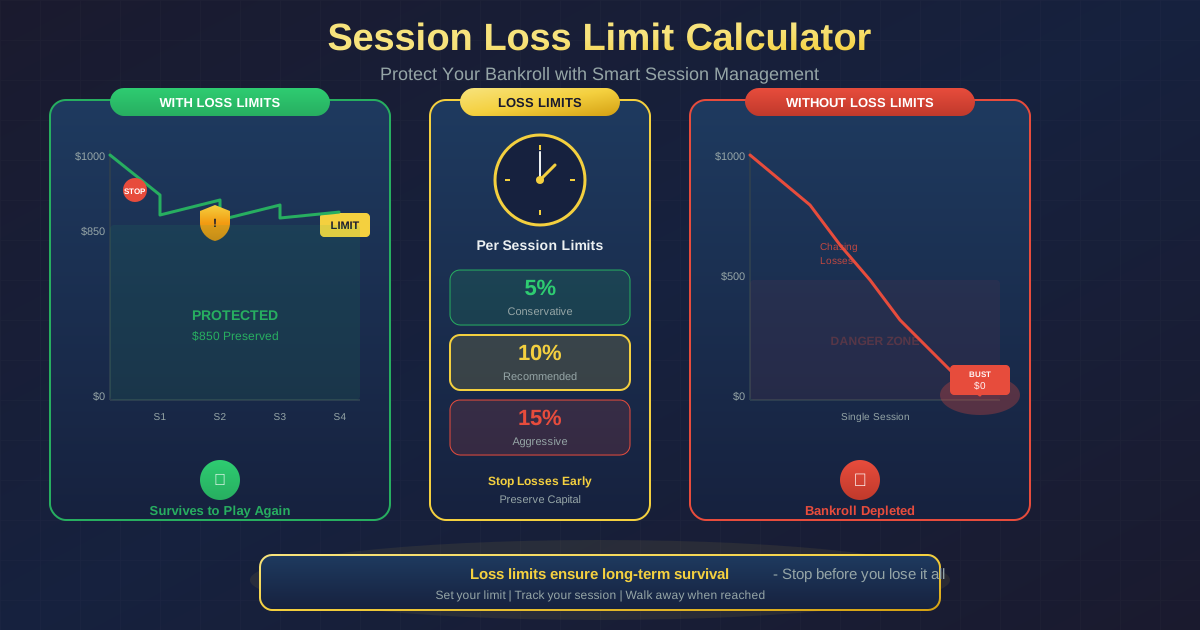
Accept -EV: Goal is minimize losses
Related Calculators
- Poker Range Calculator - Hand ranges
- Poker Odds Calculator - Equity
- Push/Fold Calculator - Short stack
- 3-Bet Calculator - Reraise strategy
- ICM Calculator - Tournament spots
Conclusion
Blind bets force you into every pot—but defending with poor position is inherently -EV. Our calculator shows optimal defense frequencies, when to 3-bet for value or as a bluff, and why minimizing blind losses is more important than trying to profit from these forced investments.
Calculate Blind Strategy Now →
Defending K7o from the big blind feels cheap—until you play out of position every street. Our calculator proves when those extra 2.5bb in odds aren't worth the positional nightmare that follows.