Continuation Bet Calculator: C-Bet Strategy Analysis (2026)
Continuation Bet Calculator: Betting As the Aggressor
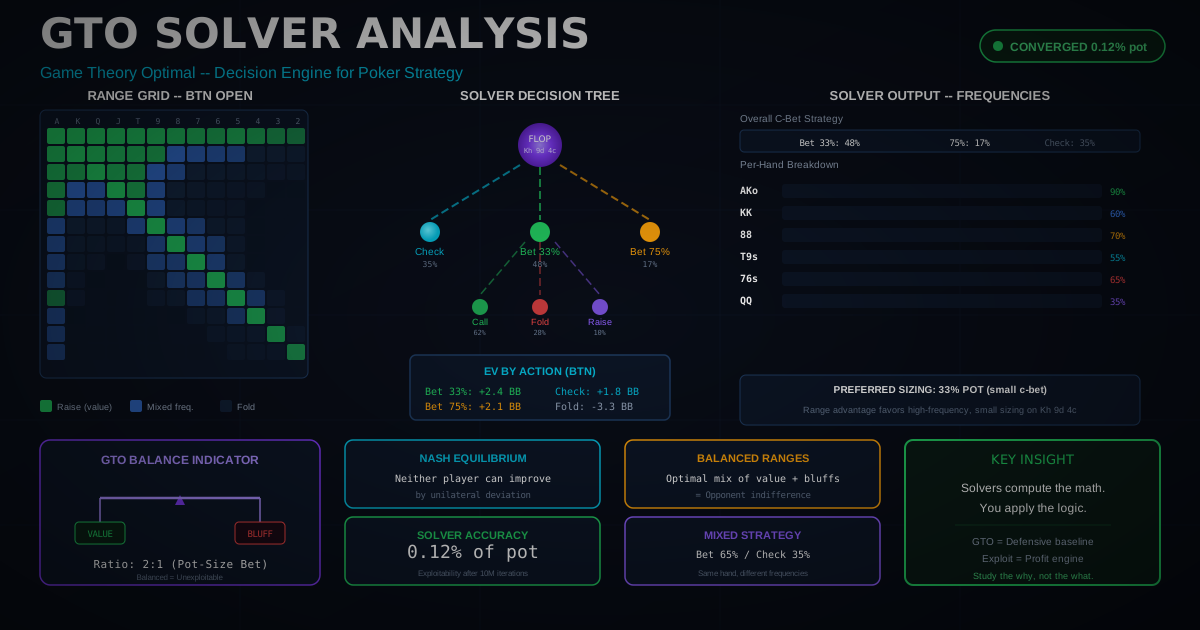
Continuation betting—betting the flop after raising preflop—is fundamental to winning poker. But c-betting 100% of flops is exploitable. Our calculator reveals optimal c-bet frequencies by board texture, proper sizing, and when checking is more profitable than betting.
What Is a Continuation Bet?
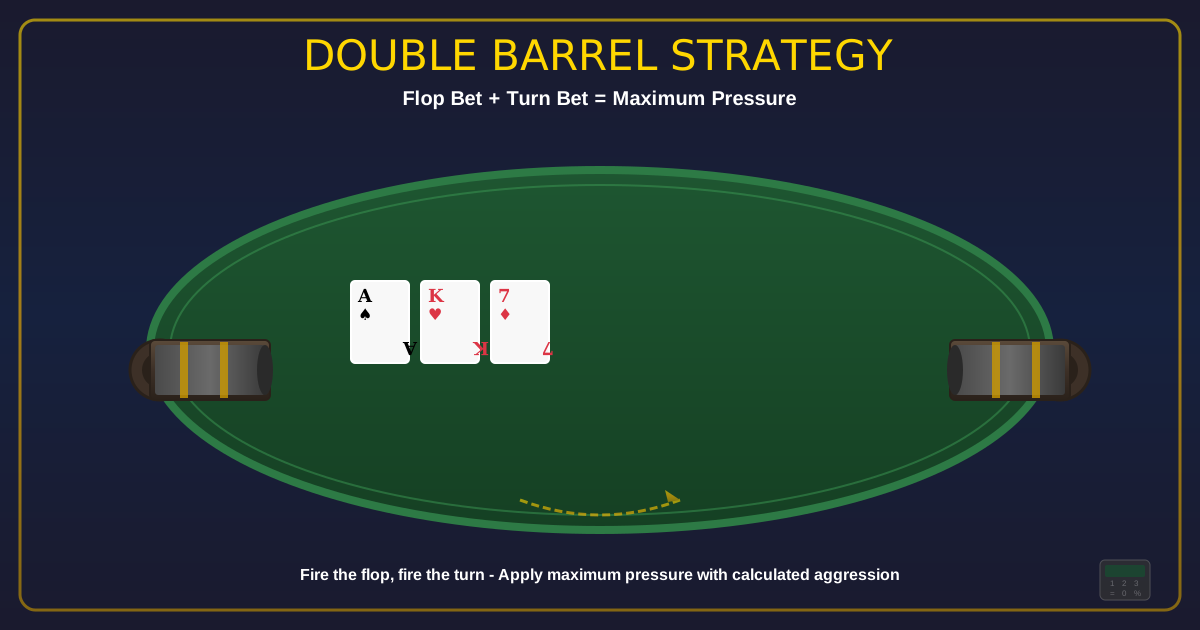
A continuation bet (c-bet) is a bet on the flop made by the preflop aggressor (the player who raised before the flop). Whether you hit the flop or not, betting "continues" your aggression. C-betting applies pressure and often takes down pots without showdown.
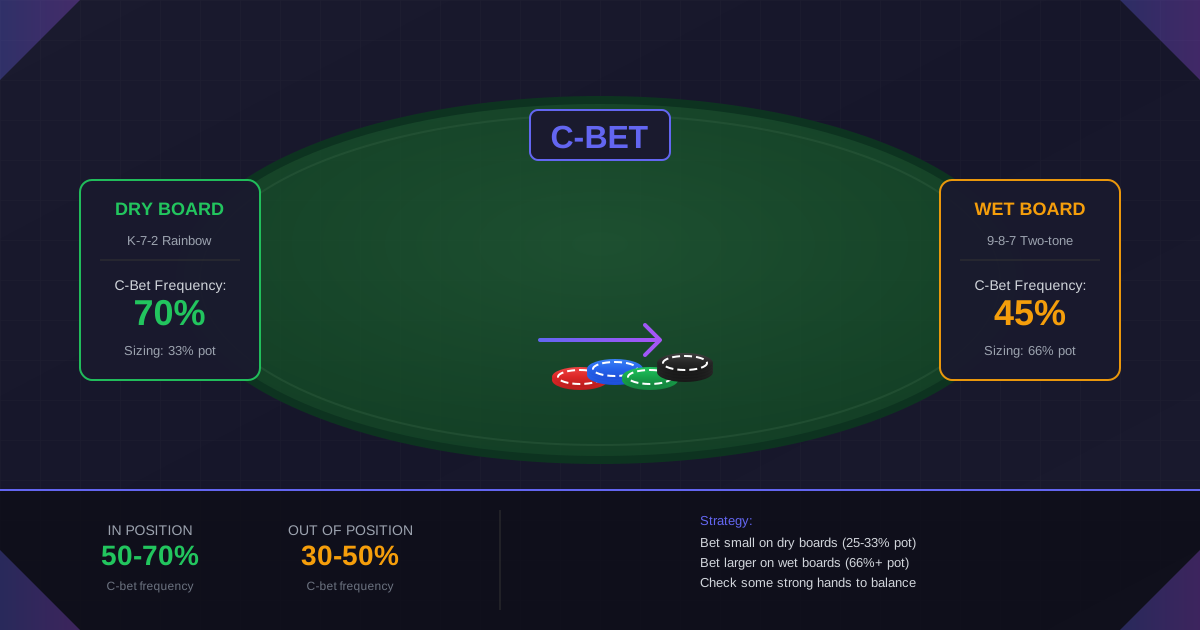
Quick Answer: C-bet = betting flop after preflop raise. You raised, you bet. Frequency: ~50-70% in position, ~30-50% out of position. Sizing: 25-75% pot depending on board. Works because: opponents fold medium hands, your range is stronger. Don't c-bet 100%—checking protects range and traps.
How to Use Our Calculator
Calculate c-bet frequency and sizing by board.
Step-by-Step Instructions
-
Enter Position: IP or OOP
-
Select Board Texture: Dry, wet, paired, etc.
-
View C-Bet Frequency: How often to bet
-
Check Sizing: Recommended amount
-
See Check Range: When not to bet
Input Fields Explained
| Field | Description | Example |
|---|---|---|
| Position | In/out of position | In Position |
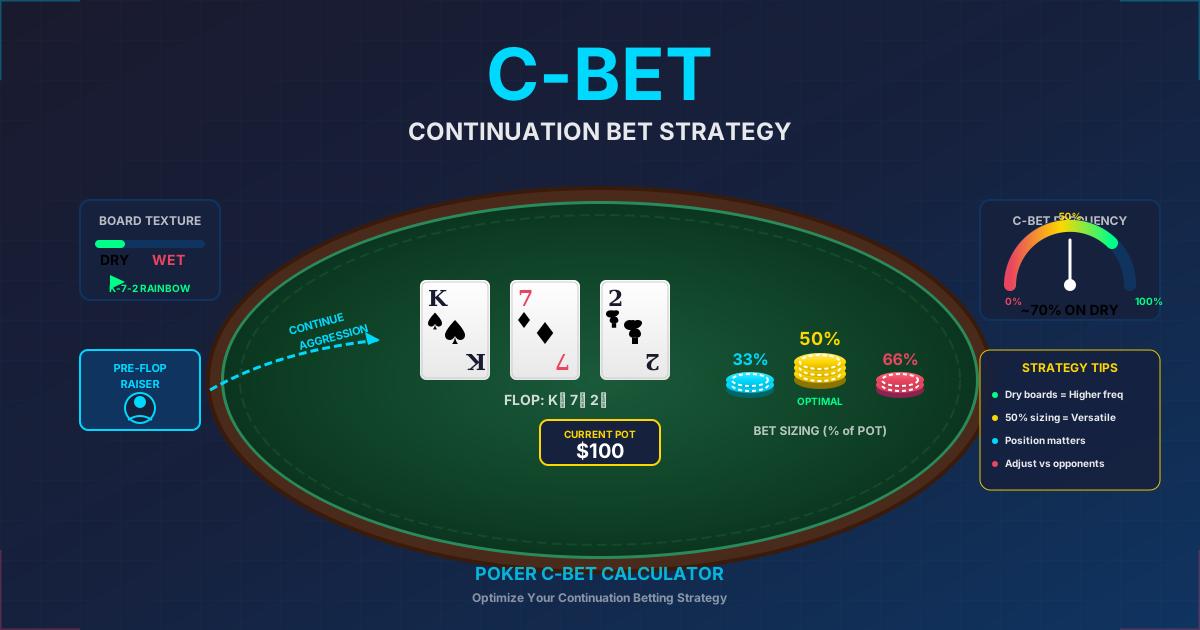
| Board | Flop texture | K♠ 7♦ 2♣ |
| Texture | Classification | Dry |
| C-Bet % | How often | 70% |
| Sizing | Bet size | 33% pot |
C-Bet Fundamentals
Why C-Betting Works
C-bet success factors:

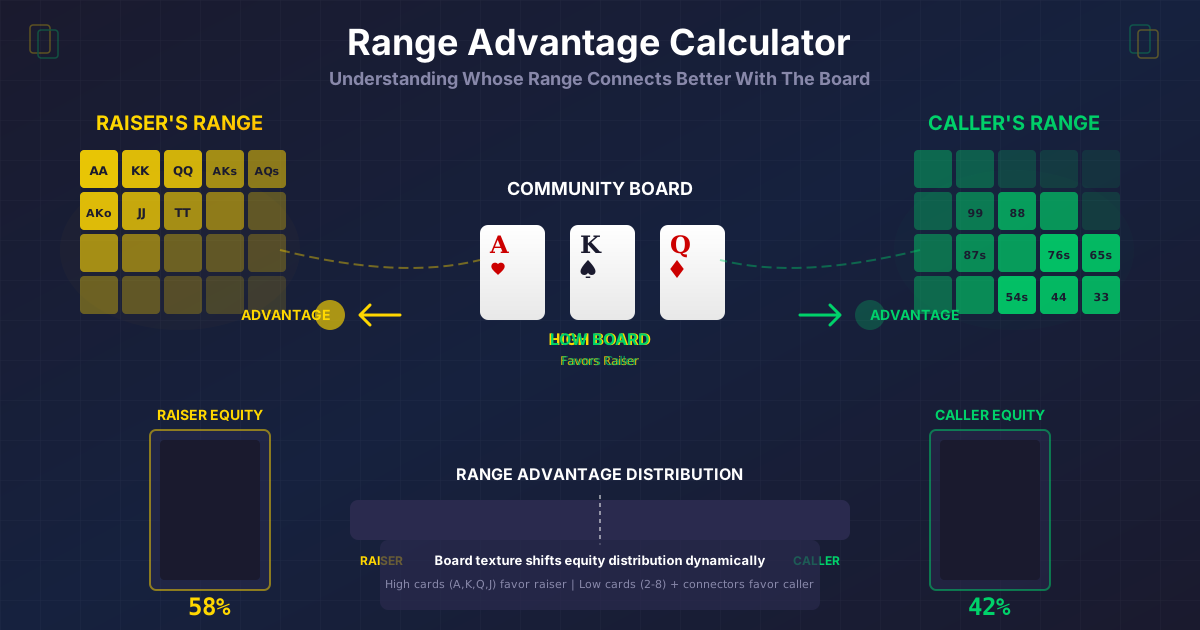
1. Range advantage: Raiser has more strong hands
2. Fold equity: Opponents miss most flops
3. Initiative: Aggressor controls action
4. Information: Bet learns about opponent hands

Miss rate on flop: ~67%
Often take pot uncontested
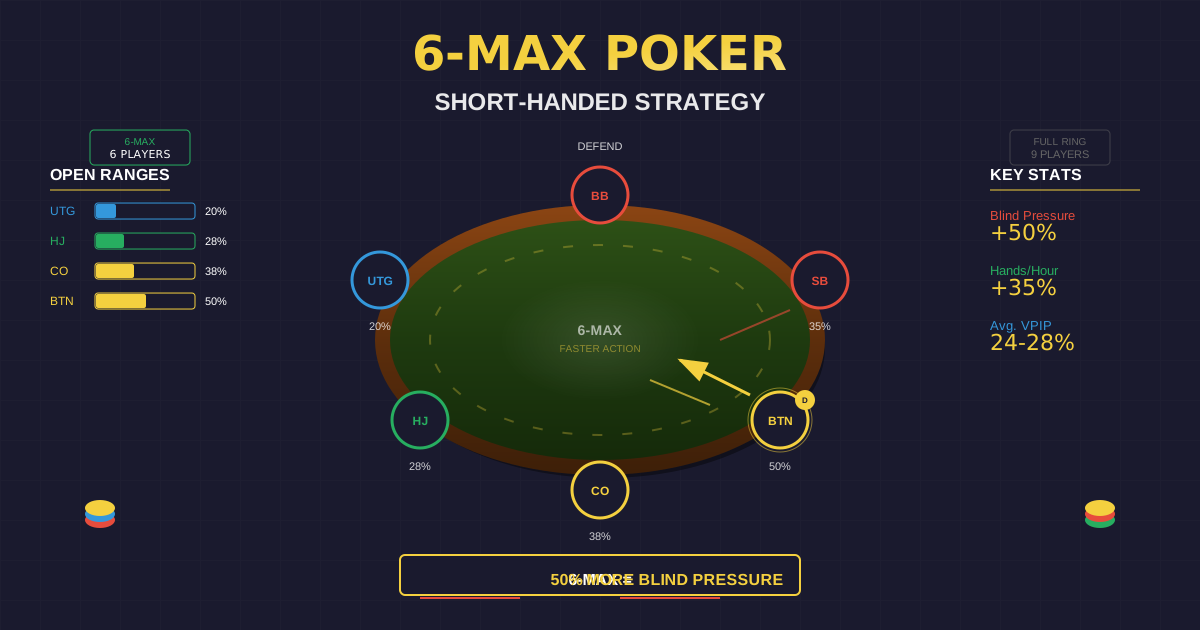
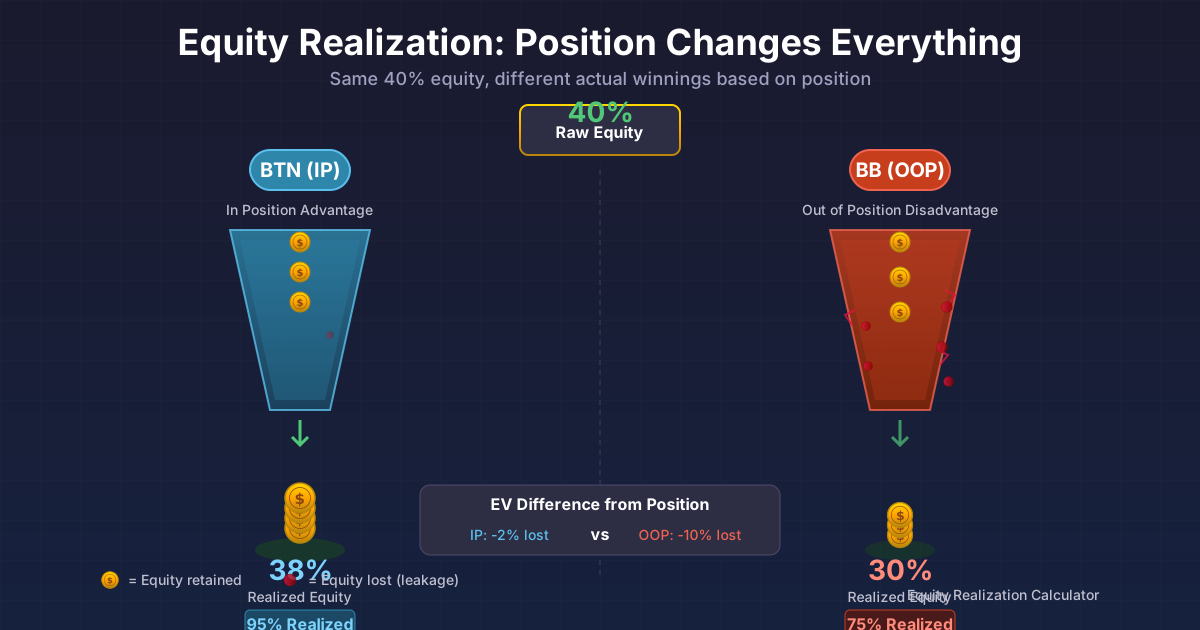
In Position vs Out of Position
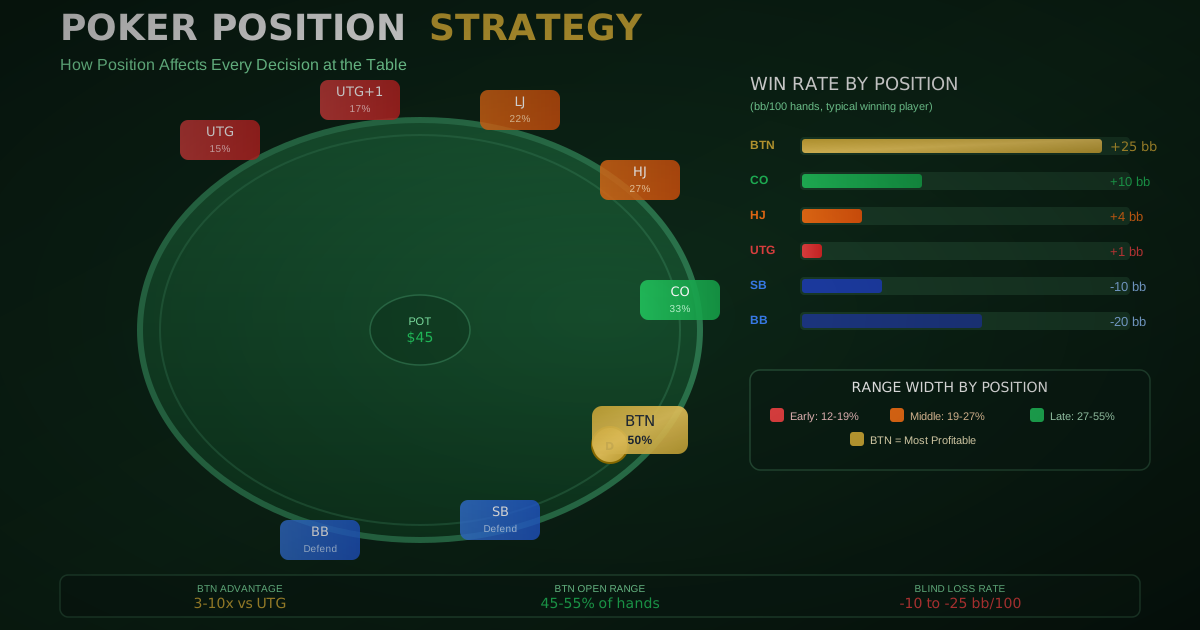
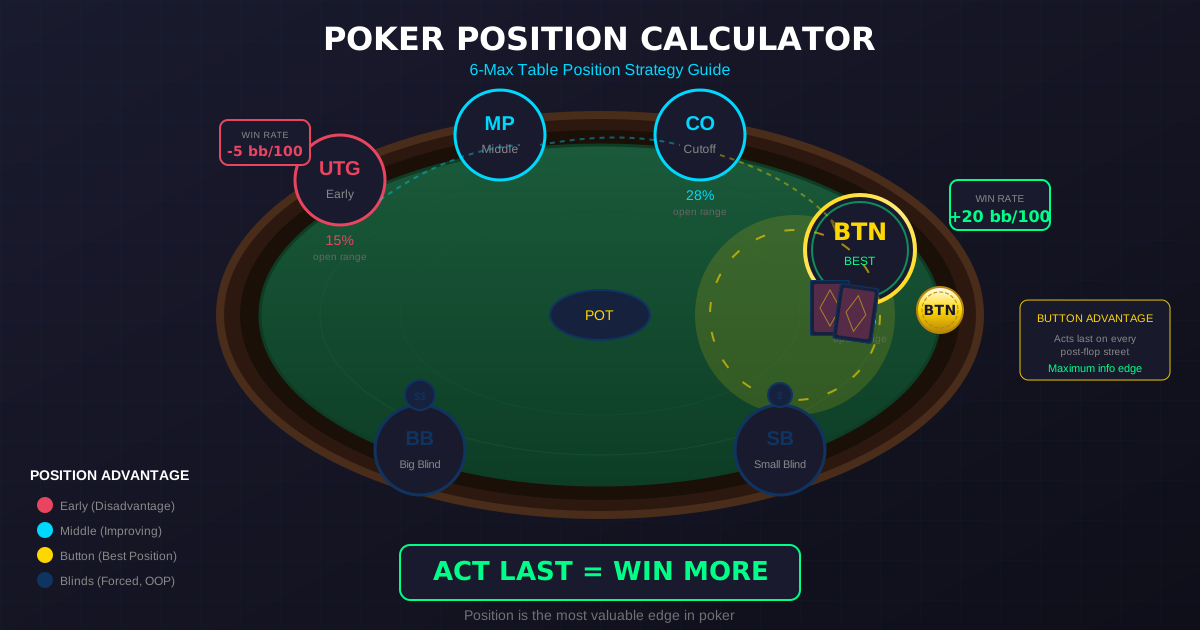
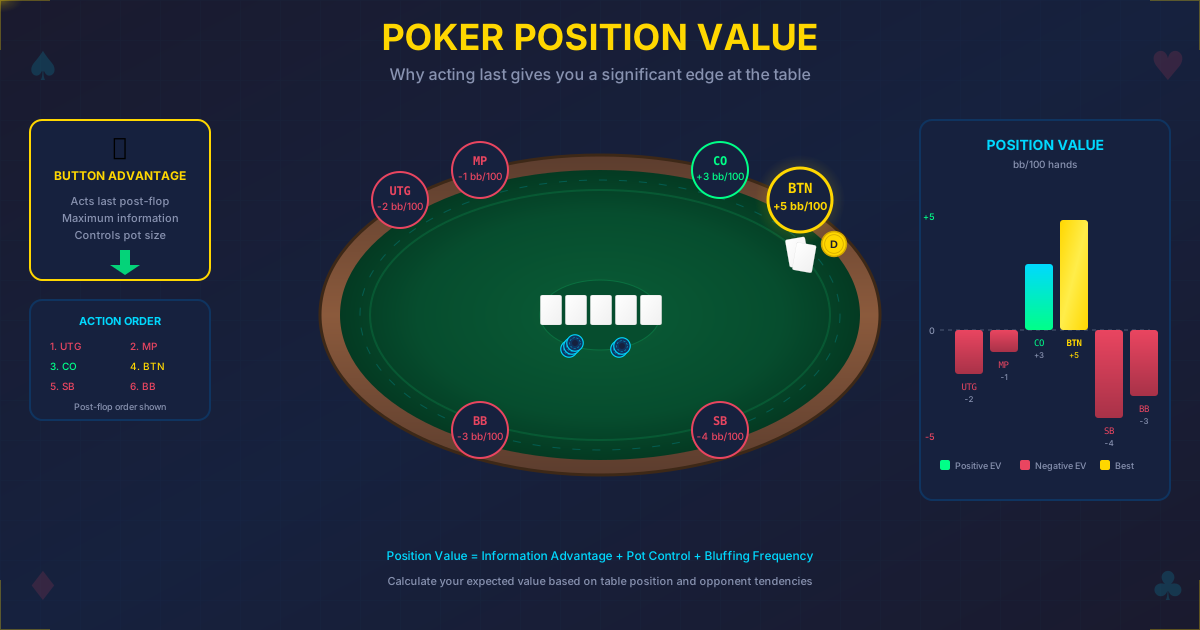
Position affects c-bet frequency:

In Position (IP):
C-bet 50-70%
Can check behind and see turn free
Position advantage post-flop

Out of Position (OOP):
C-bet 30-50%
Must bet/check then face action
Less control over pot

OOP = more selective c-betting
Board Texture Impact
C-bet more on:
Dry boards (K72r, A82r)
High card boards (AK5, KQT)
Paired boards (775, A44)

C-bet less on:
Wet boards (9♠8♠7♣)
Low connected (567, 678)
Monotone boards (3♠7♠J♠)

Texture determines equity distribution
C-Bet Sizing Strategy
Small C-Bets (25-33% pot)
When to use small c-bets:

Dry boards (K72r)
Paired boards (664)
Range advantage is clear
Accomplishes same goal cheaply

Example:
Pot $20, bet $6-7
Opponent folds or continues
Small risk for same information
Medium C-Bets (50-66% pot)
Standard sizing for:

Medium-wet boards
When you need fold equity
Decent made hands
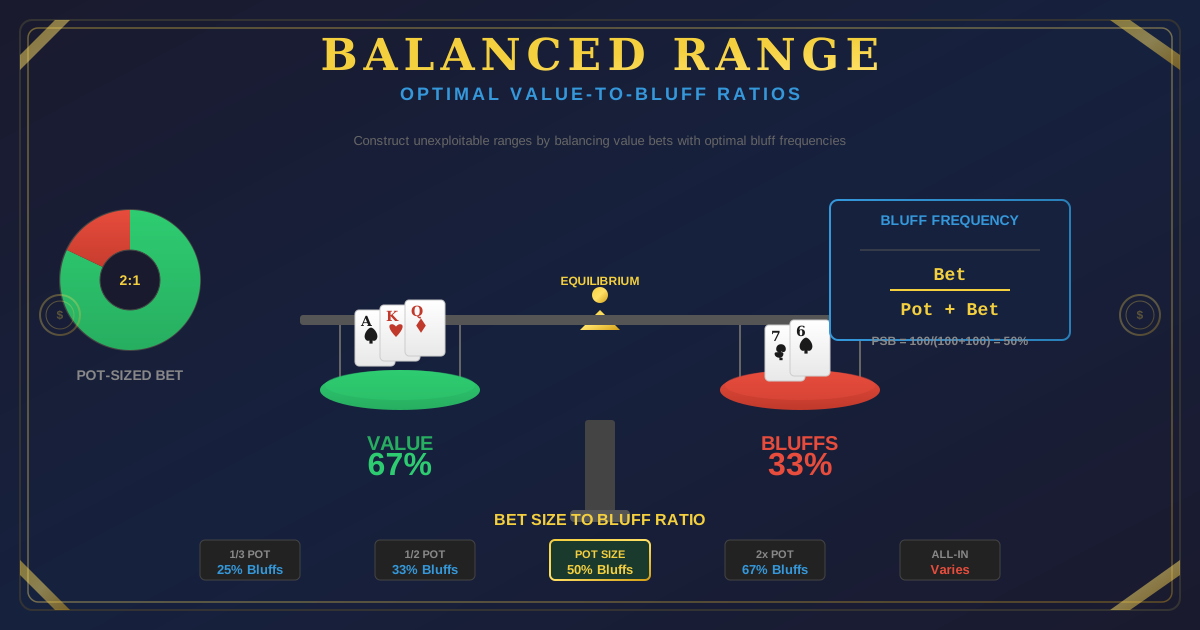
Mix of value and bluffs

Example:
Pot $20, bet $10-13
Polarizing your range somewhat
Large C-Bets (75-100% pot)
Larger sizing for:

Very wet/coordinated boards
When stacks are short
Maximum fold equity needed
Strong value or strong draws

Example:
Pot $20, bet $15-20
Applying maximum pressure
Board Texture Analysis
Dry Boards
Examples: K♥7♦2♣, A♠8♦3♣

Characteristics:
Few draws possible
Clear favorite usually
Range advantage preserved

Strategy:
C-bet high frequency (70%+)
Small sizing (33% pot)
Check some nutted hands
Wet Boards
Examples: 9♠8♥7♦, J♣T♥9♣

Characteristics:
Many draws possible
Equities run closer
Harder to protect hands

Strategy:
C-bet selectively (40-50%)
Larger sizing (66%+ pot)
Check strong hands sometimes
Paired Boards
Examples: 7♦7♣2♠, K♥4♥4♣

Characteristics:
Trip odds are equal
Many air hands can fold
Less likely to connect

Strategy:
C-bet frequently (60-70%)
Small sizing works
Opponent folds medium pairs
Real-World Examples
Example 1: Dry Board IP
Classic c-bet spot:
You raise BTN, BB calls
Flop: K♠ 8♦ 3♣
Pot: $20

Your hand: A♦ J♦ (no pair)

C-bet $7 (35% pot)
Opponent folds high %
Taking pot with air
Example 2: Wet Board OOP
Checking is better:
You raise CO, BTN calls
Flop: 9♥ 8♥ 7♣
Pot: $20

Your hand: A♠ Q♠ (whiffed)

Check
Board hits opponent's range
C-bet gets called/raised often
Check-fold or check-call later
Example 3: Value C-Bet
Betting for value:
You raise EP, SB calls
Flop: A♥ K♦ 5♣
Pot: $25

Your hand: A♦ K♣ (top two pair)

C-bet $17 (68% pot)
Getting value from Ax, Kx
Protecting against draws
Building pot for big hands
Example 4: Check-Trapping
Deceptive play:
You raise BTN, BB calls
Flop: K♠ 7♦ 2♣
Pot: $20

Your hand: K♥ K♦ (top set)

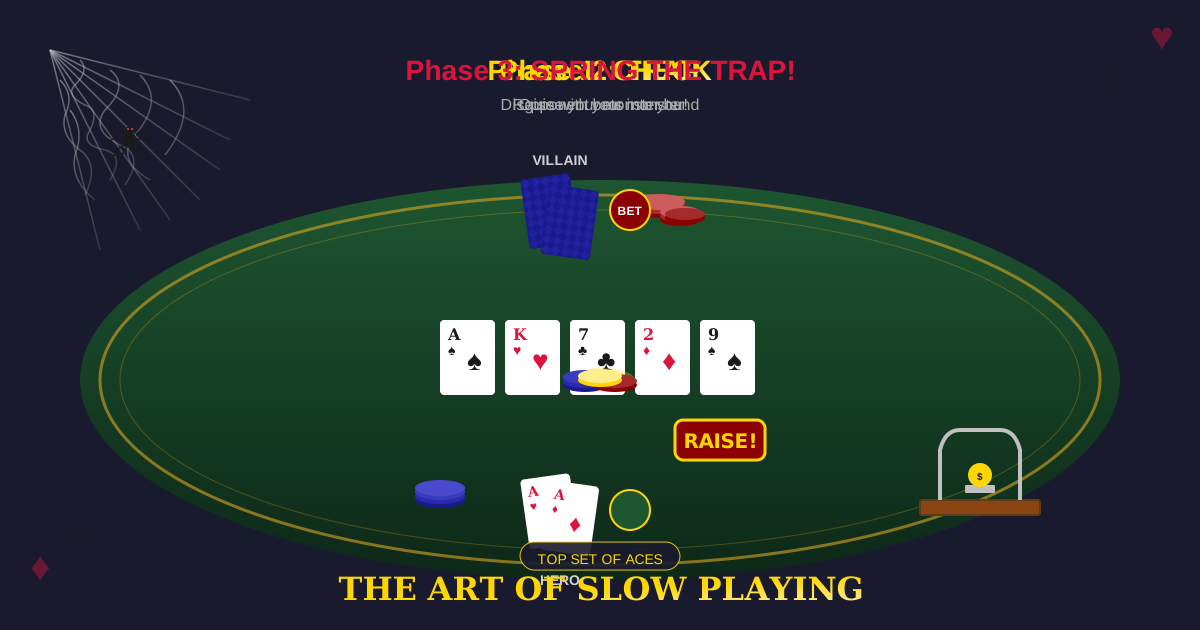
Check
Board is dry, safe
Opponent might bluff turn
Trap for bigger pot
Balances checking range
Common Mistakes
1. C-Betting 100%
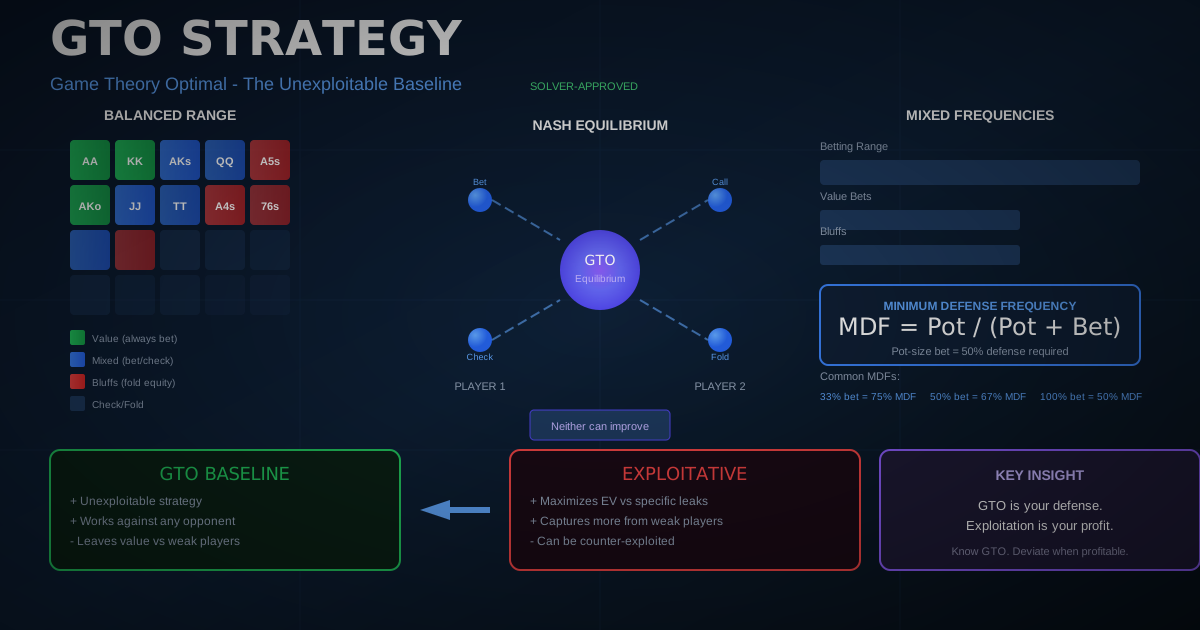
Mistake: Betting every flop you raise Problem: Exploitable, imbalanced Fix: Check 30-50% of range
2. Same Size Every Board
Mistake: 66% pot on all flops Problem: Dry boards need less Fix: Adjust by texture
3. C-Betting OOP Too Much
Mistake: High frequency without position Problem: Face raises, lose initiative Fix: Check more OOP
4. Never Checking Strong Hands
Mistake: Always c-betting value Problem: Checking range too weak Fix: Check some monsters
Frequently Asked Questions
How often should I c-bet?
In position: 50-70% on most textures. Out of position: 30-50%. Adjust for specific boards and opponent tendencies.
What size should my c-bet be?
Dry boards: 25-33% pot. Medium texture: 50-66%. Wet/coordinated: 66-100%. Smaller is often correct modern strategy.
Should I c-bet with nothing?
Sometimes, yes. Bluff c-bets are profitable when fold equity is high. But check some air to balance checking range.
Does c-bet work against calling stations?
Less effective. Reduce c-bet frequency, increase value betting. They'll call, so only bet when you want calls.
Should I c-bet paired boards?
Yes, often at high frequency with small sizing. Opponents fold pairs below the board pair.
What's a delayed c-bet?
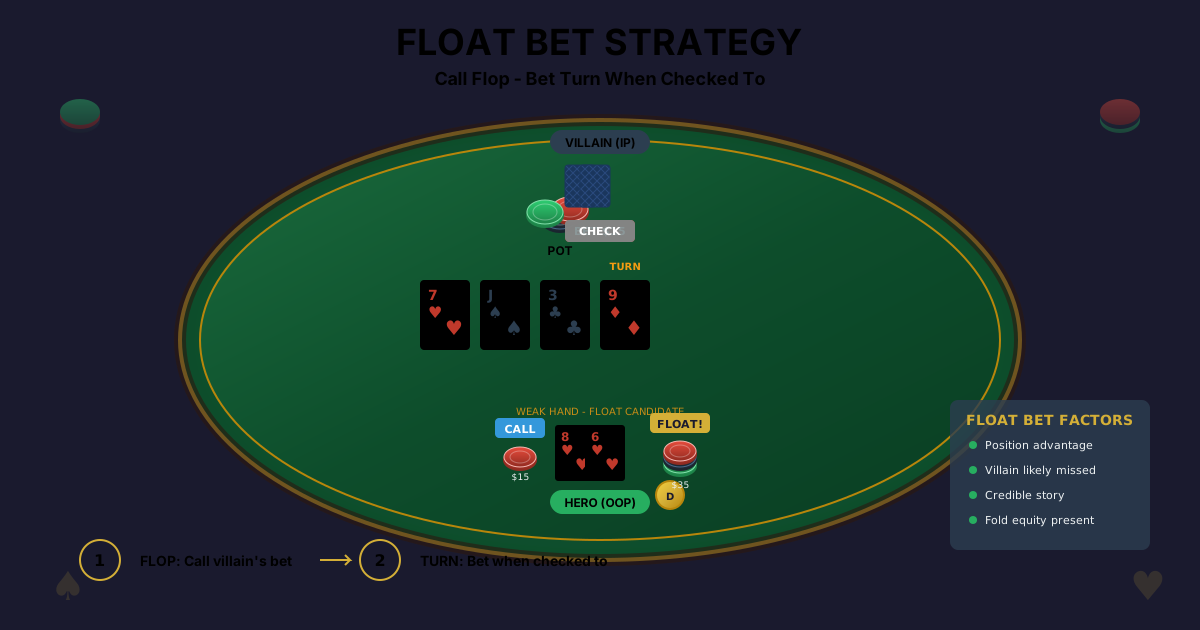
Checking flop, betting turn. Useful for wet flops that you'd check, then betting when draws miss.
Pro Tips
-
Board texture is key: Adjust frequency and sizing
-
Position matters: C-bet less OOP
-
Small sizing works: 33% pot on dry boards
-
Check some monsters: Balance your checking range
-
Observe opponents: Adjust to their tendencies
Related Calculators
- Poker Odds Calculator - Equity calculations
- Pot Odds Calculator - Call decisions
- Poker Range Calculator - Hand ranges
- 3-Bet Calculator - Preflop aggression
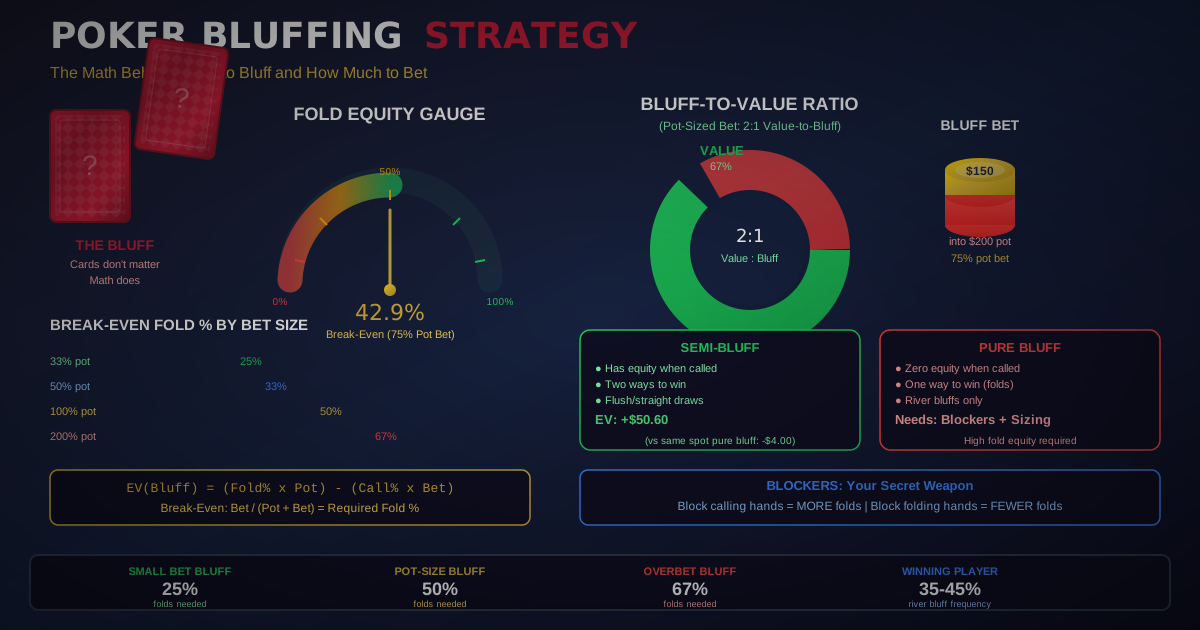
- Fold Equity Calculator - Bluff math
Conclusion
Continuation betting is essential—but optimal c-betting requires adjusting frequency and sizing by board texture and position. Our calculator shows when to bet, how much to bet, and when checking is the stronger play for both value hands and bluffs.
Calculate C-Bet Strategy Now →
That K72 rainbow flop screams "c-bet"—but even then, 30% of your range should check. Our calculator reveals why modern c-betting strategy is more nuanced than just "bet if you raised."