Float Bet Calculator: The Art of Delayed Aggression (2026)
Float Bet Calculator: Calling Now to Win Later
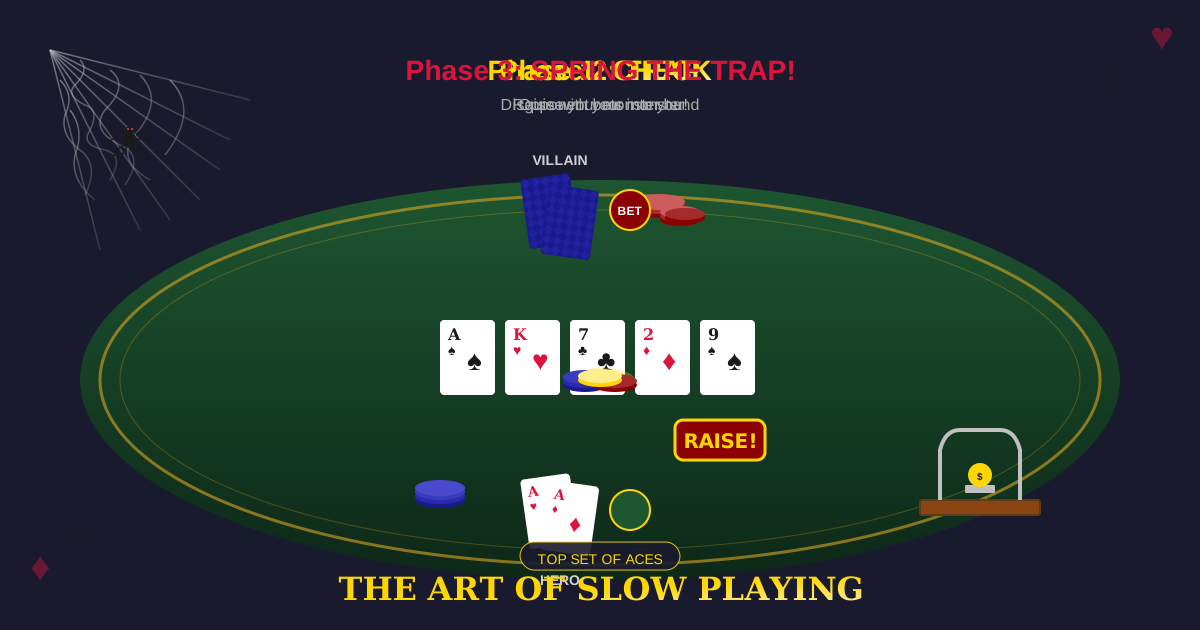
Floating—calling a bet with the intention of taking the pot away on a later street—is poker's delayed aggression play. Our calculator reveals when floating is profitable, which boards favor the float, and how position makes this sophisticated move possible.
What Is a Float Bet?
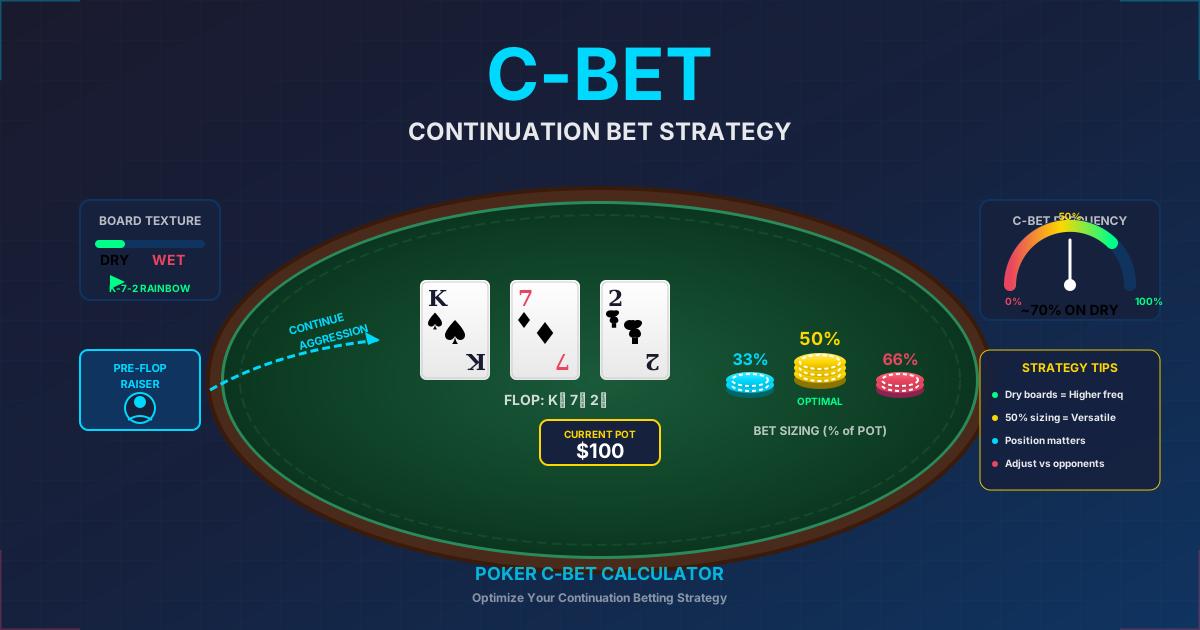
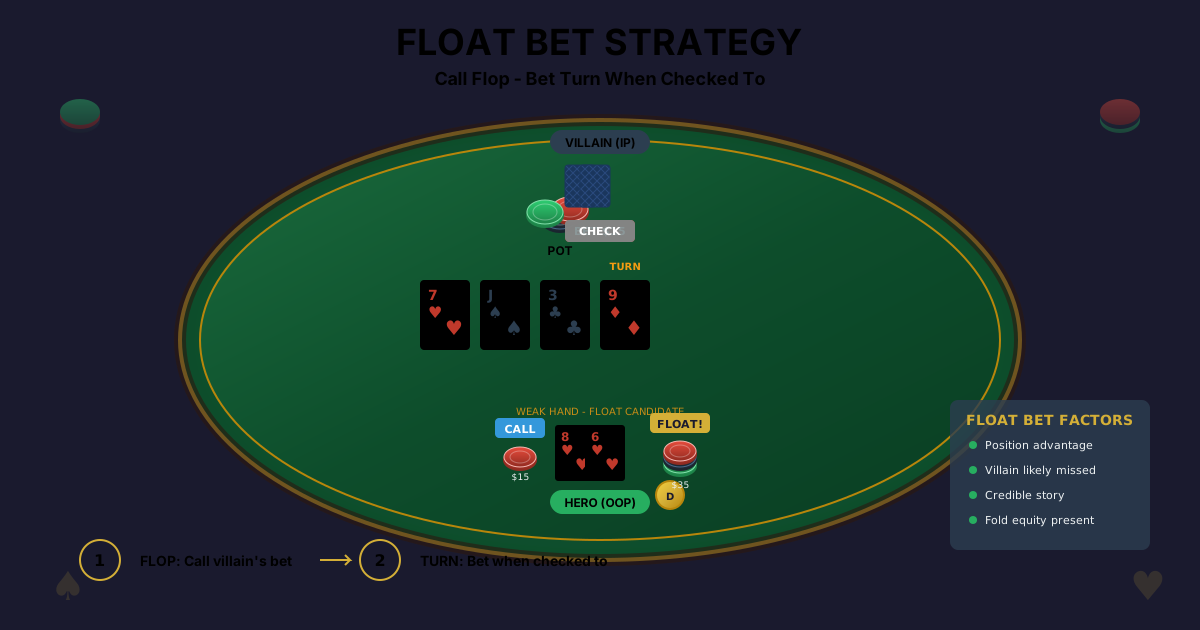
A float is calling a bet (usually a c-bet) with a weak hand, planning to bet or raise on a later street when opponent shows weakness. You're not calling for value or to draw—you're calling to set up a bluff. The "float bet" is your bet on the turn or river after floating the flop.
Quick Answer: Float = call flop, bet turn/river as bluff. Delayed aggression. Requires position. Call their c-bet with weak hand. When they check turn, bet and take pot. Works because: c-bets are often weak, checking shows surrender. Frequency: 15-25% vs frequent c-bettors. Need position to execute. Powerful vs auto-bettors.
How to Use Our Calculator
Use the Float Bet Calculator →
Calculate float profitability and success rates.
Step-by-Step Instructions
-
Enter C-Bet Size: What opponent bet
-
Input Your Hand: Floating candidate
-
Select Board Texture: Flop cards
-
View Float EV: Expected profitability
-
See Turn Bet Sizing: Optimal follow-through
Input Fields Explained
| Field | Description | Example |
|---|---|---|
| Position | Must be IP | Button |
| C-Bet Size | Their bet | 50% pot |
| Your Hand | Float candidate | A♠5♦ |
| Board | Flop texture | K♠7♦3♣ |
| Float Success % | How often they fold turn | 55% |
When Floating Works
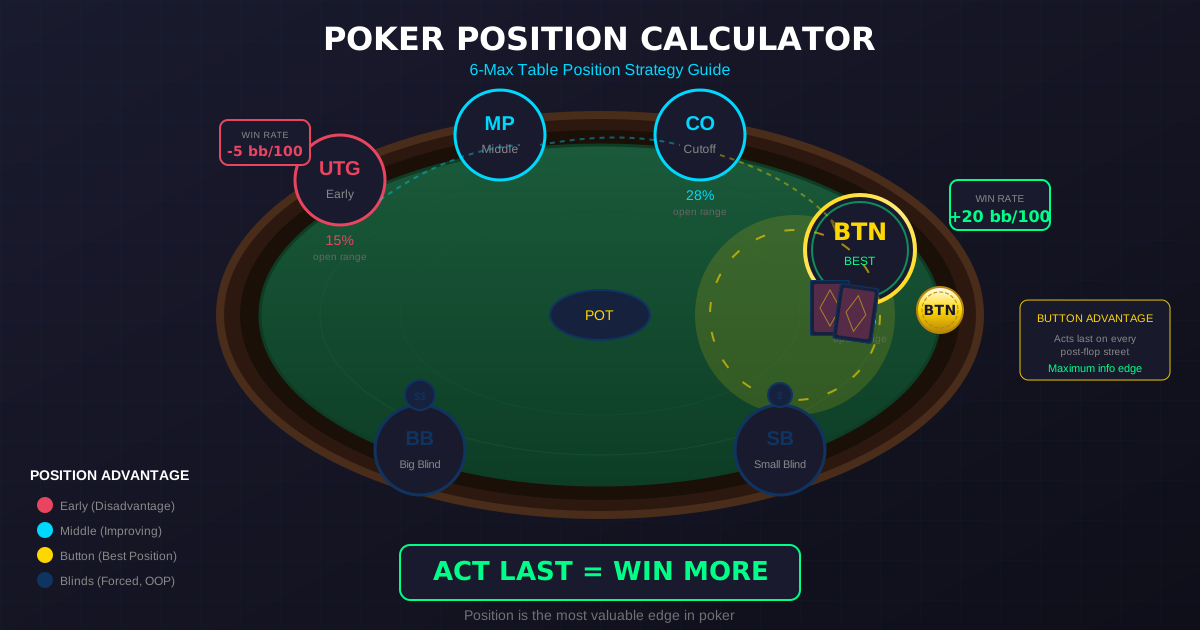
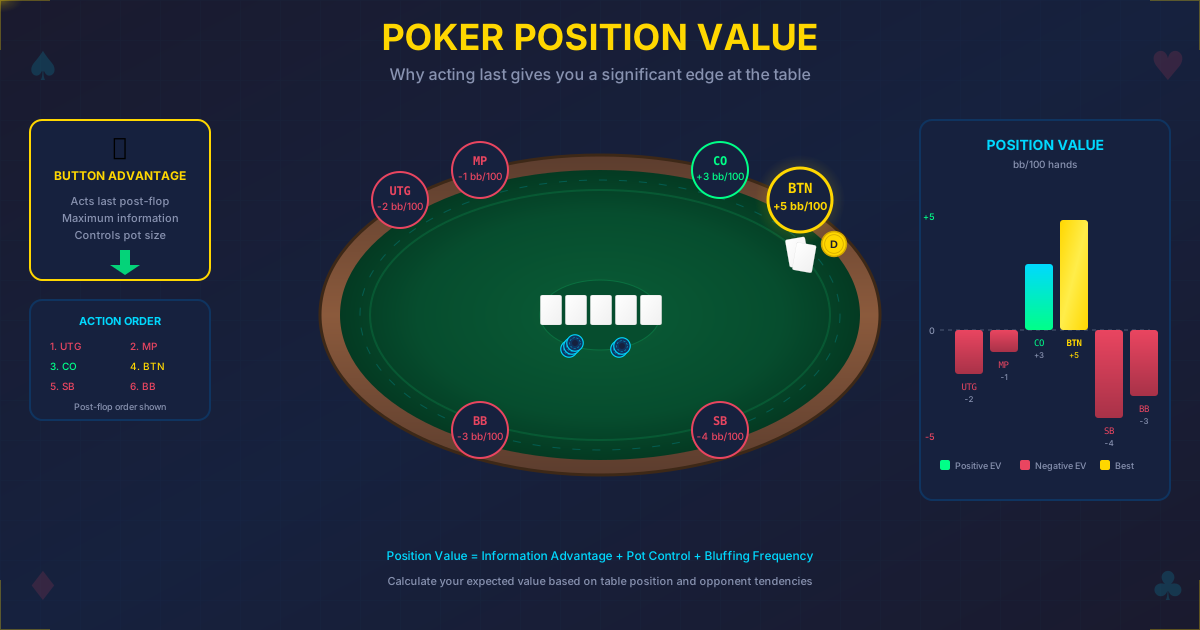
Position Is Mandatory
Why position is required:

You call flop in position
They must act first on turn
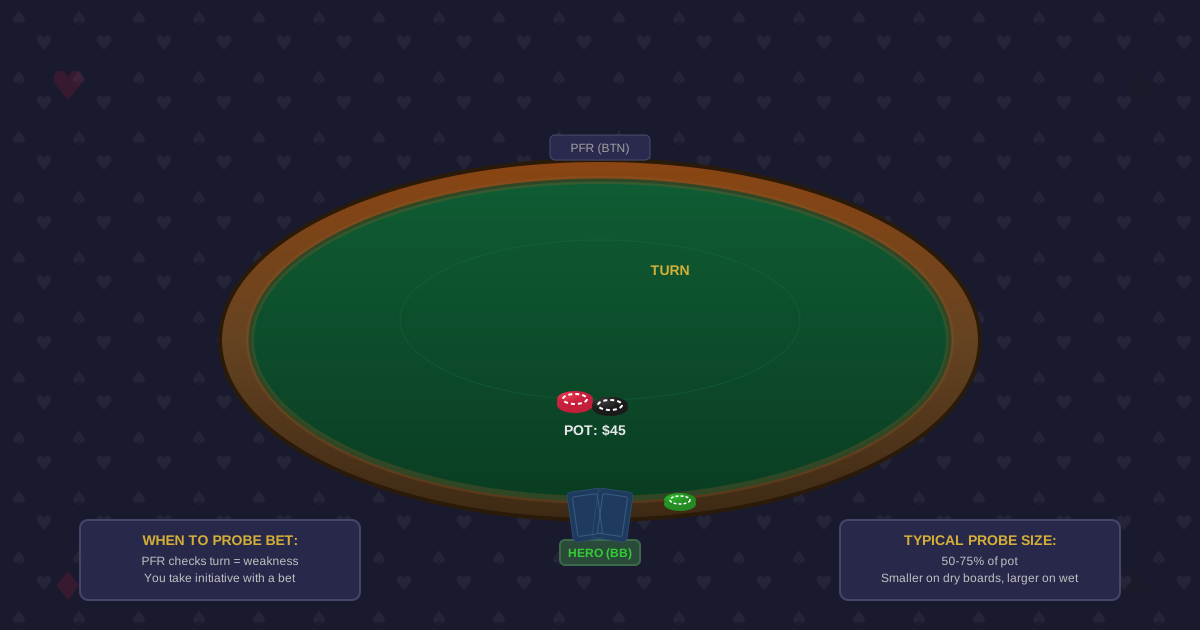
When they check, you bet
Take pot without showdown

Without position:
They bet turn, you're stuck
Can't execute the float
Must have position to float
Ideal Float Conditions
Best float situations:

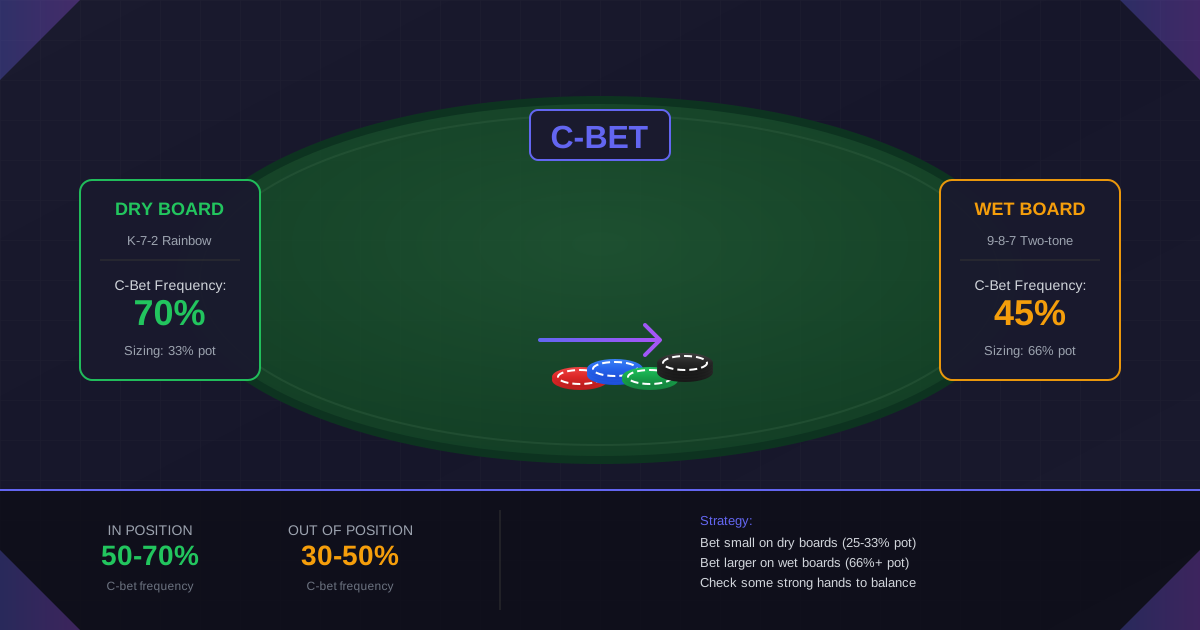
1. Opponent c-bets frequently (70%+)
2. You're in position
3. Board doesn't favor their range
4. You have backdoor equity
5. They check turn often when called

Example:
BTN opens, you call with A♠5♦
Flop: K♣7♥2♦
They c-bet 50% pot
You call (the float)
Turn: 4♠ - they check
You bet 60% - win pot
Opponent Selection
Float against:

Frequent c-bettors (70%+)
Players who give up on turn
Fit-or-fold mentality
Weak-tight players

Don't float against:

Sticky calling stations
Double/triple barrelers
Aggressive multi-streeters
Players who don't fold
The Float Mechanics
Step 1: Call the Flop
Calling requirements:

Position (mandatory)
Weak but not hopeless hand
Some backdoor equity (ideal)
Against frequent c-bettor

Good floating hands:
A5s (backdoor flush, Ace high)
76s (backdoor straight potential)
QJs (two overcards, backdoors)
Small pairs (some showdown)
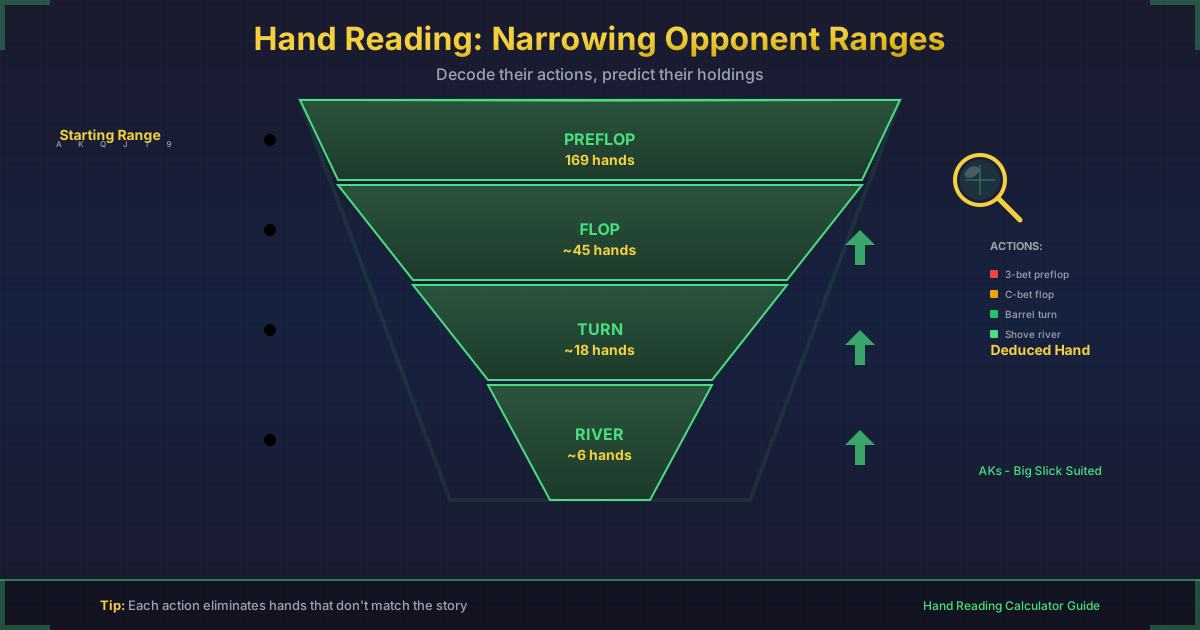
Step 2: Evaluate Turn
When turn checks to you:

They've shown weakness
Original c-bet was likely air
No second barrel = surrender
This is your green light

When they bet turn:
Float has failed
Evaluate: call, raise, or fold
Don't compound mistakes
Step 3: Execute the Float Bet
Betting the turn:

Standard sizing: 55-70% pot
Represents strength
Takes down the pot
Capitalizes on their weakness

Example:
Pot after flop call: $24
They check turn
You bet $14-17
Win without showdown
Float Bet Sizing
Turn Float Bet
Standard turn sizing:

55-70% pot typical
Enough to fold out medium
Not overcommitting

Example:
Pot: $30
Float bet: $17-21

They fold weak pairs, Ace-high
You win with worse
River Follow-Through
If called on turn:

River is critical decision
Check behind with showdown
Barrel with nothing (sometimes)
Size based on fold equity

River sizing if bluffing:
60-80% pot
Credible story required
High fold equity boards
Real-World Examples
Example 1: Classic Float
Perfect execution:
You call BTN with Q♥J♦
Flop: K♠8♦3♣
They c-bet 50%, you call (float)
Turn: 2♥
They check

You bet $16 (60% pot)
You have: Queen-high
Their check = no King
Win pot with nothing
Example 2: Float With Equity
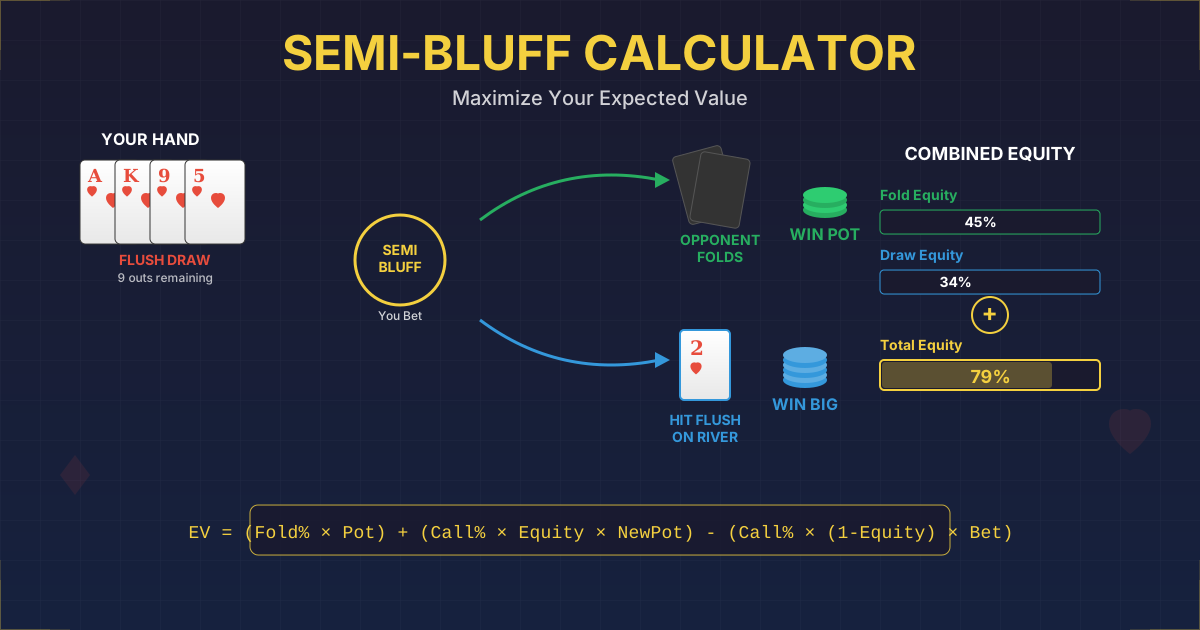
Semi-float:
You call BTN with 7♠6♠
Flop: K♣9♦4♠
They c-bet 50%, you call
Turn: 5♠ (gives flush draw)

They check
You bet 65% pot
You have: flush draw + gutshot
Win now or improve to best hand
Example 3: Float Fails
They double barrel:
You call BTN with A♠4♦
Flop: Q♣8♥2♦
They c-bet 50%, you call (float)
Turn: 7♣
They bet 60% pot again

Float has failed
They have real hand
Fold - don't compound the mistake
Example 4: River Float
Extended float:
You call BTN with J♥T♥
Flop: A♠8♦3♣
They c-bet 33%, you call
Turn: 5♥
They check, you bet 55%
They call

River: 2♣
They check again

They have weak Ace or pair
Bet 70% pot as bluff
High fold equity spot
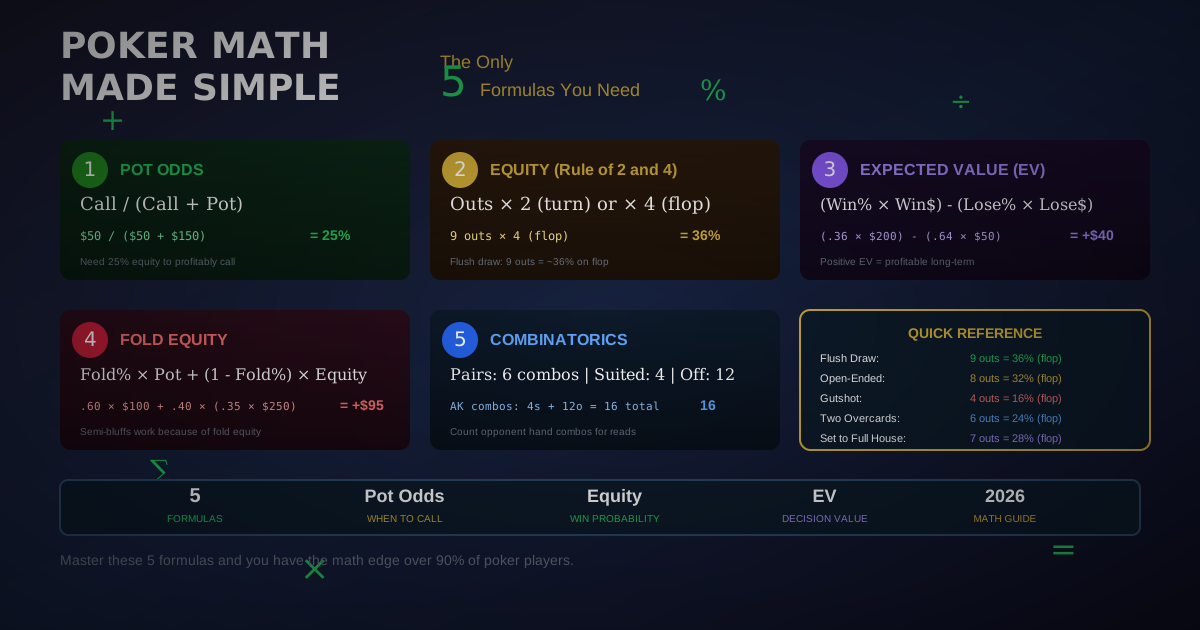
Float Math
Profitability Calculation
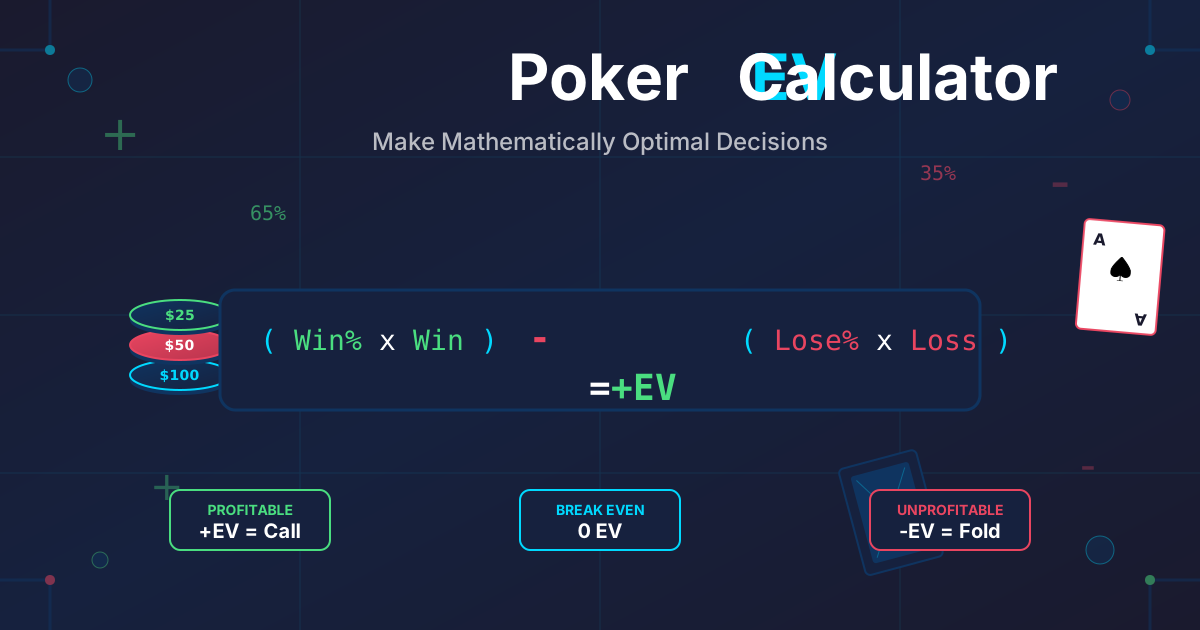
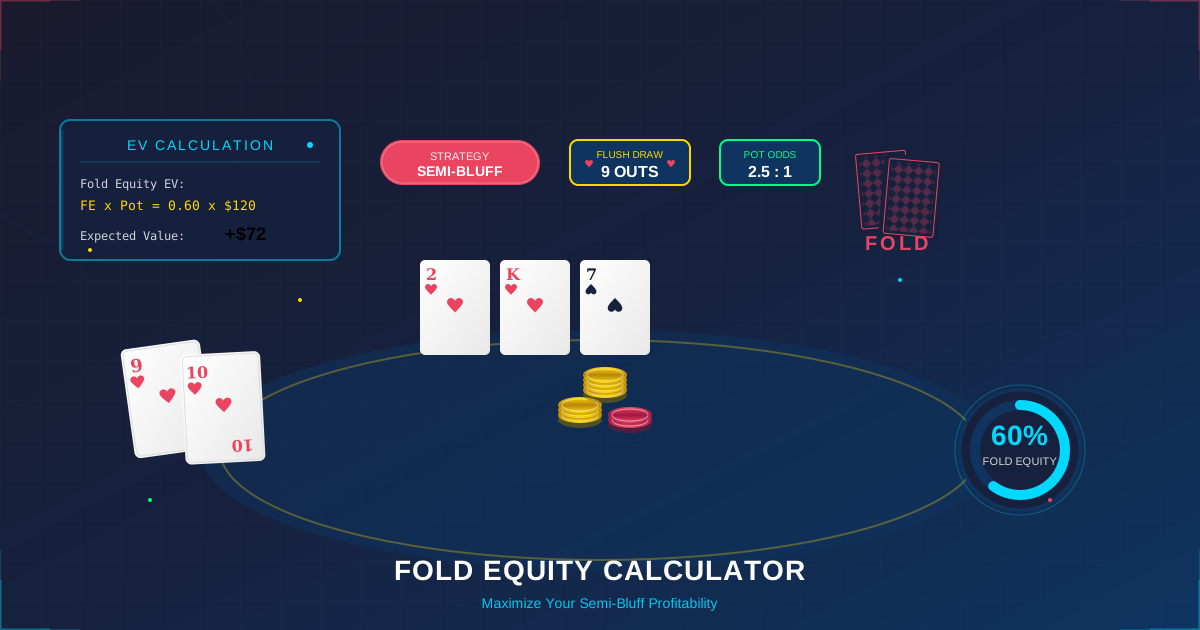
Float EV calculation:

Cost of flop call: $10
Turn win rate: 55%
Turn pot: $30
Turn bet: $18

EV = (0.55 × $30) - (0.45 × $28)
EV = $16.50 - $12.60
EV = +$3.90

When they fold 55%, float is profitable
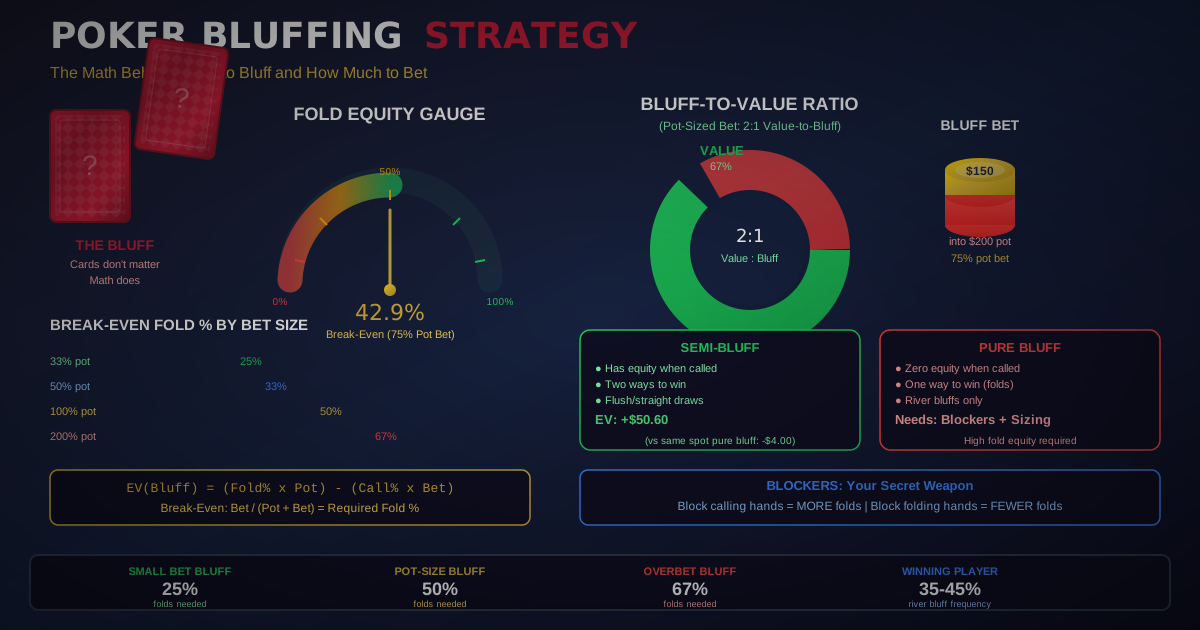
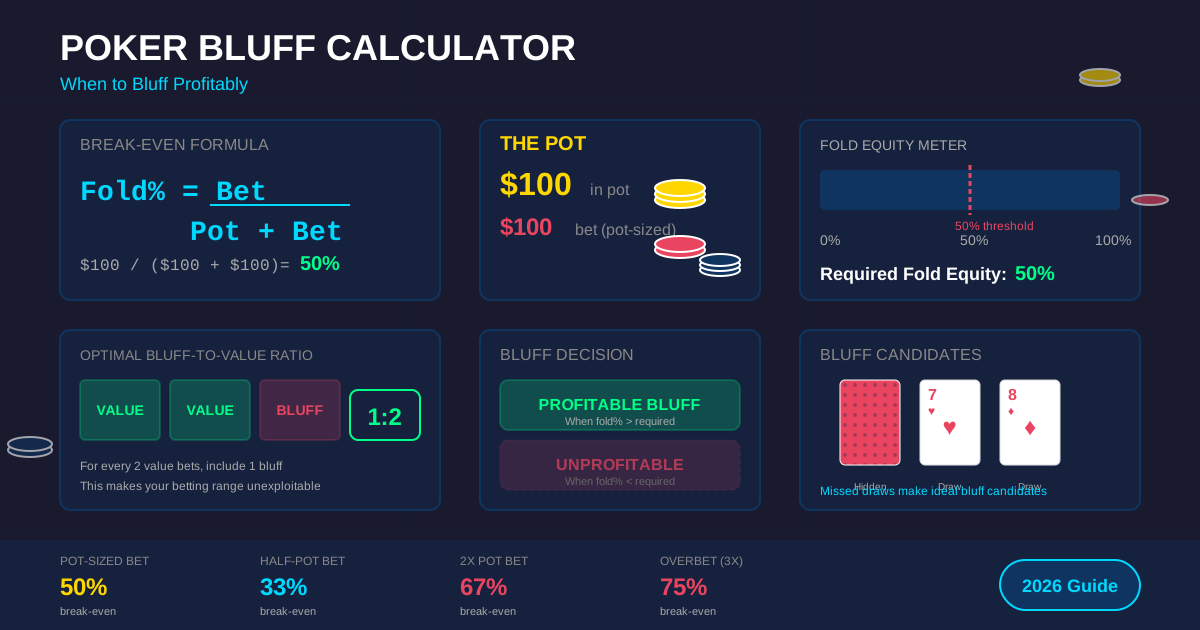
Break-Even Frequencies
Required fold equity:

If you bet 60% pot:
Need ~38% folds to break even
Most opponents fold 50%+
Profitable float

If you bet 75% pot:
Need ~43% folds to break even
Still usually profitable
Against right opponents
Common Mistakes
1. Floating Without Position
Mistake: Calling OOP planning to bluff Problem: They bet turn, you're stuck Fix: Only float in position
2. Floating Calling Stations
Mistake: Floating sticky opponents Problem: They call everything Fix: Target c-bet/give-up players
3. Not Following Through
Mistake: Floating then checking turn Problem: Wasted the flop call Fix: Execute the bet when checked to
4. Floating Too Often
Mistake: Calling every c-bet Problem: Pot odds don't justify Fix: Select spots carefully
Frequently Asked Questions
What makes a good floating hand?
Position, backdoor equity, and a hand that can't win without improving. Suited connectors, suited Aces, and weak pairs are good. Pure junk is worse.
How often should I float?
Against frequent c-bettors (70%+), float 15-25% of the time. Against tighter c-bettors, float less. Adjust to opponent tendencies.
What if they bet the turn?
Your float has failed. Either fold, call with equity/showdown, or raise as a bluff. Don't keep floating into strength.
Can I float out of position?
Very rarely and only with specific reads. You'd need them to check turn often, which is hard to predict OOP. Position is nearly mandatory.
What size should my float bet be?
55-70% pot is standard. Large enough to fold out marginal hands, small enough to not overcommit with air.
When do I give up on a float?
When they bet turn after your flop call, or when the turn brings a card that helps their range significantly.
Pro Tips
-
Position required: Can't float OOP effectively
-
Target c-bet frequency: Float vs 70%+ c-bettors
-
Have backdoor equity: Safety net if called
-
Follow through: Bet when they check
-
Know when to quit: If they bet, reassess
Related Calculators
- Continuation Bet Calculator - C-bet strategy
- Fold Equity Calculator - Bluff math
- Probe Bet Calculator - Similar concept
- Pot Odds Calculator - Call decisions
- Poker Range Calculator - Hand ranges
Conclusion
Floating is poker's delayed aggression—calling now to win later. Our calculator shows when calling a c-bet with a weak hand sets up profitable turn bluffs, which opponents are ideal float targets, and how position makes this sophisticated play possible.
Calculate Float Bet Strategy Now →
They c-bet, you call with nothing, they check the turn—and now you bet and take the pot. Our calculator proves when floating is more profitable than folding or raising on the flop.