MTT ROI Calculator: Track Your Tournament Profitability (2026)
MTT ROI Calculator: Measure Your Tournament Success Accurately
Return on Investment (ROI) is the gold standard metric for tournament poker players. Unlike cash game win rates measured in BB/100, MTT success is measured by how much you earn relative to your buy-ins. Our MTT ROI calculator provides accurate ROI calculations, sample size analysis, and insights into what your results actually mean.
What Is MTT ROI?
MTT ROI (Multi-Table Tournament Return on Investment) measures your profit as a percentage of your total tournament buy-ins. A positive ROI means you're profitable; a negative ROI means you're losing money. ROI accounts for all buy-ins including rebuys and add-ons.
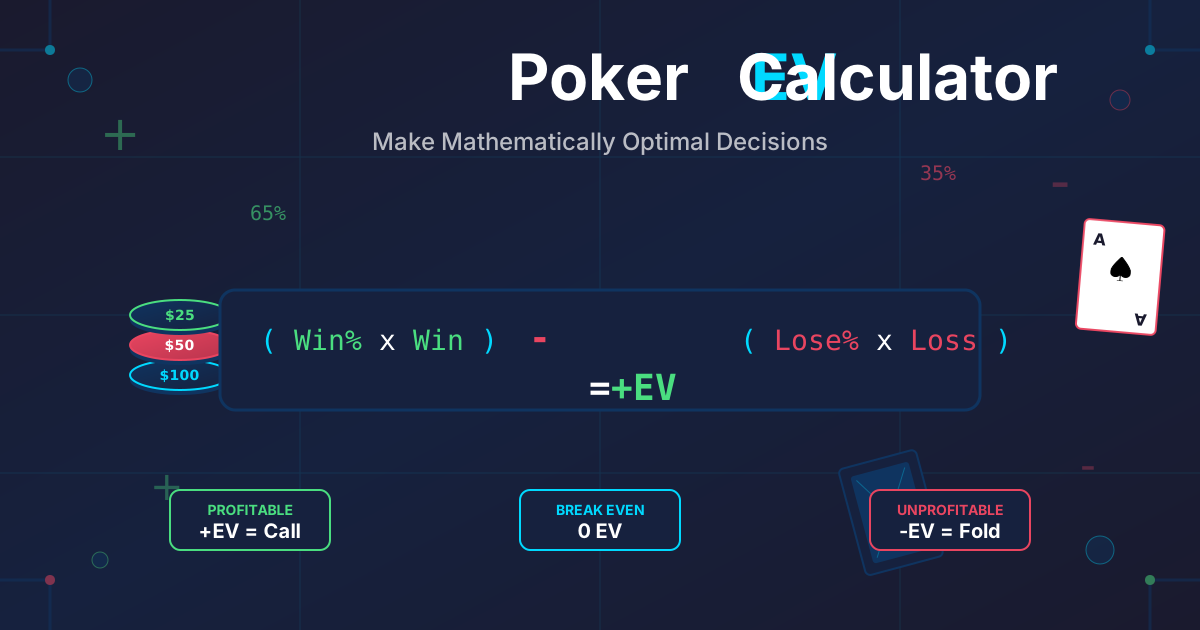
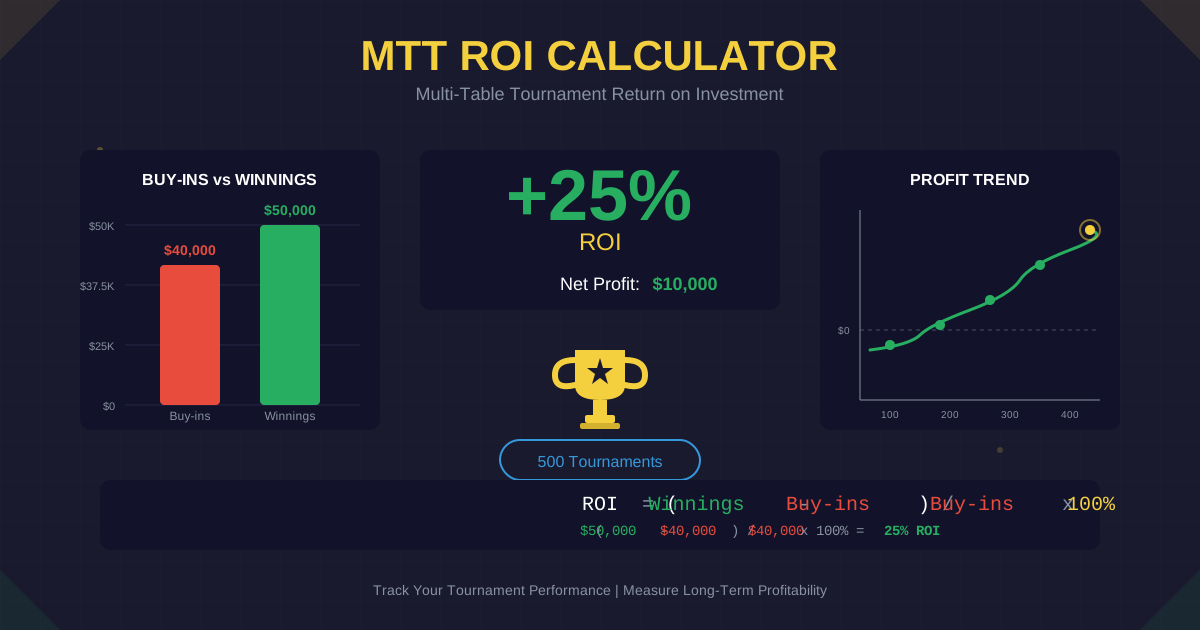
Quick Answer: MTT ROI = (Total Winnings - Total Buy-ins) / Total Buy-ins x 100%. If you've invested $10,000 in buy-ins and won $12,500 in prizes, your ROI = ($12,500 - $10,000) / $10,000 x 100% = 25%. Strong MTT players achieve 20-50% ROI at low stakes, declining to 5-15% at higher stakes due to tougher fields.
How to Use Our Calculator
Step-by-Step Instructions
- Enter Total Buy-ins: Sum of all tournament entries including rebuys
- Enter Total Winnings: Sum of all tournament cashes
- Enter Number of Tournaments: Total tournaments played
- Calculate ROI: See your percentage return on investment
- Analyze Sample Size: Determine if results are statistically significant
Input Fields
| Field | Description | Example |
|---|---|---|
| Total Buy-ins | Sum of all entries + rebuys | $15,000 |
| Total Winnings | Sum of all cashes | $18,750 |
| Tournaments Played | Number of events | 500 |
| Average Buy-in | Mean entry cost | $30 |
| Time Period | Date range | Jan 2025 - Dec 2025 |
The ROI Calculation Formula
Basic ROI Formula
ROI = (Total Winnings - Total Buy-ins) / Total Buy-ins × 100%
Example Calculation:
Buy-ins: $20,000
Winnings: $26,000
Profit: $6,000
ROI = $6,000 / $20,000 × 100% = 30%
Including Rebuys and Add-ons
Always include all money invested:
Total Buy-ins = Initial Entries + Rebuys + Add-ons

Example:
100 tournaments × $50 average = $5,000 entries
50 rebuys × $50 = $2,500
30 add-ons × $30 = $900
Total Buy-ins = $8,400
Per-Tournament Profit
Calculate average profit per event:
Average Profit = (Total Winnings - Total Buy-ins) / Tournaments Played

Example:
Profit: $6,000
Tournaments: 500
Average Profit: $12 per tournament
What Is a Good MTT ROI?
ROI by Stake Level
Expected ROI varies significantly by stakes:
| Stake Level | Buy-in Range | Good ROI | Elite ROI |
|---|---|---|---|
| Micro | $1-$5 | 30-50% | 50-100%+ |
| Low | $5-$20 | 20-40% | 40-60% |
| Medium | $20-$55 | 10-25% | 25-40% |
| High | $55-$215 | 5-15% | 15-25% |
| Very High | $215+ | 2-10% | 10-20% |
Why ROI Decreases at Higher Stakes
Field Quality:
Micro stakes: 90% recreational players
Low stakes: 70% recreational players
Medium stakes: 50% recreational players
High stakes: 30% recreational players
Very high stakes: 10% recreational players
Competition Adjustment:
Better opponents = smaller edges
Rake impact becomes smaller
But field strength increases faster
Net effect: Lower ROI at higher stakes
ROI vs Hourly Rate
ROI alone doesn't tell the full story:
Player A: 50% ROI in $5 tournaments
- Average buy-in: $5
- Tournaments/hour: 4
- Hourly profit: $5 × 0.50 × 4 = $10/hour

Player B: 15% ROI in $100 tournaments
- Average buy-in: $100
- Tournaments/hour: 1
- Hourly profit: $100 × 0.15 × 1 = $15/hour

Player B earns more despite lower ROI
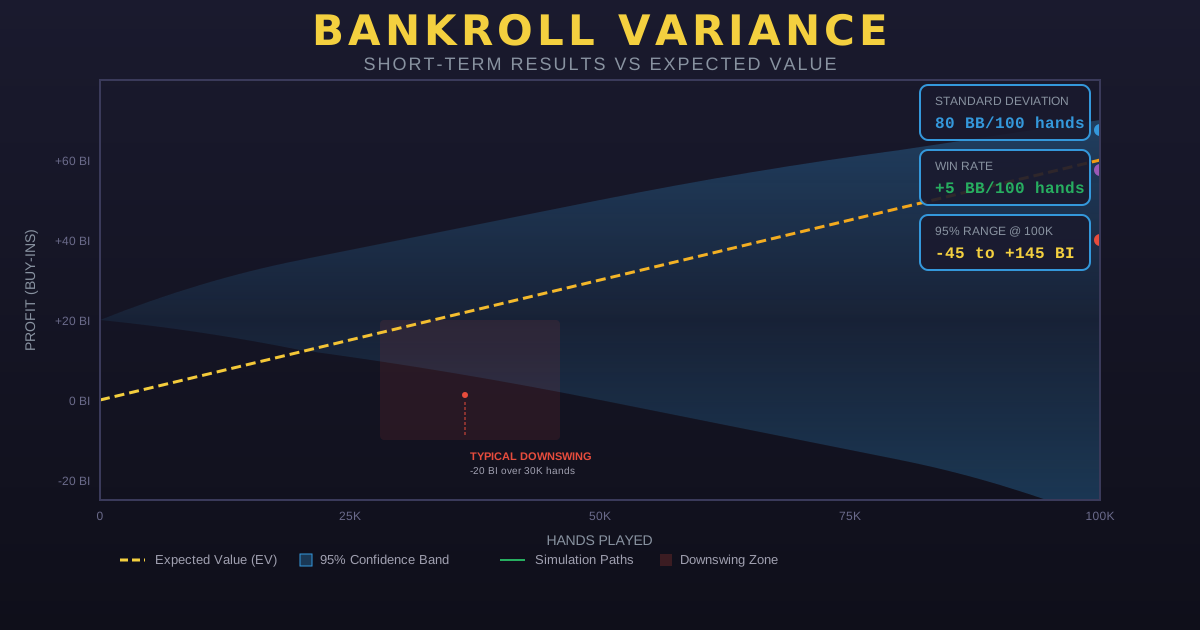
Sample Size and Variance
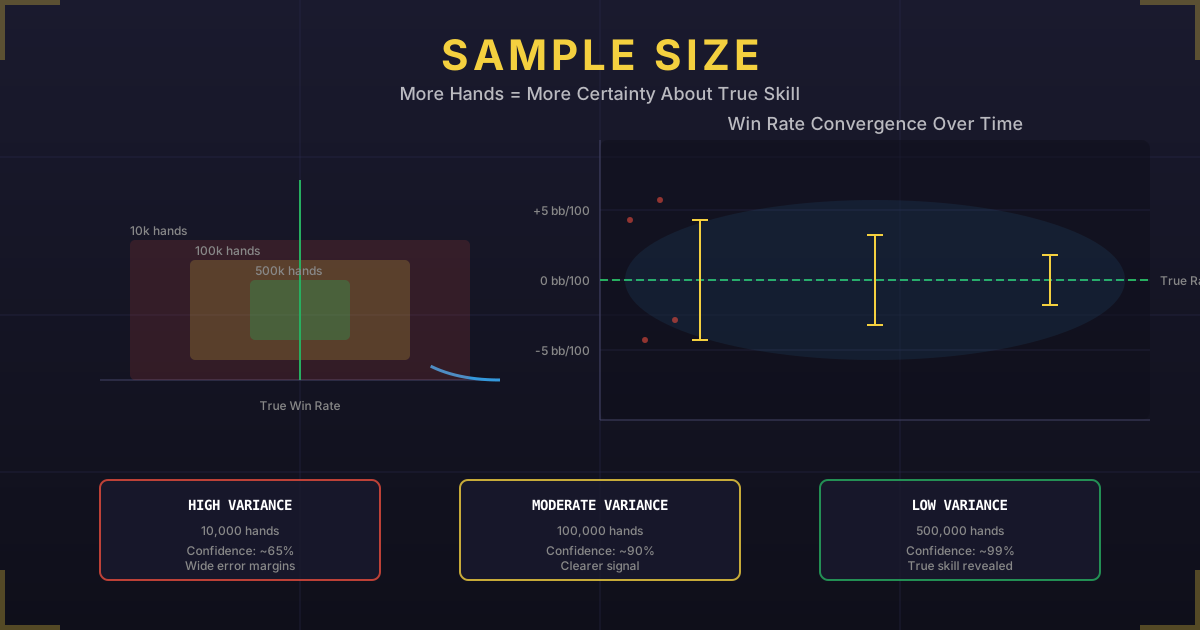
Why Sample Size Matters
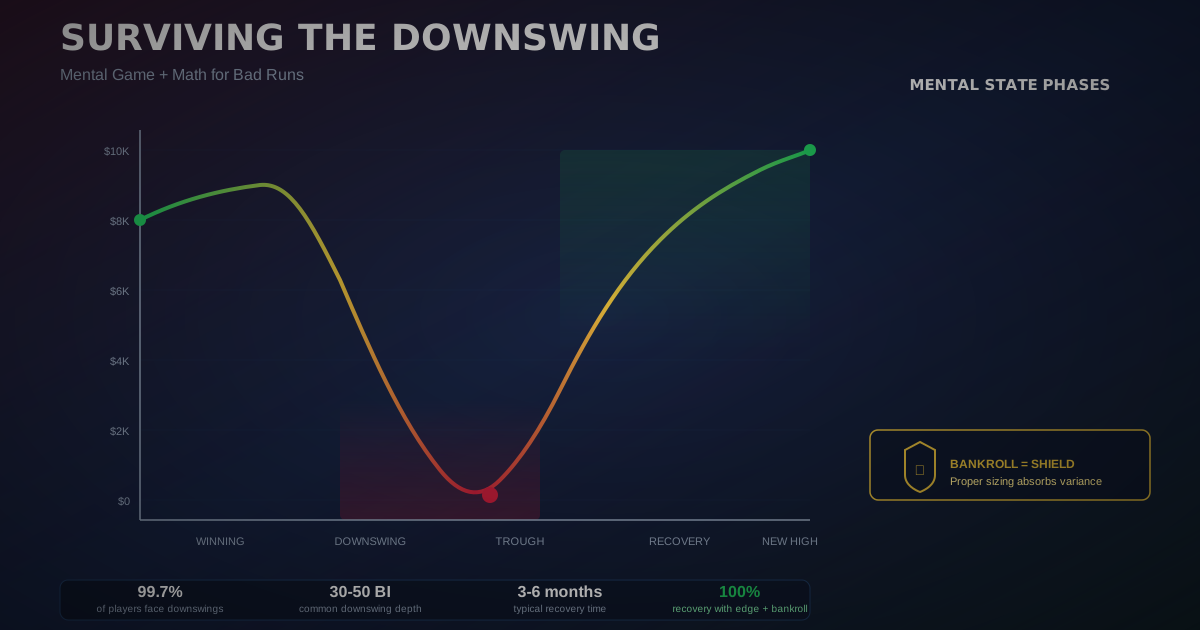
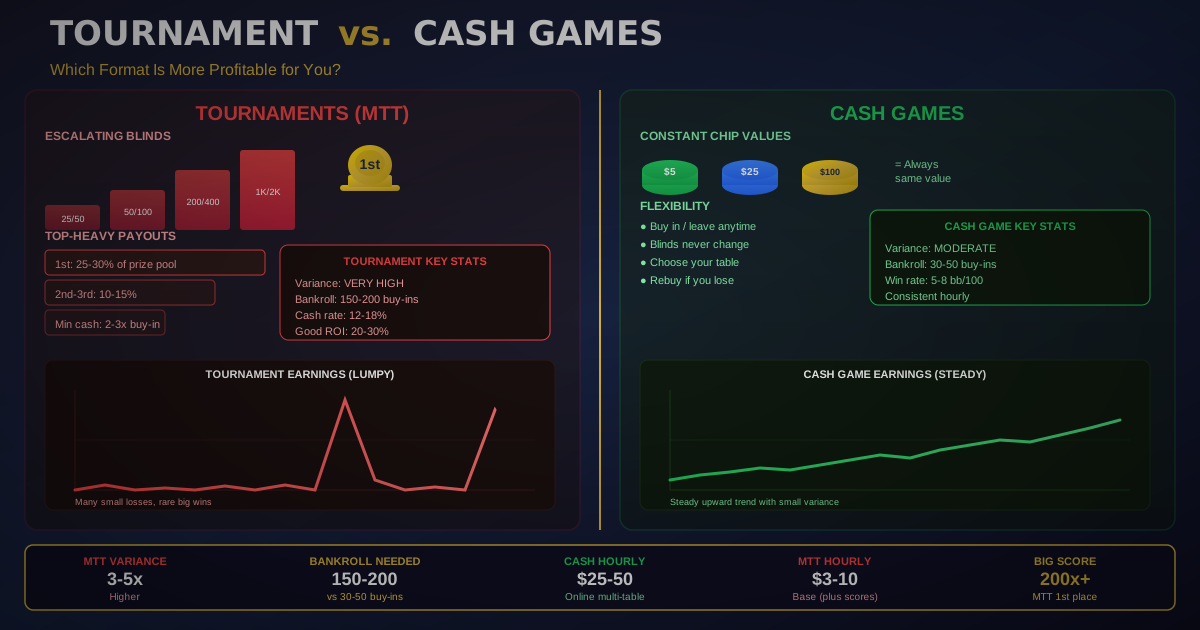
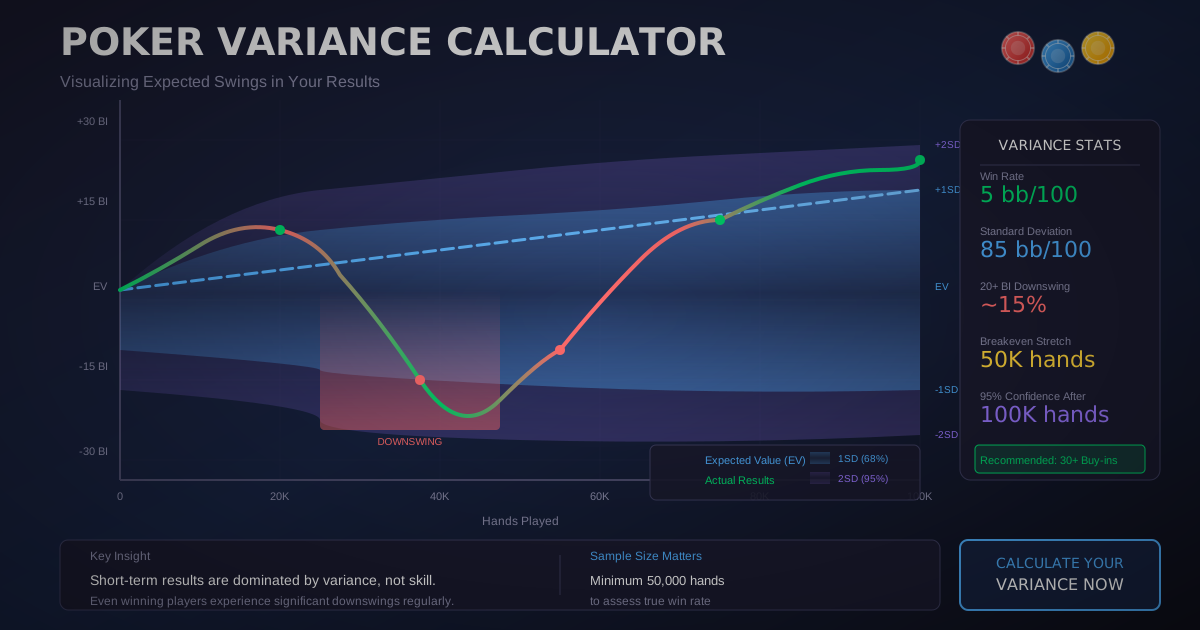
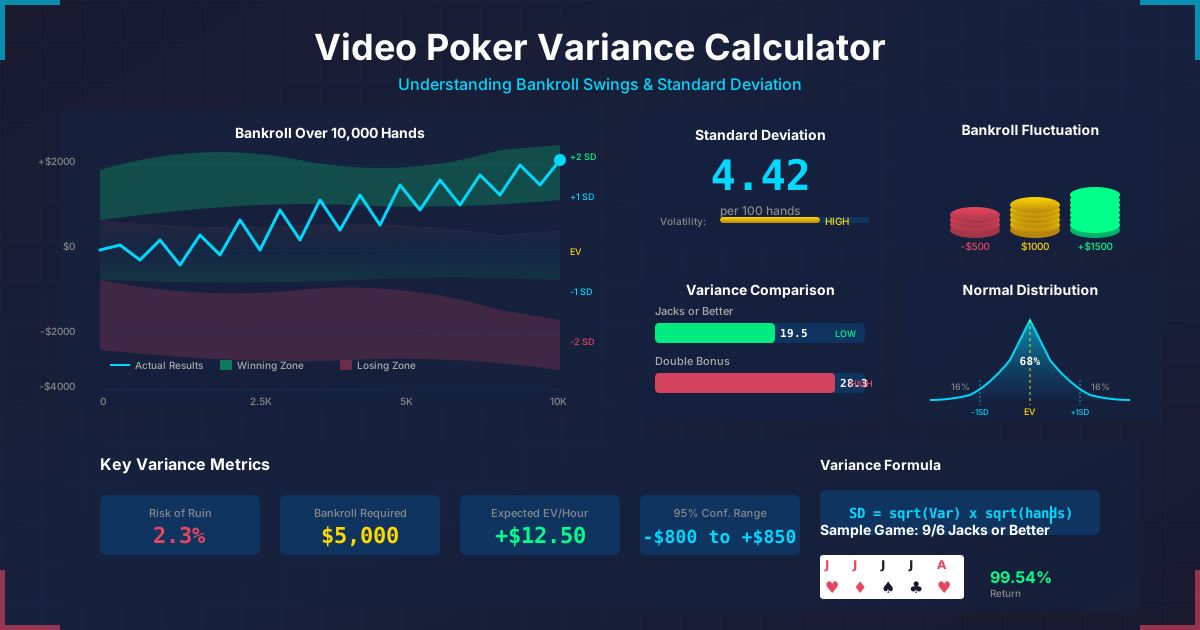
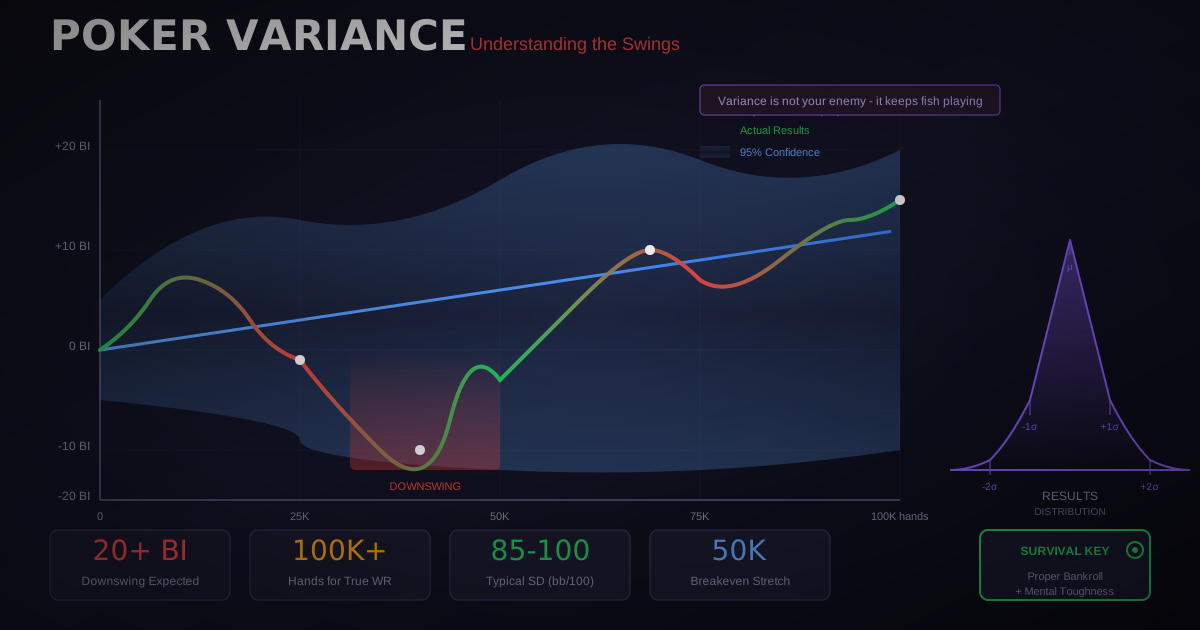
MTT results have extremely high variance:
Small sample (100 tournaments):
- ROI could easily be ±50% from true skill
- One big score skews everything
- Results mostly noise

Medium sample (500 tournaments):
- ROI narrows to ±20% from true skill
- Still significant variance
- Starting to see patterns

Large sample (2,000+ tournaments):
- ROI approaches true skill level
- Variance still exists but manageable
- Reliable for decision-making
Minimum Sample Sizes
| Purpose | Minimum Tournaments | Confidence |
|---|---|---|
| General direction | 200 | Low |
| Baseline skill | 500 | Moderate |
| Reliable data | 1,000 | Good |
| Strong confidence | 2,000 | High |
| Professional grade | 5,000+ | Very High |
The Variance Reality
Simulation Results:
A 25% ROI player over 500 tournaments:
- 5% chance of -10% ROI (appearing losing)
- 25% chance of 0-15% ROI (appearing break-even)
- 45% chance of 15-35% ROI (appearing good)
- 20% chance of 35-50% ROI (appearing elite)
- 5% chance of 50%+ ROI (running very hot)
Tracking Your MTT Results
Essential Data Points
Track these metrics for each tournament:
Required:
- Tournament name/type
- Buy-in (including rebuys, add-ons)
- Prize won
- Finish position
- Field size
- Date/time

Optional but valuable:
- Tournament duration
- Table notes
- Key hands
- Leak identification
Database Organization
Structure by Category:
By Stake Level:
- Micro ($1-$5)
- Low ($5-$20)
- Medium ($20-$55)
- High ($55+)

By Tournament Type:
- Freezeout
- Rebuy
- Turbo
- Hyper
- PKO/Bounty
- Satellite
Bankroll Integration
Link ROI tracking to bankroll management:
Current Bankroll: $5,000
Average Buy-in: $20
Tournaments Played: 250
Current ROI: 35%

Profit Generated: $1,750
Starting Bankroll: $3,250
Growth Rate: 54%
Real-World Examples
Example 1: Micro Stakes Grinder
Profile:
Tournaments: 1,200
Total Buy-ins: $6,000 (avg $5)
Total Winnings: $9,600
ROI: 60%
Analysis:
Hourly rate: ~$8/hour (multi-tabling)
Excellent ROI for stakes
Ready to consider moving up
Sample size sufficient for confidence
Example 2: Mid-Stakes Regular
Profile:
Tournaments: 800
Total Buy-ins: $32,000 (avg $40)
Total Winnings: $38,400
ROI: 20%
Analysis:
Hourly rate: ~$25/hour
Good, sustainable ROI
Sample approaching reliable
Continue at current stakes
Example 3: High Stakes Struggles
Profile:
Tournaments: 300
Total Buy-ins: $45,000 (avg $150)
Total Winnings: $40,500
ROI: -10%
Analysis:
Currently losing $15/hour
But sample size too small!
300 tournaments = high variance
Could be running bad
Need more data before conclusions
Example 4: Shot-Taker Results
Profile:
Regular stakes ($20): ROI 30%, 600 tournaments
Shot stakes ($100): ROI -25%, 50 tournaments
Analysis:
Regular stakes: Sufficient sample, proven winner
Shot stakes: Insufficient sample, too early to judge
Continue shots with proper bankroll management
Track results separately by stake
Example 5: Multi-Format Player
Profile:
Freezeouts: 25% ROI (400 tournaments)
Turbos: 15% ROI (300 tournaments)
PKOs: 40% ROI (200 tournaments)
Satellites: 60% ROI (100 tournaments)
Analysis:
PKO and Satellite strength suggests specific skills
May want to focus more on these formats
Turbo weakness might indicate speed issues
Use data to optimize format selection
Example 6: Year-Over-Year Comparison
Profile:
Year 1: 12% ROI (500 tournaments)
Year 2: 22% ROI (700 tournaments)
Year 3: 28% ROI (900 tournaments)
Analysis:
Consistent improvement
Larger samples each year
Strong skill development trend
Consider stake increases
ROI Optimization Strategies
Game Selection Impact
Choosing better tournaments dramatically affects ROI:
Weak field tournament: 35% ROI
Average field tournament: 20% ROI
Tough field tournament: 5% ROI

Difference: 30 percentage points
Focus: Find soft fields
Time Selection
When you play matters:
Weekend afternoons: Softest fields (recreational peak)
Weeknight evenings: Medium difficulty
Weekday mornings: Often toughest (grinders only)

Adjusting schedule can add 5-10% to ROI
Format Specialization
Focus on your strengths:
Identify highest ROI formats from data
Specialize rather than generalize
Small field expertise vs large field
Turbo vs deep stack preferences
Common Mistakes to Avoid
-
Insufficient Sample Size: Drawing conclusions from 100 tournaments is meaningless. MTT variance requires thousands of events.
-
Ignoring Rebuys: If you rebuy twice per event on average, your true buy-in is 3x the base. Track everything invested.
-
Cherry-Picking Data: Don't exclude "bad beats" or "unlucky" tournaments. All results count equally.
-
Comparing Across Stakes: A 30% ROI at $5 is different from 30% at $100. Compare within stake levels.
-
ROI-Only Focus: Consider hourly rate, bankroll requirements, and variance alongside ROI for complete picture.
-
Not Tracking Formats: Different tournament types have different optimal strategies. Track separately to identify strengths.
Frequently Asked Questions
What is a sustainable long-term MTT ROI?
At micro to low stakes, 20-40% is achievable for good players. At medium stakes, 10-20% is strong. At high stakes, 5-15% is excellent. These numbers assume large samples over years of play.
How many tournaments do I need for reliable ROI data?
Minimum 500 tournaments for directional data, 1,000+ for reliable conclusions, 2,000+ for high confidence. MTT variance is extreme; small samples mean almost nothing.
Should I include satellites in my ROI calculation?
Yes, track satellites separately. Satellite ROI measures your ability to win seats. Calculate value of seats won vs money invested in qualifying.
How do rebuys affect ROI calculation?
Include all money invested: initial buy-in + rebuys + add-ons. A player with 30% ROI who averages 2 rebuys per event has different absolute profit than one with no rebuys.
What if my ROI is negative?
First, ensure sufficient sample size (500+ tournaments). If truly negative over large samples, focus on studying, reviewing hands, and potentially dropping stakes until winning.
How do I compare my ROI to other players?
Compare within same stake level and tournament type. A high-stakes player with 10% ROI may be more skilled than a micro-stakes player with 50% ROI due to field difficulty.
Should I track online and live MTTs separately?
Yes. Different skills, field types, and variance profiles. Some players excel at one format but struggle at the other.
How does rake affect ROI?
Higher rake reduces ROI. A $10+$1 tournament has 10% rake eating into profits. Lower-rake sites or higher buy-ins improve net ROI potential.
Pro Tips
- Use tracking software (Sharkscope, Hold'em Manager) for accurate data collection
- Review results quarterly to identify trends and leaks
- Calculate ROI separately for each tournament type you play
- Track your best and worst tournament formats to optimize selection
- Include opportunity cost when evaluating ROI vs time invested
Related Calculators
- Bankroll Variance Calculator - Understand your variance profile
- Tournament Equity Calculator - ICM and equity calculations
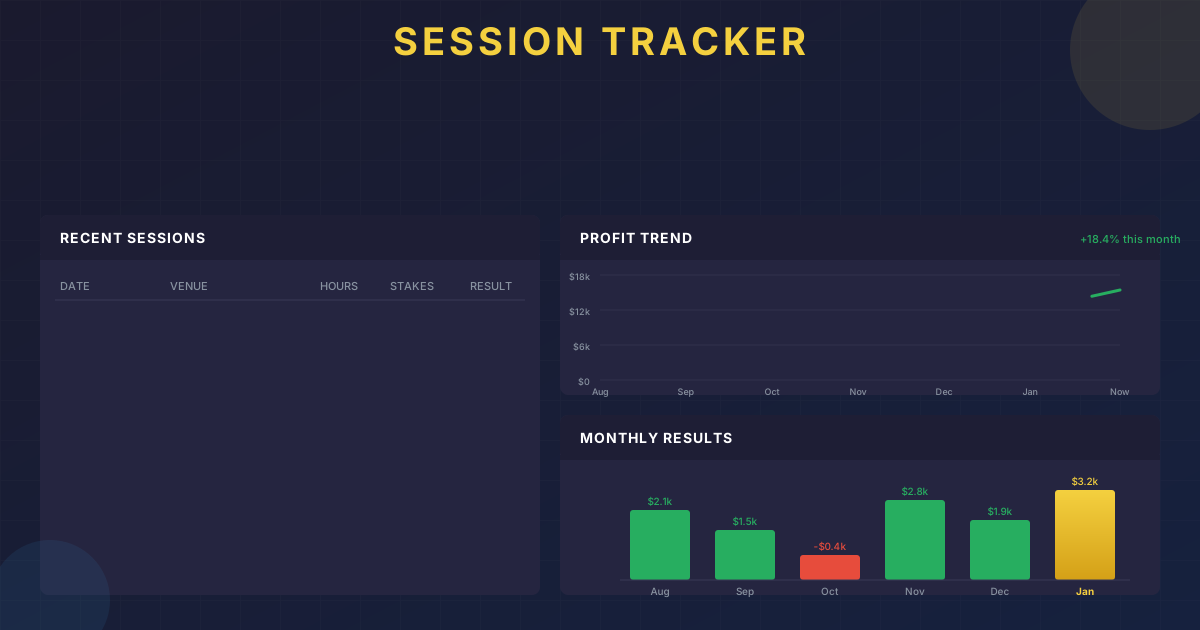
- Poker Session Tracker - Track all your results
- Sample Size Calculator - Determine statistical significance
- Win Rate Calculator - Cash game comparison metric
Conclusion
MTT ROI is the definitive measure of tournament poker success. Our MTT ROI calculator provides accurate calculations while helping you understand what your results actually mean given sample size and variance. Track your results diligently, respect the sample size requirements, and use ROI data to make informed decisions about stakes, formats, and game selection.
Remember that even strong players experience significant ROI swings over hundreds of tournaments. Focus on playing well, making good decisions, and letting the math work out over large samples. Your true skill will emerge in the long run.