Poker Bluff Calculator: When to Bluff Profitably (2026)
Poker Bluff Calculator: The Math Behind Deception
Bluffing isn't just psychology—it's math. Our calculator shows when bluffs are profitable based on bet sizing, fold equity needed, and optimal bluff-to-value ratios that keep opponents guessing.
What Makes a Bluff Profitable?
A bluff is profitable when your opponent folds often enough to offset the times you're caught. The required fold frequency depends entirely on your bet size relative to the pot. Bigger bets need fewer folds; smaller bets need more folds.
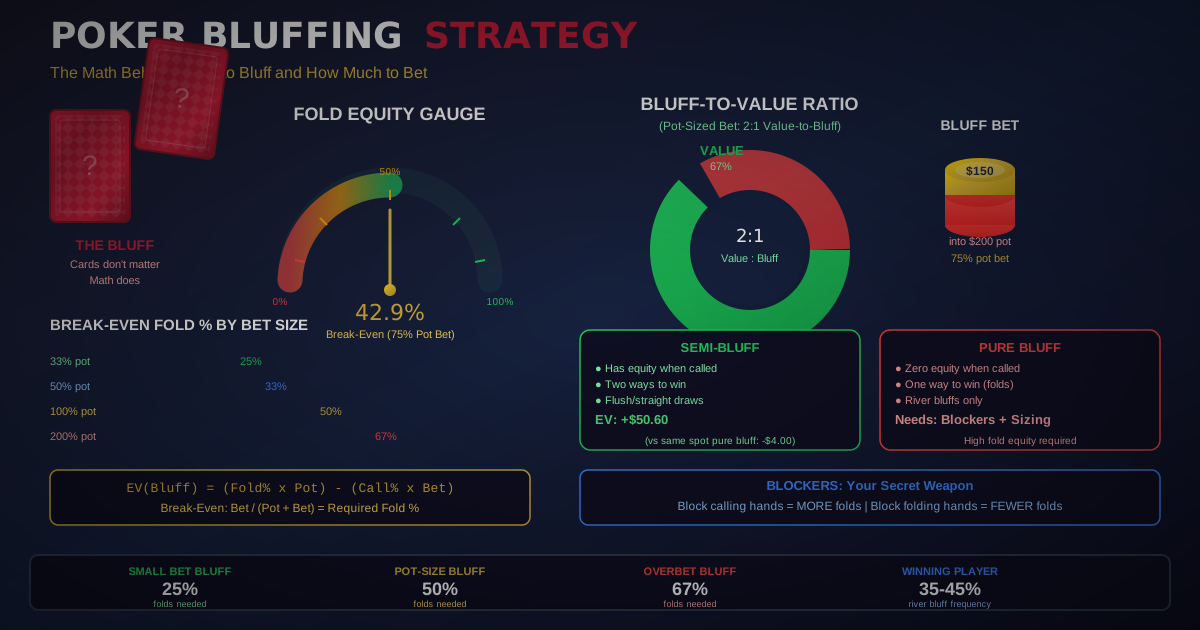
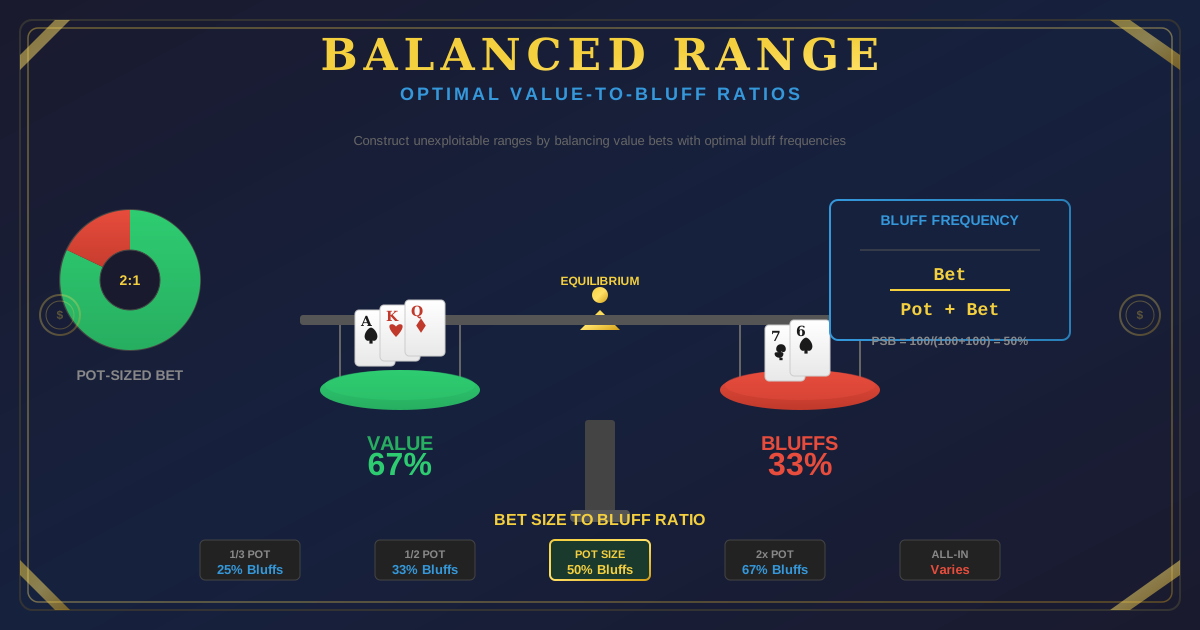
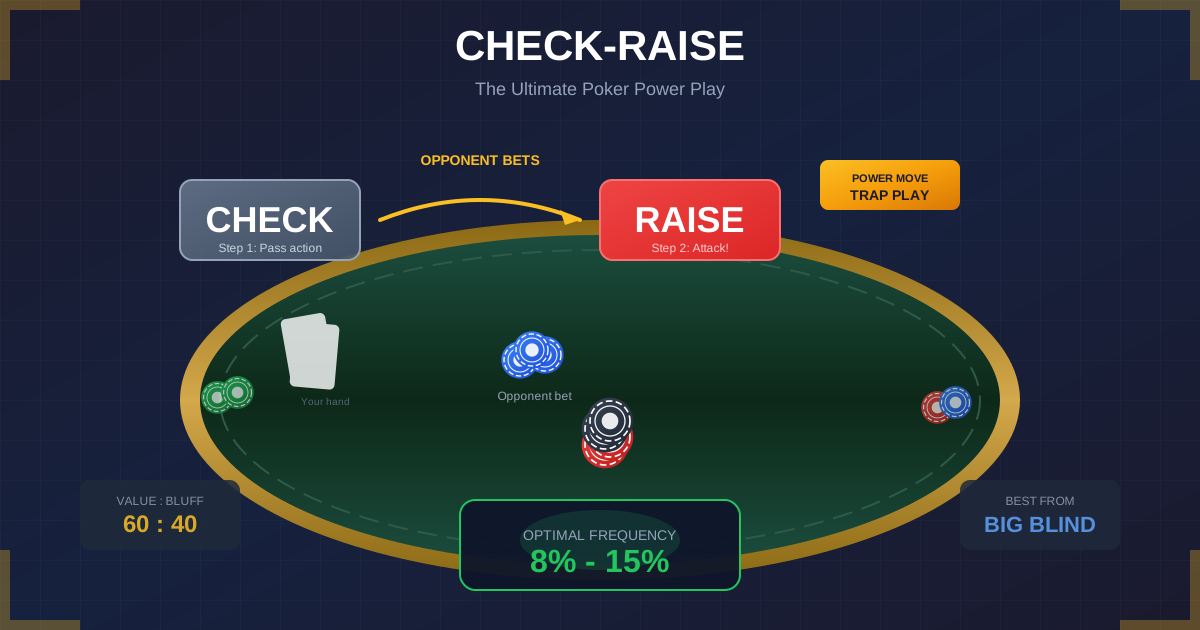
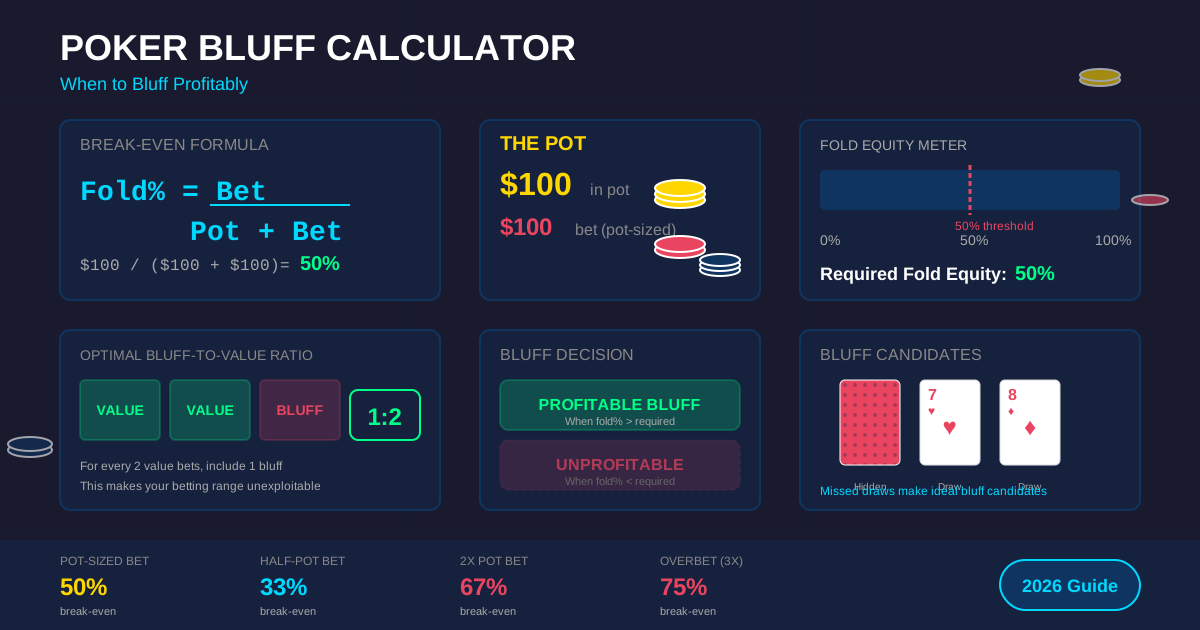
Quick Answer: A pot-sized bluff needs 50% folds to break even. Half-pot needs 33% folds. Two-thirds pot needs 40% folds. Optimal bluff-to-value ratio on the river is approximately 1:2 (one bluff for every two value bets). Bluff more on early streets because you have equity; bluff less on the river where you need pure fold equity. Your bluff frequency should make opponents indifferent to calling.
How to Use Our Calculator
Use the Poker Bluff Calculator →
Enter bet sizing and pot to see required fold frequency.
Step-by-Step Instructions
-
Enter Pot Size: Current pot before your bet
-
Enter Bet Size: Your bluff amount
-
View Break-Even %: Required fold frequency
-
See Bluff Ratio: Optimal bluffs per value bet
-
Analyze Profitability: Is the bluff +EV?
Input Fields Explained
| Field | Description | Example |
|---|---|---|
| Pot Size | Current pot | $100 |
| Bet Size | Your bluff | $75 |
| Break-Even Fold % | Minimum folds needed | 42.9% |
| Opponent Fold % | Your estimate | 50% |
| Bluff EV | Expected value | +$7.50 |
| Optimal Bluff Ratio | Bluffs per value bet | 1:2.3 |
The Break-Even Formula
Required Fold Equity
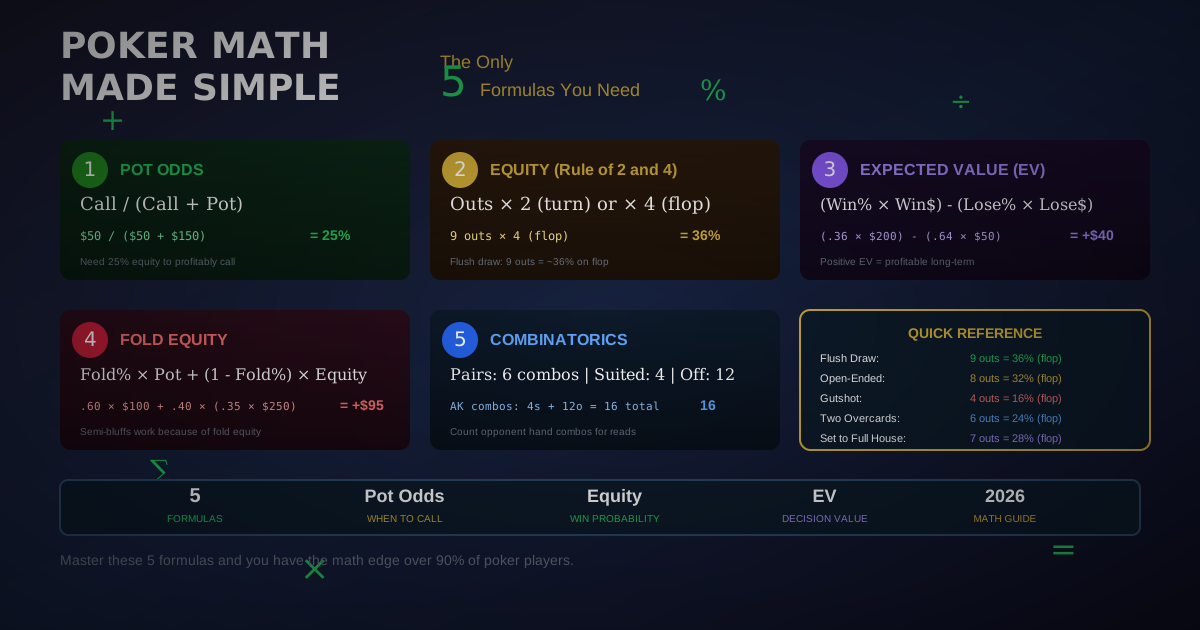
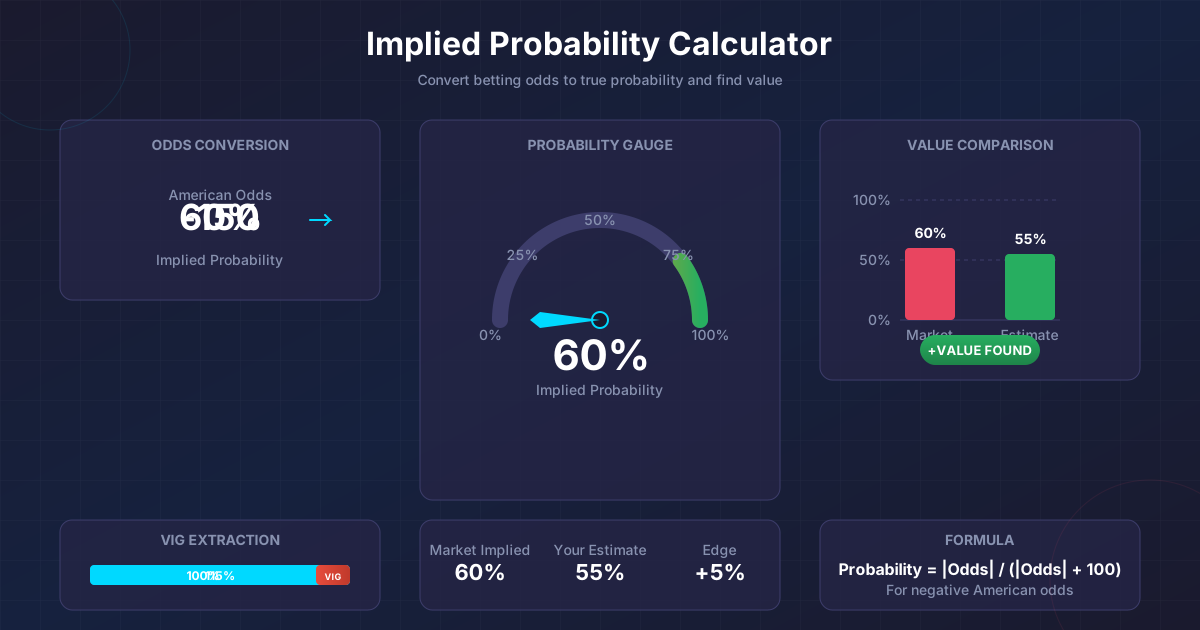
Break-Even Fold % = Bet Size / (Pot + Bet Size)

Examples:
Half-pot bet ($50 into $100):
50 / (100 + 50) = 33.3%

Pot-sized bet ($100 into $100):
100 / (100 + 100) = 50%

2x pot bet ($200 into $100):
200 / (100 + 200) = 66.7%
Common Bet Sizes
| Bet Size | Break-Even Fold % |
|---|---|
| 1/4 pot | 20% |
| 1/3 pot | 25% |
| 1/2 pot | 33% |
| 2/3 pot | 40% |
| 3/4 pot | 43% |
| Pot | 50% |
| 1.5x pot | 60% |
| 2x pot | 67% |
Bluff-to-Value Ratios
Why Ratios Matter
If you only bet with value hands:
Opponents always fold → You win less

If you only bluff:
Opponents always call → You lose everything

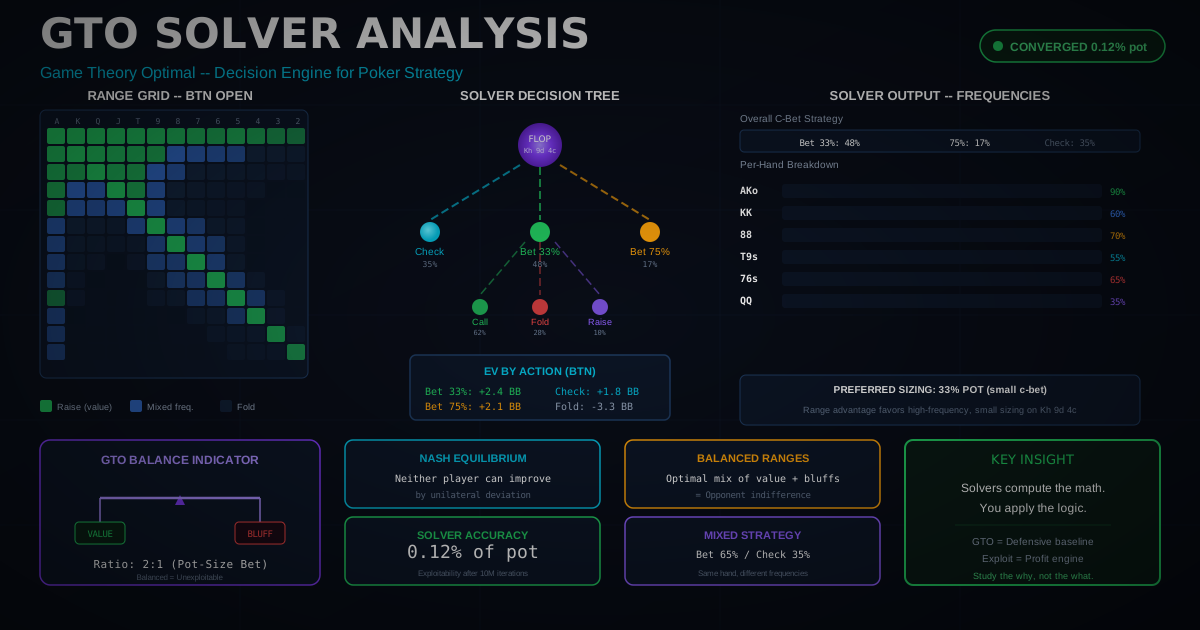
Optimal: Mix bluffs and value
Opponents can't exploit either extreme
Calculating Optimal Ratio
For a pot-sized bet (50% break-even):
Opponent must be indifferent to calling

If you have 2 value combos:
Add 1 bluff combo
Opponent faces: 67% value, 33% bluff
Calling wins 33%, loses 67%
Break-even for opponent

This is the "unexploitable" ratio
River Bluff Ratios by Bet Size
| Bet Size | Value Hands | Bluff Combos | Ratio |
|---|---|---|---|
| 1/2 pot | 2 | 1 | 2:1 |
| 2/3 pot | 3 | 2 | 1.5:1 |
| Pot | 2 | 1 | 2:1 |
| 1.5x pot | 3 | 2 | 1.5:1 |
Real-World Examples
Example 1: River Bluff Math
Situation:
- Pot: $200
- Your bet: $150 (3/4 pot)
- Your hand: Missed flush draw
Calculation:
Break-even fold % = 150 / (200 + 150) = 42.9%

If opponent folds 50%:
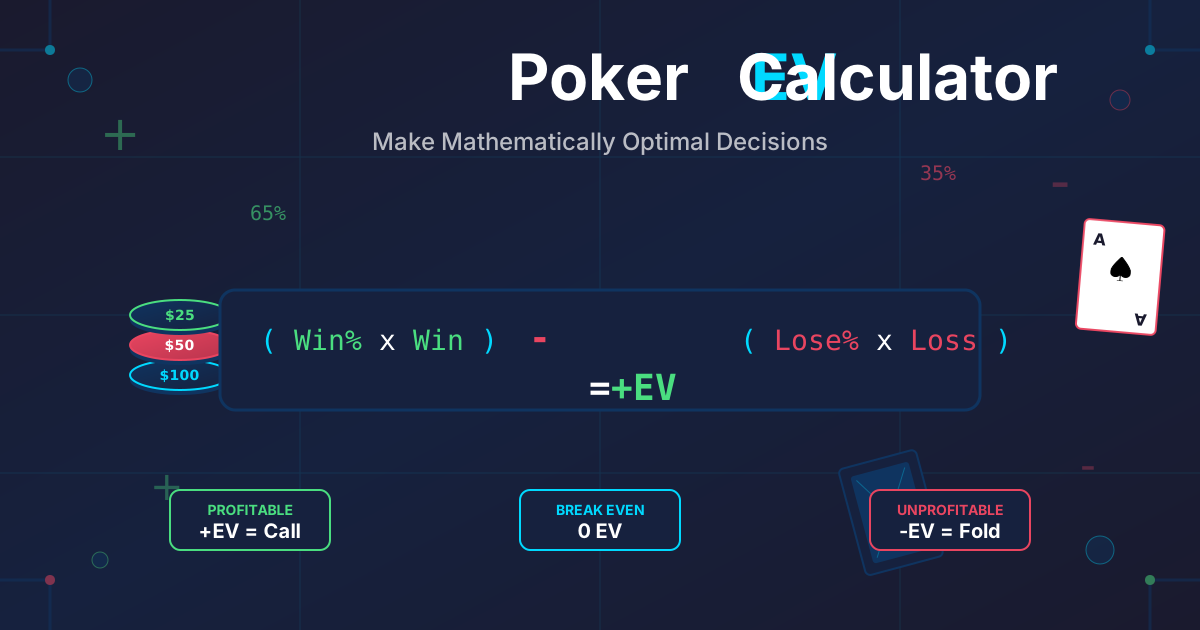
EV = (0.50 × $200) - (0.50 × $150)
EV = $100 - $75 = +$25

Bluff is profitable
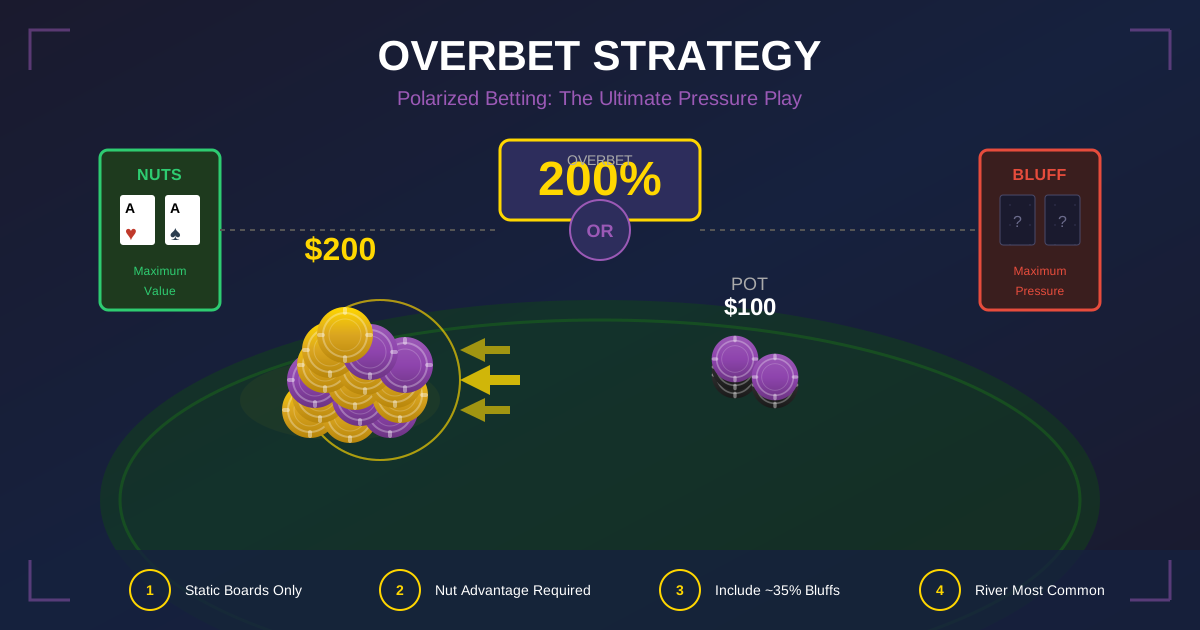
Example 2: Overbet Bluff
Situation:
- Pot: $100
- Your bet: $200 (2x pot)
- Your hand: Complete air
Calculation:
Break-even fold % = 200 / (100 + 200) = 66.7%

Need opponent to fold 67%
Overbets need massive fold equity
Only works vs very tight opponents
Example 3: Small Bluff
Situation:
- Pot: $80
- Your bet: $20 (1/4 pot)
- Your hand: Weak pair/missed
Calculation:
Break-even fold % = 20 / (80 + 20) = 20%

Only need 20% folds
But small bet rarely folds better hands
Good for thin value, weak as bluff
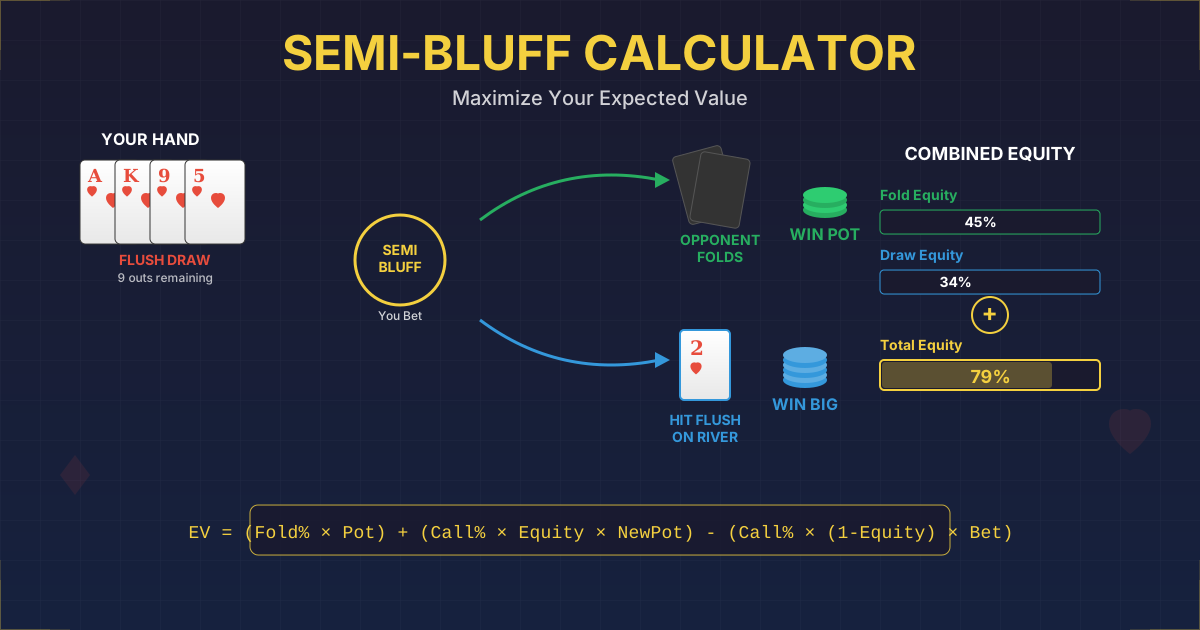
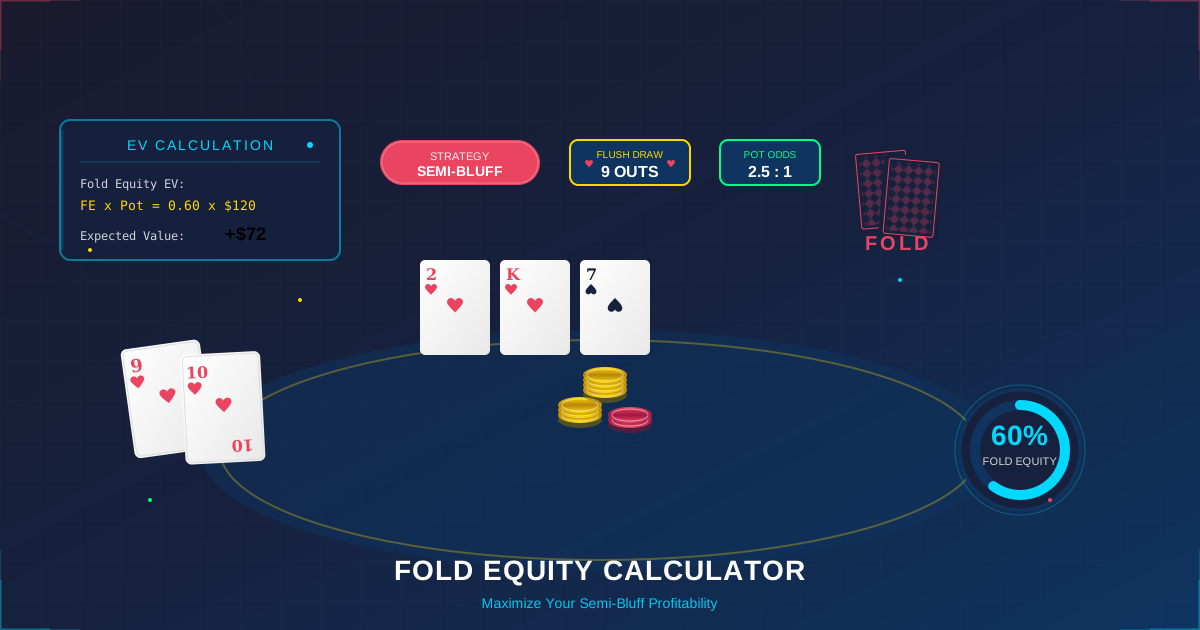
Example 4: Turn Bluff with Equity
Situation:
- Pot: $100
- Your bet: $70
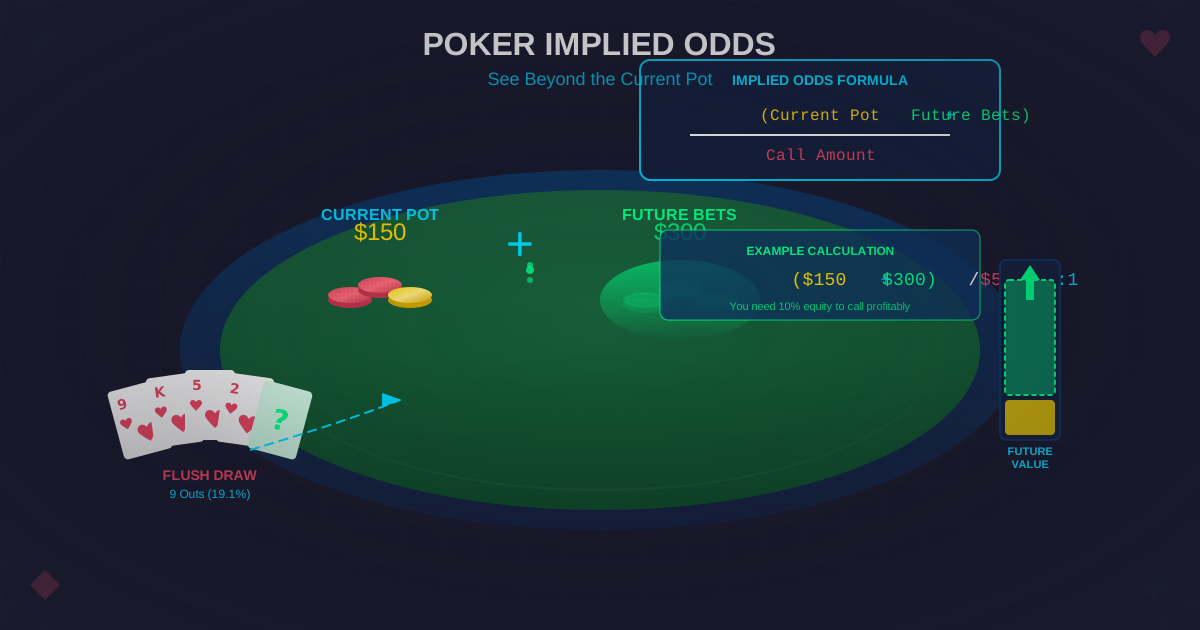
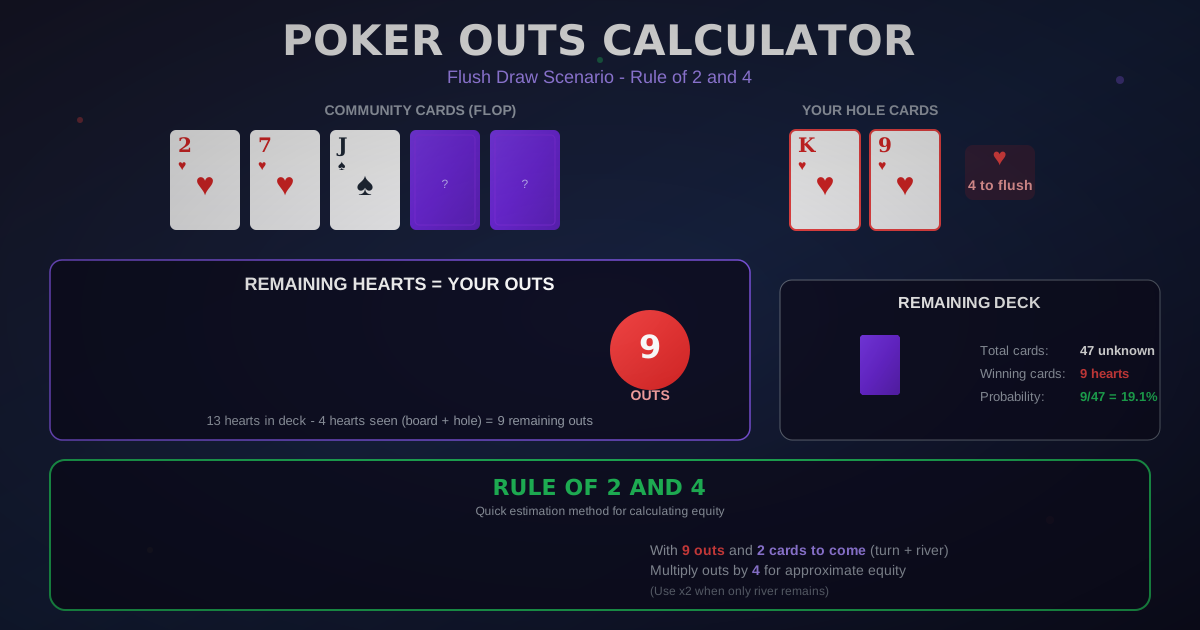
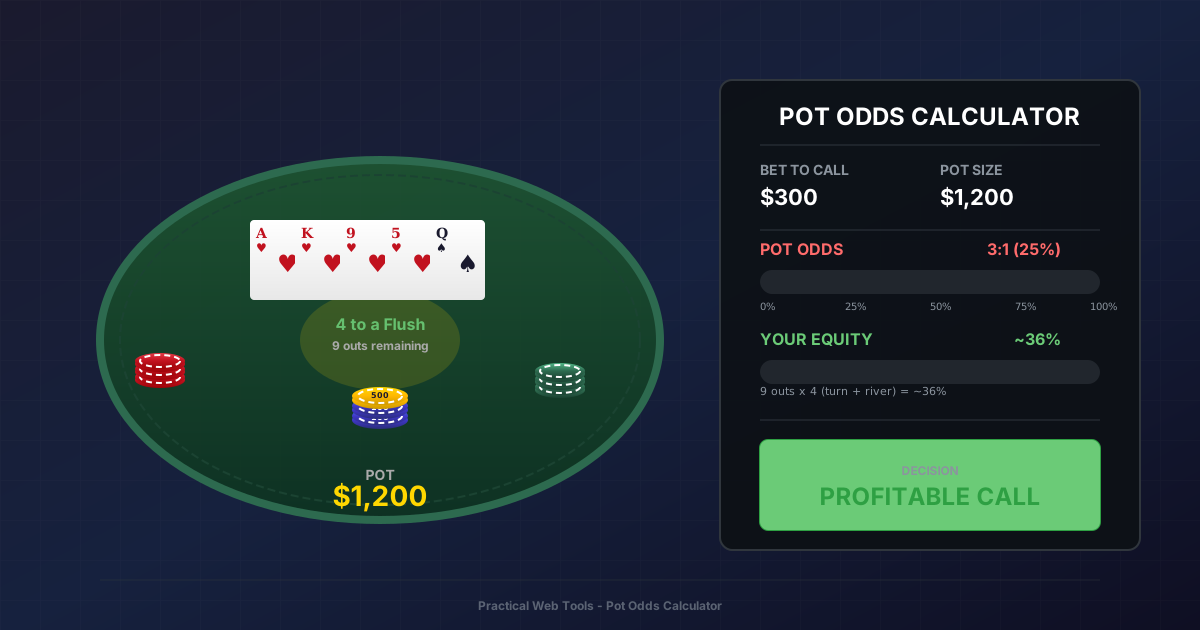
- Your hand: Flush draw (9 outs)
Calculation:
Fold equity needed: 70 / 170 = 41%
Your equity if called: ~18% (9 outs)

EV = (Fold% × Pot) + (Call% × Equity × NewPot) - (Call% × (1-Equity) × BetSize)

With 30% fold rate:
EV = (0.30 × $100) + (0.70 × 0.18 × $240) - (0.70 × 0.82 × $70)
EV = $30 + $30.24 - $40.18 = +$20.06

Even with less than break-even folds,
equity when called makes it profitable
Minimum Defense Frequency
What Is MDF?
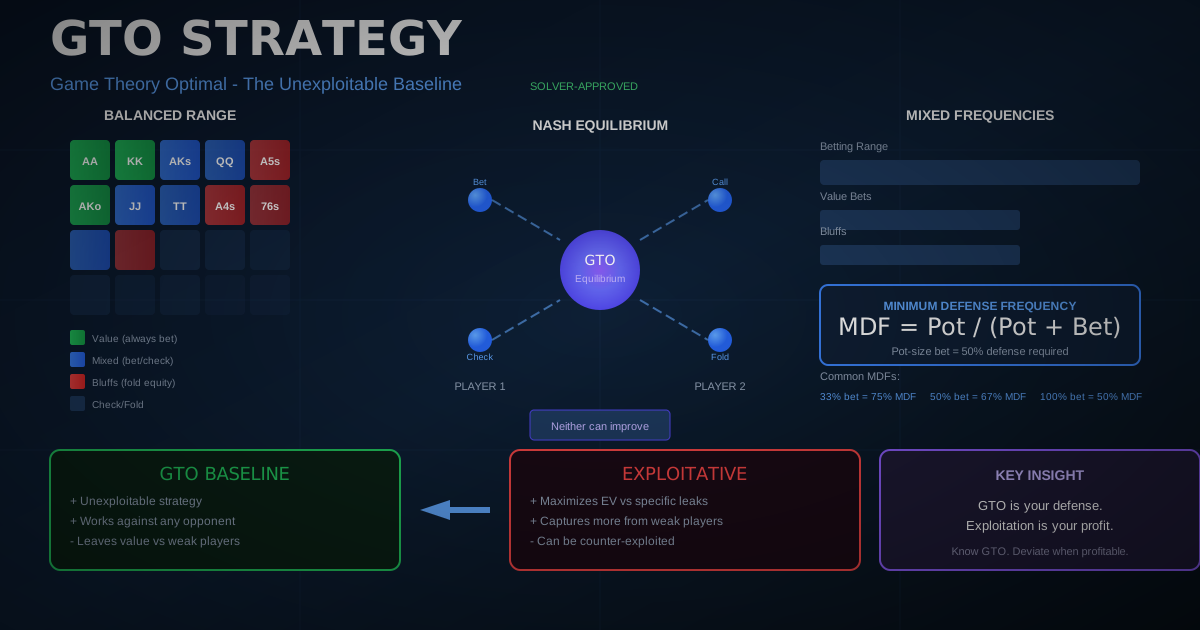
MDF = Pot / (Pot + Bet)

This is how often opponent must call
to prevent you from profiting with any bluff

If opponent folds more than (1 - MDF):
All your bluffs become profitable
MDF by Bet Size
| Bet Size | MDF (Must Call) | Can Fold |
|---|---|---|
| 1/3 pot | 75% | 25% |
| 1/2 pot | 67% | 33% |
| 2/3 pot | 60% | 40% |
| Pot | 50% | 50% |
| 2x pot | 33% | 67% |
Exploiting Players Who Over-Fold
If opponent folds 60% to pot bets:
MDF says they should call 50%
They fold 10% too often

Your bluff EV:
(0.60 × Pot) - (0.40 × Bet)
(0.60 × $100) - (0.40 × $100)
= $60 - $40 = +$20 per bluff

Bluff relentlessly until they adjust
When to Bluff More
Good Bluffing Spots
| Situation | Why It Works |
|---|---|
| Dry boards | Fewer strong hands possible |
| Scare cards | Credibly represent strength |
| Tight opponents | They fold too much |
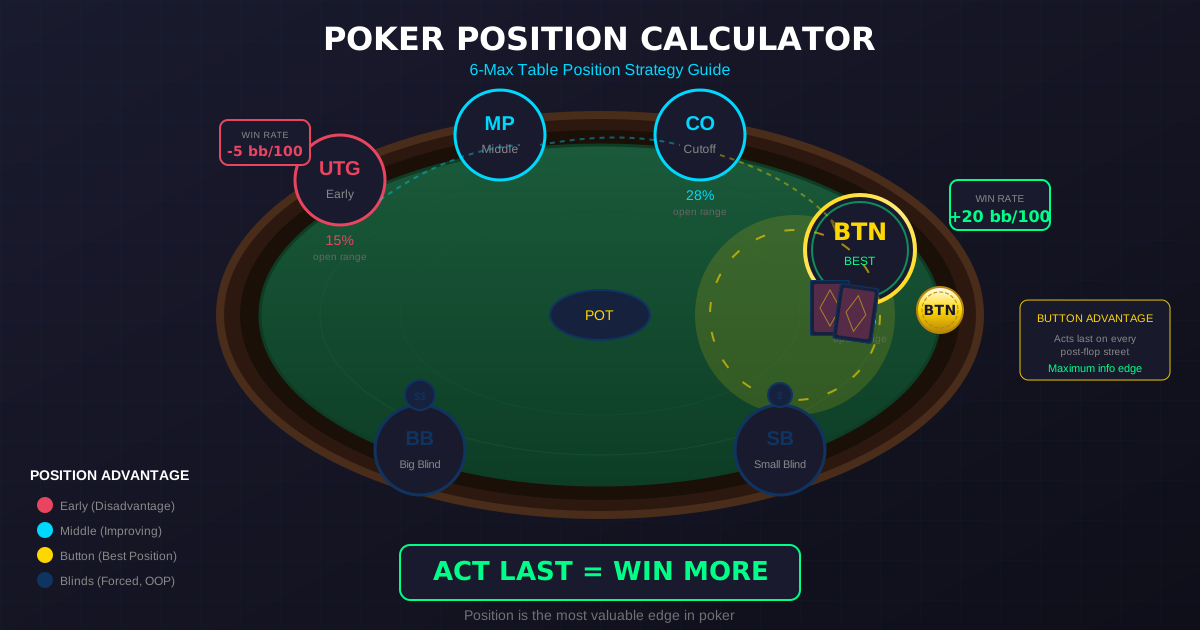
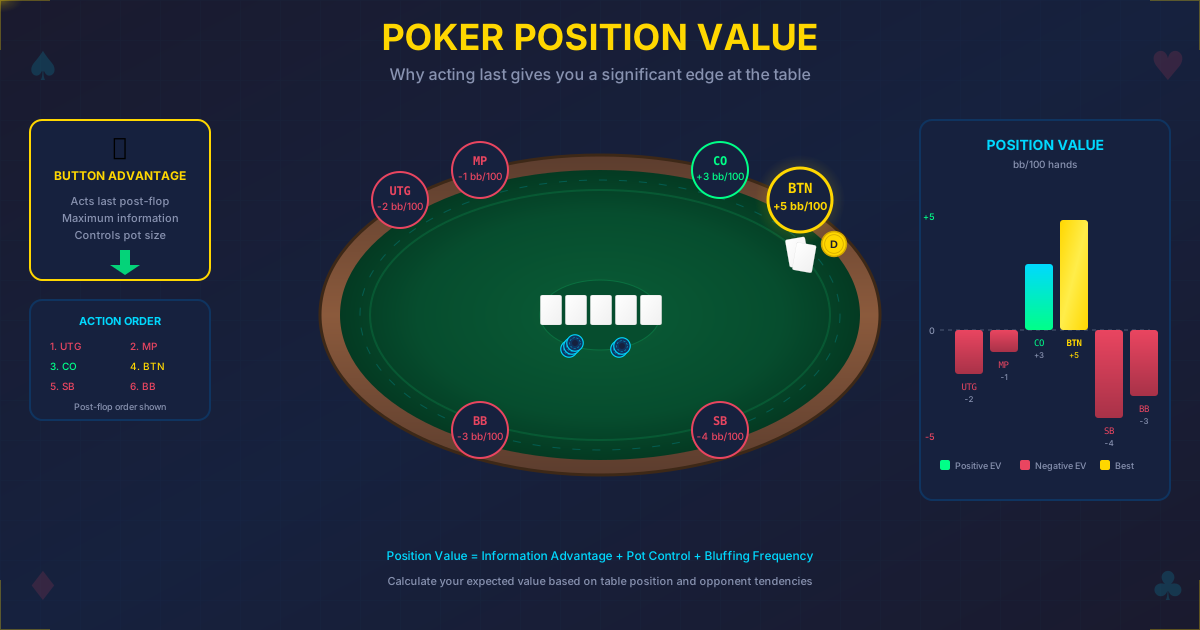
| Position | Control pot, see reactions |
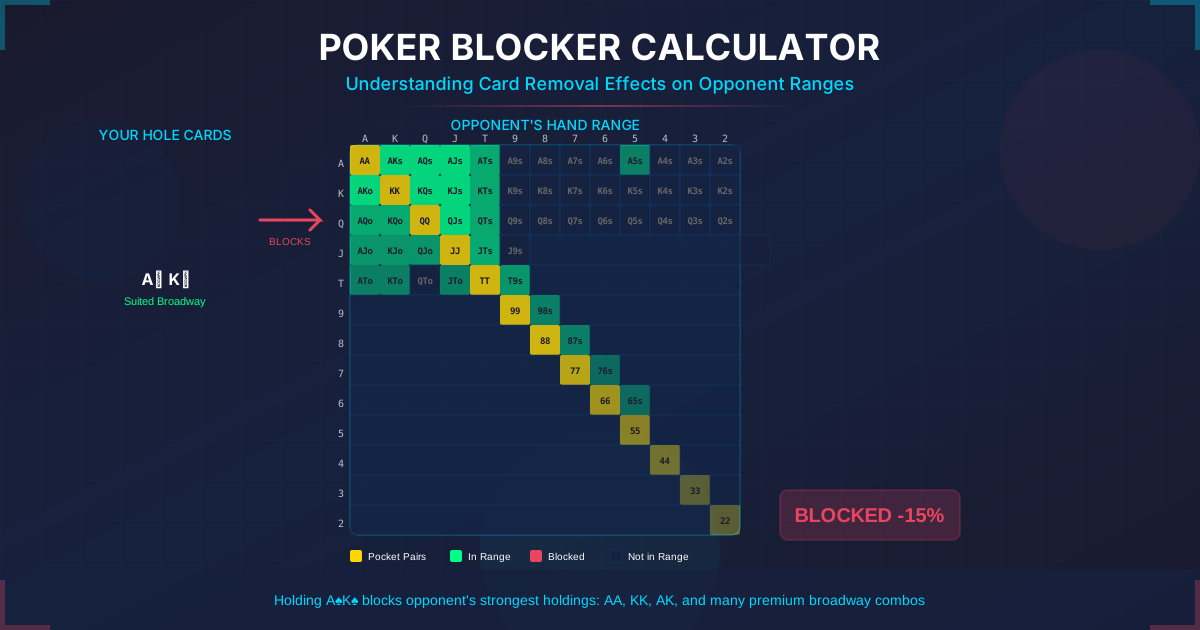
| Blockers | You hold cards they need |
Blockers Explained
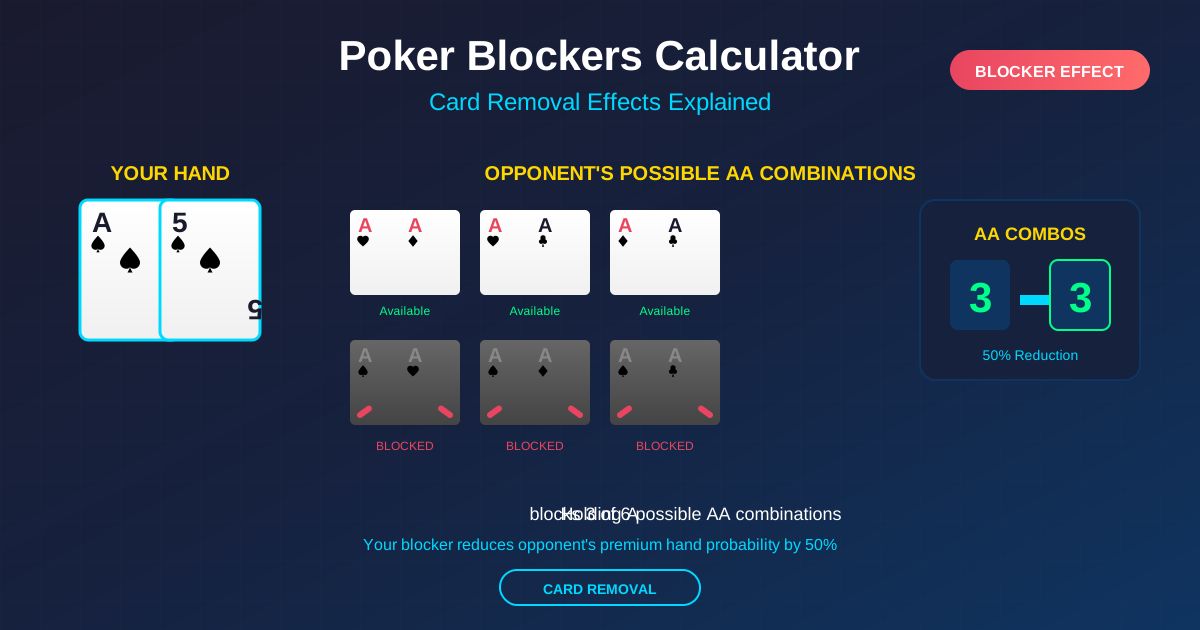
You hold: A♠ 5♠
Board: K♠ Q♠ 2♦ 7♥ 3♣

Your A♠ blocks:
- A♠K♠ (opponent can't have)
- A♠Q♠
- Nut flush draws they might call with

Having blockers = fewer combos beat you
Better bluff candidate
When to Bluff Less
Bad Bluffing Spots
| Situation | Why It Fails |
|---|---|
| Wet boards | Many draws got there |
| Calling stations | They never fold |
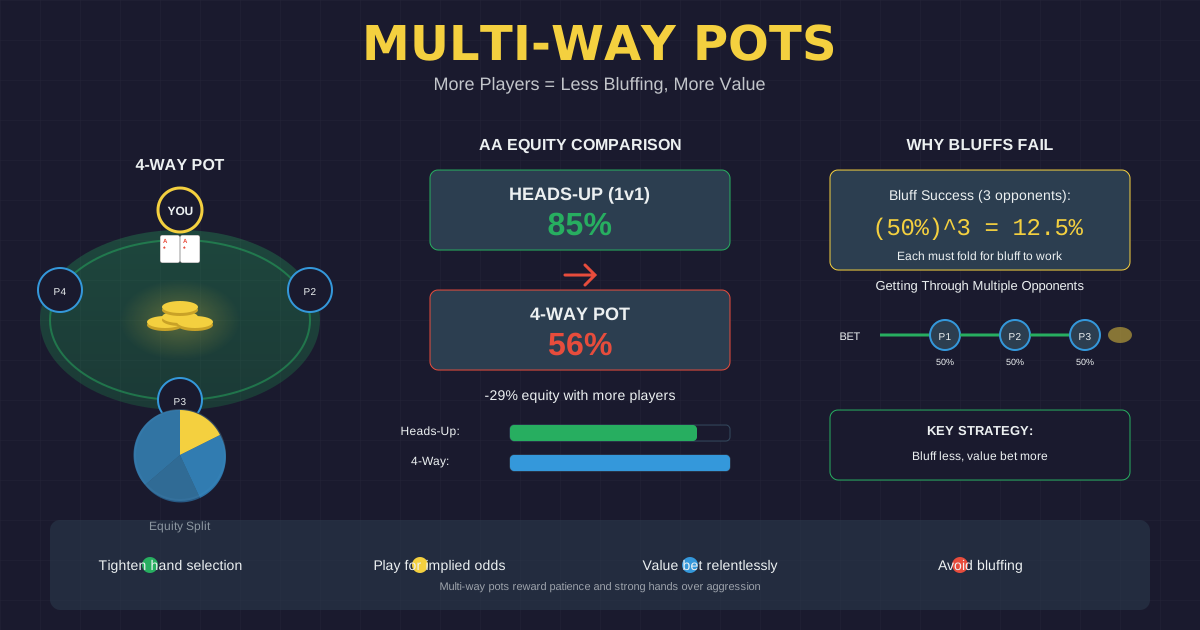
| Multi-way pots | Someone has it |
| Out of position | Hard to follow through |
| No blockers | All combos still possible |
Adjusting to Opponents
Tight player (folds 60%):
Bluff more, they over-fold

Calling station (calls 80%):
Never bluff, value bet relentlessly

Good player (calls MDF):
Maintain balanced ratios
Street-by-Street Bluffing
Flop Bluffs
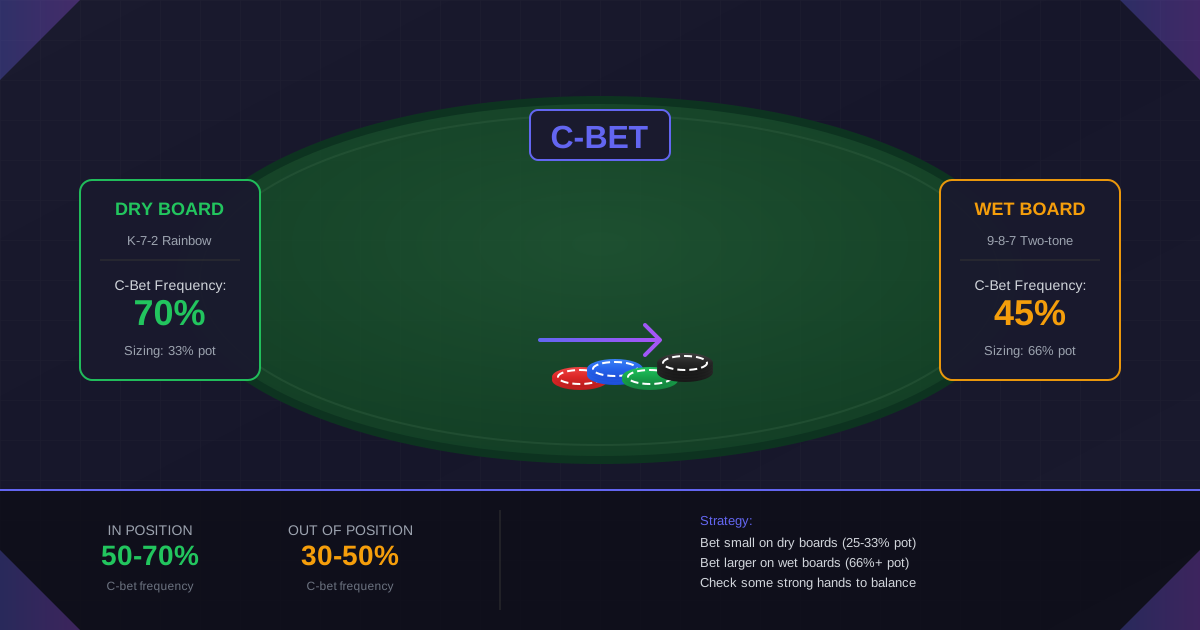
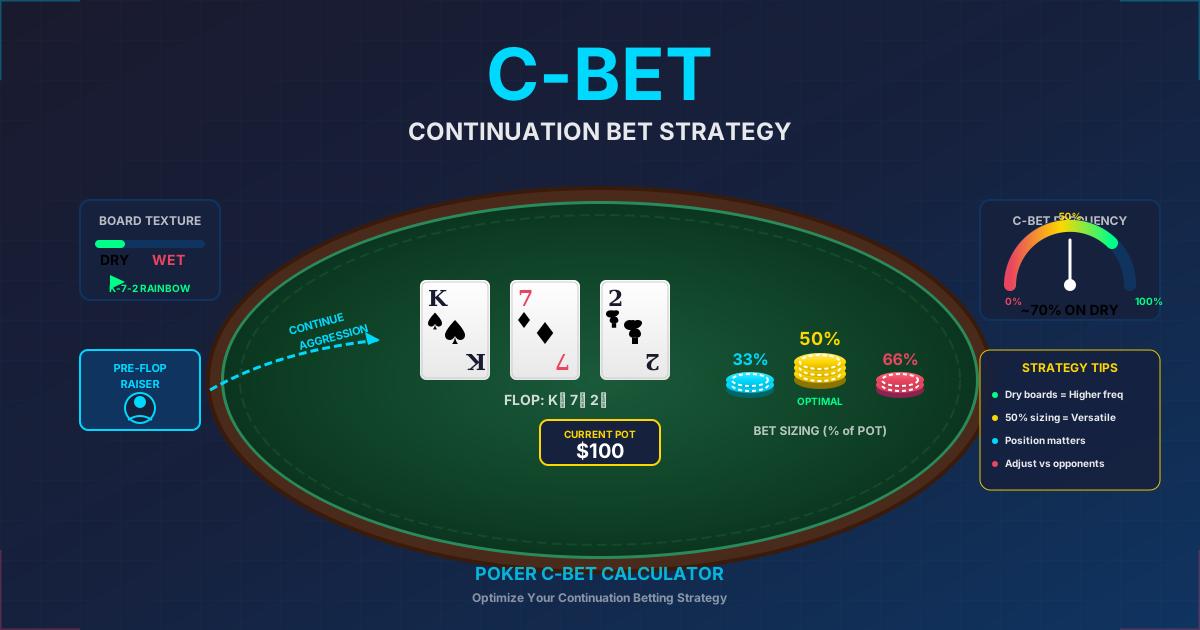
Continuation bet as bluff:
- Standard in position
- Works 40-60% of time
- Can barrel turn if called
- Have equity with draws
Turn Bluffs
Second barrel considerations:
- Did scare card come?
- Does opponent's range weaken?
- Do you have equity?
- Can you fire river?
River Bluffs
Pure bluffs (no equity):
- Must rely on fold equity alone
- Use optimal bluff-to-value ratio
- Pick best bluff candidates
- Blockers become crucial
Bluff Sizing Strategy
Smaller Bluffs
Pros:
- Risk less
- Need fewer folds
- Can bluff more often

Cons:
- Look weak
- May not fold better hands
- Easy to call
Larger Bluffs
Pros:
- More fold equity
- Look stronger
- Fold out medium hands

Cons:
- Risk more
- Need more folds
- Exploitable if unbalanced
Optimal Sizing
Match your value bet sizing
If you bet pot with value hands:
Bet pot with bluffs too

Mixing sizes creates imbalance
Opponents can exploit sizing tells
Common Bluffing Mistakes
1. Bluffing Calling Stations
Mistake: Bluff someone who never folds Problem: Zero fold equity = guaranteed loss Fix: Only value bet against calling stations
2. Unbalanced Bluff Ratios
Mistake: Bluff too much or too little Problem: Opponents exploit your tendencies Fix: Maintain roughly 1:2 bluff-to-value ratio
3. Wrong Bet Sizing
Mistake: Small bluffs into big pots Problem: Easy call for opponents Fix: Size bluffs like value bets
4. Bluffing Without Blockers
Mistake: Bluff with hands that don't block anything Problem: Opponent can have full range Fix: Choose bluffs that block likely calls
Frequently Asked Questions
How often should I bluff?
On the river, roughly one bluff for every two value bets with pot-sized bets. Earlier streets can bluff more because you have equity when called.
Does bluff size matter?
Absolutely. Bigger bluffs need higher fold frequency but generate more fold equity. Match your bluff sizing to your value betting.
Should I bluff in tournaments?
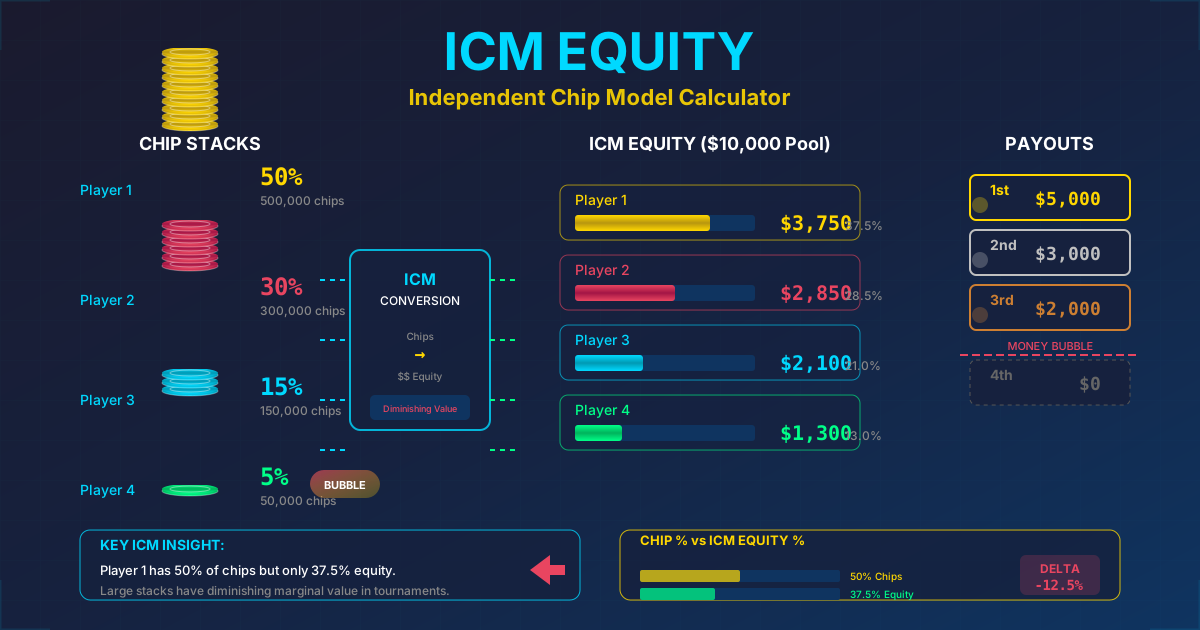
Yes, but consider ICM. Bluffing for your tournament life requires more fold equity than the math suggests due to survival value.
Can I bluff in micro stakes?
Less effective. Low stakes players call too much. Focus on value betting until opponents prove they can fold.
What's the best bluffing hand?
Missed draws with blockers. A flush draw that missed but blocks the nut flush is a prime bluff candidate.
How do I know if my bluff will work?
You don't with certainty. Base decisions on opponent tendencies, board texture, and mathematical break-even requirements.
Pro Tips
-
Know break-even math: Calculate fold equity needed instantly
-
Respect calling stations: Don't bluff players who never fold
-
Use blockers: Bluff with hands that reduce opponent's strong combos
-
Balance ratios: One bluff per two value bets on river
-
Consider future streets: Flop bluffs can improve; river bluffs can't
Related Calculators
- Poker Pot Odds Calculator - Calling decisions
- Poker Equity Calculator - Hand vs range
- Poker EV Calculator - Expected value
- Poker Position Calculator - Positional advantage
- Expected Value Calculator - General EV
Conclusion
Profitable bluffing is pure mathematics—bet sizing determines required fold frequency, and optimal ratios prevent exploitation. Our calculator shows exactly when bluffs are +EV and how to balance your betting range for unexploitable play.
Calculate Bluff Profitability Now →
Stop guessing whether to bluff. Our calculator provides the mathematical foundation for every bluffing decision: how often opponents must fold, what your expected value is, and how to construct ranges that keep opponents guessing. Master the math and bluff with confidence.