Probe Bet Calculator: Turn & River Attack Strategy (2026)
Probe Bet Calculator: Attacking When They Show Weakness
When the preflop aggressor checks, they're showing weakness—and probe bets punish that passivity. Our calculator reveals when to bet into a checking opponent, optimal probe sizing, and how this opportunistic play steals pots that don't belong to you.
What Is a Probe Bet?
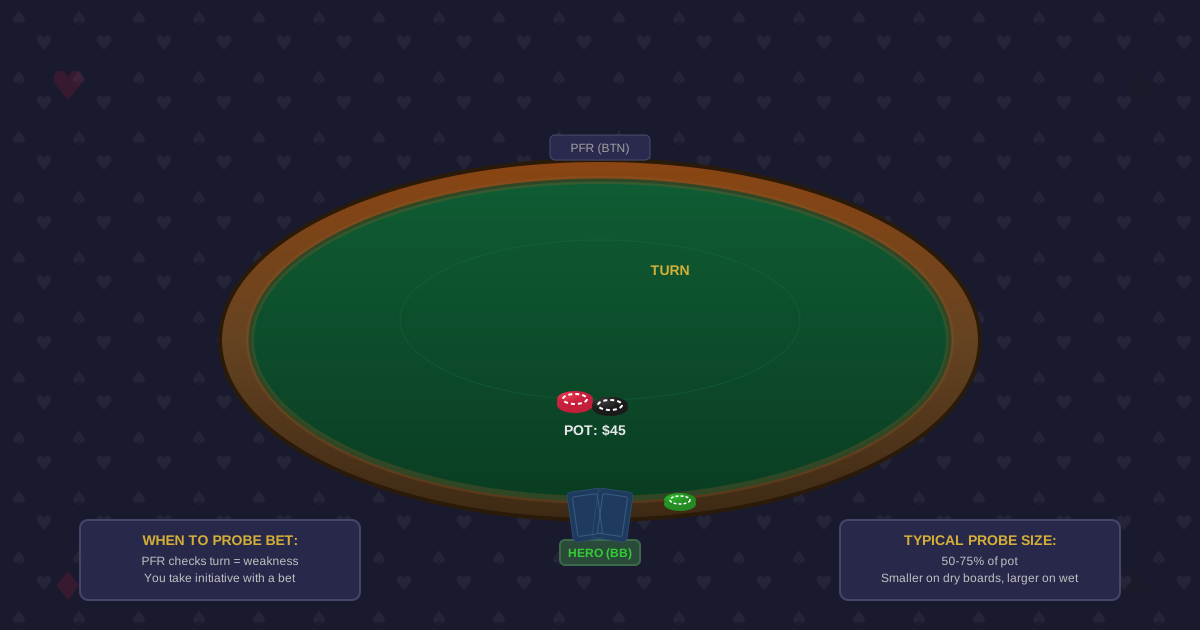
A probe bet is betting into the preflop aggressor after they check on a later street (usually turn or river). When they skip their continuation bet or check the turn, you "probe" their range by betting—attacking the weakness they've shown by checking.
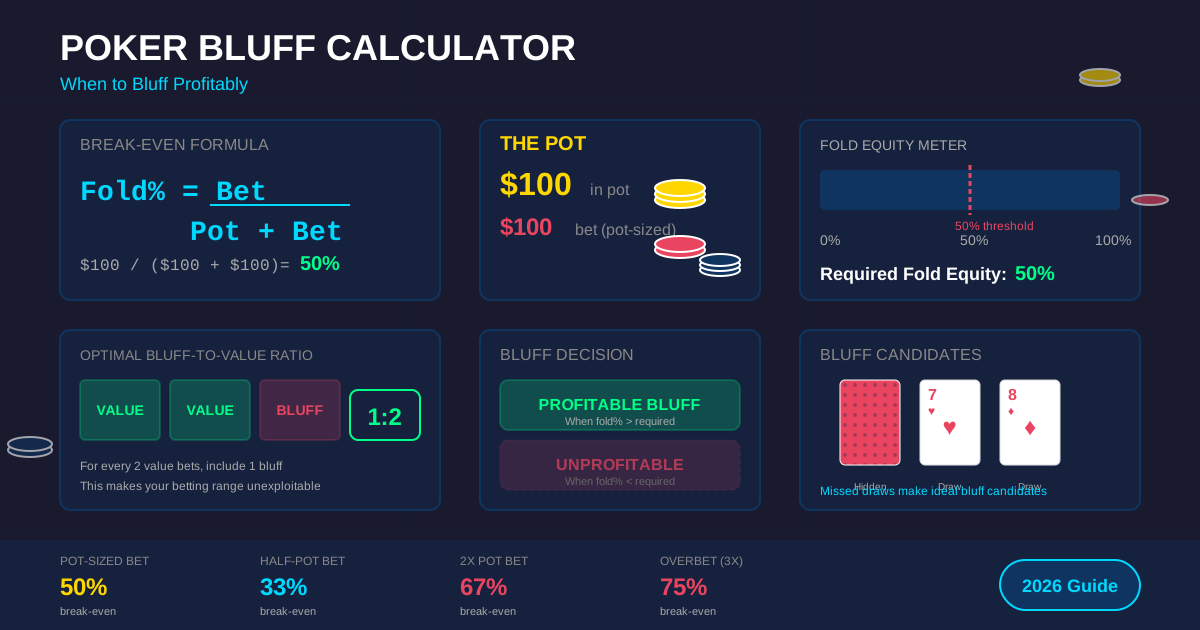
Quick Answer: Probe bet = bet into preflop raiser after they check. Attack shown weakness. Turn probe most common. Sizing: 50-66% pot. Frequency: 30-50% when checked to. Works because: checking shows weakness, fold equity is high. Good bluffs: draws, backdoors. Good value: medium pairs+. Win pots without showdown.
How to Use Our Calculator
Use the Probe Bet Calculator →
Calculate probe bet frequencies and EV.
Step-by-Step Instructions
-
Select Street: Turn or river
-
Enter Board Texture: Card runout
-
View Probe Frequency: How often to bet
-
Check Sizing: Recommended amount
-
See Range: Hands to probe with
Input Fields Explained
| Field | Description | Example |
|---|---|---|
| Street | Turn or river | Turn |
| Board | Community cards | K♠ 7♦ 2♣ 5♥ |
| Opponent Action | What they did | Checked |
| Probe % | How often bet | 40% |
| Sizing | Bet size | 55% pot |
When Probe Betting Works
Turn Probes
Turn probe situations:

Preflop raiser c-bet flop
Turn checks through
You're in position

Common scenario:
BTN opens, you call BB
Flop: K♠7♦2♣ - they bet, you call
Turn: 5♥ - they check

Their check = weakness
Probe bet 55% pot
Win with medium hands or bluffs
River Probes
River probe situations:

Two checks from aggressor
Board ran out safe
Their range is capped

Scenario:
They bet flop, check turn
River: blank card
They check again

Double weakness signal
Probe bet 50-66% pot
High fold equity
Texture Matters
Good probe textures:

Blank turn/river cards
No draws completed
Board stayed static

Example:
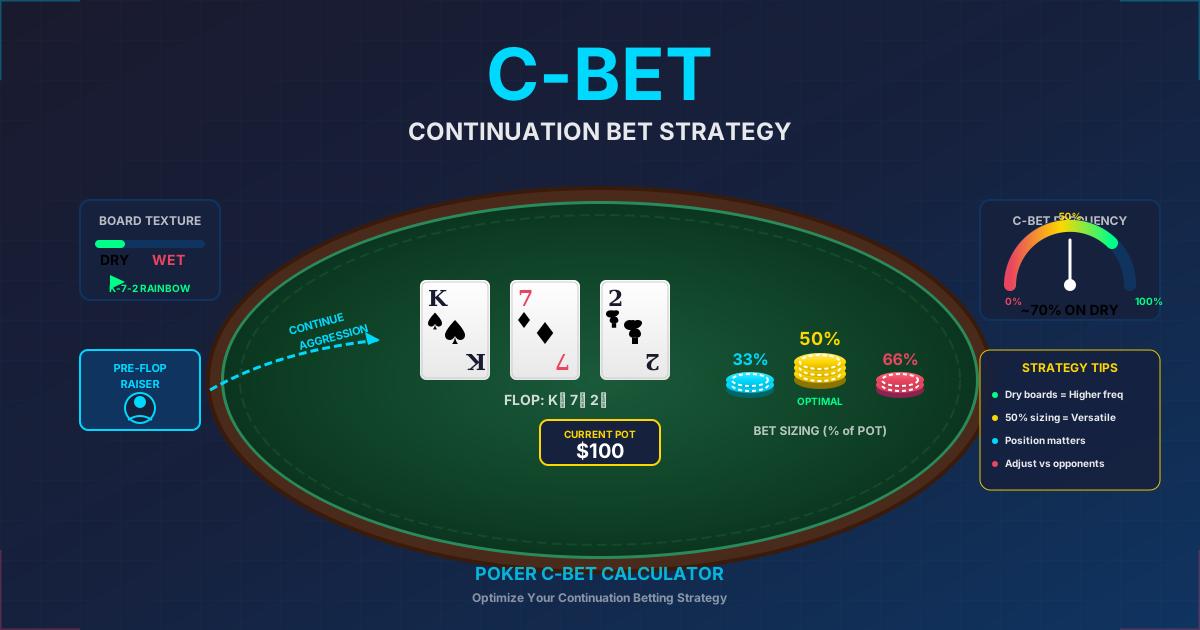
Flop: K♠7♦2♣
Turn: 3♥ (blank)

Bad probe textures:

Draws complete
Scare cards fall
Board gets scary

Example:
Flop: K♠7♦2♣
Turn: Q♠ (overcard, flush card)
Probe Bet Sizing
Standard Sizing
Turn probe sizing:

50-66% pot typical
Not too small (no fold equity)
Not too large (commits too much)

Example:
Pot: $30
Probe bet $16-20
River Sizing
River probe sizing:

Similar 50-66% pot
Can go larger with value
Smaller with bluffs

Example:
Pot: $50
Probe bet $25-33
Why This Size Works
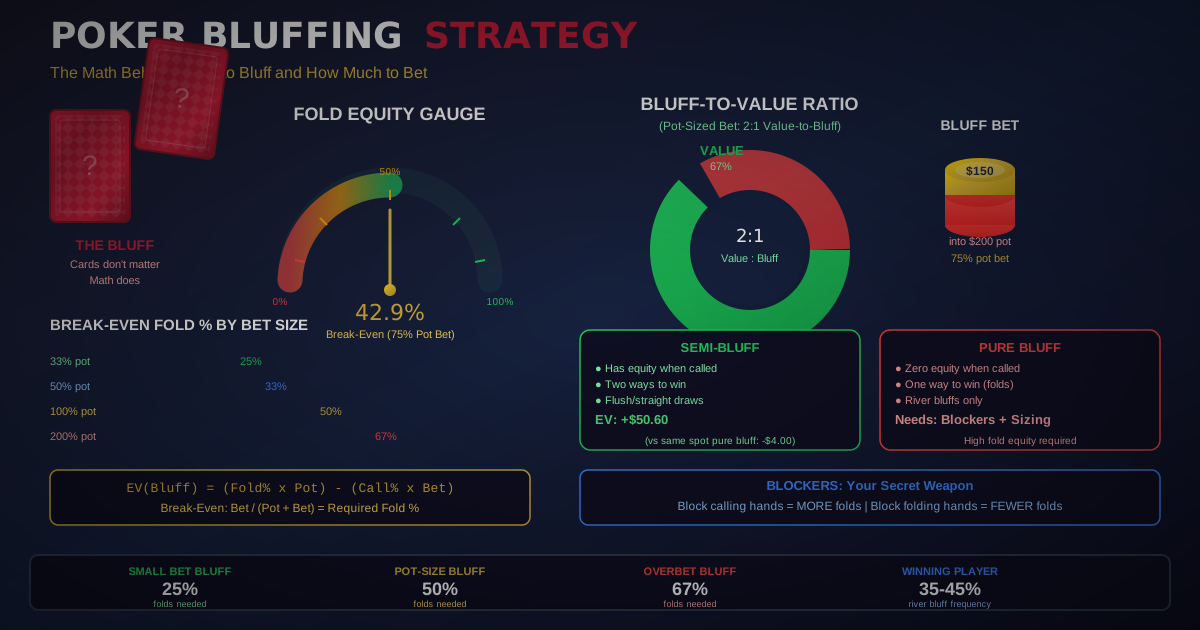
Sizing logic:

Too small (25%):
Easy call for opponent
Little fold equity
Pot control only

Too large (100%):
Commits too many chips
Bluffs become expensive
Only get called by better

50-66% sweet spot:
Enough fold equity
Affordable bluffs
Balanced range
Range Construction
Value Probe Hands
Probe for value with:

Medium pairs (on blanks)
Top pair weak kicker
Two pair (slow-played)
Straights/flushes completed

Goal: Get value from worse
They check, you bet
Extract from weak made hands
Bluff Probe Hands
Probe as bluff with:

Missed draws (no showdown)
Backdoor draws (equity)
Complete air (small frequency)
Blockers to strong hands

Goal: Win without showdown
Their checking = weak
Fold out their showdown value
Balanced Probing
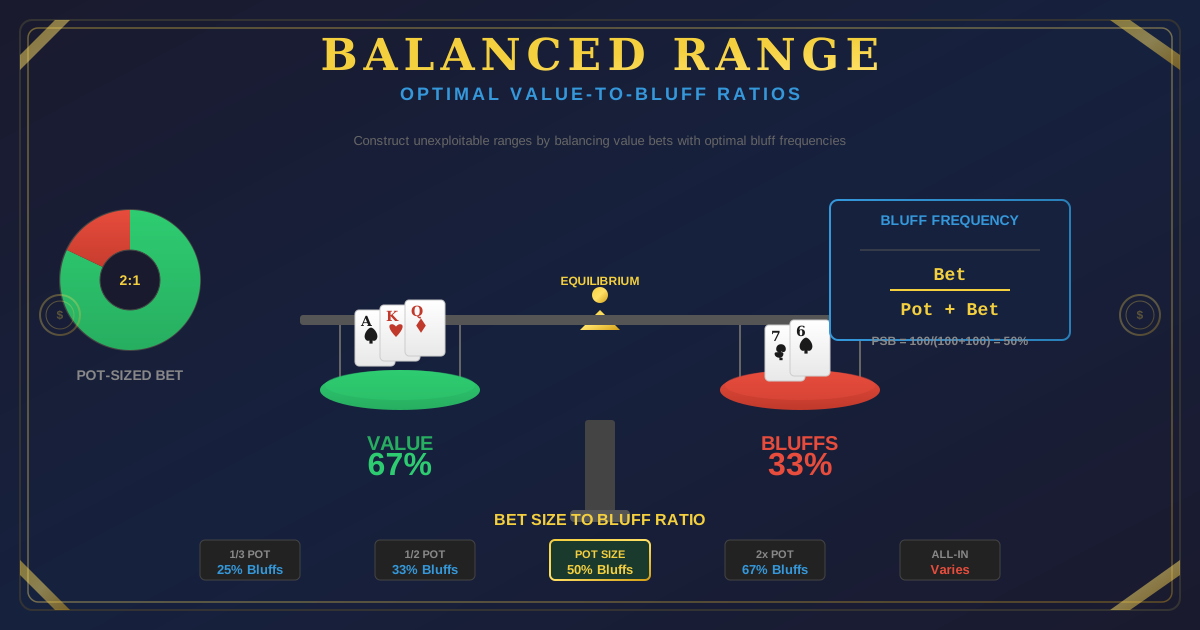
Probe range composition:

~60-70% value
~30-40% bluffs

On blank turns:
Higher frequency (40-50%)
More bluffs included

On scary turns:
Lower frequency (20-30%)
More value-heavy
Real-World Examples
Example 1: Turn Probe Success
Classic probe spot:
You call BB with Q♥J♦
Flop: K♣8♦3♥
BTN c-bets 50%, you call
Turn: 2♠
BTN checks

Probe bet $18 (60% pot)
You have: nothing
But their check = weakness
Win pot without showdown
Example 2: Value Probe
Getting value from weakness:
You call BB with 8♠8♦
Flop: K♠7♦3♣
CO c-bets 33%, you call
Turn: 4♥
CO checks

Probe bet $15 (50% pot)
You have: middle pair
Their check = no King likely
Get value from Ace-high, 7x
Example 3: Don't Probe
When checking is better:
You call BB with 9♥8♥
Flop: K♠Q♦4♥
BTN c-bets, you call
Turn: J♥ (completes straight)

You flopped gutshot, turned straight
BTN checks

Check back!
Trap for river value
Let them bluff or catch up
Don't scare them off
Example 4: River Probe
Double weakness attack:
You call BB with A♠5♦
Flop: J♣7♦2♥ - check/check
Turn: 8♣ - check/check
River: 3♠

They checked twice = very weak
Probe bet $12 (66% pot)
Win with Ace-high or fold out better
Theory Behind Probing
Why Checking Shows Weakness
When aggressor checks:

They had opportunity to bet
Chose not to = not strong
Range becomes capped
No more nuts/strong hands

This creates:
Fold equity for you
Opportunity to attack
Profitable probe spots
Opponent's Dilemma
When you probe:

They have showdown value
But not strong enough to raise
Calling loses to your value
Folding loses to your bluffs

They're stuck:
Must guess if you're bluffing
Often fold marginal hands
You win either way
Common Mistakes
1. Probing Scary Boards
Mistake: Probing when draws complete Problem: They check with monsters Fix: Probe blank cards only
2. Probing Too Often
Mistake: Probing every check Problem: Becomes exploitable Fix: 30-50% frequency
3. Wrong Sizing
Mistake: Min-probing or overbet probing Problem: No fold equity or overcommitting Fix: 50-66% pot standard
4. Only Value Probing
Mistake: Never bluff probing Problem: Range too strong/predictable Fix: Include ~30-40% bluffs
Frequently Asked Questions
When should I probe bet?
When the preflop aggressor checks to you on turn or river. This shows weakness in their range, creating profitable betting opportunities.
What size should my probe bet be?
50-66% pot is standard. Large enough for fold equity, small enough to keep bluffs affordable and allow value from marginal calls.
Should I probe with complete air?
Sometimes, at small frequencies. Better probes have some equity (draws) or blockers. Pure air works occasionally for balance.
Why not just check behind?
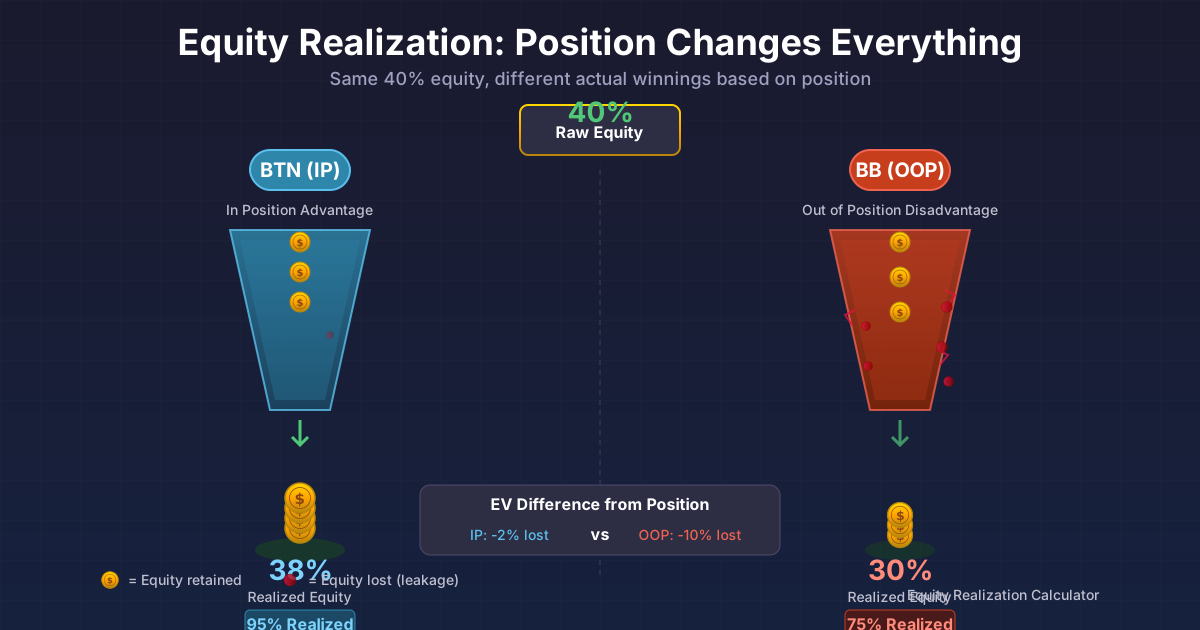
Checking behind gives free cards and showdowns. Probing wins pots immediately and denies their equity realization. Attack weakness.
How often should I probe when checked to?
30-50% depending on texture. More on blank boards, less on coordinated/scary runouts.
What if they check-raise my probe?
Fold weak hands, call with draws or medium strength, continue with strong hands. Adjust by reducing bluff frequency vs aggressive opponents.
Pro Tips
-
Blank cards = probe: 2s through 5s are great
-
50-66% pot: Standard sizing works
-
Include bluffs: ~30-40% of probes
-
Two checks = very weak: Attack river hard
-
Texture matters: Don't probe scare cards
Related Calculators
- Continuation Bet Calculator - C-bet strategy
- Pot Odds Calculator - Call decisions
- Fold Equity Calculator - Bluff math
- Poker Range Calculator - Hand ranges
- Bet Sizing Calculator - Sizing strategy
Conclusion
Probe betting attacks weakness—when the preflop aggressor checks, they're signaling they don't have a strong hand. Our calculator shows when to punish that passivity, optimal probe sizing, and how to construct a balanced range of value bets and bluffs that wins pots without showdown.
Calculate Probe Bet Strategy Now →
They raised preflop, bet the flop... and then checked the turn. Our calculator proves when that check means "take the pot" and how much to bet to make them fold.