Texas Hold'em Preflop Calculator: Starting Hand Strategy (2026)
Texas Hold'em Preflop Calculator: Master Your Starting Hands
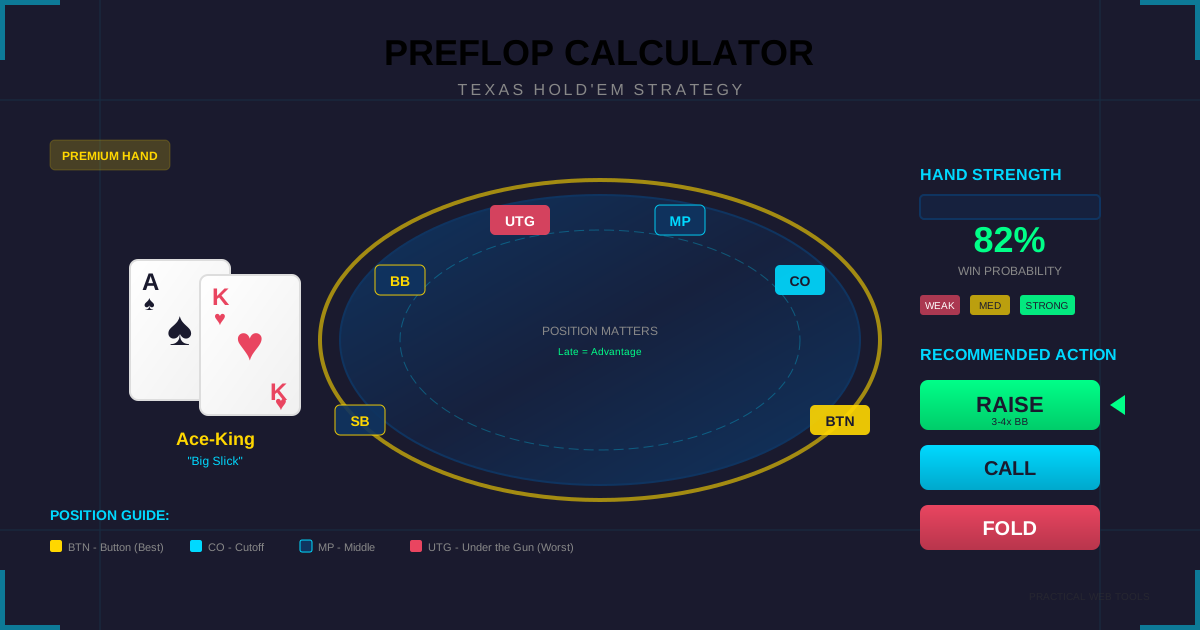
Preflop decisions set the foundation for every hand. Our calculator shows optimal actions for every starting hand from every position—the critical first step to winning poker.
What Is Preflop Strategy?
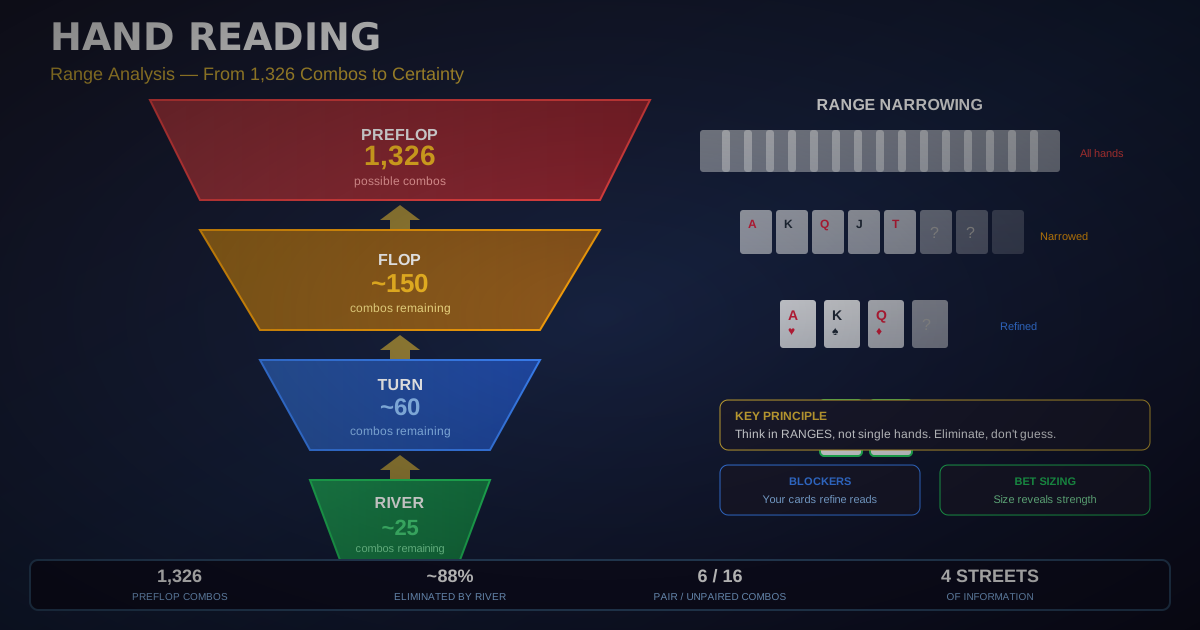
Preflop is the betting round before the flop (first three community cards). You see only your two hole cards and must decide to fold, call, or raise based on hand strength, position, and opponent action.
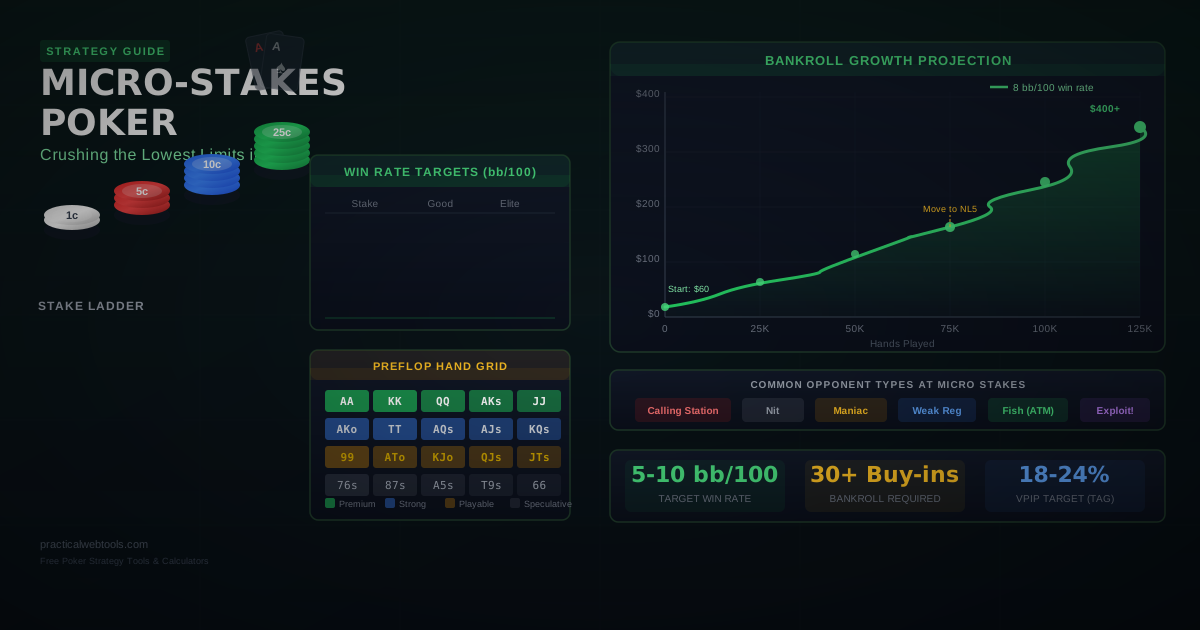
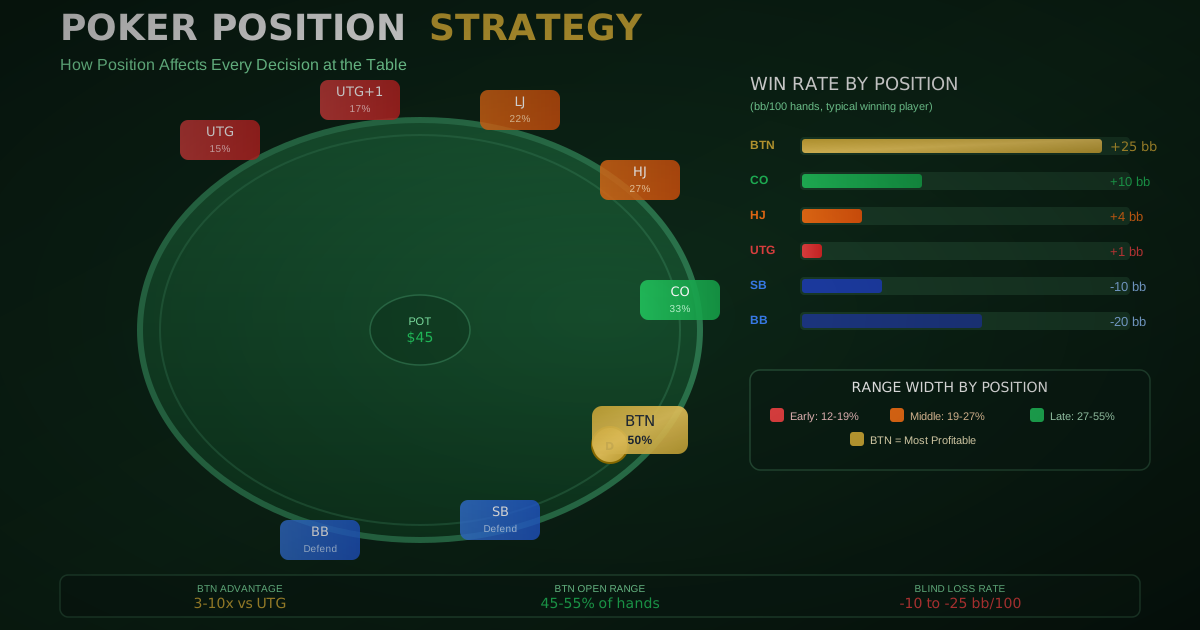
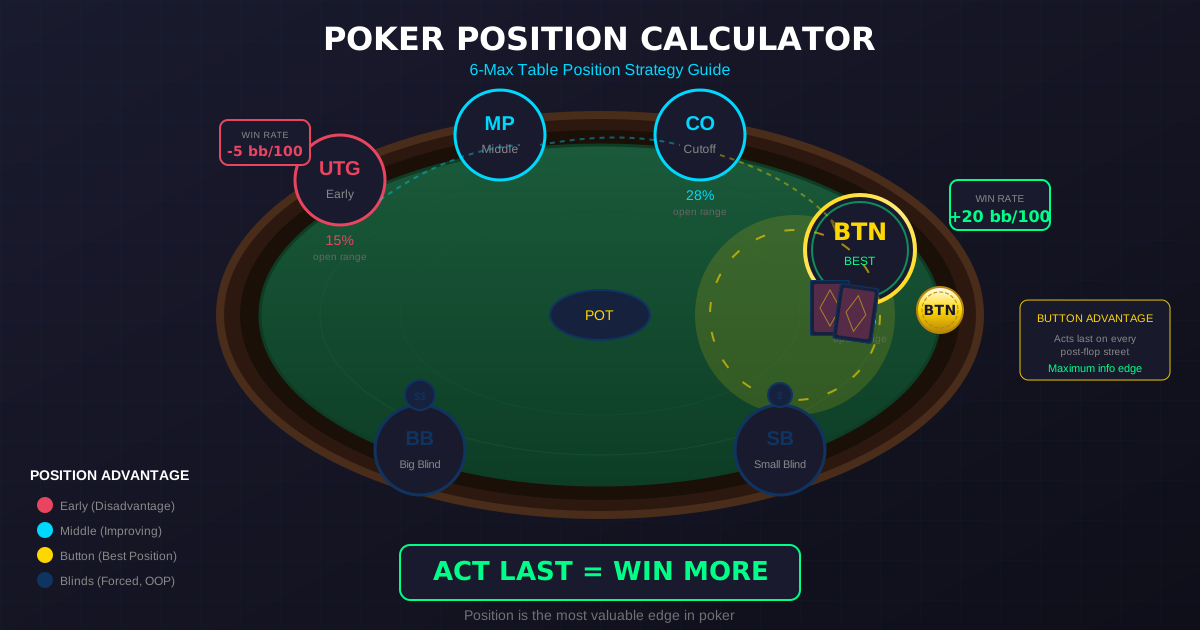
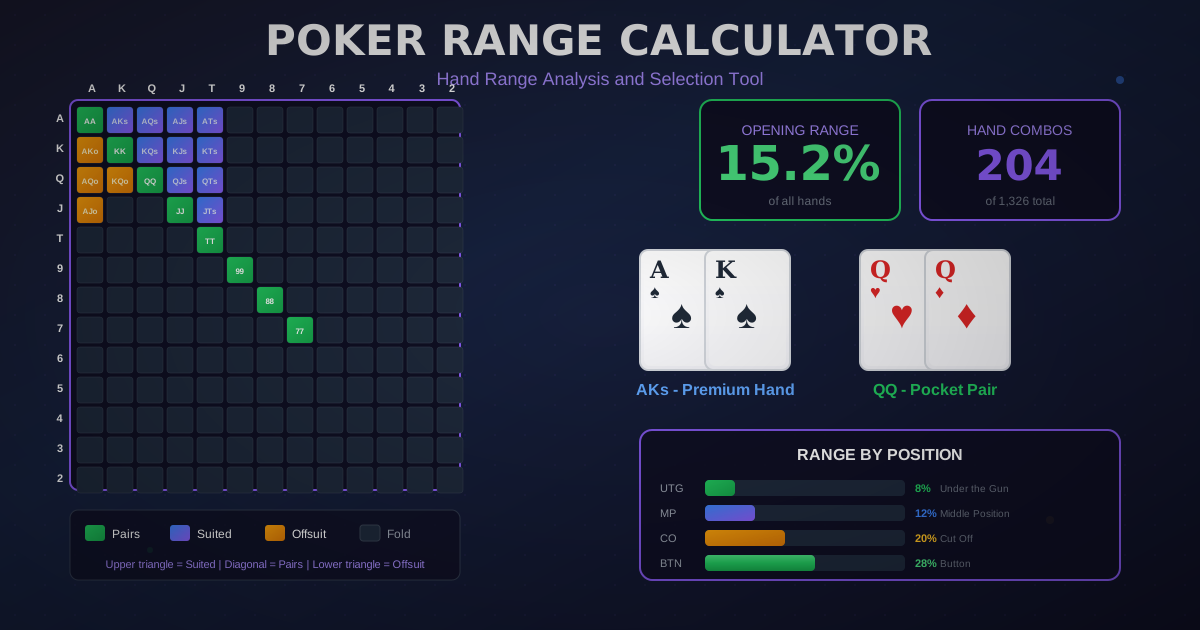
Quick Answer: Premium hands (AA, KK, QQ, AKs) play from any position. Strong hands (JJ, TT, AK, AQs) play from most positions. Speculative hands (suited connectors, small pairs) need position and multiway pots. Position is crucial: play ~15% of hands from early position, ~25% from middle, ~35%+ from late position. Tight is right for beginners.
How to Use Our Calculator
Enter your cards and position to see optimal preflop action.
Step-by-Step Instructions
-
Enter Your Hole Cards: Your two cards
-
Select Position: Early, middle, late, blinds
-
Input Prior Action: Folds, raises, calls
-
View Recommendation: Raise, call, or fold
-
See Hand Strength: Equity and ranking
Input Fields Explained
| Field | Description | Example |
|---|---|---|
| Hole Cards | Your two cards | A♠ K♥ |
| Position | Table position | Button |
| Prior Action | Action to you | 1 raise |
| Recommendation | Optimal play | 3-bet |
| Hand Strength | Equity vs random | 65.4% |
| Range Percentile | Top X% of hands | Top 3% |
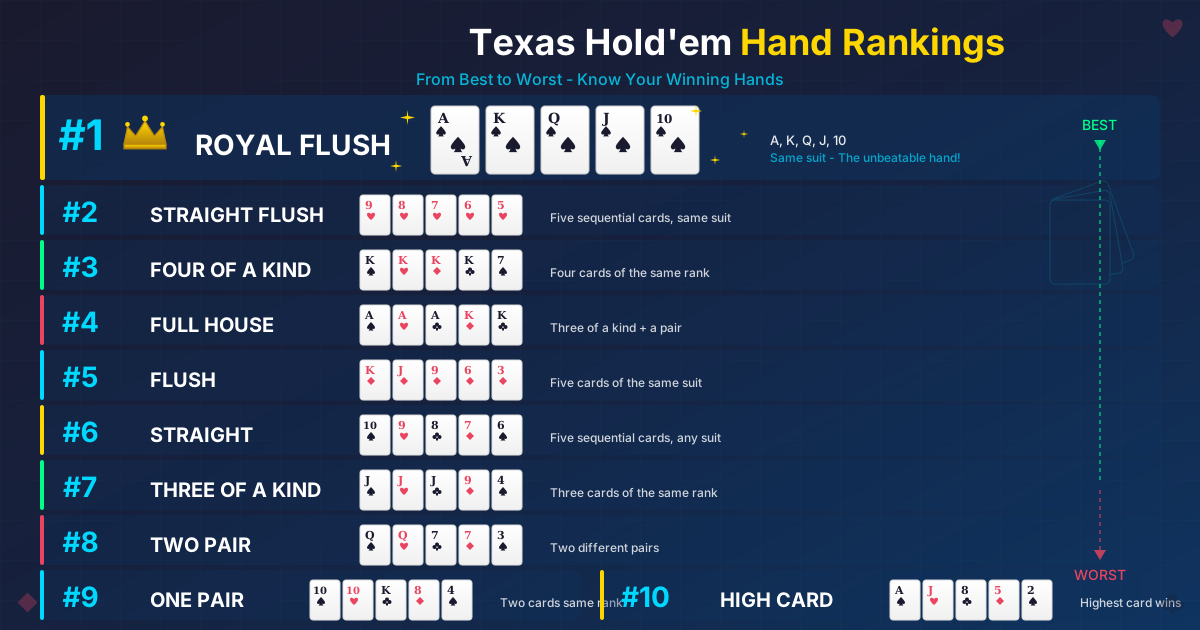
Starting Hand Rankings
Premium Hands (Top 3%)
| Hand | Category | Action |
|---|---|---|
| AA | Monster | Raise/re-raise any position |
| KK | Monster | Raise/re-raise any position |
| Premium | Raise any position | |
| AKs | Premium | Raise any position |
| JJ | Premium | Raise, caution vs 3-bet |
| AKo | Premium | Raise any position |
Strong Hands (Top 10%)
| Hand | Category | Action |
|---|---|---|
| TT | Strong pair | Raise, set-mine if 3-bet |
| AQs | Strong broadway | Raise, careful vs 3-bet |
| AJs | Strong ace | Raise from most positions |
| KQs | Strong broadway | Raise from mid+ position |
| AQo | Strong ace | Raise, fold to 4-bet |
| 99 | Medium pair | Raise, set-mine often |
Playable Hands (Top 25%)
| Hand | Category | Position Needed |
|---|---|---|
| 88-66 | Medium pairs | Middle+ position |
| ATs-A9s | Suited aces | Middle+ position |
| KJs, QJs | Suited broadway | Middle+ position |
| AJo, KQo | Offsuit broadway | Cutoff+ |
| 55-22 | Small pairs | Late position, multiway |
| 87s-54s | Suited connectors | Late position |
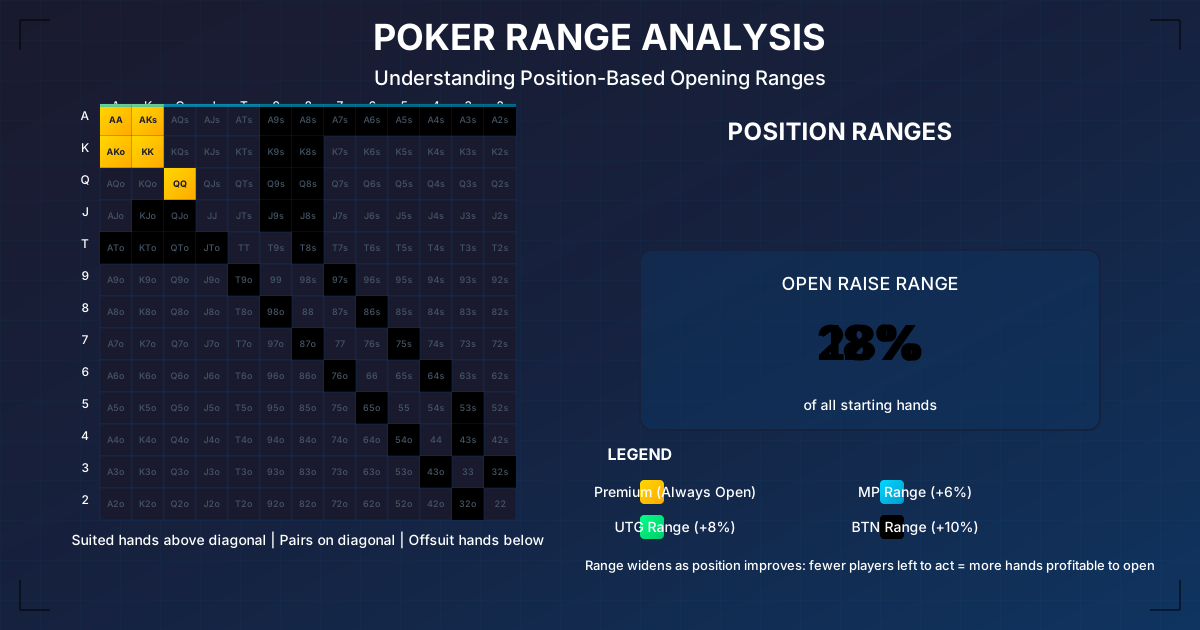
Position-Based Ranges
Early Position (UTG, UTG+1)
Range: ~12-15% of hands

Raise:
AA, KK, QQ, JJ, TT
AKs, AQs, AJs, AKo, AQo
KQs

Fold everything else
Tight because many players act after you
Middle Position (MP, MP+1)
Range: ~18-22% of hands

Add to early position:
99, 88
ATs, KJs, QJs
AJo, KQo

Still relatively tight
Cutoff Position
Range: ~25-30% of hands

Add to middle position:
77, 66
A9s-A2s, KTs, QTs, JTs
T9s, 98s, 87s
KJo, QJo

Opening up with position advantage
Button Position
Range: ~35-45% of hands

Add significantly:
55-22
Any suited ace
Suited connectors (T9s down to 54s)
Any suited king/queen
Many offsuit broadways

Best position—widest range
Small Blind
Range: Variable by strategy

Completing: Rarely recommended
Raising: ~30-35% (stealing)
3-betting: Polarized range

Worst post-flop position
Play straightforward
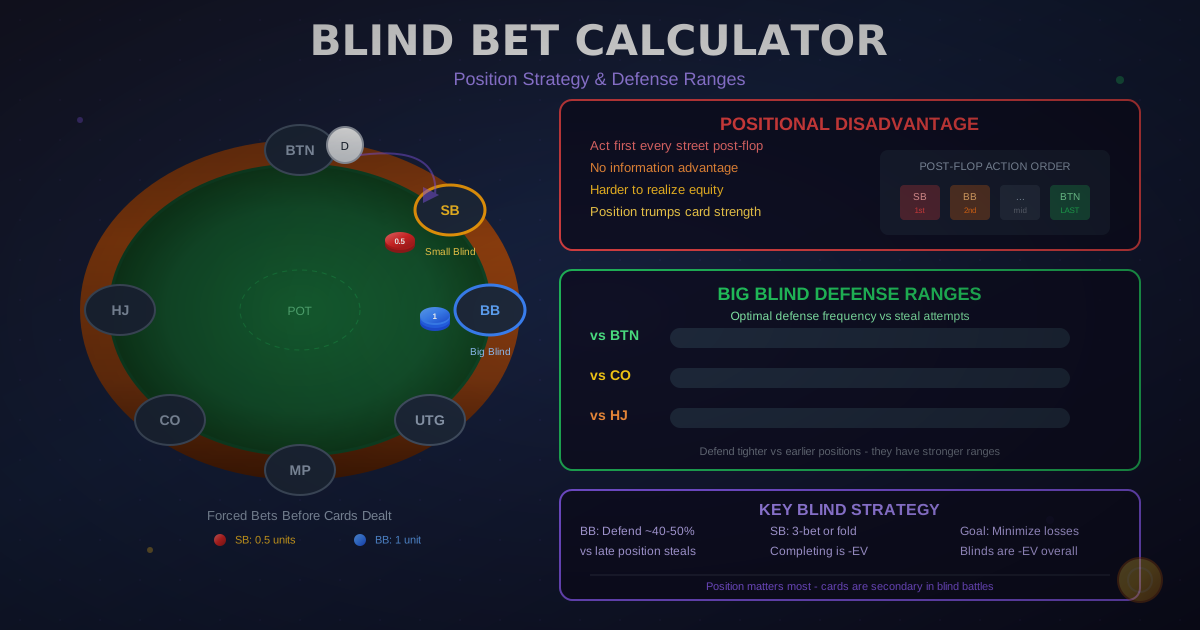
Big Blind
Range: Defending ~40-50% vs steal

Already invested, good pot odds
Wide defense range
But worst position post-flop
Action-Based Decisions
Open Raising (No Prior Action)
| Position | Open-Raise Range |
|---|---|
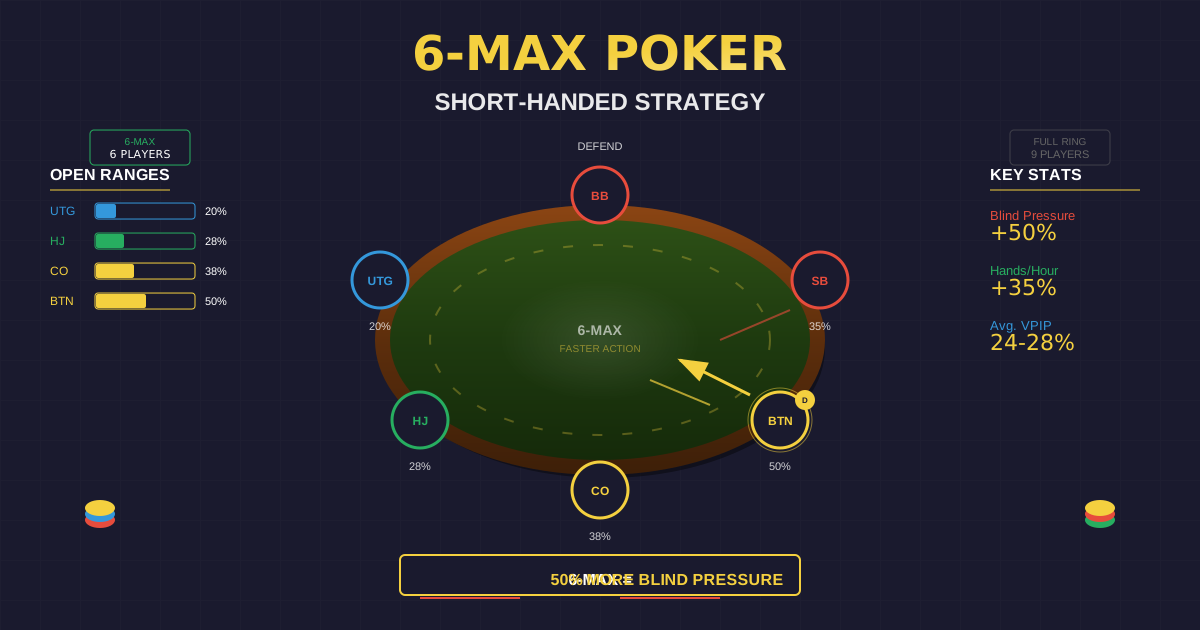
| UTG | 10-12% |
| MP | 15-18% |
| CO | 25-28% |
| BTN | 40-50% |
| SB | 35-45% |
Facing a Raise
| Your Hand | vs EP Raise | vs LP Raise |
|---|---|---|
| AA-QQ | 3-bet | 3-bet |
| JJ | Call/3-bet | 3-bet |
| TT-99 | Call | 3-bet/Call |
| AKs | 3-bet | 3-bet |
| AKo | 3-bet/Call | 3-bet |
| AQs | Call | 3-bet |
| Suited connectors | Call (with odds) | Call/3-bet |
Facing a 3-Bet
| Your Hand | Action |
|---|---|
| AA-KK | 4-bet/All-in |
| QQ-JJ | Call/4-bet |
| TT-99 | Call/Fold |
| AKs | 4-bet/Call |
| AKo | Call/Fold |
| Other | Fold usually |
Real-World Examples
Example 1: Premium Hand
Your hand: A♠ A♥ Position: UTG Action to you: First to act
Analysis:
- Best hand in poker
- Raise from any position
- Size: 2.5-3x BB
Action: RAISE
Example 2: Positional Decision
Your hand: 7♦ 6♦ Position: Button Action to you: Folded to you
Analysis:
- Suited connector
- Best position at table
- Can steal blinds
- Plays well postflop
Action: RAISE (stealing)
Example 3: Facing Aggression
Your hand: J♥ J♣ Position: Cutoff Action to you: UTG raises, MP 3-bets
Analysis:
- JJ is strong but vulnerable
- UTG raise = strong range
- 3-bet over that = very strong
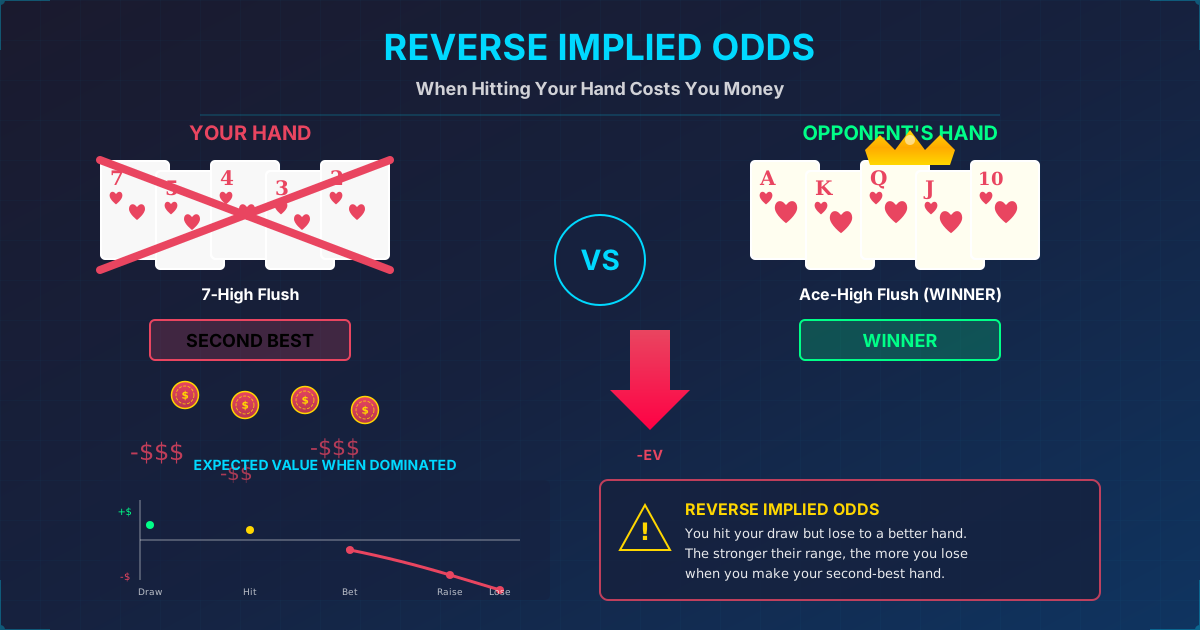
- JJ is often dominated
Action: FOLD or CALL (never 4-bet)
Example 4: Big Blind Defense
Your hand: Q♦ 9♦ Position: Big Blind Action to you: Button raises 2.5x
Analysis:
- You have 1BB invested
- Button has wide stealing range
- Q9s has reasonable playability
- Getting good pot odds
Action: CALL
Hand Equity Calculations
Preflop Equity vs Random Hand
| Hand | Equity |
|---|---|
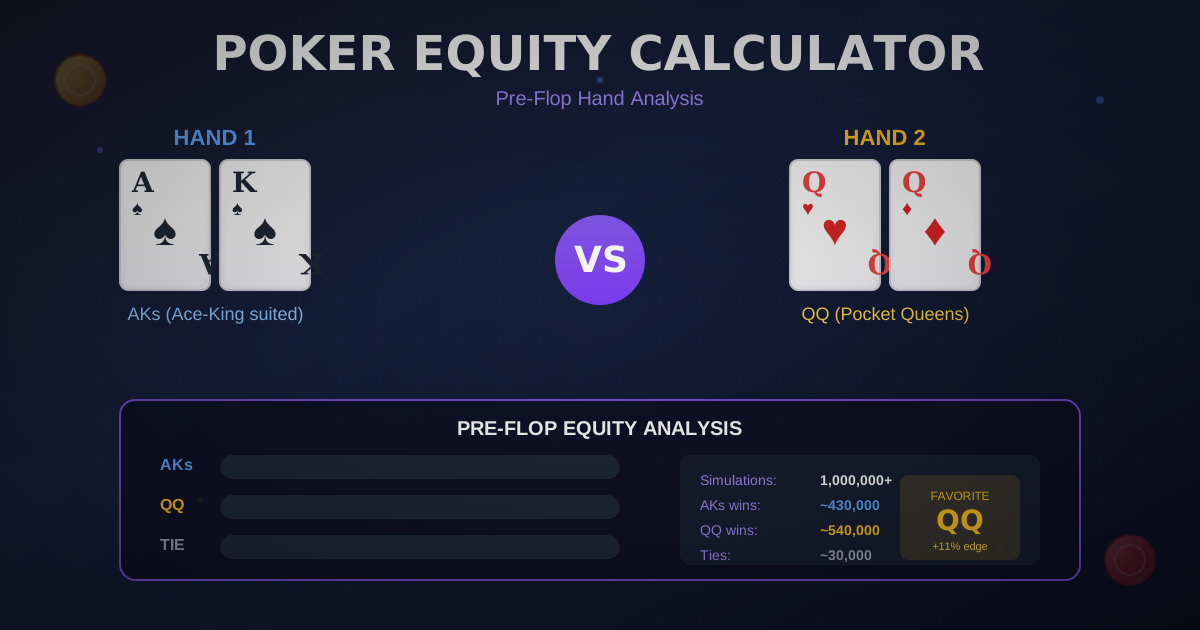
| AA | 85.2% |
| KK | 82.4% |
| 79.9% | |
| JJ | 77.5% |
| TT | 75.0% |
| AKs | 67.0% |
| AKo | 65.3% |
| AQs | 66.2% |
| 99 | 72.1% |
| 72o | 35.4% |
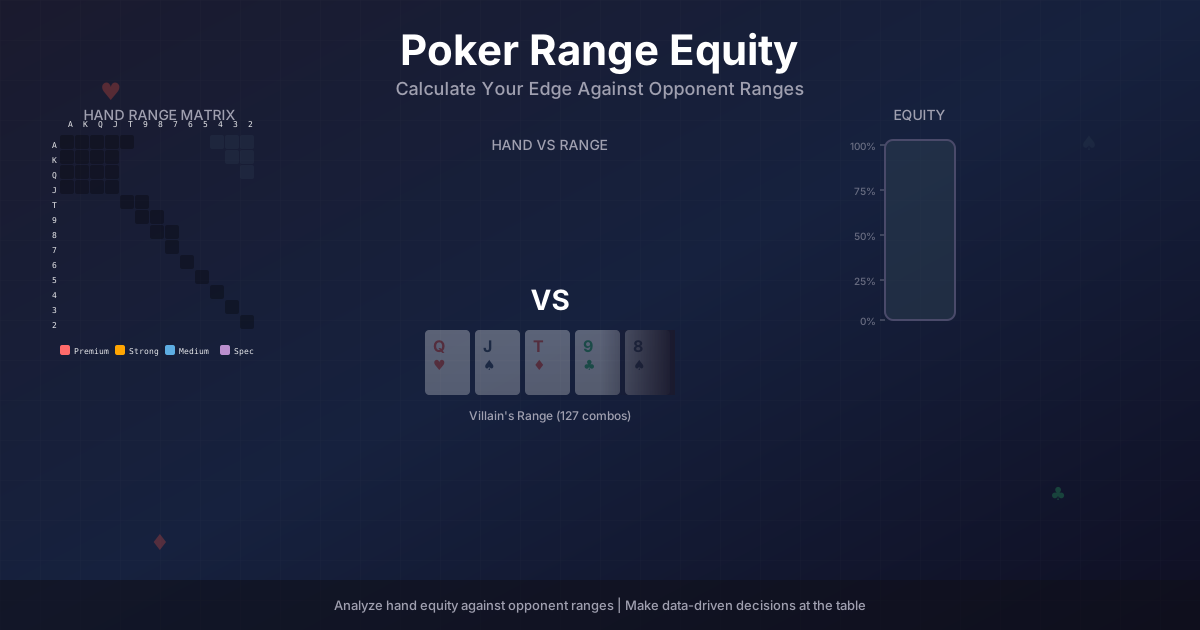
Equity vs Specific Ranges
AA vs tight range (QQ+, AK):
AA: 81% equity

JJ vs wide 3-bet range:
JJ: 52% equity

AKs vs calling range:
AKs: 48% equity (but wins big pots)
Common Preflop Mistakes
1. Playing Too Many Hands
Mistake: Calling with K7o from early position Problem: Dominated hands, bad position Fix: Stick to ~15% range from early position
2. Not 3-Betting Enough
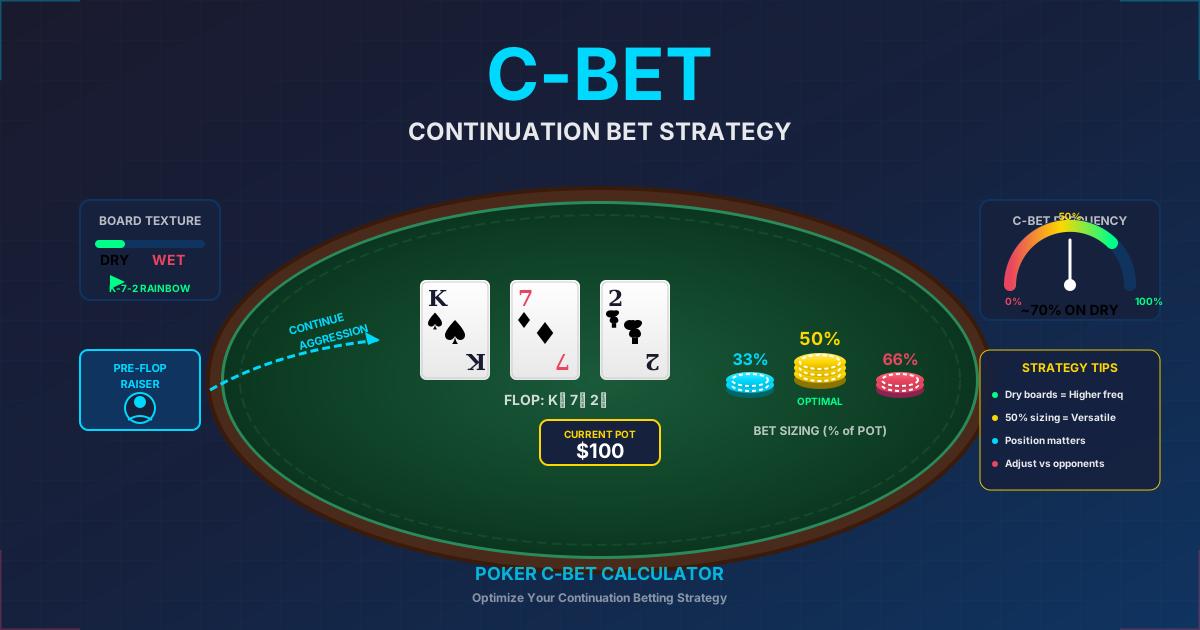
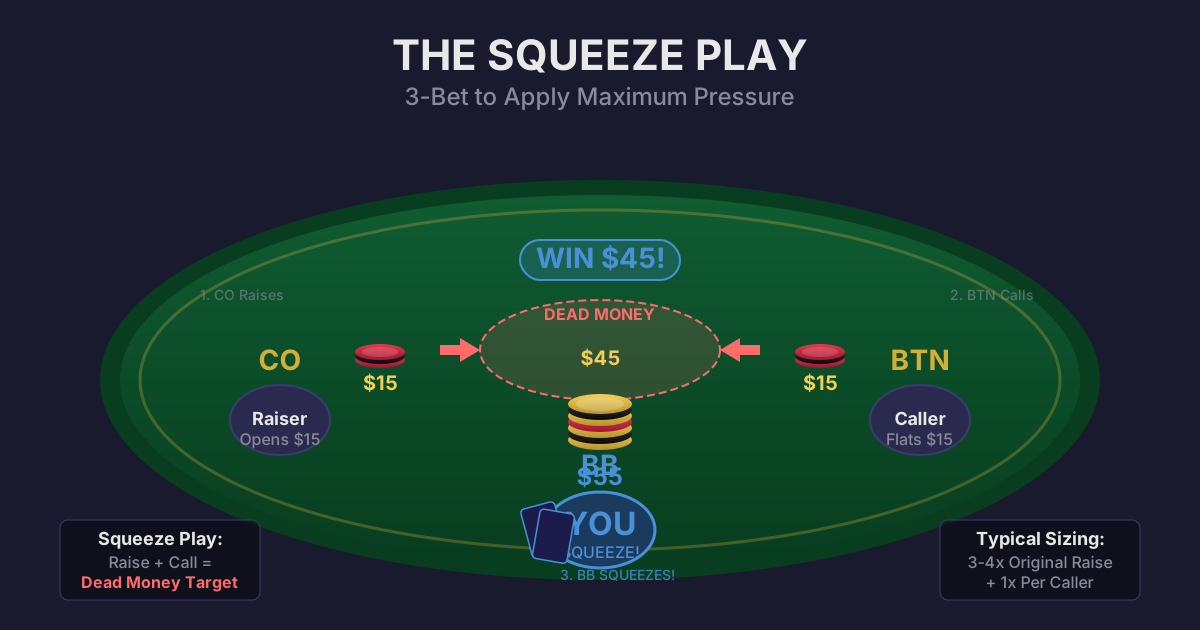
Mistake: Only 3-betting AA-QQ Problem: Predictable, exploitable Fix: 3-bet with value hands AND bluffs
3. Calling 3-Bets Too Wide
Mistake: Calling 3-bet with KJo Problem: Playing dominated hands OOP Fix: Fold marginal hands to 3-bets
4. Position Blindness
Mistake: Same range from every position Problem: Missing value, losing to better positions Fix: Dramatically widen range from button
Preflop Sizing
Open Raise Sizing
| Format | Standard Size |
|---|---|
| Live poker | 3-5x BB |
| Online cash | 2-3x BB |
| Tournament | 2-2.5x BB |
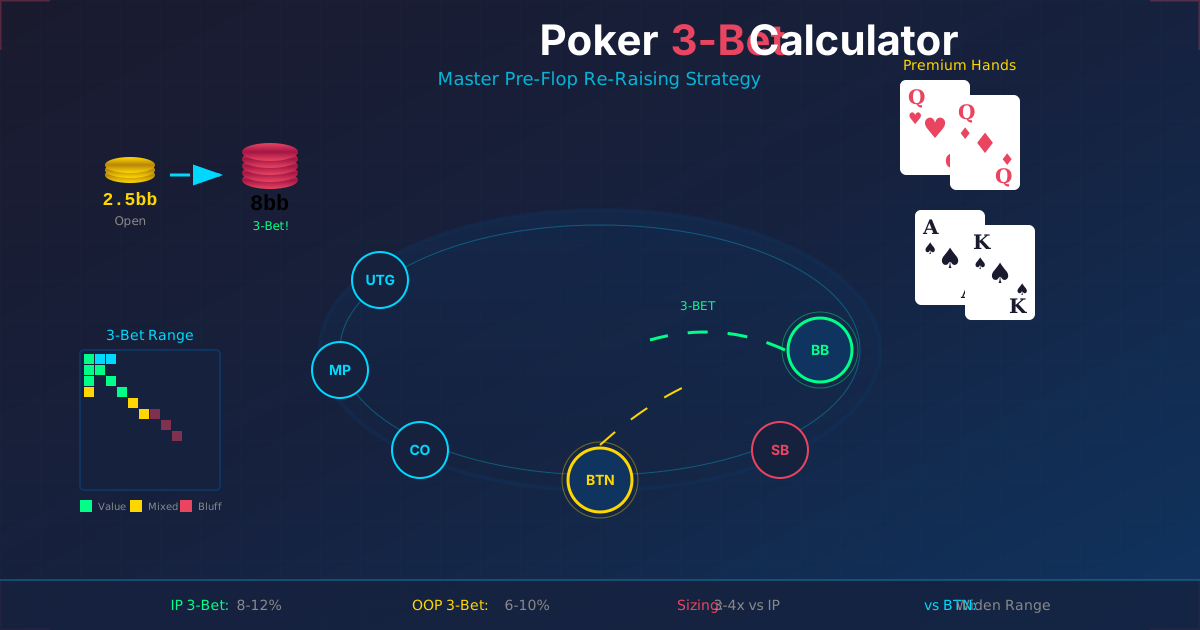
3-Bet Sizing
| Situation | Size |
|---|---|
| In position | 3x open |
| Out of position | 3.5-4x open |
| Vs limp-raise | 4-5x open |
4-Bet Sizing
4-bet sizing:
~2-2.5x the 3-bet size
Often pot-commits you

Example:
Open: 3BB
3-bet: 9BB
4-bet: 20-25BB (often all-in effective)
Advanced Concepts
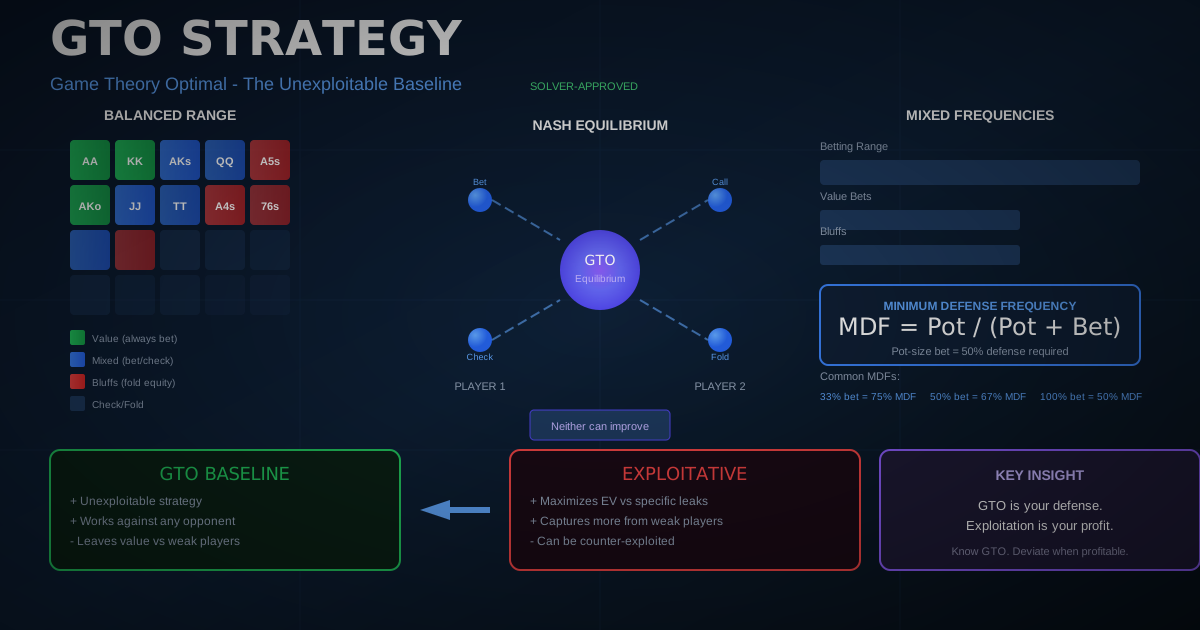
Range Construction
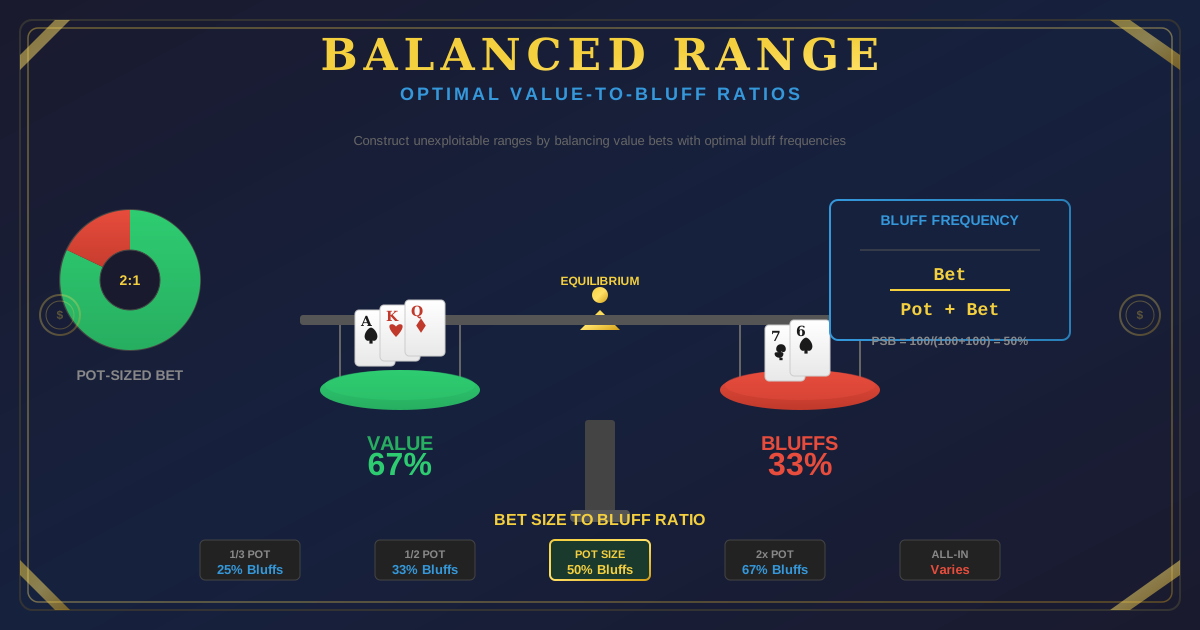
Balanced range has:
- Value hands (raise for value)
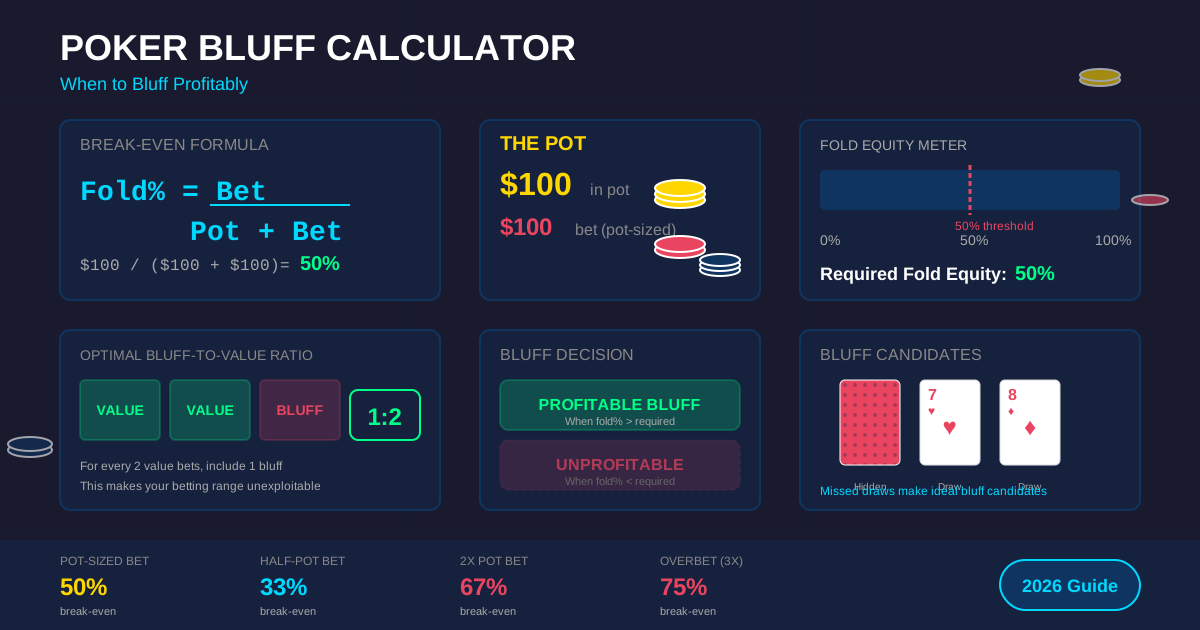
- Bluff hands (fold equity)

3-bet range example:
Value: AA-TT, AK, AQs
Bluffs: A5s-A2s, 76s, 65s

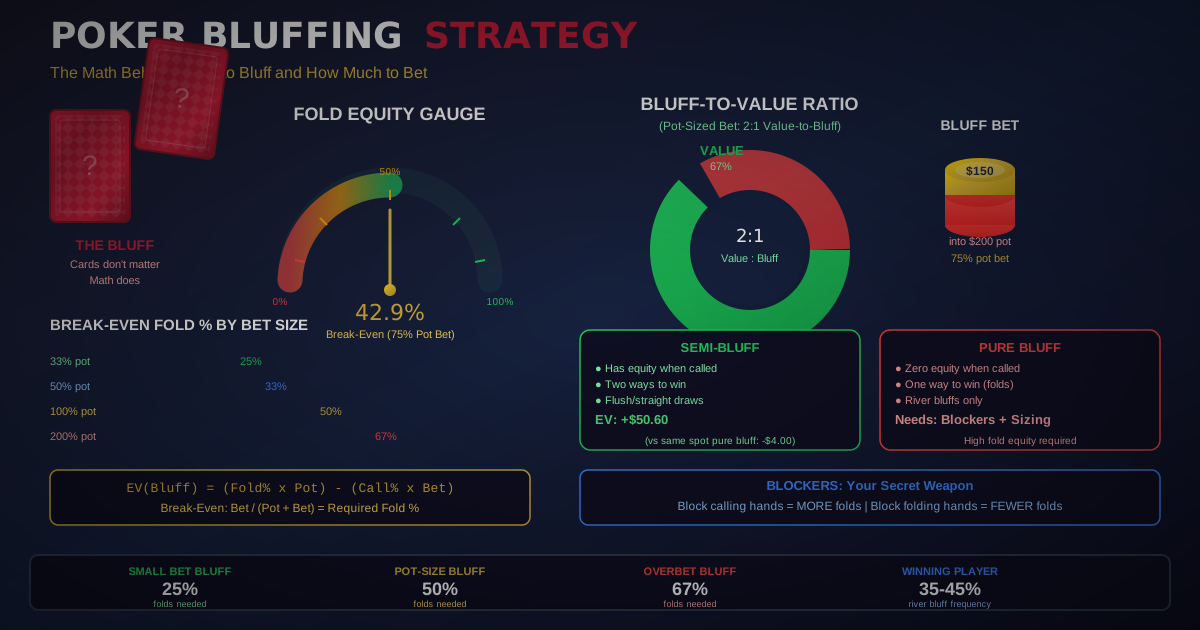
~3:1 value to bluff ratio
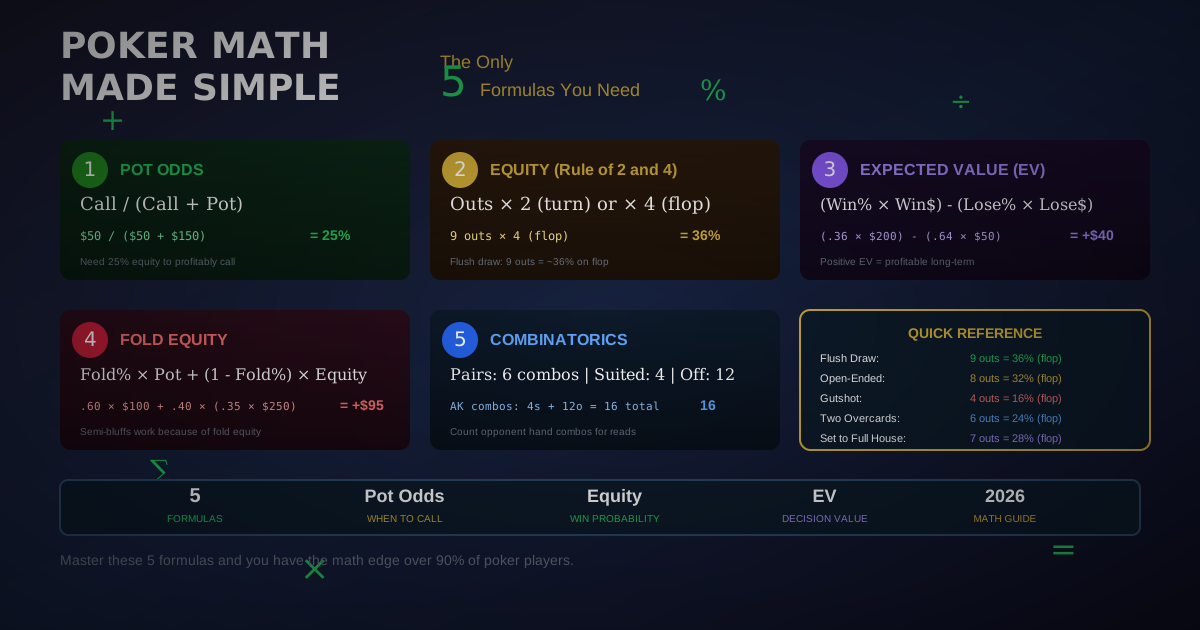
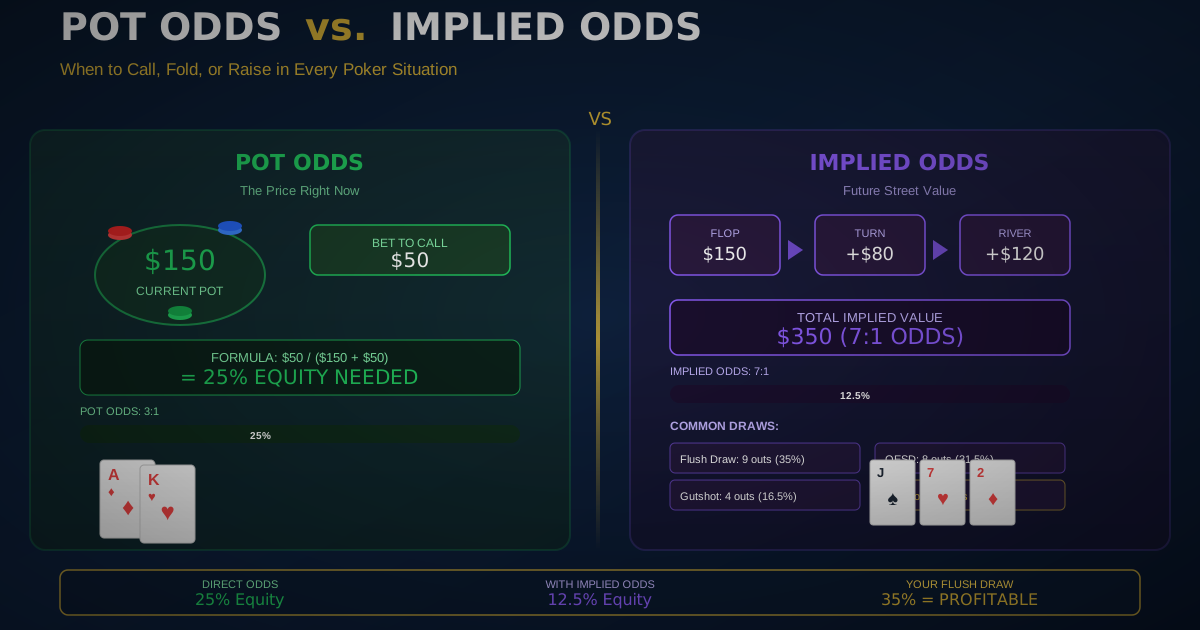
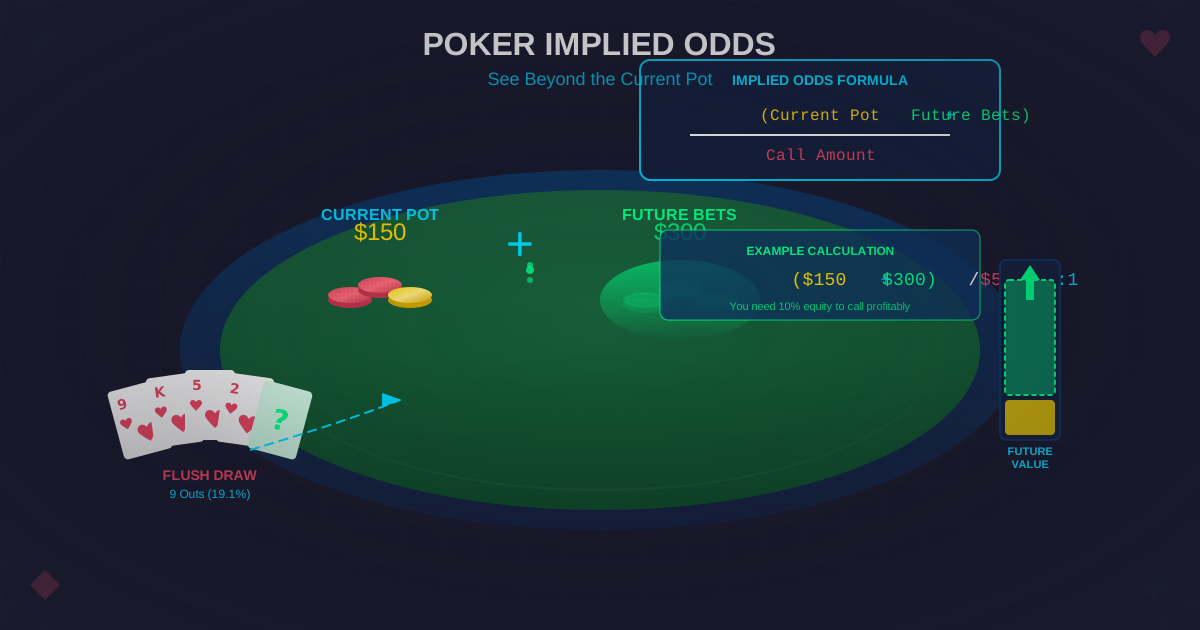
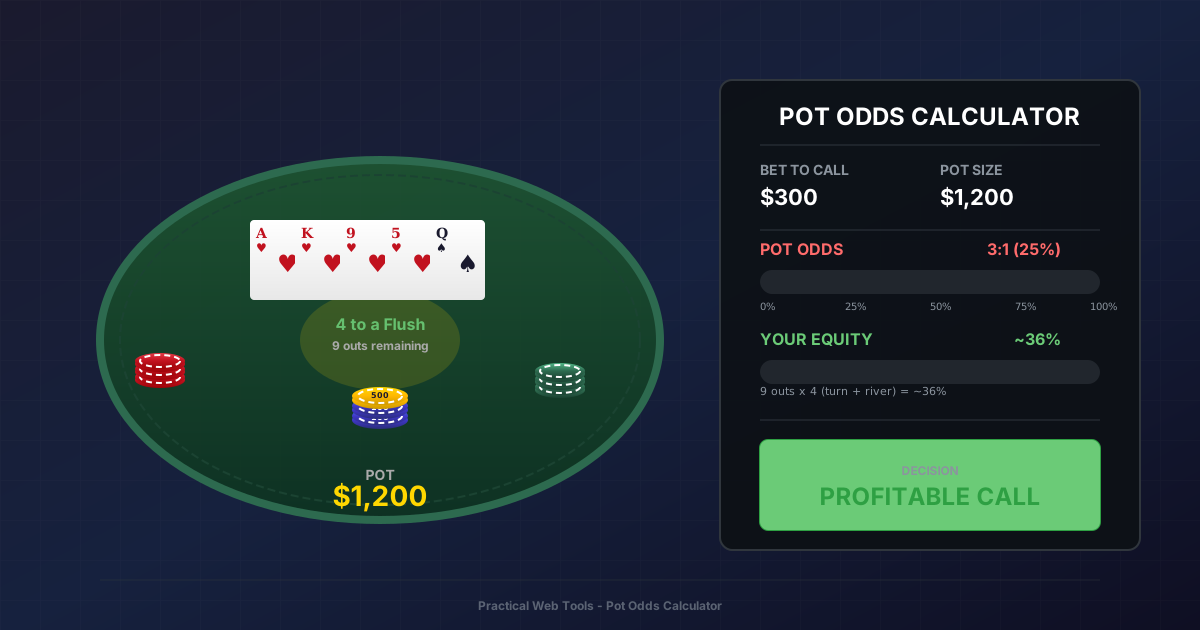
Pot Odds in Preflop Decisions
Big blind defense:
2.5x raise, you have 1BB in

Pot: 3.5BB (SB + BB + raise)
Cost to call: 1.5BB
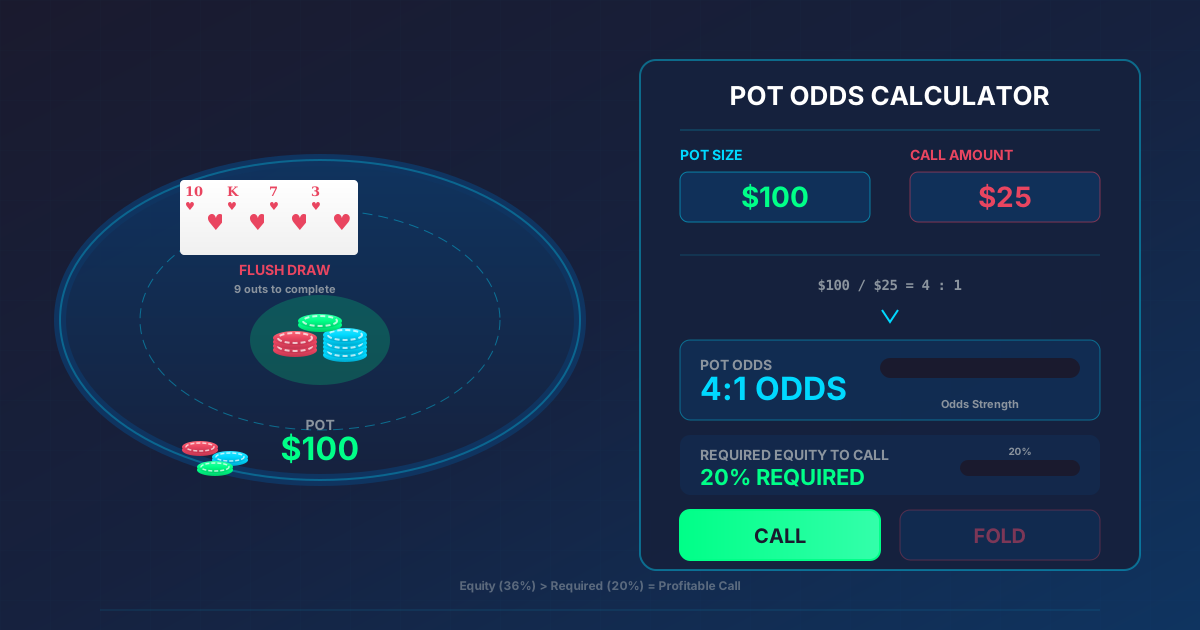
Pot odds: 3.5:1.5 = 2.33:1 = ~30%

Need 30% equity vs range to call
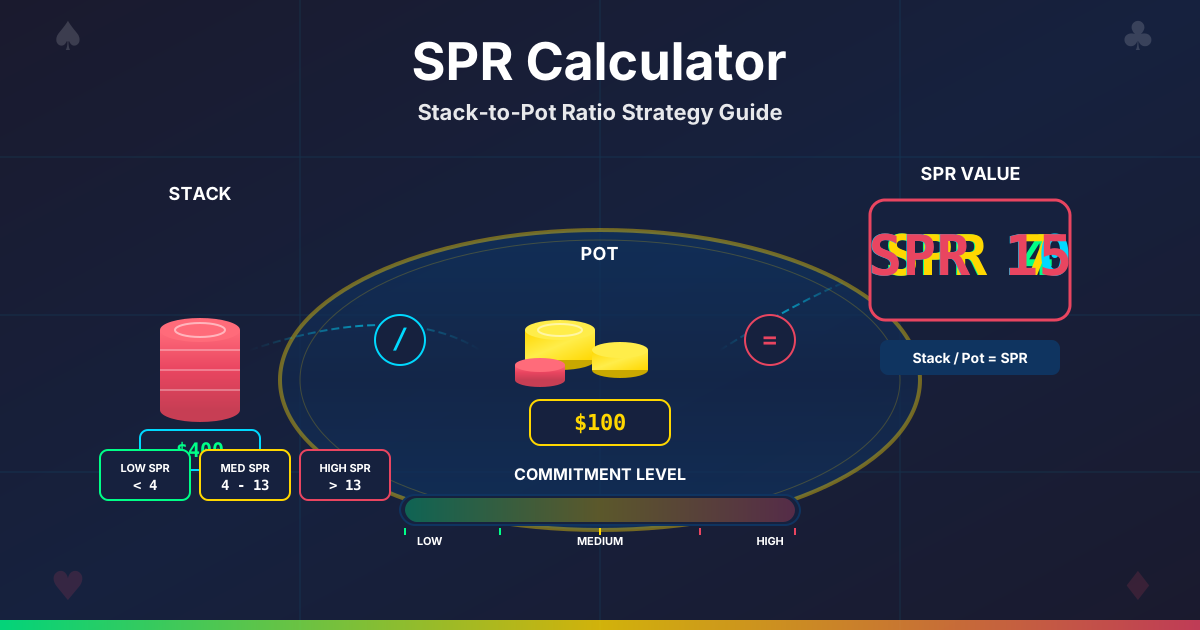
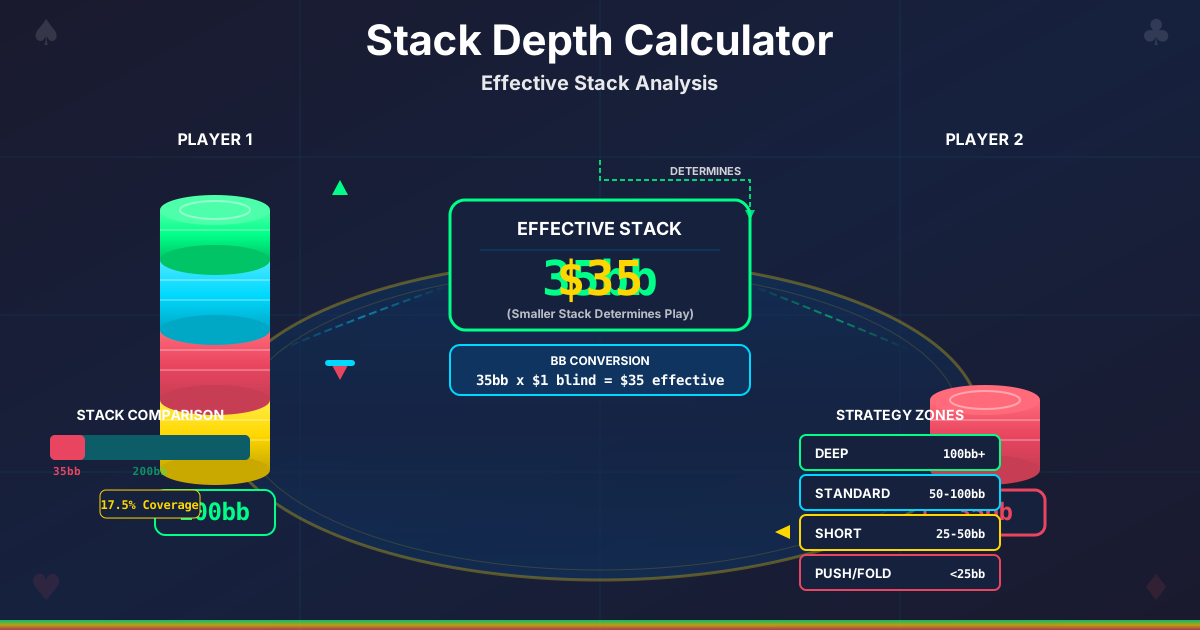
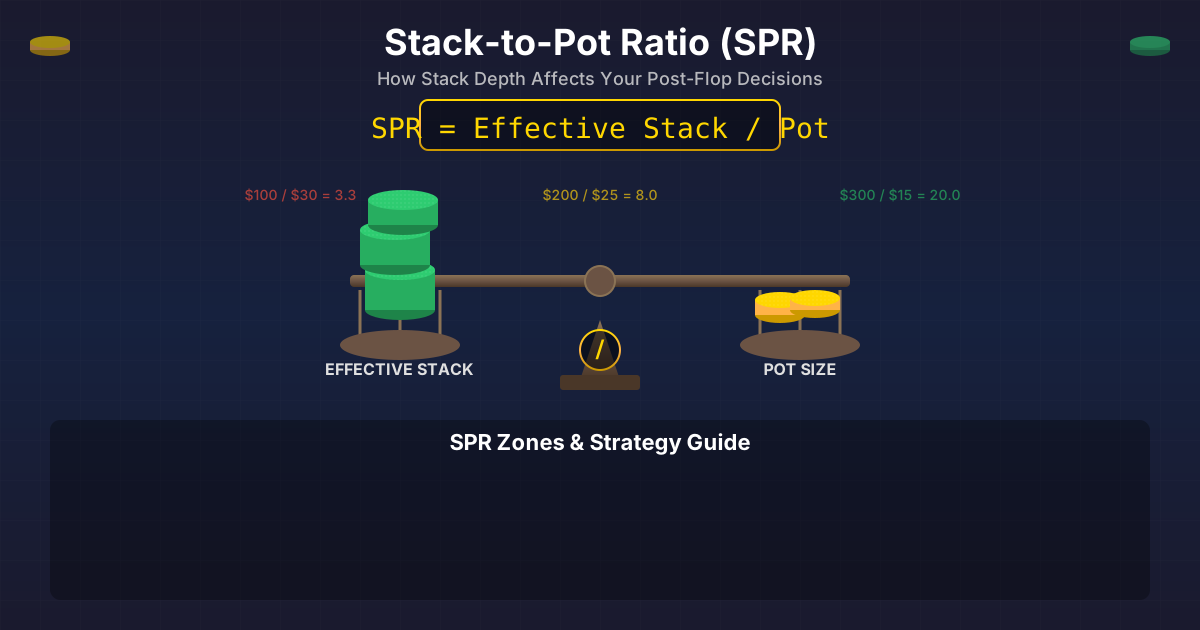
Stack Depth Considerations
| Stack Depth | Impact |
|---|---|
| Deep (100BB+) | Implied odds matter, speculative hands better |
| Standard (50-100BB) | Normal strategy |
| Short (20-50BB) | Tighten up, pairs increase value |
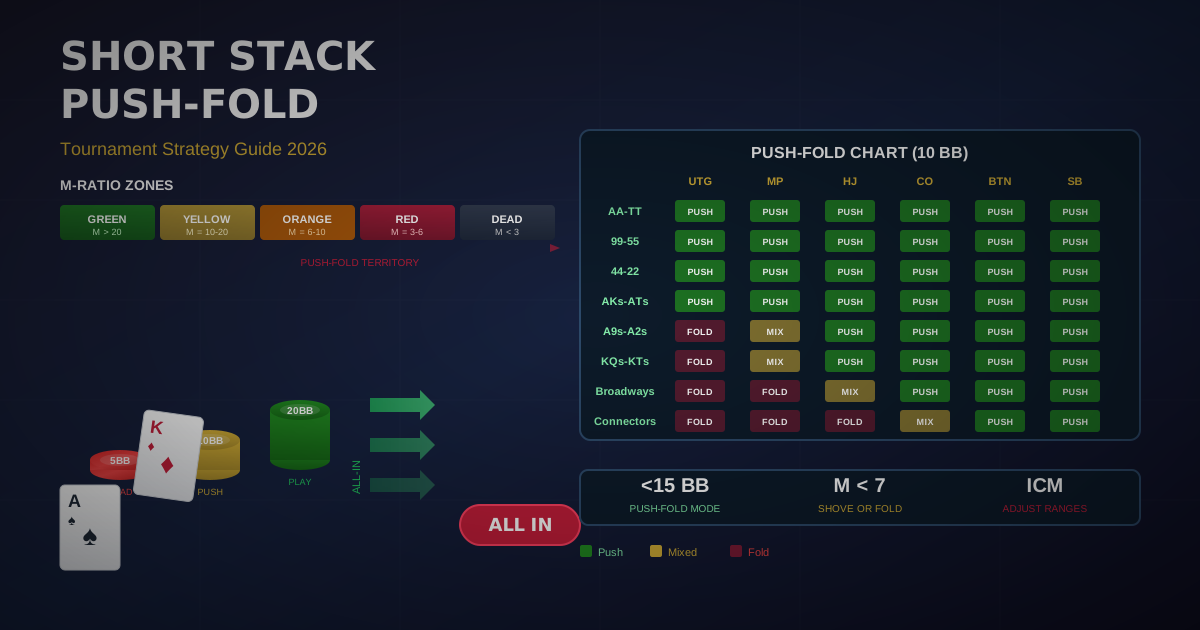
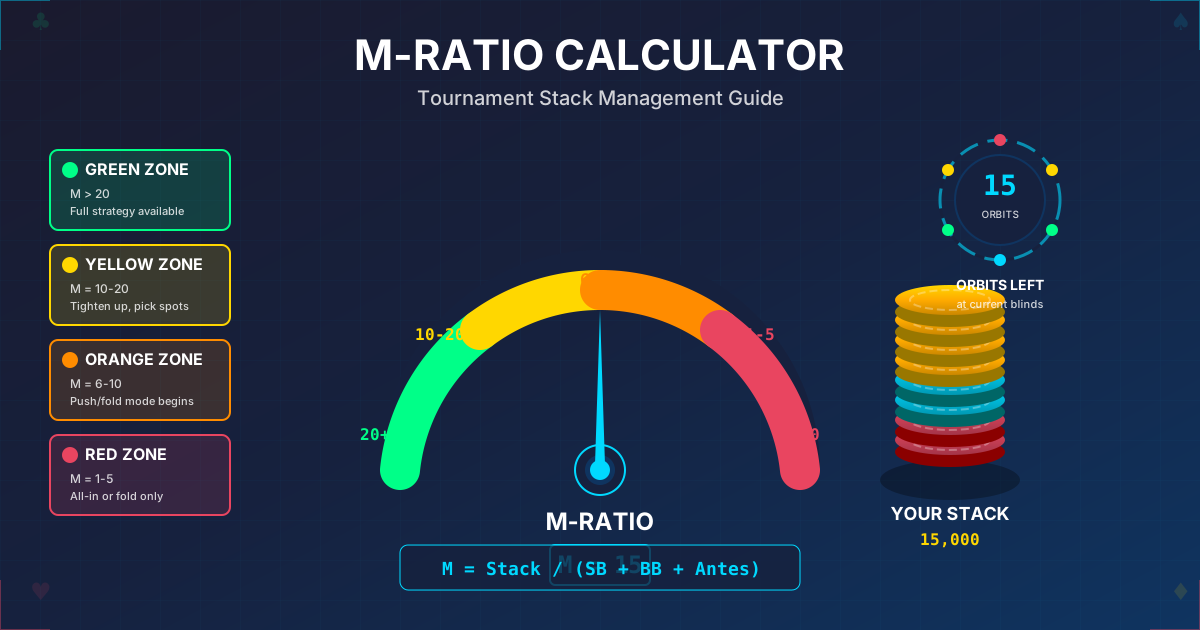
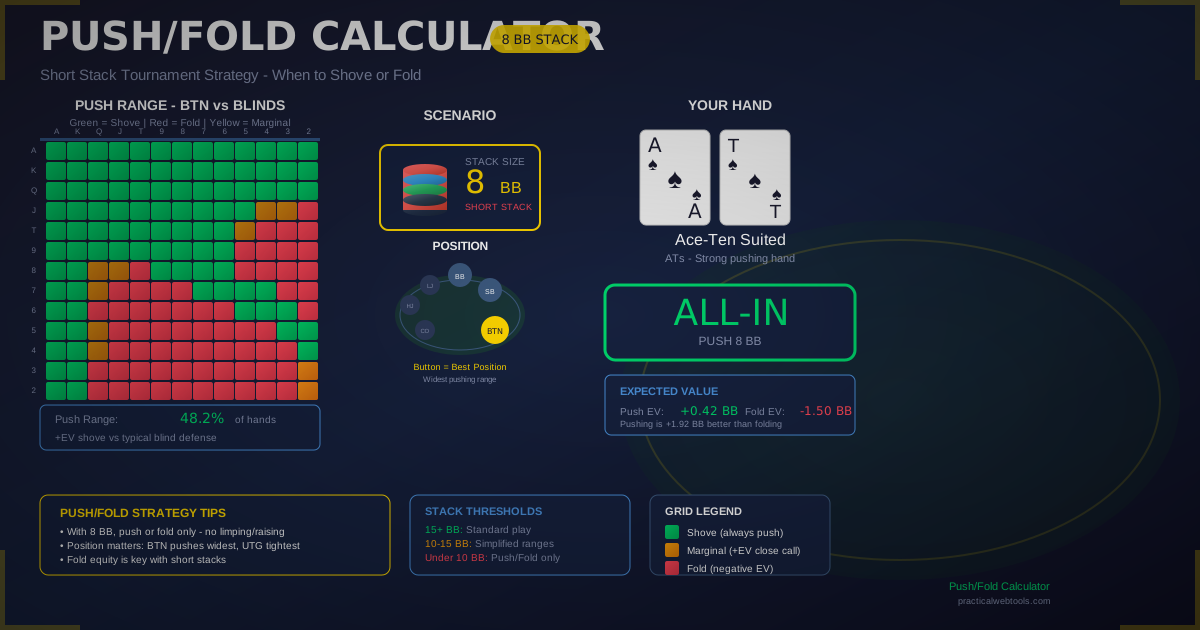
| Very short (<20BB) | Push/fold mode |
Frequently Asked Questions
What's the best starting hand?
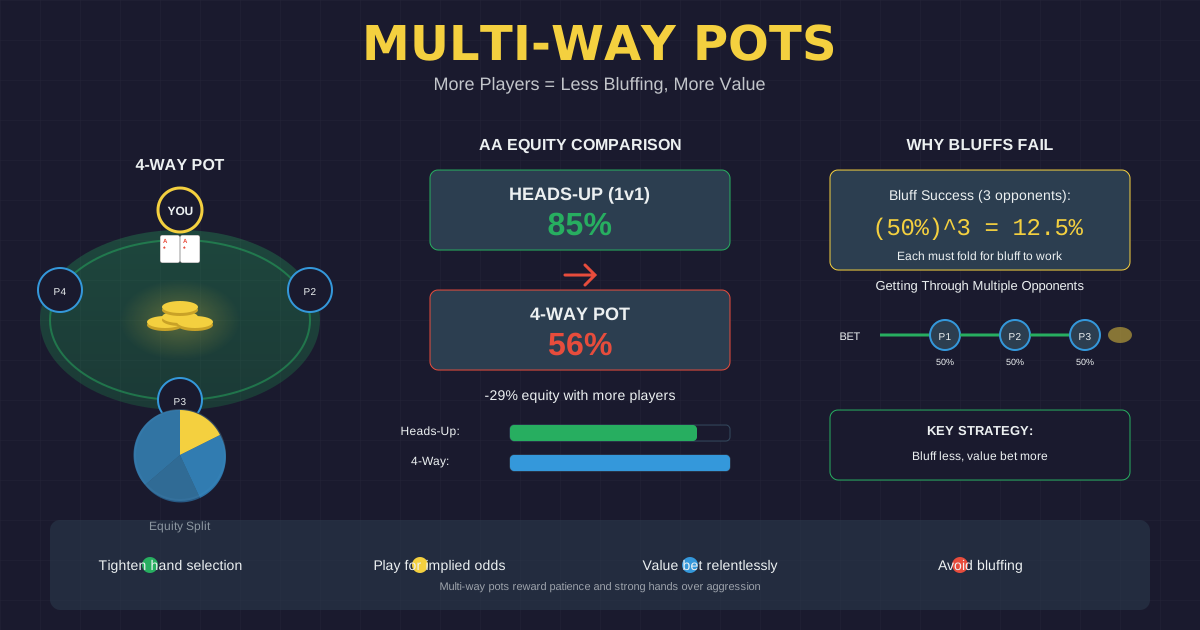
Pocket aces (AA). 85% equity vs random hand. Raise from every position, re-raise always.
How tight should I play?
Depends on game. Default: ~15% EP, ~25% MP, ~35% LP. Tighten vs good players, loosen vs weak players.
Should I limp?
Almost never. Open-limping is generally bad strategy. Raise or fold. Exception: Some big blind defense.
Is suited much better than offsuit?
Worth ~3-4% equity. Suited hands make flushes ~6% of the time, enough to justify wider play. AKs is noticeably better than AKo.
How do I adjust for player count?
Fewer players = wider ranges. Heads-up plays 50%+ of hands. 10-handed plays much tighter.
What about antes?
Antes increase pot size, making stealing more valuable. Widen opening ranges slightly with antes in play.
Pro Tips
-
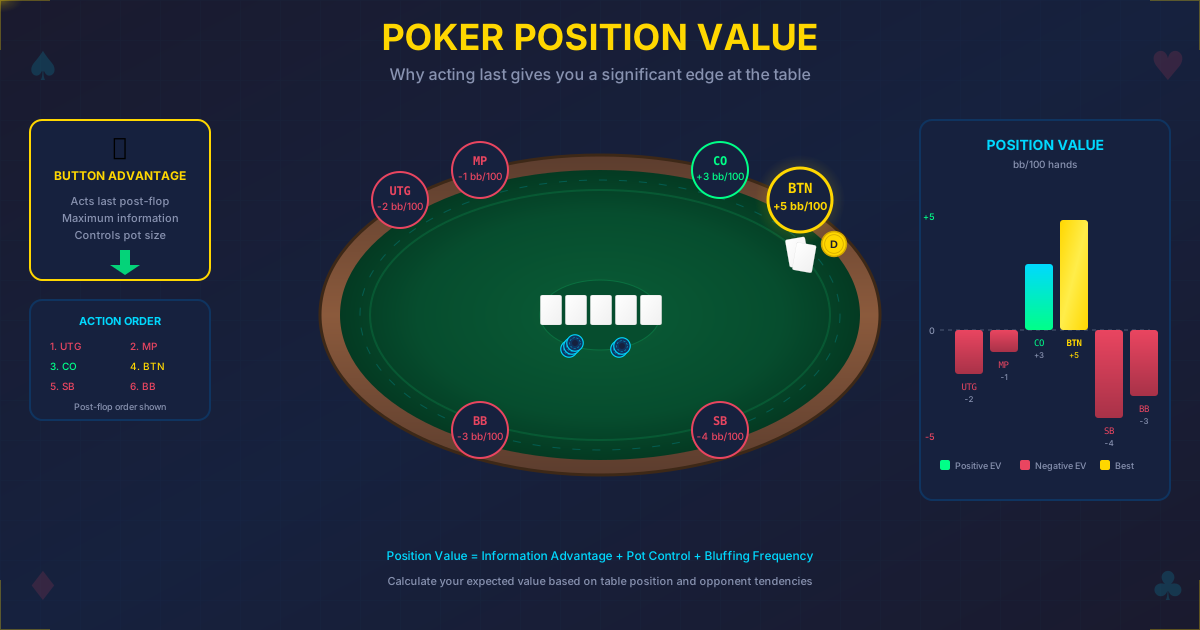
Position is everything: Same hand is raise from button, fold from UTG
-
3-bet more: Most players don't 3-bet enough
-
Fold small pairs to 3-bets: Set-mining rarely profitable
-
Adjust to opponents: Tighten vs good players, attack weak players
-
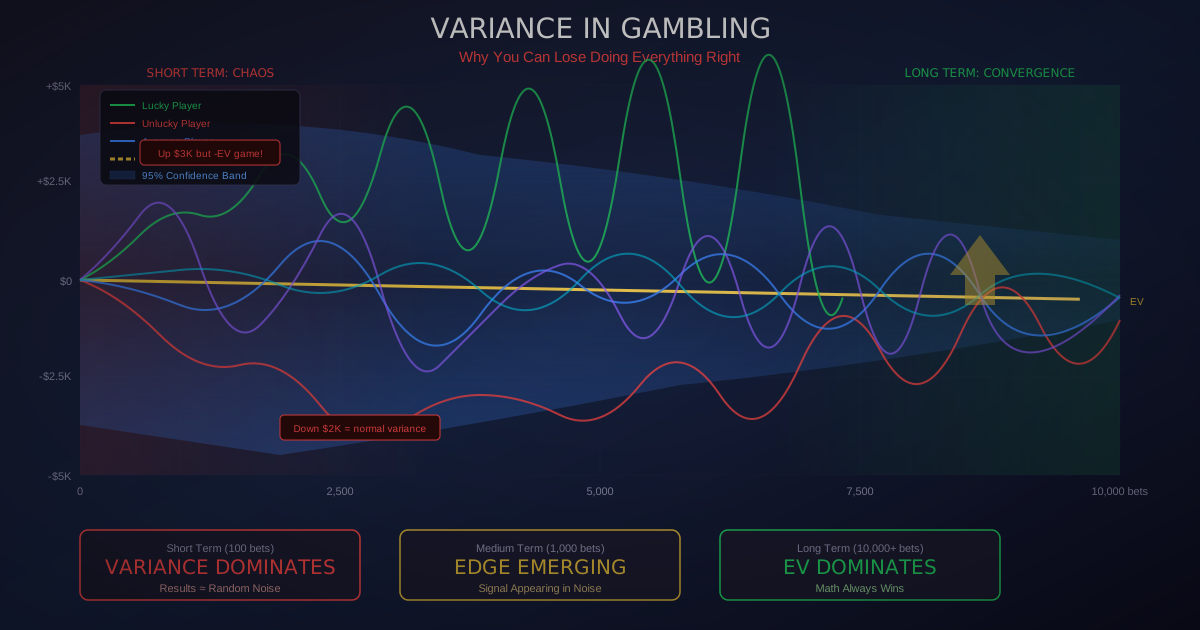
Don't be results-oriented: Correct decisions sometimes lose
Related Calculators
- Poker Equity Calculator - Hand vs hand equity
- Poker Odds Calculator - Pot odds calculation
- Poker EV Calculator - Expected value analysis
- Poker Hand Odds Calculator - Specific matchups
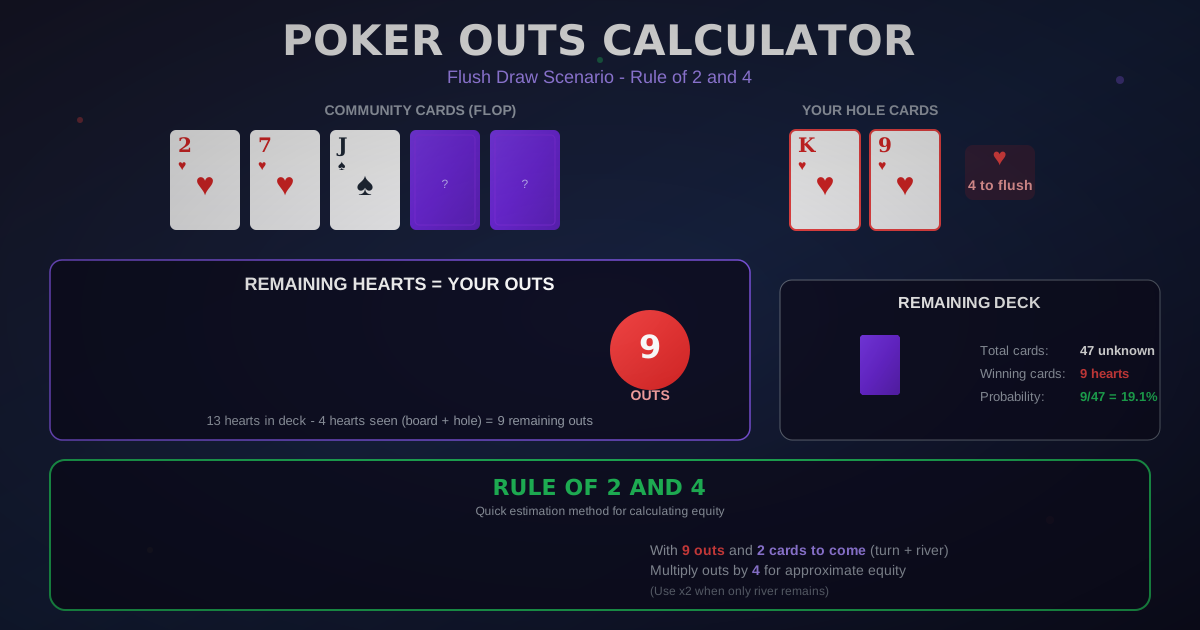
- Poker Outs Calculator - Drawing odds
Conclusion
Preflop decisions determine your poker profitability more than any other street. Our calculator shows optimal actions for every starting hand from every position, building the foundation for winning play. Master position, understand hand strength, and develop disciplined ranges—preflop excellence leads to overall poker success.
Calculate Preflop Strategy Now →
Starting hand selection separates winning players from losing ones. Our calculator provides position-aware recommendations that keep you in profitable situations and out of trouble. Learn your ranges, adjust to opponents, and make mathematically sound preflop decisions every hand.