Triple Barrel Calculator: River Aggression Strategy (2026)
Triple Barrel Calculator: The Final Bullet
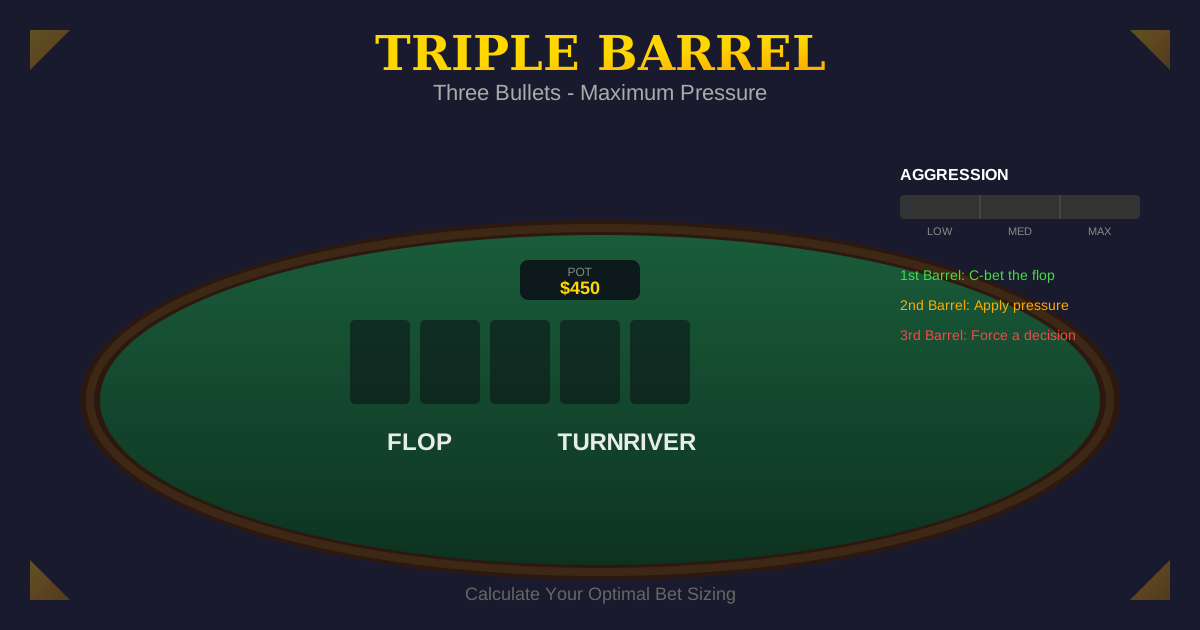
Triple barreling—betting flop, turn, and river—is poker's maximum aggression line. Our calculator reveals when firing the third barrel is profitable, which river cards complete your story, and how to select the right hands for this high-pressure play.
What Is a Triple Barrel?
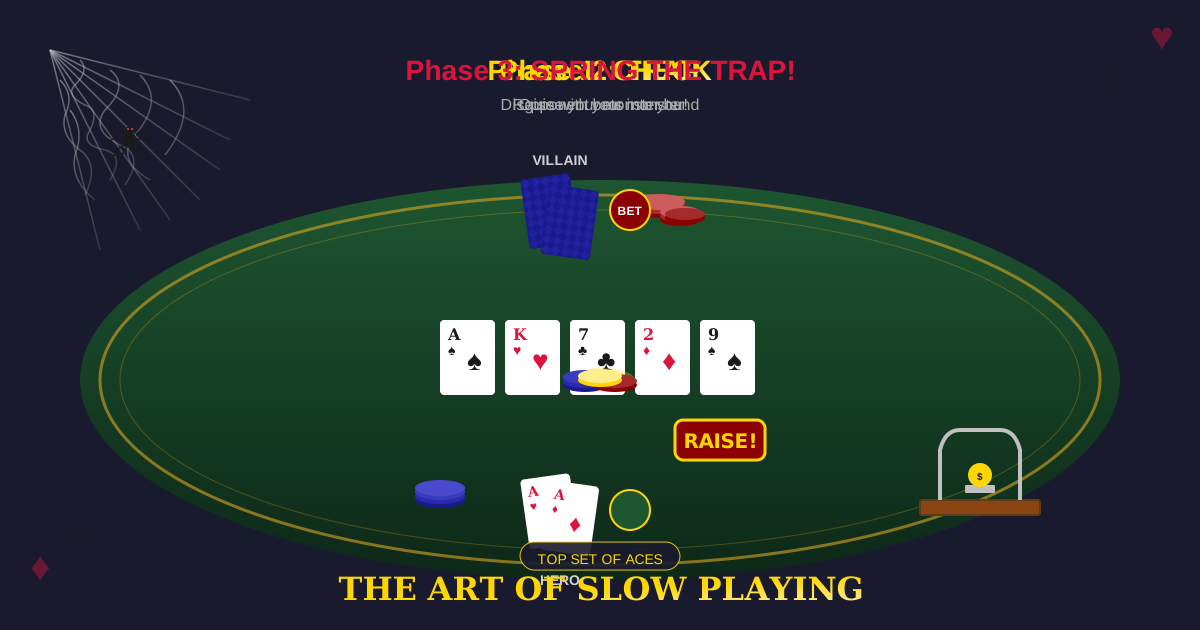
A triple barrel is betting all three streets: flop, turn, and river. You're firing the "third bullet" to complete your aggressive story, either for maximum value or as a credible bluff. By the river, you've told a consistent story of strength across the entire hand.
Quick Answer: Triple barrel = bet flop + turn + river. Maximum pressure. For value: nuts/near-nuts. As bluff: completing story. Frequency: 30-40% of double barrels. River cards matter: blanks or scare cards. Sizing: 60-100% pot. Polarized range: best hands or bluffs. High risk, high reward.
How to Use Our Calculator
Use the Triple Barrel Calculator →
Calculate triple barrel profitability.
Step-by-Step Instructions
-
Enter Previous Action: Flop bet, turn bet called
-
Input River Card: What completed
-
View Barrel EV: Expected value
-
Check Fold Equity: How often they fold
-
Decide Barrel: Bet or give up
Input Fields Explained
| Field | Description | Example |
|---|---|---|
| Board | All 5 cards | K♠7♦2♣5♥A♣ |
| Previous Sizing | Flop and turn bets | 50%, 65% |
| River Size | Third barrel | 75% pot |
| Fold Equity | Expected folds | 40% |
| Barrel EV | Expected value | +$15 or -$8 |
When to Triple Barrel
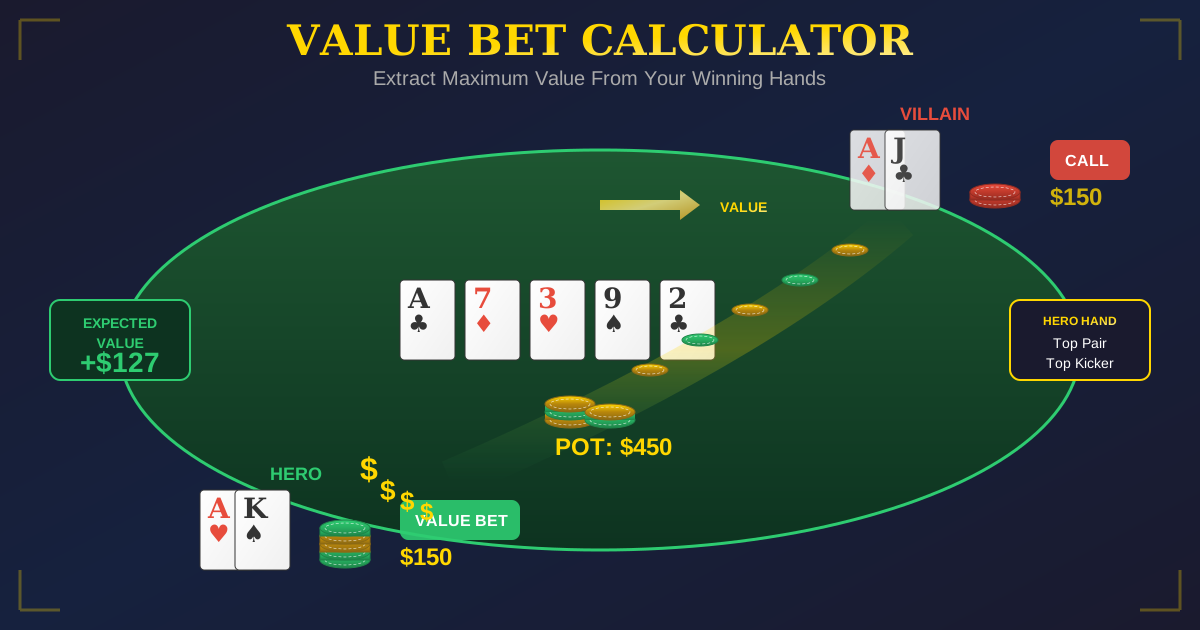
For Value
Triple barrel value hands:

Top pair top kicker+
Two pair+
Sets, straights, flushes
Overpairs on blank runouts

Goal: Maximum extraction
Opponent called twice
They have calling range
Get third call for full value
As a Bluff
Triple barrel bluff spots:

Busted draws (no showdown value)
Blockers to their calls
Credible story (scare card river)
Opponent shows weakness

Requirements:
Told consistent story
River completes your range
Opponent's range is capped
High fold equity needed
River Card Selection
Best river cards to bluff:

Completes draws you could have
Scare cards (Ace, King)
Fourth flush card
Straight-completing cards

Worst river cards to bluff:

Blanks that help their range
Pairs that fill houses
Cards they wanted to see
Triple Barrel Range
Polarized Structure
Triple barrel range is polarized:

Nuts/near-nuts (value)
Pure bluffs (busted draws)

No medium hands
Don't triple barrel:
- Top pair weak kicker
- Second pair
- Marginal holdings

These hands: Check river
Extract thin value
Or show down
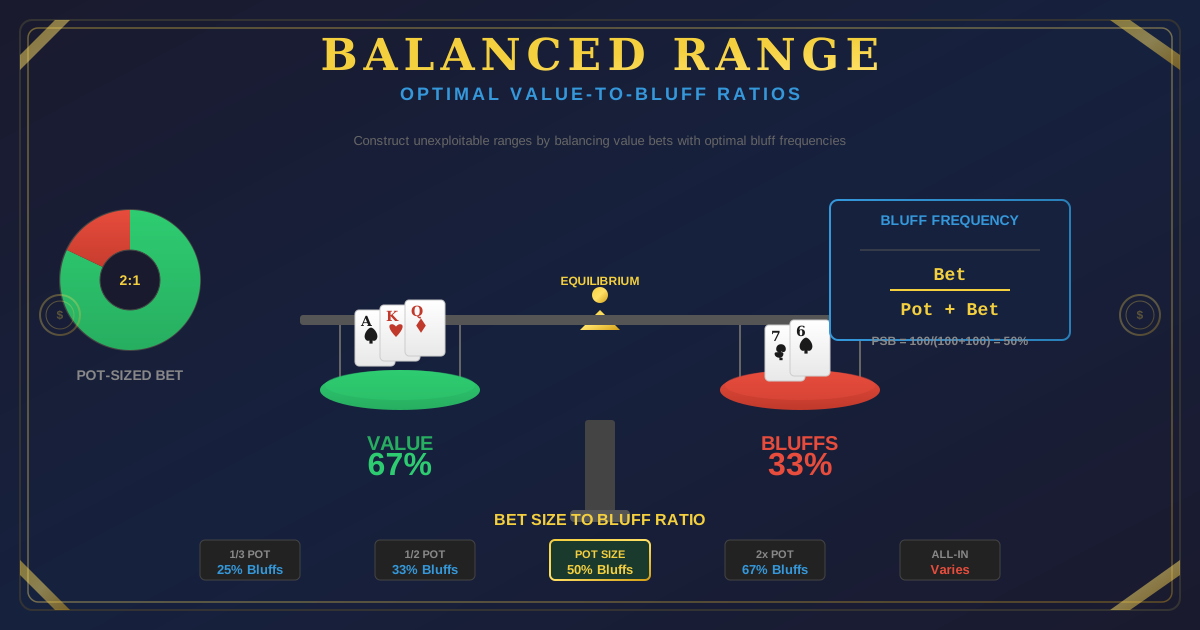
Value to Bluff Ratio
Triple barrel balance:

Theoretically ~60% value, ~40% bluff
Depends on bet sizing

At 75% pot:
~65% value, ~35% bluff
Keeps opponent indifferent

At 100% pot:
~70% value, ~30% bluff
Larger bets = fewer bluffs
Bluff Selection
Choose bluffs that:

Block their calling hands
Have no showdown value
Complete a credible story

Example:
K♠7♦2♣5♥A♣
Your J♠T♠ (missed straight)

Triple barrel:
You could have Ax
River Ace helps your range
Opponent's 77, 22 now scared
Block nothing they call with
Triple Barrel Sizing
Standard Sizing
River bet sizing:

60-75% pot: Standard
Gives fold equity
Affordable bluffs
Maximum value extraction

Example:
Pot $120
River bet $72-90
Polarized Sizing
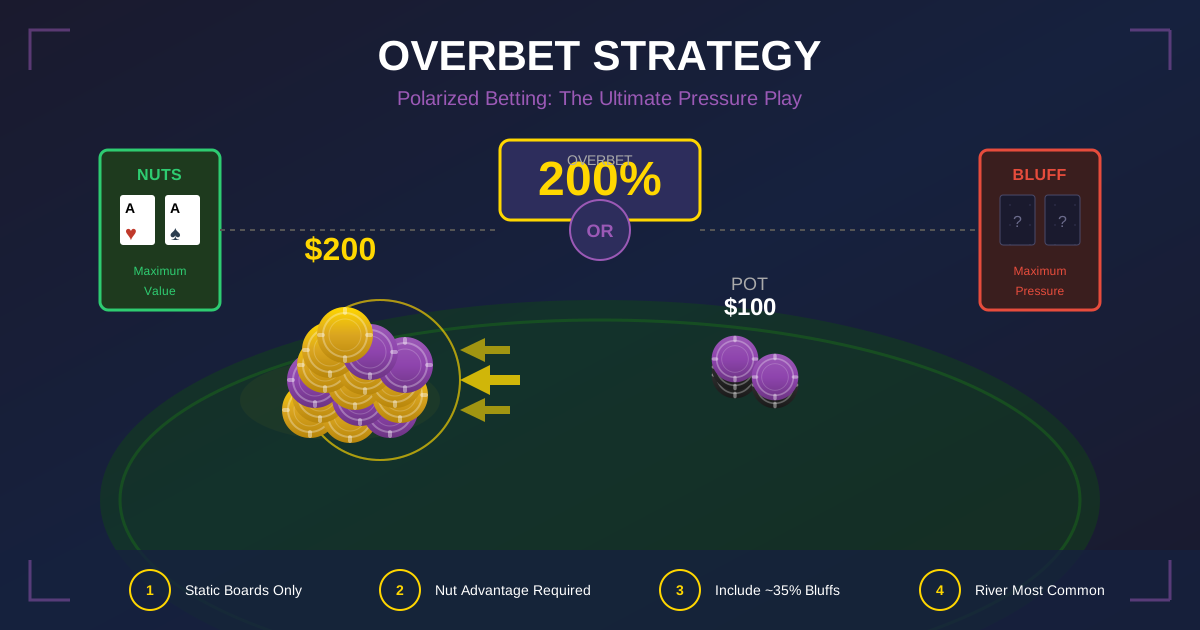
Larger river bets:

80-100%+ pot
When range is very polarized
Nuts or nothing
Maximum pressure

When to size up:
Board is scary
You have nut advantage
Opponent is call-heavy
Smaller Sizing
Smaller river bets:

50-60% pot
More merged range
Inducing lighter calls
Against tight folders

Less common for triple barrels
Most triple barrels should be sized
Real-World Examples
Example 1: Value Triple Barrel
Extracting maximum:
You raise with A♠A♥
Flop: A♣8♦4♥ (you bet 50%, call)
Turn: 2♠ (you bet 65%, call)
River: 6♣

Triple barrel 75%!
You have top set
They called twice
Likely have 8x, 44, flush draw
Get third call from pairs
Maximum value extracted
Example 2: Bluff Triple Barrel
Completing the story:
You raise with Q♠J♠
Flop: T♠9♦4♣ (you bet 50%, call)
Turn: 2♥ (you bet 65%, call)
River: K♣

Triple barrel 70%!
You missed straight
But King is perfect
You could have KT, KK, AK
Opponent's 9x, Tx hate this
High fold equity
Example 3: Give Up River
Story doesn't work:
You raise with 6♠5♠
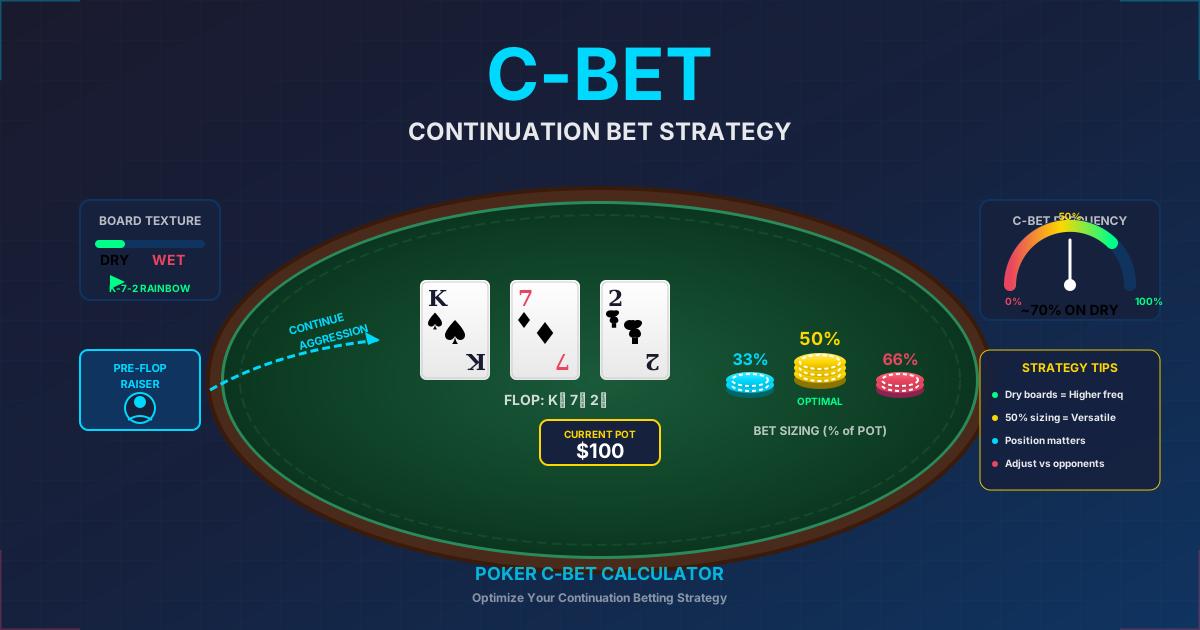
Flop: K♣7♦2♥ (you bet 33%, call)
Turn: 9♠ (you bet 55%, call)
River: 3♦

Check and give up
River is a blank
Doesn't help your story
Opponent has Kx, 7x
They're calling
No fold equity
Example 4: Scare Card River
Perfect river:
You raise with A♦K♣
Flop: J♠8♦4♣ (you bet 40%, call)
Turn: 7♣ (you bet 60%, call)
River: A♠

Triple barrel 80%!
Ace is scary for opponent
You could have Ax, now trips
Their JJ, 88 hate the Ace
Maximum fold equity
(Plus you actually have it!)
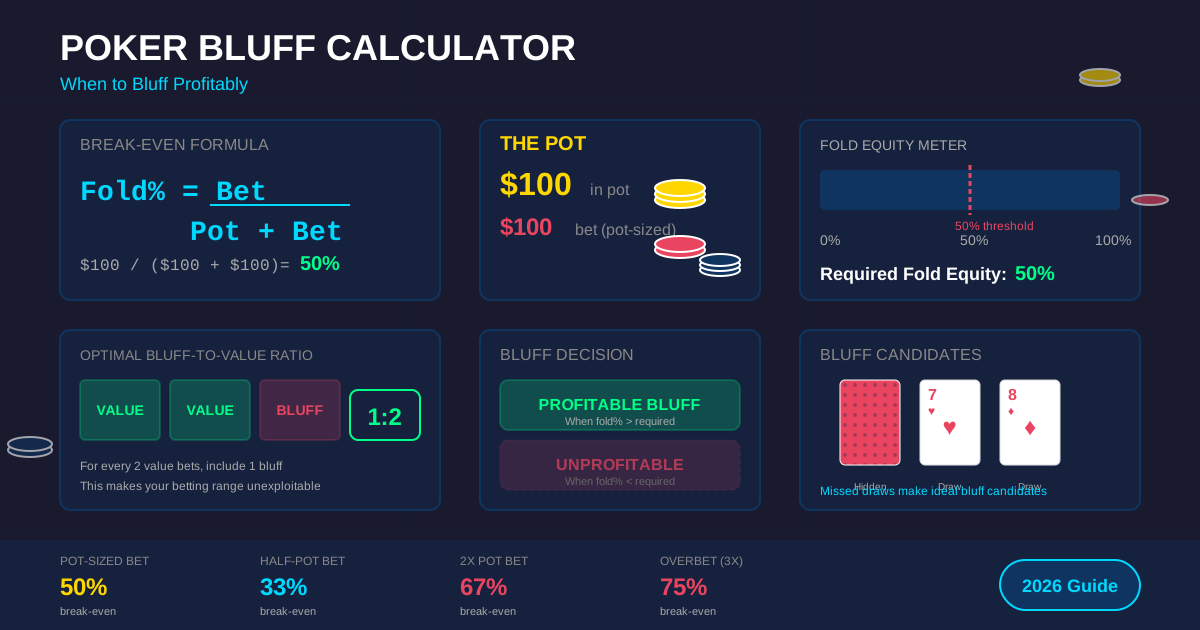
Triple Barrel Math
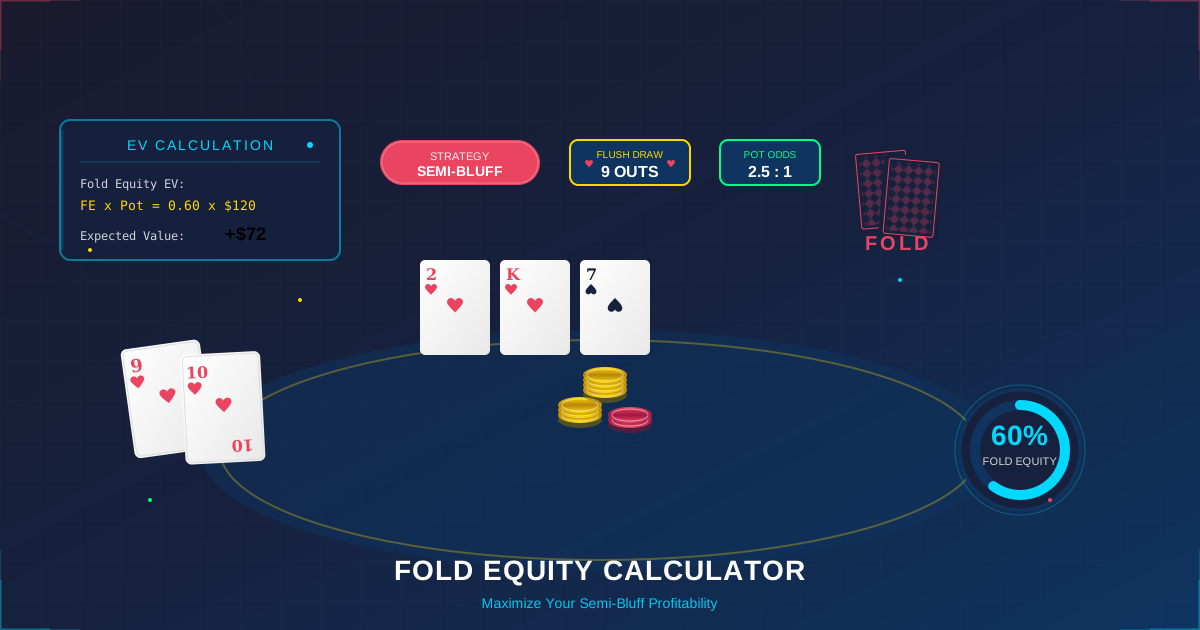
Fold Equity Required
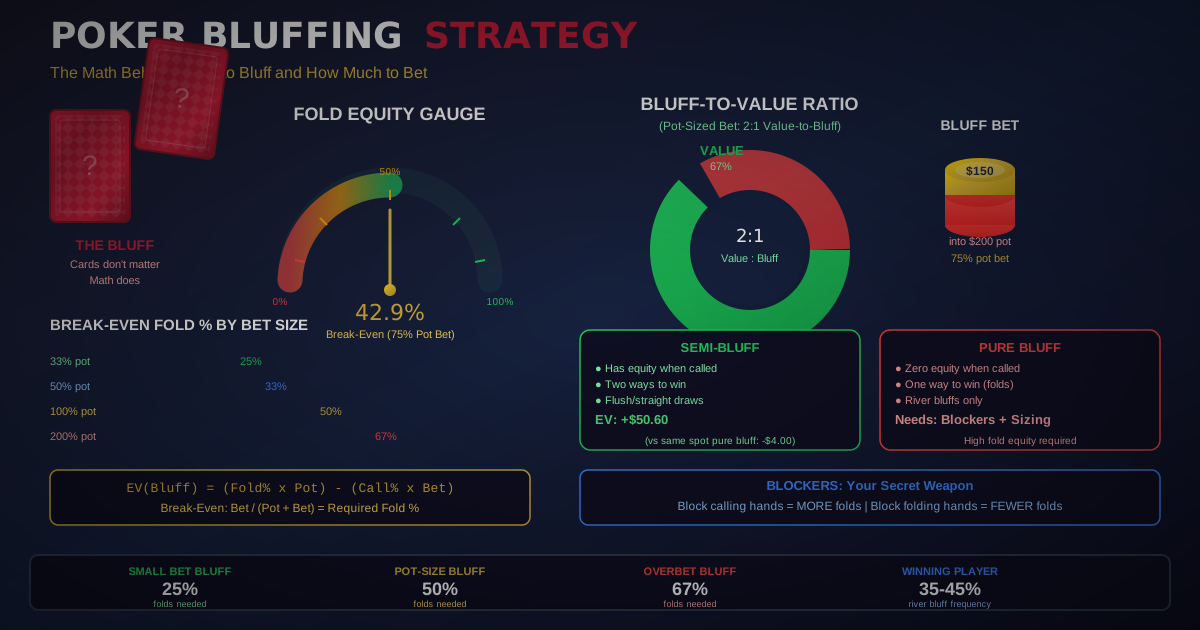
Third barrel break-even:

At 75% pot bet:
Need ~43% folds to break even
(Pure bluff, no equity)

At 100% pot bet:
Need ~50% folds
Larger bet = more folds needed

With value hands:
Less folds needed
Getting value when called
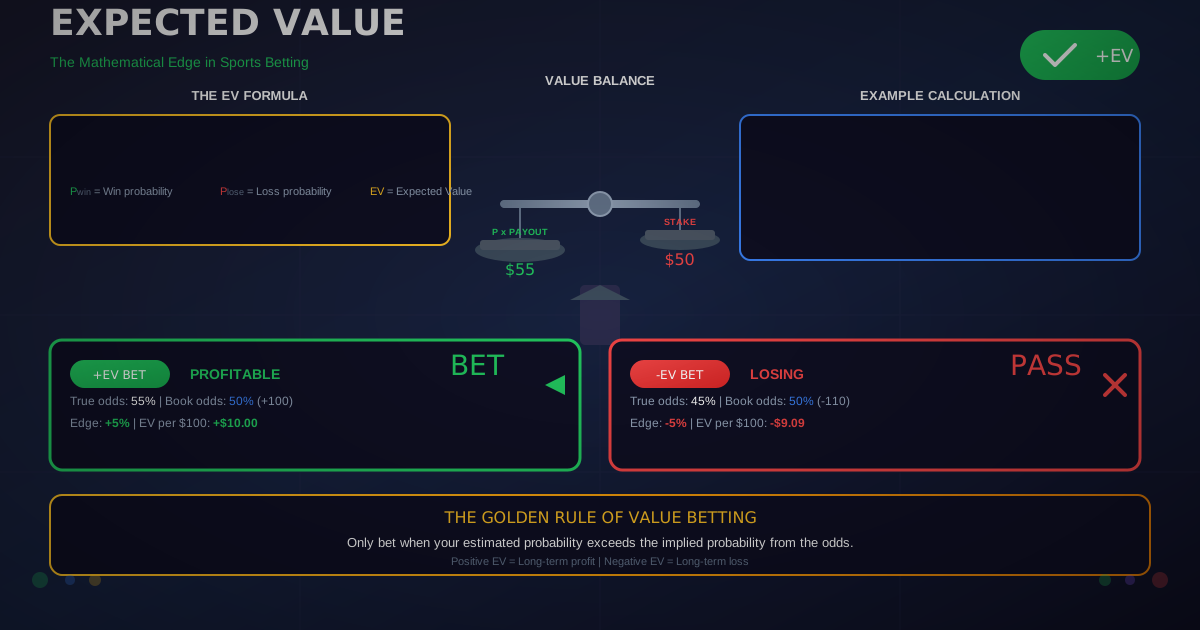
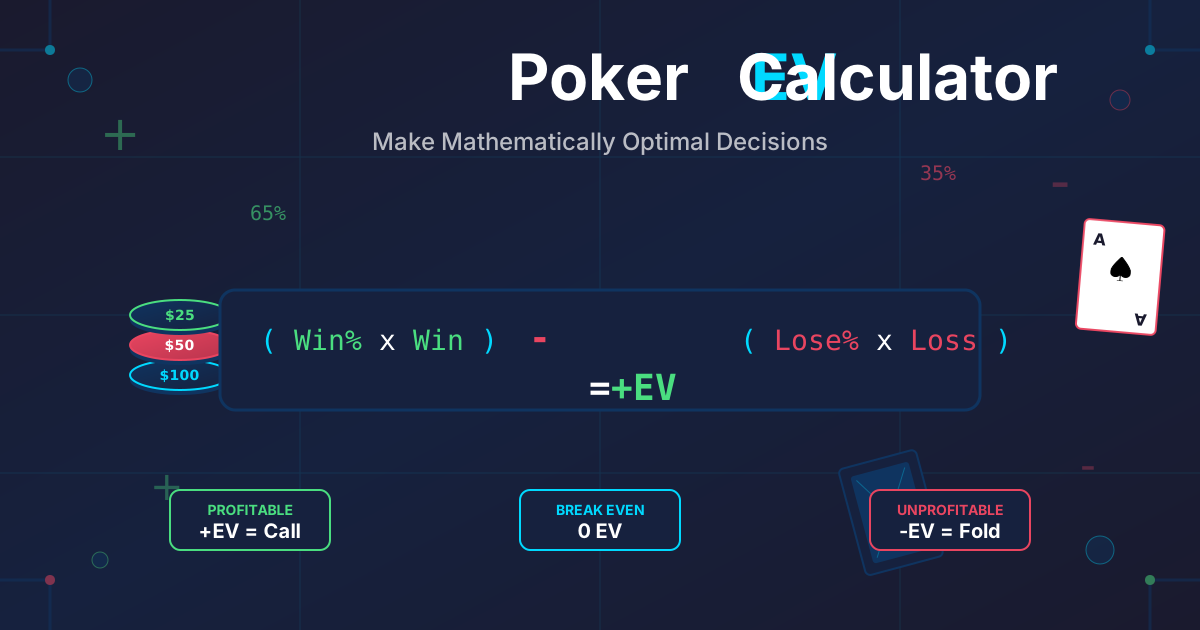
EV Calculation
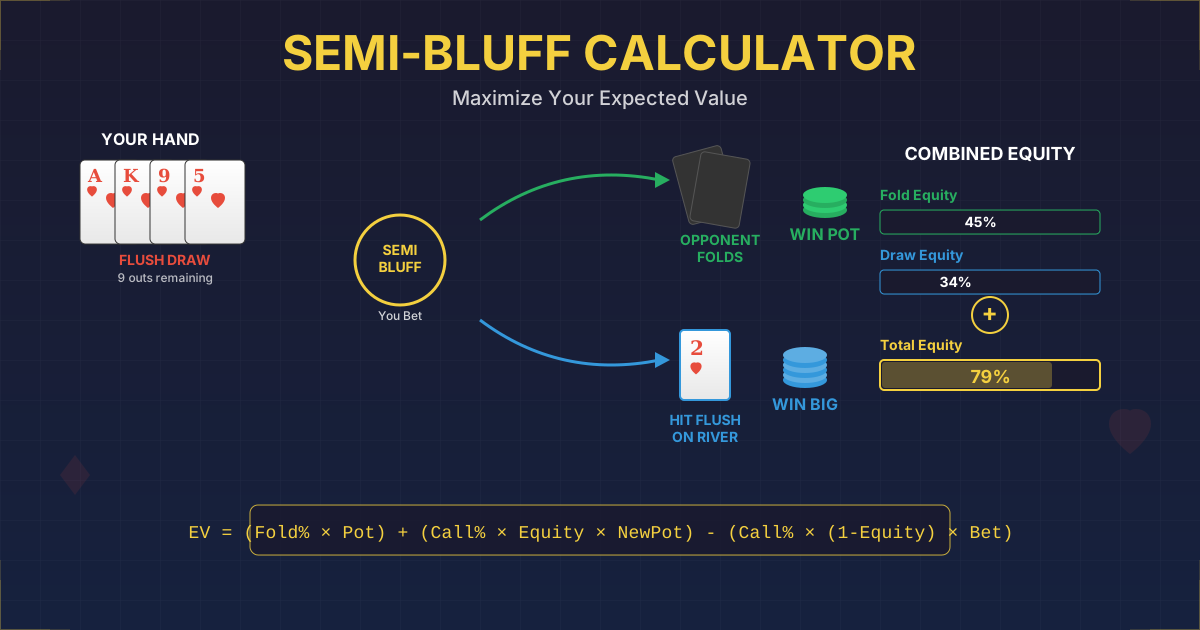
Triple barrel EV (bluff):

Pot: $120
Bet: $90 (75%)
Fold equity: 45%

EV = 0.45 × $120 - 0.55 × $90
EV = $54 - $49.50
EV = +$4.50

Marginally profitable
With value mixed in: very +EV
Opponent Considerations
Against Calling Stations
vs Calling stations:

Triple barrel for value only
They don't fold
Bluffs burn money

Value bet:
AA, sets, top pair good kicker
They'll pay you off
Don't bluff triple barrel
Against Tight Players
vs Tight folders:

Triple barrel bluffs profitable
They fold rivers often
Apply maximum pressure

But select spots carefully:
Scare card rivers
Credible stories
They fold medium pairs
Against Thinking Players
vs Good players:

Balance is critical
They'll exploit imbalance
Need value and bluffs
Correct frequencies

Mix in bluffs
But don't over-bluff
They'll hero call
Keep them honest
Common Mistakes
1. Triple Barreling Every River
Mistake: Firing third barrel 80%+ Problem: Way too many bluffs Fix: 30-40% of double barrels
2. Ignoring River Card
Mistake: Same strategy on every river Problem: Missing good/bad river spots Fix: Evaluate each river
3. Medium Hands as Triple Barrels
Mistake: Third barrel with second pair Problem: Not polarized, easily exploited Fix: Polarize: nuts or bluffs only
4. Wrong Bluff Selection
Mistake: Random air triple barrels Problem: No blockers, no story Fix: Select bluffs with blockers
Frequently Asked Questions
How often should I triple barrel?
30-40% of your double barrels. Most aggressive players over-triple barrel, losing money on bluffs.
What hands should I triple barrel?
Polarized: the nuts and near-nuts for value, busted draws and blocked hands for bluffs. No medium hands.
Does the river card matter?
Critically. Scare cards (Aces, Kings) and draw-completing cards are best for bluffs. Blanks often mean give up.
What size should my third barrel be?
60-80% pot is standard. Size up with polarized ranges. Adjust to opponent—stations call any size.
Should I triple barrel bluff stations?
Never. They call. Only triple barrel stations for value. Save bluffs for folders.
How do I know if my story is credible?
Ask: "What hands would play this way for value?" If you can't answer, your bluff isn't credible.
Pro Tips
-
Polarized range: Nuts or bluffs only
-
River card matters: Scare cards for bluffs
-
30-40% of double barrels: Don't over-bluff
-
Size 60-80%: Standard river sizing
-
Know your opponent: Bluff folders, value stations
Related Calculators
- Double Barrel Calculator - Turn betting
- Continuation Bet Calculator - Flop betting
- Fold Equity Calculator - Bluff math
- Value Bet Calculator - Extraction
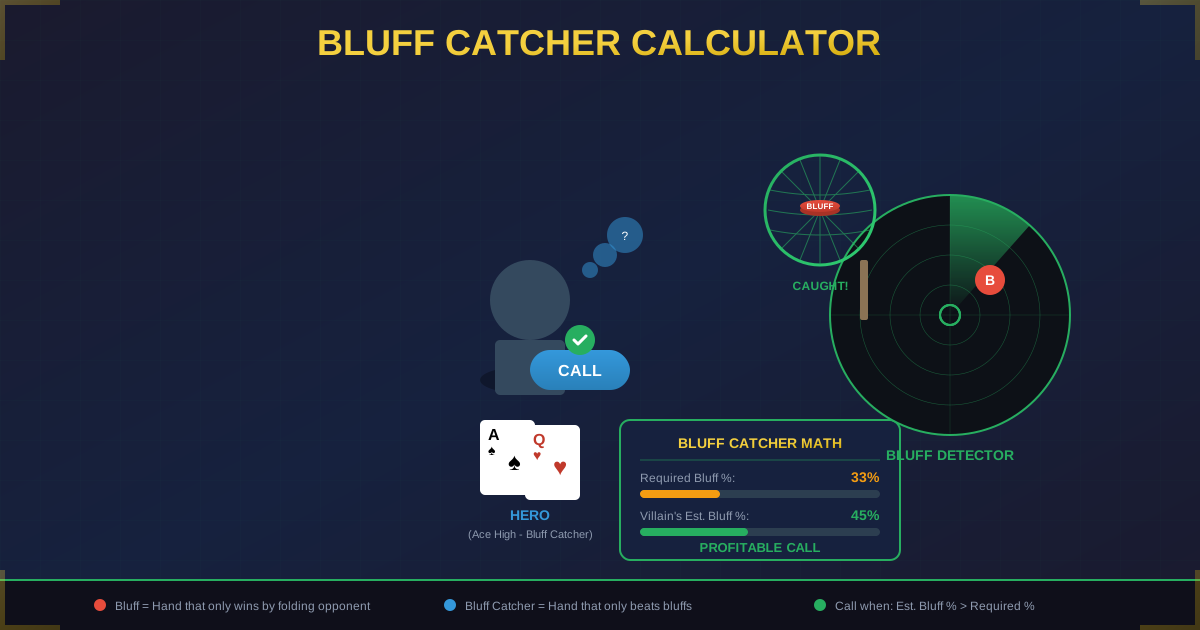
- Bluff Catcher Calculator - Defending
Conclusion
Triple barreling is poker's maximum aggression line—betting all three streets for maximum pressure. Our calculator shows when firing the third barrel is profitable, which river cards complete credible stories, and how to construct a polarized range of value hands and bluffs.
Calculate Triple Barrel Strategy Now →
You've bet the flop and turn—now the river Ace falls. Our calculator proves when firing the third barrel tells a credible story and when it's time to give up.