Blocking Bet Calculator: Small Bet Defense Strategy (2026)
Blocking Bet Calculator: The Small Bet Defense
A blocking bet is a small bet made out of position to prevent a larger bet from your opponent. Our calculator reveals when blocking bets save money, optimal sizing to discourage raises, and how this defensive move controls pot size with marginal hands.
What Is a Blocking Bet?
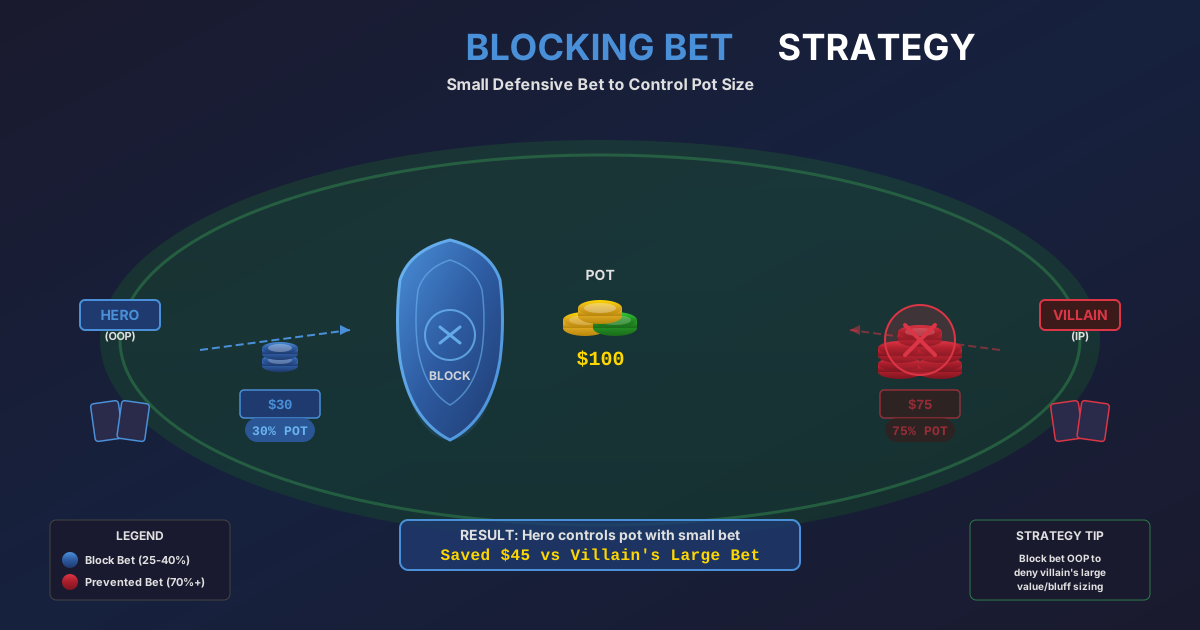
A blocking bet is a small bet (typically 25-40% pot) made out of position with a medium-strength hand. The goal is to "block" your opponent from making a larger bet—they'll often just call your small bet rather than raise, controlling the pot size and letting you see a showdown cheaply.
Quick Answer: Blocking bet = small OOP bet to prevent large bet. Sizing: 25-40% pot. Goal: pot control. Used with: medium hands, showdown value. Works because: opponents call instead of raise. Saves money vs check-call. Defensive play, not for value. Best on: rivers, static boards.
How to Use Our Calculator
Use the Blocking Bet Calculator →
Calculate blocking bet effectiveness.
Step-by-Step Instructions
-
Enter Your Position: Out of position
-
Input Hand Strength: Medium value
-
Select Street: Usually river
-
View Blocking Size: Optimal amount
-
Compare to Check-Call: Which saves more
Input Fields Explained
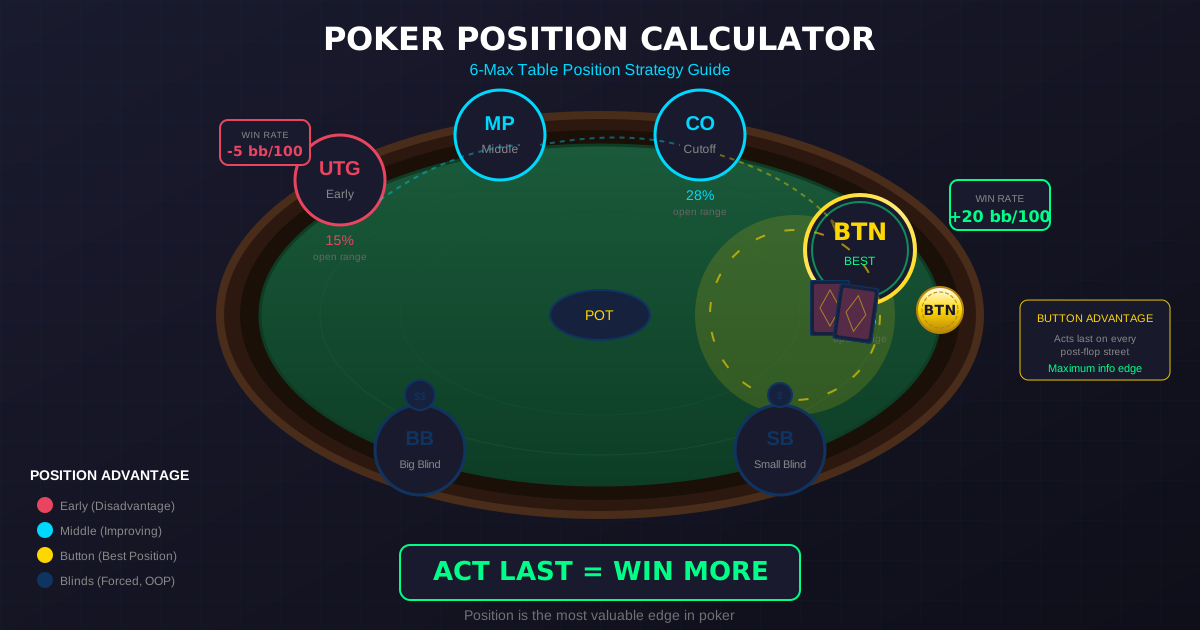
| Field | Description | Example |
|---|---|---|
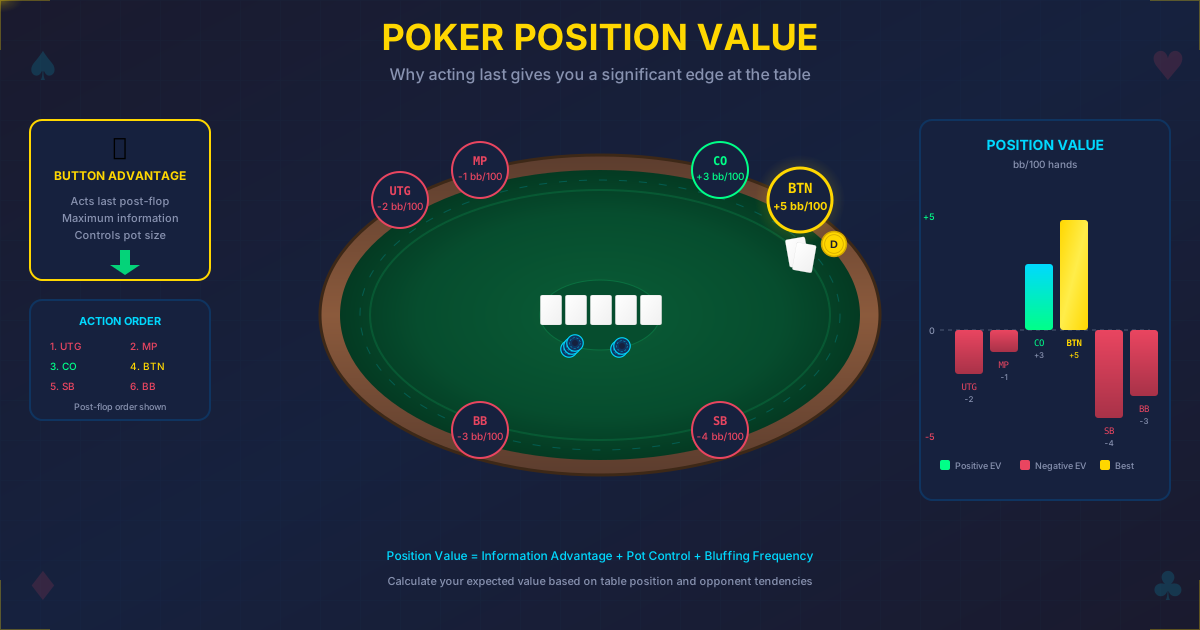
| Position | OOP required | Big Blind |
| Street | When to block | River |
| Hand | Medium strength | Top pair weak kicker |
| Pot Size | Current pot | $80 |
| Block Size | Your bet | $25 (31%) |
When Blocking Bets Work
Medium-Strength Hands
Blocking bet hands:

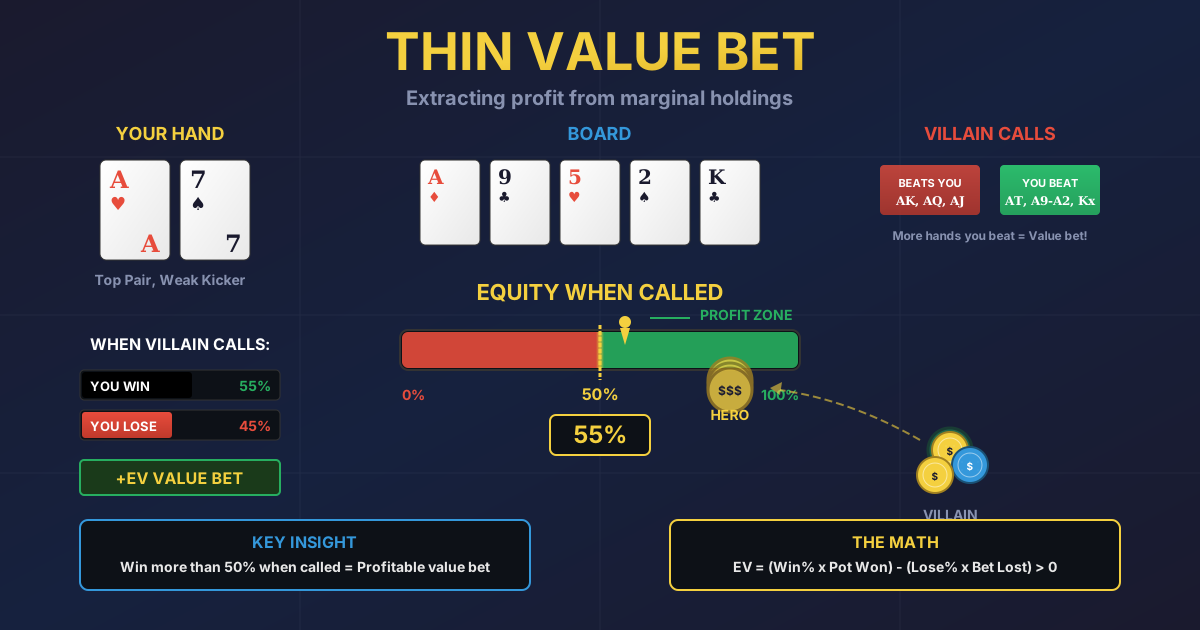
Top pair weak kicker
Second pair
Weak two pair
Overpairs on scary boards

Characteristics:
Has showdown value
Not strong enough to value bet big
Too good to check-fold
Pot control needed
River Blocking
River is prime blocking street:

No more cards to come
Hand values are fixed
Want to see showdown cheaply
Prevent opponent's large bet

Example:
Pot $80, you have K♠9♦ on K♣7♥4♦2♠3♣
Block bet $25
Opponent calls (didn't want to raise anyway)
Or opponent had a bluff (you win small pot)
Static Boards
Best blocking bet boards:

K♥7♦2♣5♠3♦ (dry, no draws)
A♠8♦3♣6♥2♦ (disconnected)
Q♣6♦2♥9♠4♣ (nothing connected)

Why static works:
Few draws completed
Opponent's range clearer
Small bet accomplishes goal
No scary cards to worry about
Blocking Bet Sizing
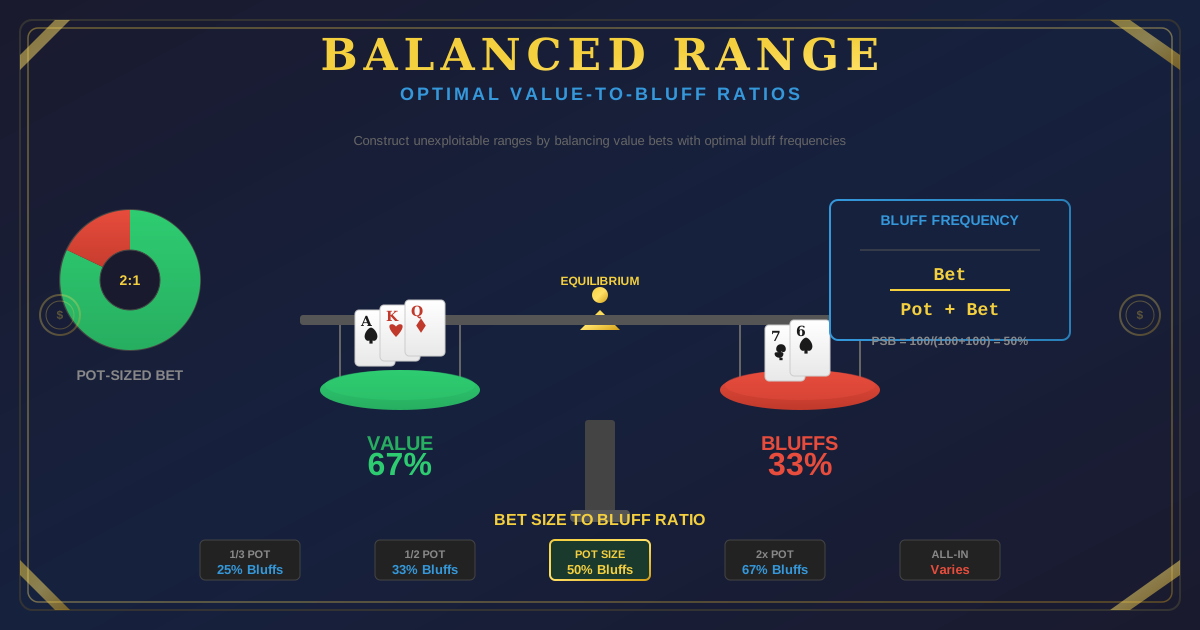
Standard Sizing
Optimal blocking size:

25-40% pot typical
Large enough to "block"
Small enough if raised

Example:
Pot $100
Block bet $25-40
Opponent usually calls or folds
Rarely raises
Why Small Works
Small sizing logic:

Large enough:
Opponent doesn't raise for thin value
Not worth raising as bluff

Small enough:
You're not committed if raised
Minimal investment with marginal hand
Controls pot effectively
If They Raise
Response to raise:

Fold most medium hands
Their raise = strength
Block didn't work
But still saved money

vs Check-call $60:
Block-fold cost: $25
Check-call cost: $60
Saved $35
Blocking Bet Math
Savings Calculation
Blocking bet vs check-call:

Scenario 1: Check-call
They bet $60, you call $60
Cost: $60

Scenario 2: Block-fold
You bet $25, they raise to $80
You fold, cost: $25

Scenario 3: Block-call
You bet $25, they call $25
Cost: $25

Average blocking cost: ~$30
Average check-call cost: ~$50
Savings: ~$20 per spot
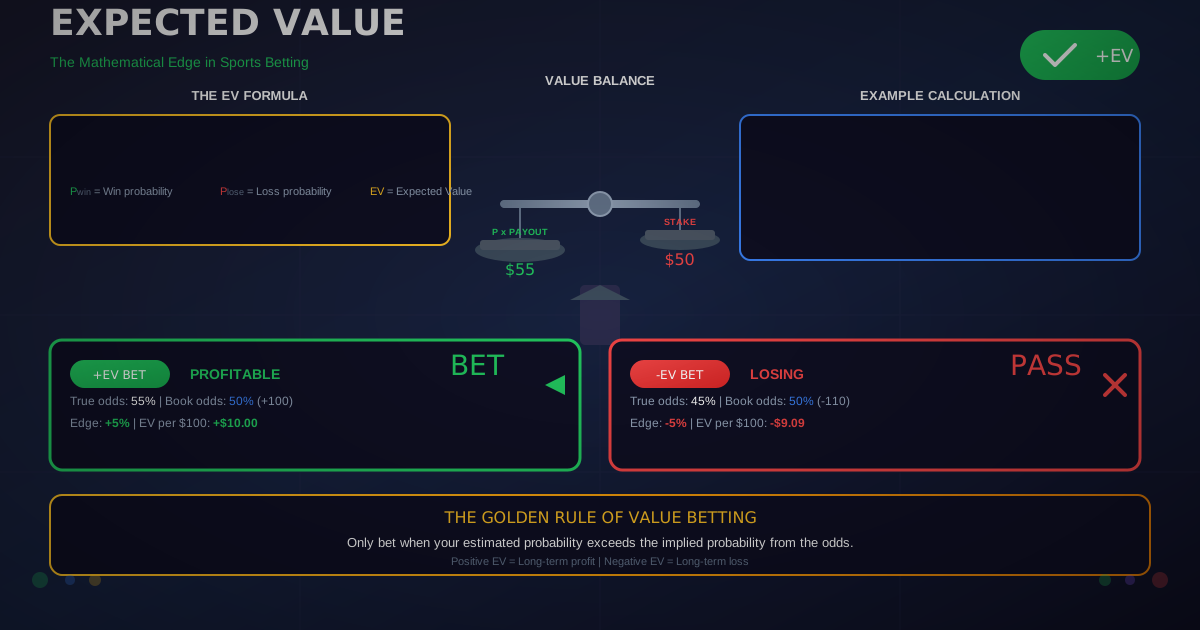
EV Comparison
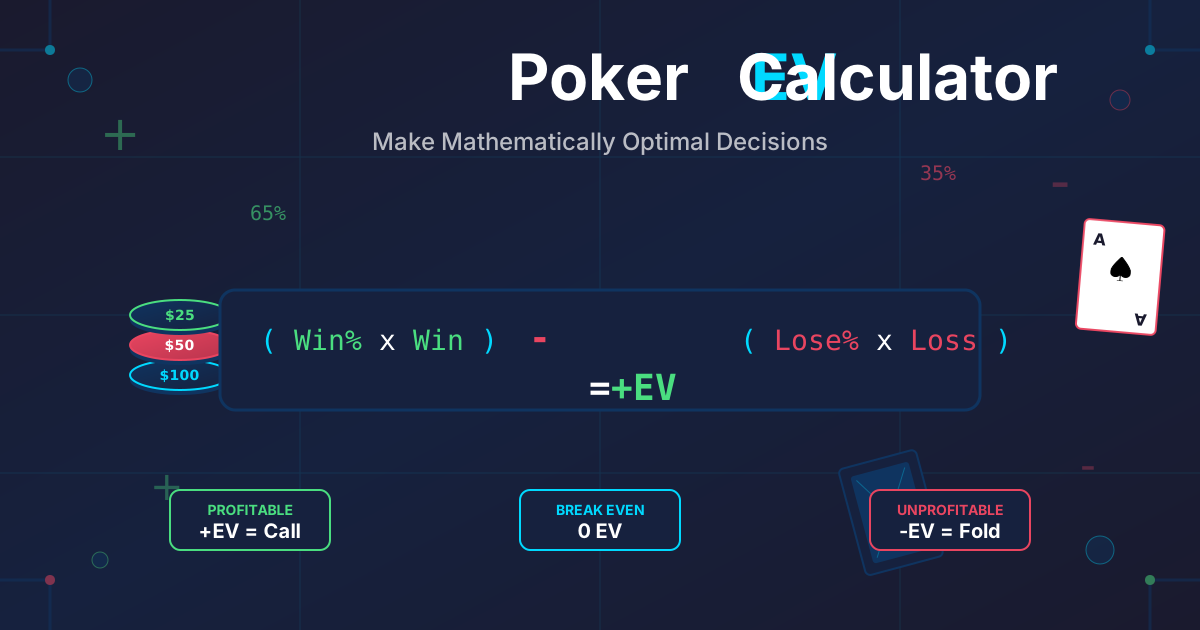
EV of blocking:

If opponent would bet $60:
Check-call EV = -$60 × lose% + $60 × win%

Blocking at $25:
If they call: -$25 × lose% + $25 × win%
If they raise: You fold, -$25
If they fold: +pot

Often blocking is higher EV
When opponent bets > blocks often
When NOT to Block
Strong Hands
Don't block with:

Top pair top kicker
Two pair+
Sets, straights, flushes

Why:
These are value bets
Want larger sizing
Don't want to cap your range
Bet for value, not to block
Against Aggressive Players
Don't block vs aggressive:

Players who raise blocks
Maniacs
Players who see weakness

They'll raise your $25 to $80
Now you're in same spot
But invested $25 more

Check-call or check-fold instead
When Behind
Don't block when beaten:

If opponent's range beats you
Blocking bet is torching money
No showdown value

Example:
You have A♠5♦ on K♣Q♦J♥T♠
You're never good
Check-fold, don't block
Real-World Examples
Example 1: Classic Block
River pot control:
You defend BB with K♠8♦
Board: K♣7♥4♦2♠3♦
Pot: $60

You have top pair weak kicker
Checking risks $40-50 bet
Blocking bet $18 (30%)

Opponent calls with Kx worse
Or folds missed draw
Or had nothing
Win small pot or control cost
Example 2: Failed Block
Opponent raises:
You defend BB with Q♦J♦
Board: Q♣9♥4♦6♠2♣
Pot: $80

Block bet $25
Opponent raises to $75

They have you beat
Q9, 99, better Queens
Fold—block failed

But only lost $25
vs Check-call $60+
Still saved money
Example 3: Wrong Spot
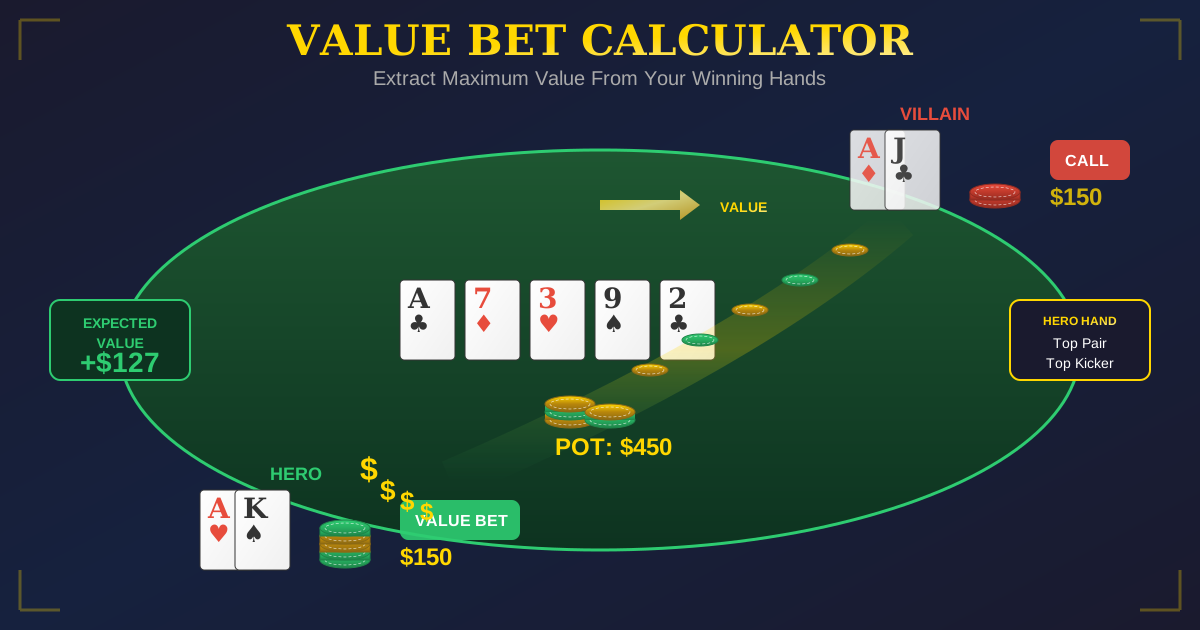
Should value bet:
You have A♠K♦
Board: A♣8♦3♥5♠2♦
Pot: $70

This is NOT a block spot!
You have TPTK
Bet $45-50 for value
Don't block $20

Blocking caps your range
Leaves money on table
Value bet instead
Example 4: Check Better
Vs aggressive player:
You have T♠T♦
Board: J♣9♥4♦2♠7♣
Pot: $50
Opponent is aggressive

Don't block here
They'll raise your block
Forces tough decision

Check-call $20-30 instead
Or check-fold if they bet big
Save the blocking bet
Common Mistakes
1. Blocking With Strong Hands
Mistake: Blocking with top pair top kicker Problem: Leaving value on table Fix: Value bet strong hands
2. Blocking vs Aggressive
Mistake: Blocking against raise-happy players Problem: They raise, you fold anyway Fix: Check-call or check-fold
3. Blocking Too Large
Mistake: 50%+ pot "blocks" Problem: That's not a block, it's a bet Fix: Keep blocks 25-40% pot
4. Blocking Wet Boards
Mistake: Blocking when draws complete Problem: Strong hands bet/raise Fix: Block static boards only
Frequently Asked Questions
When should I blocking bet?
With medium-strength hands out of position, usually on the river. When you want to see a showdown but fear a large bet if you check.
What's the right blocking size?
25-40% pot. Large enough to discourage raises, small enough to fold if raised.
Does blocking work against everyone?
No. Against aggressive players who raise small bets, blocking backfires. Against passive players who bet small, blocking isn't needed.
Should I ever raise a blocking bet?
Rarely. If you're raising a block, you have a strong hand—probably should have bet bigger yourself.
Is blocking exploitable?
Yes, smart opponents will raise blocks more. Use sparingly and balance with value bets at same sizing.
Can I block in position?
Technically yes, but it's less needed. In position you can check behind for pot control.
Pro Tips
-
OOP medium hands: Block's natural habitat
-
25-40% pot: Standard blocking size
-
River preferred: No more cards
-
Static boards: Best for blocking
-
Fold to raises: Mission failed, but saved money
Related Calculators
- Value Bet Calculator - When to bet big
- Pot Odds Calculator - Calling decisions
- Bet Sizing Calculator - Sizing strategy
- Poker EV Calculator - Expected value
- Fold Equity Calculator - Bluff math
Conclusion
Blocking bets are defensive moves—small bets that prevent larger bets, controlling pot size with marginal hands. Our calculator shows when blocking saves money vs check-calling, optimal sizing to discourage raises, and which medium-strength hands benefit from this pot-control play.
Calculate Blocking Bet Strategy Now →
You have top pair weak kicker on the river. Checking risks a $60 bet you'd hate to call. Our calculator proves when a $25 blocking bet controls the pot and saves you money.