Bluff Catcher Calculator: Calling Down Light Strategy (2026)
Bluff Catcher Calculator: Calling Down the Bluffs
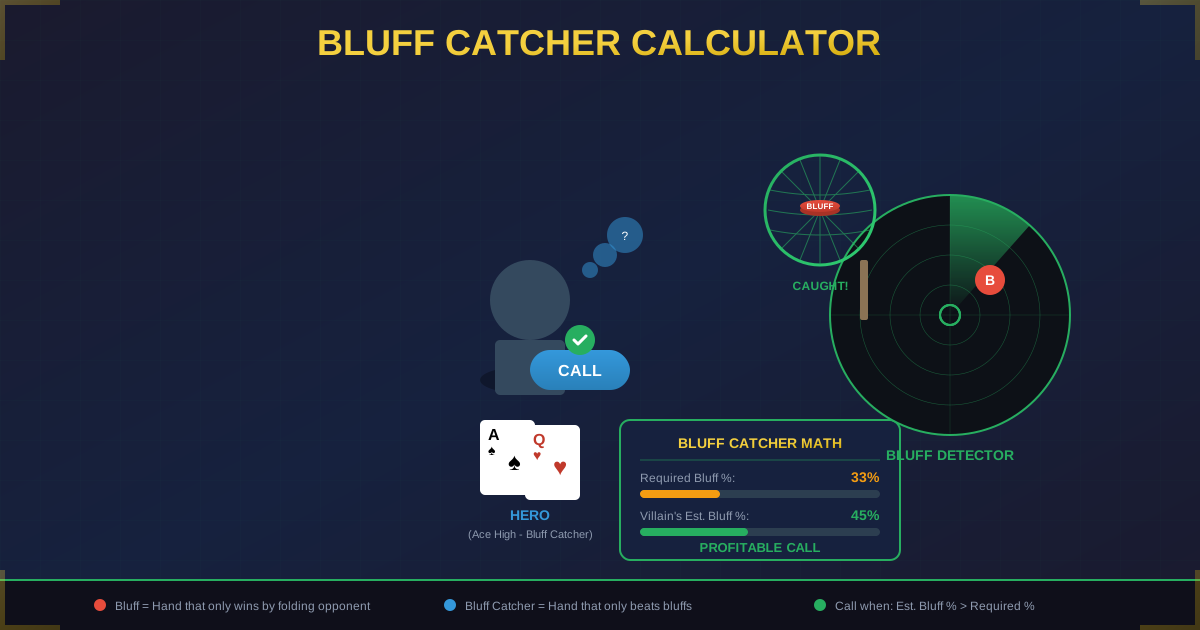
A bluff catcher is a hand that beats only bluffs—your only path to victory is if your opponent is bluffing. Our calculator reveals when calling with marginal hands is profitable, how to calculate bluff frequencies, and when that hero call is mathematically correct.
What Is a Bluff Catcher?
A bluff catcher is a hand that loses to all of your opponent's value hands but beats all of their bluffs. You're "catching" their bluff if they have one—otherwise you lose. The decision comes down to: Is your opponent bluffing often enough to make calling profitable?
Quick Answer: Bluff catcher = hand that only beats bluffs. Loses to all value. Wins vs all bluffs. Math: need bluffs/(bluffs+value) > pot odds required. 75% pot bet: need 30% bluffs to call. Classic spot: third pair facing river bet. Hero calls are math, not reads. Frequency-based decision.
How to Use Our Calculator
Use the Bluff Catcher Calculator →
Calculate bluff catching profitability.
Step-by-Step Instructions
-
Enter Pot Size: Current pot before bet
-
Input Bet Size: Opponent's bet
-
View Required Bluff %: How often they must bluff
-
Estimate Their Bluffs: Based on board/action
-
Compare and Decide: Call or fold
Input Fields Explained
| Field | Description | Example |
|---|---|---|
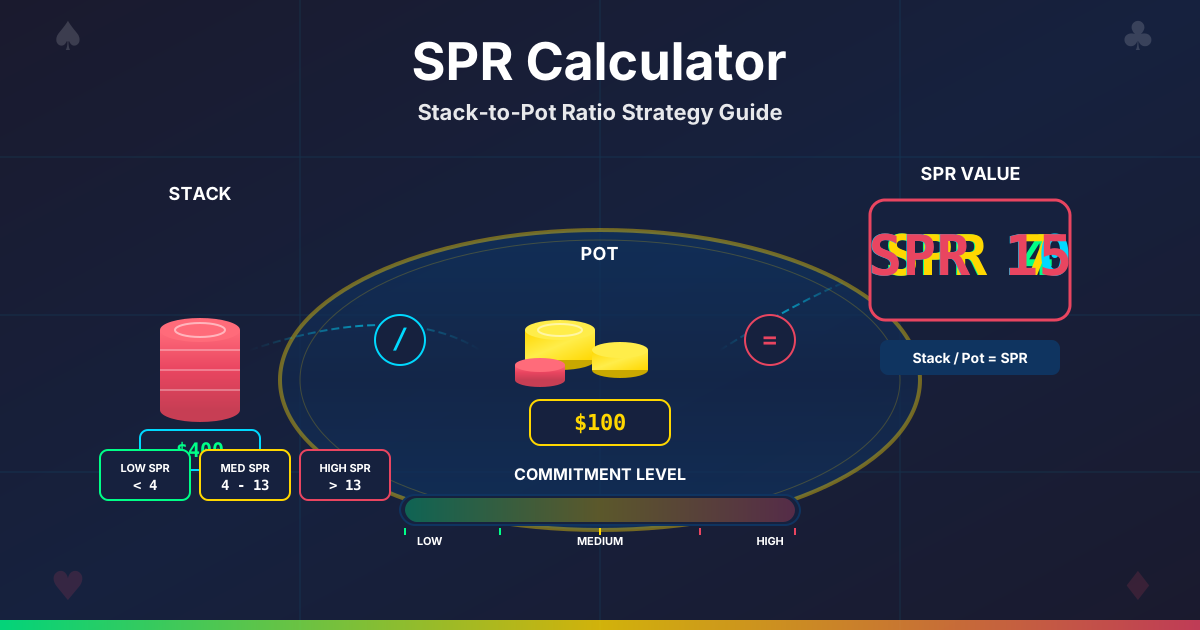
| Pot Size | Before their bet | $100 |
| Bet Size | Their bet amount | $75 |
| Required Bluff % | Minimum bluffs needed | 30% |
| Estimated Bluffs | Your read | 35% |
| Decision | Call or fold | Call (+EV) |
Bluff Catching Math
The Core Equation
Bluff catching breakeven:

Your call must win often enough
To offset the times you lose

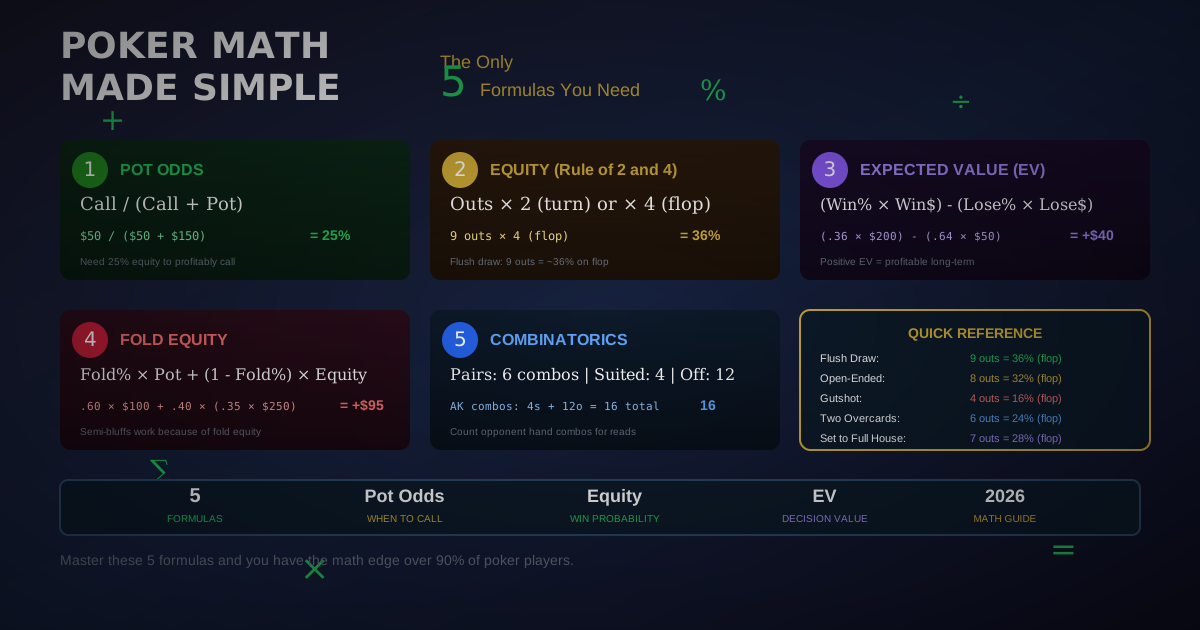
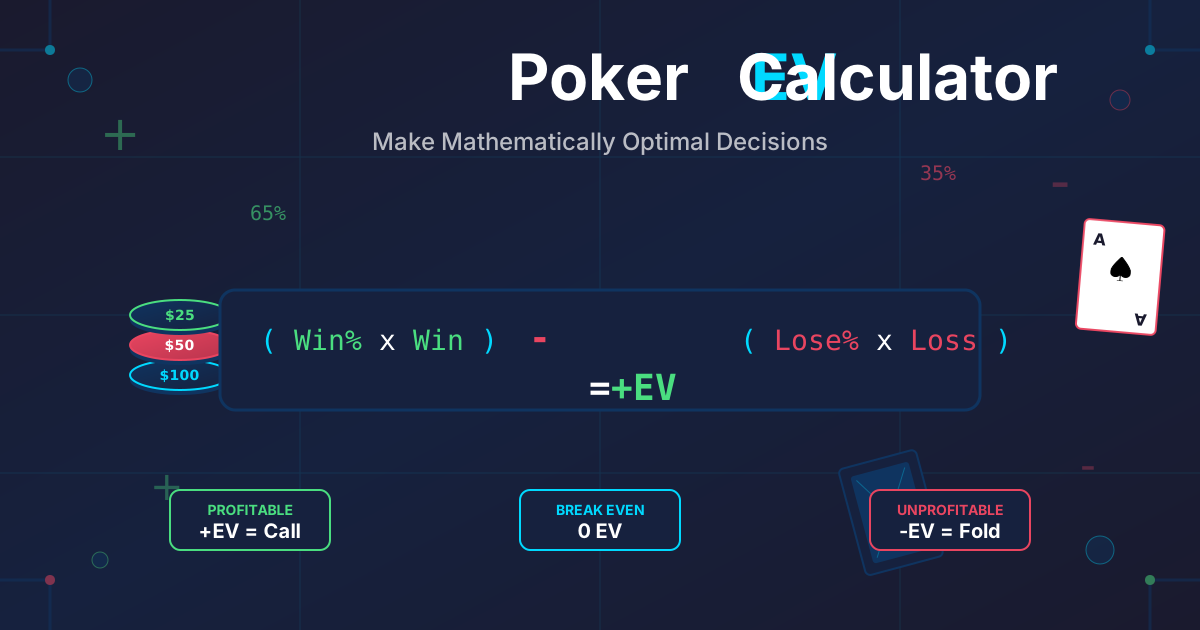
Required win % = Bet / (Pot + Bet + Bet)
               = Bet / (Pot + 2×Bet)

Example:
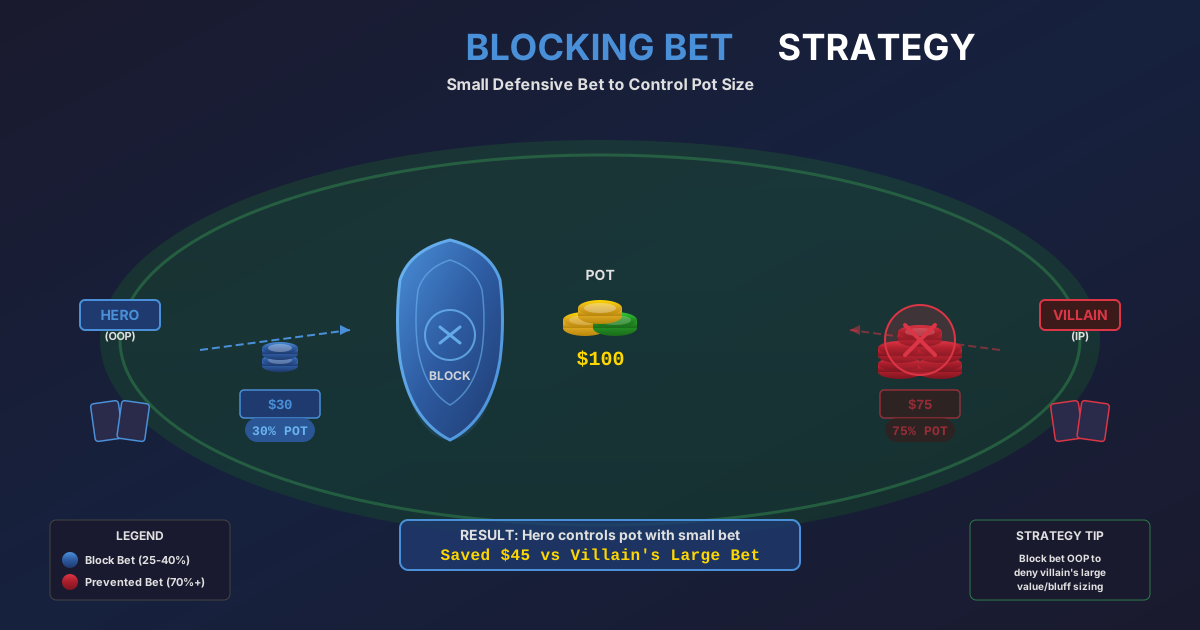
Pot $100, they bet $75
Required = 75 / (100 + 150) = 30%

Need them bluffing 30%+ to call
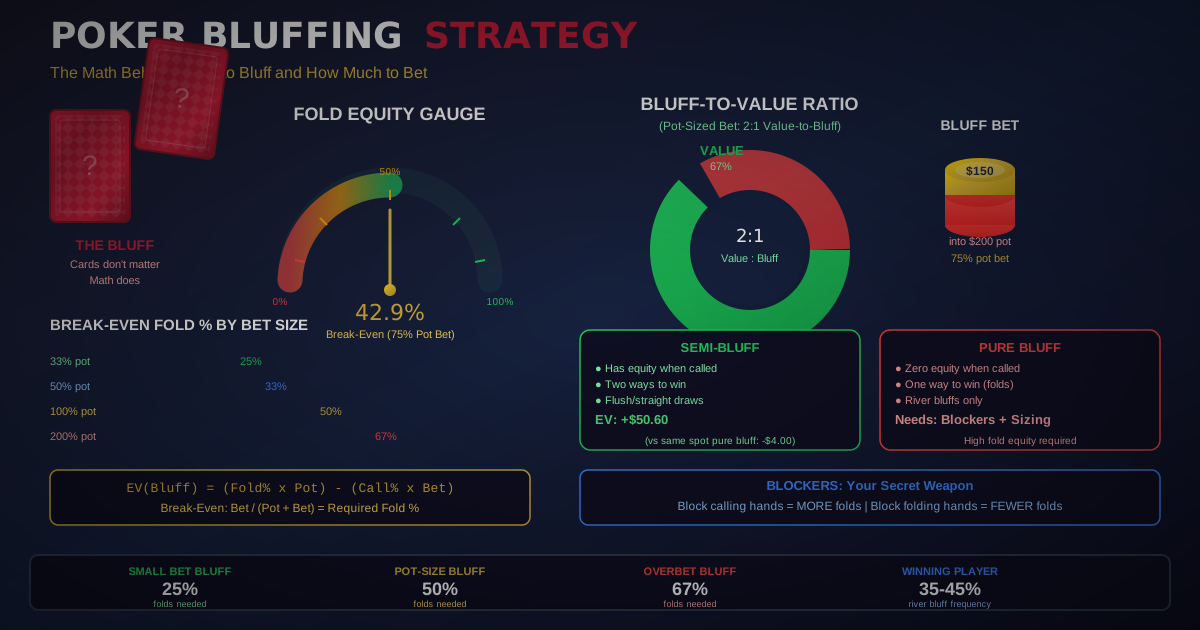
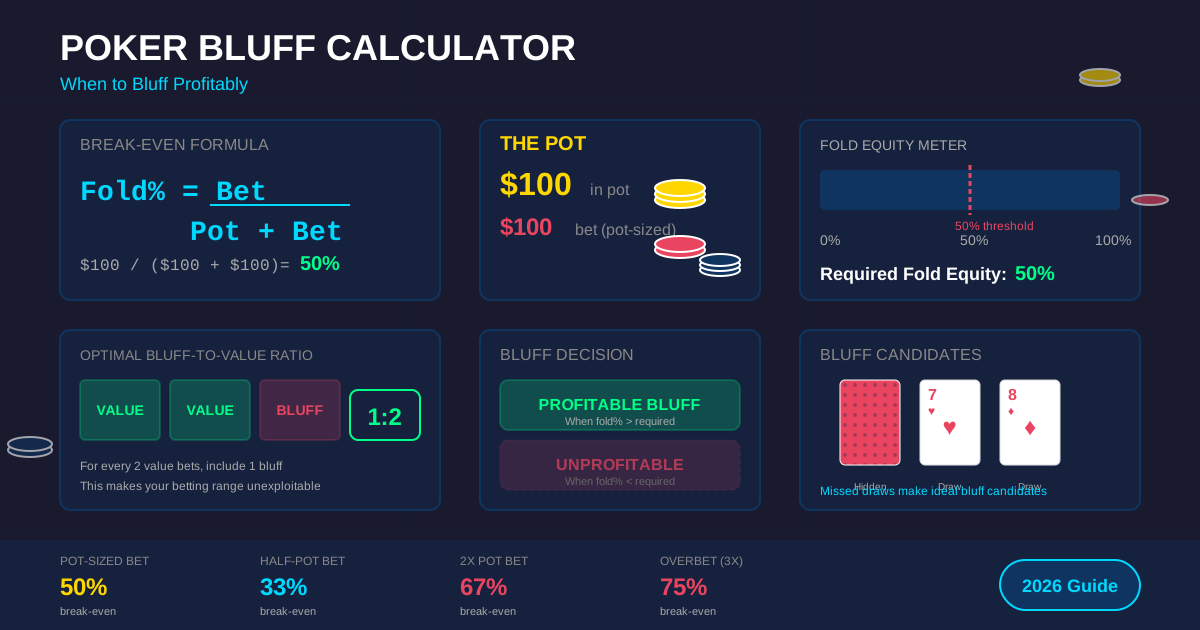
Common Bet Size Thresholds
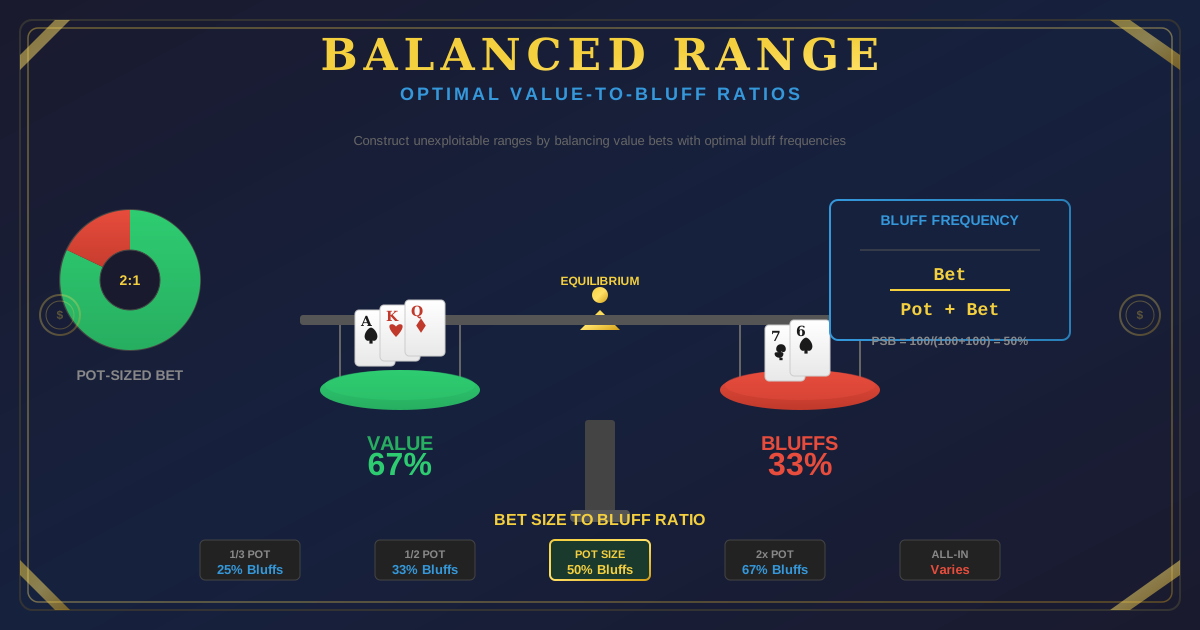
Required bluff frequency:

33% pot bet: Need 20% bluffs
50% pot bet: Need 25% bluffs
66% pot bet: Need 28% bluffs
75% pot bet: Need 30% bluffs
100% pot bet: Need 33% bluffs
150% pot bet: Need 37% bluffs

Smaller bets = easier calls
Larger bets = need more bluffs
Estimating Bluff Frequency
How to estimate bluffs:

Count value combos:
What hands bet for value here?

Count bluff combos:
What busted draws exist?
What air would bet?

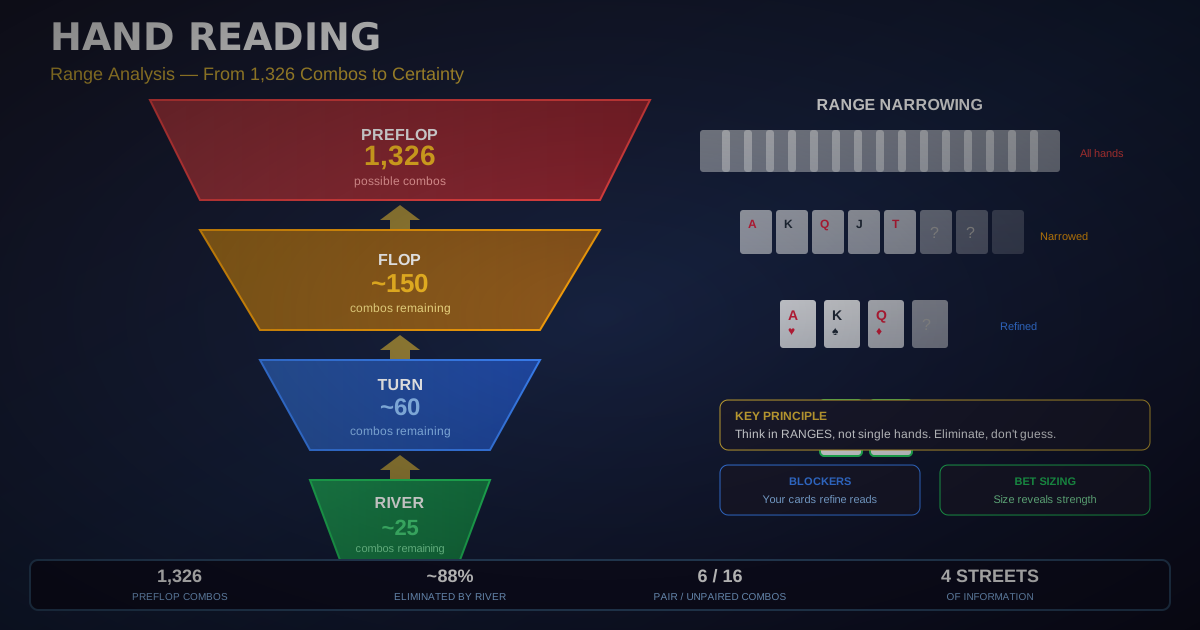
Bluff % = Bluffs / (Value + Bluffs)

If value = 15 combos
If bluffs = 8 combos
Bluff % = 8/23 = 35%
When to Bluff Catch
High Bluff Frequency Spots
Likely bluff spots:

Busted draws on river
Player missed obvious draw
Board: K♠9♠4♦2♣7♥
Flush draw missed
Straight draws missed

Their bet might be:
Value (sets, two pair)
Or bluff (missed draws)

Count combos to decide
Aggressive Opponent Profiles
Bluff catch against:

Aggressive players (VPIP 30%+)
Known bluffers
Frustrated/tilted players
Players who bet every street

These opponents:
Have more bluffs in range
Overbluff certain spots
Worth calling down light
Board Texture Tells
Bluff-heavy boards:

Draw-heavy that missed:
J♠T♠6♦4♣2♥
Many draws bricked

Scary cards for their range:
Ace on turn (blocks AK, AQ)
Fourth card to flush (scares them)

They might:
Bet to represent what you fear
Be bluffing more often
When NOT to Bluff Catch
Low Bluff Frequency Spots
Unlikely bluff spots:

Dry board, no draws:
A♥7♦2♣5♠3♦
What are they bluffing with?
No missed draws exist

Passive opponent bets big:
Rarely a bluff
They have value
Fold your bluff catcher
Tells of Value
Signs of value, not bluffs:

Unusual bet sizing (pot+)
Long tank then big bet
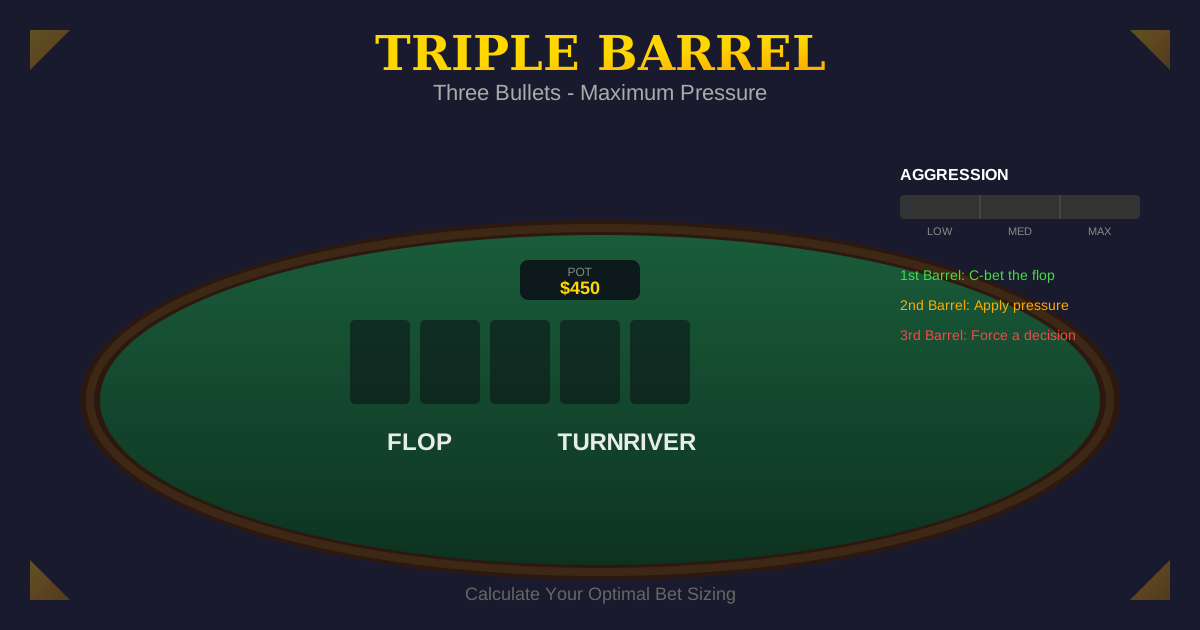
Triple barrel on dry board
Bet, bet, bet line

These patterns:
Usually value-heavy
Not many bluffs
Don't bluff catch
Multi-Street Aggression
Triple barrel ranges:

When opponent bets all streets:
Their range is polarized
Value or bluff

But ratio shifts:
More value, fewer bluffs
By river, range is strong

Need specific reads
To call triple barrels
Real-World Examples
Example 1: Classic Bluff Catch
River decision:
Board: K♠9♠4♦2♣7♥
You hold: A♦K♦ (top pair)

They bet $75 into $100

Possible value: Sets, two pair, KQ
Possible bluffs: Flush draws, J♠T♠, Q♠J♠

Value combos: ~12
Bluff combos: ~8
Bluff % = 8/20 = 40%

Need 30%, have 40%
Call is +EV
Example 2: Don't Bluff Catch
Dry board:
Board: A♥7♦2♣5♠3♦
You hold: A♠T♣ (top pair)

They bet $80 into $100

Possible value: AK, AQ, AJ, sets
Possible bluffs: ??? (no draws)

Value combos: ~20
Bluff combos: ~4 (random air)
Bluff % = 4/24 = 17%

Need 29%, have 17%
Fold—not enough bluffs
Example 3: Exploit Aggressive Player
Known bluffer:
Board: Q♣J♦7♥3♠2♦
You hold: Q♥T♥ (top pair)

Aggressive opponent bets $60 into $80

Their history: Bluffs 40%+ of river bets
They barrel everything

Value combos: ~10
Bluff combos: ~10
Bluff % = 50%

Need 27%, have 50%
Easy call vs this player
Example 4: Hero Call
Thin spot:
Board: 8♥7♦6♣5♠2♦
You hold: 9♦9♣ (overpair)

They shove $150 into $100

Need 37% bluffs
Board is straight-heavy
Many straights possible

But:
9 blocks T9, 98
Some missed draws exist
Player is aggressive

Borderline call
Depends heavily on reads
Bluff Catcher Construction
What Hands Are Bluff Catchers?
Bluff catcher examples:

Top pair (vs triple barrel)
Medium pairs (on scary boards)
Bottom pair (vs aggression)
Ace-high (on checked boards)

Key characteristic:
Beats bluffs
Loses to value
Nothing in between
Range Considerations
Your bluff catching range:

Can't call with everything
Can't fold everything

Balance:
Call with best bluff catchers
Fold worst bluff catchers
Keep opponent guessing
Common Mistakes
1. Calling Without Math
Mistake: "I think they're bluffing" Problem: Feelings aren't profitable Fix: Calculate required bluff %
2. Over-Calling Passive Players
Mistake: Bluff catching calling stations Problem: They rarely bluff Fix: Fold vs passive bettors
3. Ignoring Board Texture
Mistake: Same strategy every board Problem: Bluff frequencies vary Fix: Count missed draws
4. Results-Oriented Thinking
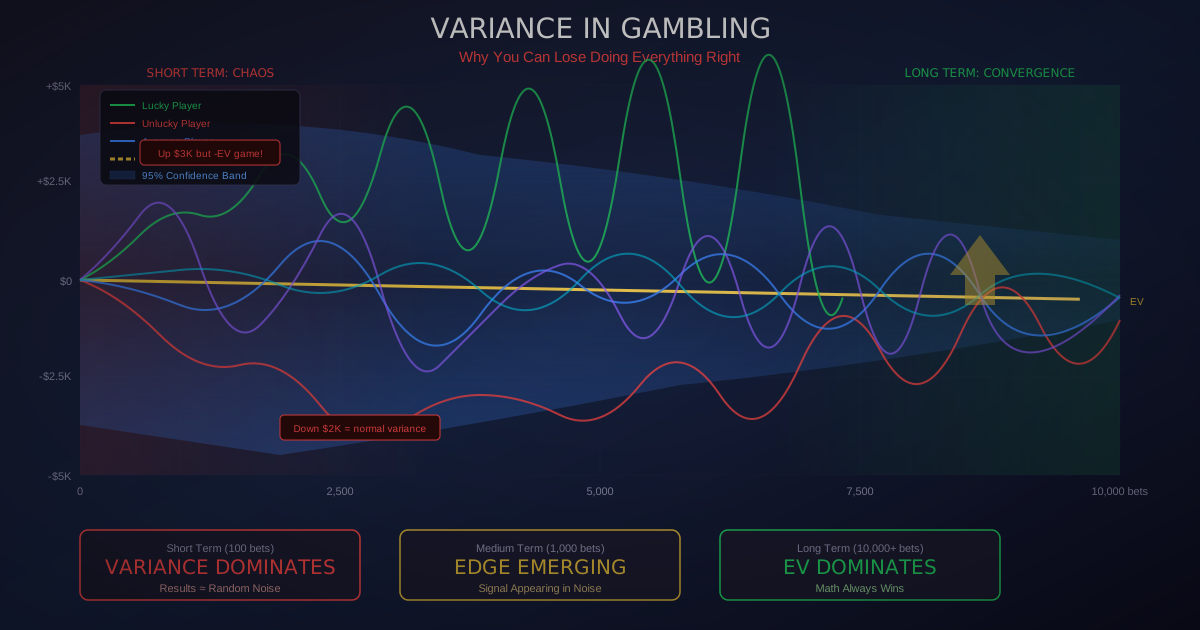
Mistake: "I was right/wrong last time" Problem: Variance in single hands Fix: Focus on long-term EV
Frequently Asked Questions
How do I know if I have a bluff catcher?
If your hand beats no value hands but beats all bluffs. You're catching bluffs or losing—there's no in-between.
How often do opponents bluff?
Varies wildly. Aggressive players: 30-50%. Passive players: 10-20%. Average: 25-35% in river spots.
Should I bluff catch with top pair?
Sometimes. If facing big bets on scary boards, even top pair becomes a bluff catcher. Do the math.
Is bluff catching a long-term strategy?
Yes, when done mathematically. Calling at the right frequency prevents exploitation and captures bluffs.
What if I'm wrong about their bluff frequency?
You'll lose in the short term. Long-term, better reads lead to better decisions. Track opponent tendencies.
How do I count bluff combos?
Think about what draws missed, what hands take this line as bluffs. Experience improves combo counting.
Pro Tips
-
Do the math: Calculate required bluff %
-
Count combos: Value vs bluff hands
-
Board texture matters: Missed draws = more bluffs
-
Player type matters: Aggressive = more bluffs
-
Trust the math: Not your gut
Related Calculators
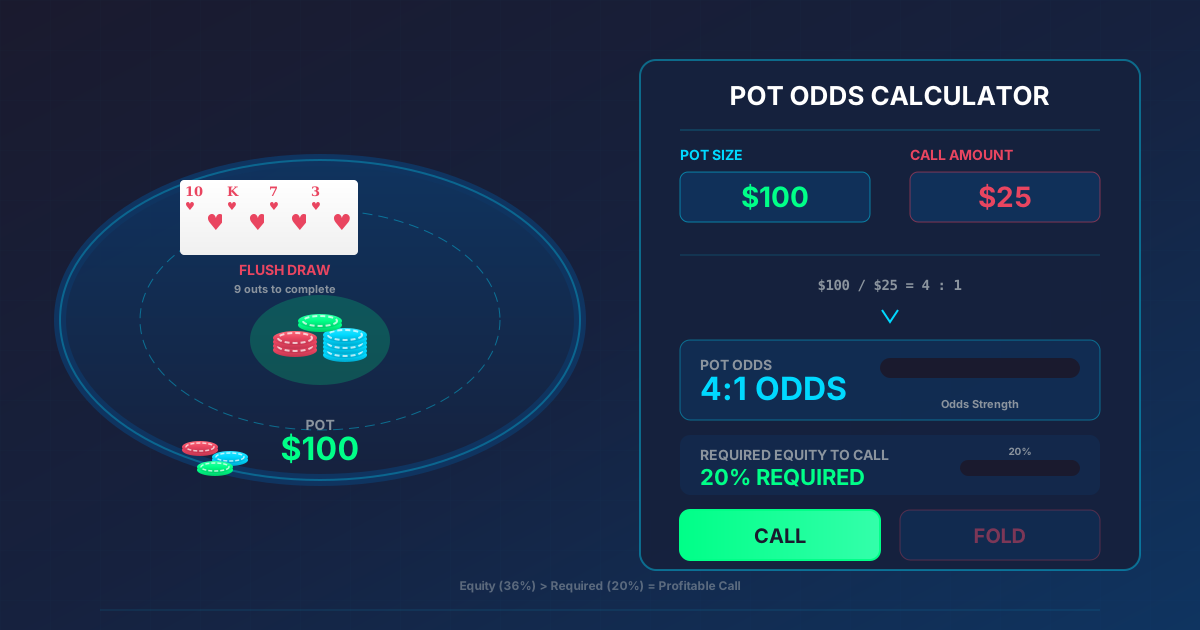
- Pot Odds Calculator - Calling math
- Poker EV Calculator - Expected value
- Fold Equity Calculator - Bluff math
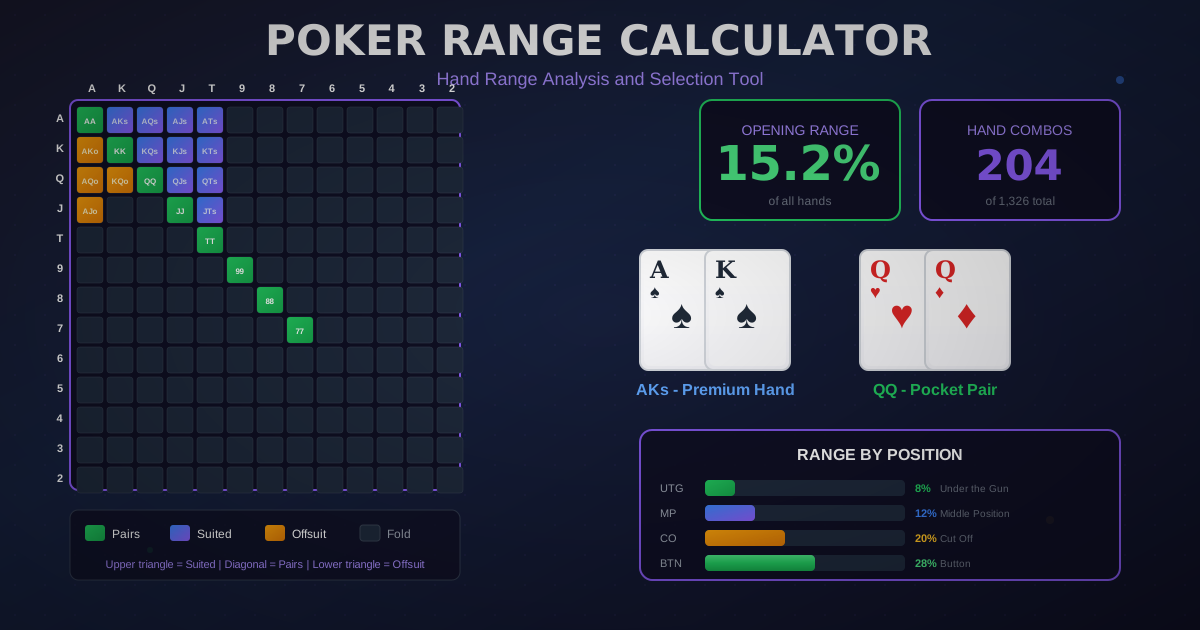
- Poker Range Calculator - Hand ranges
- Poker Odds Calculator - Equity
Conclusion
Bluff catching is pure math—your hand beats bluffs and loses to value, so the decision is whether opponent bluffs enough. Our calculator shows required bluff frequencies by bet size, how to estimate opponent bluffs, and when that hero call is mathematically correct.
Calculate Bluff Catching Strategy Now →
They bet $75 into $100 on the river. You have top pair. Are they bluffing 30% of the time? Our calculator turns gut feelings into profitable decisions.