Double Barrel Calculator: Turn Aggression Strategy (2026)
Double Barrel Calculator: Keep the Pressure On
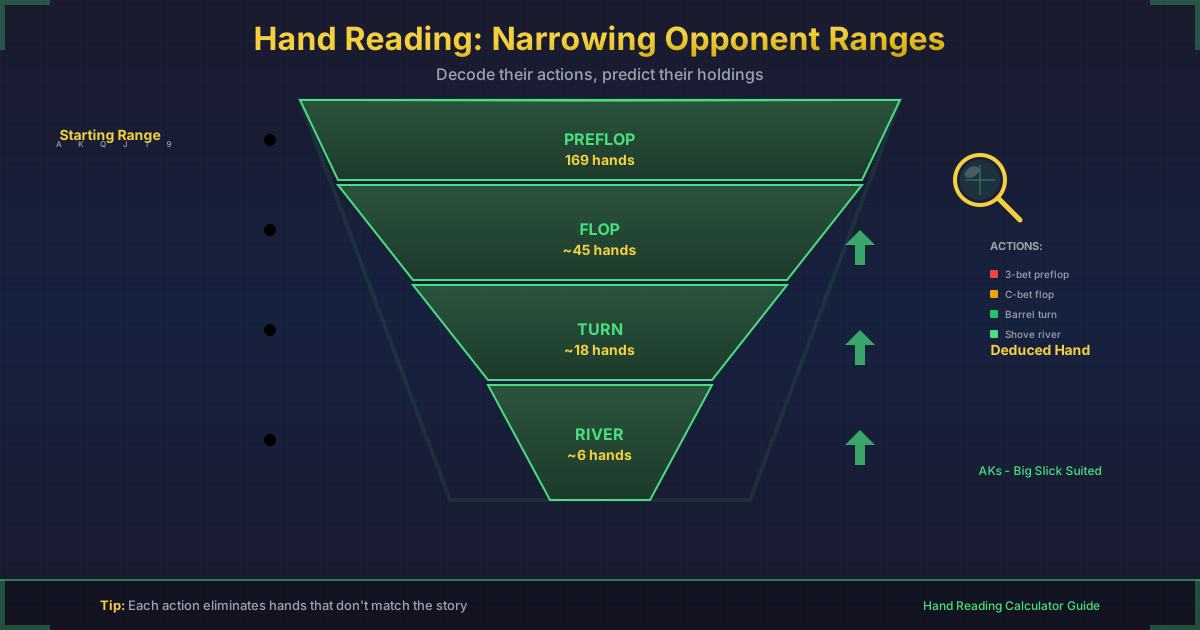
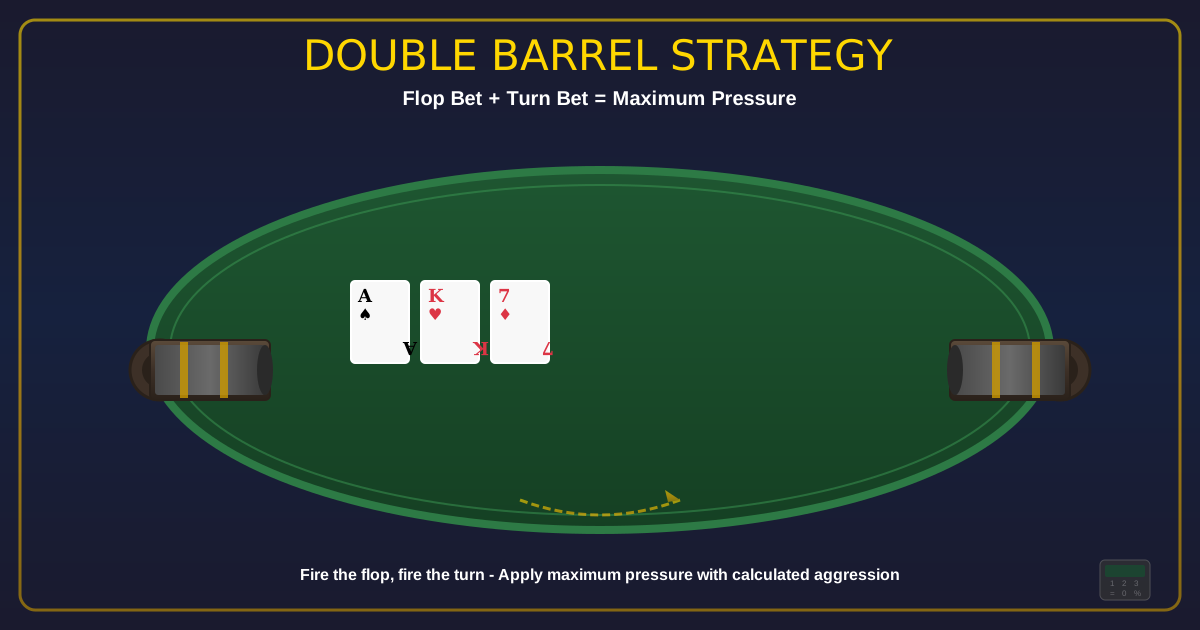
Double barreling—betting the flop and turn—applies sustained pressure that forces opponents to make tough decisions on multiple streets. Our calculator reveals when the second barrel is profitable, which turn cards favor continued aggression, and how to construct a balanced double barrel range.
What Is a Double Barrel?
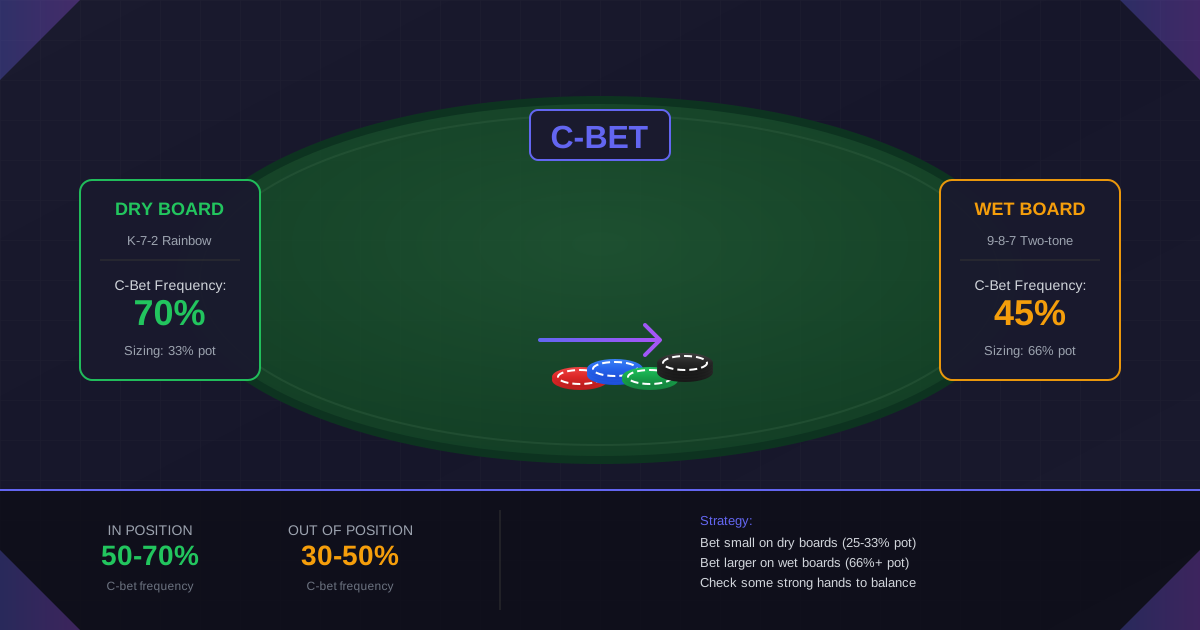
A double barrel is betting the turn after betting (c-betting) the flop. You're "firing the second barrel" to maintain aggression, either for value or as a bluff. The turn bet builds on your flop story, representing strength and forcing opponents to call twice with medium hands.
Quick Answer: Double barrel = bet flop + bet turn. Continued aggression. For value: betting best hands. As bluff: representing strength. Frequency: 50-60% of c-bets. Best turns: scare cards, blank cards. Sizing: 60-75% pot. Puts opponent to multiple decisions. Key: balanced range, credible story.
How to Use Our Calculator
Use the Double Barrel Calculator →
Calculate double barrel profitability.
Step-by-Step Instructions
-
Enter Flop Action: Your c-bet, their call
-
Input Turn Card: What fell
-
View Barrel EV: Expected value
-
Check Frequency: How often to barrel
-
See Range: Which hands to barrel
Input Fields Explained
| Field | Description | Example |
|---|---|---|
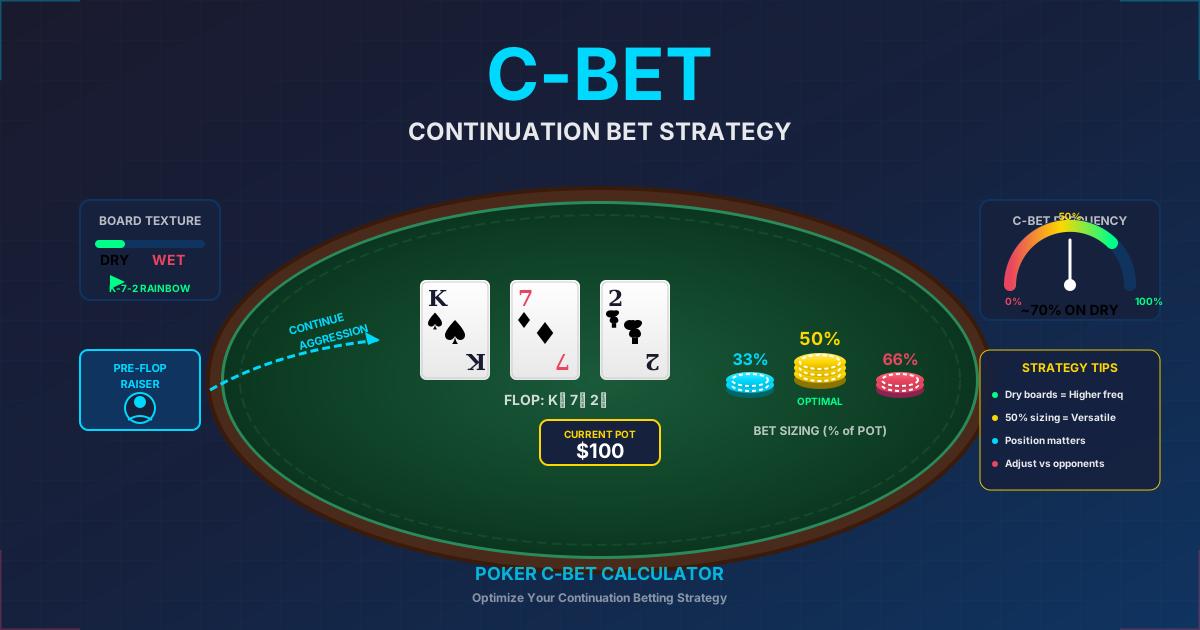
| Flop | Board and action | K♠7♦2♣, you bet, call |
| Turn Card | Fourth card | A♥ (scare card) |
| Barrel Size | Turn bet | 65% pot |
| Barrel Freq | How often | 55% |
| Barrel EV | Expected value | +$12 |
When to Double Barrel
Scare Card Turns
Best double barrel turns:

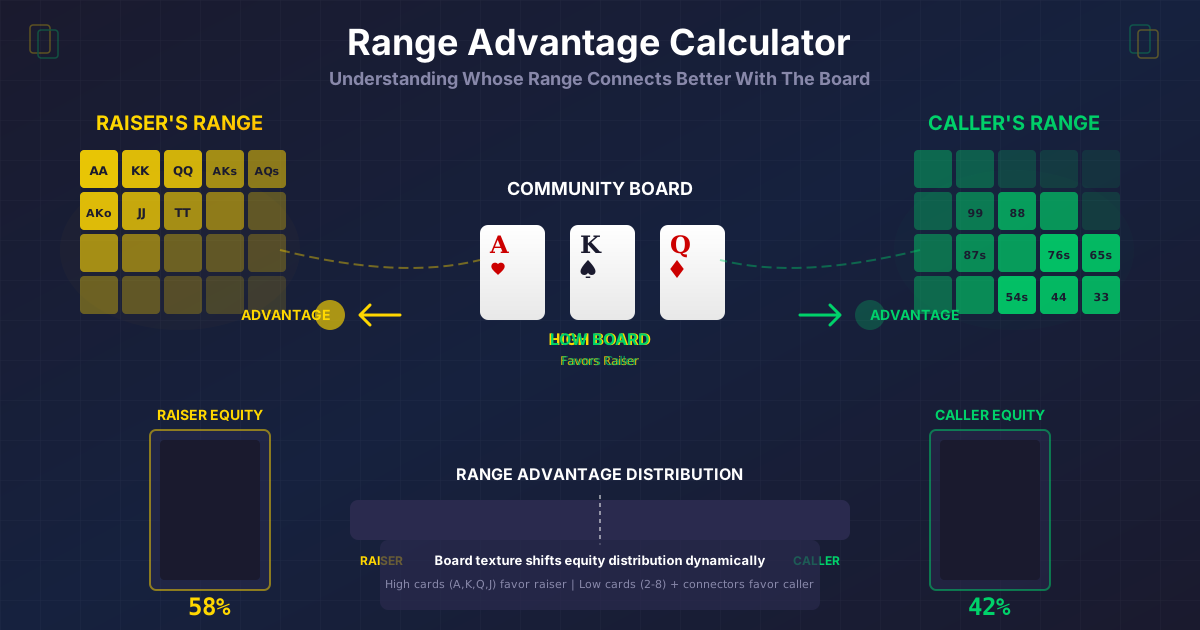
Ace falls (scares underpairs)
King falls (same effect)
Overcards to flop
Flush/straight completes

Example:
Flop: 8♠7♦3♣
Turn: A♥

Barrel! Ace helps your story
Opponent fears the Ace
Medium pairs hate this card
High fold equity
Blank Turn Cards
Blank turns work too:

Cards that change nothing
2s, 3s, 4s on high boards
No draws completed

Example:
Flop: K♠9♦4♣
Turn: 2♥

Barrel for value/bluff
Board unchanged
Opponent's calling range same
Continued pressure works
Equity Improvement
Barrel when you improve:

Picked up draw
Hit pair
Better backdoors

Example:
Flop: K♠8♦3♥, you have J♥T♥
Turn: Q♥ (open-ender + flush draw)

Double barrel!
Massive equity now
Win with bet or cards
Semi-bluff situation
When NOT to Double Barrel
Check Behind Turns
Don't barrel on:

Bad turns for your range
Opponent's range improves
No fold equity
Your hand can't handle raise

Example:
Flop: A♠7♦3♣ (you bet with KQ)
Turn: 7♠

Check behind
7 helps their calling range
They have pairs, Ax
Your bluff isn't believable
Against Calling Stations
Don't barrel stations:

They call everything
No fold equity exists
Only bet for value

Against calling stations:
Check turn bluffs
Value bet made hands
Don't barrel as bluff
Out of Position With Air
OOP double barrels risky:

No fold when raised
Committed to hand
Bluffs expensive

OOP double barrel only:
Strong value hands
Strong draws
Not pure air
Double Barrel Sizing
Standard Sizing
Turn bet sizing:

60-75% pot typical
Slightly larger than flop
Building the pot
Creating fold pressure

Example:
Pot after flop: $30
Turn bet: $18-22 (60-75%)
Large Sizing
When to size up:

Wet boards (charge draws)
Polarized range (value/bluff)
Deep stacks (build pot)
Against passive players

80-100% pot sizing
Maximum pressure
Clear strength signal
Small Sizing
When to size down:

Dry boards
Merged range (medium hands)
Short stacks
Want calls, not folds

45-55% pot sizing
More calls
Less fold equity
Better for value
Double Barrel Range
Value Double Barrels
Bet turn for value with:

Overpairs (AA, KK on low board)
Top pair top kicker
Strong draws with pair
Two pair+

Goal: Build pot
Get calls from worse
Set up river value
Bluff Double Barrels
Bet turn as bluff with:

Gutshots (potential improvement)
Backdoor flush draws
Overcards (some equity)
Complete air (occasionally)

Goal: Fold out better
Represent made hand
Take pot on turn
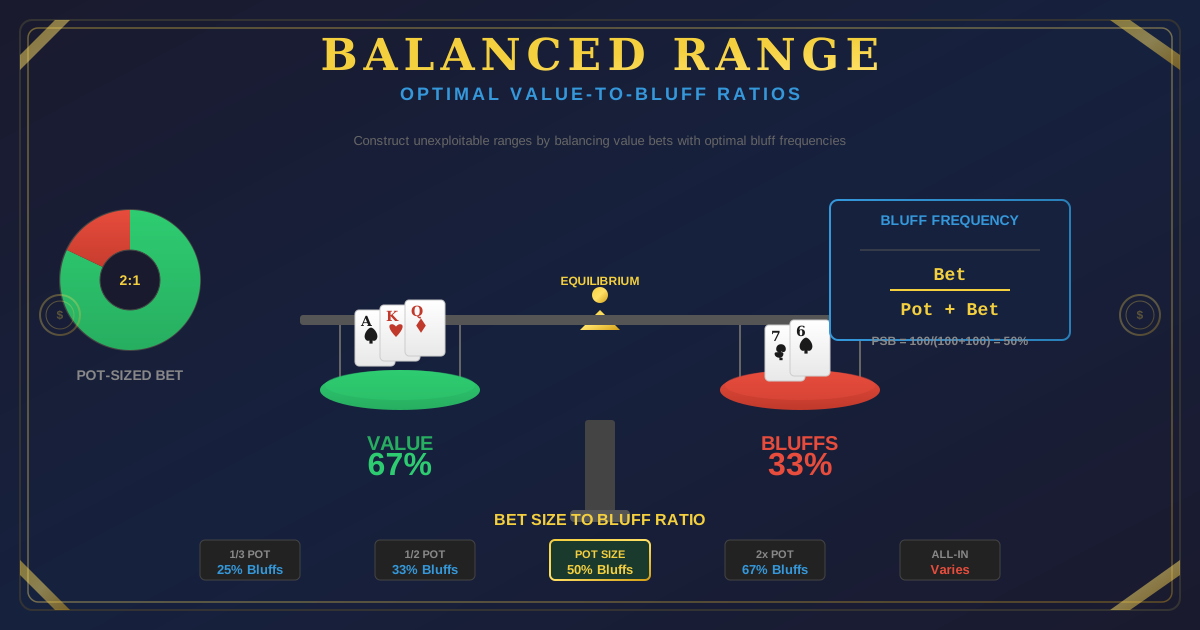
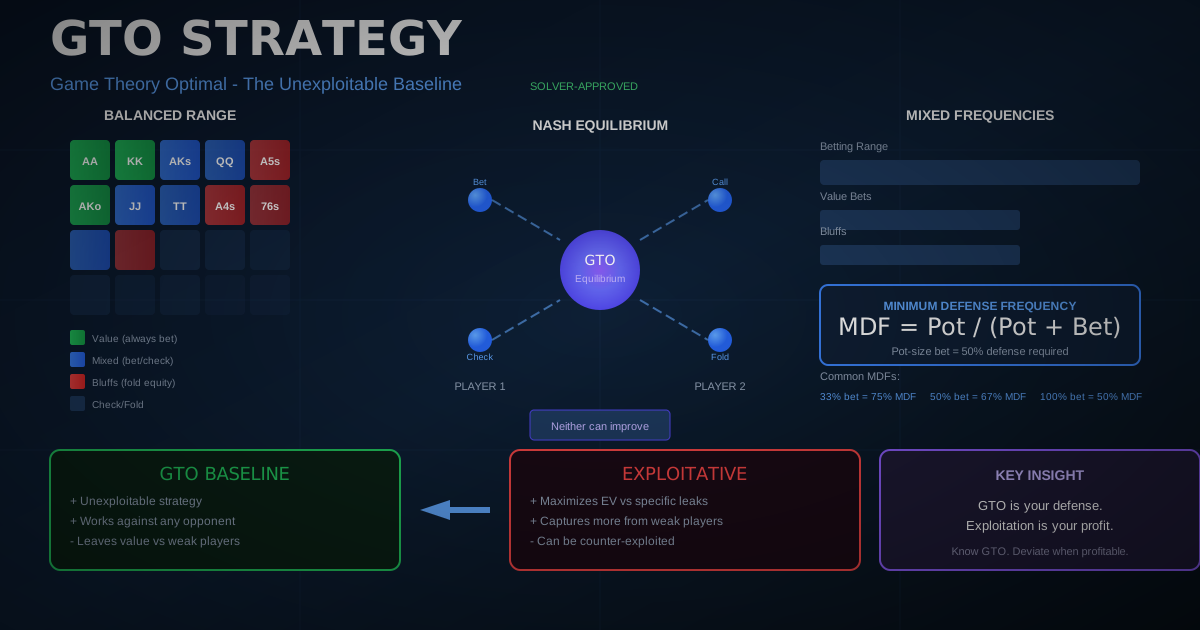
Balanced Range
Double barrel composition:

~60-70% value
~30-40% bluff

Keeps opponent guessing
Can't exploit you easily
Profitable long-term
Real-World Examples
Example 1: Scare Card Barrel
Classic turn bluff:
You raise BTN with A♠5♦
BB calls
Flop: 9♣7♦3♥
You c-bet 50%, BB calls
Turn: K♠

Double barrel 65%!
King is perfect scare card
Opponent has 9x, 7x, draws
All hate the King
High fold equity
Example 2: Value Double Barrel
Building the pot:
You raise CO with K♠K♦
BTN calls
Flop: K♥8♦4♣
You c-bet 50%, BTN calls
Turn: 2♠

Double barrel 70%!
You have top set
Blank turn = continue
Get value from 8x, 44, draws
Build pot for river
Example 3: Check Behind
Turn is bad:
You raise BTN with Q♥J♥
BB calls
Flop: A♠8♦3♣
You c-bet 33%, BB calls
Turn: 8♣

Check behind
8 pairs the board
Opponent has Ax often
They called flop with something
Bluff doesn't make sense
Example 4: Semi-Bluff Barrel
Equity-driven:
You raise CO with 7♠6♠
BTN calls
Flop: K♠5♣4♦
You c-bet 50%, BTN calls
Turn: 3♠ (straight made!)

Double barrel 75%!
You made the straight
Now value betting
Plus flush draw backup
Barrel for value
Double Barrel Math
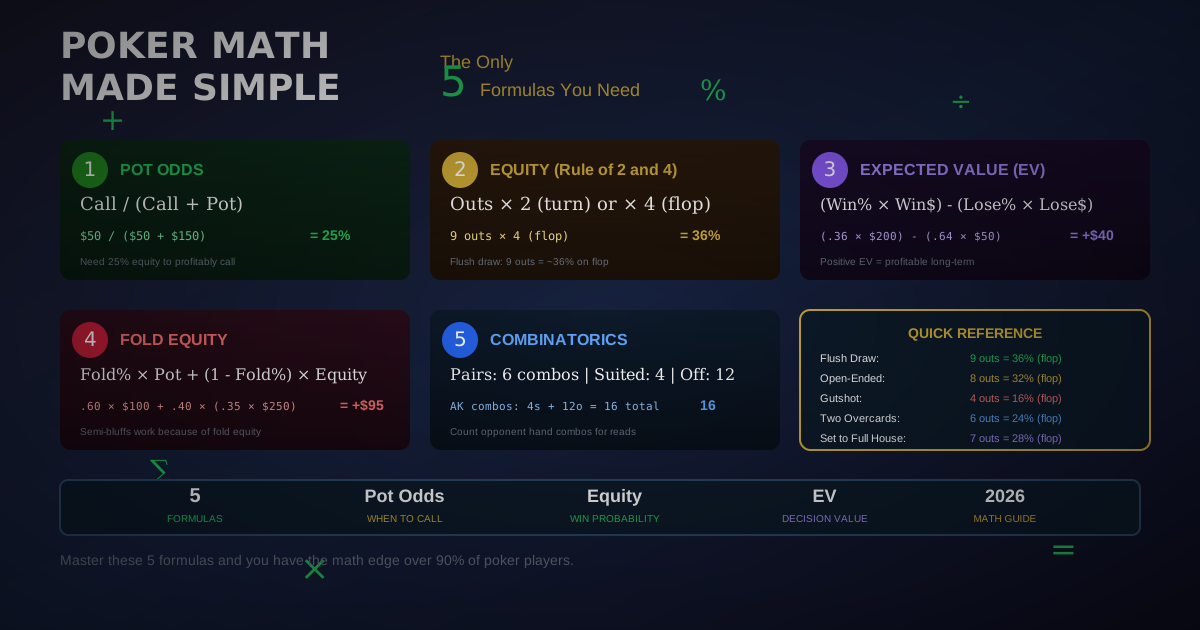
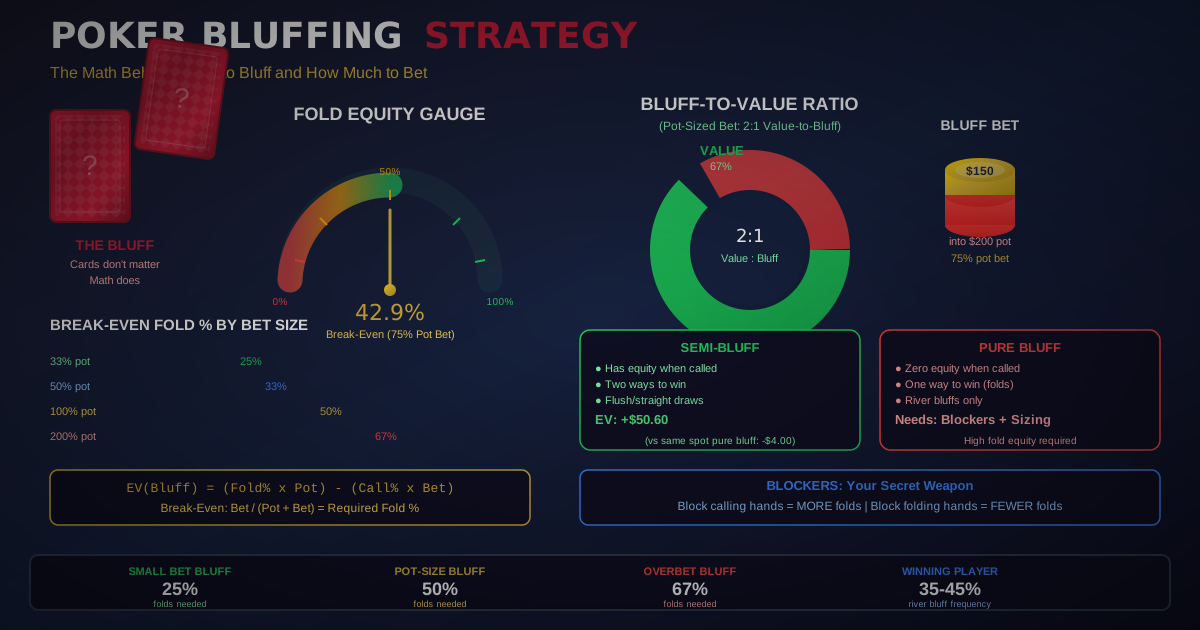
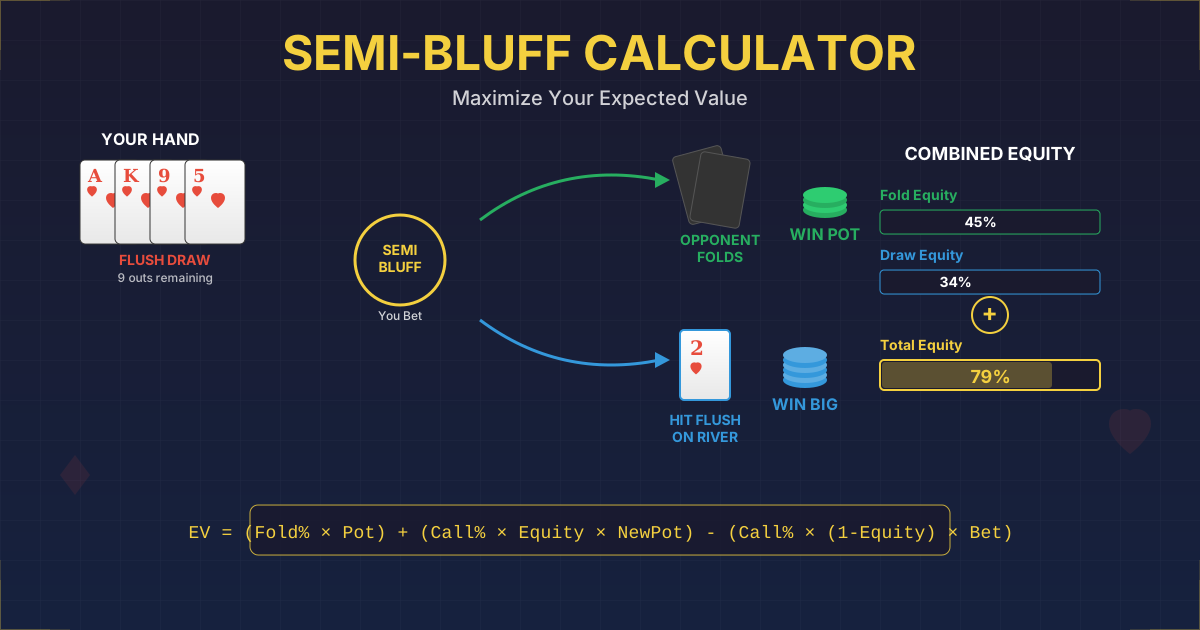
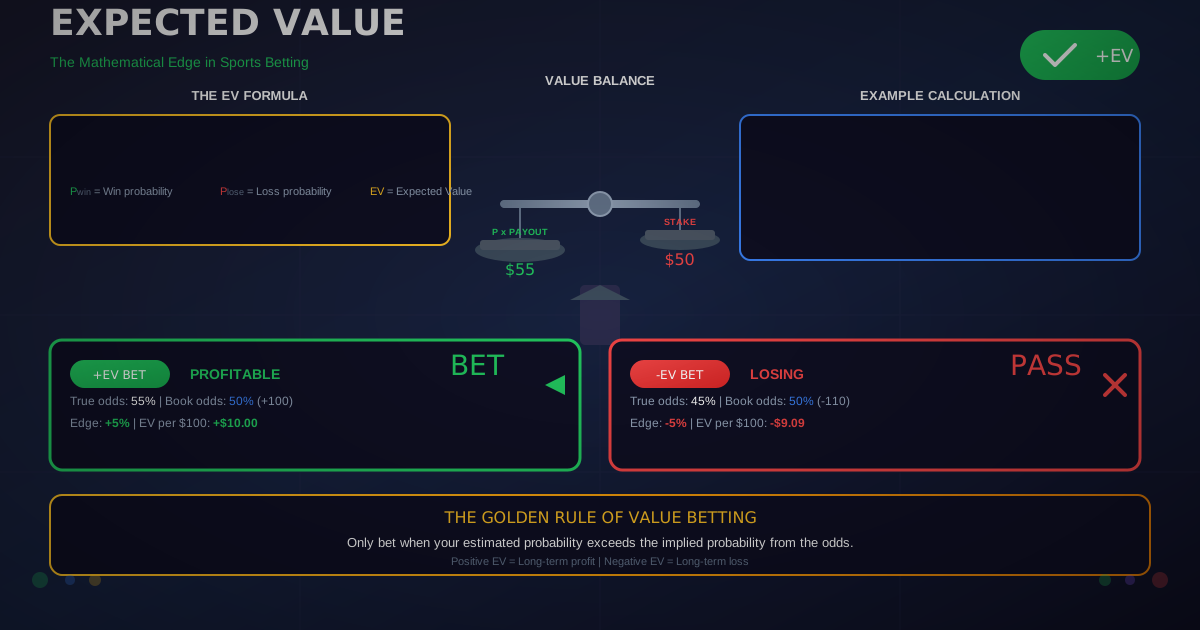
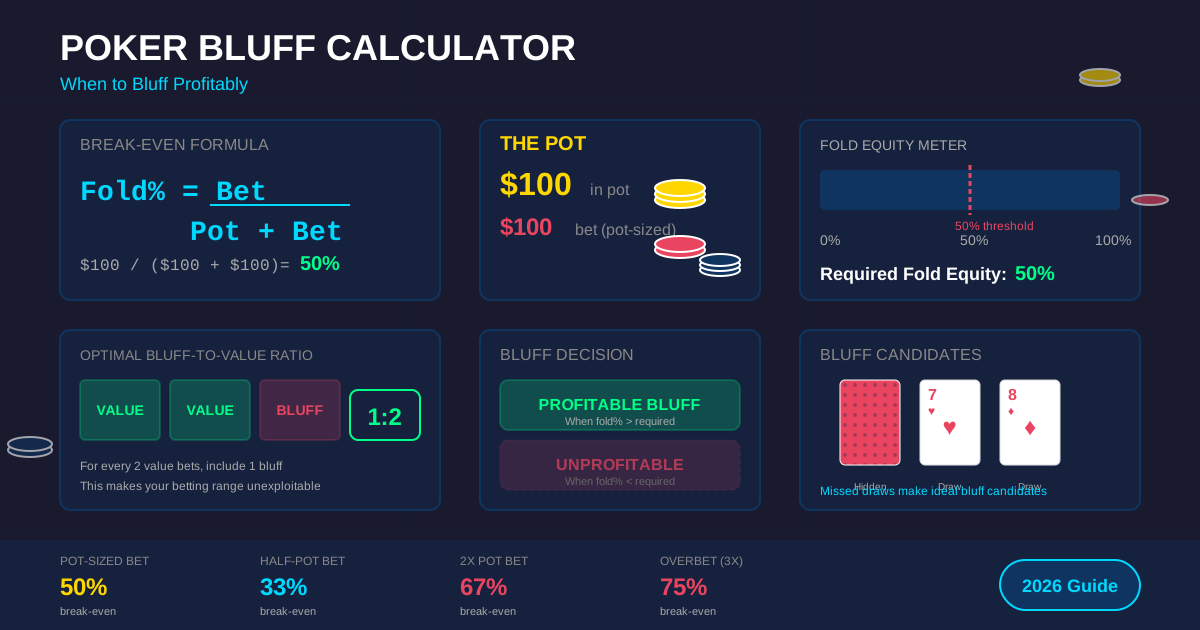
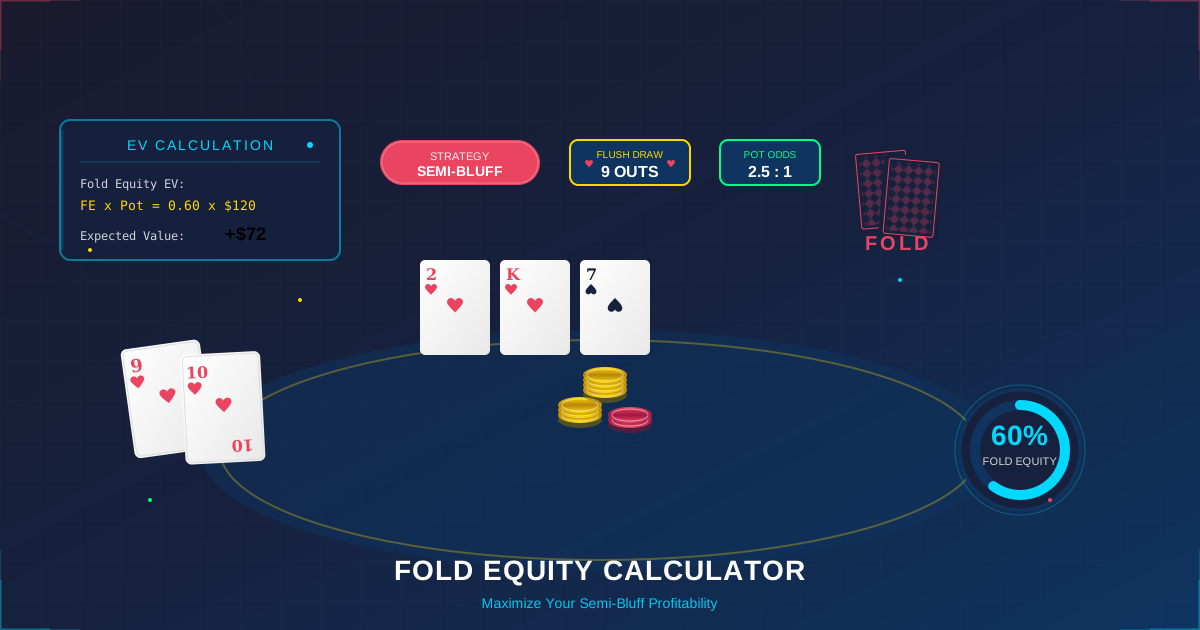
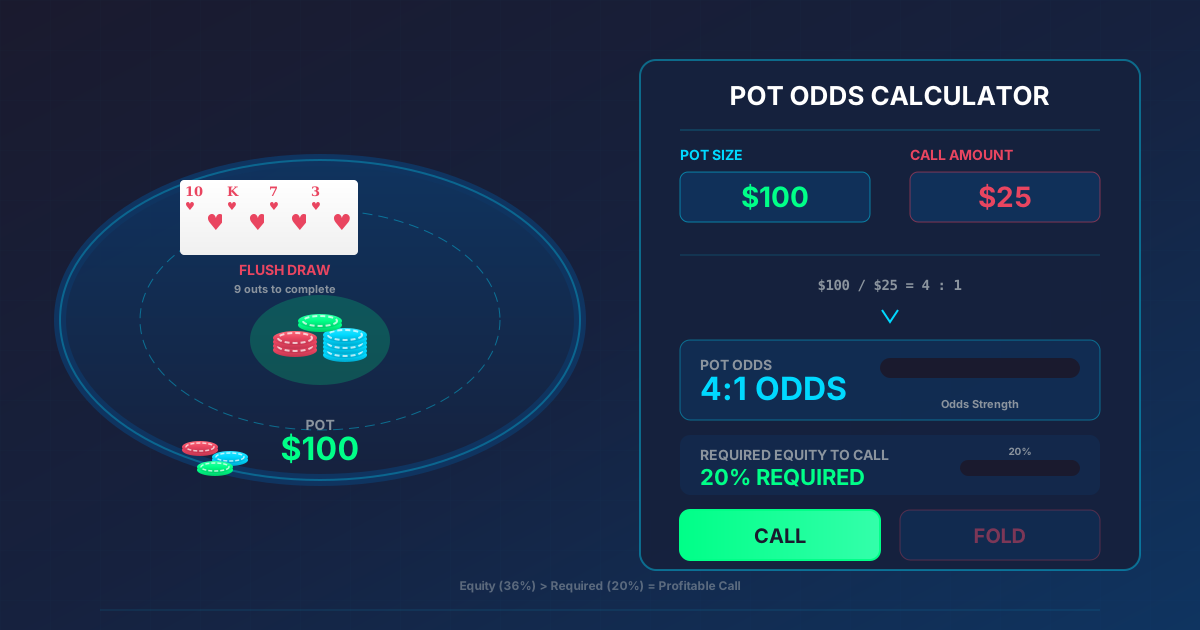
Fold Equity Calculation
Turn barrel profitability:

Pot: $40
Your bet: $26 (65%)
Need ~40% folds to break even

If opponent folds 50%:
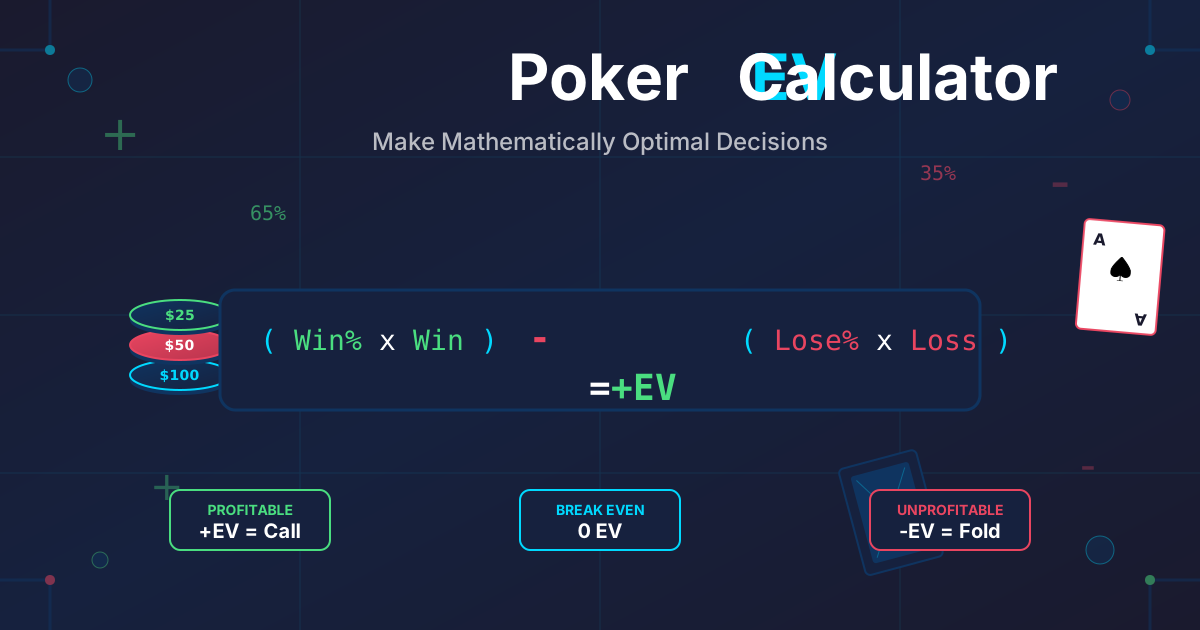
EV = 0.5 × $40 - 0.5 × $26
EV = $20 - $13 = +$7

Plus equity when called
Double barrel is +EV
Frequency Guidelines
Double barrel frequency:

In position: 50-60%
Out of position: 40-50%

By turn card type:
Scare cards: 70%+
Blanks: 50-60%
Opponent-helping cards: 30-40%
Common Mistakes
1. Barreling Every Turn
Mistake: Double barreling 100% of flop bets Problem: Easily exploited, unbalanced Fix: Check some turns, barrel selectively
2. Ignoring Turn Card
Mistake: Same strategy regardless of turn Problem: Missing scare cards, barreling bad cards Fix: Evaluate each turn independently
3. Wrong Sizing
Mistake: Small barrels on wet boards Problem: Giving correct odds to draws Fix: Size up on wet textures
4. Barreling Calling Stations
Mistake: Bluffing players who never fold Problem: Burning money Fix: Value bet only vs stations
Frequently Asked Questions
How often should I double barrel?
50-60% of c-bets in position, 40-50% OOP. Adjust based on turn card and opponent.
What's the best turn to barrel?
Scare cards (Aces, Kings), cards completing draws you could have, and blanks. Cards helping their range are worst.
Should I double barrel as a bluff?
Yes, with about 30-40% of your turn betting range. Include draws and some air for balance.
What size should my double barrel be?
60-75% pot is standard. Size up on wet boards, down on dry boards.
Can I double barrel out of position?
Yes, but more selectively. OOP bluffs are riskier. Focus on strong value and strong draws.
What if they raise my turn barrel?
Evaluate. Strong hands: continue. Draws: consider odds. Bluffs: usually fold.
Pro Tips
-
Scare cards = barrel: Aces, Kings, completes
-
60-75% sizing: Standard turn bet
-
50-60% frequency: Not every flop bet
-
Adjust to turn: Card matters more than hand
-
Balance range: Include value and bluffs
Related Calculators
- Continuation Bet Calculator - Flop betting
- Triple Barrel Calculator - River betting
- Fold Equity Calculator - Bluff math
- Pot Odds Calculator - Calling decisions
- Poker EV Calculator - Expected value
Conclusion
Double barreling applies sustained pressure—betting the turn after c-betting the flop forces opponents to make tough decisions with medium hands. Our calculator shows which turn cards favor continued aggression, optimal sizing, and how to balance value bets with bluffs.
Calculate Double Barrel Strategy Now →
The Ace on the turn is perfect for your range—even if you don't have it. Our calculator proves when firing the second barrel creates enough fold equity to profit.