Overbet Calculator: Polarized Betting Strategy Guide (2026)
Overbet Calculator: When More Than the Pot Is Right
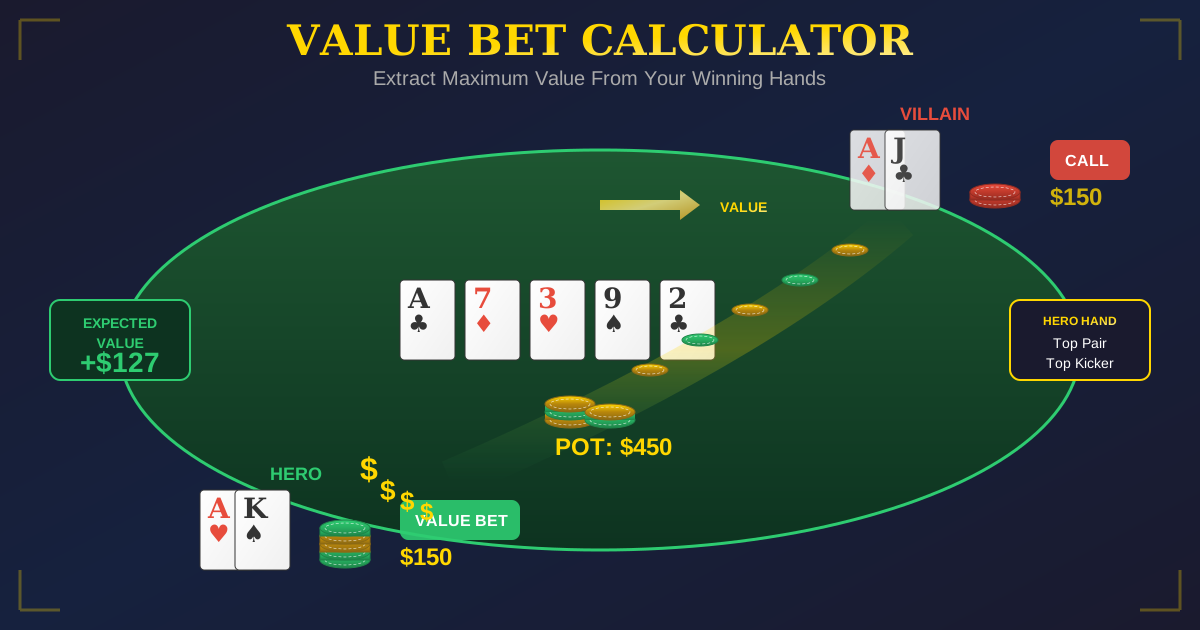
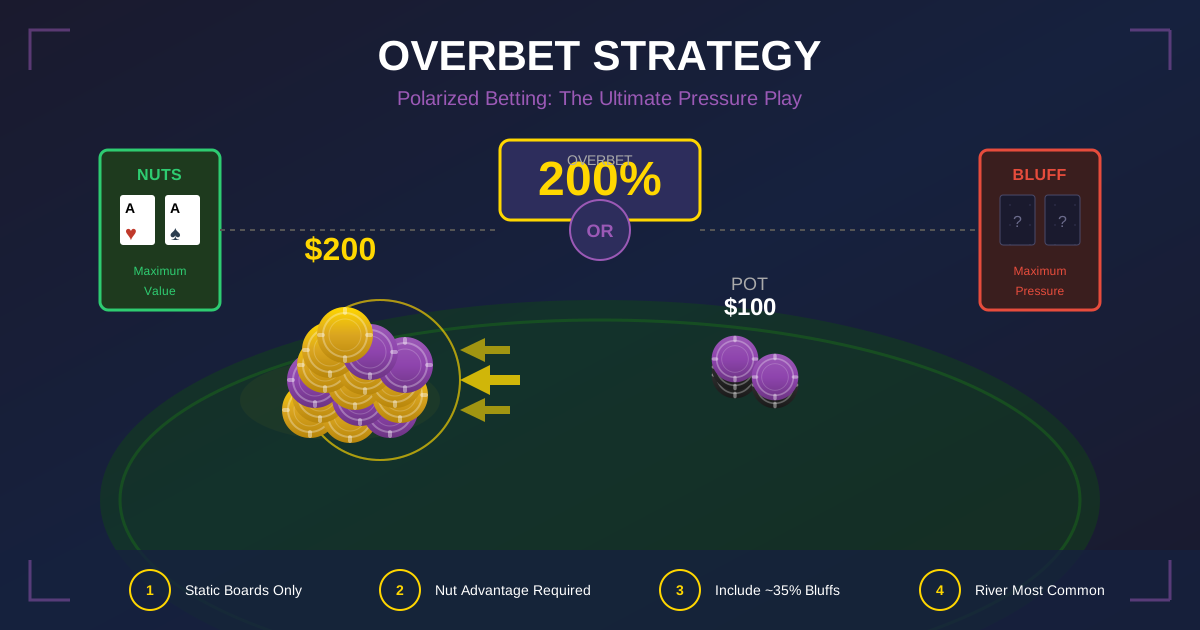
Overbetting—betting more than the pot—is poker's ultimate polarizing play. You either have the nuts or nothing. Our calculator reveals when overbets are optimal, why they extract maximum value, and how to balance monster hands with strategic bluffs.
What Is an Overbet?
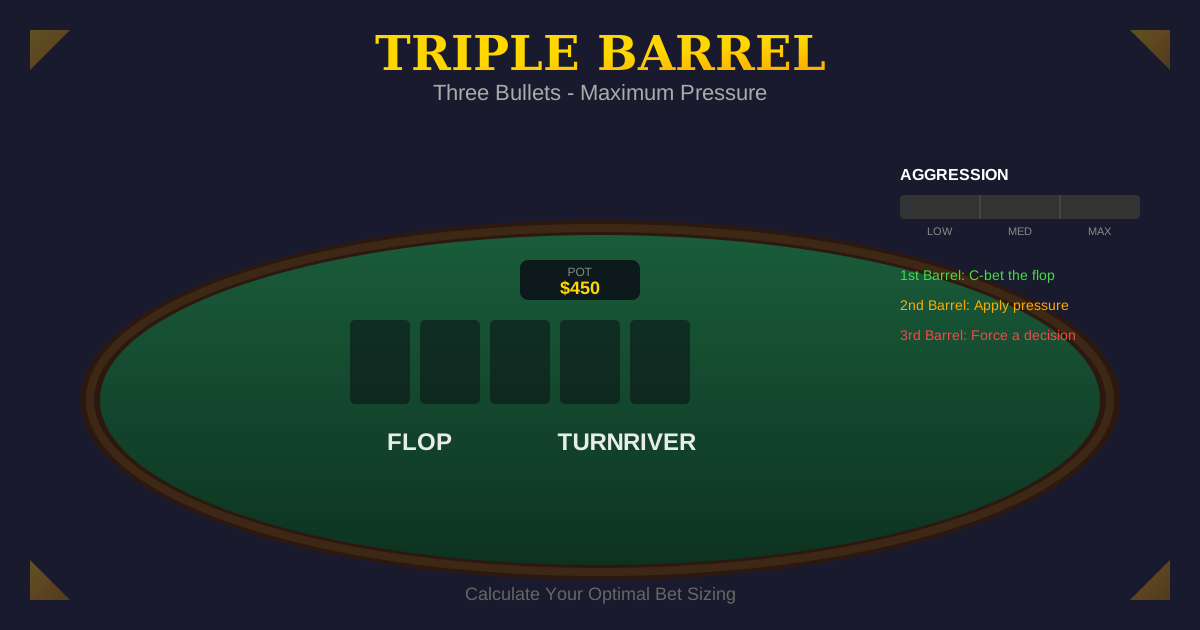
An overbet is a bet larger than the current pot size—typically 1.5× to 2× pot or even more. This extreme sizing polarizes your range between the strongest hands and bluffs, putting maximum pressure on opponents with medium-strength holdings.
Quick Answer: Overbet = bet larger than pot (125%+ pot). Polarizing line: nuts or air. Value: Extract max from 2nd best hands. Bluff: Maximum pressure on medium hands. Use on static boards. Frequency: 5-15% of value bets. Must include bluffs for balance. Powerful when used correctly.
How to Use Our Calculator
Calculate overbet frequencies and EV.
Step-by-Step Instructions
-
Enter Board Texture: Static or dynamic
-
Input Effective Stacks: Remaining chips
-
View Overbet Frequency: How often correct
-
Check Value Threshold: Minimum hand strength
-
See Bluff Candidates: Appropriate blockers
Input Fields Explained
| Field | Description | Example |
|---|---|---|
| Board | Street and cards | River A♠K♦2♣8♥3♦ |
| Pot Size | Current pot | $100 |
| Overbet Size | Your bet | $150 (150%) |
| Value Hands | Nuts/near-nuts | AA, AK |
| Bluffs | Blocked hands | QJ (blocks AQ, AJ) |
When Overbetting Works
Static Boards
Best overbet boards:

A♠K♦2♣ (rainbow)
K♥7♦2♦ runout 5♣ 3♠
A♥8♥3♣ 2♦ 9♠

Characteristics:
- No straight completed
- No flush completed
- Nut advantage clear
- Opponent range capped
Range Advantage
Overbet when you have:

Uncapped range (can have nuts)
Opponent's range is capped
They can only call, not raise

Example:
You 3-bet preflop
Board: A♠K♦7♣3♥2♦
You can have AA, KK, AK
They can't—they'd 4-bet those
River Overbets
Why river overbets work:

No more cards to come
Static board situation
Their hand is defined
Your range is polarized
They call or fold
Overbet Sizing
Standard Overbets
Common overbet sizes:

125% pot: Moderate pressure
150% pot: Standard overbet
200% pot: Maximum pressure
All-in: Stack-based

Choose based on:
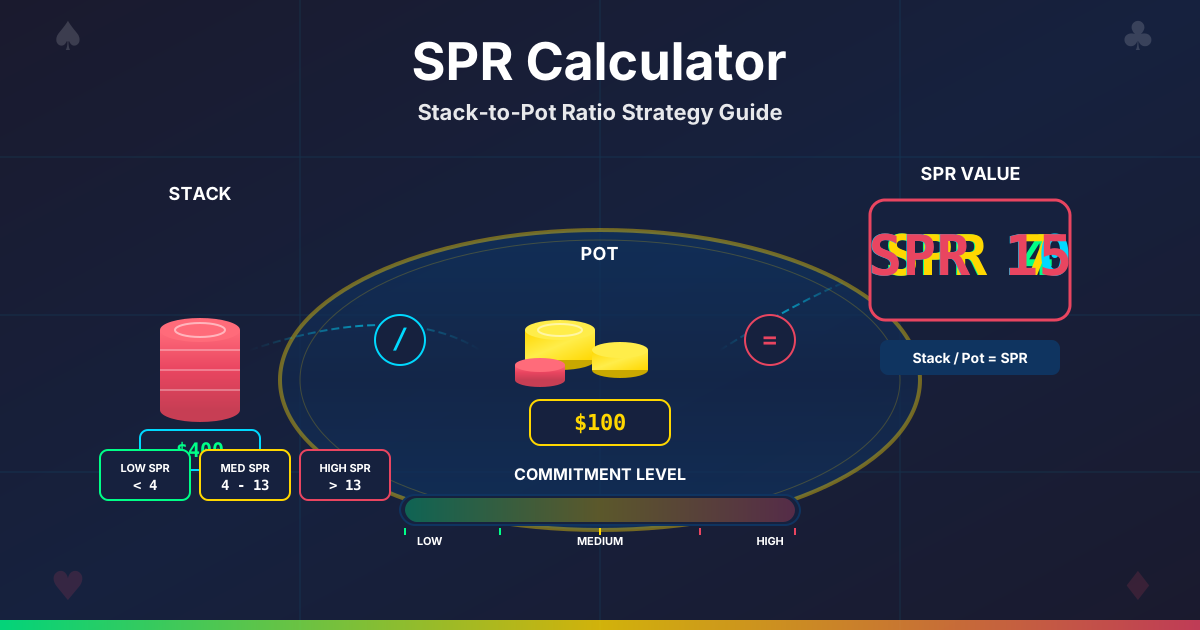
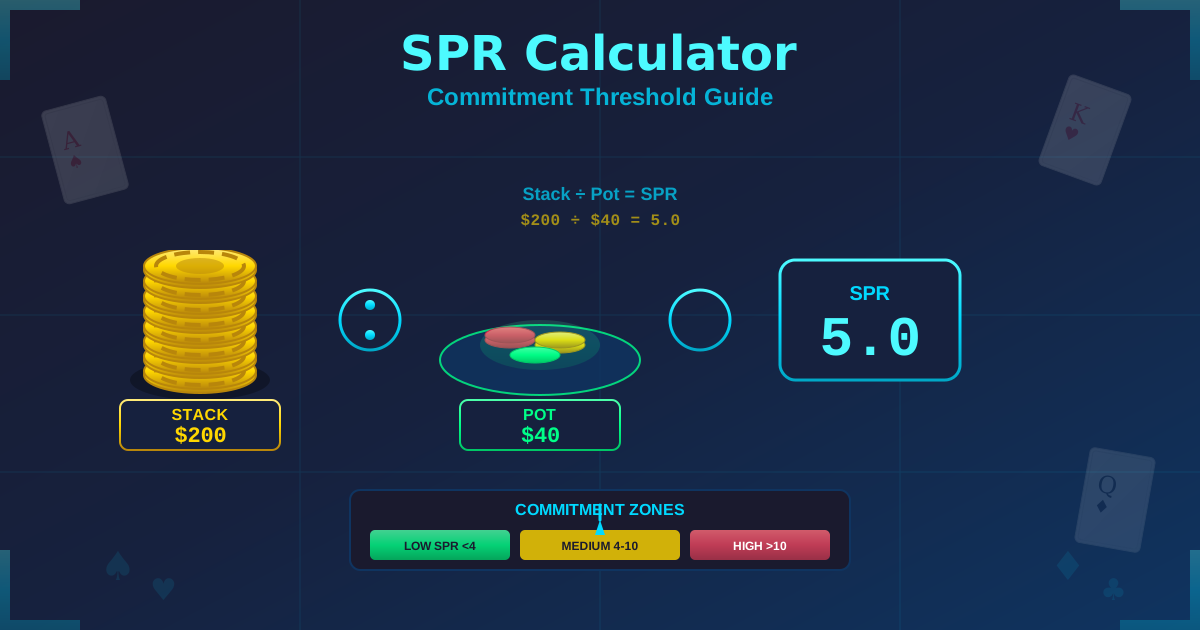
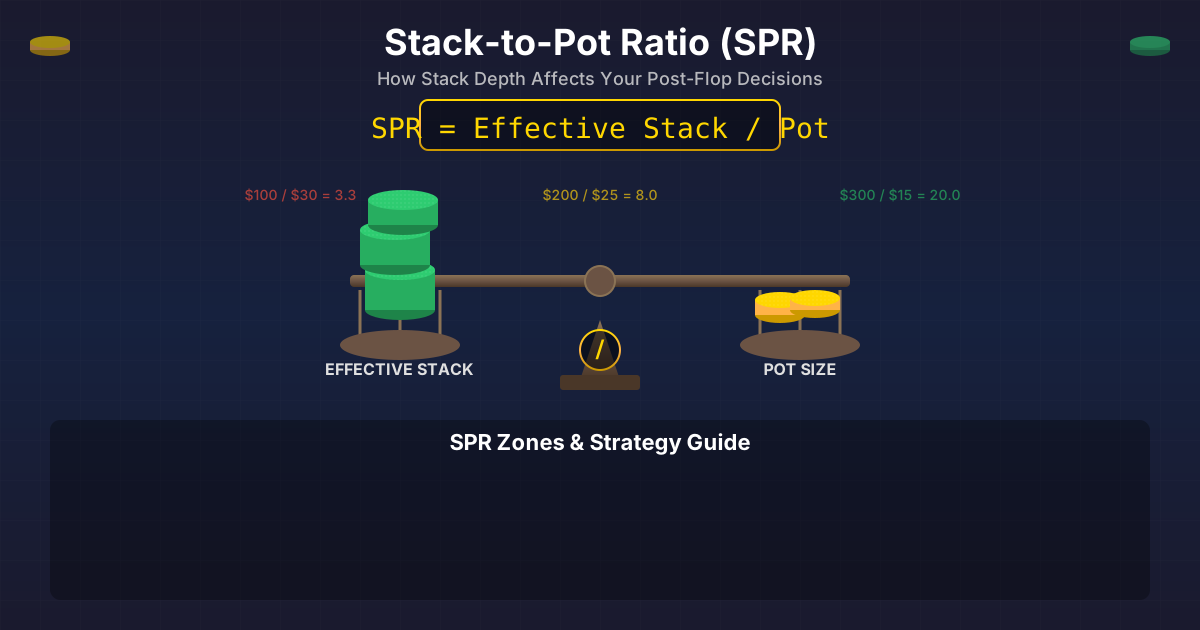
Stack-to-pot ratio
How nutted your range
Bluff frequency needed
Geometric Sizing
Planning overbets:

If you want to jam river:
Size earlier streets to create SPR

Example stack-off:
$100 pot, $300 behind
Turn: Bet $75 (pot = $250)
River: Jam $225 (90% pot overbet)

Overbets set up later streets
Range Construction
Value Overbet Hands
Hands to overbet for value:

Absolute nuts (nut flush, nut full)
Near-nuts (2nd nuts)
Top of range on static boards

Goal: Maximum extraction
Opponent can't fold 2nd best
Or they're making mistake
Bluff Overbet Hands
Hands to overbet as bluff:

Blockers to calls (blocks their value)
Busted draws (turned into bluffs)
Complete air (small frequency)

Examples:
QJ on AKxxx (blocks AQ, AJ, KQ, KJ)
Missed flush draw with Ace blocker

Goal: Maximum fold equity
Represent polarized nuts
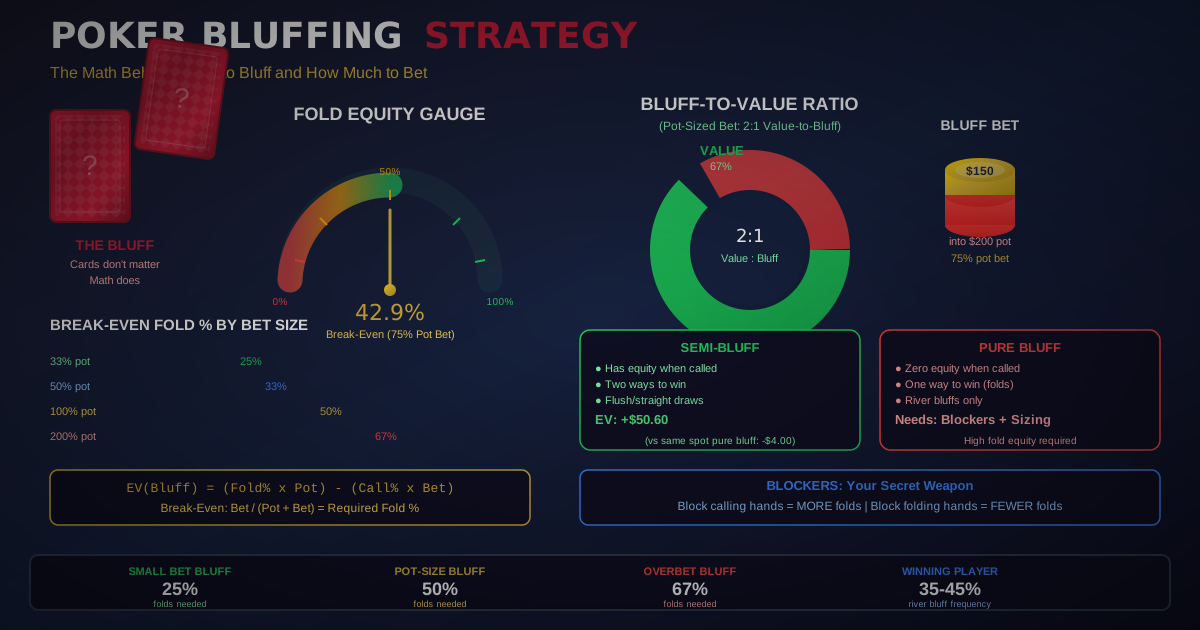
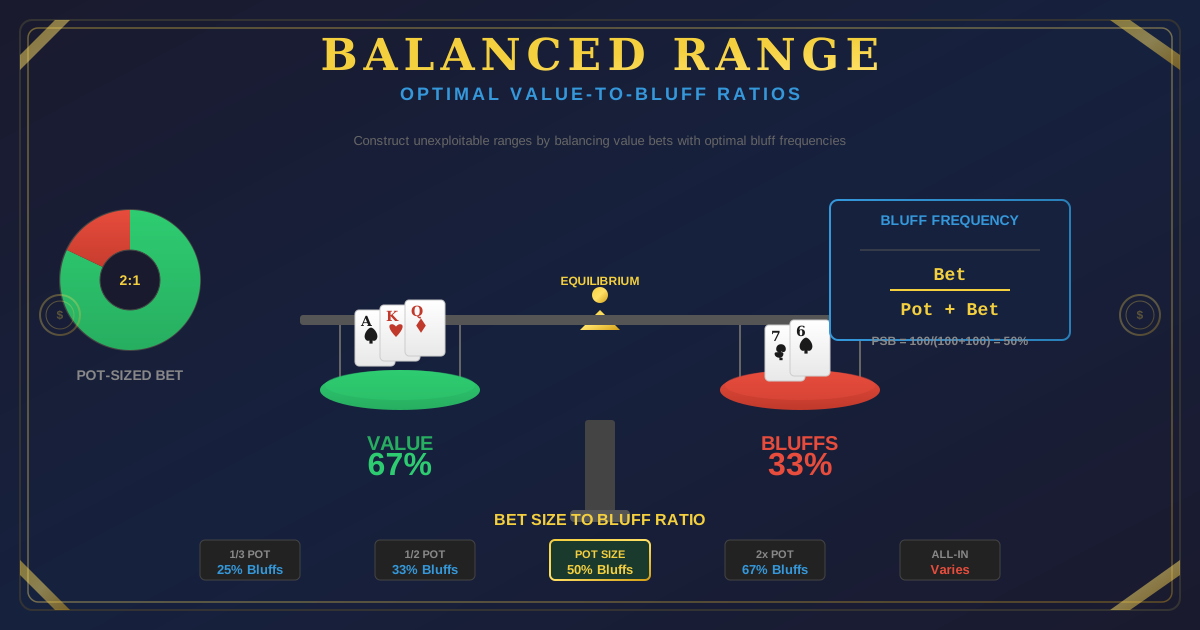
Balanced Ratio
Overbet range balance:

If betting 150% pot:
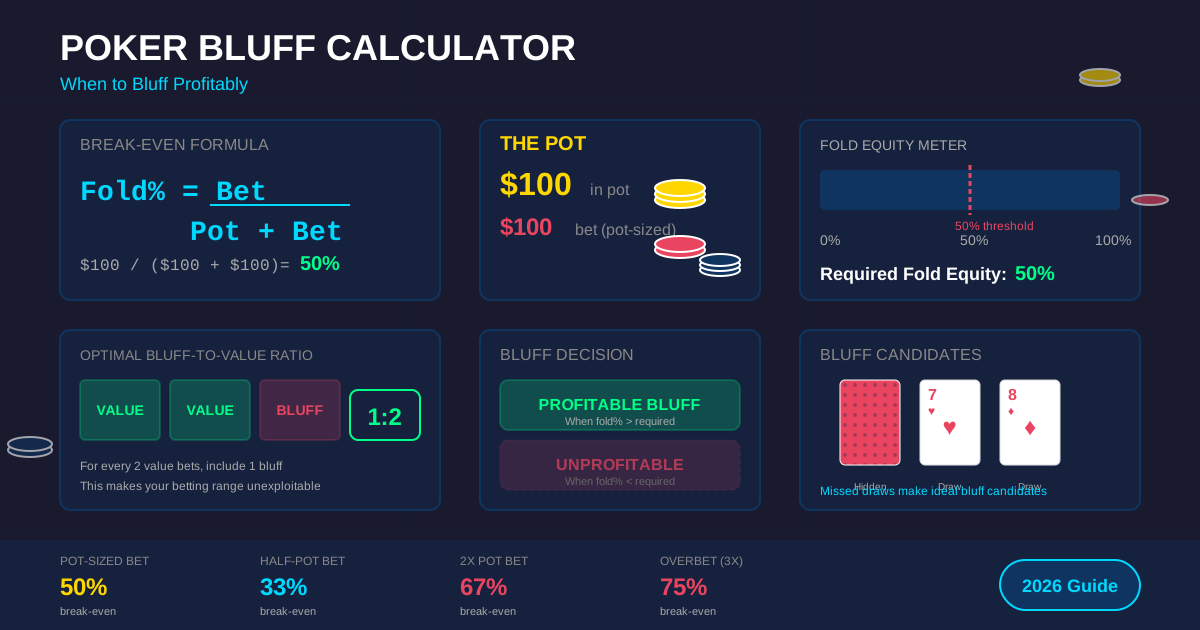
Need ~35-40% bluffs to balance
Otherwise opponent can over-fold

If betting 200% pot:
Need ~30% bluffs
Less bluffs at larger sizes
Real-World Examples
Example 1: Nut Full House
Value overbet:
River: A♠A♦7♣2♥K♣
Pot: $80
You hold: 7♠7♦ (full house)

Overbet $120 (150% pot)
You have the nuts
Opponent could have AK, AA
Extract maximum value
Example 2: Blocker Bluff
Bluff overbet:
River: K♠9♦5♣2♥8♦
Pot: $100
You hold: A♠K♦ (one pair)

Overbet $150 (150% pot)
Block their calling hands (Kx)
Represent sets, two pair
They fold medium pairs
Example 3: Wrong Board
Don't overbet:
River: 8♣7♣6♠5♦4♣
Pot: $80
You hold: A♠A♥

Don't overbet
Straight gets there
Flush gets there
Board not static
Standard sizing better
Example 4: SPR Setup
Planning for river jam:
Flop: K♥8♦2♣
Pot: $30, Stacks: $150

You have K♠K♦
Bet $25 (pot = $80)
Turn 3♠: Bet $60 (pot = $200)
River 7♦: Jam $65 (overbet shove)

Geometric sizing to natural jam
Theory Considerations
Why Overbets Exist
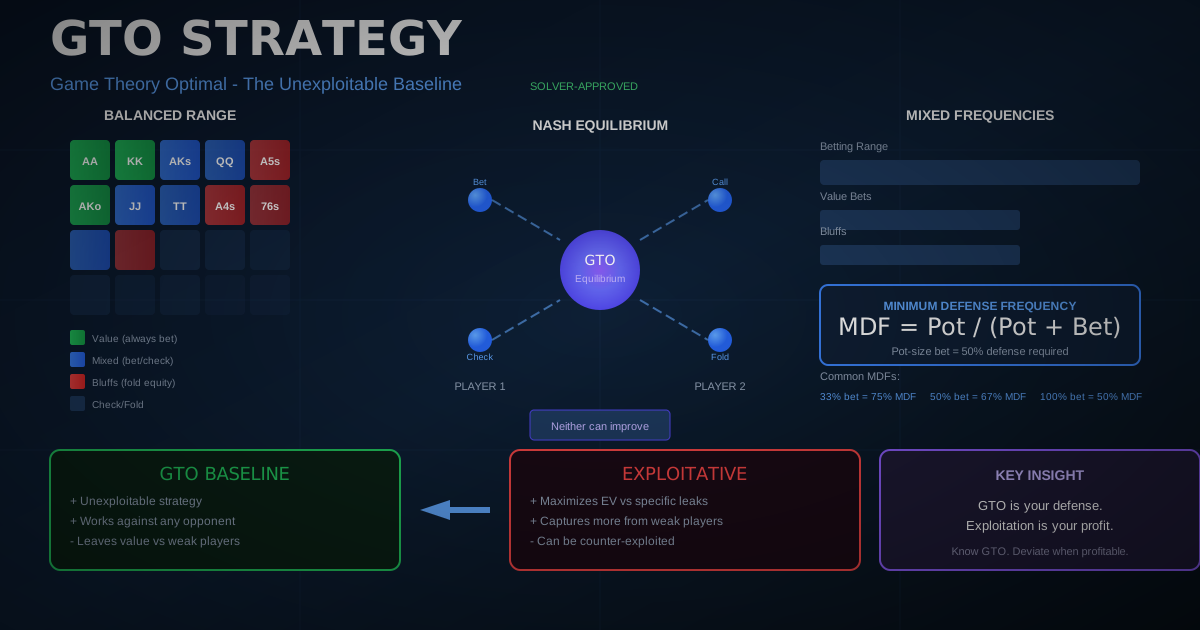
GTO perspective:

When one player has:
- Range advantage
- Nut advantage
- Capped opponent range

They should sometimes overbet
To extract max from 2nd best
And bluff off capped range
Opponent Response
Facing overbets:

With medium hands: Tough spot
Call catches bluffs
Fold avoids value trap

Optimal defense:
Call with defined frequency
Based on bet size
Don't over-fold or over-call
Common Mistakes
1. Overbetting Dynamic Boards
Mistake: 150% pot on 9♠8♠7♣ Problem: Not polarized, too many hands hit Fix: Save for static boards
2. Only Value Overbets
Mistake: Never bluffing when overbetting Problem: Opponent folds easily Fix: Include ~35% bluffs
3. Overbetting Capped
Mistake: Overbetting when YOU'RE capped Problem: Opponent raises or calls correctly Fix: Only overbet with uncapped range
4. Wrong Sizing
Mistake: Overbetting 200% with medium value Problem: Only nuts can call Fix: Size for value, not maximum pressure
Frequently Asked Questions
When should I overbet?
On static boards where you have nut advantage and opponent's range is capped. River is most common street for overbets.
What's the right overbet size?
125-200% pot depending on stack depth and how polarized your range. Larger = more polarized.
Should I always include bluffs?
Yes. At 150% pot, include ~35-40% bluffs. Without bluffs, opponents fold too much.
Can I overbet multiple streets?
Yes, but it commits chips quickly. Usually setup on earlier streets for river overbet/jam.
What blockers matter for overbet bluffs?
Cards that block opponent's calling range. On Axxxx, blocking Ax is good. On Kxxxx, blocking Kx.
How often should I overbet?
5-15% of your value betting range is typical. It's a power move, not standard sizing.
Pro Tips
-
Static boards only: No draws completed
-
Nut advantage required: You can have nuts, they can't
-
Include bluffs: ~35% at 150% pot
-
Plan geometrically: Set up river jams
-
River most common: When board is final
Related Calculators
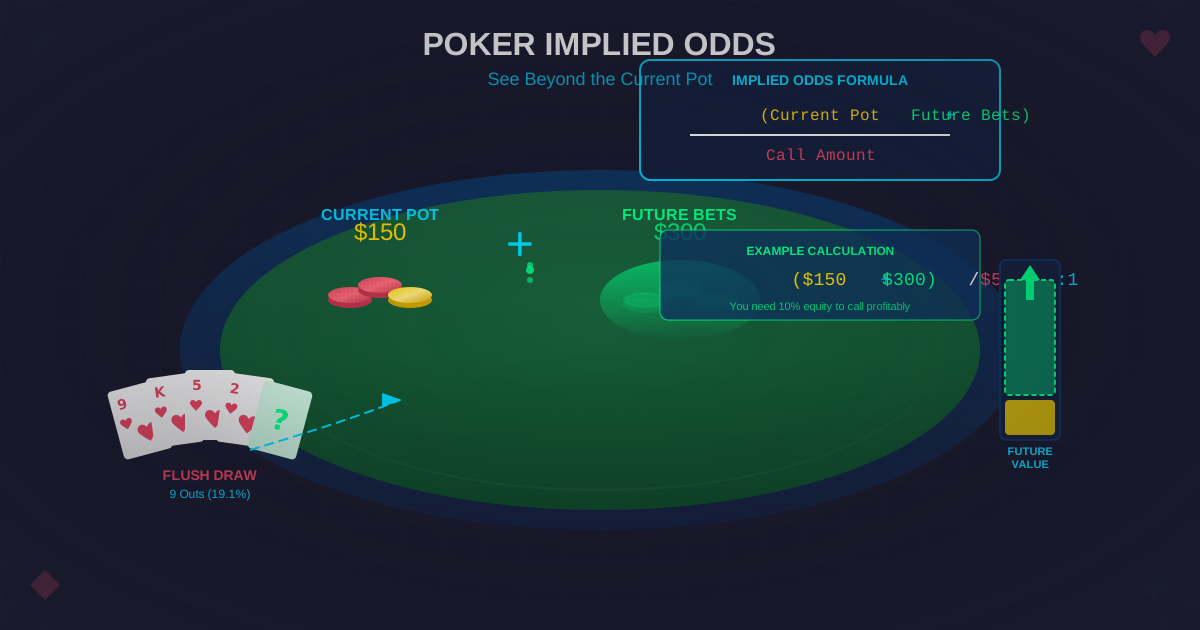
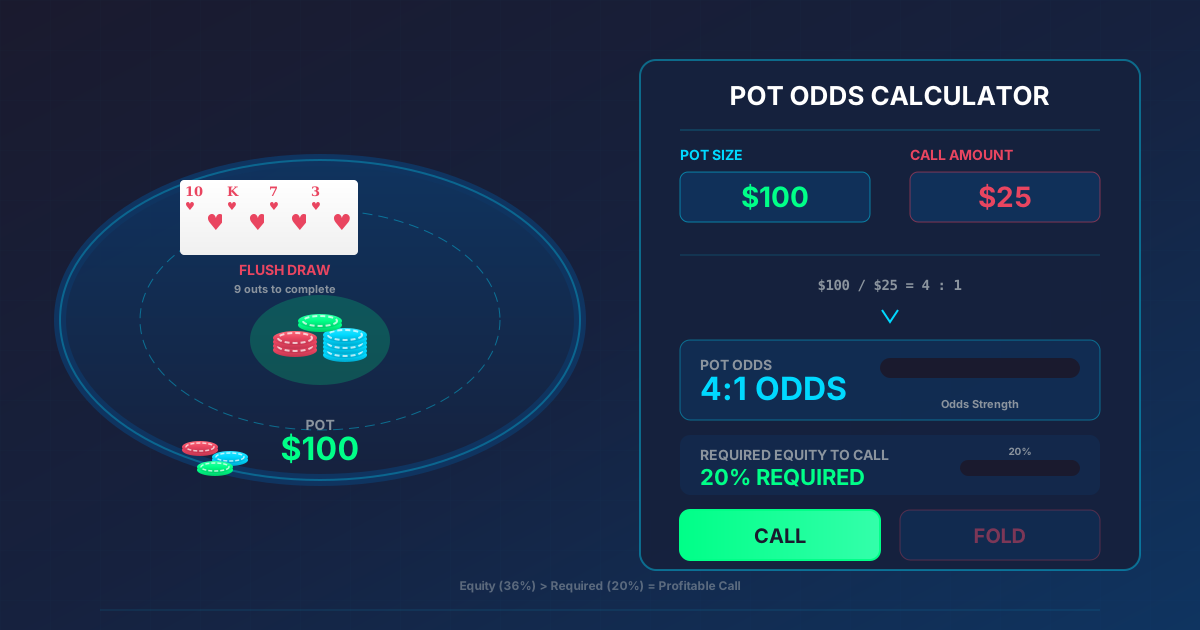
- Pot Odds Calculator - Facing overbets
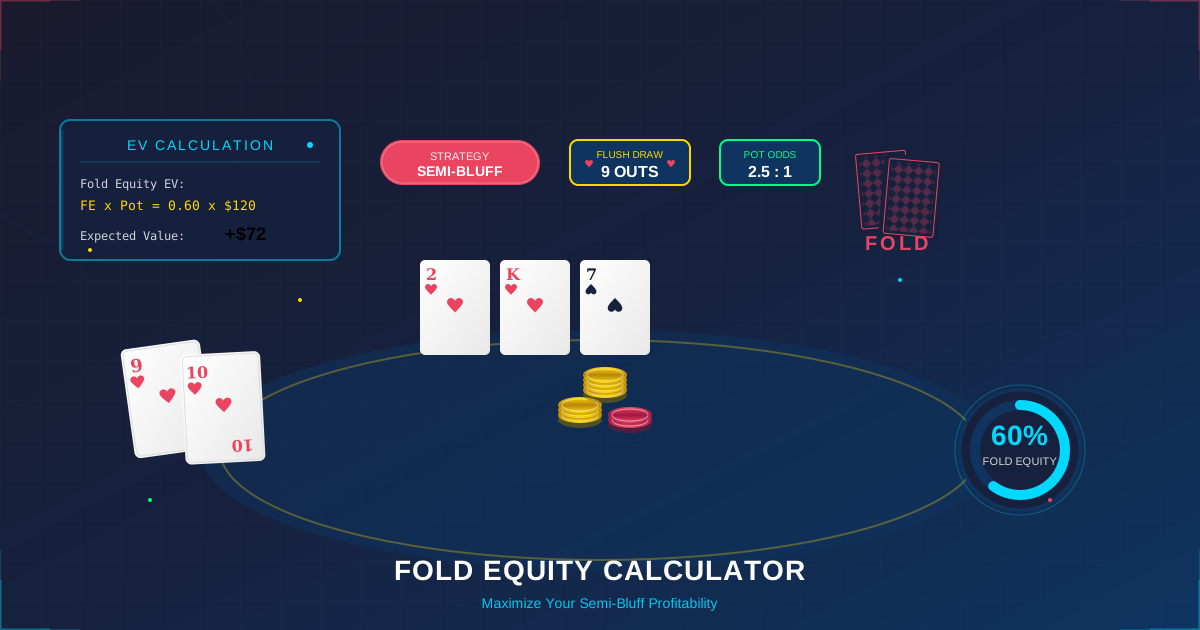
- Fold Equity Calculator - Bluff math
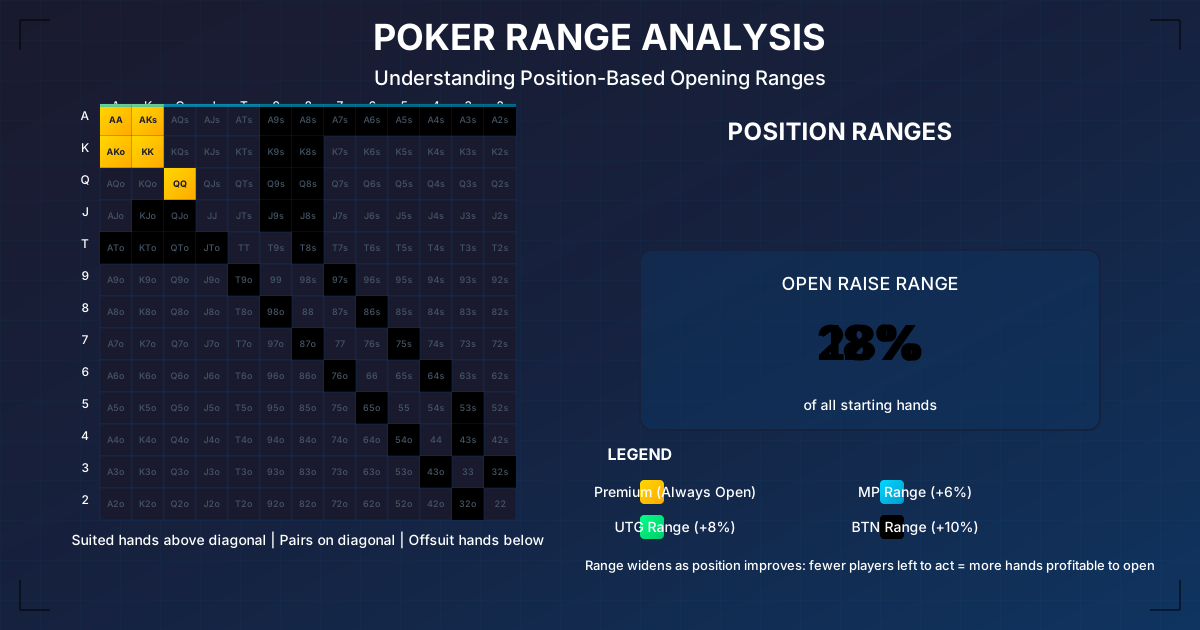
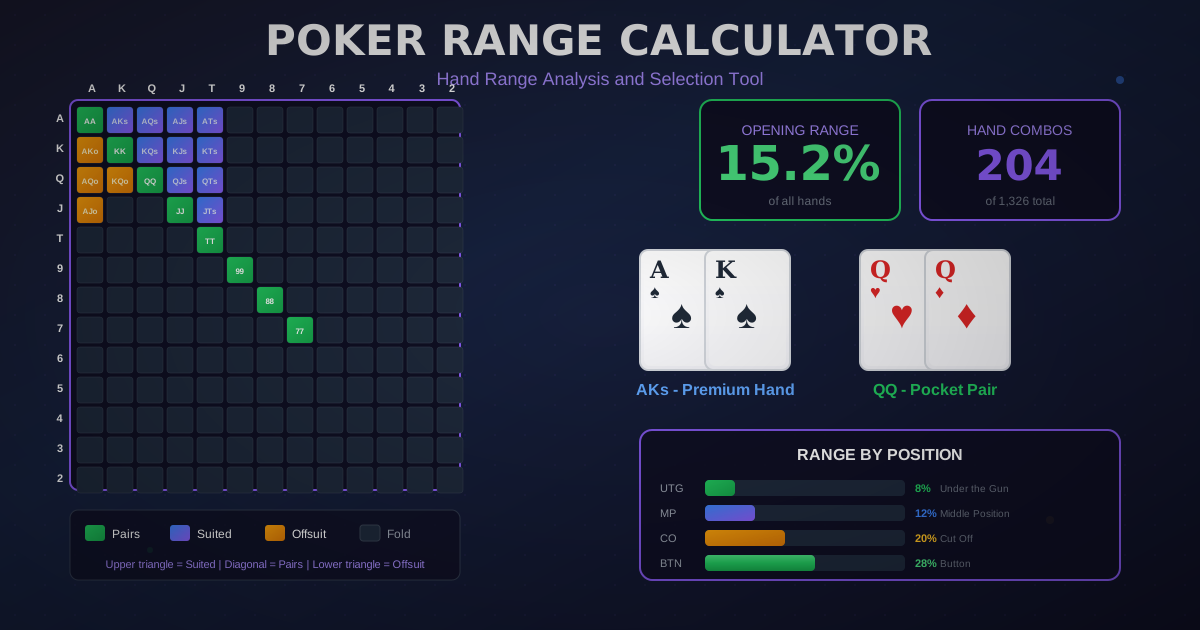
- Poker Range Calculator - Range analysis
- Bet Sizing Calculator - Sizing strategy
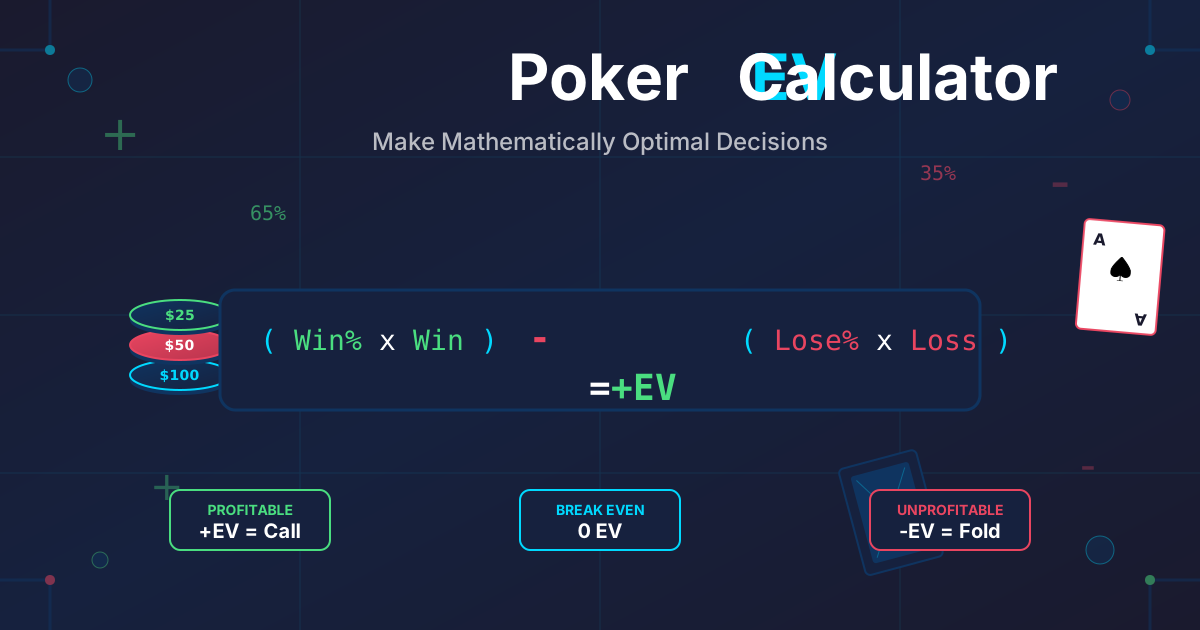
- EV Calculator - Expected value
Conclusion
Overbetting is the most polarizing bet in poker—you either have the absolute best hand or nothing. Our calculator shows when static boards and nut advantage make overbets optimal, how to balance value with bluffs, and why this power move extracts maximum value from second-best hands.
Calculate Overbet Strategy Now →
Betting $150 into a $100 pot says one thing: I have the nuts. Our calculator proves when that message—whether true or a bluff—gets maximum results.