Pot Commitment Calculator: When to Go All-In (2026)
Pot Commitment Calculator: The Point of No Return
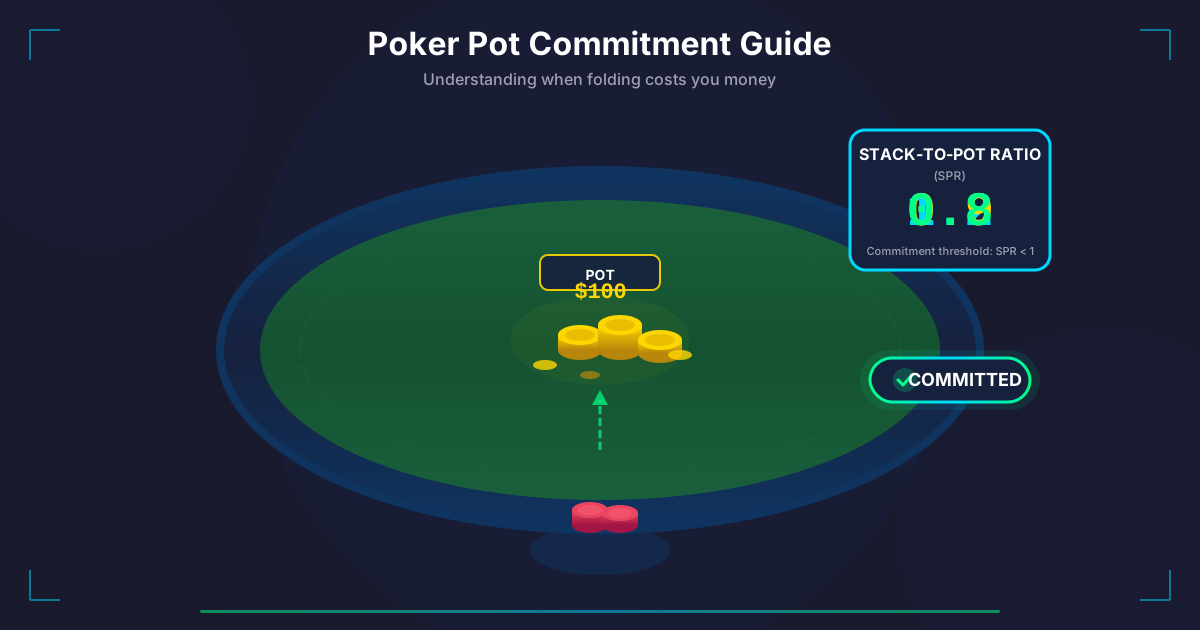
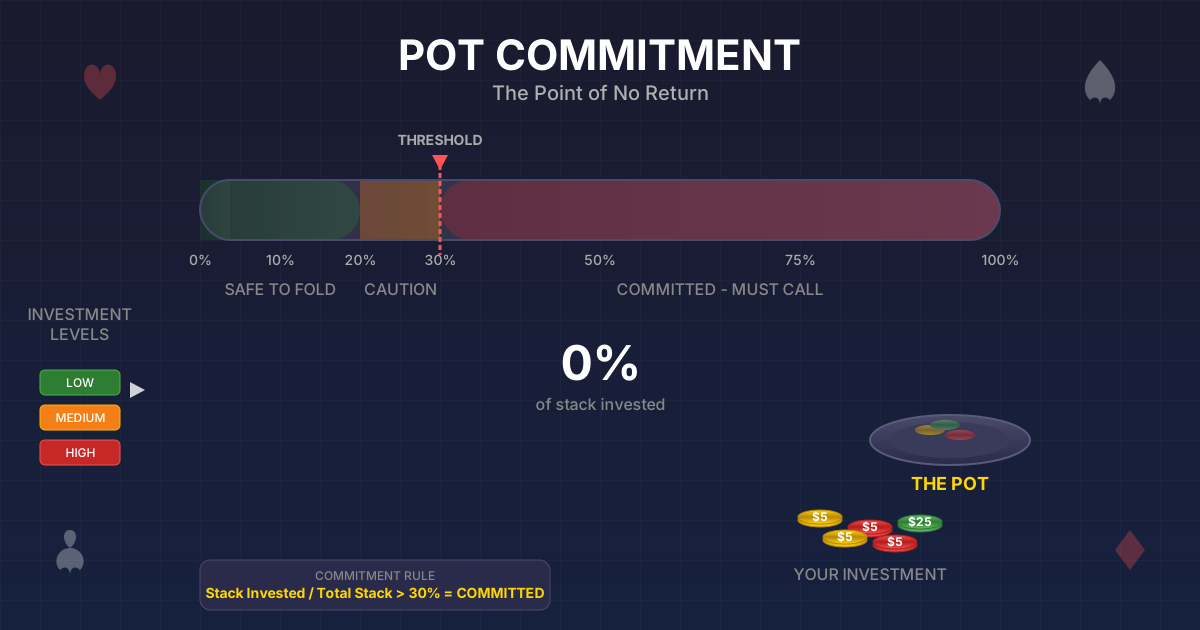
Pot commitment is the moment when folding becomes mathematically incorrect—you've invested so much that calling is right regardless of hand strength. Our calculator reveals when you're committed to a pot, the threshold percentages, and how to recognize the point of no return before you reach it.
What Is Pot Commitment?
Pot commitment occurs when you've invested enough chips that the pot odds make folding incorrect. If you have 30% of your stack in the pot and face an all-in, you're often getting odds good enough to call with any two cards. Understanding commitment prevents costly folds when you should call.
Quick Answer: Pot committed = invested too much to fold. Threshold: ~30-40% of stack in pot. At this point: calling is correct regardless of hand. Prevention: plan ahead, don't invest if not willing to continue. Math: pot odds exceed required equity. Once committed: don't fold. Key concept for stack management.
How to Use Our Calculator
Use the Pot Commitment Calculator →
Calculate your pot commitment level.
Step-by-Step Instructions
-
Enter Stack Size: Your total chips
-
Input Pot Contribution: What you've invested
-
View Commitment %: How committed you are
-
Check Threshold: Are you past the point of no return?
-
See Decision: Call or still foldable
Input Fields Explained
| Field | Description | Example |
|---|---|---|
| Stack Size | Your total chips | 10,000 |
| Already Invested | Chips in pot | 3,500 |
| Commitment % | Invested/Stack | 35% |
| Threshold | Commitment level | Committed |
| Remaining Decision | Fold or call | Must call |
Pot Commitment Thresholds
The 30% Rule
Standard commitment threshold:

~30% of stack invested = committed

At 30% invested:
Remaining stack: 70%
Pot contains your 30%+
Calling odds are too good

Example:
Stack: $1,000
Invested: $300 (30%)
Pot: ~$600
All-in for $700 more?
Getting 600:700, need ~54%
Most hands have that equity
Sliding Scale
Commitment by percentage:

<20% invested: Easily foldable
20-25% invested: Fold marginal hands
25-30% invested: Only fold weak hands
30-35% invested: Rarely fold
35%+ invested: Never fold
50%+ invested: Mathematically must call
Stack-to-Pot Considerations
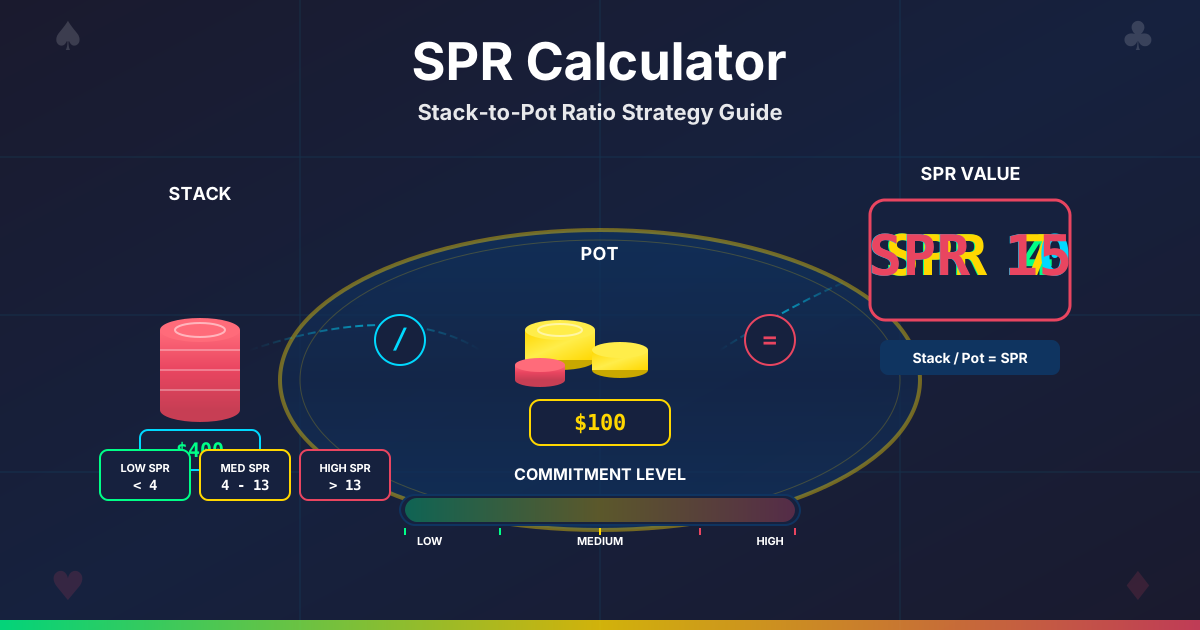
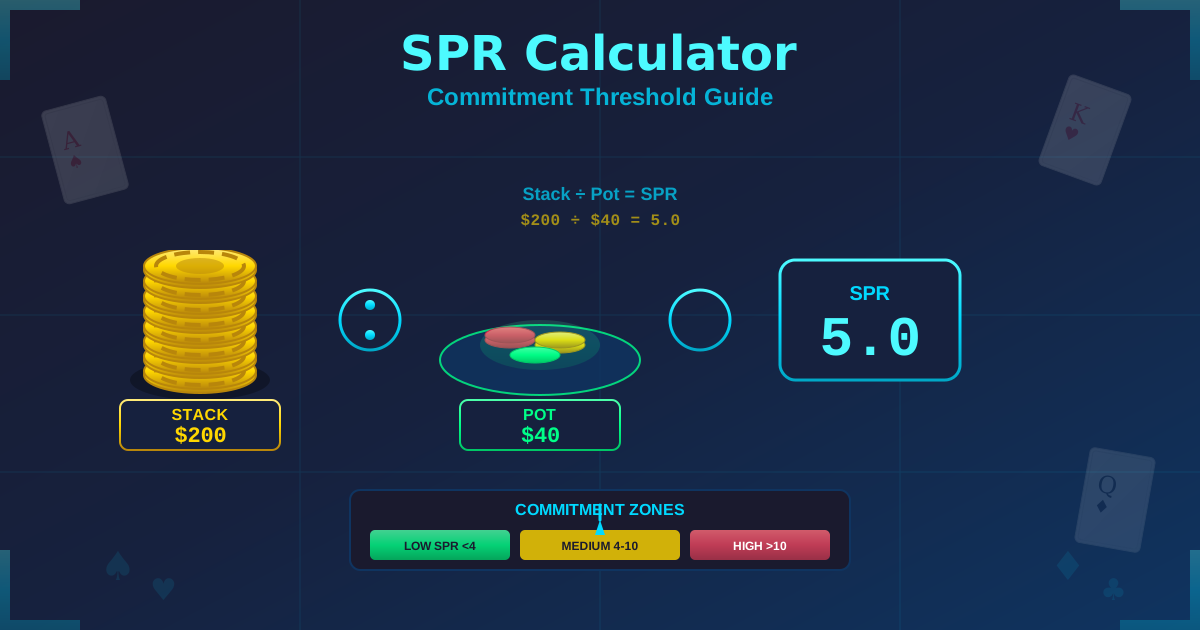
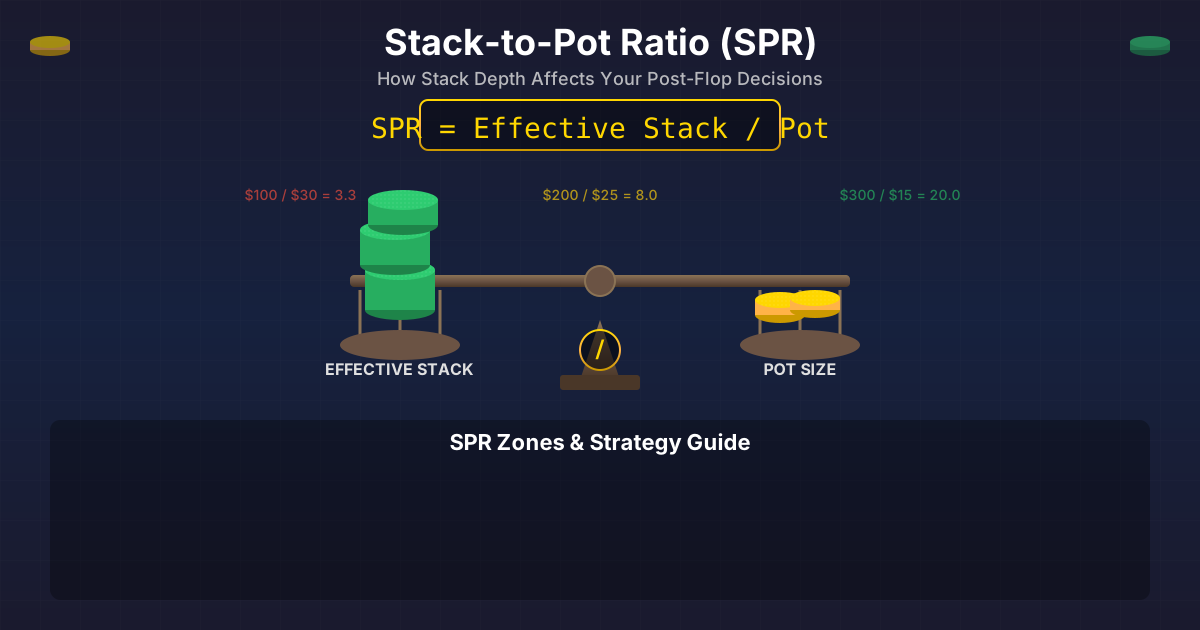
SPR affects commitment:

High SPR (10+):
Far from committed
Many decisions ahead
Can fold without issue

Medium SPR (4-10):
Getting closer
One big bet commits

Low SPR (<4):
Near committed
One bet = all-in
Plan accordingly
The Math of Commitment
Pot Odds When Committed
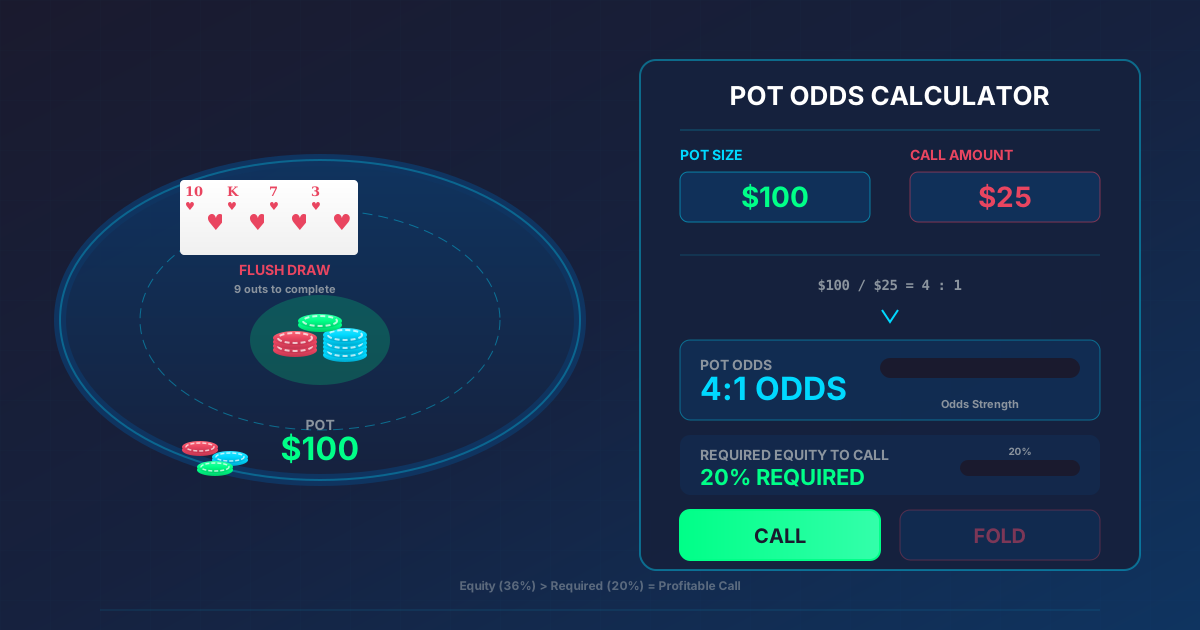
Commitment pot odds:

Invested: $400 of $1,000 stack (40%)
Pot: $900 (your $400 + opponent $500)
Opponent shoves: $600

Call $600 to win $1,500
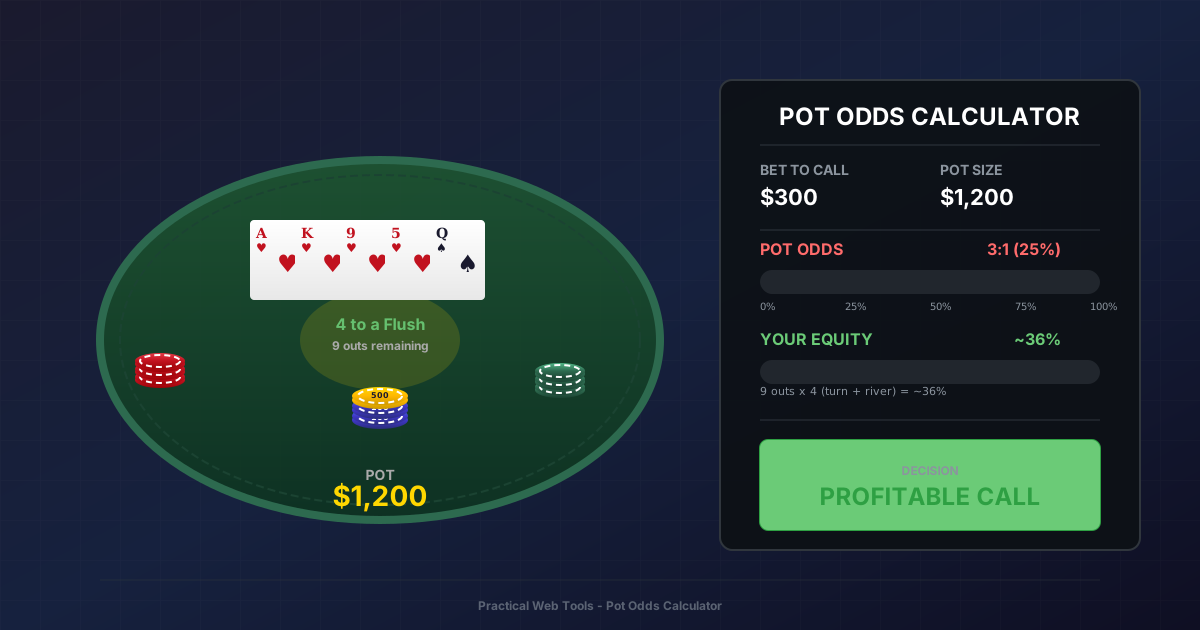
Pot odds: 600:1500 = 28.5%
Need 28.5% equity to call

Almost any two cards: ~30%+
Mathematically correct to call
Break-Even Equity
Required equity by commitment:

At 30% committed:
Usually need ~30-35% equity
Most hands qualify

At 40% committed:
Usually need ~25-30% equity
Nearly all hands qualify

At 50% committed:
Usually need ~20-25% equity
Every hand calls
Real-World Examples
Example 1: Clearly Committed
Must call:
Tournament, 10,000 chips
You raise to 300
Villain 3-bets to 1,000
You 4-bet to 2,800
Villain shoves 10,000

You have: J♠J♦
You've invested: 2,800 (28%)
Pot: ~5,800

Calling 7,200 to win 13,000
Need ~36% equity
JJ has ~45% vs range
Clear call—you're committed
Example 2: Not Yet Committed
Can still fold:
Cash game, $1,000 effective
You raise to $25
Villain calls
Flop: A♣K♦Q♠
You bet $35
Villain raises to $120
You call $120

Invested: ~$180 (18%)
Not committed yet
Turn: 7♥
Villain bets $250

You have: 8♠8♦
You're NOT committed
Fold—your hand is crushed
Example 3: Commit Before Flop
Plan for commitment:
Tournament, 15BB stack
You have: A♠K♥

Open to 2.5BB
If 3-bet, you'll have ~4BB in pot
That's 27%—near committed

Plan: If 3-bet, shove
Don't call and fold later
Commit intentionally
Example 4: Accidentally Committed
Poor planning:
Cash game, $500 stack
You call $15 preflop
Flop: J♣T♦9♣
Pot: $35
You bet $25
Villain raises to $80
You call (now $120 invested)

Turn: 2♥
Villain bets $150
You call (now $270 invested—54%!)

River: 3♠
Villain shoves $130

You're committed (68% in)
Must call with anything
Should have folded earlier
Avoiding Unwanted Commitment
Plan Ahead
Before investing:

Ask: "Am I willing to stack off?"
If no: Don't put chips in
If yes: Invest confidently

Prevent commitment:
Smaller preflop raises
Check-call instead of bet-call
Recognize commitment points
Recognize the Threshold
Key decision points:

Before 30% invested:
Each bet is freely foldable
Make good decisions

At 30% invested:
You're approaching commitment
One more bet = point of no return

After 30%:
Too late to fold
Must see showdown
Size to Avoid
Sizing for fold equity:

If not willing to continue:
Bet smaller
Check instead
Don't build pot

If willing to stack off:
Bet appropriately
Build pot with value
Embrace commitment
Common Mistakes
1. Folding When Committed
Mistake: Invested 40%, then folding Problem: Leaving money in pot Fix: Recognize commitment, call
2. Ignoring Future Commitment
Mistake: Calling without planning Problem: Accidentally committed Fix: Think ahead before calling
3. Commitment Without Good Hand
Mistake: Building pot with weak hand Problem: Committed but losing Fix: Only build pots with value
4. Over-Folding Short Stacks
Mistake: Folding 20BB with 25% invested Problem: Wrong pot odds Fix: Understand short-stack commitment
Frequently Asked Questions
When am I pot committed?
When you've invested 30-40% of your stack. At this point, pot odds usually make calling correct regardless of hand strength.
Should I always call when committed?
Yes, mathematically. If you're committed, the pot odds exceed the equity needed. Folding is a mistake.
How do I avoid getting committed with bad hands?
Plan ahead. Before investing, ask if you're willing to continue. If not, don't bet or call.
Does commitment differ in tournaments vs cash?
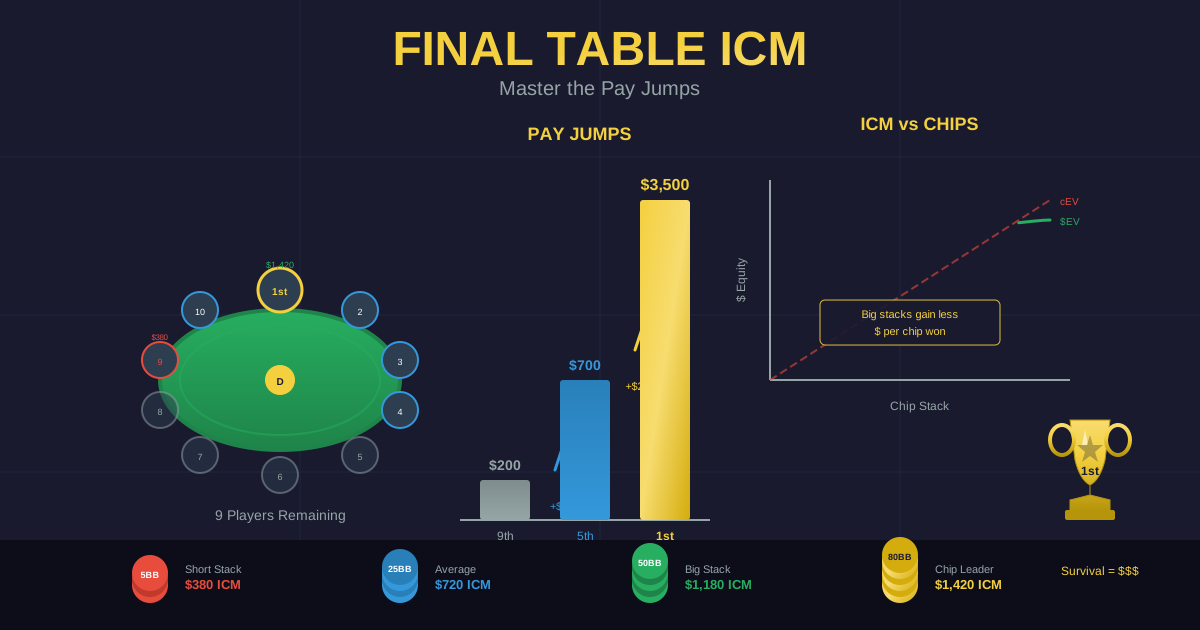
The math is the same, but tournament ICM can change things. Near bubbles, fold equity matters more.
What if I'm committed but know I'm beat?
Call anyway. You're getting odds. Long-term, folding committed costs more than calling and losing.
Can I commit on purpose?
Yes, with strong hands. Building pot to commitment ensures you see showdown. Just make sure you have equity.
Pro Tips
-
30% threshold: Know the commitment point
-
Plan ahead: Ask before each bet
-
Don't fold committed: Math says call
-
Short stacks: Even lower threshold
-
Build pots with value: Commit intentionally
Related Calculators
- Pot Odds Calculator - Calling math
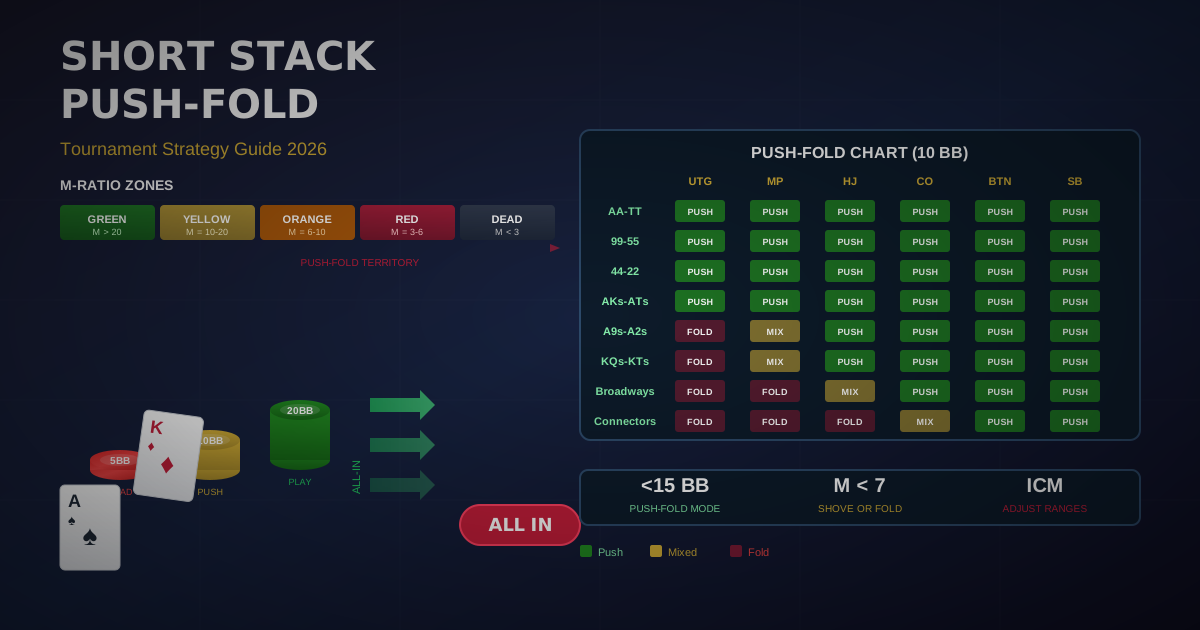
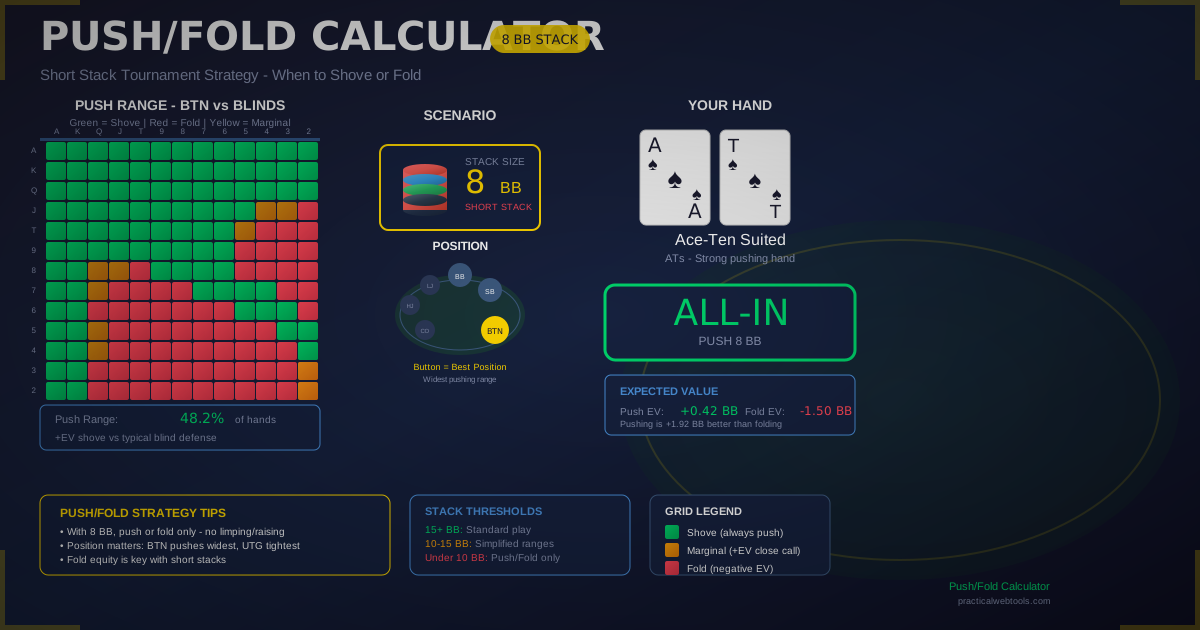
- Push/Fold Calculator - Short stack
- Stack-to-Pot Ratio Calculator - SPR analysis
- Poker EV Calculator - Expected value
- ICM Calculator - Tournament equity
Conclusion
Pot commitment is the point of no return—when you've invested so much that folding becomes mathematically incorrect. Our calculator shows when you've crossed that threshold, how to recognize commitment approaching, and why calling is correct once you're committed.
Calculate Pot Commitment Now →
You've put 35% of your stack in the pot. Our calculator proves why folding now wastes the equity you've already invested—and why calling is the only correct play.