Slow Play Calculator: Trapping Strategy Guide (2026)
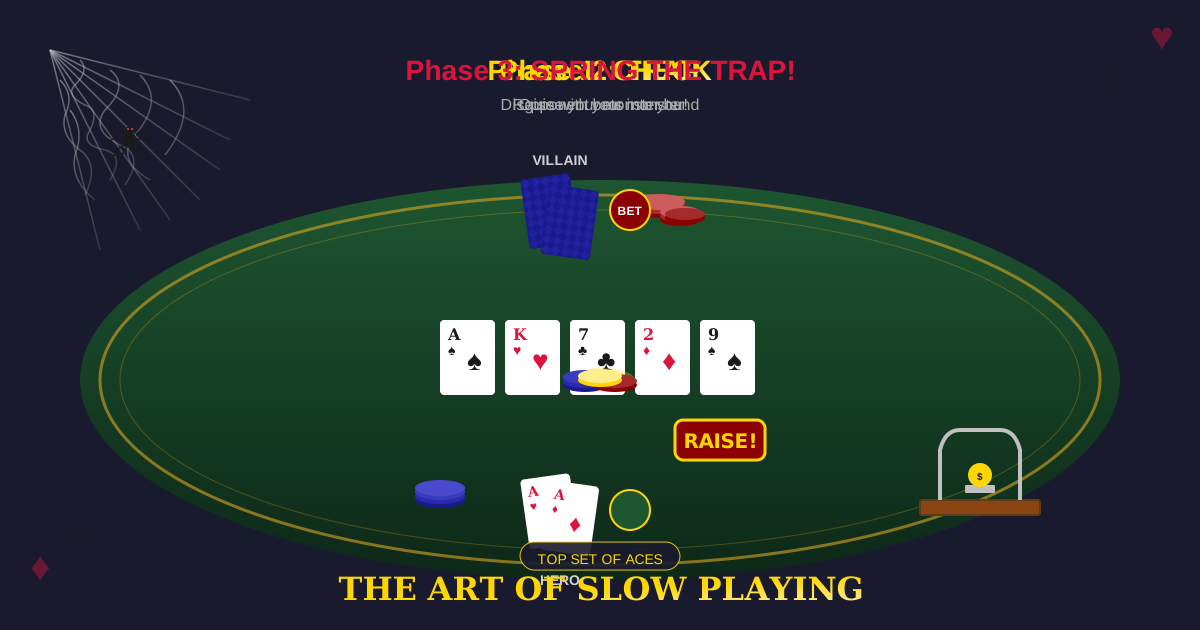
Slow Play Calculator: The Art of Trapping
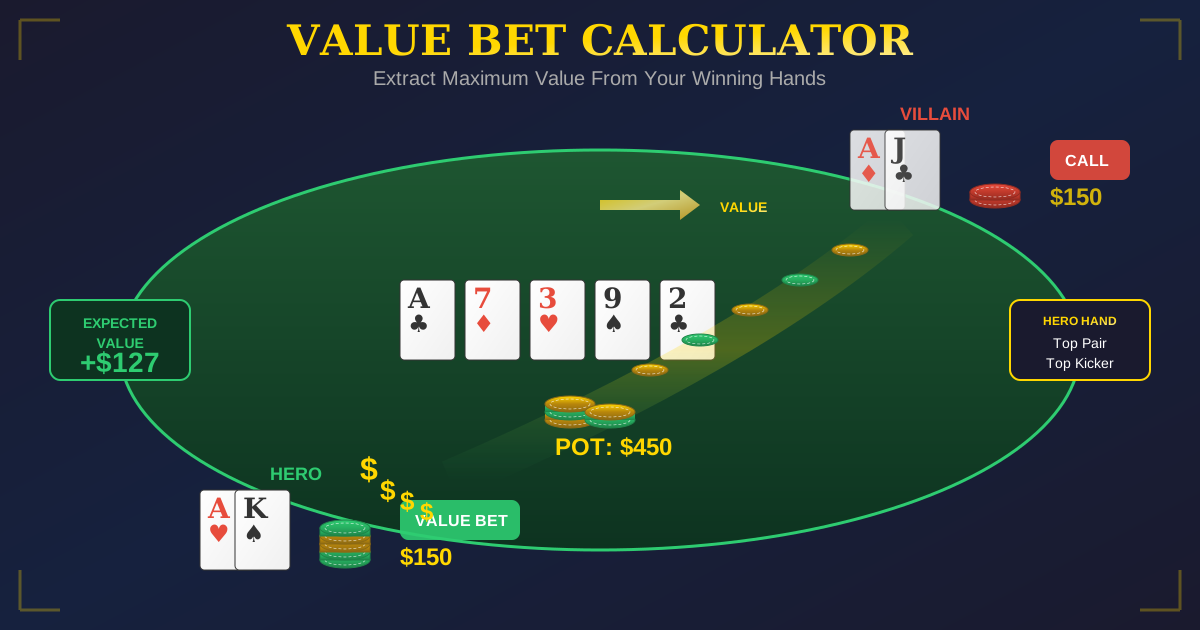
Slow playing—checking or calling with a monster hand—lets opponents catch up or bluff into your strength. Our calculator reveals when trapping is more profitable than betting, which boards favor slow plays, and how deception extracts maximum value.
What Is Slow Playing?
Slow playing means checking or just calling with a very strong hand instead of betting or raising. The goal is deception: let opponents improve to second-best hands, bluff into you, or bet for you. When done right, slow playing extracts more value than fast playing the same monster.
Quick Answer: Slow play = check/call with monster hands. Trap opponents. Let them catch up or bluff. Best on: dry boards, vs aggressive players, when you have the nuts. Avoid on: wet boards, vs passive players, multiway pots. Risk: giving free cards. Reward: bigger pots, induced bluffs. Use sparingly (~20% of monsters).
How to Use Our Calculator
Use the Slow Play Calculator →
Calculate slow play EV vs fast play.
Step-by-Step Instructions
-
Enter Your Hand: The monster you hold
-
Select Board Texture: Dry or wet
-
Input Opponent Type: Aggressive or passive
-
View Slow Play EV: Expected value of trapping
-
Compare to Fast Play: Which extracts more
Input Fields Explained
| Field | Description | Example |
|---|---|---|
| Your Hand | The monster | A♠A♥ on AA5 board |
| Board | Texture type | Dry (K72 rainbow) |
| Opponent | Playing style | Aggressive |
| Stack Depth | Effective stacks | 100bb |
| Slow Play EV | Expected value | +$45 |
When Slow Playing Works
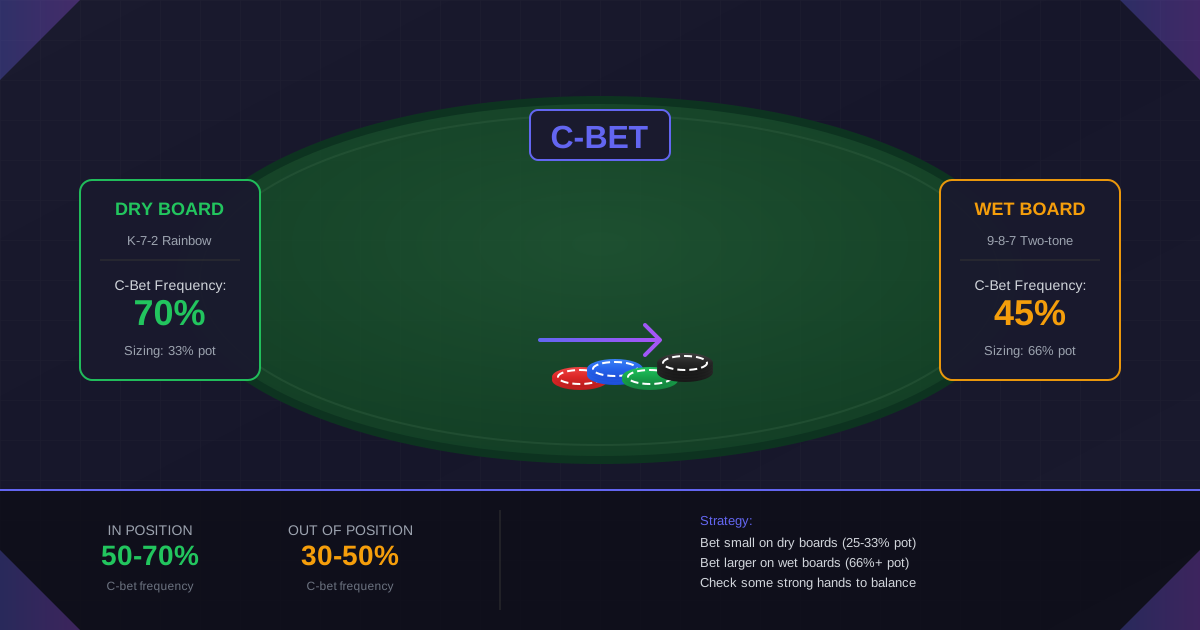
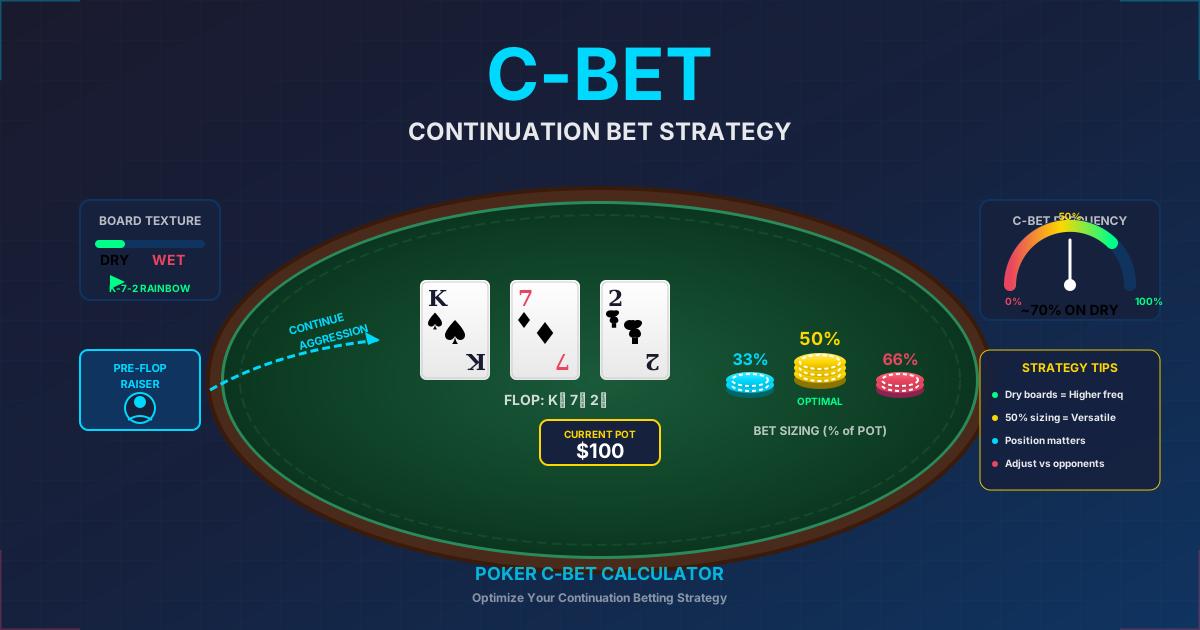
Dry Boards
Slow play on dry boards:

K♥7♦2♣ (rainbow)
A♠8♦3♣ (no draws)
Q♦6♣2♠ (disconnected)

Why dry works:
Few cards hurt you
Opponent can't draw out
Safe to give free card
Let them catch up or bluff
Vs Aggressive Opponents
Slow play against aggression:

Frequent bettors (70%+)
Bluffers
Maniacs
Players who can't fold

Let them:
Fire multiple barrels
Bluff into your monster
Build pot for you
Make the mistake

Your trap springs on river
When You Have the Nuts
Best slow play hands:

Top set (AAA on Axx)
Nut flush (on completed board)
Top full house (on paired)
Quads

Risk is minimal
No card can beat you
Maximum deception value
Let them catch a worse hand
When NOT to Slow Play
Wet Boards
Don't slow play on:

9♠8♠7♣ (straight/flush draws)
J♥T♥9♣ (connected, draws)
K♠Q♠4♠ (monotone)

Why:
Too many draws
Free cards are dangerous
Opponent might outdraw you
Protect your hand—bet!
Vs Passive Opponents
Don't trap passive players:

Check = check behind
Call = no value
They don't bluff
They don't build pots

Against calling stations:
Bet for value
They'll call anyway
No need to trap
Fast play maximizes EV
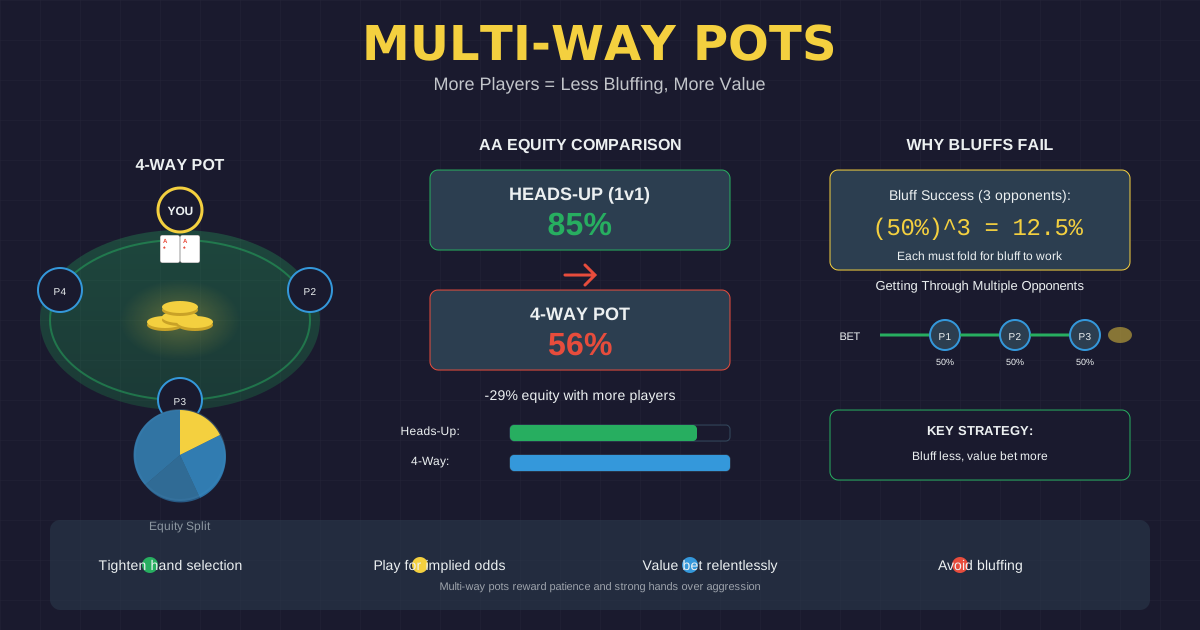
Multiway Pots
Don't slow play multiway:

3+ players
Someone likely has draws
More chance of outdraw
Harder to get paid

Exception:
Absolute nuts on dry board
Even then, often bet
Multiway = protect equity
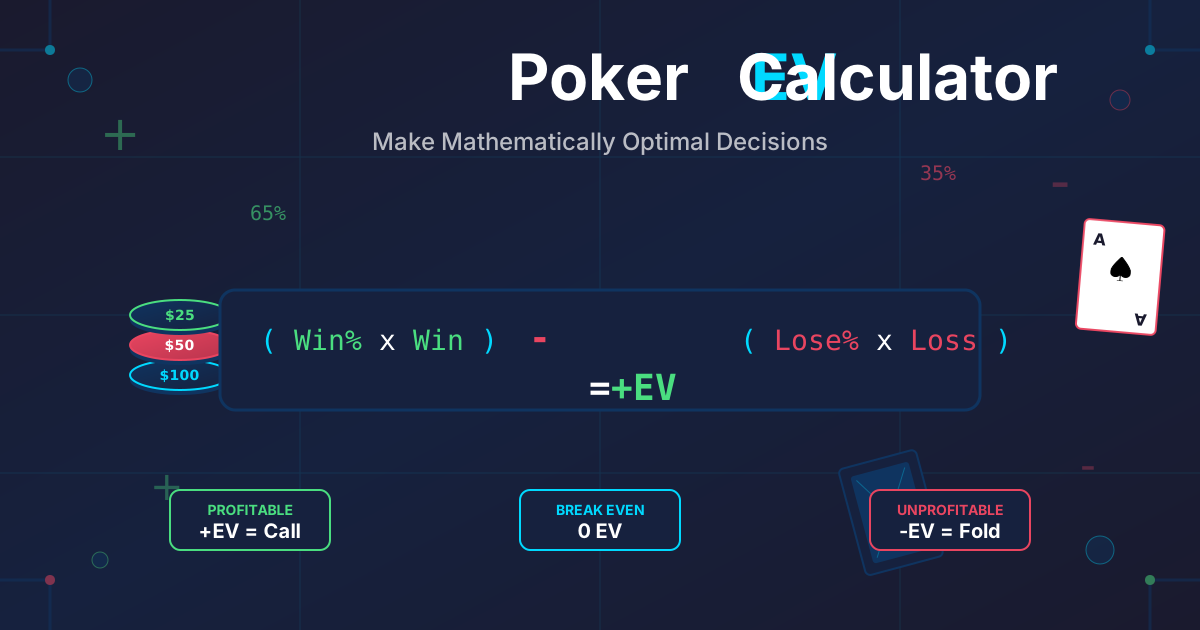
Slow Play Math
Value Comparison
Fast play vs slow play:

Flop: K♠7♦2♣
You have: K♥K♦ (top set)

Fast play line:
Bet $15, call $15
Turn: Bet $35, call $35
River: Bet $80, call $40
Total won: $55-$80

Slow play line:
Check, they bet $15
Call, turn check
They bet $40, you raise $120
They call $120
Total won: $120

Slow play won more
Because opponent bluffed/valued
Risk vs Reward
Slow play risk calculation:

Reward: Bigger pot from traps
Risk: Free card beats you

On K72 rainbow with KK:
Only 2 Kings left (no out)
Runner-runner rare
Risk is minimal

On 987 two-tone with 99:
Straights, flushes possible
Free cards dangerous
Risk outweighs reward—bet
Slow Play Frequency
Balancing Your Range
Slow play frequency:

~20% of value hands
Not too often (predictable)
Not too rare (exploitable)

Check range needs:
Some strong hands (slow plays)
Some medium hands (pot control)
Some bluffs (check-raise)

Keep opponents guessing
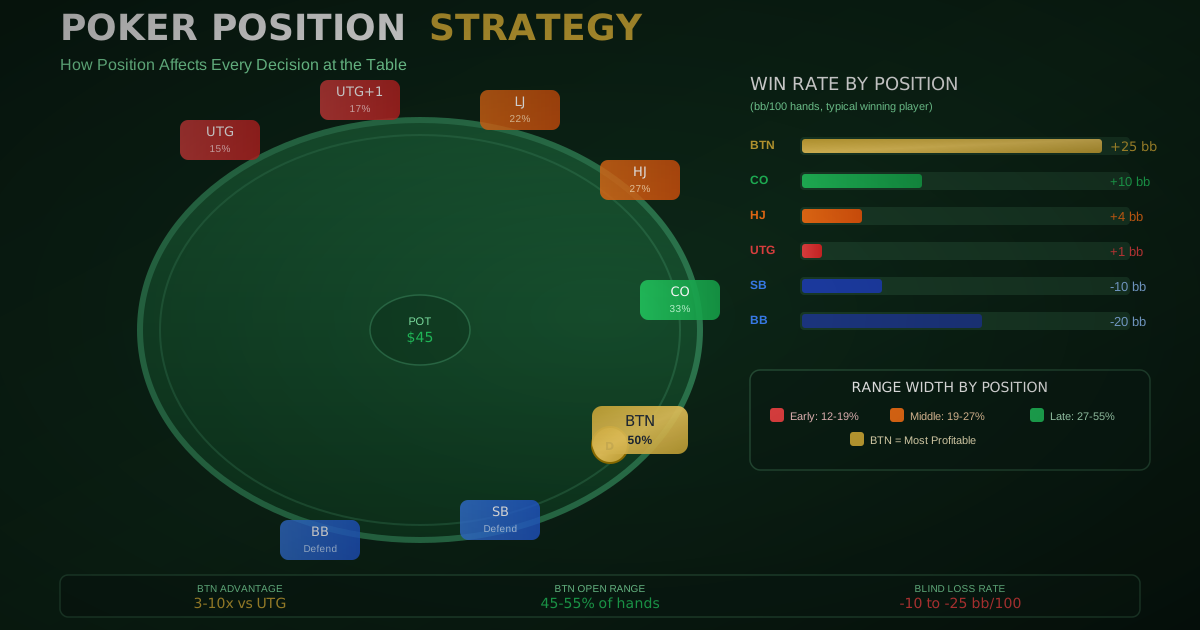
By Position
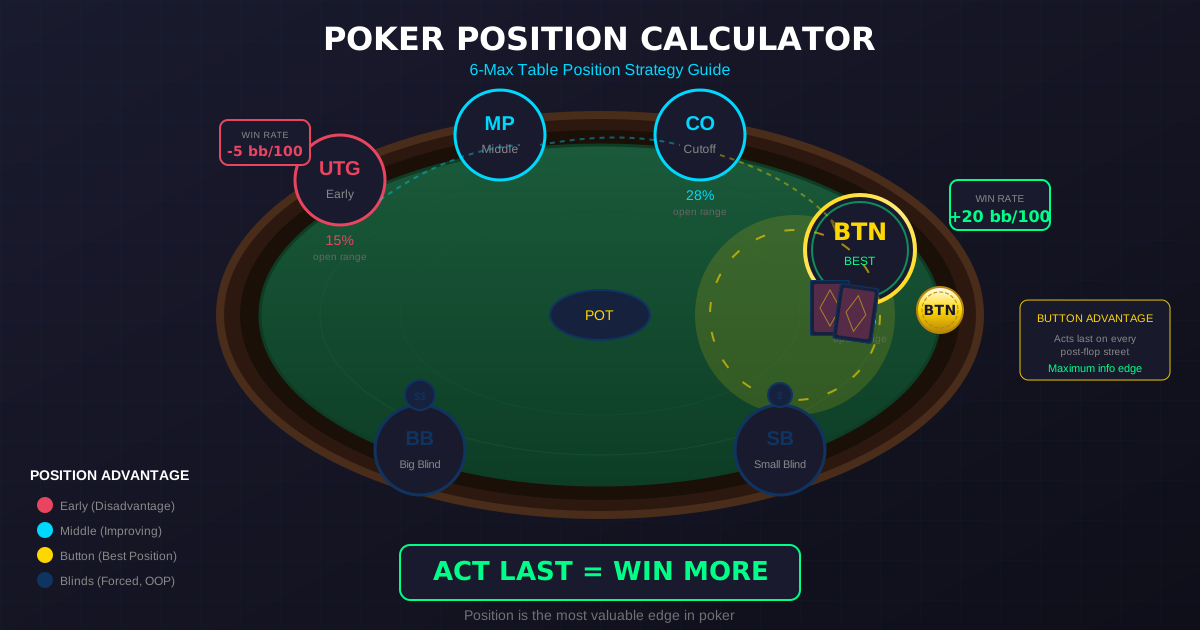
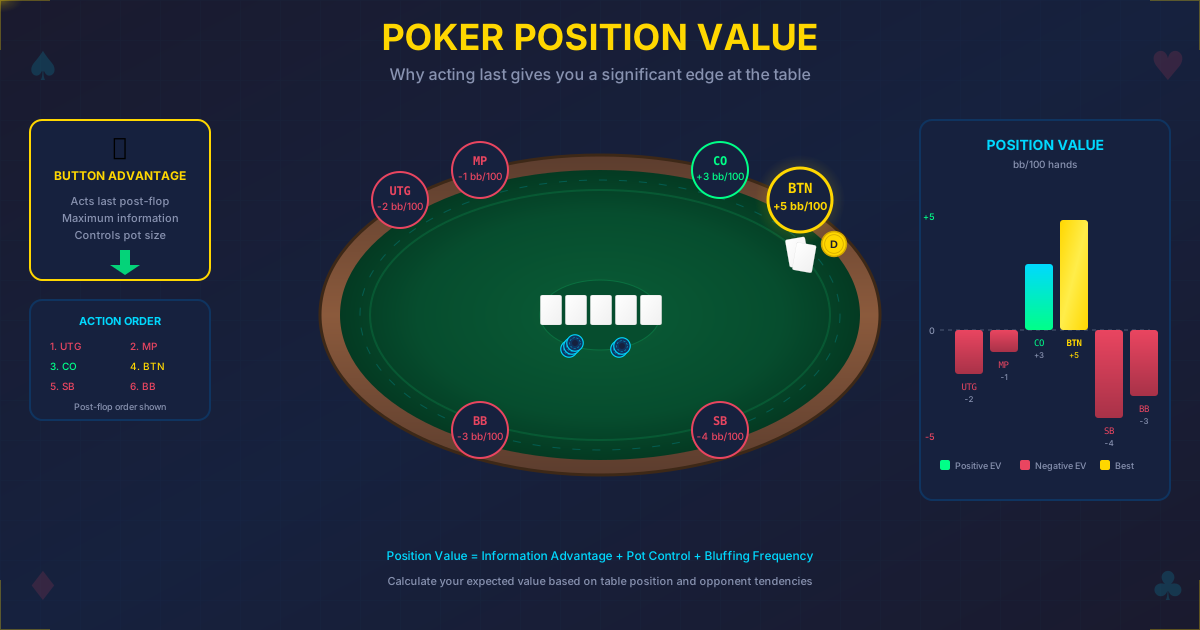
Position affects slow play:

Out of position:
Check-call more often
Slow plays work well
Opponent bets for you

In position:
Slow plays less needed
Can check behind for pot control
Betting builds pot anyway
Still sometimes trap
Real-World Examples
Example 1: Perfect Slow Play
Classic trap:
You raise BB with A♠A♥
Flop: A♦8♣3♥
You have: top set, nuts

Board is dry
Check to opponent
They bet 60% pot (bluff/worse)
Just call

Turn: 5♠
Check again
They bet 80% pot
Just call

River: 2♦
Check
They shove (bluff or worse Ace)
Call and win massive pot
Example 2: Wrong to Slow Play
Wet board mistake:
You raise with Q♠Q♦
Flop: Q♥J♣T♠
You have: top set

But board is dangerous:
Any K = straight
Any A = straight
Any heart = four-flush

Don't slow play!
Bet to protect
Charge draws full price
Don't give free cards
Example 3: vs Passive Player
Adjust strategy:
You have K♠K♥
Flop: K♦7♣2♥
Opponent is calling station

Don't slow play:
They won't bet for you
Check = check behind
No bluffs coming

Just bet for value
They call with worse
Betting > trapping here
Example 4: Multiway Decision
Usually bet:
3-way pot
You have 8♠8♦
Flop: 8♥5♣3♦ (set)

Two opponents
Someone might have draws
More players = more danger

Bet 66% pot
Protect your equity
Build pot while ahead
Save slow plays for heads-up
Common Mistakes
1. Slow Playing Wet Boards
Mistake: Checking set on 9♠8♠7♣ Problem: Giving free cards to draws Fix: Bet and protect equity
2. Slow Playing vs Passive
Mistake: Trapping check-call types Problem: They don't bet for you Fix: Bet for value yourself
3. Slow Playing Too Often
Mistake: Always checking monsters Problem: Checking range too weak Fix: Bet most value hands
4. Slow Playing Multiway
Mistake: Trapping with 3+ players Problem: Someone likely outdrawing Fix: Bet to thin field
Frequently Asked Questions
When should I slow play?
On dry boards, vs aggressive opponents, with nut hands, heads-up. Best when free cards can't hurt and opponents will bet for you.
How often should I slow play?
About 20% of your value hands. Enough to balance your checking range, not so often that you're predictable.
Is slow playing too risky?
On wet boards, yes. On dry boards with nut hands, the risk is minimal and the reward (bigger pot) is worth it.
Should I slow play out of position?
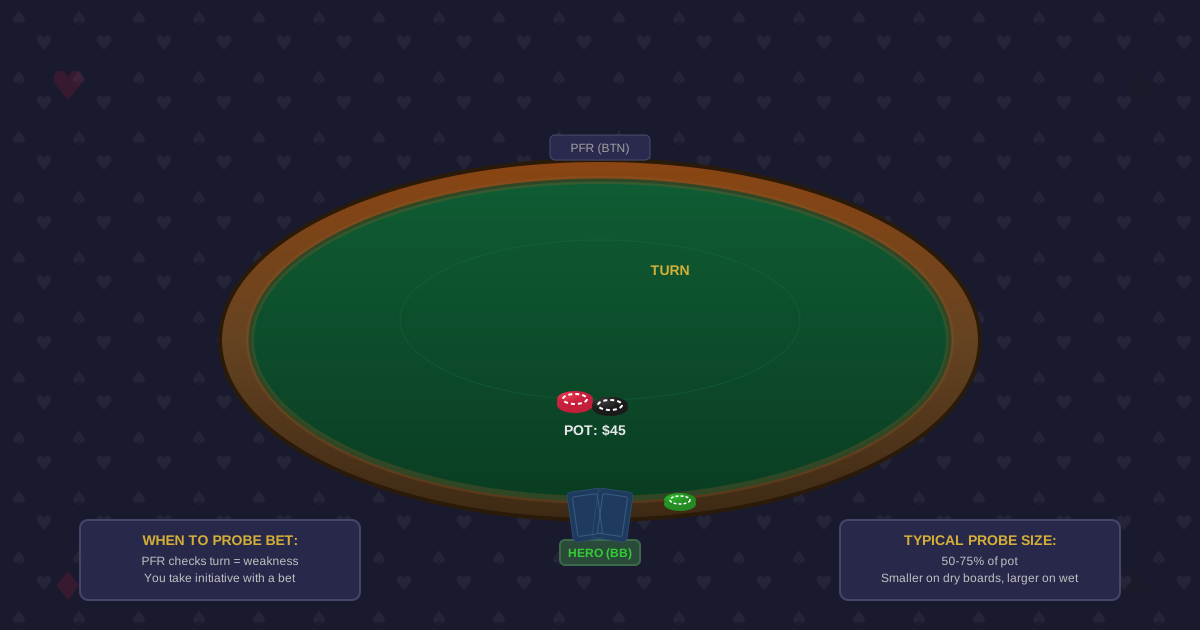
Yes, it often works better OOP. You check, they bet, you call. The trap is natural. IP you can just bet.
What hands are best for slow playing?
Top sets, nut flushes, top full houses—hands that can't be beaten or are rarely beaten. Avoid slow playing vulnerable hands.
How do I know if my slow play worked?
When opponent bets or raises into your monster. You extracted more than betting would have.
Pro Tips
-
Dry boards only: K72 rainbow, not 987 two-tone
-
Aggressive opponents: Let them bluff
-
20% of monsters: Balance your range
-
Heads-up preferred: Less risk multiway
-
Nut hands best: Can't be outdrawn
Related Calculators
- Pot Odds Calculator - Call decisions
- Check-Raise Calculator - Alternative line
- Poker EV Calculator - Expected value
- Poker Range Calculator - Hand ranges
- Fold Equity Calculator - Bluff math
Conclusion
Slow playing is poker's deceptive art—letting opponents bet or catch up before springing the trap. Our calculator shows when trapping extracts more than betting, which boards are safe for slow plays, and why giving free cards is sometimes worth the bigger pot.
Calculate Slow Play Strategy Now →
You flopped top set on K72 rainbow. Betting wins a small pot—but checking might let them bluff off their stack. Our calculator proves when trapping is the higher-EV play.