Value Bet Calculator: Extracting Maximum Profit (2026)
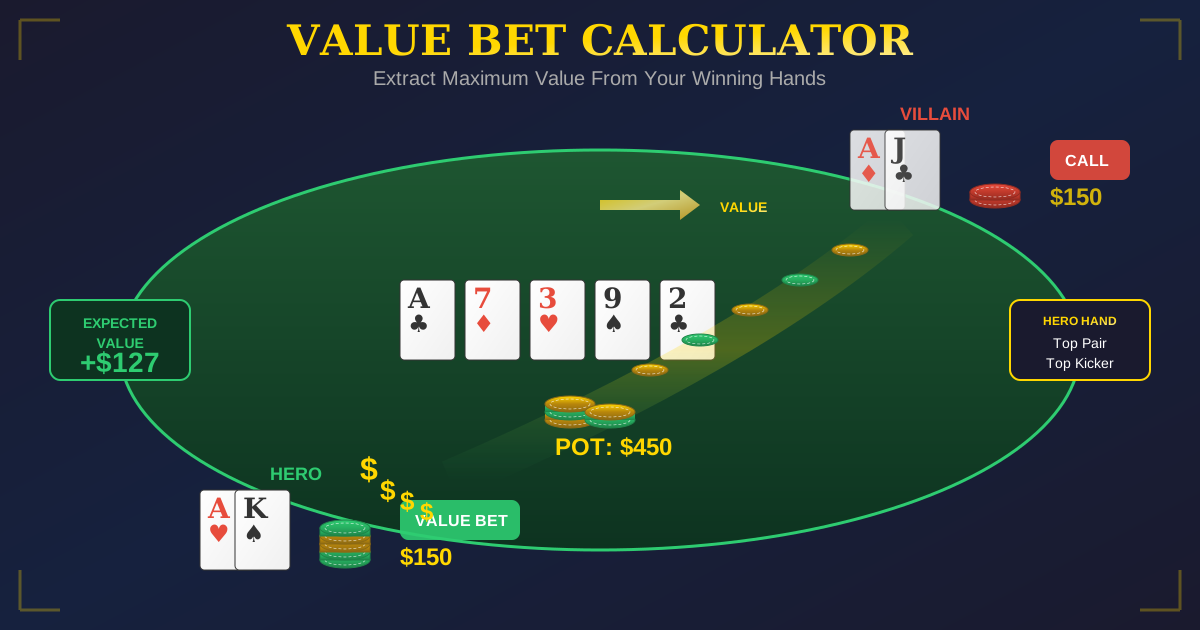
Value Bet Calculator: Getting Paid With Winners
Value betting—betting with the best hand to get called by worse—is poker's primary profit source. Our calculator reveals optimal value bet sizing, when thin value is profitable, and how to extract maximum chips when you know you're ahead.
What Is a Value Bet?
A value bet is a bet made with the intention of getting called by a worse hand. You believe you have the best hand and want to extract money from opponents holding second-best hands. Every chip they call with a losing hand goes directly to your profit.
Quick Answer: Value bet = bet when ahead, hoping for call. Goal: extract maximum from worse hands. Sizing: 50-75% pot standard, adjust to opponent. Thin value: betting marginal winners. Key: opponent must call with worse. Don't value bet into stronger ranges. More calls = more profit. Primary poker income source.
How to Use Our Calculator
Use the Value Bet Calculator →
Calculate optimal value bet sizing.
Step-by-Step Instructions
-
Enter Your Hand: What you're holding
-
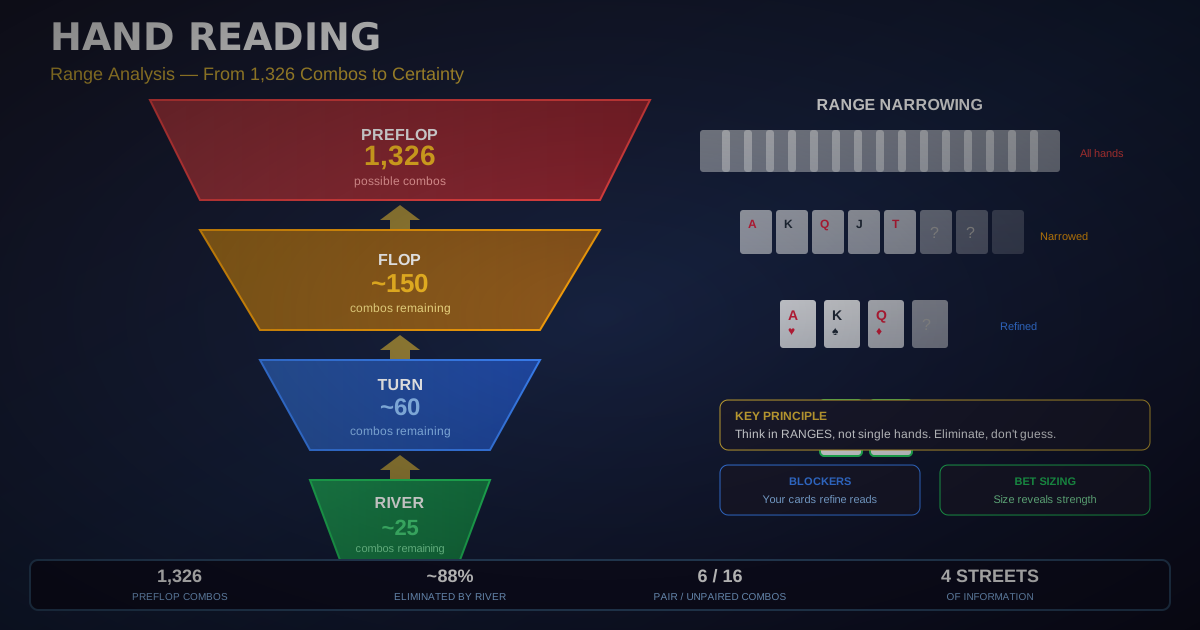
Estimate Opponent Range: What they might have
-
Input Pot Size: Current pot
-
View Optimal Size: Best bet amount
-
See Call Frequency: How often they call
Input Fields Explained
| Field | Description | Example |
|---|---|---|
| Your Hand | The hand you hold | A♠K♦ (top pair) |
| Board | Community cards | A♥7♣2♦ |
| Opponent Range | What they might have | Ax, pairs, draws |
| Pot Size | Current pot | $50 |
| Value Bet Size | Your bet | $35 (70%) |
Value Betting Fundamentals
When You're Ahead
Value bet when:

You have a strong hand
Worse hands exist that call
Opponent's range is weaker
Getting called = profit

Example:
You: A♠K♦ on A♥7♣2♦
Opponent range: A8-A2, KK-22
Many worse hands call
Bet for value
Sizing for Maximum Value
Value bet sizing:

Too small (25% pot):
They always call
But you win less per call
Leaving money on table

Too large (150% pot):
Only better hands call
Worse hands fold
No value extracted

Sweet spot (50-75%):
Most worse hands call
Maximum extraction
Balanced pressure
The Call/Fold Boundary
Finding optimal size:

Opponent has A7 (two pair)
Will they call:
- 33% pot? Always
- 50% pot? Yes
- 75% pot? Probably
- 100% pot? Maybe
- 150% pot? Rarely

Size just below fold threshold
Maximum extraction point
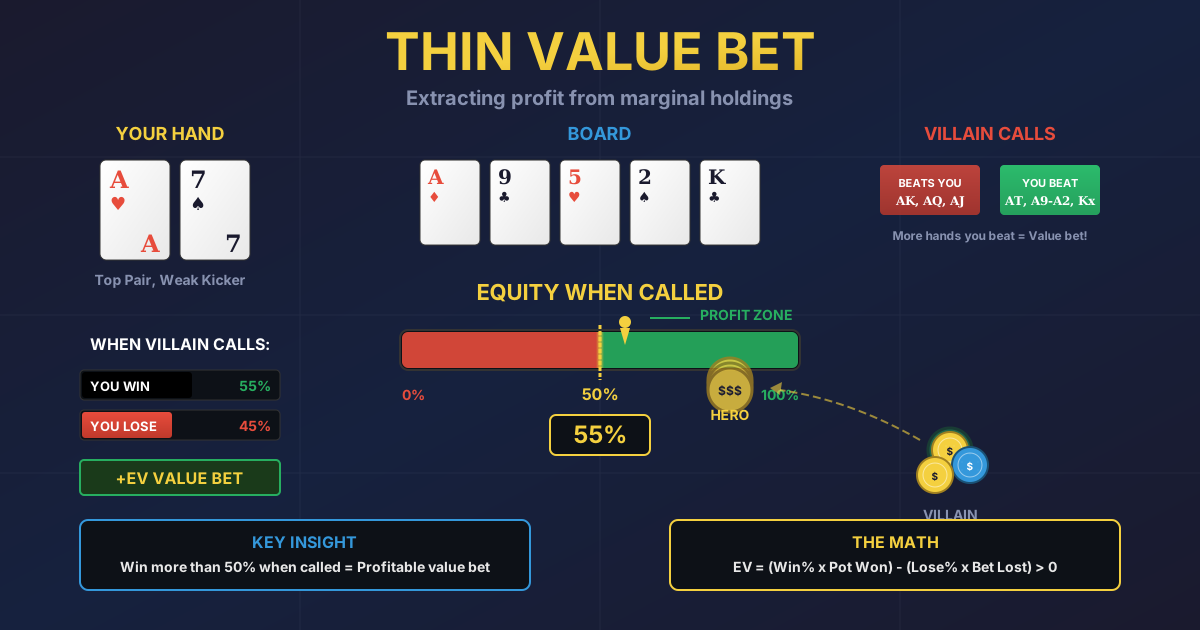
Thin Value Betting
What Is Thin Value?
Thin value definition:

Betting with hands that are:
Only slightly ahead
Beat a narrow range
Could be behind sometimes

Examples:
Middle pair vs draws
Top pair weak kicker
Second pair on dry board

Risk: Called only by better
Reward: Extract from worse
When Thin Value Works
Thin value conditions:

1. Opponent calls light
2. Their range includes worse
3. You can fold to raise
4. River (no more cards)

Example:
River with K♠8♦ on K♥7♣5♦2♠3♣
Top pair weak kicker
Opponent checks
Bet 40% for thin value
They call with K5, K3, 77
Win more than checking
Thin Value Sizing
Size smaller for thin value:

Standard value: 66-75% pot
Thin value: 40-50% pot

Why smaller:
Induces more calls
Less committed if raised
Risk-reward appropriate
Real-World Examples
Example 1: Standard Value Bet
Clear spot:
You hold: A♠K♦
Board: A♥J♣7♦5♠2♣

River, opponent checks
Your TPTK is ahead most often

Bet $35 (70% pot)
They call with AQ, AT, AJ, JJ
All worse hands
Pure profit extraction
Example 2: Thin Value River
Marginal winner:
You hold: K♥Q♣
Board: K♠8♦4♣2♥6♦

River, opponent checks
Top pair, decent kicker

Bet $20 (40% pot)
They call with K5, KT, K9
Some better (AK, KJ) fold
Net positive from calls
Example 3: Value Bet vs Check
Close decision:
You hold: 8♠8♦
Board: K♥7♣2♦5♠3♣

You have pocket eights
Opponent is passive

Check behind
Value betting here risky
Only better calls (Kx, overpairs)
Not enough worse hands call
Example 4: Sizing Adjustment
Opponent-dependent:
You hold: A♠A♥
Board: A♦K♣8♥4♠2♦

River with top set

vs Calling station:
Bet $60 (120% pot)
They call with any Ace

vs Tight player:
Bet $25 (50% pot)
Get thin calls from AQ, AJ

Adjust to who calls what
Value Bet Math
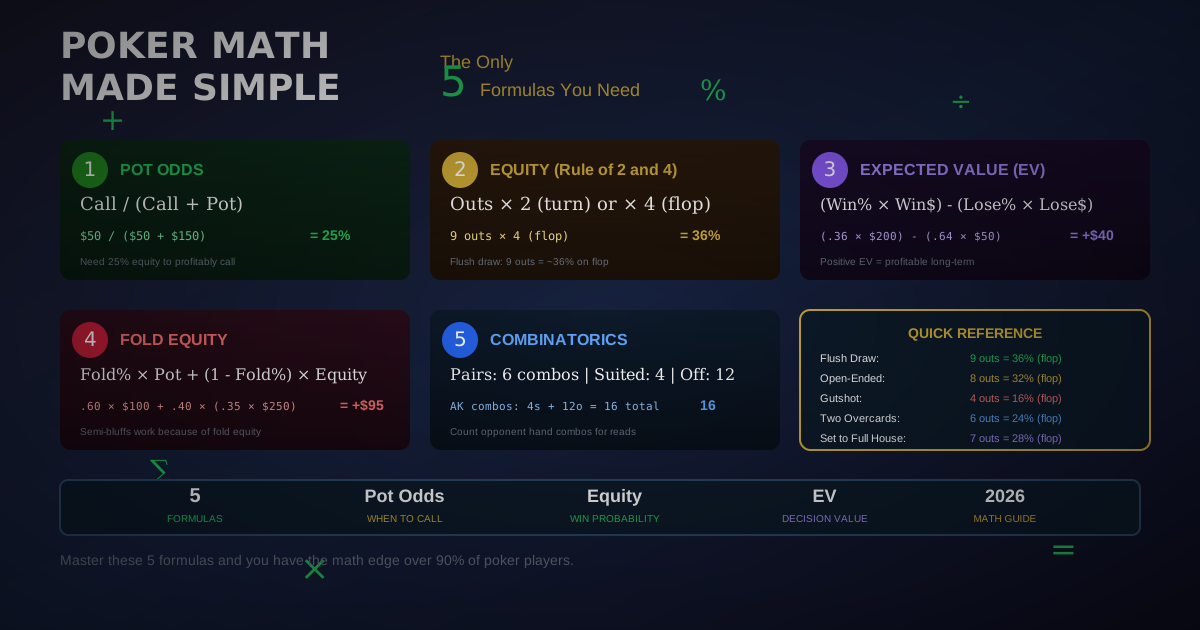
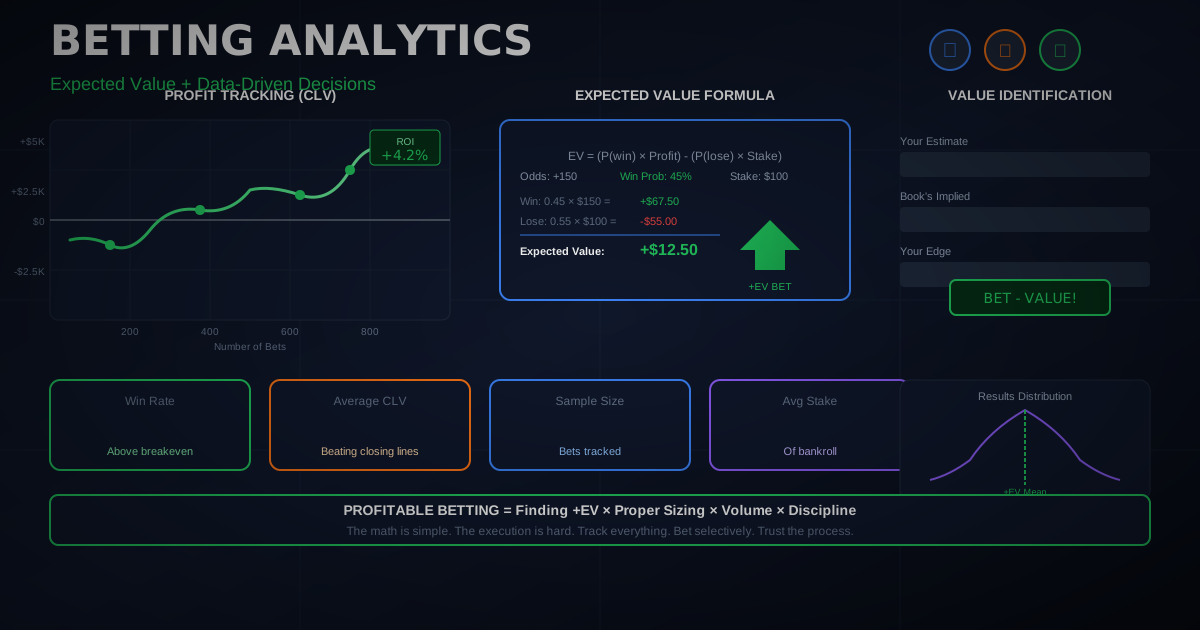
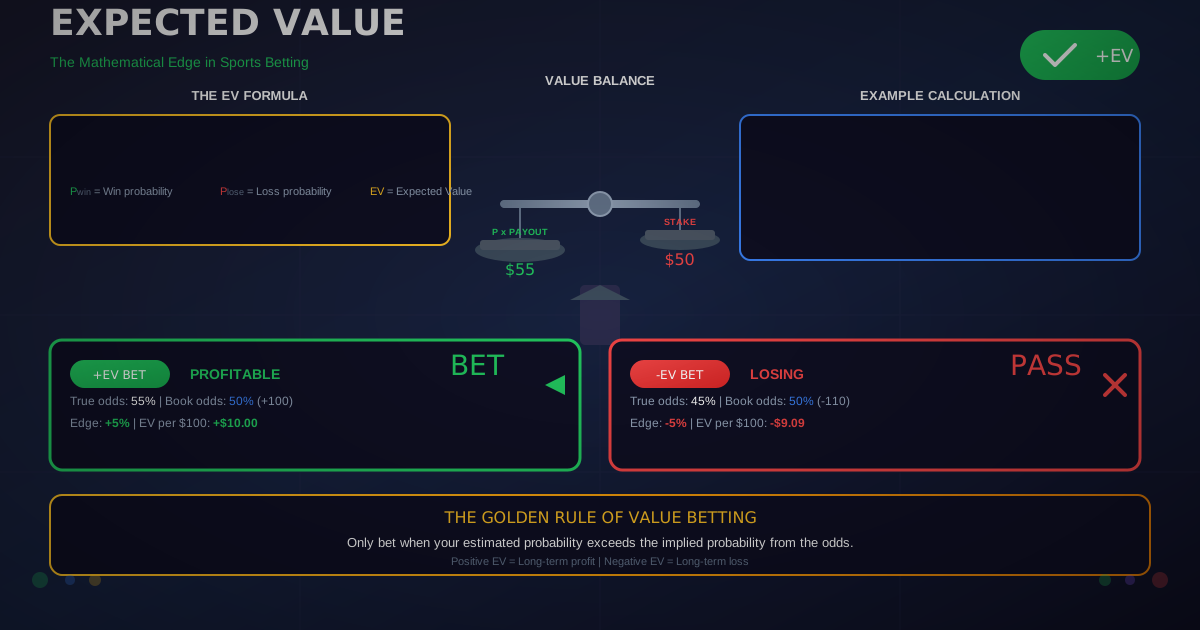
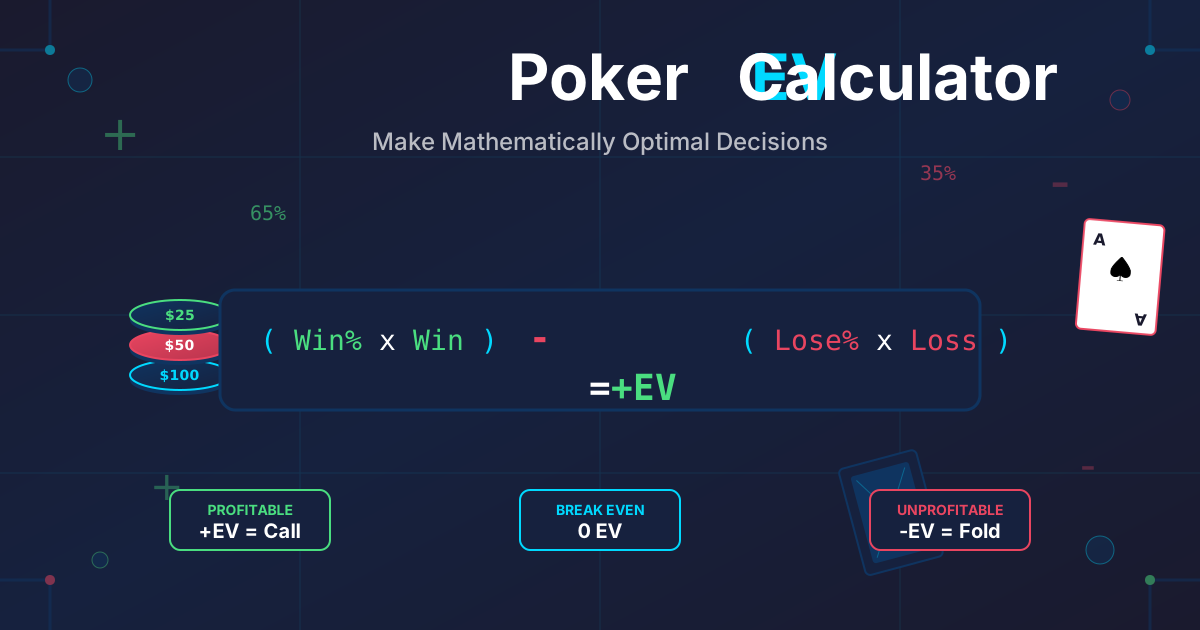
Expected Value Calculation
Value bet EV:

Pot: $50
Bet: $35 (70%)
They call 60% of time
When they call, you win 85%

EV = 0.6 × (0.85 × 85 - 0.15 × 35)
EV = 0.6 × (72.25 - 5.25)
EV = 0.6 × 67
EV = +$40.20

Betting is +EV
Much better than checking
Finding Break-Even
Minimum call frequency:

For bet of $35 into $50:
Need to win when called often enough

If you win 100% when called:
Any call rate is profitable

If you win 70% when called:
EV = call% × (0.7 × 85 - 0.3 × 35)
Need positive expectation
Even 40% calls is profitable
Common Mistakes
1. Value Betting Into Strength
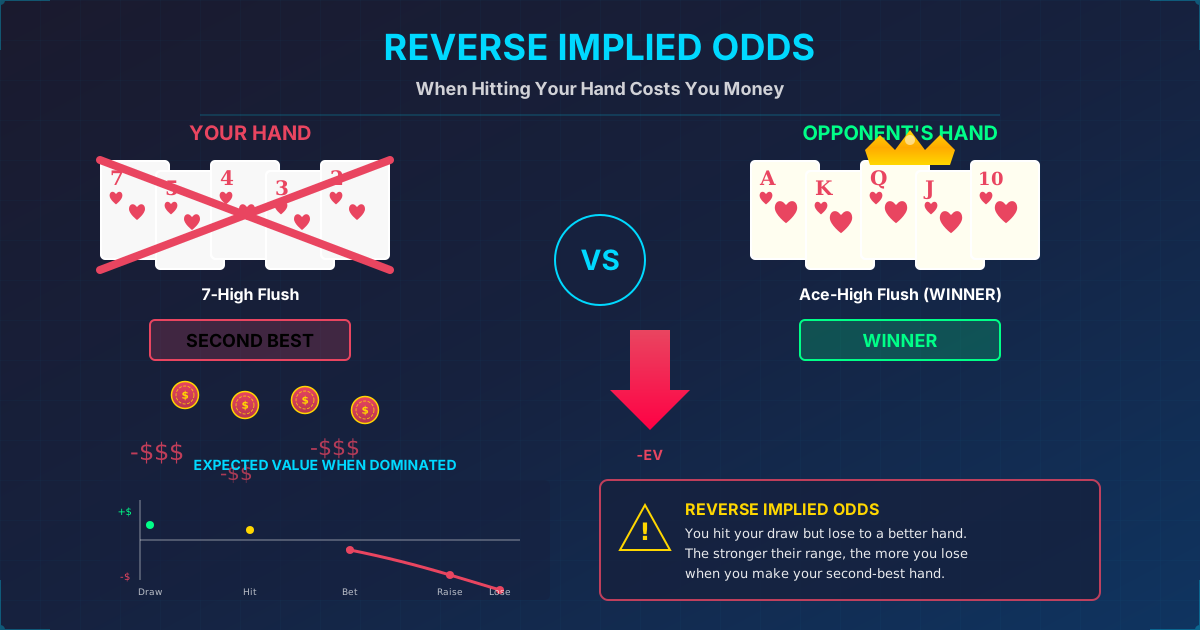
Mistake: Betting into range that beats you Problem: Only get called by better Fix: Check or bet smaller
2. Sizing Too Small
Mistake: Betting 25% pot with nuts Problem: Leaving money on table Fix: Size up with monsters
3. Missing Thin Value
Mistake: Always checking marginal hands Problem: Missing +EV bets Fix: Identify thin value spots
4. Ignoring Opponent Tendencies
Mistake: Same size vs everyone Problem: Not maximizing Fix: Size to opponent's call threshold
Opponent Adjustments
Vs Calling Stations
Against calling stations:

Size up with value
They call 75%+ pot easily
No need to fear folds
Extract maximum

Your AK on Axx:
Bet 80-100% pot
They call with any Ace
Pay you off every time
Vs Tight Players
Against tight players:

Size down with marginal
They fold medium hands
Get thin calls only

Your AK on Axx:
Bet 50-60% pot
Get calls from AQ, AJ
ATo folds at 75%
Adjust to their threshold
Vs Aggressive Players
Against aggressive players:

Sometimes check to induce
They might bet/raise
Then you value raise

Your set on Axx:
Check, they bet
Raise for value
Extract from their bluffs
Frequently Asked Questions
How do I know I have a value bet?
When enough worse hands call to make betting profitable. If only better hands call, it's not a value bet—it's turning your hand into a bluff.
What size should my value bet be?
50-75% pot is standard. Size up vs calling stations, size down for thin value. Adjust to opponent's call frequency.
What's the difference between thick and thin value?
Thick value: clearly ahead, many worse hands call. Thin value: marginally ahead, narrow range of worse hands that call.
Should I value bet the river?
Yes, if worse hands call. The river is the most common value bet street since no more cards can change the hand.
Can I value bet too often?
Yes. If you bet every marginal hand, you're betting into ranges that beat you. Balance with some checks.
What if they raise my value bet?
Evaluate. Strong hands: call or re-raise. Thin value: often fold. The raise changes the math significantly.
Pro Tips
-
More calls = more profit: Size to get called
-
Know their range: What worse hands exist?
-
Adjust to opponent: Calling stations vs nits
-
River is key: Most value betting happens here
-
Don't fear folds: Better than checking
Related Calculators
- Pot Odds Calculator - Calling decisions
- Poker EV Calculator - Expected value
- Bet Sizing Calculator - Sizing strategy
- Poker Range Calculator - Hand ranges
- Fold Equity Calculator - Bluff math
Conclusion
Value betting is poker's profit engine—every chip called by a worse hand is pure profit. Our calculator shows optimal sizing to maximize calls, when thin value is profitable, and how to adjust to opponent tendencies for maximum extraction.
Calculate Value Bet Strategy Now →
You have top pair on the river—but how much should you bet? Our calculator proves the exact sizing that extracts maximum value from worse hands without scaring them away.