Same Game Parlays: How Sportsbooks Make Massive Margins and What You Should Know (2026)
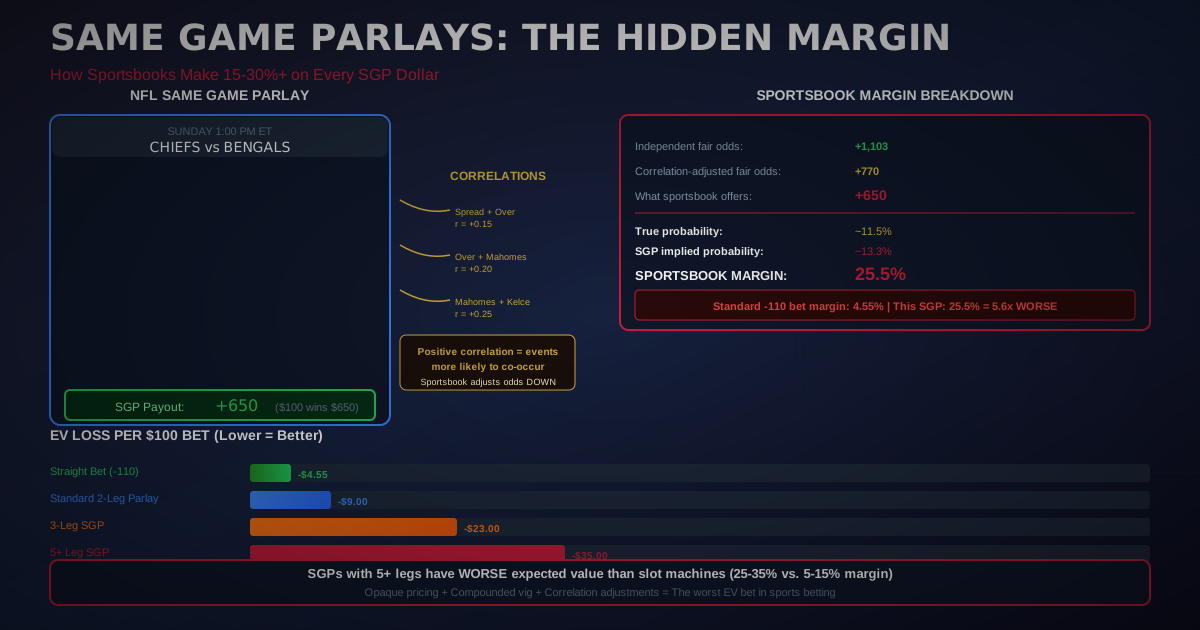
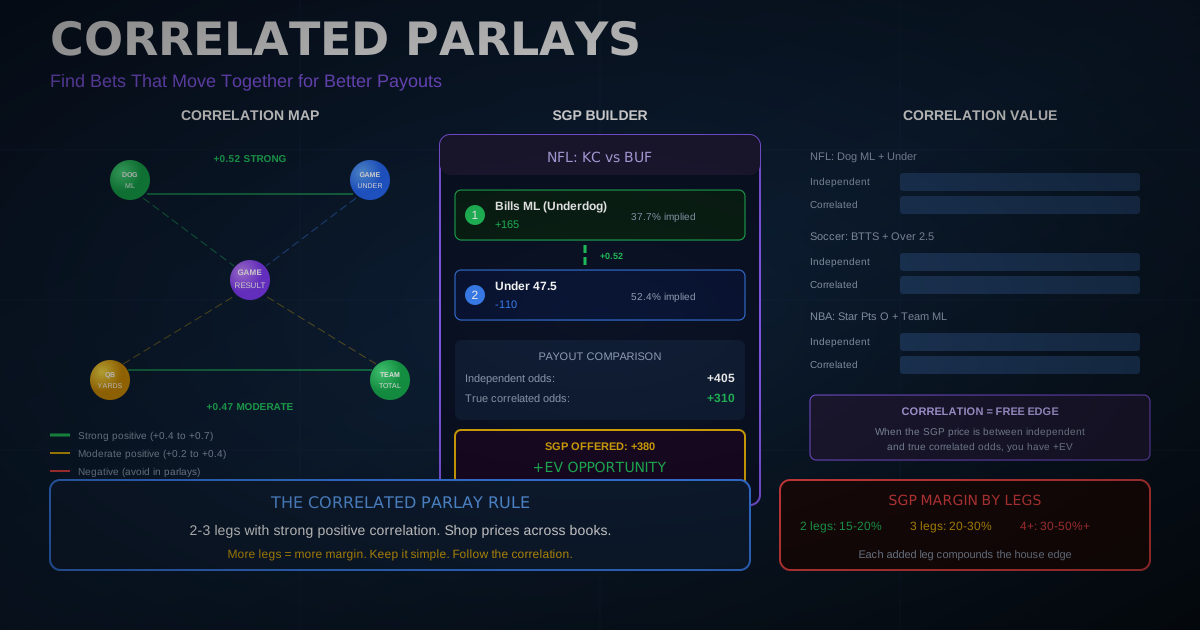
Same game parlays (SGPs) are the most profitable product sportsbooks have ever created, and they are specifically designed to extract maximum money from recreational bettors. When you build a same game parlay, you are not getting the same odds you would receive if you bet each leg independently. Sportsbooks price SGPs using proprietary correlation models, and the margins they embed in those models range from 15% to 35% or more, making SGPs the worst expected value bet type available in sports betting.
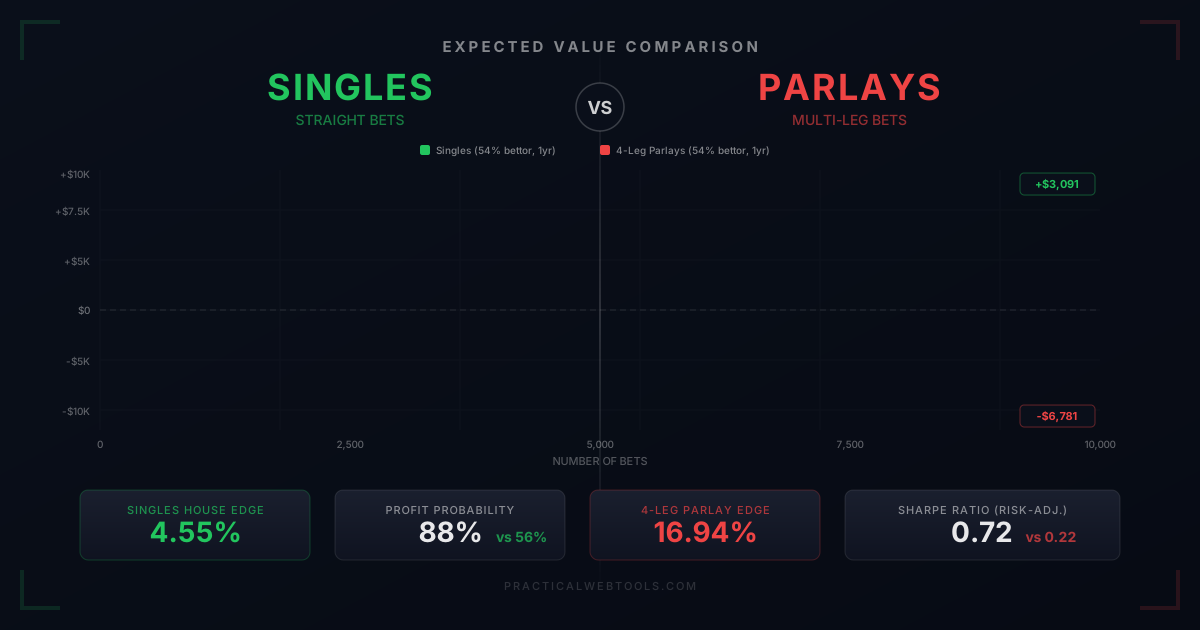
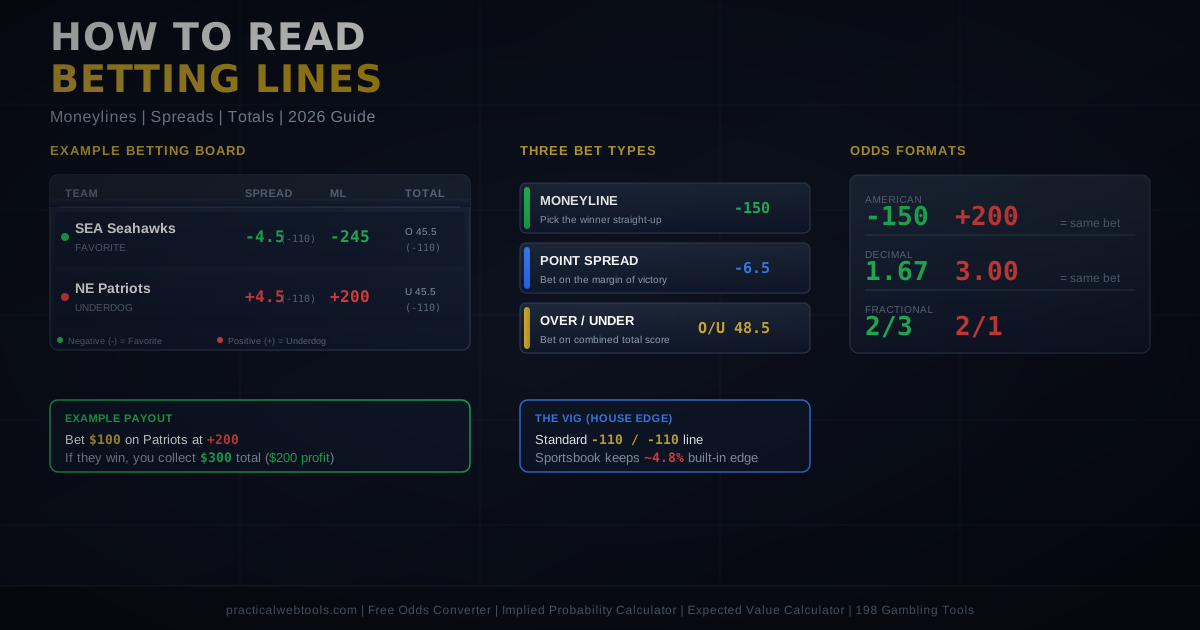
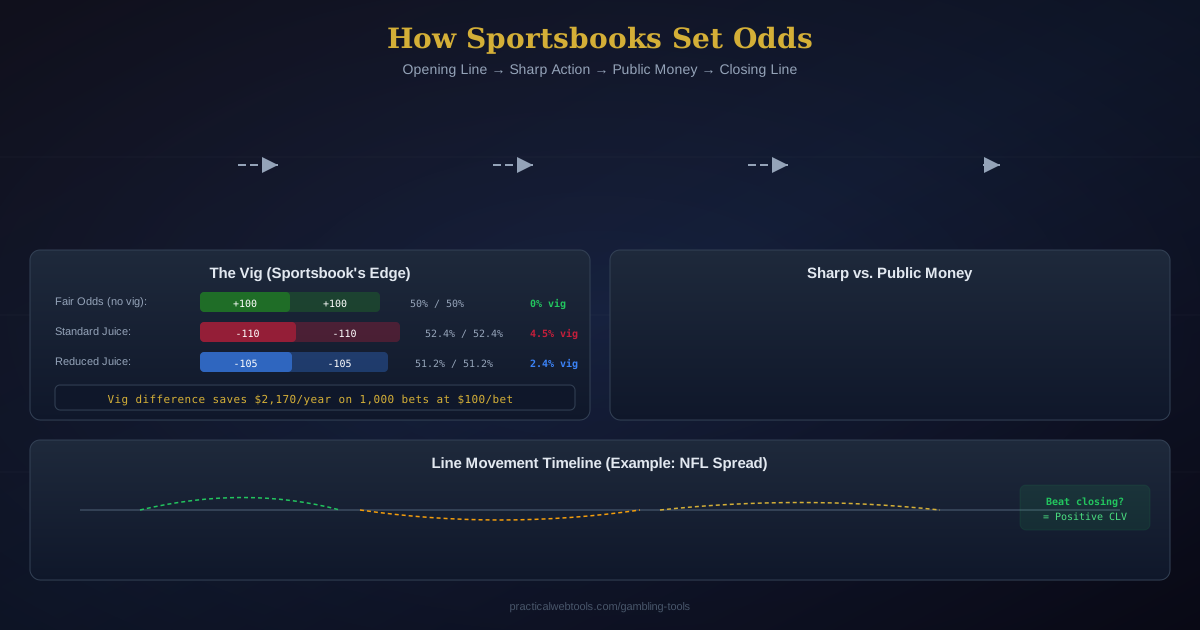
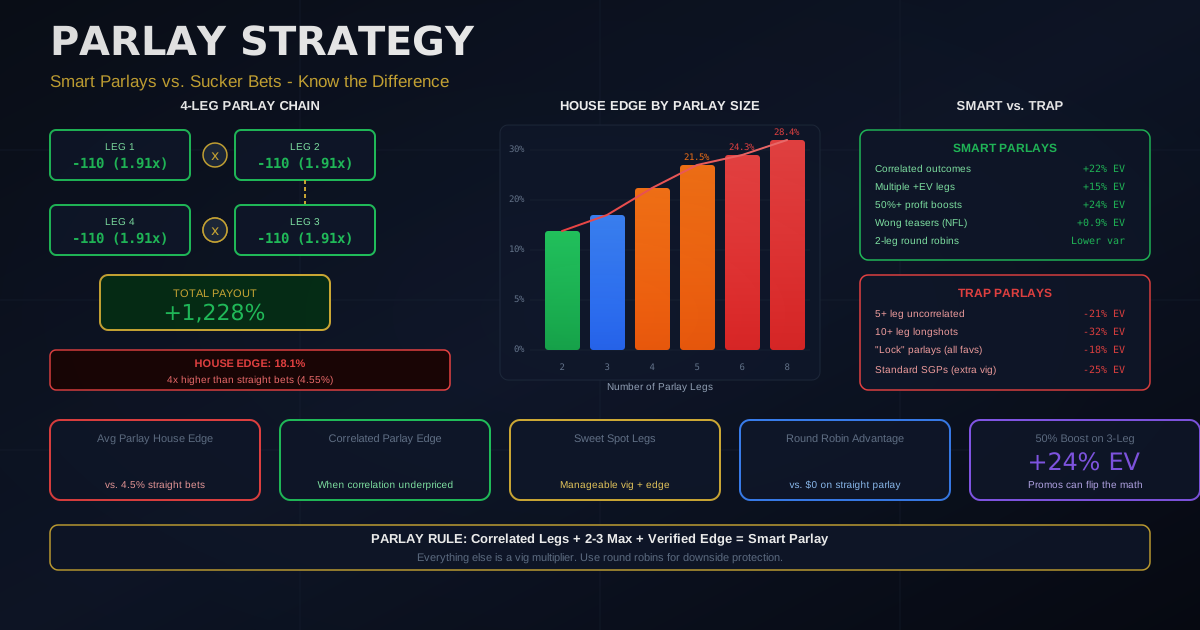
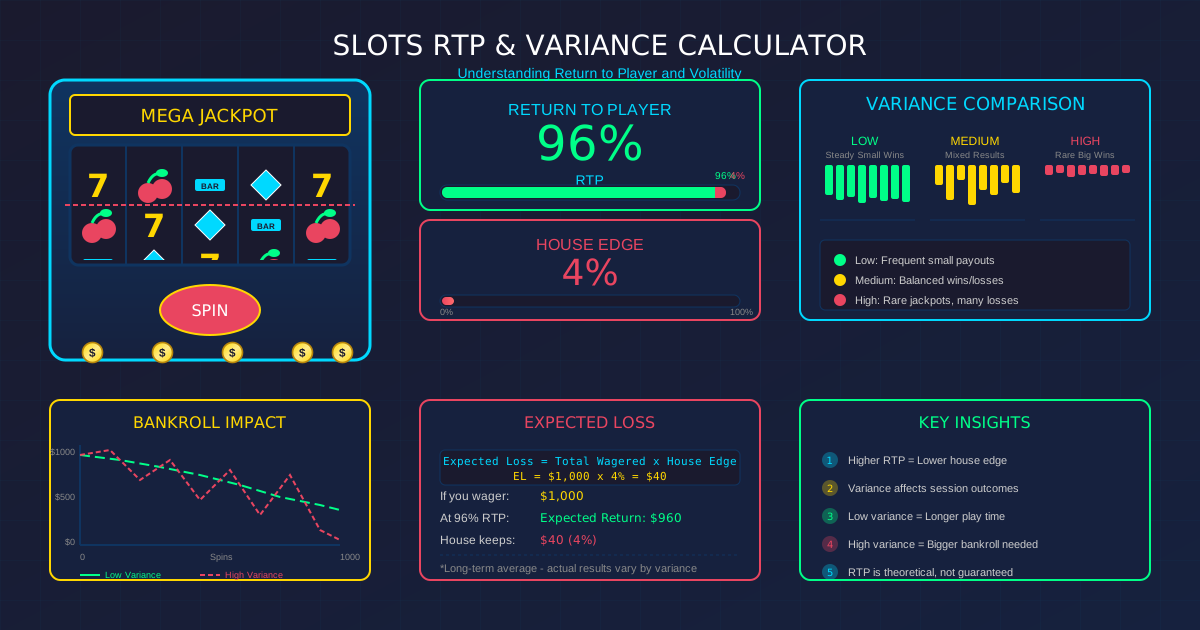
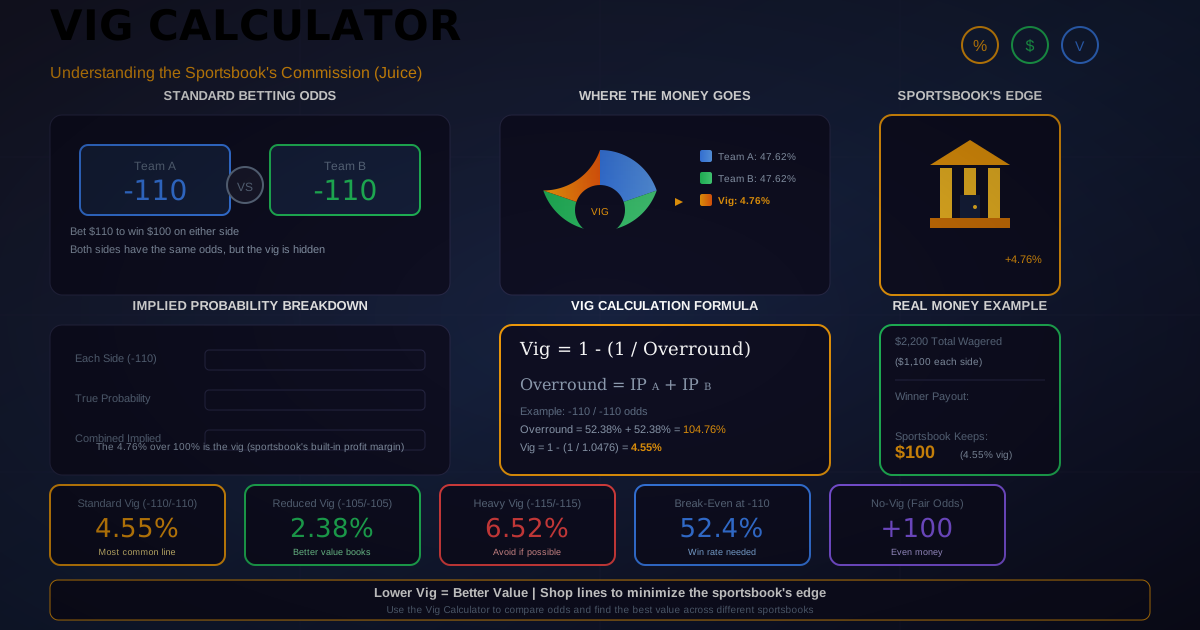
To put this in perspective: a standard point spread bet at -110 has a house edge of approximately 4.55%. A typical same game parlay on the same sportsbook has an effective house edge of 15-30%. That means for every $100 you bet on SGPs, you can expect to lose $15 to $30 long term, compared to $4.55 on a standard bet. The sportsbooks are making three to six times more money on every SGP dollar.
Sportsbooks spend millions marketing same game parlays because they are enormously profitable for the house. The flashy potential payouts, the entertainment value of sweating multiple outcomes in a single game, and the low minimum bet amounts all make SGPs irresistible to casual bettors. But if you understand the mathematics, you can see why professionals almost universally avoid them.
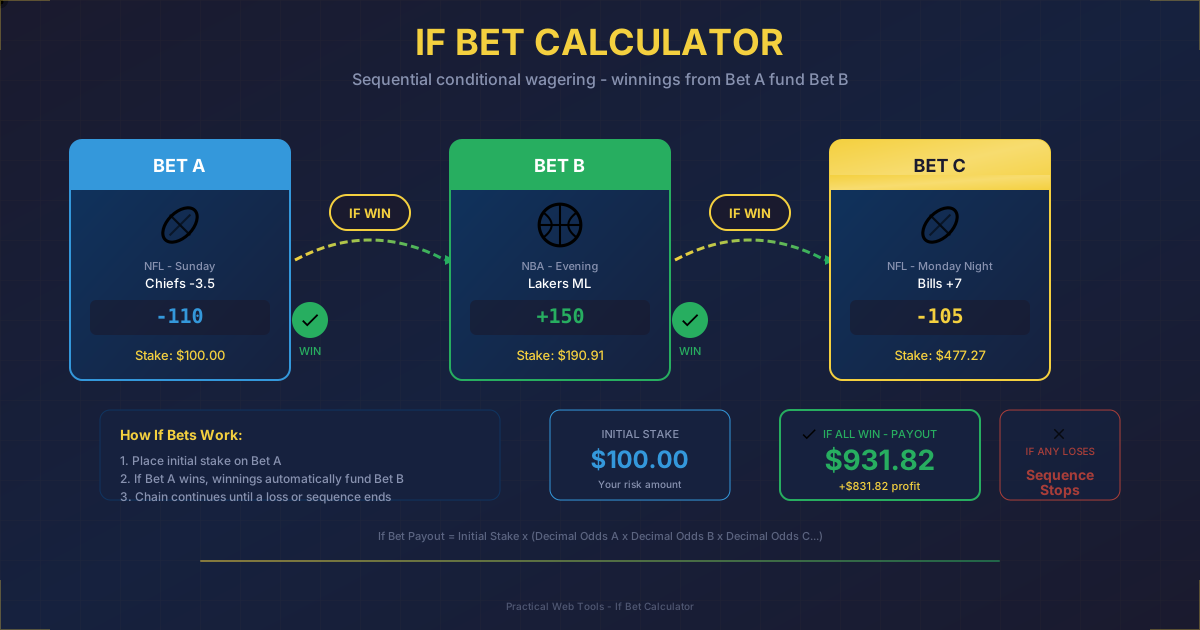
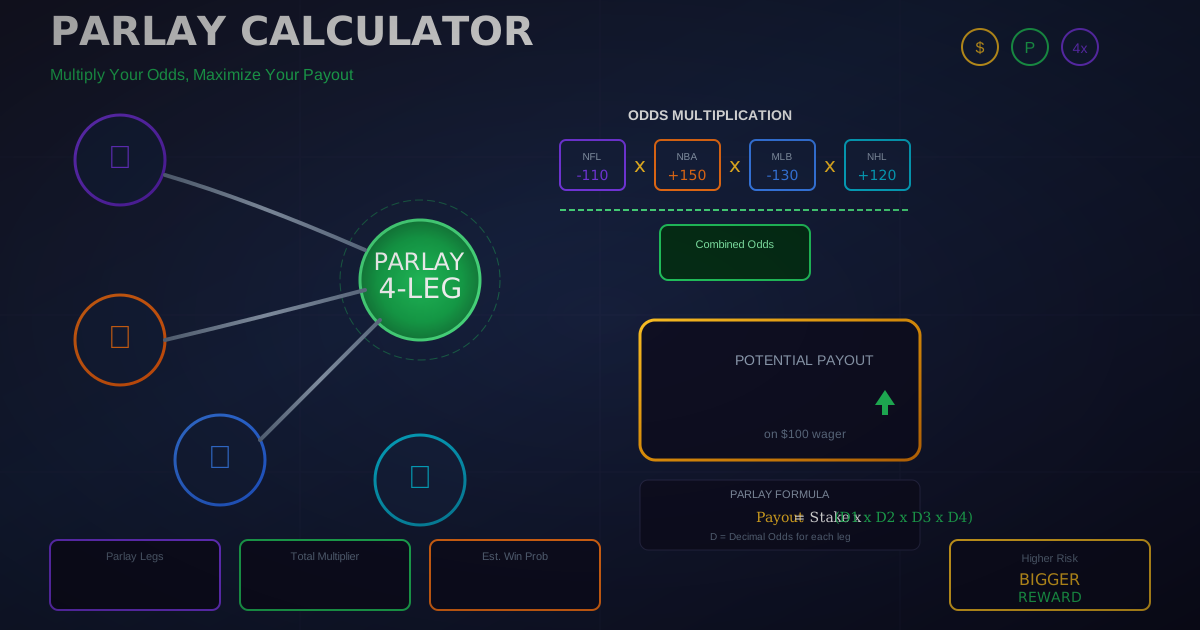
Calculate the true odds and payouts of any parlay with our free Parlay Calculator.
What Are Same Game Parlays?
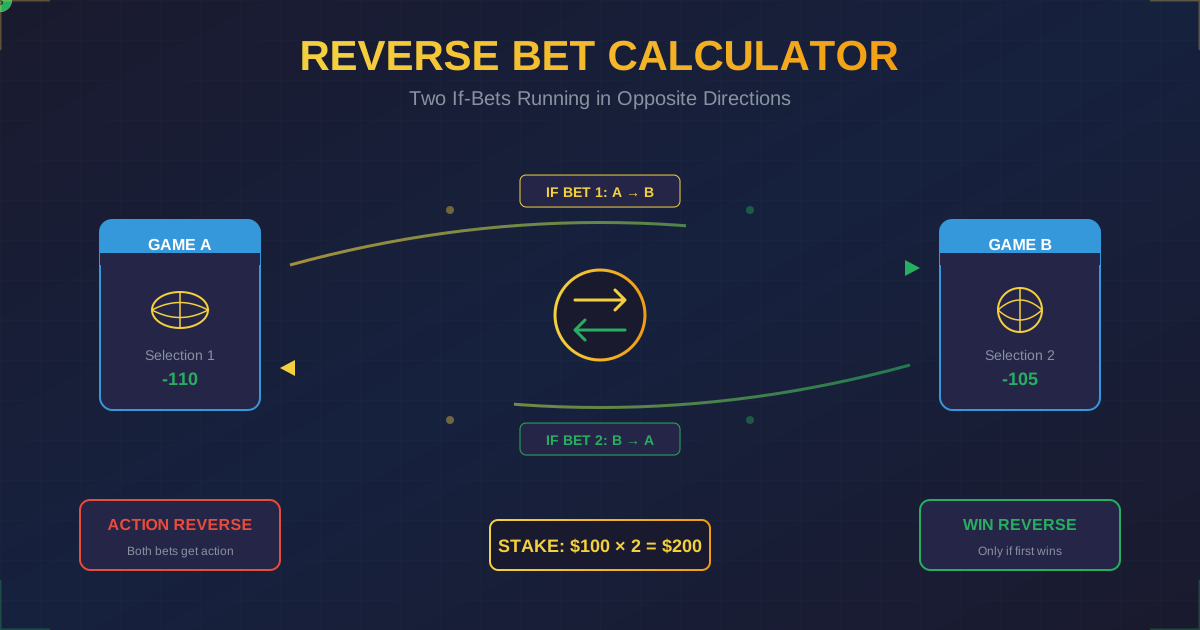
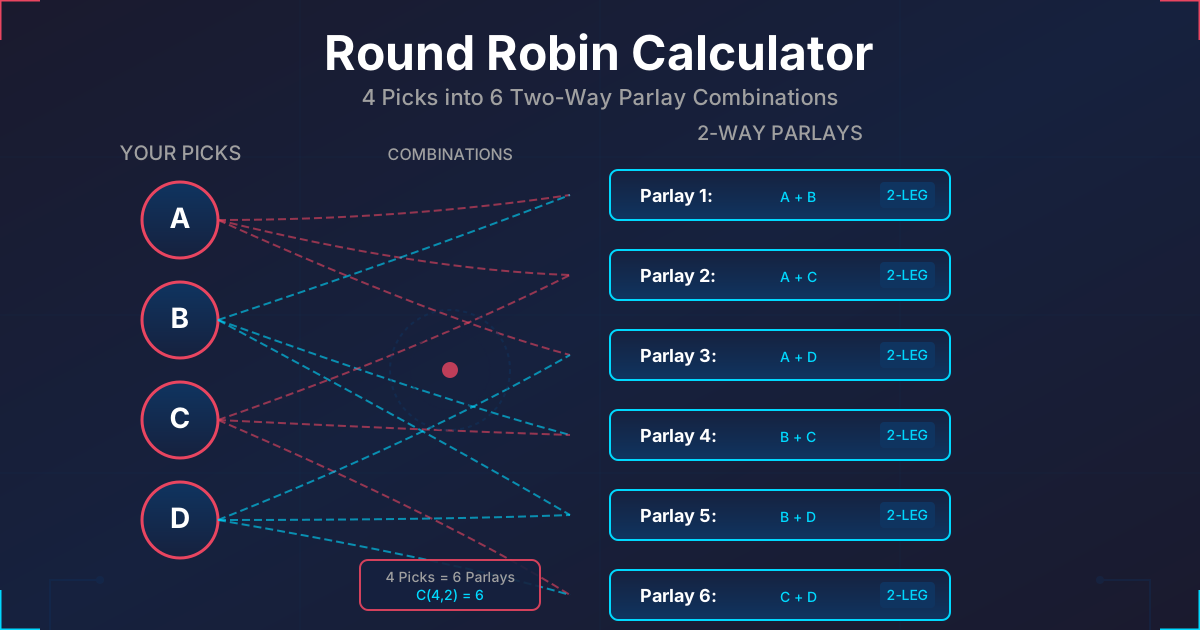
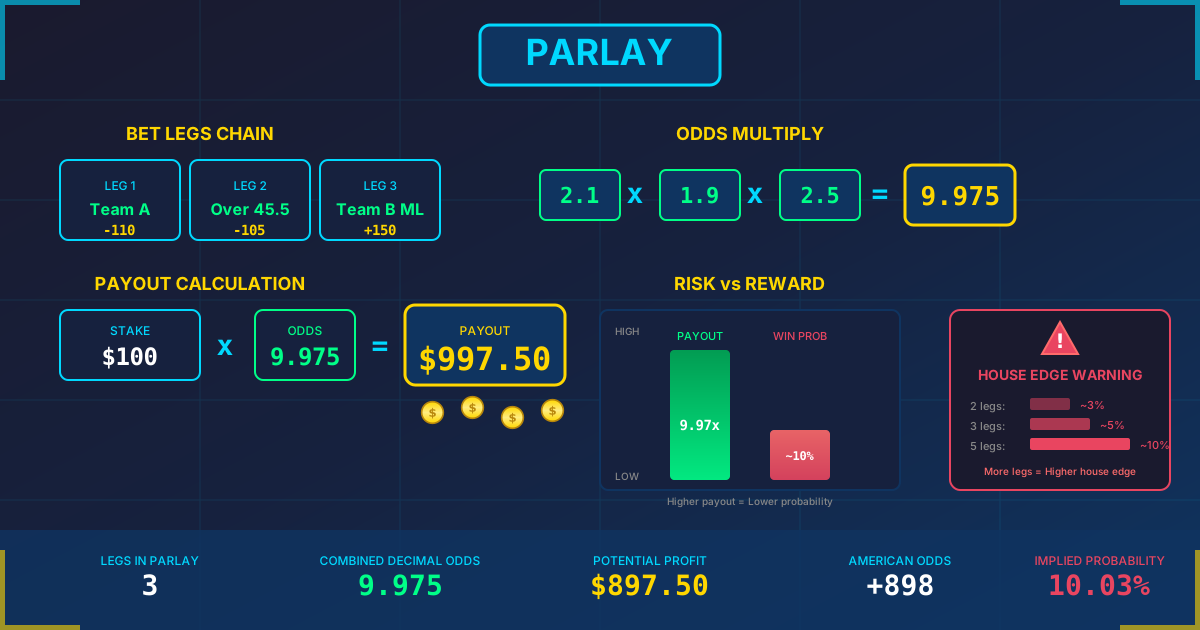
A same game parlay combines multiple bets from the same game into a single wager. All legs must win for the parlay to pay out. Unlike traditional parlays that combine bets across different games, SGPs link correlated outcomes within one event.
Typical SGP Legs
Here is an example NFL same game parlay:
| Leg | Bet | Individual Odds |
|---|---|---|
| 1 | Chiefs -3.5 | -110 |
| 2 | Over 48.5 total points | -110 |
| 3 | Patrick Mahomes over 275.5 passing yards | -115 |
| 4 | Travis Kelce over 5.5 receptions | -130 |
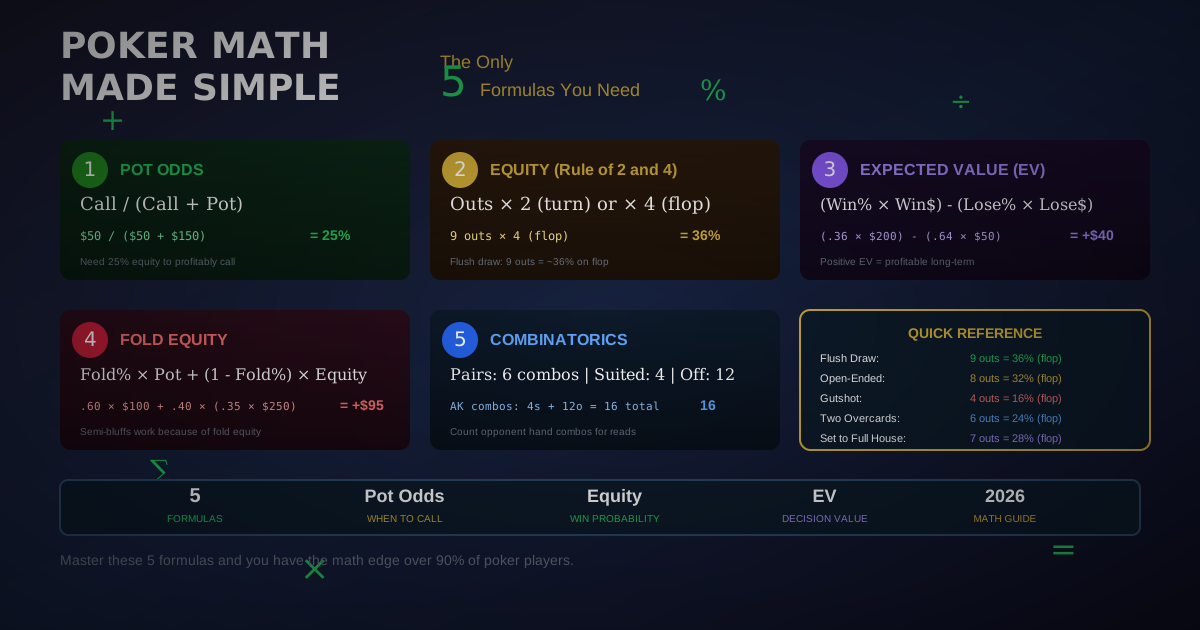
If you bet each of these separately, the combined implied probability would be approximately:
- Leg 1: 52.4%
- Leg 2: 52.4%
- Leg 3: 53.5%
- Leg 4: 56.5%
If they were independent events: 52.4% x 52.4% x 53.5% x 56.5% = 8.31%
Fair odds for 8.31% probability: approximately +1,103
But these events are not independent. They are correlated, and this is where the sportsbook makes its money.
Why Correlation Matters
In the example above, several legs are positively correlated:
- If the Chiefs win by 4+, it is more likely the game went over 48.5 (more points scored)
- If the game has many points, Mahomes is more likely to have 275+ passing yards
- If Mahomes has a big passing day, Kelce probably had a good receiving day
Positive correlation means these events are more likely to all occur together than the independent probability suggests. The true probability of all four hitting might be 10-12%, not 8.31%.
The sportsbook knows this. Their correlation model adjusts the odds. But they do not give you fair correlated odds. They give you correlated odds minus a massive margin.
Your SGP might pay +650 instead of the mathematically fair +750 to +900. That gap is the sportsbook's profit margin.
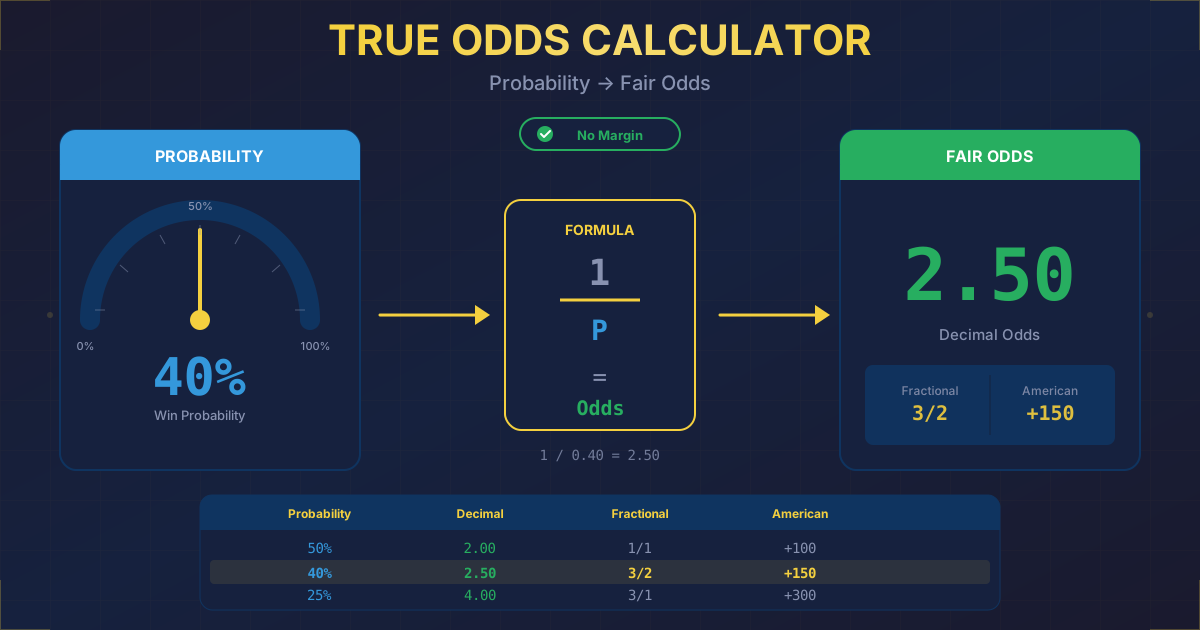
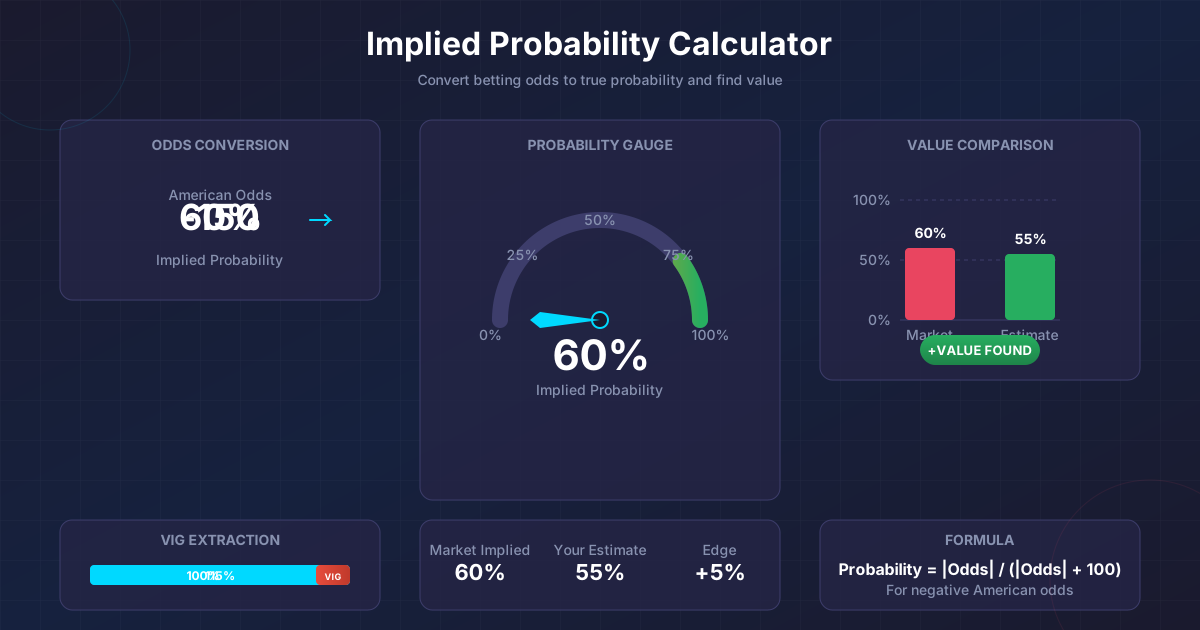
Understand the implied probability behind any odds with our Implied Probability Calculator.
How Sportsbooks Price SGPs: The Margin Machine
The Three Layers of SGP Margin
Sportsbooks extract profit from SGPs through three distinct mechanisms:
Layer 1: Individual Leg Vig
Each leg already has vig built in. A -110 line on a 50/50 event has a 4.55% margin per side. When you parlay 4 legs with this vig, it compounds:
| Number of Legs | Compounded Vig (each at -110) | Effective Margin |
|---|---|---|
| 2 legs | ~8.7% | 8.7% |
| 3 legs | ~12.7% | 12.7% |
| 4 legs | ~16.4% | 16.4% |
| 5 legs | ~19.9% | 19.9% |
| 6 legs | ~23.1% | 23.1% |
Even a standard parlay across different games compounds the vig. This is why parlays are already worse than straight bets.
Layer 2: Correlation Adjustment
The sportsbook uses proprietary models to estimate how correlated the legs are. When legs are positively correlated (like our Chiefs example), the true probability of all hitting is higher than the independent calculation suggests.
The sportsbook adjusts the payout downward to reflect this correlation, but they typically over-adjust, keeping the difference as additional margin.
Example:
- Independent probability: 8.31% (fair odds: +1,103)
- Correlation-adjusted probability: 11.5% (fair odds: +770)
- SGP offered odds: +650
- True implied probability at +650: 13.3%
- Sportsbook margin on correlation: 13.3% - 11.5% = 1.8% additional margin
Layer 3: The Opacity Premium
Because SGP pricing is proprietary and opaque (you cannot compare to a market like you can with standard lines), sportsbooks can embed extra margin without bettors noticing. There is no "market consensus" for SGP prices, giving the sportsbook complete pricing power.
Calculate the hold/vig on any line with our Hold/Vig Calculator.
Real-World SGP Margin Analysis
Let us calculate the actual margin on a real-world style SGP:
NBA Same Game Parlay:
| Leg | Bet | Fair Probability | Sportsbook Implied |
|---|---|---|---|
| 1 | Celtics -4.5 | 50% | 52.4% (-110) |
| 2 | Over 215.5 | 50% | 52.4% (-110) |
| 3 | Jayson Tatum over 27.5 points | 48% | 53.5% (-115) |
Independent calculation:
- Fair combined probability: 50% x 50% x 48% = 12.0%
- Fair odds: +733
Correlation analysis:
- Celtics winning and game going over are positively correlated (~0.15 correlation)
- Tatum scoring and Celtics winning are positively correlated (~0.10 correlation)
- Correlation-adjusted fair probability: approximately 14.5%
- Correlation-adjusted fair odds: +590
What the sportsbook offers: +450
The math:
- Implied probability at +450: 18.2%
- True probability: ~14.5%
- Sportsbook margin: 18.2% - 14.5% = 3.7 percentage points
- As a percentage of true probability: 3.7 / 14.5 = 25.5% margin
A 25.5% margin means for every $100 bet, the sportsbook expects to keep $25.50. Compare this to the $4.55 they keep on a standard -110 bet.
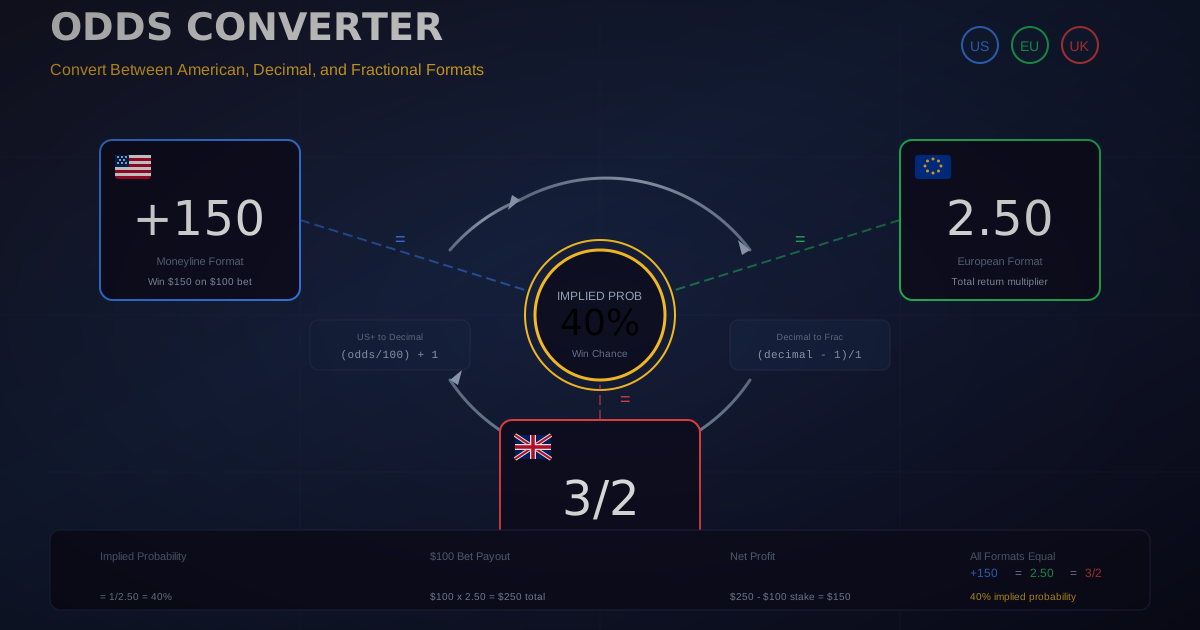
Convert between any odds format with our Odds Converter.
The Mathematics: Why SGPs Are the Worst Bet in Sports Betting
Expected Value Comparison
| Bet Type | Typical Margin | EV per $100 Bet | Annual Loss on $100/week |
|---|---|---|---|
| Point spread (-110) | 4.55% | -$4.55 | -$236 |
| Moneyline (heavy favorite) | 3-5% | -$3.00 to -$5.00 | -$156 to -$260 |
| Standard 2-leg parlay | 8-10% | -$8.00 to -$10.00 | -$416 to -$520 |
| Standard 4-leg parlay | 15-20% | -$15.00 to -$20.00 | -$780 to -$1,040 |
| Same game parlay (3 legs) | 18-25% | -$18.00 to -$25.00 | -$936 to -$1,300 |
| Same game parlay (5+ legs) | 25-35% | -$25.00 to -$35.00 | -$1,300 to -$1,820 |
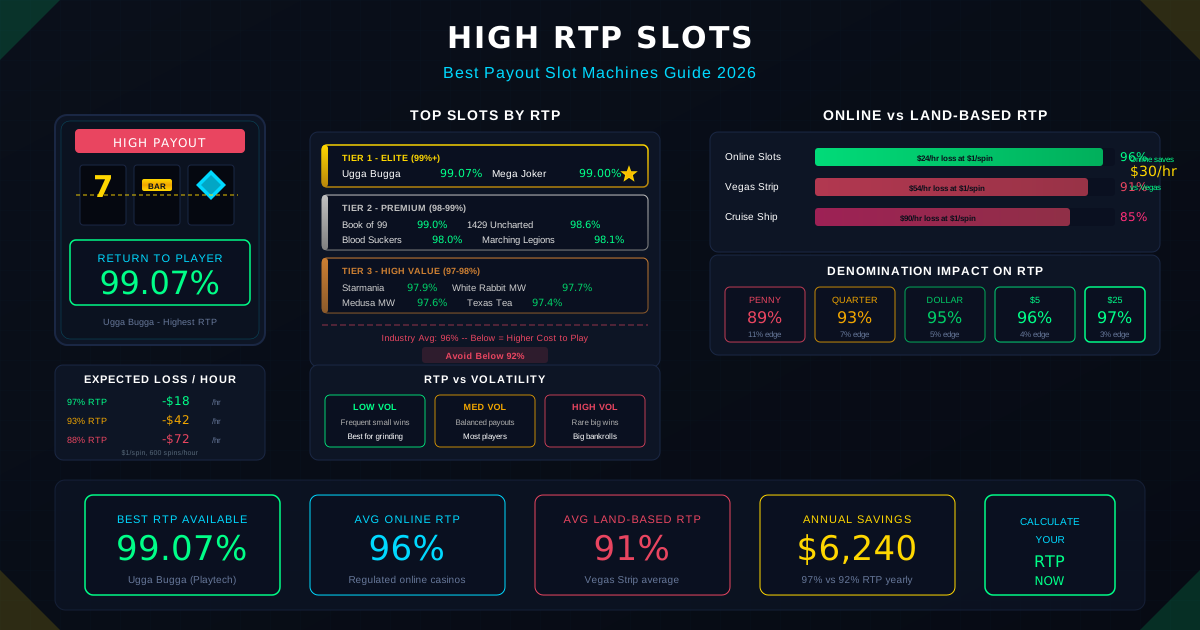
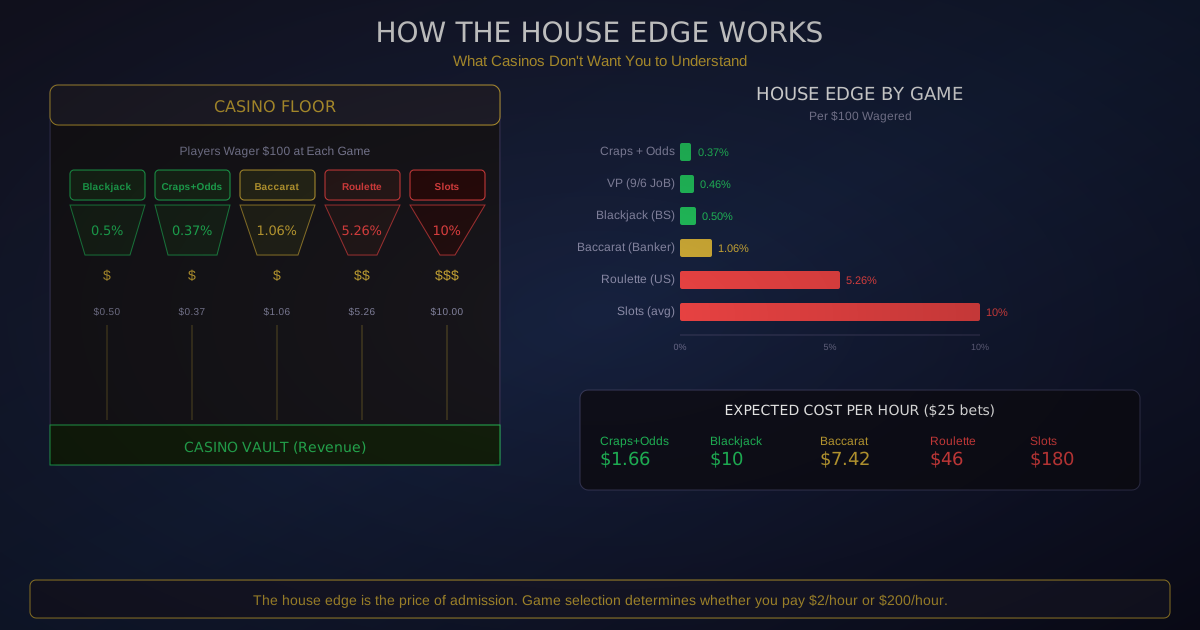
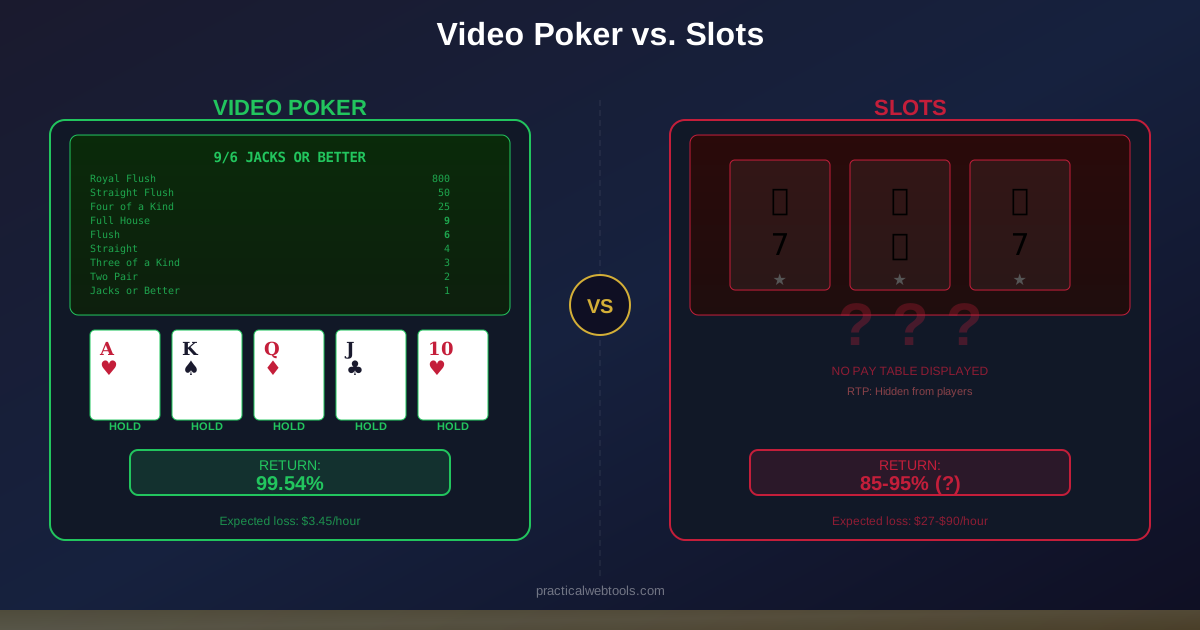
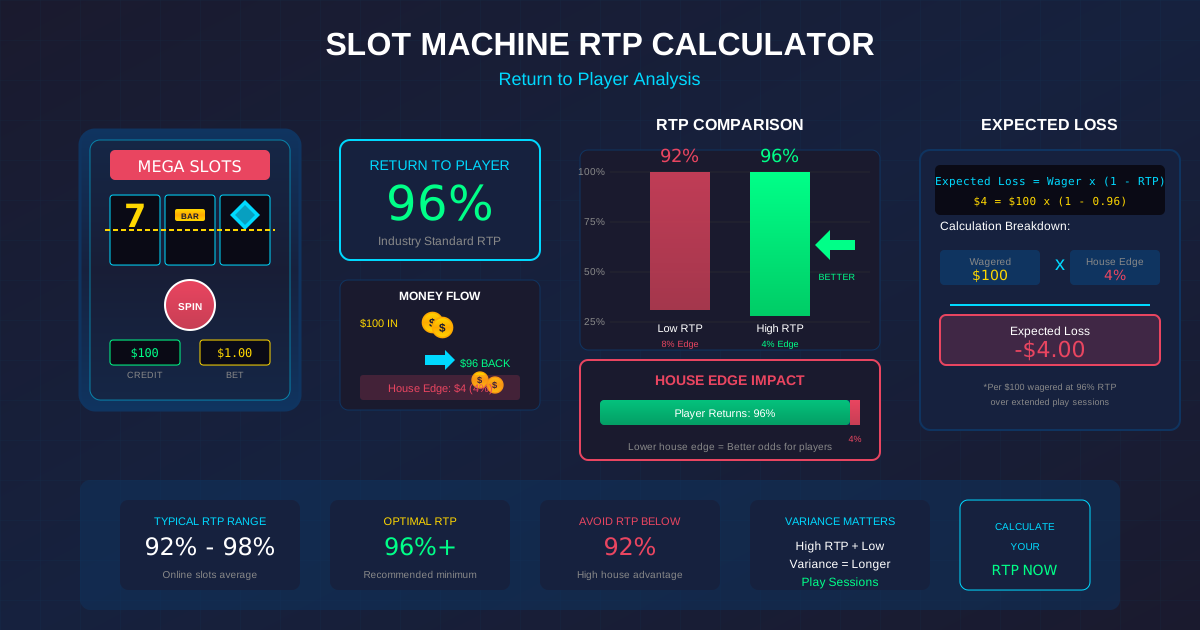
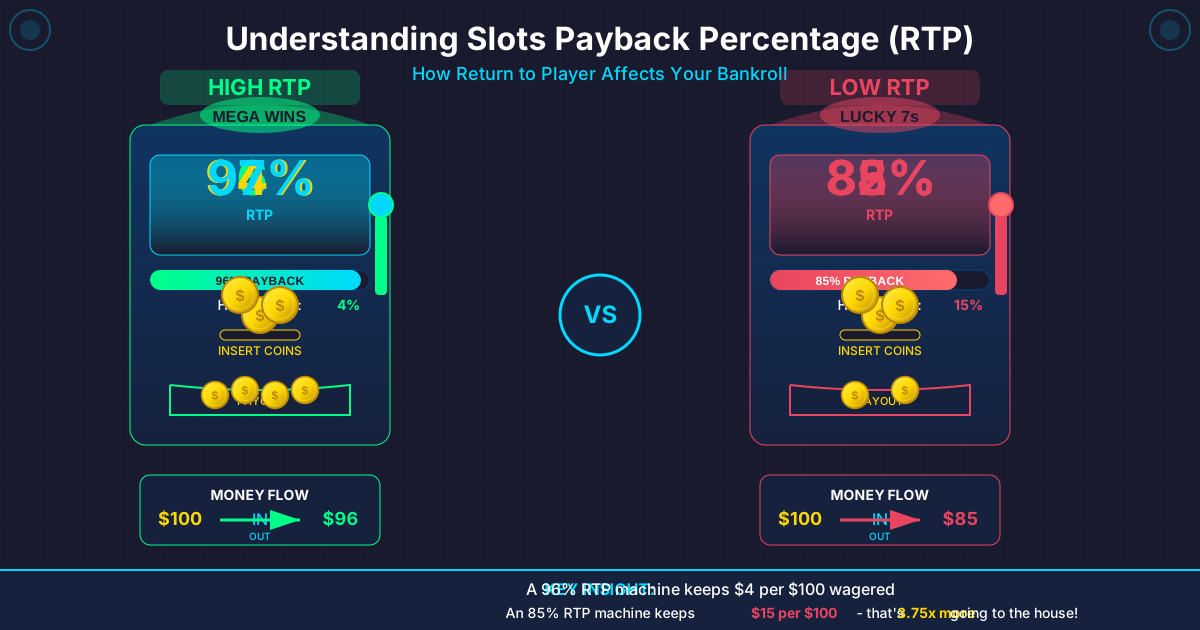
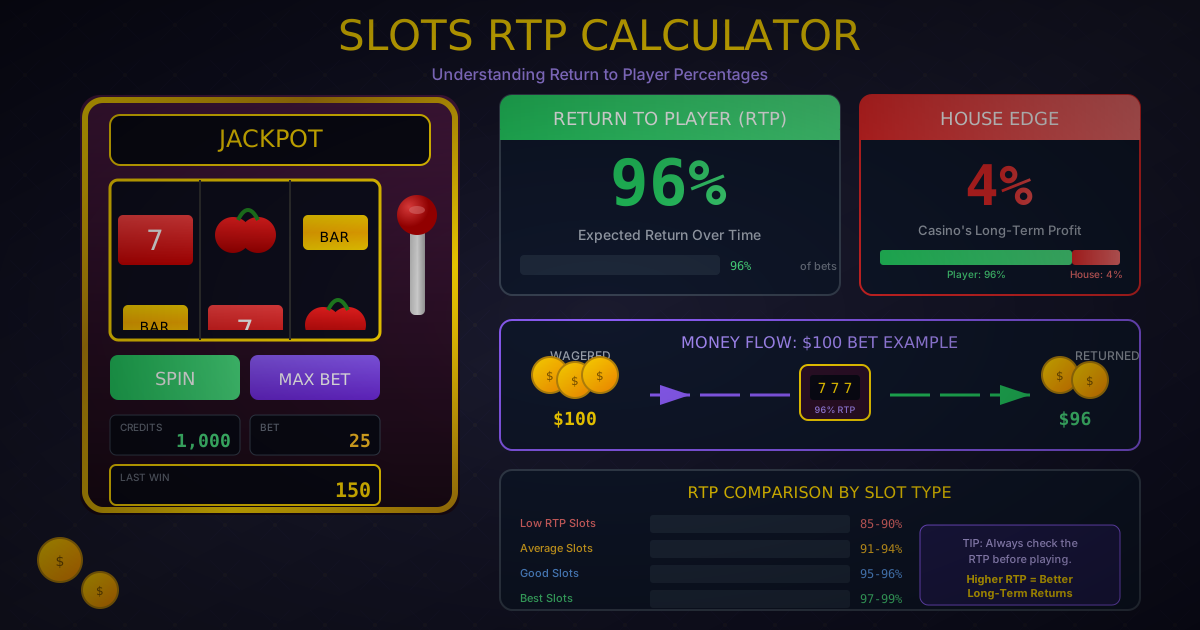
| Slot machines | 5-15% | -$5.00 to -$15.00 | -$260 to -$780 |
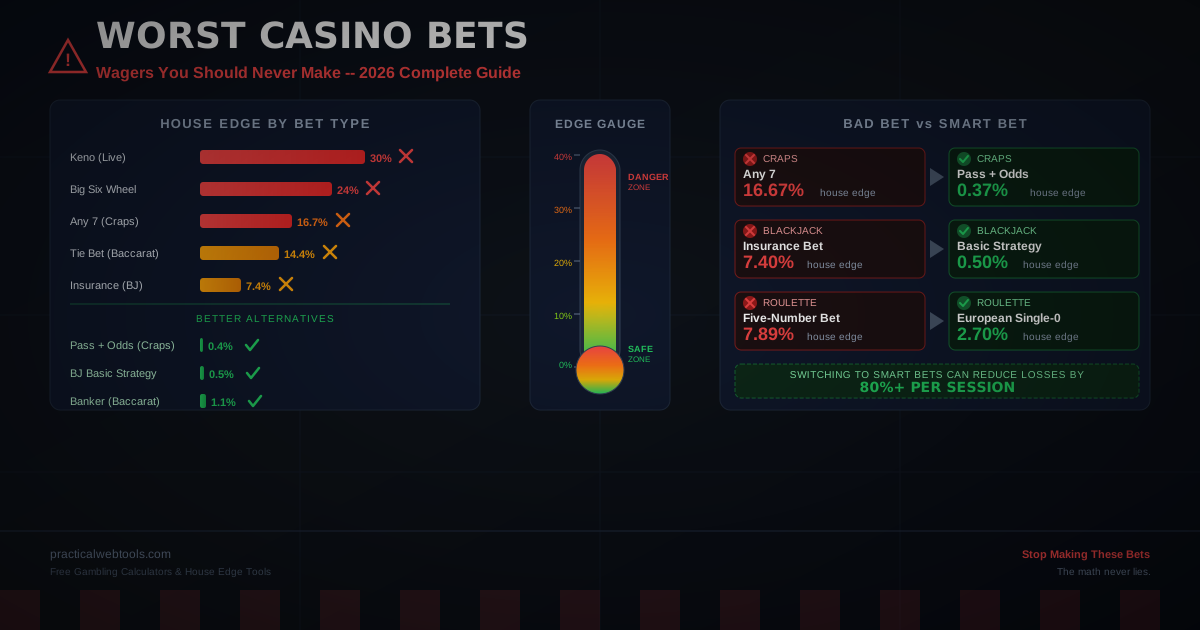
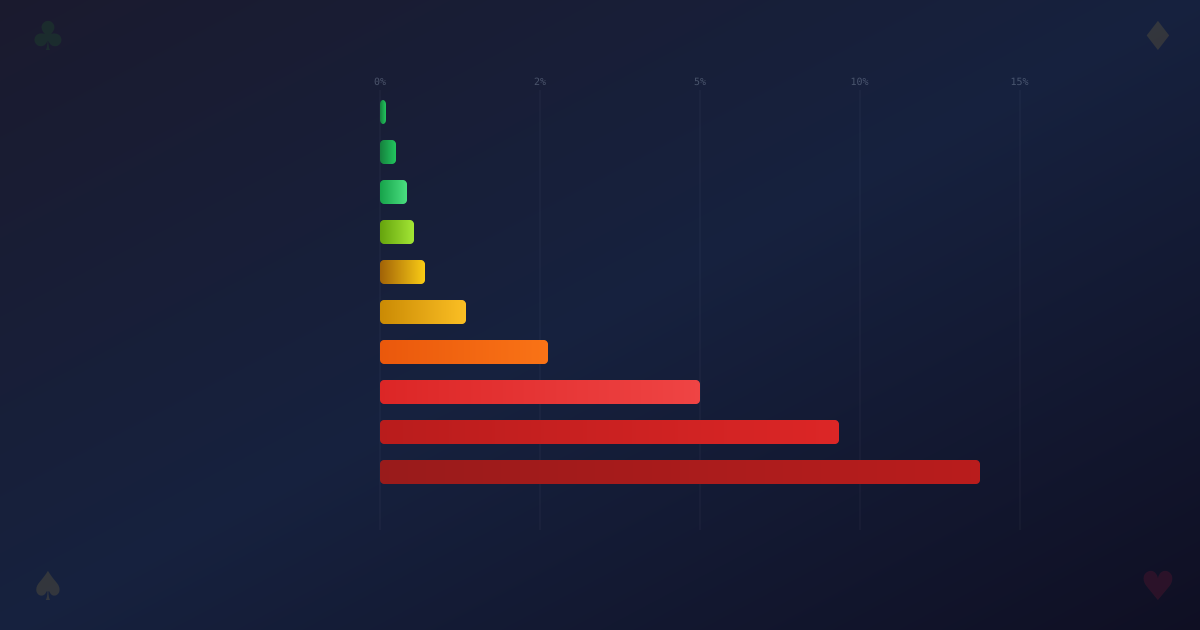
Same game parlays with 5+ legs have a worse expected value than most slot machines. This is a remarkable finding that most bettors are unaware of.
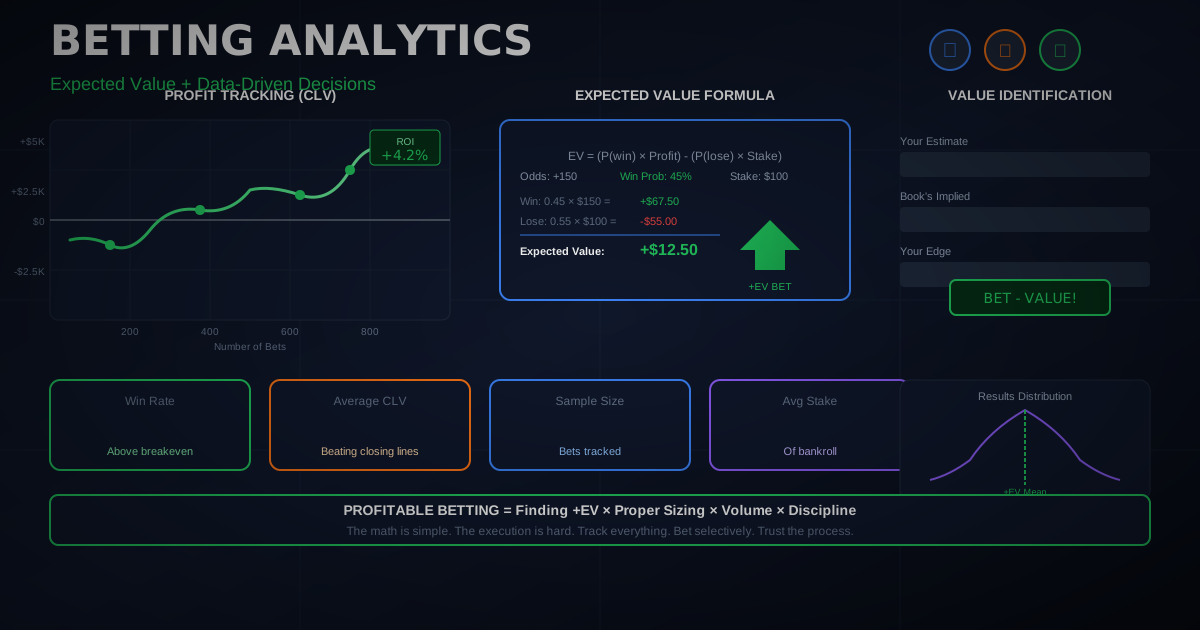
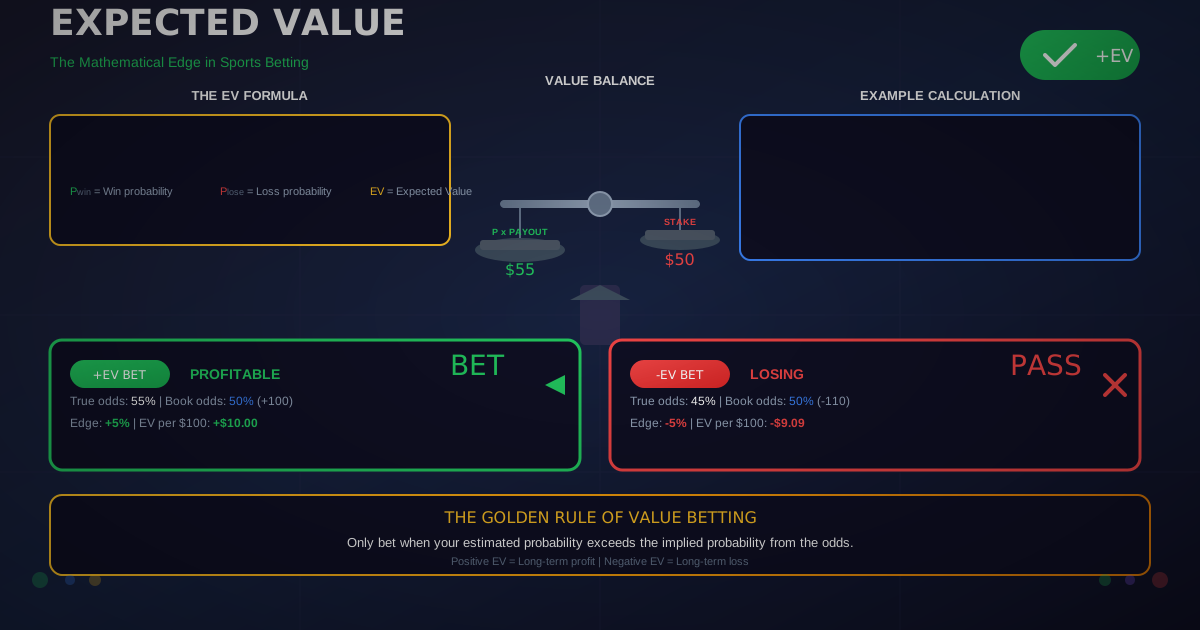
Calculate the EV of any bet with our Expected Value Calculator.
The Correlation Problem in Detail
The fundamental challenge of SGPs is that the sportsbook has much better correlation data than you do. They have:
- Millions of historical data points on player performance correlations
- Real-time injury and lineup information affecting correlations
- Sophisticated statistical models built by teams of quantitative analysts
- The ability to test and update their models continuously
You have intuition and basic statistics. This information asymmetry means the sportsbook's correlation model is almost certainly more accurate than any individual bettor's, allowing them to consistently over-charge for correlated events.
Why More Legs = Worse EV
Each additional leg in an SGP amplifies the margin exponentially:
| Legs | Minimum Sportsbook Margin | Typical Margin | Maximum Margin |
|---|---|---|---|
| 2 | 8% | 12-18% | 25% |
| 3 | 12% | 18-25% | 30% |
| 4 | 16% | 22-30% | 35% |
| 5 | 20% | 25-35% | 40% |
| 6+ | 25% | 30-40%+ | 50%+ |
A 6-leg SGP can have a margin exceeding 40%. This means you need to be right 40% more often than the true probability suggests just to break even. No sports bettor, no matter how skilled, can consistently overcome a 40% margin.
Real-World Example: $50 SGP Per Week
A recreational bettor places one $50 same game parlay every NFL Sunday for 18 weeks:
| Week | SGP Odds | Result | Profit/Loss |
|---|---|---|---|
| 1 | +450 | Loss | -$50 |
| 2 | +380 | Loss | -$50 |
| 3 | +520 | Loss | -$50 |
| 4 | +280 | Win | +$140 |
| 5 | +650 | Loss | -$50 |
| 6 | +420 | Loss | -$50 |
| 7 | +350 | Loss | -$50 |
| 8 | +480 | Loss | -$50 |
| 9 | +310 | Win | +$155 |
| 10 | +550 | Loss | -$50 |
| 11 | +400 | Loss | -$50 |
| 12 | +620 | Loss | -$50 |
| 13 | +380 | Loss | -$50 |
| 14 | +450 | Loss | -$50 |
| 15 | +500 | Loss | -$50 |
| 16 | +340 | Win | +$170 |
| 17 | +480 | Loss | -$50 |
| 18 | +600 | Loss | -$50 |
Season totals:
- Total wagered: 18 x $50 = $900
- Wins: 3 (16.7% hit rate)
- Total won: $140 + $155 + $170 = $465
- Total lost: 15 x $50 = $750
- Net loss: $750 - $465 = -$285 (31.7% loss rate)
An expected 25% margin on $900 wagered would predict a $225 loss. The $285 actual loss is within normal variance. Either way, this bettor lost nearly a third of their money.
If this same bettor had placed $50 straight bets at -110, with an expected 4.55% margin, the expected loss would be only $41 over the season, not $225-$285.
Comparing SGPs to Standard Parlays
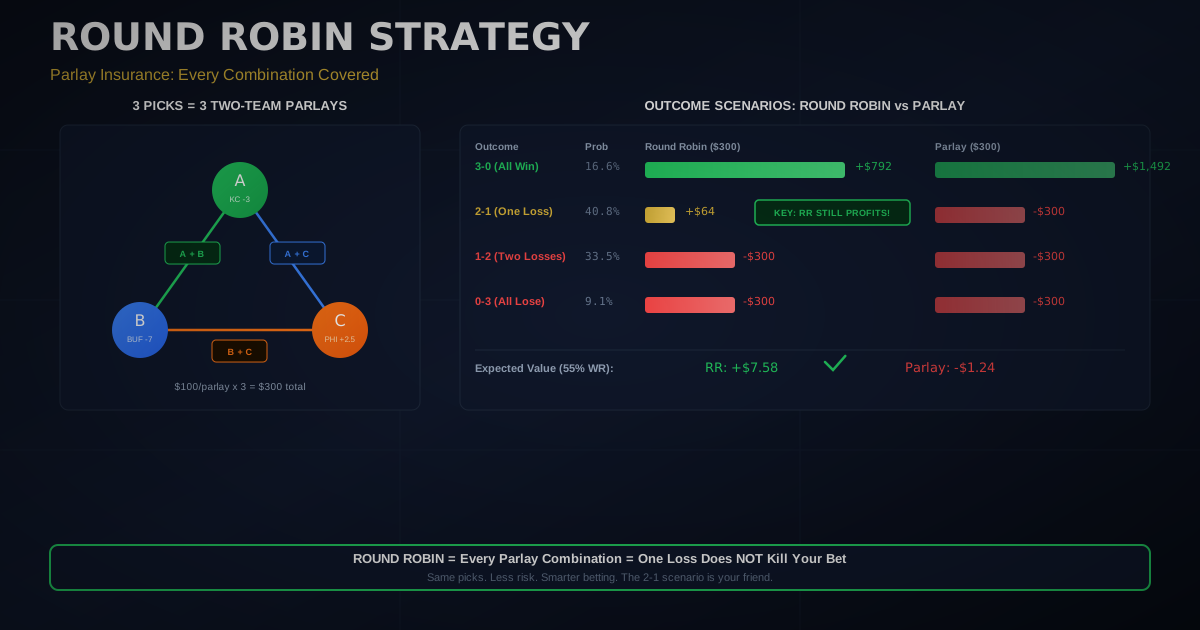
Standard parlays across different games are already worse than straight bets, but they are significantly better than SGPs because the individual leg pricing is transparent and subject to market forces.
Standard Parlay vs. SGP: Side by Side
| Factor | Standard Parlay | Same Game Parlay |
|---|---|---|
| Legs from | Different games | Same game |
| Correlation | Low (nearly independent) | High (same game events) |
| Price transparency | High (market odds) | Low (proprietary model) |
| Margin per leg | 4-5% | 5-10%+ |
| Total margin (3 legs) | 12-15% | 18-30% |
| Can shop lines? | Yes (different sportsbooks) | No (proprietary pricing) |
| Arbitrage possible? | Rarely, but yes | Virtually never |
Calculate standard parlay odds and payouts with our Parlay Calculator.
When Standard Parlays Can Be Acceptable
Standard parlays are still negative EV for most bettors, but they are far more reasonable than SGPs:
- A 2-leg parlay at -110 each has about 8.7% margin (vs. 15-20% for a 2-leg SGP)
- You can line shop across sportsbooks for each leg
- The correlation is usually minimal (different games, different leagues)
- You can check the math: multiply the implied probabilities and compare to the parlay odds
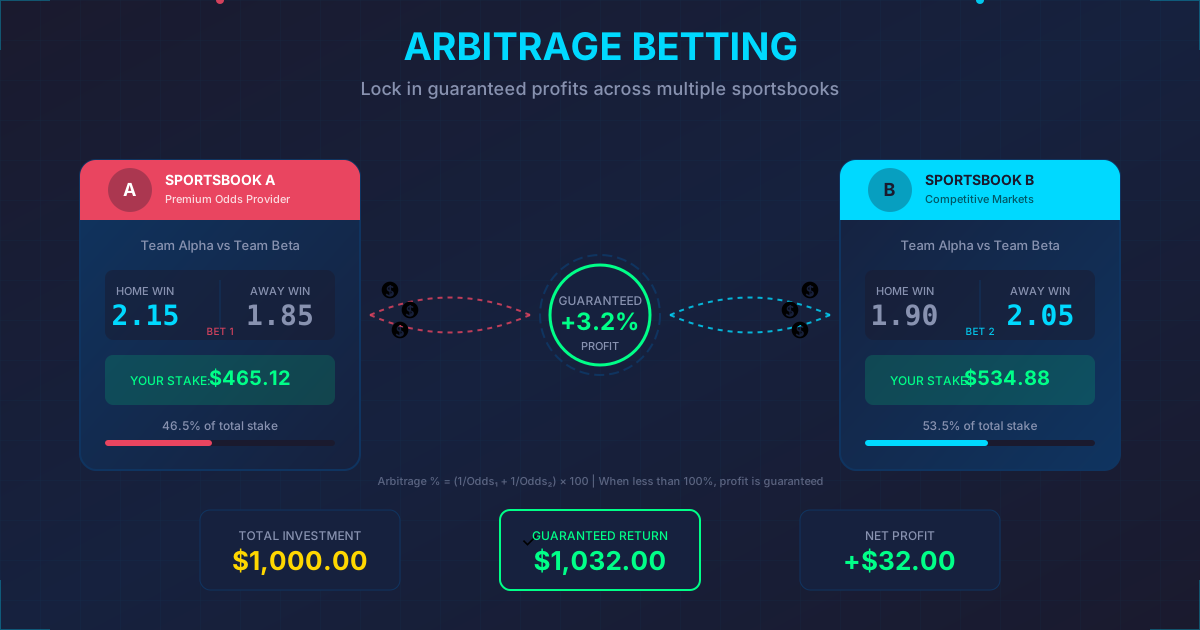
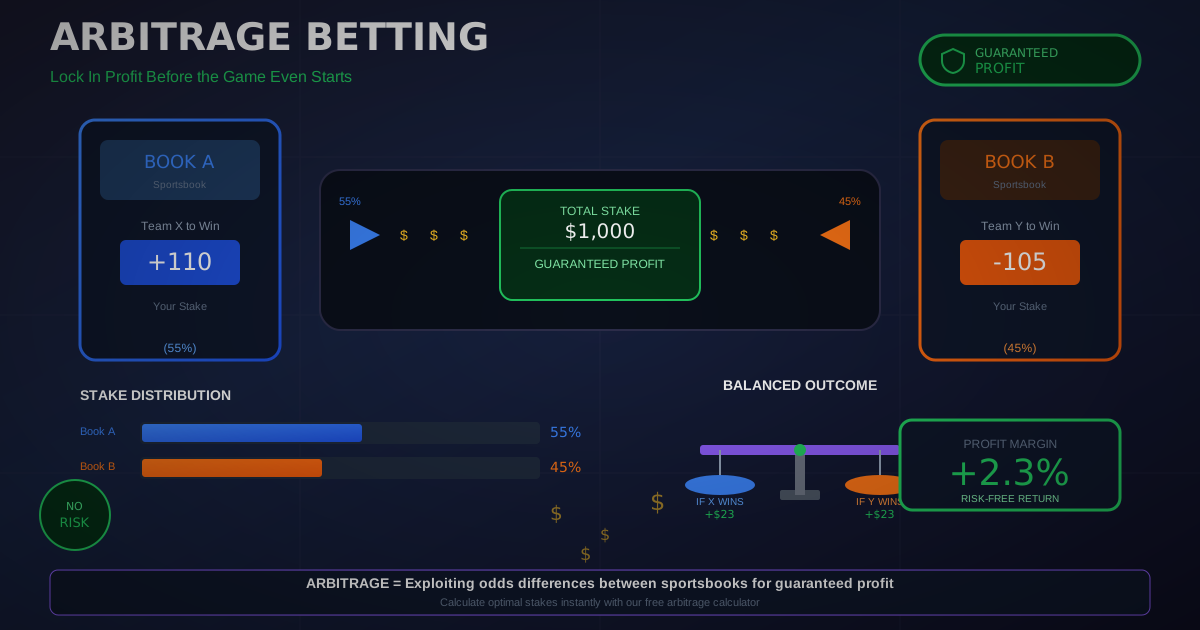
Check for potential arbitrage opportunities across sportsbooks with our Arbitrage Calculator.
The Marketing Machine: How Sportsbooks Promote SGPs
Sportsbook Revenue from SGPs
SGPs now represent an estimated 20-30% of total sportsbook handle for some operators, despite being a relatively new product. The reason is simple: massive margins. If a sportsbook has a 4.5% margin on straight bets and a 25% margin on SGPs, they make roughly 5.5x more profit per SGP dollar.
Common SGP Promotions
Sportsbooks frequently offer SGP promotions:
- "SGP Insurance" - Get your money back if one leg loses. Sounds generous, but the margin is so high that even with insurance, the EV is worse than a straight bet.
- "Profit Boosts" - Increase your SGP payout by 25-50%. Again, when the base margin is 25%+, a 25% boost barely gets you back to standard parlay territory.
- "First Bet SGP Match" - Match your first SGP up to $X. These can have genuine value if the match is generous enough, but only for the initial bet.
How to Evaluate SGP Promotions
SGP Insurance Example:
- 4-leg SGP at +500 with "insurance if one leg misses"
- True margin without insurance: ~28%
- The insurance effectively reduces the margin by approximately 8-12%
- Net margin with insurance: ~16-20%
- This is still worse than a standard 2-leg parlay (8.7% margin)
Profit Boost Example:
- 3-leg SGP at +300, boosted to +400
- Original implied probability: 25% (margin ~22%)
- Boosted implied probability: 20%
- True probability: ~18%
- Even with the boost, the margin is still ~10-12%
These promotions make a terrible bet slightly less terrible, but they rarely make it a good bet.
Real-World Promotion Example
A sportsbook offers "Build a 3+ leg SGP on Monday Night Football and get a $10 free bet." You build a 3-leg SGP for $25:
- SGP odds: +350
- True probability: ~22% (fair odds: +355)
- Offered implied probability: 22.2%
- Wait - this looks almost fair? No. The true probability accounts for correlation, which the sportsbook has modeled. The real margin is embedded in their correlation adjustment.
- Likely true fair odds after proper correlation: +450 to +500
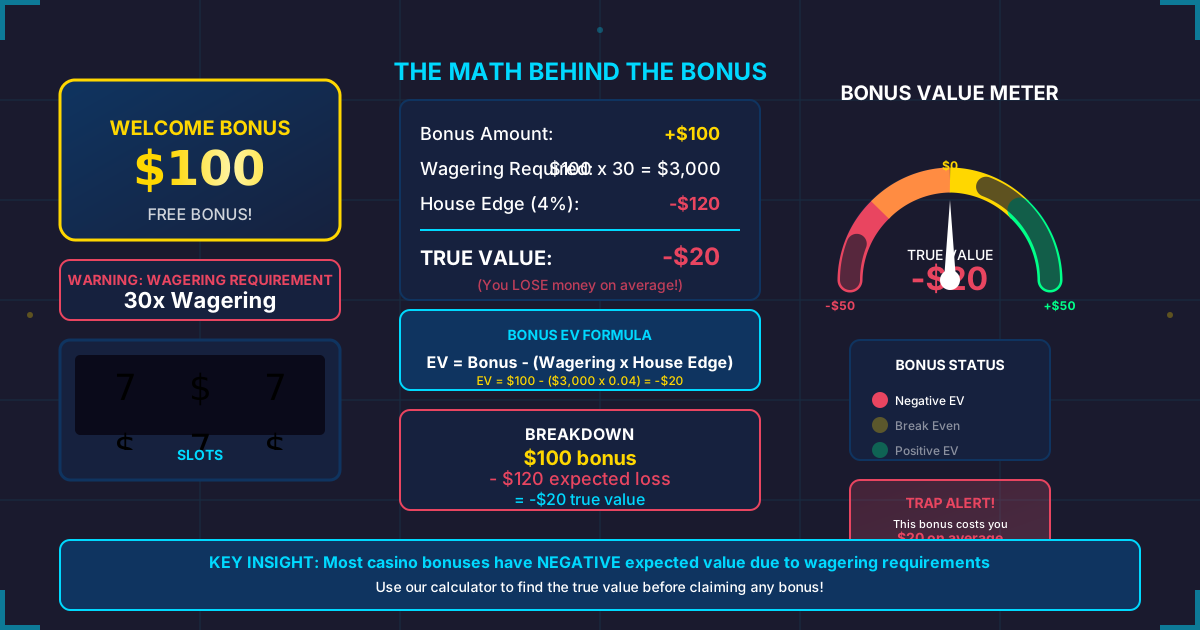
- Your $10 free bet has an actual value of approximately $4-$5 (free bets have ~40-50% conversion rate)
- Net EV of the promotion: -$25 x 22% margin + $4.50 free bet value = -$1.00
The promotion makes it roughly break-even on this specific bet, which is the entire point: the sportsbook breaks even on your promotional bet and profits on every subsequent SGP you build.
When (If Ever) SGPs Make Mathematical Sense
The Honest Answer: Almost Never
For positive expected value, you would need the sportsbook's correlation model to be wrong in your favor by more than the total margin (15-30%+). This requires:
- Better correlation data than the sportsbook (unlikely)
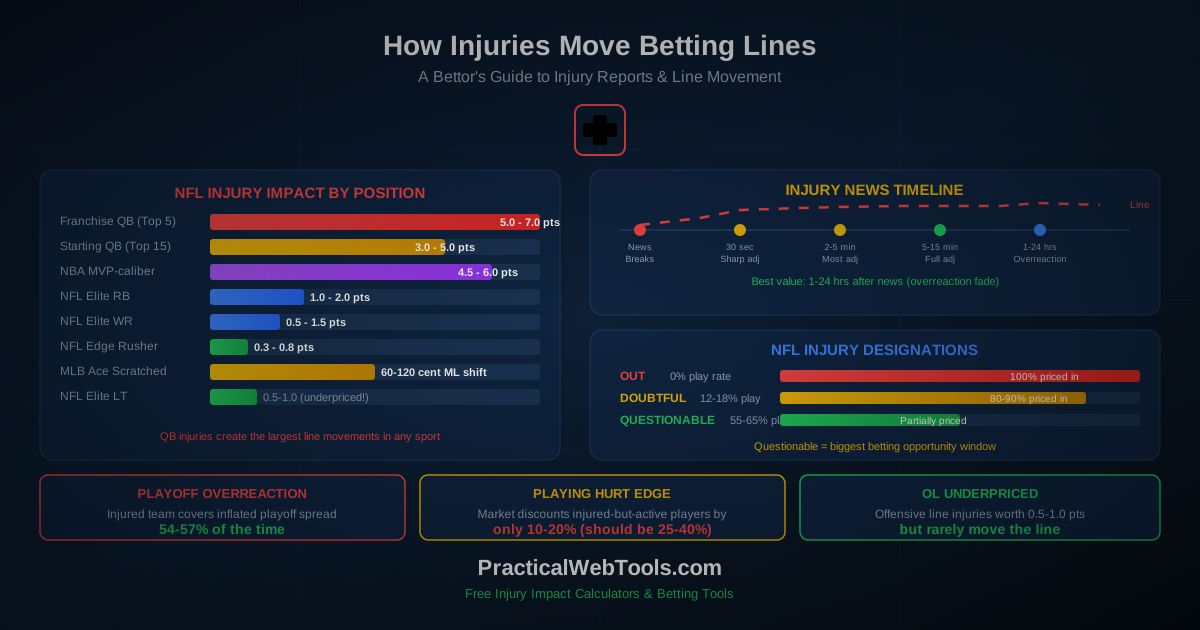
- Knowledge of a player situation the sportsbook has not priced in (rare, and the SGP reprices quickly)
- A correlation the model misses entirely (almost impossible against modern models)
The Only Legitimate SGP Edge: Negative Correlation Exploitation
The one theoretical edge in SGPs involves negatively correlated events that the sportsbook's model might not fully account for.
Example: If you believe two events are negatively correlated (one happening makes the other less likely) but the sportsbook prices them as independent or slightly positively correlated, you might have an edge.
However, this requires:
- Deep domain expertise
- Quantitative analysis of historical correlations
- Confirmation that the sportsbook's model disagrees with your analysis
- Sufficient edge to overcome the base margin
Even professional bettors rarely find these opportunities, and the margins are so high that the required edge is enormous.
SGPs for Entertainment Value Only
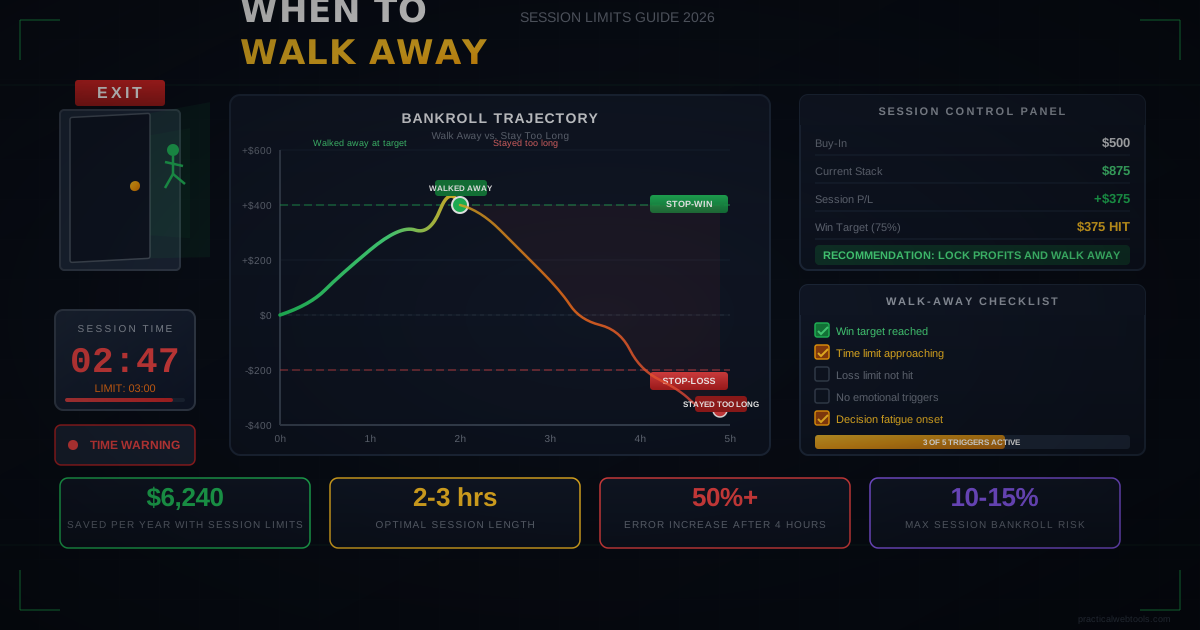
If you treat SGPs purely as entertainment (like buying a lottery ticket for the excitement), the math becomes irrelevant to your enjoyment. The key is:
- Budget accordingly. Treat your SGP budget as entertainment spending, not investment
- Never bet more than you would spend on equivalent entertainment (a movie ticket, a night out)
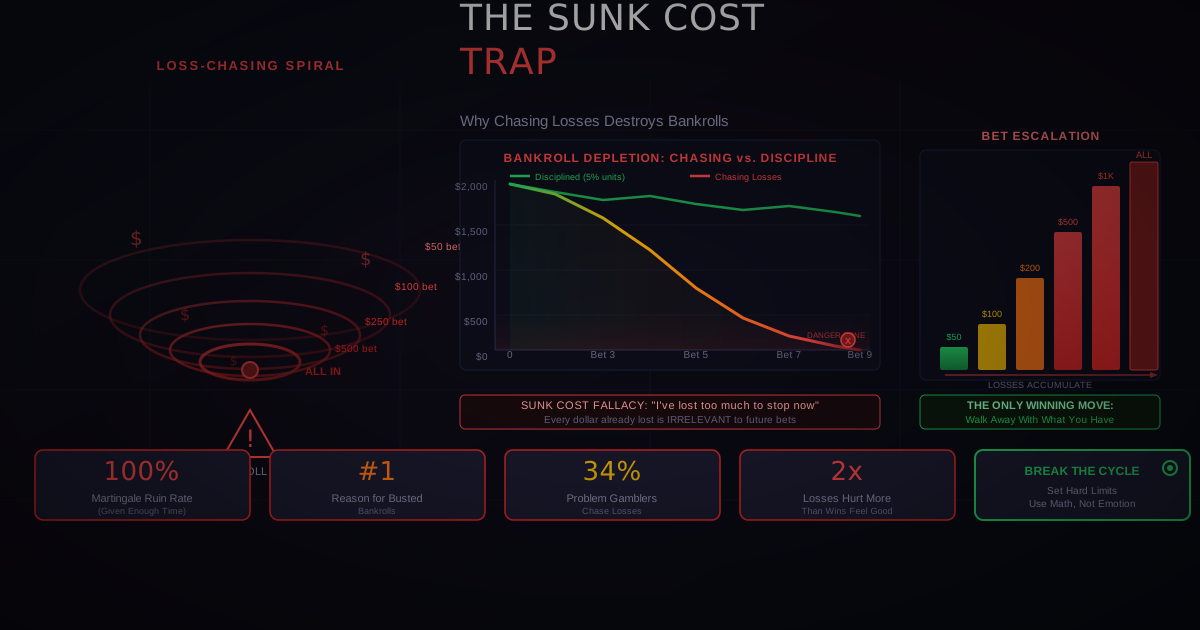
- Do not chase losses. A lost SGP is spent entertainment money, not a loss to recover
- Understand the true cost. A $20 SGP with 25% margin costs you $5 in expected value
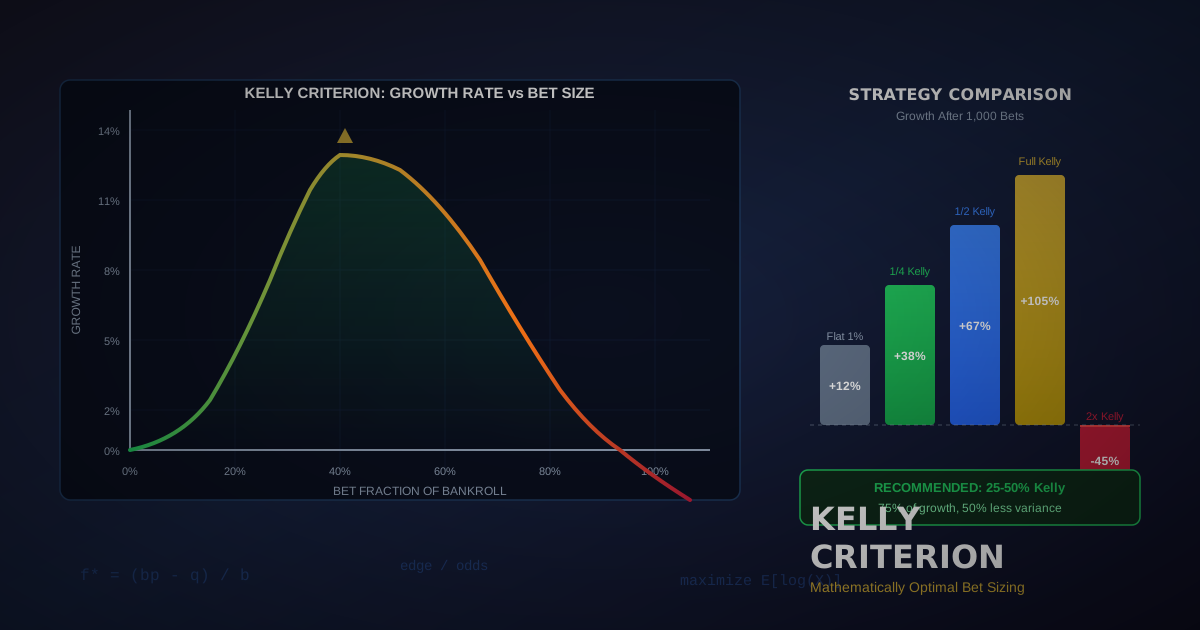
Use our Kelly Criterion Calculator to see why bankroll management theory strongly discourages SGPs.
SGP Margin Comparison Across Sportsbooks
Different sportsbooks have different SGP margins. While we cannot provide exact numbers (they change constantly), general patterns emerge:
| Sportsbook Type | Typical SGP Margin | Notes |
|---|---|---|
| Major US sportsbooks (DraftKings, FanDuel) | 20-30% | Heavy SGP promotion, aggressive pricing |
| Traditional sportsbooks (Caesars, BetMGM) | 18-28% | Slightly better on some sports |
| Sharp-friendly books (Pinnacle, Circa) | Rarely offer SGPs | These books focus on low-margin straight bets |
| Offshore sportsbooks | 15-35% | Highly variable, less regulation |
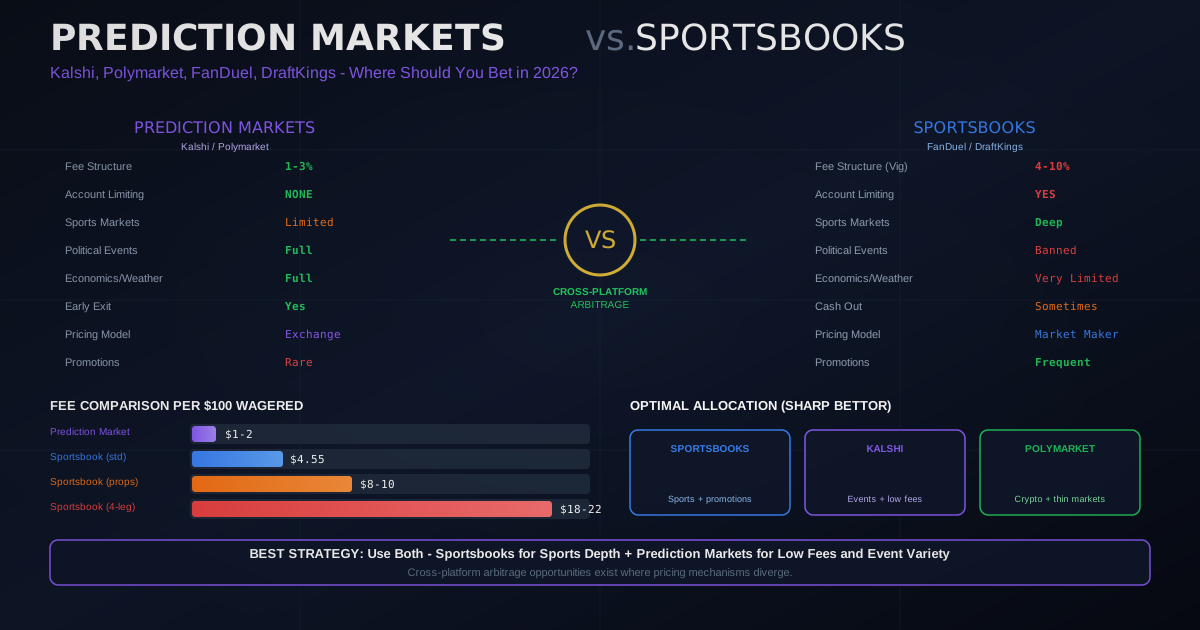
The fact that sharp-friendly sportsbooks (which make money on volume, not margin) generally do not offer SGPs tells you everything you need to know about how profitable SGPs are for the house.
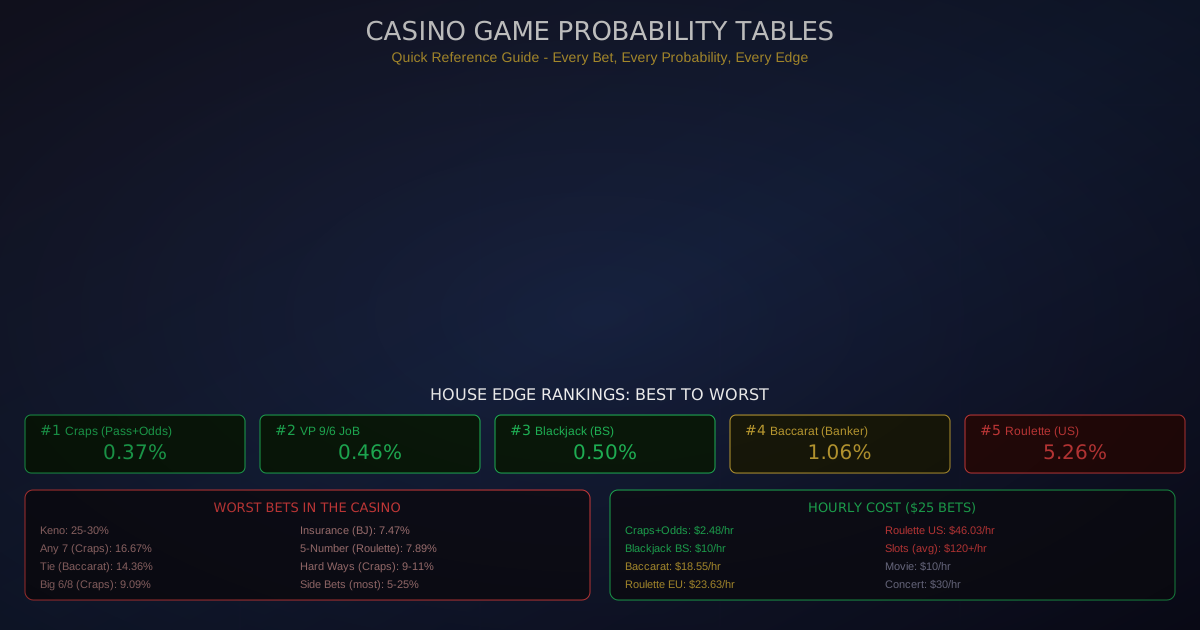
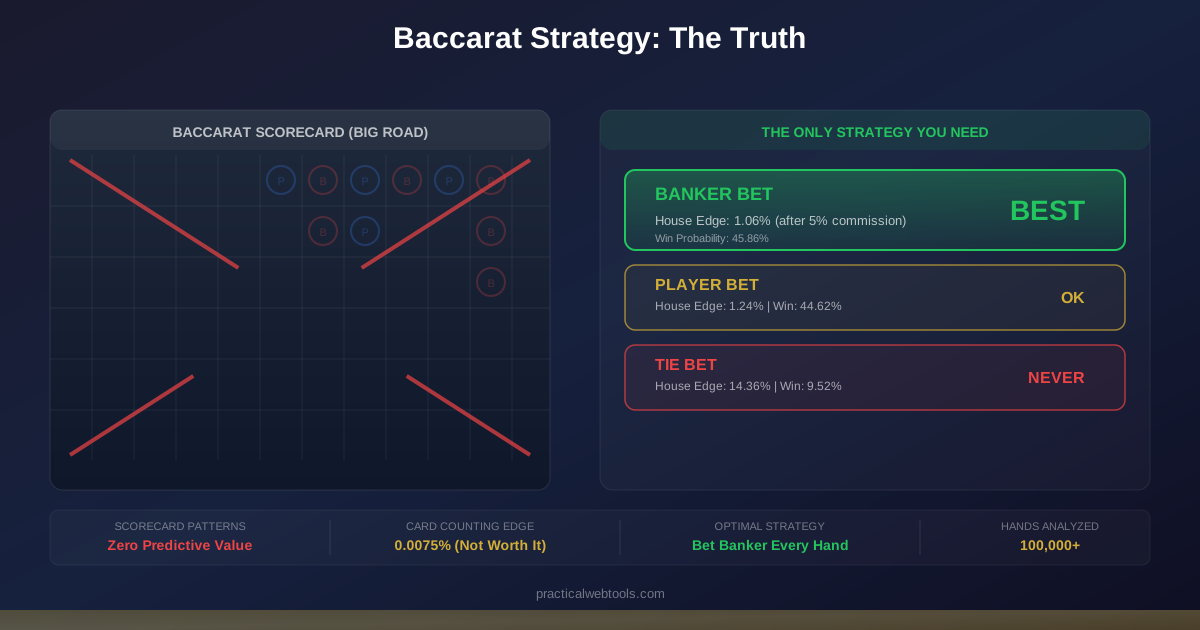
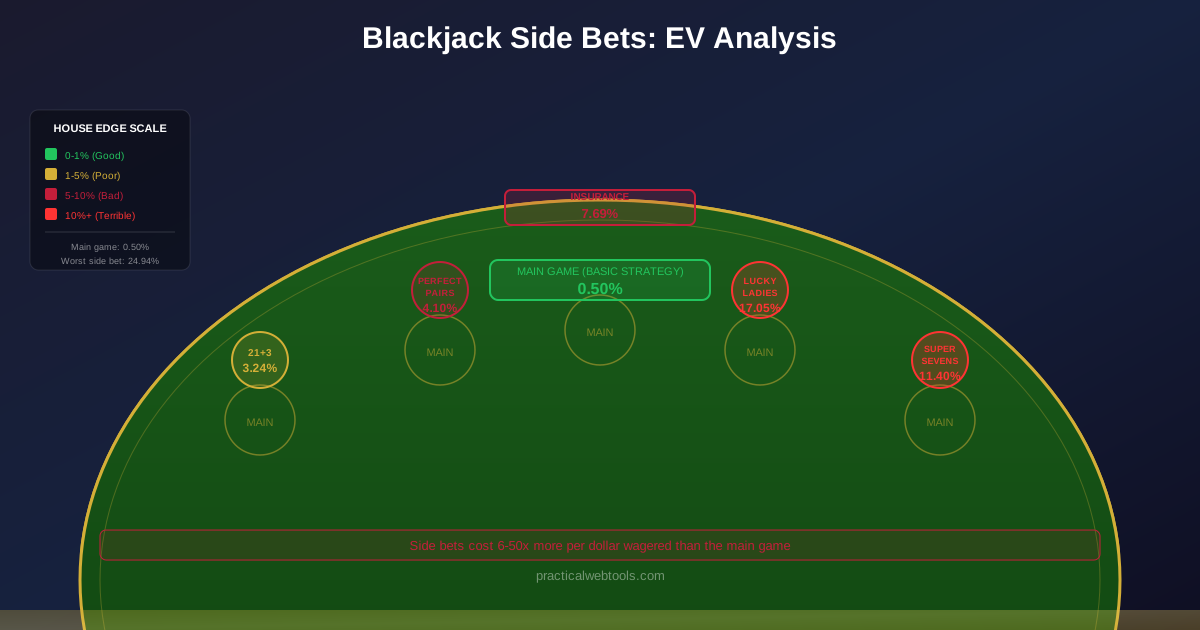
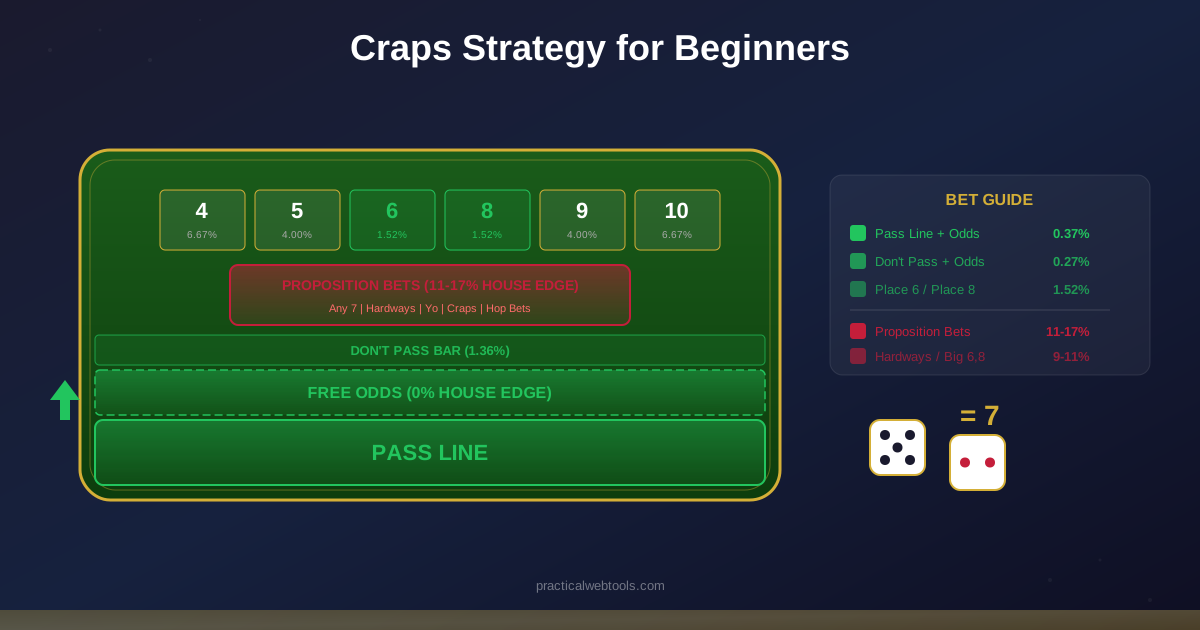
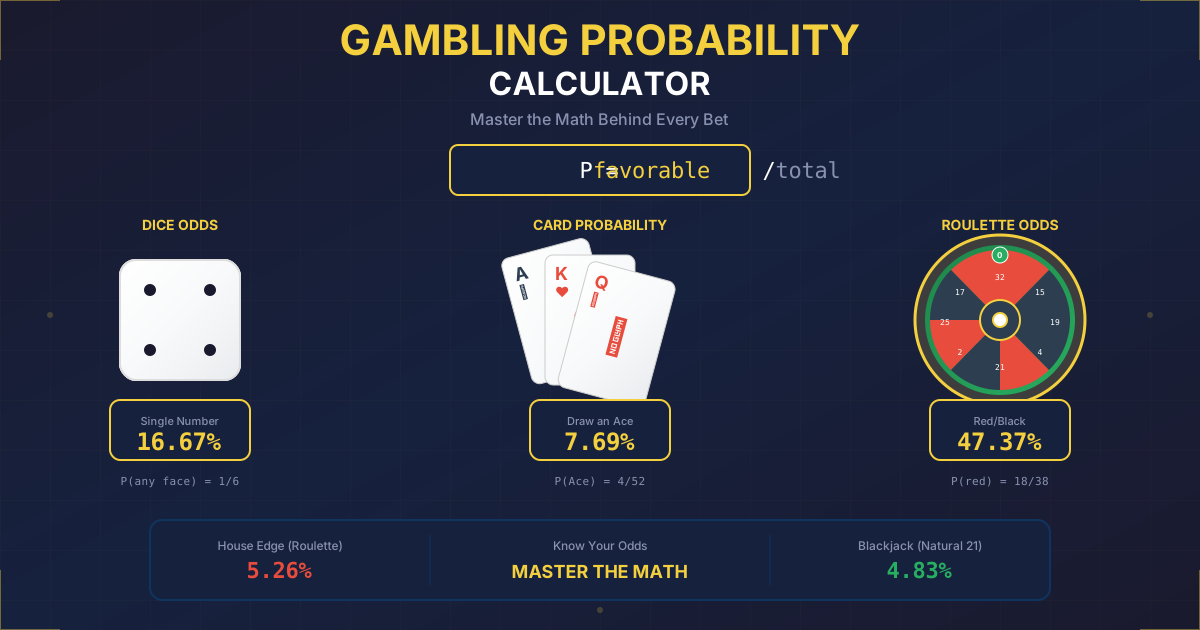
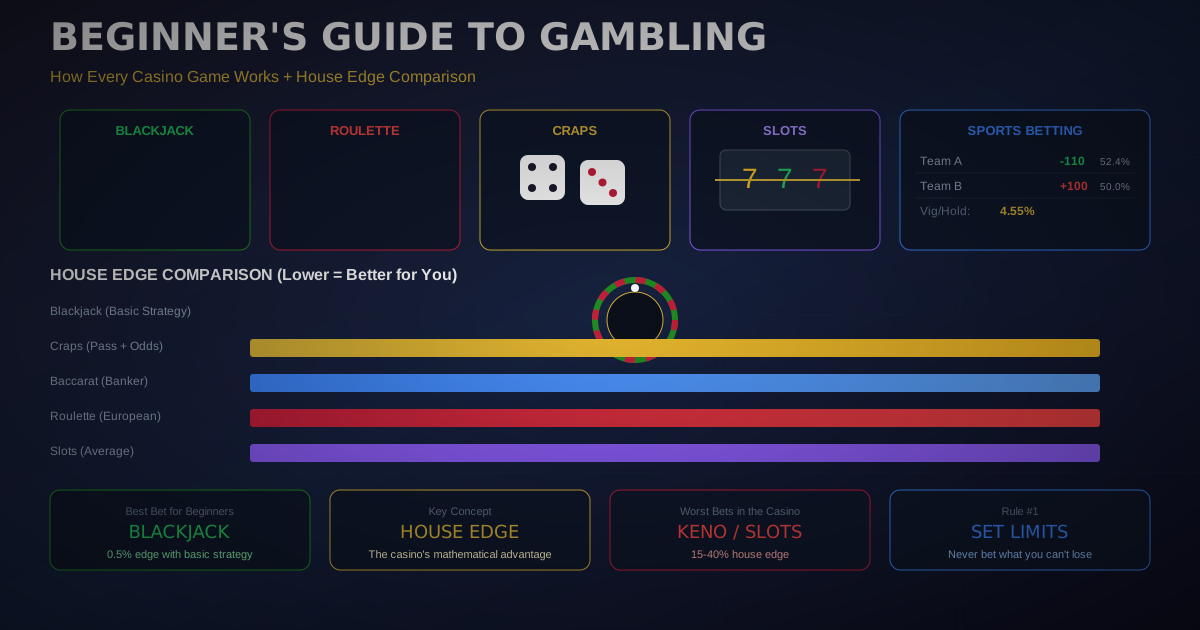
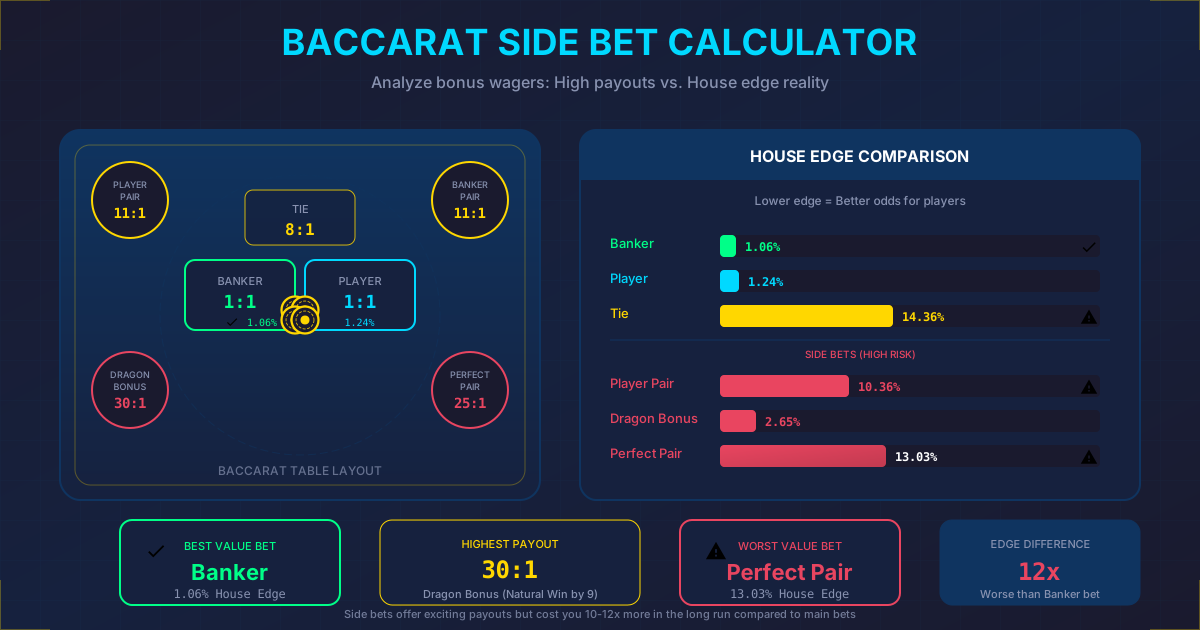
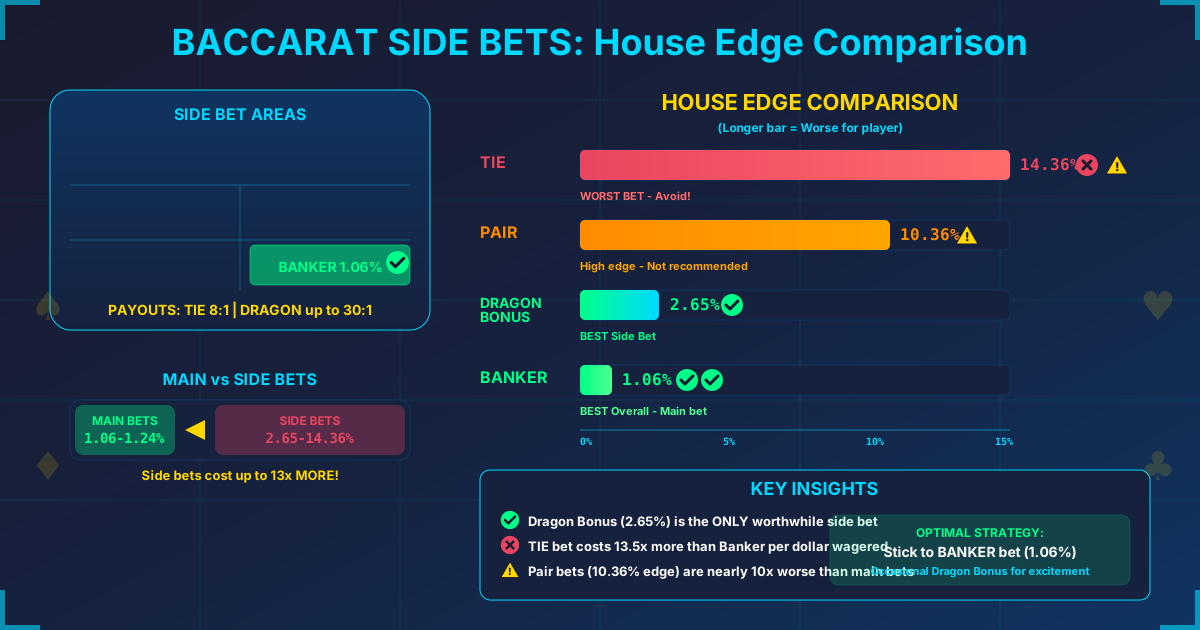
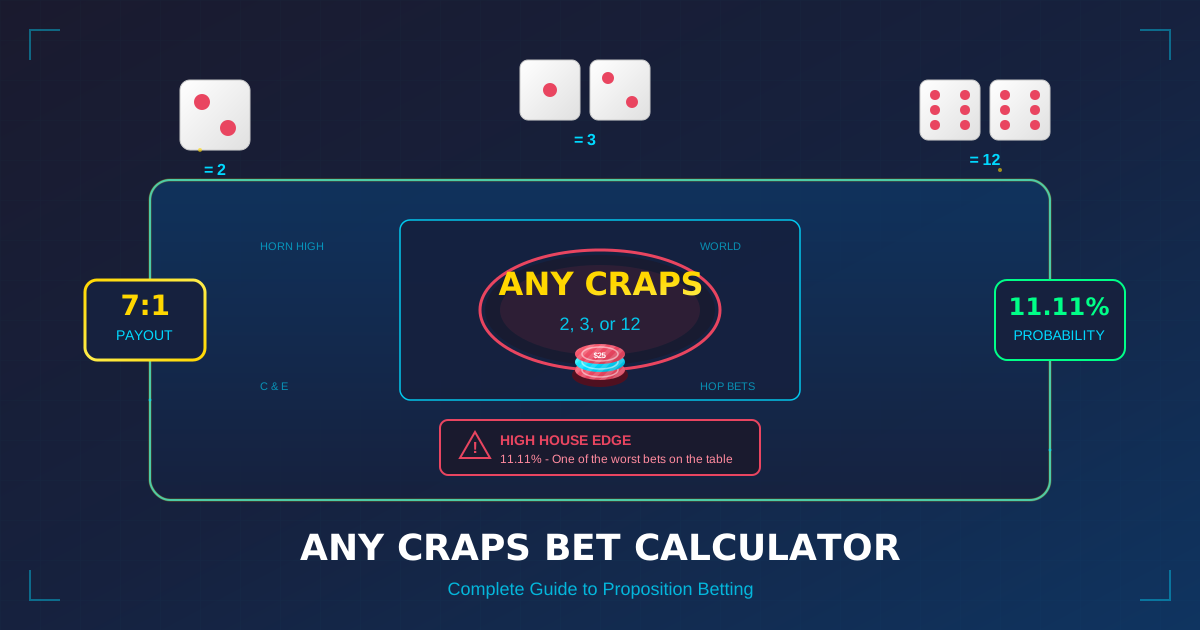
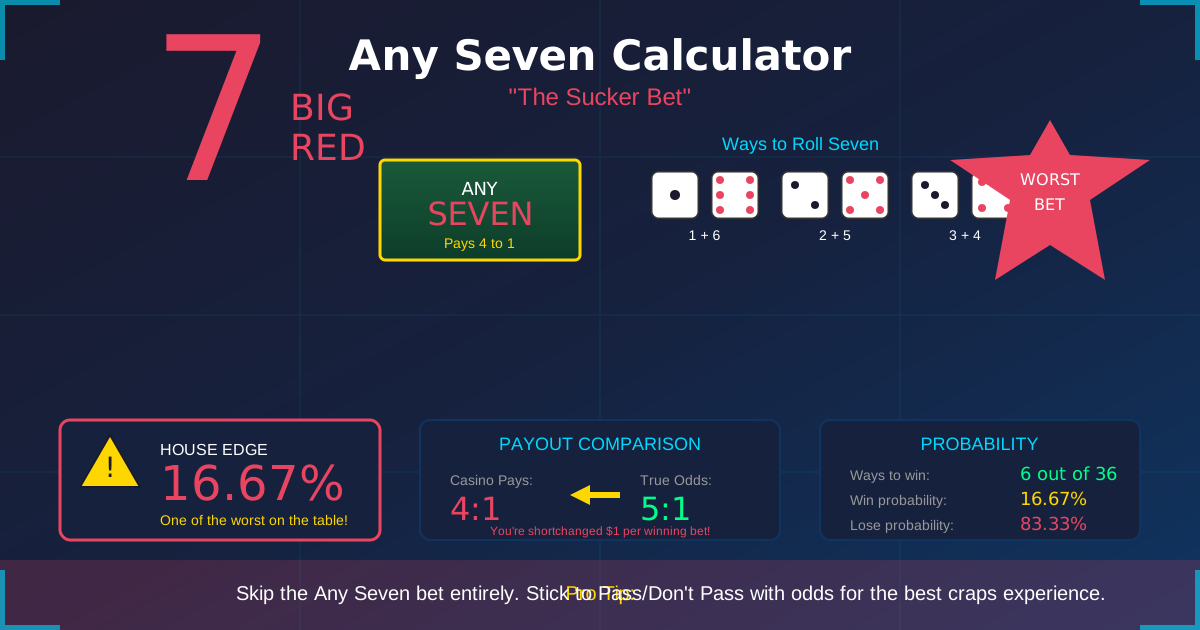
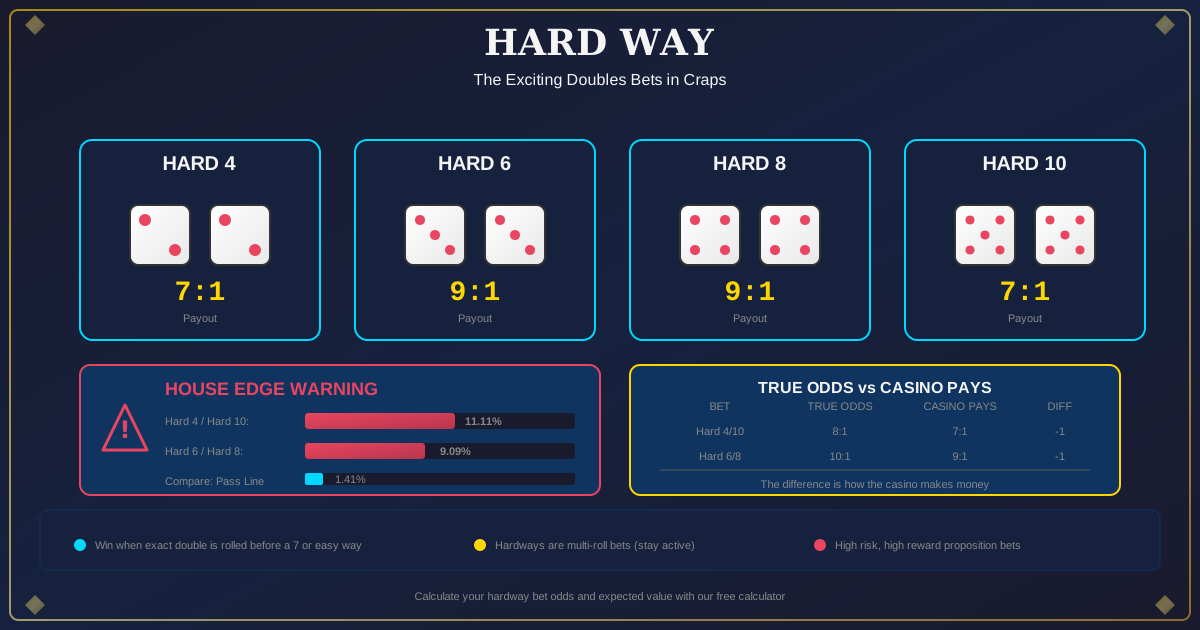
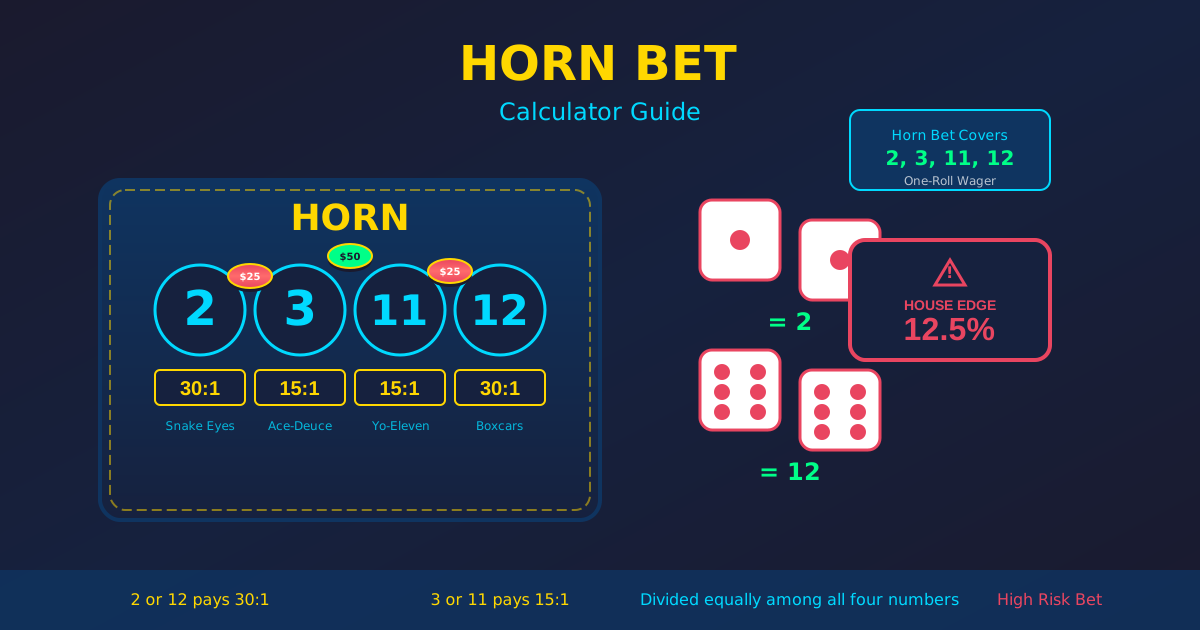
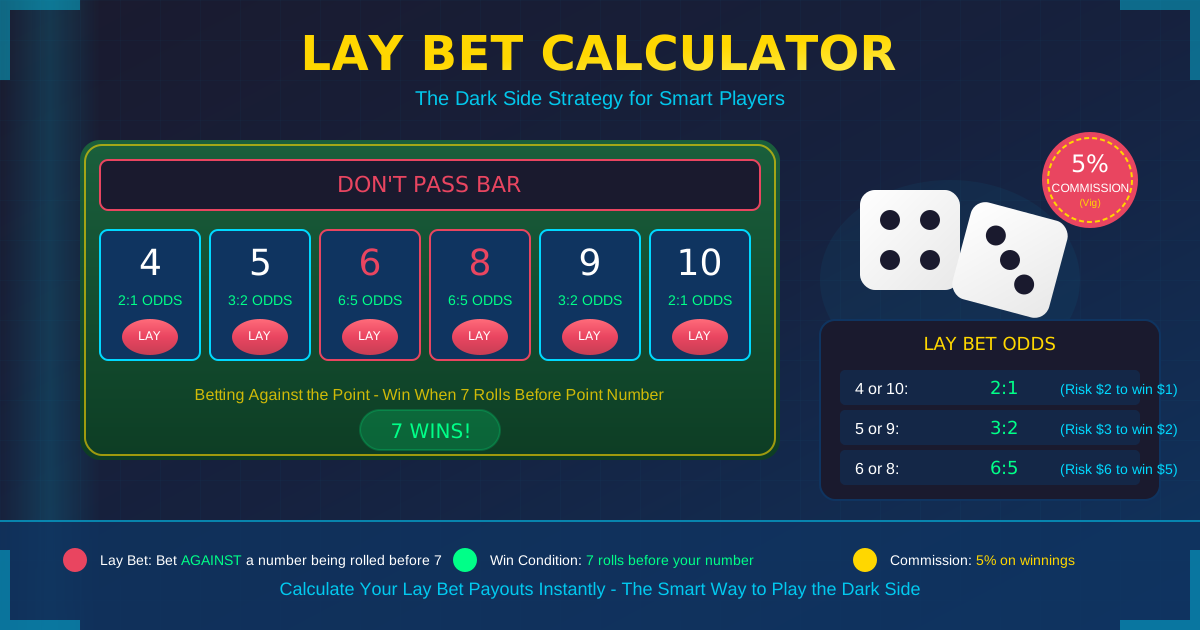
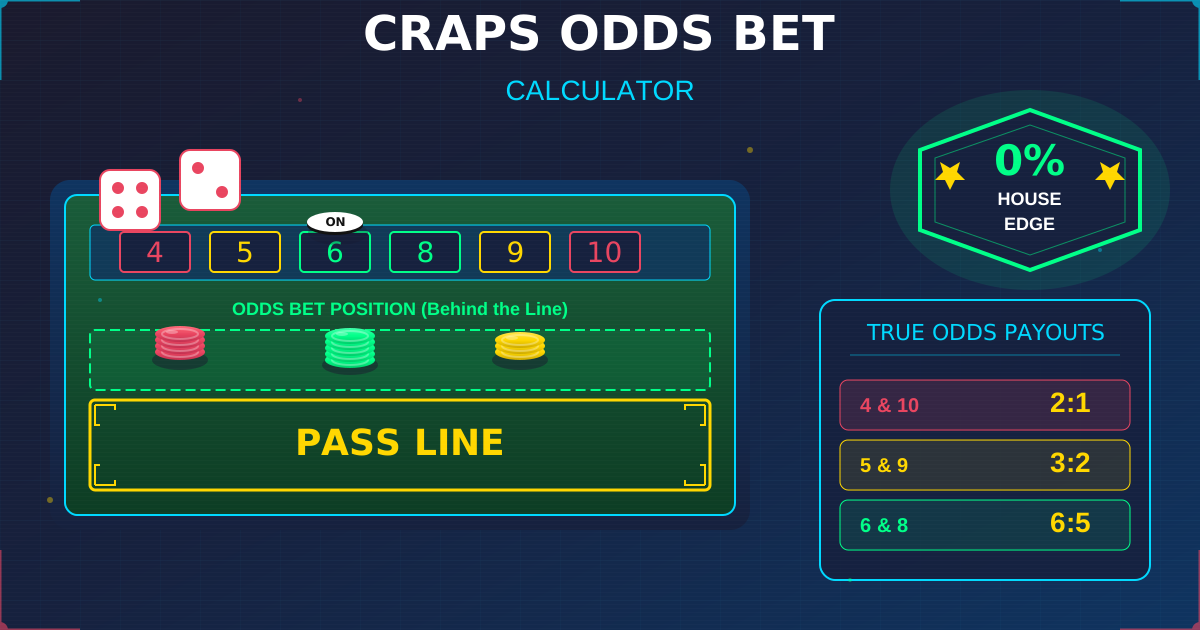
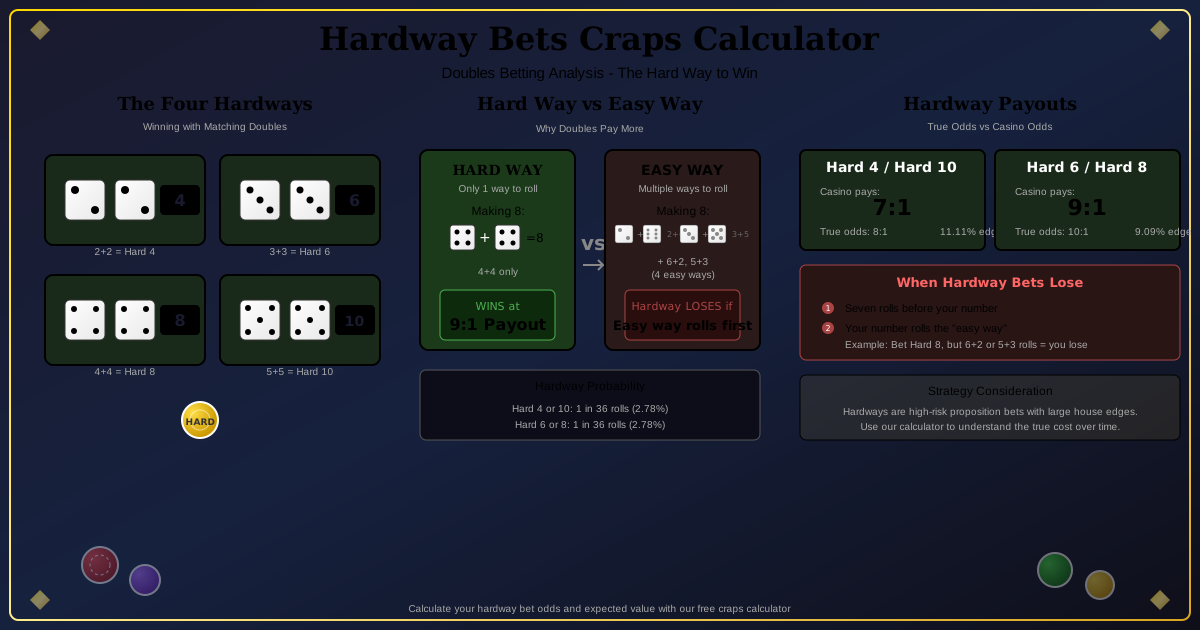
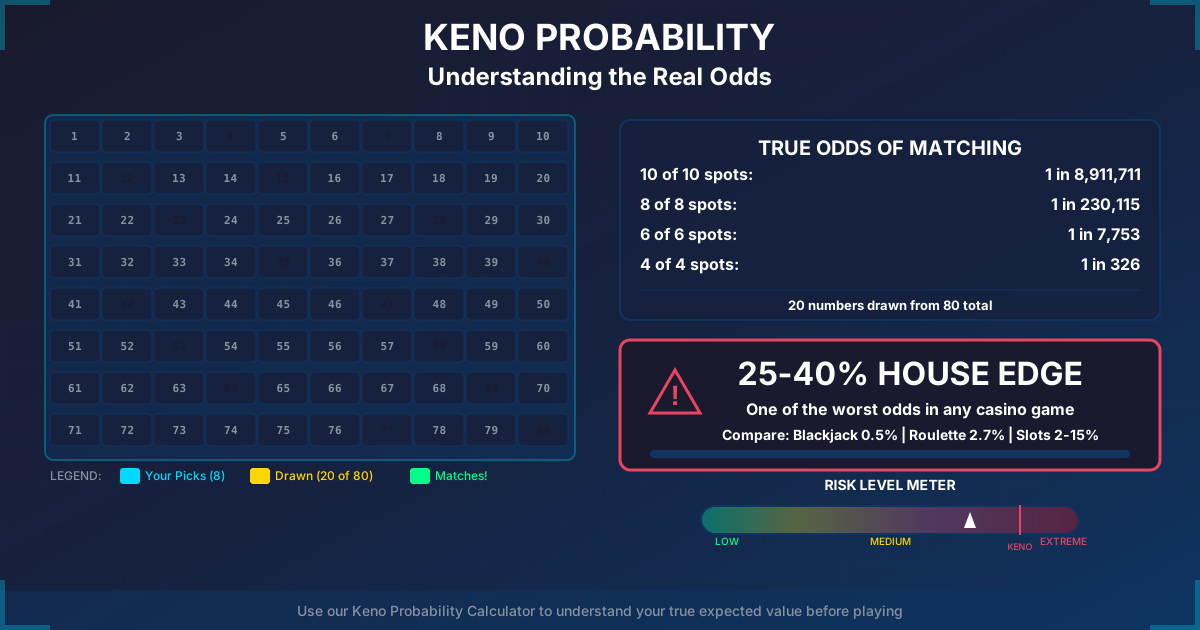
Compare the house edge of SGPs to casino games with our Blackjack House Edge Calculator, Roulette House Edge Calculator, Craps House Edge Calculator, and Baccarat House Edge Calculator.
Frequently Asked Questions
What is a same game parlay (SGP)? A same game parlay combines multiple bets from the same sporting event into a single wager. All legs must win for the parlay to pay out. Unlike standard parlays across different games, SGPs involve correlated outcomes, which sportsbooks use to build in higher margins.
Why are same game parlays worse than regular parlays? Three reasons: (1) the correlation between legs allows sportsbooks to add extra margin, (2) the pricing is proprietary and cannot be shopped across books, and (3) there is no market consensus to keep prices fair. These factors combine to create margins of 15-30%+ compared to 8-15% on standard parlays. See the math with our Parlay Calculator.
What is the typical house edge on a same game parlay? Most SGPs carry an effective margin of 15-30% or higher, depending on the number of legs and the sportsbook. This is 3-6 times worse than a standard -110 point spread bet (4.55% margin). Calculate the edge with our Hold/Vig Calculator.
Can professional bettors profit from SGPs? Almost universally, no. The margins are too high and the pricing too opaque. Professional bettors focus on low-margin markets (standard point spreads, moneylines, totals) where they can find small edges. The 15-30% SGP margin would require an impossibly large informational advantage to overcome.
Are SGP boosts and insurance worth it? They reduce the margin but rarely eliminate it. A "25% profit boost" on an SGP with 28% margin still leaves you with ~16-18% margin, which is worse than most standard bets. SGP insurance is similar. These promotions make terrible bets slightly less terrible, not good. Use our Expected Value Calculator to verify.
How do sportsbooks calculate SGP odds? Sportsbooks use proprietary correlation models that estimate how likely all legs are to hit together. These models account for game-level correlations (if team covers, total more likely to go over) and player-level correlations (if player scores a lot, team more likely to win). The odds you see are the output of these models minus the sportsbook's margin.
Should I ever bet same game parlays? Only if you treat them as pure entertainment with money you are comfortable losing at a high rate. Never bet SGPs as a serious wagering strategy. The math overwhelmingly favors the sportsbook. If you want parlay-style excitement with better odds, build standard parlays across different games where you can at least shop for the best line on each leg.
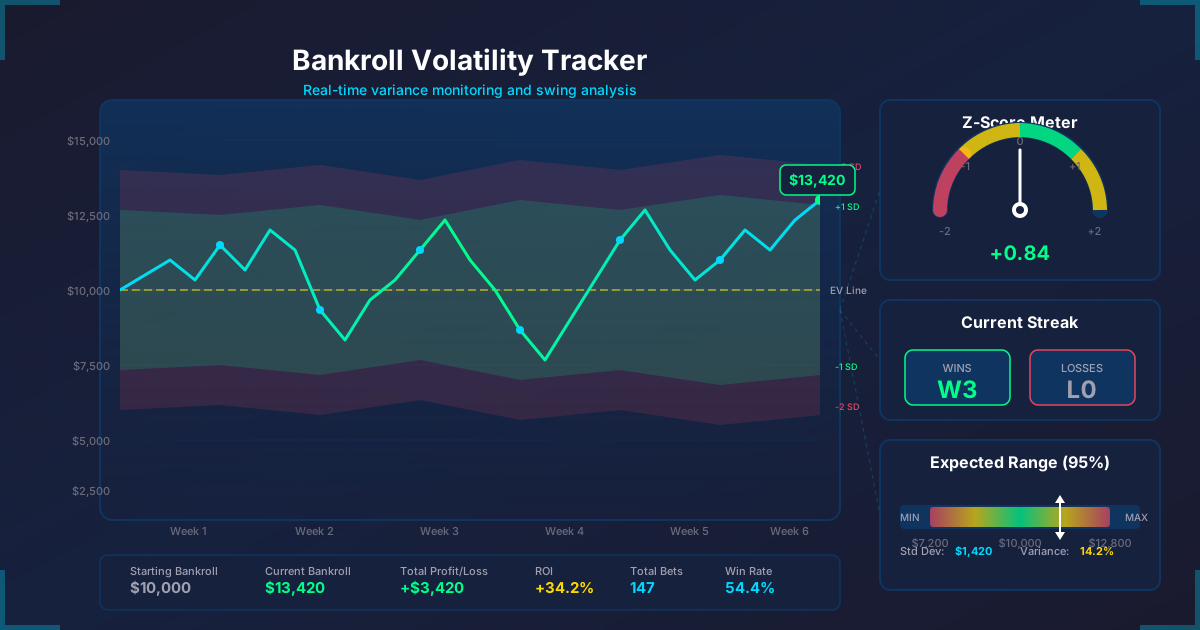
What is the best alternative to SGPs? Standard straight bets at -110 (4.55% margin) are the mathematically superior option. If you want the excitement of a larger payout, a carefully constructed 2-leg parlay across different games (8-10% margin) is significantly better than any SGP. Monitor your betting edge with our Bankroll Volatility Tracker.
Better Alternatives to Same Game Parlays
Smarter Betting Approaches
If you want better expected value, consider these alternatives:
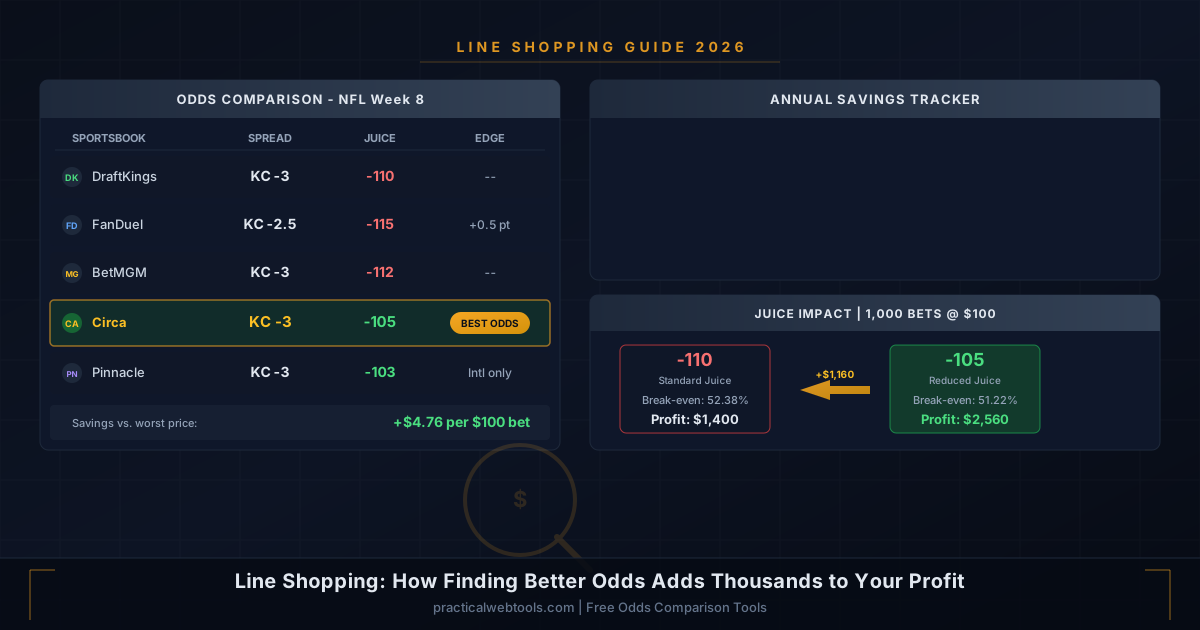
Straight Bets with Line Shopping
- Odds Converter: Compare odds across sportsbooks
- Expected Value Calculator: Find genuinely +EV straight bets
- Implied Probability Calculator: Understand what the odds actually imply
- Hold/Vig Calculator: Find the lowest-vig lines
Standard Parlays (If You Must Parlay)
- Parlay Calculator: Calculate proper parlay odds and payouts
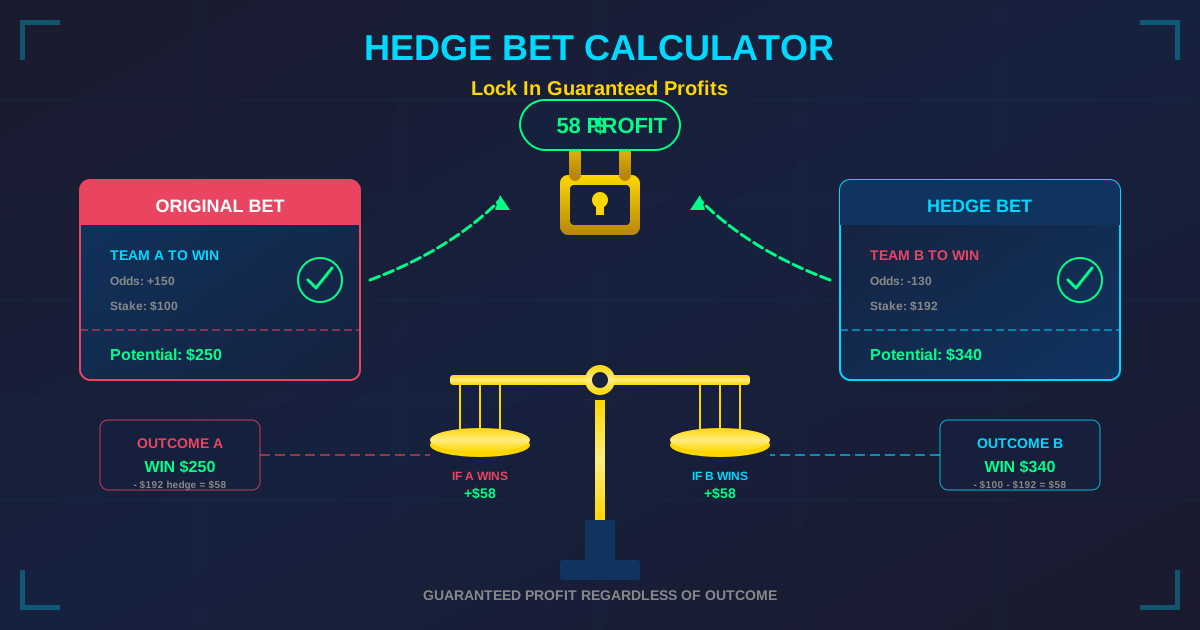
- Arbitrage Calculator: Find guaranteed-profit opportunities
Bankroll Management
- Kelly Criterion Calculator: Size bets based on estimated edge
- Bankroll Volatility Tracker: Track your results and variance
House Edge Comparison
- Blackjack House Edge Calculator: Compare to casino alternatives
- Roulette House Edge Calculator: See where SGPs rank
- Craps House Edge Calculator: Craps bet analysis
- Baccarat House Edge Calculator: Baccarat odds breakdown
- Roulette EV Calculator: Calculate expected returns
Conclusion: Same Game Parlays Are Designed to Take Your Money
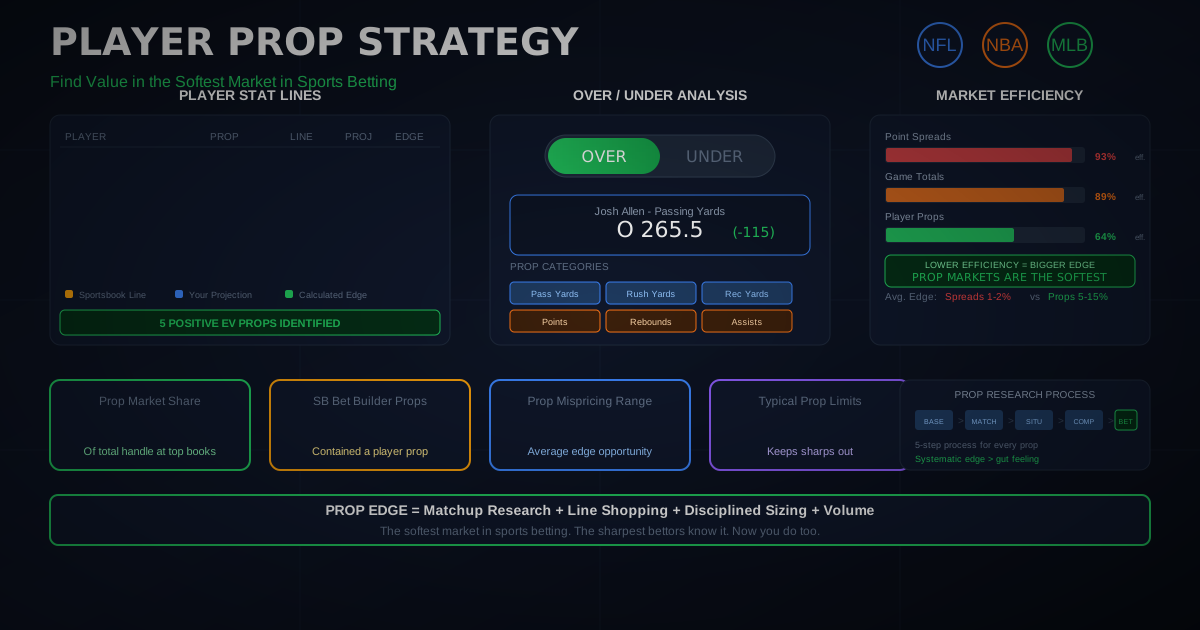
Same game parlays are the most profitable product in the sportsbook industry for a reason. The combination of opaque correlation pricing, compounded vig, high entertainment value, and aggressive marketing creates a product with margins that would make a casino pit boss jealous.
The math is unambiguous: SGPs have 15-30%+ margins, which is worse than most slot machines. No strategy, no promotion, and no "smart" leg selection can consistently overcome this edge. If you bet SGPs, you are paying a steep premium for the entertainment of sweating multiple outcomes in one game.
Check the true cost of any bet with our Expected Value Calculator. Compare lines across books with our Odds Converter. And if you want to parlay, at least use our Parlay Calculator to ensure you are getting fair standard parlay odds.
The house always wins. With same game parlays, the house wins bigger and faster than almost anywhere else.
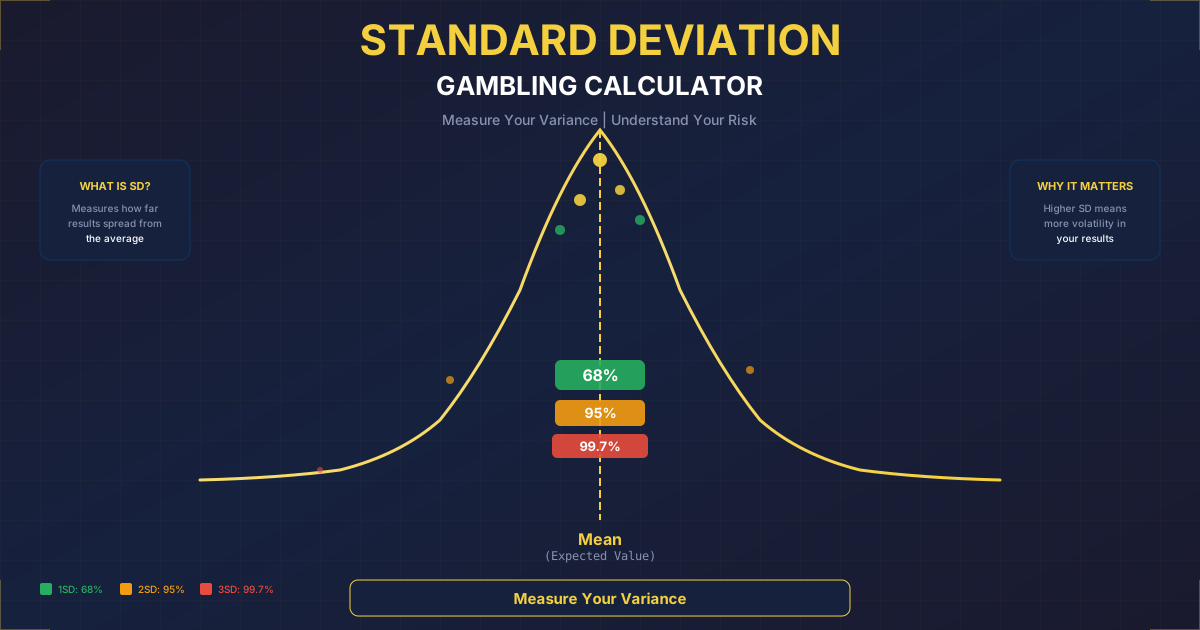
Gambling involves risk. This content is for educational and informational purposes only. Always gamble responsibly, set limits you can afford, and seek help if gambling becomes a problem. Visit the National Council on Problem Gambling or call 1-800-522-4700 for support.