Sports Betting Analytics: Using Expected Value and Data to Beat the Books (2026)
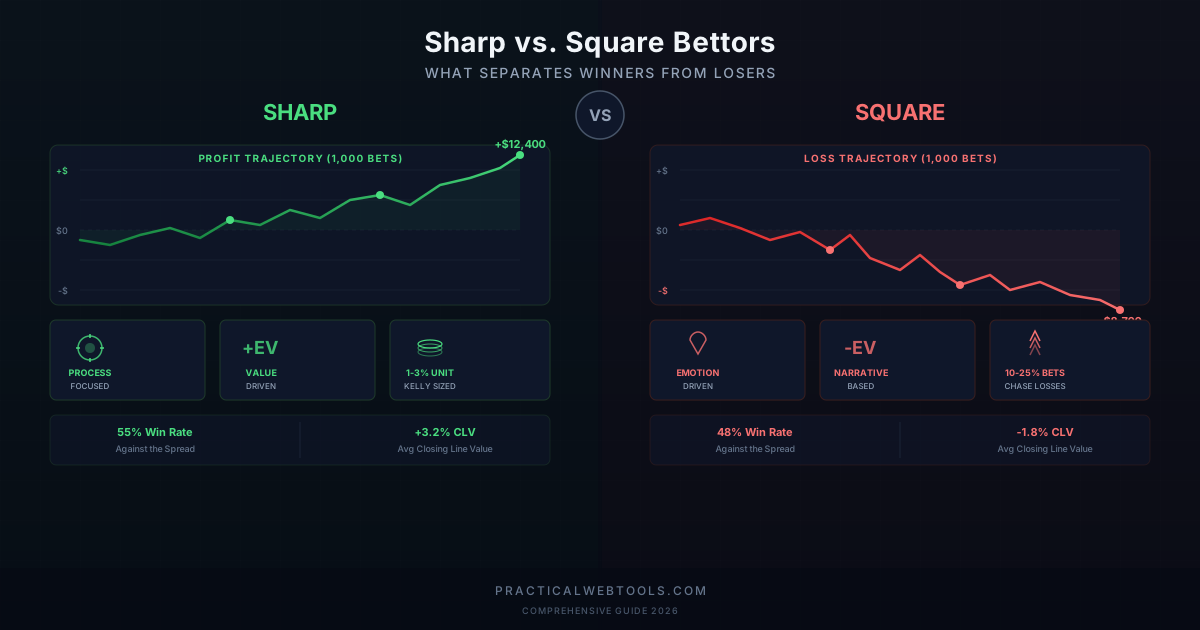
Professional sports bettors do not predict winners—they find value. A team might win 60% of their games, but if the sportsbook only charges you -110 when they should charge -150, you have found positive expected value. That edge, compounded over thousands of bets, is how sharps make consistent profits.
The sports betting market has exploded, projected to reach $325+ billion globally by 2035. But the house still wins against 95%+ of bettors. The difference between the losing majority and winning minority comes down to one concept: Expected Value (EV).
Understanding EV transforms betting from gambling into investing. Instead of asking "Will this team win?", you ask "Is this bet priced correctly relative to its true probability?" When the answer is no—and it favors you—you have found an edge.
Calculate the expected value of any bet with our free Expected Value Calculator.
What Is Expected Value in Sports Betting?
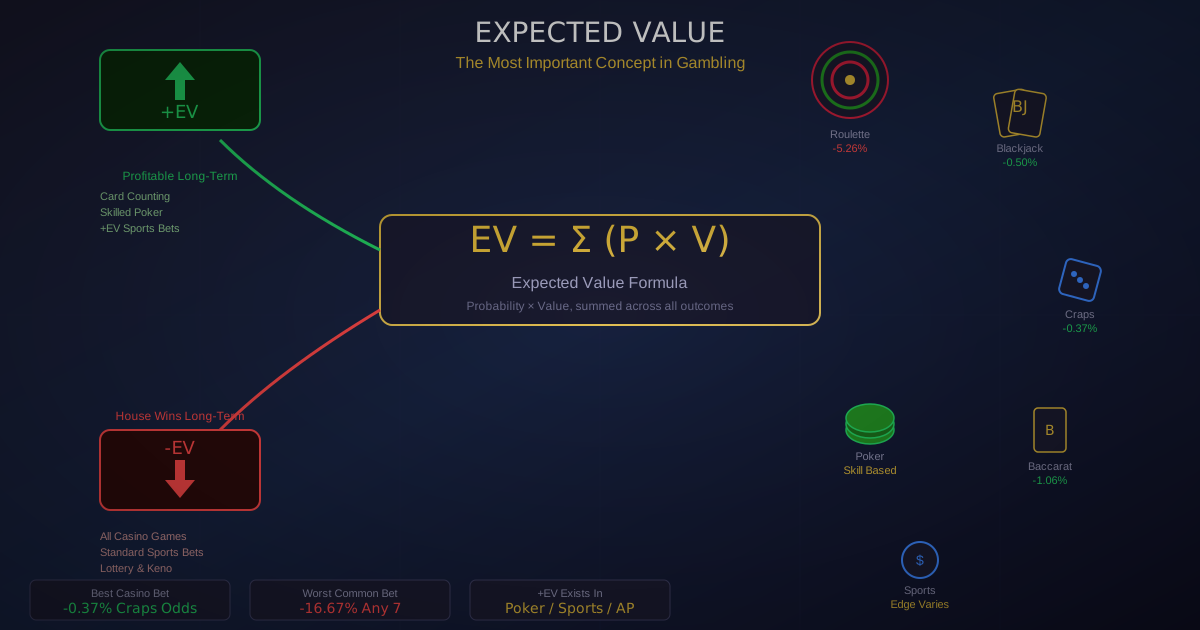
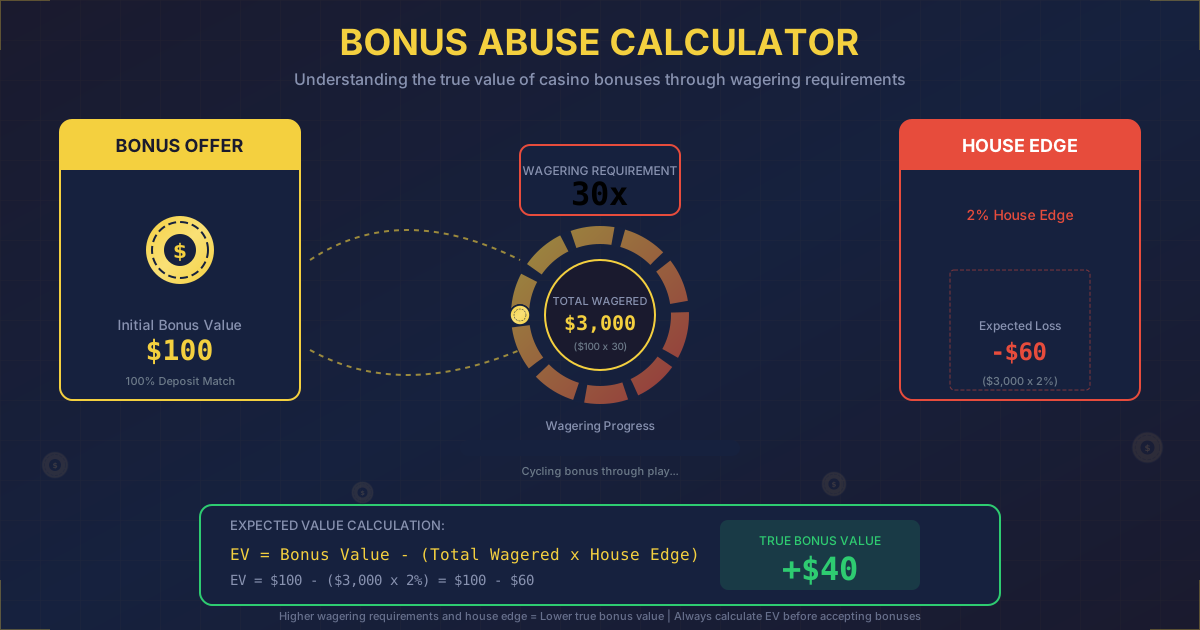
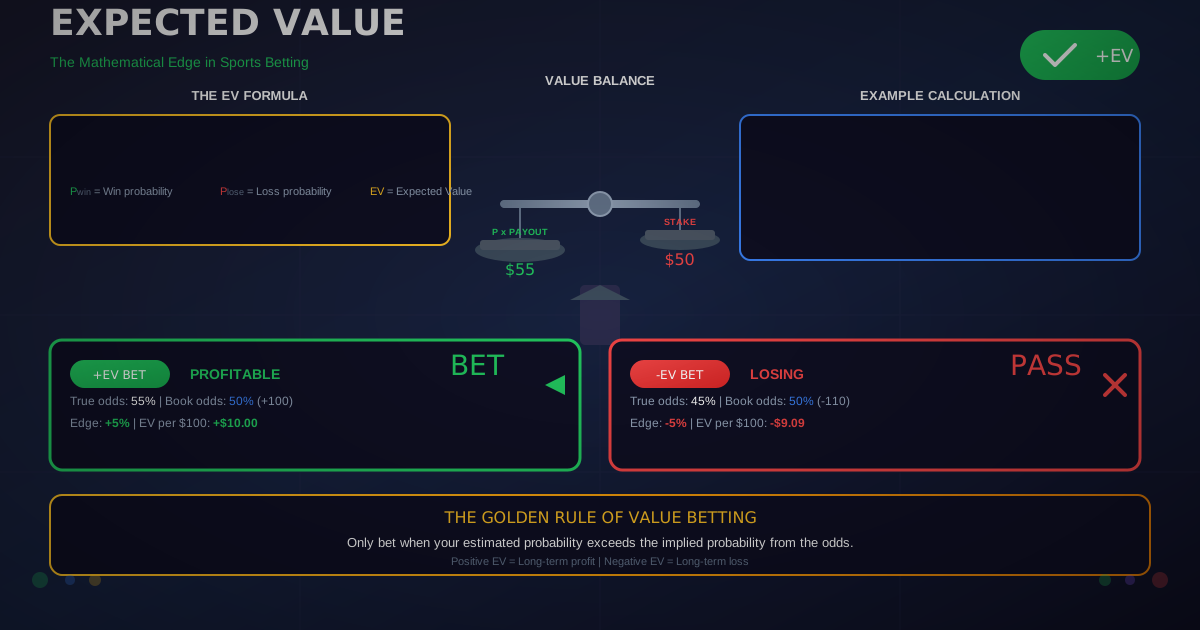
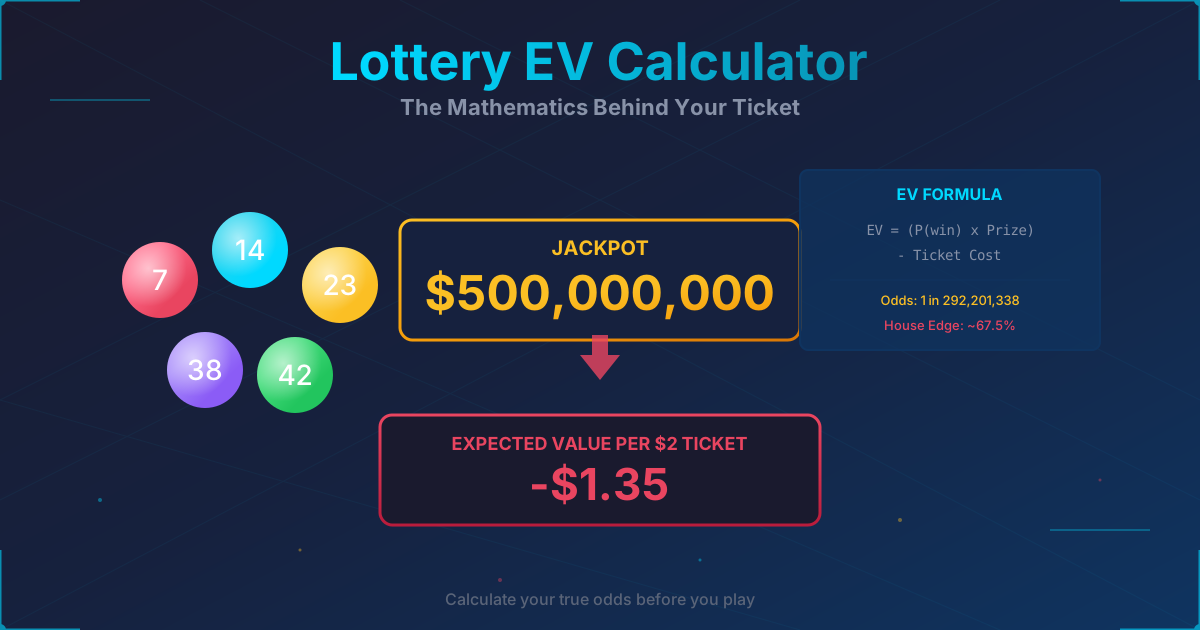
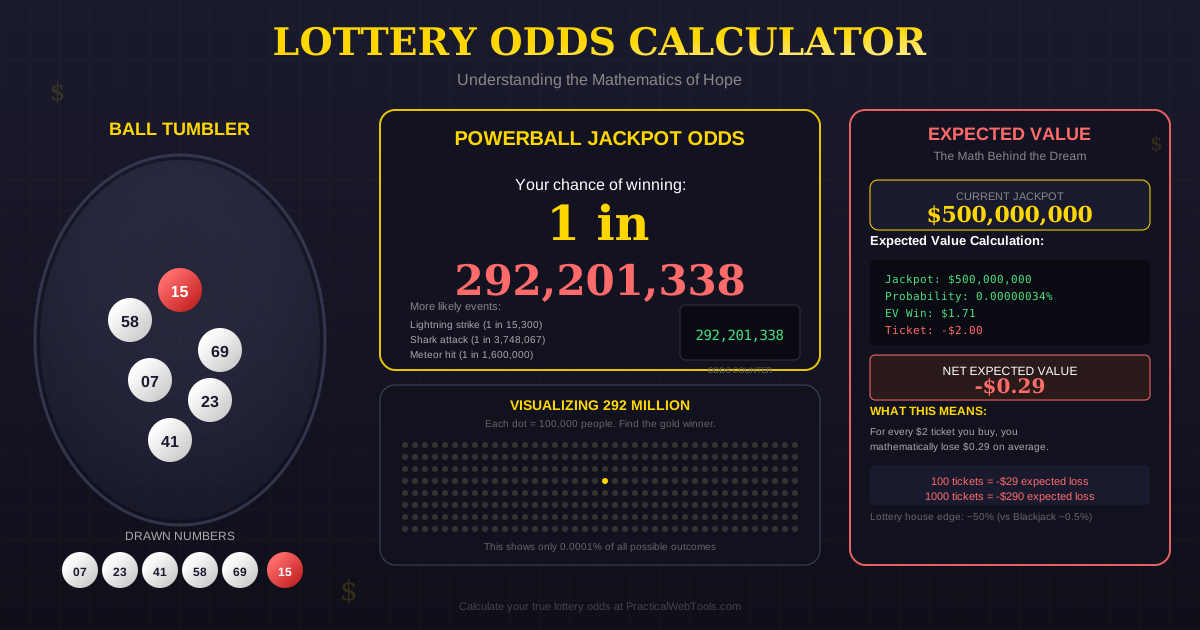
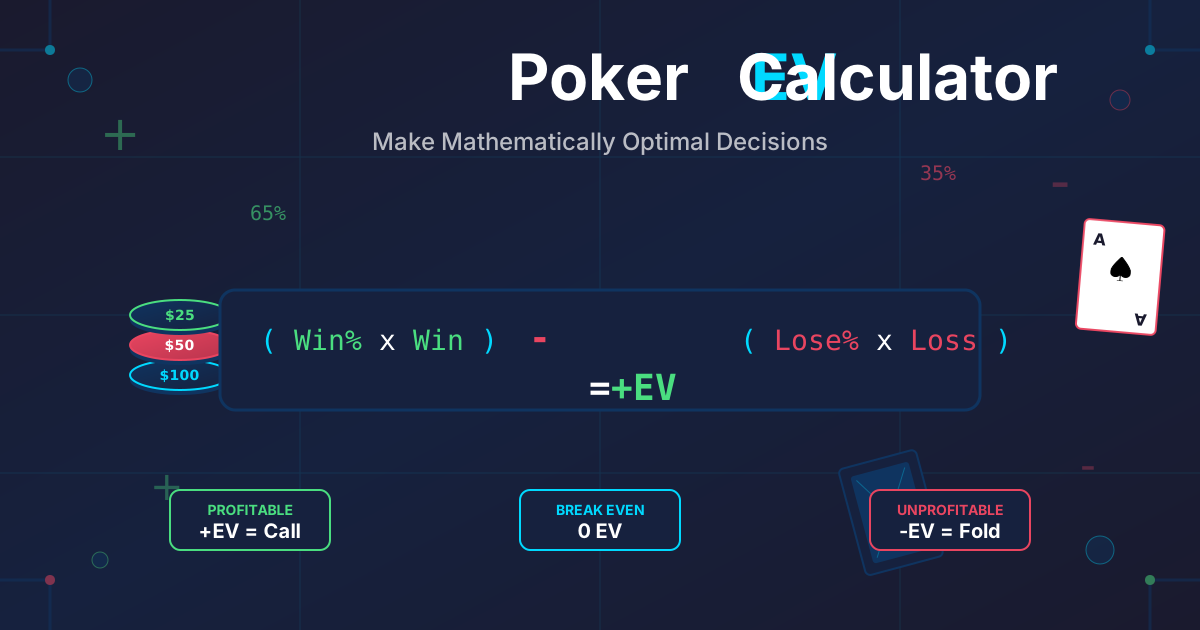
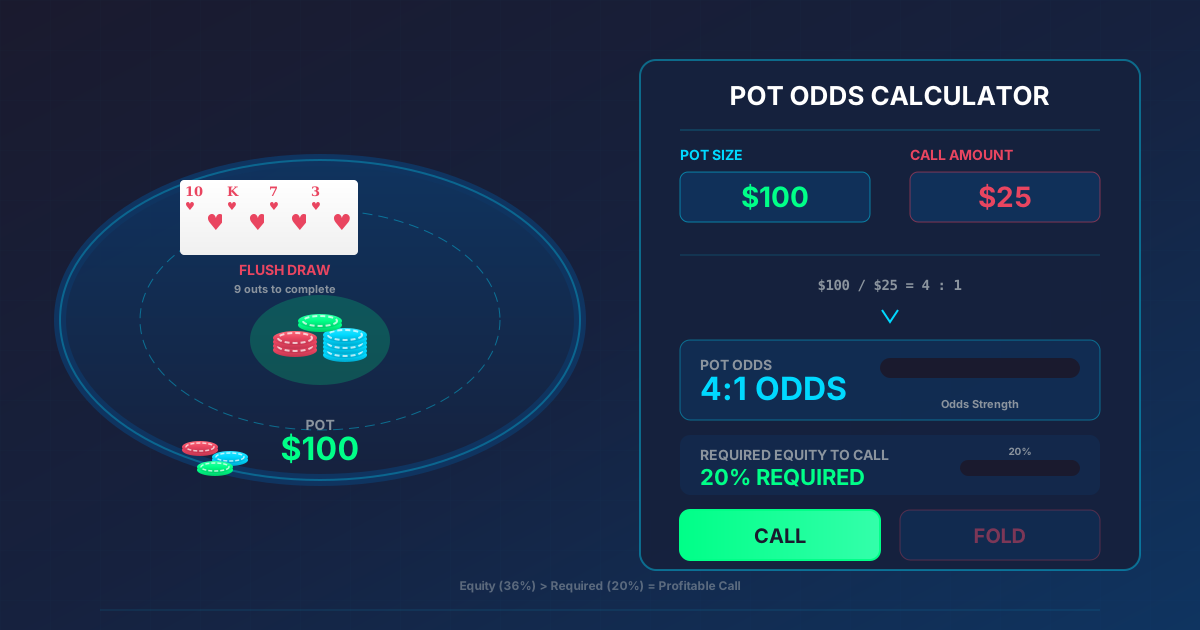
Expected Value (EV) measures the average profit or loss you expect from a bet over infinite repetitions. Positive EV (+EV) bets are profitable long-term; negative EV (-EV) bets lose money over time.
The EV Formula
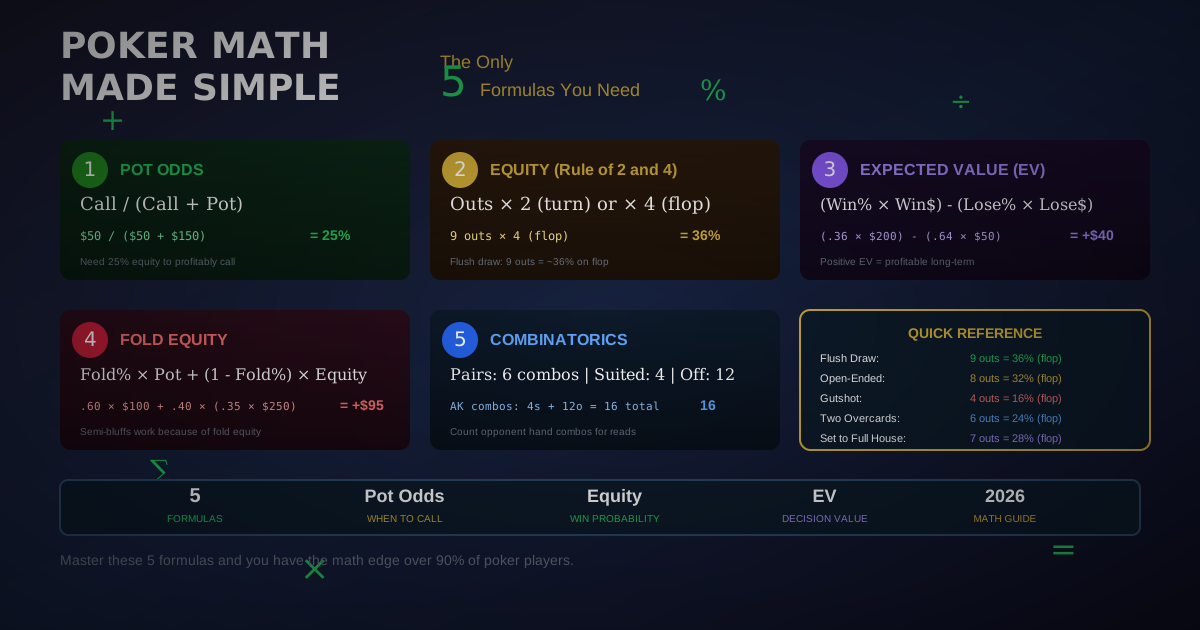
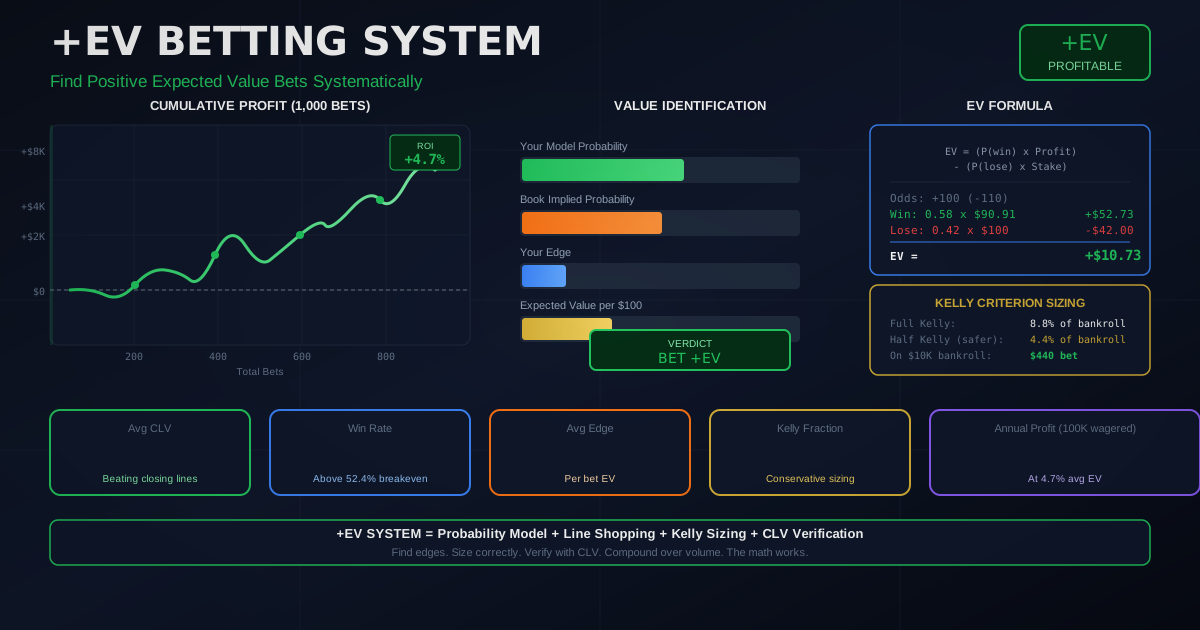
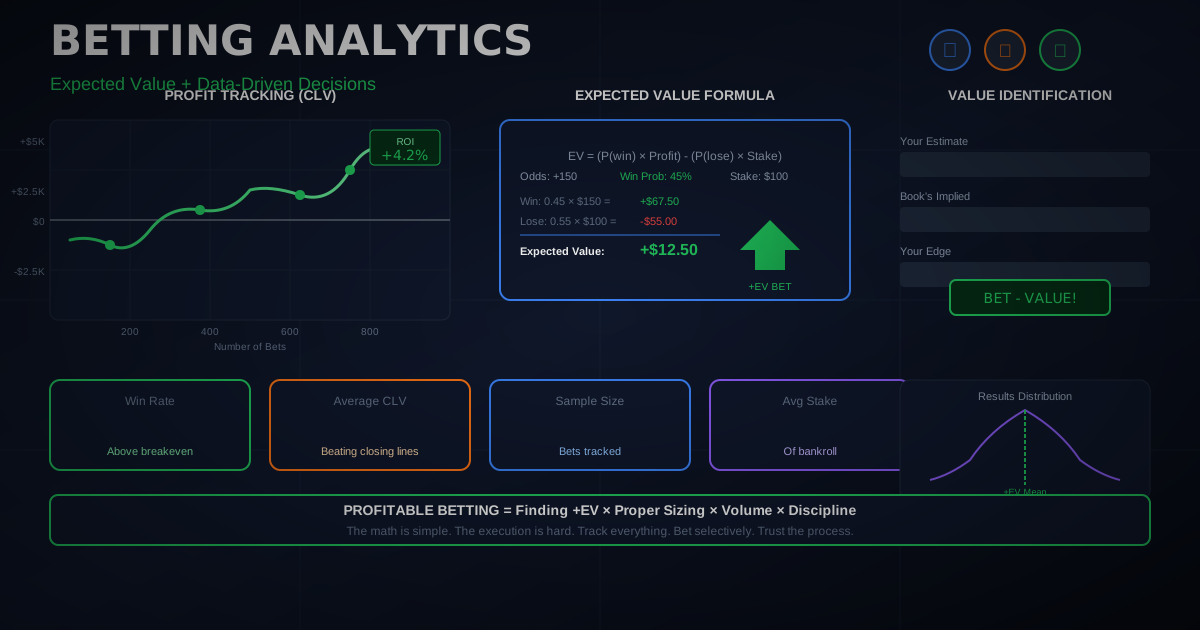
EV = (Probability of Winning × Profit if Win) - (Probability of Losing × Loss if Lose)
Example: You bet $100 on a team at +150 odds (you win $150 if correct). You believe they have a 45% chance to win.
- Probability of winning: 45% (0.45)
- Profit if win: $150
- Probability of losing: 55% (0.55)
- Loss if lose: $100
EV = (0.45 × $150) - (0.55 × $100) EV = $67.50 - $55.00 EV = +$12.50
This is a positive EV bet. Over many similar bets, you expect to profit $12.50 per $100 wagered.
Why EV Matters
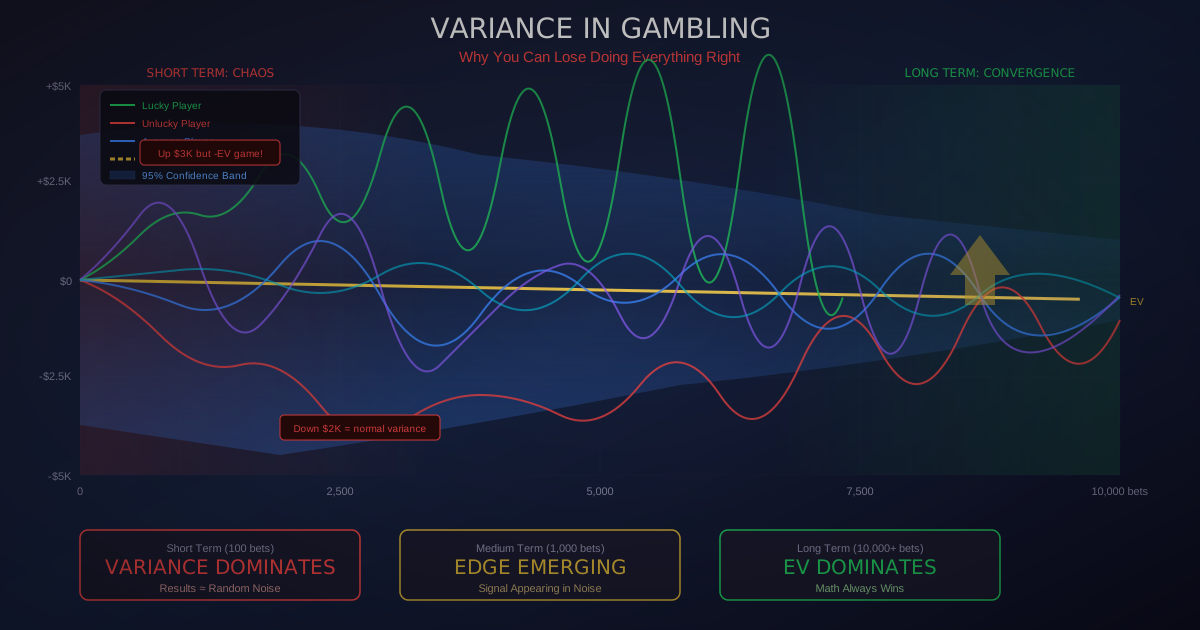
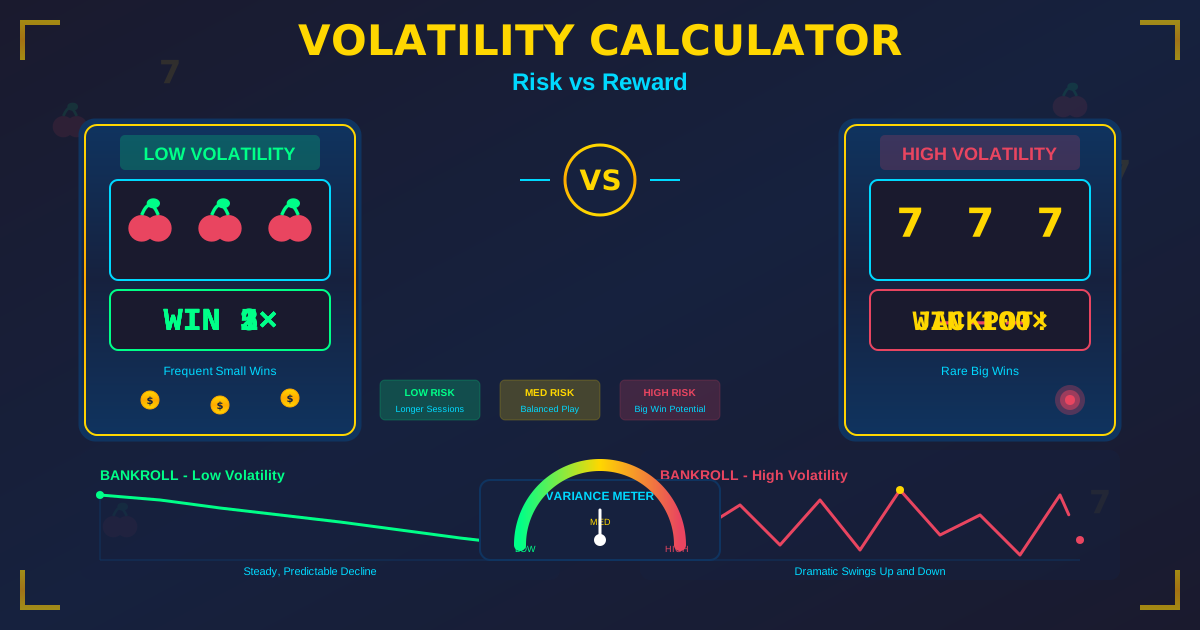
Positive EV is the only path to long-term profit in sports betting. Individual bets can win or lose regardless of EV (variance), but mathematics ensures that +EV betting produces profits over sufficient volume.
Consider:
- A +5% EV bettor wagering $100/bet across 1,000 bets expects $5,000 profit
- A -5% EV bettor (typical recreational) expects to lose $5,000
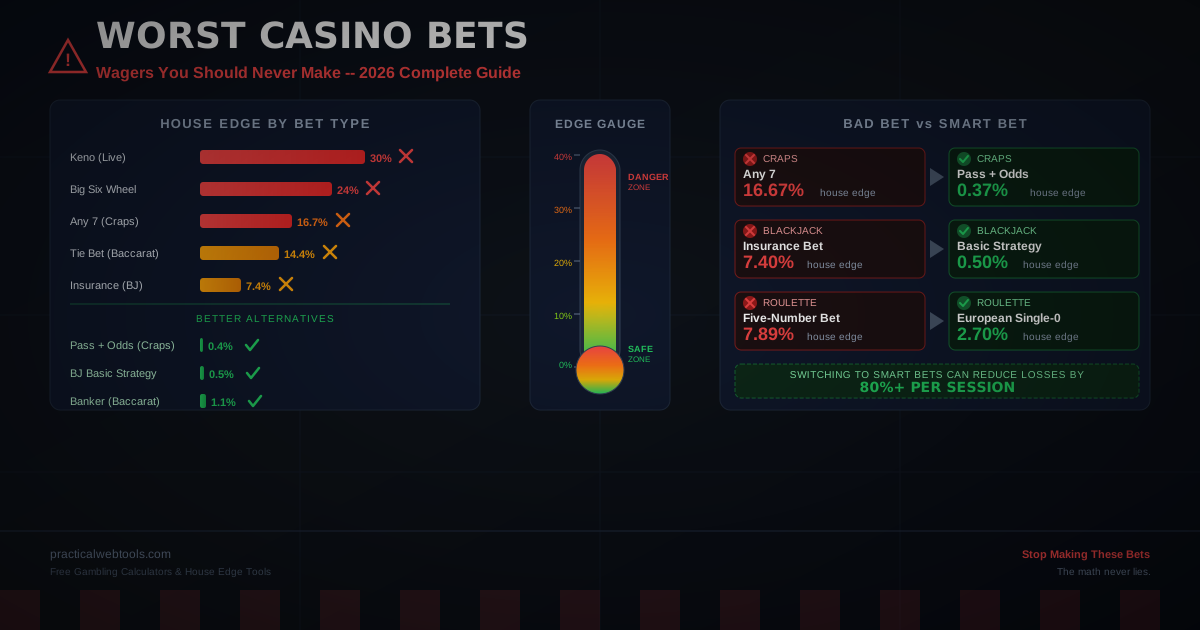
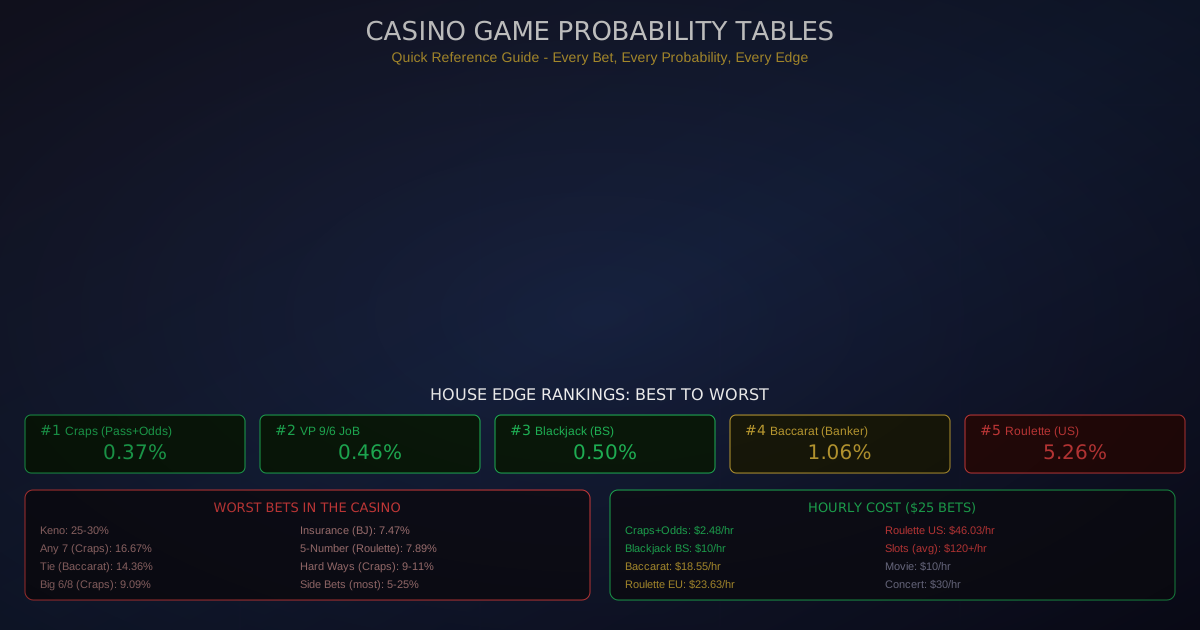
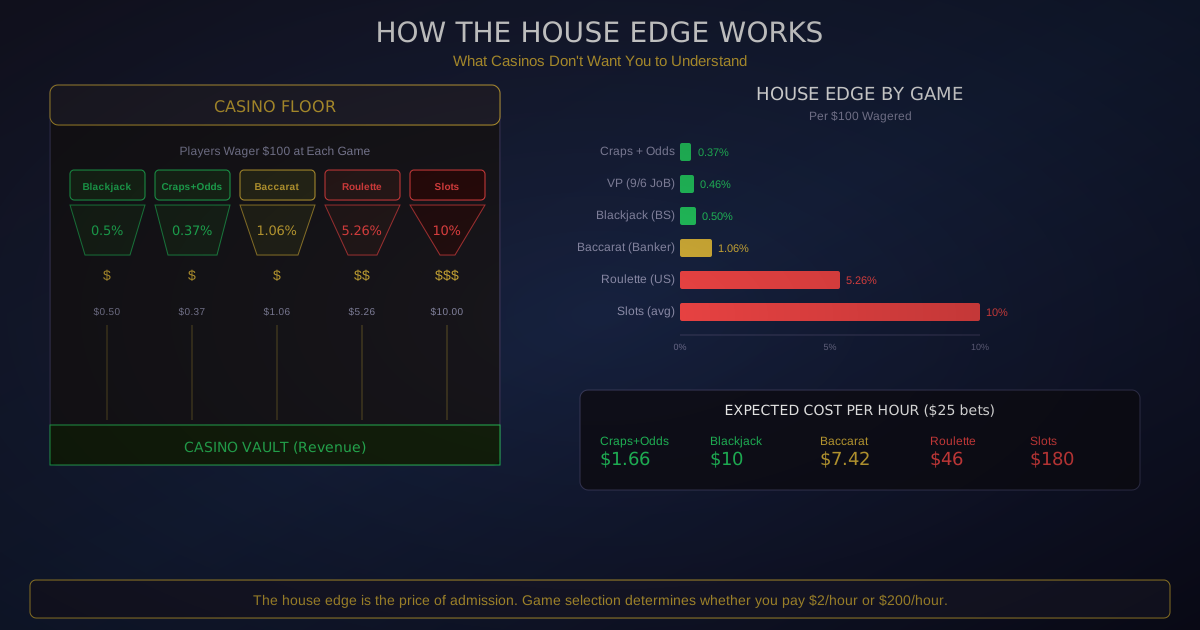
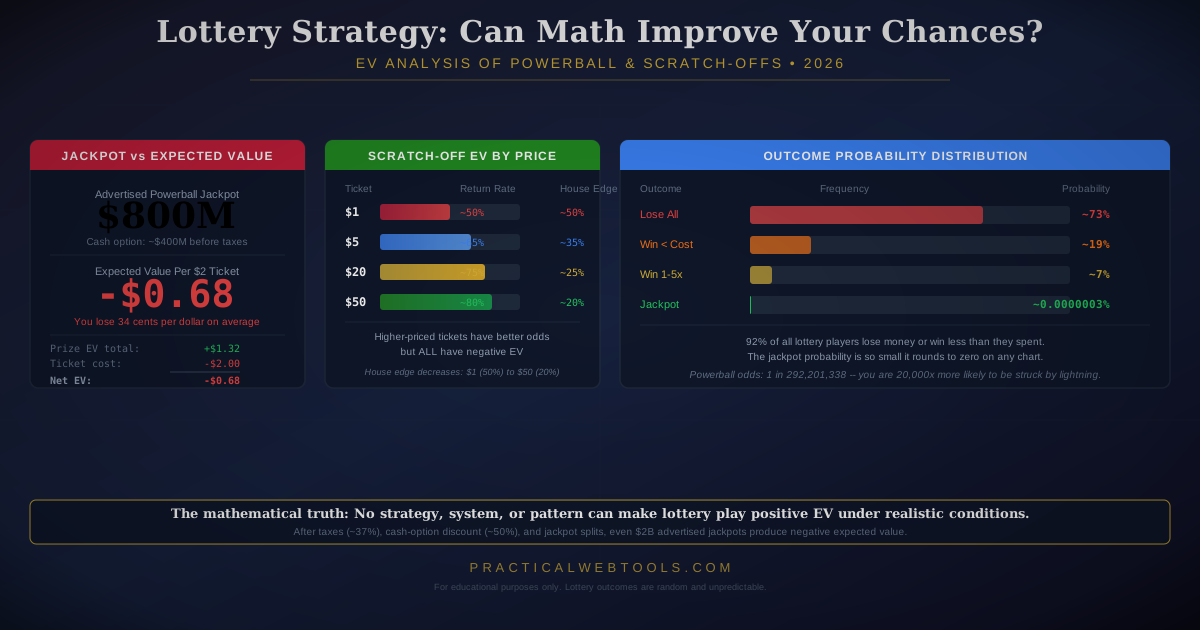
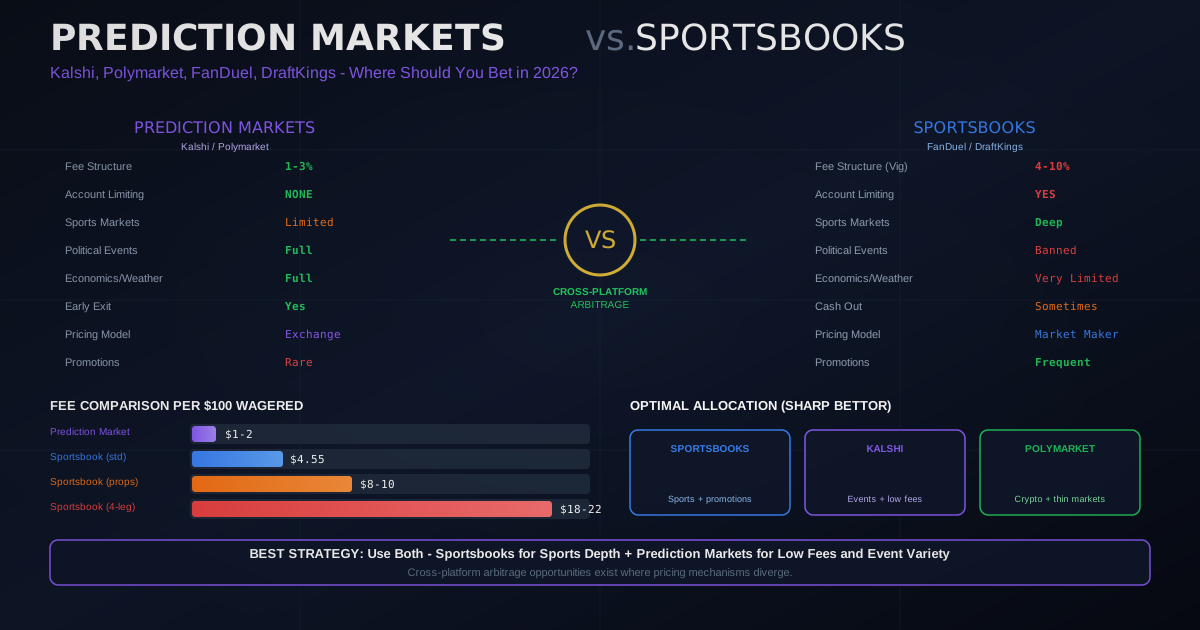
- The sportsbook edge (vig) typically ranges from 2-10%, making most bets -EV
Finding +EV bets means finding situations where the sportsbook has mispriced the true probability.
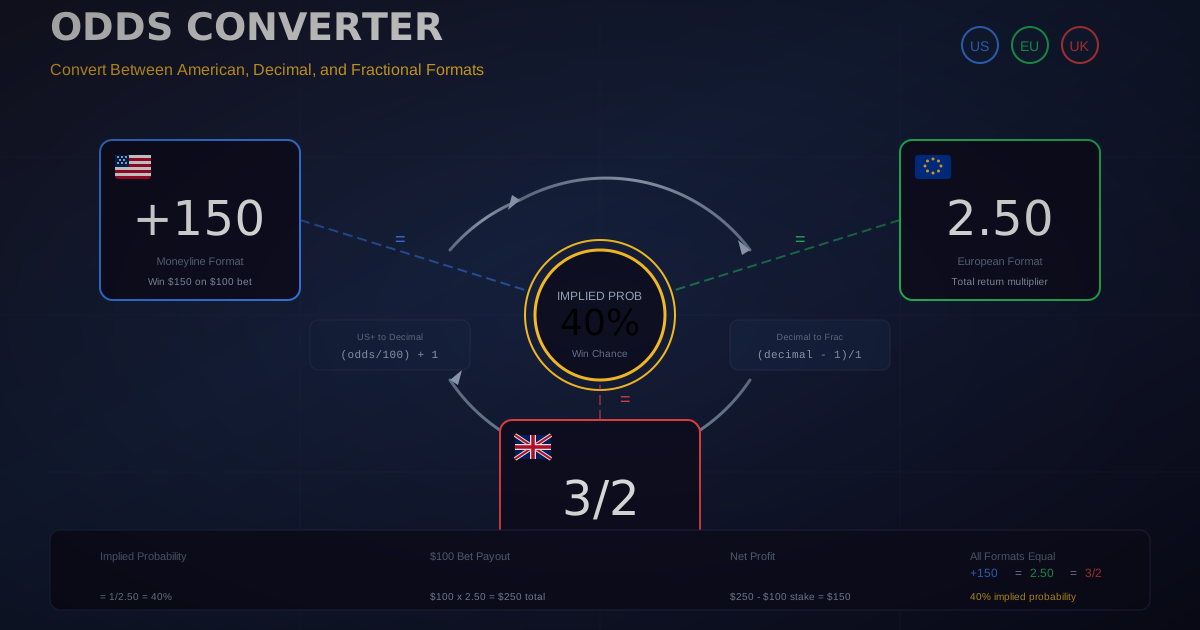
Convert between different odds formats with our Odds Converter.
Understanding Implied Probability
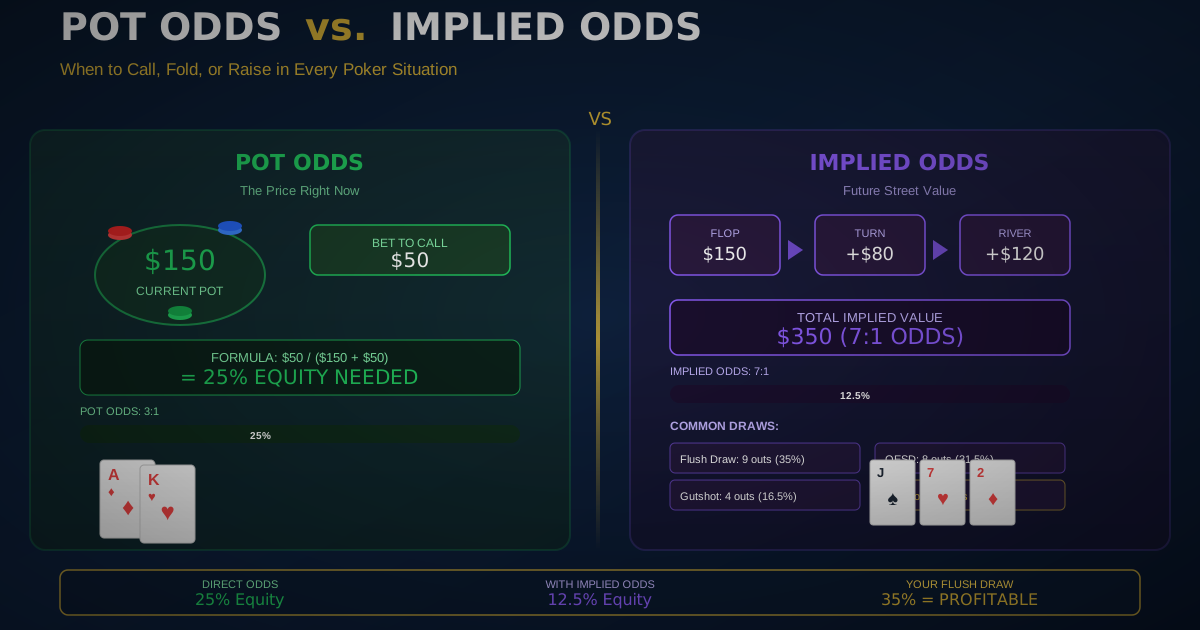
Sportsbooks express odds that correspond to implied probabilities. Understanding this conversion is fundamental to finding value.
Converting Odds to Implied Probability
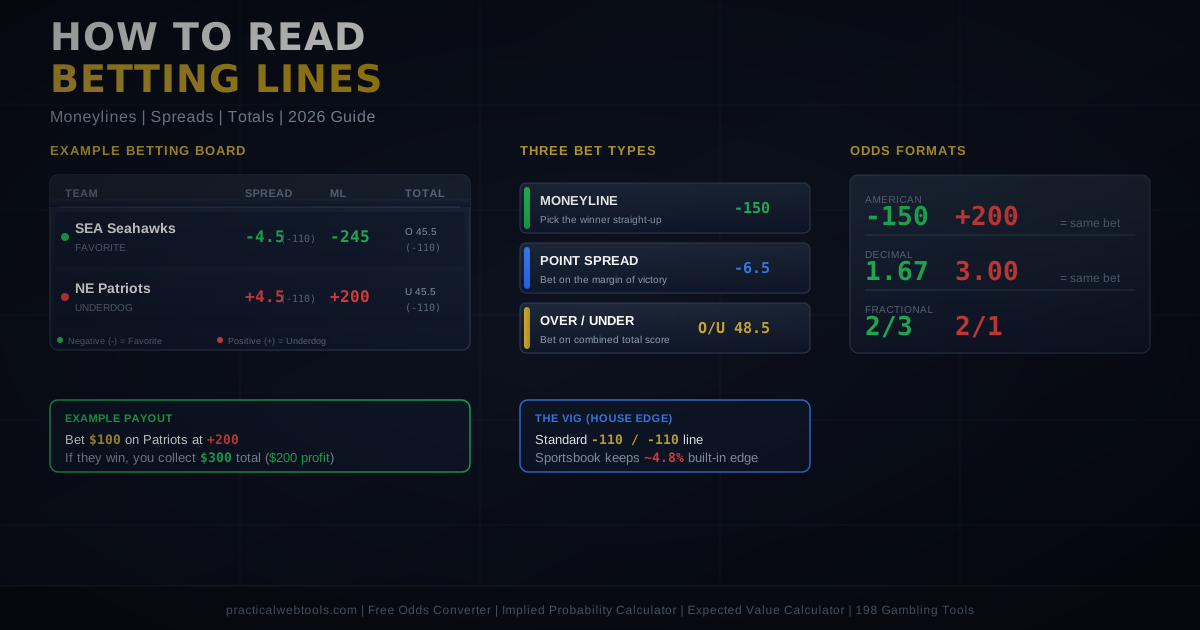
American Odds to Probability:
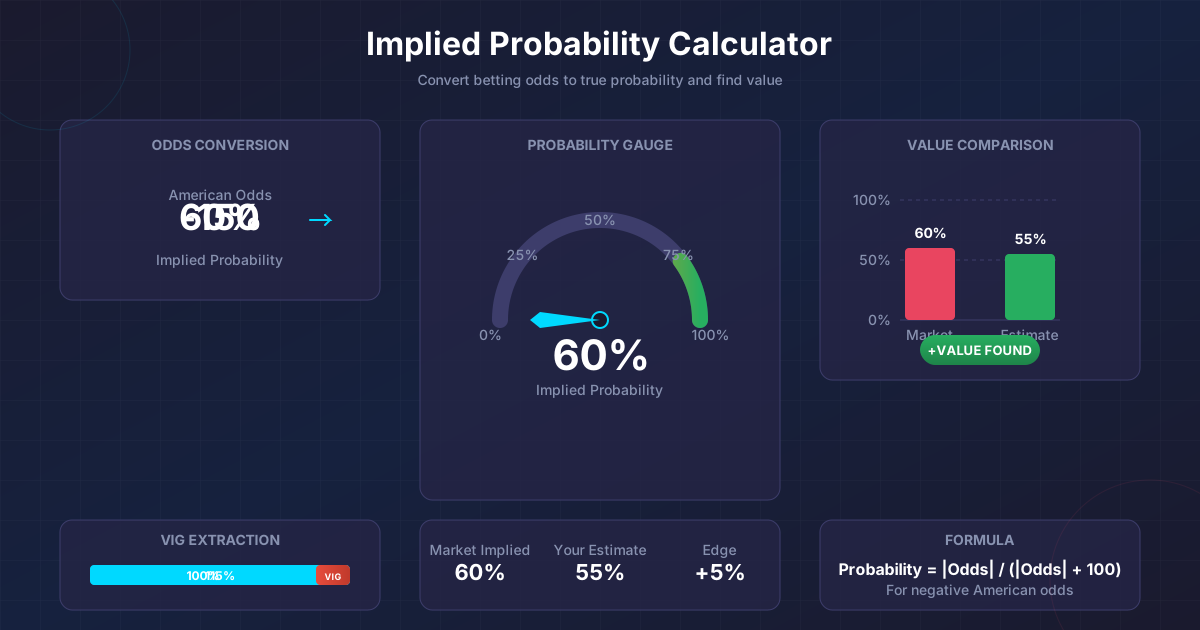
For negative odds (favorites): Implied Probability = |Odds| / (|Odds| + 100)
For positive odds (underdogs): Implied Probability = 100 / (Odds + 100)
Examples:
- -150 odds: 150 / (150 + 100) = 60% implied probability
- +200 odds: 100 / (200 + 100) = 33.3% implied probability
Calculate implied probability instantly with our Implied Probability Calculator.
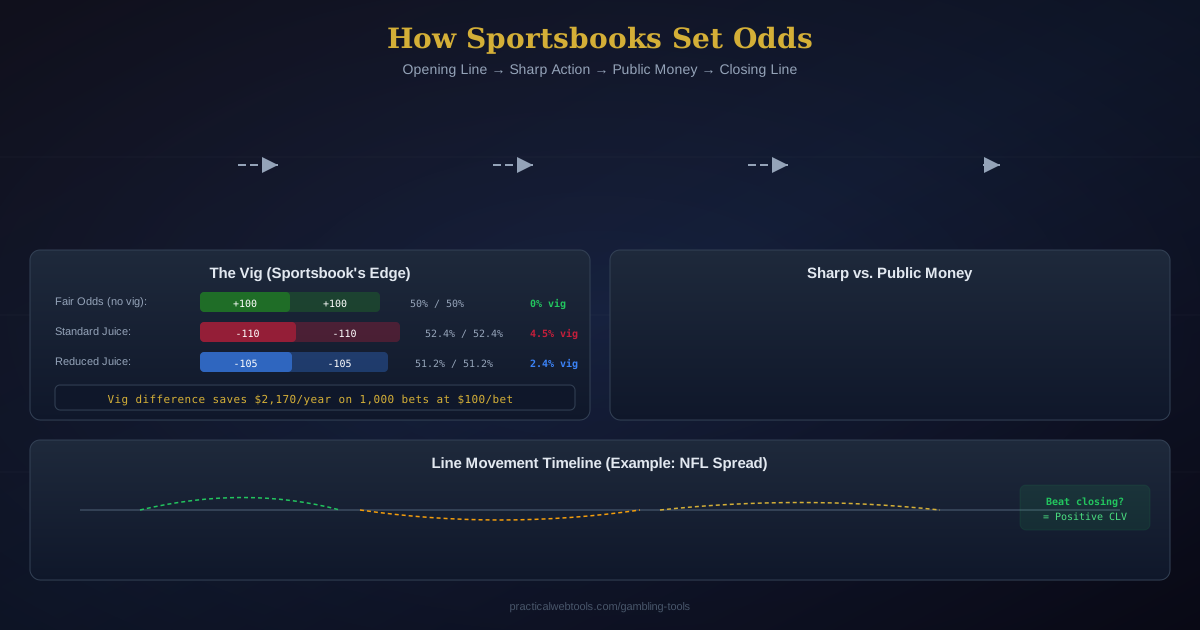
The Vig (Vigorish)
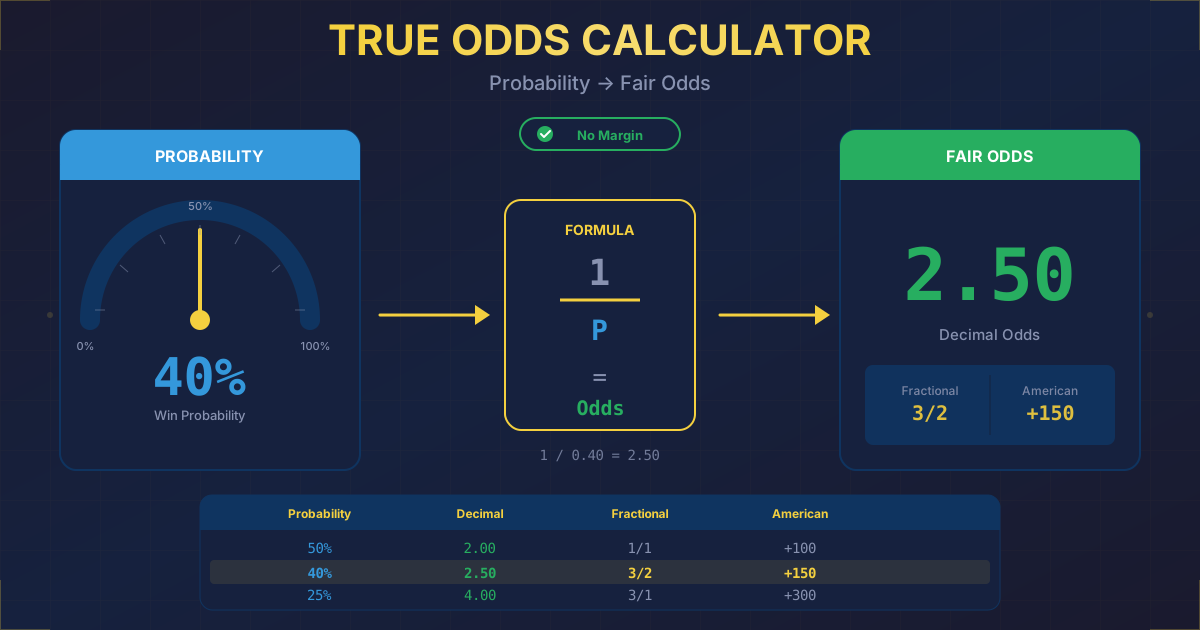
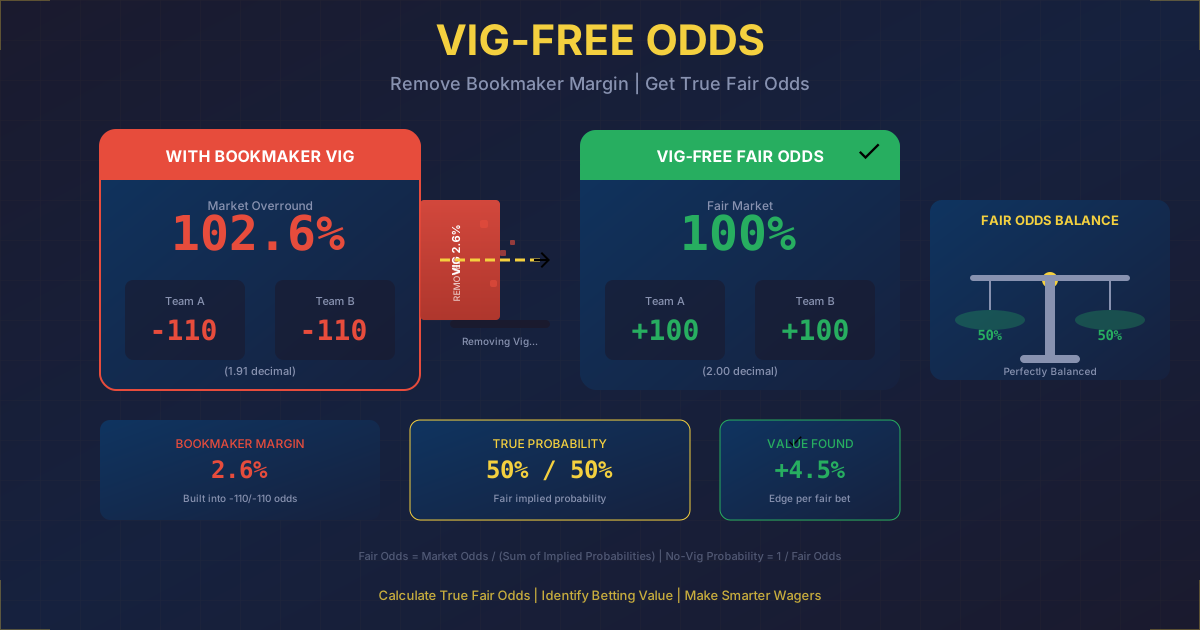
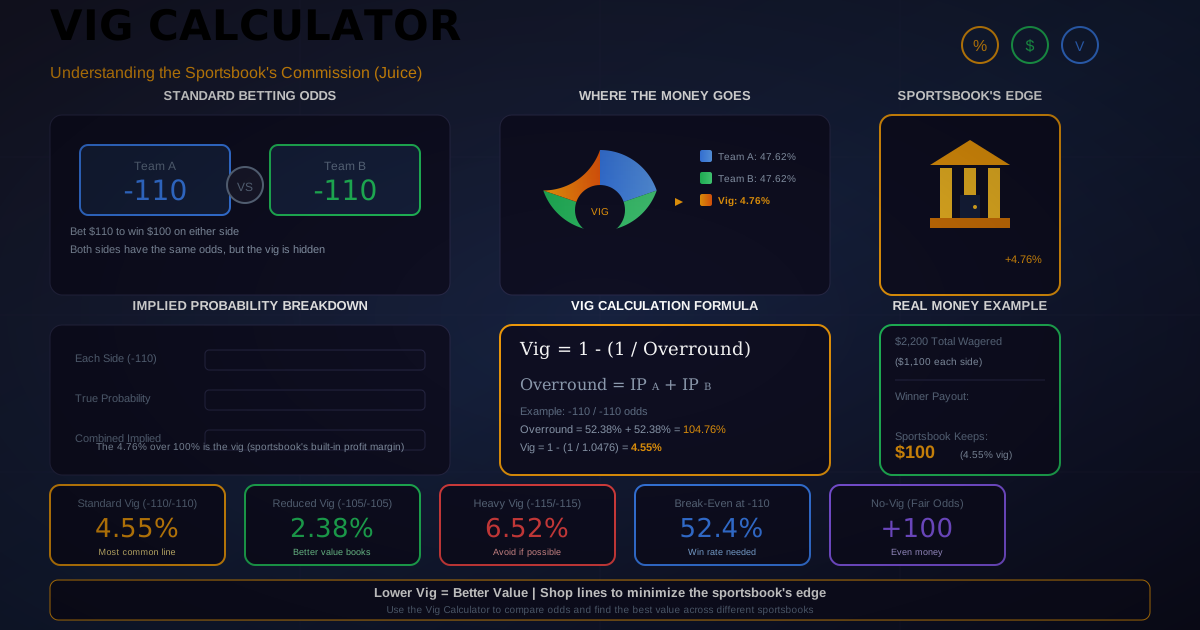
Sportsbooks build their edge through the vig—the difference between true odds and the odds they offer. In a fair 50/50 coin flip:
- Fair odds: +100 / +100 (both sides)
- Typical sportsbook: -110 / -110 (both sides)
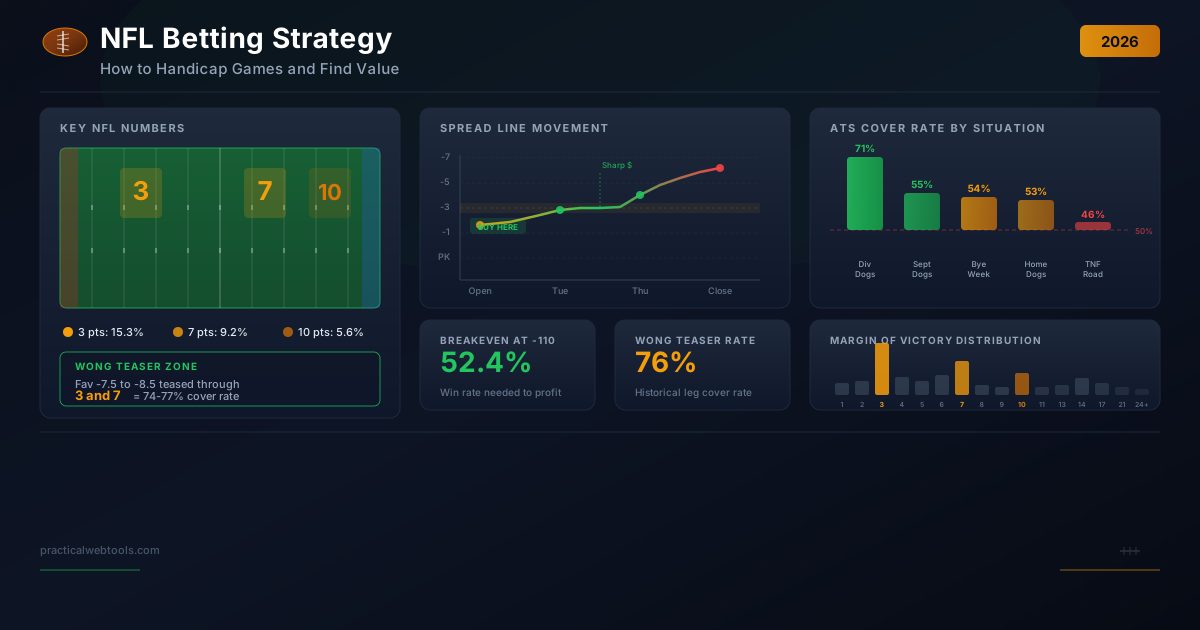
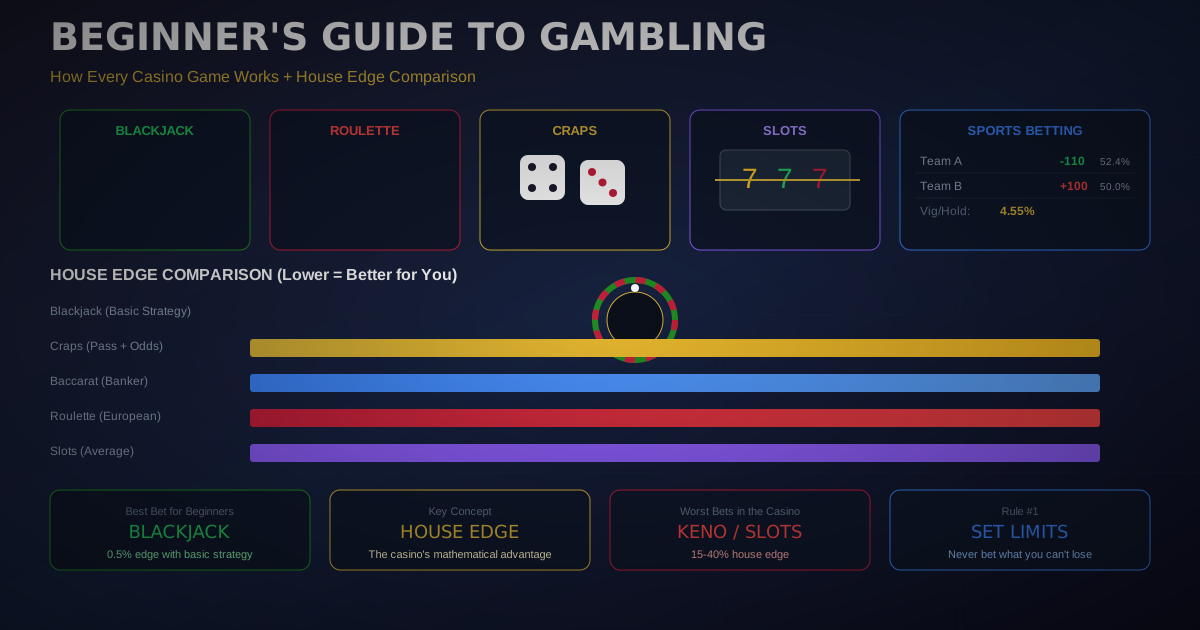
At -110, you must win 52.4% of the time to break even. The extra 2.4% is the vig—the sportsbook's edge.
Calculate the hold/vig in any line with our Hold/Vig Calculator.
Finding Value Through Probability Assessment
Value exists when your estimated probability differs from the implied probability:
Your Assessment: Team A wins 55% of the time Sportsbook Implied: Team A wins 52% (-110) Value: +3% (bet Team A)
Your Assessment: Team A wins 48% of the time Sportsbook Implied: Team A wins 52% (-110) Value: -4% (no bet or bet opponent)
The challenge is assessing "true" probability more accurately than the market.
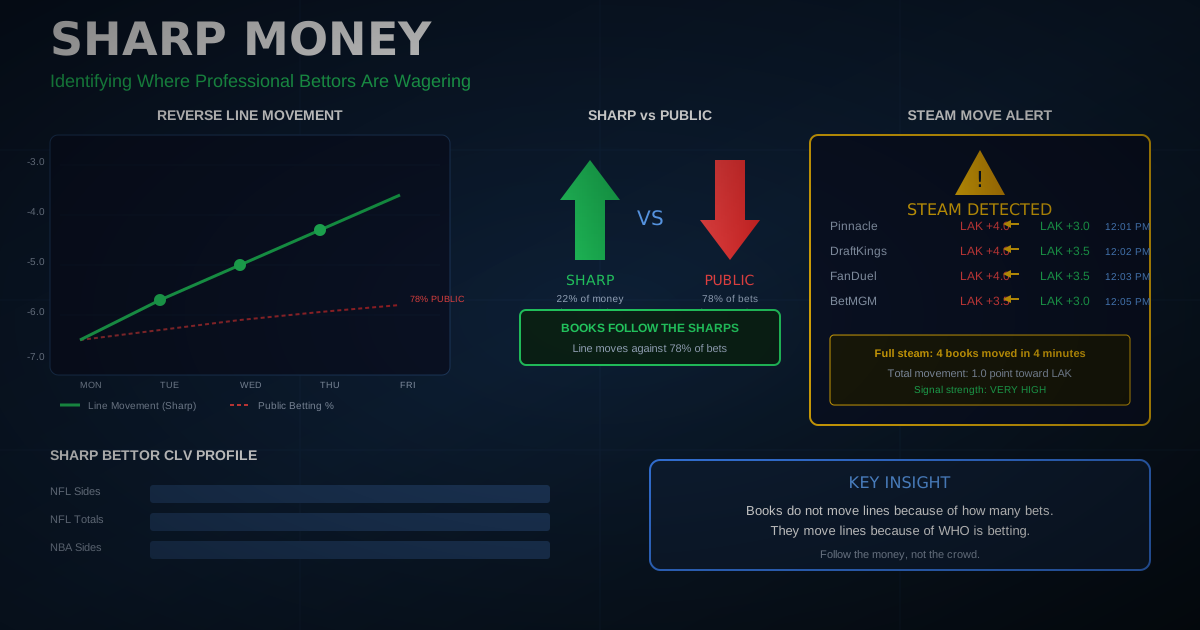
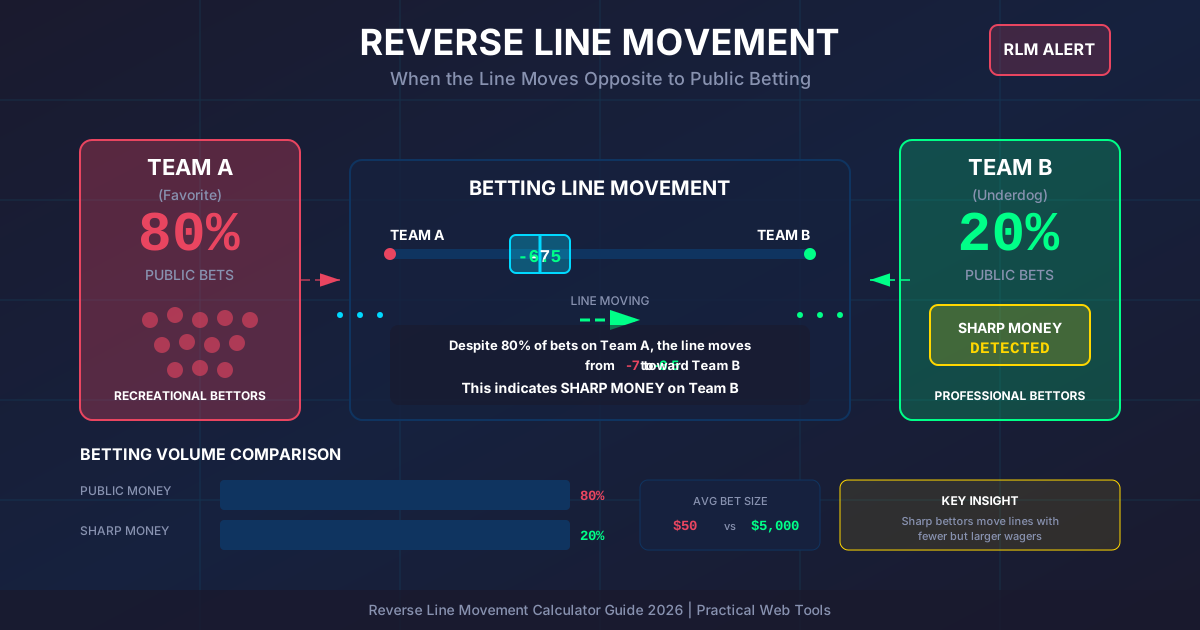
Closing Line Value (CLV): The Professional's Metric
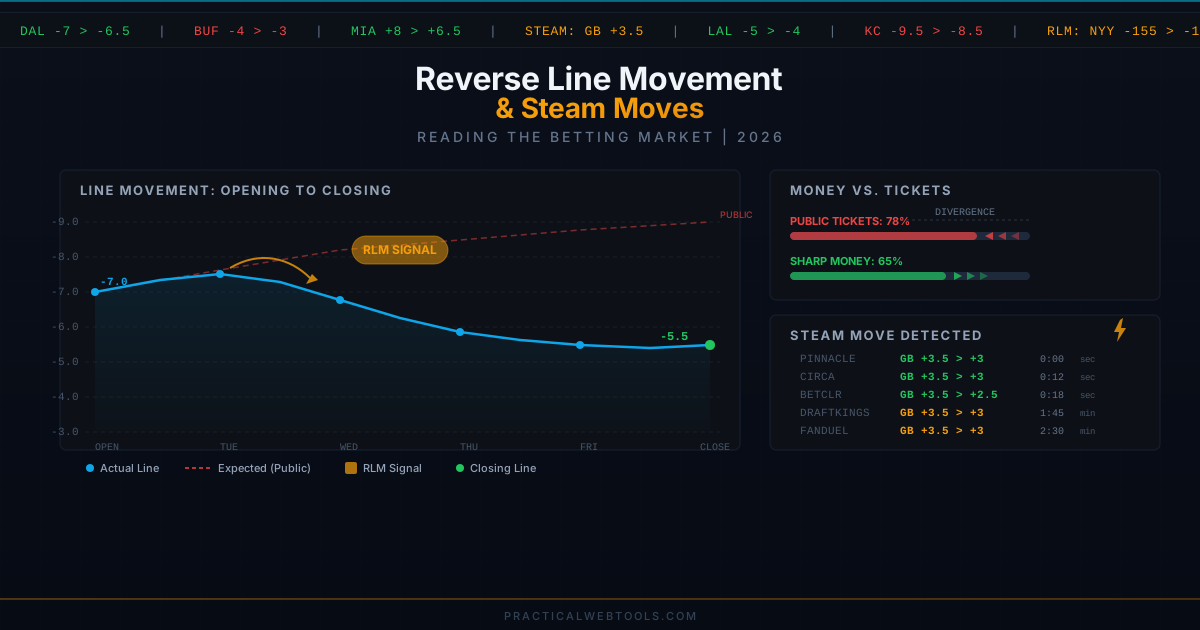
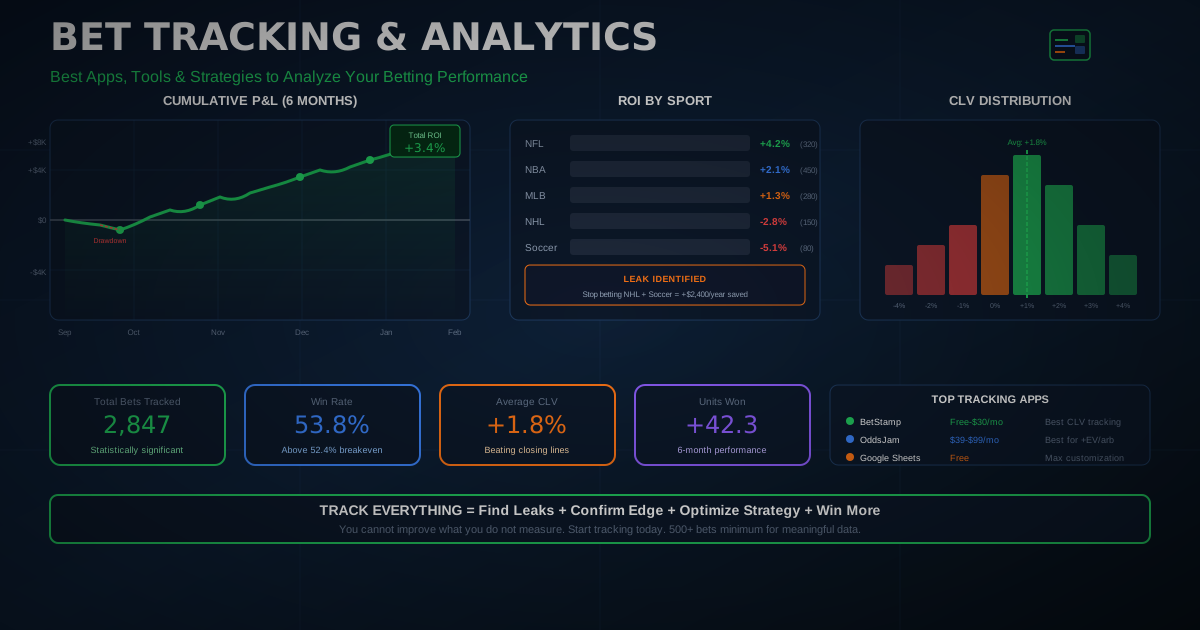
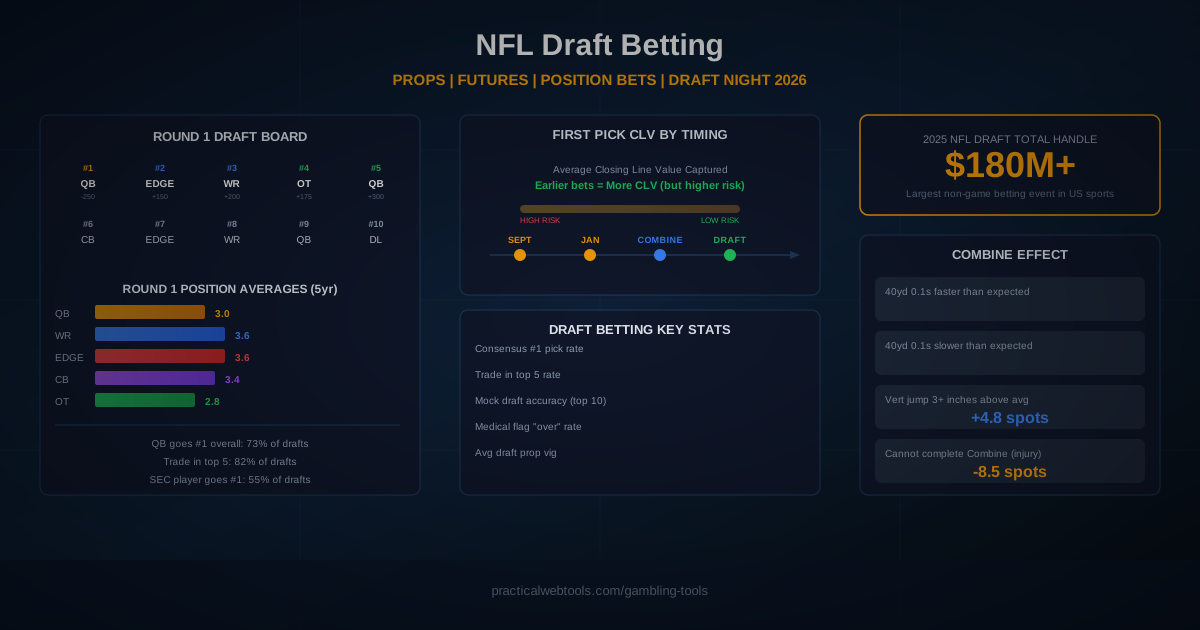
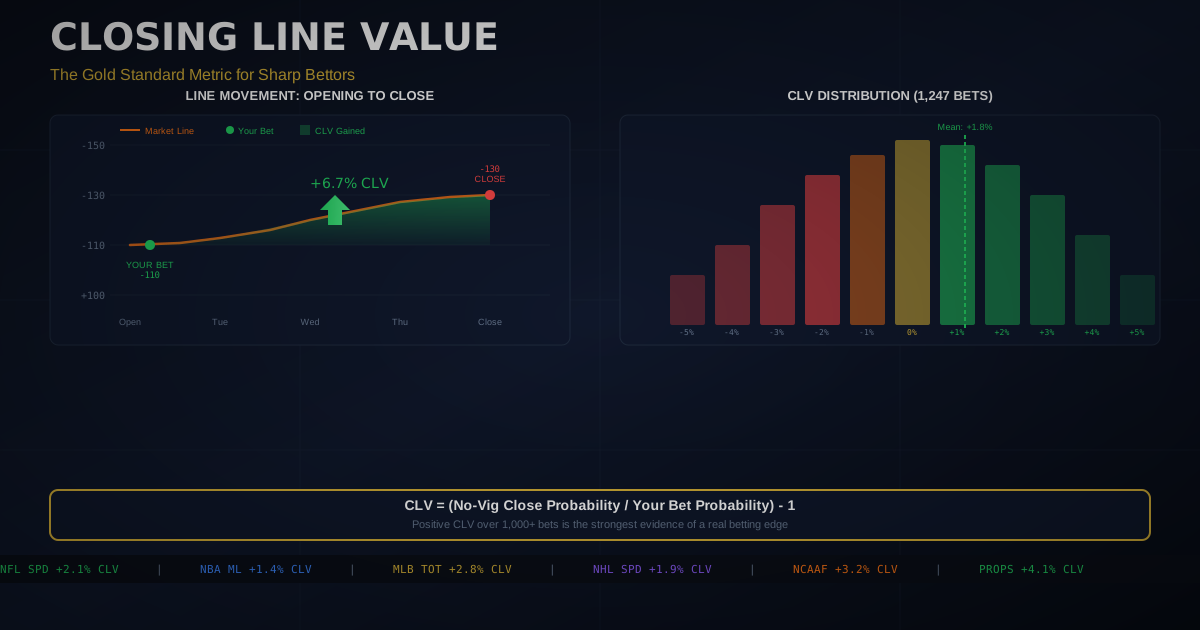
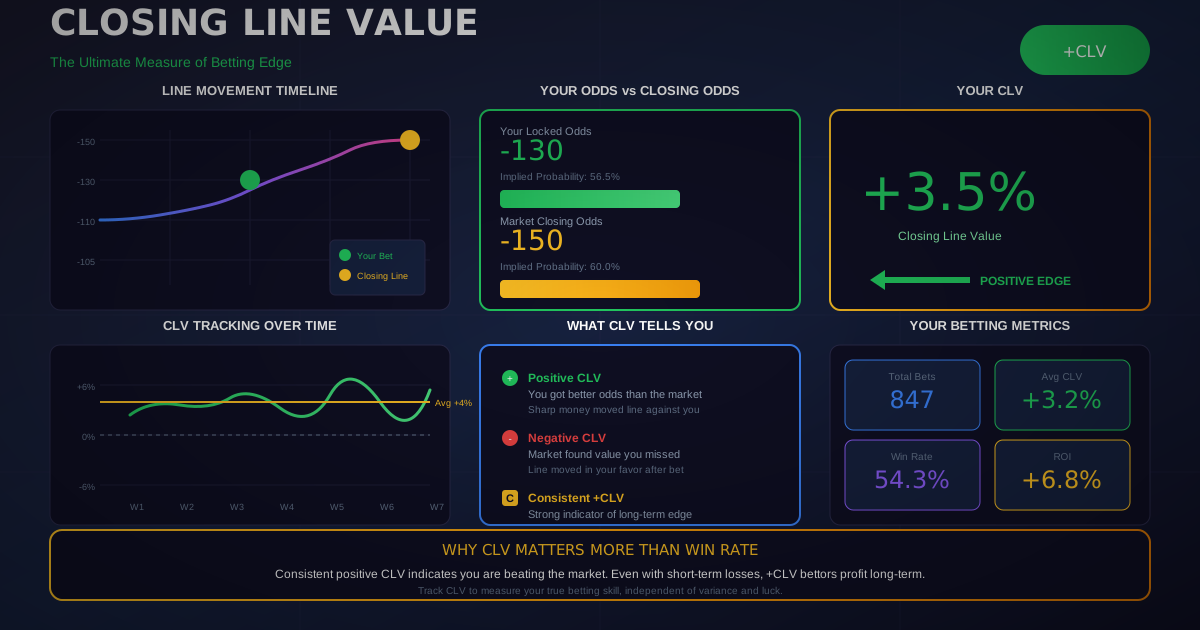
Closing Line Value measures how your bets compare to the final line before game time. It is widely considered the best predictor of long-term sports betting success.
What Is Closing Line Value?
The closing line represents the market's final assessment after all information and sharp money have moved the odds. If you consistently beat the closing line, you are finding value before the market corrects.
Example:
- You bet Patriots -3 (-110) on Tuesday
- By game time Sunday, the line closes at Patriots -4.5 (-110)
- You have +1.5 points of CLV—your bet is better than what the market closed at
Why CLV Predicts Long-Term Success
The closing line is considered the most efficient expression of true probability because:
- Sharp money moves lines: Professional bettors betting large amounts force lines toward true value
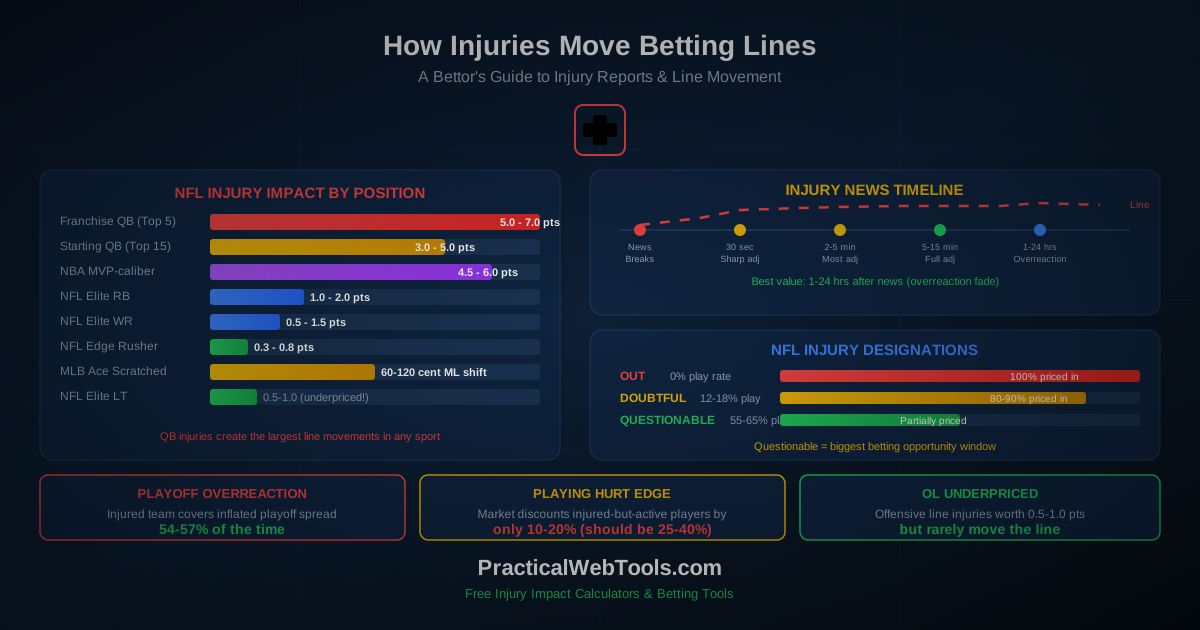
- Information incorporation: Injury news, weather, and other factors get priced in by close
- Market efficiency: Betting markets are remarkably efficient at game time
Consistently beating the close suggests your analysis finds value before the market does.
Tracking Your CLV
To track CLV effectively:
- Record the odds when you place each bet
- Record the closing odds for the same market
- Calculate the difference
- Average over hundreds of bets
A +2% average CLV is excellent. Even +1% CLV sustained over volume generates significant profits.
Key Sports Betting Analytics Concepts
Expected Value Per Bet
Not all +EV bets are equal. A bet with +10% EV is more valuable than one with +2% EV. Prioritize higher EV opportunities, especially when betting volume is limited.
Calculate your expected value with our Expected Value Calculator.
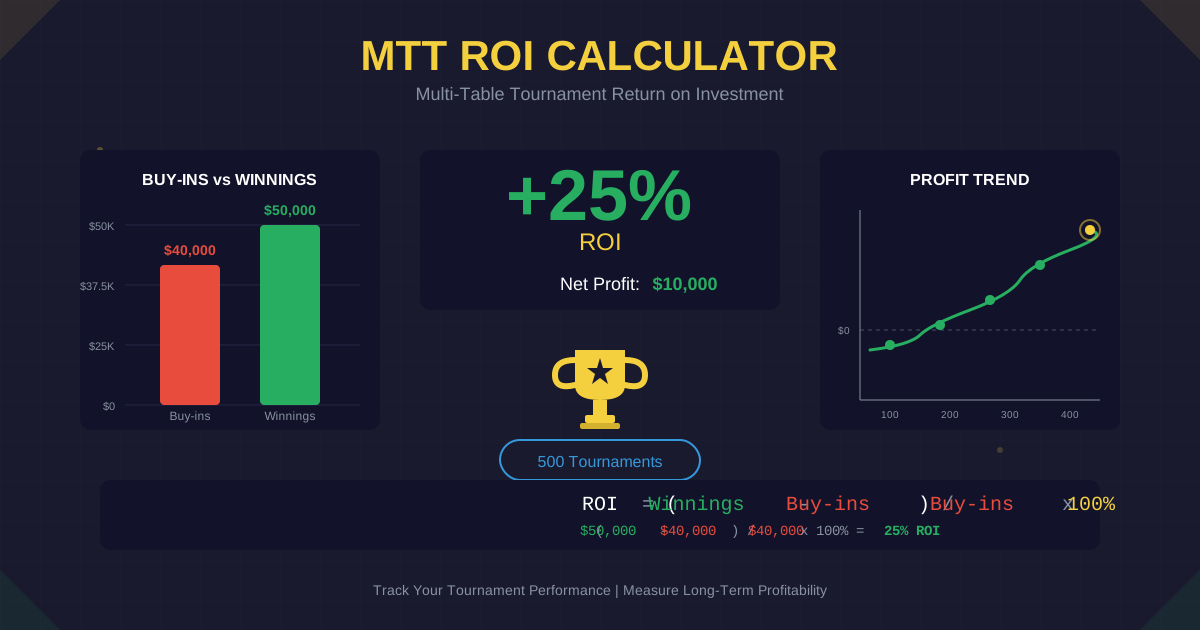
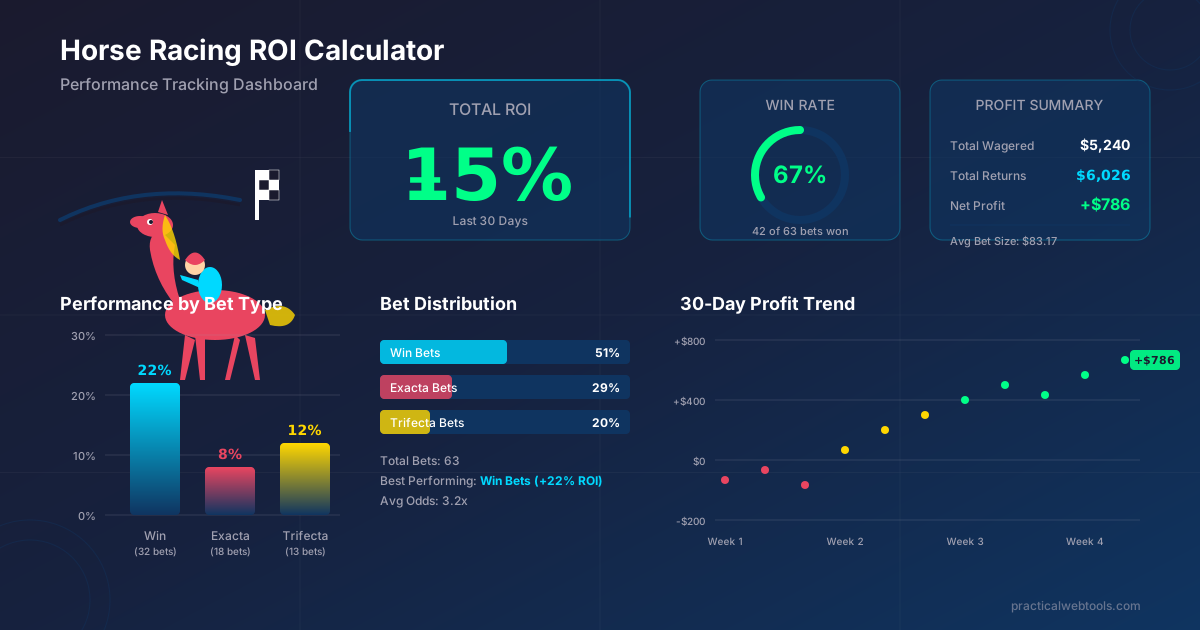
Return on Investment (ROI)
ROI measures your profit as a percentage of total amount wagered:
ROI = (Total Profit / Total Wagered) × 100
Professional sports bettors typically target:
- 2-5% ROI: Sustainable for serious bettors
- 5-10% ROI: Excellent, difficult to maintain at scale
- 10%+ ROI: Exceptional, usually limited to small markets or short periods
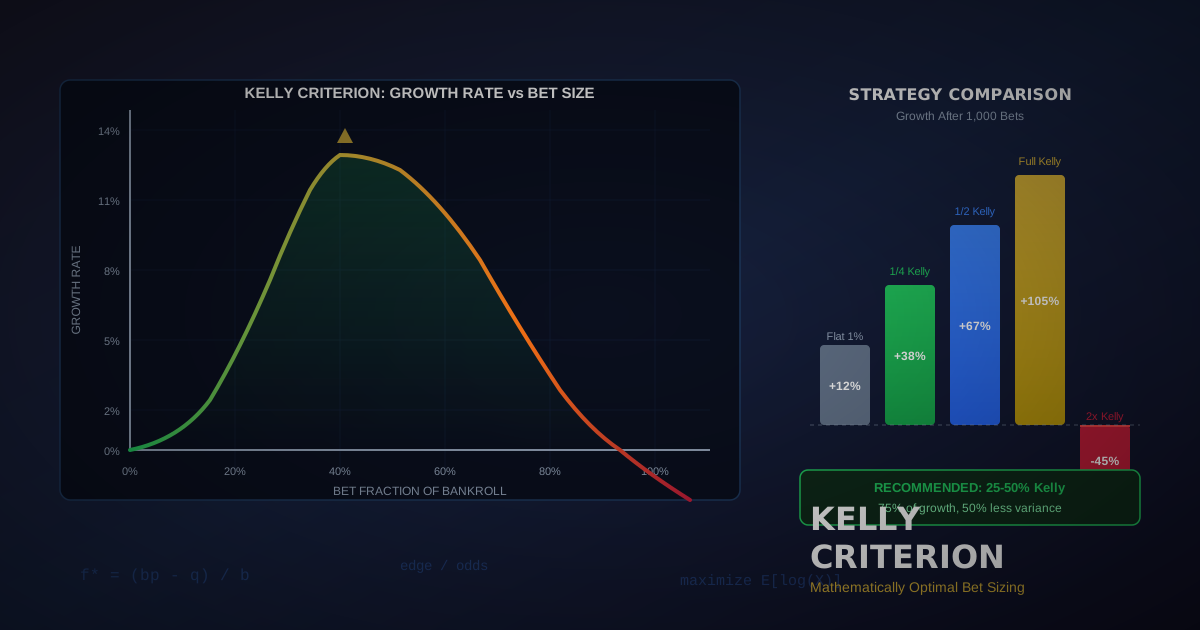
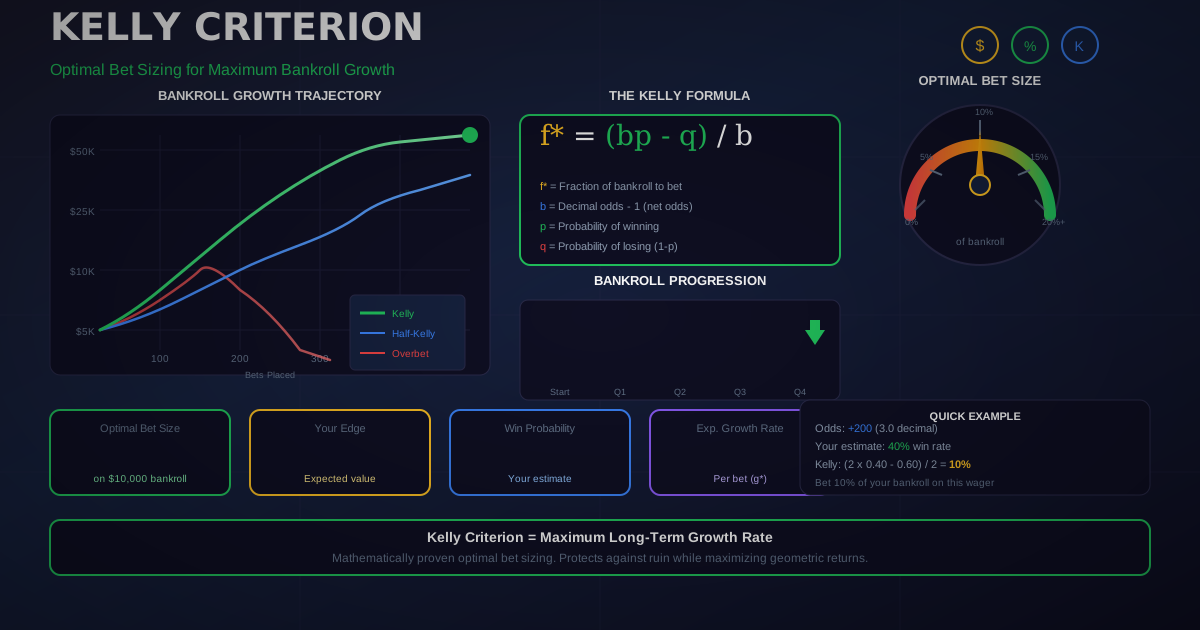
Kelly Criterion for Bet Sizing
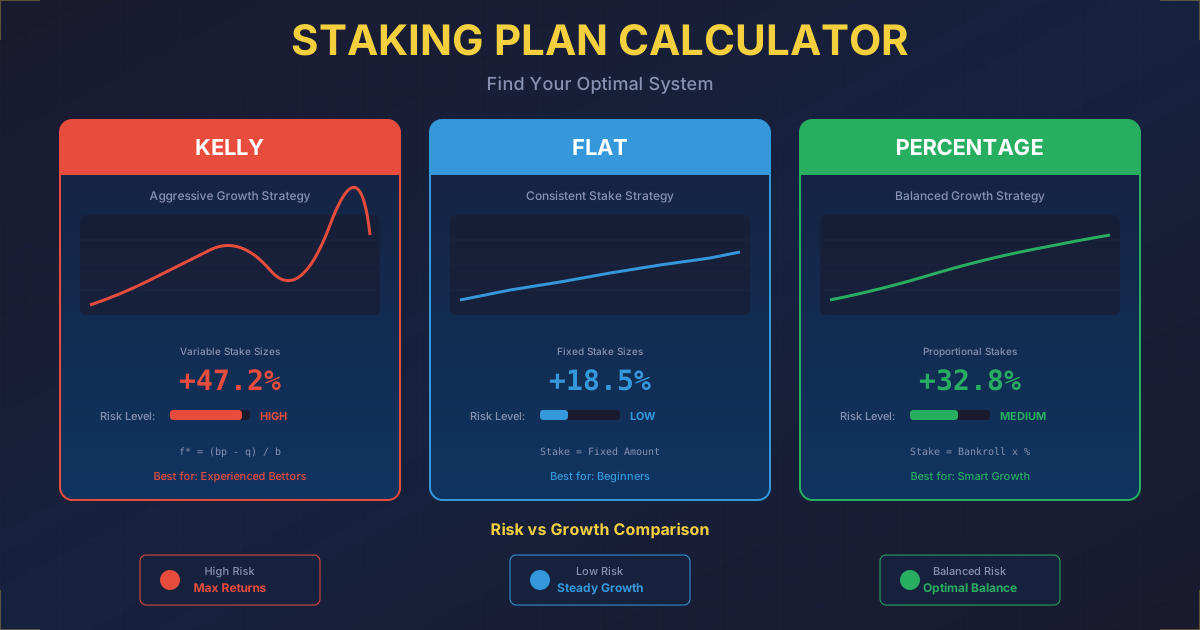
The Kelly Criterion calculates optimal bet size based on your edge and bankroll:
Kelly % = (bp - q) / b
Where:
- b = decimal odds - 1
- p = probability of winning
- q = probability of losing (1 - p)
Example:
- Odds: +150 (b = 1.5)
- Your probability: 45% (p = 0.45, q = 0.55)
Kelly % = (1.5 × 0.45 - 0.55) / 1.5 = 8.3%
Bet 8.3% of your bankroll on this wager.
Calculate optimal bet sizes with our Kelly Criterion Calculator.
Important: Full Kelly is aggressive. Most professionals use "fractional Kelly" (1/4 to 1/2 of the calculated amount) to reduce variance.
Arbitrage Betting
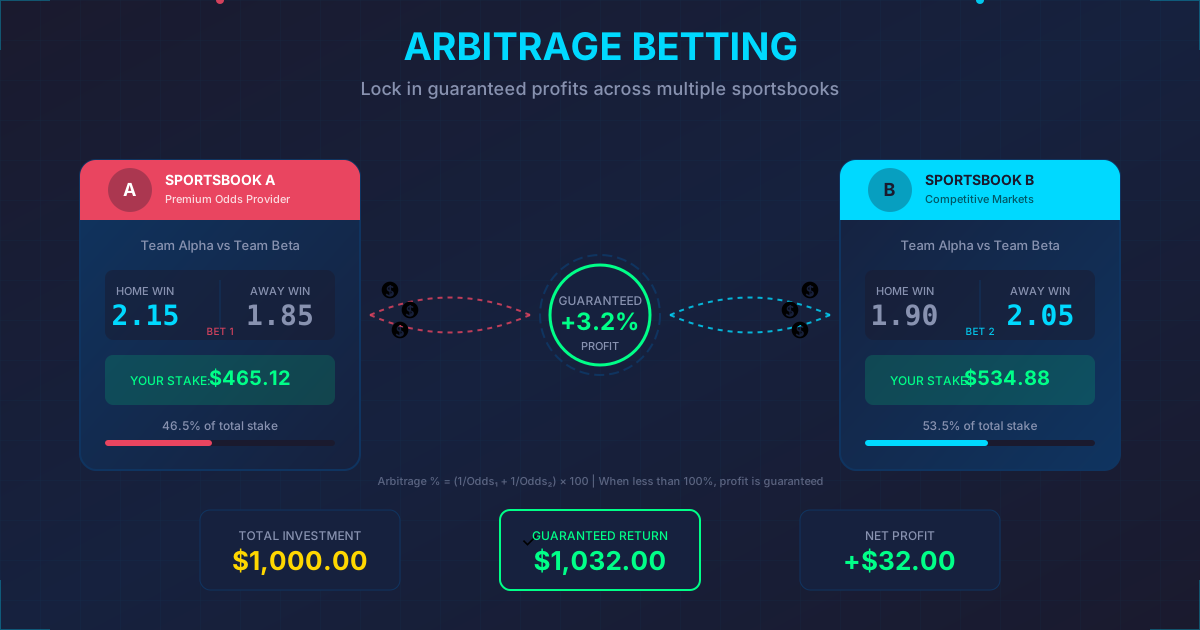
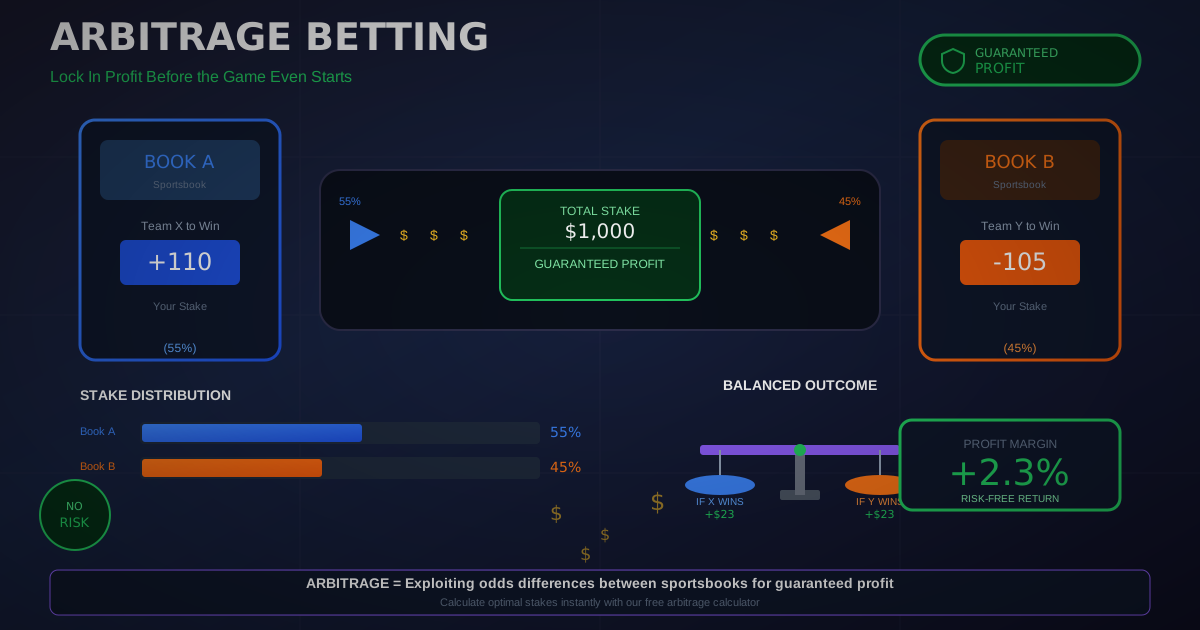
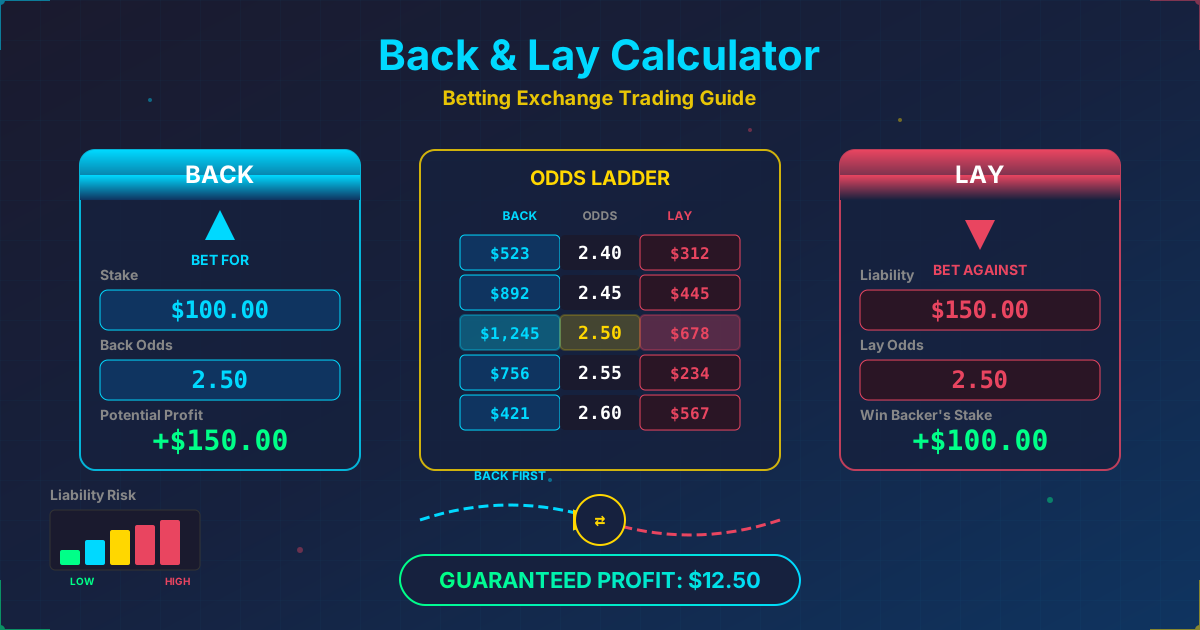
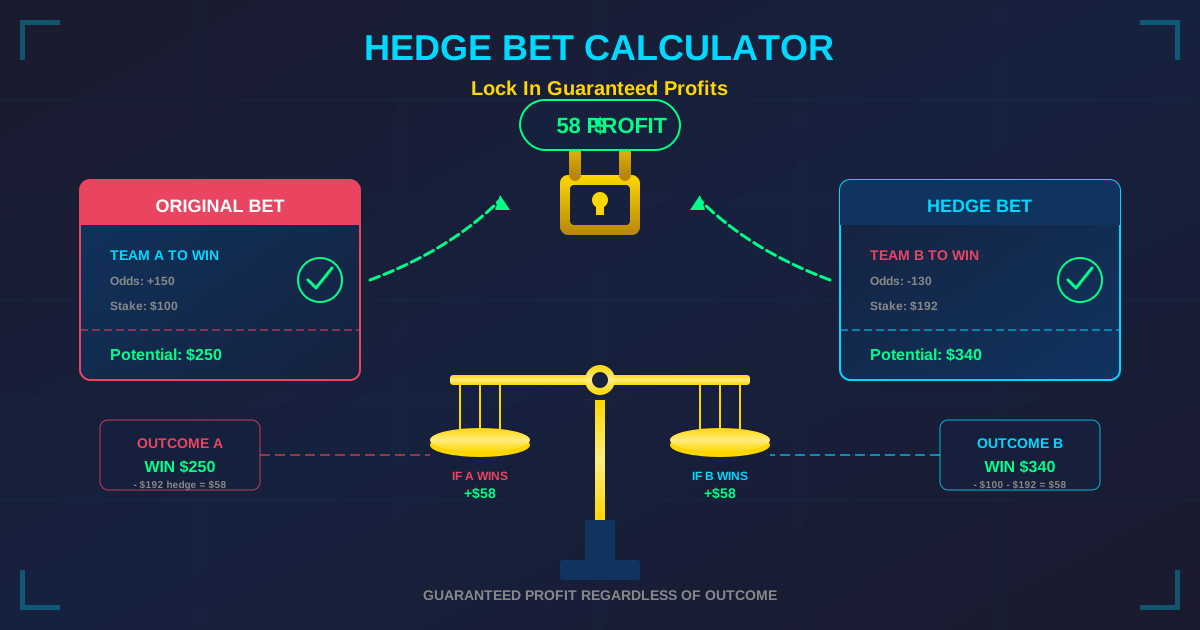
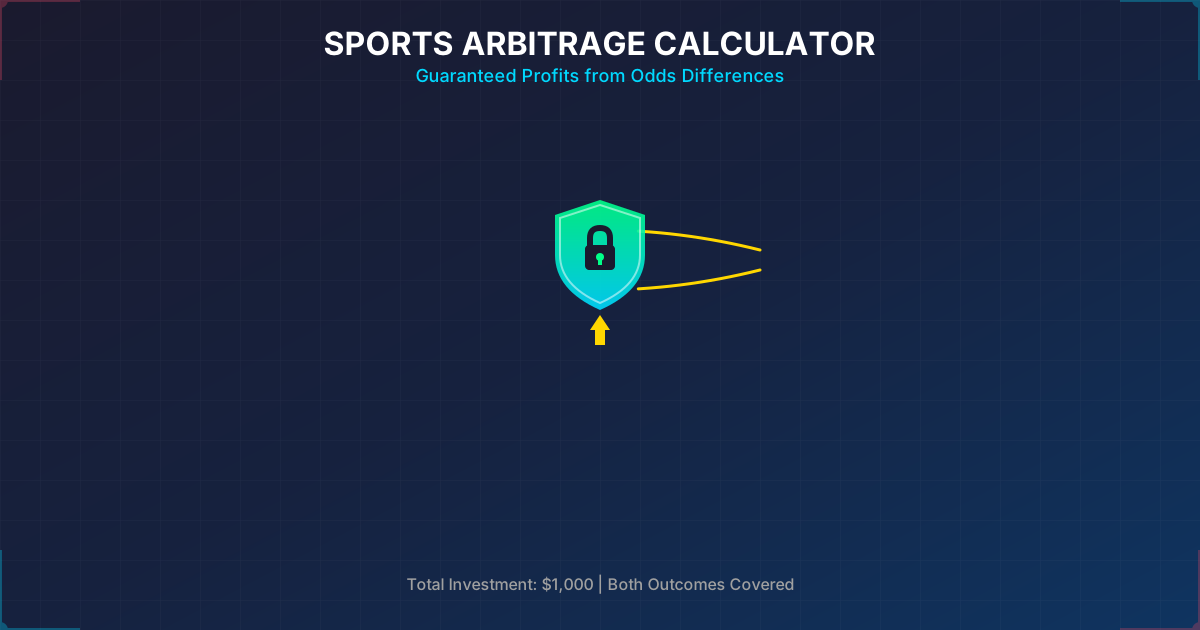
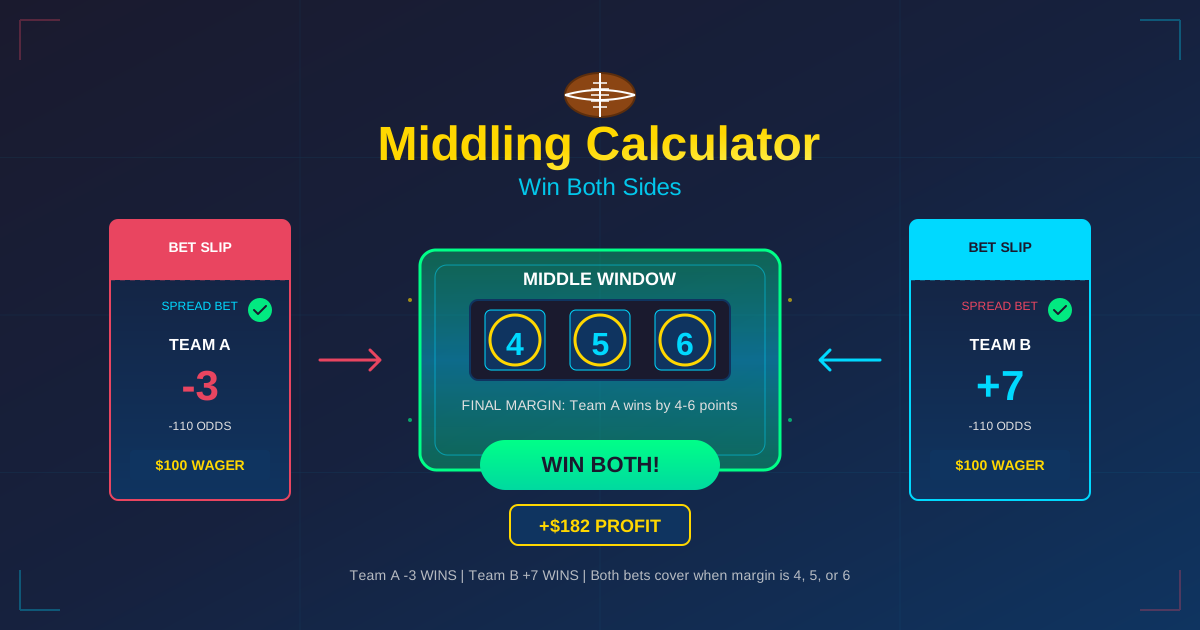
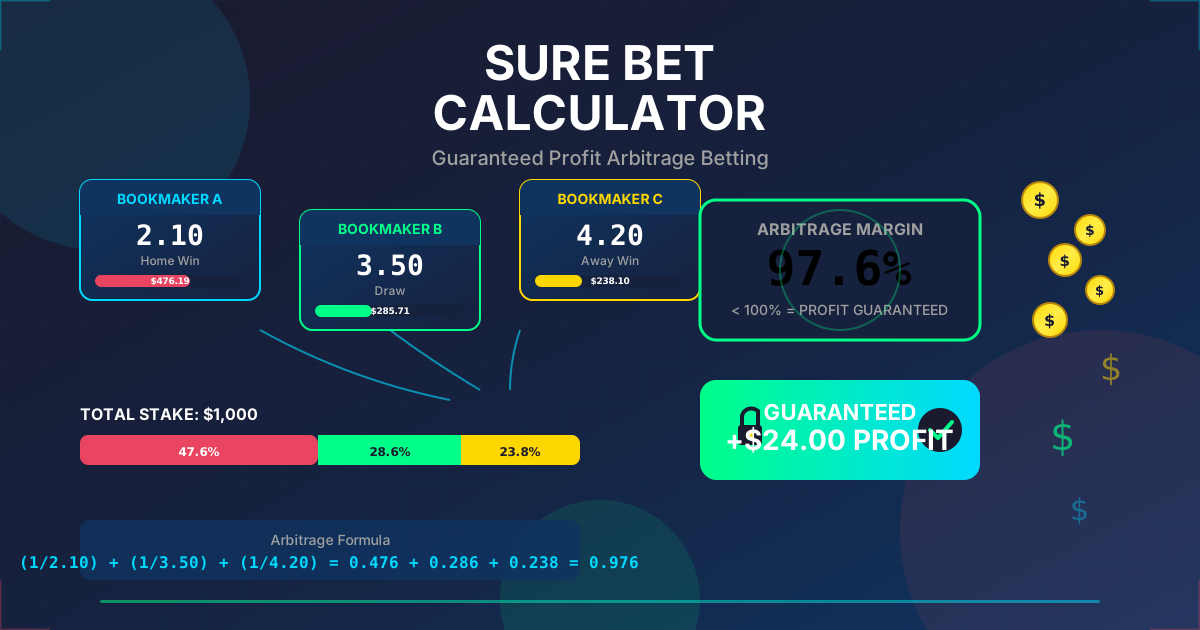
Arbitrage occurs when different sportsbooks offer odds that guarantee profit regardless of outcome. You bet both sides at different books, locking in risk-free profit.
Example:
- Book A: Team X +150
- Book B: Team Y -130
By correctly sizing bets on both outcomes, you guarantee profit no matter who wins.
Find and calculate arbitrage opportunities with our Arbitrage Calculator.
Arbitrage opportunities are rare and short-lived because:
- Books adjust lines quickly
- Sharp books limit winning bettors
- You need accounts at multiple sportsbooks
- Opportunities often involve less liquid markets
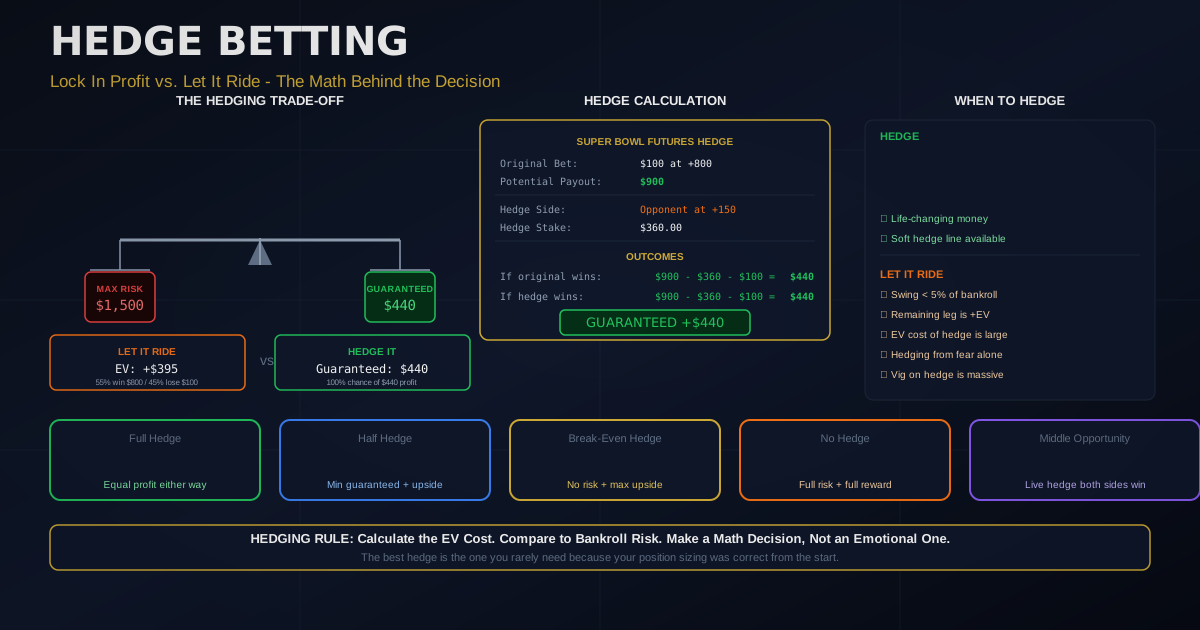
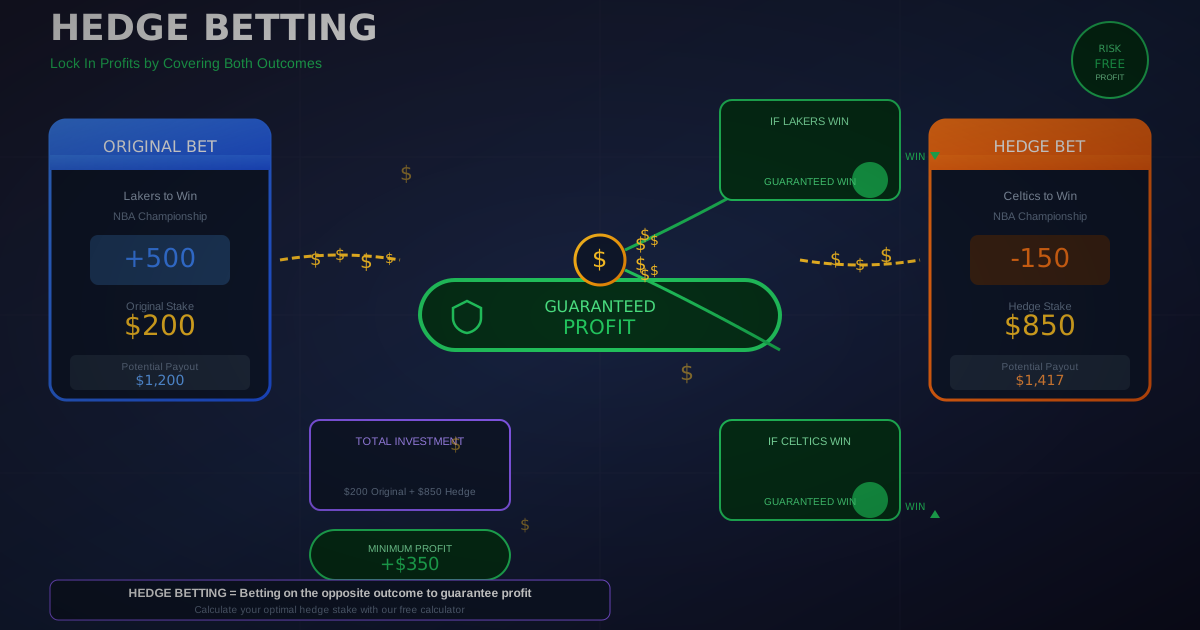
Hedging
Hedging involves placing additional bets to reduce risk or guarantee profit on existing positions. Common scenarios:
Futures Hedging: You bet $100 on a team at +2000 to win the championship. They reach the finals. You can now bet against them to lock in profit regardless of outcome.
Live Betting Hedging: Your pregame bet is winning, and you can place a live bet on the opponent to guarantee profit.
Calculate hedge amounts with our Hedge Calculator.
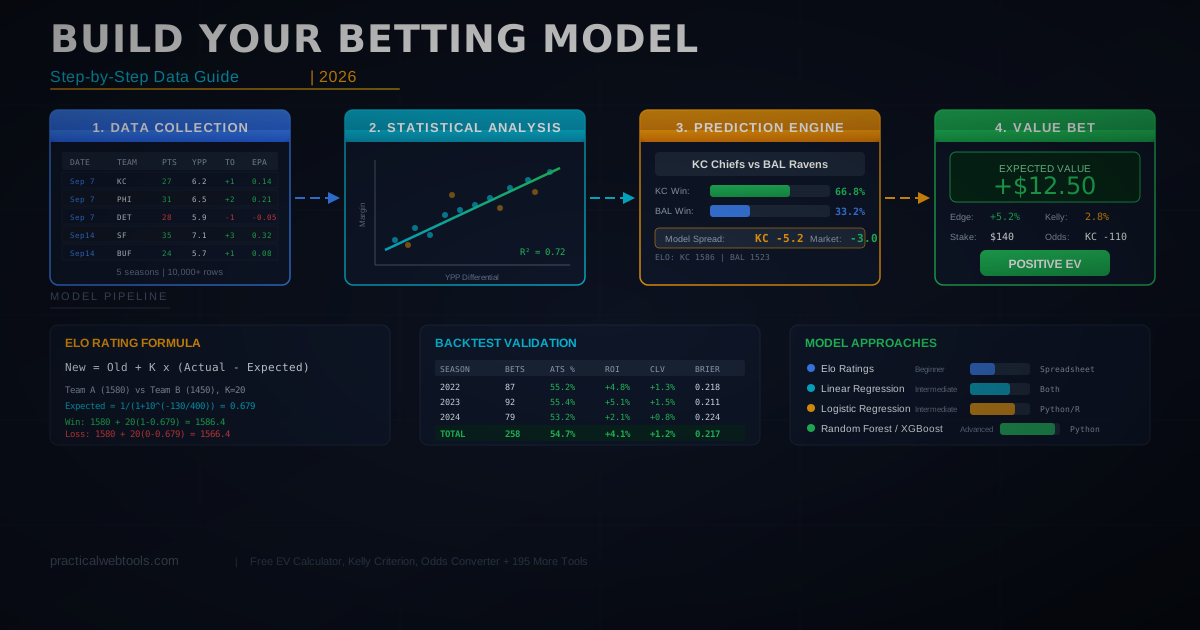
Building a Sports Betting Model
Profitable sports bettors typically build models to estimate true probabilities. Here is a framework:
Step 1: Identify Predictive Factors
Research which statistics actually predict outcomes. Not all stats are equal:
High Predictive Value (NFL Example):
- Yards per play differential
- Turnover-adjusted scoring
- DVOA/EPA metrics
- Net points per drive
Low Predictive Value:
- Win-loss record (small sample)
- "Clutch" performance
- Recent momentum
- Traditional stats without context
Step 2: Collect and Clean Data
Build databases of historical performance. Sources include:
- Official league statistics
- Advanced analytics sites
- Weather and injury data
- Historical betting odds
Step 3: Build Probability Estimates
Use statistical methods to convert data into probability estimates:
- Regression models
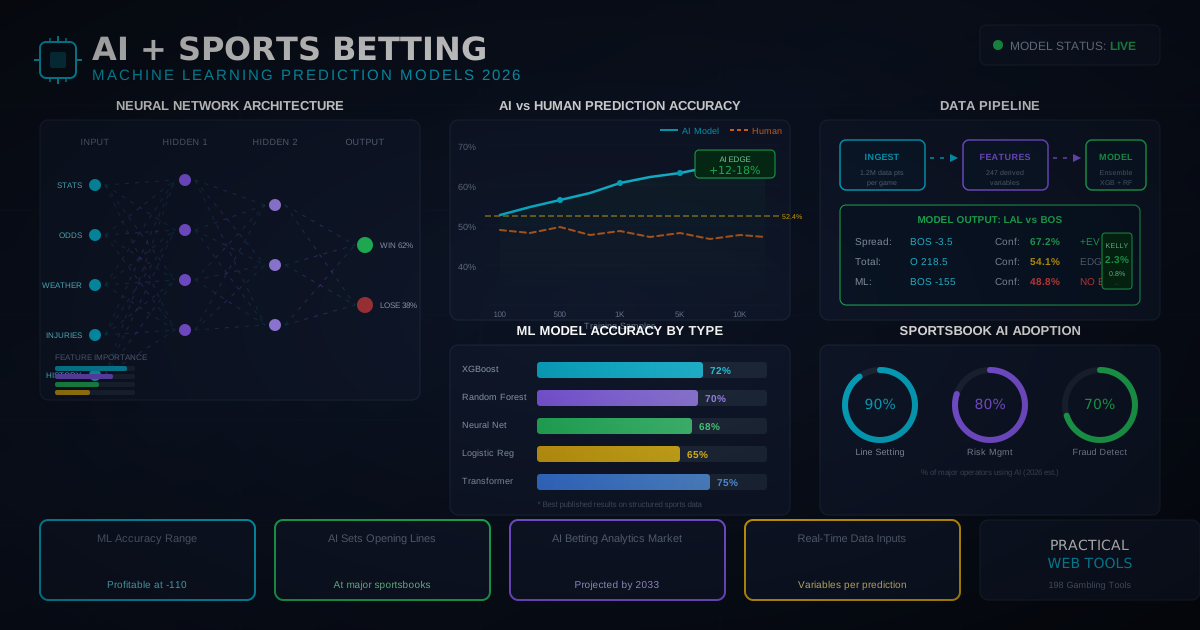
- Machine learning algorithms
- Elo/power rating systems
- Ensemble methods combining multiple approaches
Step 4: Compare to Market Odds
Convert your probability estimates to implied odds and compare to sportsbook lines:
- Model says 55% → Fair odds -122
- Sportsbook offers -110
- Value: +3%
Step 5: Bet Selectively
Only bet when your model shows significant edge (typically 2%+ EV after vig). Track results and continuously refine your model.
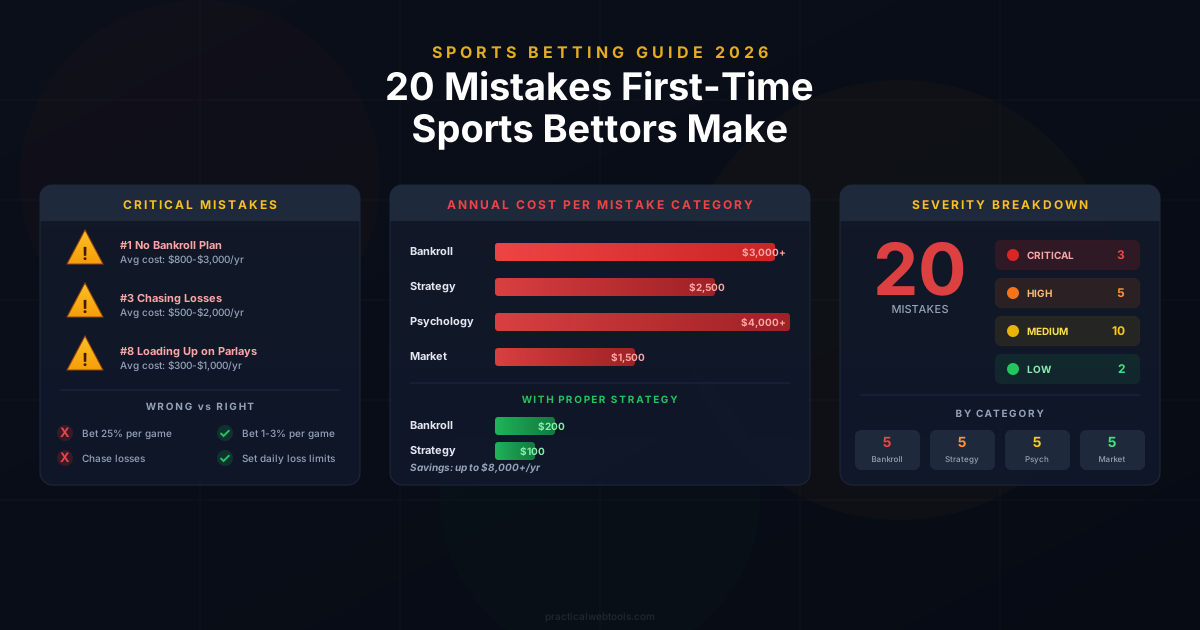
Common Sports Betting Mistakes
Mistake #1: Ignoring the Vig
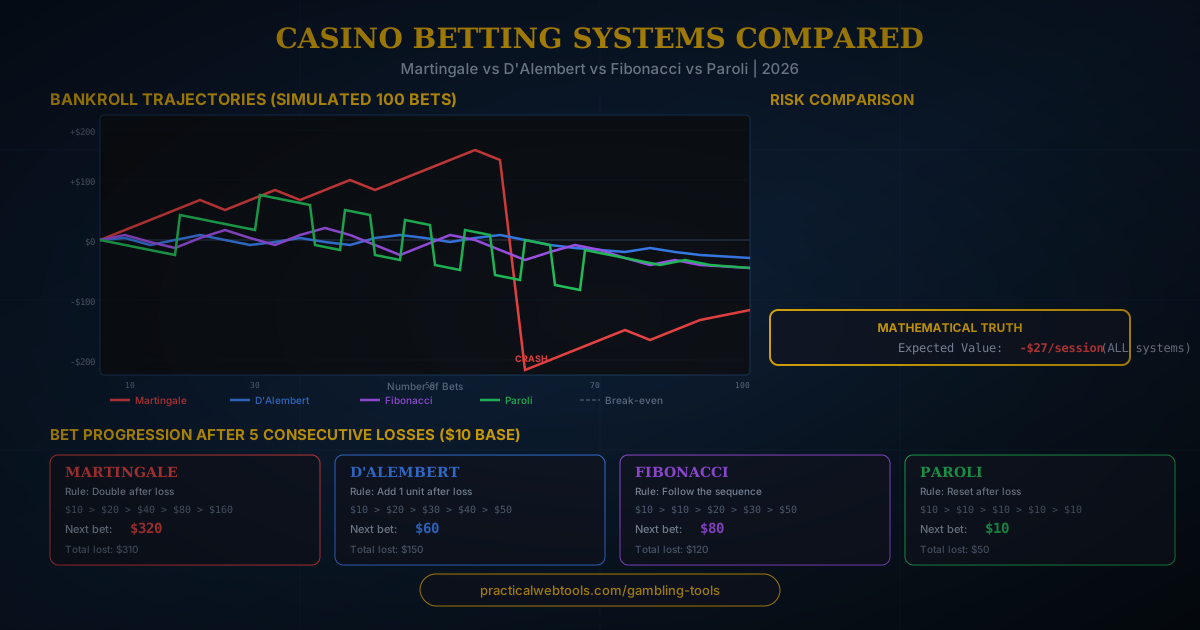
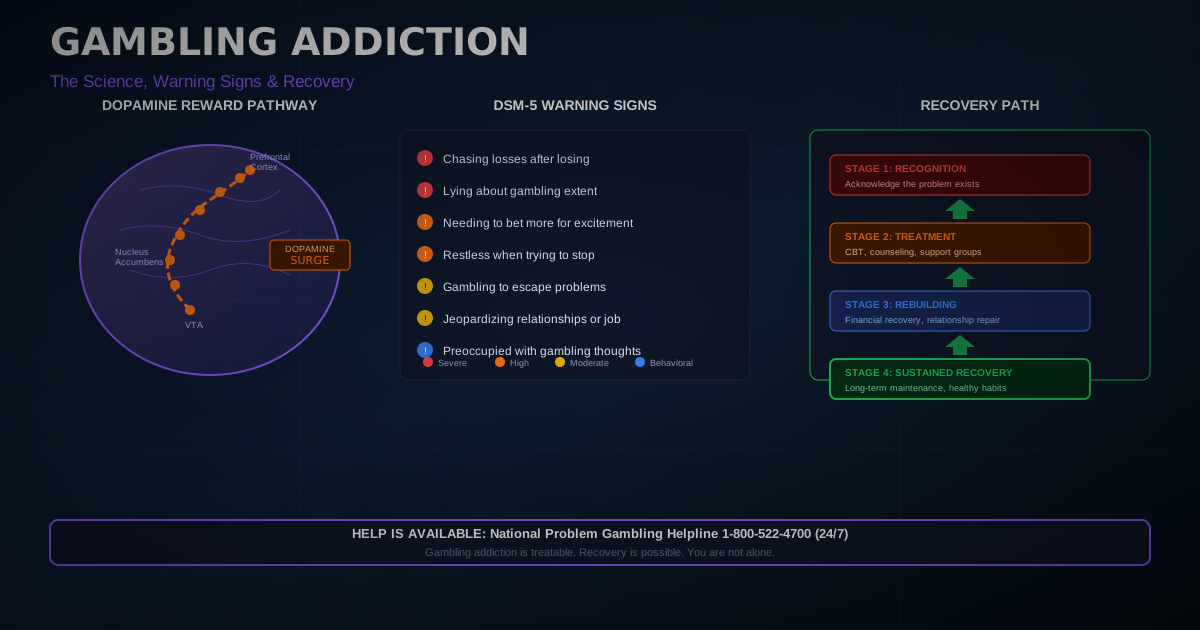
Many bettors forget that -110 requires 52.4% accuracy to break even. "Winning" 51% of bets means losing money.
The Fix: Always calculate EV including the vig. A 52% bet at -110 is still -EV.
Mistake #2: Overconfident Probability Estimates
Bettors systematically overestimate their edge. If you think every bet is +5% EV, you are almost certainly wrong.
The Fix: Be conservative in probability assessments. Consider the market is usually right.
Mistake #3: Betting Too Much Per Wager
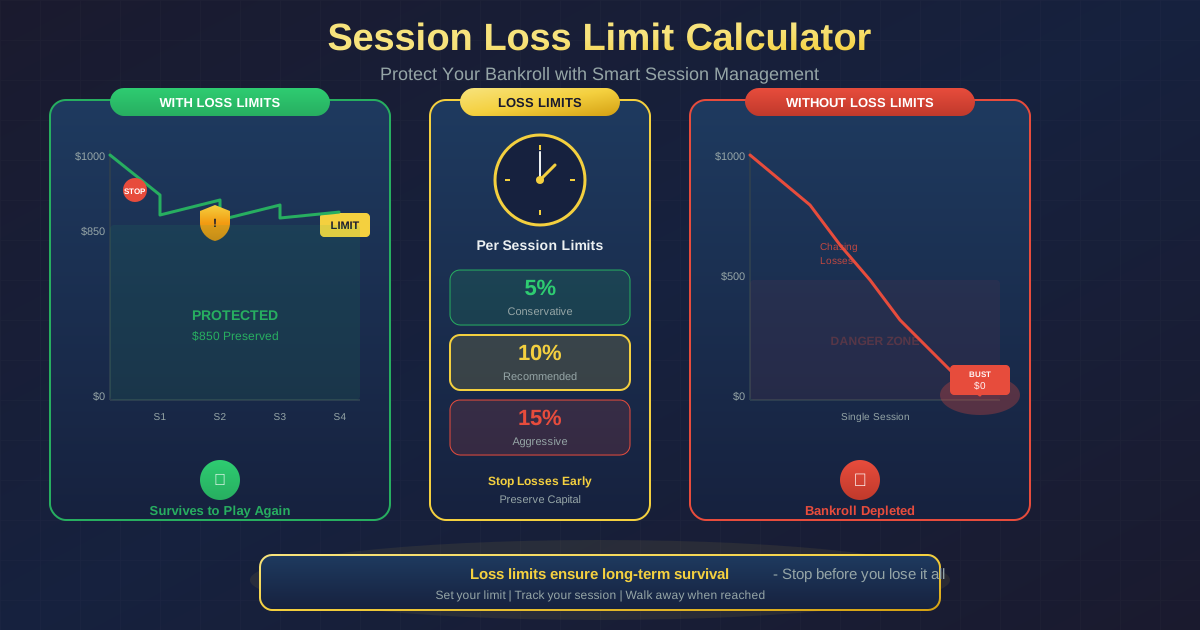
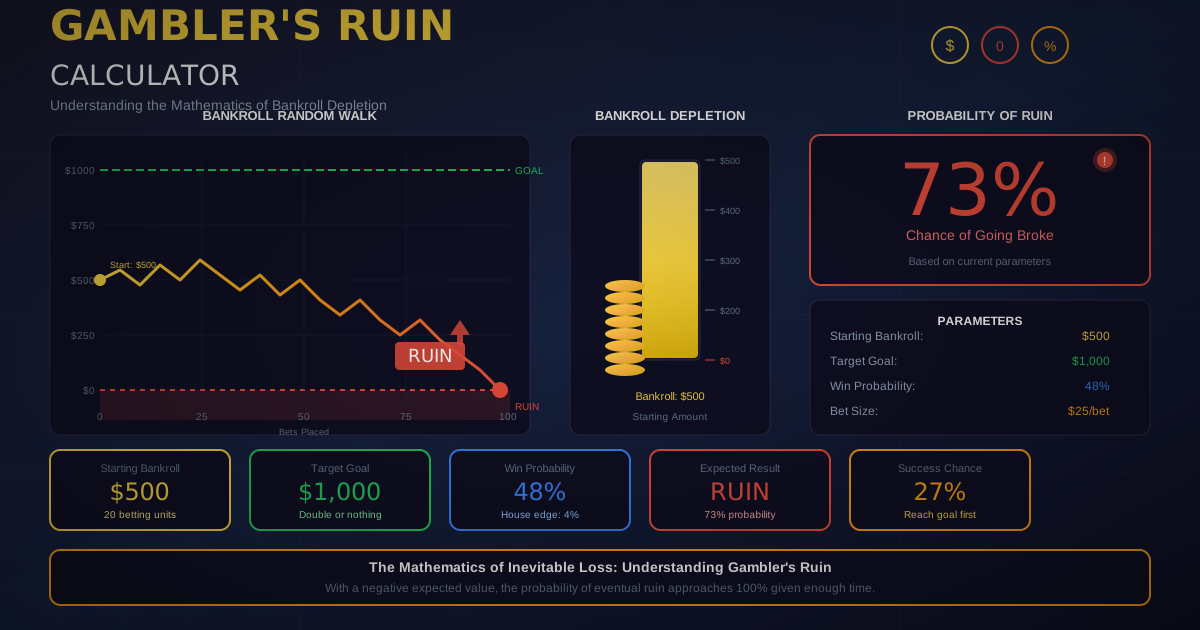
Bet sizing too aggressively destroys bankrolls during inevitable losing streaks.
The Fix: Use Kelly Criterion (or fractional Kelly) and never bet more than 5% of your bankroll on any single wager.
Manage your bankroll properly with our Kelly Criterion Calculator.
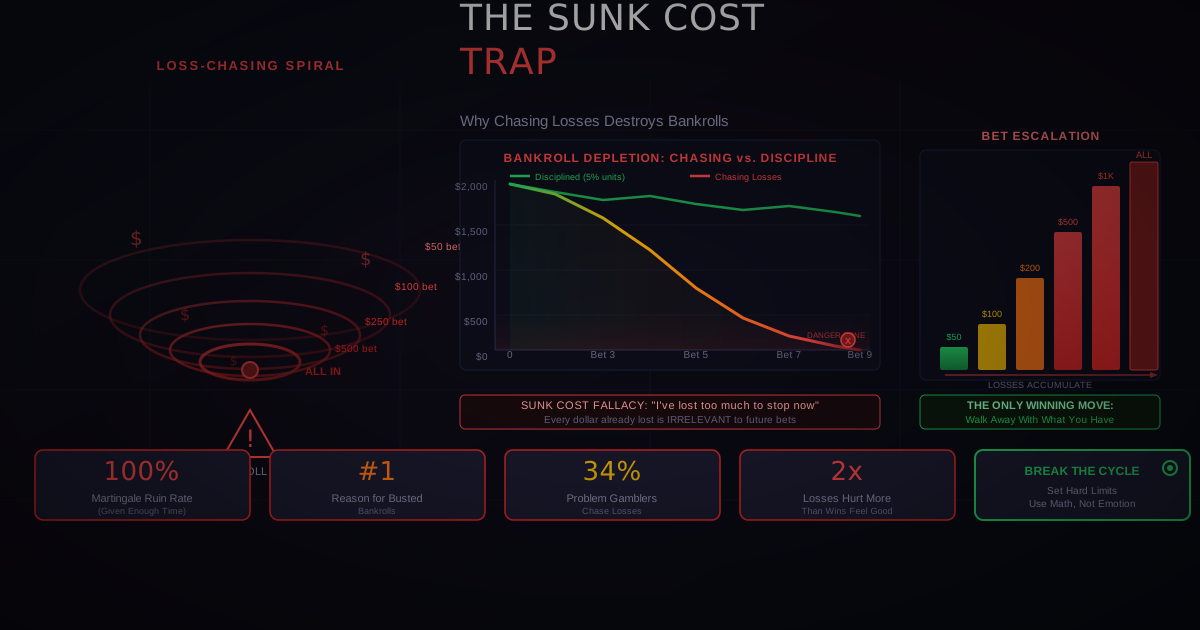
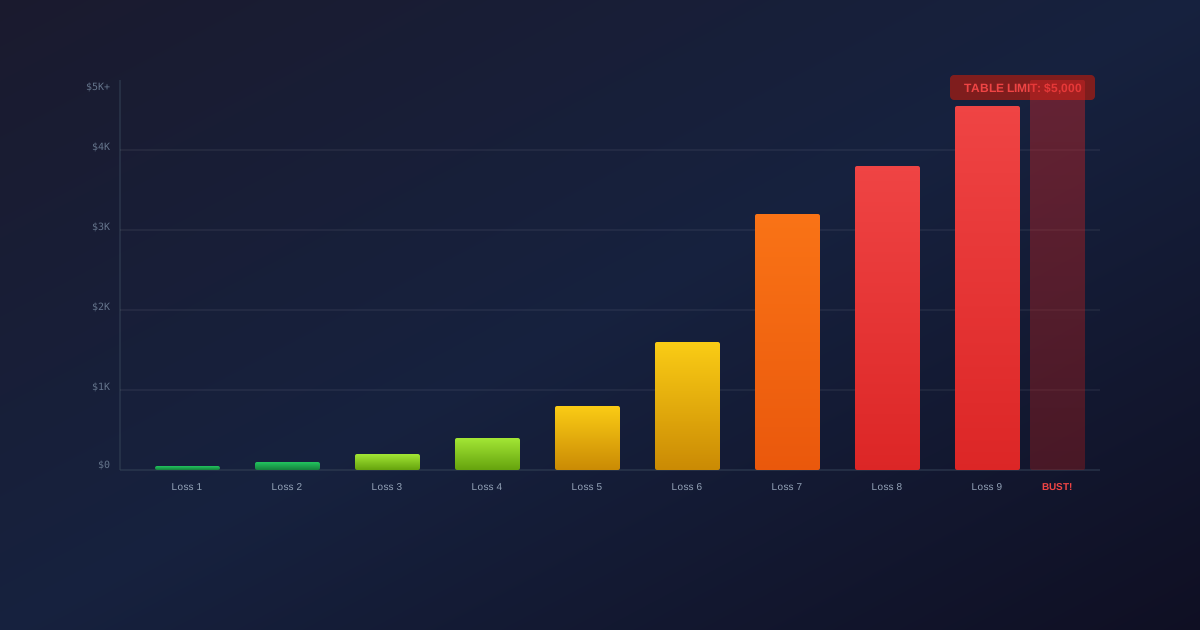
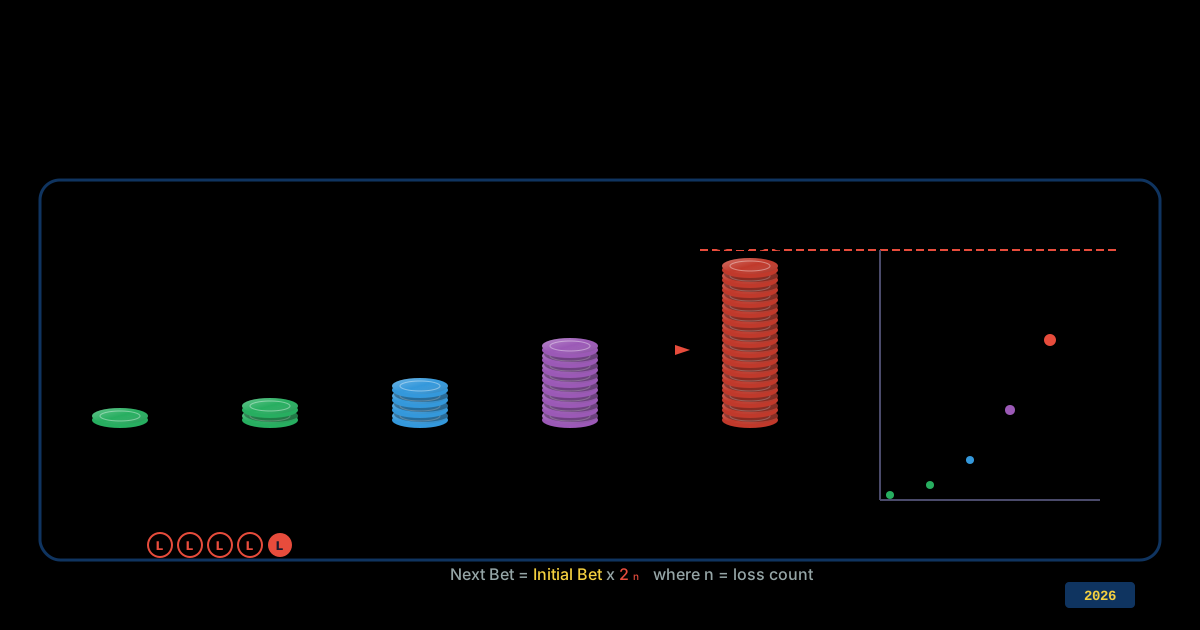
Mistake #4: Chasing Losses
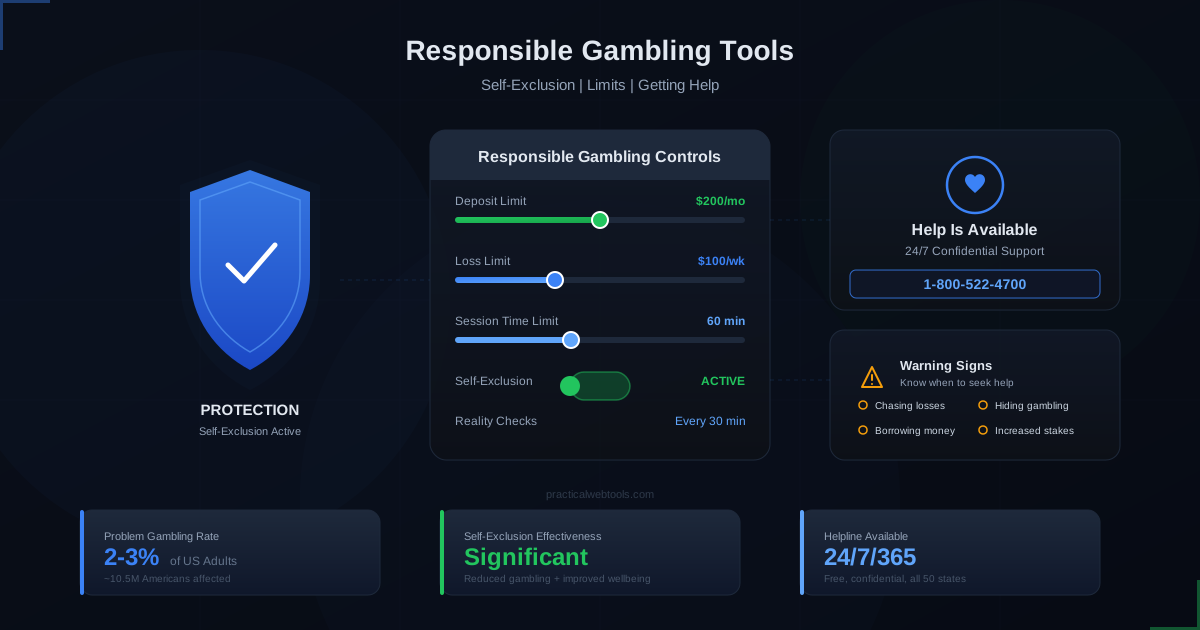
After losing, the temptation to bet bigger to recover is powerful—and destructive.
The Fix: Maintain consistent bet sizing regardless of recent results. Your edge does not change based on yesterday's outcomes.
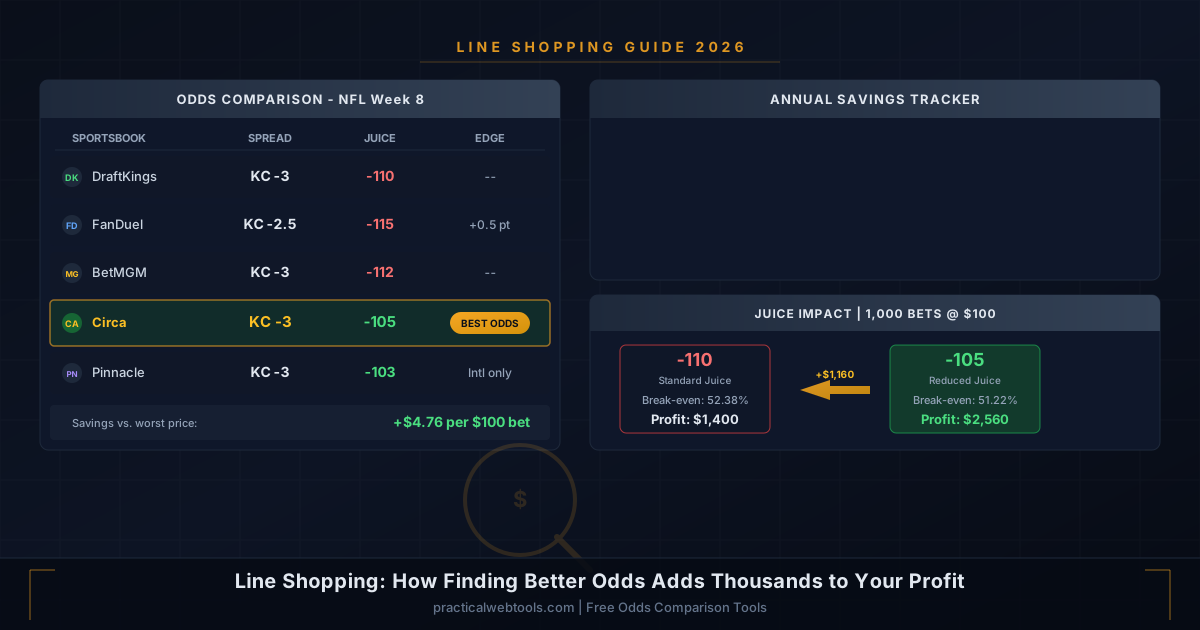
Mistake #5: Ignoring Line Shopping
Different sportsbooks offer different odds. Failing to compare means leaving money on the table.
The Fix: Maintain accounts at multiple sportsbooks. Always bet the best available line.
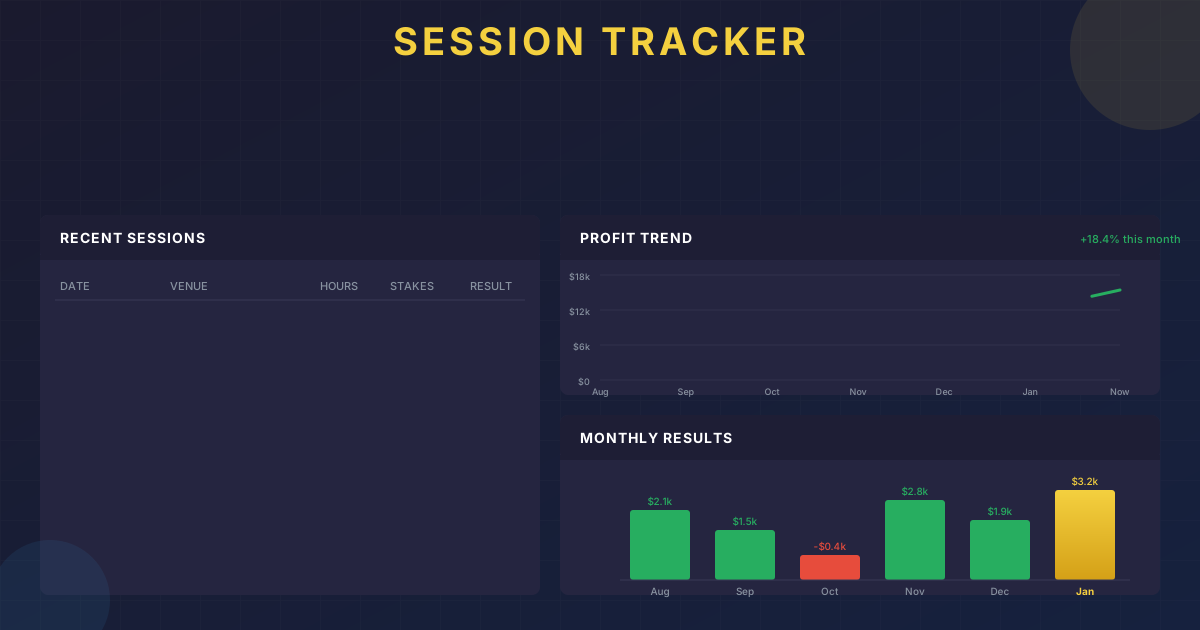
Mistake #6: Betting Without Records
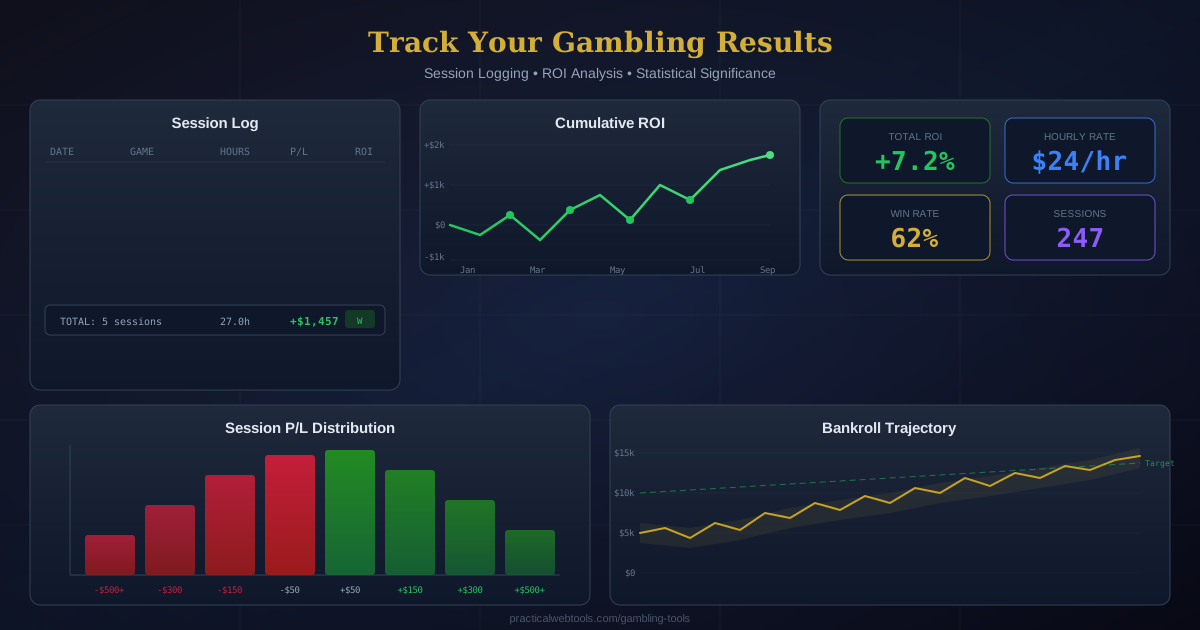
Without detailed records, you cannot assess whether you have an edge.
The Fix: Track every bet including:
- Date and time
- Sport and market
- Odds obtained vs. closing line
- Stake and result
- Running profit/loss
Advanced Betting Strategies
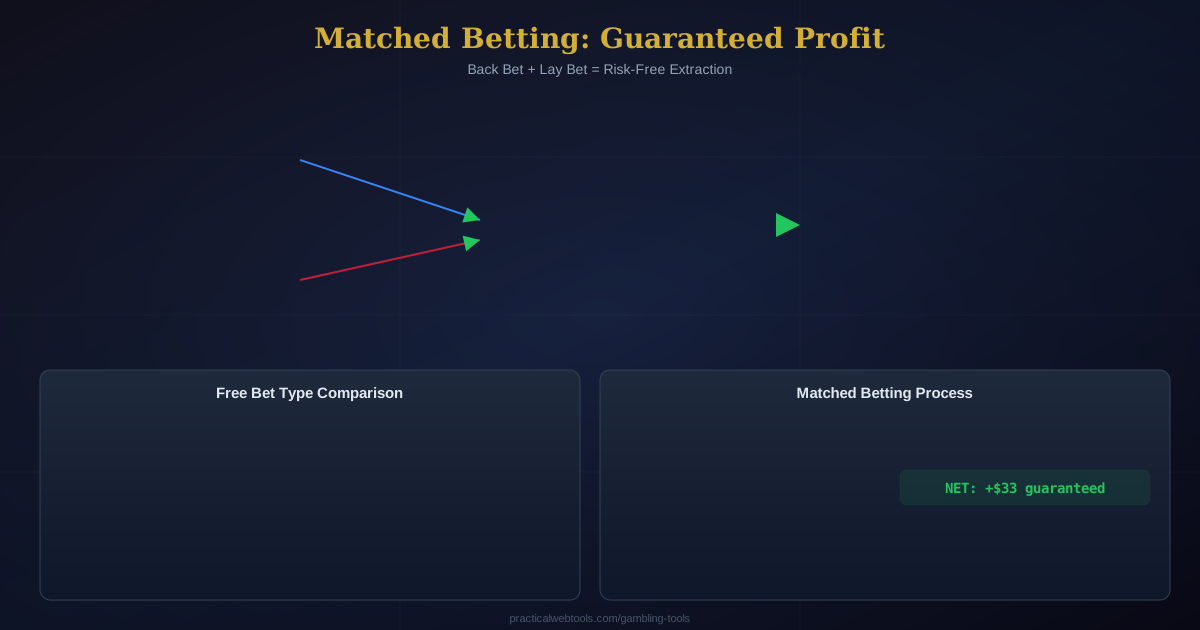
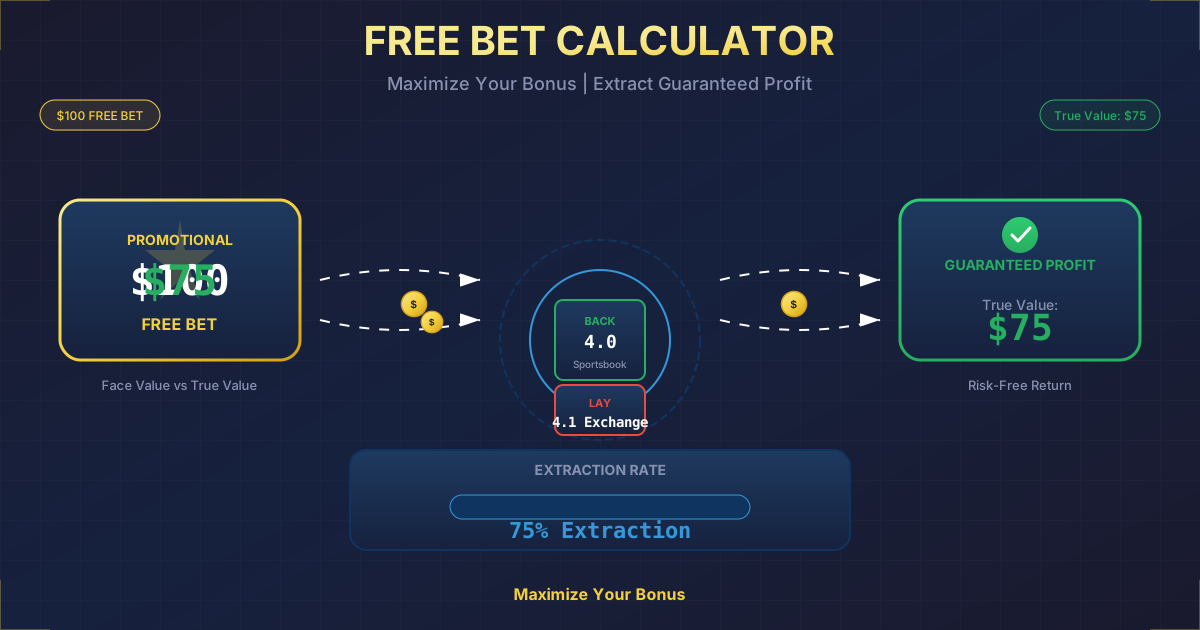
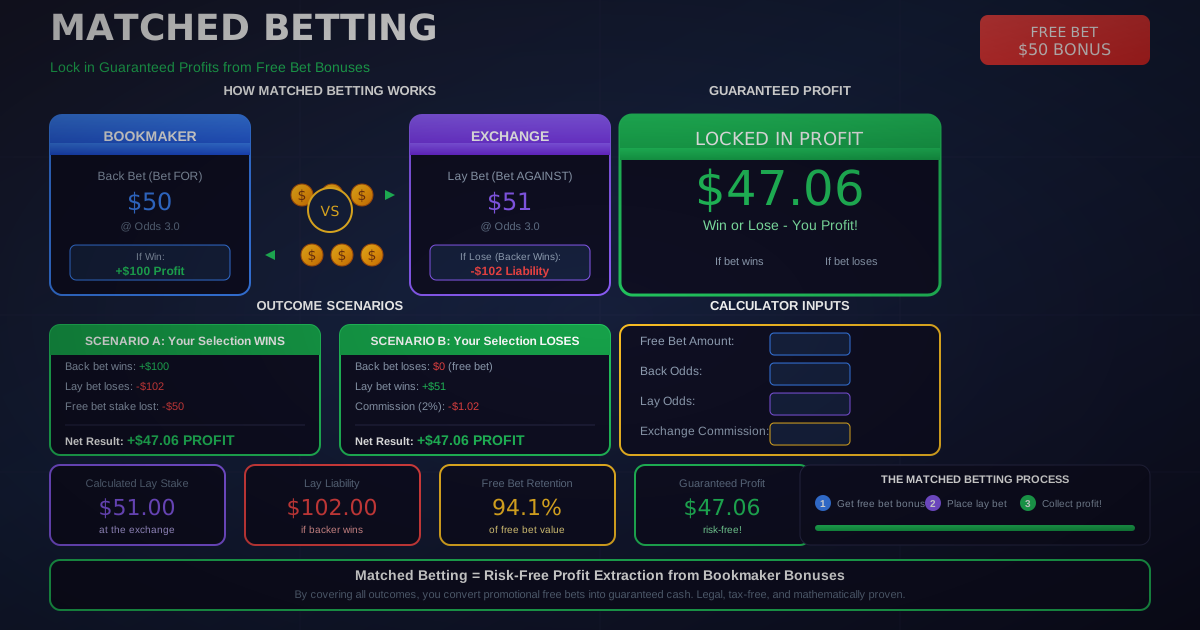
Matched Betting
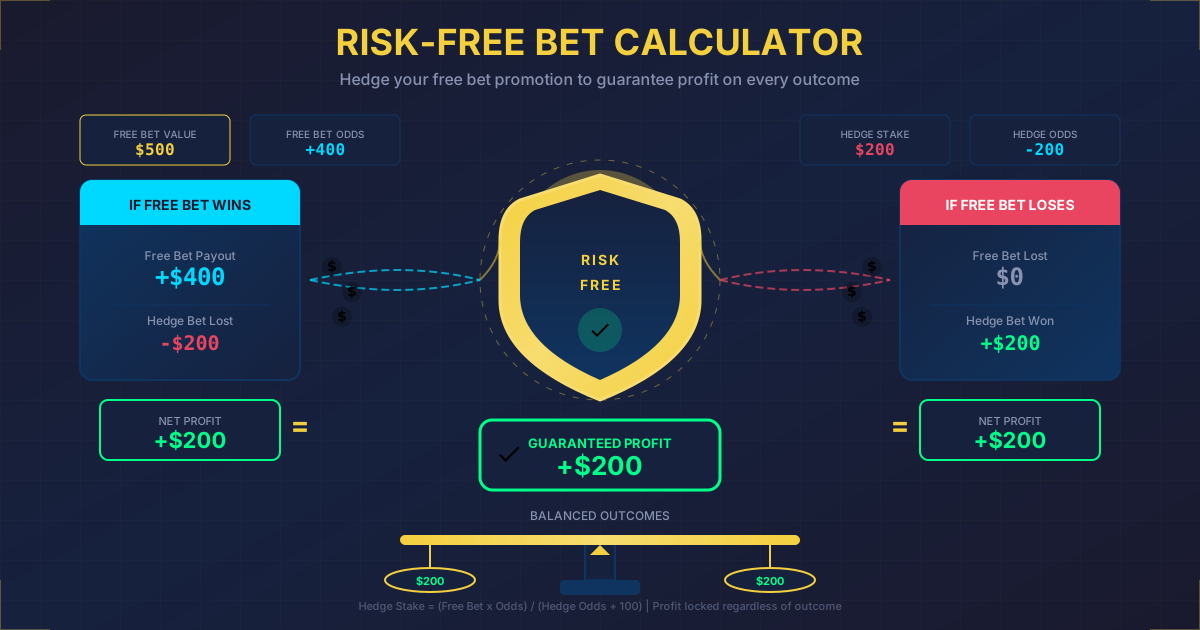
Matched betting uses free bet promotions to guarantee profit by betting both sides:
- Place qualifying bet with your money
- Receive free bet from promotion
- Use free bet on one side, hedge on another book
- Lock in profit from the free bet value
Calculate matched betting profits with our Matched Betting Calculator.
Parlay Strategy
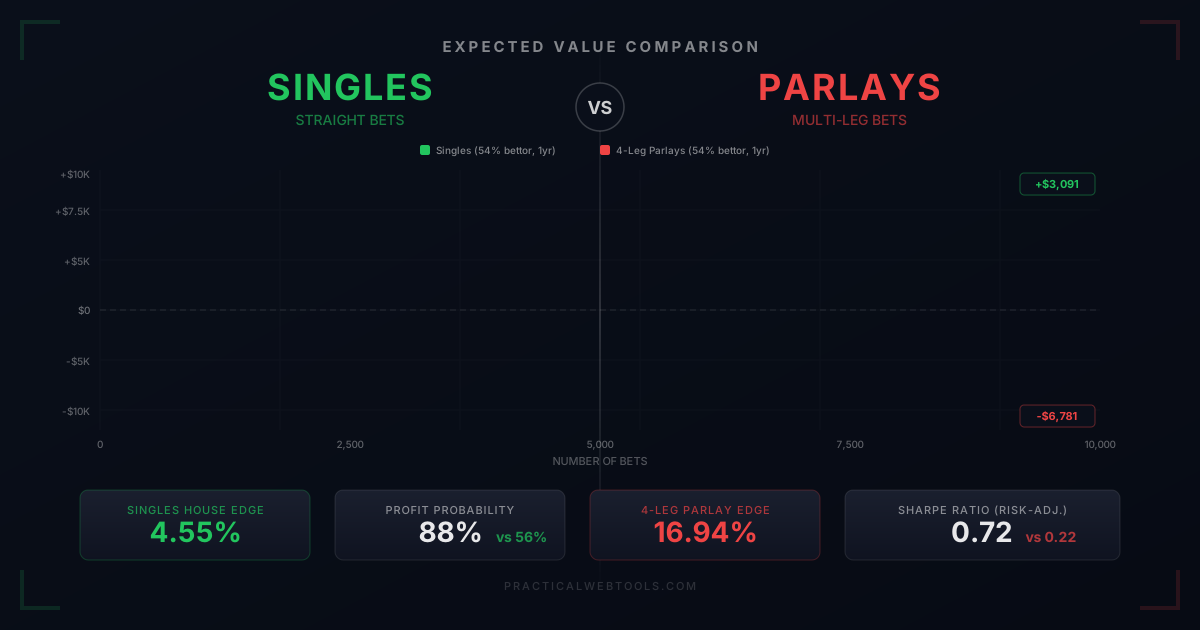
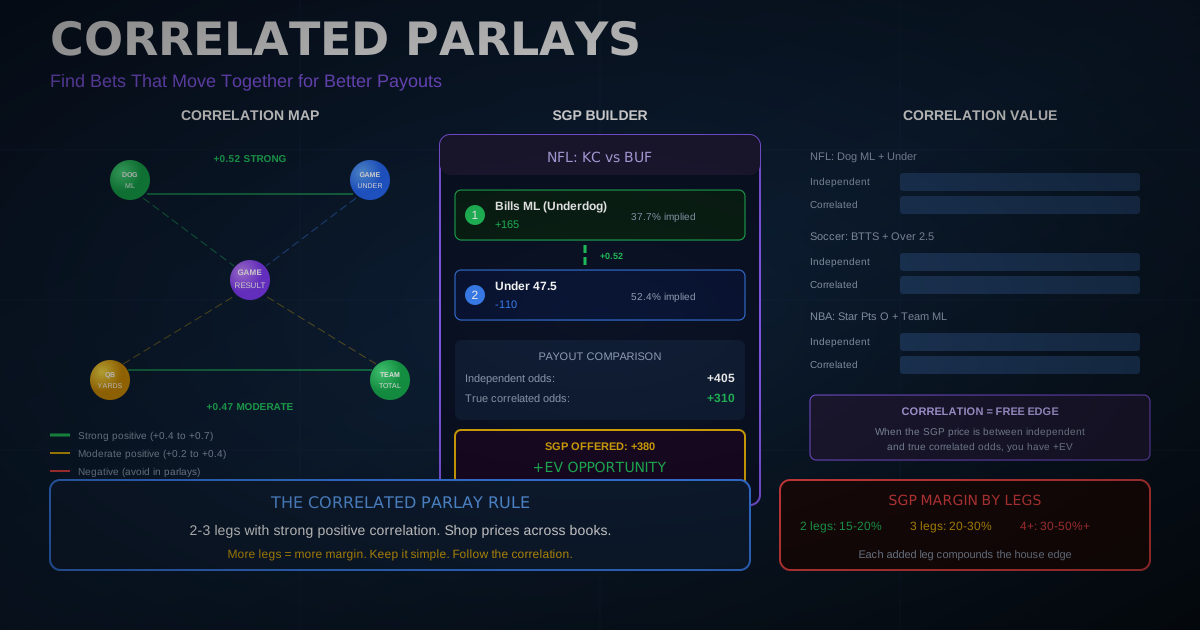
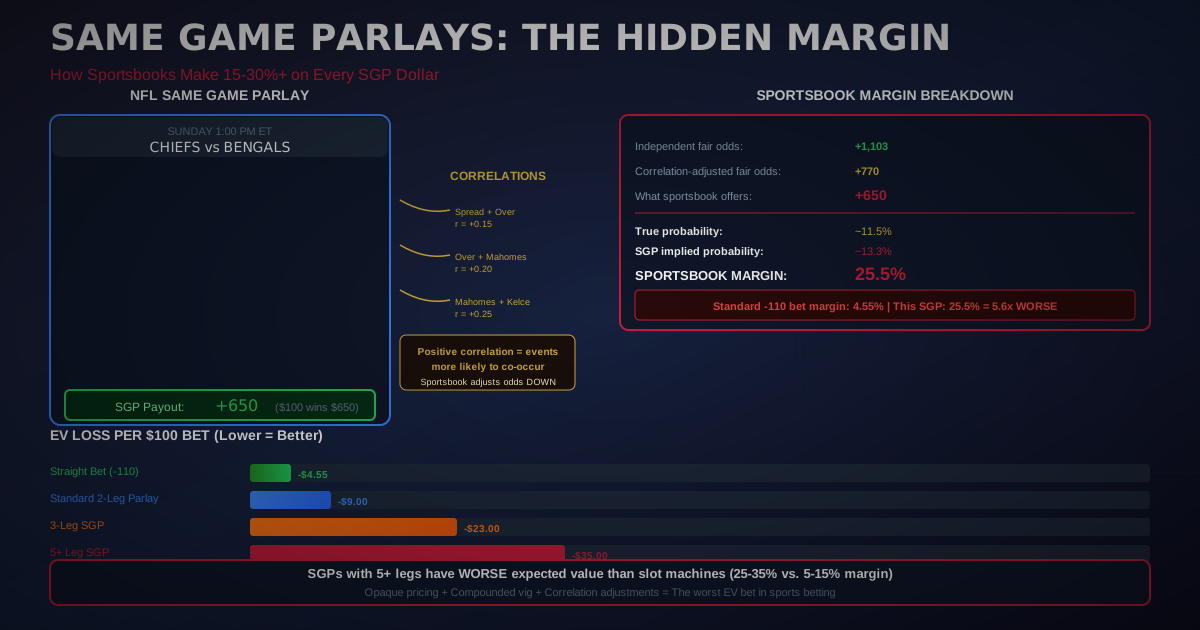
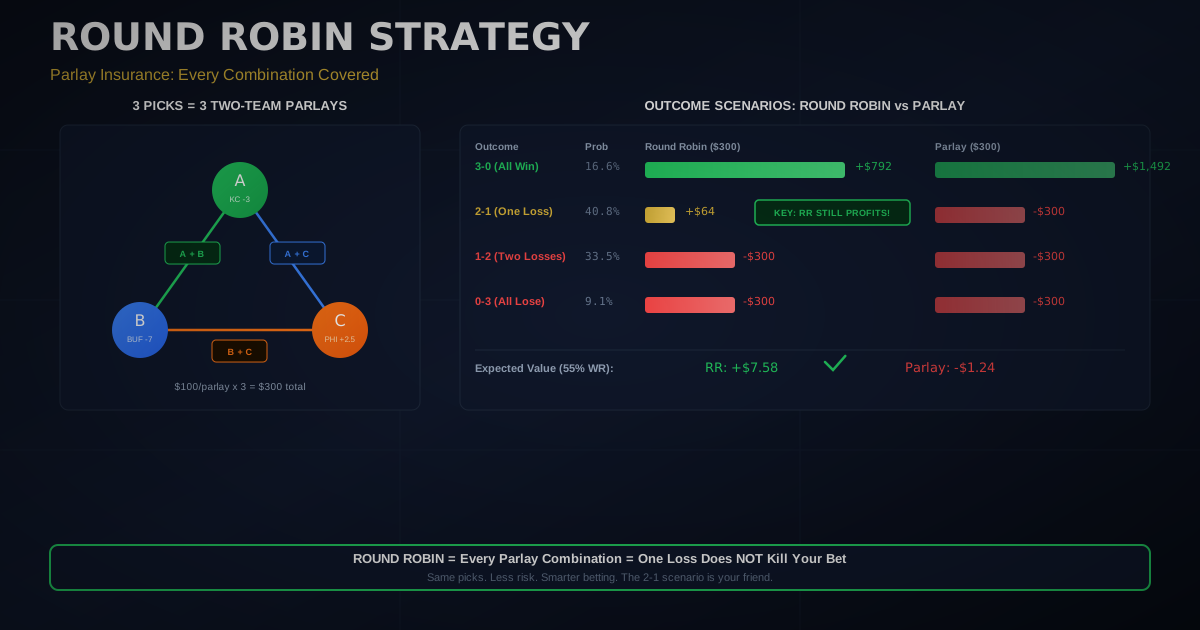
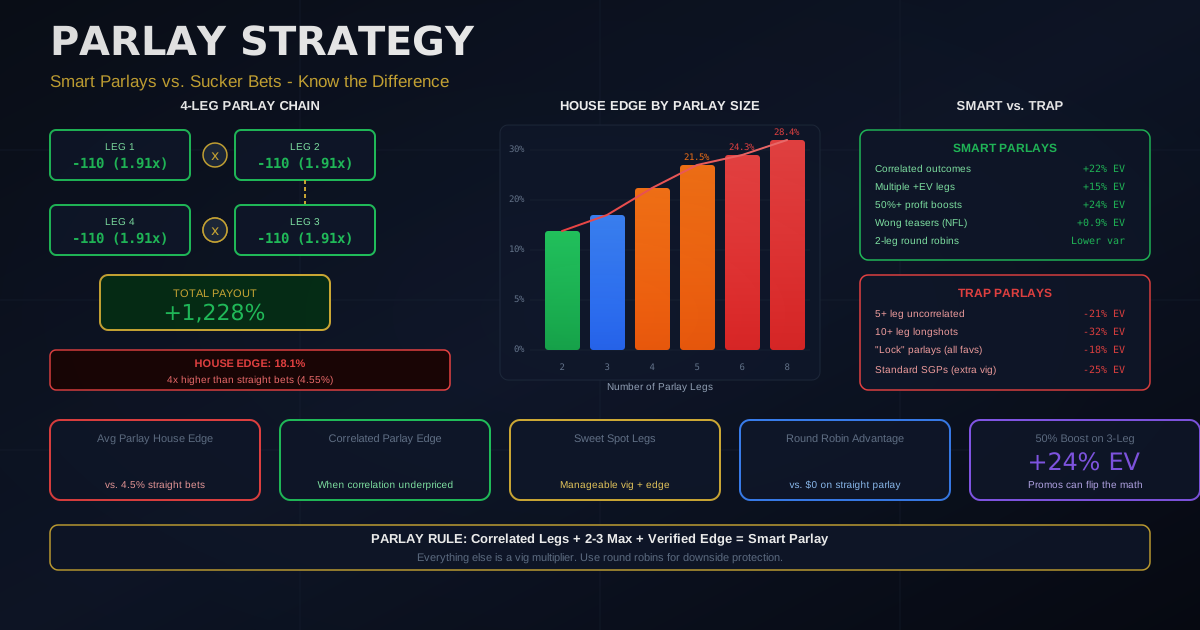
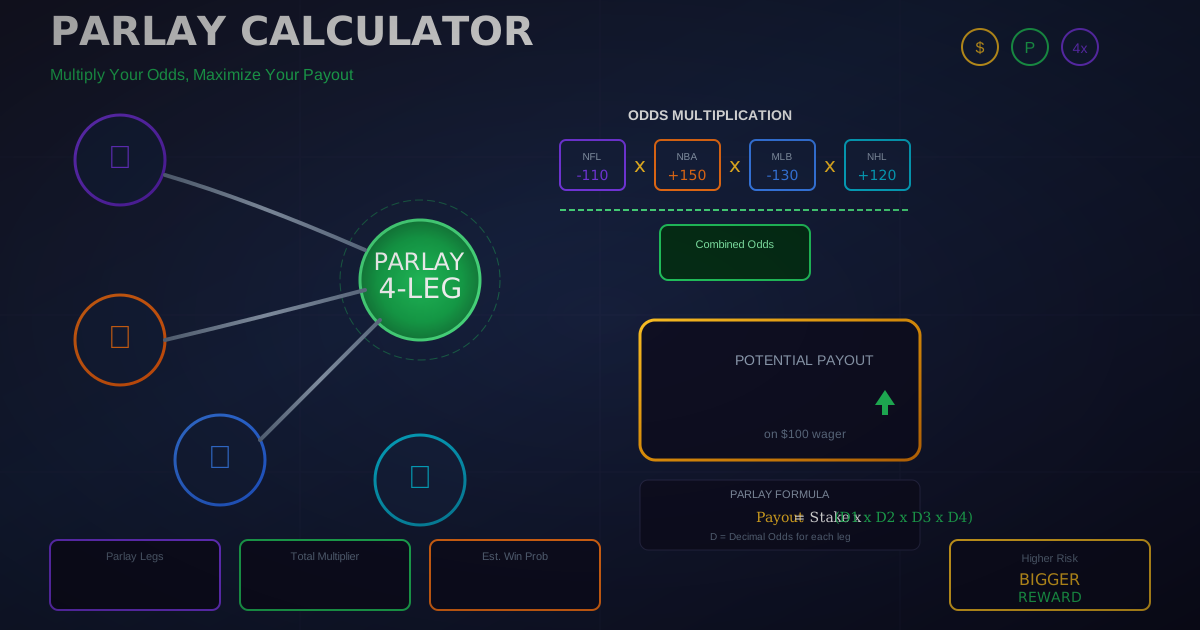
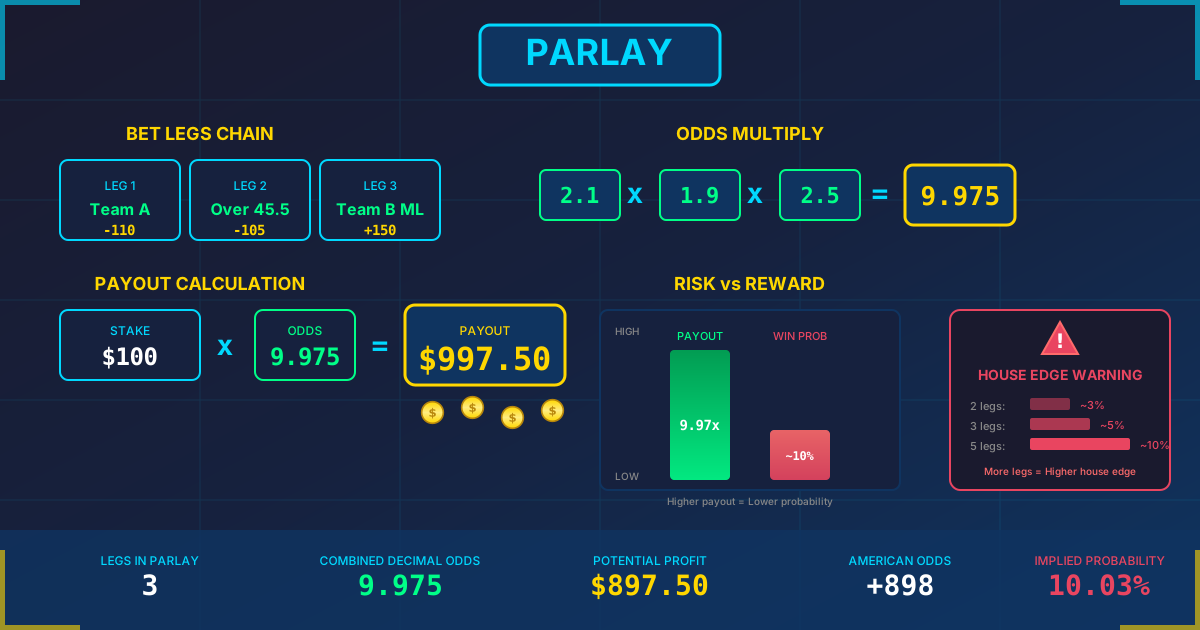
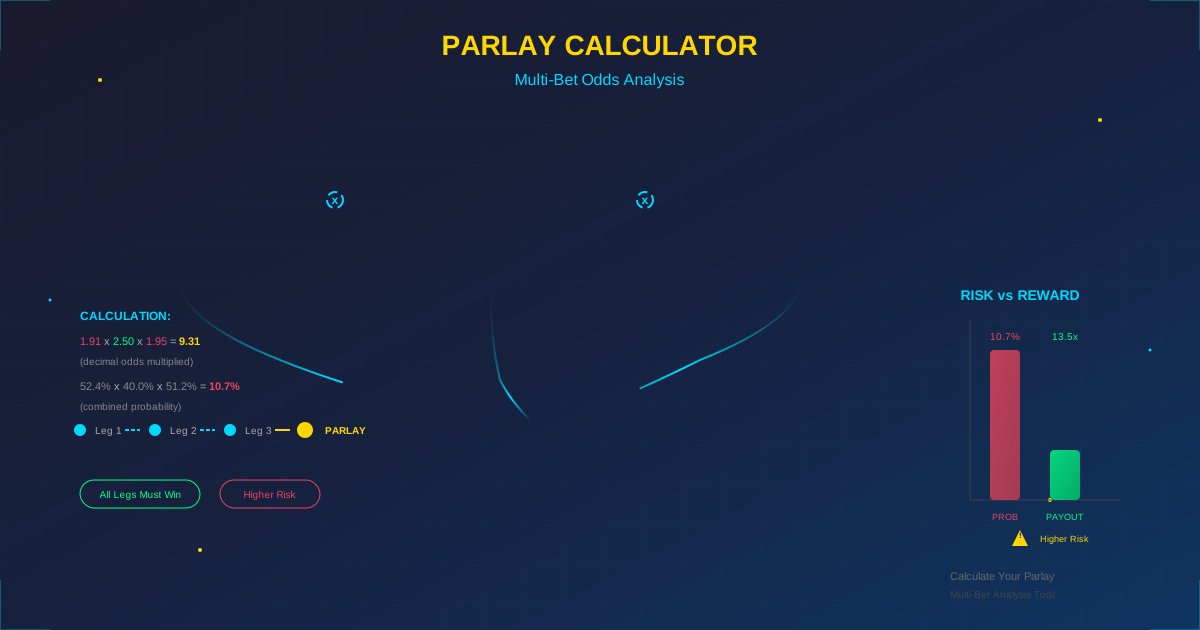
Parlays combine multiple bets where all legs must win. The math makes most parlays -EV, but strategic parlay use can be valuable:
Correlated Parlays: Betting outcomes that correlate (e.g., team to win AND over total points) can offer +EV when books underprice the correlation.
Small Positive EV Plays: Parlaying multiple +EV bets mathematically increases your edge (though also increases variance).
Calculate parlay odds and payouts with our Parlay Calculator.
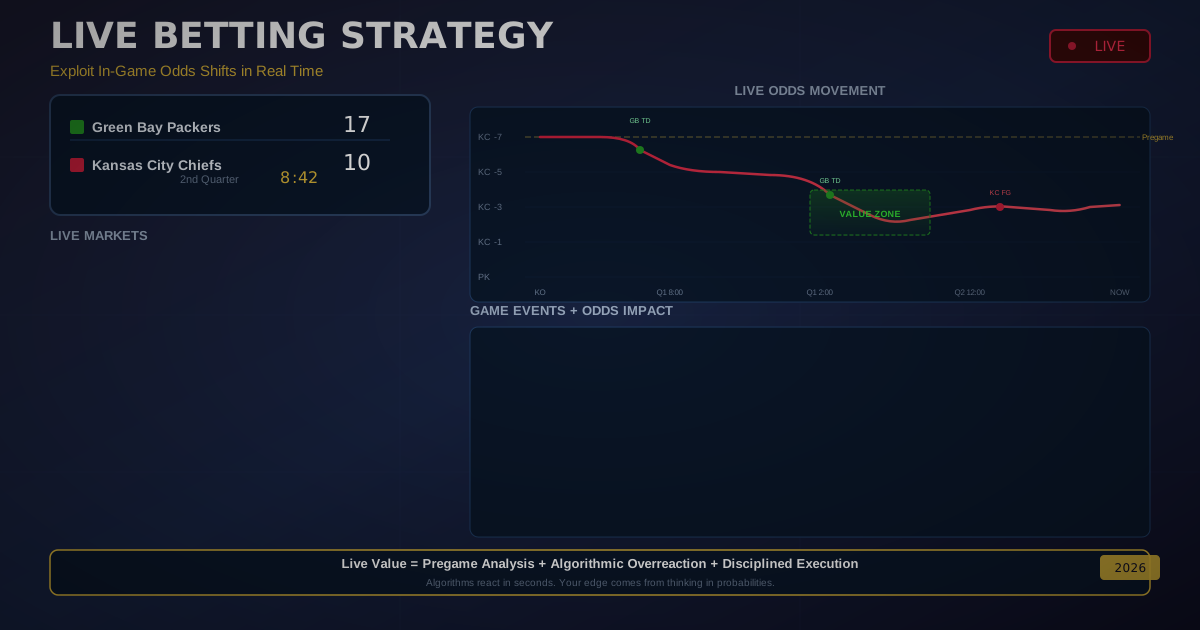
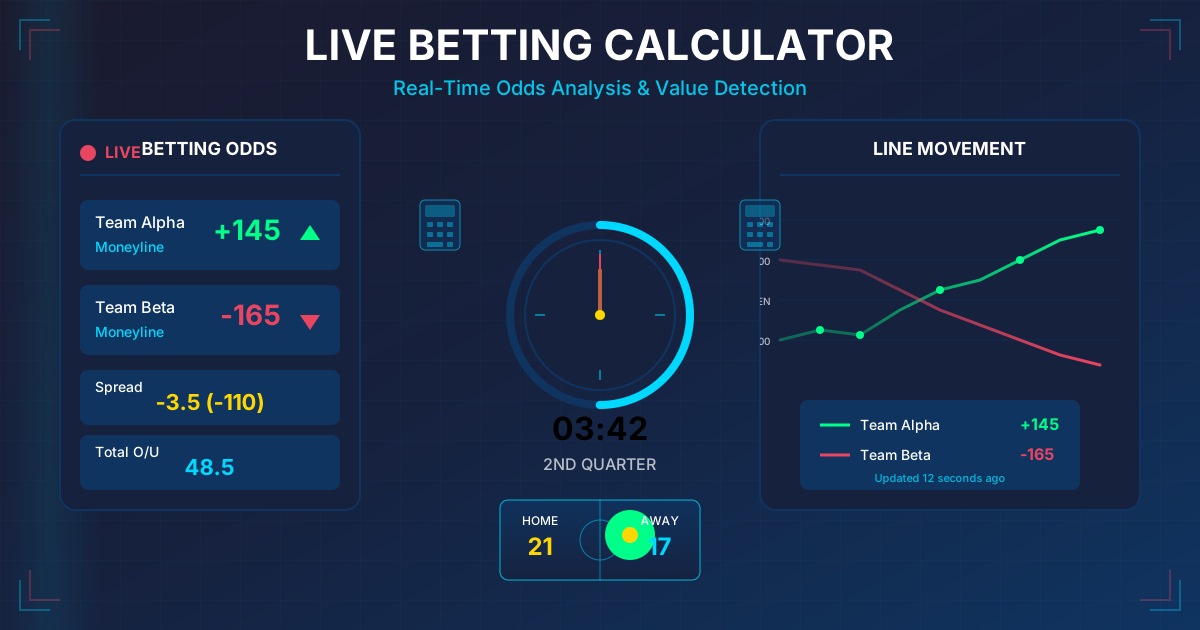
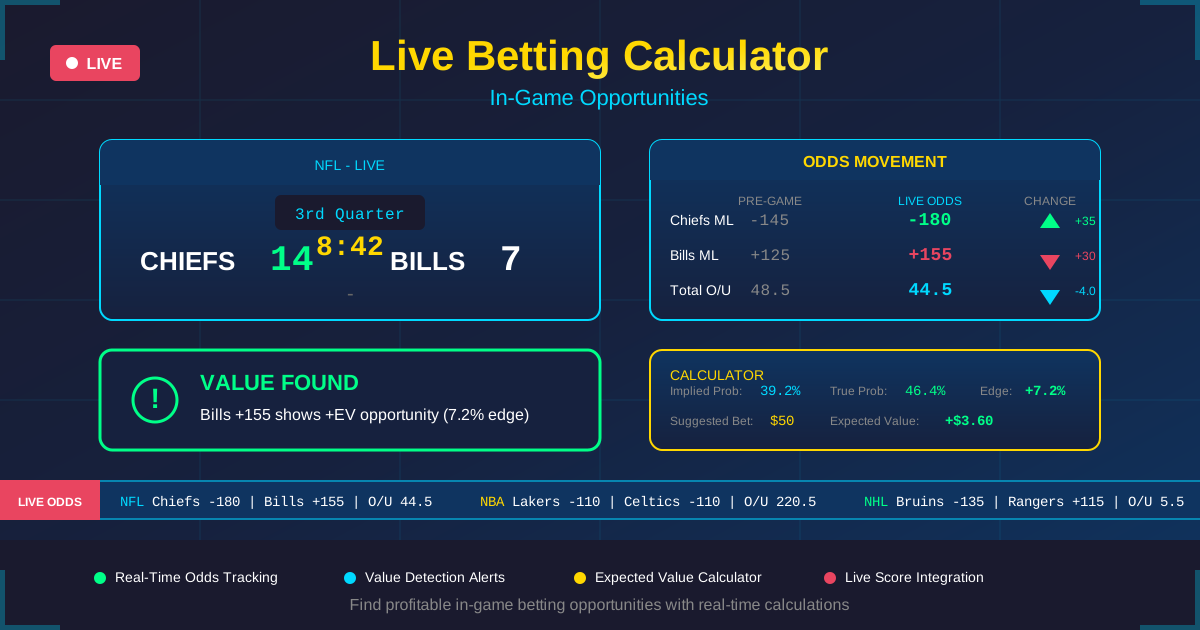
Live Betting
In-game betting offers opportunities because:
- Lines move quickly and can misprice situations
- Models can process game flow faster than markets
- Sharp books have less time to adjust
However, live betting requires:
- Quick decision-making
- Understanding of sport-specific game states
- Discipline to avoid emotional betting
Prop Betting
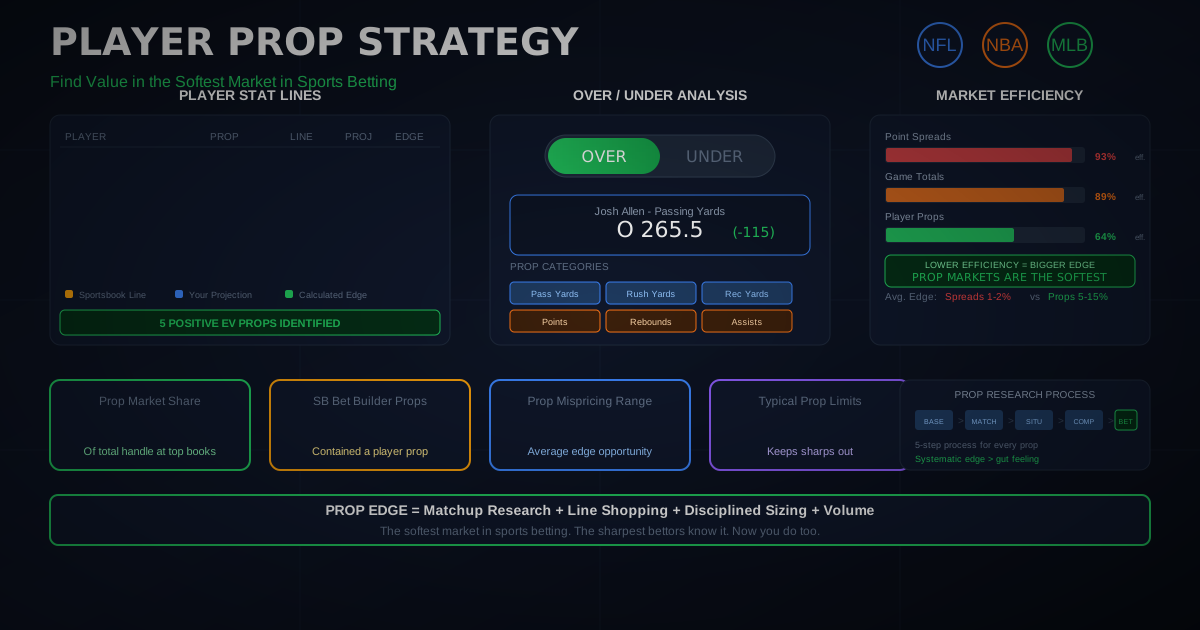
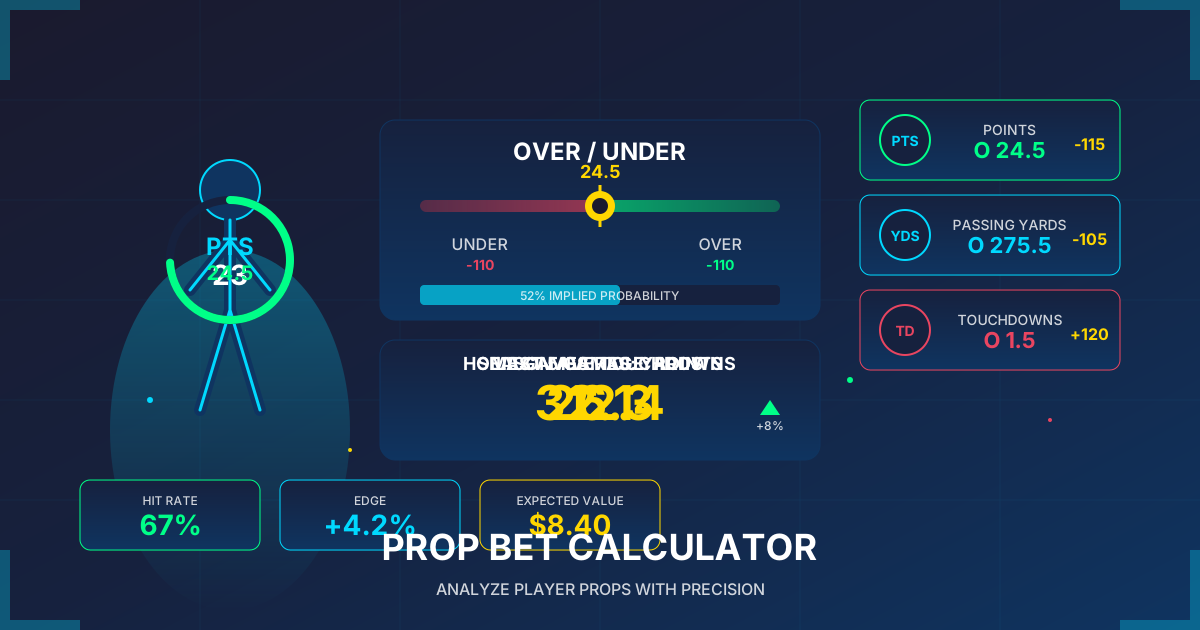
Player props (individual performance bets) often offer more value than game lines because:
- Less liquid markets attract less sharp money
- Sportsbooks use simpler models for props
- Injuries and lineup changes affect props more
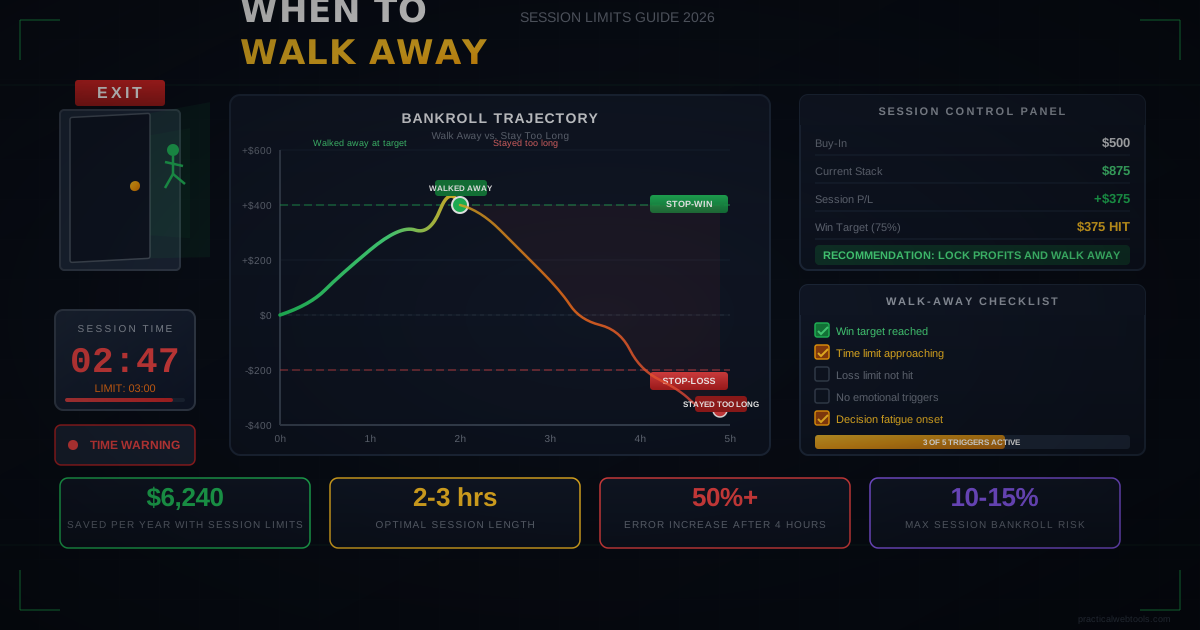
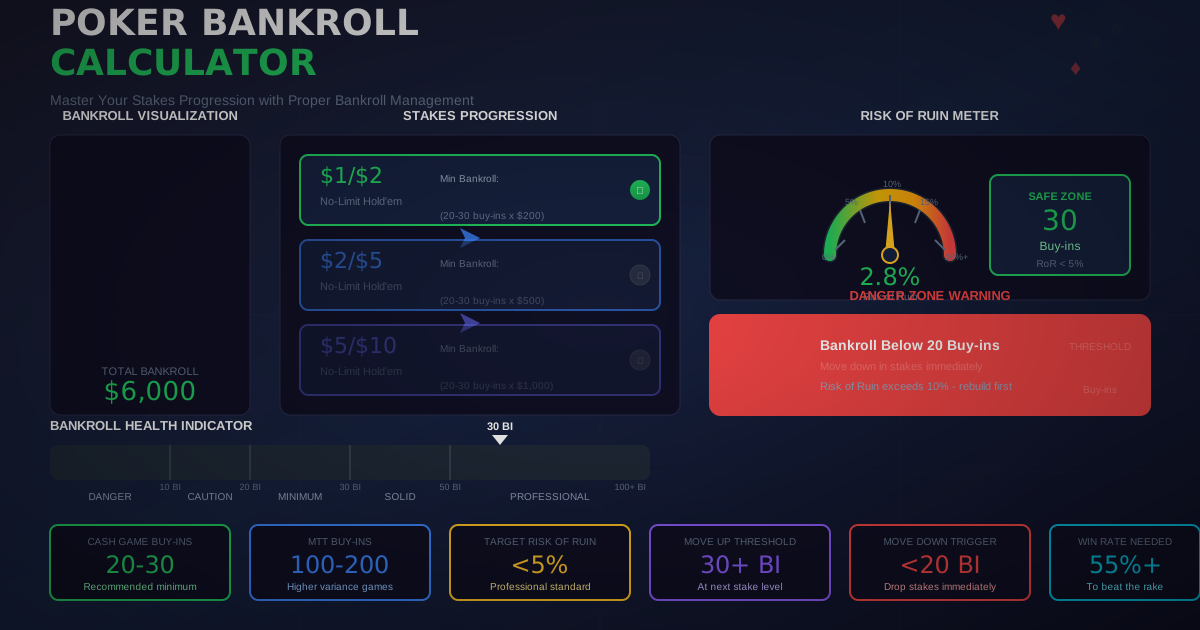
Managing Your Sports Betting Bankroll
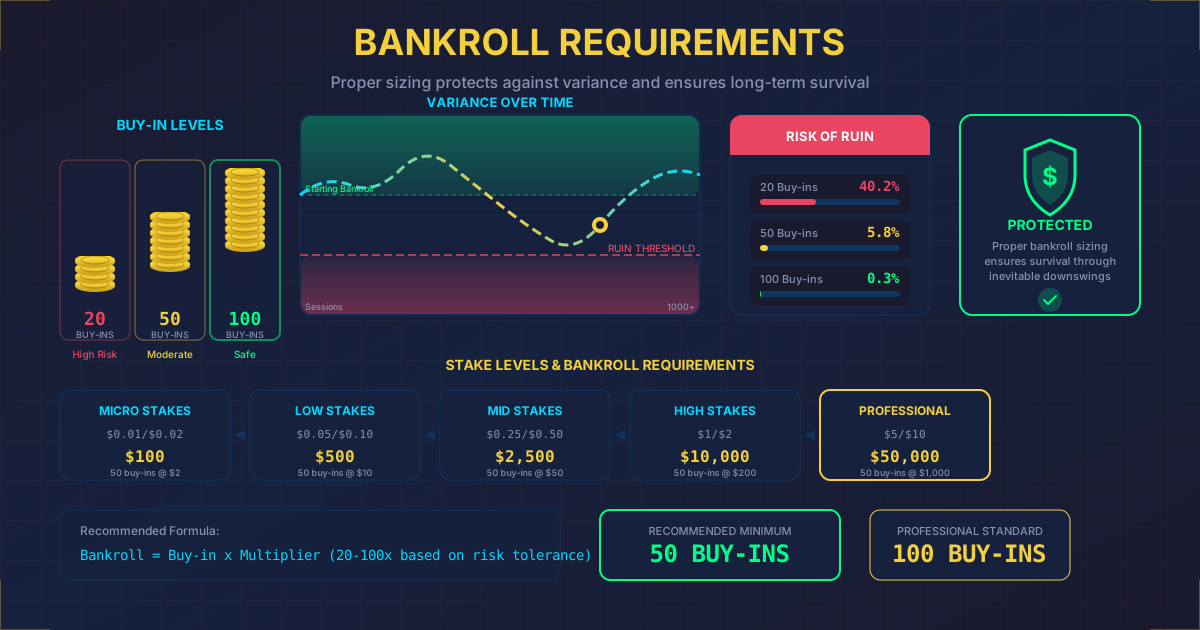
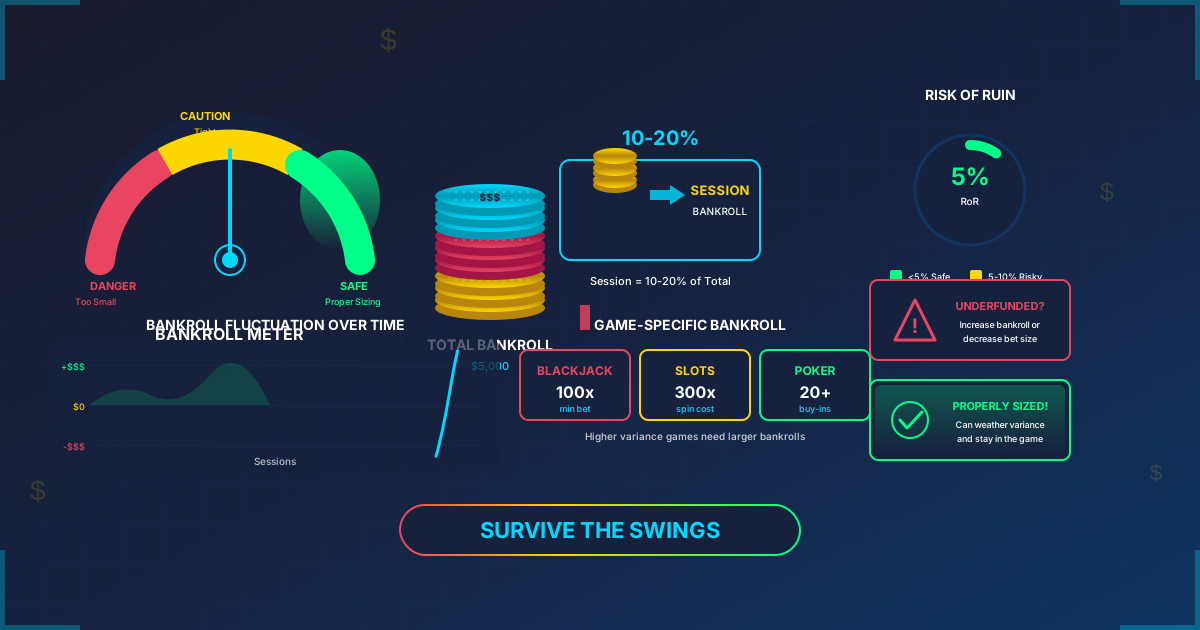
Bankroll Basics
Your betting bankroll should be:
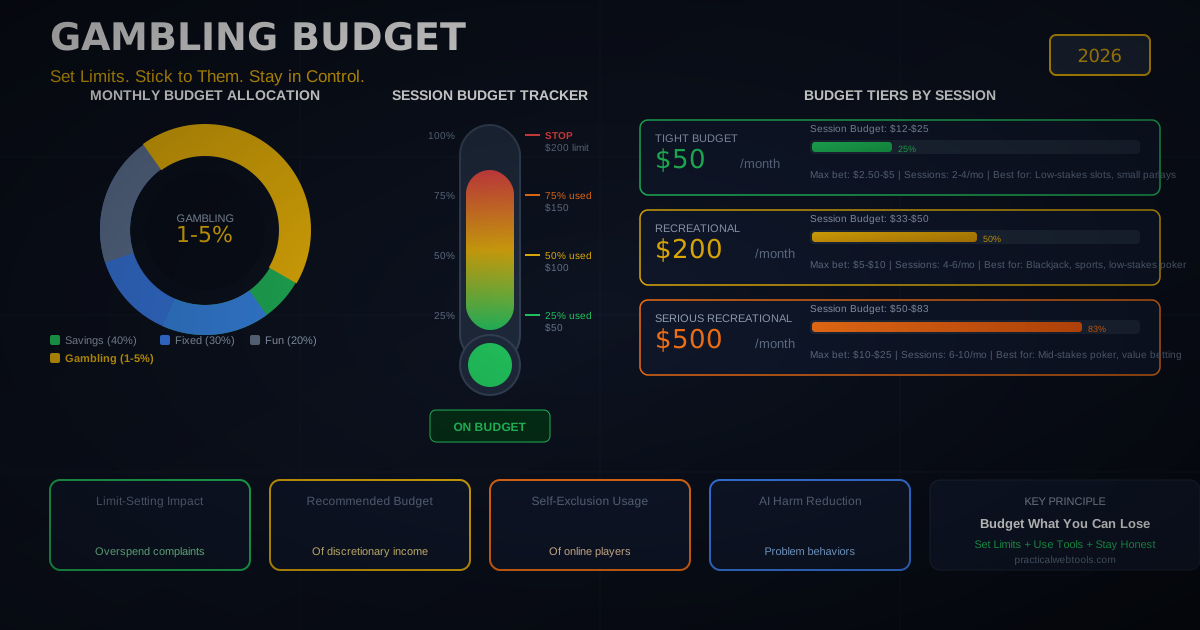
- Money you can afford to lose entirely
- Separate from living expenses
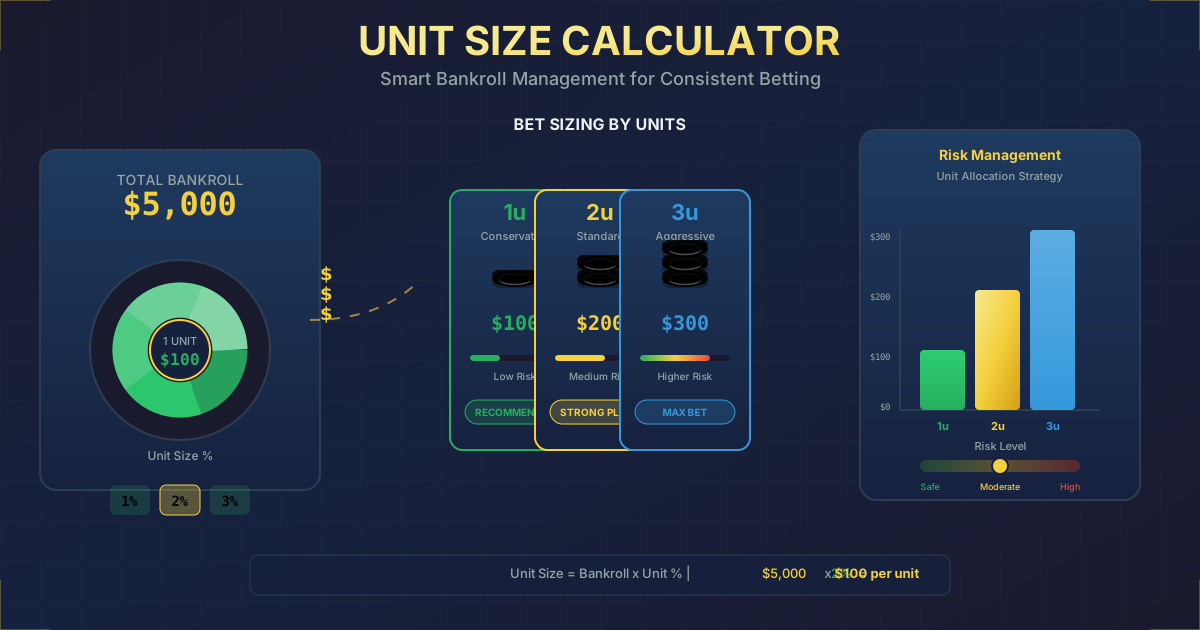
- Large enough to withstand variance (50-100 units minimum)
Bet Sizing Guidelines
| Confidence Level | Bet Size |
|---|---|
| Standard +EV | 1-2% of bankroll |
| High Confidence | 2-3% of bankroll |
| Exceptional Edge | 3-5% of bankroll |
| Never | >5% of bankroll |
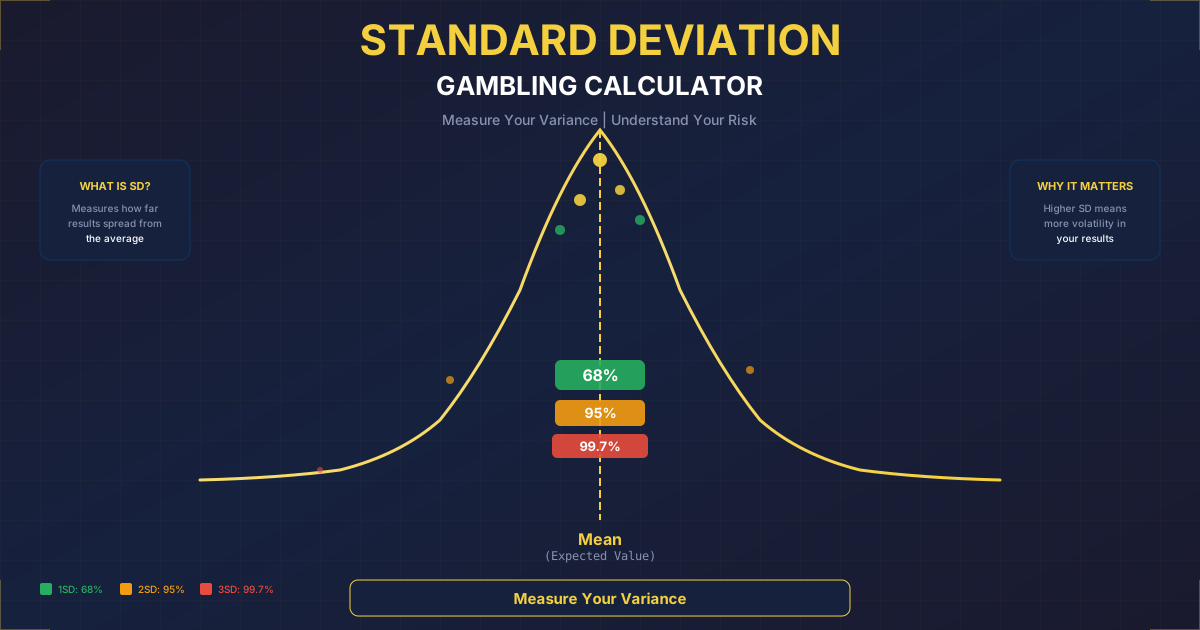
Handling Variance
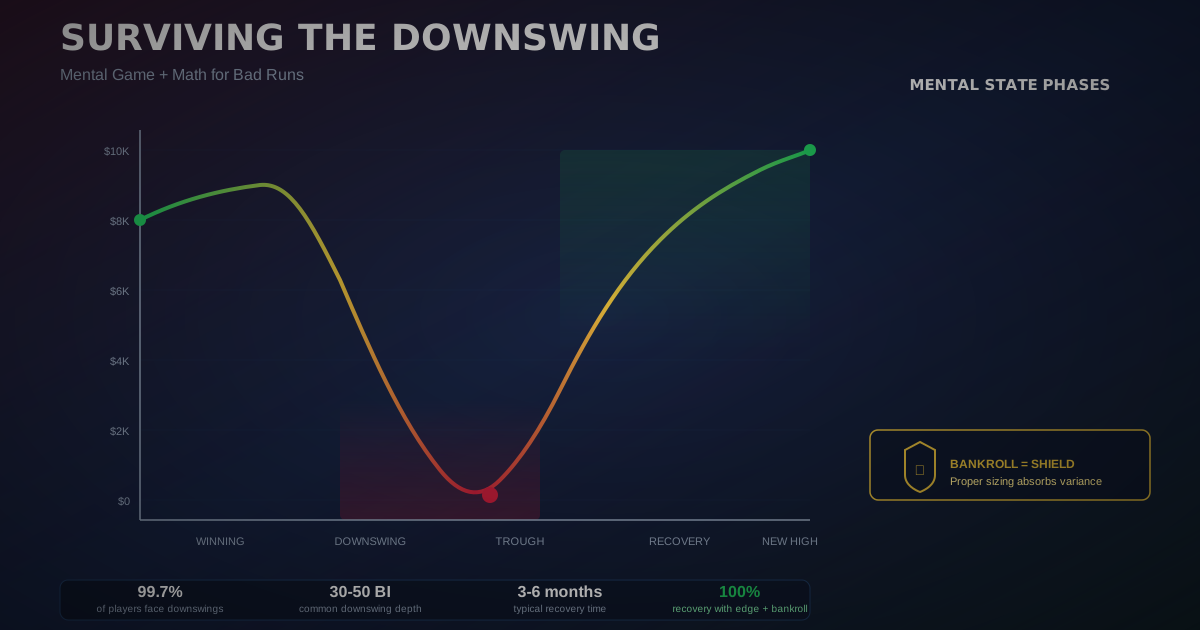
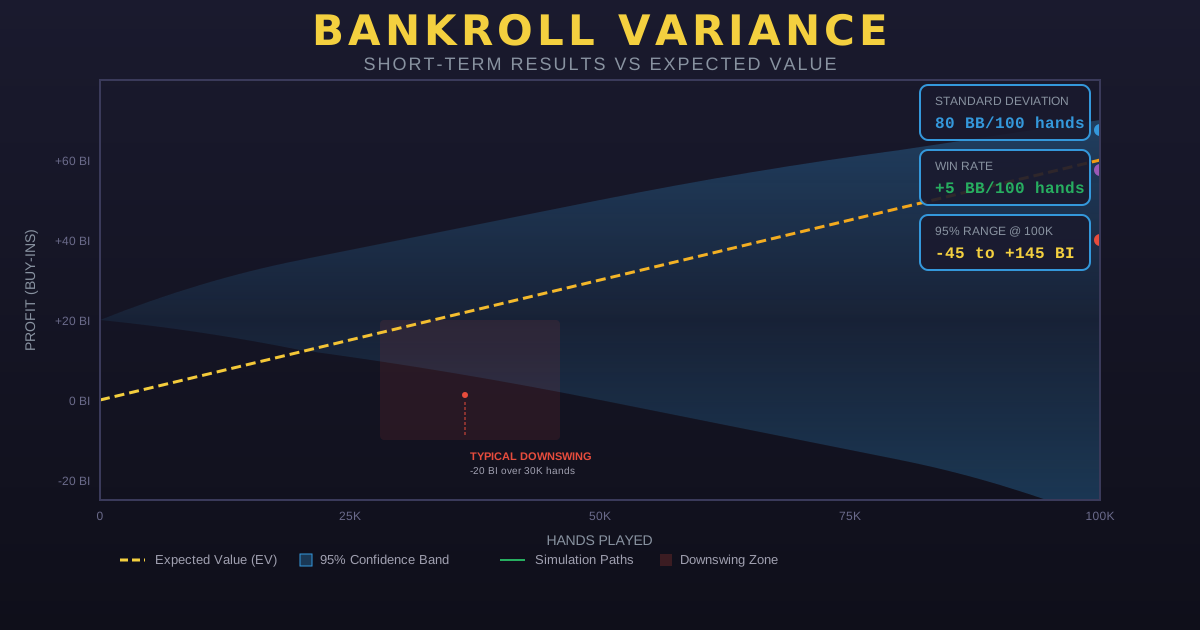
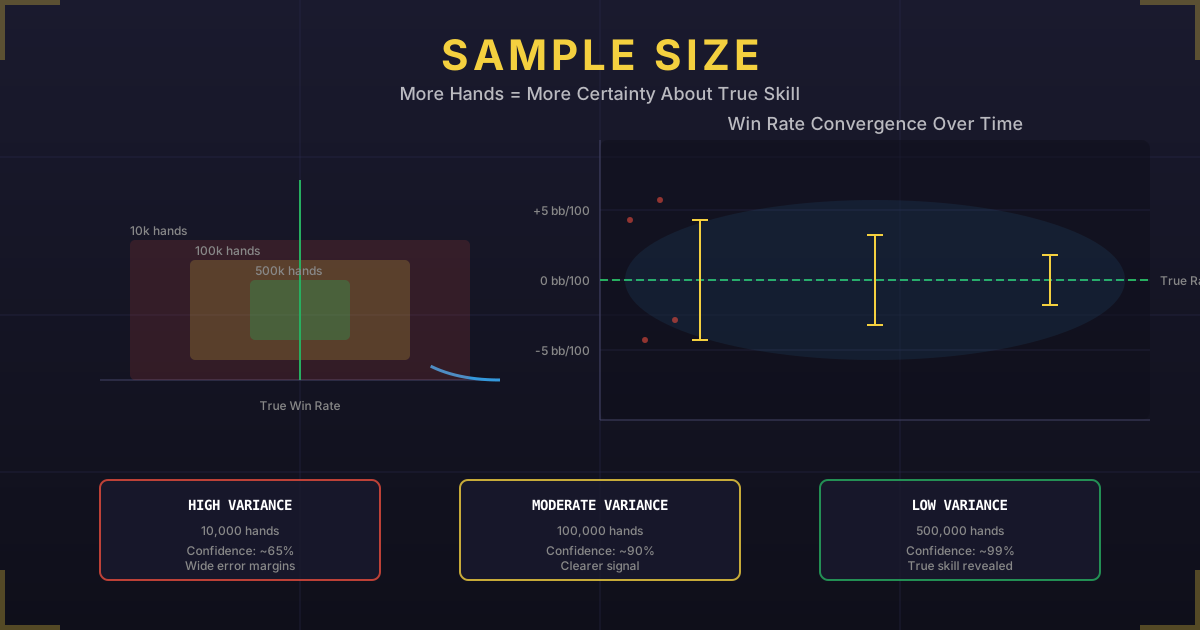
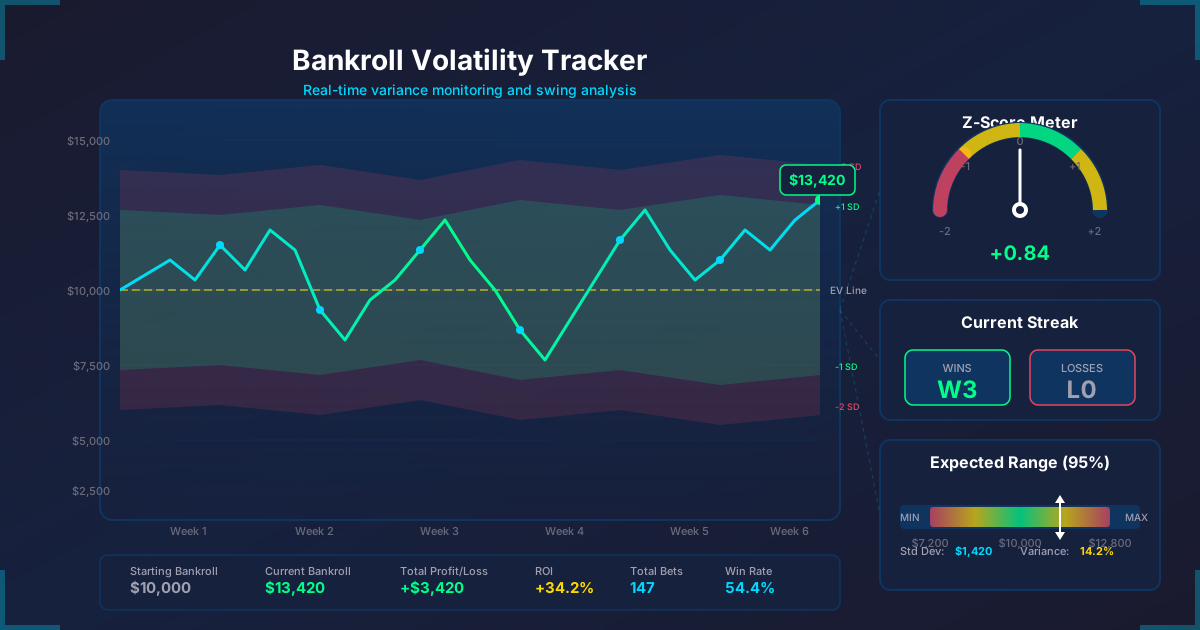
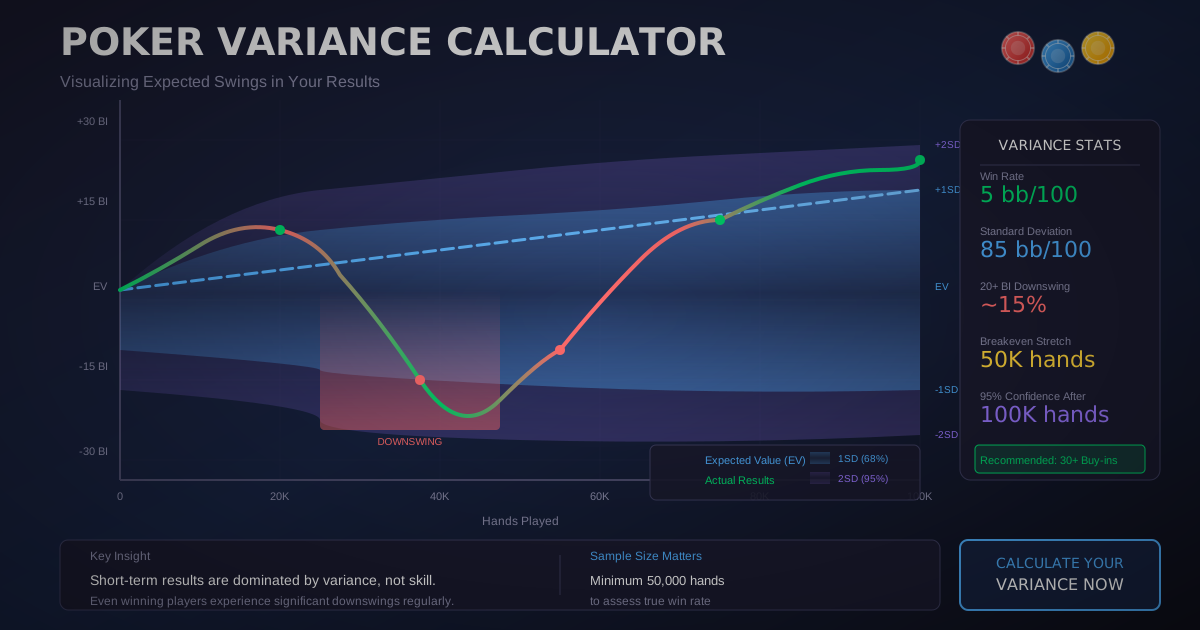
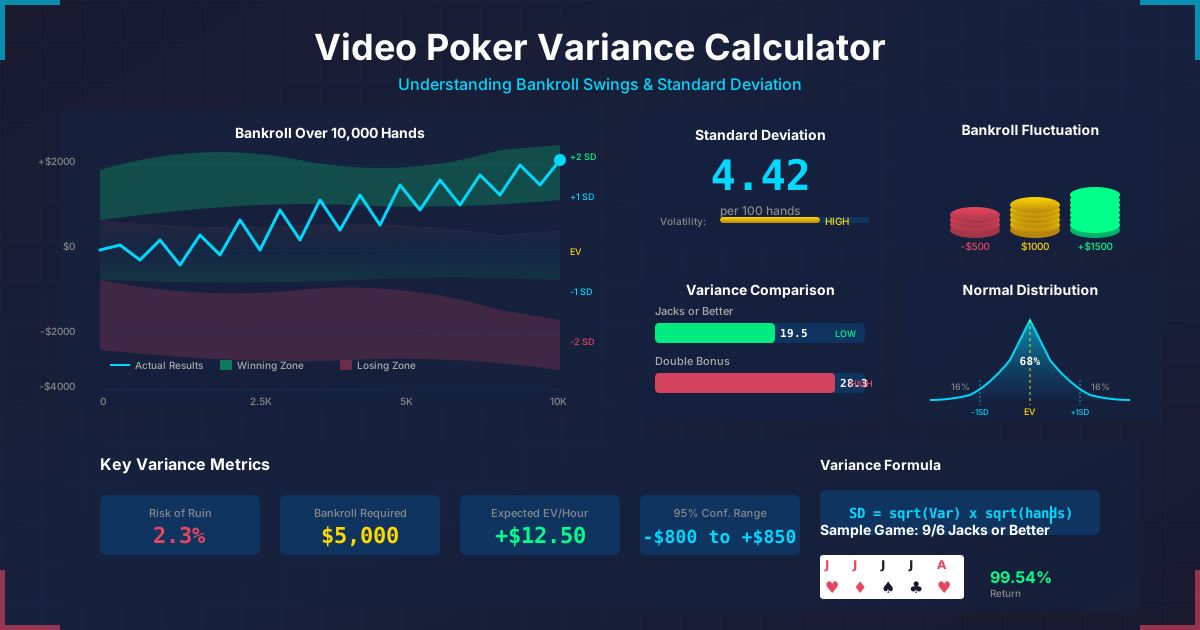
Even +EV bettors experience significant losing streaks:
With 55% win rate (strong edge):
- 10+ loss streak: ~1% probability (happens)
- 20 loss run: ~0.01% (rare but possible)
- Drawdowns of 20-30% of bankroll: Expected
Your bankroll must survive these stretches. Undersizing bets is almost always better than oversizing.
Frequently Asked Questions
What is Expected Value (EV) in sports betting? Expected Value is the average profit or loss you expect from a bet if you could make it infinite times. Positive EV bets are profitable long-term; negative EV bets lose money over time. Use our Expected Value Calculator to calculate EV for any bet.
How do professional sports bettors make money? Professionals find bets where the true probability exceeds the implied probability from odds. They bet selectively on +EV opportunities, manage bankroll carefully, and track Closing Line Value to verify their edge.
What is a good ROI for sports betting? Professional bettors typically achieve 2-5% ROI long-term. 5-10% is excellent but difficult to maintain. Claims of 20%+ ROI are almost always unsustainable or fraudulent.
What is Closing Line Value (CLV)? CLV measures how your bet compares to the final odds before game time. Consistently getting better odds than the close suggests you are finding value the market eventually recognizes.
How much should I bet per wager? Most professionals recommend 1-3% of bankroll per bet. Use the Kelly Criterion Calculator to optimize based on your edge estimate, then apply fractional Kelly (25-50% of full Kelly) for safety.
Is arbitrage betting legal? Arbitrage betting is legal but against most sportsbooks' terms of service. Books may limit or close accounts of suspected arbitrage bettors.
Can I make a living sports betting? Possible but difficult. You need significant edge-finding ability, substantial bankroll, access to sharp lines, and exceptional discipline. Most full-time sports bettors have years of experience and six-figure bankrolls.
How do I find +EV bets? Build or use models that estimate true probabilities. Compare your estimates to sportsbook implied probabilities. When your probability significantly exceeds the implied probability (after accounting for vig), you may have a +EV opportunity.
Building Your Sports Betting Analytics Toolkit
Successful sports betting requires multiple tools working together:
Probability and EV Tools
- Expected Value Calculator: Calculate EV for any bet
- Implied Probability Calculator: Convert odds to probabilities
- Odds Converter: Convert between American, decimal, fractional odds
- Hold/Vig Calculator: Calculate sportsbook edge
Bankroll Management Tools
- Kelly Criterion Calculator: Optimal bet sizing
- Arbitrage Calculator: Find and size arb bets
- Hedge Calculator: Calculate hedge amounts
Specialized Betting Tools
- Parlay Calculator: Parlay odds and payouts
- Matched Betting Calculator: Profit from promotions
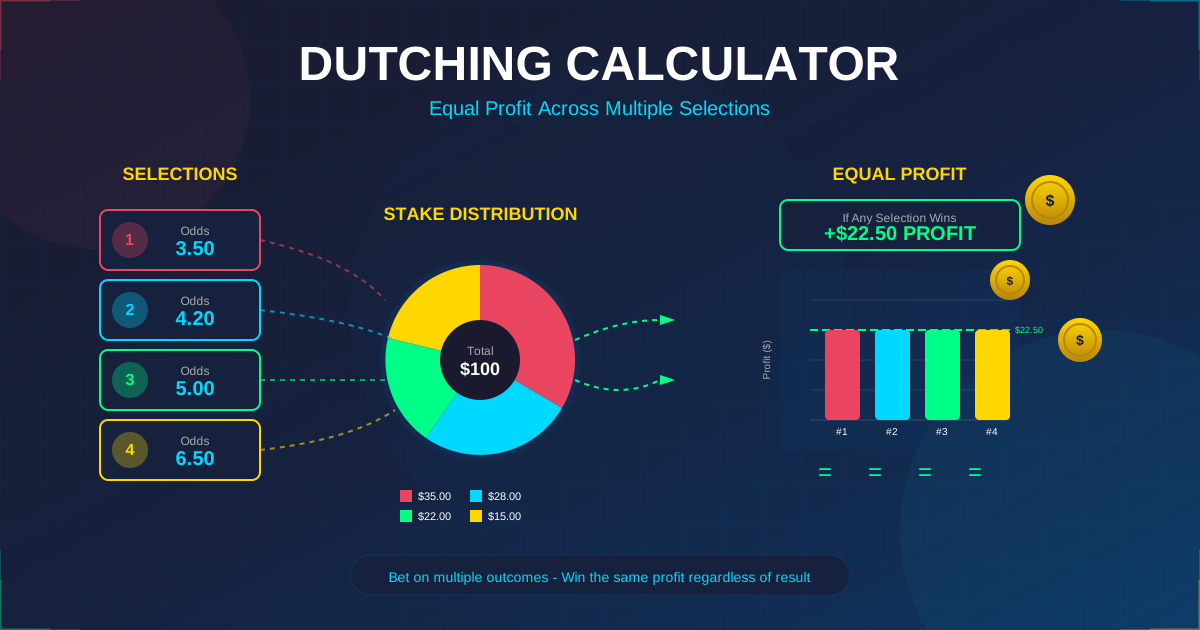
- Dutching Calculator: Spread risk across outcomes
Value Finding Tools
- Sure Bet Calculator: Identify guaranteed profits
- Free Bet Calculator (SNR): Stake-not-returned free bets
- Free Bet Calculator (SR): Stake-returned free bets
The Path to Profitable Betting
Sports betting profitability requires:
- Understanding the math: EV, implied probability, and vig are non-negotiable fundamentals
- Finding edge: Through models, line shopping, or market inefficiencies
- Proper sizing: Kelly Criterion or conservative flat betting
- Emotional discipline: Consistent process regardless of results
- Detailed tracking: CLV and ROI over meaningful sample sizes
- Continuous improvement: Markets evolve; your methods must too
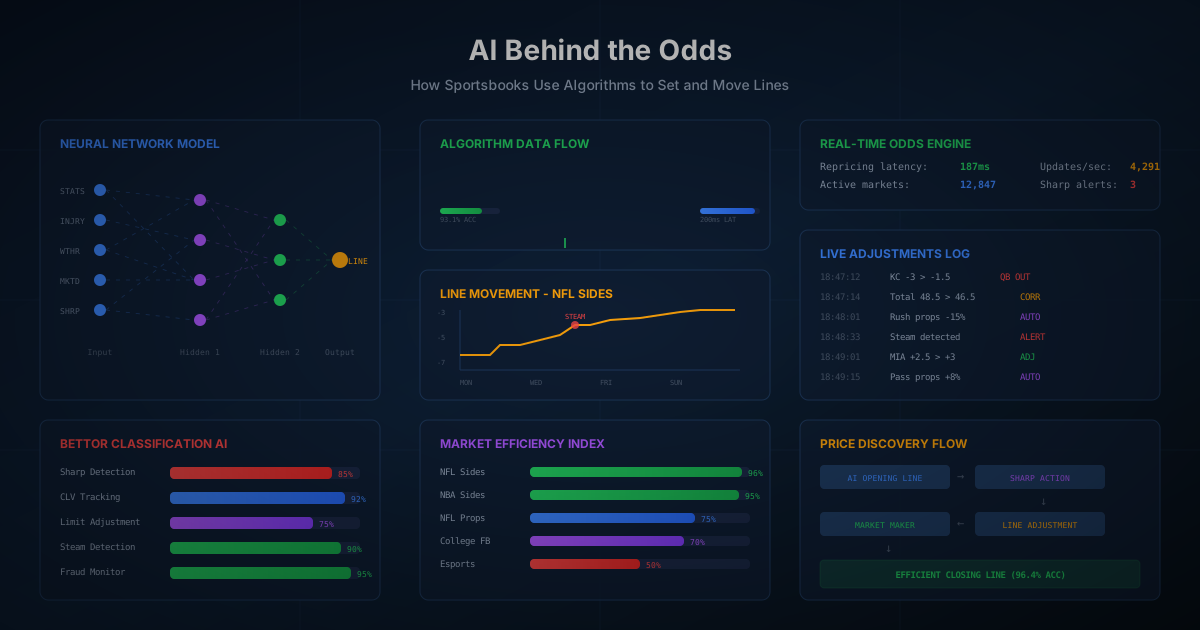
The sportsbooks have massive advantages: data, algorithms, and vig. But they also make mistakes, price inefficiencies exist, and disciplined bettors can find sustainable edges.
Start your analytics journey with our free Expected Value Calculator. Understand the math with our Implied Probability Calculator. And size your bets properly with our Kelly Criterion Calculator.
The difference between gambling and investing is edge. Find yours.