GTO Poker Strategy: Game Theory Optimal Explained for Winning Players (2026)
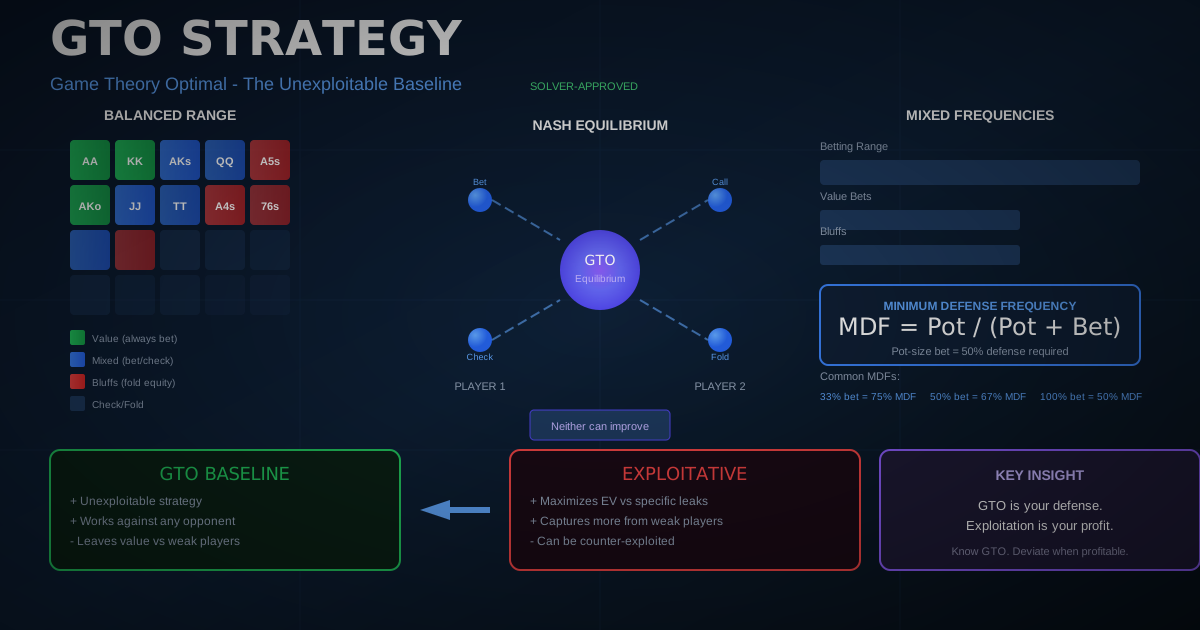
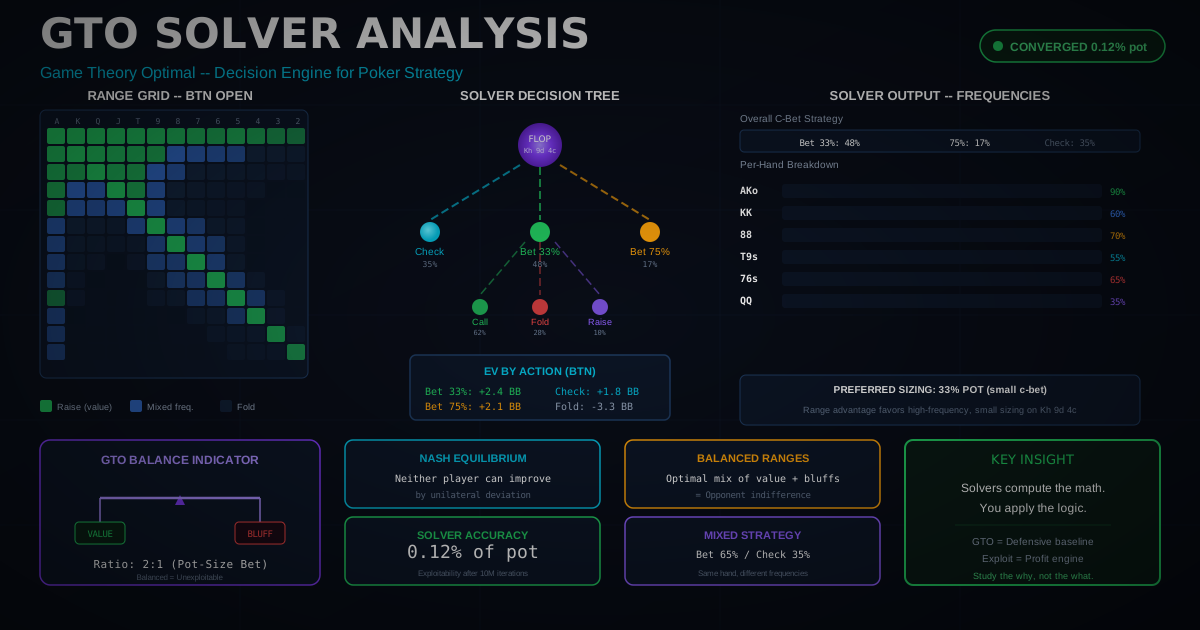
GTO (Game Theory Optimal) poker is a mathematically unexploitable strategy that has fundamentally transformed how poker is played at every level. When you play GTO perfectly, no adjustment your opponent makes can improve their results against you—you are playing a strategy that cannot be beaten in the long run.
The GTO revolution began with solver technology in the mid-2010s, and by 2026, even recreational players encounter GTO concepts through training sites, strategy content, and opponents who have studied solver outputs. Understanding GTO is no longer optional for winning players; it is the baseline from which all strategy decisions flow.
But here is the crucial insight many players miss: GTO is a defensive baseline, not a profit-maximizing strategy against weak opponents. The goal is to understand GTO so thoroughly that you can deviate from it precisely when exploitation offers higher EV.
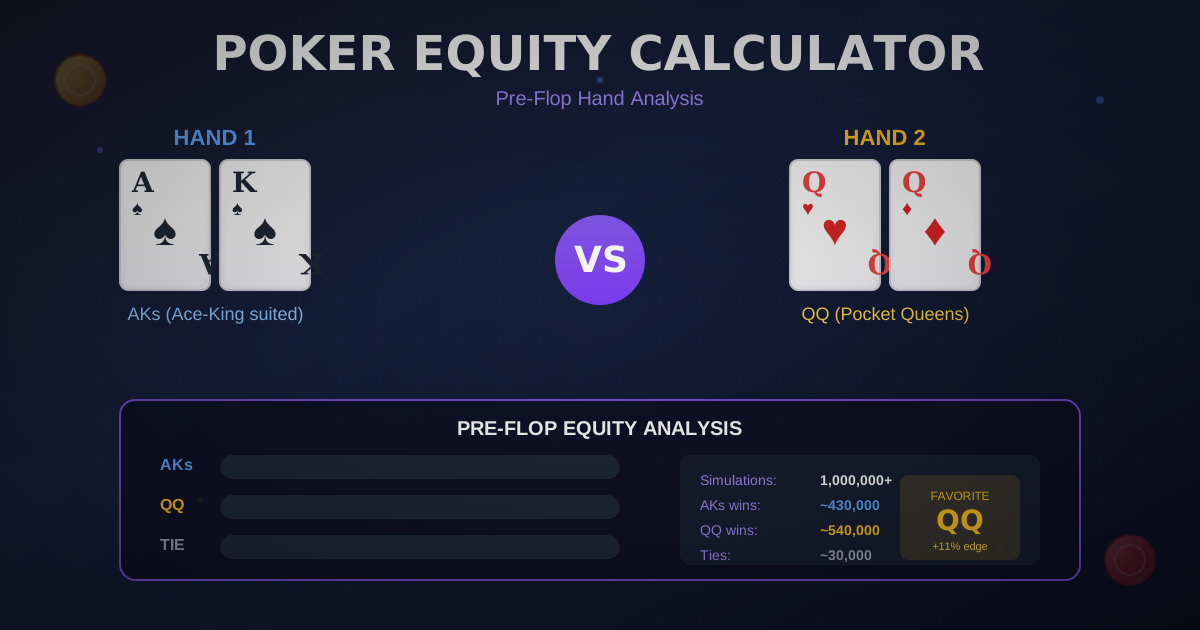
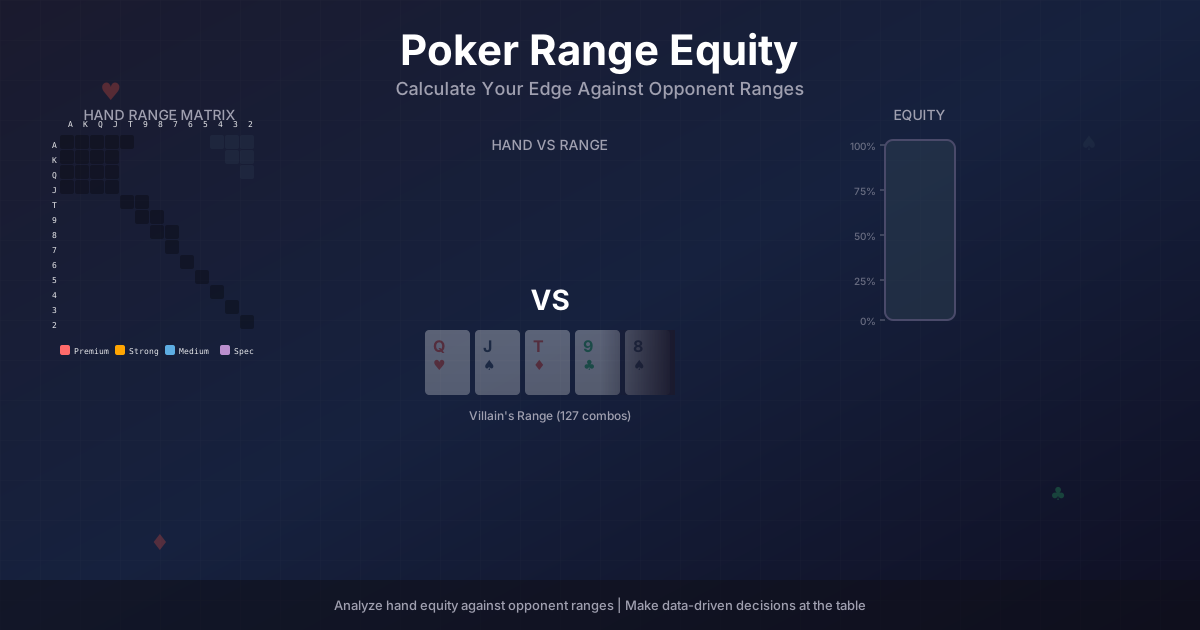
Analyze your hand equities and optimal play frequencies with our free Poker Equity Calculator.
What Is GTO Poker?
Game Theory Optimal poker is a strategy derived from Nash Equilibrium—a concept from game theory where each player's strategy is optimal given what their opponents are doing. When both players play GTO, neither can improve by changing their strategy unilaterally.
The Core GTO Concept
In GTO poker:
- Your strategy is balanced so opponents cannot exploit you
- You use "mixed strategies" (sometimes betting, sometimes checking with the same hand)
- You achieve indifference in your opponents (they do not have a clearly profitable response)
- You capture your fair share of EV against all possible opponent strategies
GTO vs. Exploitative Play
GTO Play: Maximizes your EV against a perfect opponent. Sacrifices some EV against weak opponents in exchange for being unexploitable.
Exploitative Play: Maximizes your EV against a specific opponent's leaks. Can be counter-exploited if your opponent adjusts.
The relationship: GTO is your baseline; exploitation is your profit margin.
Example:
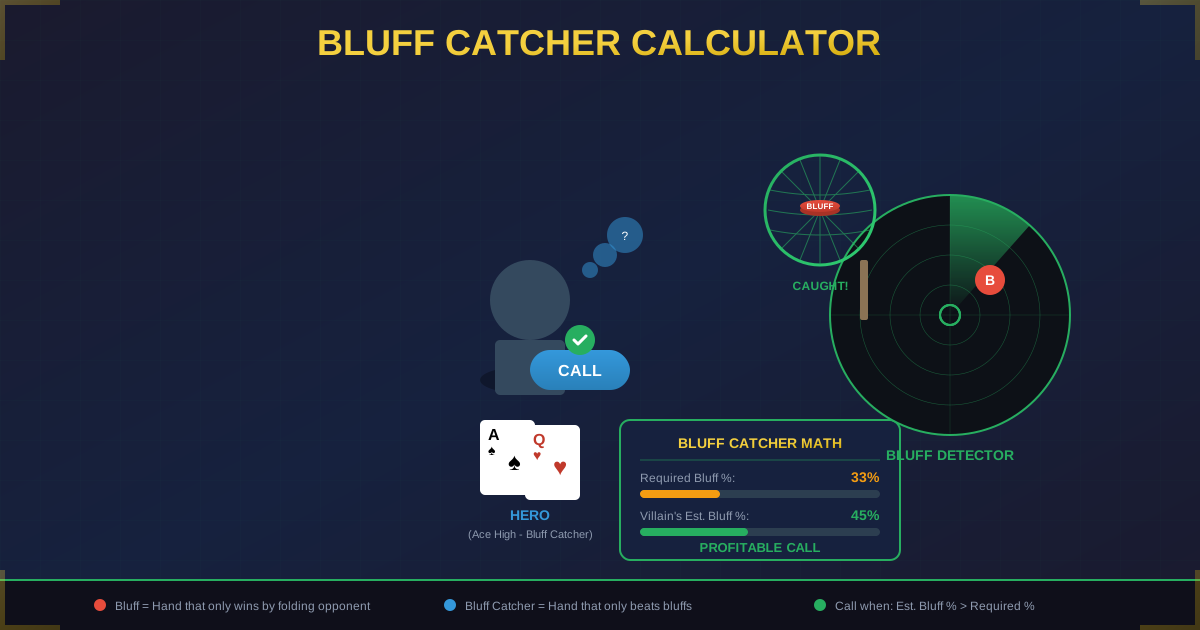
- GTO might call a river bet with a specific bluff-catcher 50% of the time
- Against an opponent who never bluffs, you exploit by folding 100%
- Against an opponent who always bluffs, you exploit by calling 100%
- If you do not know their tendency, GTO (50%) is your safe default
Why GTO Matters in Modern Poker
The Solver Revolution
Poker solvers like PioSolver, GTO Wizard, and others can compute near-perfect GTO strategies for any poker situation. This has:
- Raised the skill floor: Average players now understand concepts that were cutting-edge 10 years ago
- Compressed edges: The gap between good and great players has narrowed
- Changed population tendencies: Bet sizes, frequencies, and lines have shifted toward solver-approved plays
- Created new exploits: Players who memorize solver outputs without understanding them create predictable patterns
What Solvers Have Taught Us
Key insights from solver analysis that have changed poker:
Bet Sizing:
- Multiple bet sizes are often optimal (not just one "standard" size)
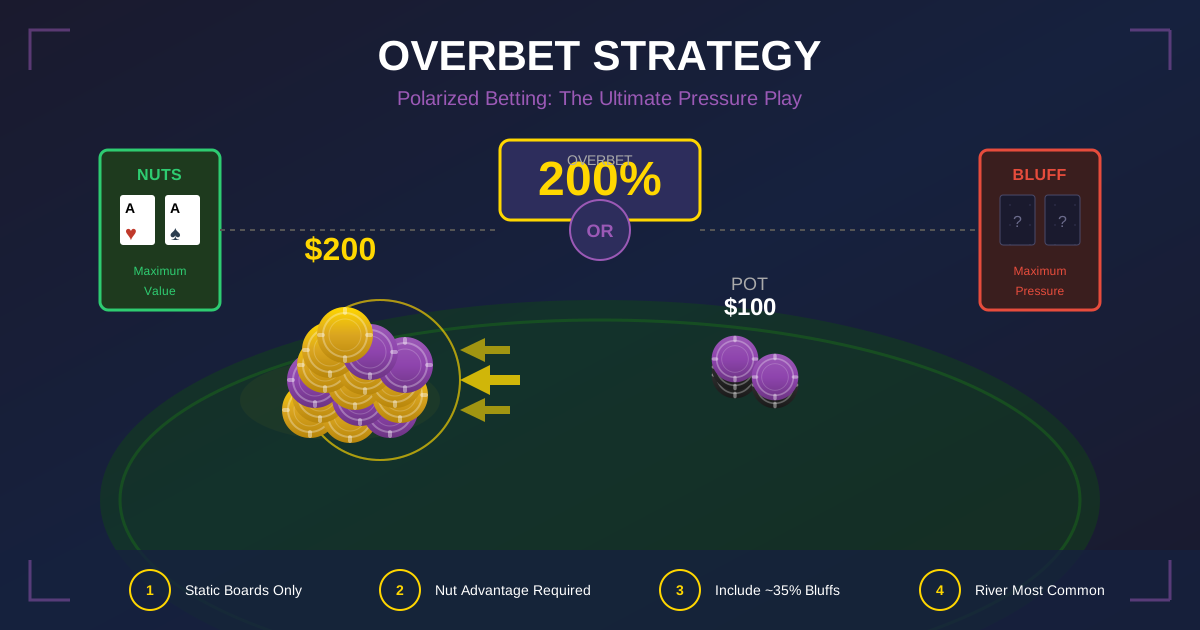
- Overbets (1.5x pot+) are correct far more often than traditional play suggested
- Small bets and checks have specific strategic purposes
Range Construction:
- Balance matters more than hand strength in many spots
- Checking strong hands protects your checking range
- Betting weak hands (as bluffs) protects your betting range
Frequency Over Always/Never:
- Few hands should "always" or "never" take an action
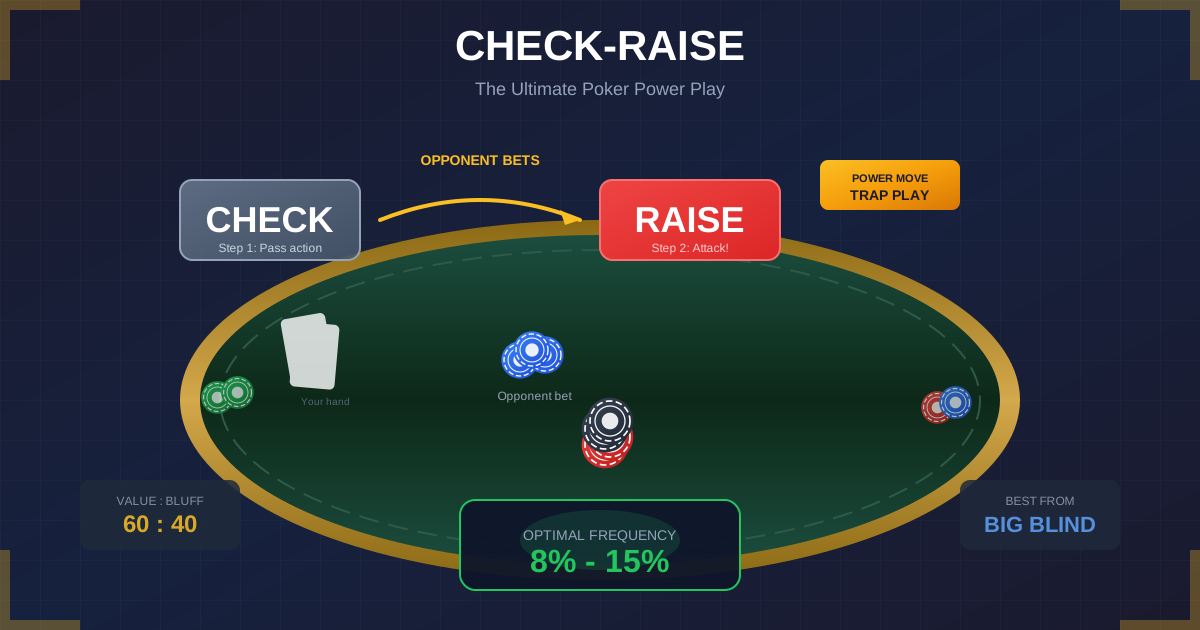
- Mixed frequencies (bet 60%, check 40%) are common in GTO
- Position and stack depth dramatically affect these frequencies
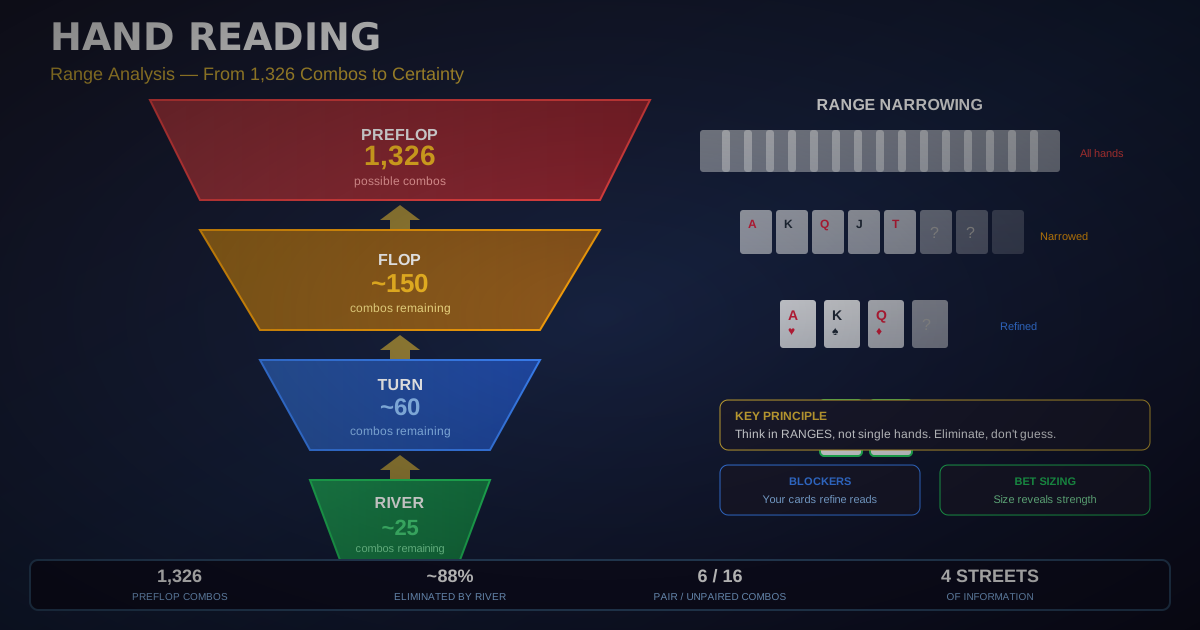
Calculate your hand combos and range construction with our Poker Combos Calculator.
Core GTO Concepts
Balanced Ranges
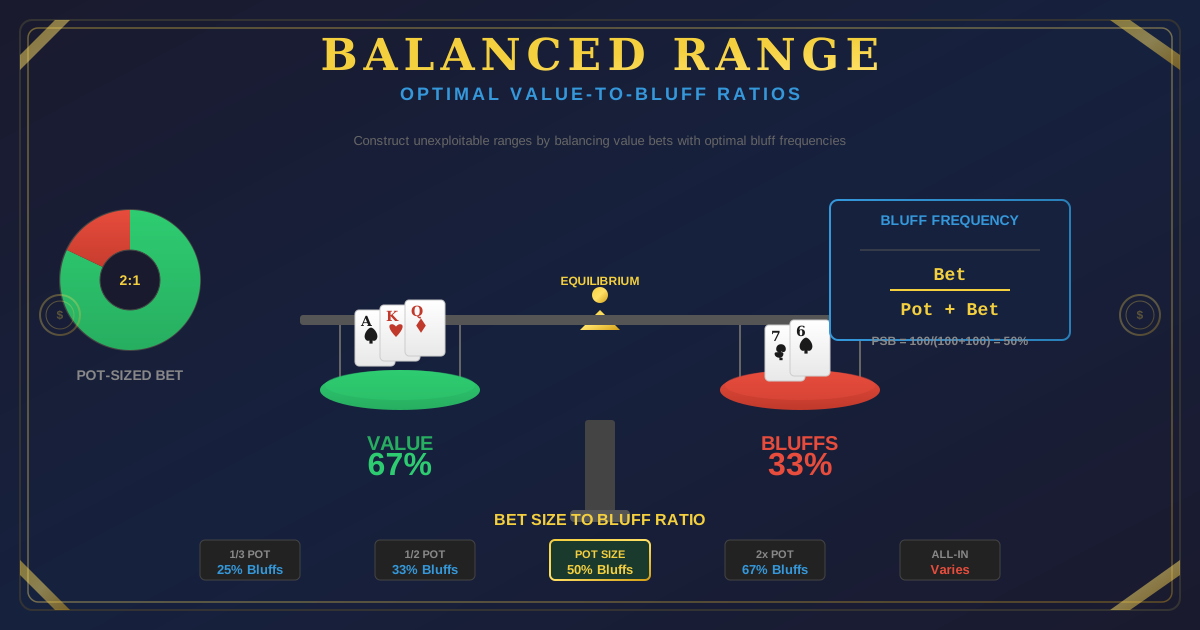
A balanced range means your betting (or checking) range contains an appropriate mix of strong hands and bluffs such that opponents cannot exploit you by always calling or always folding.
The Classic Example: River Betting
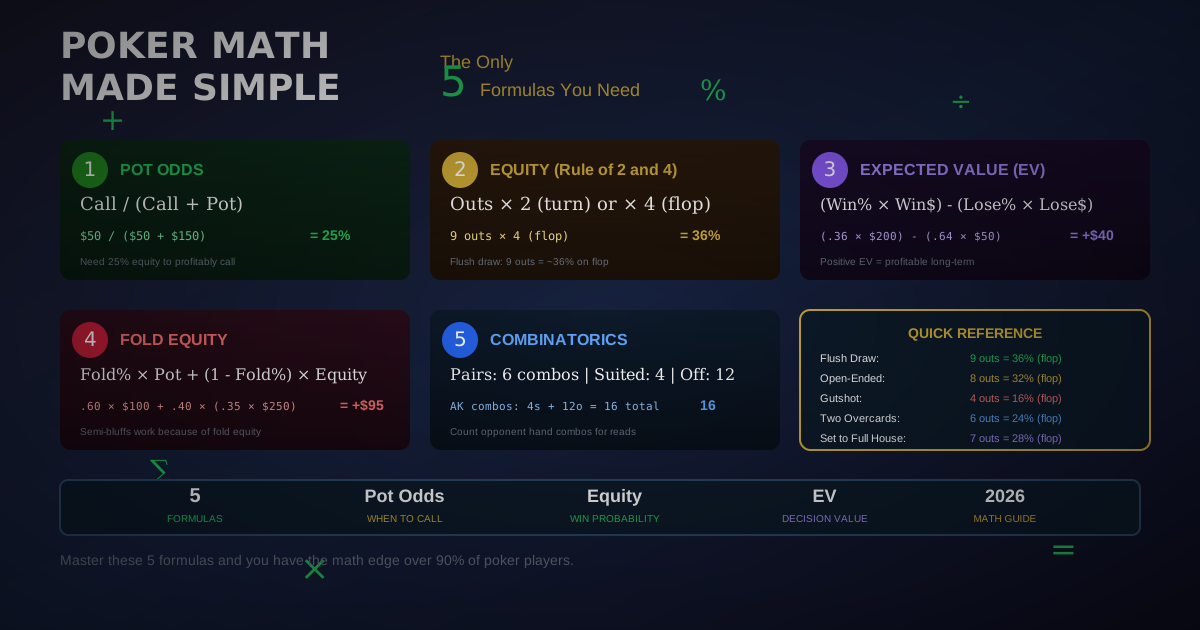
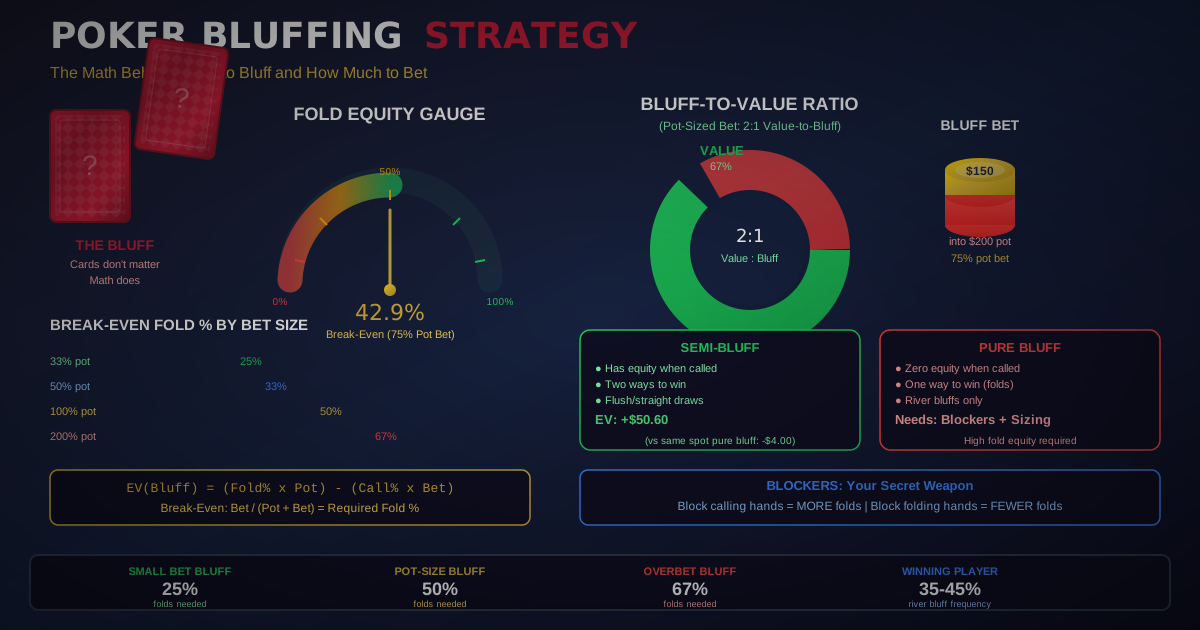
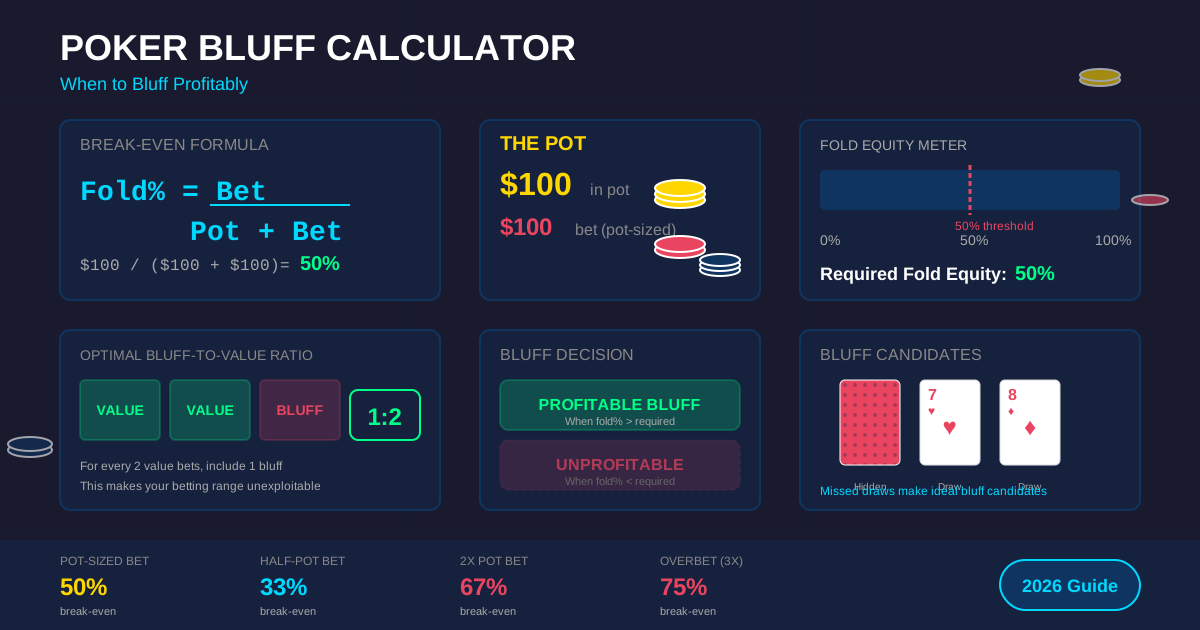
If you bet pot ($100 into $100), your opponent needs 33% equity to call profitably. For your strategy to be balanced:
- Value bets: 66% of your betting range
- Bluffs: 33% of your betting range
If you bluff more than 33%, opponents exploit you by calling with all bluff-catchers. If you bluff less than 33%, opponents exploit you by folding all bluff-catchers.
When balanced, your opponent is "indifferent"—calling and folding show the same EV.
Mixed Strategies
GTO often requires "mixing"—taking different actions with the same hand at certain frequencies.
Why Mixing Exists:
Consider a spot where you have a medium-strength hand on the river:
- If you always bet, opponents fold weak hands and call/raise with strong hands
- If you always check, opponents bet and put you in tough spots
- The solution: bet sometimes, check sometimes
The exact frequencies depend on the situation, but the principle is universal: predictability is exploitable.
Practical Implementation:
Since you cannot perfectly randomize in real-time, players use various methods:
- Mental coin flips (high card in hand = bet, low card = check)
- Time-based decisions (check if seconds on clock are odd)
- Suit-based decisions (hearts/diamonds = bet, clubs/spades = check)
The goal is approximating GTO frequencies, not achieving perfect randomization.
Minimum Defense Frequency (MDF)
MDF tells you how often you must call (or raise) to prevent opponents from profitably bluffing with any two cards.
MDF Formula: MDF = Pot / (Pot + Bet)
Common MDFs by Bet Size:
| Bet Size | MDF |
|---|---|
| 33% pot | 75% |
| 50% pot | 67% |
| 75% pot | 57% |
| 100% pot | 50% |
| 150% pot | 40% |
| 200% pot | 33% |
If you fold more than (1 - MDF), opponents can bluff profitably with any hand.
Important Caveat: MDF is a theoretical concept. Against opponents who bluff too little, folding more than MDF is correct. MDF tells you the maximum you can fold without being exploitable, not the optimal fold frequency.
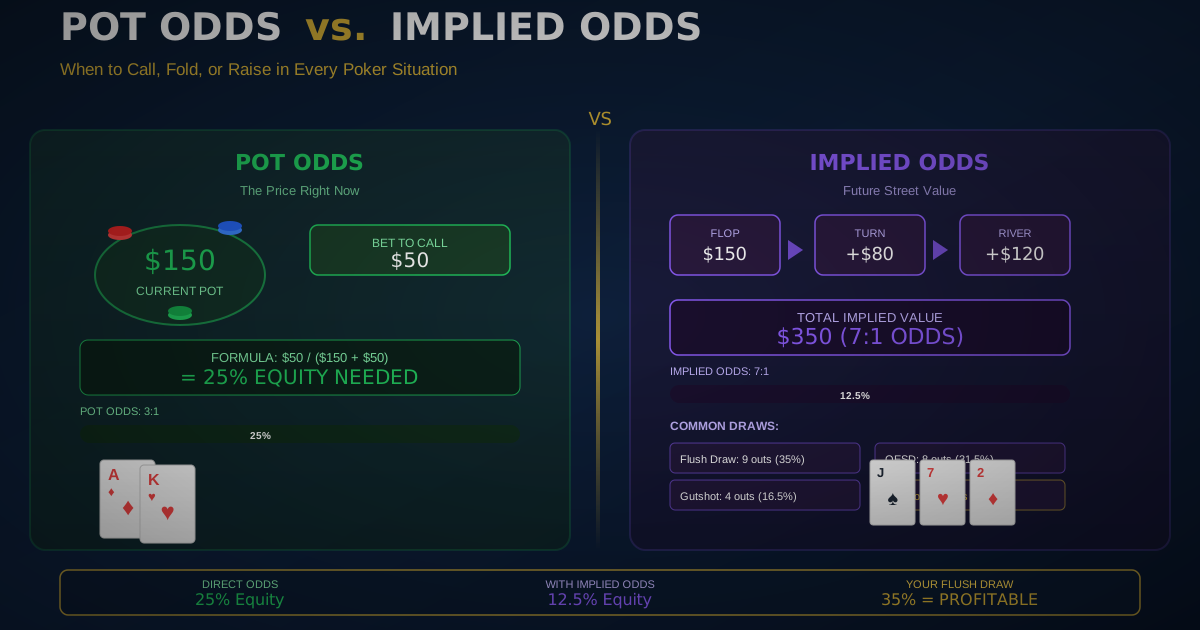
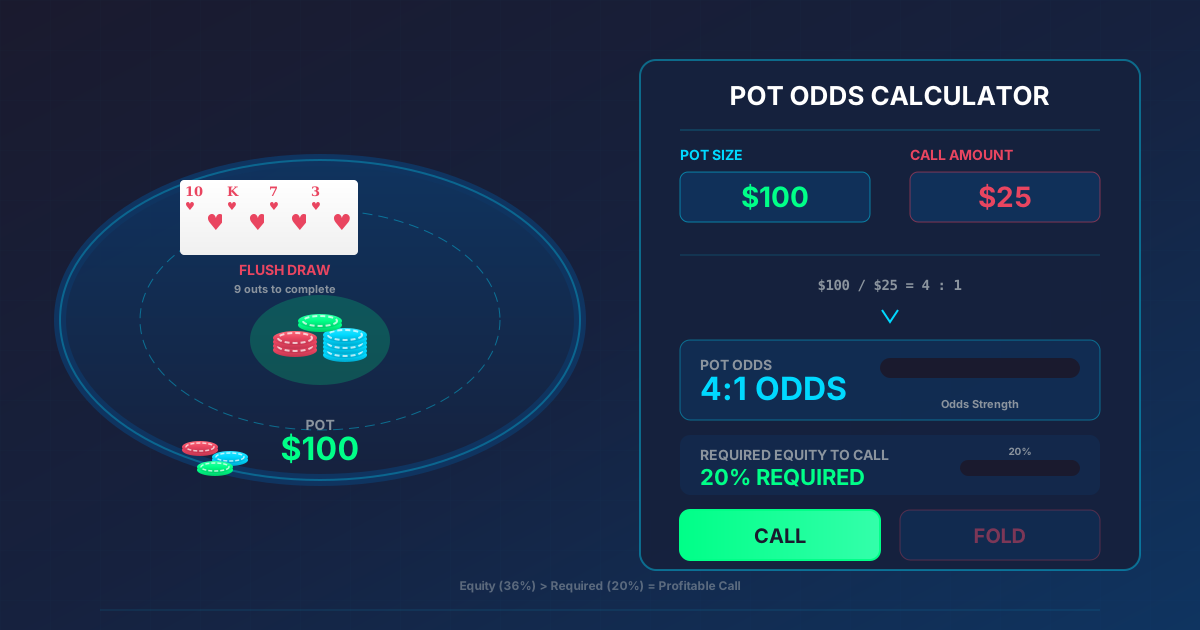
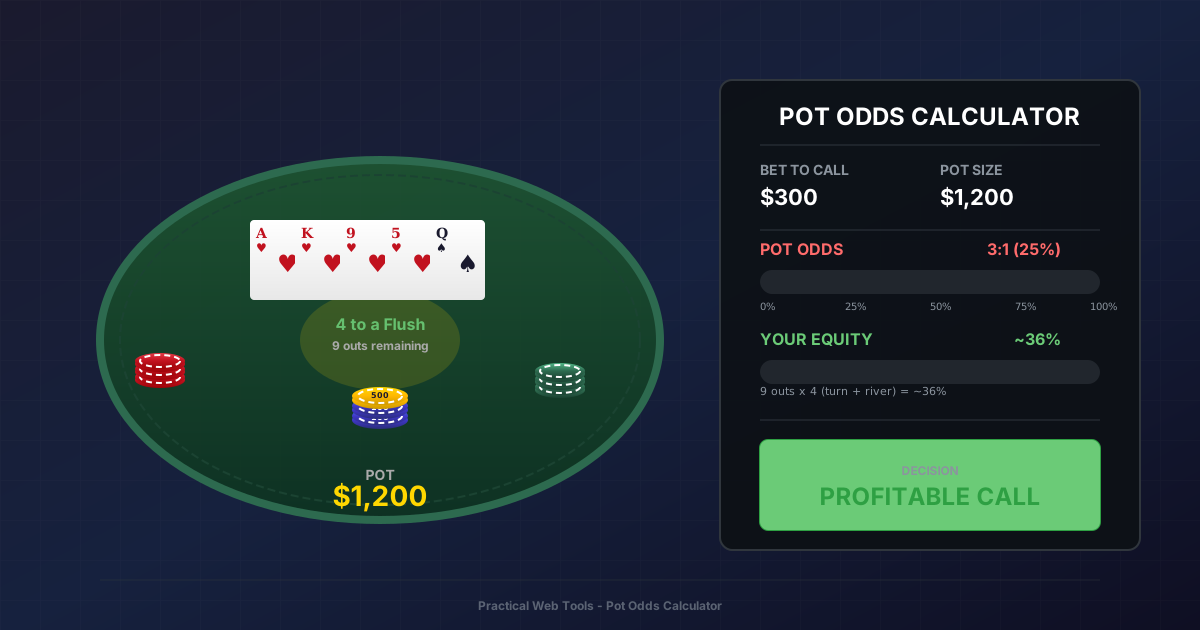
Calculate pot odds and defense frequencies with our Pot Odds Calculator.
GTO in Practice: Common Situations
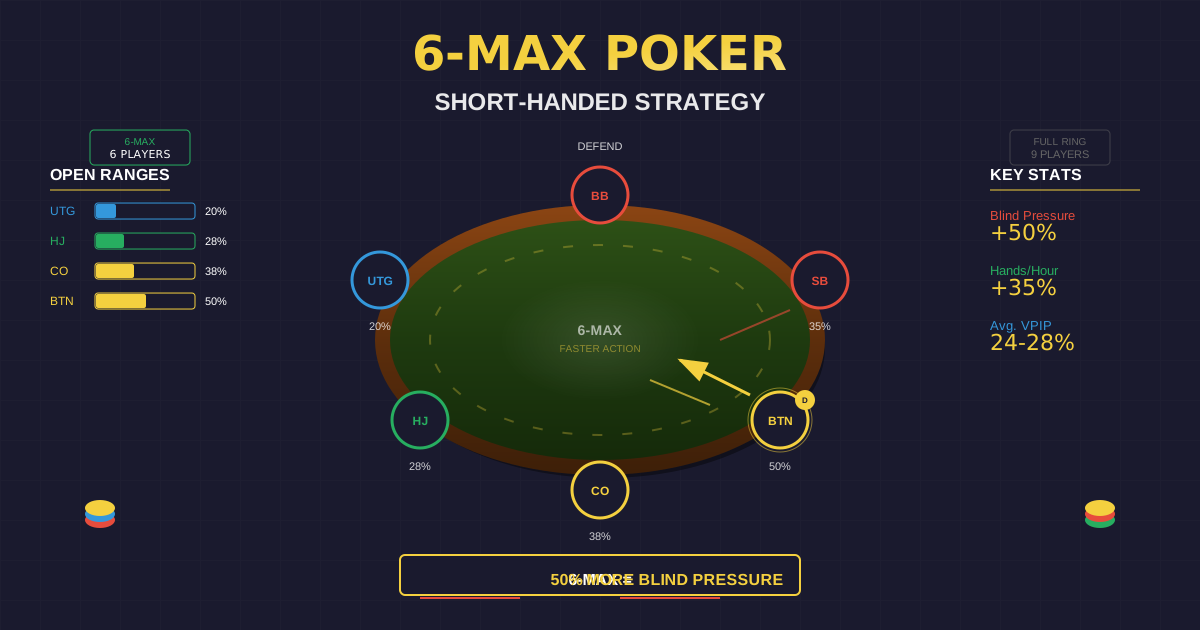
Preflop GTO
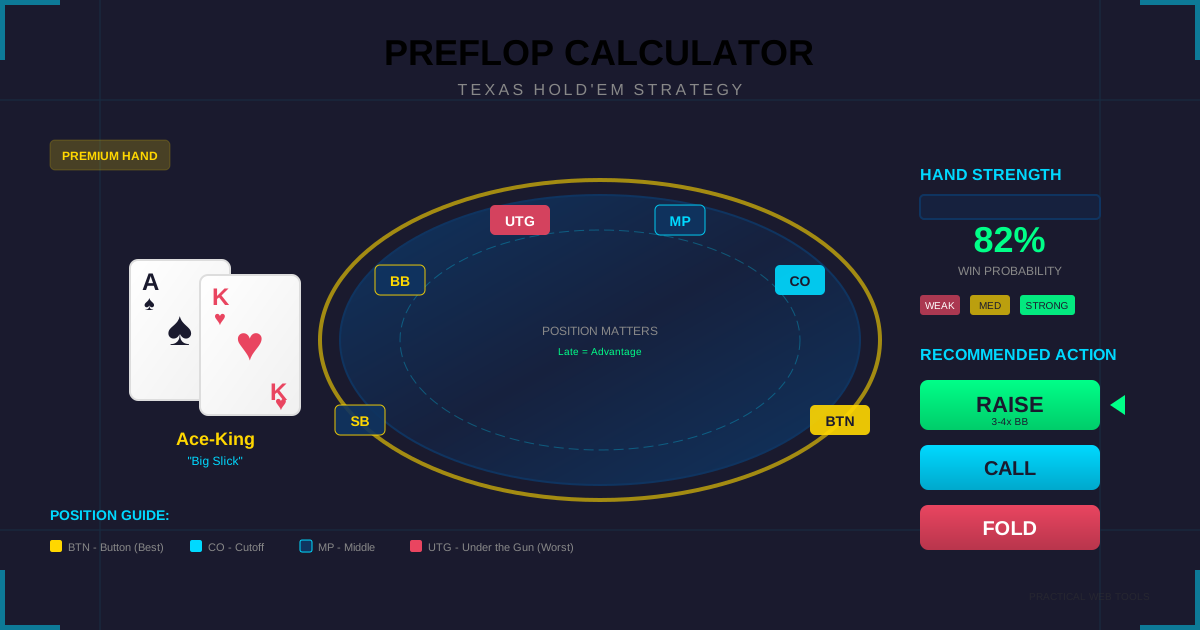
Preflop GTO strategy is well-solved and provides clear guidance:
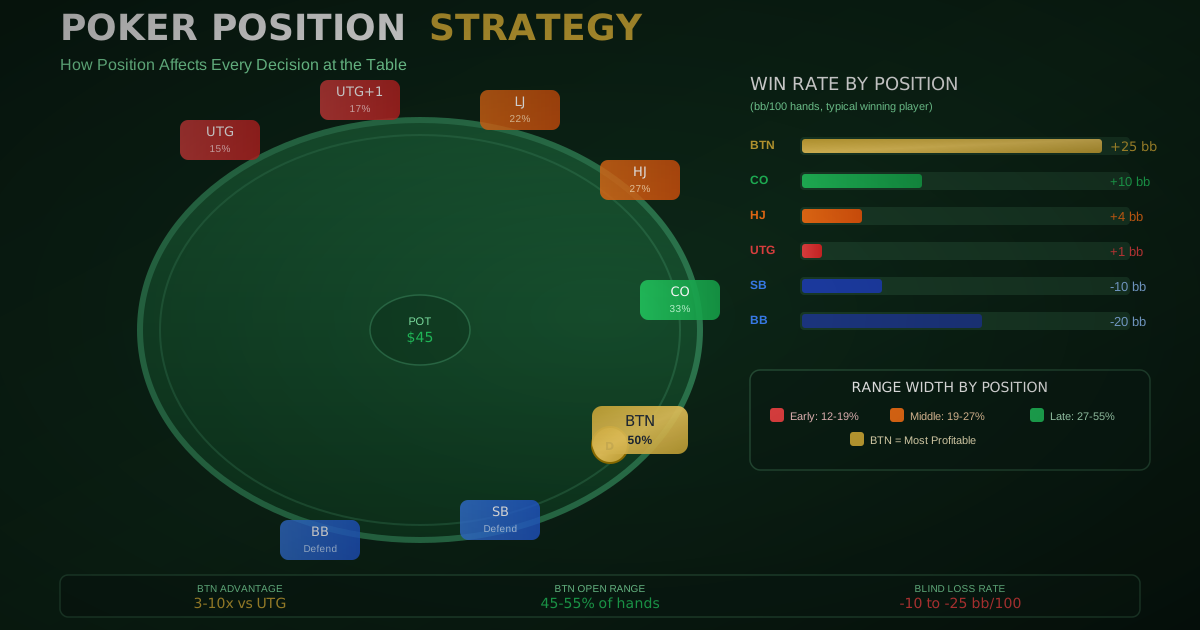
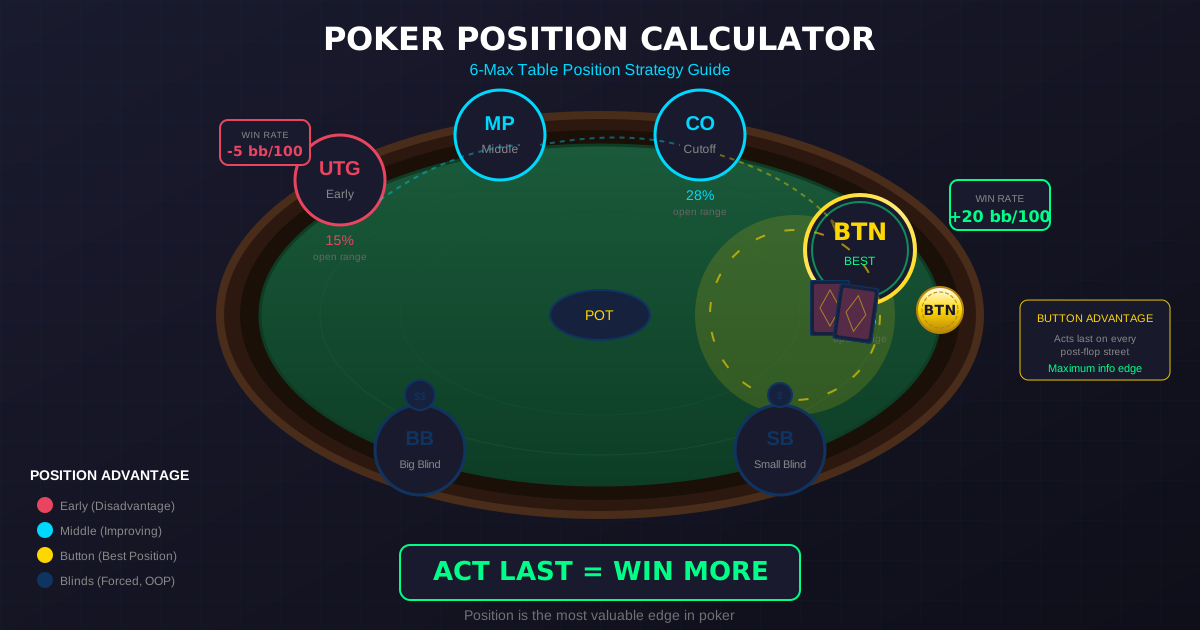
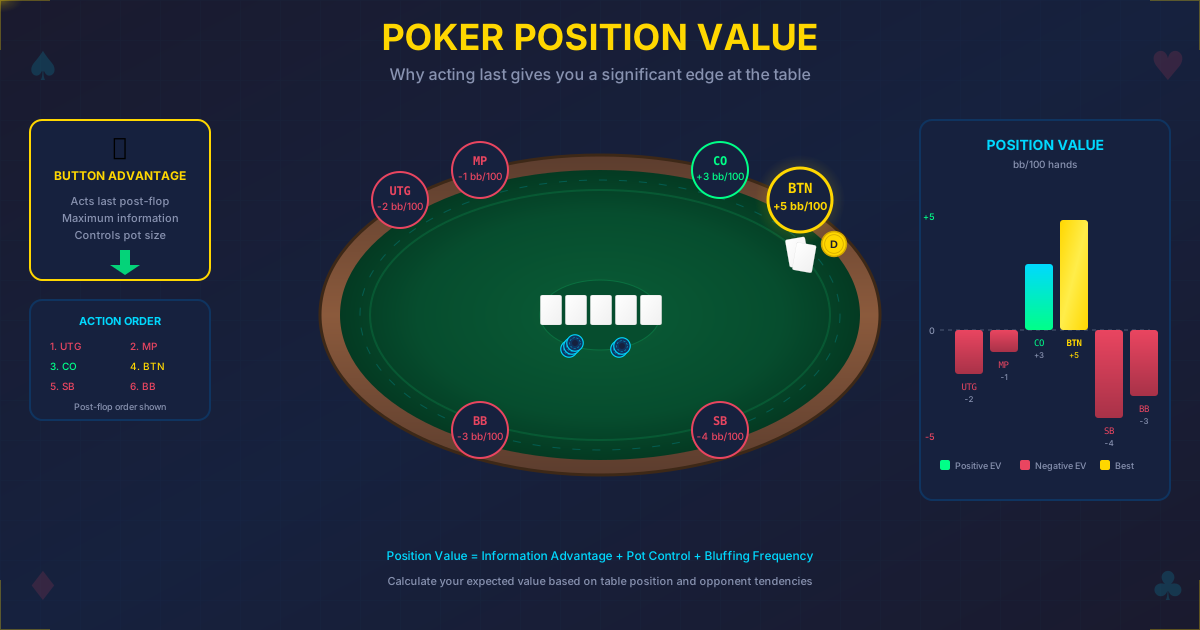
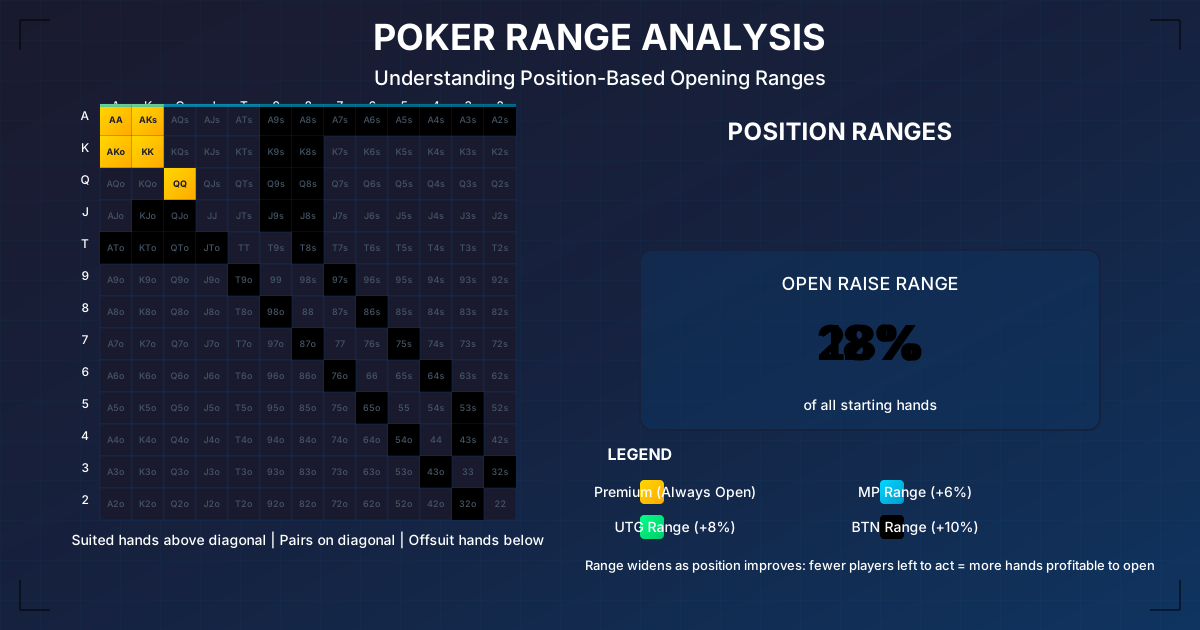
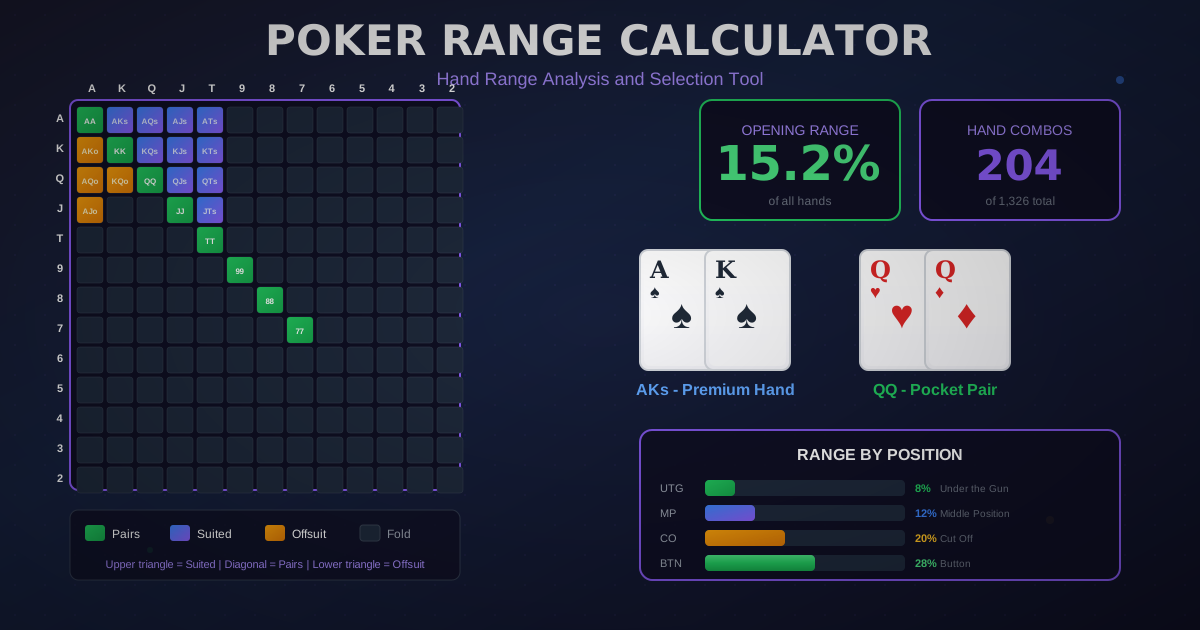
Opening Ranges: Solver-approved opening ranges depend on position, stack depth, and blind structure. Generally:
- UTG: ~15% of hands
- MP: ~18% of hands
- CO: ~27% of hands
- BTN: ~45% of hands
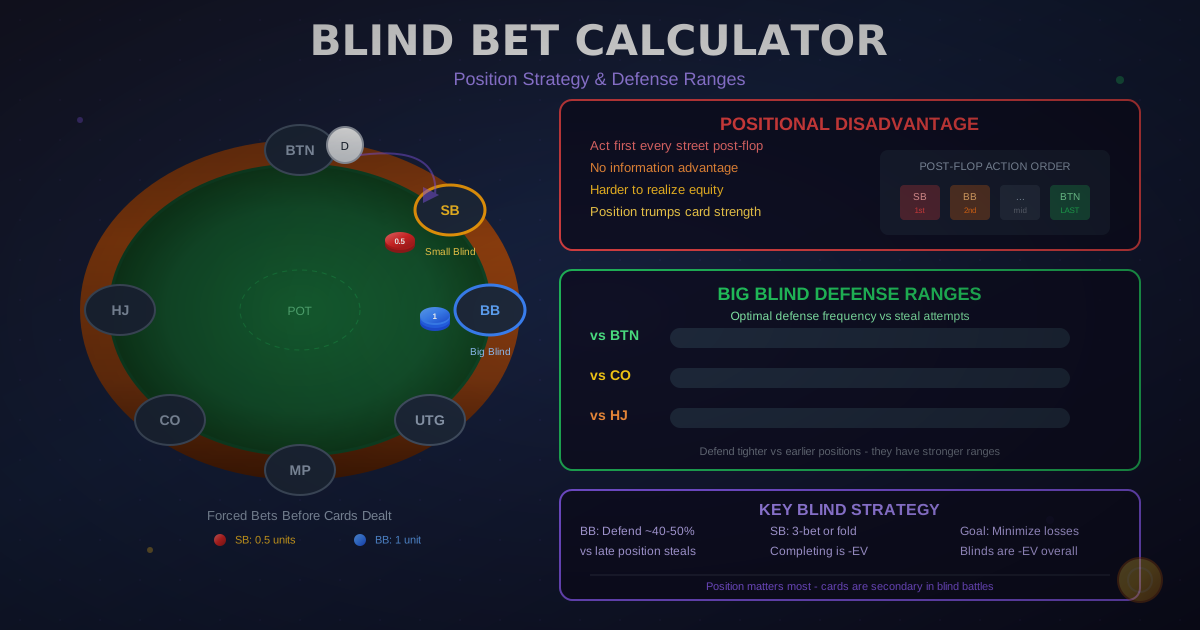
- SB: ~40% (raising/limping combined)
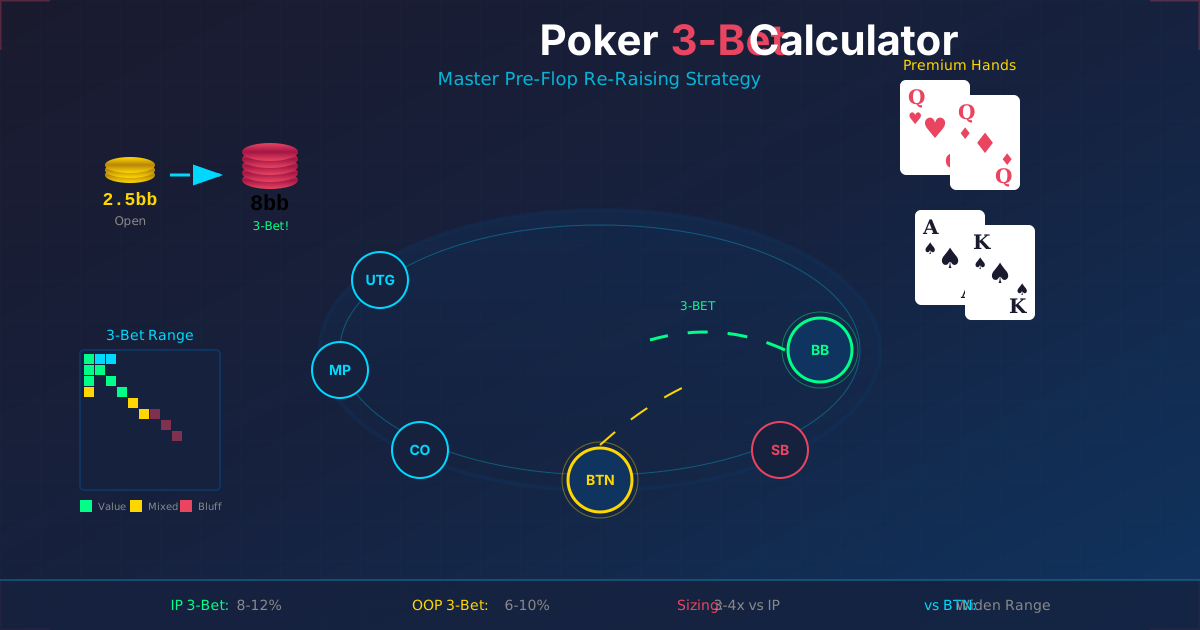
3-Betting: GTO 3-bet ranges include both value hands and bluffs. The ratio depends on position and opponent tendencies:
- Value: Premium pairs, AK, AQs
- Bluffs: A5s-A2s (blockers), low suited connectors
- Flat calls: Middle range hands that play well postflop
Analyze your 3-betting decisions with our Poker 3Bet Calculator.
Continuation Betting GTO
C-betting strategy has evolved dramatically due to solver influence:
Board Texture Matters:
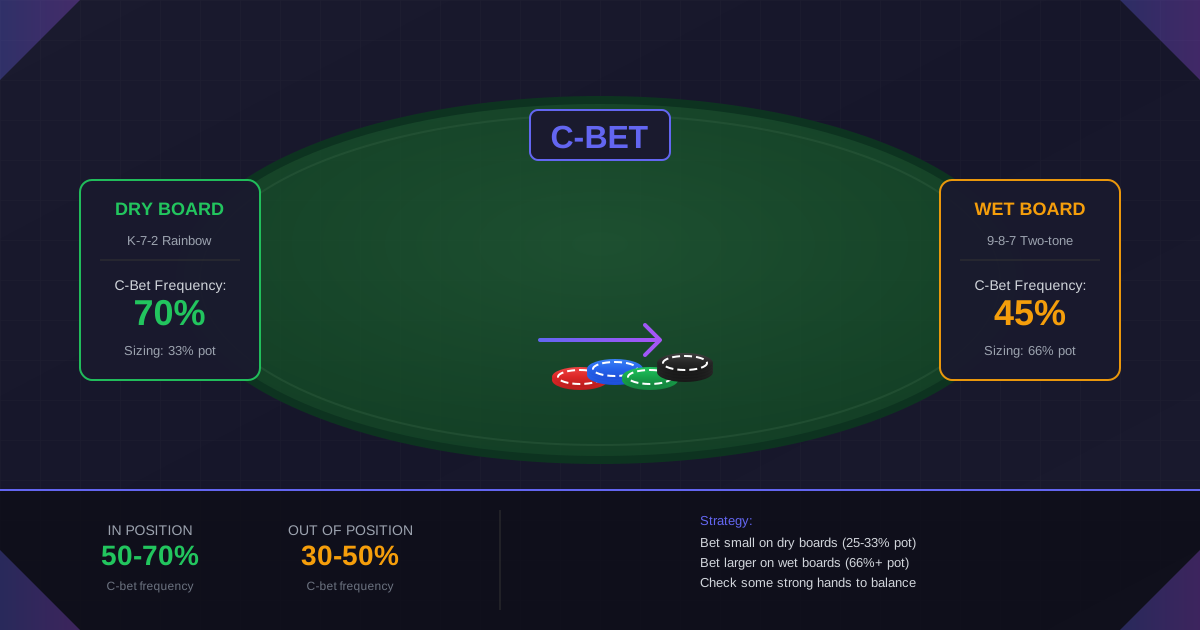
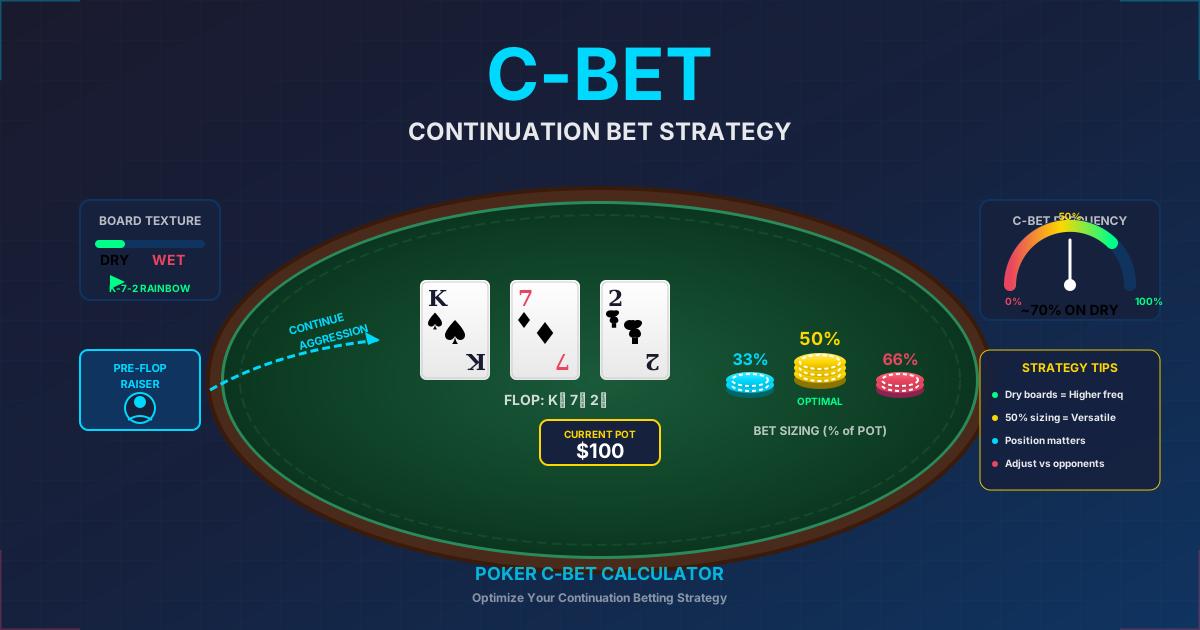
- Dry boards (K72r): Range c-bet small (25-33%) frequently
- Wet boards (JT8ss): Selective c-betting at larger sizes
- Paired boards: Mixed strategy with checking range
Position Considerations:
- In position: More aggressive c-betting
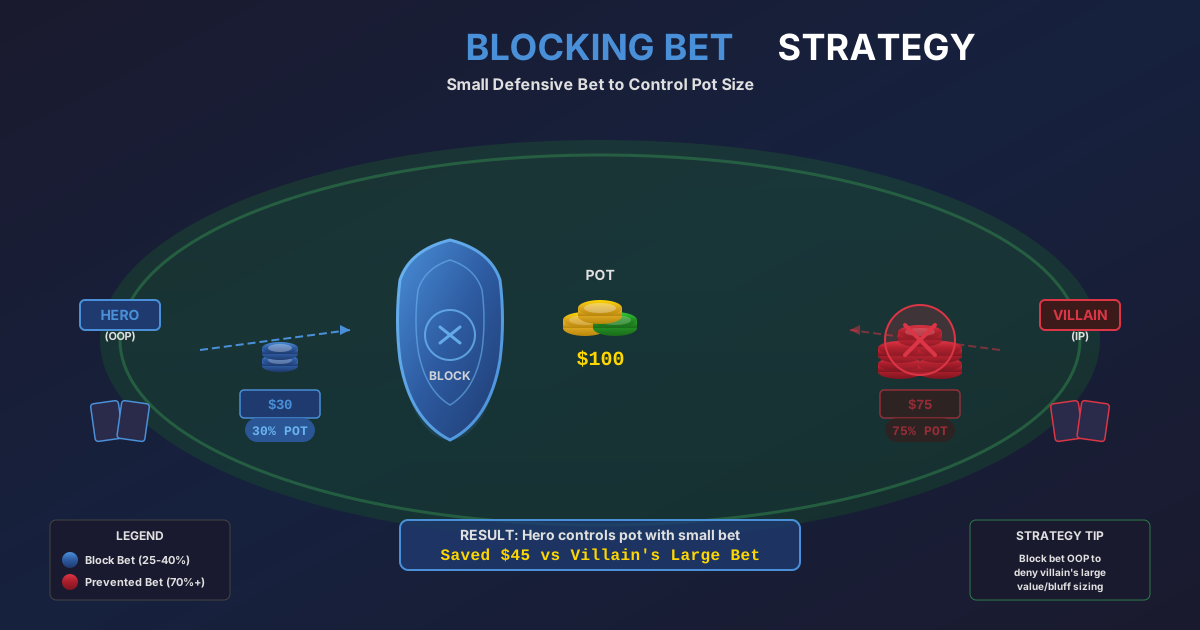
- Out of position: More checking, smaller sizes when betting
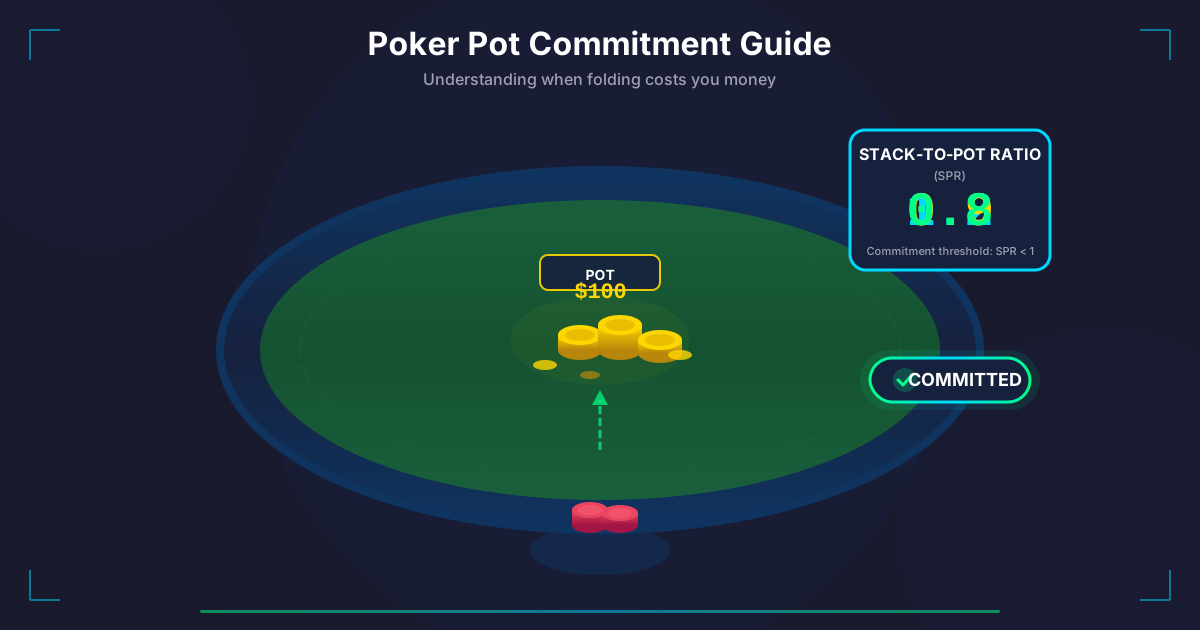
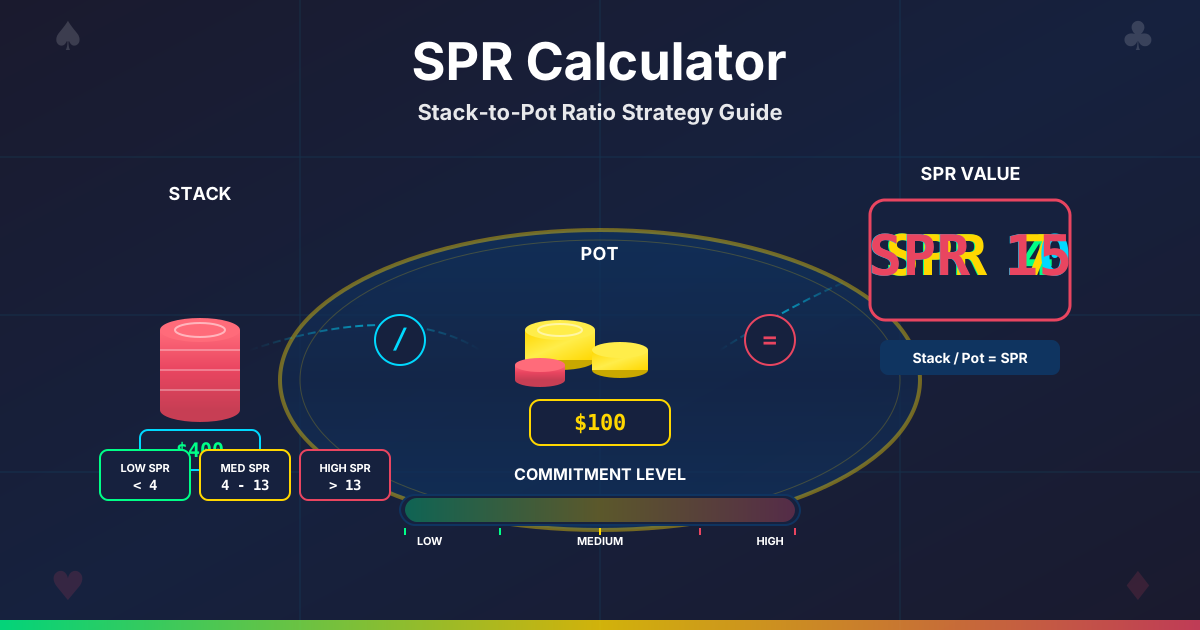
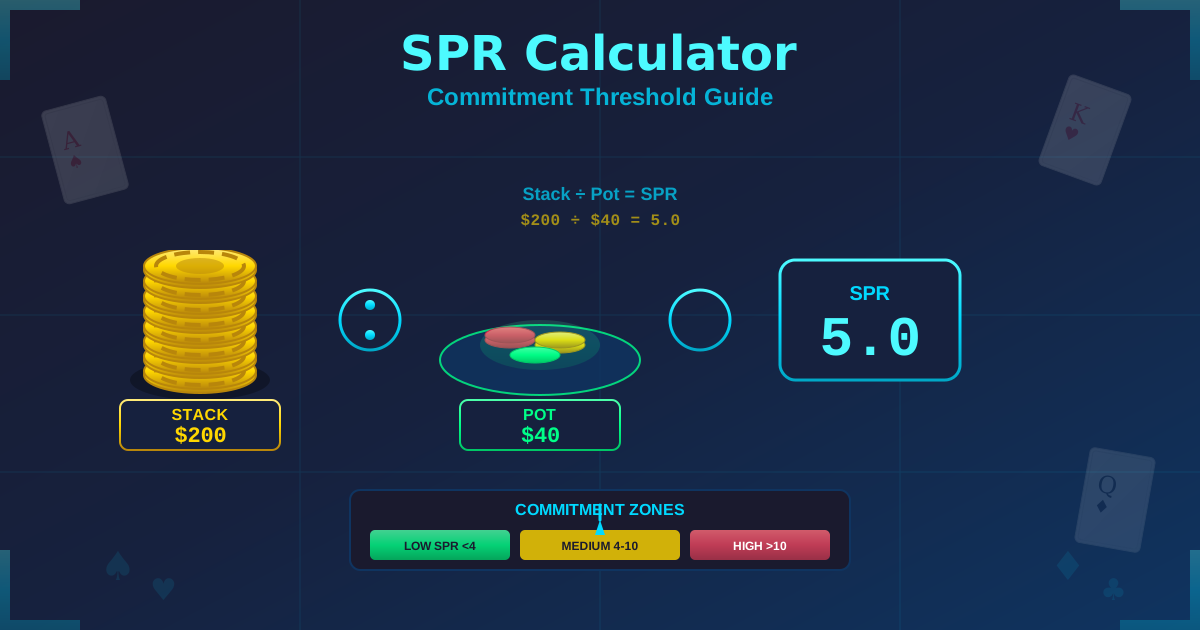
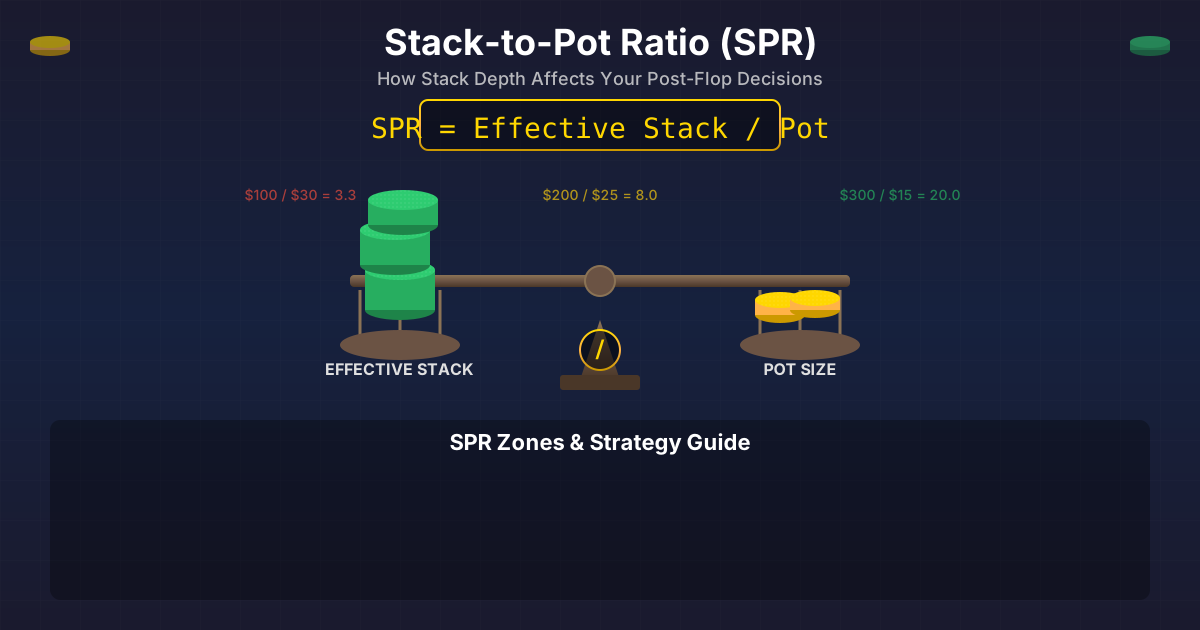
Stack-to-Pot Ratio (SPR): The remaining stack relative to pot affects entire lines.
Calculate your SPR and its strategic implications with our Poker SPR Calculator.
Turn and River GTO
Later street GTO becomes extremely complex, but key principles apply:
Turn Strategy:
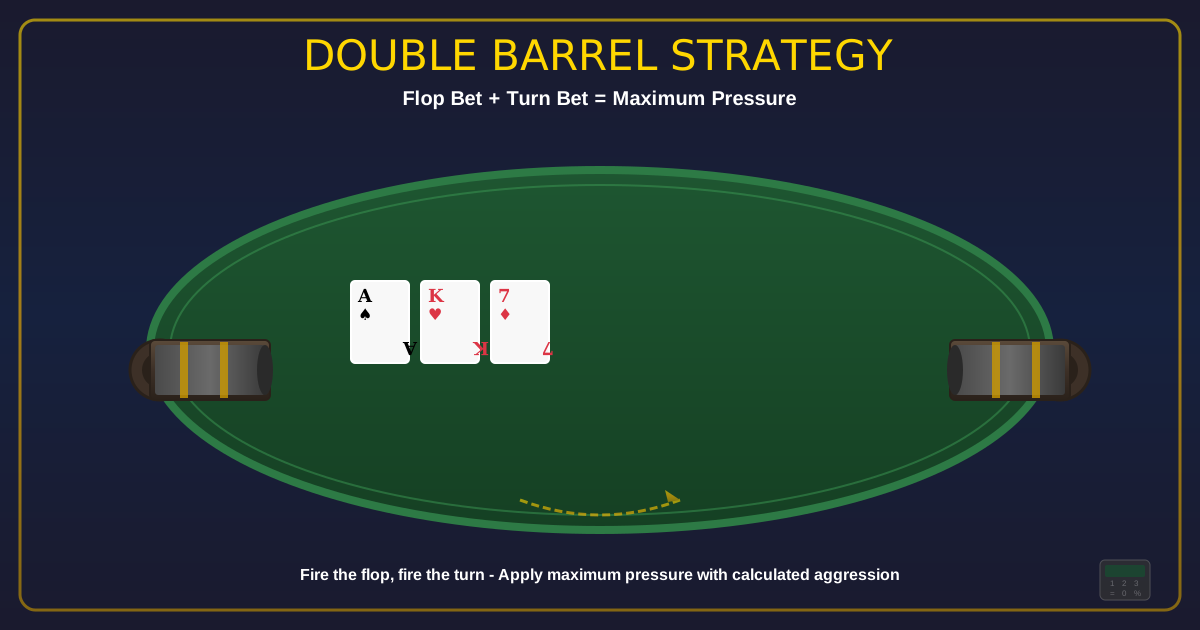
- Double-barreling should be selective with specific hands
- Check-raising becomes more viable
- Polarization increases (fewer medium-strength bets)
River Strategy:
- Betting ranges become fully polarized (nuts or bluffs)
- Value-to-bluff ratios depend on bet sizing
- Calling decisions are based on MDF and hand strength
GTO in All-In Situations
All-in spots simplify GTO analysis:
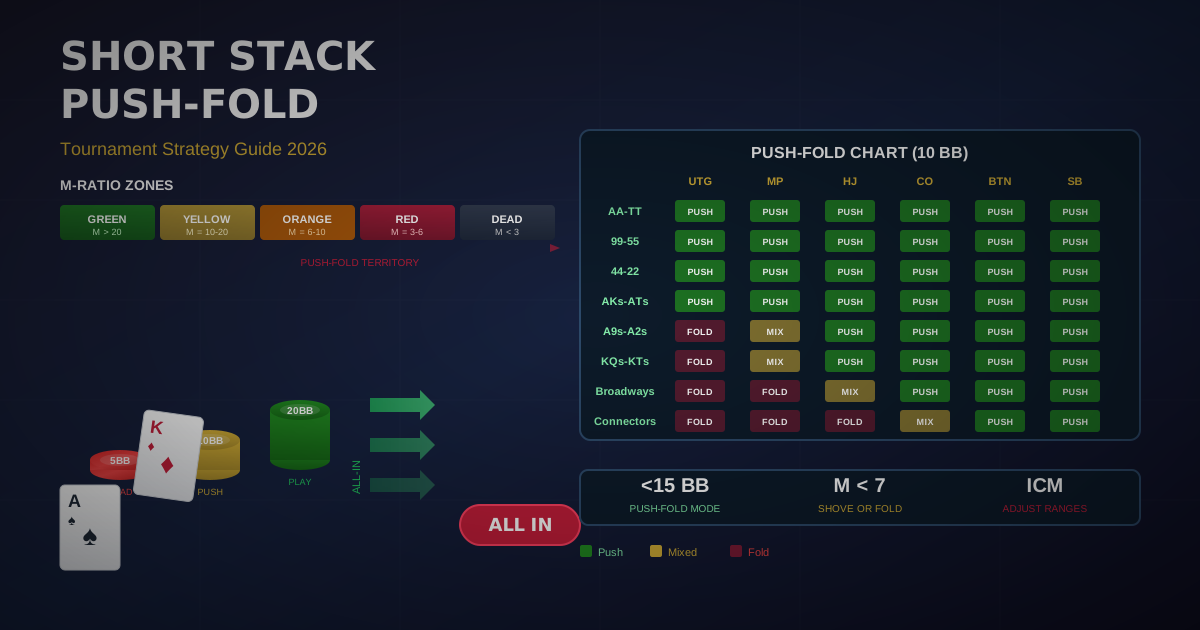
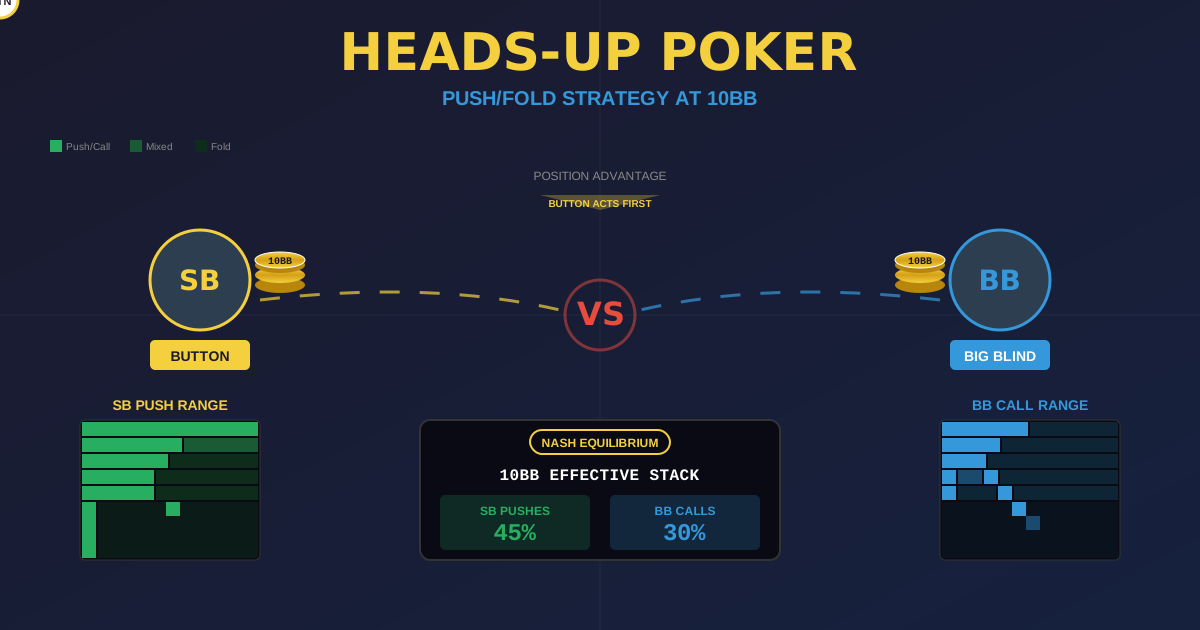
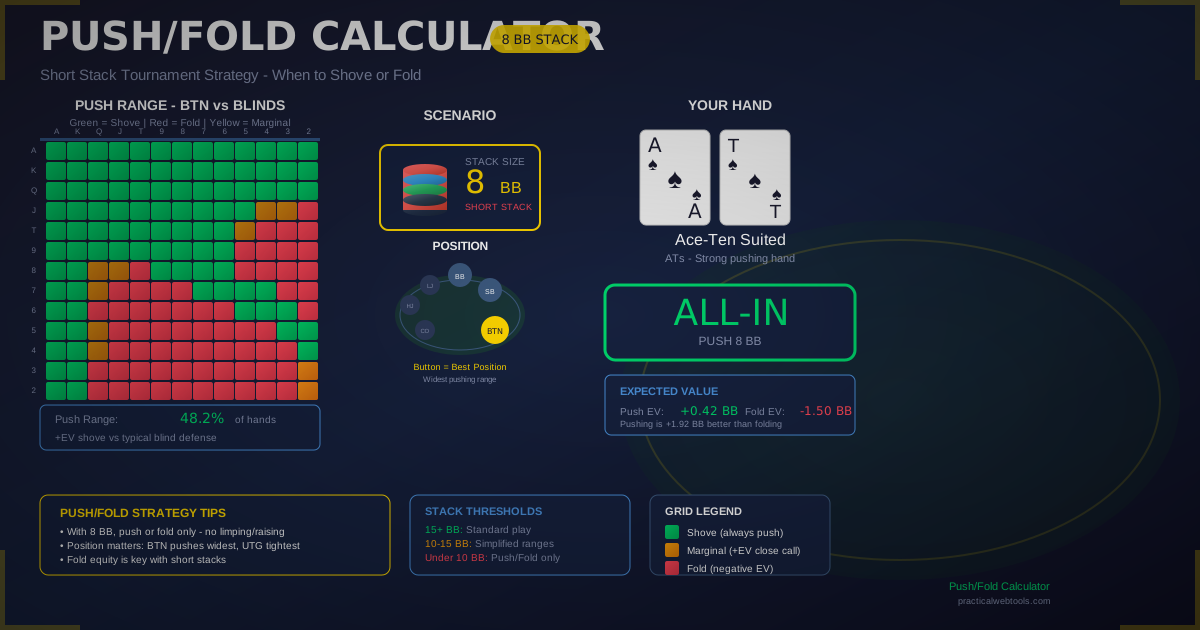
Push/Fold: With short stacks (under 15bb), many situations become push-or-fold. Solvers provide exact ranges based on stack depth, position, and opponents.
Use our Push/Fold Calculator for optimal short-stack decisions.
Calling All-Ins: Your calling range depends on:
- Pot odds offered
- Opponent's shoving range
- Your hand's equity vs. that range
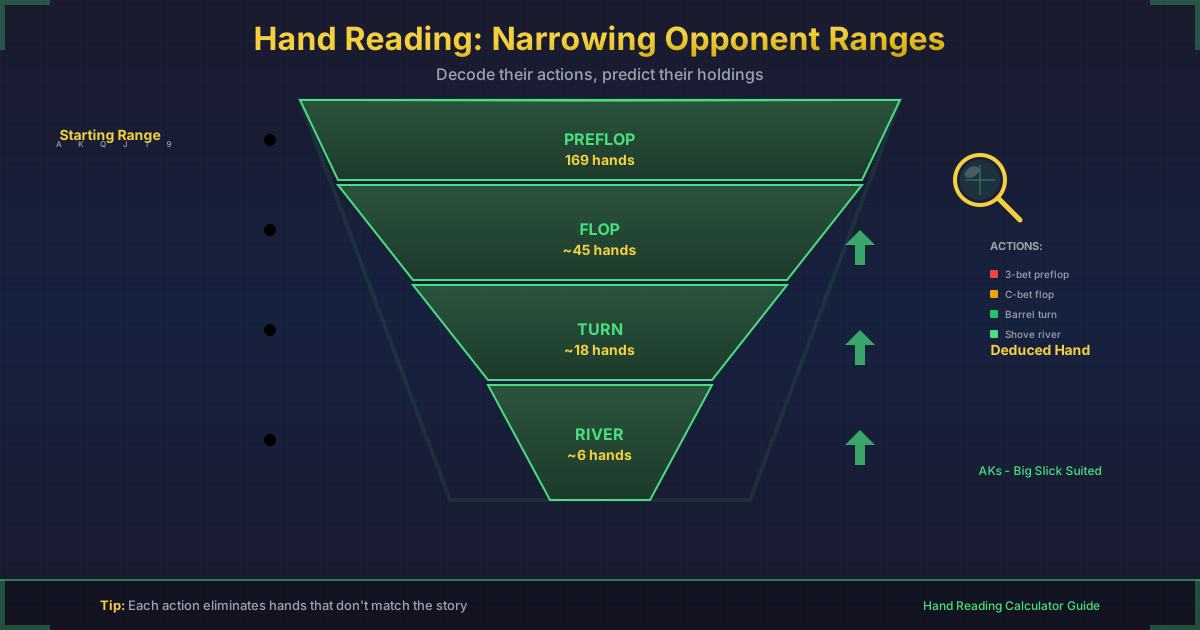
Calculate your hand equity against opponent ranges with our Poker Hand Range Calculator.
When to Deviate from GTO
GTO provides the unexploitable baseline, but poker profits come from exploitation. Here is when to deviate:
Against Clearly Imbalanced Opponents
They Never Bluff:
- Fold more than MDF suggests
- Their bets are heavily weighted toward value
- Trust your read and save money
They Always Bluff:
- Call more than MDF
- Even weak pairs become profitable calls
- Let them hang themselves
They Call Too Much:
- Bluff less, value bet thinner
- Remove pure bluffs from your range
- Extract maximum value
They Fold Too Much:
- Bluff more, value bet thicker
- Apply relentless pressure
- Their fold equity gifts you chips
Against Recreational Players
Recreational players rarely play anything close to GTO. Common exploits include:
- More value betting: They call too wide
- Less bluffing: They call too often and never fold
- Simpler lines: Complex multi-street bluffs are wasted
- Pot control with medium hands: They overvalue second-best hands
Against Tough Competition
Against strong opponents who understand GTO:
- Stay closer to GTO: Reduce exploitable tendencies
- Mix more: Become harder to read
- Focus on small edges: Big deviations get punished
Common GTO Mistakes
Mistake #1: Blindly Following Solver Outputs
Solvers compute GTO for specific scenarios. Changing any variable (stack depth, history, opponent tendencies) changes the solution. Memorizing outputs without understanding principles leads to:
- Misapplied sizing in different contexts
- Ignoring opponent-specific information
- Rigidity in dynamic situations
The Fix: Learn the principles behind solver outputs. Understand WHY GTO recommends certain plays.
Mistake #2: Using GTO Against Weak Players
GTO maximizes EV against perfect opponents. Against recreational players who make massive errors:
- GTO leaves money on the table
- Exploitation captures far more EV
- Simple adjustments (bet bigger for value, bluff less) are higher EV
The Fix: Default to GTO against unknowns, pivot to exploitation as you gather reads.
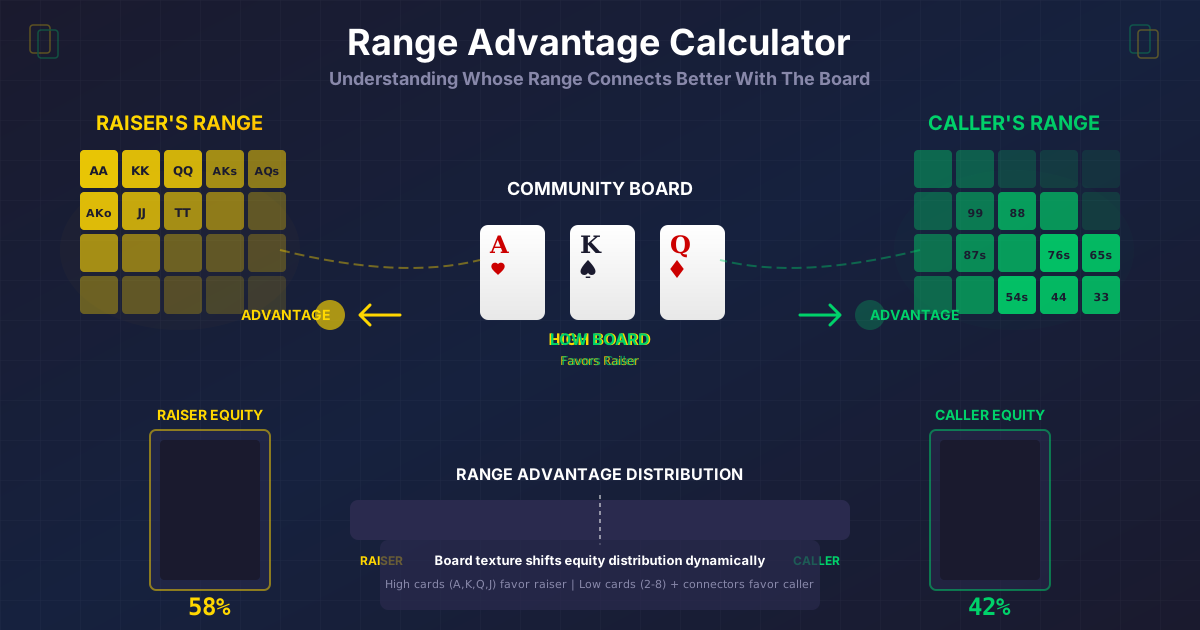
Mistake #3: Ignoring Range Advantage
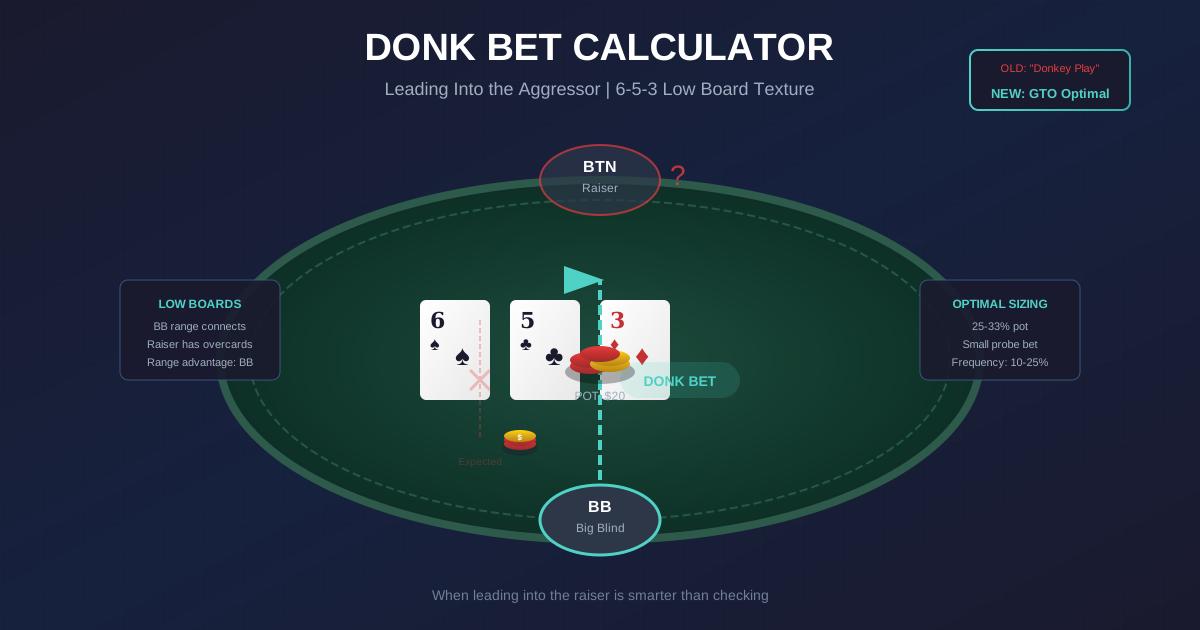
GTO strategies differ dramatically based on who has the range advantage on a given board. Players who use the same strategy regardless of board texture make systematic errors.
Example:
- Preflop raiser has range advantage on A-high boards
- Big blind has range advantage on 7-high connected boards
- Betting frequencies should reflect these advantages
The Fix: Study how board texture affects ranges. Learn which boards favor which positions.
Mistake #4: Obsessing Over Exact Frequencies
GTO might say "bet 47% of the time with this hand." In practice:
- Variance in your randomization is fine
- Approximate frequencies (roughly half) are sufficient
- Focus on the principle (sometimes bet, sometimes check) over precise numbers
The Fix: Implement mixed strategies approximately. The value is in mixing, not in achieving 47.3% exactly.
Mistake #5: Neglecting Live Reads
Online GTO play emphasizes pure strategy because you have no physical tells. Live poker offers additional information:
- Player demeanor
- Betting patterns
- Physical tells
- Table talk
This information should adjust your GTO baseline appropriately.
The Fix: Integrate reads with GTO fundamentals. Physical information is exploitative data.
Building Your GTO Foundation
Step 1: Learn Preflop Charts
Preflop GTO is well-defined. Master:
- Opening ranges by position
- 3-betting and 4-betting ranges
- Calling ranges in various positions
- Response to different sizings
These become automatic, freeing mental energy for postflop decisions.
Step 2: Understand Board Textures
Learn how different boards affect:
- Range advantages (who has more strong hands)
- C-betting frequencies and sizes
- Check-raising appropriateness
- Multi-street planning
Step 3: Study Key Postflop Spots
Focus study time on spots that occur frequently:
- C-bet/facing c-bet on common flop textures
- Turn decisions after c-bet is called
- River value betting and bluff catching
Step 4: Practice Mixed Strategies
Implement randomization in your game:
- Choose a method (card-based, time-based)
- Apply to common mixed spots
- Review whether you are achieving approximately correct frequencies
Step 5: Identify Exploitation Opportunities
With GTO as your baseline:
- Note opponent tendencies
- Calculate how deviations affect EV
- Adjust your strategy accordingly
GTO Study Tools
Modern poker players have access to powerful GTO resources:
Solver Software
- PioSolver: Industry standard, powerful but complex
- GTO Wizard: User-friendly interface with pre-solved solutions
- Simple GTO Trainer: Practice-oriented with quizzes
- GTO+: Affordable option with good functionality
Our Calculator Suite
Our gambling tools help with various GTO-related calculations:
- Poker Equity Calculator: Calculate hand vs. range equity
- Poker Hand Range Calculator: Build and analyze ranges
- Poker Combos Calculator: Count hand combinations
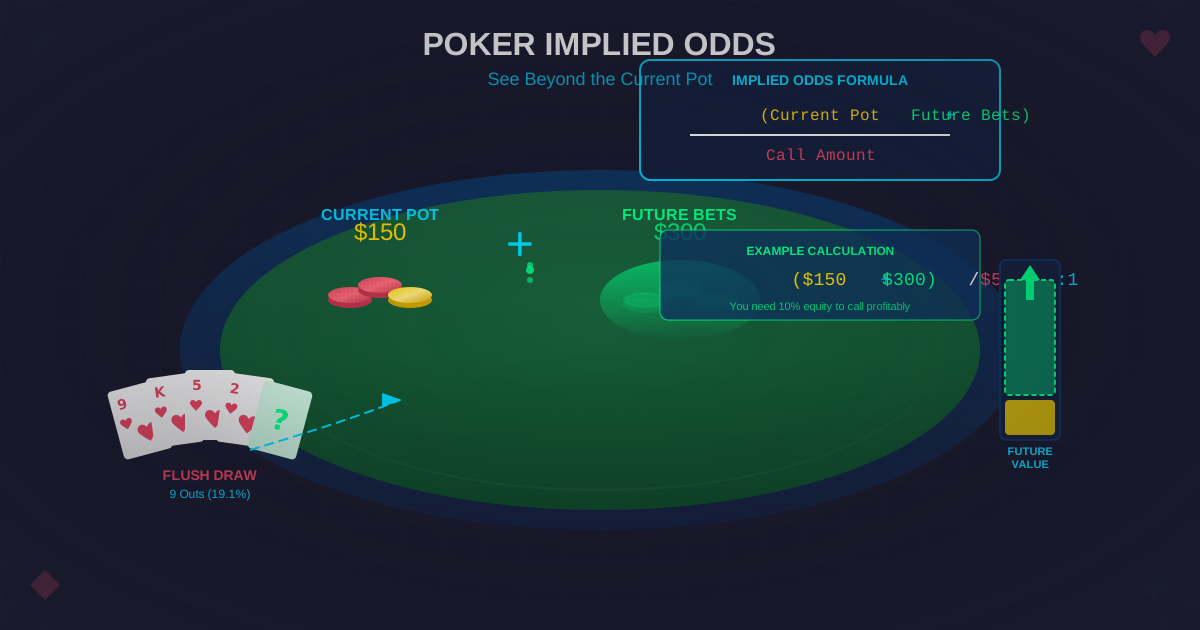
- Pot Odds Calculator: Calculate pot odds and implied odds
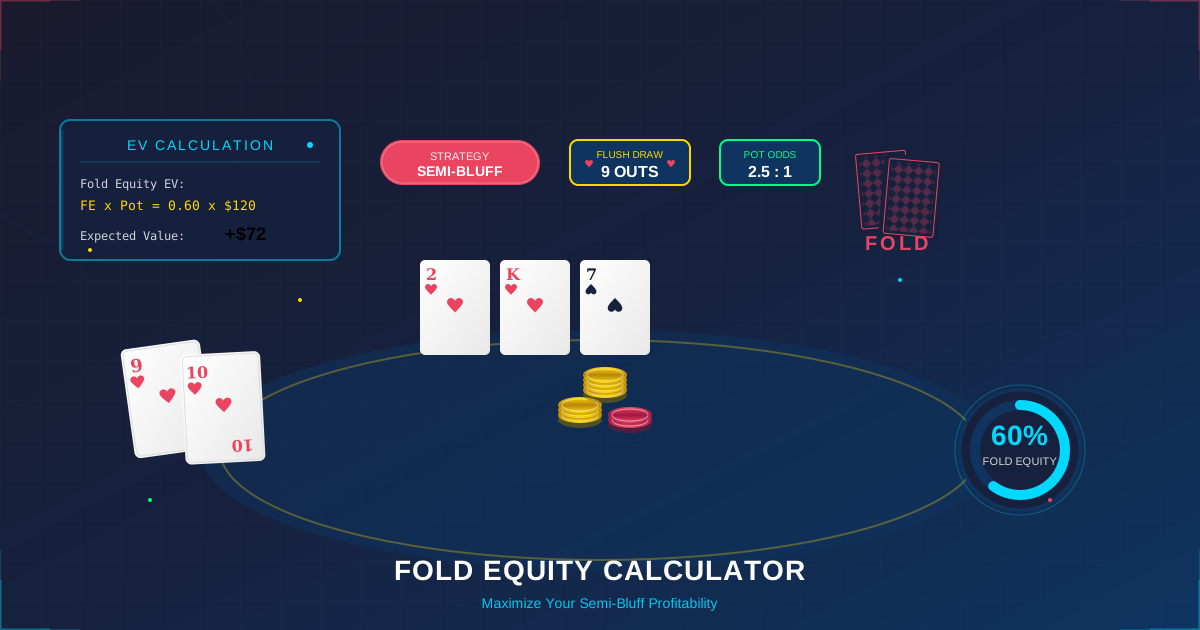
- Poker Fold Equity Calculator: Analyze bluffing equity
- Poker EV Calculator: Expected value analysis
- Poker Blocker Calculator: Understand card removal effects
Study Approach
Effective GTO study involves:
- Active analysis: Do not just watch solver outputs; predict first
- Pattern recognition: Look for principles that apply across spots
- Implementation focus: Practice concepts at the table
- Review and adjustment: Analyze whether you are applying concepts correctly
Frequently Asked Questions
What does GTO mean in poker? GTO stands for Game Theory Optimal. It is a mathematically derived strategy that cannot be exploited—no opponent adjustment can improve their results against a GTO player.
Is GTO the best way to play poker? GTO is the best defensive strategy. Against perfect opponents, GTO is optimal. Against weak opponents who make errors, exploitative adjustments increase EV beyond what GTO captures.
How do I learn GTO poker? Start with preflop ranges, which are well-defined. Then study postflop concepts using solver software or training sites. Focus on principles rather than memorizing specific hands.
Can I play profitable poker without understanding GTO? At low stakes, yes. Strong fundamentals and exploitation of recreational players can be profitable without GTO knowledge. At higher stakes, GTO understanding becomes increasingly necessary.
What is a poker solver? A poker solver is software that computes GTO strategies for specific poker situations. It takes inputs (stack sizes, ranges, board cards) and outputs optimal strategies for both players.
Should I always follow GTO? No. GTO is your baseline. When you have information suggesting an opponent deviates from optimal play, exploitative adjustments increase your EV.
What is the difference between balanced and optimal? Balance means your ranges cannot be exploited—calling/folding/raising frequencies are calibrated correctly. Optimal means maximizing EV. Against imperfect opponents, unbalanced but exploitative play can be optimal.
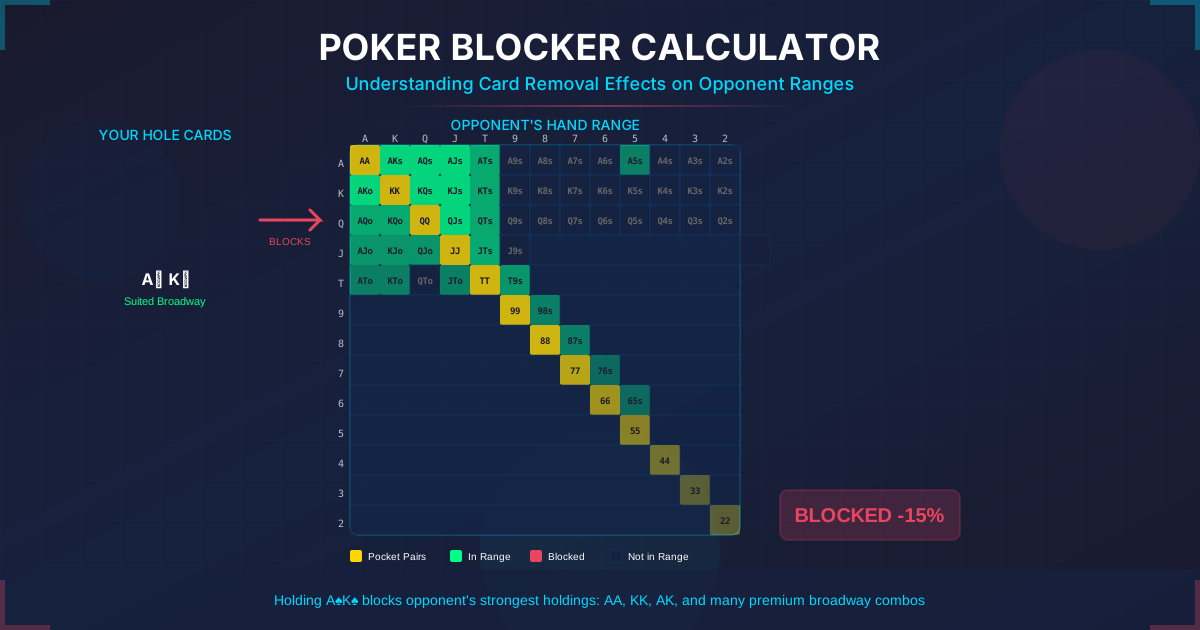
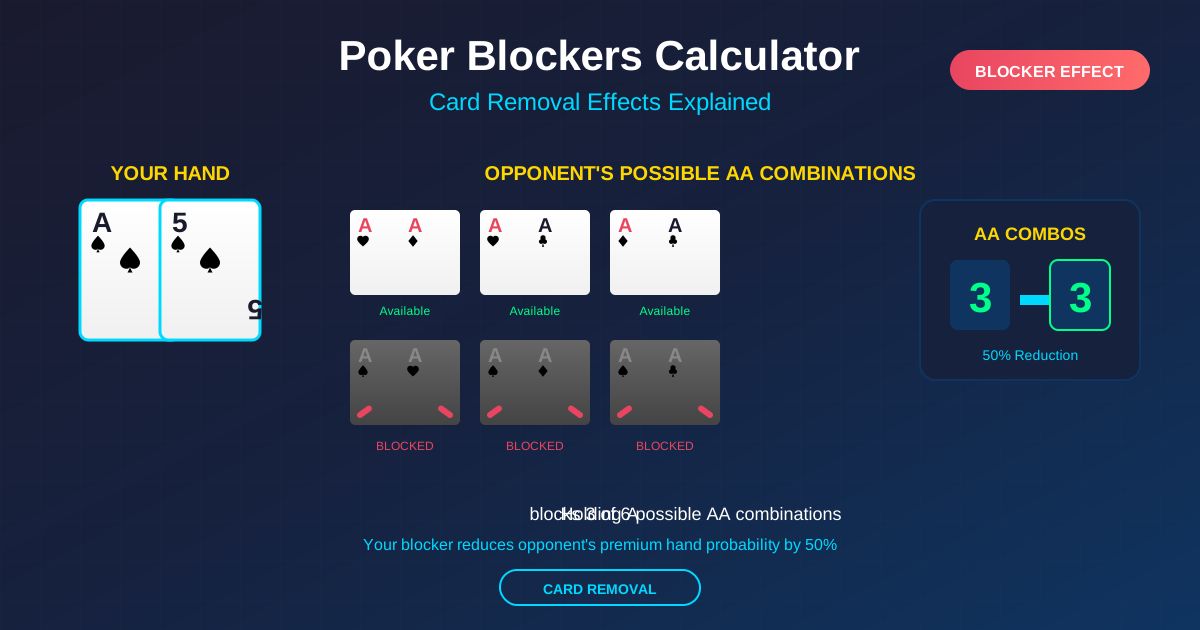
How important are blockers in GTO? Very important. Blockers (cards you hold that reduce combinations your opponent can have) influence which hands become value bets, bluffs, or calls at GTO frequencies.
Analyze blocker effects with our Poker Blocker Calculator.
The GTO Mindset
GTO represents a philosophical shift in poker thinking:
From: "What is the best play with my hand?" To: "What strategy with my entire range is unexploitable?"
This range-based thinking is central to modern poker. When you ask "should I bet or check here?", the answer depends not just on your specific hand but on your entire range in that spot.
Key principles of GTO thinking:
- Ranges, not hands: Think in terms of all hands you could have
- Balance, not strength: Strong hands sometimes check; weak hands sometimes bet
- Indifference creation: Make opponents' decisions difficult
- Long-term EV: Individual hand results matter less than strategic soundness
Integrating GTO Into Your Game
Start with GTO, then exploit:
- Learn GTO strategies for common situations
- Implement them as your default approach
- Observe opponent tendencies
- Deviate when exploitation offers clear EV gains
- Return to GTO when reads are uncertain
This approach protects you from exploitation while allowing you to capture additional EV against imperfect opponents.
Begin building your GTO foundation with our free calculators. Use our Poker Equity Calculator to analyze hand vs. range scenarios, our Poker Hand Range Calculator to construct balanced ranges, and our Pot Odds Calculator to verify your mathematical foundations.
GTO knowledge has become the price of admission for serious poker. Understanding it—even without perfectly implementing it—separates winning players from those left behind by the game's evolution.