Poker Bankroll Management: The Complete Guide to Never Going Broke (2026)
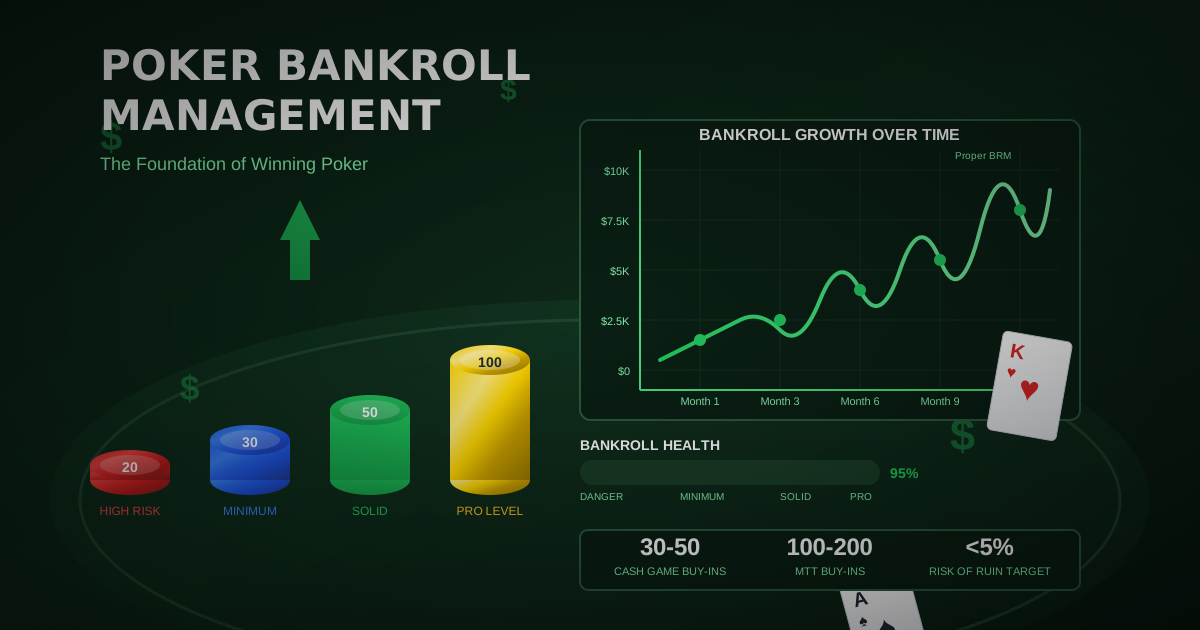
Proper poker bankroll management is the difference between a sustainable poker career and going broke. The rule is simple: cash game players need 30-50 buy-ins, tournament players need 100-200 buy-ins, and professional players should maintain 100+ buy-ins regardless of format. Yet most losing players ignore these guidelines entirely.
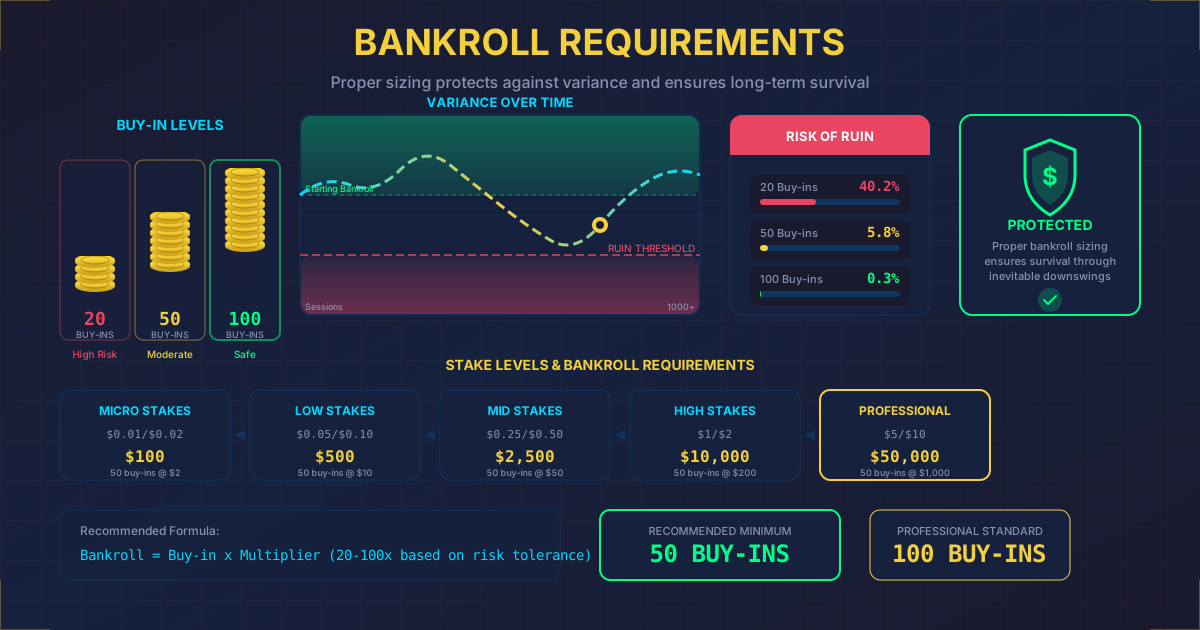
A $1,000 bankroll at $0.25/$0.50 No-Limit Hold'em (20 buy-ins) has a 40%+ risk of ruin for a solid winning player. That same $1,000 spread across 40 buy-ins at $0.10/$0.25 drops your risk of ruin below 5%. The math is unforgiving, and the variance in poker is real.
With 68% of recreational players eventually going broke according to industry data, understanding bankroll management is not optional—it is the foundation of poker success. This guide provides the exact numbers, strategies, and tools you need to protect your poker funds.
Calculate your exact bankroll requirements with our free Poker Bankroll Requirements Calculator.
What Is Poker Bankroll Management?
Poker bankroll management is the disciplined approach to managing the money you have specifically allocated for playing poker. This money must be completely separate from your personal finances, rent, bills, and living expenses.
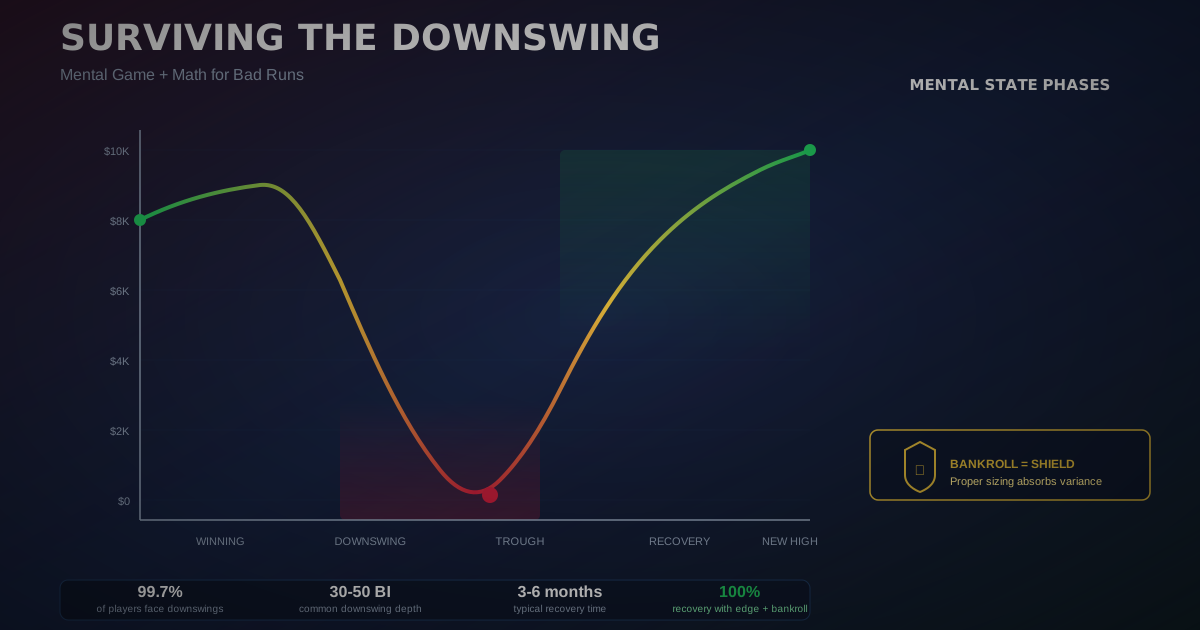
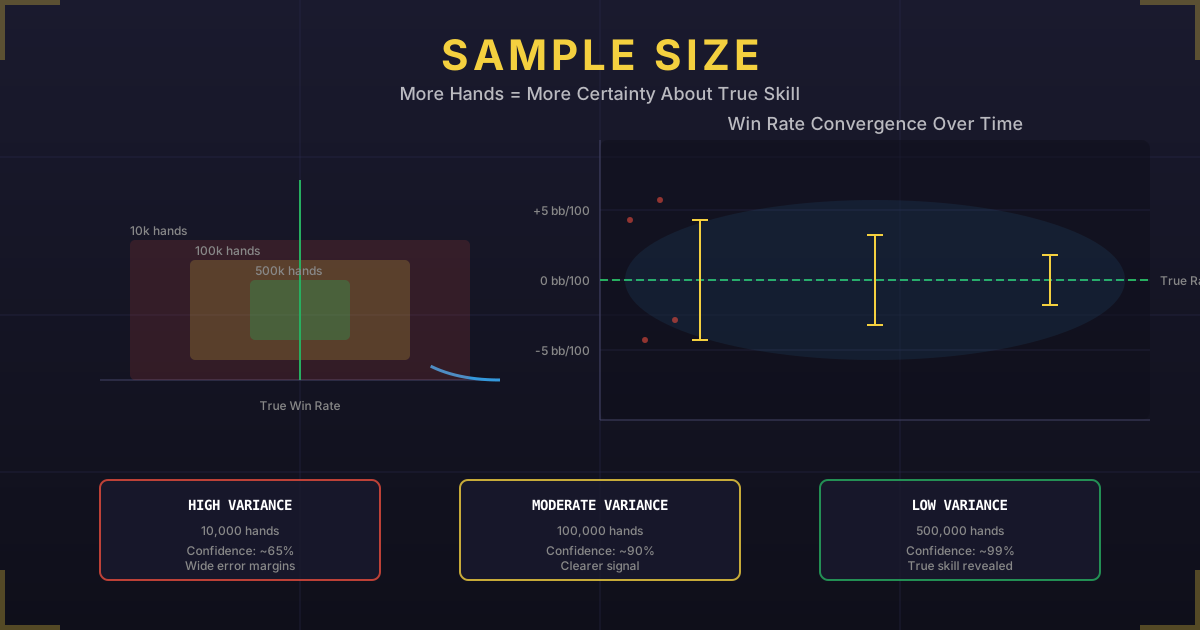
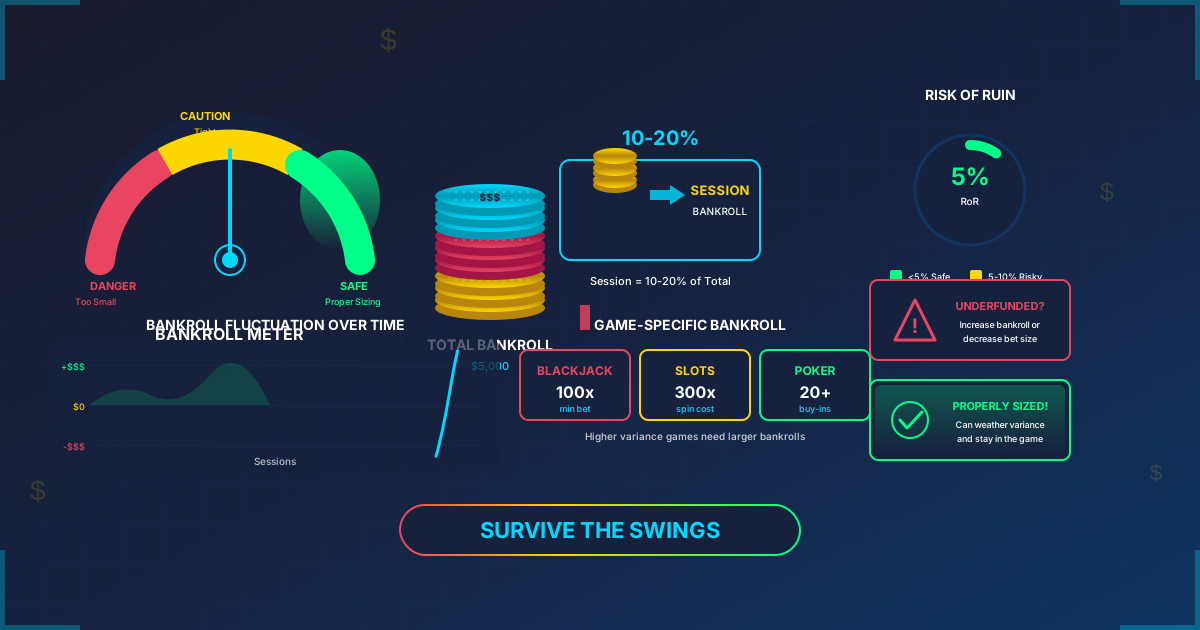
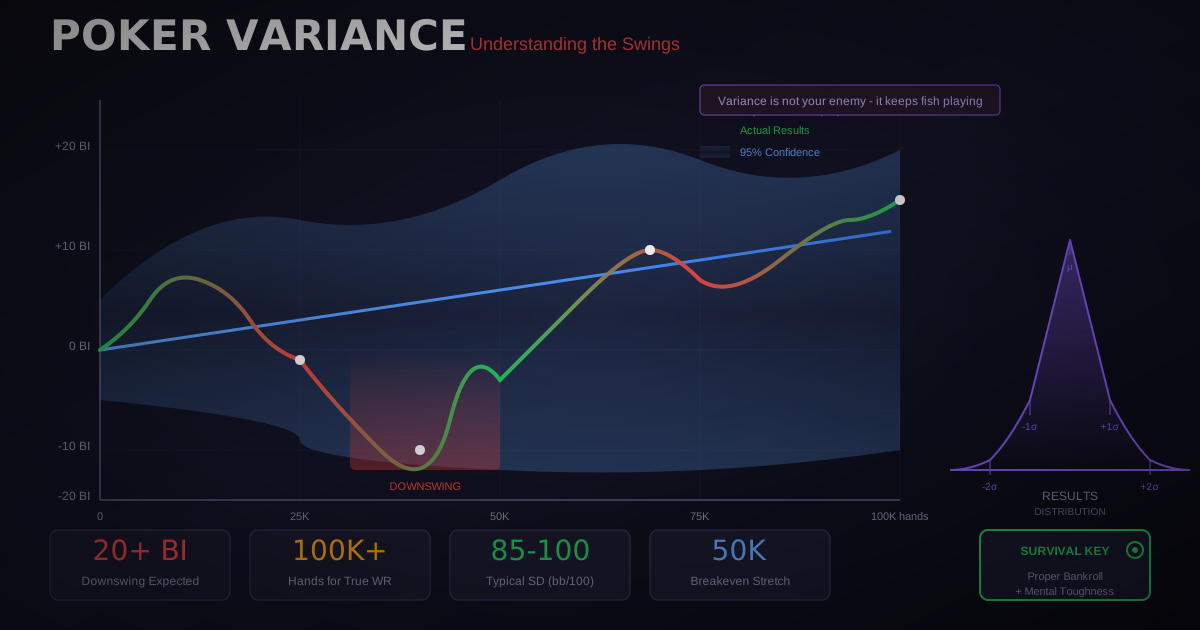
Your bankroll serves one purpose: to absorb the natural variance of poker while keeping you in action. Even the best players in the world experience 20, 30, or even 50 buy-in downswings. Without adequate bankroll padding, a standard downswing becomes a career-ending event.
The concept works on a simple principle: by playing at stakes where you have enough buy-ins, any single session—no matter how brutal—cannot significantly damage your ability to continue playing. You trade potential earnings at higher stakes for the security of staying in action.
How Many Buy-Ins Do You Need for Cash Games?
The required bankroll for cash games depends on three factors: your skill level, the game's variance, and your risk tolerance.
Standard Cash Game Requirements
| Player Type | No-Limit Hold'em | Pot-Limit Omaha | Short-Deck |
|---|---|---|---|
| Recreational | 20-30 buy-ins | 40-50 buy-ins | 40+ buy-ins |
| Serious Amateur | 30-40 buy-ins | 50-70 buy-ins | 50+ buy-ins |
| Semi-Professional | 40-50 buy-ins | 70-100 buy-ins | 60+ buy-ins |
| Professional | 50-100 buy-ins | 100+ buy-ins | 80+ buy-ins |
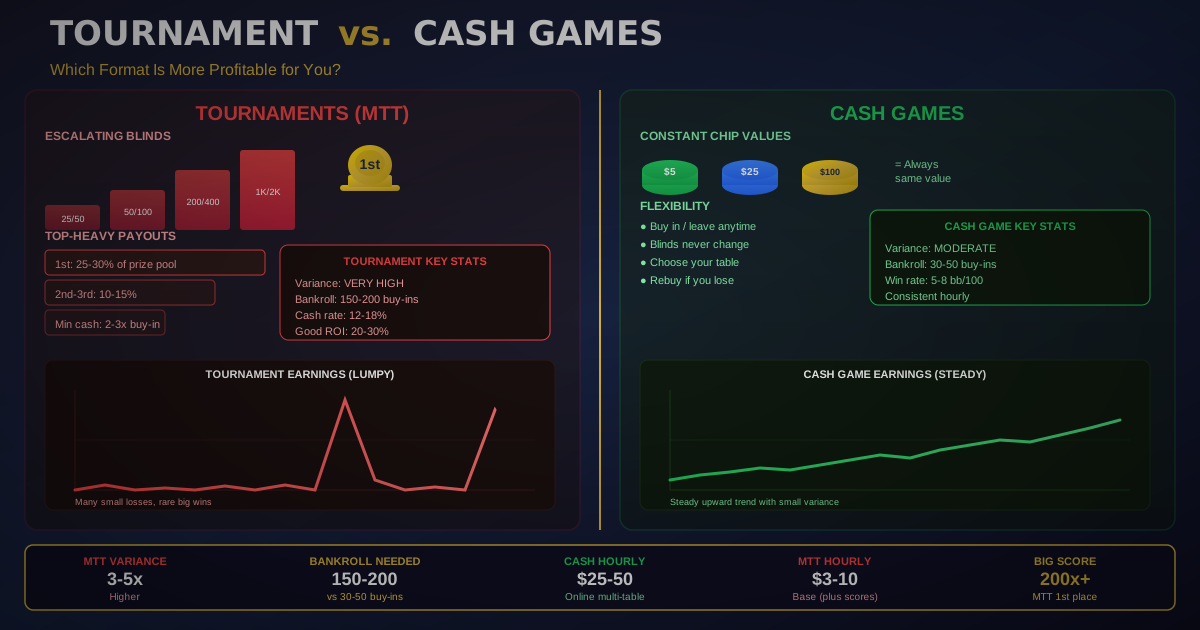
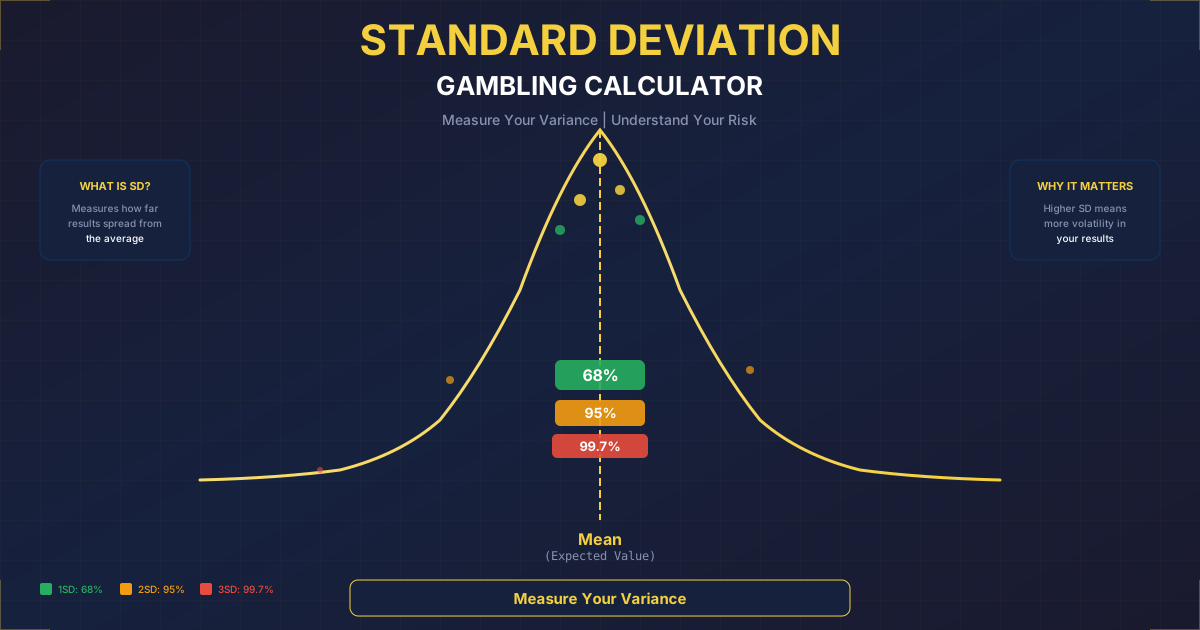
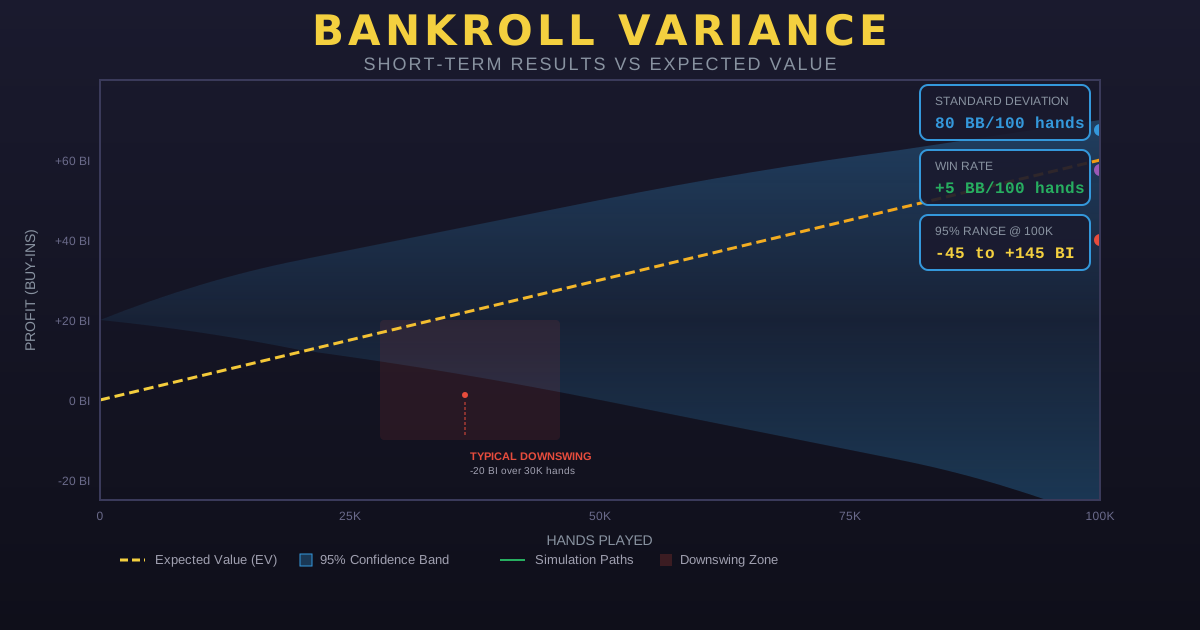
In No-Limit Hold'em, variance is moderate but still meaningful. Most players maintain roughly 30 to 50 buy-ins to handle normal swings and avoid playing under pressure. A standard deviation of 80-100 bb/100 hands is typical for most players.
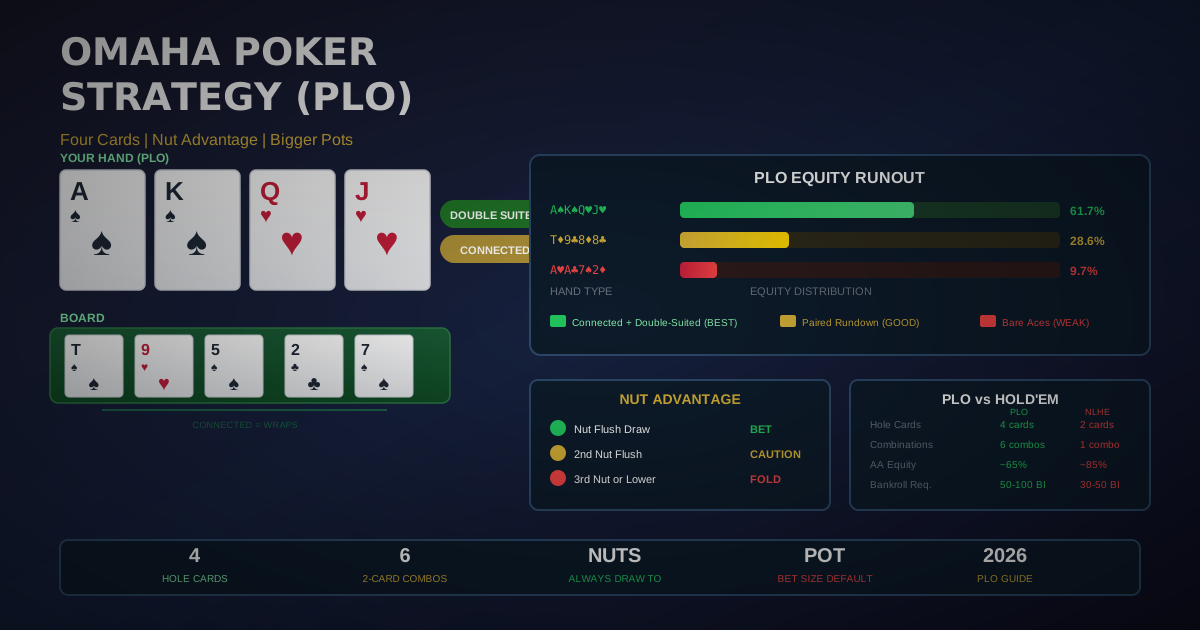
Pot-Limit Omaha is a much swingier game because equities run closer together and pots tend to be larger. Experienced PLO players often keep 50 to 100 buy-ins. The higher variance means a 100bb/100 standard deviation is common, and downswings of 30+ buy-ins occur regularly.
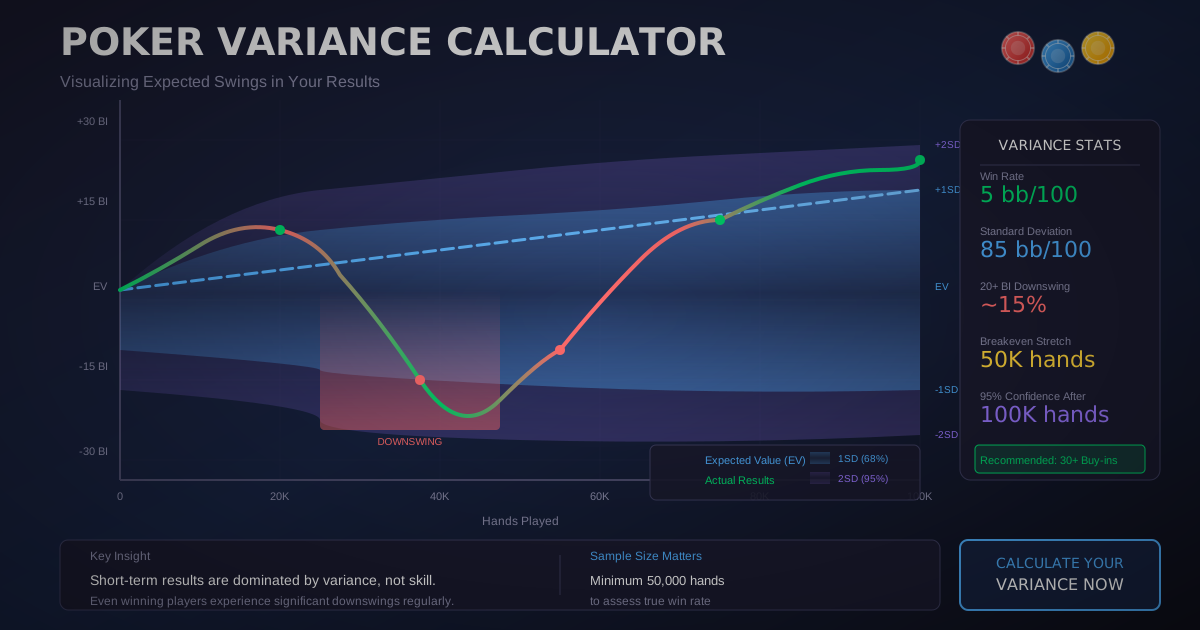
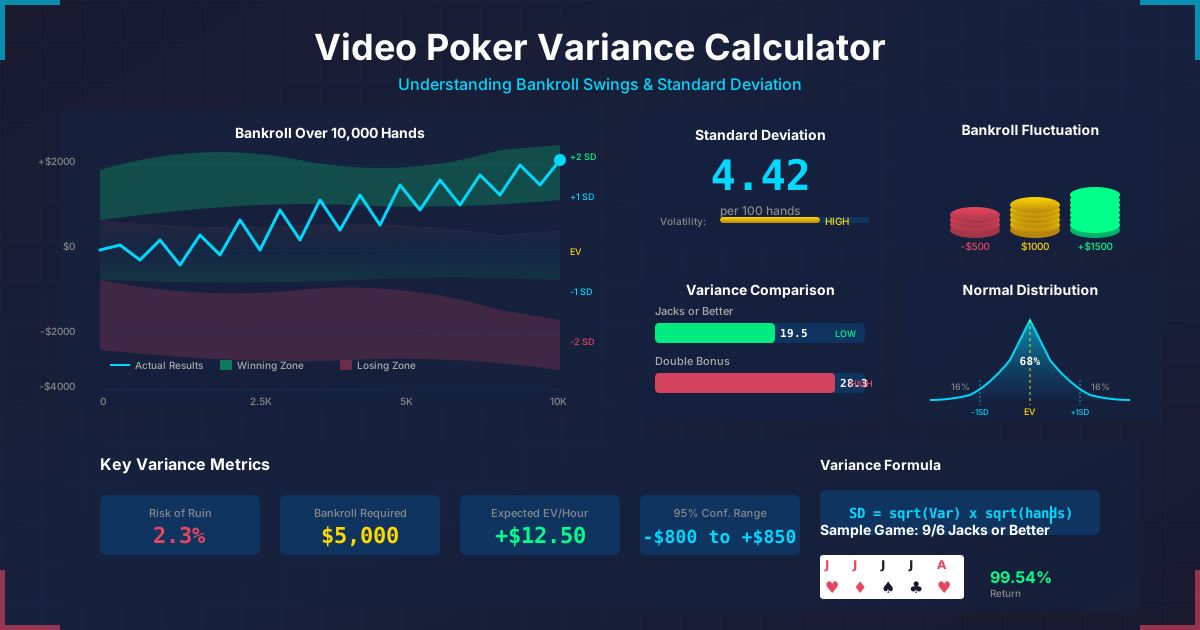
Use our Poker Variance Calculator to simulate your expected downswings and required bankroll based on your actual win rate.
Full Ring vs. 6-Max vs. Heads-Up
The number of players at the table directly affects variance:
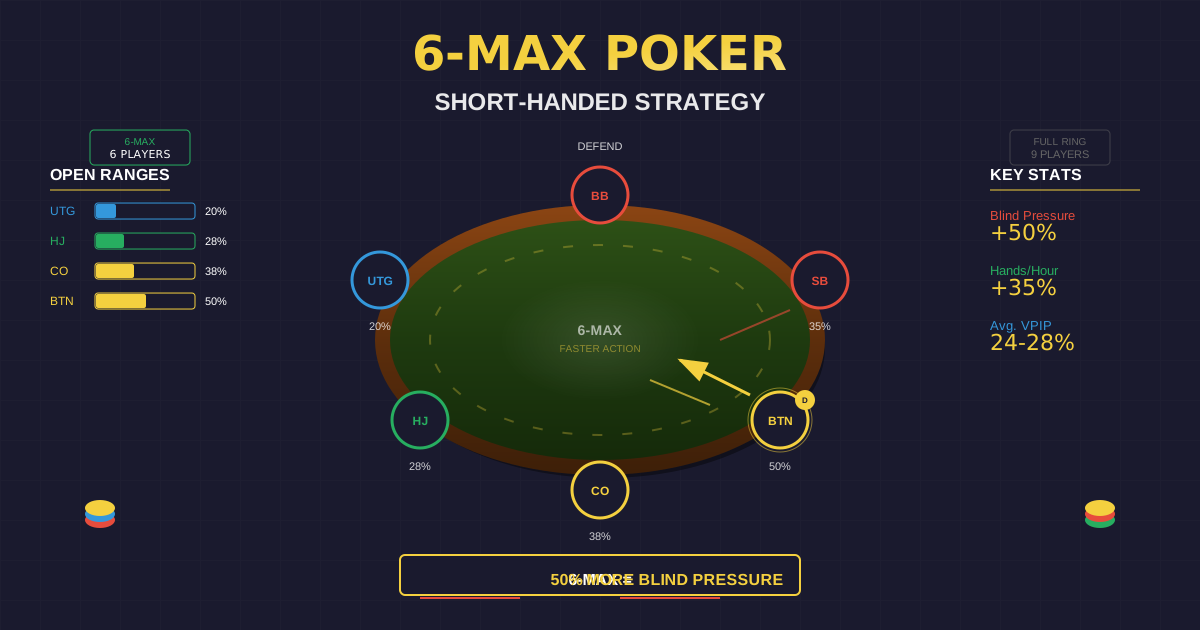
- Full Ring (9-10 players): Lower variance, 25-35 buy-ins sufficient for most players
- 6-Max: Moderate variance, 30-50 buy-ins recommended
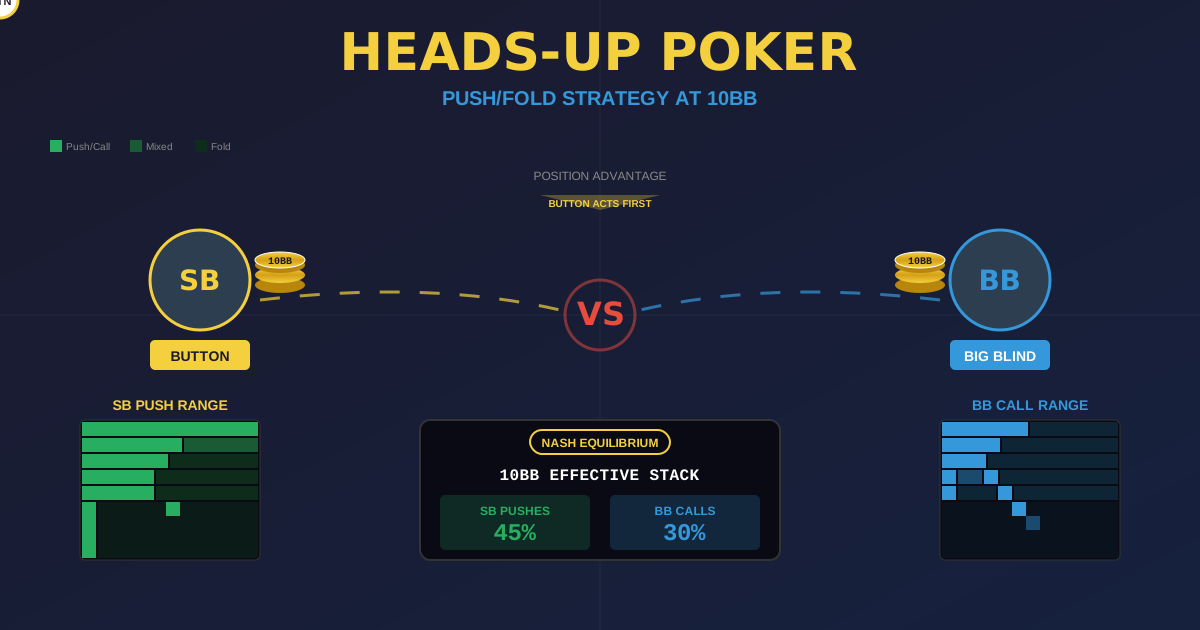
- Heads-Up: Highest variance, 50-75+ buy-ins for serious play
Heads-up play requires significantly more bankroll because you play every single hand and face constant confrontation. The swings are more extreme, and strong players can still experience 50+ buy-in downswings over extended periods.
How Many Buy-Ins Do You Need for Tournaments?
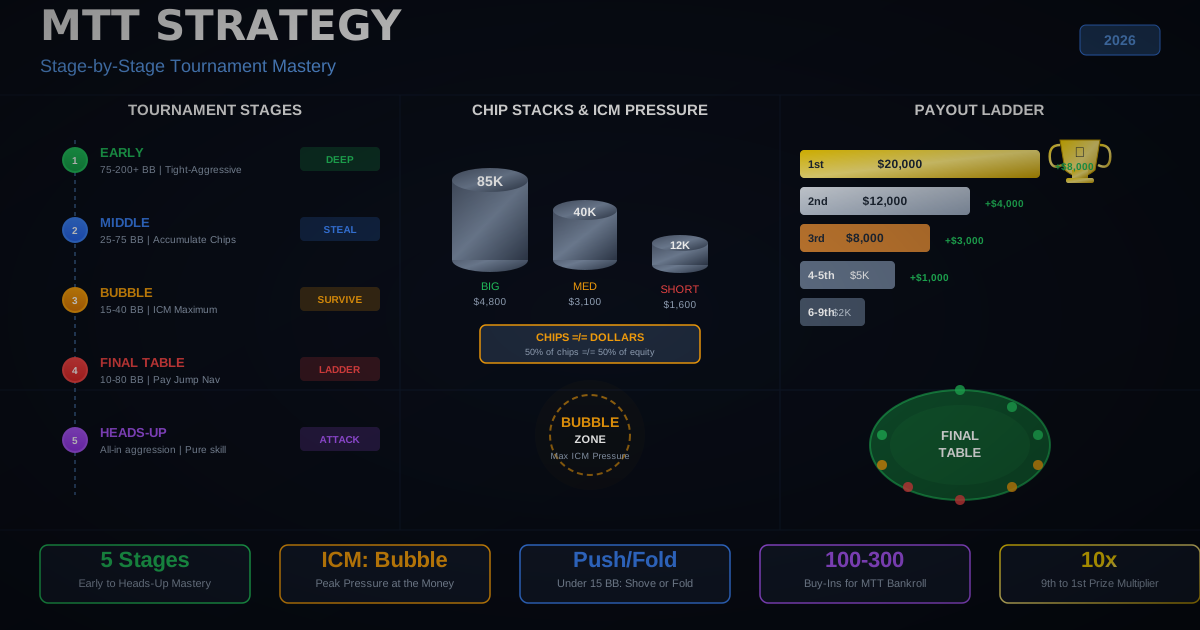
Multi-table tournaments have the highest variance of all poker formats. Even elite players typically cash only 10-15% of the time, and first-place finishes that represent the bulk of equity occur less than 1% of the time.
Tournament Bankroll Requirements
| Tournament Type | Minimum Buy-Ins | Recommended Buy-Ins |
|---|---|---|
| Standard MTTs (50-500 players) | 100 | 150-200 |
| Large Field MTTs (1000+ players) | 150 | 200-300 |
| Sit & Go (9-player) | 50 | 80-100 |
| Sit & Go (6-player) | 40 | 60-80 |
| Hyper-Turbos | 80 | 120-150 |
The larger the tournament field, the higher the variance. A tournament with 5,000 players might have a top-heavy payout structure where 70%+ of the prize pool goes to the final table. Even with a significant skill edge, you can go months without a major cash.
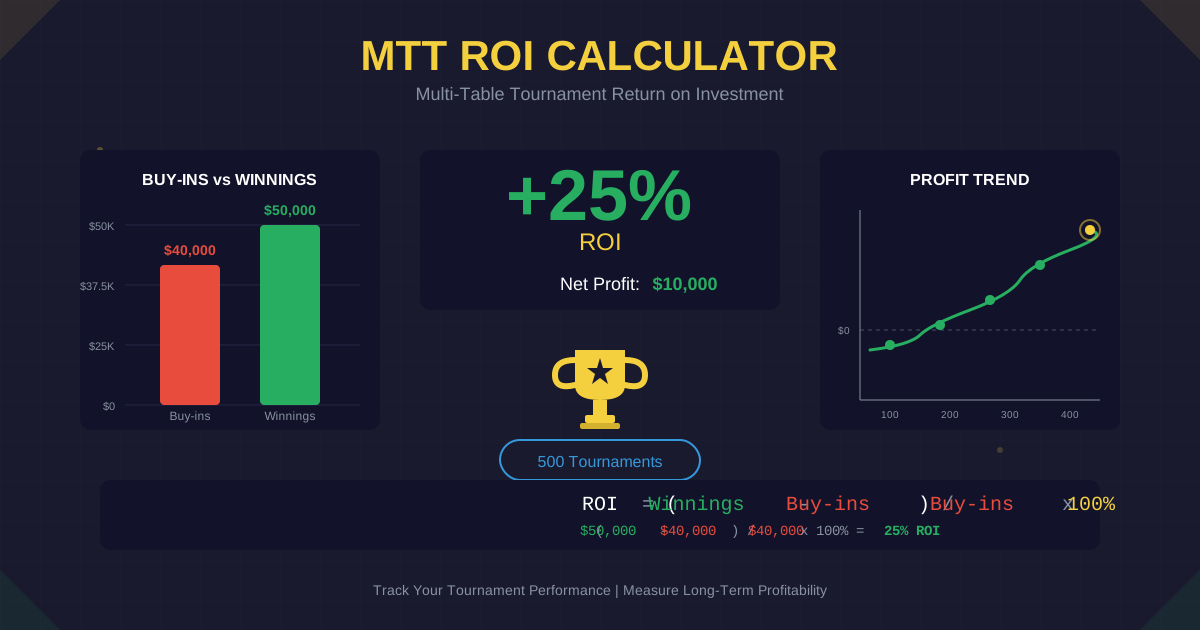
Calculate your tournament ROI and required bankroll with our Poker ROI Calculator.
Why Tournament Bankroll Requirements Are So High
Consider a skilled tournament player with a 30% ROI (Return on Investment). This is an excellent win rate that puts you among the best tournament players in the world. Yet even with this edge:
- You will have losing months 30-40% of the time
- Downswings of 50-100 buy-ins are mathematically expected
- You may go 200+ tournaments without a significant score
The Poker Downswing Probability Calculator can show you exactly how likely various downswing scenarios are based on your ROI.
When Should You Move Up in Stakes?
Moving up in stakes is one of the most critical decisions in poker. Move too early, and a normal downswing can force you back down—or worse, bust your bankroll entirely. Wait too long, and you leave money on the table.
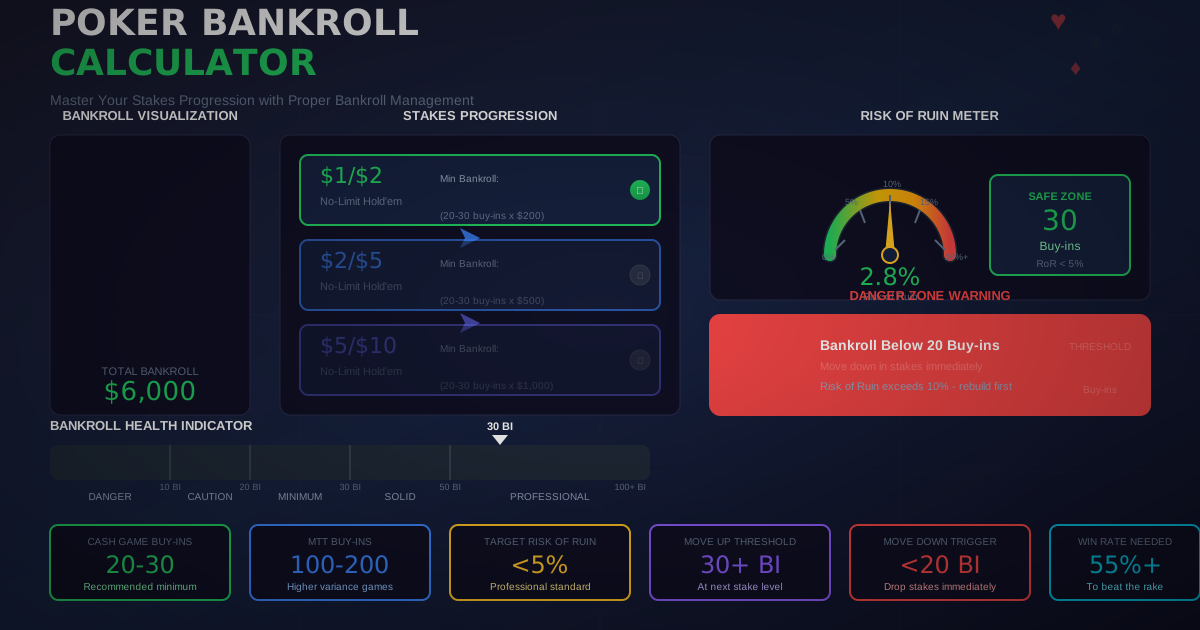
The Standard Approach: 30 Buy-In Rule
The traditional method uses a simple threshold:
- Move up when you have 30 buy-ins for the next stake
- Move down when you drop below 20 buy-ins at your current stake
For example, if you are beating $0.50/$1 ($100 buy-in) and have built your bankroll to $6,000, you have 30 buy-ins for $1/$2 ($200 buy-in) and can take a shot.
The Conservative Approach: 50 Buy-In Rule
Professional players often use more conservative criteria:
- Move up when you have 50 buy-ins for the next stake
- Move down when you drop below 30 buy-ins at your current stake
This approach sacrifices some potential earnings for dramatically reduced risk of ruin.
What About "Taking Shots"?
Shot-taking—playing occasional sessions at higher stakes—can be a reasonable approach when:
- You have at least 20 buy-ins for the higher stake
- The game conditions are unusually favorable
- You have a clear stop-loss (usually 3-5 buy-ins)
- Moving down does not affect your mental game
Never shot-take with money you cannot afford to lose at that stake. If losing 3 buy-ins at the higher stake would devastate your bankroll, you should not be taking shots.
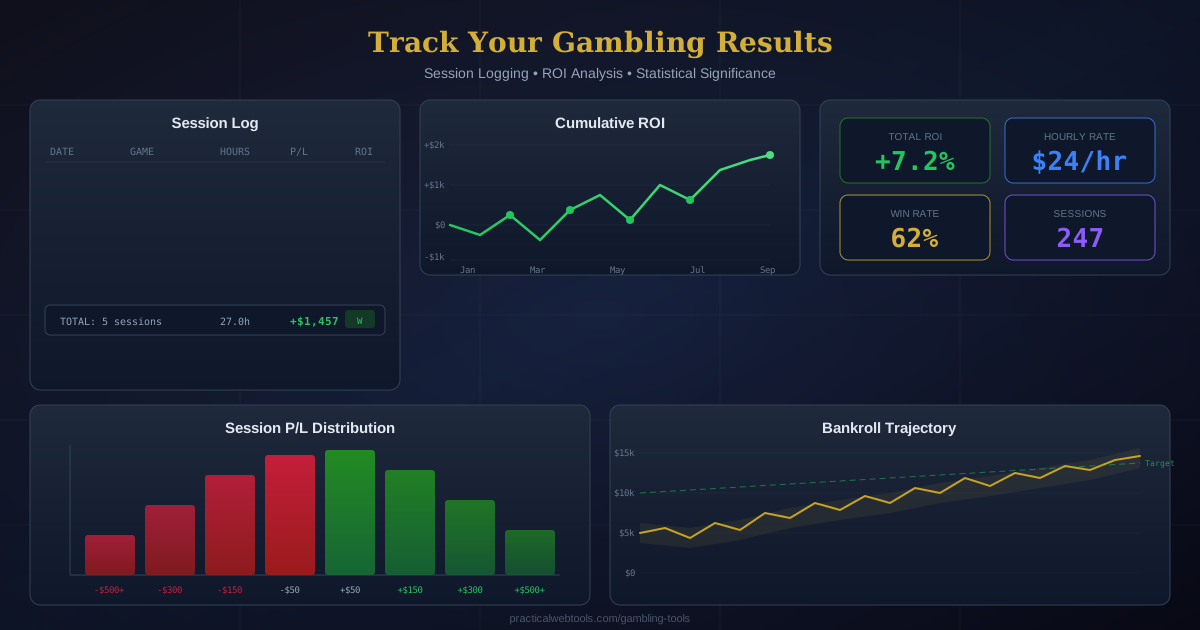
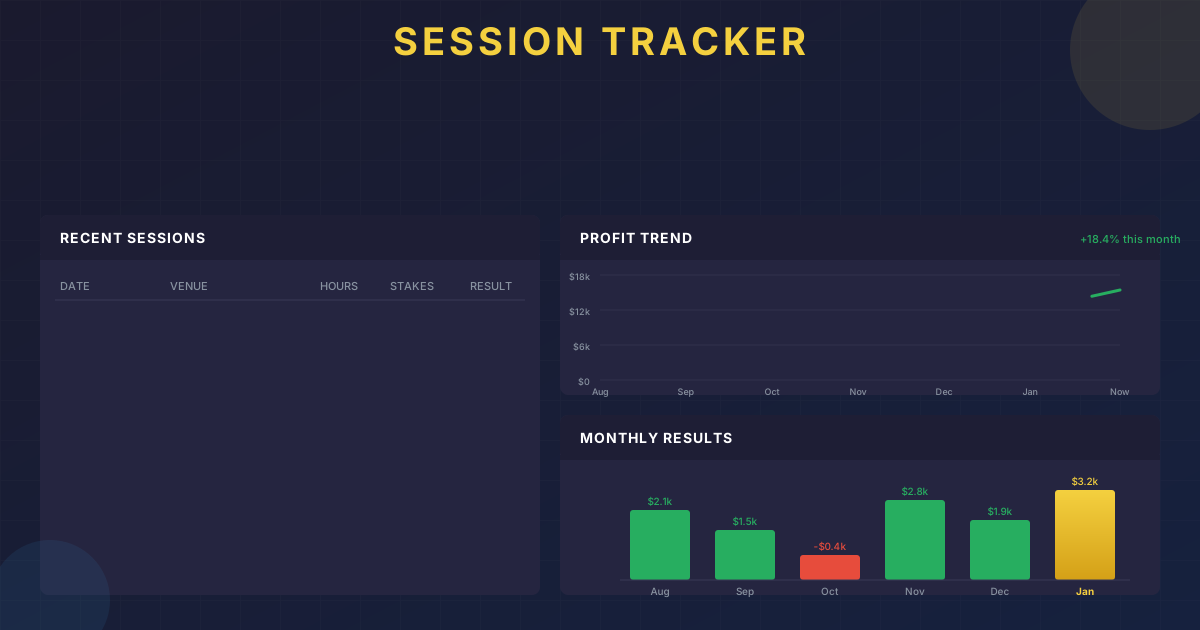
Track your sessions and bankroll progression with our Poker Session Tracker.
What Is Risk of Ruin and Why Does It Matter?
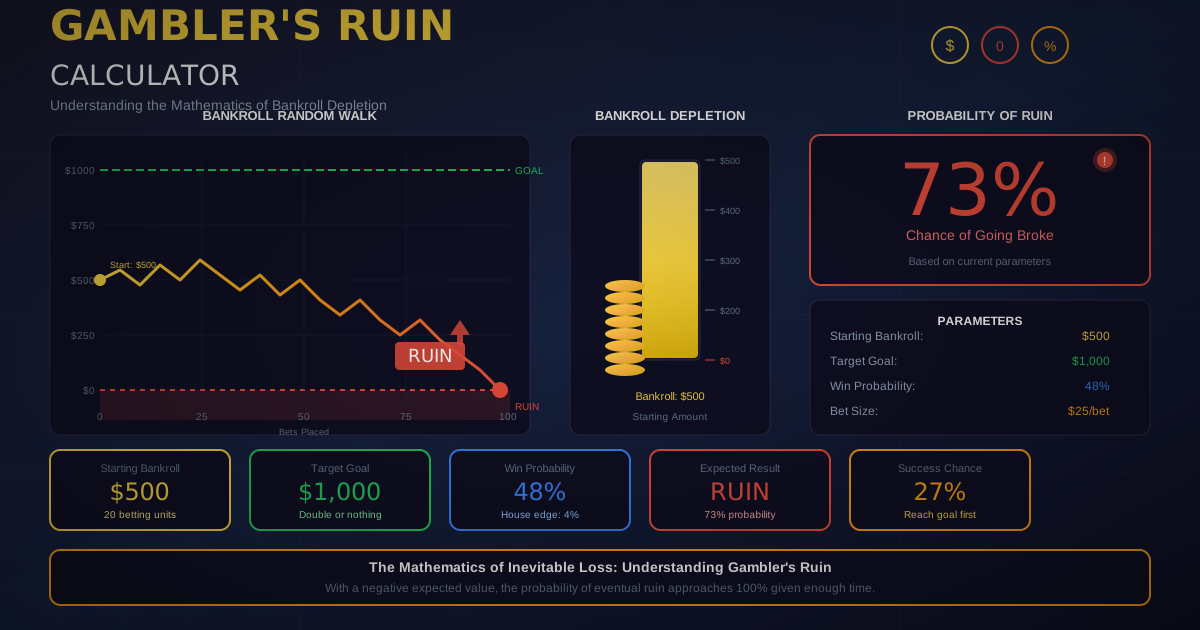
Risk of Ruin (RoR) is the probability that you will lose your entire bankroll before doubling it (or reaching some other target). This number depends on your win rate, standard deviation, and bankroll size.
Risk of Ruin by Bankroll Size
For a solid cash game player with 5bb/100 win rate and 85bb/100 standard deviation:
| Buy-Ins | Risk of Ruin |
|---|---|
| 10 | 65%+ |
| 20 | 40% |
| 30 | 20% |
| 40 | 8% |
| 50 | 3% |
| 100 | <0.1% |
As you can see, the jump from 20 to 40 buy-ins cuts your risk of ruin by a factor of 5. The jump from 40 to 100 buy-ins makes going broke essentially impossible for a winning player.
Calculate your exact risk of ruin with our Poker Risk of Ruin Calculator.
Why Even Winning Players Go Broke
A player with a small edge (2-3bb/100) playing with 20 buy-ins faces a substantial risk of ruin—often 40%+. This means nearly half of similarly skilled players in that situation will go broke despite having an edge.
The cruel reality of poker: variance does not care about your skill level. A 10bb/100 winner with 20 buy-ins has roughly the same risk of ruin as a 3bb/100 winner with 60 buy-ins.
How Should Professionals Manage Their Bankroll?
Professional poker players treat bankroll management differently than recreational players. For a pro, going broke means losing your income source and potentially your career.
Professional Bankroll Guidelines
-
Maintain 100+ buy-ins for your main game: This provides cushion for extended downswings without lifestyle impact.
-
Separate living expenses: Keep 6-12 months of living expenses outside your poker bankroll entirely.
-
Set withdrawal rules: Many professionals withdraw a percentage of profits above their target bankroll size. Common approaches include withdrawing 25-50% of profits monthly while maintaining the core bankroll.
-
Have a move-down plan: Professionals who drop below 50 buy-ins should consider moving down immediately, not waiting until 20-30 buy-ins.
-
Track everything: Professional players use tracking software to monitor win rates, variance, and bankroll trajectory. Our Poker Hourly Rate Calculator can help convert your results into hourly earnings.
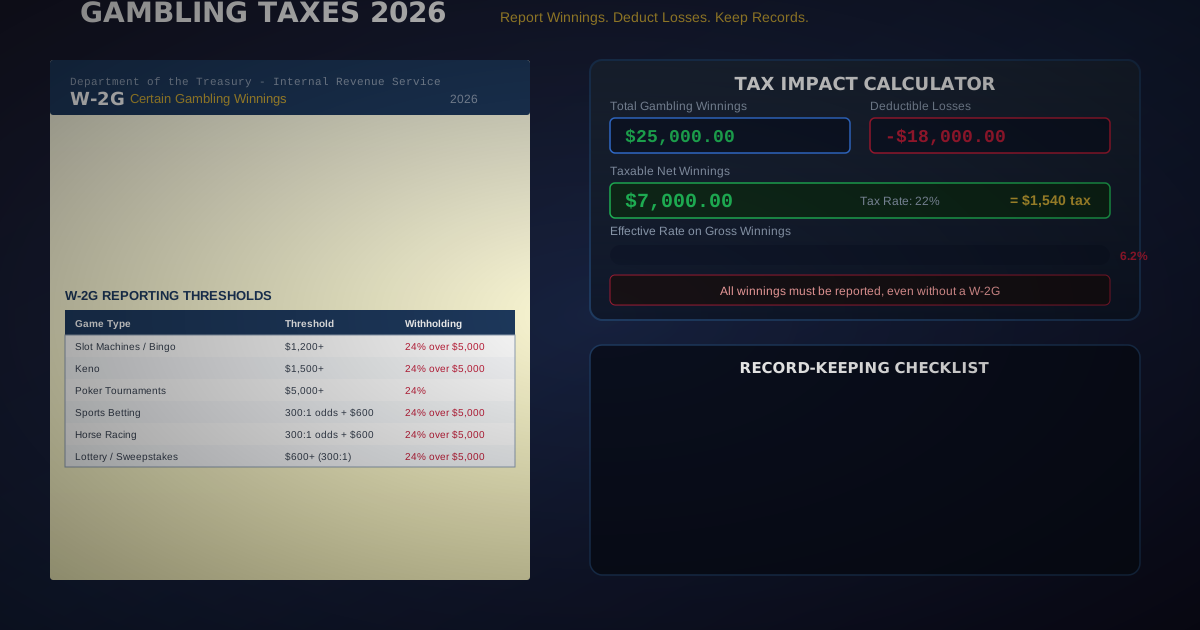
Tax Considerations
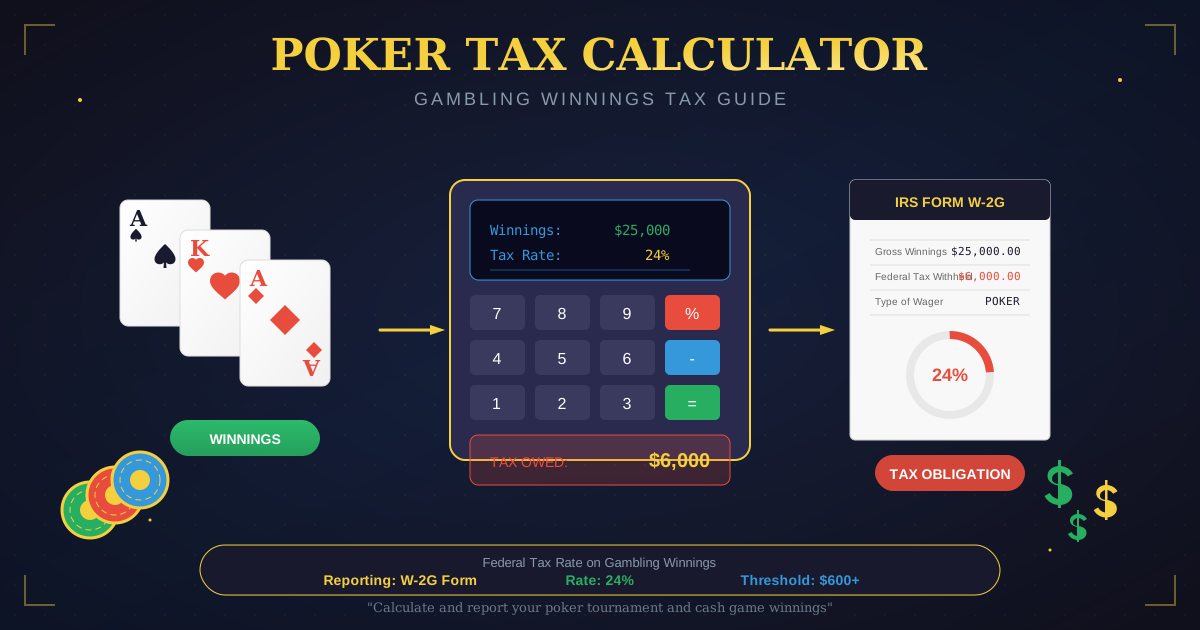
In most jurisdictions, poker winnings are taxable income. Professional players must:
- Set aside money for taxes from each winning session
- Maintain detailed records of all sessions
- Understand that their bankroll requirements increase to account for tax liability
A player who needs $50,000/year to live and faces a 30% effective tax rate actually needs to earn approximately $71,000 in poker profits to maintain their lifestyle.
Common Bankroll Management Mistakes
Mistake #1: Playing with "Scared Money"
When your bankroll is too small for your stakes, every decision becomes influenced by fear. You fold marginal spots that are profitable, make smaller bets to "protect" your stack, and cannot execute necessary bluffs.
The solution: Always play at stakes where losing 3-5 buy-ins does not cause emotional distress. If it does, move down immediately.
Mistake #2: Chasing Losses at Higher Stakes
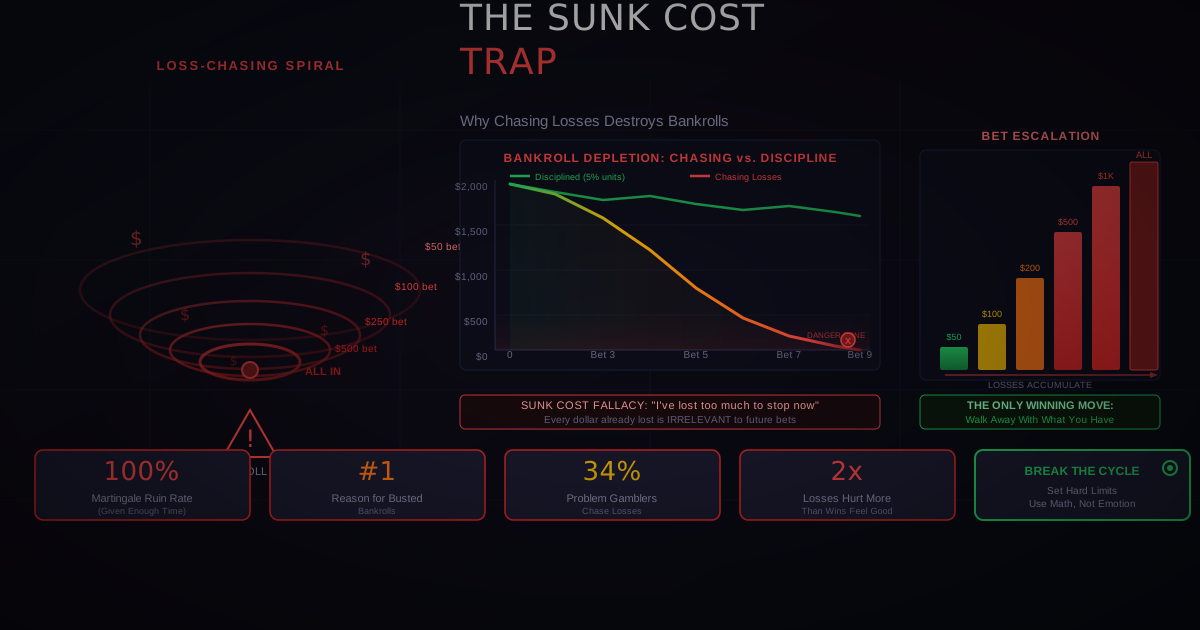
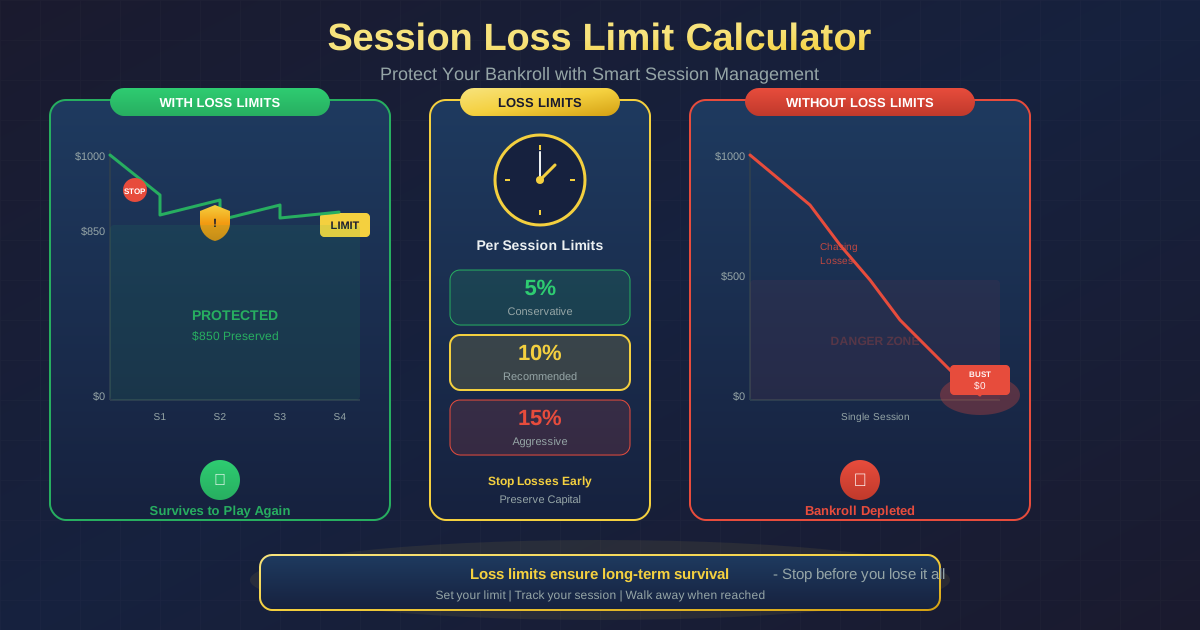
After a losing session, the temptation to "win it back quick" by moving up in stakes is powerful. This is one of the fastest ways to destroy a bankroll.
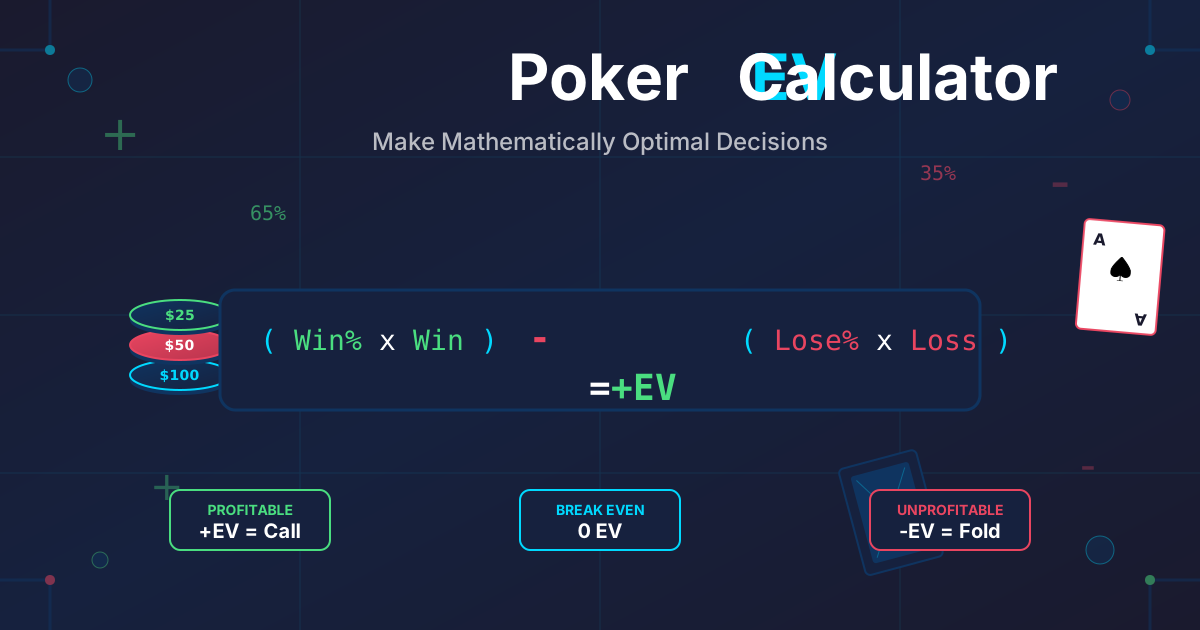
The solution: Set strict rules before you play. If you lose X buy-ins, you are done for the day. Period. Use our Poker EV Calculator to evaluate whether your losses were due to bad play or bad luck.
Mistake #3: Not Accounting for Rake
Your win rate is calculated after rake, but many players forget that rake is a significant expense. At lower stakes, rake can represent 5-10bb/100 or more of your gross winnings.
Calculate your actual earnings after rake with our Poker Rakeback Calculator.
Mistake #4: Ignoring Game Selection
Playing against tougher competition requires a larger bankroll because your win rate will be lower. A 2bb/100 winner in tough games faces much higher risk of ruin than a 5bb/100 winner in softer games—even with the same starting bankroll.
The solution: Factor game quality into your bankroll decisions. Softer games allow smaller bankrolls; tougher games demand larger cushions.
Mistake #5: Mixing Poker and Personal Finances
Your poker bankroll is not an ATM. Withdrawing money for emergencies, bills, or lifestyle purchases destroys the protection your bankroll provides.
The solution: Maintain a strict separation. Your poker bankroll is for poker only. Period.
Bankroll Management for Different Poker Variants
Texas Hold'em
Texas Hold'em has moderate variance compared to other poker variants. The standard recommendations of 30-50 buy-ins for cash games apply directly.
Use our Texas Hold'em Odds Calculator to study hand equities and improve your edge.
Pot-Limit Omaha
PLO requires 50-100+ buy-ins due to higher variance. The four-card nature of the game means equities run closer together, pots get larger, and swings are more extreme.
Calculate your PLO hand equities with our Omaha Odds Calculator.
Omaha Hi-Lo
Split-pot games like Omaha Hi-Lo have their own variance profiles. While pots are often split, scooping opportunities create significant swings.
Analyze split-pot scenarios with our Omaha Hi-Lo Calculator.
Short Deck Hold'em
Short Deck (6+ Hold'em) features higher variance than standard Hold'em because the removed cards create more action and bigger pots. Expect to need 40-60+ buy-ins.
Study Short Deck odds with our Short Deck Calculator.
Using Technology for Bankroll Management
Modern poker players have access to numerous tools that make bankroll management easier:
Tracking Software
Applications like PokerTracker and Hold'em Manager import hand histories and provide detailed statistics on your win rate, variance, and bankroll trajectory. These tools are essential for serious players.
Bankroll Calculators
Our suite of poker calculators helps with specific bankroll decisions:
- Poker Bankroll Requirements Calculator: Calculate exact buy-in requirements based on your situation
- Poker Variance Calculator: Simulate possible outcomes over thousands of hands
- Poker Risk of Ruin Calculator: Determine your probability of going broke
- Poker Downswing Probability Calculator: Understand how likely various downswings are
Session Tracking
Our Poker Session Tracker helps you log sessions, track results over time, and monitor your bankroll health without complex software.
Bankroll Recovery: What to Do After a Downswing
Downswings happen to every poker player. The question is not whether you will experience a significant downswing, but how you will respond when it happens.
Step 1: Evaluate Your Play
Before assuming you are running bad, review your sessions. Look for leaks in your game that might be contributing to losses beyond normal variance. Our Poker EV Calculator can help identify whether you are running below expectation.
Step 2: Consider Moving Down
If your bankroll has dropped to 20-25 buy-ins for your current stake, moving down in stakes is usually the correct decision. Playing at a comfortable bankroll level allows you to:
- Play your best poker without fear
- Rebuild more quickly at lower stakes
- Regain confidence before moving back up
Step 3: Focus on Process, Not Results
During downswings, it is crucial to focus on making correct decisions rather than obsessing over results. Variance evens out over time—your job is to keep making good decisions until it does.
Step 4: Take Breaks When Needed
Sometimes the best bankroll management decision is to step away from poker temporarily. Mental fatigue, tilt, and frustration can compound downswings and turn temporary setbacks into permanent bankroll damage.
Frequently Asked Questions
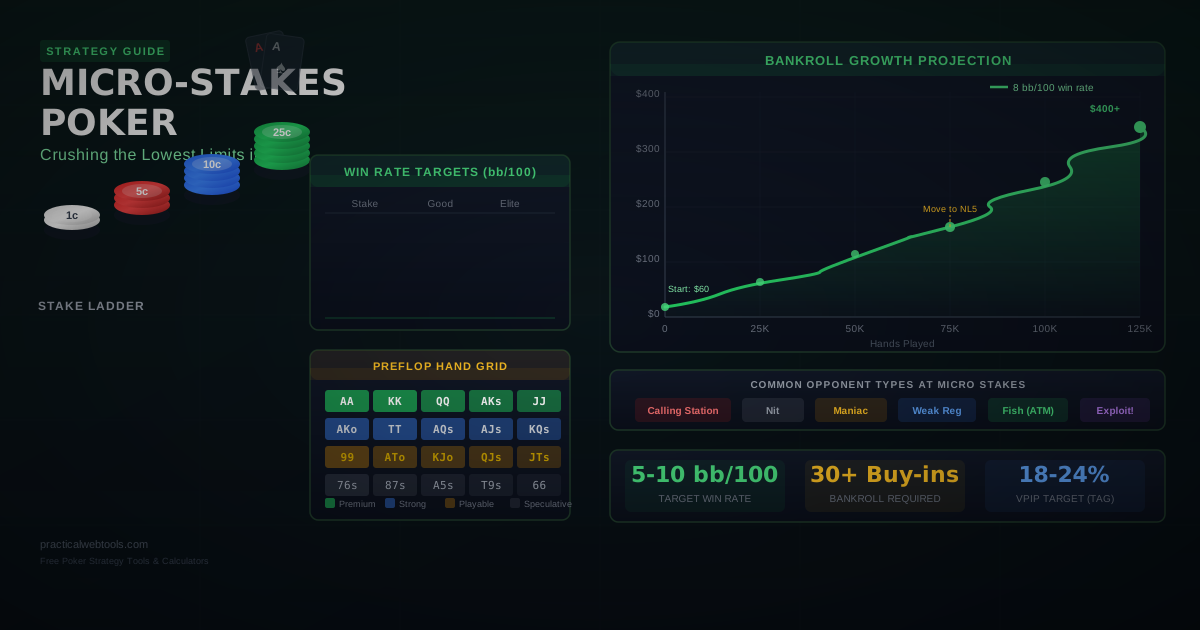
How much money do I need to start playing poker seriously? At the lowest online stakes ($0.01/$0.02), you can start with $60-100 (30-50 buy-ins). For live poker at $1/$2, you need $6,000-10,000 to play with proper bankroll management. Use our Poker Bankroll Requirements Calculator to find your specific number.
Should I have separate bankrolls for cash games and tournaments? Many professionals maintain separate bankrolls for different formats because the required buy-in counts differ significantly. A combined approach requires enough buy-ins for whichever format requires more—usually tournaments.
How do I handle poker taxes with bankroll management? Set aside a percentage of each winning session for taxes (typically 25-40% depending on your jurisdiction). Your bankroll should represent after-tax money to avoid being forced to cash out for tax payments.
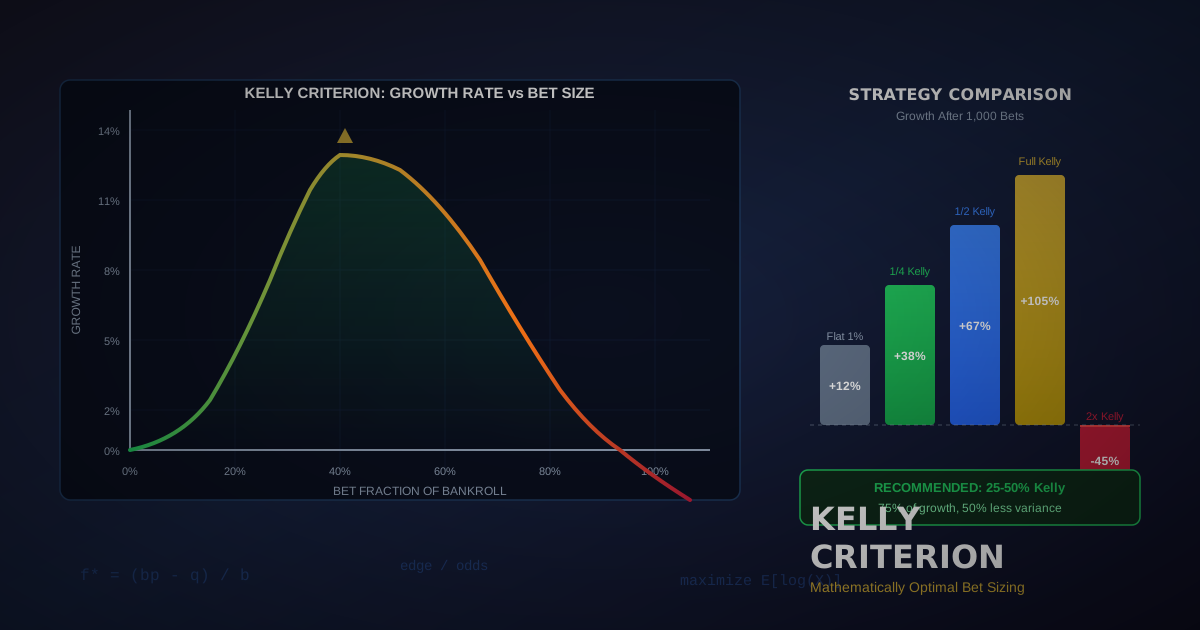
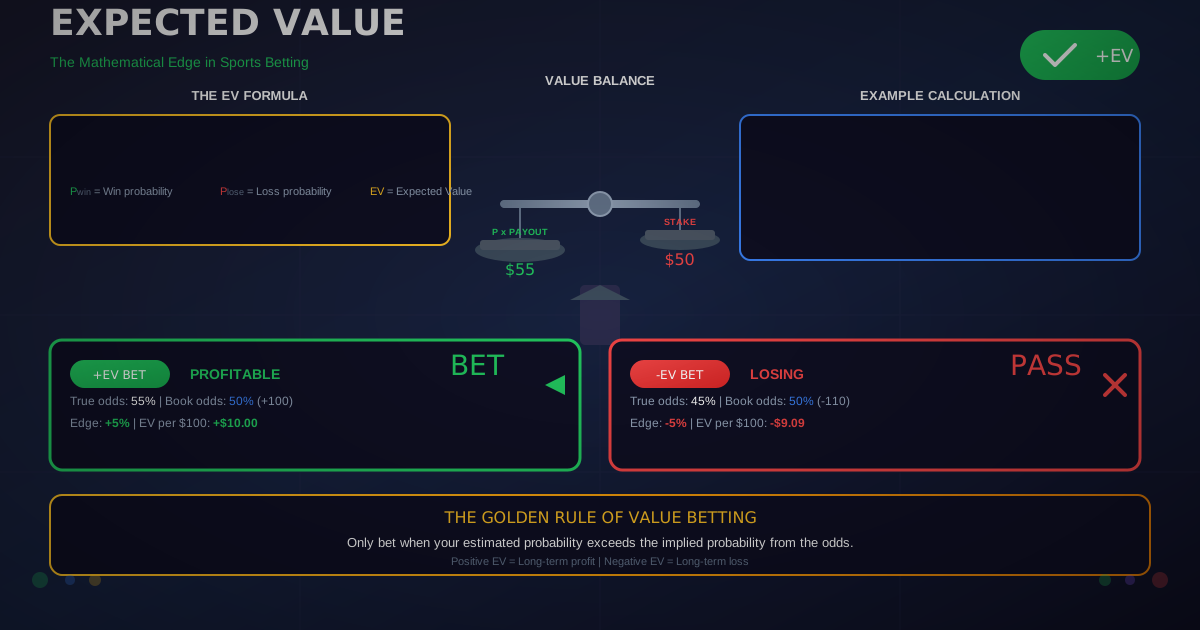
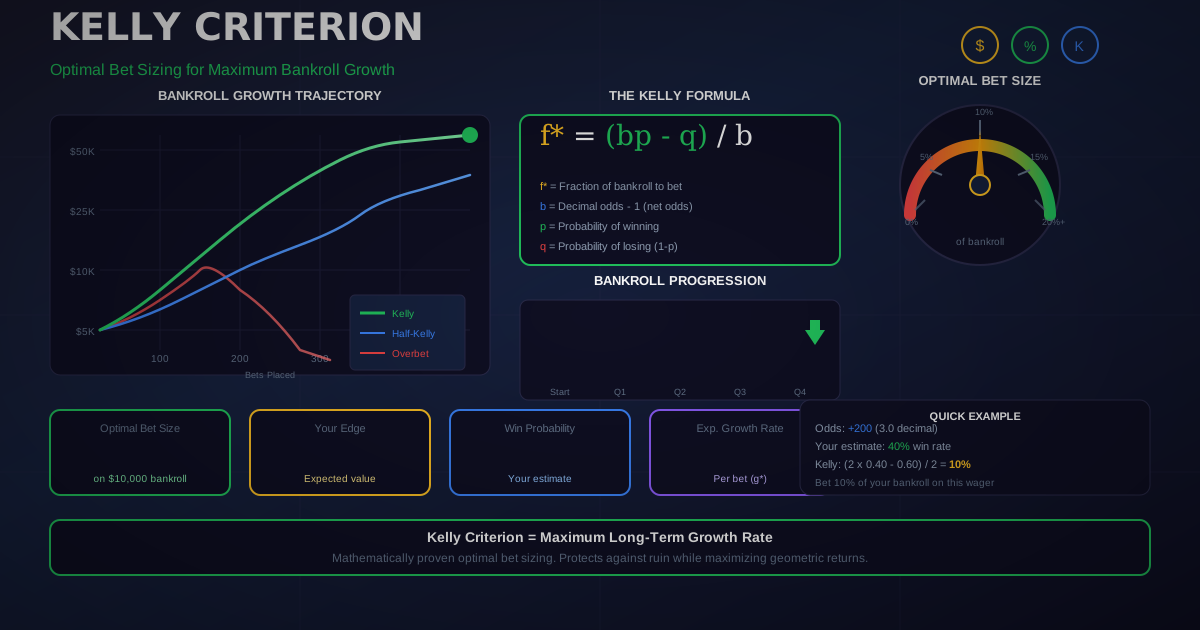
Can I use my poker bankroll for sports betting? If you also bet on sports, maintain a completely separate bankroll. The variance profiles and edge calculations are entirely different. Our Expected Value Calculator and Kelly Criterion Calculator can help with sports betting bankroll management.
What if I cannot afford proper bankroll management at my desired stakes? Play lower stakes. There is no shame in grinding $0.05/$0.10 with proper bankroll management instead of taking shots at $0.25/$0.50 with inadequate funds. The skills you develop translate directly when you eventually move up.
How often should I review my bankroll management plan? Review monthly at minimum. Check your win rate, standard deviation, and risk of ruin. Adjust your stake selection if your edge has changed or your bankroll has grown or shrunk significantly.
Building Your Poker Bankroll the Right Way
Successful bankroll management is not glamorous, but it is the foundation of every profitable poker career. The players who survive long enough to become good are those who protect their bankrolls during the learning phase.
The formula is simple:
- Start at stakes where you have 40+ buy-ins
- Track your results rigorously
- Move up only when you have proven you can beat your current stake
- Move down immediately when your bankroll drops below safe levels
- Never mix poker money with personal finances
Ready to take your bankroll management seriously? Start with our free Poker Bankroll Requirements Calculator to find exactly how many buy-ins you need. Then use our Poker Variance Calculator to understand what kind of swings to expect. Finally, track everything with our Poker Session Tracker to monitor your progress over time.
Your poker career depends on staying in action. Proper bankroll management ensures you will be.