Poker Blocker Calculator: Card Removal Strategy (2026)
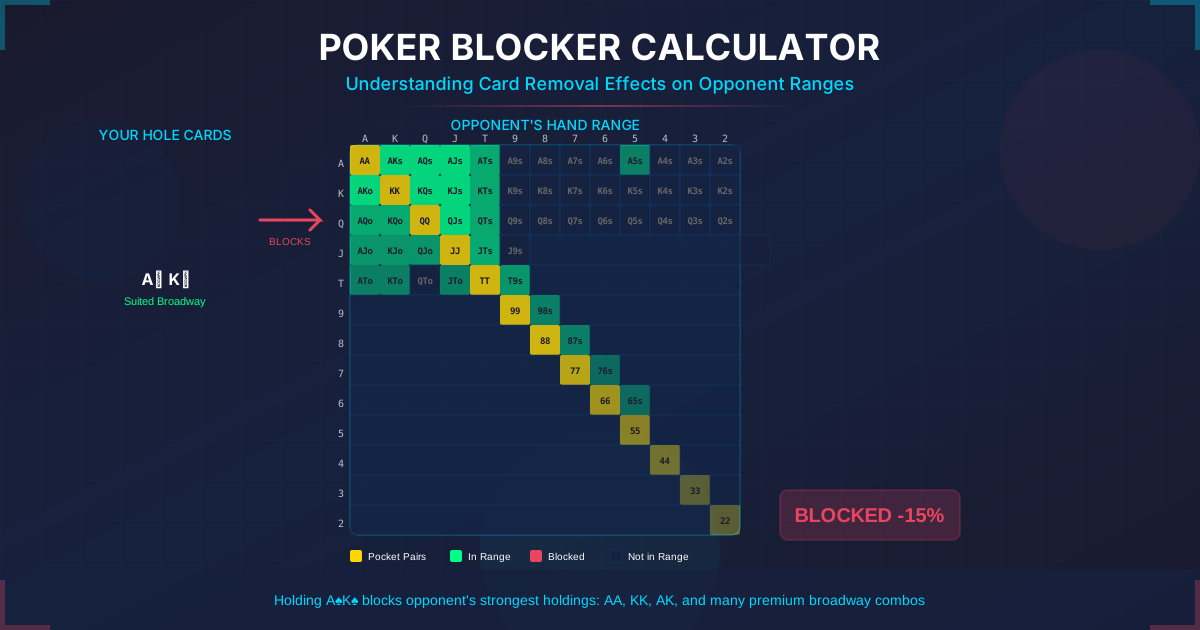
Poker Blocker Calculator: Master Card Removal Effects
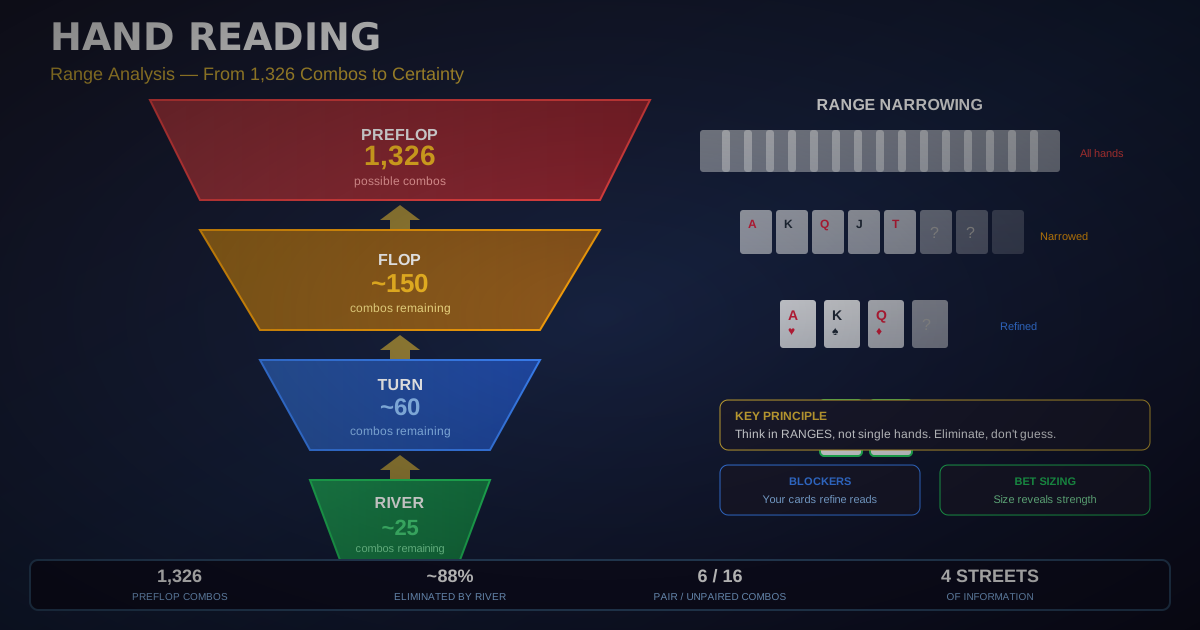
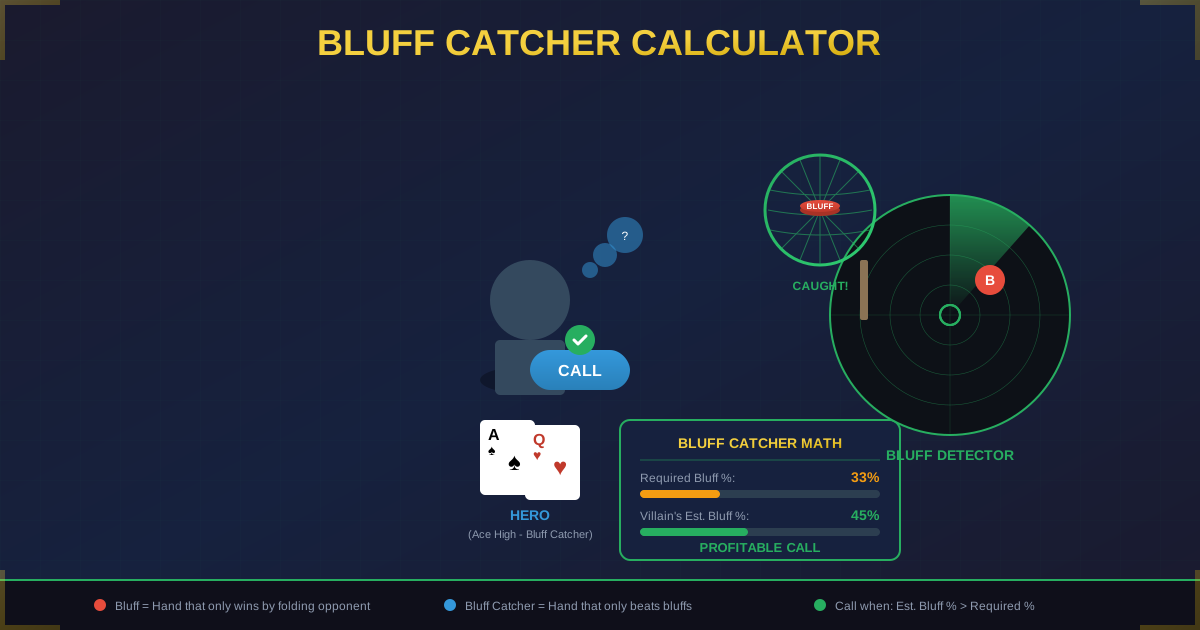
Blockers are cards in your hand that reduce the likelihood of your opponent holding specific hands. Our calculator analyzes how your holdings affect opponent ranges, helping you make better bluffing and value decisions.
What Are Poker Blockers?
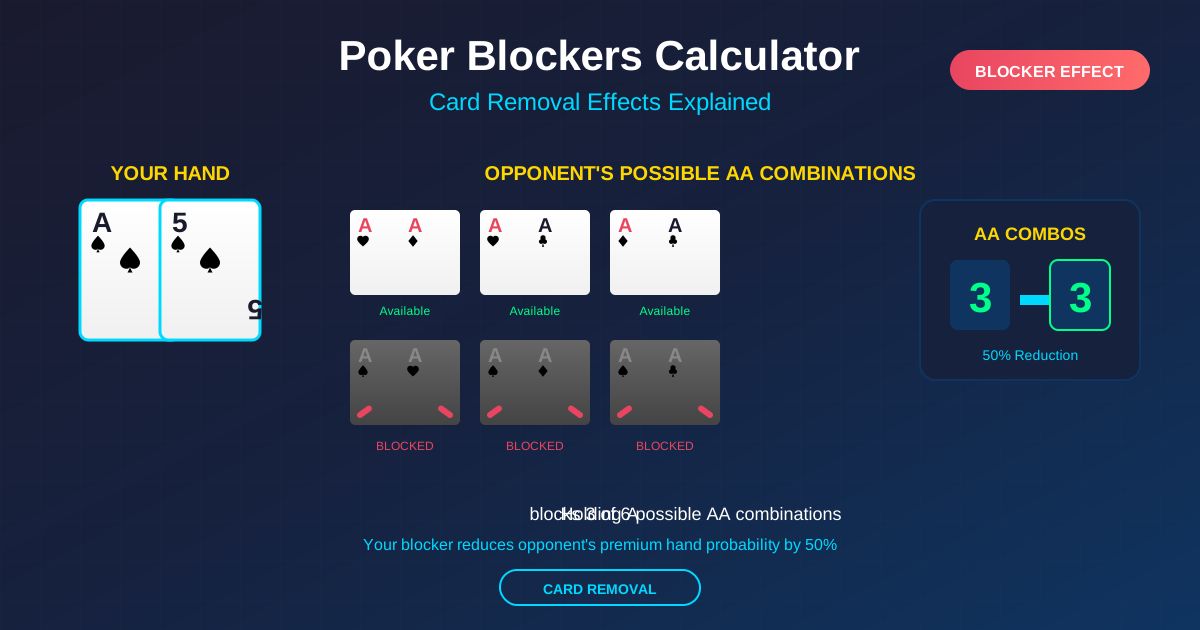
Blockers are cards you hold that "block" your opponent from having certain combinations. Holding the A♠ means your opponent cannot have A♠ in their hand, reducing the combinations of hands containing that card.
Quick Answer: Blockers reduce opponent hand combinations. Holding A♠K♠ removes 12 combos of AA, 12 combos of KK, and 1 combo of AKs from their range. Nut blockers (having cards that block the nuts) are valuable for bluffing—opponent can't have the nuts if you hold the key card. Blocker value is highest in polarized situations with narrow ranges.
How to Use Our Blocker Calculator
Use the Poker Blocker Calculator →
Enter your hand and the board to see blocker effects on opponent ranges.
Step-by-Step Instructions
-
Enter Your Hand: Your two hole cards
-
Enter the Board: Community cards
-
Select Hand Range: Opponent's likely holdings
-
View Blocker Effects: Combos blocked
-
See Adjusted Range: Remaining possibilities
Input Fields Explained
| Field | Description | Example |
|---|---|---|
| Your Hand | Hole cards | A♠K♠ |
| Board | Community cards | Q♠J♠T♦ |
| Opponent Range | Expected holdings | Top 20% |
| Combos Blocked | Removed combinations | 24 |
| Remaining Combos | Possible holdings | 142 |
| Nut Combos Blocked | Best hands blocked | 4 |
Blocker Mathematics
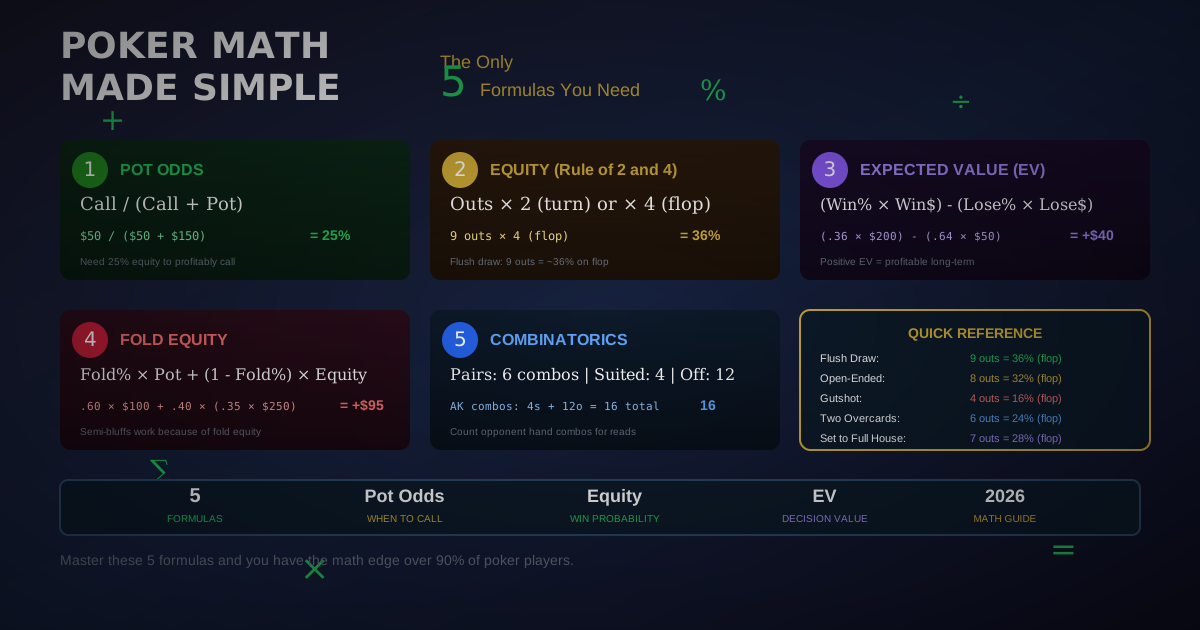
Basic Combo Counting
Without blockers:
| Hand Type | Combinations |
|---|---|
| Pocket pair | 6 combos |
| Suited cards | 4 combos |
| Offsuit cards | 12 combos |
| Any unpaired | 16 combos |
With One Blocker
| Hand Type | Original | With 1 Blocker |
|---|---|---|
| AA (holding one A) | 6 | 3 |
| AK (holding one A) | 16 | 12 |
| AKs (holding A♠) | 4 | 3 |
With Two Blockers (Same Rank)
| Hand Type | Original | With 2 Blockers |
|---|---|---|
| AA (holding 2 Aces) | 6 | 1 |
| AK (holding 2 Aces) | 16 | 8 |
Key Blocker Concepts
Nut Blockers
Cards that block opponent's best possible hands:
| Board | Nut Hand | Nut Blocker |
|---|---|---|
| Q♠J♠T♦ | AK (straight) | Holding A or K |
| K♠Q♠J♦ | AT (straight) | Holding A |
| 9♠8♠7♠ | T♠6♠ (str. flush) | Holding T♠ or 6♠ |
| K♥K♠J♦ | KK (trips) | Holding K |
Value Blockers
Cards that reduce opponent's calling range:
| Situation | Blocker Effect |
|---|---|
| Holding top pair card | Fewer top pairs for opponent |
| Holding flush card | Fewer flush combos |
| Holding set card | Fewer set combos |
Bluff Blockers
Cards that enable profitable bluffs:
| Your Hand | Board | Bluff Value |
|---|---|---|
| A♠5♥ | K♠Q♠8♠ | Block nut flush |
| K♠J♥ | A♠Q♠T♦ | Block Broadway |
| 9♠8♠ | 7♠6♠2♦ | Block straight flush |
Real-World Examples
Example 1: River Bluff with Nut Blocker
Board: K♠Q♠8♦7♥2♠ Your hand: A♠4♥ (busted flush draw) Opponent's range: Value hands and missed draws
Blocker analysis:
- You block: A♠X♠ flush (nut flush)
- Remaining flush combos: Reduced significantly
- Opponent unlikely to have: Best flush
Decision: Good bluff candidate—you block the hand that would call/raise.
Example 2: Value Bet Consideration
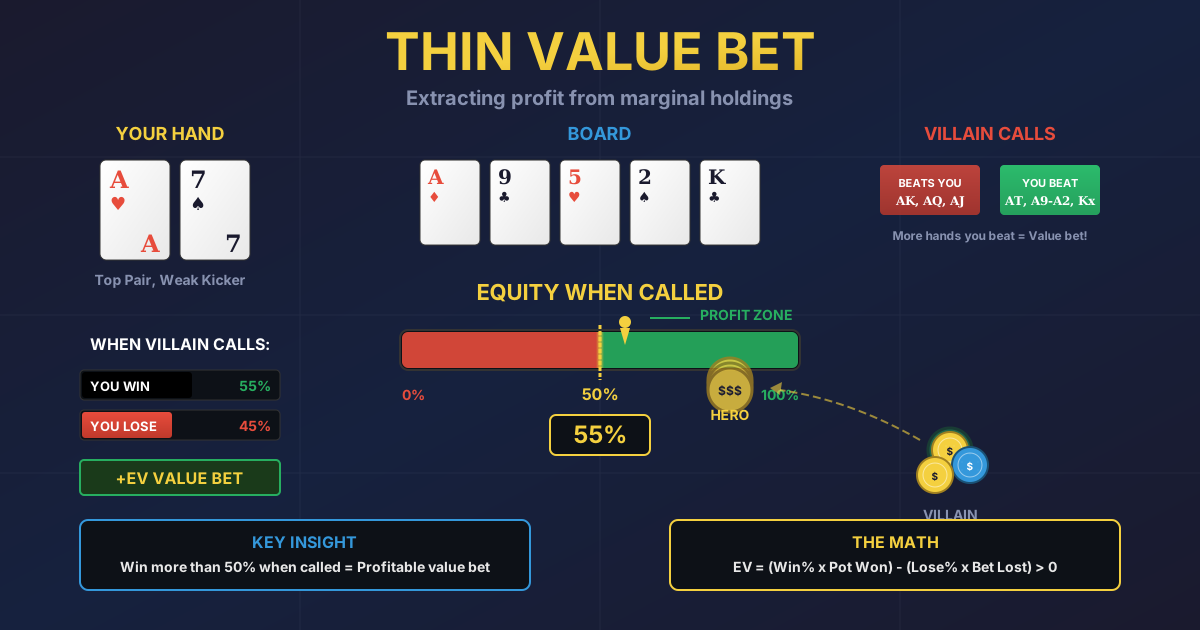
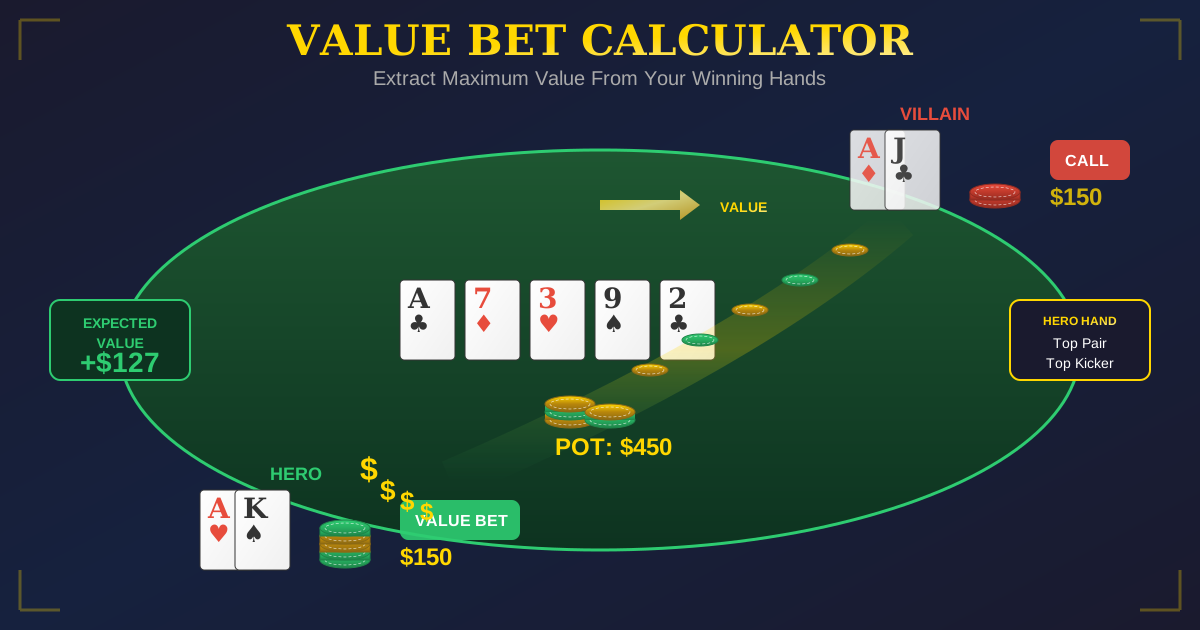
Board: A♠K♥J♦3♣2♥ Your hand: A♥K♠ (top two pair) Opponent's range: Calling with Ax, Kx, Jx
Blocker analysis:
- You block: AK, AJ, KJ combos
- Remaining value hands: Reduced
- Opponent more likely has: Medium-strength hands
Decision: Thin value bet—fewer combos beat you, but also fewer strong calls.
Example 3: Facing Large Bet
Board: J♠T♠9♦8♣ Your hand: Q♠7♠ (straight + flush draw blocker) Opponent bets large (pot)
Blocker analysis:
- You block: Q7 straight (7 needed)
- You block: Some flush combos
- Remaining nut straights: Q7, 76 = reduced
Decision: Better call than without blockers—opponent's value range narrower.
Blocker Strategy by Situation
Preflop
| Situation | Key Blockers |
|---|---|
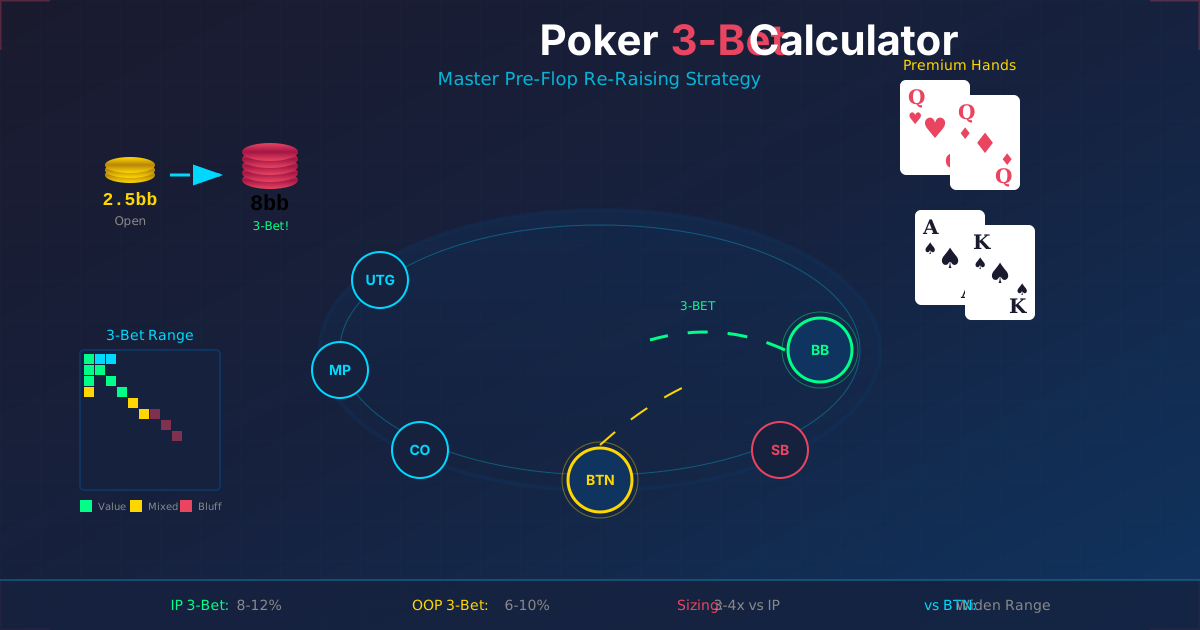
| 3-bet bluffing | Ax (blocks AA, AK) |
| 4-bet bluffing | Ax, Kx (blocks premiums) |
| Calling 3-bet | Suit blockers less relevant |
Postflop - Dry Boards
| Board Type | Important Blockers |
|---|---|
| A-high | Ace blockers |
| Paired | Trip/boat blockers |
| Broadway | Straight blockers |
Postflop - Wet Boards
| Board Type | Important Blockers |
|---|---|
| Flush possible | Nut flush blocker |
| Straight possible | Nut straight blocker |
| Full house possible | Set/boat blockers |
Blocker Value Ranking
Most Valuable Blockers
| Rank | Blocker Type | Value |
|---|---|---|
| 1 | Nut blocker on made hand | Highest |
| 2 | Second-nut blocker | High |
| 3 | Value hand blocker | Moderate |
| 4 | Draw blocker | Situational |
| 5 | Random blocker | Low |
Context Dependency
| Factor | Impact on Blocker Value |
|---|---|
| Stack depth | Deeper = more value |
| Range narrowness | Narrower = more value |
| Board texture | Wet = more value |
| Opponent tendency | Calling station = less value |
Common Blocker Mistakes
1. Overvaluing Blockers
Mistake: Bluffing because you have "a blocker" Problem: Minor blockers barely affect ranges Fix: Focus on nut blockers in key situations
2. Ignoring Board Blockers
Mistake: Only considering hole card blockers Problem: Board cards also block opponent Fix: Include board in combo calculations
3. Blocking Your Own Value
Mistake: Holding cards opponent would call with Problem: Reduces thin value bet profitability Fix: Consider what opponent needs to call
4. Neglecting Population Tendencies
Mistake: Using blockers against stations Problem: They call anyway Fix: Adjust blocker plays to opponent type
Frequently Asked Questions
How much do blockers really matter?
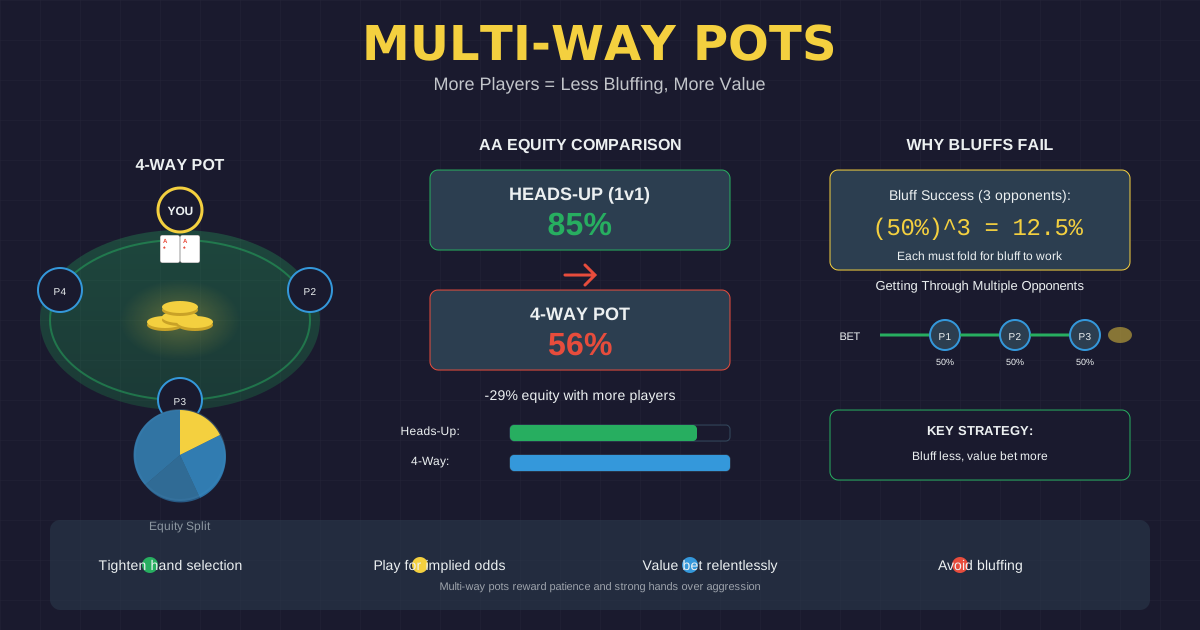
Significantly in polarized situations with narrow ranges. Less important in multiway pots or against wide ranges.
Should I always bluff with nut blockers?
No. Nut blockers improve bluff profitability but don't guarantee success. Consider entire situation.
Do blockers affect calling decisions?
Yes. When facing bets, having blockers to opponent's value range improves your calling equity.
Which blocker is most important?
The card that blocks the most relevant strong hands. Usually the nut blocker on the current board.
Can blockers make a call correct?
Yes. If you significantly reduce opponent's value combinations, a marginal call becomes profitable.
How do I count blocked combos quickly?
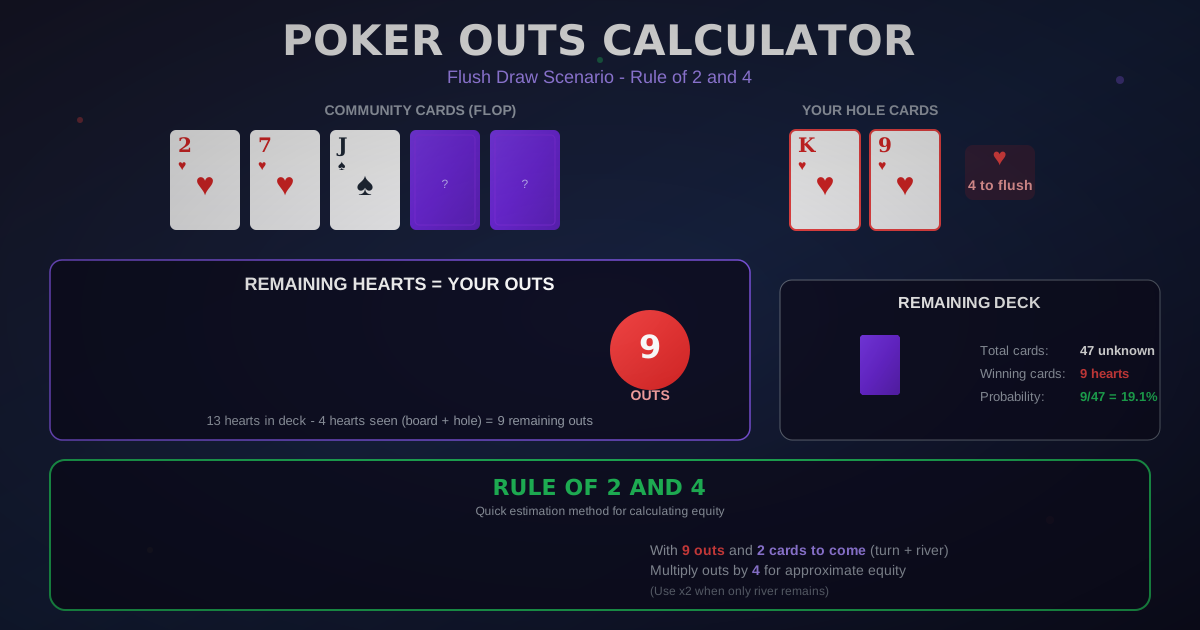
Practice common patterns: pair blocker removes 3 combos, unpaired blocker removes 4 suited + 12 offsuit = 16 becoming 3 suited + 9 offsuit = 12.
Advanced Blocker Concepts
Blocker Equity
Adjusted Range % = (Remaining Combos) / (Original Combos)

If you block 25% of opponent's value range,
they have value 25% less often
Multi-Level Blocking
| Level | Consideration |
|---|---|
| 1 | What do I block? |
| 2 | What does opponent think I block? |
| 3 | Does opponent adjust for blockers? |
Removal Effect on Draws
| Your Cards | Draw Combos Removed |
|---|---|
| One flush card | 3 flush combos |
| Two flush cards | 6 flush combos |
| One straight card | Varies by board |
Pro Tips
-
Nut blockers first: Prioritize blocking the nuts when bluffing
-
Consider calling range: What do you want opponent to fold? Block that
-
Board texture matters: Wet boards = more blocker value
-
Don't force it: Weak blockers rarely justify bad plays
-
Track your bluffs: Are blocker bluffs actually profitable?
Related Calculators
- Poker Equity Calculator - Hand vs range equity
- Poker Combos Calculator - Combination counting
- Poker Range Calculator - Range analysis
- Poker EV Calculator - Expected value
- Poker Fold Equity Calculator - Bluff profitability
Conclusion
Blockers add another dimension to poker decision-making by accounting for card removal effects. Our calculator shows how your holdings reduce opponent's possible combinations, helping identify profitable bluffing spots and tough calls. Remember: blockers enhance good decisions but don't override fundamental strategy. Use them to refine marginal spots, not justify bad plays.
Calculate Your Blocker Effects Now →
Understanding blockers separates intermediate players from advanced strategists. When you know how your cards affect opponent's range, every decision becomes more precise. Our calculator makes complex combo math instant, letting you focus on exploiting blocker edges at the table.