Legal Sports Betting by State 2026: Where You Can Bet and What's Coming

Sports betting is now legal in 38 states plus the District of Columbia, and more are on the way. Since the Supreme Court struck down PASPA in May 2018, the American sports betting landscape has transformed from a single-state monopoly (Nevada) into a multi-billion-dollar nationwide industry. But the rules, tax rates, available platforms, and betting options vary enormously from state to state.
Whether you are a seasoned sharp bettor trying to maximize your edge across multiple platforms or a casual fan who just wants to place a legal bet on the Super Bowl, knowing your state's specific regulations matters. Tax rates range from 6.75% to over 50% of operator revenue. Some states allow mobile wagering from anywhere within their borders while others restrict you to in-person bets at licensed facilities. Some states permit college sports betting; others ban it entirely.
This comprehensive guide covers every state's current status, the key regulatory differences you need to understand, upcoming legalization efforts, and how to use our free betting tools to make smarter decisions regardless of where you live.
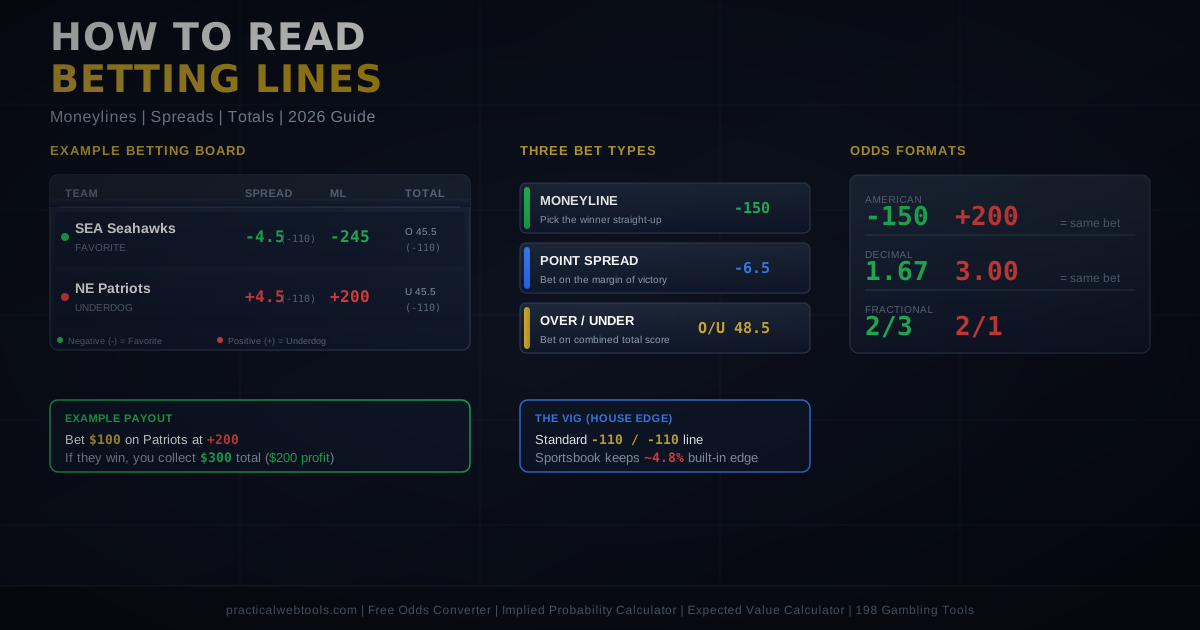
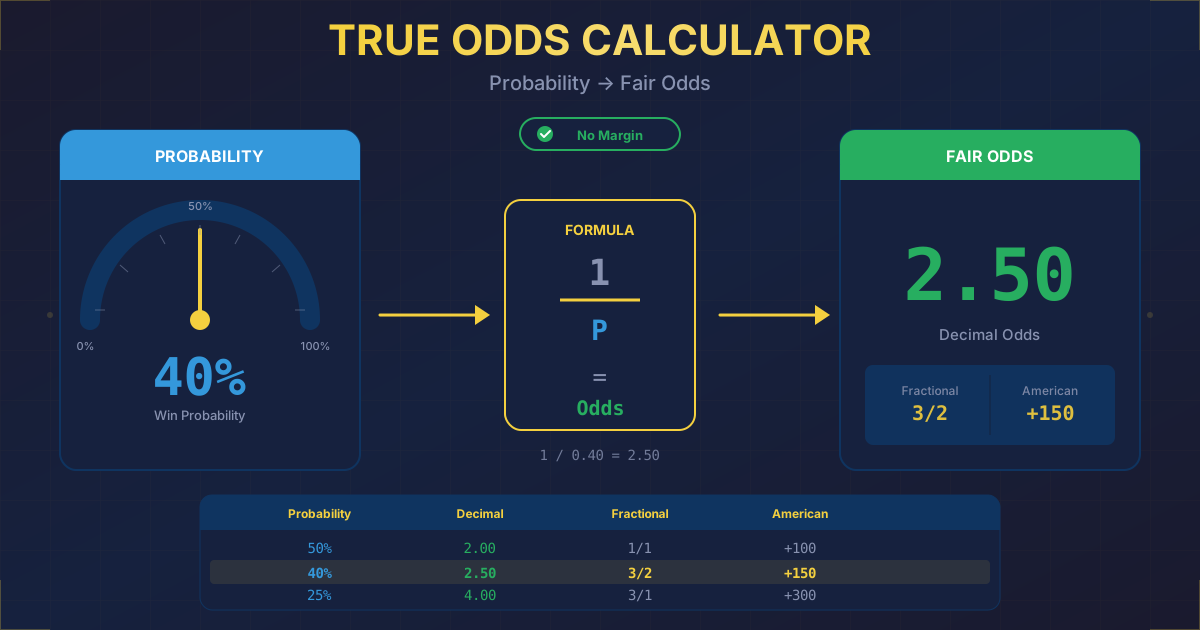
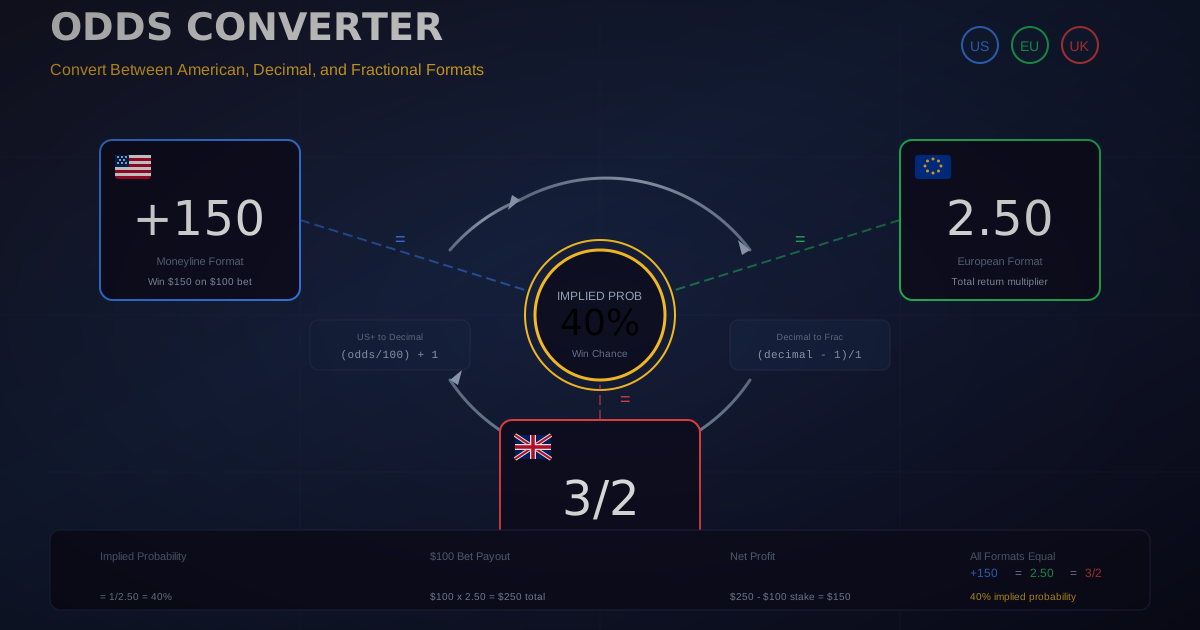
Convert odds between formats used by different state sportsbooks with our Odds Converter.
The Current Landscape: Sports Betting in America 2026
Since the PASPA ruling, sports betting has expanded rapidly:
| Year | States with Legal Betting | Estimated Annual Handle |
|---|---|---|
| 2018 | 8 | $6 billion |
| 2019 | 14 | $13 billion |
| 2020 | 21 | $21 billion |
| 2021 | 30 | $57 billion |
| 2022 | 33 | $93 billion |
| 2023 | 35 | $120 billion |
| 2024 | 37 | $150 billion |
| 2025 | 38 | $180 billion |
| 2026 | 38+ DC | $200+ billion (projected) |
The industry now generates over $10 billion annually in gross gaming revenue and contributes billions in tax revenue to state budgets.
States Where Sports Betting Is Fully Legal (Online + Retail)
The following states have both online/mobile sports betting and retail (in-person) sportsbooks operational as of early 2026:
Tier 1: Most Competitive Markets
These states have the most operators, best lines, and most consumer-friendly regulations:
| State | Launch Year | Online | # of Operators | Tax Rate (Online) | Notable Rules |
|---|---|---|---|---|---|
| New Jersey | 2018 | Yes | 20+ | 14.25% | College betting allowed |
| Pennsylvania | 2019 | Yes | 15+ | 36% | College betting allowed |
| Illinois | 2020 | Yes | 15+ | 15% | In-person registration removed |
| Colorado | 2020 | Yes | 25+ | 10% | Most operators in US |
| Michigan | 2021 | Yes | 15+ | 8.4% | Low tax rate, competitive |
| Arizona | 2021 | Yes | 18+ | 8-10% | Tribal + commercial licenses |
| Ohio | 2023 | Yes | 16+ | 20% | Universal licenses available |
| Massachusetts | 2023 | Yes | 10+ | 20% | College restrictions apply |
| Kentucky | 2023 | Yes | 8+ | 9.75% | Newer market, growing |
| North Carolina | 2024 | Yes | 8+ | 18% | Mobile launched 2024 |
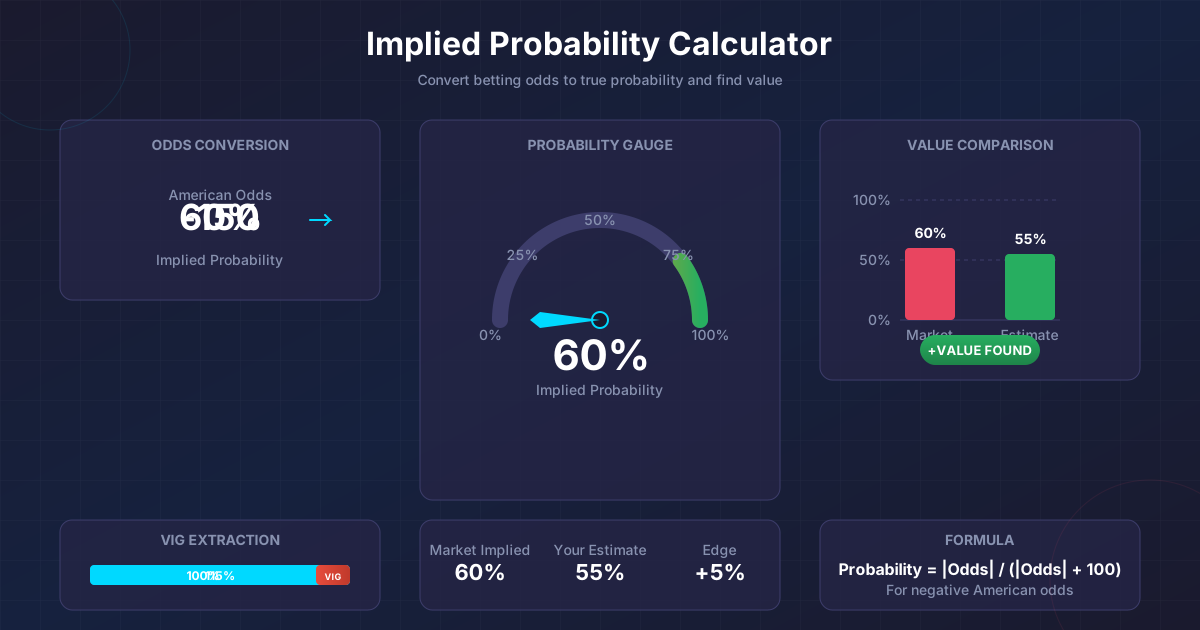
Find the best value lines by calculating implied probability with our Implied Probability Calculator.
Tier 2: Established Markets
| State | Launch Year | Online | Tax Rate | Notable Rules |
|---|---|---|---|---|
| Nevada | 2018 (pre-PASPA) | Yes | 6.75% | Lowest tax rate, in-person reg required |
| Indiana | 2019 | Yes | 9.5% | Competitive market |
| Iowa | 2019 | Yes | 6.75% | Low tax, remote registration |
| New Hampshire | 2019 | Yes | 51% | High tax, limited operators |
| Tennessee | 2020 | Yes | 20% | Online-only state |
| Virginia | 2021 | Yes | 15% | No in-state college betting |
| Connecticut | 2021 | Yes | 13.75% | Tribal-operated |
| Louisiana | 2022 | Yes | 15% | Parish-by-parish legality |
| New York | 2022 | Yes | 51% | Highest tax, $1B+ revenue |
| Maryland | 2023 | Yes | 15% | Expanding operator list |
| Kansas | 2022 | Yes | 10% | Four operators |
| Wyoming | 2021 | Yes | 10% | Online-only |
| Vermont | 2024 | Yes | 20% | Newer market |
| Maine | 2024 | Yes | 10% | Tribal partnerships |
Tier 3: Retail Only (No Online Betting)
These states allow in-person sports betting at licensed locations but do not permit online or mobile wagering:
| State | Retail Since | Locations | Online Status |
|---|---|---|---|
| Montana | 2020 | State lottery terminals | No mobile |
| New Mexico | 2018 | Tribal casinos | No legislation |
| North Dakota | 2024 | Tribal casinos | No mobile |
| South Dakota | 2021 | Deadwood casinos | Retail only |
| Washington | 2021 | Tribal casinos | Tribal compact only |
| Wisconsin | 2021 | Tribal casinos | Tribal only |
| Mississippi | 2018 | Casinos (on-site only) | No mobile |
| Arkansas | 2022 | Casinos | Limited mobile |
| Rhode Island | 2018 | Twin River casinos | Limited mobile |
| Oregon | 2019 | Tribal + lottery | Limited mobile |
| Delaware | 2018 | Casinos | Limited online |
| West Virginia | 2019 | Casinos | Limited online |
States Where Sports Betting Is Not Yet Legal
Likely to Legalize in 2026-2027
| State | Status | Prospects | Key Barrier |
|---|---|---|---|
| Missouri | Bill passed committee | High | Ballot measure politics |
| Minnesota | Advanced legislation | Moderate-High | Tribal gaming negotiations |
| Georgia | Multiple bills introduced | Moderate | Constitutional amendment needed |
| Texas | Committee hearings held | Low-Moderate | Conservative legislature |
| Florida | Legal battles ongoing | Uncertain | Seminole Tribe compact disputes |
| Alabama | Study commission formed | Low-Moderate | Conservative opposition |
| Oklahoma | Tribal compact negotiations | Moderate | Complex tribal agreements |
| South Carolina | Bill introduced | Low | Conservative legislature |
| Hawaii | Bill introduced | Low | Strong anti-gambling tradition |
Unlikely to Legalize Soon
| State | Key Barrier |
|---|---|
| California | Failed 2022 ballot initiatives, complex politics |
| Idaho | Constitutional prohibition |
| Utah | Constitutional prohibition, cultural opposition |
Calculate your potential tax obligations on sports betting winnings with our Lottery After-Tax Calculator.
Tax Rates: What You Keep After Winning
Operator Tax Rates by State
Operator tax rates indirectly affect you as a bettor because higher taxes lead to worse lines and fewer promotions:
| Tax Rate Range | States | Impact on Bettors |
|---|---|---|
| Under 10% | NV, MI, IA, KY, CO | Best lines, most promos |
| 10-15% | IN, VA, LA, MD, IL | Good value, competitive |
| 15-20% | PA, TN, NC, OH, MA | Moderate lines |
| 20-36% | PA (36%), VT | Fewer promos, wider spreads |
| 50%+ | NY (51%), NH (51%) | Worst lines, fewest promos |
Key insight: States with lower operator tax rates tend to have more competitive lines and better promotional offers, because operators have more margin to work with. If you live near a state border, it may be worth crossing to bet in a lower-tax jurisdiction.
Personal Tax Obligations
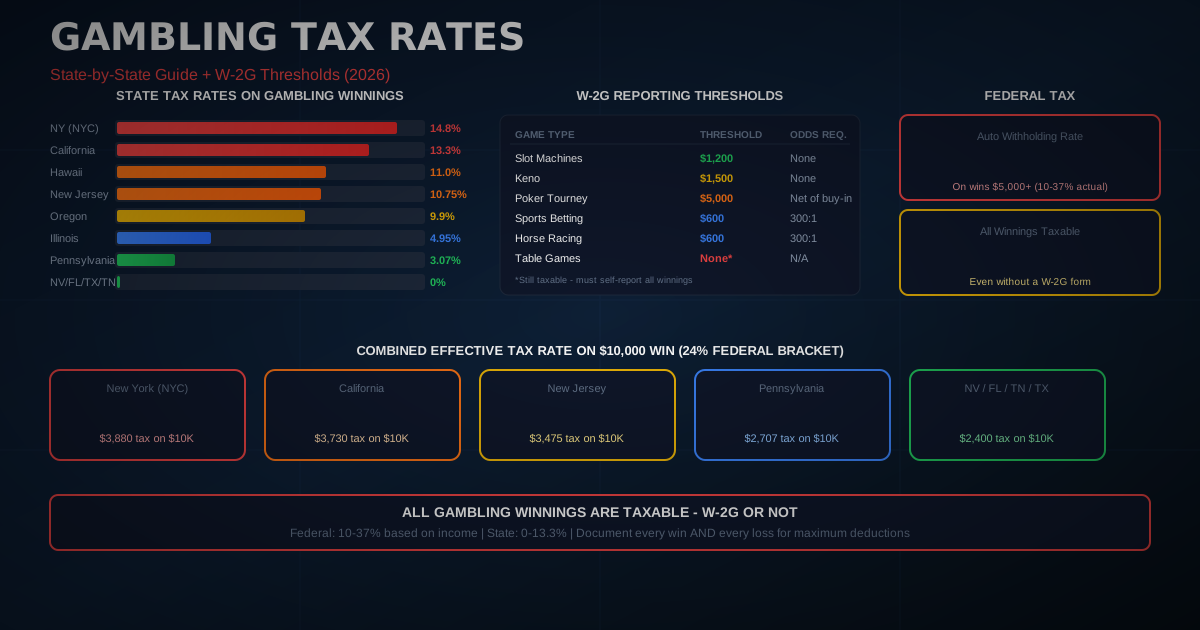
All sports betting winnings are taxable income in the United States at both the federal and state level:
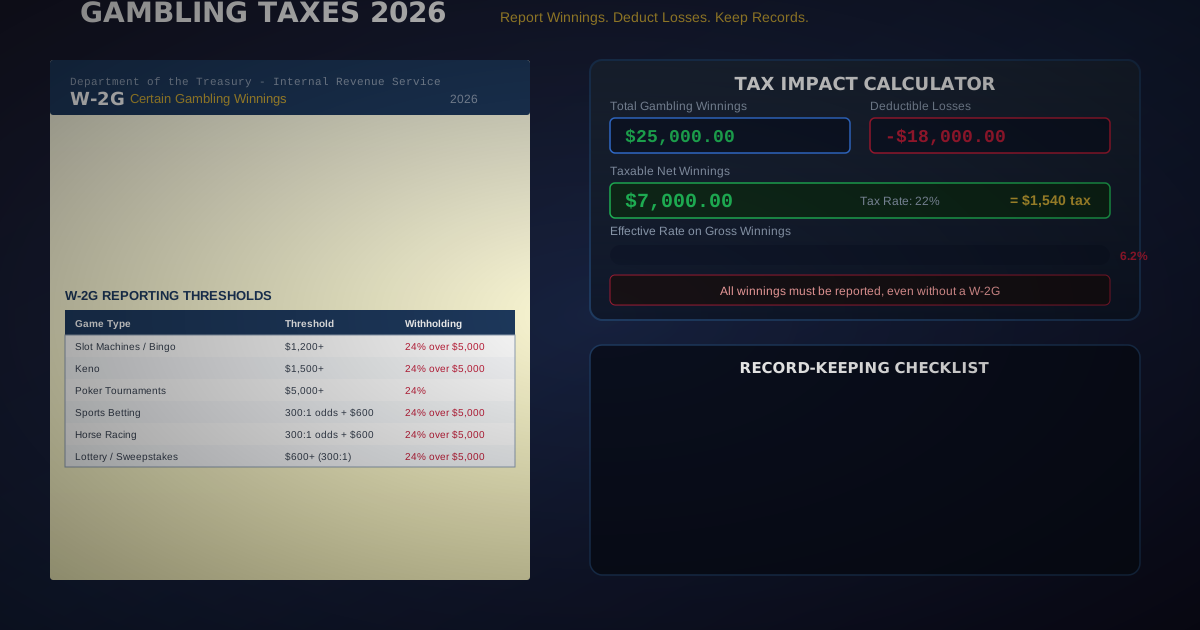
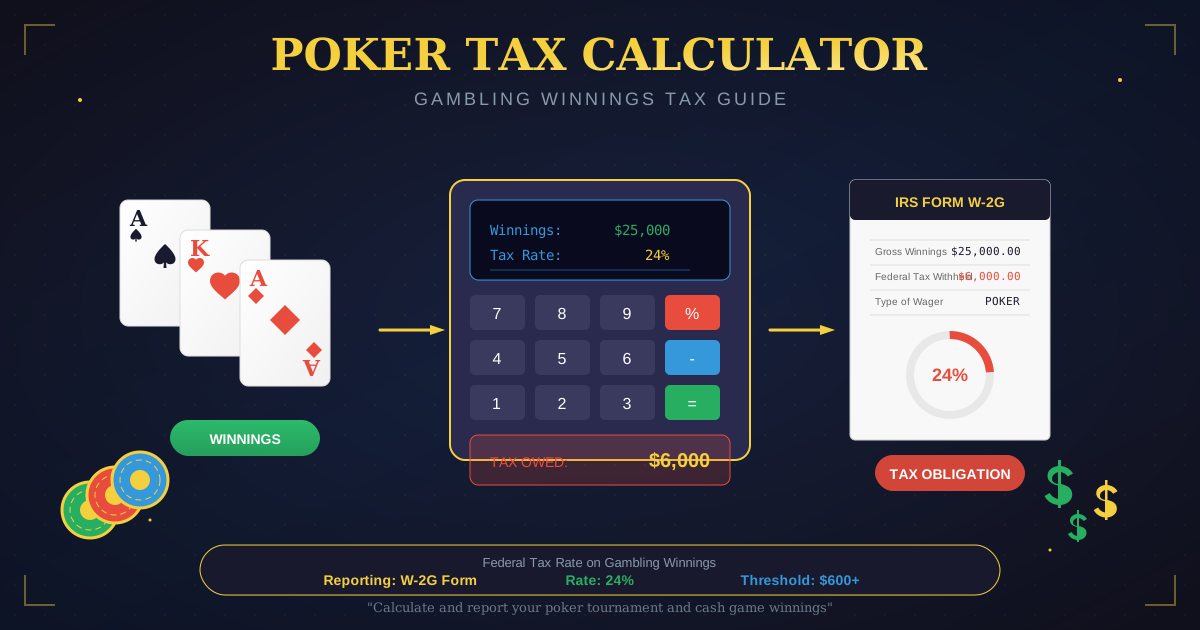
Federal taxes: All gambling winnings are taxable. Sportsbooks issue W-2G forms for certain thresholds ($600+ at 300:1+ odds).
State taxes: Most states with legal betting also tax gambling winnings at your normal state income tax rate. Some states (like Nevada, Wyoming, and Tennessee) have no state income tax, making them more favorable for bettors.
Deductible losses: You can deduct gambling losses up to the amount of your winnings if you itemize deductions. This is why tracking every bet matters for tax purposes.
Estimate your after-tax returns with our Lottery After-Tax Calculator.
Online vs. Retail: Key Differences
Advantages of Online/Mobile Betting
| Feature | Online | Retail |
|---|---|---|
| Convenience | Bet from anywhere in state | Must visit location |
| Line shopping | Compare 15+ books instantly | Walk between windows |
| Promotions | Frequent, aggressive | Less common |
| Live betting | Full in-play markets | Limited |
| Speed | Instant | Wait in line |
| Record keeping | Automatic | Manual |
| Bet limits | Usually higher | Varies |
When Retail Is Better
- Privacy: No digital trail of your betting activity
- Cash transactions: No bank account or payment processor involvement
- Immediate payouts: Cash in hand (smaller amounts)
- Atmosphere: Social experience of watching games at the sportsbook
Geolocation Requirements
All online sportsbooks use geolocation technology to verify you are physically within state borders. This means:
- You must be physically inside the state to place a bet
- VPNs will not work (they actively detect and block VPN usage)
- Border areas may have connectivity issues
- Some states block betting at stadiums or on college campuses
Regulatory Differences That Affect Your Betting
College Sports Restrictions
| Restriction Level | States | Details |
|---|---|---|
| Full college betting | NJ, PA, MI, CO, IL, AZ | All NCAA/college bets allowed |
| No in-state college | VA, NY, VT | Cannot bet on teams from your state |
| No college player props | MA, OH, NC | Team bets OK, individual props banned |
| No college at all | (Varies by operator) | Some operators self-restrict |
Prop Bet Restrictions
Some states restrict certain types of proposition bets:
- New York: Restricts certain player prop bet types
- Ohio: Specific restrictions on college player props
- Massachusetts: Limited college player prop markets
Bet Types Available
Most states allow all standard bet types, but some restrict:
| Bet Type | Availability | State Restrictions |
|---|---|---|
| Spread | Universal | None |
| Moneyline | Universal | None |
| Totals | Universal | None |
| Parlays | Universal | None |
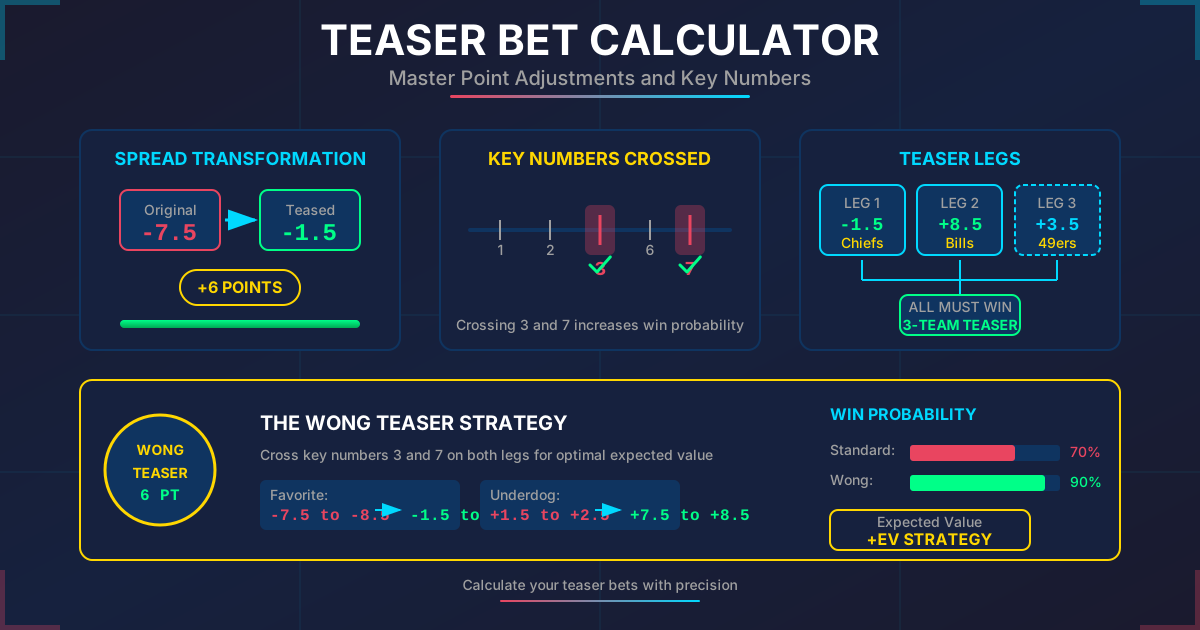
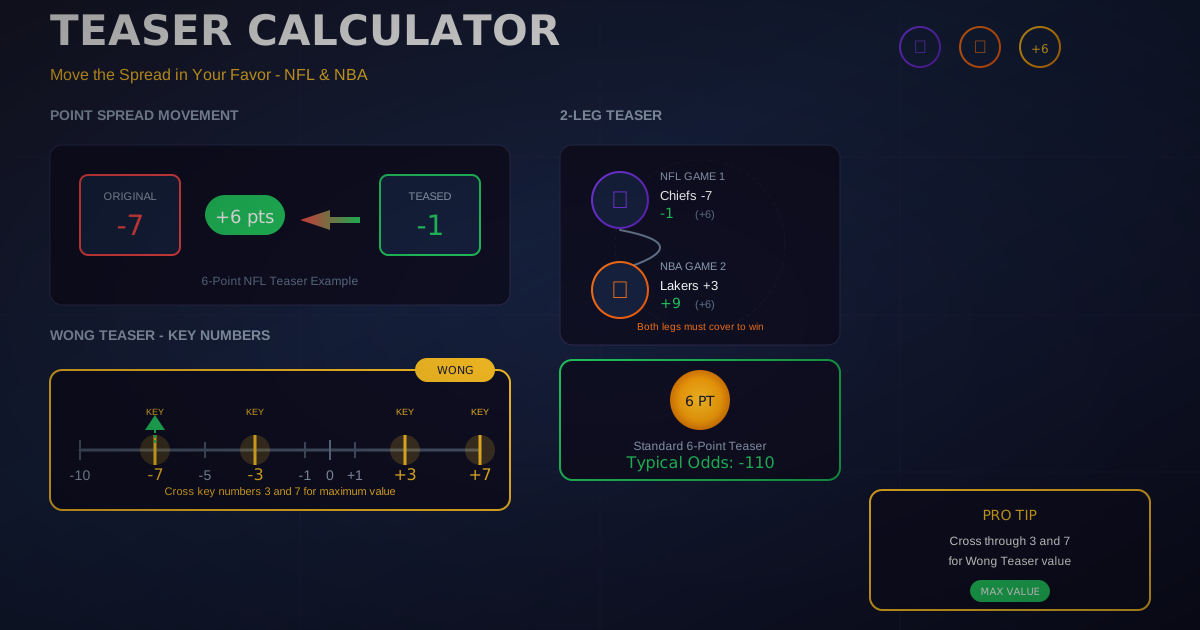
| Teasers | Most states | Minor restrictions |
| Props | Most states | College restrictions common |
| Futures | Most states | None |
| Live/In-play | Most states | None |
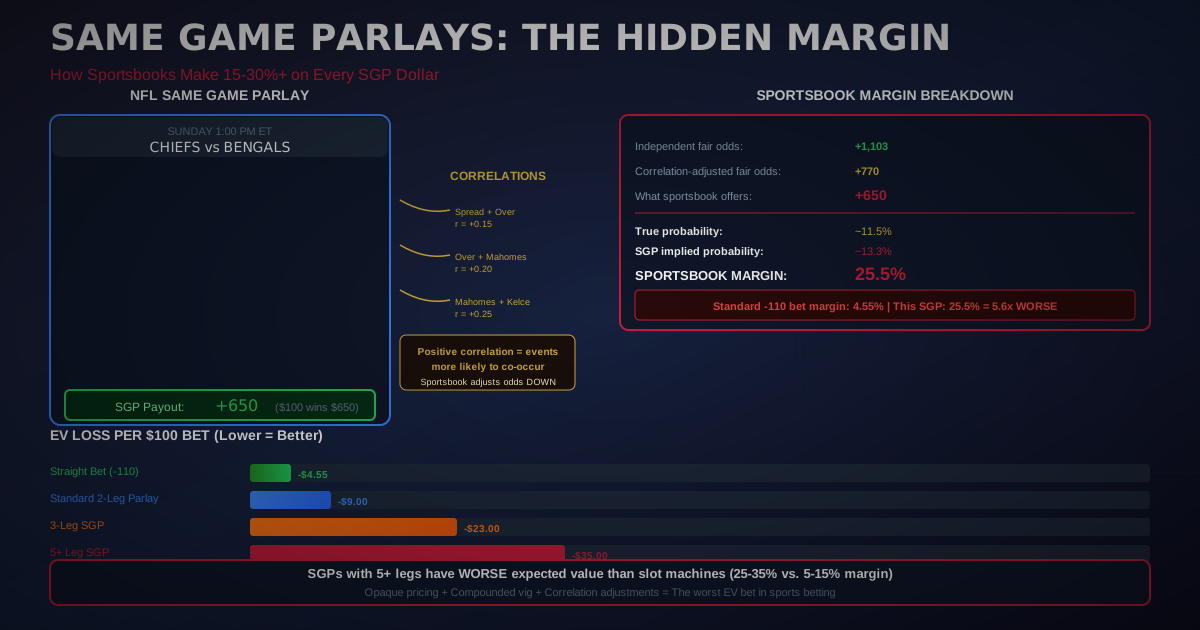
| Same-game parlays | Most states | Operator-dependent |
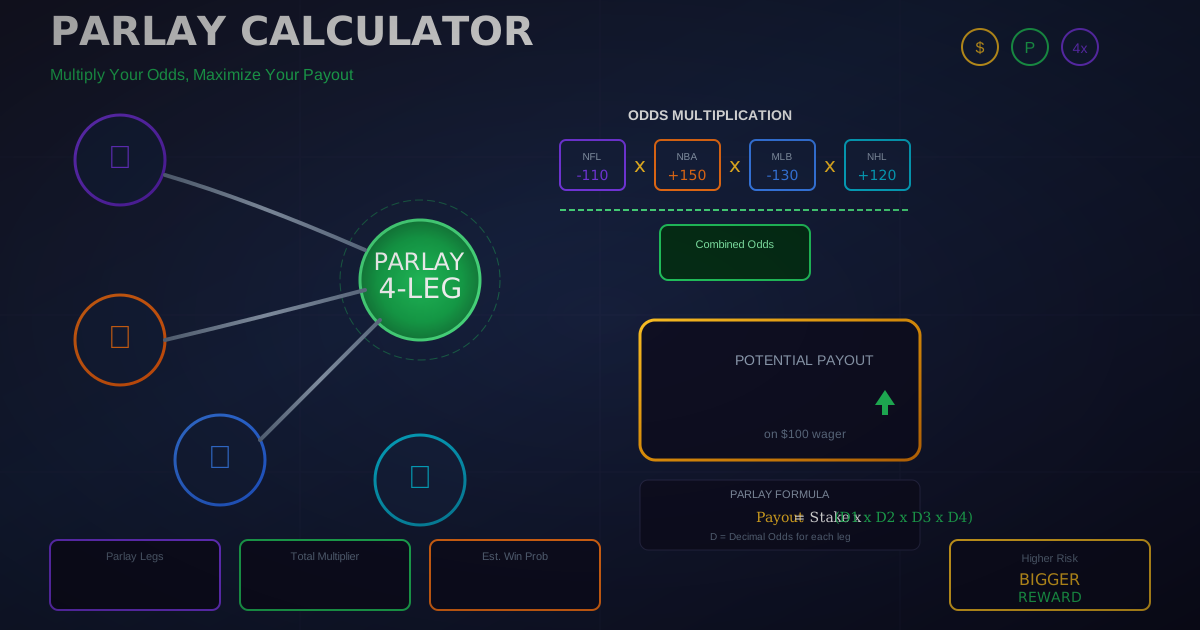
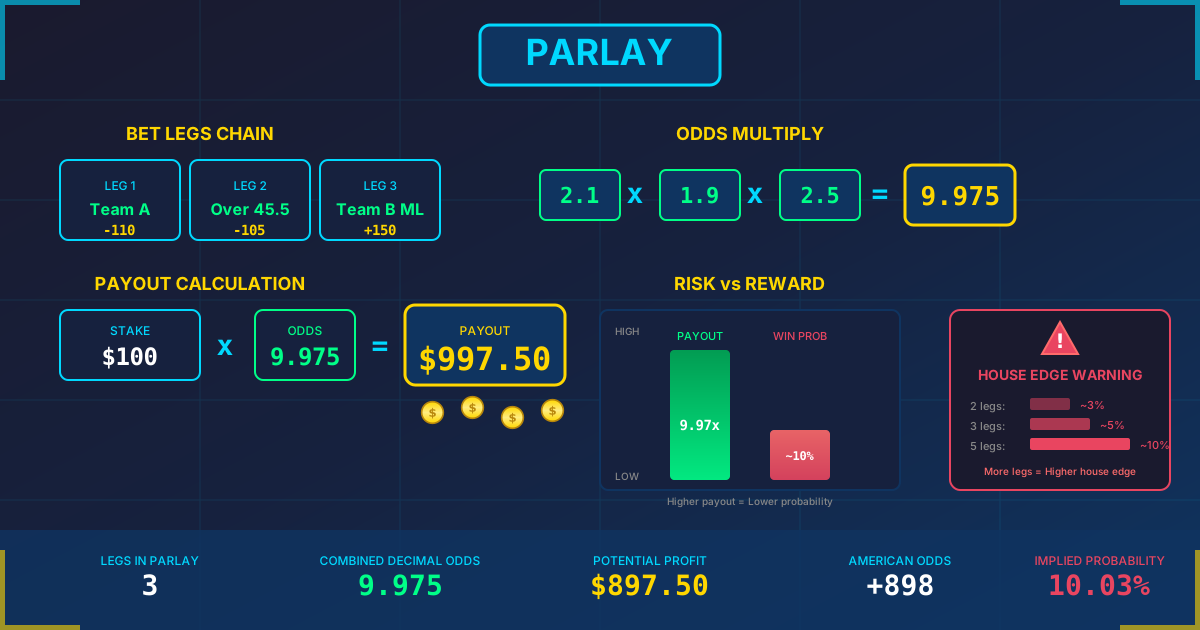
Build and calculate parlay outcomes with our Parlay Calculator.
How to Bet Smarter Regardless of Your State
1. Shop for the Best Lines
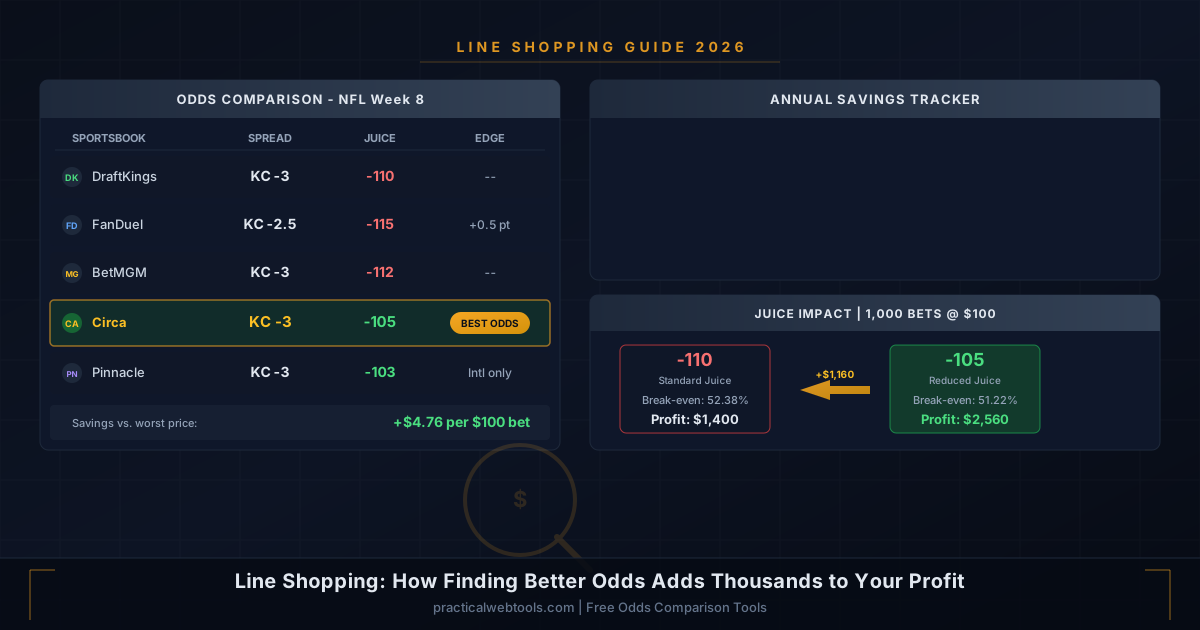
The single most impactful thing any bettor can do is compare odds across multiple sportsbooks. Even small differences add up enormously over time.
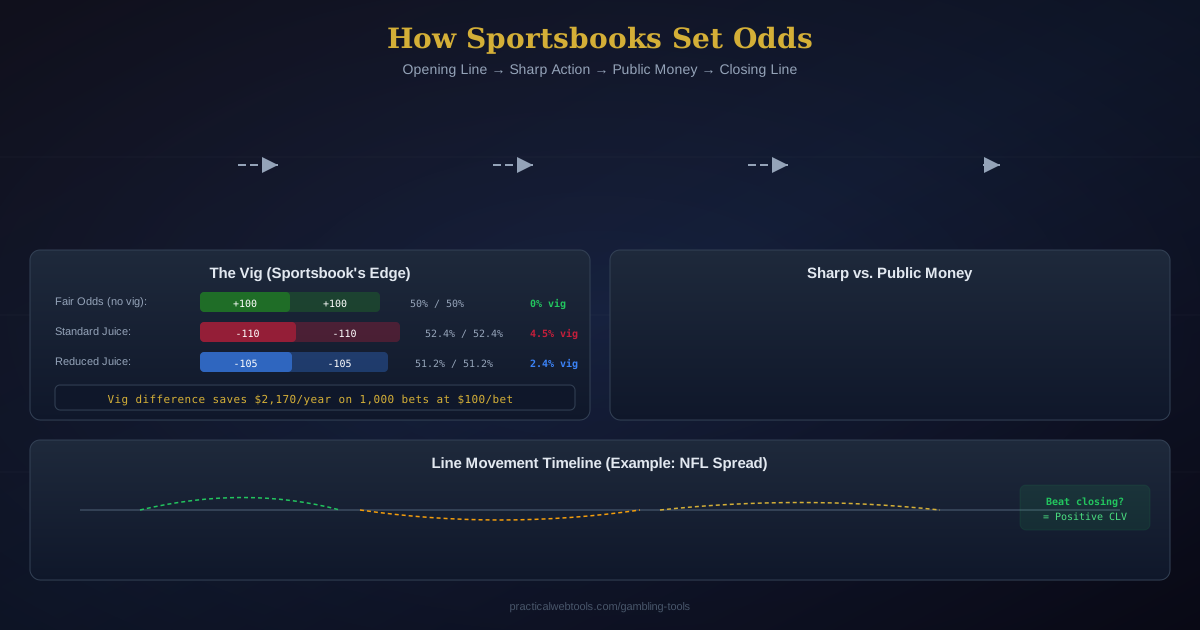
Example: Betting $100 on a -110 line vs. getting -105 at another book:
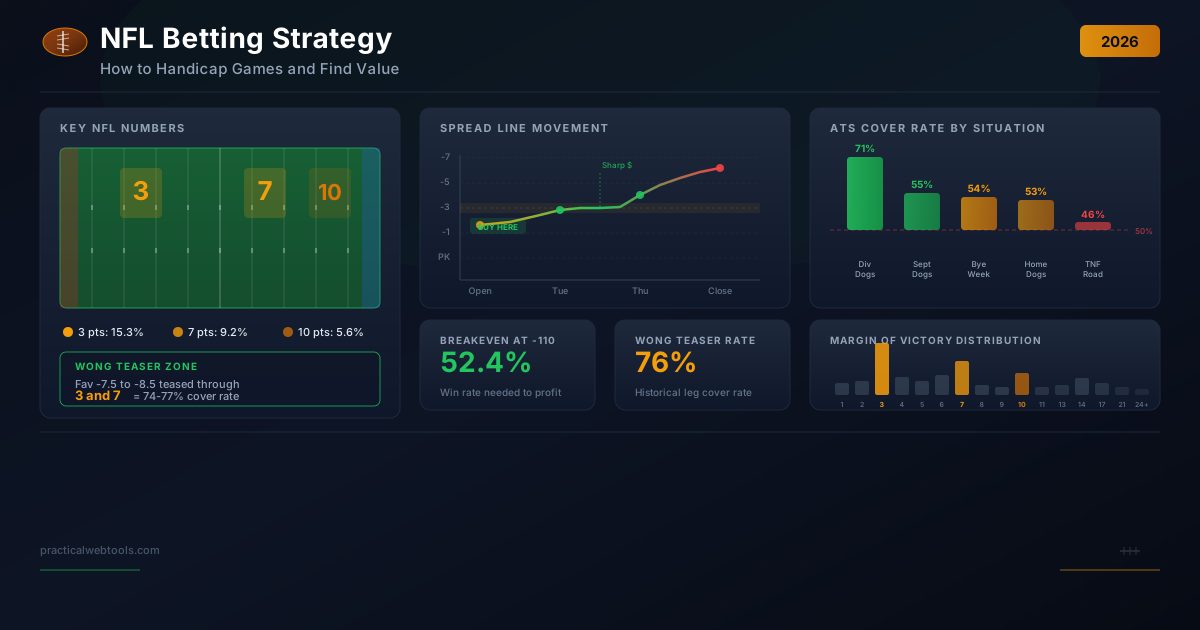
- At -110: Risk $110 to win $100 (52.38% breakeven)
- At -105: Risk $105 to win $100 (51.22% breakeven)
- That 1.16% breakeven difference over 1,000 bets saves approximately $1,160
Understand implied probabilities to find value with our Implied Probability Calculator.
2. Use Expected Value Analysis
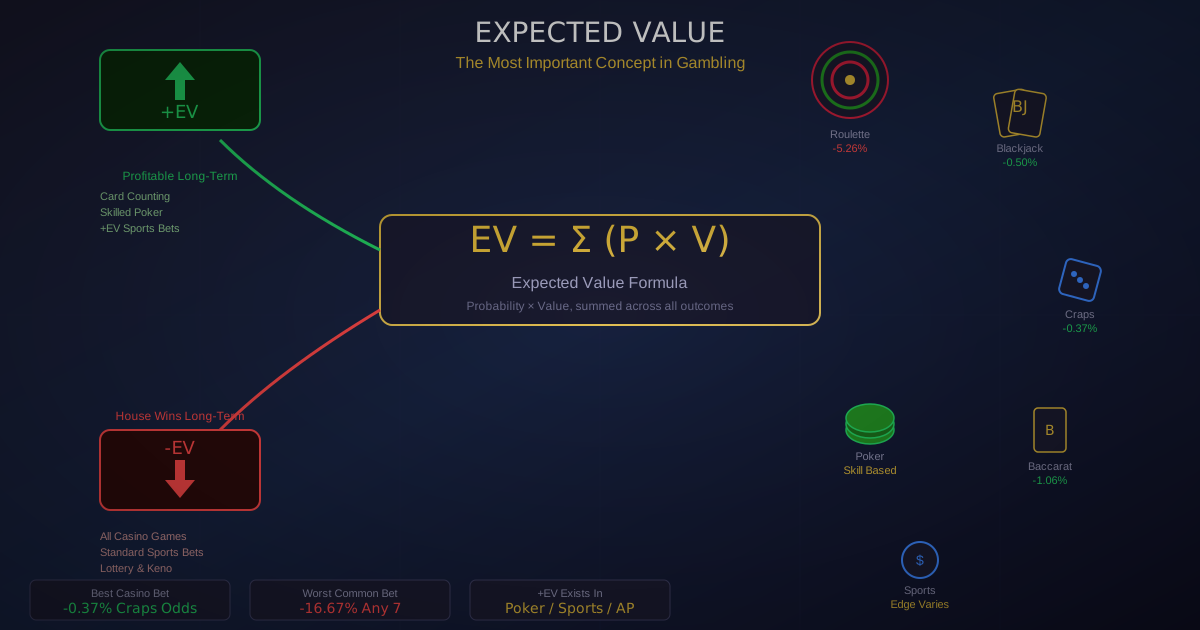
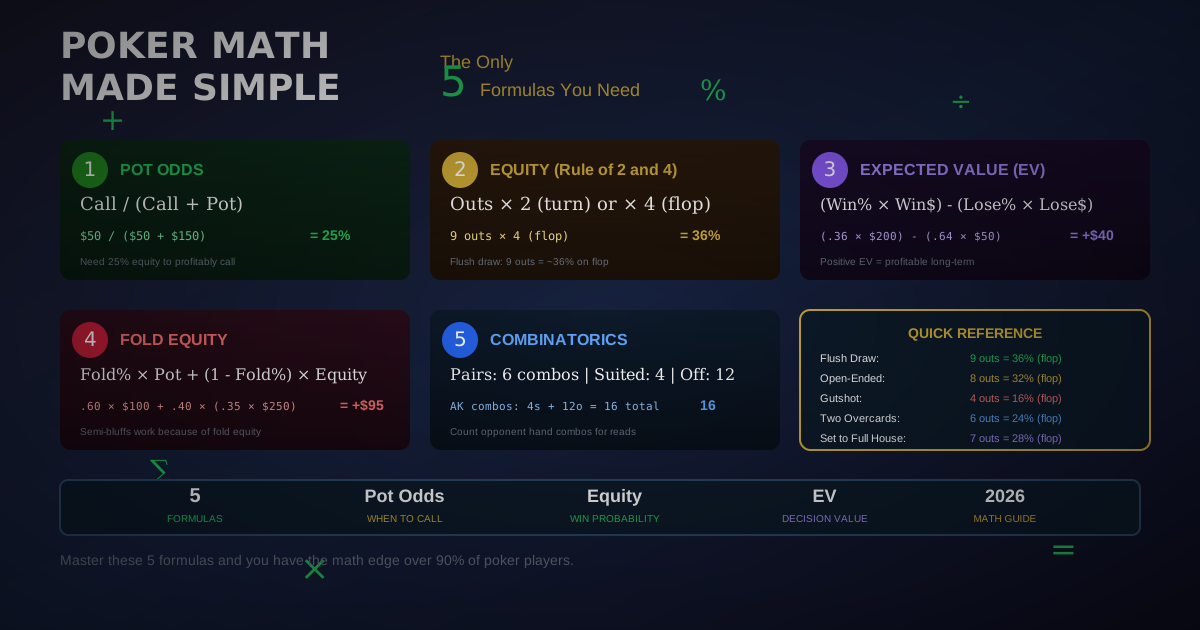
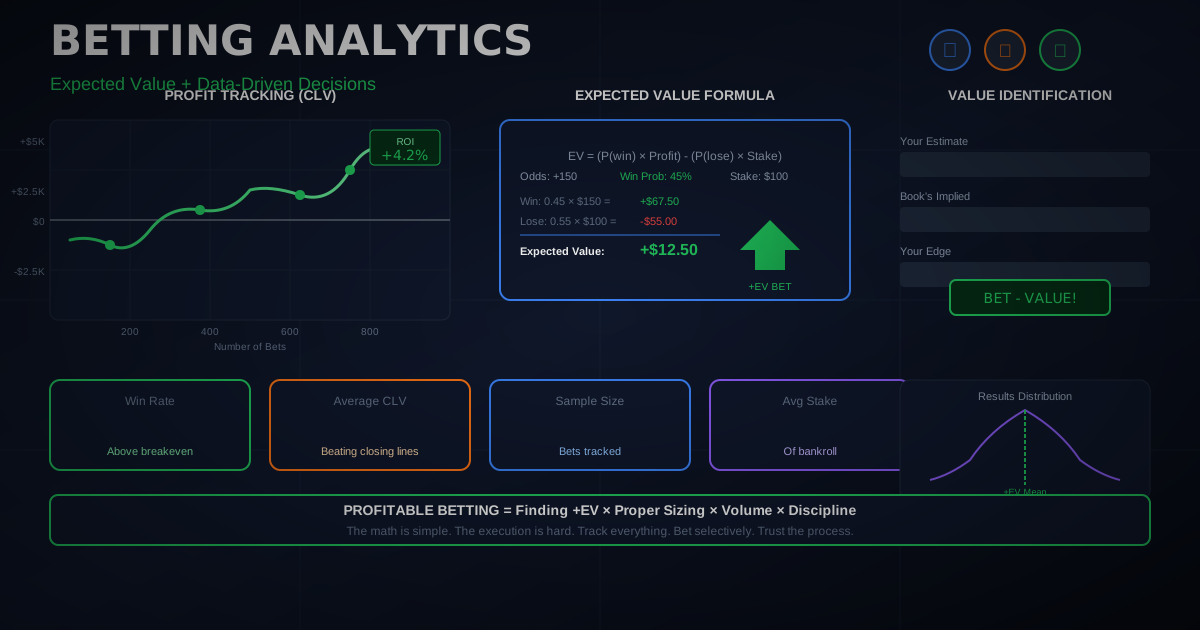
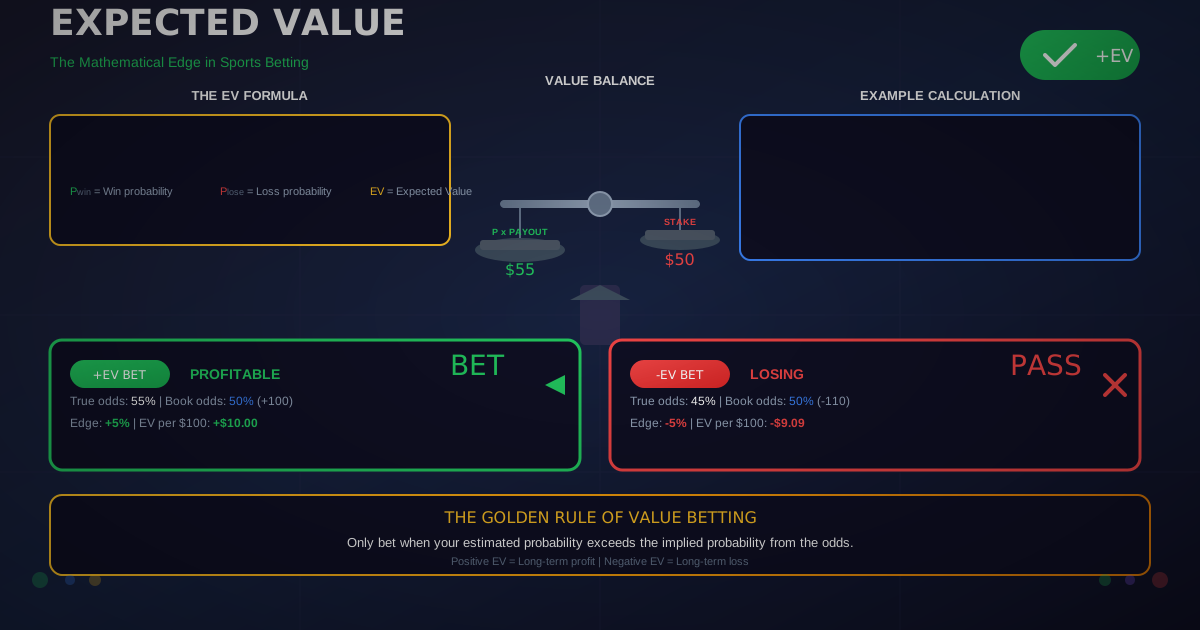
Before placing any bet, calculate whether it has positive expected value:
EV = (Win Probability x Profit) - (Loss Probability x Stake)
If EV is positive, the bet is mathematically favorable. Over thousands of bets, positive EV is the only path to long-term profit.
Calculate EV for any wager with our Expected Value Calculator.
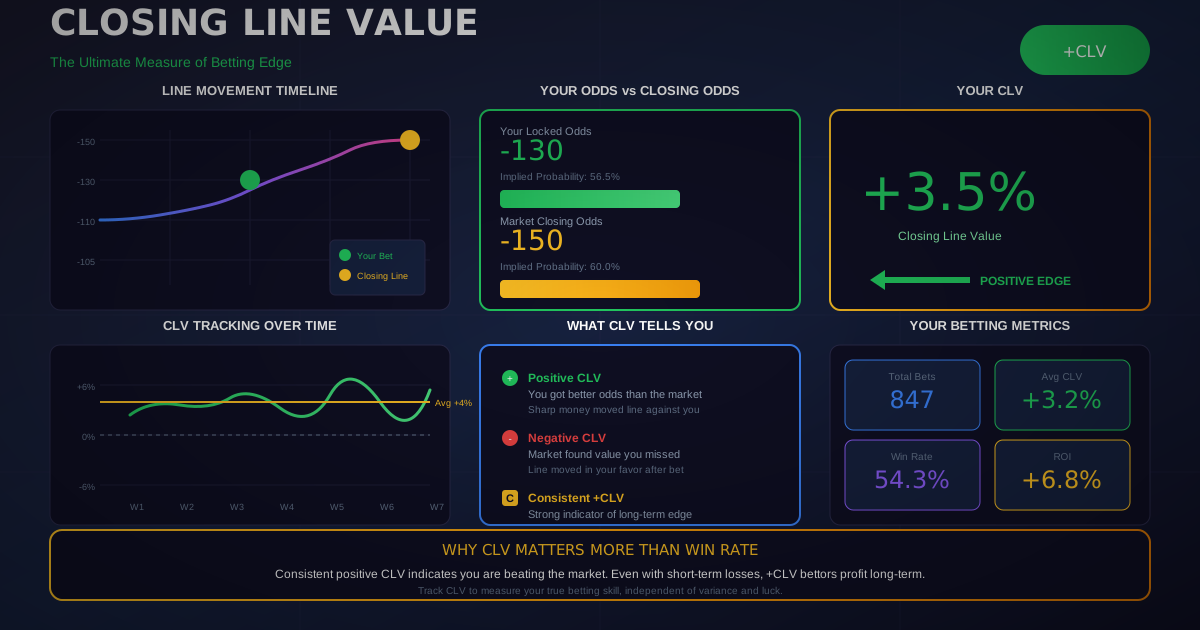
3. Track Closing Line Value (CLV)
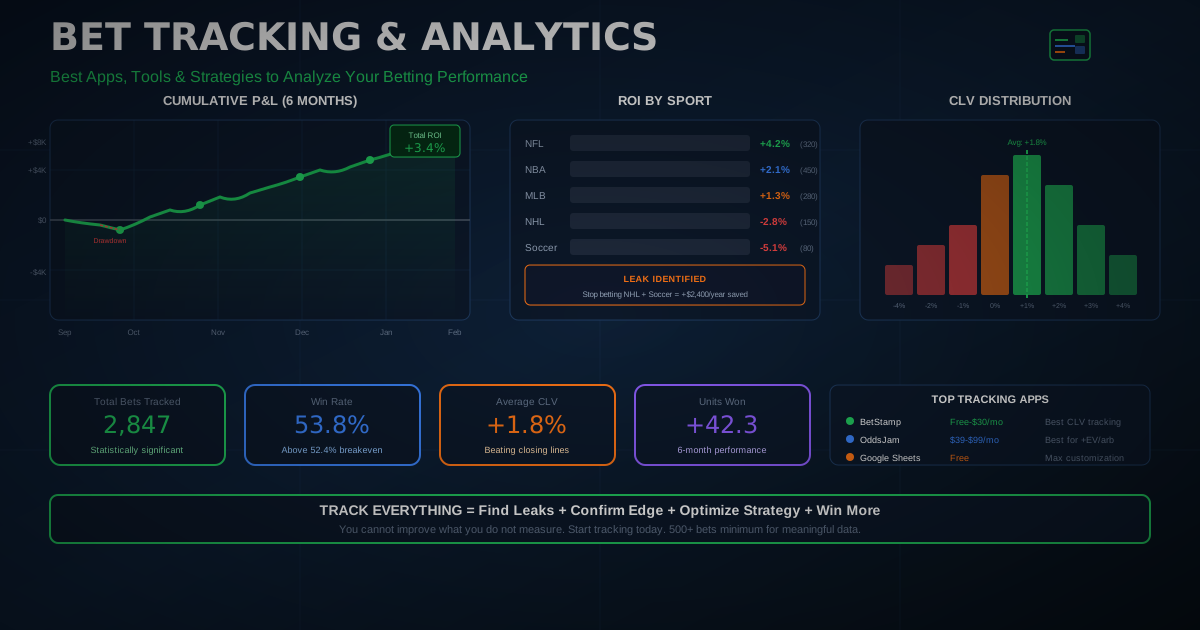
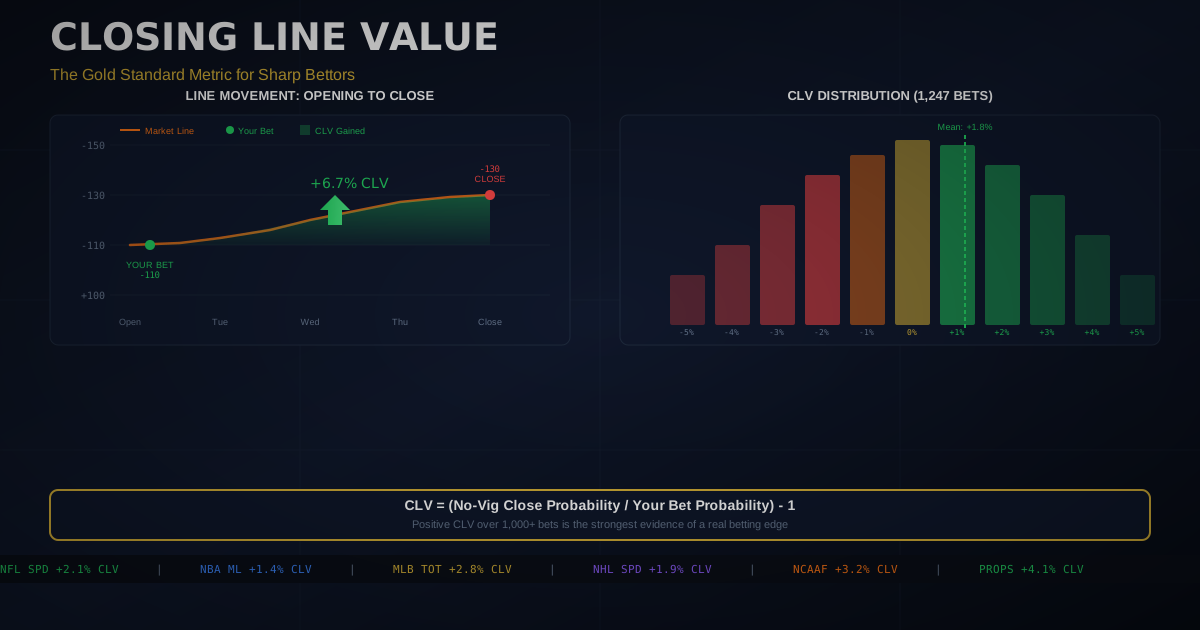
Your CLV measures whether you consistently beat the closing line. Positive CLV is the most reliable indicator of long-term betting profitability.
Track your CLV systematically with our CLV Tracker.
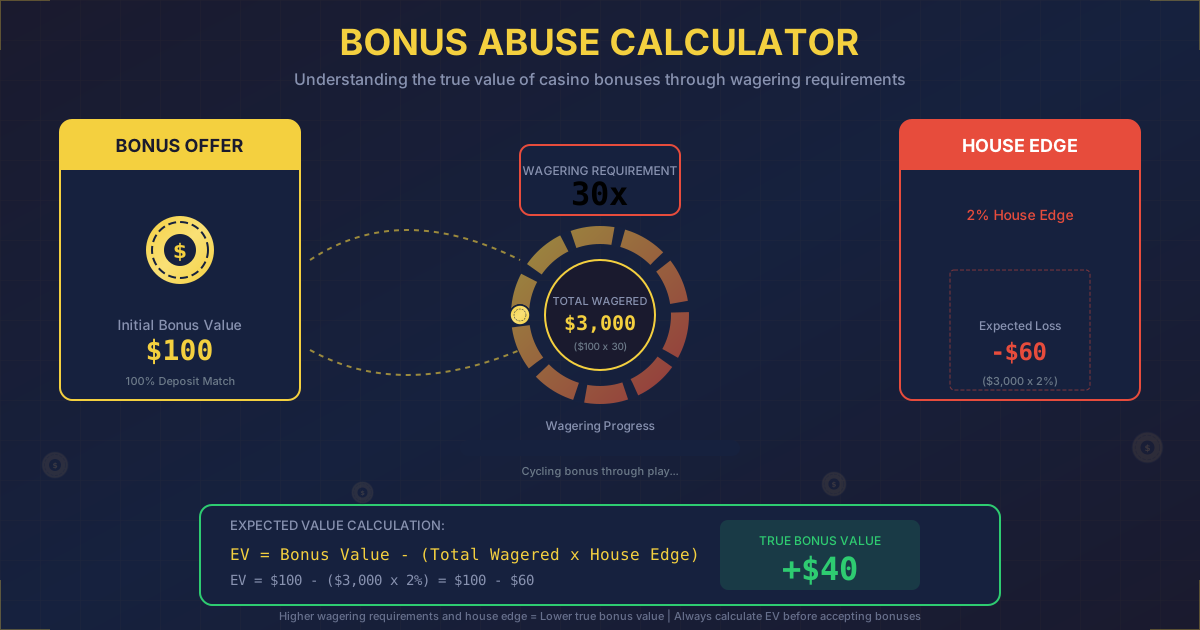
4. Exploit Promotions with Matched Betting
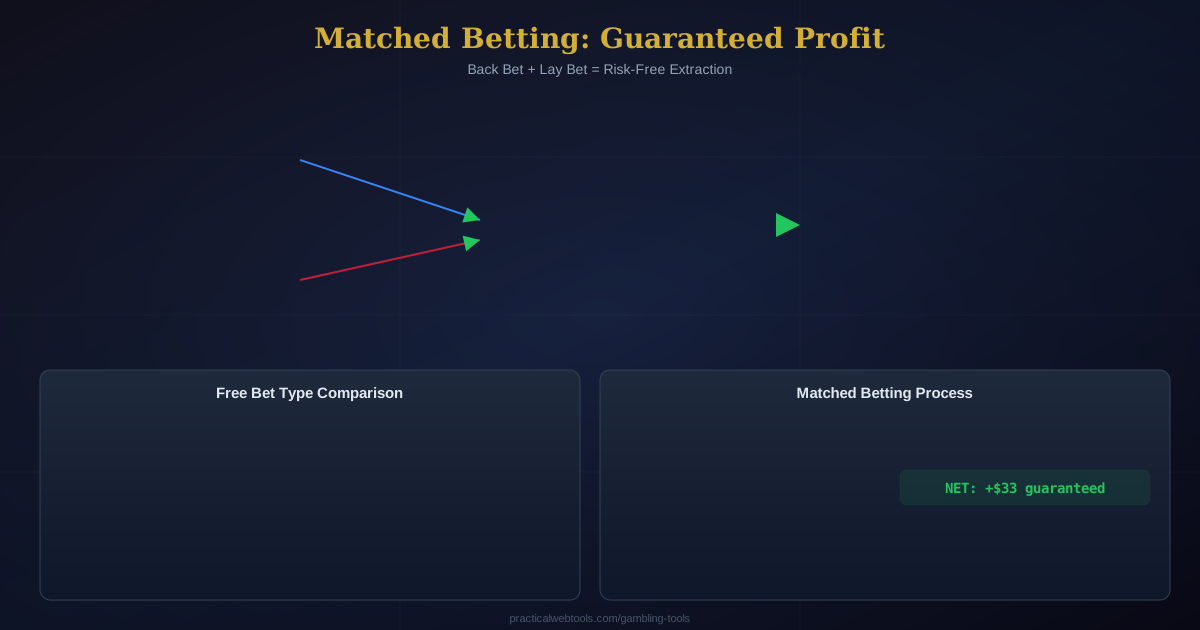
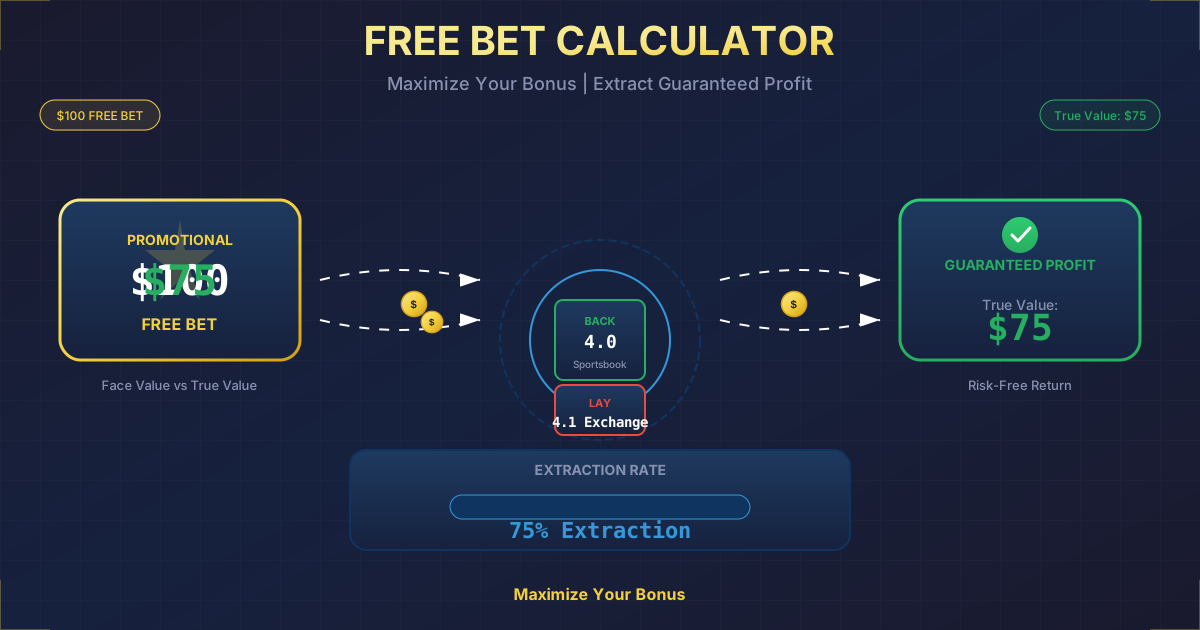
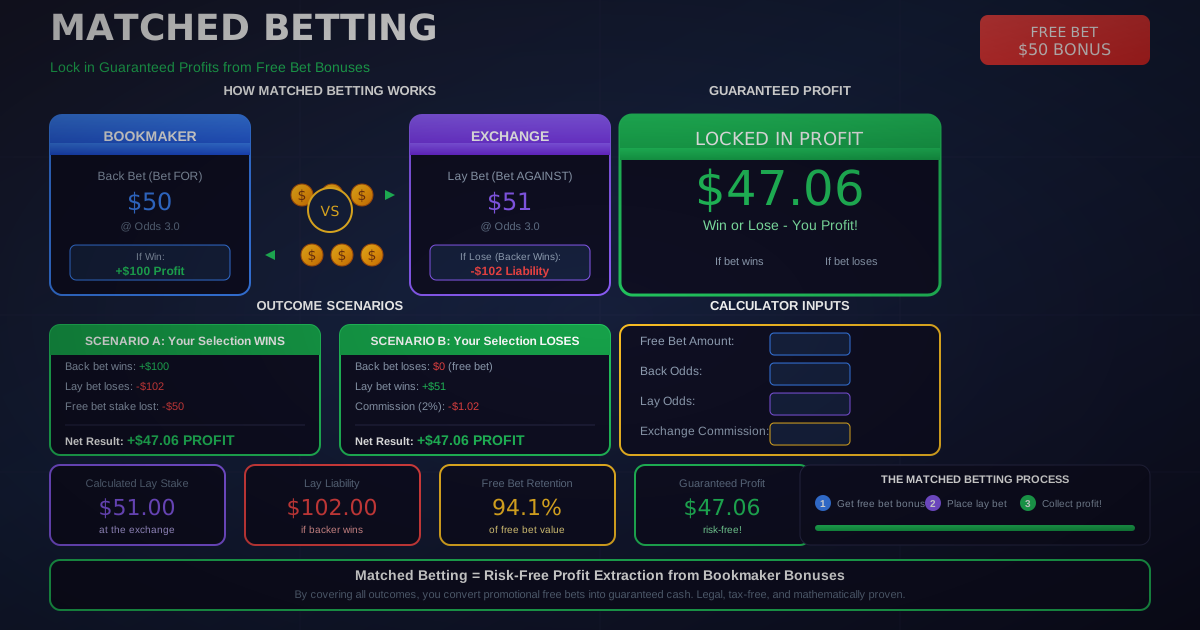
Every sportsbook offers welcome bonuses and ongoing promotions. Matched betting converts these into guaranteed profit:
- Typical welcome offer: $200-$1,000 in free bets
- Conversion rate: 60-80% of free bet value
- Profit per sportsbook: $100-$800
With 15+ sportsbooks in many states, that is potentially $1,500-$12,000 in guaranteed extraction from welcome offers alone.
Calculate your matched betting profits with our Matched Betting Calculator.
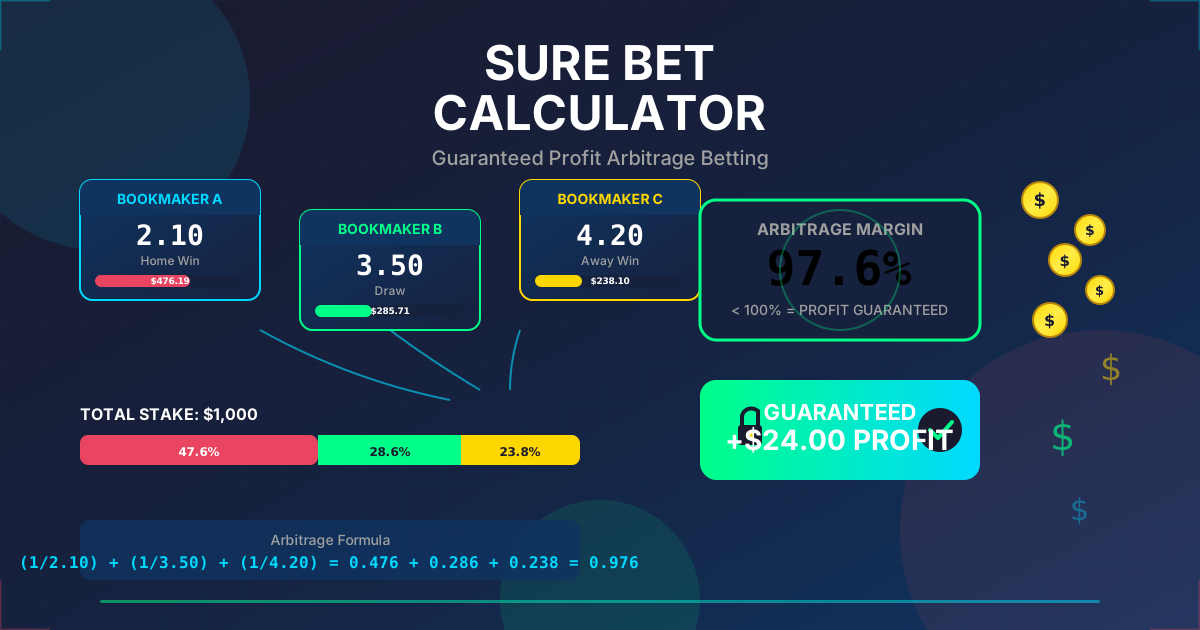
5. Identify Arbitrage Opportunities
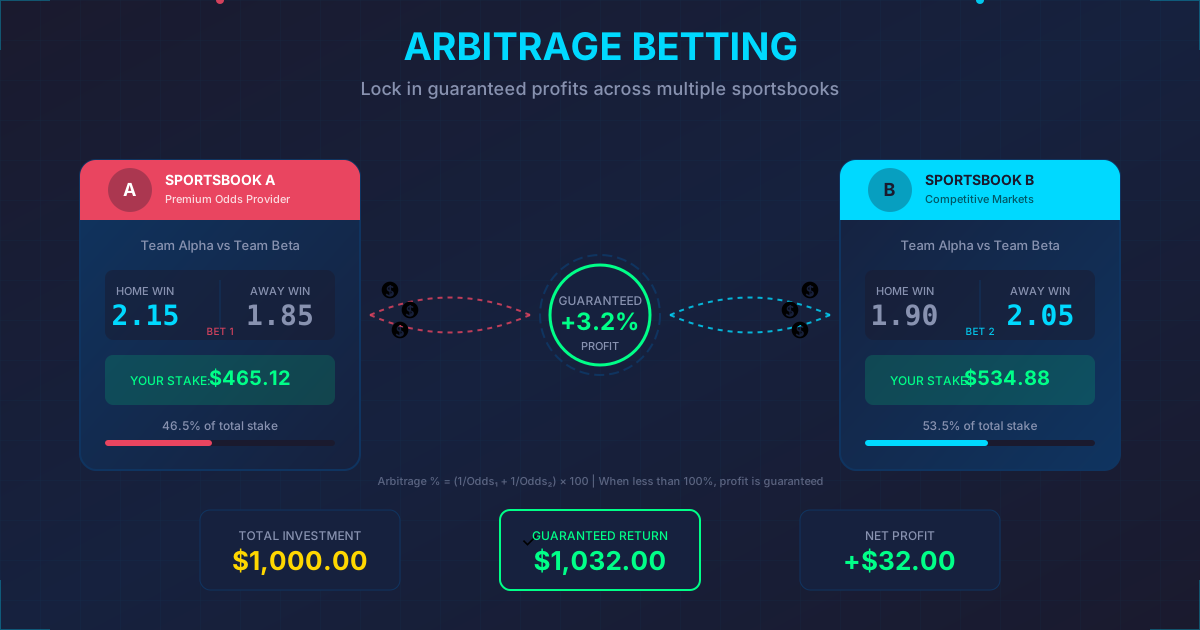
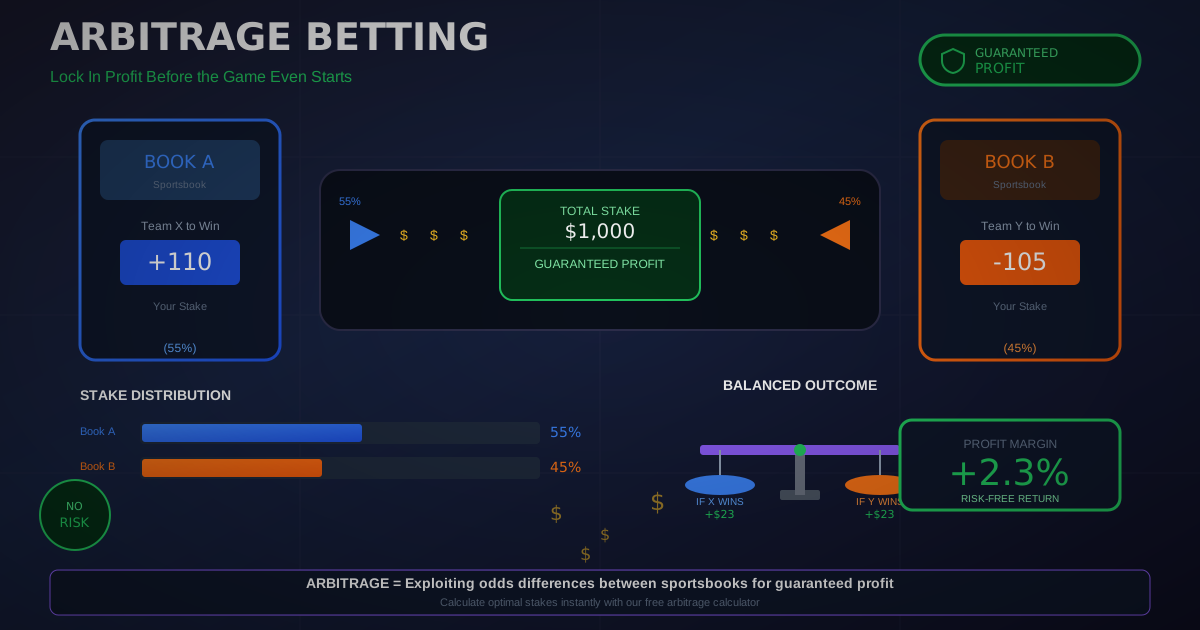
When odds diverge across sportsbooks, you can sometimes guarantee profit by betting all outcomes:
Example:
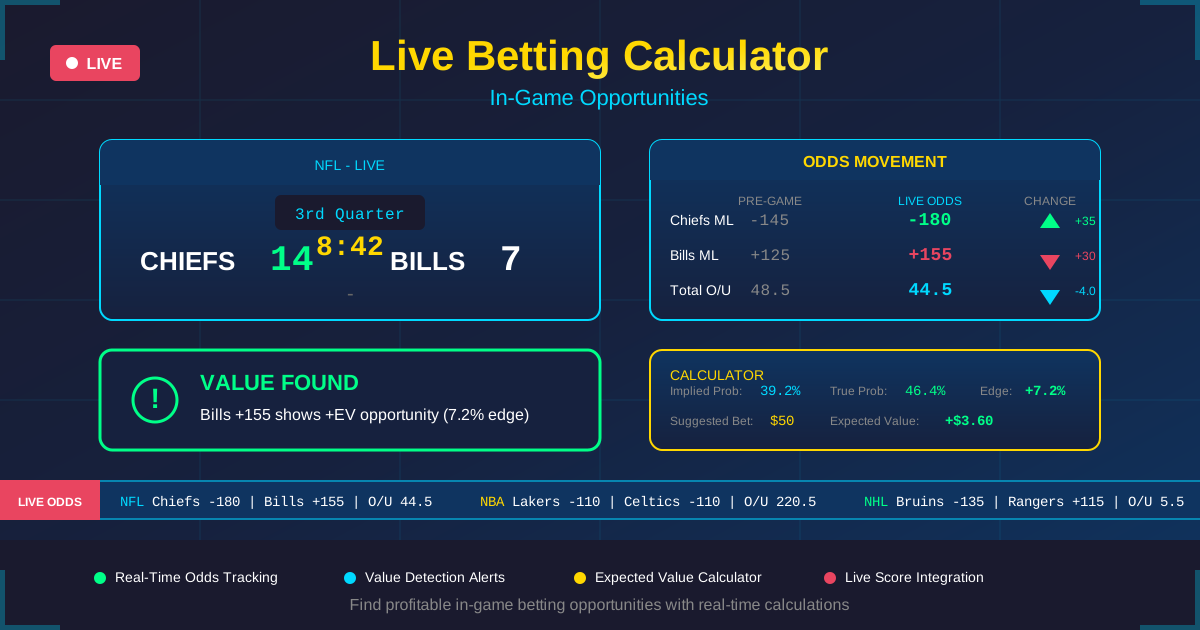
- Sportsbook A: Team X at +155
- Sportsbook B: Team Y at +155
Implied probabilities: 39.2% + 39.2% = 78.4% -- well under 100%. This is an arbitrage opportunity.
Find and calculate arbitrage bets with our Arbitrage Calculator.
6. Manage Your Bankroll
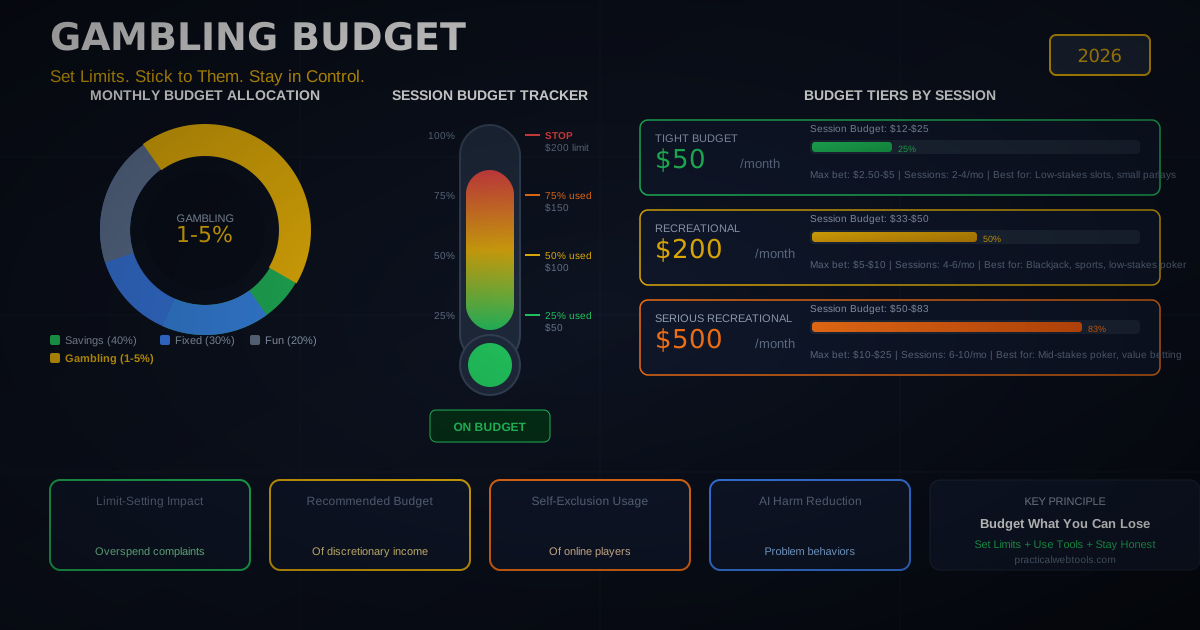
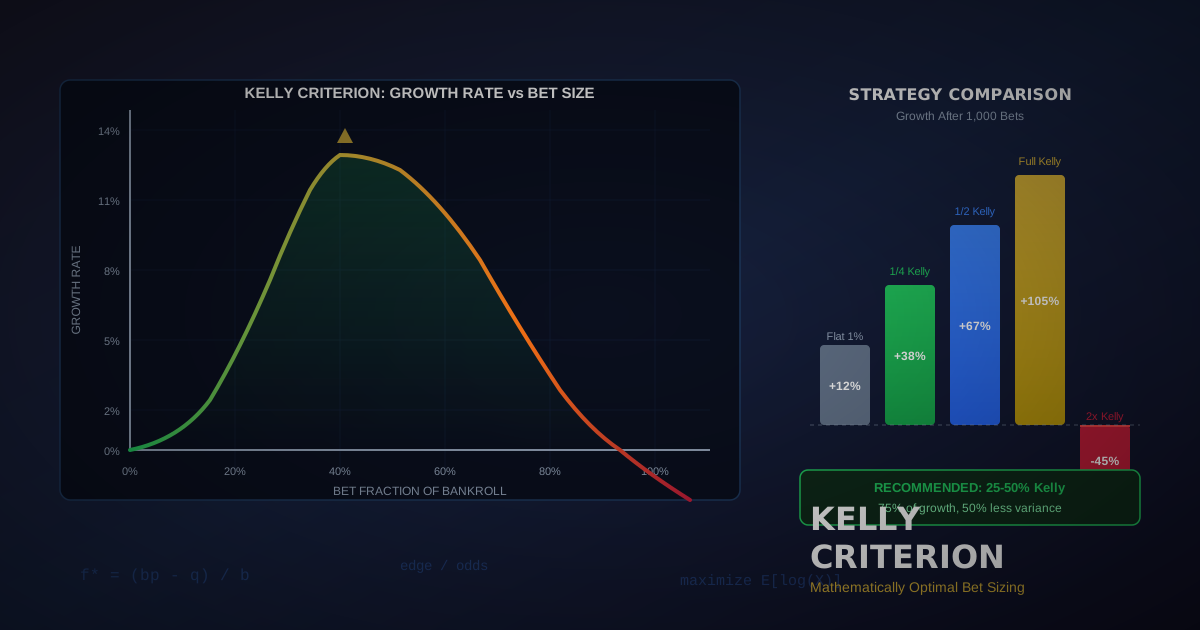
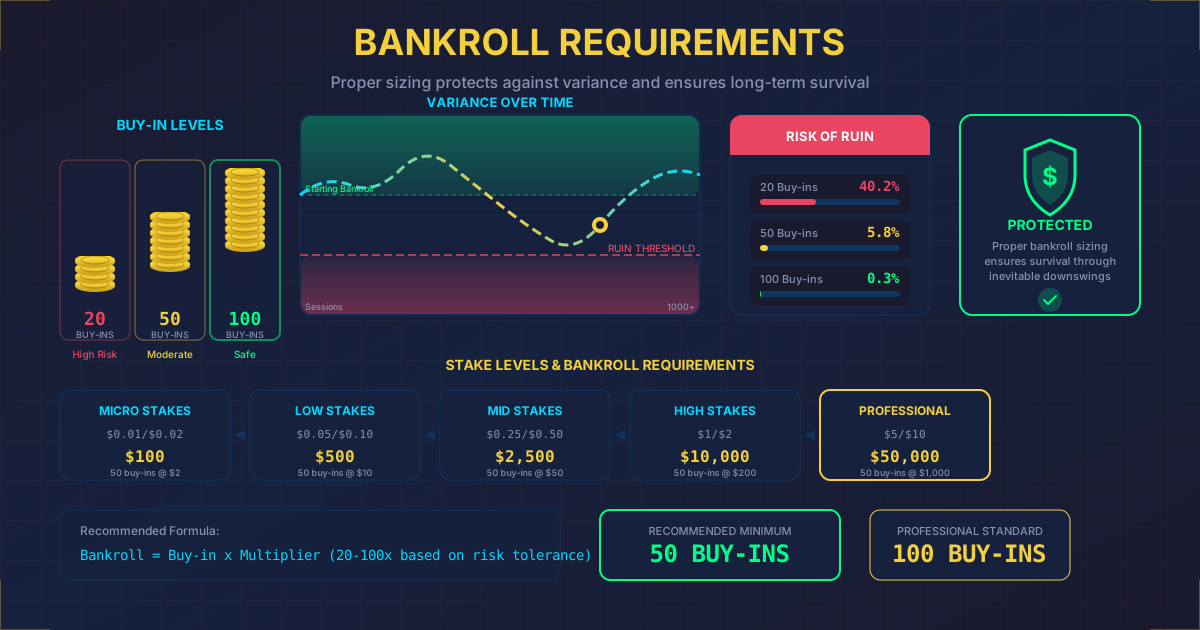
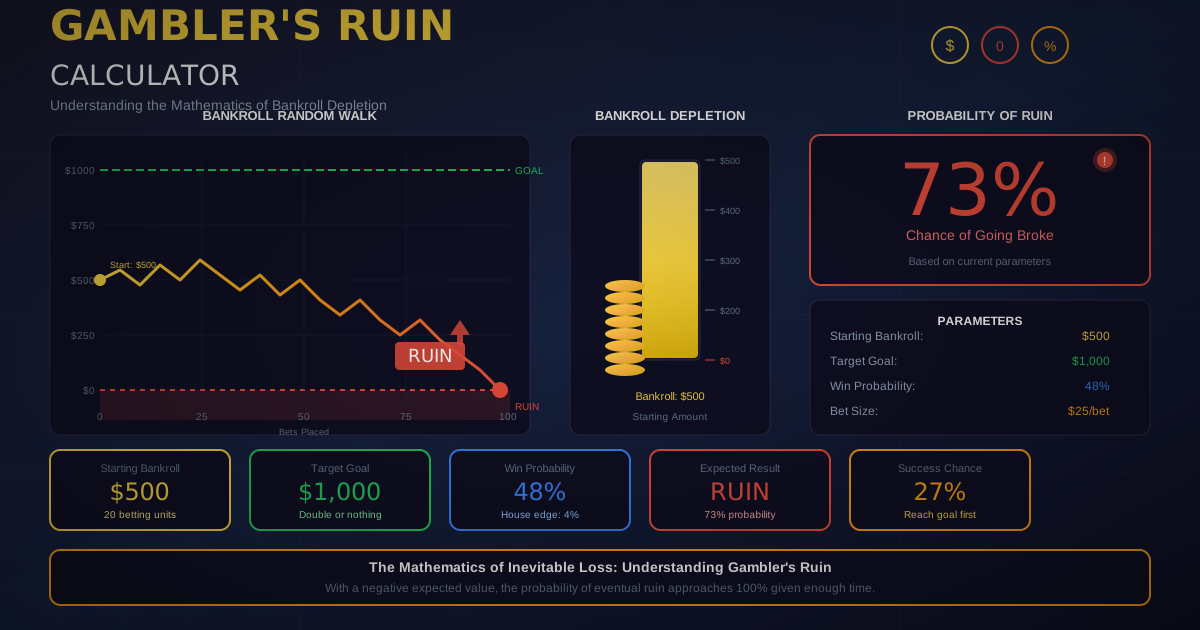
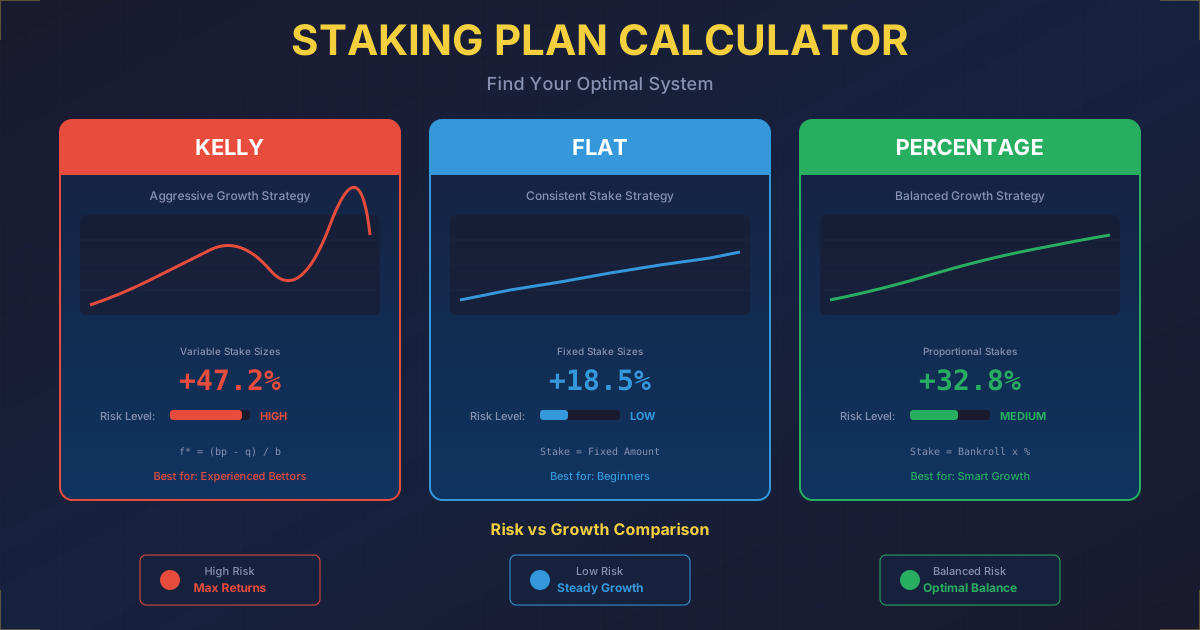
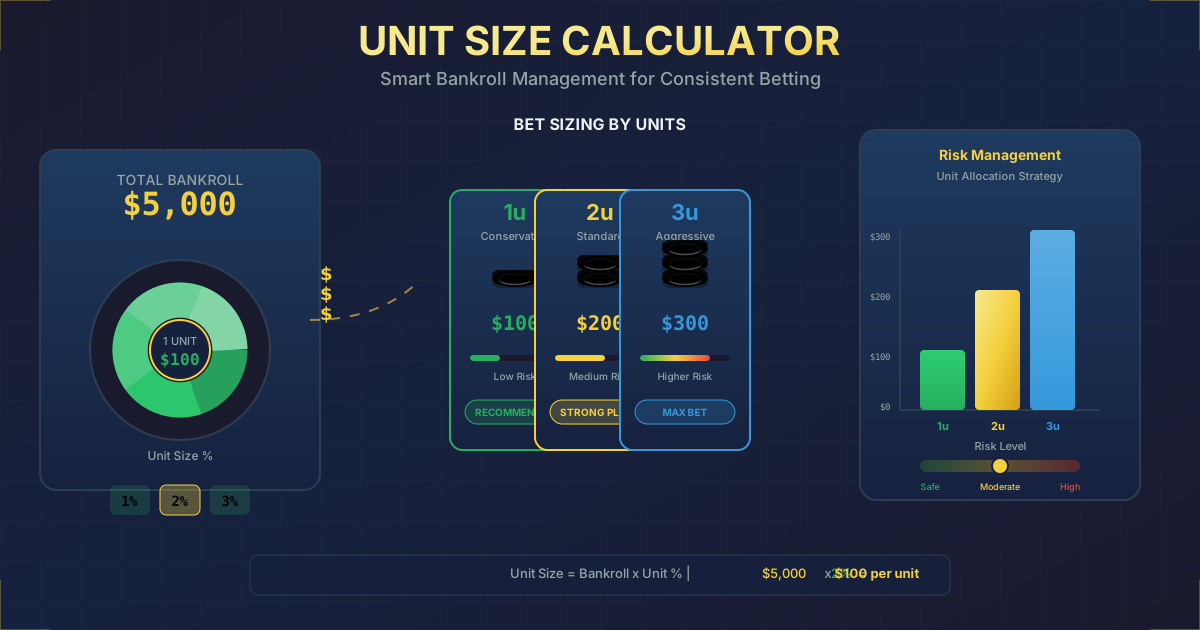
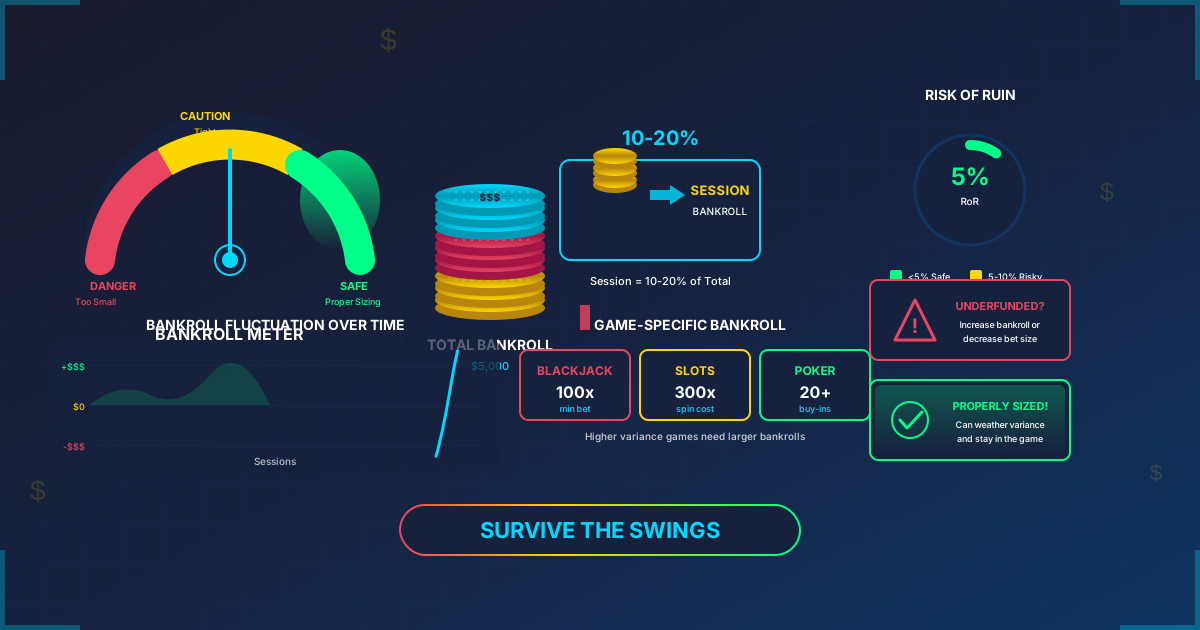
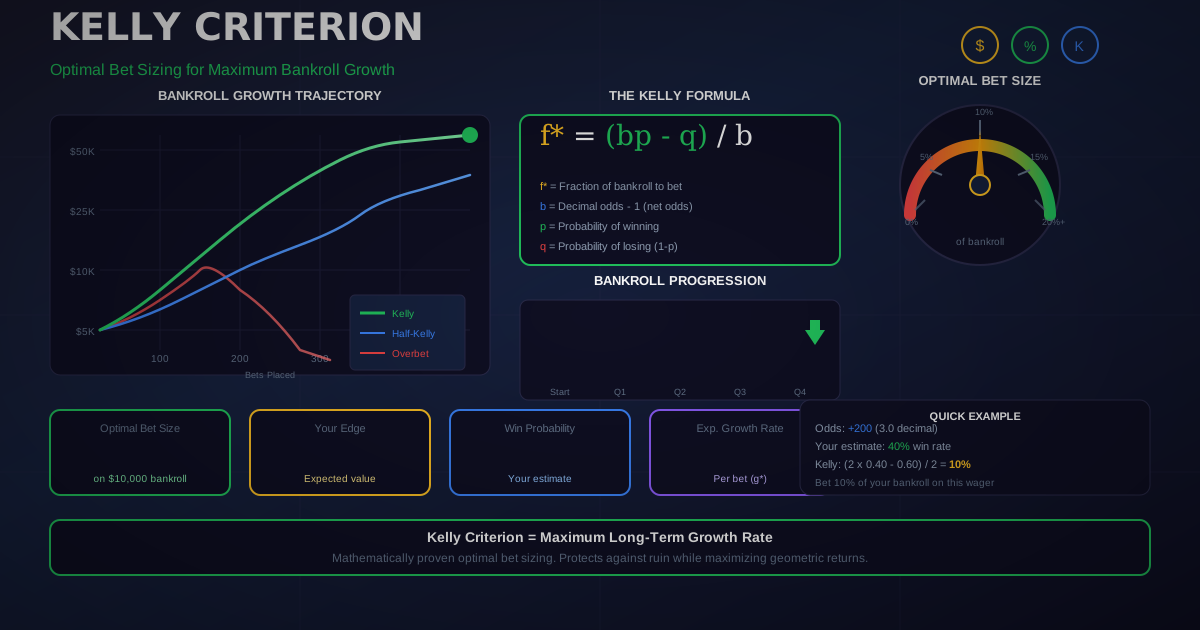
Professional bettors never risk more than 1-5% of their bankroll on a single bet. Use the Kelly Criterion to determine optimal bet sizing based on your edge:
Kelly % = (bp - q) / b
Where b = decimal odds - 1, p = win probability, q = loss probability.
Calculate optimal bet sizes with our Kelly Criterion Calculator.
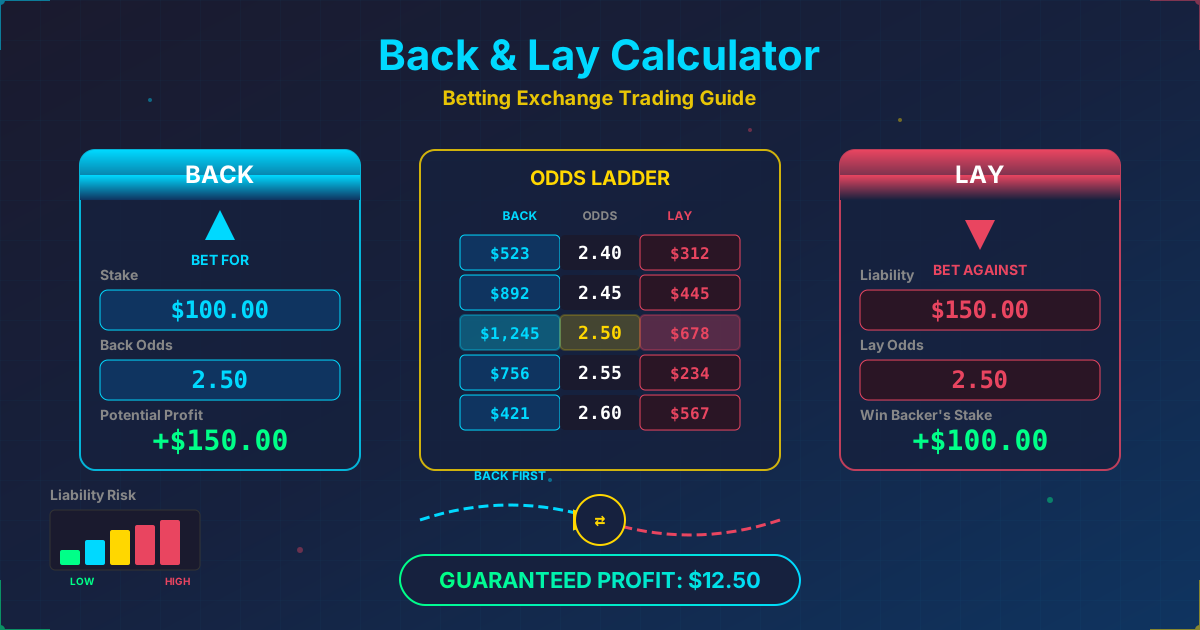
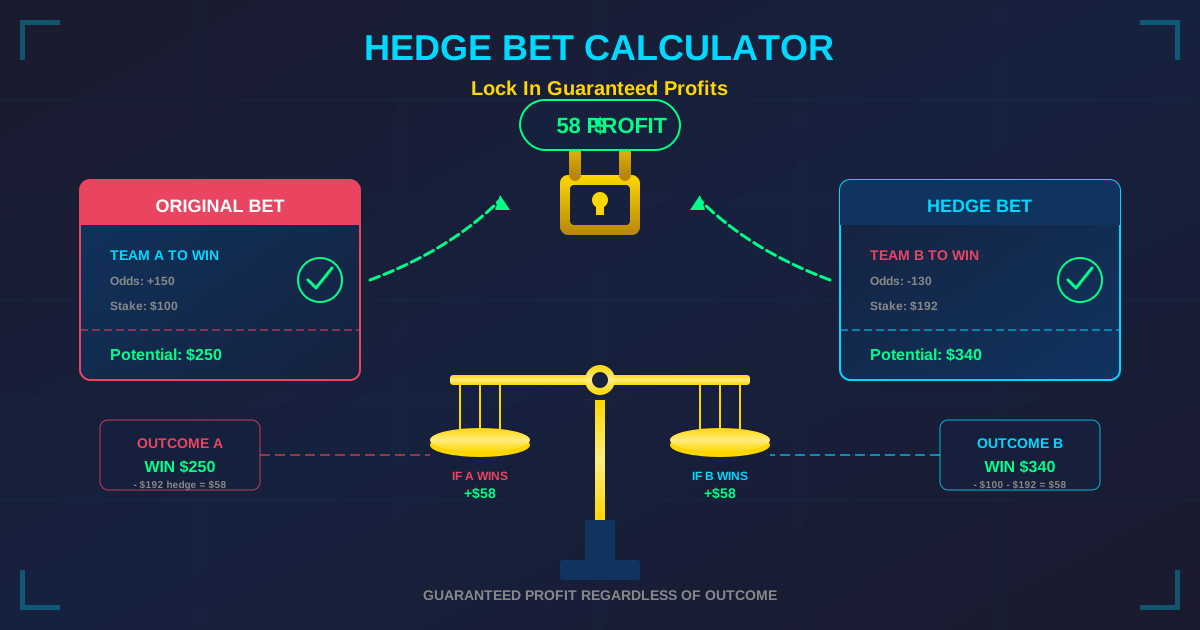
7. Hedge Important Bets
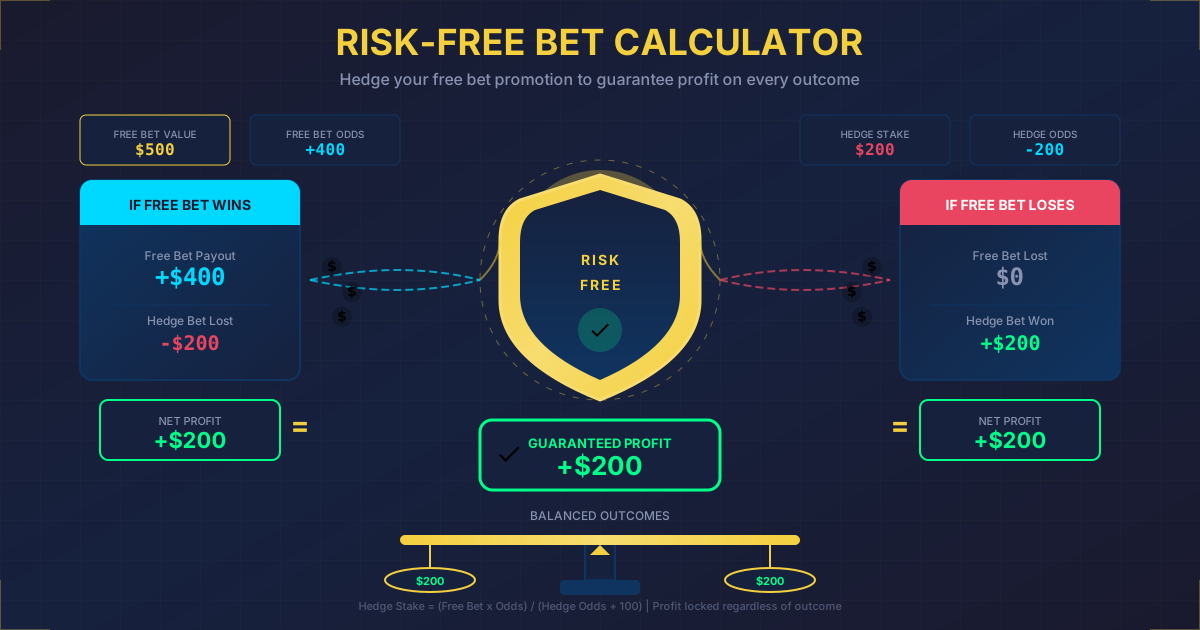
Sometimes hedging a futures bet or multi-leg parlay makes sense to lock in guaranteed profit:
Example: You bet the Chiefs to win the Super Bowl at +2000 in September. In January, they are favored at -150. Hedging locks in profit regardless of outcome.
Calculate hedge amounts with our Hedge Calculator.
Real-World Examples: State-Specific Strategies
Example 1: New Jersey Bettor with Maximum Access
Maria lives in New Jersey with access to 20+ sportsbooks. Her strategy:
- Opens accounts at all major books
- Converts all welcome bonuses using matched betting ($3,200 in guaranteed profit)
- Uses 3-4 books daily to shop for the best lines
- Tracks CLV across all books
Her annual results: +$8,500 profit from line shopping, matched betting, and value betting combined.
Example 2: Mississippi Bettor (Retail Only)
James lives in Mississippi where only retail betting is available. His strategy:
- Uses our tools to pre-calculate bets before visiting the casino
- Focuses on finding value in less efficient in-person markets
- Tracks all bets manually in a spreadsheet
- Takes advantage of casino comps and loyalty programs
His annual results: +$1,200 profit, plus approximately $2,000 in comps and free play.
Example 3: Texas Resident (Not Yet Legal)
David lives in Texas where sports betting is not yet legal. His approach:
- Uses our free tools to practice and prepare
- Studies betting analytics and bankroll management
- Calculates expected value on hypothetical bets to build skills
- Plans to be ready when Texas eventually legalizes
Calculate hypothetical EV on any bet with our Expected Value Calculator.
Example 4: New York High-Volume Bettor
Rachel bets in New York, where the 51% operator tax rate means worse lines. Her strategy:
- Shops aggressively -- even small line differences matter more in NY
- Takes advantage of aggressive promotions (operators spend more on marketing in NY due to high competition)
- Monitors for arbitrage between NY books and NJ books (she crosses the border when profitable)
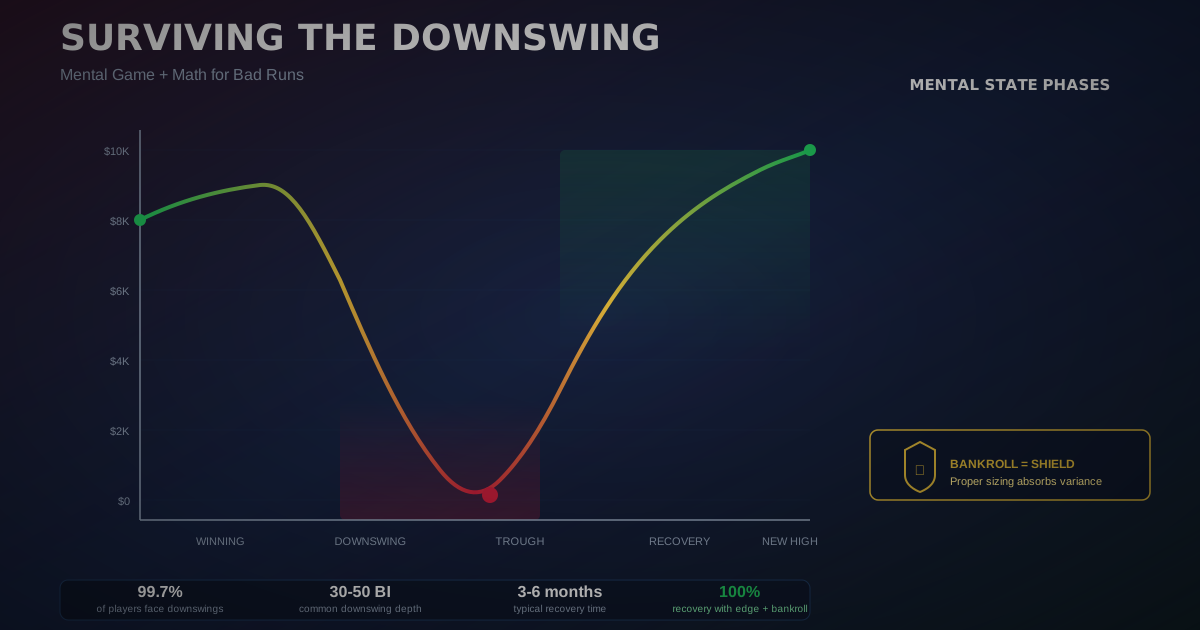
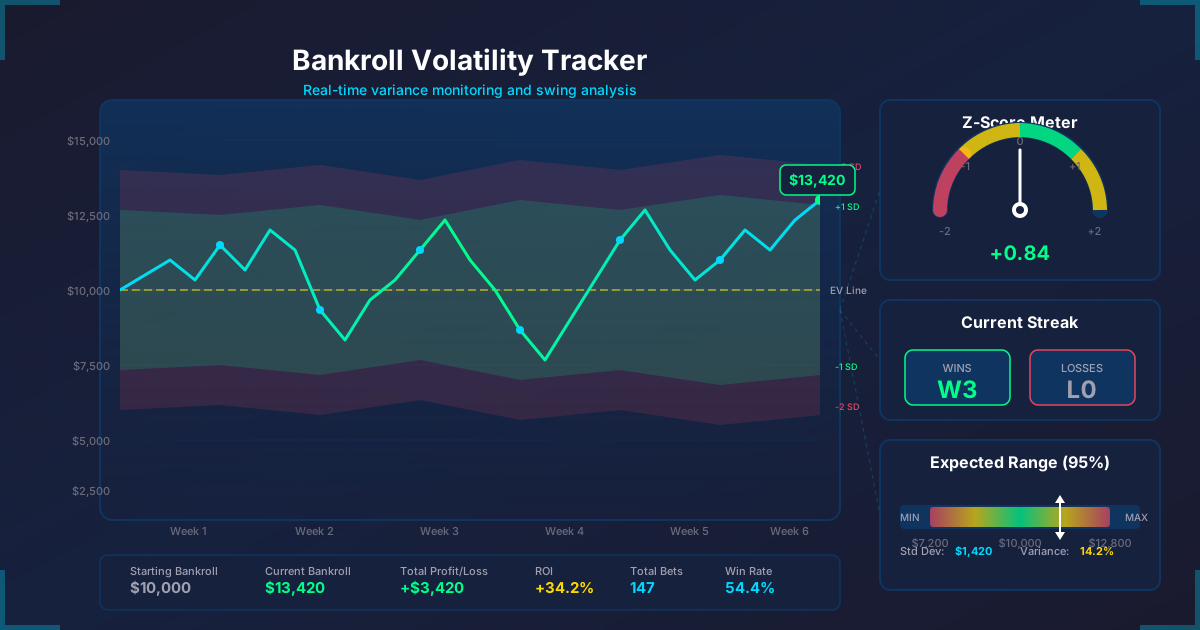
- Uses bankroll management to handle the higher variance from wider spreads
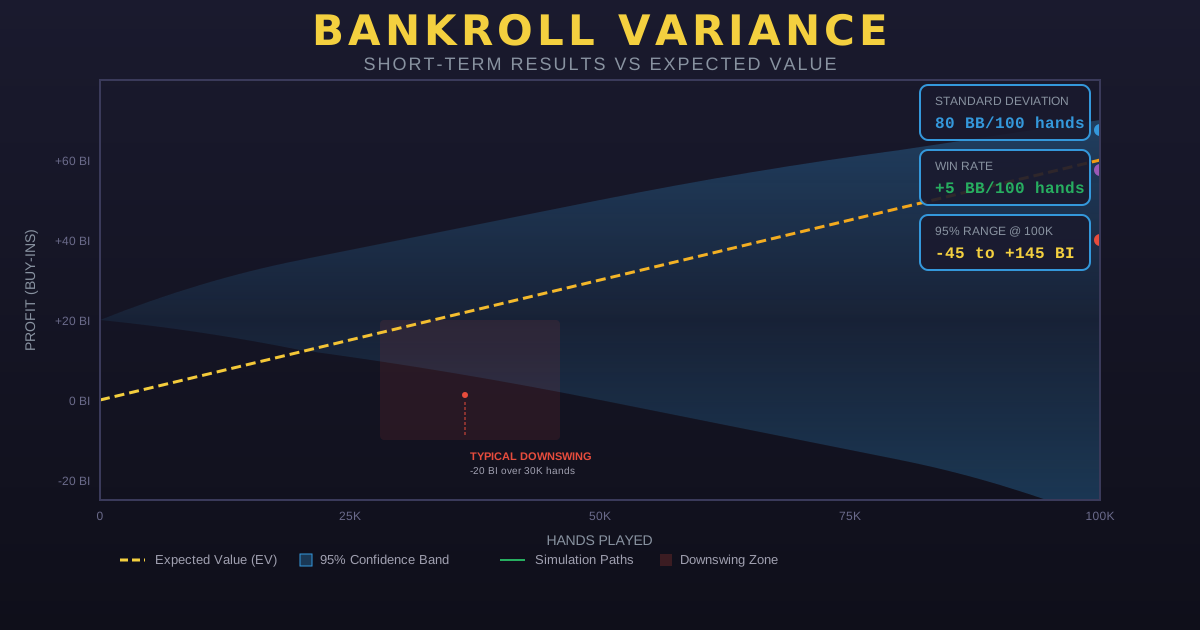
Monitor bankroll volatility with our Bankroll Volatility Tracker.
What Is Coming: Future Legalization Trends
Key Trends for 2026-2028
-
More states will legalize. The revenue success in neighboring states creates pressure on holdout legislatures. Missouri, Minnesota, and Georgia are the most likely next additions.
-
Federal regulation is unlikely. Despite occasional discussions, a federal framework for sports betting remains politically unlikely. State-by-state regulation will continue.
-
Tax rates may increase. Several states are considering rate increases as the industry matures. Illinois raised rates in 2024 and more states may follow.
-
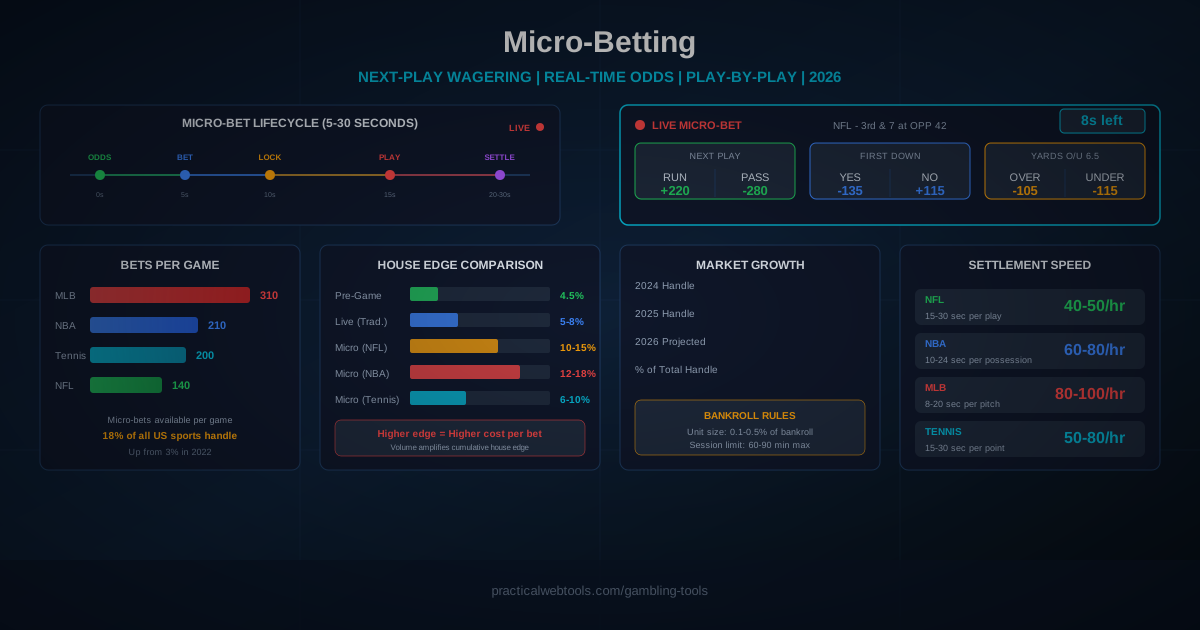
Micro-betting expansion. In-play betting on individual pitches, plays, and points is growing rapidly and may face new regulatory scrutiny.
-
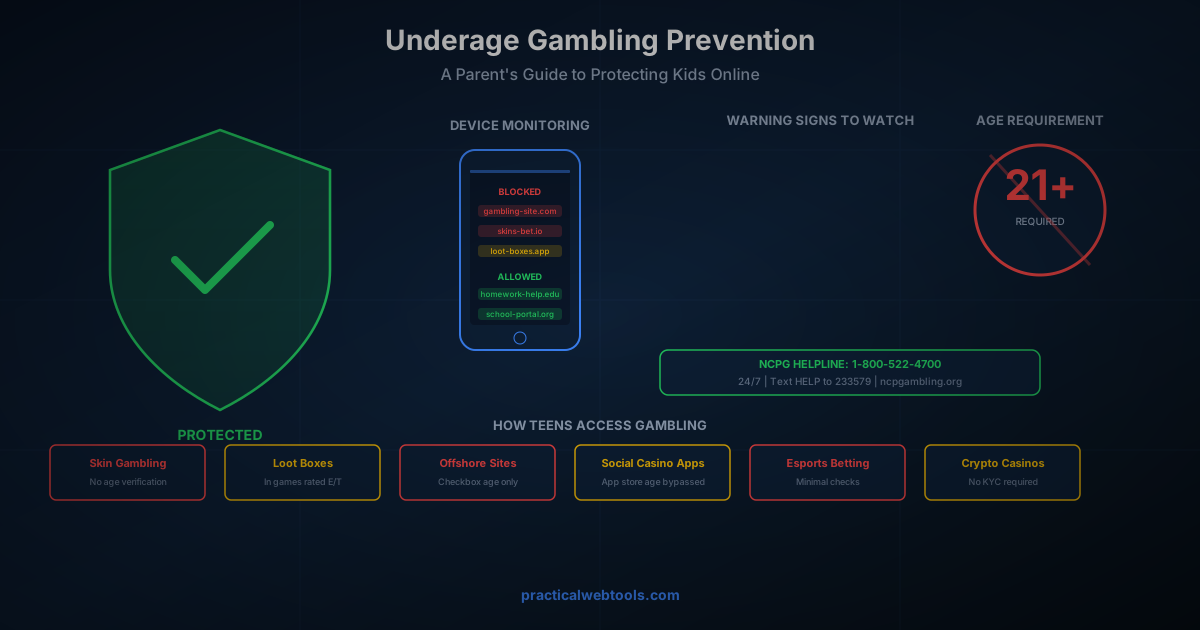
Responsible gambling measures. States are implementing stronger responsible gambling requirements including mandatory deposit limits, self-exclusion programs, and enhanced age verification.
-
Tribal gaming expansion. More tribal nations are entering sports betting through compact negotiations, particularly in states without commercial casino infrastructure.
Choosing the Best Sportsbook in Your State
What to Compare
| Factor | Why It Matters | How to Evaluate |
|---|---|---|
| Odds quality | Better odds = higher profits | Compare specific lines across books |
| Promotions | Free money through bonuses | Calculate true value of offers |
| Market depth | More betting options | Check prop and live betting coverage |
| Withdrawal speed | Access your winnings | Read user reviews for payout times |
| Mobile app quality | Usability matters | Test the app before depositing |
| Limits | Higher limits for serious bettors | Check max bet sizes by market |
| Payment options | Convenient deposits/withdrawals | Verify your preferred method is accepted |
The Value of Multiple Accounts
In states with many operators, opening accounts at every legal sportsbook gives you:
- Line shopping capability (the single biggest edge for recreational bettors)
- Access to all welcome bonuses
- Ability to exploit book-specific promotions
- Better liquidity for larger bets
- Arbitrage detection opportunities
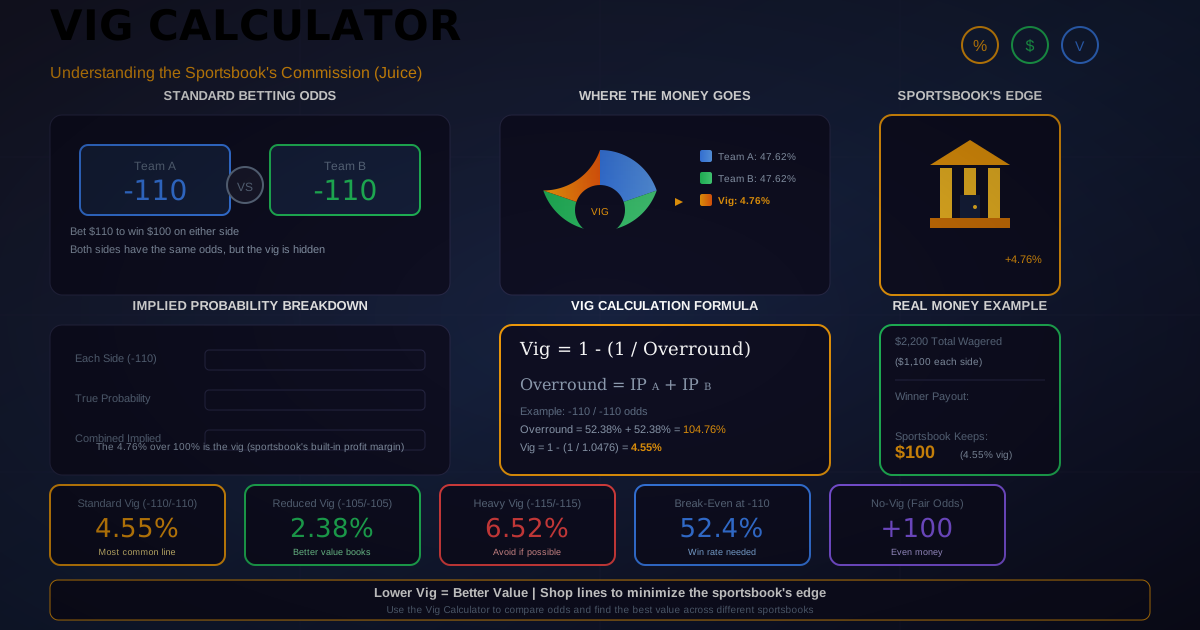
Identify which sportsbooks offer the least vig with our Hold/Vig Calculator.
Sure Betting Across State Lines
If you live near a state border, you may have access to sportsbooks in multiple jurisdictions. This creates additional opportunities:
- Different operator lineups between states
- Different odds reflecting different market compositions
- Potential for cross-state arbitrage
- Access to promotions in multiple states
Important: You must be physically located within a state to bet at that state's sportsbooks. You cannot use a VPN or other geolocation spoofing.
Calculate sure bet opportunities with our Sure Bet Calculator.
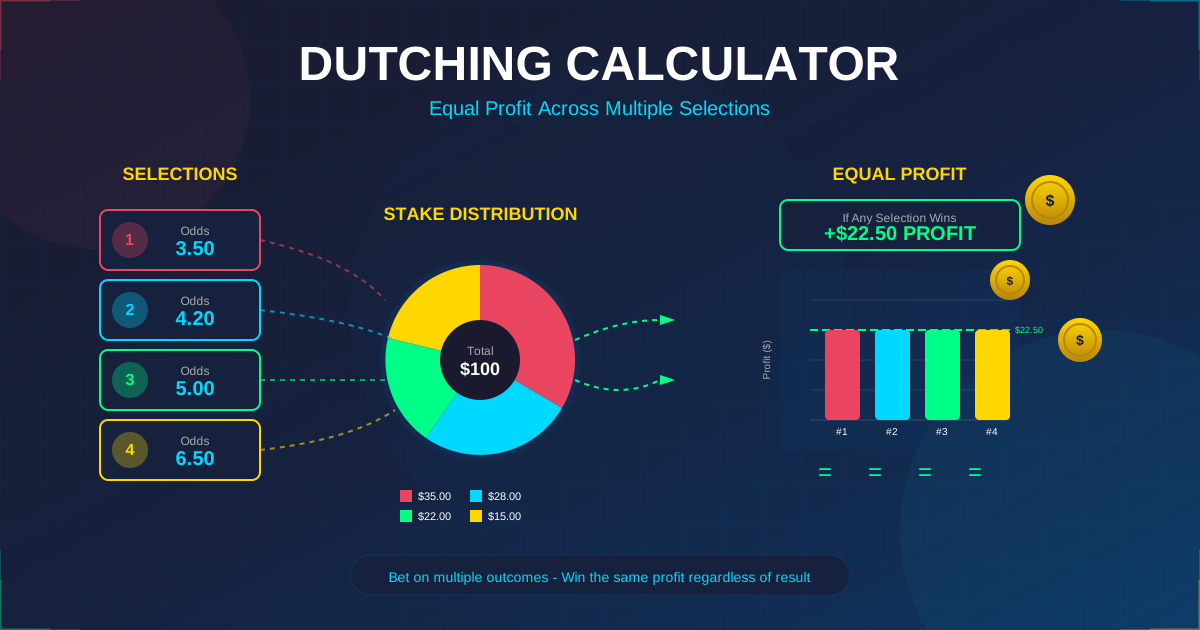
Use dutching to spread risk across multiple books with our Dutching Calculator.
Frequently Asked Questions
Is sports betting legal in my state?
As of early 2026, 38 states plus DC have legalized some form of sports betting. Check the state-by-state tables above for your specific state. If your state is not listed, sports betting is currently not legal there.
Can I bet online from any state?
No. You must be physically located within a state that has legalized online sports betting. Geolocation technology verifies your location when you place a bet. States like Montana, Mississippi, and South Dakota only allow retail (in-person) betting.
Do I have to pay taxes on sports betting winnings?
Yes. All gambling winnings are taxable at the federal level, and most states tax them at your normal income tax rate. Sportsbooks report large payouts on W-2G forms. Track all your bets carefully for tax purposes. Losses can be deducted up to the amount of your winnings if you itemize.
Which state has the best odds for bettors?
States with low operator tax rates (Nevada at 6.75%, Michigan at 8.4%, Iowa at 6.75%) tend to have the most competitive odds because operators have more margin. States with 50%+ tax rates like New York and New Hampshire tend to have worse lines.
Can I use a VPN to bet in another state?
No. Sportsbooks use sophisticated geolocation verification that detects and blocks VPN usage. Attempting to circumvent geolocation is a violation of the sportsbook's terms of service and may be illegal in some jurisdictions.
What happens if my state legalizes while I am already using tools to prepare?
You will have a significant advantage. Understanding odds, expected value, bankroll management, and promotion extraction before placing your first legal bet puts you ahead of the vast majority of new bettors. Use our free tools to practice now and be ready when legalization arrives.
How do I choose between sportsbooks in my state?
Compare odds quality (not marketing claims), bonus structures, withdrawal speeds, market depth, and betting limits. Open accounts at multiple books to enable line shopping, which is the most impactful strategy for any bettor.
What are the penalties for betting illegally in a state where it is not legal?
Penalties vary by state but can include fines and in rare cases criminal charges. Additionally, illegal offshore sportsbooks offer no consumer protections, may refuse to pay winnings, and do not comply with responsible gambling standards. Always bet through legal, regulated channels.
Related Tools
Make smarter bets with these free calculators:
- Odds Converter -- Convert between American, decimal, and fractional odds
- Expected Value Calculator -- Calculate EV for any bet
- Implied Probability Calculator -- Convert odds to probabilities
- Lottery After-Tax Calculator -- Estimate after-tax returns
- Arbitrage Calculator -- Find guaranteed profit opportunities
- Hold/Vig Calculator -- Analyze sportsbook margins
- Kelly Criterion Calculator -- Optimal bet sizing
- Hedge Calculator -- Lock in profits on futures
- Parlay Calculator -- Calculate parlay payouts
- Bankroll Volatility Tracker -- Monitor bankroll swings
- CLV Tracker -- Track closing line value
- Matched Betting Calculator -- Convert bonuses to cash
- Sure Bet Calculator -- Verify sure bet opportunities
- Dutching Calculator -- Spread risk across sportsbooks
Conclusion
The sports betting landscape in America continues to expand, offering more opportunities for informed bettors than ever before. Whether you are in a state with 20+ sportsbooks or waiting for your state to legalize, the tools and strategies in this guide apply universally.
The key advantages are clear: shop for the best lines using our Odds Converter, calculate expected value before every bet with our Expected Value Calculator, extract guaranteed profit from promotions with our Matched Betting Calculator, and manage your bankroll with our Kelly Criterion Calculator.
States with lower operator tax rates offer better odds, more promotions, and a more competitive market. If you have access to multiple sportsbooks, use every one of them. And if you are in a state still waiting for legalization, use this time to study, prepare, and build the analytical skills that will give you an edge from day one.
The house always has an edge -- but informed bettors can close that gap, and sometimes reverse it.
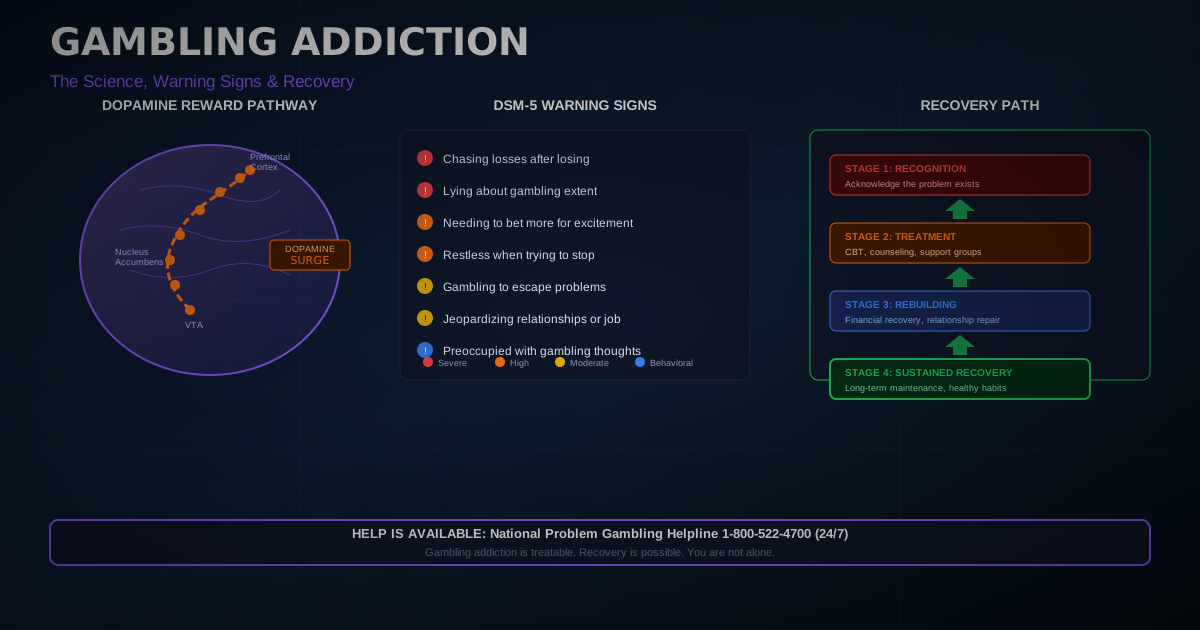
Gambling involves risk. This content is for educational and informational purposes only. Always gamble responsibly, set limits you can afford, and seek help if gambling becomes a problem. Visit the National Council on Problem Gambling or call 1-800-522-4700 for support.