How the House Edge Actually Works: What Casinos Don't Want You to Understand (2026)
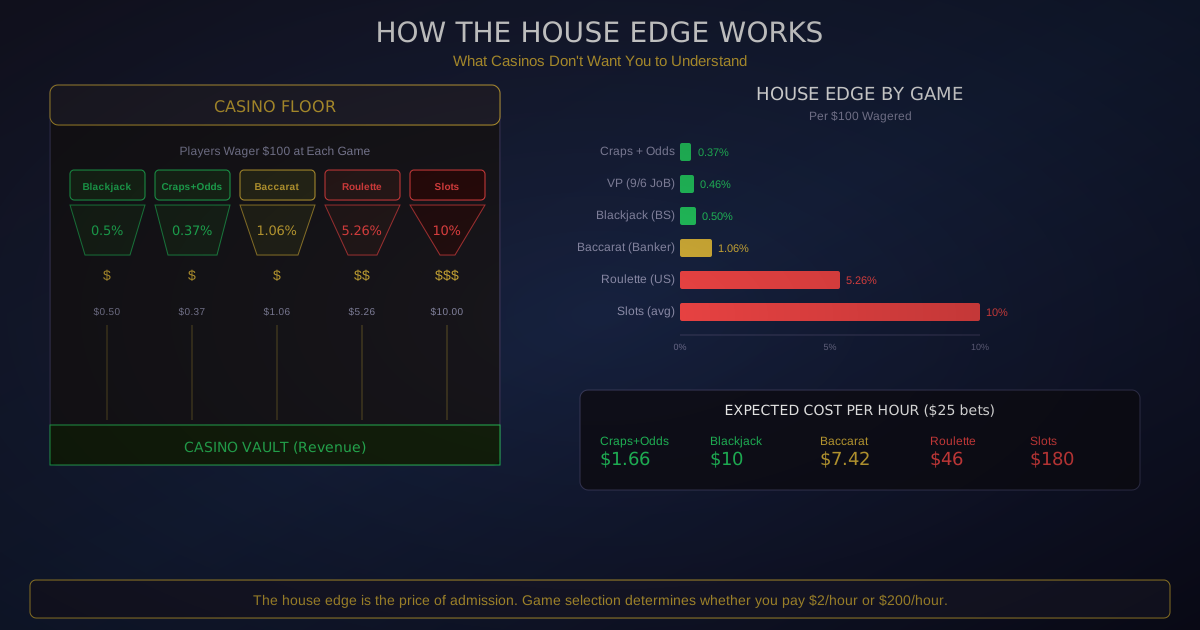
A casino does not need to cheat. It does not need to rig games, manipulate cards, or tamper with dice. The mathematics built into every single game guarantee that the casino will profit over time. This mathematical certainty is called the house edge, and it is the most elegant, legal, and reliable profit-generating machine ever devised. The house edge ensures that for every million dollars wagered at a roulette table, the casino keeps approximately $52,600. Not because players are unlucky. Because the math demands it.
Understanding the house edge is the single most valuable piece of knowledge any gambler can possess. It tells you exactly how much every game costs you per hour, per session, and per year. It reveals why some bets are 45 times more expensive than others at the same casino. And it shows you precisely how casinos generate billions in revenue from games that appear to give players a fair shot.
Most gamblers have a vague sense that "the house always wins," but few understand the specific mechanics. This guide will show you exactly how the house edge works, how it is calculated for every major casino game, and how casinos use it to predict revenue with remarkable precision.
Calculate the house edge for any casino game with our free Blackjack House Edge Calculator, Roulette House Edge Calculator, Craps House Edge Calculator, and Baccarat House Edge Calculator.
What Is the House Edge?
The house edge is the mathematical advantage that the casino has over the player on every bet. It is expressed as a percentage of the player's wager that the casino expects to keep over the long run.
The Simple Definition
House Edge = (True Odds - Payout Odds) / True Odds
Or equivalently:
House Edge = 1 - (Total Payouts / Total Wagered)
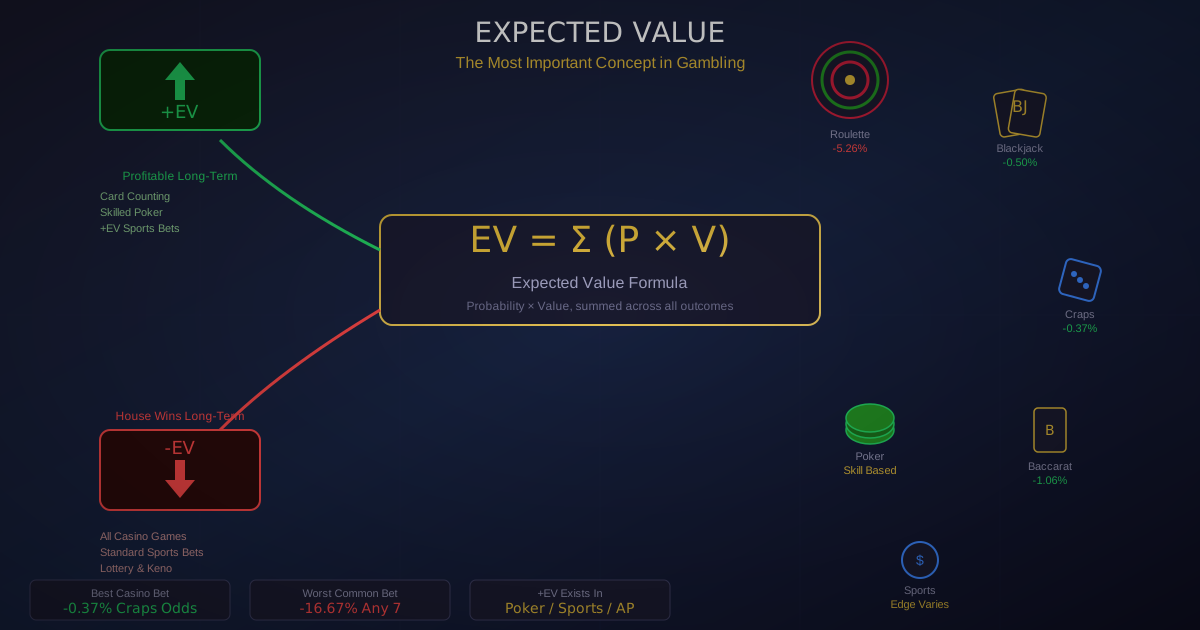
When a game has a 5% house edge, the casino expects to keep $5 out of every $100 wagered. The player expects to lose $5 out of every $100 wagered. Over thousands of bets, actual results converge toward this mathematical expectation.
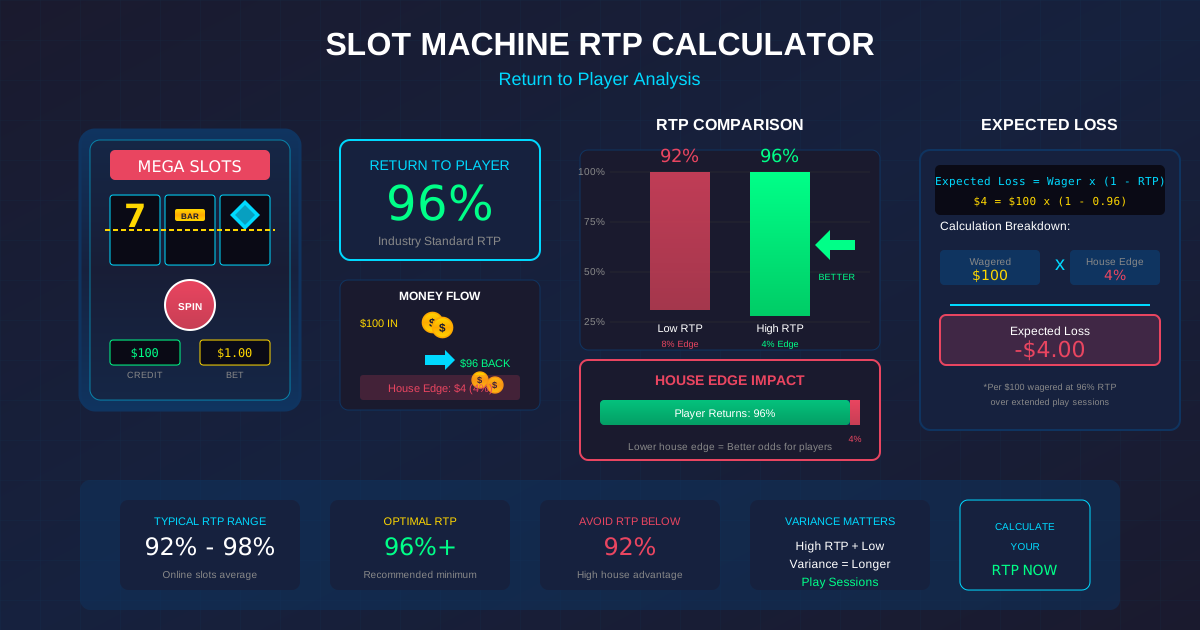
House Edge vs. Return to Player (RTP)
These are two sides of the same coin:
House Edge + RTP = 100%
| Metric | What It Means | Example |
|---|---|---|
| House Edge (HE) | Casino's expected profit per dollar wagered | 5.26% |
| Return to Player (RTP) | Player's expected return per dollar wagered | 94.74% |
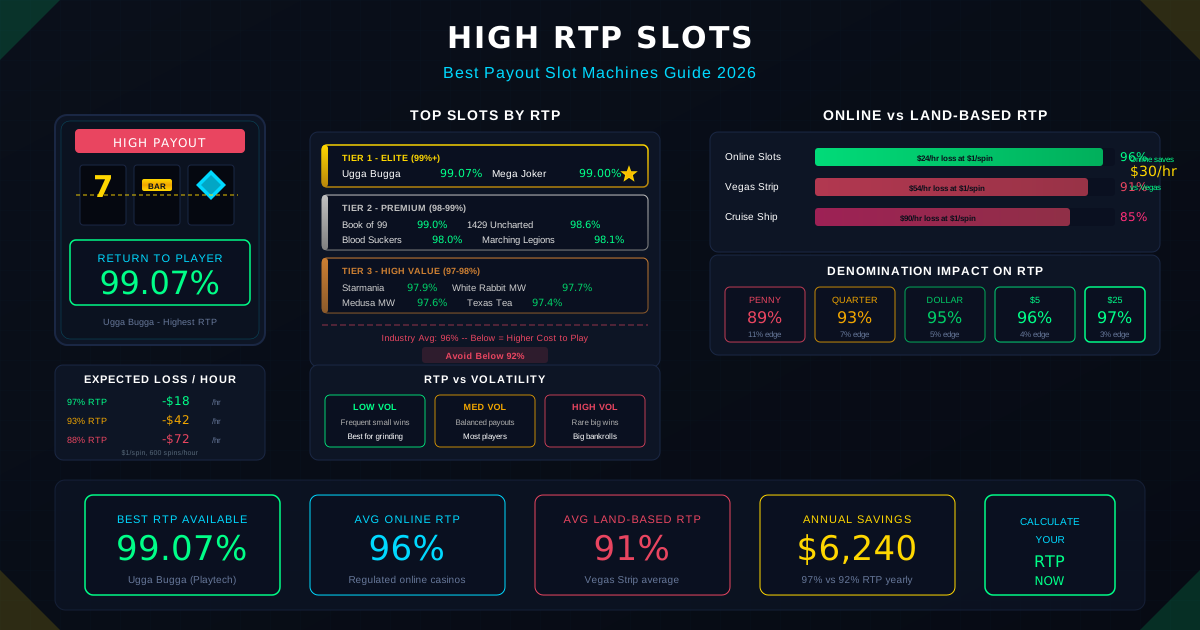
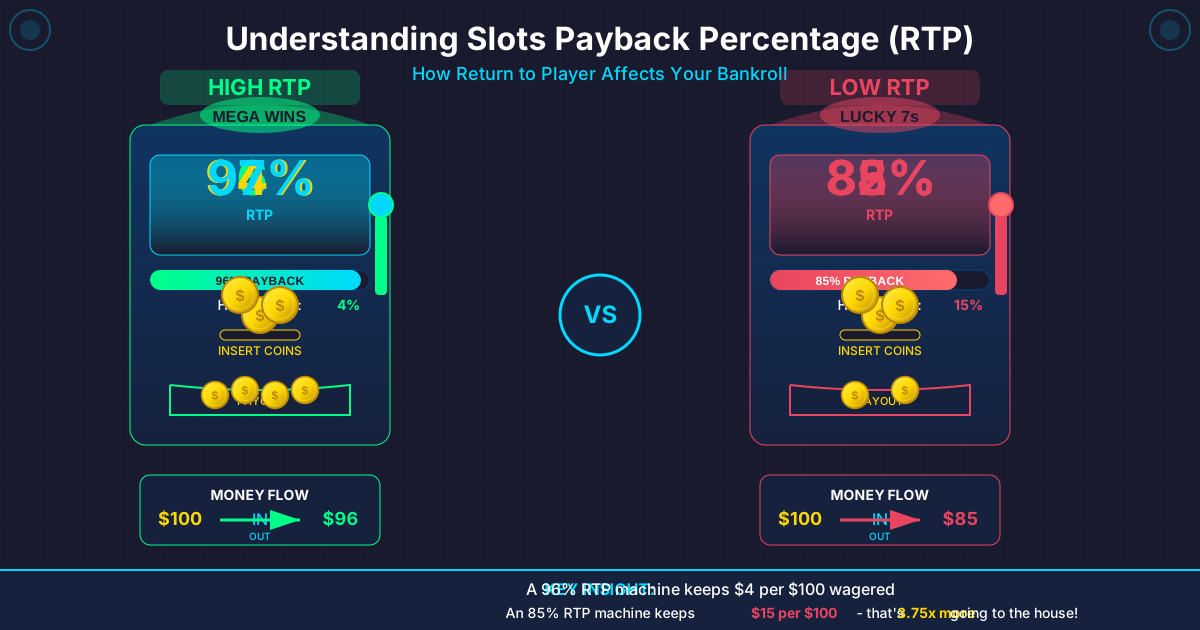
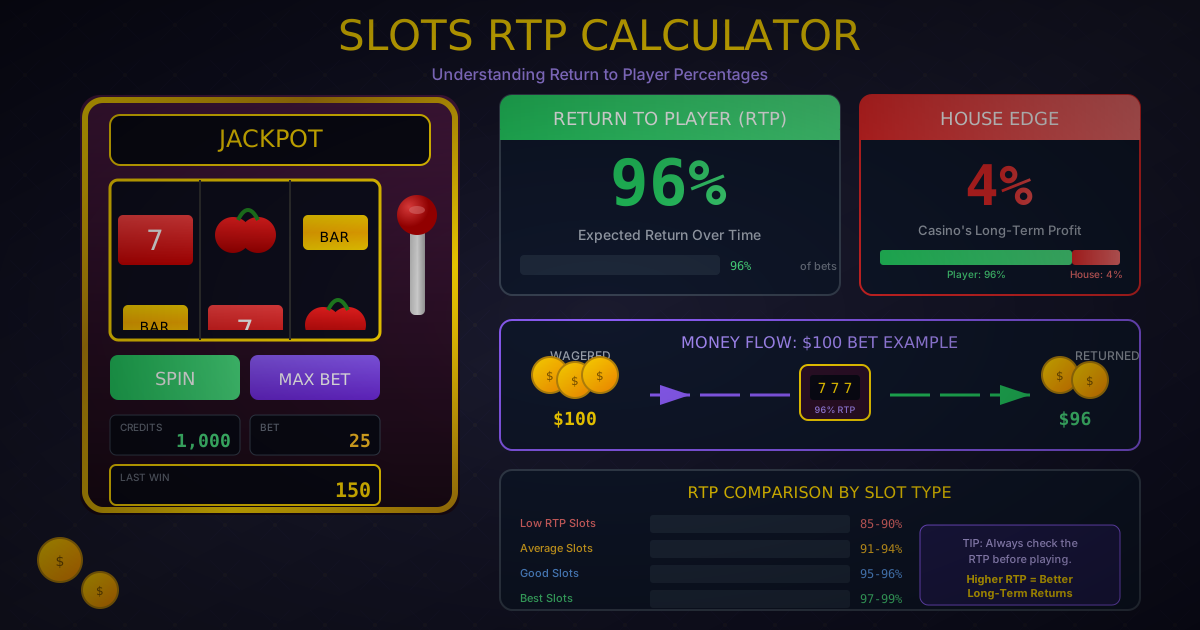
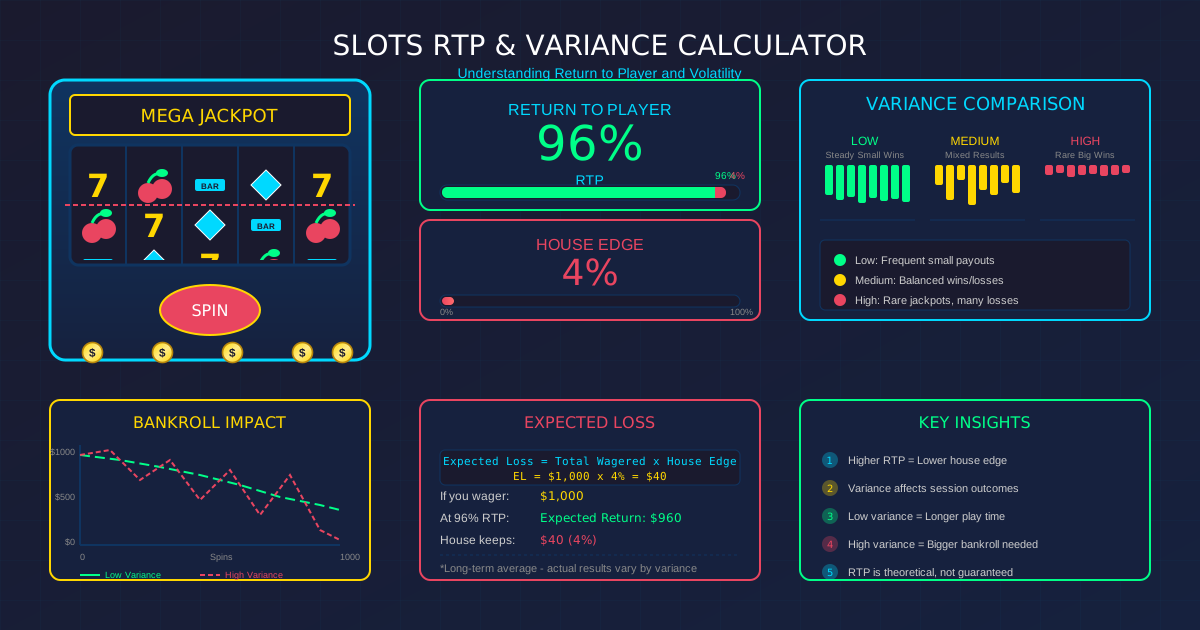
A slot machine with 92% RTP has an 8% house edge. For every $100 fed into it, the machine returns $92 on average and keeps $8.
What House Edge Is NOT
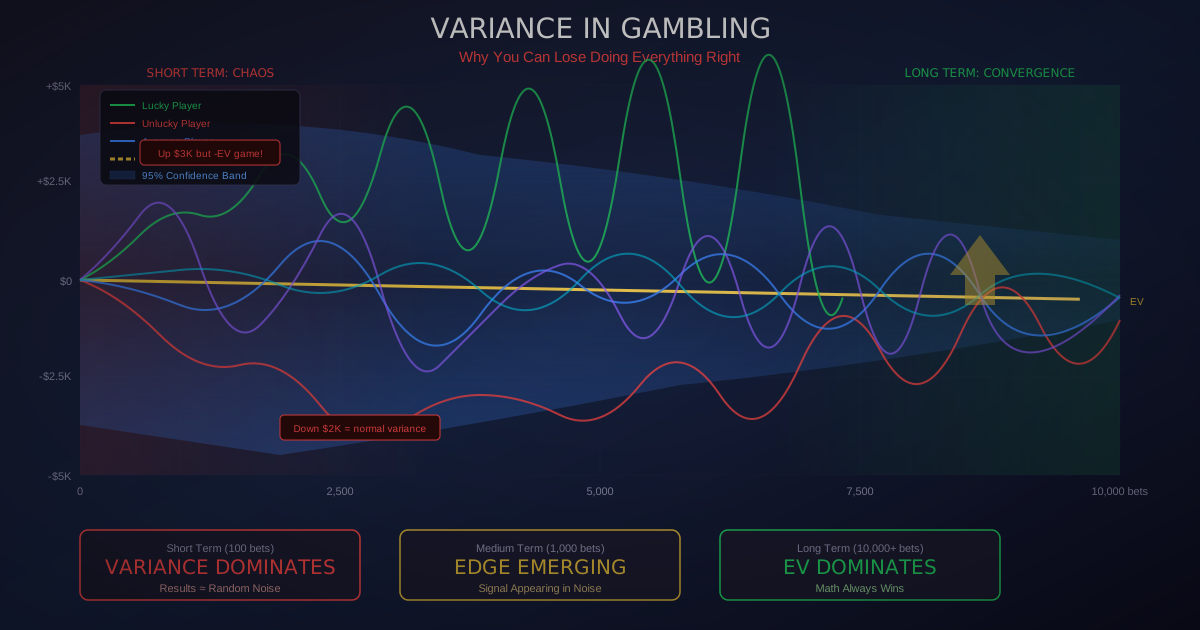
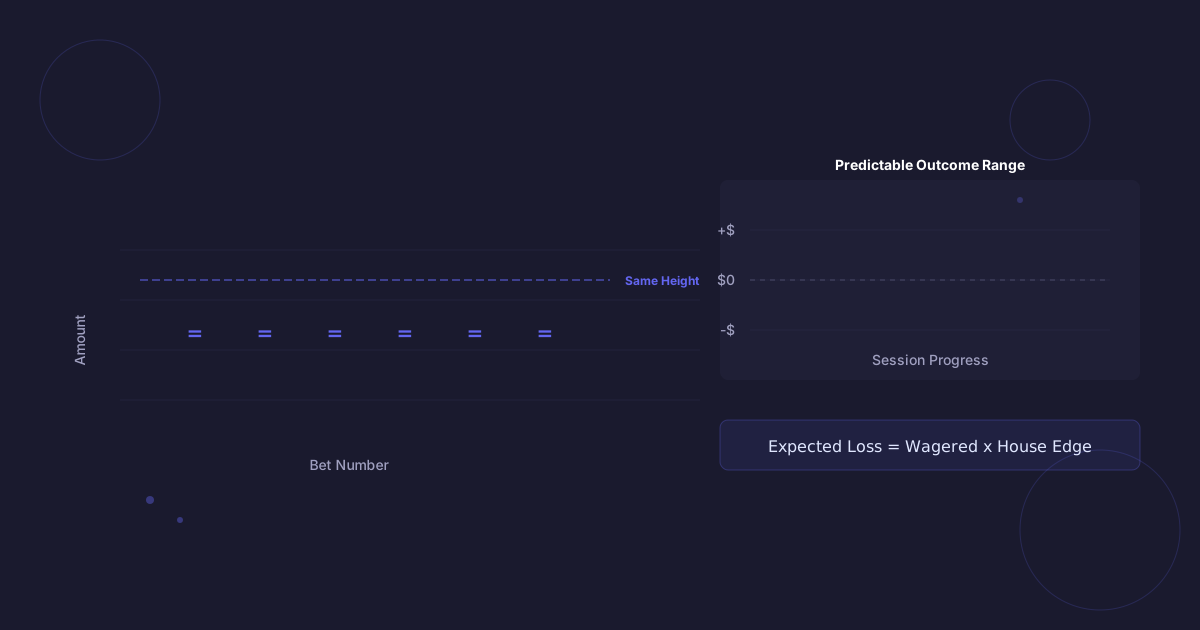
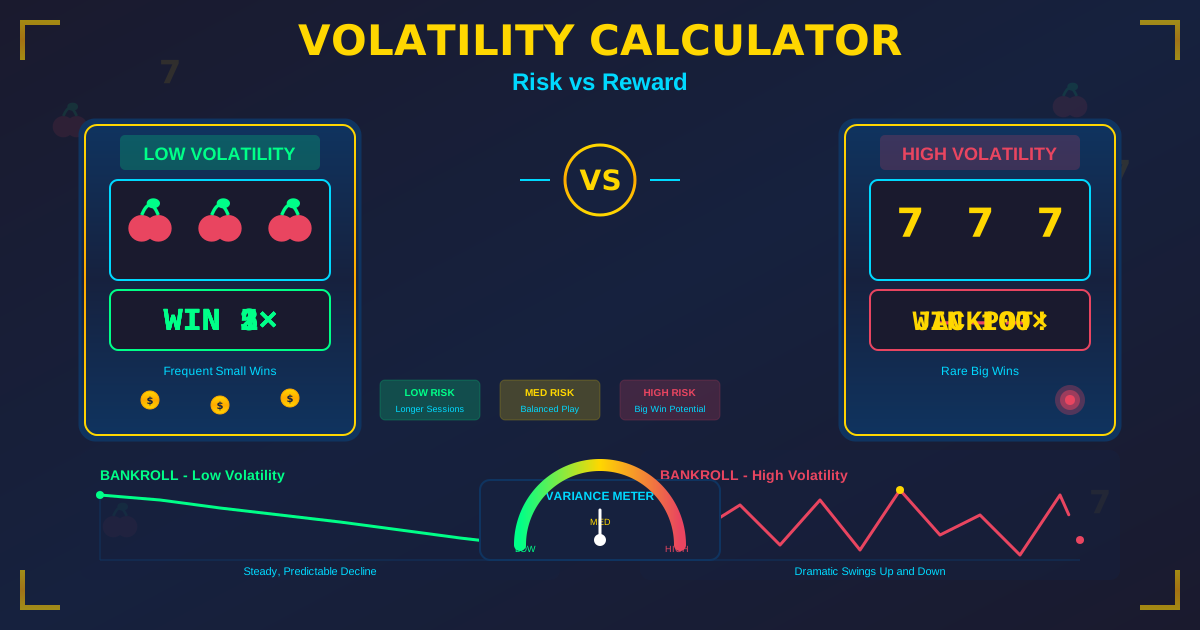
House edge does not mean you will lose exactly that percentage every time. It is a long-run statistical average. In any single session, you might win big, break even, or lose everything. The house edge describes what happens across millions of bets, not individual outcomes.
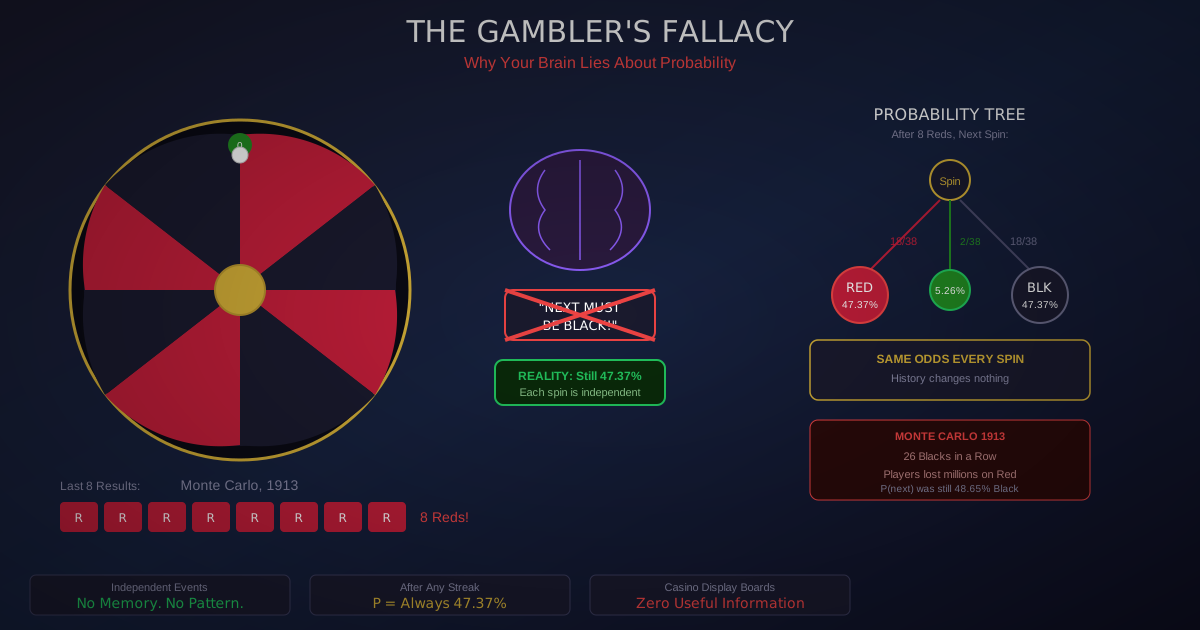
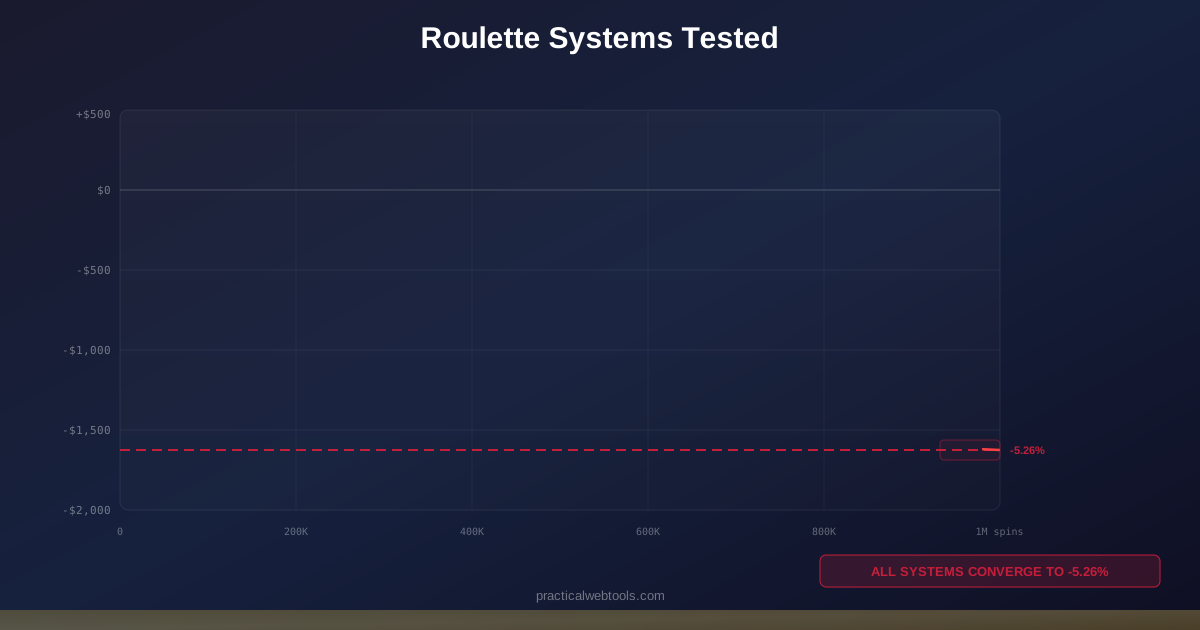
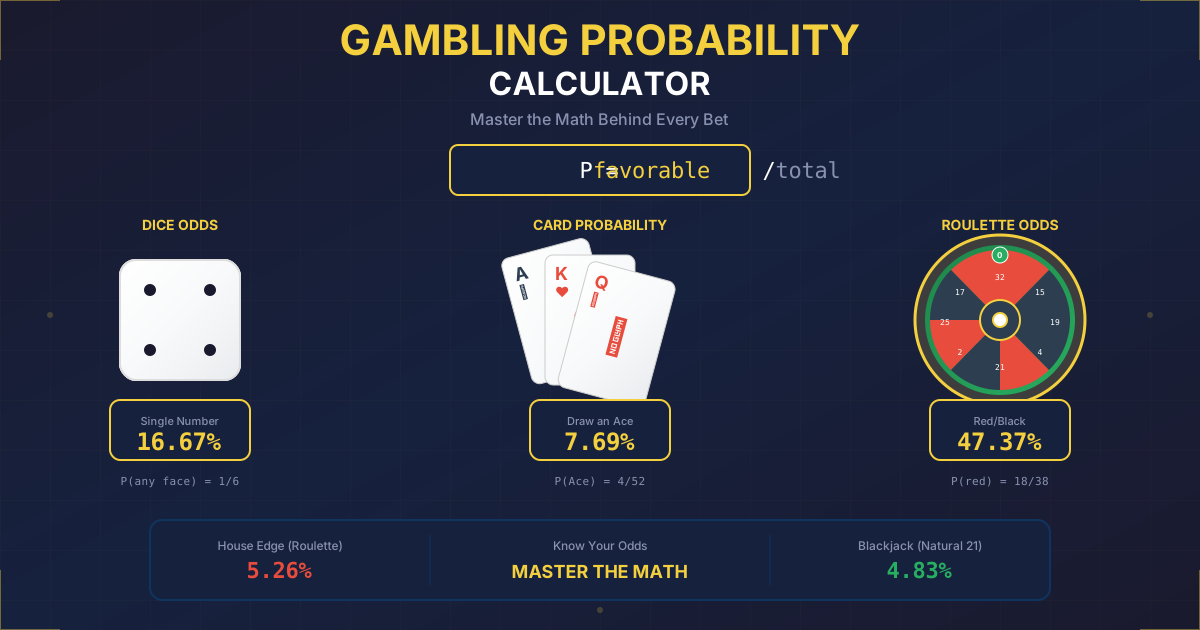
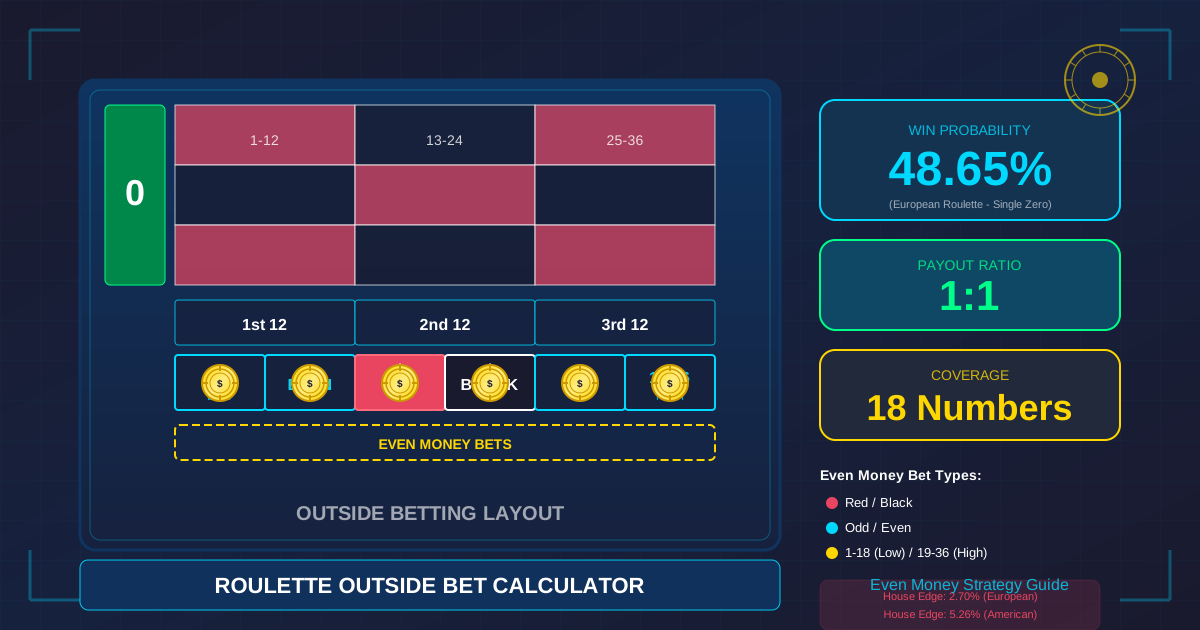
House edge also does not equal your "chance of losing." On a roulette even-money bet, the house edge is 5.26%, but your probability of losing any individual bet is 52.63%. These are fundamentally different numbers.
How the House Edge Is Calculated for Each Game
Roulette: The Clearest Example
Roulette makes the house edge visible because the math is completely transparent.
American Roulette (38 pockets: 1-36, 0, 00):
An even-money bet (red/black) pays 1:1, but the true odds are not 50-50:
- Red pockets: 18 out of 38
- Black pockets: 18 out of 38
- Green pockets (0, 00): 2 out of 38
House edge = (Bets Lost - Bets Won) / Total Bets
For every 38 spins (on average): You win 18 times (+$18) and lose 20 times (-$20). Net result: -$2 over 38 bets. House edge = $2 / $38 = 5.26%
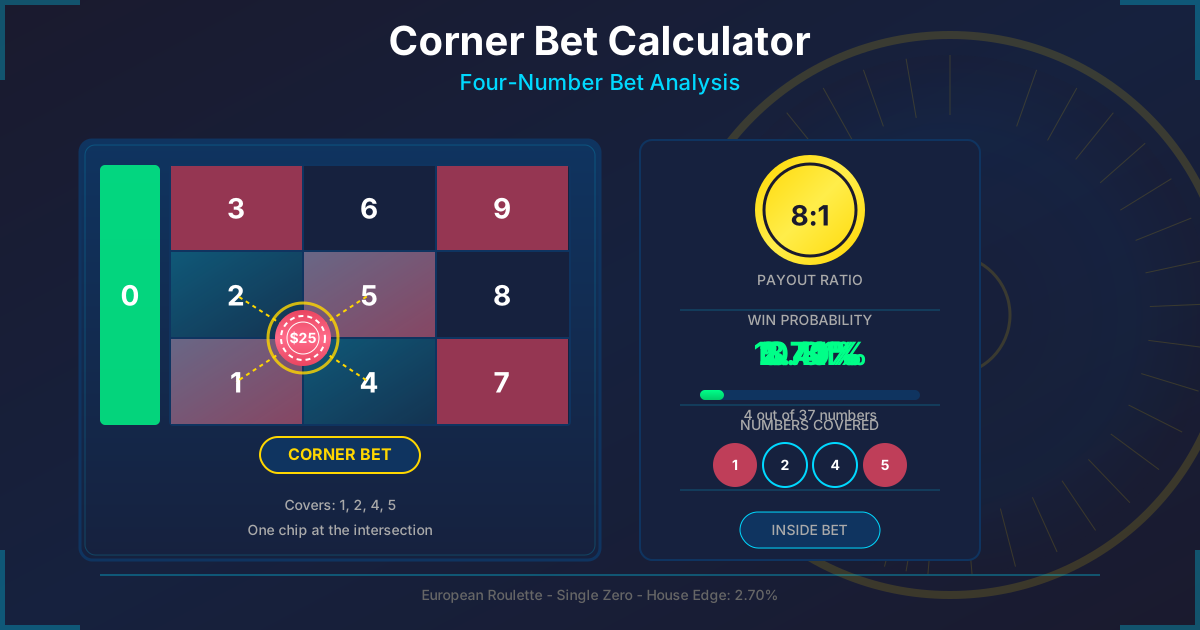
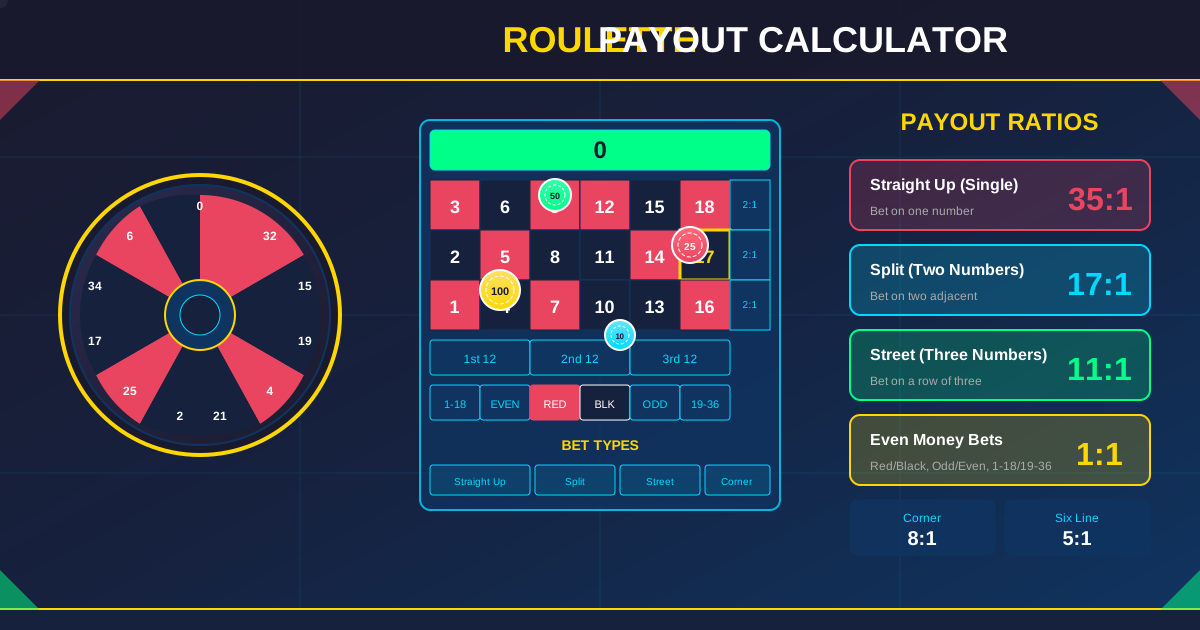
For a straight-up (single number) bet paying 35:1:
- Win 1 time out of 38: +$35
- Lose 37 times out of 38: -$37
- Net: -$2 over 38 bets
- House edge = $2 / $38 = 5.26%
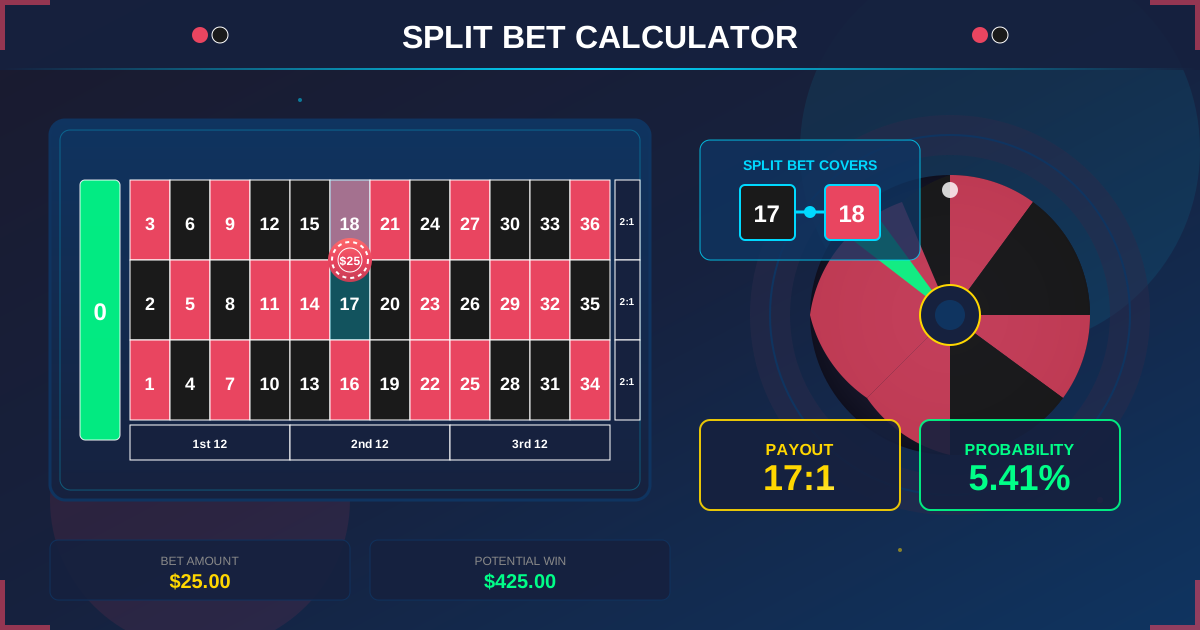
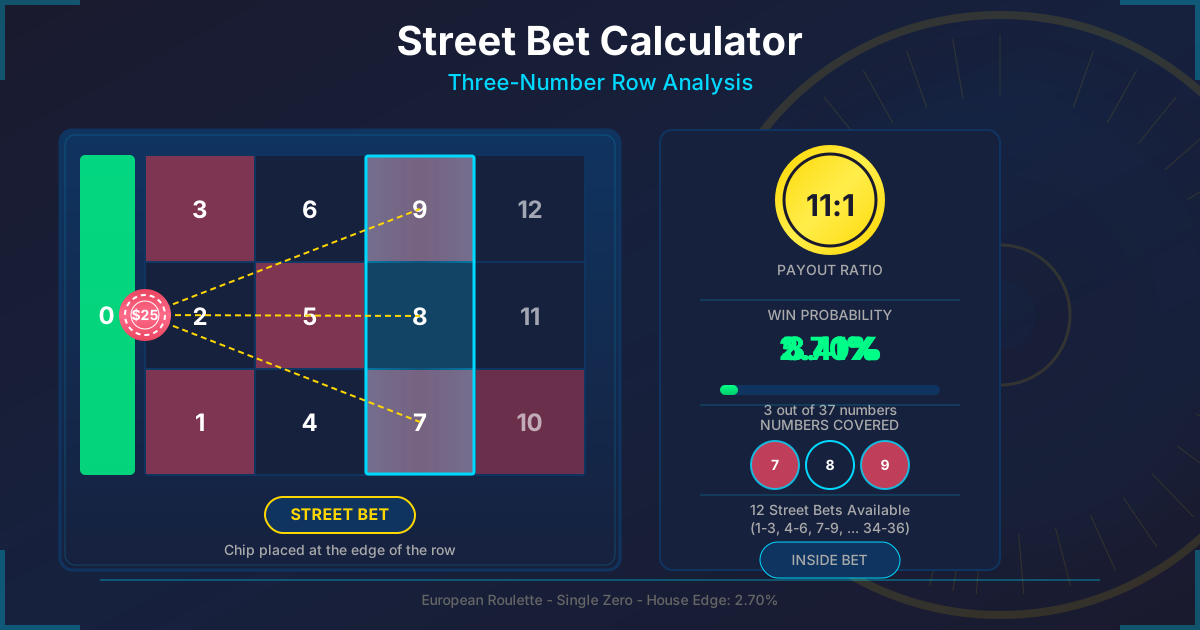
Every bet on the American wheel has the same 5.26% house edge (except the five-number bet at 7.89%). The payout ratios are designed to produce this exact number.
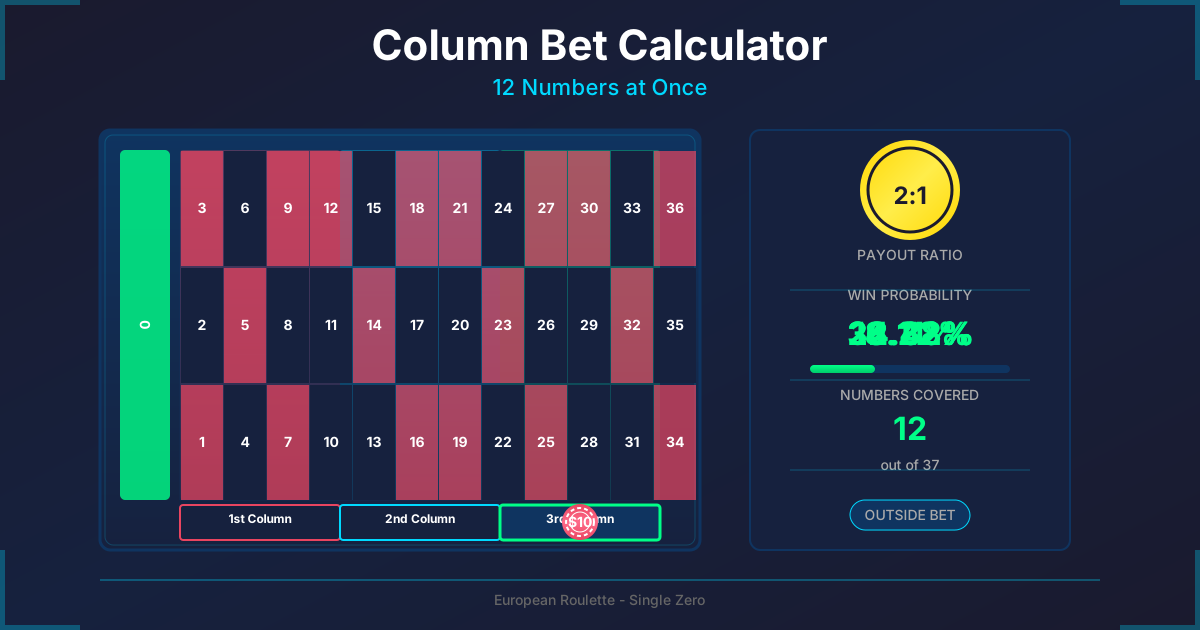
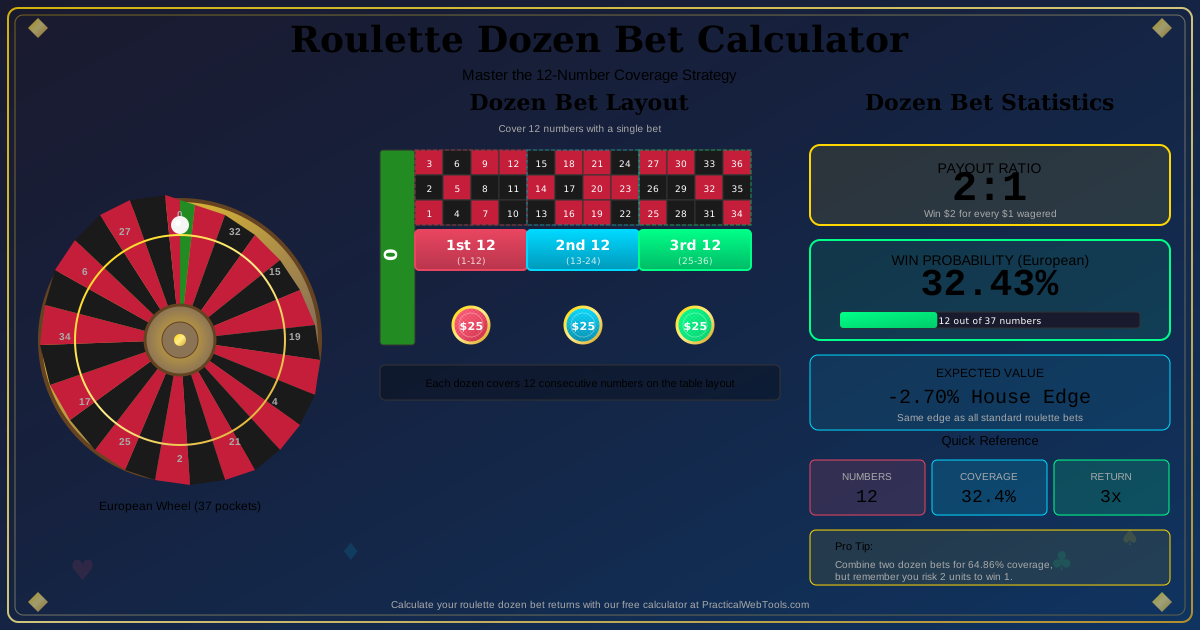
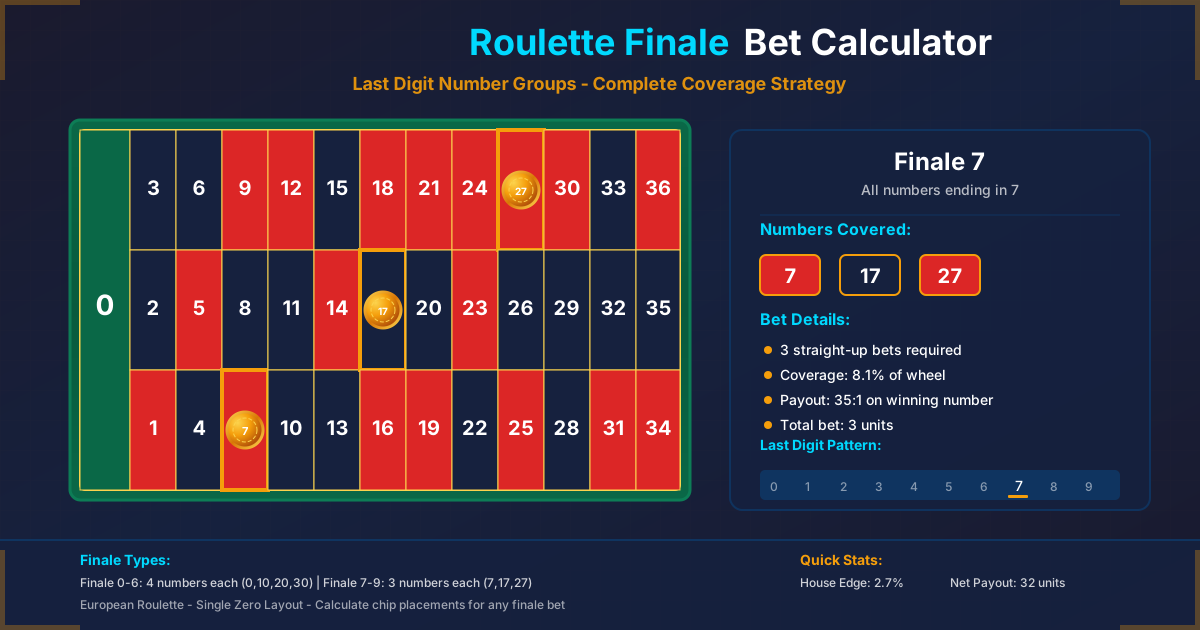
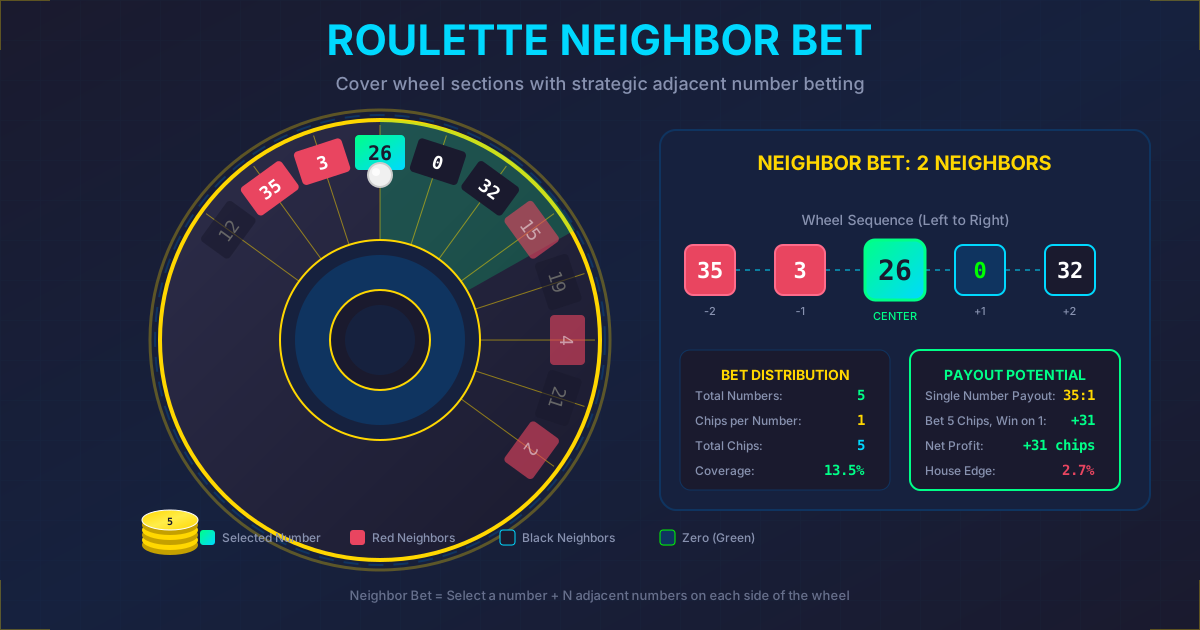
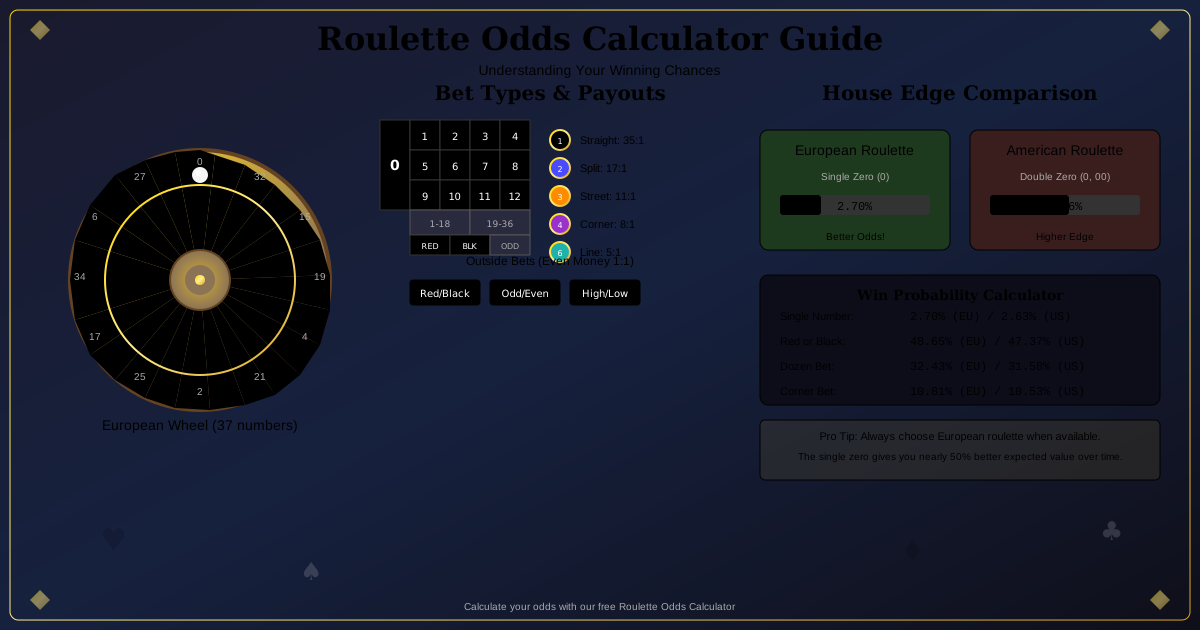
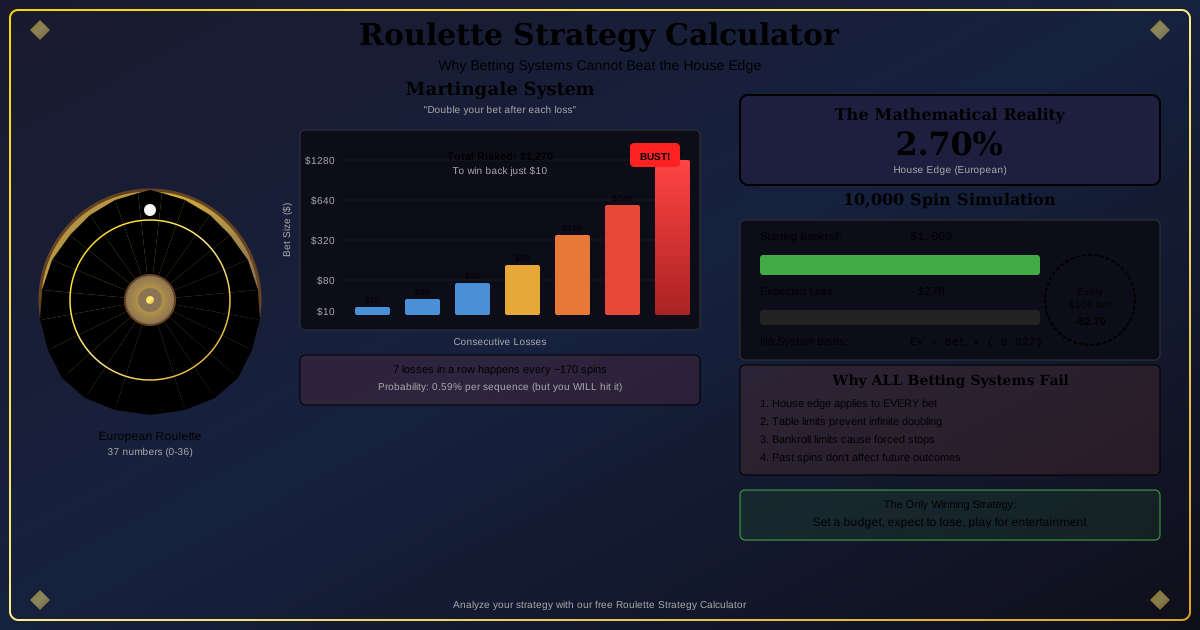
European Roulette (37 pockets: 1-36, 0):
- Even-money bet: Win 18 out of 37, lose 19 out of 37
- Net: -$1 over 37 bets
- House edge = $1 / $37 = 2.70%
The single zero cuts the house edge nearly in half.
See exactly how roulette house edge works for every bet type with our Roulette House Edge Calculator.
Blackjack: Strategy-Dependent House Edge
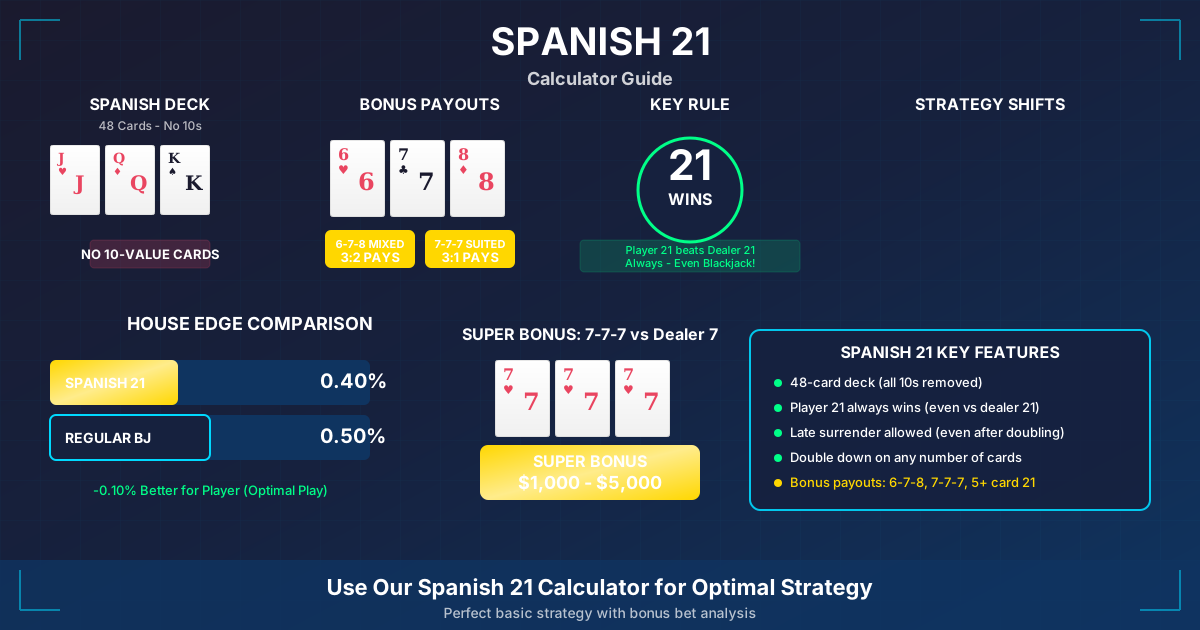
Blackjack is unique because the house edge depends on how you play. The base game has no fixed house edge; it varies from less than 0.5% to over 5% depending on player decisions and table rules.
How the House Edge Arises in Blackjack:
The casino's advantage comes from one fundamental rule: the player acts first. If both the player and dealer bust, the player has already lost their money. This "double bust" scenario is the primary source of the house edge.
Approximate probability of busting for each party:
- Player bust rate (with basic strategy): ~16%
- Dealer bust rate: ~28%
- Both bust: ~4.5%
That 4.5% of hands where both bust is the core of the house edge. With basic strategy, other rules (blackjack pays 3:2, doubling, splitting) reduce this to approximately 0.5%.
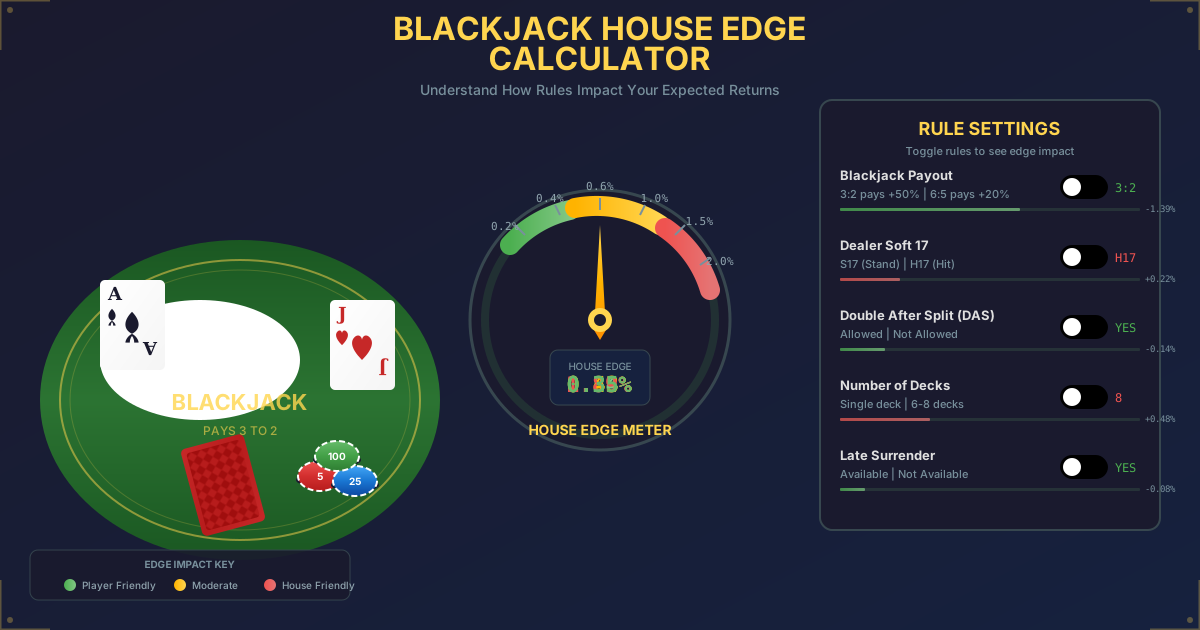
House Edge by Rule Variation:
| Rule | Effect on House Edge |
|---|---|
| 3:2 blackjack payout (standard) | Baseline |
| 6:5 blackjack payout | +1.39% |
| Dealer stands on soft 17 | Baseline |
| Dealer hits soft 17 | +0.20% |
| Double after split allowed | -0.14% |
| No double after split | +0.14% |
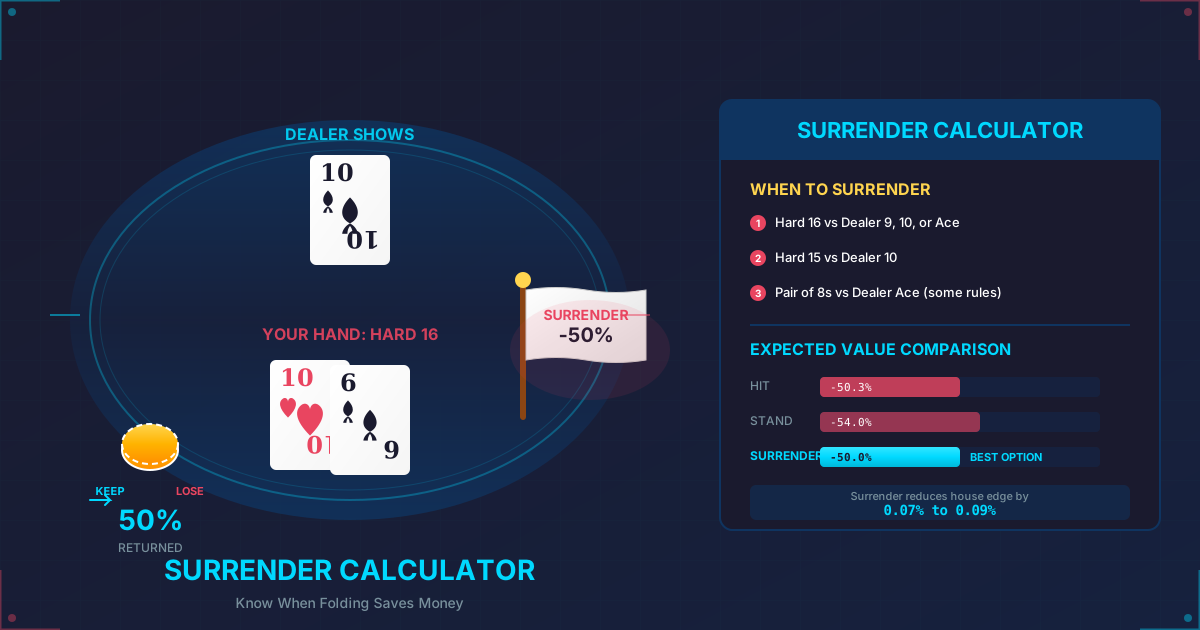
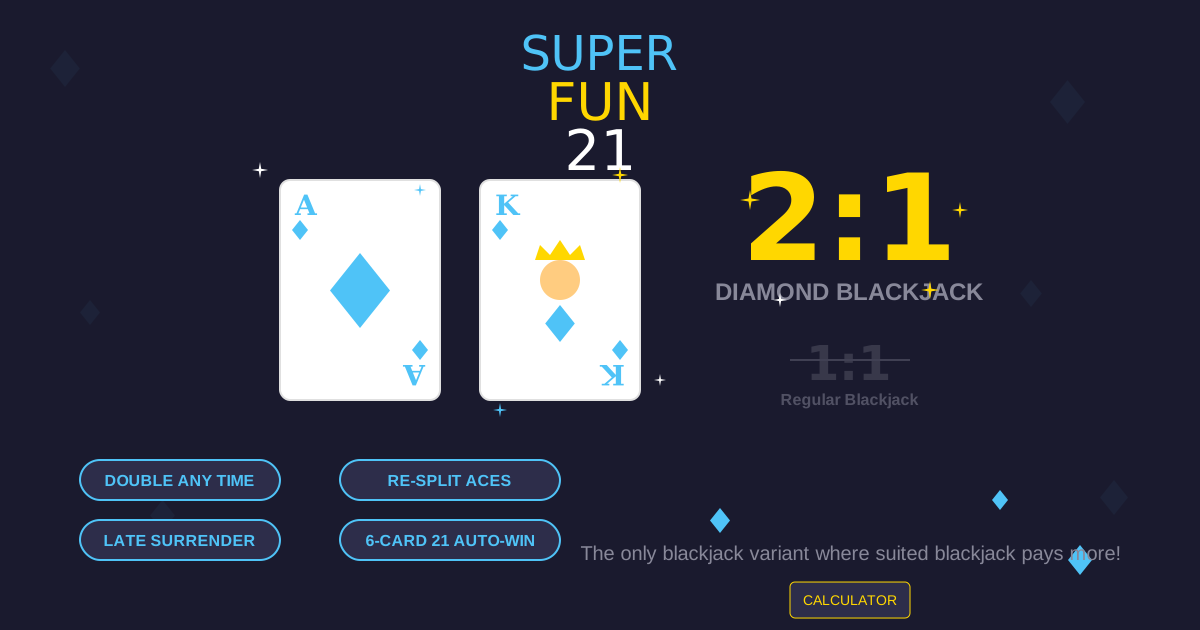
| Late surrender allowed | -0.07% |
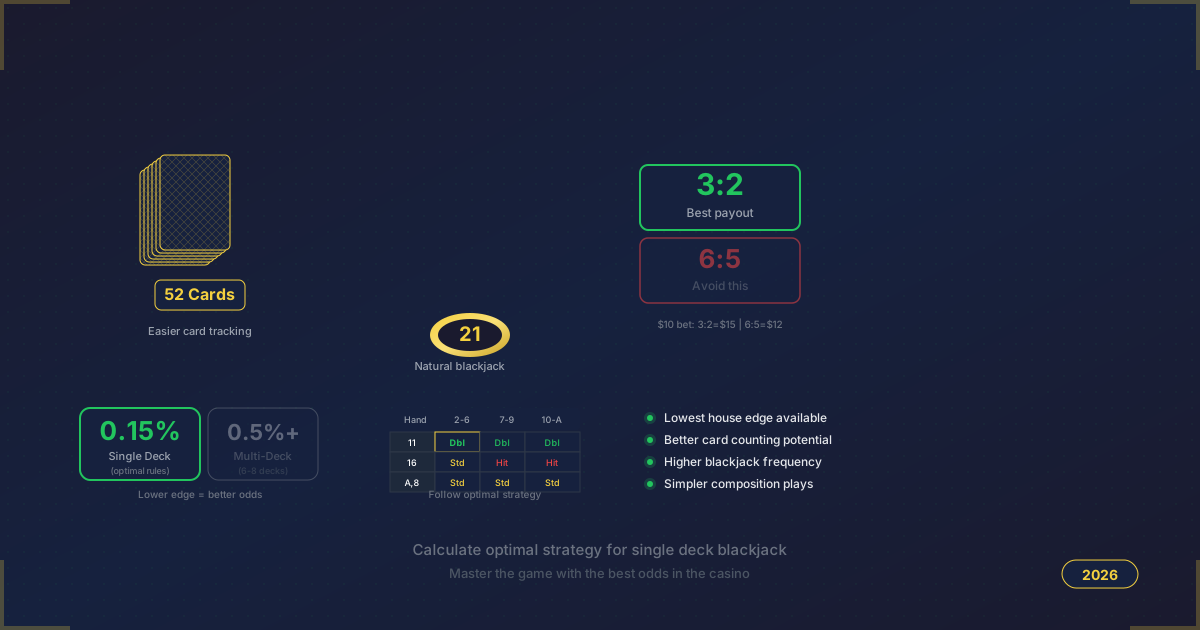
| 6 decks (vs. single deck) | +0.58% |
| Resplit aces allowed | -0.06% |
Example Combined House Edge:
A typical Strip casino game:
- 6 decks: +0.58%
- 3:2 blackjack: 0%
- Dealer stands soft 17: 0%
- Double after split: -0.14%
- No surrender: +0.07%
- Total house edge with basic strategy: ~0.51%
A downtown Las Vegas game with unfavorable rules:
- 6 decks: +0.58%
- 6:5 blackjack: +1.39%
- Dealer hits soft 17: +0.20%
- No double after split: +0.14%
- Total house edge with basic strategy: ~2.31%
That is a 4.5x difference in cost based purely on rules.
Calculate exact blackjack house edge for your specific table rules with our Blackjack House Edge Calculator.
Craps: The Widest Range
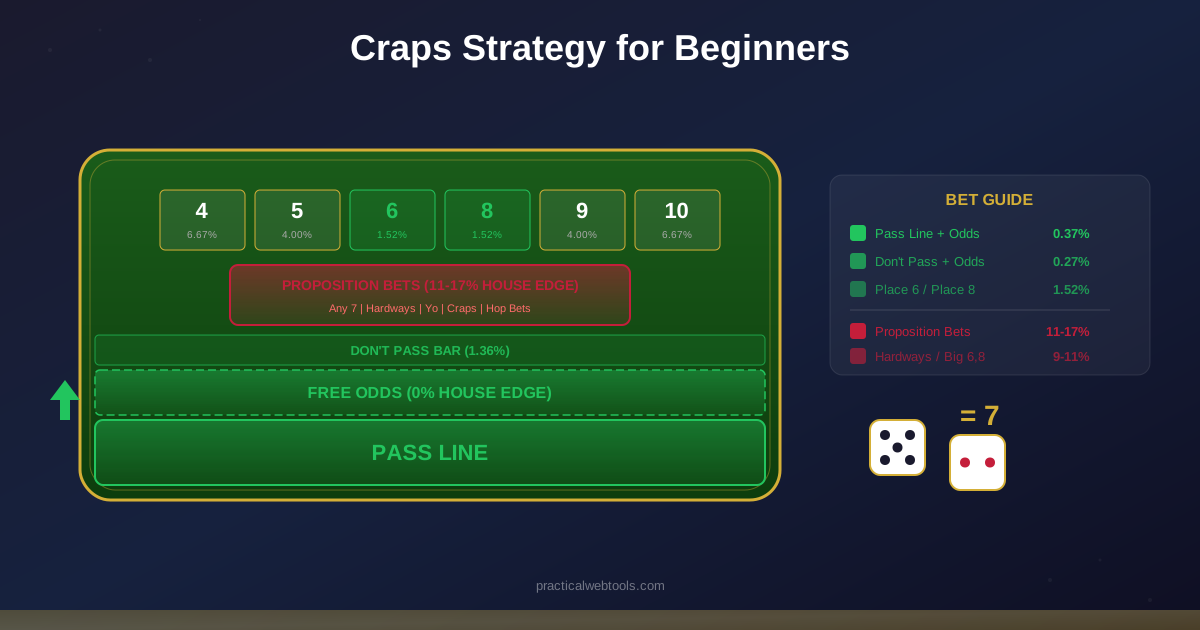
Craps offers the widest range of house edges in a single game, from near-zero to over 16%.
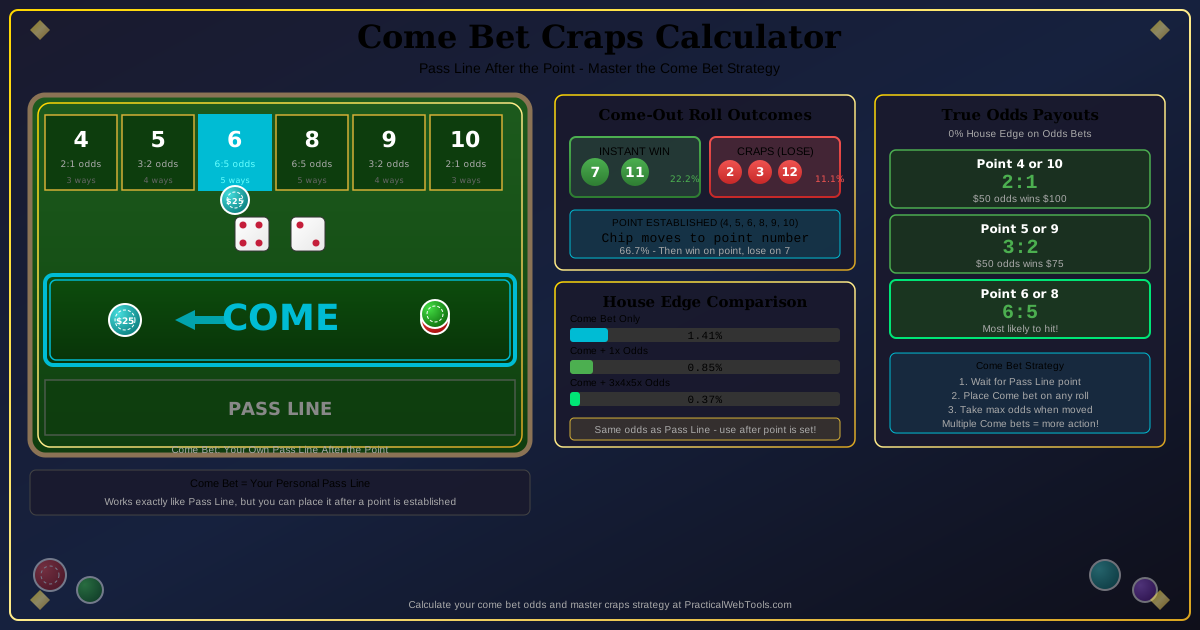
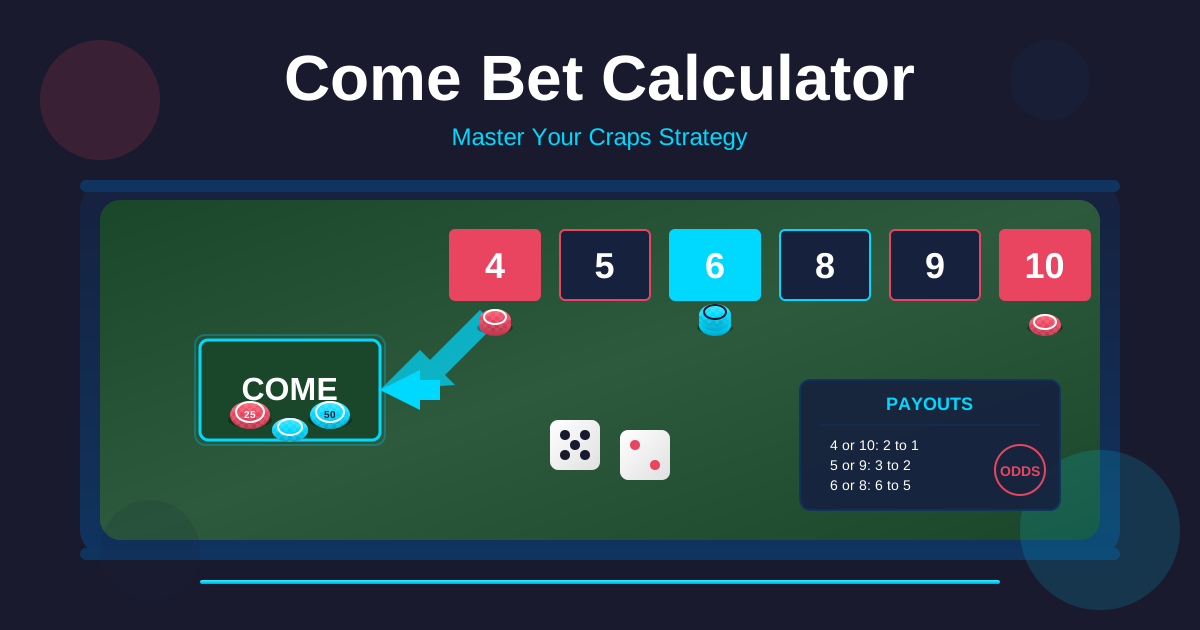
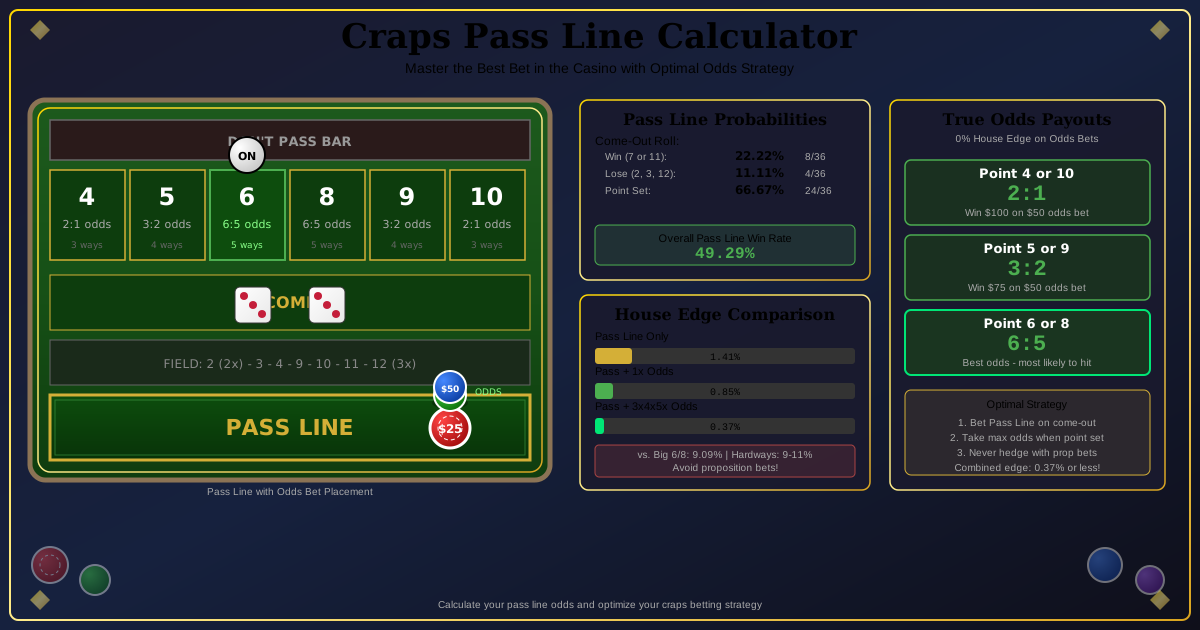
Pass Line / Come Bet:
- Win on come-out 7 or 11: 8/36 = 22.22%
- Lose on come-out 2, 3, or 12: 4/36 = 11.11%
- Point established: 24/36 = 66.67%
- Various point resolution probabilities...
- Combined house edge: 1.41%
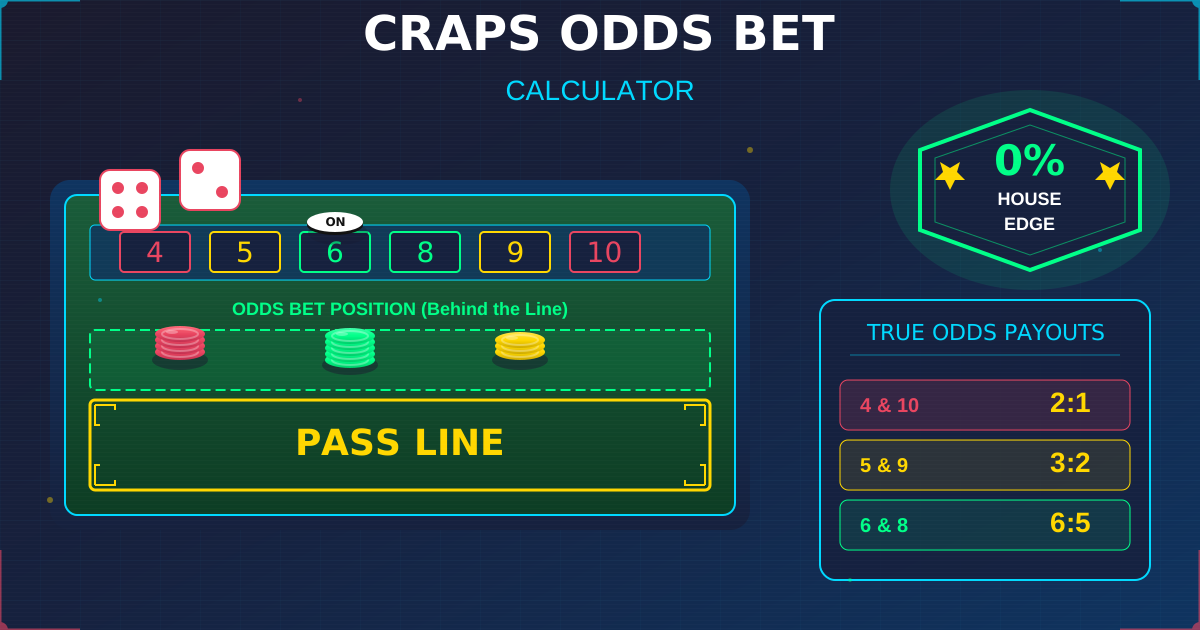
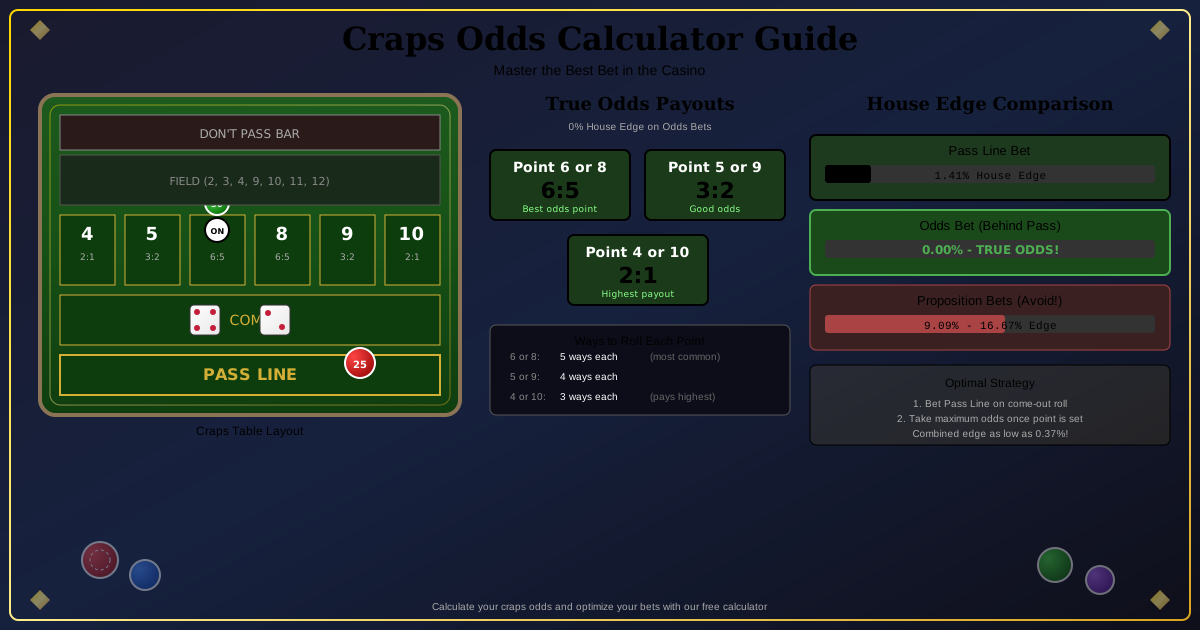
Odds Bet (Behind Pass Line):
This is the only bet in the casino with a 0% house edge. It pays at true mathematical odds:
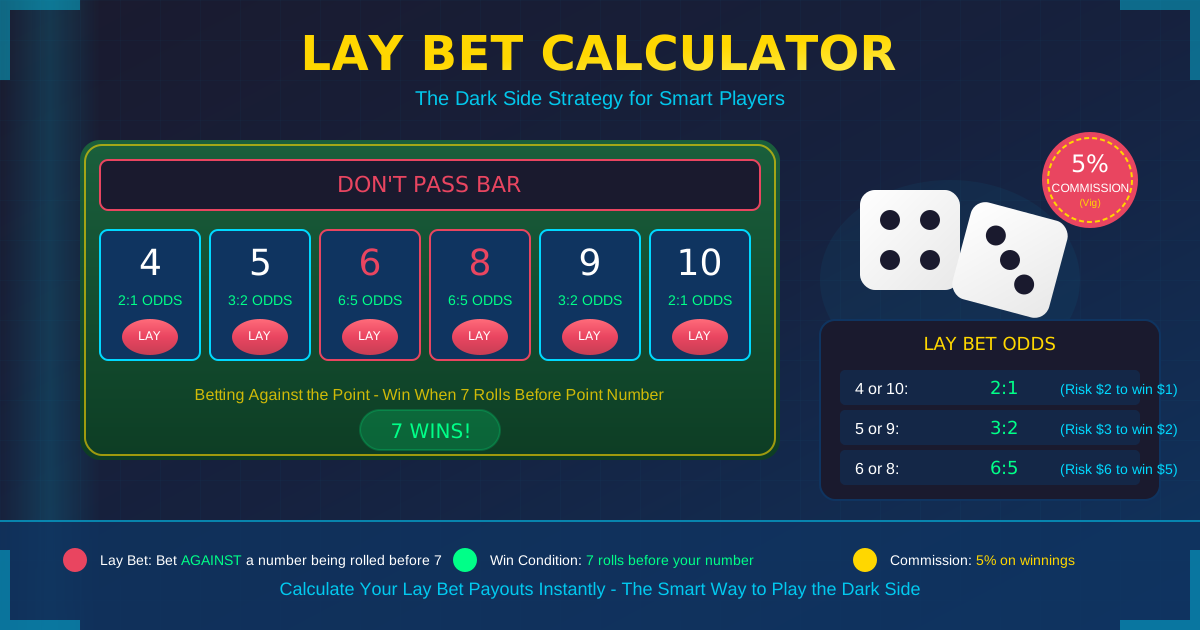
- Point of 4 or 10: Pays 2:1 (true odds are 2:1)
- Point of 5 or 9: Pays 3:2 (true odds are 3:2)
- Point of 6 or 8: Pays 6:5 (true odds are 6:5)
Combined Pass + Odds House Edge:
| Odds Multiple | Combined House Edge |
|---|---|
| No odds (Pass only) | 1.41% |
| 1x odds | 0.85% |
| 2x odds | 0.61% |
| 3-4-5x odds | 0.37% |
| 5x odds | 0.33% |
| 10x odds | 0.18% |
| 100x odds | 0.02% |
With 100x odds (available at some casinos), the house edge drops to an almost negligible 0.02%.
Complete Craps Bet House Edges:
| Bet | House Edge |
|---|---|
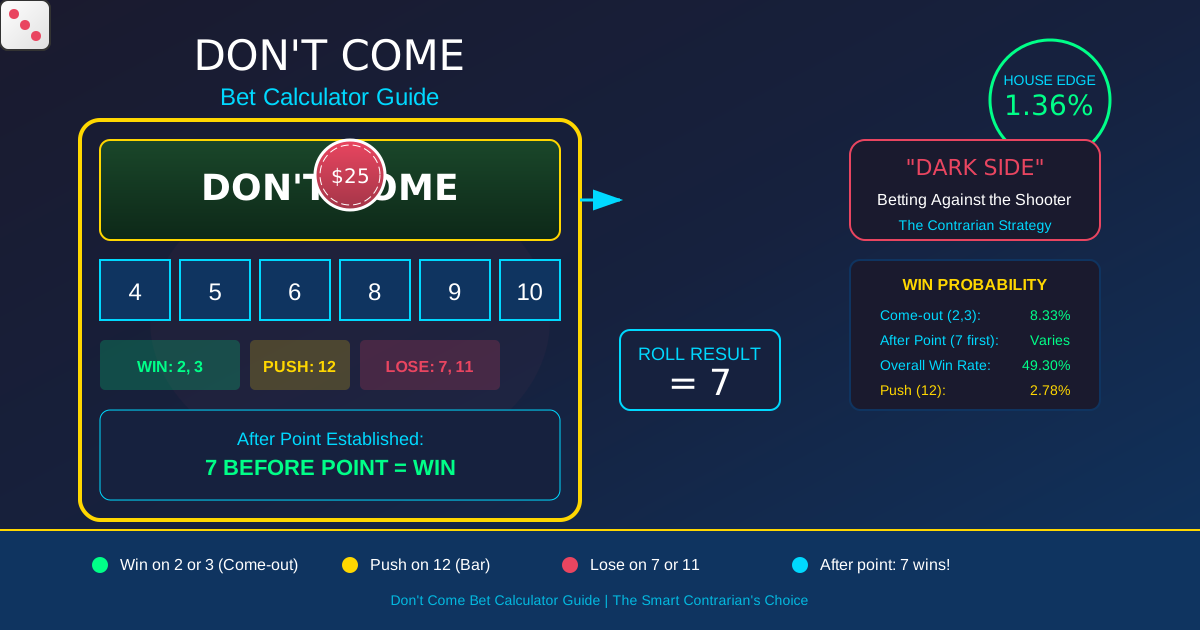
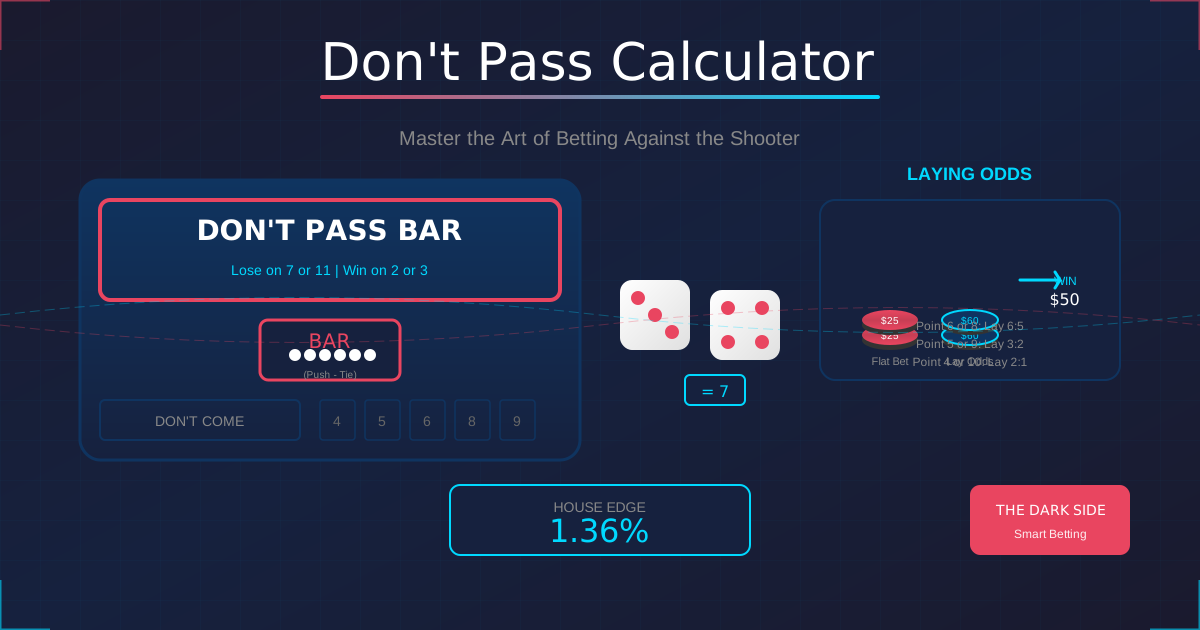
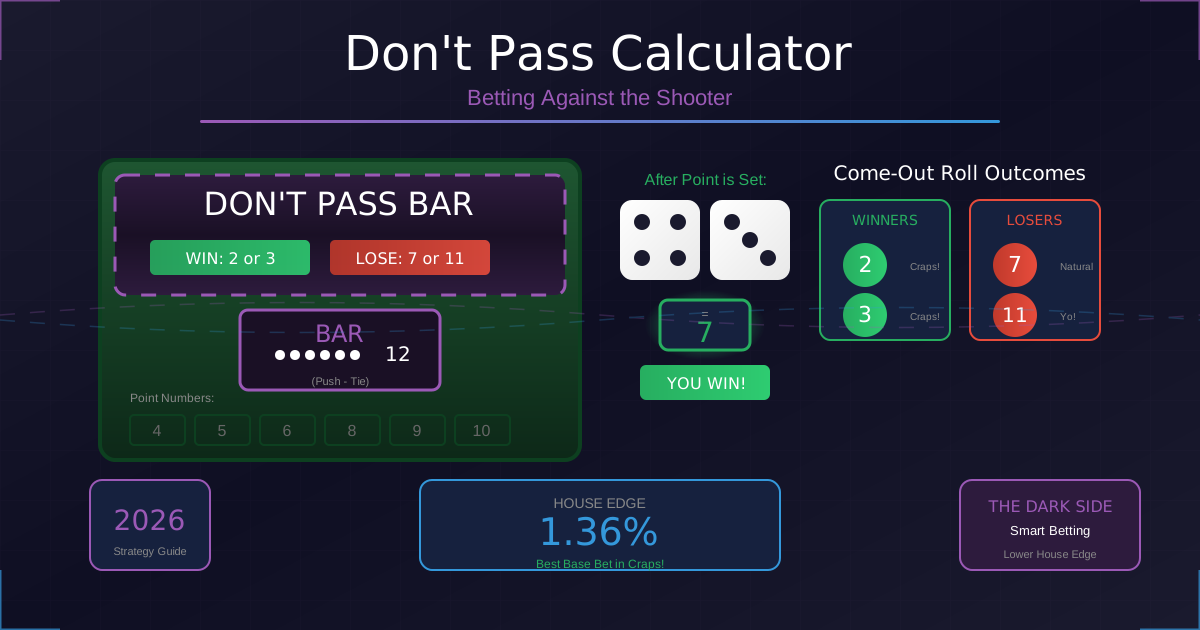
| Don't Pass / Don't Come | 1.36% |
| Pass / Come | 1.41% |
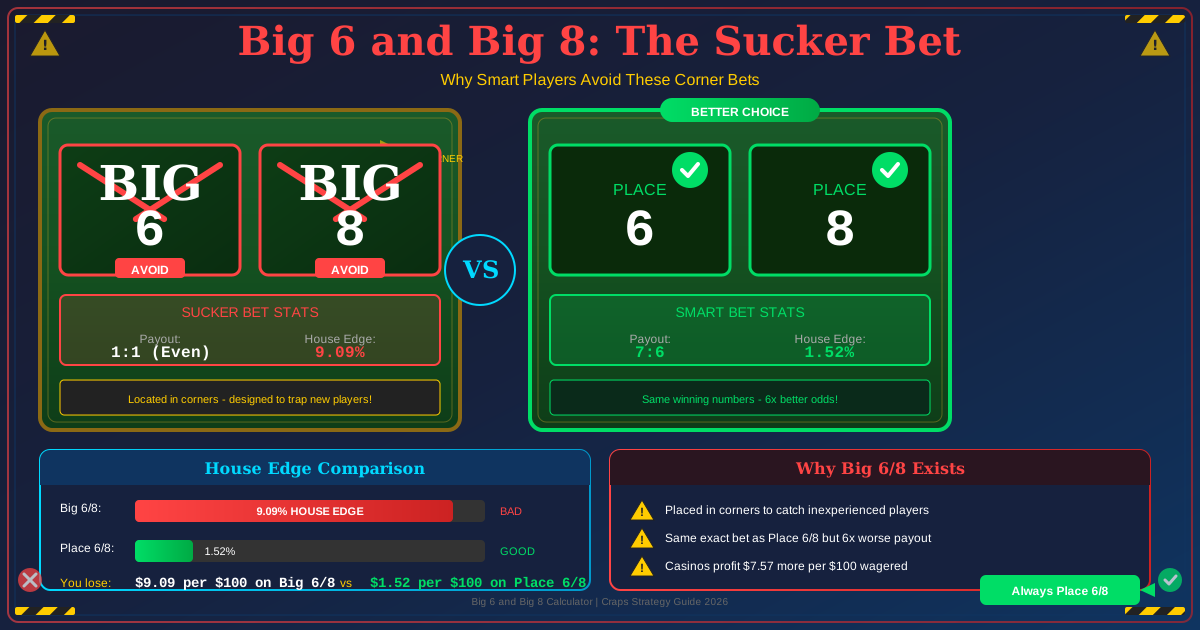
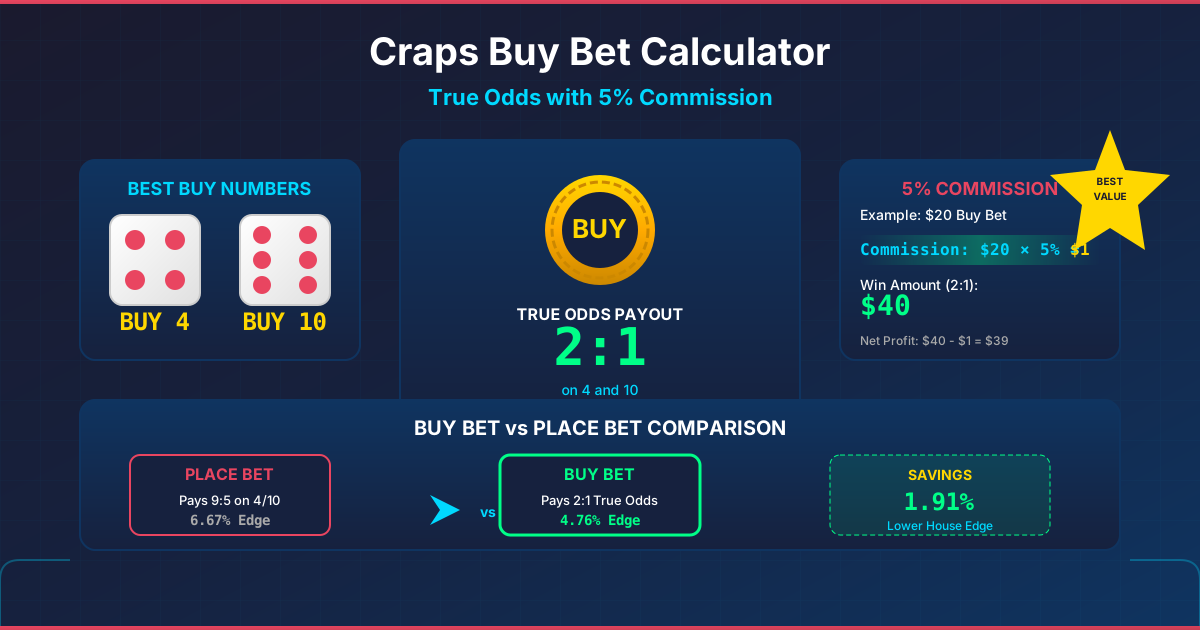
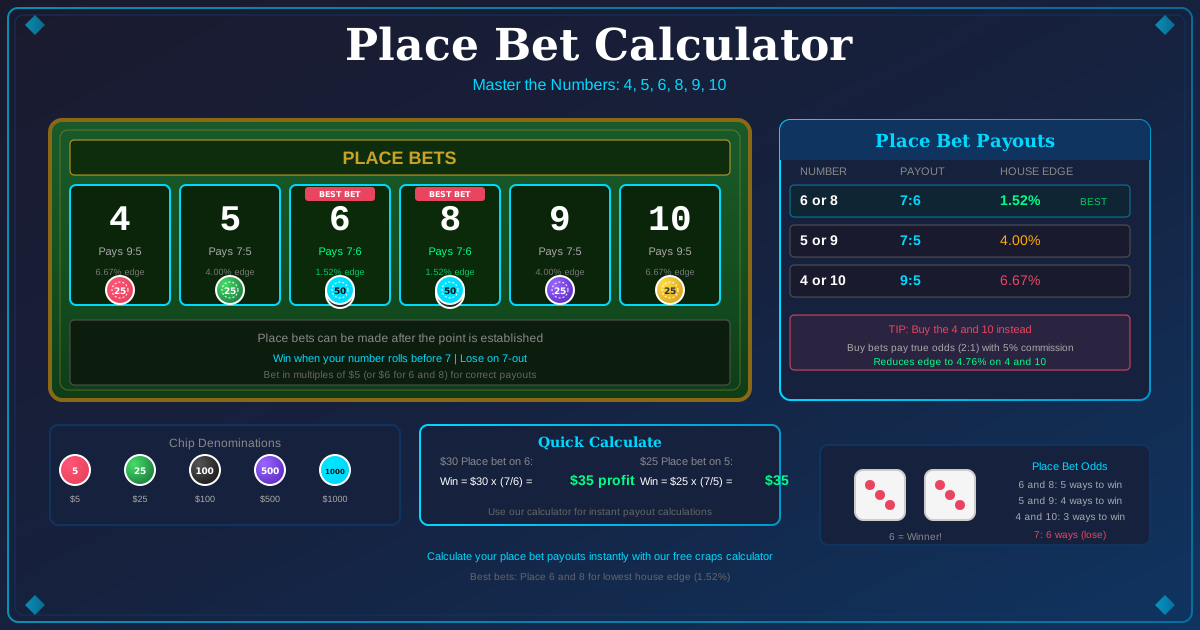
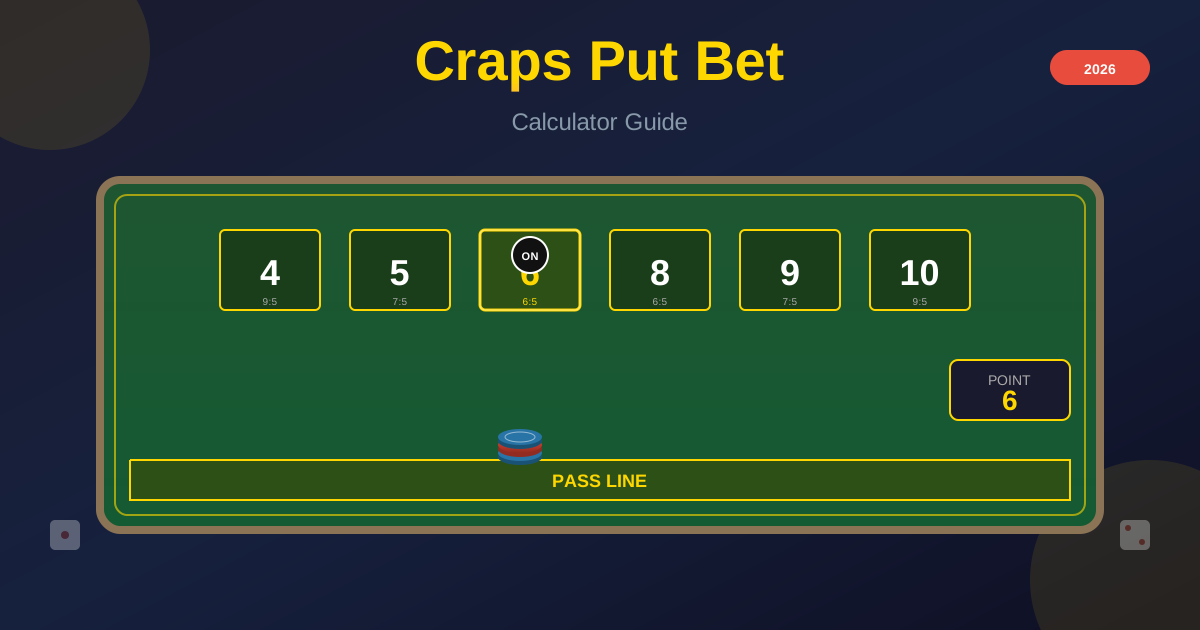
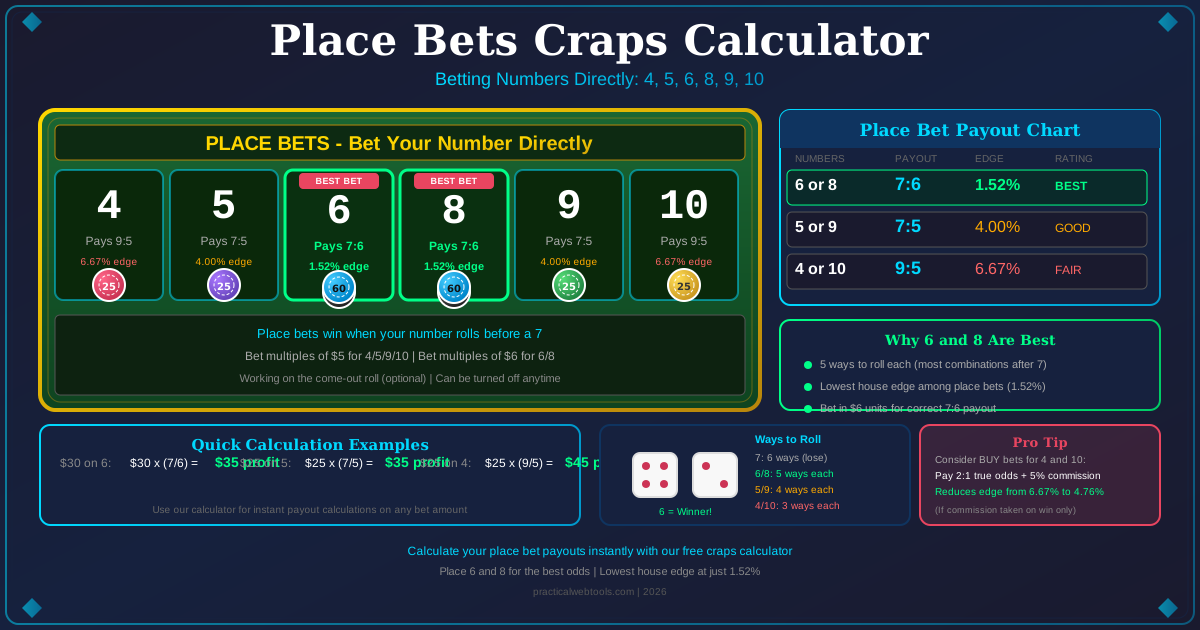
| Place 6 or 8 | 1.52% |
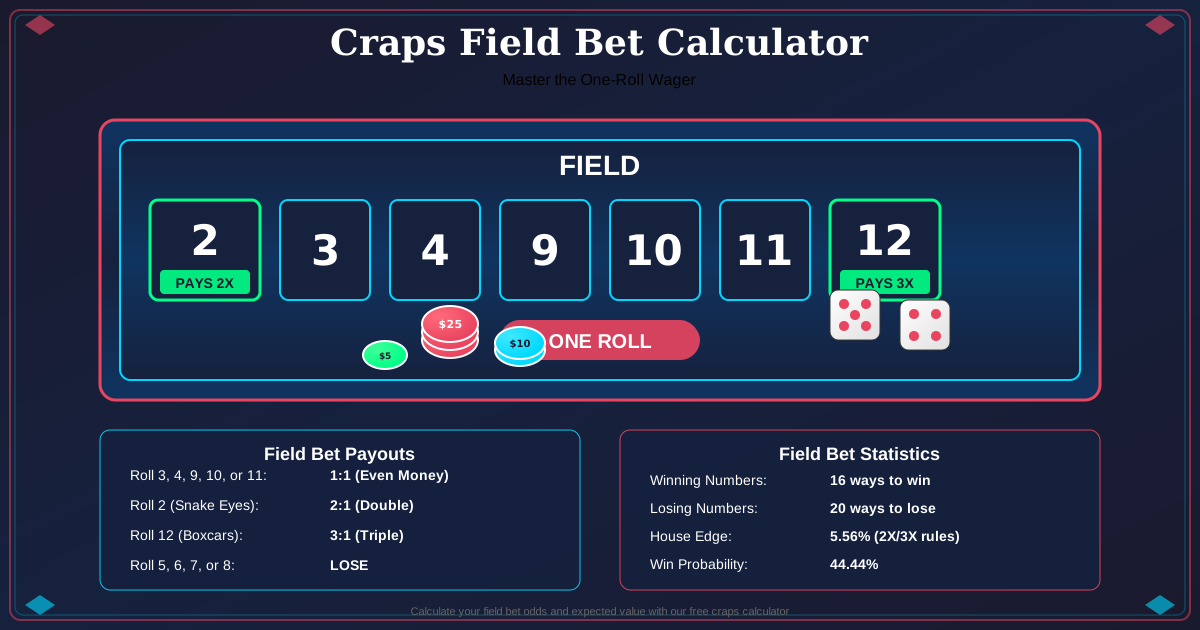
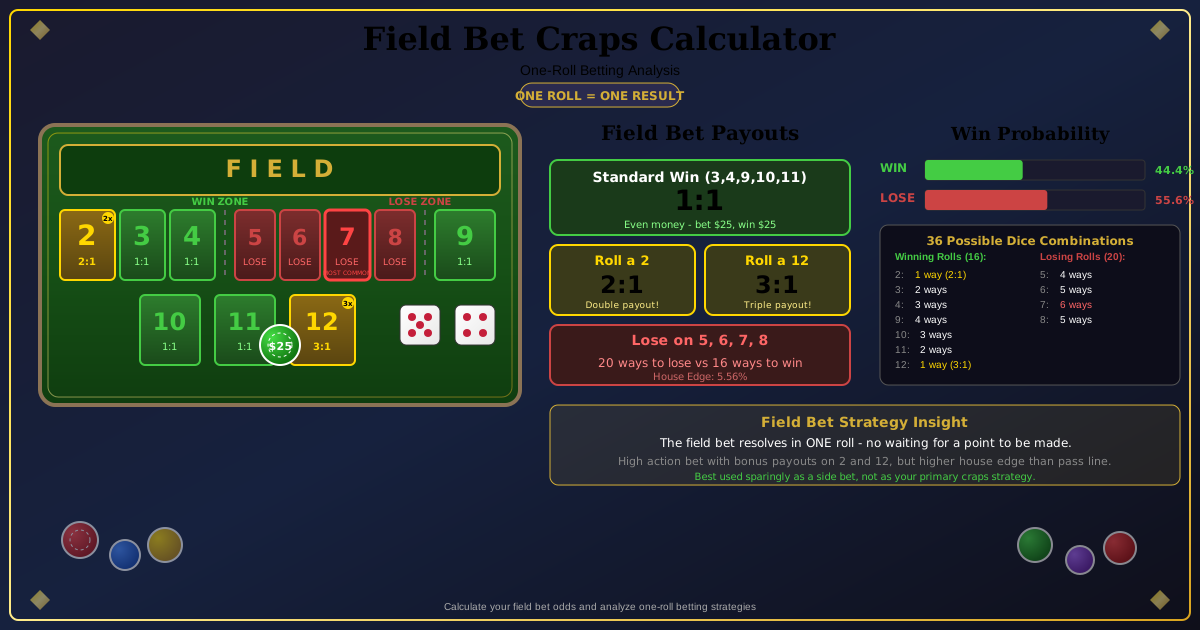
| Field (2x on 12) | 2.78% |
| Place 5 or 9 | 4.00% |
| Field (3x on 12) | 2.78% |
| Place 4 or 10 | 6.67% |
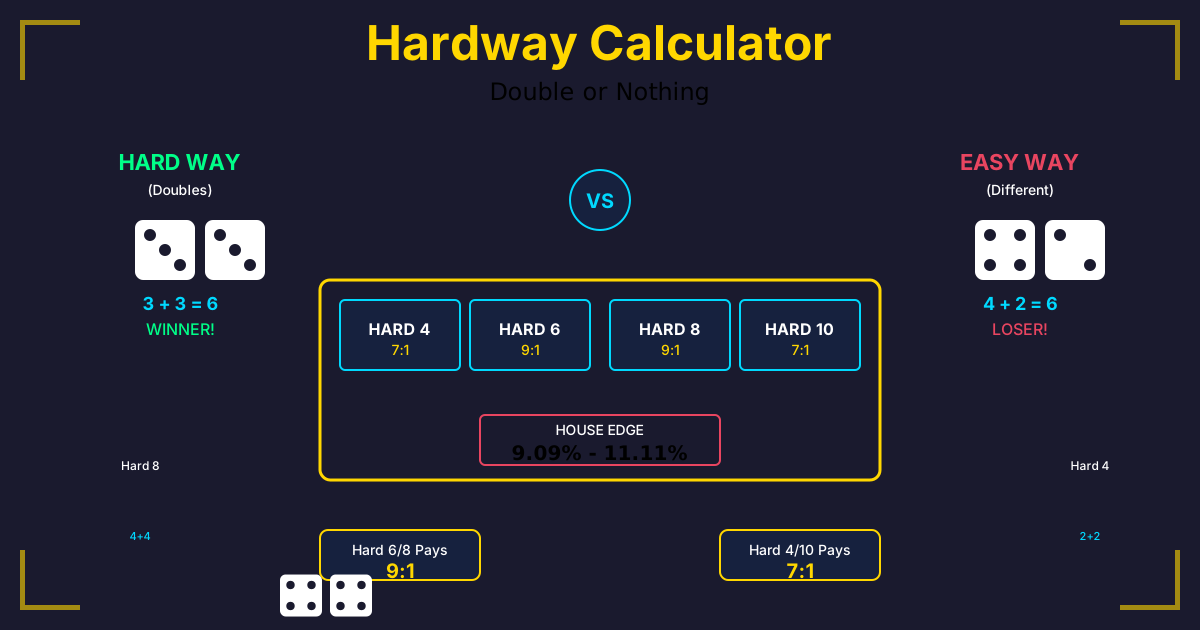
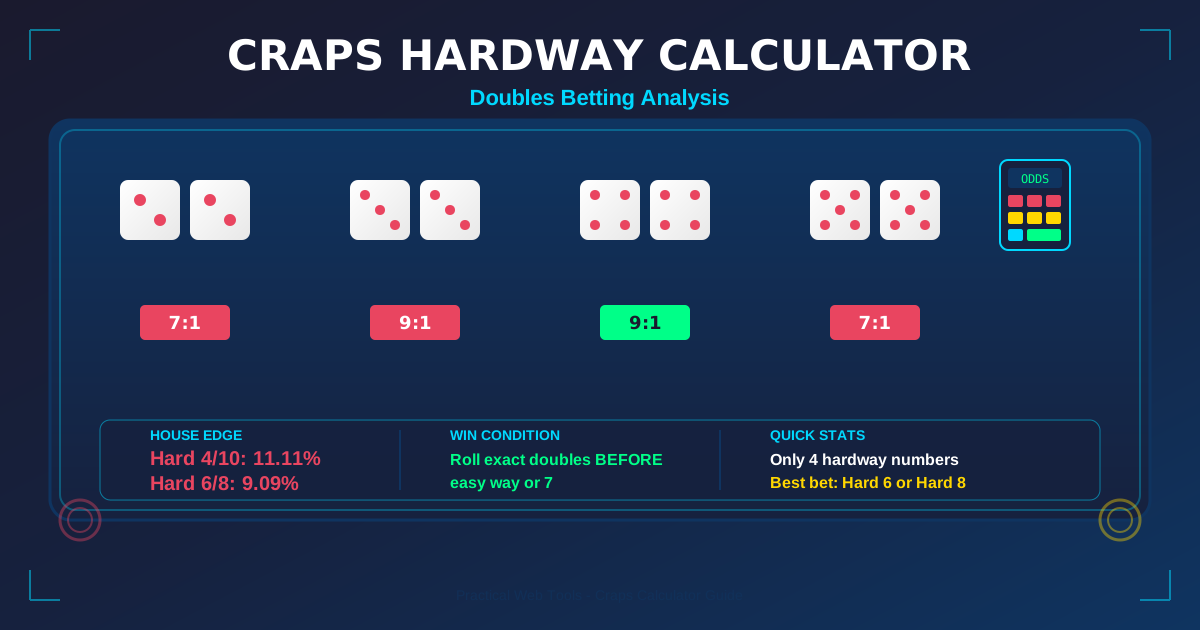
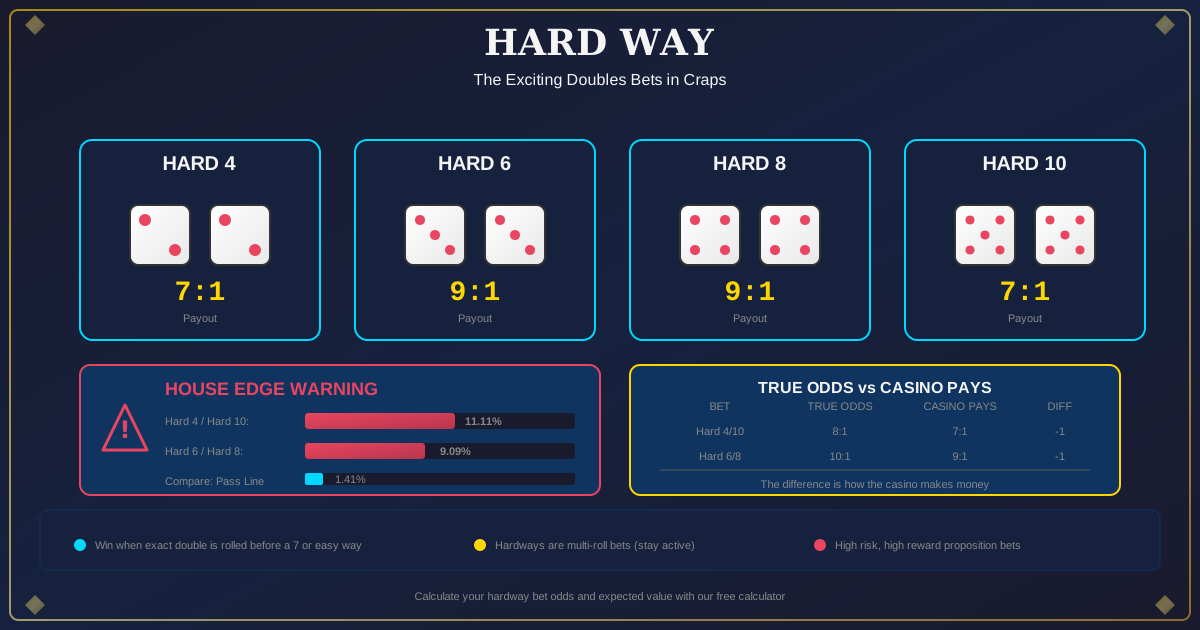
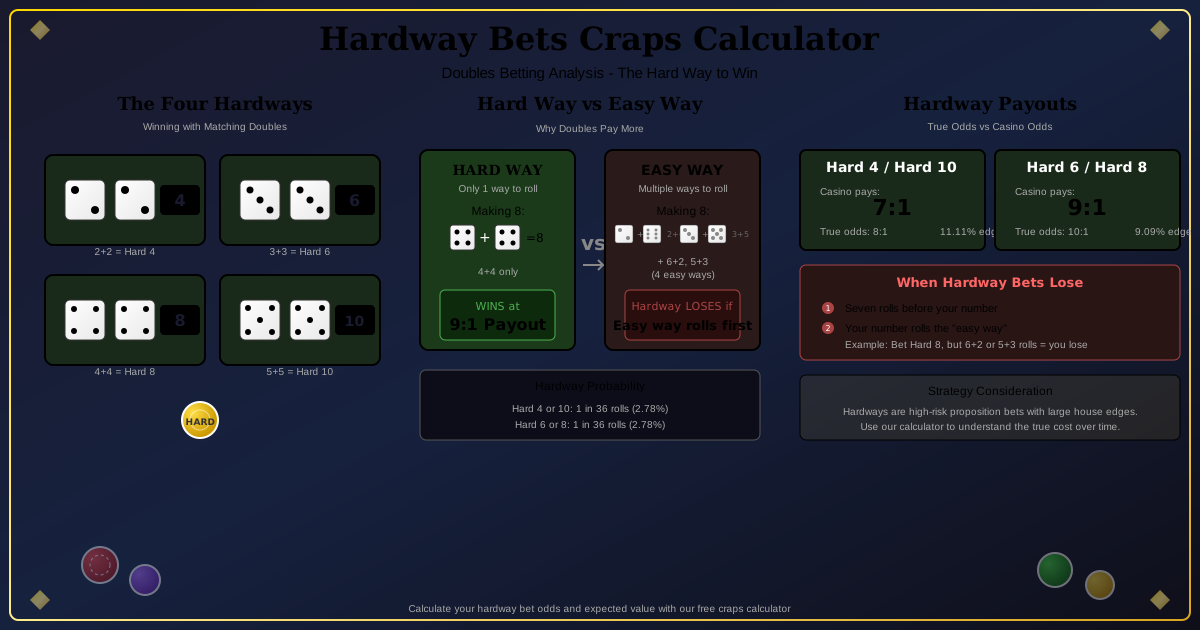
| Hard 6 or Hard 8 | 9.09% |
| Hard 4 or Hard 10 | 11.11% |
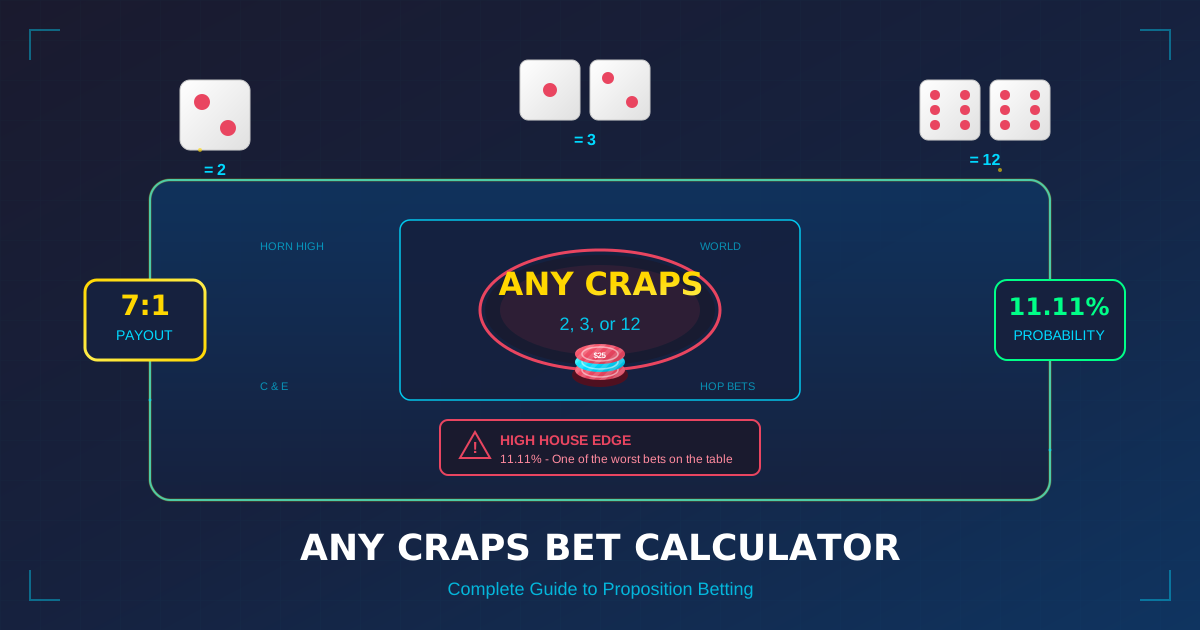
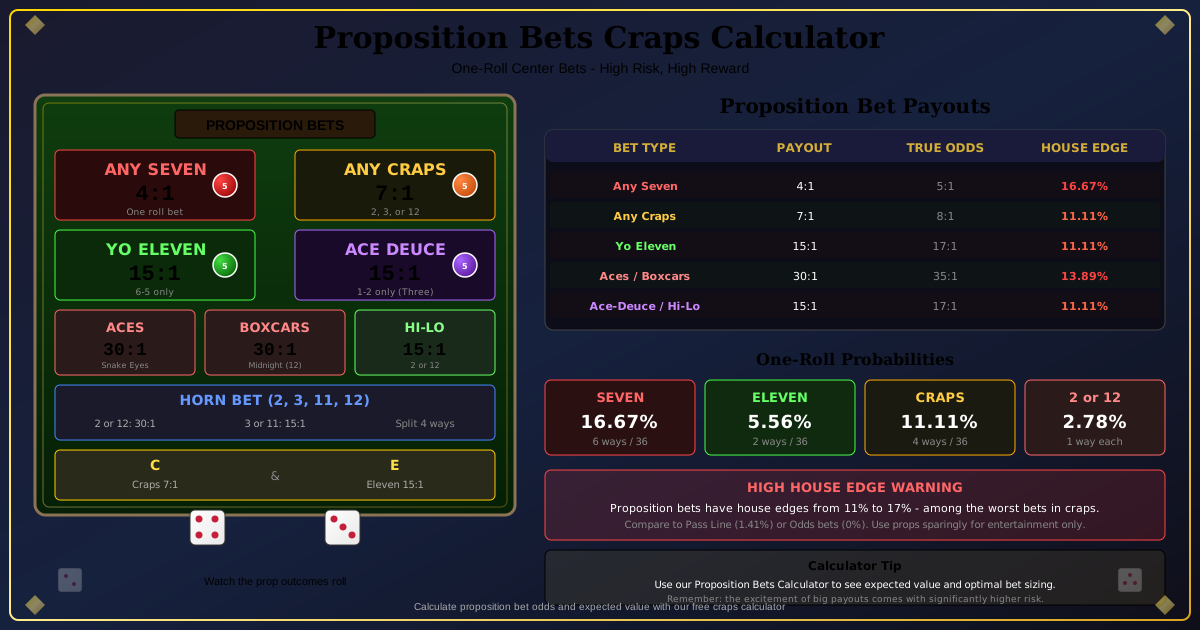
| Any Craps | 11.11% |
| Yo (11) | 11.11% |
| Big 6 / Big 8 | 9.09% |
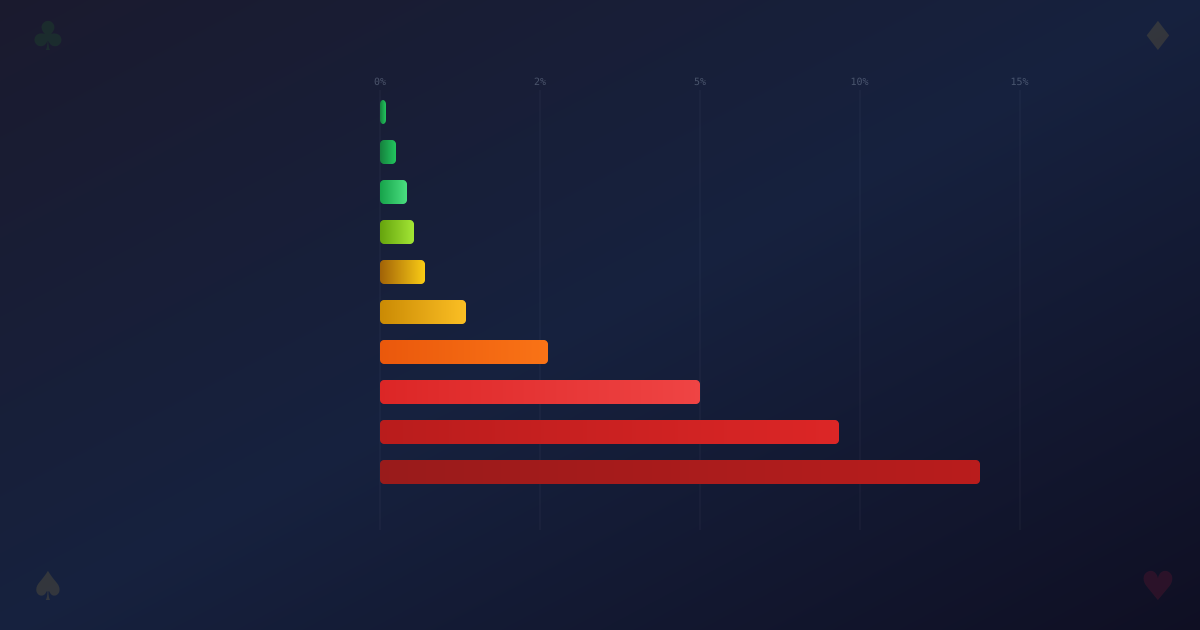
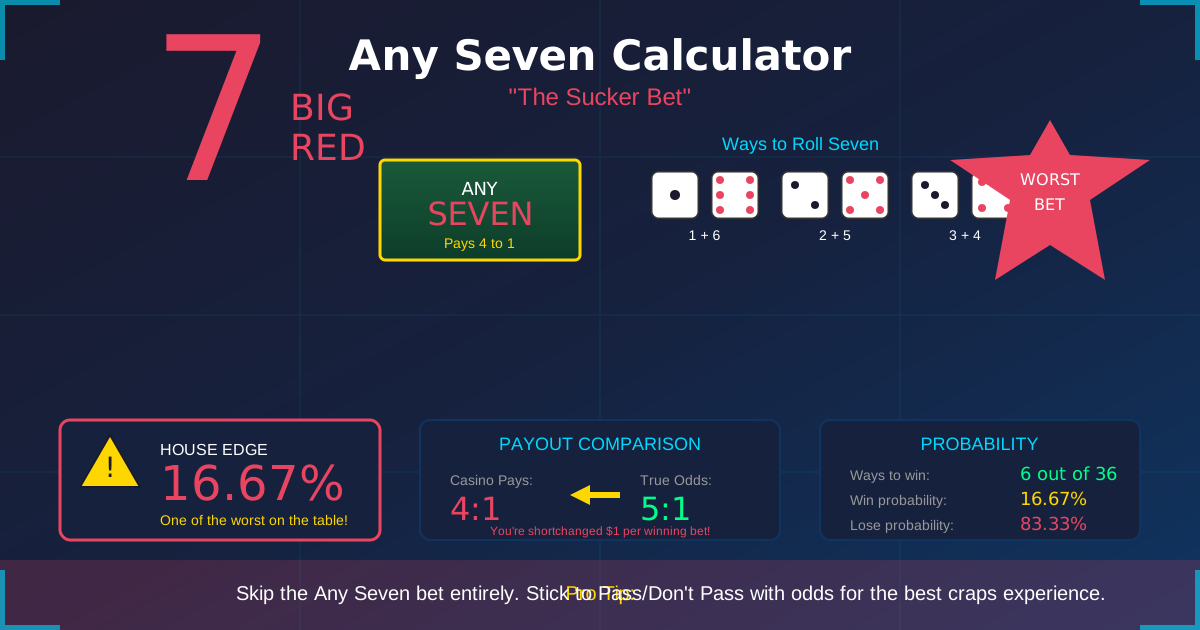
| Any 7 | 16.67% |
Analyze every craps bet with our Craps House Edge Calculator.
Baccarat: Simple But Effective
Baccarat's house edge comes from the commission on Banker wins and the mathematical distribution of outcomes.
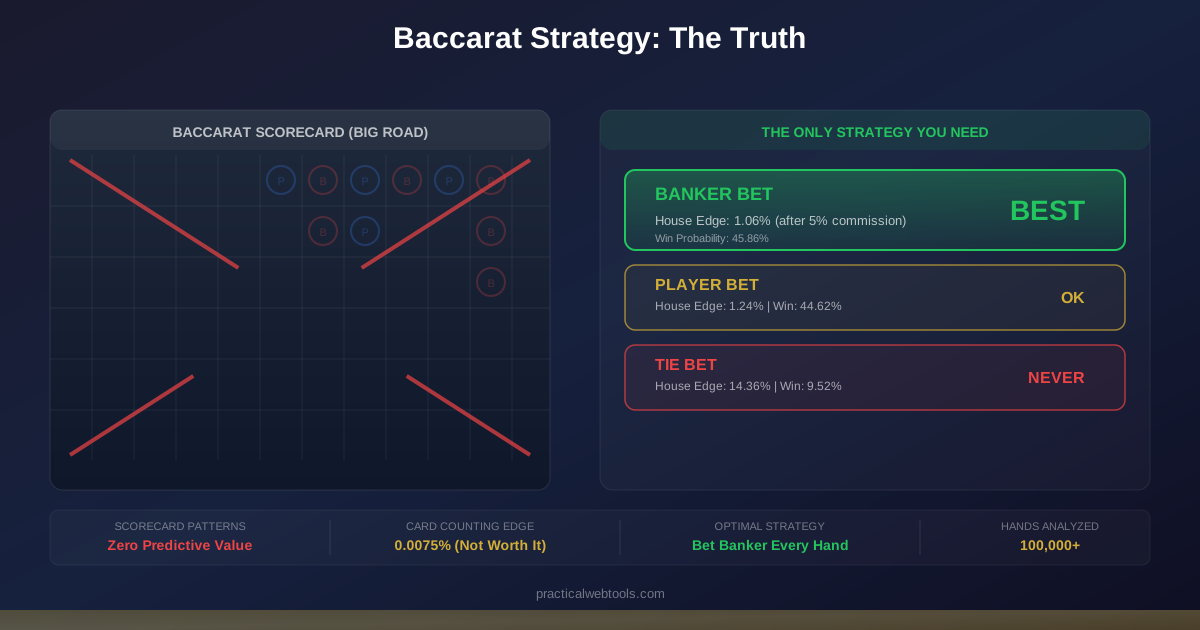
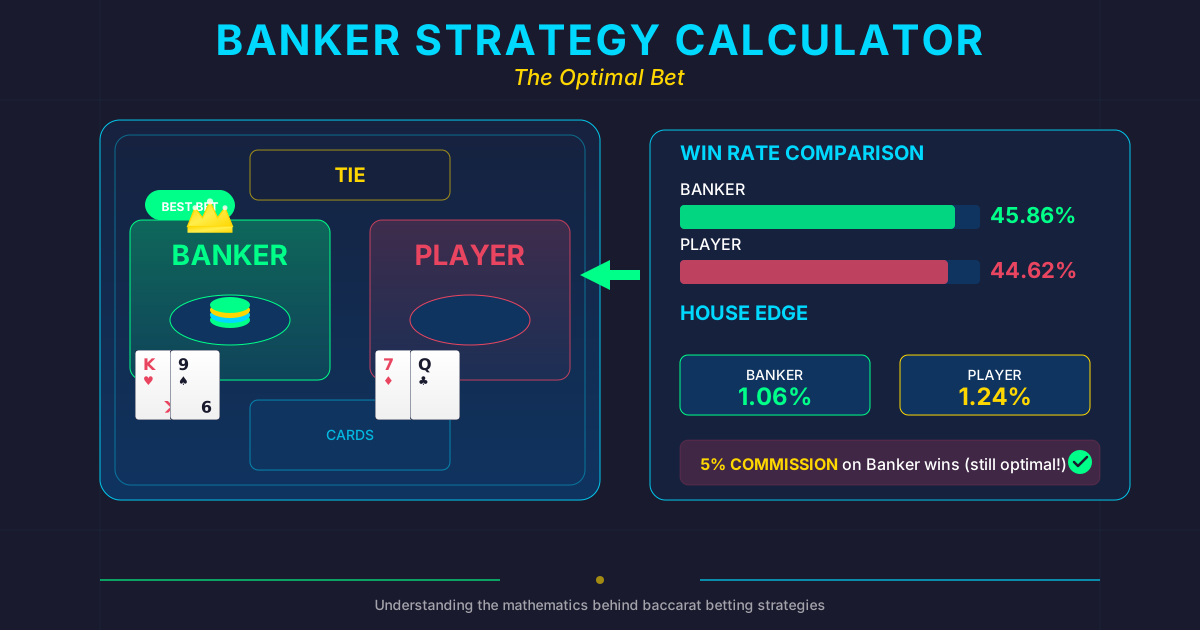
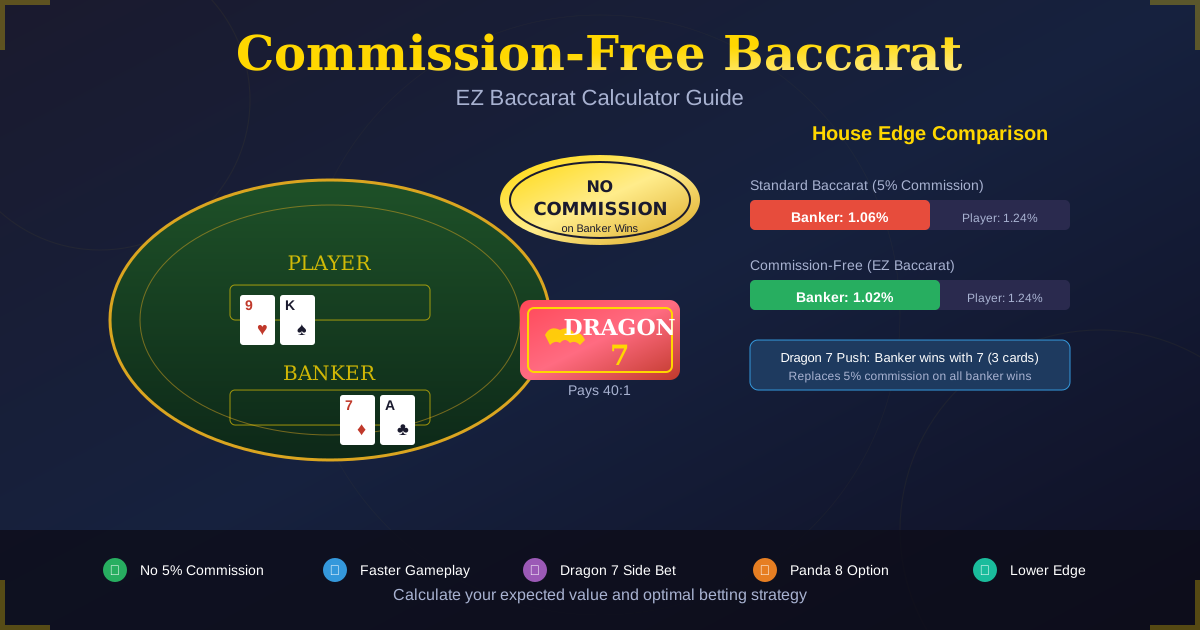
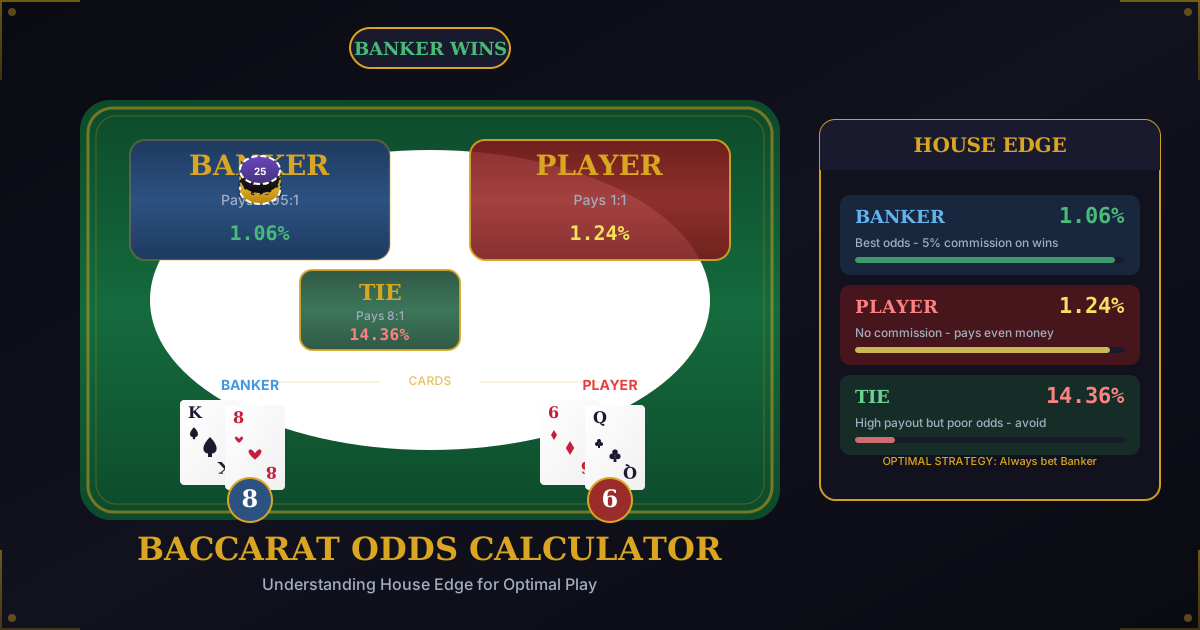
Banker Bet (with standard 5% commission):
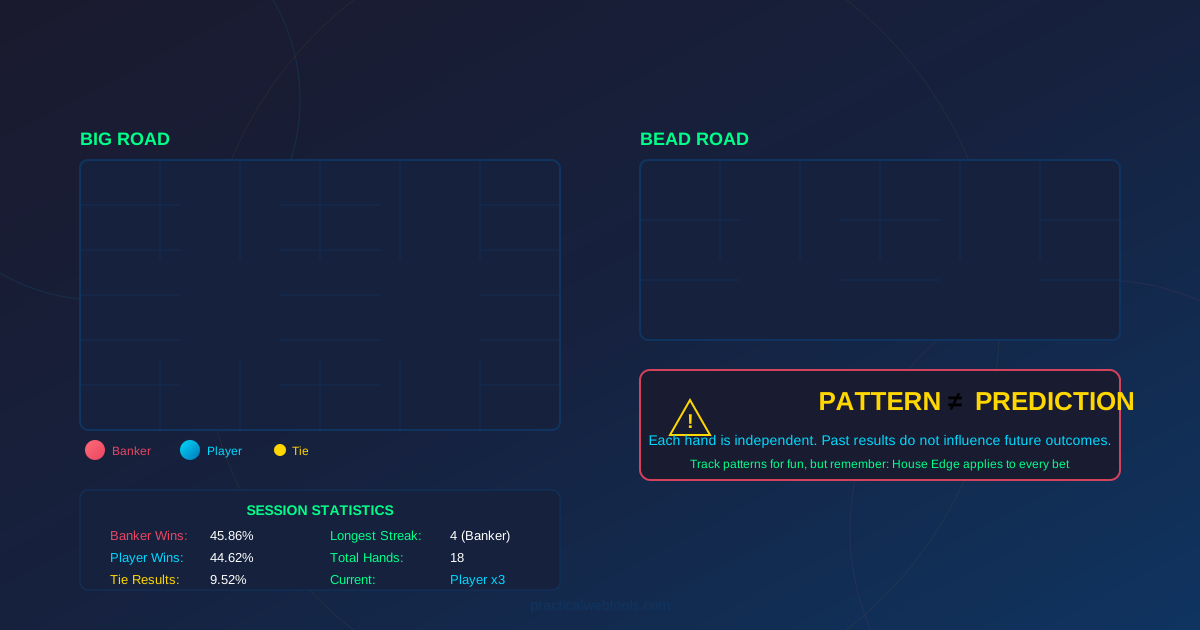
- Banker win probability: 45.86%
- Player win probability: 44.62%
- Tie probability: 9.52%
- Banker edge before commission: Banker wins more often
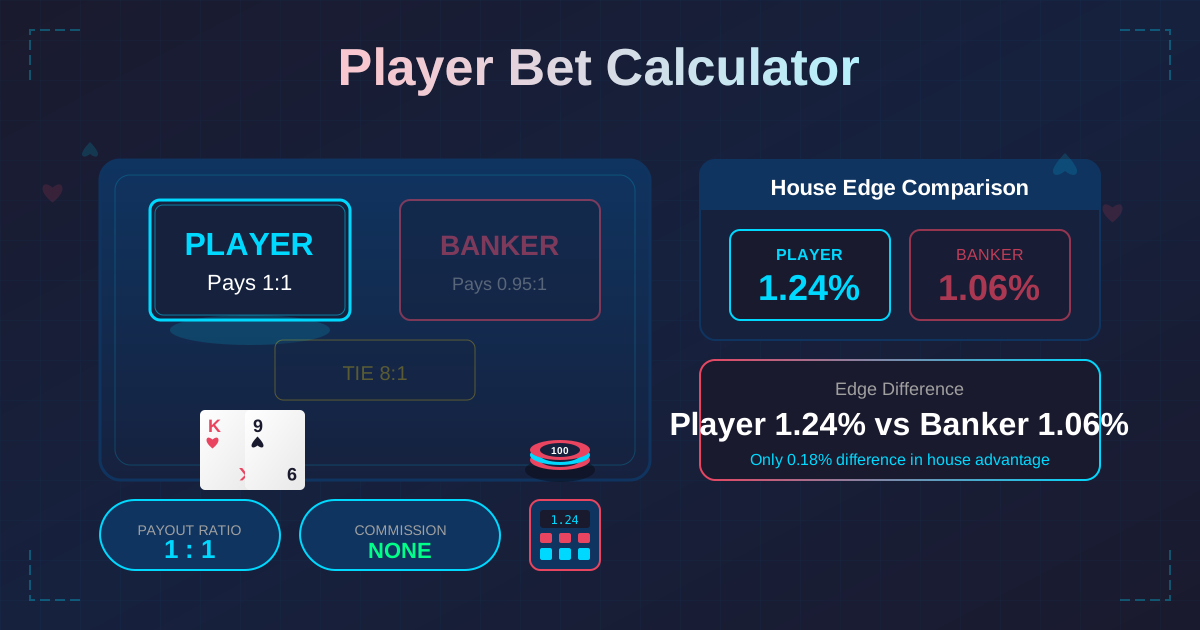
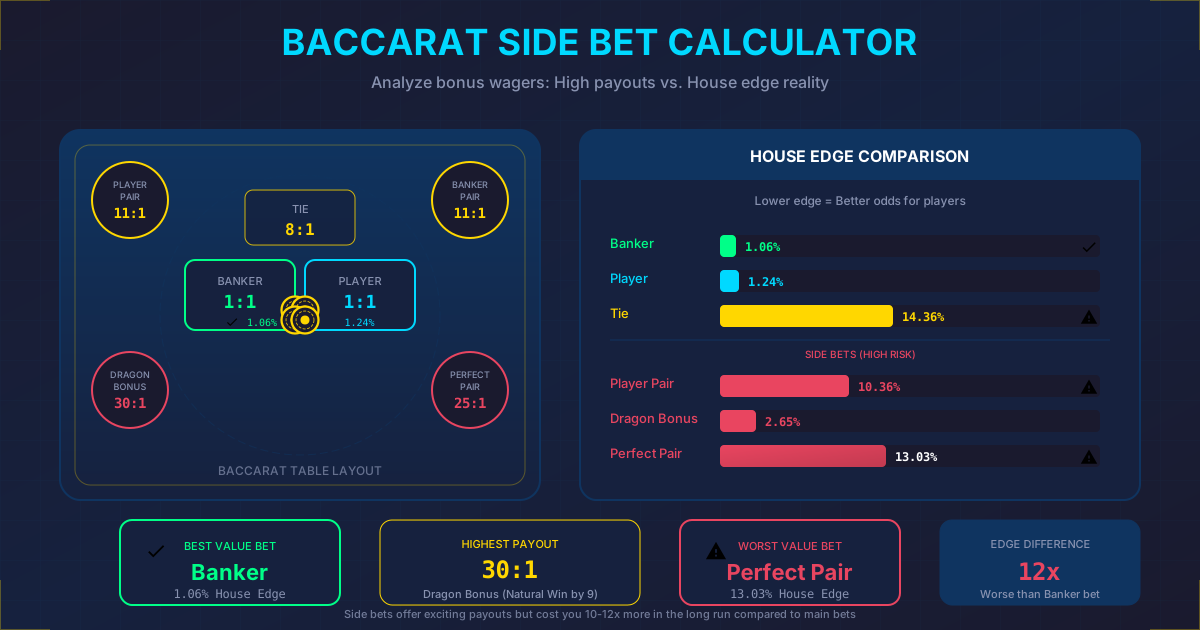
- After 5% commission on Banker wins: House edge = 1.06%
Player Bet:
- Player win probability: 44.62%
- House edge: 1.24%
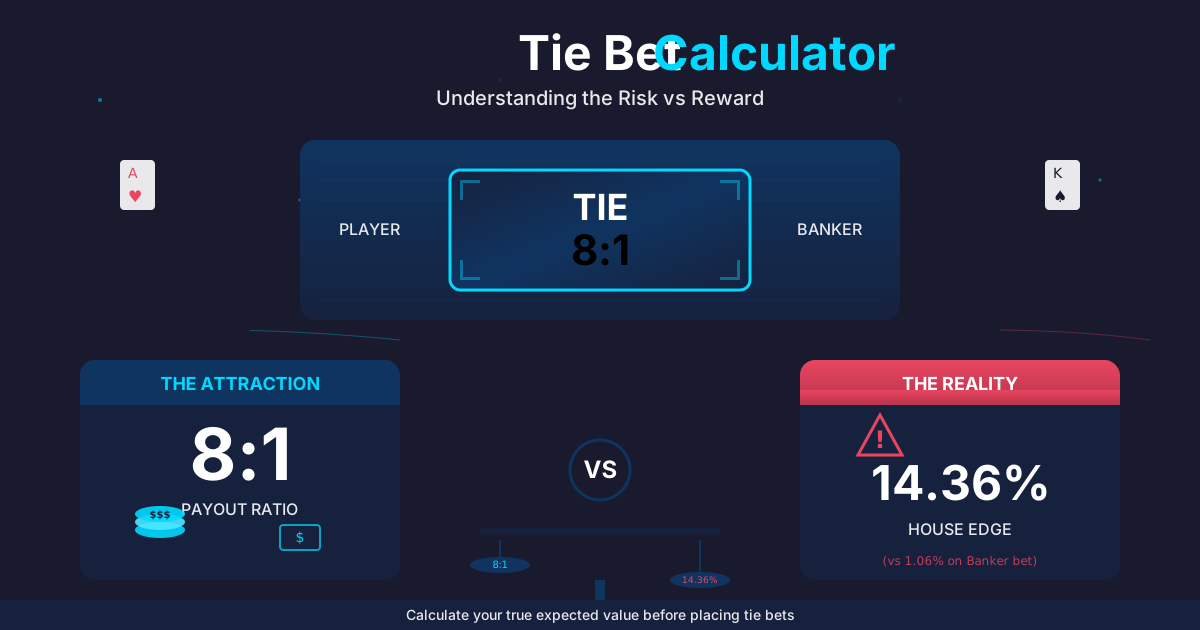
Tie Bet:
- Tie probability: 9.52%
- Pays 8:1 (true odds approximately 9.5:1)
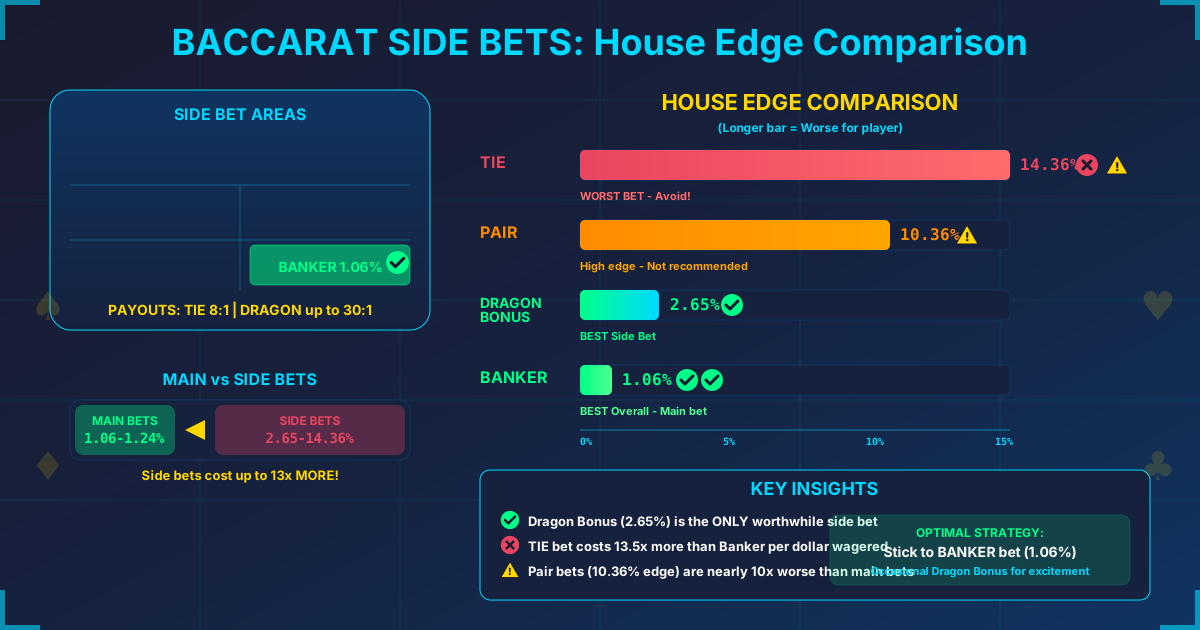
- House edge: 14.36%
The Banker bet at 1.06% is one of the lowest house edges in the casino, which is why baccarat attracts high-rollers who are sensitive to the cost of play.
Calculate baccarat house edge with different commission rates using our Baccarat House Edge Calculator.
Video Poker: The Most Variable House Edge
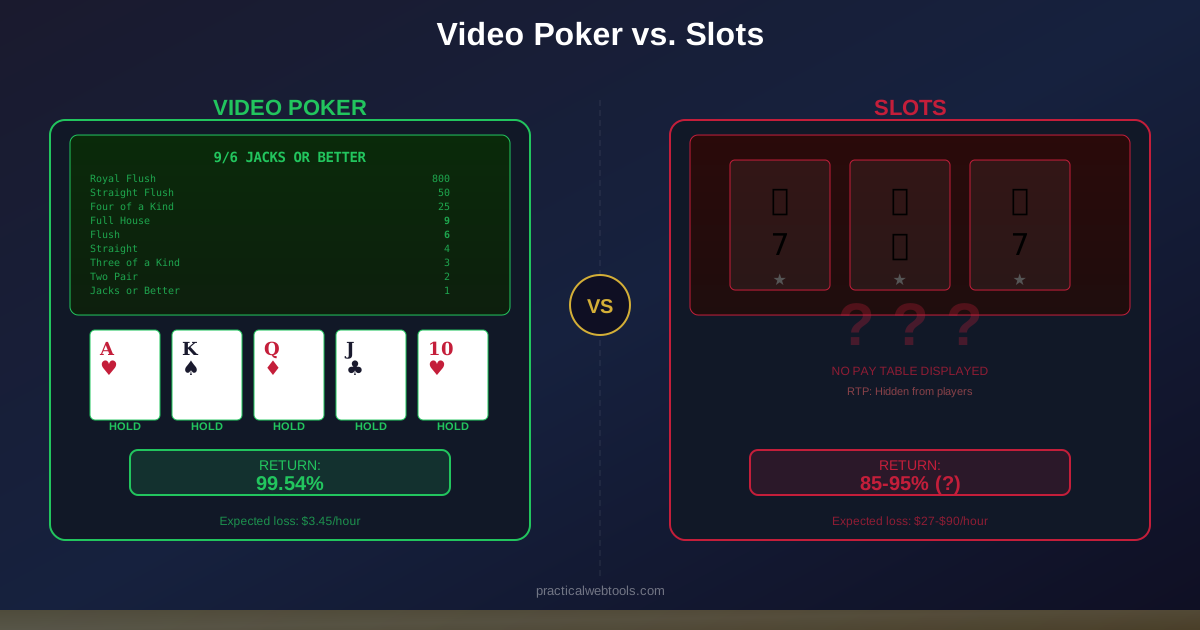
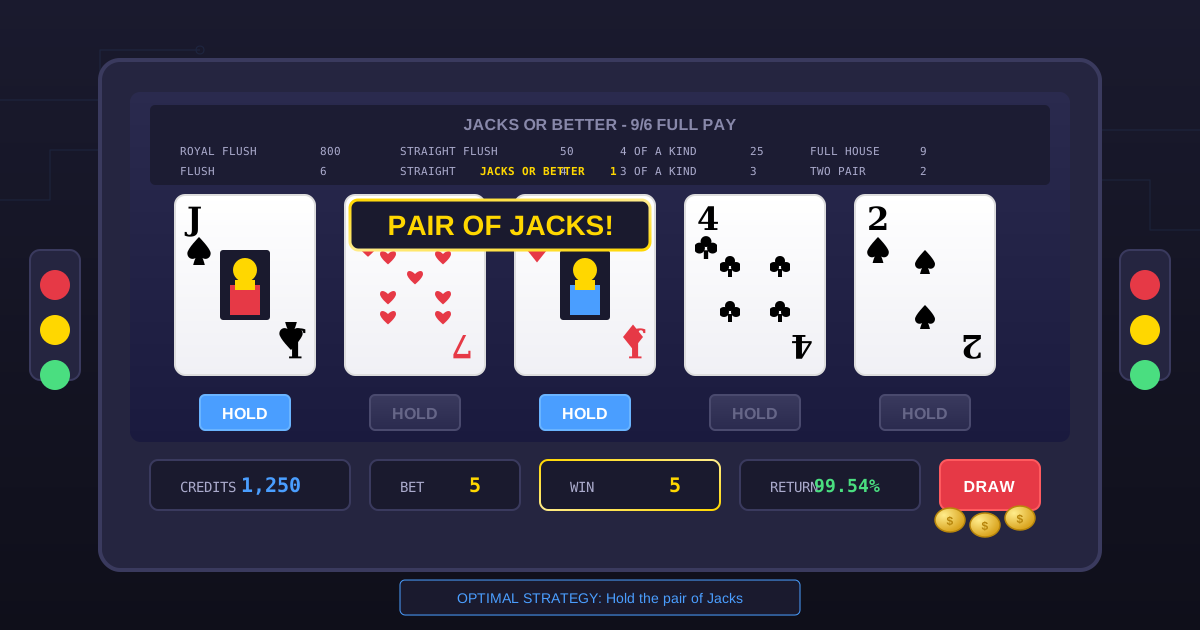
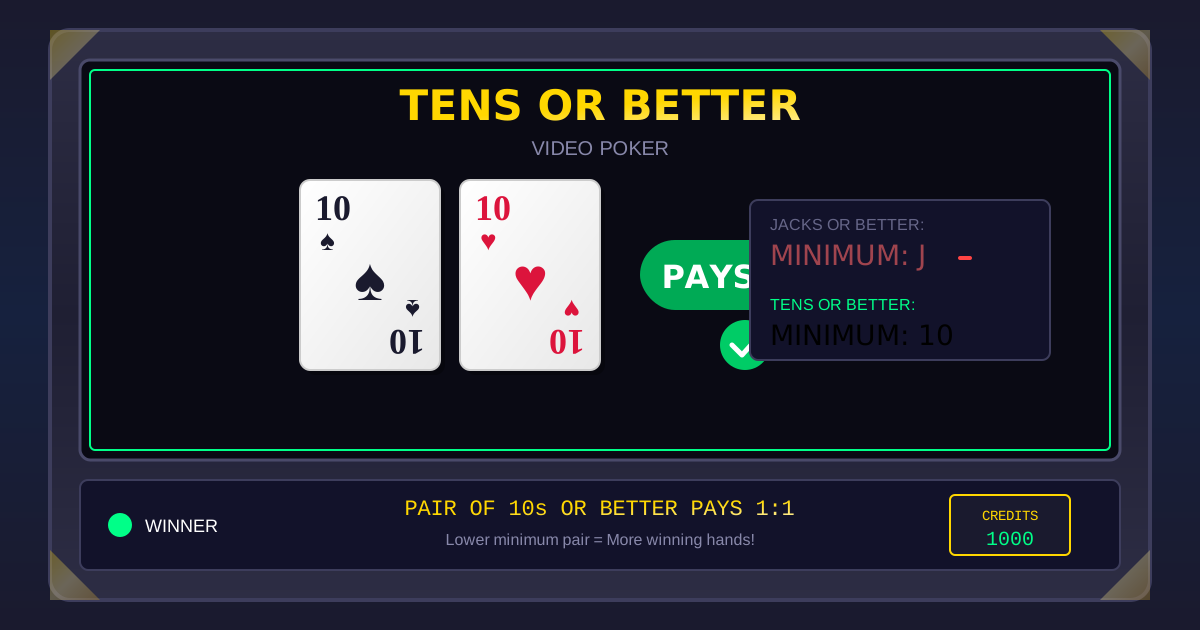
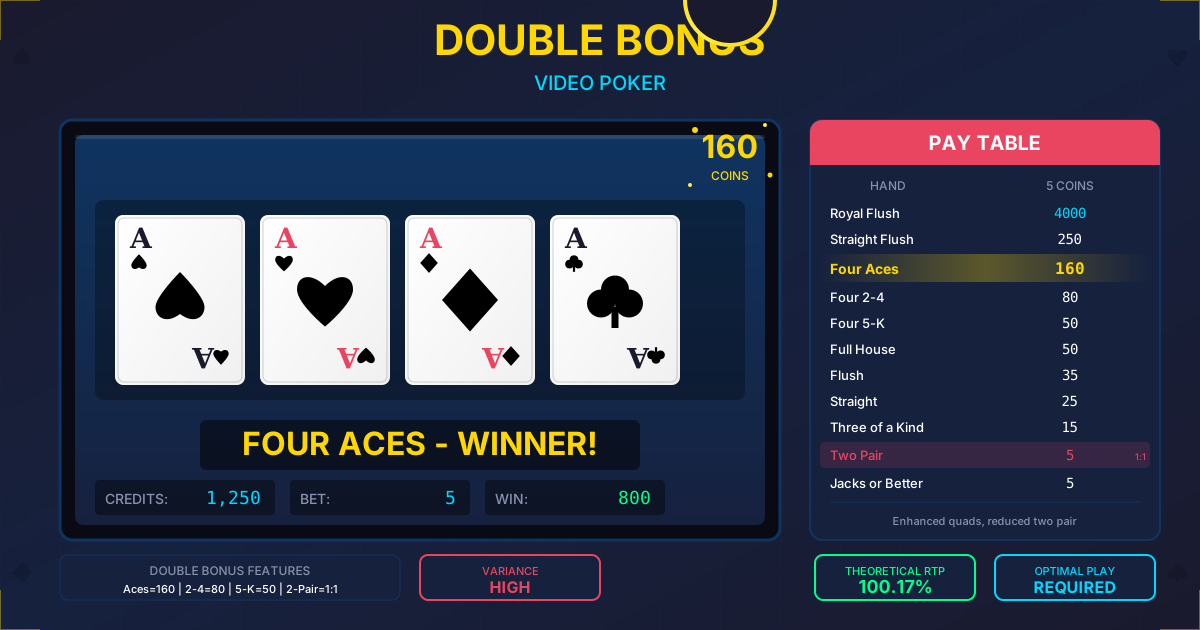
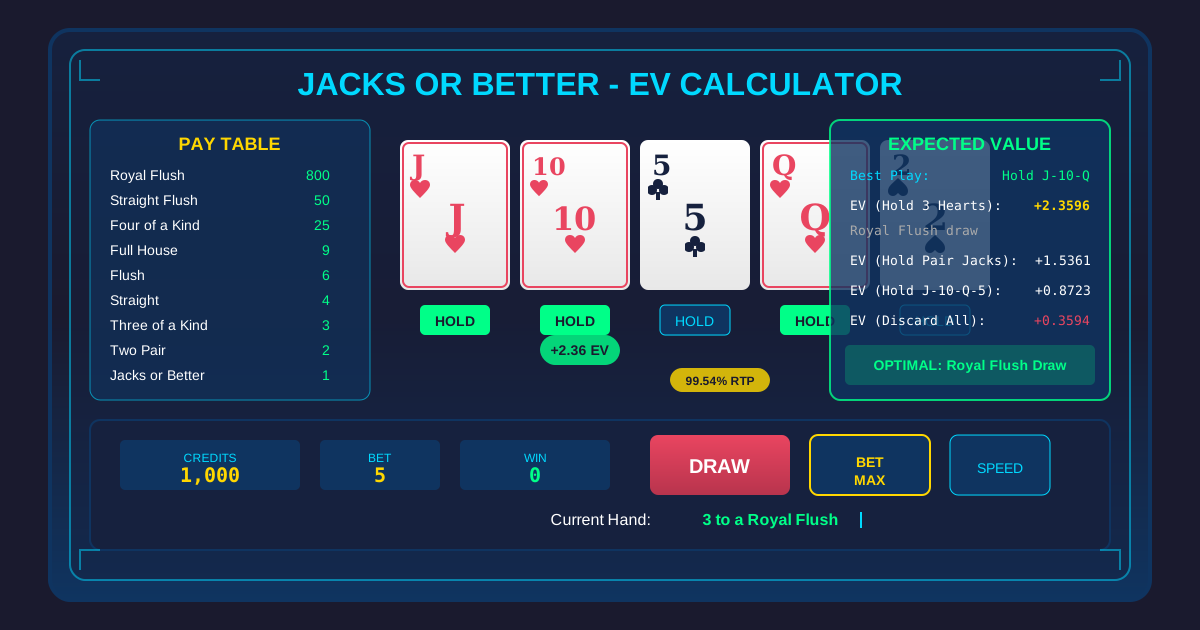
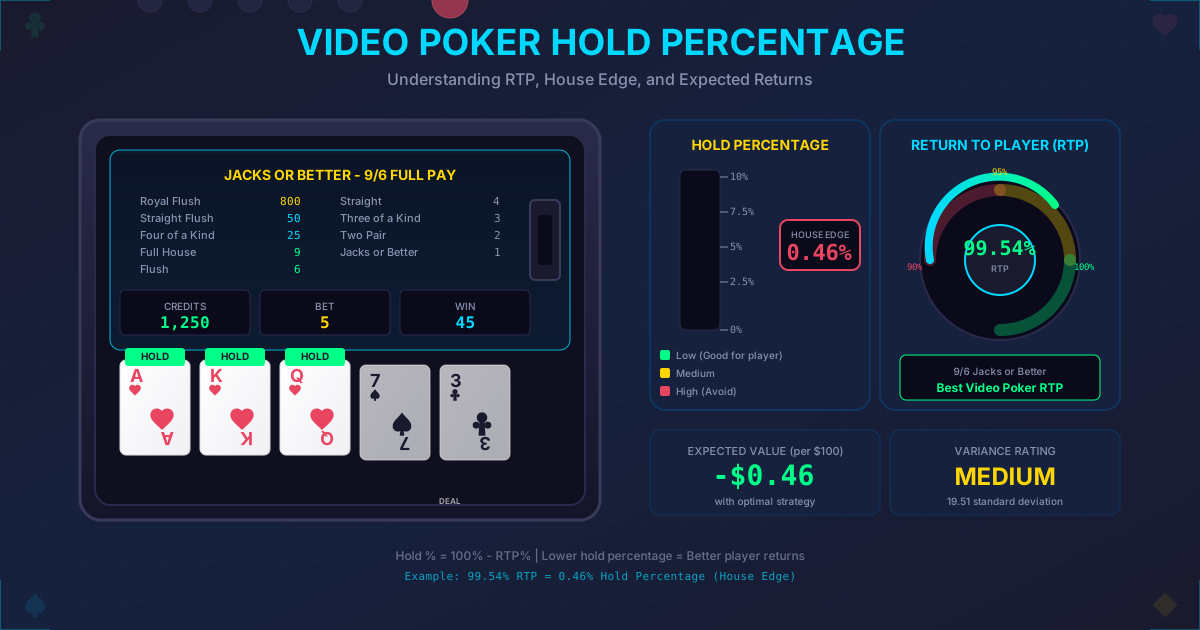
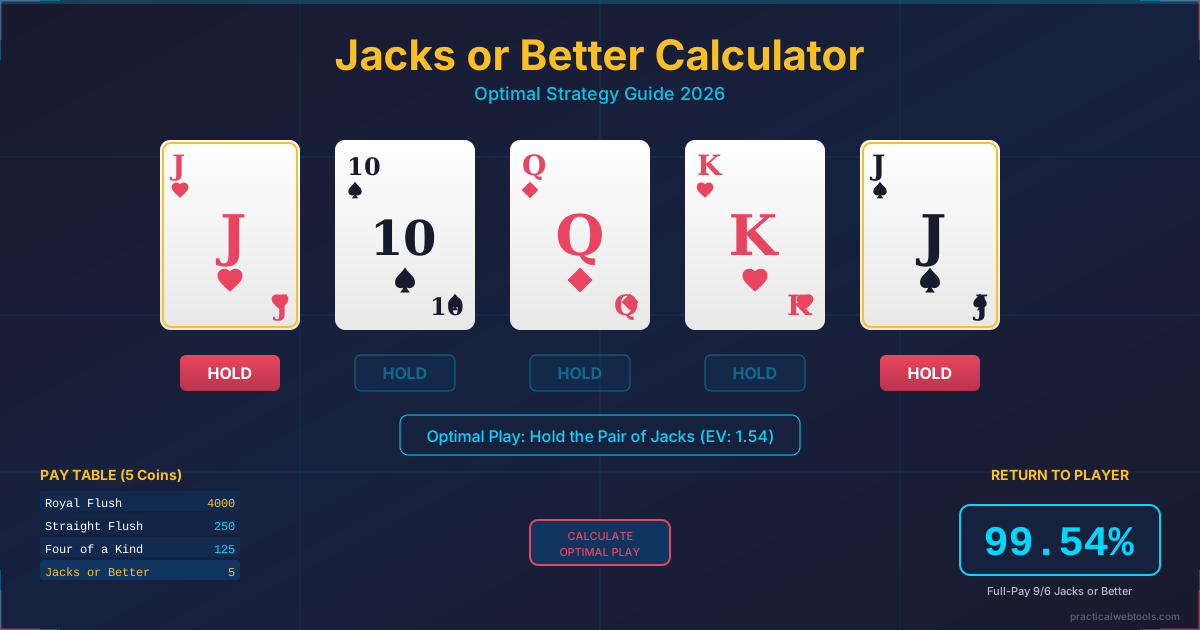
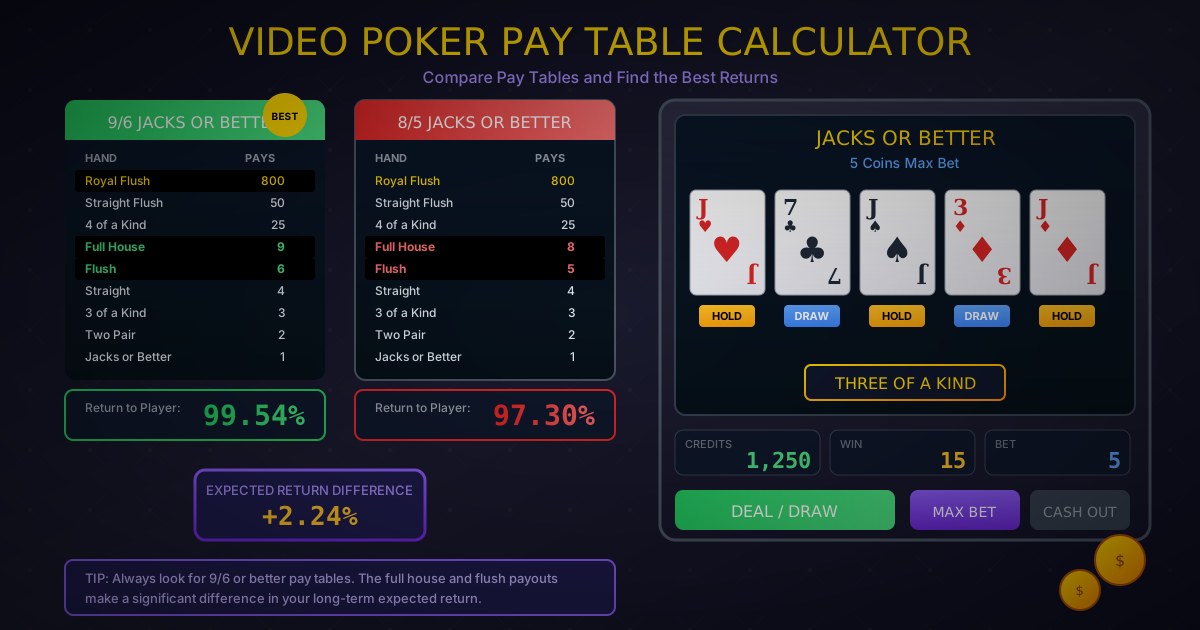
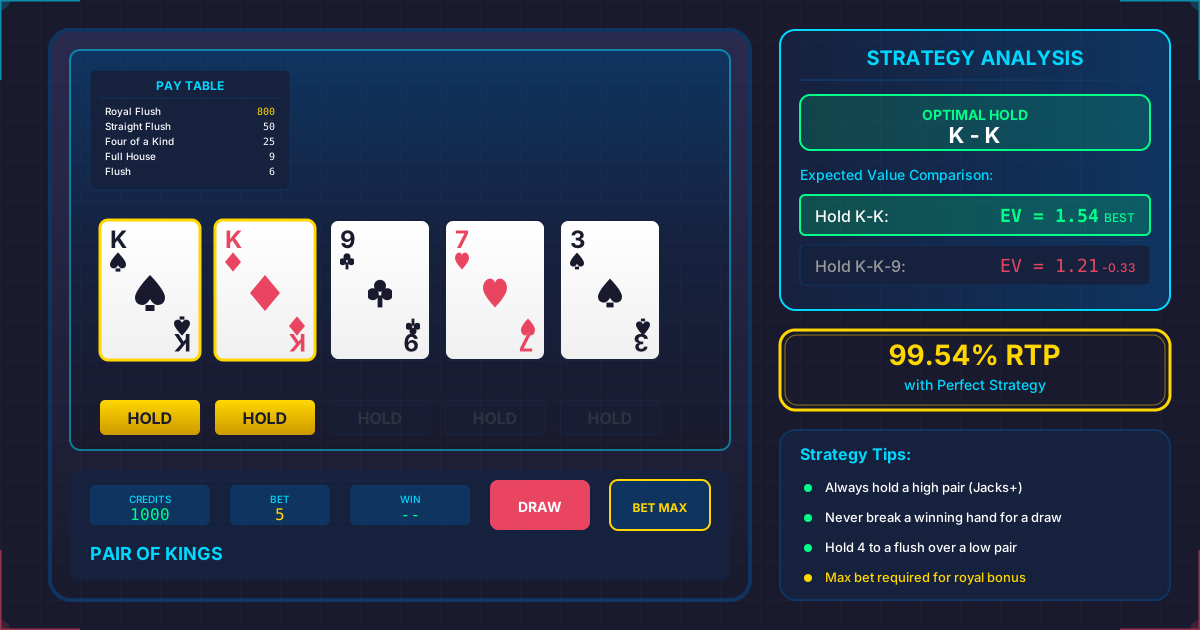
Video poker house edges vary dramatically based on the pay table. The same game (Jacks or Better) can have a house edge ranging from 0.46% to over 5%.
Jacks or Better Pay Table Comparison:
| Pay Table (for Full House / Flush) | House Edge | RTP |
|---|---|---|
| 9/6 (Full Pay) | 0.46% | 99.54% |
| 9/5 | 1.55% | 98.45% |
| 8/6 | 1.60% | 98.40% |
| 8/5 | 2.70% | 97.30% |
| 7/5 | 3.85% | 96.15% |
| 6/5 | 5.00% | 95.00% |
A "full pay" 9/6 Jacks or Better machine with perfect strategy returns 99.54% to the player, making it one of the best bets in the casino. But the same game with a 6/5 pay table takes five times more money.
Compare video poker pay tables with our Video Poker Pay Table Analyzer.
House Edge vs. Hold: What the Casino Actually Keeps
Many people confuse "house edge" with "hold," but they are different metrics that produce very different numbers.
House Edge
- Percentage of each wager the casino expects to keep
- Based on mathematics of the game
- Example: Roulette house edge = 5.26%
Hold
- Percentage of chips purchased that the casino keeps
- Based on total buy-in vs. total cash-out
- Affected by how long players play and how much they recycle winnings
Why Hold Is Always Higher Than House Edge:
Players do not bet their money once and leave. They recycle winnings. If you buy in for $200 at a roulette table and make $25 bets, you might make 100 total bets before leaving (recycling your wins). Your total action is $2,500 on a $200 buy-in.
- House edge on $2,500 action: 5.26% = $131.50 expected loss
- Hold on $200 buy-in: $131.50 / $200 = 65.75%
This is why casino financial reports show "hold" percentages of 15-25% on table games, even though house edges are only 1-6%. Players recycle their money many times.
Calculate the true hold on any sportsbook line with our Hold/Vig Calculator.
Expected Loss Per Hour: The True Cost of Casino Entertainment
The house edge alone does not tell you how much a game costs per hour. You need to combine it with bet size and game speed.
Expected Loss Per Hour = (Average Bet) x (Decisions Per Hour) x (House Edge)
Cost Per Hour by Game
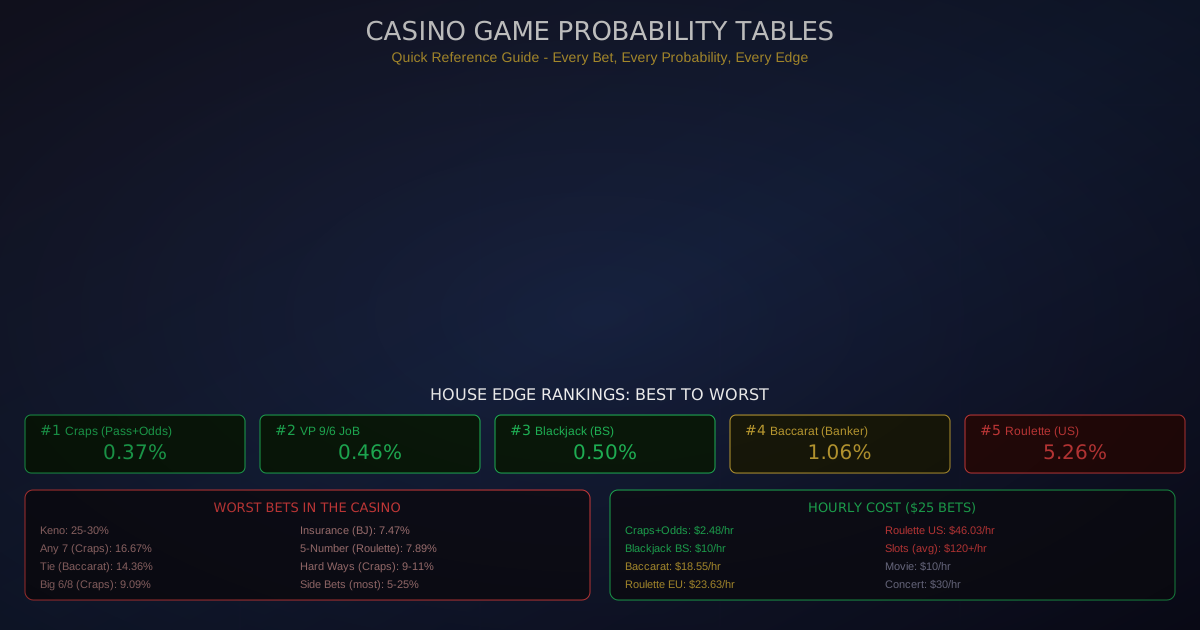
| Game | Avg Bet | Decisions/Hour | House Edge | Expected Loss/Hour |
|---|---|---|---|---|
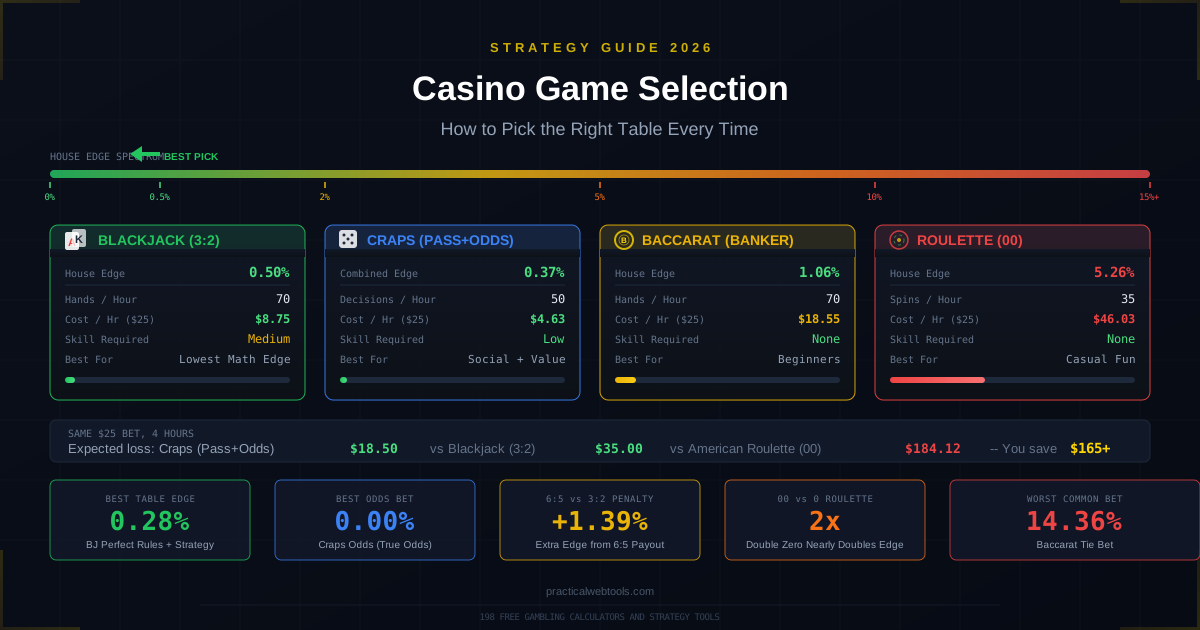
| Blackjack (basic strategy) | $25 | 80 | 0.50% | $10.00 |
| Craps (Pass + 3-4-5x Odds) | $30 + $120 | 30 | 0.37% | $1.66 |
| Baccarat (Banker) | $100 | 70 | 1.06% | $7.42 |
| Roulette (American) | $25 | 35 | 5.26% | $46.03 |
| Roulette (European) | $25 | 35 | 2.70% | $23.63 |
| Slots (dollar, medium speed) | $3/spin | 600 | 8% | $144.00 |
| Slots (penny, max bet) | $2.50/spin | 600 | 12% | $180.00 |
| Video Poker (9/6 JoB) | $1.25 | 400 | 0.46% | $2.30 |
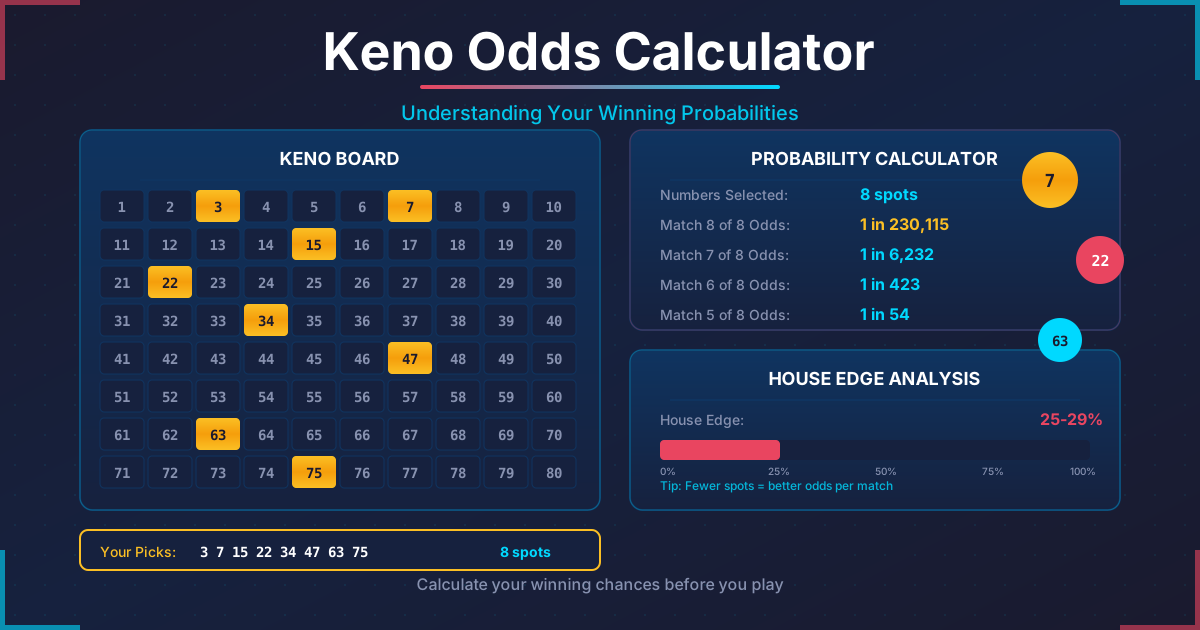
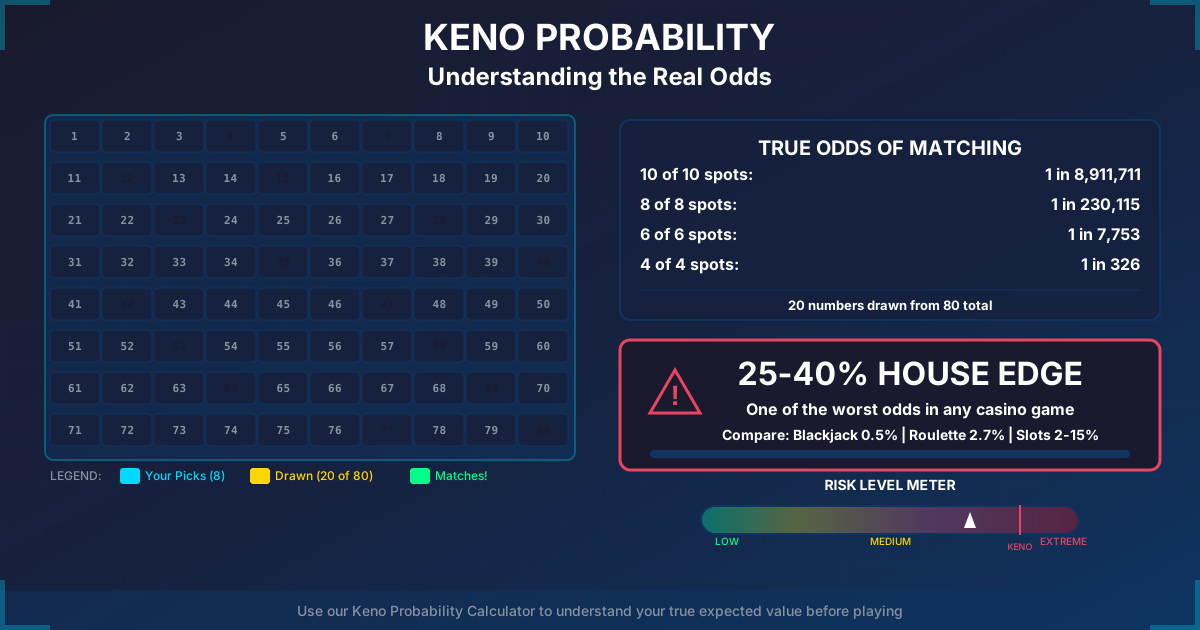
| Keno | $2 | 10 | 27% | $5.40 |
Key insights from this table:
- Craps with odds is absurdly cheap. At $1.66/hour, it costs less than a cup of coffee for an hour of entertainment.
- Video poker is the best hourly value if you find a full-pay machine and play perfectly.
- Slots are the most expensive despite small individual bets, because the speed is extreme (600+ spins/hour).
- Roulette costs 4-28x more than blackjack per hour at the same bet size, purely because of the higher house edge.
Calculate your expected hourly loss for any game with our Expected Value Calculator.
Real-World Cost Comparison
Scenario: 4-Hour Casino Visit, $25 Average Bet
| Game Choice | Expected 4-Hour Loss | Annual Cost (monthly visits) |
|---|---|---|
| Blackjack (basic strategy) | $40 | $480 |
| Craps (Pass + Full Odds) | $7 | $84 |
| Baccarat (Player) | $87 | $1,044 |
| Roulette (American) | $184 | $2,208 |
The difference between the best and worst choice is $177 per visit, or $2,124 per year. Same bankroll, same bet size, same amount of time, dramatically different cost.
Example: The High-Roller Weekend
James visits a casino resort with a $10,000 bankroll and plays for 20 hours over a weekend.
If he plays blackjack ($100/hand, basic strategy):
- Action: 80 hands/hr x $100 x 20 hrs = $160,000
- Expected loss: $160,000 x 0.005 = $800
- Expected bankroll remaining: $9,200
If he plays American roulette ($100/spin):
- Action: 35 spins/hr x $100 x 20 hrs = $70,000
- Expected loss: $70,000 x 0.0526 = $3,682
- Expected bankroll remaining: $6,318
If he plays slots ($5/spin):
- Action: 600 spins/hr x $5 x 20 hrs = $60,000
- Expected loss: $60,000 x 0.10 = $6,000
- Expected bankroll remaining: $4,000
James's game choice determines whether he expects to keep 92% or 40% of his bankroll.
How Casinos Use the House Edge to Predict Revenue
Casinos do not gamble. Despite being in the gambling business, their revenue is remarkably predictable because of the Law of Large Numbers combined with the house edge.
Revenue Prediction Formula
Expected Revenue = Total Handle x House Edge
Where "handle" is the total amount wagered.
Example: A Single Roulette Table
- Average bets per spin: $500 (from all players combined)
- Spins per hour: 35
- Hours of operation per day: 16
- Daily handle: $500 x 35 x 16 = $280,000
- House edge: 5.26%
- Expected daily revenue: $280,000 x 0.0526 = $14,728
- Expected monthly revenue: $441,840
- Expected annual revenue: $5,375,720
This is one table. A large casino might have 20 roulette tables, 100 blackjack tables, 40 craps tables, 3,000 slot machines, and dozens of other games, each generating predictable revenue.
The "Time on Device" Factor
Casinos understand that the house edge is only half the equation. The other half is how much total action they can generate, which depends on:
- Game speed: Faster games generate more action. Slots at 600 spins/hour generate far more total action than roulette at 35 spins/hour.
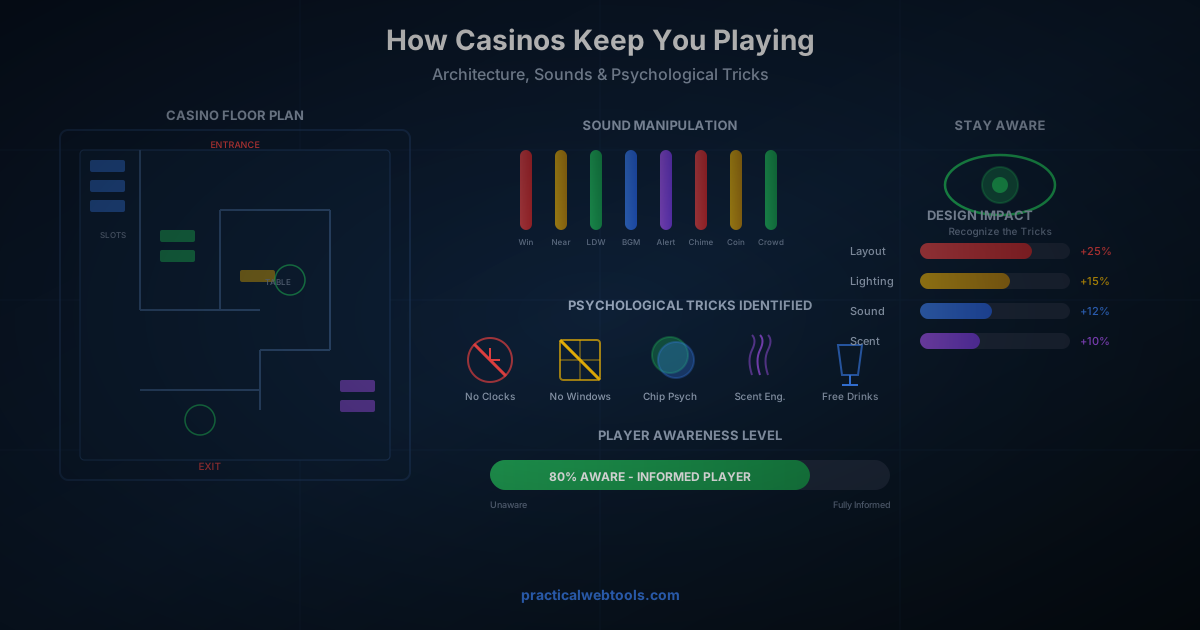
- Time at table: The longer you play, the more total action. Free drinks, comfortable seats, and lack of clocks all serve this purpose.
- Bet recycling: The more you replay your winnings, the more total action. This is why the "hold" always exceeds the house edge.
- Bet size: Higher average bets produce more action. VIP programs and table minimums push this upward.
Casinos optimize every aspect of the environment to maximize total action, knowing that the house edge will then predictably convert that action into revenue.
Ways to Minimize the House Edge
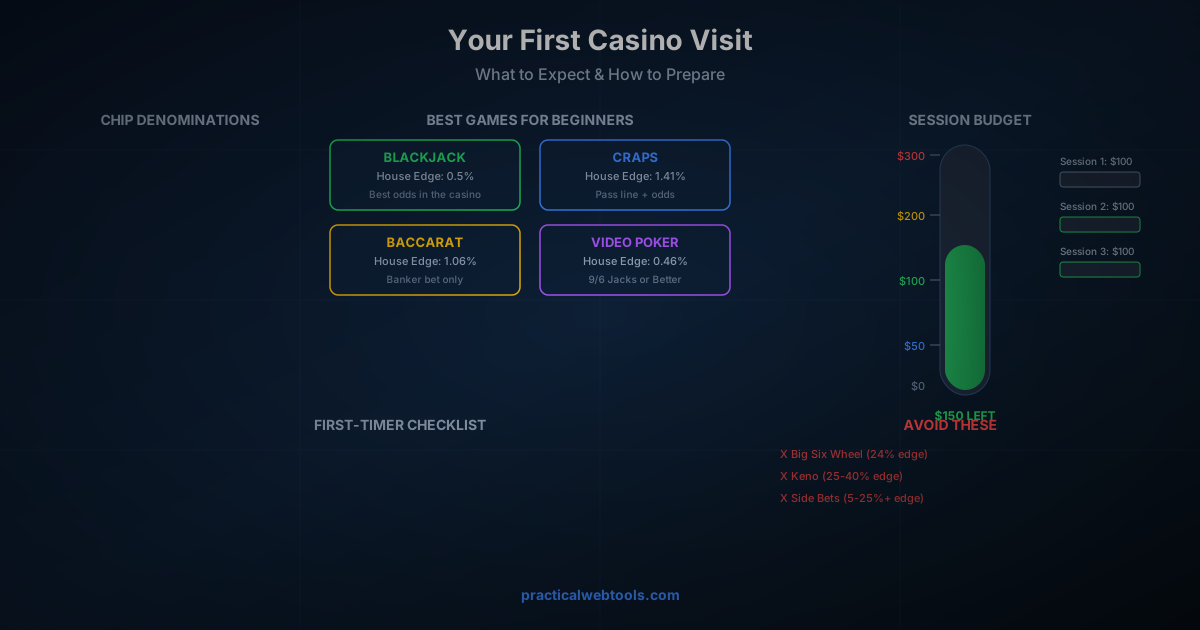
1. Choose the Right Games
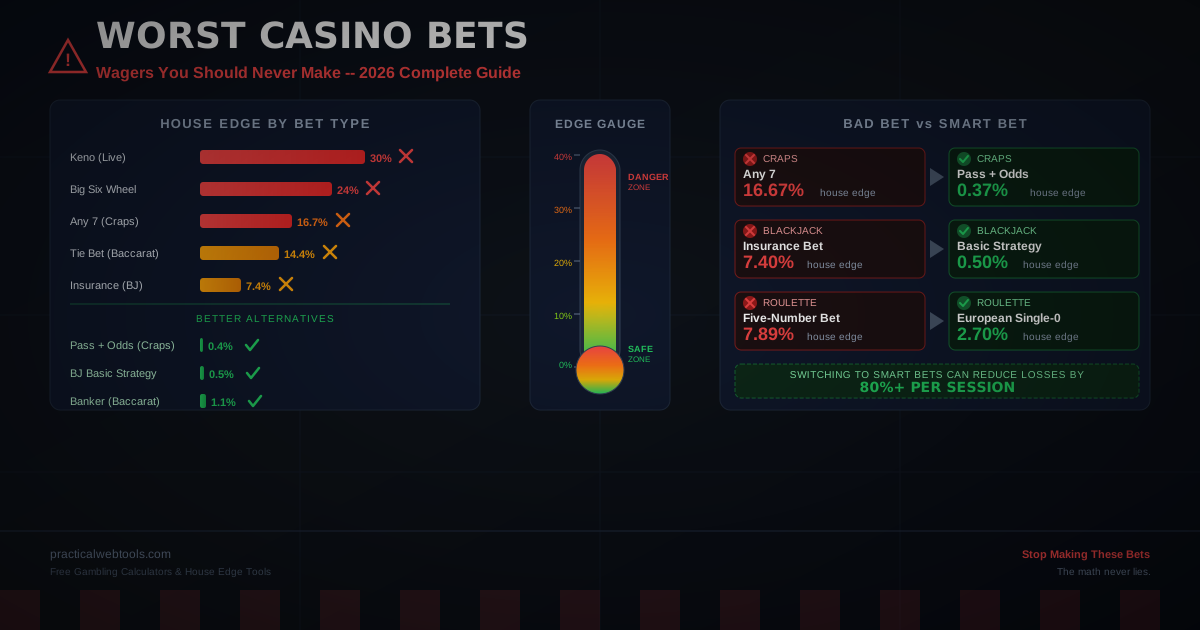
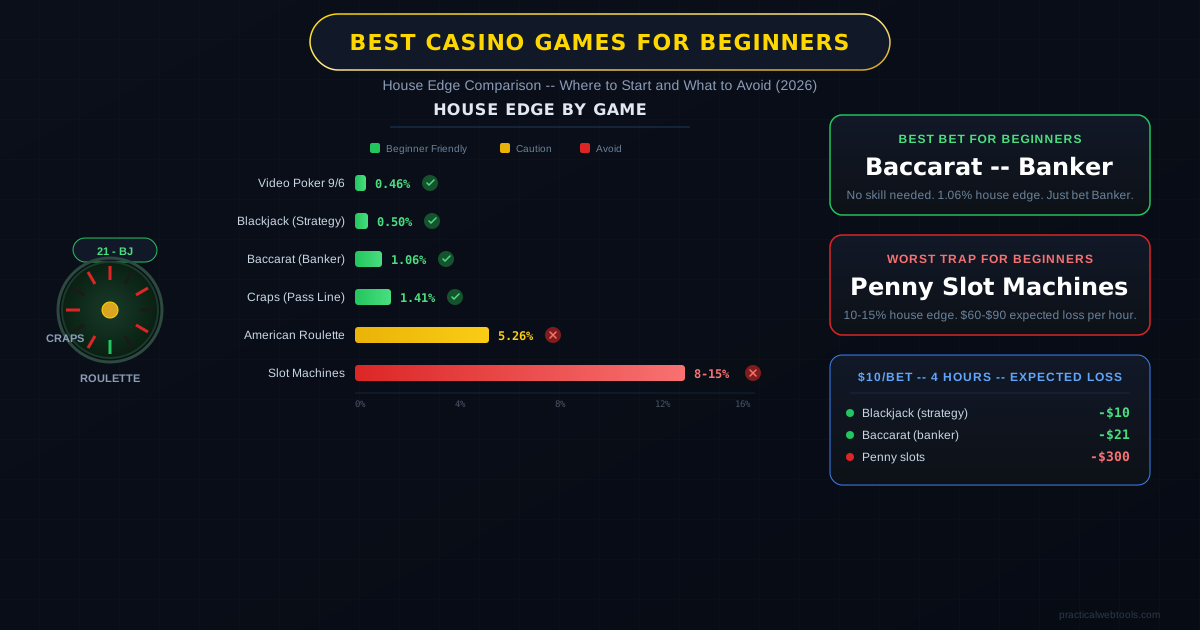
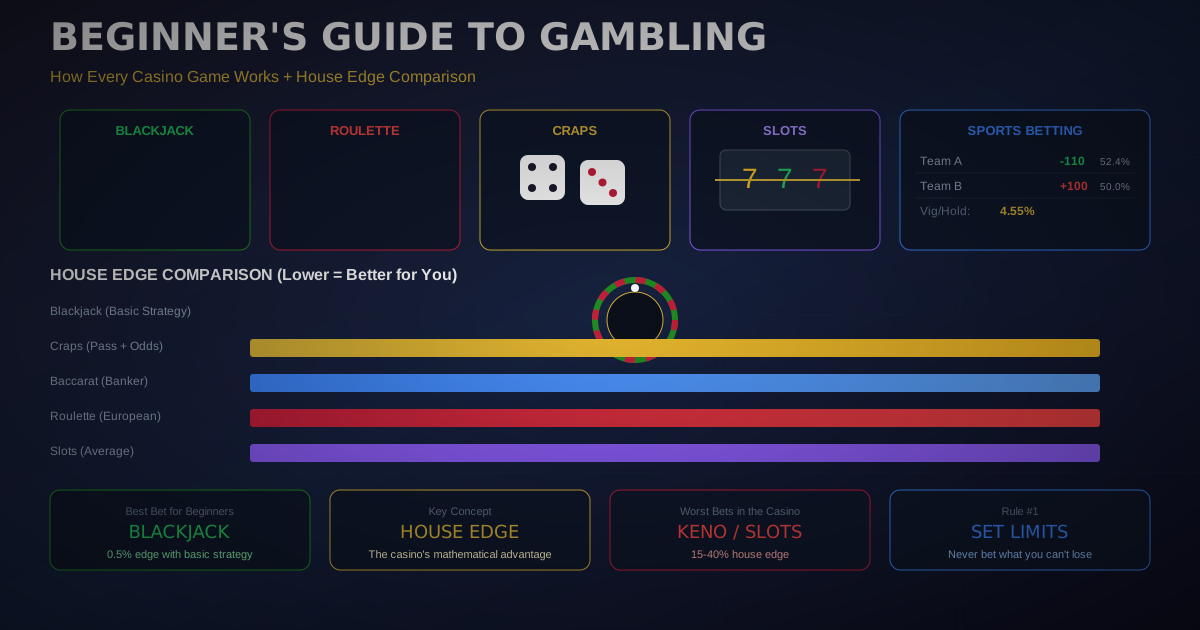
The single biggest decision is which game you play. The difference between craps with odds (0.37%) and slots (5-15%) is enormous.
Best bets in the casino (lowest house edge):
- Craps Pass + Full Odds: 0.37%
- Blackjack with basic strategy: 0.50%
- Baccarat Banker: 1.06%
- Video Poker (full pay, perfect strategy): 0.46%
- Craps Don't Pass: 1.36%
2. Learn Perfect Strategy
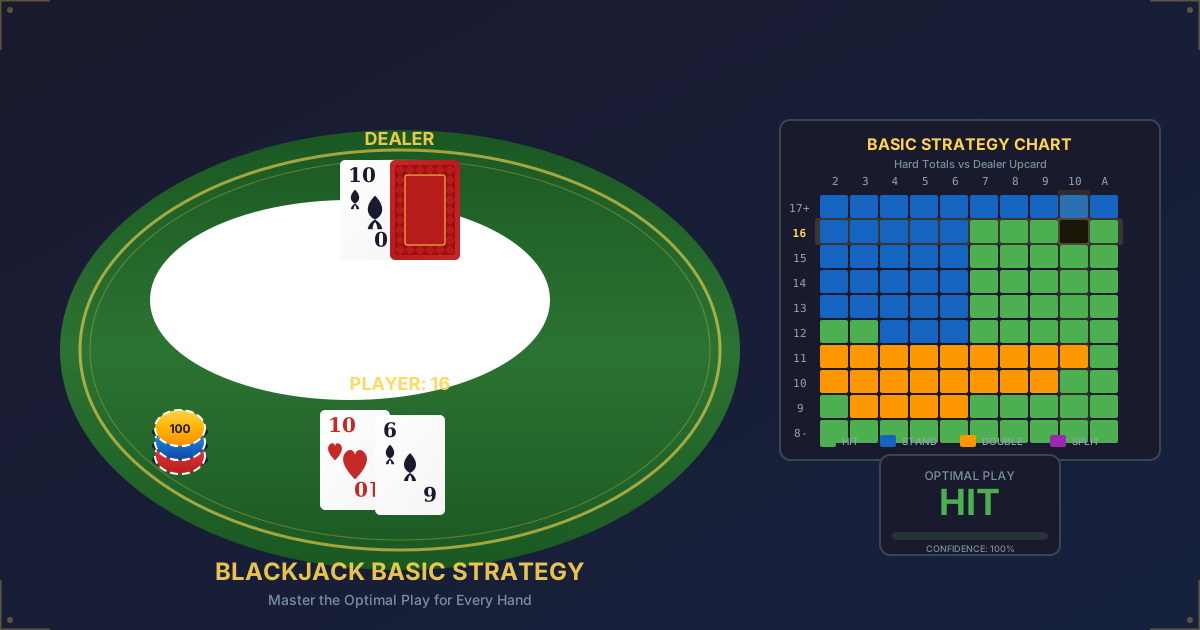
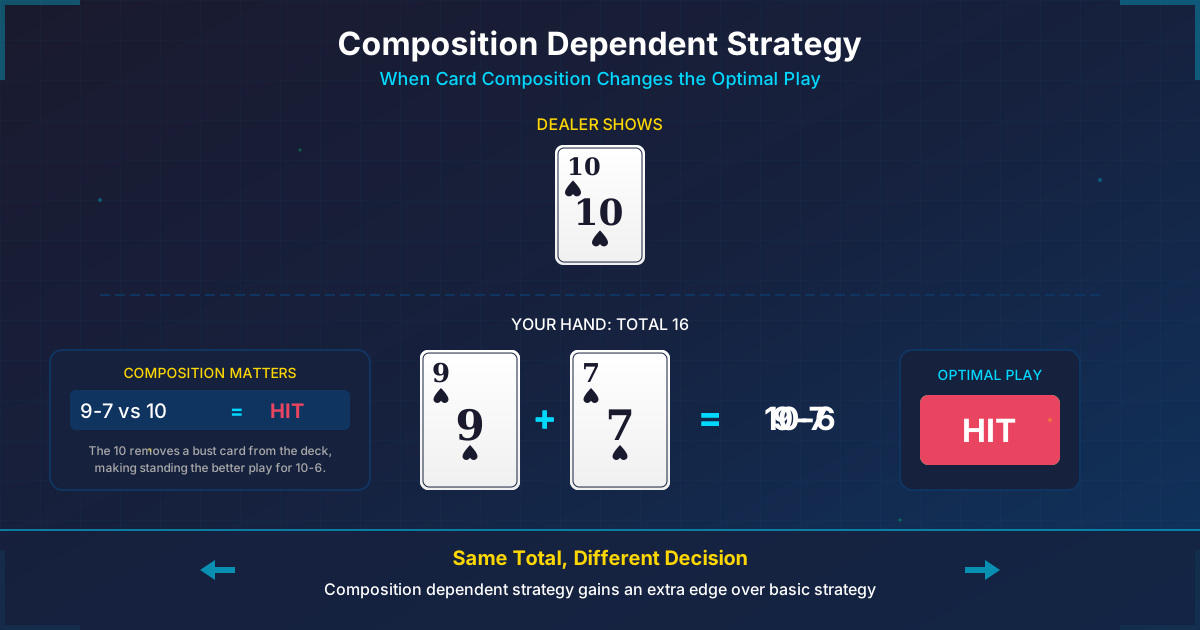
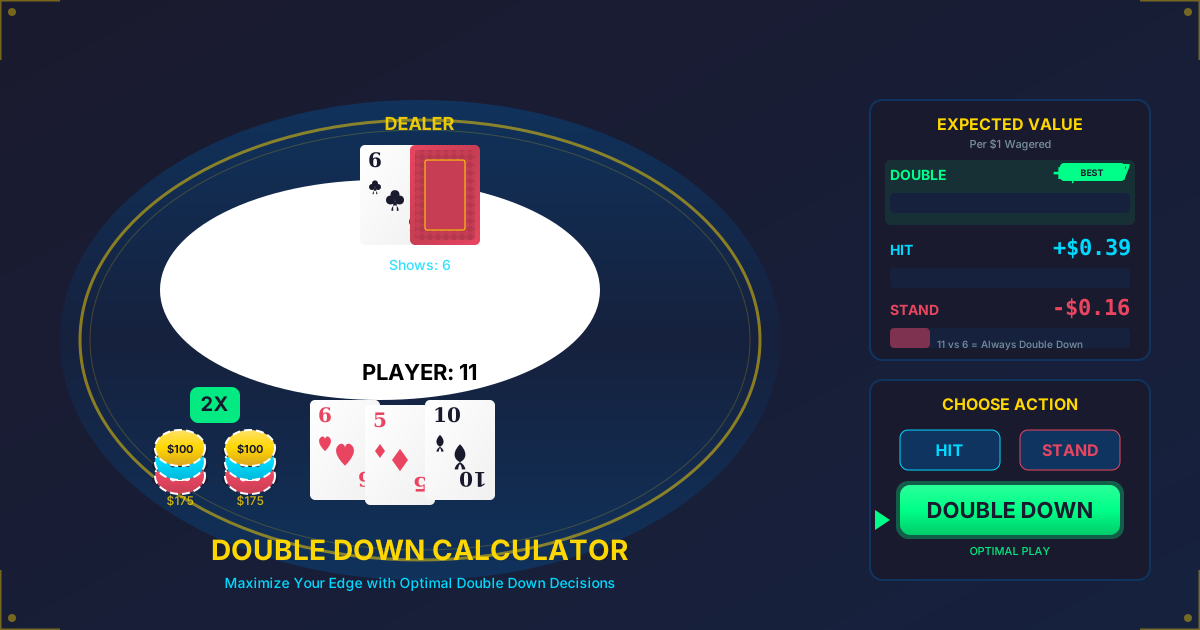
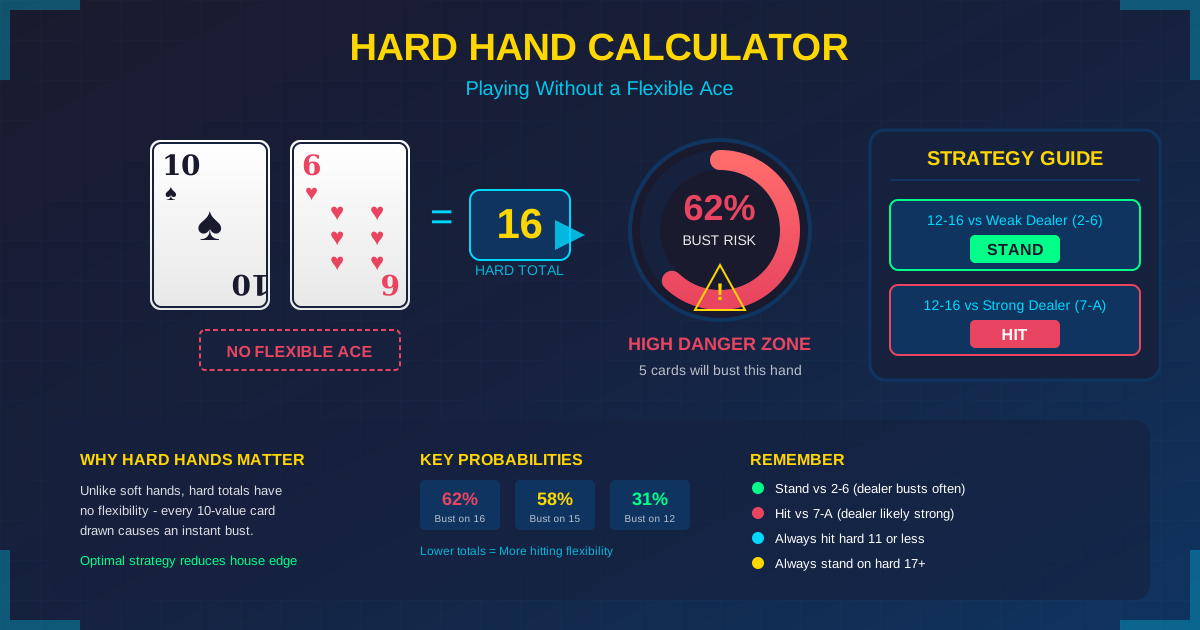
In blackjack and video poker, your decisions affect the house edge. Playing incorrect strategy in blackjack can increase the edge from 0.5% to 3-5%.
Blackjack strategy impact:
| Player Type | Approximate House Edge |
|---|---|
| Perfect basic strategy | 0.50% |
| Good intuitive player | 1.50% |
| Average recreational | 2.50% |
| Poor player (stands on 12-16 always) | 4.00%+ |
3. Avoid Sucker Bets
Within any game, certain bets are dramatically worse than others:
Worst bets (highest house edge):
- Keno: 25-30%
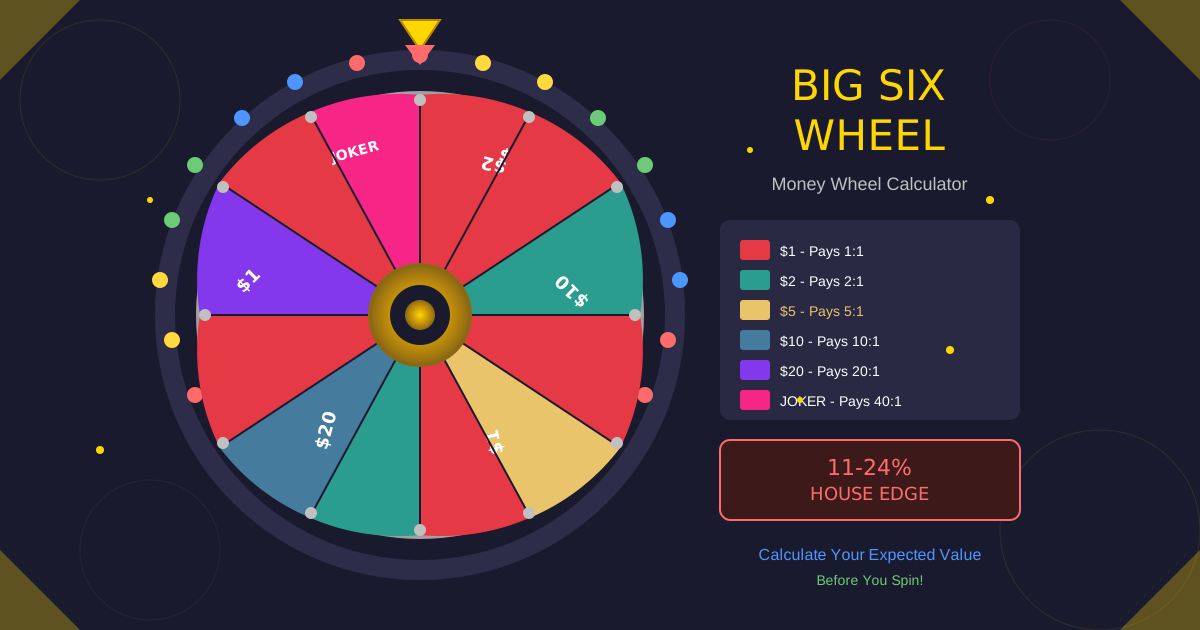
- Big Six Wheel: 11-24%
- Any 7 (craps): 16.67%
- Tie bet (baccarat): 14.36%
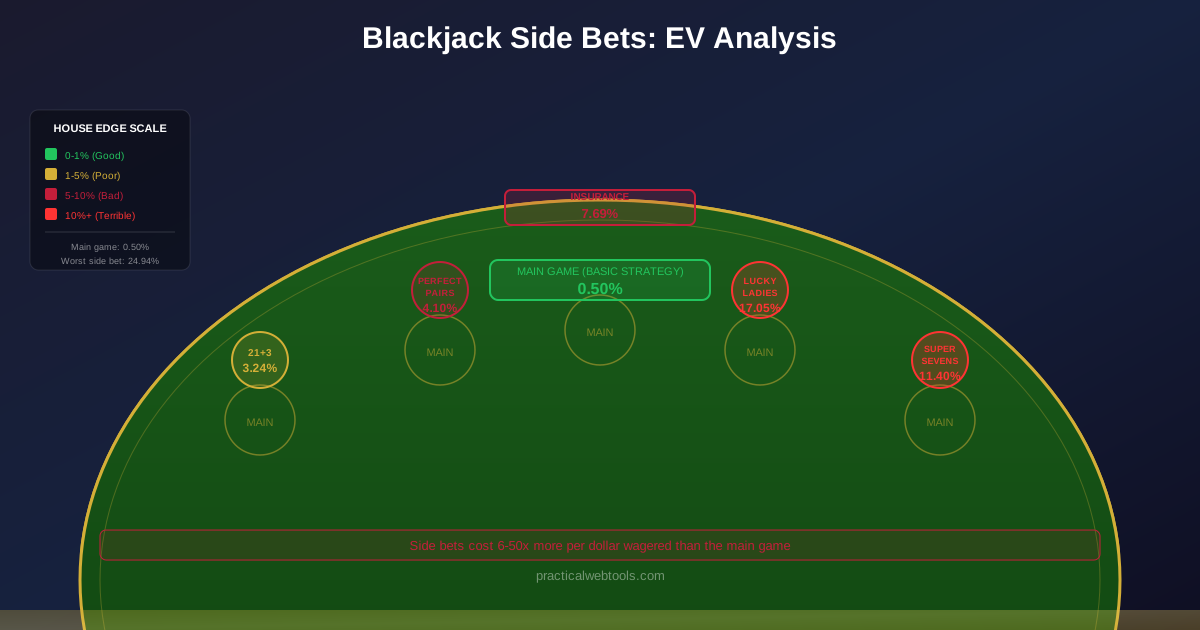
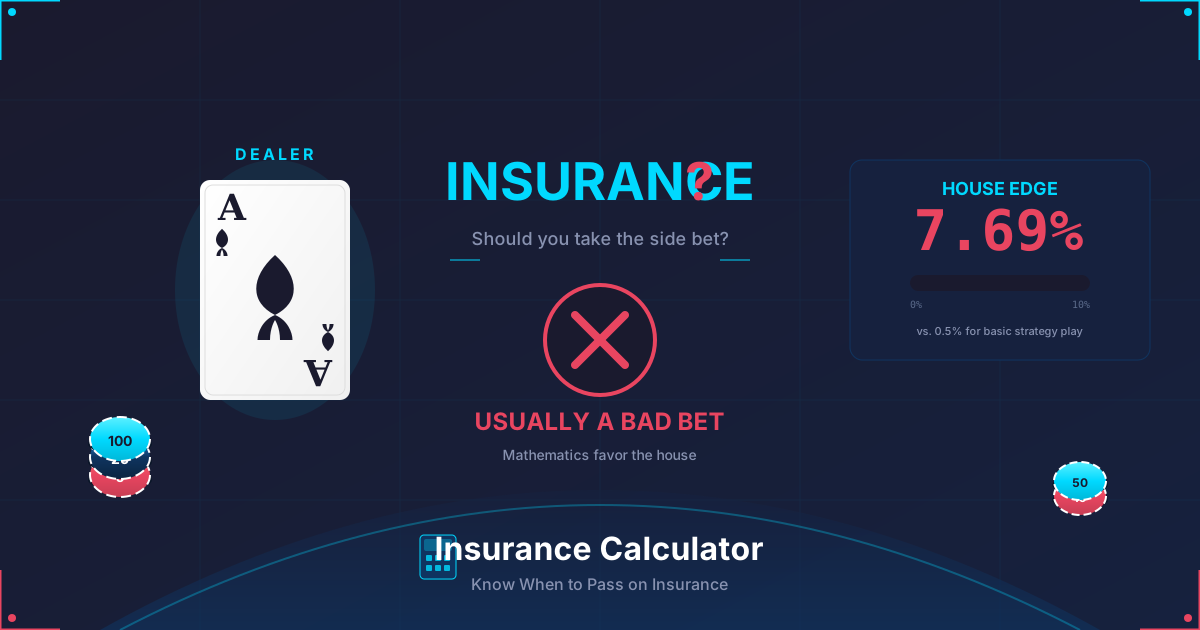
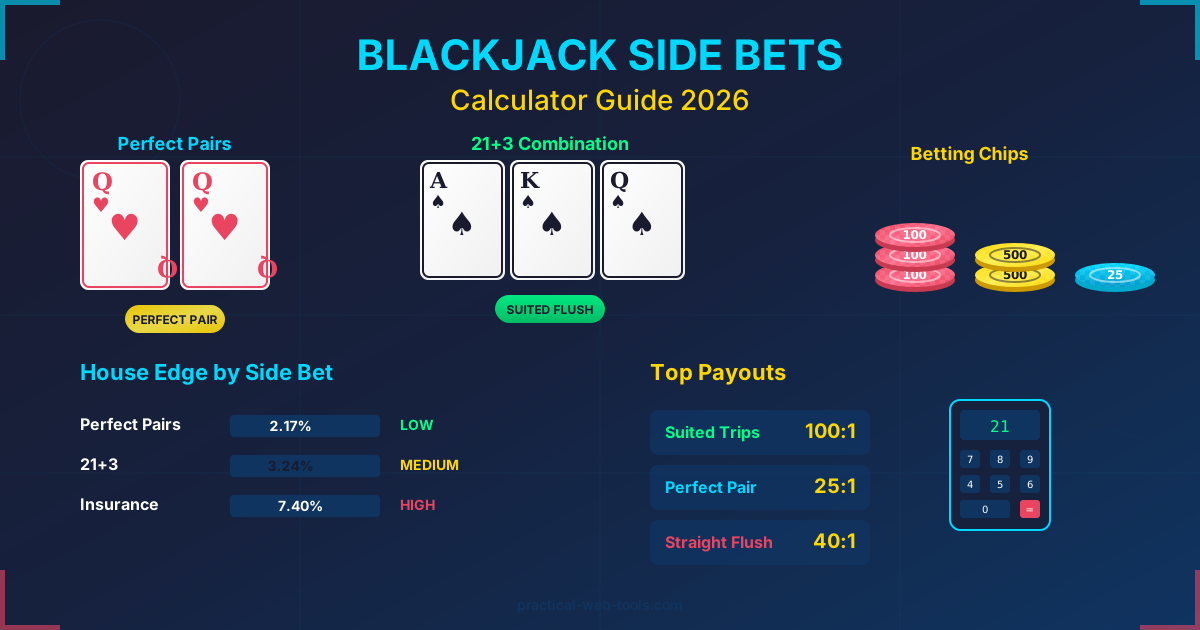
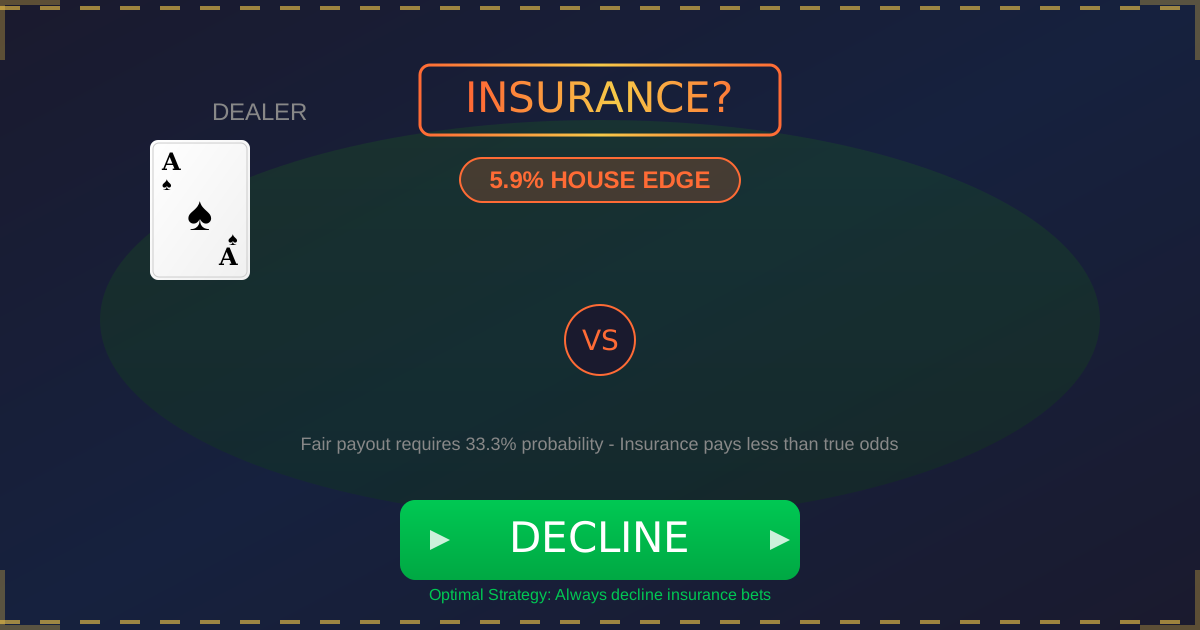
- Insurance (blackjack): 7.47%
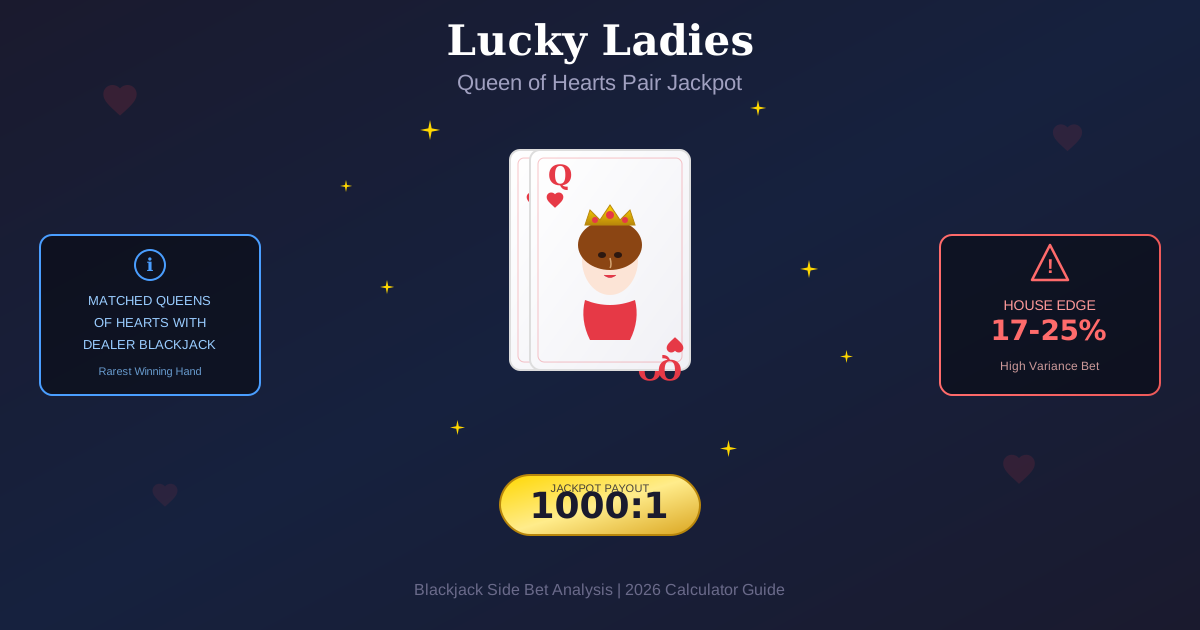
- Side bets (most): 5-25%
4. Manage Time and Speed
Playing fewer hands per hour reduces your total action and therefore your total expected loss. Taking breaks, playing at less crowded tables, and avoiding fast-play buttons on video games all reduce your hourly cost.
5. Use Table Rules to Your Advantage
Seek out:
- 3:2 blackjack (not 6:5)
- Single-zero roulette (not double-zero)
- Full odds craps (3-4-5x or higher)
- Full-pay video poker machines
- Low-commission baccarat
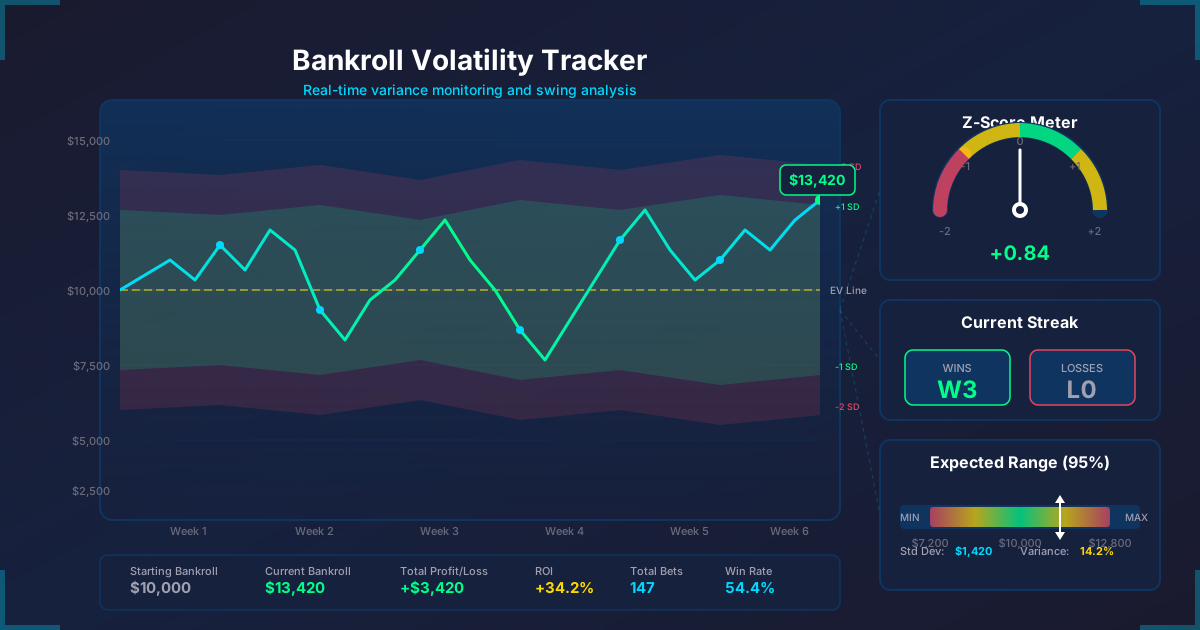
Track how different rules affect your expected losses with our Bankroll Volatility Tracker.
Frequently Asked Questions
What is the house edge in simple terms? The house edge is the percentage of every dollar you bet that the casino expects to keep over the long run. A 5% house edge means the casino expects to keep $5 for every $100 you wager. It is the mathematical advantage built into every casino game.
Which casino game has the lowest house edge? Craps with Pass Line plus full odds has the lowest combined house edge at around 0.37%. Video poker on full-pay machines with perfect strategy can be as low as 0.46%. Blackjack with basic strategy runs about 0.50%. Use our Craps House Edge Calculator to see the complete breakdown.
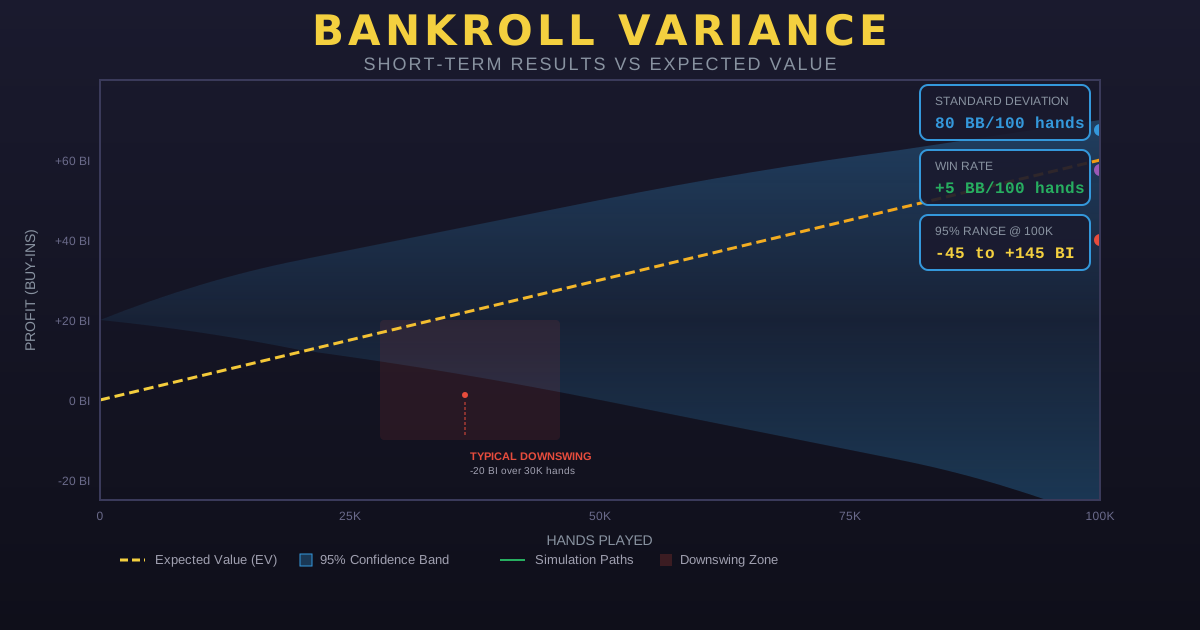
Does the house edge mean I will definitely lose? Not in any single session. The house edge describes long-run mathematical expectations. In the short term, variance dominates and you can certainly win. However, over hundreds or thousands of bets, the house edge makes it increasingly likely that you will be behind. After tens of thousands of bets, the edge becomes nearly insurmountable.
Why do some bets in the same game have different house edges? Because the payouts are set at different levels relative to the true odds. In craps, a Pass Line bet pays at odds close to the true probability (house edge 1.41%), while an Any 7 bet pays far below true odds (house edge 16.67%). The casino chooses payout ratios that produce the desired edge.
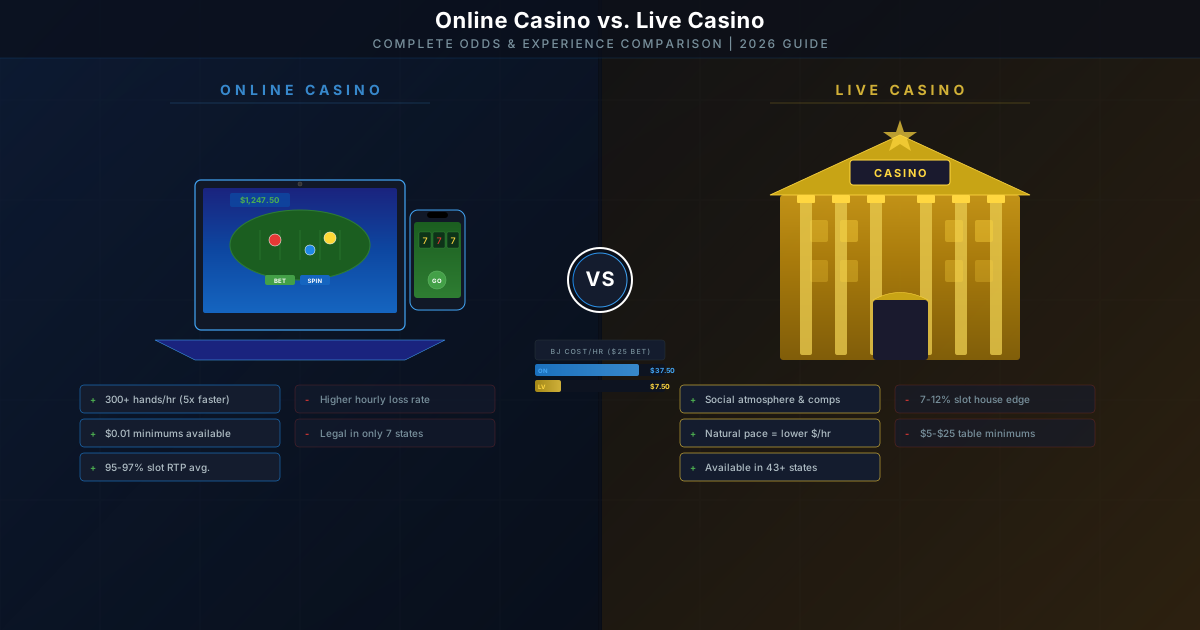
Is the house edge different for online vs. land-based casinos? The mathematical house edge for standard games (blackjack, roulette, baccarat) is typically the same online and offline, governed by the same rules. However, game speed is often faster online (especially for slots), which increases your expected loss per hour even though the per-bet edge is identical.
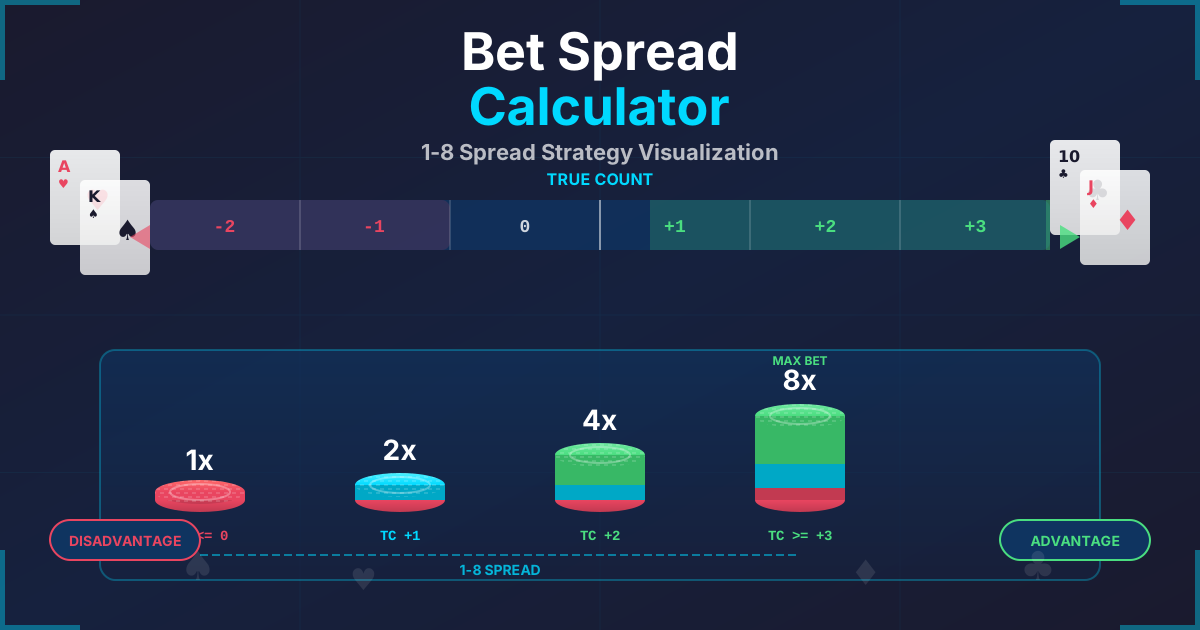
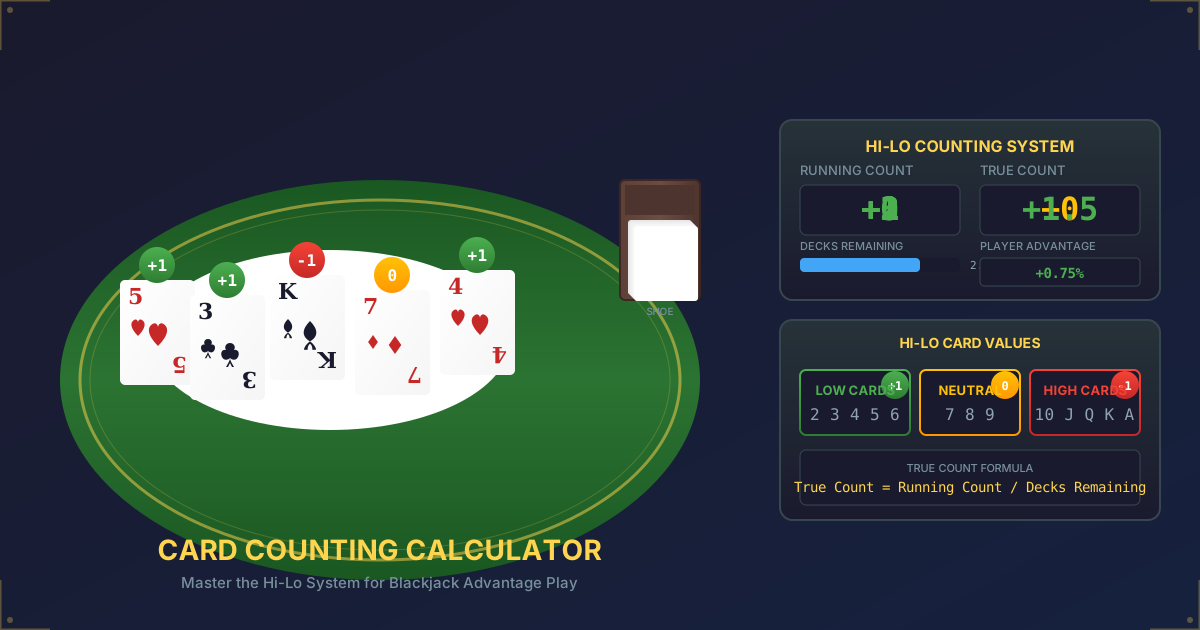
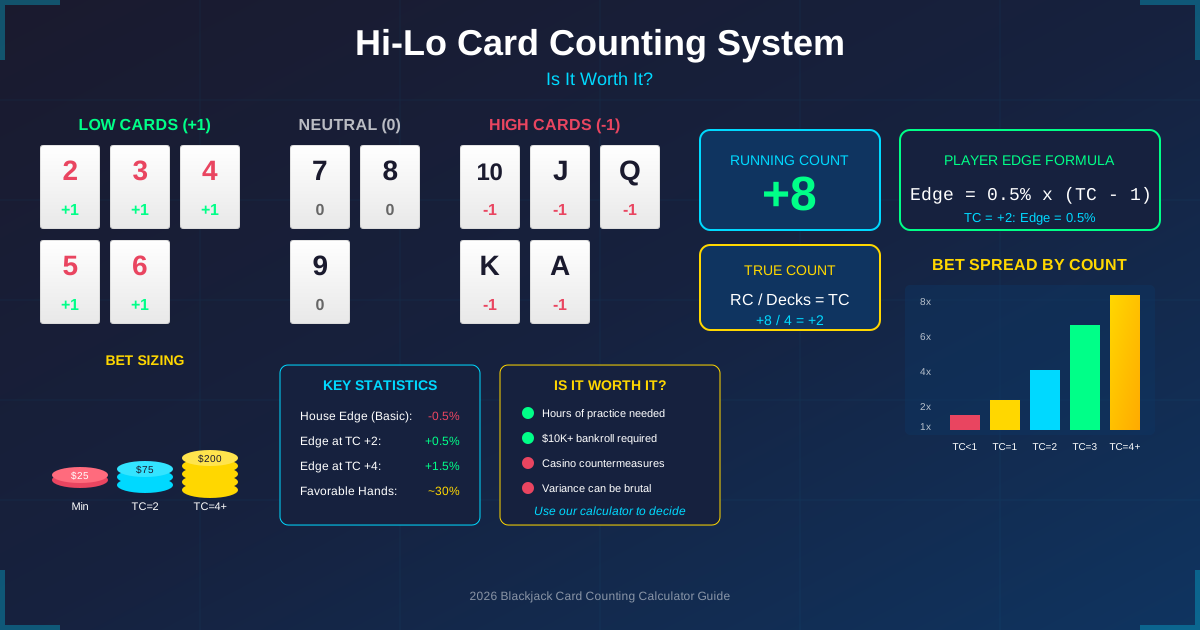
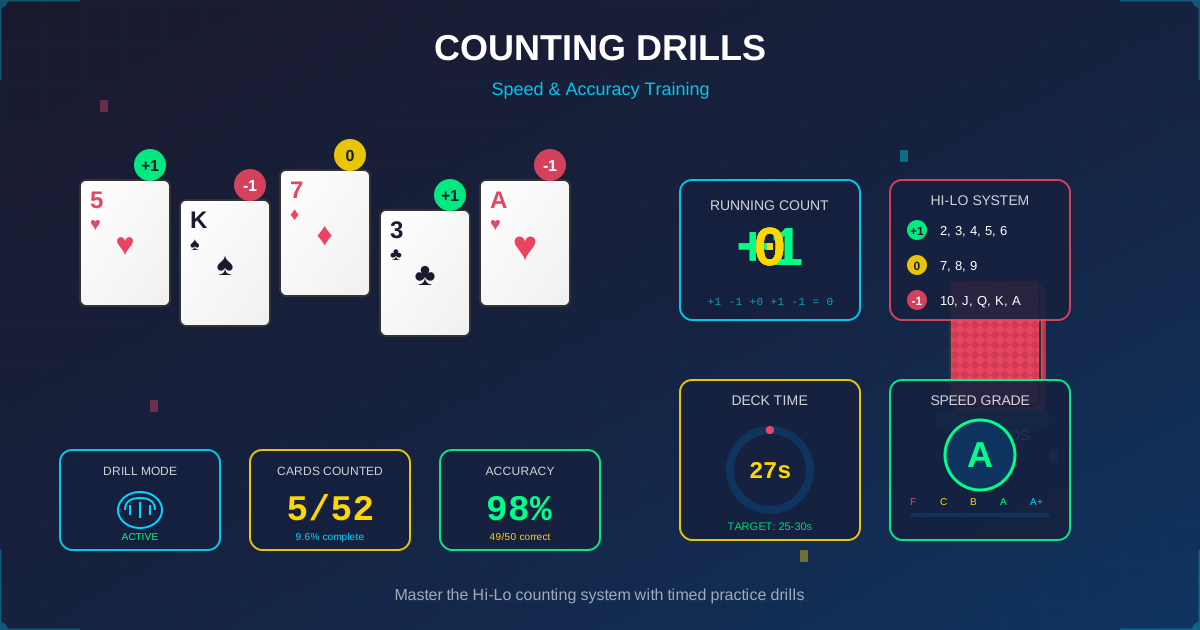
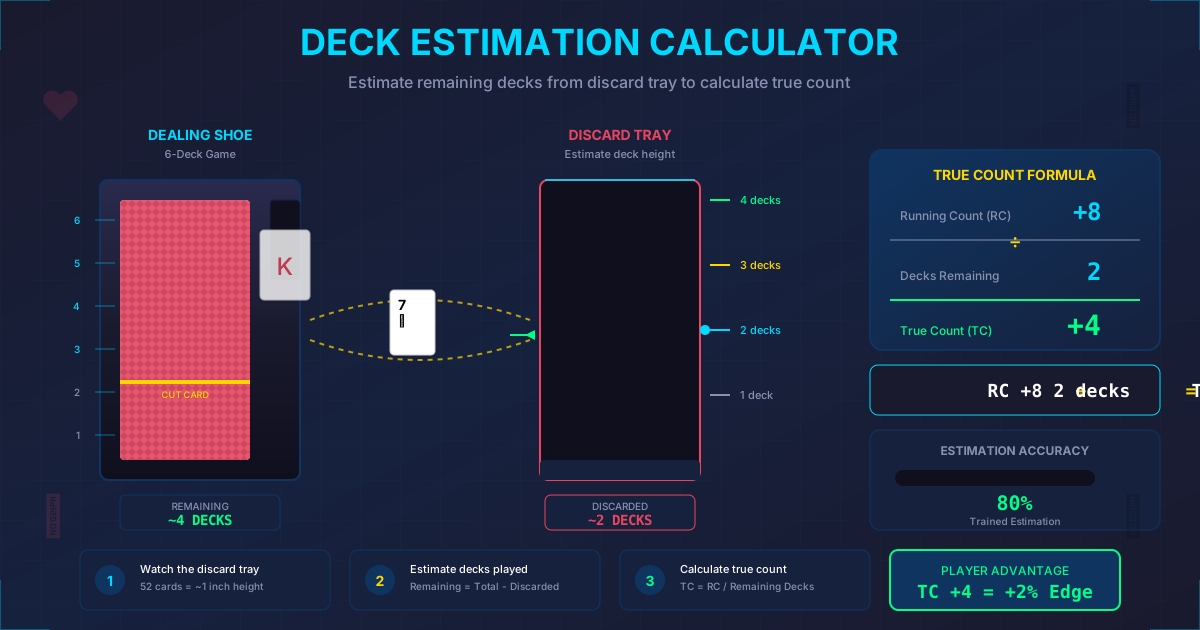
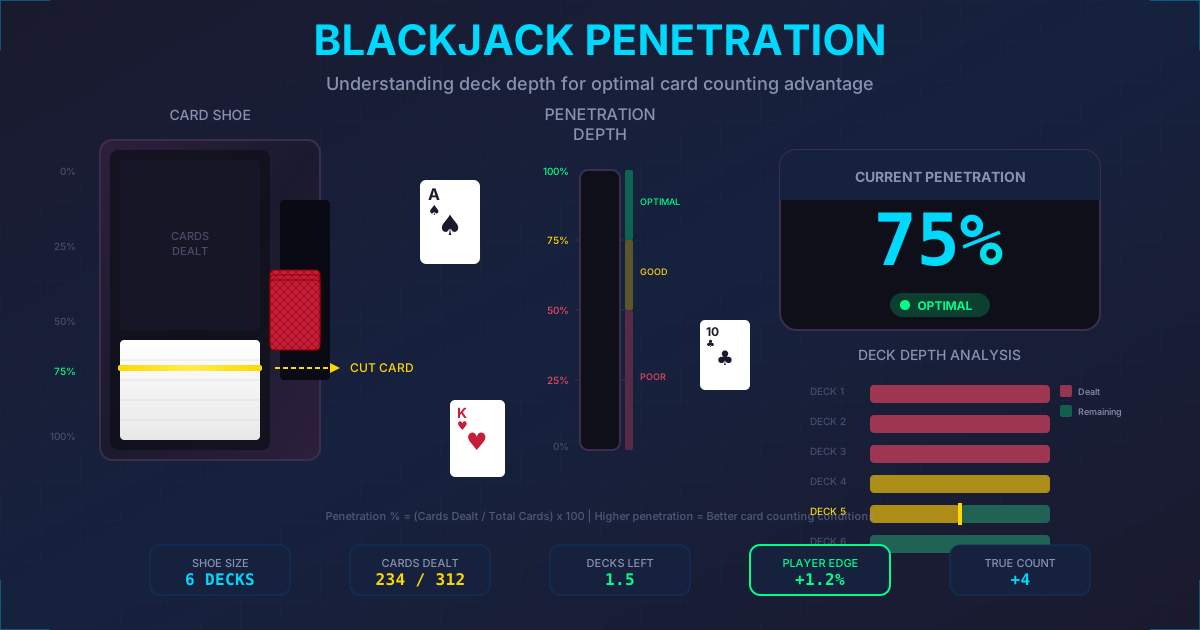
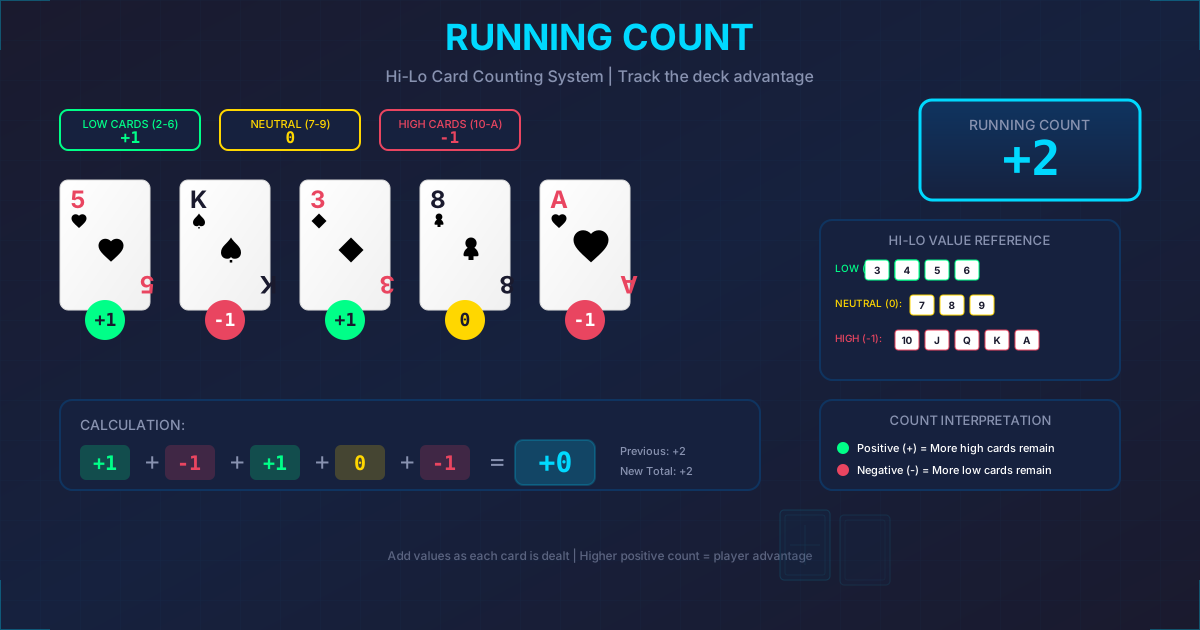
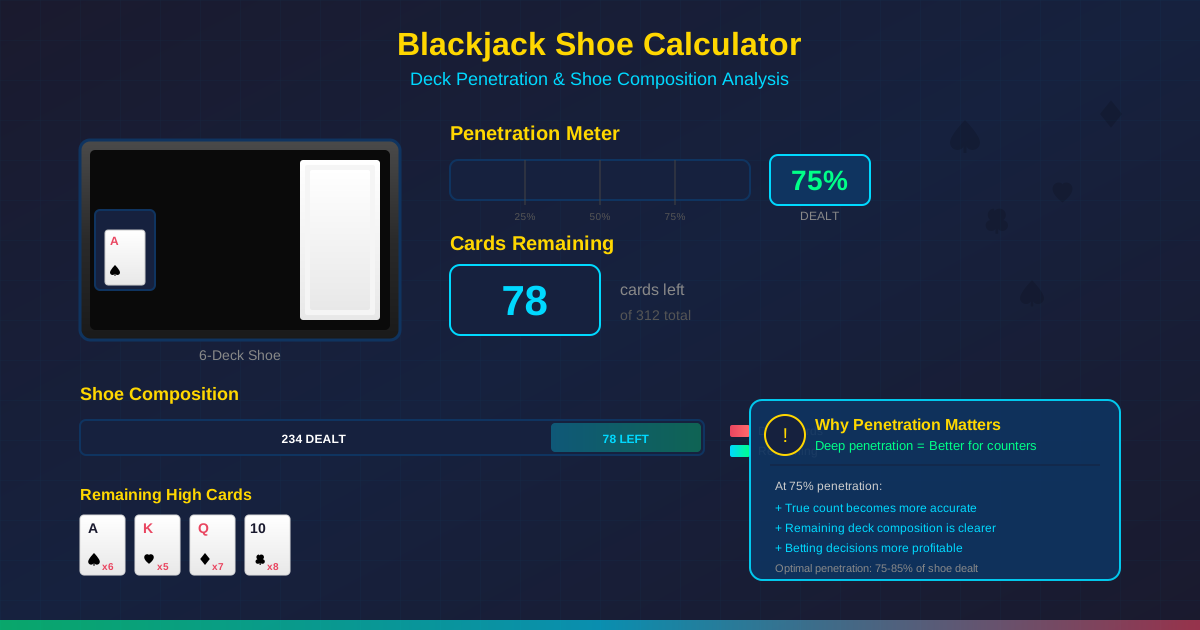
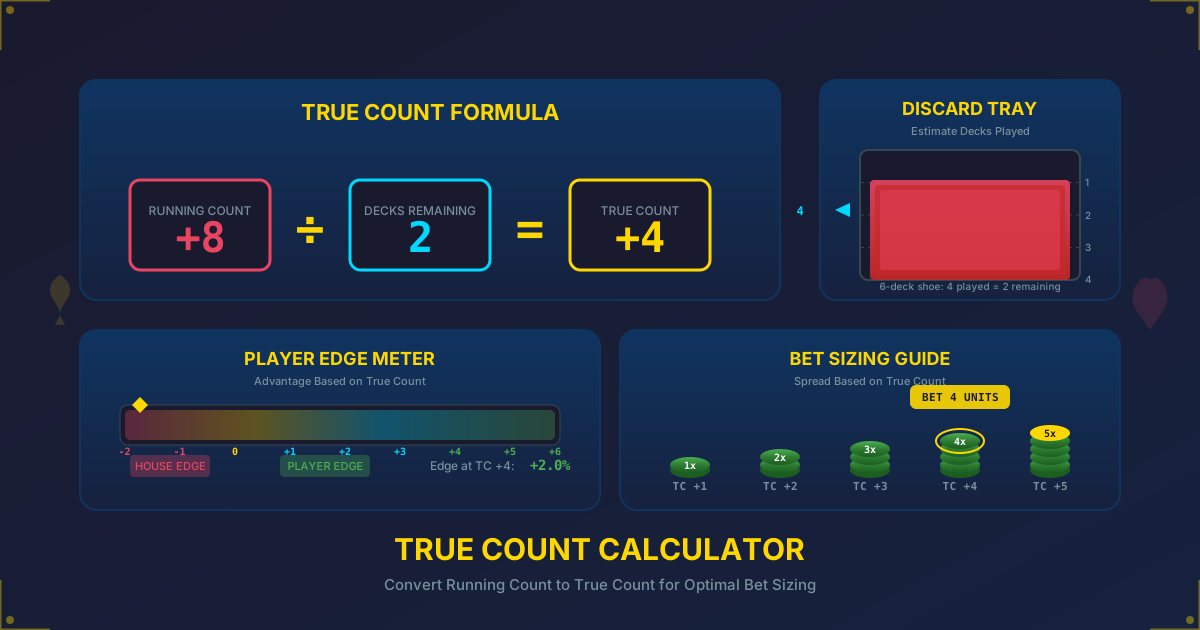
Can card counting eliminate the house edge in blackjack? Card counting can reverse the house edge in blackjack, giving the player a 0.5-1.5% advantage when conditions are favorable. However, the average count is near zero, meaning the counter has an edge only during a fraction of the time. Casinos also actively combat counting. Use our Blackjack House Edge Calculator to see how rules affect the baseline edge.
How does the casino make money if some players win? Individual players can and do win, especially in the short term. But the casino processes millions of bets across thousands of players. The Law of Large Numbers ensures that the casino's overall results closely match the mathematical house edge. One player's big win is offset by many players' losses.
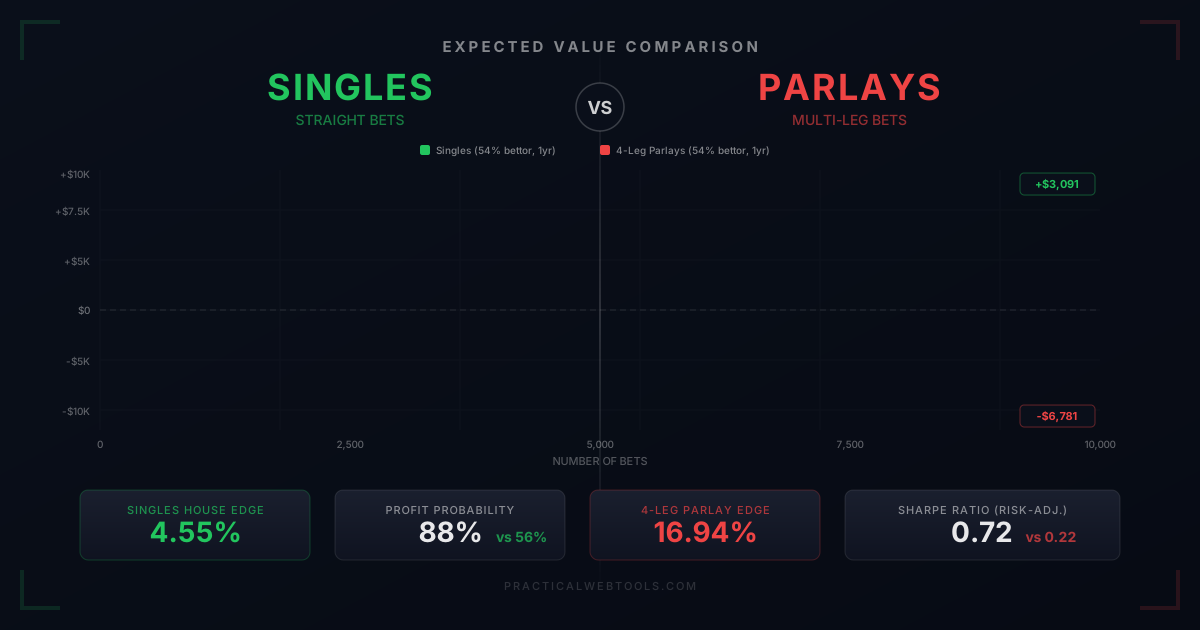
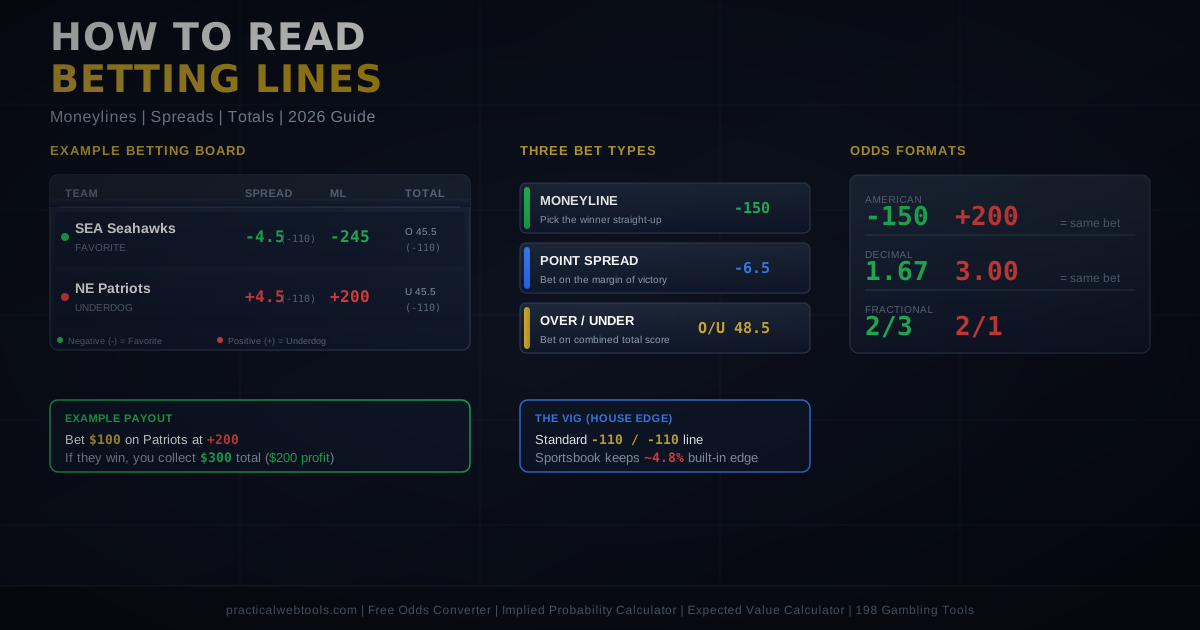
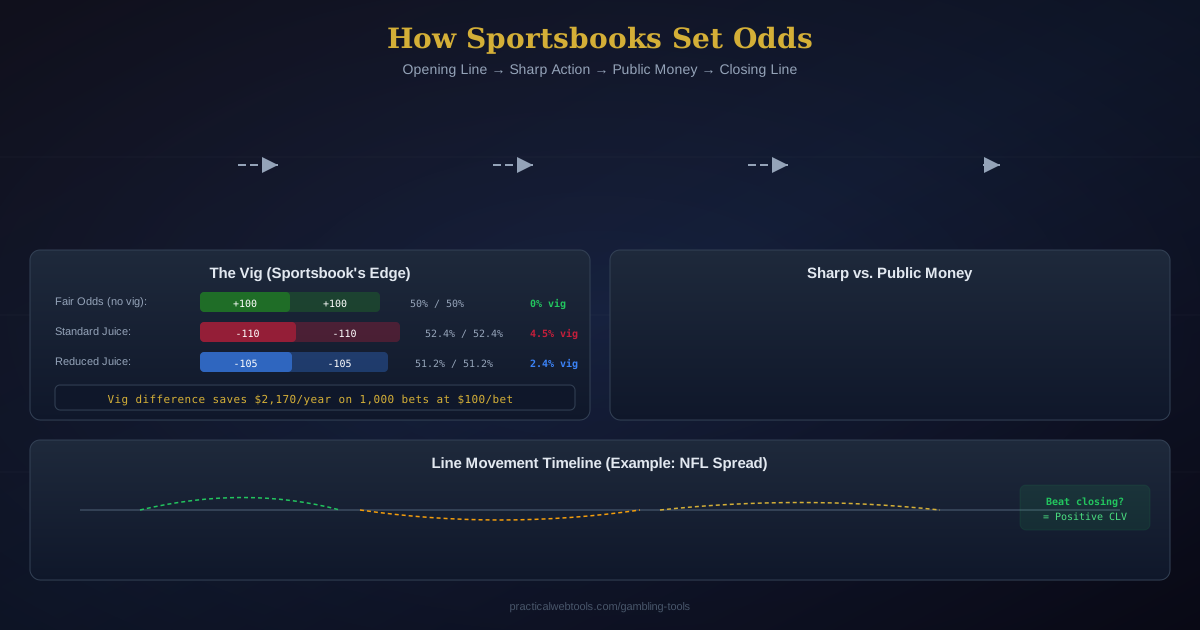
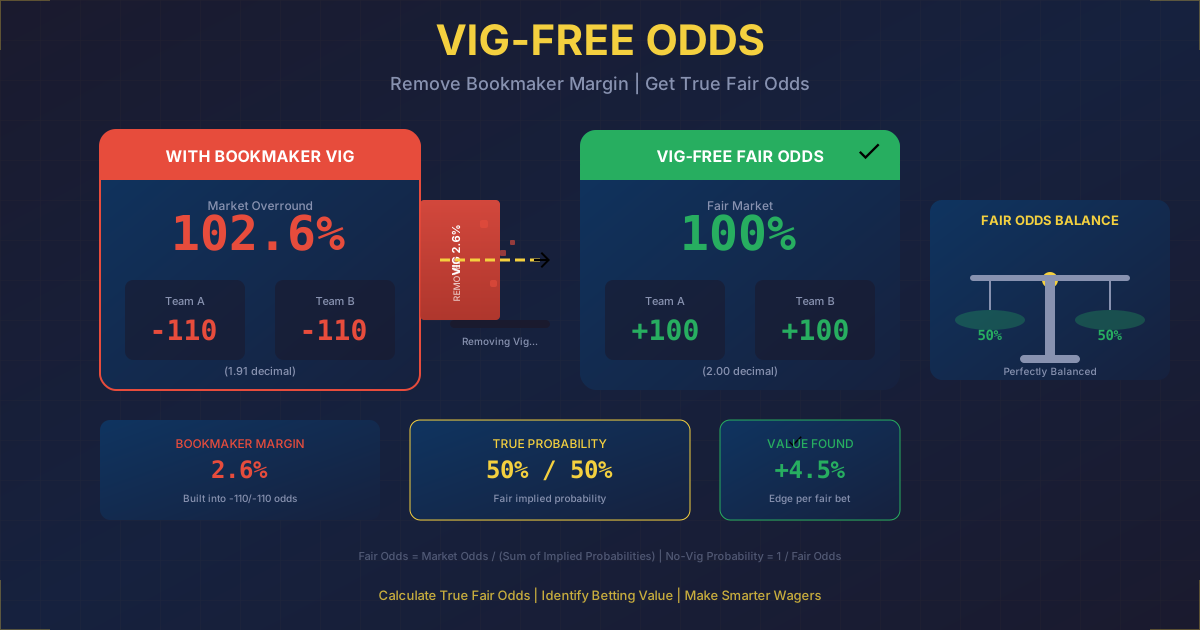
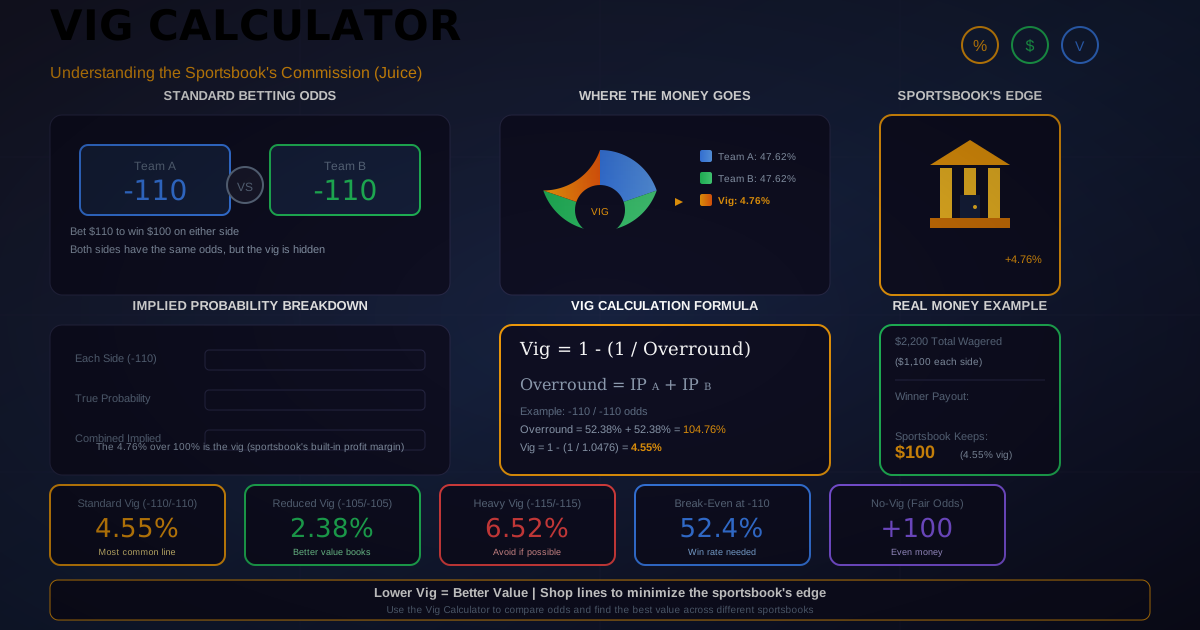
What is the difference between house edge and vig? House edge applies to casino games. Vig (vigorish) applies to sportsbooks. The vig is the commission built into sports betting odds. Standard American odds of -110/-110 produce approximately 4.55% vig. Calculate the vig with our Hold/Vig Calculator.
Related Tools for House Edge Analysis
Game-Specific House Edge Calculators
- Blackjack House Edge Calculator - Calculate edge by rule set
- Roulette House Edge Calculator - Compare wheel types and bets
- Craps House Edge Calculator - Every craps wager analyzed
- Baccarat House Edge Calculator - Commission impact analysis
Expected Value Tools
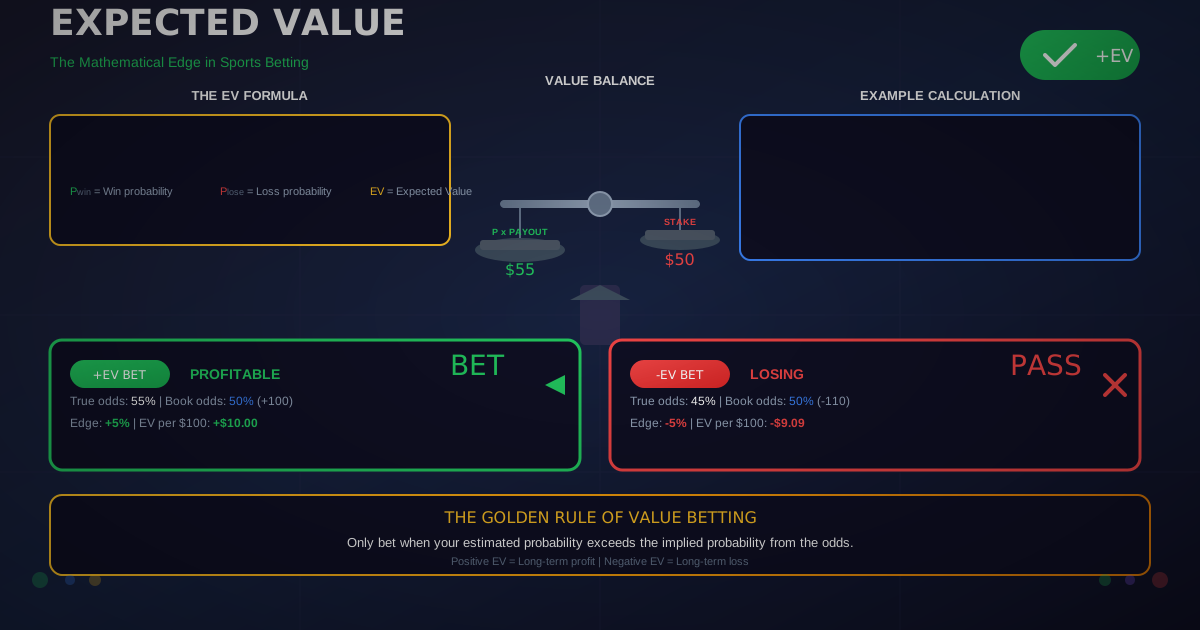
- Expected Value Calculator - Calculate EV for any bet
- Roulette EV Calculator - Roulette-specific EV
- Blackjack EV Calculator - Blackjack EV by strategy
- Baccarat EV Calculator - Baccarat expected values
- Craps Expected Loss Calculator - Craps cost analysis
Bankroll and Strategy Tools
- Hold/Vig Calculator - Sportsbook margin analysis
- Video Poker Pay Table Analyzer - Compare pay tables
- Bankroll Volatility Tracker - Track results vs. expectations
- Odds Converter - Convert between odds formats
- Kelly Criterion Calculator - Optimal bet sizing
Conclusion
The house edge is the single most important number in casino gambling. It is the price tag on every bet, the source of every casino's revenue, and the reason that the phrase "the house always wins" is not just a saying but a mathematical theorem.
Understanding the house edge transforms your relationship with gambling. Instead of vaguely hoping for the best, you can calculate exactly what each game costs you per hour and per session. You can make informed decisions about where to play, recognizing that a $25 blackjack hand costs you $0.13 while a $25 roulette spin costs you $1.32. You can set accurate budgets, knowing that 4 hours of craps with proper odds will cost you about $7 while 4 hours of slots will cost you about $700.
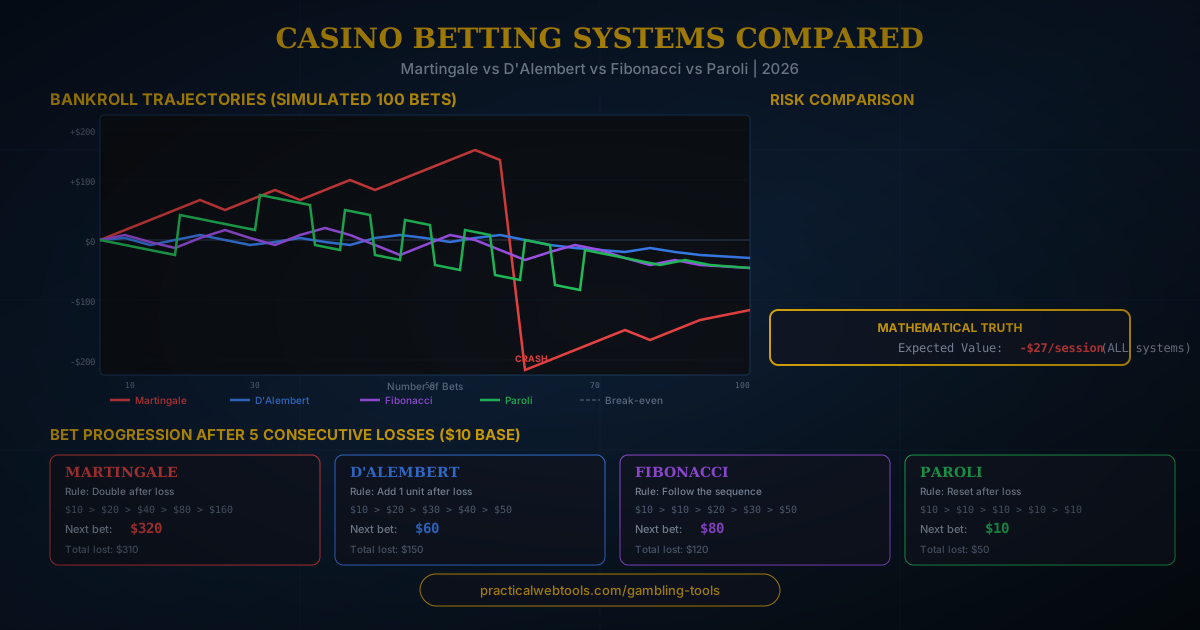
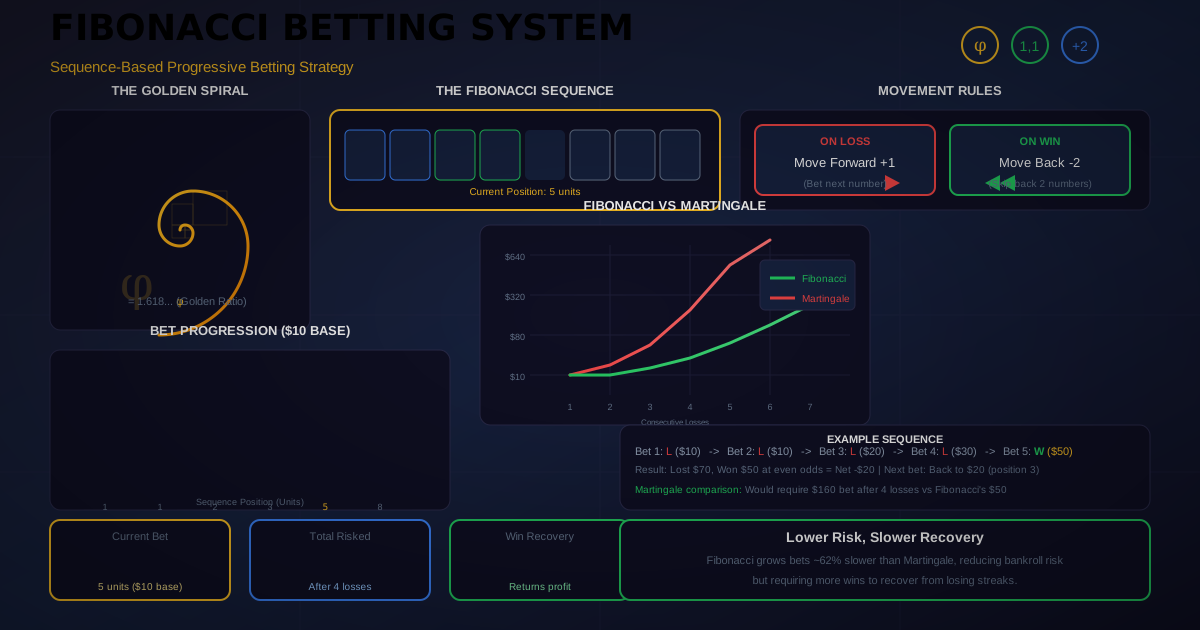
The house edge cannot be beaten through betting systems, luck, or wishful thinking. But it can be minimized through game selection, proper strategy, and awareness of which bets cost the most. A gambler who plays craps with full odds, blackjack with basic strategy, and avoids sucker bets is paying a fraction of what the average casino visitor pays for the same amount of entertainment.
Start by calculating the house edge at your favorite game with our Blackjack House Edge Calculator, Roulette House Edge Calculator, Craps House Edge Calculator, and Baccarat House Edge Calculator. Then calculate your expected hourly cost with our Expected Value Calculator. Knowledge is the only edge a casino cannot take away from you.
Every dollar you save in house edge is a dollar you keep. The math is clear. The choice is yours.
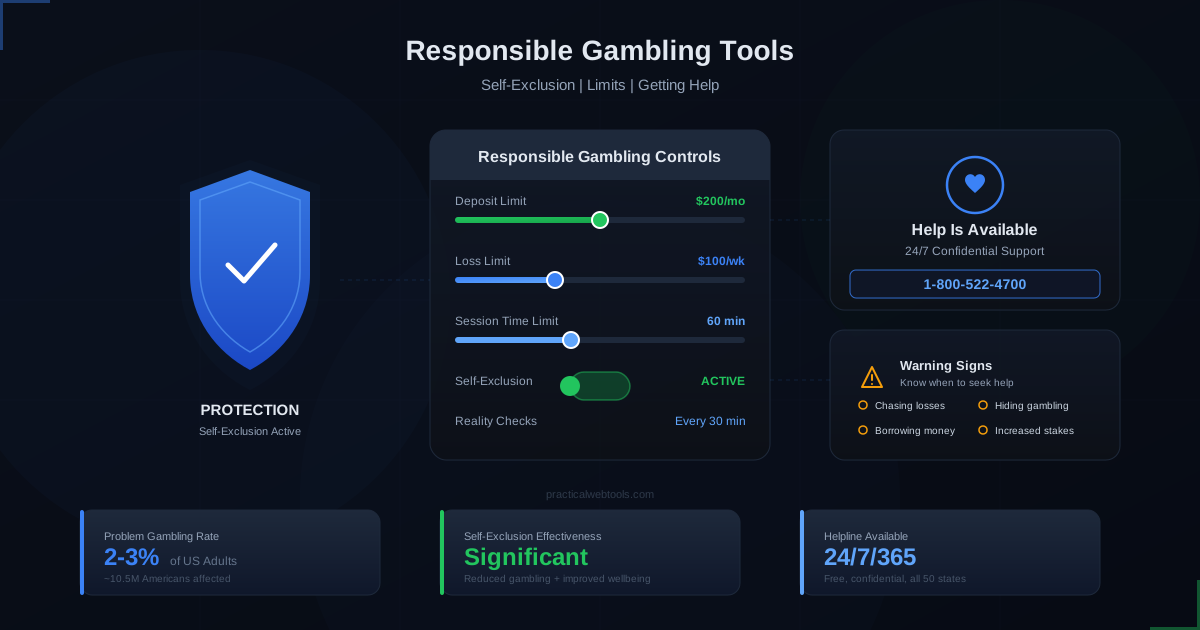
Gambling involves risk. This content is for educational and informational purposes only. Always gamble responsibly, set limits you can afford, and seek help if gambling becomes a problem. Visit the National Council on Problem Gambling or call 1-800-522-4700 for support.