Casino House Edge Comparison: Ranking Every Game from Best to Worst Odds (2026)
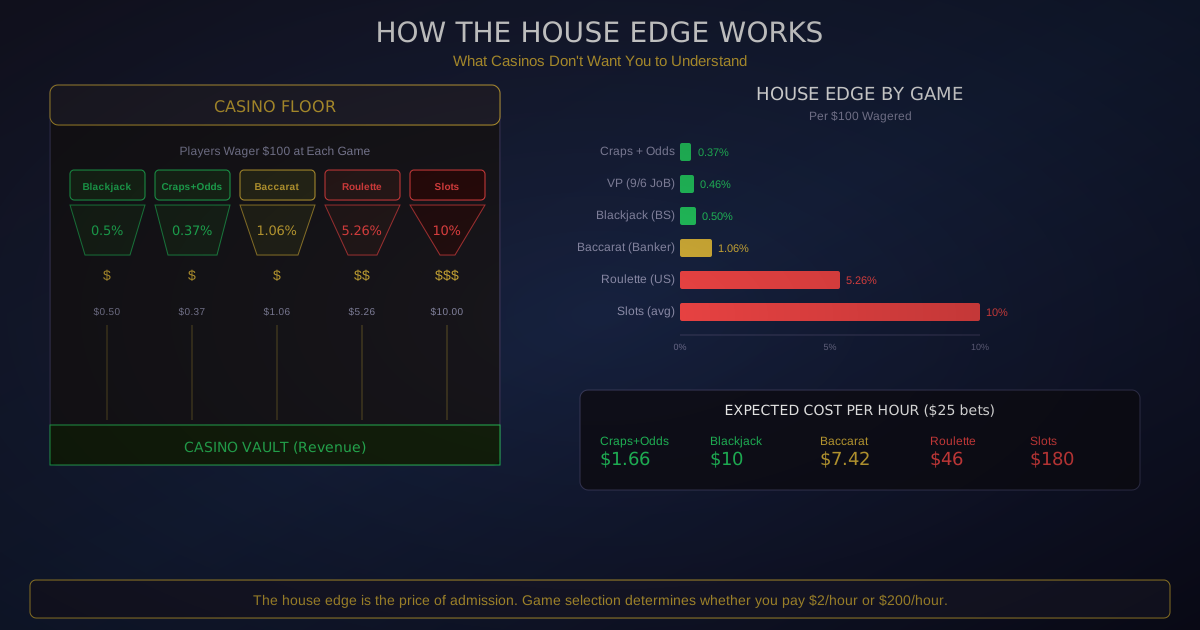
Not all casino games are created equal, and the difference between the best and worst odds can mean losing $5 per hour versus losing $150 per hour on the same size bets. The house edge -- the mathematical percentage the casino expects to keep from every dollar wagered -- varies dramatically from game to game and even from bet to bet within the same game. Understanding these numbers is the single most important thing you can do before sitting down at any table or machine. This guide ranks every major casino game and bet from the best odds to the worst, shows you how to calculate your expected losses, and gives you the formulas and tools to make informed decisions about where to put your money.
Compare House Edges with Our Free Calculator ->
What Is the House Edge and Why Does It Matter?
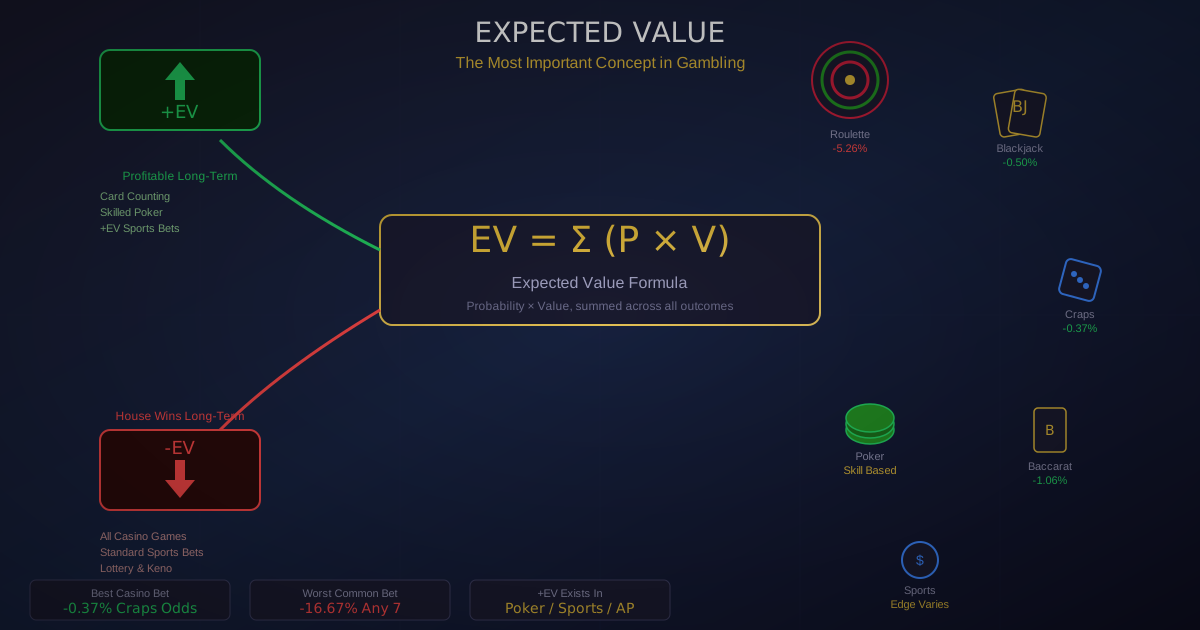
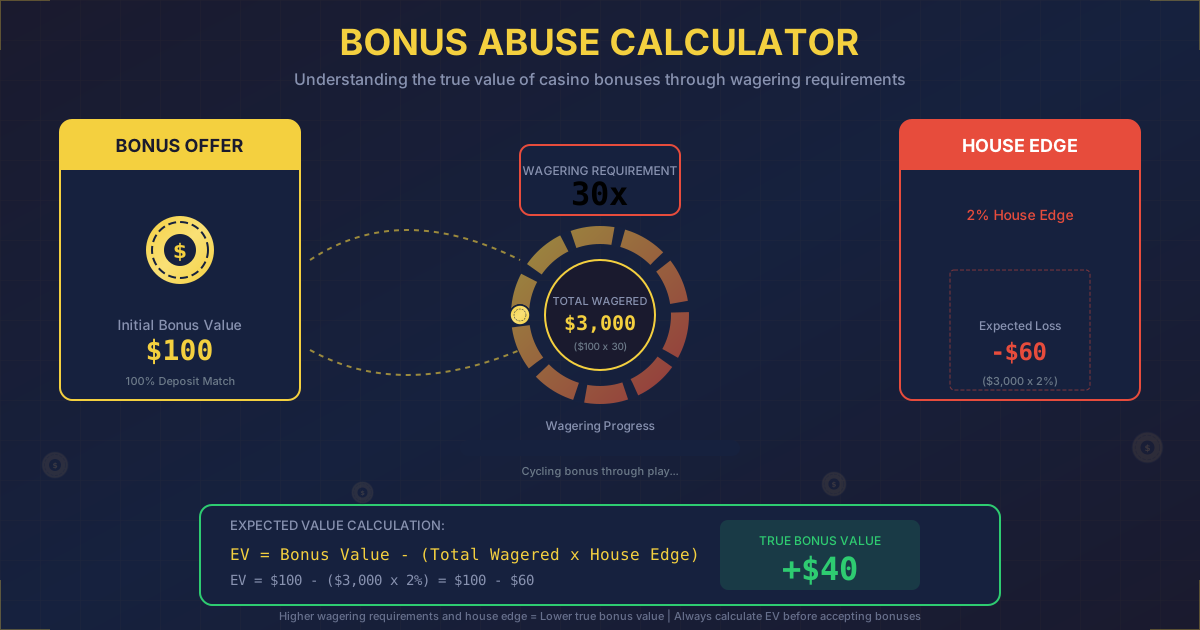
The house edge is the mathematical advantage the casino holds over the player, expressed as a percentage of each bet. It represents the average amount the casino expects to win from every dollar wagered over the long run.
Here's the core formula:
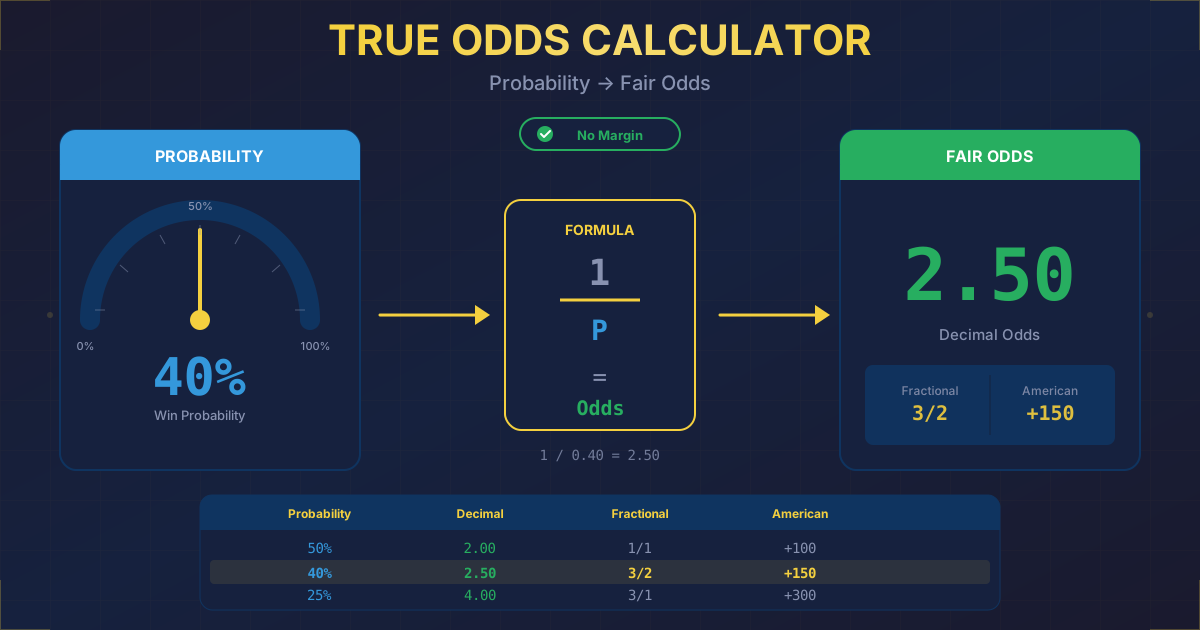
House Edge = (True Odds - Payout Odds) / True Odds
Or more practically:
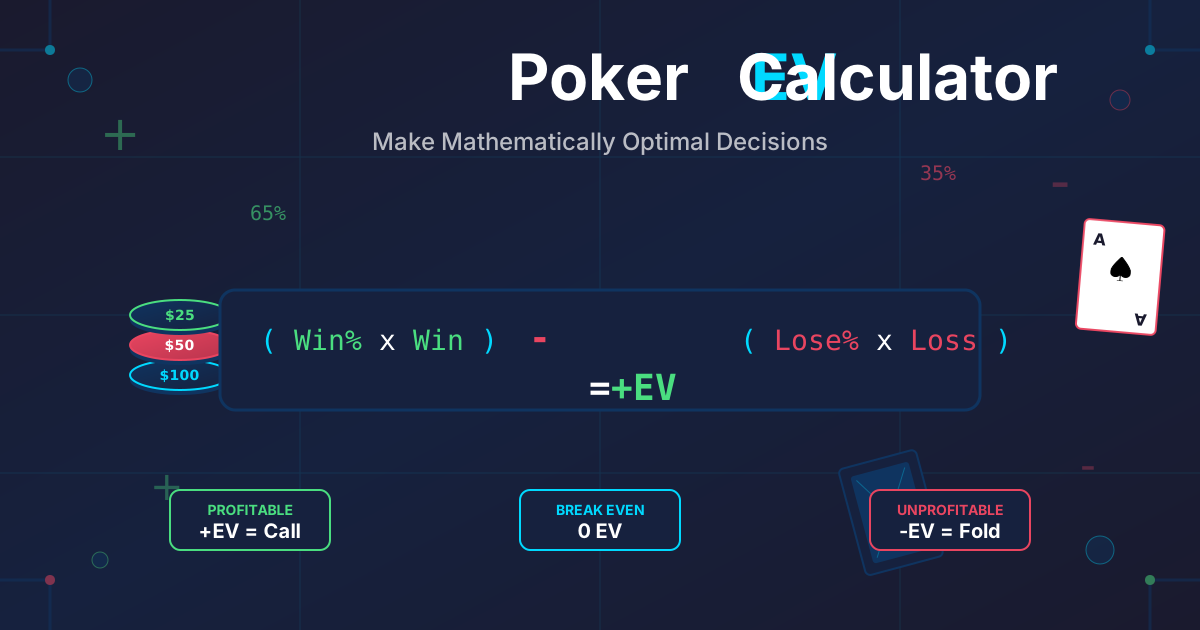
House Edge = -Expected Value / Bet Size

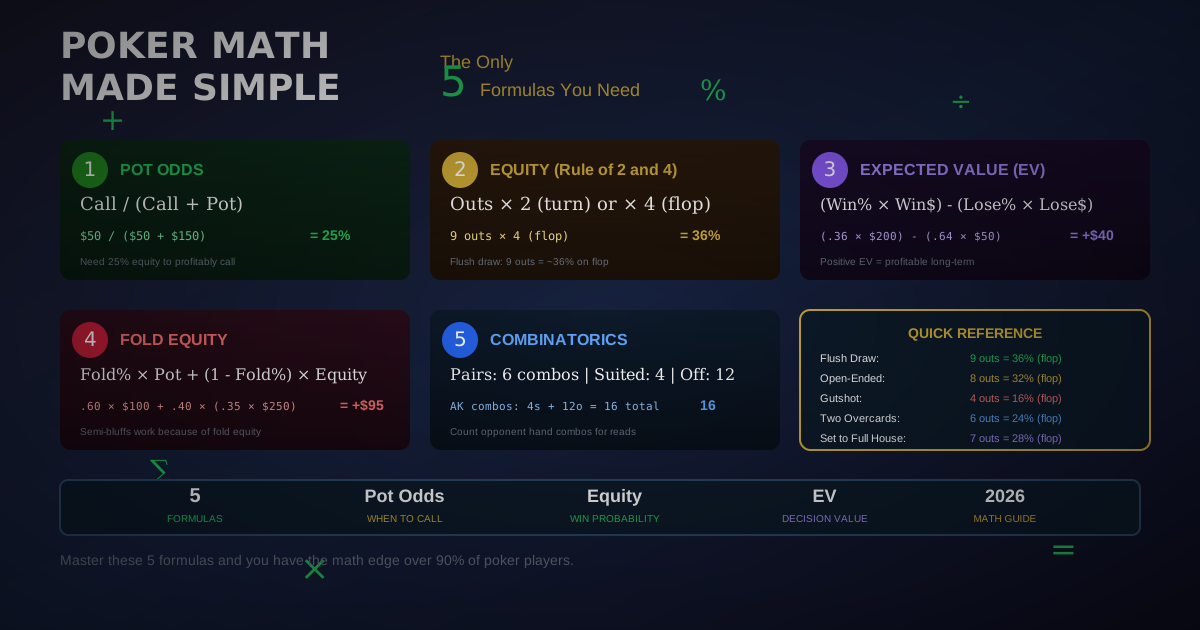
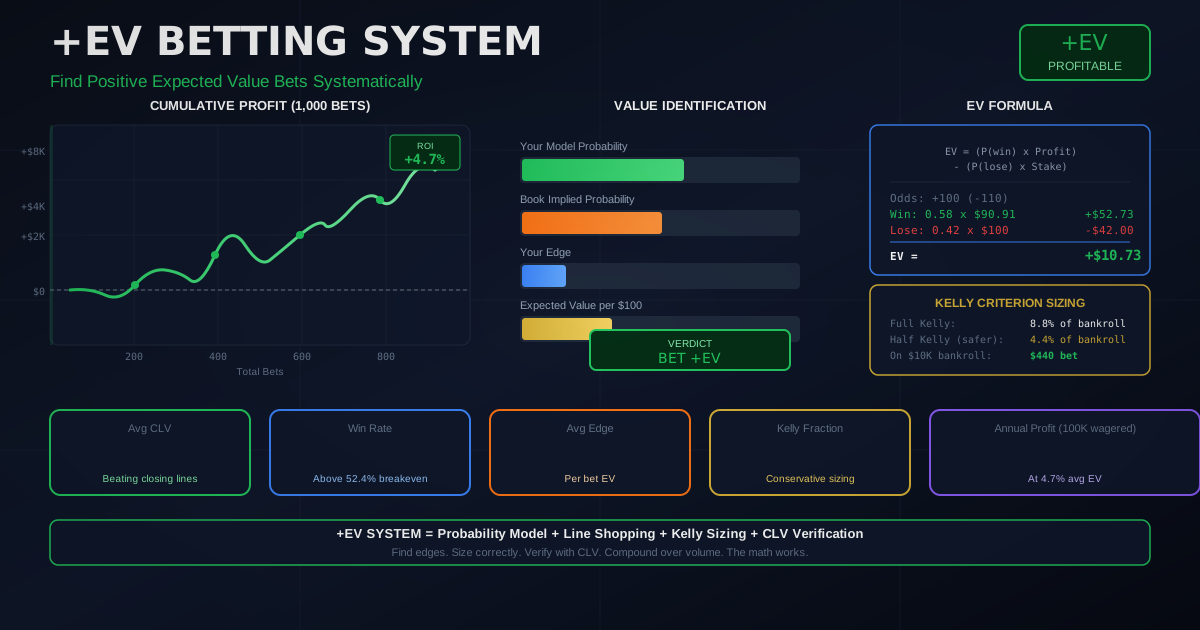
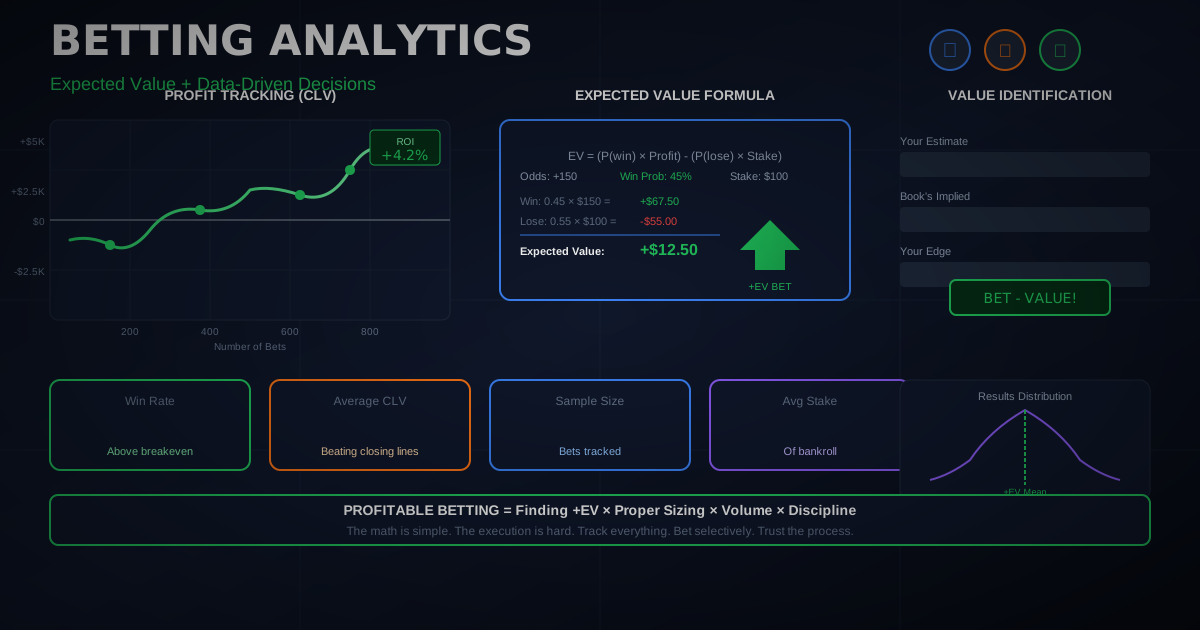
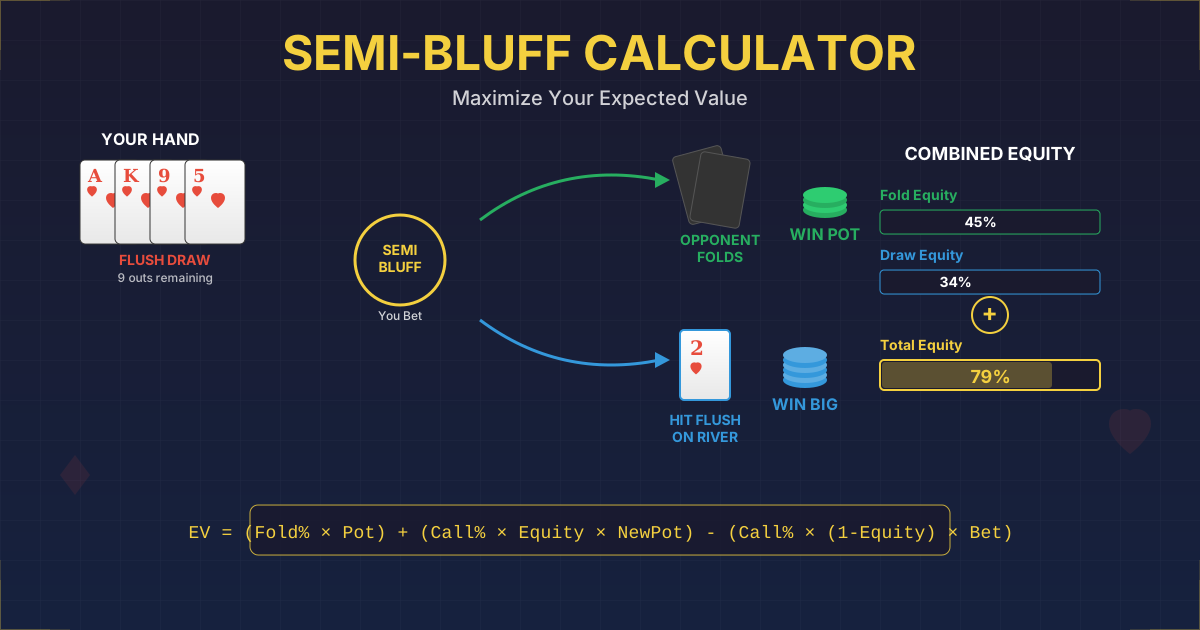
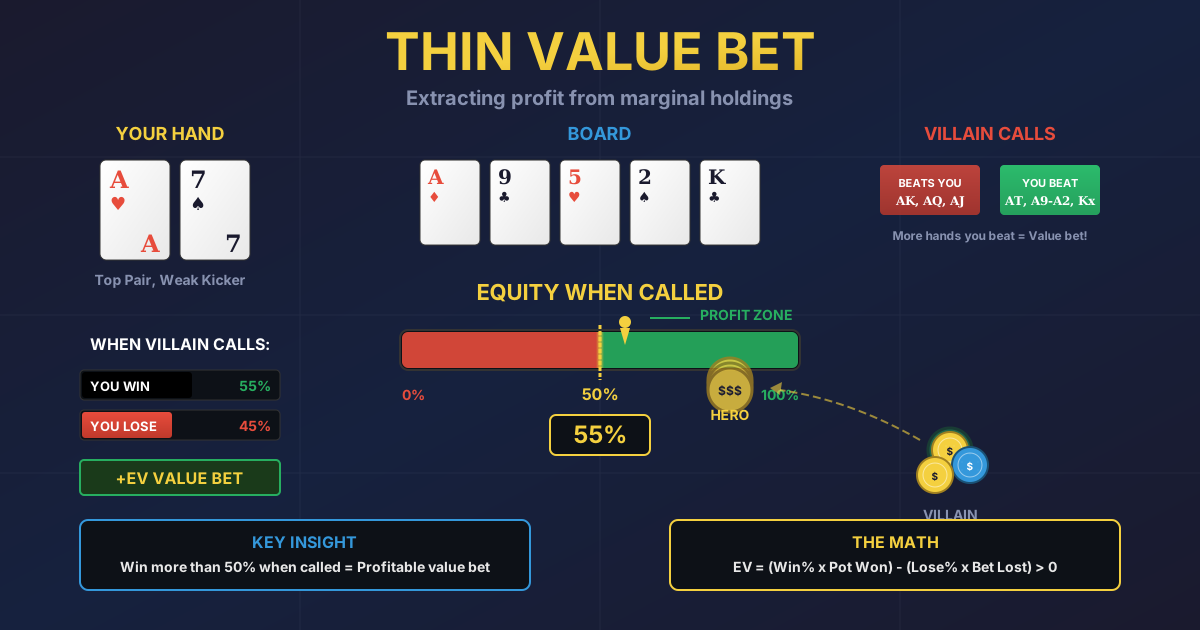
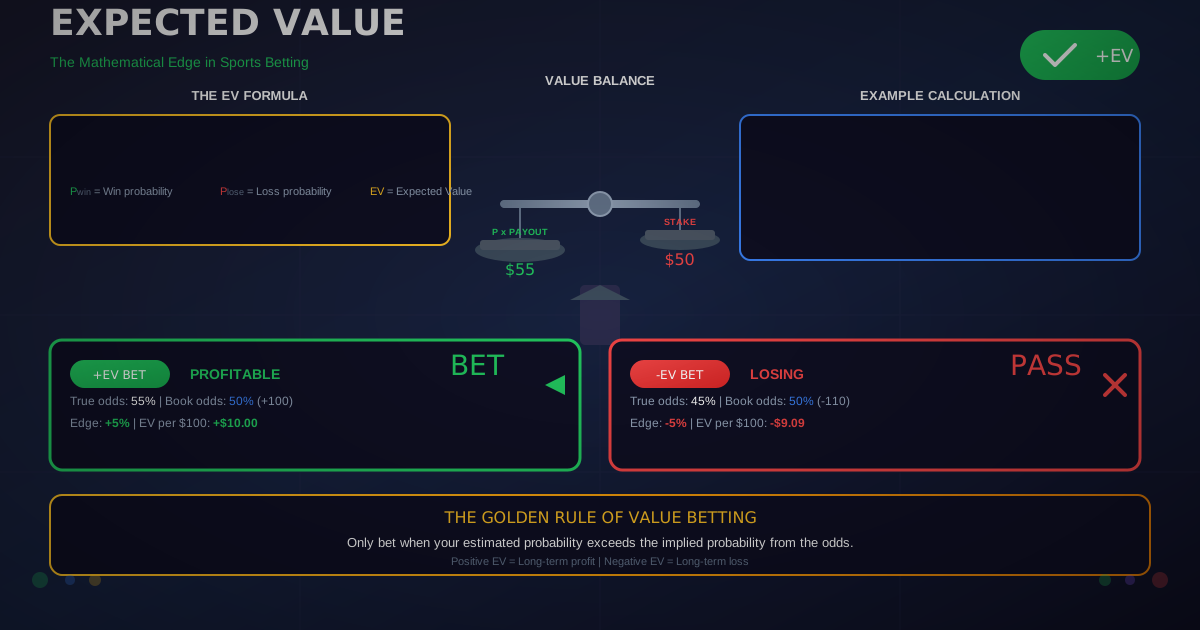
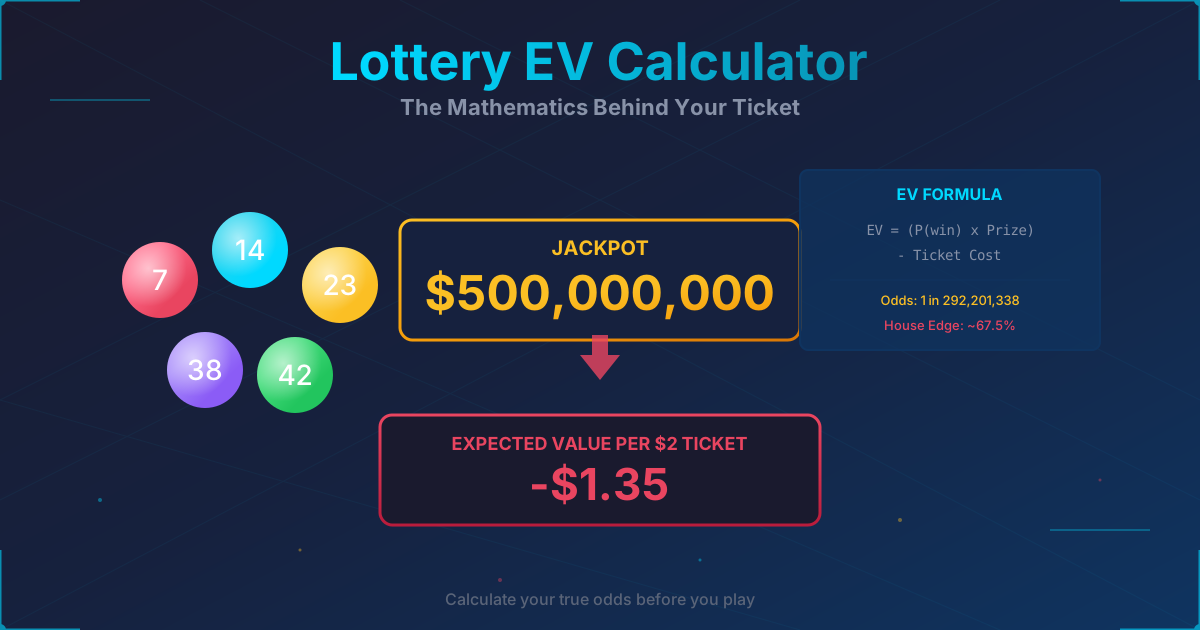
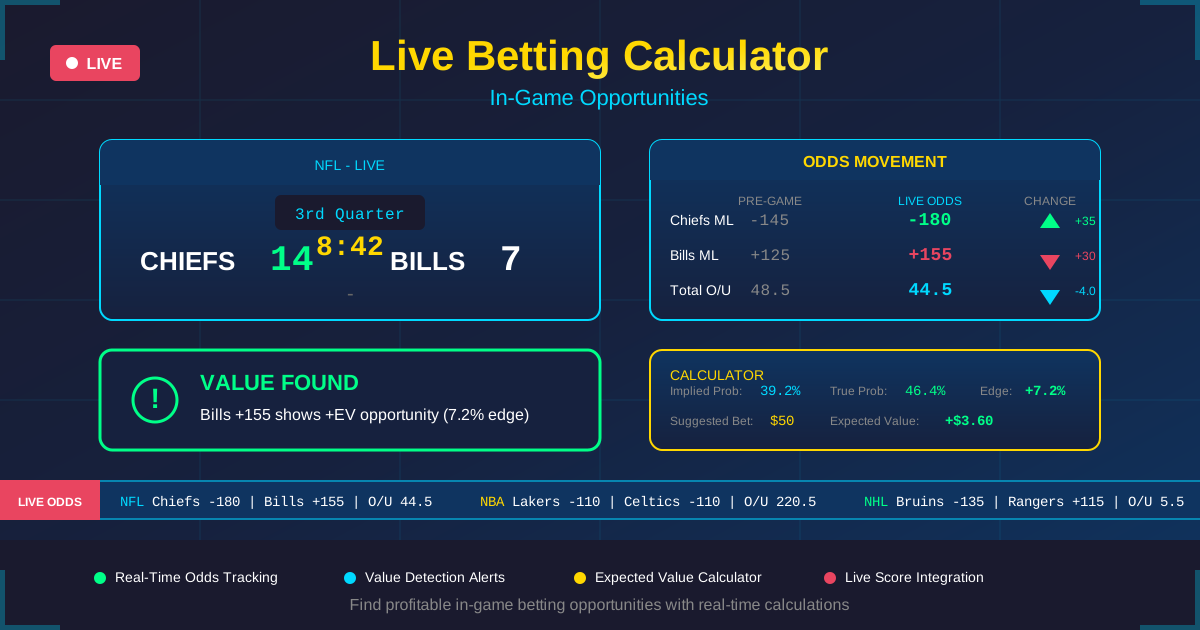
Expected Value = (P(win) x Payout) - (P(lose) x Bet)
For example, on an American roulette single-number bet:
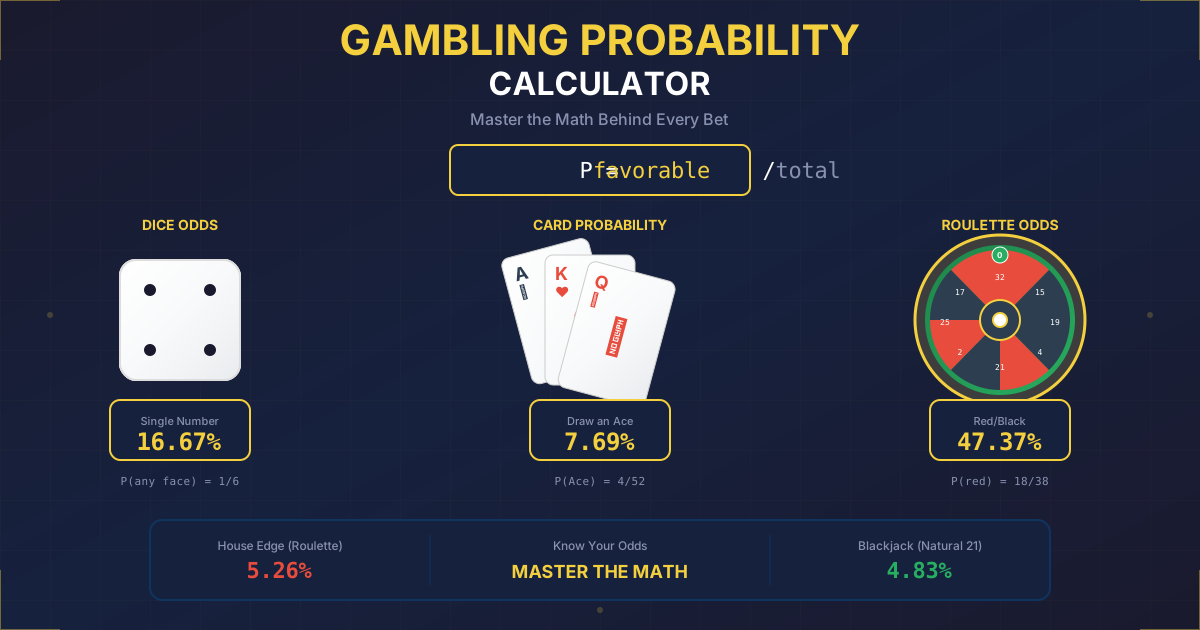
P(win) = 1/38 = 2.632%
Payout = 35:1 (you get $35 + your $1 back)
P(lose) = 37/38 = 97.368%

EV = (1/38 x $35) - (37/38 x $1)
EV = $0.9211 - $0.9737
EV = -$0.0526

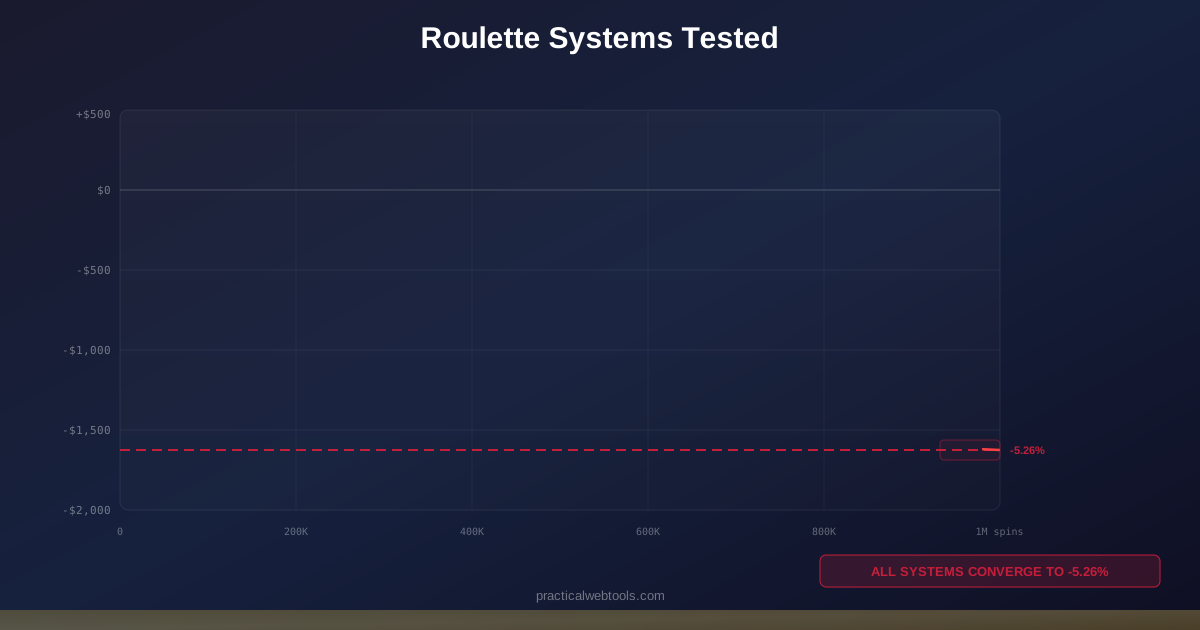
House Edge = $0.0526 / $1.00 = 5.26%
This means for every $100 wagered on American roulette, the casino expects to keep $5.26 in the long run. The expected value calculator lets you run these numbers for any bet scenario.
Why House Edge Matters More Than "Hot Streaks"
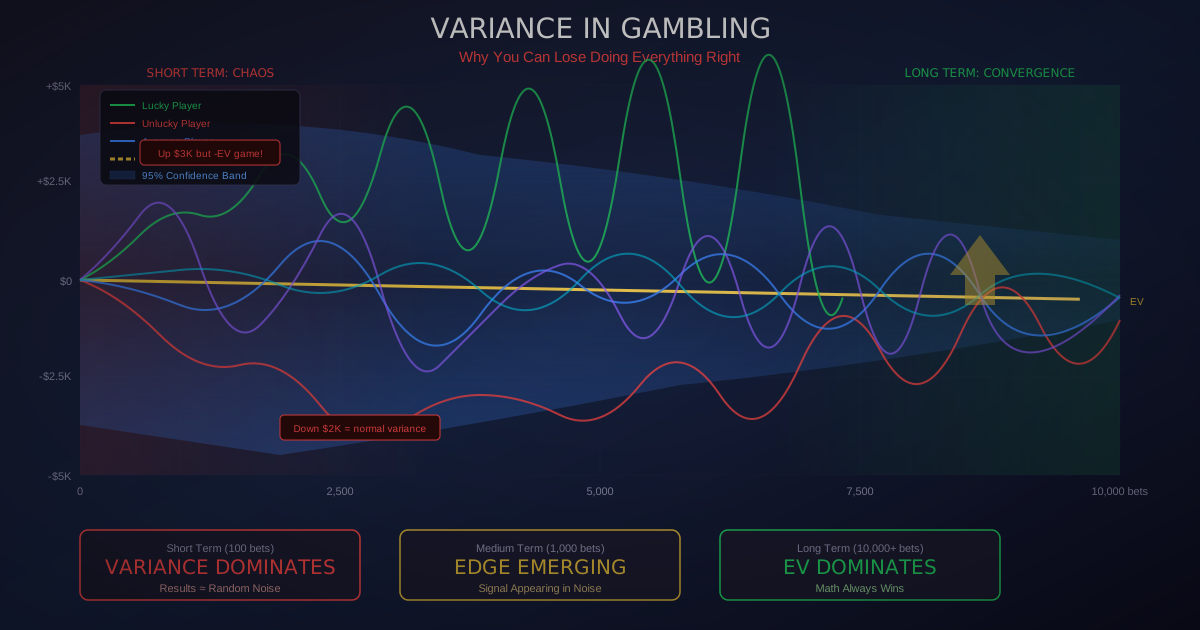
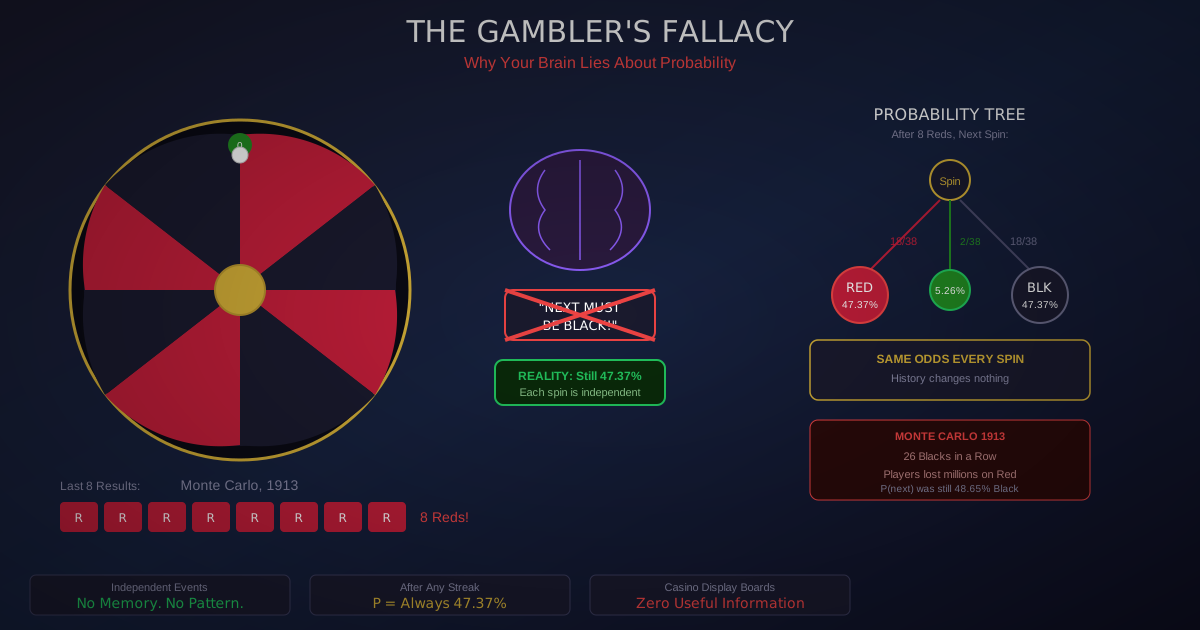
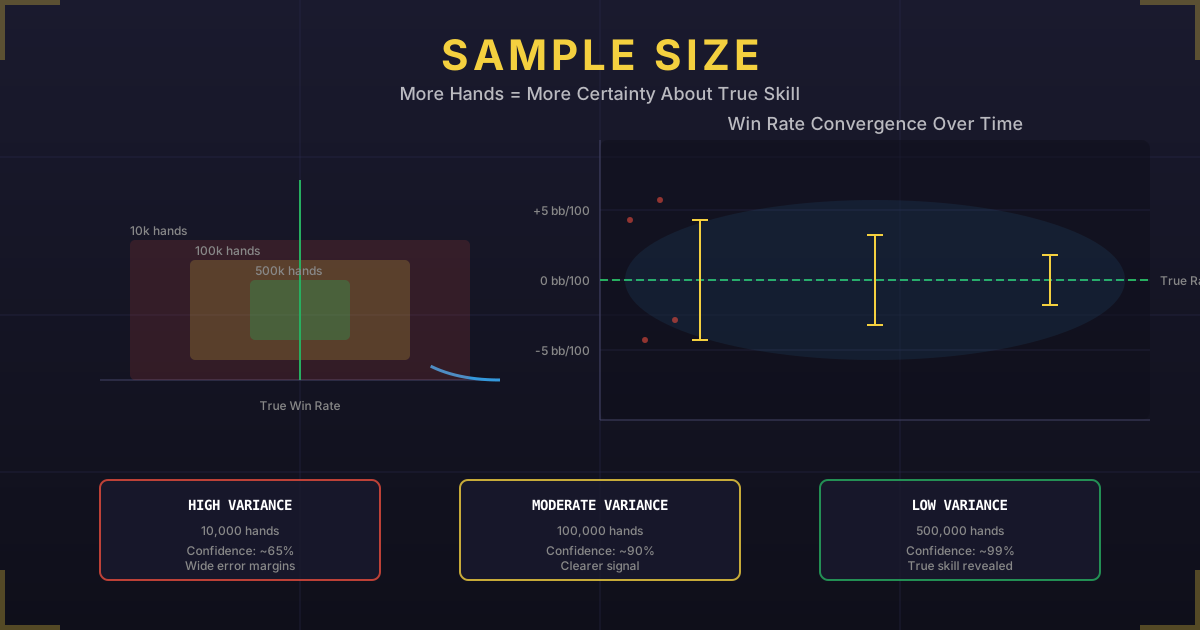
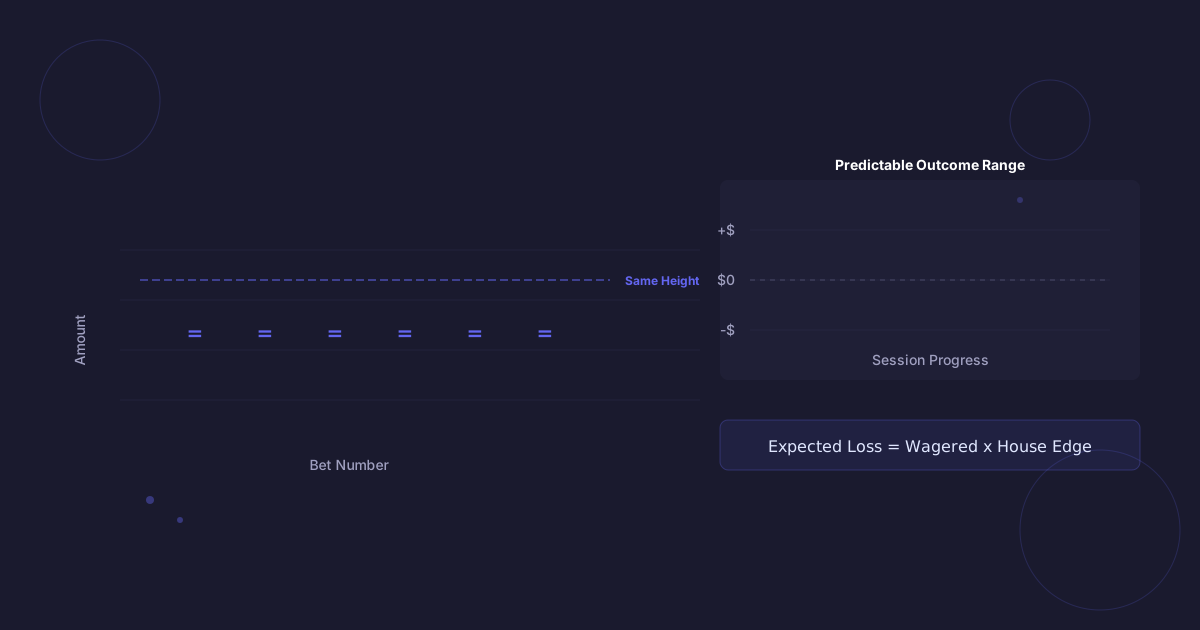
In a single session, anything can happen. You can win big on a high house edge game or lose on a low house edge game. But over thousands of bets, results converge to the mathematical expectation. The house edge is a gravity that pulls your bankroll down -- lower house edge means slower gravitational pull.
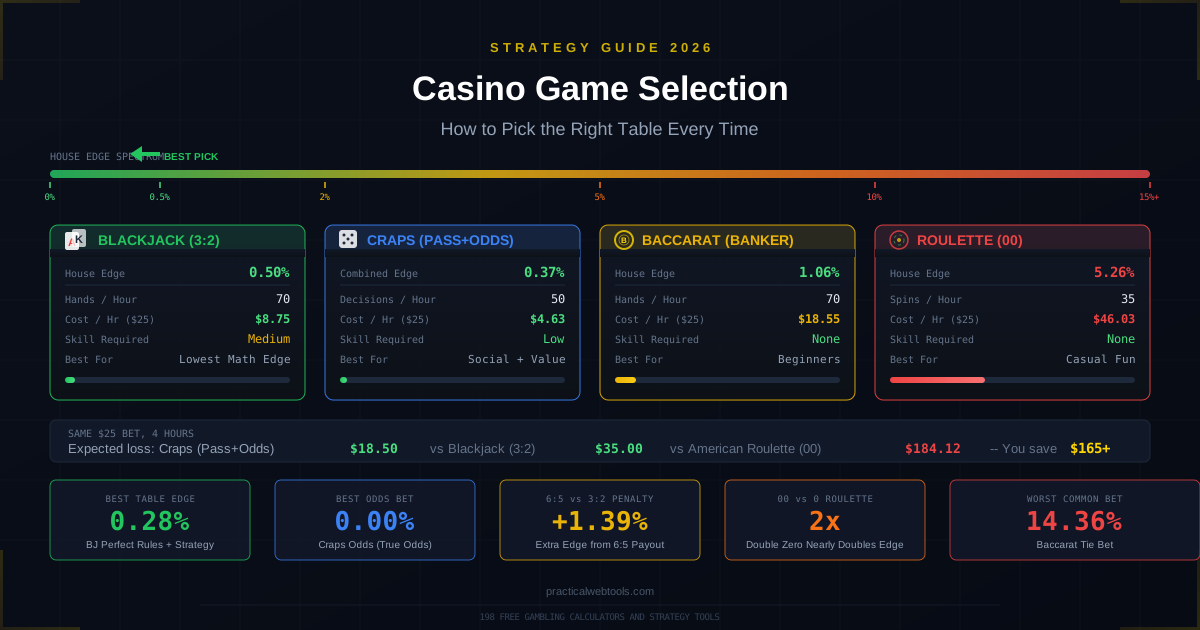
Consider two players, each betting $25 per hand for 4 hours:
| Factor | Player A (Blackjack) | Player B (American Roulette) |
|---|---|---|
| House Edge | 0.50% | 5.26% |
| Hands/Spins per Hour | 70 | 35 |
| Total Bets (4 hours) | $7,000 | $3,500 |
| Expected Loss | $35 | $184 |
| Cost per Hour | $8.75 | $46.05 |
Player A pays $8.75 per hour for entertainment. Player B pays $46.05. Same bet size, wildly different costs. This is why house edge matters.
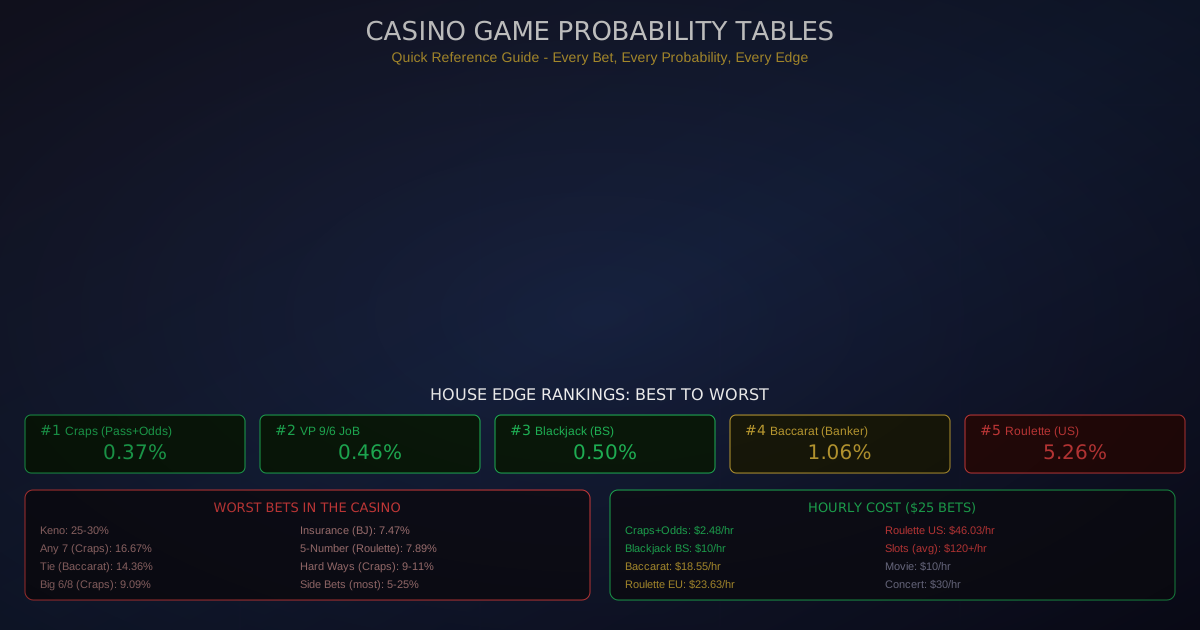
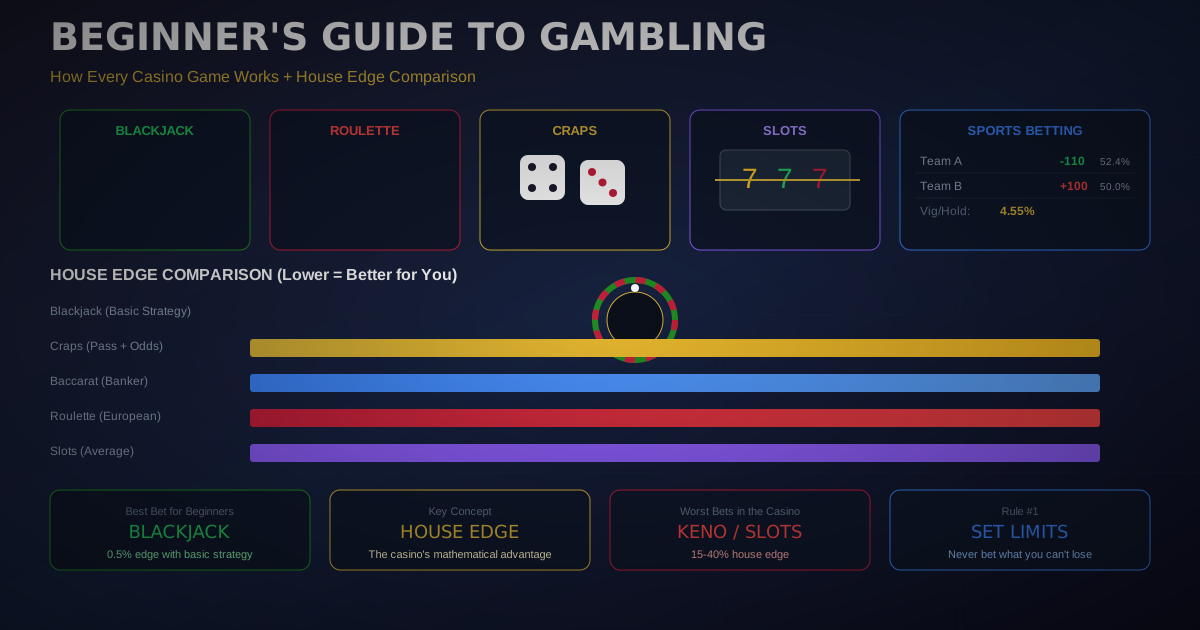
Complete Casino Game House Edge Rankings (Best to Worst)
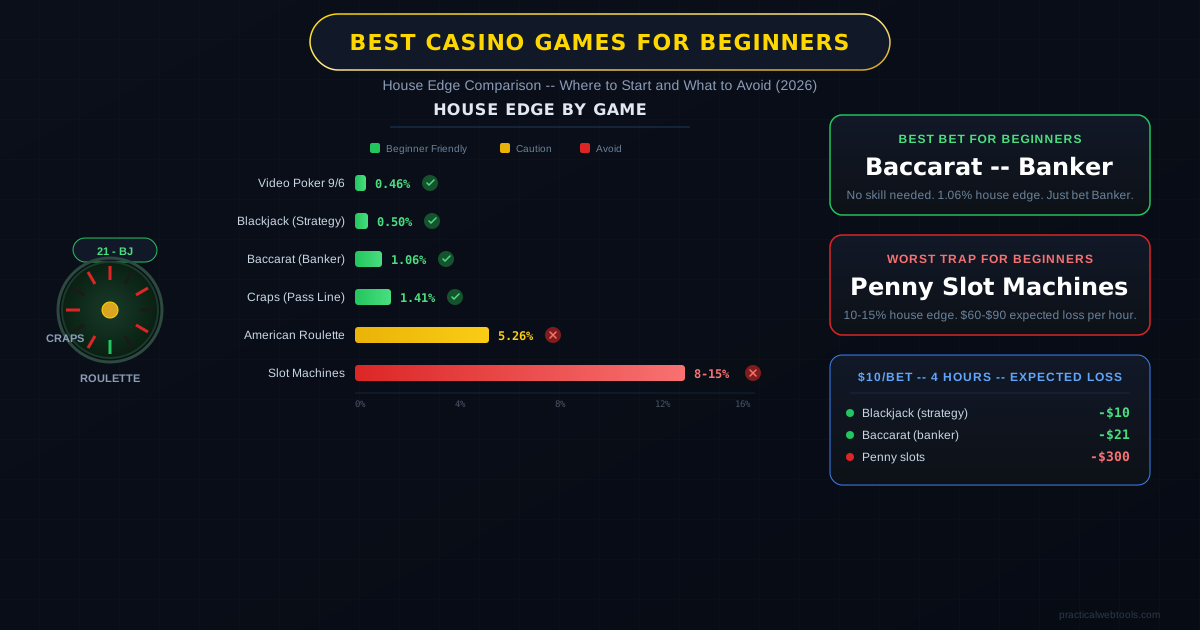
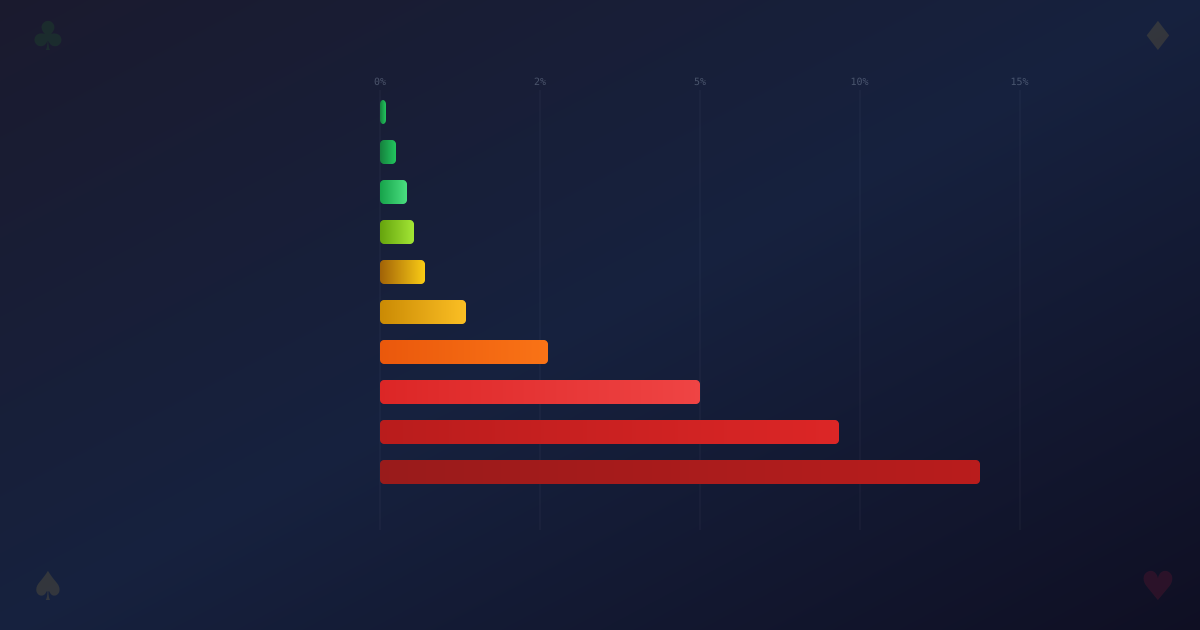
Here is the definitive ranking of every major casino game and bet, from the lowest house edge to the highest. Use the house edge calculators to verify these numbers under specific rule conditions.
Tier 1: Best Odds (House Edge Under 1.5%)
| Game & Bet | House Edge | Conditions |
|---|---|---|
| Blackjack (perfect basic strategy) | 0.28% - 0.50% | Depends on rules; 3:2 payout, S17, DAS |
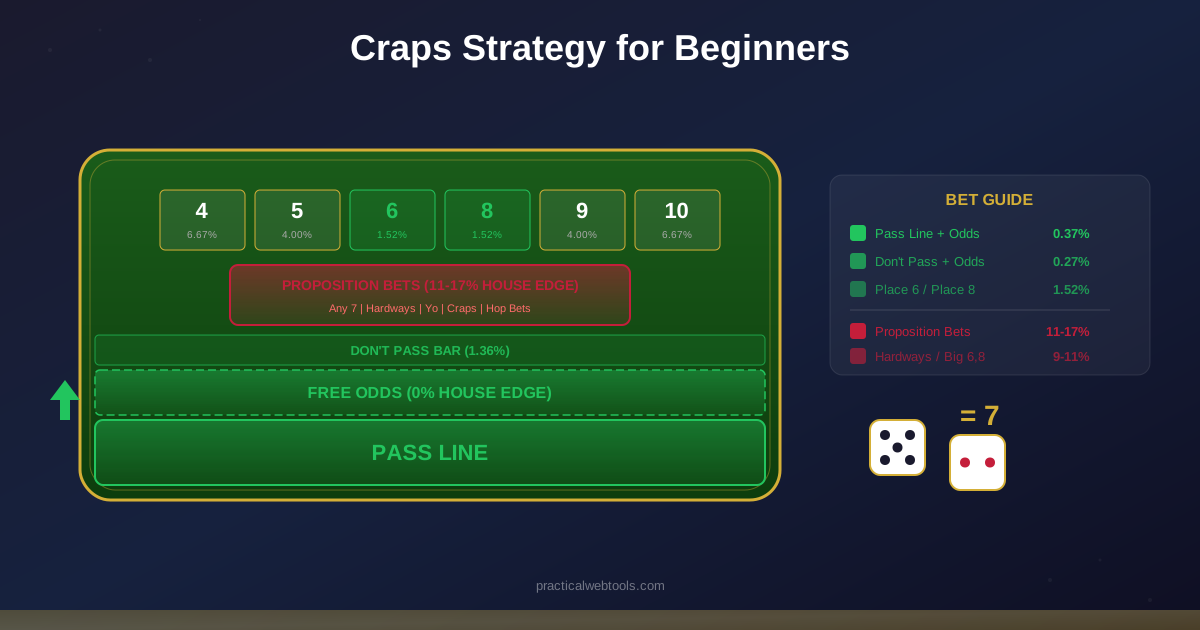
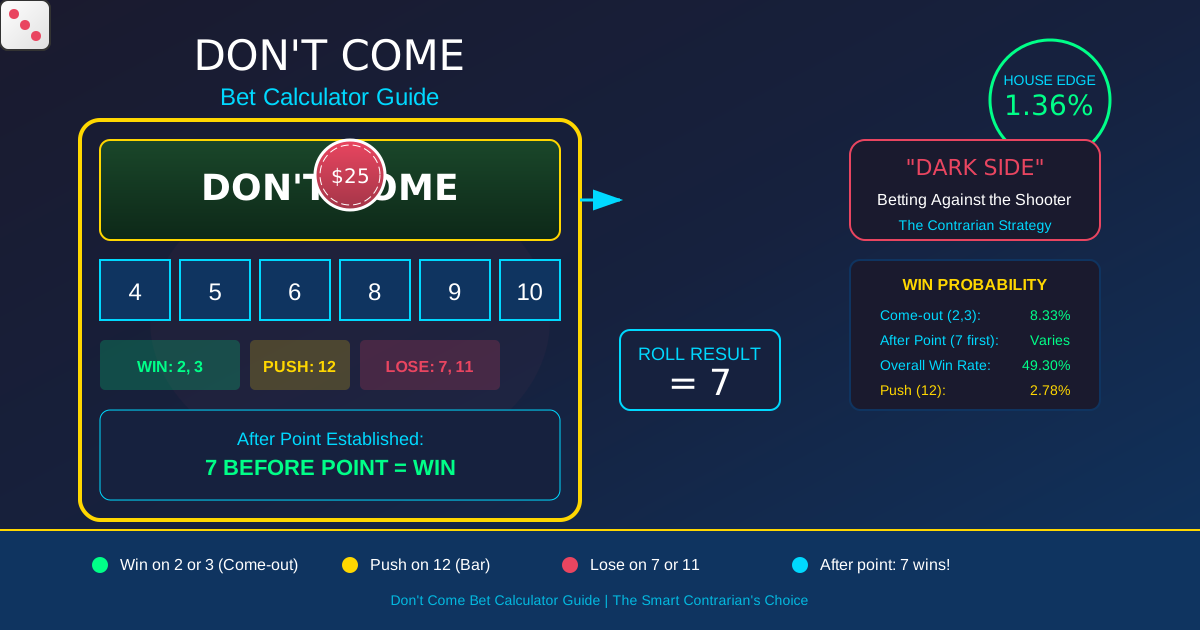
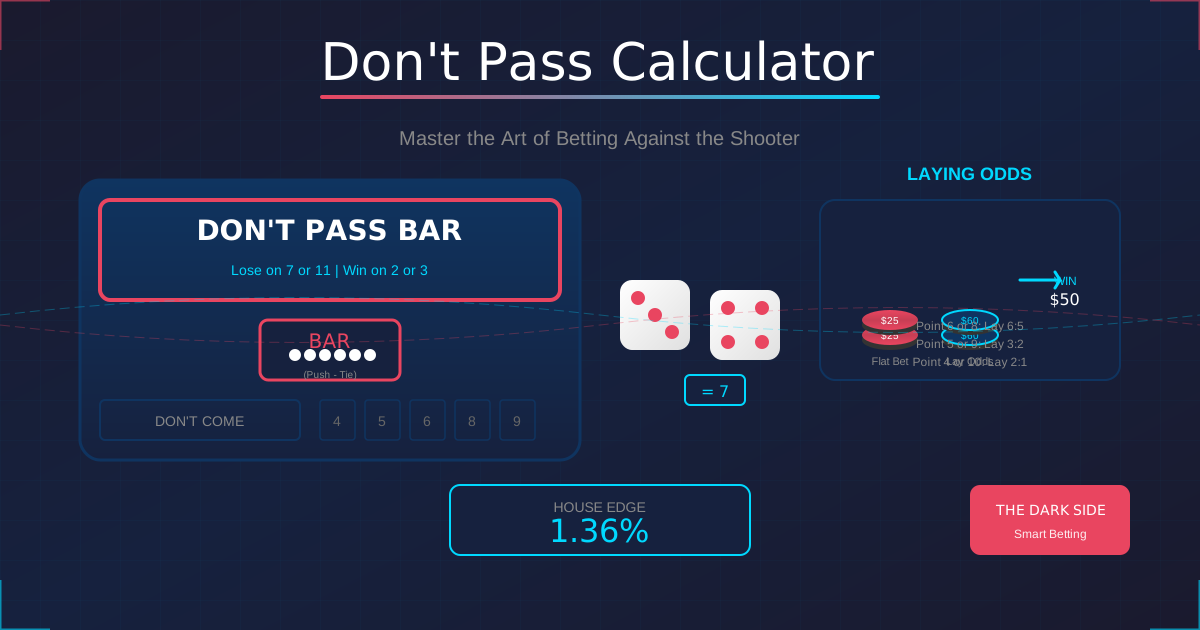
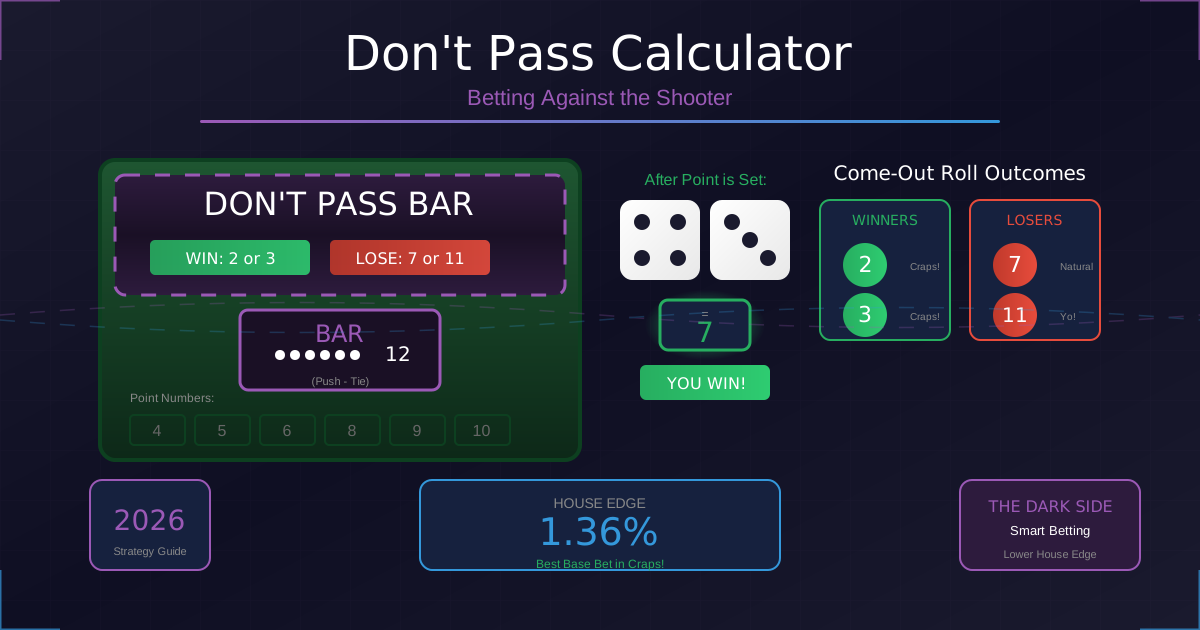
| Craps - Don't Pass/Don't Come | 1.36% | Flat bet only |
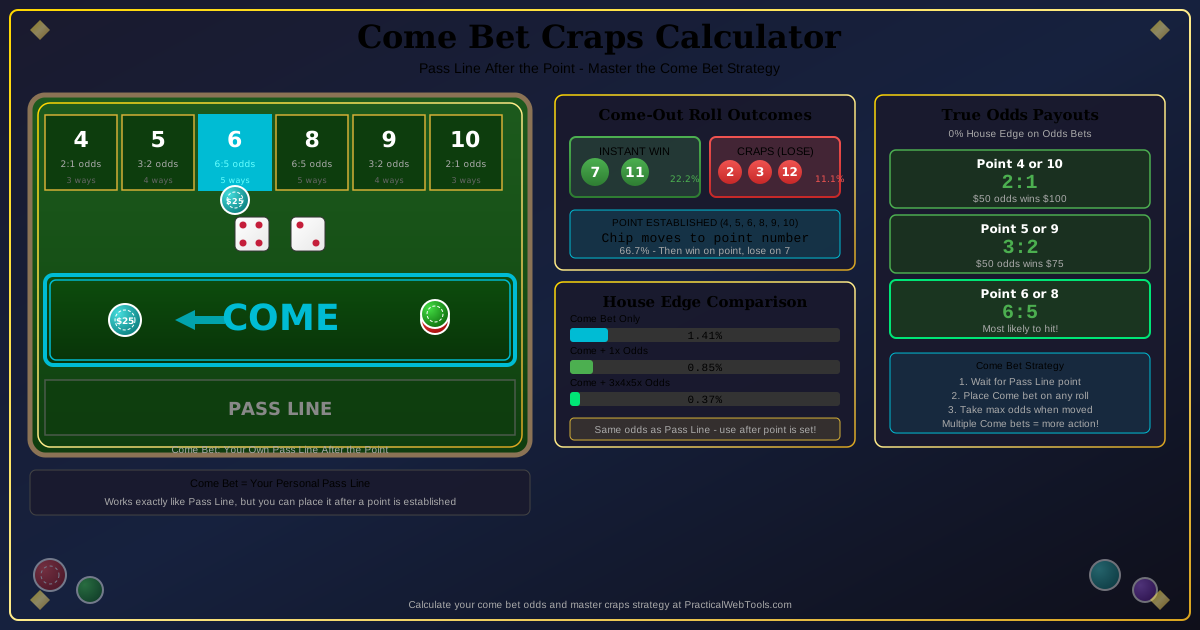
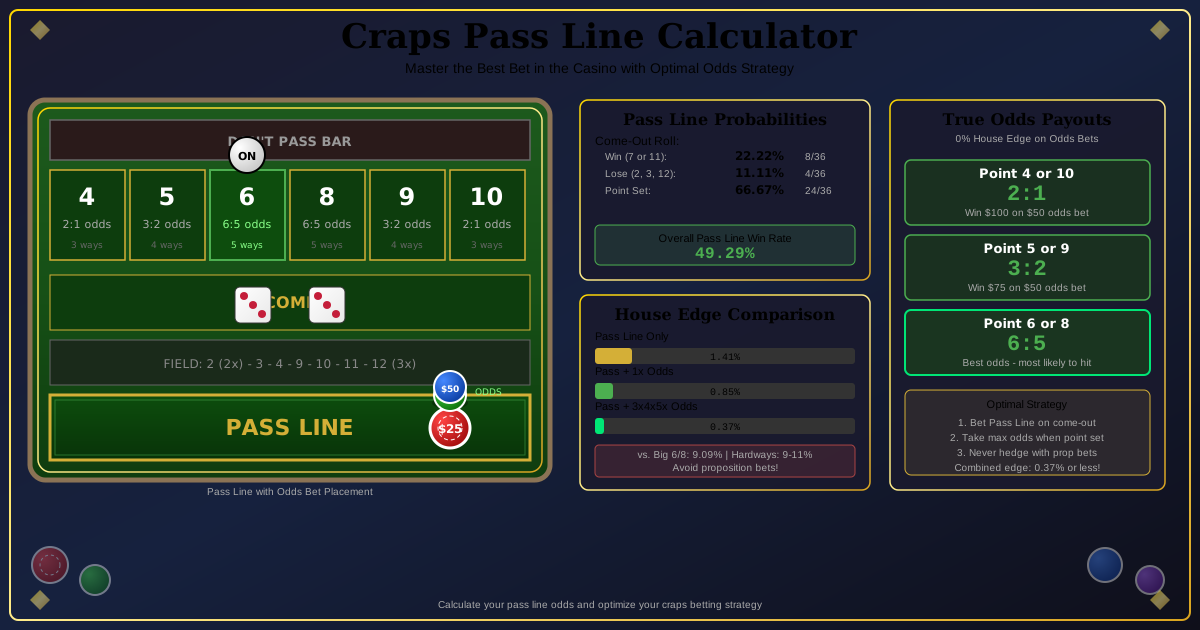
| Craps - Pass Line/Come | 1.41% | Flat bet only |
| Craps - Pass/Come + Full Odds | 0.37% - 0.85% | Depends on odds multiple (3x-4x-5x to 100x) |
| Craps - Don't Pass + Full Odds | 0.27% - 0.69% | Depends on odds multiple |
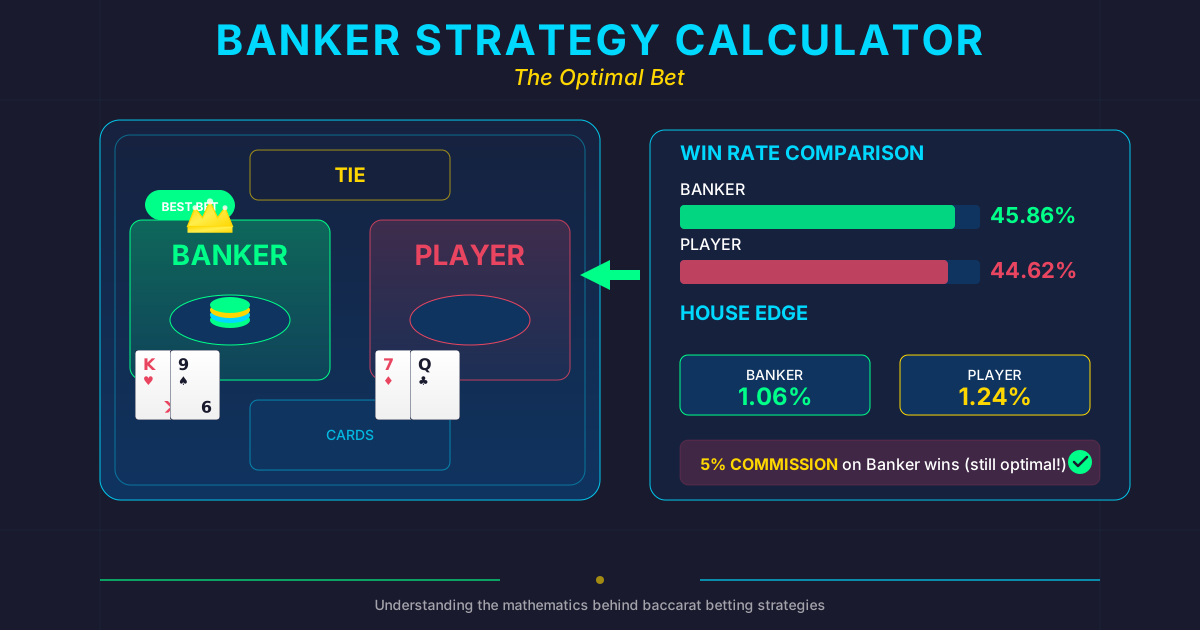
| Baccarat - Banker Bet | 1.06% | After 5% commission |
| Baccarat - Player Bet | 1.24% | No commission |
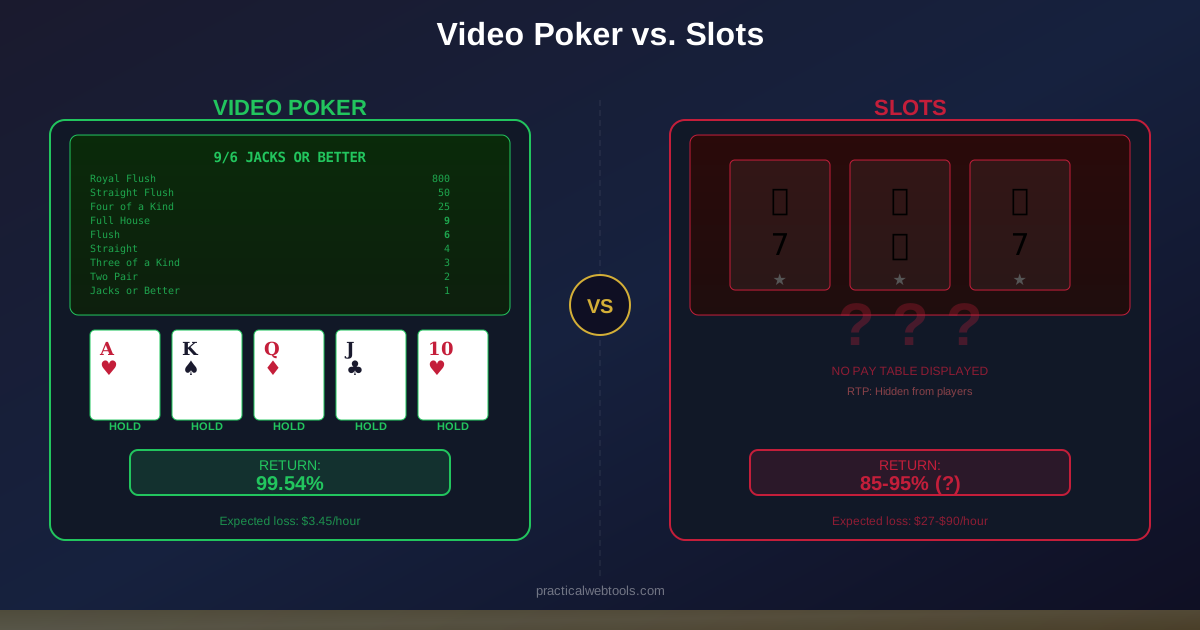
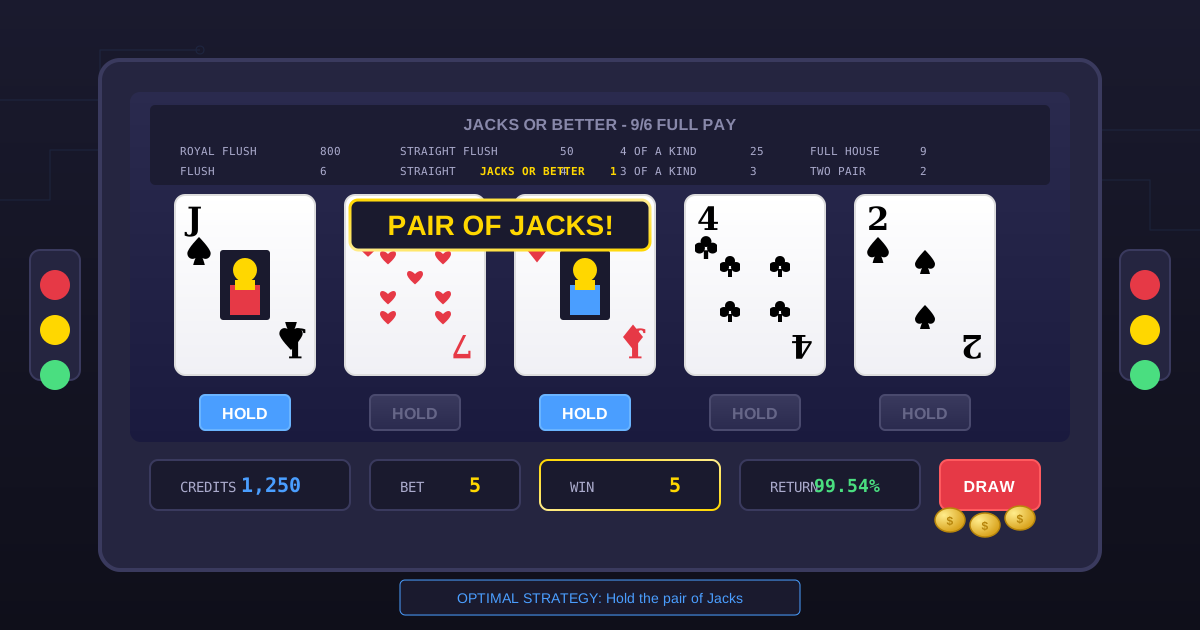
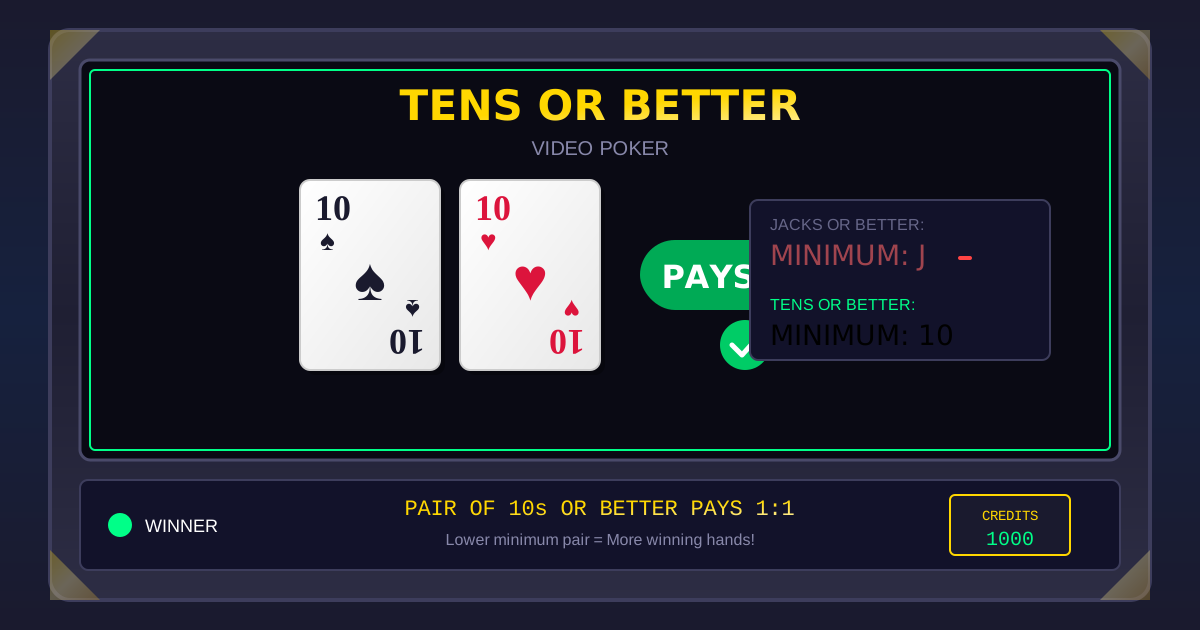
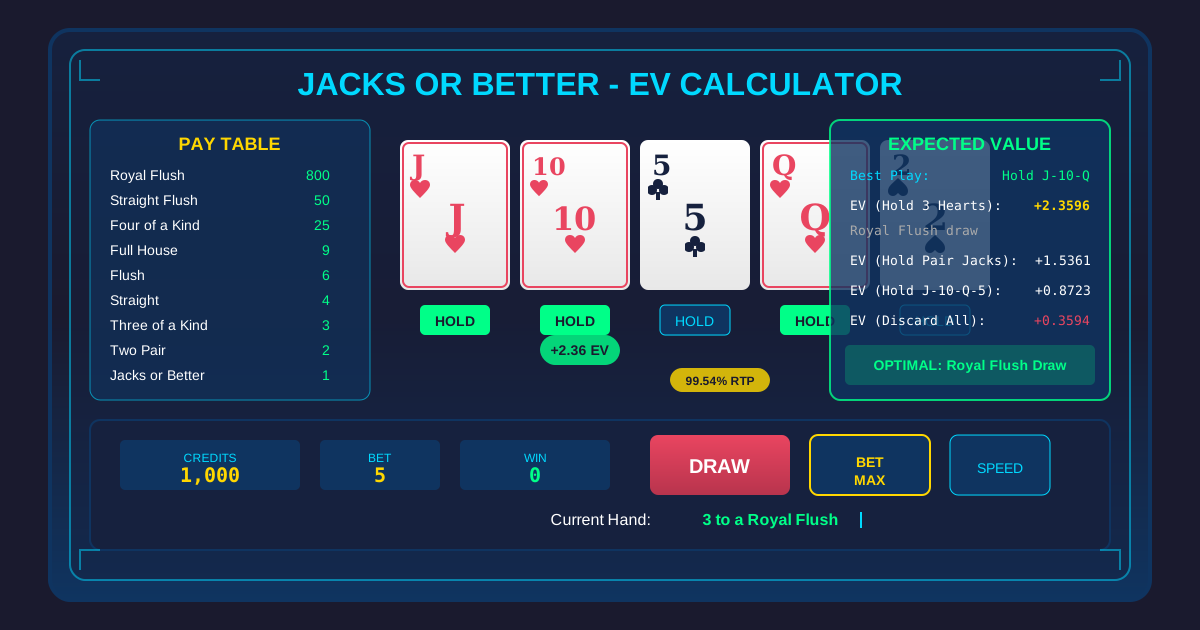
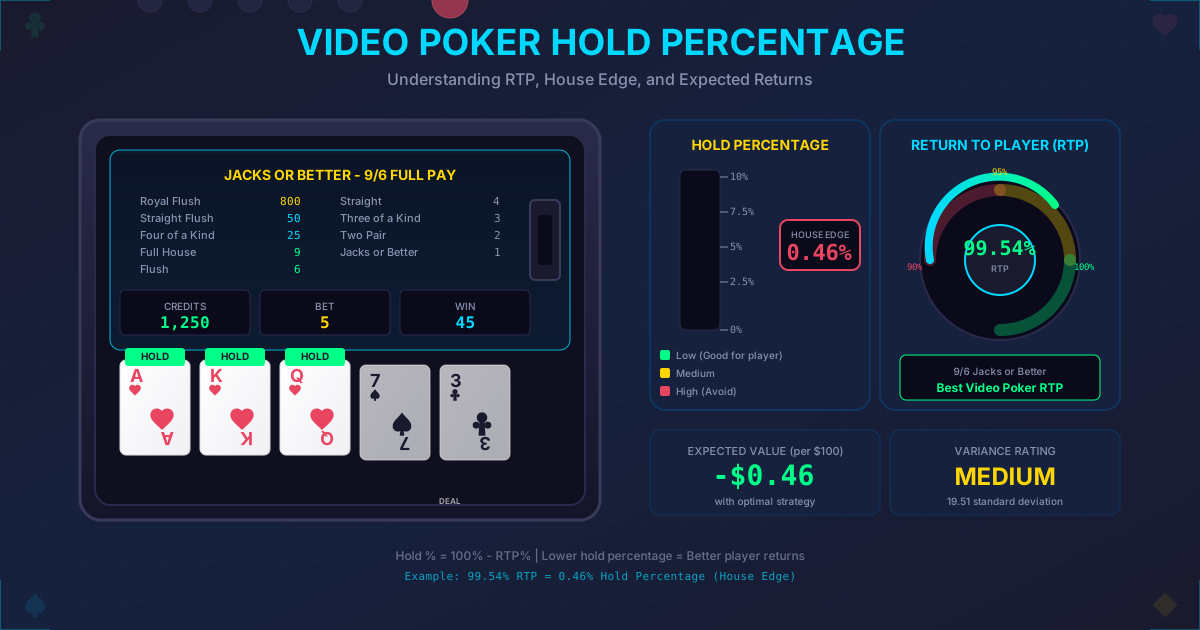
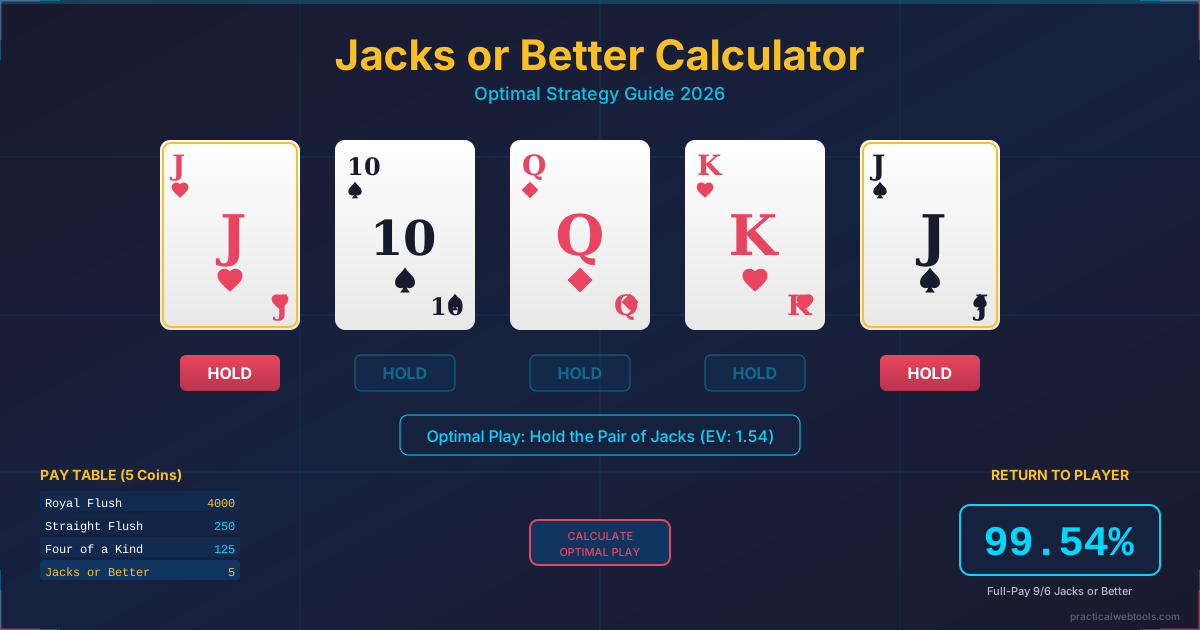
| Video Poker (9/6 Jacks or Better) | 0.46% | Perfect strategy required |
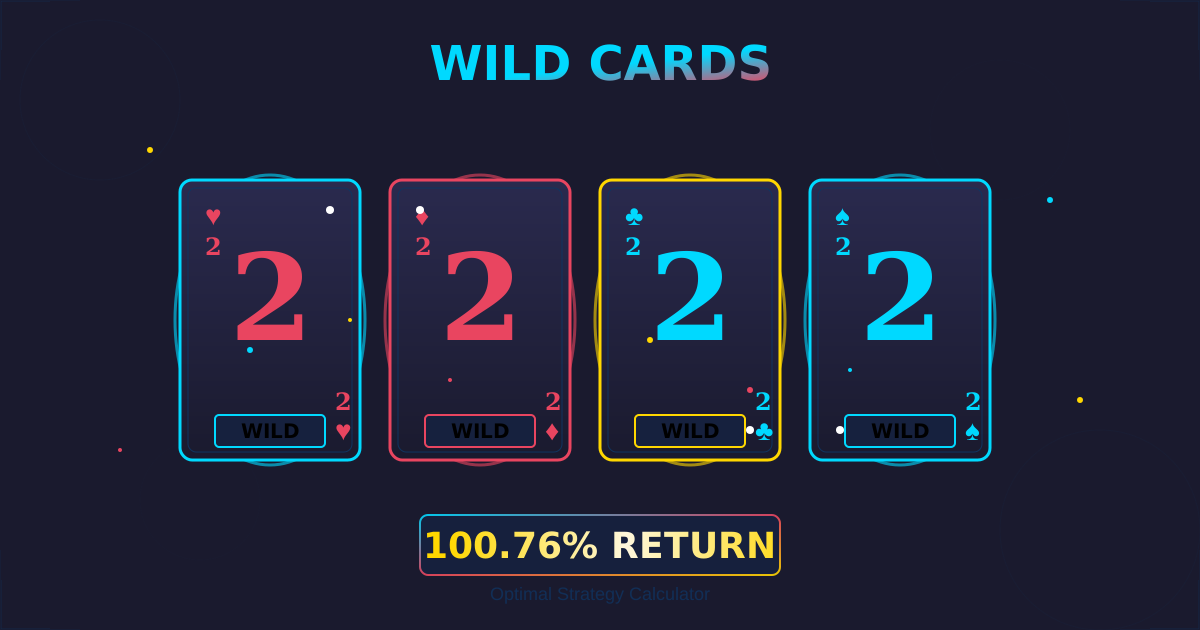
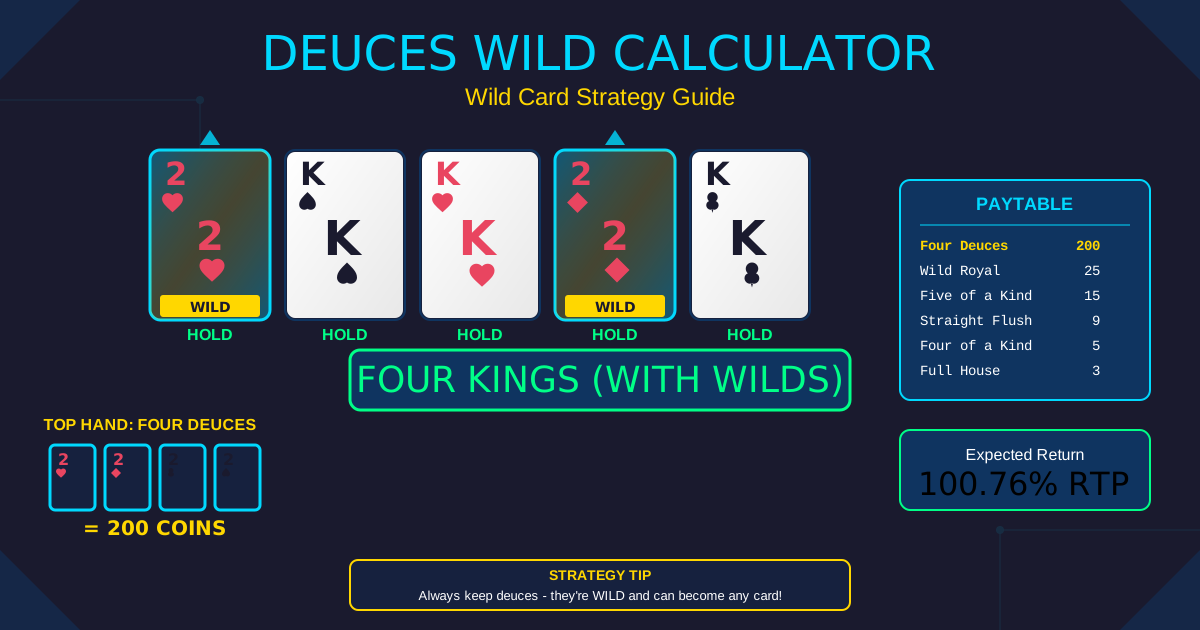
| Video Poker (Full Pay Deuces Wild) | -0.76% | Player advantage with perfect strategy |
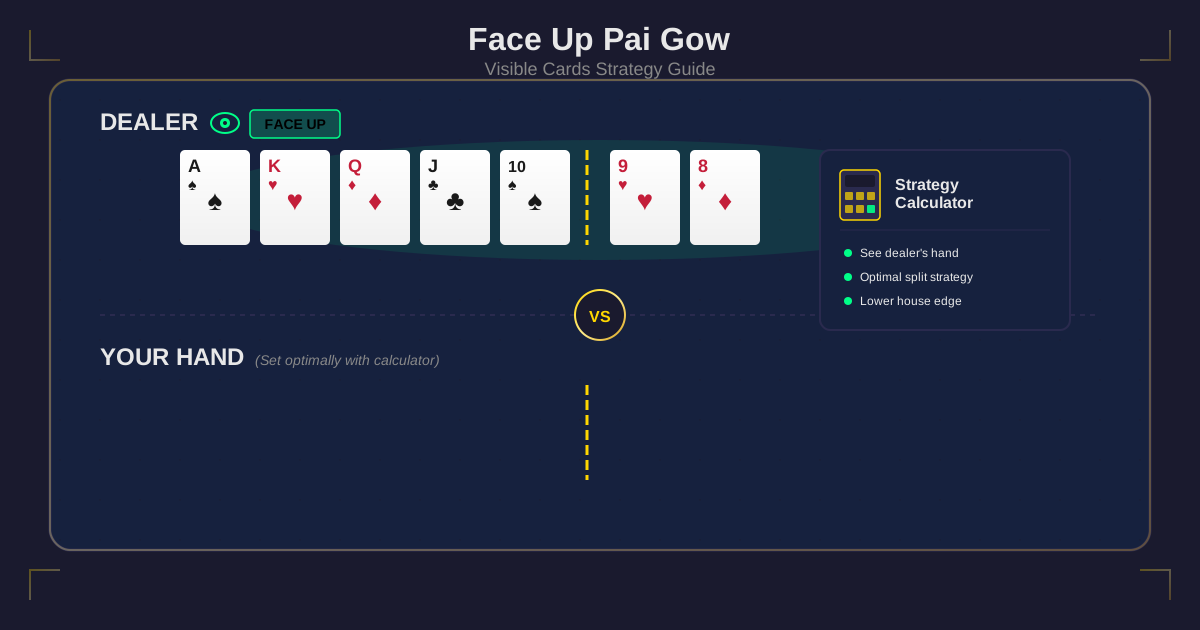
| Pai Gow Poker | 1.46% | With optimal strategy |
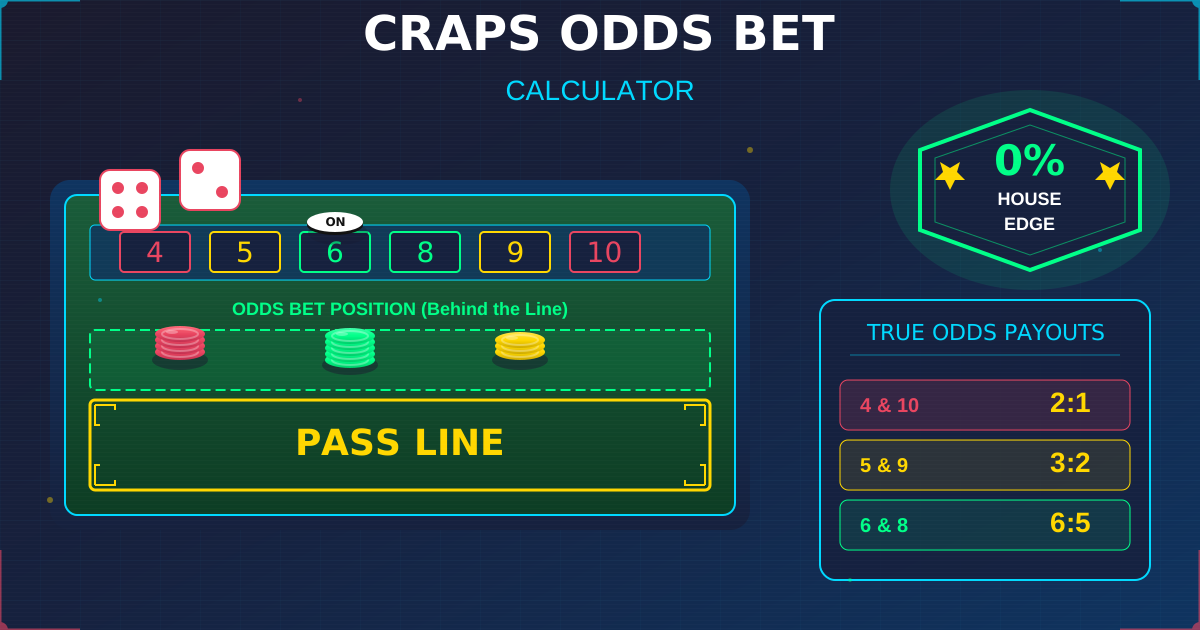
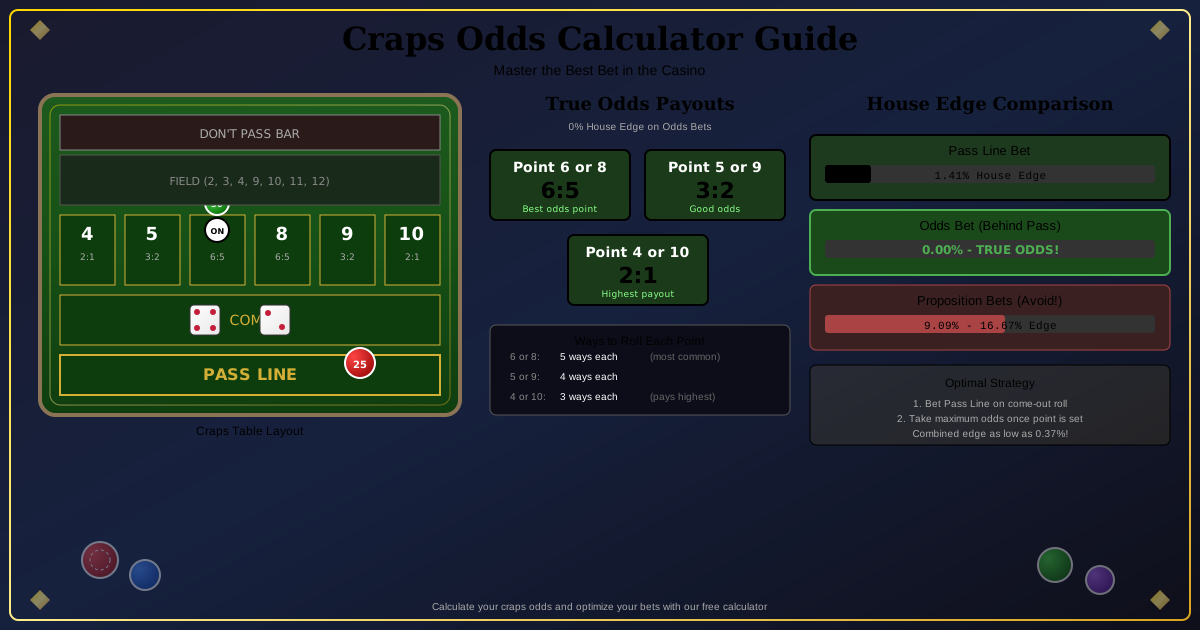
The standout here: Craps with maximum odds behind a Don't Pass bet can reduce the combined house edge below 0.30%, making it one of the best bets in the casino. The odds bet itself has zero house edge -- it pays at true mathematical odds. The craps odds bet calculator shows exactly how odds multiples affect your overall edge.
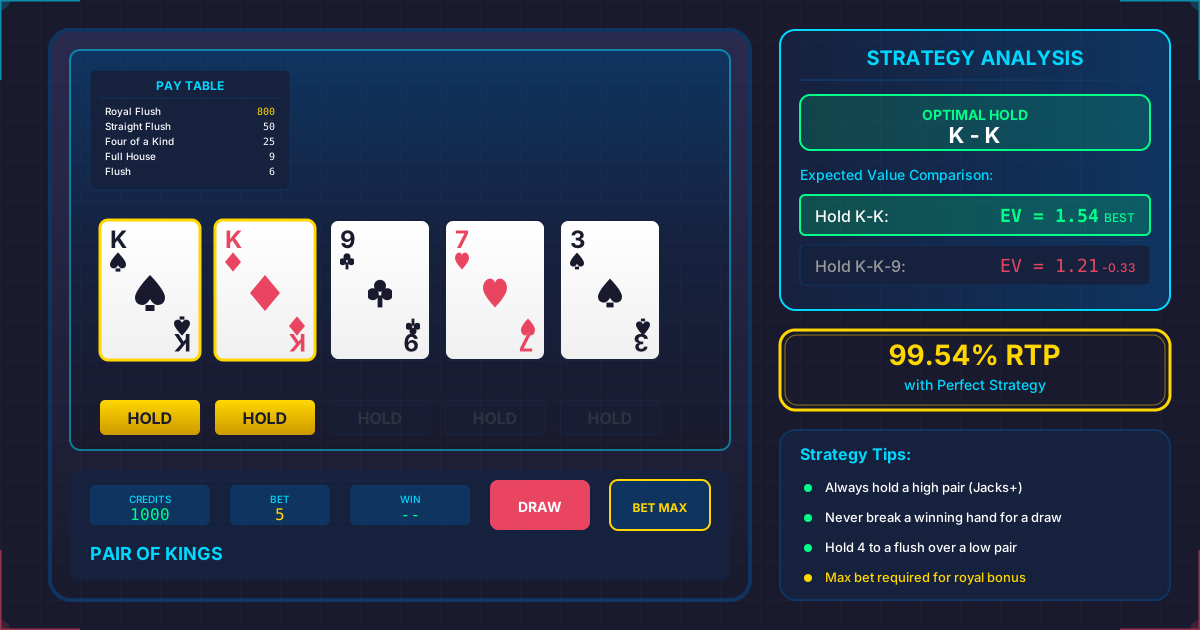
Full-pay Deuces Wild video poker actually gives the player an advantage of 0.76% -- but only with absolutely perfect strategy on every hand. The video poker pay table analyzer helps you identify these rare machines, and the video poker EV calculator verifies the expected return.
Tier 2: Decent Odds (House Edge 1.5% - 3%)
| Game & Bet | House Edge | Conditions |
|---|---|---|
| Blackjack (basic strategy, 6:5 payout) | 1.89% | Avoid if possible |
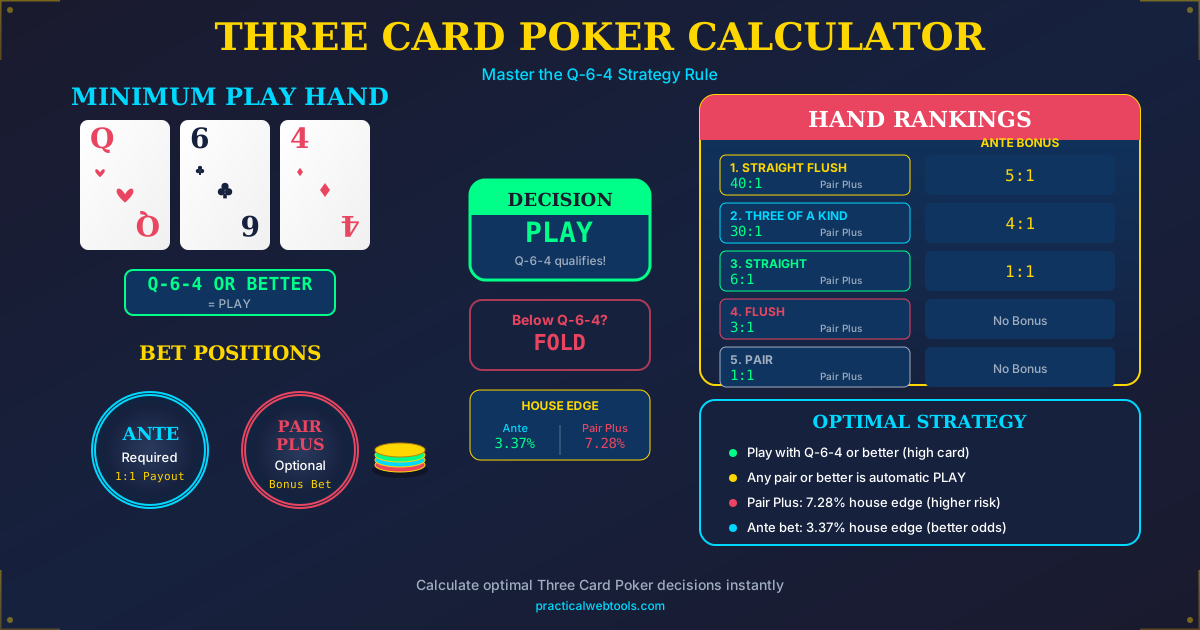
| Three Card Poker (Ante/Play) | 2.01% | With optimal strategy |
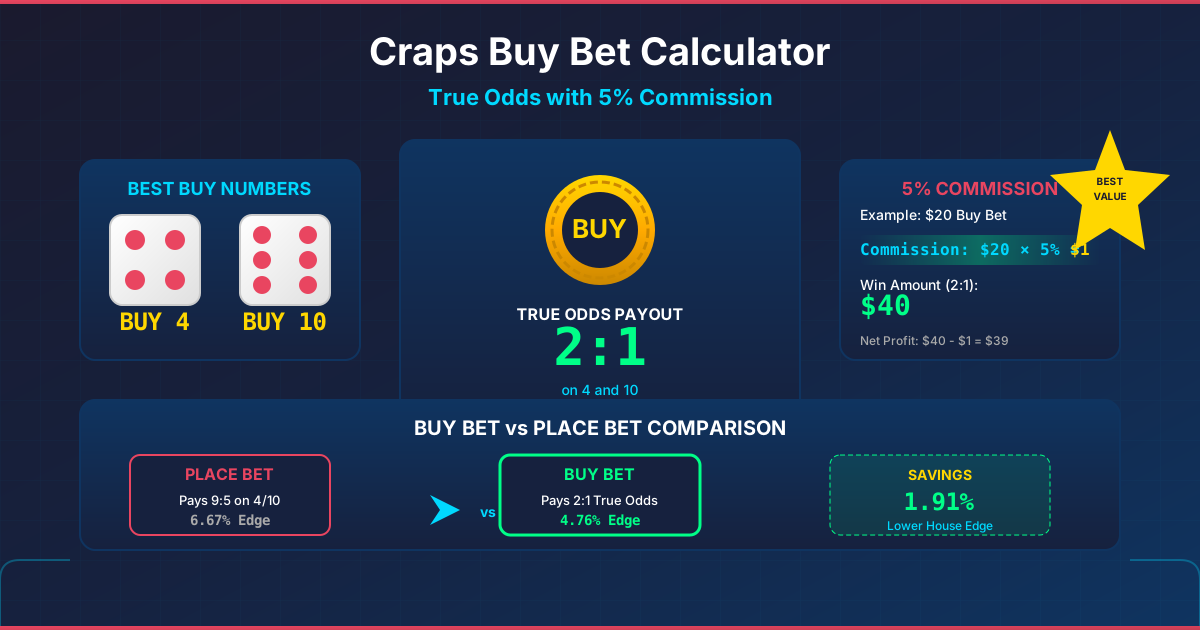
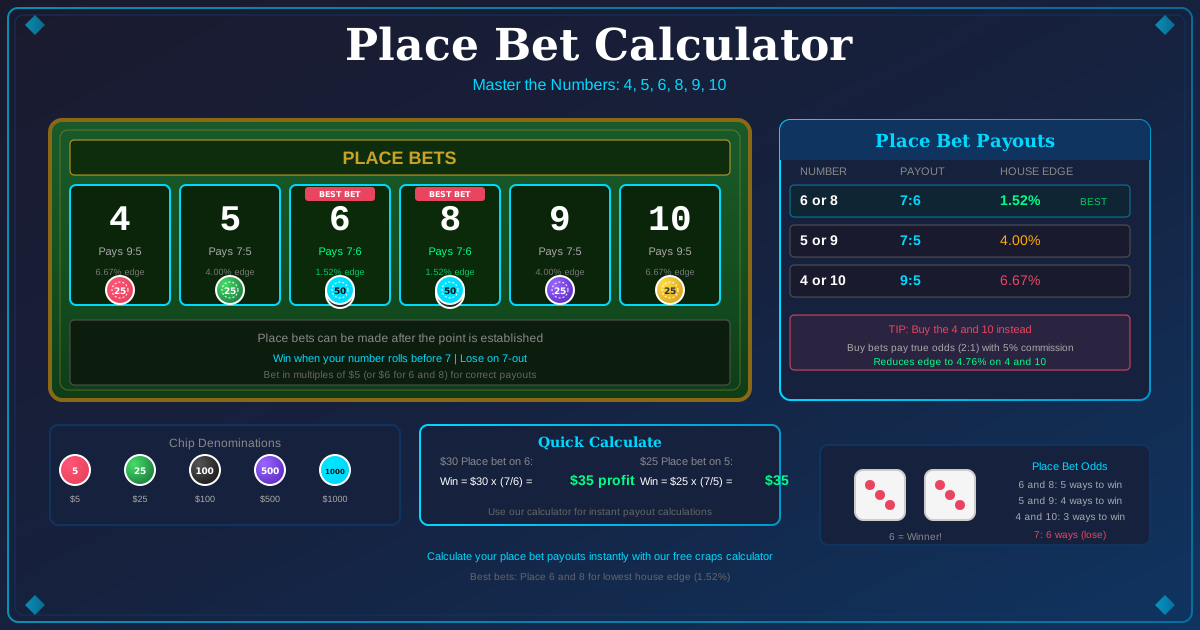
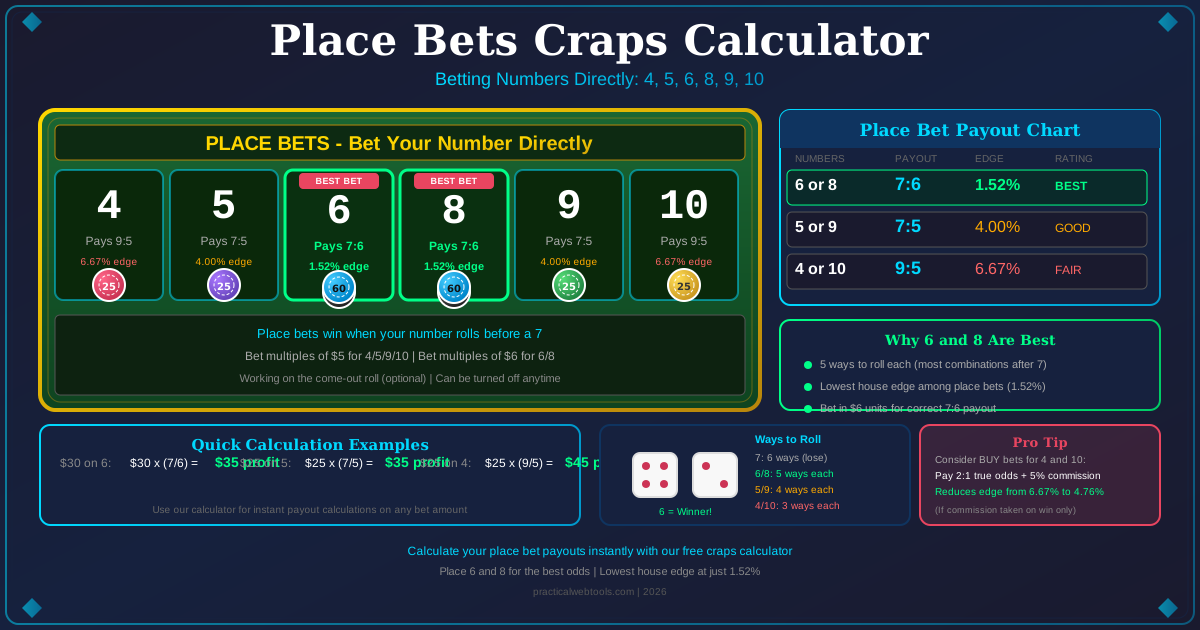
| Craps - Place Bet on 6 or 8 | 1.52% | Better than most table bets |
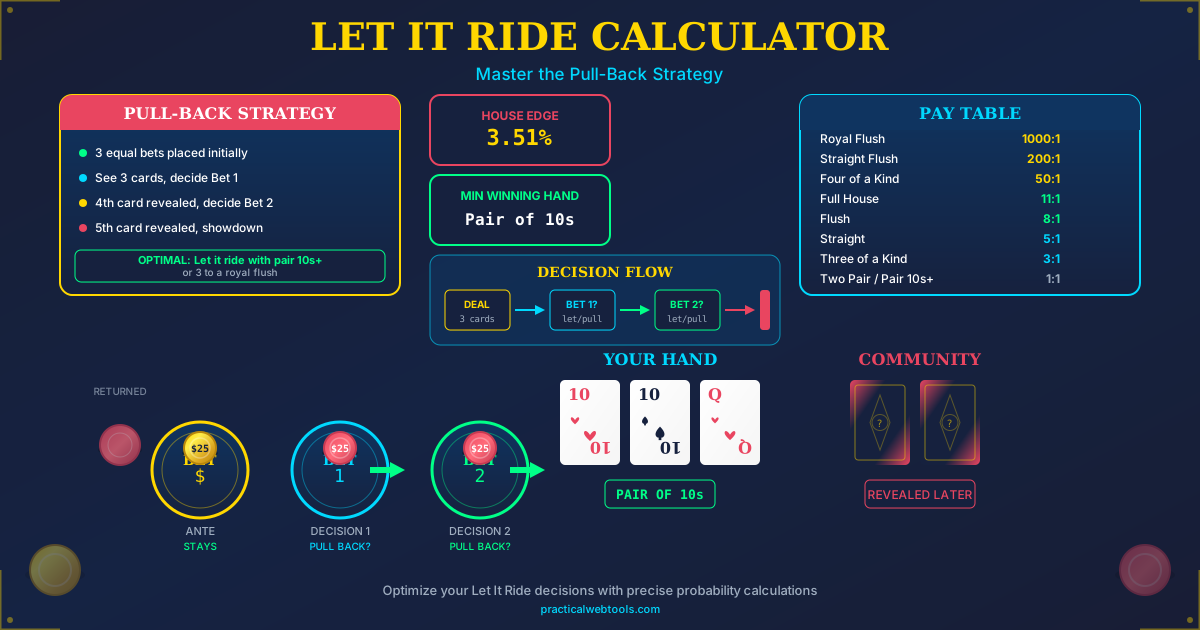
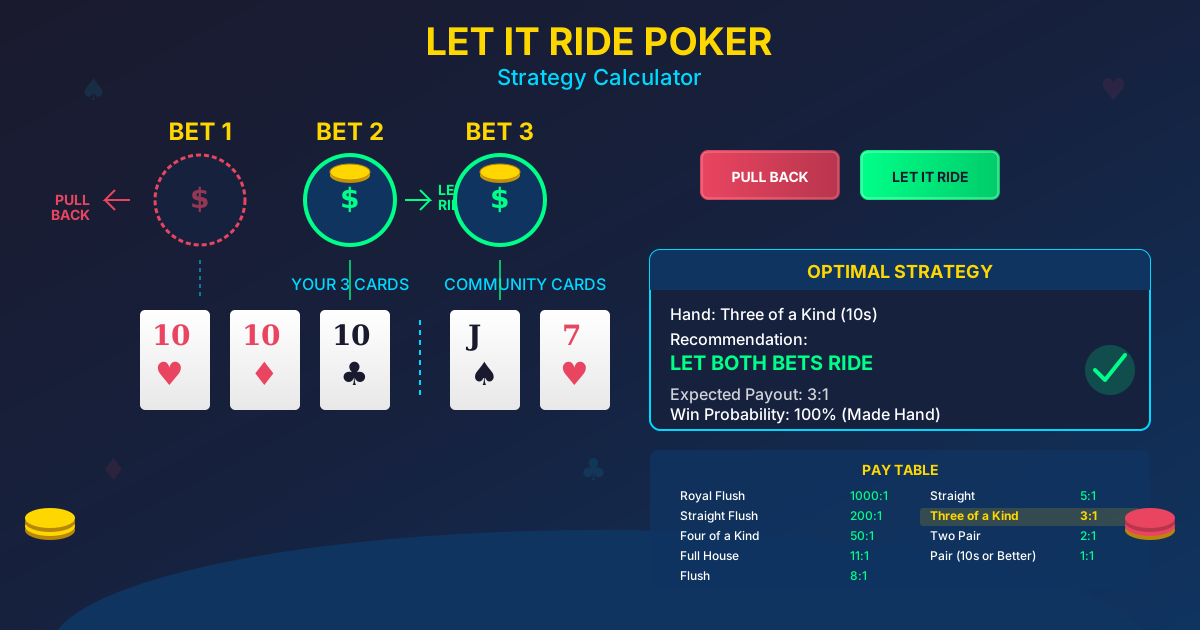
| Let It Ride | 2.85% | With optimal strategy |
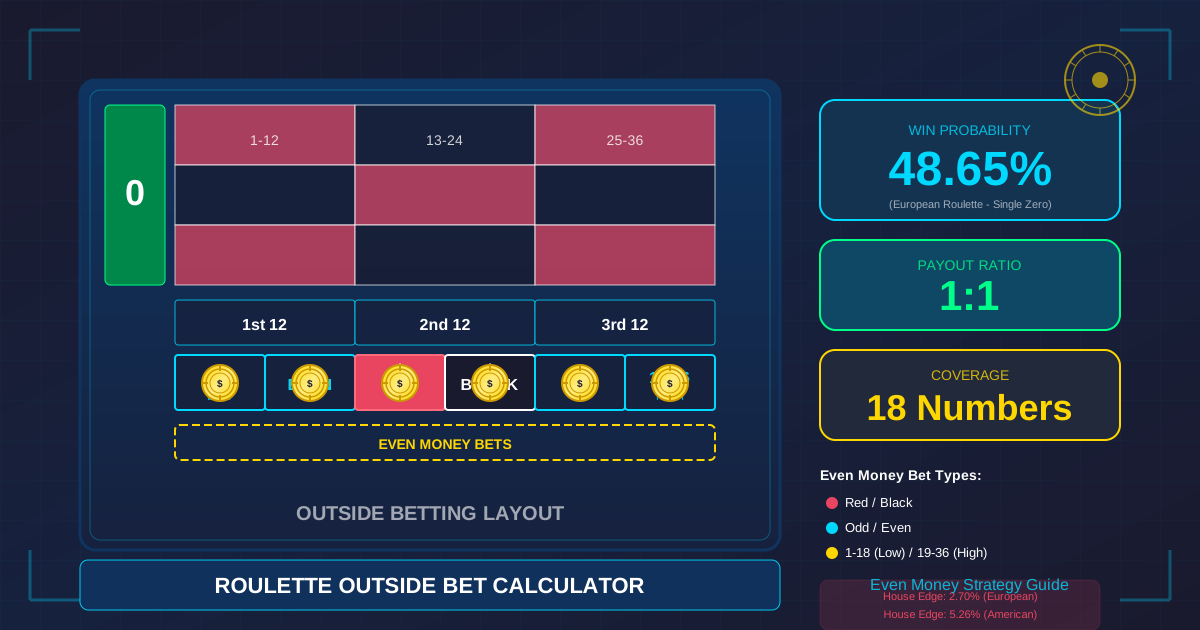
| European Roulette (even money bets) | 1.35% | With La Partage rule |
| European Roulette | 2.70% | Standard |
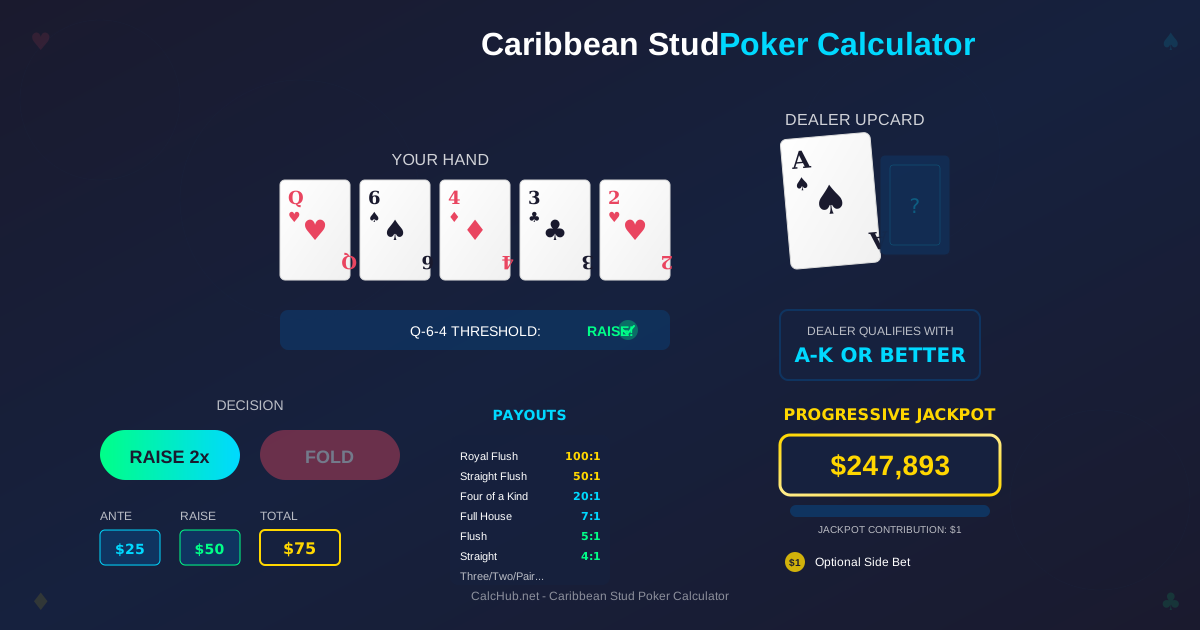
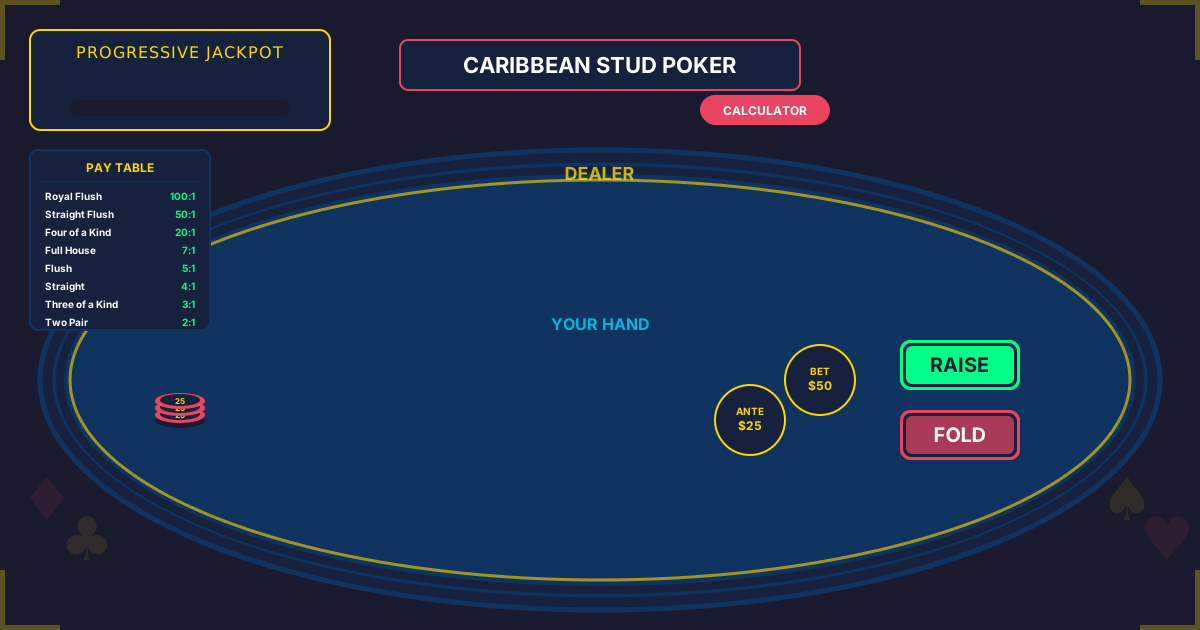
| Caribbean Stud Poker | 2.56% | With optimal strategy |
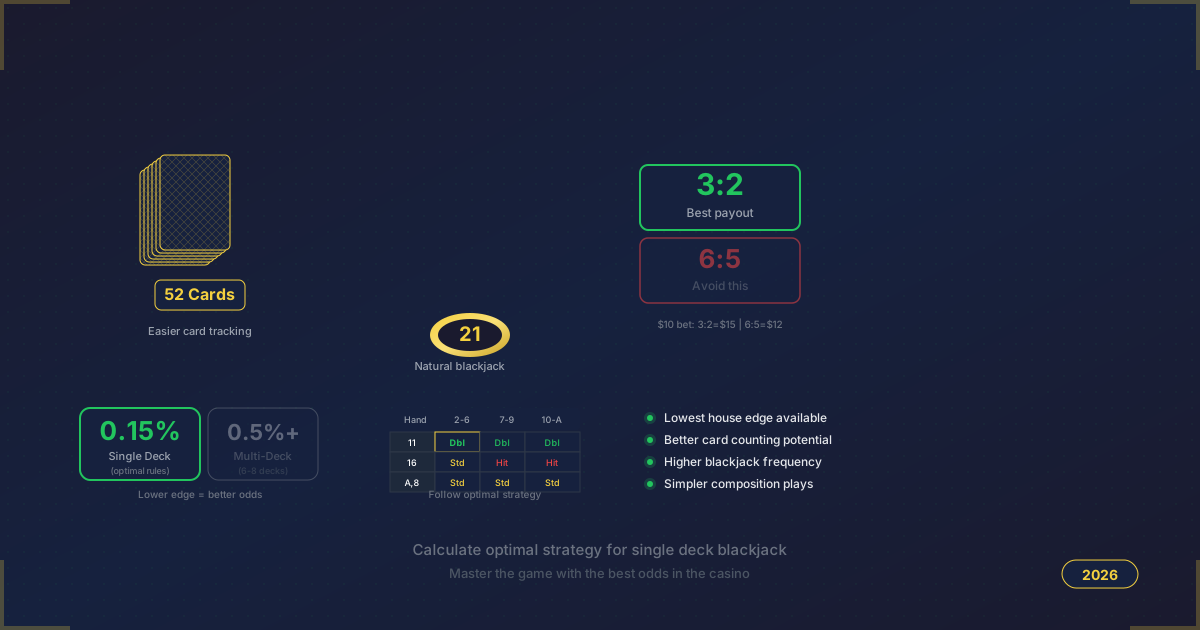
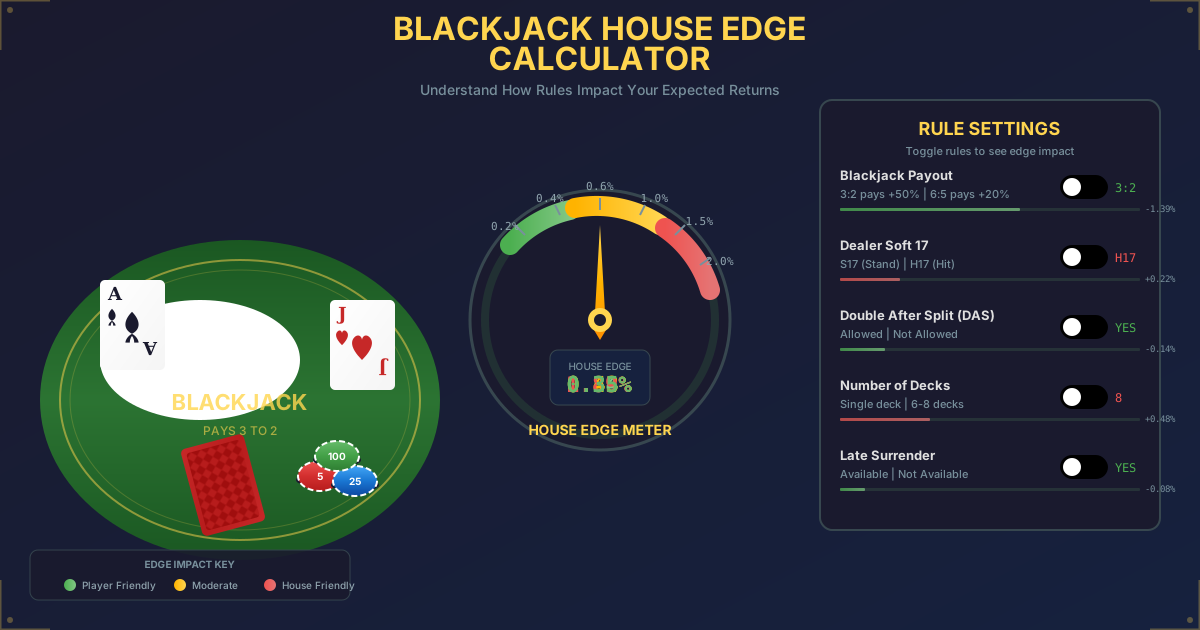
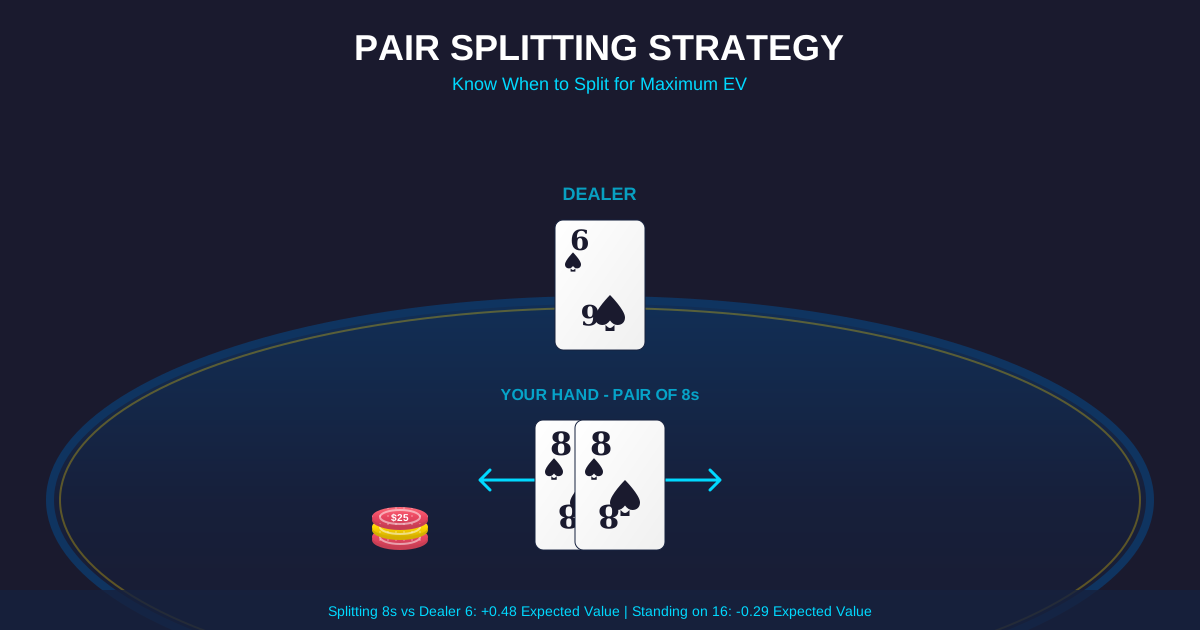
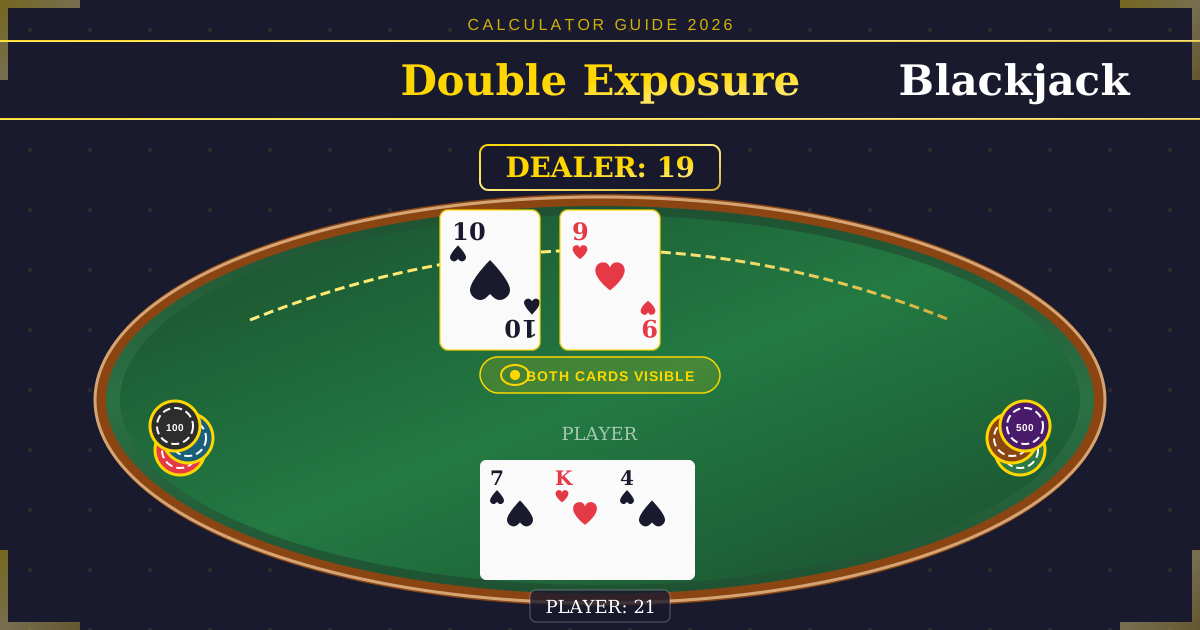
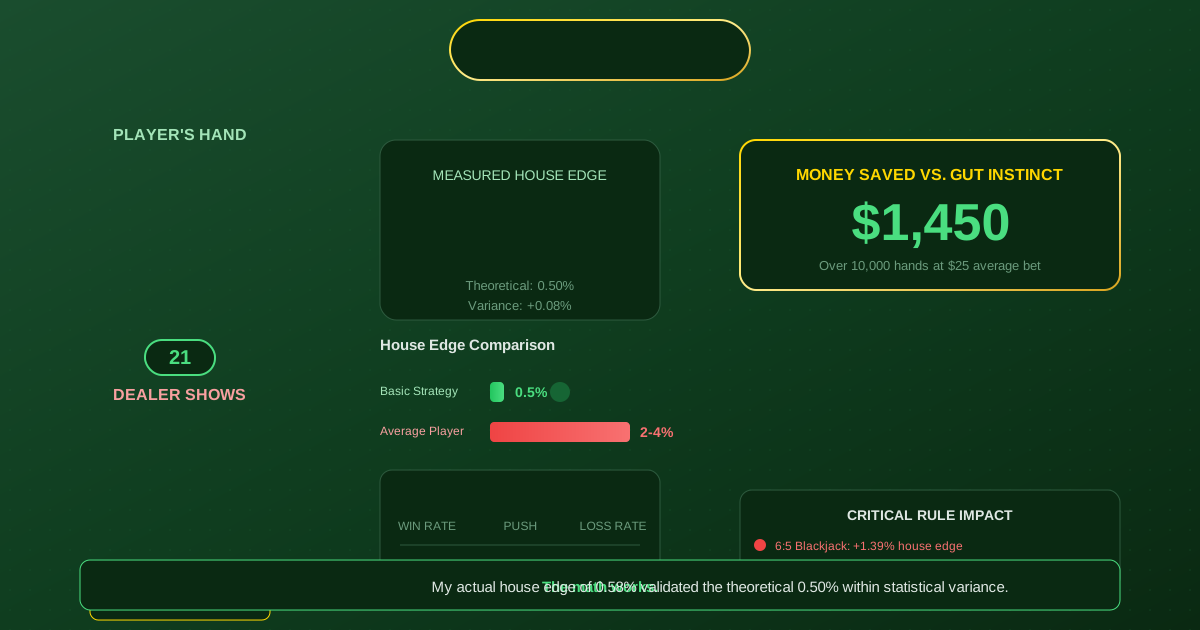
Notice the enormous difference between 3:2 blackjack (0.50%) and 6:5 blackjack (1.89%). That single rule change nearly quadruples the house edge. Always check the blackjack payout before sitting down. The blackjack house edge calculator lets you input specific table rules and see the exact impact.
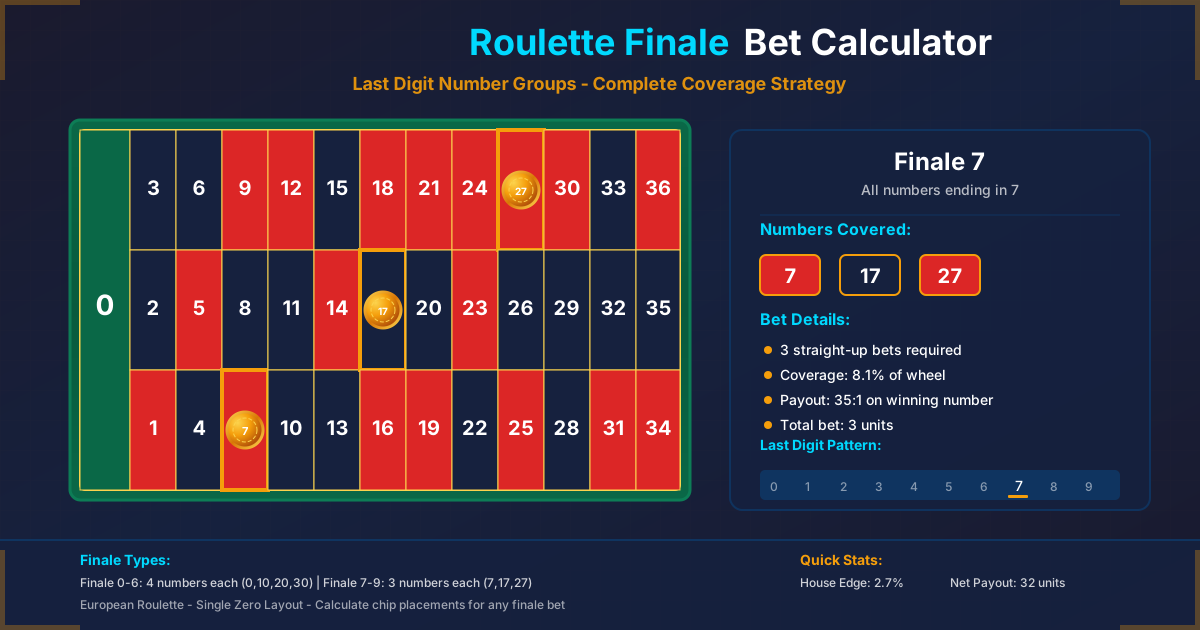
European roulette with the La Partage rule -- where you get half your even-money bet back when the ball lands on zero -- drops the edge to just 1.35%. This is significantly better than American roulette. The roulette house edge calculator compares all roulette variants side by side.
Tier 3: Mediocre Odds (House Edge 3% - 6%)
| Game & Bet | House Edge | Conditions |
|---|---|---|
| American Roulette (any bet) | 5.26% | Two zeros |
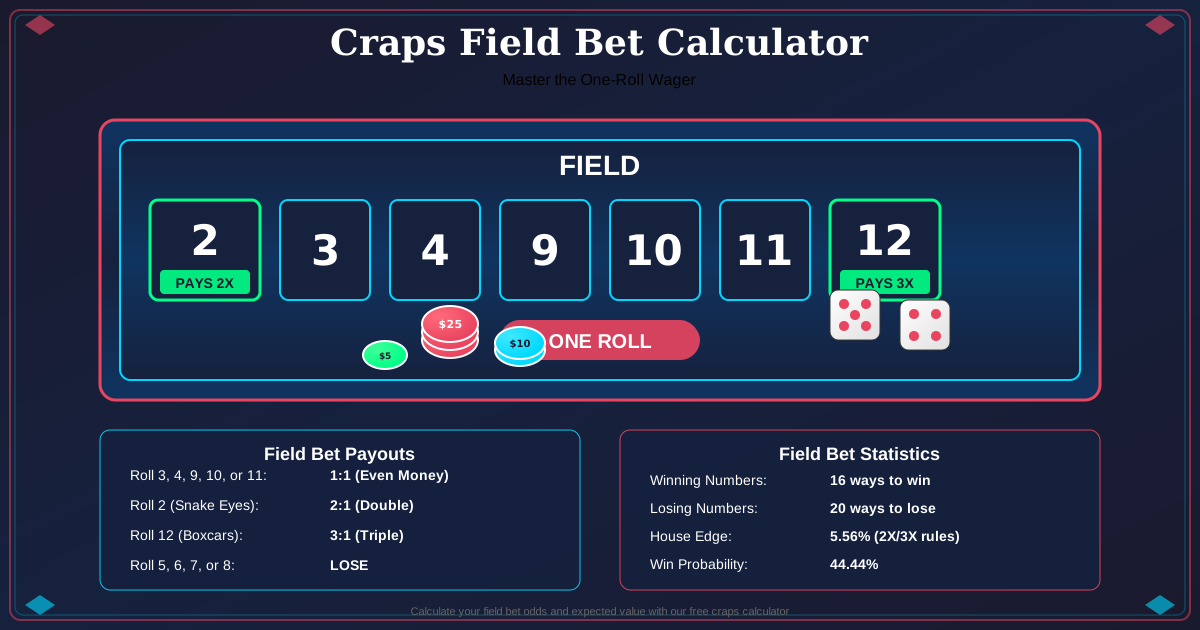
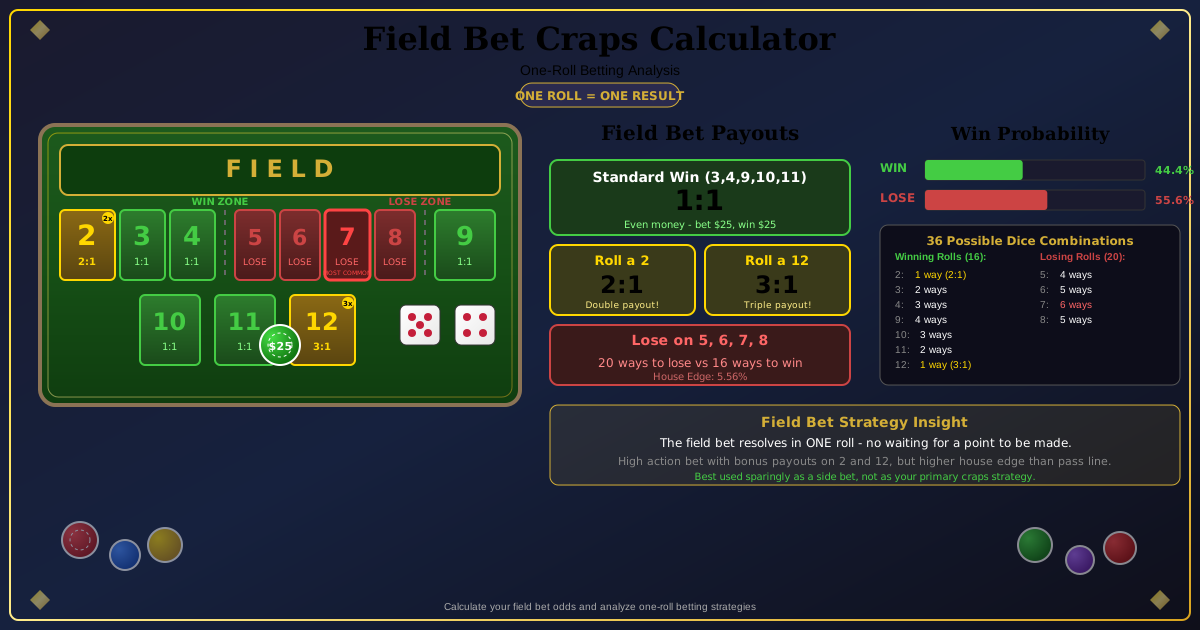
| Craps - Field Bet (2x on 12) | 5.56% | Standard payout |
| Craps - Field Bet (3x on 12) | 2.78% | Better payout variant |
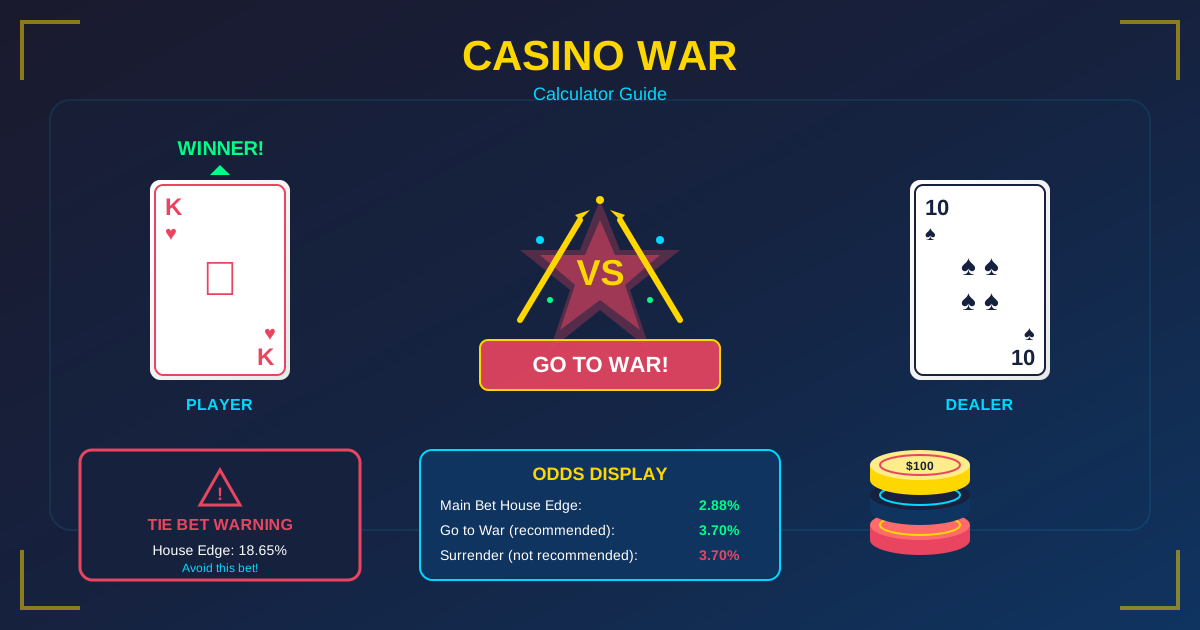
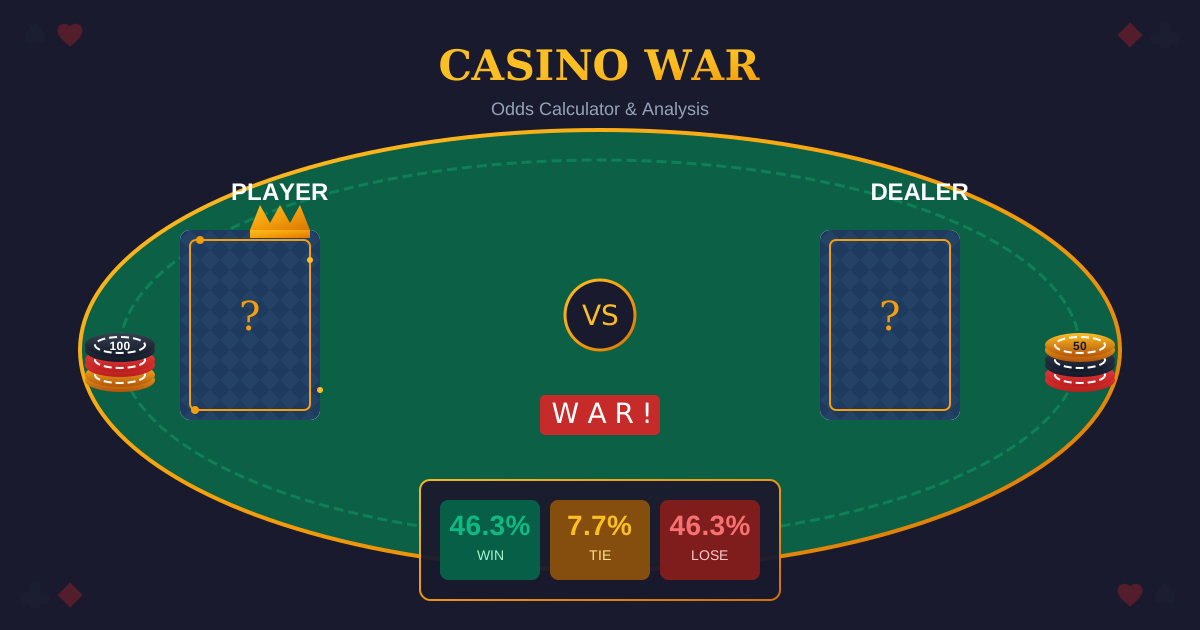
| Casino War | 2.88% | With tie rules |
| Red Dog | 3.37% | Standard rules |
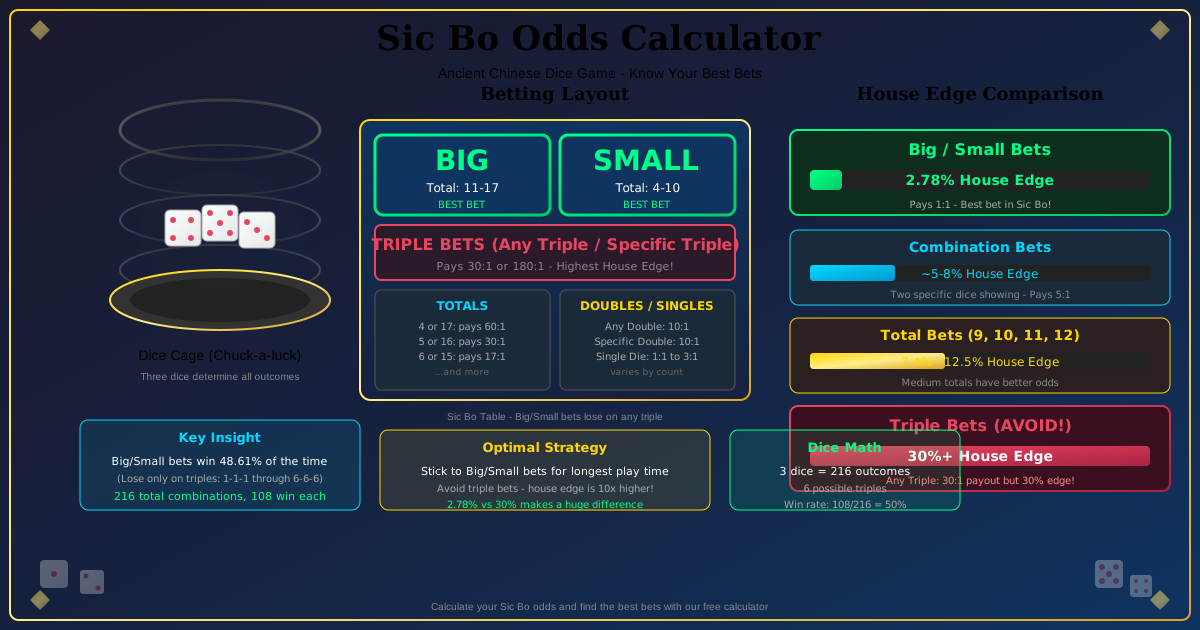
| Sic Bo (Big/Small) | 2.78% | Best Sic Bo bet |
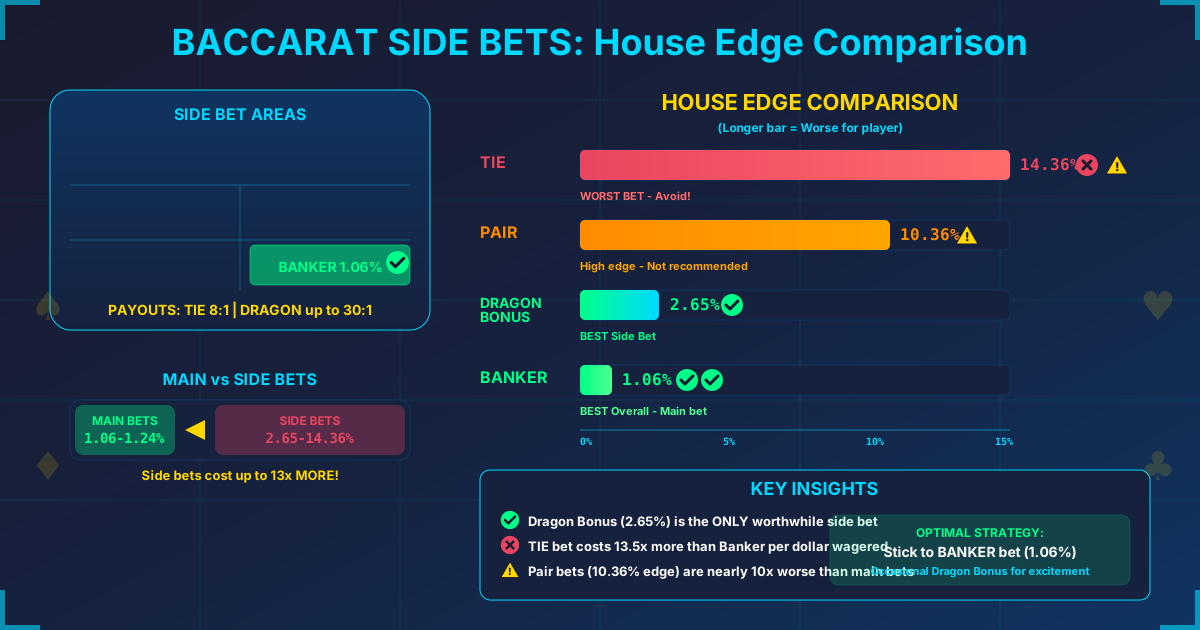
| Baccarat - Tie Bet | 14.36% | Terrible bet, included for comparison |
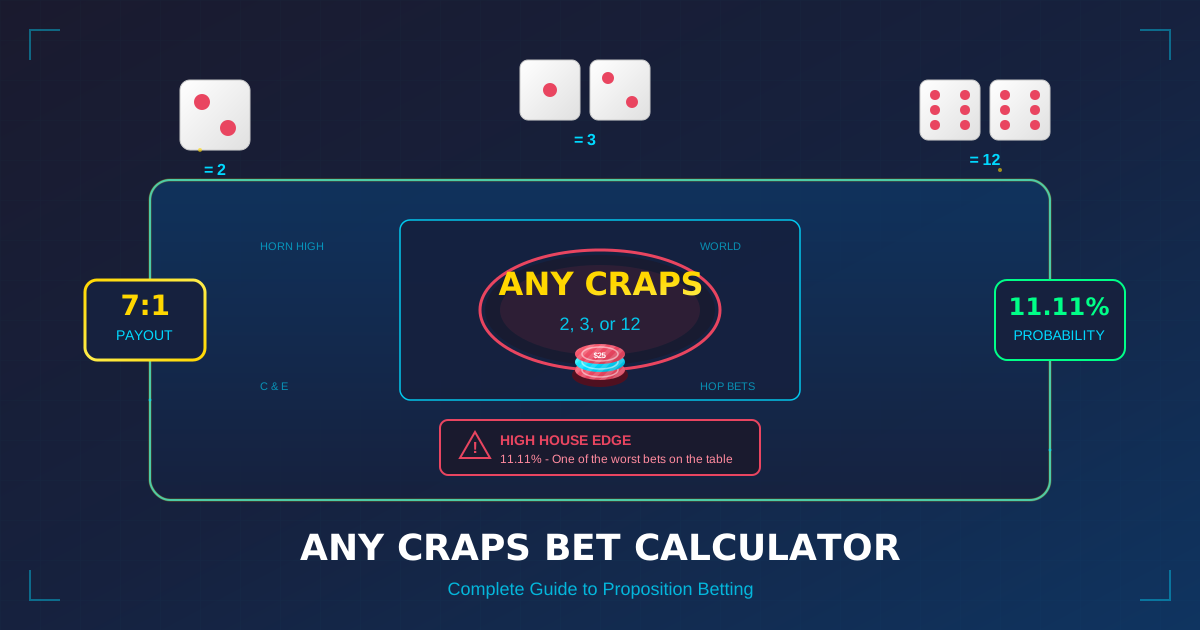
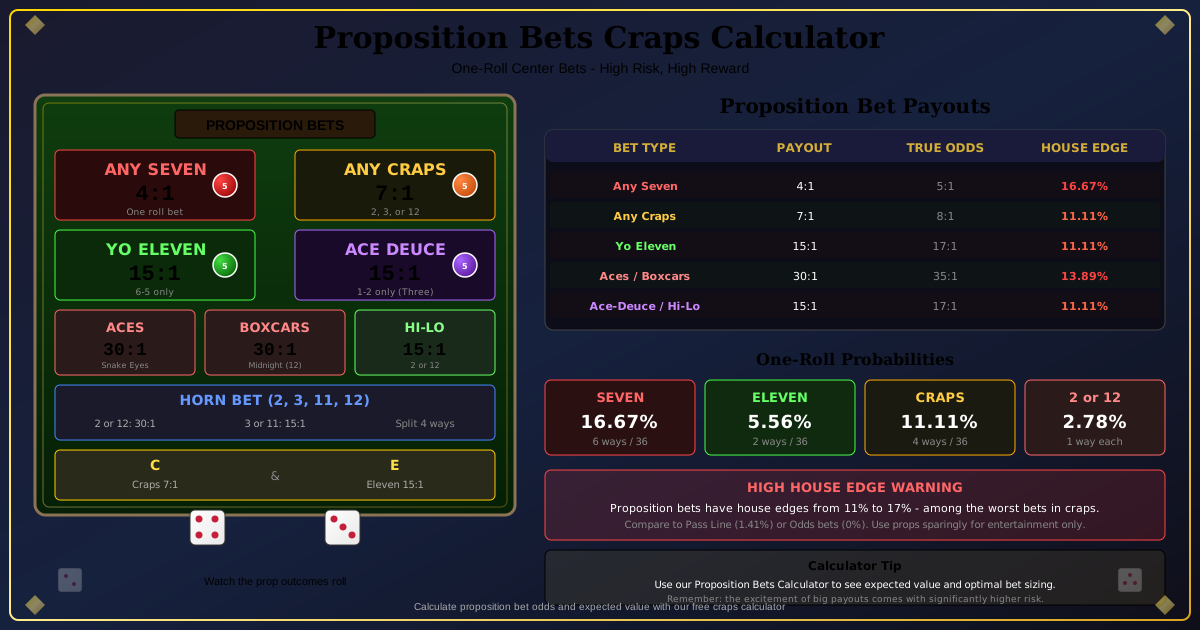
| Craps - Any Craps | 11.11% | Single-roll proposition |
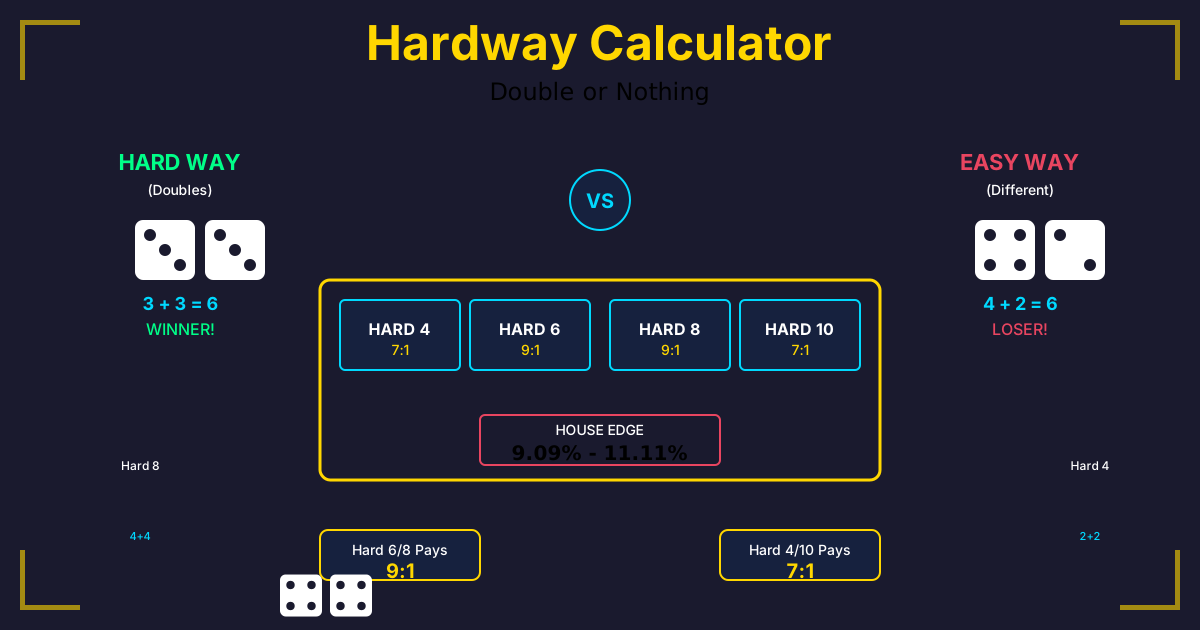
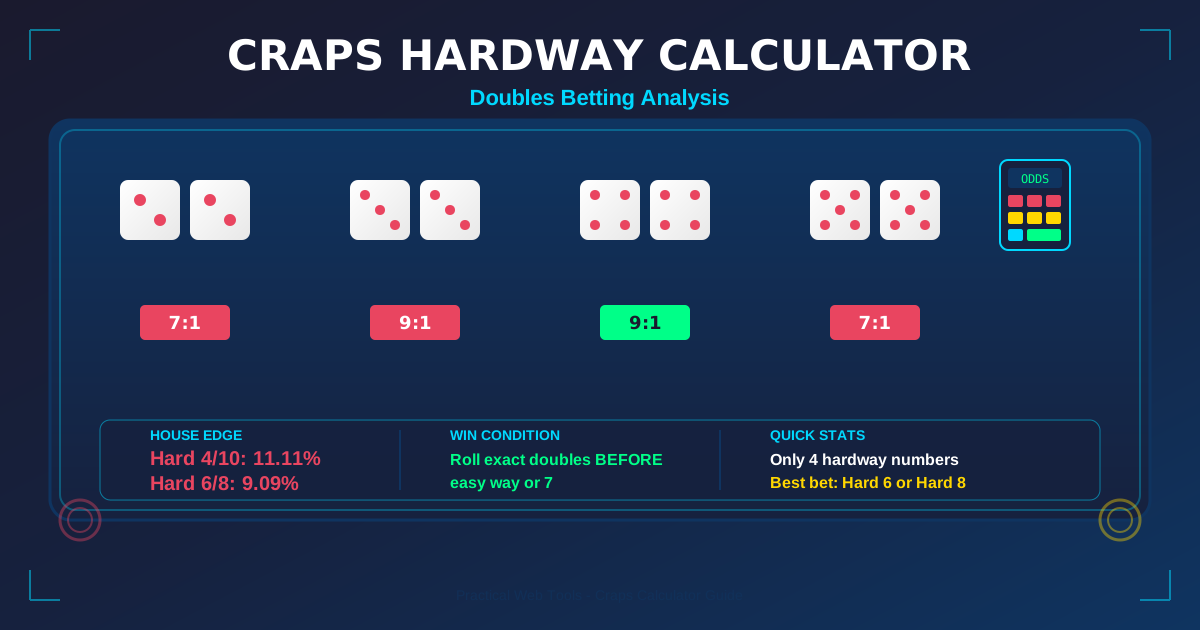
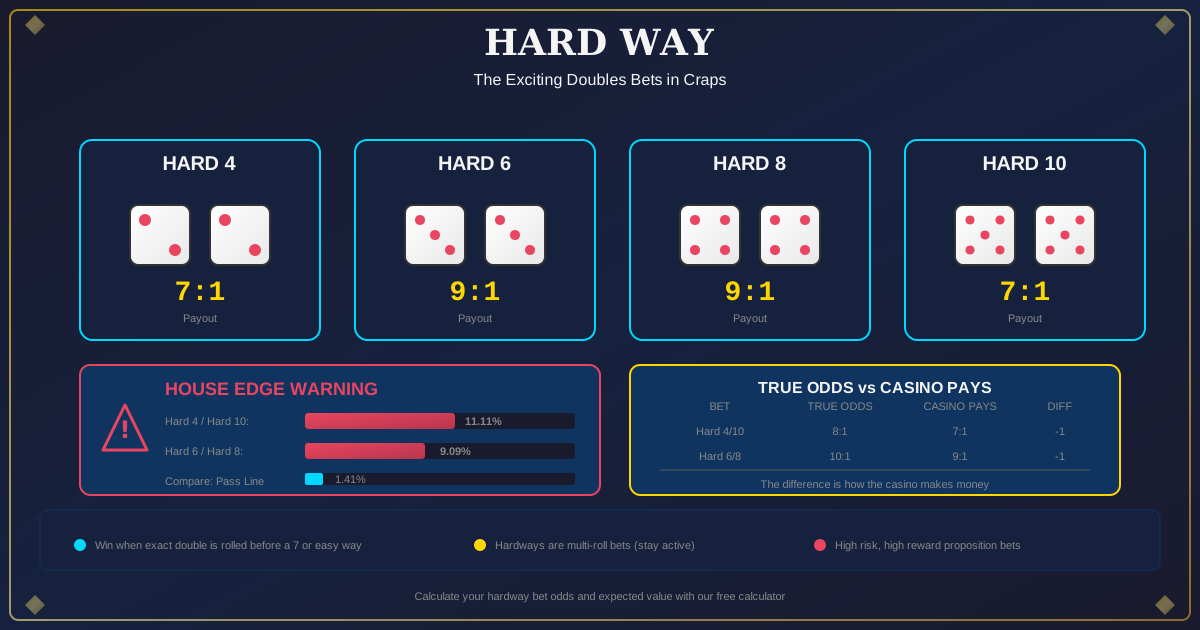
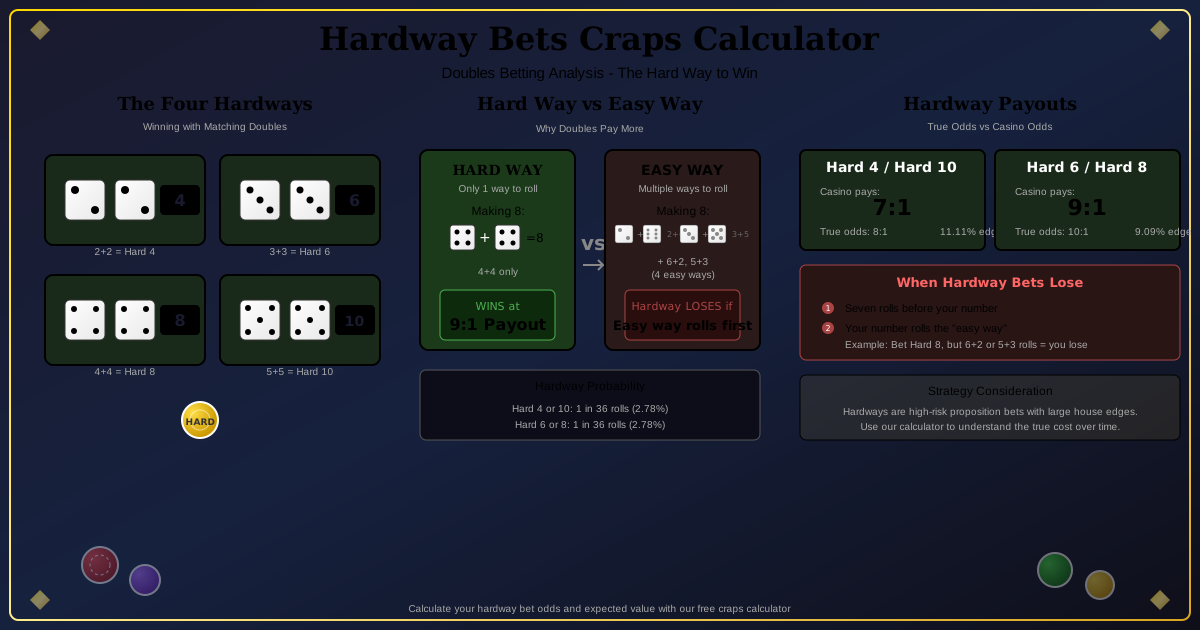
| Craps - Hardways (6 or 8) | 9.09% | Proposition bet |
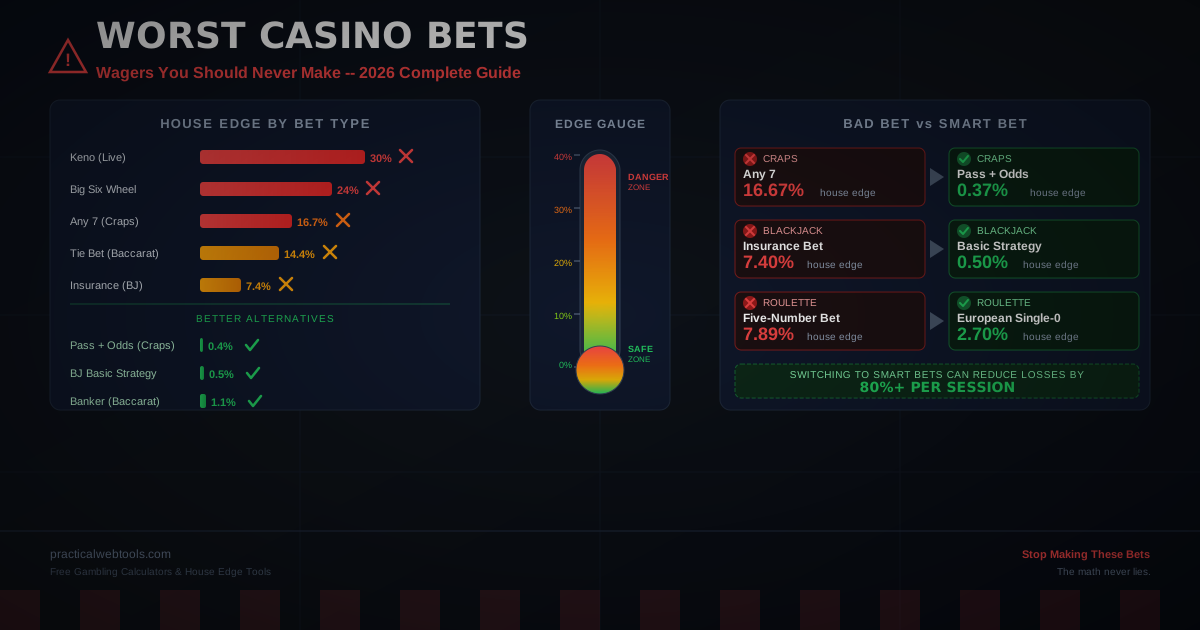
American roulette's 5.26% house edge applies to nearly every bet on the board (except the five-number bet at 7.89%, which is even worse). The roulette EV calculator and roulette odds calculator break down the math for any bet type.
Tier 4: Bad Odds (House Edge 6% - 15%)
| Game & Bet | House Edge | Conditions |
|---|---|---|
| American Roulette (0-00-1-2-3) | 7.89% | Worst roulette bet |
| Craps - Hard 4 or Hard 10 | 11.11% | Proposition bet |
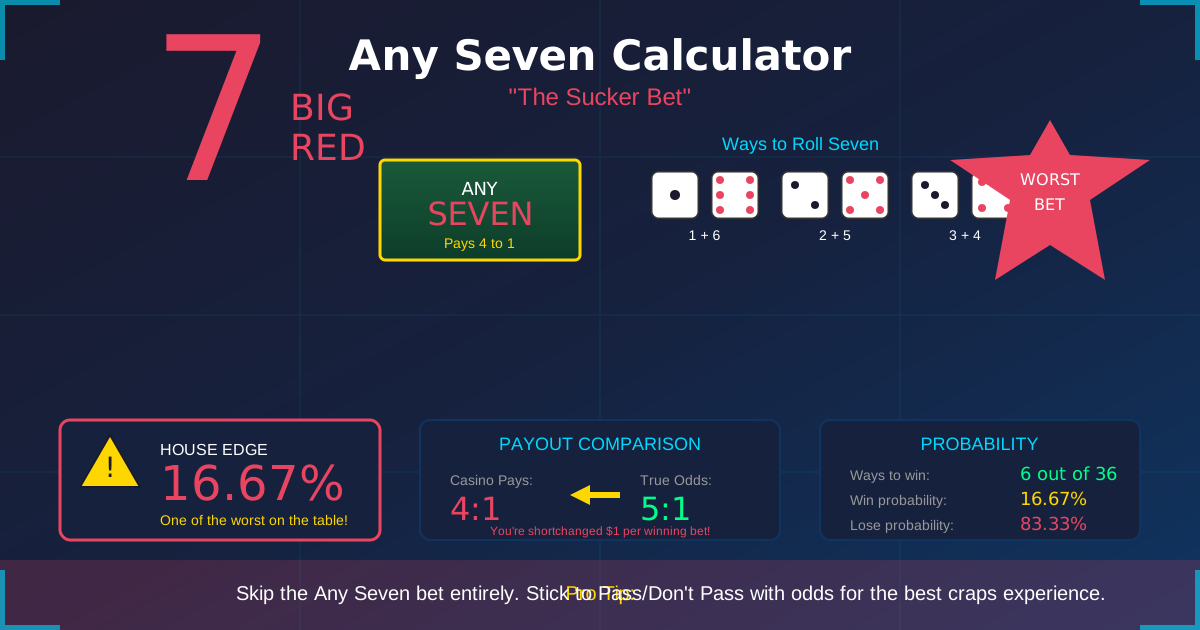
| Craps - Any 7 | 16.67% | Worst craps bet |
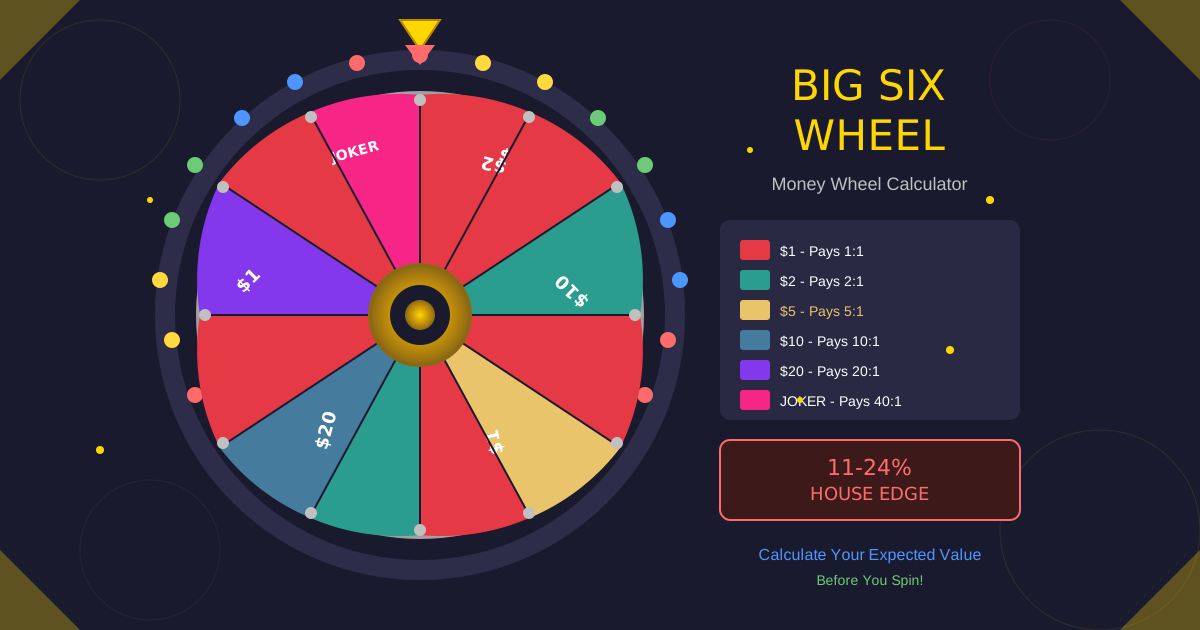
| Big Six Wheel | 11.1% - 24.1% | Depends on segment |
| Sic Bo (specific triples) | 13.9% | High-payout bet |
| Caribbean Stud - Progressive Side Bet | 10% - 26% | Varies by jackpot |
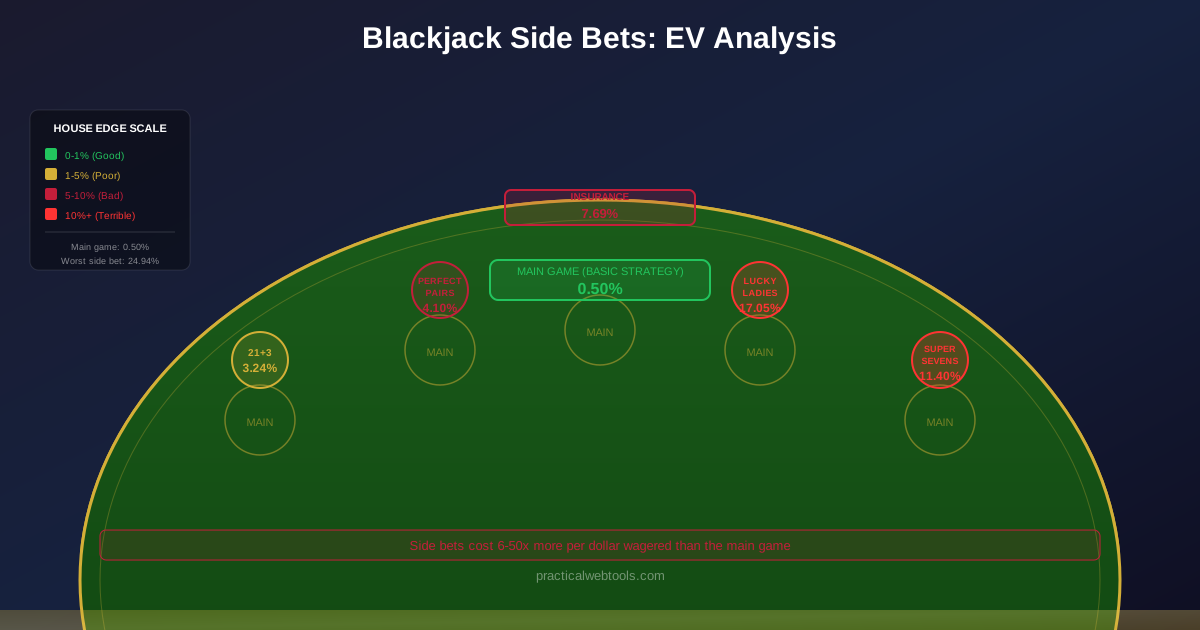
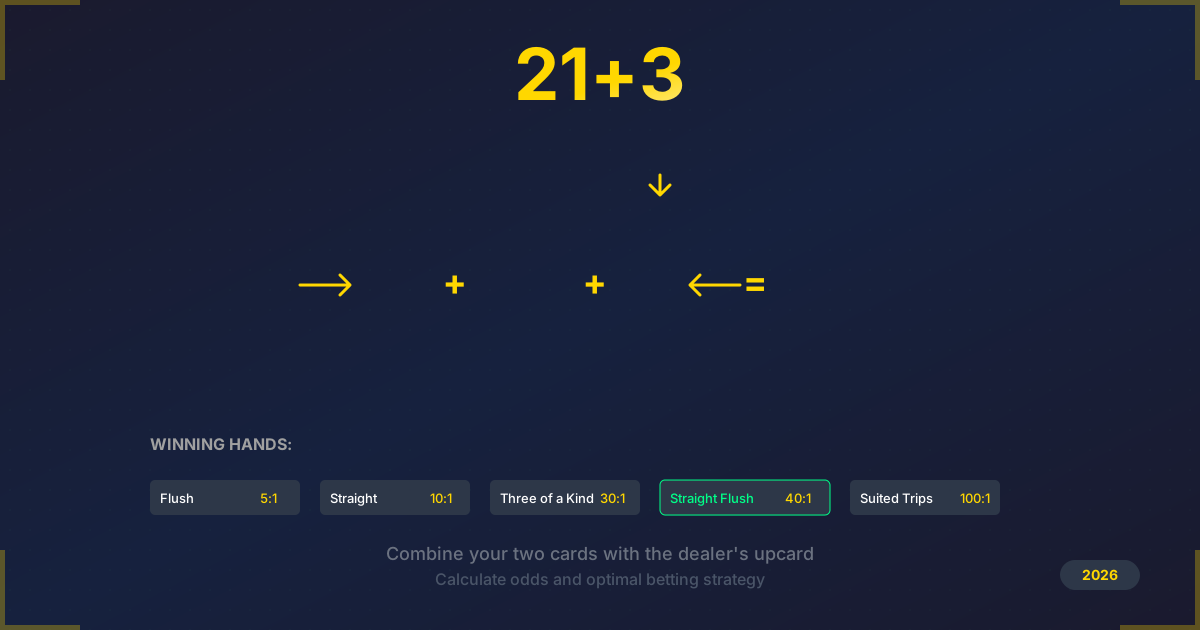
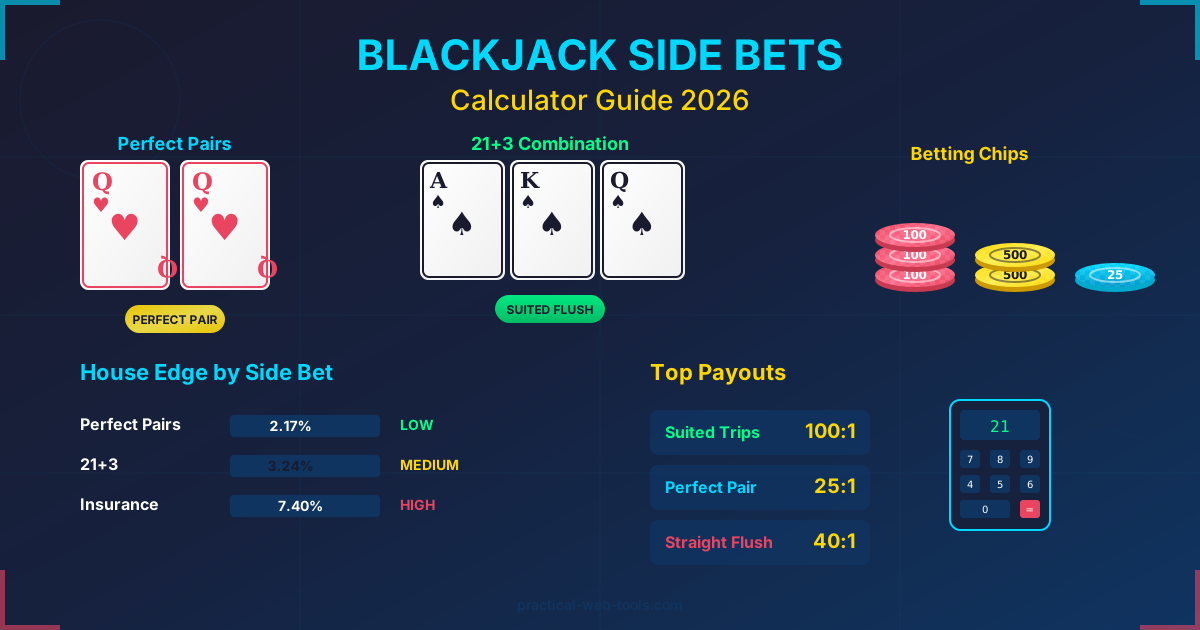
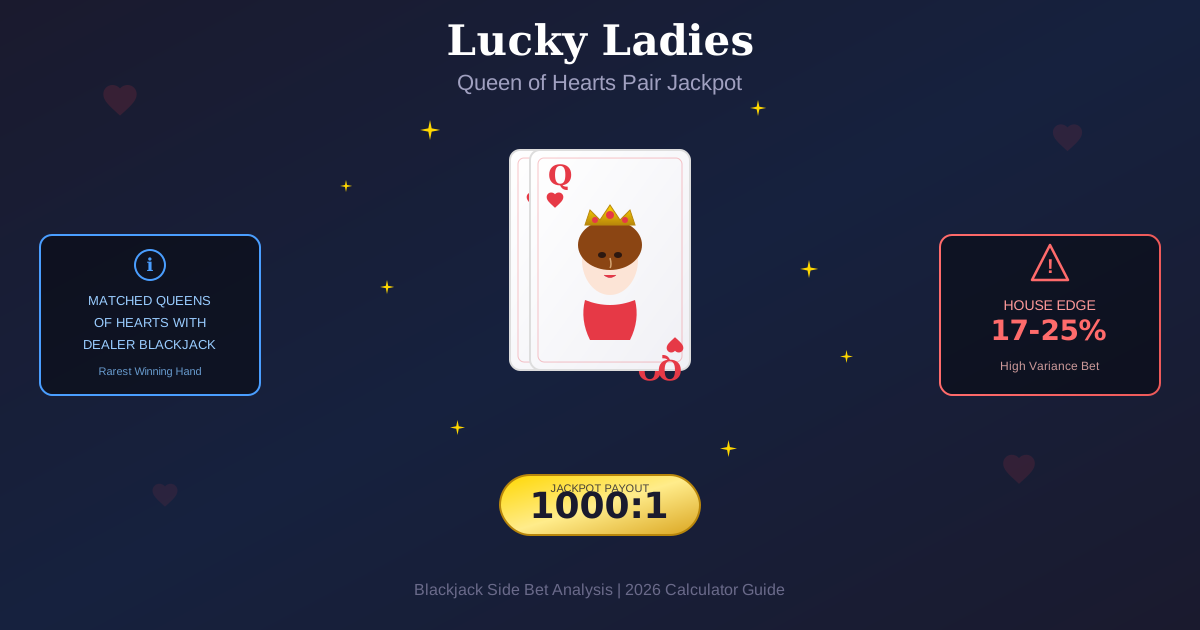
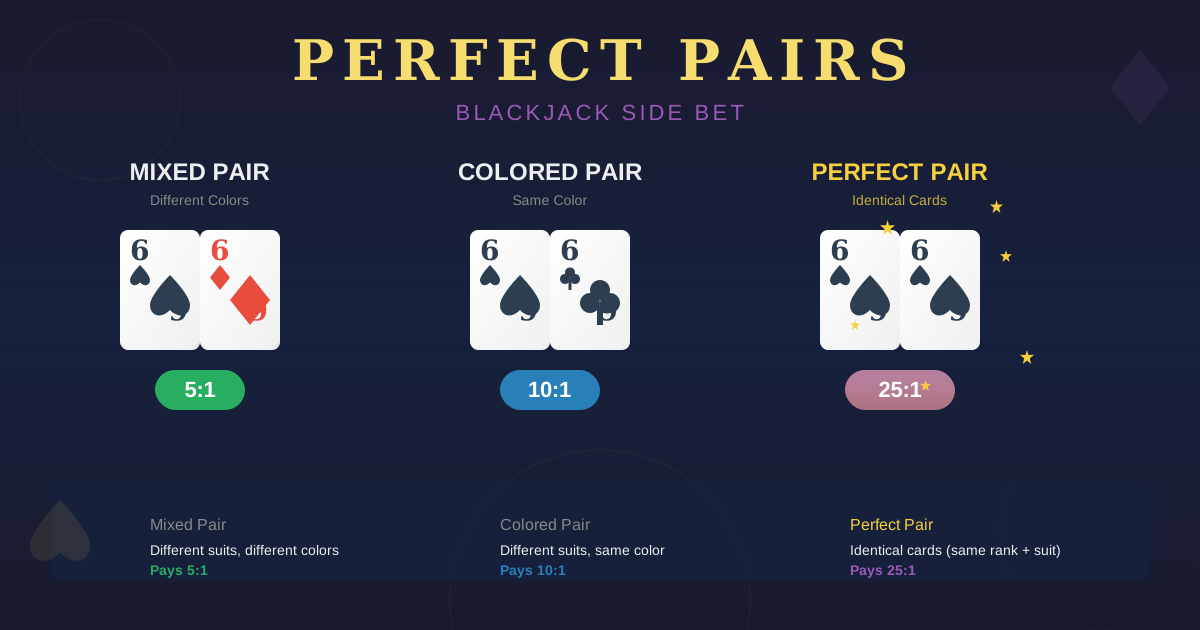
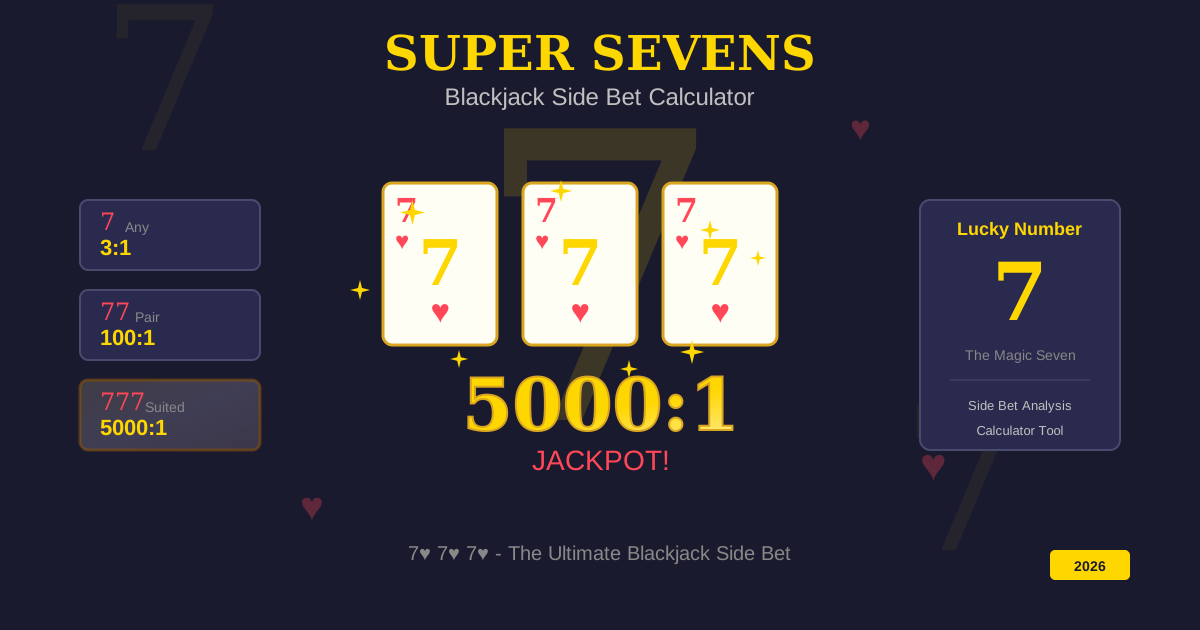
| Blackjack Side Bets (21+3, Perfect Pairs) | 3.2% - 13.4% | Almost always bad |
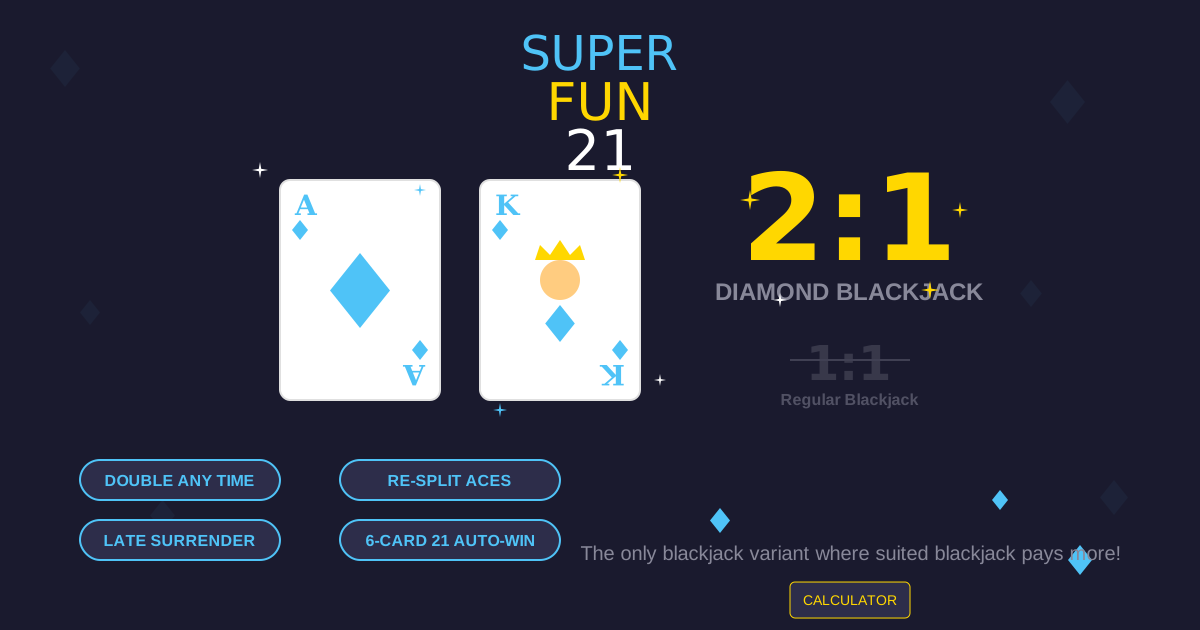
Blackjack side bets deserve special attention because they're heavily marketed at tables. The blackjack side bets analyzer shows that virtually every side bet carries a house edge many times worse than the main game.
Tier 5: Terrible Odds (House Edge 15%+)
| Game & Bet | House Edge | Conditions |
|---|---|---|
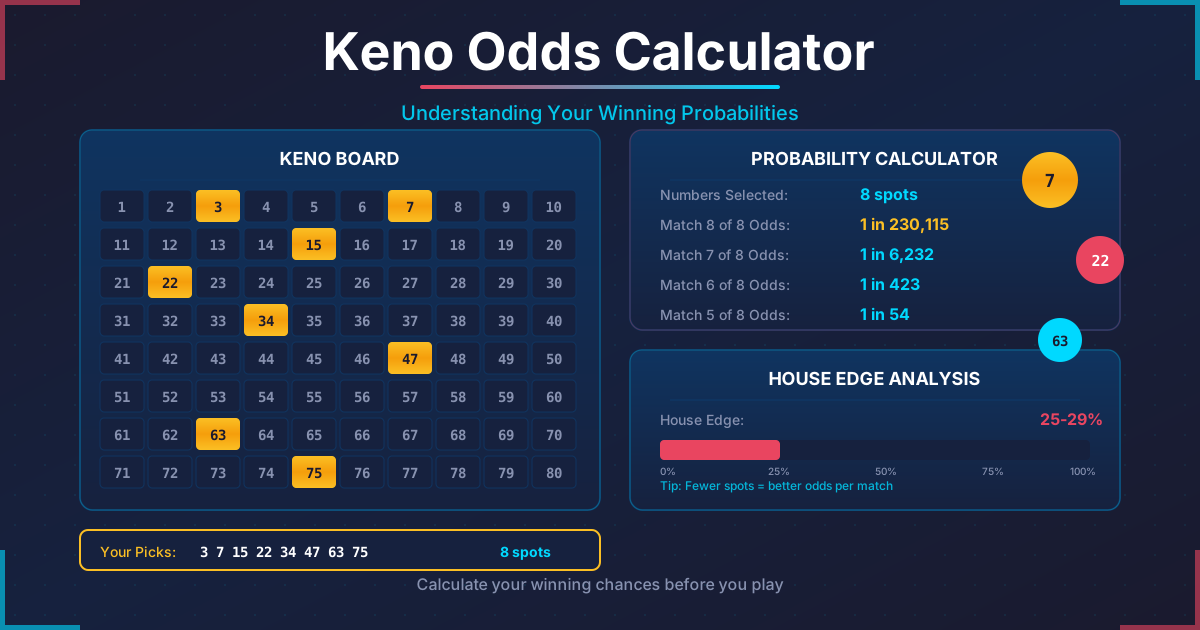
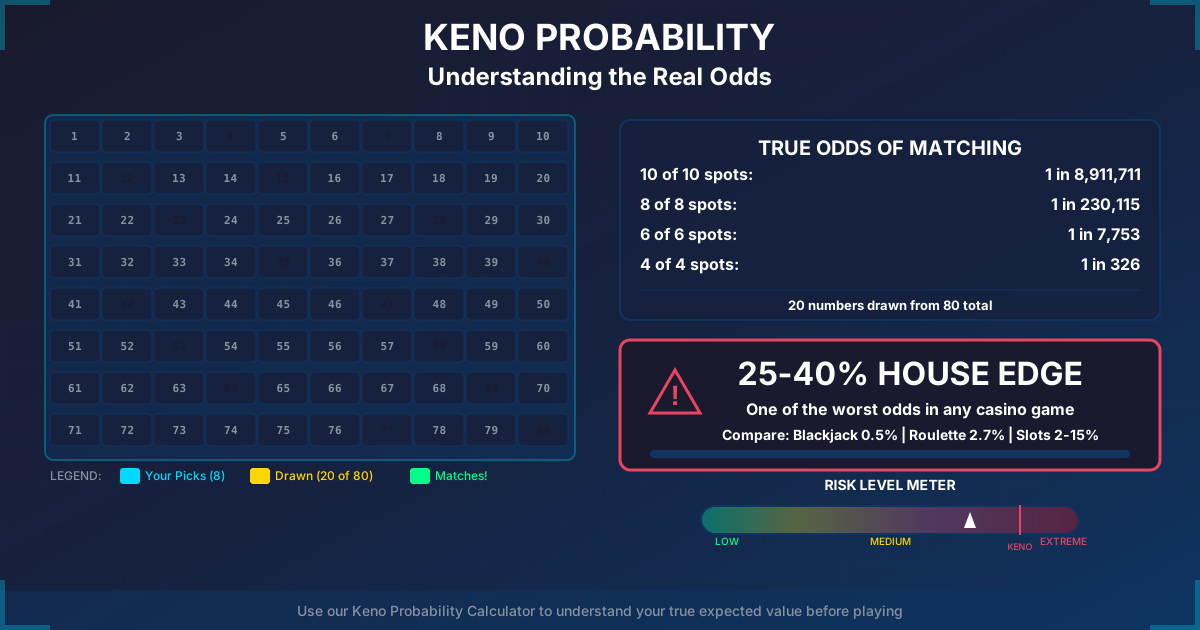
| Keno | 20% - 40% | Varies by casino |
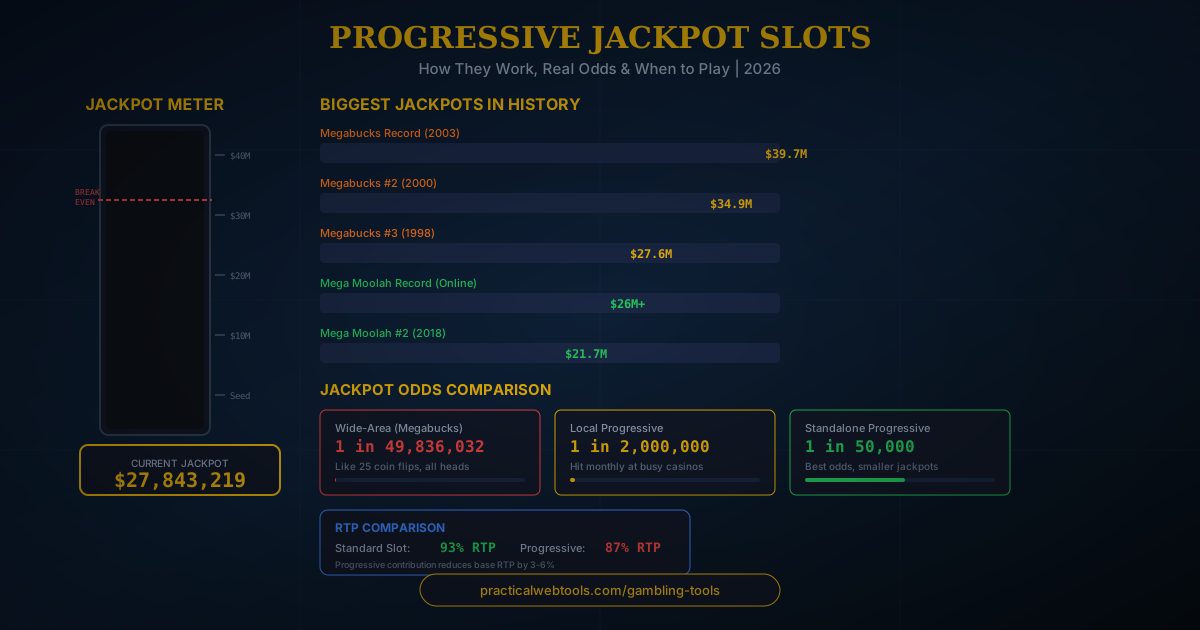
| Slot Machines (average) | 8% - 15% | Most common range |
| Slot Machines (airport/bar) | 12% - 25% | Worst locations |
| Big Six Wheel ($20 segment) | 22.8% | Worst wheel segment |
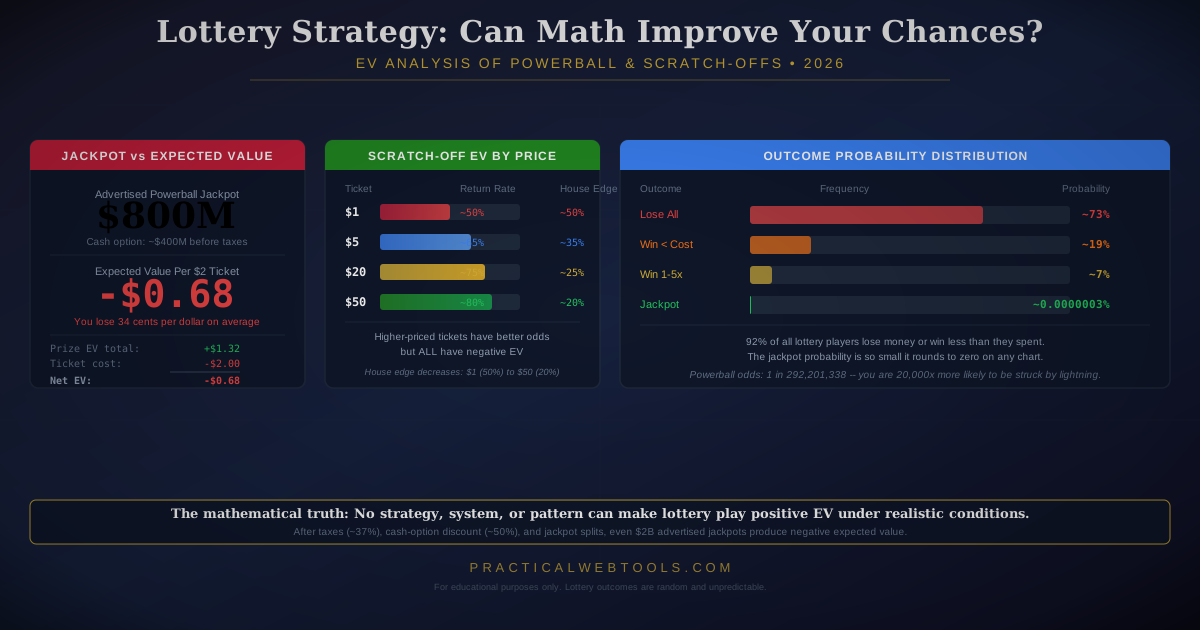
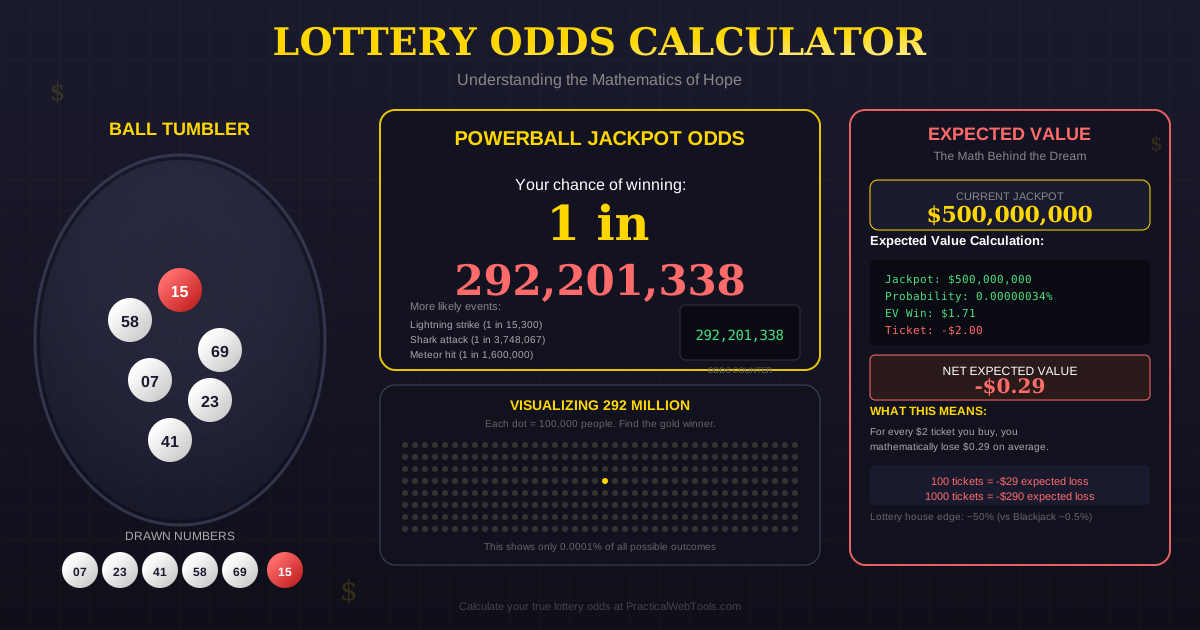
| State Lottery | 40% - 50% | Worst mass gambling |
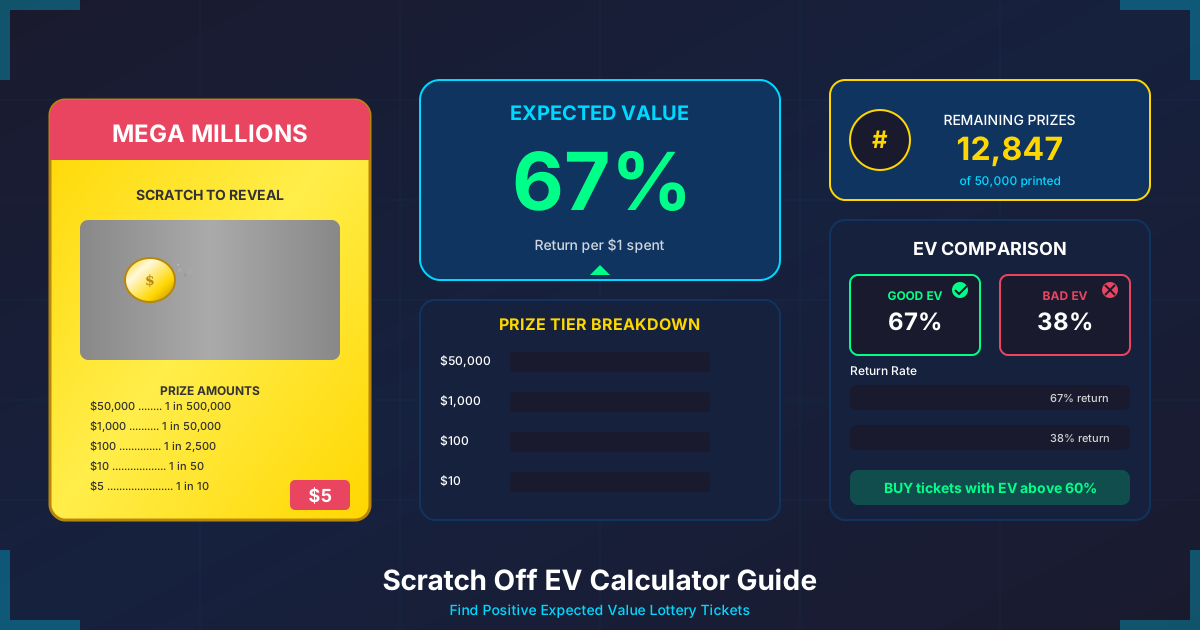
| Scratch Cards | 30% - 50% | Extremely poor odds |
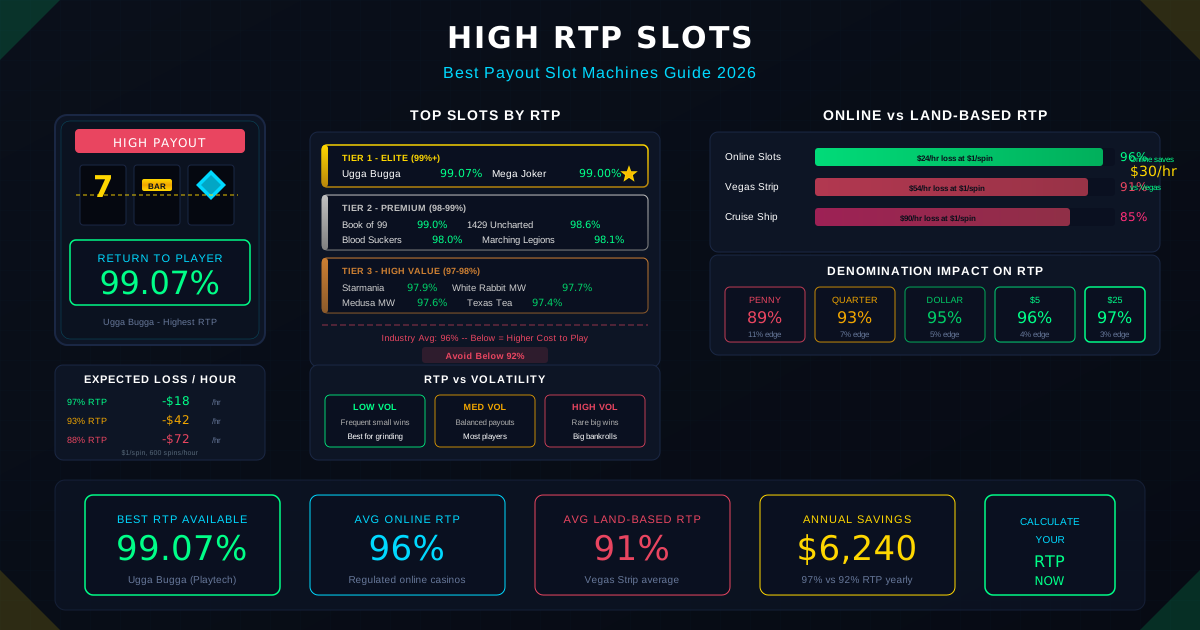
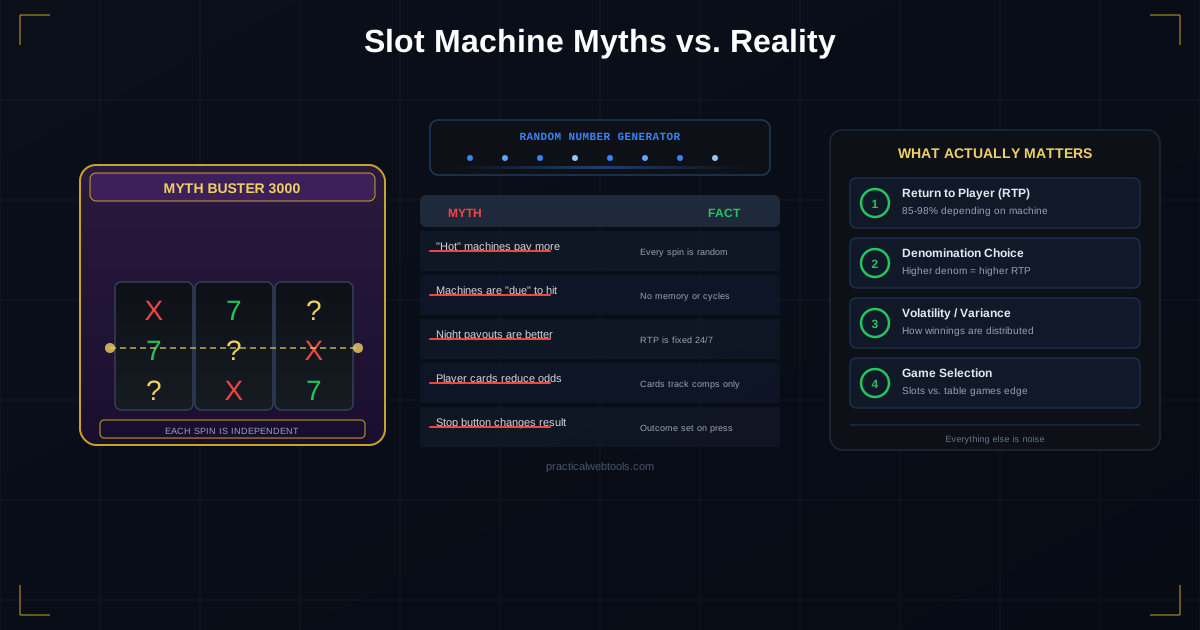
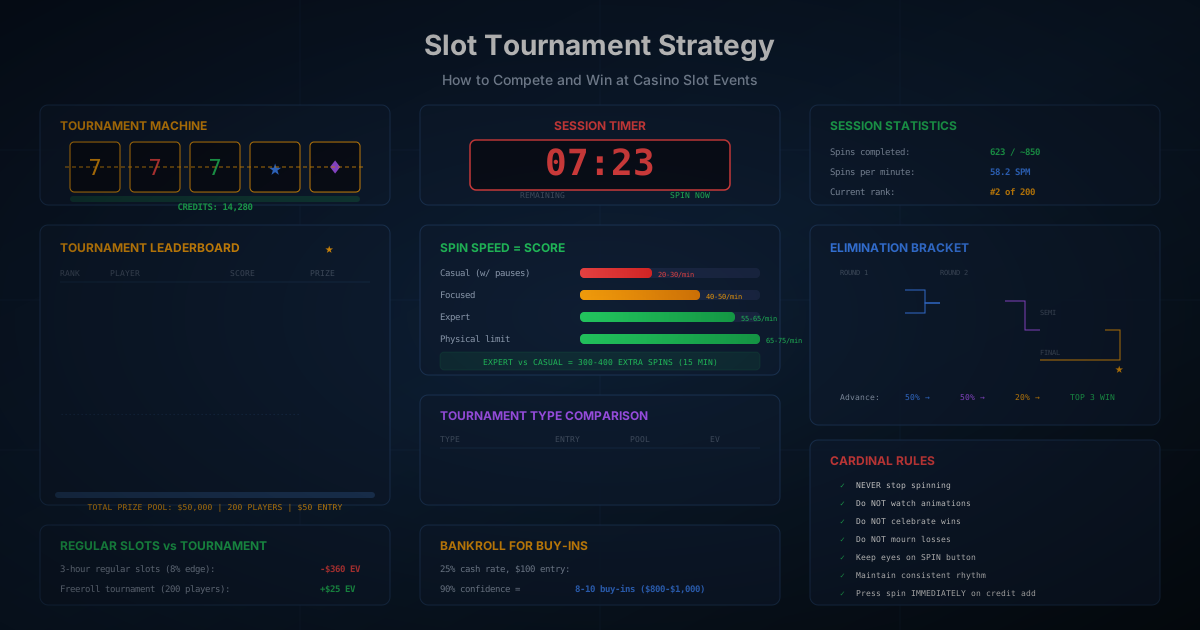
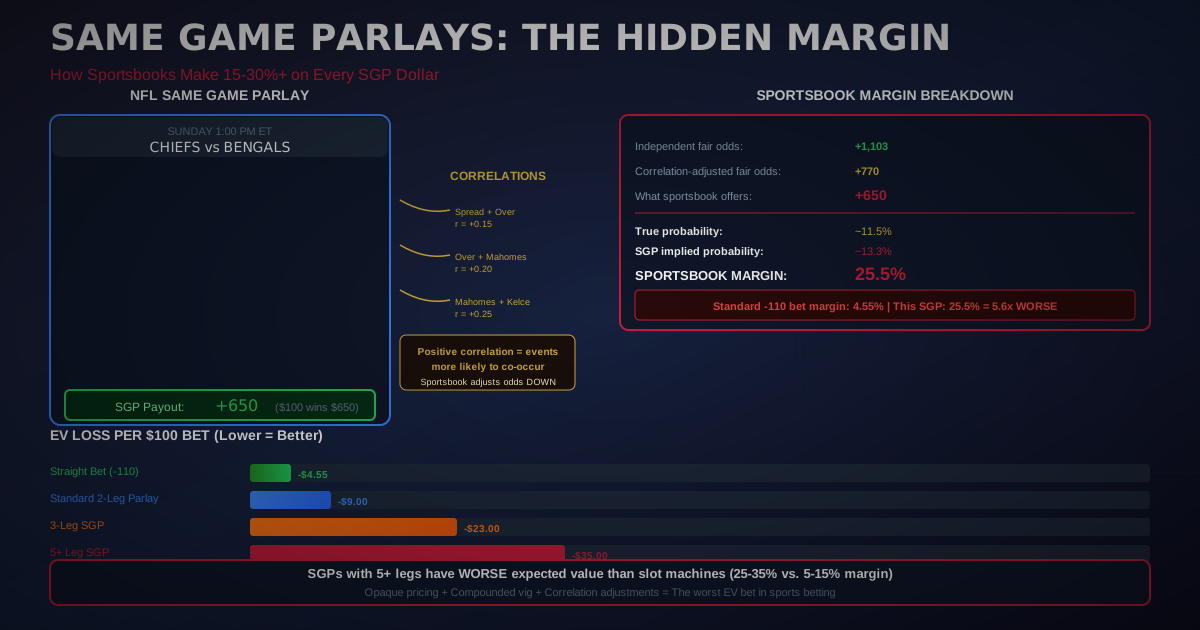
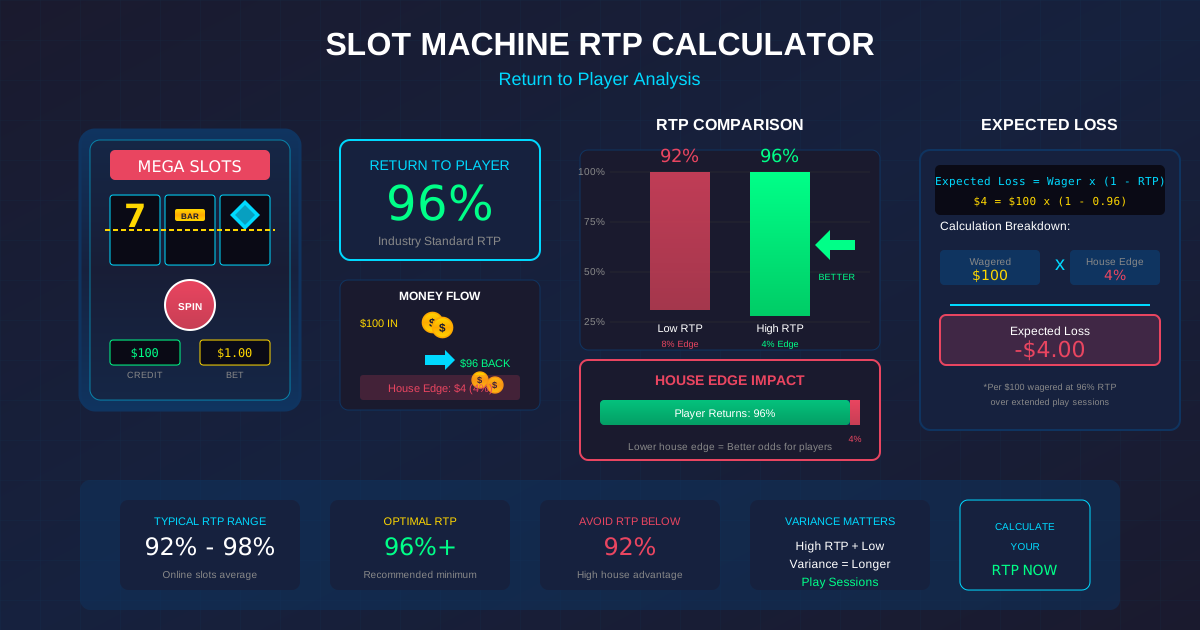
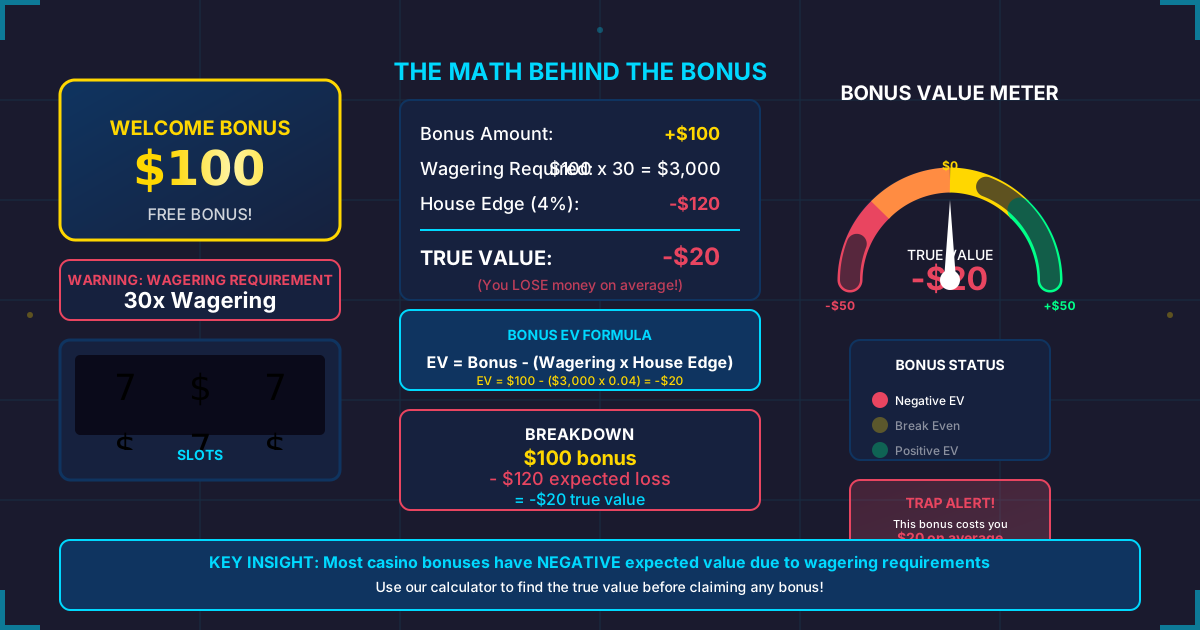
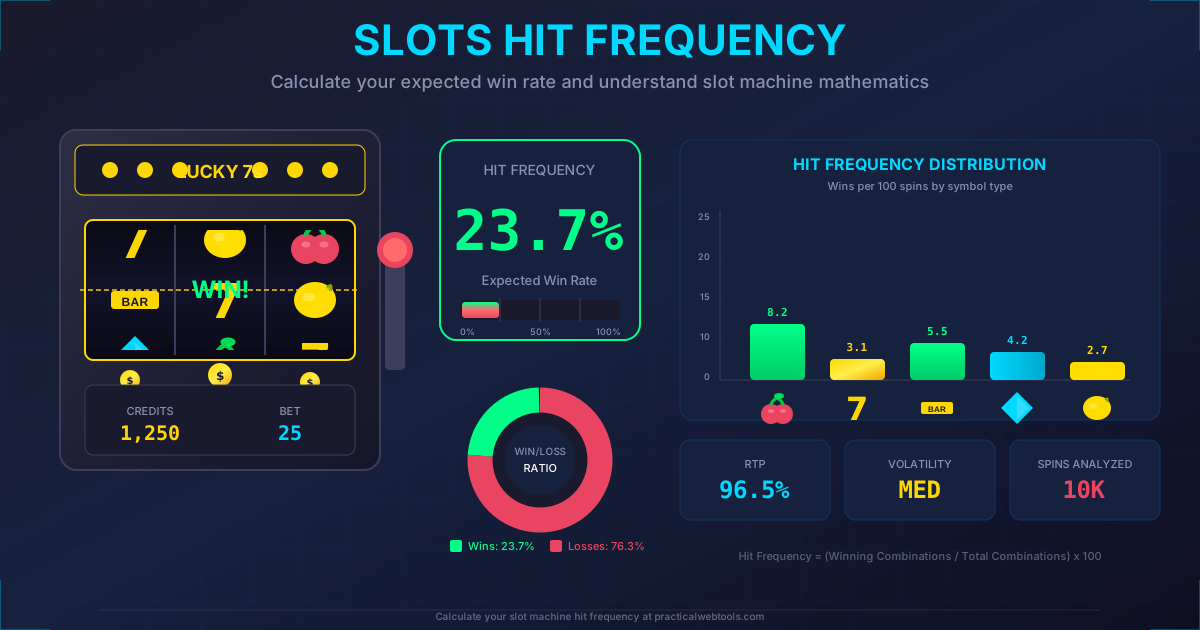
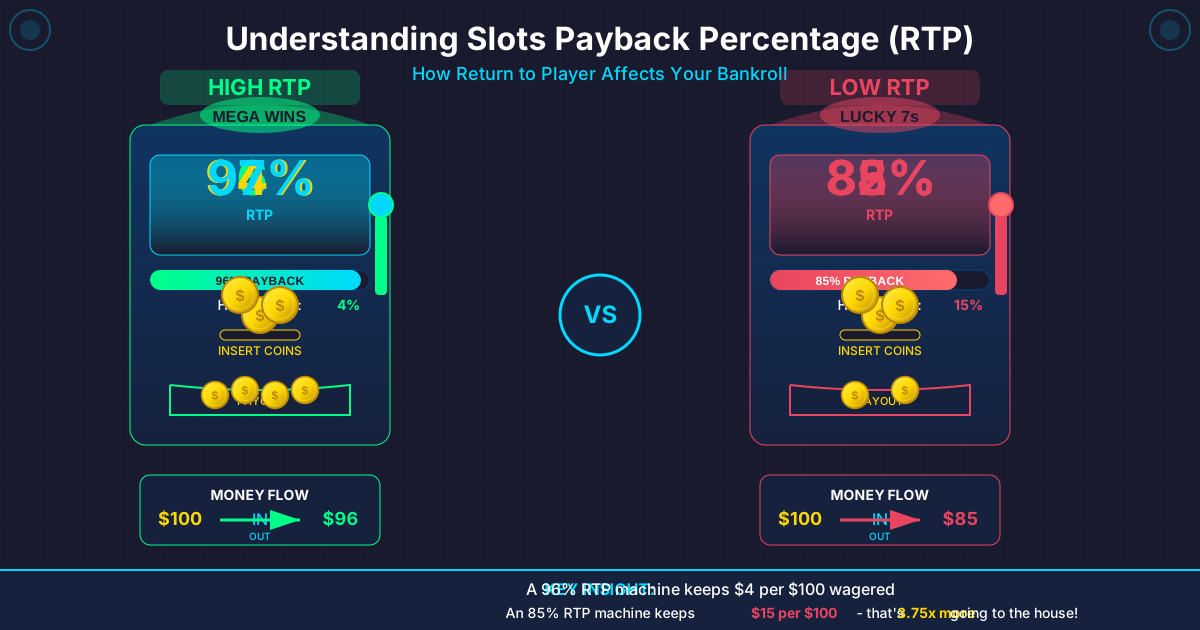
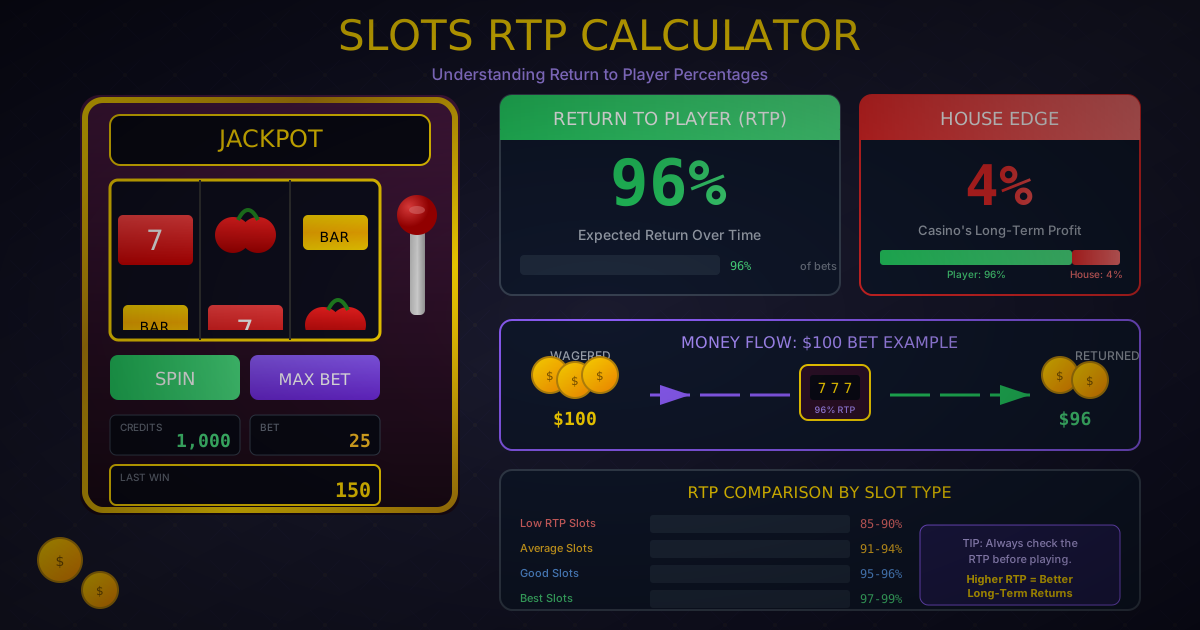
Slot machines are the biggest profit center for casinos precisely because most players don't understand house edge. A slot with a 90% return rate sounds generous -- but that's a 10% house edge, meaning you lose 20 times faster than at a blackjack table.
How to Calculate Your Expected Loss Per Hour
Your expected loss per hour depends on three factors:
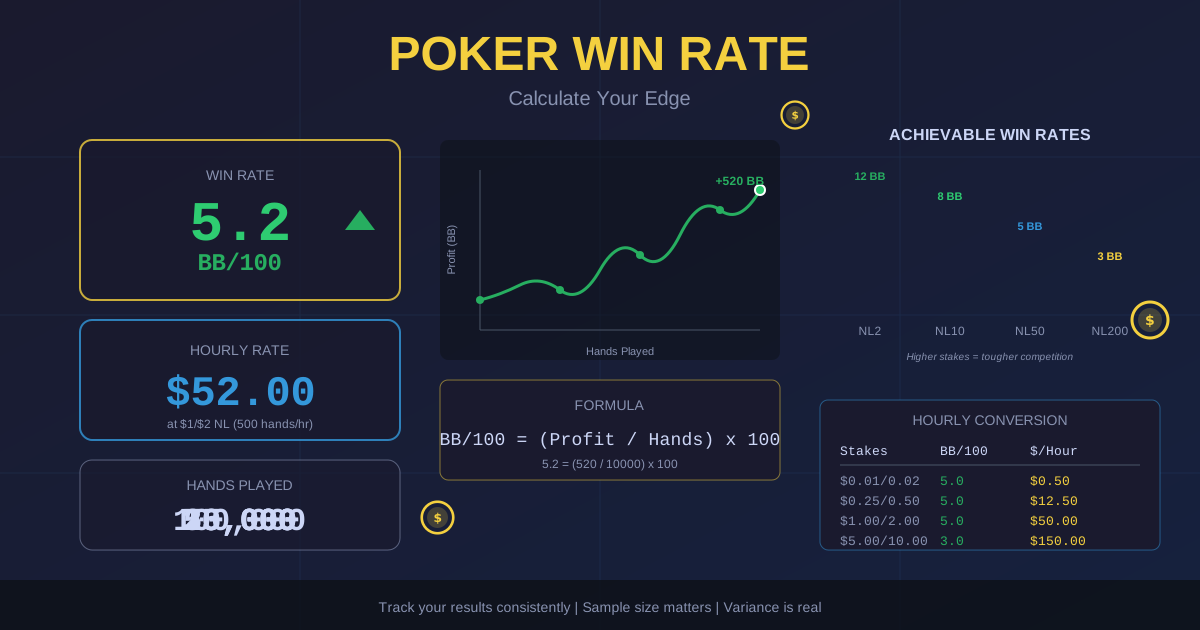
Expected Loss/Hour = Bet Size x Decisions/Hour x House Edge
Here's a comparison across games assuming a $25 bet size:
| Game | Decisions/Hour | House Edge | Expected Loss/Hour |
|---|---|---|---|
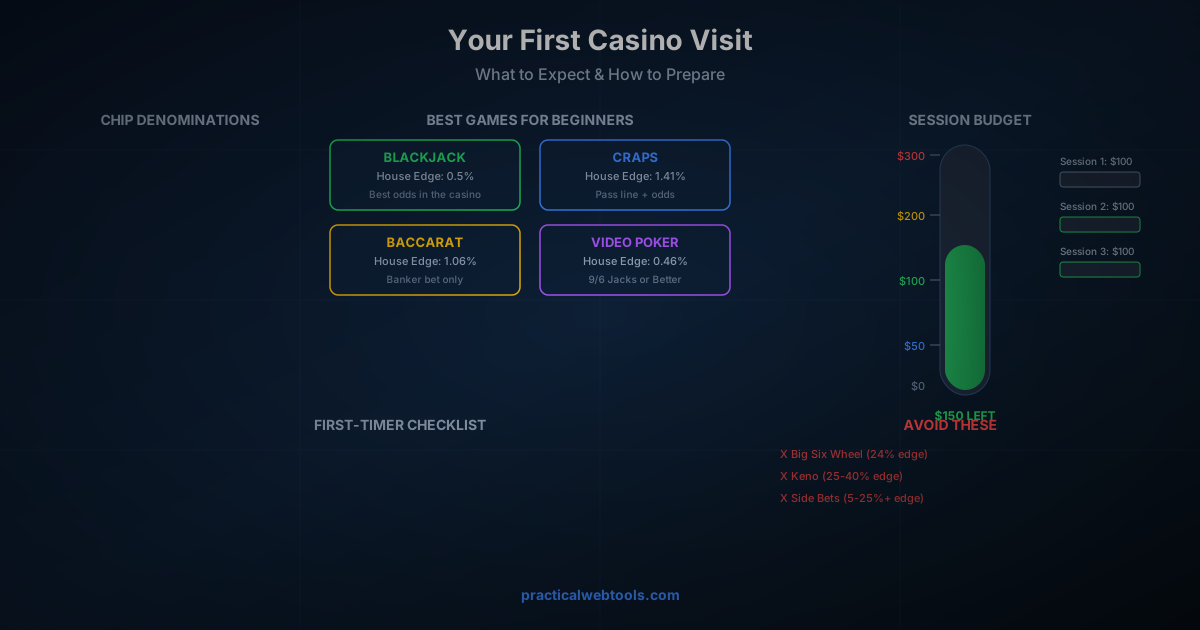
| Blackjack (basic strategy) | 70 | 0.50% | $8.75 |
| Craps (Pass + 2x Odds) | 50 | 0.57% | $7.13 |
| Baccarat (Banker) | 70 | 1.06% | $18.55 |
| Baccarat (Player) | 70 | 1.24% | $21.70 |
| European Roulette | 35 | 2.70% | $23.63 |
| American Roulette | 35 | 5.26% | $46.03 |
| Craps (Field Bet) | 50 | 5.56% | $69.50 |
| Slots ($1 denomination) | 600 | 10.00% | $1,500.00 |
The slot machine number is not a typo. At 600 spins per hour with a $1 bet and 10% house edge, you're expected to lose $60 per hour. But many slot players bet $2-$5 per spin, pushing expected losses to $120-$300 per hour. Game speed is a hidden factor that most players overlook.
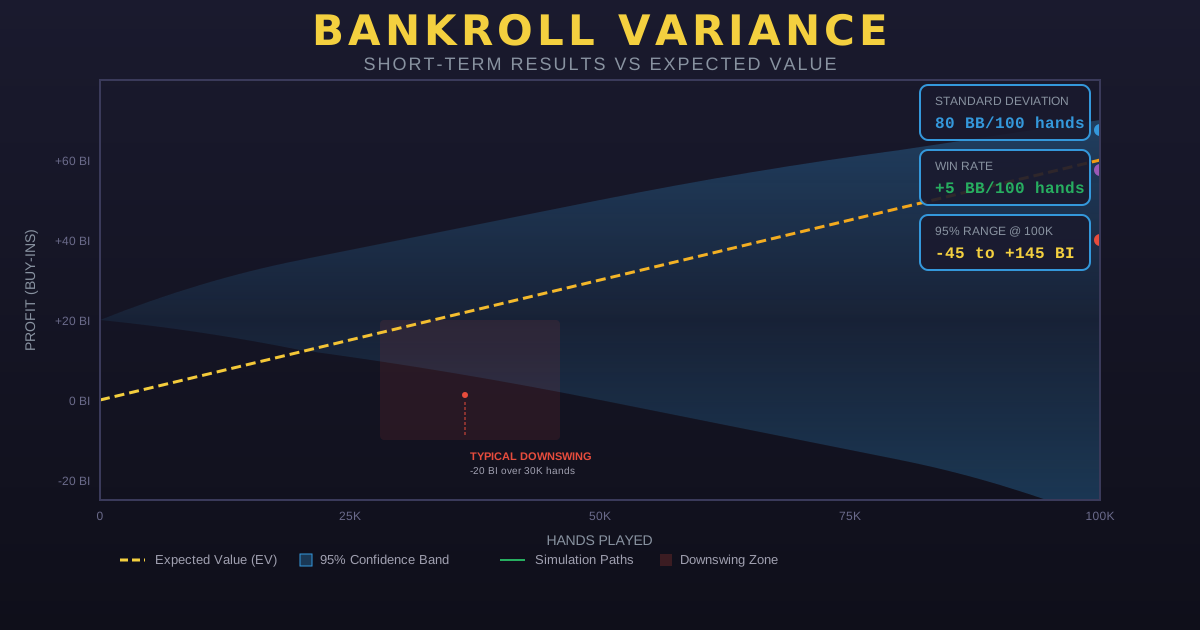
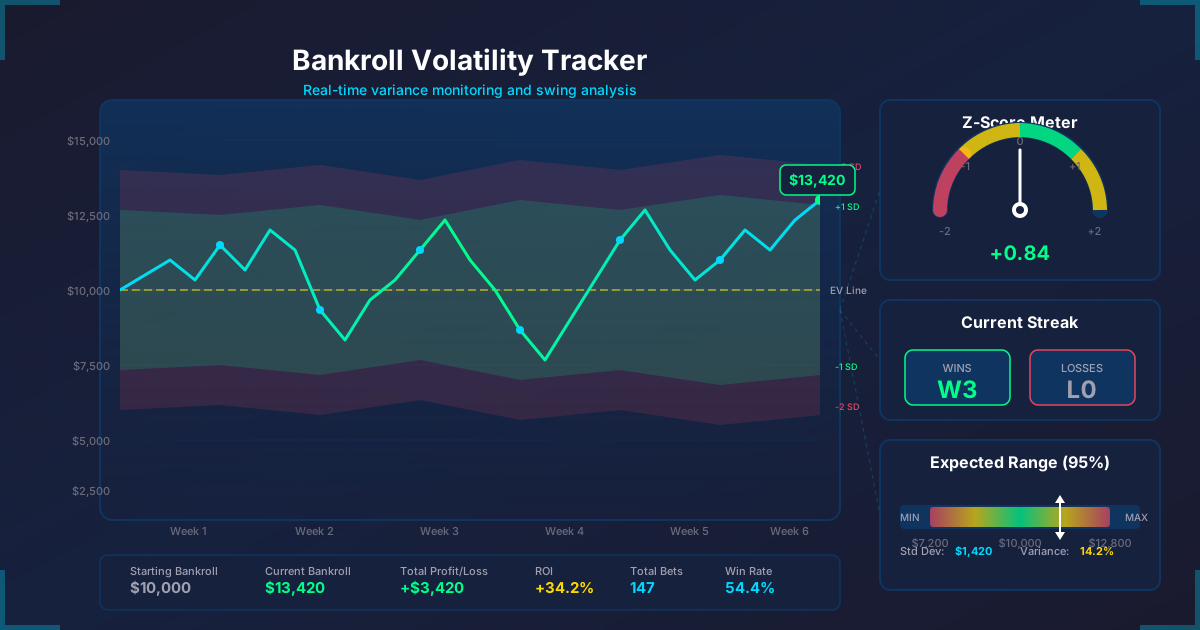
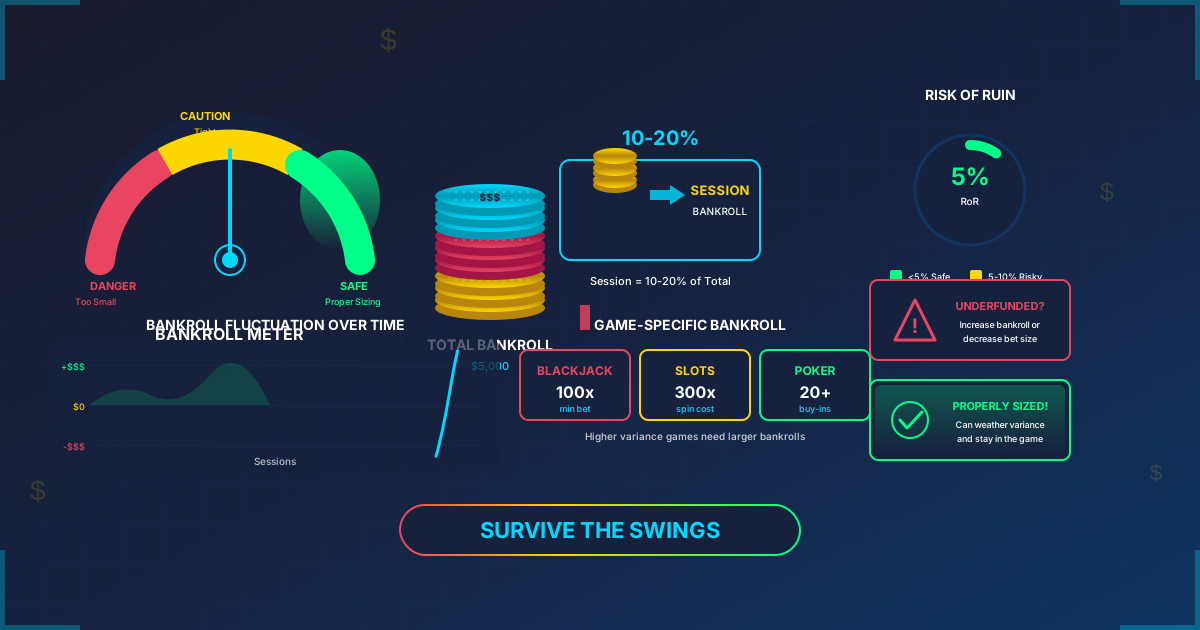
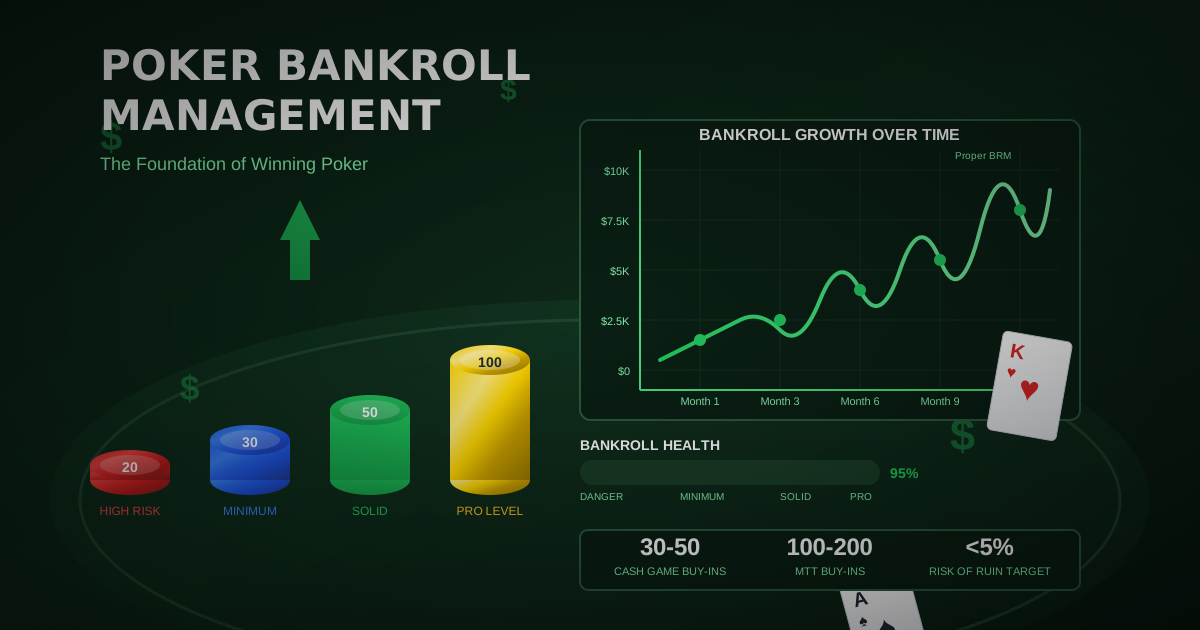
Use the bankroll volatility tracker to see how these expected losses interact with variance over different session lengths.
Real-World Example: A Weekend in Vegas
Let's model a realistic weekend trip with 12 total hours of play:
Scenario A: Informed Player
- 6 hours of blackjack (basic strategy): 6 x $8.75 = $52.50
- 4 hours of craps (Pass + Odds): 4 x $7.13 = $28.52
- 2 hours of video poker (9/6 JoB): 2 x $4.03 = $8.06
- Total expected loss: $89.08
Scenario B: Uninformed Player
- 4 hours of American roulette: 4 x $46.03 = $184.12
- 4 hours of 6:5 blackjack: 4 x $33.08 = $132.30
- 4 hours of slots: 4 x $150.00 = $600.00
- Total expected loss: $916.42
Same bet size. Same hours of play. The informed player loses $89. The uninformed player loses $916. That's a difference of over $800 based entirely on game selection and strategy. The expected value calculator helps you model any combination of games for your own trip planning.
Best Bets Within Each Major Casino Game
Blackjack: Best and Worst Bets
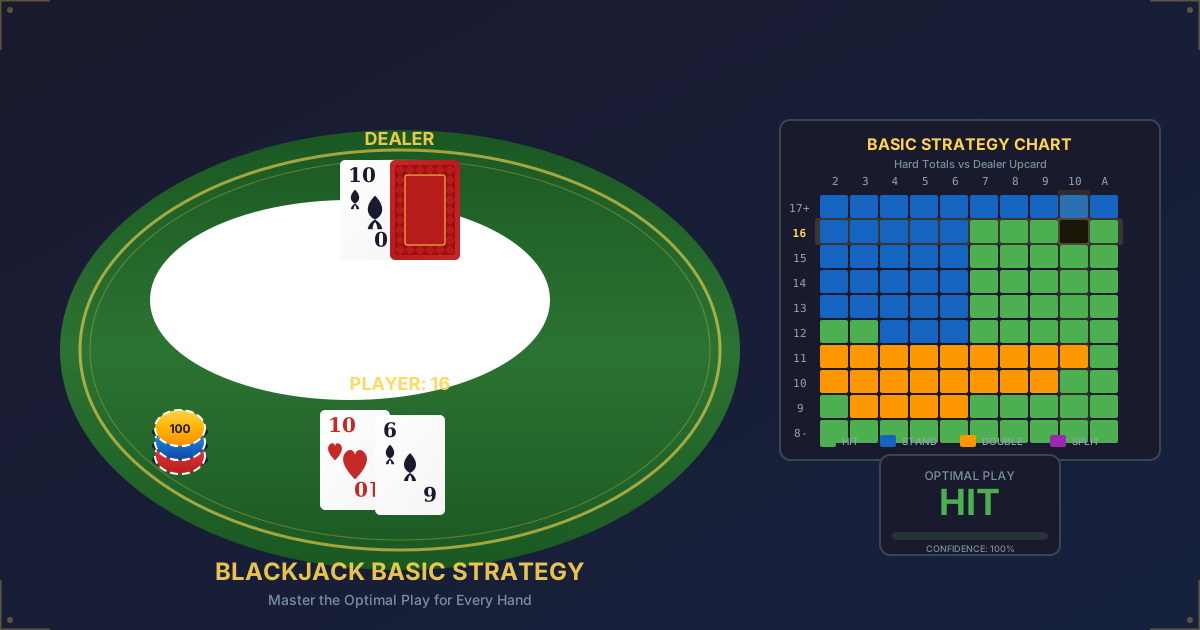
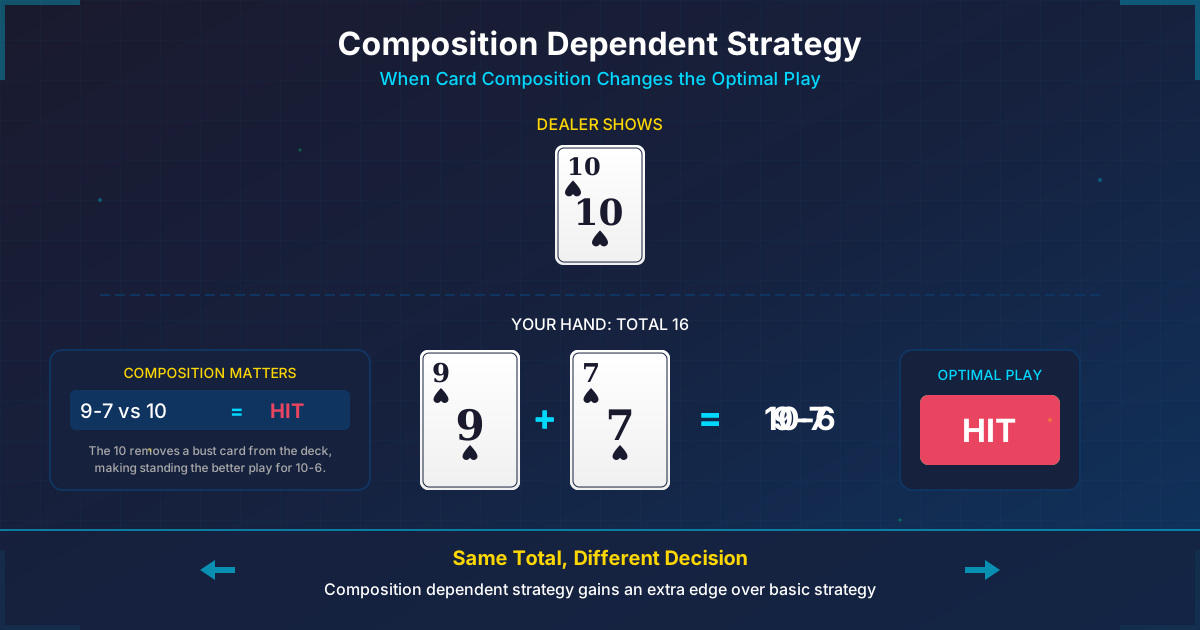
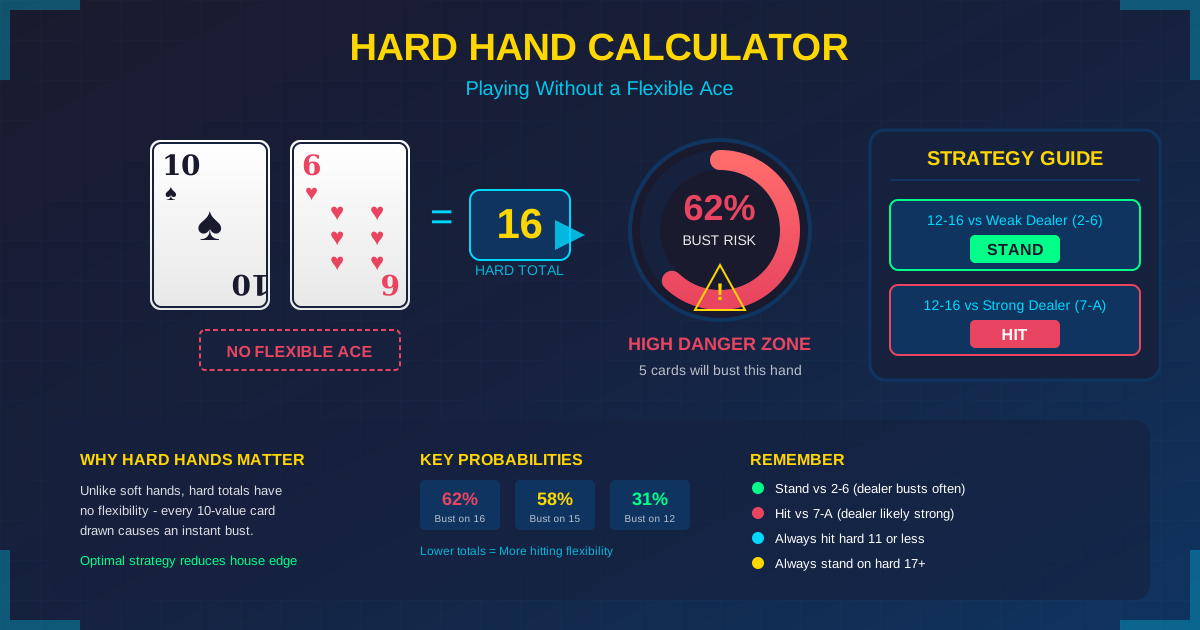
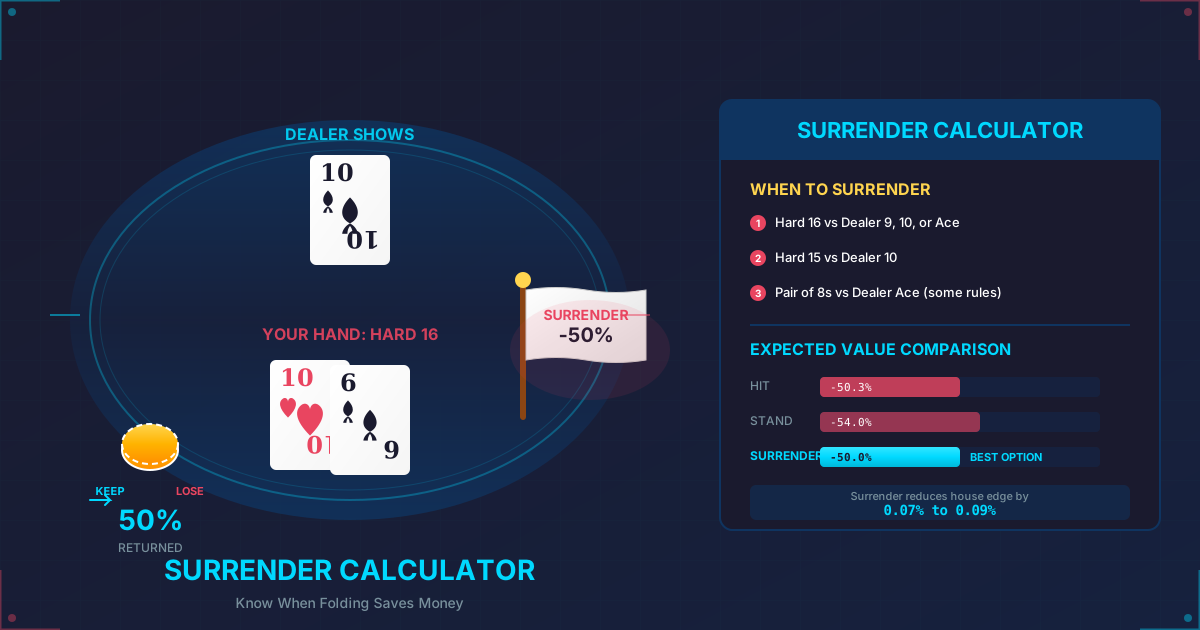
Best approach: Learn perfect basic strategy and play at tables with favorable rules (3:2 payout, dealer stands on soft 17, double after split allowed, surrender available).
| Blackjack Scenario | House Edge |
|---|---|
| Perfect basic strategy, best rules | 0.28% |
| Perfect basic strategy, standard rules | 0.50% |
| Average recreational player | 2.0% - 4.0% |
| 6:5 blackjack, basic strategy | 1.89% |
| 6:5 blackjack, average player | 3.5% - 5.0% |
| Any side bet | 3.2% - 13.4% |
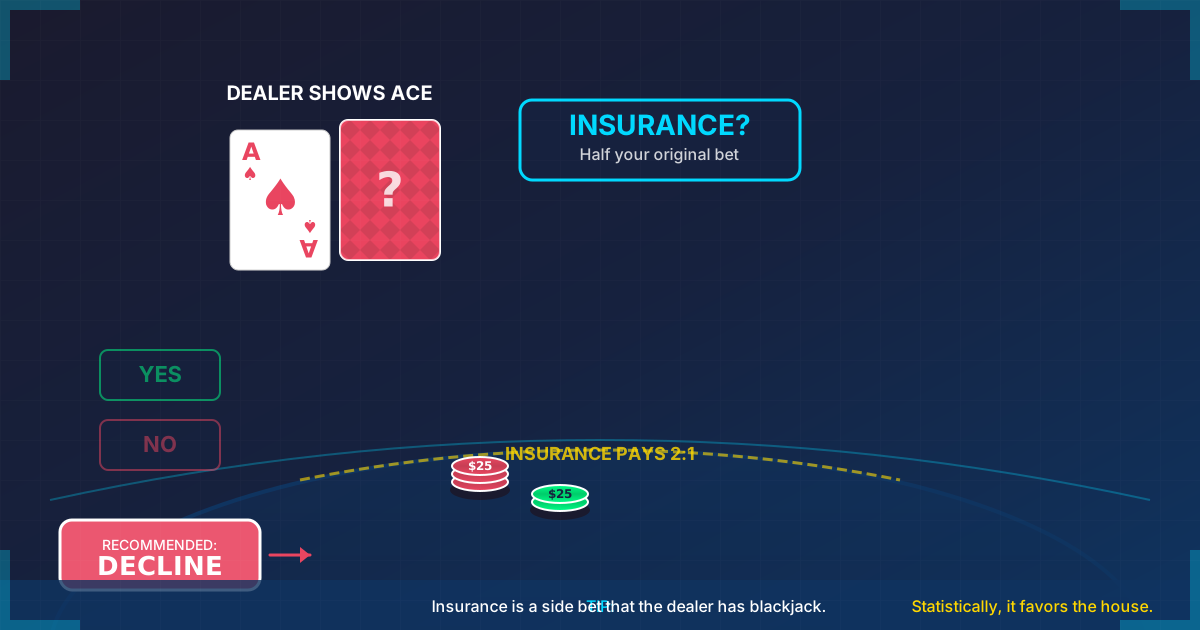
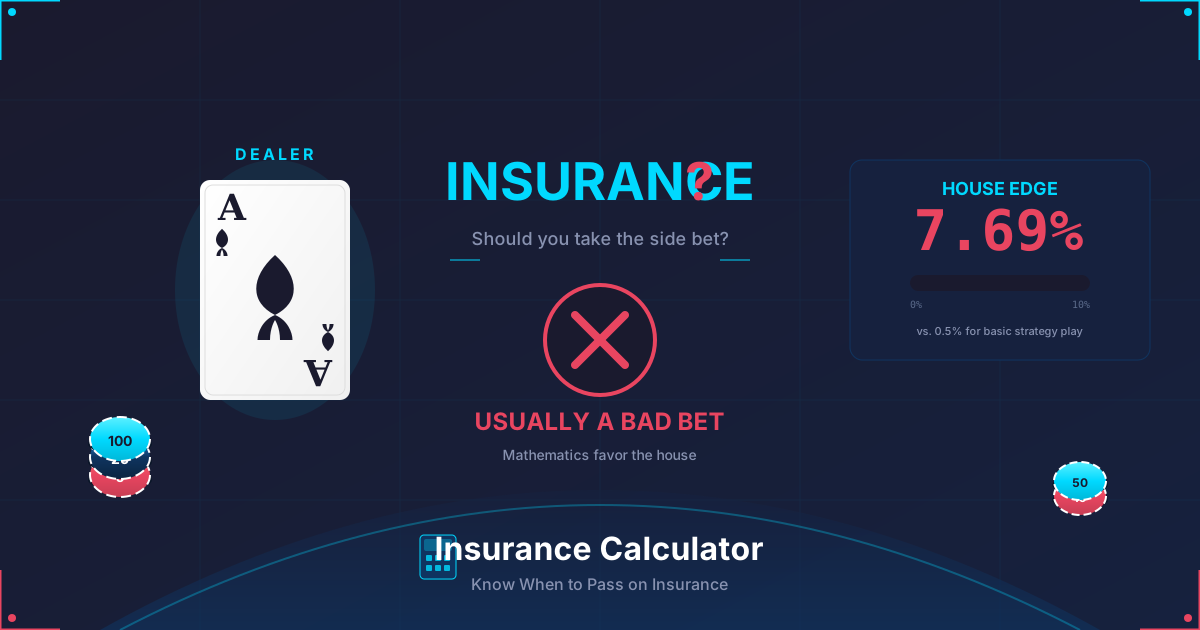
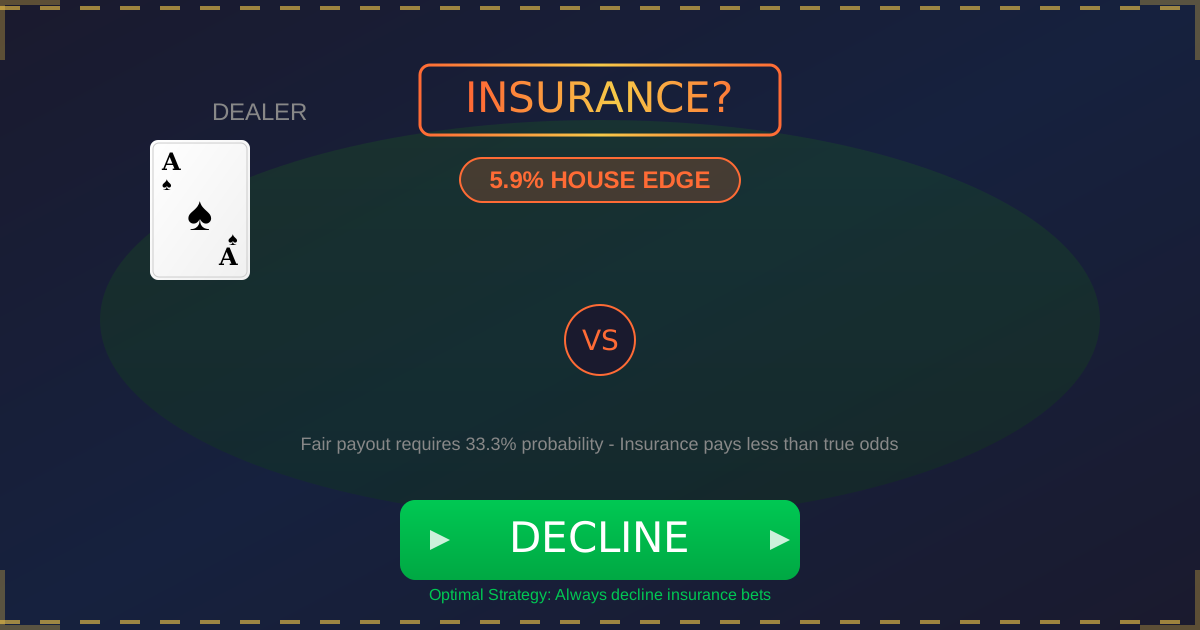
| Insurance bet | 7.40% |
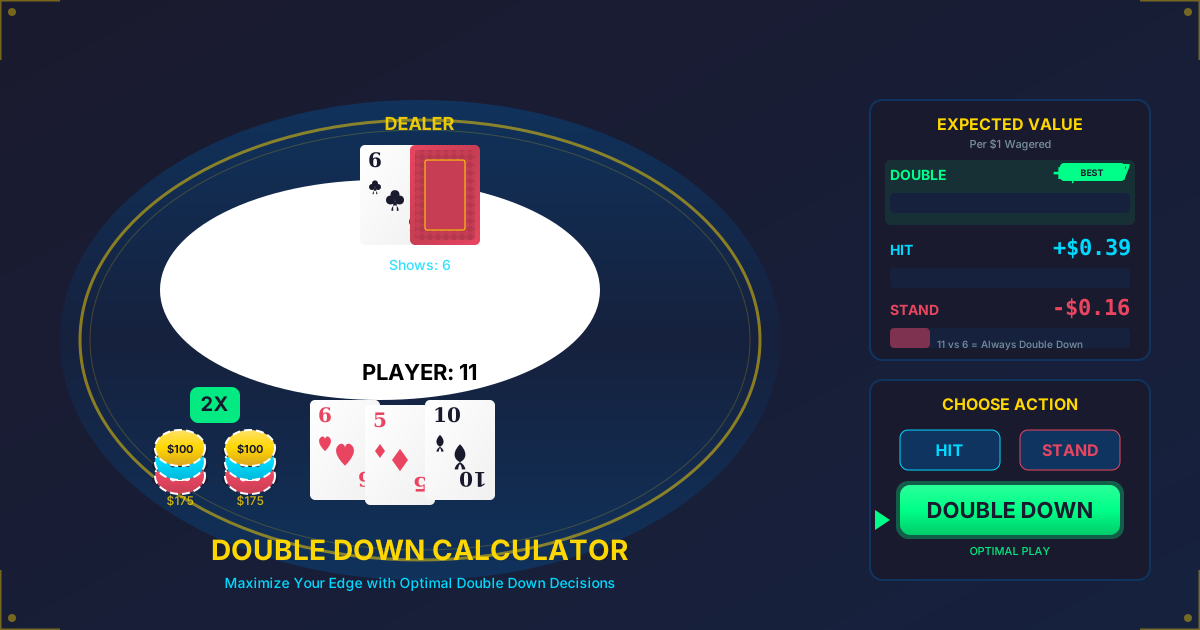
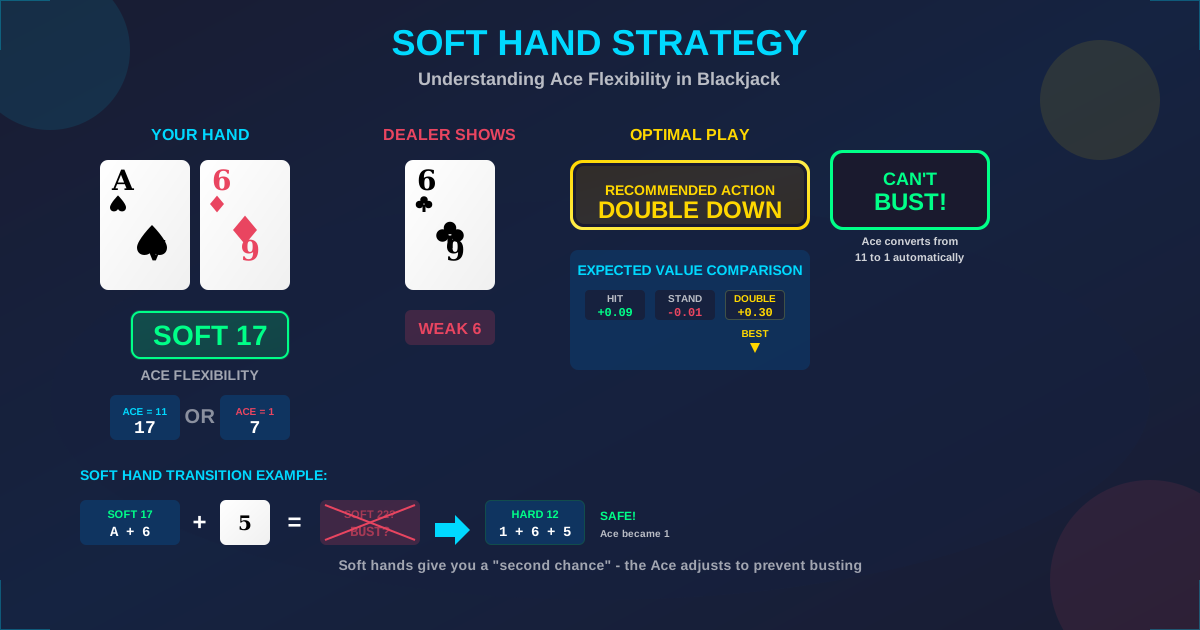
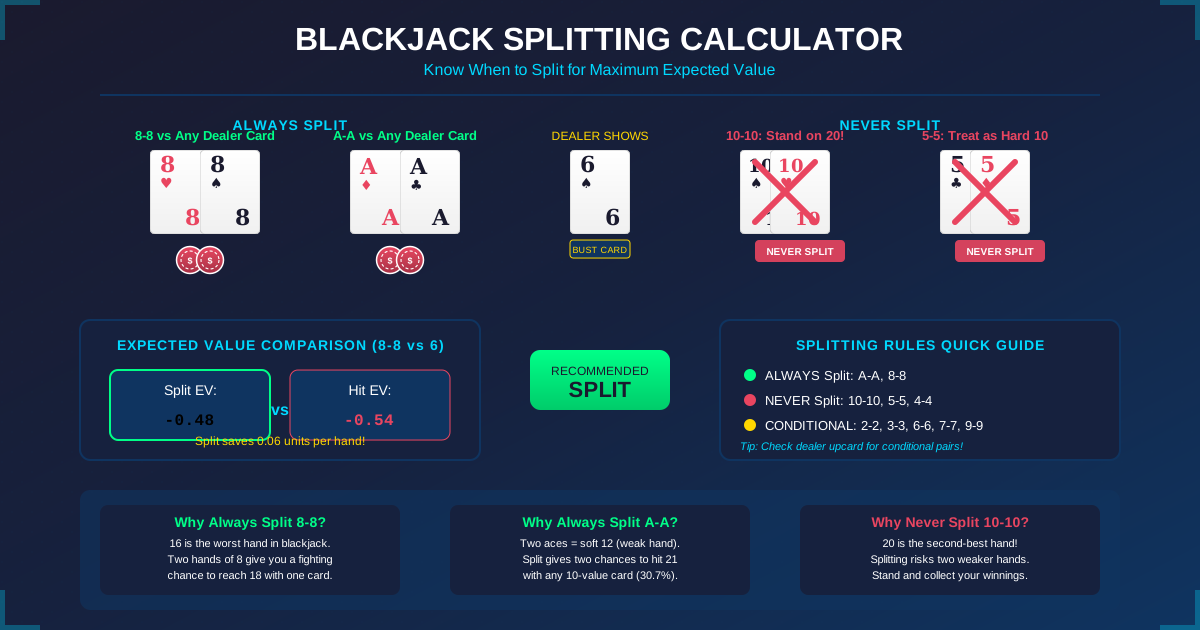
The blackjack EV calculator models expected value for any specific hand decision, while the blackjack strategy chart tells you the correct play for every possible hand combination.
Craps: Best and Worst Bets
Craps has the widest range of house edges of any table game -- from near zero to 16.67%.
Best bets:
| Craps Bet | House Edge |
|---|---|
| Don't Pass + 100x Odds | 0.02% |
| Pass Line + 100x Odds | 0.02% |
| Don't Pass + 10x Odds | 0.12% |
| Pass Line + 10x Odds | 0.18% |
| Don't Pass (flat) | 1.36% |
| Pass Line (flat) | 1.41% |
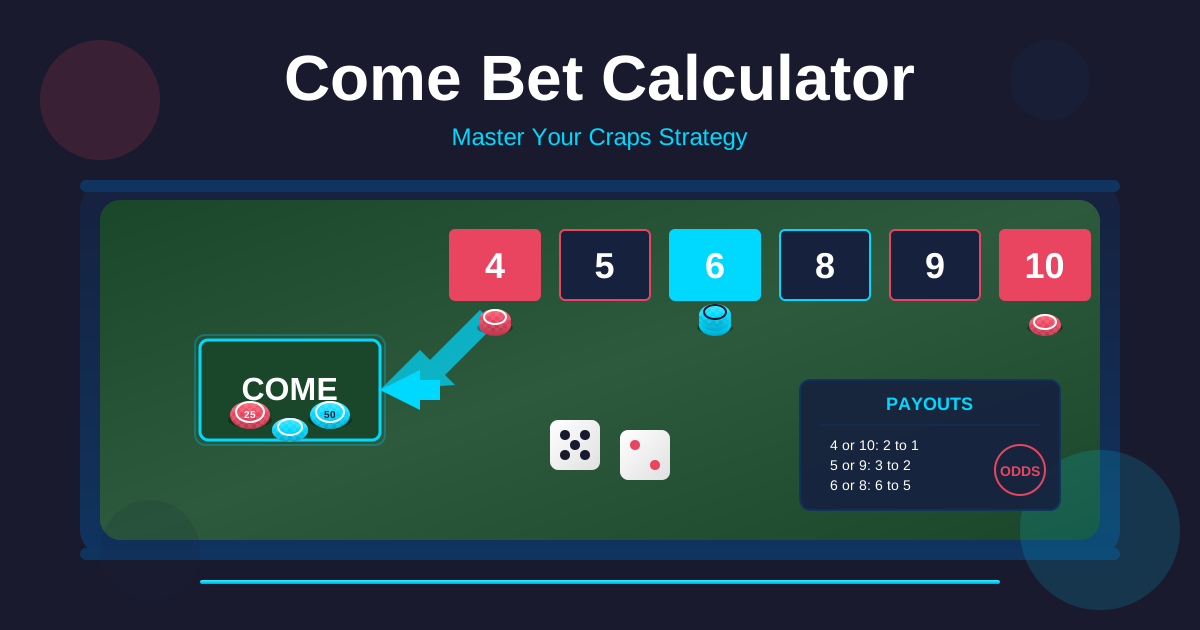
| Come/Don't Come | 1.36% - 1.41% |
| Place 6 or 8 | 1.52% |
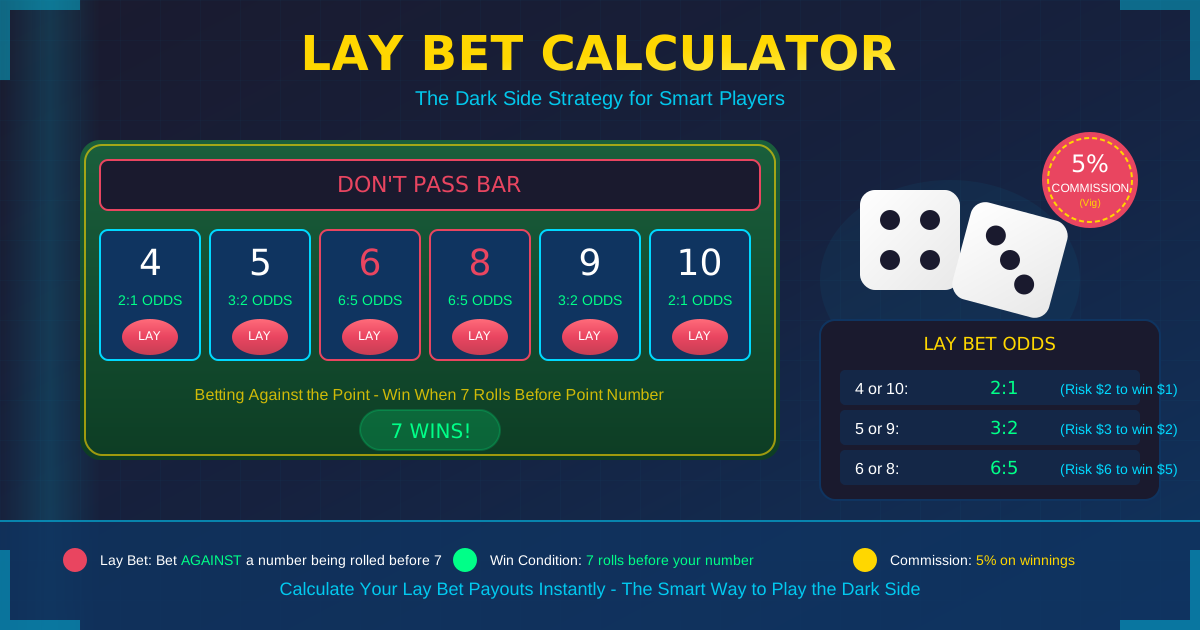
Worst bets:
| Craps Bet | House Edge |
|---|---|
| Any 7 | 16.67% |
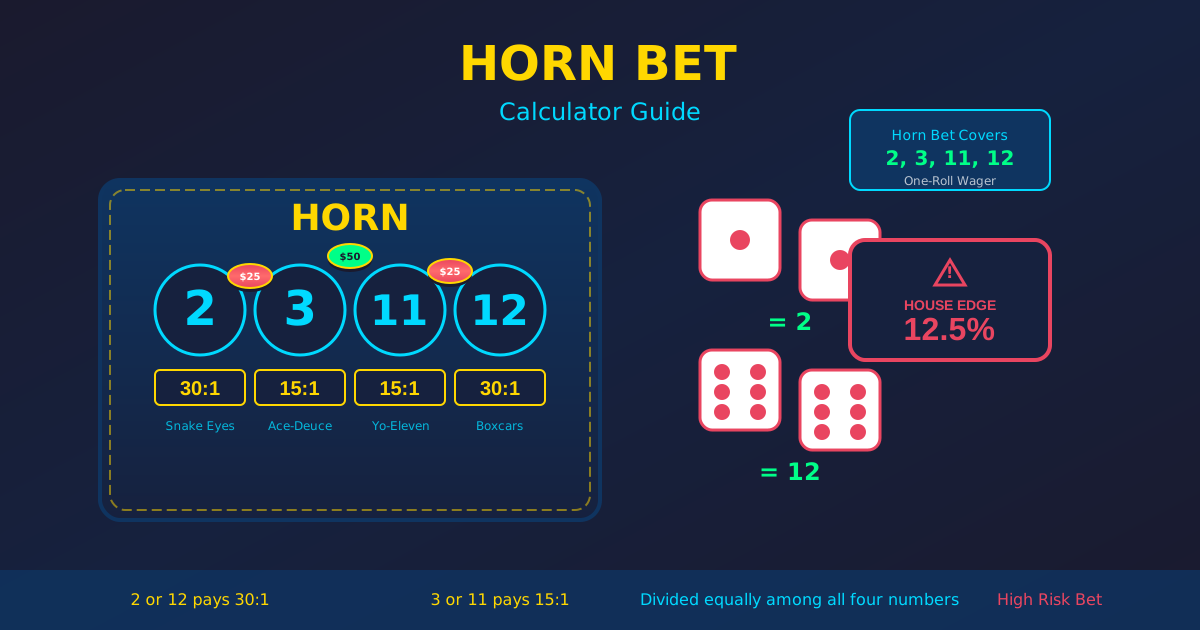
| 2 or 12 (one roll) | 13.89% |
| Any Craps | 11.11% |
| Hard 4 / Hard 10 | 11.11% |
| Hard 6 / Hard 8 | 9.09% |
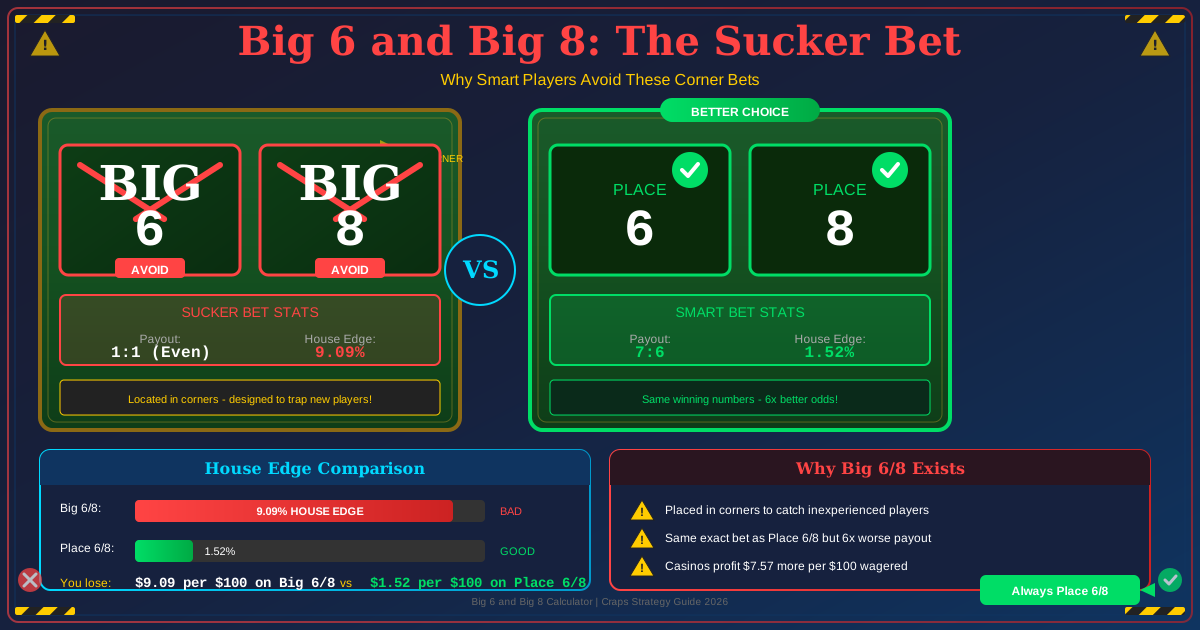
| Big 6 / Big 8 | 9.09% |
The craps pass line calculator and craps house edge calculator let you compare any combination of bets and odds. The critical insight: the Odds bet behind Pass/Don't Pass pays at true mathematical odds with zero house edge. The more you bet in Odds relative to your line bet, the lower your overall house edge. Casinos that offer 100x Odds give you a combined edge of just 0.02%.
Baccarat: Best and Worst Bets
Baccarat is simple -- three bets, and the math is clear:
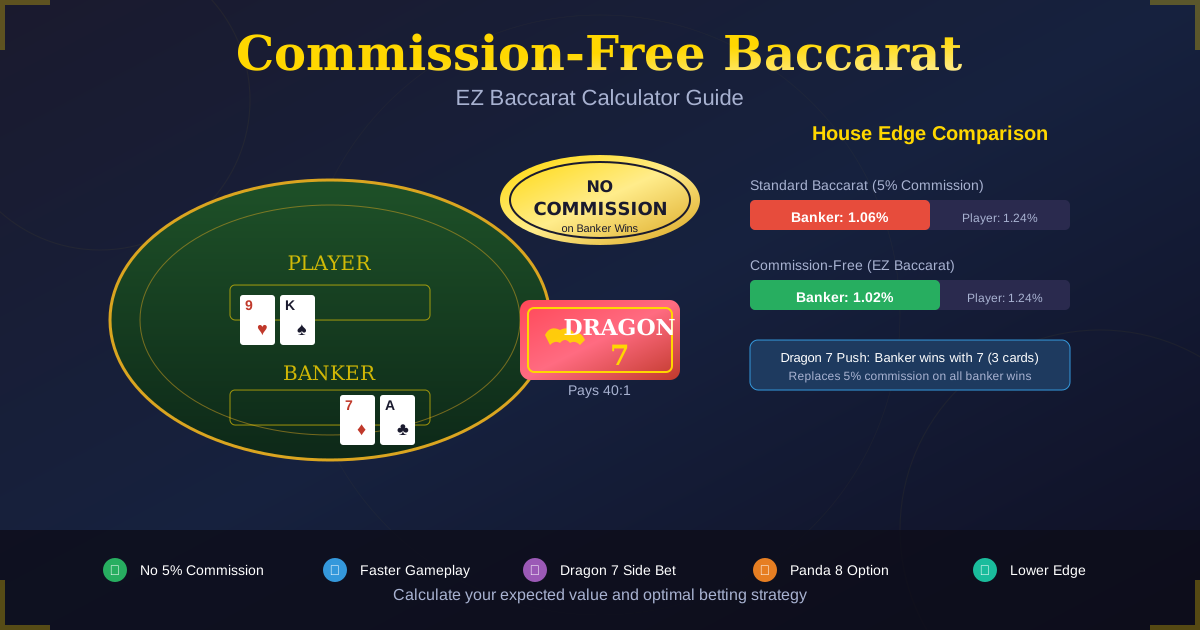
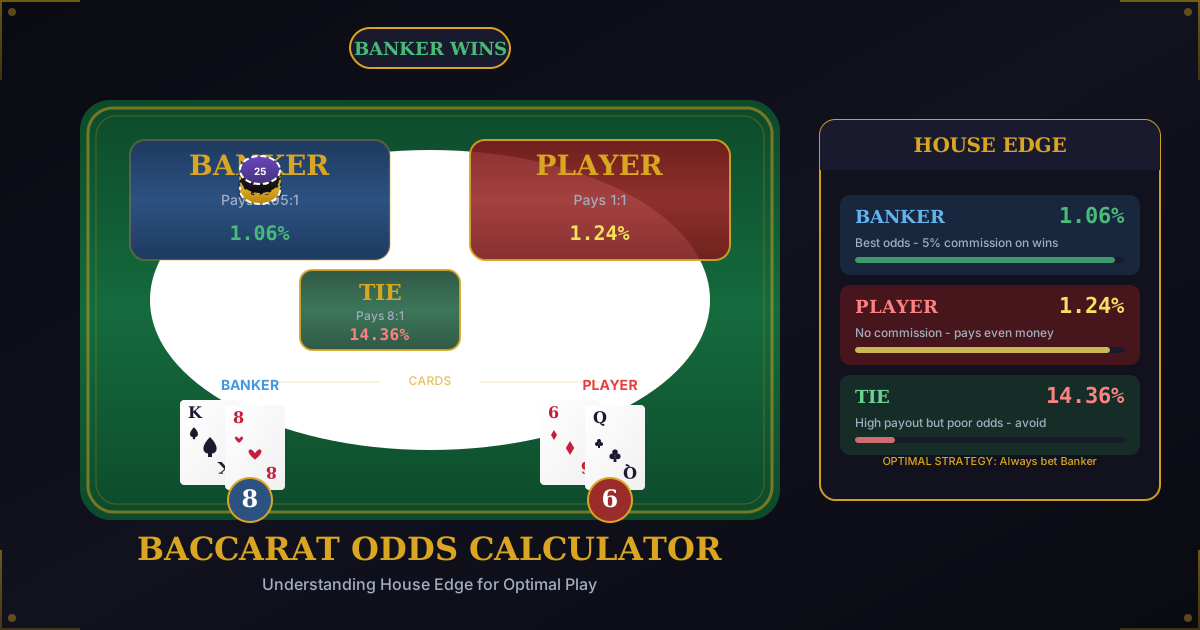
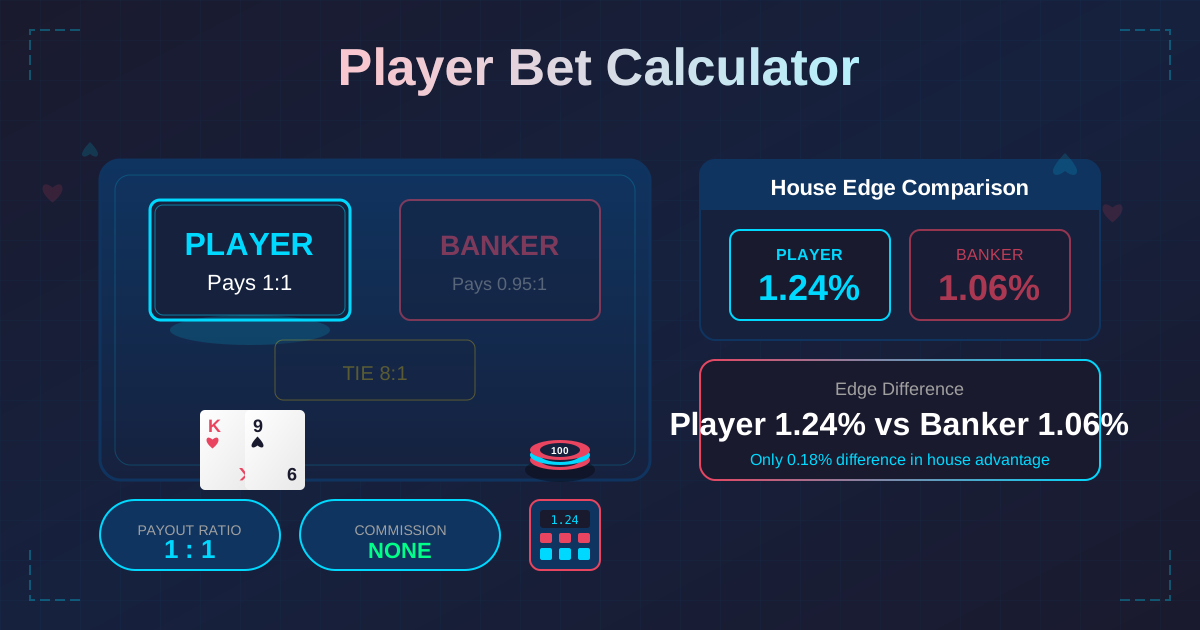
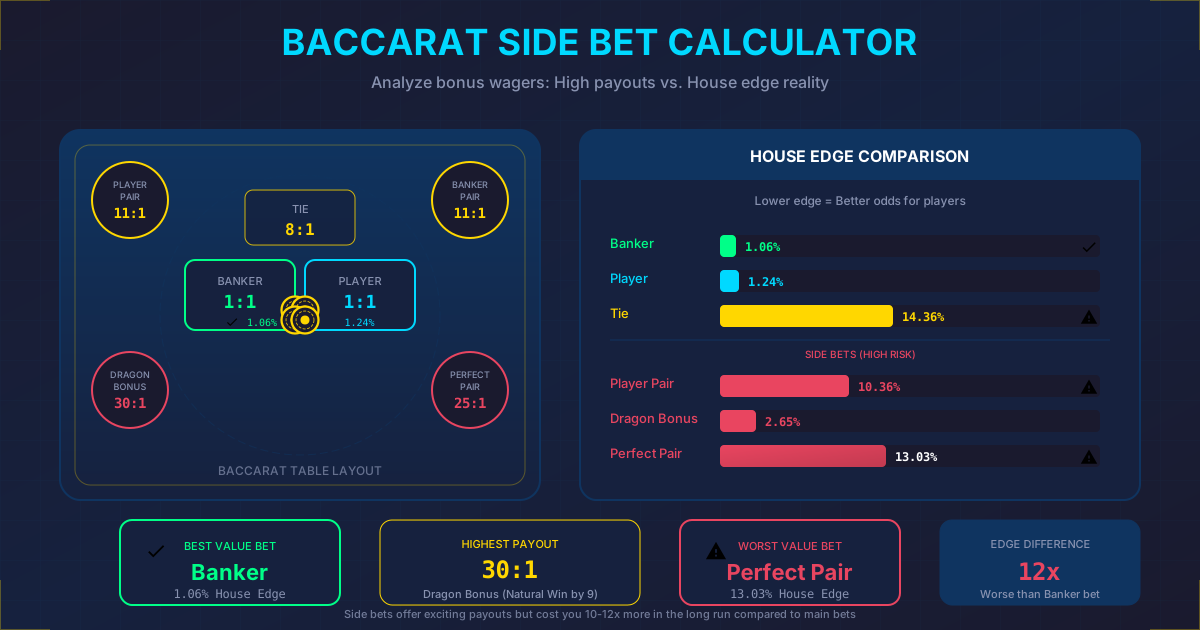
| Baccarat Bet | House Edge | Payout |
|---|---|---|
| Banker | 1.06% | 0.95:1 (5% commission) |
| Player | 1.24% | 1:1 |
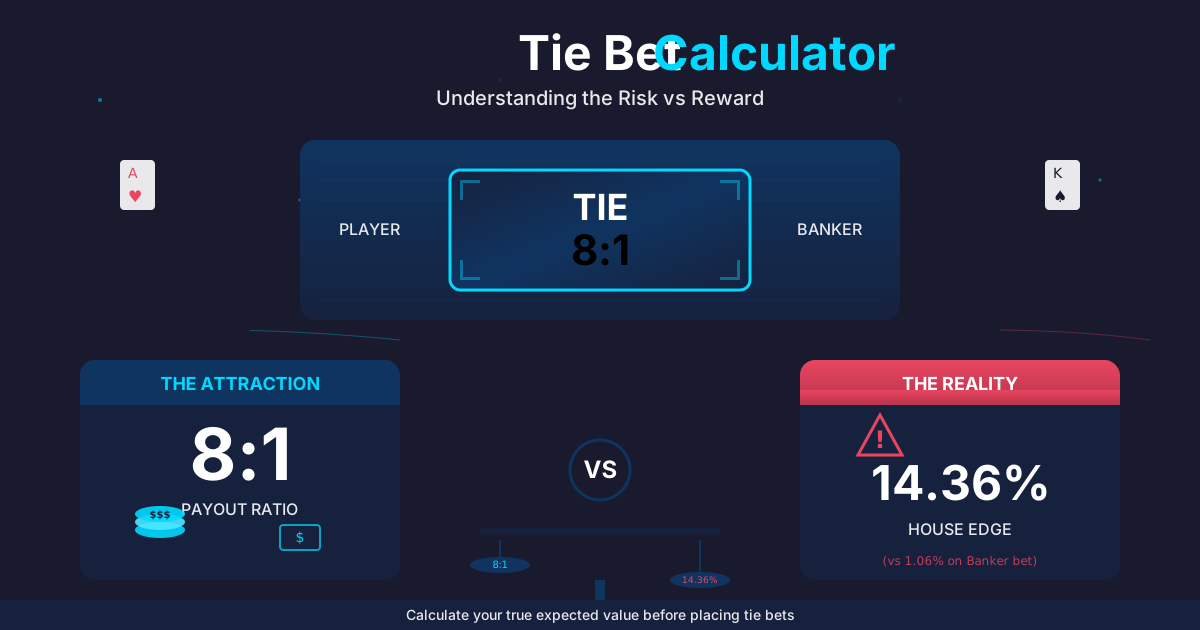
| Tie | 14.36% | 8:1 |
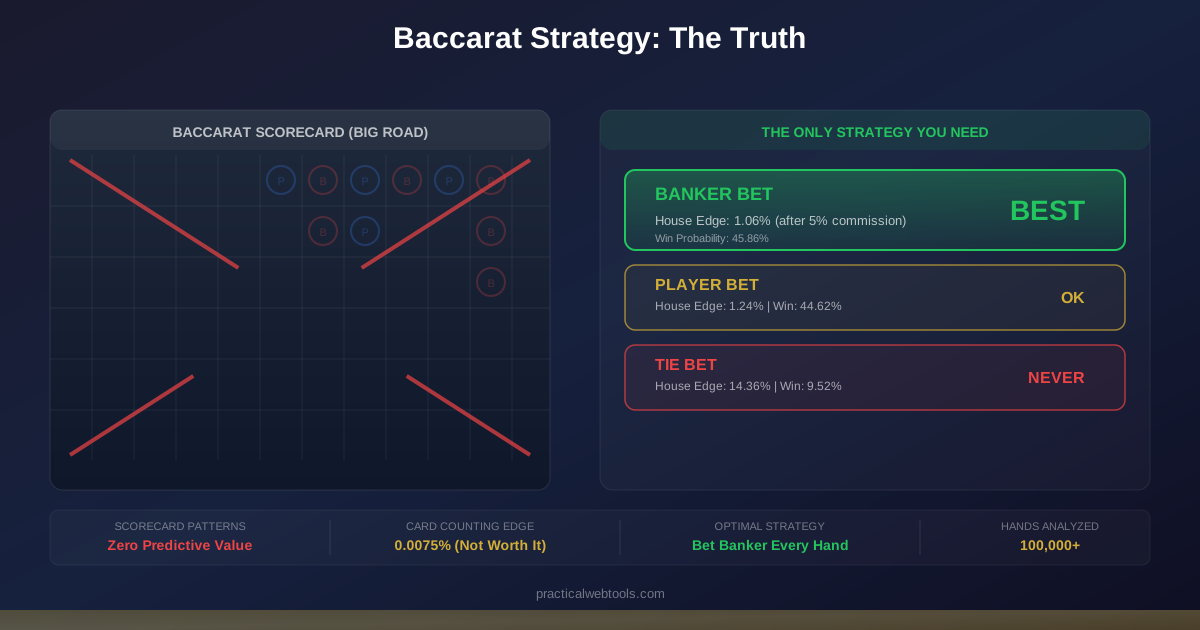
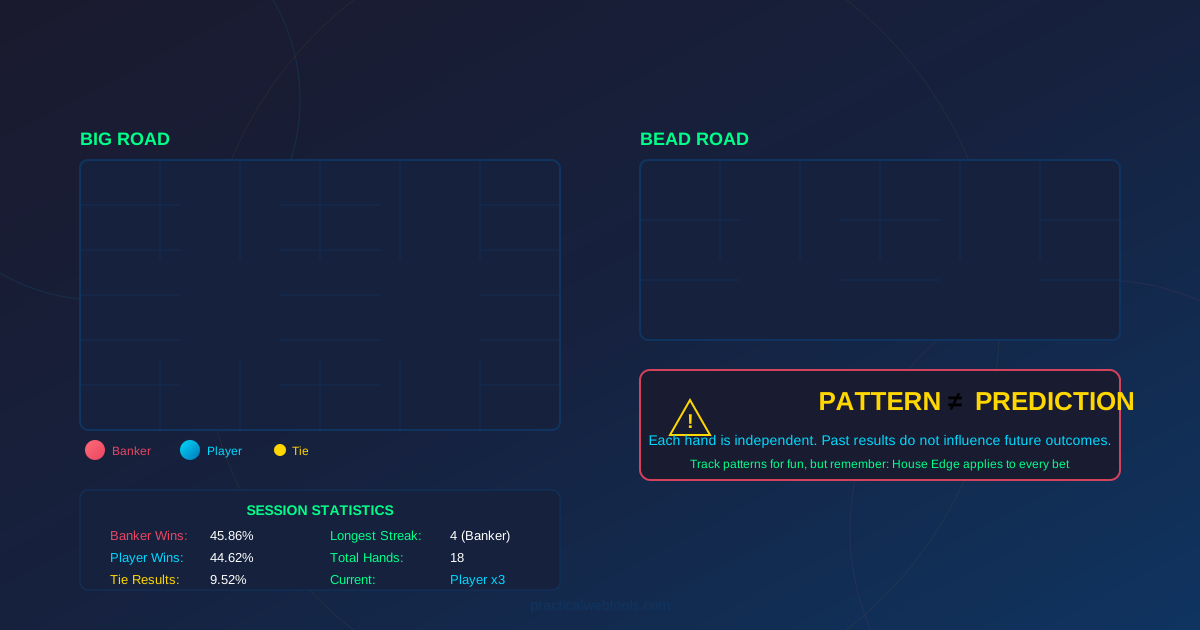
Always bet Banker. The 5% commission makes it look worse than Player, but the Banker hand wins more often (45.86% vs 44.62%), and even after commission, Banker has the lower edge. The baccarat house edge calculator and baccarat commission calculator verify these numbers.
Never bet Tie. At 14.36%, it's one of the worst bets in the casino. It pays 8:1, but the true odds are 9.51:1.
The baccarat odds calculator shows the probability distribution for all three outcomes.
Roulette: Best and Worst Bets
Key insight: On American roulette, nearly every bet has the same 5.26% house edge. The exception is the five-number bet (0, 00, 1, 2, 3) at 7.89% -- always avoid it.
| Roulette Variant | House Edge |
|---|---|
| European (La Partage, even money) | 1.35% |
| European (standard) | 2.70% |
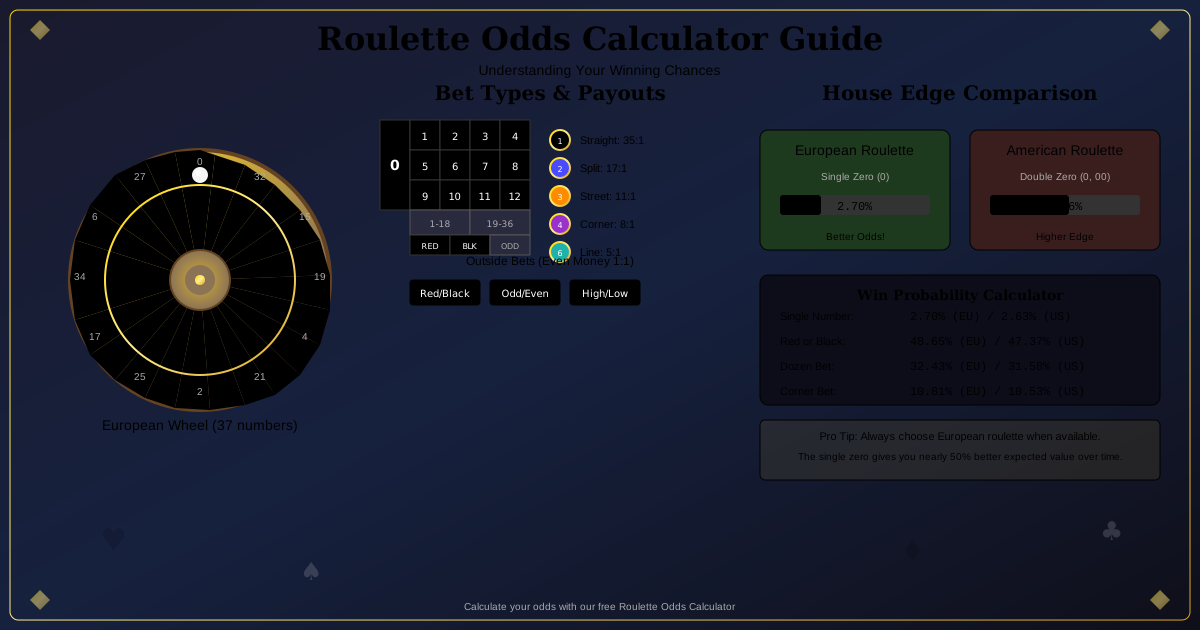
| American (standard) | 5.26% |
| American (five-number bet) | 7.89% |
Always play European roulette if available. The single zero cuts the edge almost in half compared to American's double zero. The roulette house edge calculator and roulette probability calculator compare all variants.
Video Poker: Best and Worst Pay Tables
Video poker is unique because different pay tables on the same game create dramatically different house edges:
| Video Poker Game | Pay Table | House Edge |
|---|---|---|
| Deuces Wild (full pay) | 25/15/9/5/3/2/1 | -0.76% (player edge) |
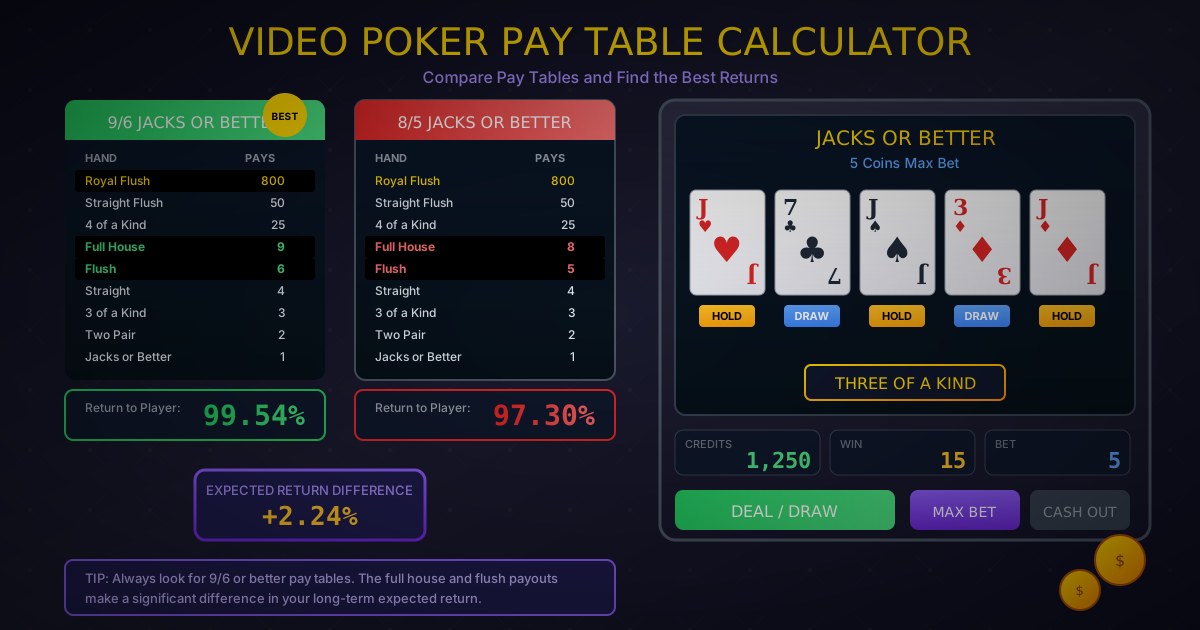
| Jacks or Better (9/6) | 9/6 | 0.46% |
| Jacks or Better (8/5) | 8/5 | 2.70% |
| Jacks or Better (7/5) | 7/5 | 3.85% |
| Jacks or Better (6/5) | 6/5 | 5.00% |
| Bonus Poker (various) | Varies | 0.83% - 5.1% |
The numbers after the game name refer to the payout for a Full House and a Flush. A "9/6" Jacks or Better machine pays 9 credits for a Full House and 6 for a Flush per credit bet. Casinos steadily reduce these payouts, and most players never notice.
The video poker pay table analyzer identifies the exact return for any pay table, and the video poker EV calculator shows how each hand decision affects your expected return. Finding full-pay machines is increasingly difficult in 2026 -- most Strip casinos have moved to 8/5 or worse.
How Variance Interacts with House Edge
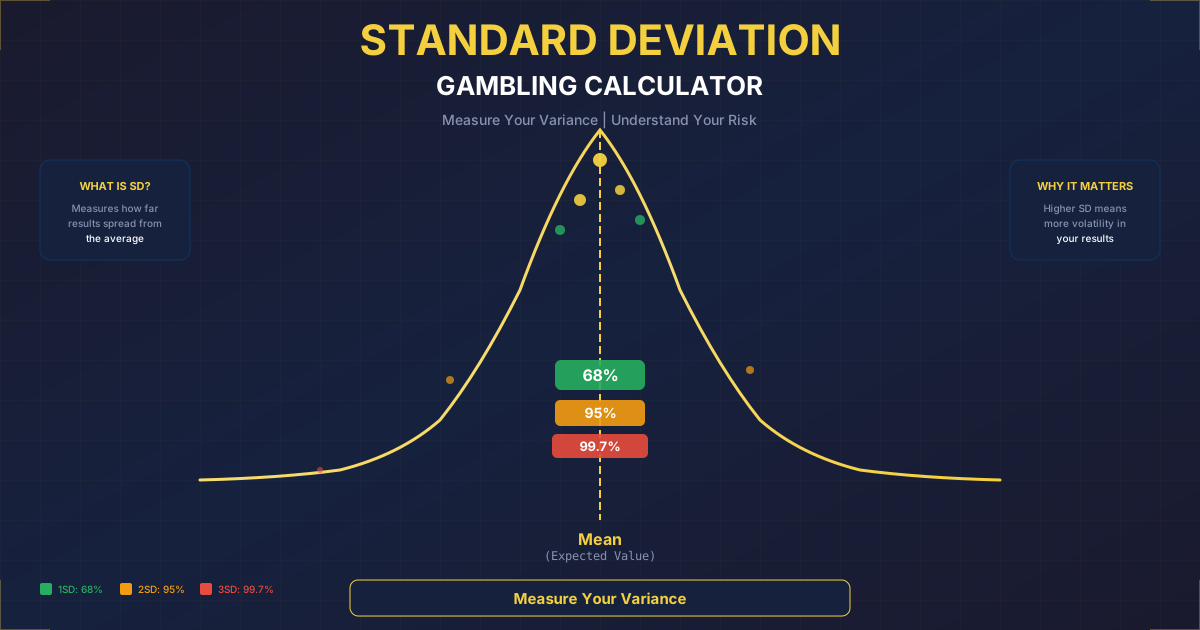
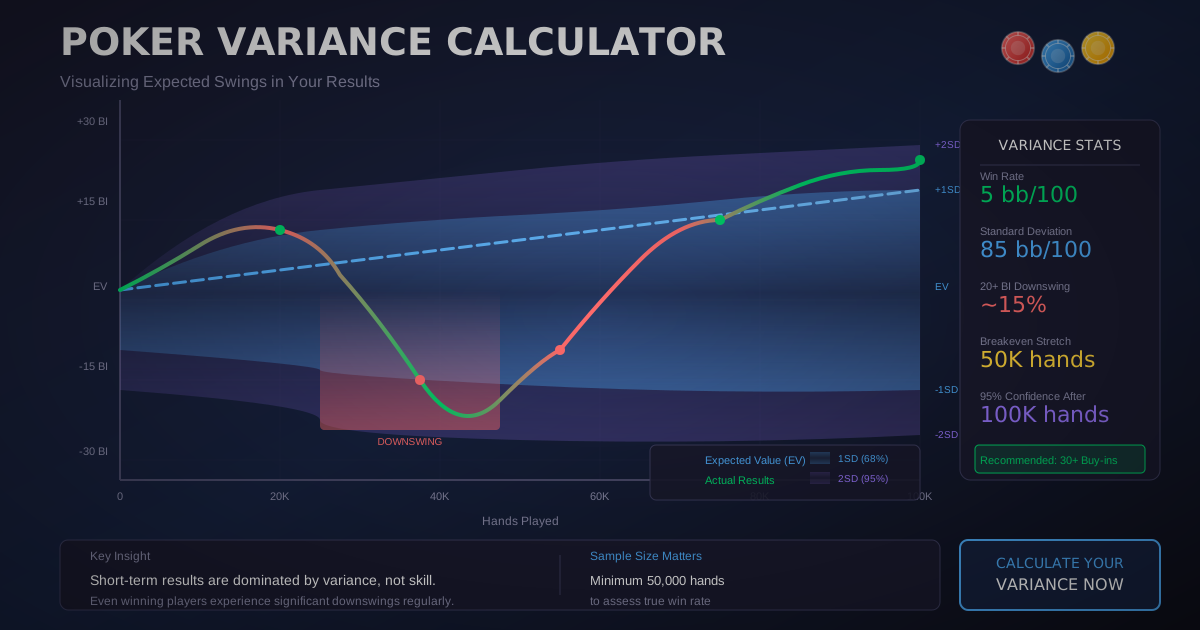
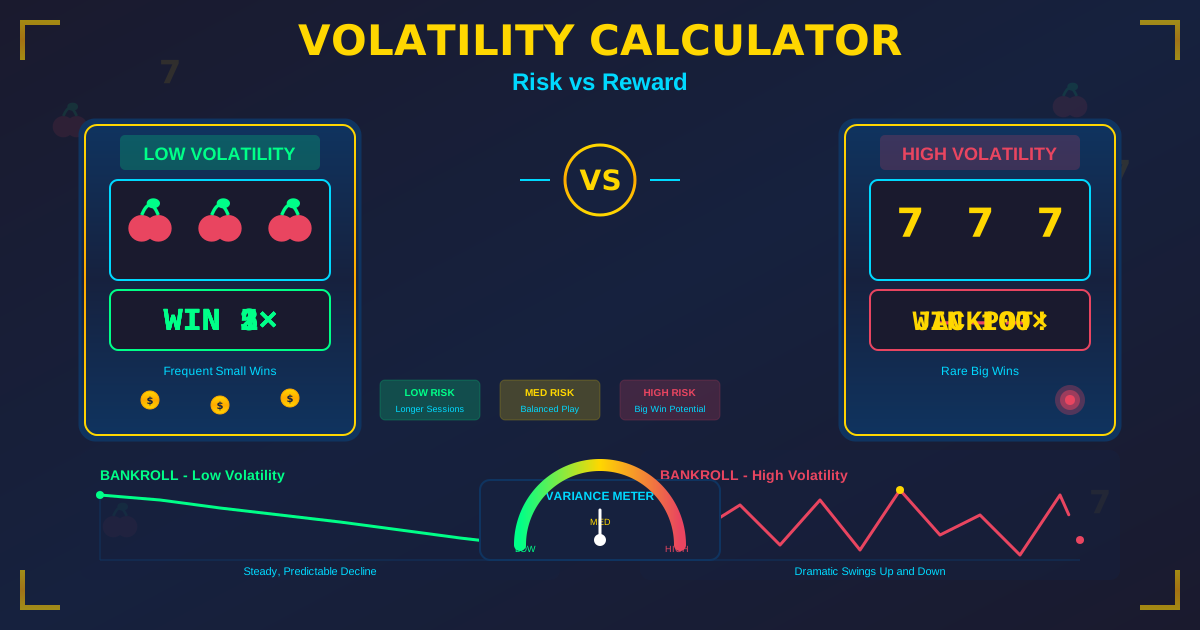
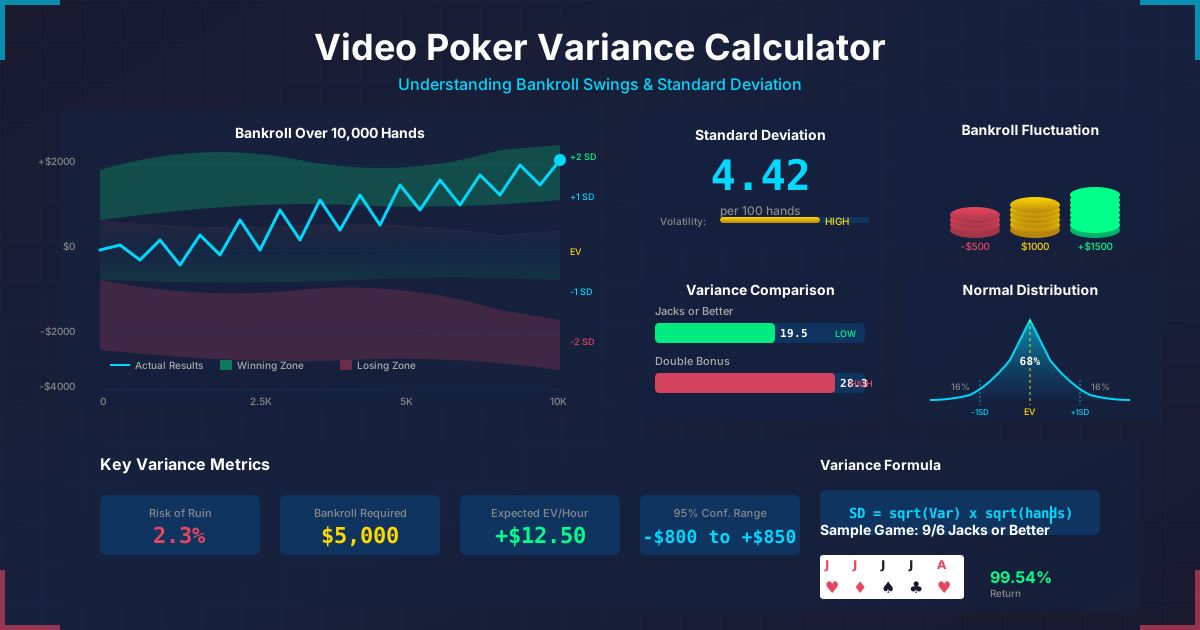
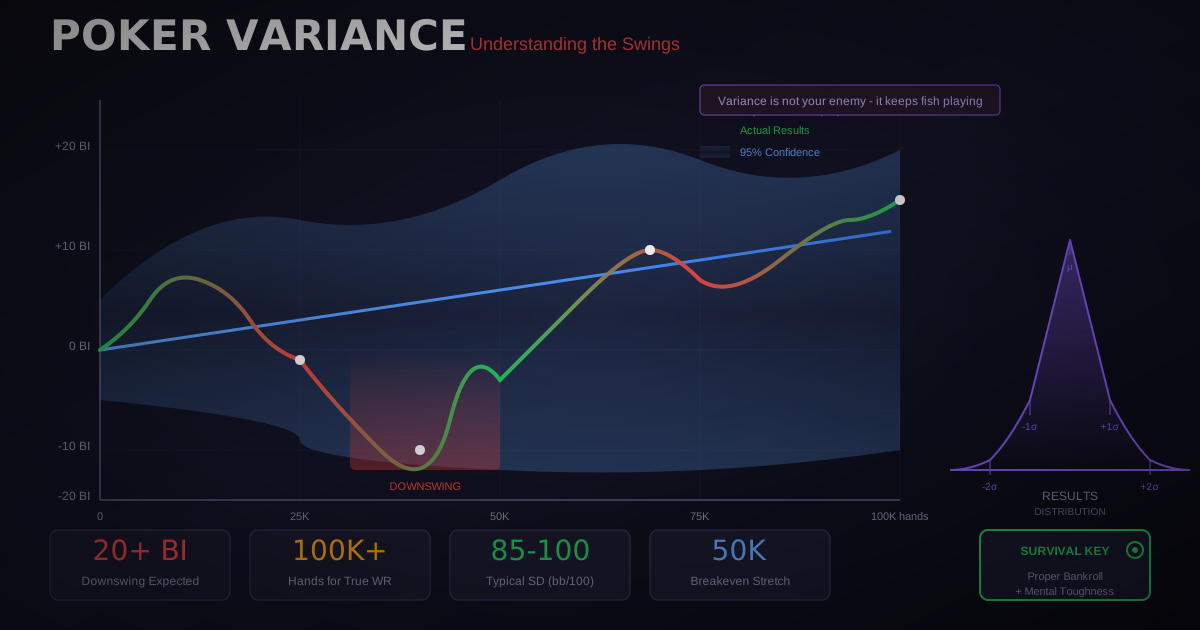
House edge tells you the long-term cost, but variance determines your short-term experience. Two games can have similar house edges but very different variance profiles:
| Game | House Edge | Variance | Session Experience |
|---|---|---|---|
| Blackjack | 0.50% | Low | Gradual, predictable losses |
| Video Poker | 0.46% | High | Large swings, occasional big wins |
| Craps (Pass + Odds) | 0.85% | Medium-High | Exciting swings, moderate cost |
| Baccarat | 1.06% | Low | Steady, predictable losses |
| Slots | 8-15% | Very High | Wild swings, rapid bankroll drain |
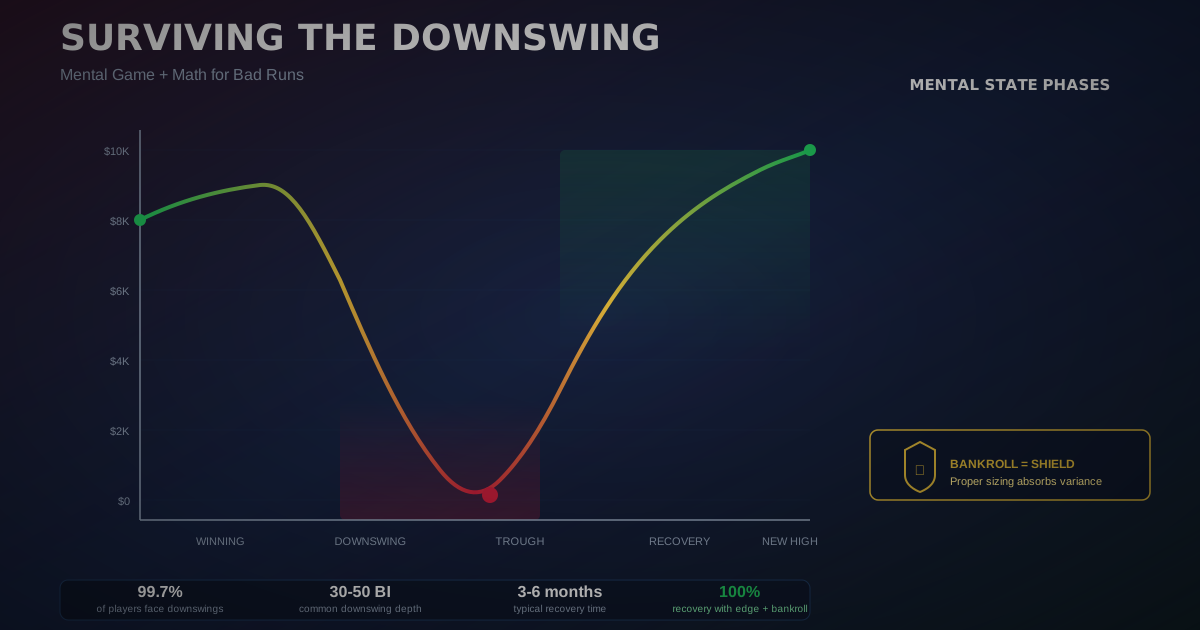
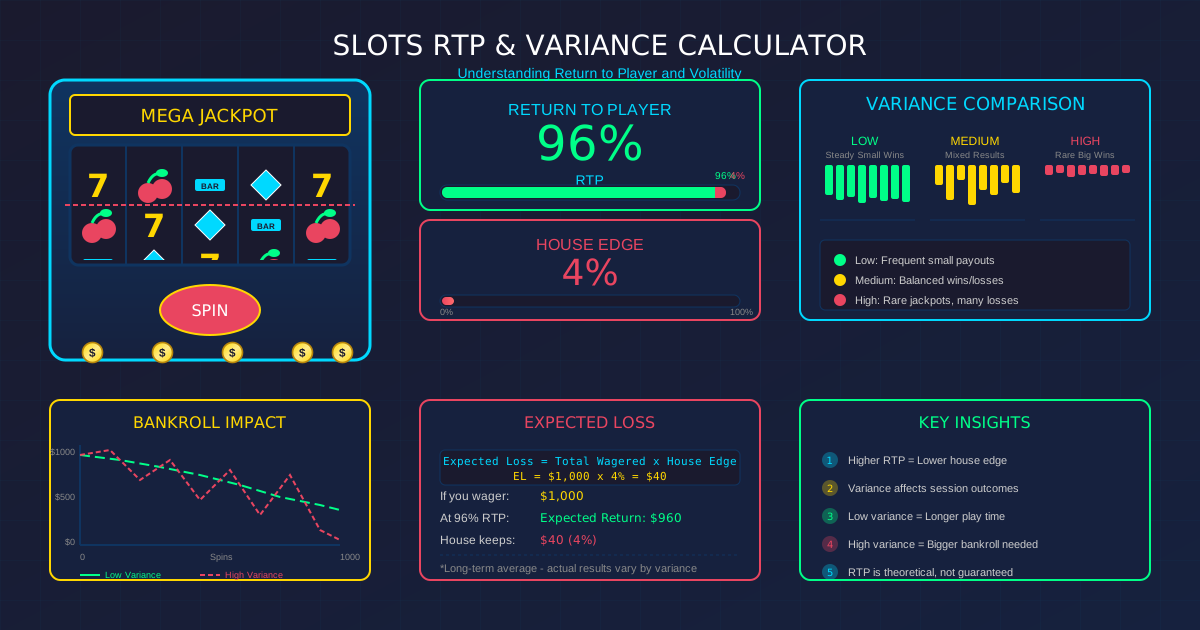
High-variance games can produce dramatic winning sessions even with a high house edge. This is why slots are so popular -- the variance creates memorable wins that mask the relentless mathematical drain. But over enough play, the house edge always asserts itself.
The bankroll volatility tracker models how variance and house edge interact over different session lengths, showing you the probability of finishing ahead or behind for any game.
Real-World Example: Which Game Should You Play?
Example 1: The Budget-Conscious Weekend Player
Sarah has a $500 bankroll and wants to play for 8 hours over a weekend.
Best choice: Blackjack with basic strategy
- Expected loss: 8 hours x $15/hand x 70 hands/hour x 0.50% = $42
- Probability of surviving 8 hours: ~85%
- Entertainment cost: $5.25/hour
Worst choice: American Roulette
- Expected loss: 8 hours x $15/bet x 35 spins/hour x 5.26% = $221
- Probability of surviving 8 hours: ~55%
- Entertainment cost: $27.63/hour
Example 2: The High Roller
James bets $100 per hand and plays 6 hours.
| Game Choice | Expected Loss | Cost/Hour |
|---|---|---|
| Blackjack (basic) | $210 | $35 |
| Craps (Pass + 3x Odds) | $183 | $30.50 |
| Baccarat (Banker) | $445 | $74.17 |
| American Roulette | $1,105 | $184.17 |
James saves $895 per session by playing blackjack instead of roulette. Over 10 trips per year, that's $8,950 saved just by choosing the right game.
Example 3: The Social Player
Maria doesn't care about house edge -- she wants a fun, social experience. Even so, understanding the numbers matters:
- Best social + odds: Craps. The table energy is unmatched, and with Pass Line + Odds, the house edge is under 1%.
- Good social + odds: Blackjack. Interactive game with low edge if you learn basic strategy.
- Fun but expensive: Roulette. Social and exciting, but at 5.26%, it costs 10x more than craps.
The Hold Percentage: What Casinos Actually Keep
House edge and "hold percentage" are different concepts that often get confused:
House Edge: Percentage of each bet the casino expects to win
Hold Percentage: Percentage of chips bought that the casino keeps
Because players recycle their winnings (re-betting money they've won), the hold percentage is always higher than the house edge. A blackjack table with a 0.50% house edge might have a 15-20% hold percentage because each dollar gets bet multiple times.
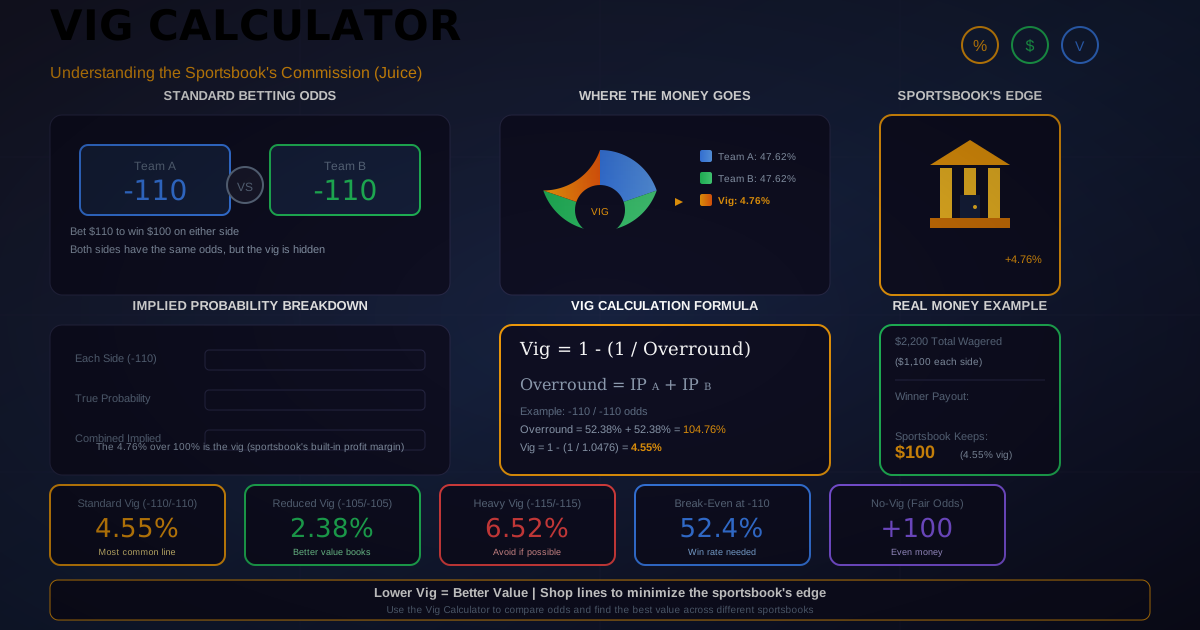
The hold/vig calculator demonstrates this relationship and shows how hold percentage scales with time played.
Frequently Asked Questions
Which casino game has the absolute best odds for the player?
Full-pay Deuces Wild video poker at -0.76% (player advantage) with perfect strategy. Among table games, blackjack with perfect basic strategy and favorable rules can be as low as 0.28%. Craps with 100x odds behind Don't Pass achieves a combined house edge of approximately 0.02%, but the odds bet requires a large bankroll relative to the line bet.
Does it matter what bet I make on a roulette wheel?
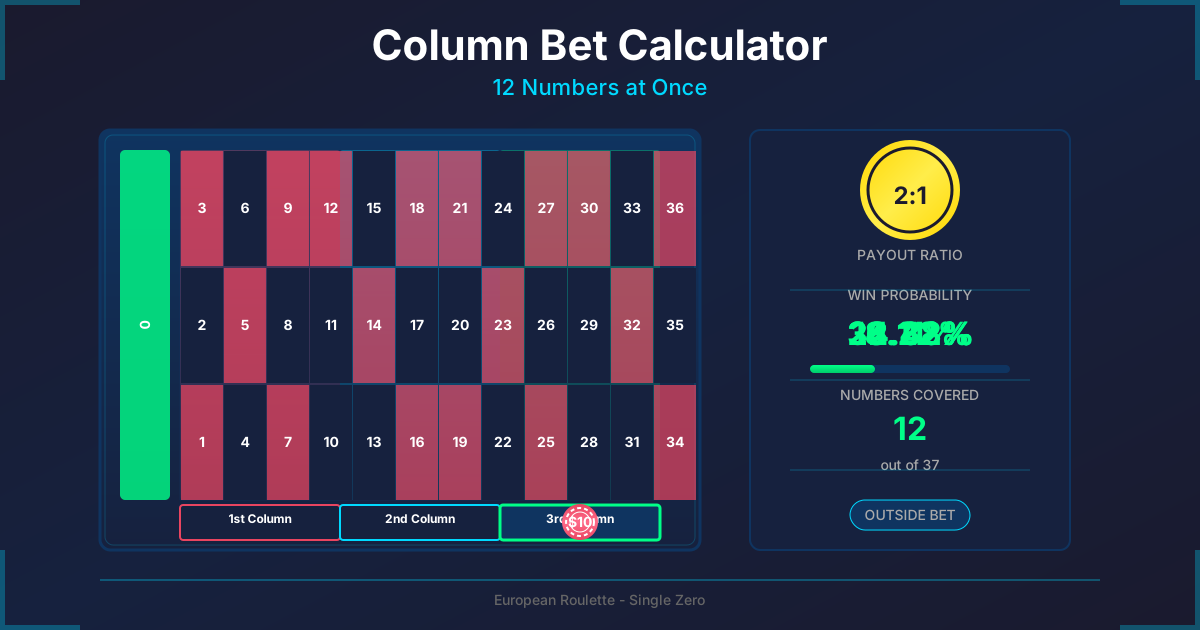
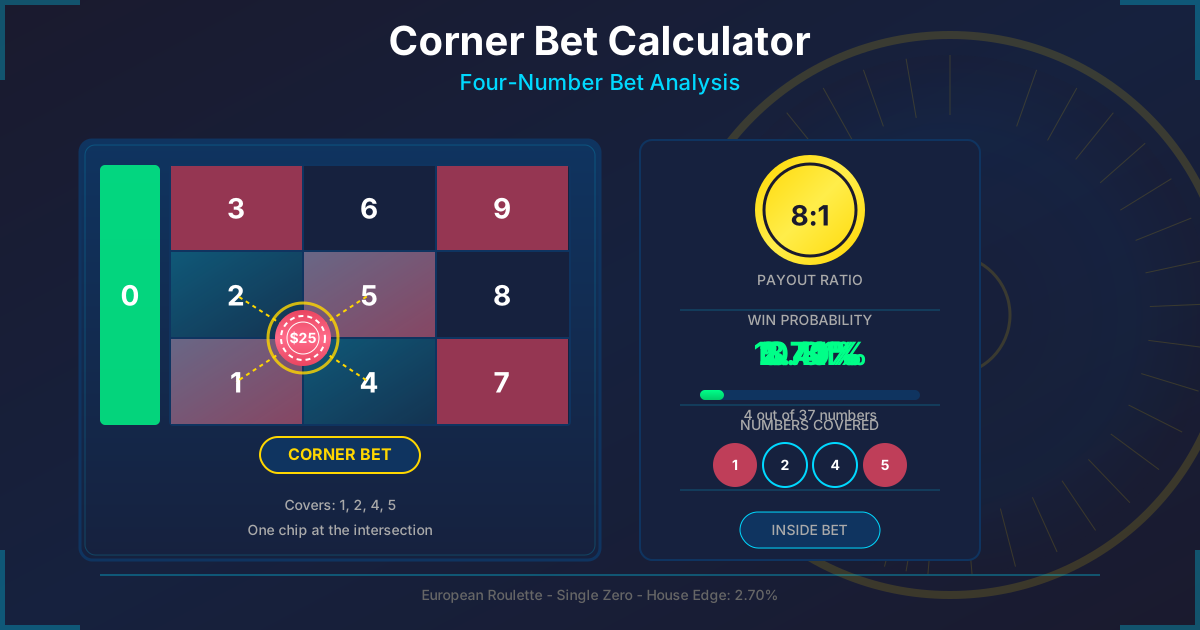
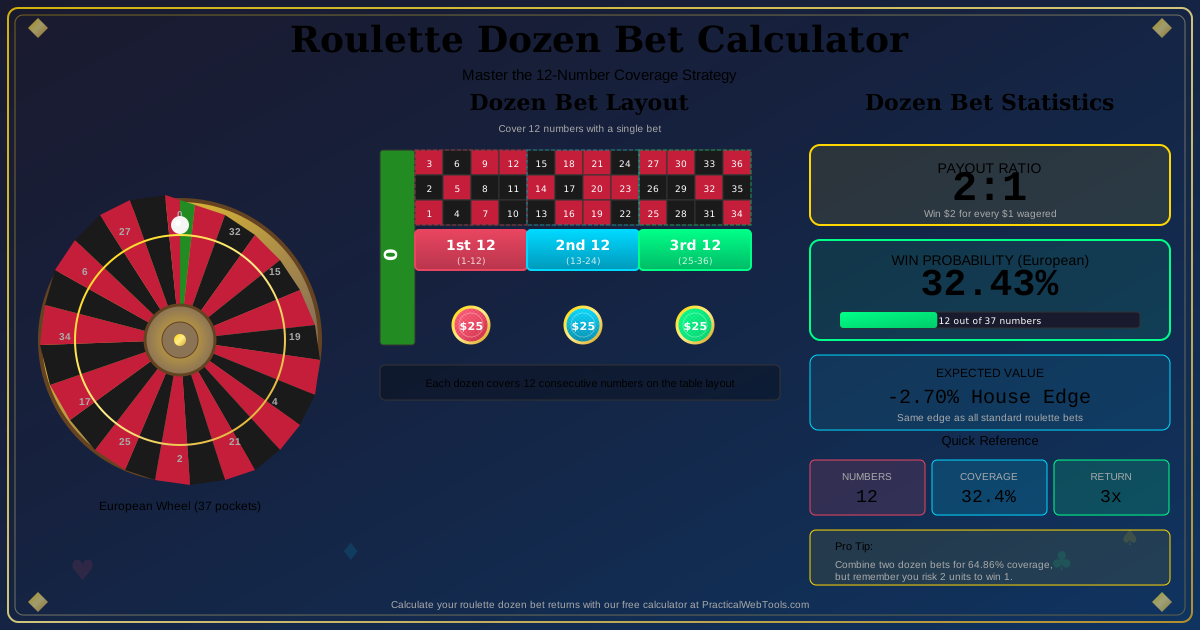
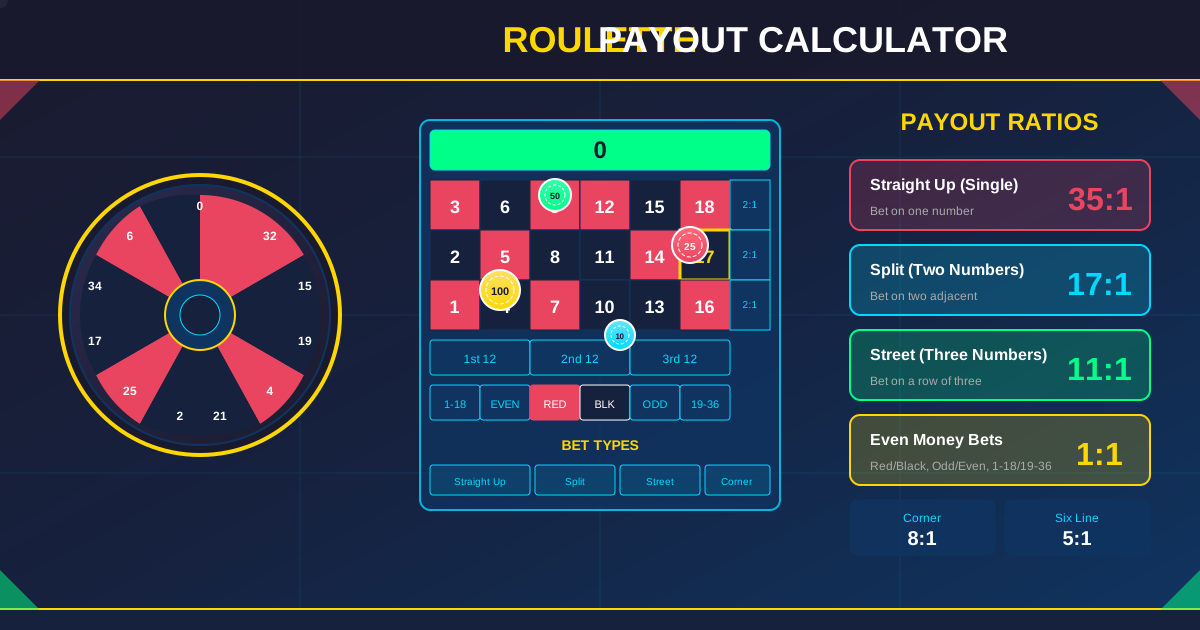
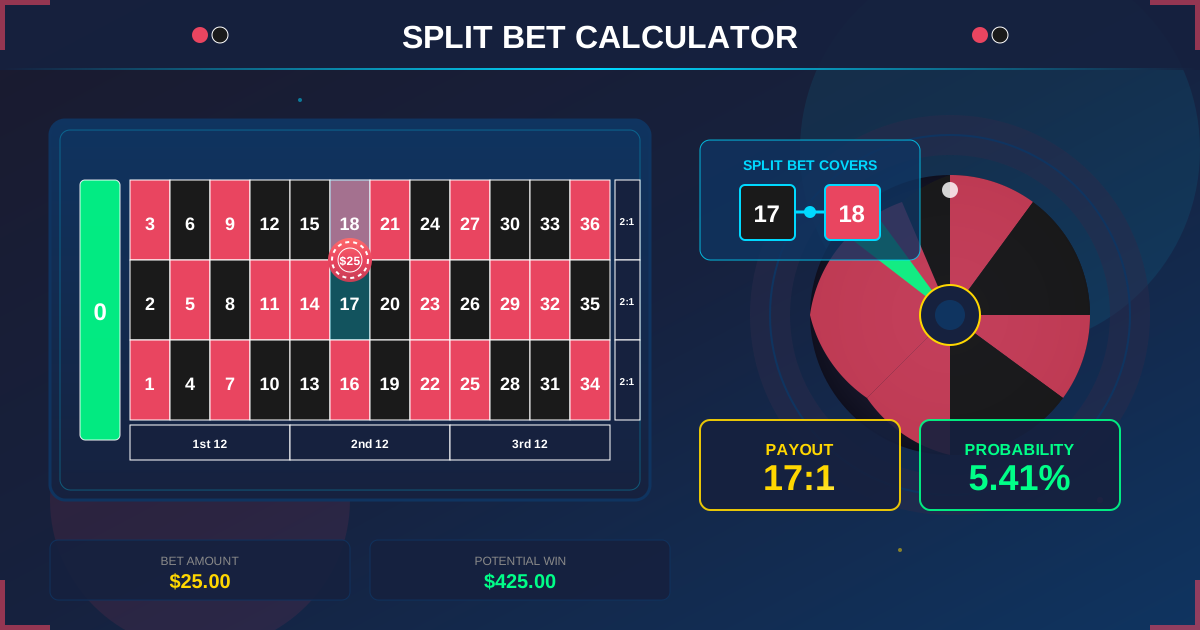
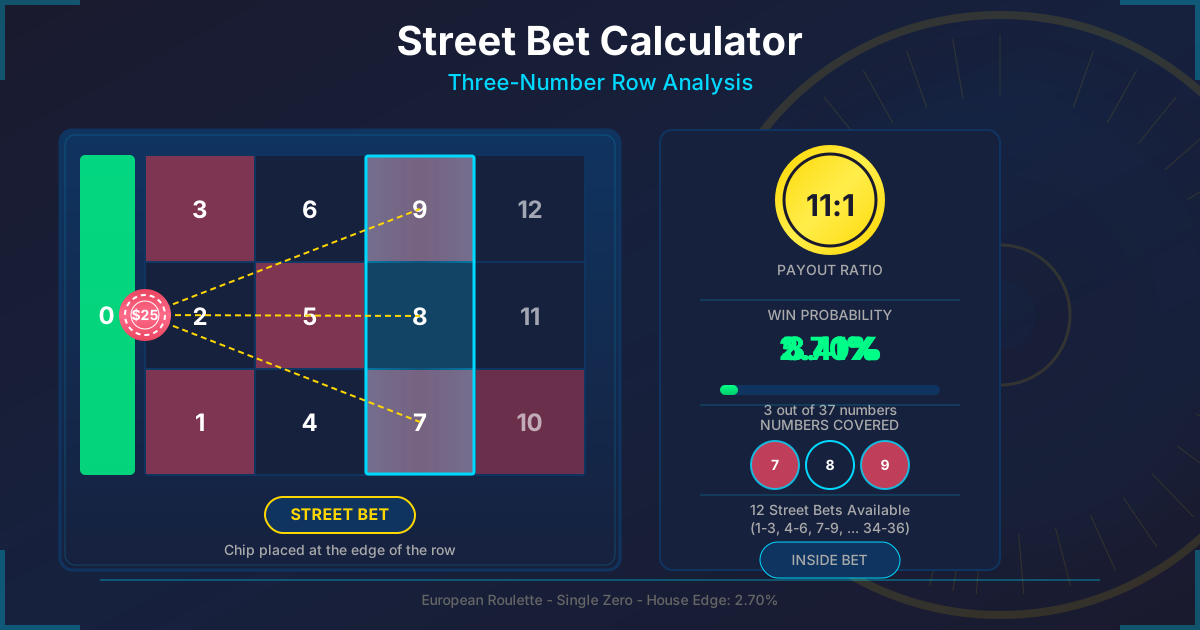
On American roulette, almost every bet has the same 5.26% house edge -- straight up, split, street, corner, column, dozen, red/black, odd/even. The exception is the five-number bet (0-00-1-2-3) at 7.89%, which is always worse. On European roulette with La Partage, even-money bets drop to 1.35%.
Why do casinos still offer low house edge games like blackjack?
Because most players don't play perfect strategy. The average recreational blackjack player faces a 2-4% house edge due to strategy errors. Casinos also profit from side bets, 6:5 tables, and the volume of play. The theoretical 0.50% edge assumes perfect play, which fewer than 5% of players achieve.
Are slot machines rigged?
Regulated slot machines use certified random number generators and must maintain a minimum return percentage (typically 75-95% depending on jurisdiction). They're not "rigged" in the illegal sense, but they are designed with a house edge of 5-15% -- far worse than most table games. The randomness is real; the math just favors the house.
Can betting systems overcome the house edge?
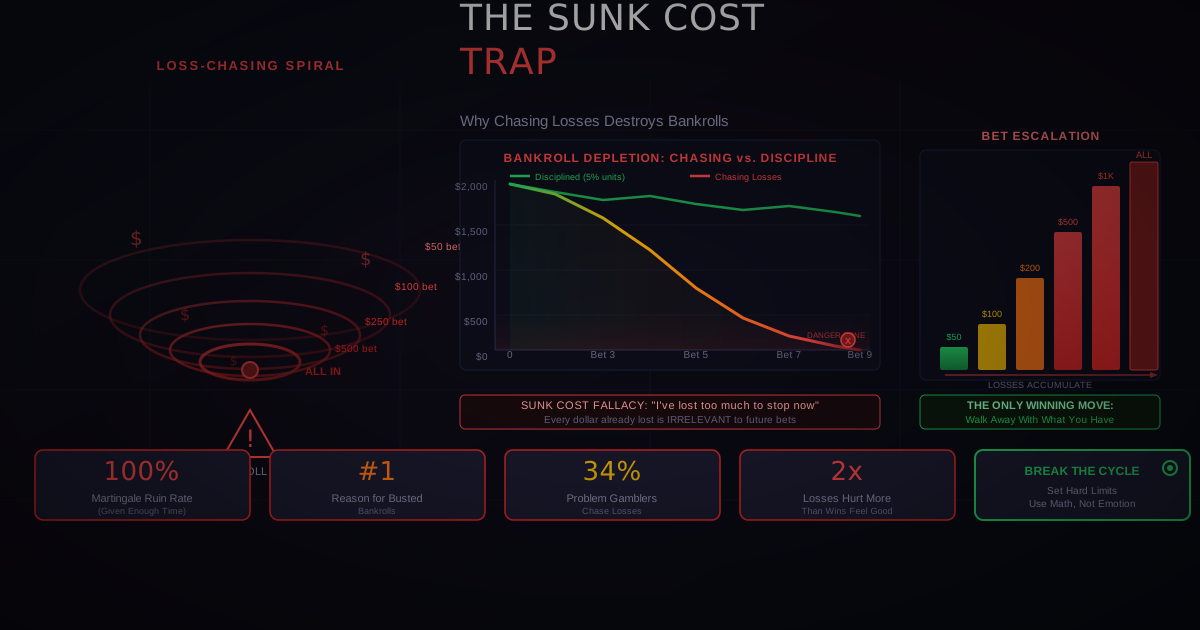
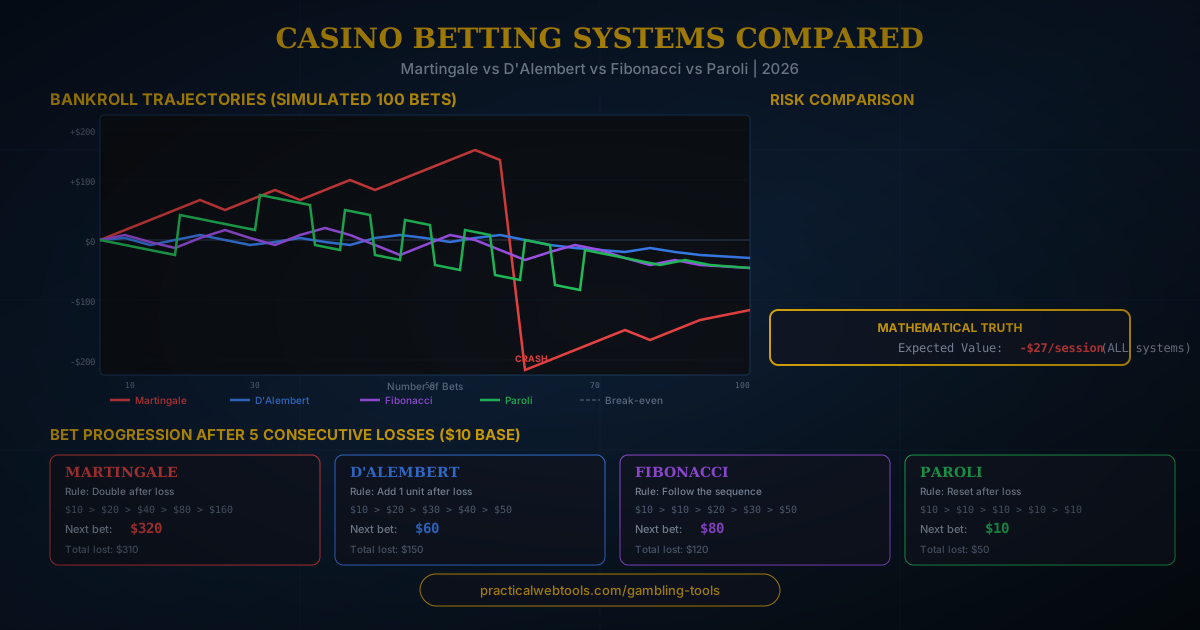
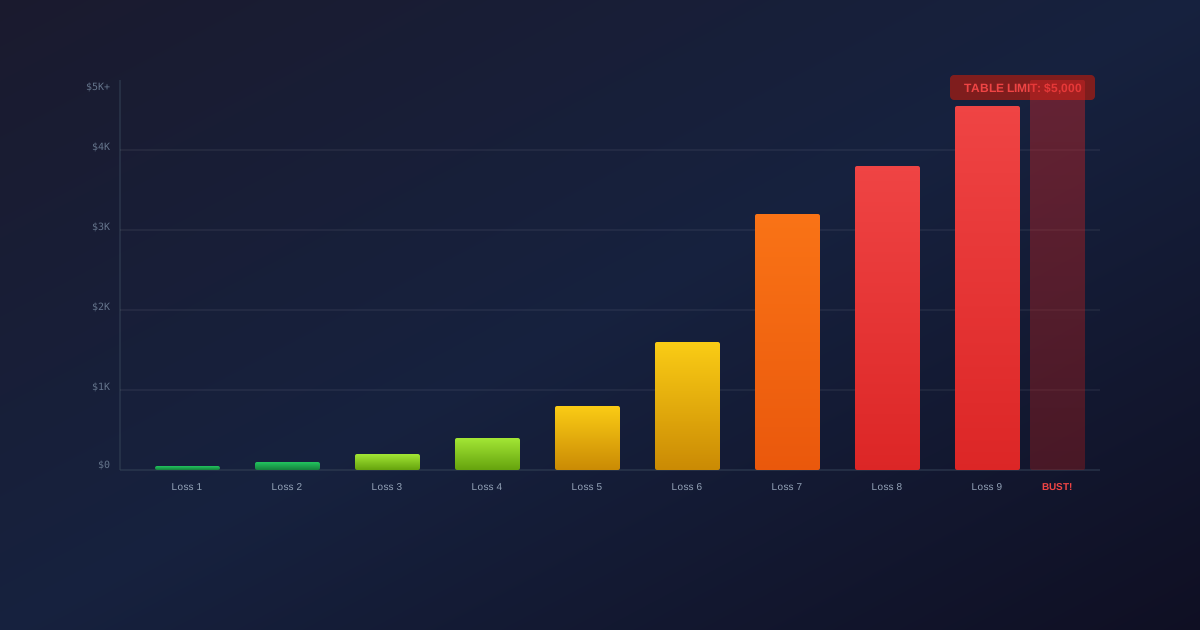
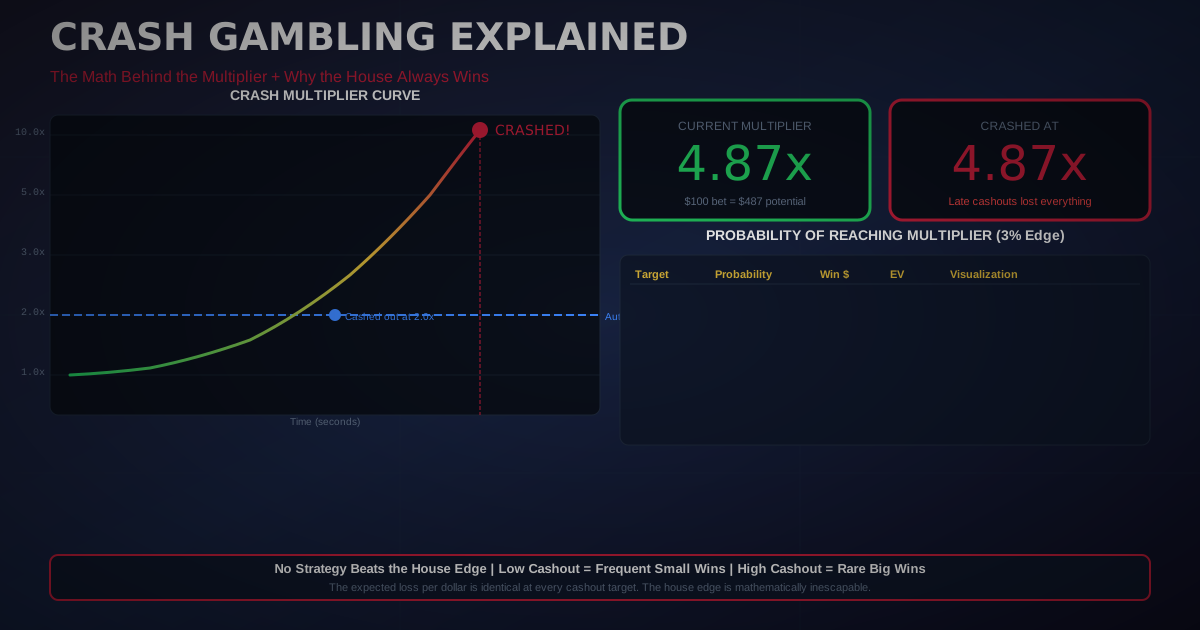
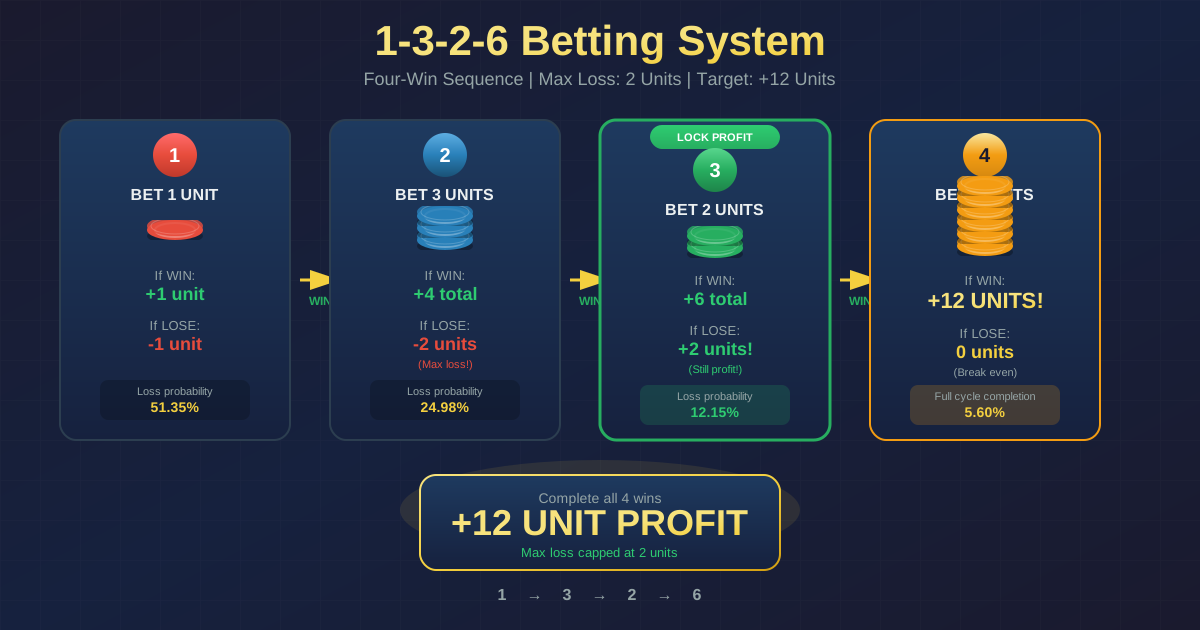
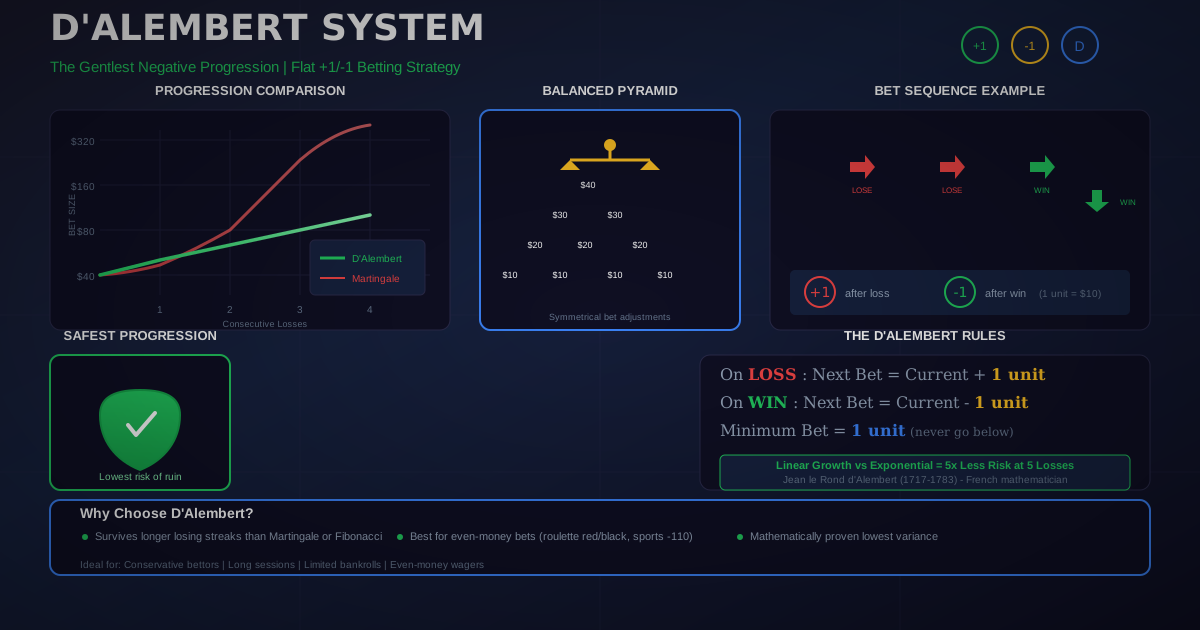
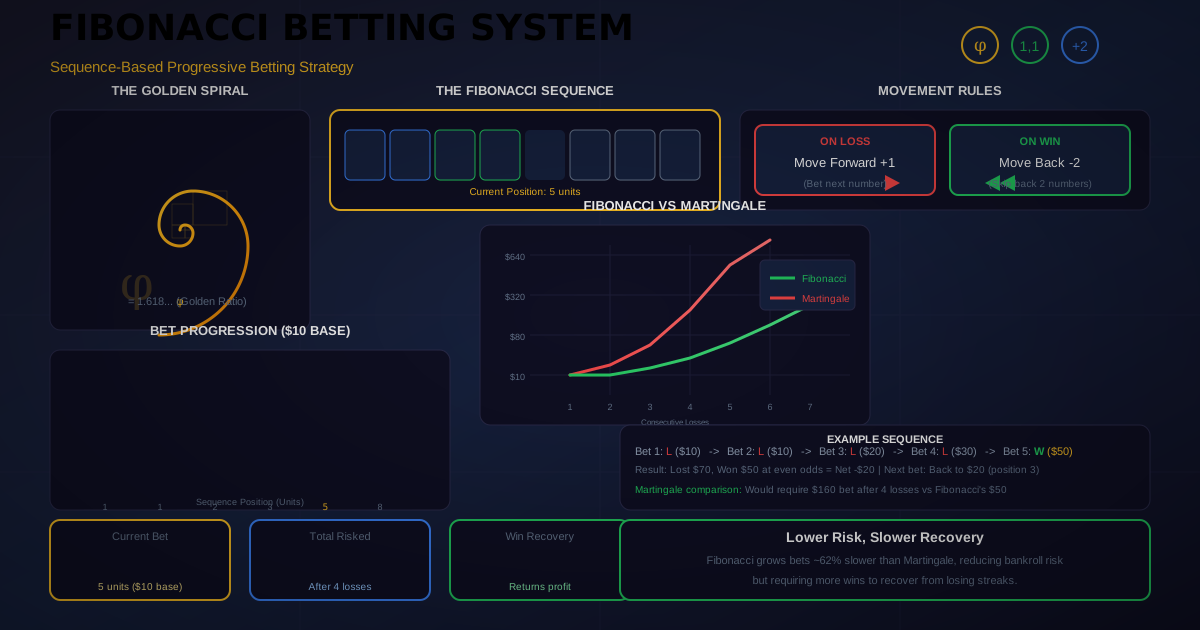
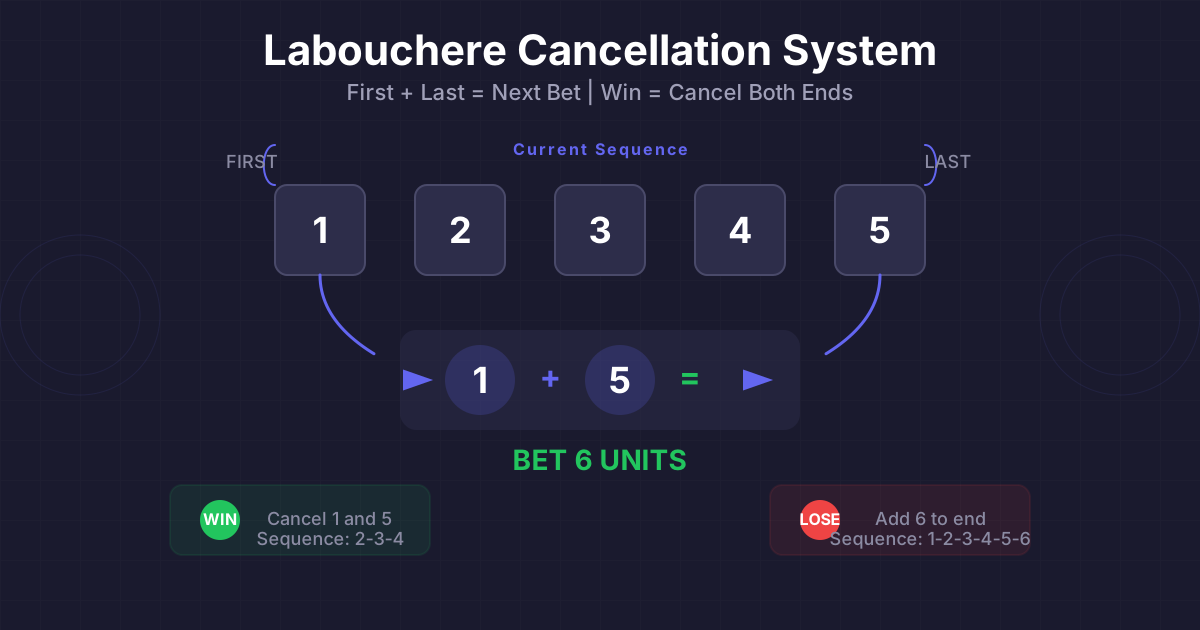
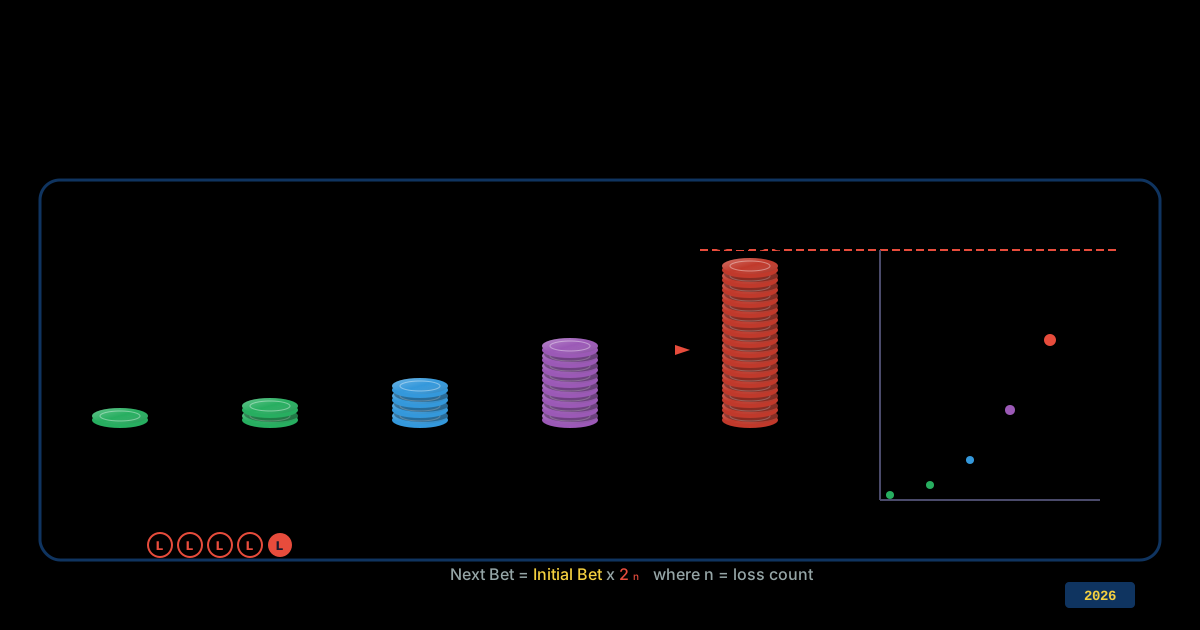
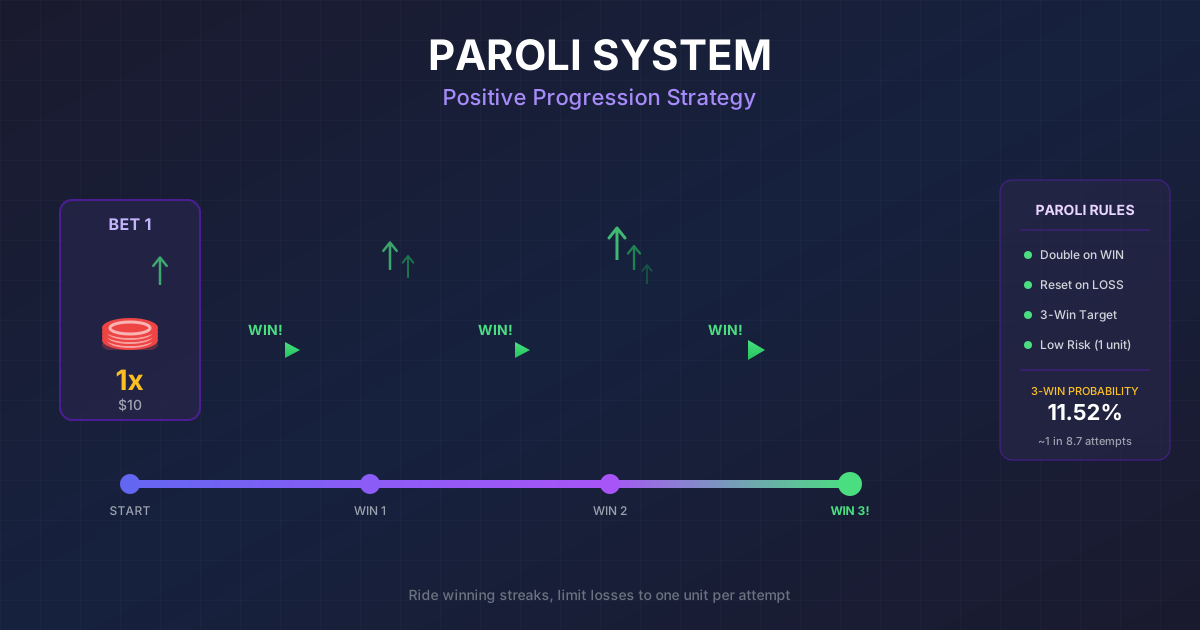
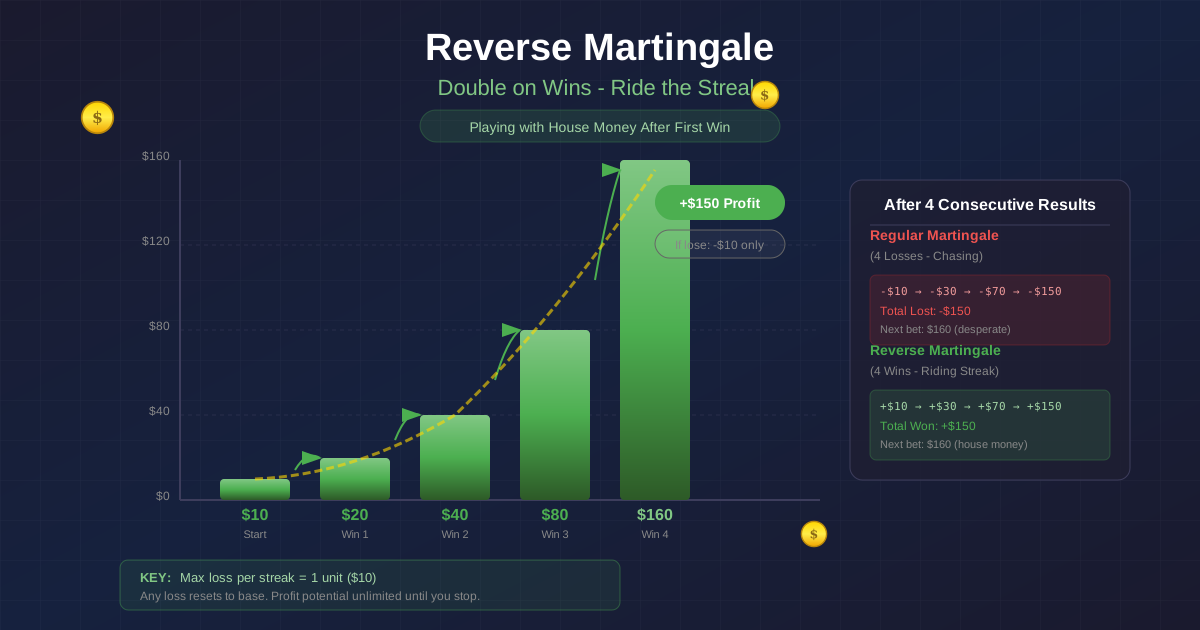
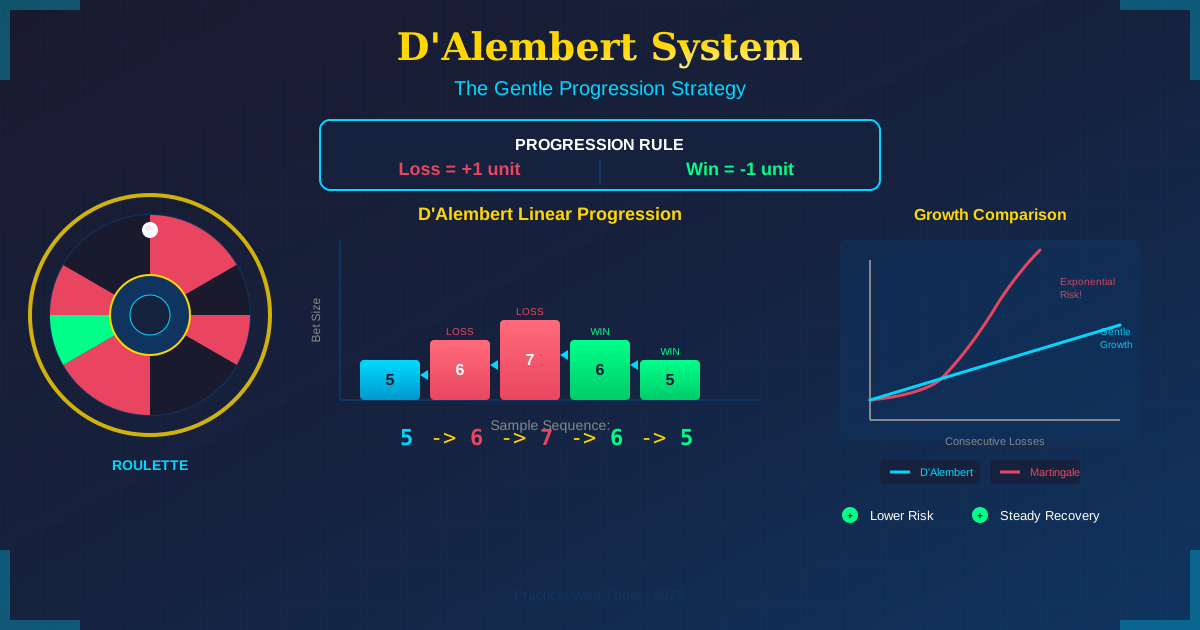
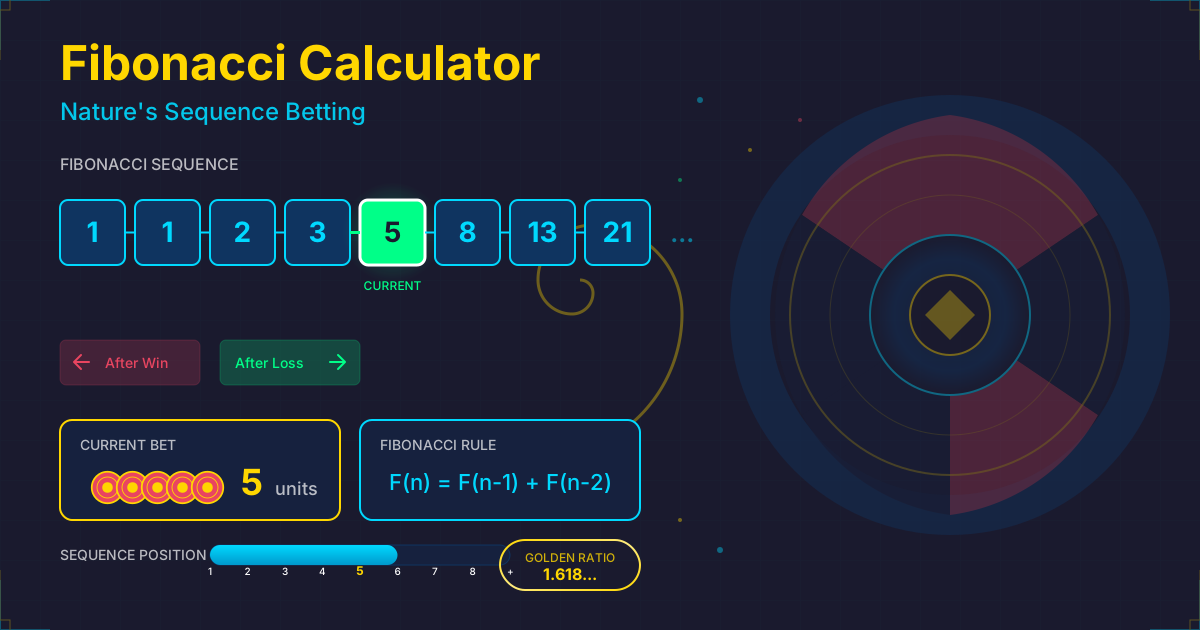
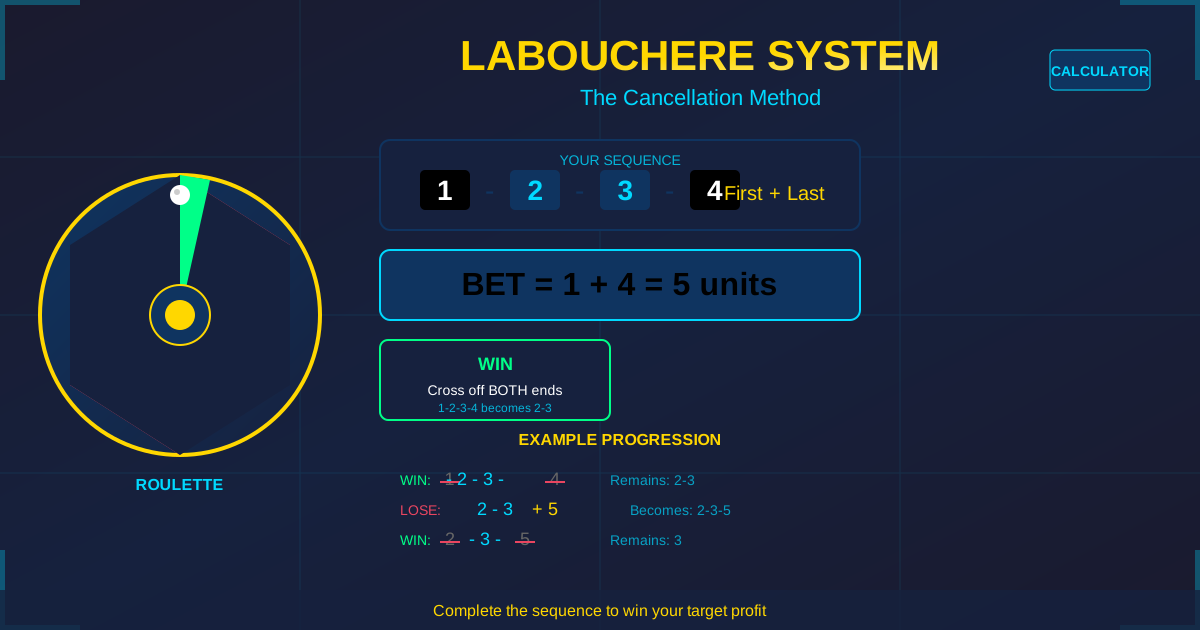
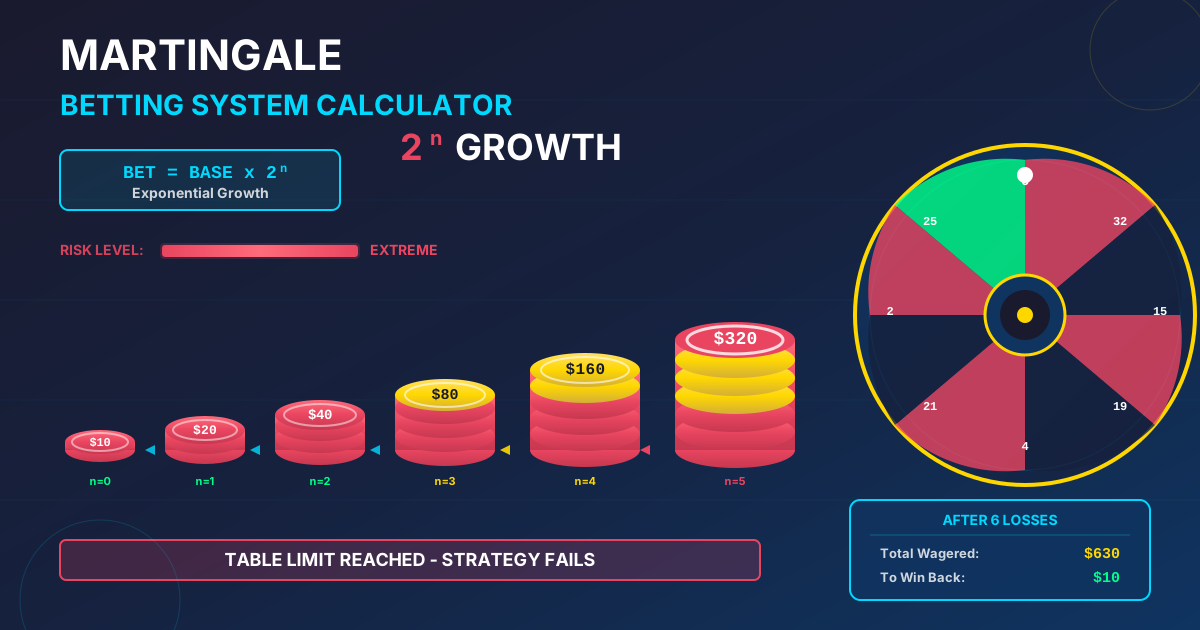
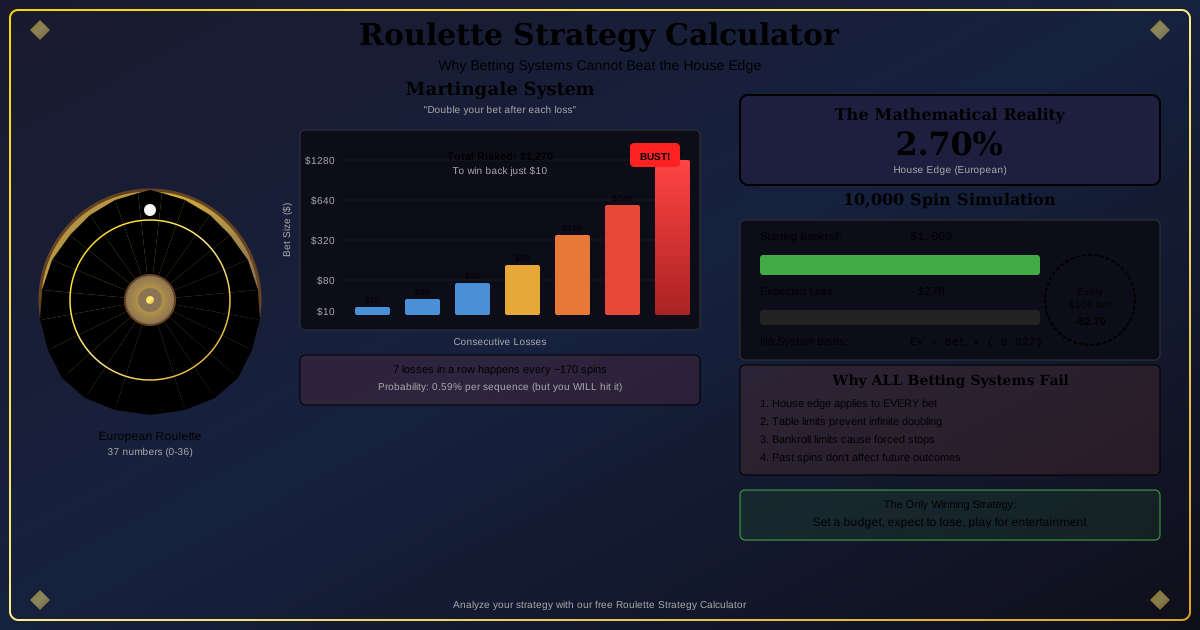
No. No betting system can change the expected value of a negative EV game. The Martingale, Fibonacci, D'Alembert, and every other system produce the same expected loss as flat betting. They only change the distribution of outcomes -- trading many small wins for occasional devastating losses. The math is unambiguous on this point.
What's the difference between American and European roulette odds?
American roulette has 38 numbers (0, 00, 1-36) with a 5.26% house edge. European roulette has 37 numbers (0, 1-36) with a 2.70% house edge. The extra zero on the American wheel nearly doubles the casino's advantage. Always play European roulette when available.
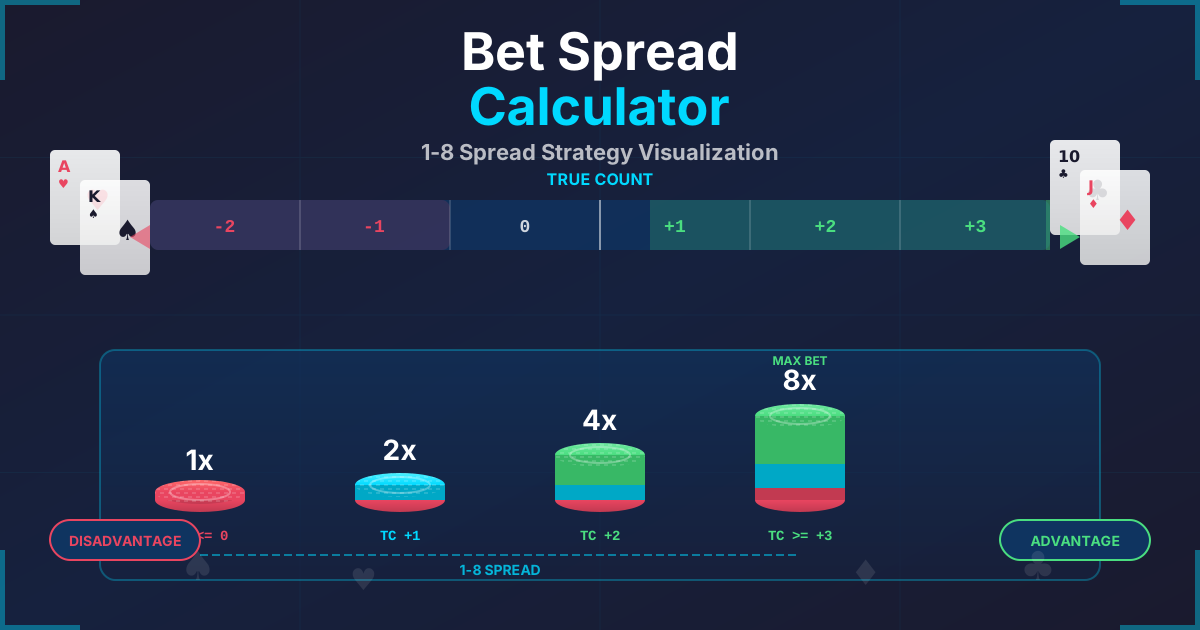
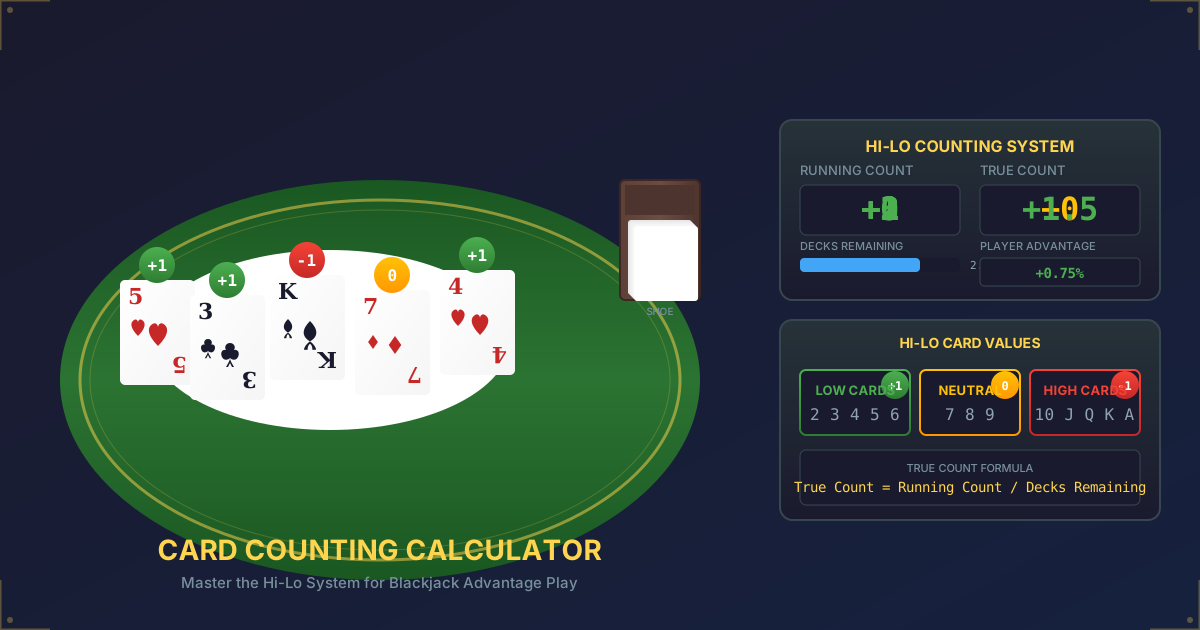
How does card counting change the house edge in blackjack?
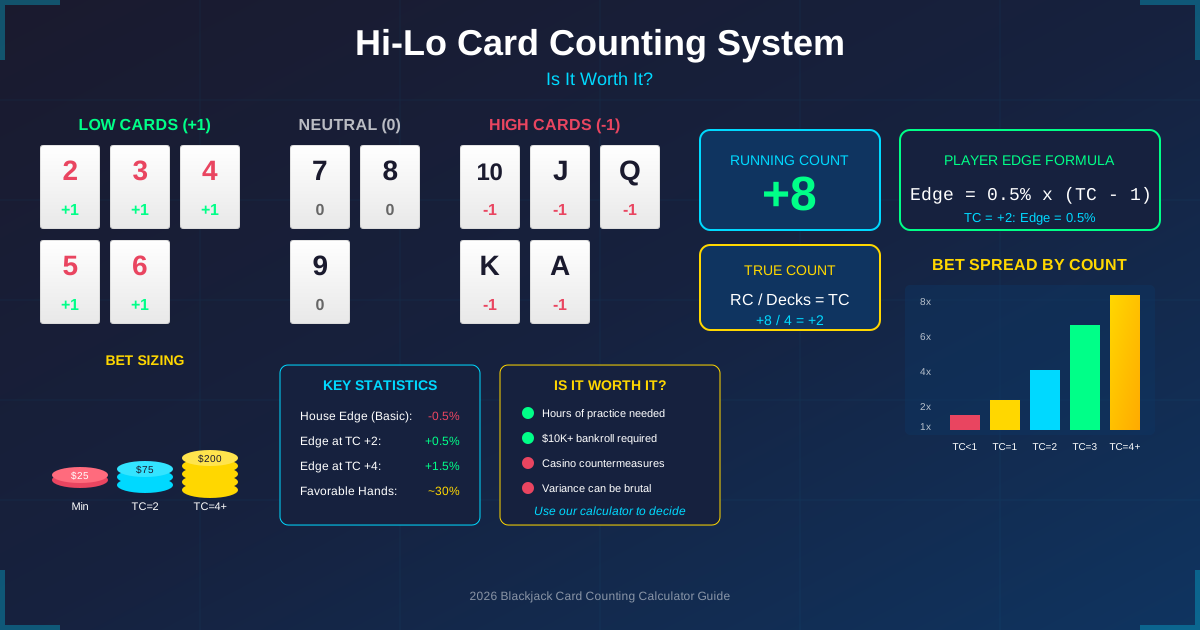
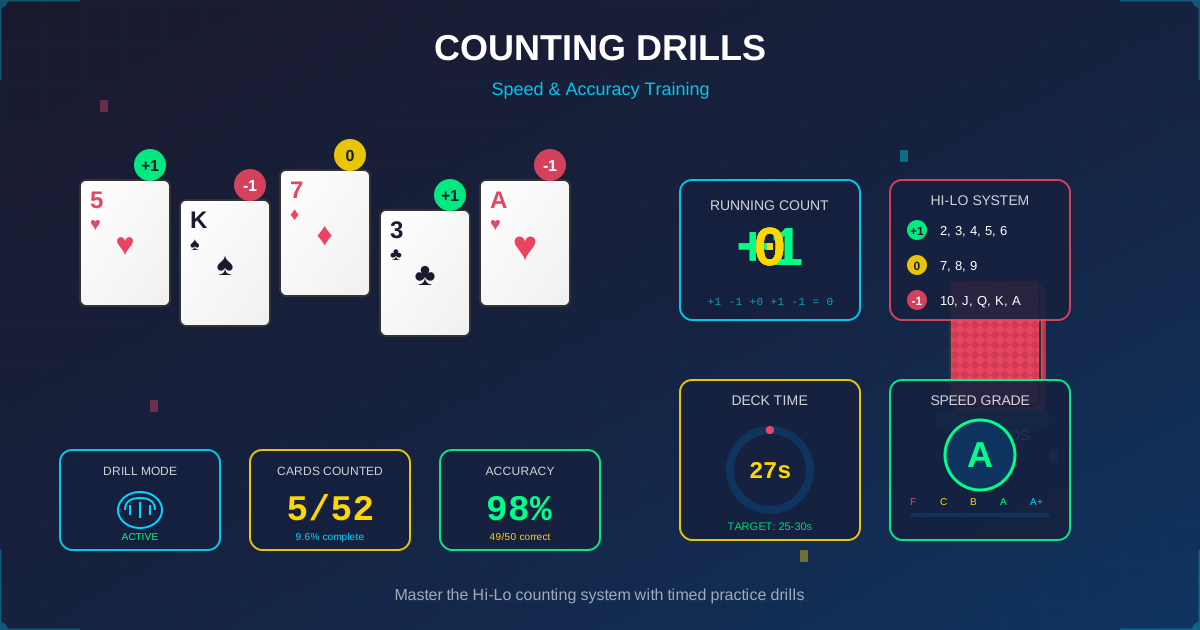
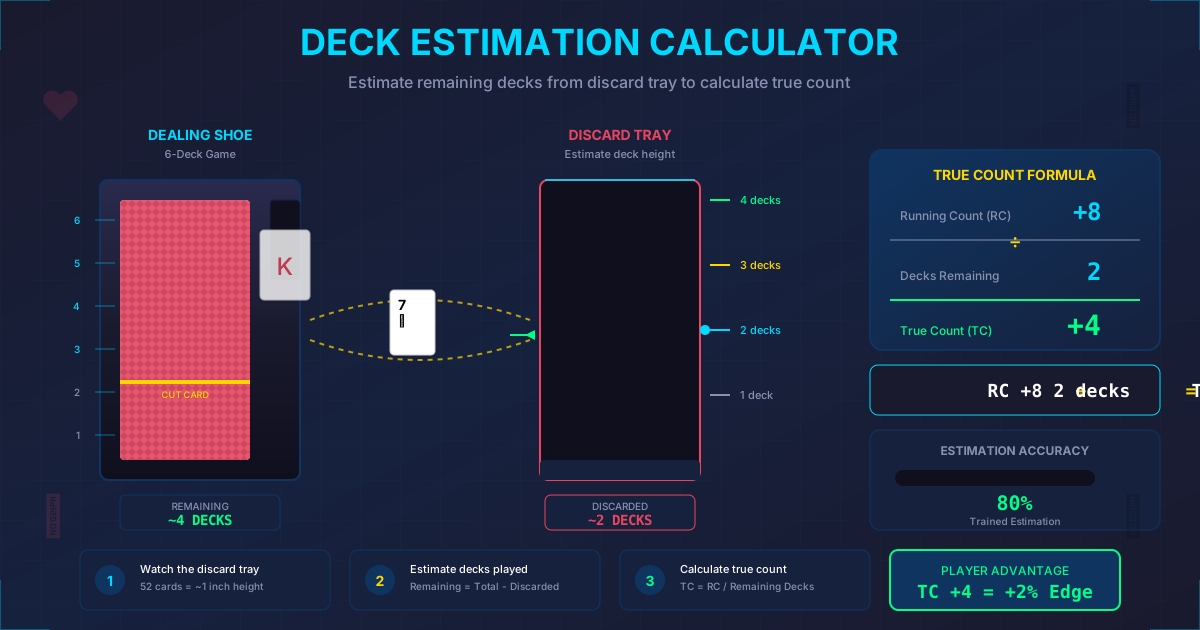
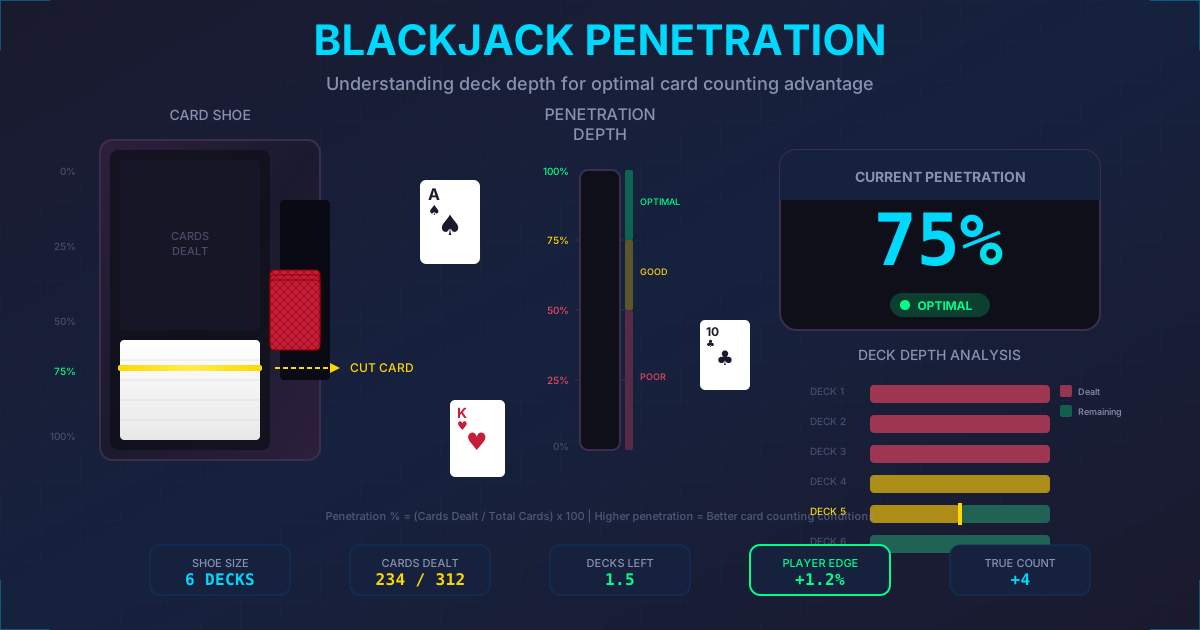
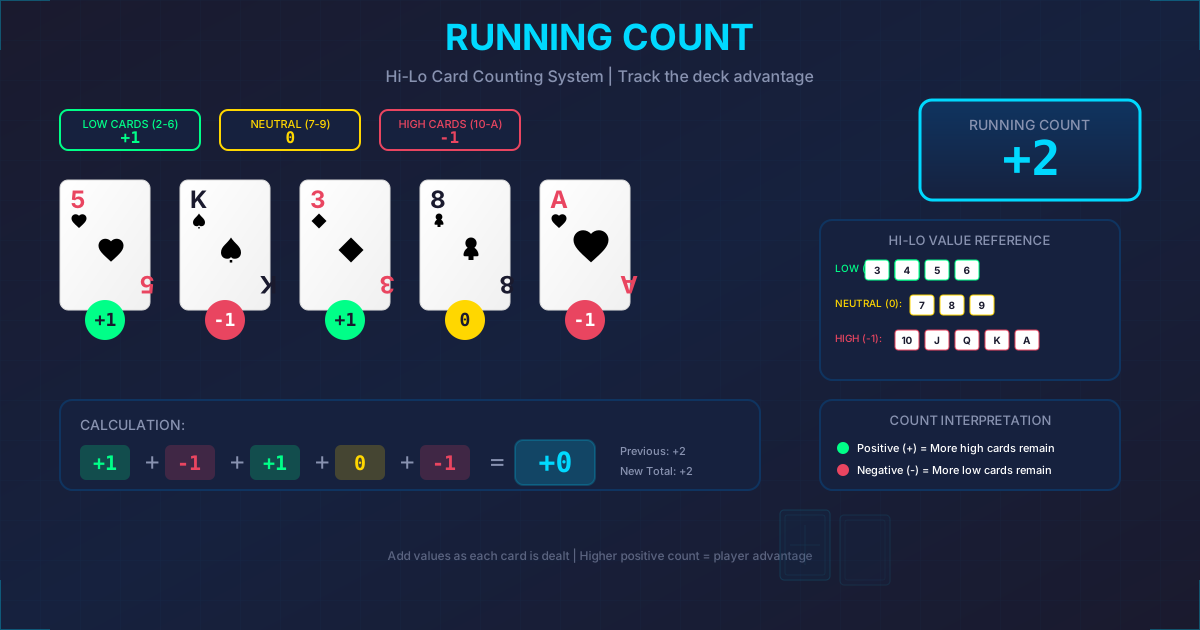
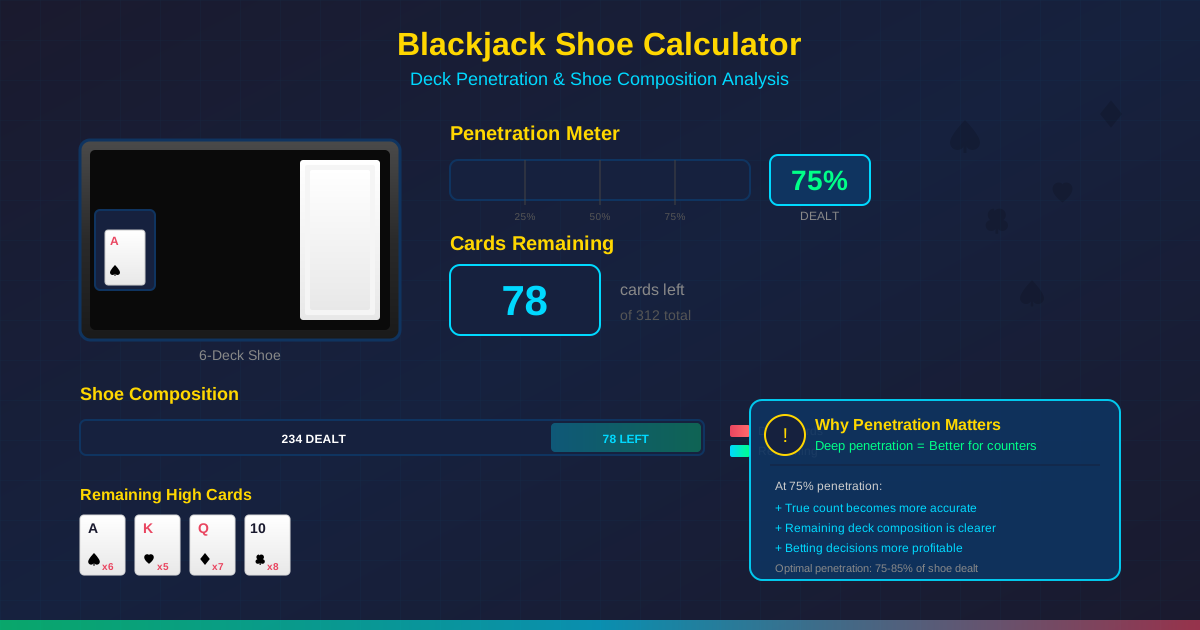
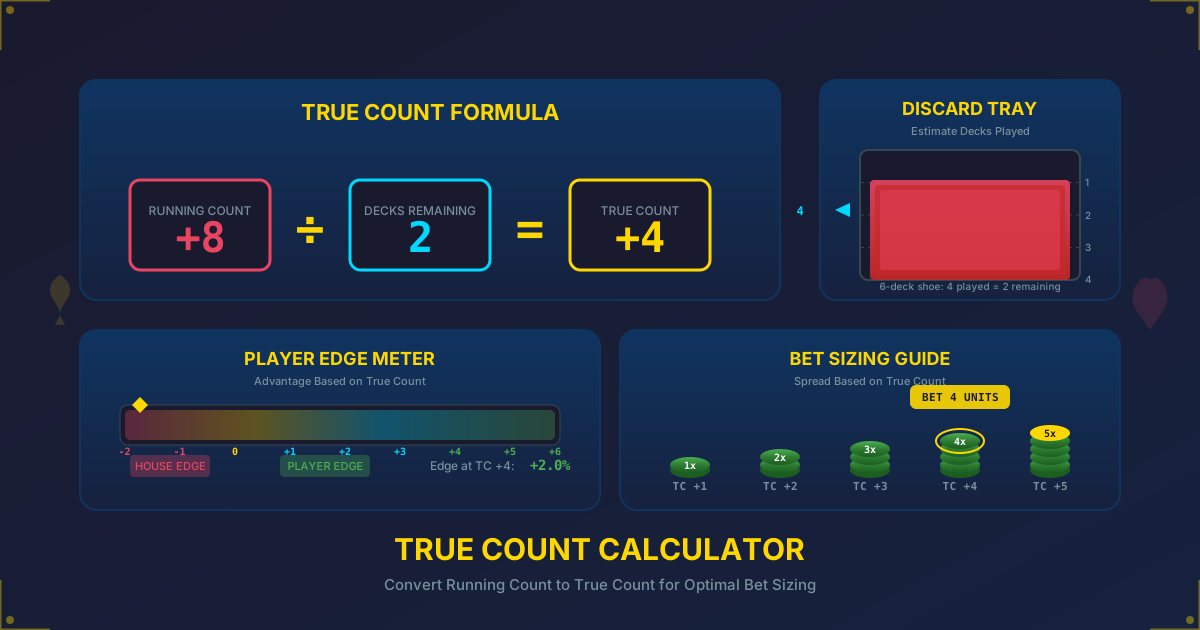
Card counting can flip the edge to the player by approximately 0.5% to 1.5% under favorable conditions. However, modern casino countermeasures (continuous shuffling machines, shallow penetration, six-deck shoes, and surveillance) make profitable counting extremely difficult. Basic strategy alone is the practical choice for most players.
Is baccarat or blackjack better for the average player?
For most players, baccarat is actually better. Its 1.06% Banker bet house edge requires zero strategy -- just bet Banker every hand. Blackjack's 0.50% edge requires perfect basic strategy, which most players don't execute. An average blackjack player at 2-4% house edge is worse off than a baccarat player at 1.06%.
Related Tools
- Blackjack House Edge Calculator - Calculate exact house edge for any rule combination
- Roulette House Edge Calculator - Compare American, European, and French roulette
- Craps House Edge Calculator - Analyze every craps bet
- Baccarat House Edge Calculator - Banker vs Player vs Tie analysis
- Video Poker Pay Table Analyzer - Find the best video poker machines
- Expected Value Calculator - Calculate EV for any bet
- Bankroll Volatility Tracker - Model variance over time
- Hold/Vig Calculator - Understand hold percentage
- Blackjack Basic Strategy - Perfect strategy charts
- Craps Pass Line Calculator - Pass line with odds analysis
- Craps Odds Bet Calculator - Maximize your odds bets
- Baccarat Commission Calculator - Impact of commission on Banker bet
- Video Poker EV Calculator - Expected value by hand
- Roulette EV Calculator - Expected value for any roulette bet
- Blackjack EV Calculator - Per-hand expected value analysis
Conclusion
Casino game selection is the most impactful decision you can make as a gambler. The difference between a 0.50% house edge and a 10% house edge means the difference between paying $9 per hour and $180 per hour for the same entertainment. No amount of luck, superstition, or betting systems can overcome a bad game choice sustained over time.
The hierarchy is clear: blackjack with basic strategy, craps with odds, and baccarat Banker bets offer the best odds. Full-pay video poker with perfect strategy can even give you a slight player edge. American roulette, slots, keno, and lottery tickets sit at the other end of the spectrum, extracting money at rates that should give any mathematically aware person pause.
Learn the numbers. Choose your games wisely. And understand that even the best odds still favor the house -- the goal is to minimize the cost of entertainment, not to find a guaranteed path to profit.
Calculate Your Expected Loss with Our House Edge Tools ->
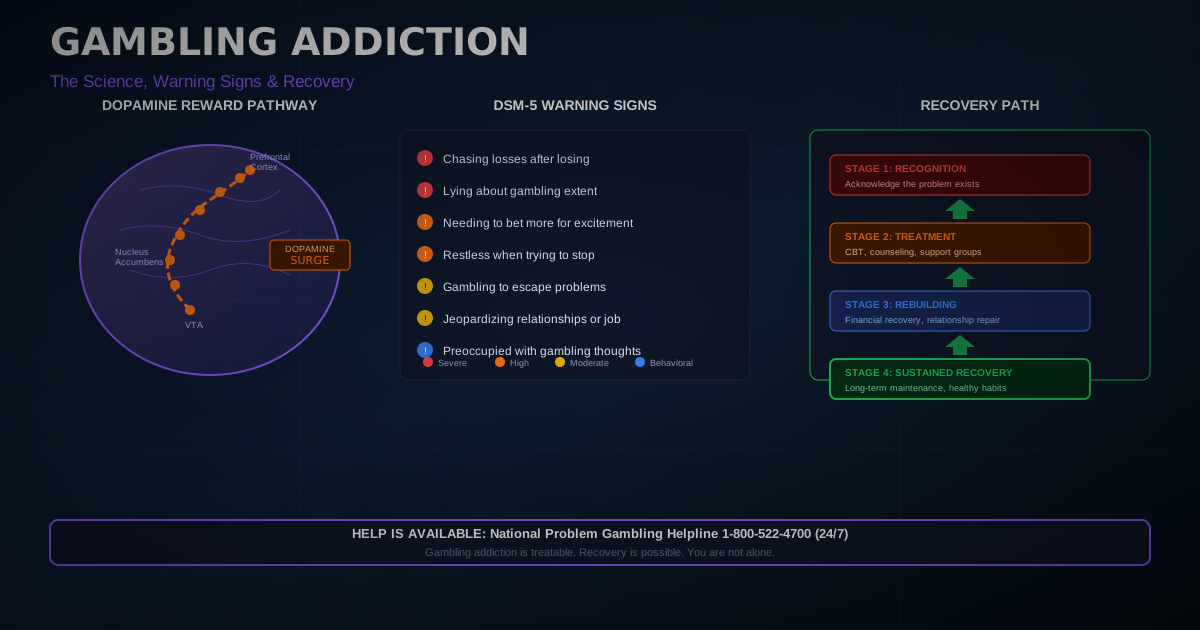
Gambling involves risk. This content is for educational and informational purposes only. Always gamble responsibly, set limits you can afford, and seek help if gambling becomes a problem. Visit the National Council on Problem Gambling or call 1-800-522-4700 for support.