Expected Value Explained: The Most Important Concept in All of Gambling (2026)
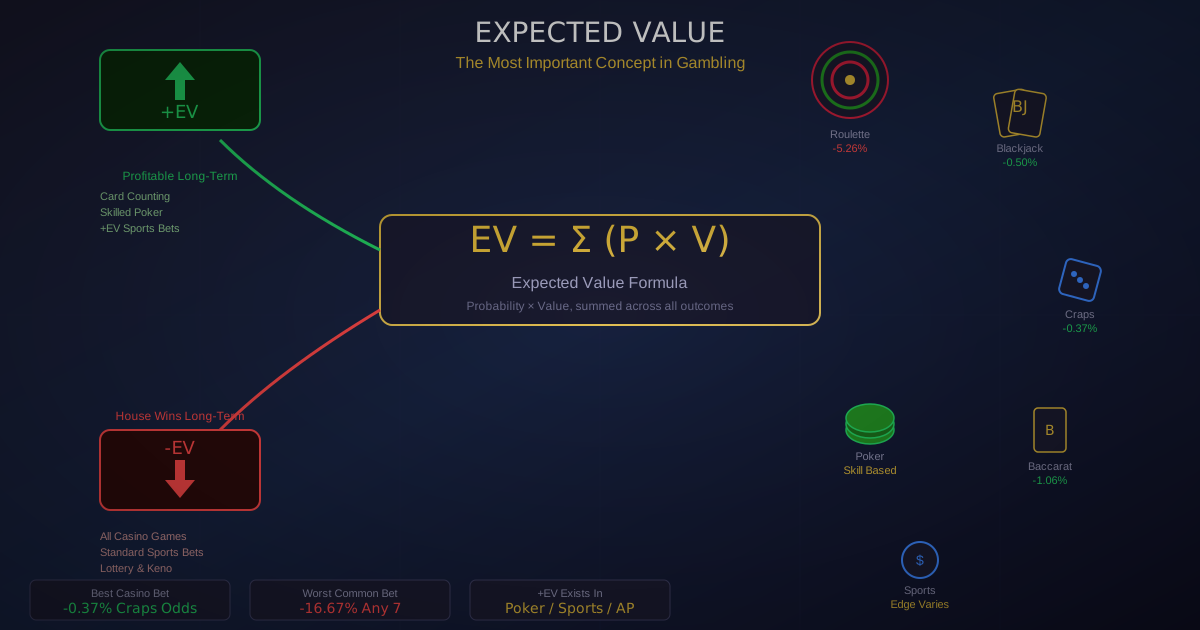
Every single decision you make at a casino, poker table, or sportsbook has a mathematical price tag attached to it. That price tag is called Expected Value, and it is the single most important concept that separates informed gamblers from the millions who hand their money over without understanding why they lose. If you learn nothing else about gambling math, learn EV. It is the foundation upon which every other concept in this field is built.
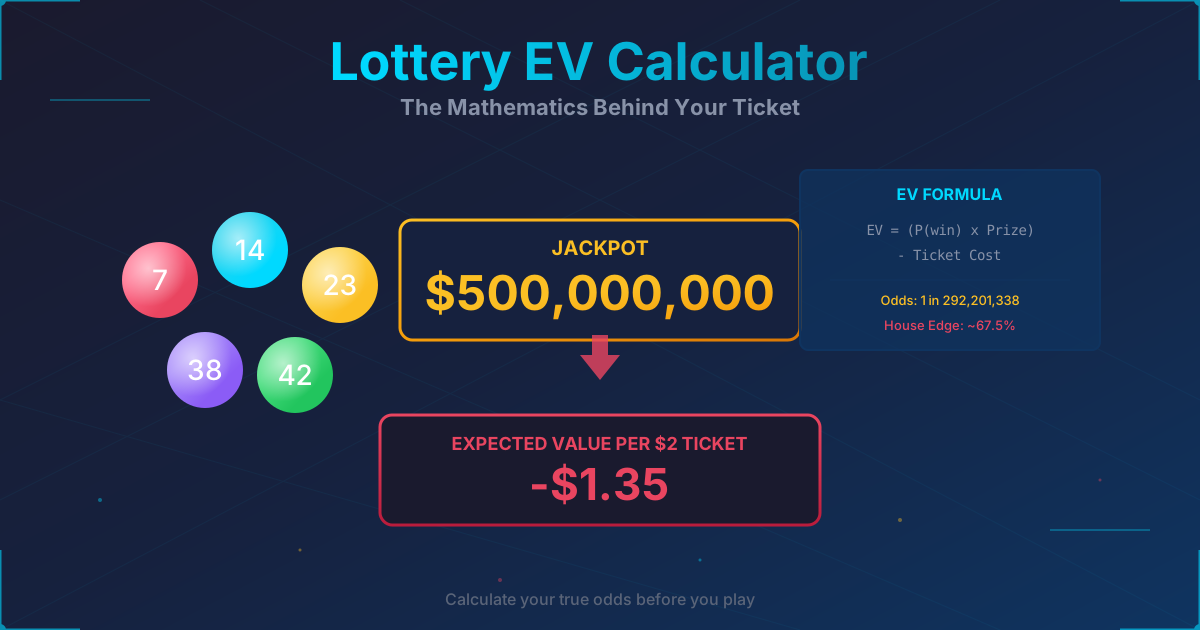
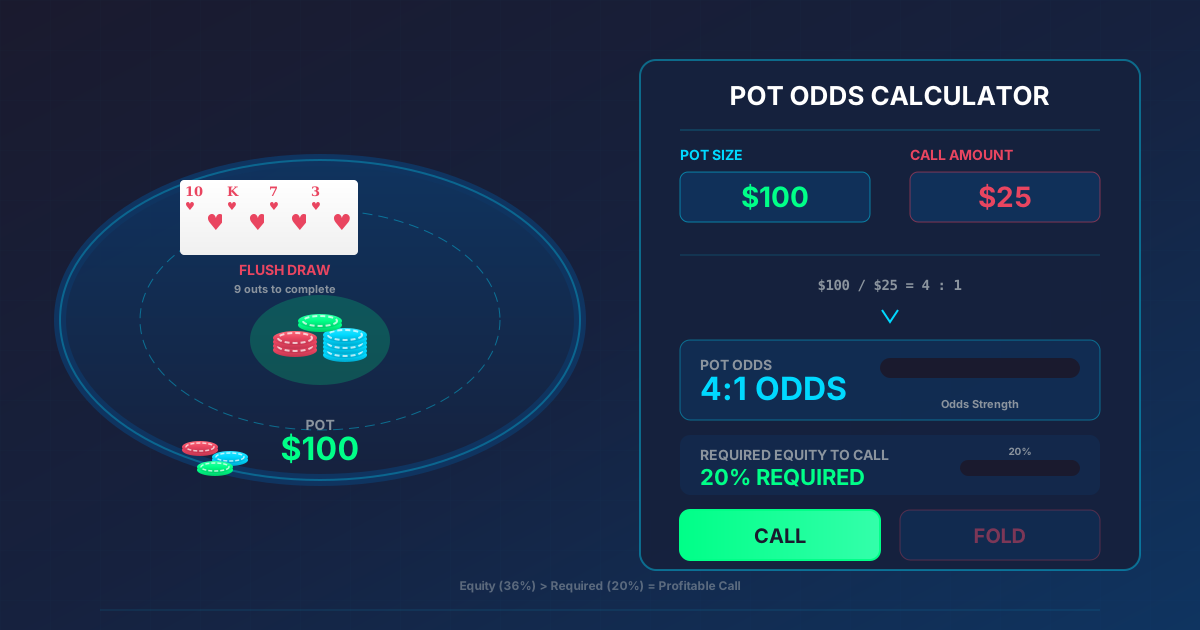
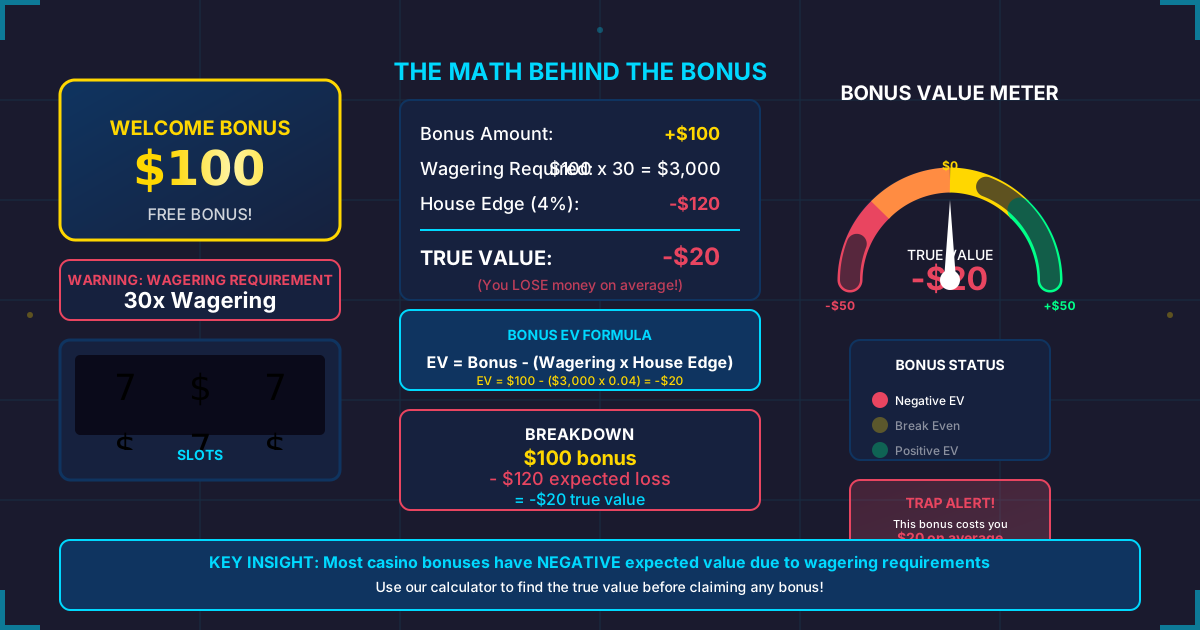
Expected Value tells you exactly how much you can expect to win or lose on average per bet over the long run. It condenses every possible outcome, every probability, and every payout into a single number that reveals the true cost of every wager you place. A -$5.26 EV on a $100 roulette bet means that, on average, every time you place that bet, you are paying $5.26 for the privilege of playing. A +$2.50 EV on a sports bet means you are earning $2.50 in expected profit every time you make that wager.
The casino industry generates over $60 billion annually in the United States alone, and every single dollar of that revenue exists because of negative expected value. Understanding EV will not make you a winner at casino games, but it will tell you exactly what you are paying for entertainment, and it will show you the rare situations where the math actually favors the player.
Calculate the expected value of any bet instantly with our free Expected Value Calculator.
The Expected Value Formula
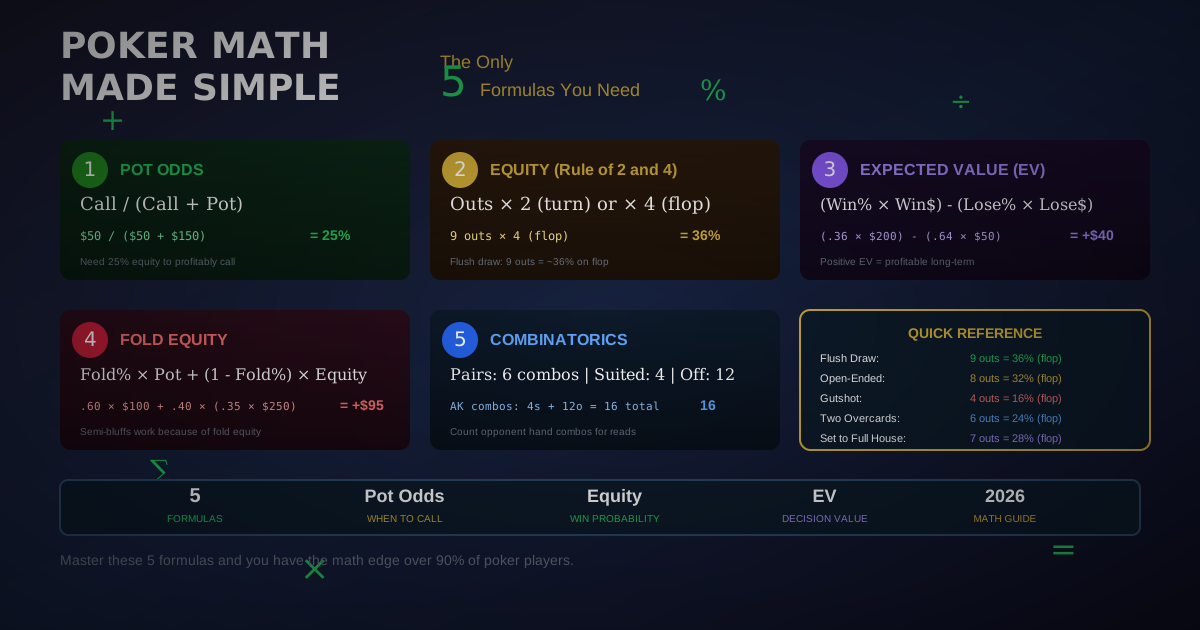
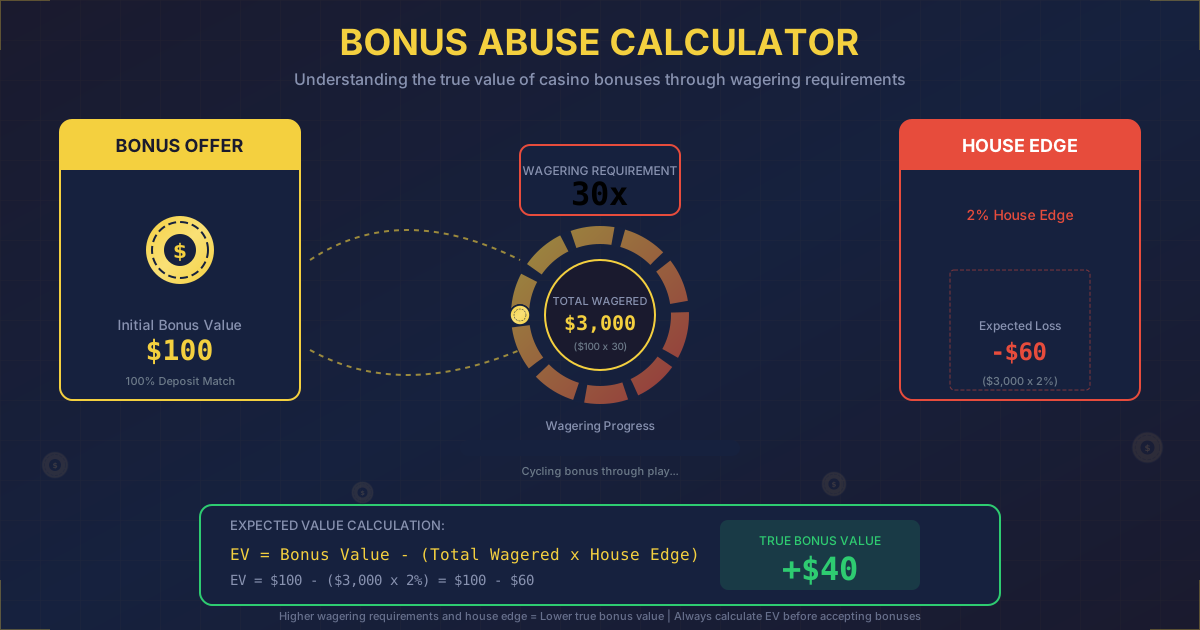
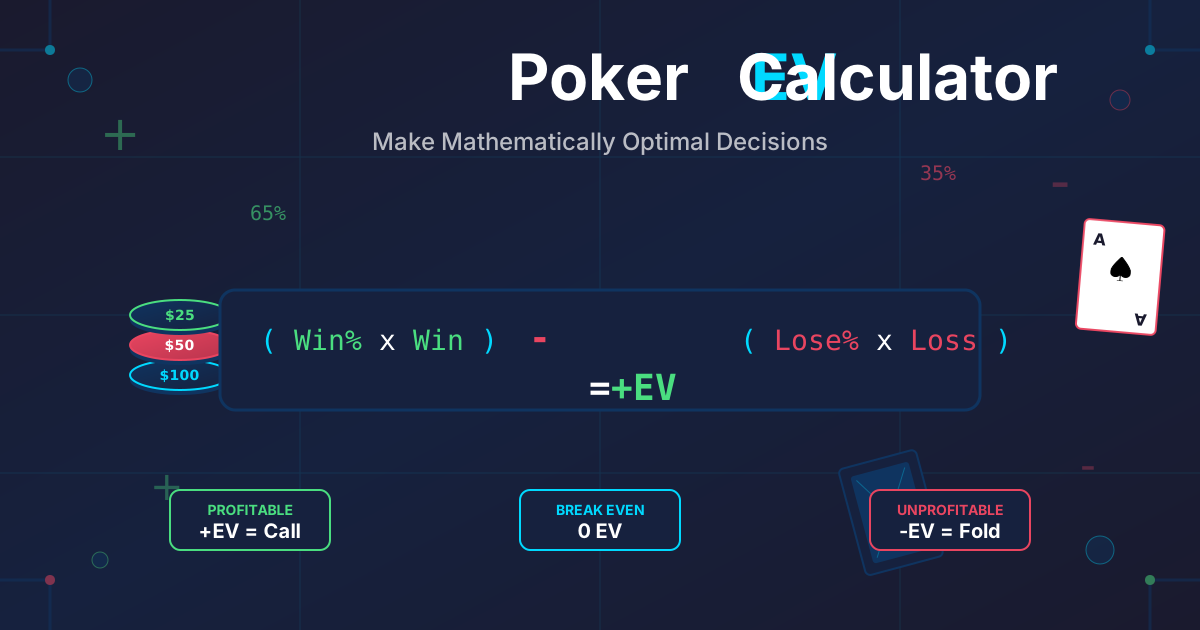
Expected Value is calculated by multiplying each possible outcome by its probability, then summing all the results. The formula is straightforward:
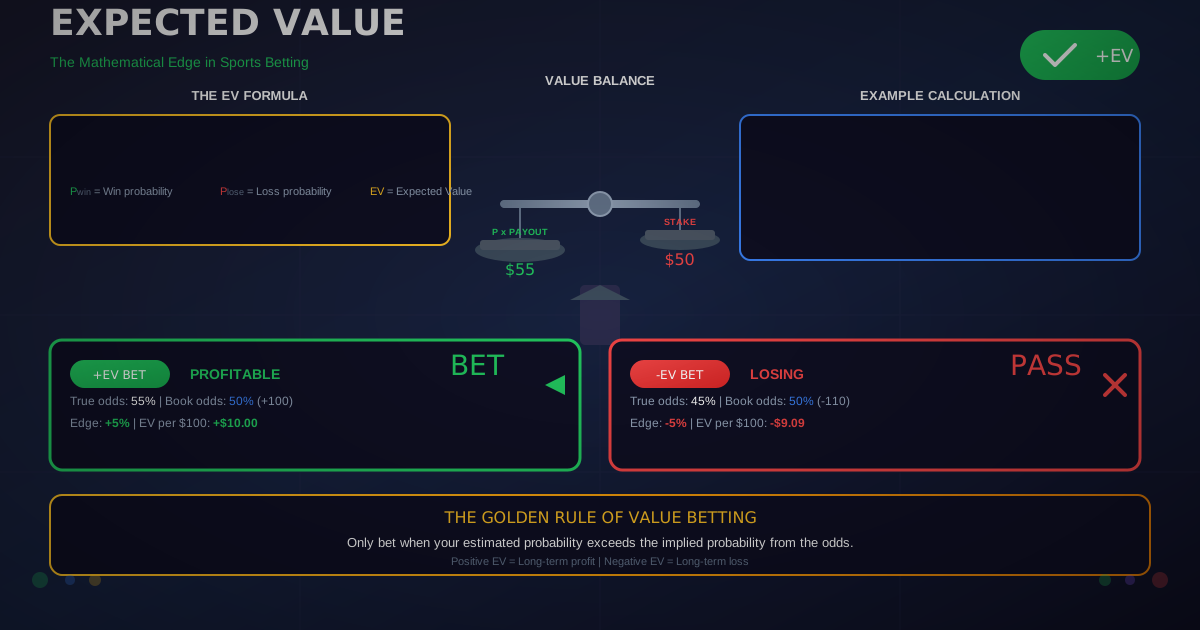
EV = (Probability of Winning x Amount Won) + (Probability of Losing x Amount Lost)
For situations with multiple outcomes:
EV = Σ (P_i x V_i)
Where P_i is the probability of outcome i, and V_i is the value (positive for wins, negative for losses) of outcome i.
A Simple Example: The Coin Flip
Imagine someone offers you even money ($1 wins $1) on a fair coin flip:
- Probability of heads: 50% (0.50)
- Win amount: +$1
- Probability of tails: 50% (0.50)
- Loss amount: -$1
EV = (0.50 x $1) + (0.50 x -$1) = $0.50 - $0.50 = $0.00
This is a "fair" bet. Zero expected value. Neither side has an advantage. You will neither make money nor lose money over the long run.
Now imagine a casino offers you $0.95 when you win but takes your full $1 when you lose:
EV = (0.50 x $0.95) + (0.50 x -$1.00) = $0.475 - $0.50 = -$0.025
You lose 2.5 cents per dollar wagered on average. That is the house edge in action, and it is exactly how casinos operate: paying less than true odds on every single bet.
Breaking Down the Components
| Component | What It Means | Example |
|---|---|---|
| Probability of winning | How often you win | 18/38 on roulette red |
| Win amount | What you receive when winning | +$100 on even-money bet |
| Probability of losing | How often you lose | 20/38 on roulette red |
| Loss amount | What you give up when losing | -$100 on even-money bet |
| EV result | Average profit/loss per bet | -$5.26 per $100 bet |
Run your own EV calculations with specific numbers using our Expected Value Calculator.
Expected Value in Every Casino Game
Every casino game has a built-in negative EV for the player. Here is how EV works across the most popular games.
Roulette Expected Value
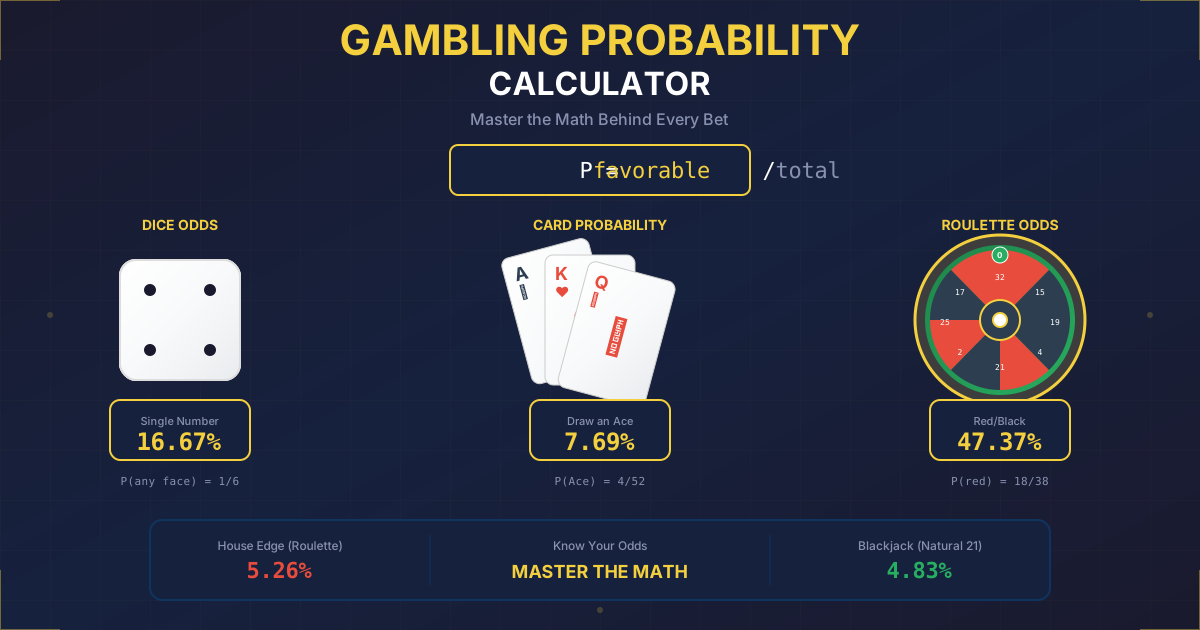
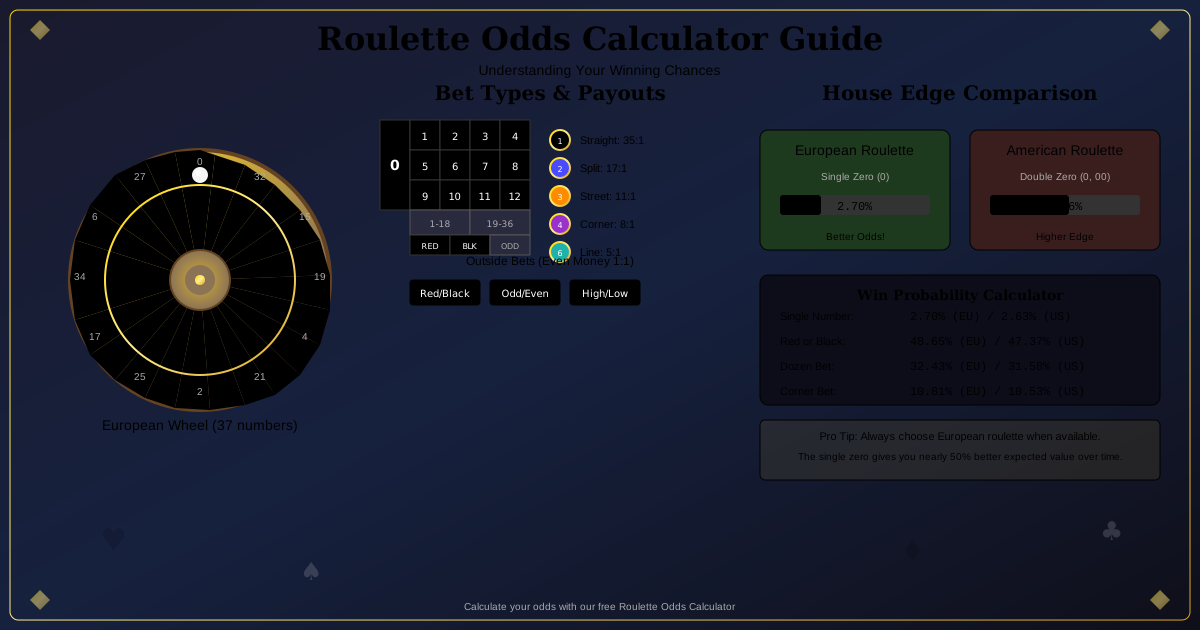
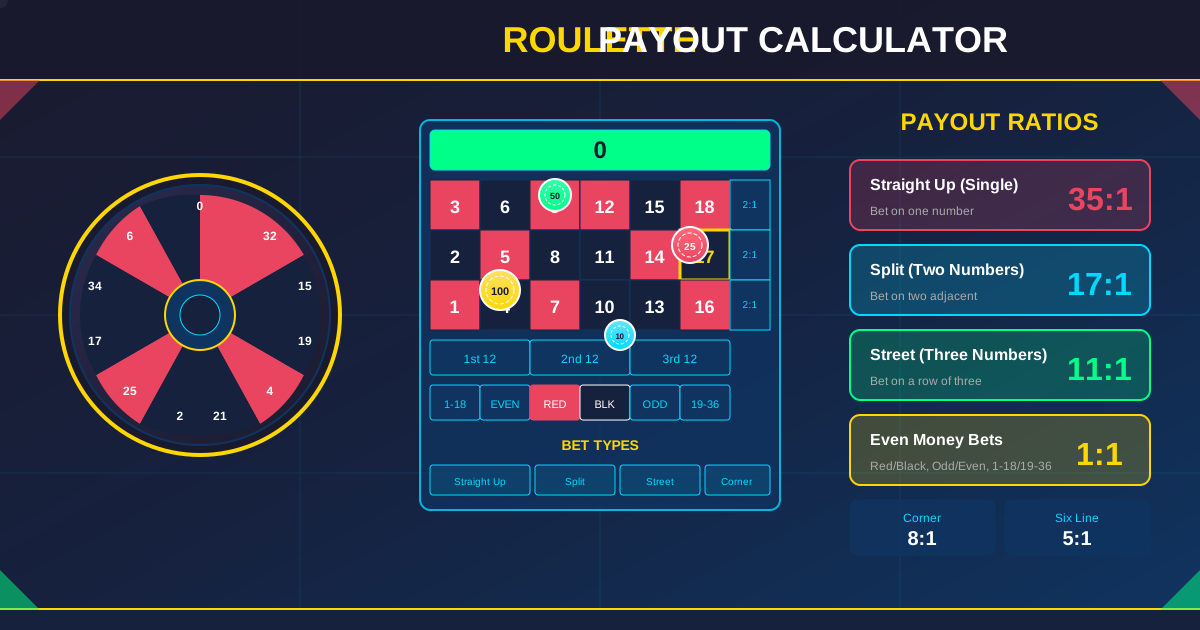
Roulette is the clearest illustration of negative EV because the math is transparent. On an American double-zero wheel (38 pockets), every bet has the same house edge.
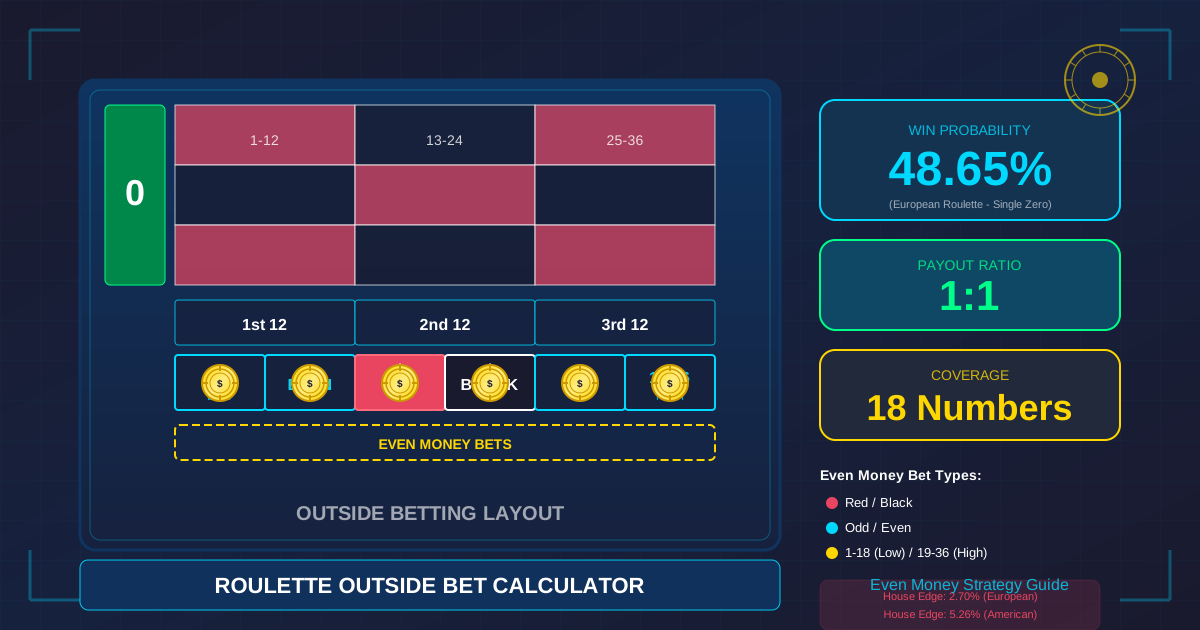
Even-Money Bets (Red/Black, Odd/Even, High/Low):
- Win probability: 18/38 = 47.37%
- Loss probability: 20/38 = 52.63%
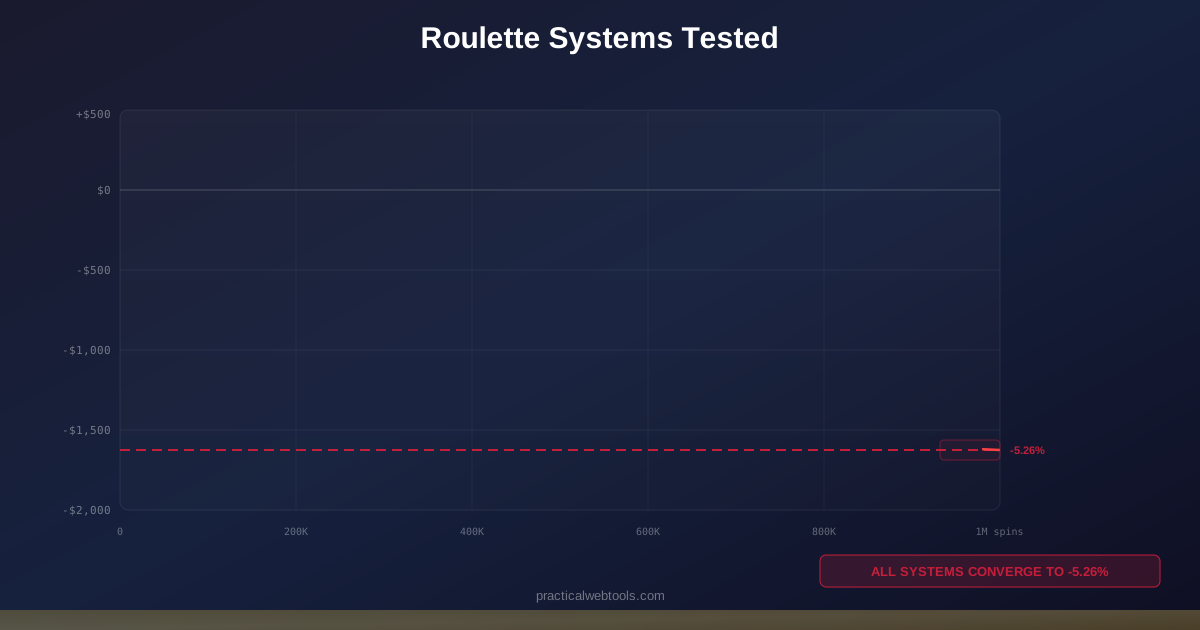
- EV per $100 bet = (18/38 x $100) + (20/38 x -$100) = $47.37 - $52.63 = -$5.26
Single Number Bet (Straight Up):
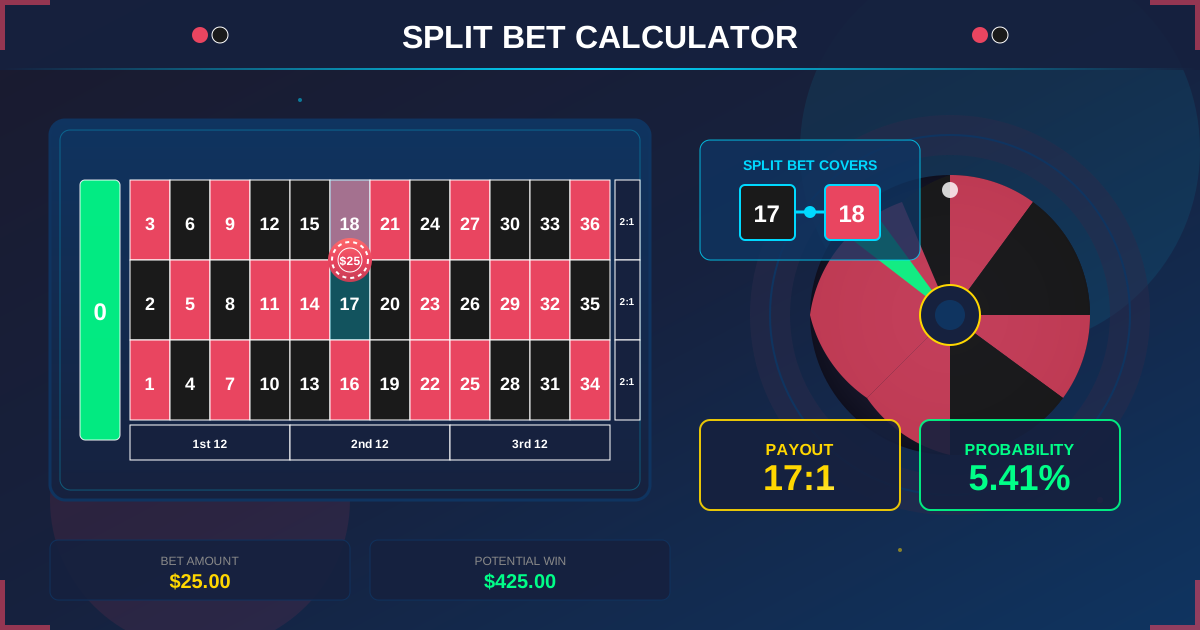
- Win probability: 1/38 = 2.63%
- Win amount: +$3,500 (35:1 payout on $100)
- Loss probability: 37/38 = 97.37%
- Loss amount: -$100
- EV = (1/38 x $3,500) + (37/38 x -$100) = $92.11 - $97.37 = -$5.26
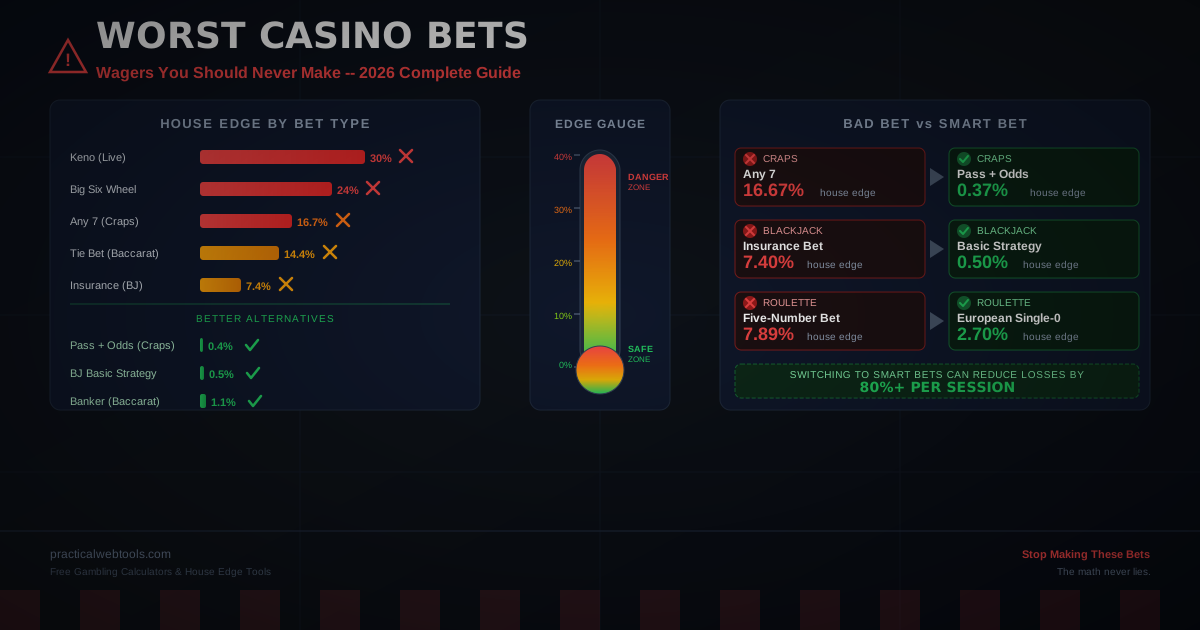
Notice the EV is identical: -$5.26 per $100 wagered regardless of the bet type. The house edge on American roulette is 5.26% on every bet (except the five-number bet at 7.89%).
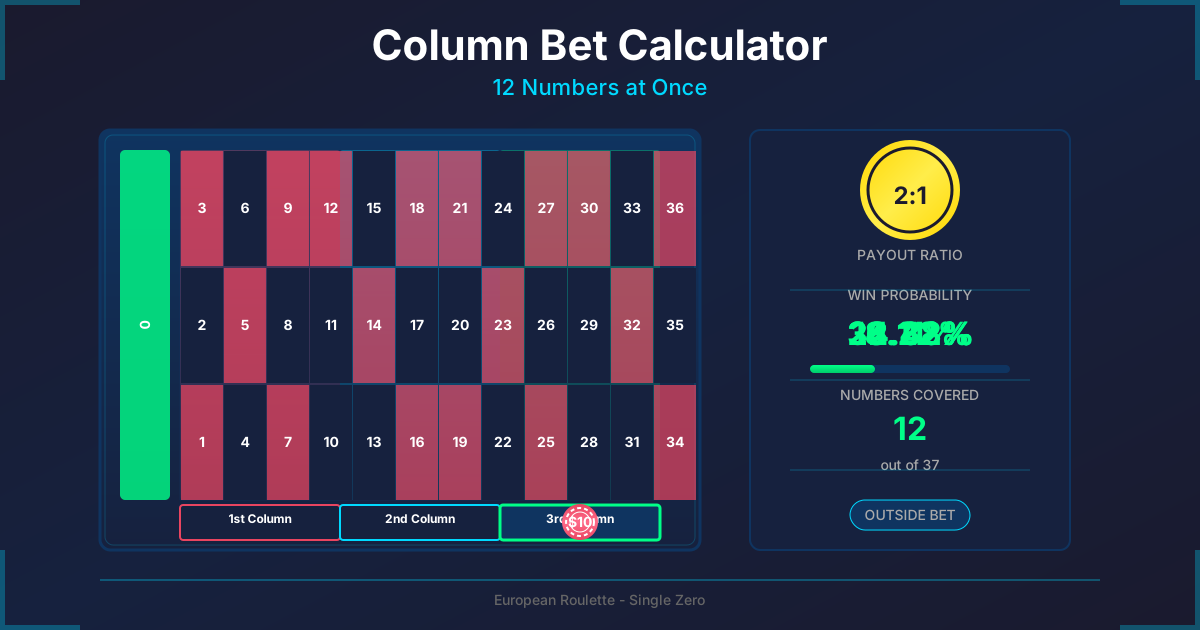
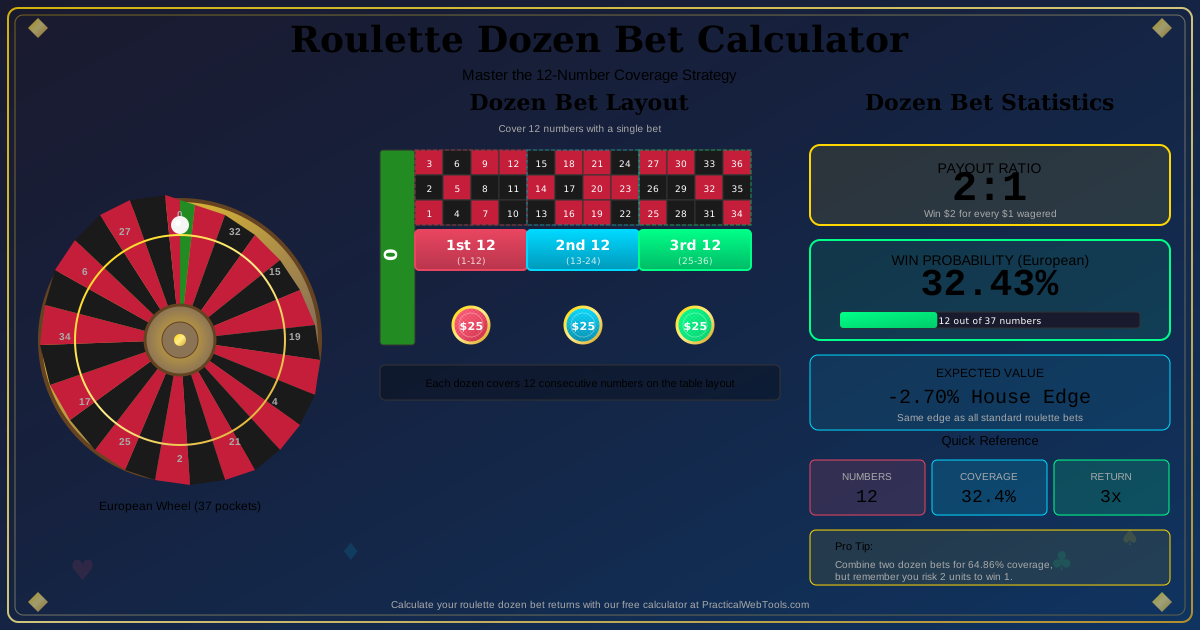
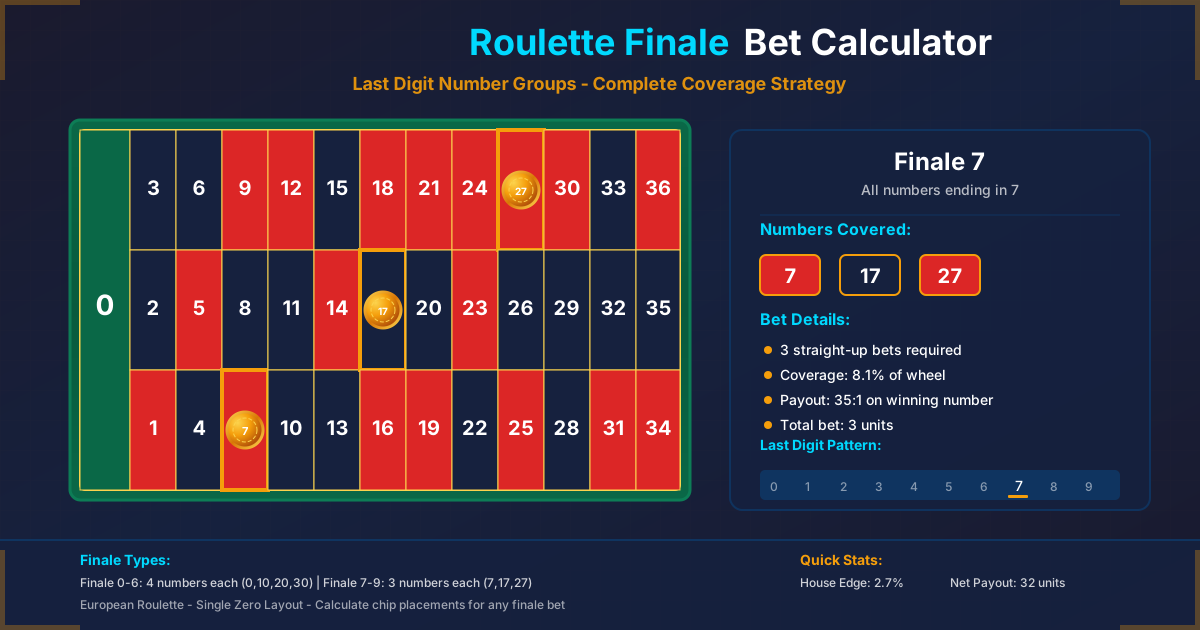
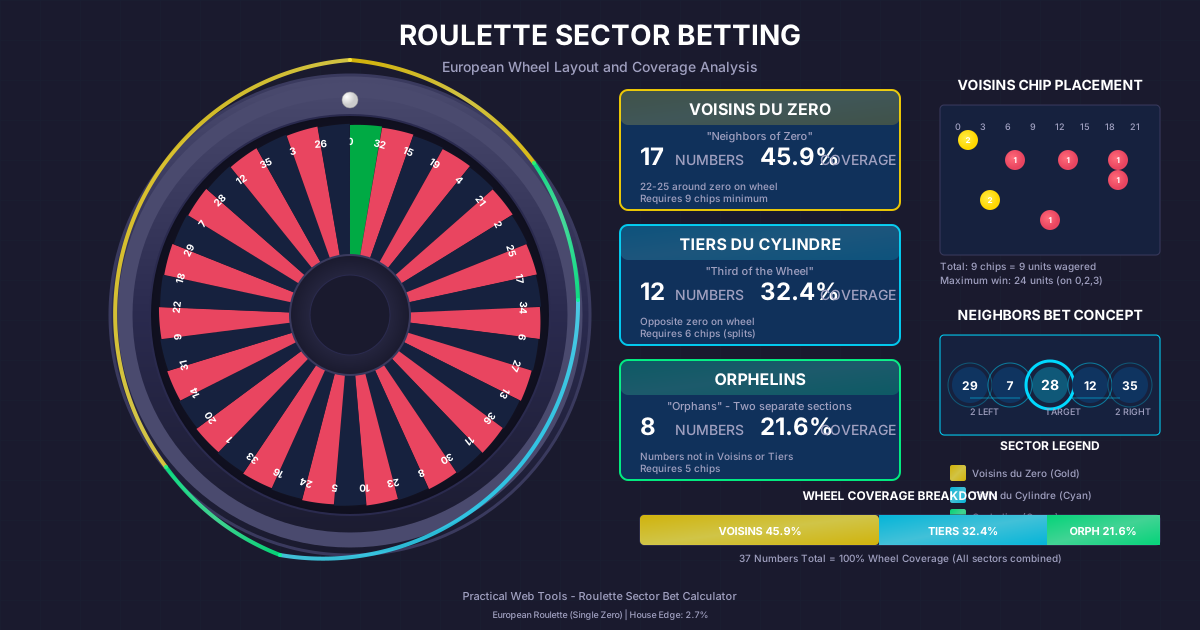
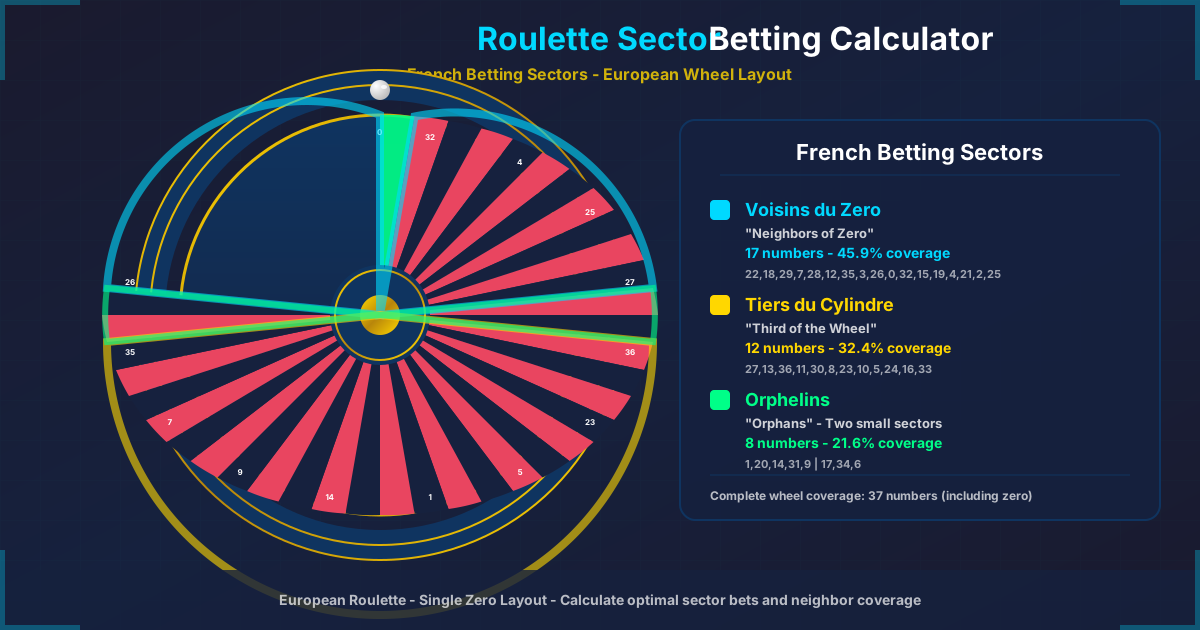
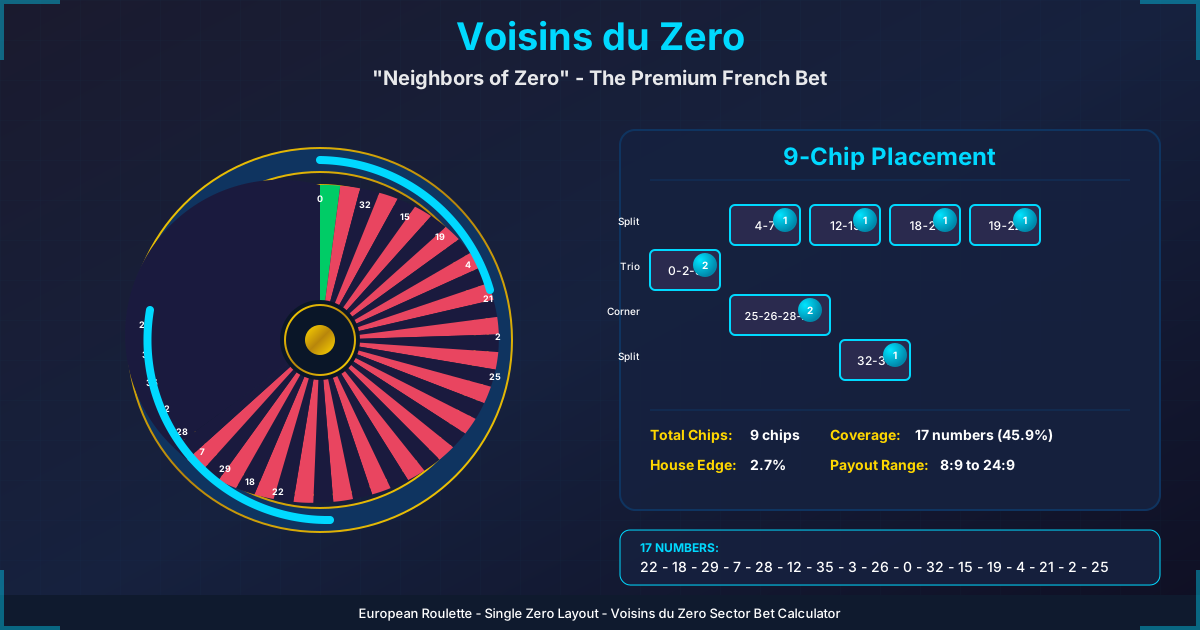
On a European single-zero wheel (37 pockets), the math improves slightly:
- Even-money EV per $100 = (18/37 x $100) + (19/37 x -$100) = -$2.70
That is a 2.70% house edge, nearly half of the American wheel.
Compare roulette EVs across all bet types with our Roulette EV Calculator.
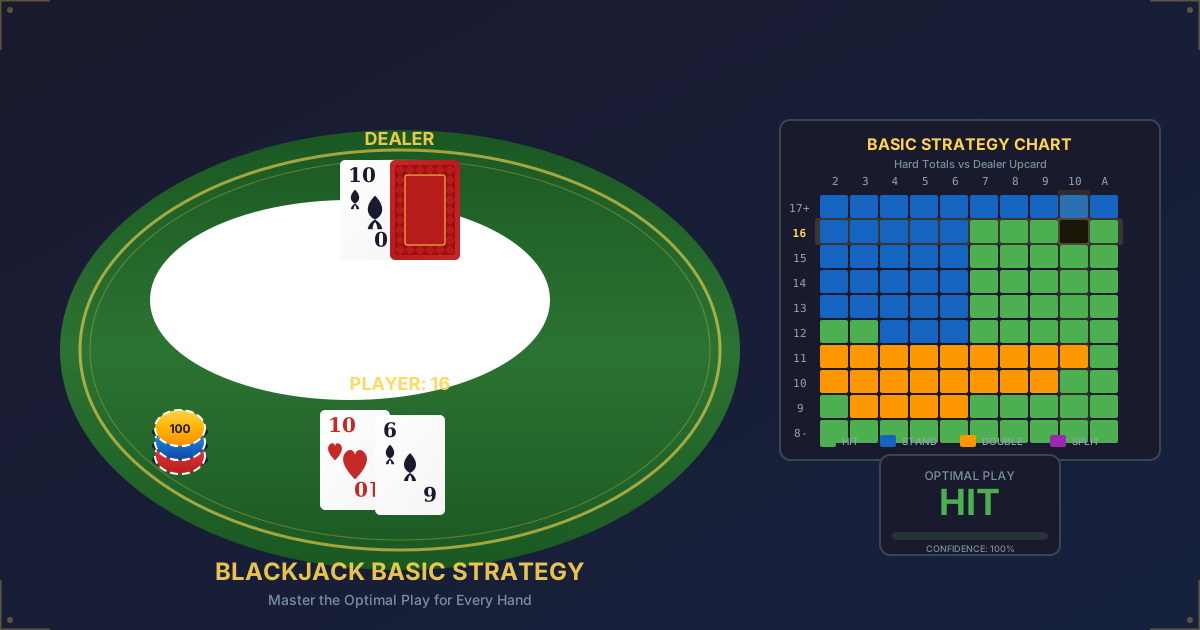
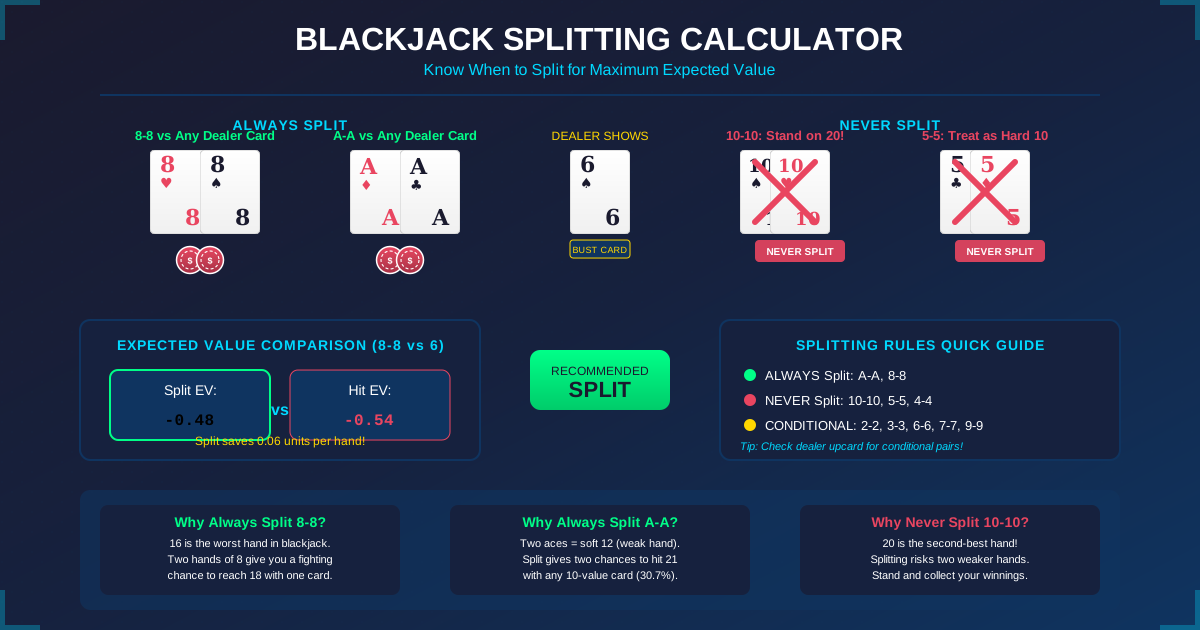
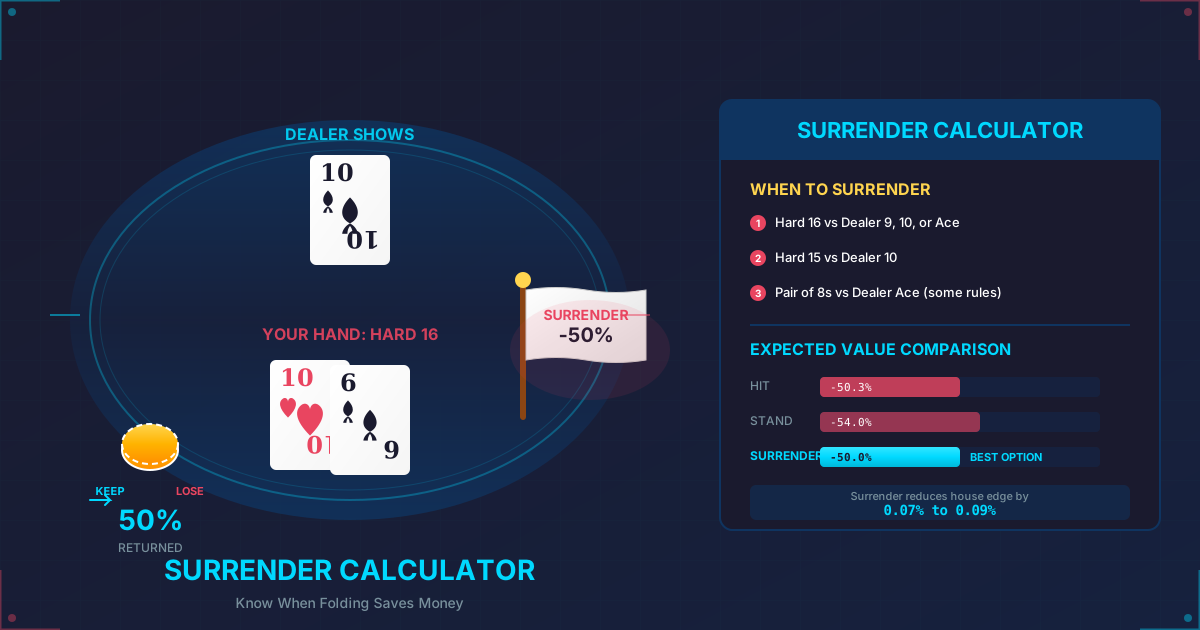
Blackjack Expected Value
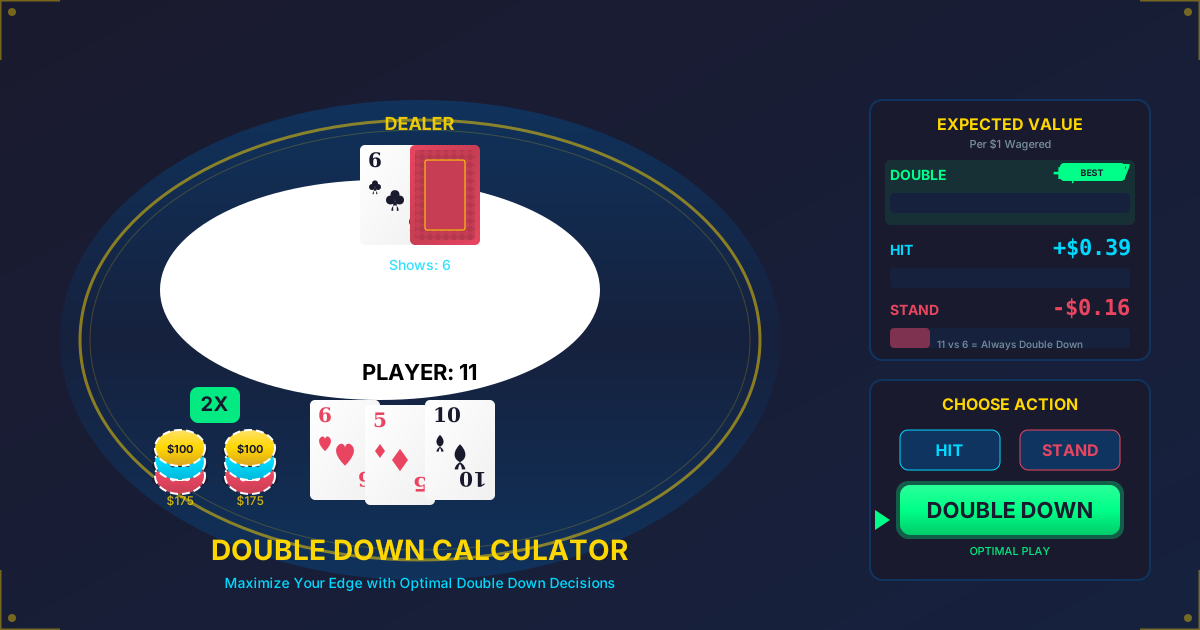
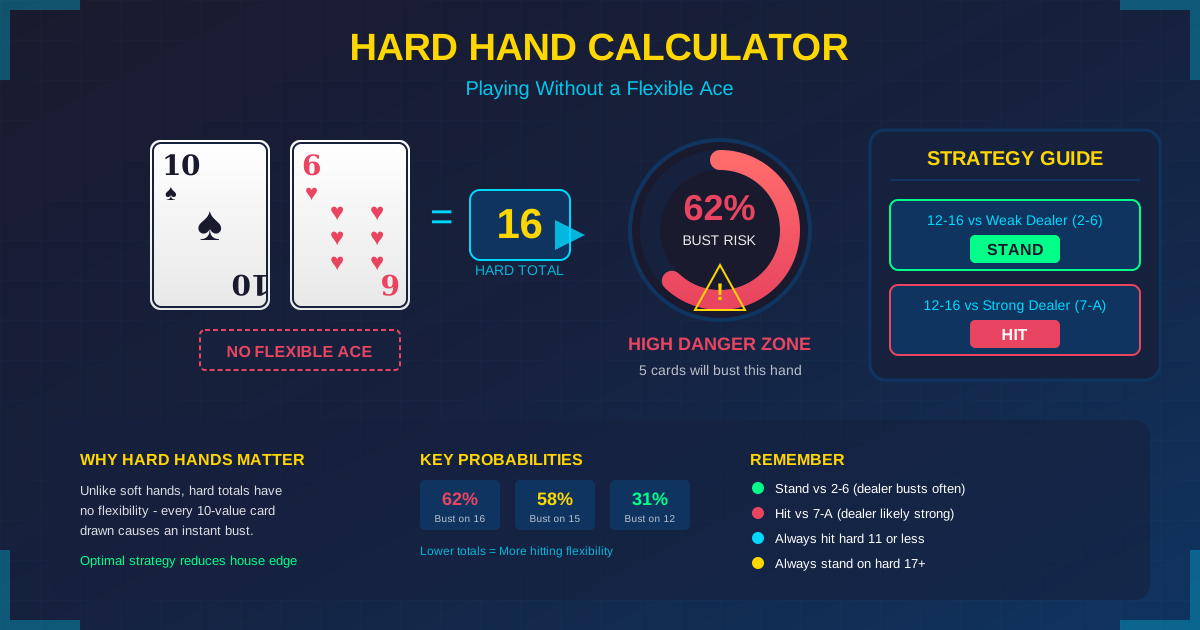
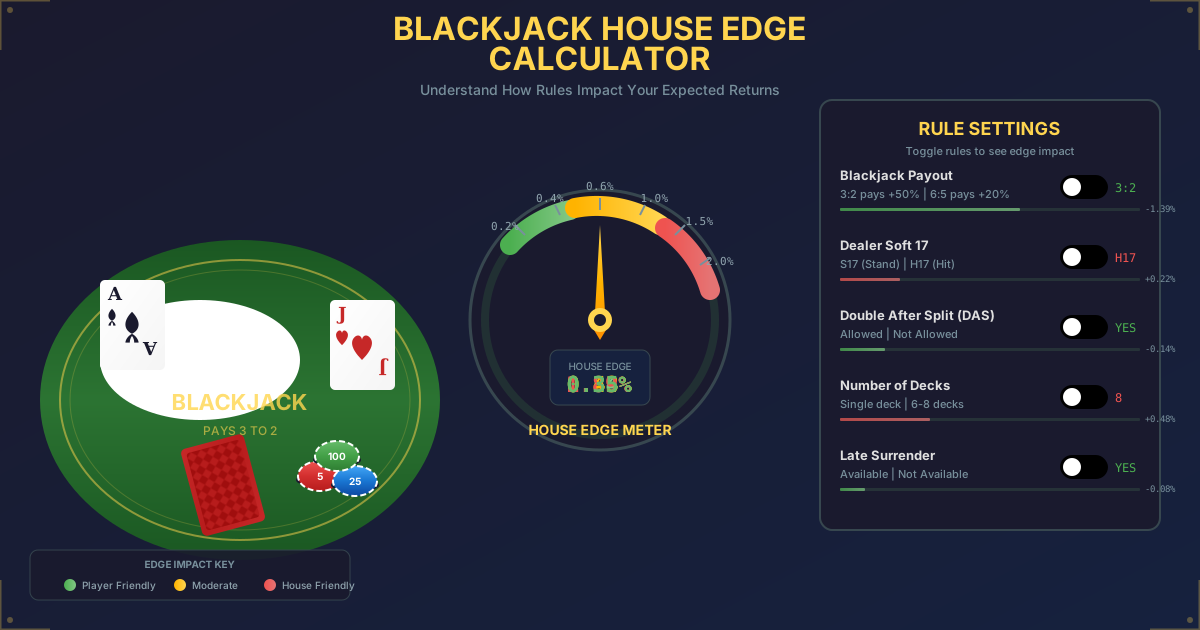
Blackjack is unique because player decisions affect EV. The house edge varies based on rules and strategy:
| Scenario | House Edge | EV per $100 |
|---|---|---|
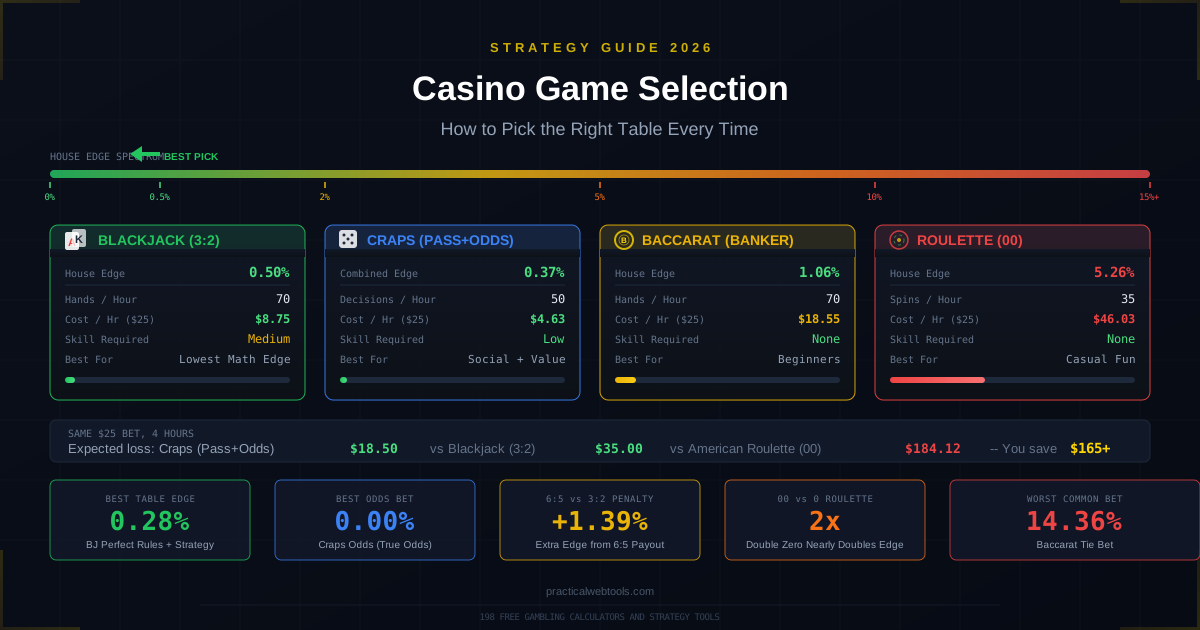
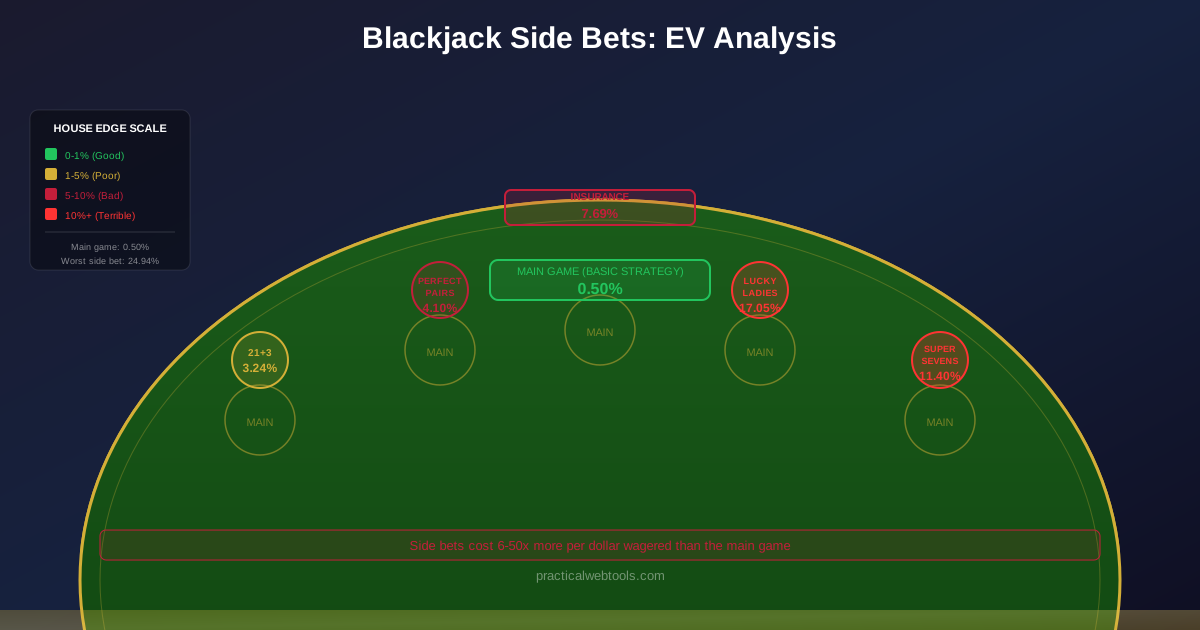
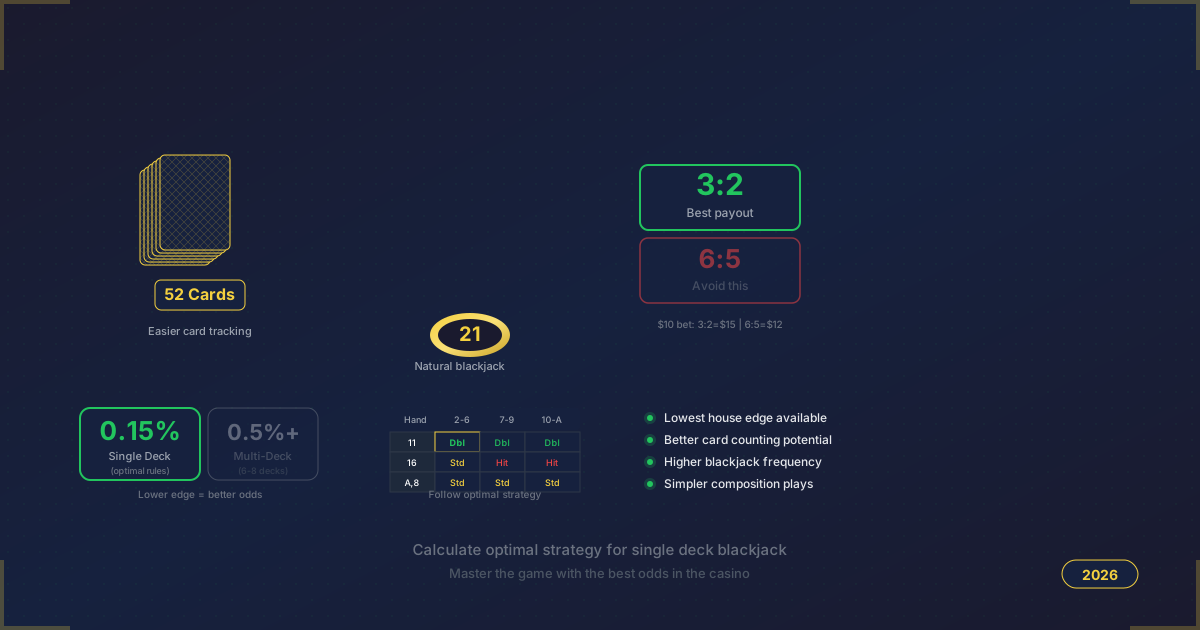
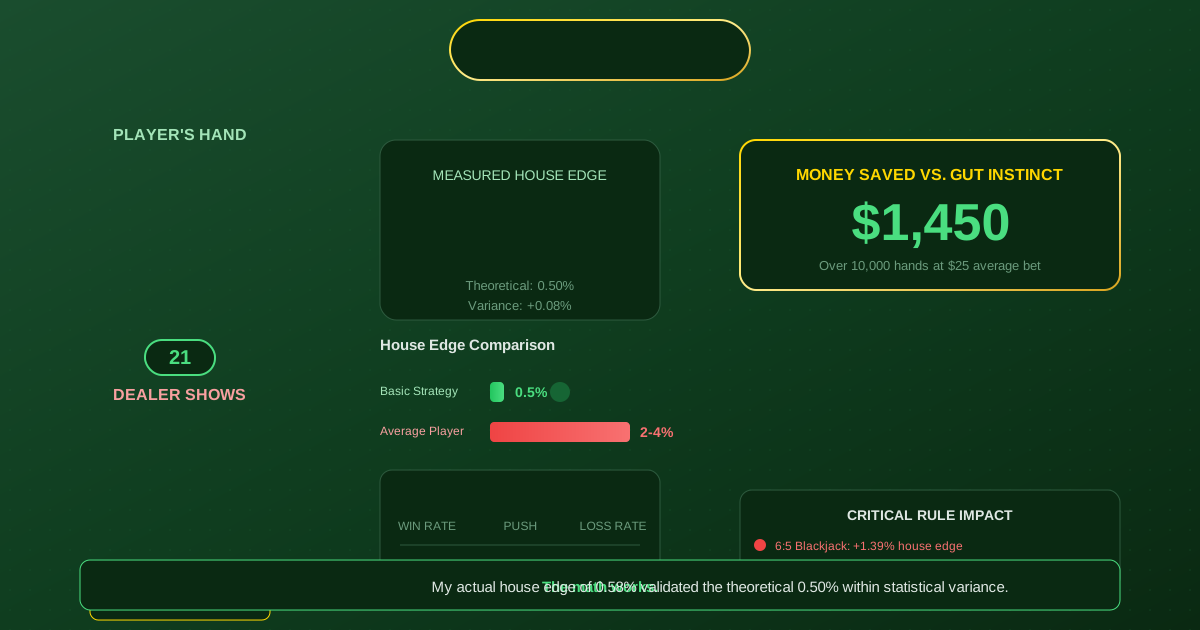
| Basic strategy, 3:2 blackjack, 6 deck | 0.50% | -$0.50 |
| Basic strategy, 6:5 blackjack, 6 deck | 1.90% | -$1.90 |
| Average recreational player | 2.00-5.00% | -$2.00 to -$5.00 |
| Perfect basic strategy + card counting | -0.50 to +1.50% | +$0.50 to +$1.50 |
A recreational player who does not know basic strategy plays with roughly a 2-5% house edge. That same player could cut the house edge to 0.5% simply by memorizing correct plays. The difference between -$5.00 and -$0.50 per $100 bet is enormous over hundreds of hands.
Example: $25 Blackjack Player, 80 Hands Per Hour
- Average recreational player (3% edge): 80 x $25 x 0.03 = -$60/hour
- Basic strategy player (0.5% edge): 80 x $25 x 0.005 = -$10/hour
- Skilled card counter (+1% edge): 80 x $25 x 0.01 = +$20/hour
Calculate your exact blackjack EV with our Blackjack EV Calculator.
Craps Expected Value
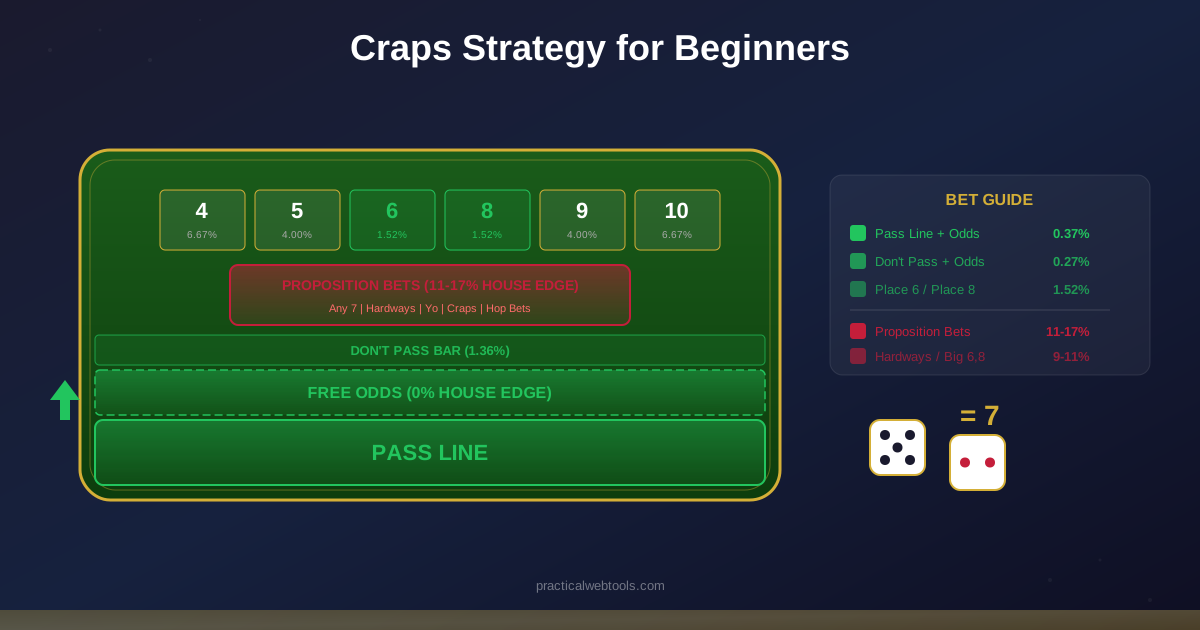
Craps offers some of the best and worst EVs in the casino, depending on which bets you choose:
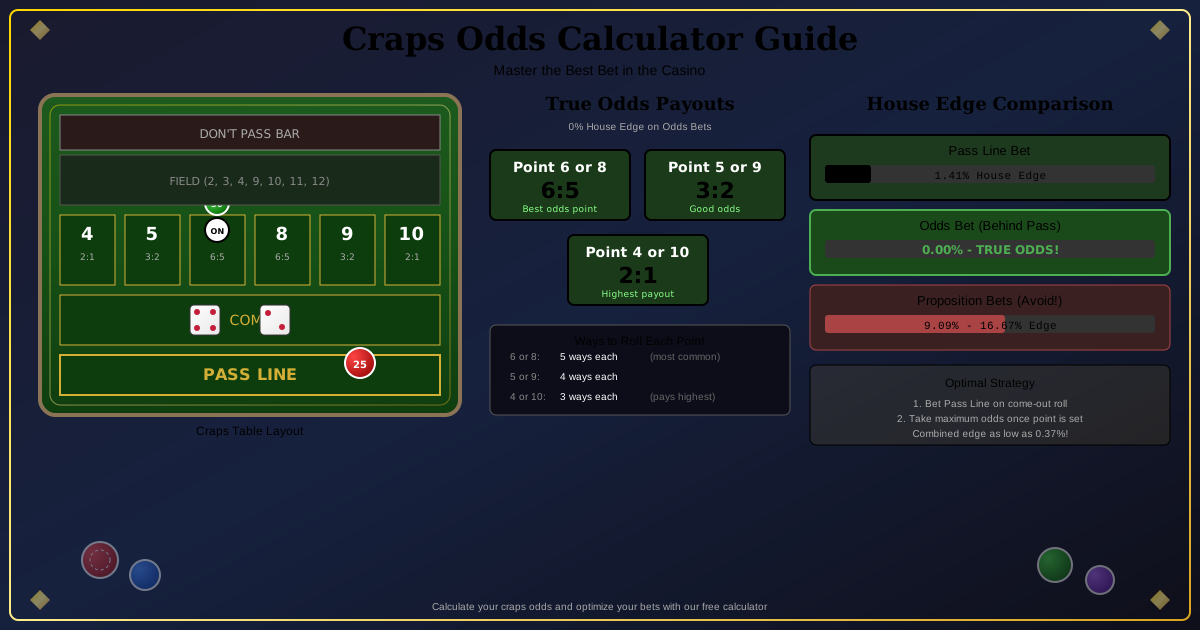
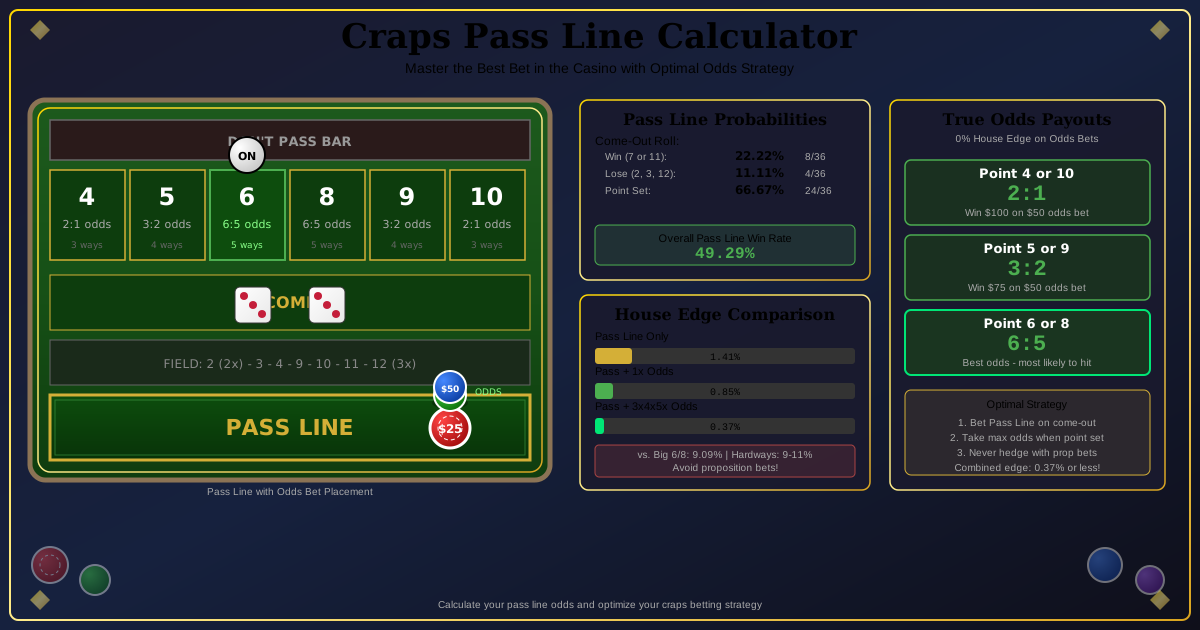
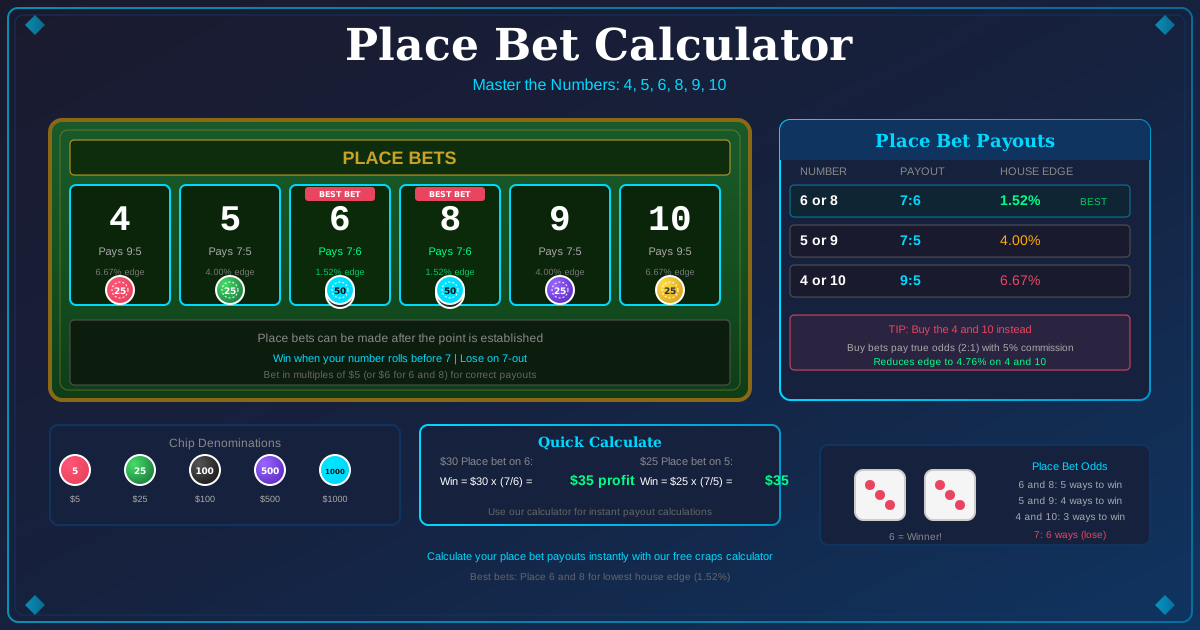
| Craps Bet | House Edge | EV per $100 |
|---|---|---|
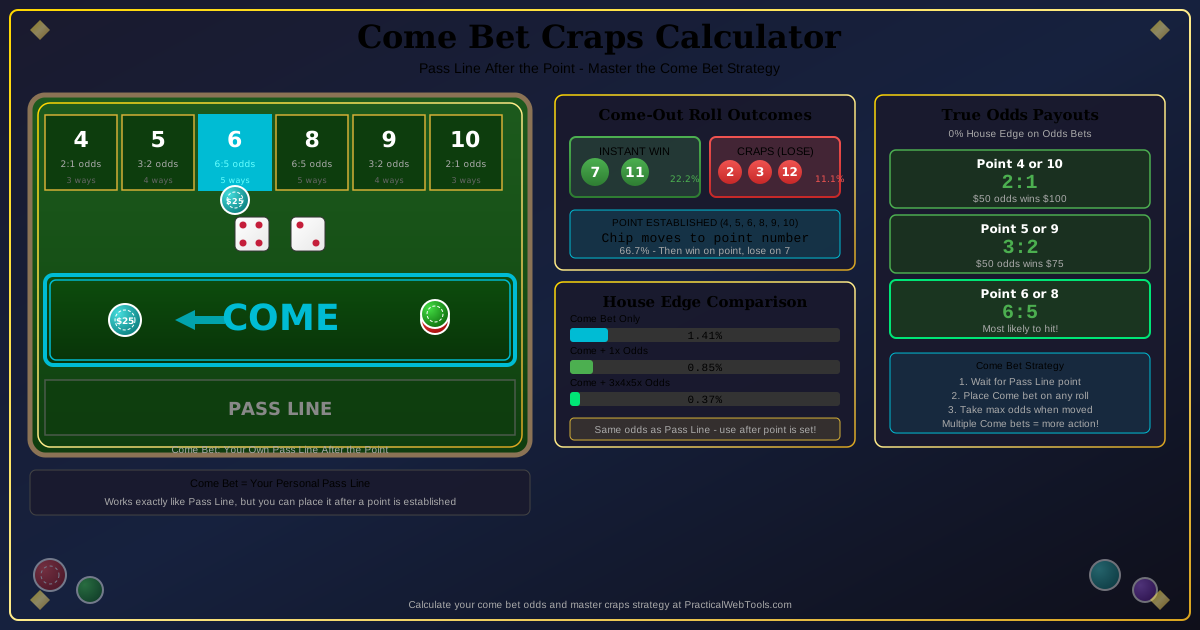
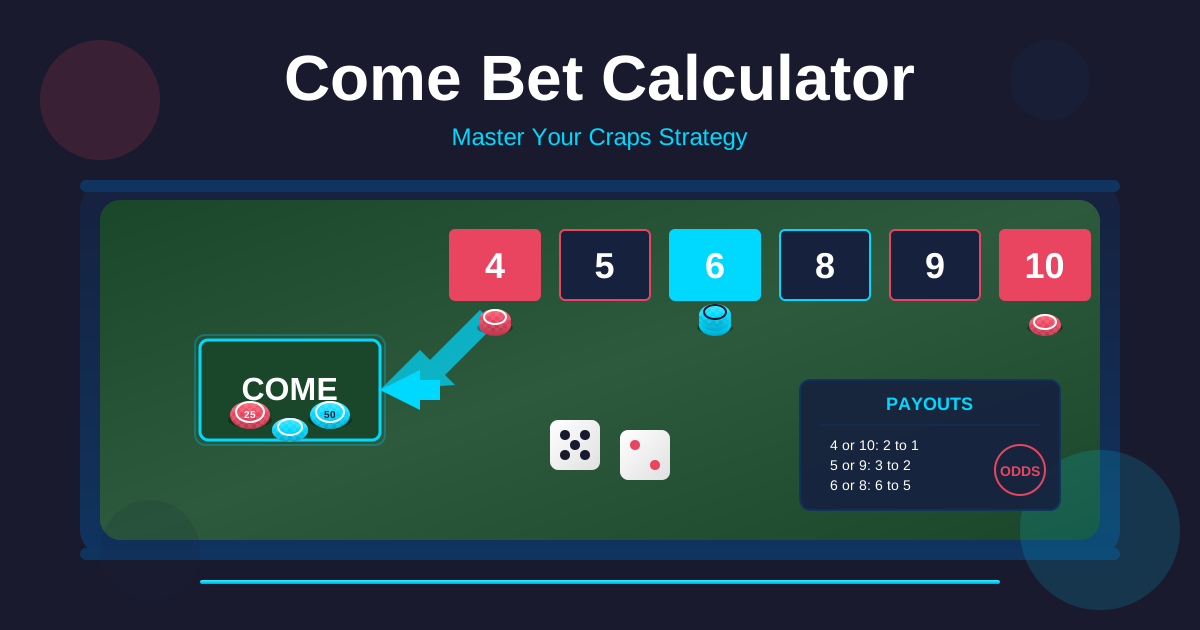
| Pass/Come | 1.41% | -$1.41 |
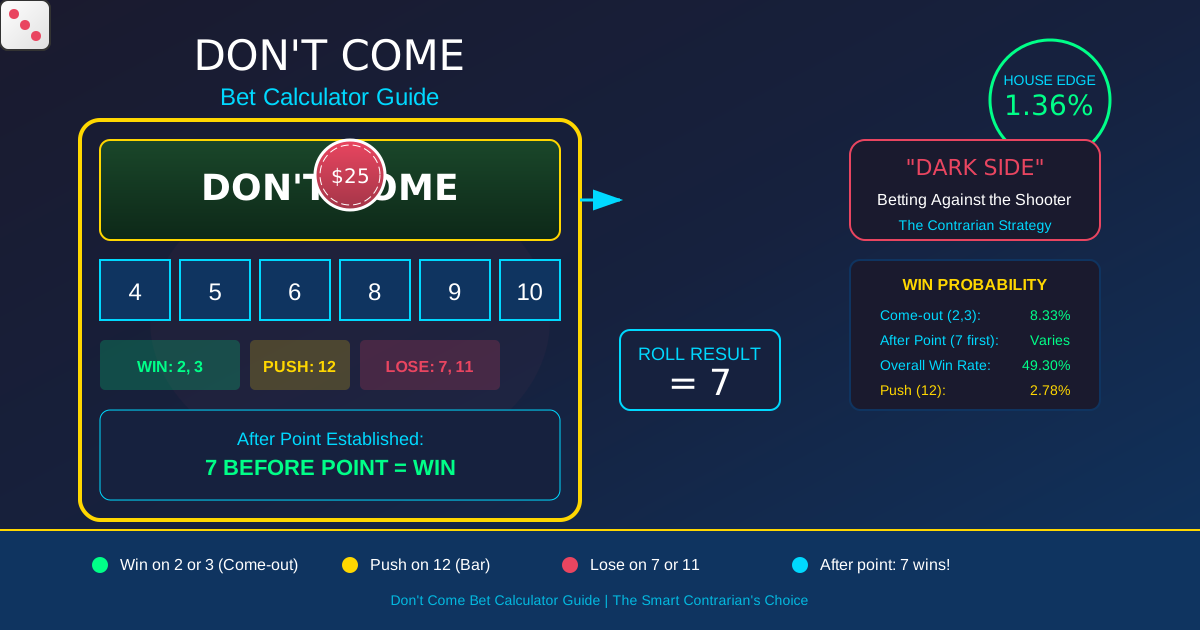
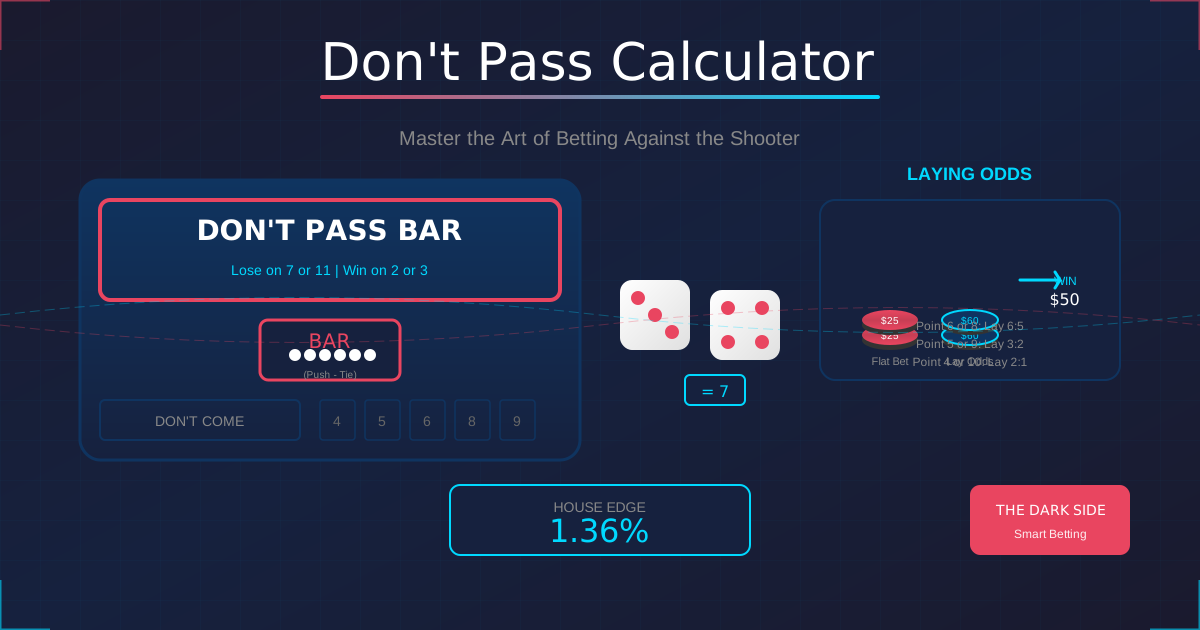
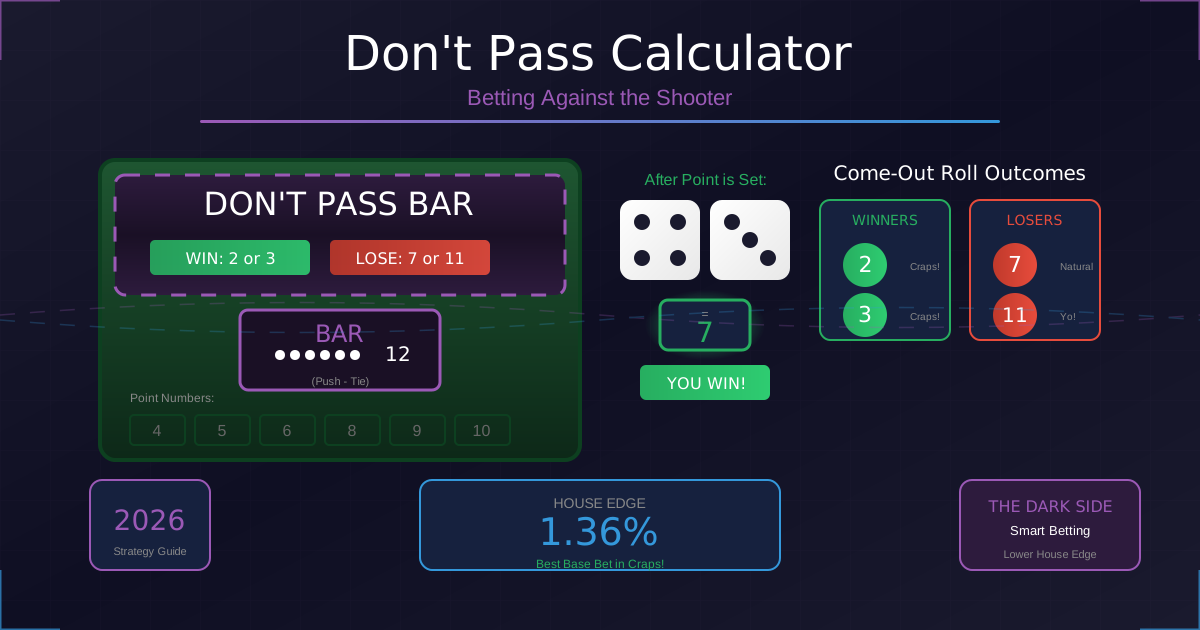
| Don't Pass/Don't Come | 1.36% | -$1.36 |
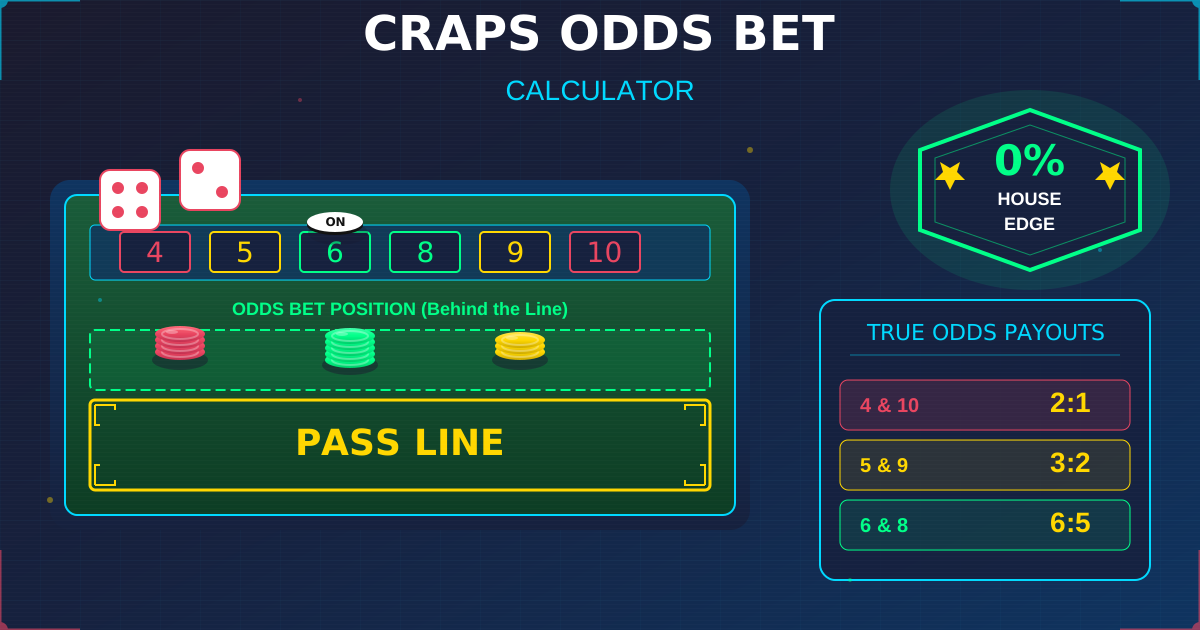
| Pass + Full Odds (3-4-5x) | 0.37% | -$0.37 |
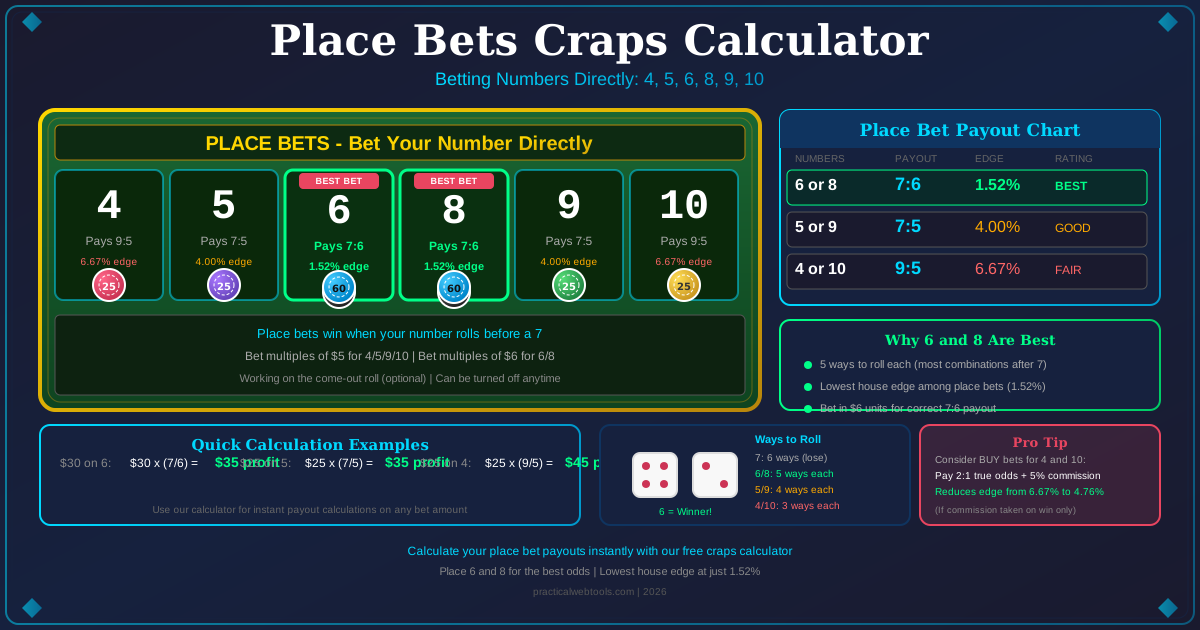
| Place 6 or 8 | 1.52% | -$1.52 |
| Place 5 or 9 | 4.00% | -$4.00 |
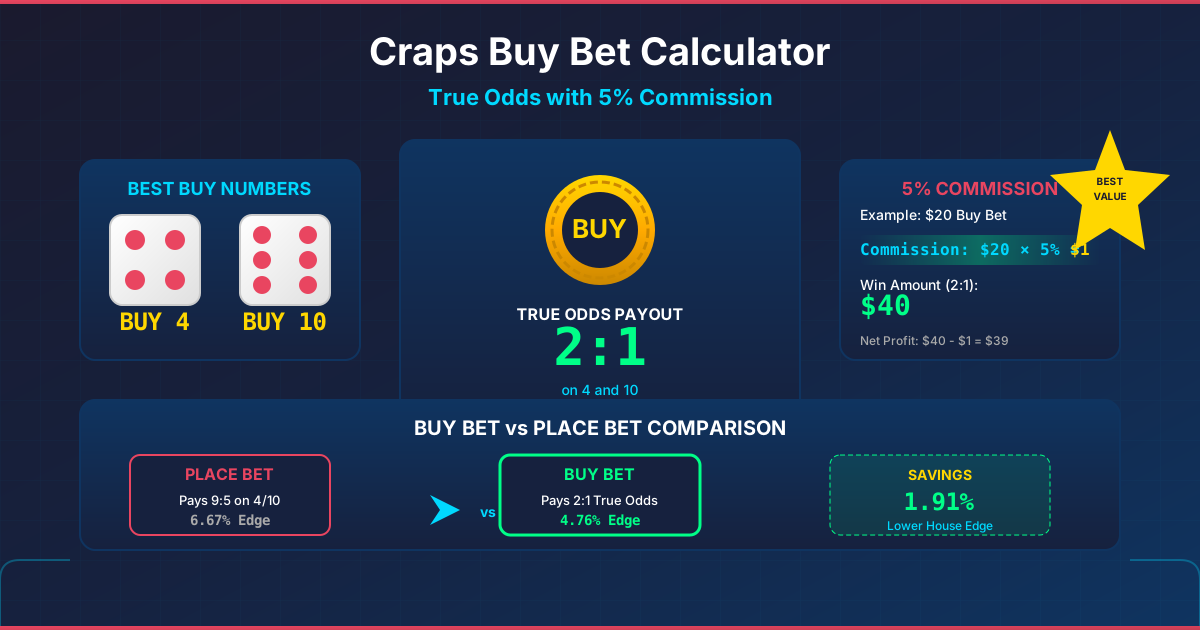
| Place 4 or 10 | 6.67% | -$6.67 |
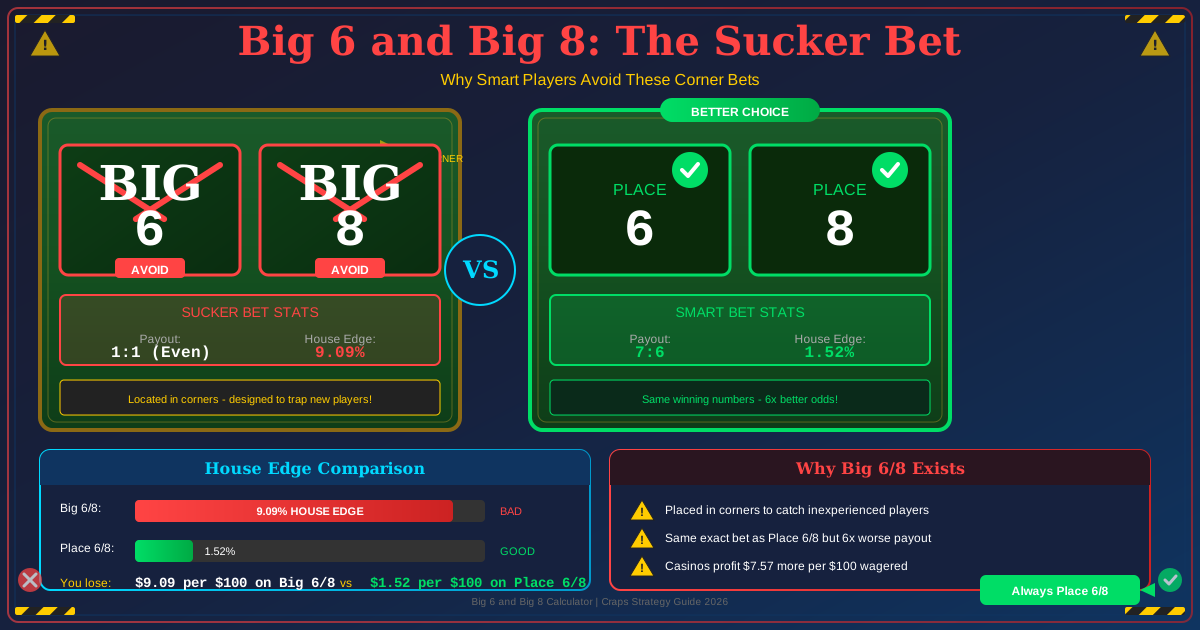
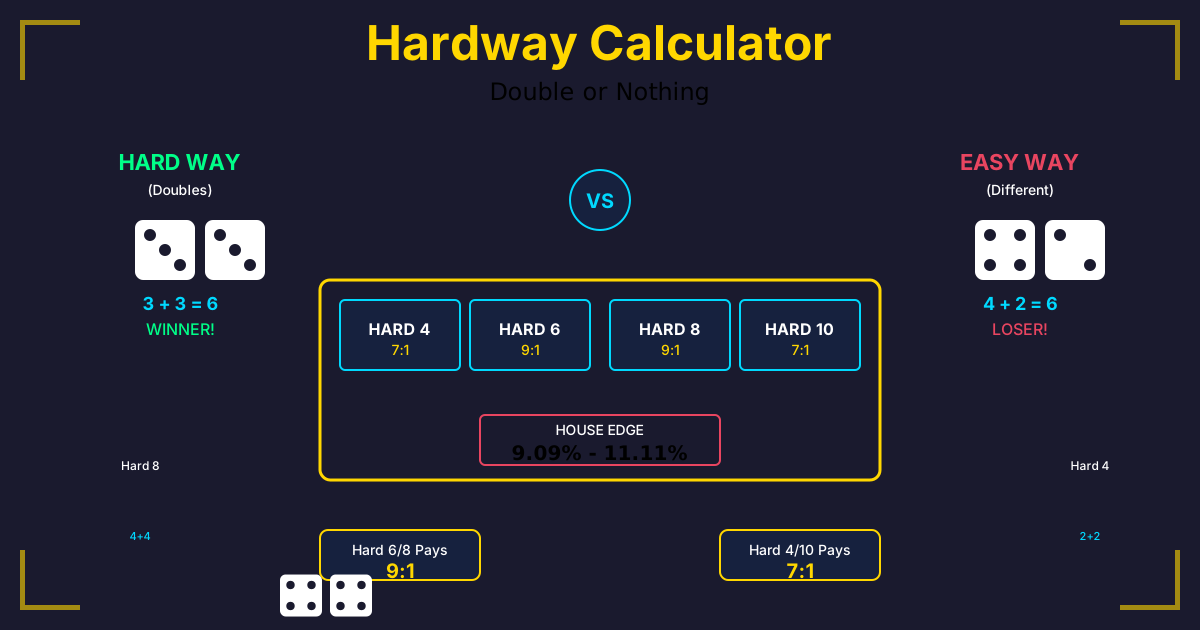
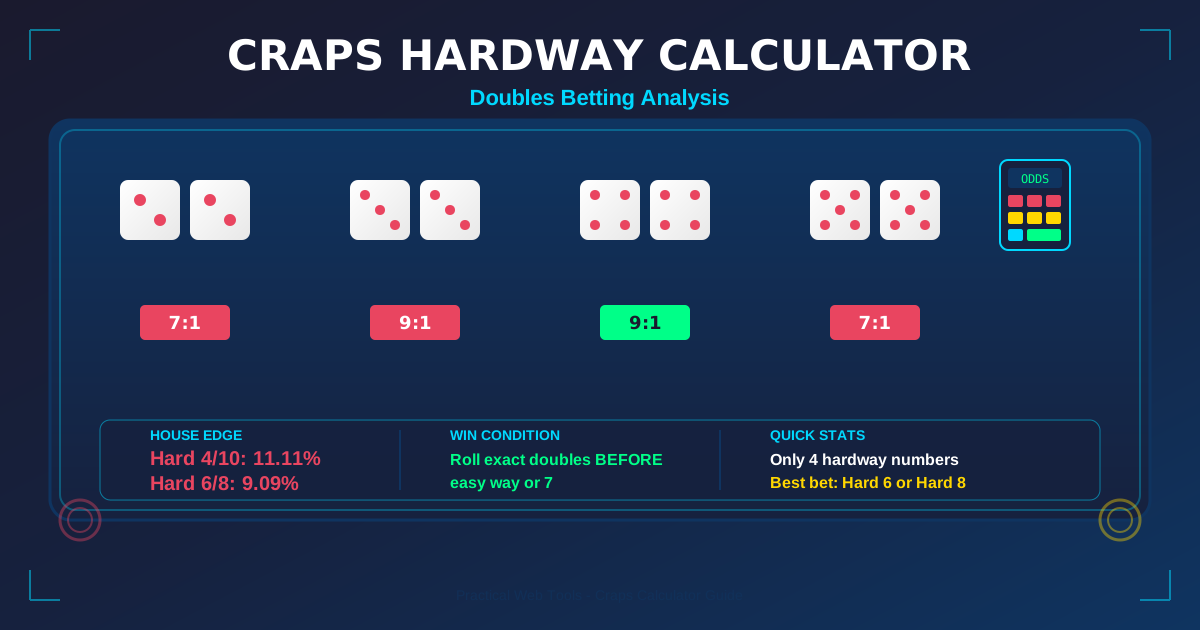
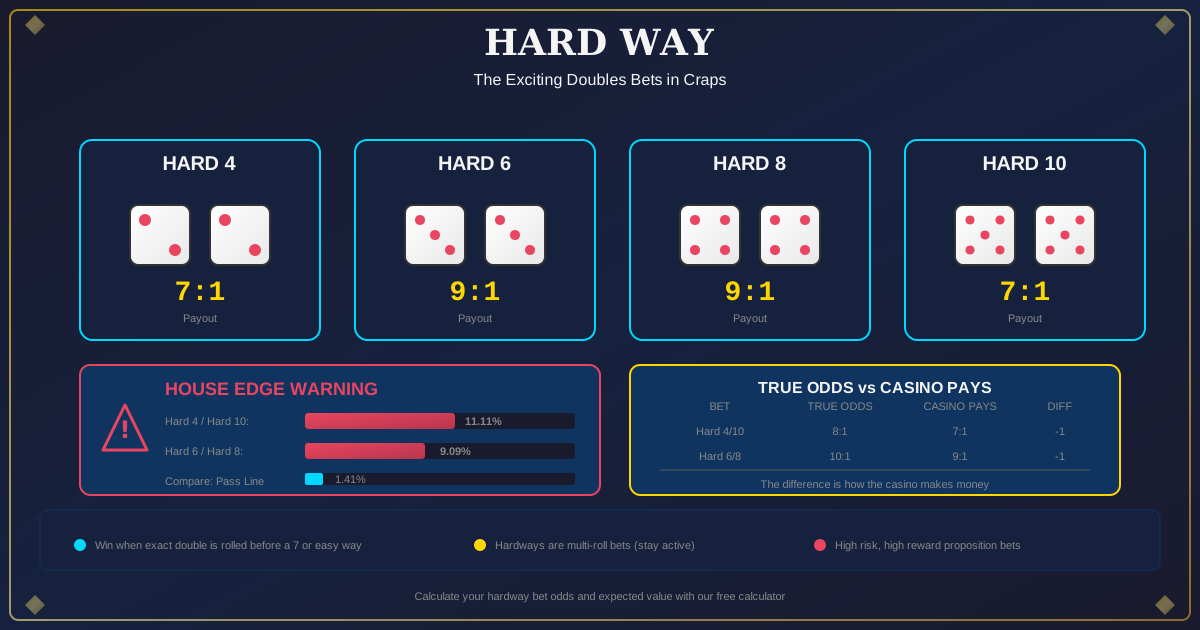
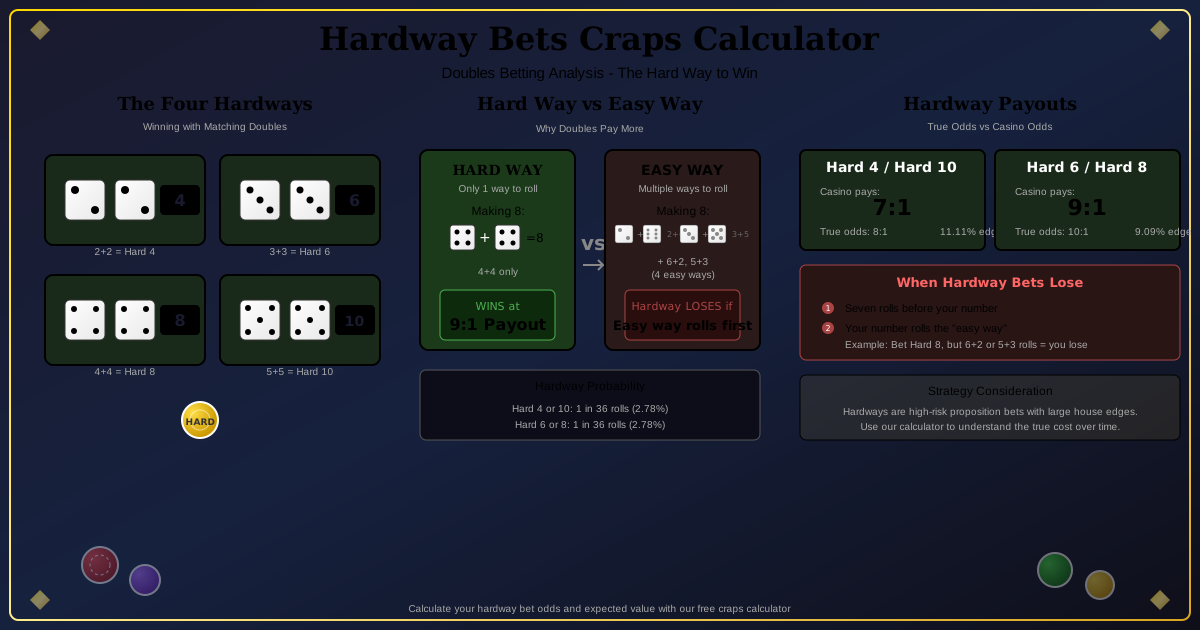
| Hard 6 or 8 | 9.09% | -$9.09 |
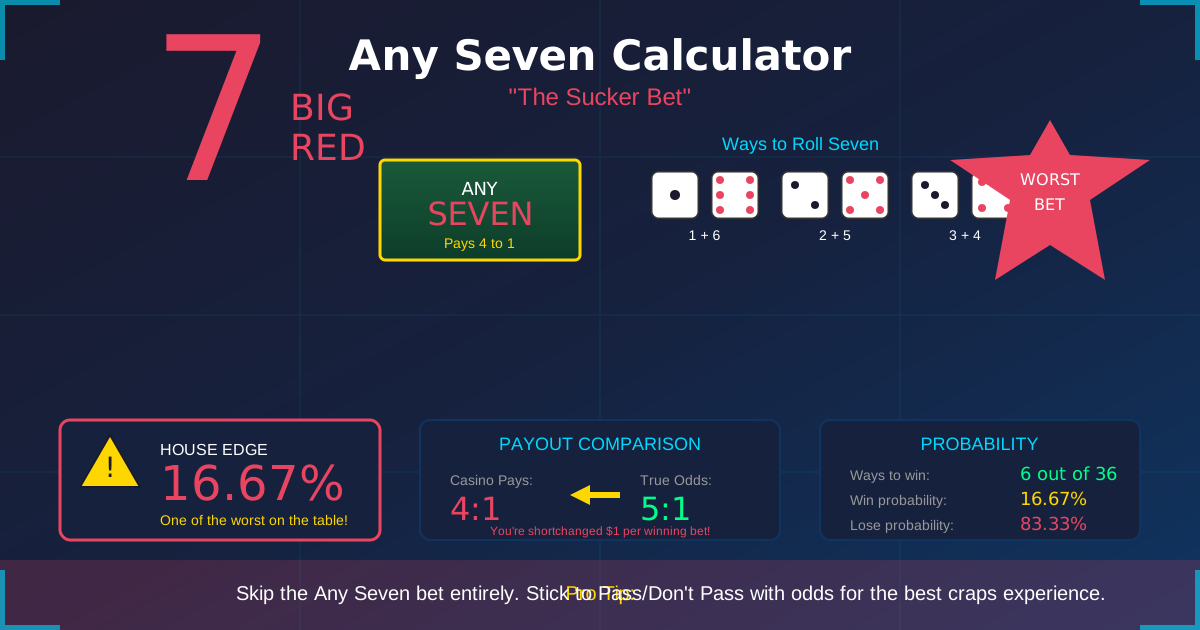
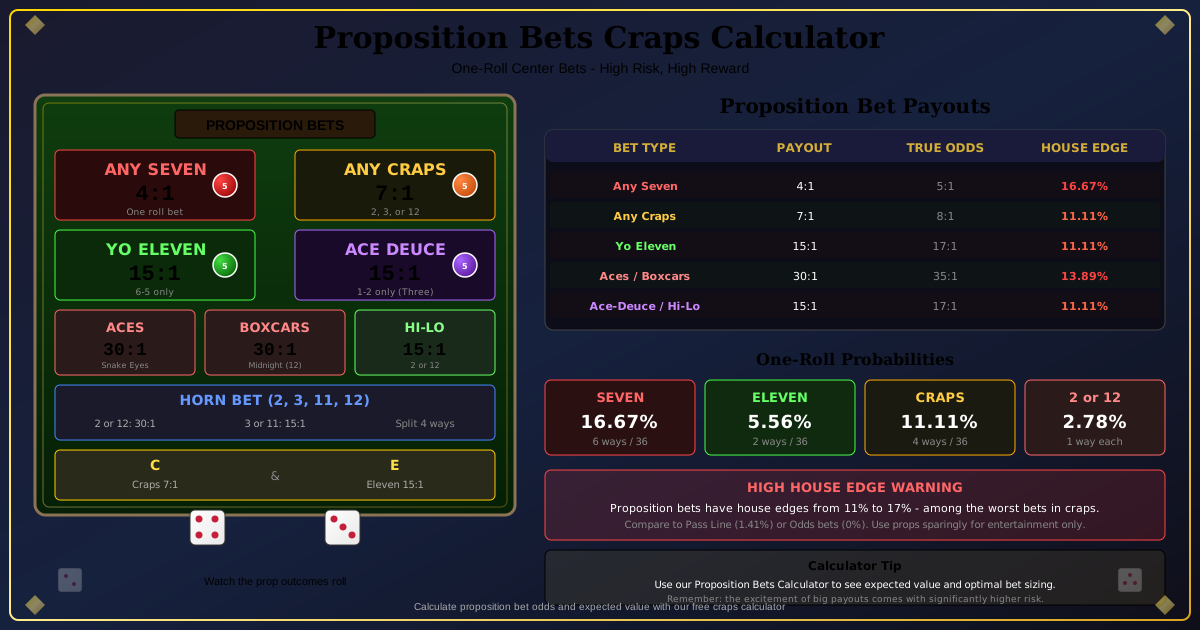
| Any 7 | 16.67% | -$16.67 |
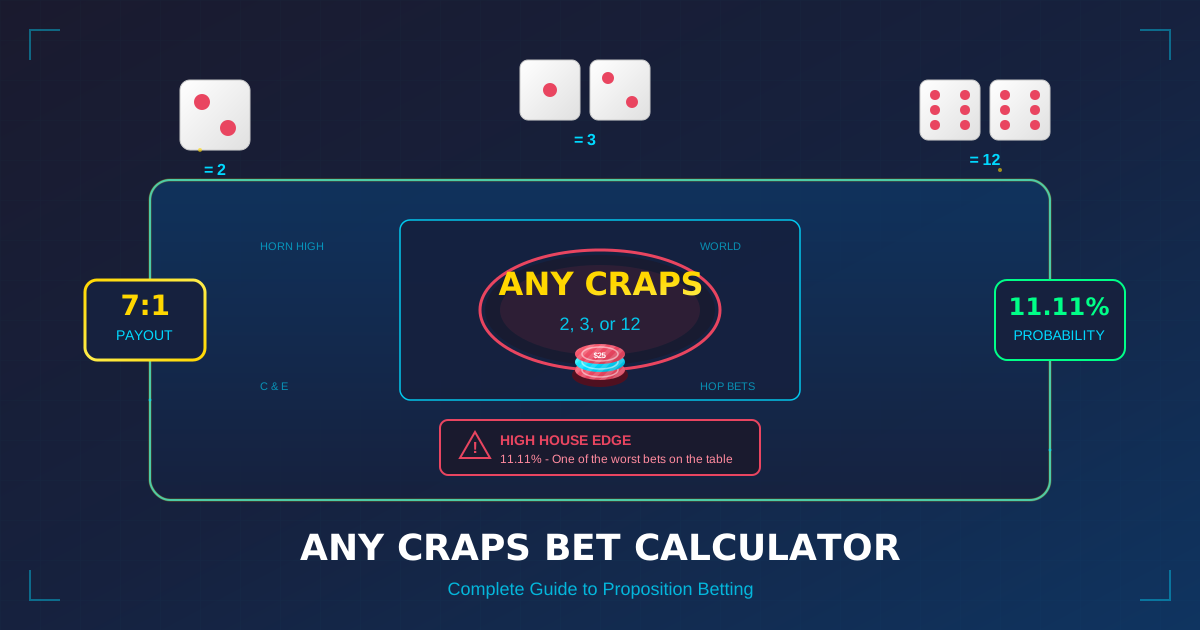
| Any Craps | 11.11% | -$11.11 |
| Big 6/Big 8 | 9.09% | -$9.09 |
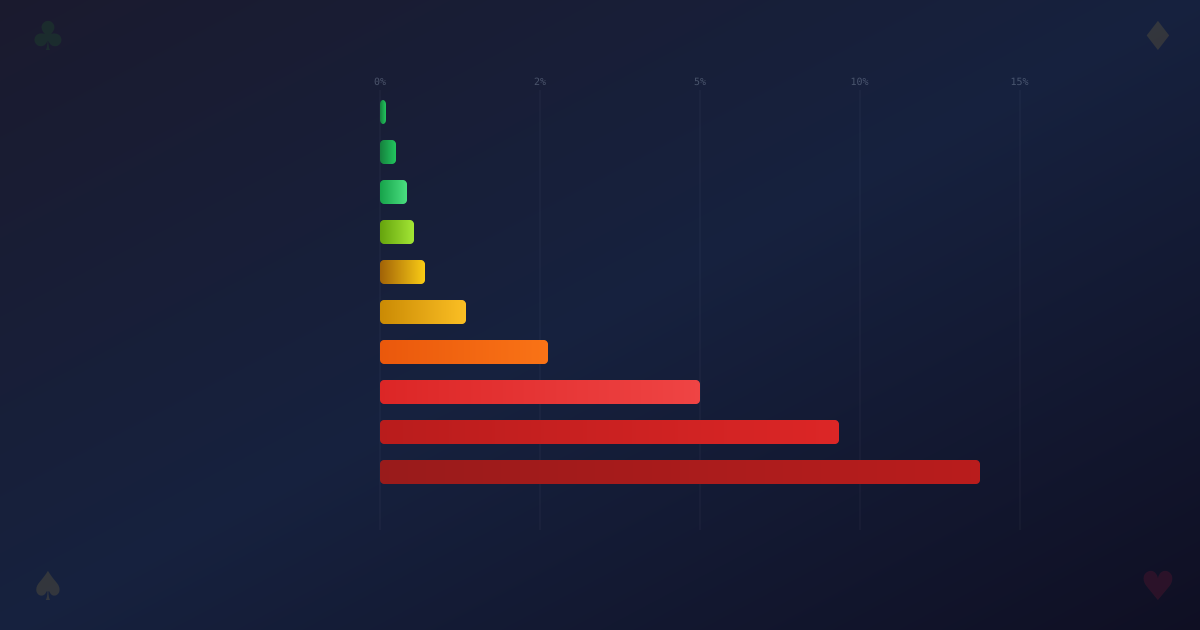
The spread is dramatic. A smart craps player sticking to Pass with full odds has a 0.37% house edge. A player making proposition bets can face a 16.67% house edge. That is a 45x difference in expected loss.
See exactly how much each craps bet costs you with our Craps Expected Loss Calculator.
Baccarat Expected Value
Baccarat has three main bets with different EVs:
| Baccarat Bet | House Edge | EV per $100 |
|---|---|---|
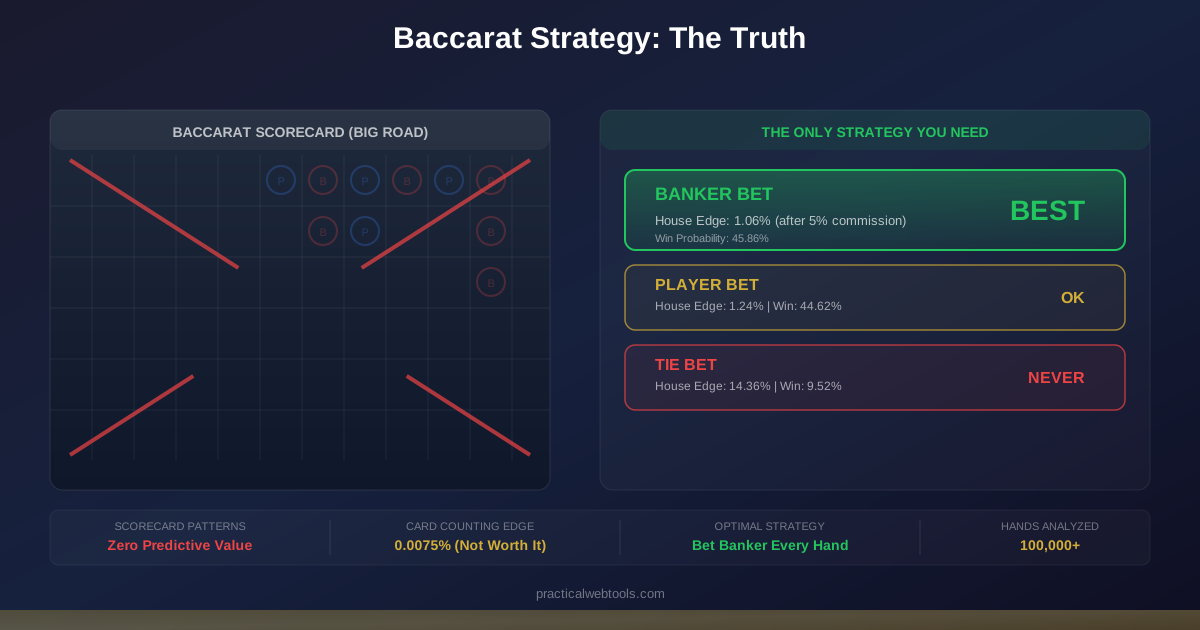
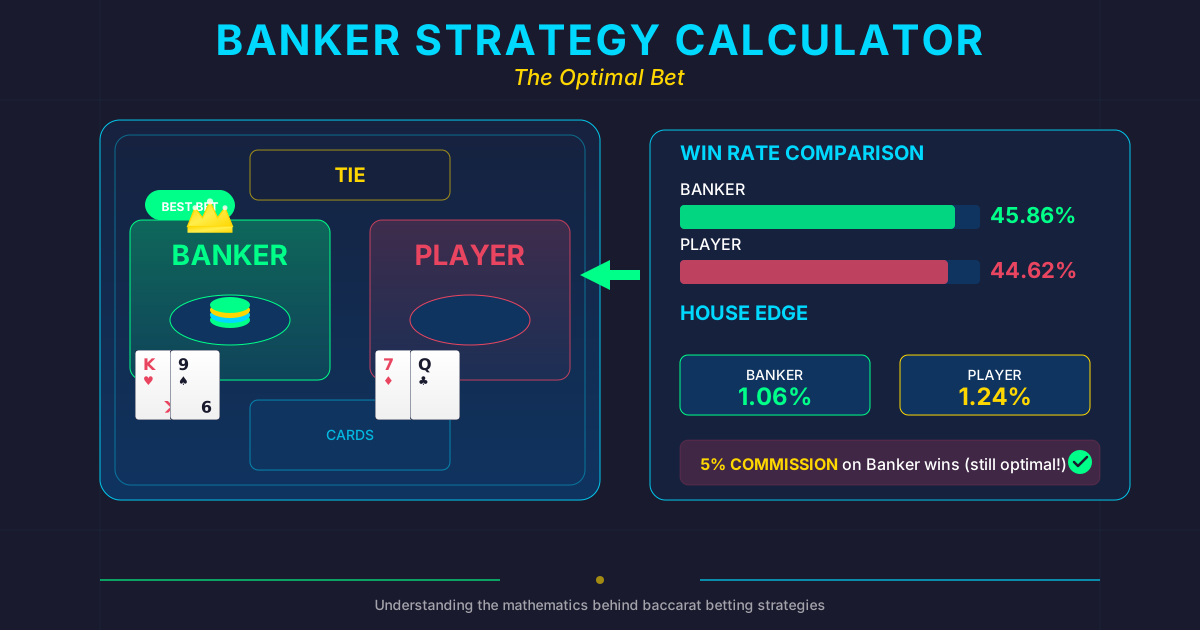
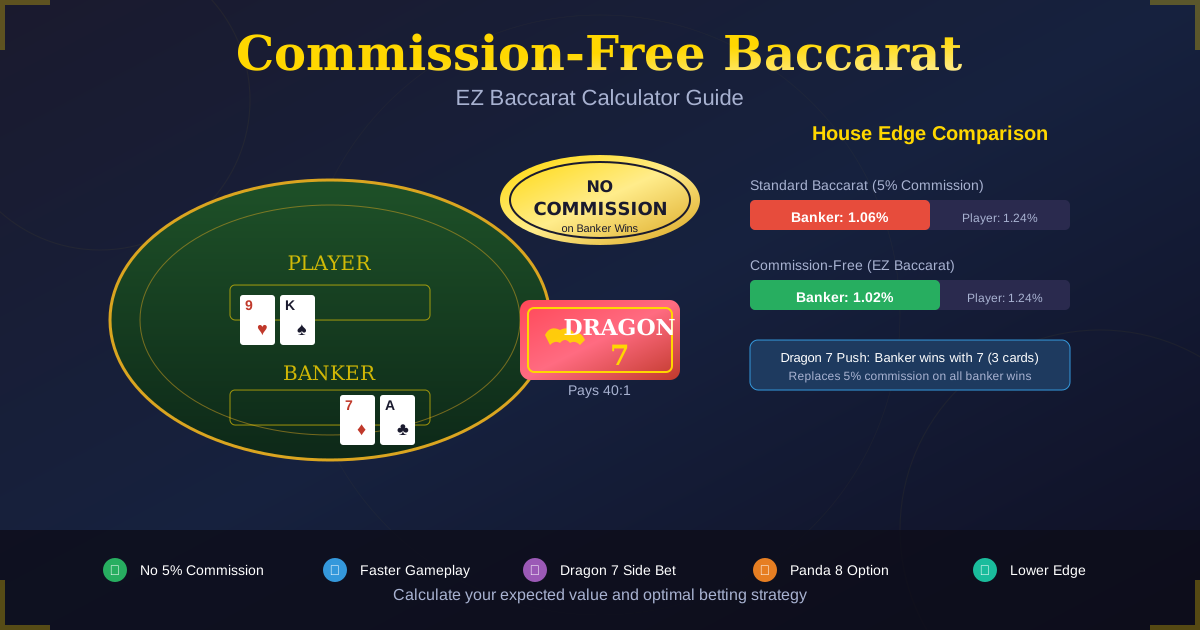
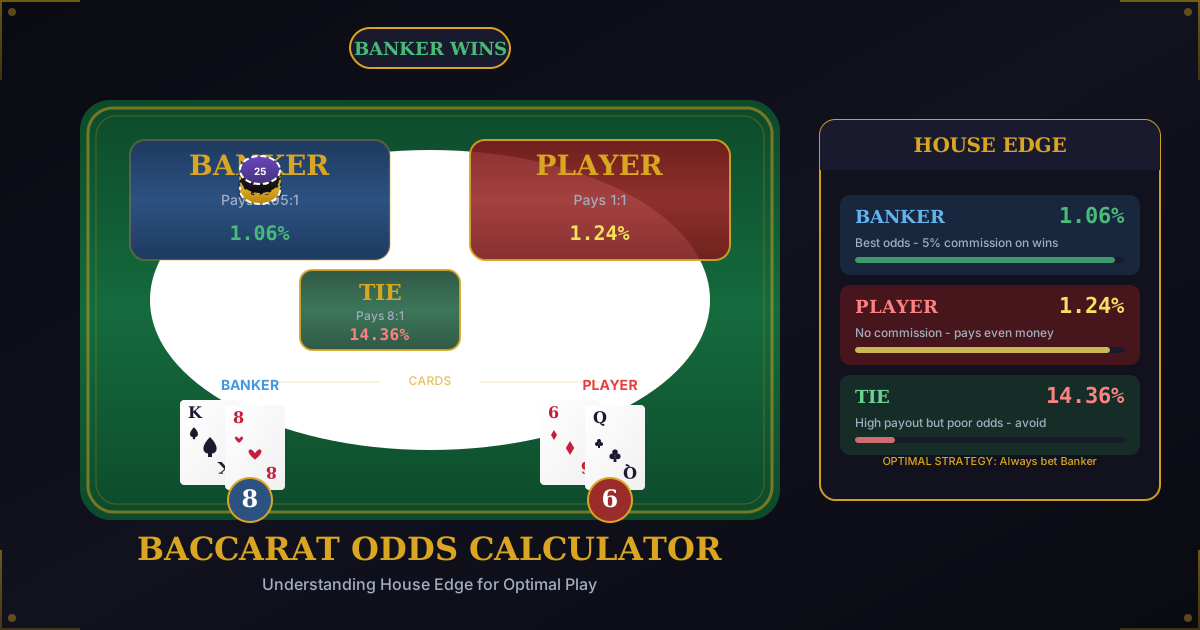
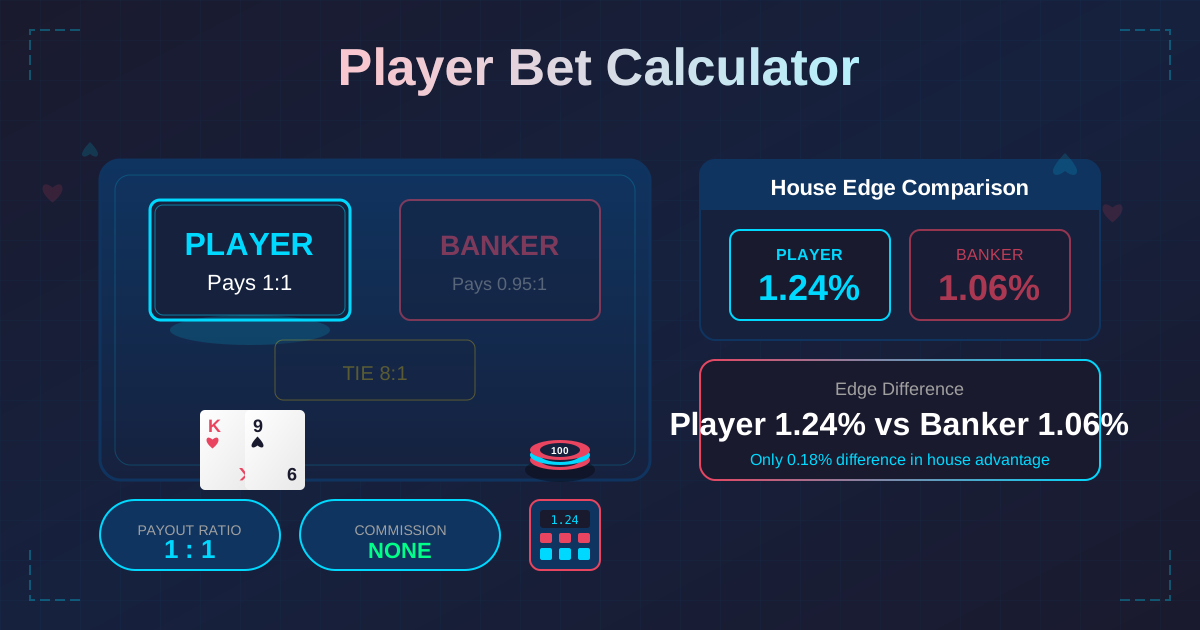
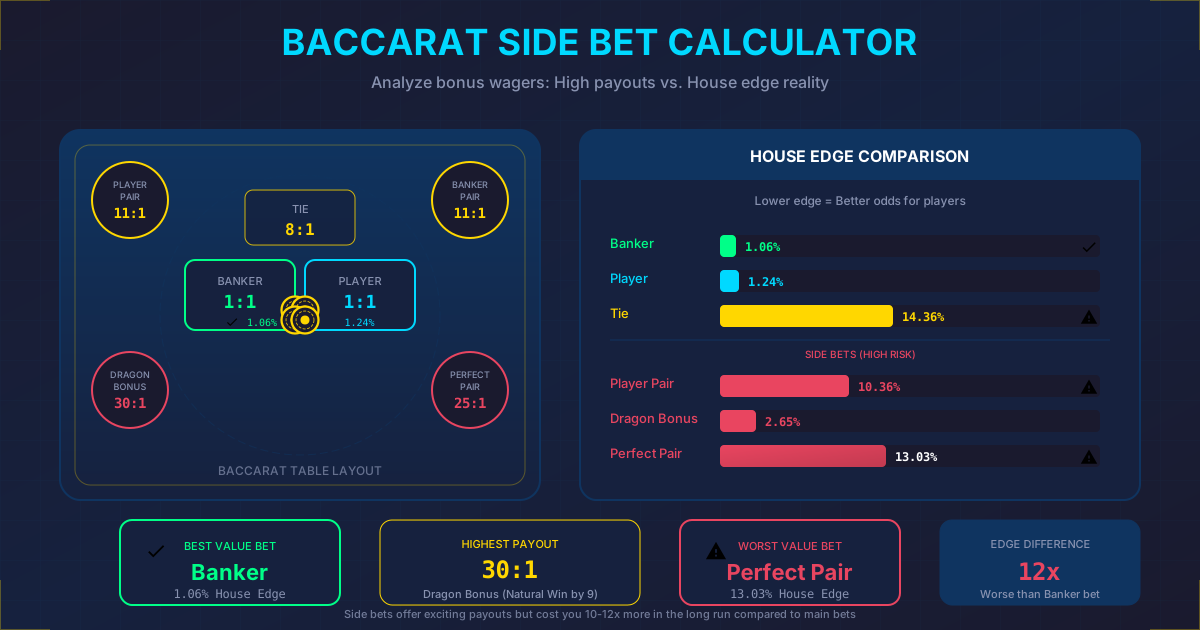
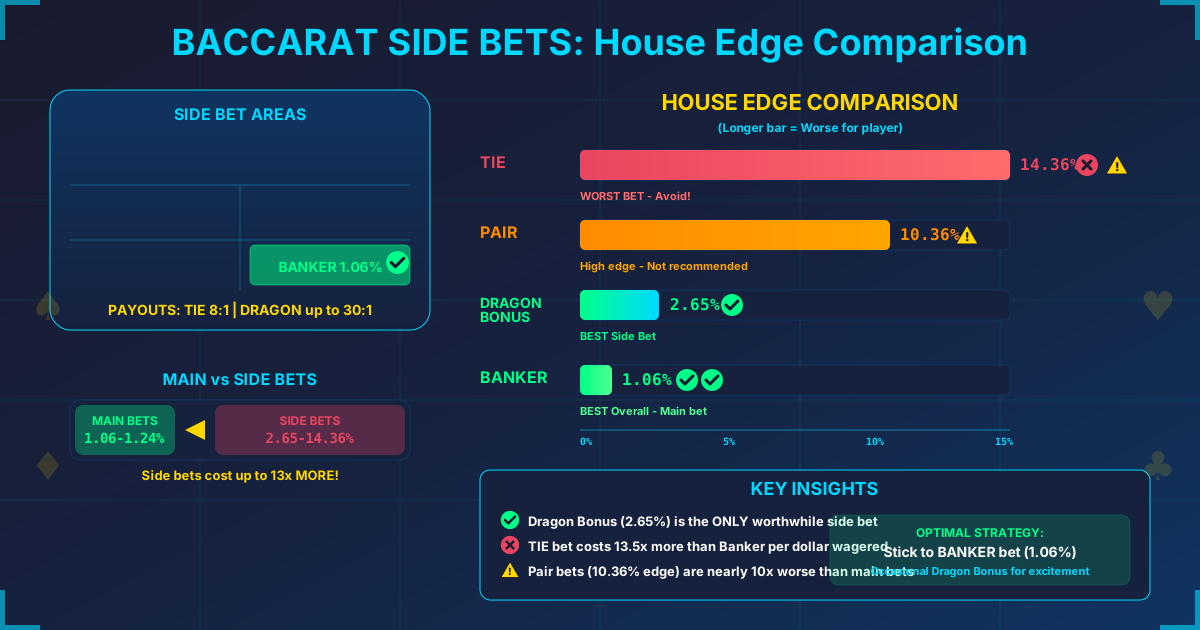
| Banker (5% commission) | 1.06% | -$1.06 |
| Player | 1.24% | -$1.24 |
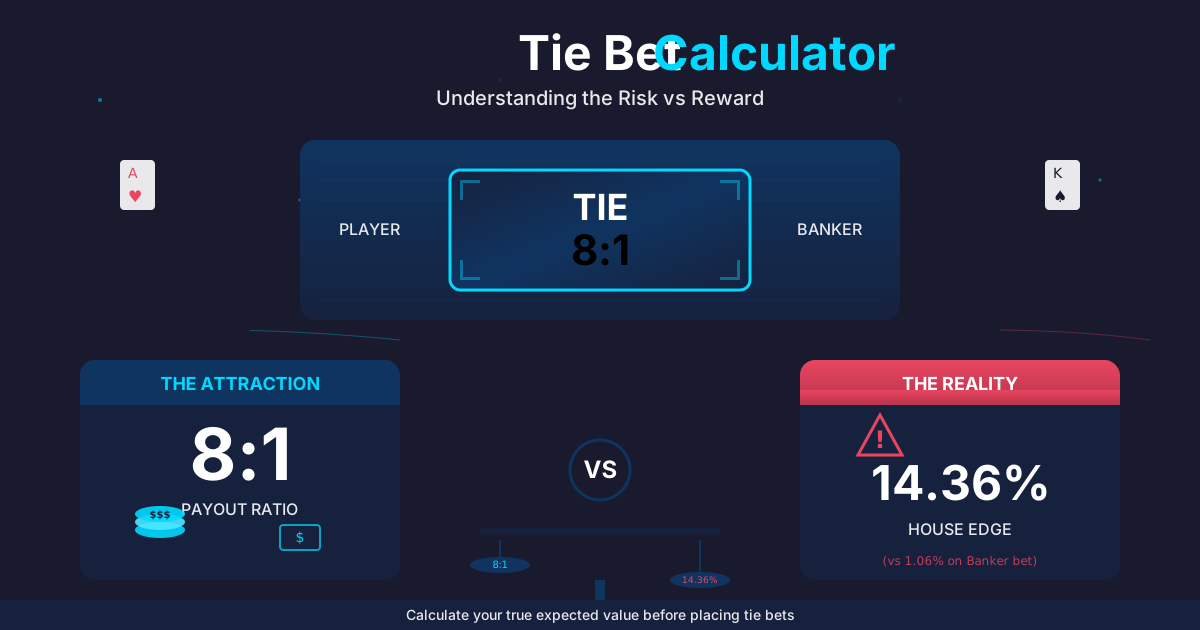
| Tie | 14.36% | -$14.36 |
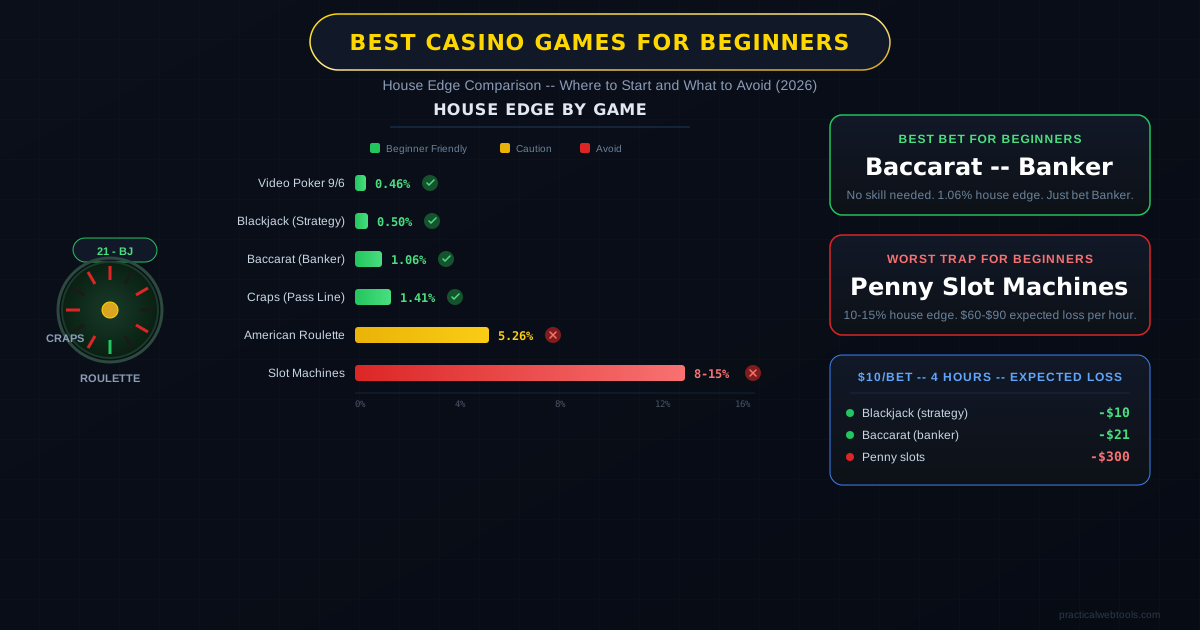
The Banker bet is one of the best bets in the casino, even with the 5% commission on wins. The Tie bet is one of the worst. This is why experienced baccarat players almost exclusively bet Banker or Player.
Calculate baccarat EV for different scenarios with our Baccarat EV Calculator.
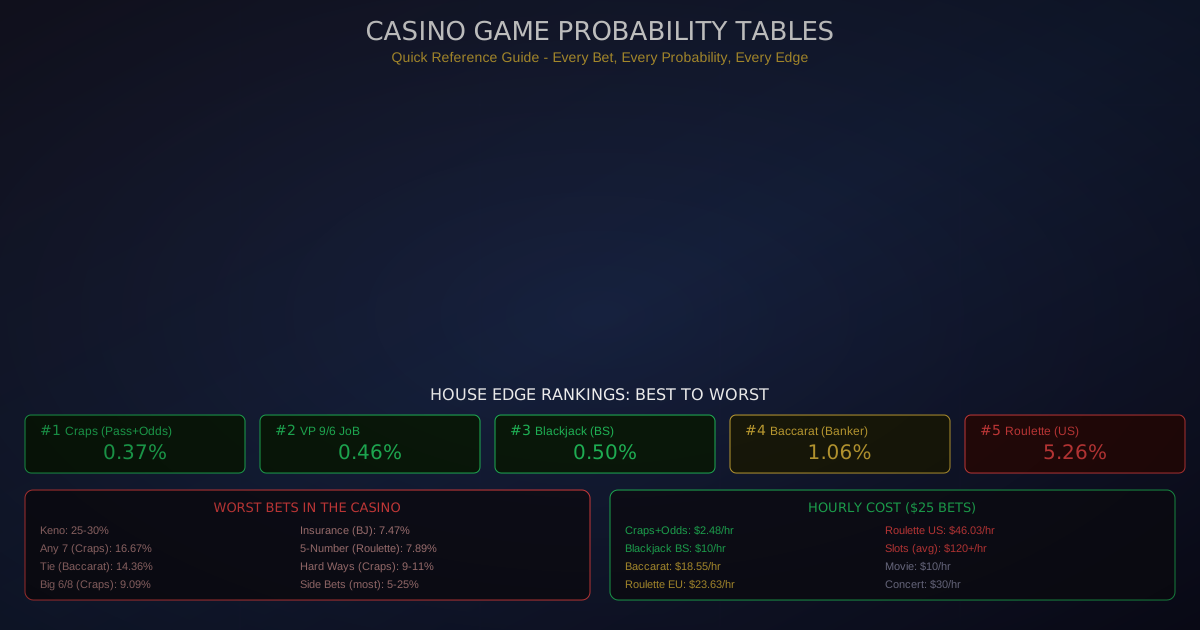
Complete Casino Game EV Comparison
| Game/Bet | House Edge | EV per $100 | EV per $1,000 Wagered |
|---|---|---|---|
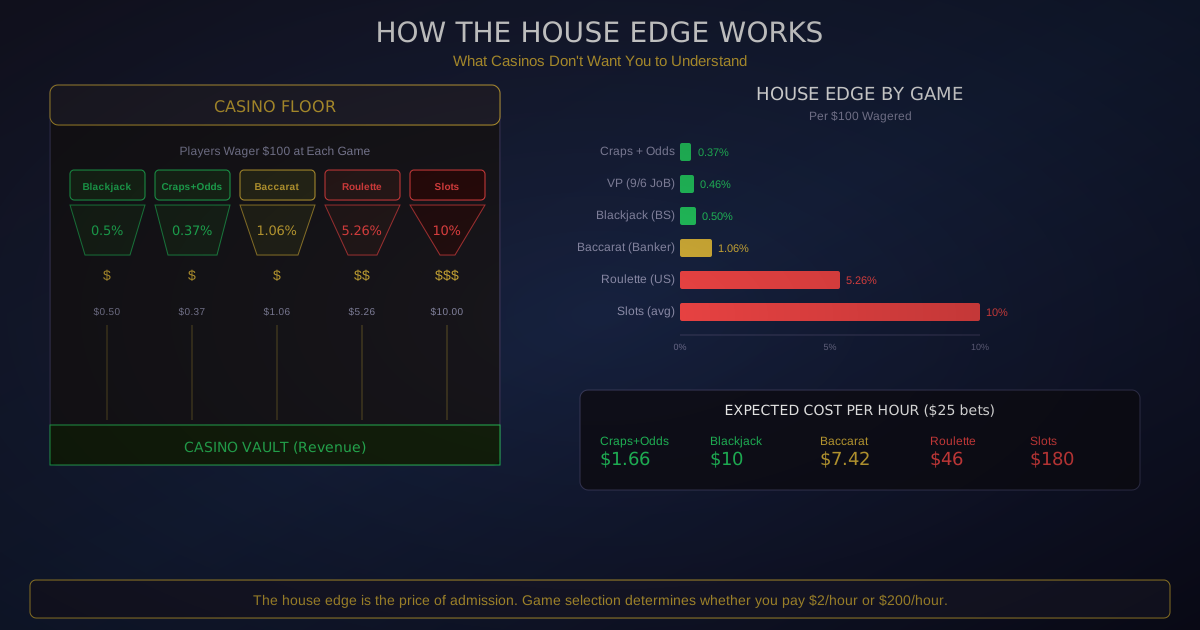
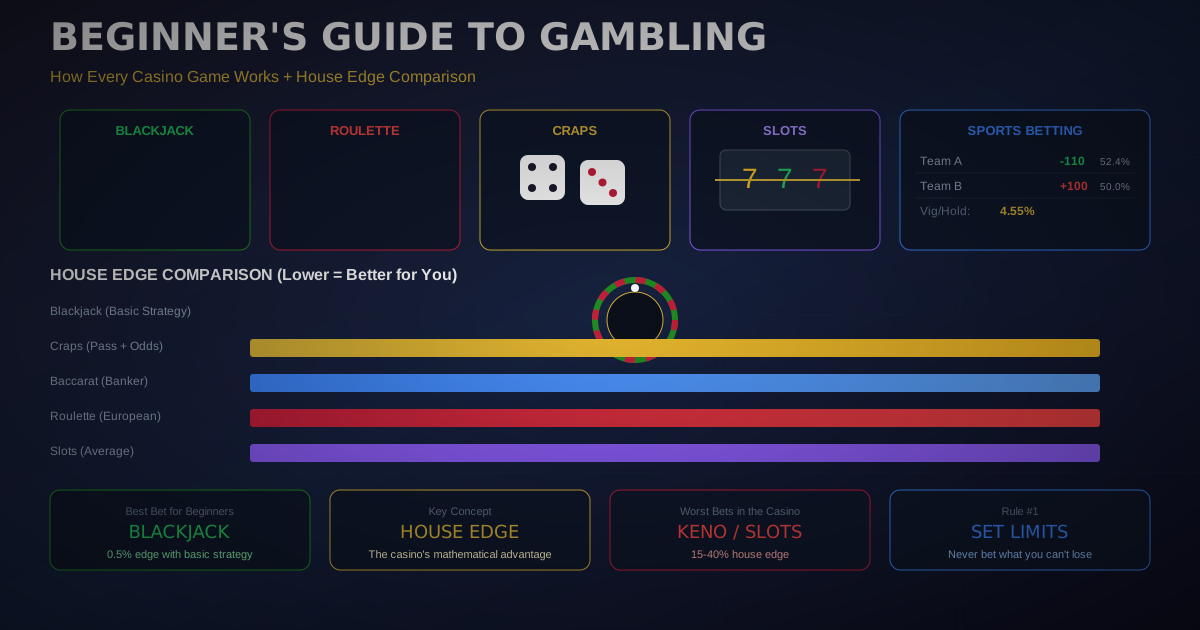
| Blackjack (basic strategy) | 0.50% | -$0.50 | -$5.00 |
| Craps (Pass + Full Odds) | 0.37% | -$0.37 | -$3.70 |
| Baccarat (Banker) | 1.06% | -$1.06 | -$10.60 |
| Craps (Pass Line) | 1.41% | -$1.41 | -$14.10 |
| Baccarat (Player) | 1.24% | -$1.24 | -$12.40 |
| Roulette (European) | 2.70% | -$2.70 | -$27.00 |
| Roulette (American) | 5.26% | -$5.26 | -$52.60 |
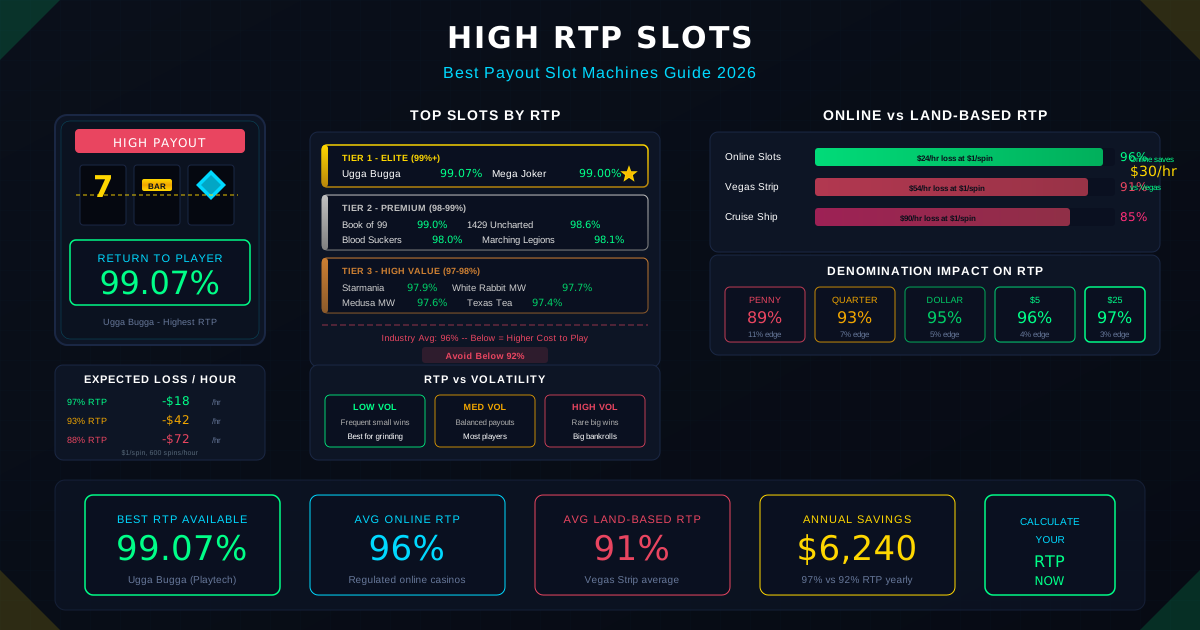
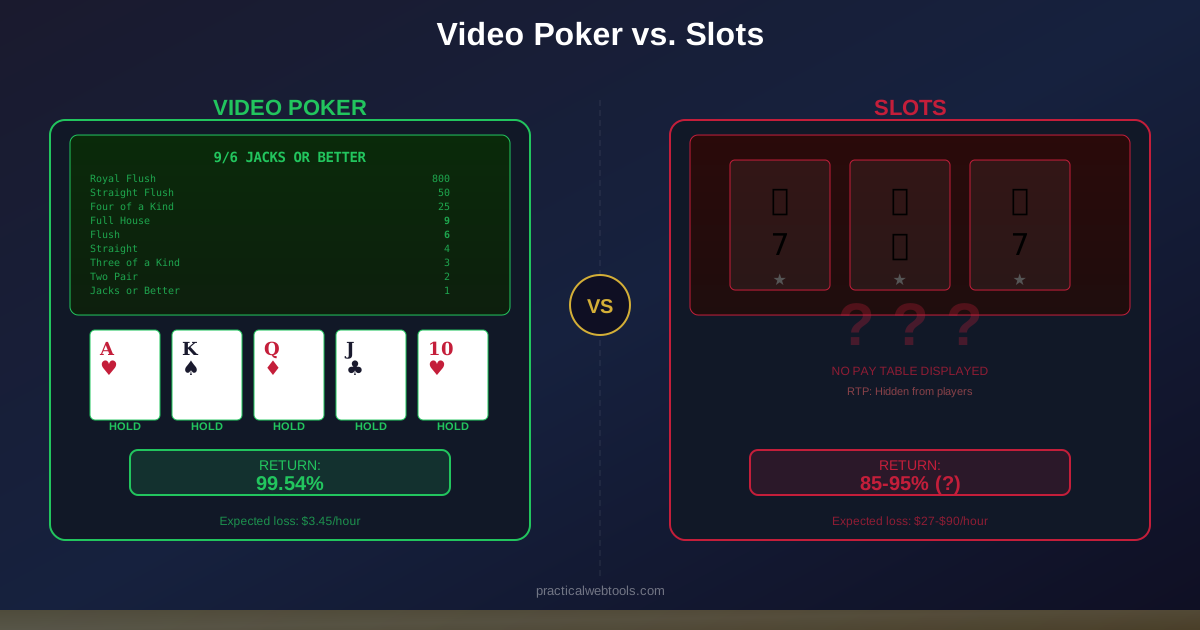
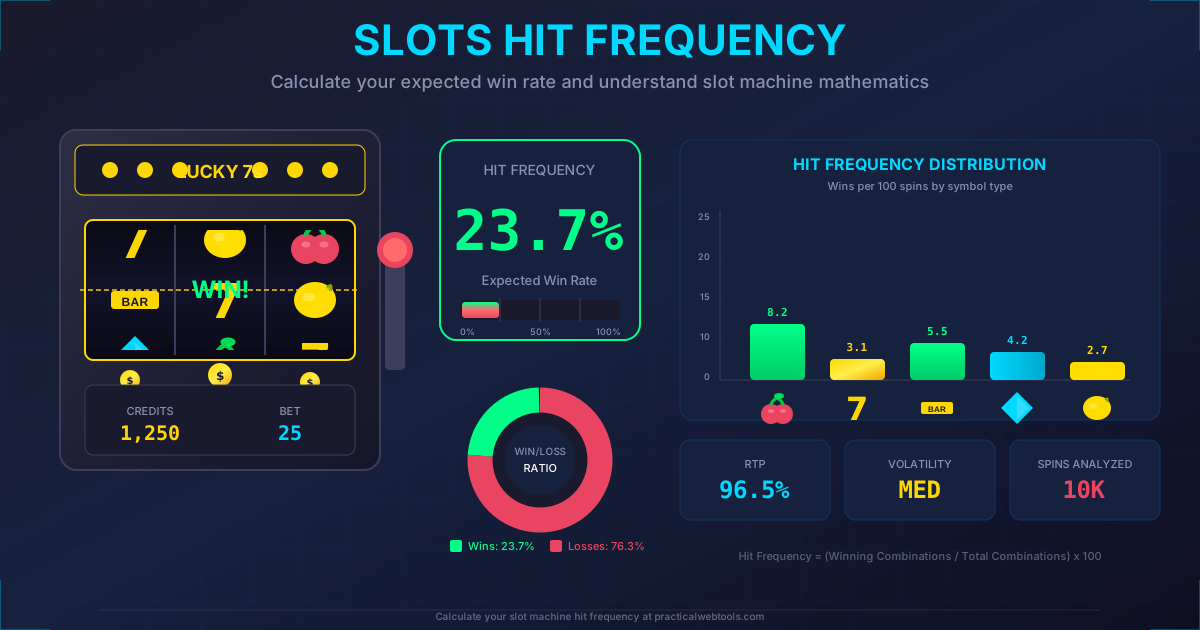
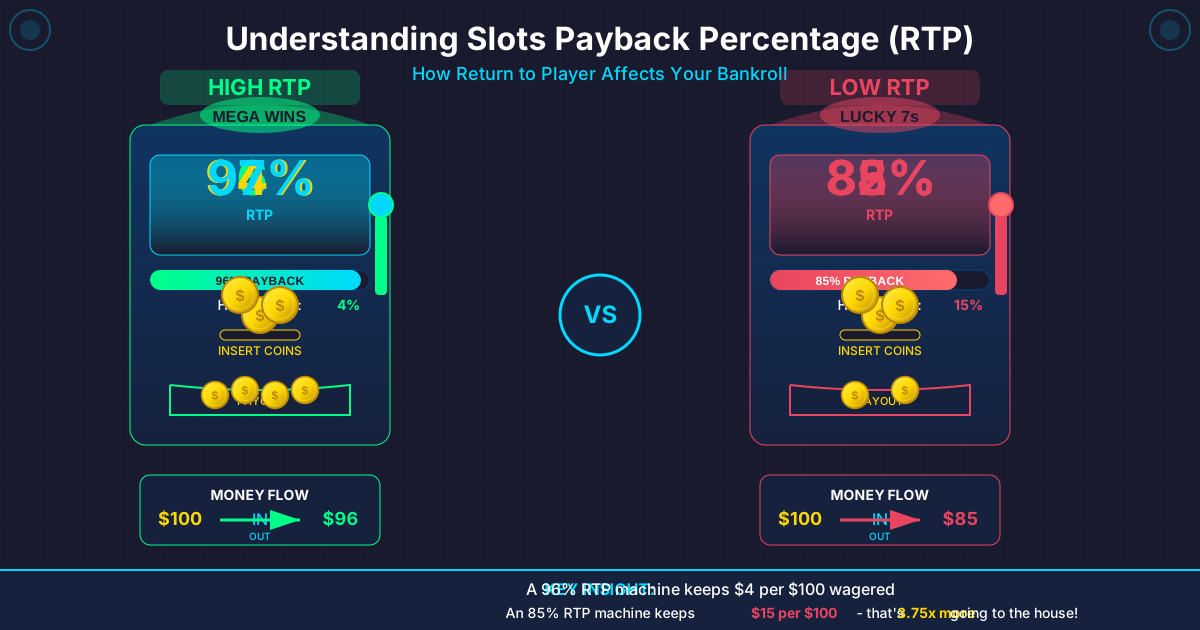
| Slots (typical) | 5-15% | -$5 to -$15 | -$50 to -$150 |
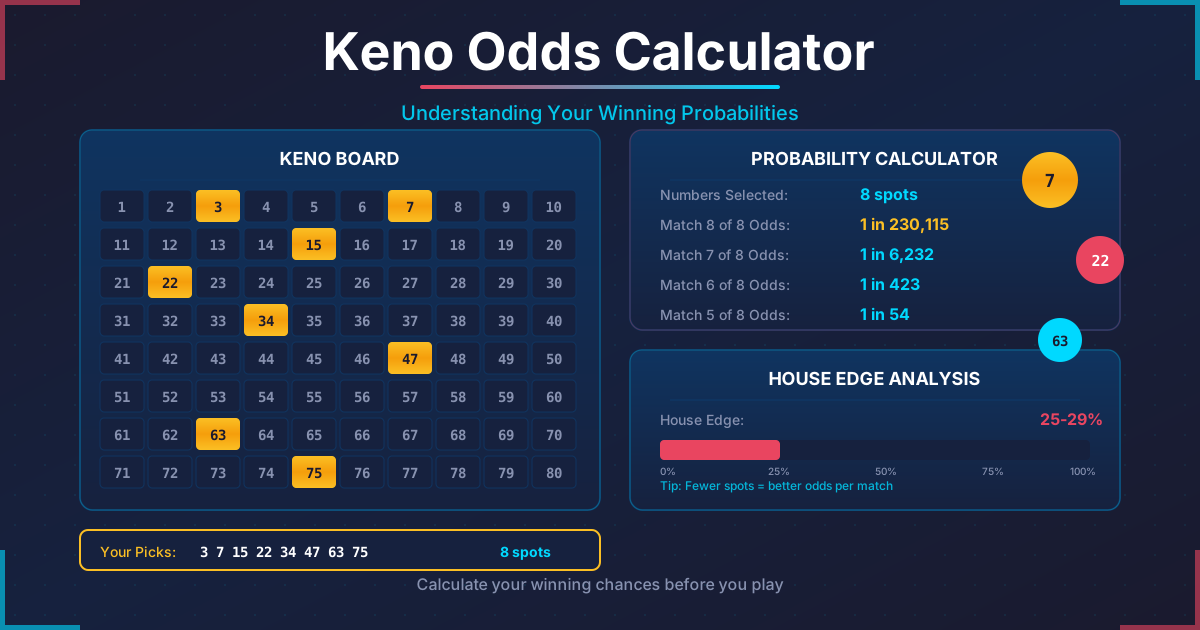
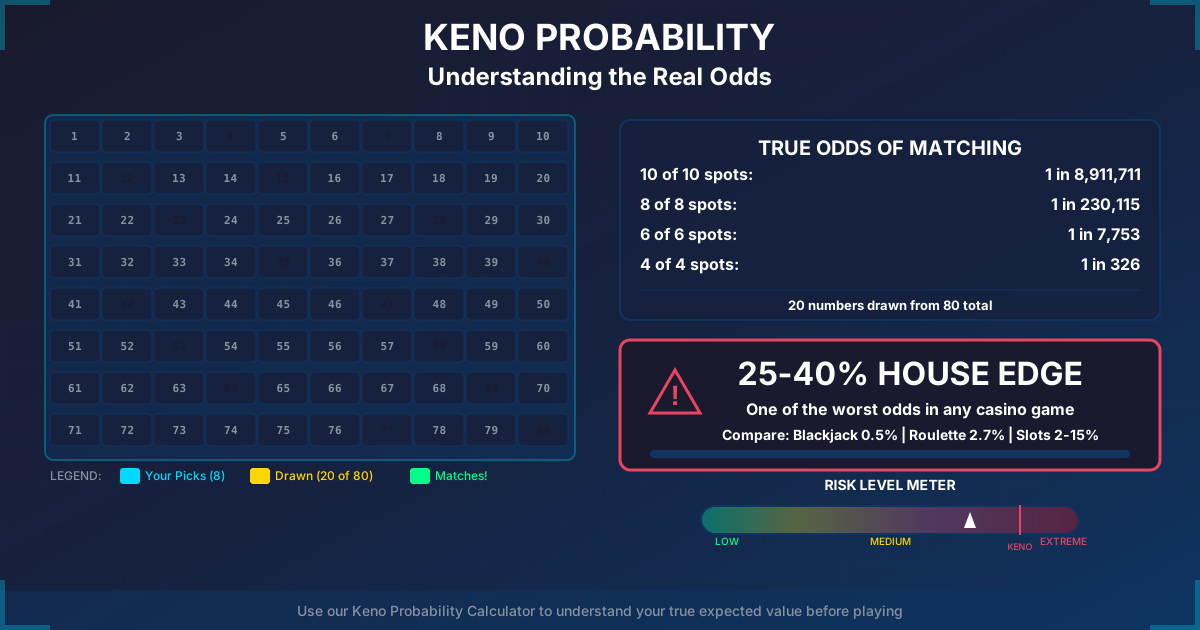
| Keno | 25-30% | -$25 to -$30 | -$250 to -$300 |
Compare house edges across all games with our Blackjack House Edge Calculator, Roulette House Edge Calculator, Craps House Edge Calculator, and Baccarat House Edge Calculator.
Expected Value in Sports Betting
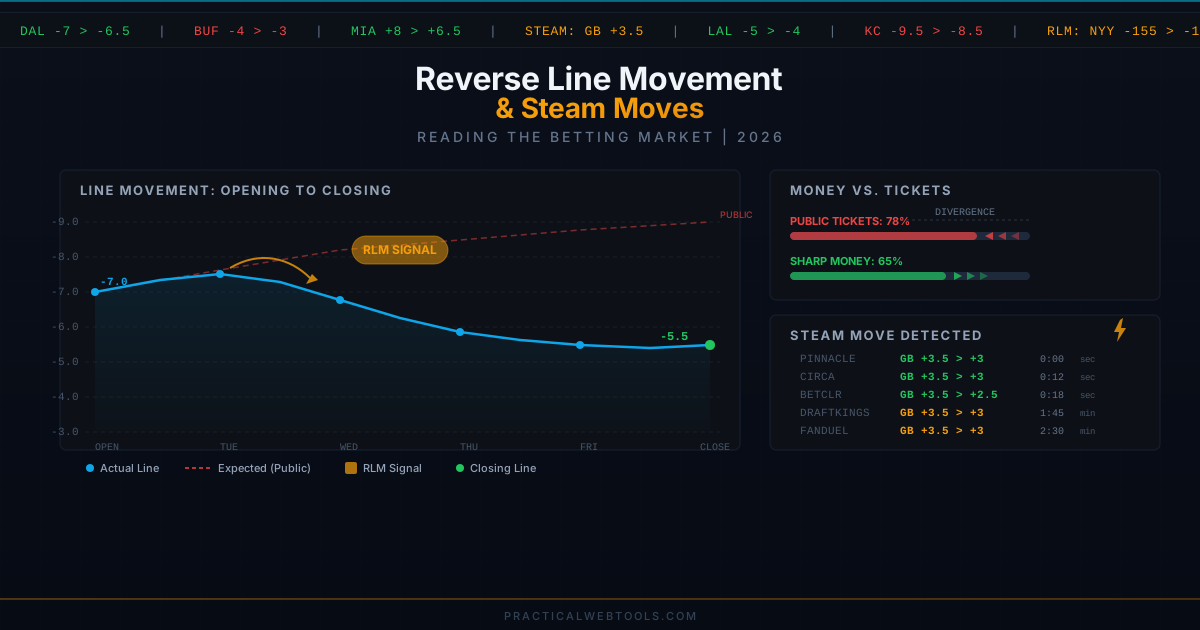
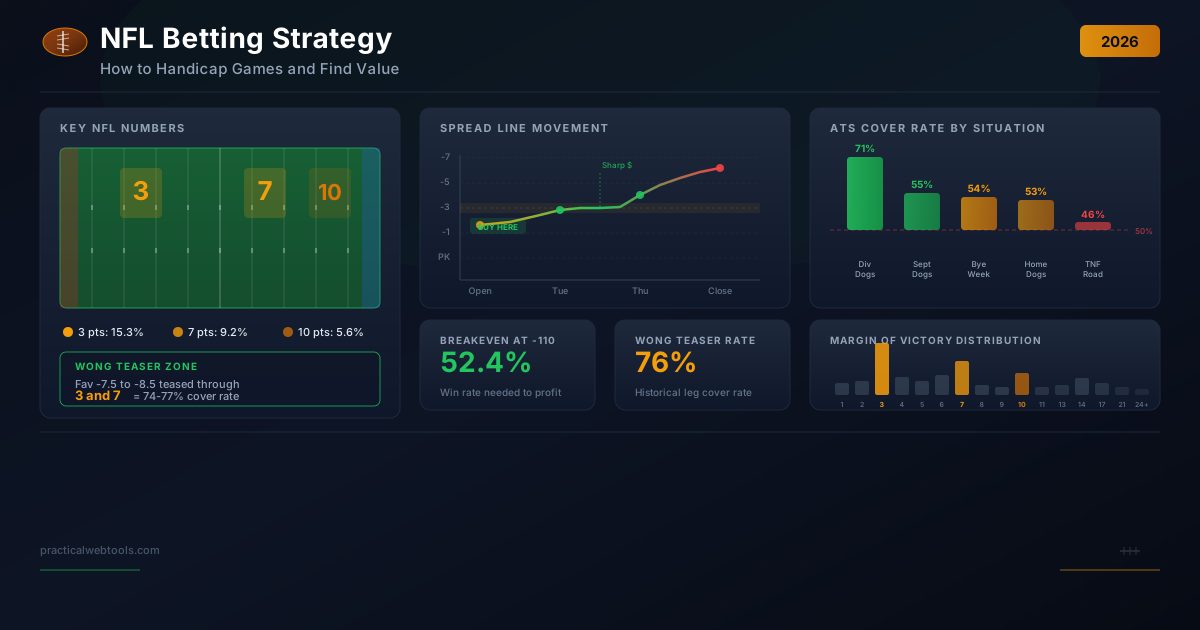
Sports betting is fundamentally different from casino games because the house edge (vig) varies by bet and because skilled bettors can potentially find positive expected value.
Understanding the Vig
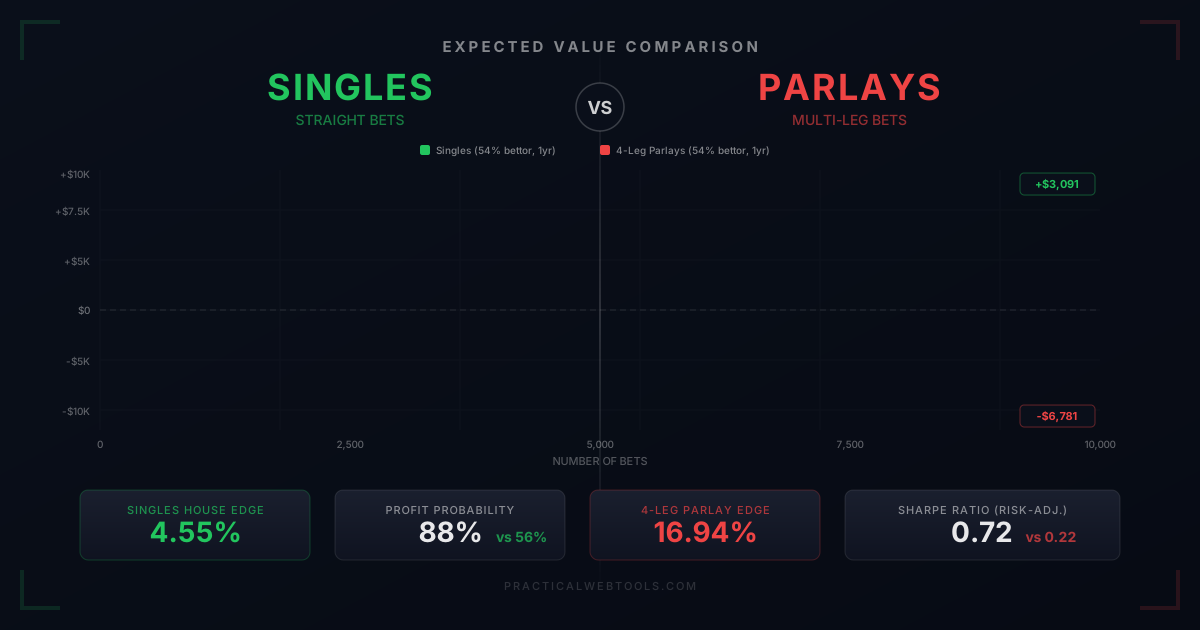
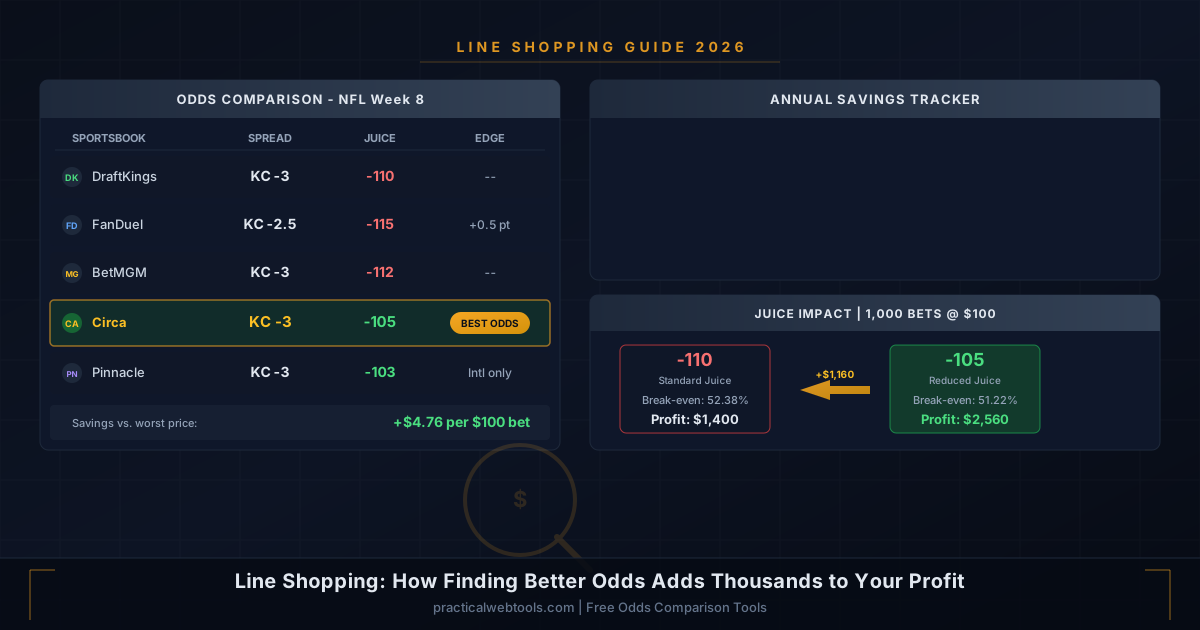
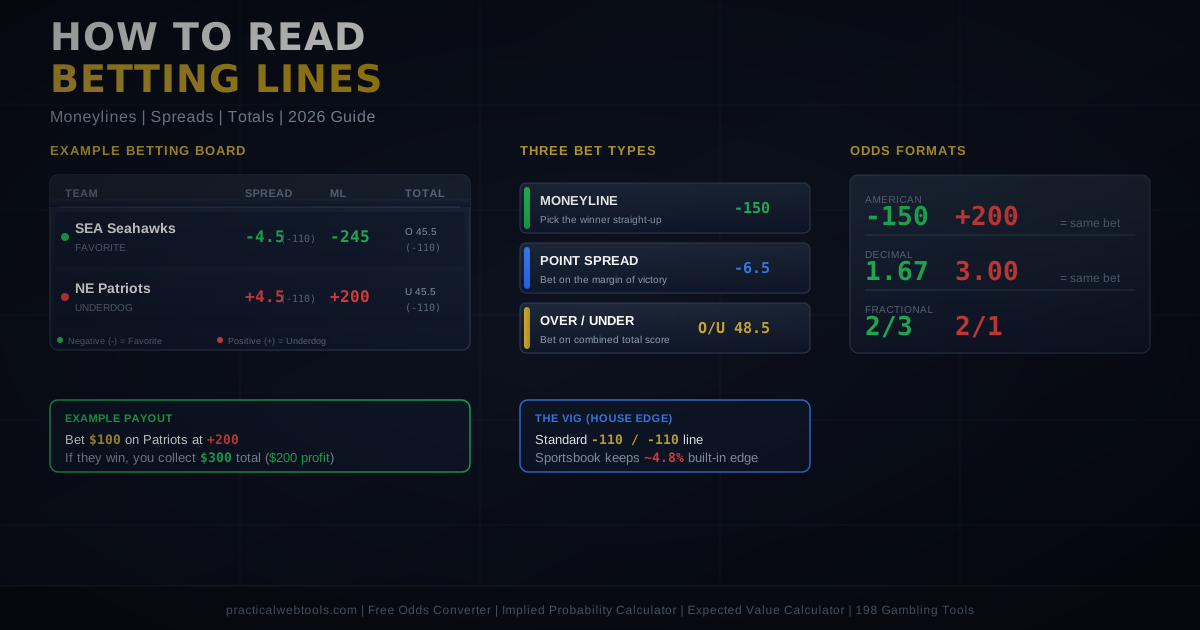
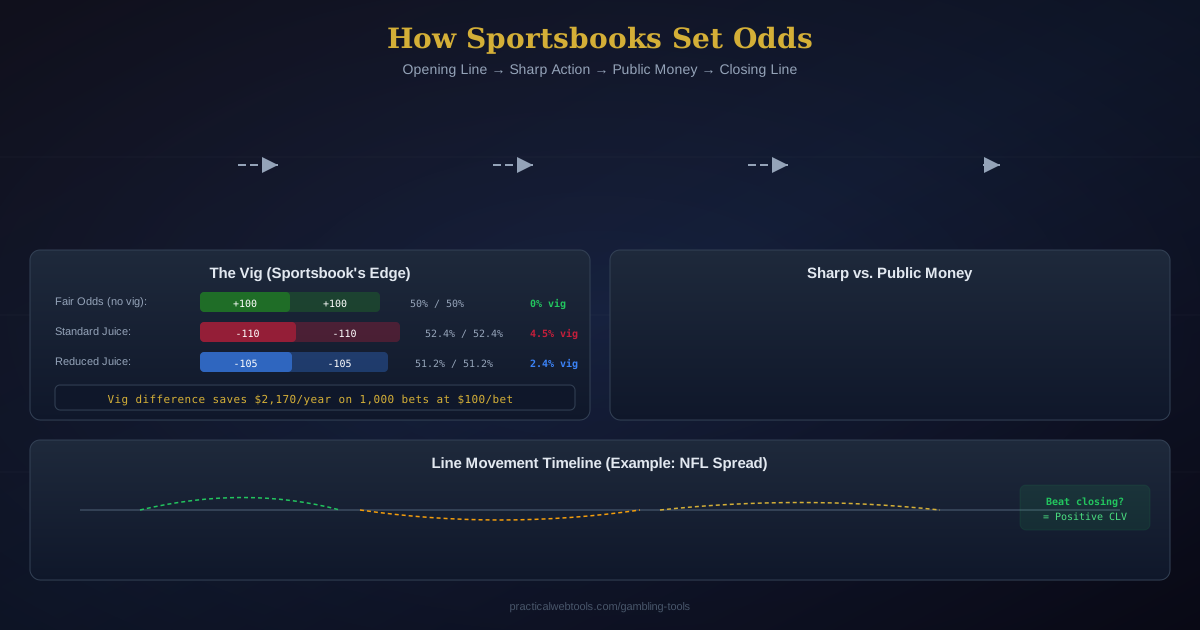
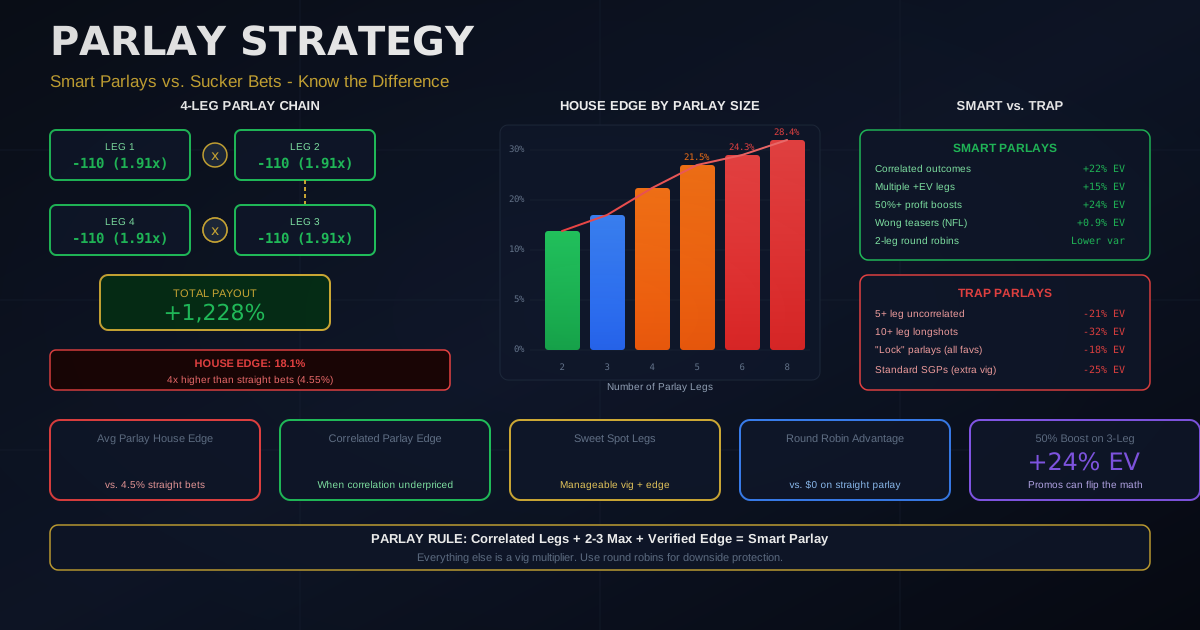
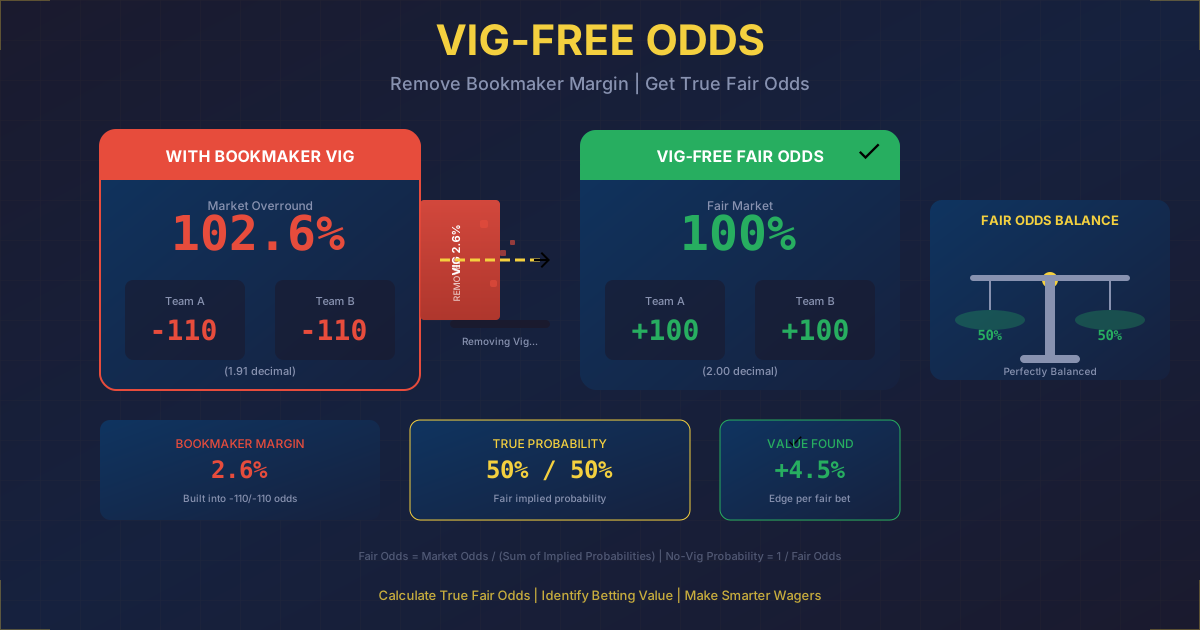
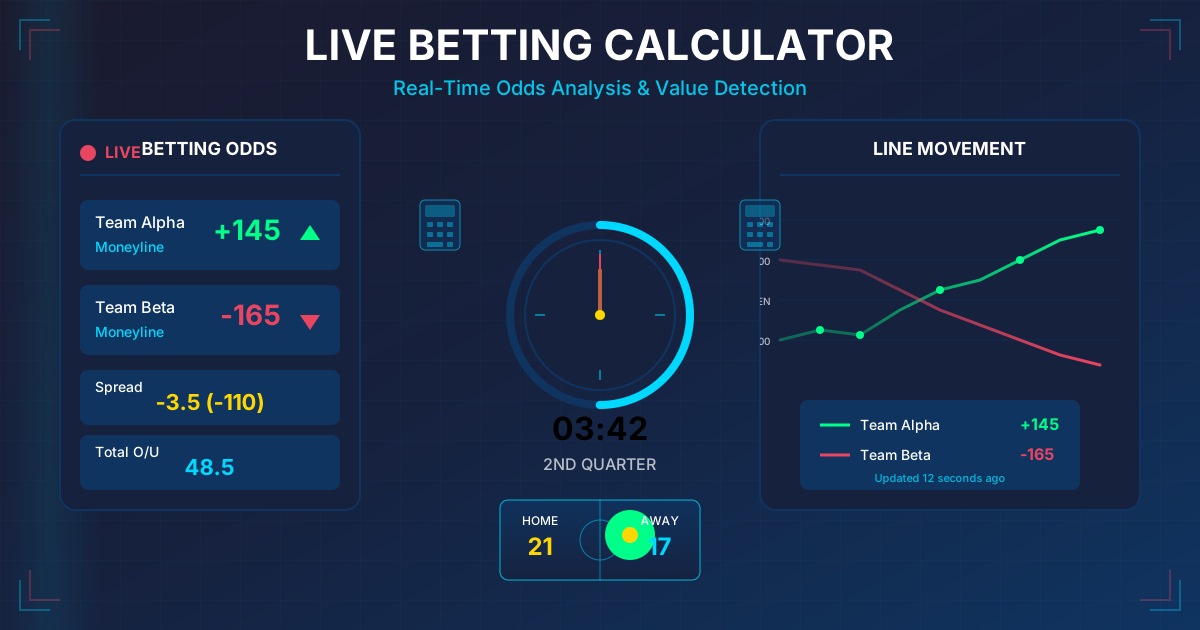
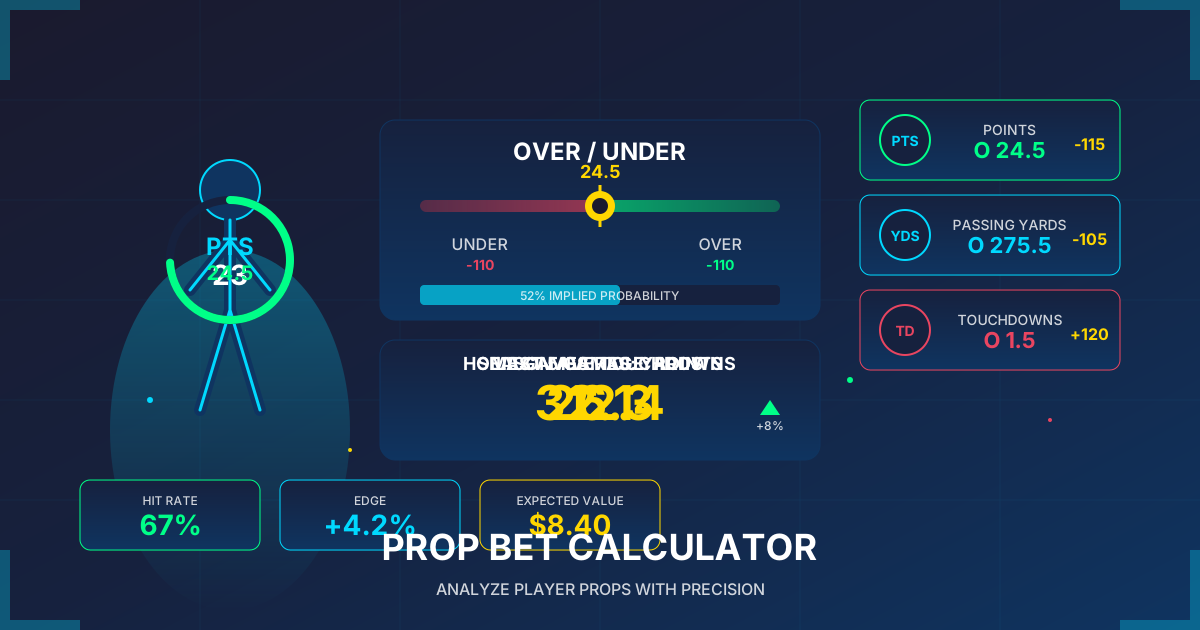
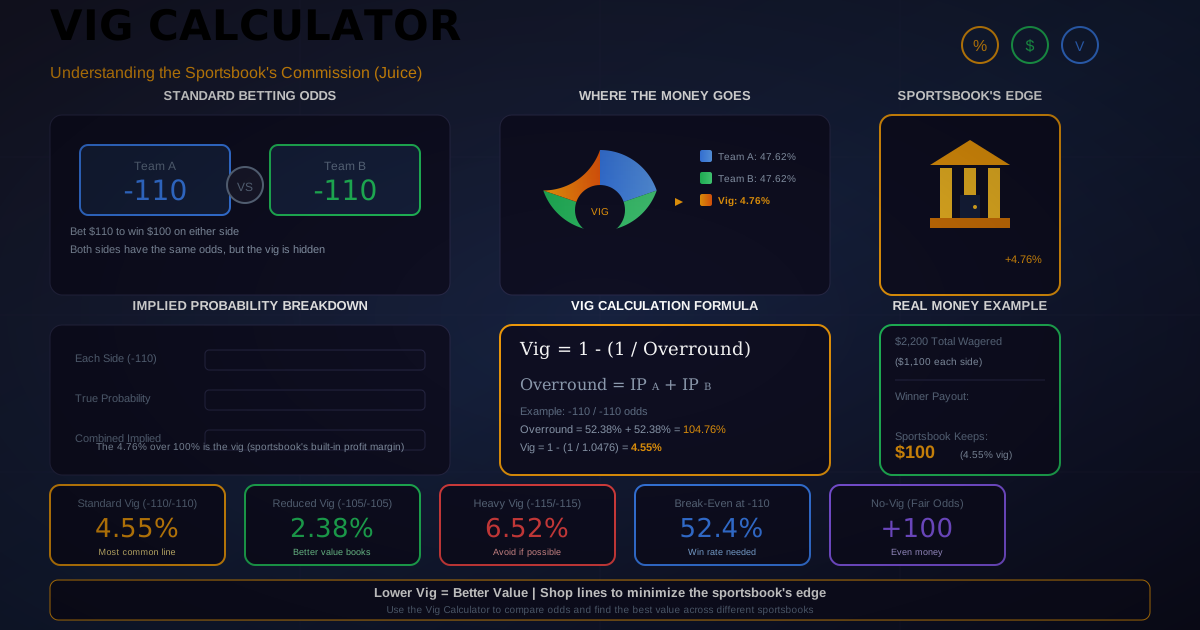
Sportsbooks build their edge through the vigorish (vig or juice). Standard American odds of -110 on both sides of a bet illustrate this:
- You bet $110 to win $100
- True probability of each side: 50%
- Implied probability at -110: 52.38%
- Both sides combined: 104.76% (the extra 4.76% is the vig)
EV per $110 bet at -110 (50% true probability): EV = (0.50 x $100) + (0.50 x -$110) = $50 - $55 = -$5.00
That is a 4.55% house edge on standard vig.
Calculate the vig on any sportsbook line with our Hold/Vig Calculator.
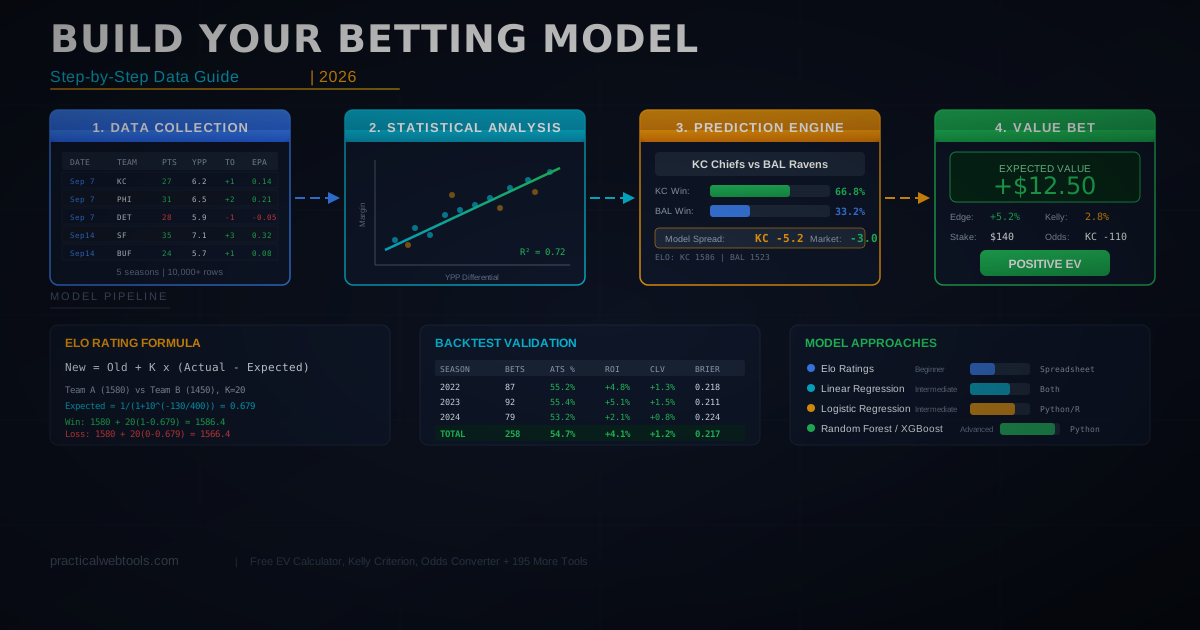
Finding Positive EV in Sports Betting
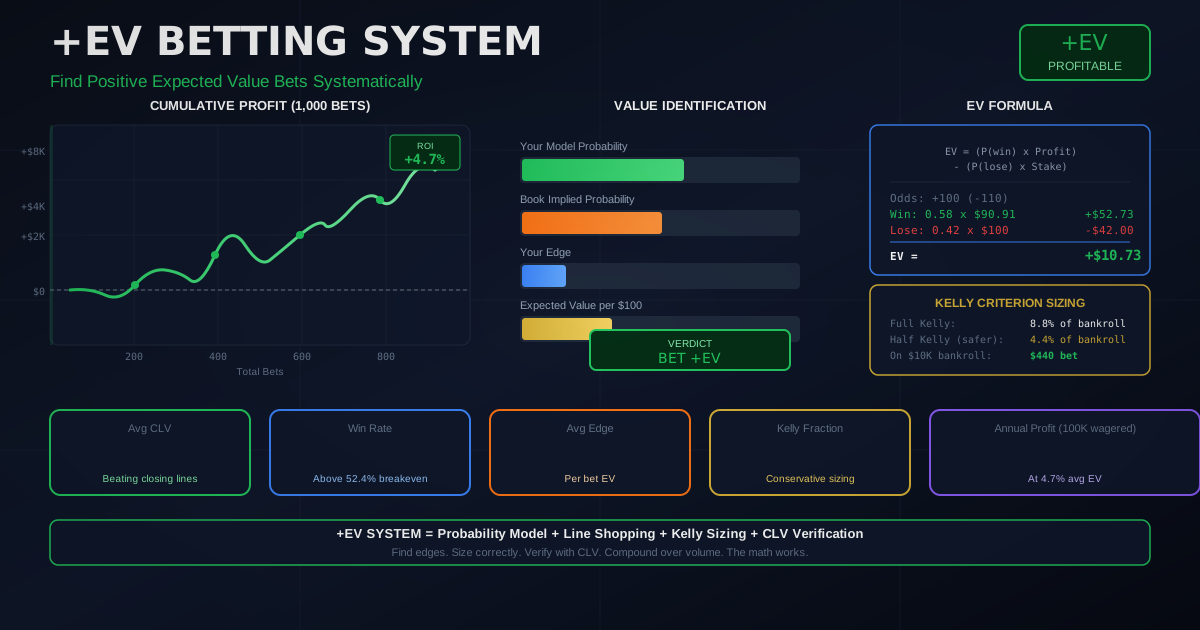
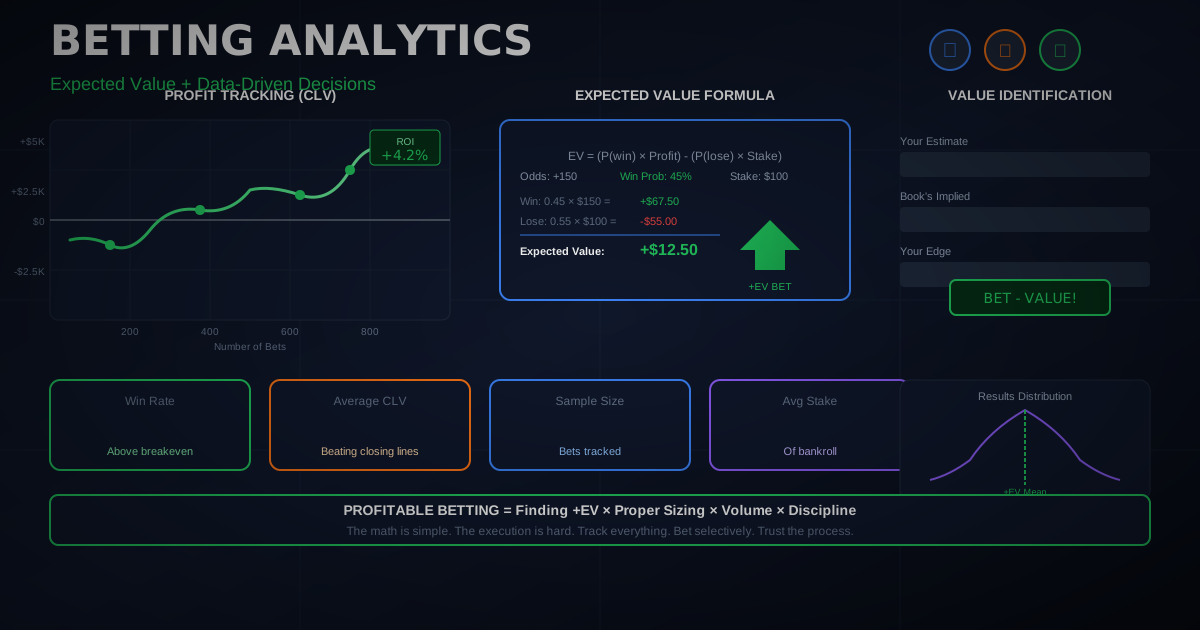
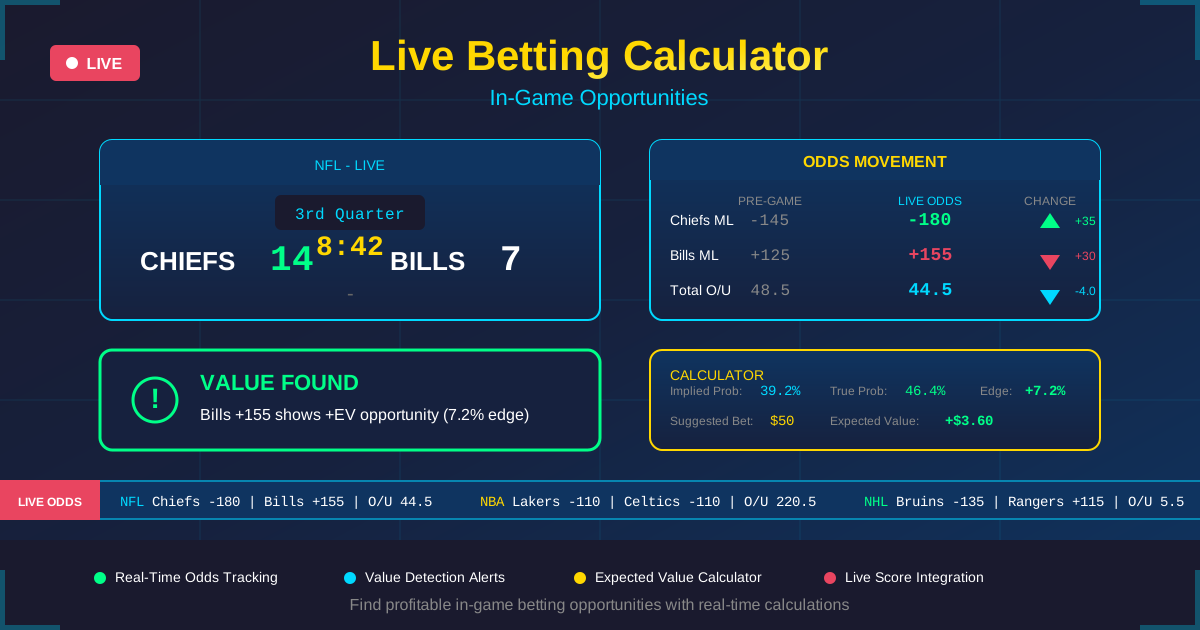
Positive EV exists when the true probability of an outcome exceeds the implied probability from the odds:
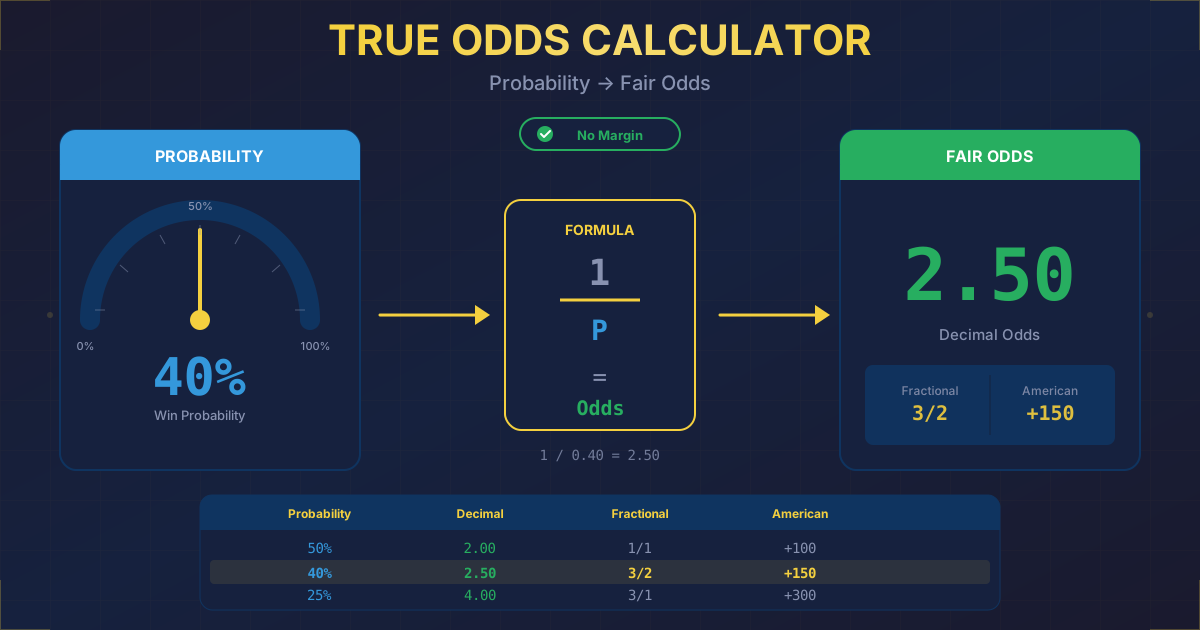
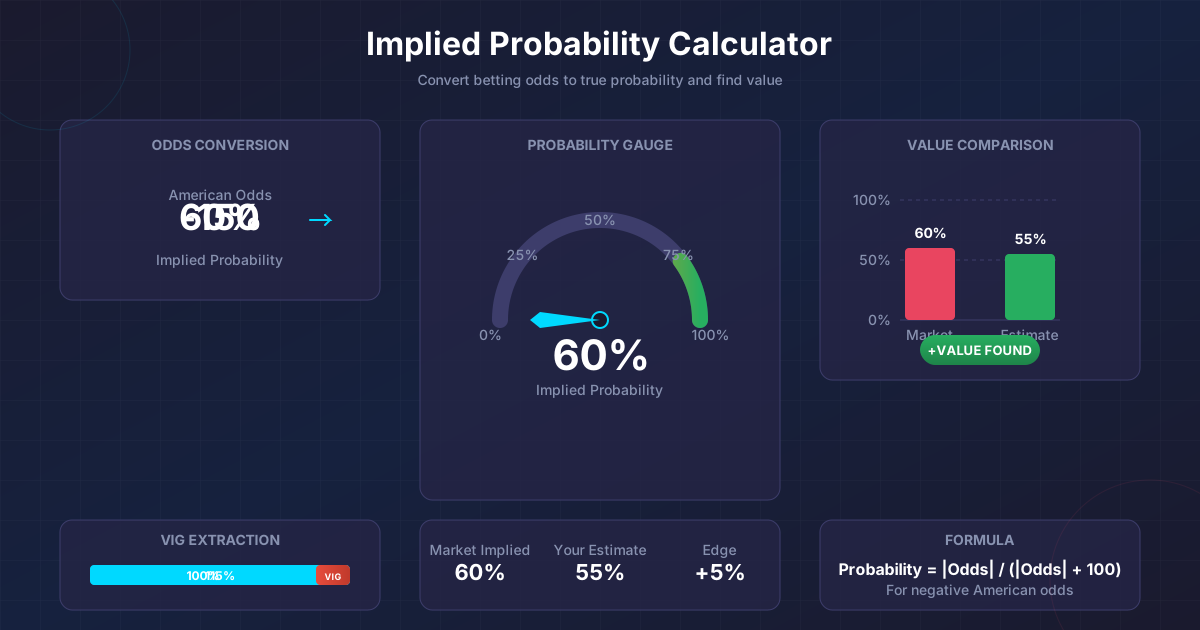
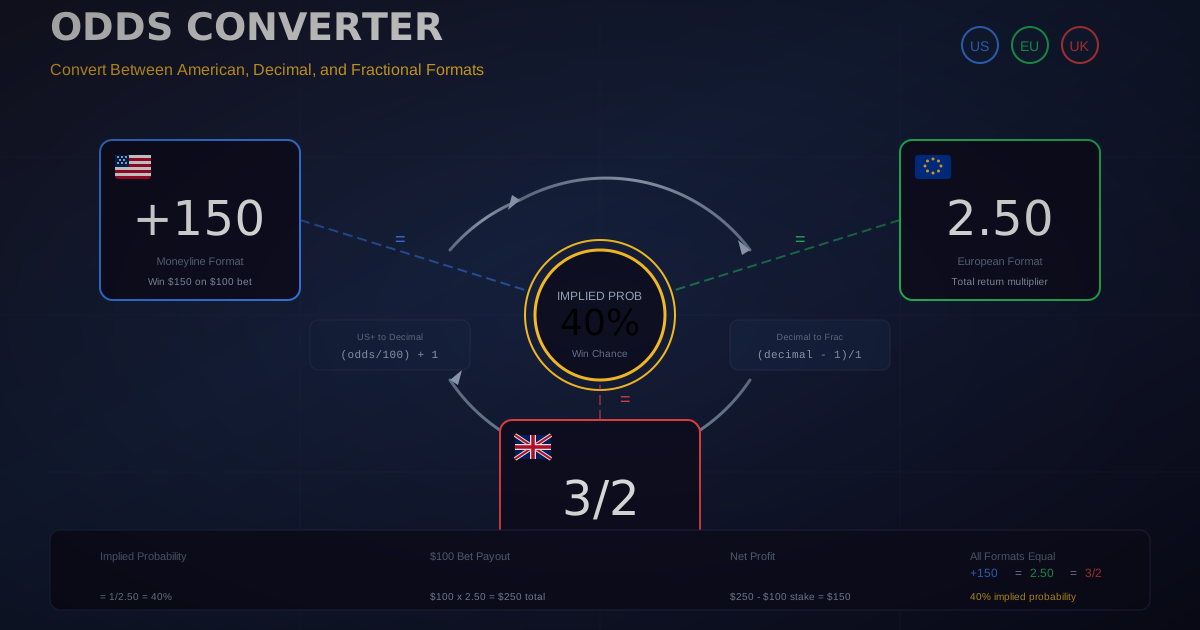
Example: Team A at +150 (implied probability 40%)
If your analysis shows Team A actually wins 45% of the time:
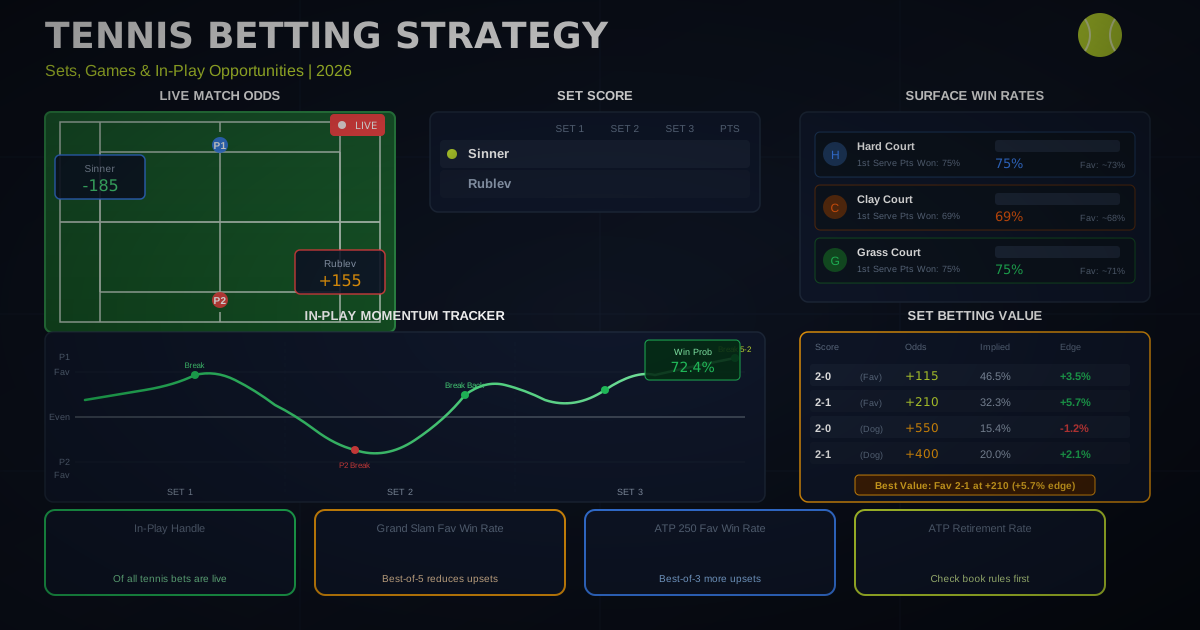
EV = (0.45 x $150) + (0.55 x -$100) = $67.50 - $55.00 = +$12.50 per $100 bet
That is a +12.5% edge, which is substantial.
Convert between odds formats and see implied probabilities with our Odds Converter and Implied Probability Calculator.
Real-World Sports Betting EV Example
Scenario: NFL Underdog at +200
The sportsbook implies a 33.3% win probability. Your model estimates 38% after analyzing injuries, weather, and historical matchup data.
- Bet: $100 on the underdog at +200
- EV = (0.38 x $200) + (0.62 x -$100)
- EV = $76.00 - $62.00 = +$14.00
Over 100 similar bets: Expected profit = $1,400
This is how professional sports bettors operate. They do not need to win most bets. They need to find bets where the true probability exceeds the implied probability, creating positive EV over large samples.
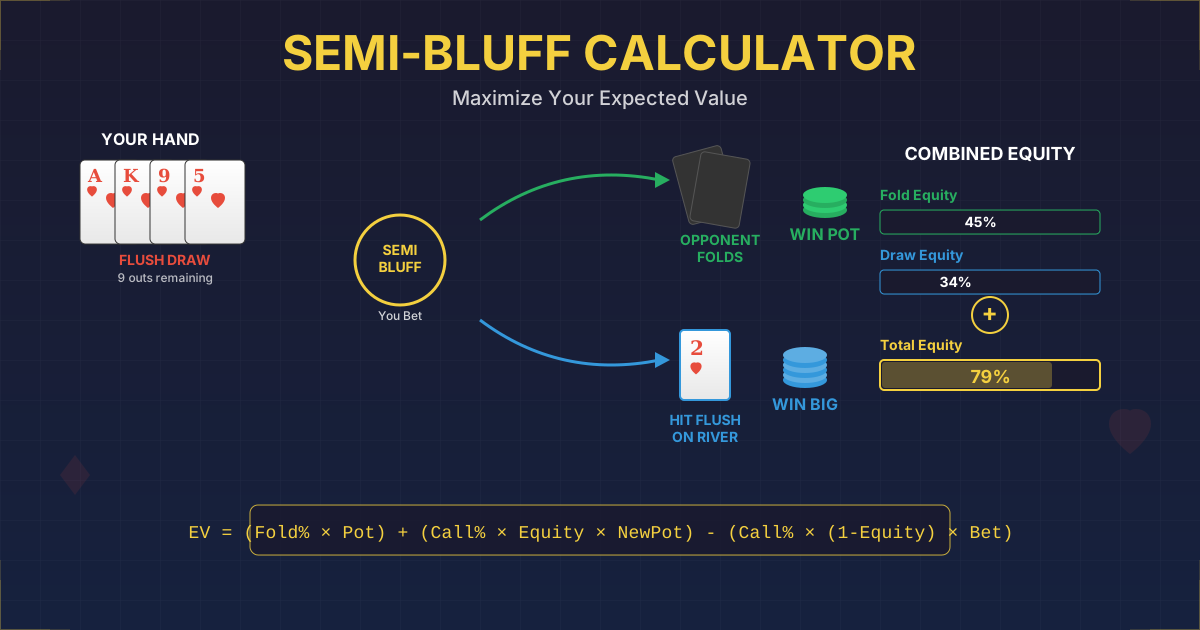
Expected Value in Poker
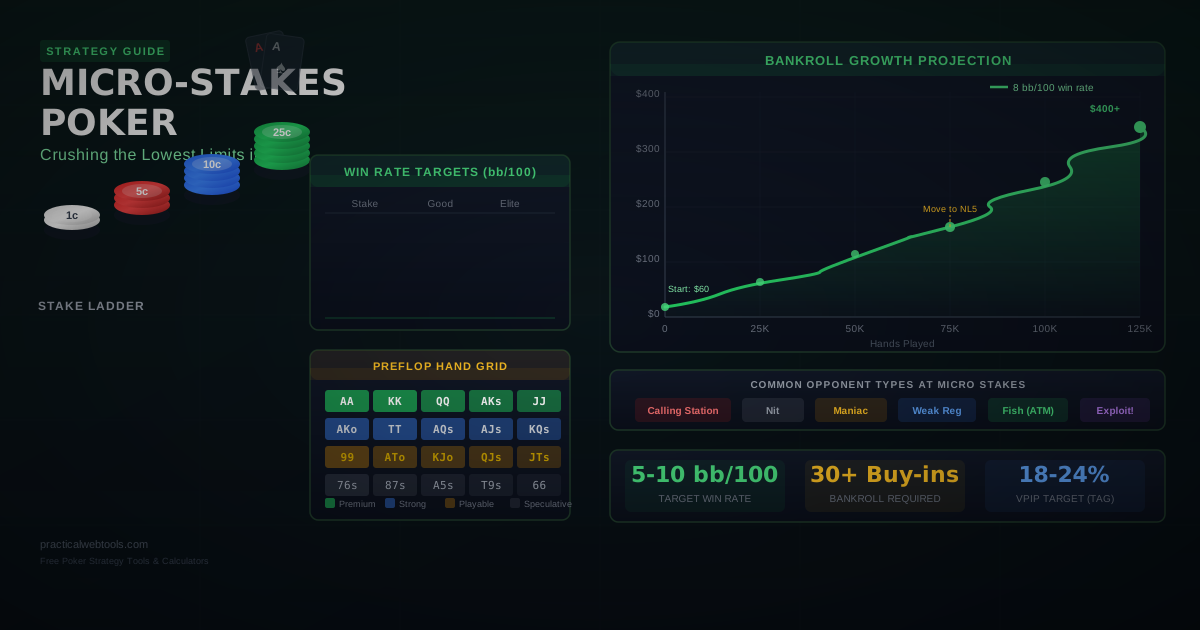
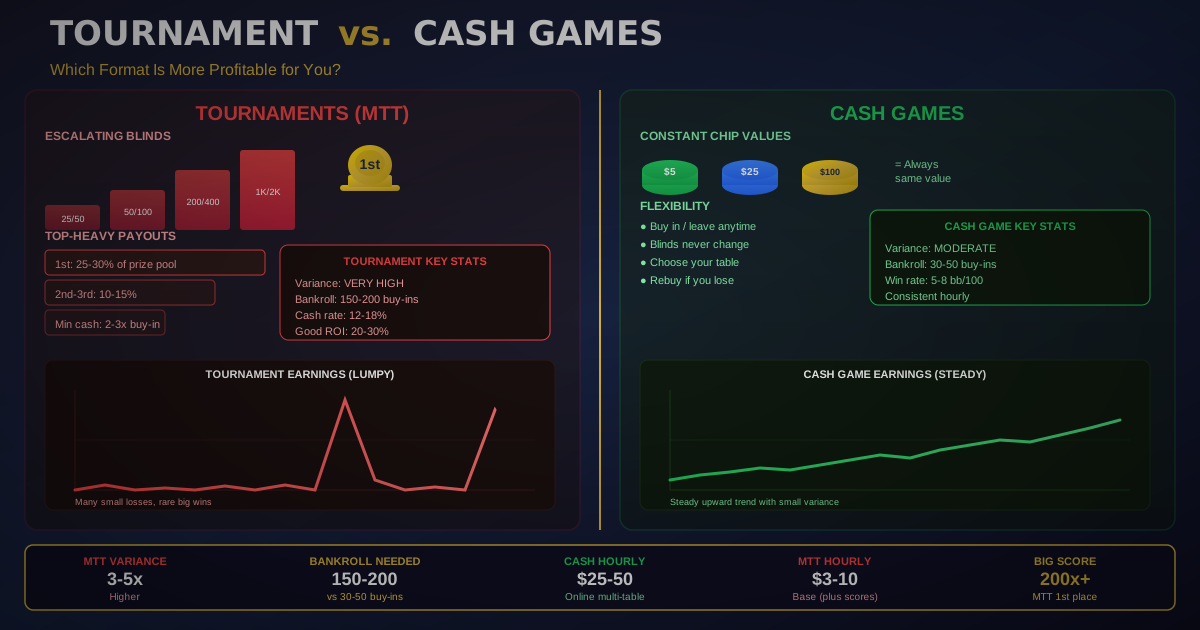
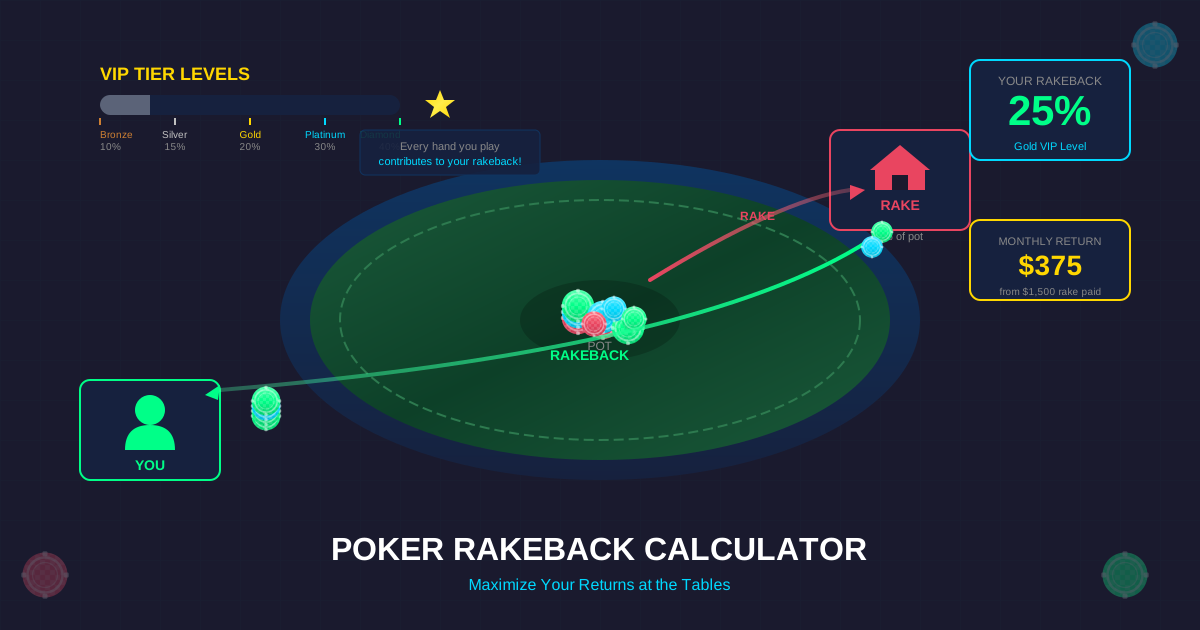
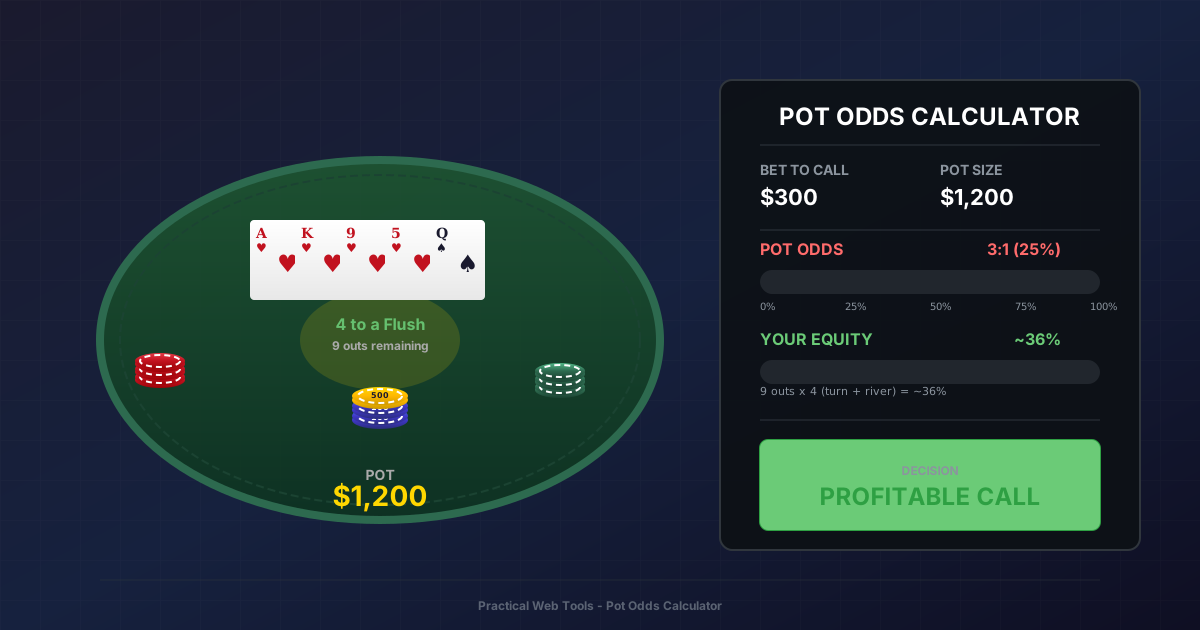
Poker is unique because you are not playing against the house. The casino takes a rake (typically 2.5-10% of each pot, capped), and your EV depends entirely on your skill relative to your opponents.
Preflop EV Examples
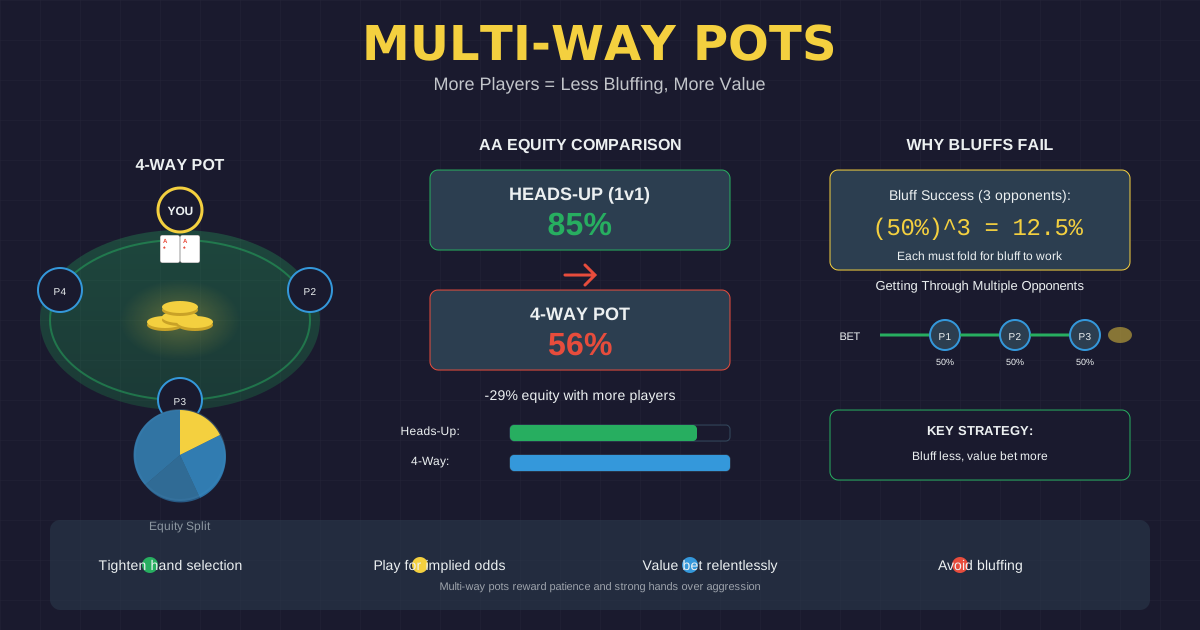
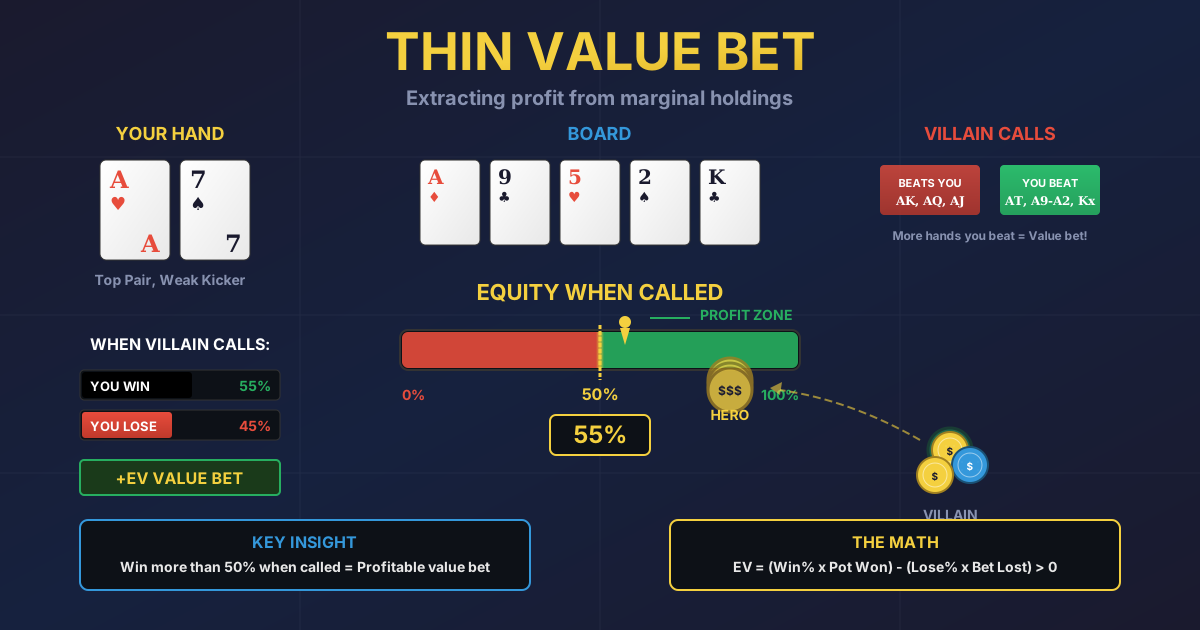
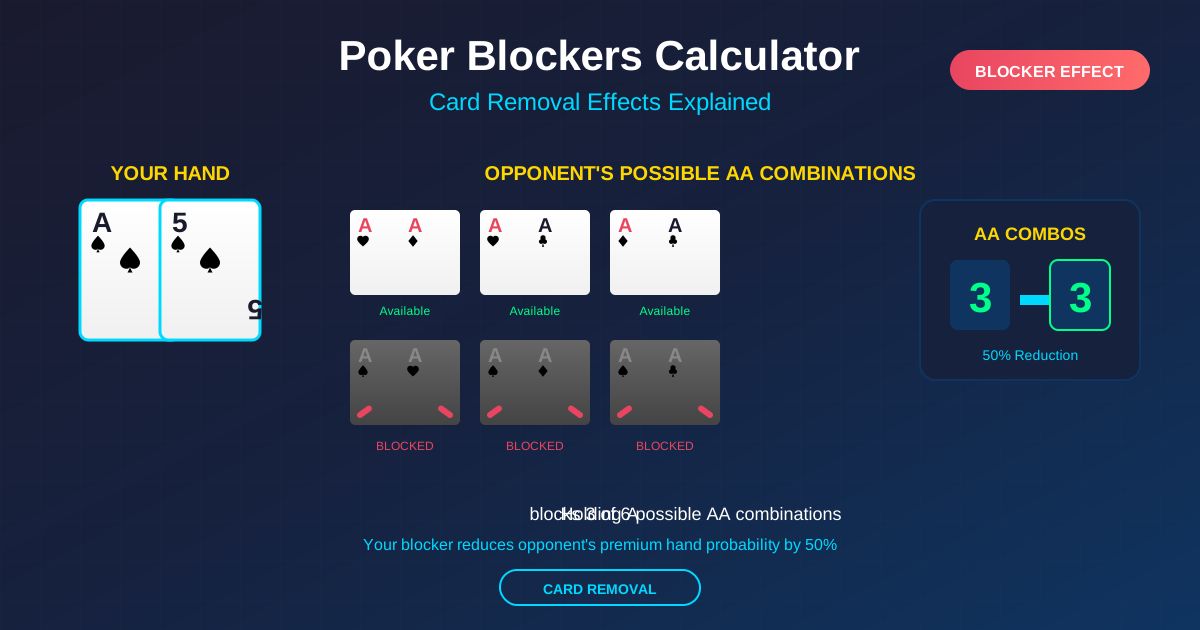
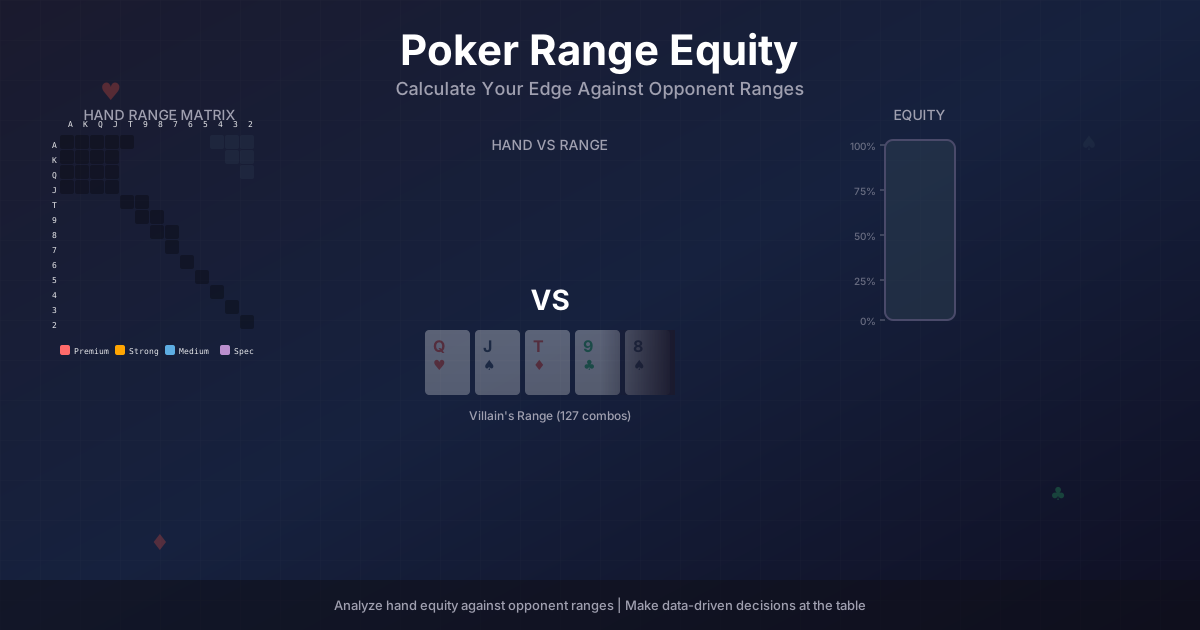
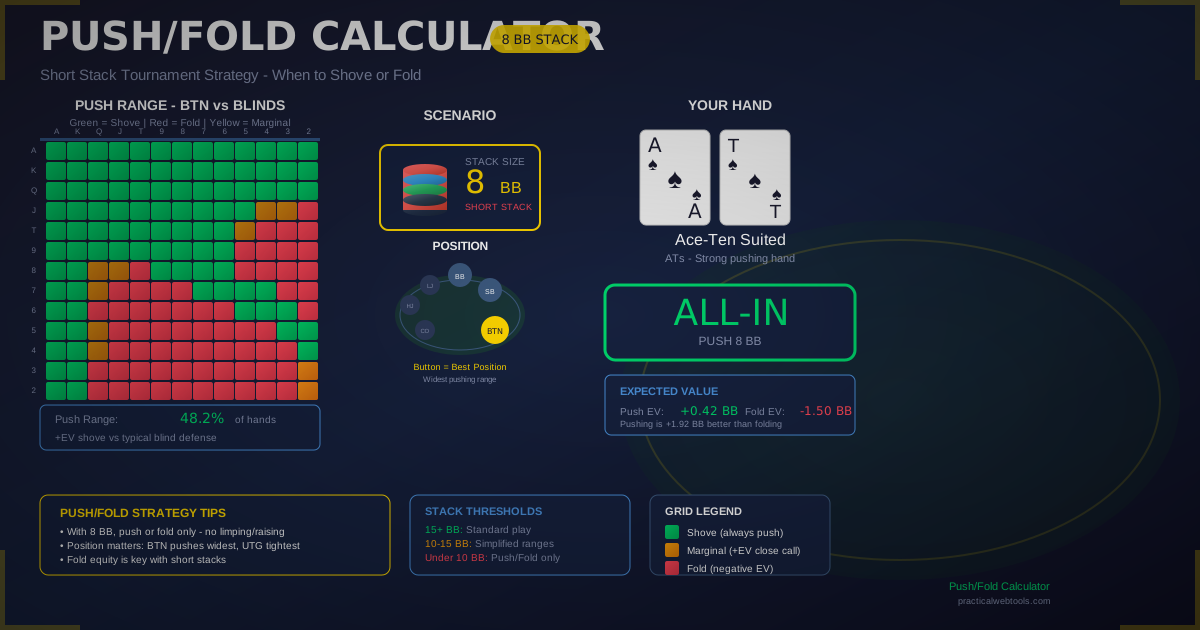
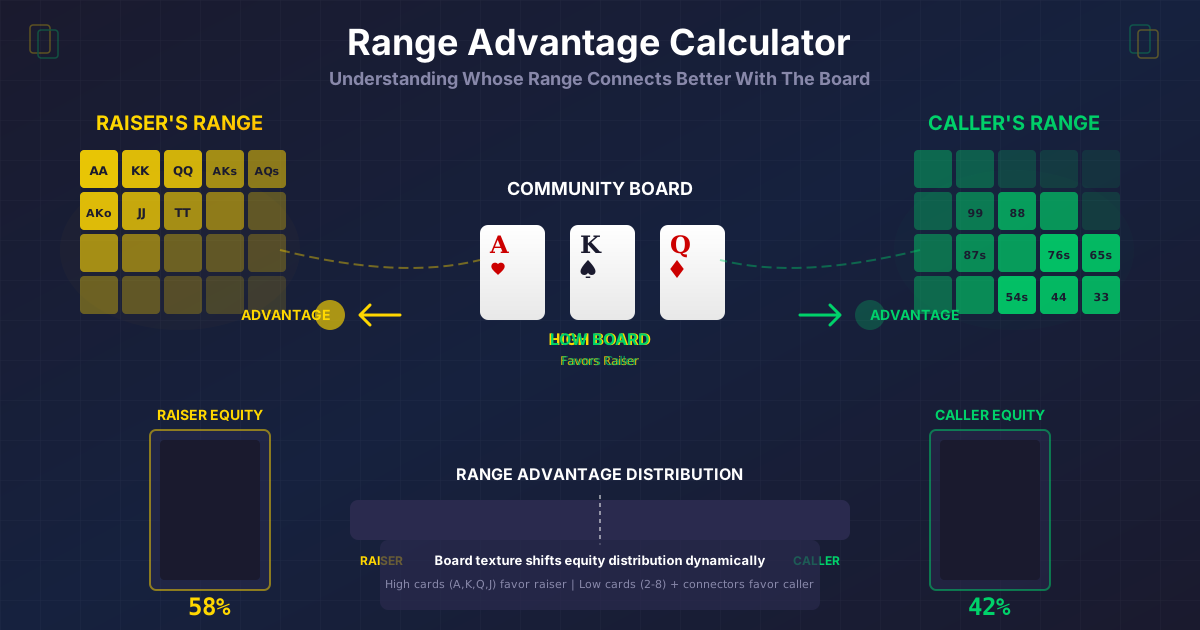
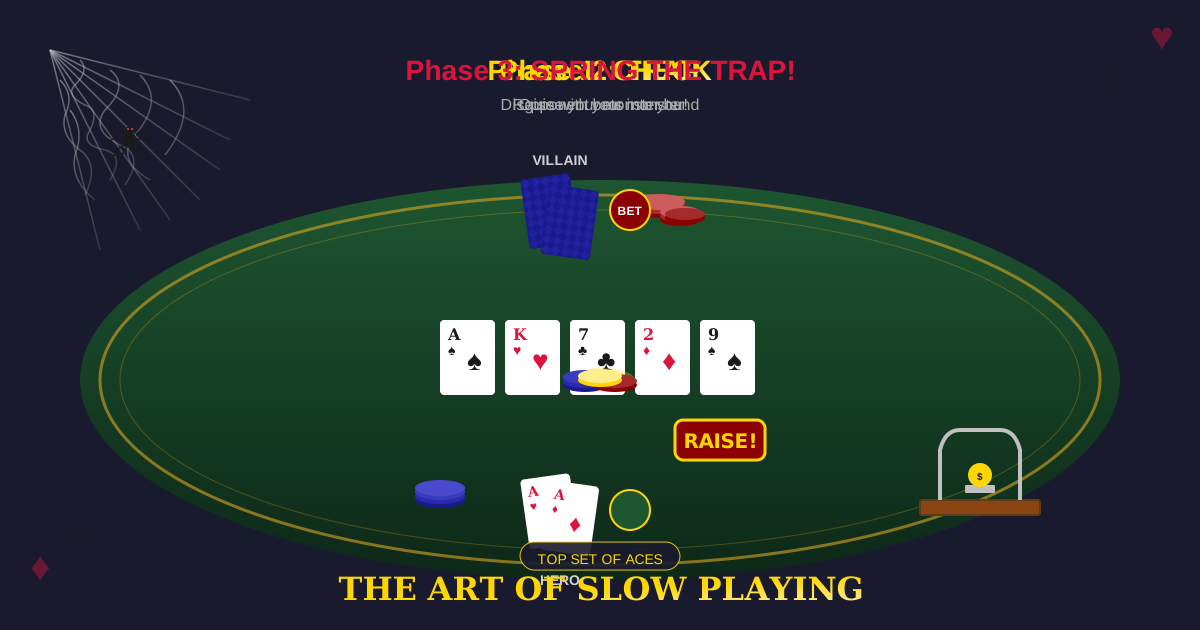
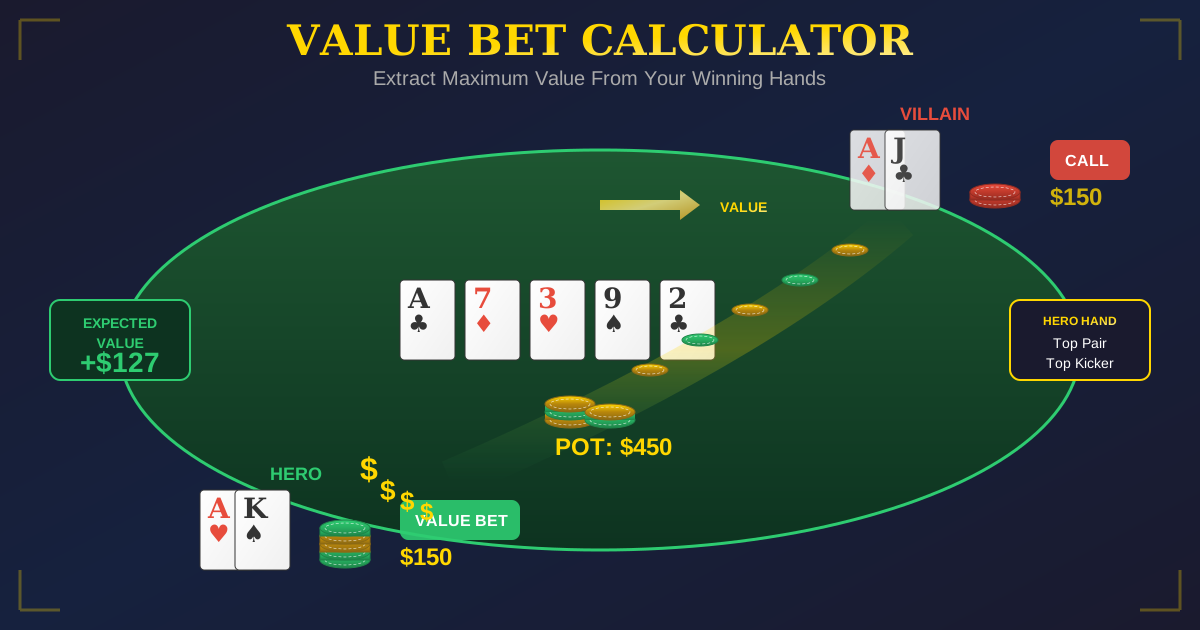
Example: AA vs. Random Hand All-In Preflop ($200 pot)
- AA equity: ~85%
- EV = (0.85 x $100) - (0.15 x $100) = $85 - $15 = +$70 per occurrence
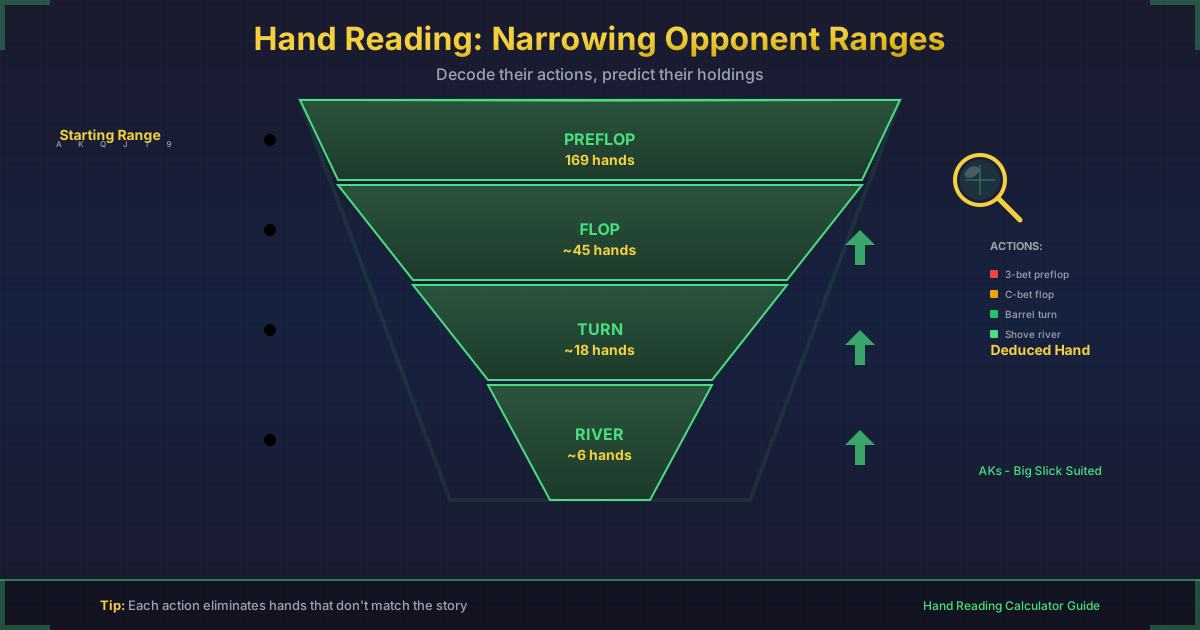
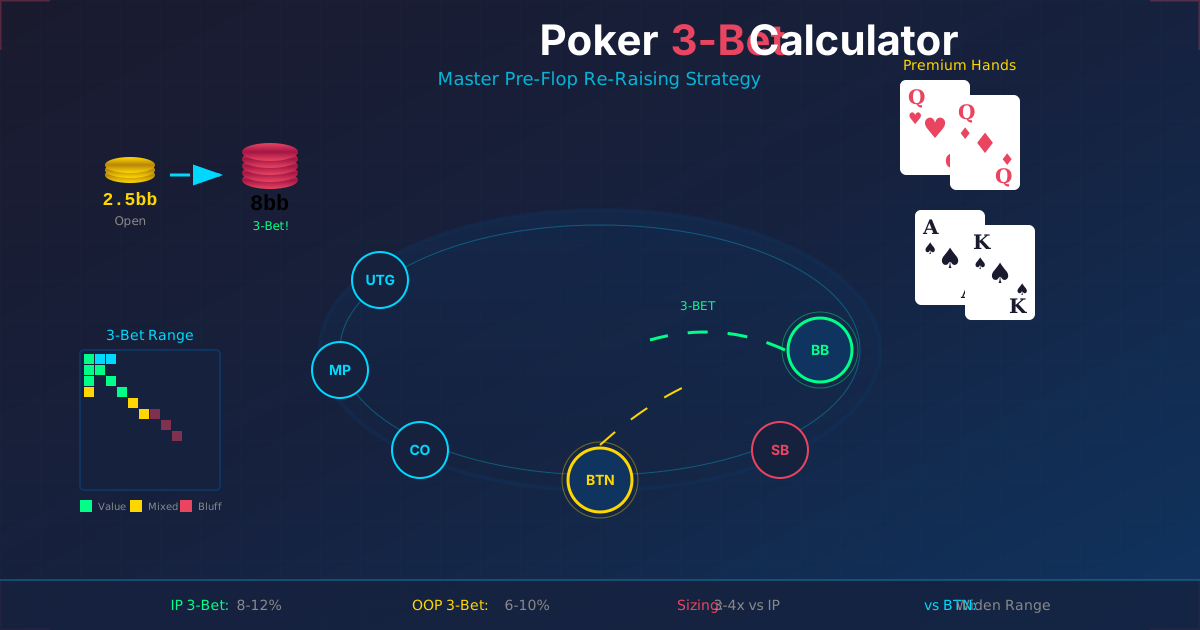
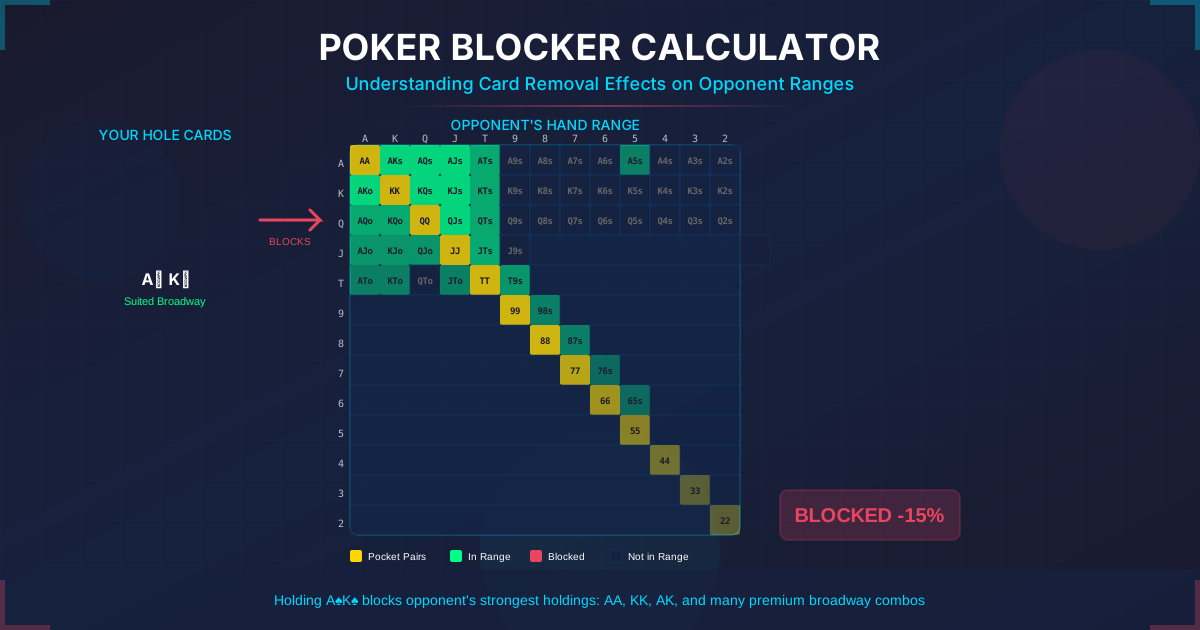
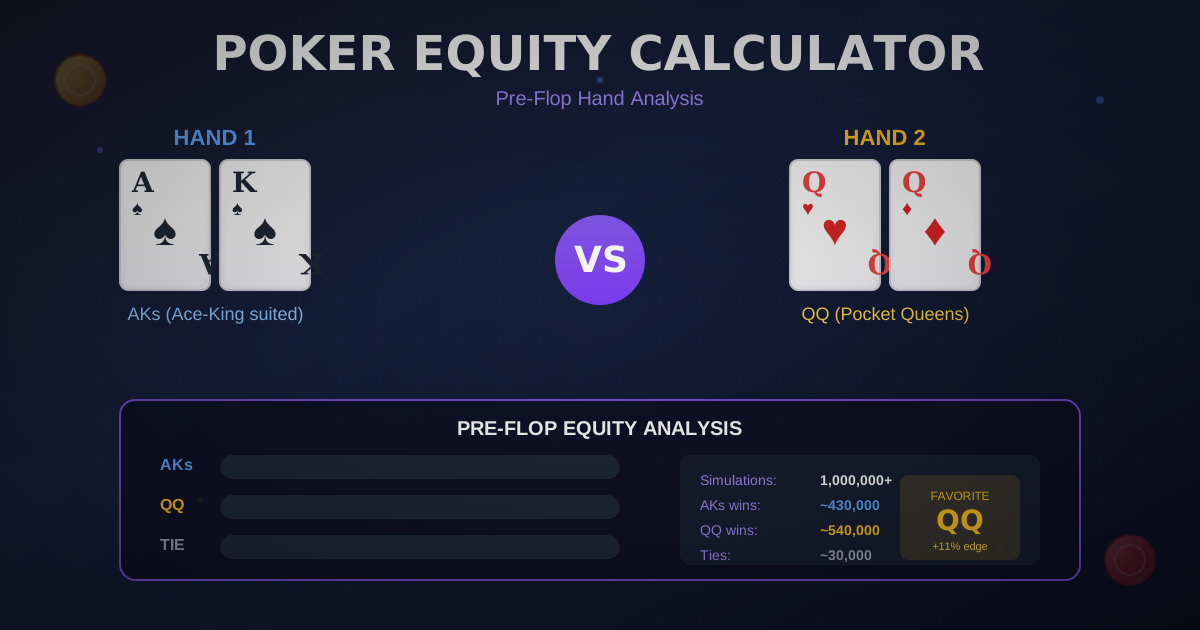
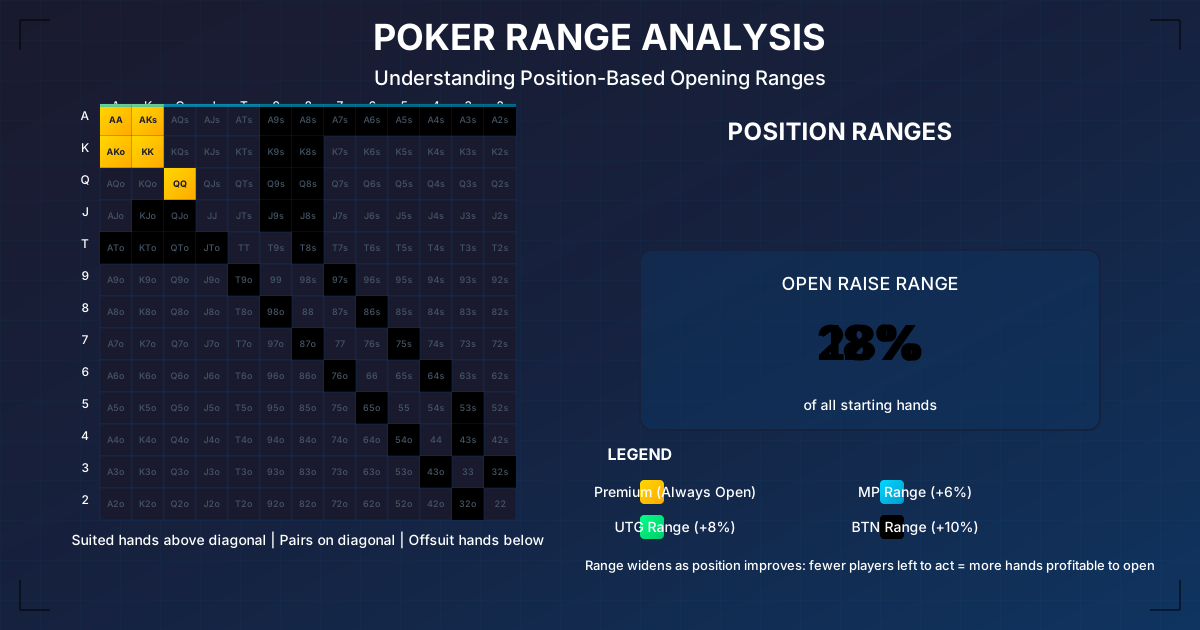
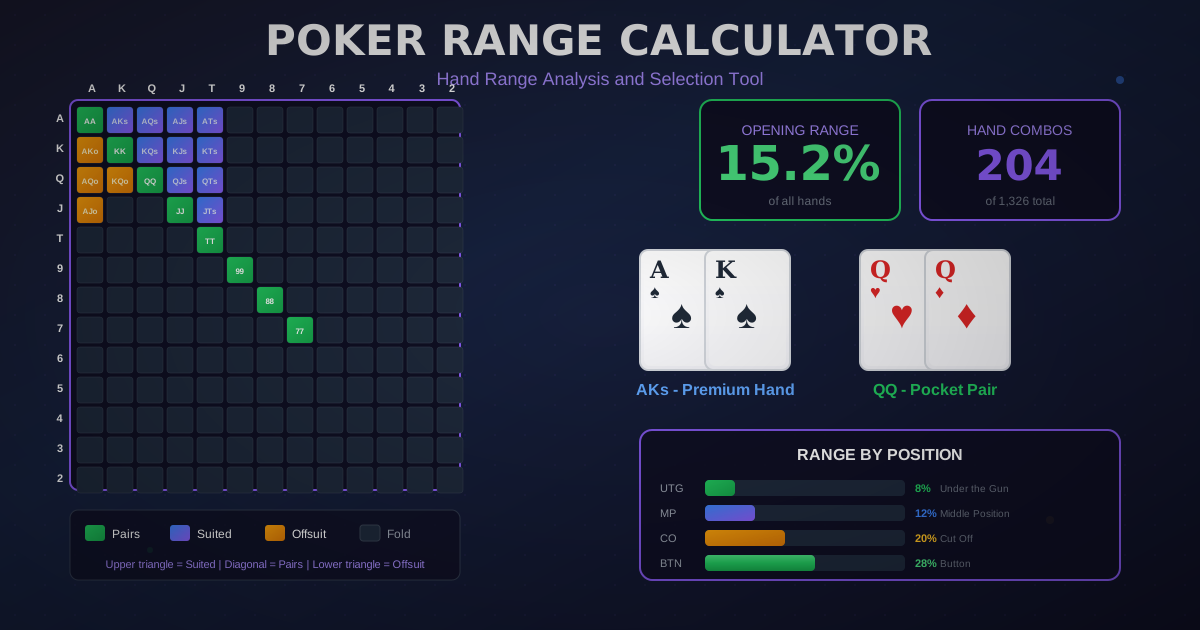
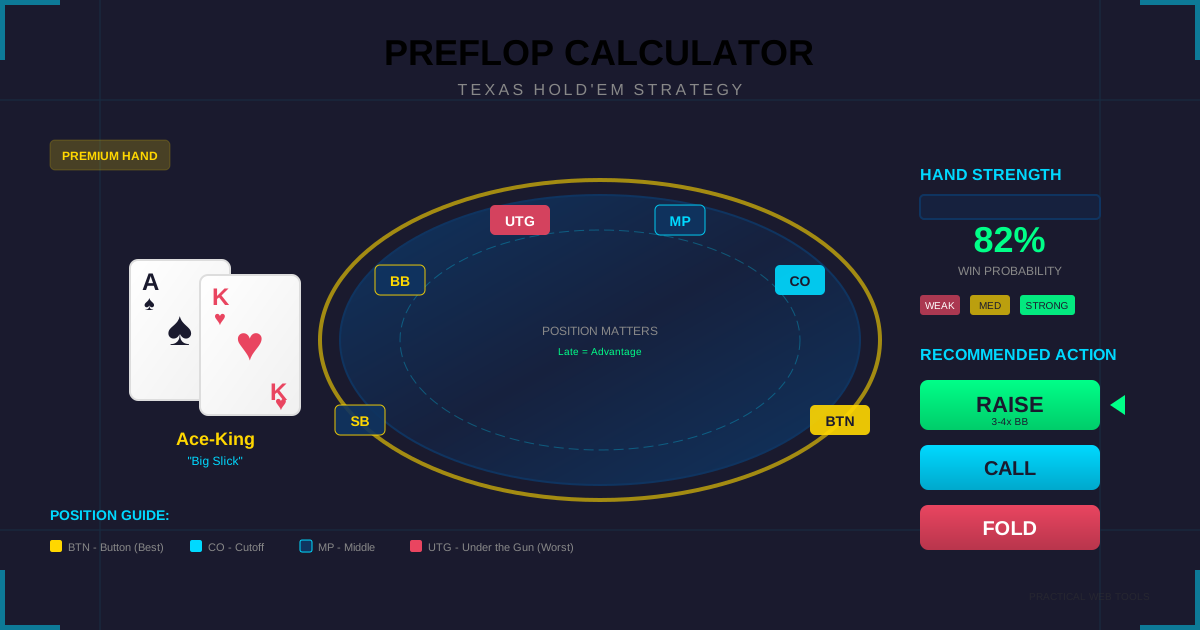
Example: AKs vs. QQ All-In Preflop ($500 pot)
- AKs equity: ~46%
- EV = (0.46 x $250) - (0.54 x $250) = $115 - $135 = -$20 per occurrence
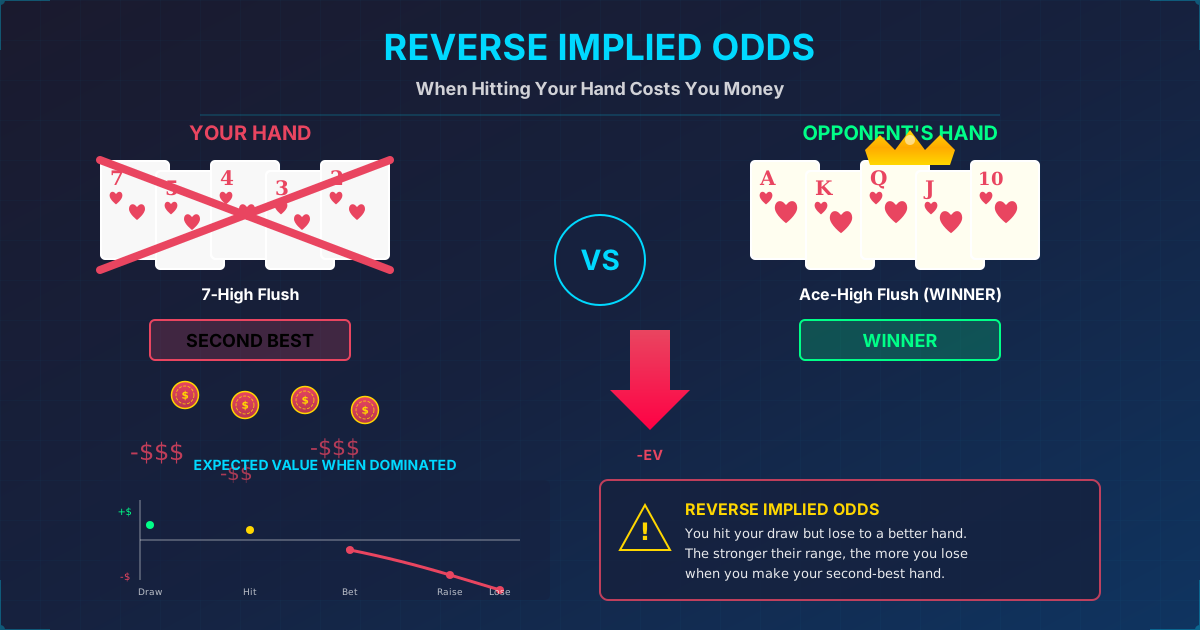
Even premium hands can be -EV in certain situations.
Session EV and Hourly Rate
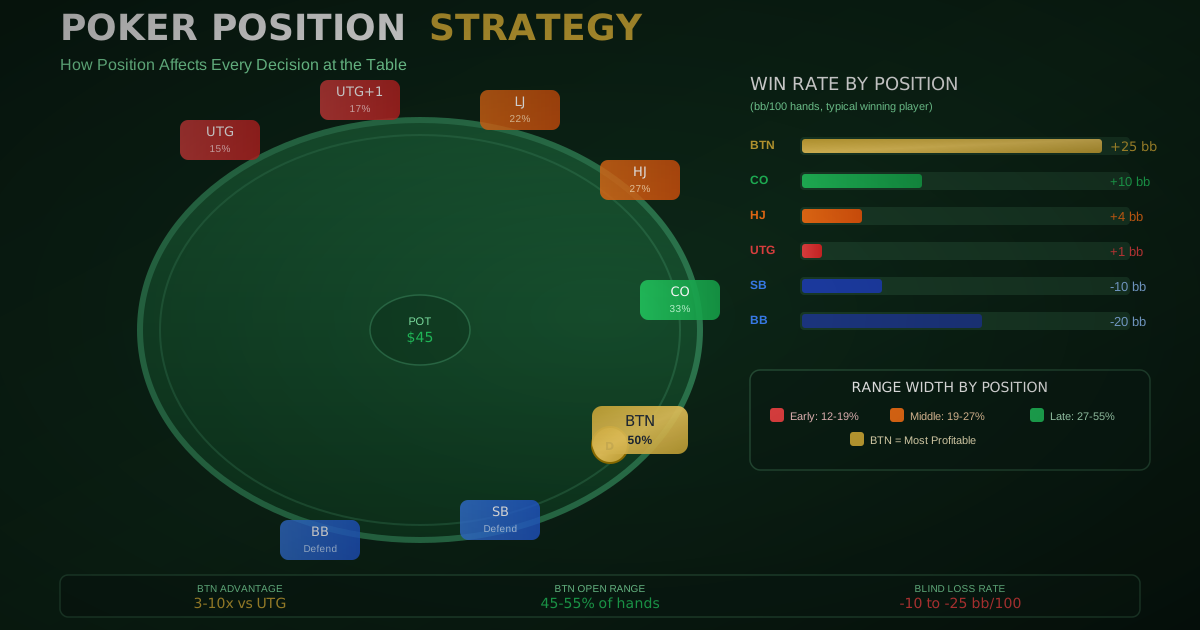
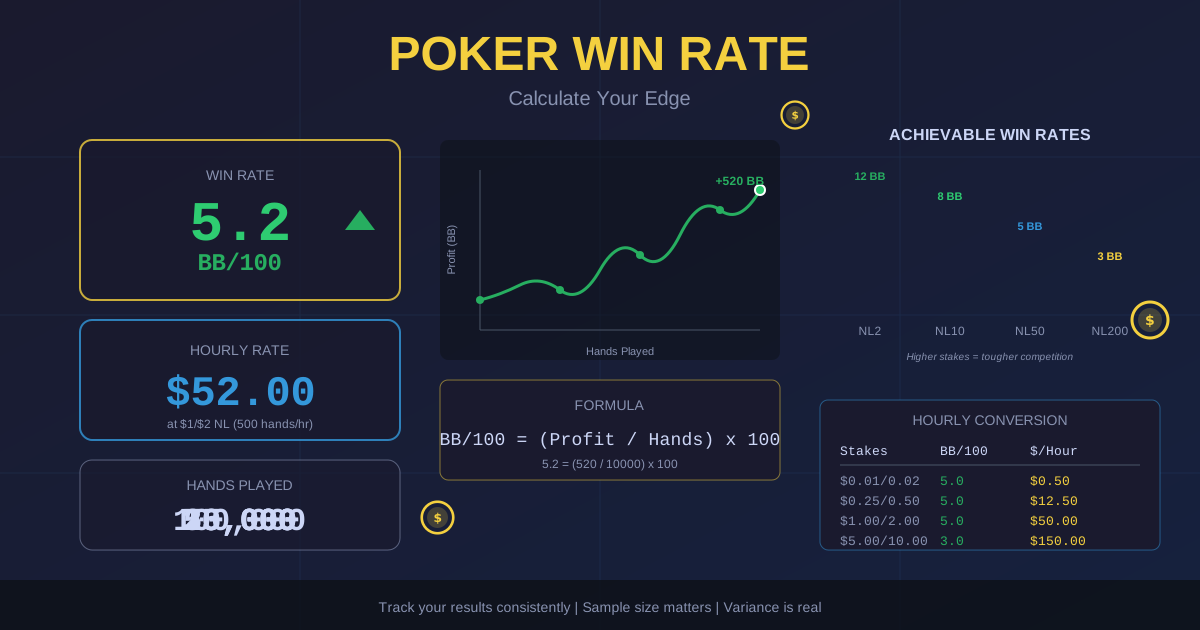
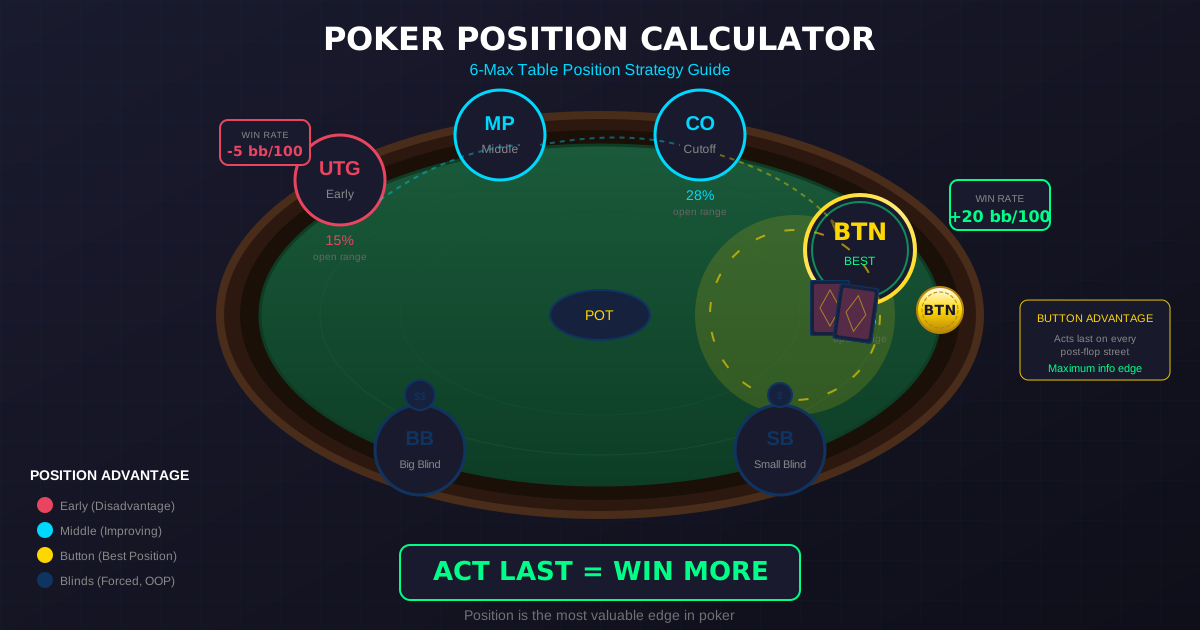
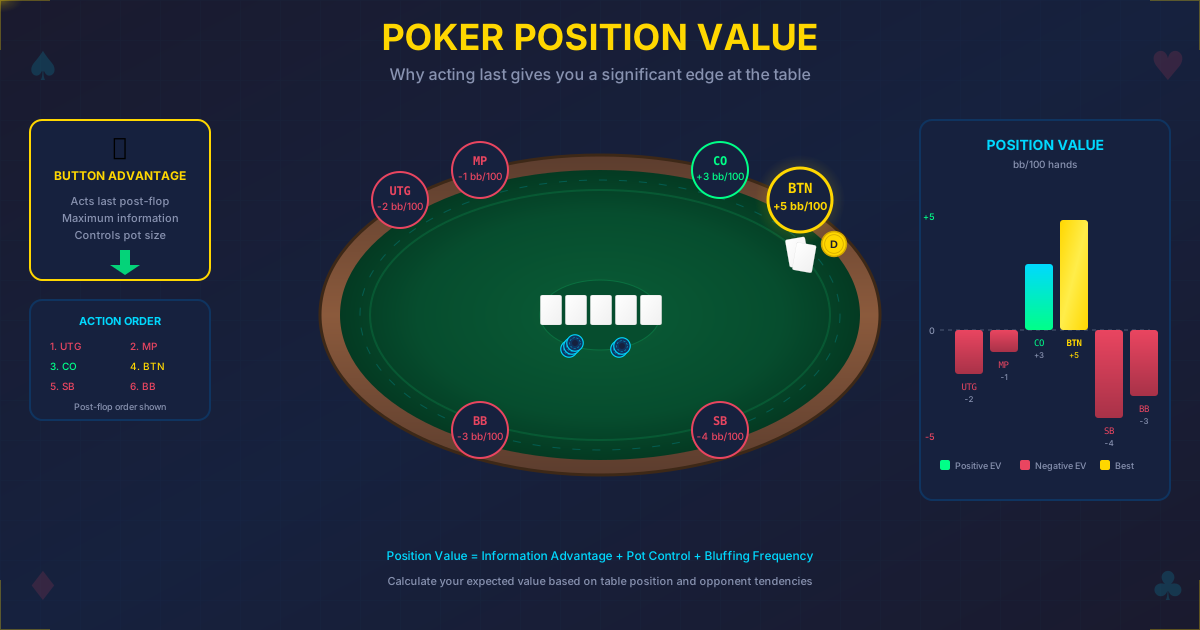
A poker player's EV is measured in big blinds per 100 hands (bb/100):
| Player Type | Win Rate (bb/100) | Hourly EV at $1/$2 |
|---|---|---|
| Break-even | 0 | $0/hour |
| Small winner | 2-4 | $1.20-$2.40/hour |
| Good winner | 5-8 | $3.00-$4.80/hour |
| Strong winner | 8-12 | $4.80-$7.20/hour |
| Exceptional | 12+ | $7.20+/hour |
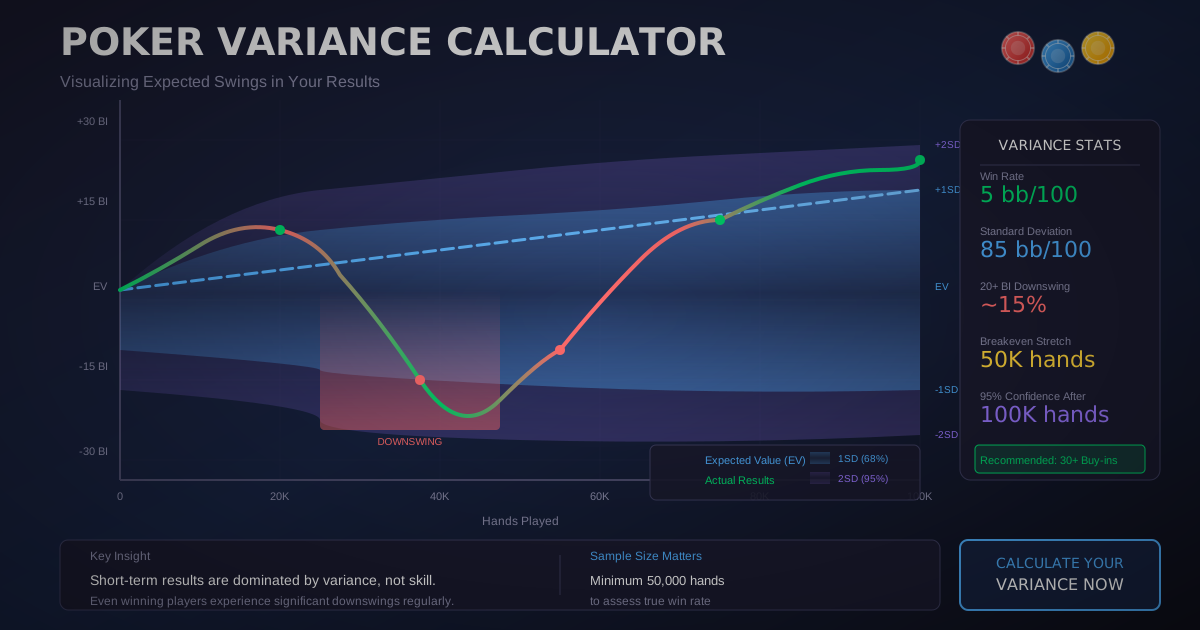
Note how modest poker EV is at low stakes. A "good winner" at $1/$2 makes roughly $3-5 per hour in expected value. The variance around this number is enormous, which is why bankroll management is critical.
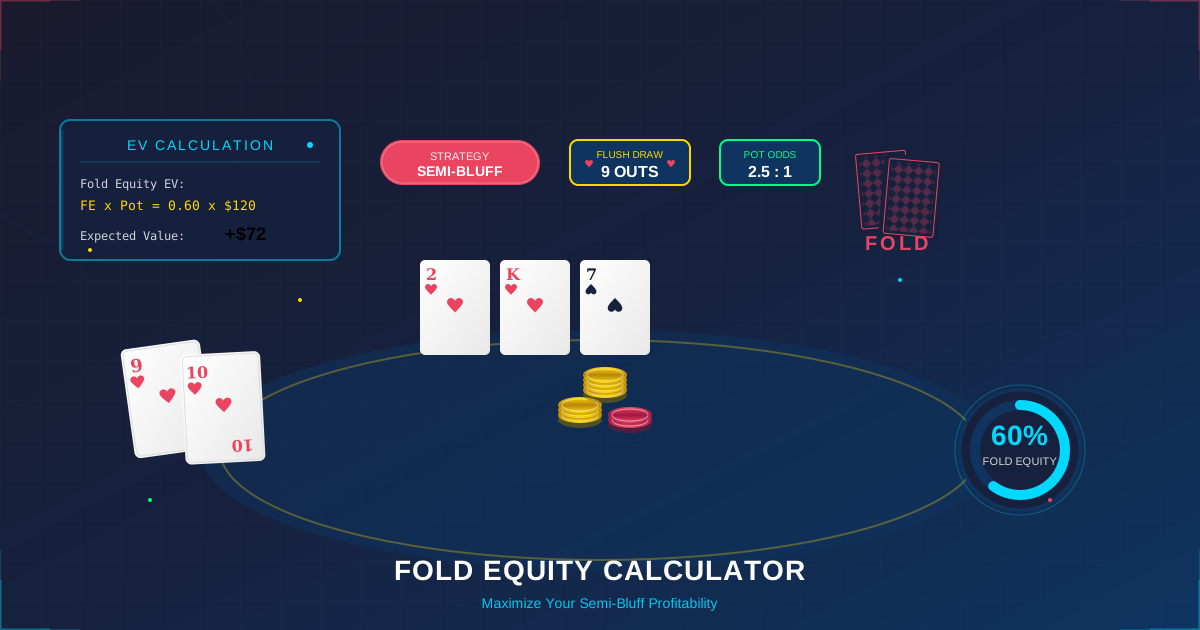
Analyze your poker expected value with our Poker EV Calculator.
Why the House Always Has Negative EV (For You)
Casinos are businesses, and their business model is simple: offer games with negative expected value for the player. Here is why this is essentially unbeatable:
The Mathematical Certainty
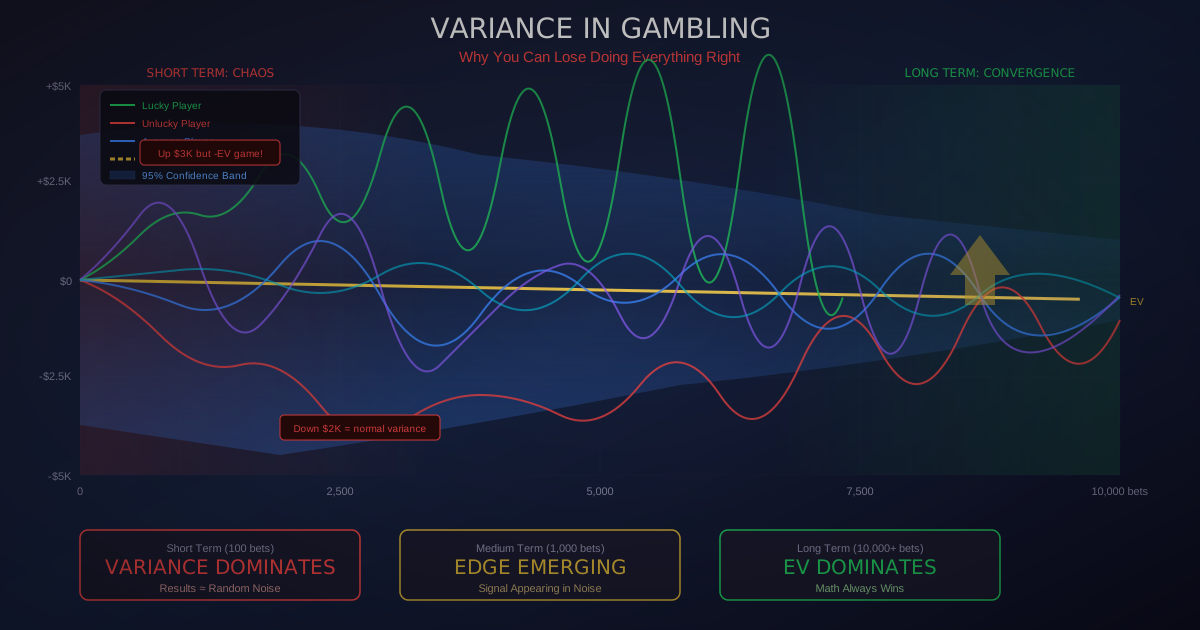
The Law of Large Numbers guarantees that as sample size increases, actual results converge toward expected value. Casinos process millions of bets daily. Their results are virtually guaranteed to match the mathematical expectation.
Casino Revenue Calculation:
A single roulette table with average action of $500,000/day:
- Expected daily revenue: $500,000 x 5.26% = $26,300/day
- Expected monthly revenue: $789,000/month
- Expected annual revenue: $9.6 million/year
That is one table. A large casino has 200+ table games and thousands of slot machines, each generating predictable negative-EV revenue.
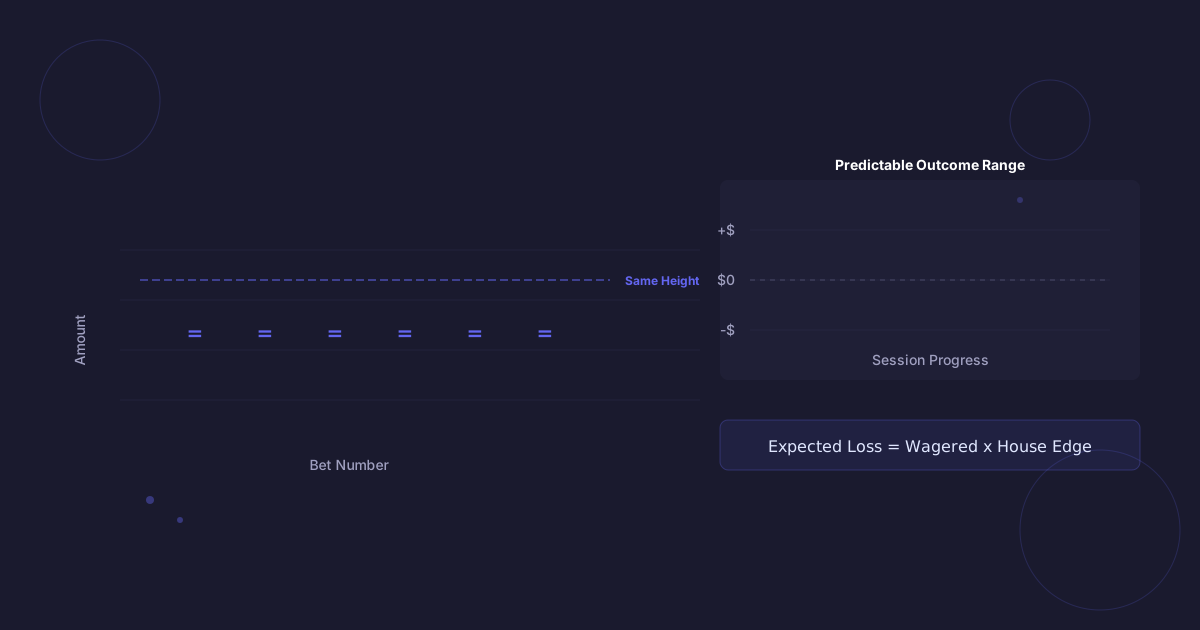
Why Individual Results Differ
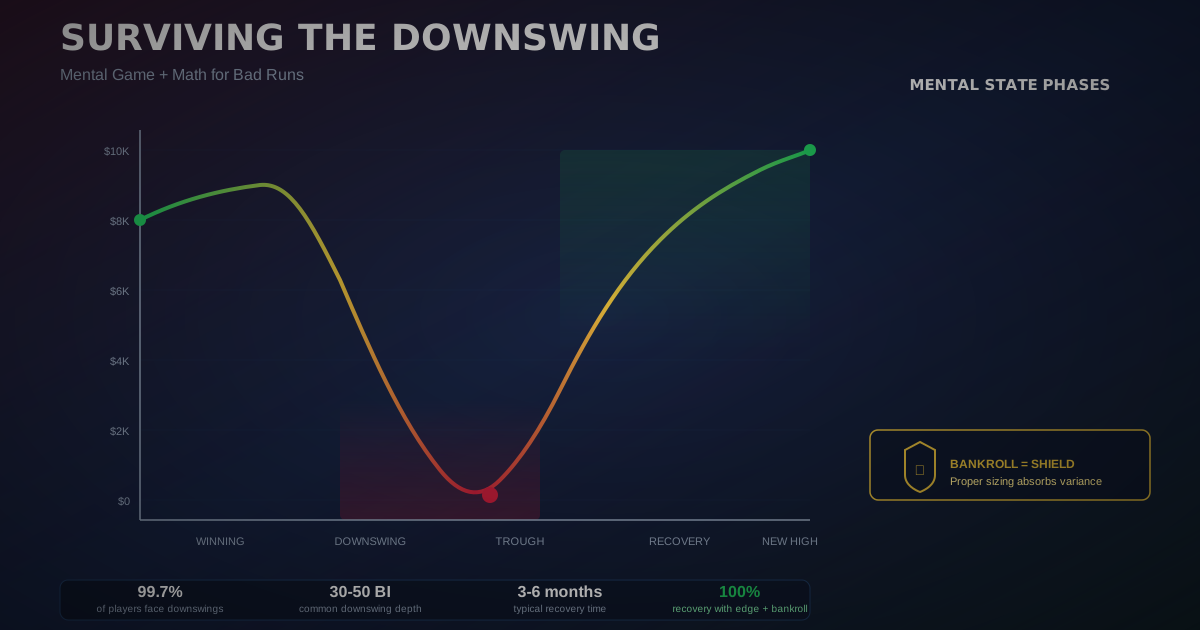
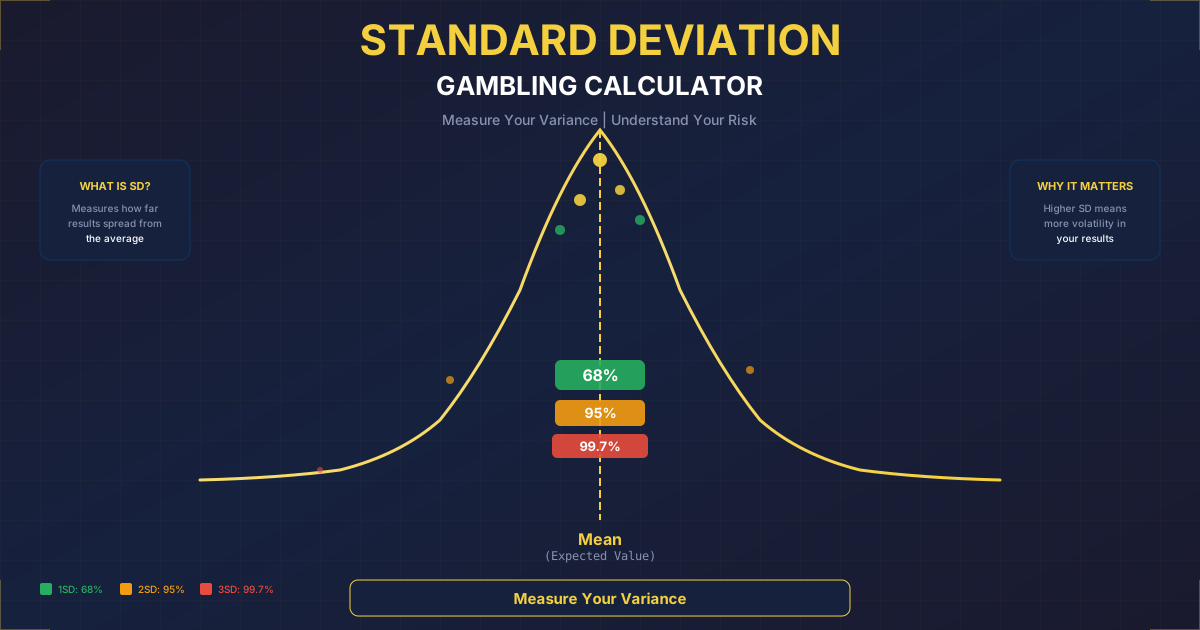
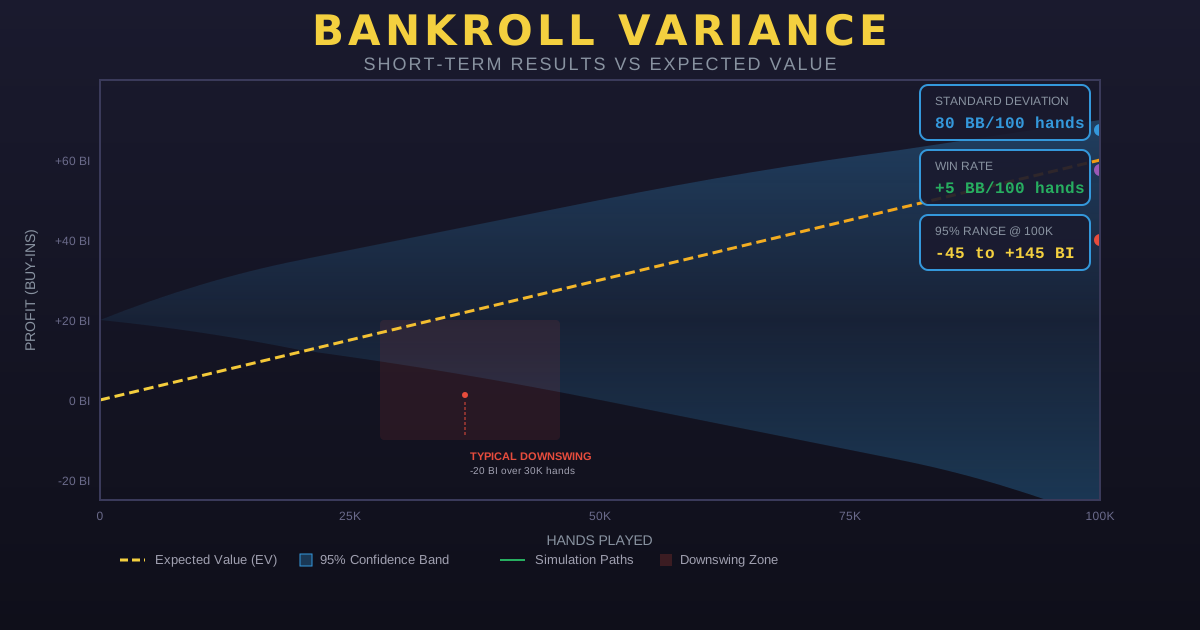
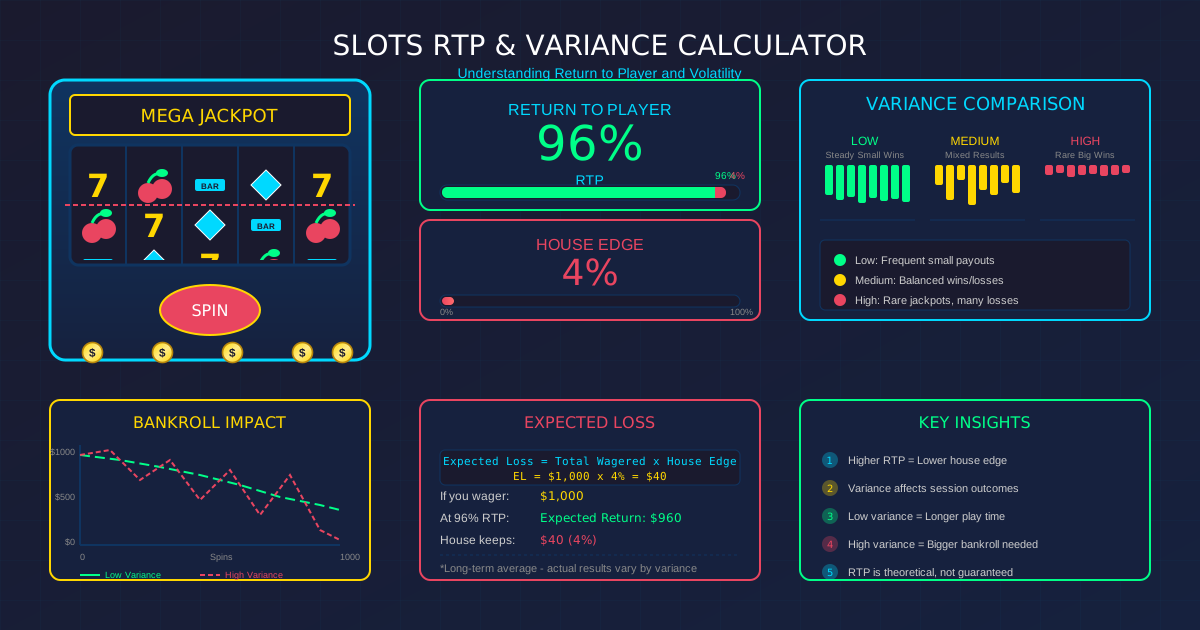
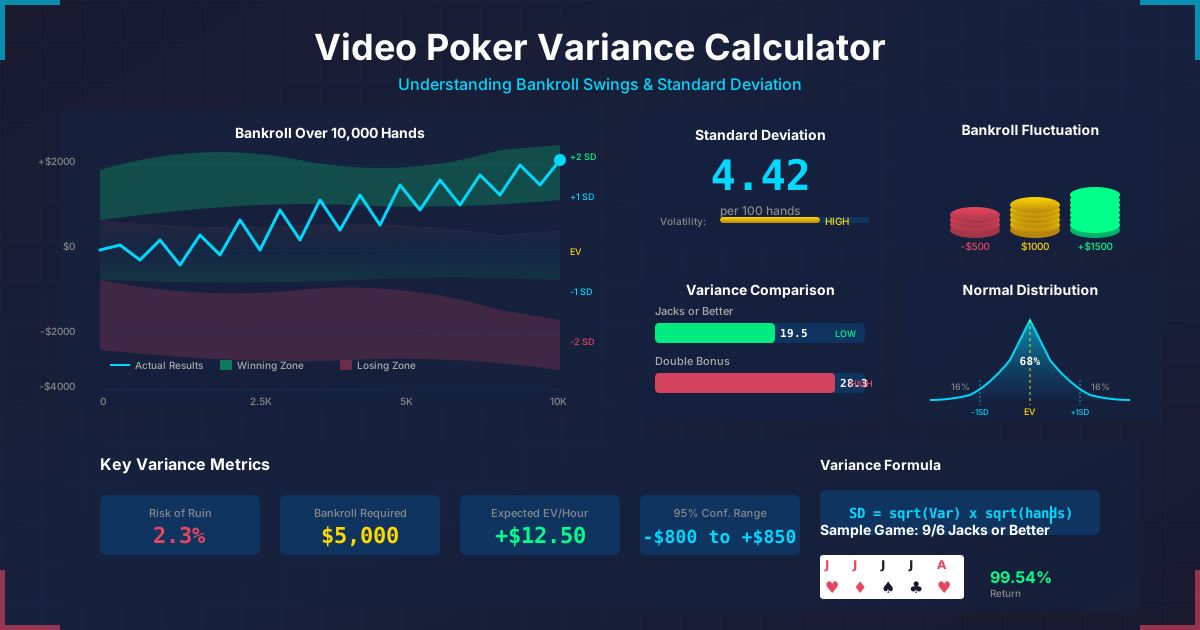
While the casino's results are predictable, individual player results are not. This is because of variance (standard deviation). In the short term, you might win big or lose big, but the expected value is always working against you.
$100 Roulette Bettor Over Various Sessions:
| Session Length | Expected Loss | Standard Deviation | Possible Range (95%) |
|---|---|---|---|
| 10 spins | -$5.26 | ±$316 | -$637 to +$627 |
| 100 spins | -$52.60 | ±$999 | -$2,051 to +$1,946 |
| 1,000 spins | -$526 | ±$3,159 | -$6,844 to +$5,792 |
| 10,000 spins | -$5,260 | ±$9,990 | -$25,240 to +$14,720 |
After 10 spins, variance swamps EV. After 10,000 spins, the expected loss dominates. This is why short-term winning is common but long-term winning at negative-EV games is essentially impossible.
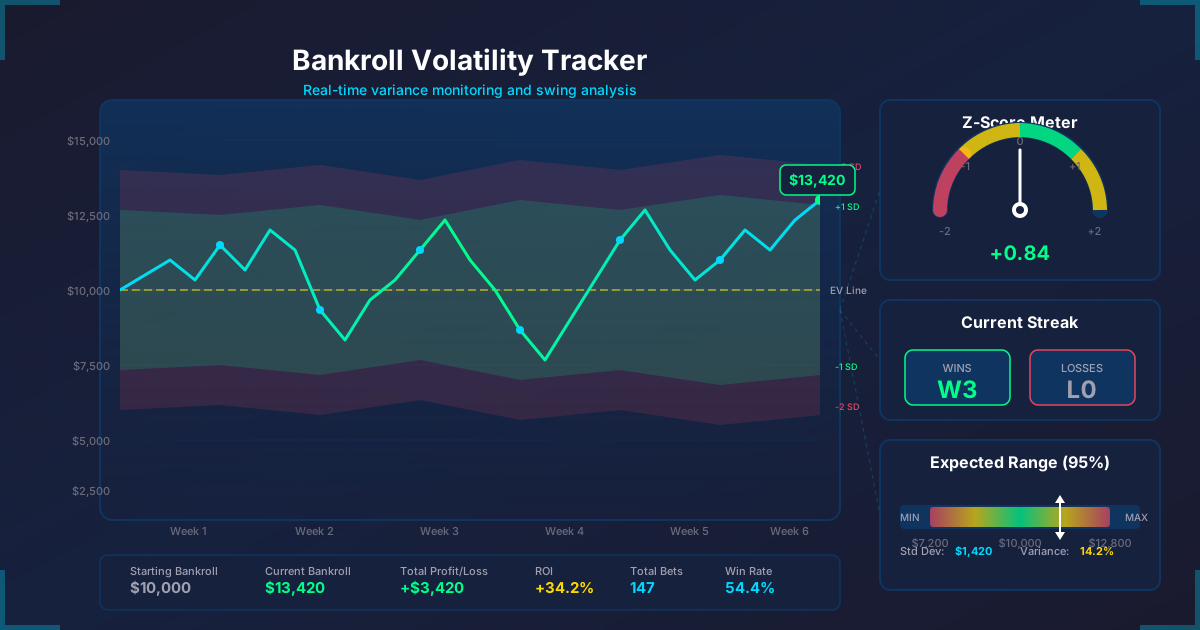
Track your expected losses over time with our Bankroll Volatility Tracker.
The Only Ways to Find Positive EV
Positive expected value does exist in gambling, but only in specific situations:
1. Card Counting in Blackjack
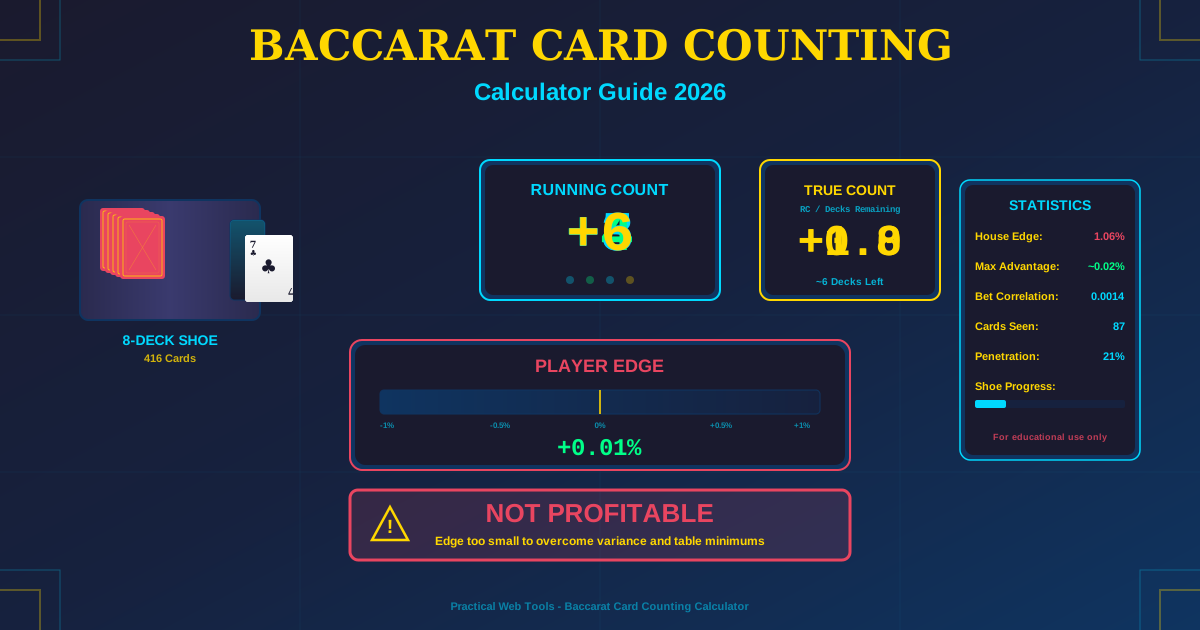
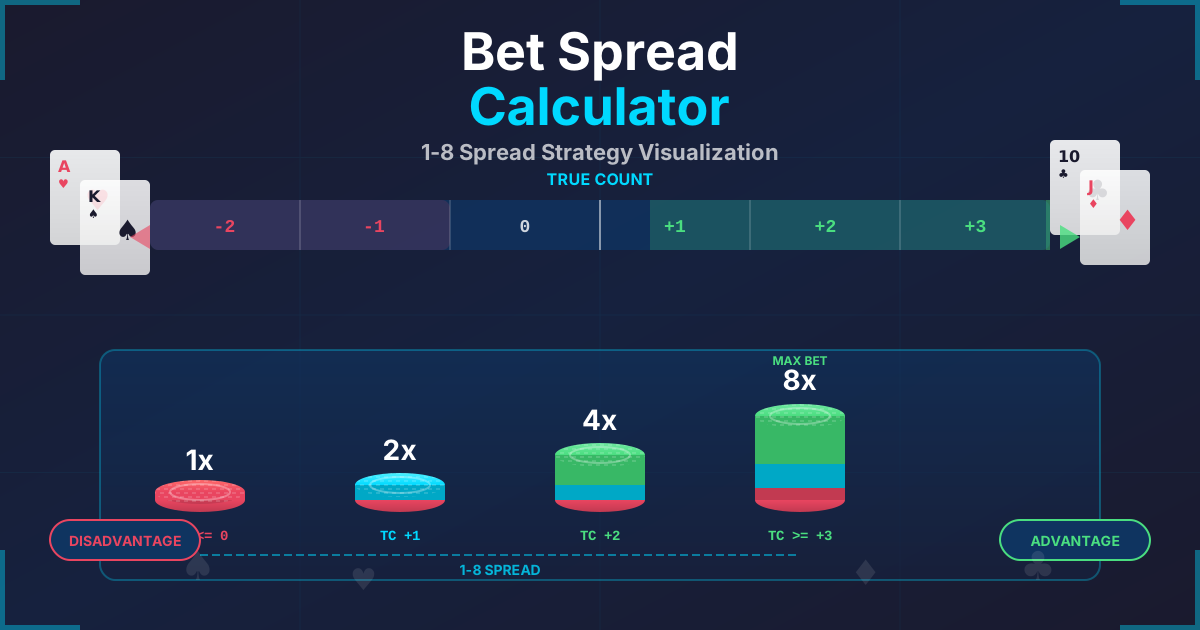
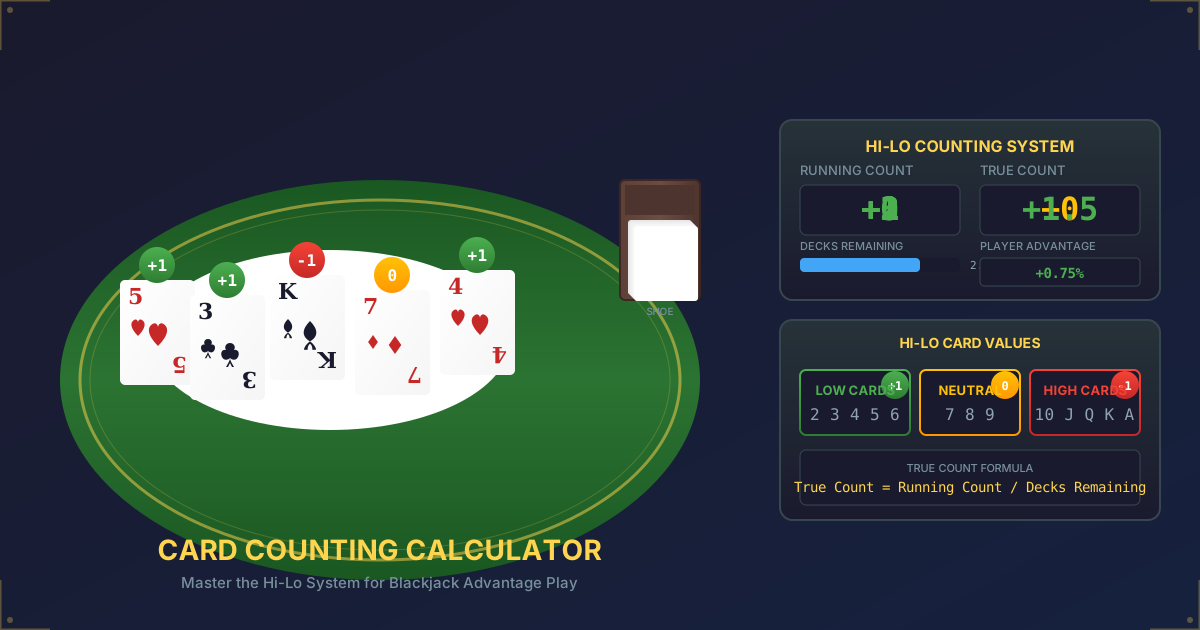
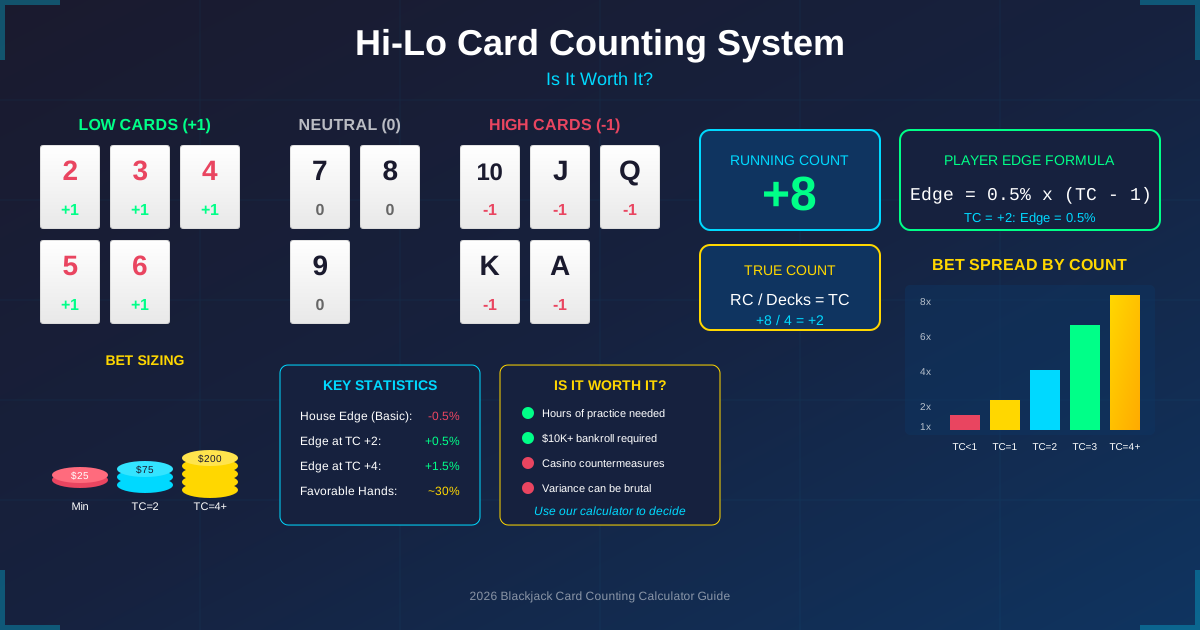
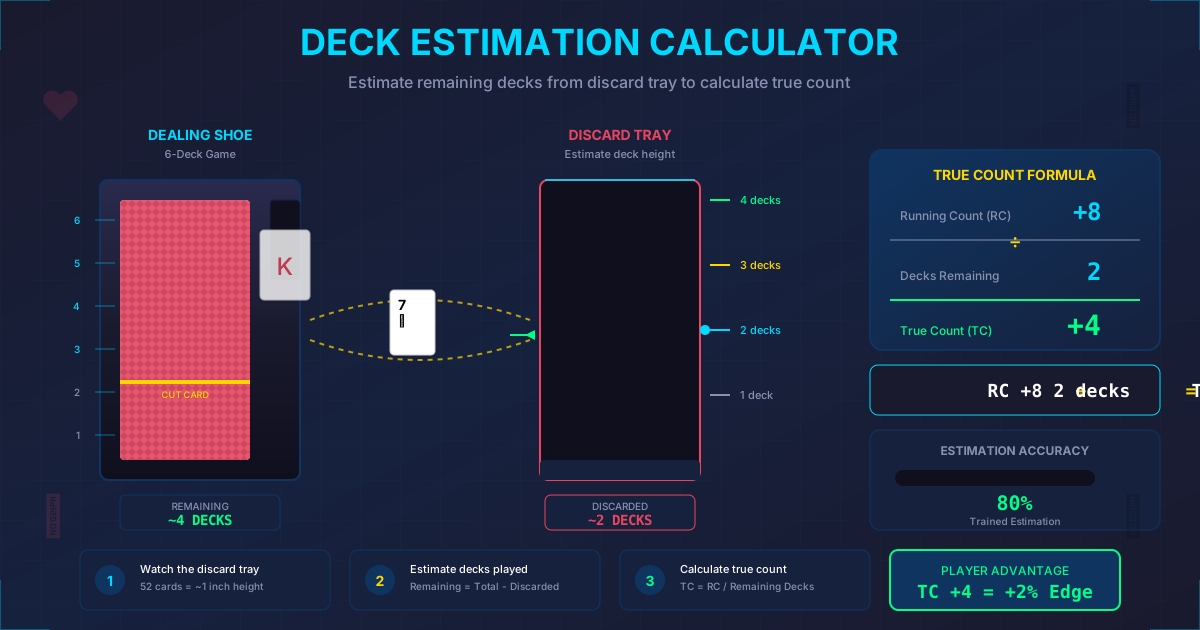
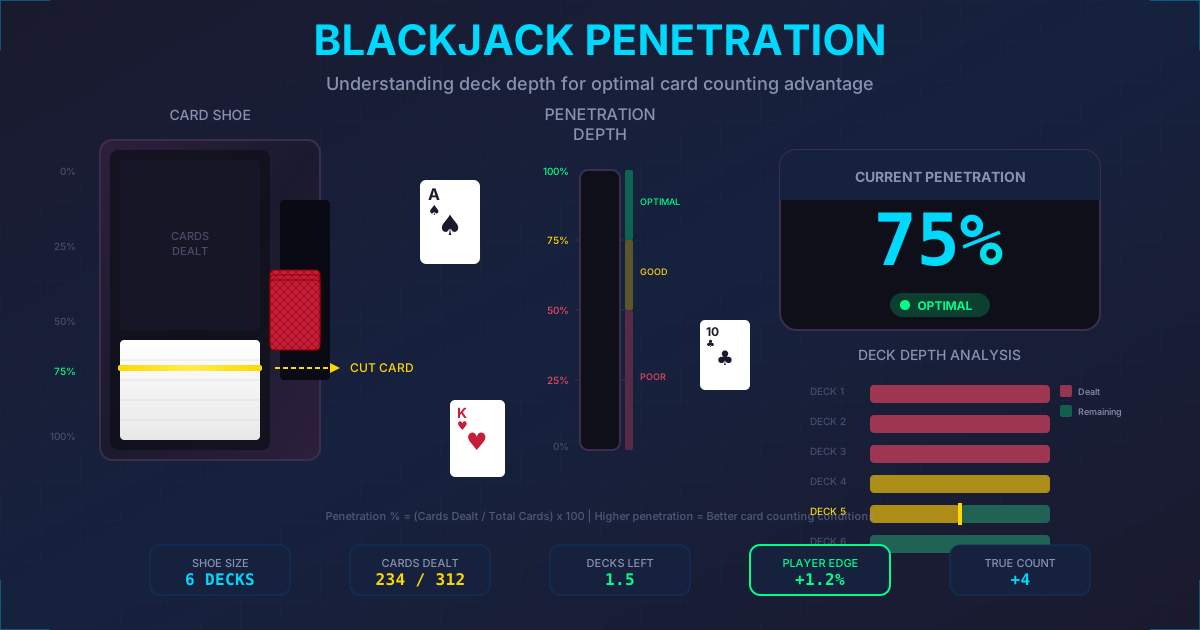
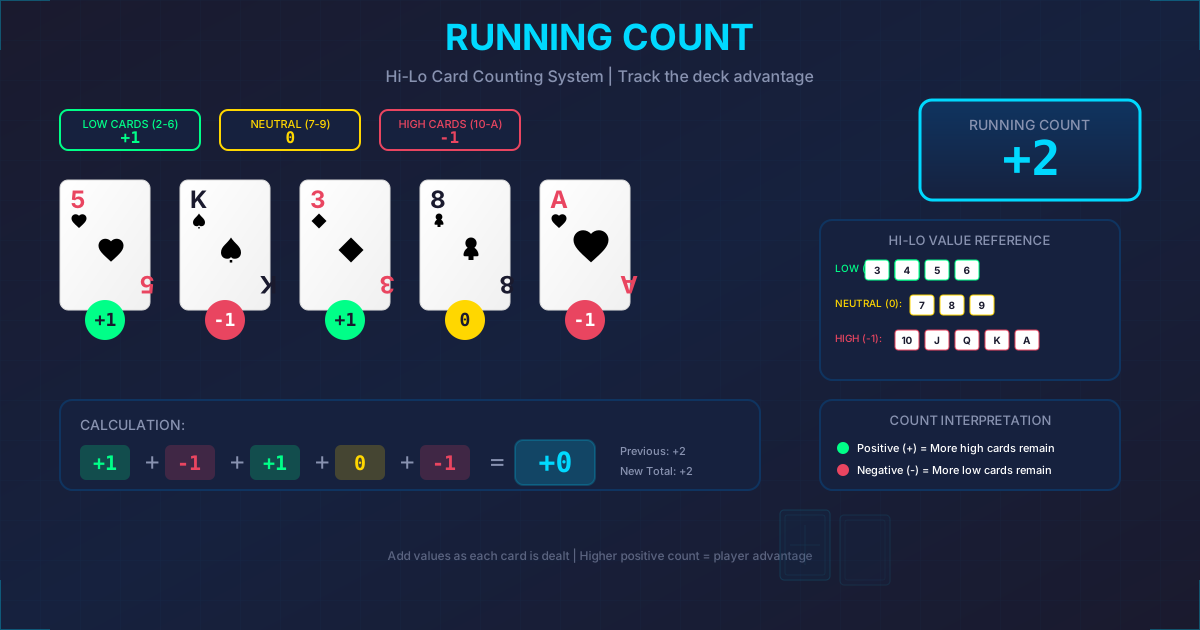
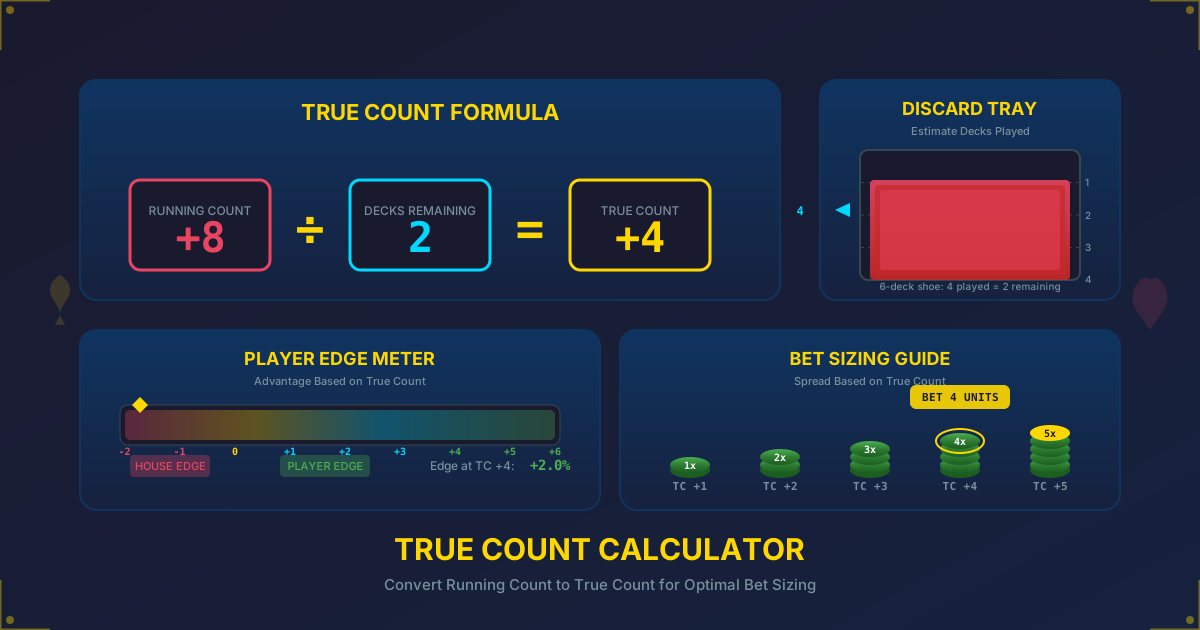
By tracking the ratio of high to low cards remaining in the deck, skilled card counters can identify situations where the remaining deck favors the player. When the count is high (many tens and aces remaining), the player has a mathematical edge of +0.5% to +2%.
Card Counting EV Example:
- True count +3: Player edge approximately +1%
- $100 bet: EV = +$1.00
- Spreading $25-$200 based on count: Average EV approximately +$15-30/hour
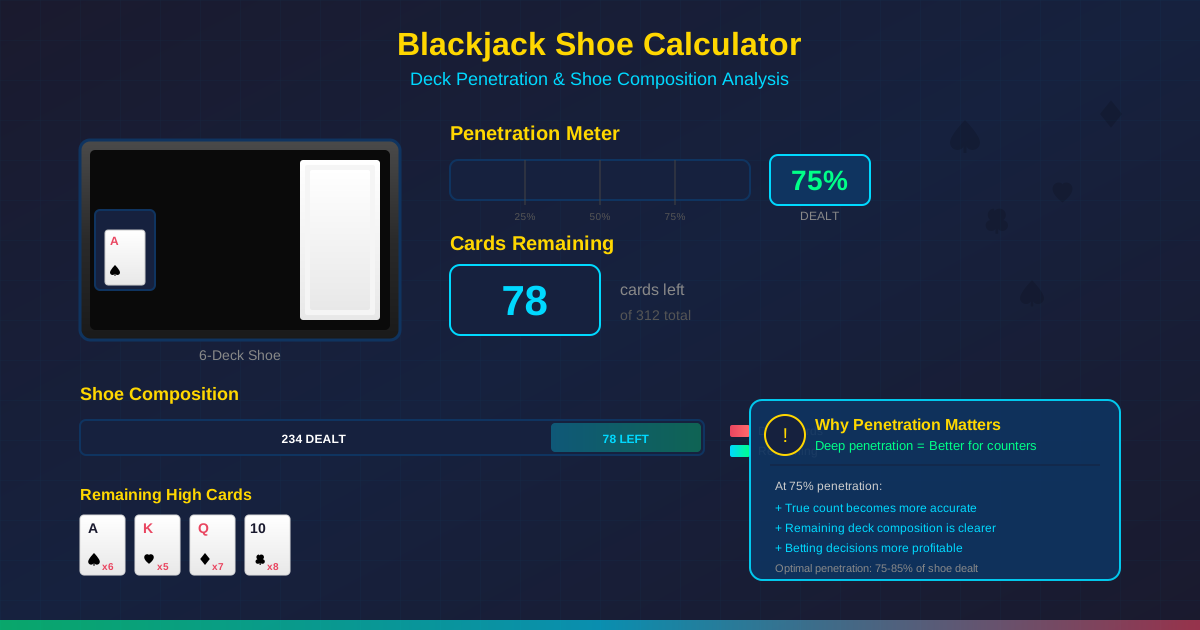
Reality check: Casinos actively combat card counting through shuffling machines, deck penetration limits, and banning suspected counters.
2. Skilled Poker Play
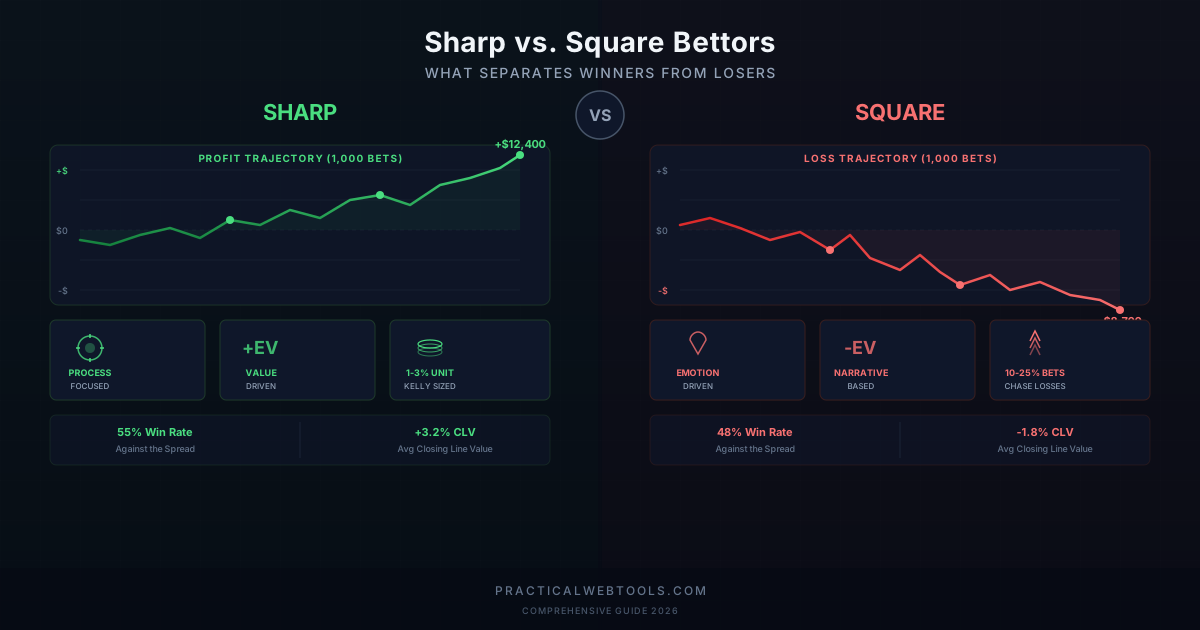
Since poker is player-vs-player, skill creates positive EV. The rake ensures the average player has negative EV, but above-average players extract value from weaker opponents that exceeds the rake.
3. Sports Betting Edge
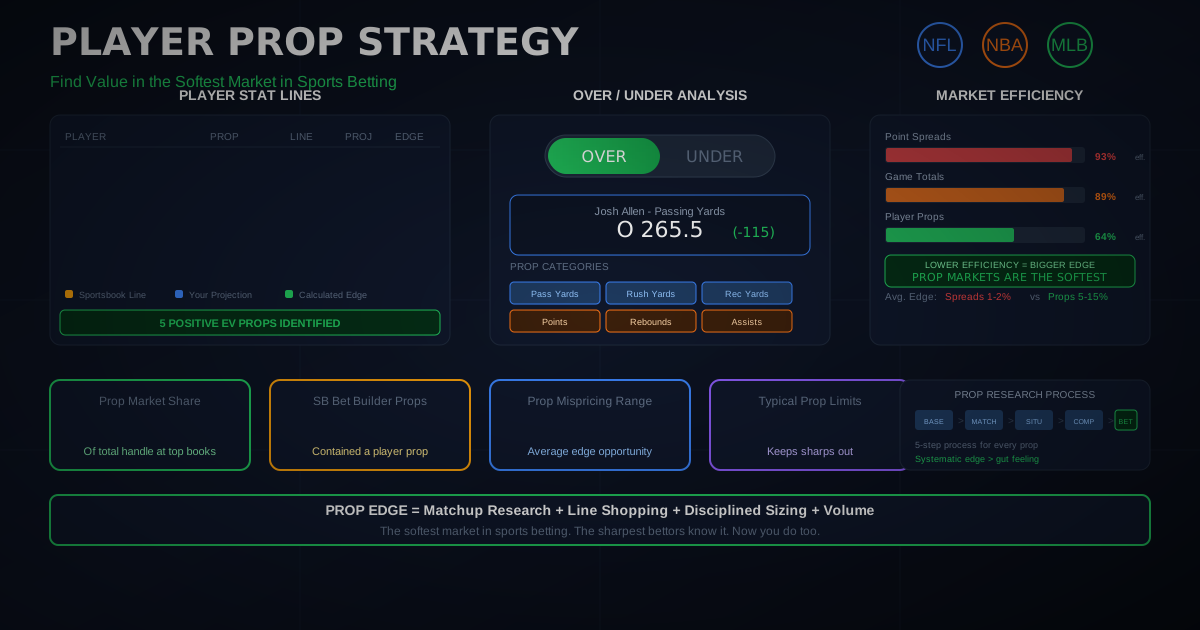
Finding genuine +EV sports bets requires sophisticated analysis that produces more accurate probability estimates than the sportsbooks. This is difficult because books employ teams of analysts and use advanced models.
4. Advantage Play Techniques
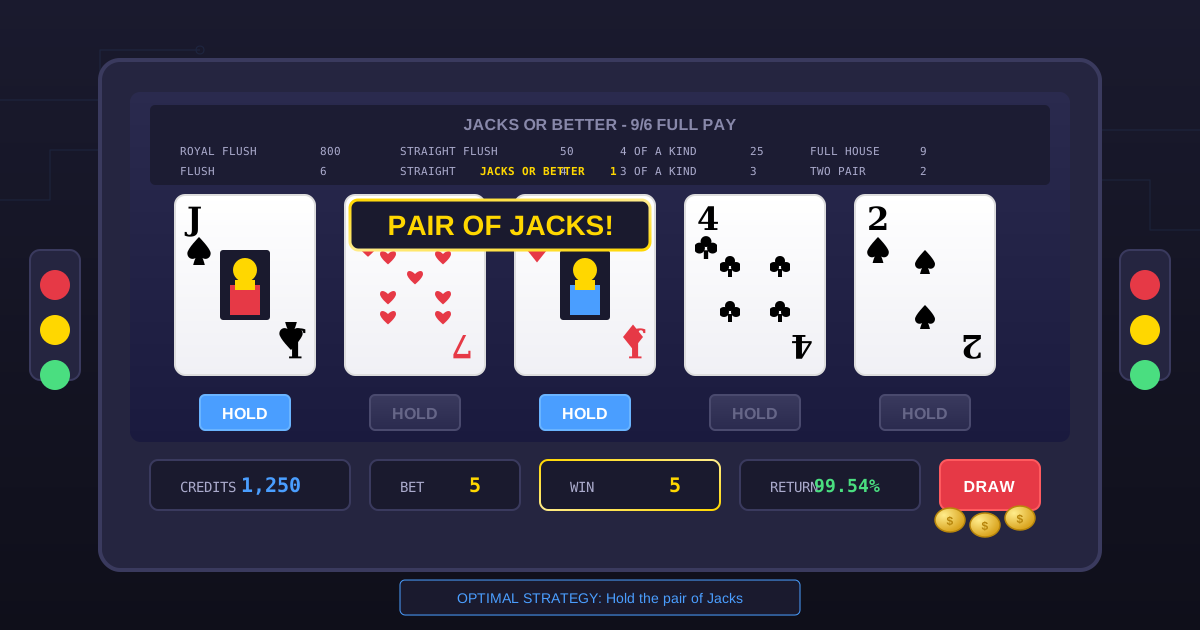
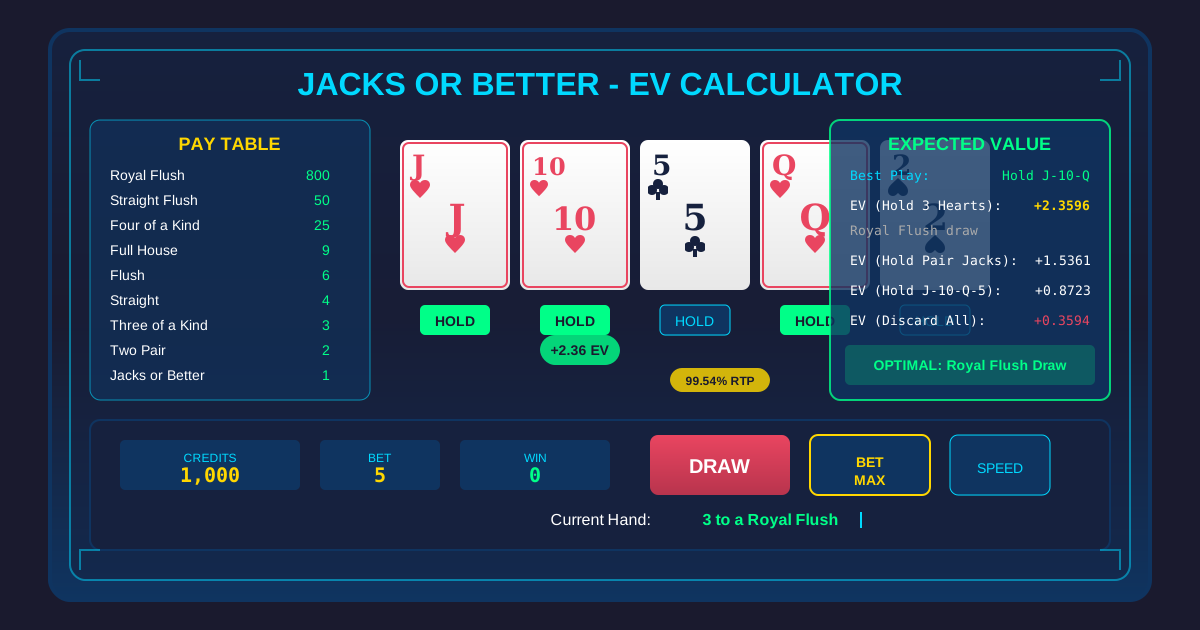
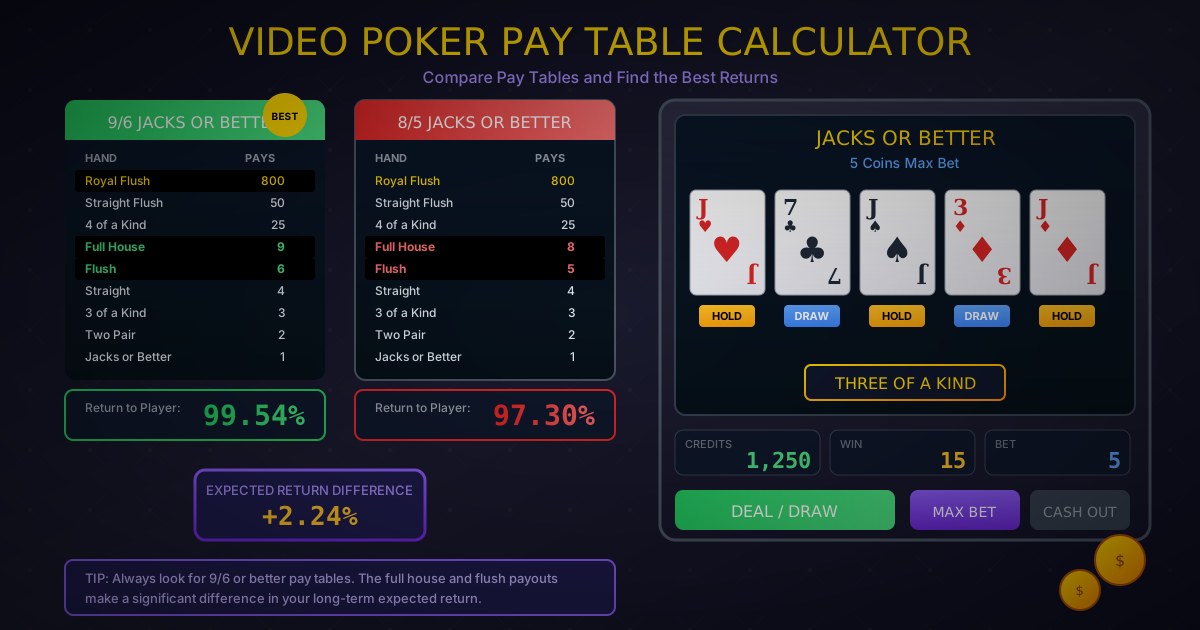
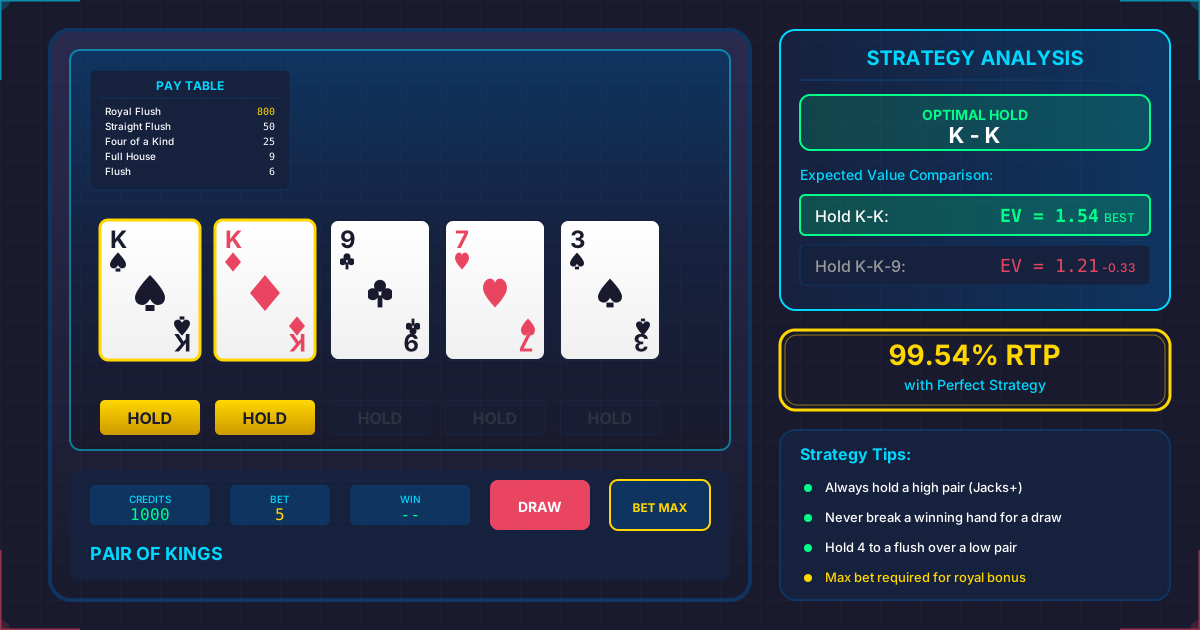
- Video poker with full-pay tables: Certain rare pay tables offer +EV with perfect strategy
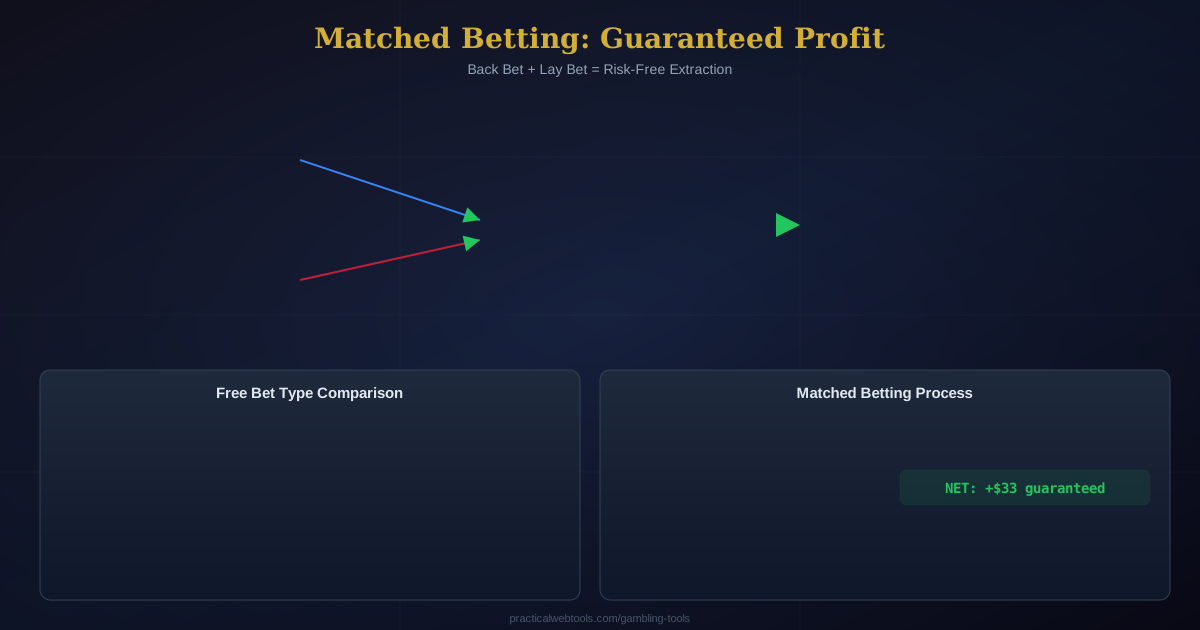
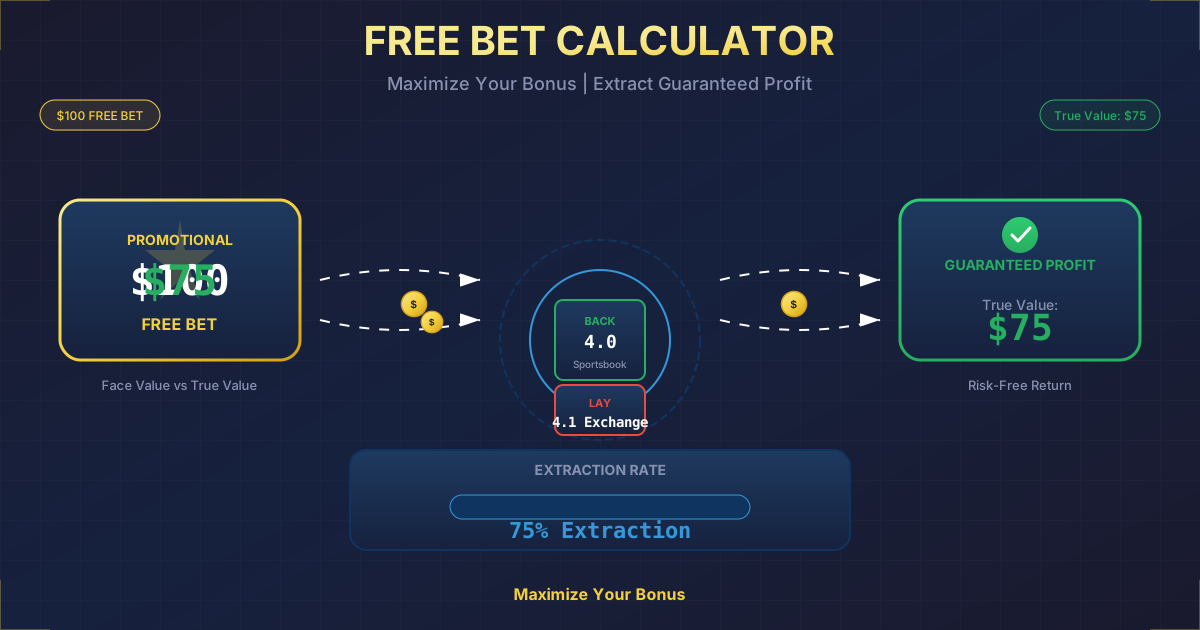
- Promotional offers: Casino bonuses and free play can create temporary +EV
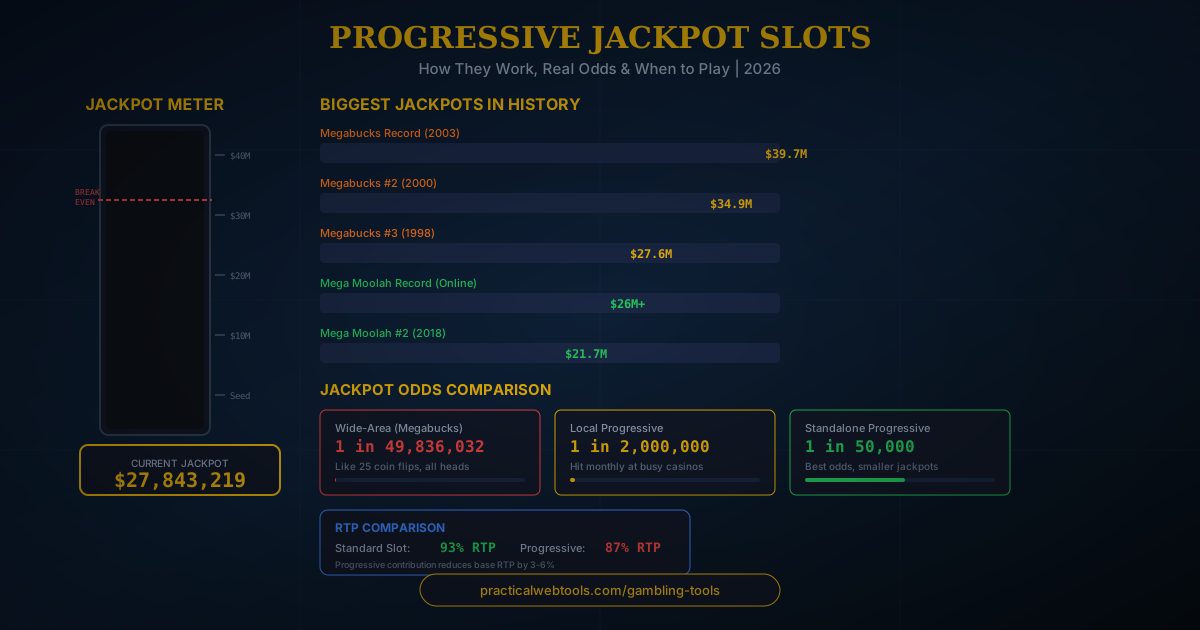
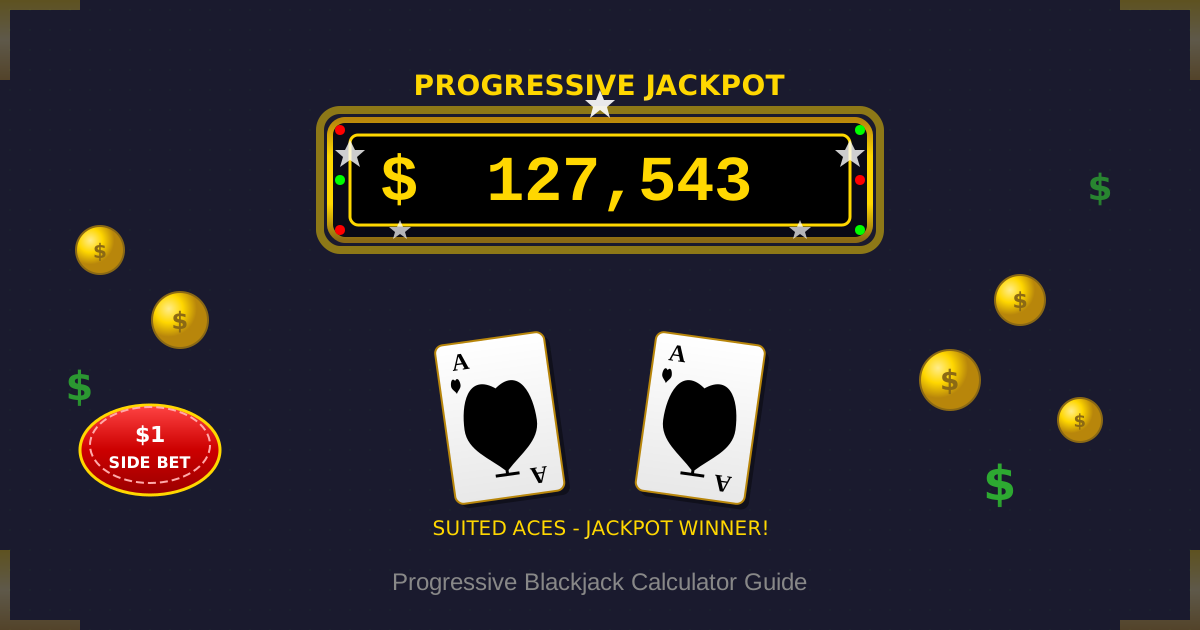
- Progressive jackpots: When progressive jackpots grow large enough, the EV can turn positive
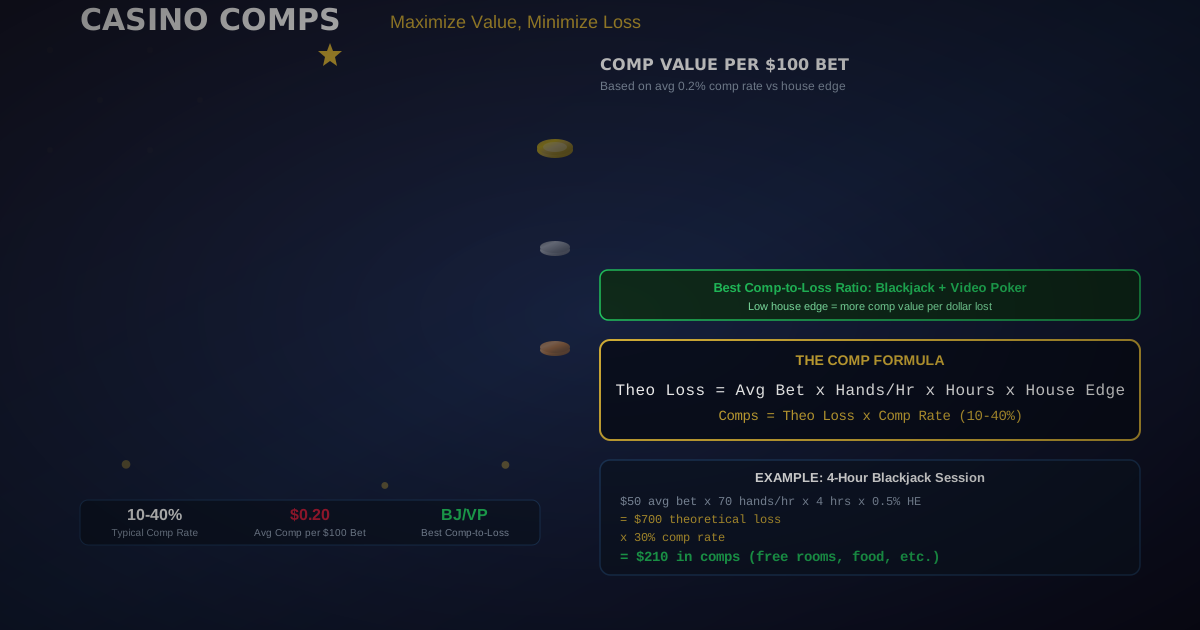
- Comp hustling: Leveraging loyalty rewards to offset expected losses
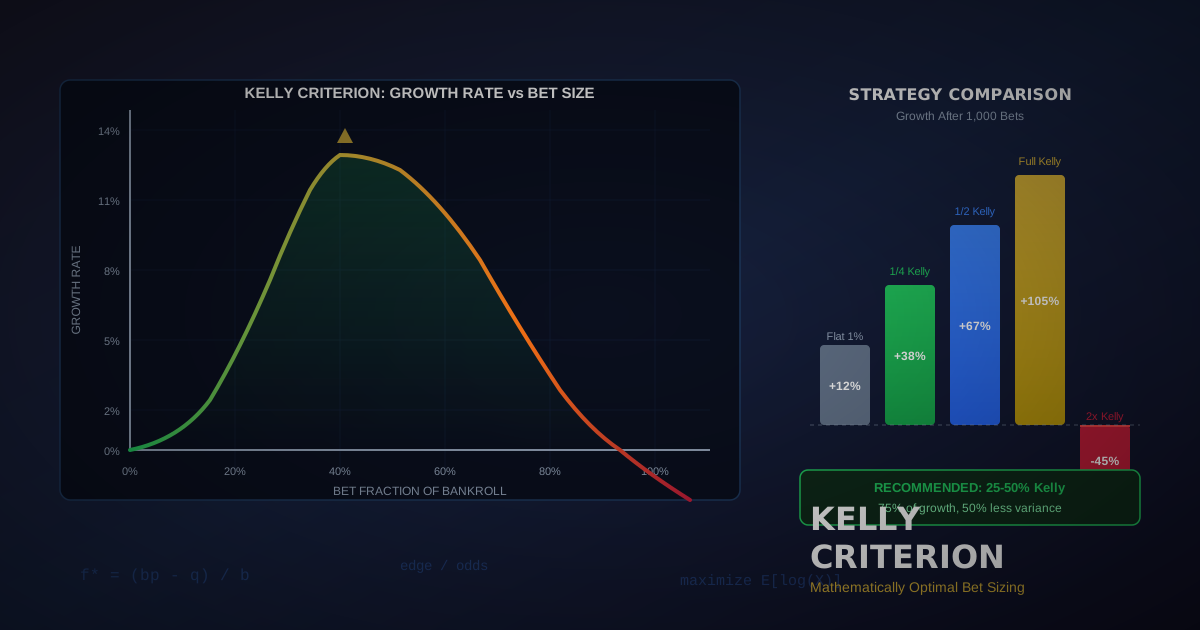
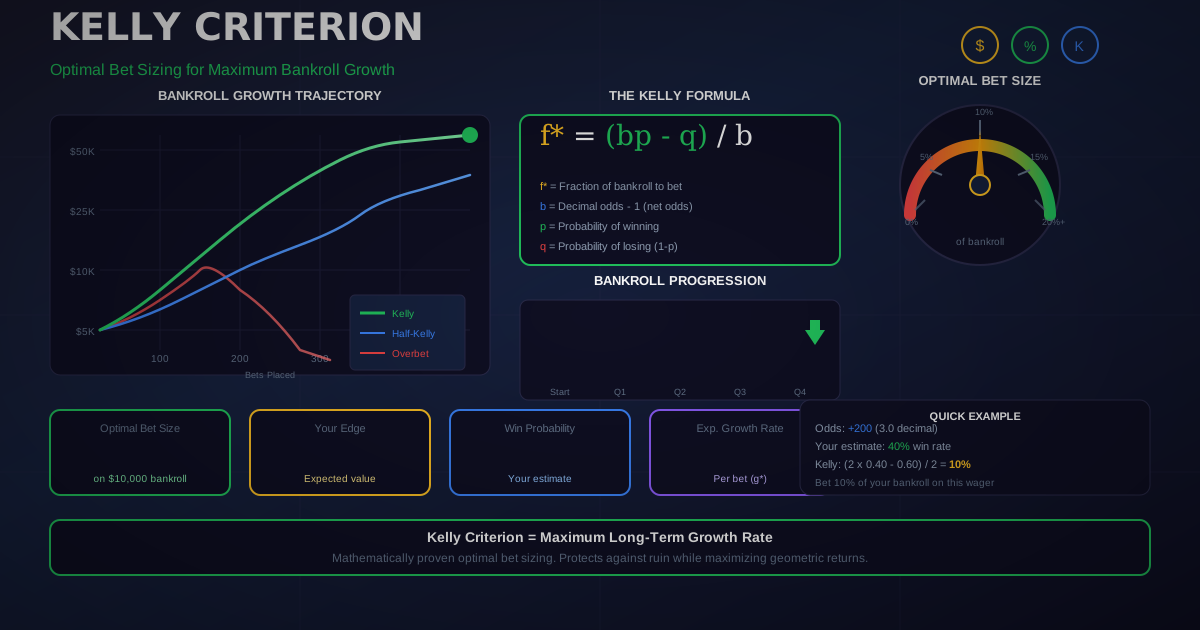
5. Optimal Bet Sizing with Kelly Criterion
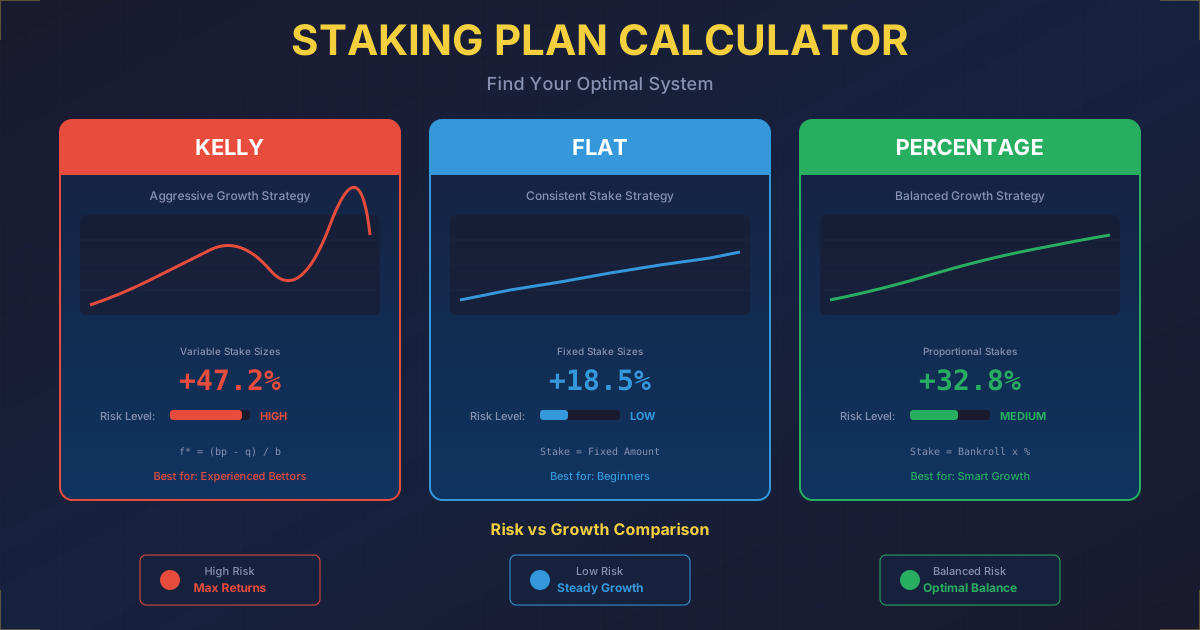
When you do find positive EV opportunities, the Kelly Criterion tells you exactly how much to bet to maximize long-term bankroll growth:
Kelly Formula: f = (bp - q) / b*
Where:
- f* = fraction of bankroll to bet
- b = decimal odds - 1
- p = probability of winning
- q = probability of losing (1 - p)
Example: You find a +EV bet at +150 odds with 45% true win probability:
- b = 2.50 - 1 = 1.50
- p = 0.45, q = 0.55
- f* = (1.50 x 0.45 - 0.55) / 1.50 = (0.675 - 0.55) / 1.50 = 0.0833 = 8.33% of bankroll
Most professionals use fractional Kelly (25-50% of full Kelly) to reduce variance.
Calculate your optimal bet size with our Kelly Criterion Calculator.
Real-World EV Examples With Specific Dollar Amounts
Example 1: The Vegas Weekend Warrior
Sarah visits Las Vegas for a weekend and plans to play roulette (American double-zero).
- Bankroll: $2,000
- Average bet: $50
- Spins per hour: 35
- Hours playing: 12 (over two days)
- Total action: 35 x $50 x 12 = $21,000
- House edge: 5.26%
- Expected loss: $21,000 x 0.0526 = $1,104.60
Sarah's expected cost for 12 hours of roulette entertainment is $1,104.60, or $92.05 per hour. She might win or lose more than this due to variance, but this is the mathematical expectation.
Example 2: The Blackjack Basic Strategy Player
Mike plays $25 blackjack with basic strategy at a 6-deck game with 3:2 blackjack.
- Average bet: $25
- Hands per hour: 80
- Hours per month: 20
- Total monthly action: 80 x $25 x 20 = $40,000
- House edge: 0.50%
- Expected monthly loss: $40,000 x 0.005 = $200
- Expected annual loss: $2,400
Compare this to Sarah's roulette experience. Mike plays far more hours but loses far less because he chose a game with 10x lower house edge and plays with correct strategy.
Example 3: The Smart Craps Player
Tom plays craps, betting $10 on the Pass Line with 10x odds (when available).
- Pass Line bet: $10 (1.41% house edge)
- Odds bet: $100 (0% house edge)
- Combined edge: approximately 0.13%
- Decisions per hour: 30
- Total action per hour: $110 x 30 = $3,300
- Expected hourly loss: $3,300 x 0.0013 = $4.29/hour
Tom is paying just $4.29 per hour for his craps entertainment. This is one of the cheapest forms of casino entertainment available.
Example 4: The Sports Bettor With an Edge
Jessica has developed a college basketball model that gives her a 3% edge on certain lines.
- Average bet: $200
- Bets per week: 10
- True edge: +3%
- Expected weekly profit: $200 x 10 x 0.03 = +$60
- Expected monthly profit: +$240
- Expected annual profit: +$2,880
Jessica has found rare positive EV. But with a 3% edge, she will still have many losing weeks (variance) and needs a bankroll large enough to survive the inevitable downswings.
Example 5: The Uninformed Slots Player
David plays penny slots with a 12% house edge, betting $3 per spin with 600 spins per hour.
- Total action per hour: $3 x 600 = $1,800
- House edge: 12%
- Expected hourly loss: $1,800 x 0.12 = $216/hour
David loses more per hour than Mike (the blackjack player) loses per month, despite feeling like he is "just playing pennies." The combination of high house edge and rapid play makes slots the most expensive game in the casino.
Example 6: The Tournament Poker Player
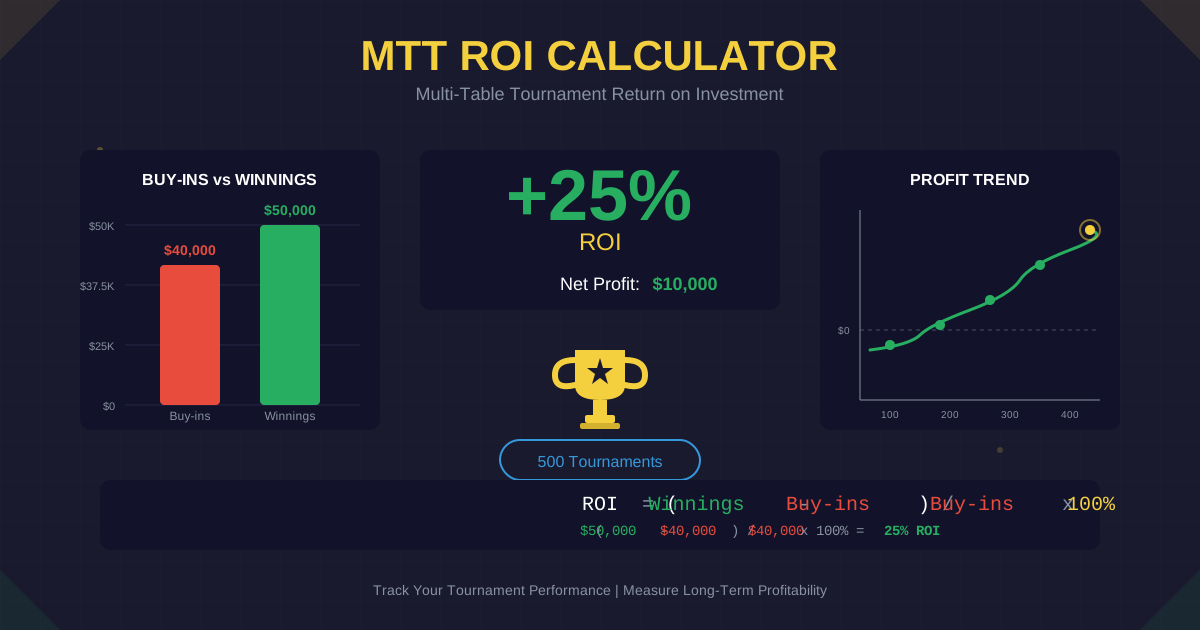
Rachel plays $200 online poker tournaments with a 15% ROI.
- Buy-in: $200
- Tournaments per month: 60
- Monthly investment: $12,000
- ROI: +15%
- Expected monthly profit: $12,000 x 0.15 = +$1,800
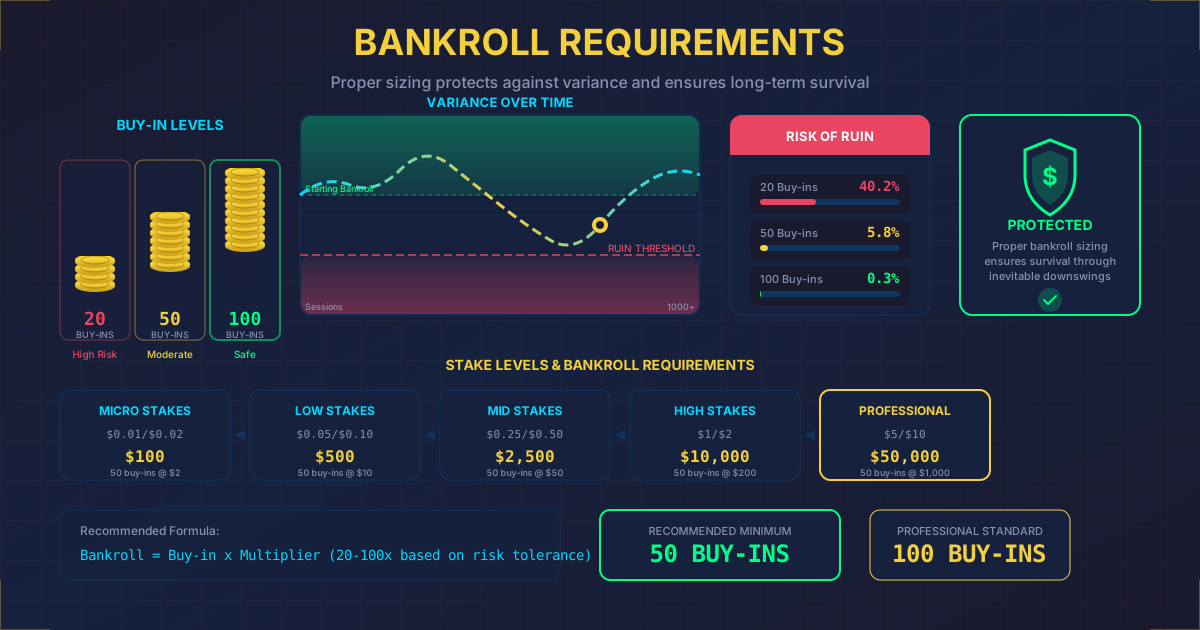
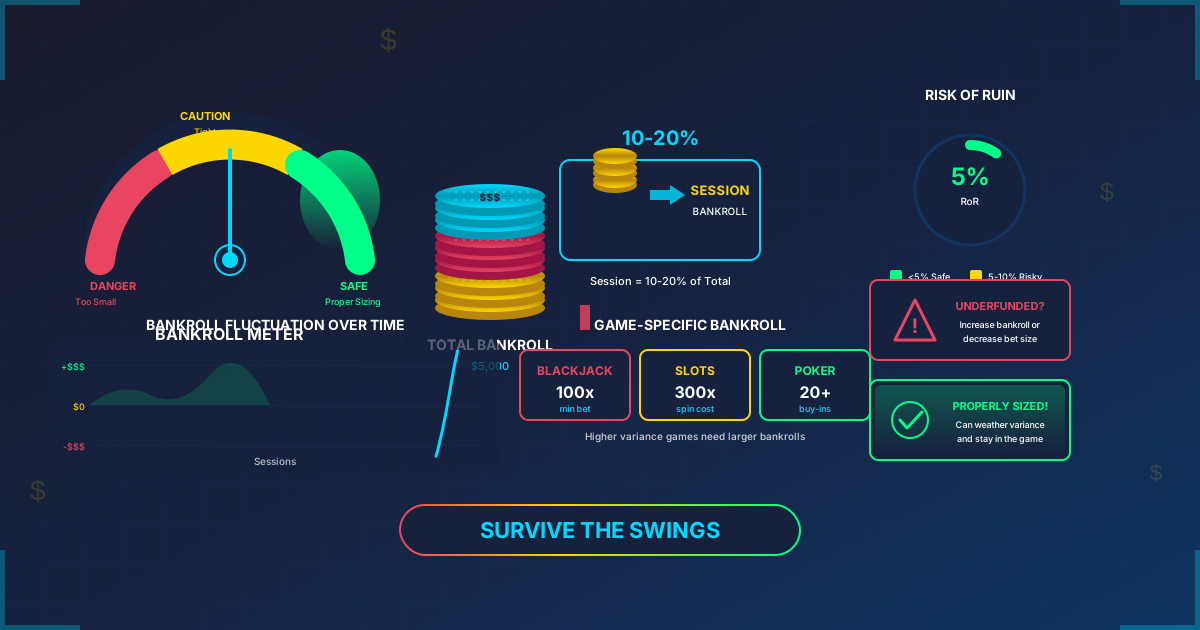
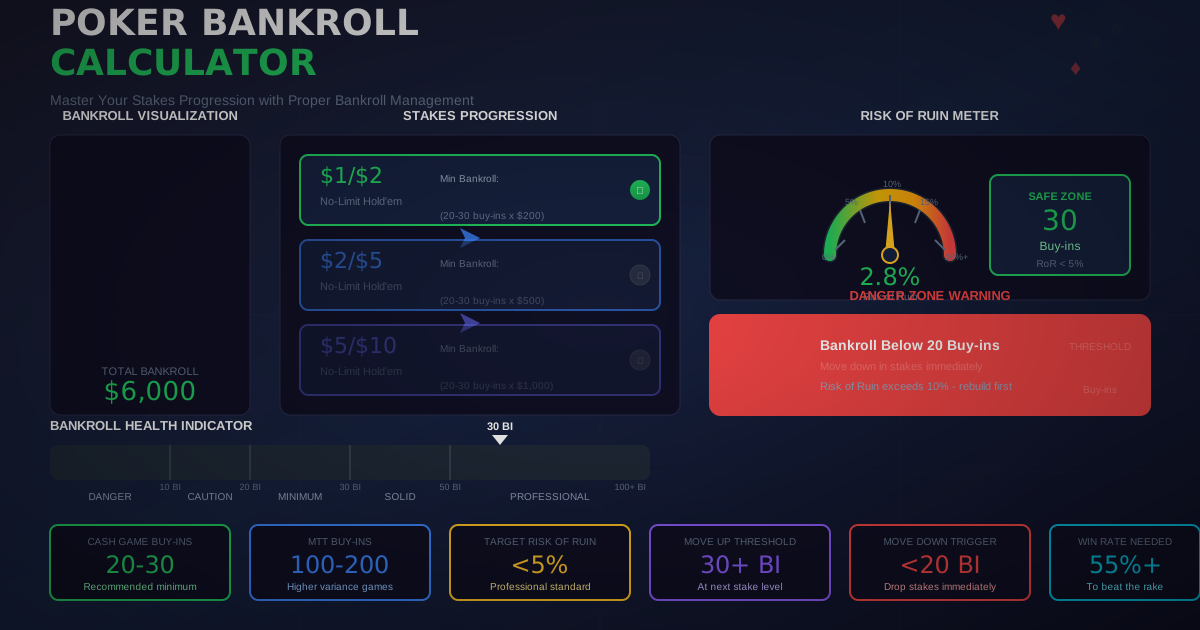
However, tournament poker has extreme variance. Rachel might have losing months despite her positive EV. She needs a bankroll of 100+ buy-ins ($20,000+) to ride out the downswings.
Common EV Misconceptions
"I'm Due for a Win"
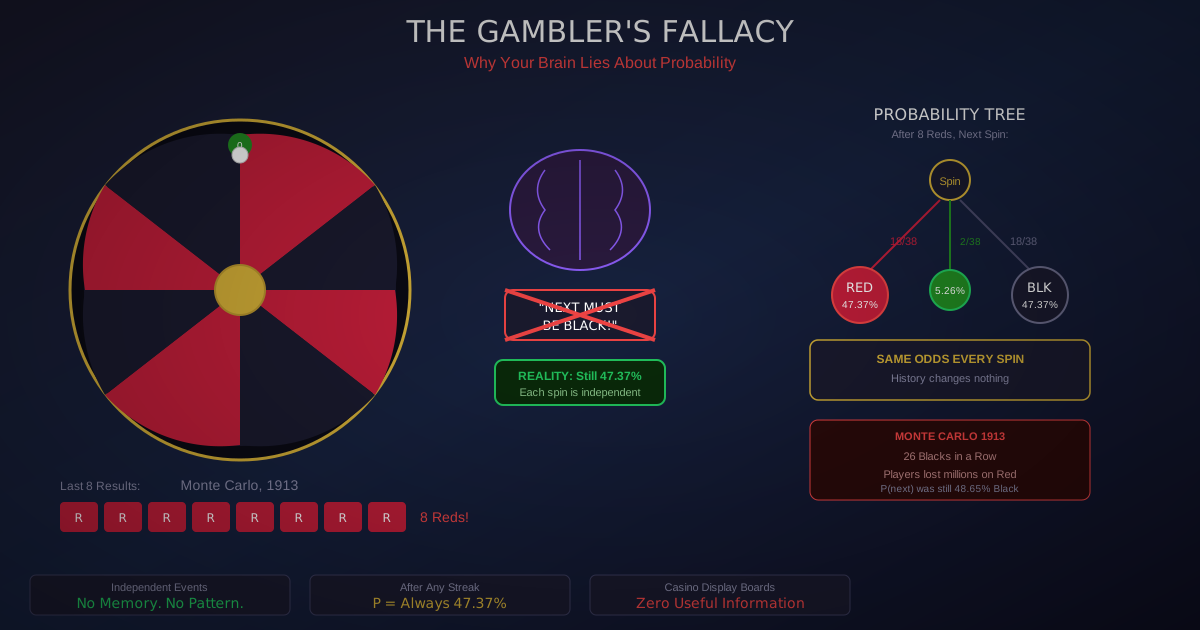
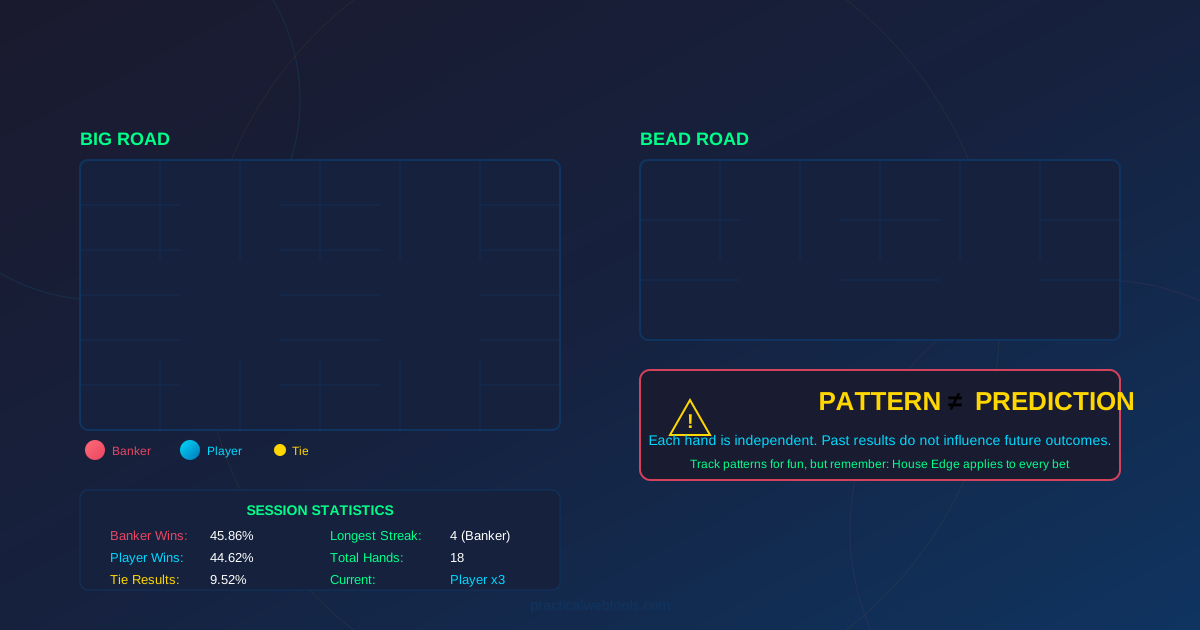
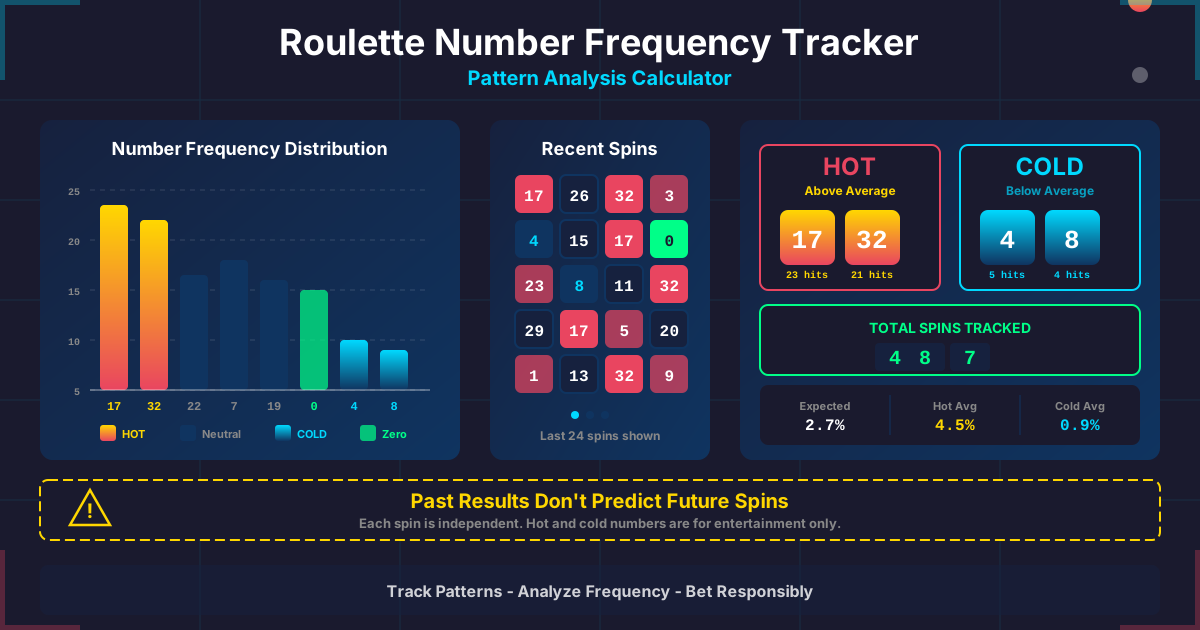
This is the gambler's fallacy. EV does not change based on past results. If you have lost 10 roulette spins in a row, the EV on your next bet is still -5.26%. The math does not know or care about your history.
"Betting Systems Change EV"
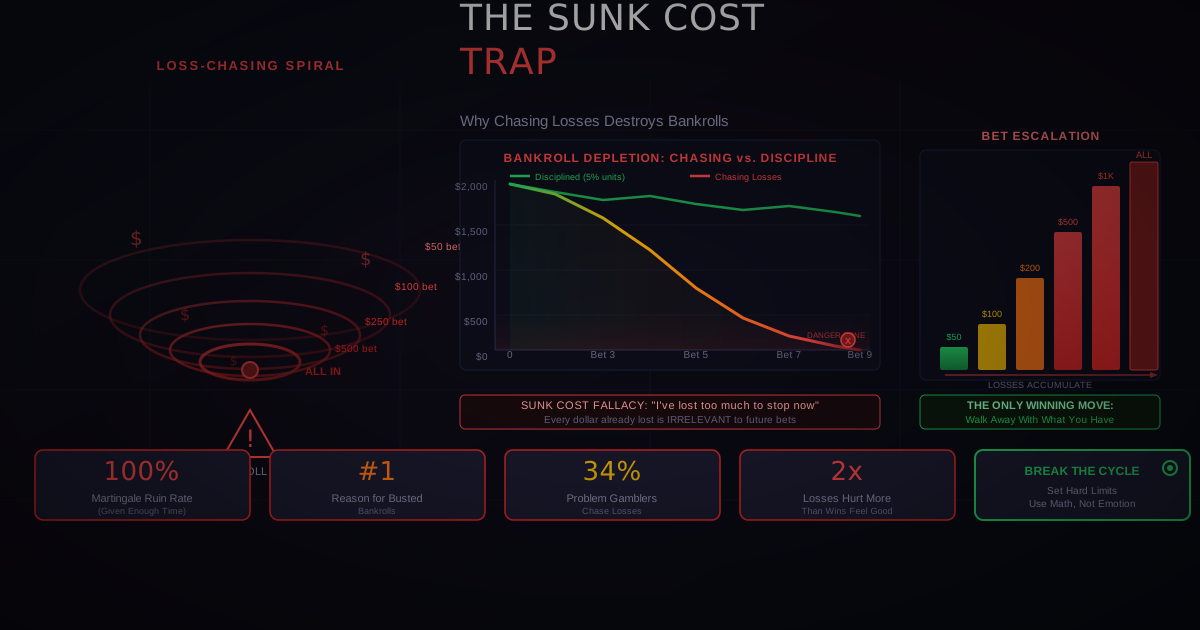
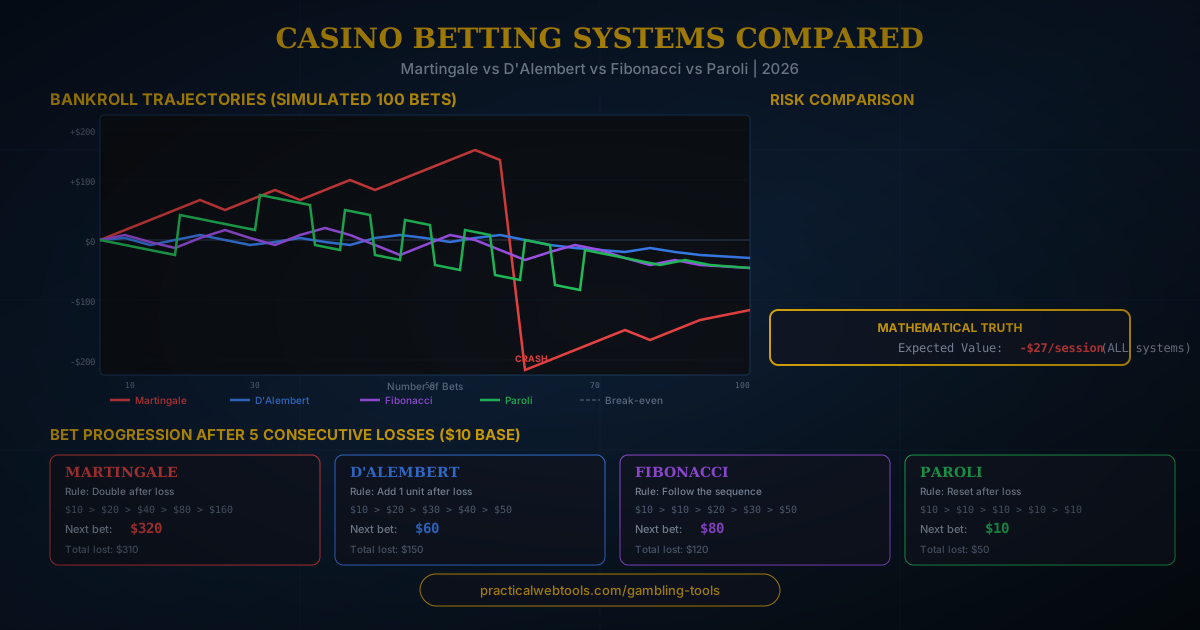
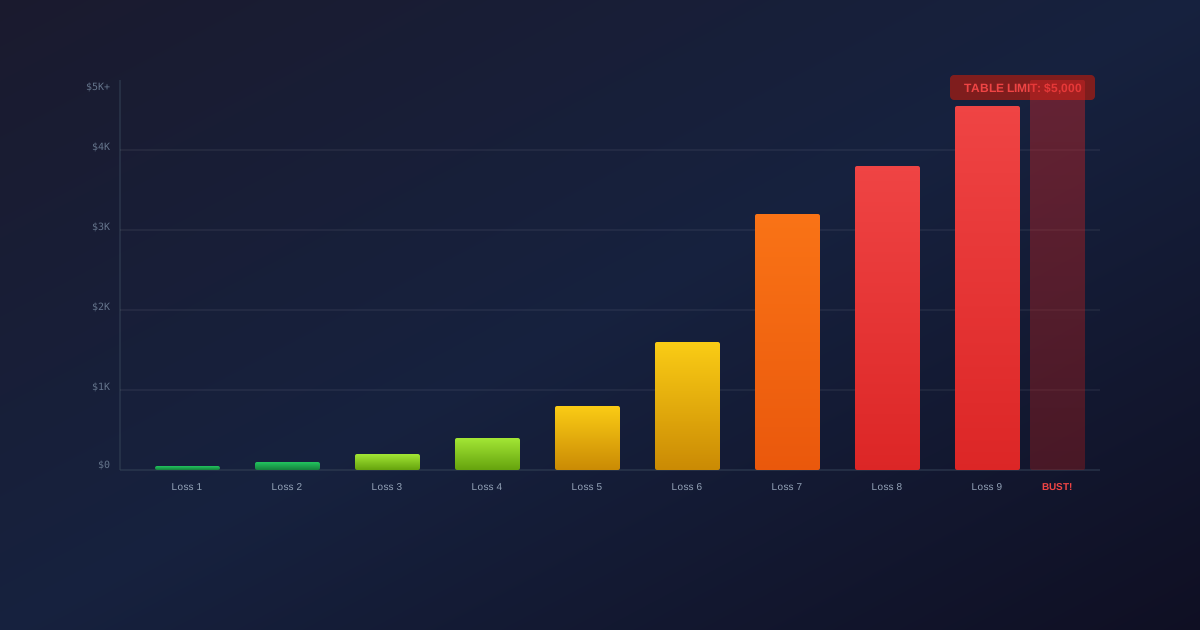
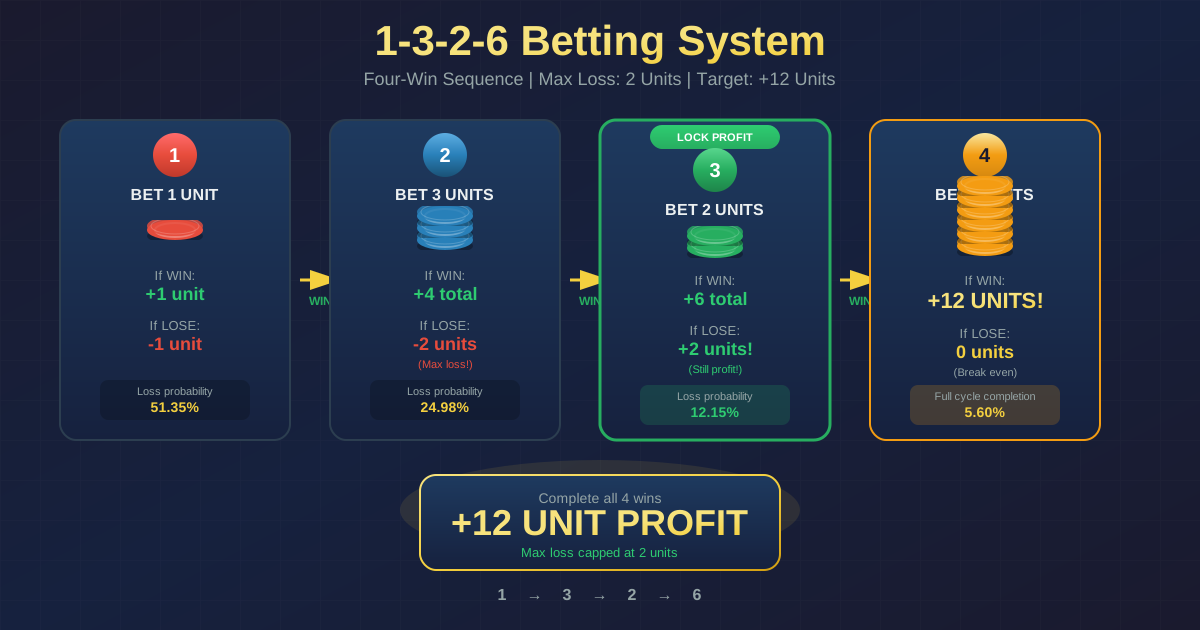
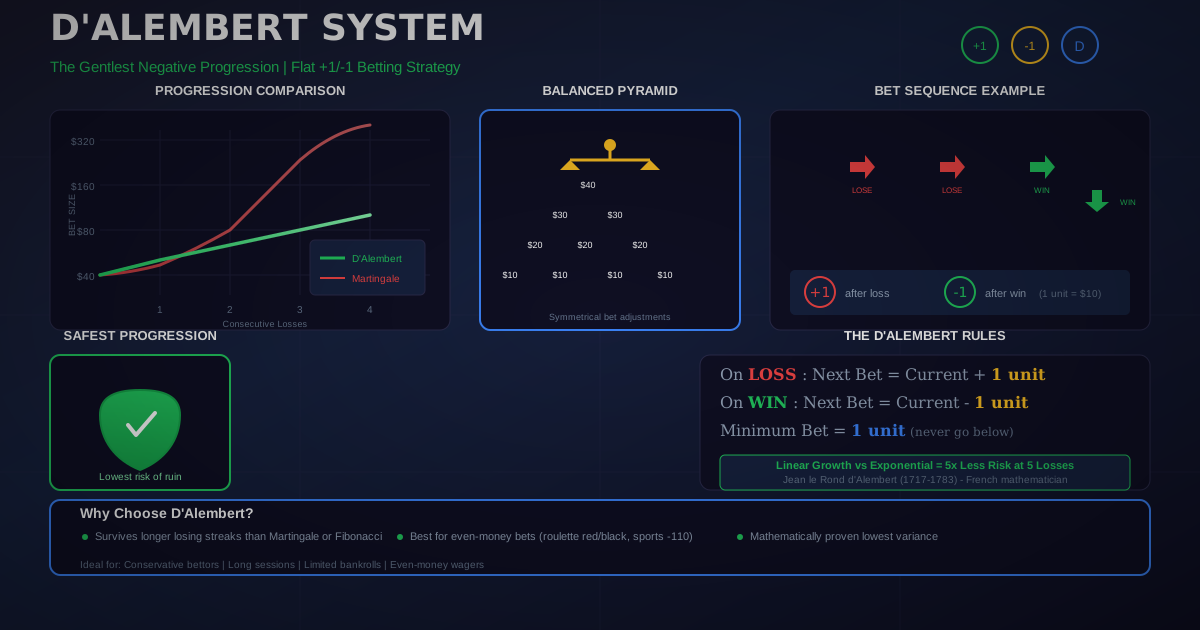
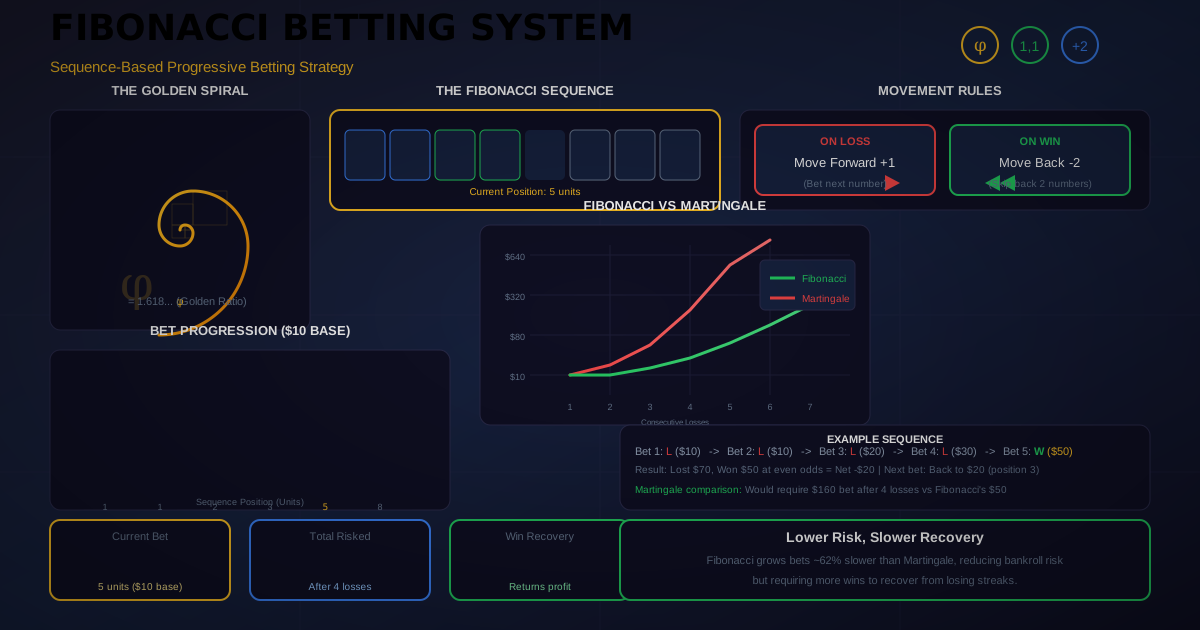
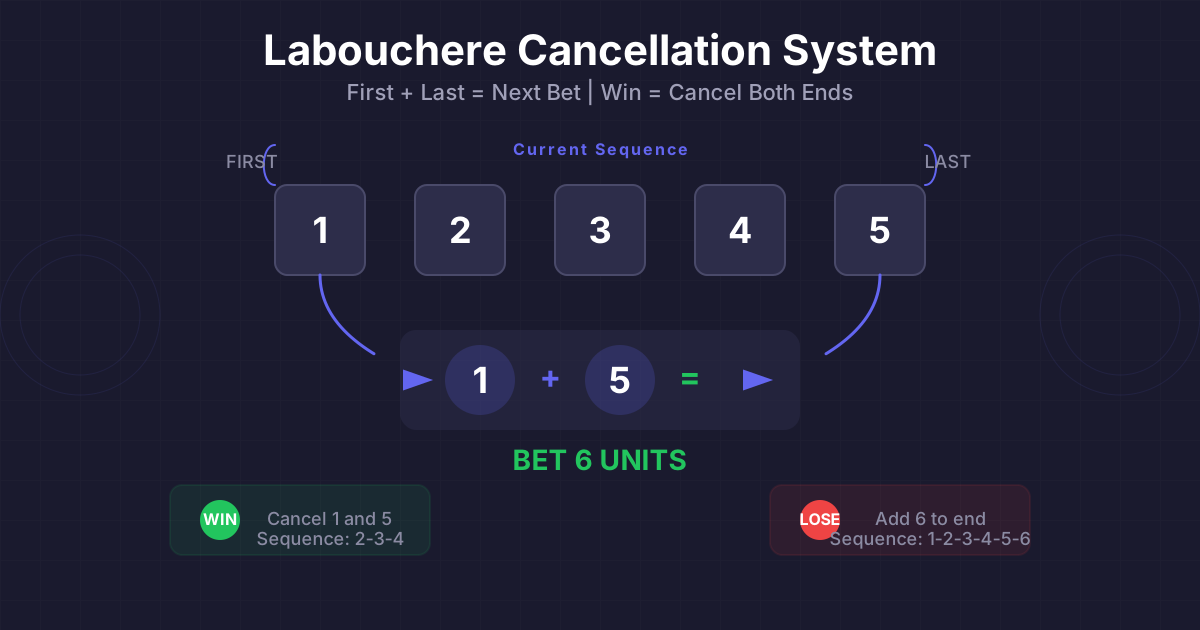
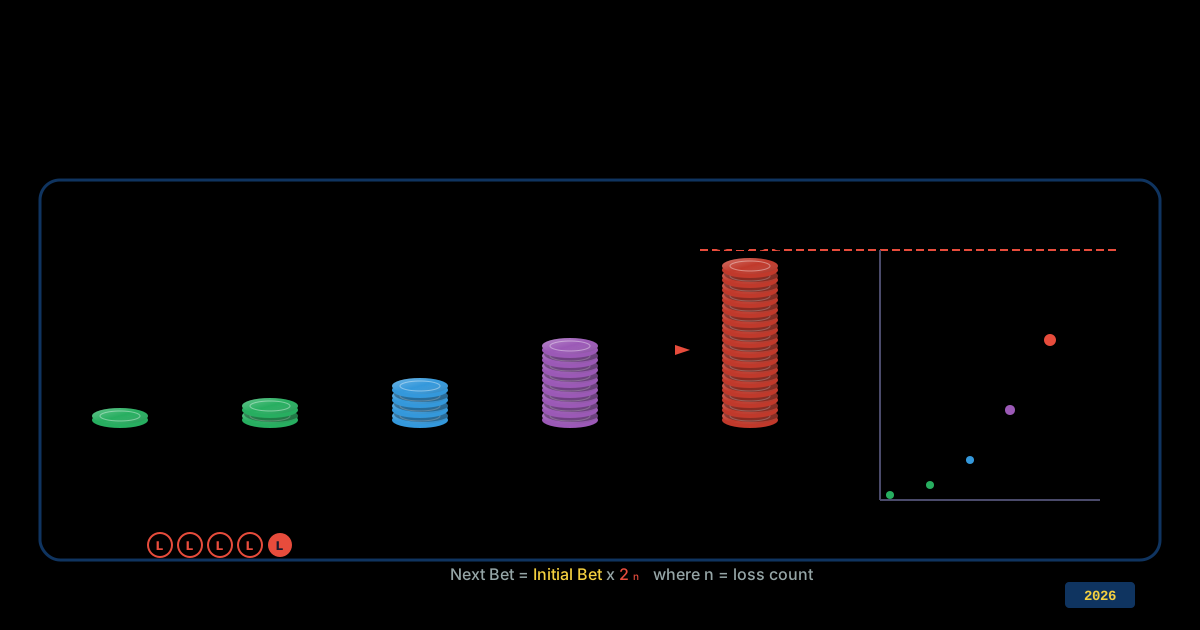
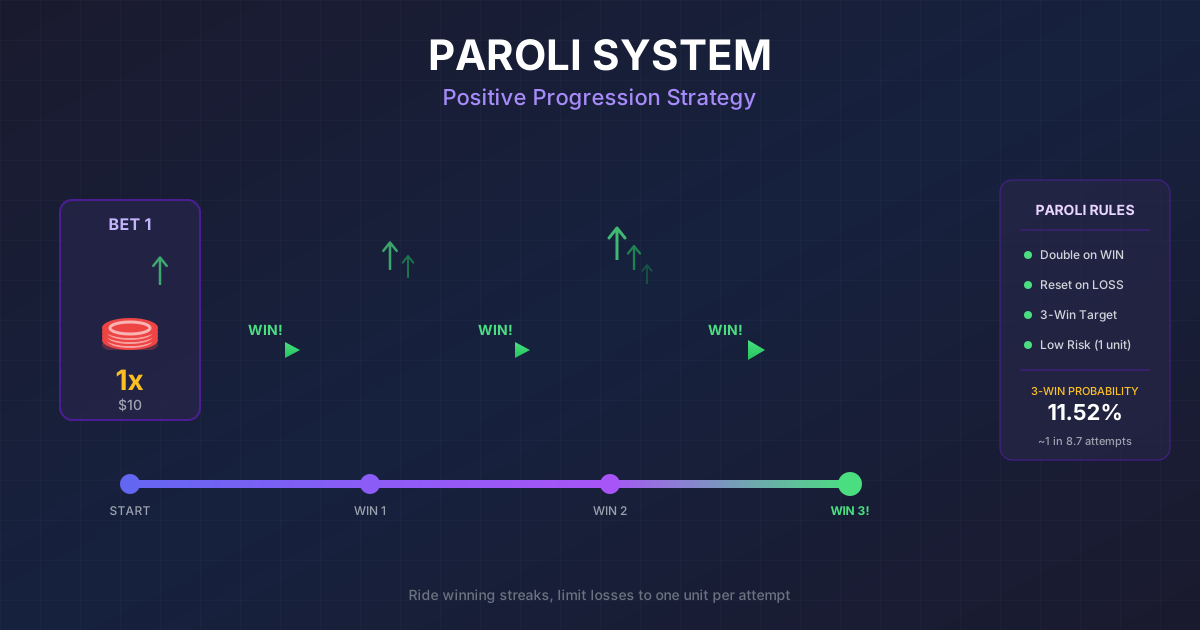
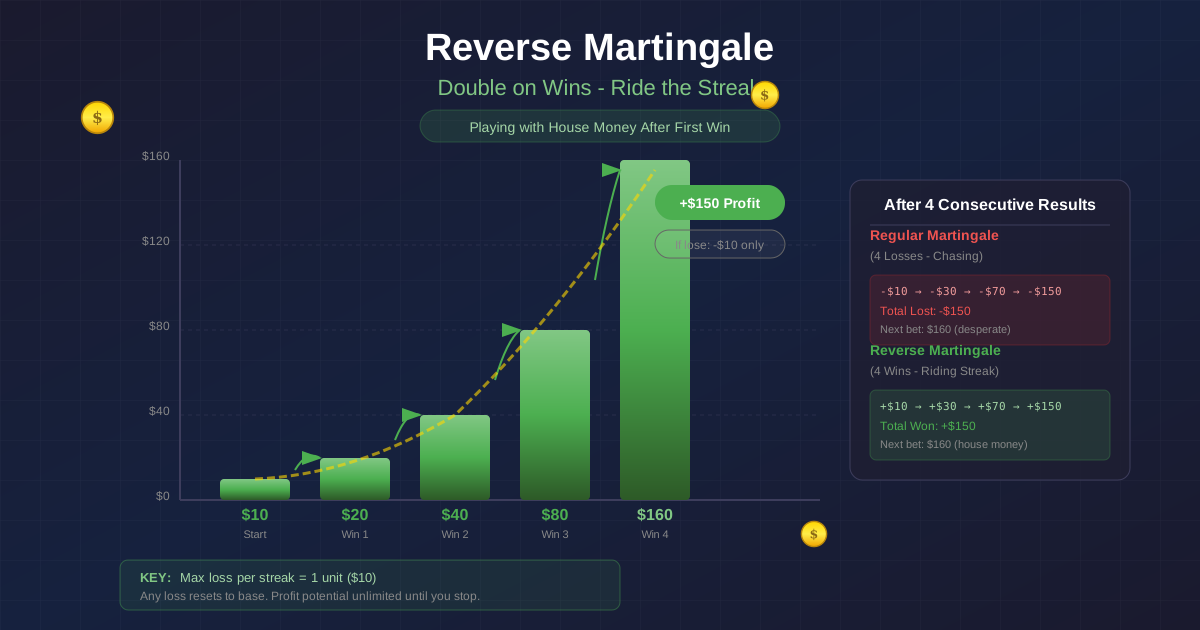
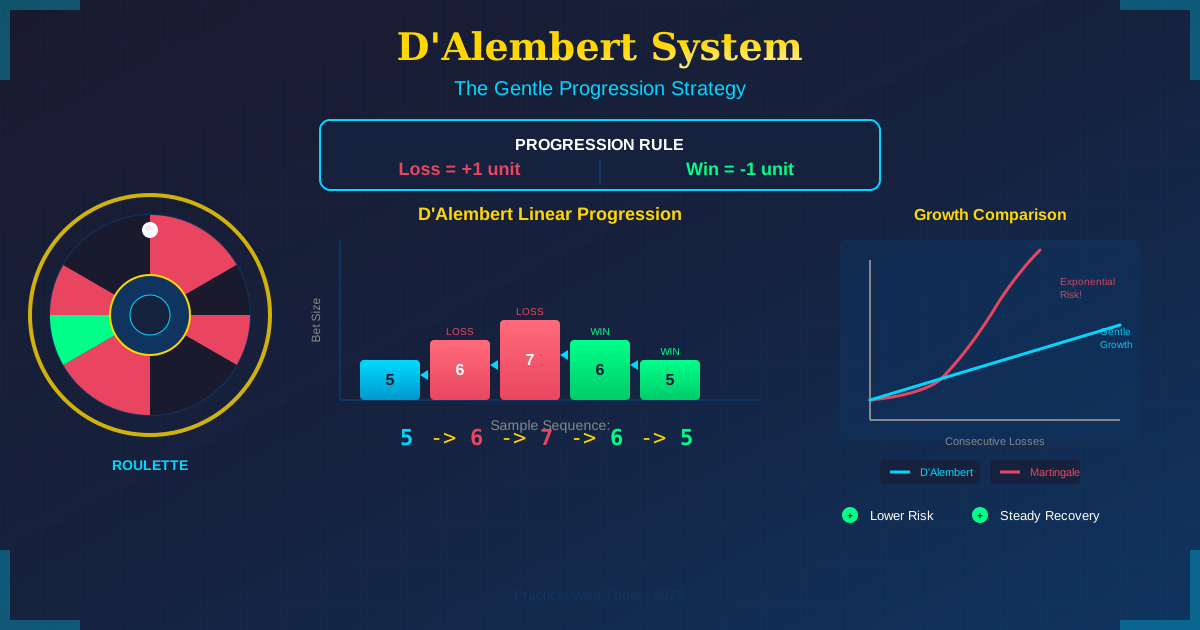
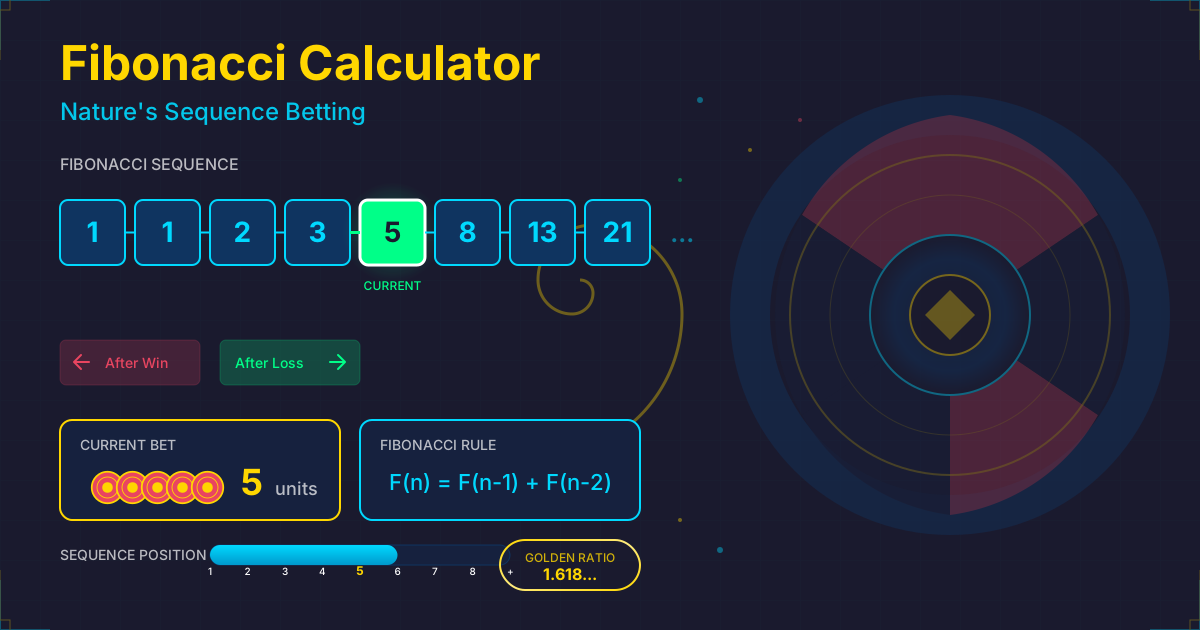
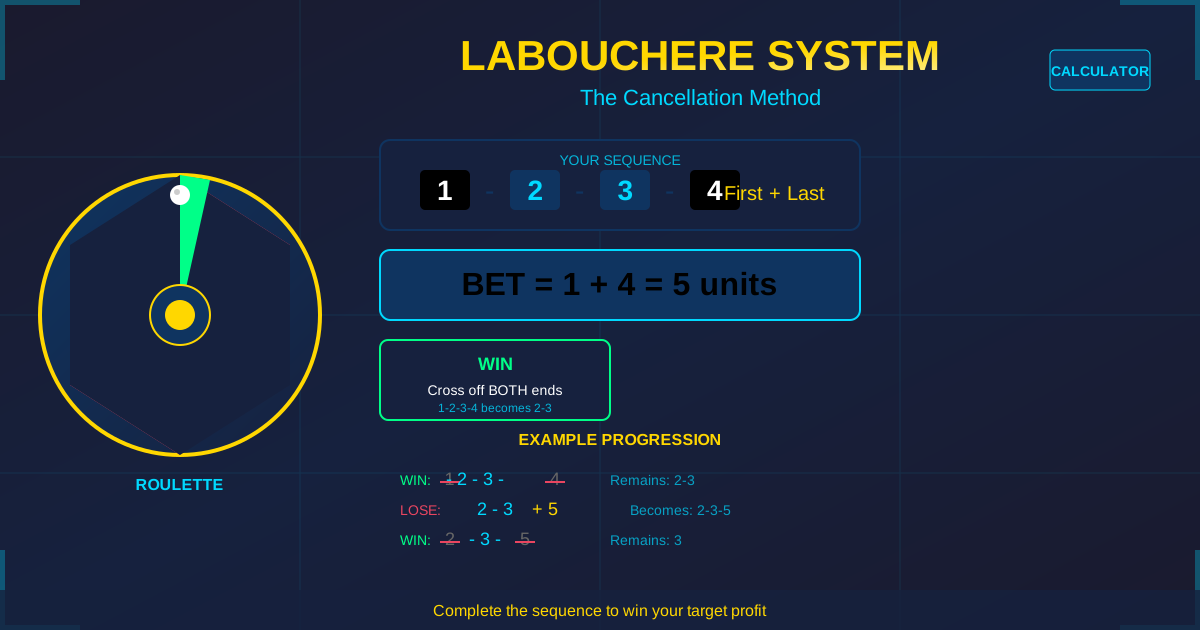
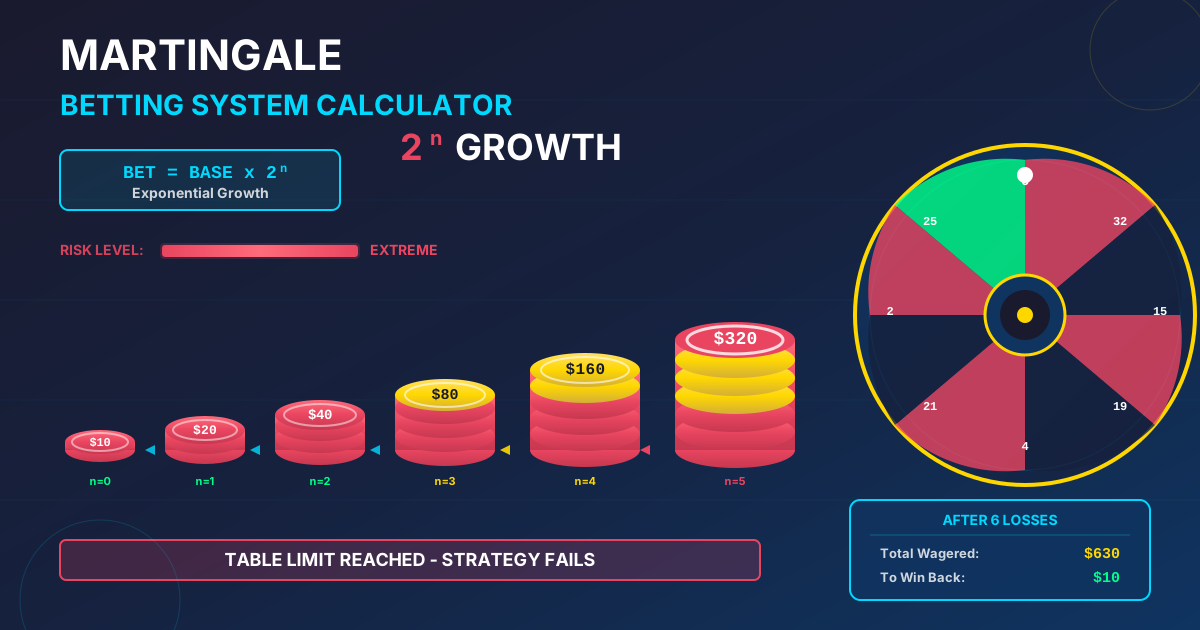
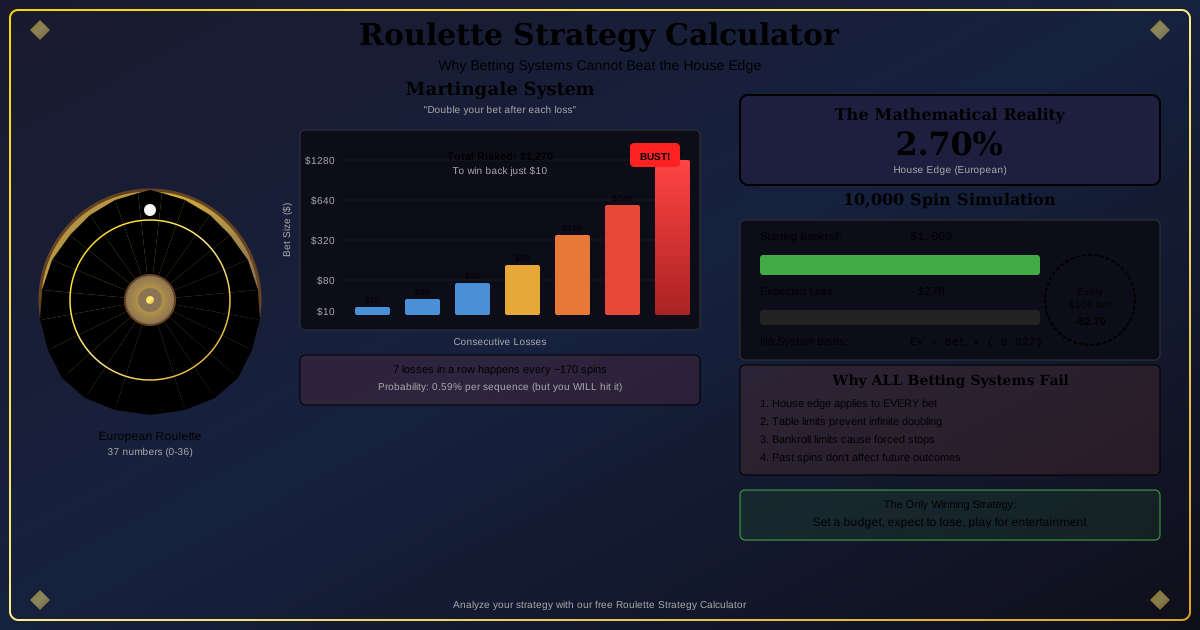
No betting system (Martingale, Fibonacci, Labouchere, or any other) changes the expected value of the underlying game. Systems rearrange when wins and losses occur but cannot overcome negative EV.
"I Win More Than I Lose, So I'm +EV"
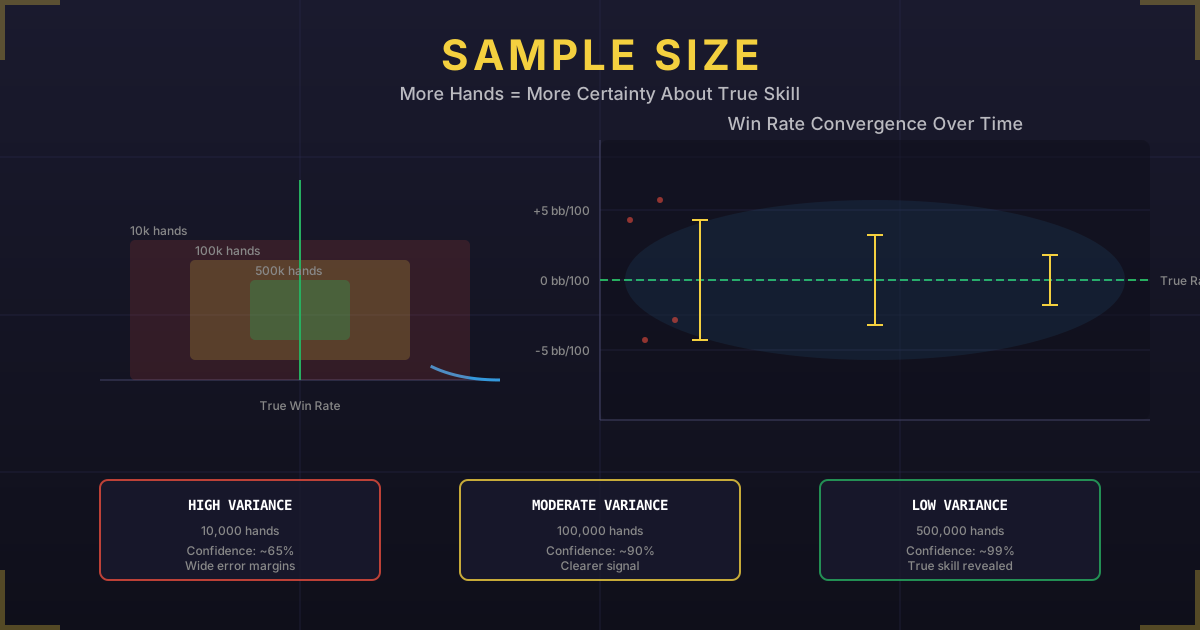
Sample size matters enormously. Winning over 10 sessions means nothing statistically. You need thousands of bets before your results meaningfully converge toward your true EV. Variance can mask negative EV for surprisingly long stretches.
"The Payout Is Huge, So It Must Be Good EV"
High payouts typically come with proportionally low probabilities. A 35:1 roulette payout looks attractive but the true odds are 37:1 against. The EV is still -5.26%. Always calculate the full EV, not just the payout.
How to Use EV in Practice
Step 1: Calculate Before You Play
Before placing any bet, calculate the EV. Use our Expected Value Calculator to determine exactly what each bet costs you.
Step 2: Compare Games
Once you know the EV of different games and bets, you can make informed choices. Playing $25 blackjack with basic strategy (-$0.50/hand) is objectively better than $25 roulette (-$1.32/hand).
Step 3: Set a Budget Based on EV
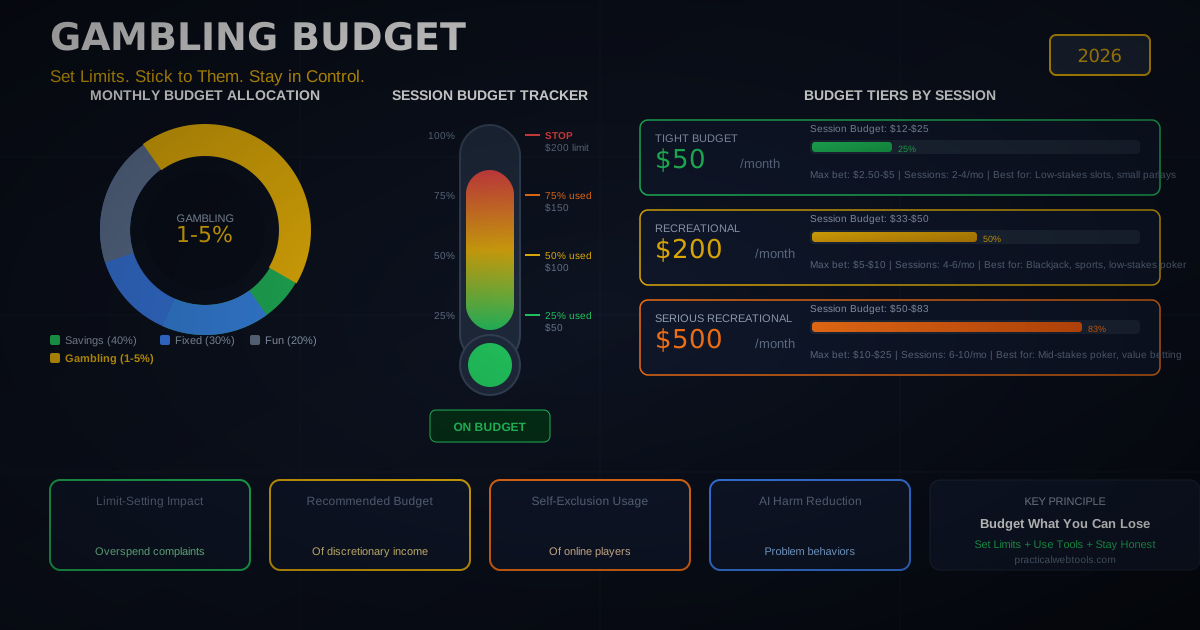
If you plan to gamble for entertainment, use EV to set your budget. If you are playing roulette at $50/bet for 4 hours (140 spins), your expected loss is about $368. Budget accordingly.
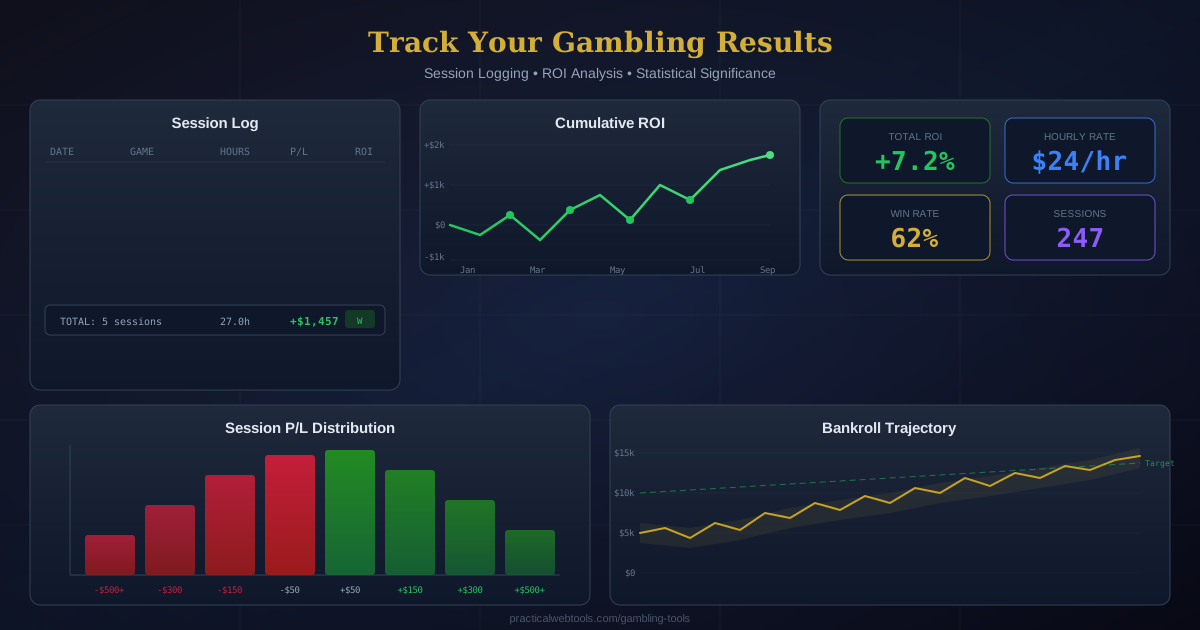
Step 4: Track Your Results Against EV
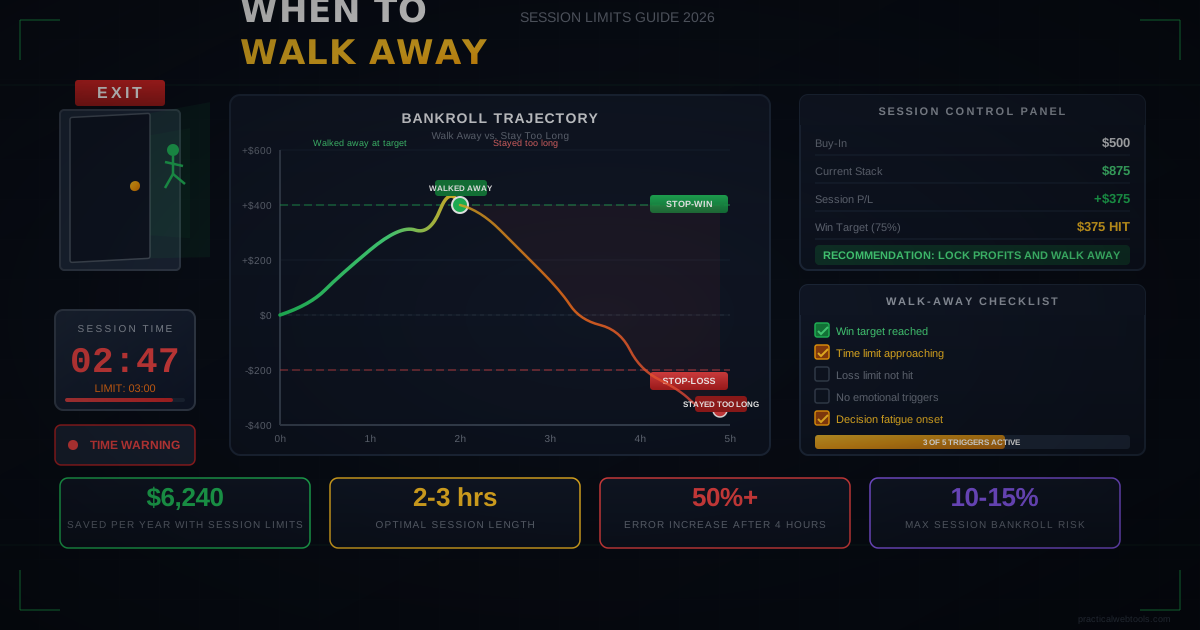
Over time, compare your actual results to your expected results. If you are losing significantly more than EV predicts, you may be making mistakes (in skill games) or playing suboptimal bets.
Step 5: Seek +EV When Possible
If you are serious about gambling profitably, focus exclusively on situations where you believe you have positive EV: skilled poker, sports betting with an edge, or advantage play techniques.
Frequently Asked Questions
What exactly is expected value in gambling? Expected value (EV) is the average amount you expect to win or lose per bet over the long run. It is calculated by multiplying each possible outcome by its probability and summing the results. A negative EV means you lose money on average; positive EV means you profit on average. Use our Expected Value Calculator to calculate EV for any bet.
Can expected value help me win at the casino? EV cannot help you overcome the mathematical house edge built into casino games, but it can help you minimize losses by choosing games and bets with the lowest house edge. Understanding EV helps you make informed decisions about where to play and how much to budget.
What is the difference between positive and negative EV? Positive EV (+EV) means the bet is profitable long-term. Negative EV (-EV) means the bet loses money long-term. Almost all casino bets are -EV. Positive EV exists primarily in poker (skill edge), sports betting (analytical edge), and certain advantage play scenarios.
Does EV apply to a single bet? EV describes the average outcome over many repetitions. On any single bet, you will win or lose a specific amount. EV becomes meaningful over hundreds or thousands of bets as actual results converge toward the mathematical expectation due to the Law of Large Numbers.
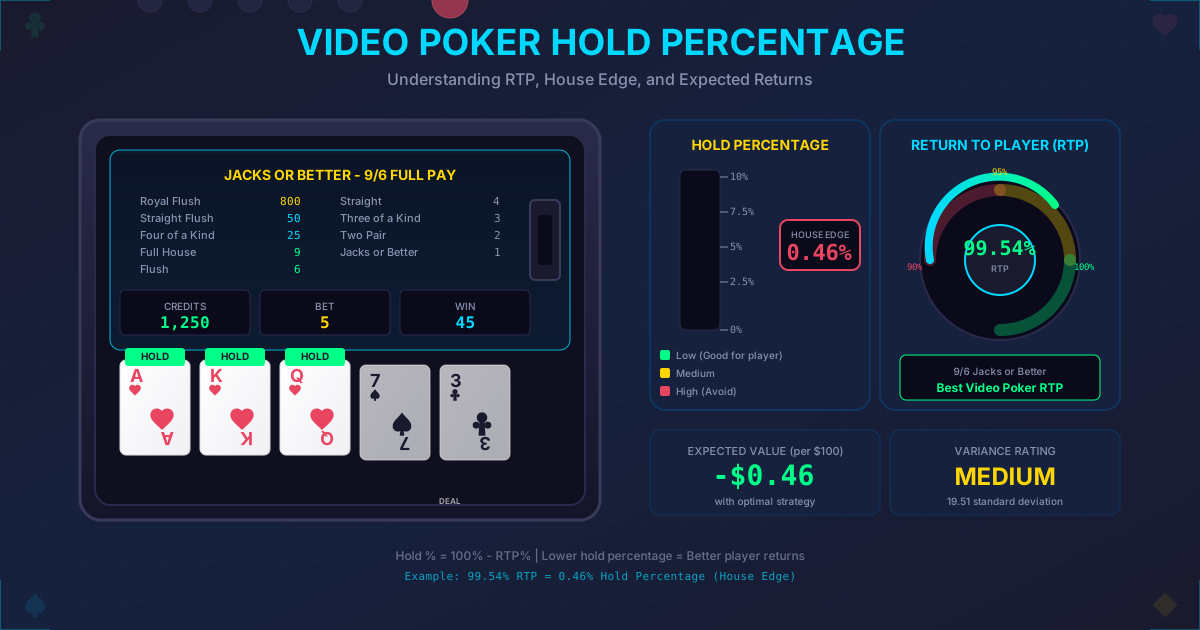
Which casino game has the best (least negative) EV? Blackjack with basic strategy offers approximately -0.50% EV, and craps with Pass Line plus full odds approaches -0.37%. These are the best standard casino bets. Video poker with optimal strategy on full-pay machines can approach 0% or even slightly positive EV on rare pay tables.
Why do people still gamble if EV is negative? Entertainment value, social experience, the thrill of variance (the possibility of short-term wins), and the enjoyment of games themselves. Many people are happy to pay the expected loss as entertainment cost, just as they would pay for a concert or sporting event.
How many bets until my results match EV? For most casino games, you need several thousand bets before your results reliably reflect the expected value. For games with higher variance (like tournaments or progressive bets), you may need tens of thousands of trials. The more variance in a game, the longer it takes.
Can betting systems overcome negative EV? No. No betting system can change the fundamental expected value of a game. Systems like Martingale, Fibonacci, and others rearrange when and how much you win and lose, but the total expected loss remains the same (and may actually increase due to bet limits and increased total action).
Related Tools for Expected Value Analysis
EV Calculators
- Expected Value Calculator - Calculate EV for any bet
- Poker EV Calculator - Poker-specific EV analysis
- Blackjack EV Calculator - Blackjack EV by rules and strategy
- Roulette EV Calculator - Roulette EV for every bet type
- Baccarat EV Calculator - Baccarat EV with commission analysis
- Craps Expected Loss Calculator - Craps EV for every wager
House Edge Tools
- Roulette House Edge Calculator - Compare wheel types
- Blackjack House Edge Calculator - Rule variations impact
- Craps House Edge Calculator - Every craps bet analyzed
- Baccarat House Edge Calculator - Commission effects
Betting and Probability Tools
- Hold/Vig Calculator - Calculate sportsbook edge
- Implied Probability Calculator - Convert odds to probabilities
- Odds Converter - American, decimal, fractional conversion
- Kelly Criterion Calculator - Optimal bet sizing for +EV bets
- Bankroll Volatility Tracker - Track variance over time
Conclusion
Expected Value is the single most important concept in all of gambling because it tells the objective truth about every bet. Every casino game, every sports wager, and every poker hand has an expected value, and understanding it transforms your relationship with gambling from guesswork to informed decision-making.
The formula is simple: multiply outcomes by their probabilities and add them up. The implications are profound: most gambling has a built-in cost, and the size of that cost varies enormously depending on what you play and how you play it. A $50/hour expected loss at roulette becomes a $4/hour expected loss at craps with proper odds bets. A -$200 expected monthly loss at blackjack becomes a +$240 expected monthly profit for a skilled sports bettor.
Start by calculating the expected value of your favorite bets with our free Expected Value Calculator. Compare house edges across games with our Blackjack House Edge Calculator and Roulette House Edge Calculator. And if you find a positive-EV opportunity, size your bets optimally with our Kelly Criterion Calculator.
The math does not lie, and it does not care about feelings. Learn EV, and you will never look at a bet the same way again.
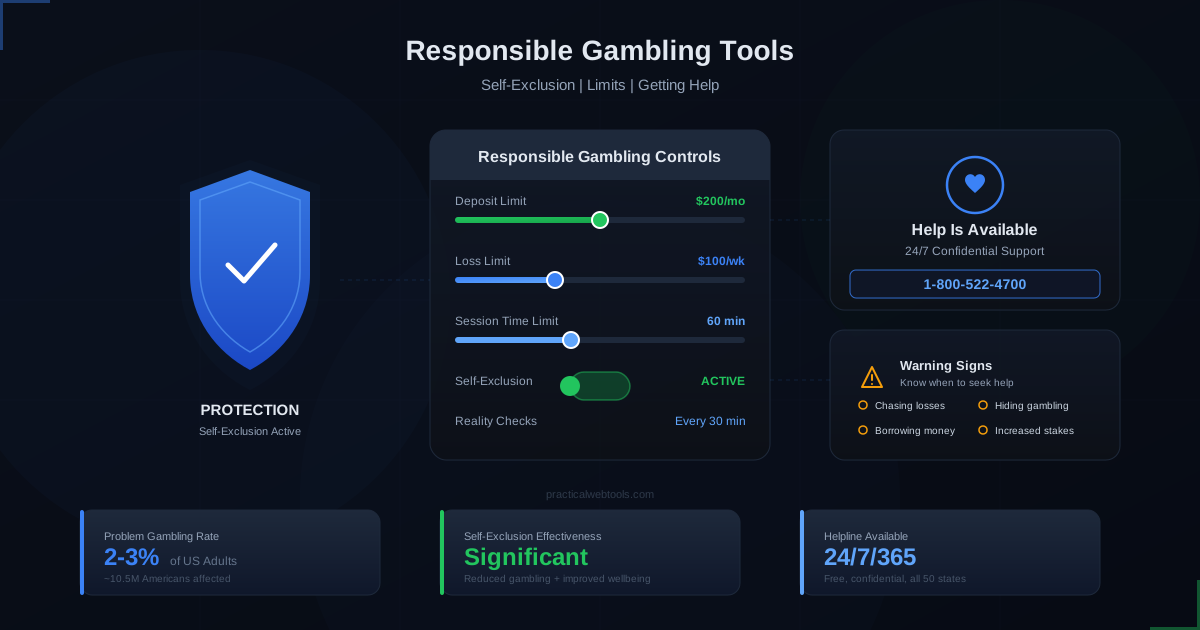
Gambling involves risk. This content is for educational and informational purposes only. Always gamble responsibly, set limits you can afford, and seek help if gambling becomes a problem. Visit the National Council on Problem Gambling or call 1-800-522-4700 for support.