Over/Under Totals Calculator: Betting Guide (2026)
Over/Under Totals Calculator: Complete Betting Guide
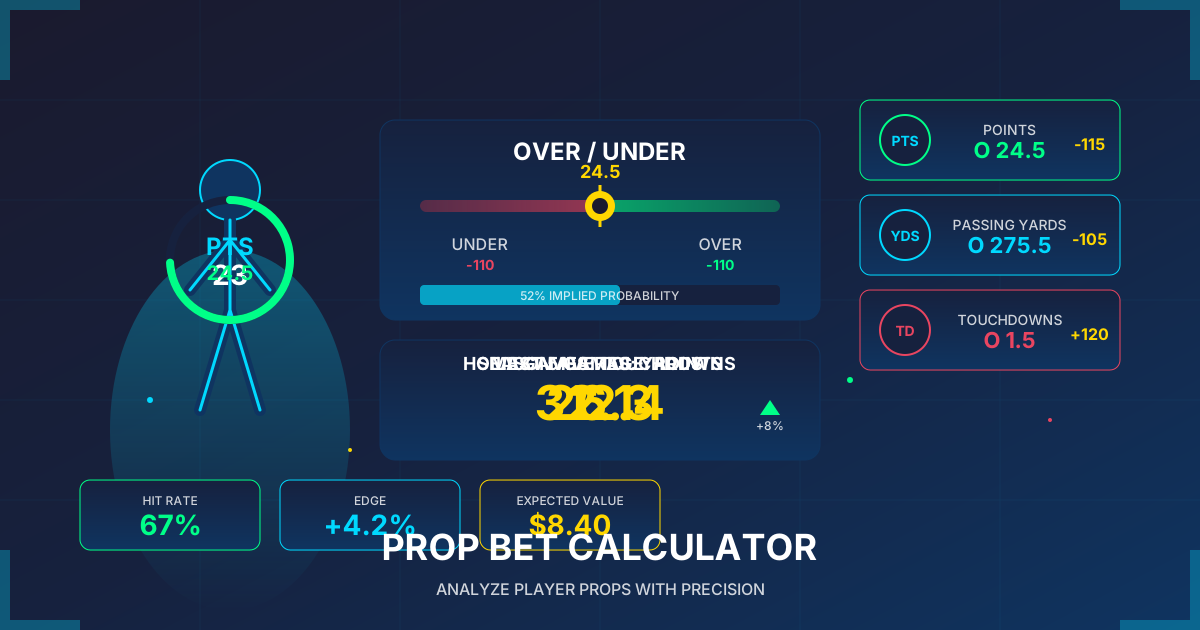
Over/under betting lets you wager on combined scores without picking a winner. Our calculator shows payouts, break-even rates, and helps you analyze totals betting opportunities across all major sports.
What Is Over/Under Betting?
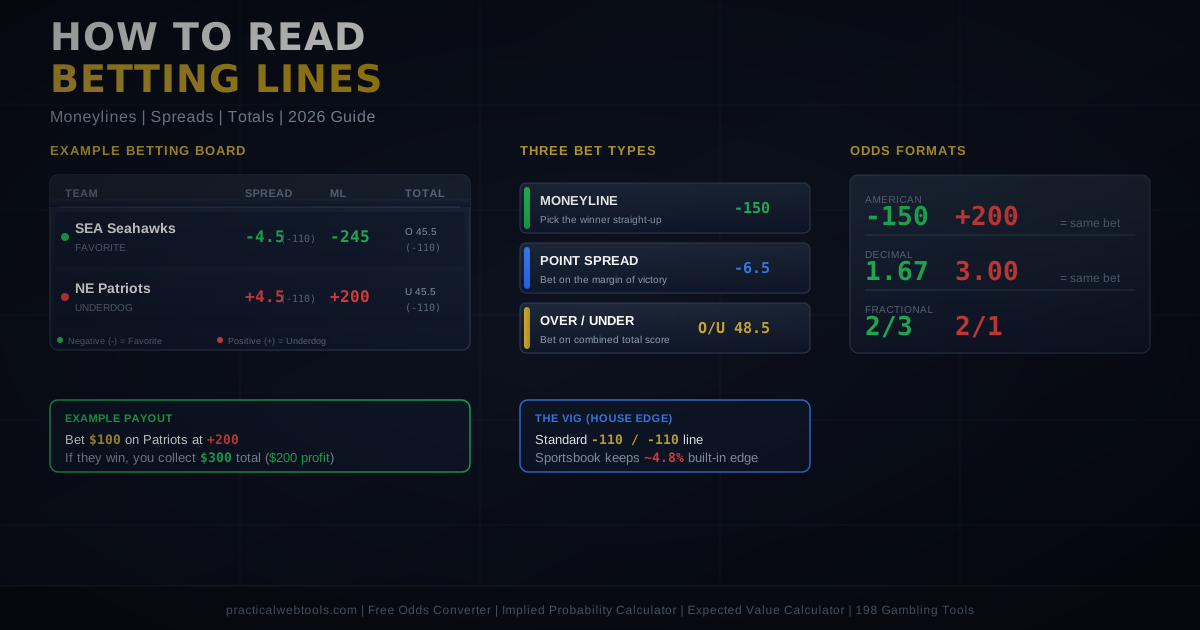
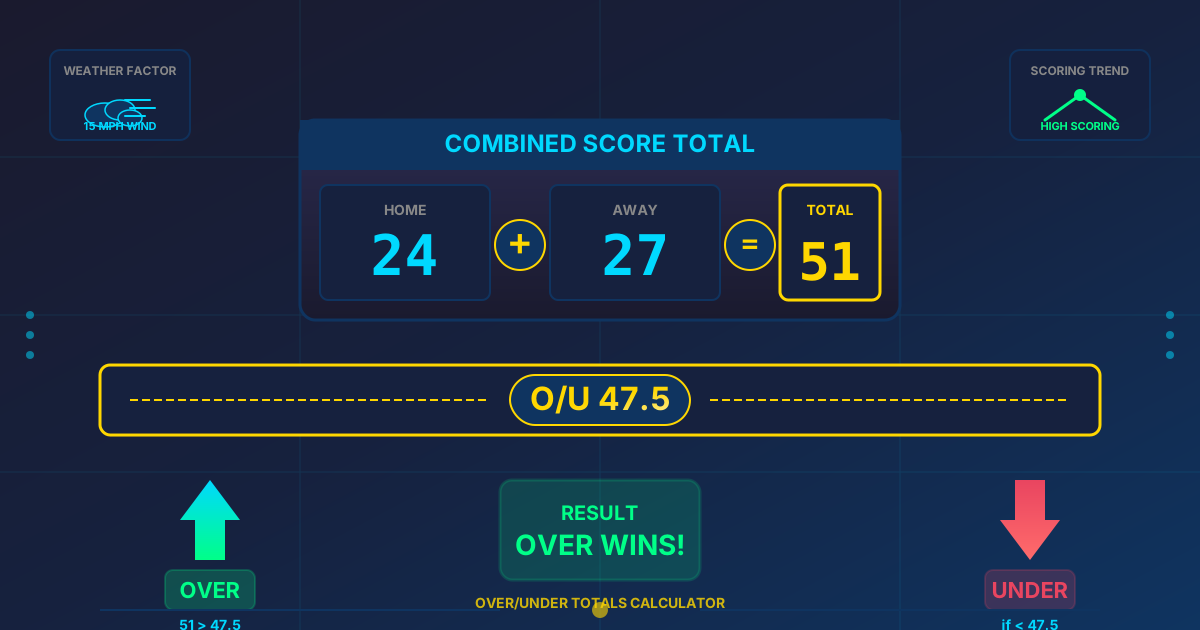
Over/under (totals) betting involves wagering whether the combined score of both teams will be over or under a set number. You don't need to pick a winner—just whether the game will be high or low scoring.
Quick Answer: Totals work like spread betting with standard -110 odds. If the total is 47.5 and you bet Over, you need 48+ combined points to win. Half-points eliminate pushes. Weather, injuries, pace of play, and defensive matchups all significantly impact totals.
How to Use Our Totals Calculator
Use the Over/Under Totals Calculator →
Enter the total line and odds to see payouts and break-even rates.
Step-by-Step Instructions
-
Enter the Total: Set number (e.g., 47.5)
-
Select Over or Under: Your prediction
-
Enter the Odds: Usually -110 both ways
-
Input Bet Amount: Your wager
-
View Payout: Potential return
Input Fields Explained
| Field | Description | Example |
|---|---|---|
| Total Line | Combined score target | 47.5 |
| Your Pick | Over or Under | Over |
| Odds | Juice/vig | -110 |
| Bet Amount | Your wager | $100 |
| Payout | Total return | $190.91 |
Totals by Sport
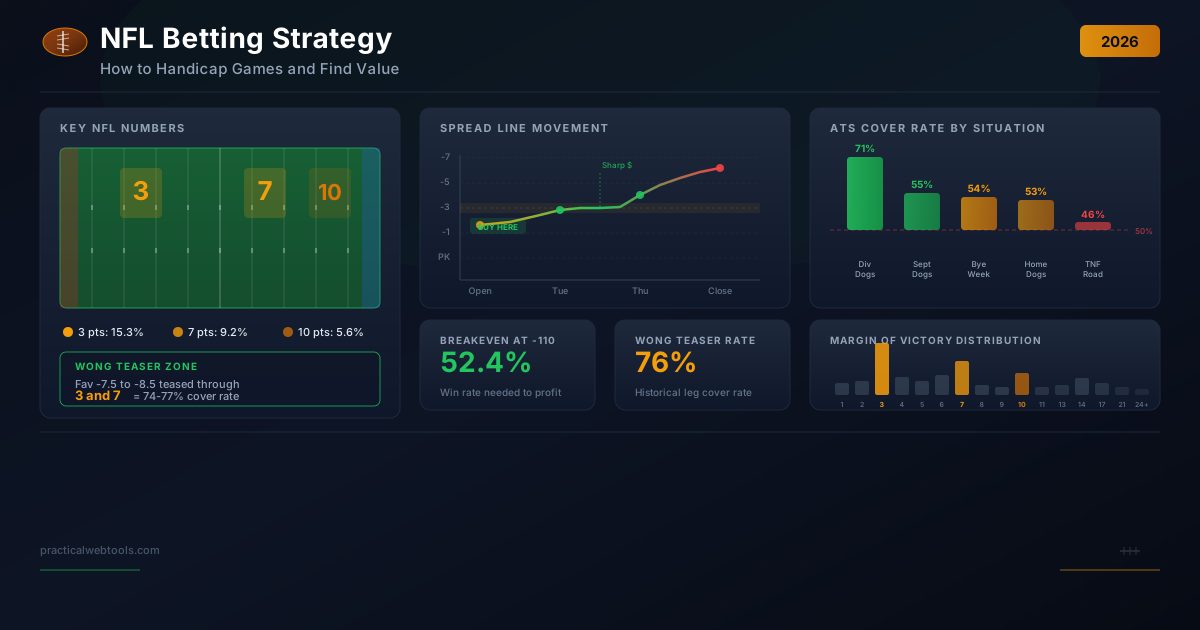
NFL Totals
| Range | Description | Example |
|---|---|---|
| 35-40 | Defensive game | Ravens vs Steelers |
| 40-45 | Average game | Most matchups |
| 45-50 | Offensive game | Chiefs vs Bills |
| 50+ | Shootout | High-powered offenses |
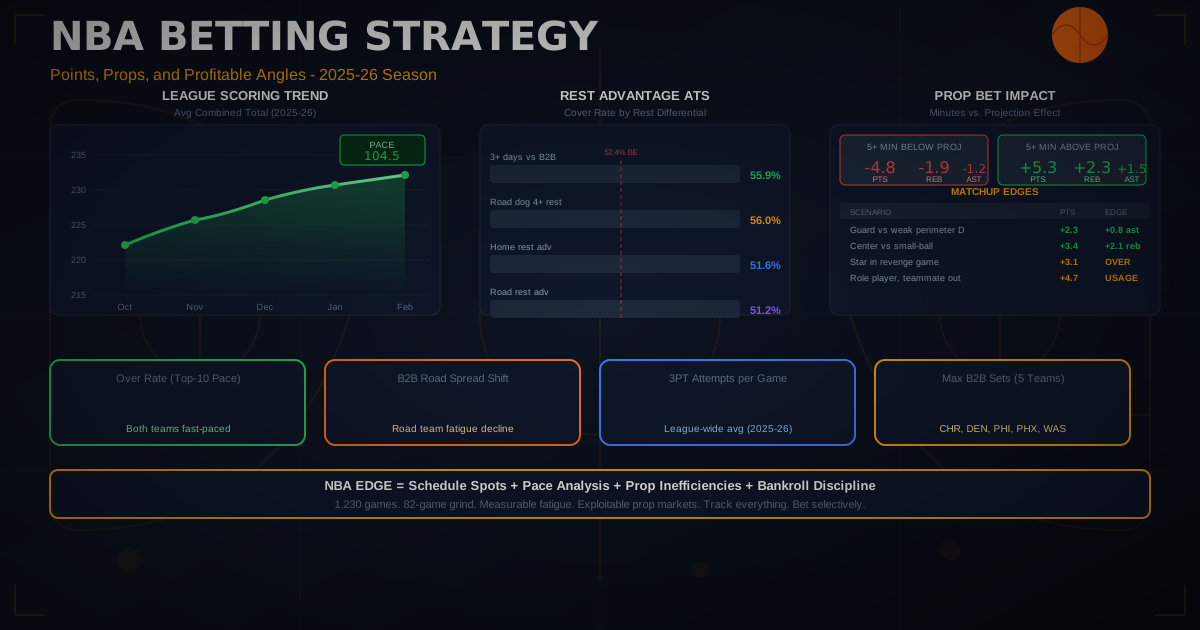
NBA Totals
| Range | Description | Example |
|---|---|---|
| 200-210 | Slow pace | Defensive teams |
| 210-220 | Average | Most games |
| 220-230 | Fast pace | Run-and-gun teams |
| 230+ | Track meet | All-Star type pace |
MLB Totals
| Range | Description | Example |
|---|---|---|
| 6.5-7 | Pitcher's duel | Ace vs Ace |
| 7.5-8.5 | Average | Most games |
| 9-10 | Hitter-friendly | Coors Field |
| 10.5+ | High-scoring | Bad pitching |
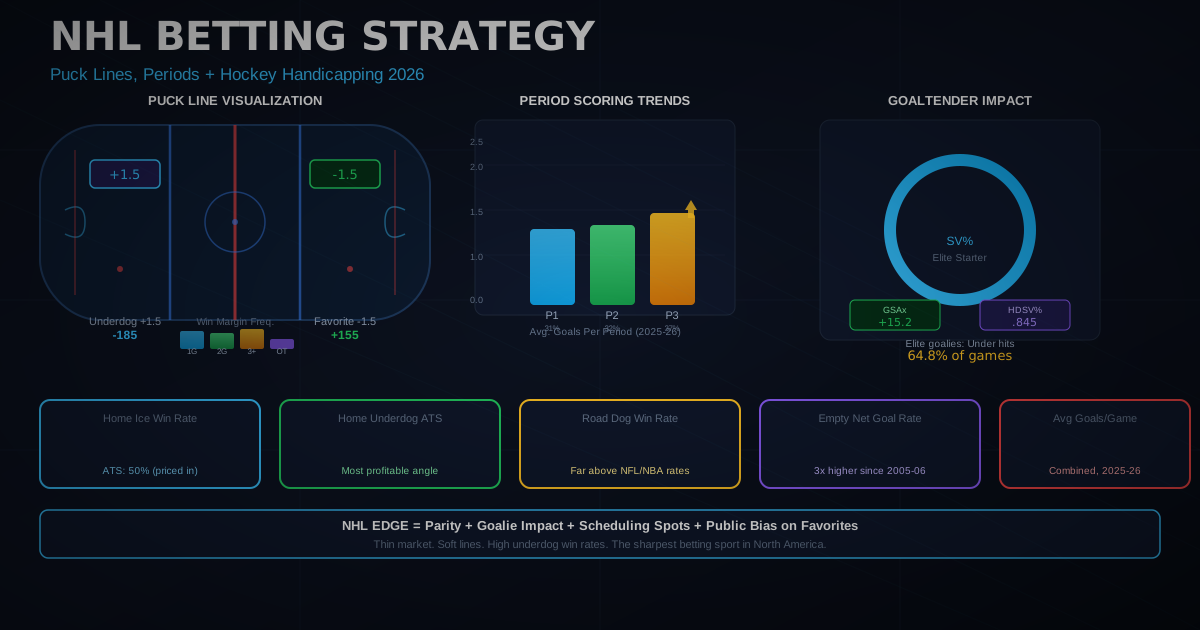
NHL Totals
| Range | Description | Example |
|---|---|---|
| 5-5.5 | Low scoring | Defensive matchup |
| 5.5-6 | Average | Most games |
| 6-6.5 | High scoring | Weak goaltending |
| 7+ | Track meet | Rare |
Totals Payout Math
Standard -110 Both Sides
| Bet | Amount | Win | Total Return |
|---|---|---|---|
| Over -110 | $110 | $100 | $210 |
| Under -110 | $110 | $100 | $210 |
Adjusted Lines
| Line Move | Odds |
|---|---|
| Balanced | -110/-110 |
| Over popular | -115/-105 |
| Under popular | -105/-115 |
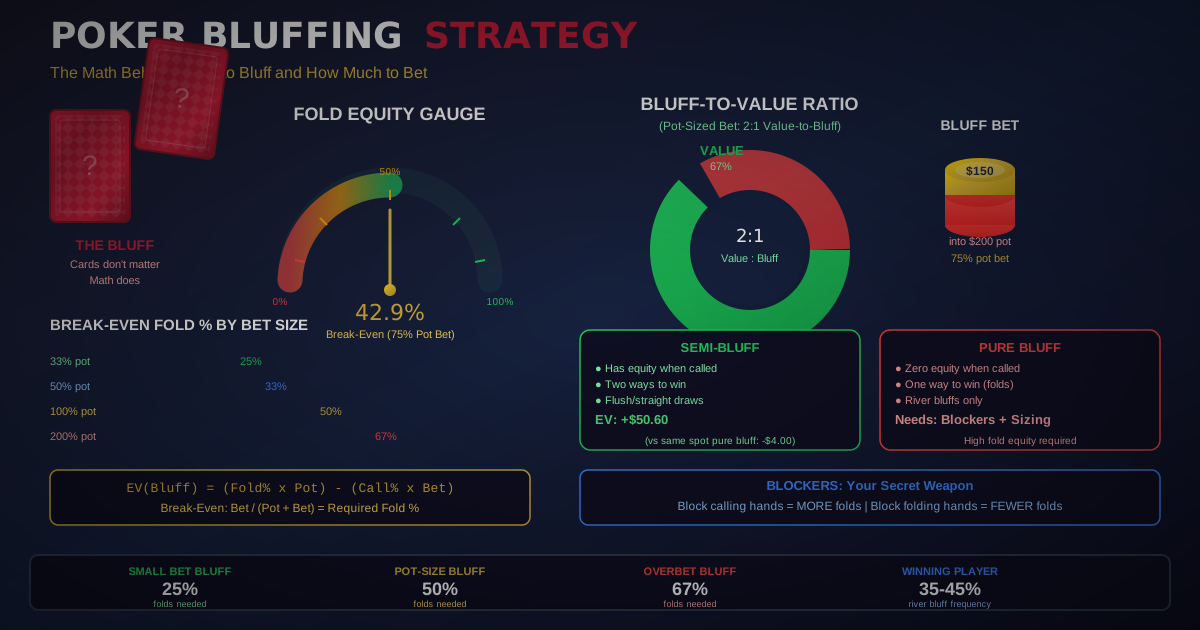
Break-Even Rate
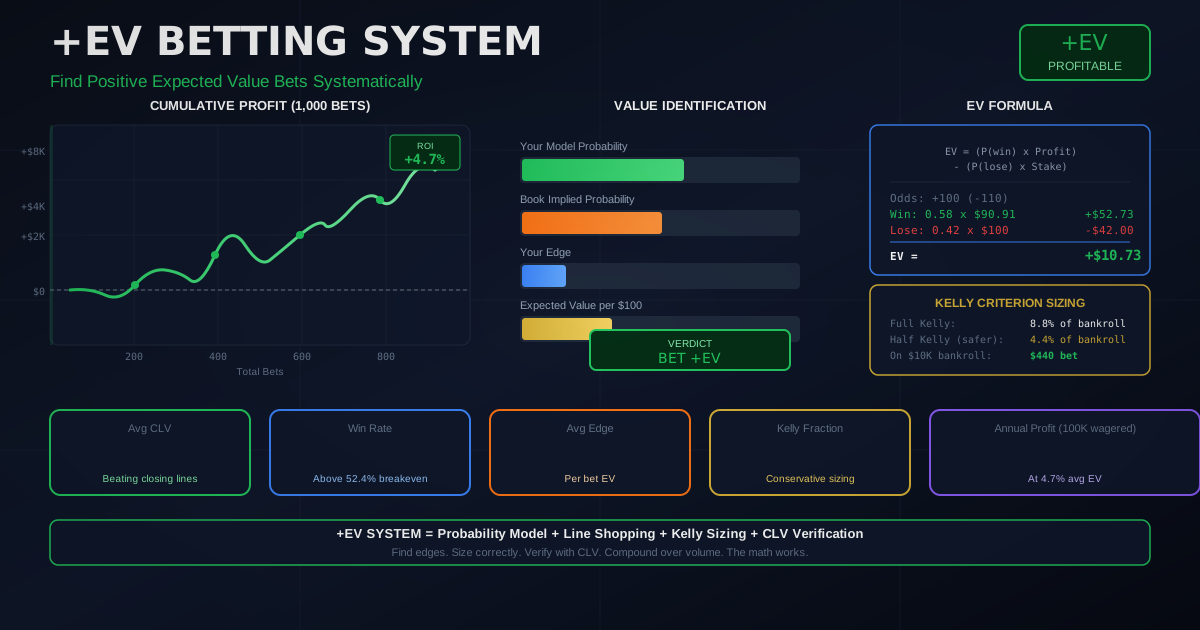
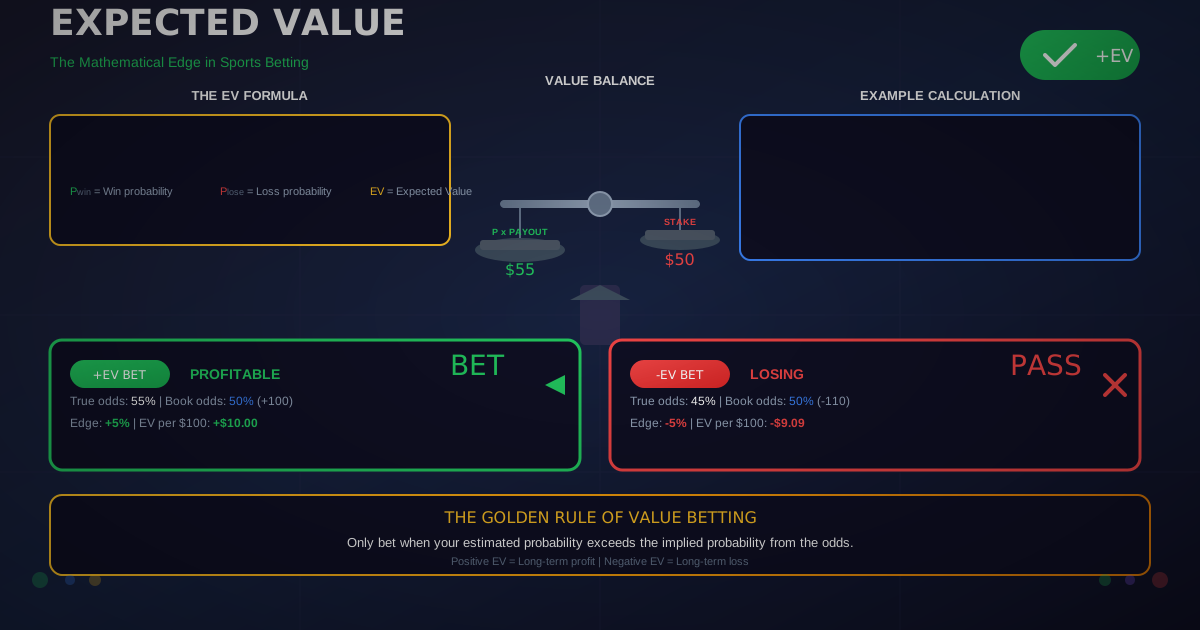
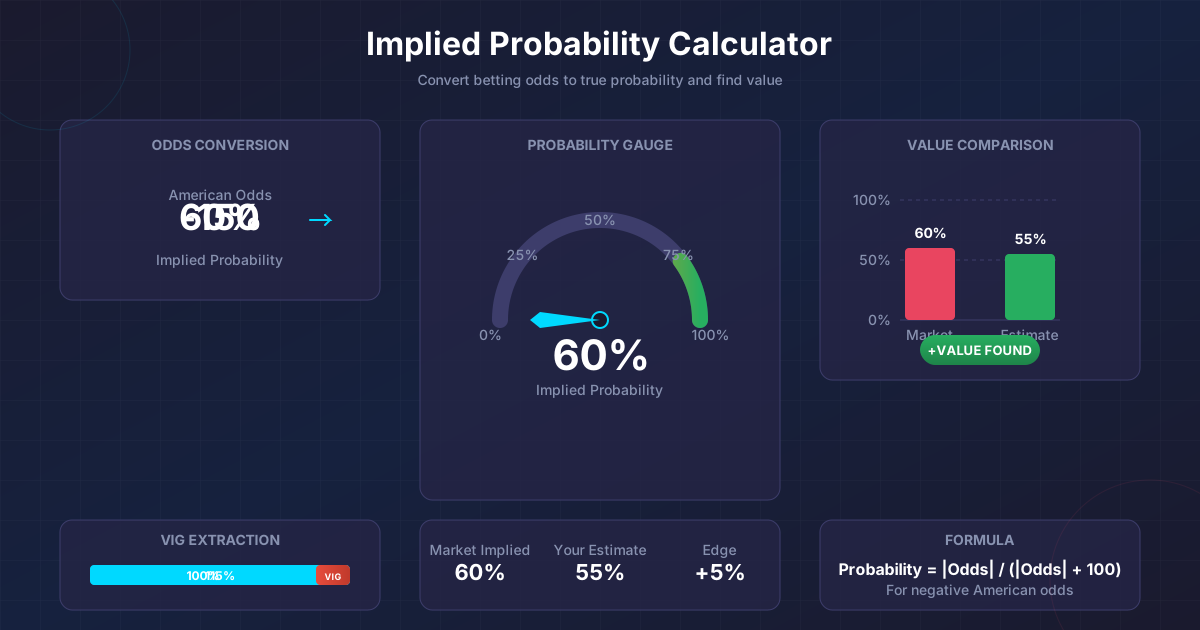
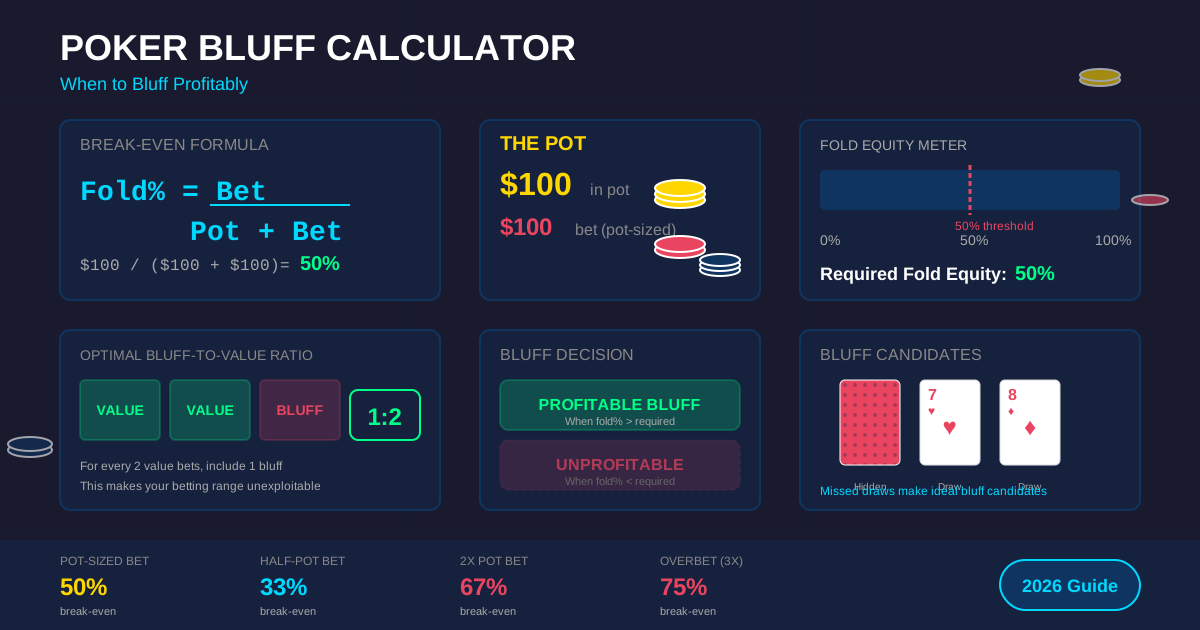
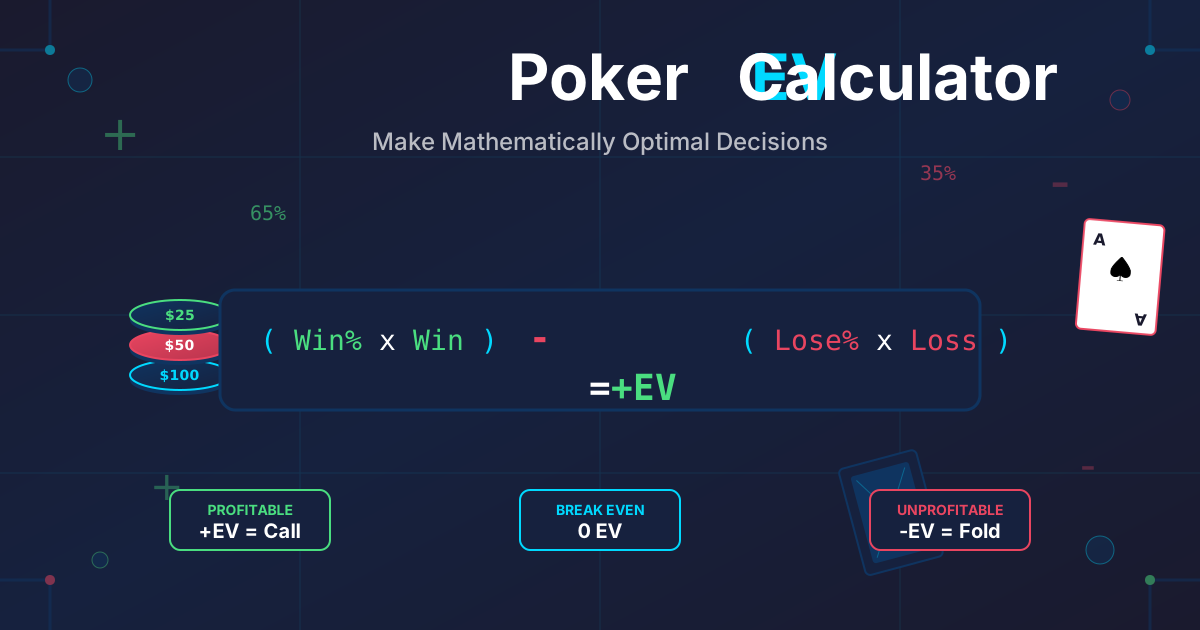
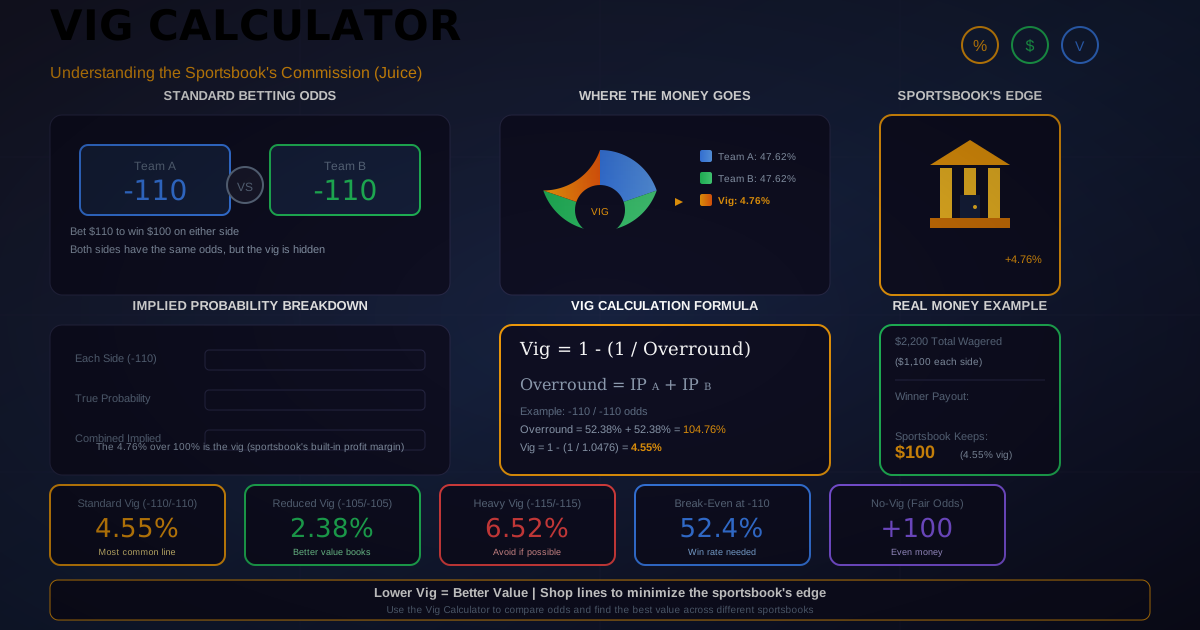
Break-Even % = |Odds| / (|Odds| + 100)
At -110: 52.38%
You need to win 52.38% of -110 bets to break even.
Factors Affecting Totals
Weather Conditions
| Condition | Impact on Total |
|---|---|
| Strong wind (15+ mph) | Lowers total |
| Rain/Snow | Lowers total |
| Extreme cold | Lowers total |
| Dome/Indoor | Neutral |
| Perfect conditions | Slight increase |
Pace of Play
| Factor | Over/Under Impact |
|---|---|
| Fast pace teams | Favors Over |
| Slow pace teams | Favors Under |
| Defensive coaching | Favors Under |
| High possession time | Fewer possessions = Under |
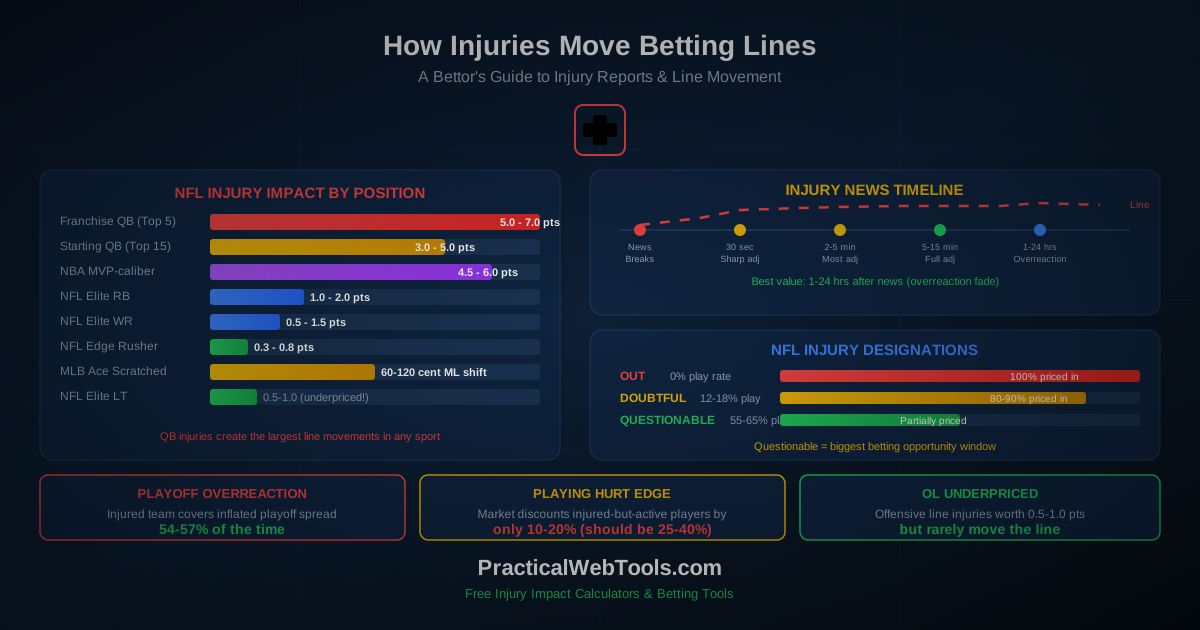
Injuries
| Injury Type | Impact |
|---|---|
| Star offensive player out | Lowers total |
| Starting QB out | Usually lowers total |
| Key defensive player out | May raise total |
| Starting pitcher scratch | Recalculate entirely |
Real-World Examples
Example 1: NFL Over Bet
Game: Chiefs vs Chargers Total: 52.5 Bet: $100 on Over (-110)
Final Score: Chiefs 35, Chargers 27 = 62 total Result: WIN (+$90.91)
Example 2: NFL Under Bet
Game: Ravens vs Steelers Total: 40.5 Bet: $110 on Under (-110)
Final Score: Ravens 17, Steelers 14 = 31 total Result: WIN (+$100)
Example 3: Push Scenario
Game: Lakers vs Celtics Total: 220 (whole number) Bet: $100 on Over (-110)
Final Score: Lakers 112, Celtics 108 = 220 total Result: PUSH (bet returned)
Example 4: Weather Factor
Game: Bills vs Patriots (15 mph wind) Original Total: 44.5 Adjusted Analysis: Wind likely drops total to 41-42 effective
Strategy: Consider Under if line doesn't fully adjust
Totals Betting Strategies
Late Line Movement
| Movement | Possible Indication |
|---|---|
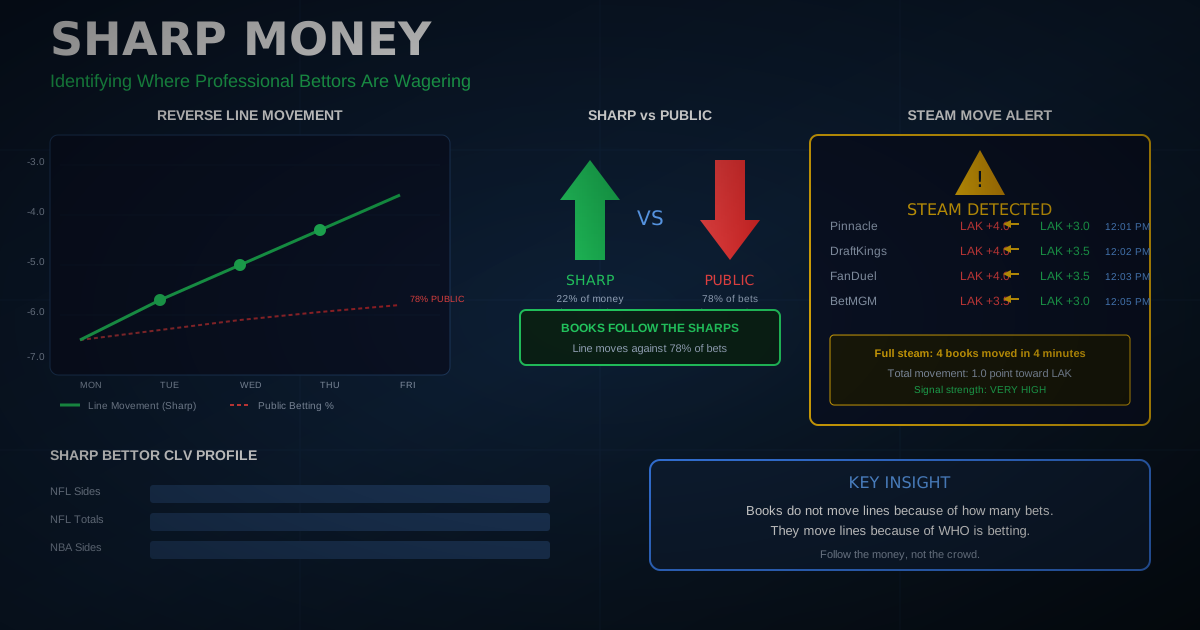
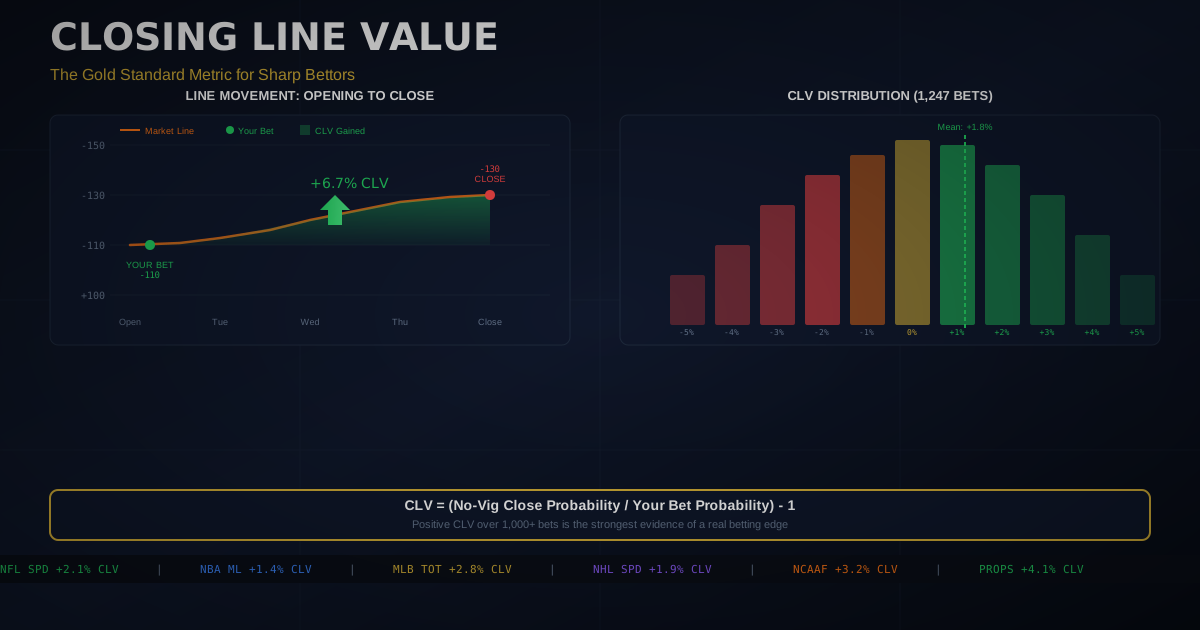
| Total drops 1+ points | Sharp money on Under |
| Total rises 1+ points | Sharp money on Over |
| No movement | Balanced action |
Situational Spots
| Situation | Tendency |
|---|---|
| Monday Night Football | Slight Over bias |
| Division rivals | Slight Under bias |
| Playoff games | Under tendency |
| Back-to-back (NBA) | Under tendency |
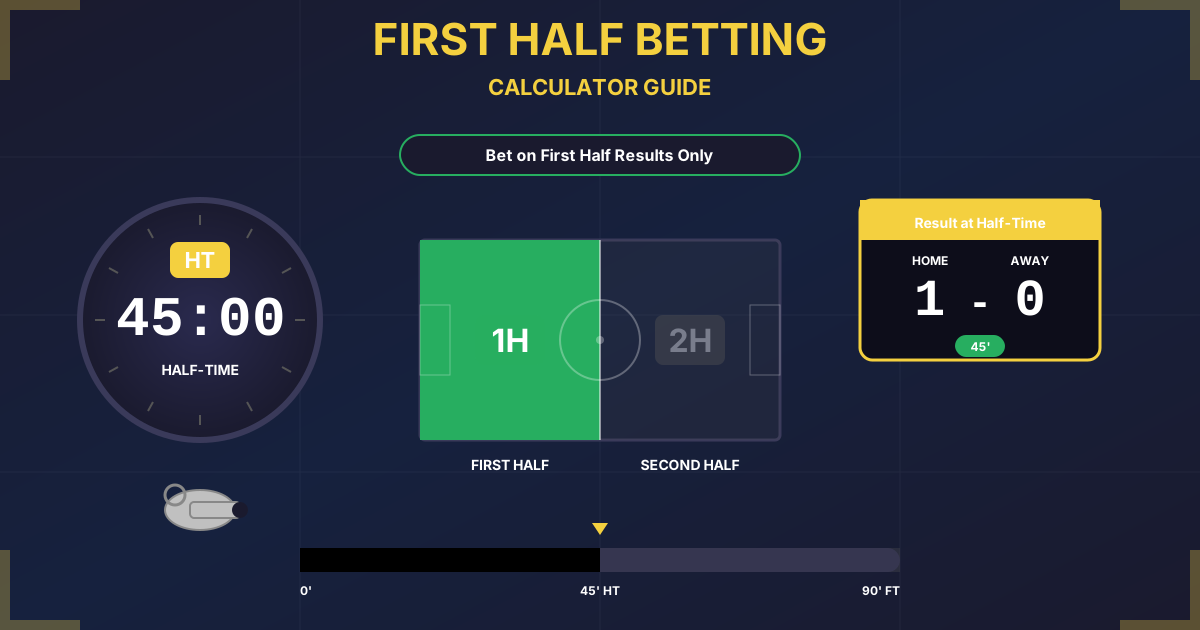
First Half vs Full Game
| Comparison | Insight |
|---|---|
| 1H total = 50% of full game | Standard proportion |
| 1H total < 50% | Books expect slow start |
| 1H total > 50% | Books expect fast start |
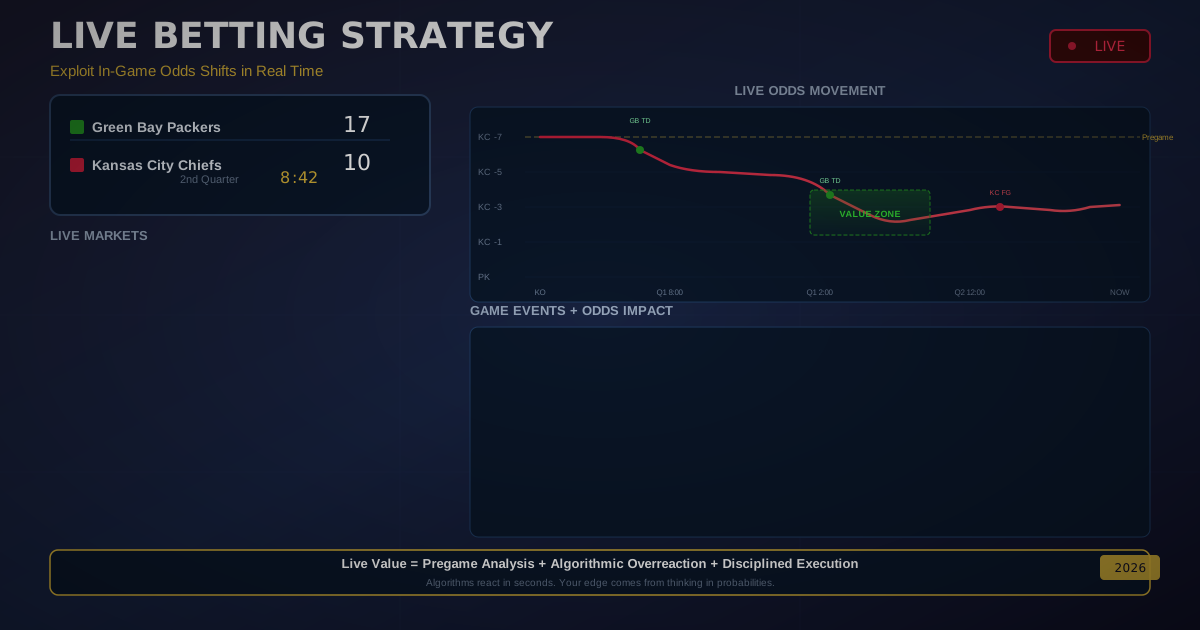
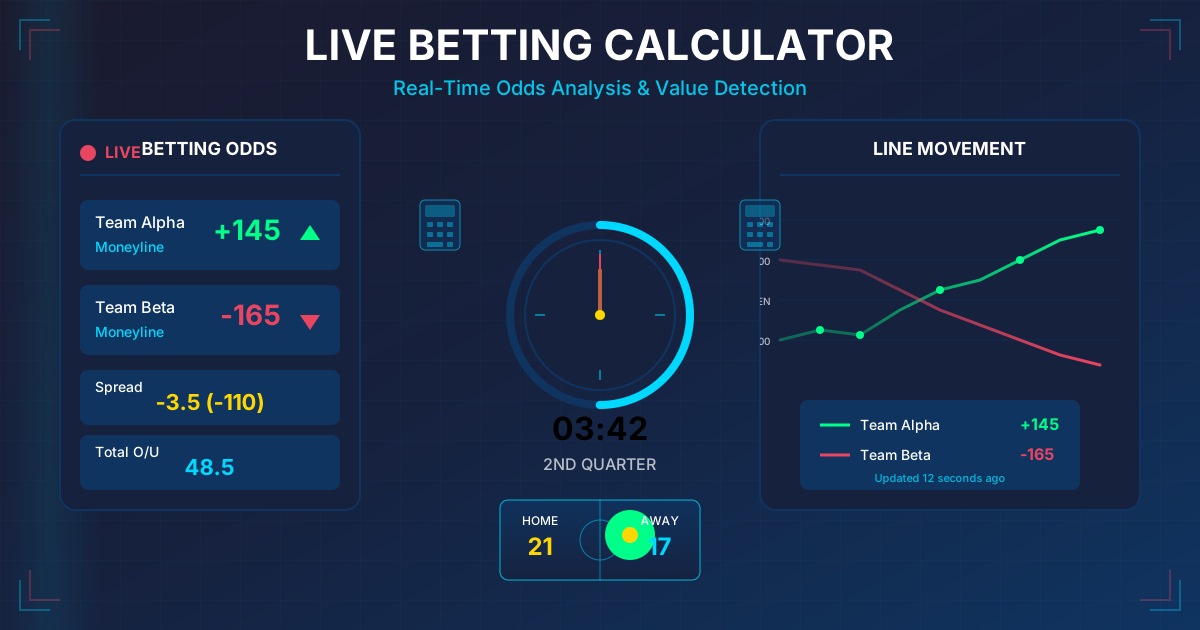
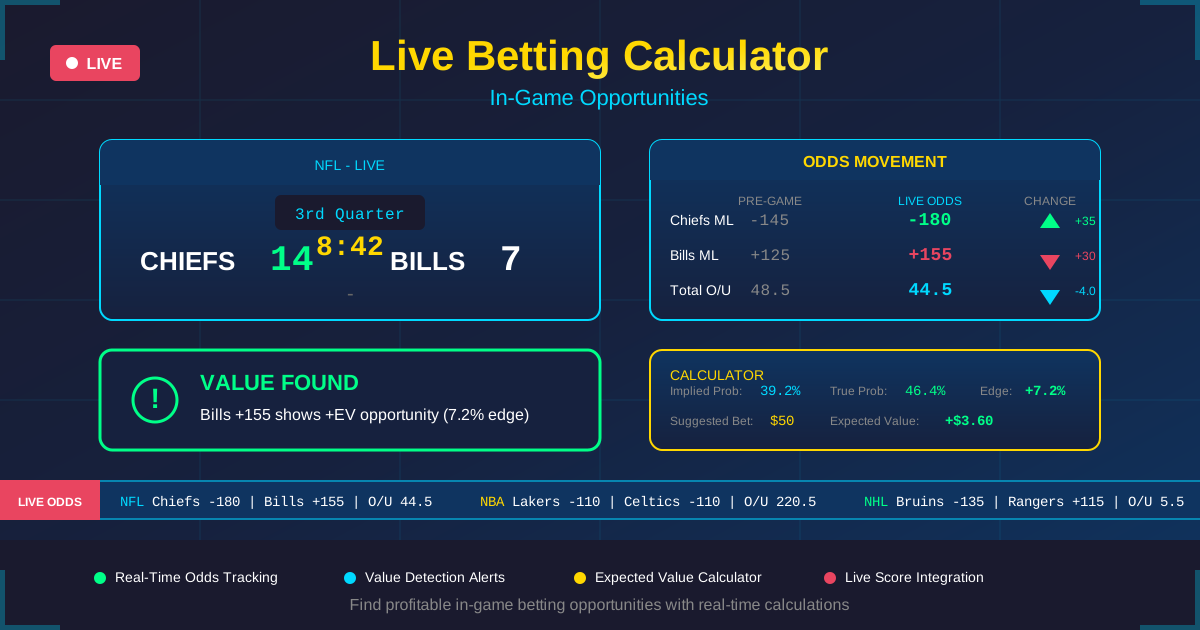
Live/In-Game Totals
Advantages
- See early game pace
- Weather impact clarified
- Injury status confirmed
- Actual scoring rate visible
Disadvantages
| Issue | Impact |
|---|---|
| Odds move quickly | Hard to get value |
| Less time for correction | One quarter swings |
| Juice often higher | -115 or worse |
Common Totals Mistakes
1. Ignoring Weather
Mistake: Betting Over in windy games Reality: Wind significantly impacts passing games Fix: Check weather before betting totals
2. Chasing Steam
Mistake: Following line movement blindly Reality: By the time you see it, value may be gone Fix: Have independent analysis
3. Not Understanding Pace
Mistake: "Both teams score a lot" Reality: Pace matters more than ability Fix: Research pace metrics (plays/game, possessions)
4. Overvaluing Past Scores
Mistake: "Team X hit the Over last 5 games" Reality: Each game has unique context Fix: Analyze matchup-specific factors
Frequently Asked Questions
What happens if the total lands exactly on the number?
With whole numbers, it's a push—bets returned. Half-point totals (47.5) eliminate pushes.
Are totals easier to predict than sides?
Different skill set. Totals require understanding pace, weather, and scoring tendencies rather than who wins.
Should I bet early or late on totals?
Weather-dependent games: wait. Good weather games: sharps often bet early, so early lines may have value.
Do injuries affect totals more than spreads?
Offensive injuries can significantly affect totals. A backup QB usually lowers the total by 1-3 points.
What's a good totals win rate?
Same as spreads: 52.38%+ at -110 to profit. Sharps typically achieve 54-56% long-term.
Why do some totals have -105/-115 instead of -110/-110?
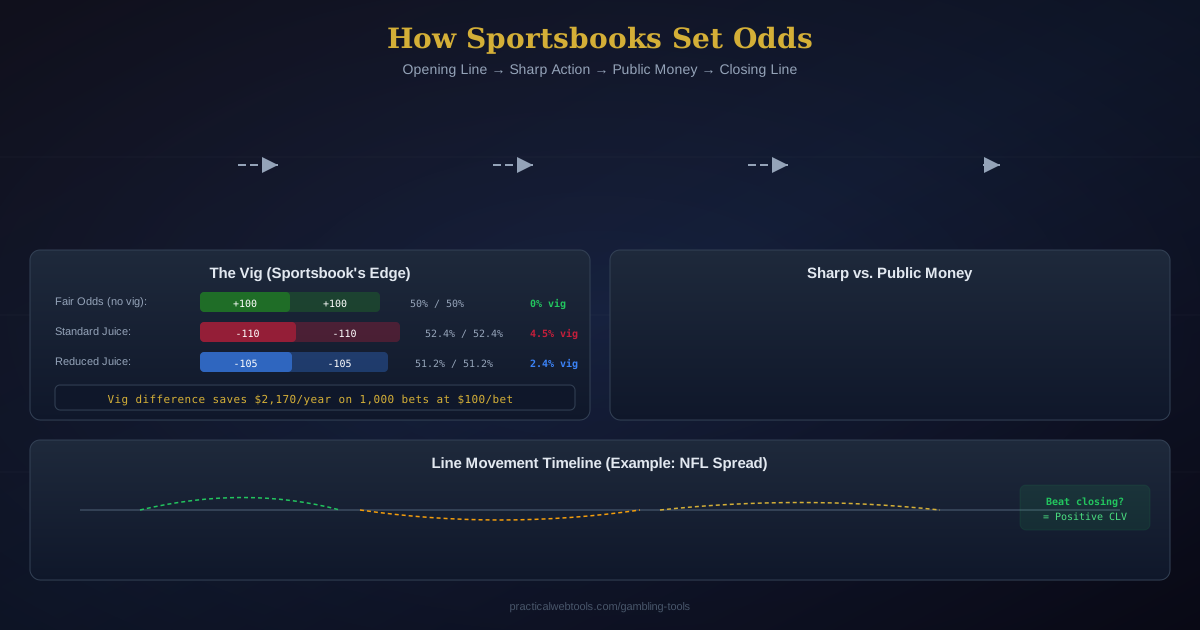
When one side has more action, books adjust juice rather than move the number to balance their exposure.
Totals Research Factors
Key Metrics by Sport
| Sport | Key Totals Metrics |
|---|---|
| NFL | Points/game, pace, red zone % |
| NBA | Pace, defensive rating, rest days |
| MLB | ERA, ballpark factors, bullpen |
| NHL | Goals/game, save %, special teams |
Data Sources
| Resource | Use |
|---|---|
| Team pace stats | Over/Under tendency |
| Weather forecasts | Wind/precipitation impact |
| Injury reports | Offensive impact |
| Historical splits | Home/away tendencies |
Advanced Totals Concepts
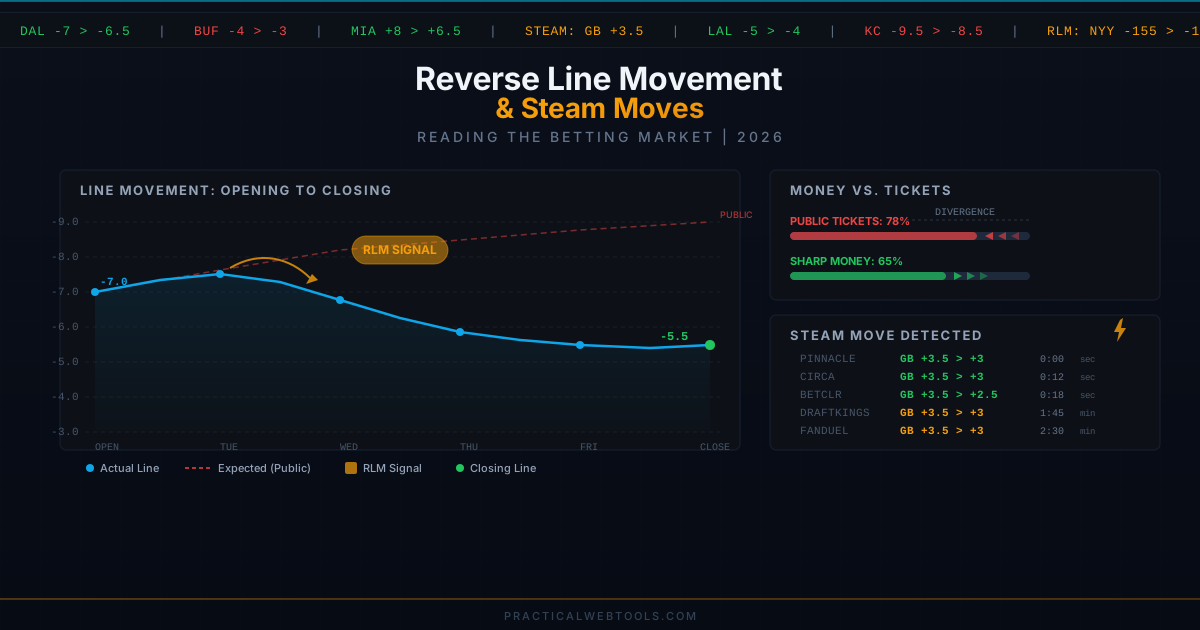
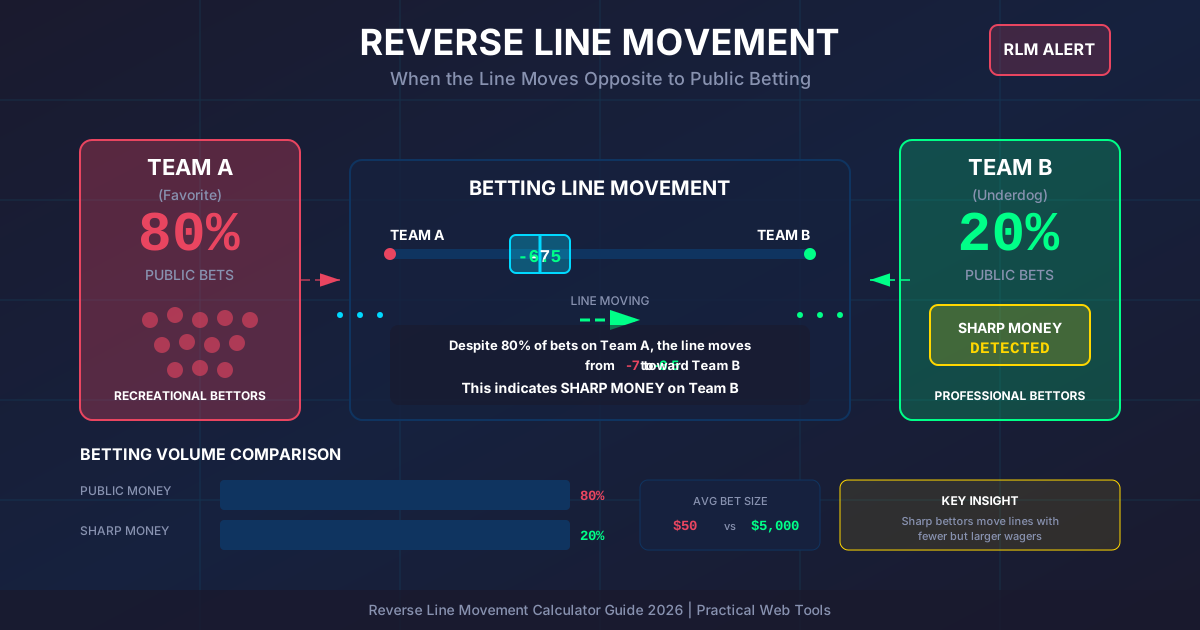
Reverse Line Movement
When the line moves against public betting:
| Public | Line Move | Indication |
|---|---|---|
| 65% Over | Total rises | Sharps on Under |
| 70% Under | Total drops | Sharps on Over |
Correlation with Spreads
| Scenario | Correlation |
|---|---|
| Big favorite | Often correlated with Over |
| Close game | Lower correlation |
| Bad weather | Spread+Under correlation |
Pro Tips
-
Check weather religiously: Wind is the #1 totals factor in outdoor sports
-
Understand pace: Points/game means nothing without context
-
Watch line movement: Reverse movement often signals sharp action
-
Don't overreact: One high-scoring game doesn't change a team's nature
-
Value first halves: 1H totals often have more inefficiency
Related Calculators
- Point Spread Calculator - Side betting
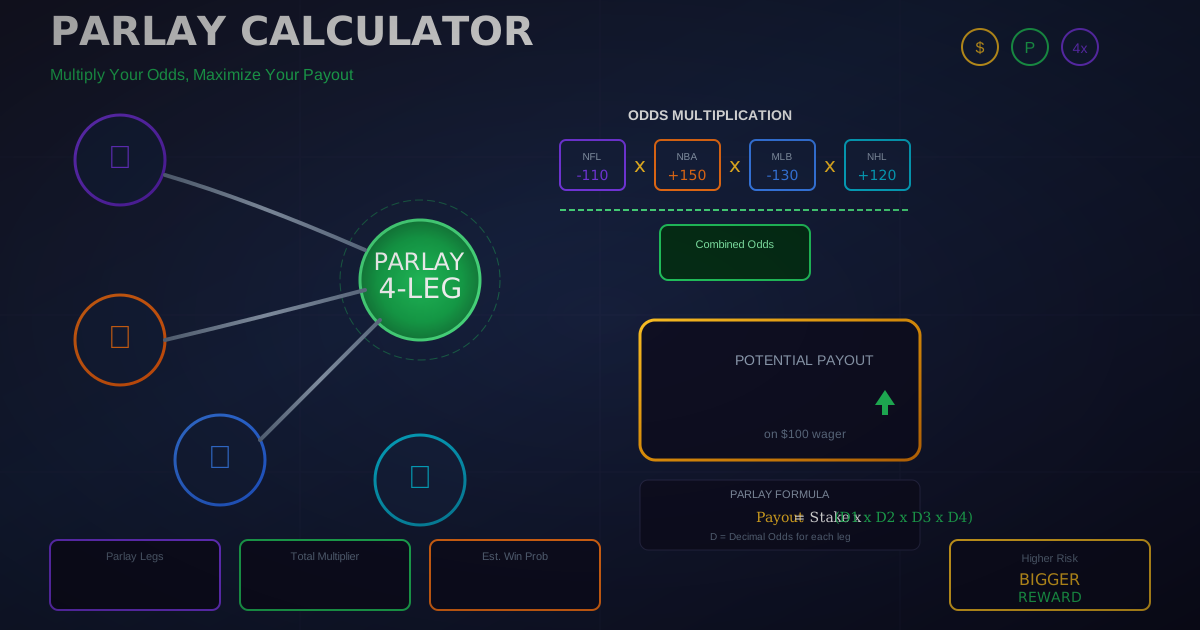
- Parlay Calculator - Combined bets
- Moneyline Calculator - Straight wins
- Live Betting Calculator - In-game bets
- Kelly Criterion Calculator - Bet sizing
Conclusion
Over/under totals offer a different angle on sports betting—you're predicting combined scoring, not winners. Our calculator shows exact payouts and break-even rates for any totals bet. Success requires understanding pace, weather, injuries, and situational factors.
Calculate Your Totals Bets Now →
Totals betting rewards research into factors the average bettor ignores. Master pace metrics, monitor weather, and track line movement to find value in game totals.