Poker Equity Calculator: Hand vs Hand Analysis (2026)
Poker Equity Calculator: Free Hand vs Hand Analysis Tool
Understanding poker equity is the foundation of winning poker strategy. Whether you're deciding to call an all-in, evaluating a semi-bluff, or studying hand matchups away from the table, knowing your equity percentage is essential. Our free poker equity calculator gives you instant, accurate results for any hand vs hand or hand vs range scenario.
What Is Poker Equity?
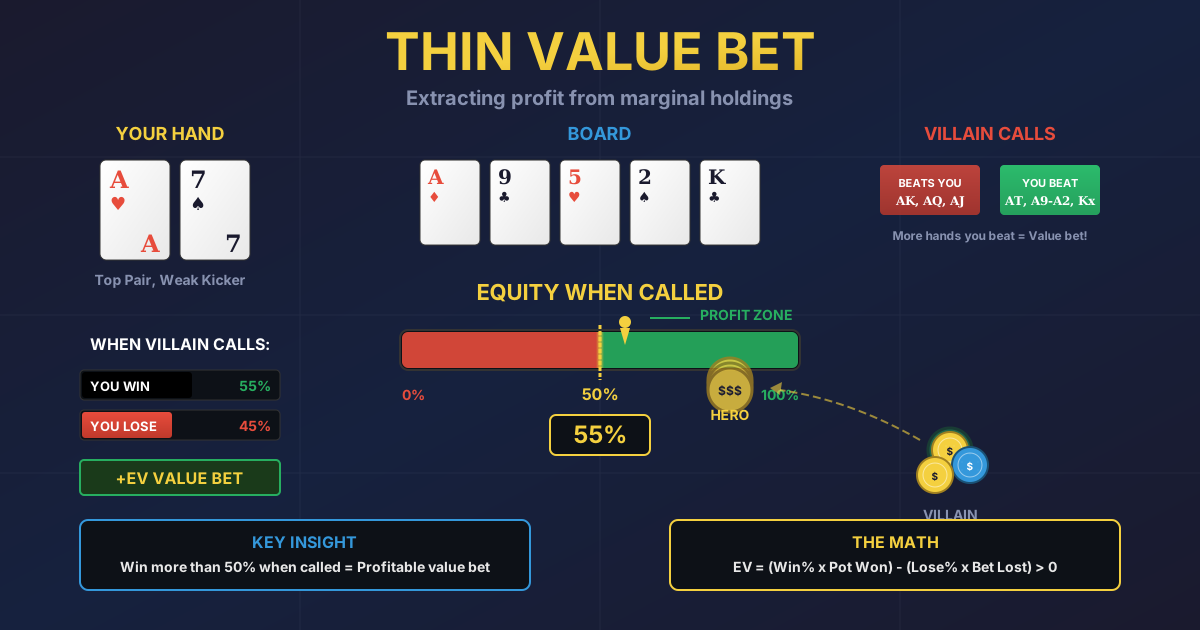
Poker equity represents your percentage chance of winning the pot at showdown. If you have 60% equity against an opponent's hand, you'll win approximately 60 out of 100 times the hand is played to completion.
Quick Answer: Poker equity is the percentage of the pot you "own" based on your probability of winning. A hand with 75% equity will win three-quarters of the time against the opposing hand or range.
How to Use Our Free Poker Equity Calculator
Use the Poker Equity Calculator →
Our calculator provides instant equity calculations for Texas Hold'em and Omaha. Here's how to get started:
Step-by-Step Instructions
-
Enter Your Hand: Input your hole cards using the card selector or type them directly (e.g., "AhKs" for Ace of hearts, King of spades)
-
Enter Opponent's Hand or Range: Add your opponent's specific hand, or select a range of hands they might hold (e.g., "JJ+, AK" for pocket Jacks or better and Ace-King)
-
Add the Board (Optional): If you want to calculate equity on the flop, turn, or river, enter the community cards
-
Click Calculate: Get instant equity percentages showing your win rate, tie rate, and opponent's equity
Input Fields Explained
| Field | Description | Example |
|---|---|---|
| Your Hand | Your two hole cards | AhKs (Ace-King suited) |
| Opponent Hand | Villain's hand or range | QQ (Pocket Queens) |
| Board | Community cards (optional) | Kd7h2c (King-high flop) |
| Dead Cards | Cards removed from deck | Ac (blocked Ace) |
Real-World Equity Examples
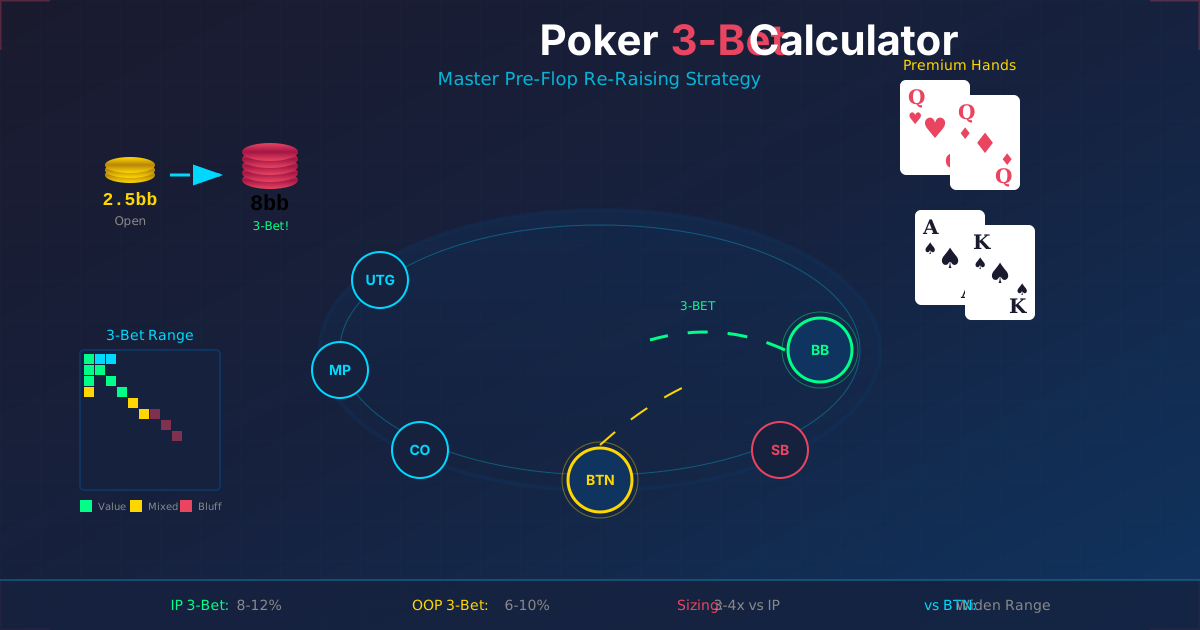
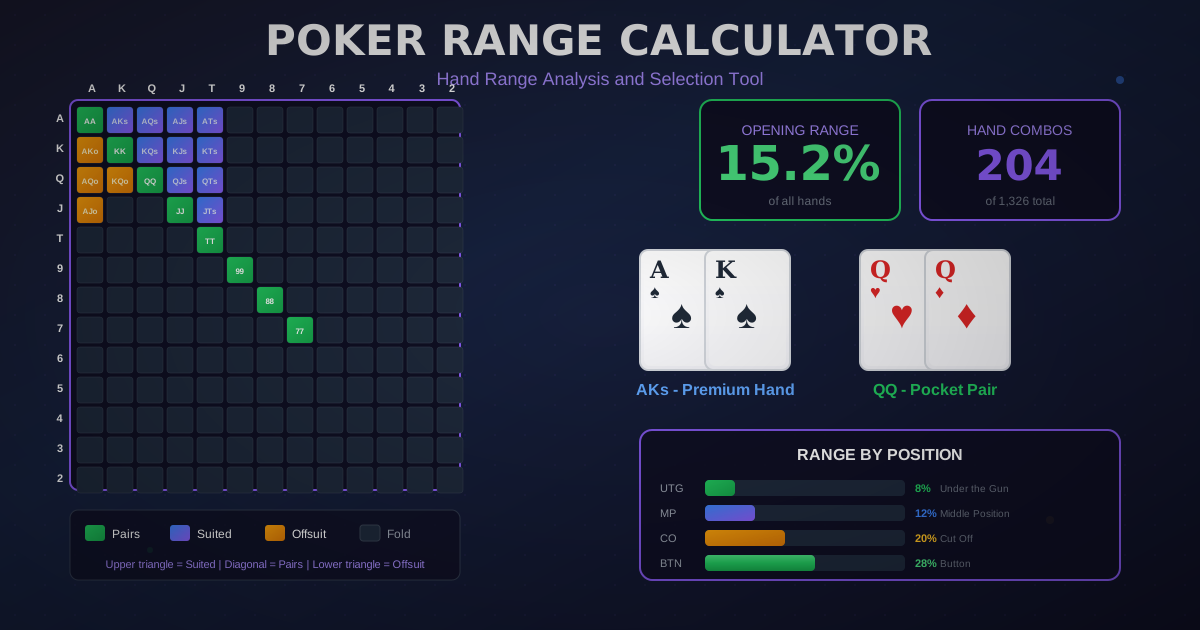
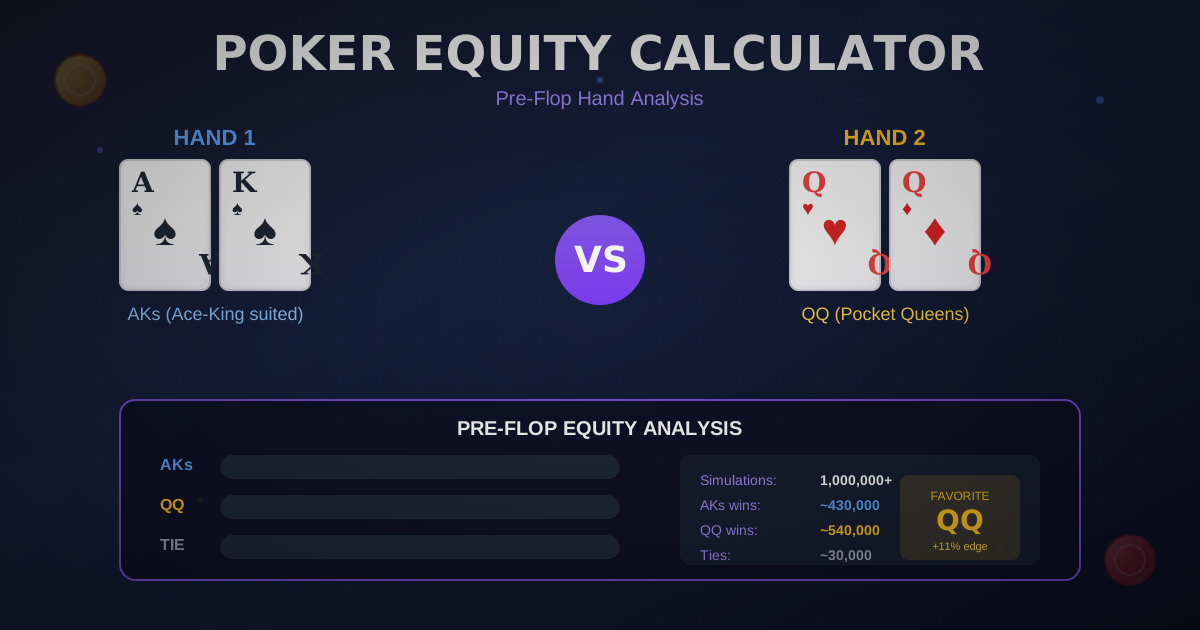
Example 1: Classic Coin Flip - AK vs QQ
You hold Ace-King suited and your opponent has Pocket Queens. What's your equity?
Preflop Equity:
- AKs: 46.2%
- QQ: 53.8%
This classic race is nearly a coin flip, slightly favoring the pocket pair. However, if an Ace or King hits the board, AK takes the lead. This is why many players are willing to get all-in preflop with AK against expected medium pairs.
Example 2: Domination Situation - AK vs AQ
You hold Ace-King offsuit against Ace-Queen offsuit:
Preflop Equity:
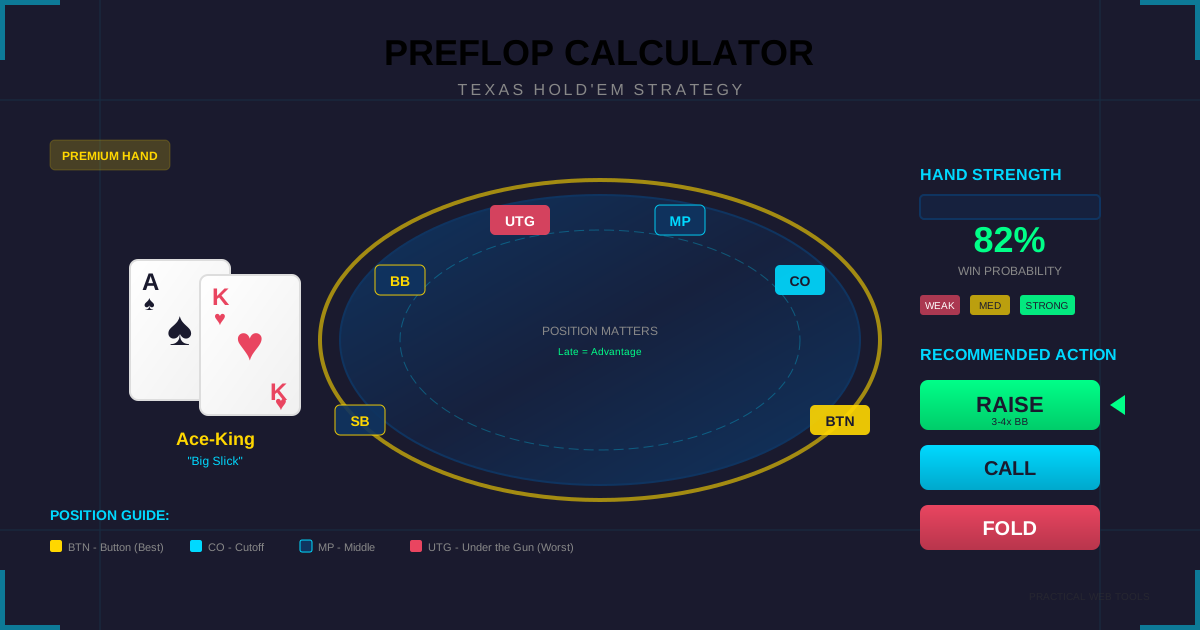
- AKo: 73.4%
- AQo: 26.6%
This is a domination scenario. Both hands share an Ace, but AK has a superior kicker. When dominated, AQ can only win by hitting a Queen or making a straight. These situations are highly profitable for the dominating hand.
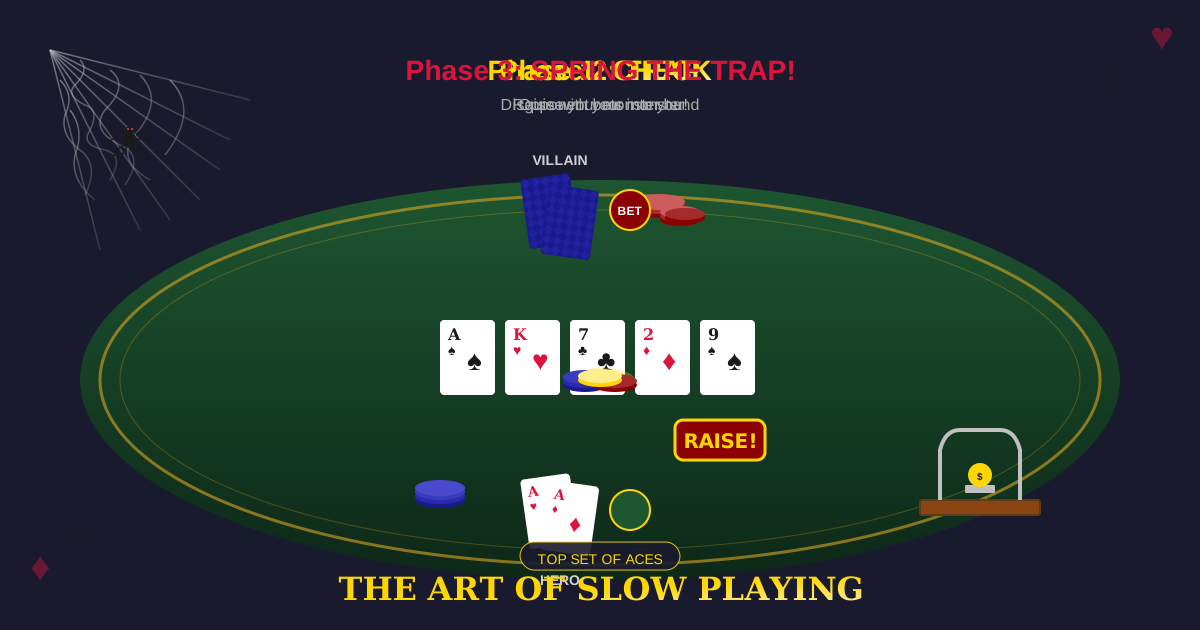
Example 3: Set Over Set on the Flop
The flop comes 9h 7c 2d. You hold 99 (top set) and opponent has 77 (middle set):
Equity After Flop:
- 99: 95.7%
- 77: 4.3%
Set over set is a cooler. The lower set needs the one remaining card in the deck (case 7) to hit on the turn or river for quads. This is why set-mining only works profitably with deep stacks.
How Poker Equity Optimizes Your Game
Make Better All-In Decisions
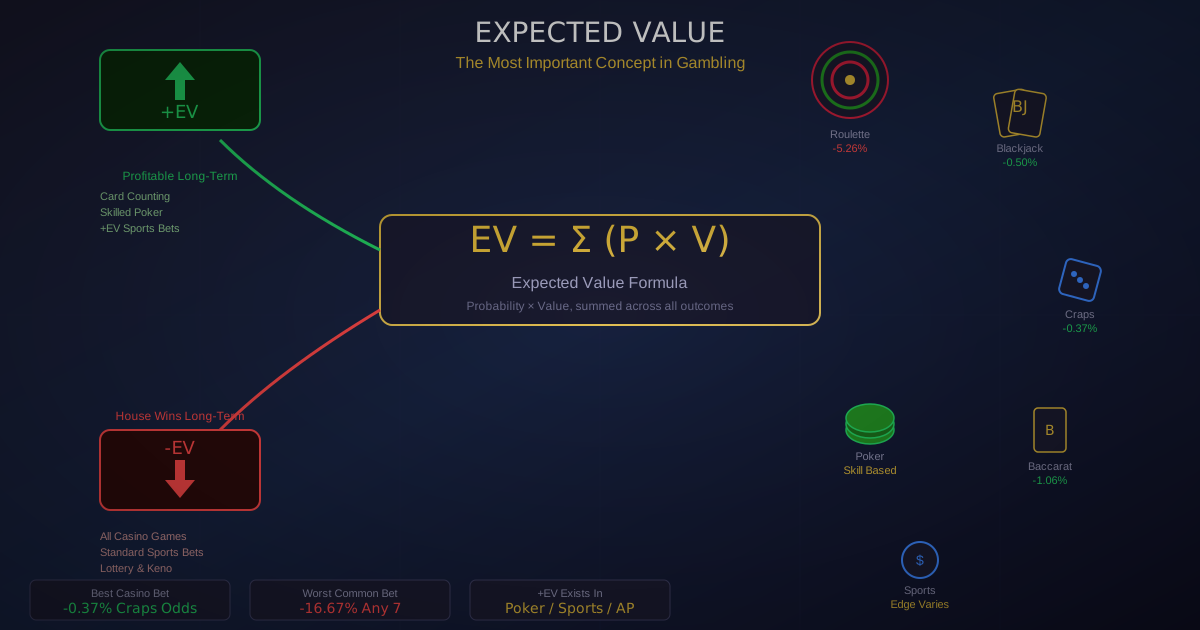
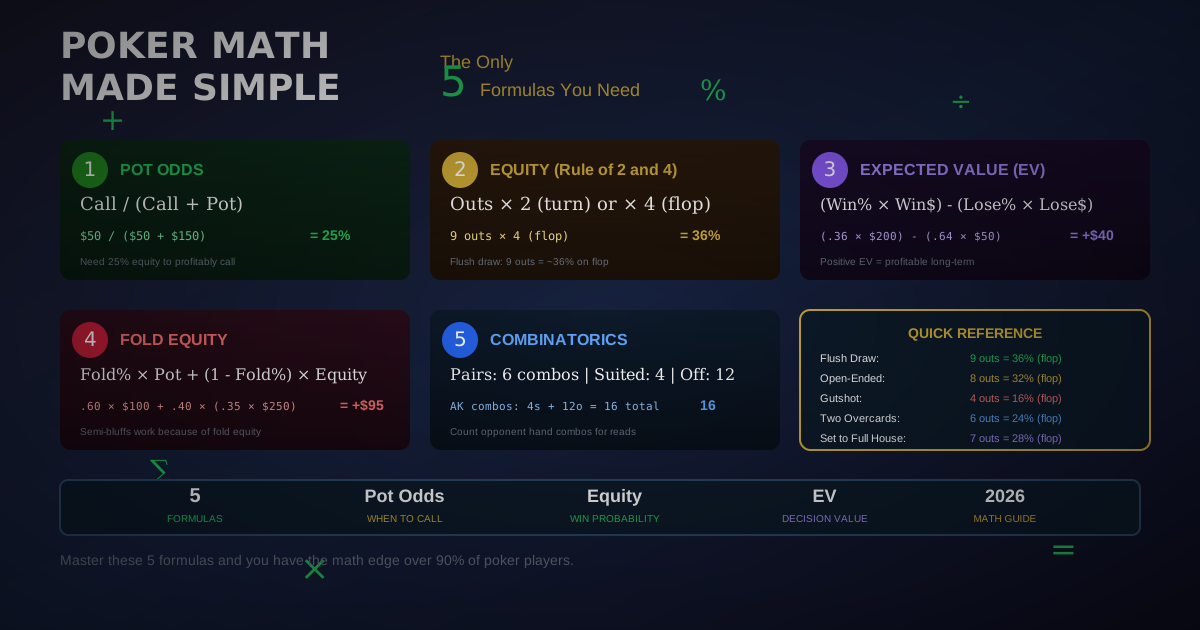
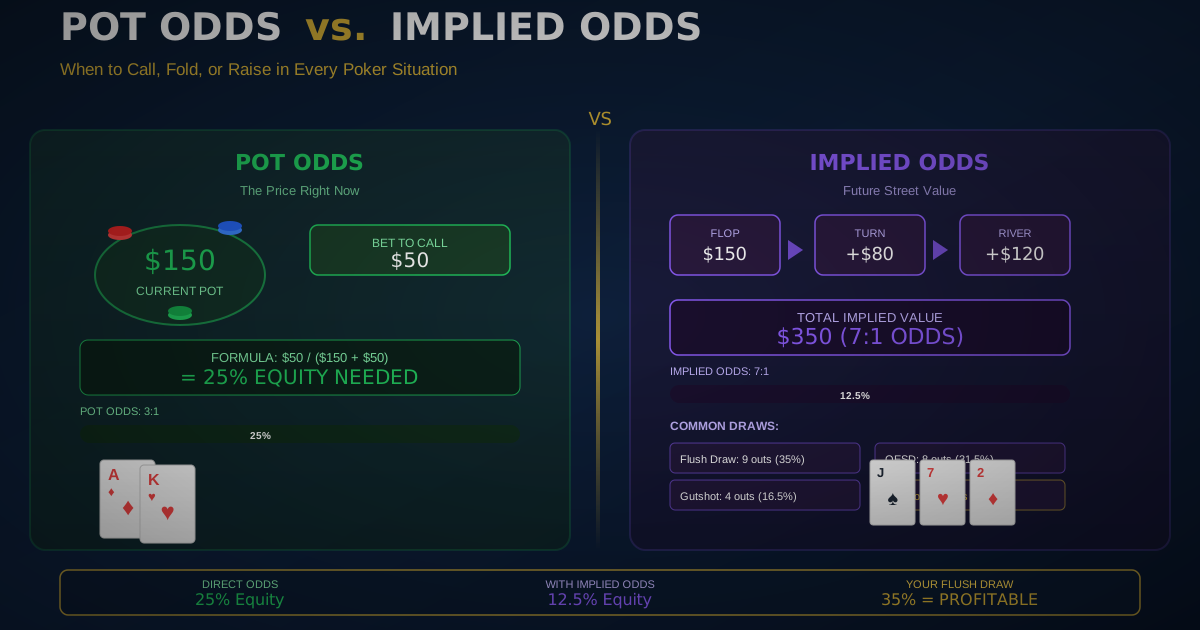
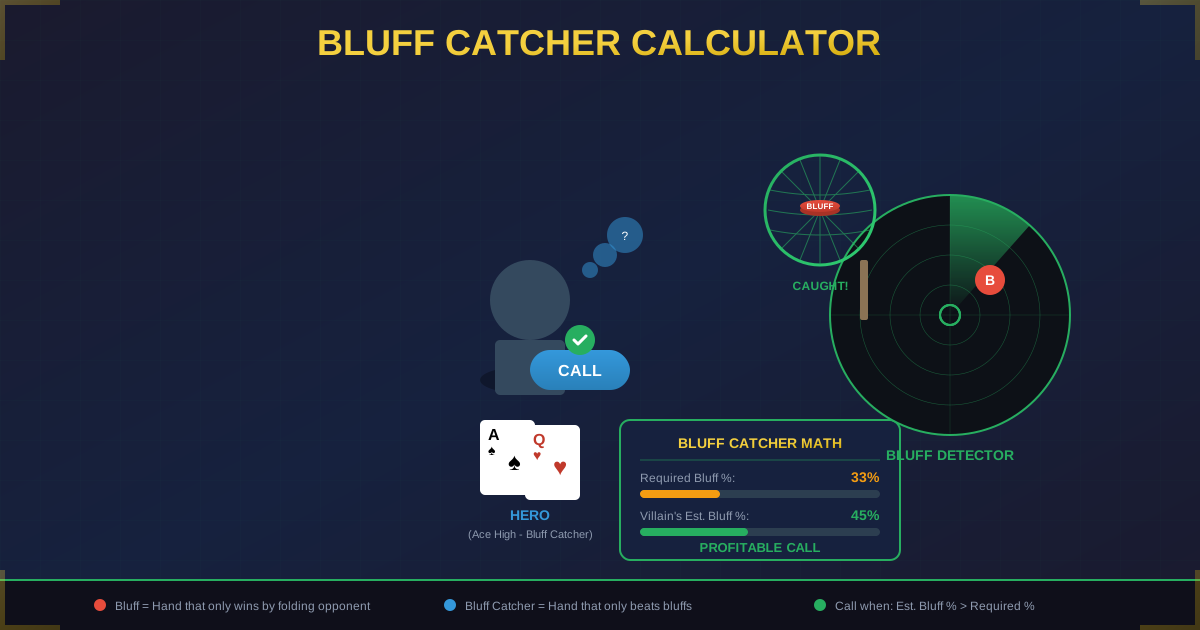
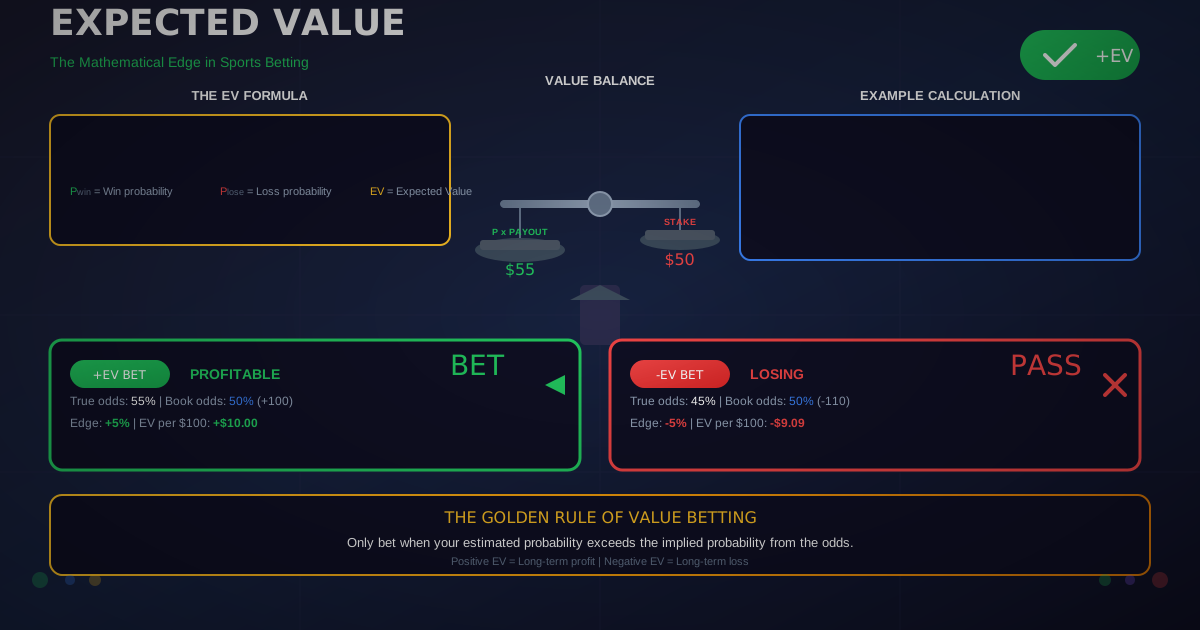
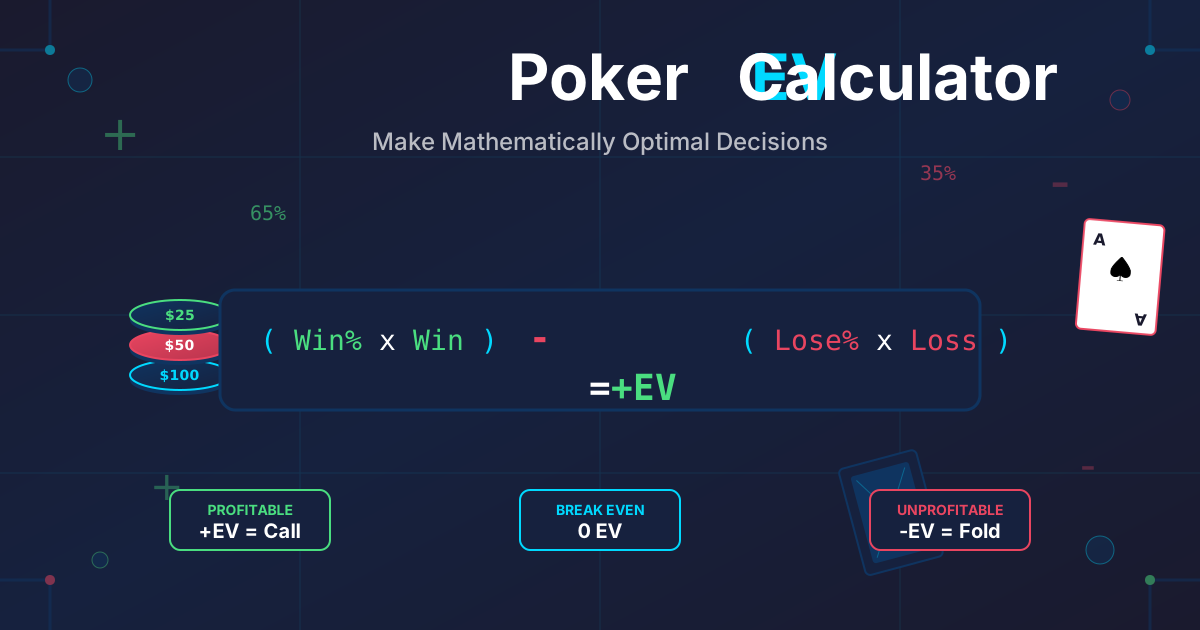
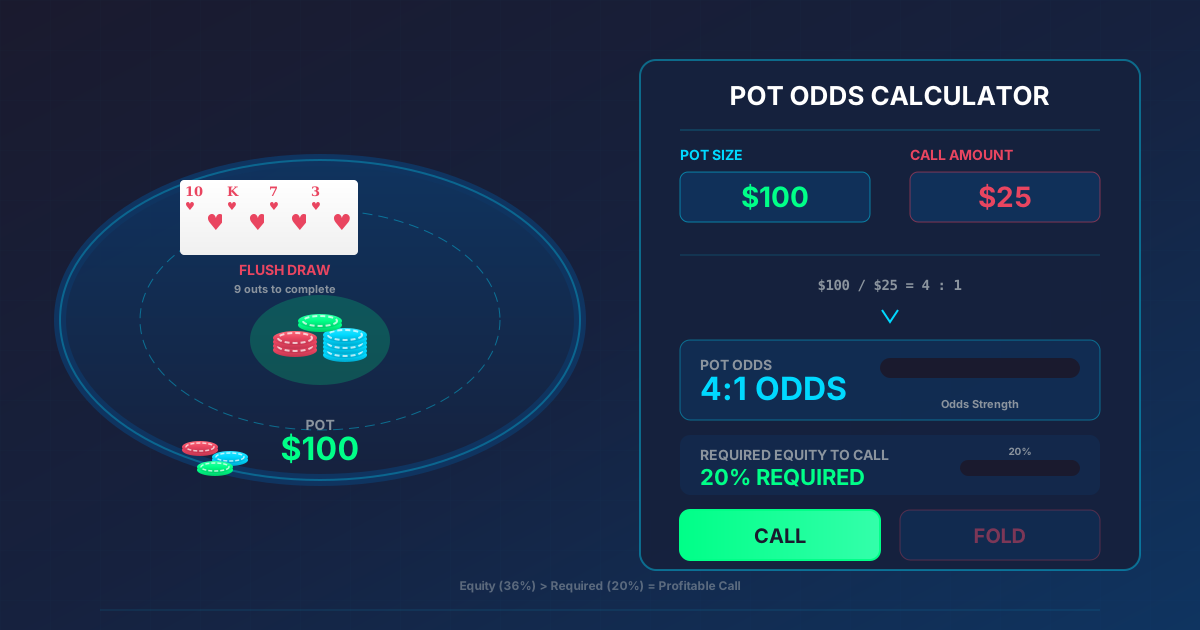
Equity calculations tell you whether calling an all-in is profitable. If you're getting 2:1 pot odds, you need at least 33% equity to break even. Our calculator instantly shows whether you're making a +EV call or a costly mistake.
Understand Range vs Range Dynamics
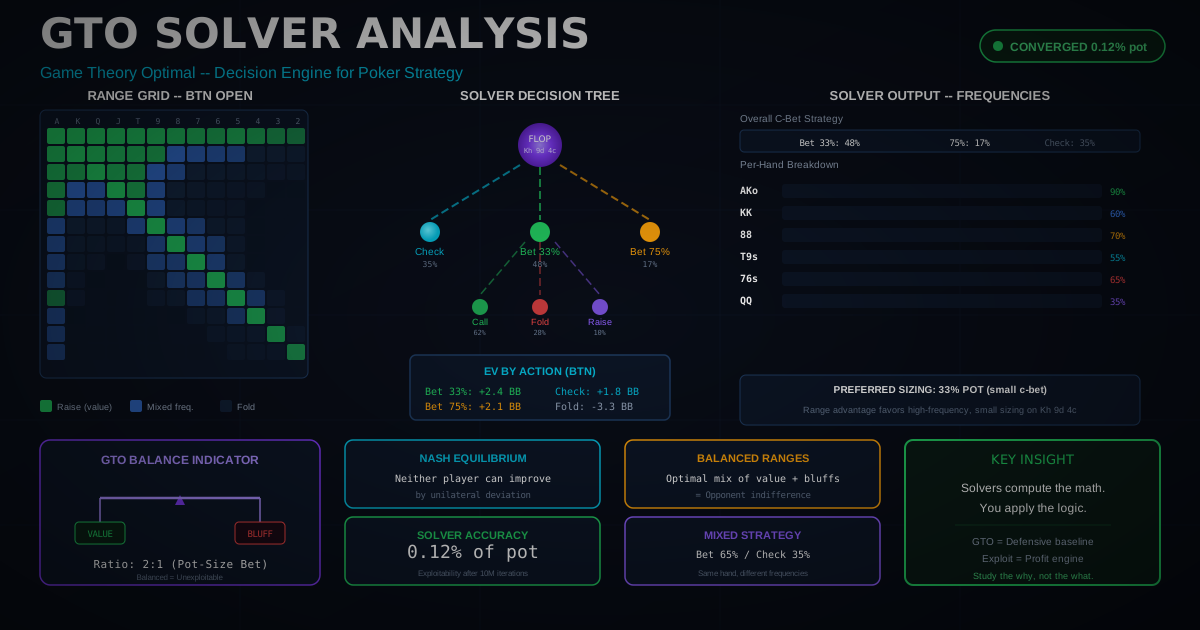
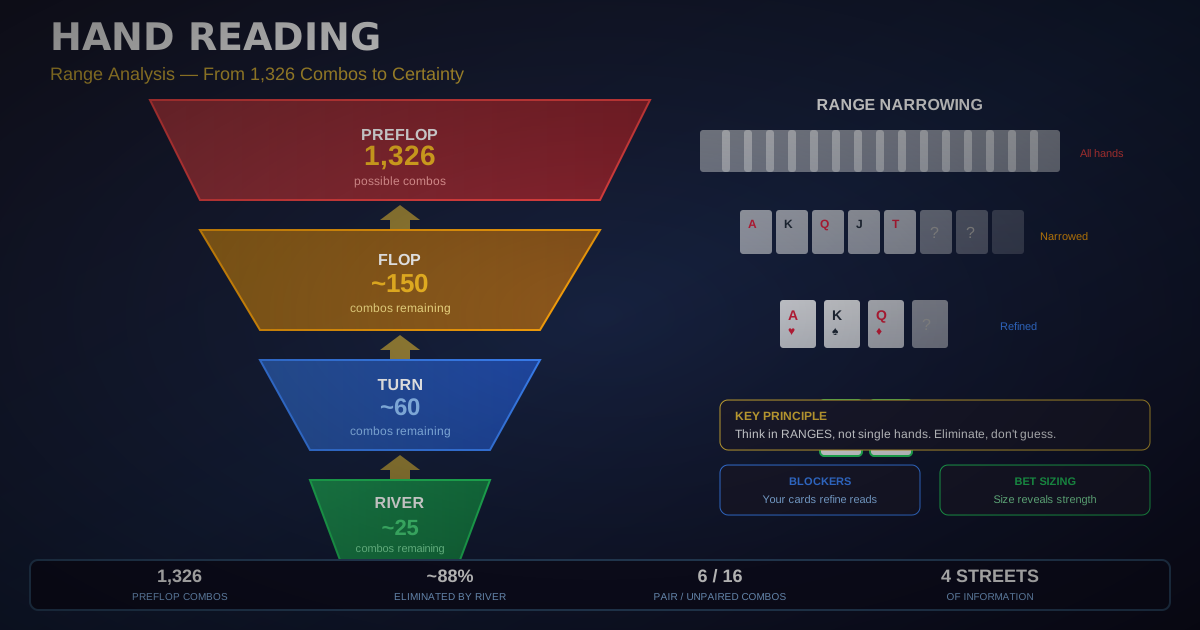
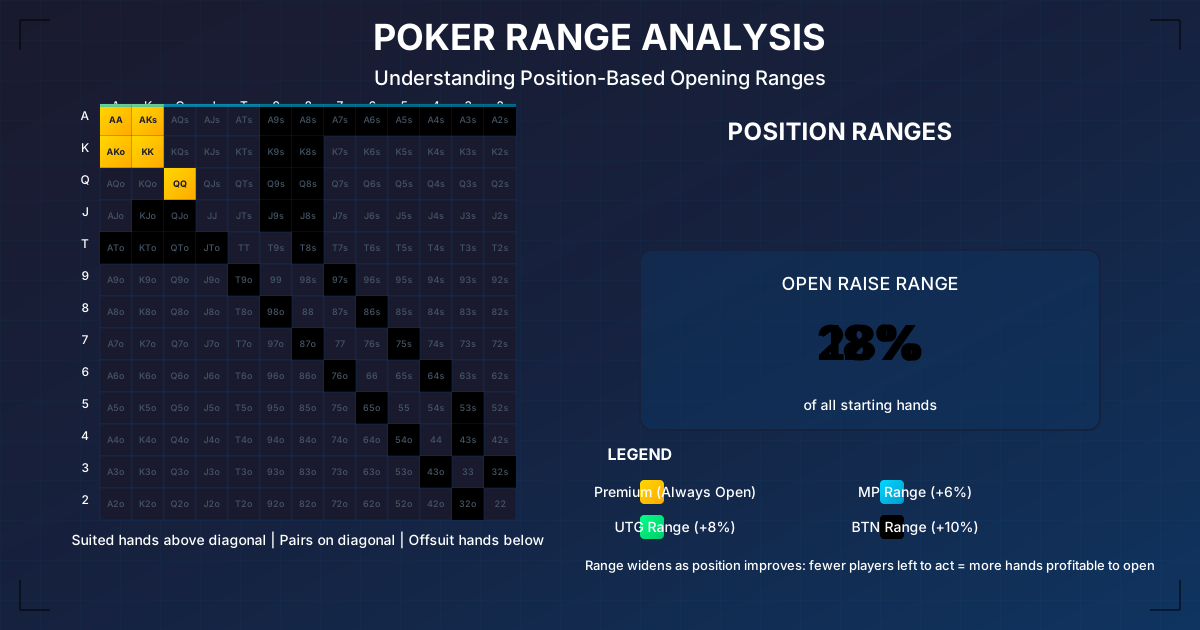
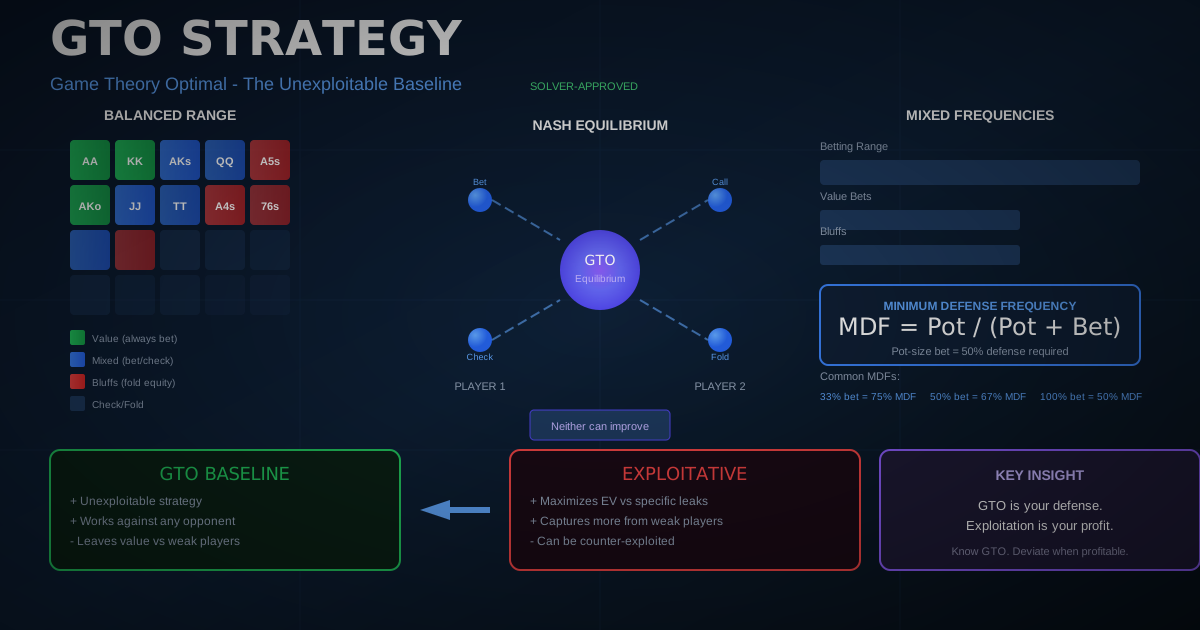
Advanced players think in terms of ranges, not specific hands. By calculating your equity against an opponent's entire range of possible hands, you can determine if your holding performs well enough to continue in the pot.
Study and Improve Away from the Table
The best poker players constantly study equity matchups. Use our calculator to:
- Memorize common preflop matchups (AA vs KK, AK vs QQ, etc.)
- Analyze hands from your session history
- Build intuition for close spots
Calculate Semi-Bluff Profitability
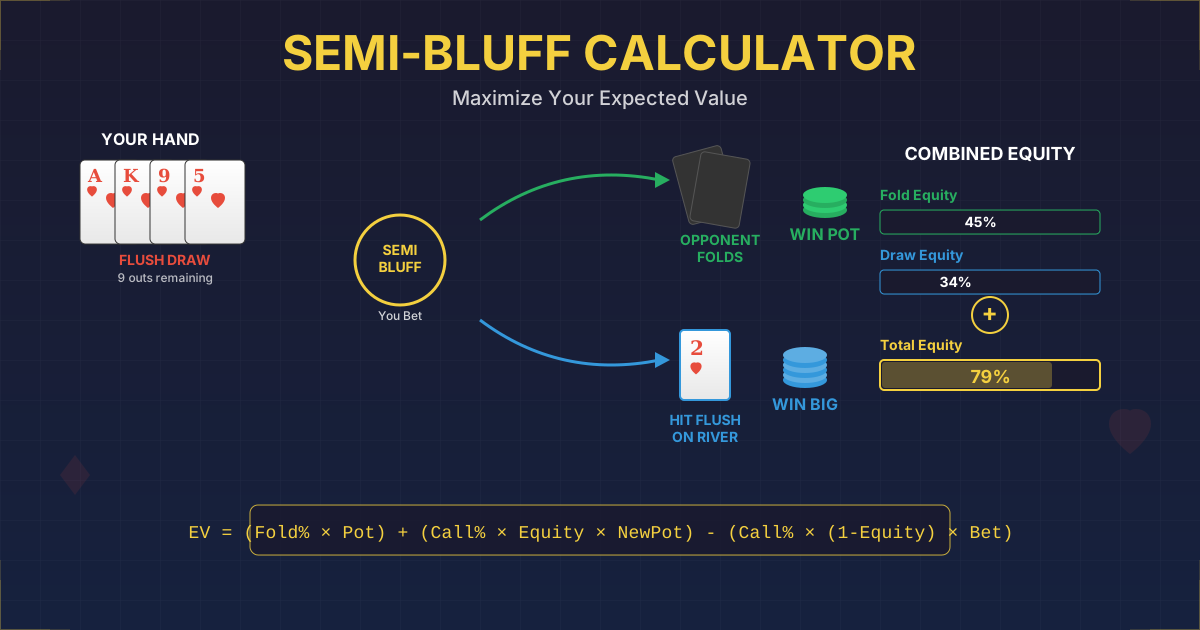
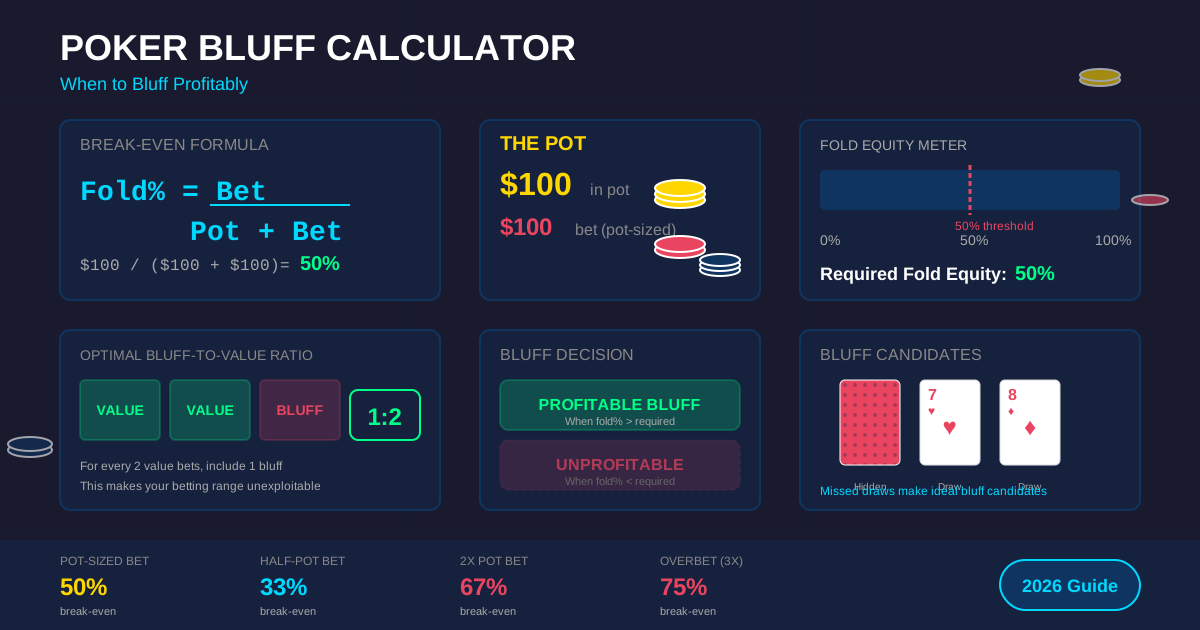
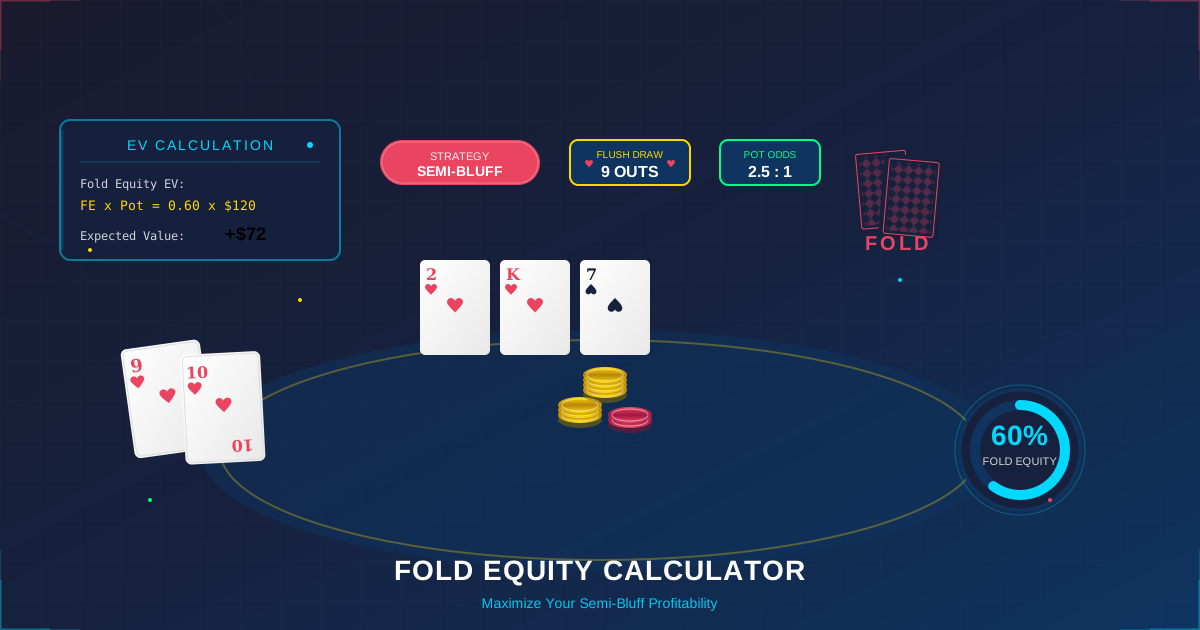
When you have a drawing hand, your total equity comes from two sources: fold equity (opponent folds) and hand equity (you improve). Our calculator shows your hand equity, which you can combine with fold equity estimates to determine if a semi-bluff is profitable.
Common Poker Equity Mistakes to Avoid
-
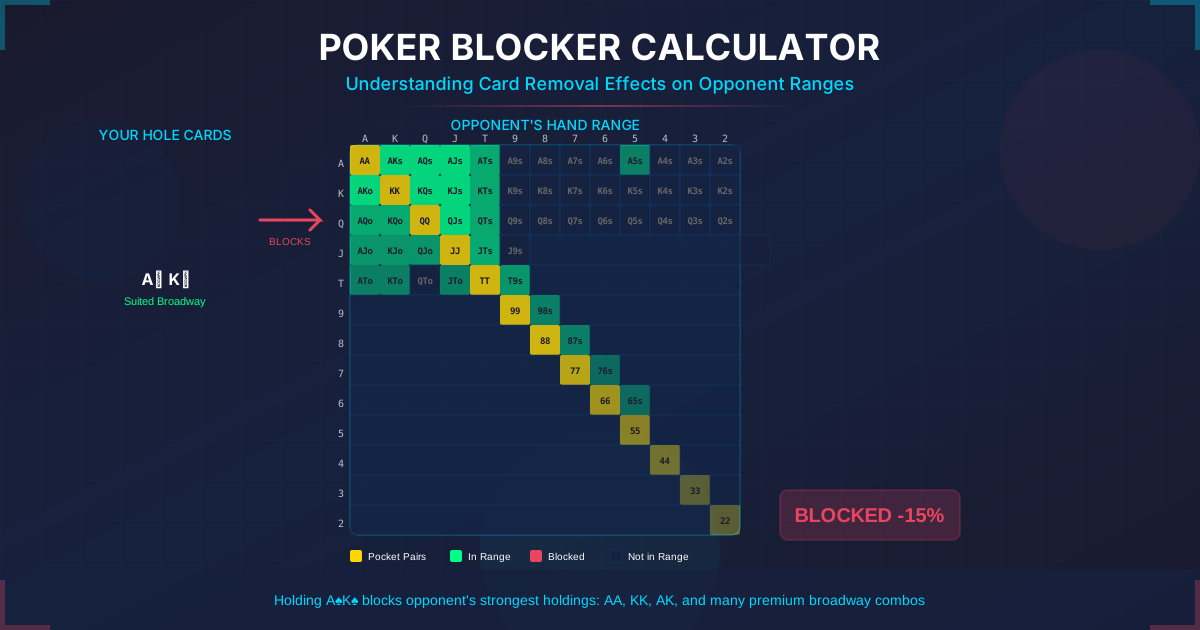
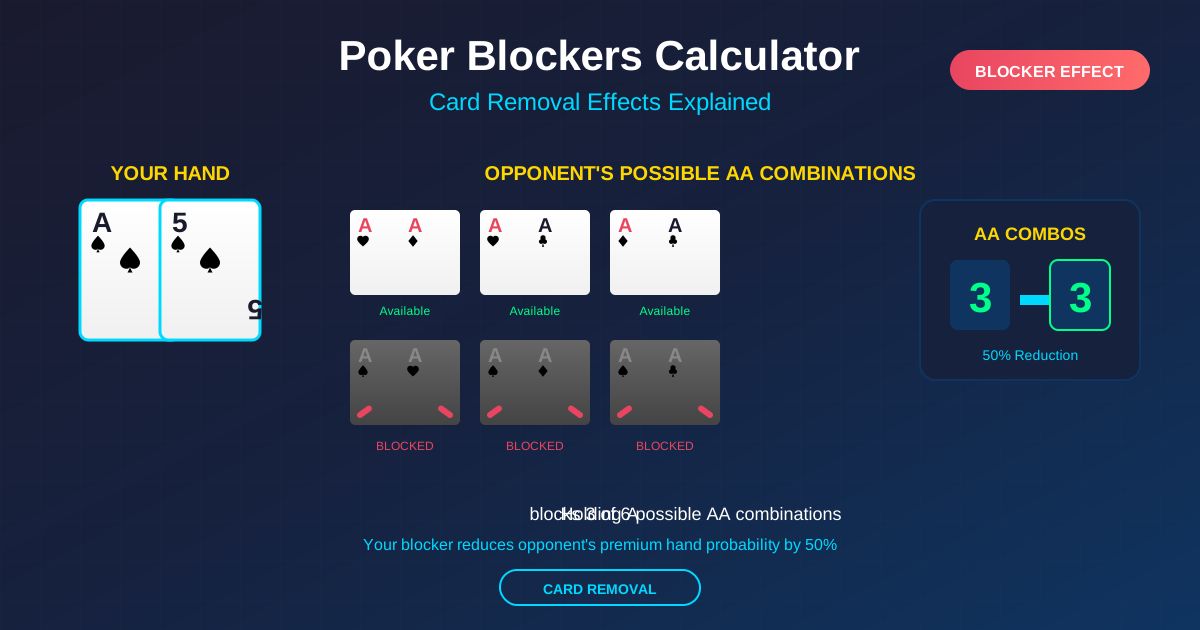
Ignoring Blockers: If you hold an Ace, opponent is less likely to have AA or AK. Blockers significantly affect range equity calculations.
-
Overvaluing Suited Hands: Being suited only adds about 3-4% equity preflop. AKs vs AKo is not a huge difference.
-
Forgetting About Ties: Some matchups have high tie percentages. AKs vs AKs will chop frequently, affecting your true win rate.
-
Not Accounting for All Streets: Equity shifts dramatically from preflop to flop to turn. A hand with 30% equity preflop might have 4% by the river if it misses.
Frequently Asked Questions
What is a good poker equity percentage?
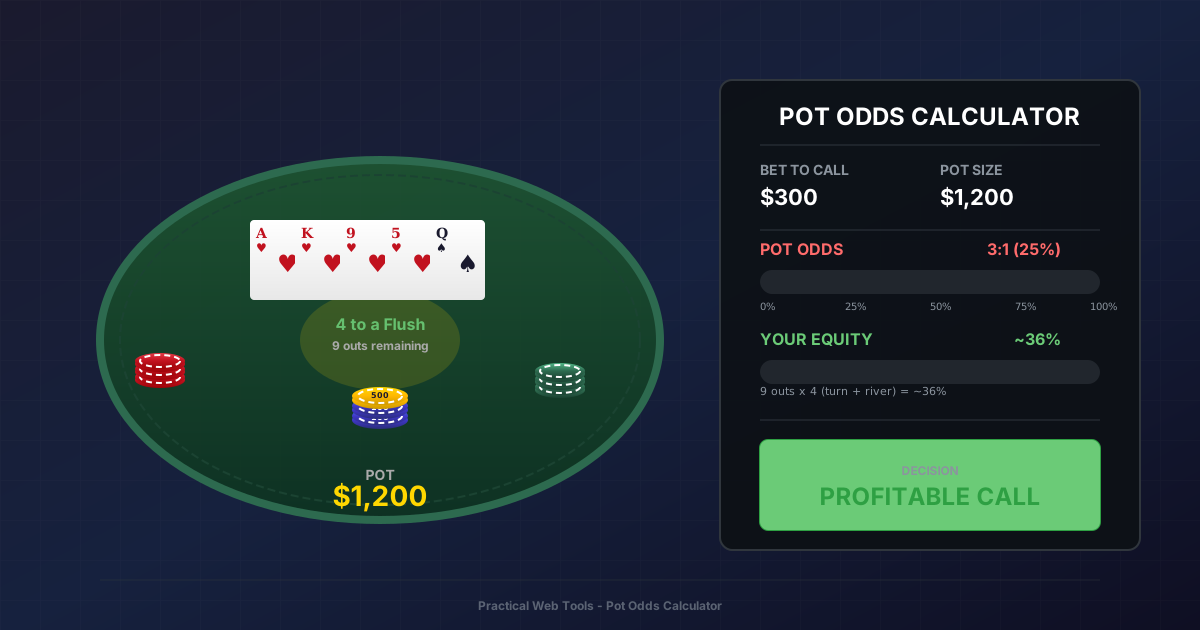
Generally, you want at least 50% equity to commit your stack without pot odds considerations. With favorable pot odds, you can profitably call with much lower equity. For example, if you're getting 3:1 pot odds, any equity above 25% makes calling profitable in the long run.
How do I calculate poker equity in my head?
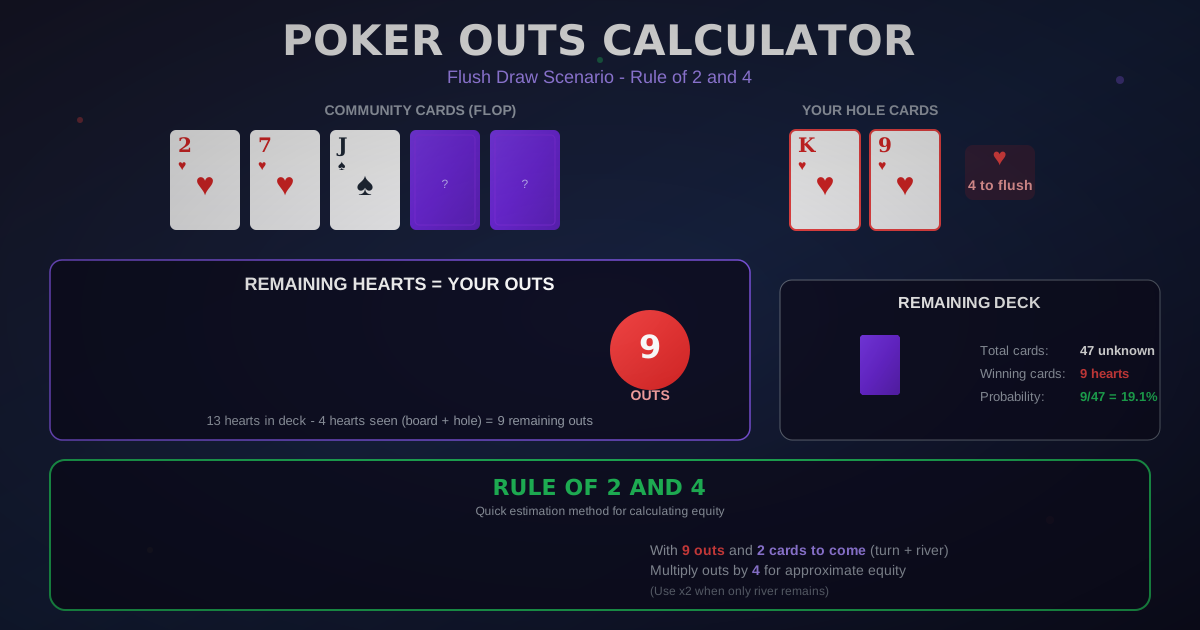
Use the "Rule of 2 and 4": Multiply your outs by 2 to estimate equity on one street, or by 4 to estimate equity from flop to river. With 9 outs (flush draw), you have roughly 18% equity for one card or 36% equity with two cards to come.
What's the difference between equity and pot odds?
Equity is your percentage chance of winning. Pot odds are the ratio of the current pot to the bet you must call. Compare them: if your equity exceeds the percentage required by pot odds, calling is profitable.
Is AK really a coin flip against small pairs?
Yes, AK vs any pocket pair from 22-QQ is approximately 45-55% for AK. Against AA or KK, AK drops to around 30% and 12% respectively. The exact equity varies by suits and blockers.
How accurate is the poker equity calculator?
Our calculator uses Monte Carlo simulation with millions of iterations, providing accuracy within 0.1%. Results match industry-standard equity calculators like PokerStove and Equilab.
Pro Tips for Advanced Equity Analysis
-
Use Range Notation: Learn shorthand like "22+, ATs+, KQs" to quickly input realistic opponent ranges
-
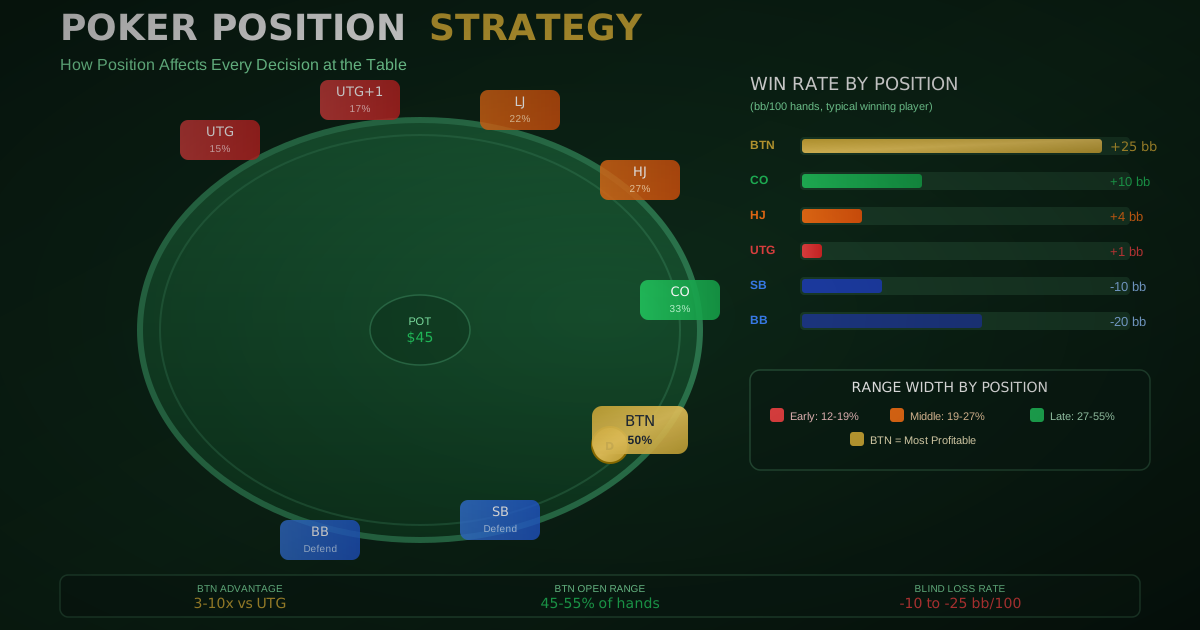
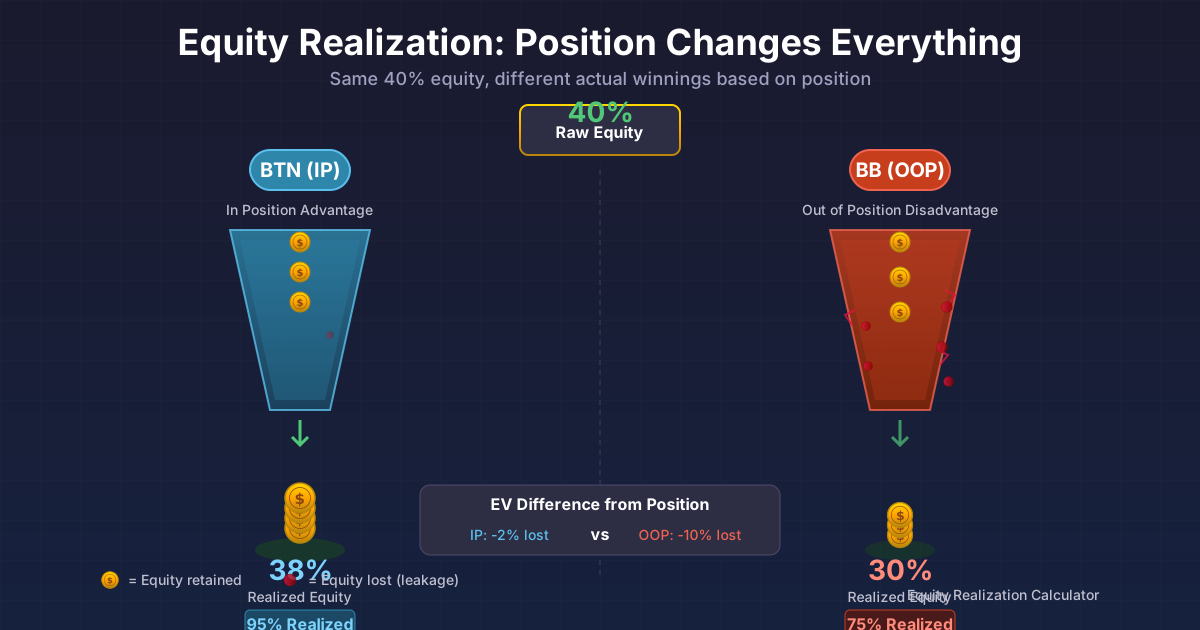
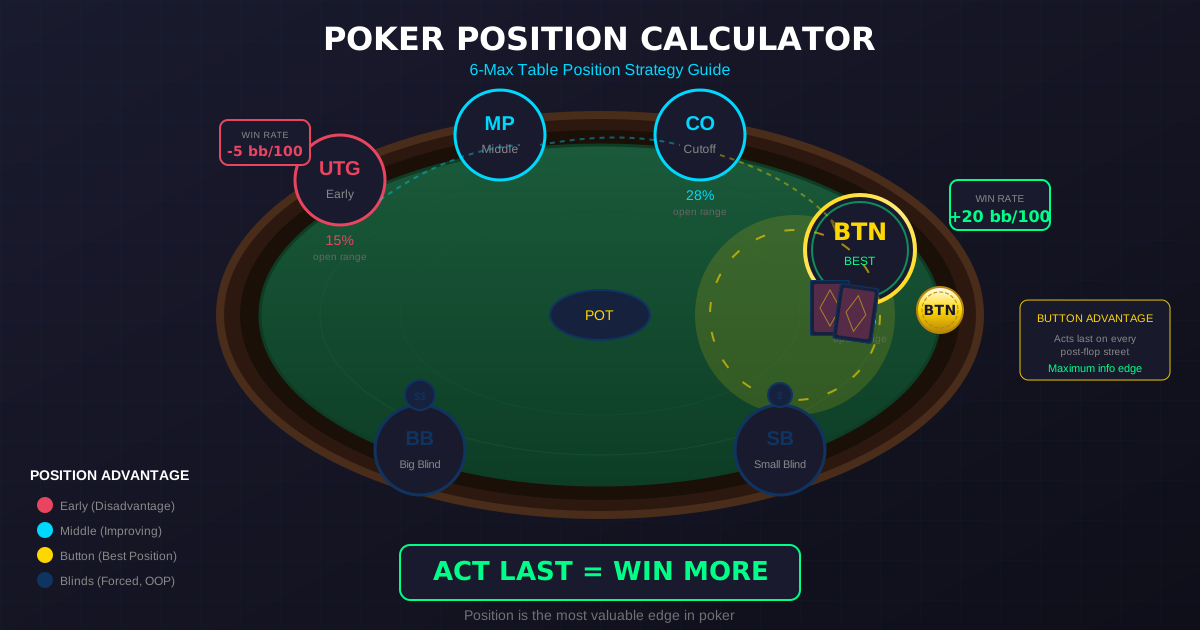
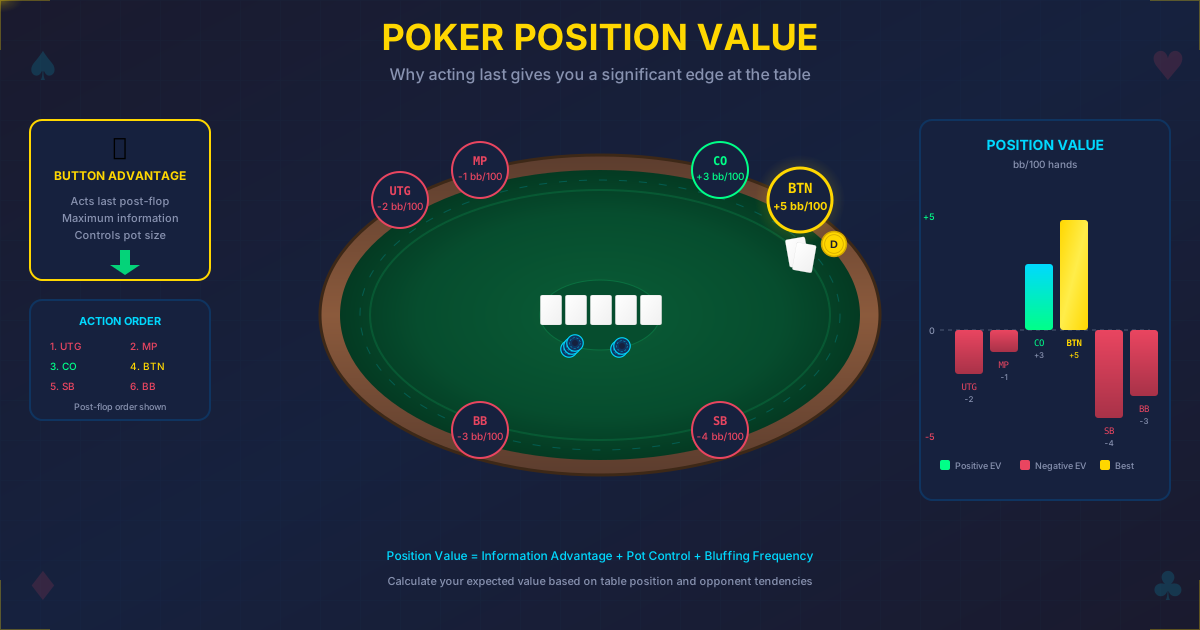
Factor in Position: Your equity realization is higher in position because you can control pot size and see opponent actions first
-
Consider Removal Effects: Holding blockers to strong hands increases the probability opponent has weaker holdings in their range
-
Run Multiple Scenarios: Test your hand against tight, medium, and loose ranges to understand how it performs across different opponent types
-
Save Common Matchups: Memorize key equity numbers (AA vs KK ≈ 82%, AKs vs JJ ≈ 46%) for faster in-game decisions
Related Poker Calculators
- Pot Odds Calculator - Compare pot odds to your equity
- Poker Outs Calculator - Count your outs and win probability
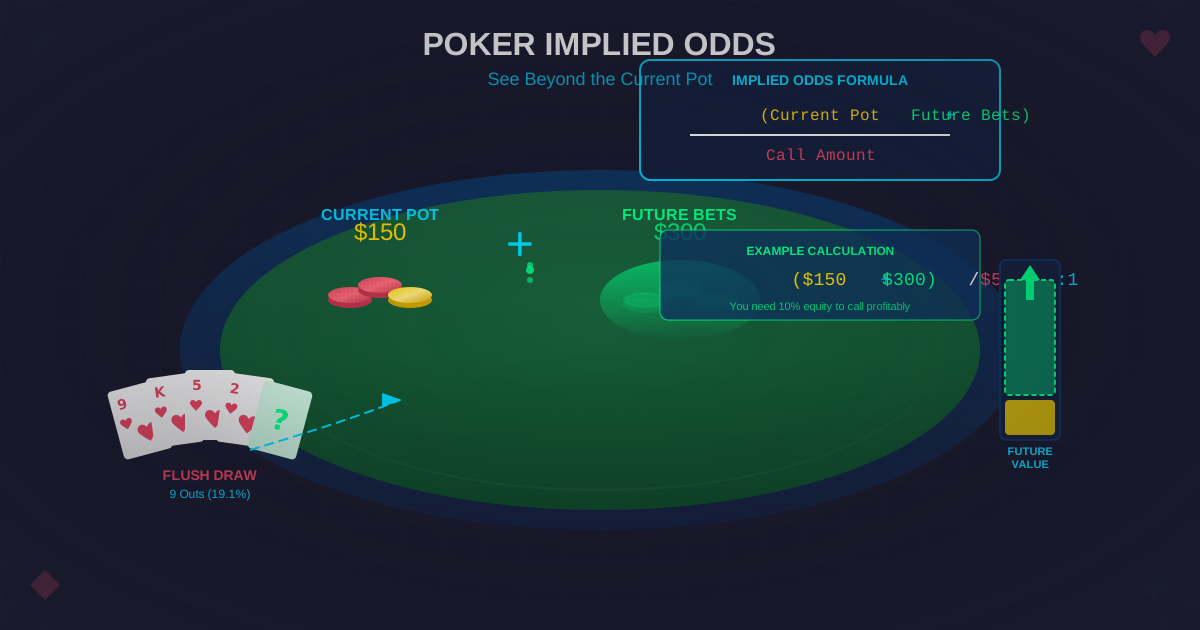
- Implied Odds Calculator - Factor in future betting
- Poker Hand Range Calculator - Build and analyze hand ranges
- Poker EV Calculator - Calculate expected value of decisions
Conclusion
Mastering poker equity is non-negotiable for serious players. Our free poker equity calculator removes the guesswork from hand analysis, giving you precise percentages for any matchup. Whether you're studying preflop charts, analyzing a tough river decision, or settling a debate about who was "ahead," accurate equity calculations are just one click away.
Calculate Your Poker Equity Now →
Use this tool regularly to build your intuition, verify your reads, and ultimately make more profitable decisions at the poker table. The math doesn't lie—and neither does our calculator.