Caribbean Stud Poker Calculator: Optimal Strategy Guide (2026)
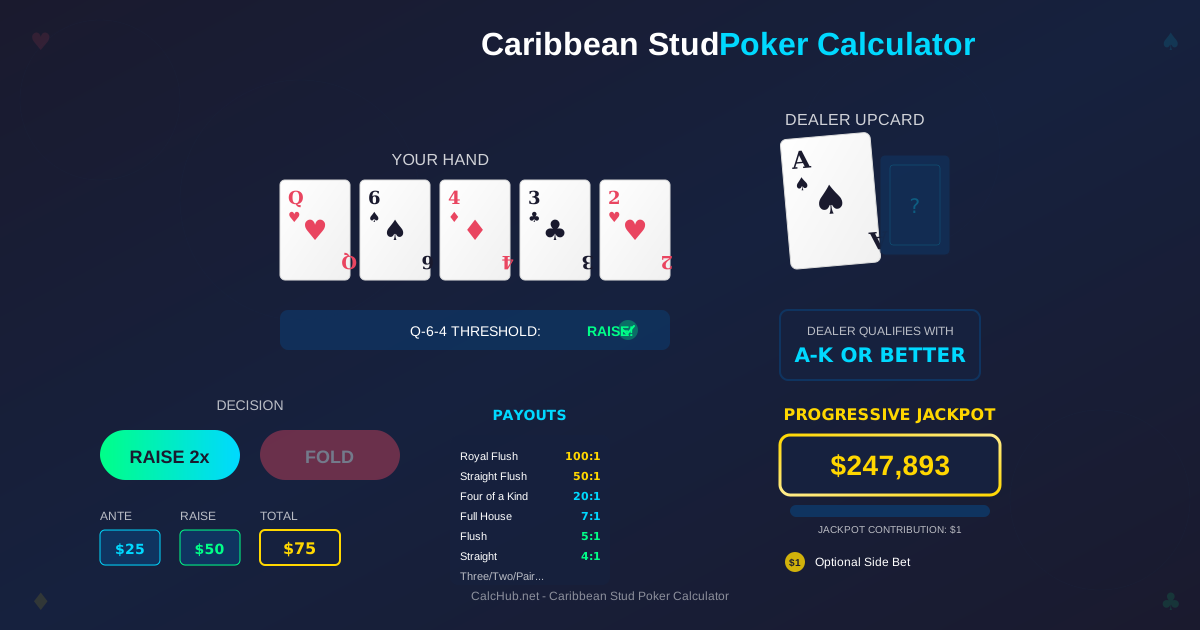
Caribbean Stud Poker Calculator: Master the Raise/Fold Decision
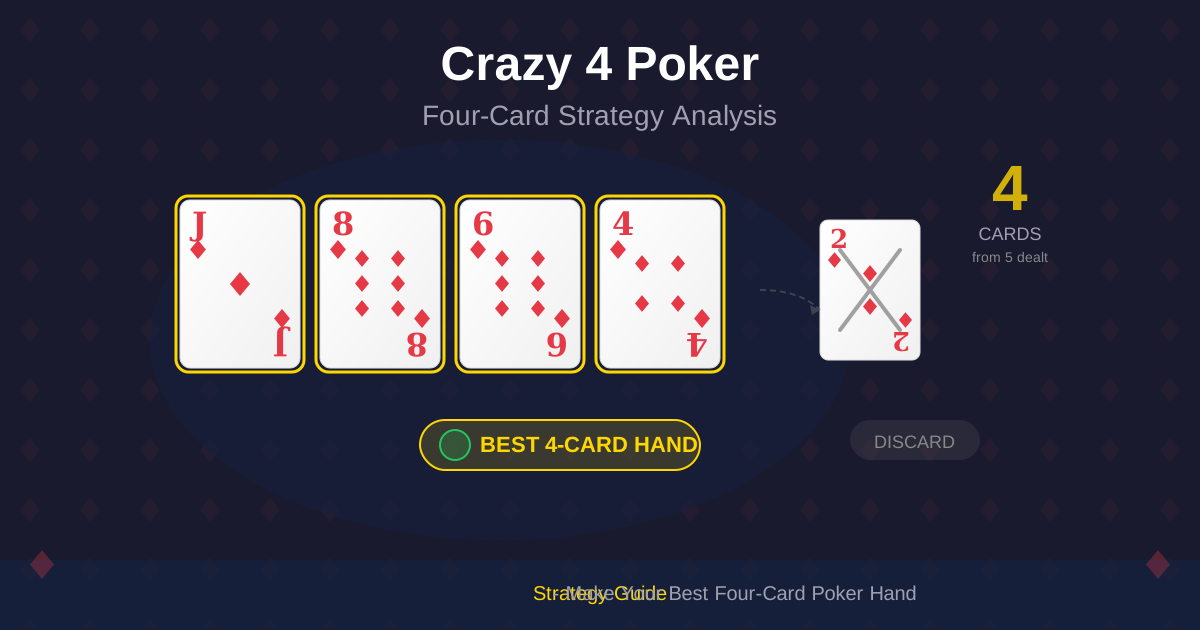
Caribbean Stud Poker pits your five-card hand against the dealer's. Our calculator shows optimal raise/fold decisions for any hand, helping you minimize the 5.22% house edge and understand progressive jackpot math.
What Is Caribbean Stud Poker?
Caribbean Stud is a table poker game where you compete against the dealer, not other players. After seeing one dealer card, you decide to raise or fold.
Quick Answer: The key Caribbean Stud decision is raise (2x ante) or fold. Optimal strategy: Always raise with pair or better. With A-K, raise if you match the dealer's upcard, or if you have Q-J in your hand. Fold all other hands. House edge is 5.22%—one of the highest table games.
How to Use Our Caribbean Stud Calculator
Use the Caribbean Stud Poker Calculator →
Enter your five cards and the dealer's upcard for optimal decisions.
Step-by-Step Instructions
-
Enter Your Five Cards: Input your complete hand
-
Enter Dealer Upcard: The one visible dealer card
-
View Recommendation: Raise or fold
-
See Hand Strength: Your poker hand ranking
-
Understand Why: Strategic reasoning explained
Input Fields Explained
| Field | Description | Example |
|---|---|---|
| Your Cards | Five cards dealt | A♠ K♦ 7♣ 4♥ 2♠ |
| Dealer Upcard | Visible dealer card | Q♣ |
| Your Hand | Poker ranking | A-K High |
| Decision | Optimal play | Raise/Fold |
| Hand Equity | Expected value | Variable |
Caribbean Stud Rules
Game Flow
- Ante: Place mandatory ante bet
- Optional: Place progressive jackpot bet ($1)
- Deal: Receive 5 cards face down; dealer gets 5 (1 face up)
- Decision: Raise (2x ante) or fold (lose ante)
- Showdown: Dealer reveals hand
Dealer Qualification
The dealer must have A-K or better to "qualify":
| Dealer Hand | Result |
|---|---|
| Qualifies, you win | Ante pays 1:1, raise pays per table |
| Qualifies, dealer wins | Lose both ante and raise |
| Doesn't qualify, you win | Ante pays 1:1, raise pushes |
| Doesn't qualify, dealer wins | N/A (you already won) |
Dealer doesn't qualify ~44% of the time.
Optimal Caribbean Stud Strategy
Always Raise With
- Any pair or better
- A-K-Q-x-x or better (any)
- A-K-J-8-x or better (any)
Always Fold With
- Less than A-K high
- A-Q-x-x-x or worse (no pair)
A-K Hands (The Tricky Part)
With exactly A-K high:
| Condition | Action |
|---|---|
| Dealer upcard matches one of your cards | Raise |
| You have Q-J in hand | Raise |
| Dealer upcard is 2-Q, you have Q in hand | Raise |
| Dealer upcard is A or K | Raise (you block their pair) |
| None of above | Fold |
Simplified A-K Strategy
If memorizing is difficult:
- Raise A-K if dealer upcard is 2 through Q AND matches one of your other cards
- Fold A-K otherwise
This simplified approach costs ~0.1% compared to perfect play.
Raise Payouts
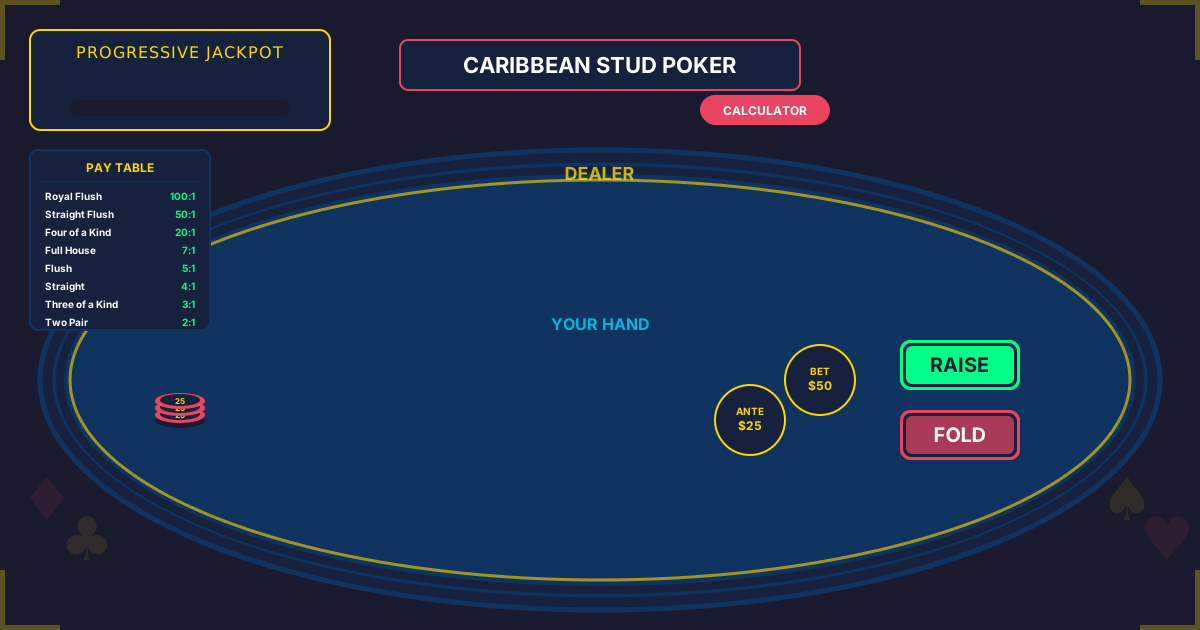
Standard Pay Table
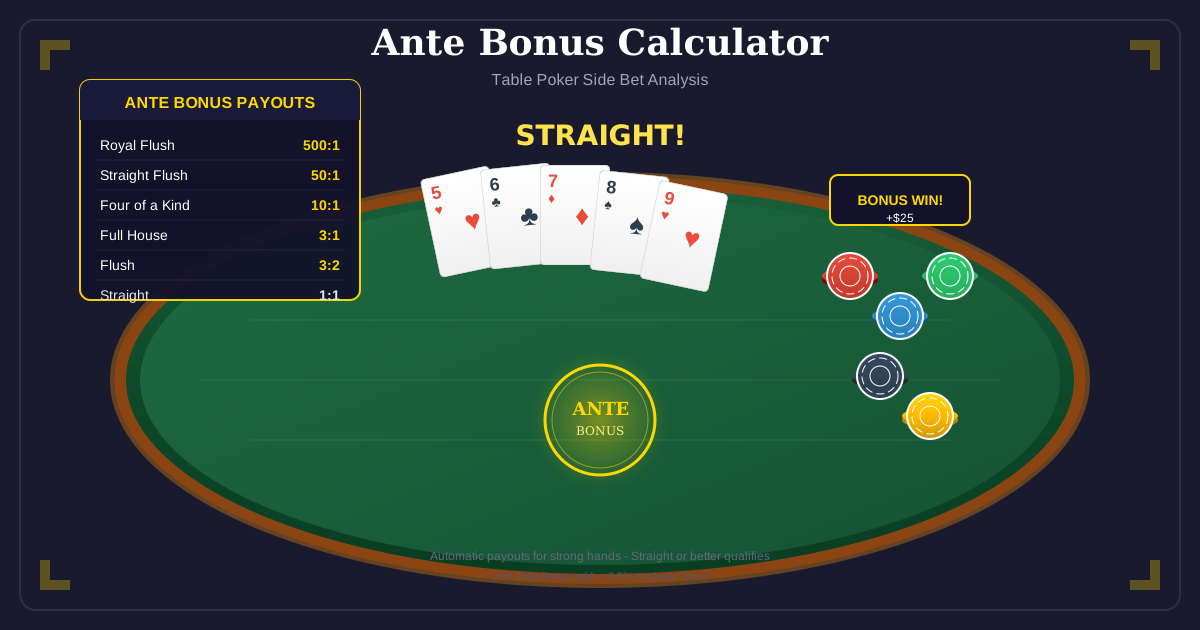
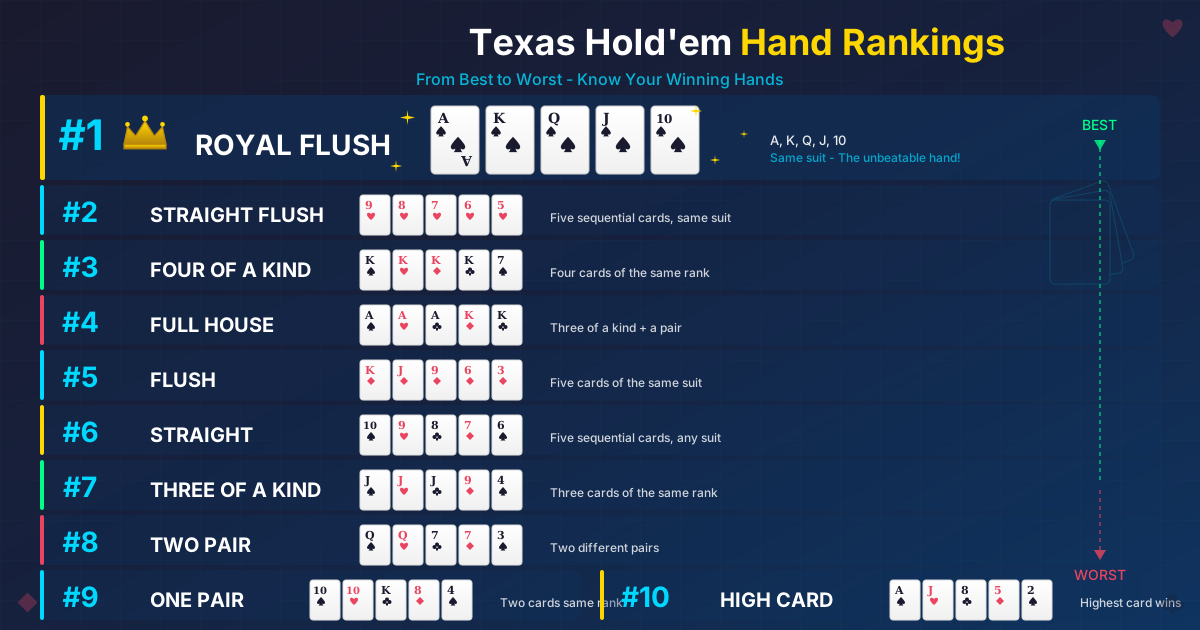
| Hand | Raise Payout |
|---|---|
| Royal Flush | 100:1 |
| Straight Flush | 50:1 |
| Four of a Kind | 20:1 |
| Full House | 7:1 |
| Flush | 5:1 |
| Straight | 4:1 |
| Three of a Kind | 3:1 |
| Two Pair | 2:1 |
| One Pair | 1:1 |
| A-K High | 1:1 |
Example Payout Calculation
Ante: $10, Raise: $20, Hand: Full House
- Ante win: $10
- Raise win: $20 × 7 = $140
- Total profit: $150
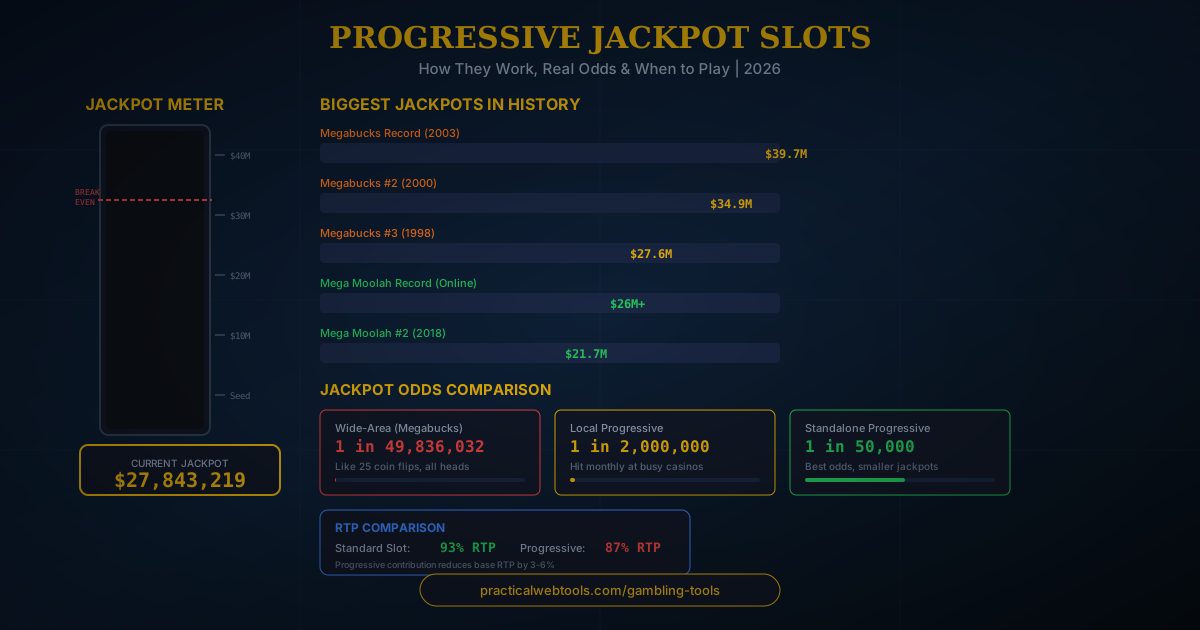
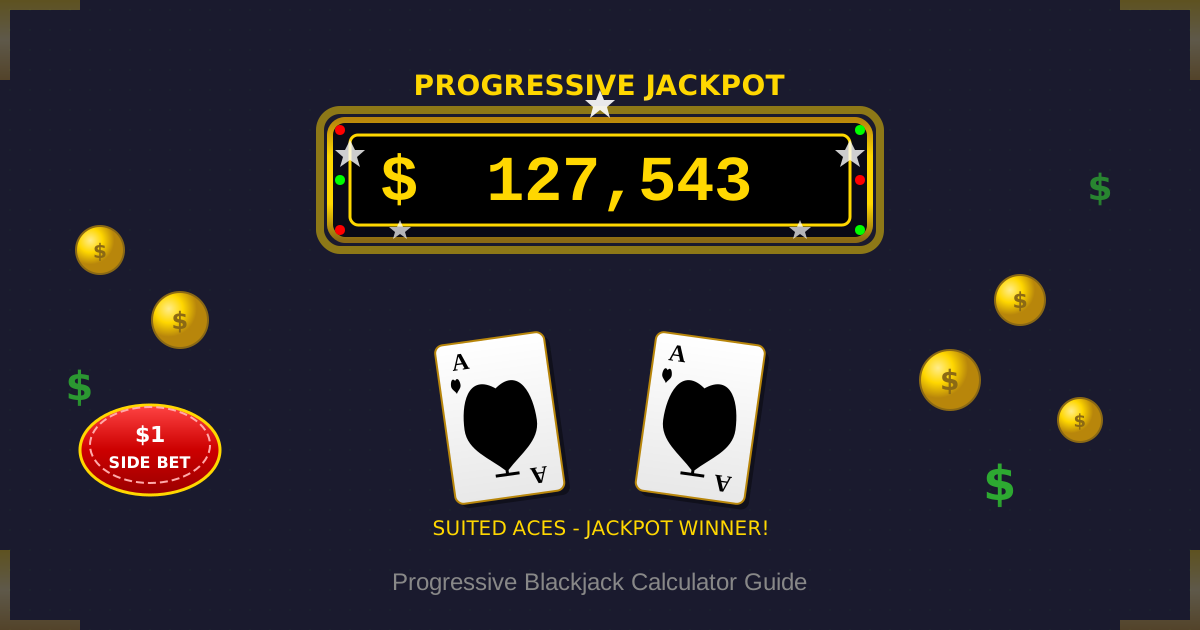
Progressive Jackpot Analysis
Typical Progressive Payouts
| Hand | Payout |
|---|---|
| Royal Flush | 100% of jackpot |
| Straight Flush | 10% of jackpot |
| Four of a Kind | $500 |
| Full House | $100 |
| Flush | $50 |
Progressive Math
| Hand | Probability | Fixed Pays | Break-even Jackpot |
|---|---|---|---|
| Royal Flush | 1 in 649,740 | - | ~$220,000+ |
| Straight Flush | 1 in 72,193 | - | Included |
| Four of a Kind | 1 in 4,165 | $500 | Included |
| Full House | 1 in 694 | $100 | Included |
| Flush | 1 in 509 | $50 | Included |
The progressive bet is +EV only when jackpot exceeds ~$220,000.
Should You Bet the Progressive?
| Jackpot Size | Expected Value | Recommendation |
|---|---|---|
| Under $100K | -50%+ | Never |
| $100K-$200K | -25% to -10% | Avoid |
| $200K-$250K | -5% to +5% | Borderline |
| Over $250K | +EV | Consider it |
Most jackpots are well under break-even. The $1 bet is usually -EV.
House Edge Breakdown
Base Game: 5.22%
| Factor | Impact |
|---|---|
| Dealer non-qualification | Reduces losses |
| Raise losing to qualified dealer | Main loss source |
| Bonus payouts on big hands | Slight reduction |
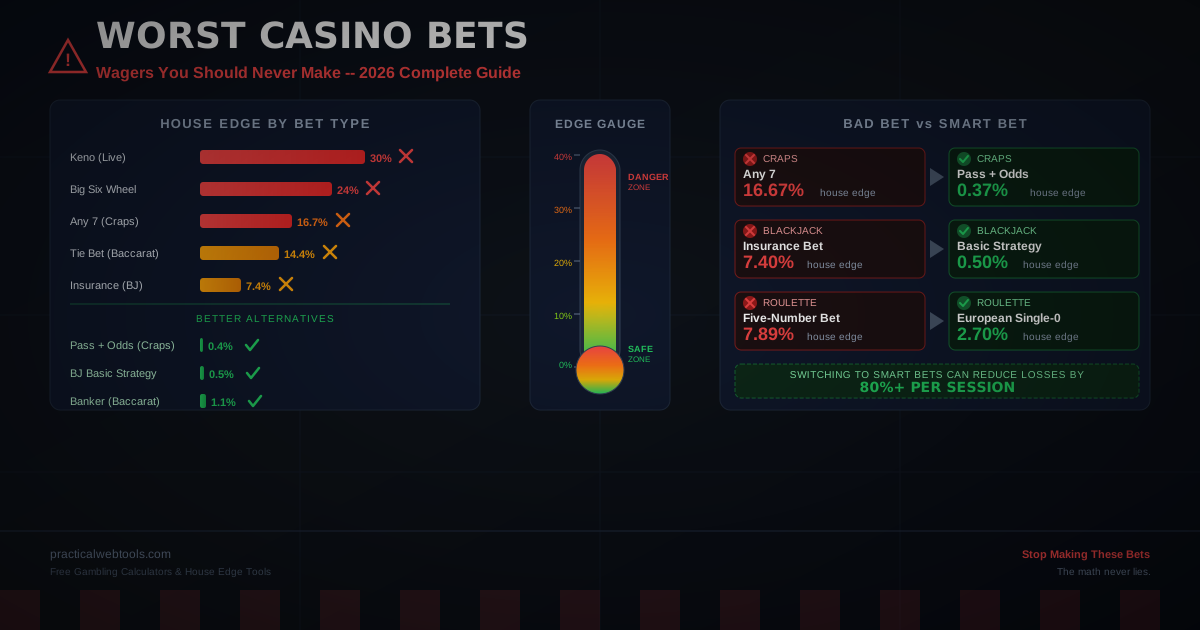
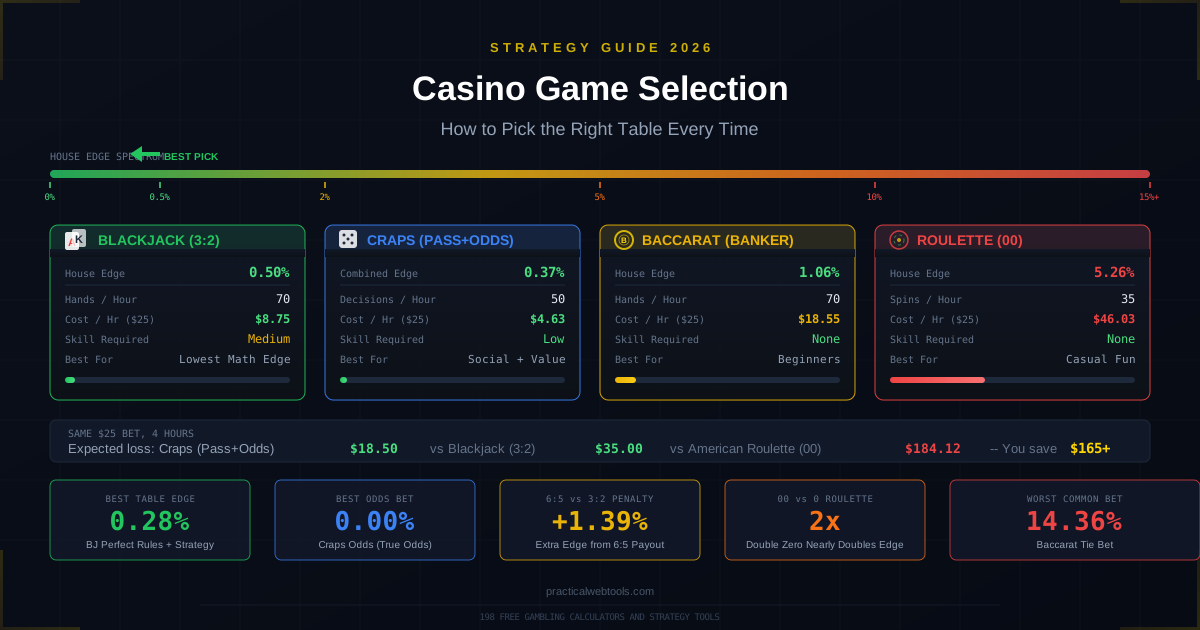
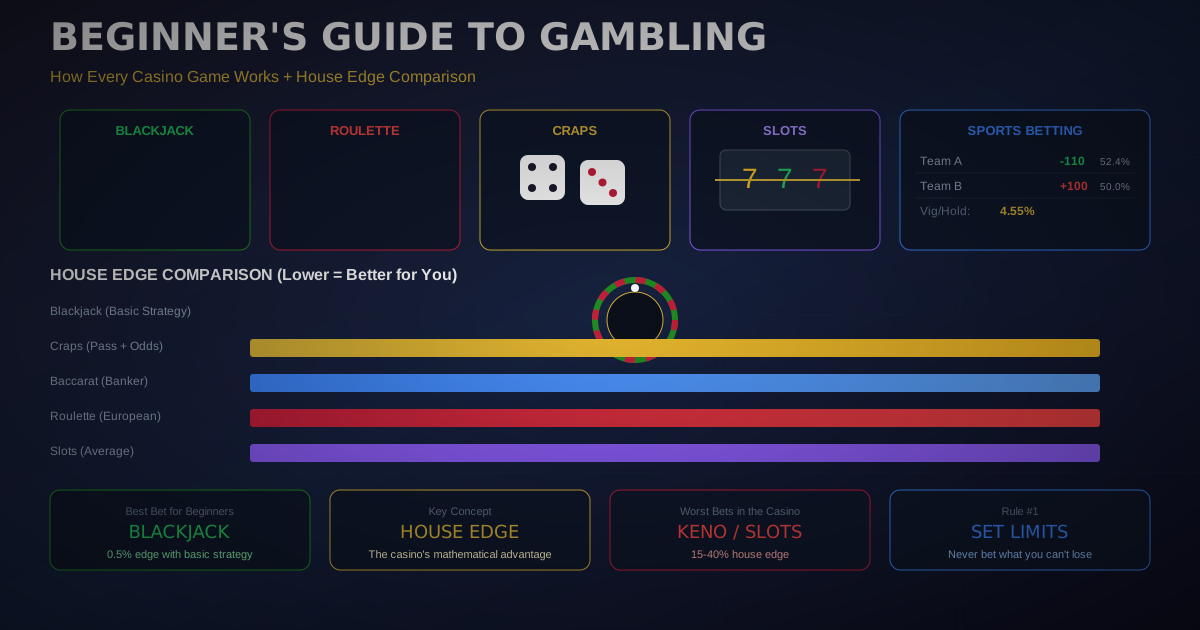
Compared to Other Games
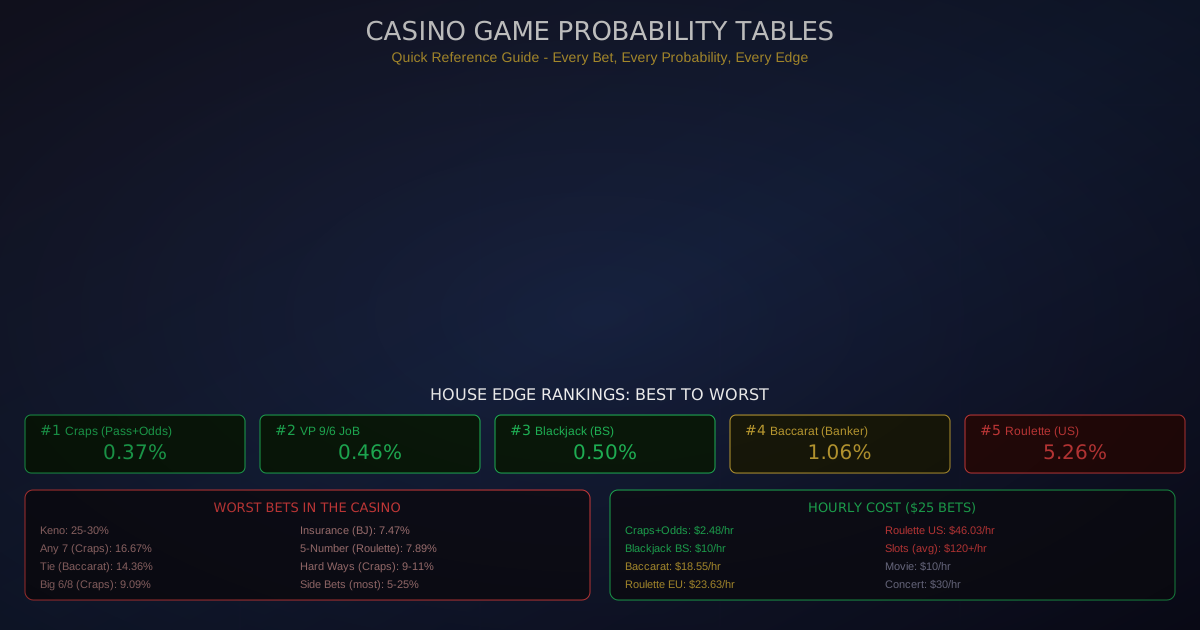
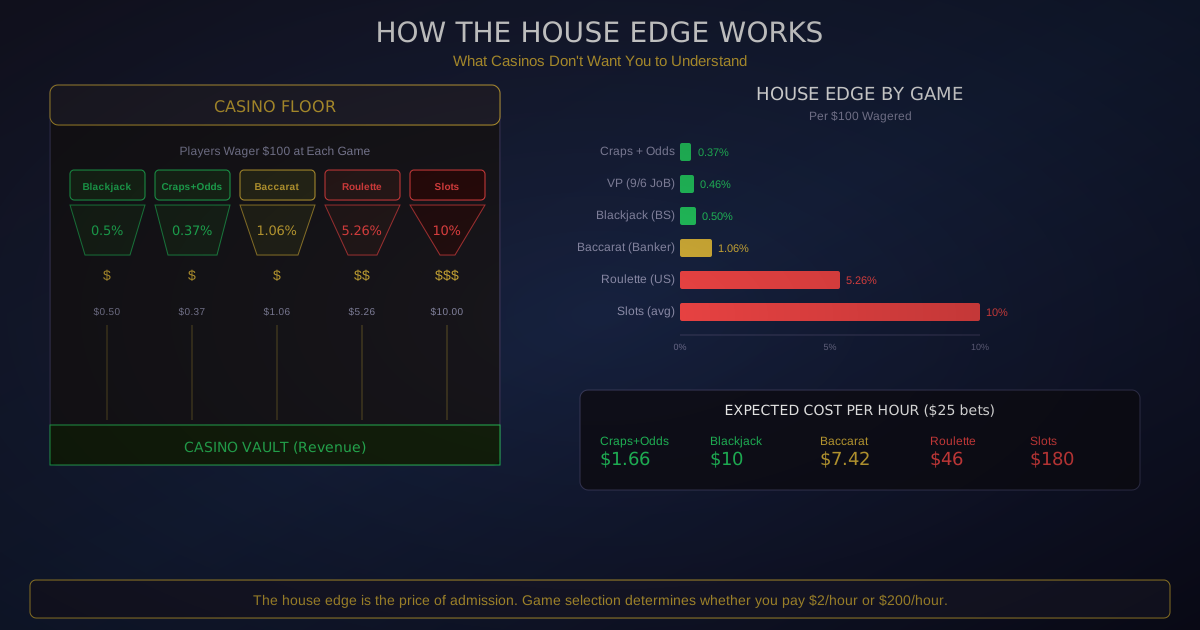
| Game | House Edge |
|---|---|
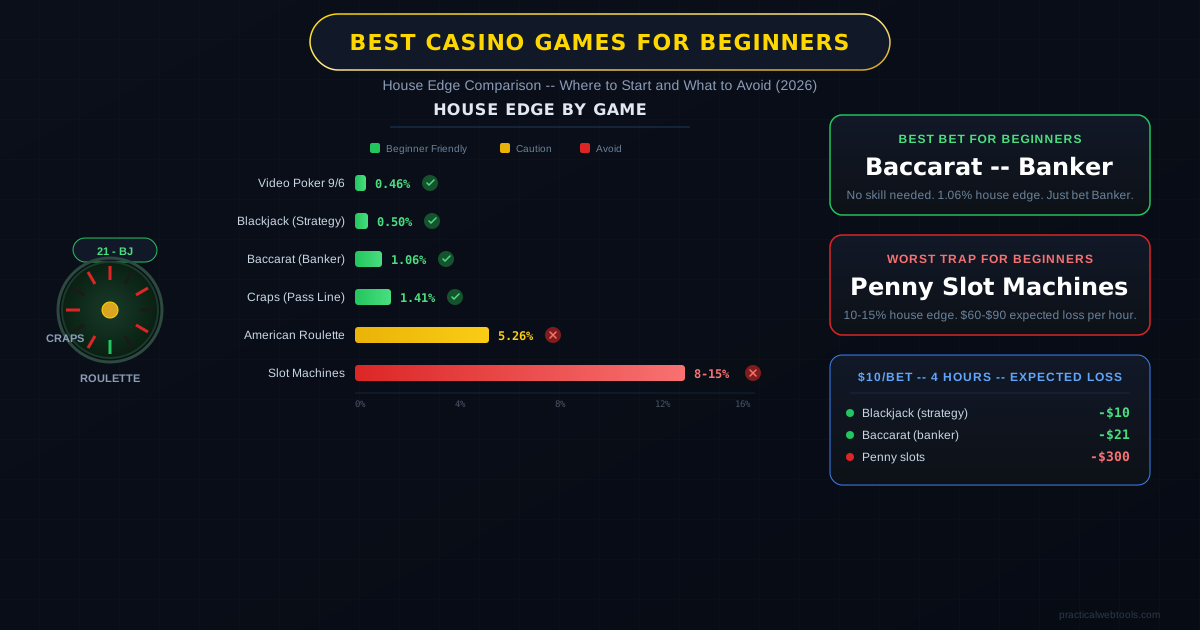
| Blackjack (basic strategy) | 0.5% |
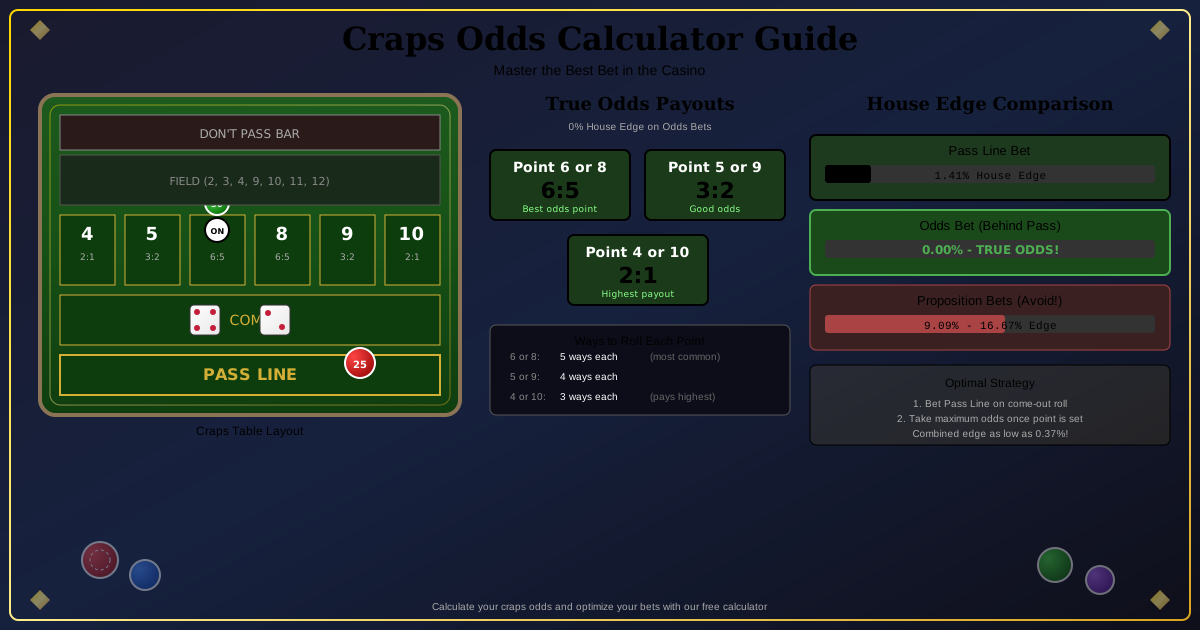
| Craps (pass line) | 1.41% |
| Three Card Poker | 3.37% |
| Caribbean Stud | 5.22% |
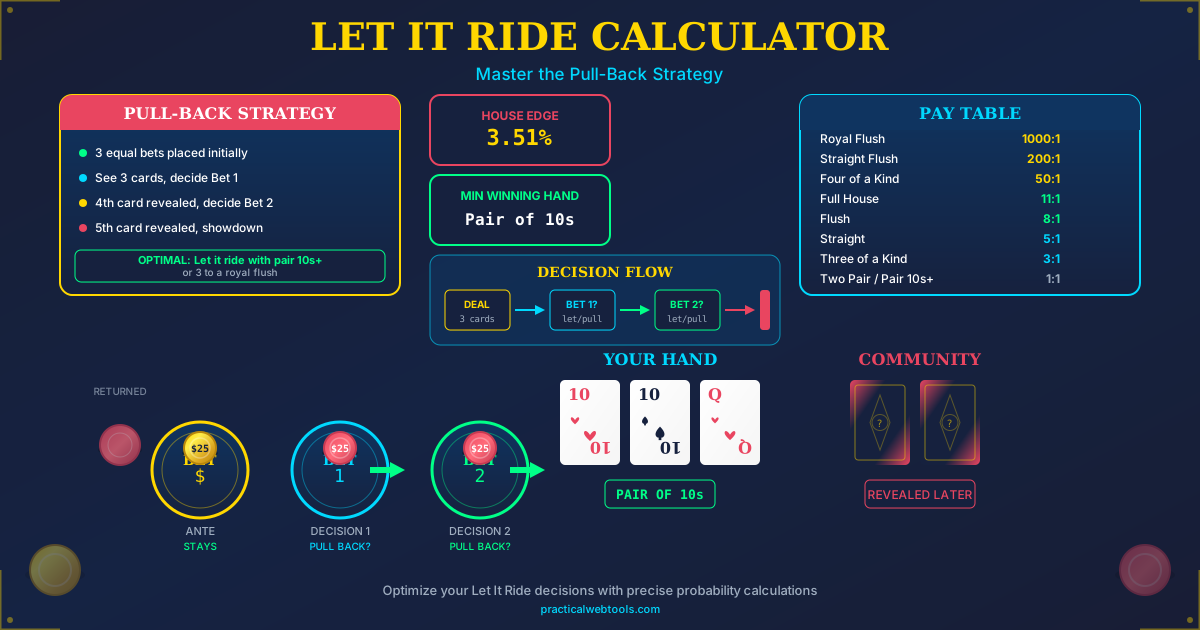
| Let It Ride | 3.51% |
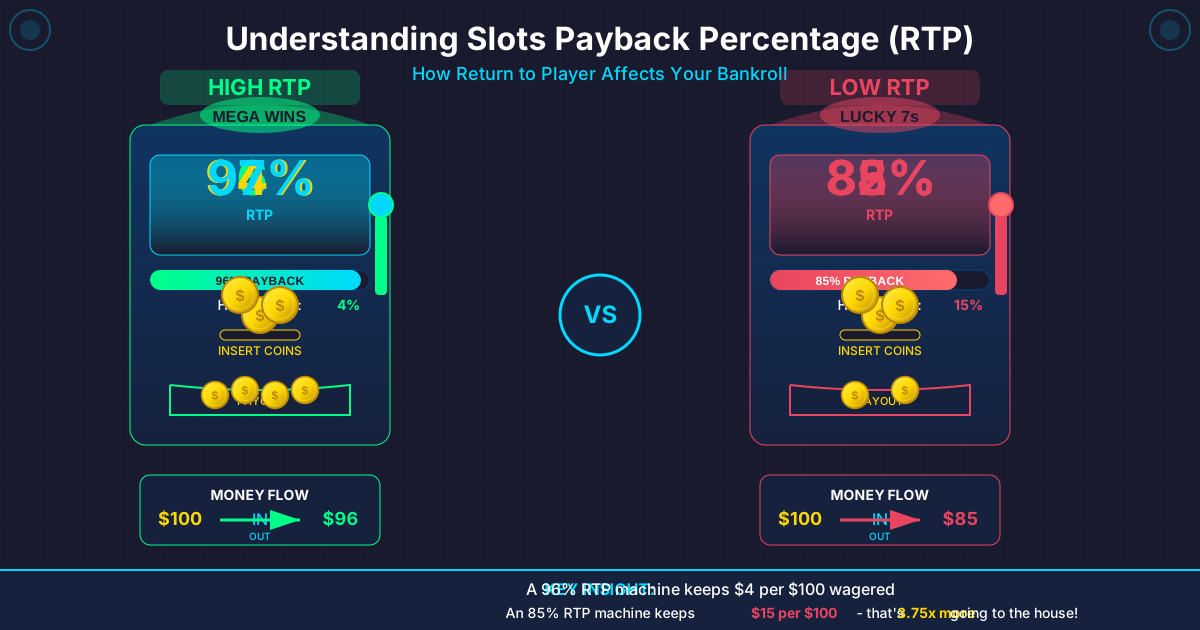
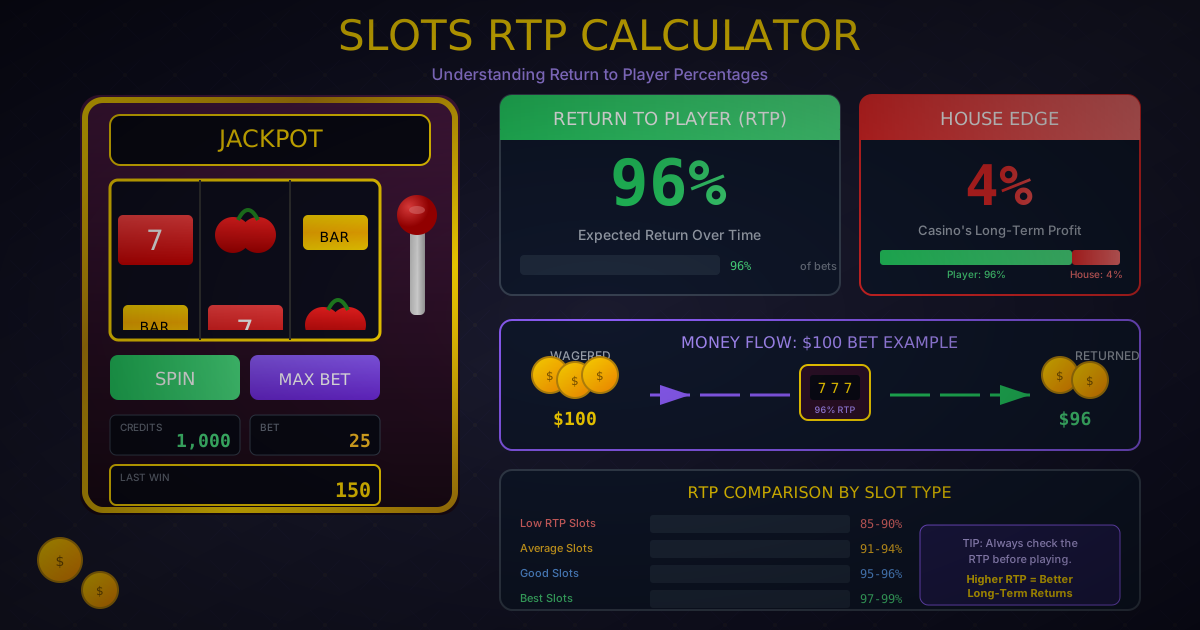
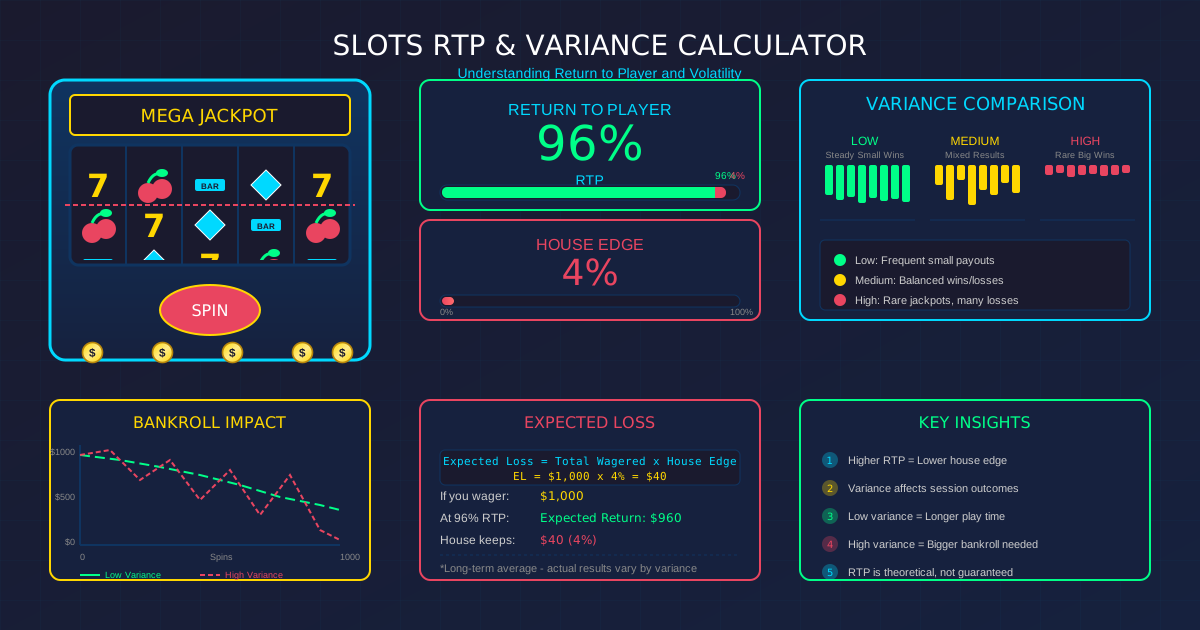
| Slots (average) | 5-10% |
Caribbean Stud has one of the highest table game edges.
Real-World Examples
Example 1: Easy Raise
Your Hand: J♠ J♥ 9♣ 5♦ 2♠ Dealer Upcard: K♣
Decision: Raise (pair) Reasoning: Any pair is automatic raise.
Example 2: Easy Fold
Your Hand: K♣ Q♦ 10♥ 7♠ 3♣ Dealer Upcard: A♦
Decision: Fold Reasoning: Less than A-K high, no pair.
Example 3: Tricky A-K
Your Hand: A♠ K♦ 8♣ 6♥ 3♠ Dealer Upcard: 8♥
Decision: Raise Reasoning: A-K with dealer upcard matching one of your cards (8).
Example 4: A-K Fold
Your Hand: A♣ K♠ 9♦ 5♥ 2♣ Dealer Upcard: J♦
Decision: Fold Reasoning: A-K without matching dealer upcard, no Q-J in hand.
Common Caribbean Stud Mistakes
1. Always Raising A-K
Mistake: "A-K is strong, always raise" Reality: A-K without favorable conditions loses money Fix: Follow A-K strategy precisely
2. Folding Small Pairs
Mistake: "Deuces can't win" Reality: Any pair beats no pair; dealer often doesn't qualify Fix: Always raise any pair
3. Chasing the Progressive
Mistake: Betting $1 every hand Reality: Costs $60+/hour with negative EV Fix: Only bet progressive at $250K+ jackpots
4. Ignoring Dealer Non-Qualification
Mistake: Celebrating wins when dealer doesn't qualify Reality: Raise only pushes, missing value Fix: Understand this is normal (44% of time)
Frequently Asked Questions
Why is the house edge so high?
Because you must decide before seeing dealer's full hand, and raise is 2x ante. Also, raise only pushes when dealer doesn't qualify.
Should I always bet the progressive?
No. The $1 side bet has ~26% house edge at typical jackpot levels. Only +EV above ~$220,000.
Is Caribbean Stud beatable?
No. Unlike blackjack, there's no way to gain an edge. Optimal play minimizes losses to 5.22%.
Why does dealer need A-K to qualify?
This rule gives players some protection—you win ante when dealer has weak hands. It reduces edge from ~7% to 5.22%.
Can I see other players' cards?
Technically against rules, but in practice, sharing information doesn't significantly help due to independent hands.
What's the best Caribbean Stud strategy?
Simple version: Raise pair or better, raise A-K matching dealer upcard, fold everything else.
Advanced Concepts
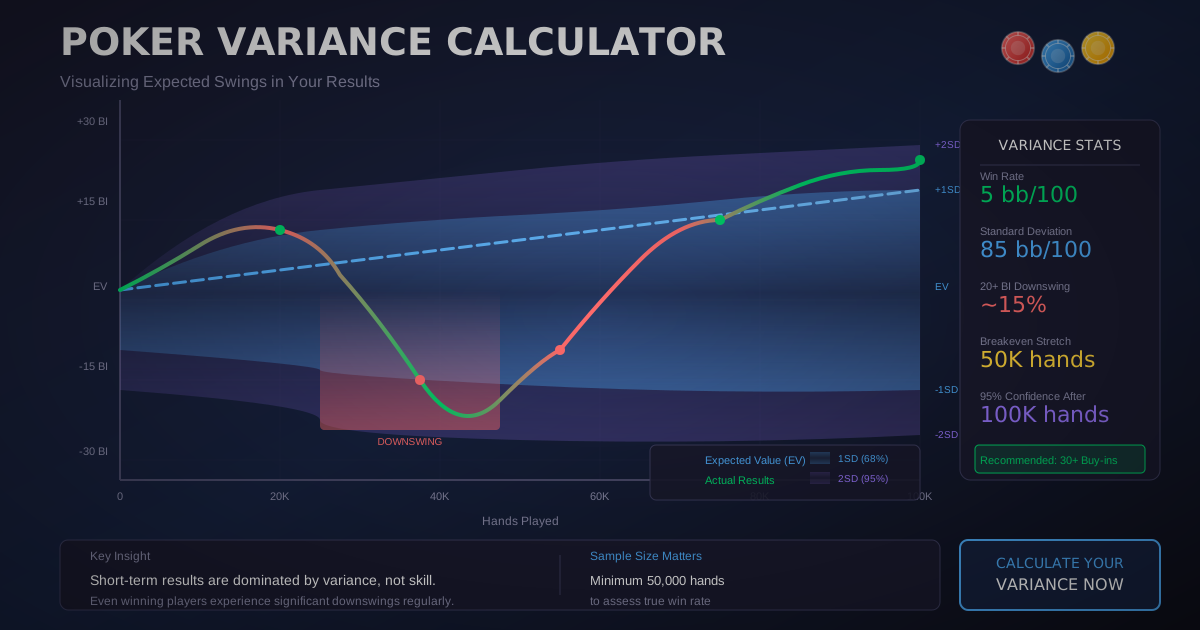
Variance in Caribbean Stud
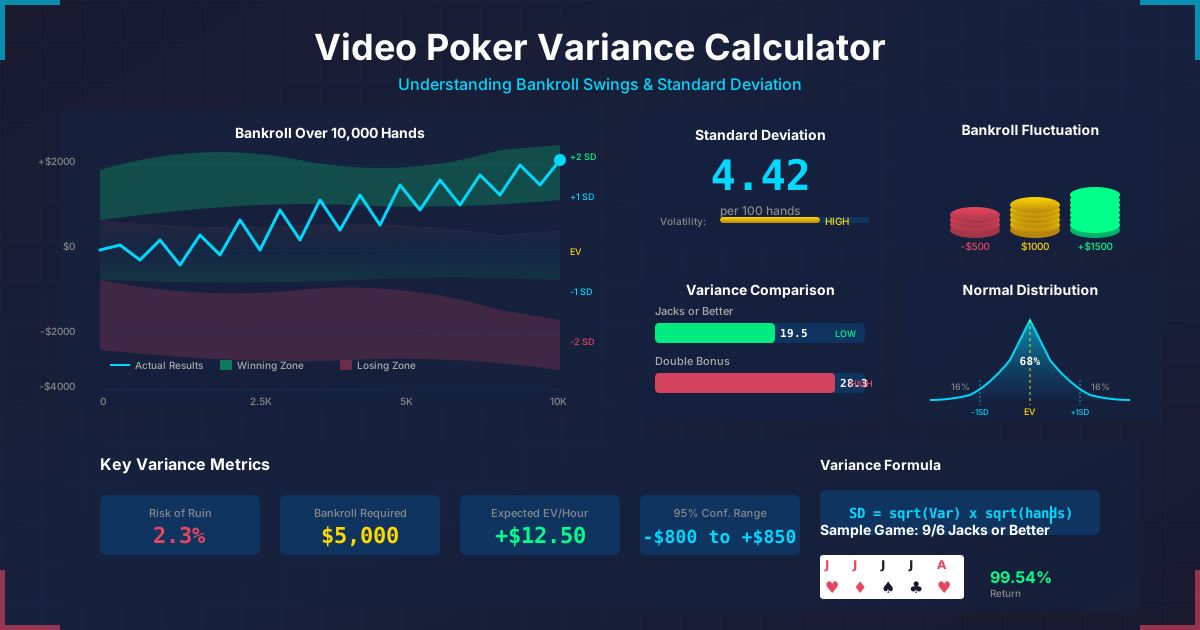
| Metric | Value |
|---|---|
| Standard deviation | 2.24 units per hand |
| Variance | High (bonus payouts) |
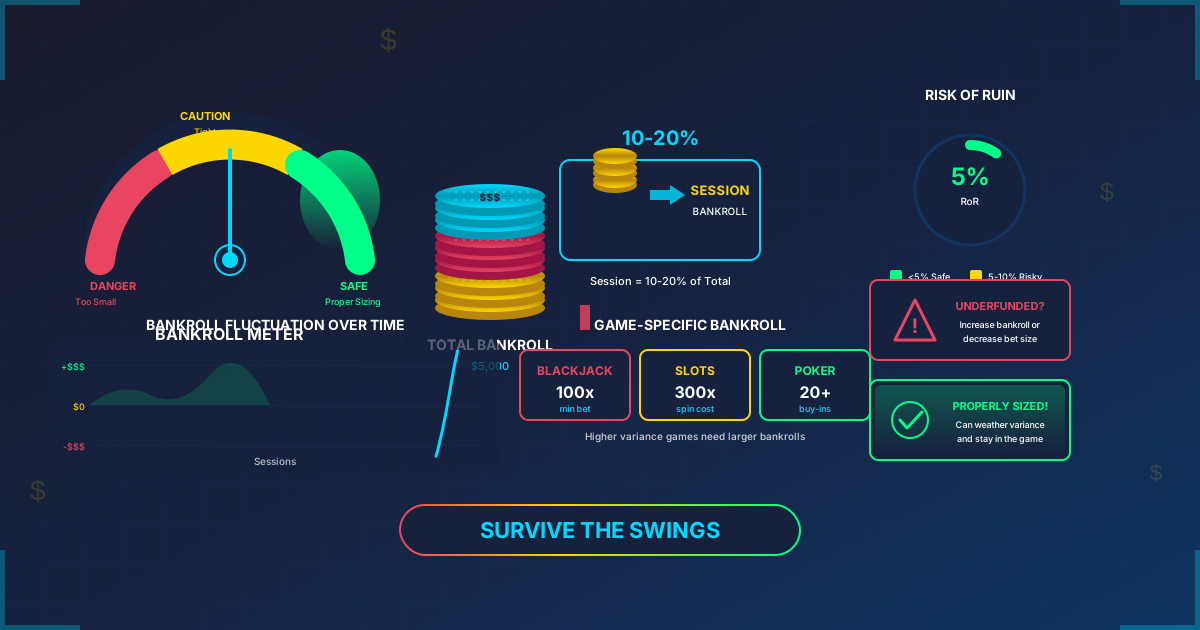
| Bankroll needed | 100+ units for session |
Element of Risk
The 5.22% edge applies to total action (ante + raise). Effective edge on initial ante is higher due to fold decisions.
Collusion Considerations
In theory, seeing other players' folded cards helps slightly. In practice:
- Casinos prohibit card sharing
- Benefit is tiny (<0.5% edge reduction)
- Not worth the effort
Pro Tips for Caribbean Stud
-
Memorize basic strategy: Pair+ raise, A-K rules, fold rest
-
Skip the progressive: Unless jackpot is huge
-
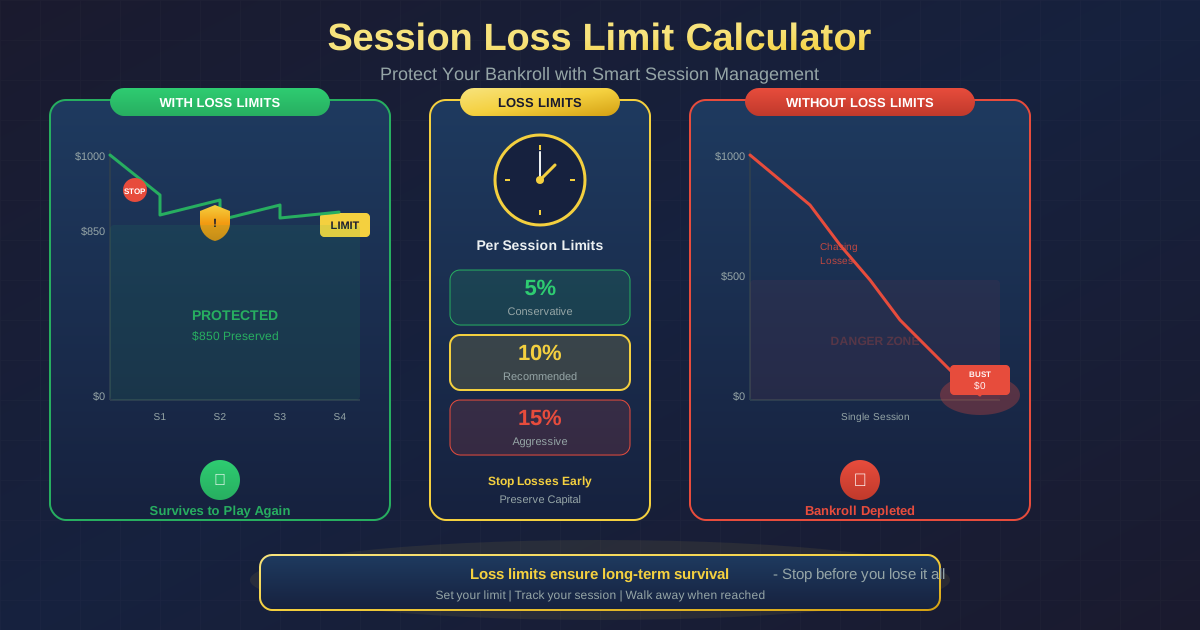
Set loss limits: 5% edge adds up quickly
-
Enjoy the game: It's entertainment, not income
-
Watch for variations: Some casinos offer better pay tables
Related Casino Calculators
- Three Card Poker Calculator - Similar structure
- Let It Ride Calculator - Another poker variant
- Pai Gow Poker Calculator - Split-hand poker
- Casino War Calculator - Simple comparison
- Casino House Edge Calculator - Compare games
Conclusion
Caribbean Stud Poker offers straightforward raise/fold decisions against a 5.22% house edge. Our calculator shows optimal plays for any hand—pair or better always raises, A-K follows specific rules, and everything else folds. Skip the progressive unless the jackpot exceeds $220,000.
Calculate Your Caribbean Stud Decisions Now →
While Caribbean Stud has a higher edge than many table games, its simple strategy and potential for bonus payouts make it popular. Learn the basic strategy, manage your bankroll, and enjoy the poker-style action.