Poker Session Tracker: Log and Analyze Your Results (2026)
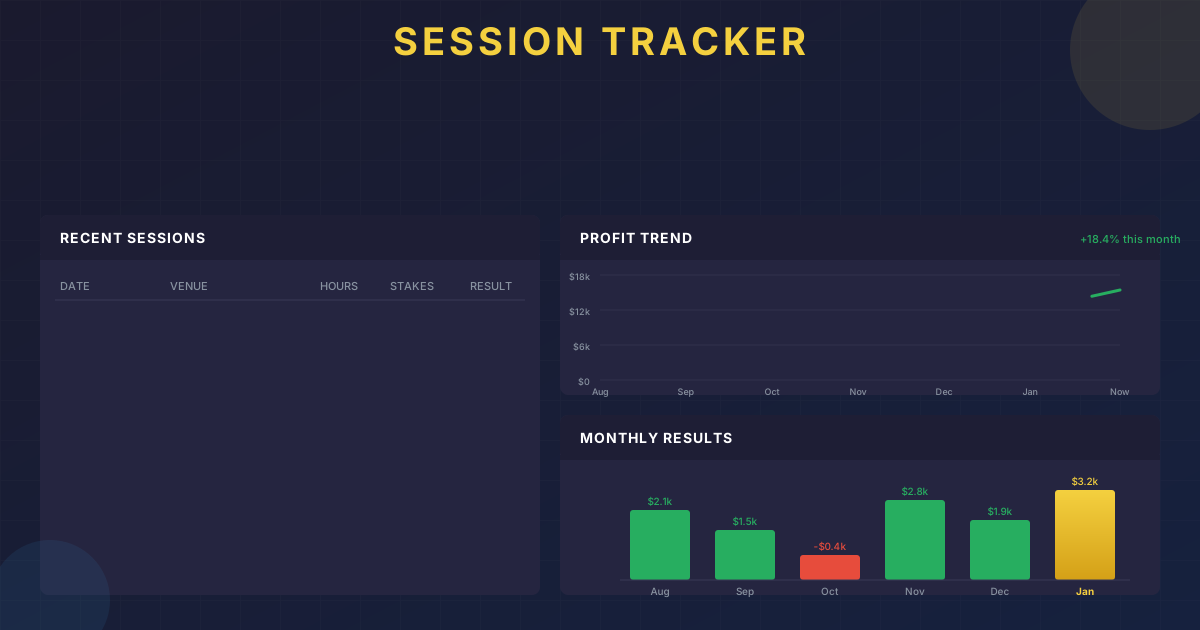
Poker Session Tracker: Transform Data Into Dollars
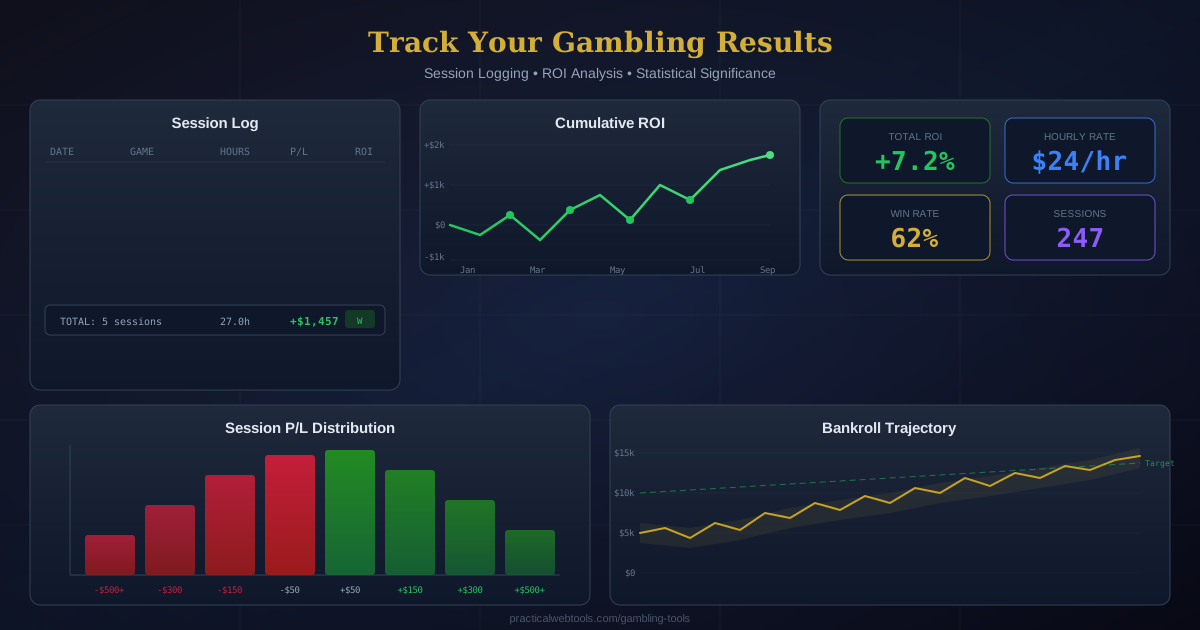
Winning poker players track everything. Session results, time played, game types, stakes, locations, and notes create a comprehensive picture of your poker performance. Our poker session tracker organizes this data into actionable insights, helping you identify profitable situations, eliminate leaks, and maximize your hourly rate.
What Is Session Tracking?
Session tracking is the systematic recording of your poker playing results. Each session logged captures essential data points that, when analyzed over time, reveal patterns in your play, profitability by game type, and trends in your development as a player.
Quick Answer: Track these essentials for every session: Date, duration, game type, stakes, buy-in, cash-out, location (online site or casino), and notes. Over time, calculate: Total profit, hourly rate, win rate by format, and leak identification. A 6-month database with 100+ sessions provides actionable insights for improvement.
How to Use Our Tracker
Use the Poker Session Tracker →
Step-by-Step Instructions
- Log Session Details: Enter date, game type, stakes, and duration
- Record Financial Results: Input buy-in amount and final cash-out
- Add Context Notes: Document table conditions, key hands, or leaks noted
- Review Historical Data: Analyze trends over time
- Generate Reports: Export summaries by time period, format, or stakes
Input Fields
| Field | Description | Example |
|---|---|---|
| Date | Session date | 2026-01-29 |
| Game Type | Cash, MTT, SNG, etc. | $1/$2 NL Cash |
| Stakes | Blind levels or buy-in | $1/$2 ($200 max) |
| Duration | Time played | 4.5 hours |
| Buy-in | Starting amount | $200 |
| Cash-out | Ending amount | $485 |
| Location | Where played | PokerStars |
| Notes | Session observations | Table was soft, ran well |
Essential Metrics to Track
Primary Metrics
Win/Loss:
Session profit = Cash-out - Buy-in
Running total profit = Sum of all session profits
Hourly Rate:
Session hourly = Profit / Hours played
Overall hourly = Total profit / Total hours
Win Rate (Cash Games):
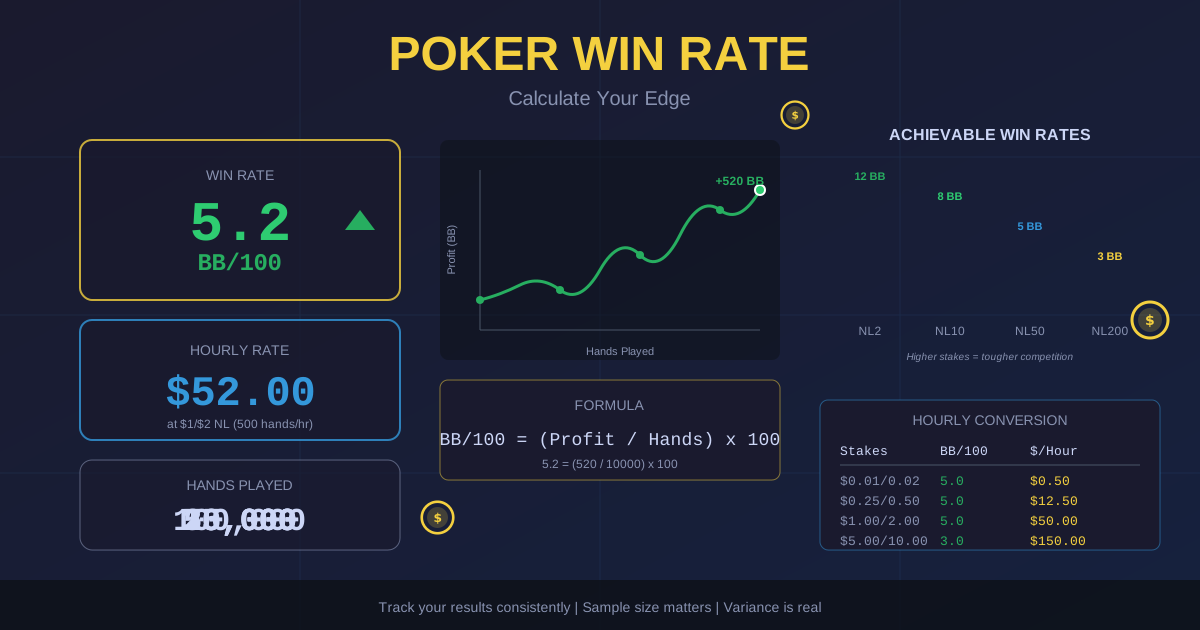
BB/100 = (Total profit in BB) / (Hands played) × 100
BB/hour = BB won per hour of play
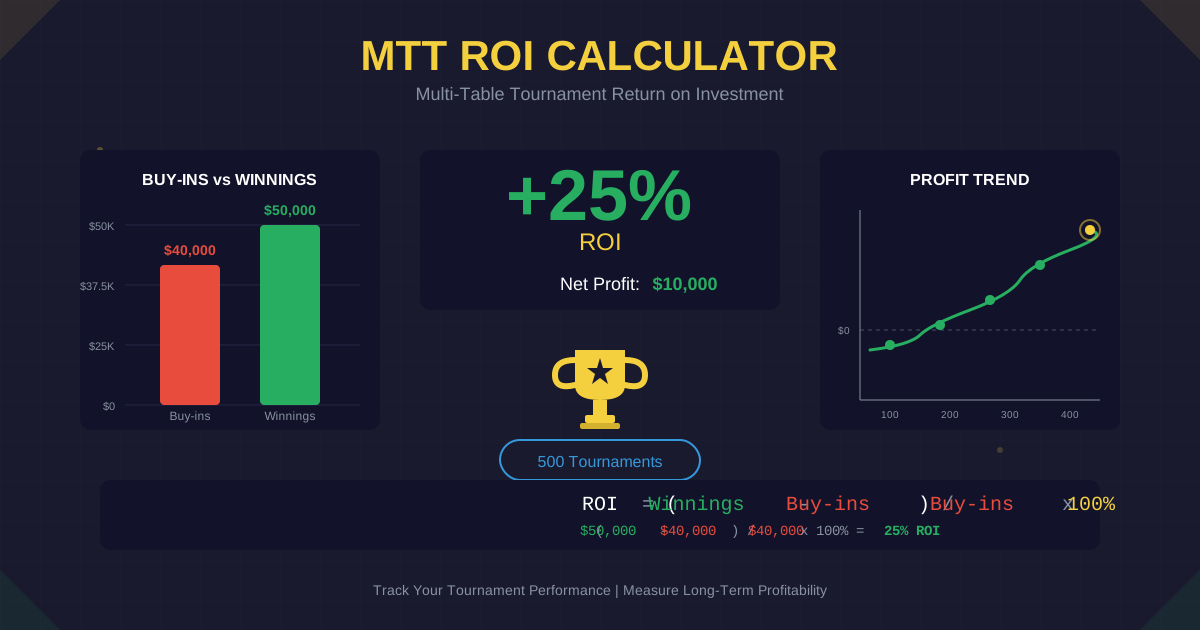
ROI (Tournaments):
ROI = (Winnings - Buy-ins) / Buy-ins × 100%
Secondary Metrics
Session Statistics:
Sessions played
Win sessions
Lose sessions
Win percentage
Average session length
Average session profit
Biggest win
Biggest loss
Time Analysis:
Most profitable day of week
Most profitable time of day
Optimal session length
Fatigue indicators
Format Analysis:
Results by game type
Results by stakes level
Results by site/casino
Results by table size
Data Collection Best Practices
What to Record Immediately
After every session, capture:
Required (immediately):
- Date and time
- Game/stakes
- Buy-in and cash-out
- Duration

Required (within 24 hours):
- Brief notes on session quality
- Any notable hands or situations
- Tilt indicators
- Table conditions
Session Notes Framework
Effective notes include:
Table Conditions:
- Field quality (soft/tough)
- Number of recreational players
- Table dynamics

Your Play:
- Confidence level
- Tilt episodes
- Key hands (good and bad decisions)
- Leaks noticed

External Factors:
- Fatigue level
- Distractions
- Physical comfort
- Mental state
Categorization System
Organize sessions for analysis:
By Format:
- Cash NL Hold'em
- Cash PLO
- MTT Freezeout
- MTT Rebuy
- Sit and Go
- Live Cash
- Online Cash

By Stakes:
- Micro ($0.01/$0.02 - $0.10/$0.25)
- Low ($0.25/$0.50 - $1/$2)
- Medium ($2/$5 - $5/$10)
- High ($10/$20+)

By Location:
- PokerStars
- GGPoker
- Local Casino
- Home Game
Analyzing Your Data
Profitability Analysis
Overall Picture:
Total sessions: 250
Total hours: 875
Total profit: $12,500
Hourly rate: $14.29/hour
Format Breakdown:
$1/$2 NL Live: $18/hour (500 hours)
$0.50/$1 Online: $11/hour (200 hours)
$55 MTTs: 15% ROI (100 tournaments)
$22 SNGs: 8% ROI (50 tournaments)
Time-Based Analysis
Day of Week:
Monday: +$2,400 (80 hours)
Tuesday: +$1,100 (60 hours)
Wednesday: +$800 (70 hours)
Thursday: +$1,500 (80 hours)
Friday: +$2,800 (120 hours)
Saturday: +$3,200 (140 hours)
Sunday: +$700 (75 hours)

Best days: Friday, Saturday (weekend recreational traffic)
Time of Day:
Morning (6am-12pm): +$1,200 (100 hours) = $12/hour
Afternoon (12pm-6pm): +$4,800 (300 hours) = $16/hour
Evening (6pm-12am): +$5,500 (350 hours) = $15.71/hour
Late Night (12am-6am): +$1,000 (125 hours) = $8/hour

Insight: Afternoon slightly better, late night significantly worse
Session Length Analysis
Results by Duration:
0-2 hours: +$500 avg ($250/hour) - small sample
2-4 hours: +$120 avg ($35/hour)
4-6 hours: +$180 avg ($35/hour)
6-8 hours: +$80 avg ($12/hour)
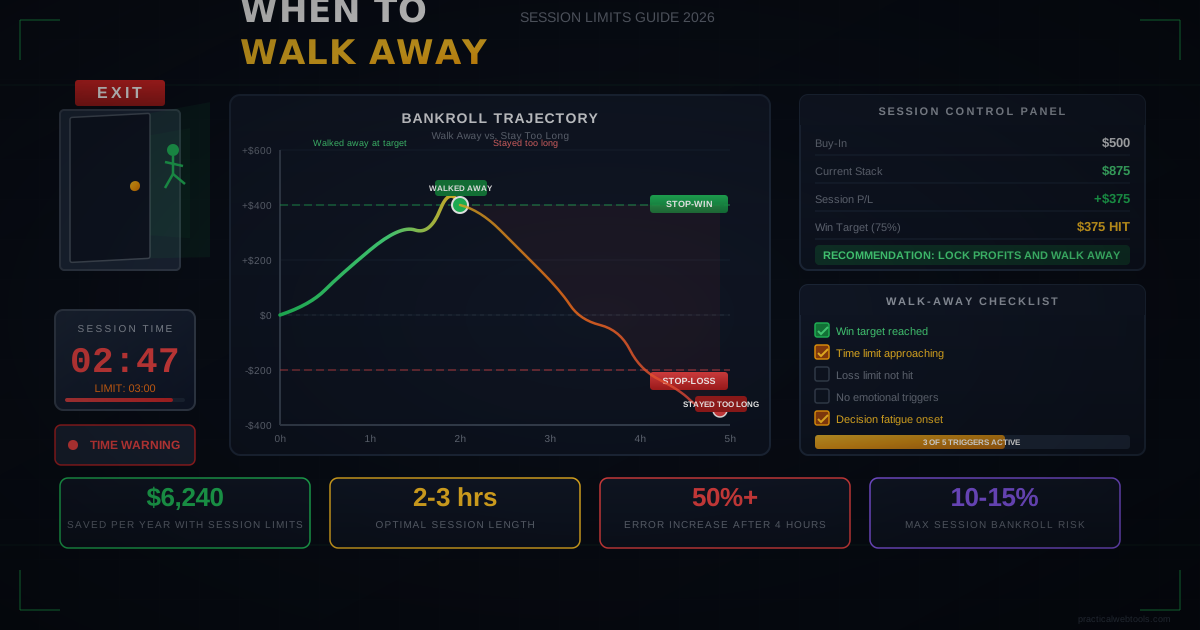
8+ hours: -$40 avg (-$4/hour)

Insight: Performance degrades after 6 hours
Real-World Examples
Example 1: Cash Game Regular
6-Month Data:
Sessions: 180
Hours: 720
Total Profit: $18,000
Hourly Rate: $25/hour
Win Rate: 8 BB/100
Analysis:
Win sessions: 115 (64%)
Lose sessions: 65 (36%)
Average win: $220
Average loss: -$145
Max win: $1,200
Max loss: -$600

Observations:
- Solid 64% win rate
- Losses well-controlled (smaller than wins)
- No catastrophic sessions
Example 2: Tournament Grinder
12-Month Data:
Tournaments: 800
Total Buy-ins: $24,000
Total Winnings: $31,200
ROI: 30%
Breakdown:
Freezeouts: 35% ROI (400 events)
Turbos: 18% ROI (250 events)
Rebuys: 45% ROI (150 events)

Insights:
- Strong at rebuys (patience edge)
- Weaker at turbos (speed issues)
- Should focus more on rebuys
Example 3: Mixed Format Player
Data:
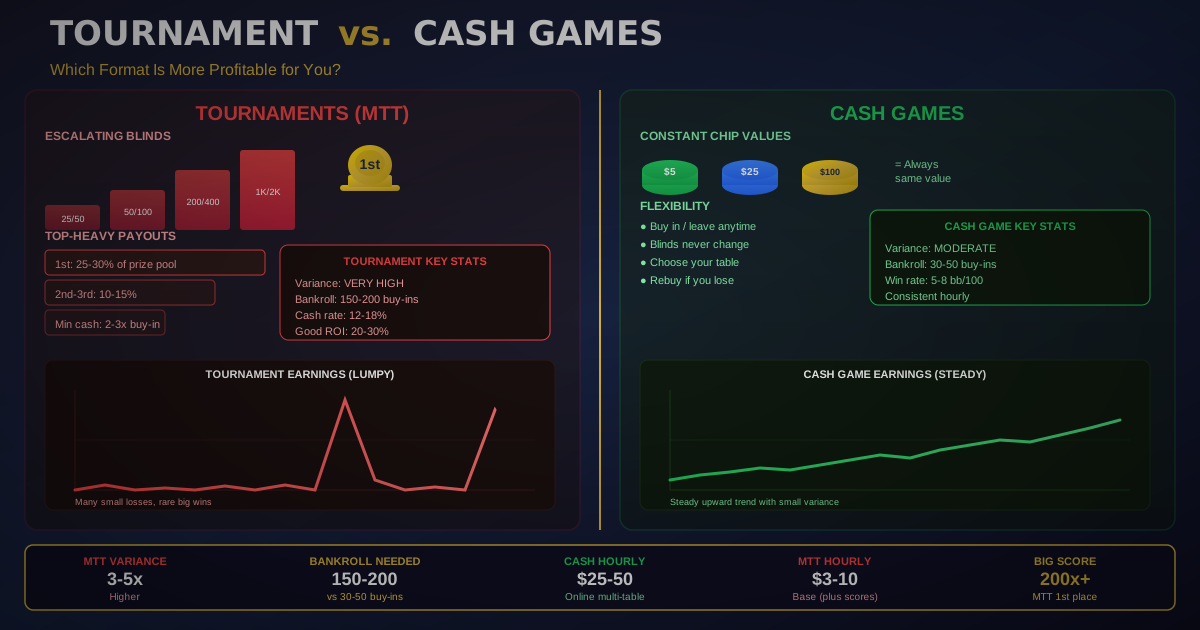
Cash (60% of hours): $15/hour
Tournaments (40% of hours): $8/hour equivalent

Recommendation:
- Shift more volume to cash games
- 70/30 split would increase hourly by $2
Example 4: Identifying a Leak
Pattern Noticed:
Friday evening sessions: +$45/hour (15 sessions)
Saturday late night sessions: -$20/hour (12 sessions)

Investigation:
- Friday: Fresh, recreational tables
- Saturday late night: Tired, possibly tilted from bad night

Solution: Stop playing Saturday late nights
Impact: Eliminates $2,400 annual leak
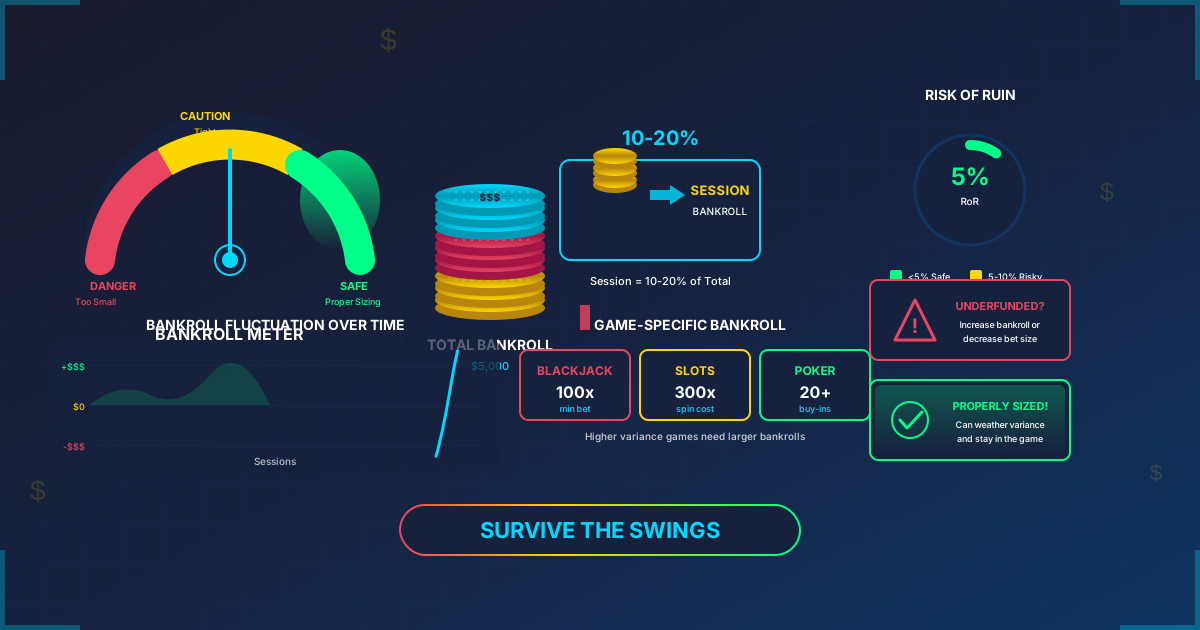
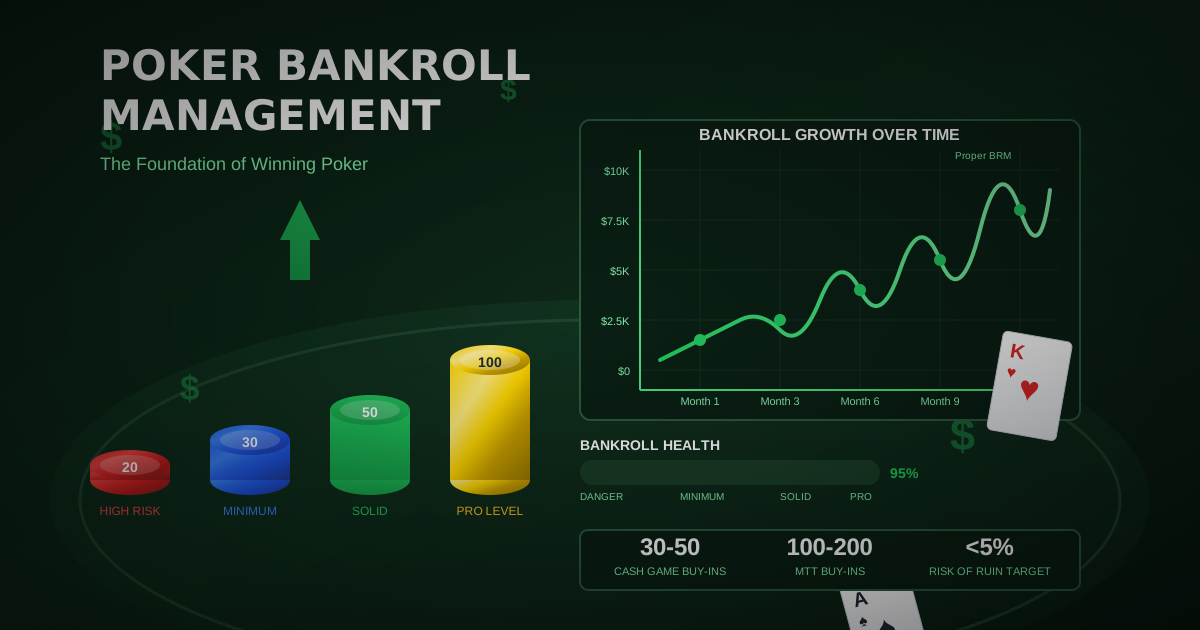
Example 5: Bankroll Tracking
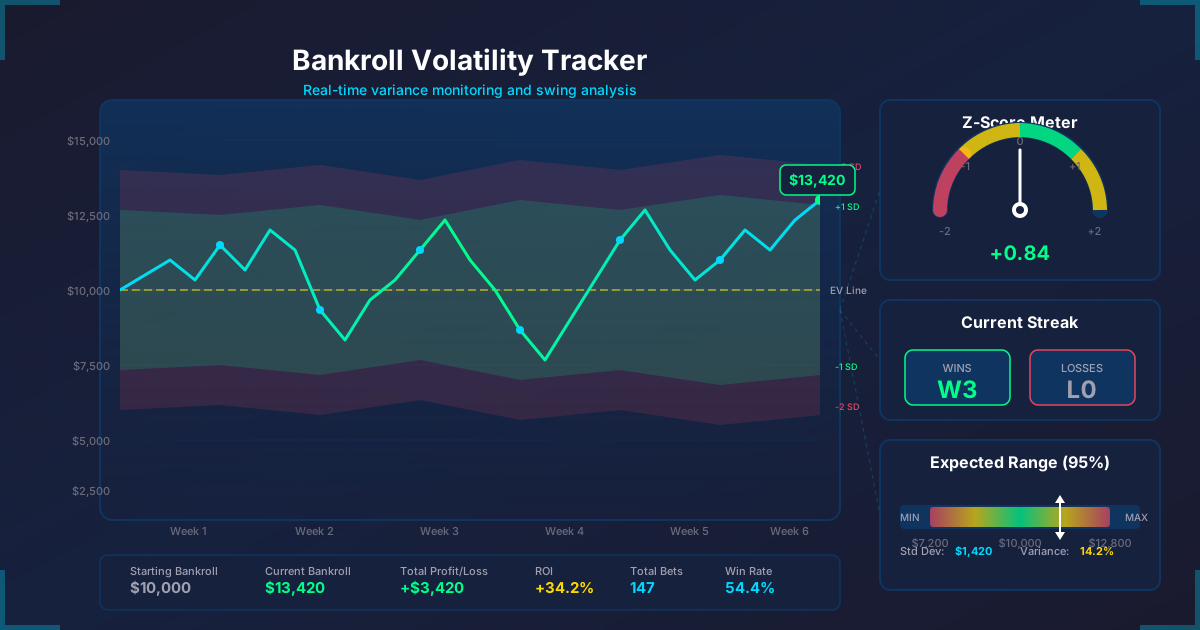
Monthly Bankroll Log:
January: Start $5,000 → End $5,800 (+16%)
February: Start $5,800 → End $5,200 (-10%)
March: Start $5,200 → End $6,400 (+23%)
April: Start $6,400 → End $7,100 (+11%)
May: Start $7,100 → End $6,800 (-4%)
June: Start $6,800 → End $8,200 (+21%)

6-Month: $5,000 → $8,200 (+64%)
Insight: Consistent growth despite variance
Example 6: Site Comparison
Results by Platform:
PokerStars (400 hours): $8,000 profit = $20/hour
GGPoker (200 hours): $5,400 profit = $27/hour
PartyPoker (100 hours): $1,200 profit = $12/hour

Decision: Shift more volume to GGPoker
Reason: Softer player pool, better hourly
Advanced Tracking Features
Hand History Integration
Connect session tracking with hand history analysis:
Session: January 29, 2026
Duration: 4 hours
Profit: +$340
Hands played: 450

Key hands imported:
- Hand #123: QQ vs KK, lost $150
- Hand #267: Bluff check-raise, won $95
- Hand #389: River value bet, won $120
Tilt Tracking
Monitor emotional state:
Tilt Scale: 1-10

Session 1: Tilt level 2, Profit +$180
Session 2: Tilt level 7, Profit -$300
Session 3: Tilt level 3, Profit +$95
Session 4: Tilt level 8, Profit -$450

Analysis:
Average profit when tilt <5: +$120/session
Average profit when tilt >5: -$175/session
Game Selection Notes
Track why you chose specific tables:
Table Selection Criteria:
- VPIP% of table (fish finder)
- Specific recreational players present
- Table starting conditions

Session: Table selected for fish in seat 3
Result: +$420, fish was primary profit source
Common Mistakes to Avoid
-
Incomplete Logging: Skipping sessions (especially losing ones) skews data. Log every session without exception.
-
Missing Duration: Without hours tracked, you can't calculate hourly rate, the most important metric.
-
No Notes: Numbers alone don't explain why you won or lost. Notes provide context for analysis.
-
Inconsistent Categories: Use the same labels consistently. "$1/$2 NL" and "1/2 NLHE" confuse analysis.
-
Ignoring the Data: Tracking without reviewing is pointless. Schedule monthly analysis sessions.
-
Results-Only Focus: Track decisions and situations, not just money won or lost.
Frequently Asked Questions
How long should I track before analyzing?
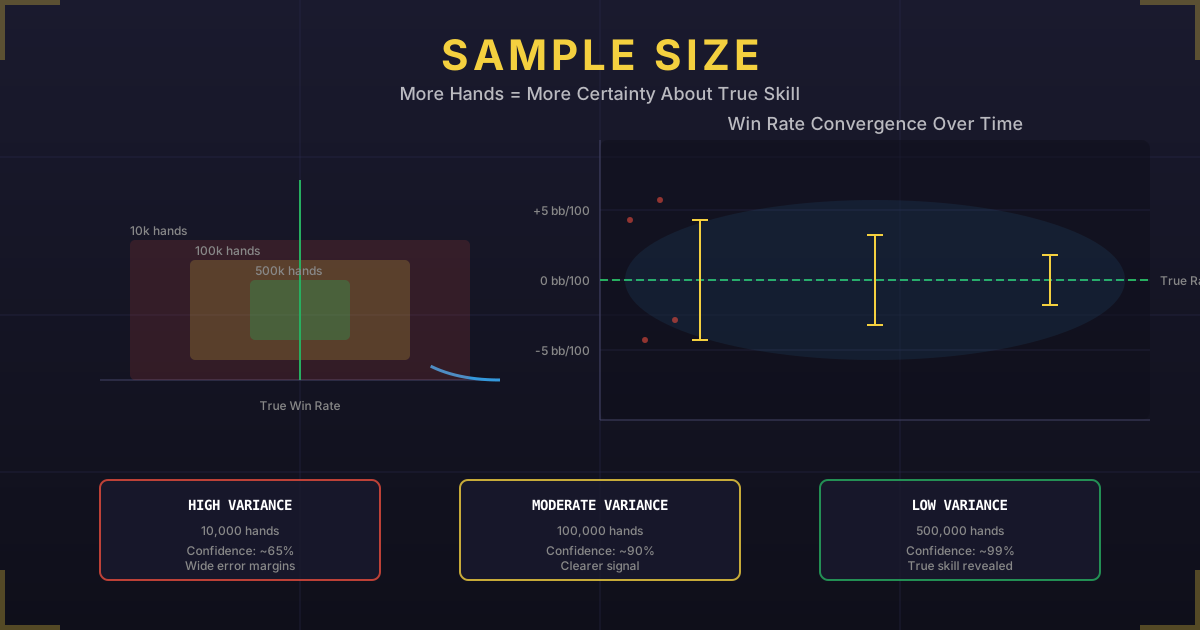
Minimum 50 sessions or 200 hours for initial trends. 6 months provides reliable data for most metrics. Full statistical significance requires 1+ year of data.
Should I track winning and losing sessions the same way?
Yes. Track every session identically. The temptation to skip losing sessions destroys data integrity.
What software should I use for tracking?
Options range from spreadsheets (Excel, Google Sheets) to dedicated poker tracking software (Poker Bankroll Tracker, Poker Manager). Choose based on your needs and technical comfort.
How detailed should my notes be?
Balance detail with sustainability. A few sentences per session is enough. Extensive notes on every hand becomes unsustainable.
Should I track home games?
Yes. All poker is poker. Home game data often reveals interesting patterns about casual play profitability.
How do I track multiple formats?
Maintain separate categories but in one system. Calculate format-specific metrics while also viewing aggregate performance.
What if I play different stakes during one session?
Either log as separate sessions or use a weighted average. Consistent approach matters more than which method.
How often should I review my data?
Quick check: Weekly (is anything unusual happening?) Detailed review: Monthly (trends and patterns) Deep analysis: Quarterly (strategic decisions)
Pro Tips
- Create a session logging template to ensure consistency
- Set calendar reminders for monthly data review
- Calculate rolling 3-month hourly to smooth variance
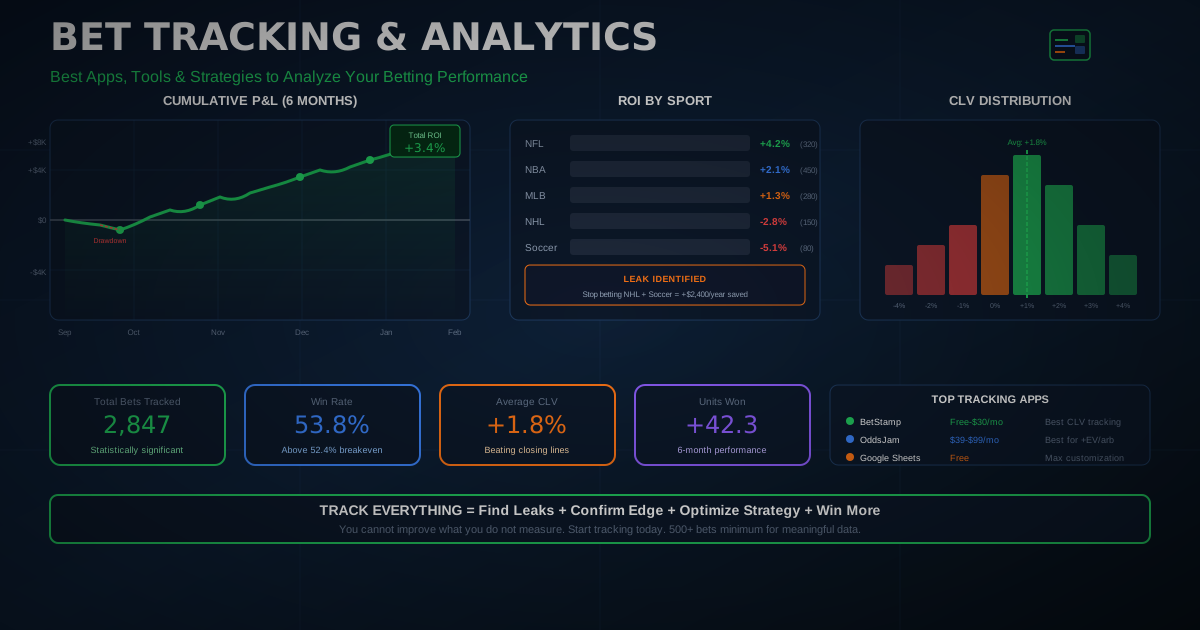
- Use data visualization (graphs, charts) to spot trends
- Compare your stats to publicly available benchmarks
- Track non-monetary goals (study hours, hands reviewed, etc.)
Related Calculators
- Win Rate Calculator - Calculate exact win rates
- Hourly Rate Calculator - Optimize time value
- Bankroll Calculator - Proper bankroll management
- MTT ROI Calculator - Tournament-specific tracking
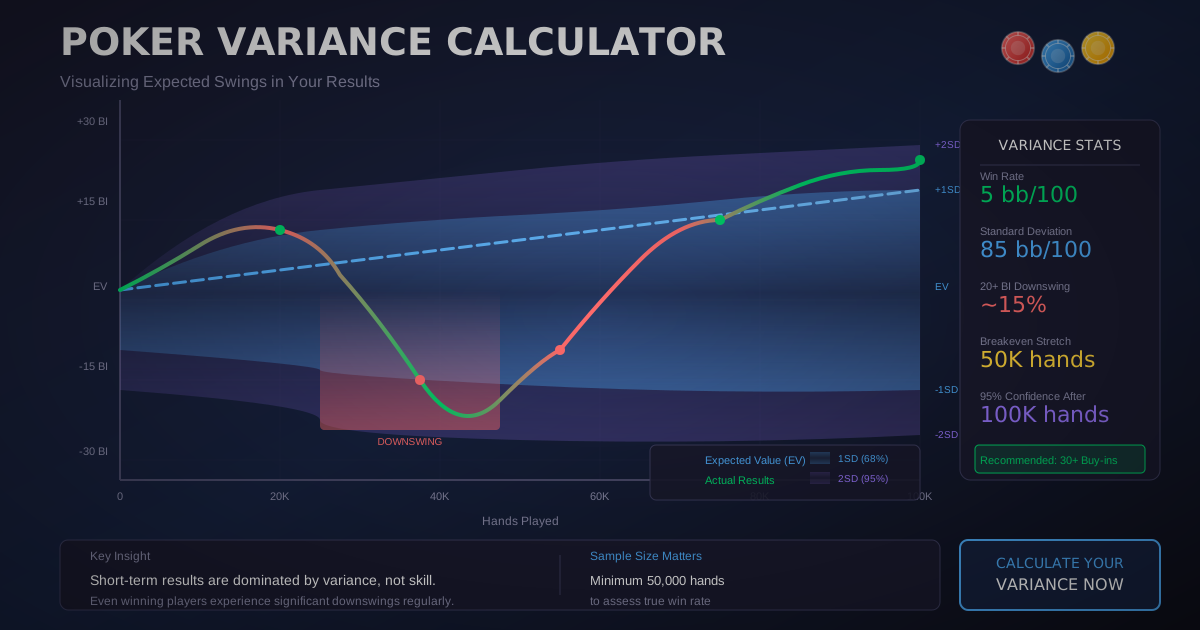
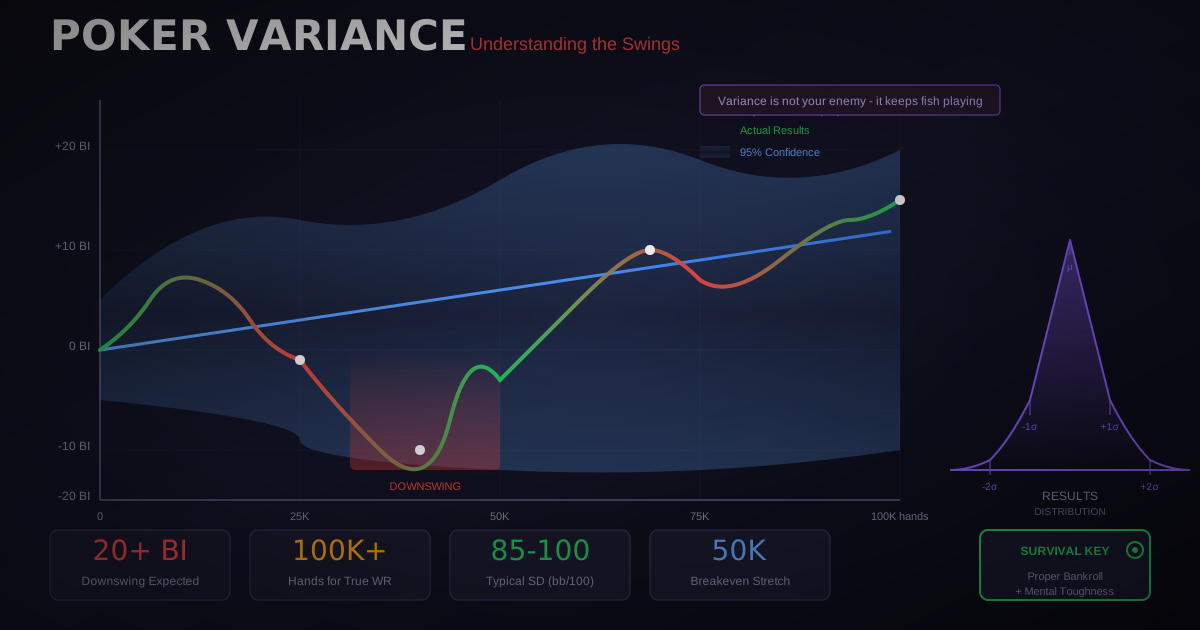
- Variance Calculator - Understand your swings
Conclusion
Session tracking transforms poker from a blur of hands into a quantified path to improvement. Our poker session tracker helps you collect, organize, and analyze the data that reveals your true strengths, weaknesses, and optimal playing conditions.
The players who track consistently and analyze thoroughly find edges invisible to those who rely on memory alone. Start tracking today, and within months you'll have insights that directly translate to higher win rates and better decisions.