Slot Machine RTP Calculator: Return to Player Analysis (2026)
Slot Machine RTP Calculator: Understanding Your Expected Return
RTP (Return to Player) determines how much of your money a slot machine pays back over time. Our calculator shows expected losses at different RTP levels and helps you understand slot machine mathematics.
What Is Slot Machine RTP?
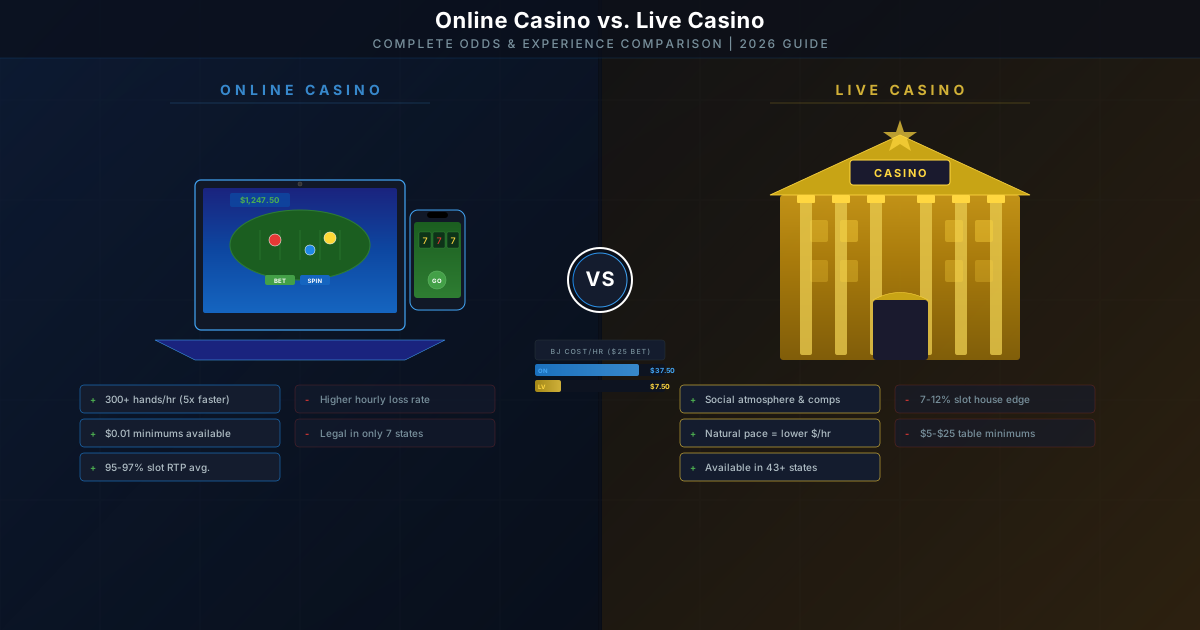
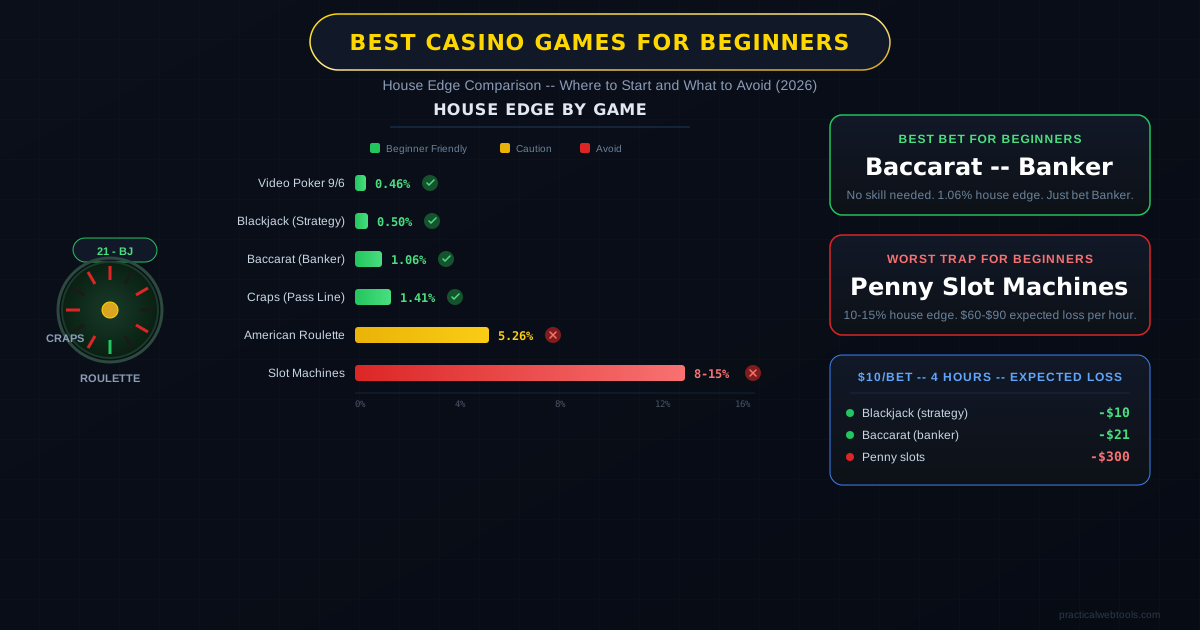
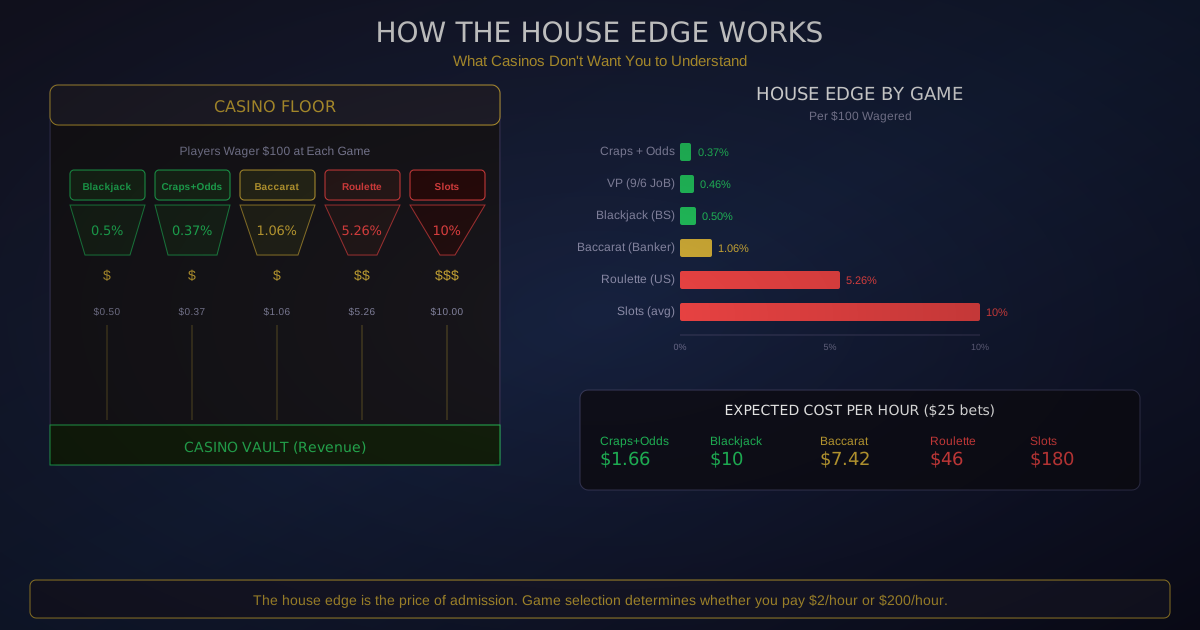
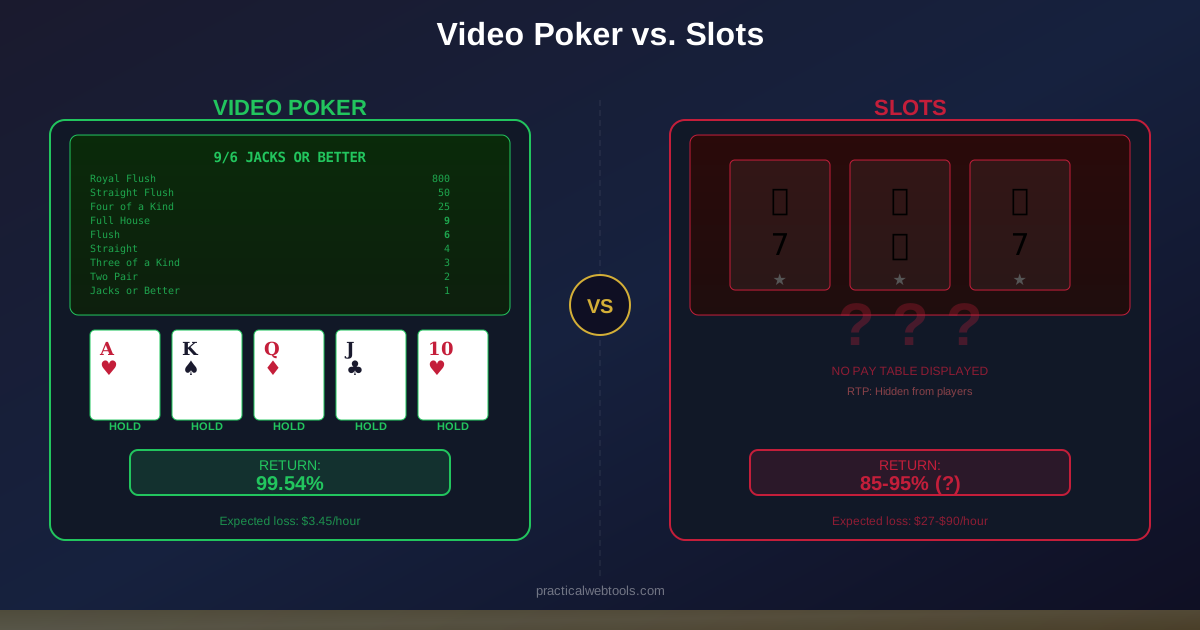
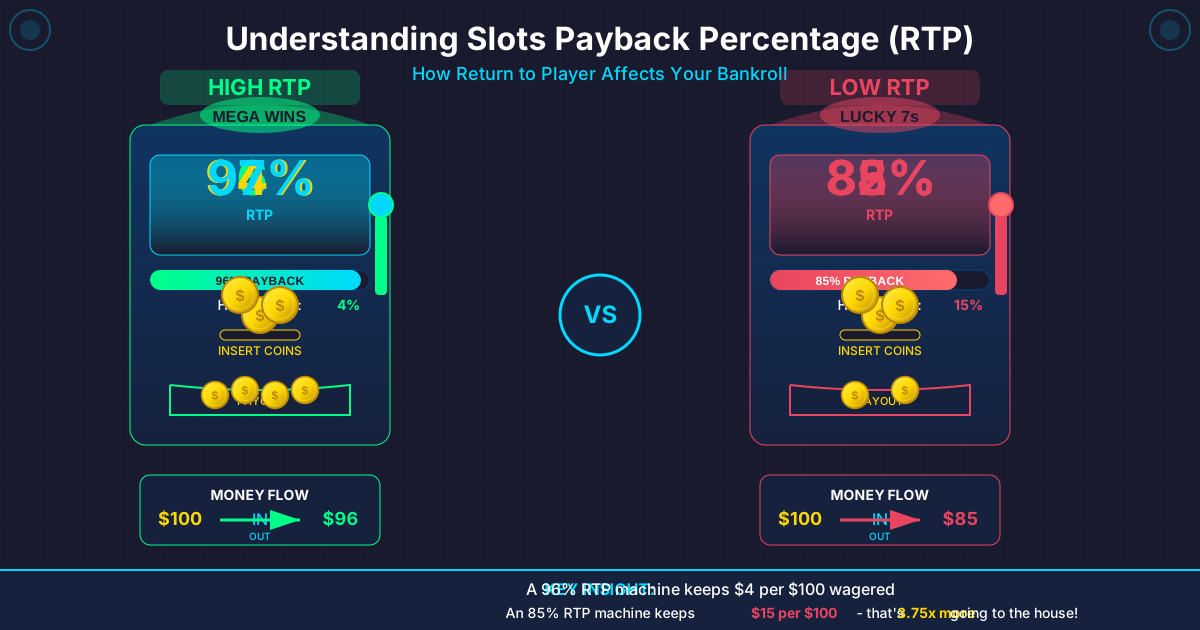
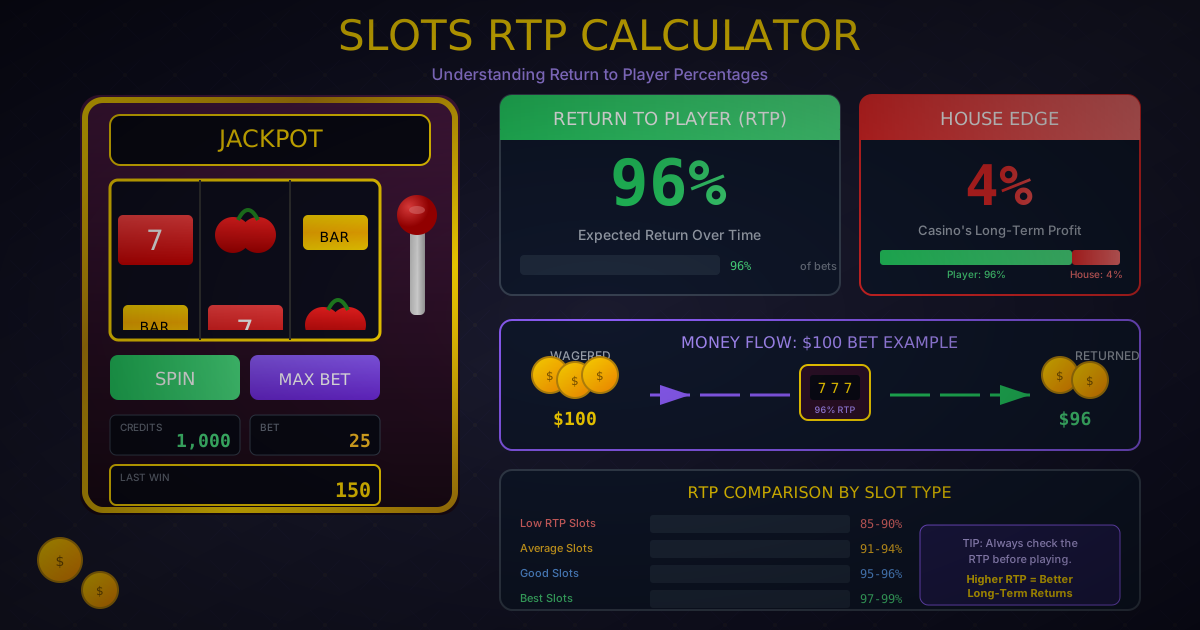
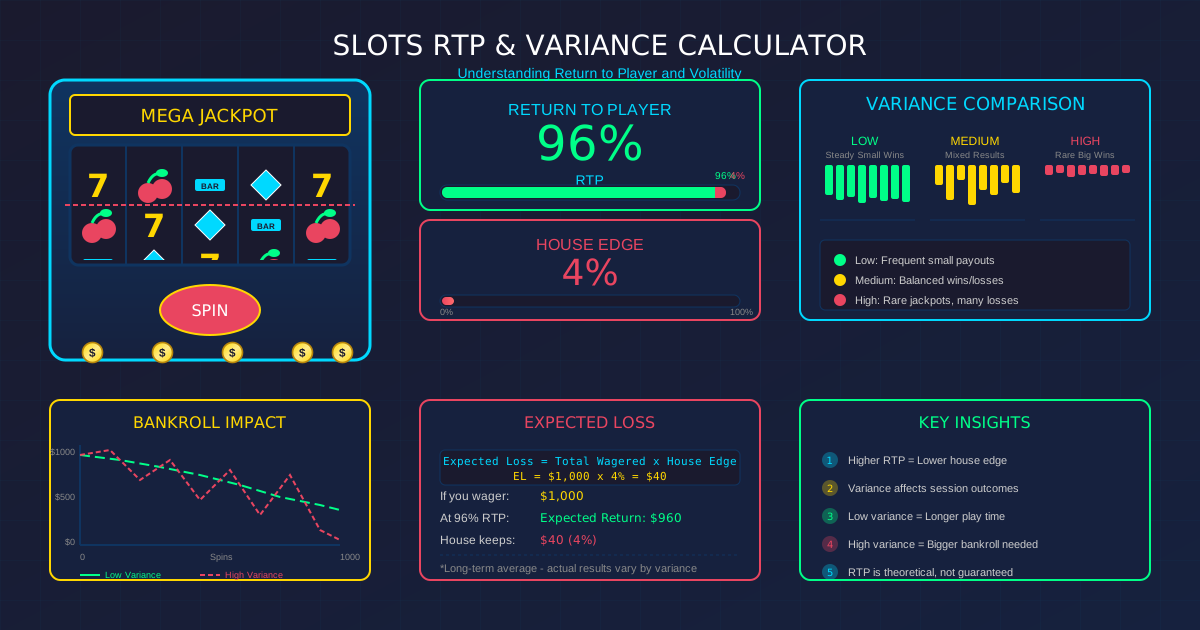
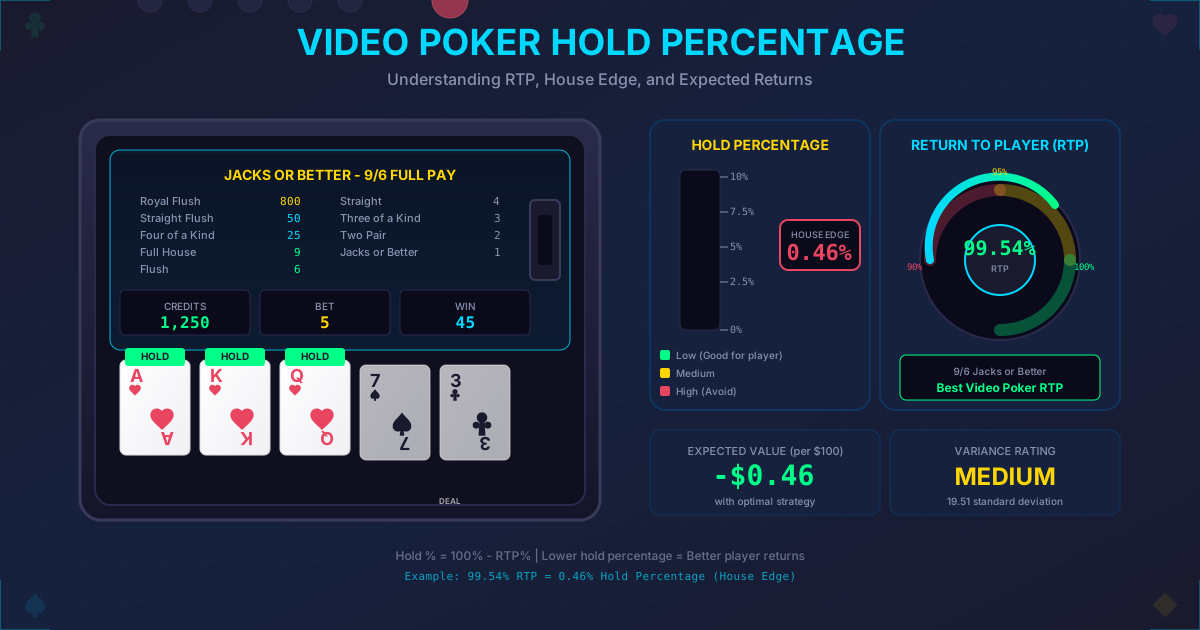
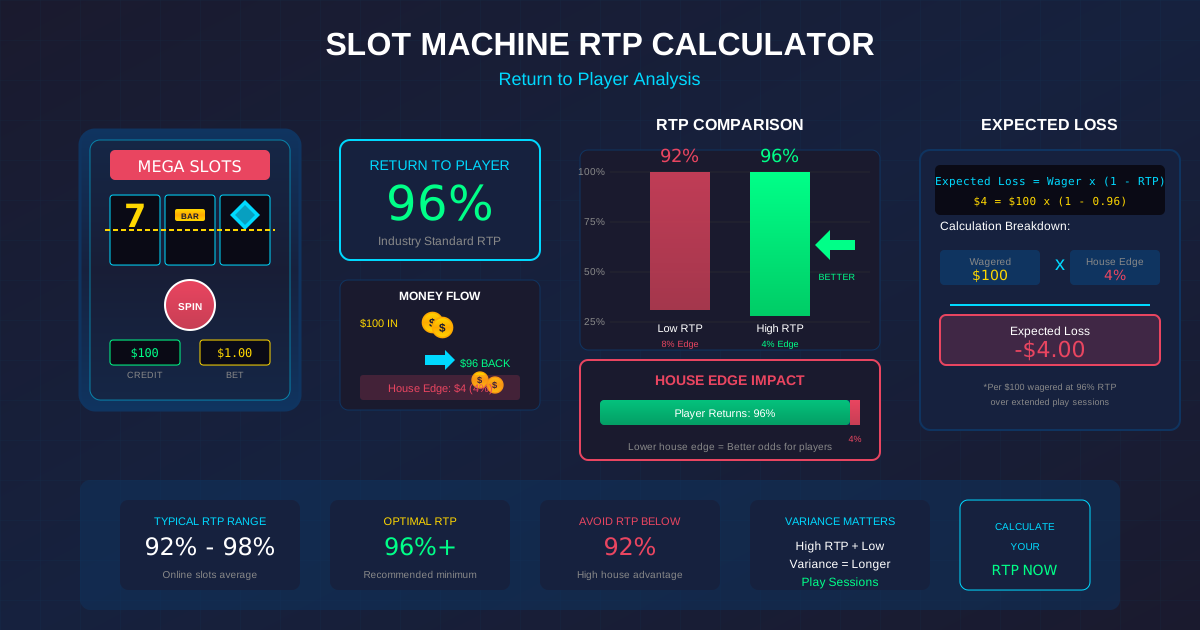
RTP is the theoretical percentage of wagered money a slot returns to players over millions of spins. A 96% RTP slot returns $96 for every $100 wagered on average—meaning a 4% house edge.
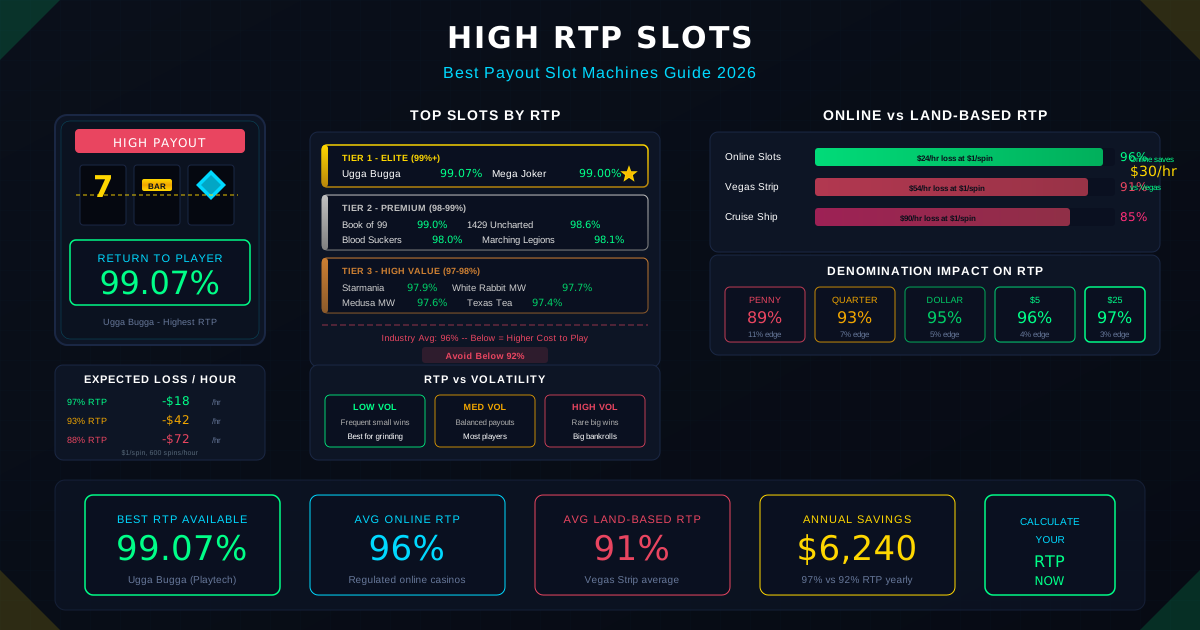
Quick Answer: RTP = (Total Won / Total Wagered) × 100. A 96% RTP slot has 4% house edge. Playing $100/hour at $1/spin, expect to lose $4/hour on average. Higher RTP = lower losses. Online slots typically have 94-98% RTP; land-based casinos often have 85-92%. Always check RTP before playing—the difference between 92% and 96% is significant over time.
How to Use Our RTP Calculator
Use the Slot Machine RTP Calculator →
Enter play parameters to see expected losses and compare RTP levels.
Step-by-Step Instructions
-
Enter RTP Percentage: Game's return rate
-
Input Bet Size: Per-spin wager
-
Enter Play Duration: Spins or time
-
View Expected Loss: Average loss over session
-
Compare RTP Levels: See impact of different games
Input Fields Explained
| Field | Description | Example |
|---|---|---|
| RTP | Return to Player | 96% |
| House Edge | Casino advantage | 4% |
| Bet Size | Per spin | $1.00 |
| Spins/Hour | Play speed | 600 |
| Hourly Wagered | Total action | $600 |
| Expected Loss/Hour | Average loss | $24 |
RTP Ranges by Platform
Online Slots
| RTP Range | Rating | Examples |
|---|---|---|
| 97%+ | Excellent | Select premium games |
| 95-97% | Good | Most major providers |
| 93-95% | Average | Standard games |
| Below 93% | Poor | Avoid if possible |
Land-Based Casinos
| Location | Typical RTP |
|---|---|
| Las Vegas Strip | 88-92% |
| Las Vegas Local | 92-95% |
| Atlantic City | 91-93% |
| Native American | Varies (often lower) |
| Cruise Ships | 85-90% |
Mobile/Social Slots
| Type | RTP Consideration |
|---|---|
| Real money | Same as online (94-97%) |
| Social/free | Often undisclosed, not regulated |
| Sweepstakes | Varies, check terms |
Expected Loss Calculation
Basic Formula
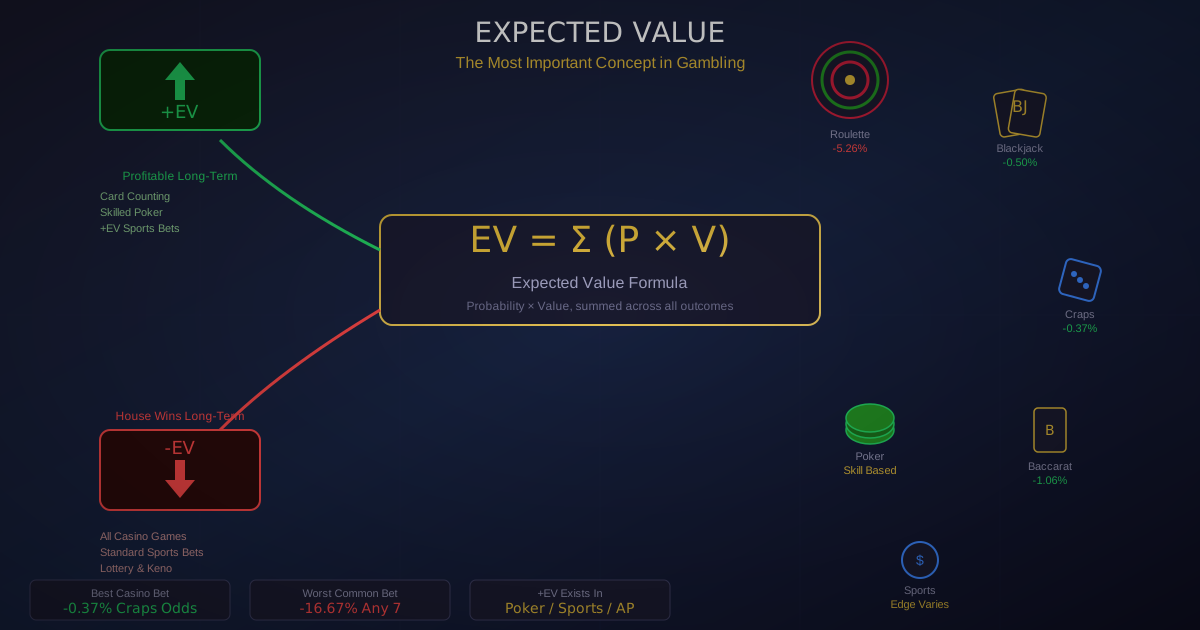
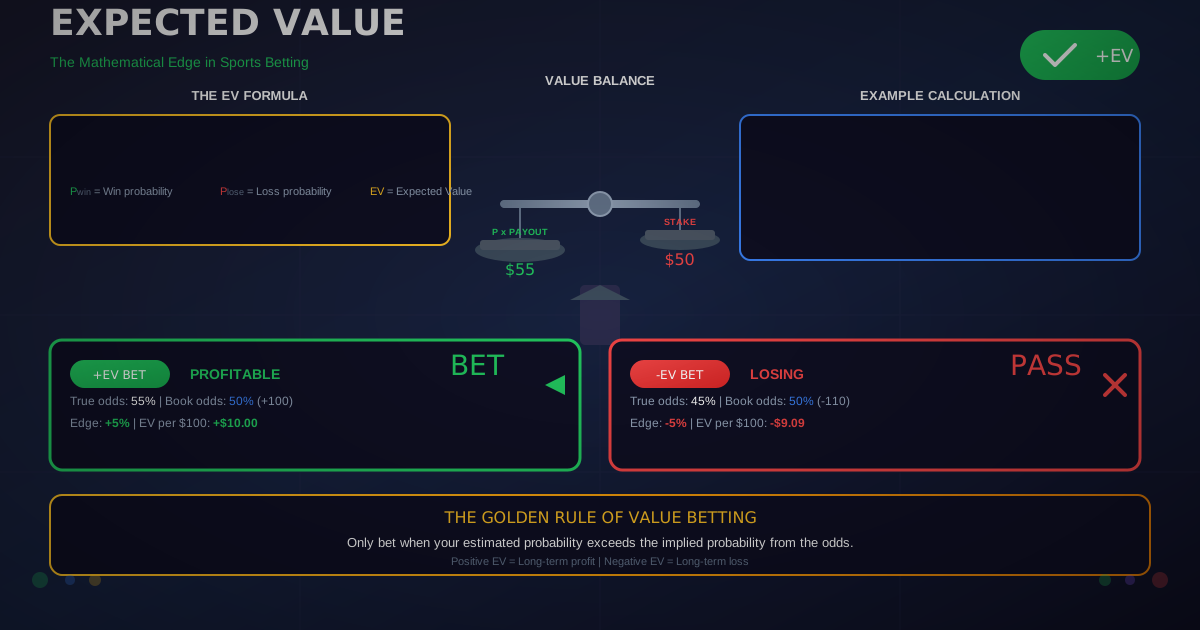
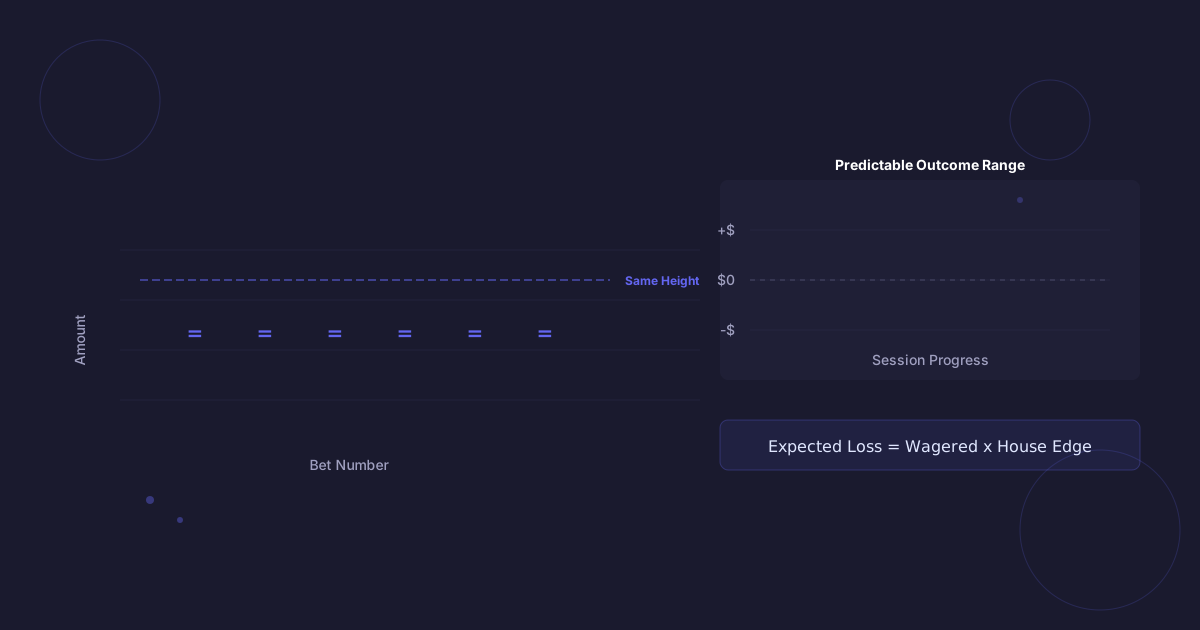
Expected Loss = Total Wagered × House Edge

Example:
$1/spin × 500 spins = $500 wagered
House edge: 4% (96% RTP)
Expected loss: $500 × 0.04 = $20
Hourly Loss Rates
| RTP | $0.50/spin | $1/spin | $3/spin |
|---|---|---|---|
| 98% | $6/hour | $12/hour | $36/hour |
| 96% | $12/hour | $24/hour | $72/hour |
| 94% | $18/hour | $36/hour | $108/hour |
| 92% | $24/hour | $48/hour | $144/hour |
| 88% | $36/hour | $72/hour | $216/hour |
*Assuming 600 spins/hour
Session Expected Loss
| Session | 92% RTP | 96% RTP | Difference |
|---|---|---|---|
| 1 hour | $48 | $24 | $24 saved |
| 4 hours | $192 | $96 | $96 saved |
| Weekend | $384 | $192 | $192 saved |
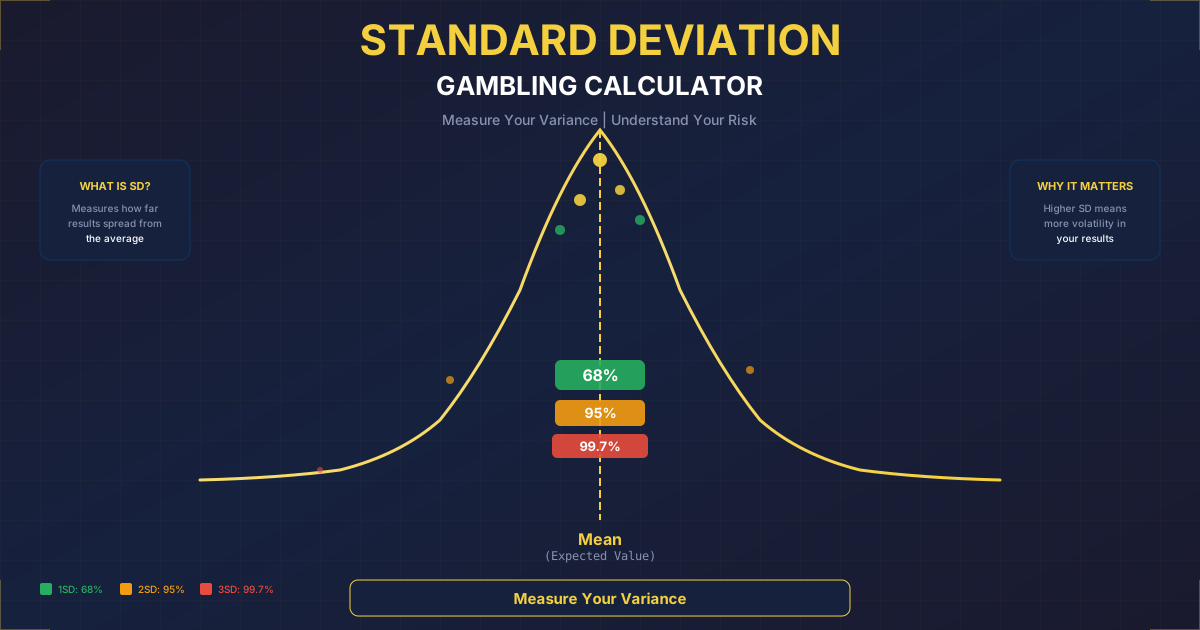
Volatility/Variance
What Is Slot Volatility?
| Level | Characteristics |
|---|---|
| Low | Frequent small wins, steady play |
| Medium | Balanced wins and losses |
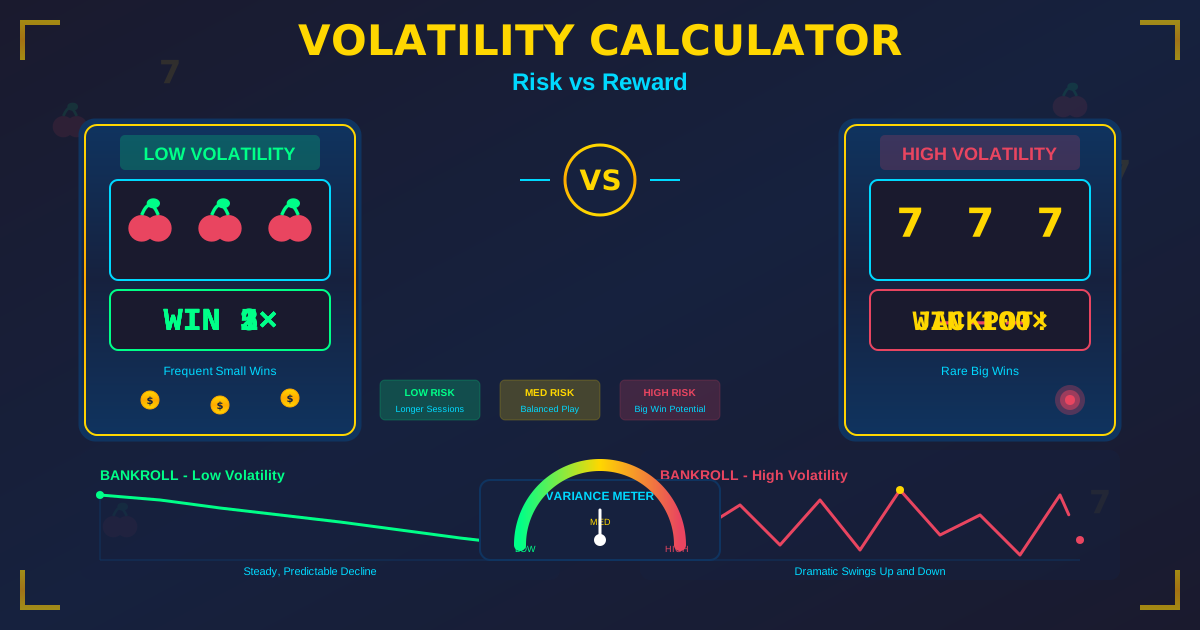
| High | Rare big wins, long dry spells |
Volatility vs RTP
Both slots have 96% RTP:

Low volatility: Win $1 frequently
High volatility: Win $1,000 rarely

Same expected loss, very different experience
Choosing by Preference
| Player Type | Best Volatility |
|---|---|
| Entertainment-focused | Low |
| Balanced experience | Medium |
| Jackpot hunting | High |
| Limited bankroll | Low |
| Large bankroll | Any |
Real-World Examples
Example 1: Comparing Two Slots
Slot A: 94% RTP Slot B: 97% RTP Session: $500 wagered
Slot A expected loss: $500 × 6% = $30
Slot B expected loss: $500 × 3% = $15
Difference: $15 (50% less on Slot B)
Example 2: Hourly Play
Slot: 96% RTP Bet: $2.50/spin Speed: 600 spins/hour
Hourly wagered: $2.50 × 600 = $1,500 Expected loss: $1,500 × 4% = $60/hour
Example 3: Jackpot vs Regular
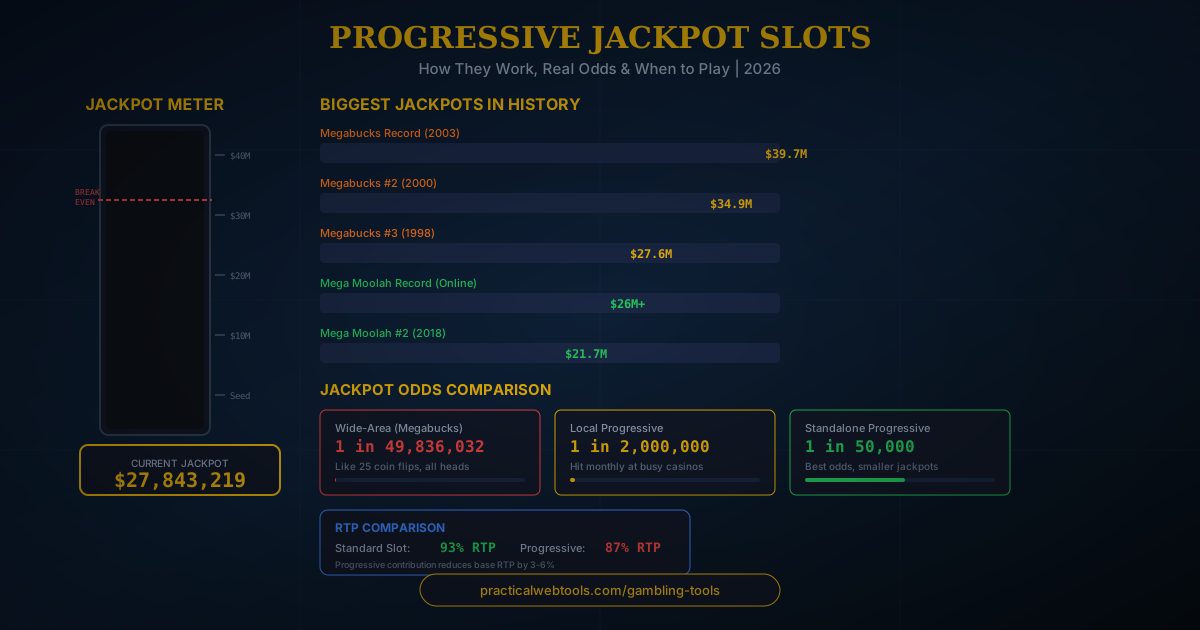
Progressive (92% RTP):
- 8% house edge
- Jackpot contribution: ~2%
- Base game: ~90% effective RTP
Regular (96% RTP):
- 4% house edge
- No jackpot contribution
- Consistent return
For non-jackpot hits, regular is twice as good
Understanding RTP Misconceptions
What RTP Doesn't Mean
| Misconception | Reality |
|---|---|
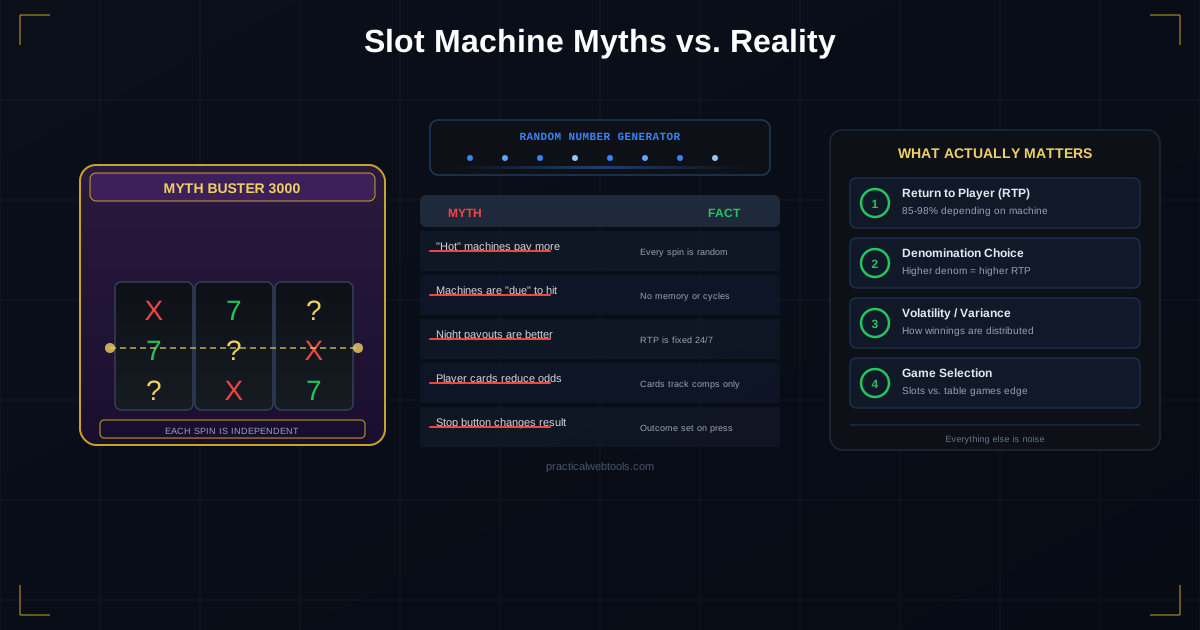
| "96% means I keep 96%" | 96% of money wagered returns (not deposited) |
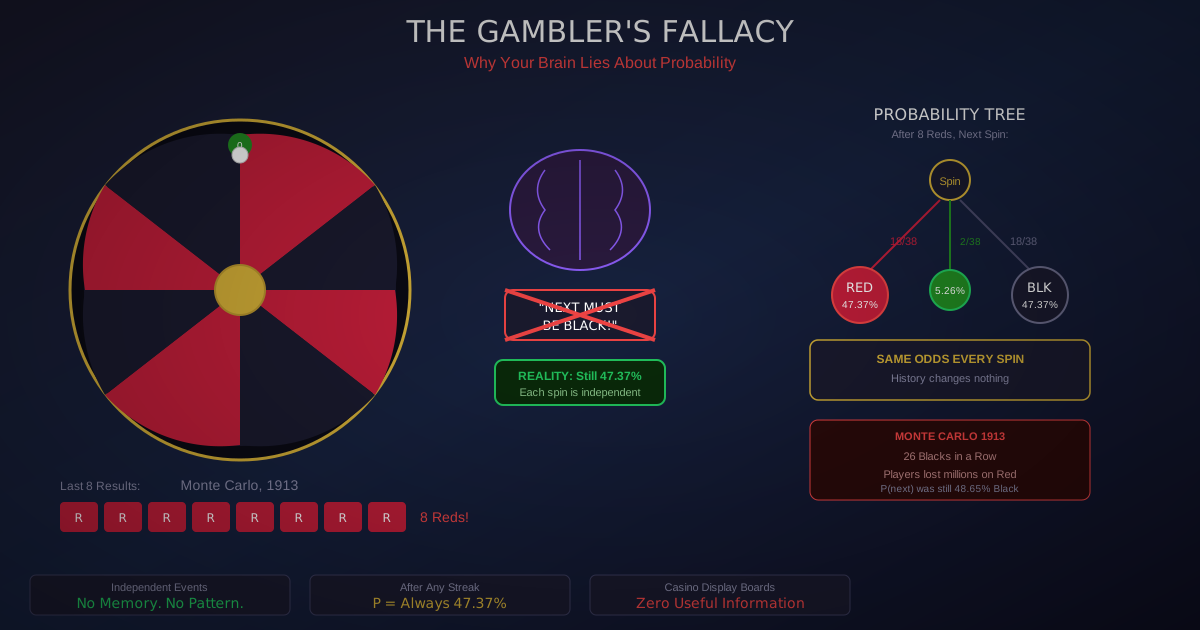
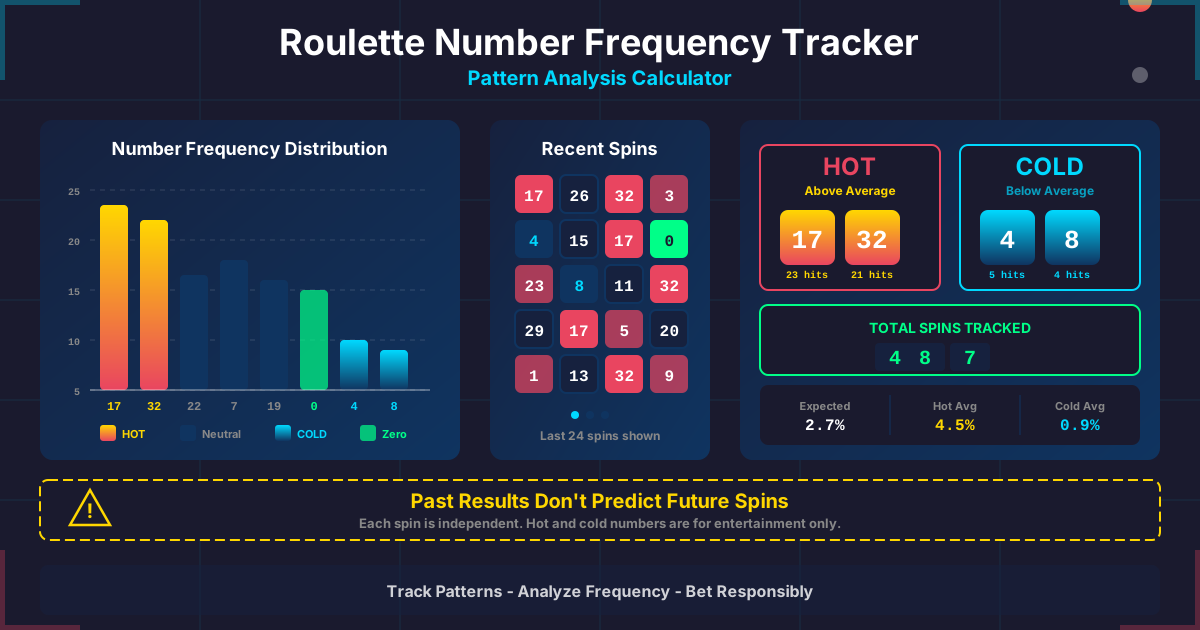
| "Due for a win" | Each spin is independent |
| "Hot/cold machines" | RNG makes past irrelevant |
| "Time of day matters" | RTP is constant |
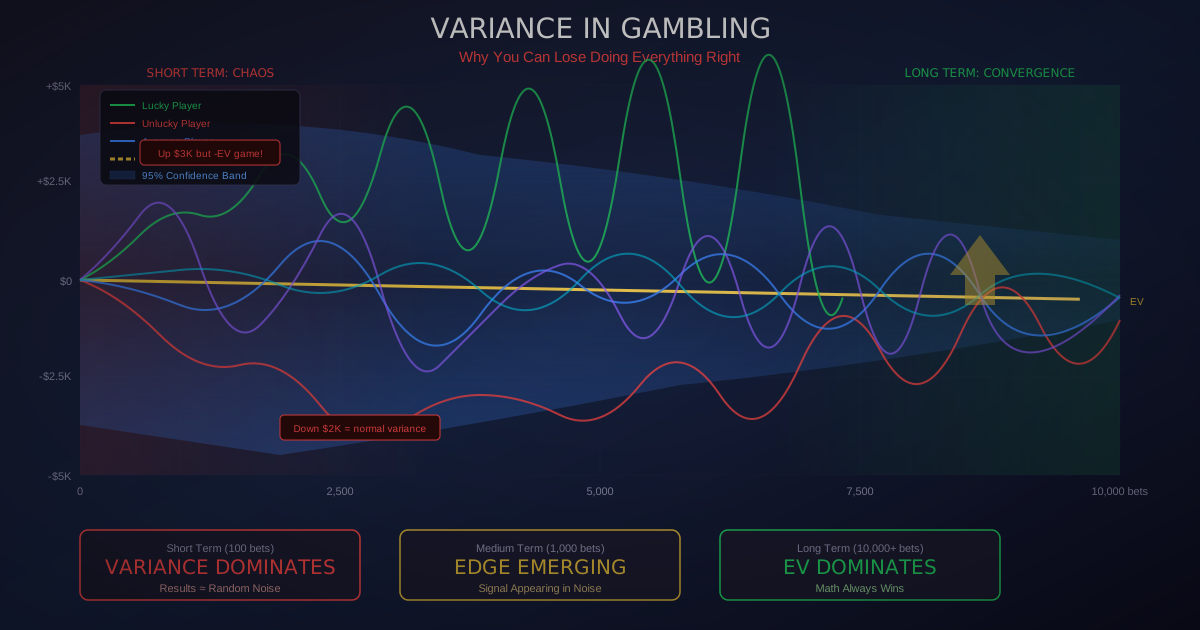
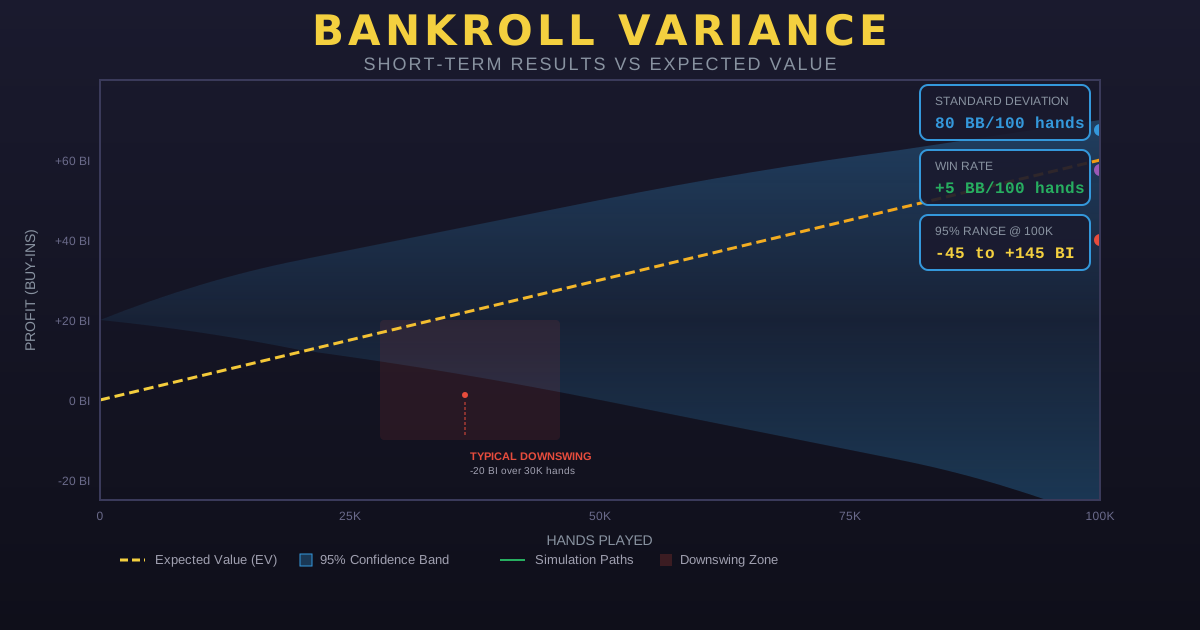
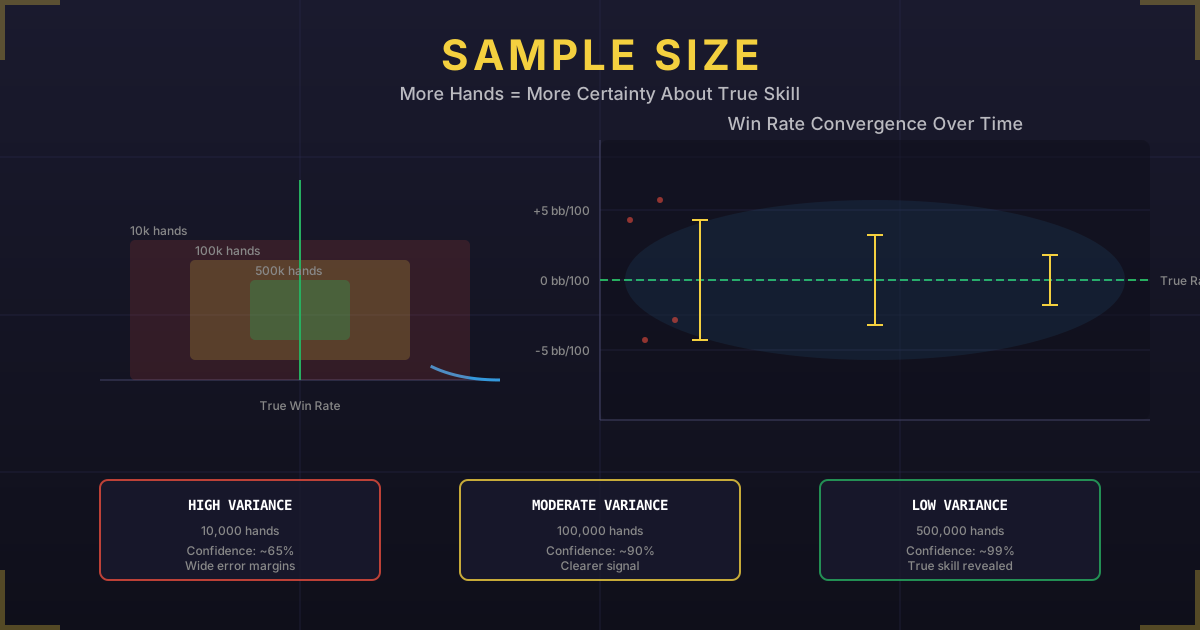
RTP Over Different Timeframes
| Spins | Actual RTP Range |
|---|---|
| 100 | Could be 0-500%+ |
| 1,000 | Wide variance |
| 10,000 | Approaching expected |
| 1,000,000 | Very close to stated RTP |
The Reality of Short Sessions
Session: 200 spins at $1
Expected: Lose $8 (96% RTP)

Actual possible outcomes:
- Lose $200 (bust)
- Lose $50 (bad session)
- Break even (lucky)
- Win $100 (very lucky)
- Win $1,000+ (hit bonus/jackpot)

Short-term: Anything can happen
Long-term: RTP determines average
Finding RTP Information
Where to Find RTP
| Source | Reliability |
|---|---|
| Game rules/info screen | Accurate (required disclosure) |
| Casino website | Usually accurate |
| Provider website | Accurate |
| Third-party databases | Generally reliable |
| Estimated/guessed | Avoid |
RTP by Provider (Typical)
| Provider | Typical RTP Range |
|---|---|
| NetEnt | 95-97% |
| Microgaming | 94-96% |
| Playtech | 94-96% |
| IGT | 92-96% |
| Novomatic | 94-96% |
| Pragmatic | 94-96% |
Maximizing RTP Value
Best Practices
| Practice | Benefit |
|---|---|
| Check RTP before playing | Avoid low-payout games |
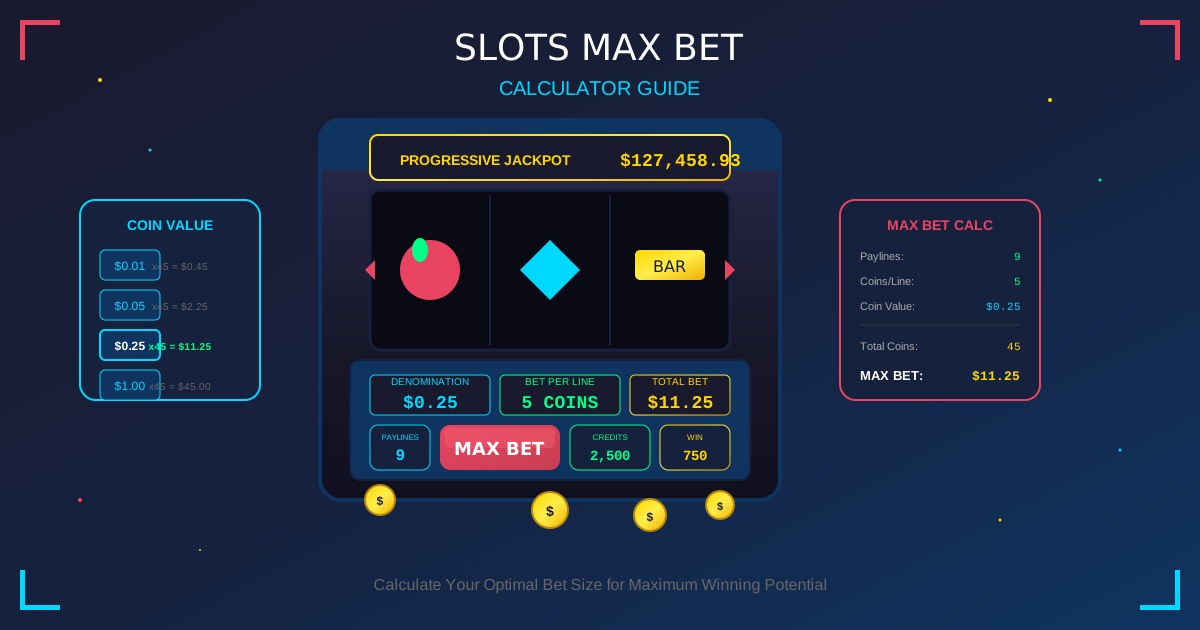
| Play max bet strategically | Some games require it for best RTP |
| Online over land-based | Higher RTPs online |
| Compare similar games | Choose higher RTP option |
Common High-RTP Games
| Game Type | Typical Best RTP |
|---|---|
| Classic slots | 97-98% |
| Video slots | 95-97% |
| Progressive jackpots | 88-92% base |
| Branded/licensed | Often lower (licensing costs) |
Common RTP Mistakes
1. Ignoring RTP Completely
Mistake: Playing any available slot Problem: 92% vs 97% = huge difference over time Fix: Always check RTP before playing
2. Chasing Losses on Low RTP
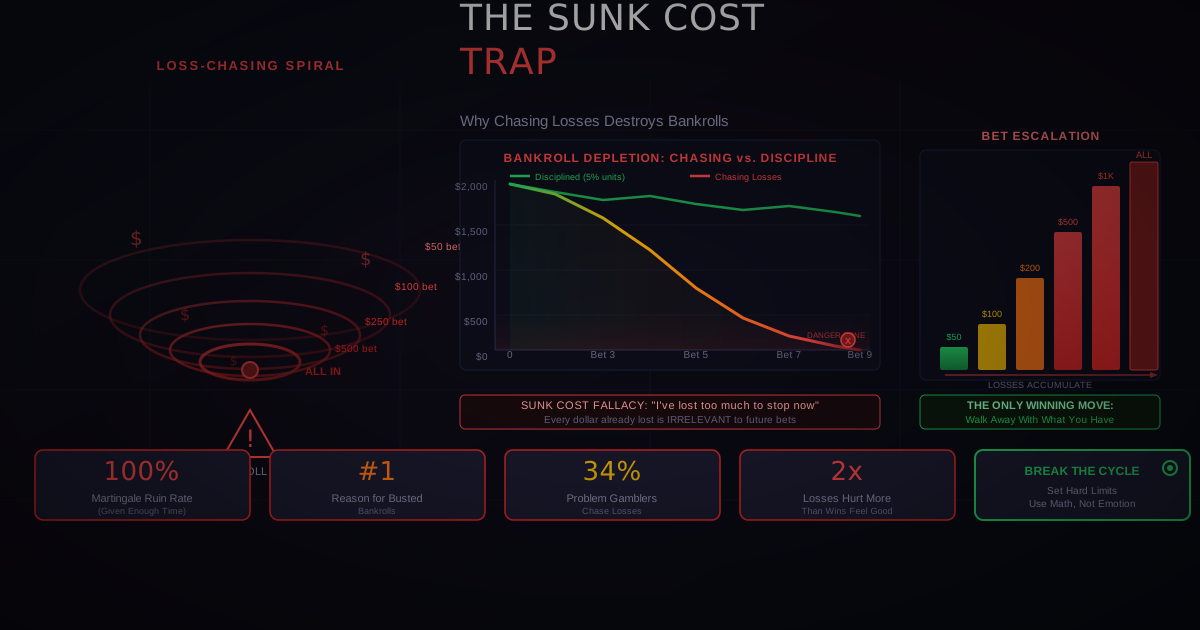
Mistake: Staying on poor-paying slot hoping it "evens out" Problem: Low RTP means higher expected loss Fix: Switch to higher RTP game
3. Believing in Patterns
Mistake: "This machine is due" Problem: RNG = independent outcomes Fix: Understand randomness
4. Ignoring Volatility
Mistake: Playing high volatility with small bankroll Problem: Likely bust before big win Fix: Match volatility to bankroll size
Frequently Asked Questions
Does RTP guarantee I'll win?
No. RTP is long-term average. Short sessions can deviate wildly. You might lose your entire bankroll or hit a jackpot—both are possible regardless of RTP.
Can casinos change slot RTP?
Land-based casinos can configure some machines differently. Online slots typically have fixed RTPs set by providers, verified by regulators.
Is higher RTP always better?
Generally yes for expected value. But volatility matters too—a 96% high-volatility slot may feel worse than a 94% low-volatility slot if you're budget-conscious.
Why do progressive jackpots have lower RTP?
Part of each bet funds the jackpot. That contribution (typically 1-3%) comes from base game RTP. If you don't hit the jackpot, you're playing at reduced RTP.
Do bonus rounds affect RTP?
Bonus rounds are part of the overall RTP calculation. Some games have most of their return in bonus rounds, making base game feel lower.
Is there any way to beat slots long-term?
No (except advantage play like bonus hunting). RTP ensures house always wins over time. Best strategy: choose highest RTP, manage bankroll, accept entertainment cost.
Advanced Concepts
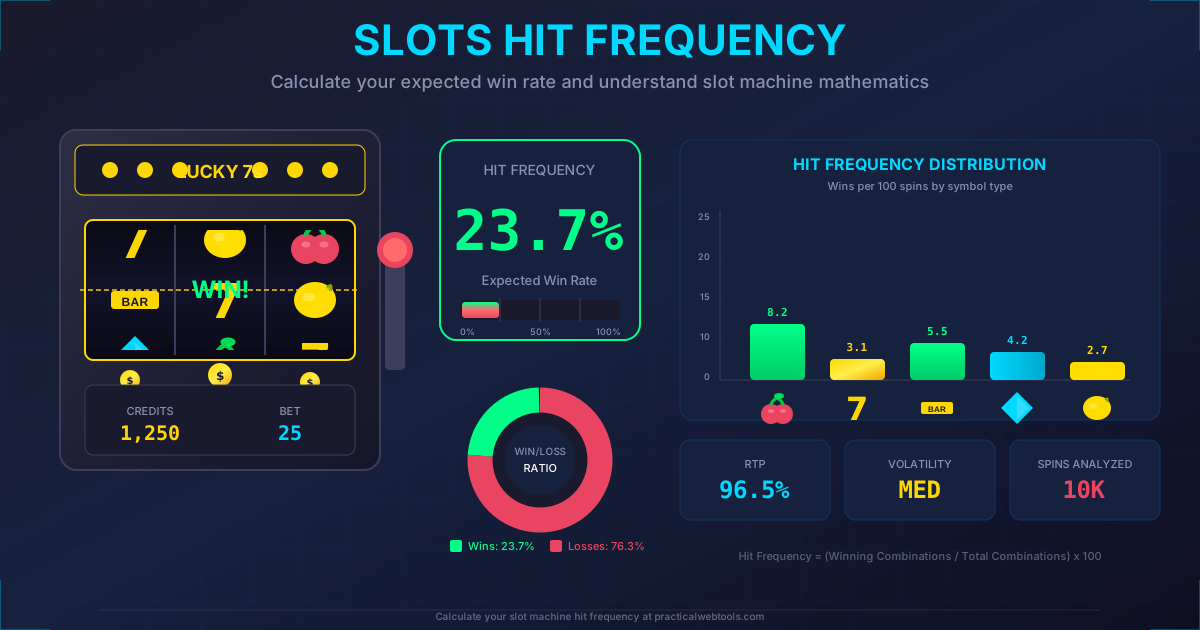
Hit Frequency vs RTP
Hit Frequency: How often you win something
RTP: Total money returned

High hit frequency, low win amounts = low volatility
Low hit frequency, high win amounts = high volatility

Both can have same RTP
Theoretical vs Actual RTP
Theoretical: Mathematical calculation (stated RTP)
Actual: Real performance over period

Actual varies from theoretical due to:
- Random variance
- Sample size
- Jackpot hits/misses
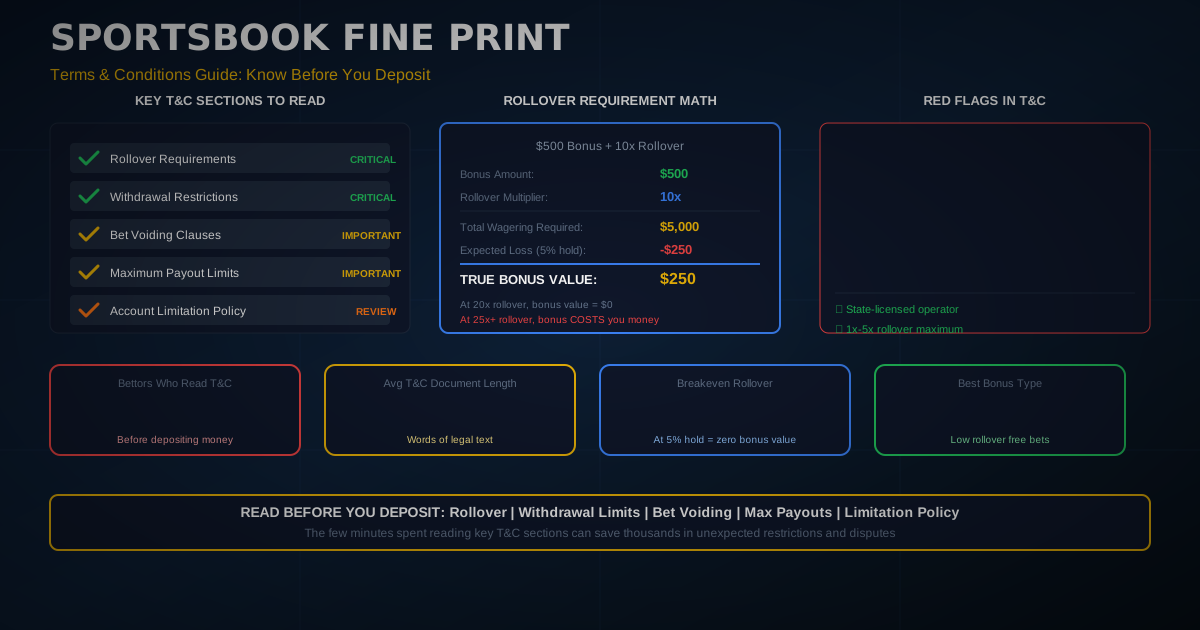
RTP and Wagering Requirements
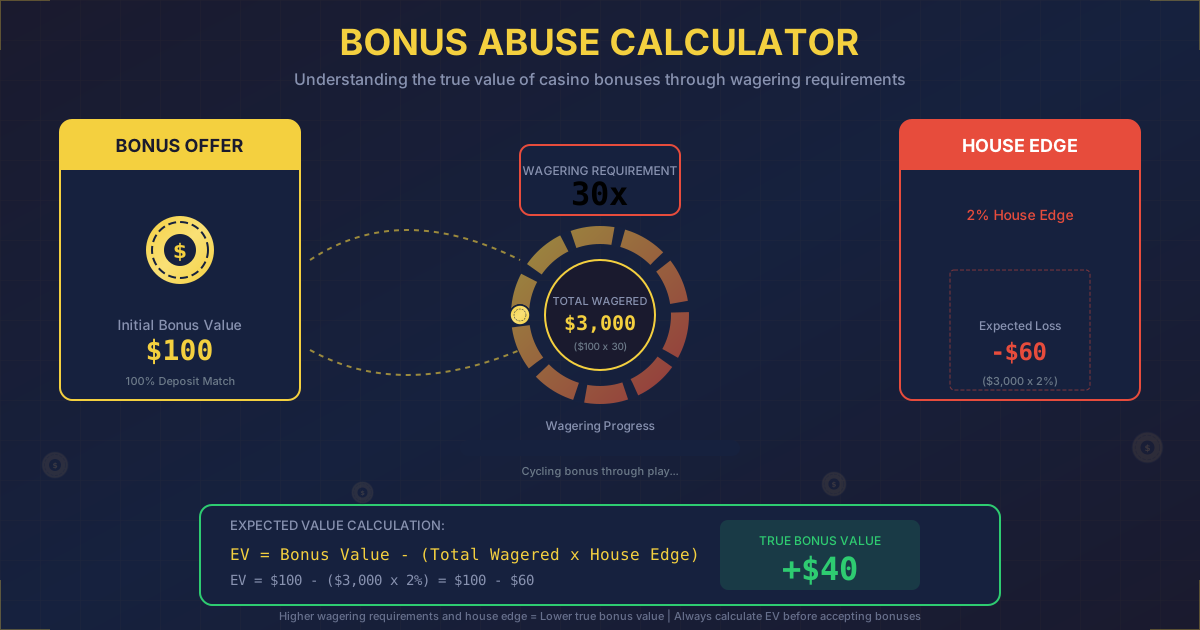
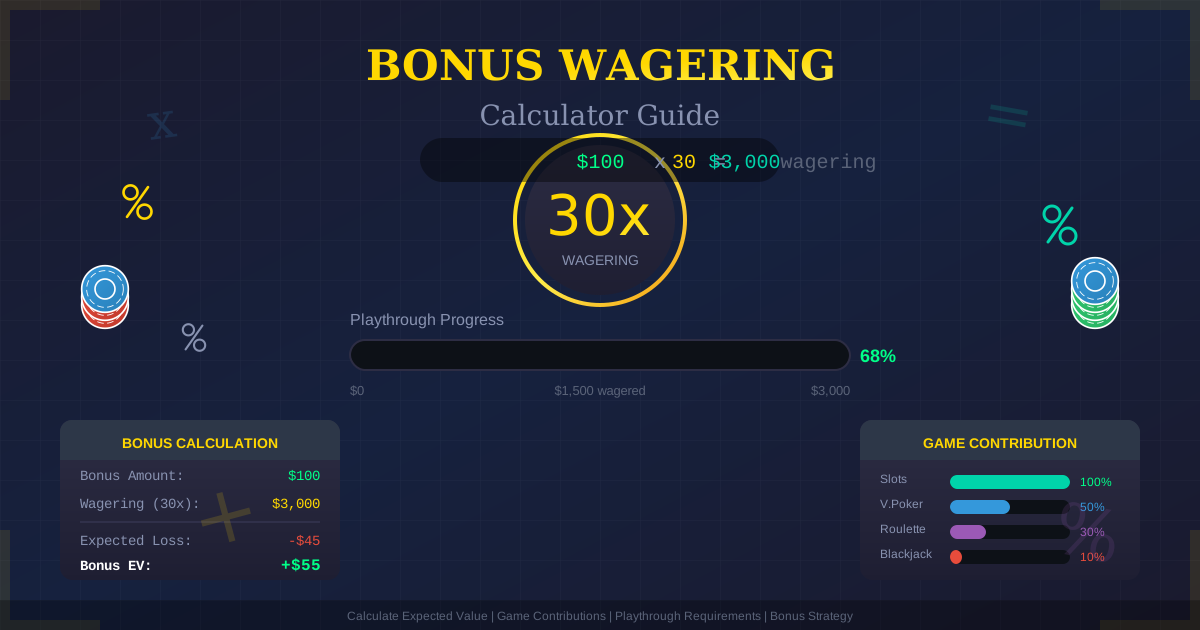
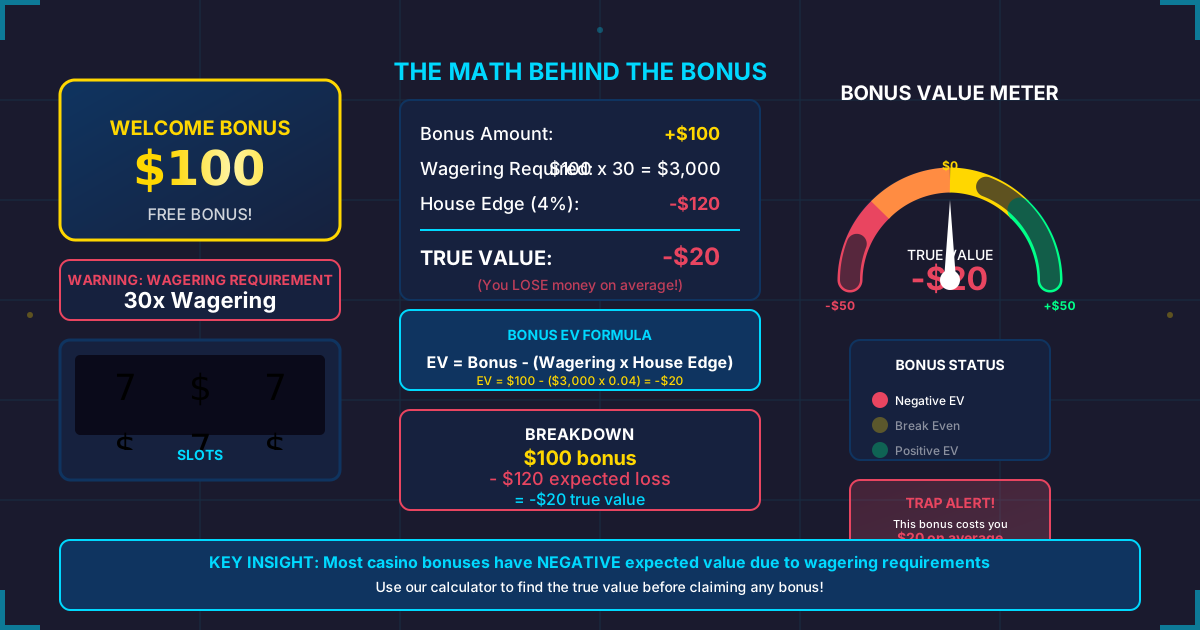
Bonus: $100, 30× wagering requirement
Wagering needed: $3,000

At 96% RTP:
Expected loss: $3,000 × 4% = $120

Bonus + expected loss: $100 - $120 = -$20 (negative EV)

Always factor RTP into bonus calculations
Pro Tips
-
Always check RTP: Few seconds saves dollars
-
Online beats land-based: 95%+ vs 85-92%
-
Skip progressives: Unless jackpot hunting
-
Match volatility to bankroll: High volatility needs bigger bankroll
-
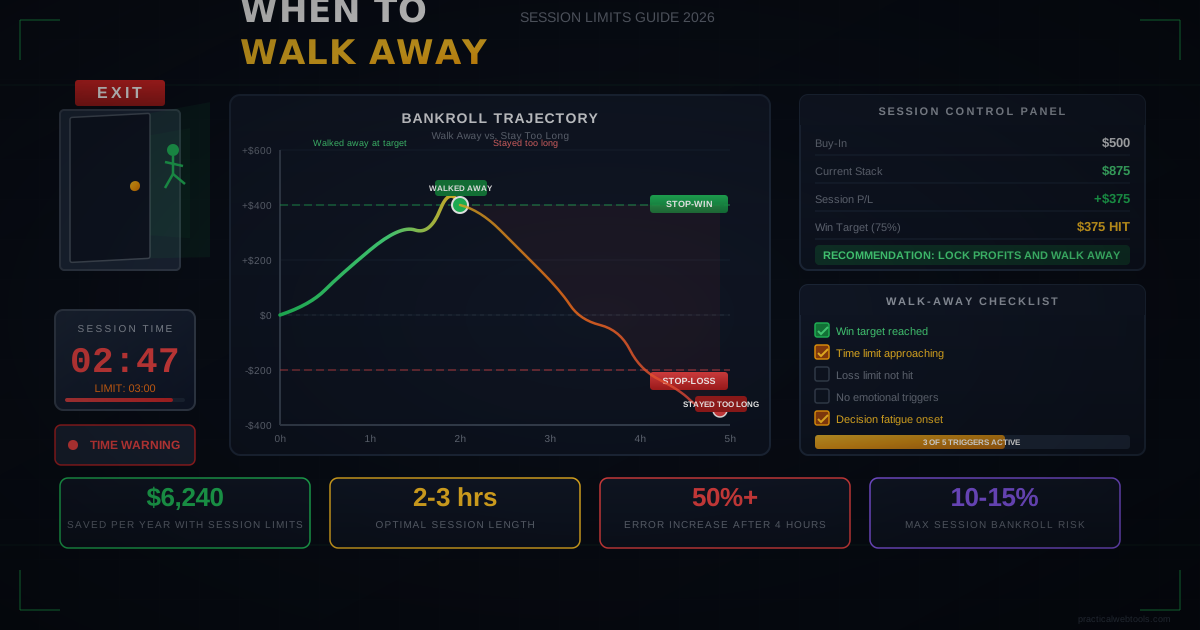
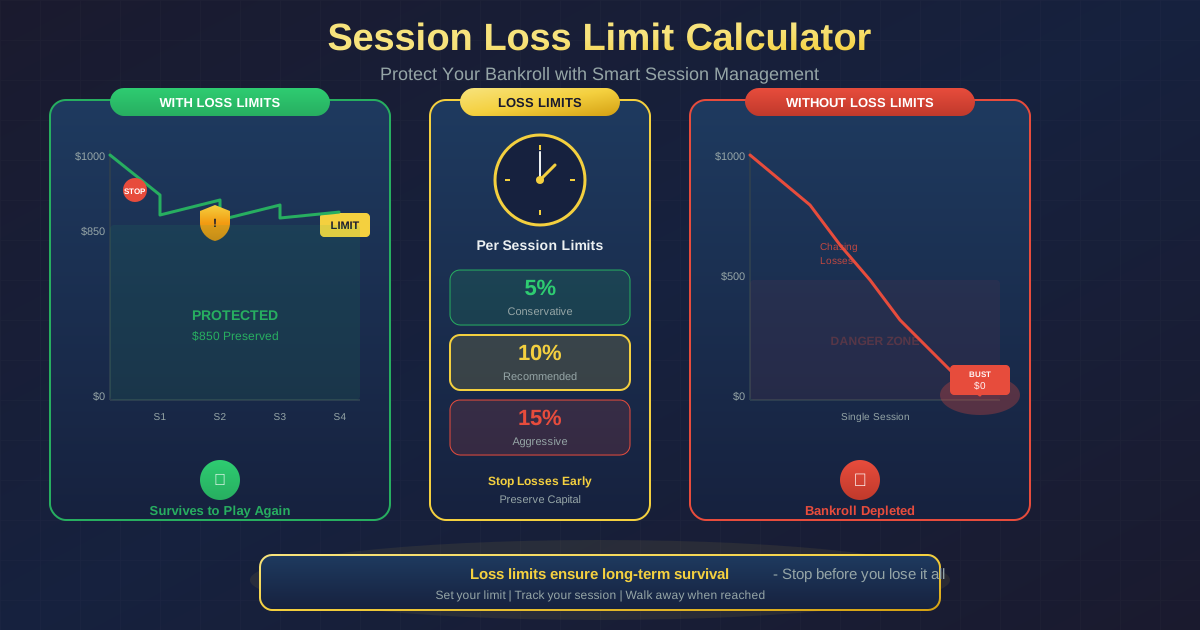
Set loss limits: RTP guarantees loss over time
Related Calculators
- Expected Value Calculator - EV analysis
- Probability Calculator - Probability basics
- Bankroll Calculator - Bankroll management
- House Edge Calculator - Edge comparison
- Gambling Loss Calculator - Loss projection
Conclusion
Slot machine RTP directly determines your expected losses. Our calculator shows exactly how much different RTP levels cost you over time, empowering informed game selection. A 4% difference in RTP (92% vs 96%) means double the expected loss—significant over any meaningful play time. Check RTP, choose wisely, and understand that even the best slots guarantee the house wins long-term.
Calculate Slot RTP Impact Now →
Understanding RTP transforms slot play from random button pushing to informed entertainment. Our calculator shows the mathematical reality behind every spin, helping you choose games that minimize expected loss while still enjoying the entertainment slots provide. Know your numbers, set your limits, and play smarter.