Poker Range Equity Calculator: Hand vs Range Analysis (2026)
Poker Range Equity Calculator: Evaluating Against All Possibilities
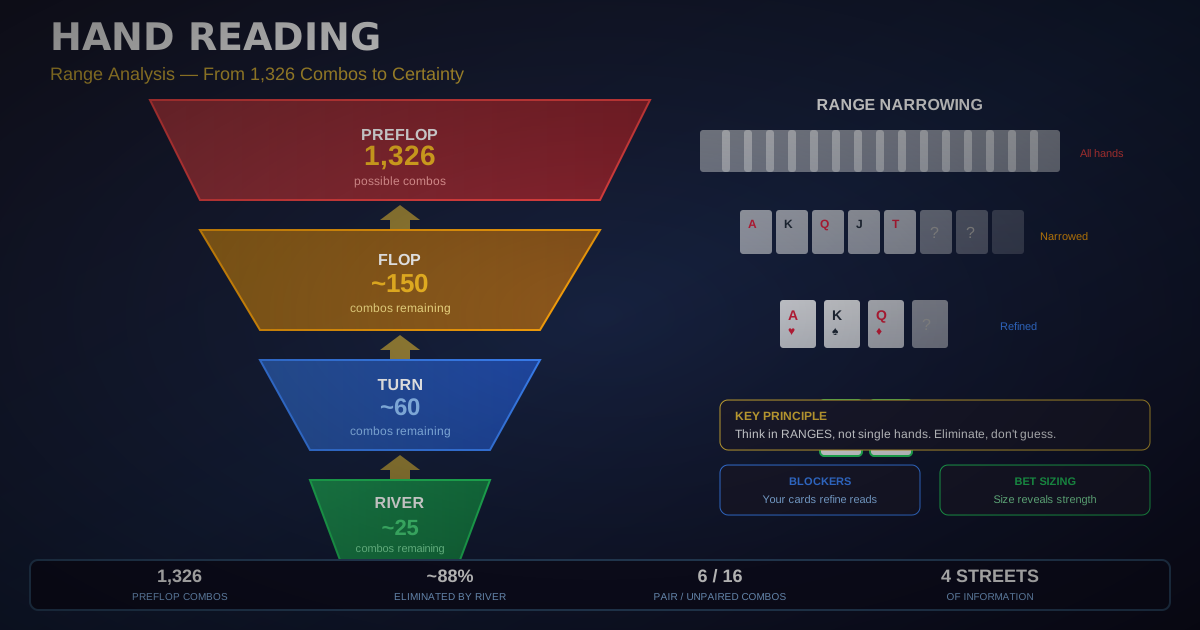
Range equity measures how your hand performs against an opponent's entire likely holdings—not just one specific hand. Our calculator shows weighted equity against ranges, helping you make mathematically sound decisions against thinking opponents.
What Is Range Equity?
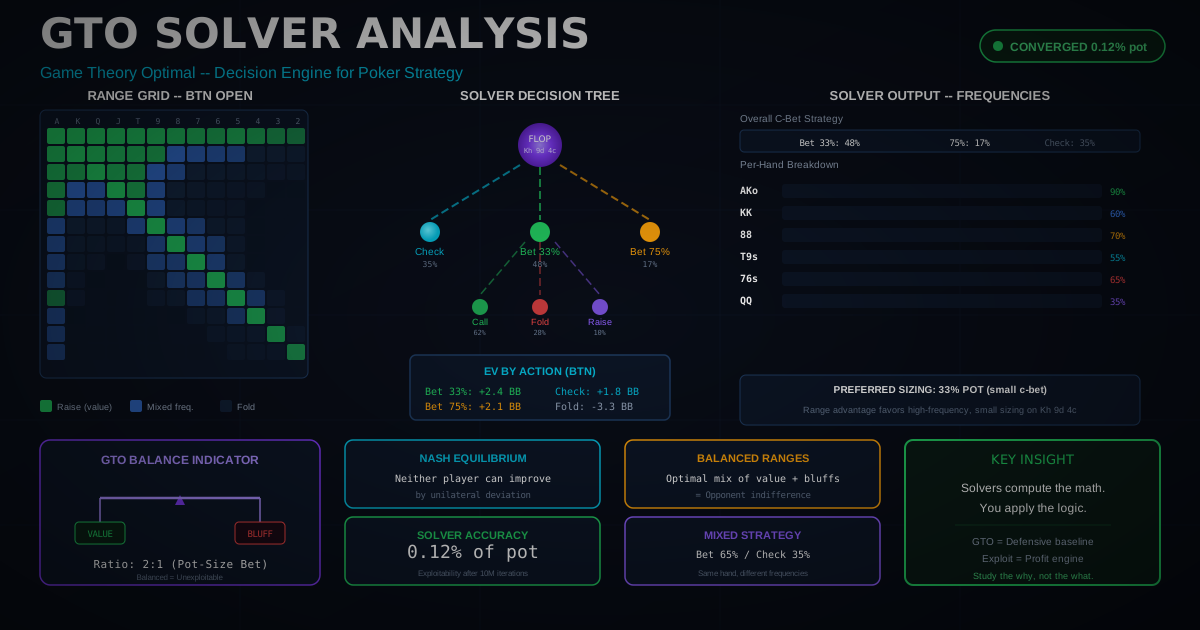
Range equity calculates your expected win percentage against all hands an opponent might hold, weighted by how likely each hand is. Rather than guessing one specific holding, you evaluate against their entire range based on their actions throughout the hand.
Quick Answer: Range equity = weighted win rate vs opponent's likely hands. Example: Your AA vs typical 3-bet range (JJ+, AK) = ~83%. More useful than vs specific hand. Narrow ranges = more reliable equity. Wide ranges = more variance. Essential for range vs range thinking. Modern poker requires this analysis.
How to Use Our Calculator
Use the Range Equity Calculator →
Enter your hand and opponent's range to calculate equity.
Step-by-Step Instructions
-
Enter Your Hand: Your two cards
-
Define Opponent Range: Their likely hands
-
Set Board Cards: Flop/turn/river if applicable
-
View Equity: Your win percentage
-
Analyze Matchups: Best and worst scenarios
Input Fields Explained
| Field | Description | Example |
|---|---|---|
| Your Hand | Your cards | A♠K♠ |
| Opponent Range | Their hands | TT+, AQs+, AKo |
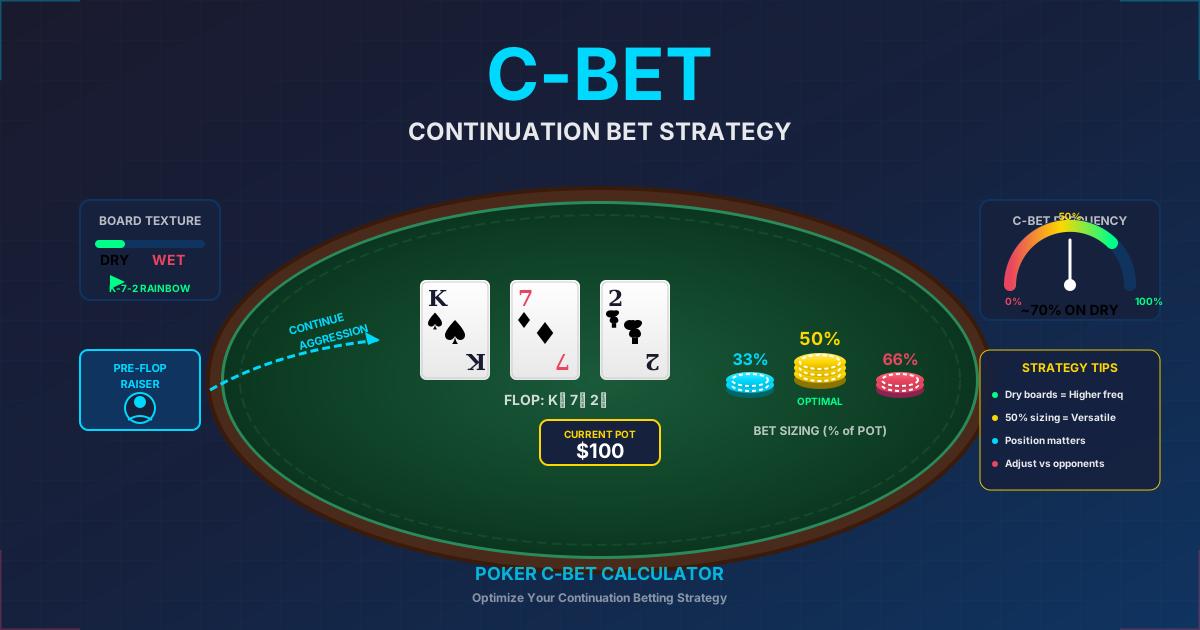
| Board | Community cards | K♥7♦2♣ |
| Your Equity | Win % | 68.3% |
| Tie Equity | Chop % | 2.1% |
| Combos Analyzed | Range size | 72 combos |
Understanding Ranges
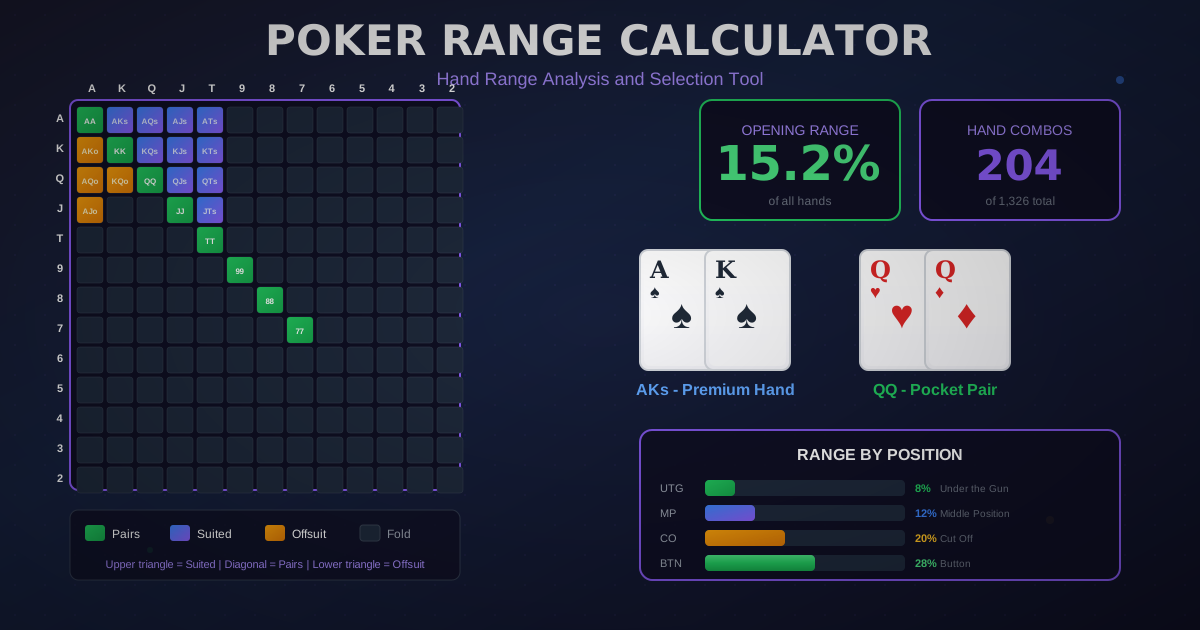
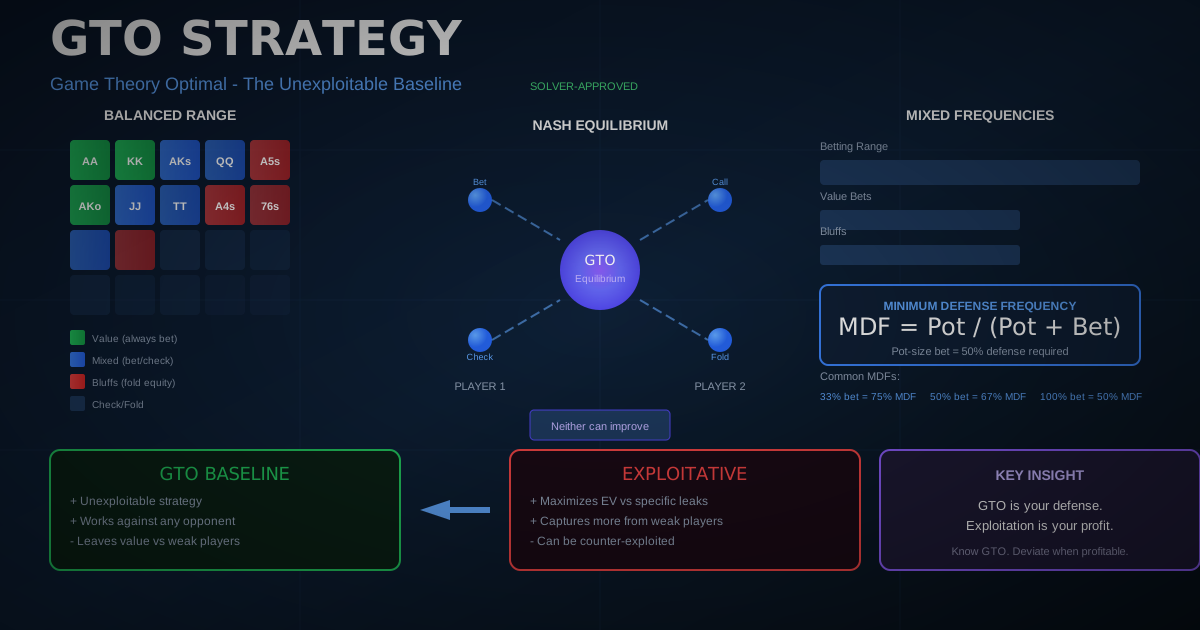
Range Notation
Common shorthand:

TT+ = All pairs TT and above (TT, JJ, QQ, KK, AA)
AKs = Ace-King suited
AKo = Ace-King offsuit
AQs+ = AQs, AKs
ATo+ = ATo, AJo, AQo, AKo
78s = 7-8 suited (all suits)
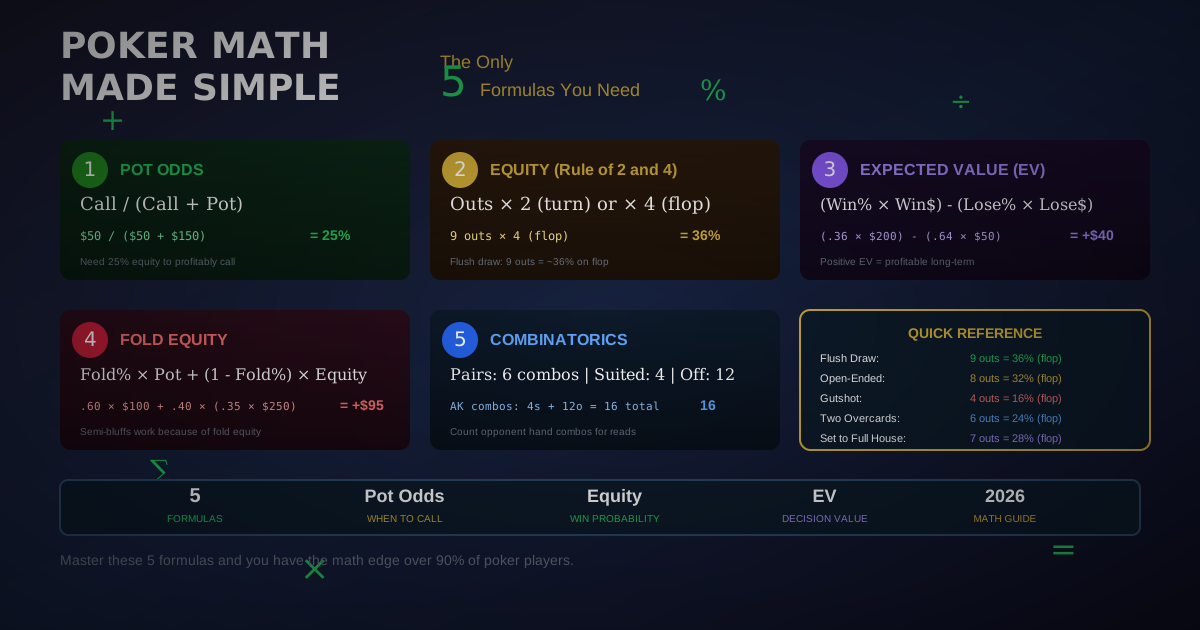
Counting Combos
Combo mathematics:

Pocket pairs: 6 combos each
(AA = 6 combos possible)

Suited hands: 4 combos each
(AKs = 4 combos)

Offsuit hands: 12 combos each
(AKo = 12 combos)

Total AK: 16 combos
Range Weighting
Some combos more likely:

Player 3-bets preflop
Range: QQ+, AK

Combos:
QQ: 6
KK: 6
AA: 6
AKs: 4
AKo: 12
Total: 34 combos

Each combo equally likely
Unless removed by your cards
Equity Calculations
Hand vs Range Basic
Your hand: A♠A♥
Opponent range: JJ+, AKs

Break down by matchup:

vs JJ (6 combos): 81%
vs QQ (6 combos): 81%
vs KK (6 combos): 81%
vs AA (1 combo*): 50%
vs AKs (4 combos): 93%

*Only 1 AA combo remains (you have 2 aces)

Weighted average: ~82.5%
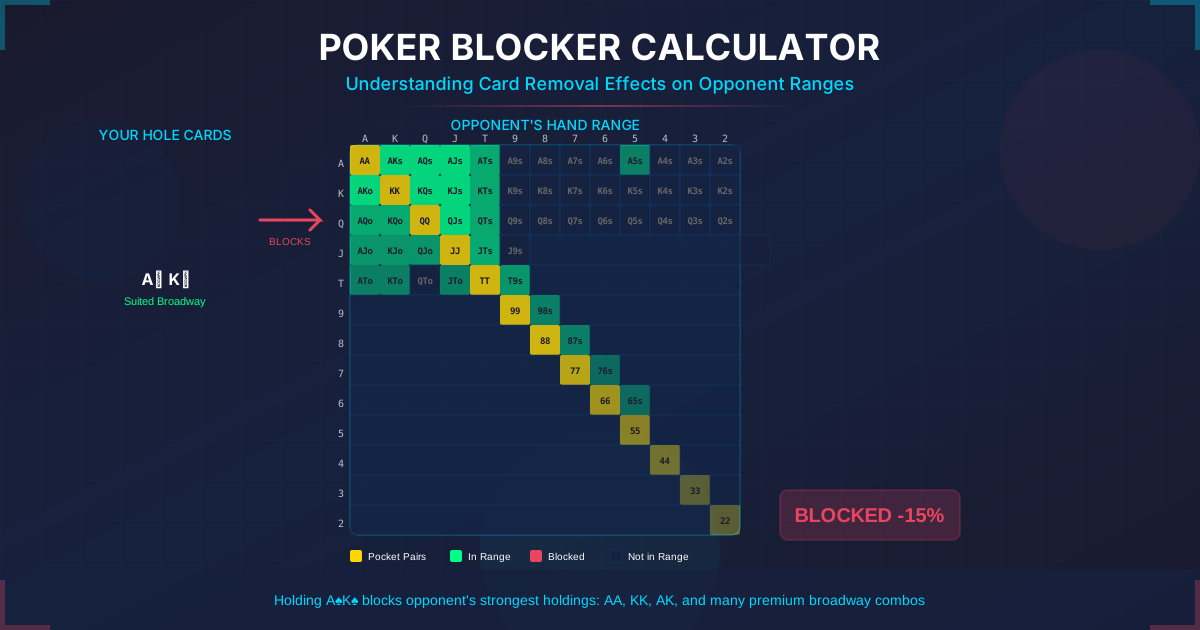
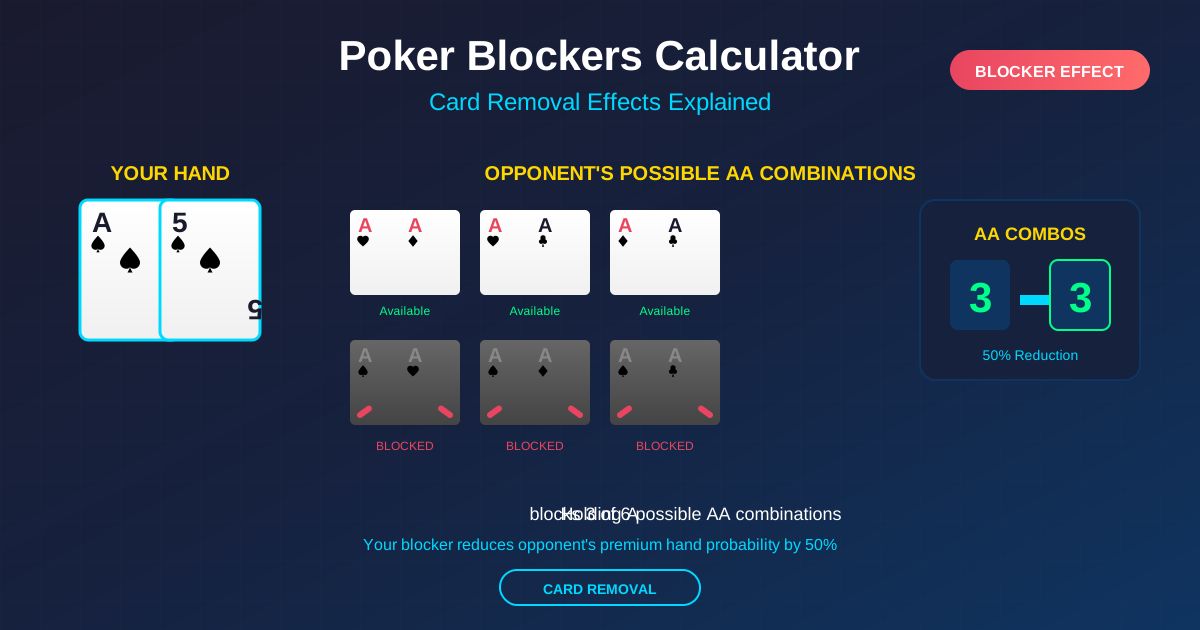
Card Removal Effects
Your cards affect opponent range:

You hold: A♠K♥

Opponent range: AA, KK, AK

Without removal:
AA: 6 combos
KK: 6 combos
AKs: 4 combos
AKo: 12 combos

After removal:
AA: 3 combos (you block A♠)
KK: 3 combos (you block K♥)
AKs: 2 combos
AKo: 6 combos

Blocking changes range significantly
Weighted Equity Formula
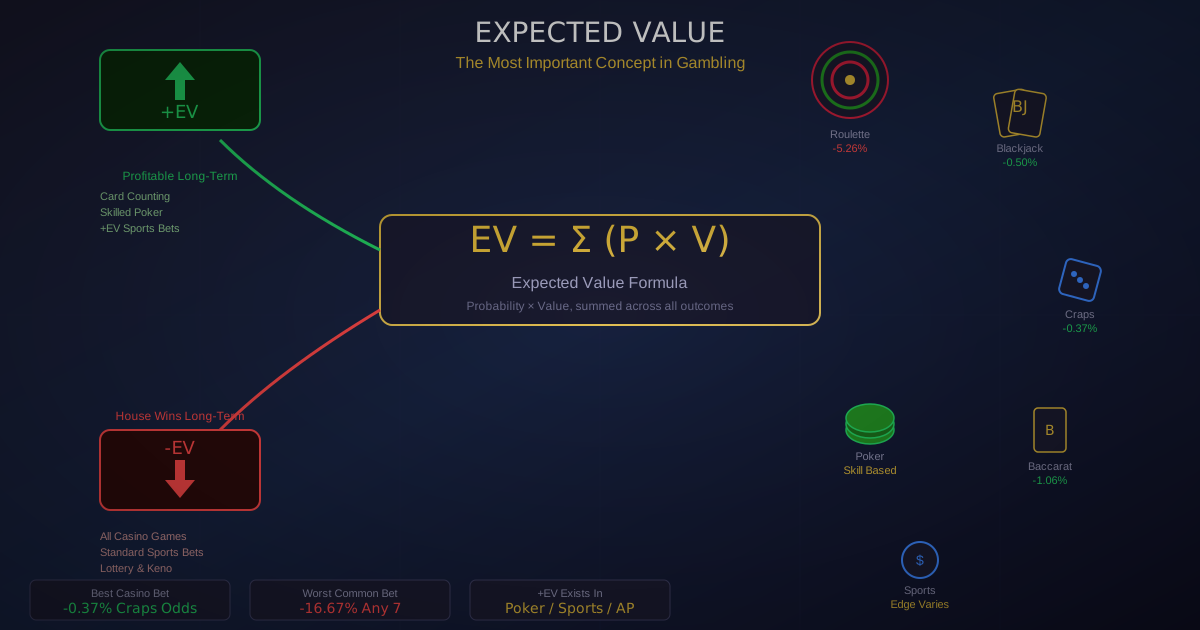
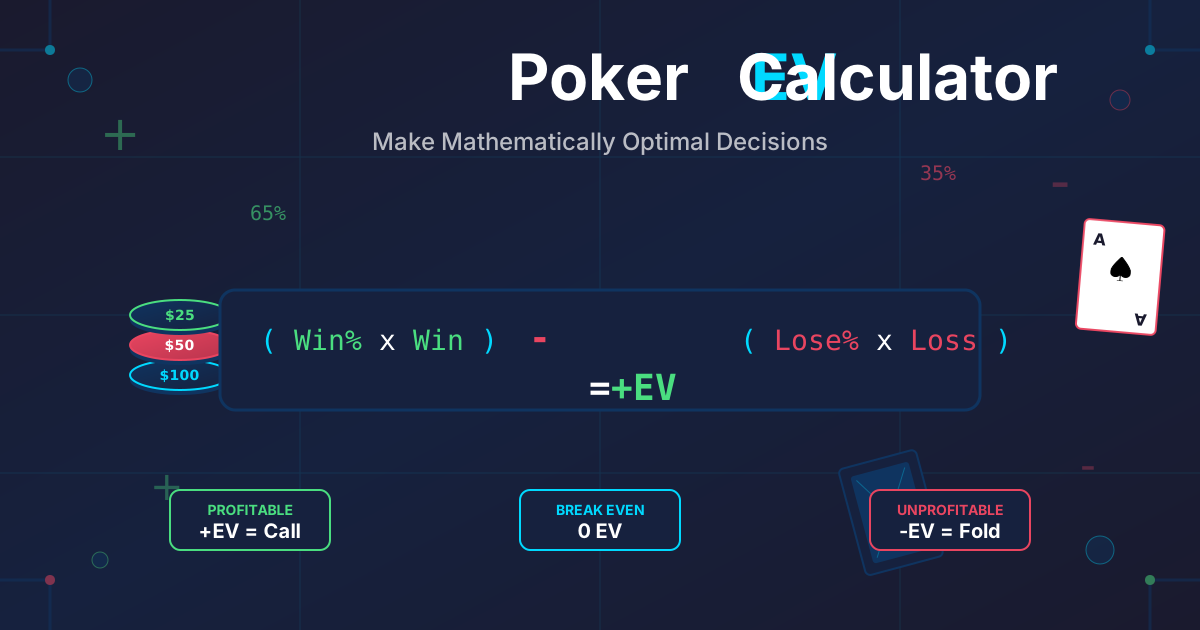
Equity = Σ(combos × matchup equity) / total combos

Example:
10 combos at 80% equity = 800
5 combos at 45% equity = 225
Total: 15 combos, 1025 equity points

Weighted equity = 1025/15 = 68.3%
Common Range Scenarios
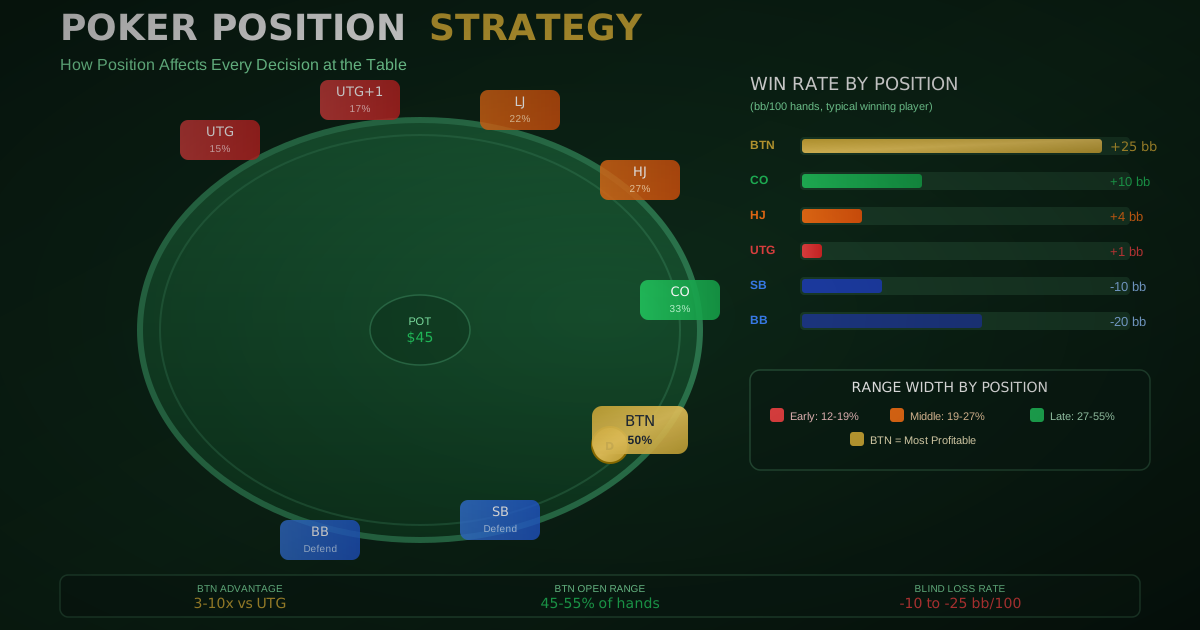
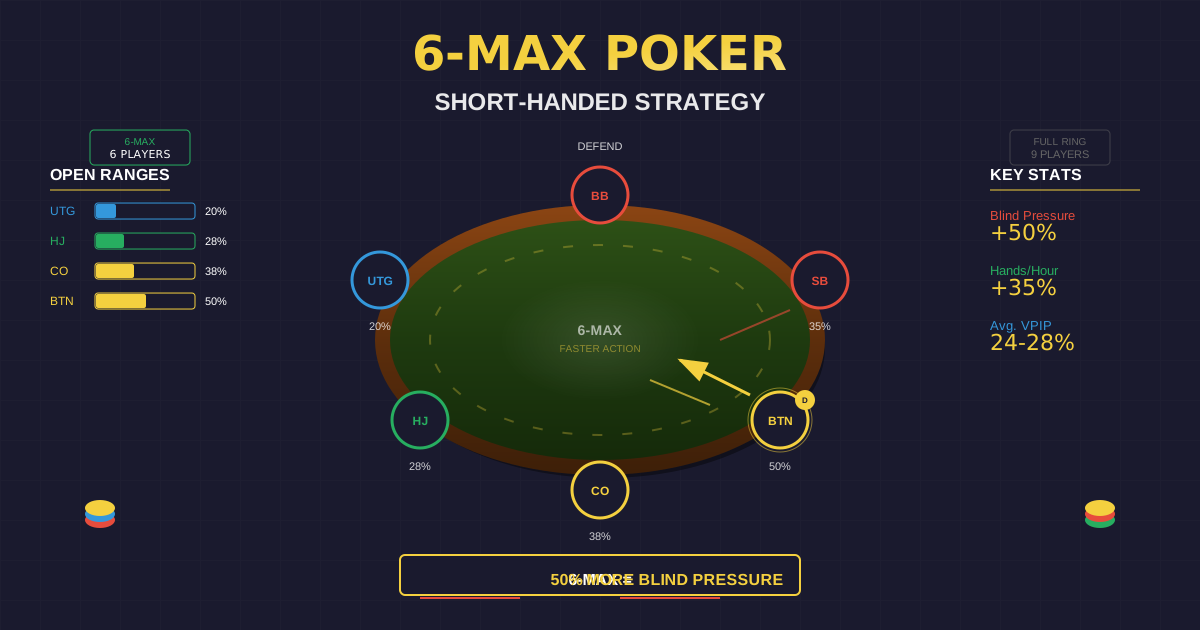
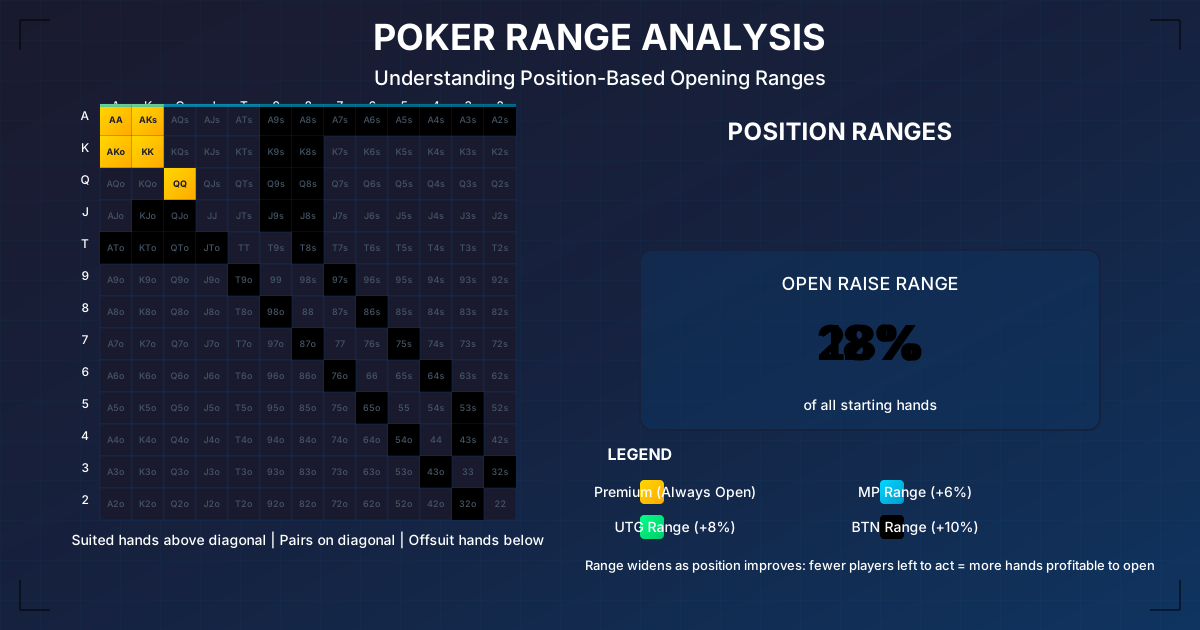
Standard Preflop Ranges
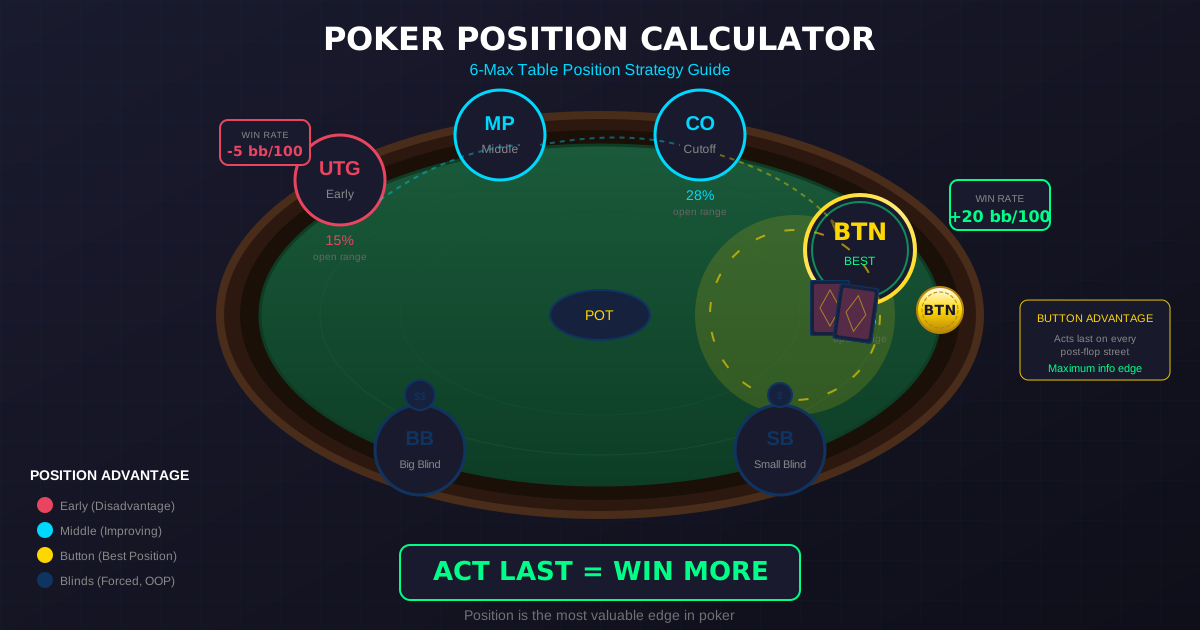
Early Position (UTG) Open:
22+, AJs+, AQo+, KQs
~12% of hands

Button Open:
22+, A2s+, A9o+, K9s+, KTo+, Q9s+, QTo+, J9s+, JTo, T9s, 98s, 87s, 76s
~45% of hands

Big Blind Defense:
Very wide (40-60% of hands)
Position and pot odds dependent
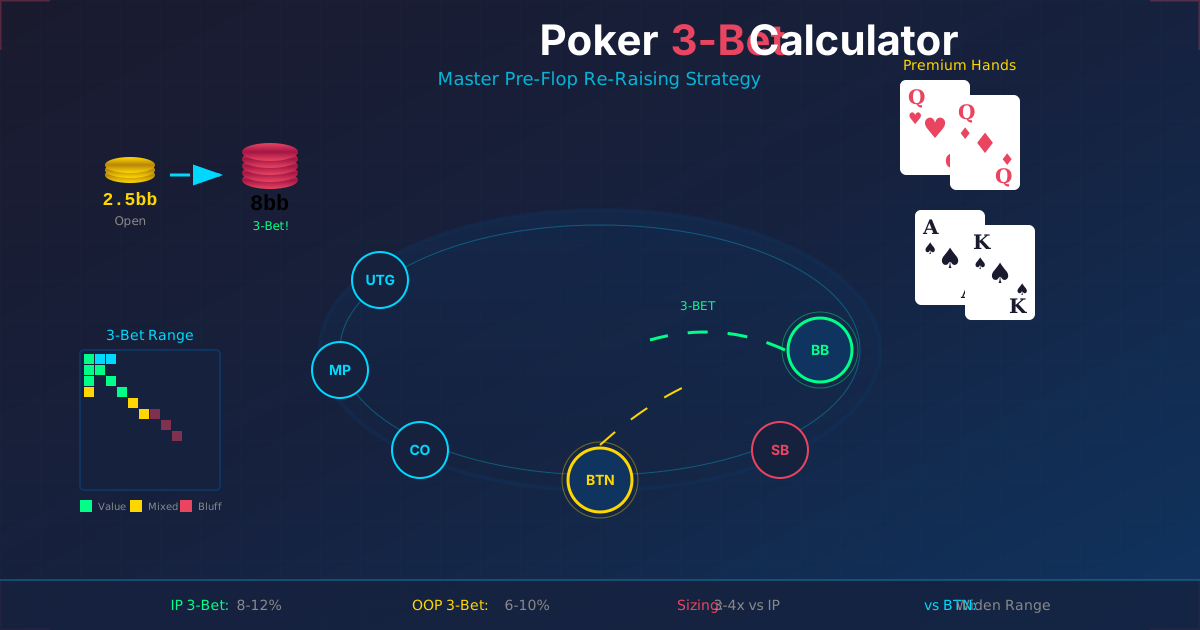
3-Bet Ranges
Vs UTG open from Button:
Value: QQ+, AKs, AKo
Bluffs: A5s-A2s, some suited connectors

Vs Button open from BB:
Value: TT+, AQs+, AKo
Bluffs: Wider, polarized

Ranges narrow as positions do
4-Bet Ranges
Aggressive:
AA, KK, QQ, AKs, AKo, some bluffs

Tight:
AA, KK, sometimes QQ, AK

Very tight:
AA, KK only

Depends heavily on player
Real-World Examples
Example 1: Preflop All-In
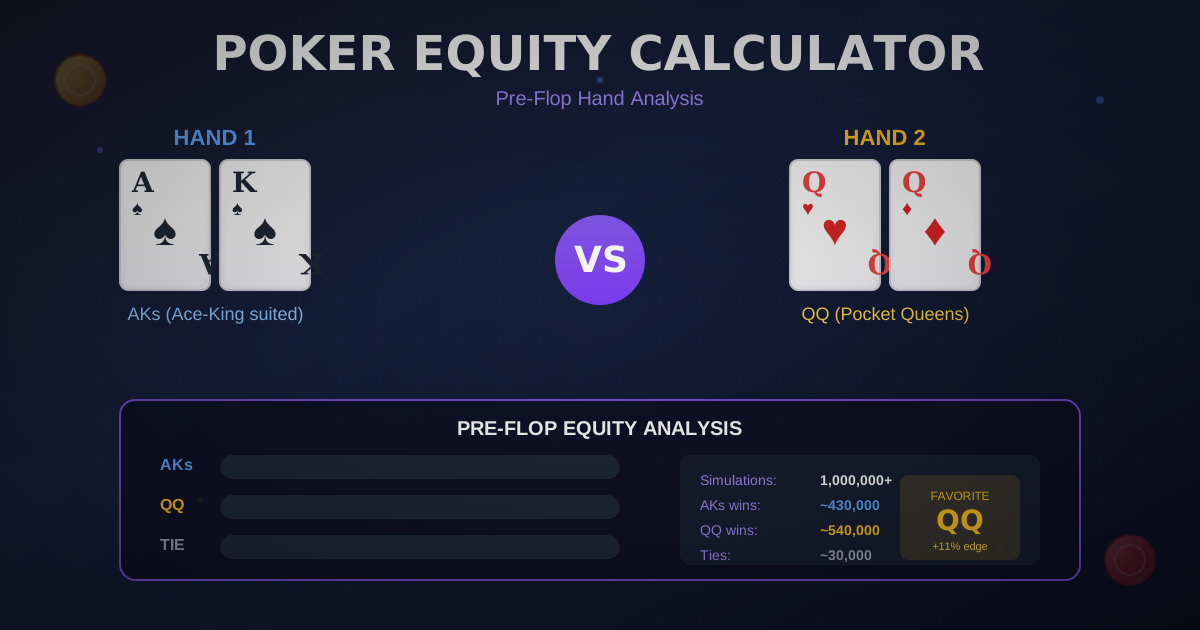
You: A♠K♠ facing 4-bet all-in
Opponent range: QQ+, AKs

Equity breakdown:
vs QQ (6): 43%
vs KK (3): 30%
vs AA (3): 12%
vs AKs (2): 50%

Weighted: 37.4% equity

Are you getting right price?
Need 2.3:1 or better
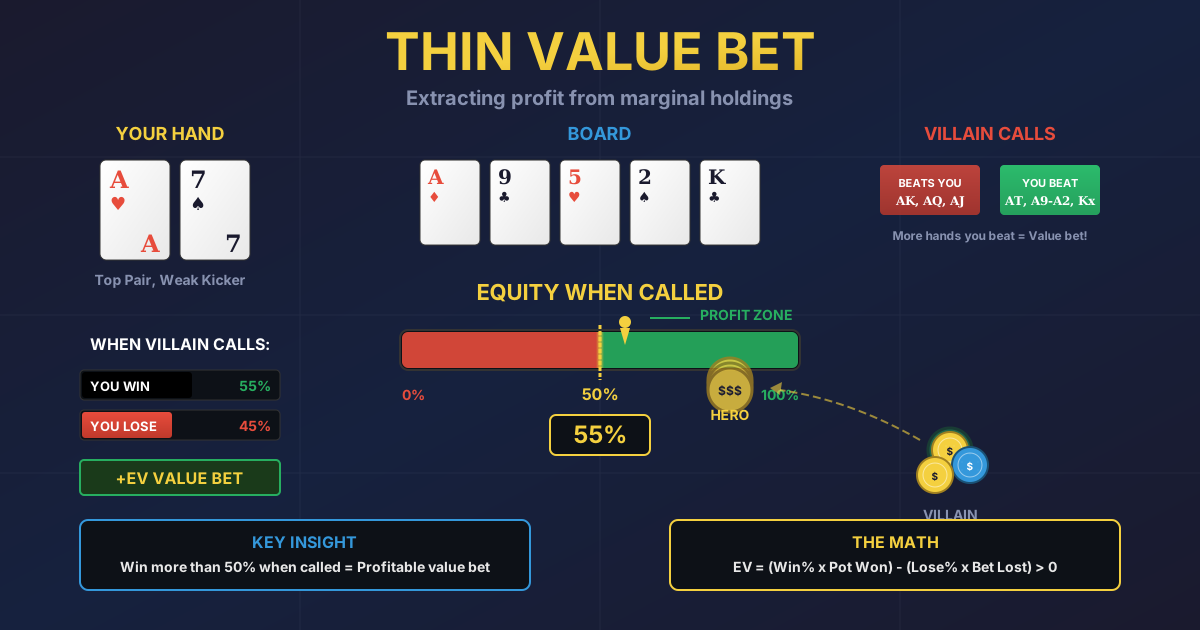
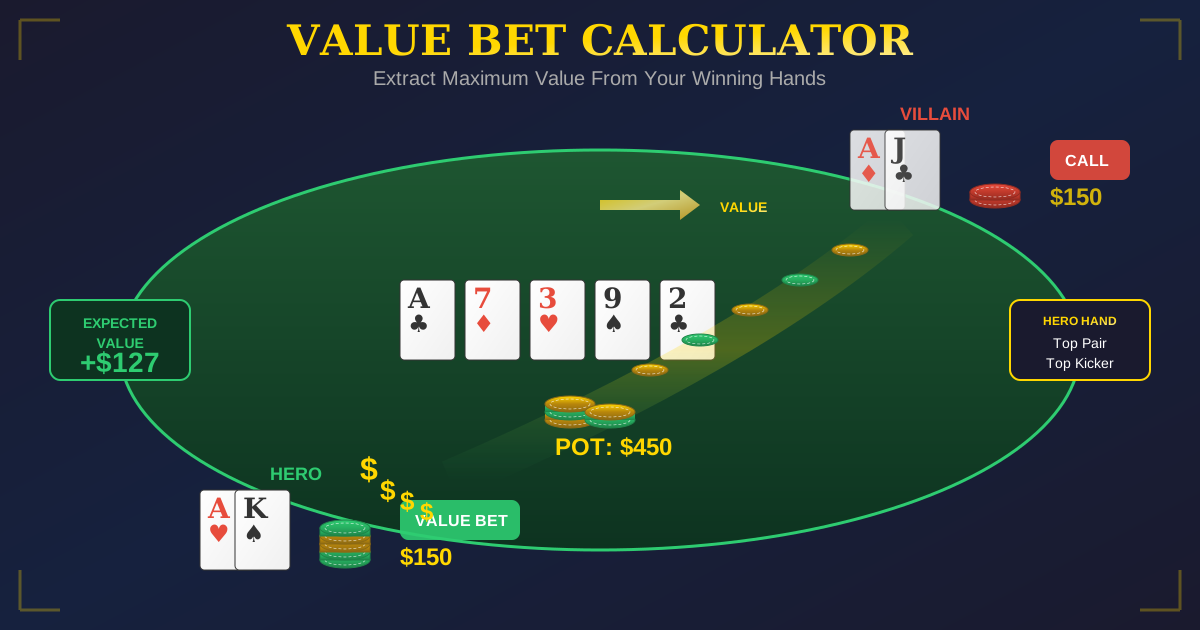
Example 2: Postflop Value Betting
You: K♠Q♠ on K♥7♦2♣
Opponent called preflop open
Range: 88-JJ, AJs-AKs, AQo-AKo, KQs, QJs

Your equity vs range:
Top pair vs overcards: ~70%
Top pair vs underpairs: ~85%
Top pair vs same pair: ~60%

Weighted: ~72%

Strong value bet appropriate
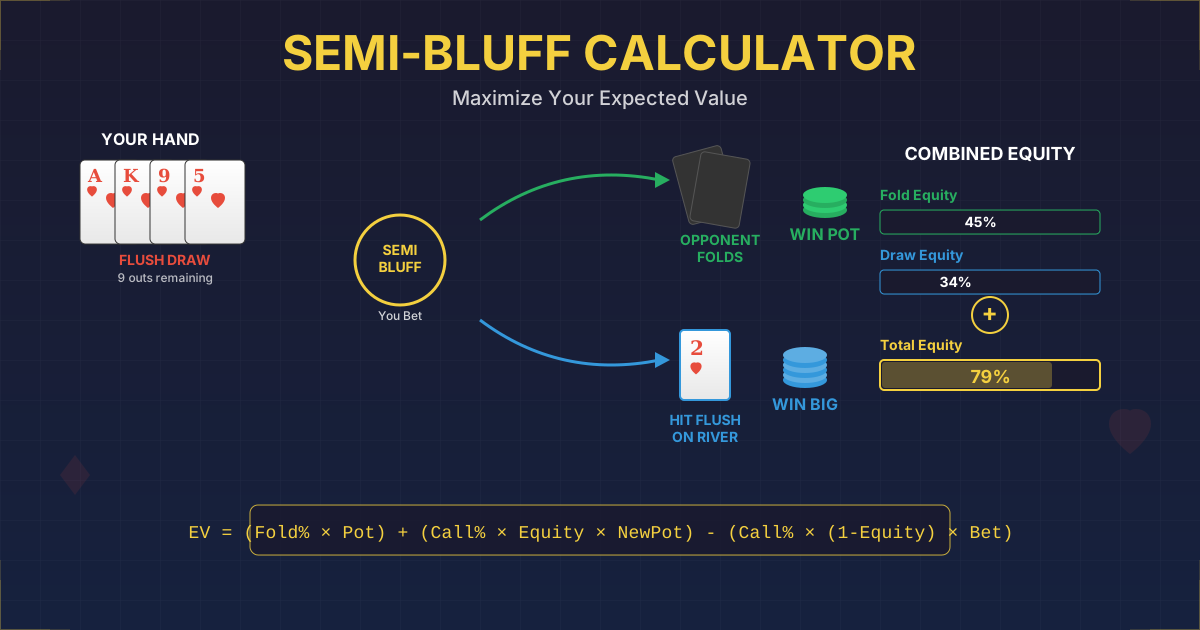
Example 3: Drawing Situation
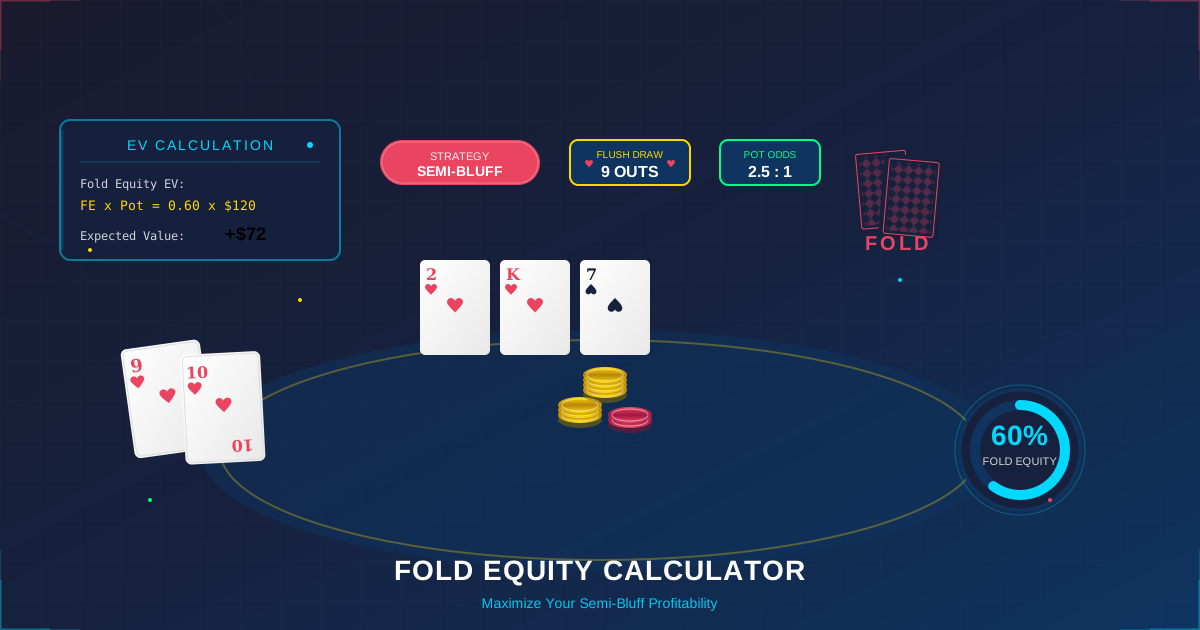
You: 8♠7♠ on 6♠5♦2♠
Open-ended + flush draw
Opponent's range: overpairs, top pair

You have: ~54% equity

But range breaks down:
vs AA: 56%
vs KK: 55%
vs 88: 53%

Consistent equity across range
Can play aggressively
Example 4: Marginal Spot
You: A♠J♠ on A♥8♦3♣
Opponent bet, you consider calling
Their betting range might be:

AA, 88, 33 (sets): 9 combos
AK, AQ (better aces): 24 combos
A9-AT (worse aces): 24 combos
Bluffs: 10 combos

Your equity:
vs sets: 9%
vs better aces: 25%
vs worse aces: 75%
vs bluffs: 90%

Weighted depends on range weights
Likely around 35-50%
Advanced Concepts
Range vs Range
Preflop scenario:
Your opening range: 15%
Opponent's 3-bet range: 6%

Range vs range equity:
Your range: 52%
Their range: 48%

Slightly ahead on average
Huge variance hand to hand
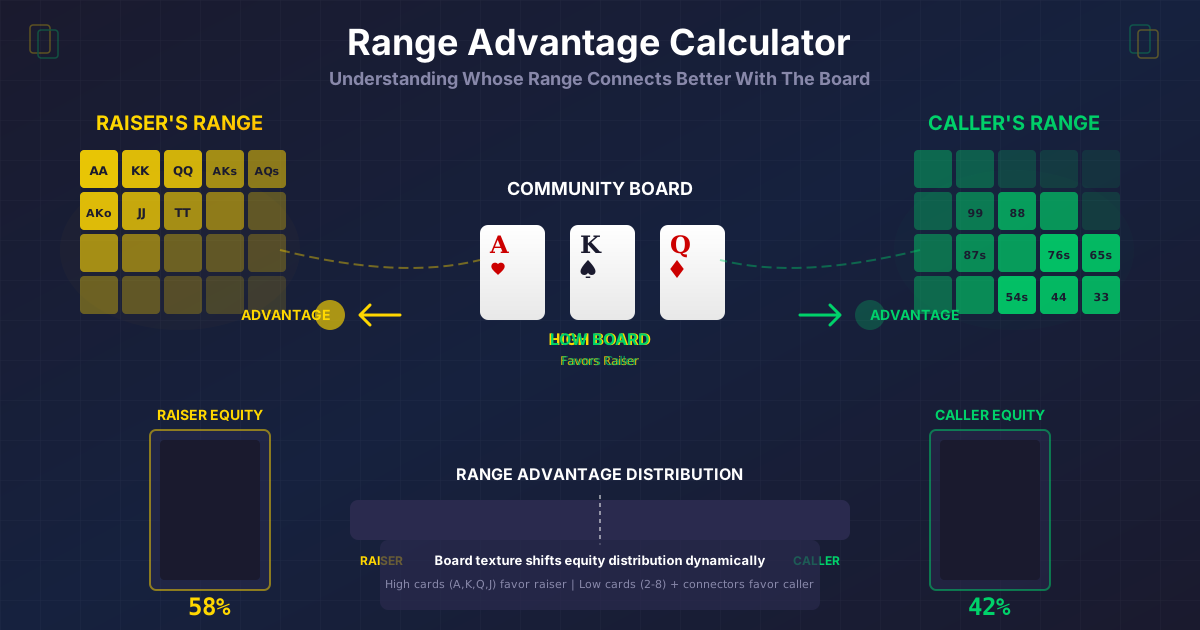
Range Advantage
Some boards favor ranges:

Board: A♠K♥7♦

Preflop raiser: Range advantage
(More AK, AQ, KQ in range)

Preflop caller: Disadvantage
(Missed this board more often)

Board texture matters
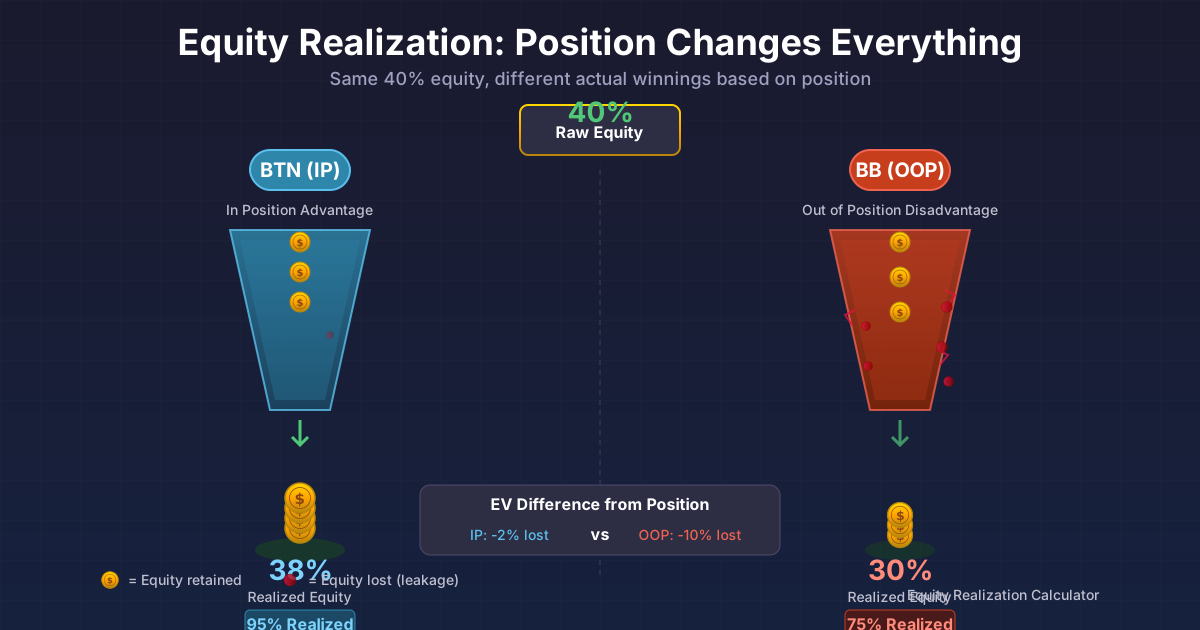
Equity Realization
Equity ≠ Expected Value

Factors affecting realization:
- Position (IP realizes more)
- Hand playability
- Stack depth
- Skill advantage

Suited connectors: 60-70% realization
Pocket pairs: 80-90% realization
Premium hands: 95%+ realization
Common Mistakes
1. Single-Hand Thinking
Mistake: "He has AK" Problem: Ignoring other holdings Fix: Think in ranges
2. Equal Weighting
Mistake: All hands equally likely Problem: Actions narrow ranges Fix: Weight by action likelihood
3. Ignoring Blockers
Mistake: Not adjusting combos Problem: Inaccurate calculation Fix: Remove blocked combos
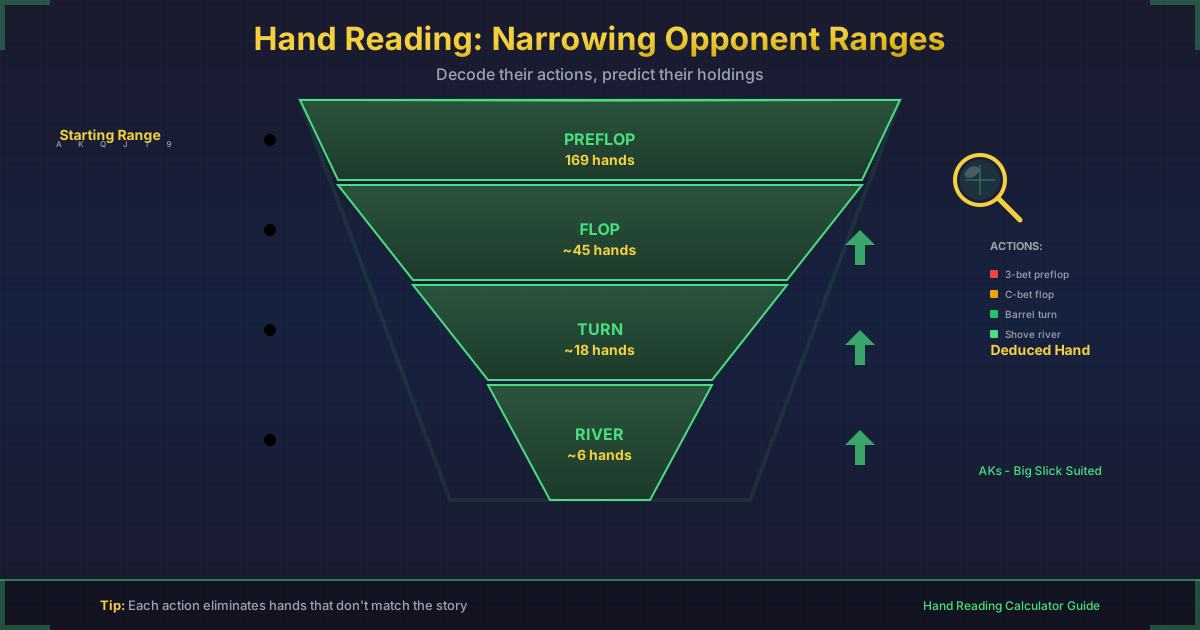
4. Static Ranges
Mistake: Same range all streets Problem: Ranges narrow each street Fix: Update range with each action
Frequently Asked Questions
How do I construct an opponent's range?
Consider their position, action (open/call/raise), tendencies, and table dynamics. Narrow the range based on each street's action.
Why is range equity better than hand vs hand?
Because you rarely know exactly what opponent holds. Range equity gives realistic expectations against all possible holdings.
How do blockers affect range equity?
Your cards remove combos from opponent's range. Holding AK means fewer AA, KK, and AK combos for them—changing their range composition.
What's a normal preflop opening range?
UTG: 10-15%. Middle: 15-20%. Cutoff: 25-30%. Button: 40-50%. Varies by player and format.
Should I always calculate range equity?
For important decisions, yes. With practice, you'll estimate accurately without calculating. Studying ranges improves intuition.
How accurate are range equity calculations?
As accurate as your range construction. Wrong ranges yield wrong equity. Focus on realistic opponent modeling.
Pro Tips
-
Update ranges: Each action narrows them
-
Use blockers: Your cards affect their range
-
Consider position: Wide vs narrow ranges
-
Weight by action: Not all hands equally likely
-
Practice offline: Build intuition
Related Calculators
- Poker Equity Calculator - Basic equity
- Poker Pot Odds Calculator - Calling decisions
- Poker Expected Value Calculator - EV analysis
- Poker Implied Odds Calculator - Future value
- Poker Outs Calculator - Draw counting
Conclusion
Range equity calculates your win rate against an opponent's entire likely holding range—not just one guess. Our calculator shows weighted equity, blocker effects, and helps you think like a modern poker player.
Your pocket kings look great, but against a 4-bet range of QQ+/AK, you're only 58% favorite—not the 82% you'd have against a random hand. Our calculator reveals true equity against thinking opponents.