Poker Range Analysis Calculator: Hand Range Construction (2026)
Poker Range Analysis Calculator: Thinking Beyond Single Hands
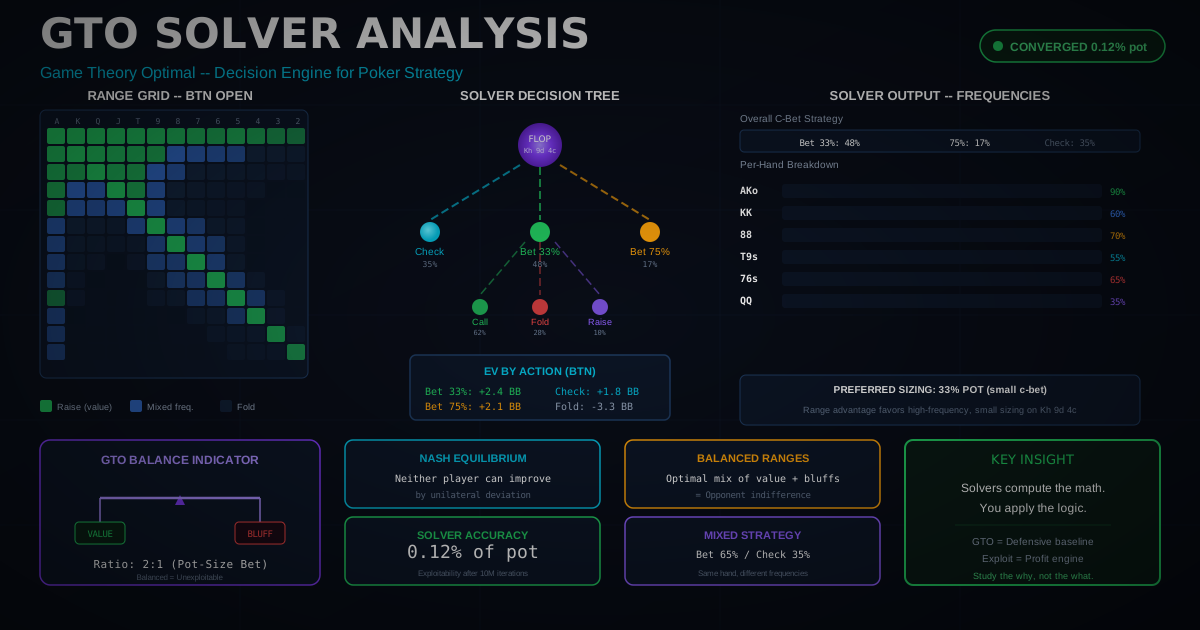
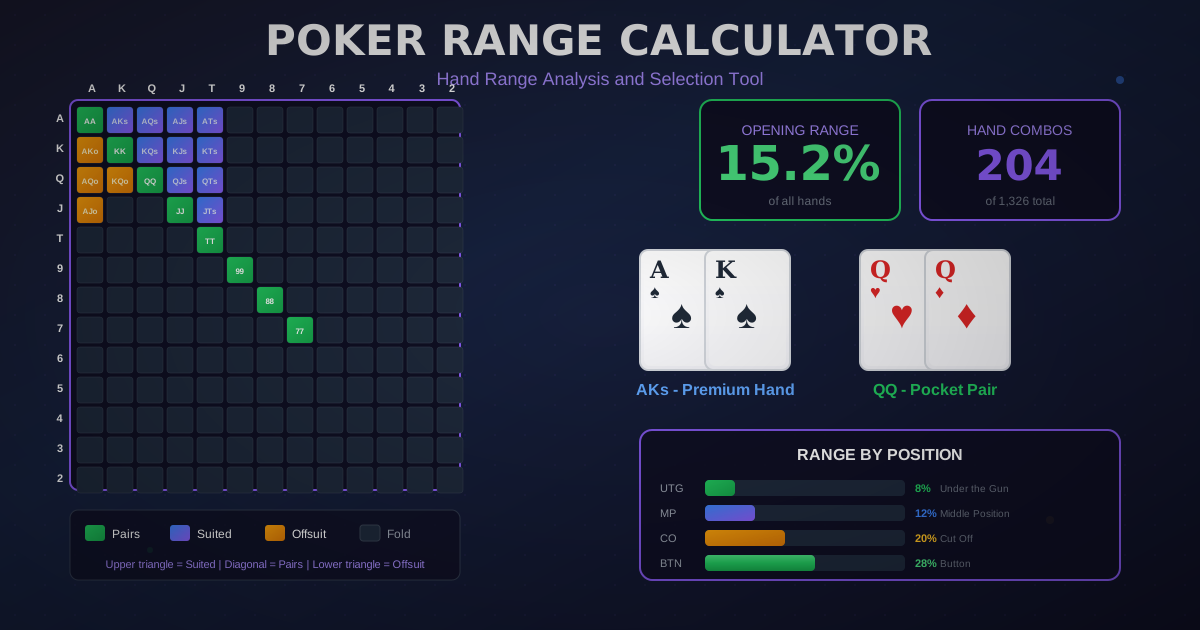
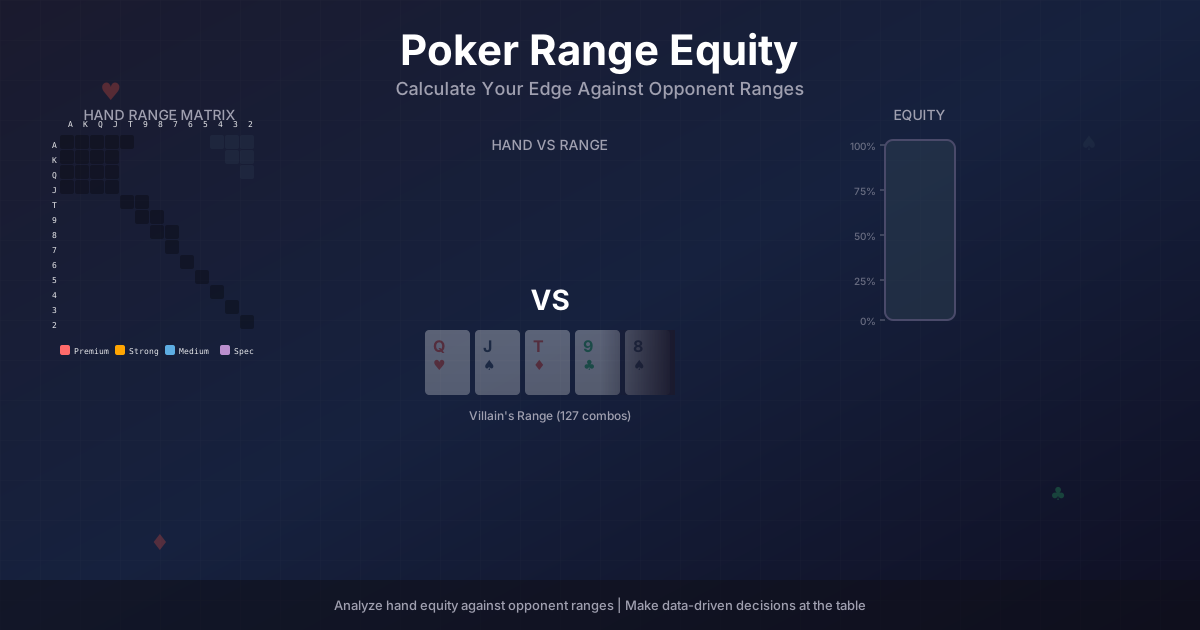
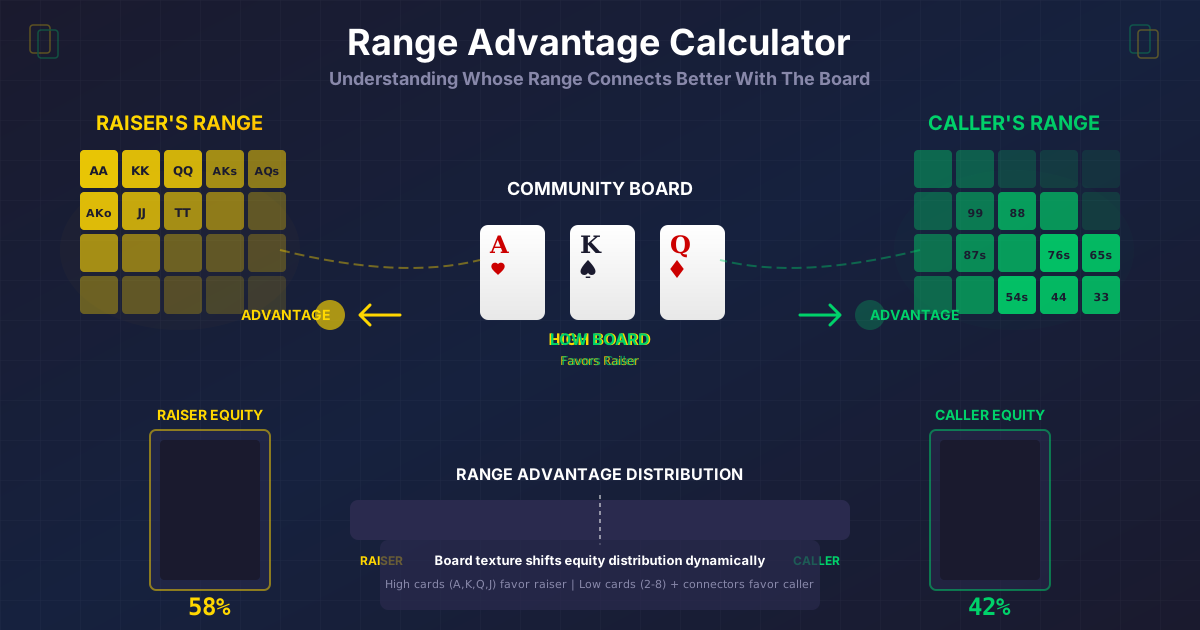
Good poker requires thinking in ranges, not specific hands. Our calculator helps construct ranges based on position, action, and opponent tendencies—showing what percentage of hands an action represents.
What Is Range Analysis?
A range is all possible hands an opponent might hold in a given situation. Instead of guessing "they have AK," skilled players think "their range includes AK, AQ, JJ+, and some suited connectors." Range analysis evaluates actions against ranges.
Quick Answer: Range = all hands opponent might play in this spot. Example: UTG open range = top 15% of hands. Button open range = top 40% of hands. Range narrows with aggression: 3-bet range < open range. Think: "What hands would take this action?" not "What single hand do they have?"
How to Use Our Calculator
Use the Range Analysis Calculator →
Build and analyze opponent ranges by position and action.
Step-by-Step Instructions
-
Select Position: Where opponent is sitting
-
Choose Action: Open, 3-bet, call, etc.
-
Add Tendencies: Tight/loose, passive/aggressive
-
View Range: Hands included
-
Calculate Equity: Your hand vs range
Input Fields Explained
| Field | Description | Example |
|---|---|---|
| Position | Table position | Button |
| Action | What they did | Open raise |
| Player Type | Tendency | Loose-aggressive |
| Range | Hands included | Top 40% |
| Combos | Hand combinations | 530 combos |
| Equity vs | Your hand | AQ = 52% |
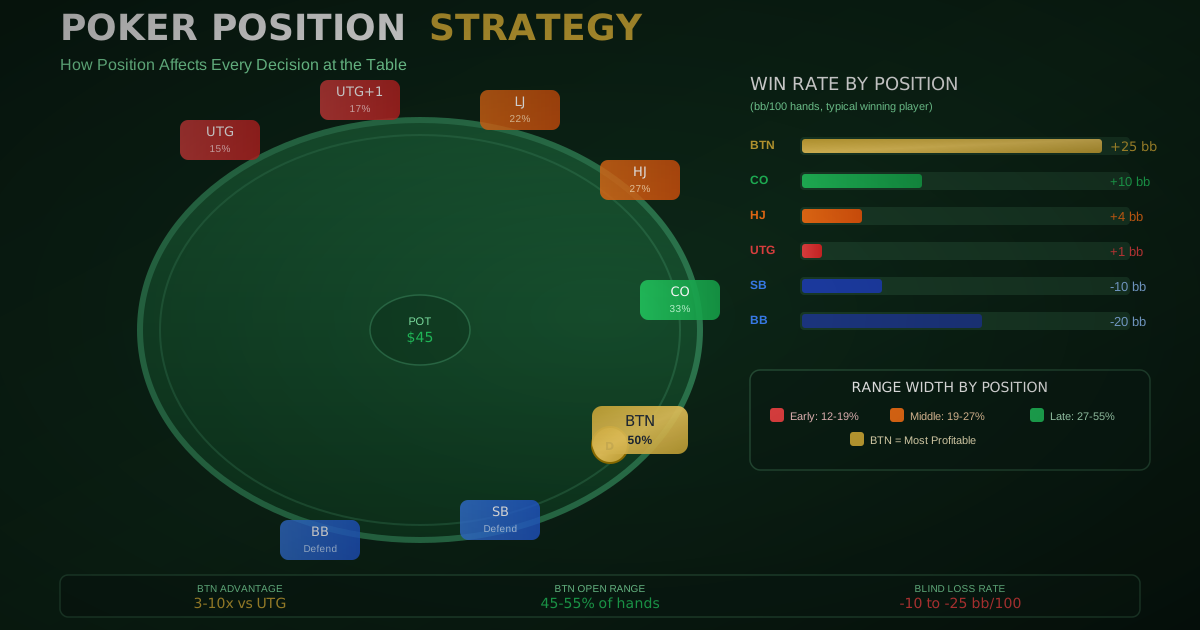
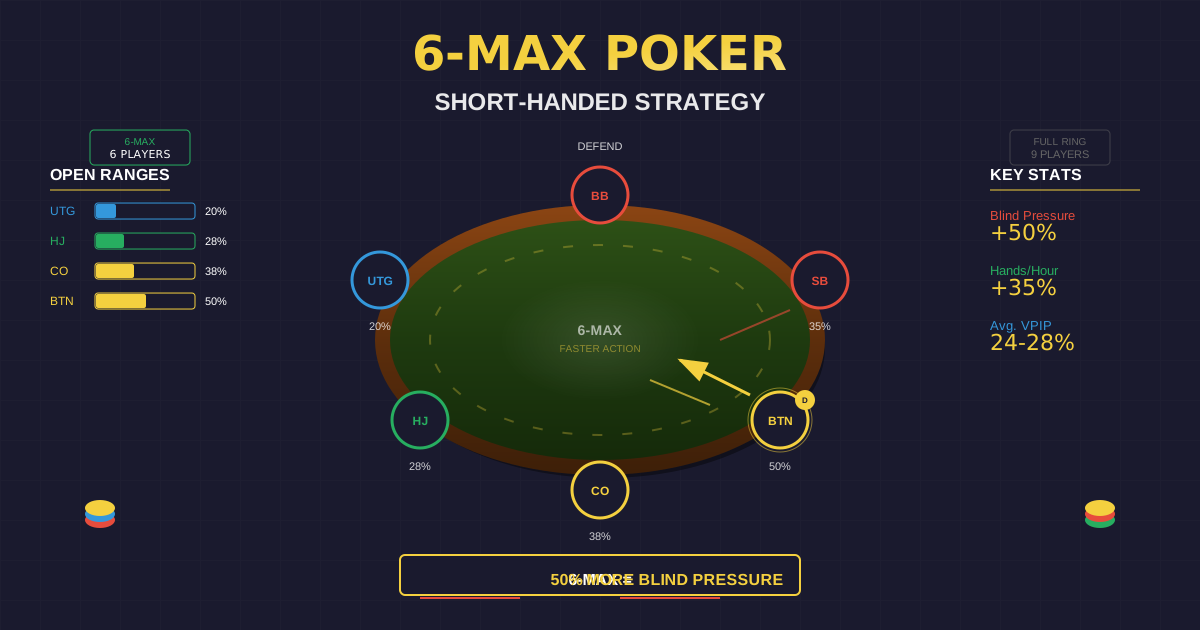
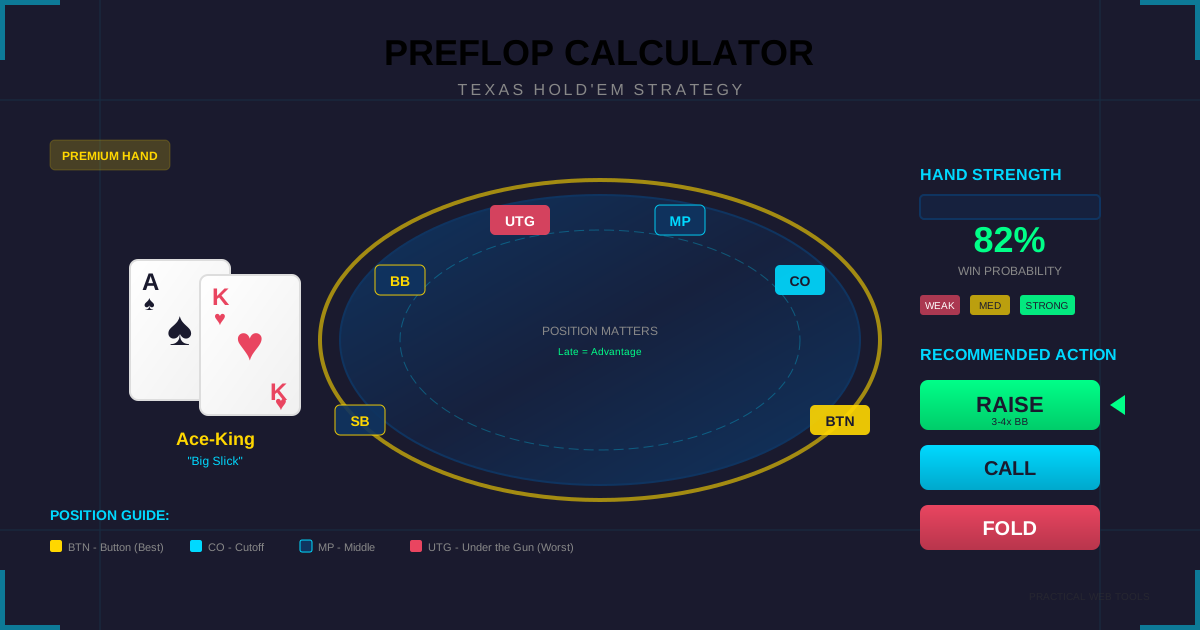
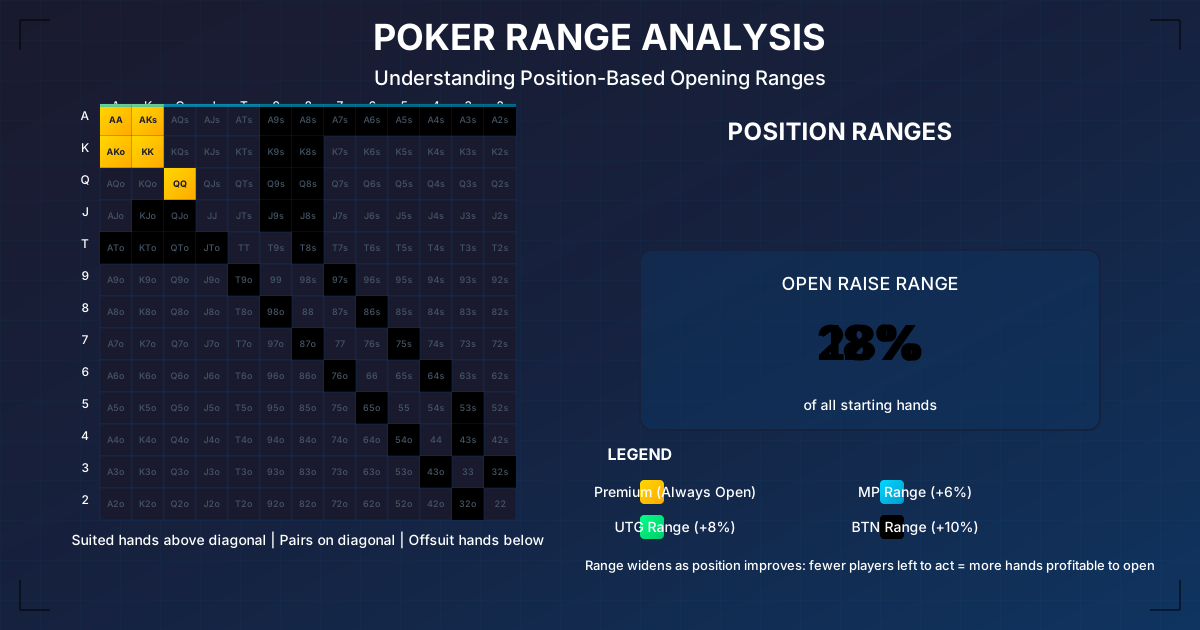
Position-Based Ranges
Under the Gun (UTG)
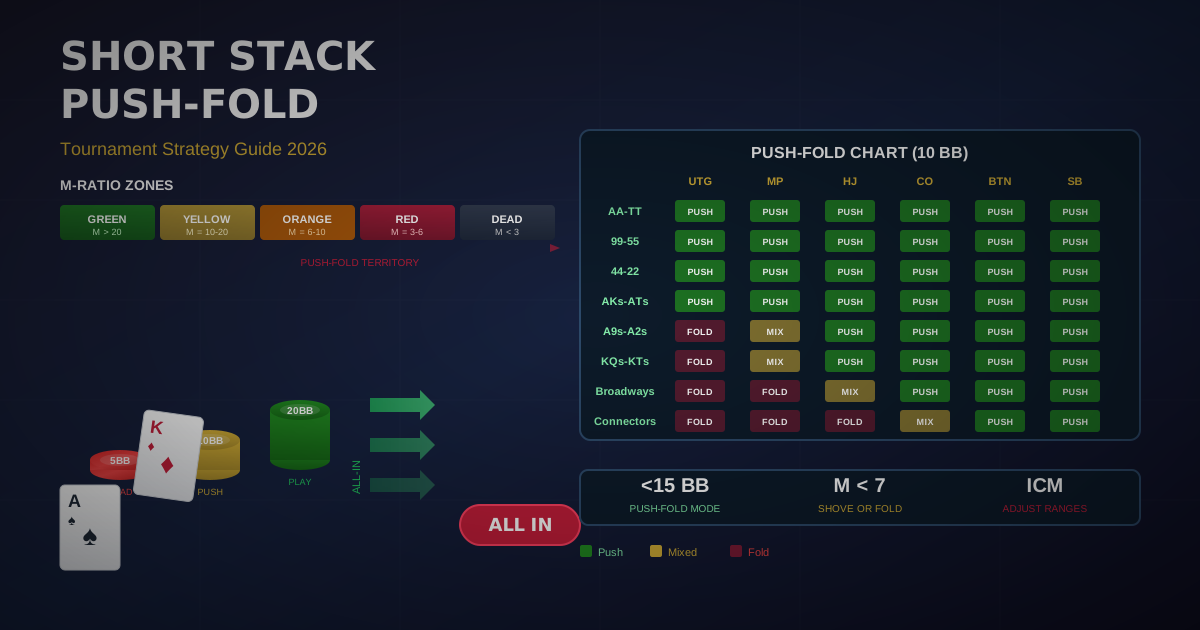
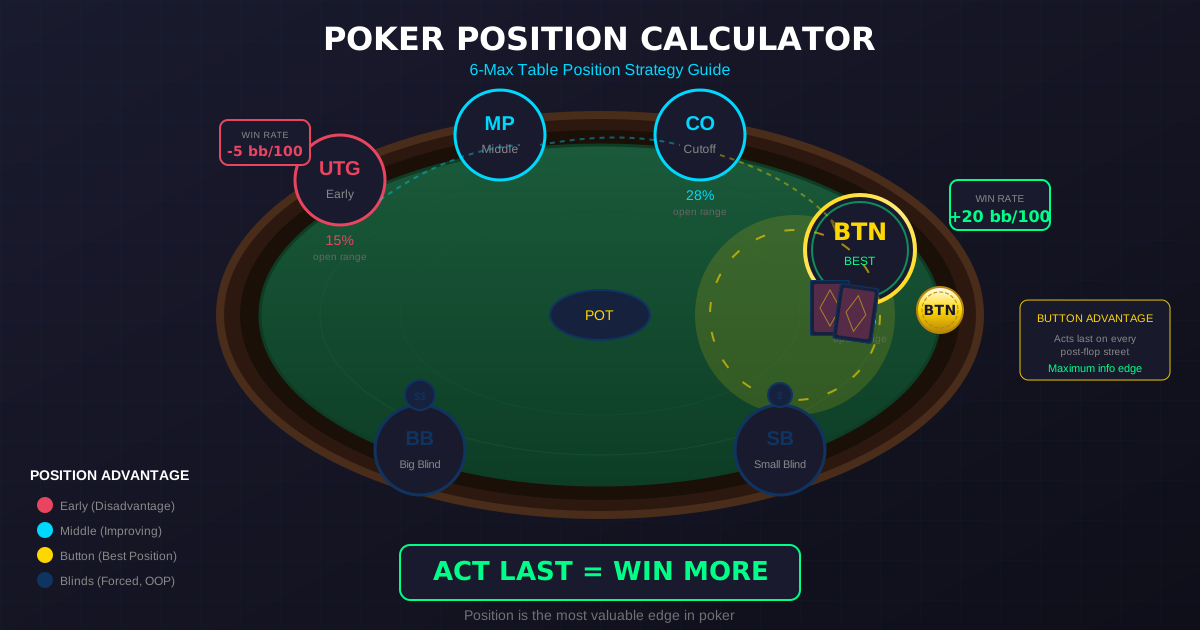
Tight open range: 8-10%
77+, ATs+, KQs, AQo+

Standard open range: 12-15%
55+, A9s+, KTs+, QJs, AJo+, KQo

Loose open range: 18-22%
22+, A2s+, K9s+, Q9s+, J9s+, A9o+

UTG = strongest ranges
First to act = most scrutiny
Middle Position (MP)
Tight: 12-15%
55+, A9s+, KTs+, QTs+, AJo+, KQo

Standard: 18-22%
33+, A5s+, K9s+, Q9s+, J9s+, T9s, ATo+, KJo+

Loose: 25-30%
22+, A2s+, K7s+, Q8s+, J8s+, 87s+, A8o+, KTo+

Wider than UTG, still cautious
Cutoff (CO)
Tight: 20-25%
22+, A2s+, K9s+, Q9s+, J9s+, 98s+, ATo+, KJo+

Standard: 30-35%
22+, A2s+, K5s+, Q7s+, J8s+, T8s+, 97s+, A5o+, K9o+

Loose: 40-45%
22+, A2s+, K2s+, Q4s+, J6s+, T7s+, 96s+, A2o+, K7o+

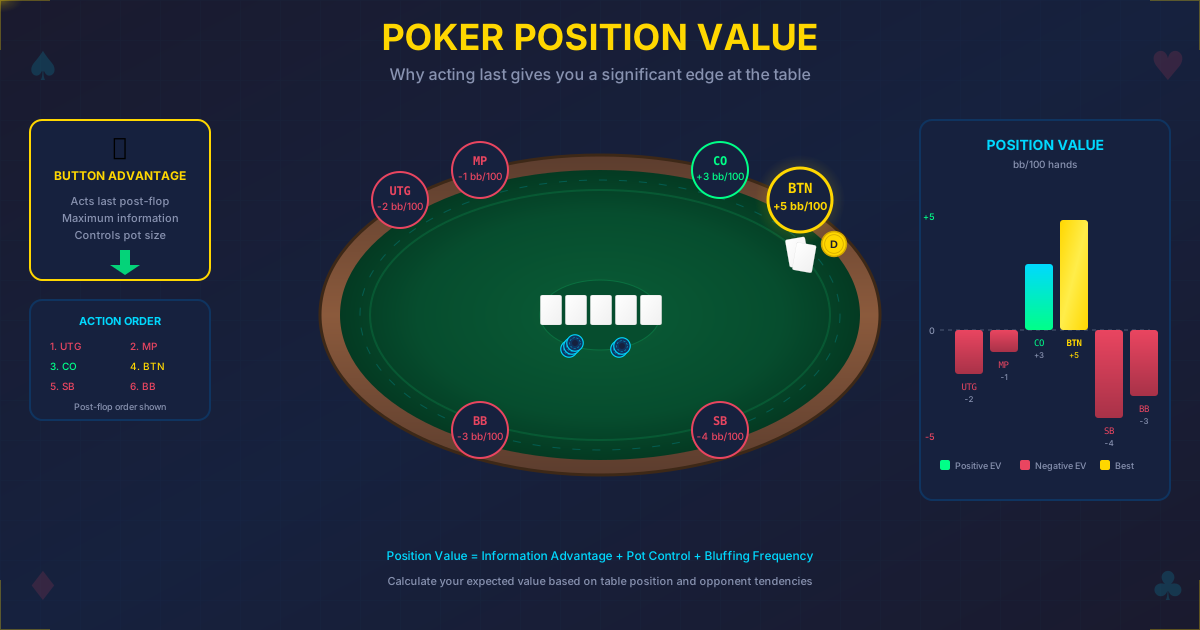
Late position = wider ranges
Button (BTN)
Tight: 35-40%
22+, A2s+, K2s+, Q5s+, J7s+, T7s+, 97s+, A2o+, K9o+

Standard: 45-55%
22+, A2s+, K2s+, Q2s+, J4s+, T6s+, 96s+, A2o+, K5o+, Q9o+

Loose: 60-70%
Most suited hands, most Ax, most broadways
Tons of suited connectors

Best position = widest ranges
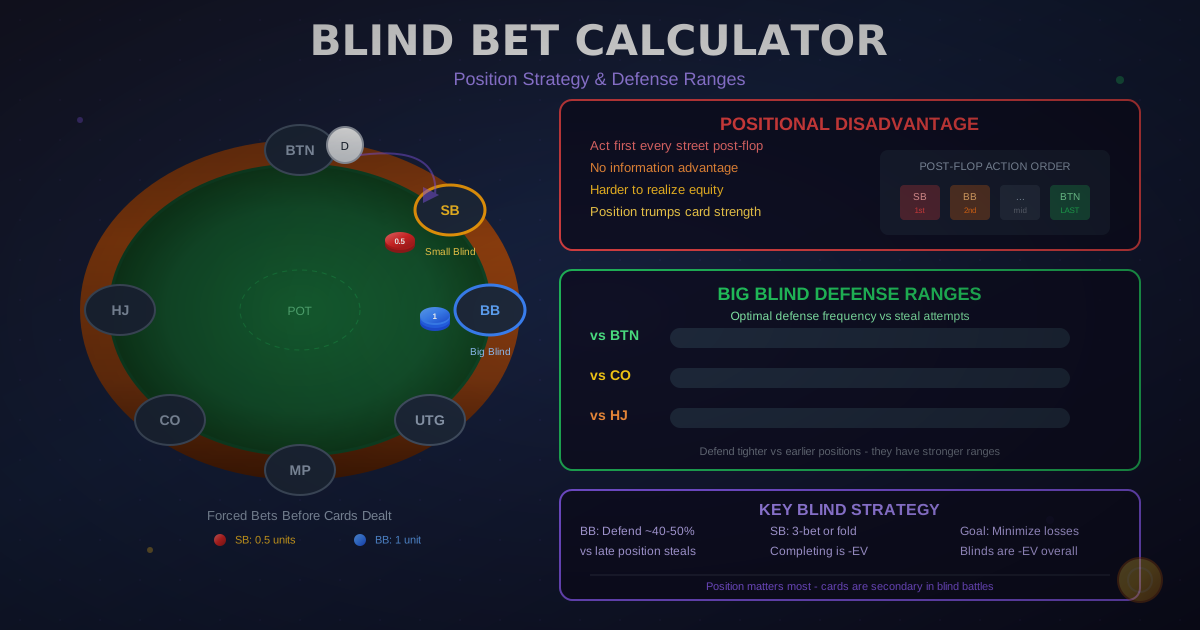
Big Blind (BB)
Defending vs open:

vs UTG open: Call 10-15%, 3-bet 4-6%
vs CO open: Call 25-35%, 3-bet 8-12%
vs BTN open: Call 35-45%, 3-bet 12-18%

BB defends wide due to pot odds
Already invested, discount to call
Action-Based Range Narrowing
3-Bet Ranges
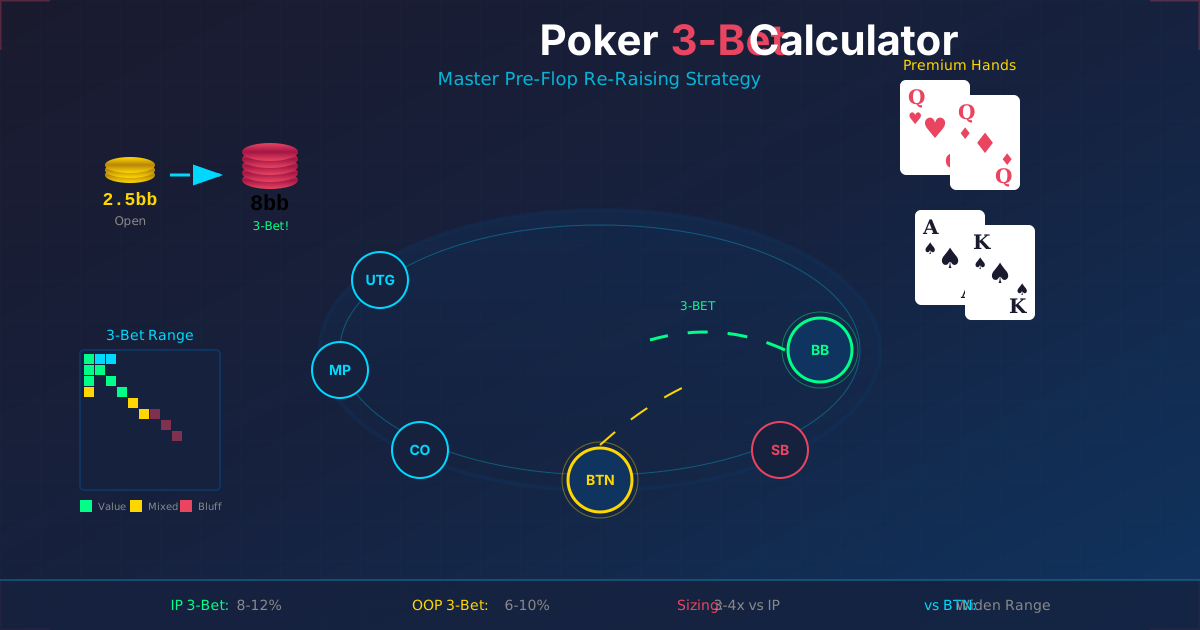
Typical 3-bet range: 4-8% of hands

Value: QQ+, AK
Bluffs: A5s-A2s, 76s-54s

Polarized 3-betting:
Very strong or semi-bluffs
Middle hands just call

Linear 3-betting:
All strong hands in range
KK, QQ, AK, AQ, JJ, TT
4-Bet Ranges
Even tighter: 2-4%

Value: KK+, sometimes QQ, AK
Bluffs: A5s-A4s (blockers)

4-bet indicates extreme strength
OR sophisticated bluff with blockers
Range very polarized
Cold Call Ranges
Flatting a raise preflop:

Implied odds hands: Small pairs, suited connectors
Strong but not 3-bet: TT-JJ, AQs sometimes
Traps: Slow-played premiums (rare)

Cold callers have capped range
Missing premiums they'd 3-bet
Opponent Profiling
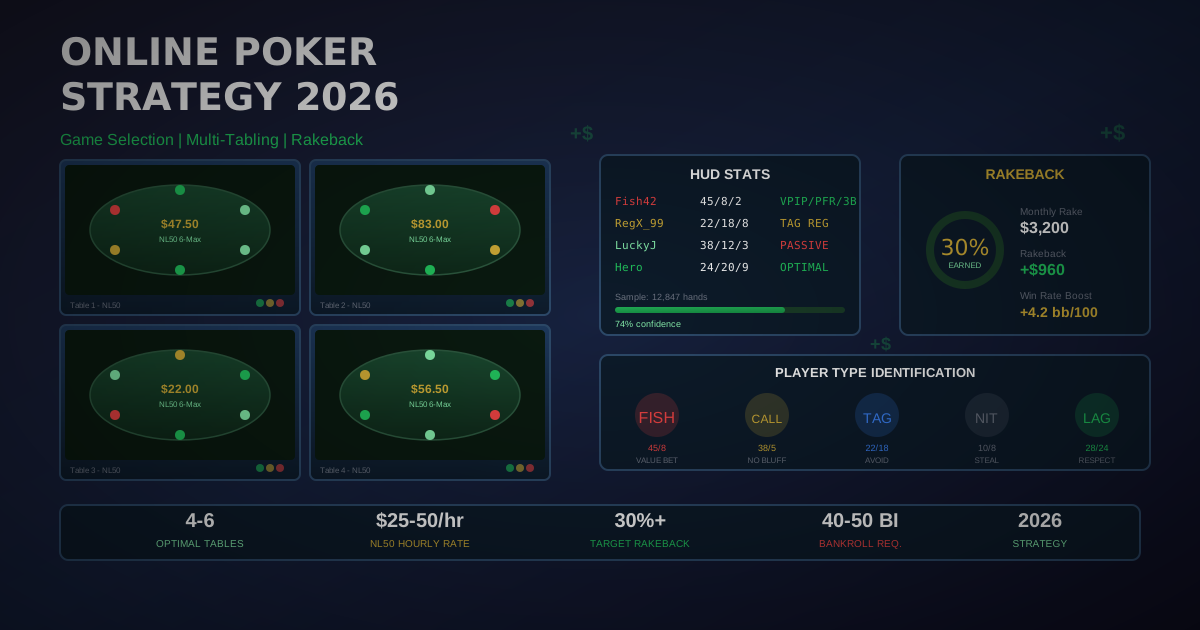
Tight-Passive (Nit)
Opens: 8-12% of hands
3-bets: 2-3% (only value)
Calls: Hates folding good hands

When nit raises: Very strong
When nit calls: Drawing or moderate
When nit folds: Most of the time

Adjust: Steal blinds, respect raises
Loose-Passive (Fish)
Opens: 30-50% of hands
3-bets: 2-4% (not bluffing)
Calls: With anything remotely playable

Wide ranges, little aggression
Value bet relentlessly
Don't bluff into them

Adjust: Value bet thin, don't bluff
Tight-Aggressive (TAG)
Opens: 15-22% by position
3-bets: 5-8% (balanced)
Folds: Appropriately to aggression

Solid players
Hard to exploit
Play back carefully

Adjust: 4-bet bluff occasionally
Loose-Aggressive (LAG)
Opens: 25-40% of hands
3-bets: 8-15% (lots of bluffs)
Barrels: Multiple streets often

Wide ranges, high aggression
Puts pressure constantly
Can be exploited with patience

Adjust: Call down lighter, trap more
Real-World Examples
Example 1: UTG Open Range
Situation: Unknown opens UTG for 3bb
Default assumption:
Tight 15% range:
55+, A9s+, KTs+, QJs, AJo+, KQo

Range breakdown:
High pairs: JJ+ (24 combos)
Medium pairs: 55-TT (36 combos)
Broadways: AK, AQ, AJ, KQ (64 combos)
Suited aces: A9s+ (24 combos)
Suited broadways: KTs+, QJs (12 combos)

Total: ~160 combos
Your AK equity vs range: ~48%
Example 2: Button 3-Bet
Situation: CO opens, Button 3-bets
Analysis:
Button 3-bet range: ~8%

Value: JJ+, AK (52 combos)
Bluffs: A5s-A2s, 76s-54s (40 combos)
Maybe: TT, AQs (26 combos)

Polarized range:
Either very strong or speculative bluff
Rarely medium strength

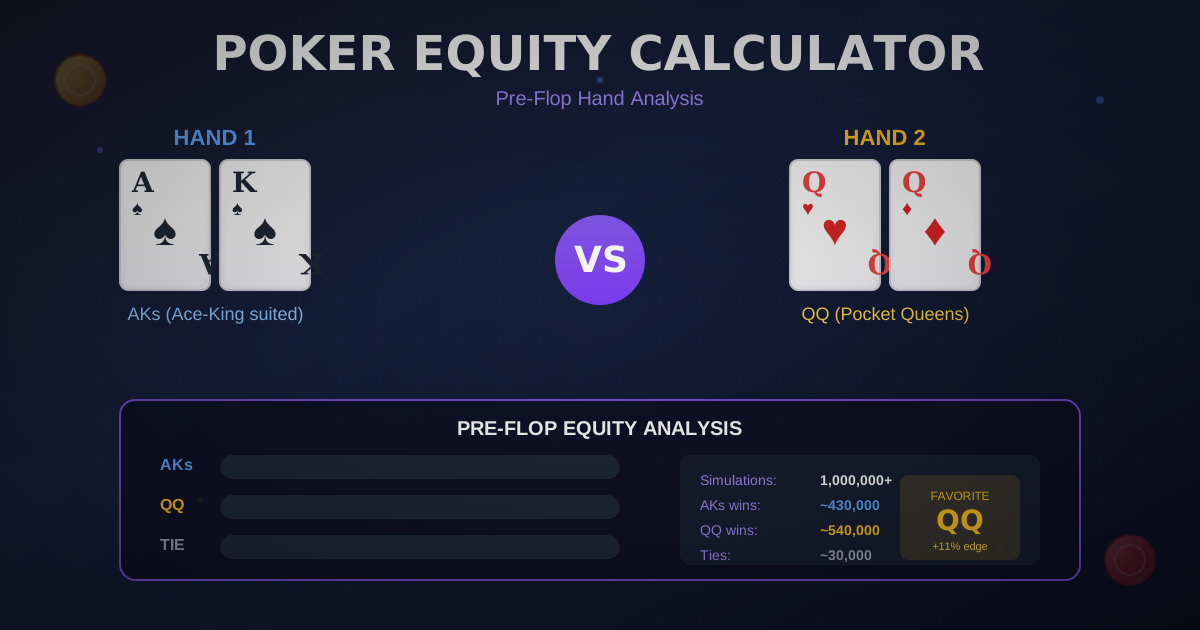
Your QQ equity vs range: ~58%
Example 3: Big Blind Defense
Situation: Button opens, you're BB
Button opens ~45% range:
Very wide, but betting position
You have great pot odds

Defense strategy:
3-bet: TT+, AK, A5s-A2s, 76s
Call: 22-99, A2s-A9s, K9s+, suited connectors
Fold: Worst 20-30% of hands

Post-flop matters more than pre
Position disadvantage
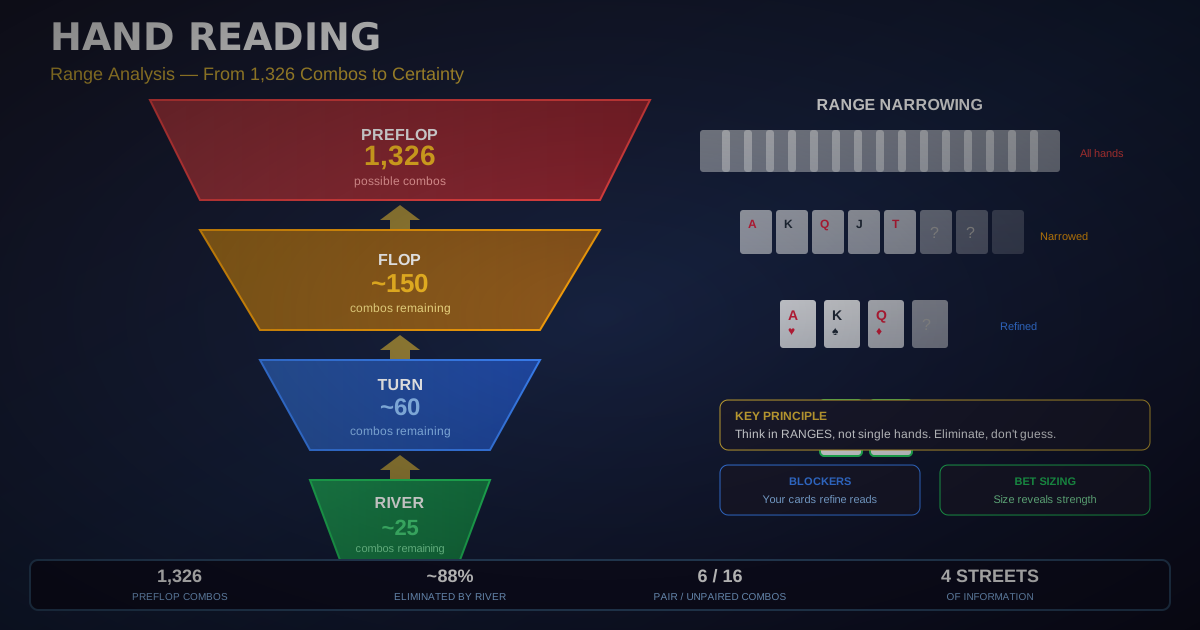
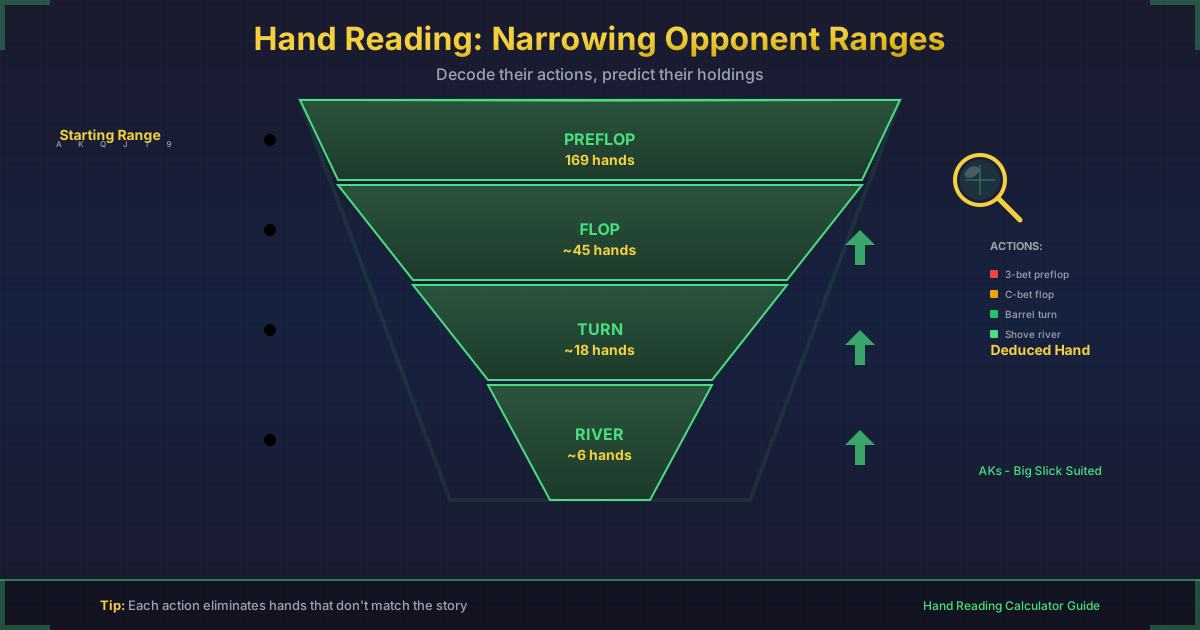
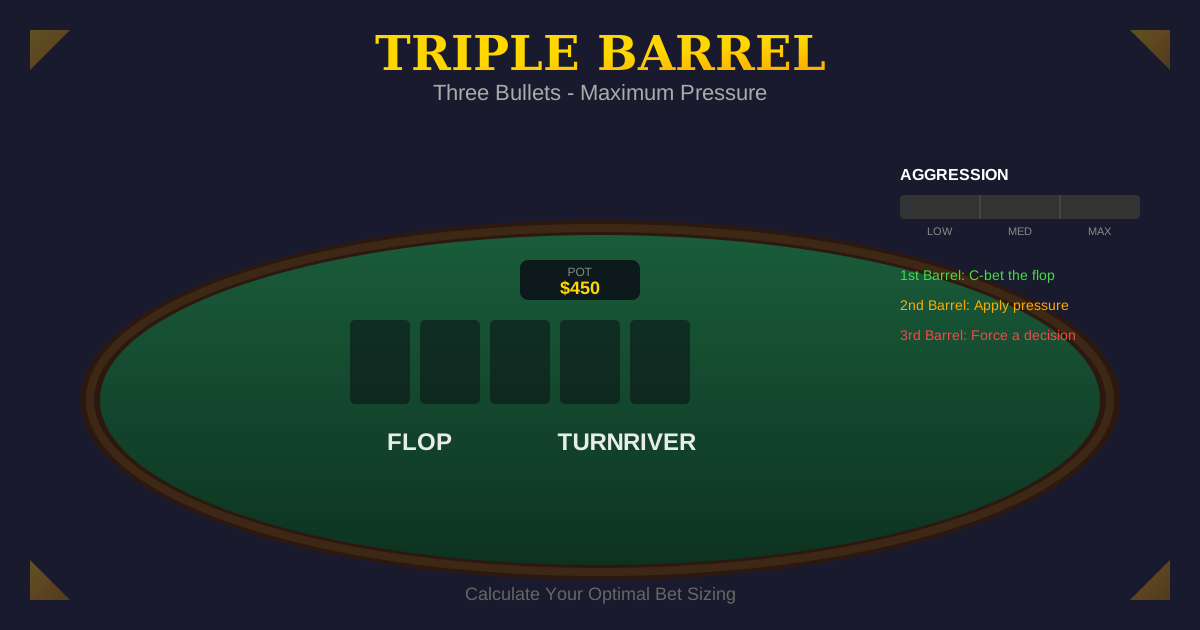
Example 4: Narrowing Through Streets
Hand progression:
Pre-flop: Villain opens MP (20% range)
Range: 150 combos
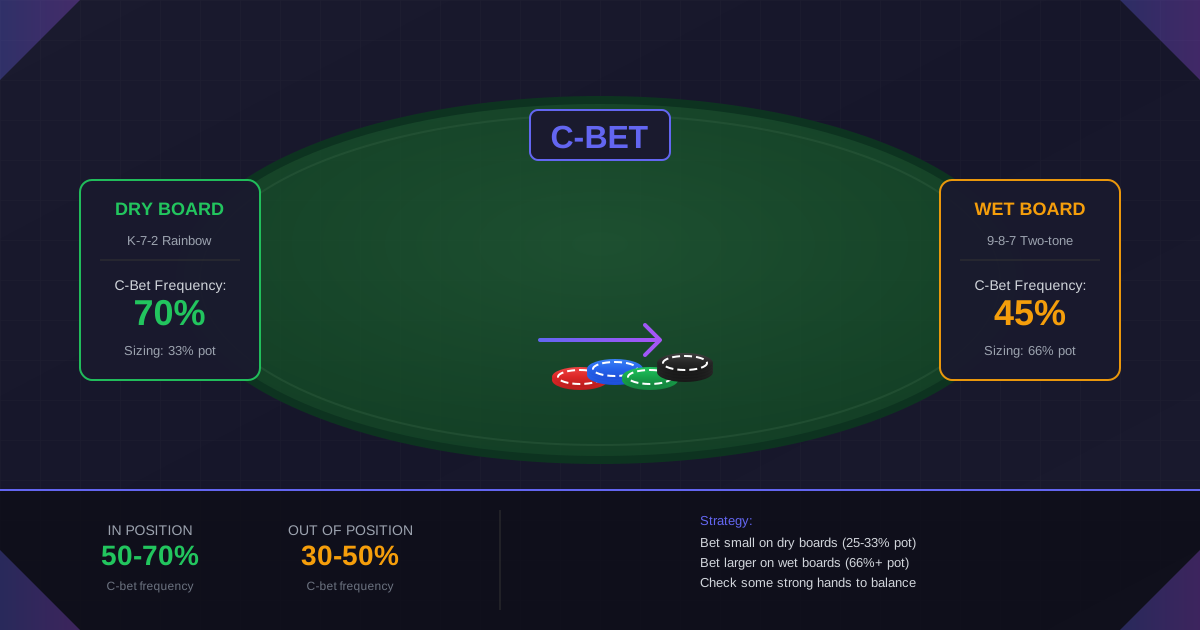
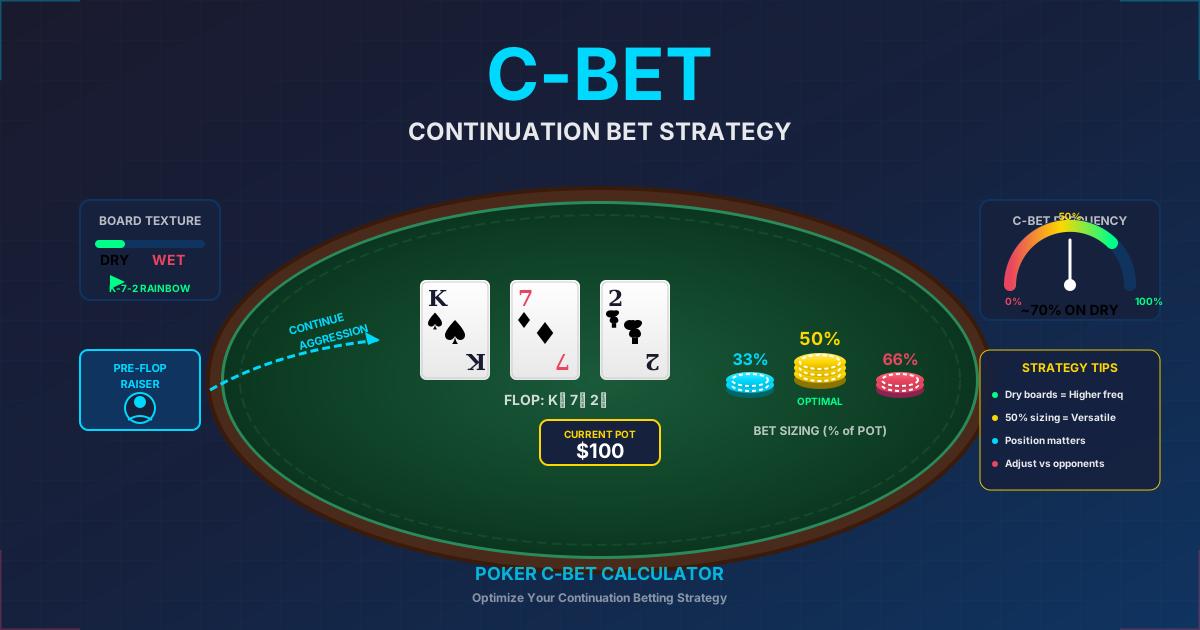
Flop (K-7-2 rainbow): Villain c-bets
Continues with: Top pair+, draws
Checks: Small pairs, air
New range: ~70% of previous
Turn (K-7-2-5): Villain bets again
Double barrel: Strong kings, bluffs
Checks: Weak kings, gives up
New range: ~50% of flop range
River: Villain bets third time
Triple barrel: Very strong or bluff
Range very polarized now
Evaluate based on sizing
Common Mistakes
1. Single Hand Thinking
Mistake: "They have AK" Problem: Missing range of possibilities Fix: Think "they have JJ+, AK, maybe AQ"
2. Static Ranges
Mistake: Same range regardless of action Problem: Actions narrow ranges Fix: Remove hands that wouldn't take action
3. Ignoring Position
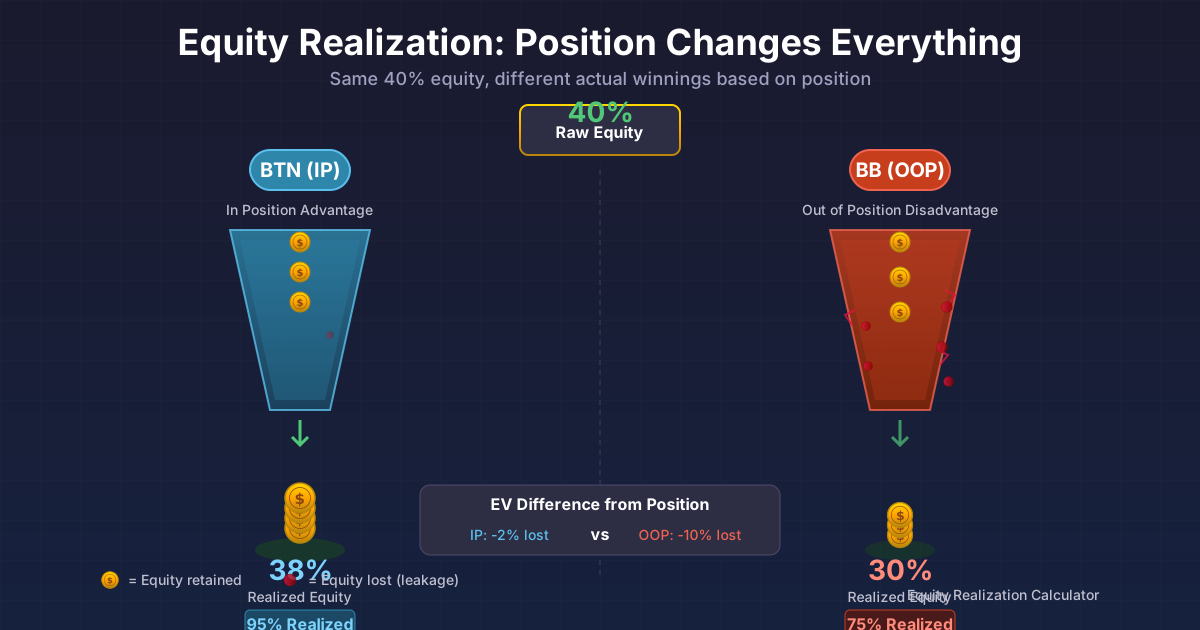
Mistake: Same range UTG and BTN Problem: Position dramatically affects ranges Fix: Use position-adjusted starting points
4. Not Adjusting to Player
Mistake: Default ranges for everyone Problem: Players vary significantly Fix: Profile and adjust
Frequently Asked Questions
How do I estimate someone's range?
Start with position-based default, adjust for player type, narrow based on actions taken.
What percentage of hands should I open?
Varies by position: 10-15% UTG, 25-35% CO, 40-55% BTN, defend wider from BB.
How do I know if my range estimate is right?
You don't exactly. Make educated guesses, refine with information, accept uncertainty.
Should I balance my own ranges?
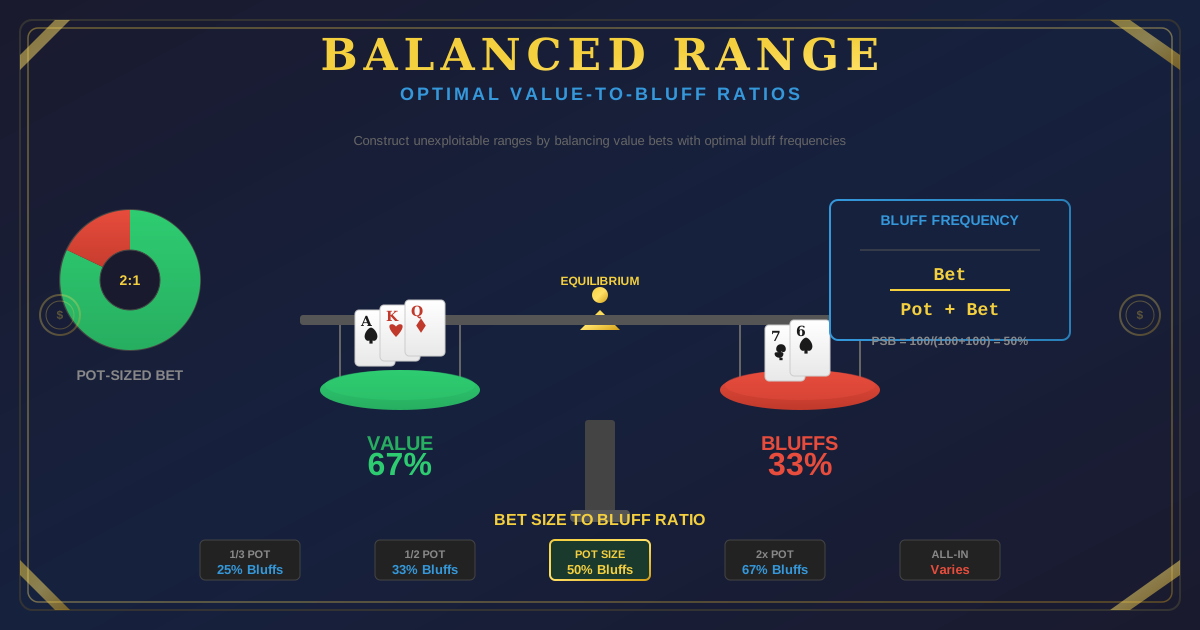
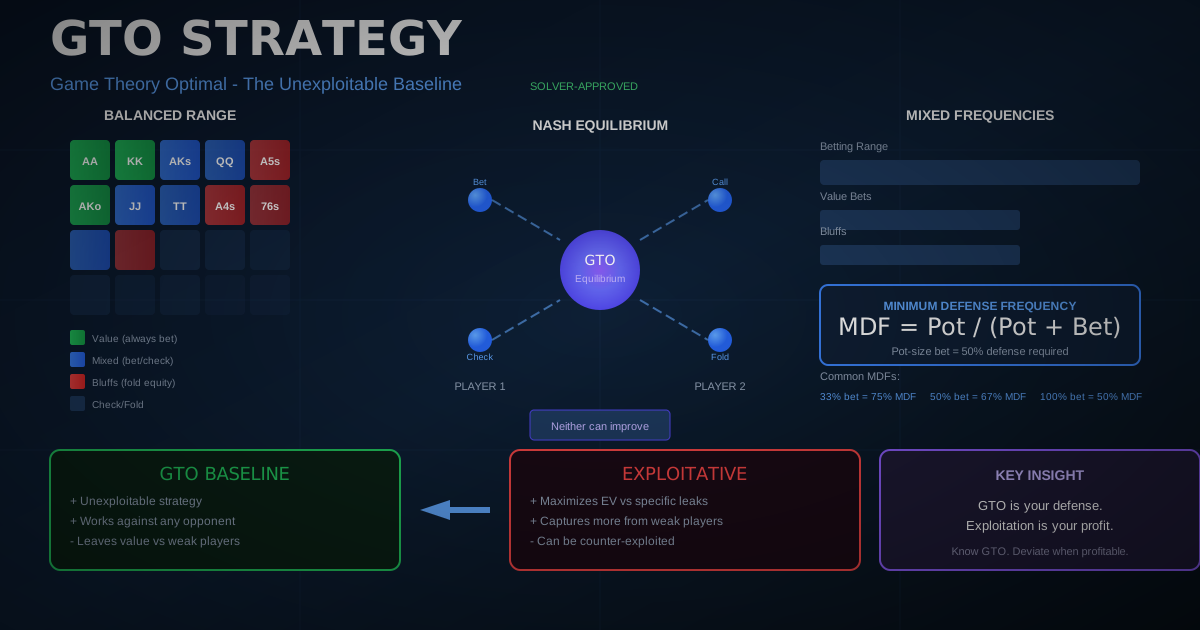
Against good players, yes. Against recreational players, exploit their tendencies instead.
What's the difference between linear and polarized ranges?
Linear: All strong hands (TT+ for value). Polarized: Very strong + bluffs (AA or 76s, not QQ).
How do ranges change post-flop?
Remove hands that would fold to flop action. Weight toward hands that connect with board.
Pro Tips
-
Position first: Start with position-appropriate range
-
Action narrows: Each aggressive action removes hands
-
Player profiles: Nits have tighter ranges
-
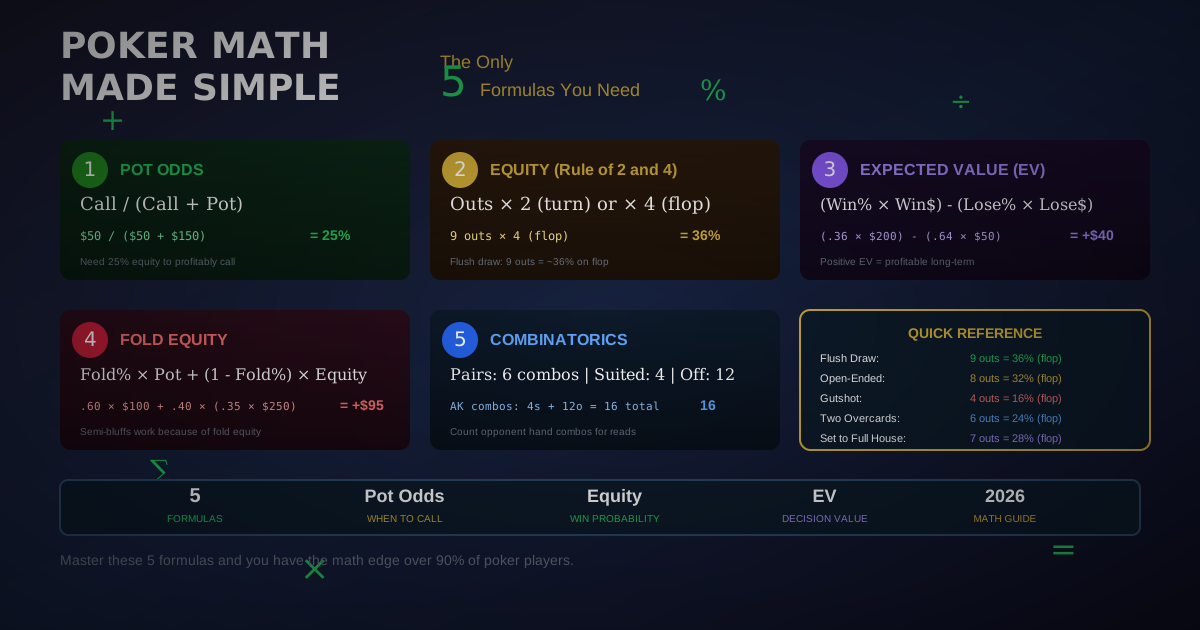
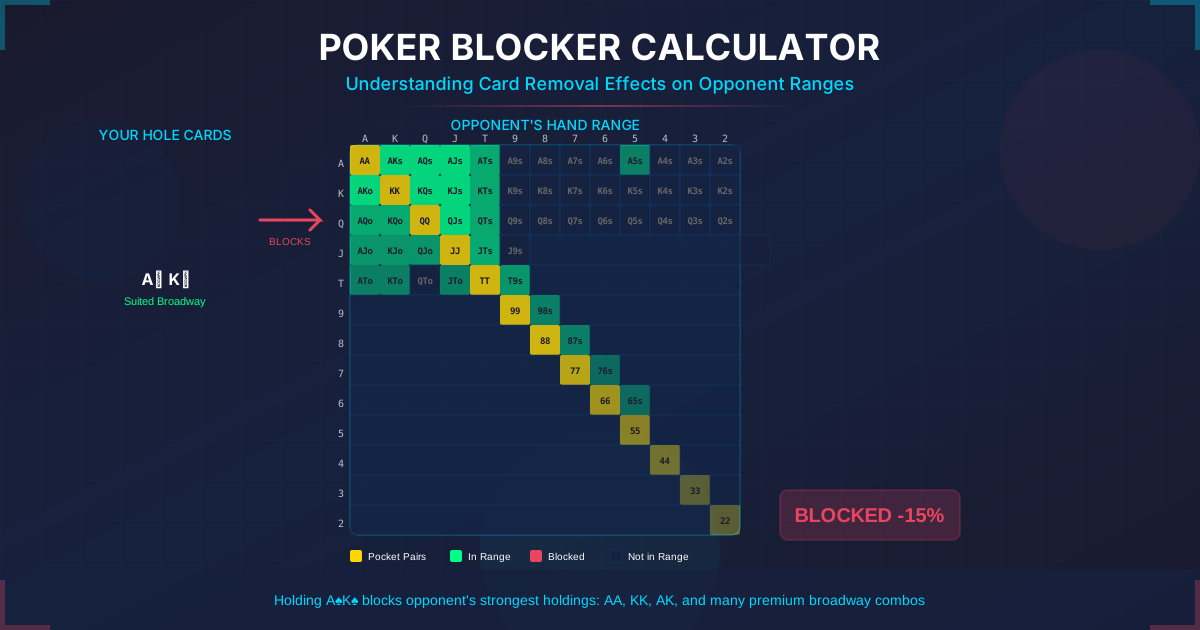
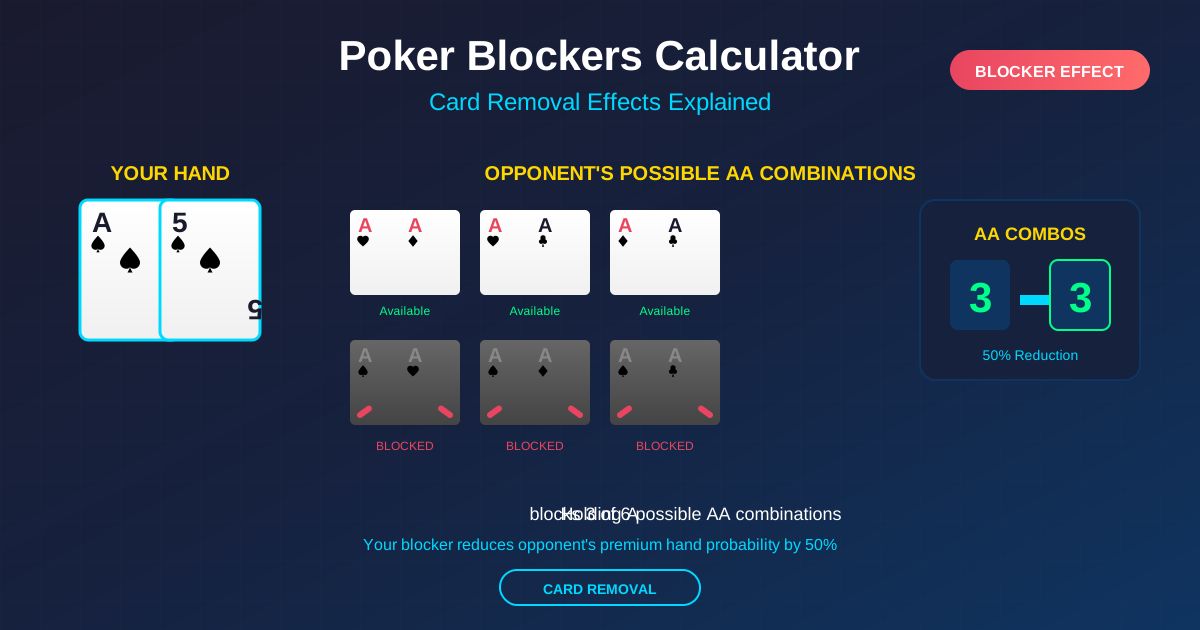
Think combos: 6 combos of AA, 16 of AK
-
Practice constantly: Range thinking is a skill
Related Calculators
- Poker Equity Calculator - Range equity
- Poker Odds Calculator - General odds
- Pot Odds Calculator - Pot odds math
- Poker EV Calculator - Expected value
- Poker Blockers Calculator - Card removal
Conclusion
Range analysis transforms poker from guessing games to probability assessment. Our calculator helps construct opponent ranges by position and action, showing what percentage of hands each situation represents.
Thinking in ranges is the fundamental skill separating amateur from competent play. Our calculator makes range construction systematic, helping you evaluate your hand against the distribution of possible opponent holdings.