How to Become a Professional Sports Bettor: What It Actually Takes (2026)

Fewer than 3% of sports bettors are profitable long-term, and fewer than 0.5% earn enough to call it a career. Professional sports betting is not about hot streaks, gut feelings, or insider tips. It is a grinding, math-intensive business that requires a starting bankroll of $50,000 to $100,000 or more, the emotional resilience to endure months-long losing streaks, and the discipline to treat every single wager as a data point in a much larger equation.
The legal US sports betting market surpassed $120 billion in handle in 2025, with projections pushing toward $150 billion by the end of 2026. More money flowing through the market means more opportunity for sharp bettors who know how to find and exploit inefficiencies. But it also means sportsbooks are getting smarter, faster, and more aggressive about limiting winning accounts.
This guide is not a motivational pitch. It is the unfiltered reality of what professional sports betting looks like in 2026, from the financial requirements and daily routines to the tax headaches and account restrictions that every aspiring pro must understand before placing a single bet.
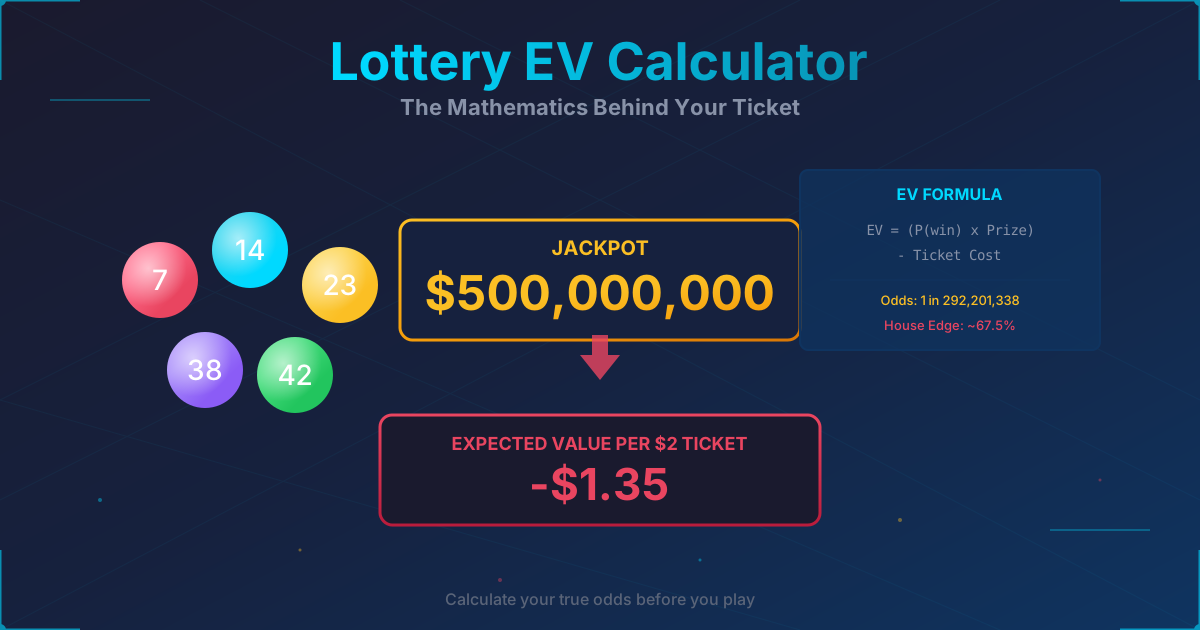
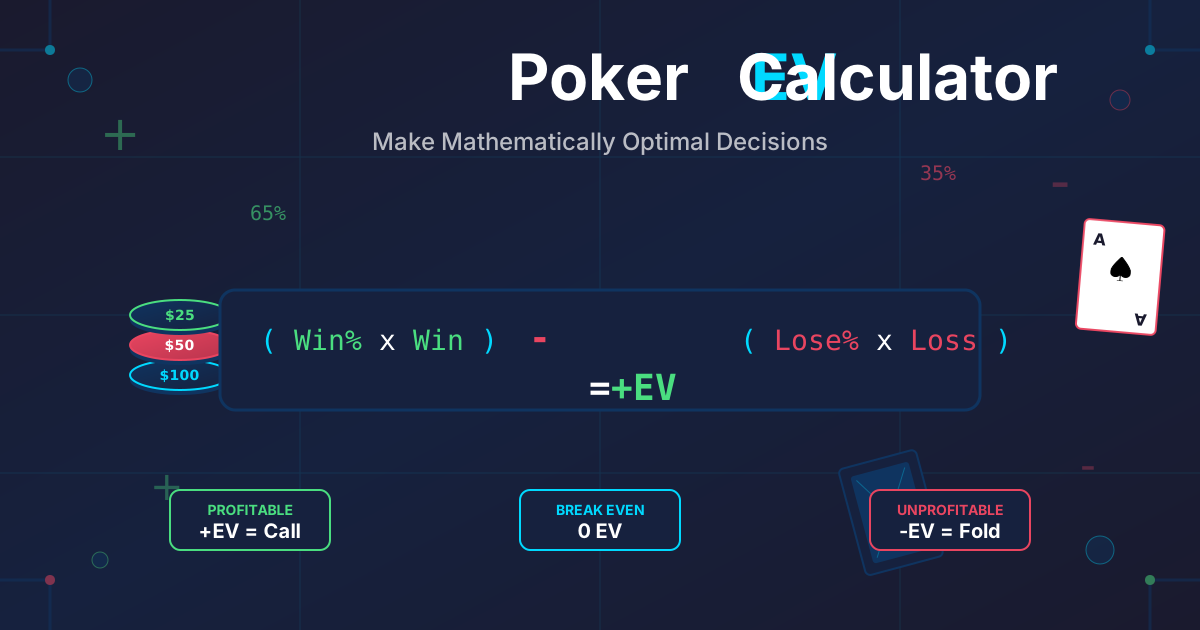
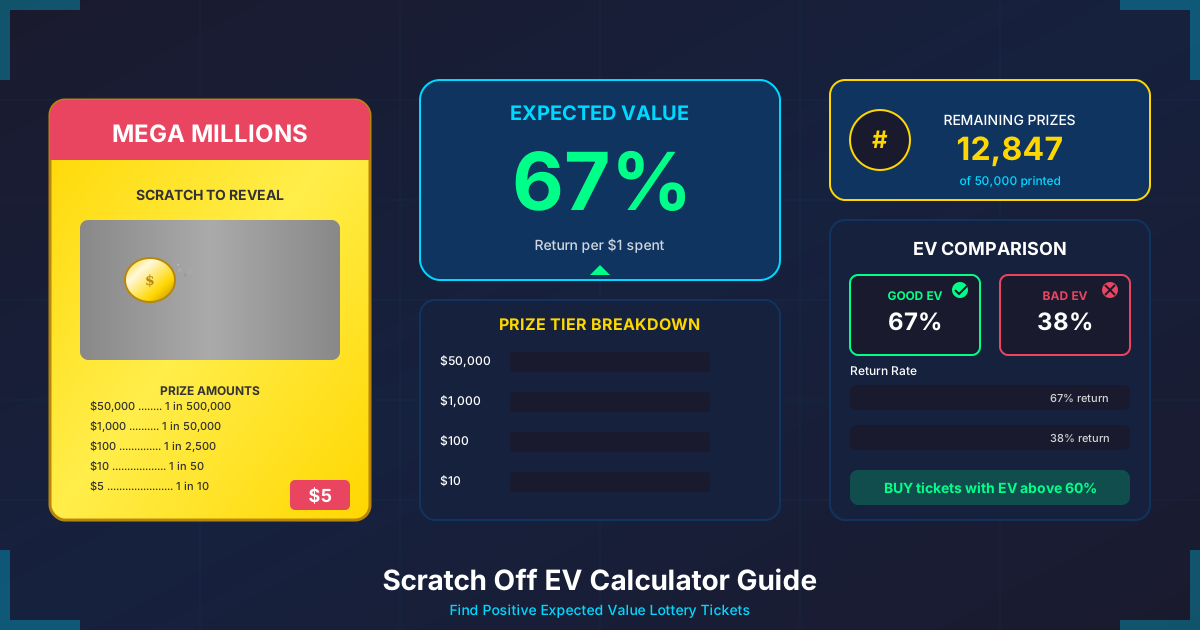
Calculate whether any bet has positive expected value with our free Expected Value Calculator.
What Does a Professional Sports Bettor Actually Do?
A professional sports bettor identifies and exploits pricing inefficiencies in sports betting markets to generate consistent long-term profit. The job is closer to quantitative trading than it is to recreational gambling.
The Core Job Description
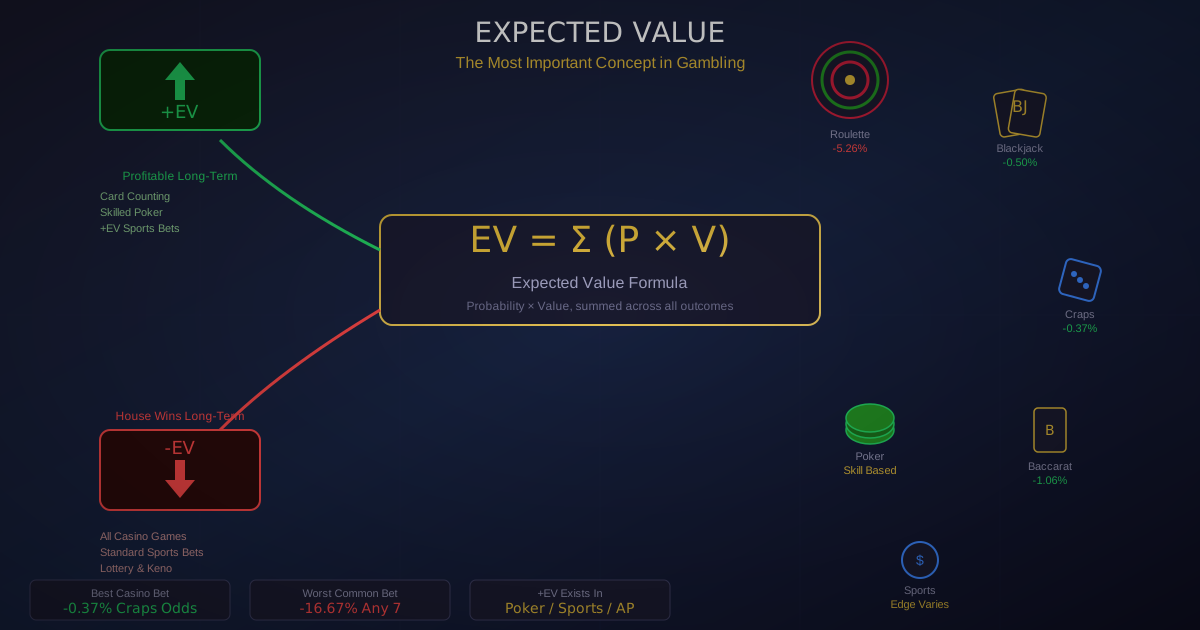
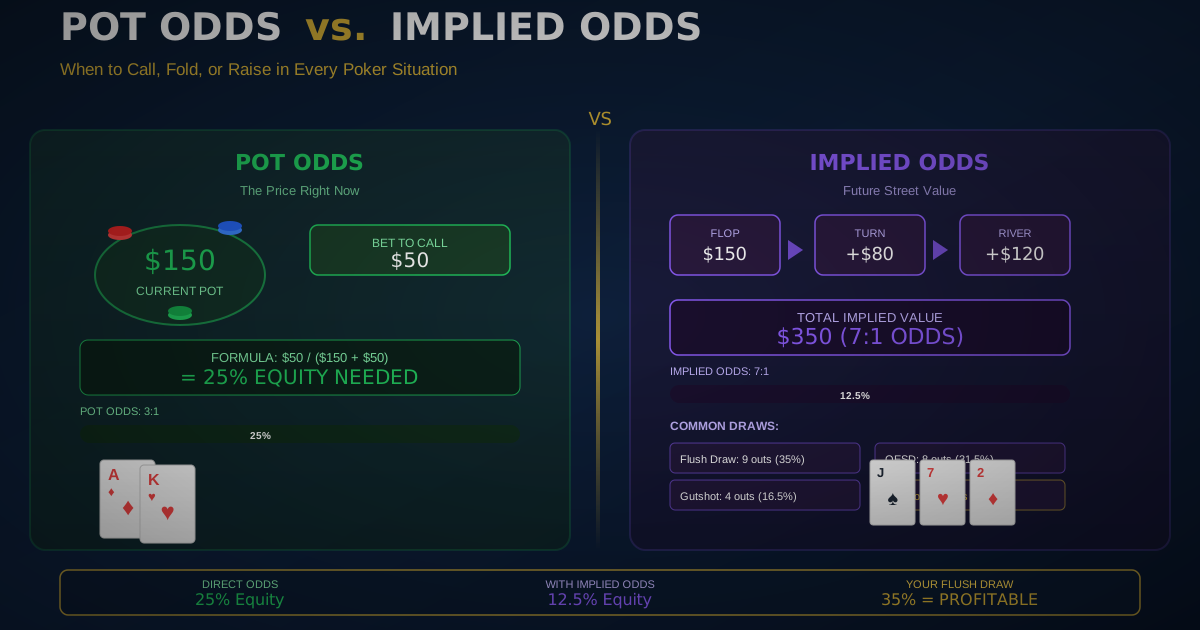
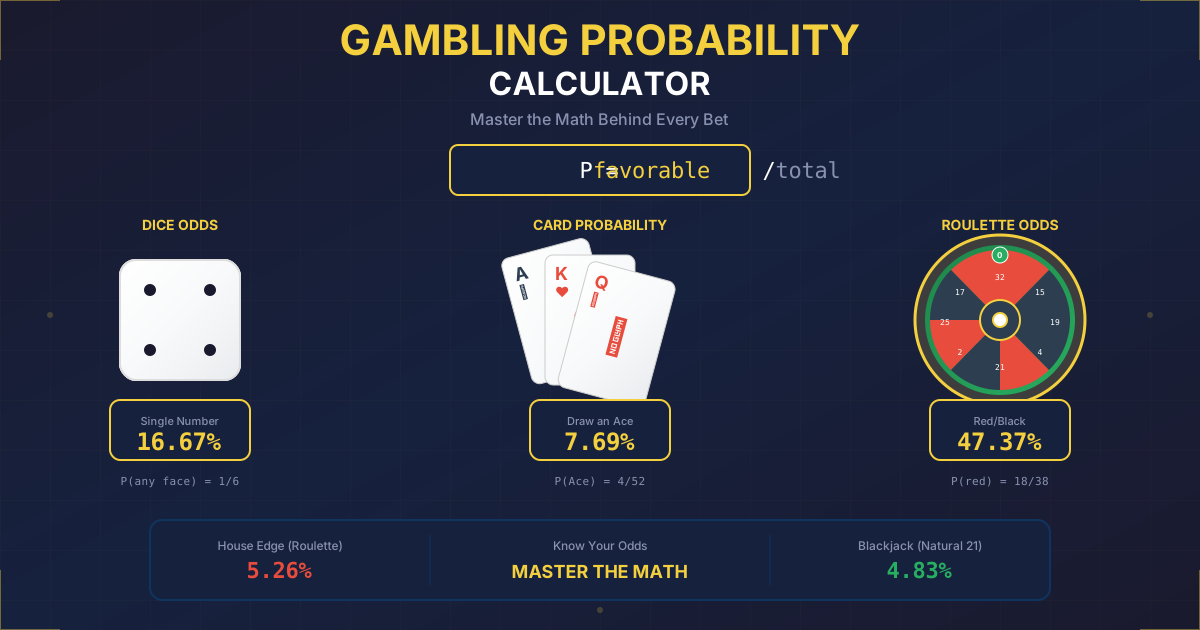
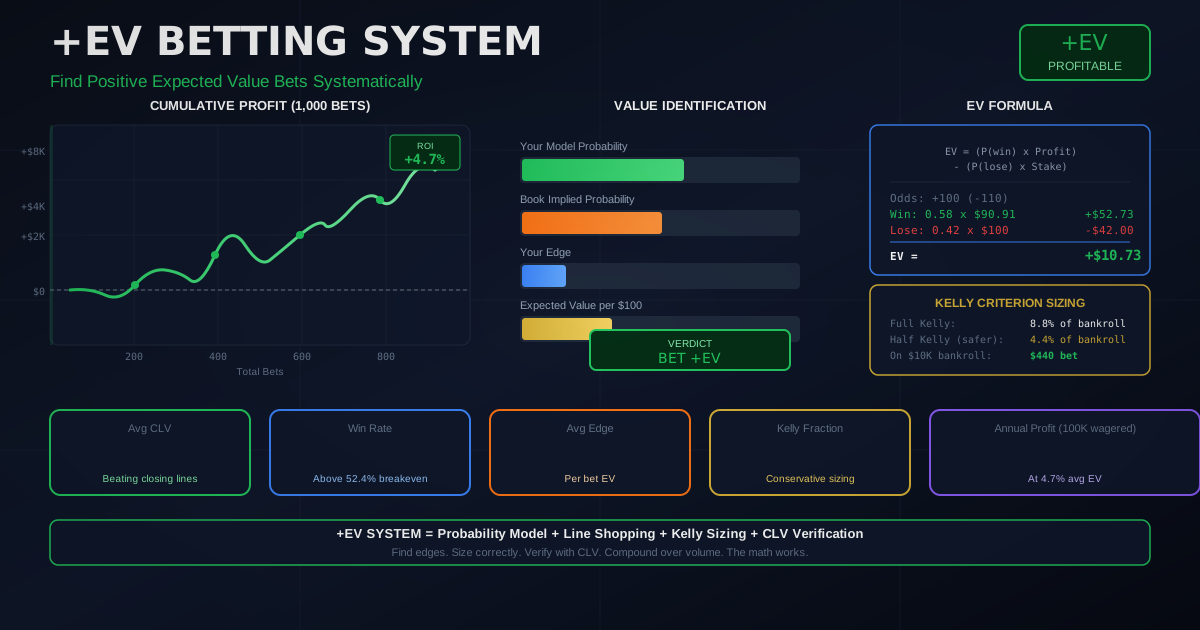
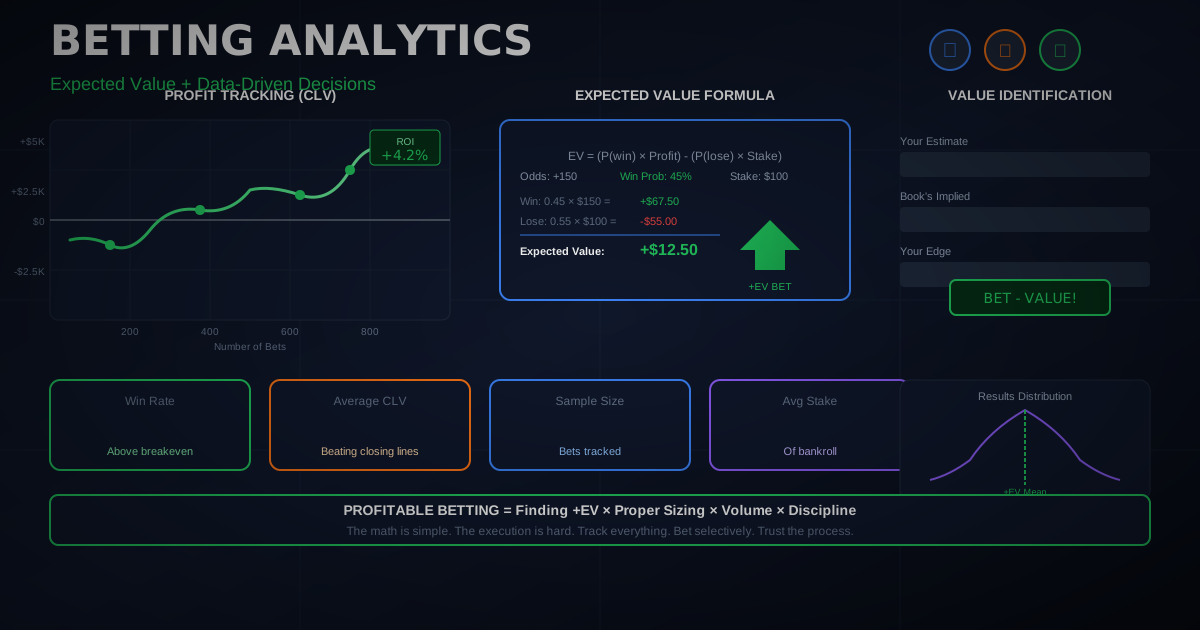
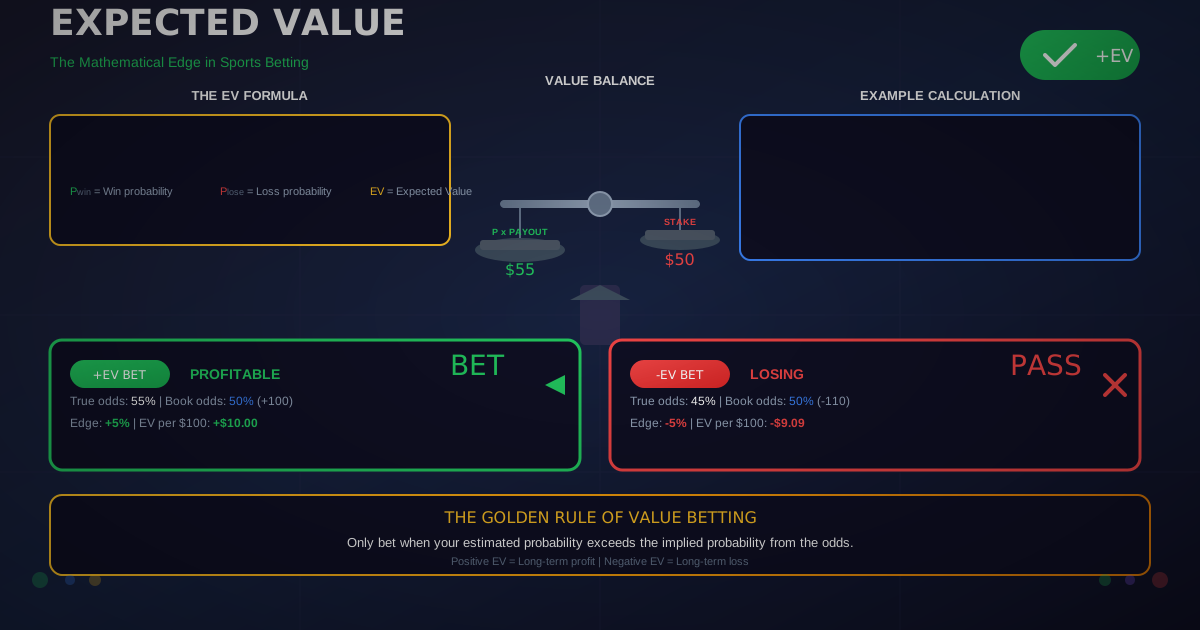
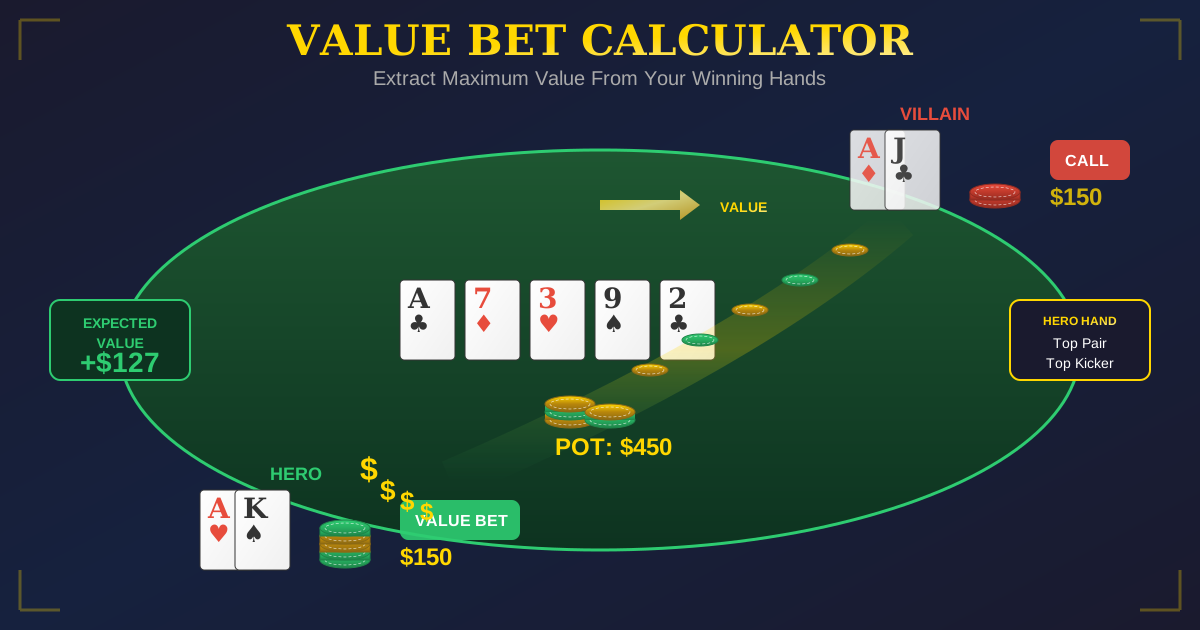
Professional bettors do not predict winners. They find value. Value exists when a sportsbook offers odds that imply a probability lower than the bettor's assessed true probability of an outcome. If you believe a team has a 55% chance to win but the sportsbook is pricing them at implied 50%, you have found a +EV (positive expected value) bet.
The daily work involves:
- Market analysis: Scanning multiple sportsbooks for line discrepancies and soft lines
- Model maintenance: Updating predictive models with new data, injuries, weather, and lineup information
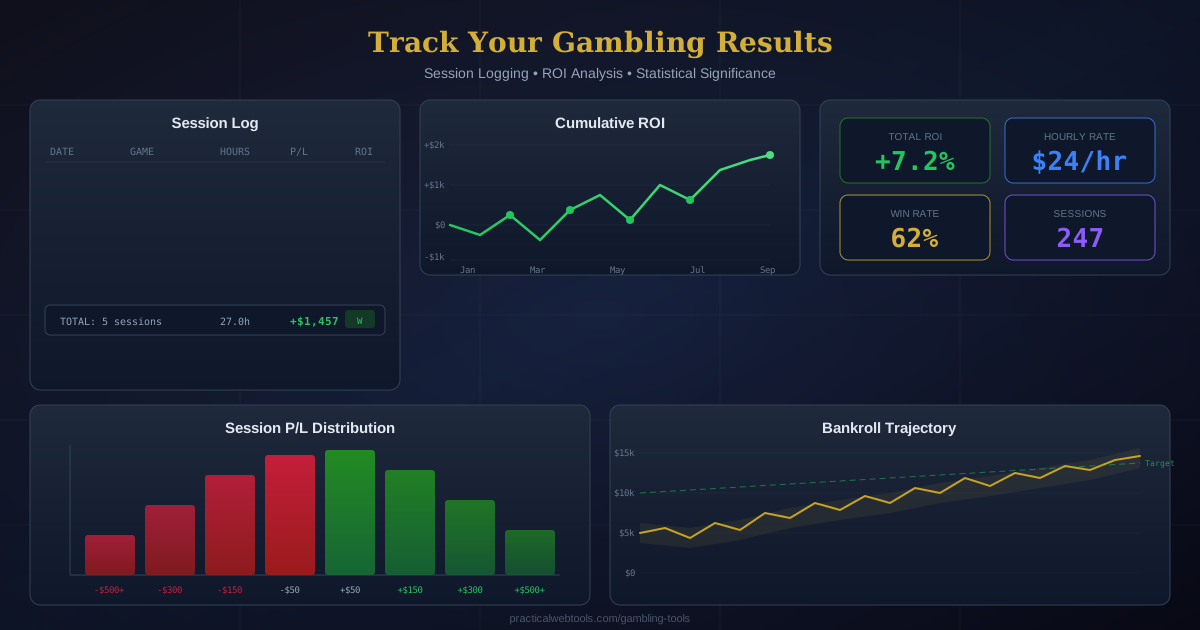
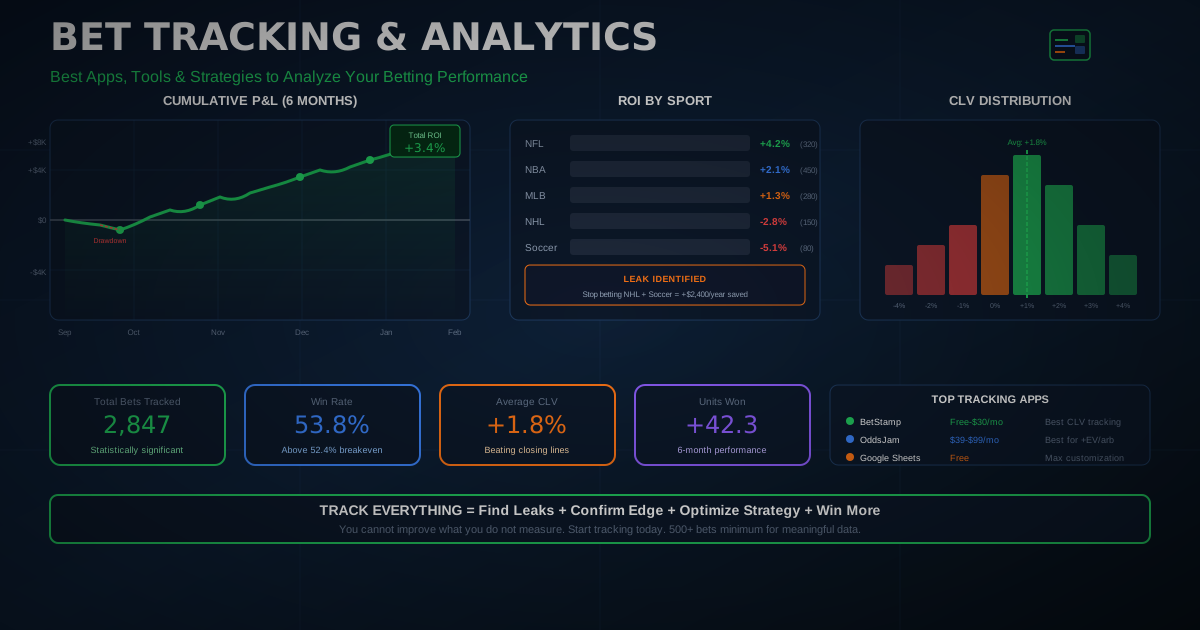
- Record keeping: Logging every bet with odds, closing line, stake, and result
- Bankroll management: Calculating optimal stake sizes based on edge and bankroll
- Account management: Rotating between sportsbooks to avoid limits and maintain access
- Tax preparation: Tracking all wins, losses, and expenses for quarterly tax payments
The Reality vs. The Fantasy
Most people picture professional bettors watching games on multiple screens, celebrating big wins, and living a glamorous lifestyle. The reality is closer to sitting at a desk for 8-12 hours a day, staring at spreadsheets, and sweating through losing weeks knowing that variance is an unavoidable part of the process.
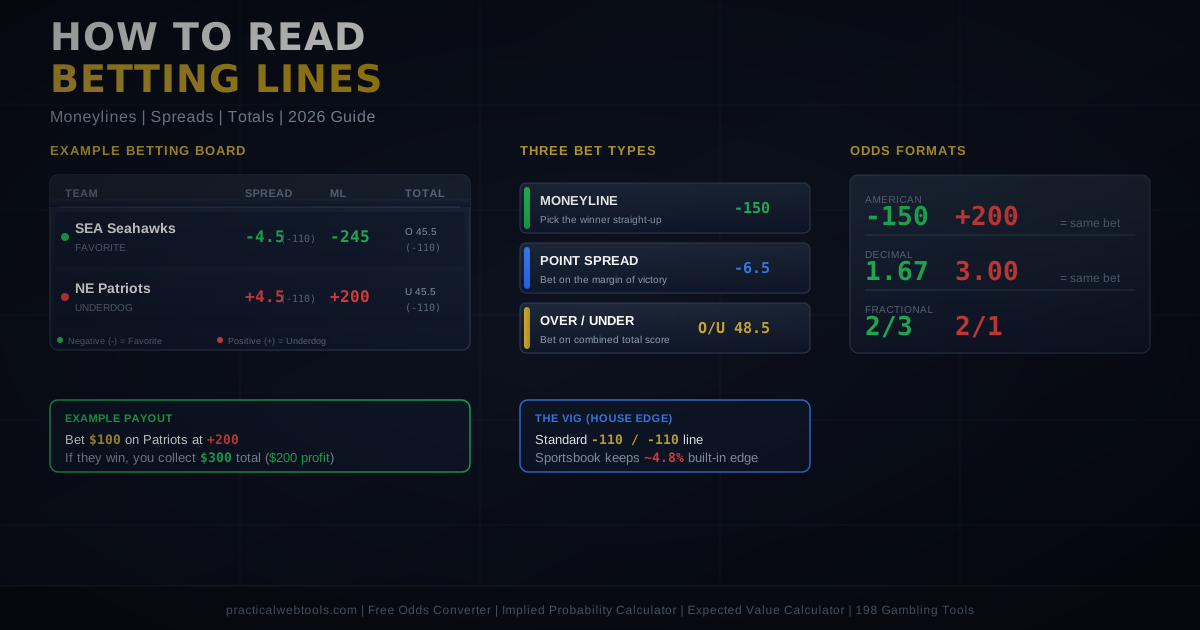
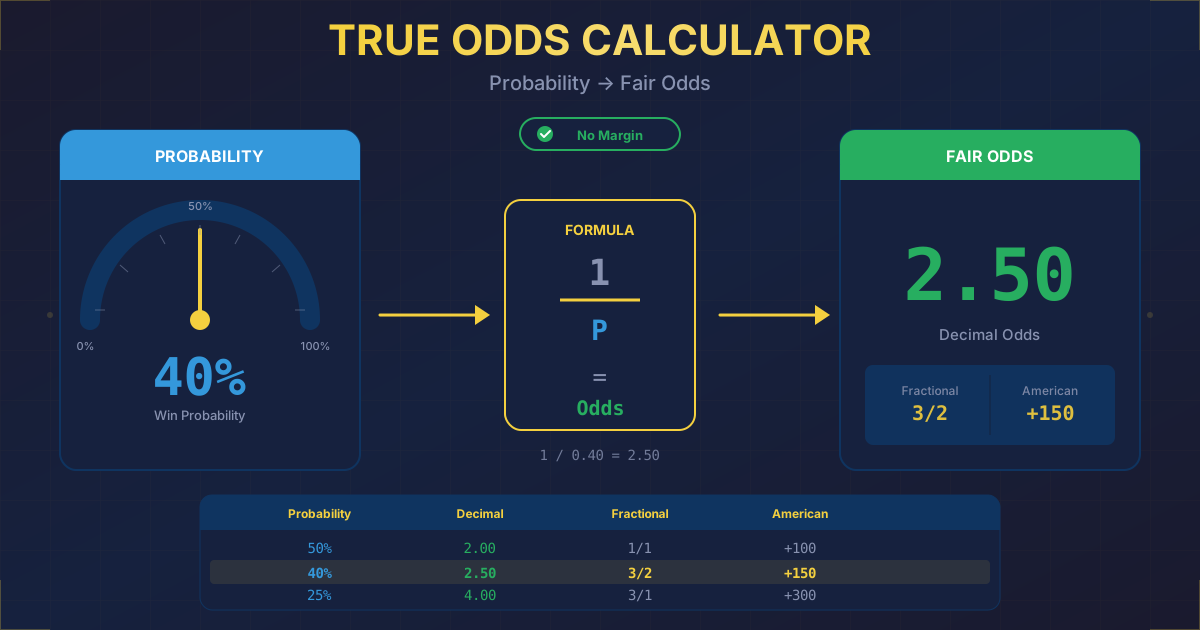
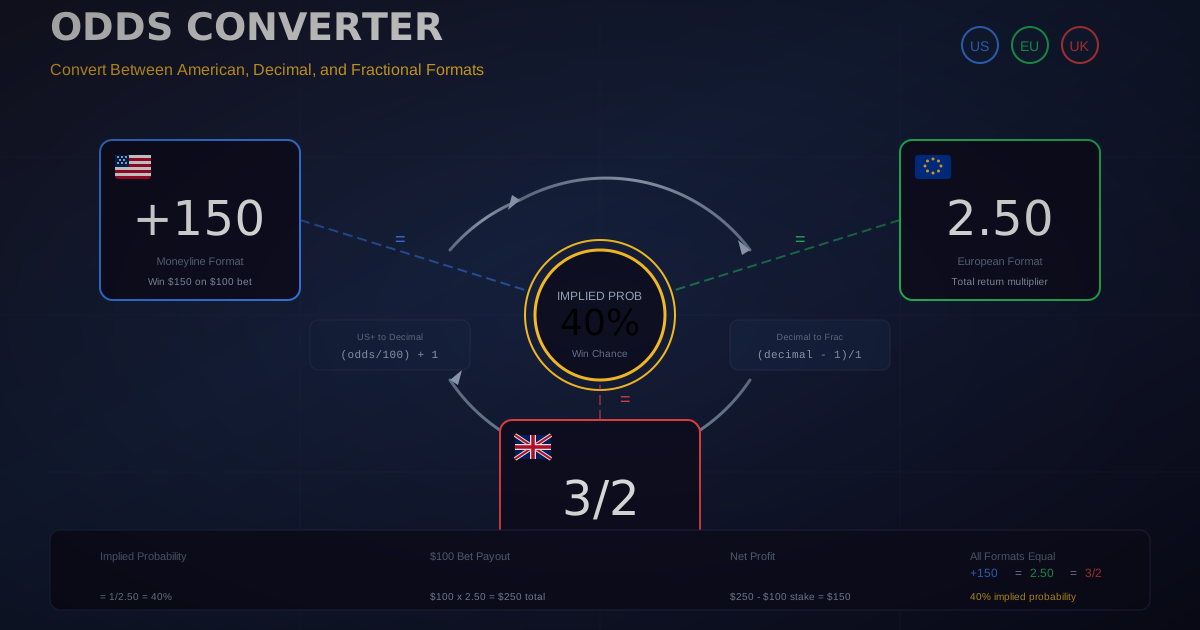
Convert between American, decimal, and fractional odds with our Odds Converter.
Types of Professional Bettors
| Type | Description | Typical Edge | Bankroll Needed | Volume |
|---|---|---|---|---|
| Model-Based Bettor | Builds statistical models to find mispriced lines | 2-5% | $50K-$200K | 500-2,000 bets/month |
| CLV Hunter | Bets early and exploits closing line value | 1-3% | $30K-$100K | 300-1,500 bets/month |
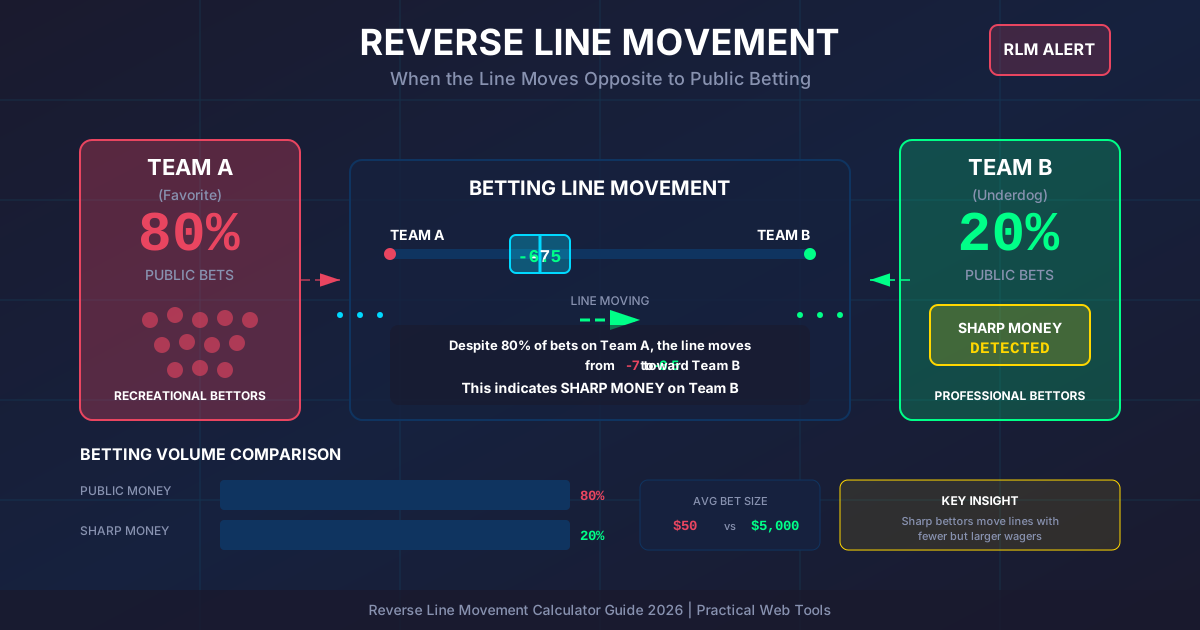
| Steam Chaser | Follows sharp money movements in real-time | 1-2% | $20K-$75K | 200-800 bets/month |
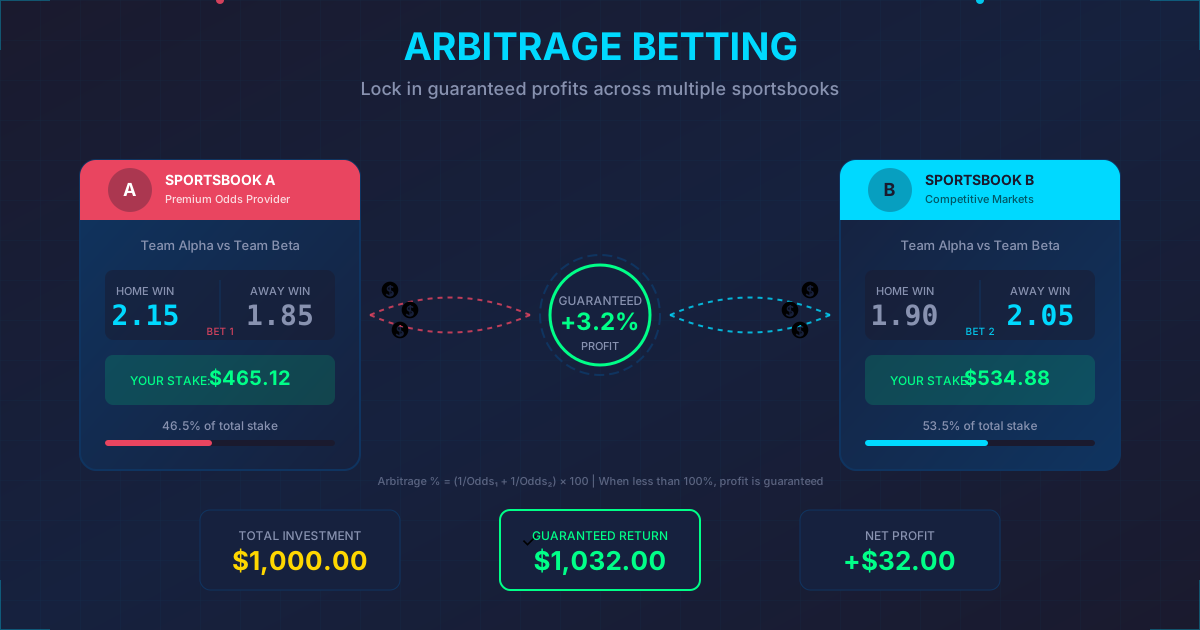
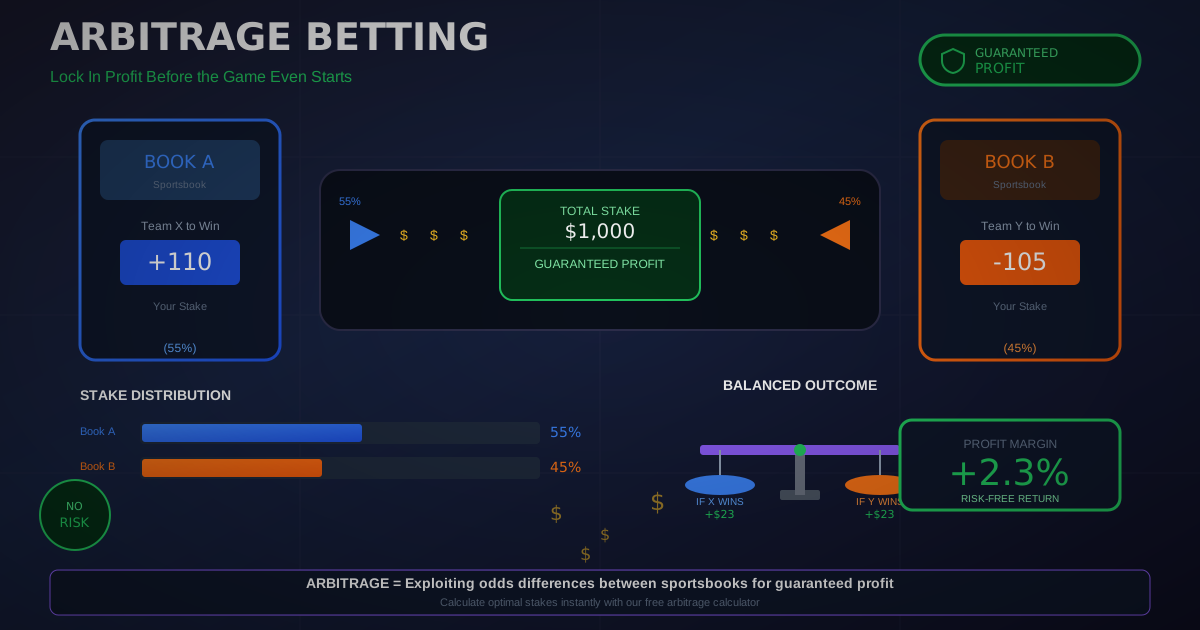
| Arbitrage Bettor | Exploits guaranteed profit between sportsbooks | 1-3% guaranteed | $50K-$300K | 100-500 arbs/month |
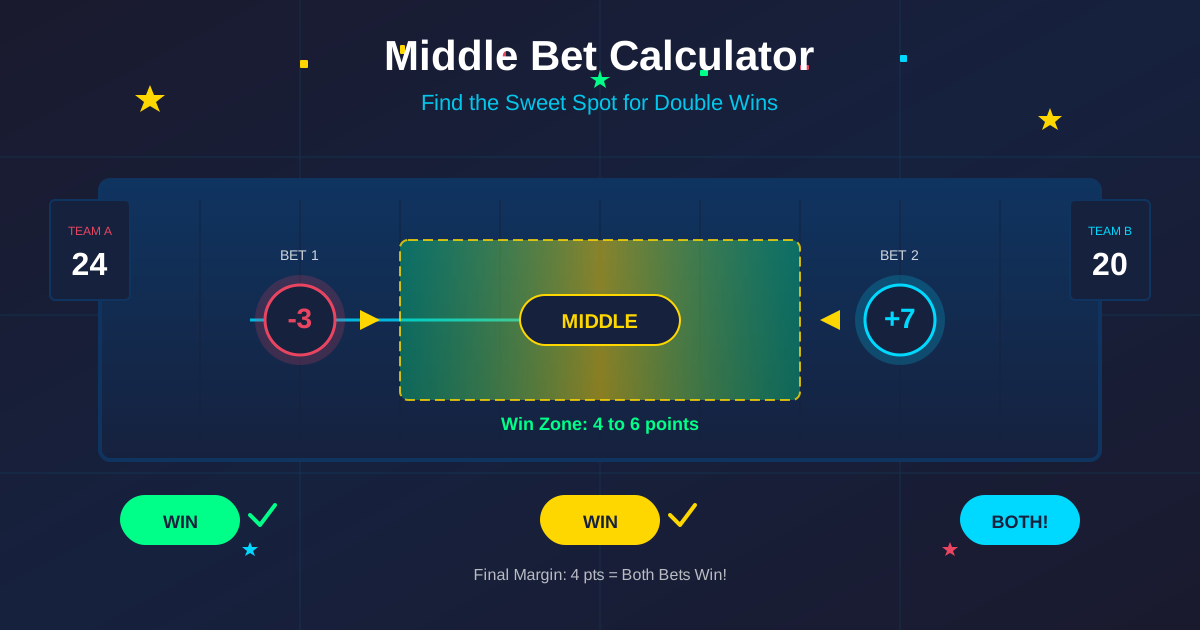
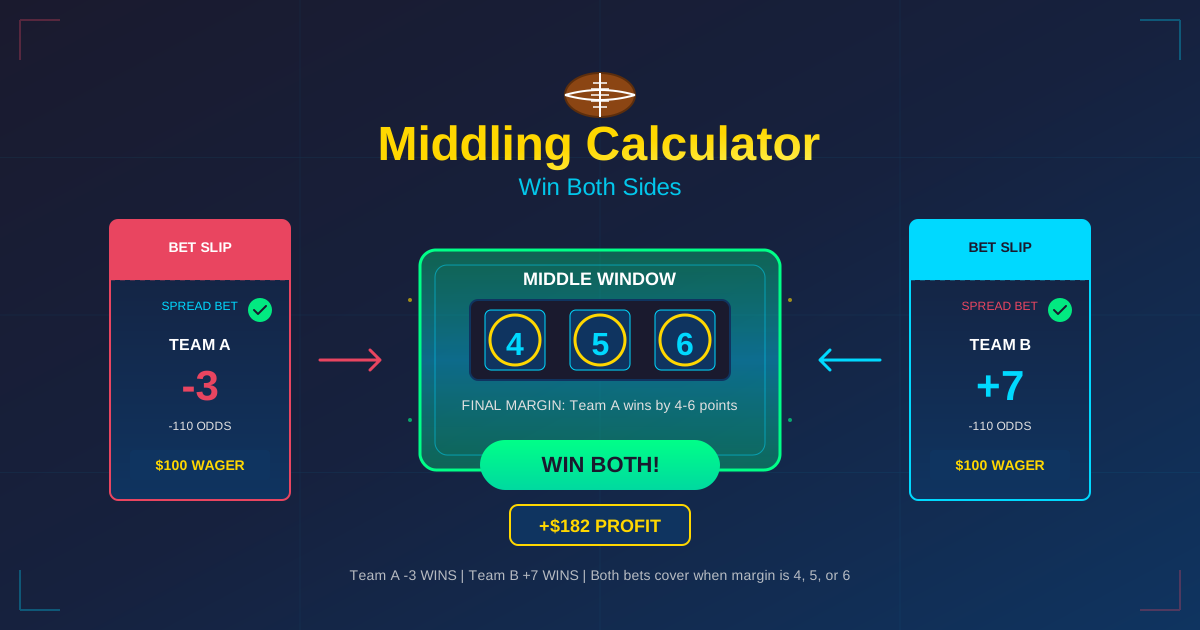
| Middler | Bets both sides at different books for a middle opportunity | 0.5-2% | $50K-$200K | 50-200 bets/month |
| Prop Specialist | Focuses on inefficient player prop markets | 3-8% | $20K-$80K | 200-1,000 bets/month |
How Much Money Do You Need to Start?
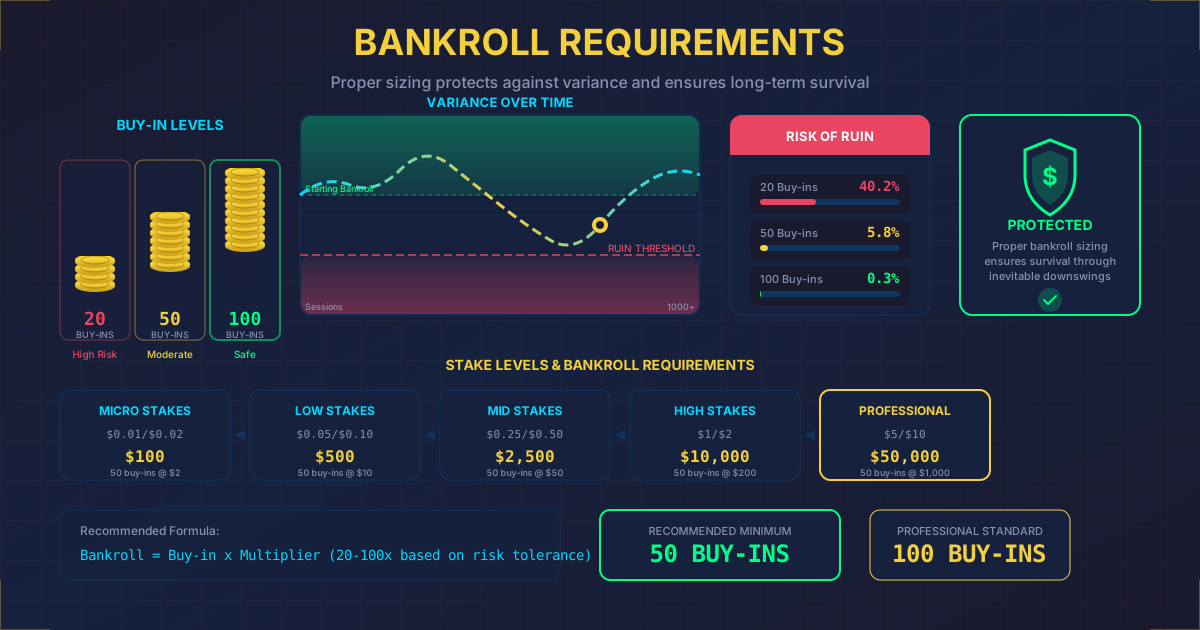
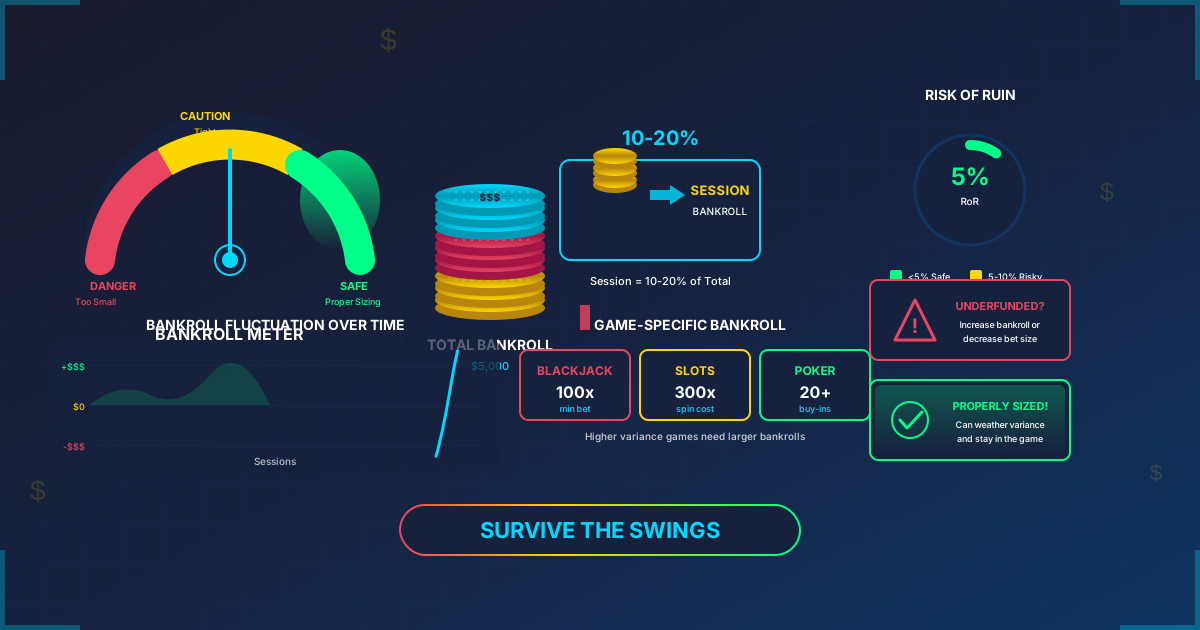
You need a minimum starting bankroll of $50,000 to $100,000 to pursue professional sports betting full-time, and even that is aggressive for most markets. This is separate from your living expenses.
The Bankroll Math
Professional bettors typically achieve a 2-5% ROI on total volume. Here is what that looks like at different bankroll levels:
| Starting Bankroll | Monthly Handle (10x turnover) | ROI | Monthly Profit | Annual Profit |
|---|---|---|---|---|
| $25,000 | $250,000 | 3% | $7,500 | $90,000 |
| $50,000 | $500,000 | 3% | $15,000 | $180,000 |
| $75,000 | $750,000 | 3% | $22,500 | $270,000 |
| $100,000 | $1,000,000 | 3% | $30,000 | $360,000 |
| $200,000 | $2,000,000 | 3% | $60,000 | $720,000 |
These numbers look attractive, but several critical caveats apply:
- Turnover rate matters. Betting your bankroll 10x per month requires finding 300-2,000 +EV bets monthly. That is not easy.
- ROI fluctuates wildly. A 3% annual ROI might look like +15% in January and -8% in February.
- Account limits reduce handle. As sportsbooks limit your accounts, your monthly handle drops.
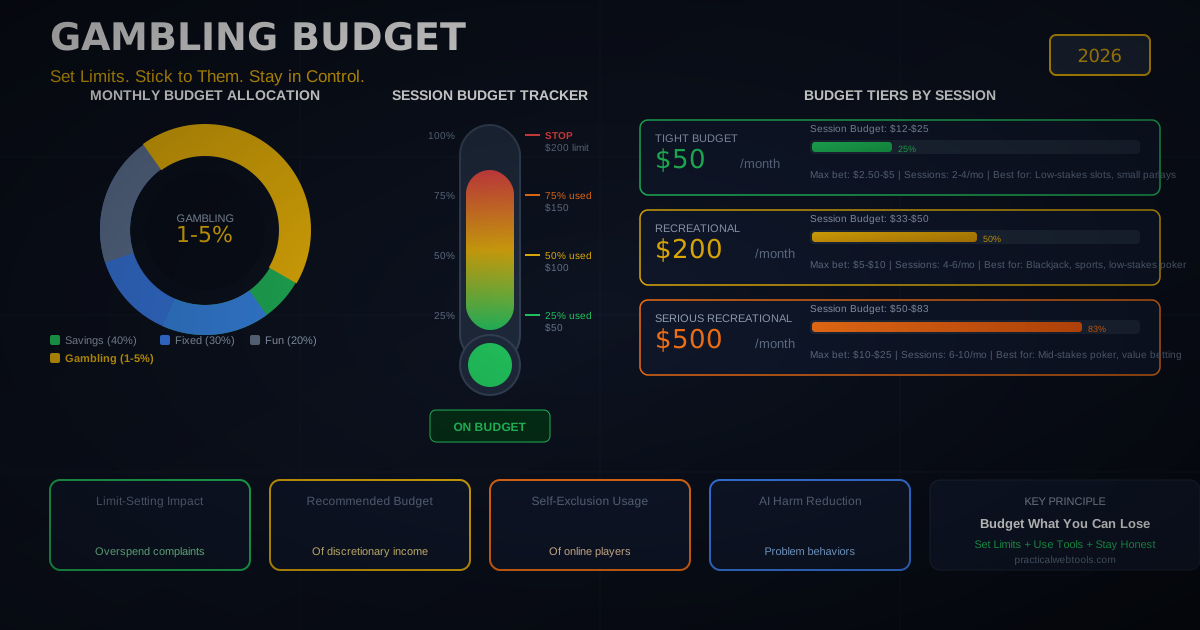
- Taxes eat into profits. Federal and state taxes can take 25-40% of your gross winnings.
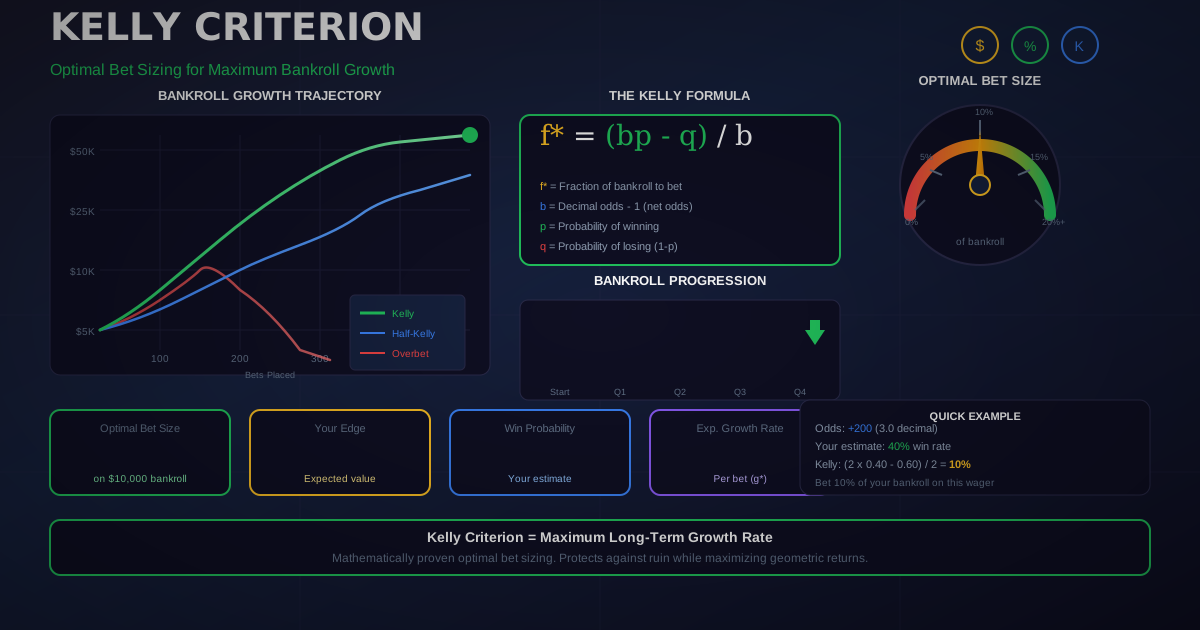
Calculate optimal bet sizing for your bankroll with our Kelly Criterion Calculator.
Bankroll Separate from Living Expenses
A critical mistake aspiring pros make is counting their living expenses as part of their bankroll. You need:
- 6-12 months of living expenses in a separate savings account
- Your full betting bankroll untouched for at least the first 6 months
- An emergency fund for unexpected expenses
If your monthly expenses are $4,000, that means you need $24,000 to $48,000 in savings PLUS your $50,000-$100,000 betting bankroll before you even consider going full-time.
Why Undercapitalization Kills Careers
| Bankroll Size | Risk of Ruin (2% edge) | Probability of -30% Drawdown | Months to Recover from -30% |
|---|---|---|---|
| $10,000 | 45%+ | 75% | 8-14 months |
| $25,000 | 25% | 55% | 6-10 months |
| $50,000 | 10% | 35% | 4-8 months |
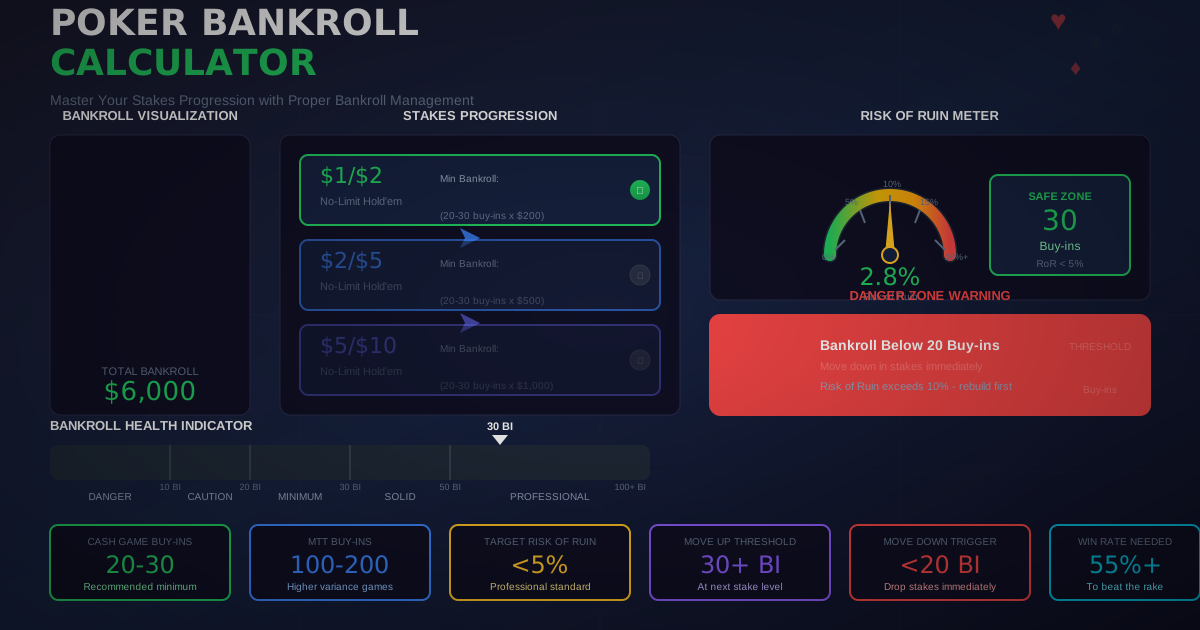
| $100,000 | 3% | 20% | 3-6 months |
| $200,000 | <1% | 10% | 2-4 months |
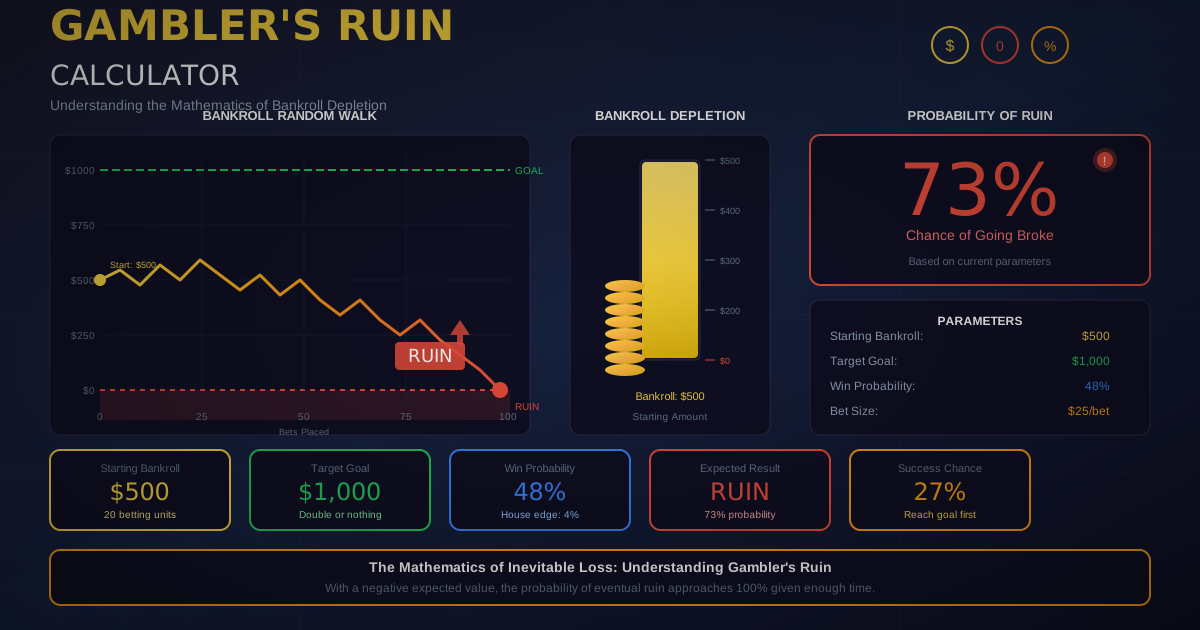
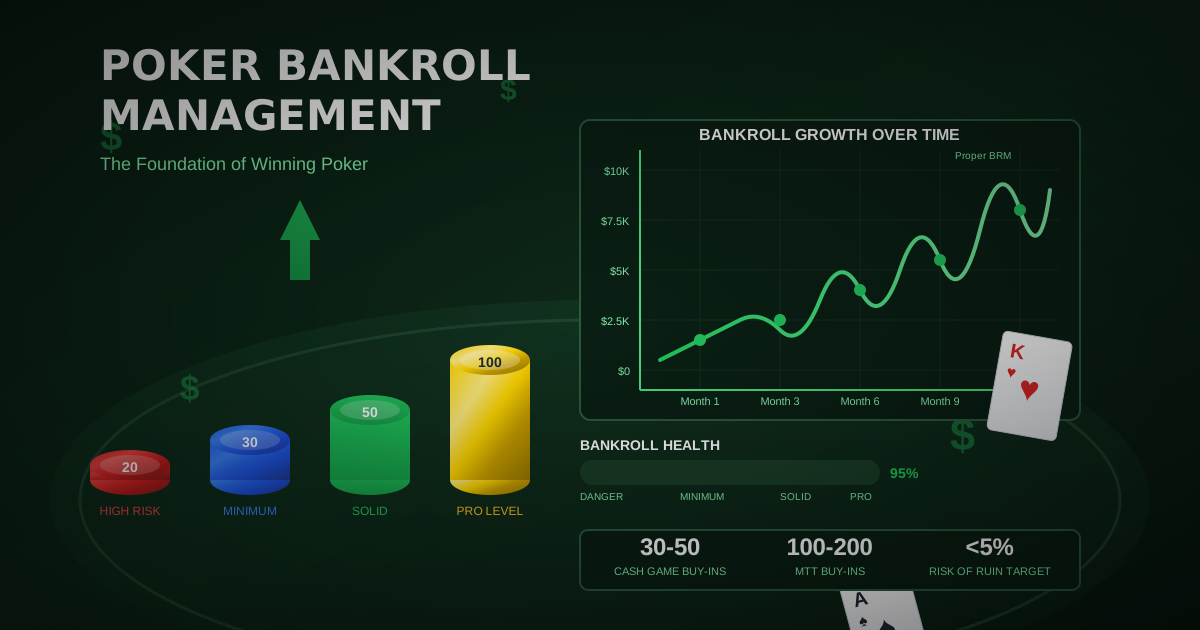
An undercapitalized bettor with a legitimate edge will still go broke a significant percentage of the time. The edge is real, but variance does not care about your edge in the short term.
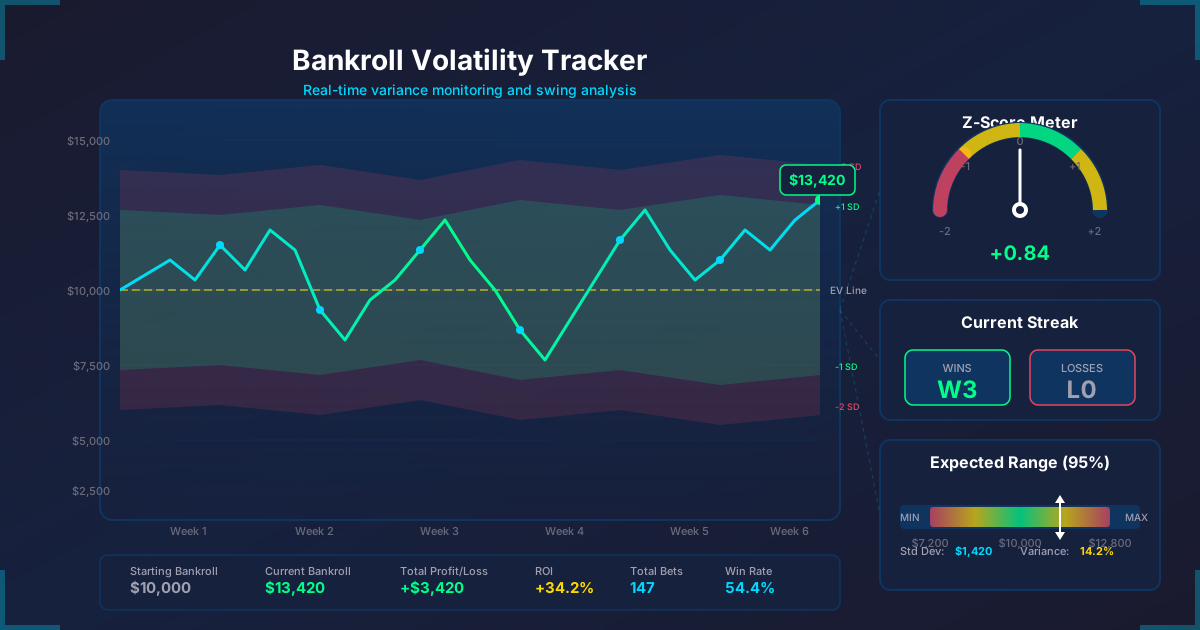
Model your bankroll volatility and risk of ruin with our Bankroll Volatility Tracker.
What ROI Can You Realistically Expect?
Professional sports bettors typically earn 2-5% ROI on total volume, with elite bettors occasionally reaching 5-8% in softer markets. Anything above 10% sustained over thousands of bets is exceptionally rare.
ROI by Experience Level
| Experience Level | Typical ROI | Bets Per Year | Annual Profit (on $500K handle) |
|---|---|---|---|
| First Year Pro | 0-2% | 3,000-5,000 | $0-$10,000 |
| 2-3 Years Experience | 2-4% | 5,000-10,000 | $10,000-$20,000 |
| 5+ Years Experience | 3-5% | 8,000-15,000 | $15,000-$25,000 |
| Elite/Syndicate | 4-8% | 15,000-50,000 | $20,000-$40,000 |
These numbers assume consistent access to betting accounts. In practice, limits and bans reduce your total handle over time, which is the single biggest challenge for professional bettors.
Why Most Profitable Bettors Earn Less Than You Think
A bettor with a 3% ROI betting $500 per game needs to place roughly 2,000 bets per year to generate $30,000 in profit. After taxes, that drops to $18,000-$22,500. That is below the poverty line in most US cities.
To earn a comfortable living ($80,000+ after taxes), you need either:
- A higher edge (difficult to sustain)
- Much larger stakes (requires larger bankroll and more accounts)
- Higher volume (requires more markets and automation)
- A combination of all three
Calculate the expected value of any wager with our Expected Value Calculator.
How Do You Build a Sports Betting Model?
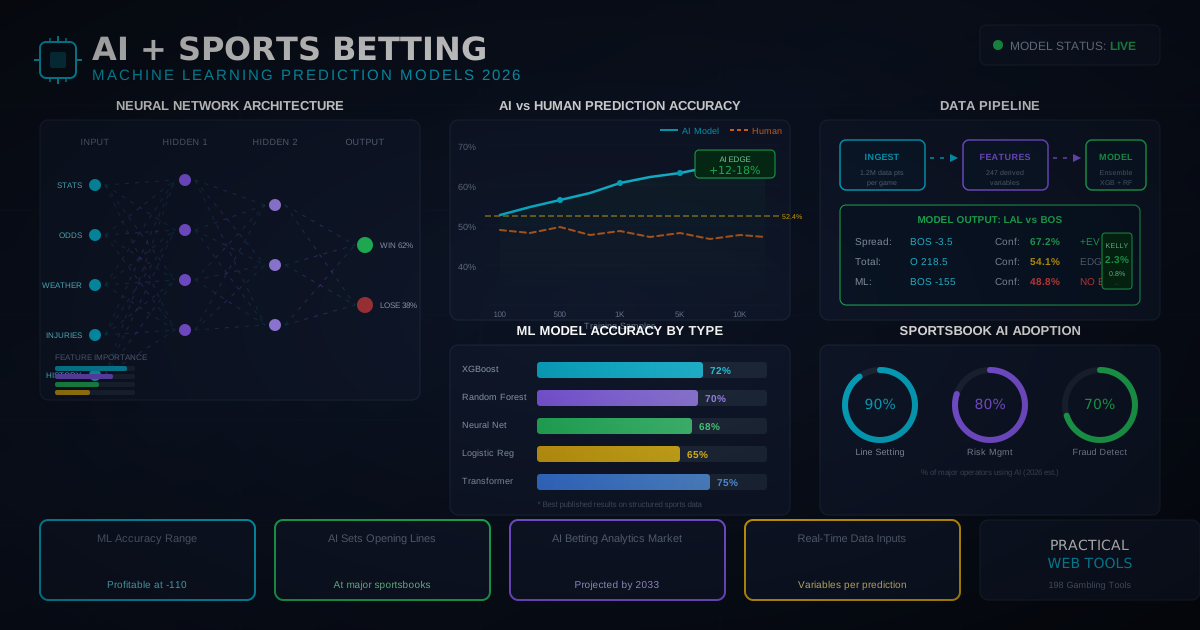
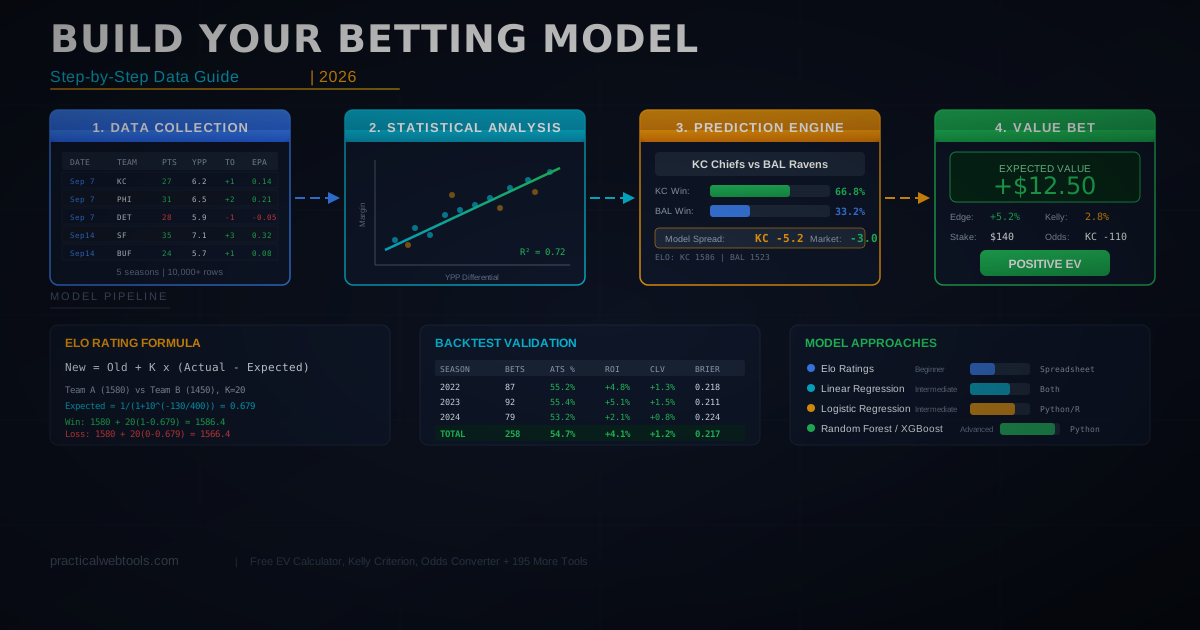
Building a profitable betting model requires collecting and processing data, identifying predictive variables, training the model against historical results, and continuously refining it based on new information. Most successful models use a combination of statistical regression, machine learning, and market data.
The Model Building Process
Step 1: Data Collection
- Historical game results (5-10 years minimum)
- Player and team statistics
- Weather data for outdoor sports
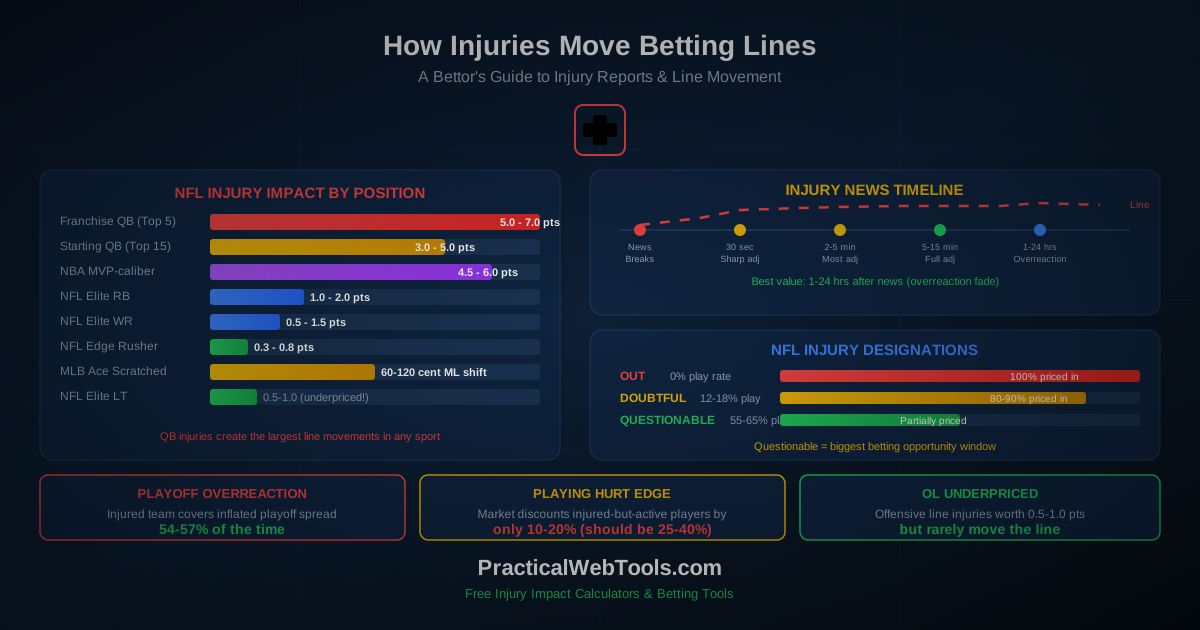
- Injury reports and roster information
- Betting line history and closing odds
- Advanced metrics (DVOA, xG, WAR, etc.)
Step 2: Feature Selection Identify which variables actually predict outcomes. Common predictive features include:
| Sport | Key Predictive Features | Data Sources |
|---|---|---|
| NFL | DVOA, turnover margin, offensive line metrics, weather | Football Outsiders, PFF |
| NBA | Net rating, pace, rest days, back-to-back performance | NBA Stats, Cleaning the Glass |
| MLB | Starting pitcher metrics (FIP, xFIP), bullpen usage, park factors | FanGraphs, Baseball Savant |
| NHL | Expected goals (xG), shot quality, goaltender save percentage | Natural Stat Trick, MoneyPuck |
| Soccer | xG, pressing intensity, squad rotation, travel distance | FBref, StatsBomb, Opta |
Step 3: Model Training
- Use historical data to train your model (typically 70% training, 30% testing)
- Common approaches: logistic regression, Elo ratings, Poisson regression, neural networks
- Validate against out-of-sample data to prevent overfitting
- Backtest against historical closing lines to estimate edge
Step 4: Generating Probabilities Your model should output a probability for each outcome. Compare this to the implied probability from sportsbook odds:
- Model says Team A wins 58% of the time
- Sportsbook offers Team A at -130 (implied 56.5%)
- Edge: 58% - 56.5% = +1.5%
- This is a +EV bet
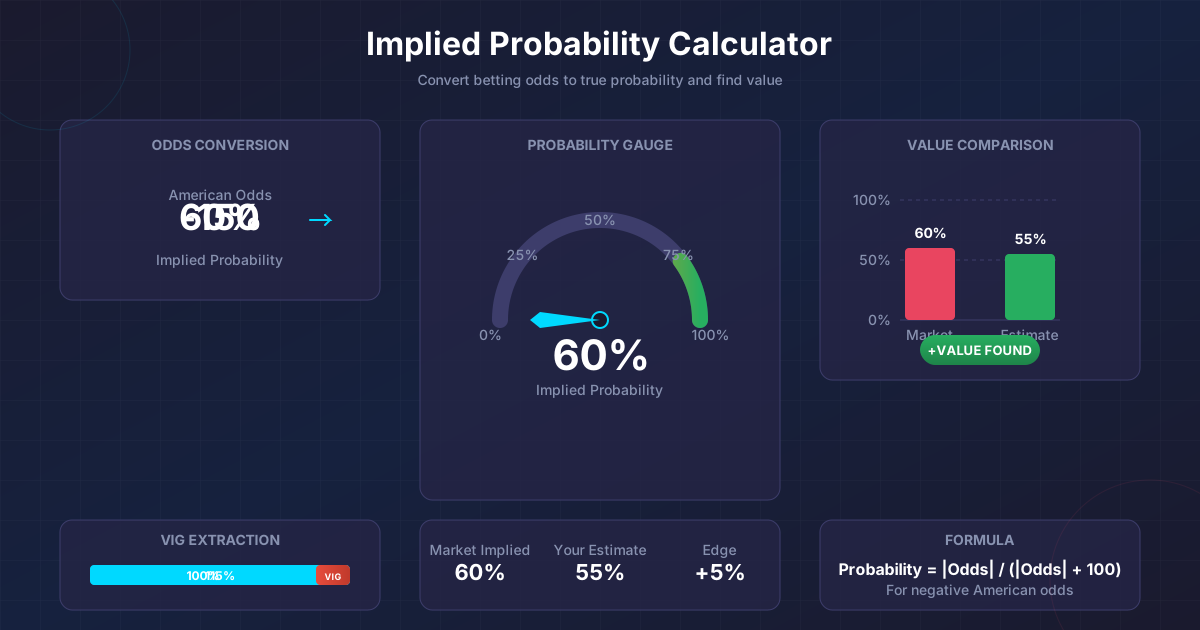
Calculate implied probability from any odds format with our Implied Probability Calculator.
Common Model Mistakes
- Overfitting: Building a model that perfectly predicts past results but fails on new data
- Ignoring the market: The betting market is efficient. Your model must beat the closing line, not just predict winners
- Small sample sizes: One season of data is not enough to validate a model
- Ignoring context: Models miss intangibles like coaching changes, locker room dynamics, and motivation
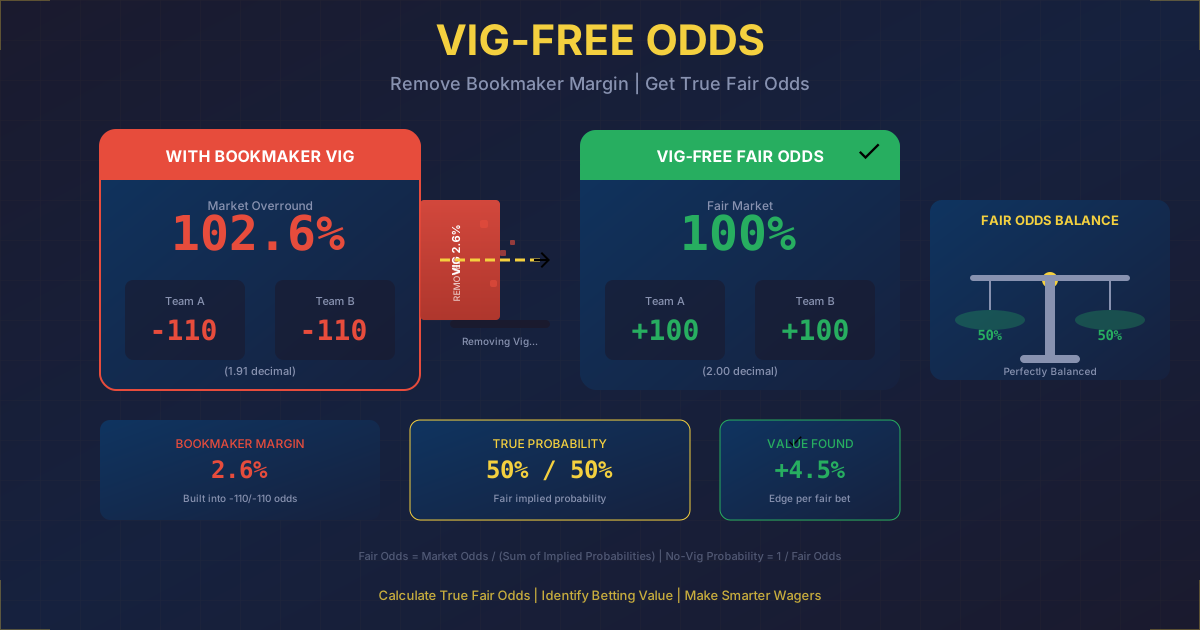
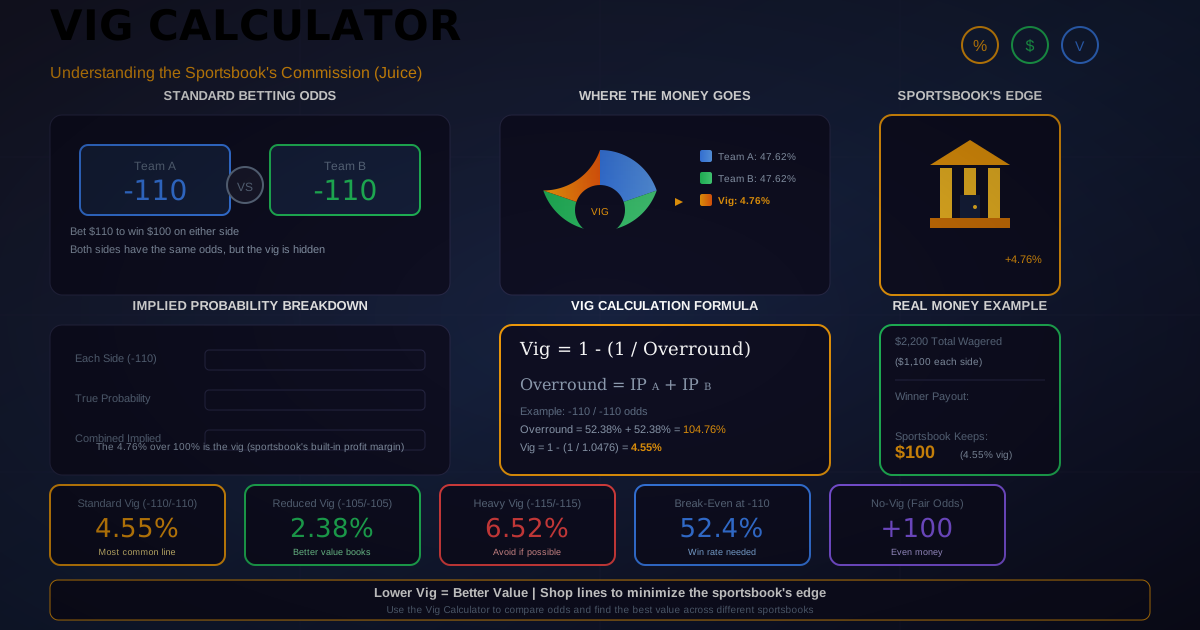
- Not accounting for vig: A model that beats a no-vig line by 1% might not beat the actual -110 line
What Is Closing Line Value and Why Does It Matter?
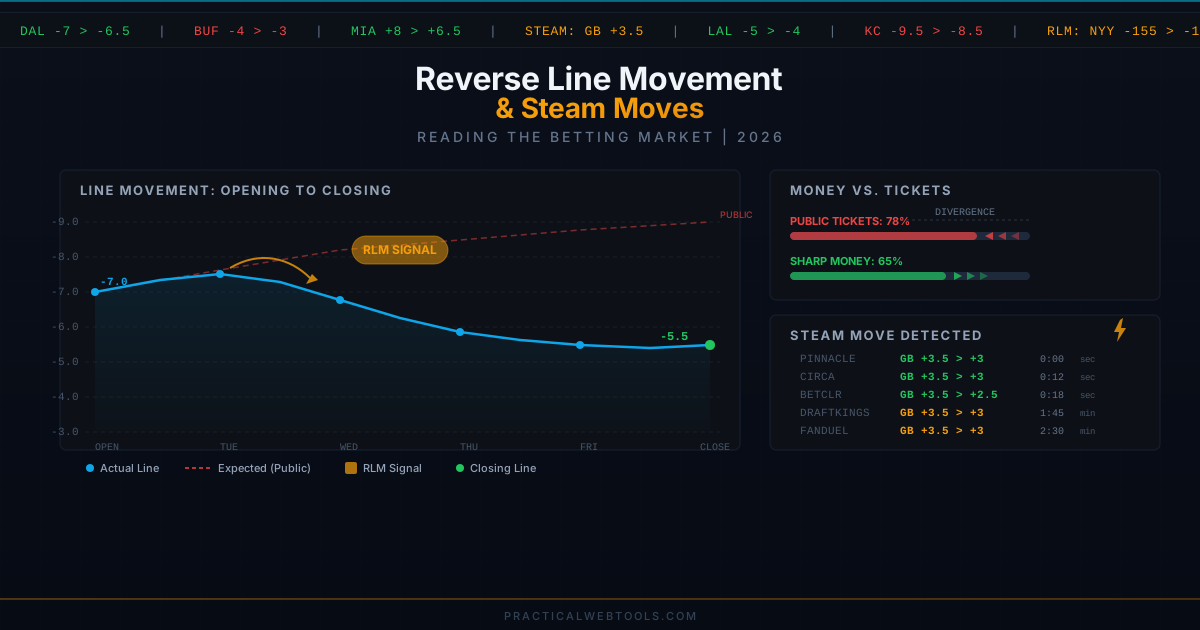
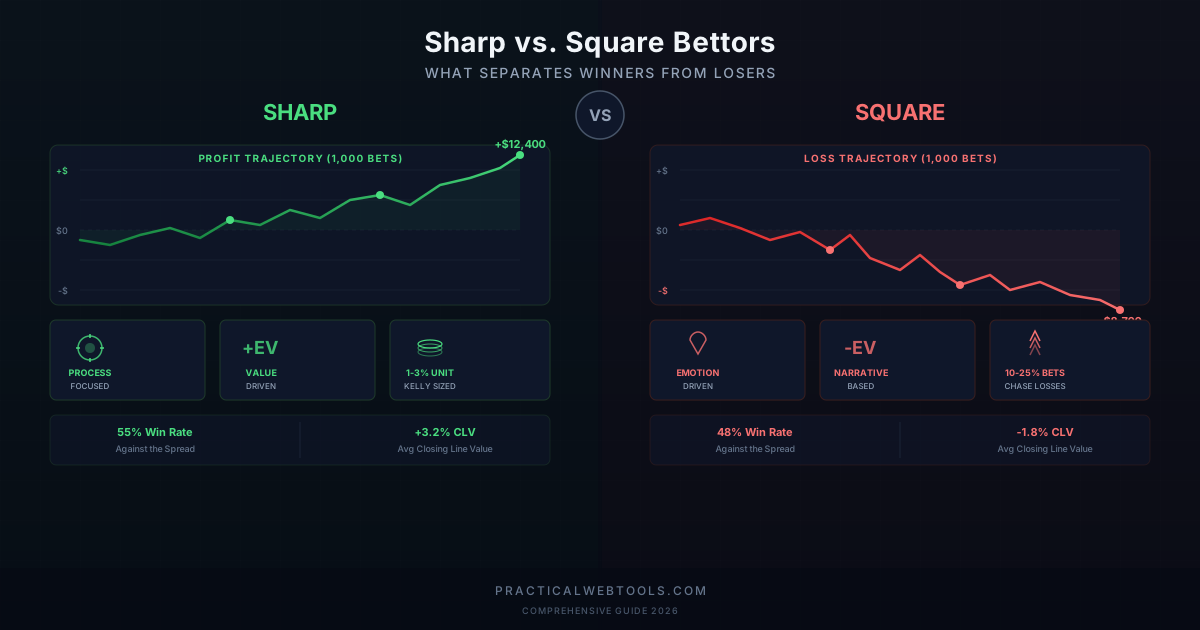
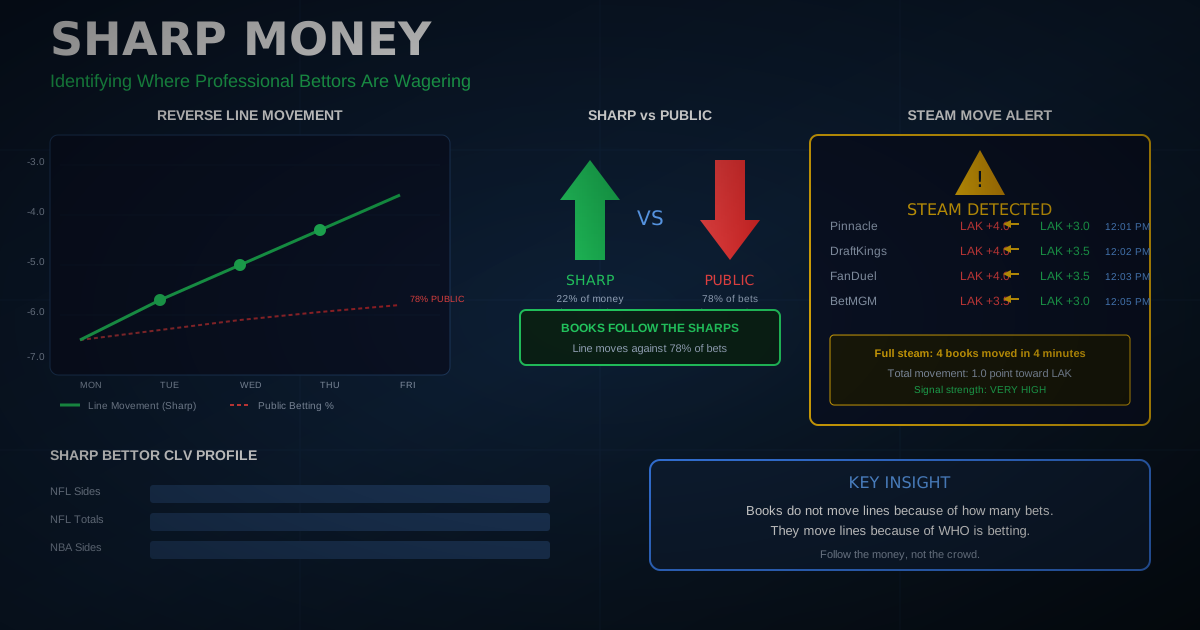
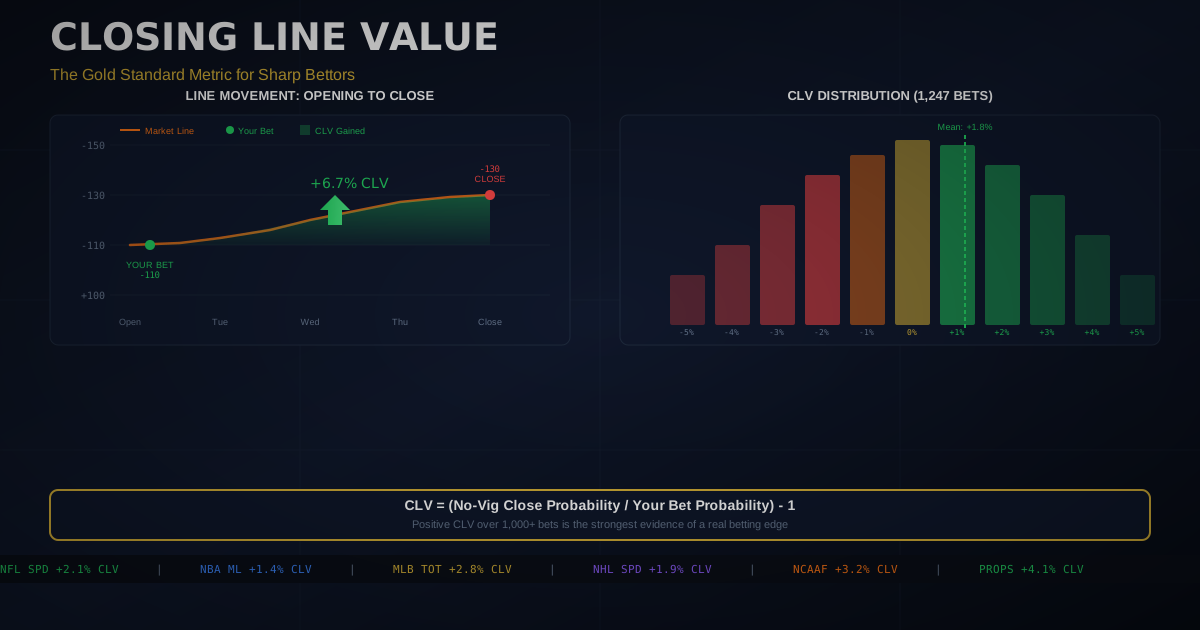
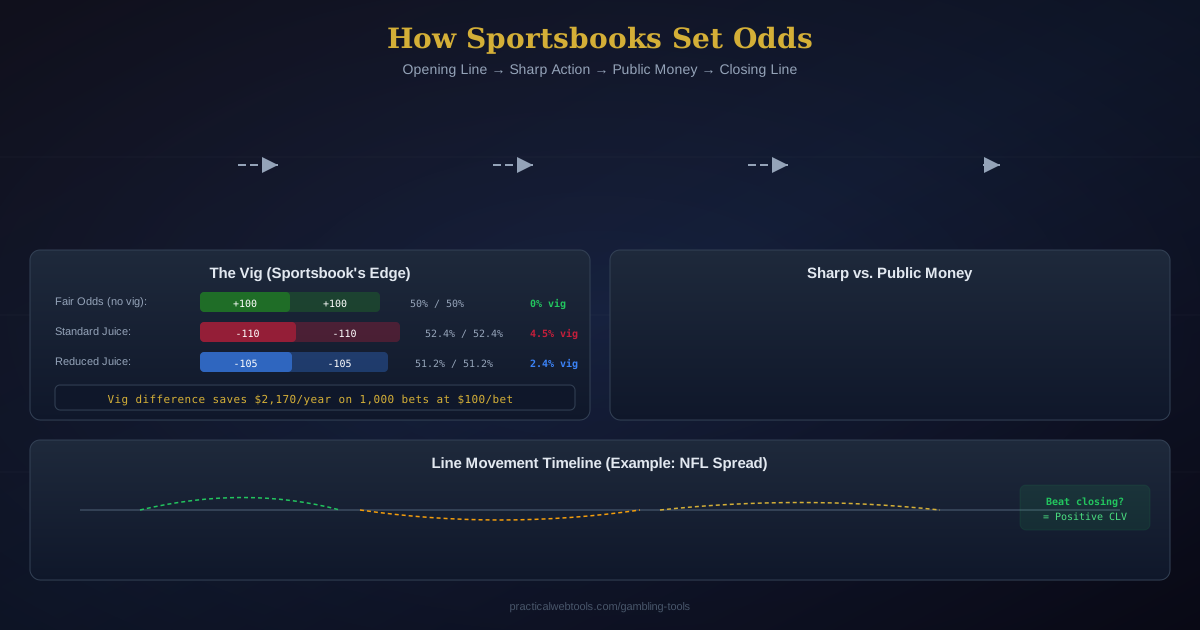
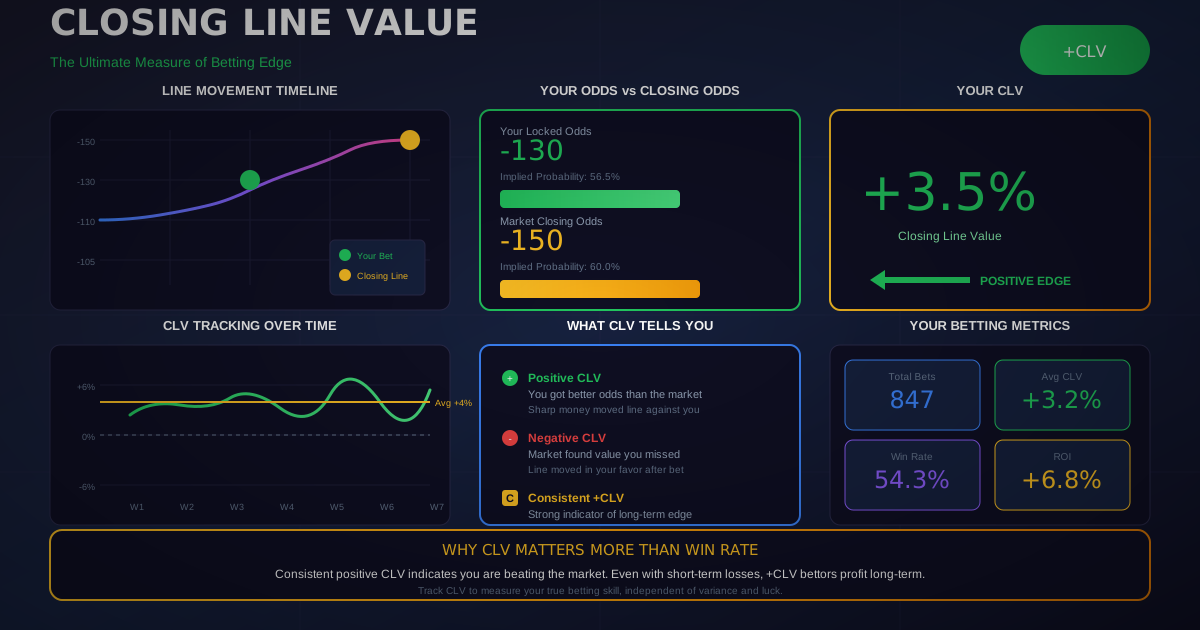
Closing Line Value (CLV) is the difference between the odds at which you place a bet and the closing odds (the final line before the event starts). CLV is the single best predictor of long-term sports betting profitability.
Why CLV Predicts Success
The closing line represents the market's most efficient assessment of true probability. By game time, sharp money has moved the line, injury information is fully priced in, and the odds reflect the collective wisdom of the entire market.
If you consistently get better odds than the closing line, you are consistently finding value before the market corrects. This is the definition of a sharp bettor.
Measuring Your CLV
| Scenario | Your Odds | Closing Odds | CLV | Interpretation |
|---|---|---|---|---|
| NFL Spread | -110 | -125 | +3.2% | You beat the close significantly |
| NBA Moneyline | +150 | +135 | +2.4% | Got better price before line moved |
| MLB Total | -105 | -115 | +2.1% | Line moved in your direction |
| Soccer Moneyline | +200 | +180 | +2.2% | Sharp money confirmed your side |
| NHL Spread | -110 | -108 | +0.4% | Barely beat the close |
A sustained CLV of +2% or more indicates a winning bettor. Even +1% CLV over a large sample suggests a profitable approach.
Track your closing line value over time with our CLV Tracker.
CLV vs. Win Rate
Many recreational bettors focus on win rate. Professionals focus on CLV. Here is why:
- A bettor can win 55% of -110 bets and be profitable
- A bettor can also win 48% of +150 average bets and be MORE profitable
- Win rate alone tells you nothing about profitability
- CLV tells you whether your process is sound, regardless of short-term results
Over 1,000+ bets, a bettor with positive CLV will almost certainly be profitable. A bettor with negative CLV will almost certainly be a loser, even if they are currently on a hot streak.
Analyze the hold and vig built into any line with our Hold/Vig Calculator.
What Does a Professional Bettor's Daily Routine Look Like?
A typical professional bettor works 8-12 hours per day, with most of the work happening before games begin. The routine is structured around market opening times, line movements, and data analysis.
Sample Daily Schedule (NFL Season)
| Time | Activity | Duration |
|---|---|---|
| 6:00 AM | Check overnight line movements, scan for openers | 1 hour |
| 7:00 AM | Update model with injury reports, weather data | 1.5 hours |
| 8:30 AM | Compare model outputs to current market odds | 1 hour |
| 9:30 AM | Place early bets on soft lines before market corrects | 1 hour |
| 10:30 AM | Monitor live line movements, look for steam moves | 2 hours |
| 12:30 PM | Lunch break, check social media for injury updates | 30 min |
| 1:00 PM | Place afternoon bets, check props markets | 1.5 hours |
| 2:30 PM | Record all bets in tracking spreadsheet | 30 min |
| 3:00 PM | Research upcoming games for the next week | 2 hours |
| 5:00 PM | Review results from previous bets, update CLV tracking | 1 hour |
| 6:00 PM | Watch relevant games, track live betting opportunities | 3 hours |
| 9:00 PM | End of day review, adjust models for tomorrow | 1 hour |
Off-Season Work
The job does not stop when your primary sport's season ends:
- Model development: Building and improving models during the offseason
- Data analysis: Deep dives into what worked and what did not
- Secondary markets: Betting on other sports to maintain cash flow
- Tool building: Automating parts of the process (scraping, alerts, bet placement)
- Networking: Connecting with other sharps to share information
How Do Sportsbooks Limit and Ban Winning Bettors?
Sportsbooks are private businesses with the legal right to refuse service to any customer. Winning bettors are identified through pattern recognition and limited or banned, often within weeks or months of consistent profitability.
How Sportsbooks Identify Sharp Bettors
| Indicator | What It Reveals | Timeline to Detection |
|---|---|---|
| Positive CLV pattern | Consistently beating closing lines | 200-500 bets |
| Large bet sizing | Suggests confidence and bankroll depth | Immediately |
| Betting at market open | Only sharps bet early when lines are softest | 50-100 bets |
| Winning on openers | Beating the opening line consistently | 100-300 bets |
| Prop market exploitation | Props are inefficient; winning on props flags you quickly | 50-150 bets |
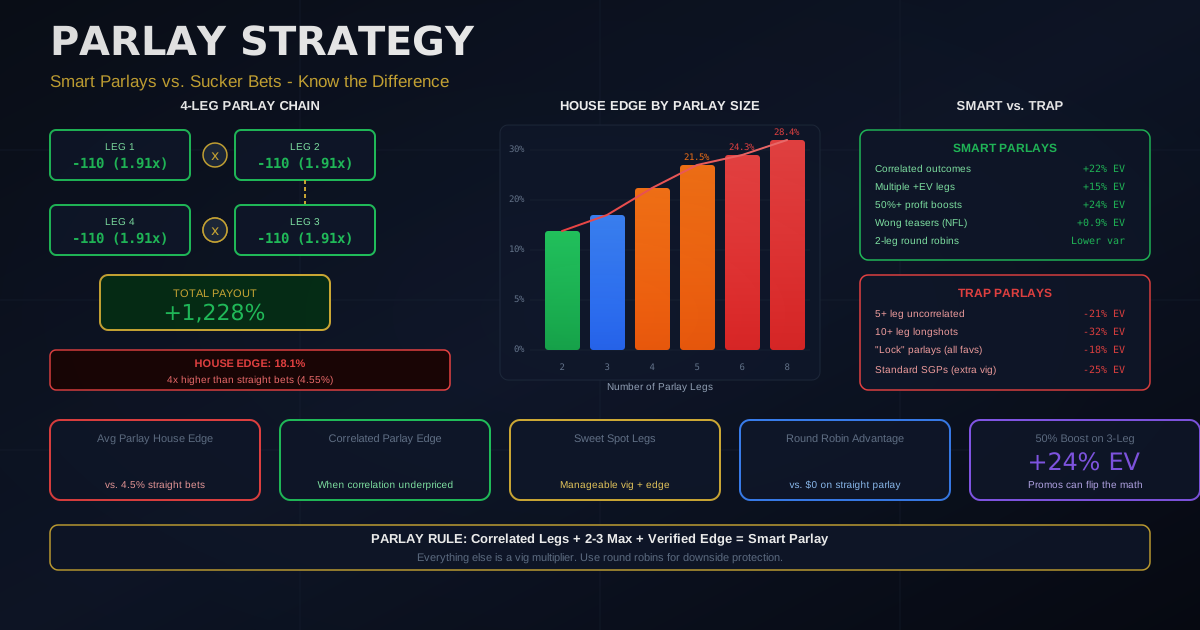
| Correlated parlays | Sharps sometimes bet correlated outcomes | 20-50 bets |
Types of Limitations
- Reduced limits: Your maximum bet goes from $5,000 to $50 or even $5
- Account suspension: Temporary or permanent ban from the platform
- Promo exclusion: Removed from all bonuses and promotions
- Delayed execution: Your bets require manual approval, allowing the book to move the line
- Shadow limits: You can still bet, but only small amounts on main markets
Strategies to Extend Account Life
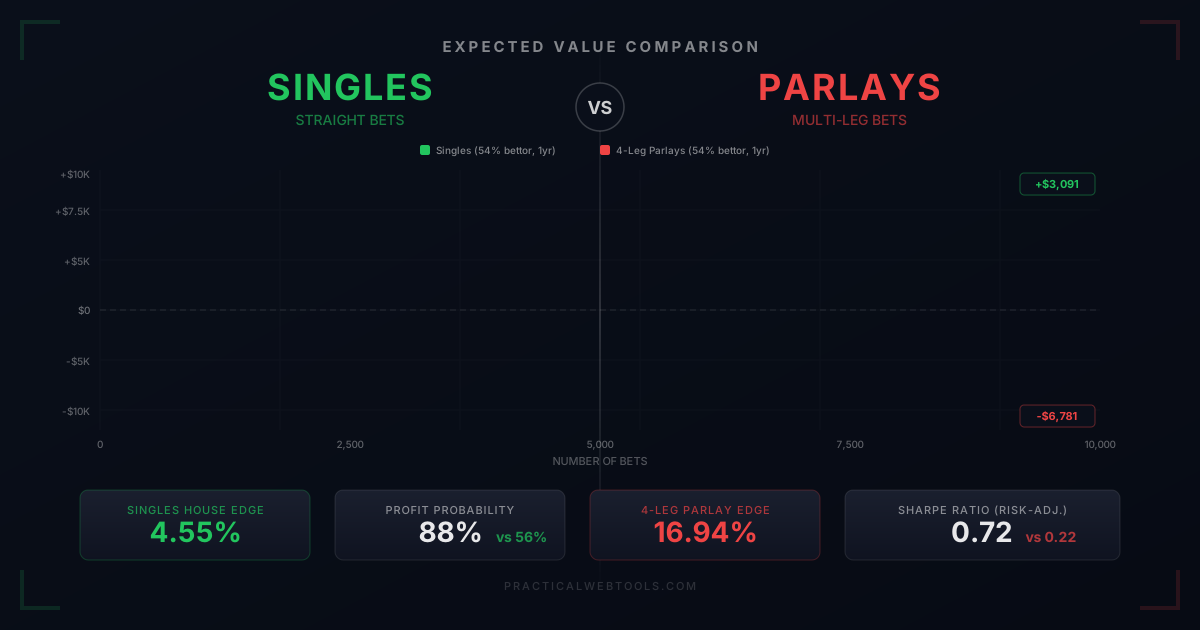
- Bet recreationally on some games: Sprinkle in some -EV parlays to look like a casual bettor
- Use multiple accounts across books: Spread your action to avoid concentrating wins
- Bet through other people (bearding): Legally gray area, varies by jurisdiction
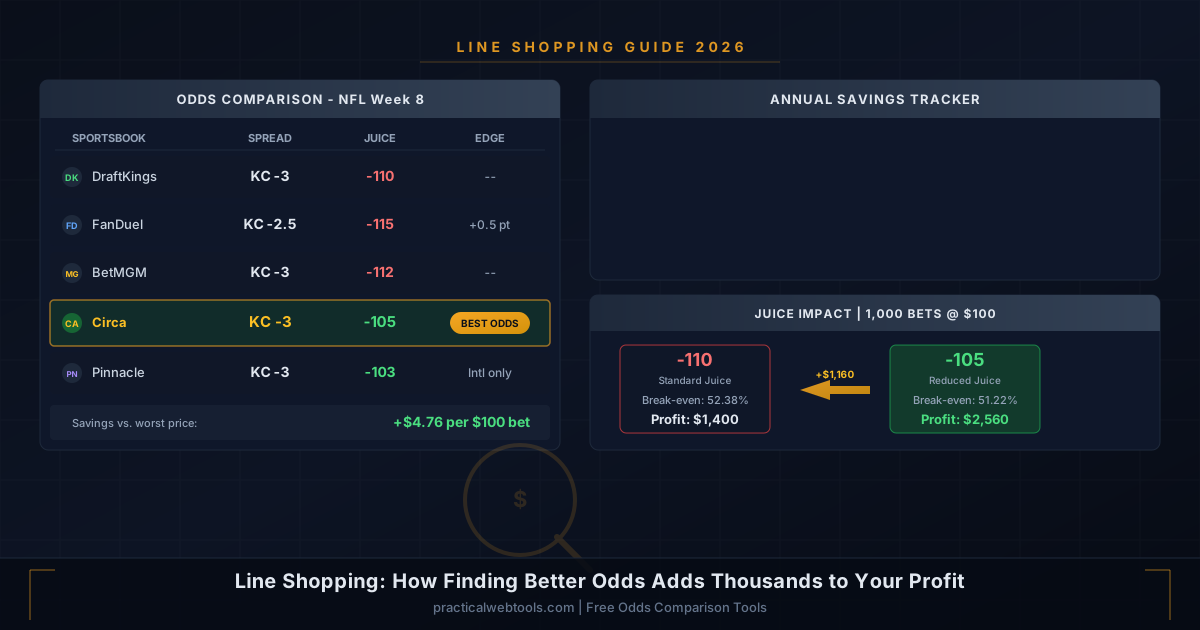
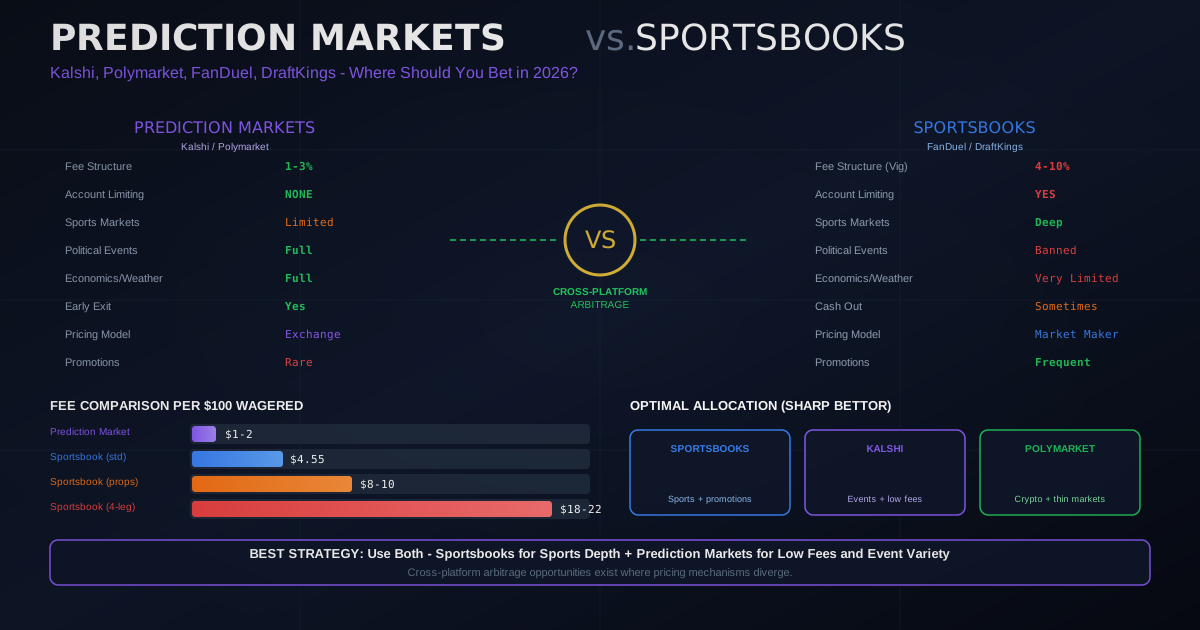
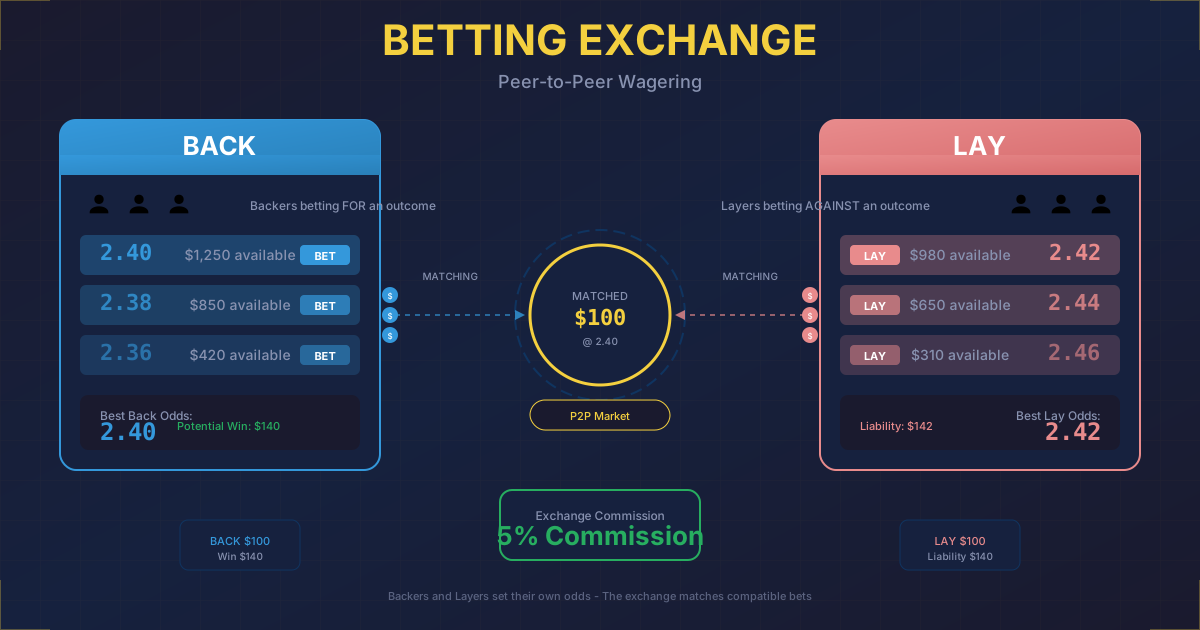
- Focus on exchanges: Betting exchanges like Betfair do not limit winners
- Bet offshore: Higher limits but increased counterparty risk
Calculate arbitrage opportunities across multiple sportsbooks with our Arbitrage Calculator.
How Are Professional Betting Profits Taxed?
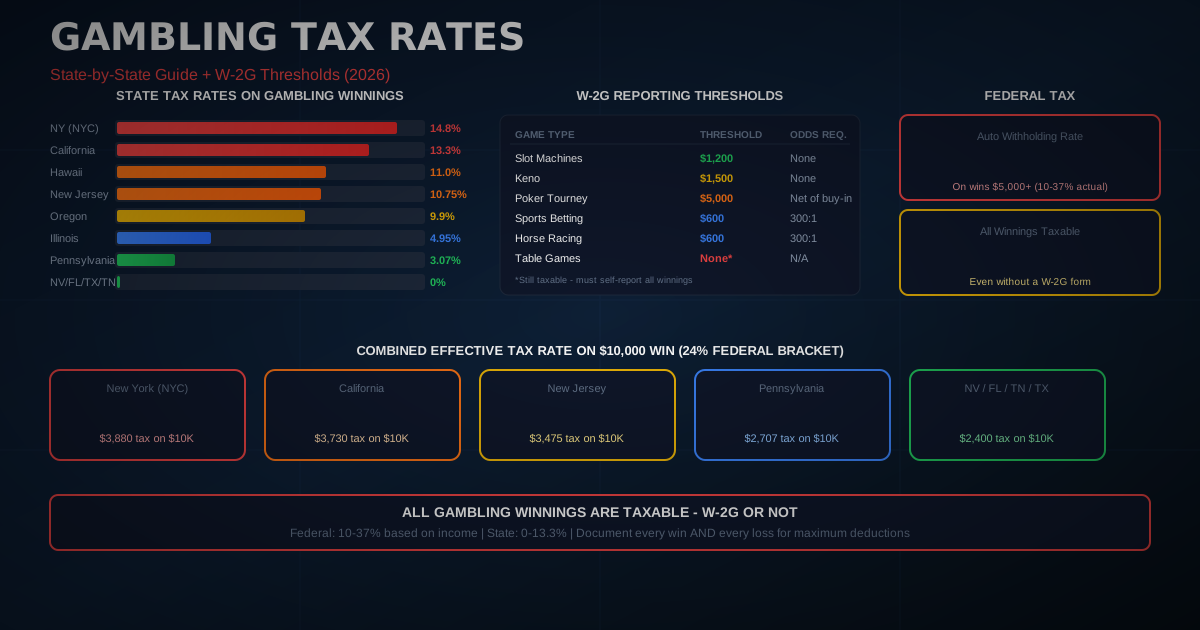
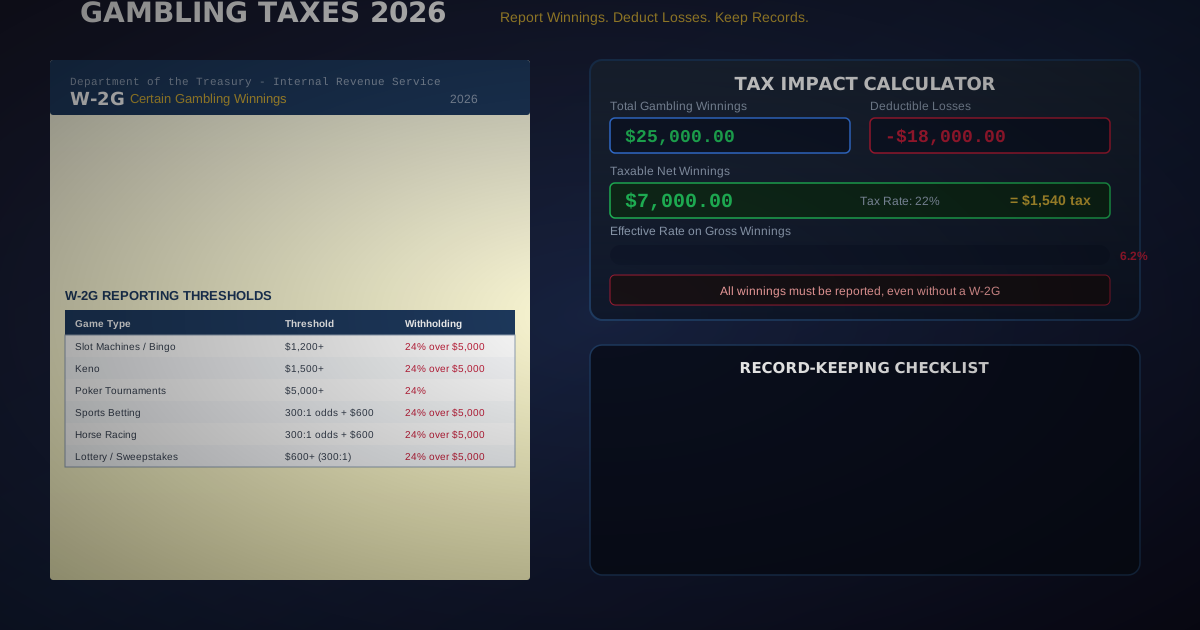
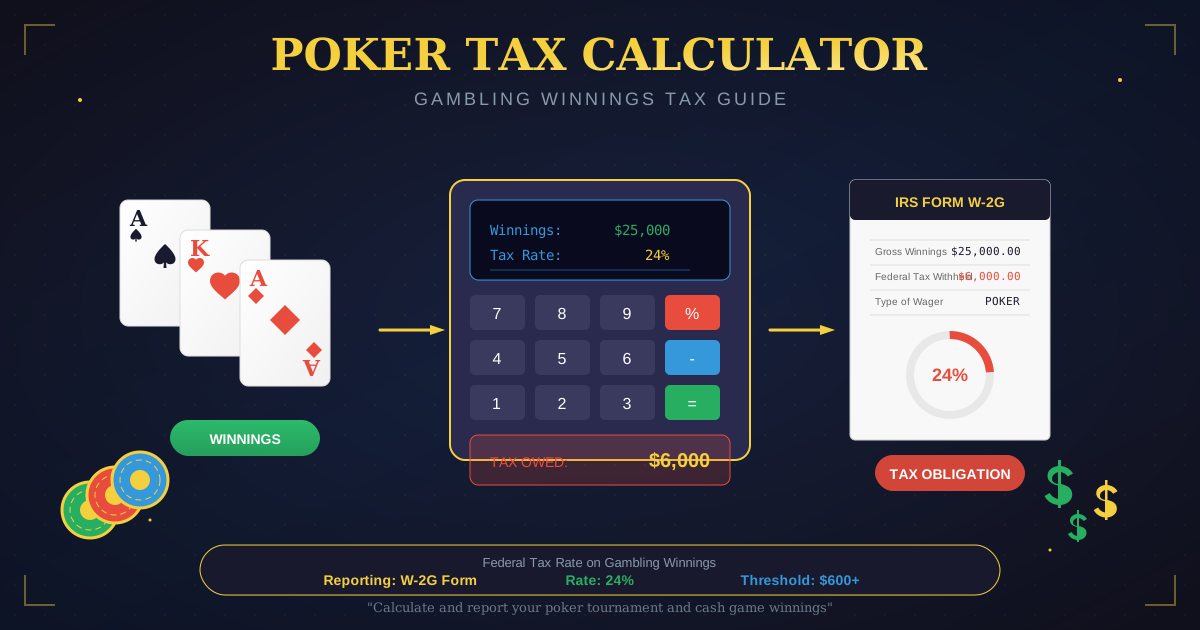
In the United States, all gambling winnings are taxable income. Professional gamblers can deduct losses and business expenses, but the tax situation is complex and requires careful planning.
Tax Classification: Professional vs. Recreational
The IRS distinguishes between recreational and professional gamblers:
| Factor | Recreational Gambler | Professional Gambler |
|---|---|---|
| Income Reporting | Gross winnings on Line 8 (Other Income) | Schedule C (Self-Employment) |
| Loss Deduction | Only up to winnings, only if itemizing | Full deduction as business expense |
| Business Expenses | Not deductible | Deductible (internet, software, data subscriptions) |
| Self-Employment Tax | Not applicable | 15.3% on net earnings |
| Estimated Tax Payments | May be required | Required quarterly |
| Record Keeping | Recommended | Required |
Tax Impact on Profitability
| Gross Annual Profit | Federal Tax Rate | State Tax (avg) | SE Tax | Net After Tax | Effective Rate |
|---|---|---|---|---|---|
| $50,000 | 22% | 5% | 15.3% | $28,850 | 42.3% |
| $100,000 | 24% | 5% | 15.3% | $55,700 | 44.3% |
| $150,000 | 24-32% | 5% | 15.3% | $79,050 | 47.3% |
| $200,000 | 32% | 5% | 15.3% | $95,600 | 52.2% |
These are approximate figures. Self-employment tax is 15.3% on the first $168,600 (2026 limit) and 2.9% above that. State taxes vary significantly.
Deductible Business Expenses
Professional gamblers can deduct:
- Data subscriptions and analytics software
- Internet and phone costs (business portion)
- Computer and hardware depreciation
- Home office deduction
- Travel to sportsbooks (if betting in-person)
- Professional development (books, courses, conferences)
- Accounting and legal fees
Keeping meticulous records is not optional. The IRS requires documentation of every bet, including date, type, amount wagered, amount won/lost, and the establishment.
Track all your bets and generate tax-ready reports with our Bankroll Volatility Tracker.
How Do You Manage Variance and Losing Streaks?
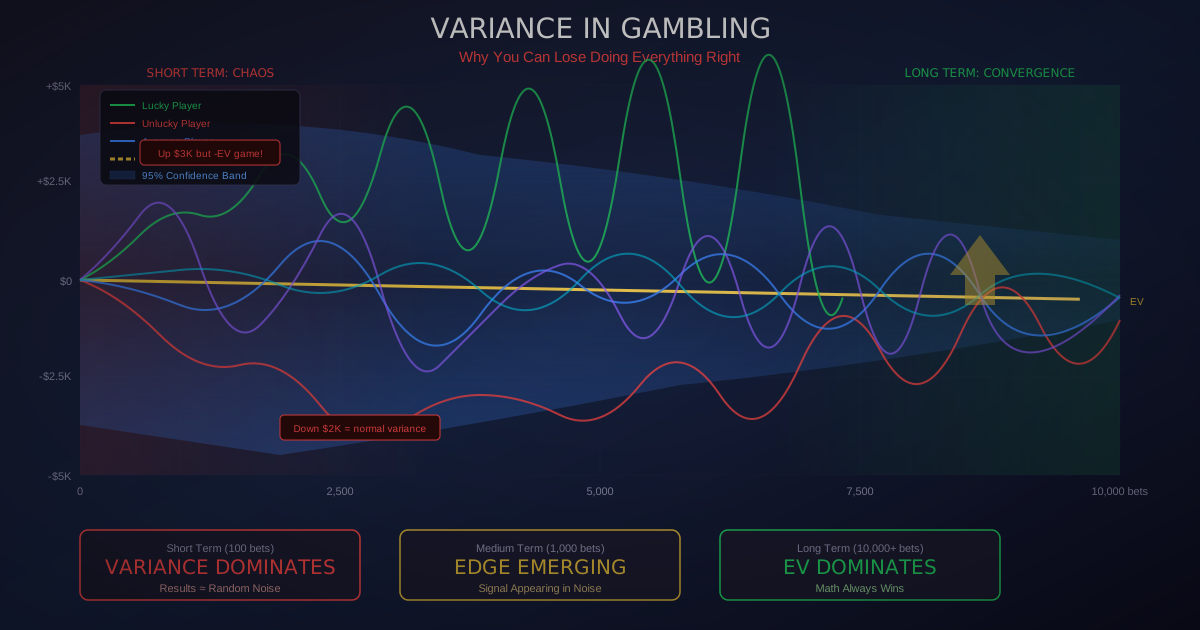
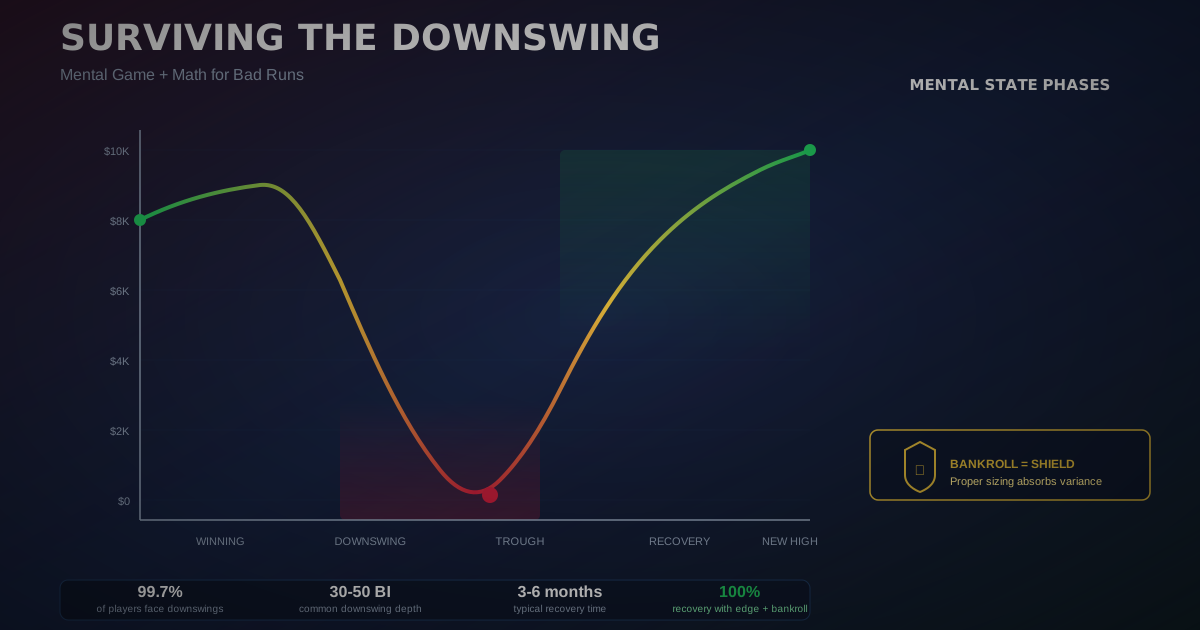
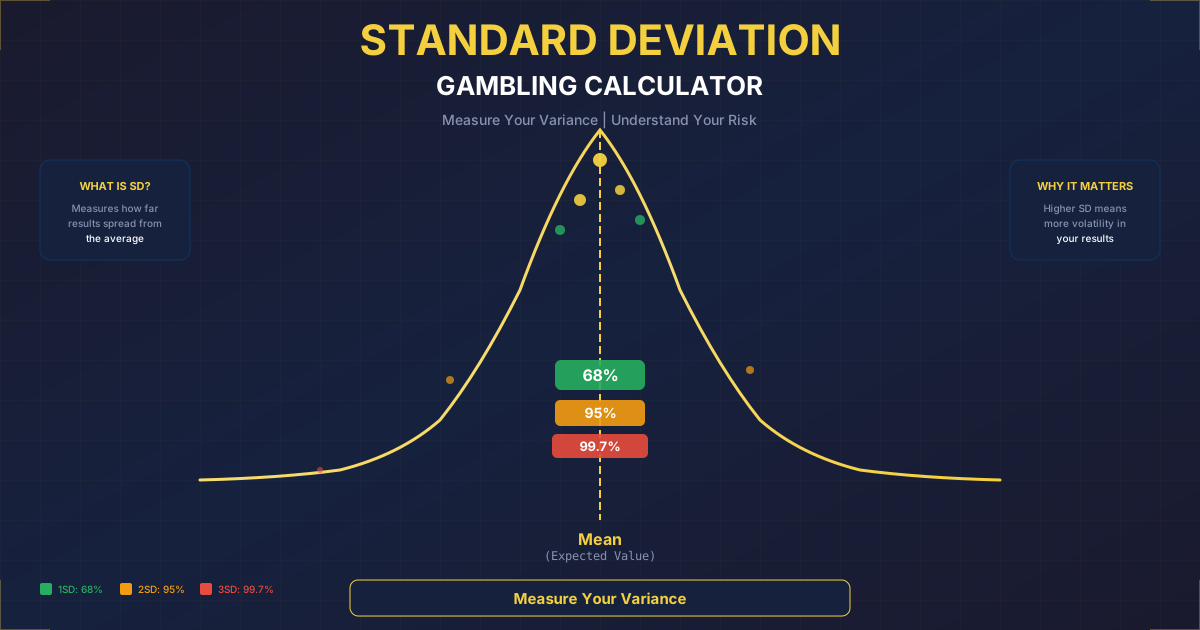
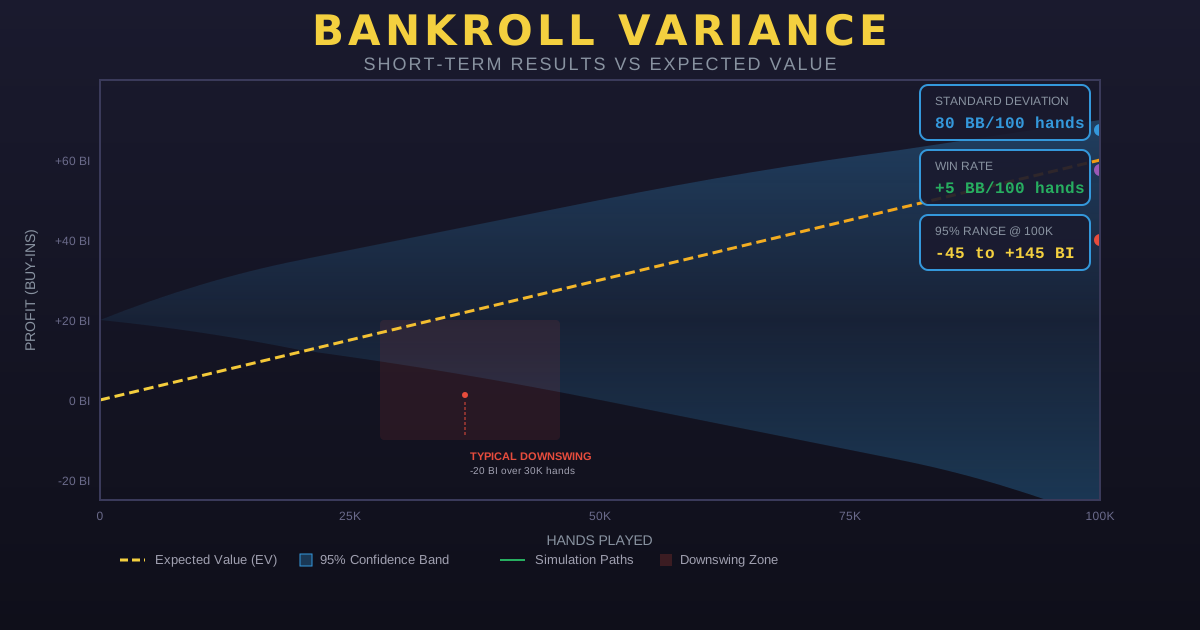
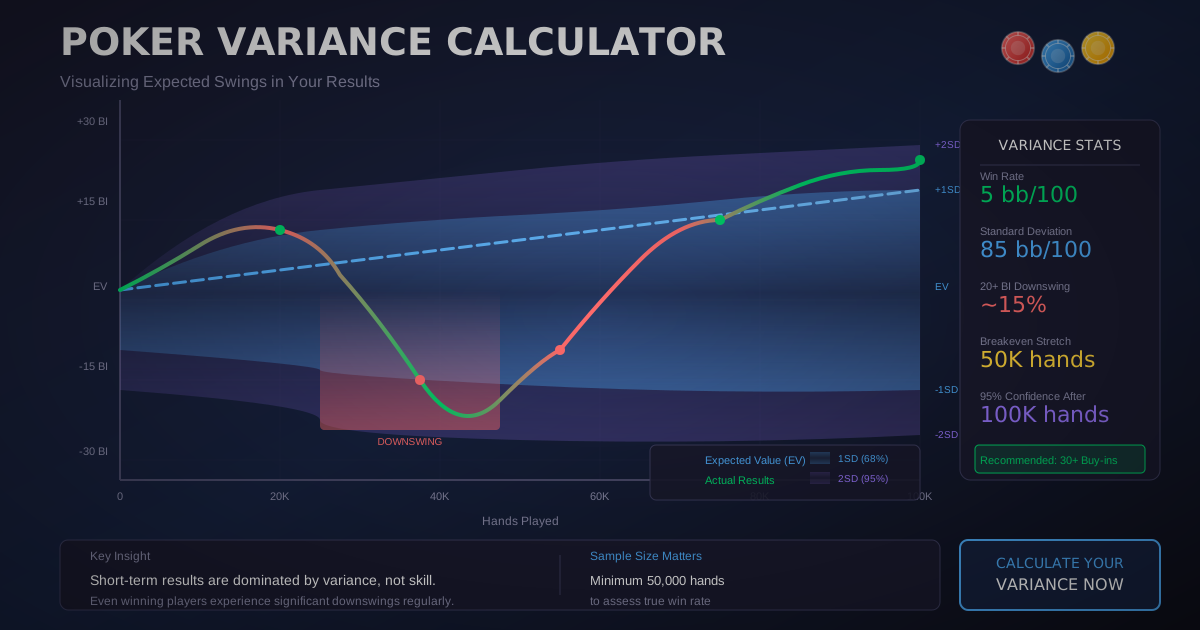
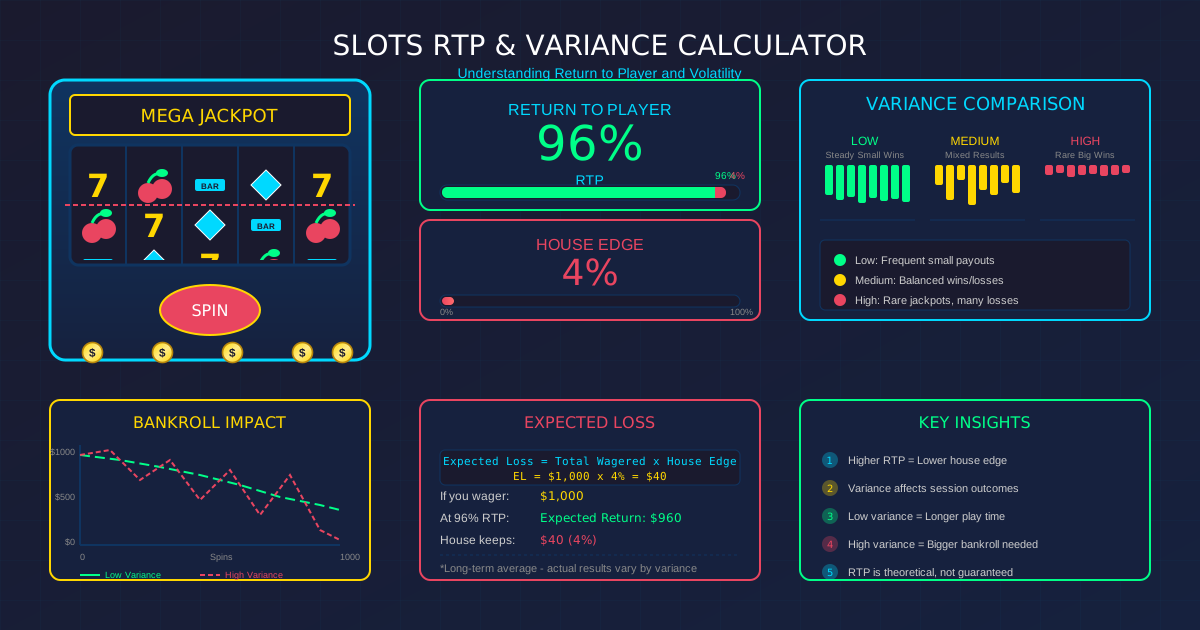
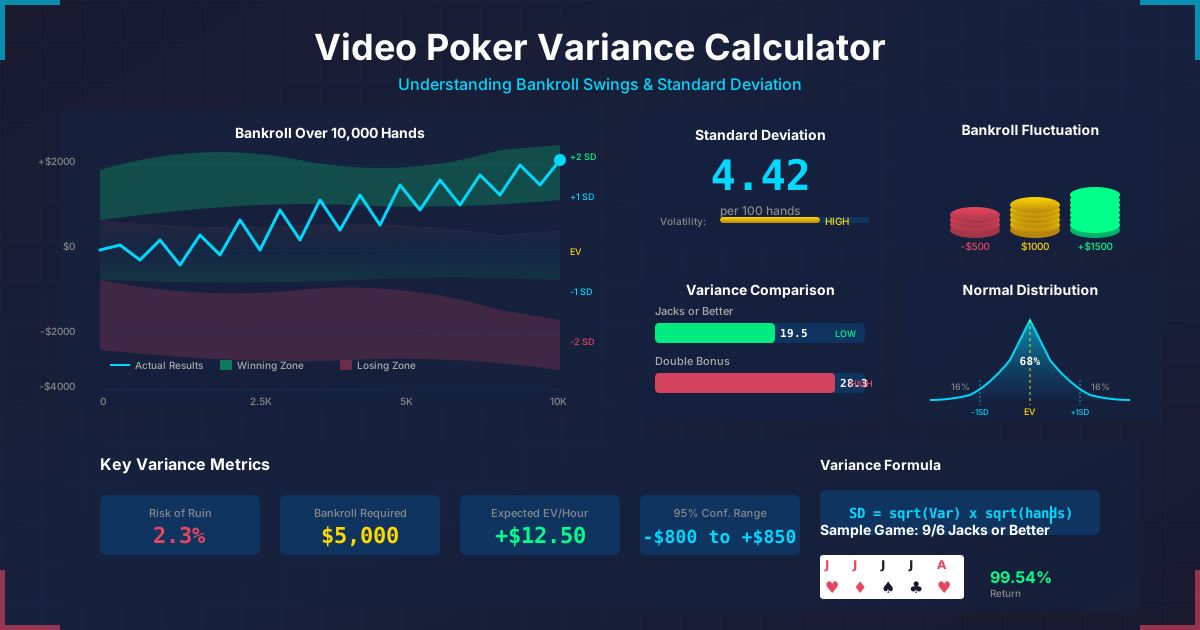
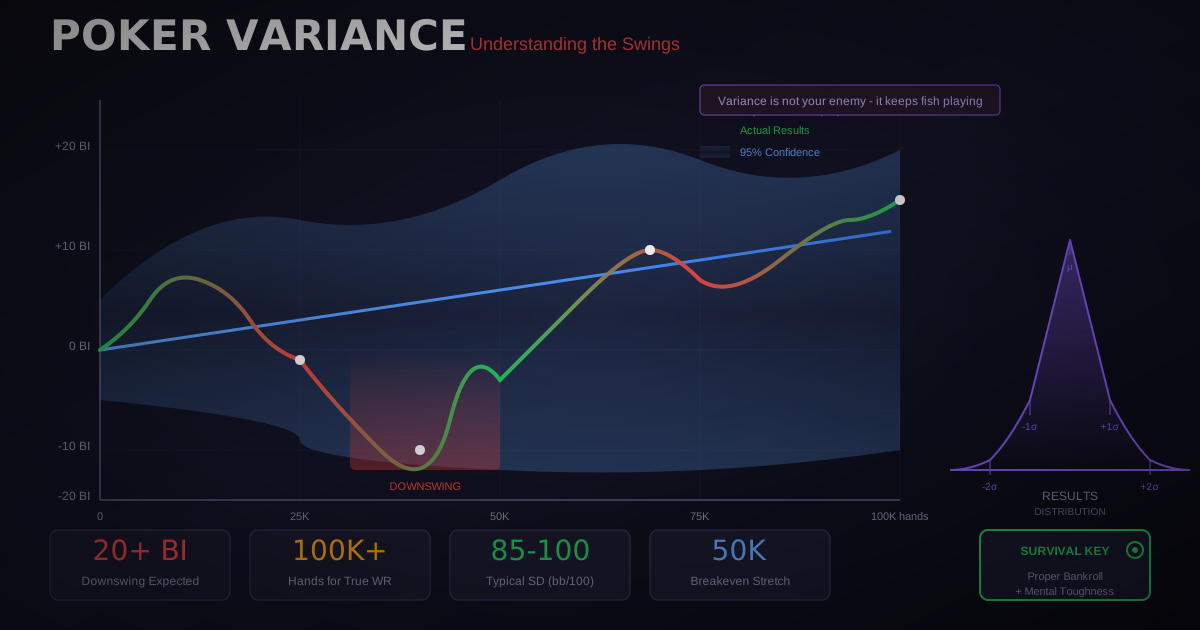
Variance is the natural fluctuation in results that occurs even when you have a mathematical edge. Understanding and accepting variance is perhaps the most important psychological skill for a professional bettor.
Expected Variance at Different Edge Levels
| Edge (ROI) | Bets | Expected Profit | Standard Deviation | Worst Case (5th percentile) | Best Case (95th percentile) |
|---|---|---|---|---|---|
| 2% | 500 | $1,000 | $2,200 | -$2,620 | +$4,620 |
| 3% | 500 | $1,500 | $2,200 | -$2,120 | +$5,120 |
| 5% | 500 | $2,500 | $2,200 | -$1,120 | +$6,120 |
| 2% | 2,000 | $4,000 | $4,400 | -$3,240 | +$11,240 |
| 3% | 2,000 | $6,000 | $4,400 | -$1,240 | +$13,240 |
| 5% | 2,000 | $10,000 | $4,400 | +$2,760 | +$17,240 |
(Assumes $100 average bet at -110 odds)
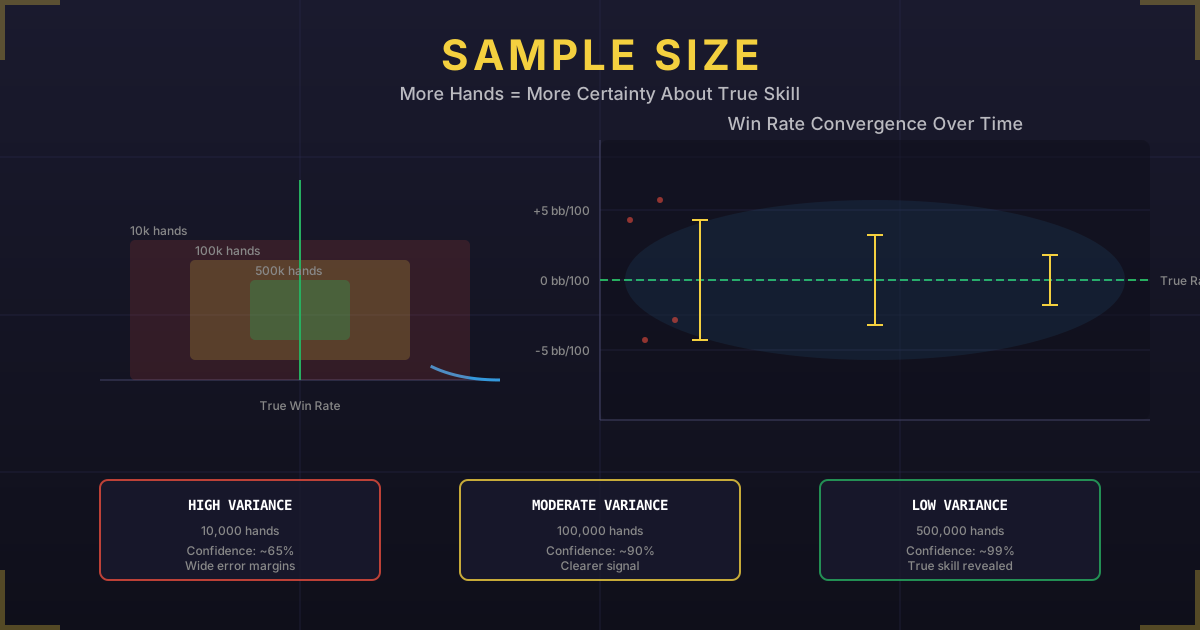
Notice that even with a 2% edge over 500 bets, you have a meaningful probability of being down money. This is why sample size matters so much, and why undercapitalized bettors fail even with a legitimate edge.
The Losing Streak Reality
With a 55% win rate on -110 bets (a very good edge), you should expect:
- A 10-game losing streak at least once per 500 bets
- A 15-game losing streak at least once per 5,000 bets
- Entire months where you are down despite having a significant edge
- Quarters where your ROI is negative
The question is not whether losing streaks will happen. It is whether you have the bankroll and emotional fortitude to survive them.
Simulate your expected variance and drawdowns with our Bankroll Volatility Tracker.
Psychological Strategies for Managing Variance
- Trust the process, not the results. Judge your performance by CLV, not short-term P&L.
- Set a review schedule. Evaluate your strategy every 500-1,000 bets, not after every loss.
- Keep a betting journal. Document your reasoning for each bet to identify process errors vs. variance.
- Take breaks. Scheduled days off prevent burnout and emotional betting.
- Have a support system. Connect with other professional bettors who understand the mental challenges.
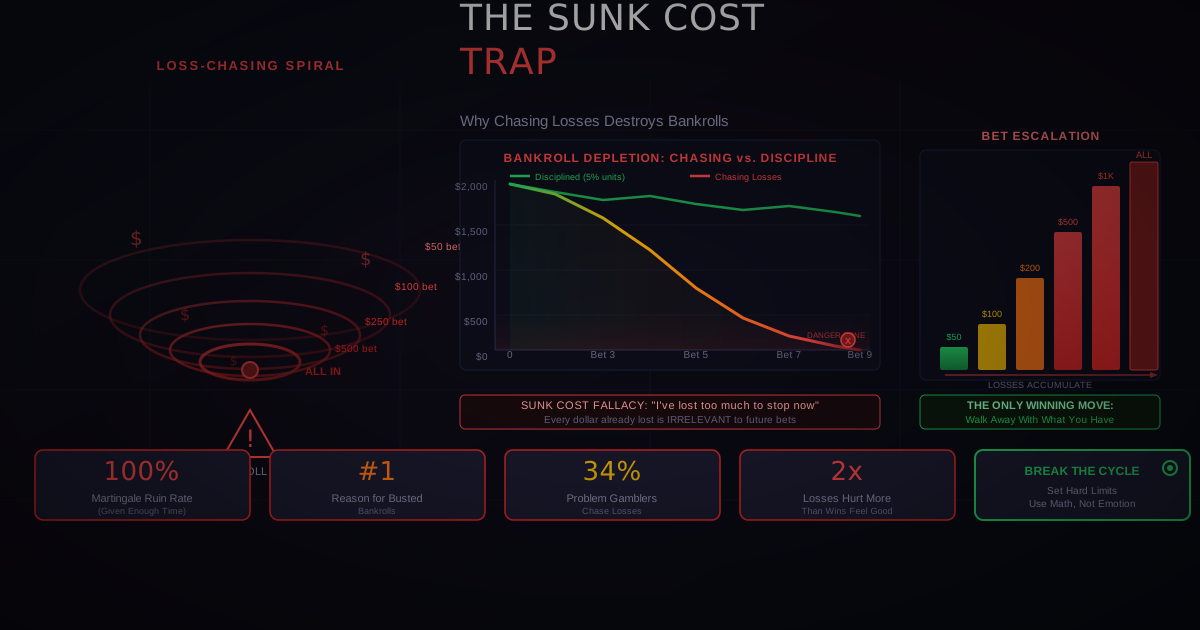
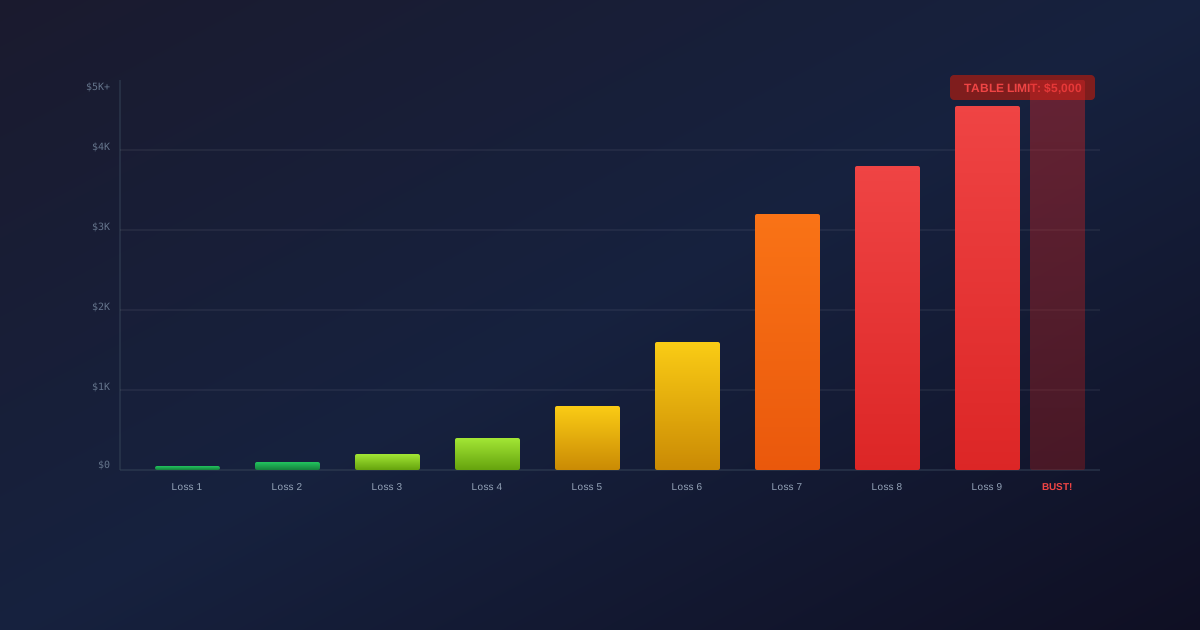
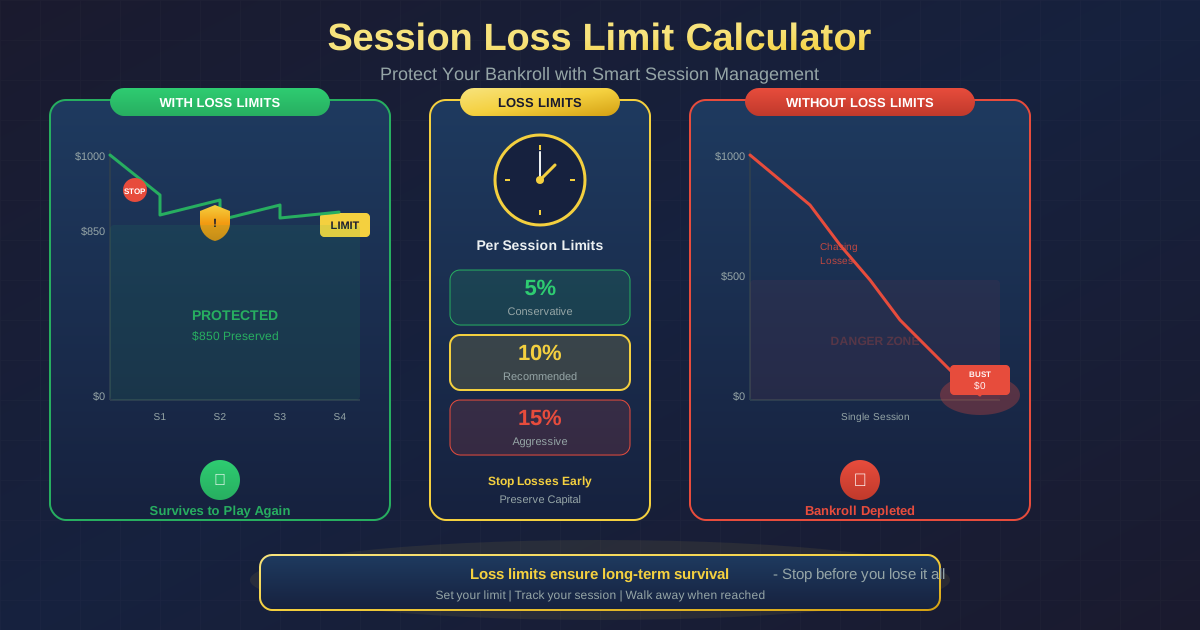
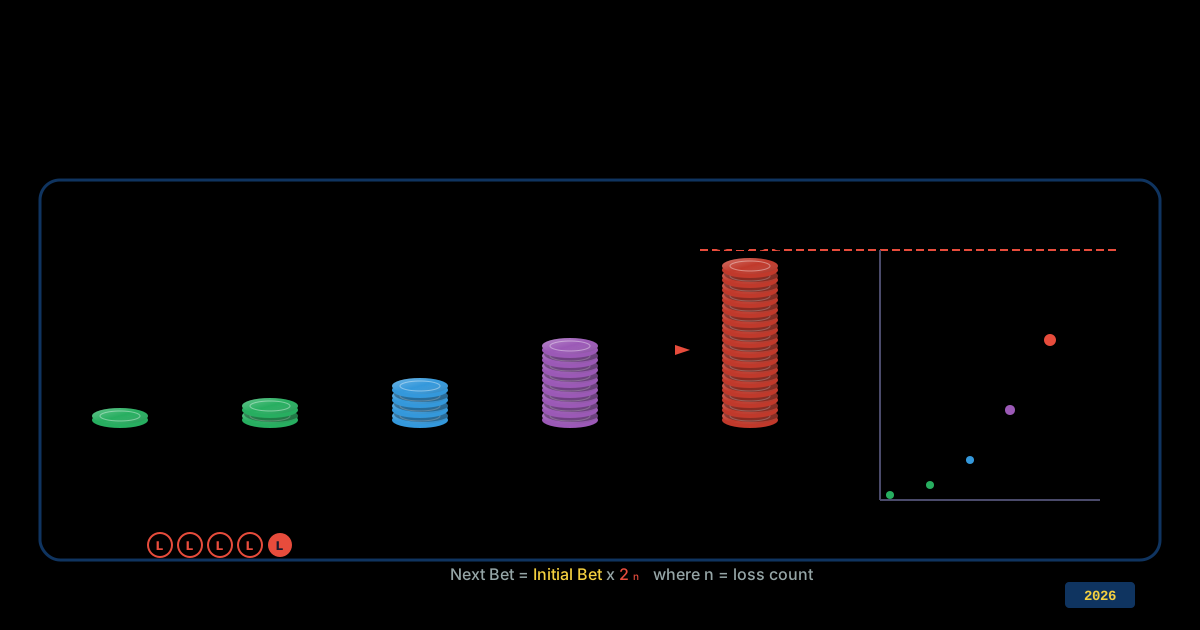
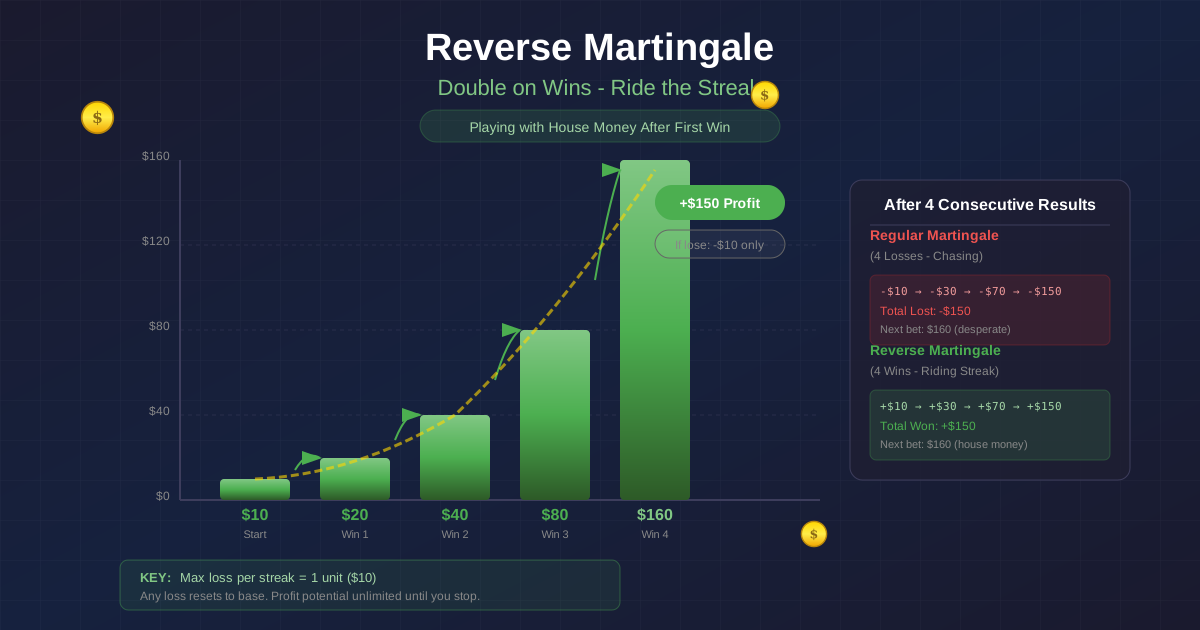
- Never chase losses. Increasing bet sizes after a losing streak is the fastest way to go broke.
How Do You Keep Proper Betting Records?
Every professional bettor maintains detailed records of every wager. Without records, you cannot calculate your edge, identify leaks in your strategy, prepare taxes, or verify that your process is actually working.
What to Track for Every Bet
| Field | Why It Matters | Example |
|---|---|---|
| Date/Time | Timing affects line value; needed for taxes | 2026-02-08 10:30 AM |
| Sport/League | Identifies your strongest and weakest markets | NFL, NBA, Premier League |
| Event | Specific game or match | Chiefs vs. Bills |
| Bet Type | Spread, moneyline, total, prop, parlay | Spread |
| Selection | Your specific pick | Chiefs -3.5 |
| Odds at Bet Time | Your actual odds | -110 |
| Closing Odds | Final odds before game | -125 |
| Stake | Amount wagered | $500 |
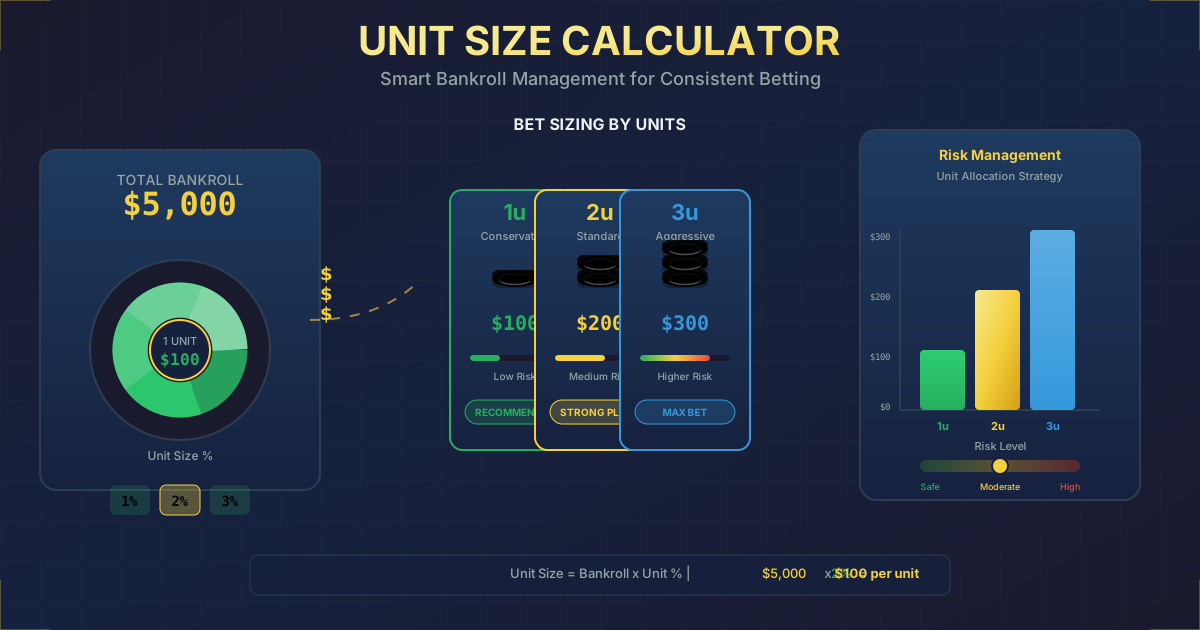
| Unit Size | Percentage of bankroll | 1% |
| Result | Win, loss, push | Win |
| Profit/Loss | Net return | +$454.55 |
| CLV | Closing line value | +3.2% |
| Sportsbook | Which book you used | FanDuel |
| Notes | Reasoning, model output, confidence level | Model edge +2.5%, weather factor |
Recommended Tracking Tools
- Google Sheets/Excel: Maximum customization, free, requires manual entry
- Action Network: Popular app with auto-tracking for some books
- BetStamp: Tracks CLV automatically, popular with sharps
- SharpSide: Built specifically for serious bettors
- Custom database: SQL or Python-based for high-volume bettors
See our complete guide to the Best Bet Tracking Apps and Tools for detailed reviews.
Key Metrics to Calculate from Your Records
| Metric | Formula | What It Tells You |
|---|---|---|
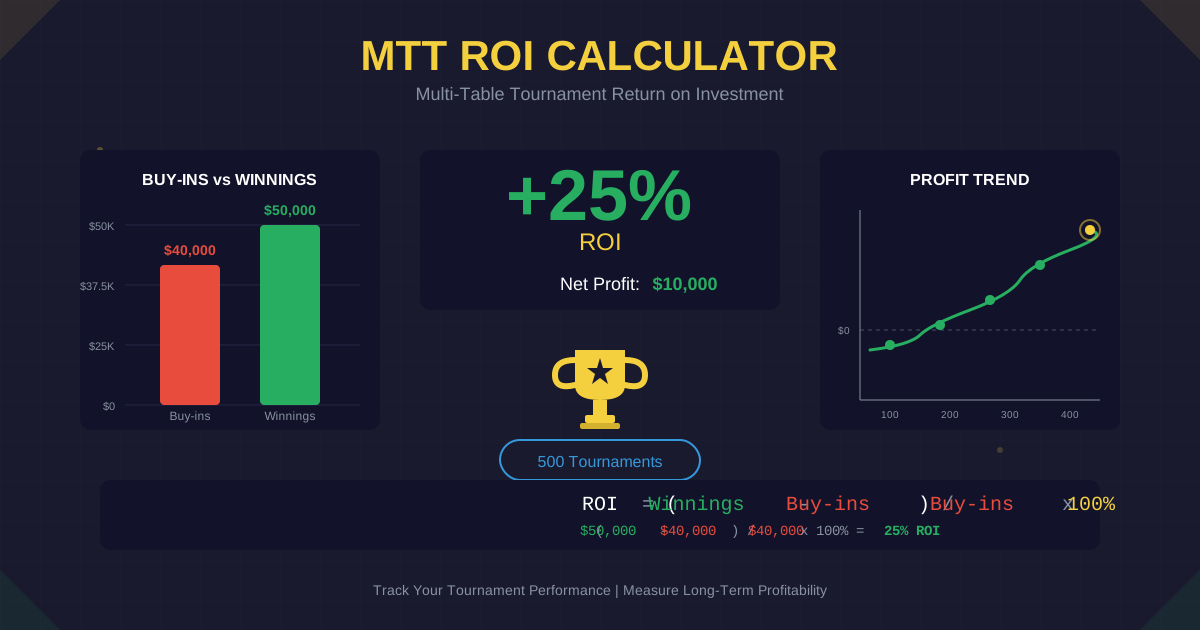
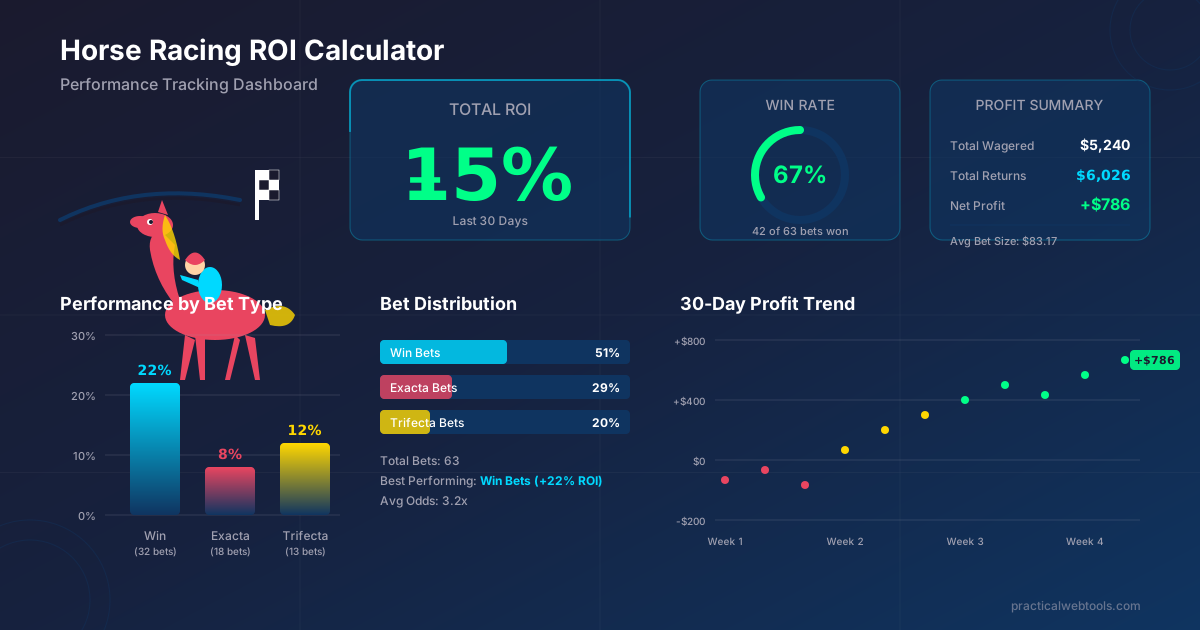
| ROI | (Profit / Total Wagered) x 100 | Overall profitability |
| CLV | Avg(Your Odds - Closing Odds) | Whether your process finds value |
| Win Rate | Wins / Total Bets | Raw win percentage |
| Units Won | Total profit / Unit size | Normalized profit metric |
| Yield by Sport | ROI filtered by sport | Where you have the most edge |
| Yield by Bet Type | ROI filtered by bet type | Which bet types are most profitable |
| Drawdown | Largest peak-to-trough decline | Your worst stretch |
| Sharpe Ratio | Mean return / Std dev of returns | Risk-adjusted performance |
Calculate expected value for any bet in your tracking with our Expected Value Calculator.
Should You Quit Your Day Job to Bet Full-Time?
For the vast majority of aspiring professional bettors, the answer is no, at least not yet. The decision to go full-time should only come after meeting several critical benchmarks over a sustained period.
The Full-Time Readiness Checklist
Before quitting your job, you should have ALL of the following:
- 1,000+ tracked bets with positive CLV and positive ROI
- 12+ months of profitable results (not just one hot streak)
- $50,000-$100,000+ dedicated bankroll separate from living expenses
- 6-12 months of living expenses in a separate savings account
- Health insurance secured outside of employer coverage
- Tax professional familiar with gambling income on retainer
- Multiple active sportsbook accounts with reasonable limits
- A tested and validated model or methodology
- Support from family/partner who understands the variance
- A backup plan if betting does not work out
The Case for Betting Part-Time
Many successful bettors keep their day jobs permanently. Here is why:
| Factor | Full-Time Bettor | Part-Time Bettor |
|---|---|---|
| Income Stability | Highly variable, stress-inducing | Stable base + betting profits |
| Health Insurance | Must purchase independently ($500-$1,500/month) | Employer-provided |
| Retirement Savings | Must fund entirely from betting profits | 401k match + betting profits |
| Bankroll Pressure | Must withdraw for living expenses | Bankroll compounds untouched |
| Emotional Pressure | Every loss affects your livelihood | Losses are disappointing but not threatening |
| Account Limits | Full-time action gets flagged faster | Lower volume flies under the radar |
The math often favors the part-time approach. A part-time bettor earning $60,000/year from a job plus $30,000/year from betting has a more stable, less stressful life than a full-time bettor earning $90,000/year from betting alone. The part-timer also has a compounding bankroll advantage because they do not need to withdraw.
Determine optimal bet sizing that protects your bankroll with our Kelly Criterion Calculator.
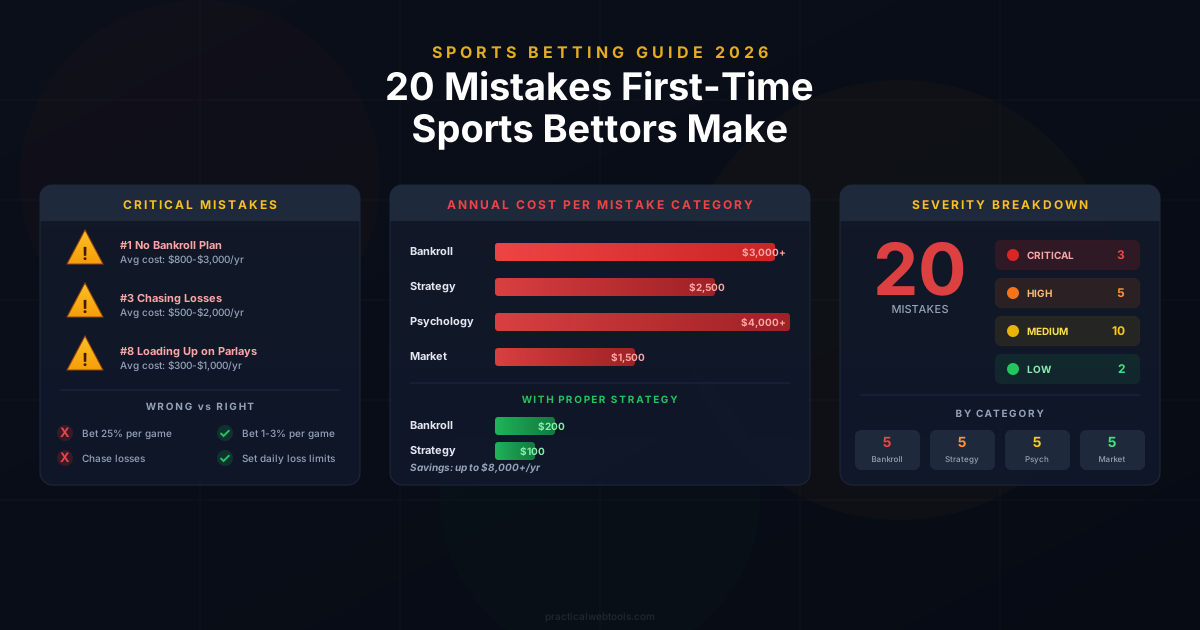
What Are the Biggest Mistakes Aspiring Professional Bettors Make?
The path to professional betting is littered with predictable failures. Understanding these common mistakes can save you tens of thousands of dollars and years of frustration.
Top 10 Mistakes That Kill Betting Careers
1. Insufficient Bankroll Starting with $5,000-$10,000 and expecting to make a living. Even with a real edge, this bankroll is too small to survive normal variance.
2. Overestimating Their Edge Many bettors think they have a 5-10% edge when reality is closer to 1-2%. This leads to over-betting and faster ruin.
3. Ignoring Closing Line Value Focusing on win rate instead of CLV. A 60% win rate means nothing if you are consistently getting worse odds than the close.
4. Chasing Losses Increasing bet sizes after a losing streak to "get back to even." This is the fastest path to bankruptcy.
5. Betting Too Many Sports Trying to be an expert in everything instead of mastering 1-2 sports. Edge comes from specialization.
6. Neglecting Record Keeping Flying blind without data. You cannot improve what you do not measure.
7. Underestimating the Tax Burden Not setting aside 30-40% for taxes and getting hit with a massive bill in April.
8. Emotional Betting Making bets based on feelings, fandom, or frustration rather than model output and value.
9. Ignoring Account Management Burning through sportsbook accounts by betting obvious sharp patterns without any camouflage.
10. No Exit Strategy Having no plan for what happens if the approach stops working, accounts are fully limited, or the bankroll drops below a sustainable level.
How Much Each Mistake Costs
| Mistake | Typical Cost | Recovery Time |
|---|---|---|
| Insufficient bankroll | Full bankroll loss | 6-12 months to rebuild |
| Overestimating edge | 30-50% of bankroll | 3-6 months |
| Chasing losses | 20-100% of bankroll | 2-12 months |
| Poor record keeping | Unknown (cannot measure) | Ongoing opportunity cost |
| Tax mismanagement | 25-40% of annual profit | Immediate cash flow crisis |
| Burning accounts | Reduced future handle by 50%+ | Permanent damage |
Calculate the vig you're paying on each bet with our Hold/Vig Calculator.
How Do You Find an Edge in 2026's Betting Markets?
Finding an edge has become harder as markets have grown more efficient, but opportunities still exist for bettors who specialize and work harder than the competition.
Where Edges Still Exist
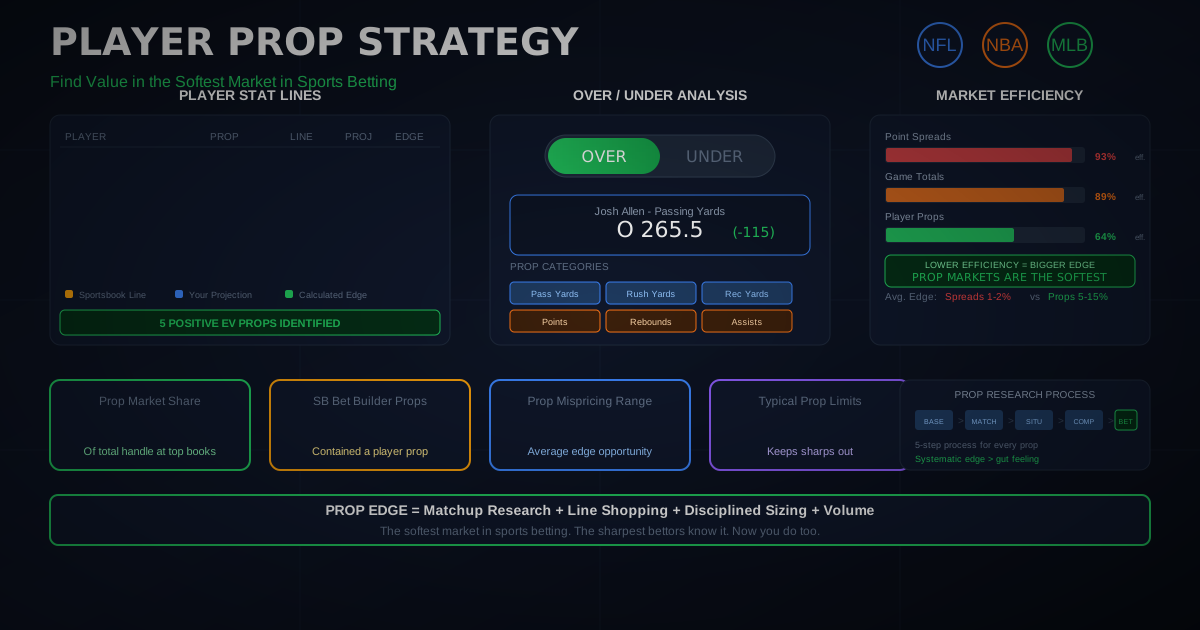
1. Player Props Player prop markets are the most inefficient major market in 2026. Sportsbooks set thousands of prop lines daily and cannot devote the same attention to each one as they do to sides and totals.
| Prop Market | Estimated Inefficiency | Competition Level |
|---|---|---|
| Passing yards/TDs | Moderate (2-3%) | High |
| Rushing/receiving props | Moderate (2-4%) | Medium-High |
| Points/rebounds/assists (NBA) | Low-Moderate (1-3%) | High |
| Strikeouts/hits (MLB) | Moderate (3-5%) | Medium |
| Shots on goal (NHL/Soccer) | High (4-8%) | Low |
| Alt lines and game props | Moderate (2-5%) | Medium |
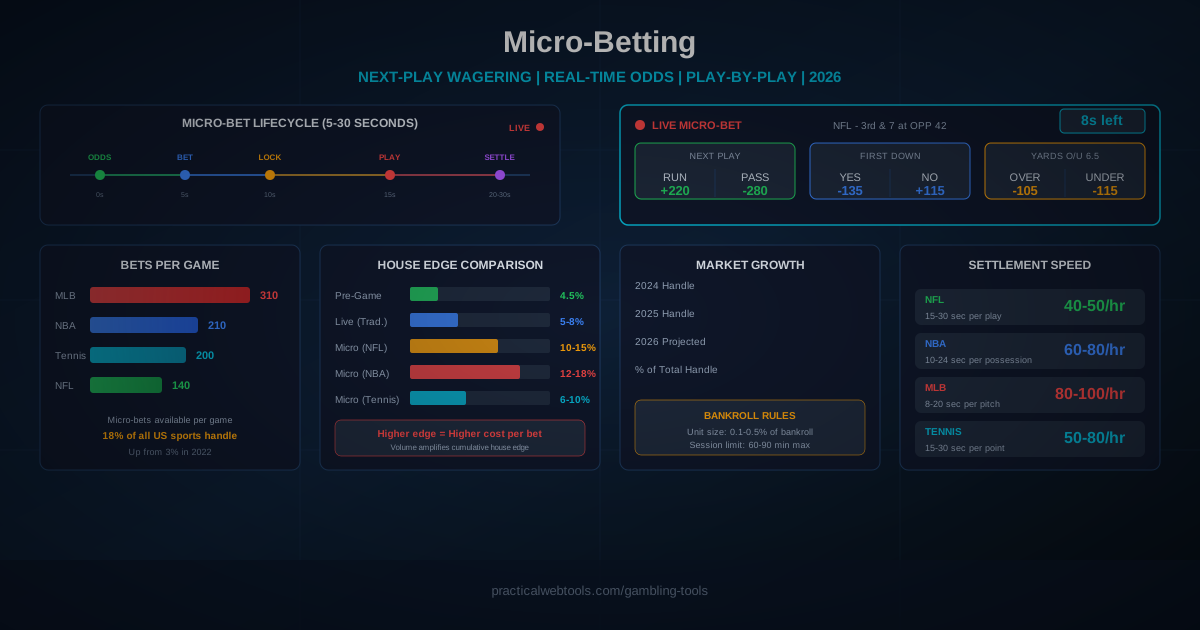
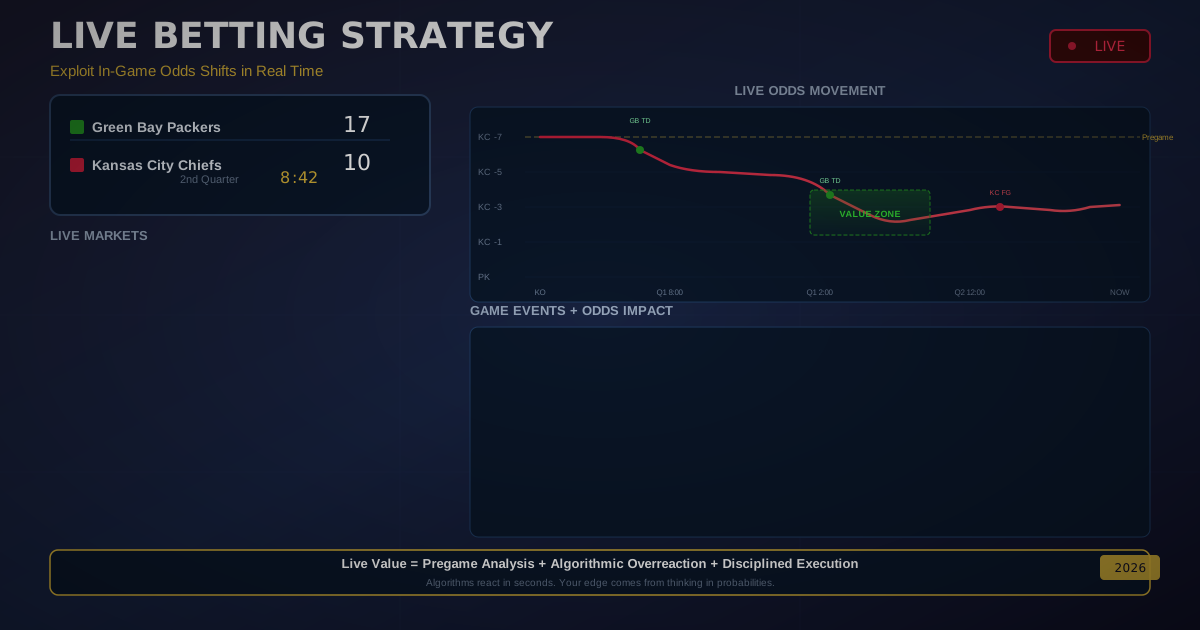
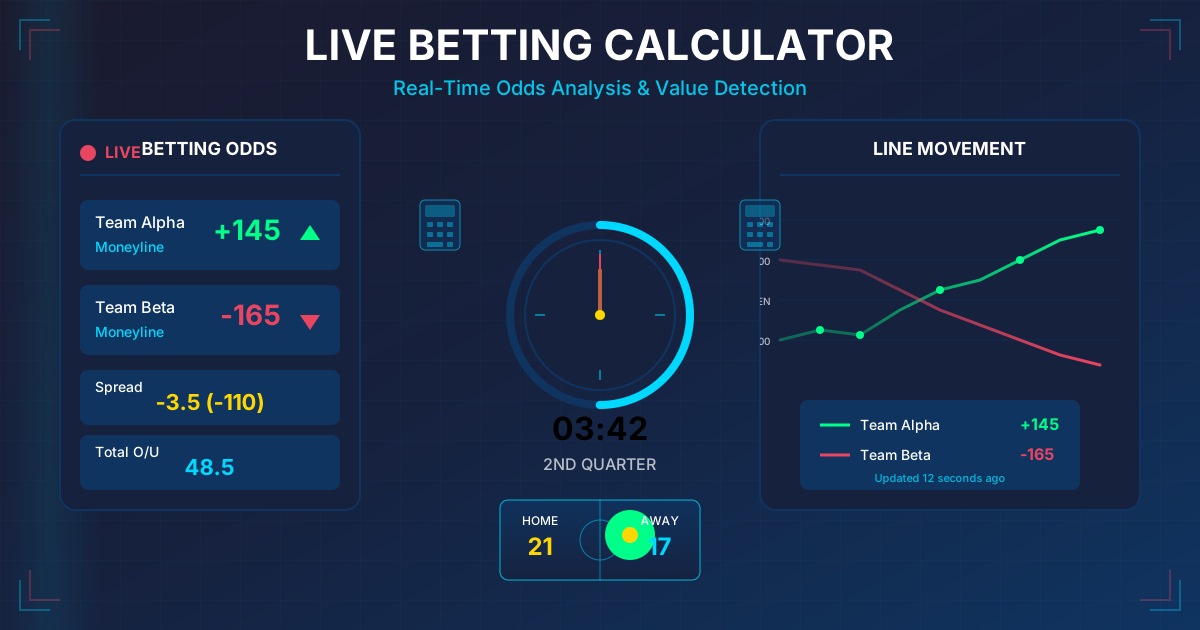
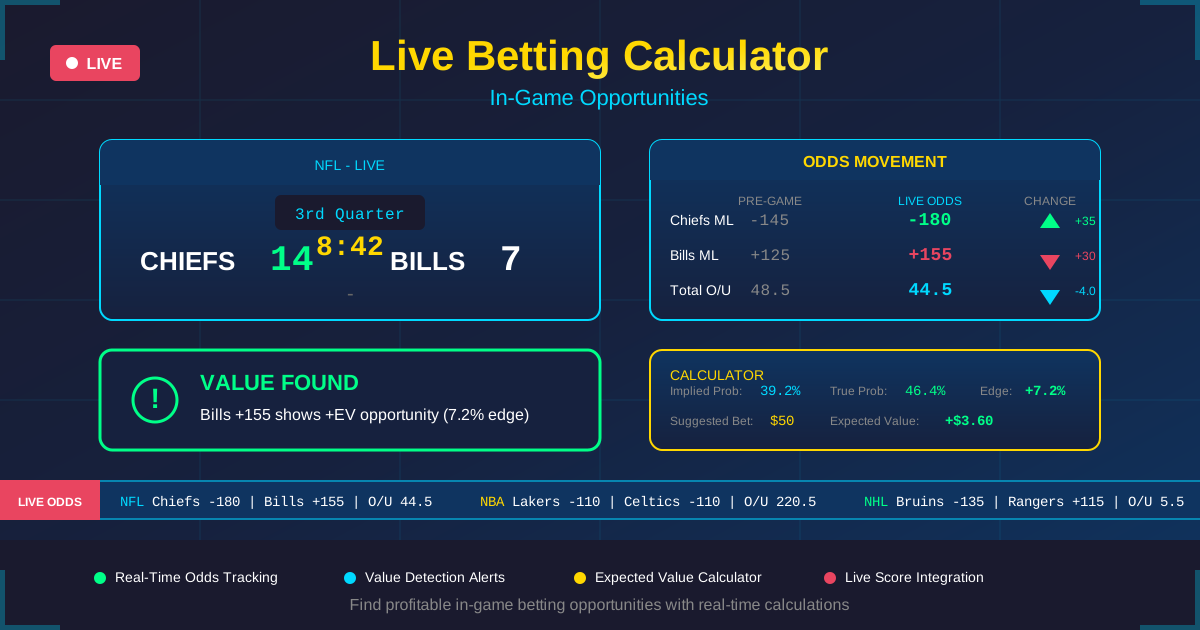
2. Live Betting In-play markets react to game flow and can overshoot. A team down 14-0 in the first quarter of an NFL game is often overpriced by the live market.
3. Small Markets and Leagues College sports, European basketball, lower-division soccer, and other small markets receive less sharp attention and remain inefficient.
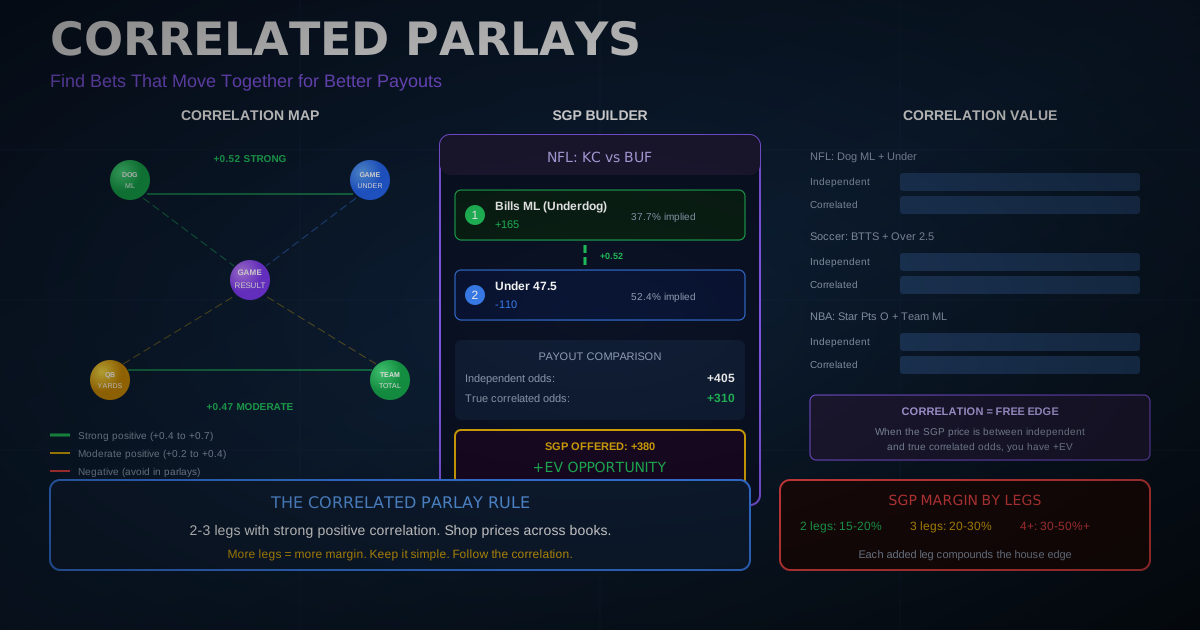
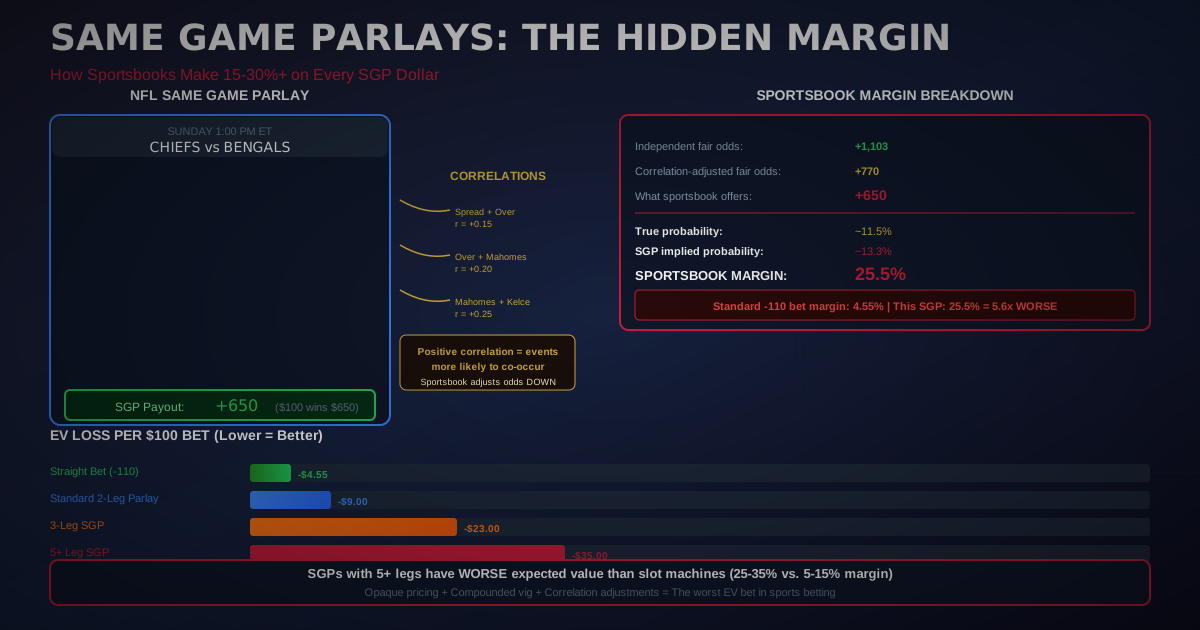
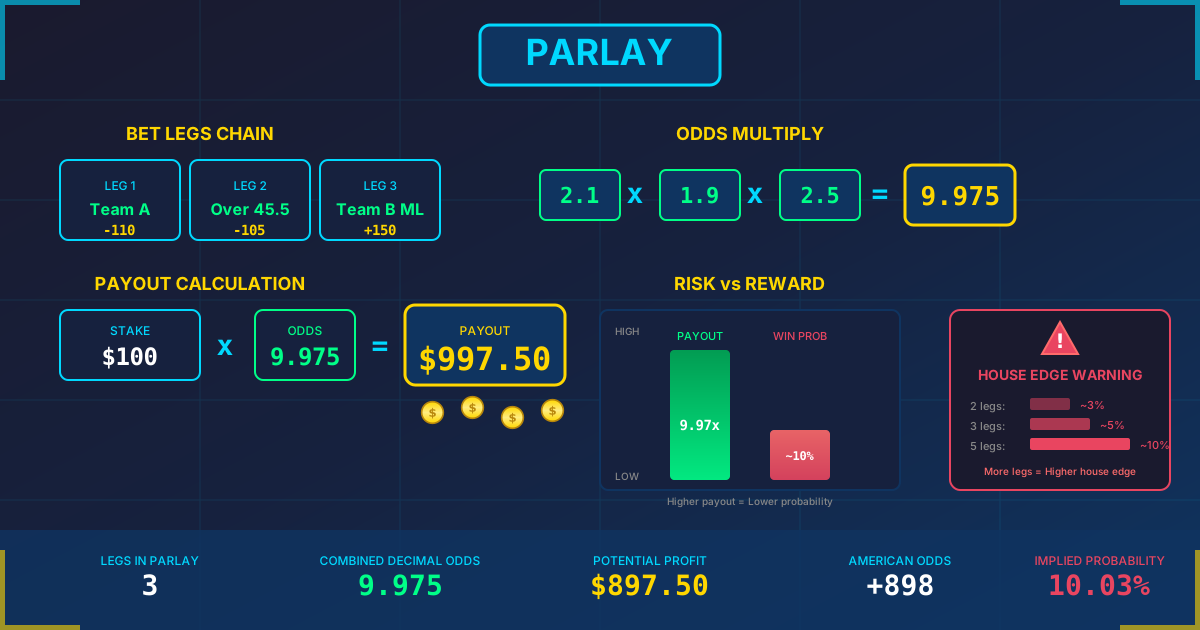
4. Correlated Parlays Some sportsbooks do not properly account for correlations between bet legs, creating exploitable parlays.
5. Opening Lines The first lines posted are the softest. Getting down early before the market moves provides consistent CLV.
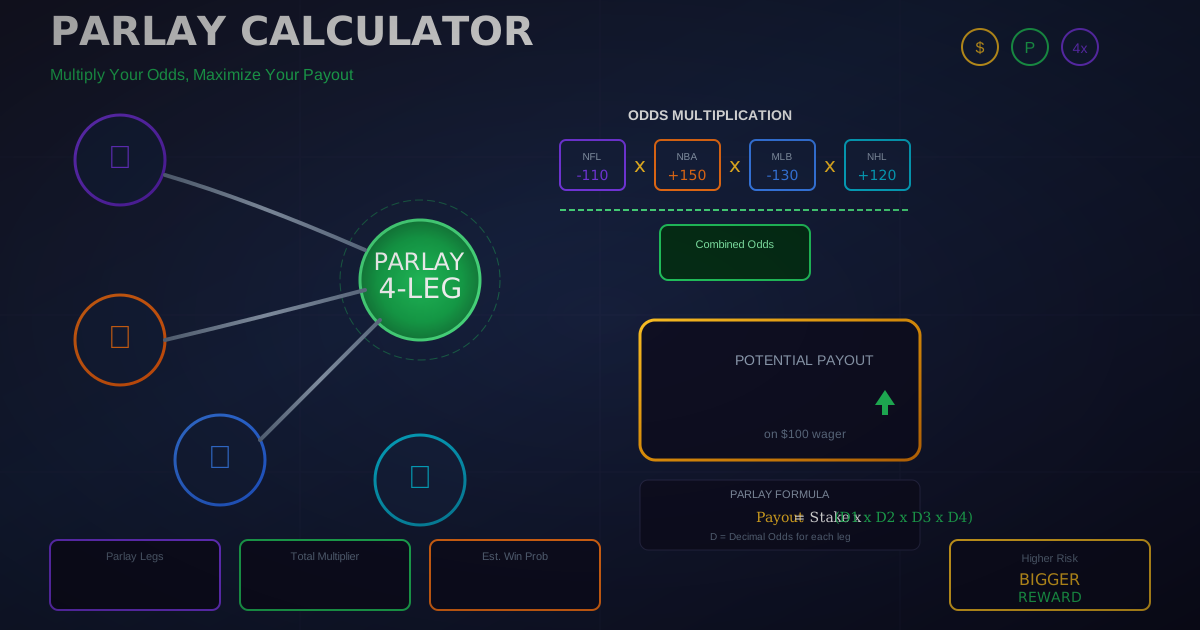
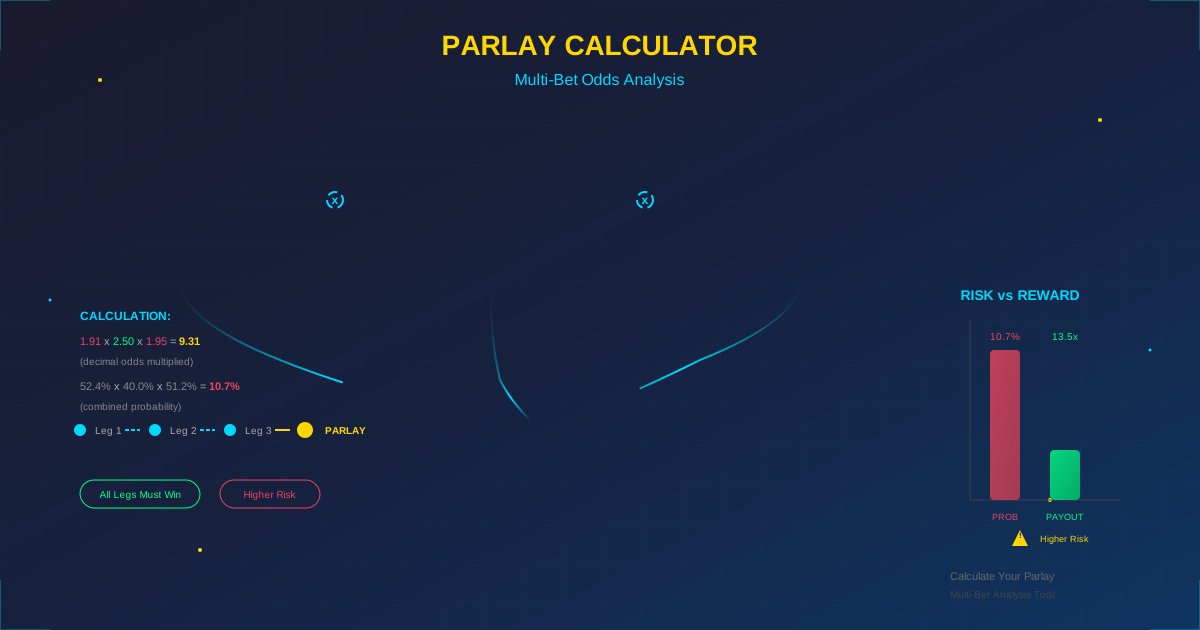
Calculate parlay odds and payouts with our Parlay Calculator.
Building and Maintaining an Edge
An edge is not static. The market adapts. To maintain an edge over time:
- Continuously improve your model with new data and features
- Specialize deeply in 1-2 sports rather than spreading thin
- Stay ahead of the market by processing information faster
- Automate what you can to increase speed and reduce errors
- Network with other sharps to share insights (selectively)
- Explore new markets as old ones become more efficient
What Is the Emotional Toll of Professional Betting?
Professional sports betting is one of the most psychologically demanding careers. The combination of financial uncertainty, social isolation, and constant variance creates mental health challenges that most aspiring pros do not anticipate.
The Psychological Challenges
Financial Anxiety Even with a proven edge, watching your bankroll drop 20-30% during a downswing creates genuine anxiety. When that bankroll is your livelihood, the stress multiplies.
Social Isolation Most of your day is spent alone at a computer. Friends and family may not understand or respect your career choice. The stigma around gambling creates additional social friction.
Identity and Self-Worth When your income fluctuates dramatically, it is easy to tie your self-worth to your results. A losing month can feel like a personal failure, even when the process was sound.
Relationship Strain Partners and family members experience the financial uncertainty alongside you. Explaining that a $10,000 losing month is "just variance" is emotionally exhausting for everyone involved.
Burnout The grind of daily research, bet placement, and record keeping wears on even the most passionate bettors. Many professionals burn out within 3-5 years.
Protecting Your Mental Health
| Strategy | Implementation | Why It Helps |
|---|---|---|
| Structured schedule | Set work hours and stick to them | Prevents overwork and obsession |
| Physical exercise | 30-60 min daily | Reduces anxiety, improves focus |
| Social connection | Weekly meetup with non-betting friends | Combats isolation |
| Bettor community | Join Discord/forum for professional bettors | Peer support from those who understand |
| Therapy/coaching | Monthly sessions with a professional | Process emotions and develop coping strategies |
| Hobbies outside betting | Dedicated time for non-gambling activities | Maintains identity beyond results |
| Results blackout | Do not check results until end of day | Reduces emotional volatility |
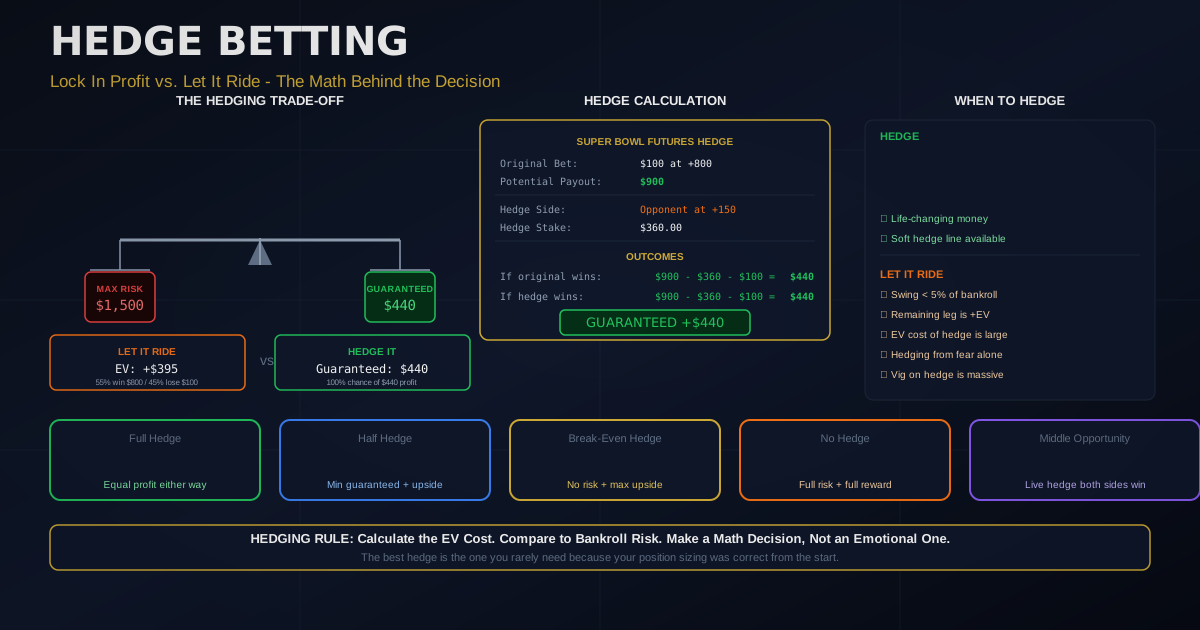
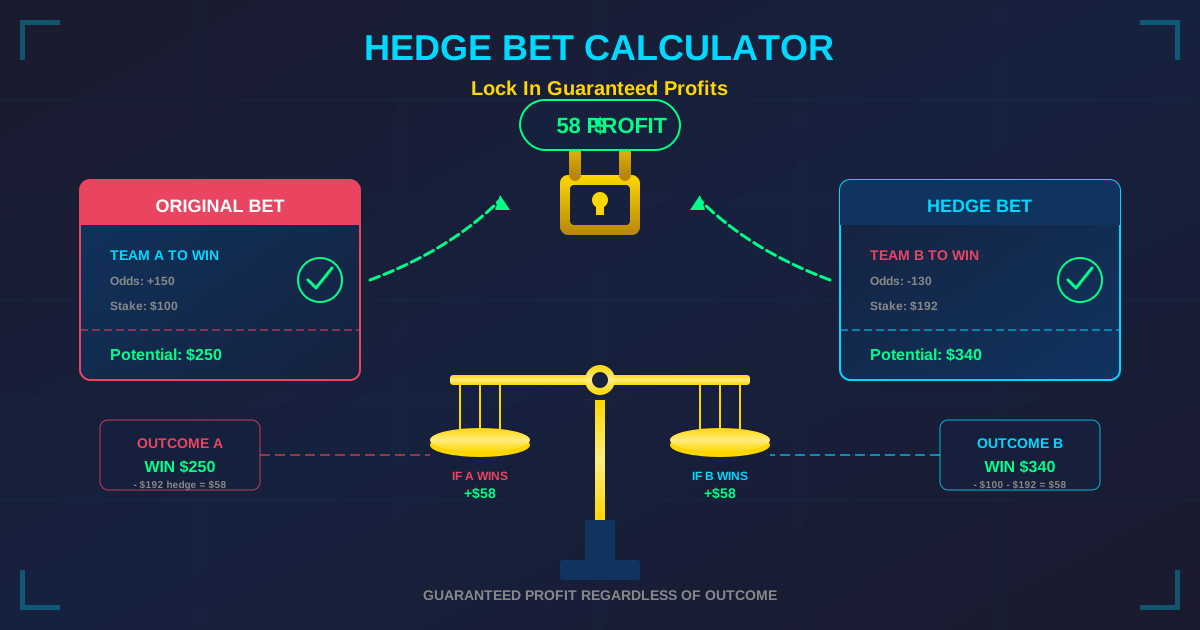
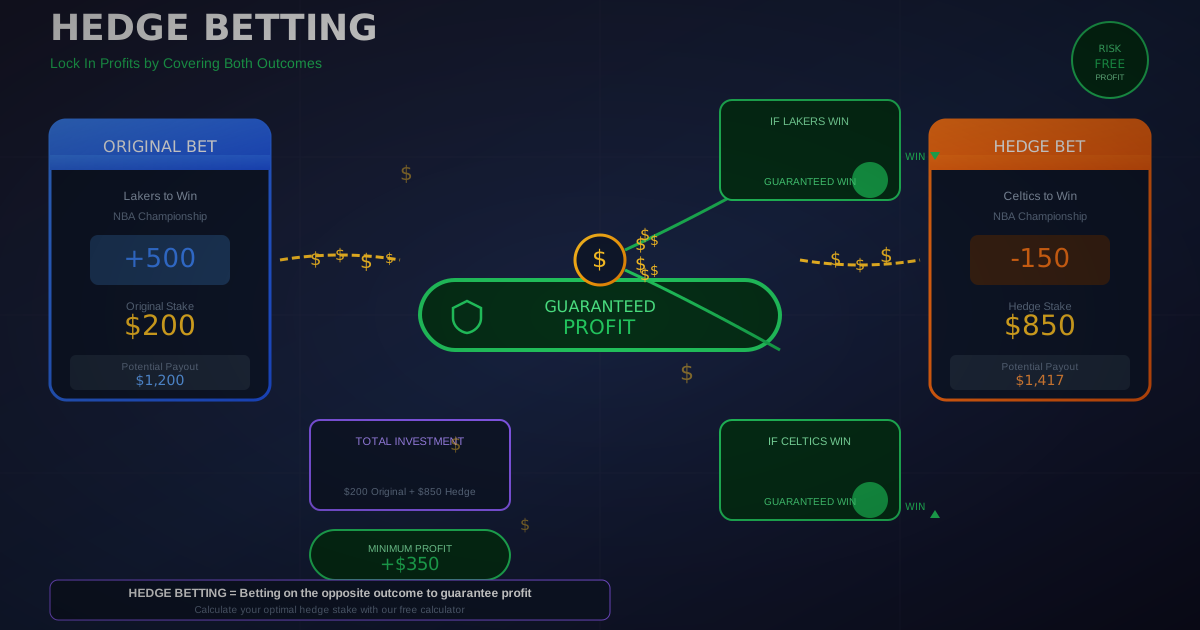
Use our Hedge Calculator to reduce variance on large outstanding bets that are causing stress.
Frequently Asked Questions
How long does it take to become a profitable sports bettor?
Most successful professional bettors spent 1-3 years developing their skills as part-time bettors before going full-time. The learning curve includes building a model, tracking at least 1,000 bets, understanding variance, and proving a consistent positive CLV. Expect 6-12 months of study and part-time betting before you can reliably assess whether you have a real edge.
Can you make a million dollars a year sports betting?
Theoretically yes, but practically it requires a very large bankroll ($500,000+), access to high-limit accounts or a betting syndicate, and a sustained edge of 3-5% across massive volume. The number of individual bettors earning $1M+ annually is extremely small, probably fewer than 100 in the United States. Most successful pros earn $50,000-$200,000 per year.
Do sportsbooks really ban winning bettors?
Yes. Every major US sportsbook (DraftKings, FanDuel, BetMGM, Caesars, etc.) limits or bans accounts that show consistent profitability. This typically happens after 200-500 bets with positive CLV. Your limits may be reduced to $5-$50 per bet, effectively making the account useless for professional betting.
Is professional sports betting legal?
Sports betting is legal in 38+ US states as of 2026. Being a professional gambler is legal. However, you must report all income, pay taxes, and comply with each state's specific regulations. Some states require you to be physically present to place bets. Offshore betting exists in a legal gray area.
What is the best sport to bet on professionally?
There is no single "best" sport. The best sport is the one where you can develop the deepest expertise and find the most consistent edge. NFL and NBA are the most popular markets but also the most efficient. MLB props, college sports, and soccer leagues with less sharp attention tend to offer more opportunities for edge.
How do you handle a 20-buy-in downswing?
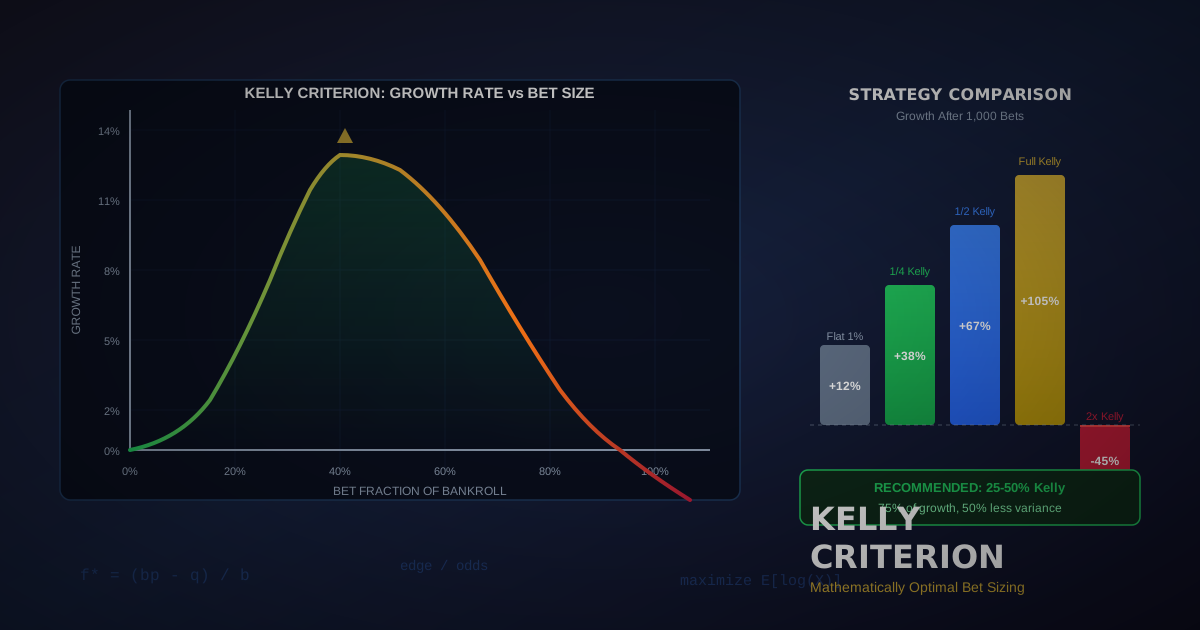
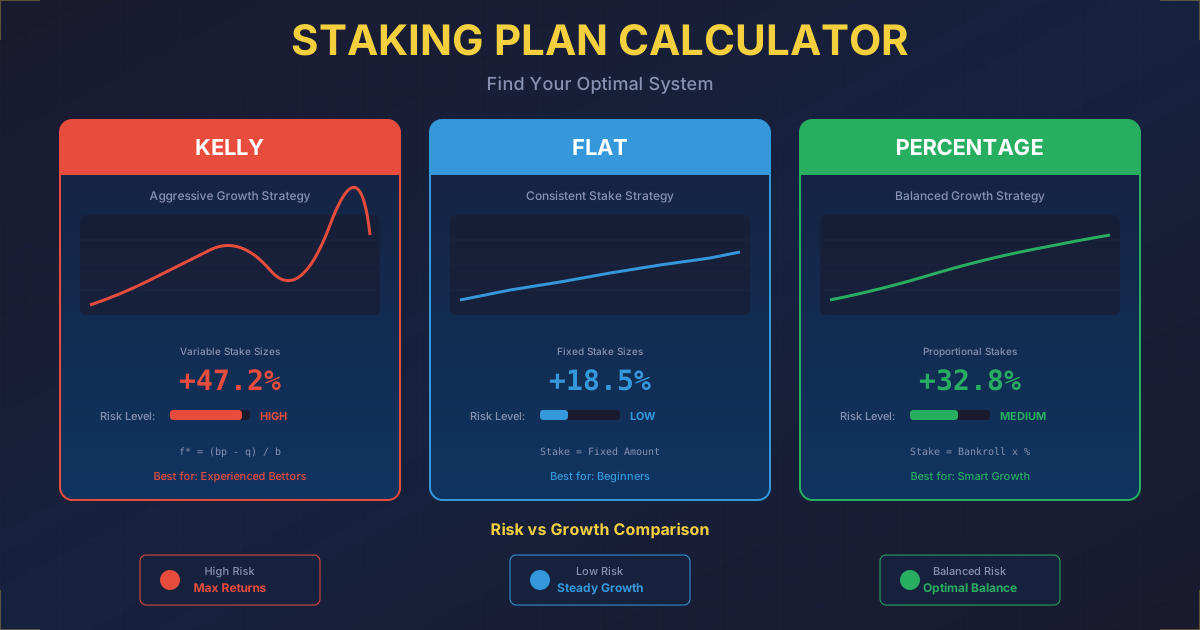
First, review your process to ensure you have not introduced any errors or biases. If your CLV is still positive, the downswing is likely variance. Reduce your bet sizing slightly (move from full Kelly to half Kelly), take a short break if needed, and continue betting your model. Do NOT increase bet sizes to recover faster. The math will sort itself out over time.
Do you need a math or statistics degree?
No, but you need a solid understanding of probability, statistics, and data analysis. Many successful bettors are self-taught. Resources like Khan Academy, online statistics courses, and sports analytics communities provide everything you need. Proficiency in Excel, Google Sheets, or a programming language (Python, R) is highly beneficial for building and testing models.
What percentage of your bankroll should you bet per game?
Most professionals bet 1-3% of their bankroll per wager, using Kelly Criterion or a fractional Kelly approach. A bet with a 3% edge might warrant a 2% bankroll stake, while a bet with a 1% edge might only warrant 0.5-1%. Overbetting relative to your edge is the most common cause of ruin for bettors with a legitimate advantage.
Related Tools for Professional Sports Bettors
Take your betting analysis to the next level with these free calculators and tools:
- Expected Value Calculator - Determine the +EV of any bet before you place it
- Kelly Criterion Calculator - Calculate optimal bet sizing based on your edge
- Odds Converter - Convert between American, decimal, and fractional odds instantly
- Implied Probability Calculator - See the true probability implied by any odds
- CLV Tracker - Track your closing line value over time
- Hold/Vig Calculator - Calculate the sportsbook's built-in edge
- Bankroll Volatility Tracker - Model your expected swings and risk of ruin
- Arbitrage Calculator - Find guaranteed profit opportunities between books
- Hedge Calculator - Calculate optimal hedge bets to lock in profit
- Parlay Calculator - Calculate parlay odds and expected returns
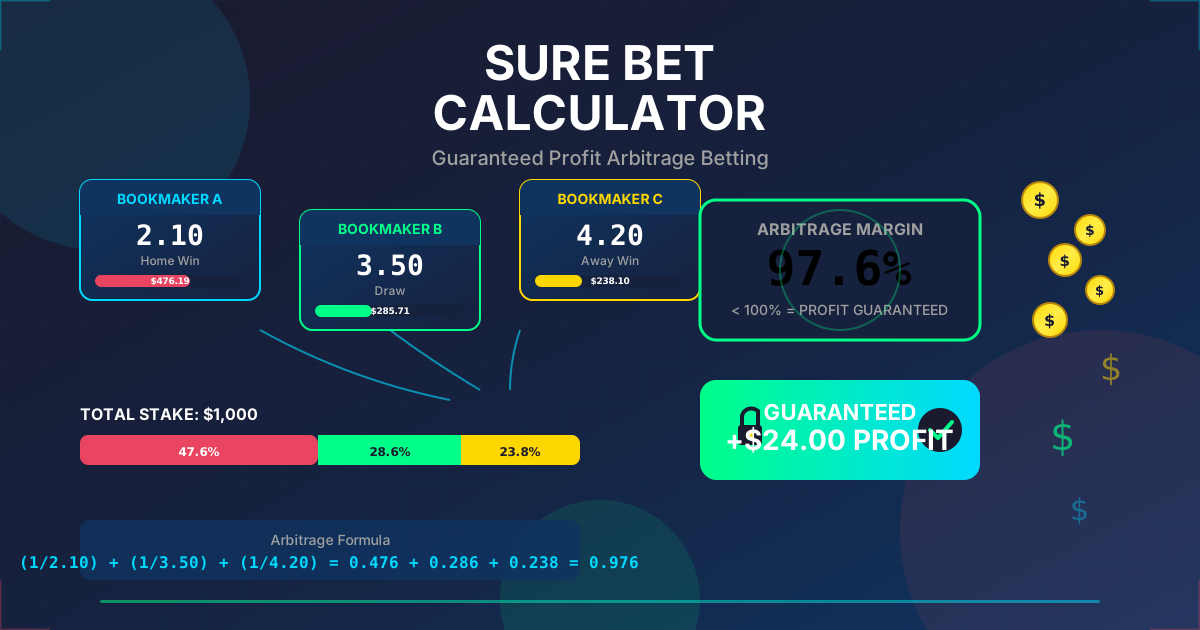
- Sure Bet Calculator - Identify sure bet opportunities across sportsbooks
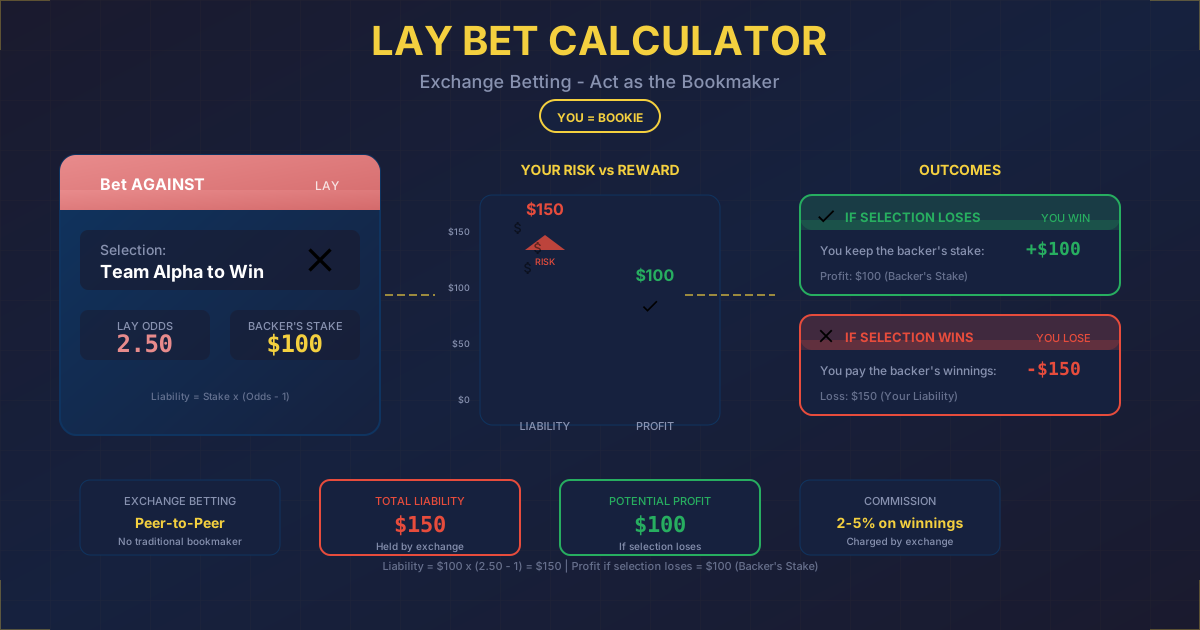
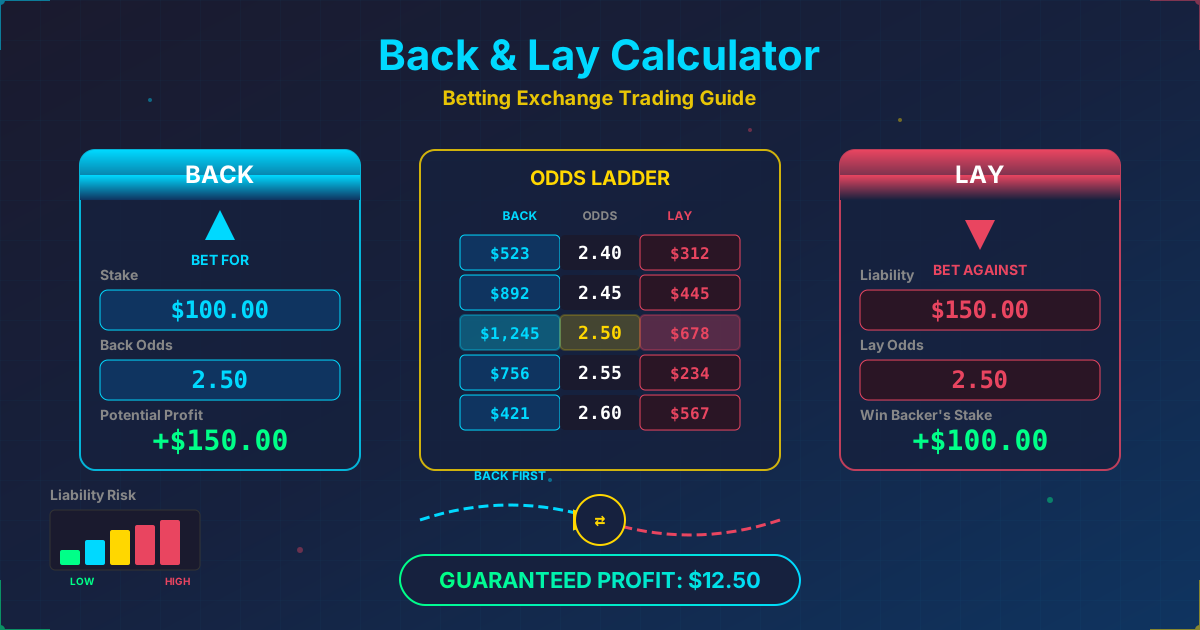
- Back/Lay Calculator - Essential for exchange betting and matched betting
Professional sports betting is a viable career for a very small number of disciplined, well-capitalized, analytically skilled individuals. If you have read this entire guide and still want to pursue it, start part-time, track everything, and let the data guide your decisions. The math does not lie, but it takes thousands of bets to reveal the truth.
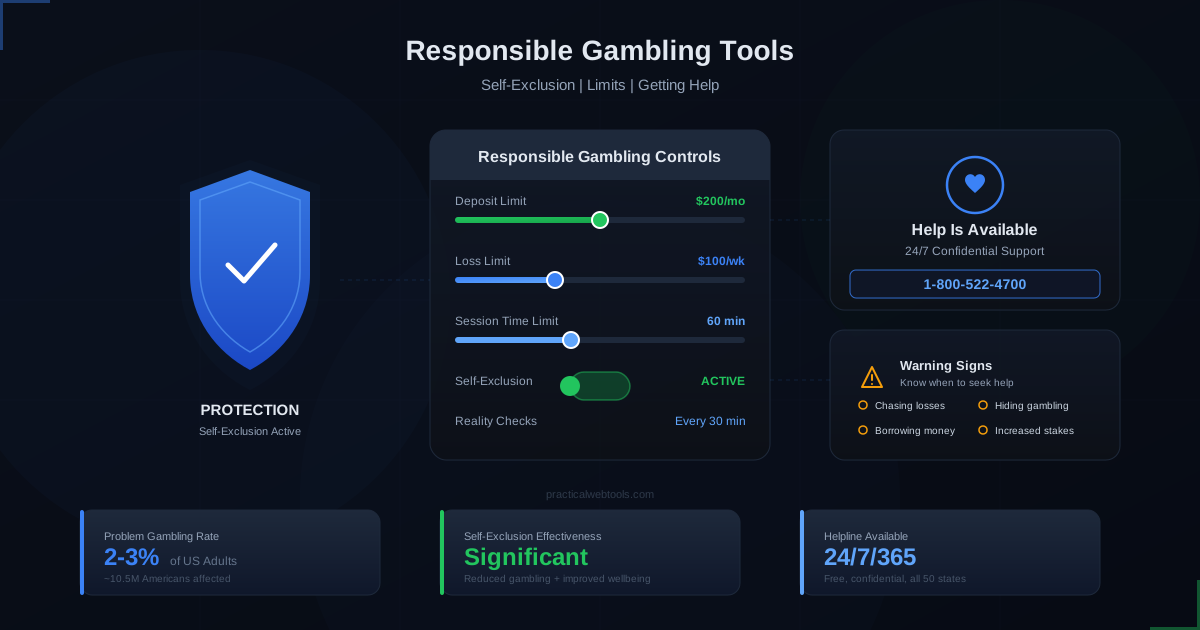
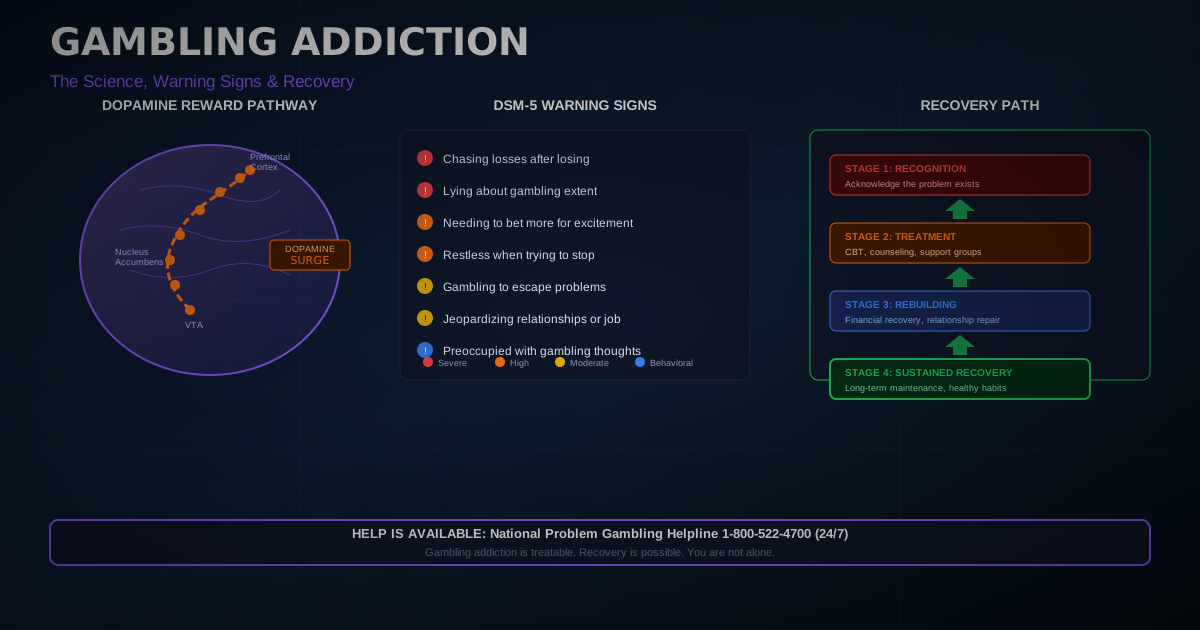
Gambling involves risk and should be approached as entertainment, not as a source of income. Always bet within your means, set strict bankroll limits, and never chase losses. If you or someone you know has a gambling problem, contact the National Council on Problem Gambling at 1-800-522-4700 or visit ncpgambling.org. Must be 21+ to gamble in most US jurisdictions. Please play responsibly.