Roulette Finale Bet Calculator: Last Digit Number Groups (2026)
Roulette Finale Bet Calculator: Betting on Number Endings
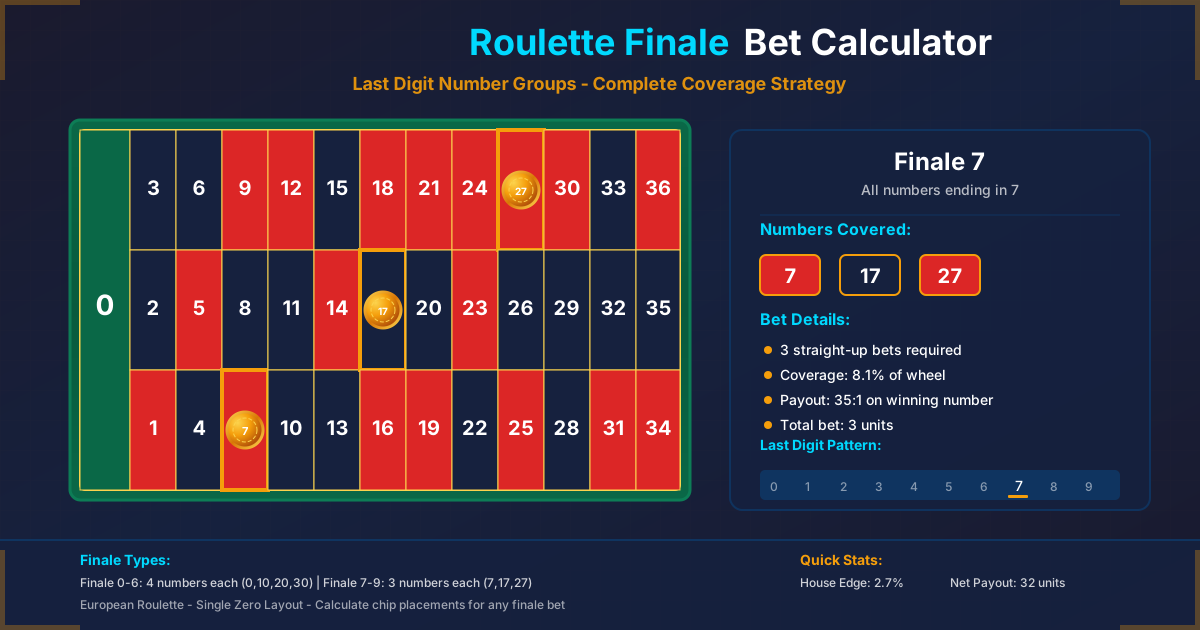
Finale bets cover all numbers ending in a specific digit—like all numbers ending in 7 (7, 17, 27). Our calculator shows chip requirements for both finale types, explains the payout structures, and compares this French betting tradition to other coverage strategies.
What Is a Finale Bet?
A finale bet covers all numbers on the roulette table that end in the same digit. There are two types: finale en plein (straight-up bets on each number) and finale à cheval (split bets covering adjacent last digits). It's a French roulette tradition for pattern-based betting.
Quick Answer: Finale covers numbers ending in chosen digit. Finale 7: covers 7, 17, 27 (3 numbers). Finale en plein: 3-4 chips on straight-ups (35:1 each). Finale à cheval: split bets covering two endings. Chip count: 3 chips (0-6) or 4 chips (7-9). Coverage: 8-11% of wheel. House edge: 2.70% (standard). French tradition, not mathematical advantage.
How to Use Our Calculator
Use the Finale Bet Calculator →
Calculate chip requirements and payouts for finale bets.
Step-by-Step Instructions
-
Select Finale Type: En plein or à cheval
-
Choose Ending Digit: 0-9
-
Enter Chip Value: Per chip amount
-
View Numbers Covered: All in finale
-
Calculate Total Bet: Chips required
Input Fields Explained
| Field | Description | Example |
|---|---|---|
| Finale Type | Plein or Cheval | En Plein |
| Ending Digit | 0-9 | 7 |
| Chip Value | Per chip | $5 |
| Numbers Covered | Finale set | 7, 17, 27 |
| Chips Required | Total needed | 3 |
| Total Bet | Amount | $15 |
| Payout (if hit) | Win | $175 |
Finale En Plein (Straight-Up)
How It Works
Finale en plein structure:

Place straight-up bets on every number
Ending in your chosen digit

Finale 3:
Bet on 3, 13, 23, 33
Four numbers = 4 chips

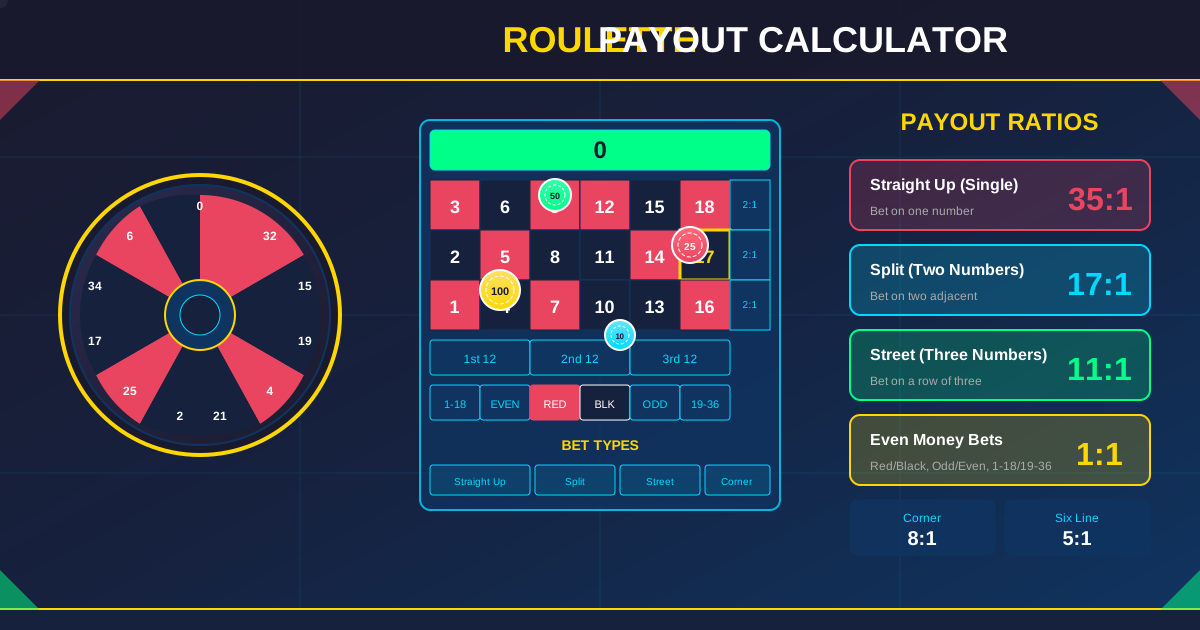
Each pays 35:1 if hit
Chip Requirements by Digit
Digits 0-6: 4 numbers each
0: 0, 10, 20, 30 (4 chips)
1: 1, 11, 21, 31 (4 chips)
2: 2, 12, 22, 32 (4 chips)
3: 3, 13, 23, 33 (4 chips)
4: 4, 14, 24, 34 (4 chips)
5: 5, 15, 25, 35 (4 chips)
6: 6, 16, 26, 36 (4 chips)

Digits 7-9: 3 numbers each
7: 7, 17, 27 (3 chips)
8: 8, 18, 28 (3 chips)
9: 9, 19, 29 (3 chips)
Payout Structure
$5 chip finale en plein:

Finale 0-6 (4 chips = $20):
If number hits: 35:1 = $175
Profit: $175 - $15 (other chips) = $160

Finale 7-9 (3 chips = $15):
If number hits: 35:1 = $175
Profit: $175 - $10 (other chips) = $165
Finale à Cheval (Split)
How It Works
Finale à cheval structure:

Cover two adjacent endings
Using split bets

Finale 0/3:
Split bets covering 0-3, 10-13, 20-23, 30-33
Where possible on layout
Common Finale à Cheval Combinations
Adjacent digit pairs:

0/1: Split 0-1, 10-11, 20-21, 30-31
1/2: Split 1-2, 11-12, 21-22, 31-32
2/3: Split 2-3, 12-13, 22-23, 32-33
...
8/9: Split 8-9, 18-19, 28-29

5 chips typically (varies by layout)
Payout Comparison
$5 chip finale à cheval 1/2:

5 chips = $25 total
Coverage: 8 numbers

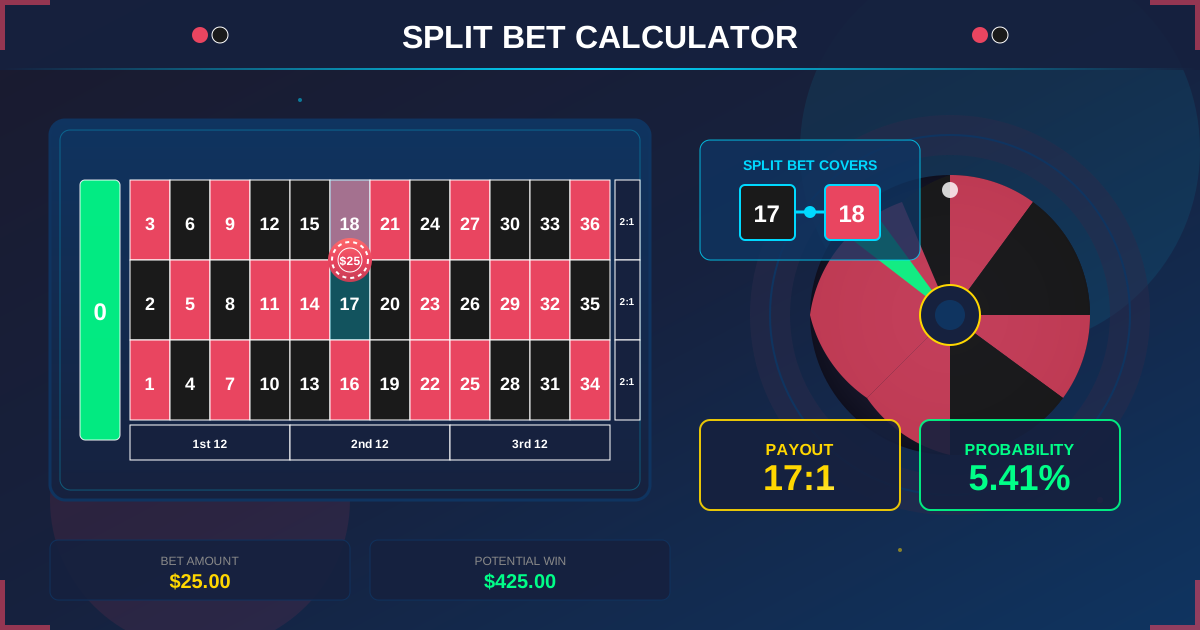
If split hits: 17:1 = $85
Profit: $85 - $20 = $65

Lower profit but more coverage
Than finale en plein
Coverage Analysis
Probability by Finale Type
Finale en plein:

Digits 0-6: 4/37 = 10.81%
Digits 7-9: 3/37 = 8.11%

Finale à cheval:

Adjacent pairs: 7-8/37 = ~21%
(Varies by specific pairing)
Expected Value
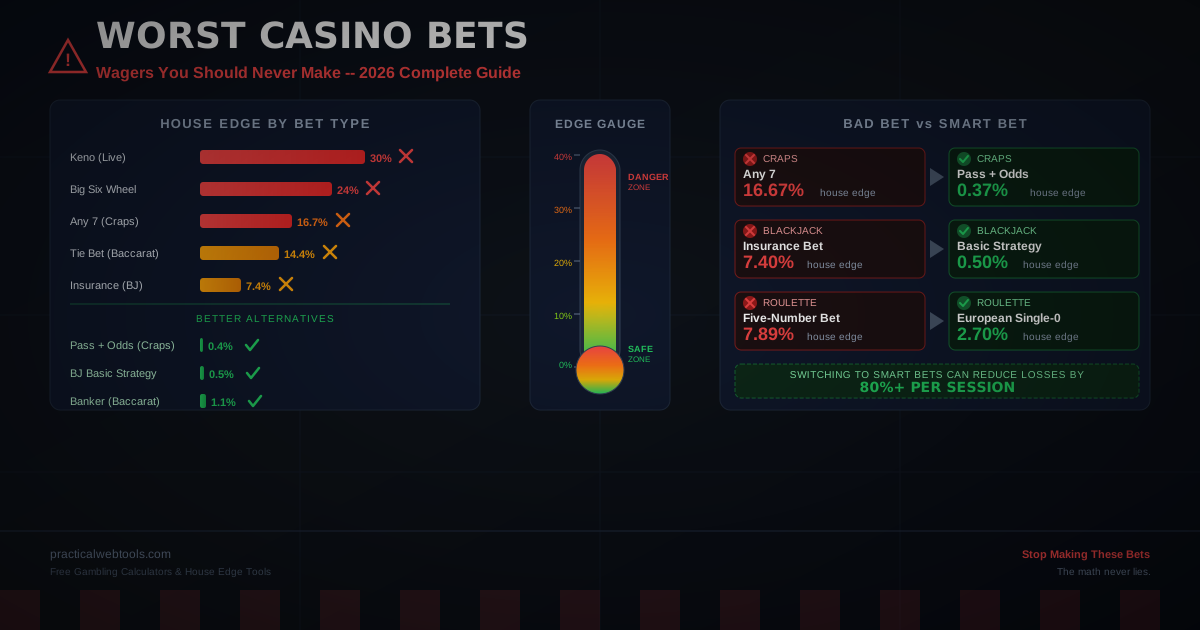
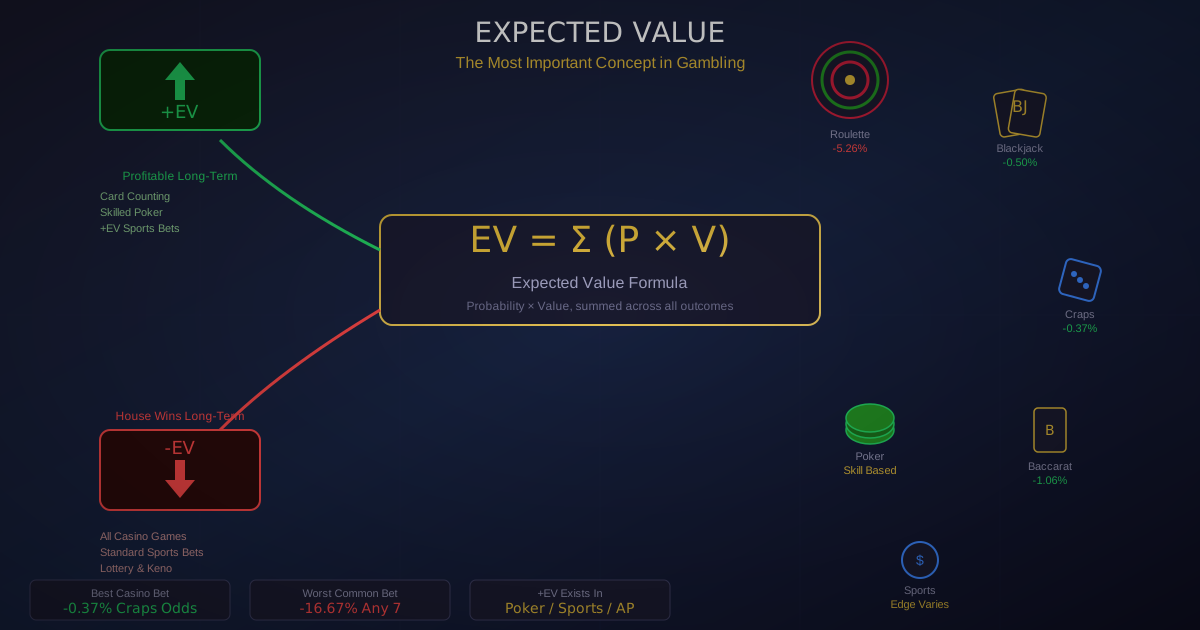
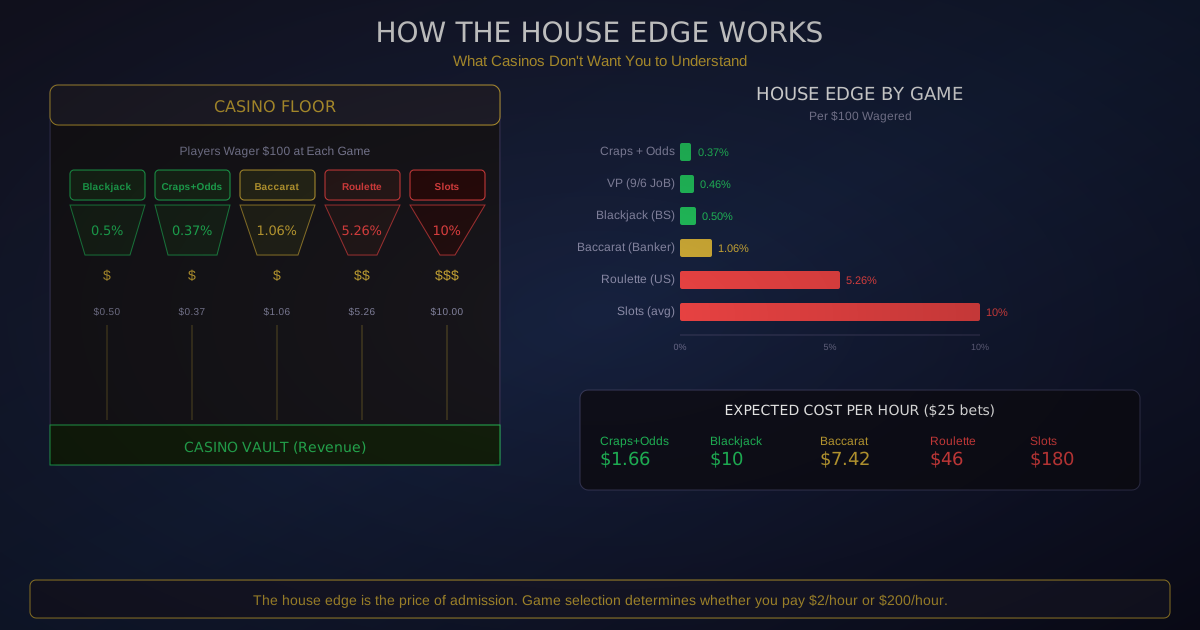
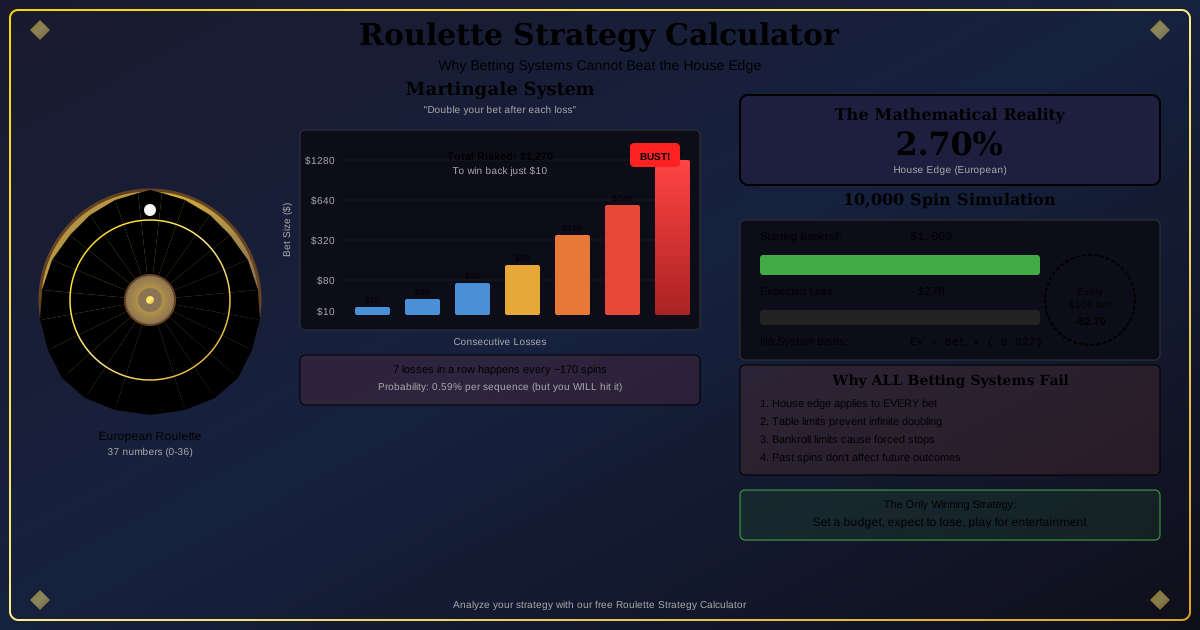
All finale bets: 2.70% edge

Finale 7 en plein ($15):
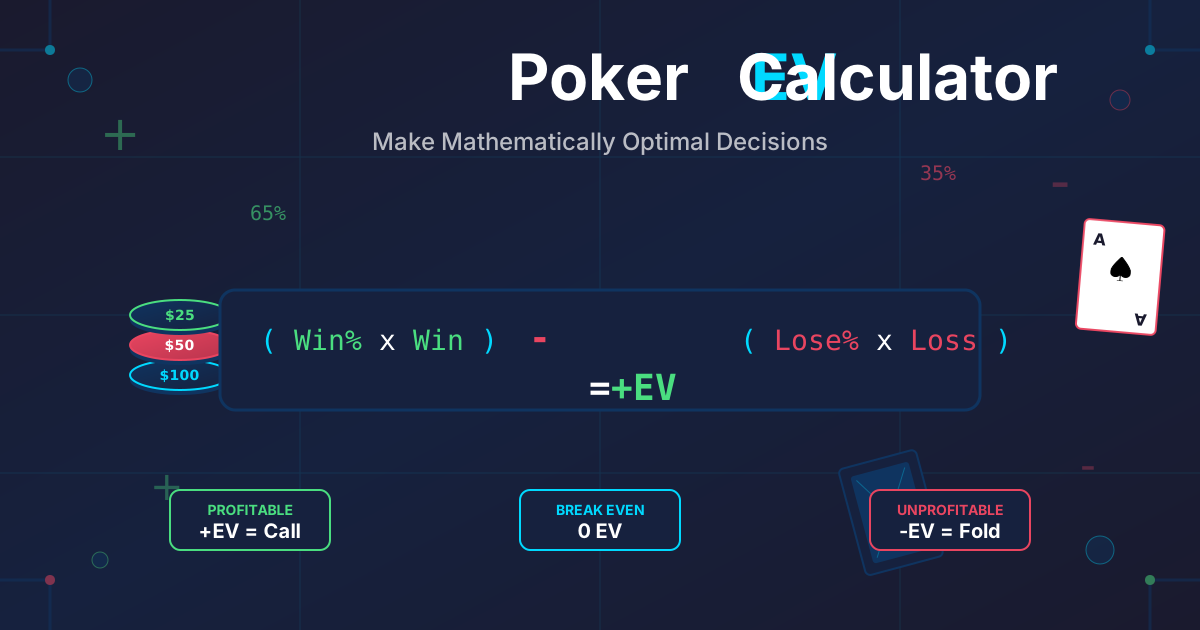
EV = -$15 × 2.70% = -$0.41

Finale 0 en plein ($20):
EV = -$20 × 2.70% = -$0.54

Same edge, different variance
Based on chip count
Comparison to Other Bets
Same 4 numbers differently:

Finale 3 (4 chips on 3,13,23,33):
$20 bet, 10.81% coverage

Random 4 numbers:
$20 bet, 10.81% coverage

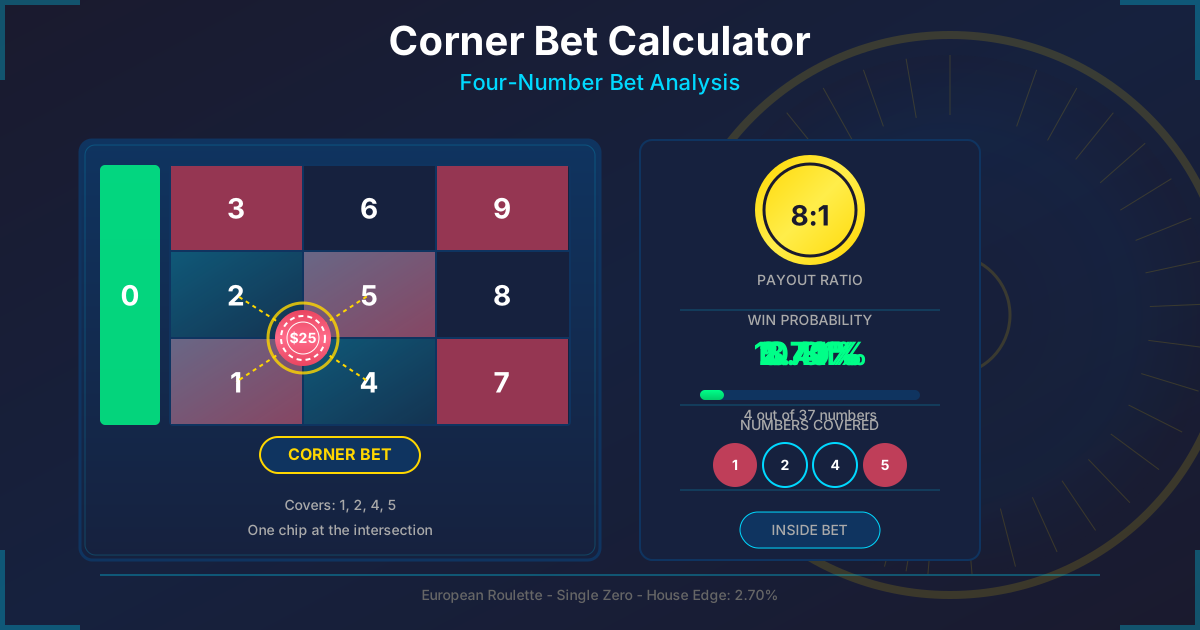
Corner bet:
$20 bet, 10.81% coverage

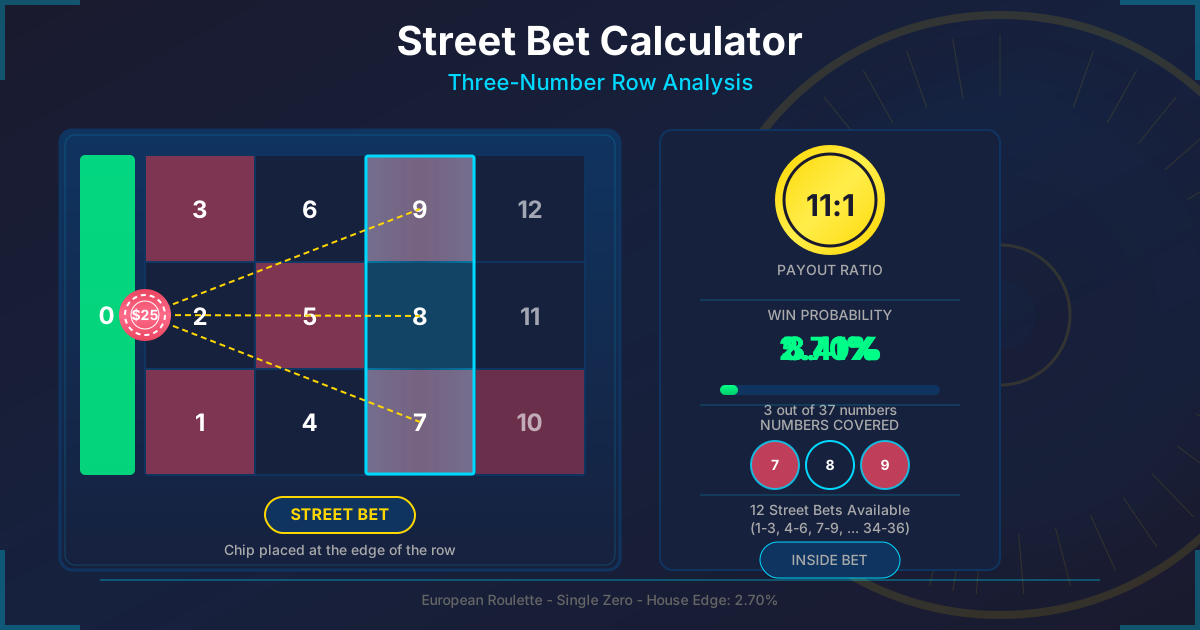
Mathematically equivalent
Finale = organizational preference
Real-World Examples
Example 1: Finale 7 En Plein
Common 3-chip finale:
Bet: Finale 7 en plein
Chips: 3 × $10 = $30

Numbers covered:
$10 on 7 (straight-up)
$10 on 17 (straight-up)
$10 on 27 (straight-up)

If 17 hits:
Win: 35 × $10 = $350
Profit: $350 - $20 = $330

If any other number:
Loss: $30
Example 2: Finale 0 En Plein
4-chip finale including zero:
Bet: Finale 0 en plein
Chips: 4 × $5 = $20

Numbers covered:
$5 on 0
$5 on 10
$5 on 20
$5 on 30

If 0 hits:
Win: 35 × $5 = $175
Profit: $175 - $15 = $160

Coverage: 10.81%
Example 3: Finale à Cheval 4/7
Creative non-adjacent finale:
Bet: Custom finale 4/7
(Not standard but possible)

Numbers: 4,7,14,17,24,27,34
7 straight-up bets = $35

Or splits where adjacent:
Limited by layout geometry

Coverage: 18.92%
Non-standard execution
Example 4: Multiple Finales
Covering several endings:
Finale 3 + Finale 7:
4 chips + 3 chips = 7 chips

Numbers: 3,7,13,17,23,27,33
Coverage: 7/37 = 18.92%

Total: $35 at $5 chips

If any hits: $175 win
Profit: $175 - $30 = $145

More coverage, same edge
Strategic Considerations
Why Players Use Finales
Pattern recognition:

"Lucky" digit preference
Birthday/anniversary endings
Perceived hot last digits
Organizational simplicity

Mathematical reality:
No advantage over other bets
Same 2.70% house edge
Pure preference
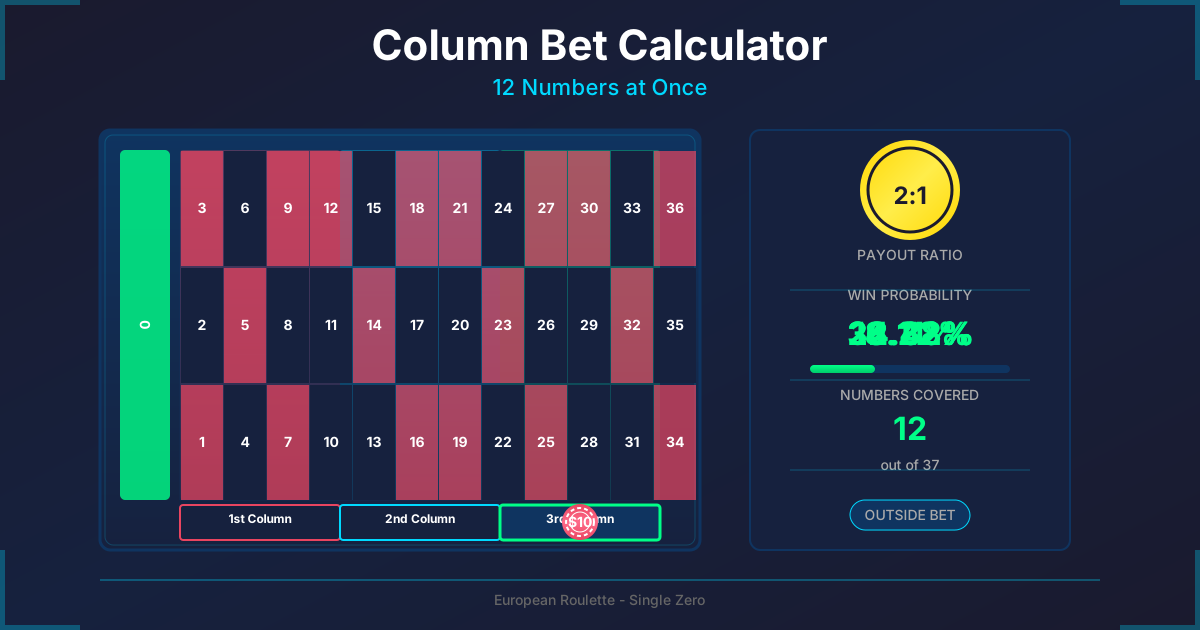
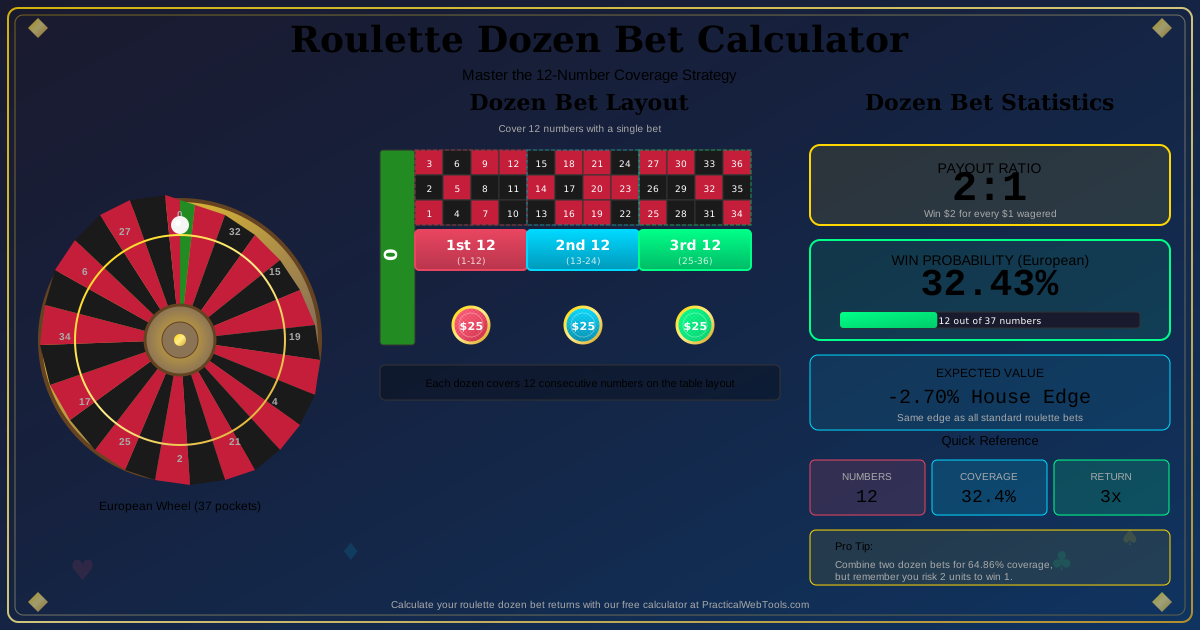
Finale vs Column/Dozen
Comparison for ~12 numbers:

Finale (3 digits): 9-12 numbers
3 separate finales
9-12 chips required
35:1 per hit

Column bet: 12 numbers
1 chip required
2:1 payout

Same coverage, different:
- Chip commitment
- Payout structure
- Variance
Bankroll Considerations
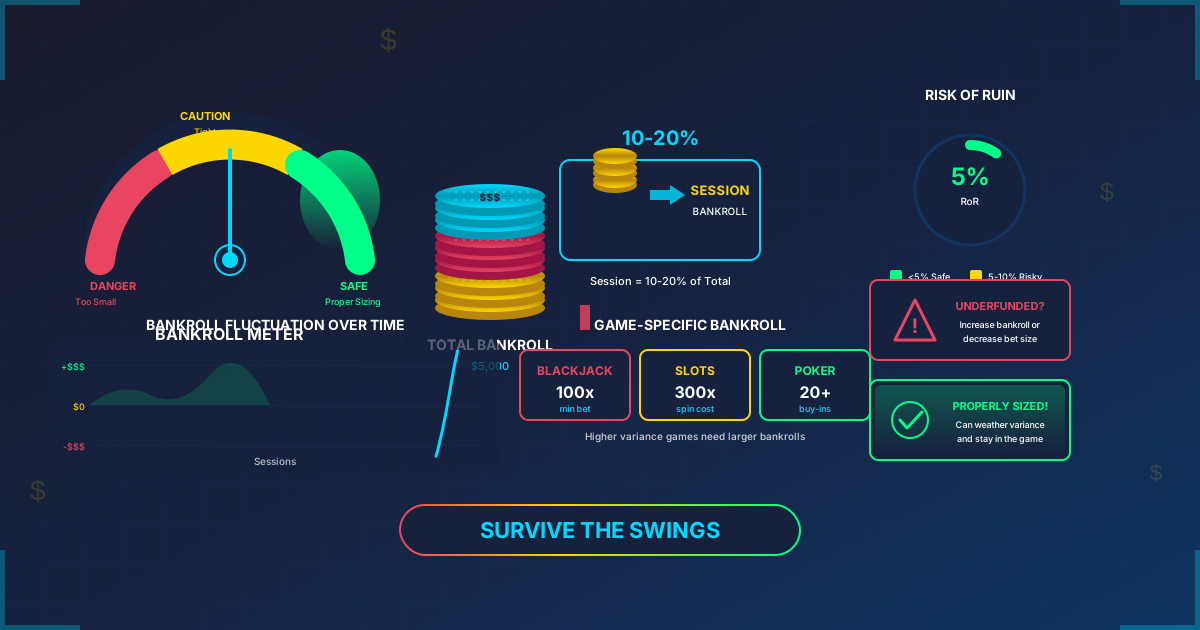
Finale betting bankroll:

3-4 chips per bet
Higher variance than even money
Need 20-30× bet for session

$20 finale (4 chips):
Session bankroll: $400-$600
For reasonable survival
Common Mistakes
1. Miscounting Chips
Mistake: Always using 4 chips Problem: Finales 7-9 need only 3 Fix: Know which digit group
2. Wrong Split Placements
Mistake: Invalid finale à cheval Problem: Not all splits possible Fix: Verify layout geometry
3. Expecting Pattern Value
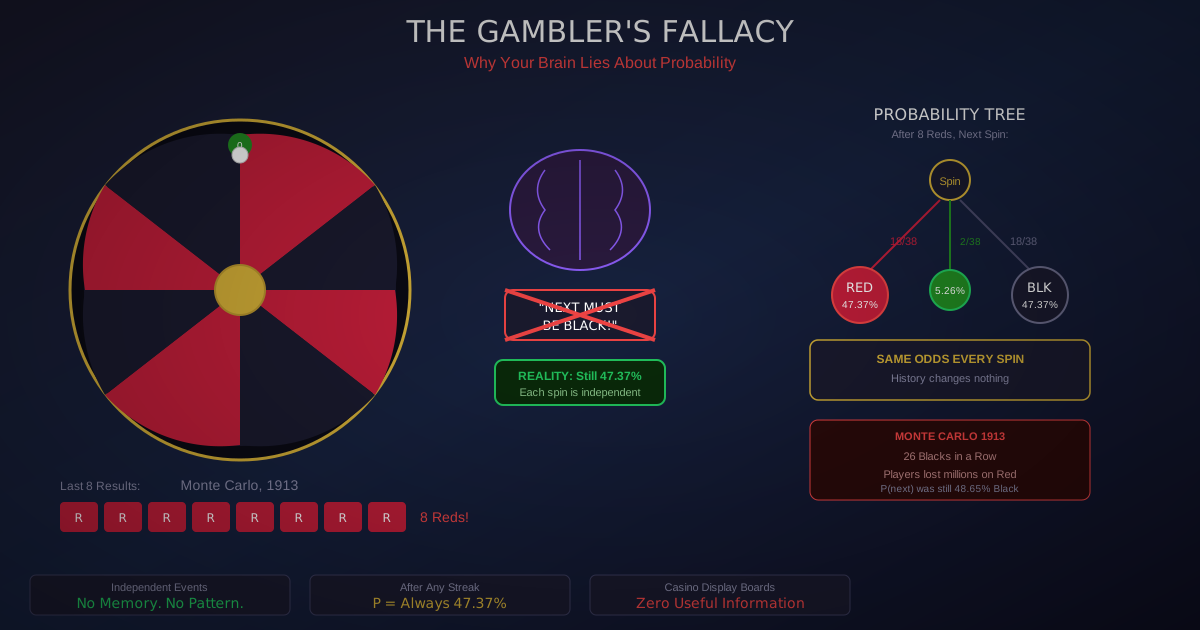
Mistake: "3s are running hot" Problem: Each spin independent Fix: Understand randomness
4. Overextending
Mistake: Multiple finales at once Problem: High chip commitment Fix: Match to bankroll
Frequently Asked Questions
What numbers does finale 5 cover?
Finale 5 en plein covers 5, 15, 25, and 35—all numbers ending in 5. Four chips required.
Is finale à cheval better than en plein?
Different, not better. À cheval covers more numbers with splits (17:1 pay) while en plein covers fewer with straight-ups (35:1 pay). Same house edge.
Why do some finales need 3 chips and others 4?
Numbers 0-36 have four numbers ending in 0-6 (like 0,10,20,30) but only three ending in 7-9 (like 7,17,27—no 37).
Can I bet finale on American roulette?
Yes, but 00 adds a number. Finale 0 would cover 0, 00, 10, 20, 30 (5 chips) on American wheels.
Are finale bets a good strategy?
No better or worse than other inside bets mathematically. Same 2.70% house edge. They're organizational preferences, not advantages.
How do I call a finale bet?
At tables with call bets: "Finale [number] en plein" or "Finale [X/Y] à cheval." Dealer places the chips for you.
Pro Tips
-
Know your digit group: 0-6 = 4 chips, 7-9 = 3 chips
-
Same 2.70% edge: No mathematical benefit
-
Layout familiarity: Helps with à cheval placements
-
Call bet tables only: Most available in European casinos
-
Bankroll accordingly: 3-4 chips per spin adds up
Related Calculators
- Roulette Odds Calculator - All bet types
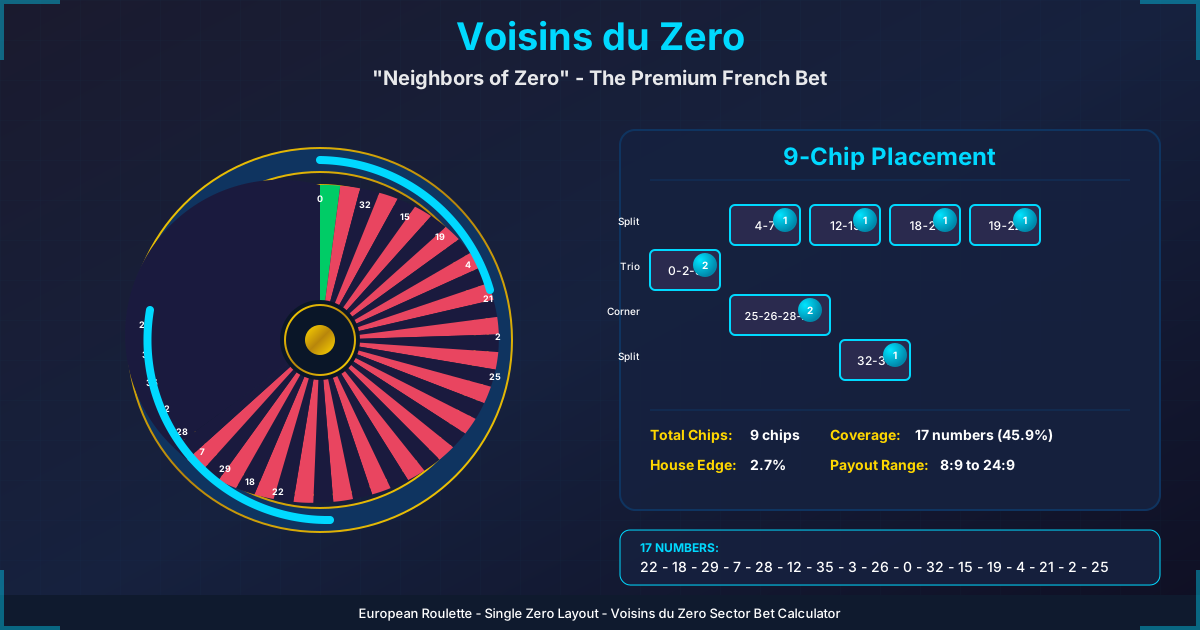
- Roulette Voisins Calculator - Section bets
- Roulette Neighbor Bet Calculator - Custom neighbors
- Roulette Expected Value Calculator - EV analysis
- House Edge Calculator - Compare games
Conclusion
Finale bets cover all numbers ending in your chosen digit—a French roulette tradition that groups numbers by their last numeral. Our calculator shows chip requirements for both finale en plein (straight-ups) and finale à cheval (splits), confirming the standard 2.70% house edge applies to this organized betting approach.
Calculate Finale Bet Odds Now →
Your "lucky 7" finale covers just three numbers (7, 17, 27) at an 8.1% hit rate—but pays 35:1 on straight-ups when it lands. Our calculator reveals the chip structure behind this French betting tradition.