Slots Payback Percentage Calculator: Understanding RTP (2026)
Slots Payback Percentage Calculator: What You Actually Get Back
Payback percentage (RTP) tells you what portion of money played a slot returns over time. A 95% RTP means $95 returned per $100 played on average. Our calculator shows how RTP translates to hourly cost and why small percentage differences matter significantly.
What Is Payback Percentage?
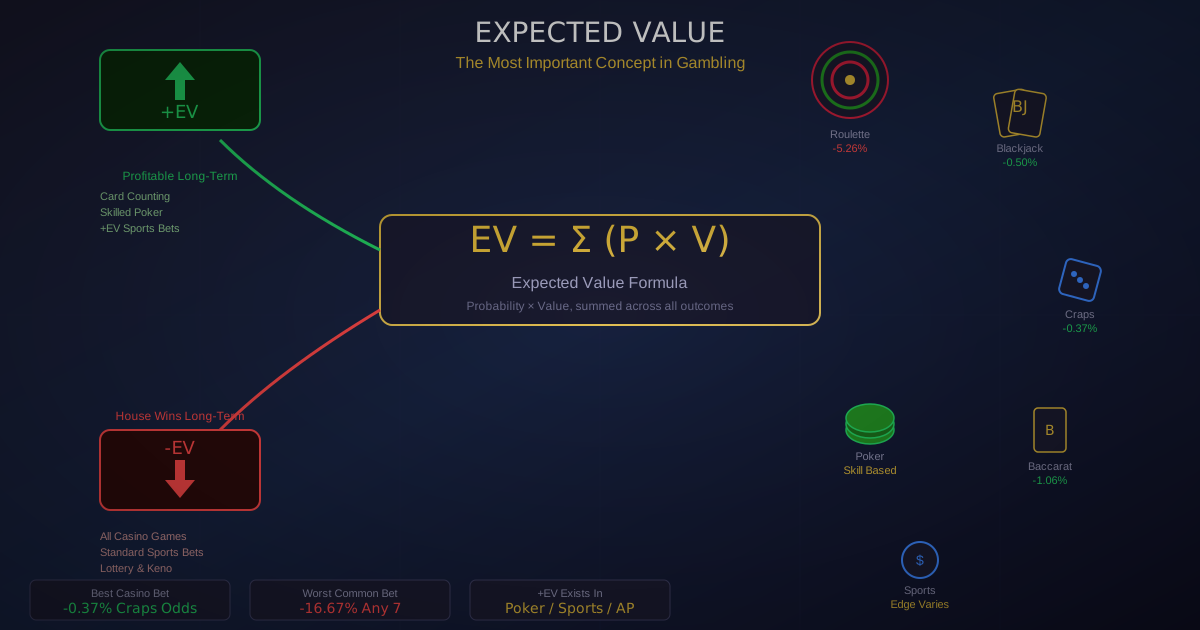
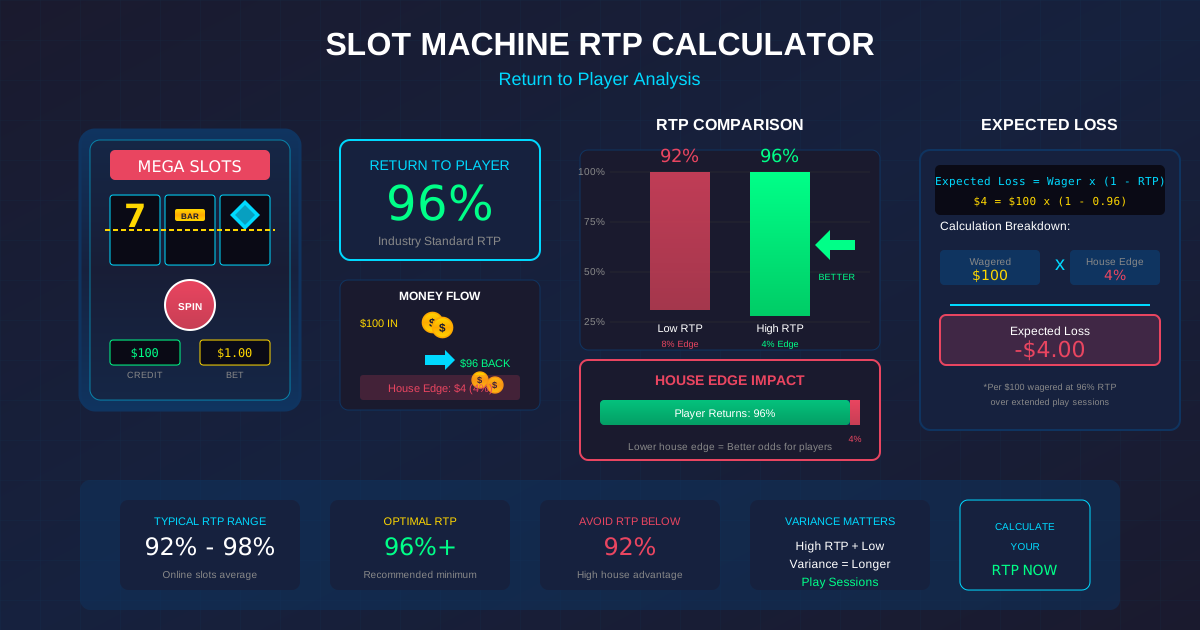
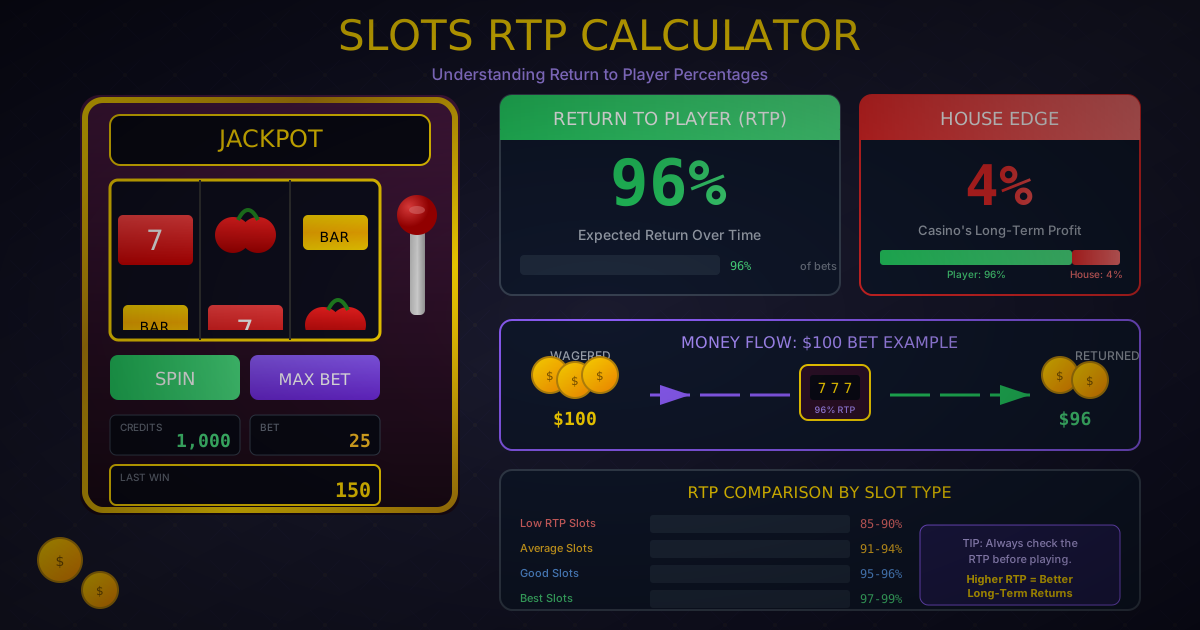
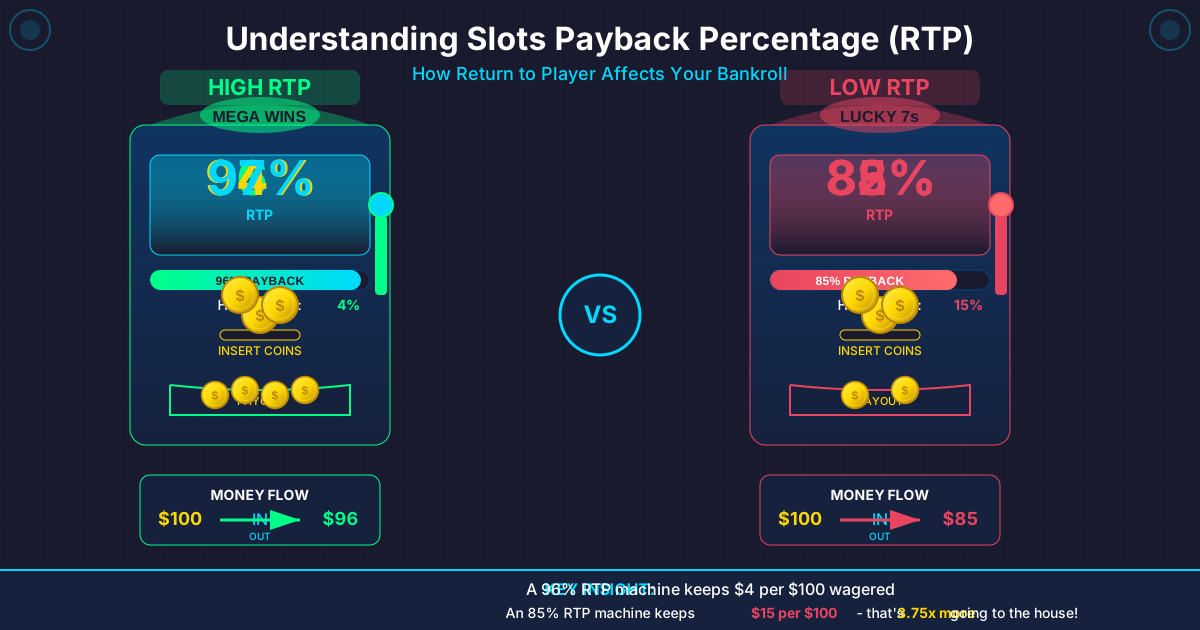
Return to Player (RTP) is the theoretical percentage of wagered money a slot returns over millions of spins. A 96% RTP machine keeps 4% (house edge) and returns 96%. This isn't per session—it's the long-term mathematical expectation.
Quick Answer: RTP = Return to Player (payback percentage). 96% RTP = 4% house edge. Higher RTP is better for players. Online slots often offer 95-97% RTP. Land-based casinos typically 85-92%. Expected hourly loss = (Bet × Spins/Hour × House Edge). Variance affects short-term results, RTP affects long-term cost.
How to Use Our Calculator
Enter machine details to see expected returns and hourly cost.
Step-by-Step Instructions
-
Enter RTP Percentage: Machine's return rate
-
Input Bet Per Spin: Average wager
-
Set Spins Per Hour: Play speed
-
View House Edge: 100% minus RTP
-
Calculate Hourly Cost: Expected loss rate
Input Fields Explained
| Field | Description | Example |
|---|---|---|
| RTP (Payback) | Return percentage | 96% |
| House Edge | Casino keeps | 4% |
| Bet Per Spin | Wager amount | $1.00 |
| Spins Per Hour | Play speed | 600 |
| Handle Per Hour | Total wagered | $600 |
| Expected Loss/Hour | Average cost | $24 |
RTP vs House Edge
The Relationship
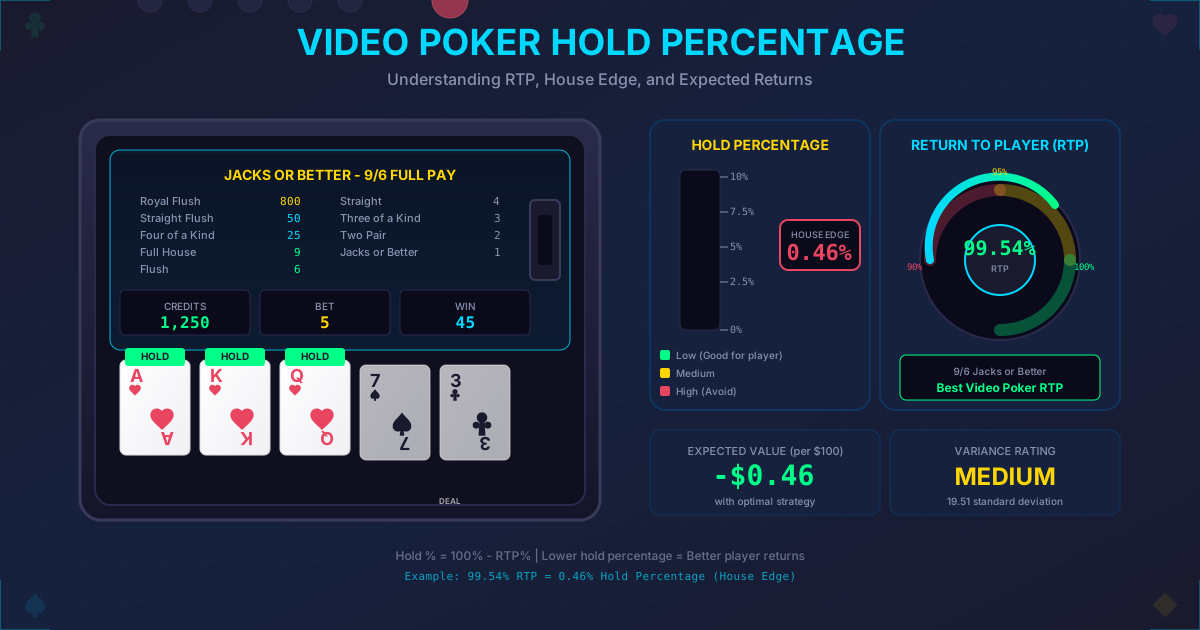
RTP + House Edge = 100%

96% RTP = 4% House Edge
92% RTP = 8% House Edge
85% RTP = 15% House Edge

Higher RTP = Lower House Edge
Lower House Edge = Less Cost to Play
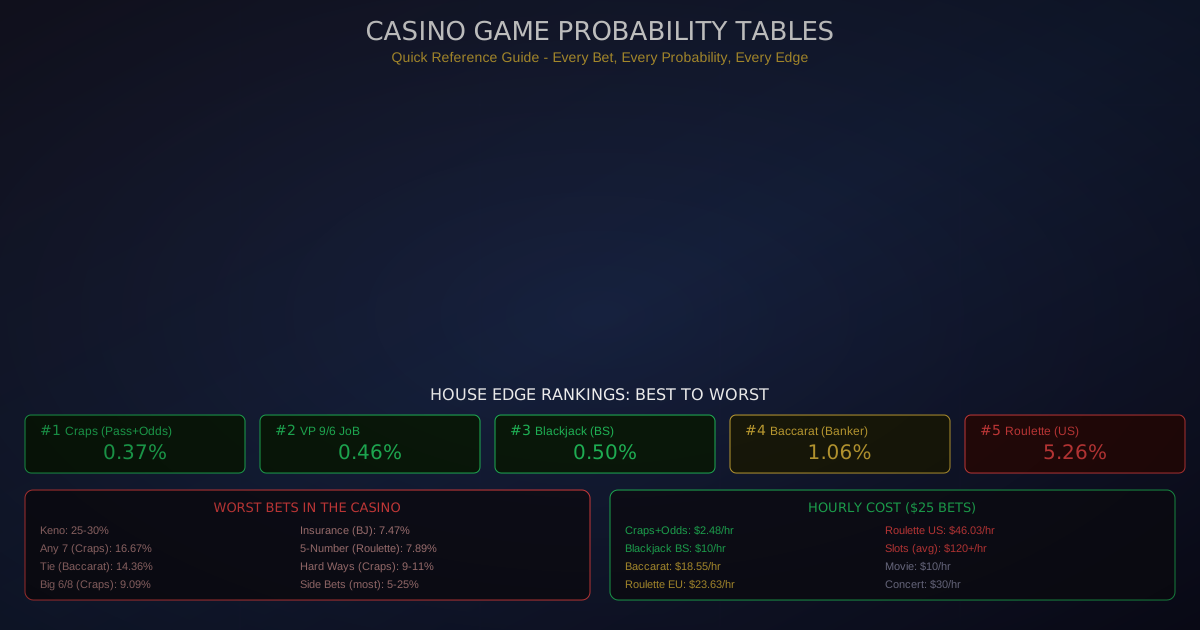
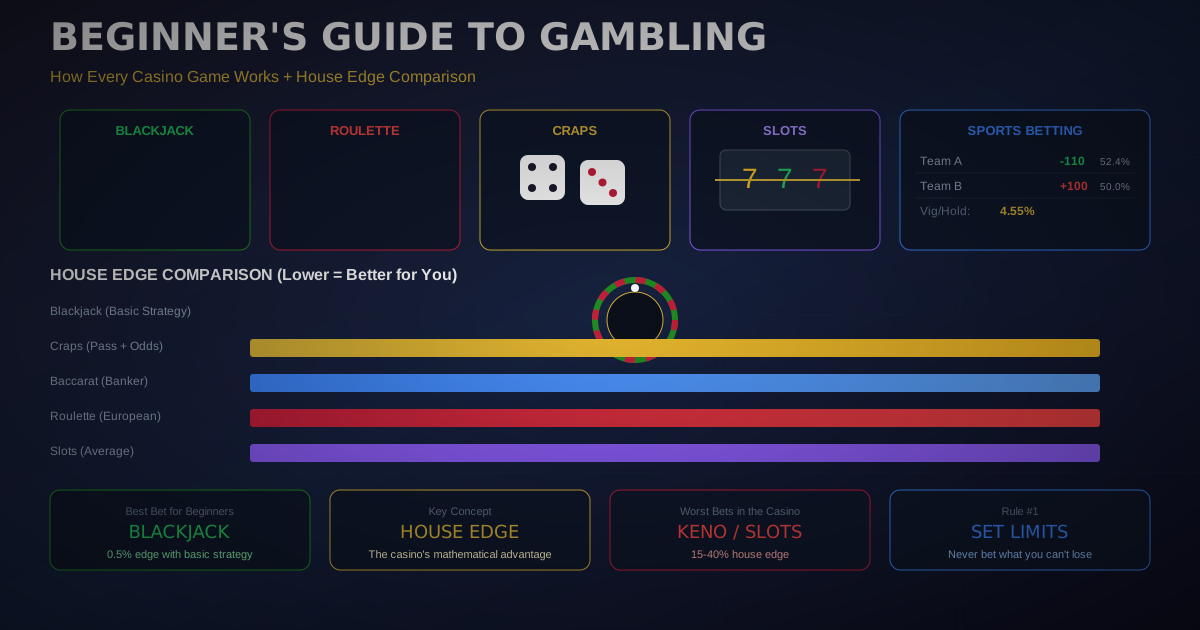
Comparison to Table Games
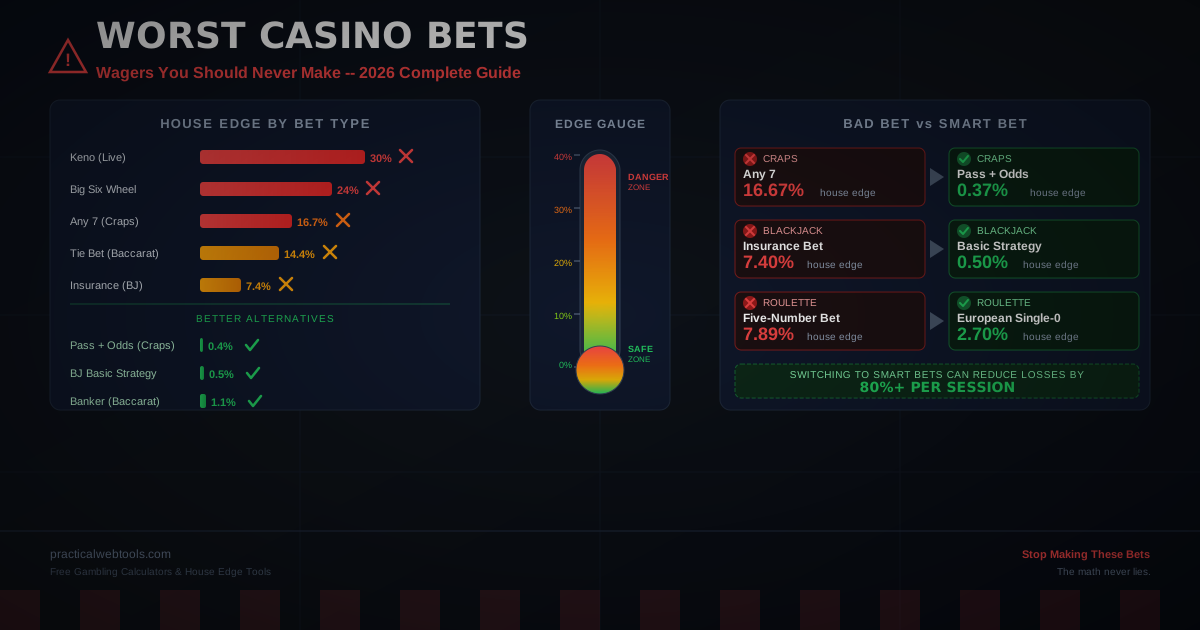
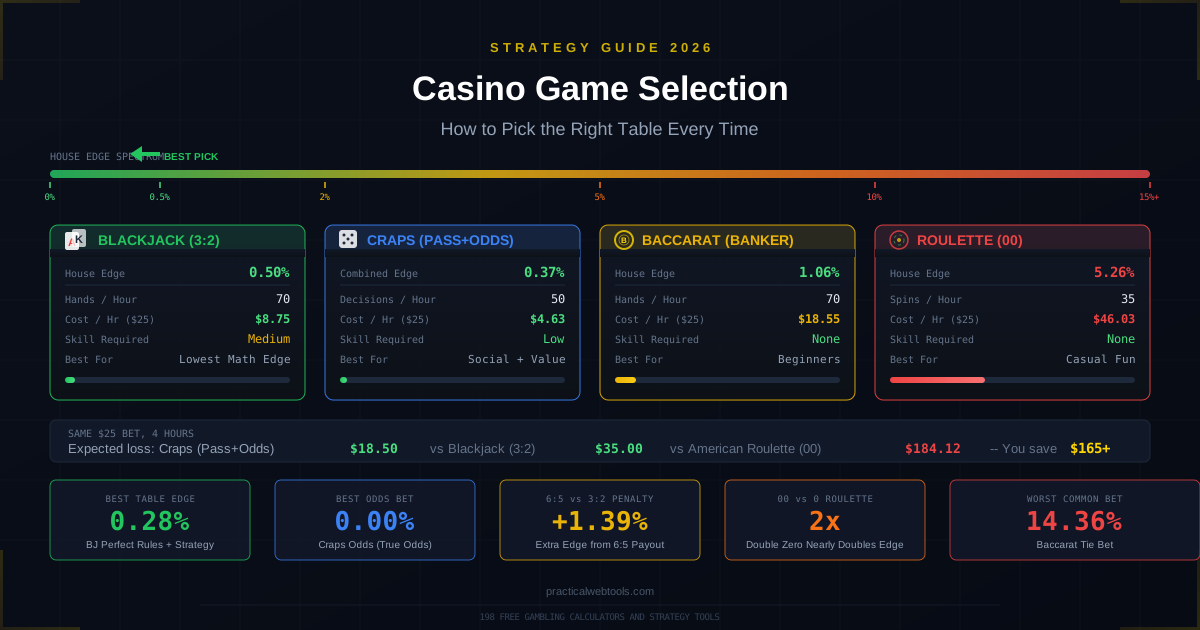
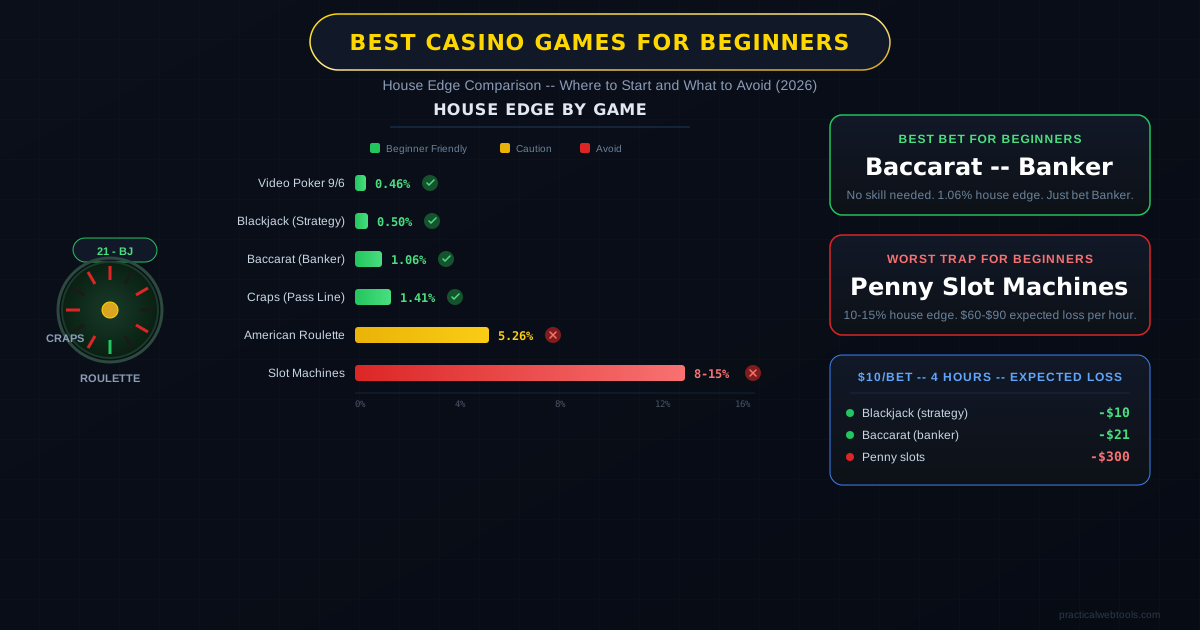
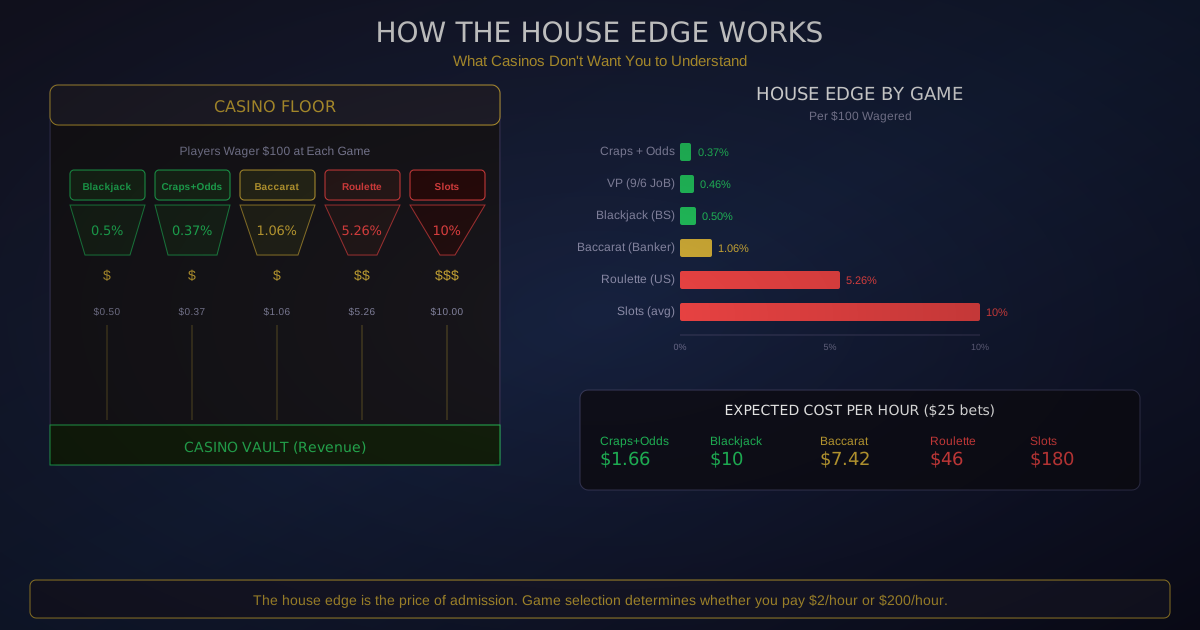
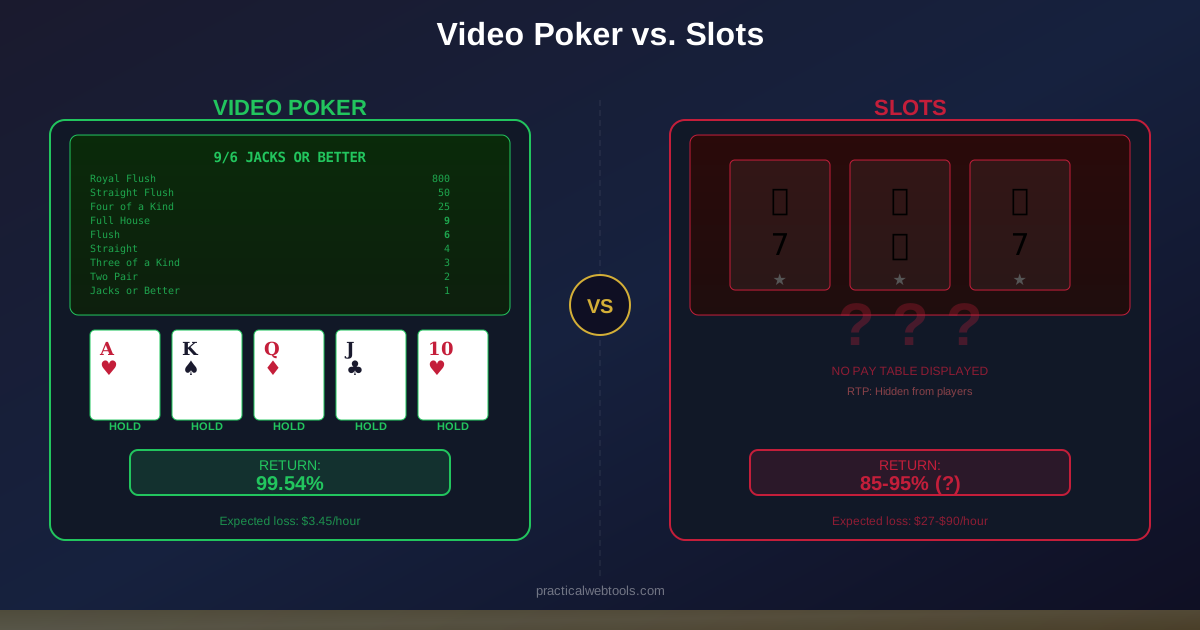
Slots: 85-97% RTP (3-15% edge)
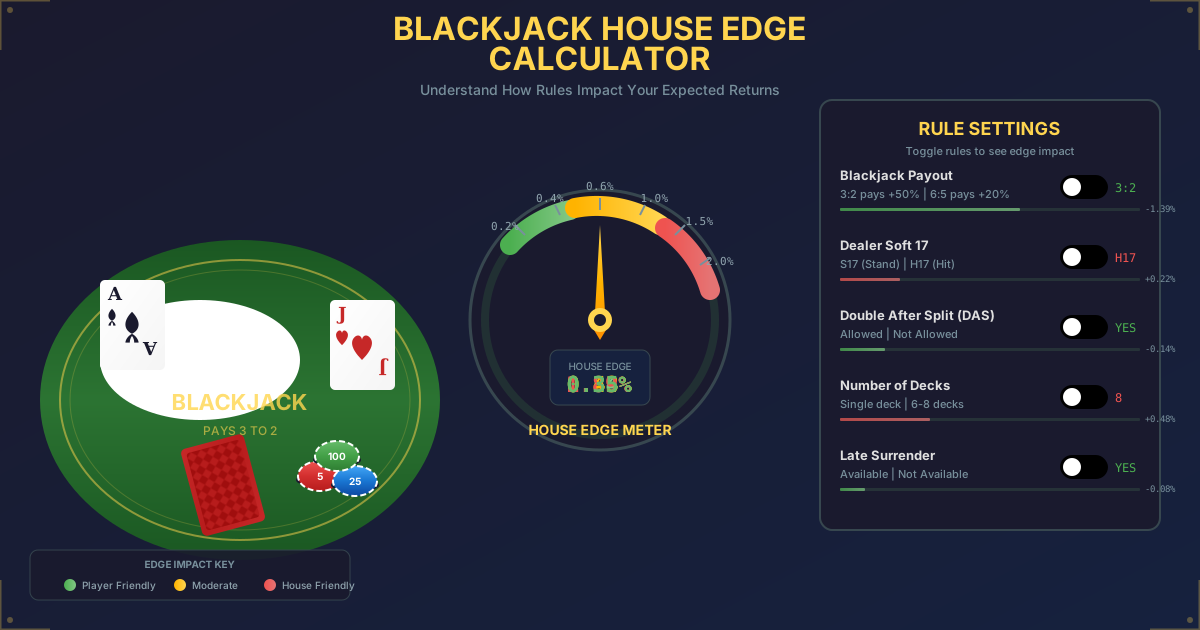
Blackjack: 99.5% RTP (0.5% edge)
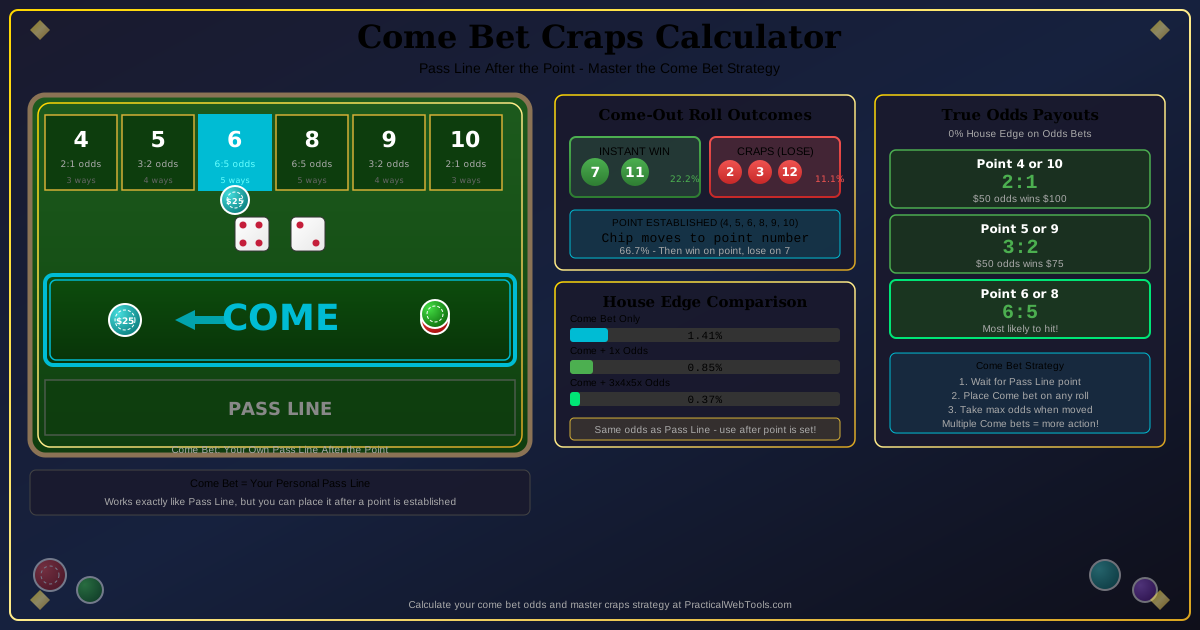
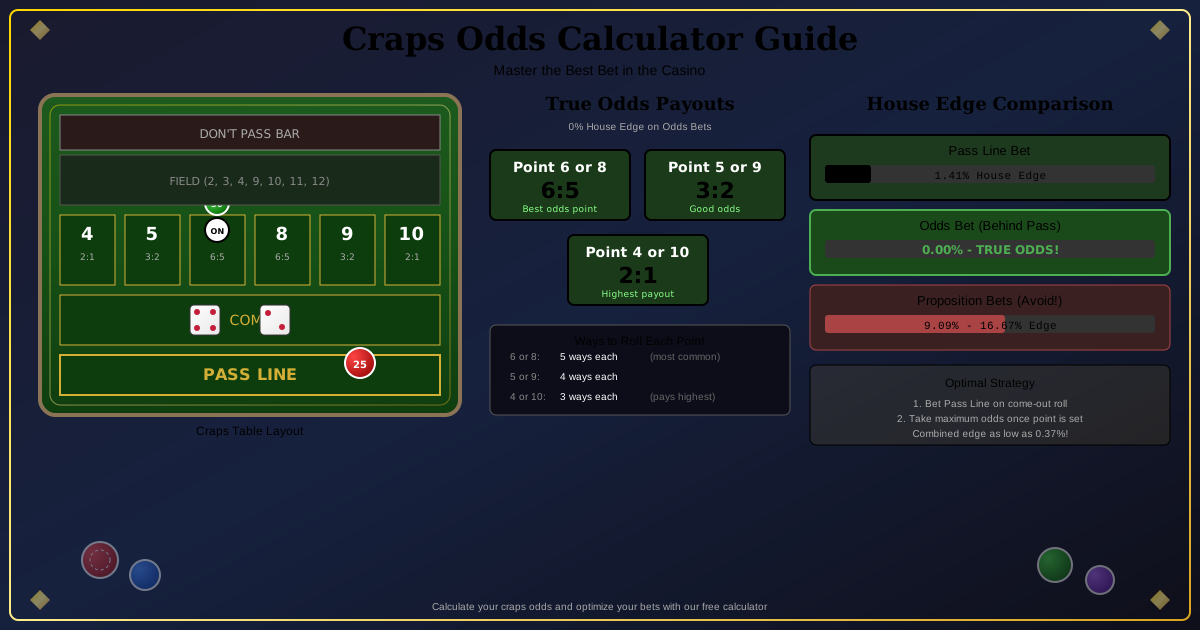
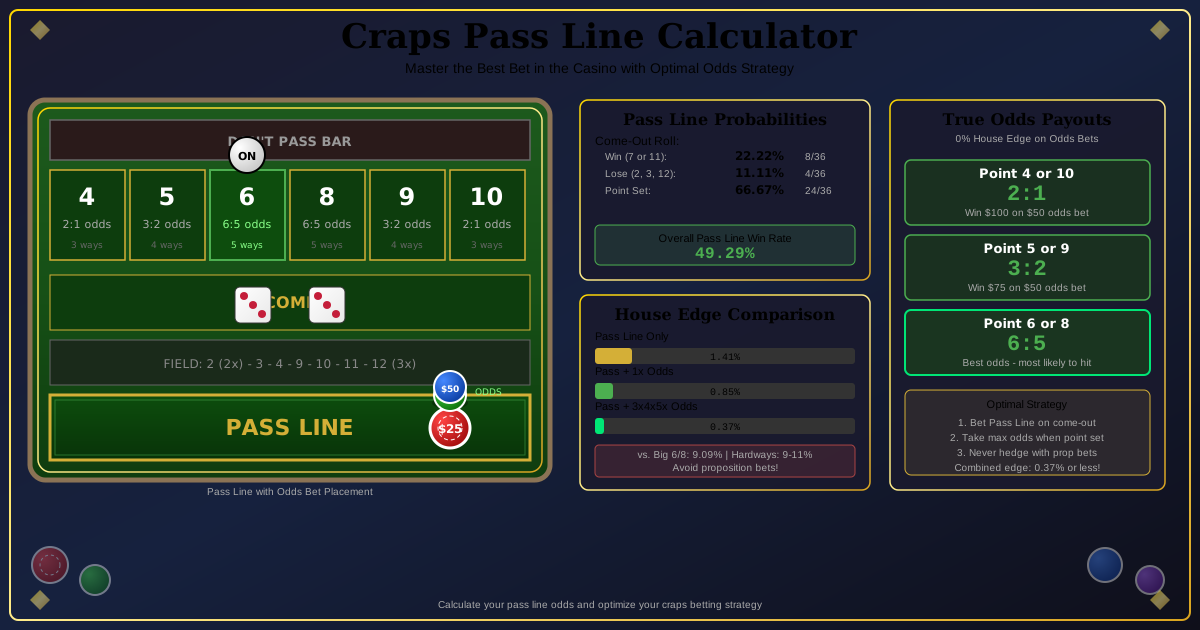
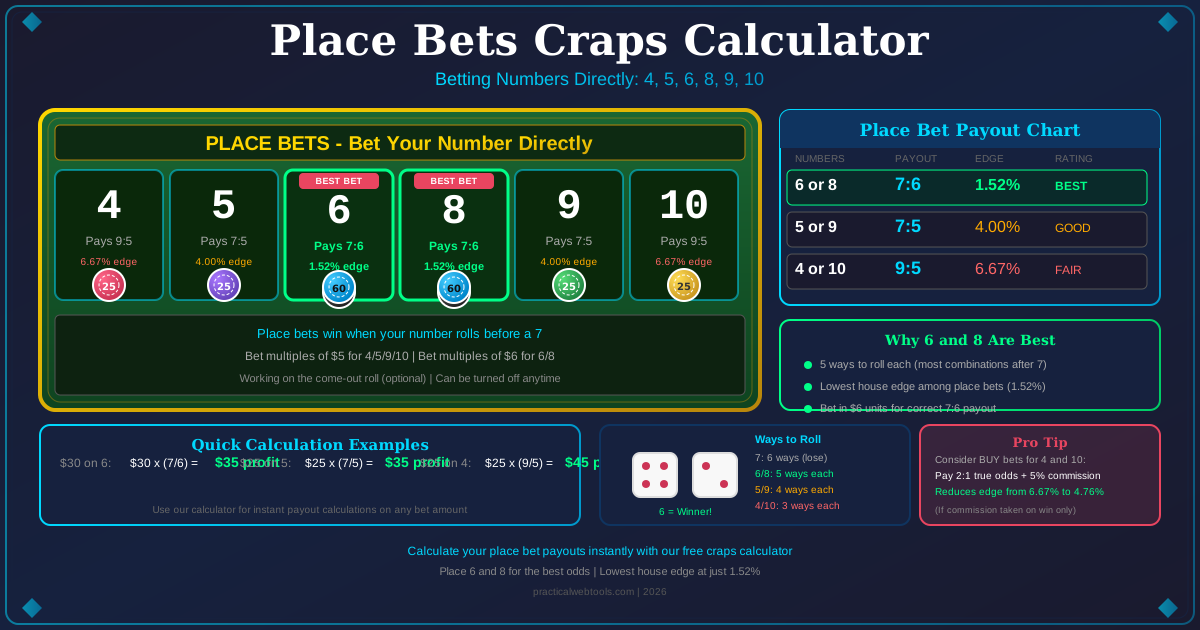
Craps (pass): 98.6% RTP (1.4% edge)
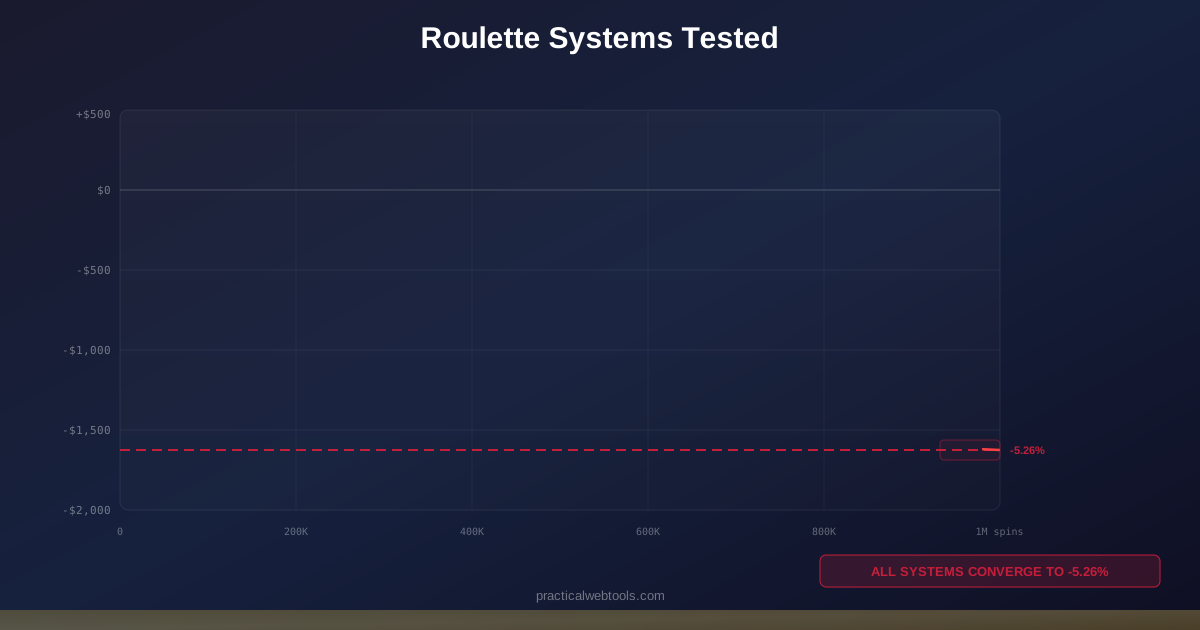
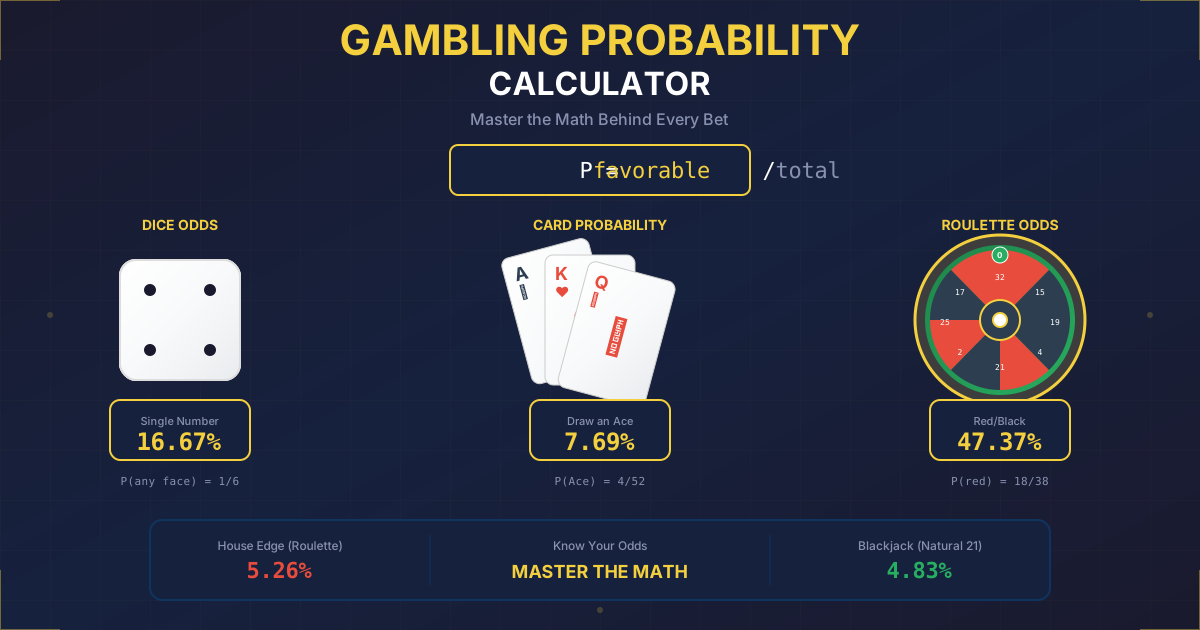
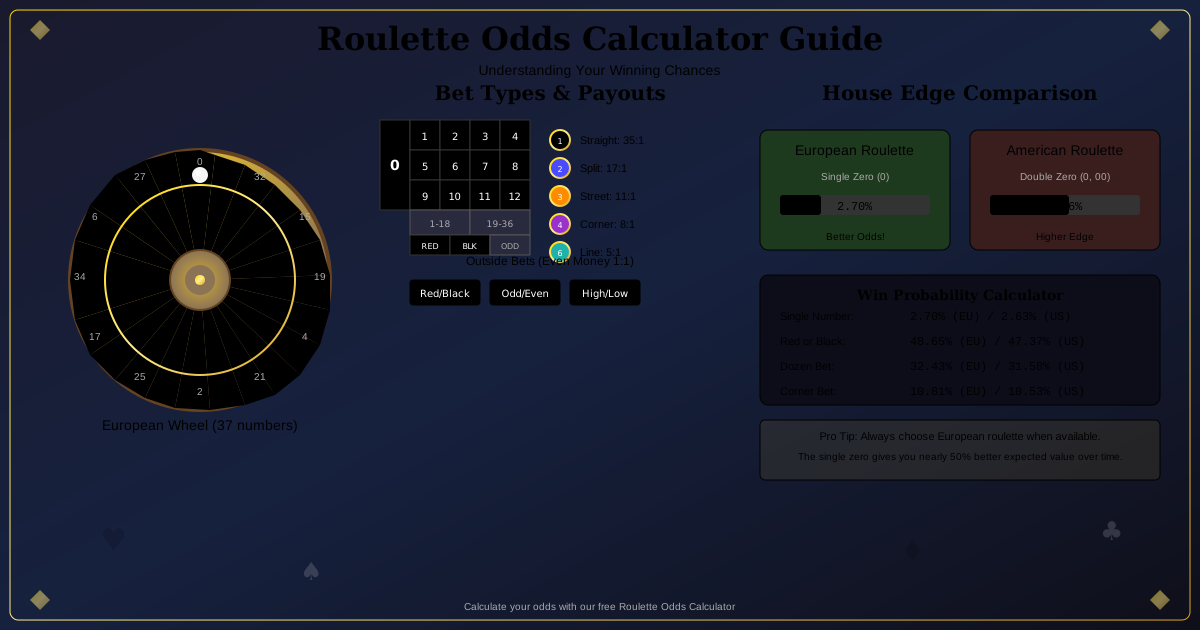
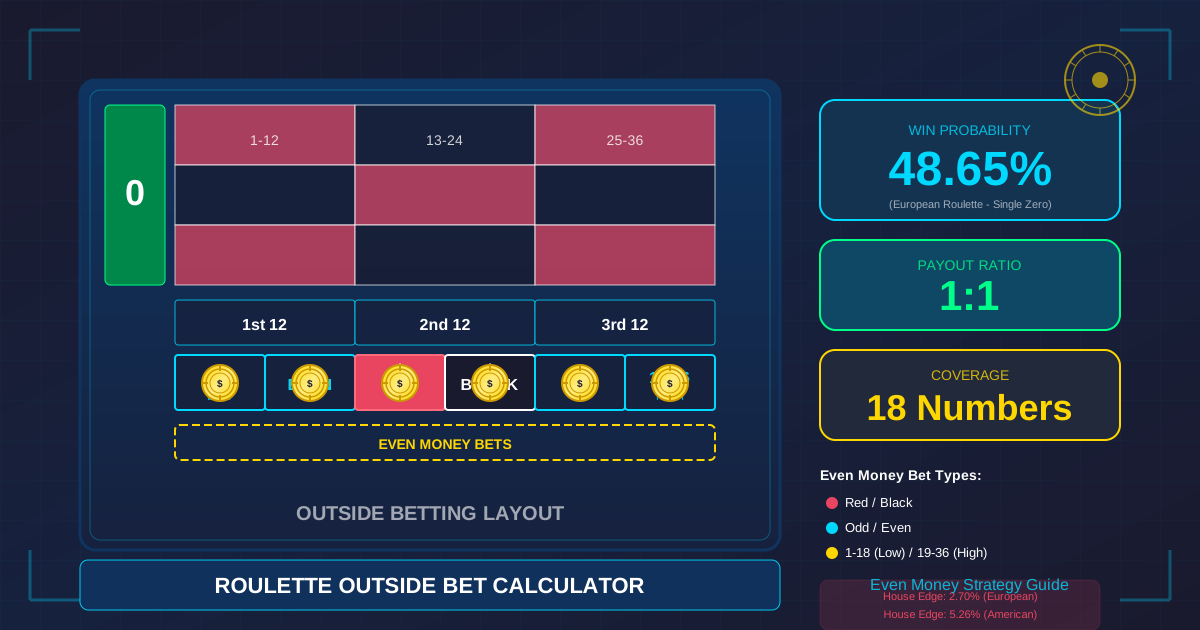
Roulette: 94.7% RTP (5.3% edge)

Slots have higher house edge
Compensated by entertainment value
And occasional large payouts
RTP Categories
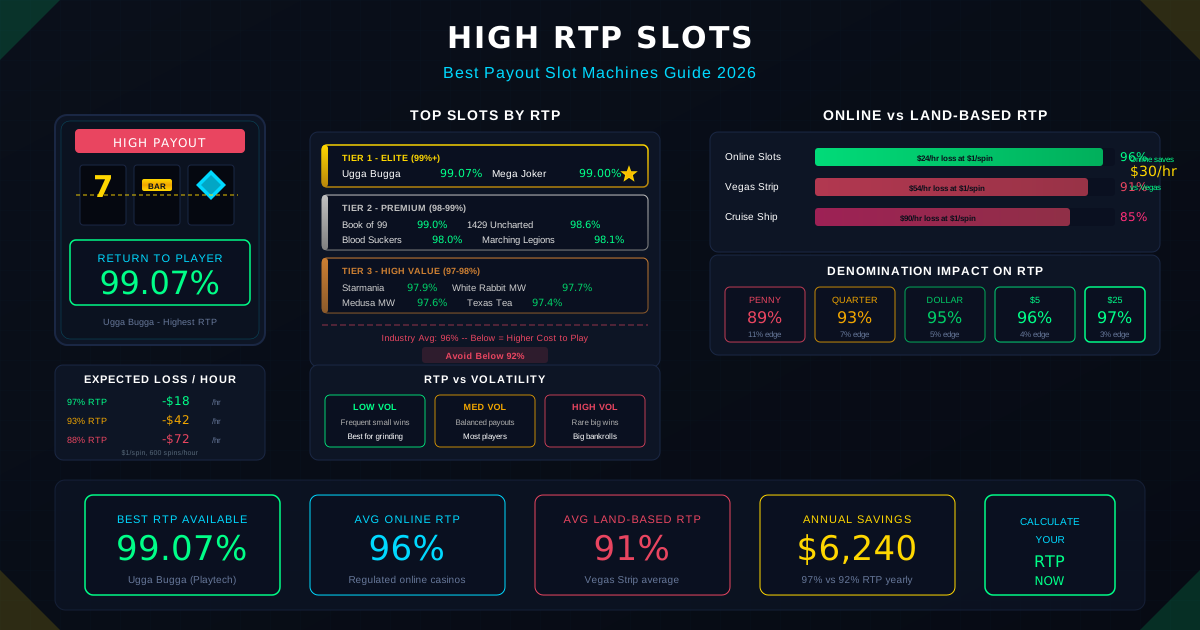
High RTP (96%+)
Online slots often:
- 96-97% RTP common
- Some reach 98%+
- Best value for players

Examples:
- Mega Joker: 99%
- 1429 Uncharted Seas: 98.6%
- Blood Suckers: 98%
Medium RTP (92-95%)
Casino floor standard:
- 92-95% typical
- Better than minimum
- Acceptable for entertainment

Found at:
- Higher denomination machines
- Newer slot releases
- Competitive markets (Vegas)
Low RTP (85-91%)
Budget-conscious casinos:
- 85-91% range
- Maximum profit extraction
- Worst value for players

Found at:
- Airport slots
- Convenience store machines
- Monopoly markets
Hourly Cost Calculations
Formula
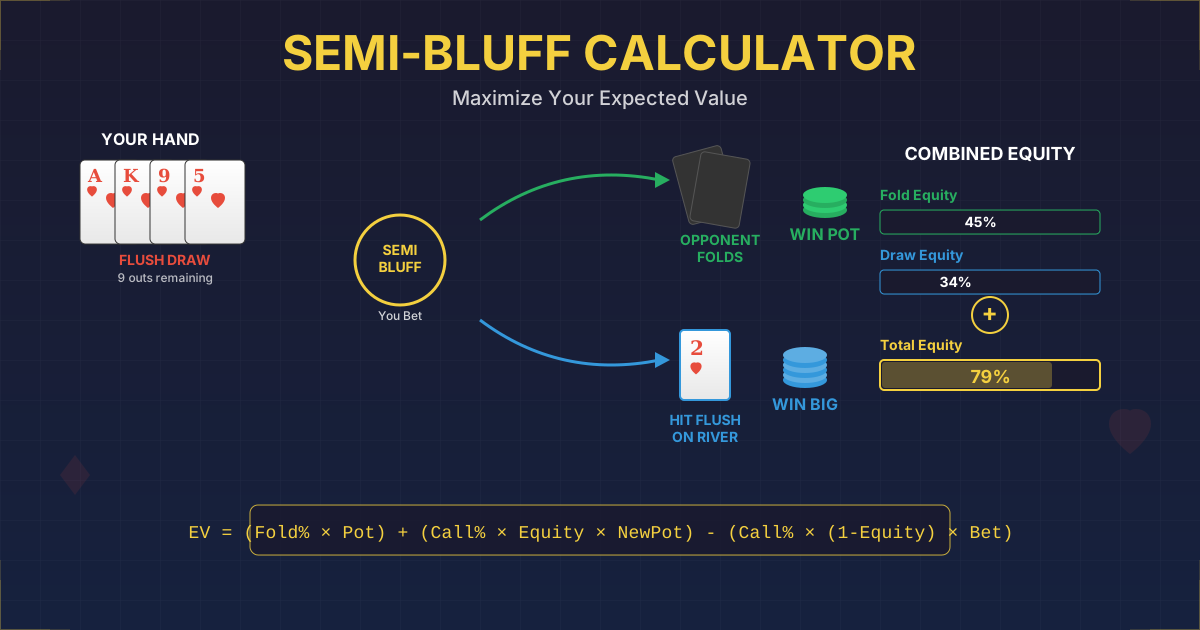
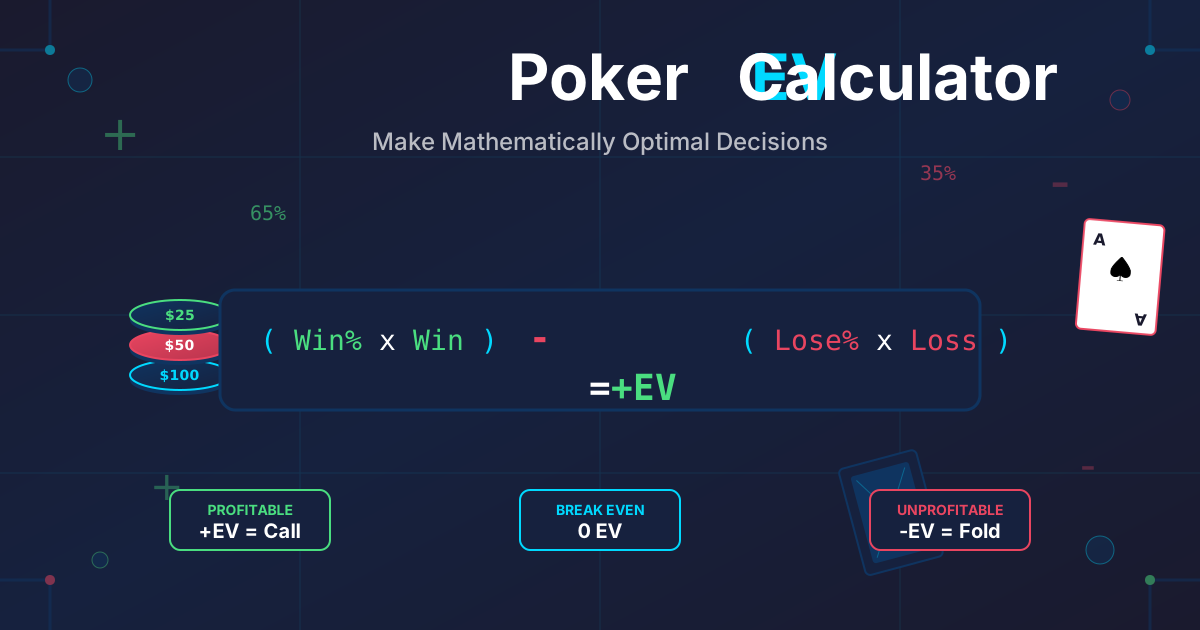
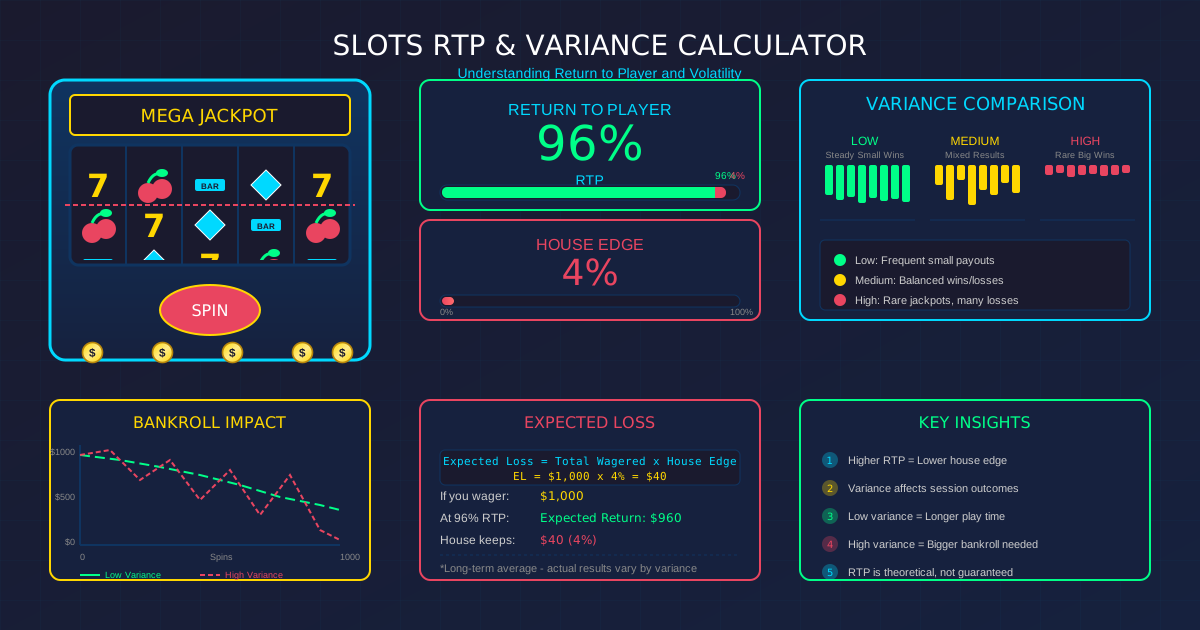
Hourly Loss = Bet × Spins/Hour × House Edge

Example (High RTP):
$1 × 600 spins × 4% = $24/hour

Example (Low RTP):
$1 × 600 spins × 15% = $90/hour

Same play, 3.75x cost difference!
Speed Impact
Slow player (300 spins/hour):
$1 × 300 × 4% = $12/hour

Fast player (900 spins/hour):
$1 × 900 × 4% = $36/hour

Speed dramatically affects cost
Slower play = cheaper entertainment
Bet Size Impact
$0.25 bets (96% RTP):
$0.25 × 600 × 4% = $6/hour

$5.00 bets (96% RTP):
$5.00 × 600 × 4% = $120/hour

20x bet = 20x cost
Denomination is major factor
Real-World Examples
Example 1: Online vs Land-Based
Online slot: 97% RTP, $0.50 bet, 500 spins/hour
Handle: $250/hour
House edge: 3%
Expected loss: $7.50/hour
Land-based slot: 91% RTP, $0.50 bet, 500 spins/hour
Handle: $250/hour
House edge: 9%
Expected loss: $22.50/hour
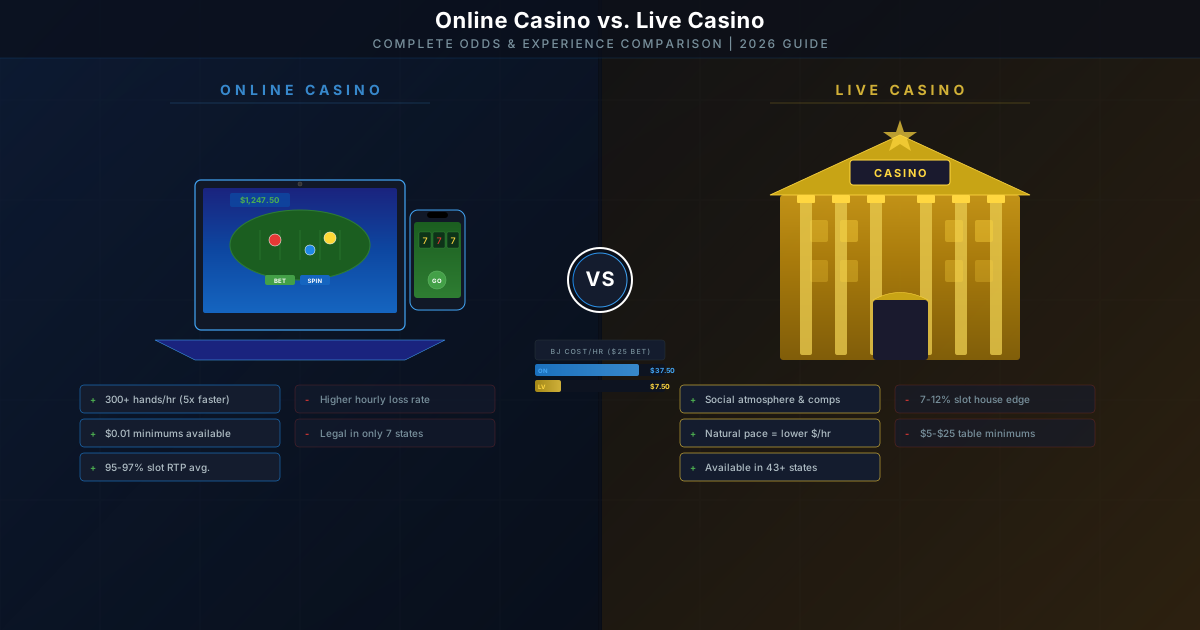
Online costs 3x less for same play pattern.
Example 2: Denomination Comparison
Quarter machine (92% RTP):
Bet: $0.75 (3 coins)
600 spins/hour
Handle: $450
Expected loss: $36/hour
Dollar machine (95% RTP):
Bet: $3.00 (3 coins)
600 spins/hour
Handle: $1,800
Expected loss: $90/hour
Higher RTP doesn't offset higher bet.
Example 3: Session Budget
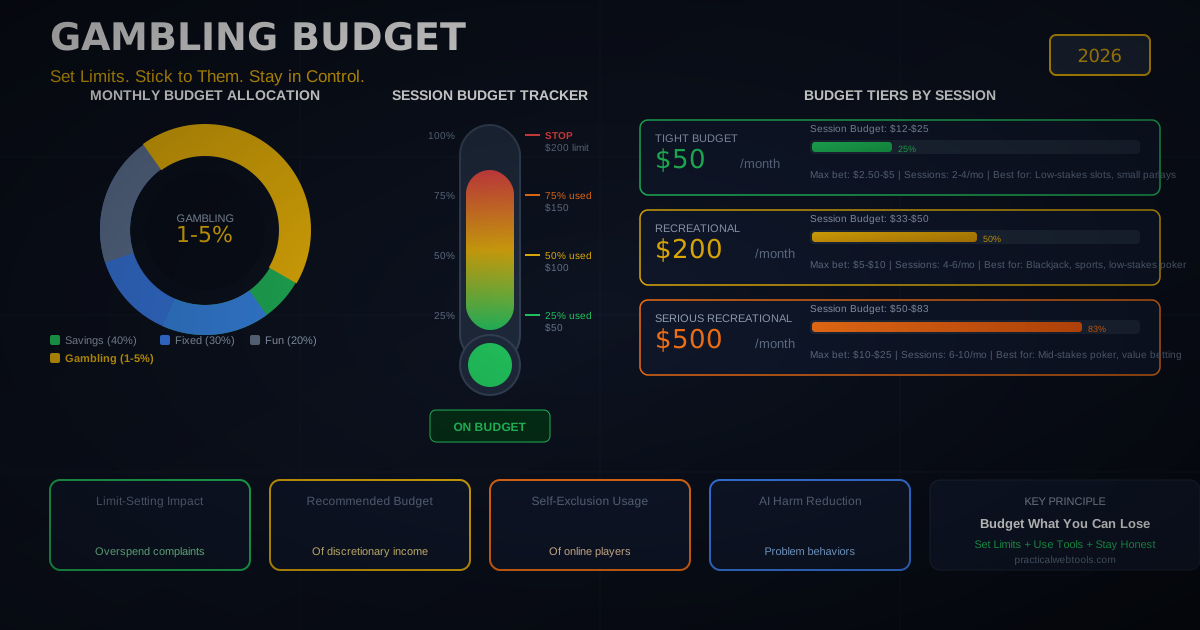
Budget: $200, 4-hour session target
96% RTP slot:
Hourly loss: $24 (at $1, 600 spins)
4 hours: $96 expected loss
Likely to last full session
88% RTP slot:
Hourly loss: $72 (at $1, 600 spins)
4 hours: $288 expected loss
Budget may run out early
Example 4: Annual Player
Player: $100/session, 50 sessions/year, $1 bets
96% RTP machines:
Annual play: $5,000 wagered
Expected loss: $200/year
90% RTP machines:
Annual play: $5,000 wagered
Expected loss: $500/year
$300/year difference from RTP alone.
Finding Higher RTP Machines
Online Casinos
Advantages:
- RTPs often published
- Generally higher (95-98%)
- Can research before playing
- Third-party auditing

How to find:
- Check game info/help menu
- Look up manufacturer specs
- Read casino reviews
- Check RTP databases
Land-Based Casinos
RTPs rarely posted individually
State minimums:
- Nevada: 75% (actual ~92%+)
- New Jersey: 83%
- Others vary

Better machines typically:
- Higher denominations
- Competitive locations
- Featured positions
Jurisdiction Minimums
State/Region minimums:

Nevada: 75%
New Jersey: 83%
Mississippi: 80%
Michigan: 80%
UK: Must display RTP
Online (Malta): Must be audited

Minimums are floors, not averages
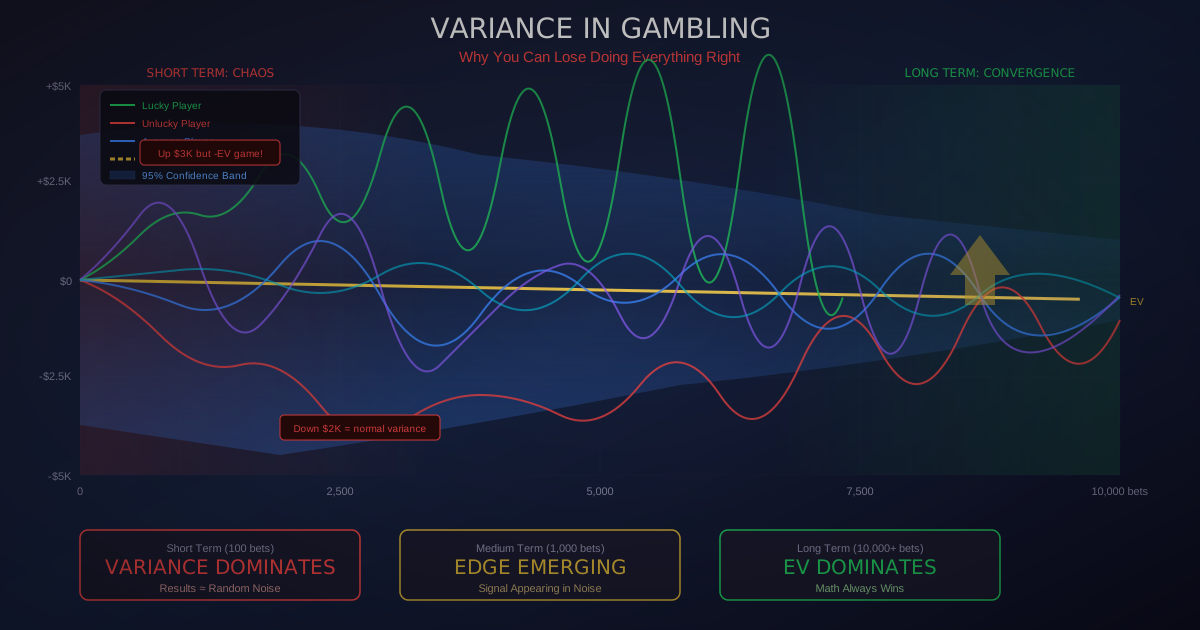
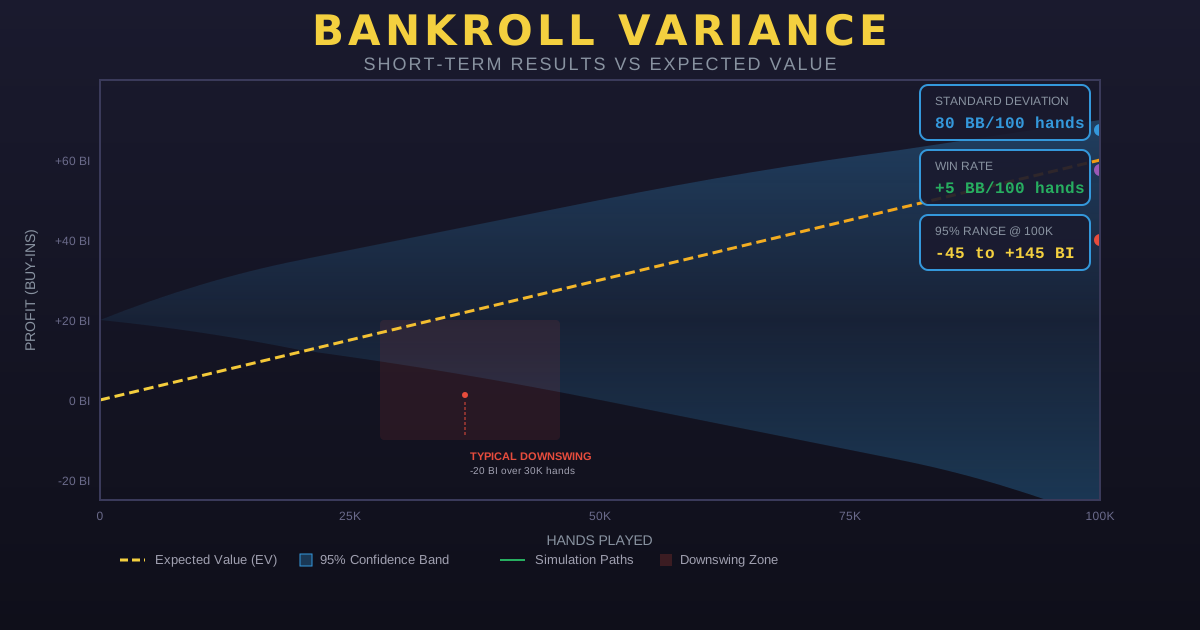
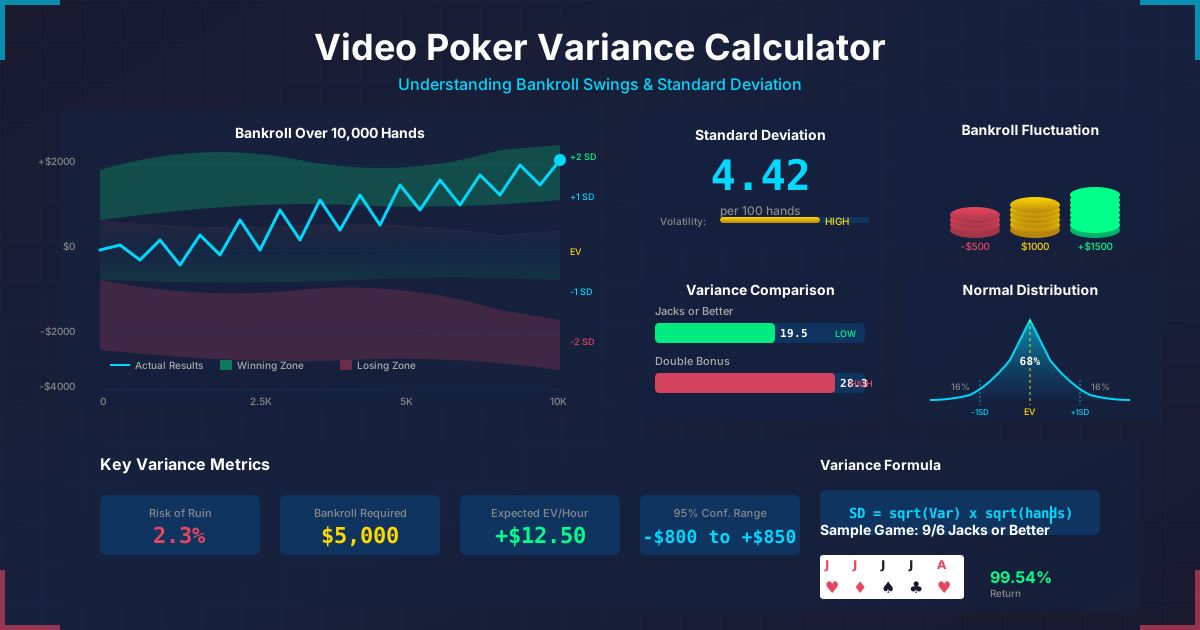
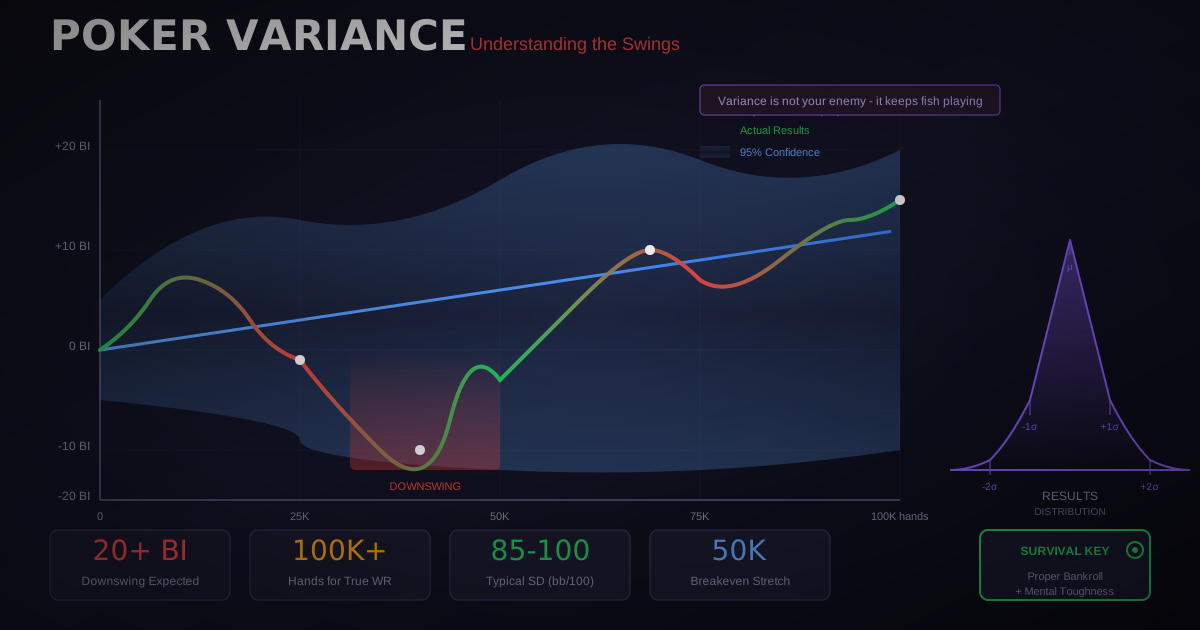
Variance vs RTP
Understanding the Difference
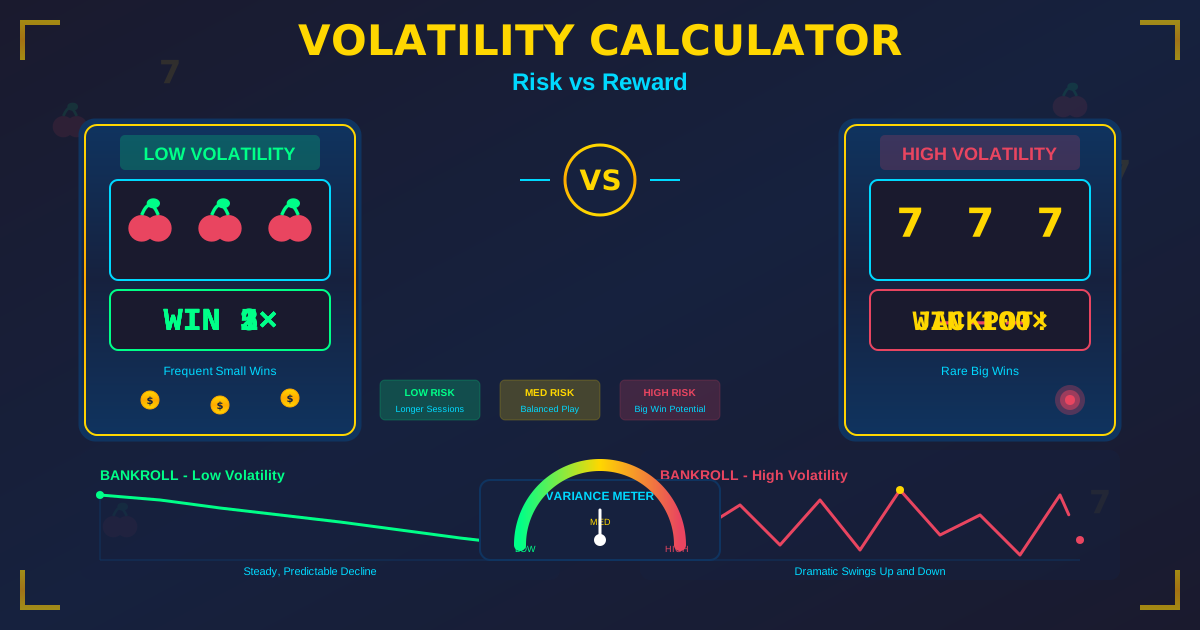
RTP: Long-term return percentage
Variance: How results are distributed

High RTP + Low Variance:
- Frequent small wins
- Gradual bankroll decline
- Longer play time

High RTP + High Variance:
- Rare big wins
- Fast bankroll swings
- Shorter or longer sessions
Why Both Matter
Two 96% RTP slots:

Slot A (low variance):
- Wins often, small amounts
- Predictable session length
- Steady entertainment

Slot B (high variance):
- Wins rarely, bigger amounts
- Unpredictable sessions
- Potential for big wins/fast bust

Same RTP, different experiences
Common Mistakes
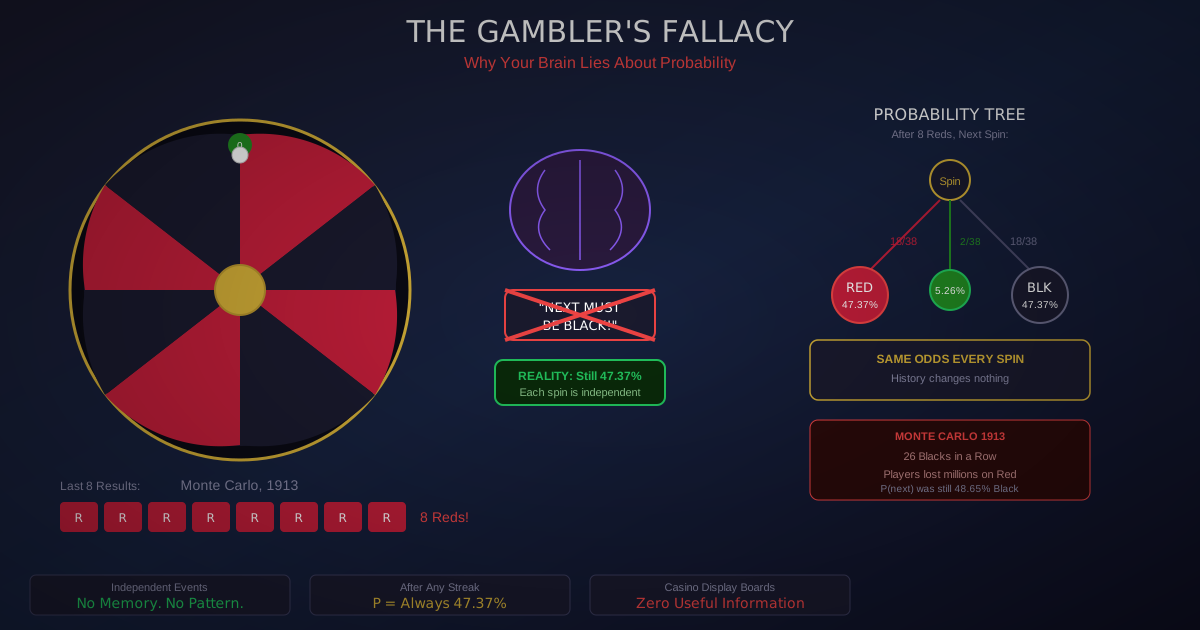
1. Confusing RTP with Session Results
Mistake: "96% RTP means I'll get $96 back from $100" Problem: RTP is millions of spins average Fix: Understand variance dominates short-term
2. Ignoring Denomination
Mistake: Chase high RTP on dollar machines Problem: Higher bet negates RTP advantage Fix: Calculate actual hourly cost
3. Believing Casino "Loose Slot" Claims
Mistake: Trust marketing about loose machines Problem: "Up to 99%" may be one machine Fix: Assume 90-92% for most floor machines
4. Not Checking Online RTPs
Mistake: Play without researching Problem: Missing easy information Fix: Check game help/info for RTP
Frequently Asked Questions
Is RTP guaranteed for my session?
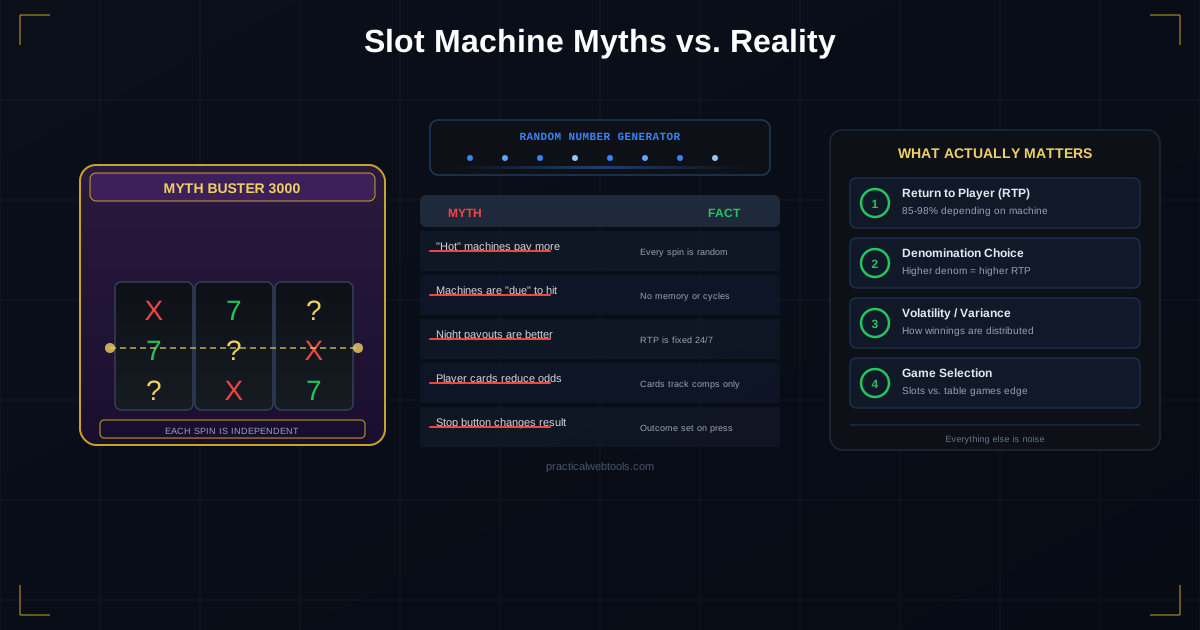
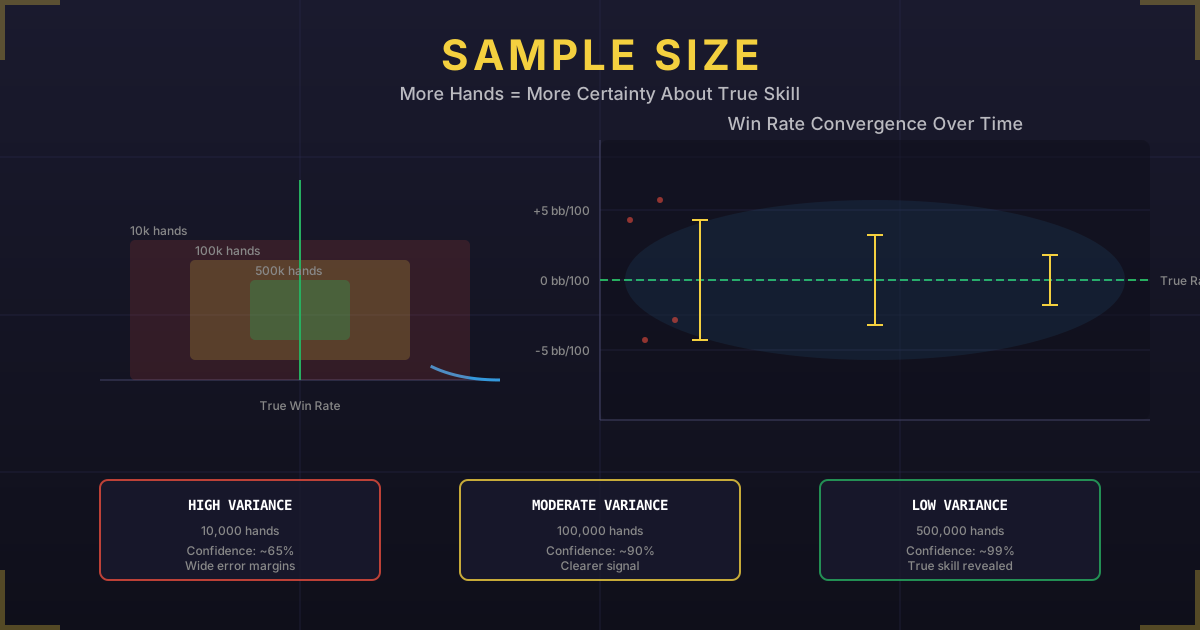
No. RTP is long-term mathematical expectation. Short sessions can vary wildly above or below RTP due to variance.
Do casinos change RTP remotely?
Not legally on a spin-by-spin basis. RTP is set by chip/software. Changes require regulatory approval and machine service.
Why do casinos keep slots with 85% RTP?
Players still play them. Location, themes, and convenience matter to many players more than optimal RTP.
Can I tell a machine's RTP by playing?
Not reliably. You'd need millions of spins. Short-term results don't indicate RTP—that's variance.
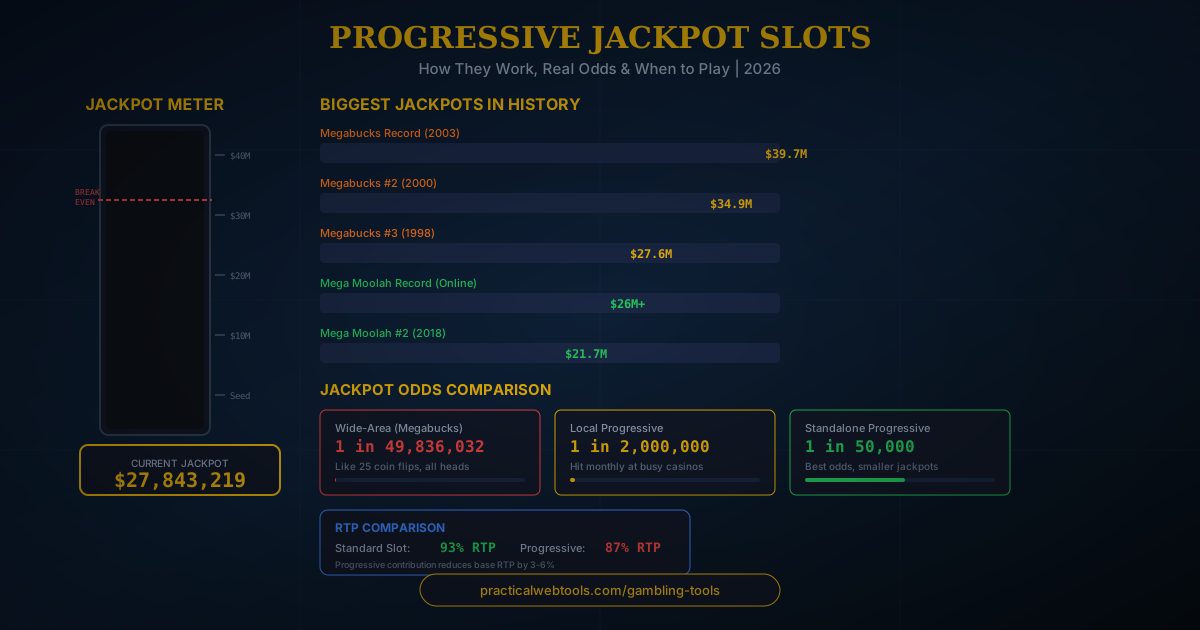
Are progressive slots worse RTP?
Often yes. Part of each bet funds the jackpot, reducing base game RTP. Check specific game specs.
Does betting max improve RTP?
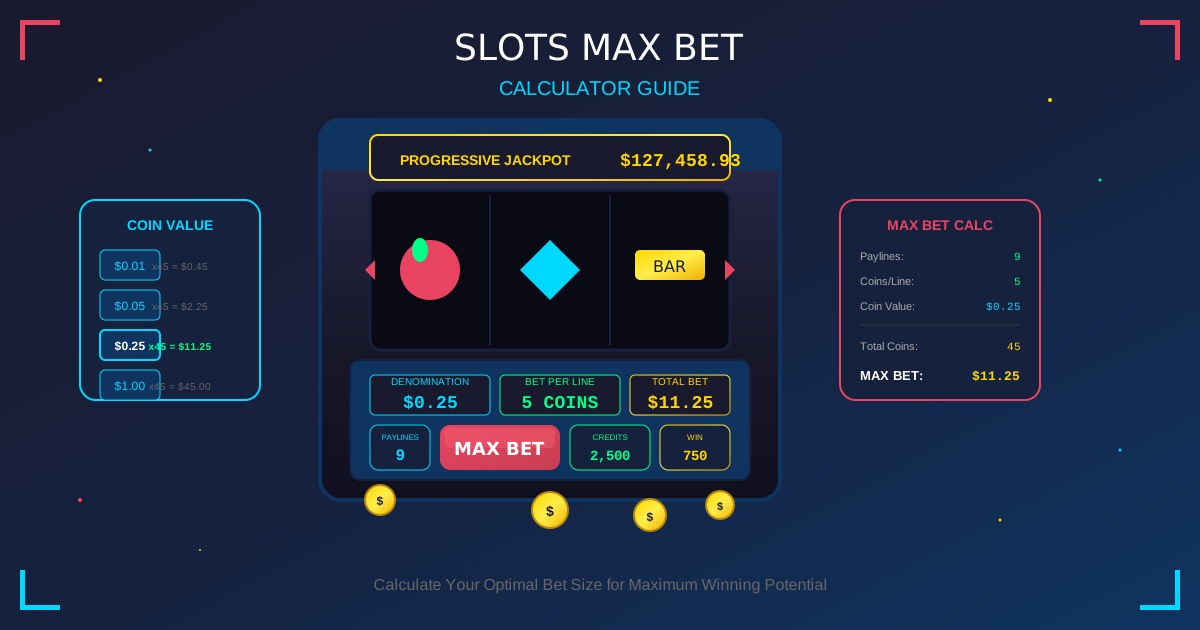
Sometimes. Some slots have better RTPs at max bet. Others are the same at all levels. Check game rules.
Pro Tips
-
Research online RTPs: Information is available
-
Higher denomination = higher RTP: Generally true
-
Speed kills bankroll: Slower play lasts longer
-
Variance matters too: RTP isn't everything
-
Calculate hourly cost: Know what you're spending
Related Calculators
- Slots Volatility Calculator - Variance analysis
- Slots Expected Value Calculator - EV breakdown
- House Edge Calculator - Edge comparison
- Gambling Bankroll Calculator - Session planning
- Expected Value Calculator - EV fundamentals
Conclusion
Payback percentage determines your long-term cost of playing slots. Our calculator translates RTP into hourly losses, showing how a few percentage points can mean hundreds of dollars difference over time.
The difference between 96% and 90% RTP is massive when multiplied by hours of play. Our calculator reveals the true cost, helping you choose machines that deliver more entertainment per dollar wagered.