Roulette Neighbor Bet Calculator: Wheel Section Coverage (2026)
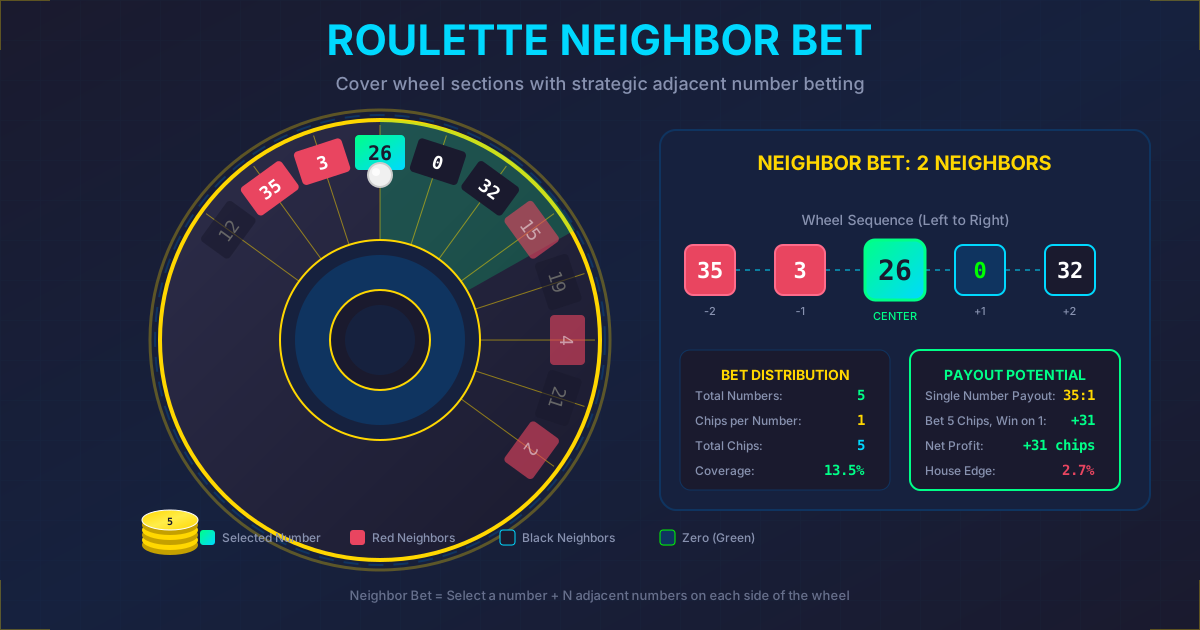
Roulette Neighbor Bet Calculator: Covering Wheel Sections
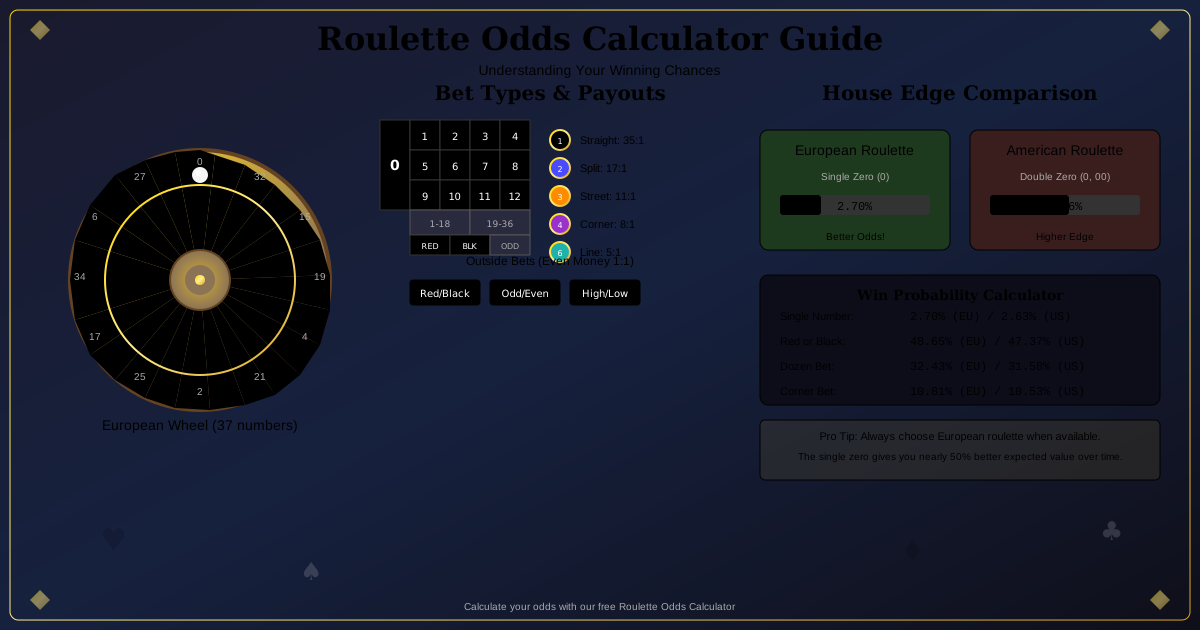
Neighbor bets cover a number and its adjacent positions on the wheel—not the layout. Our calculator shows coverage, payouts, and probability for this European roulette specialty that targets wheel sections.
What Is a Neighbor Bet?
A neighbor bet covers a chosen number plus its neighbors on the roulette wheel (not the betting layout). "17 and neighbors" typically covers 17 plus 2 numbers on each side on the wheel: 25, 2, 17, 34, 6. It's a 5-number bet at straight-up odds on each.
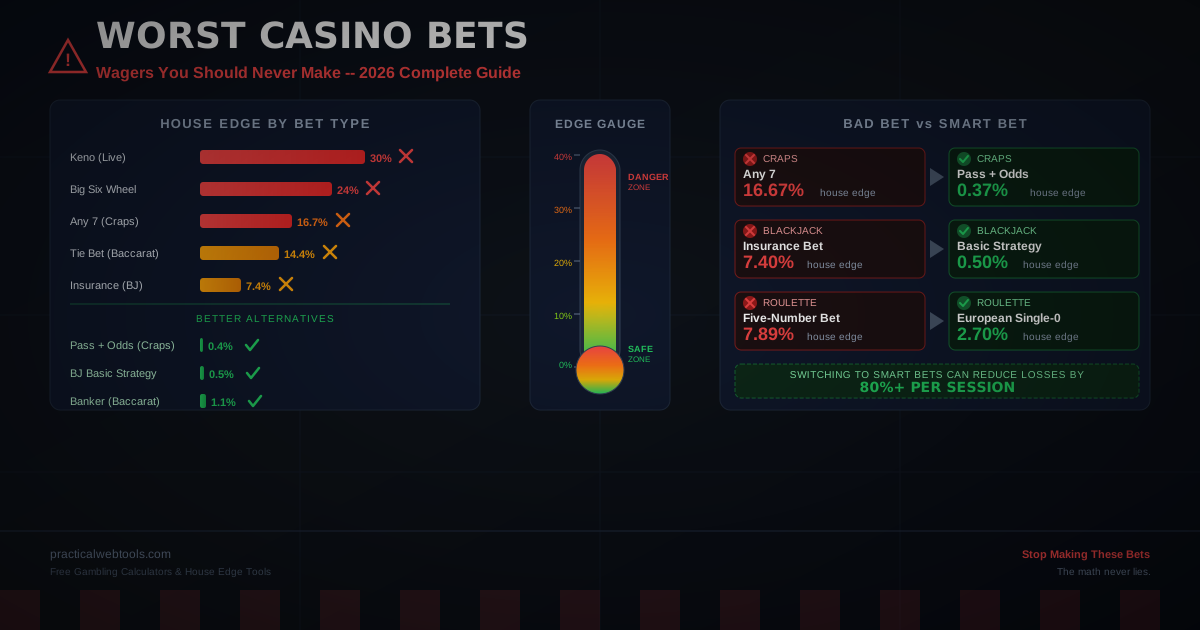
Quick Answer: Neighbor bet = main number + adjacent wheel numbers. Standard: 5 numbers (2 each side). Placed as 5 straight-up bets (5 units). Each pays 35:1 if hit. Probability: 5/37 = 13.51% (European). House edge: 2.70%. Covers wheel section, not layout section. Only on European wheels with racetrack.
How to Use Our Calculator
Use the Neighbor Bet Calculator →
Enter a number to see its neighbors and calculate coverage.
Step-by-Step Instructions
-
Select Main Number: Your target
-
Choose Neighbor Count: 1, 2, or more each side
-
View Wheel Coverage: Adjacent numbers
-
Enter Unit Size: Per number bet
-
Calculate Totals: Cost and payouts
Input Fields Explained
| Field | Description | Example |
|---|---|---|
| Main Number | Center of bet | 17 |
| Neighbors Each Side | Adjacent count | 2 |
| Total Numbers | Coverage | 5 numbers |
| Unit Bet | Per number | $5 |
| Total Bet | All units | $25 |
| Win Probability | Any hit | 13.51% |
European Wheel Layout
Number Sequence
European wheel clockwise from 0:

0-32-15-19-4-21-2-25-17-34-6-27-13-36-11-30-8-23-10-5-24-16-33-1-20-14-31-9-22-18-29-7-28-12-35-3-26

Neighbors are physical wheel positions
Not layout positions
Common Neighbor Examples
17 and 2 neighbors:
2, 25, [17], 34, 6

0 and 2 neighbors:
26, 3, [0], 32, 15

32 and 2 neighbors:
15, 0, [32], 0...wait

0 and 32 are adjacent!
Wrap around the wheel
Racetrack Betting Area
Racetrack layout shows:
- All numbers in wheel order
- Easy neighbor selection
- Visual section betting

Not available on all tables
European/French specialty
Standard Neighbor Configurations
2-Neighbor Bet (5 Numbers)
Cost: 5 units
Coverage: 5/37 = 13.51%
Payout: 35:1 on winning number

Example $5 units:
Total bet: $25
Win: $175 + original $5 = $180
Return: $155 profit

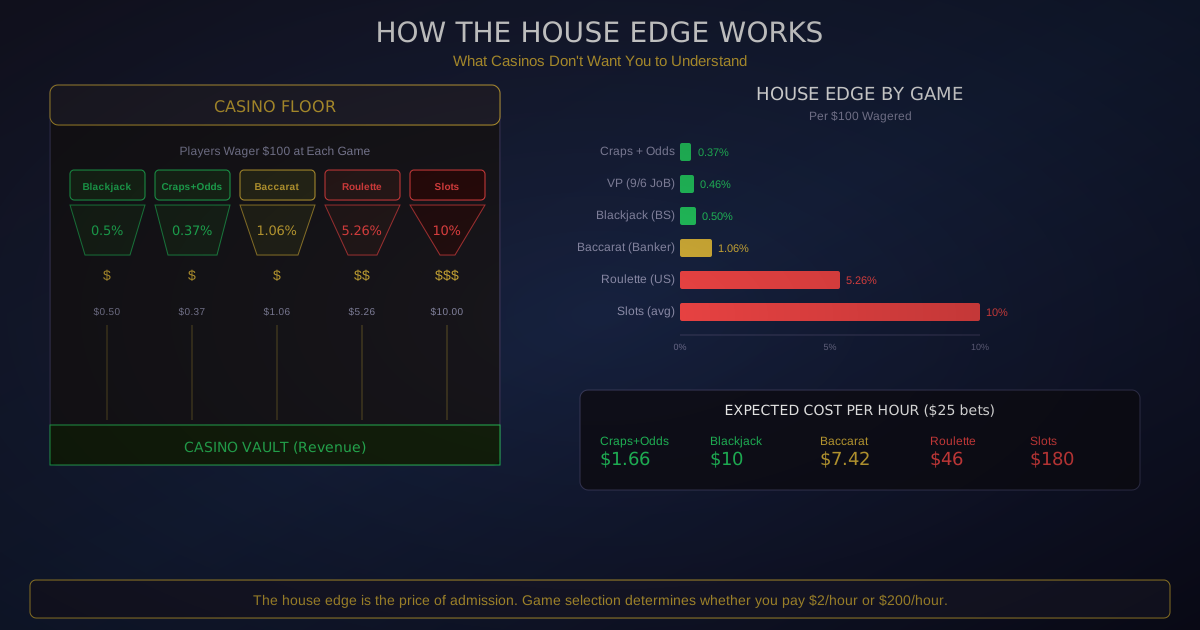
Same 2.70% edge
1-Neighbor Bet (3 Numbers)
Cost: 3 units
Coverage: 3/37 = 8.11%
Payout: 35:1 on winner

Example $5 units:
Total bet: $15
Win: $175 + $5 = $180
Return: $165 profit

Tighter section coverage
3-Neighbor Bet (7 Numbers)
Cost: 7 units
Coverage: 7/37 = 18.92%
Payout: 35:1 on winner

Example $5 units:
Total bet: $35
Win: $175 + $5 = $180
Return: $145 profit

Wider wheel section
Classic Section Bets
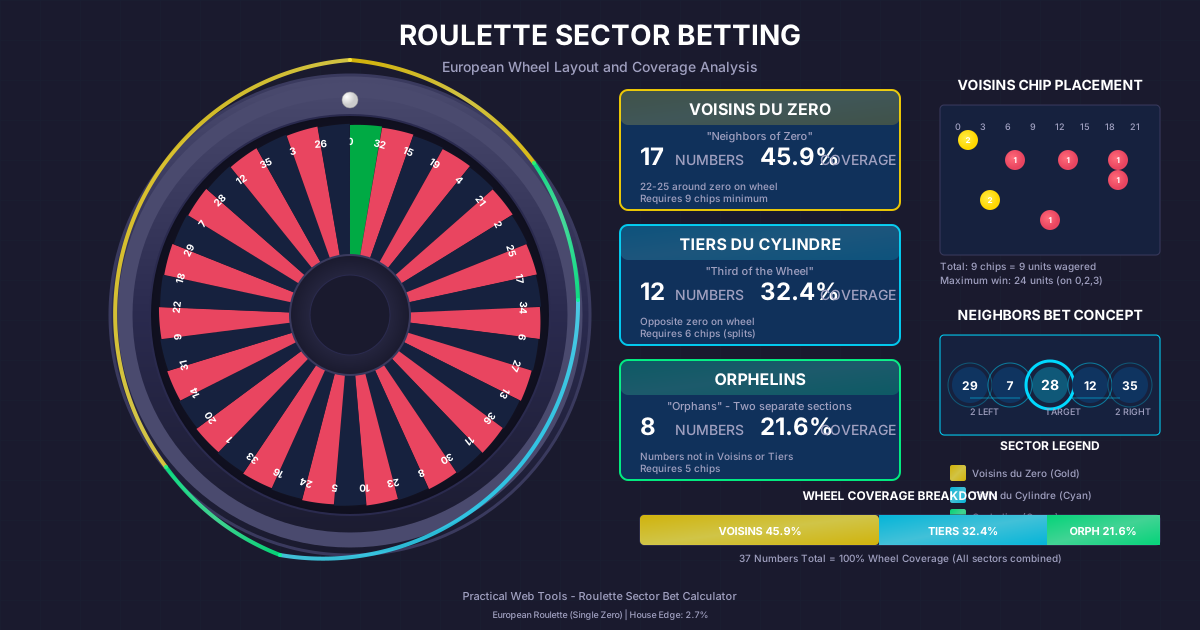
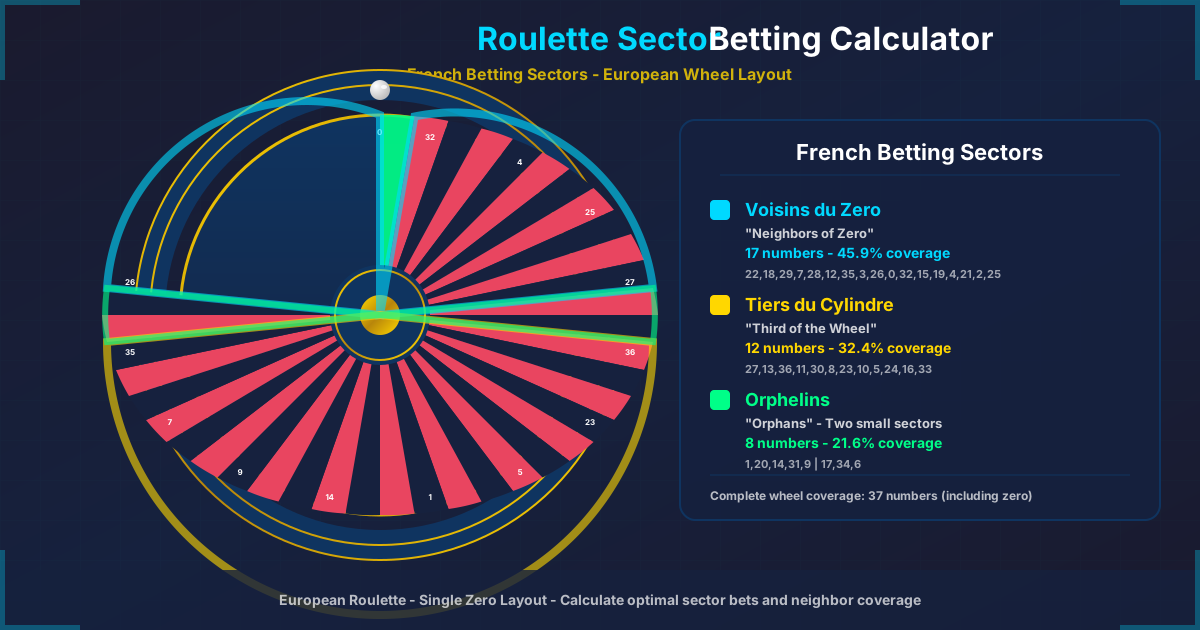
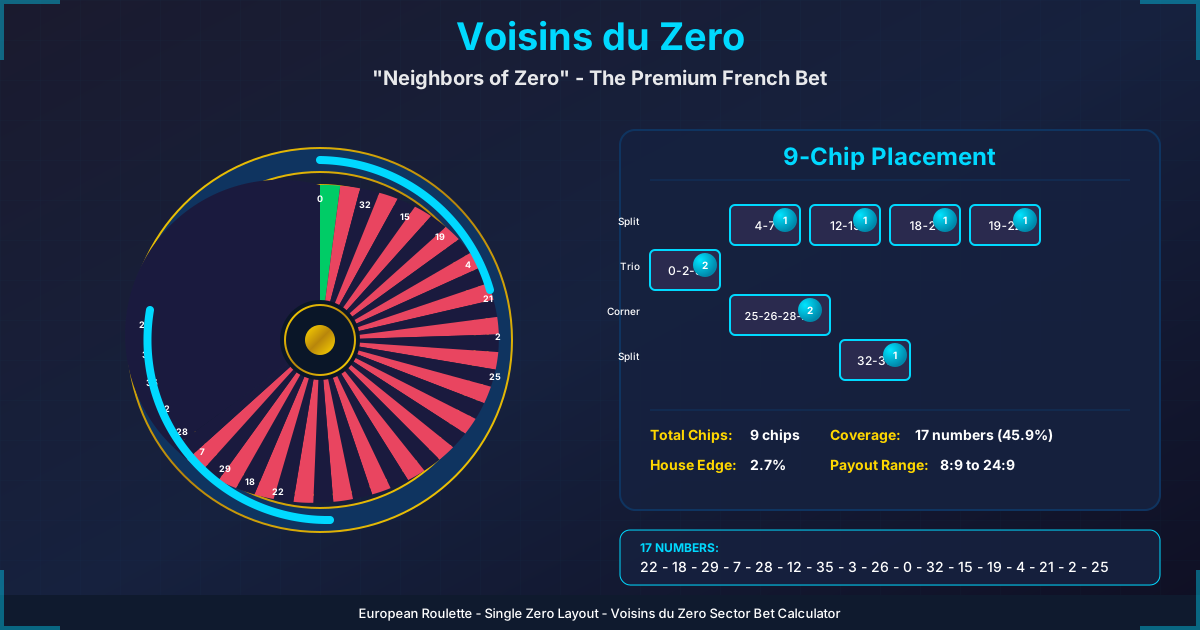
Voisins du Zéro (Neighbors of Zero)
Covers: 17 numbers around 0
Numbers: 22,18,29,7,28,12,35,3,26,0,32,15,19,4,21,2,25

Standard bet: 9 units
- 0-2-3 trio: 2 units
- 4-7 split: 1 unit
- 12-15 split: 1 unit
- 18-21 split: 1 unit
- 19-22 split: 1 unit
- 25-26-28-29 corner: 2 units
- 32-35 split: 1 unit

Coverage: 17/37 = 45.95%
Payouts vary by number hit
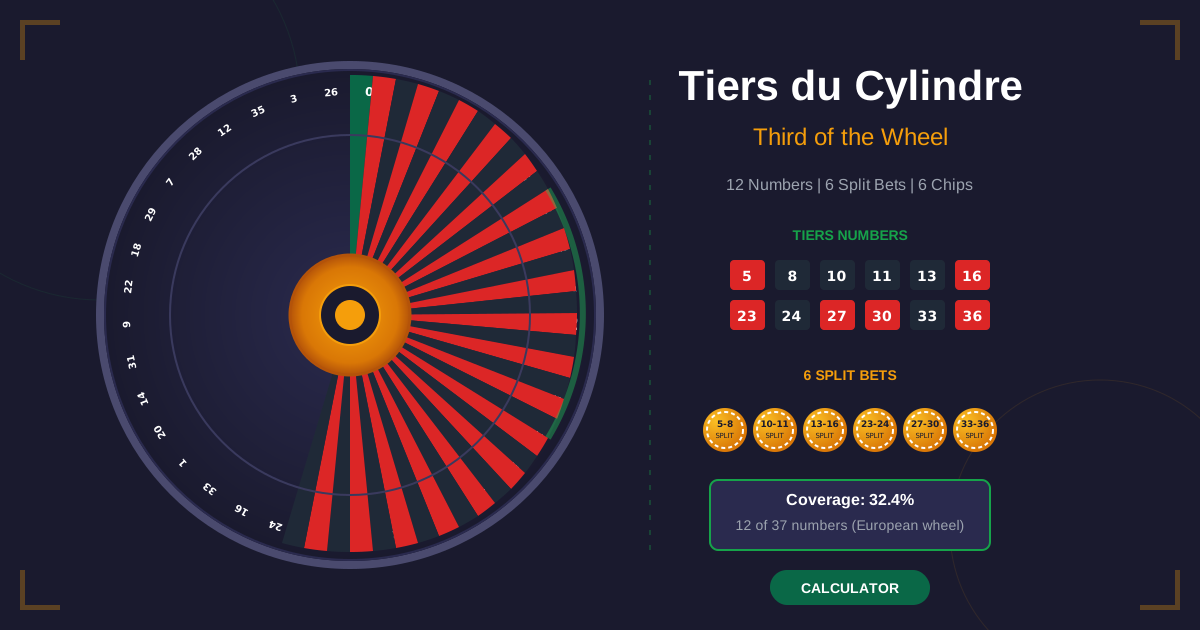
Tiers du Cylindre (Thirds)
Covers: 12 numbers opposite zero
Numbers: 27,13,36,11,30,8,23,10,5,24,16,33

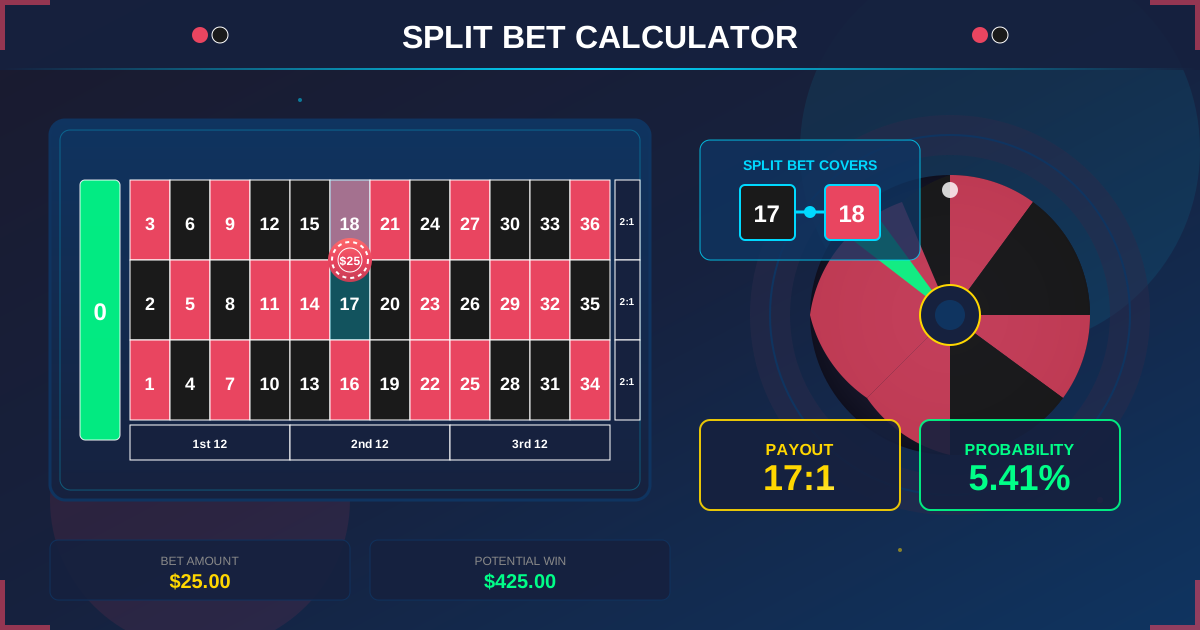
Standard bet: 6 units (6 splits)
- 5-8, 10-11, 13-16
- 23-24, 27-30, 33-36

Coverage: 12/37 = 32.43%
Each split pays 17:1
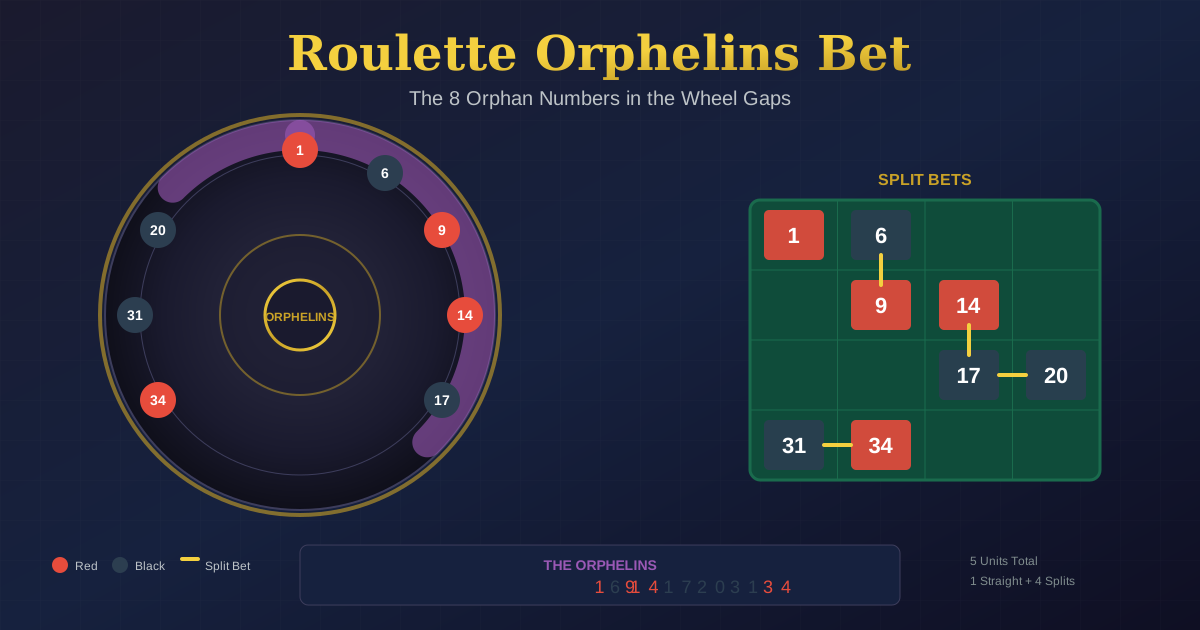
Orphelins (Orphans)
Covers: 8 numbers not in Voisins or Tiers
Numbers: 1,20,14,31,9,6,34,17

Standard bet: 5 units
- 1 straight: 1 unit
- 6-9, 14-17, 17-20, 31-34 splits: 4 units
(17 covered twice)

Coverage: 8/37 = 21.62%
Probability Analysis
Standard 5-Number Neighbor
Coverage: 5 numbers
Total pockets: 37 (European)

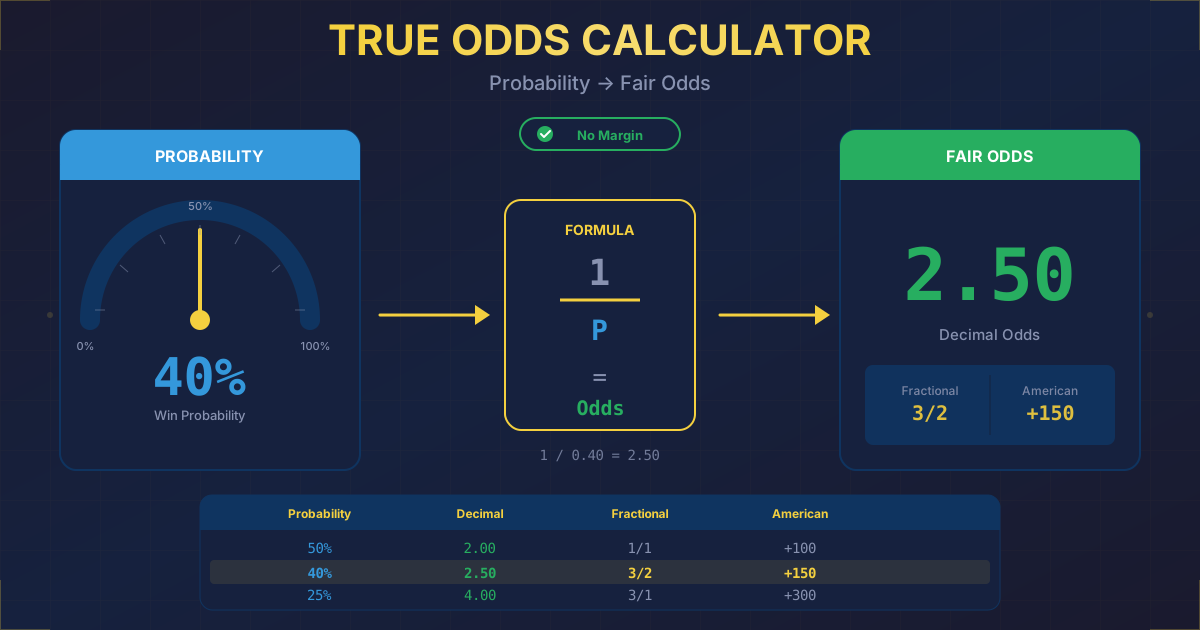
Probability: 5/37 = 13.51%
Miss rate: 32/37 = 86.49%

Fair payout: (37/5) - 1 = 6.4:1
Actual payout: 35:1 per number hit

Wait—that's not the same!

It's 5 straight-up bets
Each independent at 35:1
Net payout = 35:1 - 4 lost = 31:1 net
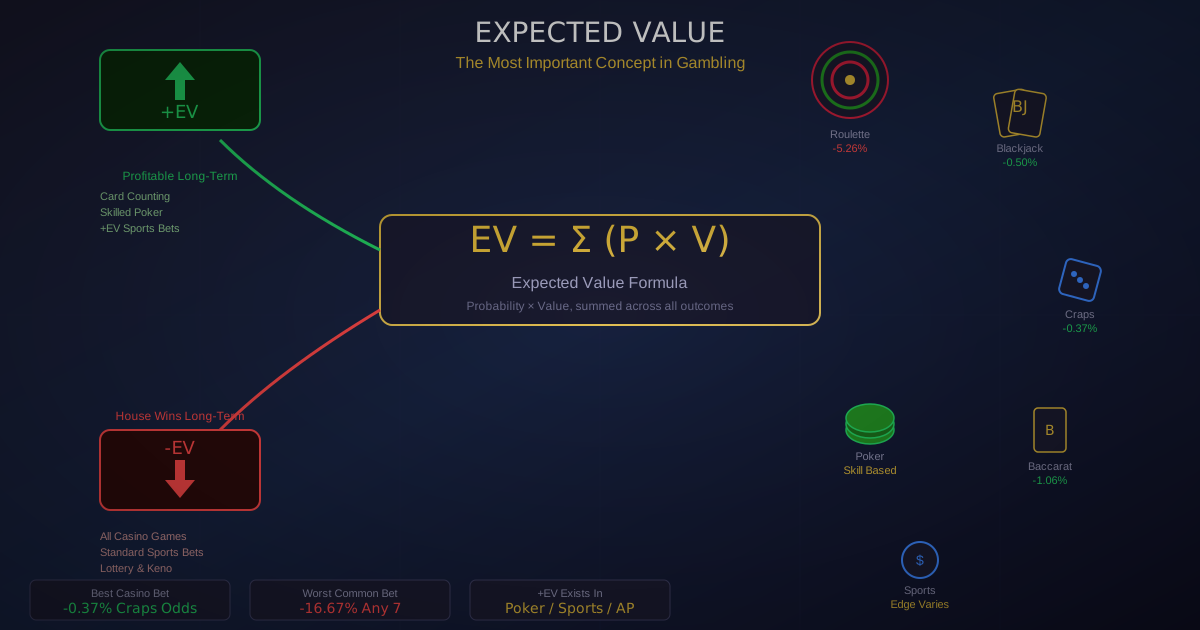
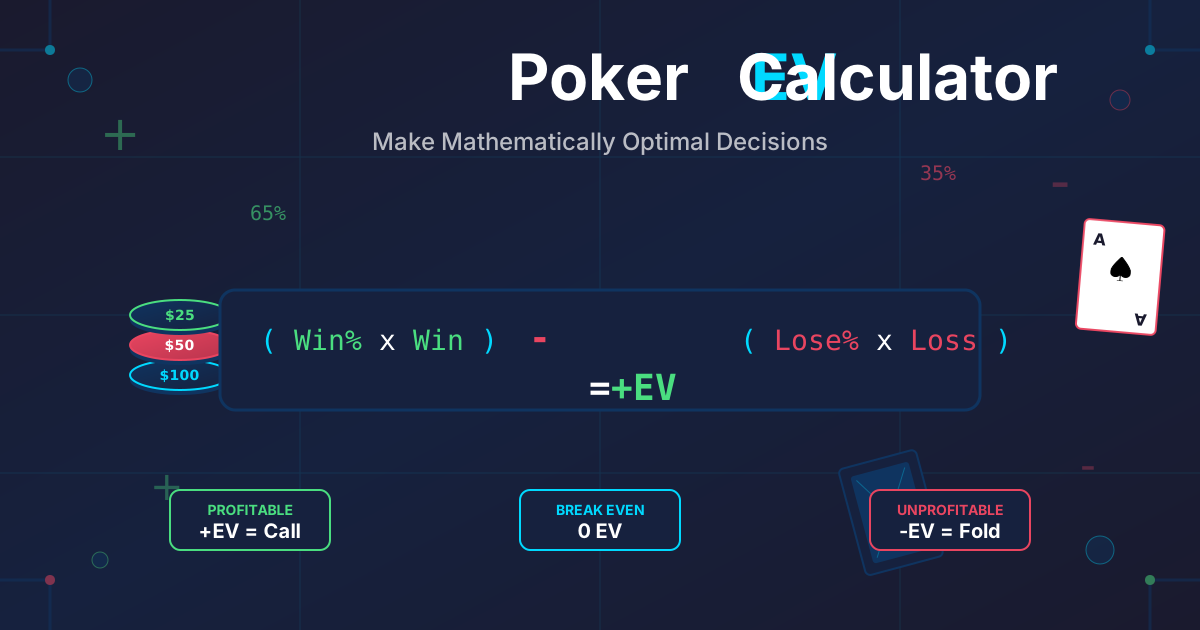
Expected Value
$5 per number, 5 numbers ($25 total):

Win: 13.51% × ($175 - $20) = $20.94
Lose: 86.49% × $25 = $21.62

Net EV: $20.94 - $21.62 = -$0.68

EV/bet: -$0.68 / $25 = -2.72%
Standard house edge
Real-World Examples
Example 1: 17 and Neighbors
$10 per number on 17 with 2 neighbors:
Numbers covered: 2, 25, 17, 34, 6
Total bet: $50

Ball lands on 25:
Win: $350 (35:1)
Lost bets: $40 (other 4 numbers)
Net profit: $310

Ball lands on 0:
All 5 bets lose
Loss: $50
Example 2: Section Targeting
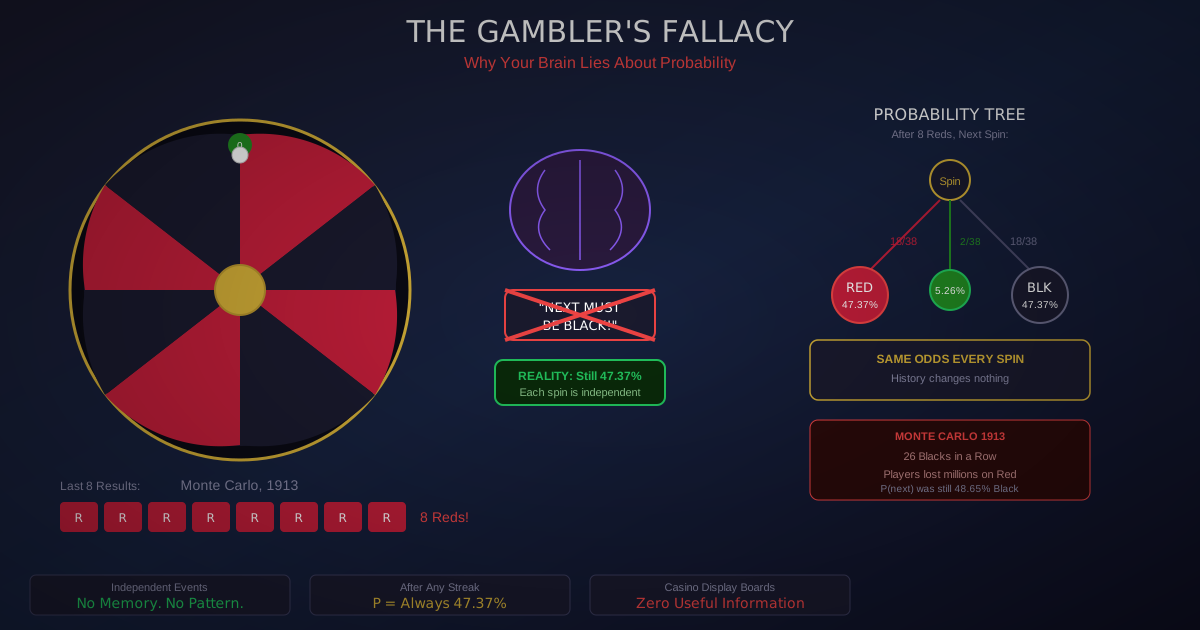
You notice the wheel has been landing near 0:
Choose 0 and 2 neighbors:
Numbers: 3, 26, 0, 32, 15

$5 each = $25 total

This covers "hot section"
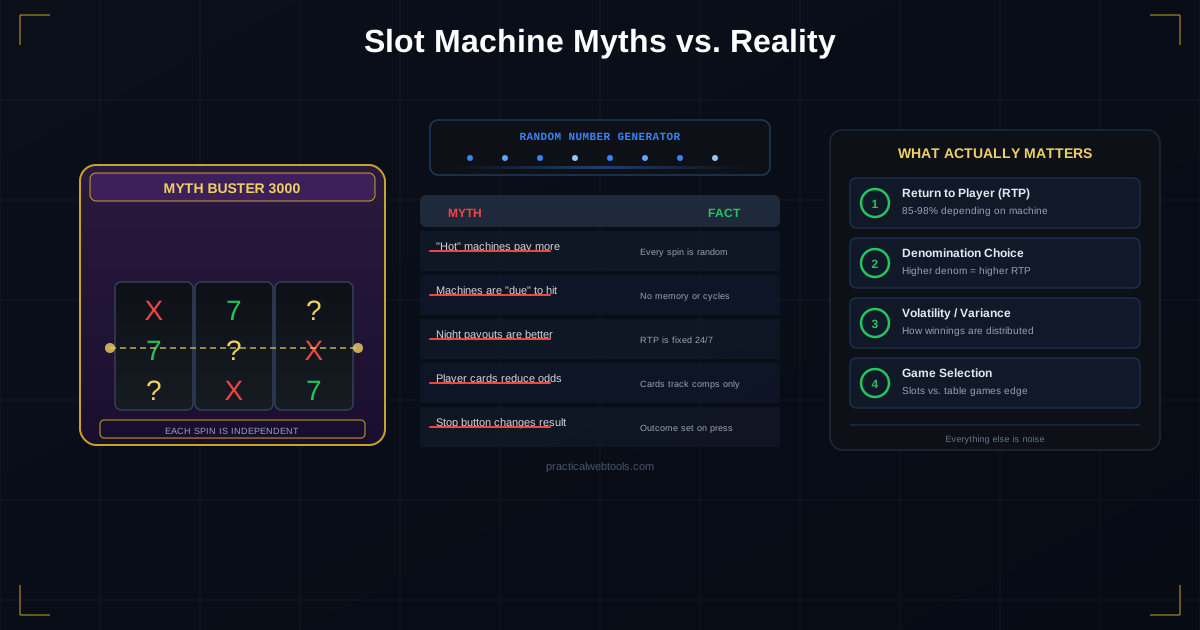
But each spin is independent
No predictive value
Same 13.51% probability
Example 3: Orphelins Bet
Traditional 5-unit orphelins:
$10 units × 5 = $50 total

1: $10 straight
6-9: $10 split
14-17: $10 split
17-20: $10 split
31-34: $10 split

Ball lands on 17:
Two splits win!
14-17: $170
17-20: $170
Total: $340
Less $30 lost: $310 profit

Ball lands on 1:
$350 - $40 = $310 profit

Ball lands on 9:
$170 - $40 = $130 profit
Example 4: Comparing Neighbor Sizes
Same total bet, different coverage:
$25 budget:

Option A: 5 neighbors at $5 each
Coverage: 13.51%
Win: $155 net

Option B: 25 numbers at $1 each
Coverage: 67.57%
Win: $10 net

More coverage = smaller wins
Same overall edge
Strategy Considerations
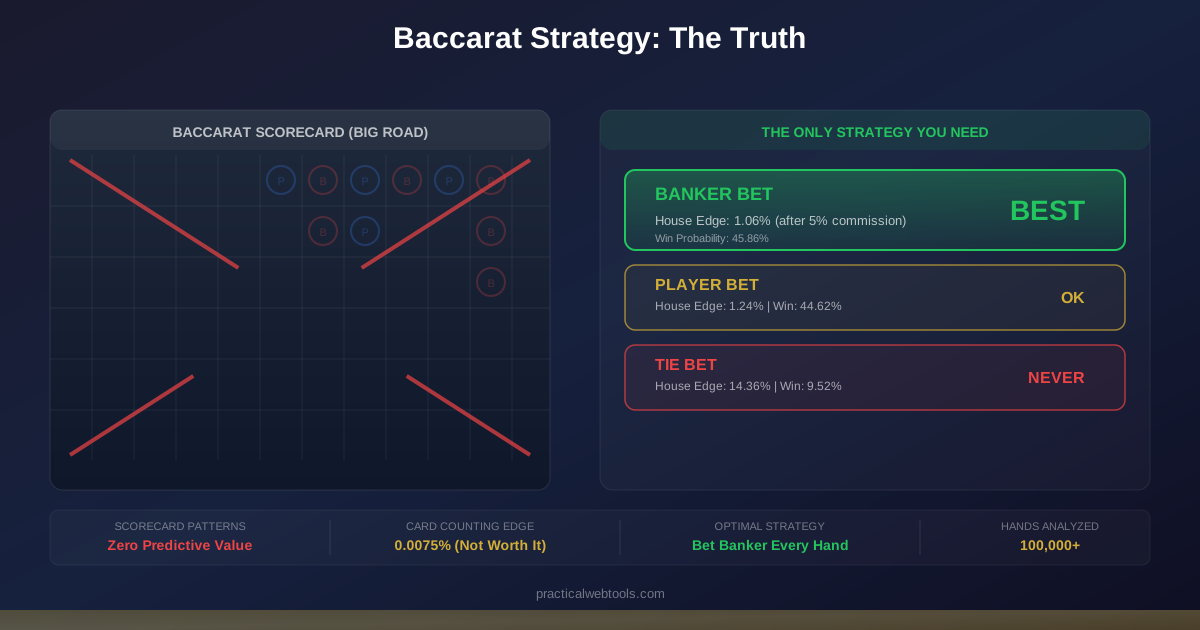
Wheel Watching
Some players believe:
- Wheel bias exists
- Dealers have signatures
- Sections repeat

Reality:
- Modern wheels are precise
- No proven bias
- Each spin independent

Neighbors target sections
But no mathematical edge
Combining with Other Bets
Neighbors + outside bet:

$25 on 17 and neighbors
$25 on red

If red neighbor hits: Big win
If black neighbor hits: Modest win
If red non-neighbor: Break even
If black non-neighbor: Lose both

Complex but same edge overall
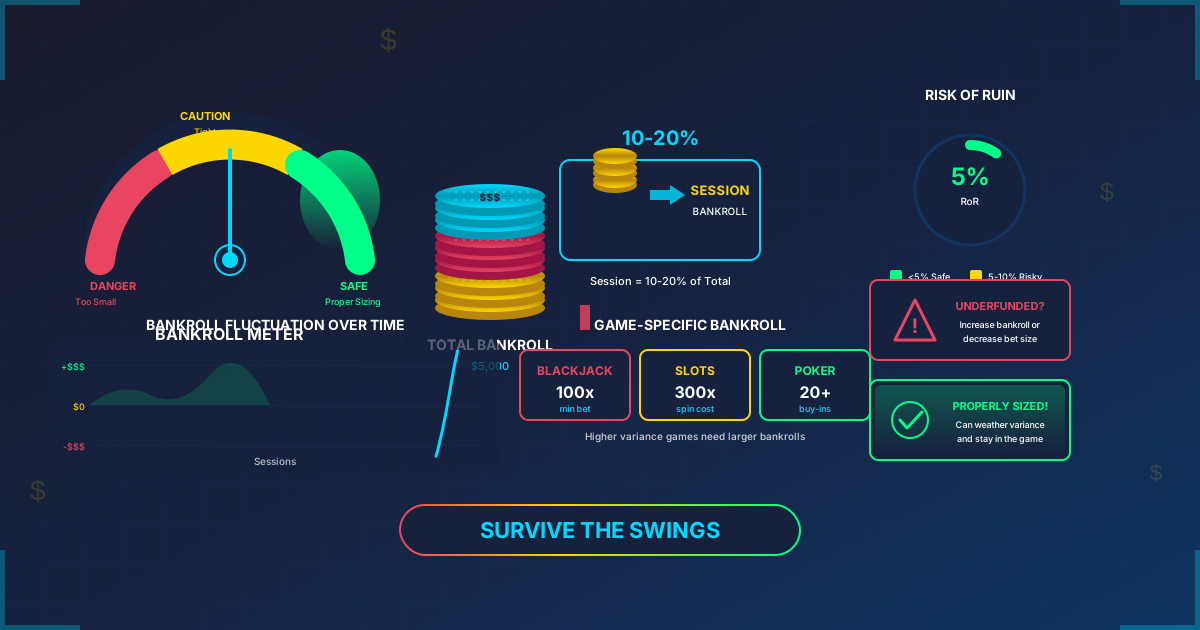
Bankroll Management
Neighbor bets use multiple units:
5 neighbors = 5× unit cost

$100 bankroll:
$5 units = 20 neighbor bets
$10 units = 10 neighbor bets

Plan for higher per-spin cost
Common Mistakes
1. Confusing Wheel and Layout
Mistake: Pick layout-adjacent numbers Problem: Not wheel neighbors Fix: Use racetrack or wheel diagram
2. Expecting Section Patterns
Mistake: "This section is hot" Problem: Independent events Fix: No predictive ability
3. Overlooking Total Cost
Mistake: "$5 per number seems small" Problem: 5 numbers = $25 per spin Fix: Calculate total bet always
4. American Wheel Neighbors
Mistake: Same strategy on American wheel Problem: Different wheel order Fix: European neighbors don't apply
Frequently Asked Questions
Are neighbor bets only for European roulette?
Primarily yes. American wheels have different number sequences, and racetracks are rare. The concept applies but neighbors differ.
How do I place a neighbor bet?
On tables with racetracks, click the center number. Otherwise, tell the dealer "17 and neighbors" and they'll place 5 straight-ups.
Is there any advantage to neighbor bets?
No mathematical advantage. Same 2.70% edge. It's a convenient way to cover wheel sections if you believe in sector play.
What are Voisins, Tiers, and Orphelins?
Traditional French section bets covering specific wheel regions. Voisins = around zero. Tiers = opposite third. Orphelins = remaining numbers.
Can I customize neighbor count?
Many tables allow 1-5 neighbors on each side. More neighbors = more coverage but higher total bet.
Do neighbors share any numbers?
Adjacent main numbers share neighbors. "17 and 2 neighbors" and "34 and 2 neighbors" both include some same numbers.
Pro Tips
-
Know the wheel order: Memorize or reference
-
Use the racetrack: Easier neighbor selection
-
Calculate total bet: 5 neighbors = 5 units
-
European only: Wheel order matters
-
Section play is myth: No predictive value
Related Calculators
- Roulette Odds Calculator - All bet types
- Roulette Straight-Up Calculator - Single numbers
- Roulette Expected Value Calculator - EV analysis
- Roulette Wheel Bias Calculator - Bias testing
- House Edge Calculator - Compare games
Conclusion
Neighbor bets cover wheel sections—a number plus its physical neighbors on the roulette wheel. Our calculator shows exact coverage, payouts, and the unchanged 2.70% house edge for this European roulette specialty.
Calculate Neighbor Bet Coverage Now →
Betting "17 and neighbors" covers 2-25-17-34-6 on the wheel, not the layout. Our calculator reveals which numbers are actually adjacent and calculates the true cost of covering your favorite wheel section.