Labouchère Betting Calculator: Cancellation System Analysis (2026)
Labouchère Calculator: The Cancellation System
The Labouchère (cancellation) system uses a custom number sequence where you bet the sum of first and last numbers. Win and cancel both; lose and add the loss to the sequence. Our calculator tracks your sequence, calculates next bets, and reveals why customization doesn't change the house edge.
What Is the Labouchère System?
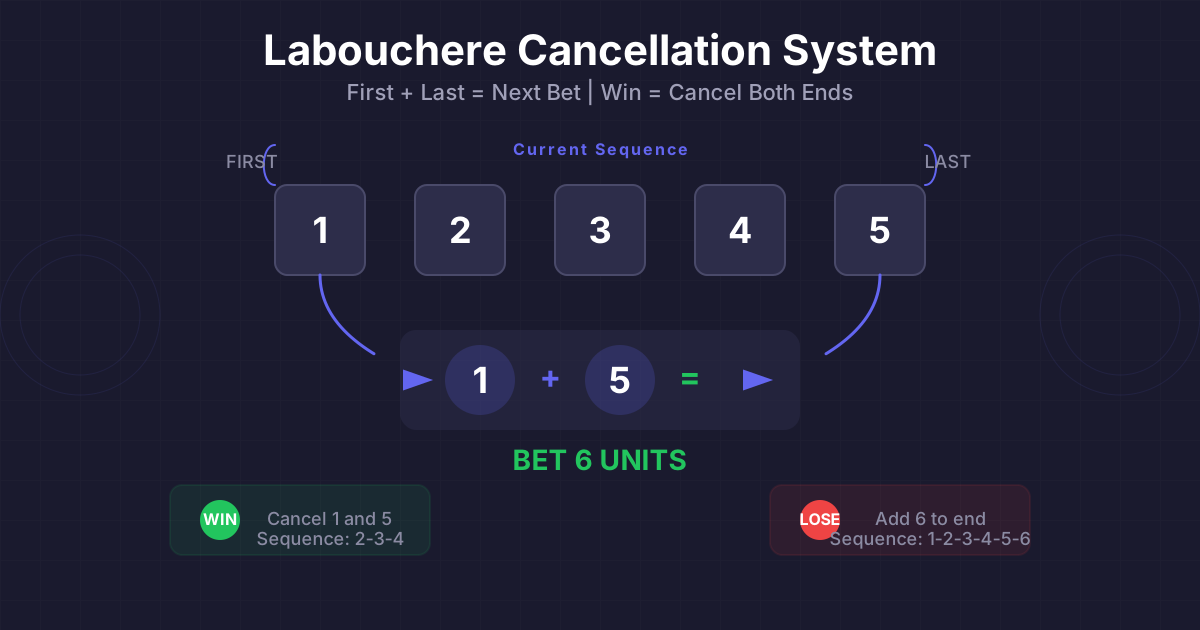
The Labouchère (also called cancellation or split Martingale) is a negative progression where you create a sequence of numbers representing your target profit. You bet the sum of the first and last numbers. Wins cancel those numbers; losses add the bet amount to the sequence end.
Quick Answer: Labouchère = create number sequence (e.g., 1-2-3-4-5 = 15 unit goal). Bet = first + last (1+5 = 6). WIN: Cross off both ends. LOSE: Add bet to end. Cycle complete when sequence cleared. Flexible progression. Customizable risk. Same house edge. More complex than Martingale but similar outcome.
How to Use Our Calculator
Use the Labouchère Calculator →
Calculate sequence progression and bet sizing.
Step-by-Step Instructions
-
Enter Sequence: Your number string
-
Track Result: Win or loss
-
View Next Bet: First + last
-
Watch Sequence: Numbers remaining
-
Calculate Progress: Target status
Input Fields Explained
| Field | Description | Example |
|---|---|---|
| Initial Sequence | Starting numbers | 1-2-3-4-5 |
| Target Profit | Sequence sum | 15 units |
| Current Sequence | Active numbers | 2-3-4-6 |
| Next Bet | First + last | 8 units |
| Session P/L | Current status | -3 units |
How Labouchère Works
Setting Up
Creating your sequence:

Choose numbers that sum to target profit
Example: Want to win 10 units

Options:
1-2-3-4 (sums to 10)
2-2-2-2-2 (sums to 10)
1-1-1-1-1-1-1-1-1-1 (sums to 10)

Longer = smaller bets, more cycles
Shorter = larger bets, fewer cycles
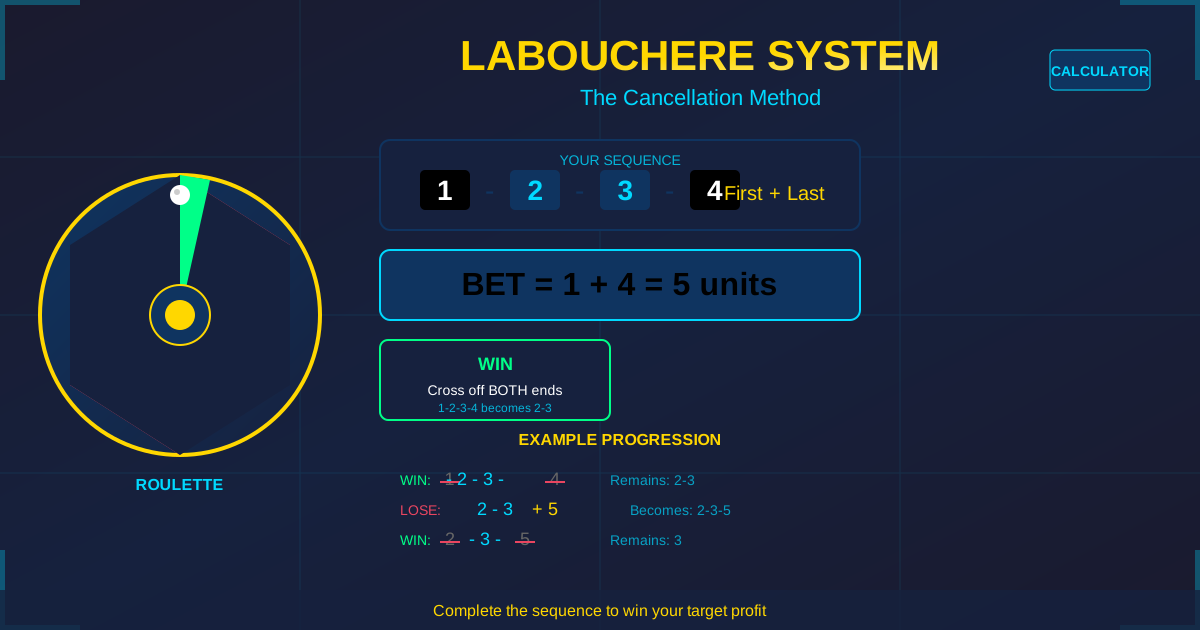
The Betting Process
Sequence: 1-2-3-4

Bet: 1 + 4 = 5 units
WIN: Cross off 1 and 4
New sequence: 2-3

Bet: 2 + 3 = 5 units
WIN: Cross off 2 and 3
Sequence empty = DONE
Won 10 units total (1+2+3+4)
Handling Losses
Sequence: 1-2-3-4

Bet: 1 + 4 = 5 units
LOSE: Add 5 to end
New sequence: 1-2-3-4-5

Bet: 1 + 5 = 6 units
LOSE: Add 6 to end
New sequence: 1-2-3-4-5-6

Sequence grows with losses
Single Number Case
If sequence has one number:

Sequence: 3
Bet = 3 (just that number)

WIN: Sequence cleared
LOSE: Sequence becomes 3-3

Continue normally
Sequence Strategy
Aggressive Sequence
Short, large numbers:

5-5-5-5 (20 unit target)
Bets: 10, 10, 10...

Faster progression
Higher variance
Bigger swings
Conservative Sequence
Long, small numbers:

1-1-1-1-1-1-1-1-1-1 (10 unit target)
Bets: 2, 2, 2...

Slower progression
Lower variance
More grinding
Balanced Approach
Moderate sequence:

1-2-3-2-1 (9 unit target)
Bets: 2, 4, 3...

Middle ground
Reasonable bets
Flexible play
Mathematical Analysis
Why It "Works"
The cancellation logic:

Each win cancels 2 numbers
Each loss adds 1 number

If wins = losses:
Canceled: 2 per win
Added: 1 per loss
Net: Shrinking sequence

Seems to favor player
Why It Doesn't
The flaw:

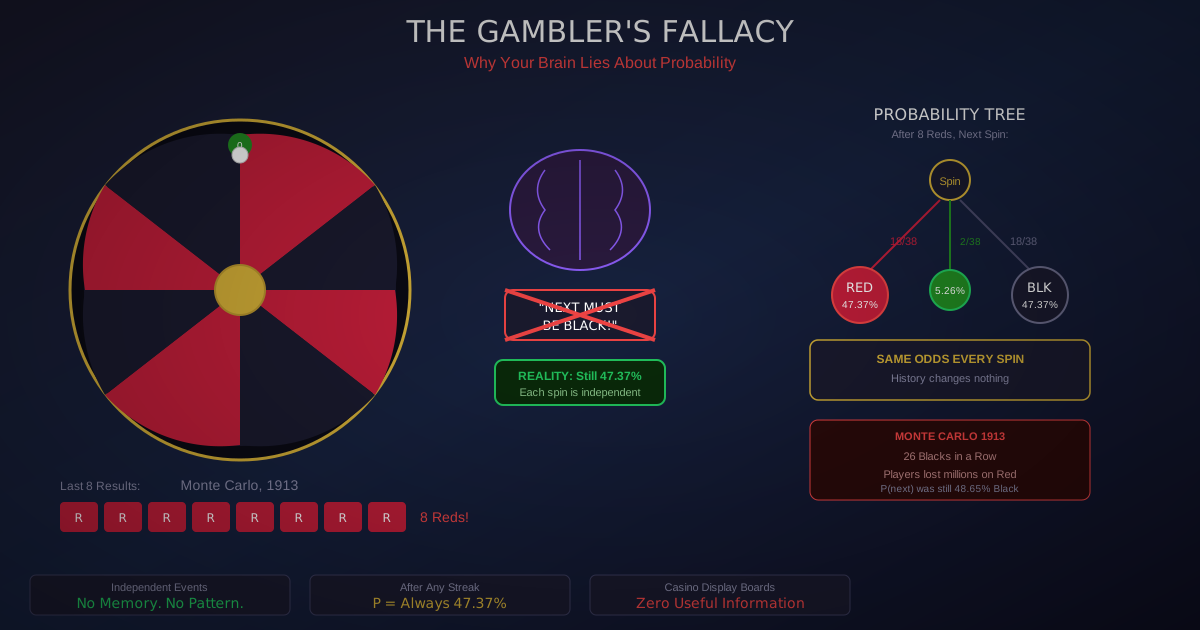
Wins ≠ losses in house games
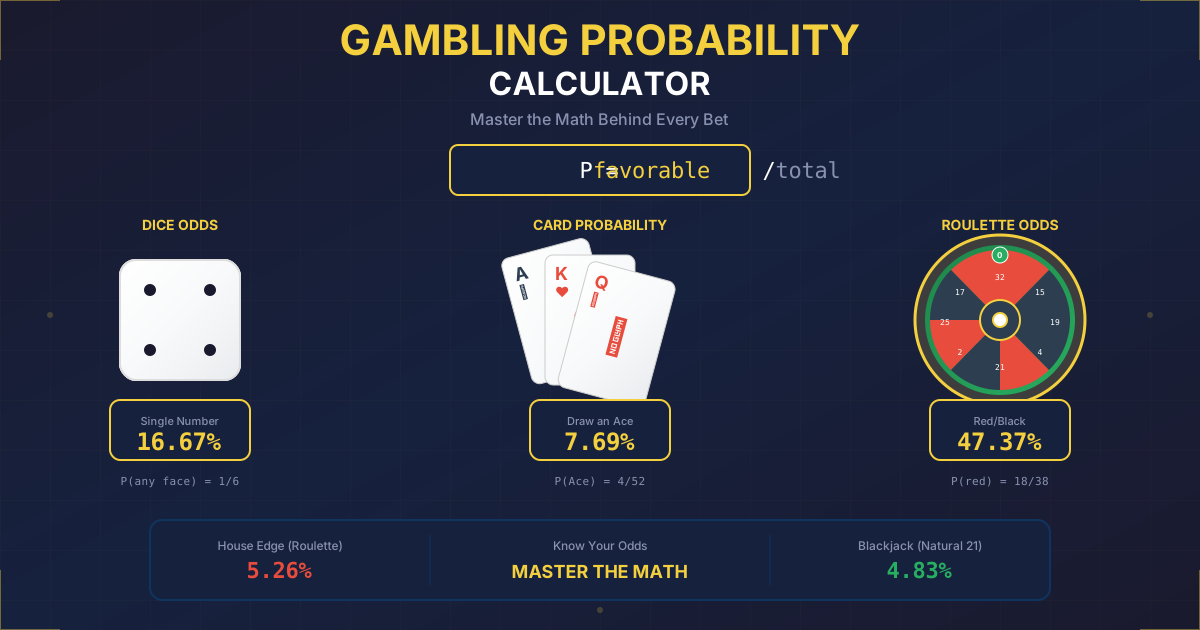
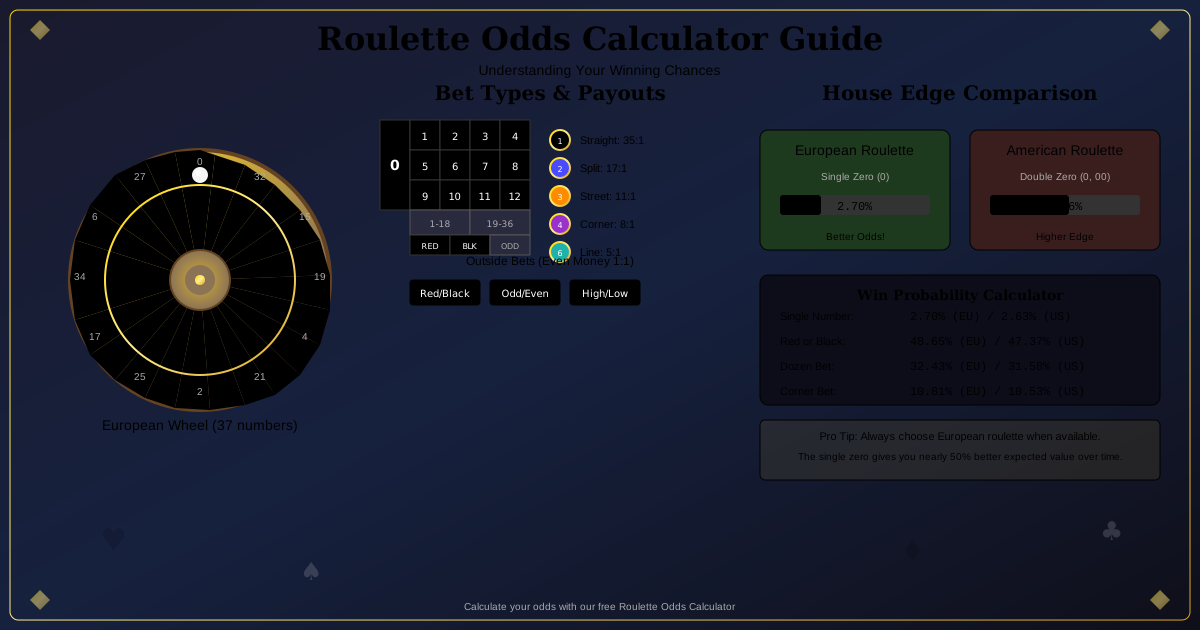
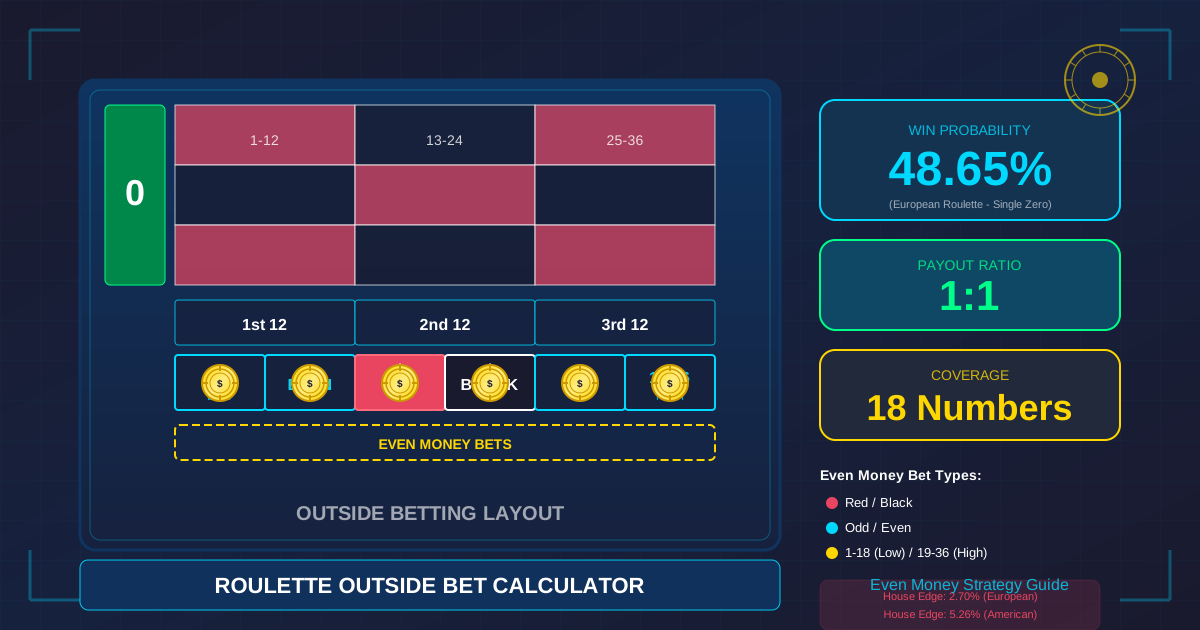
Expected wins: 48.65% (roulette)
Expected losses: 51.35%

More losses than wins
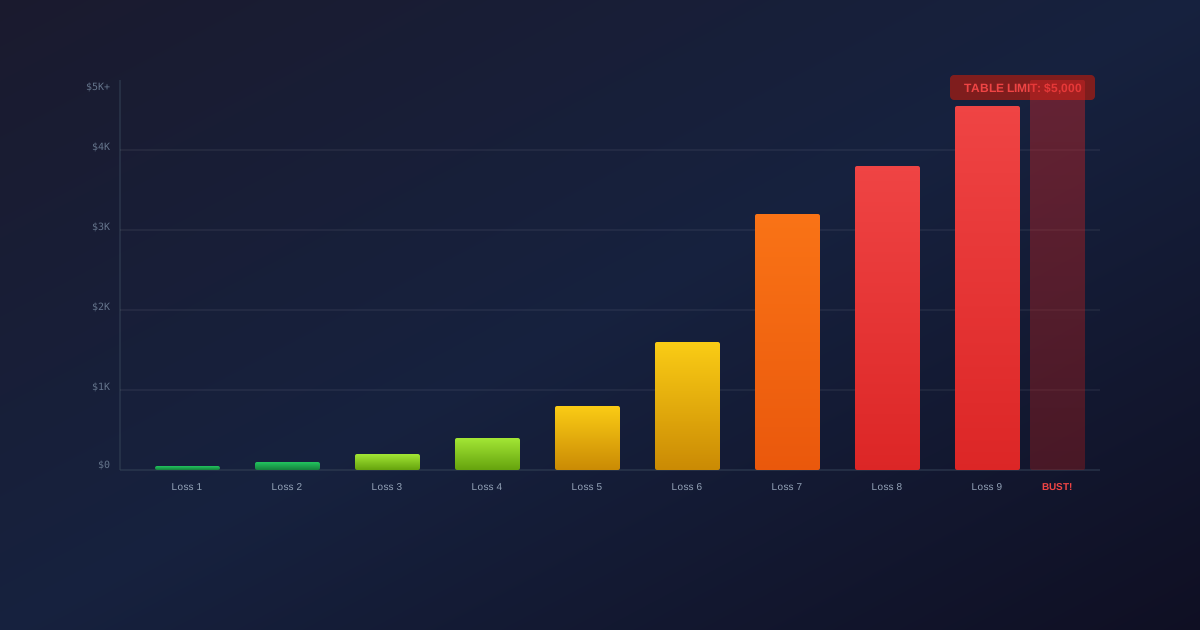
Sequence grows over time
Eventually: bust or table limit
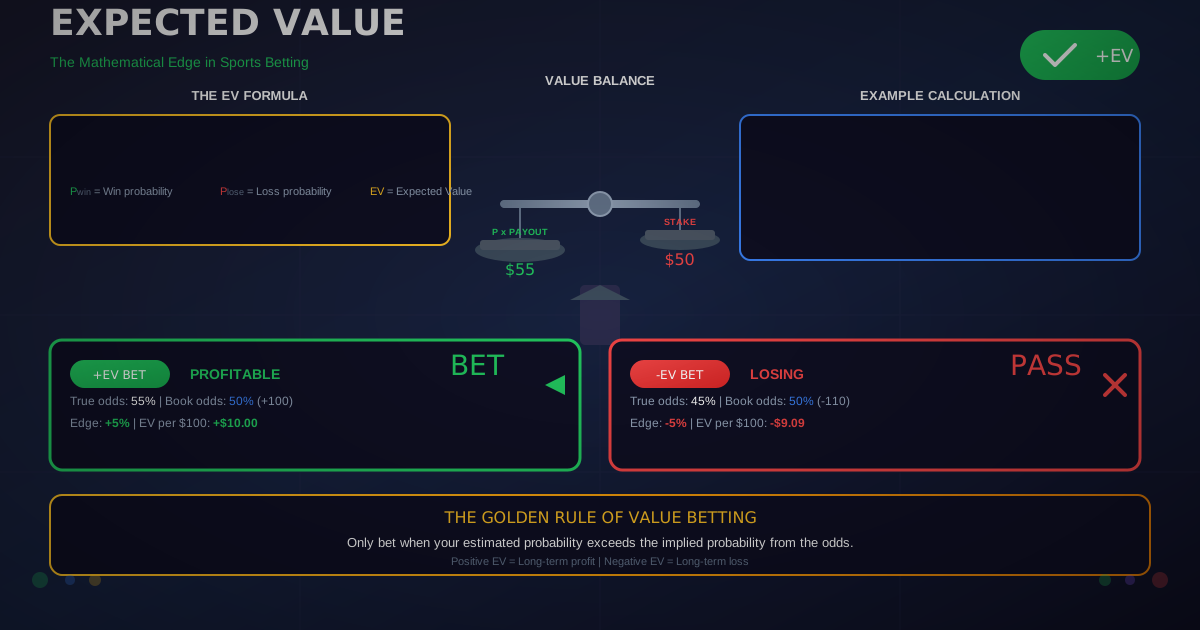
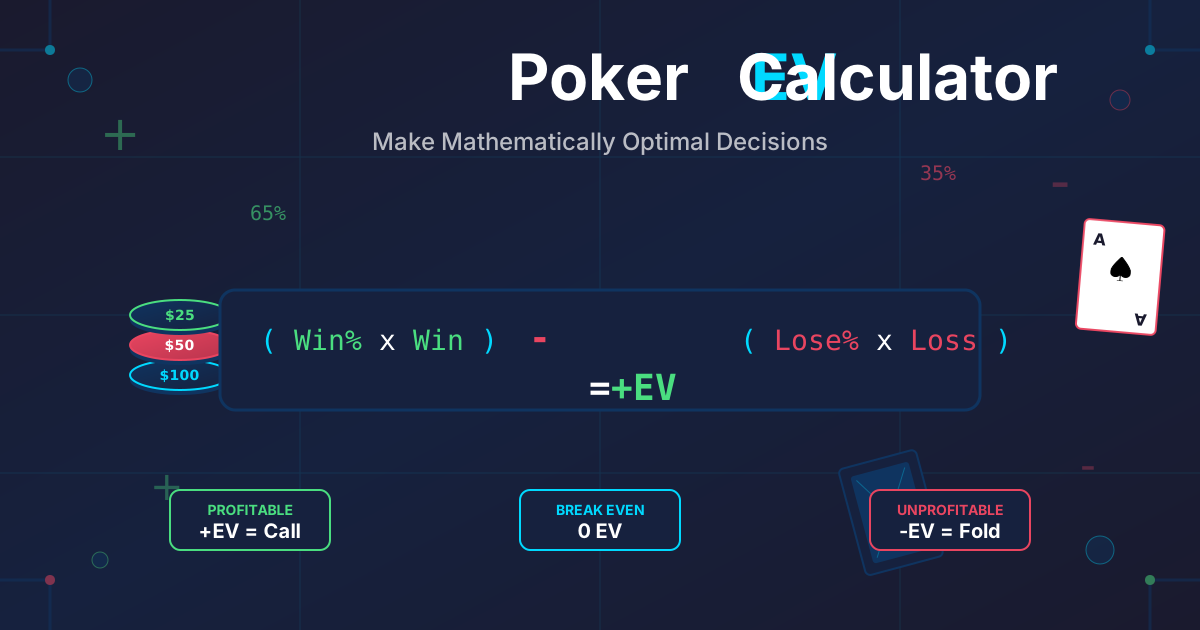
Expected Value
Labouchère EV:

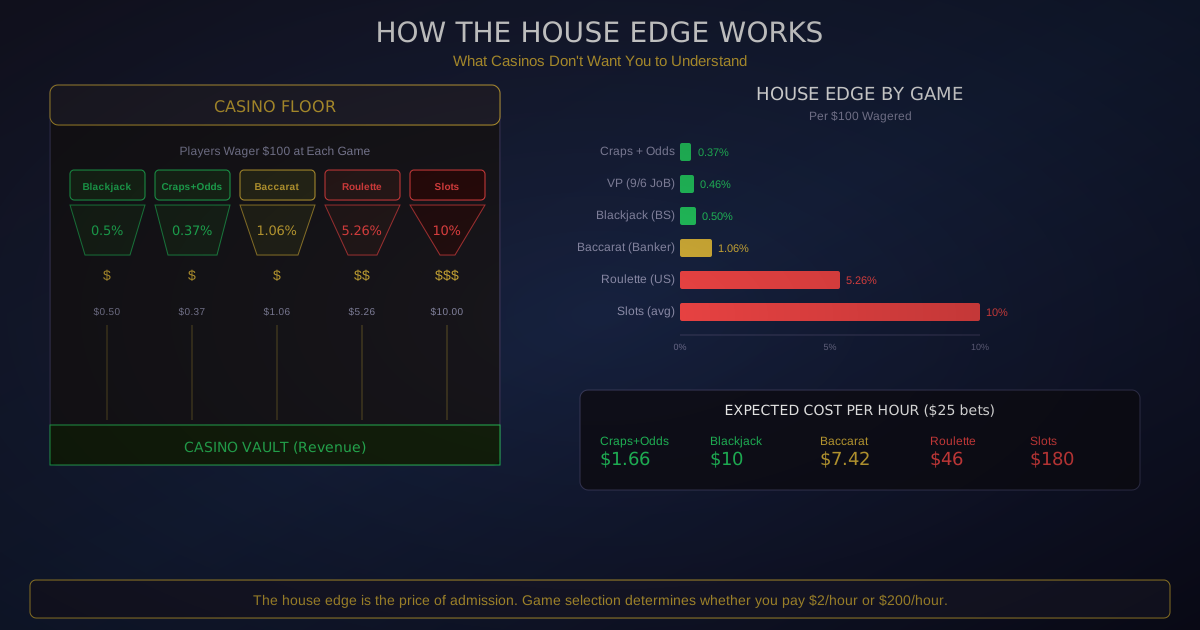
Same as flat betting
House edge unchanged

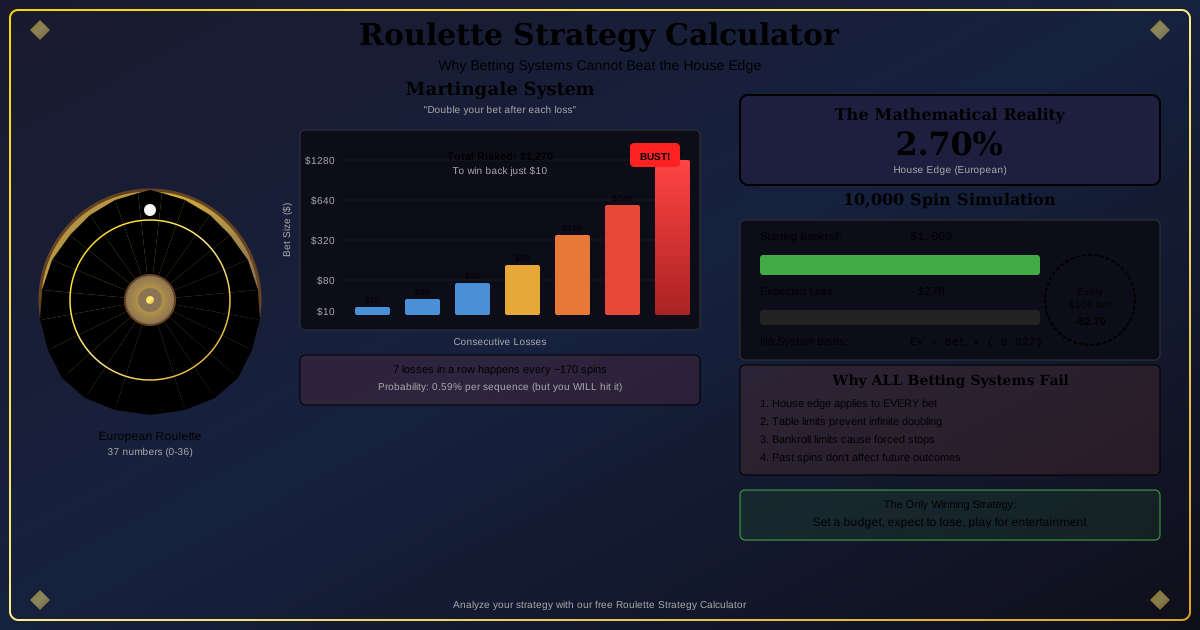
$10 average bet, 2.7% edge:
Expected loss: $0.27/bet

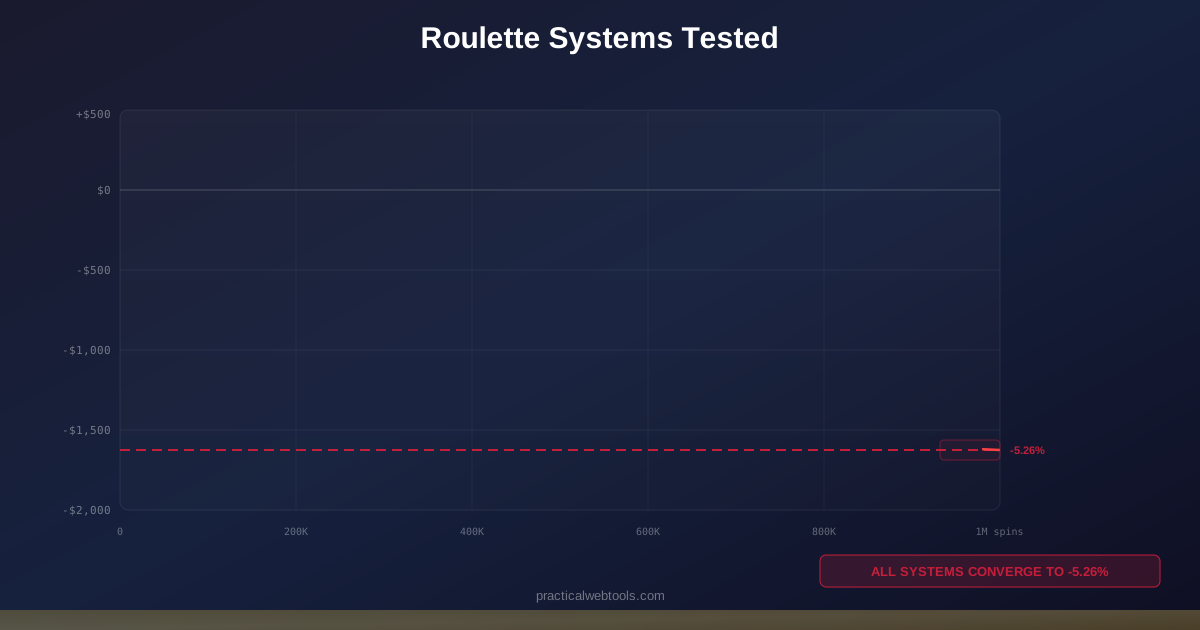
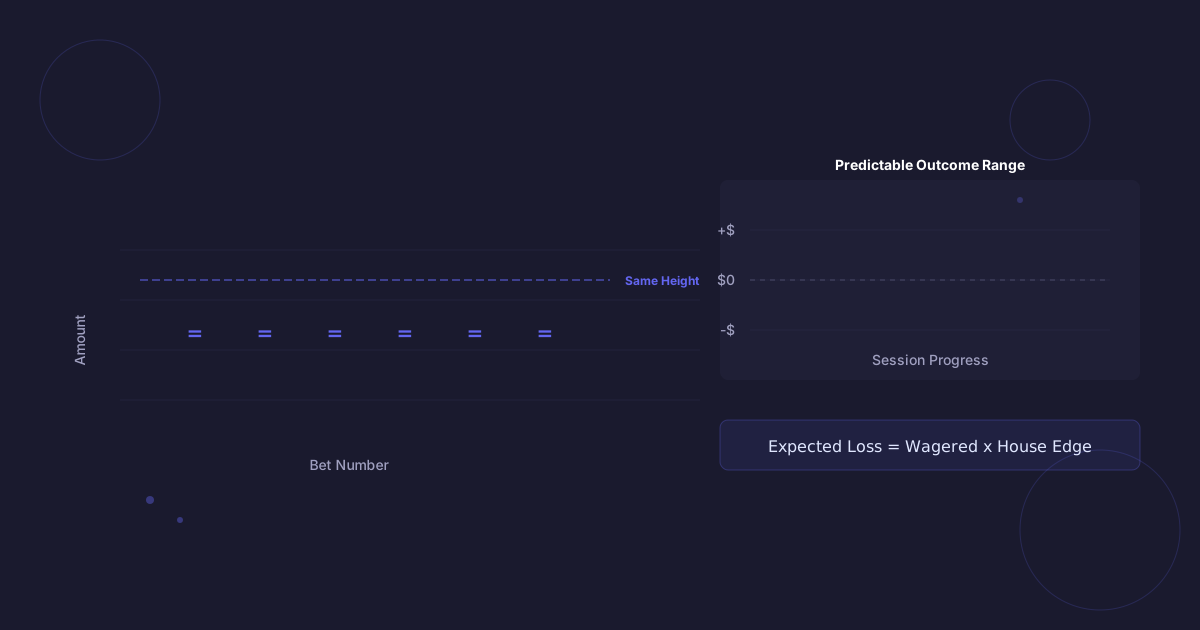
Custom sequences don't change math
Only change bet sizing pattern
Real-World Examples
Example 1: Clean Win
Perfect scenario:
Sequence: 1-2-3-4 ($10 unit)

Bet $50, WIN → 2-3
Bet $50, WIN → empty

Won: $100 (10 units)
Total wagered: $100
Clean completion
Example 2: Mixed Results
Typical play:
Sequence: 1-2-3-4 ($10)

Bet $50, LOSE → 1-2-3-4-5
Bet $60, WIN → 2-3-4
Bet $60, WIN → 3
Bet $30, WIN → empty

Won: $150, Lost: $50
Net: +$100 (10 units)
Sequence cleared successfully
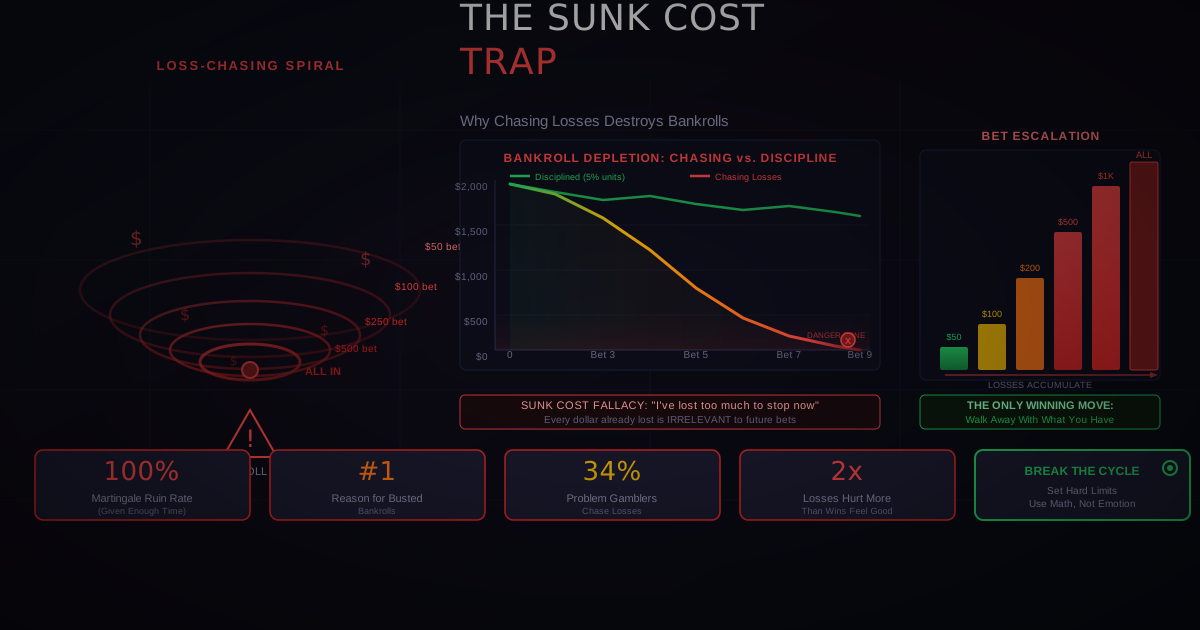
Example 3: Growing Sequence
Losing streak:
Sequence: 1-2-3-4 ($10)

Bet $50, LOSE → 1-2-3-4-5
Bet $60, LOSE → 1-2-3-4-5-6
Bet $70, LOSE → 1-2-3-4-5-6-7
Bet $80, LOSE → 1-2-3-4-5-6-7-8

Lost: $260
Target: $100
Need many wins to recover
Example 4: Session Analysis
100 bets at roulette:
1-2-3-4 sequence ($10 unit)

Expected wins: 48-49
Expected losses: 51-52

Starting each cycle at 10 units
Some cycles complete
Some grow dangerously

Long-term: Same as flat betting
Just different experience
Variations
Reverse Labouchère
Opposite rules:

WIN: Add bet to sequence
LOSE: Cancel first + last

Rides winning streaks
Cuts losing streaks fast
Different variance profile
Modified Sequences
Custom approaches:

Restart if sequence doubles
Cap maximum bet size
Reset after X losses

All modifications = same edge
Just different experiences
Common Mistakes
1. Wrong Cancellation
Mistake: Canceling wrong ends Problem: Breaks the math Fix: Always first + last, exactly
2. Forgetting Additions
Mistake: Not adding losses to end Problem: Incomplete sequence Fix: Track every loss carefully
3. Too Aggressive Sequence
Mistake: 10-10-10-10 start Problem: Huge bets, fast bust Fix: Start conservative
4. No Limits Set
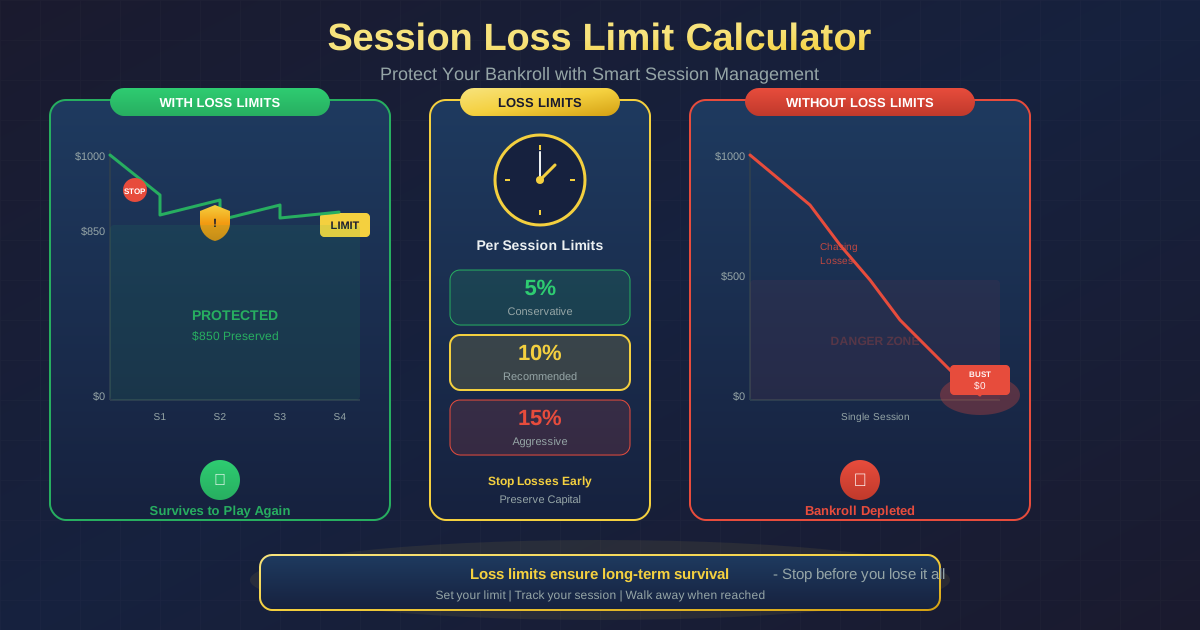
Mistake: Playing until clear Problem: Sequence can grow forever Fix: Set max sequence length
Frequently Asked Questions
Is Labouchère better than Martingale?
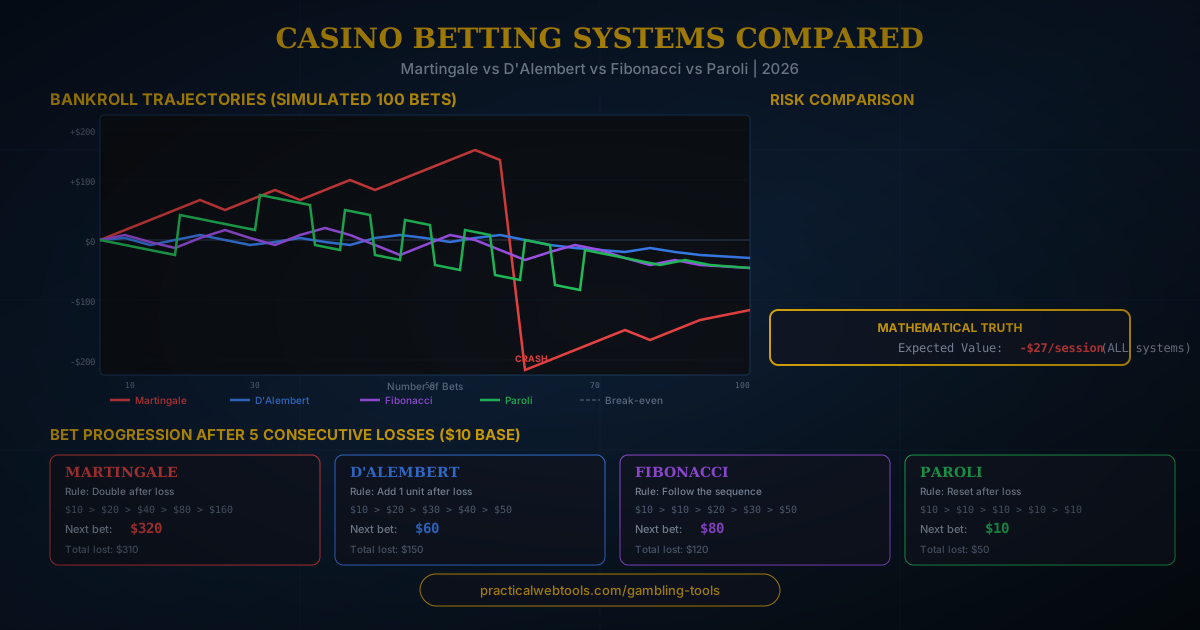
Different, not better. Labouchère is more flexible but still can't beat the house edge. Bets grow slower but recovery is more complex.
Can I customize my sequence?
Yes—that's the system's appeal. But customization affects variance, not expected value. All sequences face the same edge.
What's the best starting sequence?
No sequence is mathematically better. Longer sequences = lower variance. Shorter = higher variance. Choose based on preference.
How do I handle growing sequences?
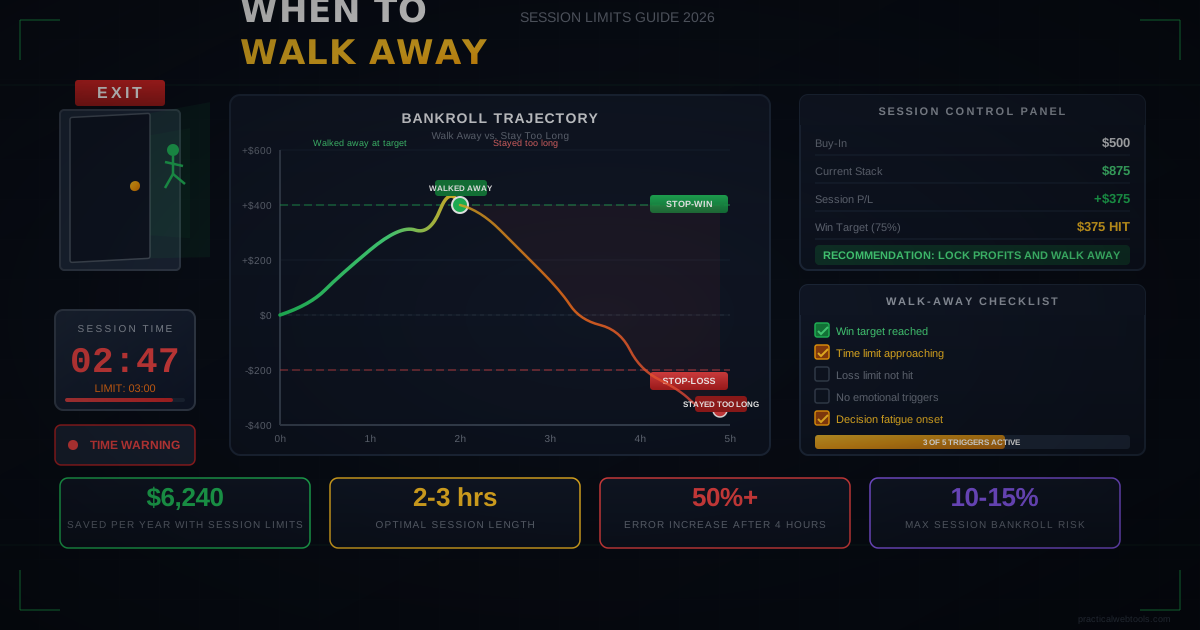
Set limits: max sequence length, max bet size, or loss limit. Abandon if thresholds exceeded rather than chasing.
Does the cancellation math guarantee profit?
Only if wins exactly equal losses—which they won't on average. The house edge means more losses than wins expected.
Why is it called "split Martingale"?
It splits the recovery across multiple bets rather than one double-or-nothing bet. Less immediately dangerous, same long-term result.
Pro Tips
-
Start conservative: Small numbers, longer sequence
-
Track carefully: Errors compound quickly
-
Set limits: Max sequence length
-
Same edge: Customization doesn't help
-
First + last: Always, no exceptions
Related Calculators
- Martingale Calculator - Compare systems
- D'Alembert Calculator - Simpler progression
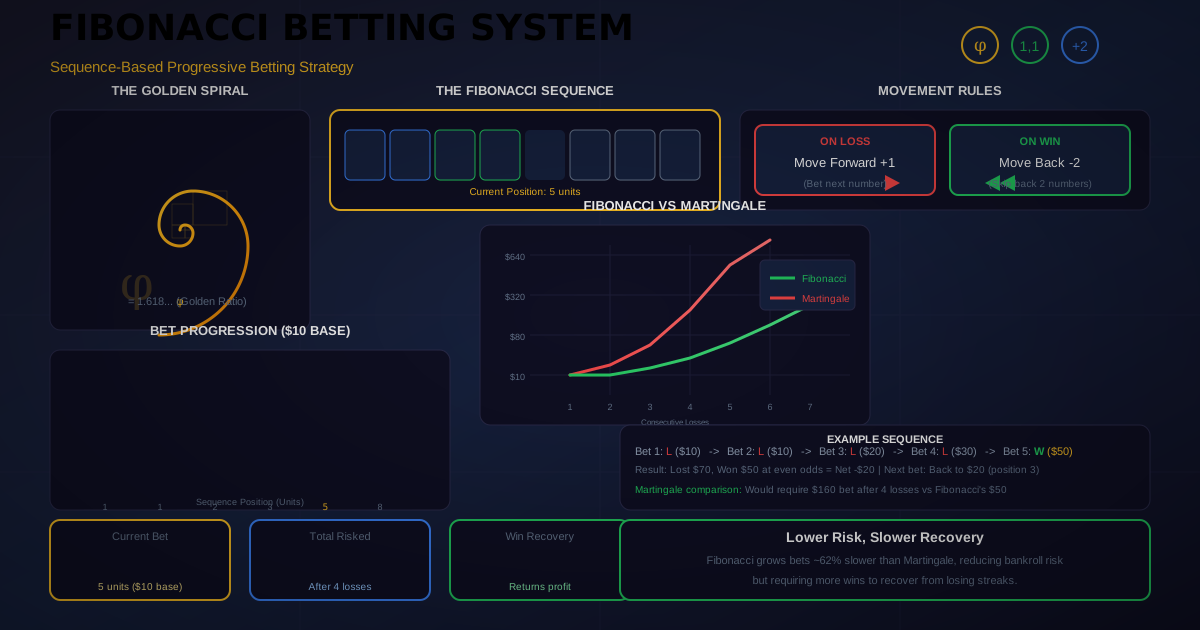
- Fibonacci Calculator - Sequence betting
- Roulette Odds Calculator - Base game
- Expected Value Calculator - True EV
Conclusion
The Labouchère system offers the most customizable progression—create any number sequence, bet first plus last, cancel on wins, add on losses. Our calculator tracks your sequence, shows next bets, and proves why even this flexible approach cannot overcome the mathematical house edge.
Calculate Labouchère Sequence Now →
Your 1-2-3-4 sequence seems destined to clear—until three losses turn it into 1-2-3-4-5-6-7. Our calculator shows how quickly sequences grow and why the cancellation logic doesn't cancel the house edge.