The Ultimate 2026 Frozen Four Office Pool Kit (Free Bracket)

The air gets a little colder, the skates get a little sharper, and the checks into the boards get a little louder. That can only mean one thing: the NCAA Men's Ice Hockey Tournament is upon us. For college hockey fans, it’s the most wonderful time of the year. For everyone else, it’s a golden opportunity to get in on the action with a time-honored tradition: the office pool.
From perennial powerhouses like Michigan Hockey to the Cinderella stories that capture our hearts, the single-elimination format of the Frozen Four tournament is pure, unadulterated excitement. But running a pool can feel like herding cats—collecting money, explaining the rules, and tracking the madness.
Fear not. We’ve created the ultimate kit to make your 2026 Frozen Four office pool the smoothest and most engaging one yet. This guide includes a free downloadable and printable 2026 NCAA Hockey Tournament bracket and a complete walkthrough on how to use betting odds to inform your picks and even run your pool. Let's drop the puck.
First Period: Understanding the Road to the Frozen Four
Before you can fill out a bracket, it helps to know what you're looking at. The NCAA Men's Ice Hockey Championship is a 16-team, single-elimination tournament. It's often called the "Frozen Four," which technically refers to the final four teams who compete in the championship weekend, but the term is commonly used for the entire tournament.
Here’s the basic structure:
- The Field: 16 teams are selected. Six conference champions receive automatic bids, and the remaining ten teams are selected as at-large bids by a committee based on their season performance.
- The Regionals: The 16 teams are divided into four regional brackets (four teams each). The winner of each regional advances to the Frozen Four.
- The Frozen Four: The four regional champions meet in a championship weekend. Two semifinal games are played, and the winners face off in the National Championship game.
This format is what makes it so thrilling. One bad game, one hot goalie, and a top-seeded favorite can be sent packing early. This volatility is what makes bracket pools so much fun and unpredictable.
Second Period: Your Free 2026 Frozen Four Printable Bracket
This is the centerpiece of your office pool. We’ve designed a clean, easy-to-read, and printer-friendly bracket for the 2026 tournament. Once the teams are announced on Selection Sunday, you can fill them in and print as many copies as you need.
[Click Here to Download Your Free 2026 Frozen Four Bracket PDF]
Our printable PDF includes:
- A full 16-team bracket layout.
- Space to write in team names for each matchup.
- Clearly marked rounds from the Regionals to the National Championship.
- A spot for the pool participant's name and their tie-breaker prediction (total goals in the championship game).
Distribute this to your colleagues, friends, and family to get the pool started on the right foot.
Third Period: How to Run the Perfect Office Pool (Step-by-Step)
Serving as the commissioner of an office pool grants you immense power and minimal responsibility, provided you set it up correctly. Here’s how to ensure a smooth, fun, and fair competition.
Step 1: Establish the Ground Rules
Clarity is key. Before anyone fills out a bracket, make sure everyone understands the rules. Decide on these points and include them in an email with the bracket.
- Entry Fee: How much does it cost to enter a bracket? Popular choices are $5, $10, or $20. Keep it friendly and accessible.
- Deadline: Set a hard deadline for all brackets to be submitted. This should be before the puck drops for the first game of the tournament. No exceptions!
- Payout Structure: How will the prize pot be distributed?
- Winner-Take-All: Simple and exciting. 100% of the pot goes to the first-place winner.
- Tiered Payouts: A popular option is to reward the top finishers (e.g., 1st Place: 60%, 2nd Place: 30%, 3rd Place: 10%).
- Scoring System: You need a transparent way to award points. A tiered system that rewards picking winners in later rounds is standard. Here is a common example:
- First Round (Regional Semifinals): 1 point per correct pick
- Second Round (Regional Finals): 2 points per correct pick
- Frozen Four (National Semifinals): 4 points per correct pick
- National Championship: 8 points per correct pick
Step 2: Distribute Brackets and Collect Entries
Email the link to this blog post and your rules to everyone who wants to participate. Have them print and fill out the bracket PDF, or use a digital version if your group prefers. Collect all brackets and entry fees before the deadline.
Step 3: Track the Standings
This is the commissioner's main job during the tournament. Create a master spreadsheet to track the scores. As games conclude, update each person's score. Sending out a daily or round-by-round update of the standings is a great way to keep everyone engaged and fuel some friendly trash talk.
Overtime: Using Betting Odds to Get an Edge
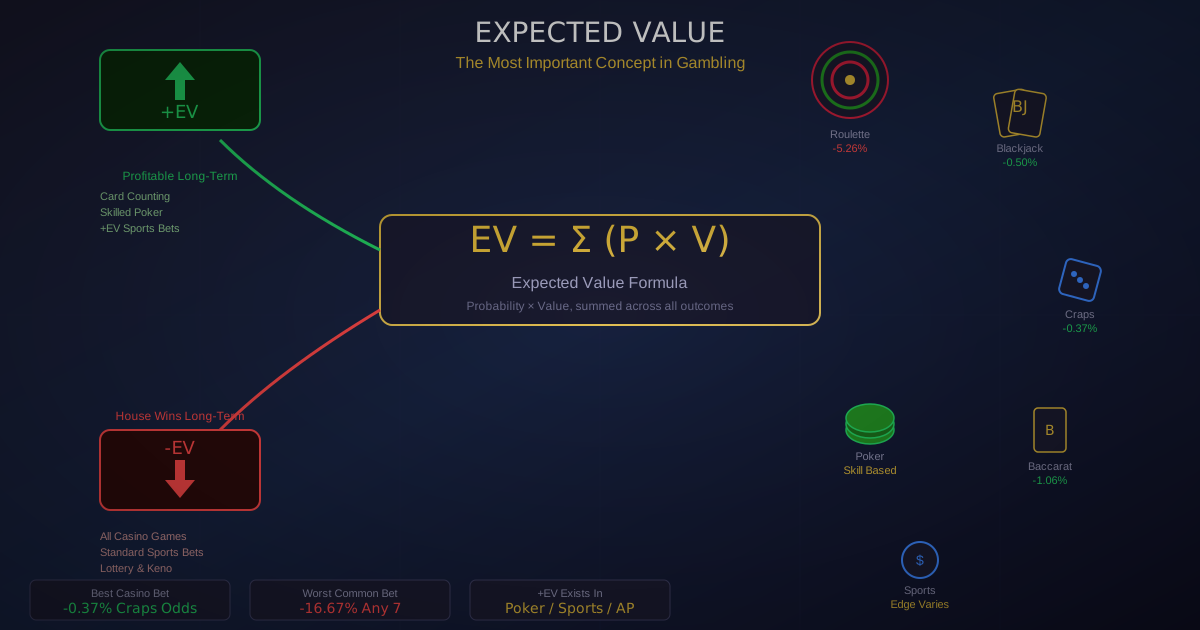
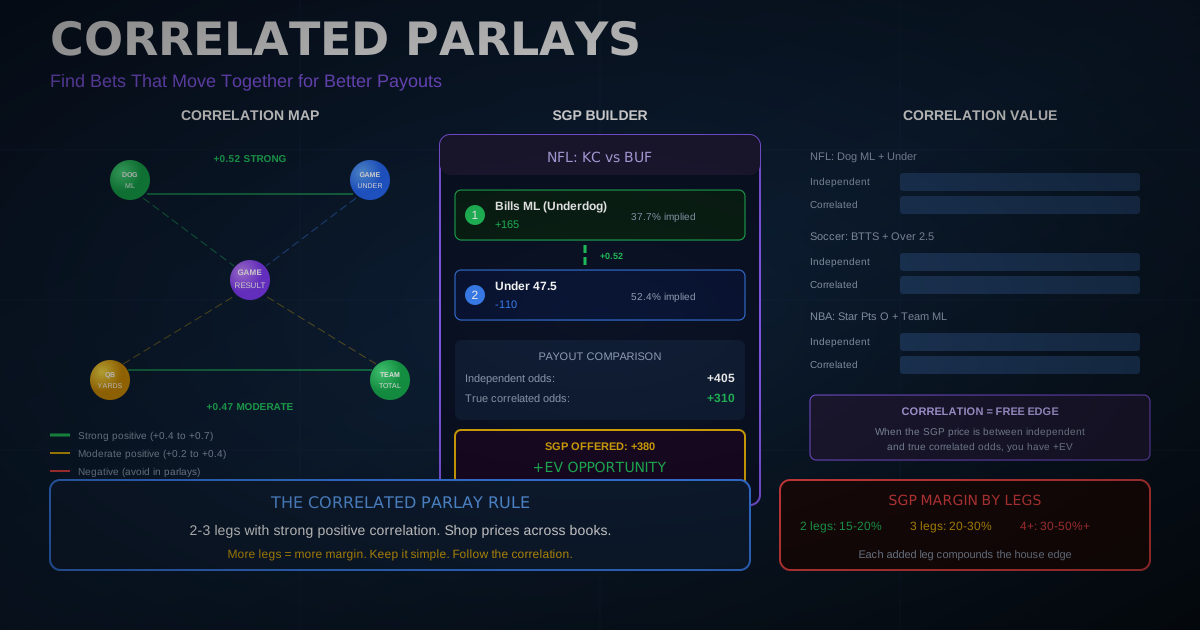
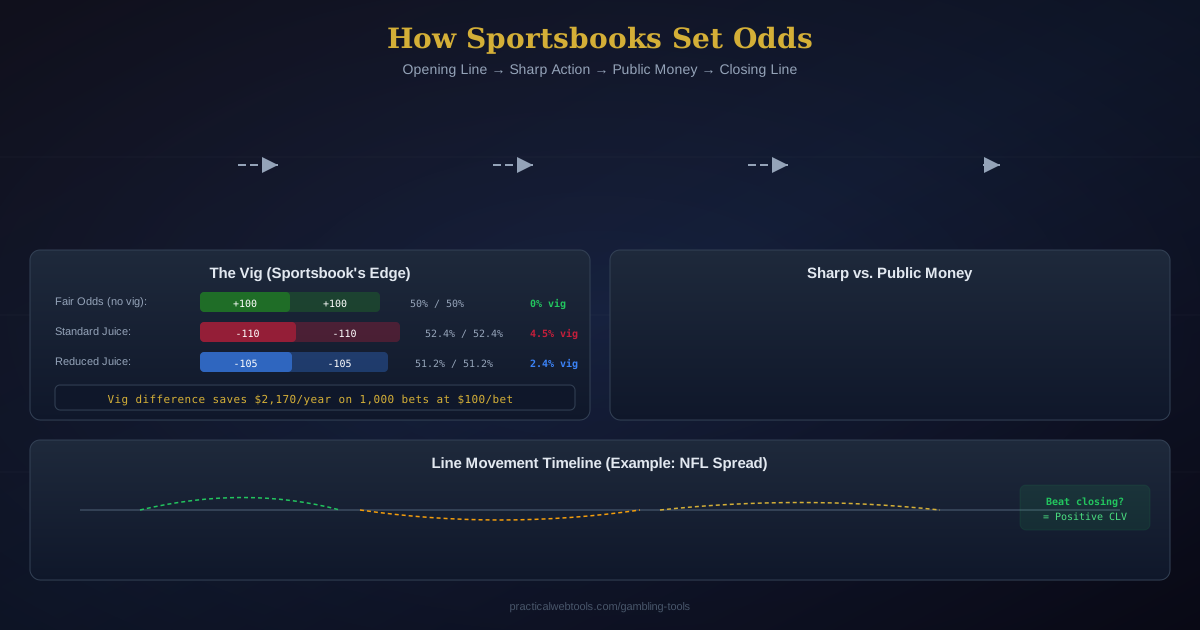
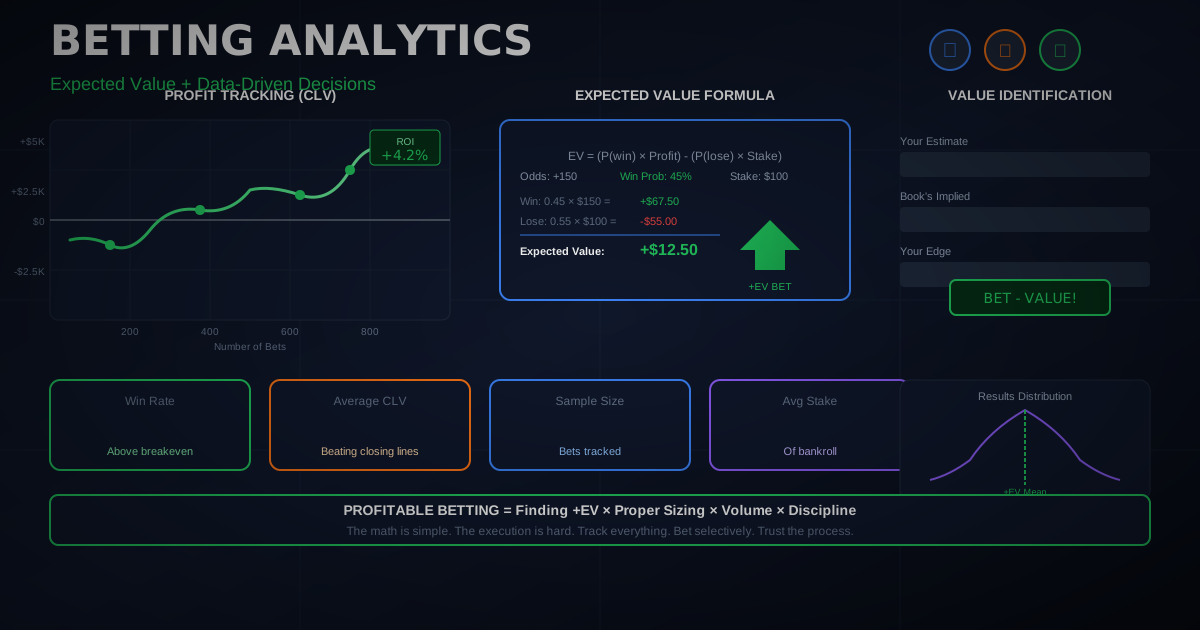
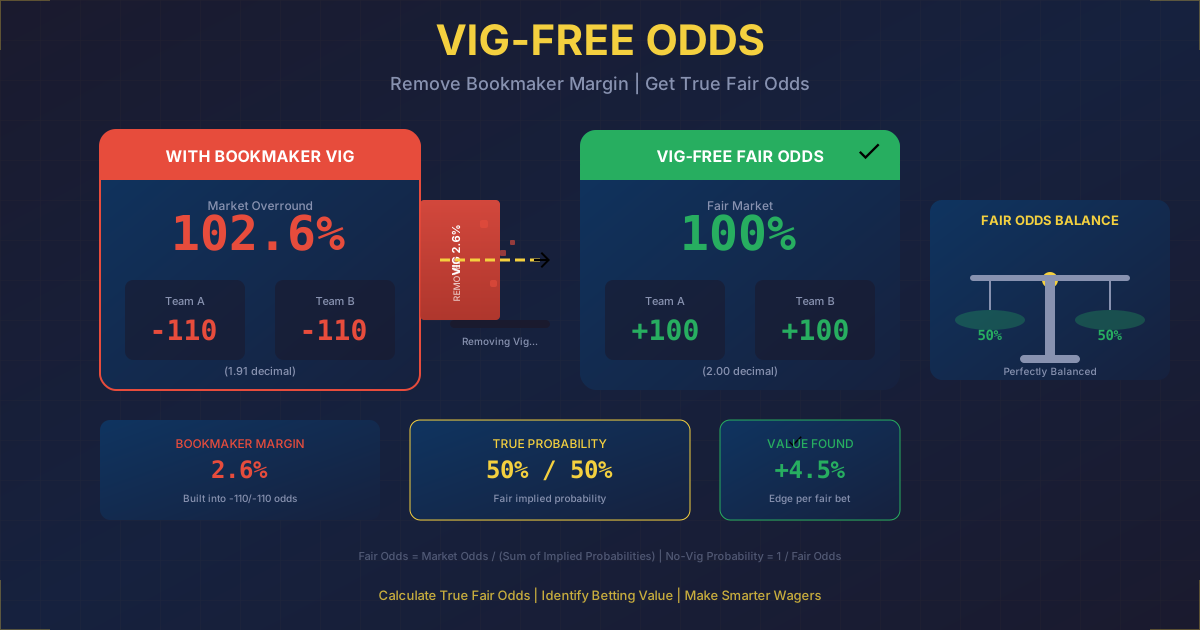
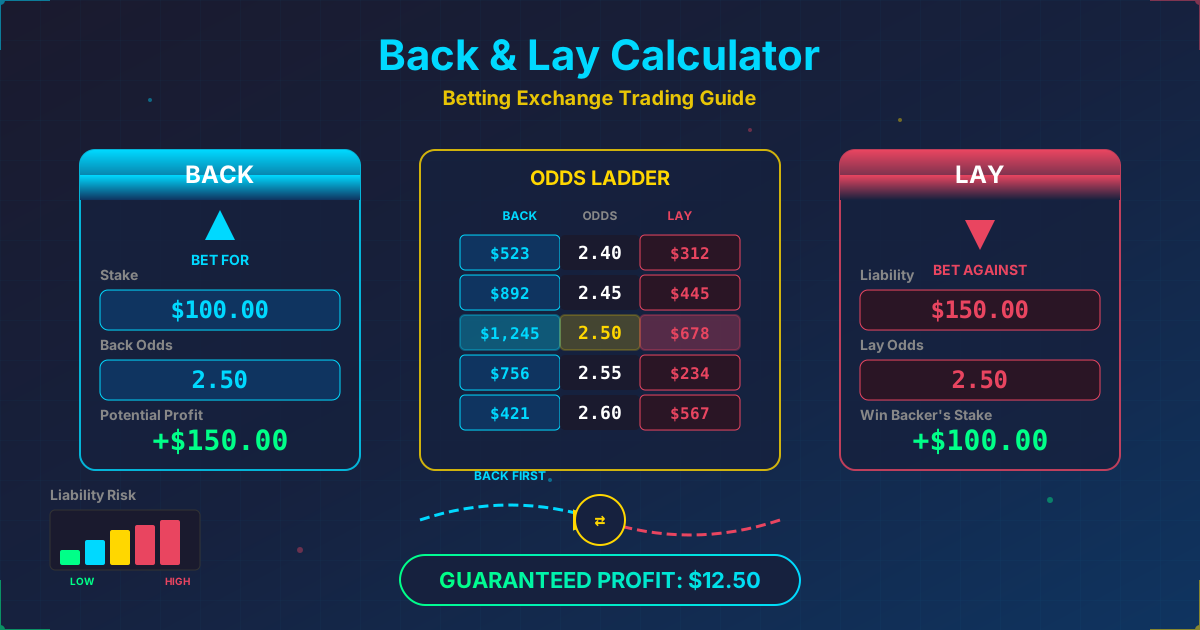
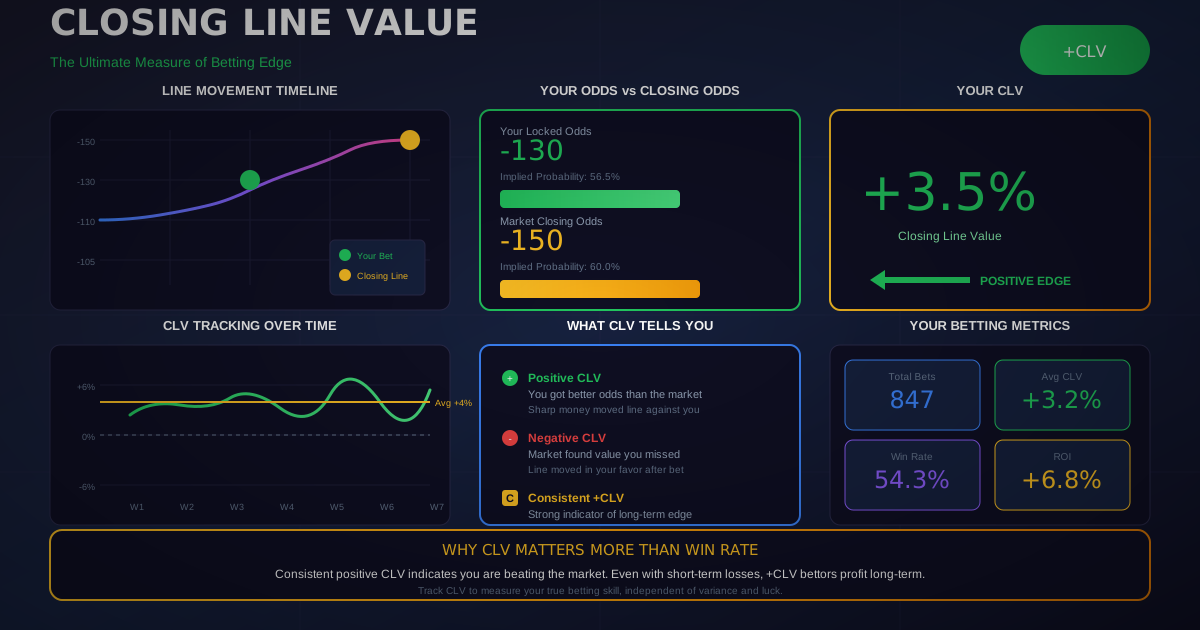
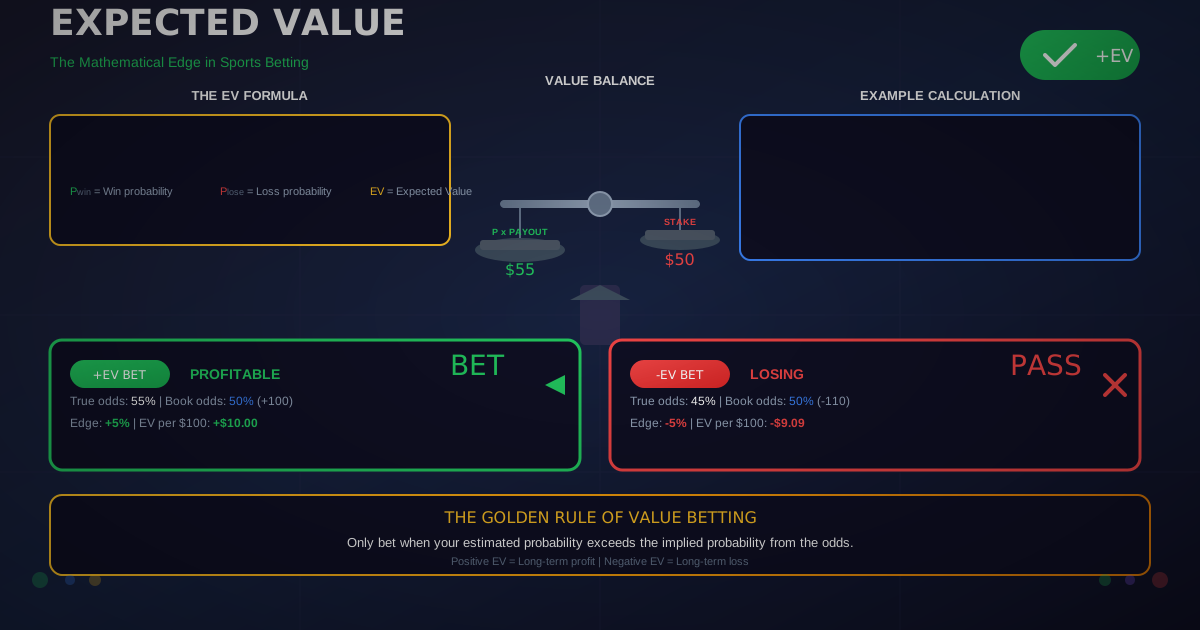
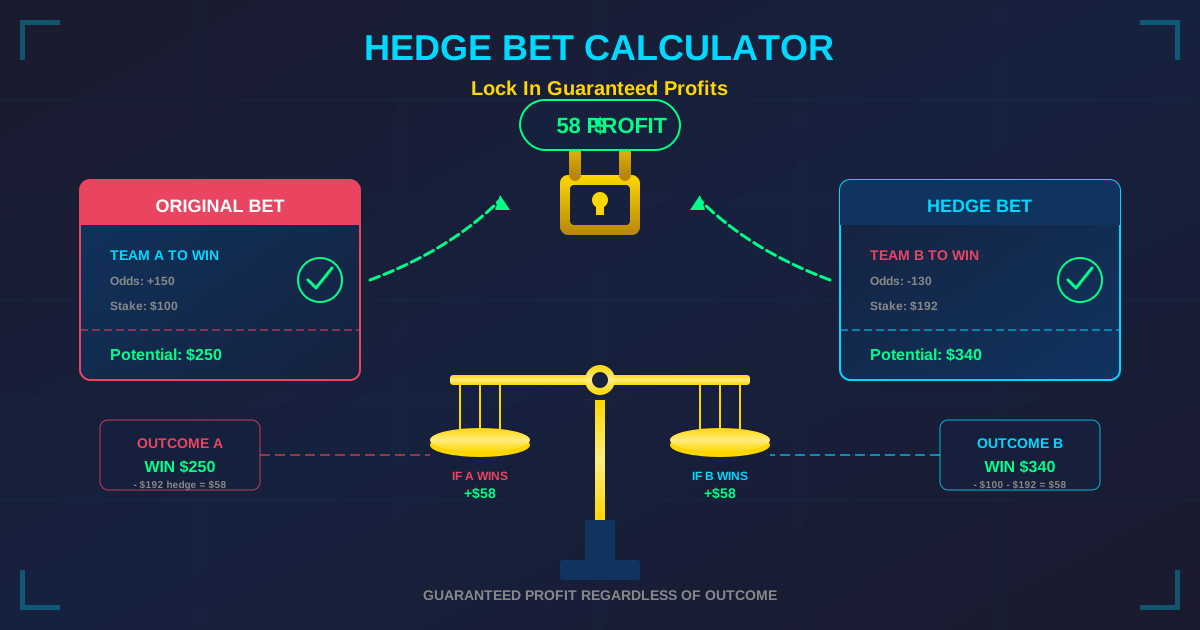
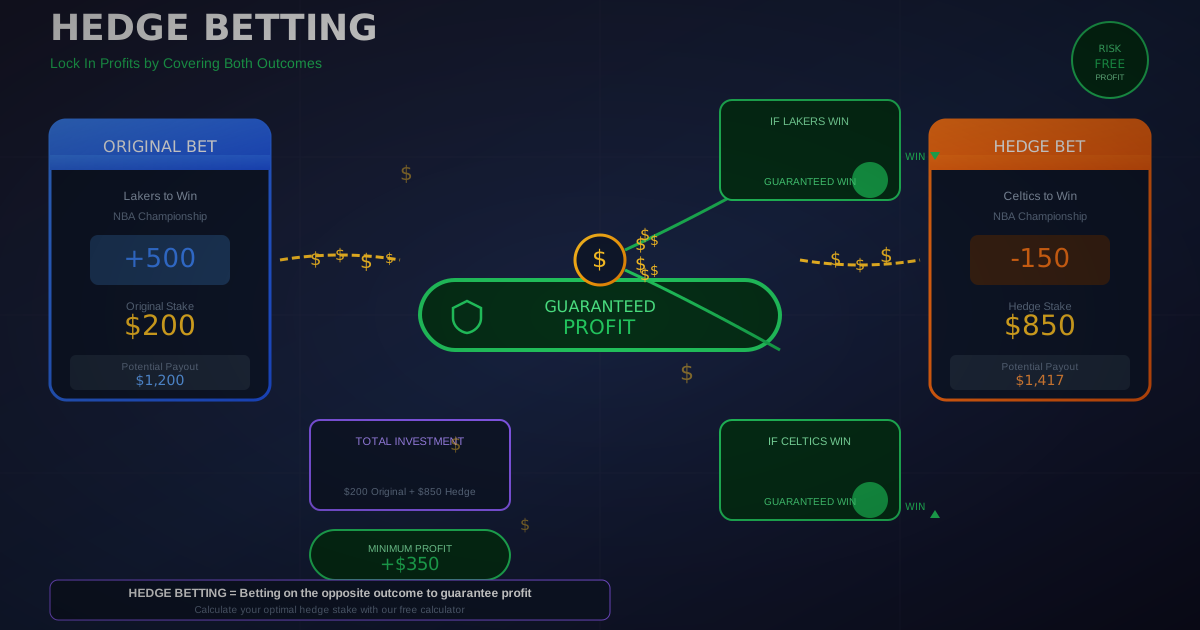
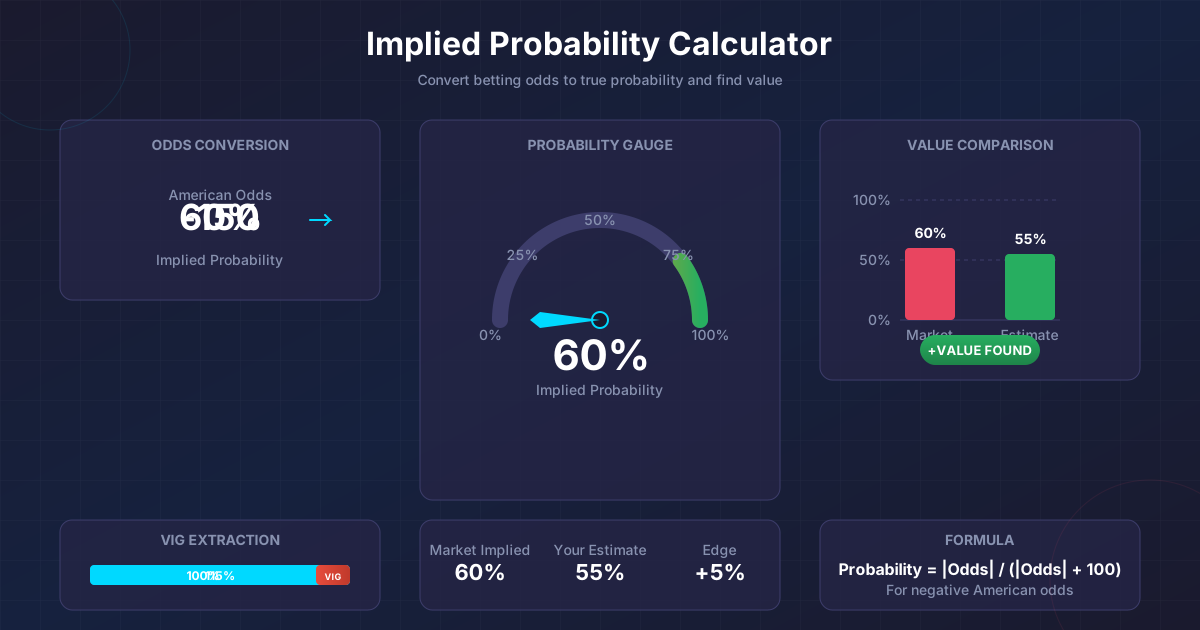
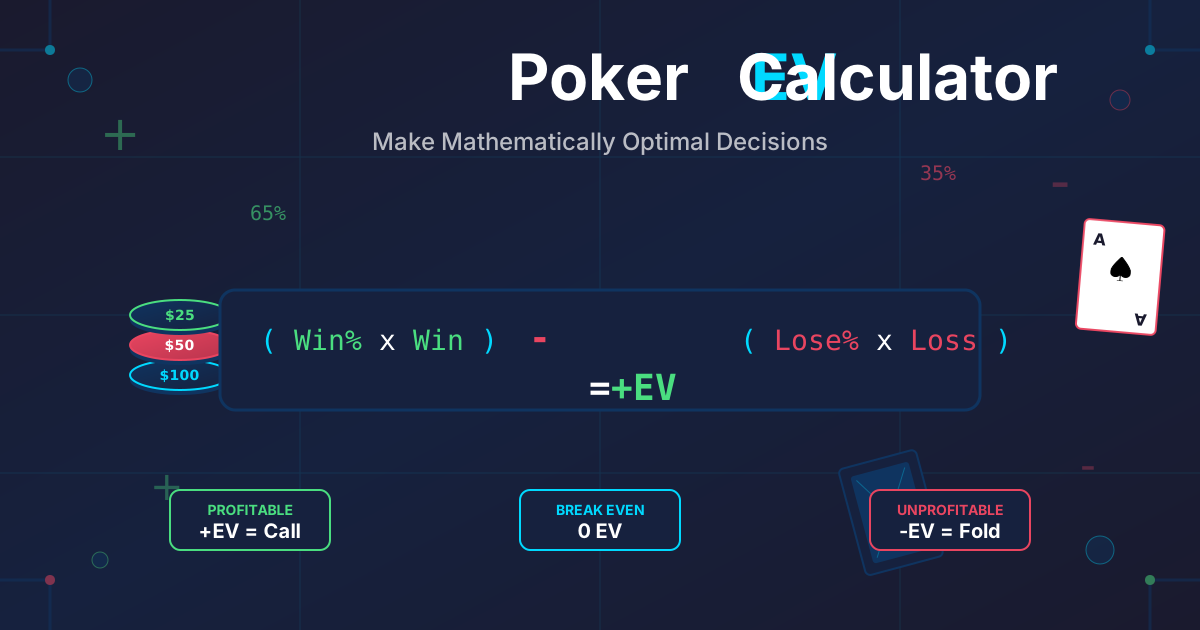
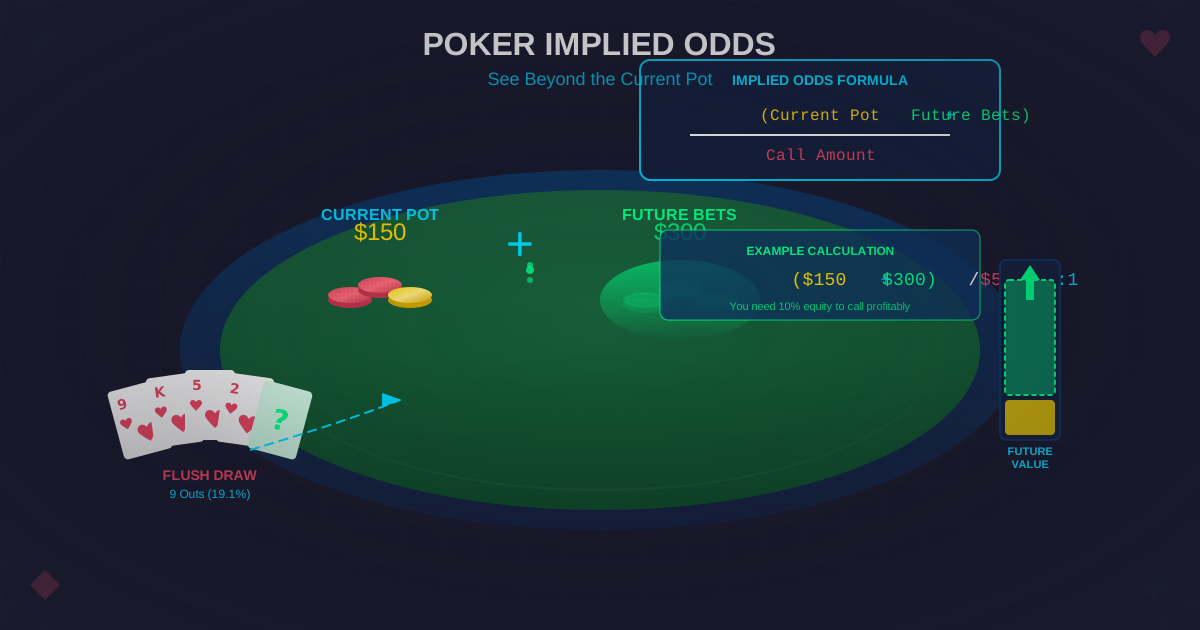
Want to move beyond just picking your favorite mascot? Understanding betting odds can give you a significant advantage in your pool by showing you which teams are true contenders and which are longshots. Odds are simply a reflection of the perceived probability of an outcome.
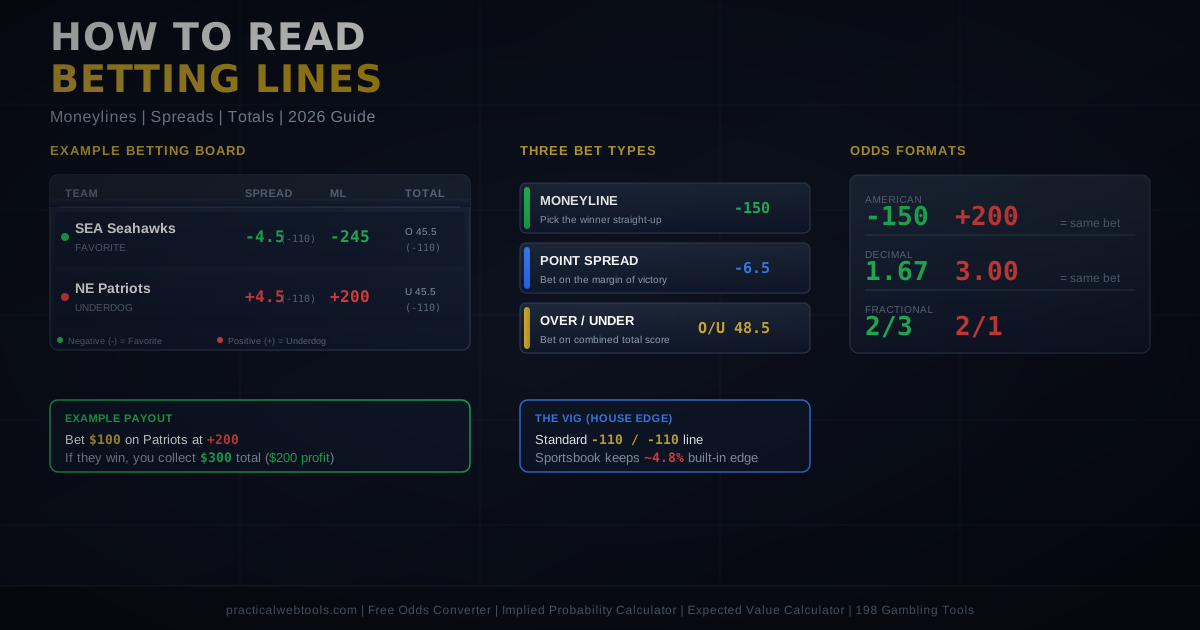
A Crash Course in American Odds
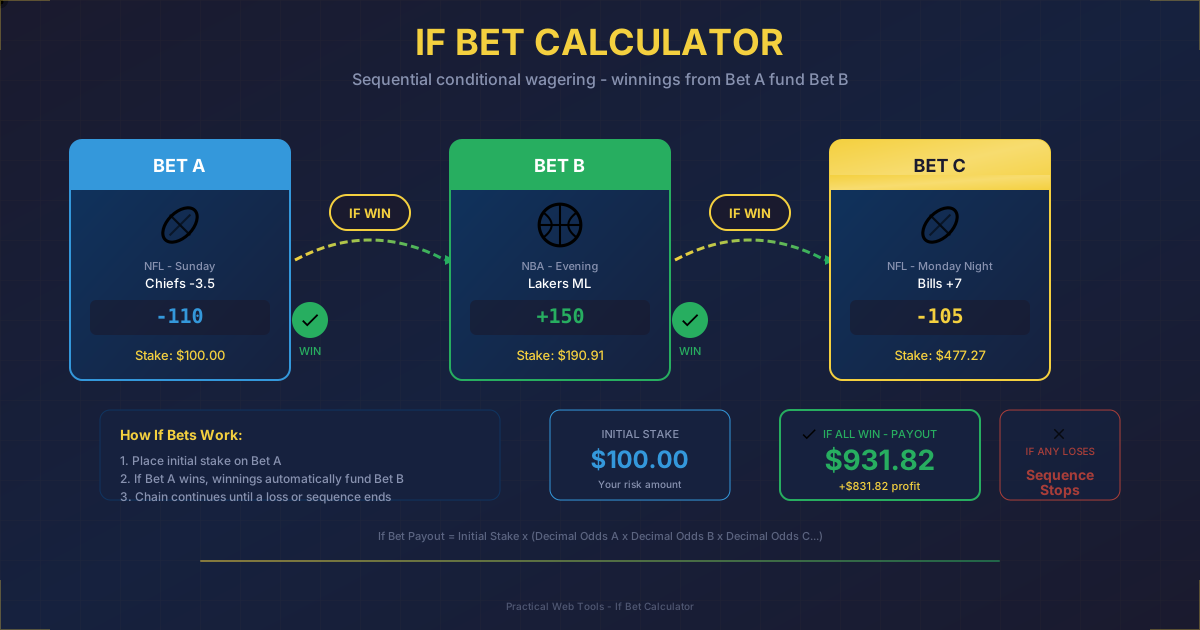
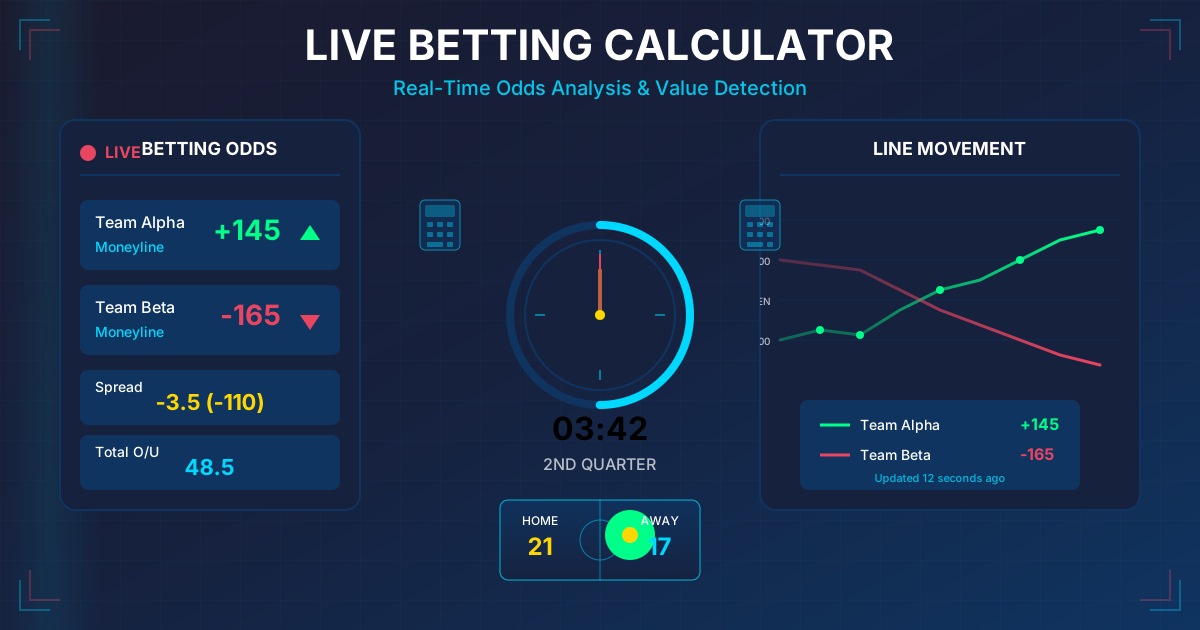
In the US, you'll most often see "American" odds, which use positive and negative numbers:
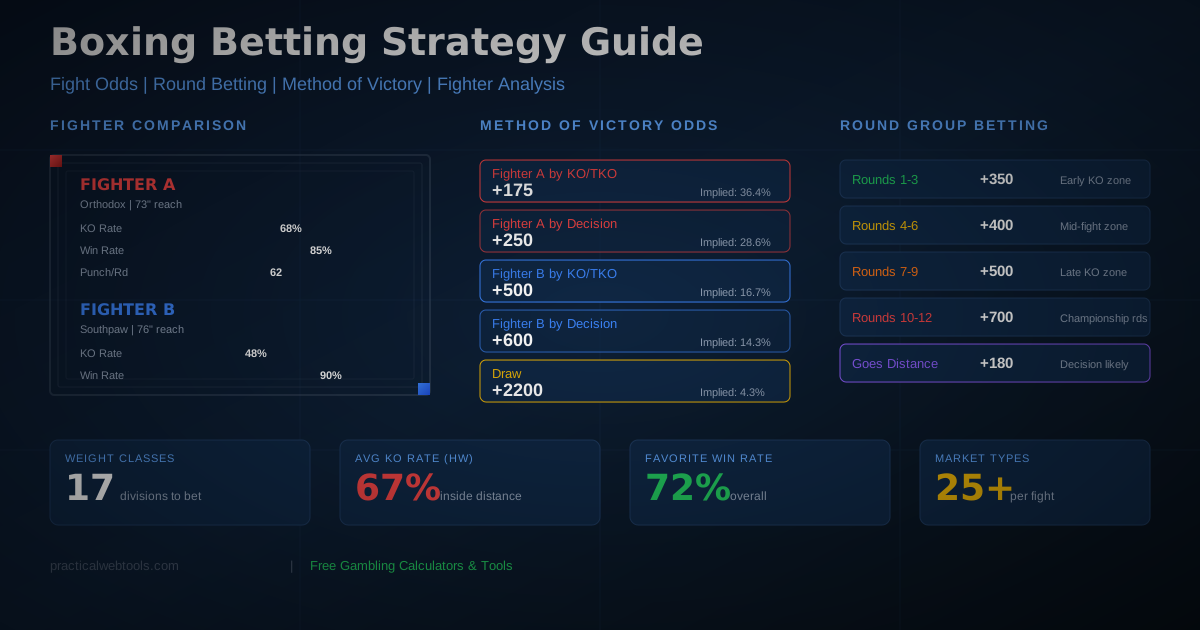
- The Favorite (Negative Odds): A team with odds like -150 is the favorite. This number indicates how much you'd need to bet to win $100. So, you would bet $150 to win $100.
- The Underdog (Positive Odds): A team with odds like +200 is the underdog. This number shows how much you'd win on a $100 bet. So, a $100 bet would win you $200.
In a bracket pool, you can use these odds to gauge relative strength. A team at -300 is a much heavier favorite than a team at -120. When you have a tough time deciding on a matchup, looking at the odds can be a great tie-breaker.
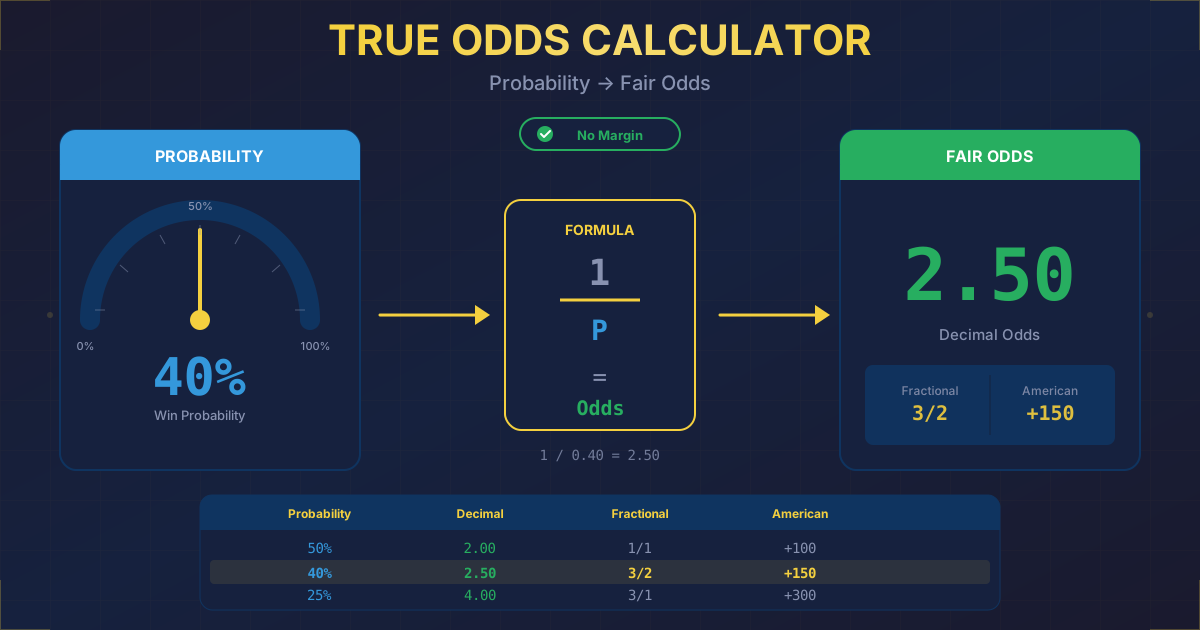
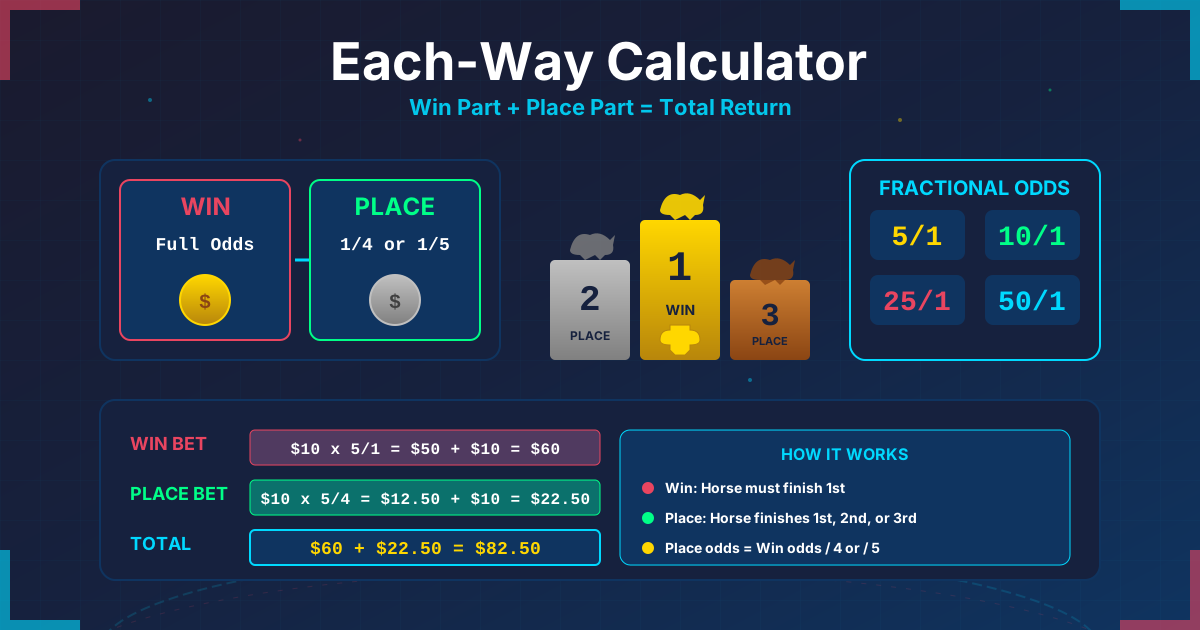
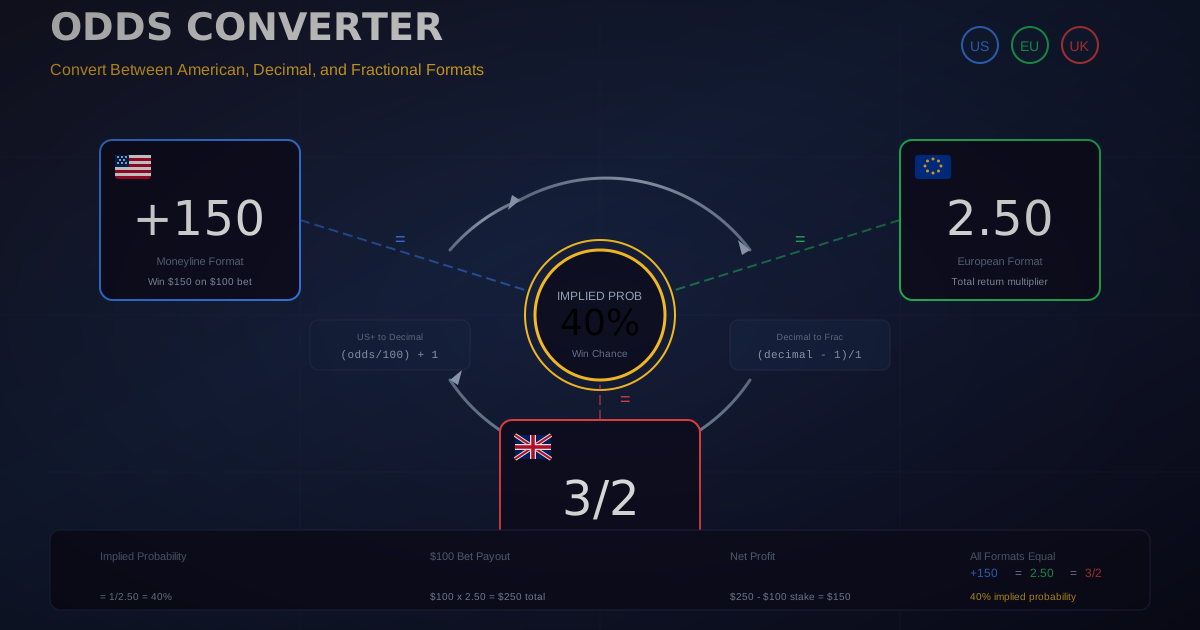
Sometimes you might find odds listed in a different format, like fractional (5/2) or decimal (3.50), especially from international sources. If you're trying to compare different formats, our Odds Converter is a free and simple tool to instantly switch between American, decimal, and fractional odds.
Where Teams Like Michigan Hockey Fit In
A program with the history and recruiting power of the Michigan Wolverines will almost always enter the tournament as a high seed with low odds to win it all. They are a perennial favorite, boasting nine national championships, the most of any program.
However, this is also what makes them a fascinating team for bracket purposes.
- The Safe Pick: Advancing them deep into your bracket is often a statistically sound choice. They consistently have the talent to make a run.
- The High-Profile Upset: Because they are always a top seed, an early exit by Michigan can completely bust thousands of brackets. Picking against a team like Michigan in an early round is a high-risk, high-reward strategy that could set your bracket apart from the pack if you're right.
When you see the tournament odds, pay attention to where Michigan and other top programs (Boston College, Minnesota, Denver) land. They are the giants of the tournament, and how you predict their fate will often determine the fate of your bracket.
Advanced Pool Idea: The "Futures" Pool
For a different twist, you can run a pool based on tournament futures odds. Instead of filling out a bracket, each participant picks 2-3 teams they think will win the championship. You then assign points based on their odds. For example, a correct pick on a favorite at +400 might get 40 points, while a correct pick on a longshot at +3000 gets 300 points. This rewards savvy underdog picks and requires a deeper understanding of the field.
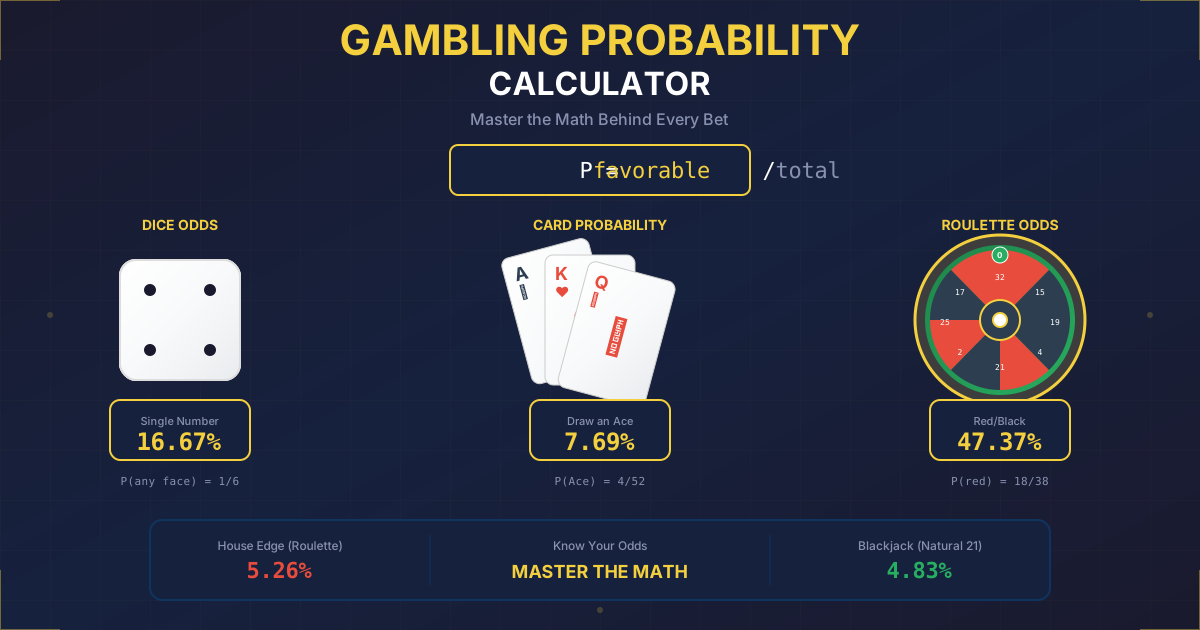
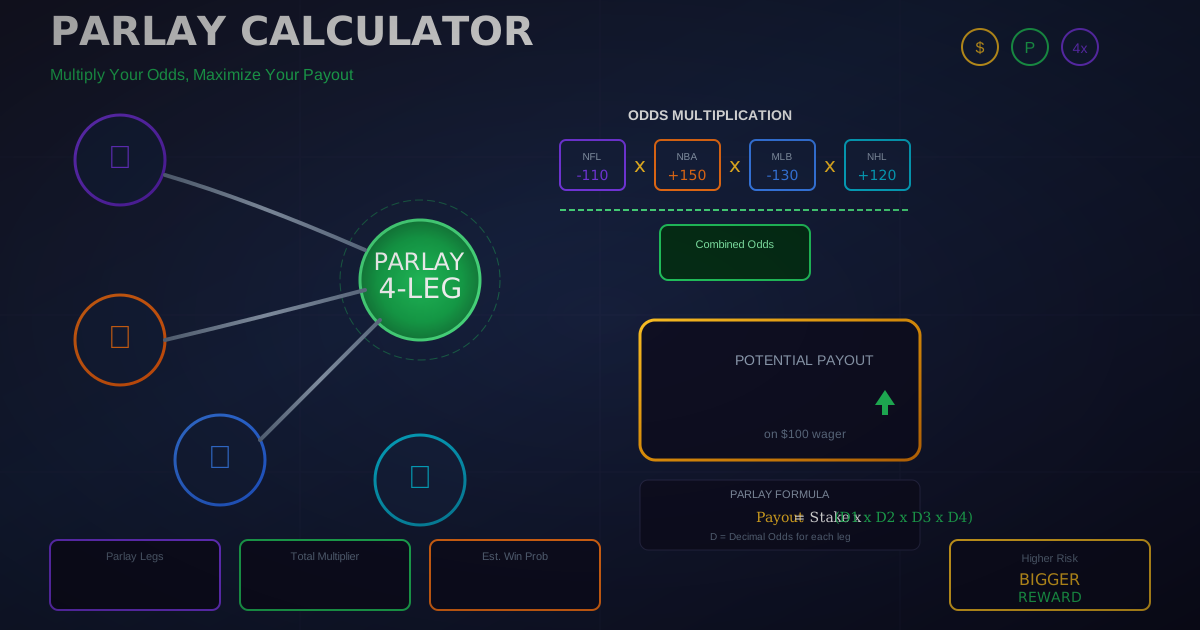
For anyone looking to explore the mechanics behind odds, payouts, and probability, our comprehensive suite of Gambling Tools offers everything you need to learn more, all for free and with a focus on privacy.
Shootout: Calculating and Distributing the Winnings
Once the final horn sounds and a champion is crowned, it's time to tally the final scores and pay your winners. Here’s a simple payout table example based on a $10 entry fee and a 60/30/10 split.
| Pool Participants | Total Prize Pot | 1st Place (60%) | 2nd Place (30%) | 3rd Place (10%) |
|---|---|---|---|---|
| 15 | $150 | $90 | $45 | $15 |
| 25 | $250 | $150 | $75 | $25 |
| 40 | $400 | $240 | $120 | $40 |
If you have a tie, the most common tie-breaker is the total number of goals scored in the championship game. The person whose guess is closest to the actual total wins the tie-breaker.
Be prompt with your payouts. A good commissioner is a fair, organized, and quick-paying one. Announce the winners, thank everyone for participating, and get ready to do it all again next year.
Conclusion: Your Best Office Pool Awaits
The NCAA Hockey Tournament offers two and a half weeks of thrilling, edge-of-your-seat action. It’s the perfect backdrop for some friendly competition among colleagues and friends. With a clear set of rules, a handy printable bracket, and a little insight from the world of betting odds, you’re now fully equipped to run a memorable and engaging 2026 Frozen Four pool.
Ready to get started?
Download your free 2026 Frozen Four bracket, share this guide with your league, and may the best bracket win!