Lottery Number Generator Calculator: Random Picks Guide (2026)
Lottery Number Generator: True Random Picks
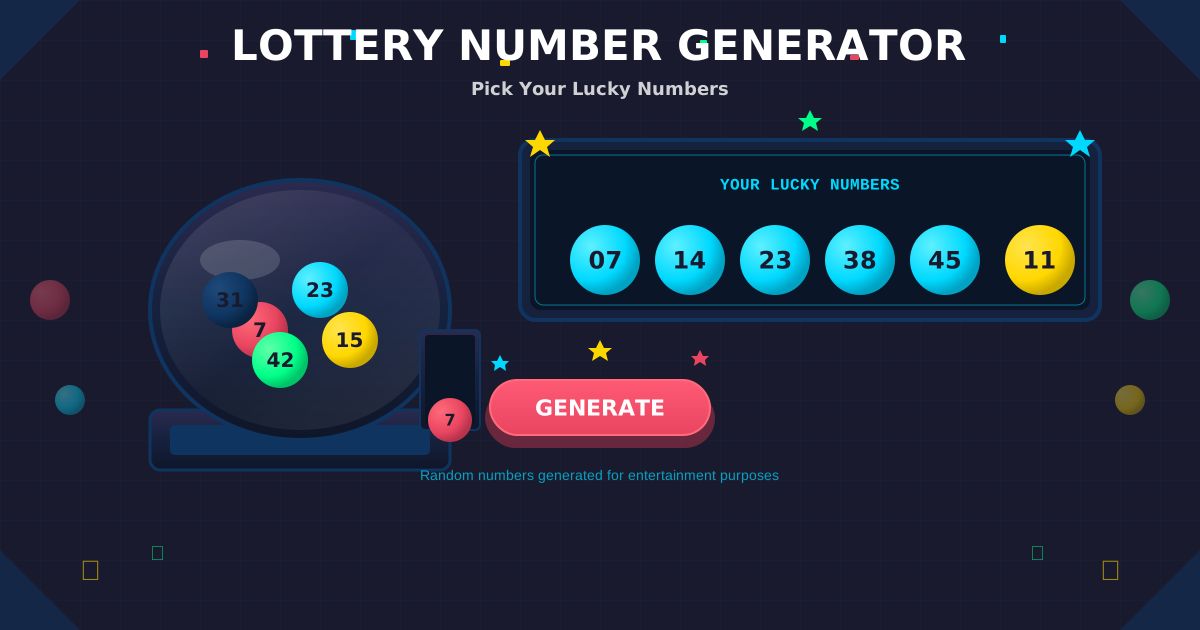
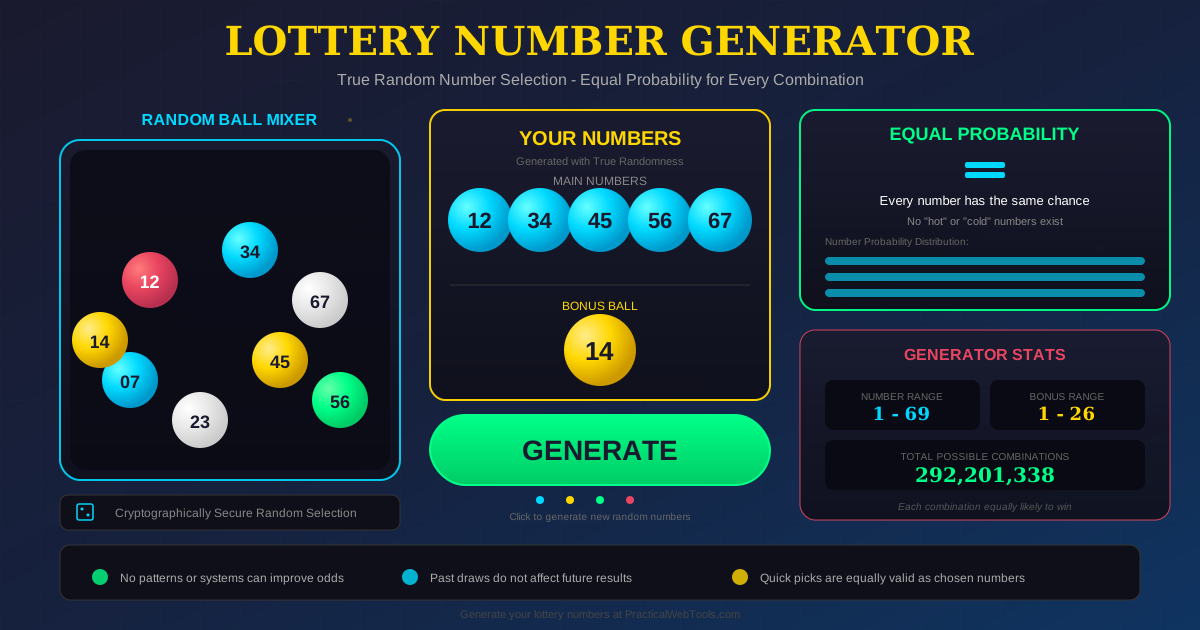
Every lottery number has equal probability, yet players gravitate toward patterns that increase shared jackpots. Our generator provides truly random numbers while explaining why "strategy" is an illusion in lottery selection.
What Is a Lottery Number Generator?
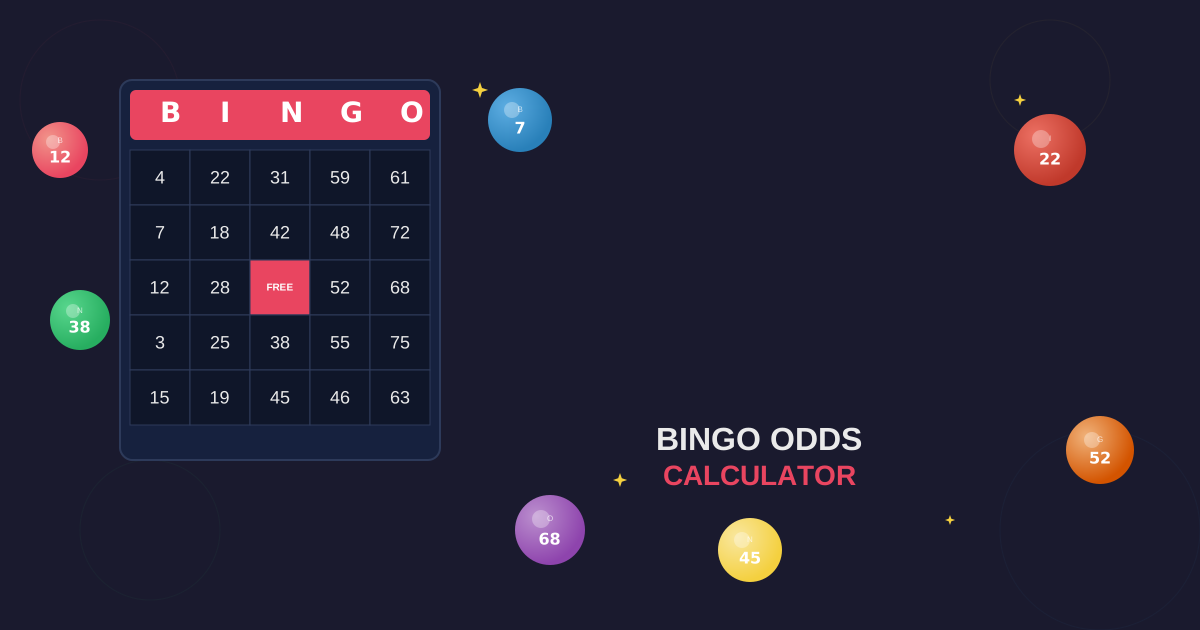
A lottery number generator produces random selections within the valid range for your lottery game. Unlike human "random" picks, algorithmic randomness avoids the patterns our brains unconsciously create.
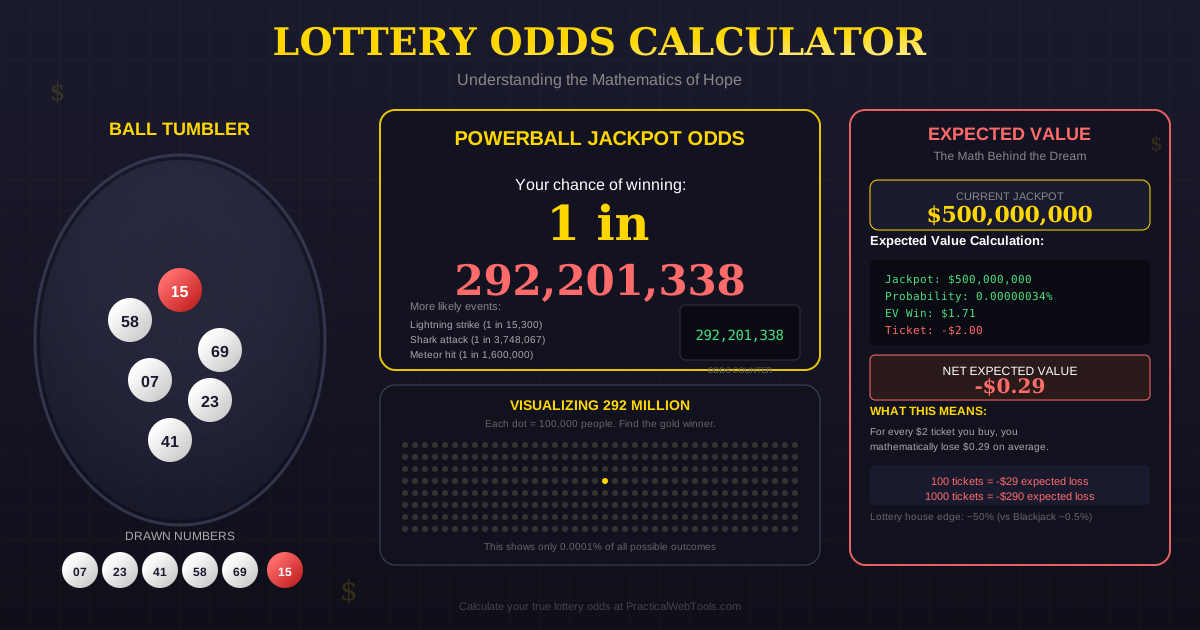
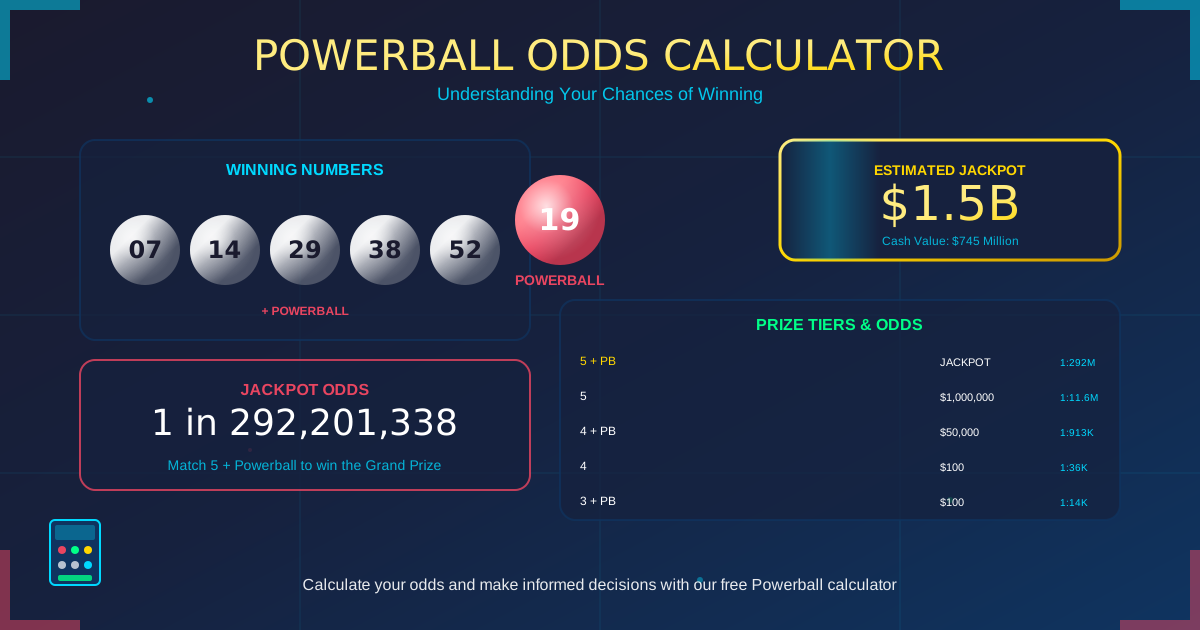
Quick Answer: Each Powerball combination has exactly 1 in 292,201,338 odds regardless of which numbers you choose. However, "popular" numbers (birthdays 1-31, patterns like 7-14-21-28-35) get picked more often, meaning shared jackpots. Random generators help avoid these patterns, maximizing your payout IF you win—while odds remain unchanged.
How to Use Our Number Generator
Use the Lottery Number Generator →
Select your lottery game to generate random number combinations.
Step-by-Step Instructions
-
Select Lottery Game: Powerball, Mega Millions, etc.
-
Set Number Range: Main numbers and bonus
-
Generate Combination: Get random picks
-
Generate Multiple: Create several lines
-
Export Numbers: Save your selections
Input Fields Explained
| Field | Description | Example |
|---|---|---|
| Game Type | Lottery game | Powerball |
| Main Numbers | White balls | 5 from 1-69 |
| Bonus Number | Powerball | 1 from 1-26 |
| Lines to Generate | Combinations | 5 |
| Generated Numbers | Your picks | 12, 34, 45, 56, 67 + PB 14 |
Popular Lottery Games
Powerball
| Component | Range | Picks |
|---|---|---|
| White balls | 1-69 | 5 |
| Powerball | 1-26 | 1 |
| Jackpot odds | — | 1:292,201,338 |
Mega Millions
| Component | Range | Picks |
|---|---|---|
| White balls | 1-70 | 5 |
| Mega Ball | 1-25 | 1 |
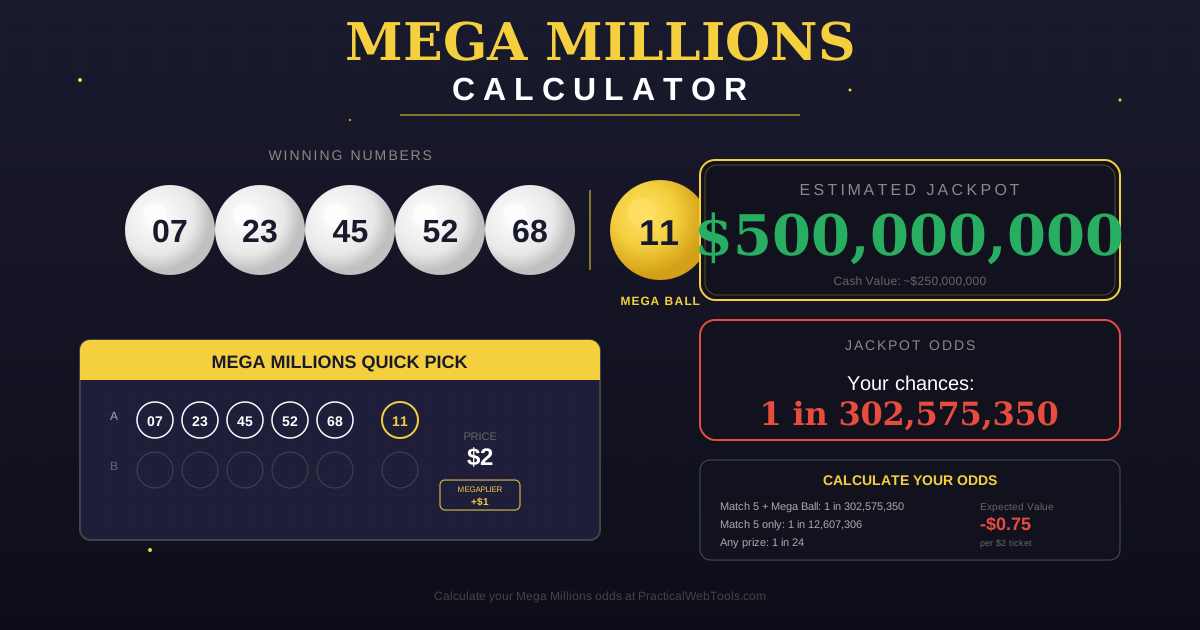
| Jackpot odds | — | 1:302,575,350 |
State Lotteries (Examples)
| Game | Format | Jackpot Odds |
|---|---|---|
| Cash 5 | 5 from 1-43 | ~1:575,000 |
| Pick 6 | 6 from 1-49 | ~1:13,983,816 |
| Fantasy 5 | 5 from 1-39 | ~1:575,757 |
Why Random Is Better
Popular Number Problem
| Number Type | Why Popular | Problem |
|---|---|---|
| 1-31 | Birthdays | 50%+ of players use them |
| 7, 11, 13 | "Lucky" numbers | Heavily over-selected |
| Patterns | Visual appeal | Easy to replicate |
| Recent winners | Recency bias | Others copy too |
Shared Jackpot Math
$100M jackpot, 1 in 292M odds

Unpopular numbers: Maybe 1-2 winners = $50-100M each
Popular numbers: Maybe 10+ winners = $10M each

Same odds to win, different expected payout
The 1-2-3-4-5-6 Myth
| Belief | Reality |
|---|---|
| "Never been drawn" | True (but irrelevant) |
| "Less likely" | False—same odds as any combo |
| "Should avoid" | Maybe—for payout reasons only |
Every combination has identical probability. But 1-2-3-4-5-6 is played by thousands, meaning tiny shared payout if it hits.
Number Selection Analysis
Birthday Bias
| Range | Players Using | Expected Share |
|---|---|---|
| 1-12 (months) | Very high | Low payout |
| 1-31 (days) | High | Lower payout |
| 32-69 | Low | Higher payout |
Pattern Avoidance
| Pattern Type | Example | Risk |
|---|---|---|
| Consecutive | 12-13-14-15-16 | High sharing |
| Arithmetic | 5-10-15-20-25 | High sharing |
| Visual | Diagonal on slip | Moderate sharing |
| All odd/even | 1-3-5-7-9 | Moderate sharing |
Optimal Selection Strategy
"Strategy" is misleading—odds unchanged

Best approach:
1. Use random generator
2. Avoid numbers 1-31 if possible
3. Mix across full range
4. Never pick recognizable patterns
5. Accept that odds remain astronomical
Randomness Quality
True vs Pseudo-Random
| Type | Source | Quality |
|---|---|---|
| True random | Physical entropy | Highest |
| Cryptographic | Algorithm | Very high |
| Standard | PRNG | Good enough |
| Human "random" | Brain | Poor |
Human "Random" Problems
| Bias | Manifestation |
|---|---|
| Central tendency | Avoid 1 and max number |
| Avoidance of recent | Won't repeat numbers |
| Pattern seeking | Unconscious sequences |
| Lucky numbers | Overweight favorites |
Real-World Examples
Example 1: Birthday-Based Selection
Numbers chosen: 7, 12, 19, 25, 3 + 8 Issue: All under 32, very common pattern Risk: High jackpot sharing
Example 2: Quick Pick
Numbers from machine: 14, 38, 52, 61, 67 + 19 Benefit: Algorithmically random Advantage: Lower sharing probability
Example 3: Full-Range Random
Numbers generated: 3, 29, 44, 58, 68 + 21 Characteristic: Spans entire range Advantage: Avoids birthday clustering
The Mathematics of Equal Probability
Every Combination Is Equal
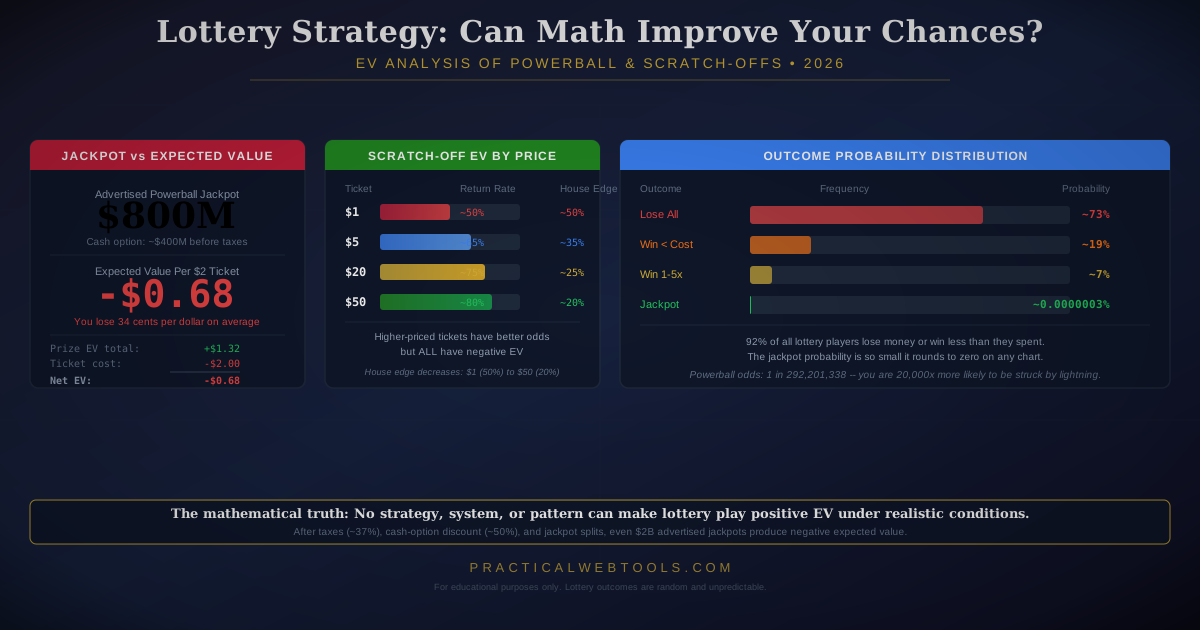
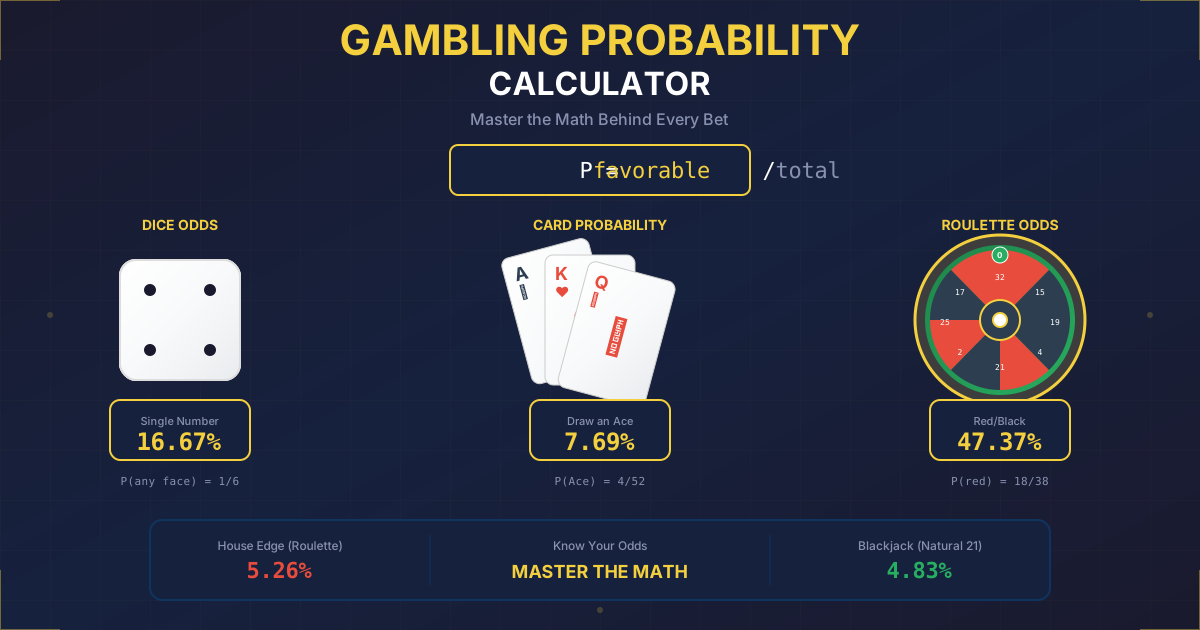
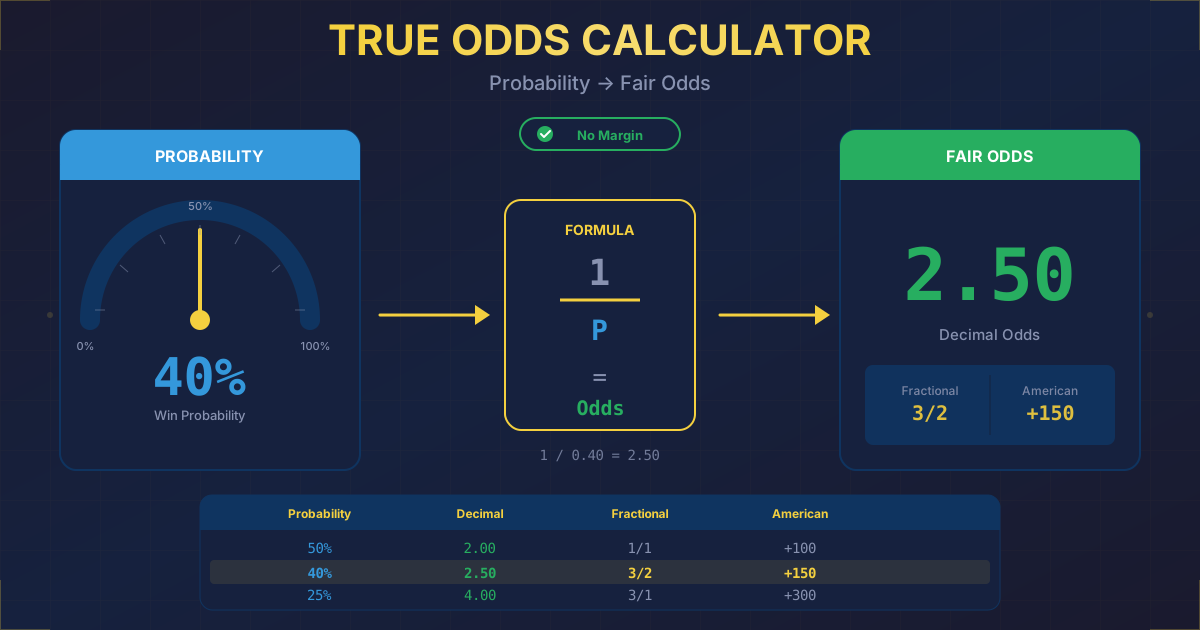
Powerball combinations: C(69,5) × 26 = 292,201,338

Probability of any specific combo:
P = 1 / 292,201,338 = 0.00000034%

This is true for:
- 1-2-3-4-5 + 1
- 13-27-42-55-68 + 19
- Any other combination
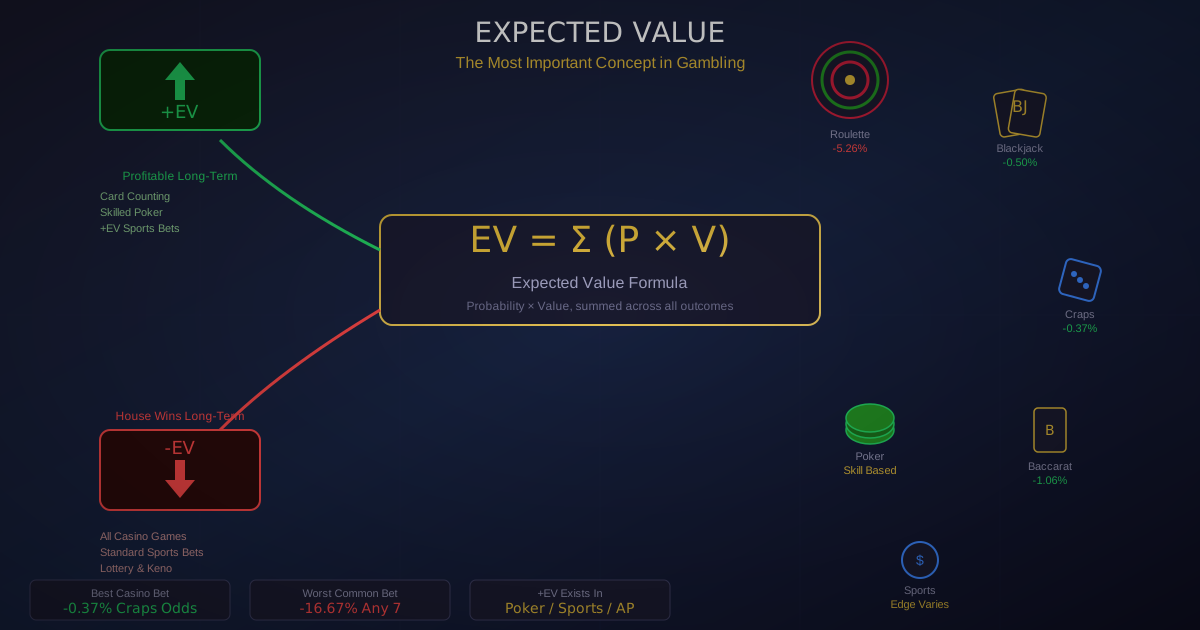
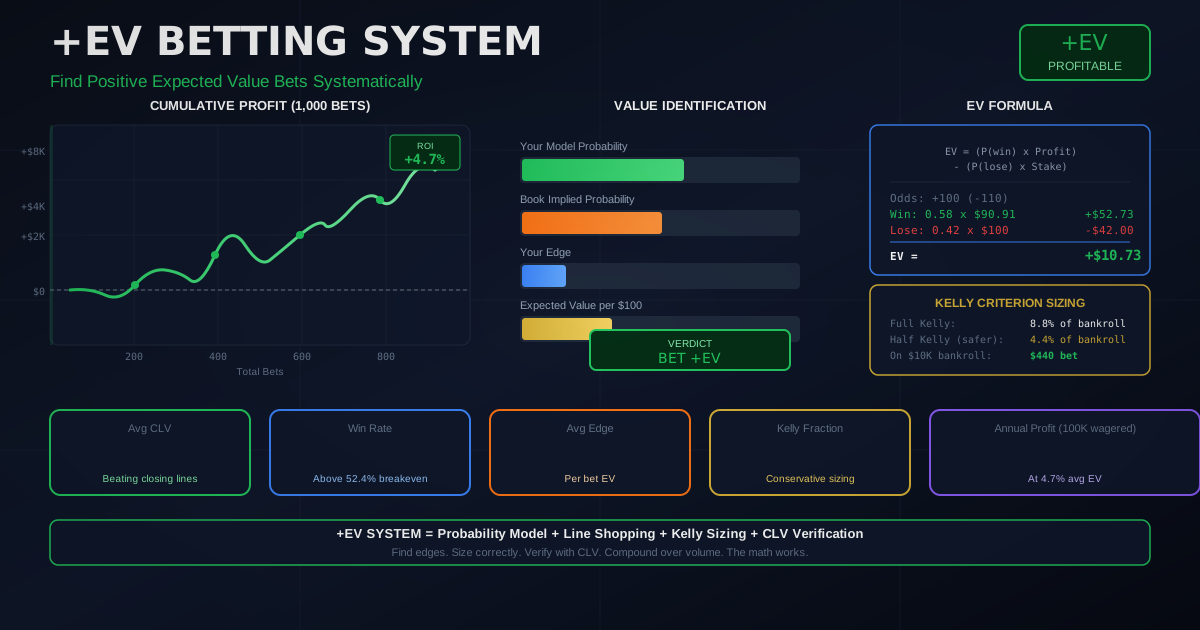
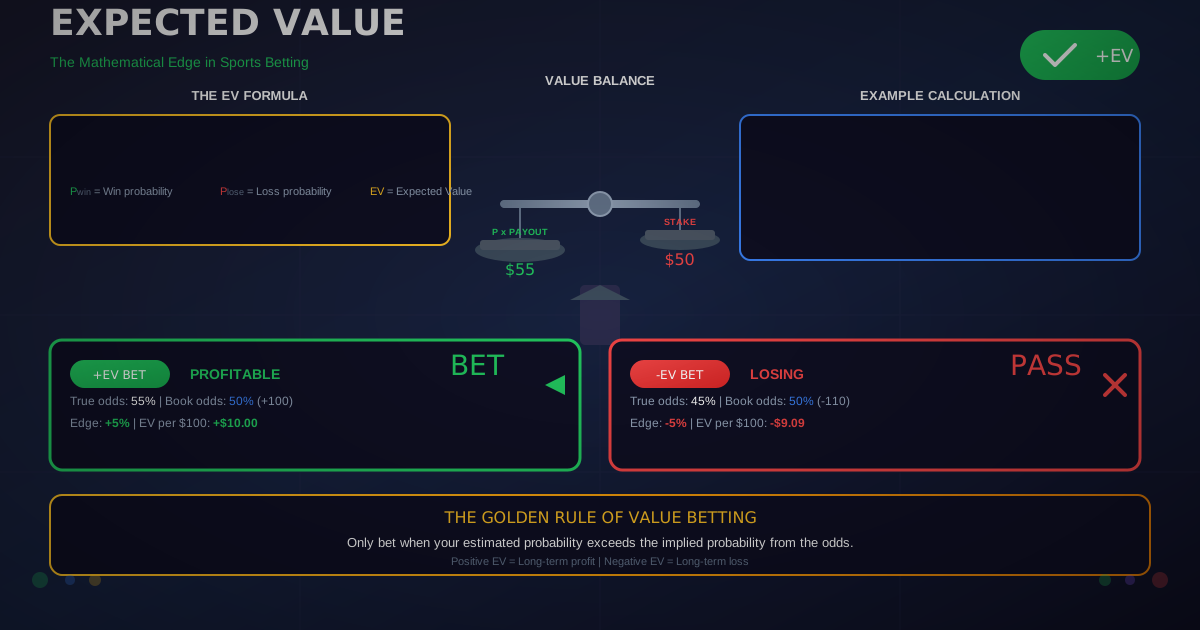
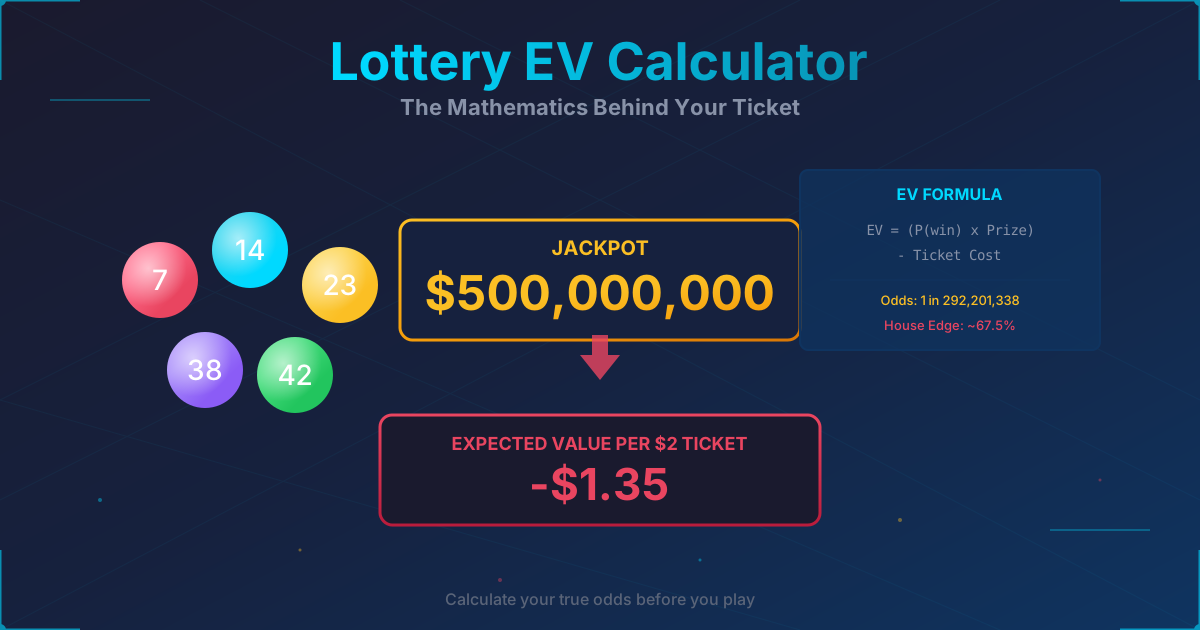
Expected Value Calculation
Ticket cost: $2
Jackpot: $100M
Odds: 1 in 292,201,338

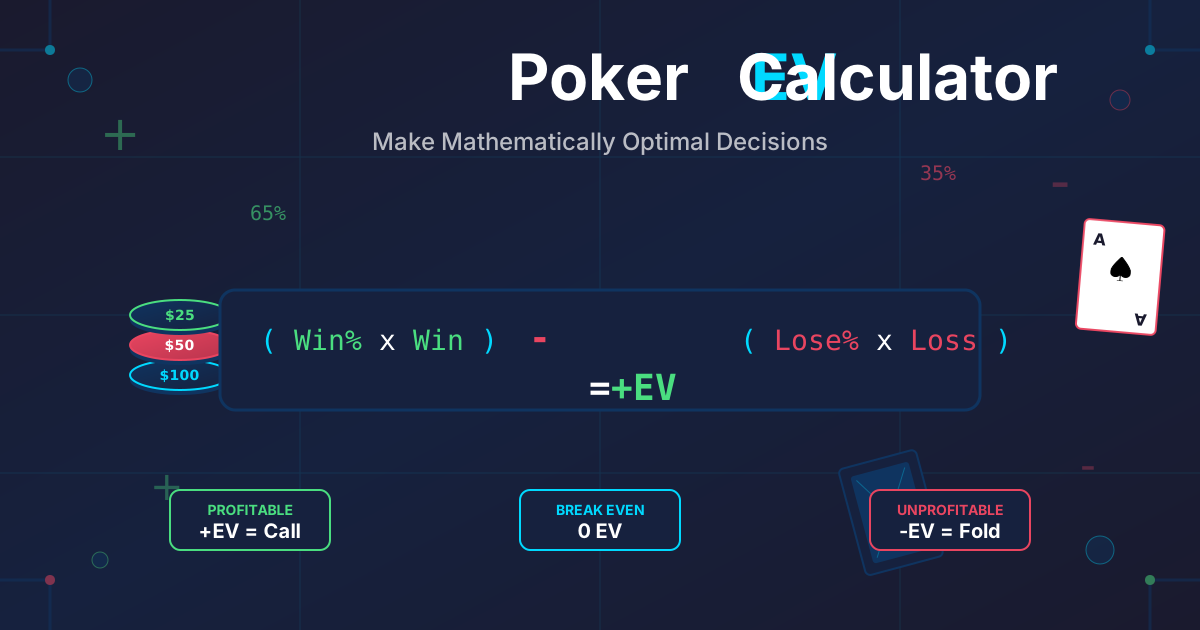
EV = ($100M × 1/292M) - $2
EV = $0.34 - $2
EV = -$1.66 per ticket

(Ignoring smaller prizes, taxes, sharing)
Quick Pick vs Self-Selection
Arguments for Quick Pick
| Factor | Benefit |
|---|---|
| True random | Better than human "random" |
| No patterns | Avoids common selections |
| Time saving | No analysis paralysis |
| 70%+ of winners | Used quick pick |
Arguments for Self-Selection
| Factor | Consideration |
|---|---|
| Personal meaning | Entertainment value |
| Consistency | Same numbers every draw |
| Avoiding duplicates | Prevent machine repeats |
The Winner Statistic
~70% of jackpot winners used Quick Pick

But ~70% of tickets sold are Quick Pick

Proportional—no advantage either way
Common Generator Mistakes
1. Believing in "Due" Numbers
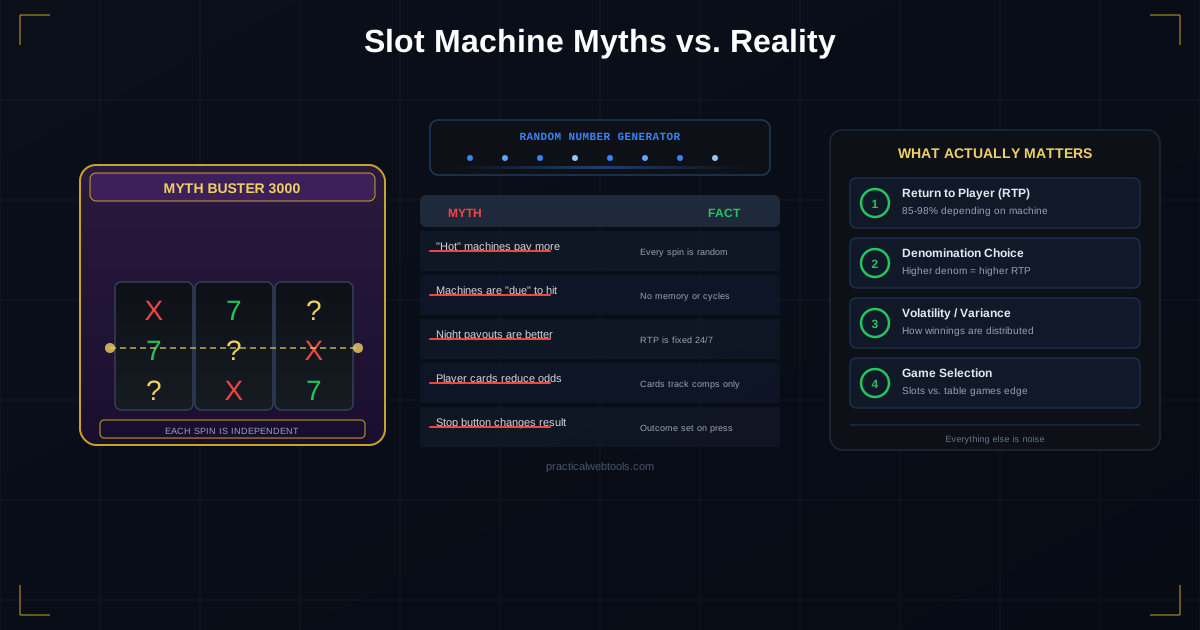
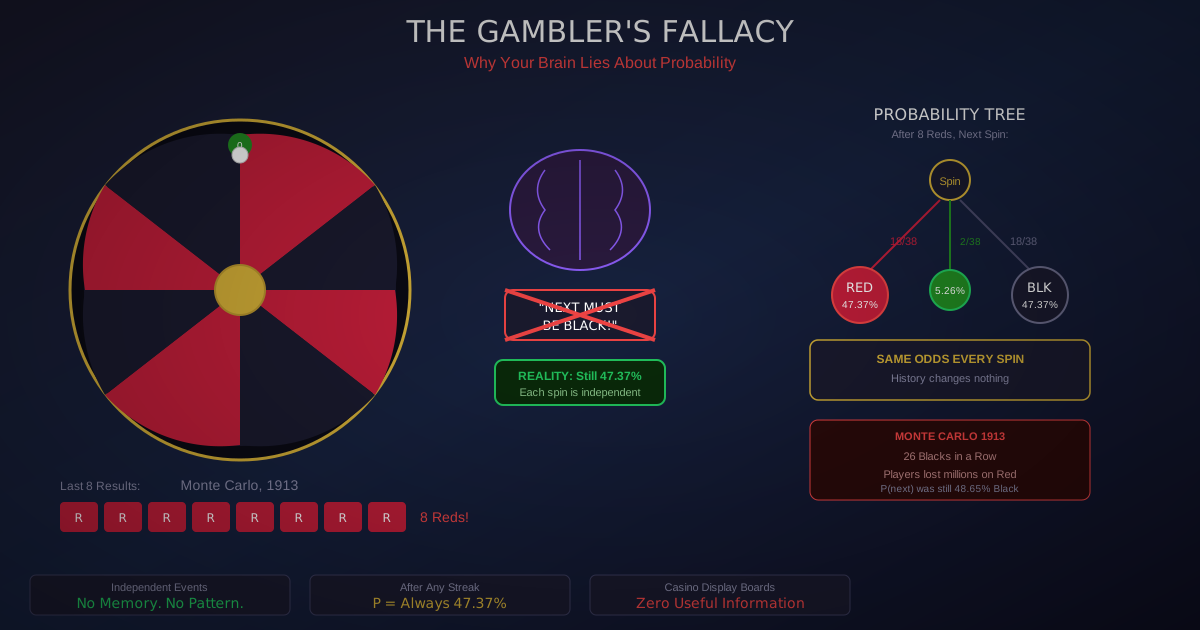
Mistake: Tracking which numbers haven't appeared Problem: Each draw is independent Fix: Accept true randomness
2. Using Online "Prediction" Tools
Mistake: Sites claiming to predict lottery Problem: Mathematically impossible Fix: Any random selection is equal
3. Playing Significant Dates Only
Mistake: All numbers from birthdays/anniversaries Problem: Limits range, increases sharing Fix: Include higher numbers
4. Copying Previous Winners
Mistake: Using past winning combinations Problem: Others do this too Fix: Generate fresh random numbers
Frequently Asked Questions
Do some numbers come up more often?
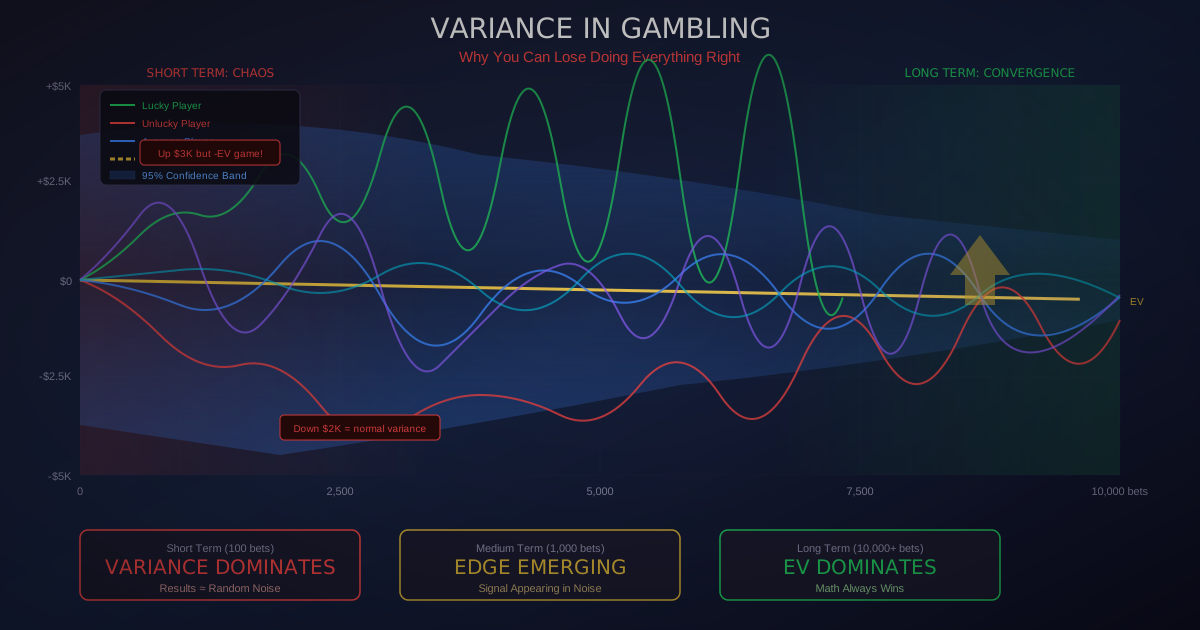
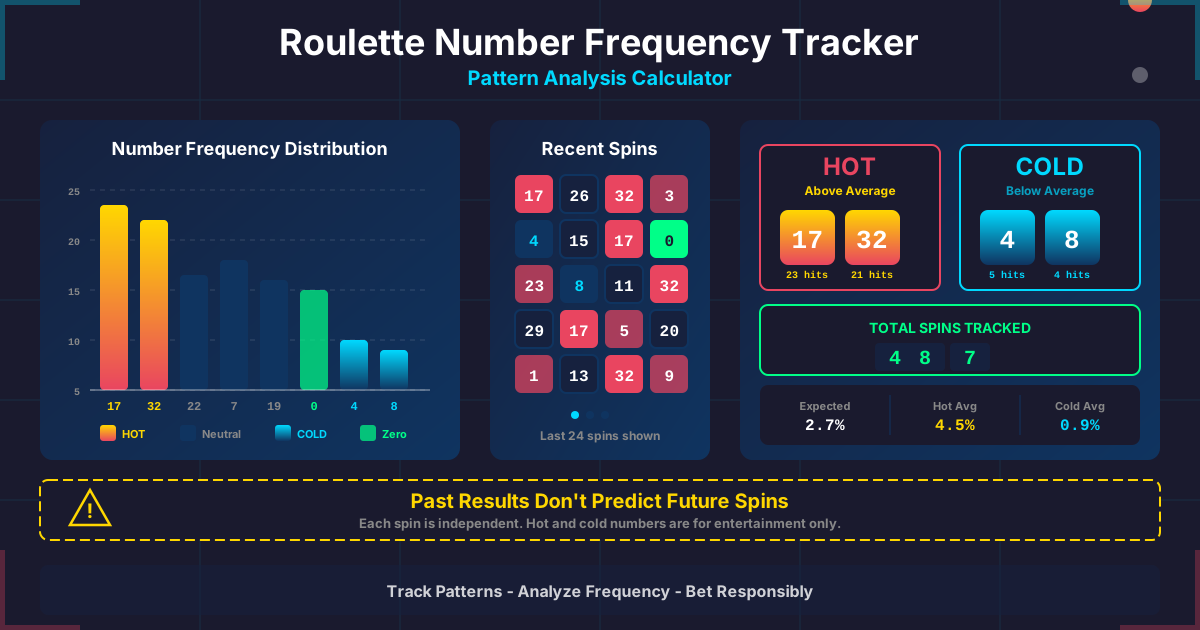
Short-term: Yes, due to random variance. Long-term: All numbers converge to equal frequency. Past frequency doesn't predict future draws.
Should I play the same numbers every time?
Doesn't matter mathematically. Psychological benefit of "missing" your numbers is the only consideration.
Are Quick Picks truly random?
Yes. Lottery terminals use certified random number generators that pass rigorous statistical tests.
Can I improve my odds?
No. Every combination has identical probability. You can only maximize expected payout (via unpopular numbers) if you win.
What about number frequency analysis?
Useless for prediction. Lottery machines don't have memory. Each ball has equal probability regardless of history.
Should I buy multiple tickets with same numbers?
No. Multiple identical tickets just means multiple shares of same prize. Diversify with different combinations.
Advanced Concepts
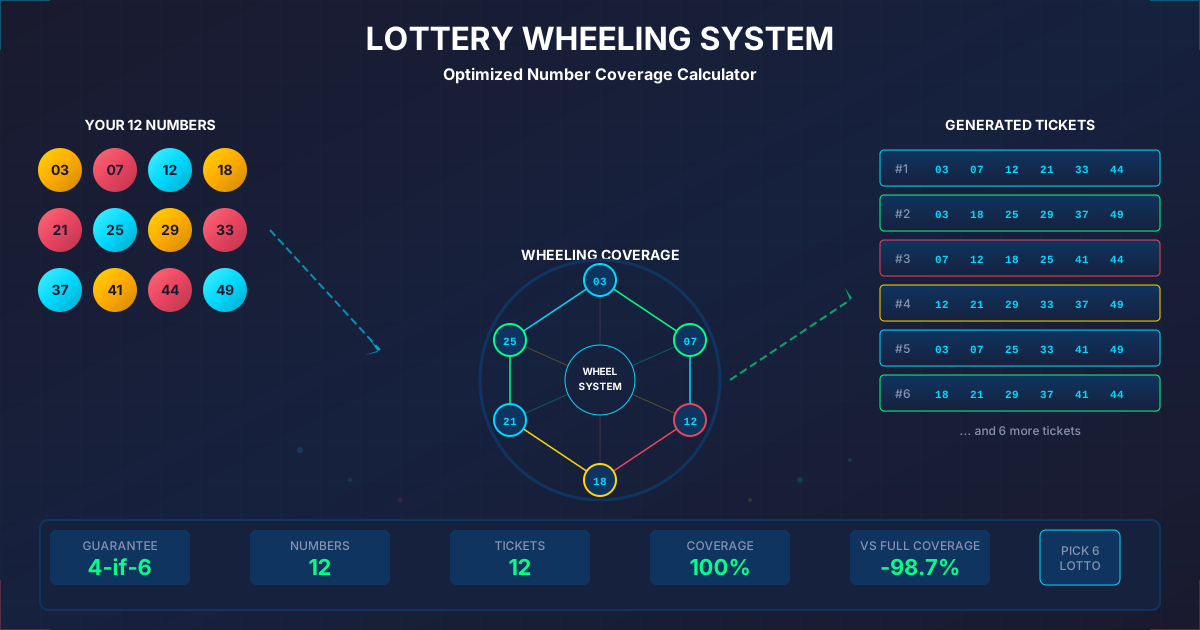
Wheeling and Covering
Wheeling: Playing combinations that cover multiple numbers

Doesn't improve odds per ticket
Just ensures if your numbers hit, you have a winning combo
Expensive for full coverage
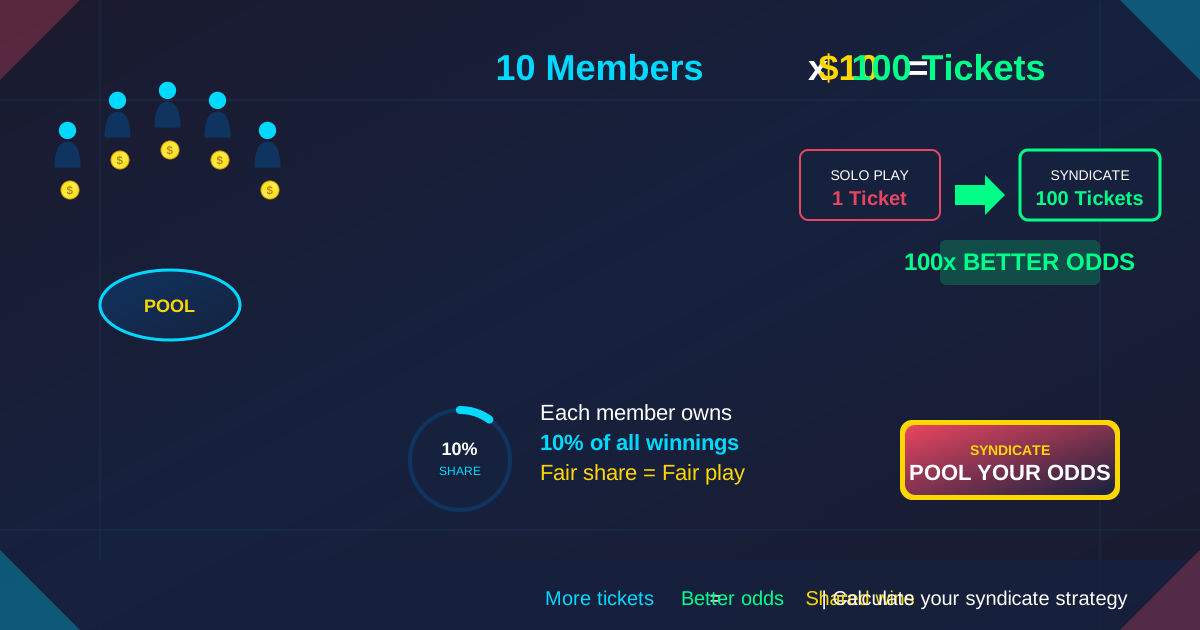
Syndicate Strategy
Pool money with group:
- More tickets = more combinations covered
- Still negative EV overall
- Smaller individual share of wins
- Social/entertainment value
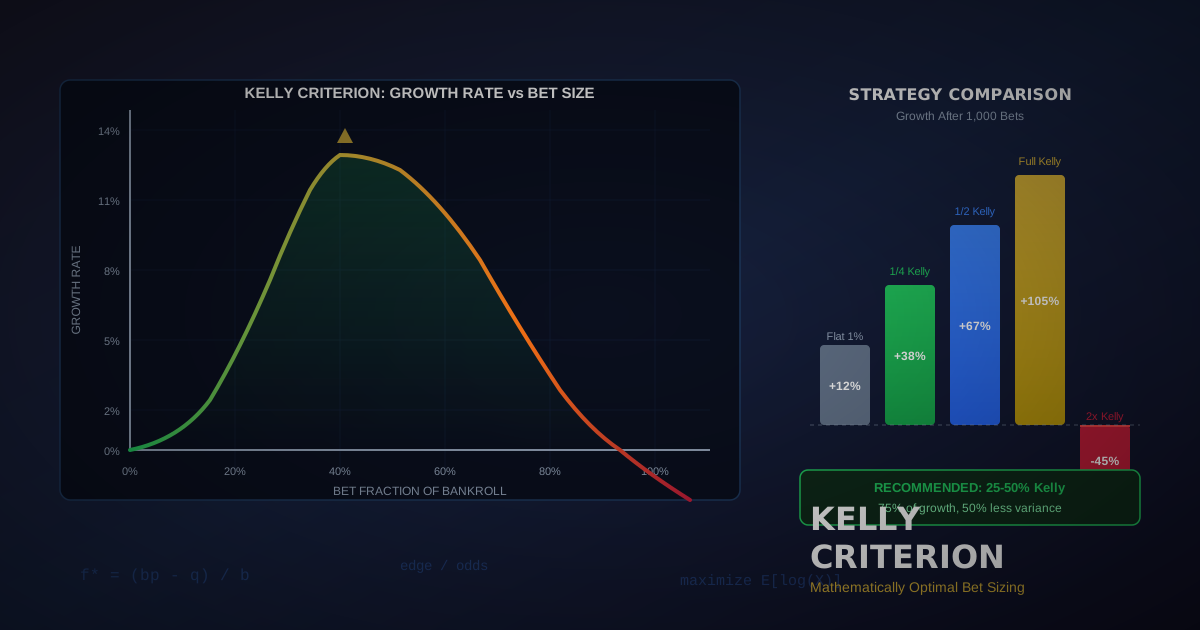
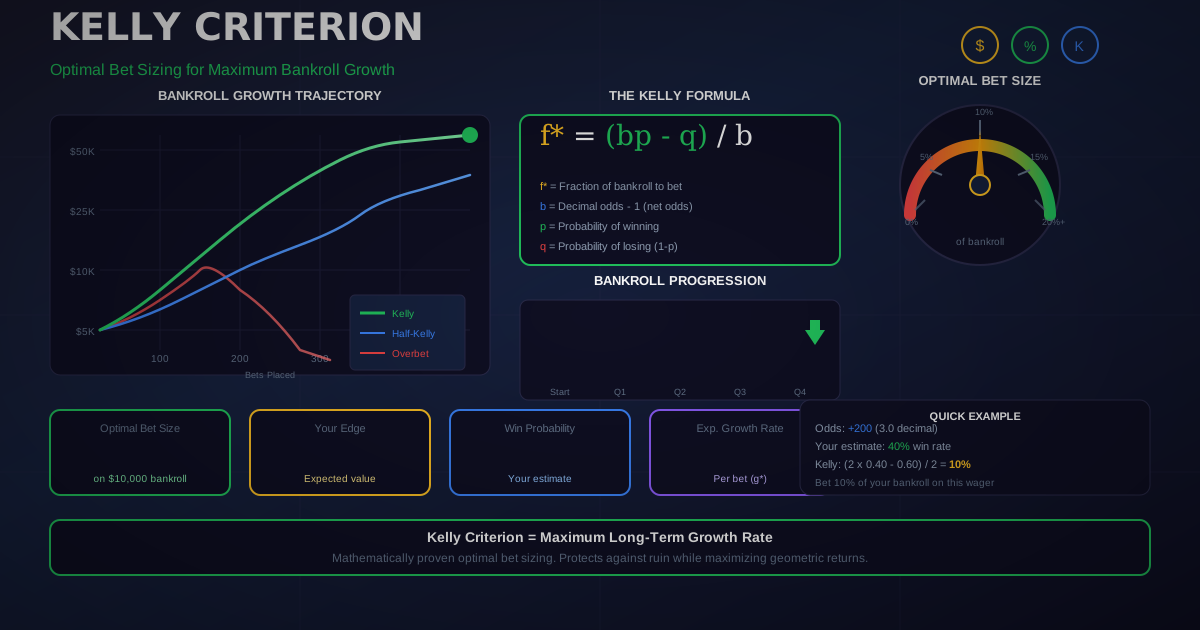
Kelly Criterion (Doesn't Apply)
Kelly: Bet edge / odds

Lottery edge: Negative
Kelly recommendation: Don't play

(Unless jackpot exceeds ~$600M+ with no other winners)
Pro Tips
-
Use random generator: Better than human picks
-
Avoid patterns: Reduce sharing if you win
-
Include high numbers: Above 31 are underplayed
-
Accept the odds: Entertainment, not investment
-
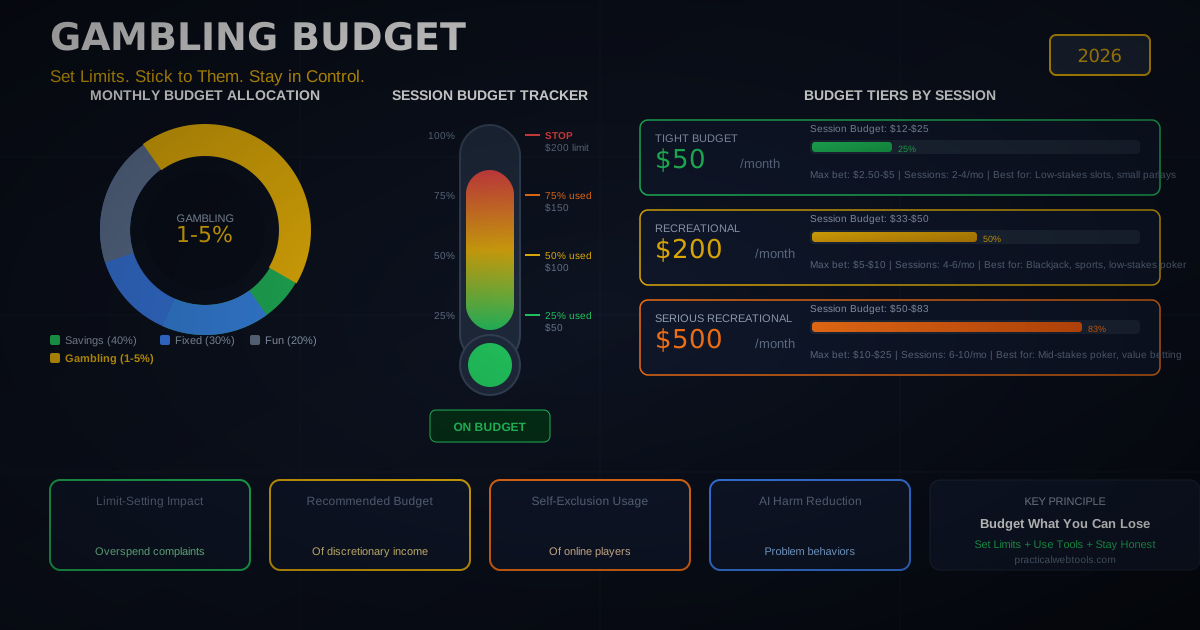
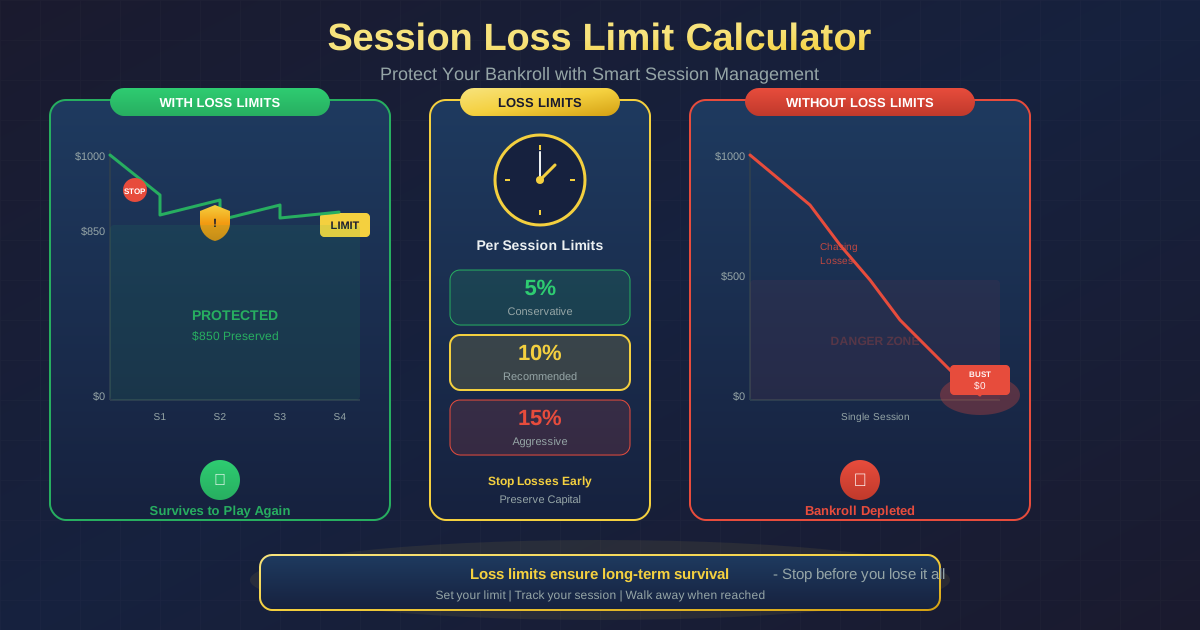
Set budget: Never chase losses
Related Calculators
- Lottery Odds Calculator - Probability analysis
- Lottery Expected Value Calculator - EV calculation
- Powerball Odds Calculator - Powerball specific
- Probability Calculator - Probability basics
- Random Number Generator - General RNG
Conclusion
Lottery number generators provide what humans cannot: true randomness without patterns. While no selection strategy improves your odds (every combination is equally unlikely), avoiding popular numbers maximizes your payout if lightning strikes. Use our generator for genuinely random picks, play for entertainment, and understand that the mathematics guarantee the house—in this case, the lottery commission—always wins long-term.
Generate Random Lottery Numbers Now →
The best lottery strategy is understanding there is no strategy. Our generator gives you random numbers free of human bias, helping you avoid shared jackpots while accepting that astronomical odds remain unchanged. Generate your numbers, set your budget, and enjoy the dream responsibly.