Hand Reading Calculator: Opponent Range Analysis (2026)
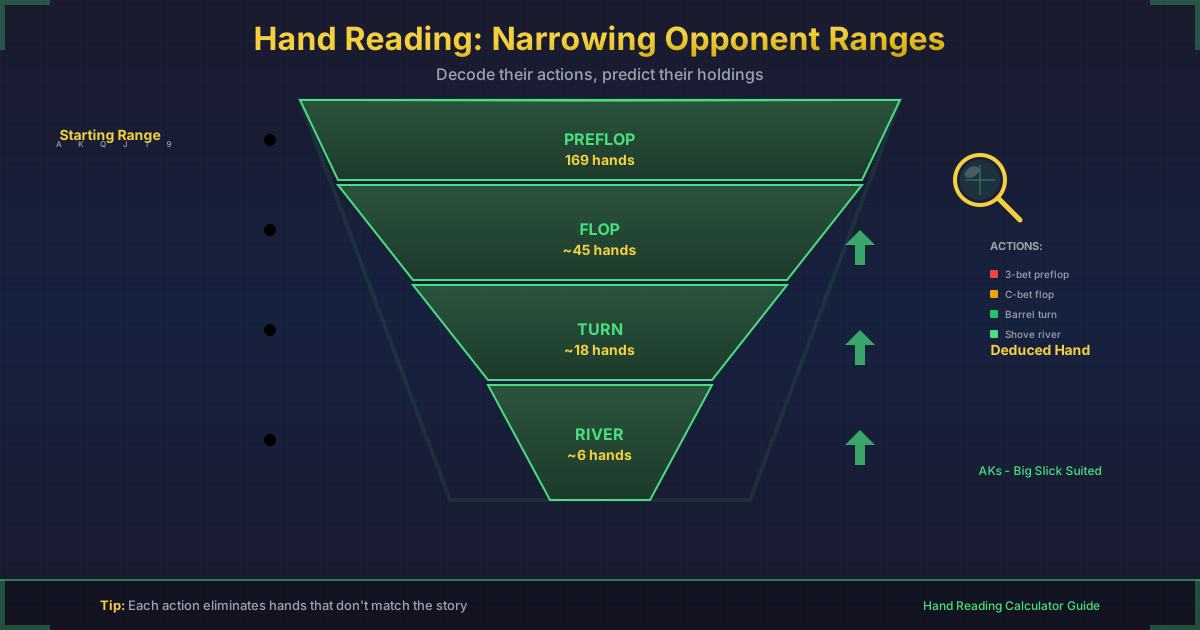
Hand Reading Calculator: Decoding Opponent Ranges
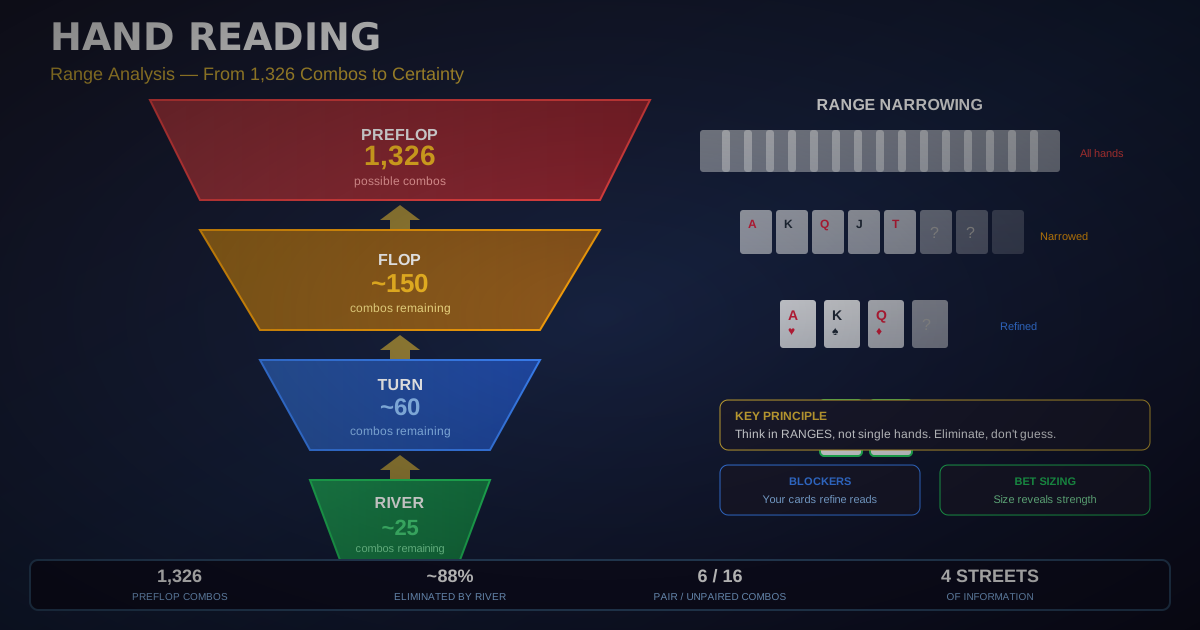
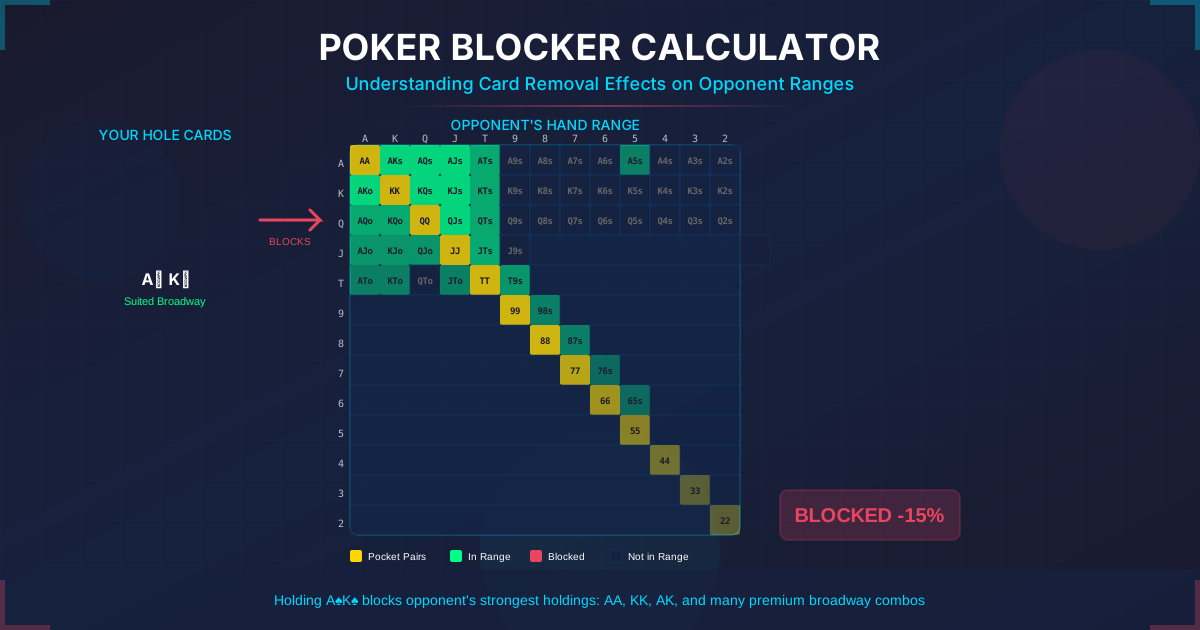
Hand reading is poker's detective work—using position, actions, and bet sizing to deduce what opponents hold. Our calculator helps you narrow ranges through logical elimination, turning vague reads into precise hand distributions.
What Is Hand Reading?
Hand reading is the process of determining your opponent's likely holdings based on their actions throughout a hand. Starting from their full possible range, each action narrows it. By the river, you should have a clear picture of the specific hands they might hold.
Quick Answer: Hand reading = narrowing opponent range through actions. Start: All possible hands for position. Preflop action: Reduces range. Flop action: Reduces further. Turn/River: Refined to specific hands. Key factors: Position, sizing, timing. Goal: Know if you're ahead. Skill developed over time. Essential for poker success.
How to Use Our Calculator
Use the Hand Reading Calculator →
Narrow opponent ranges through action analysis.
Step-by-Step Instructions
-
Select Position: Where opponent sits
-
Enter Preflop Action: Raise, call, or 3-bet
-
Add Flop Action: Bet, check, or raise
-
Continue Through Streets: Each action narrows
-
View Remaining Range: What they likely have
Input Fields Explained
| Field | Description | Example |
|---|---|---|
| Position | Their seat | Button |
| Preflop Action | What they did | 3-bet |
| Flop Action | Their play | C-bet 75% |
| Turn Action | Continuation | Barrel again |
| Remaining Range | Likely hands | AA-TT, AK, AQ |
Hand Reading Fundamentals
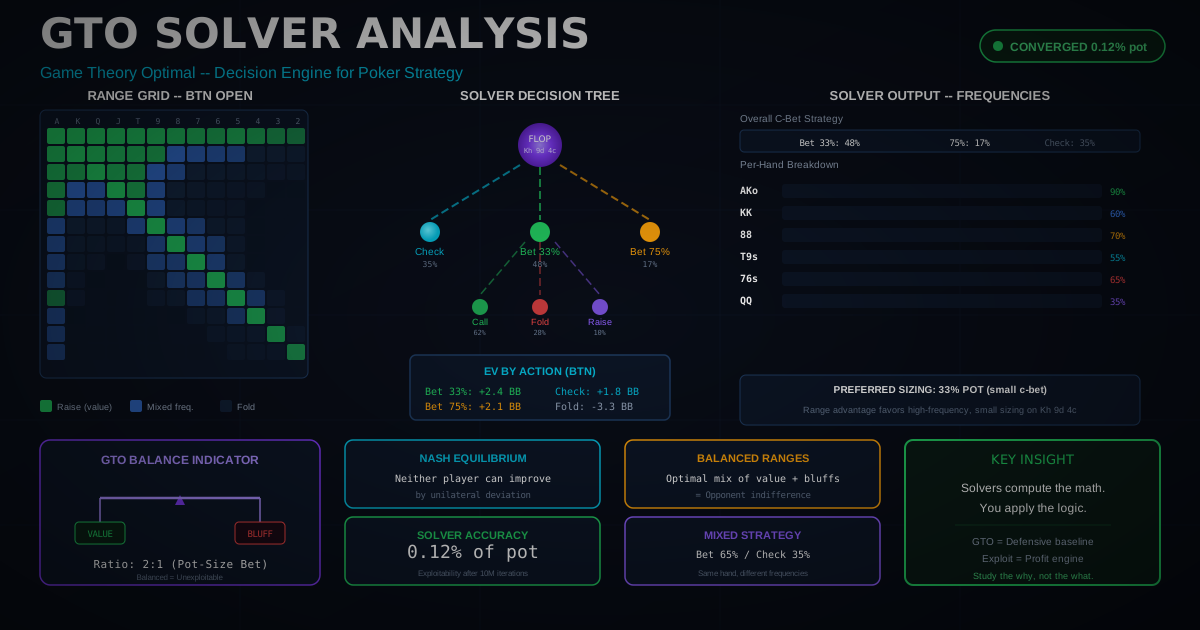
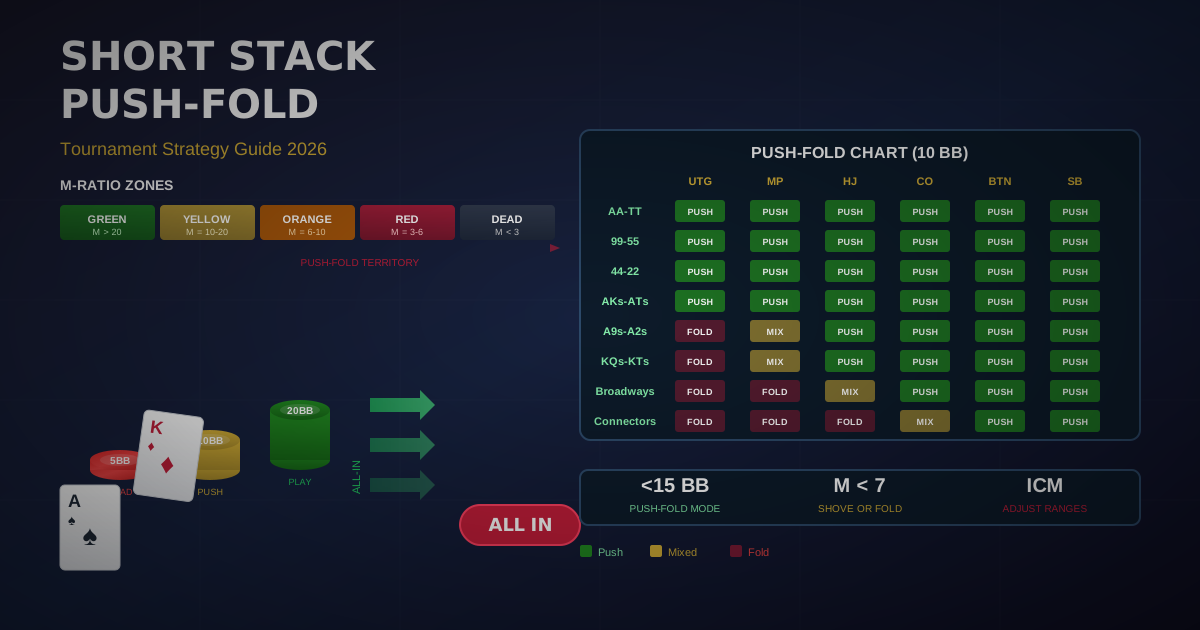
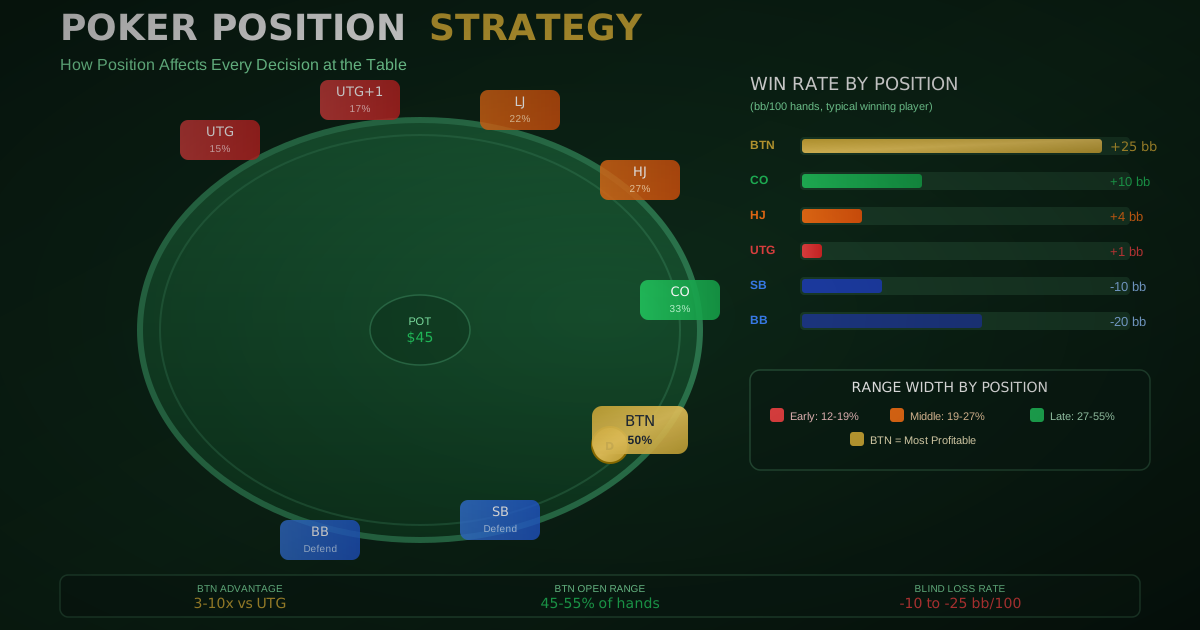
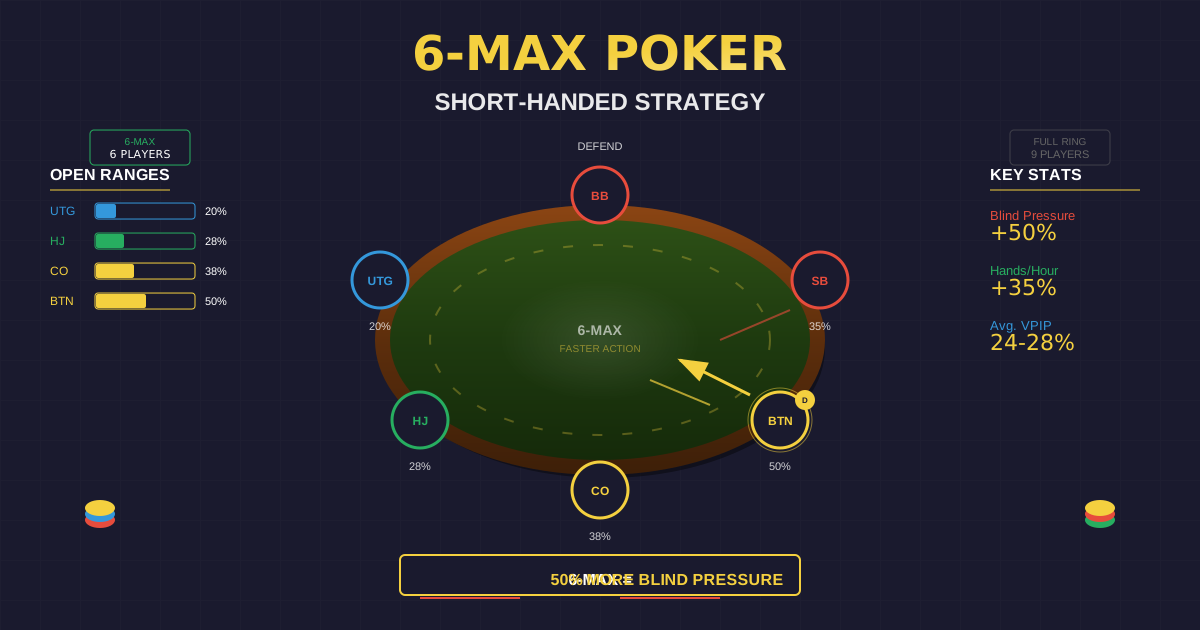
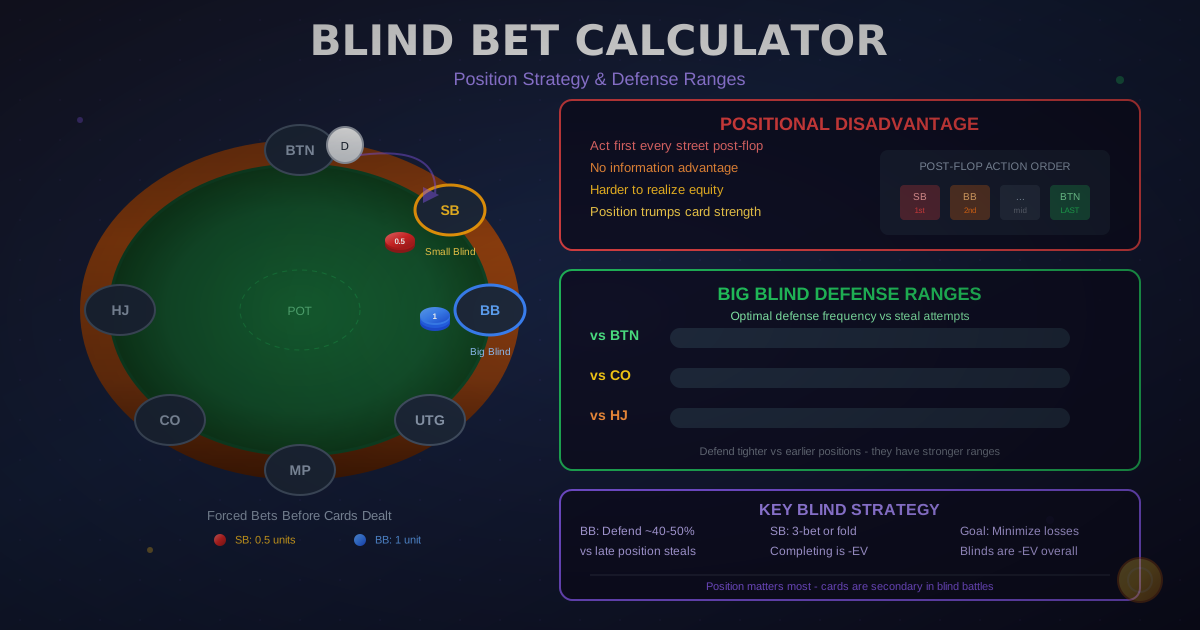
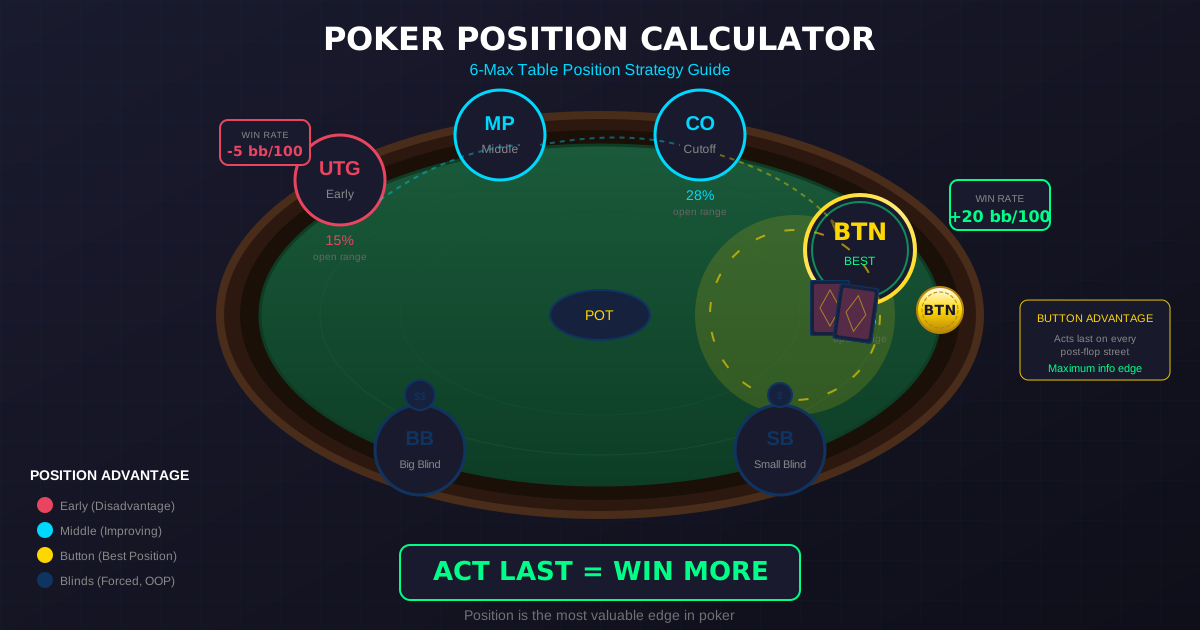
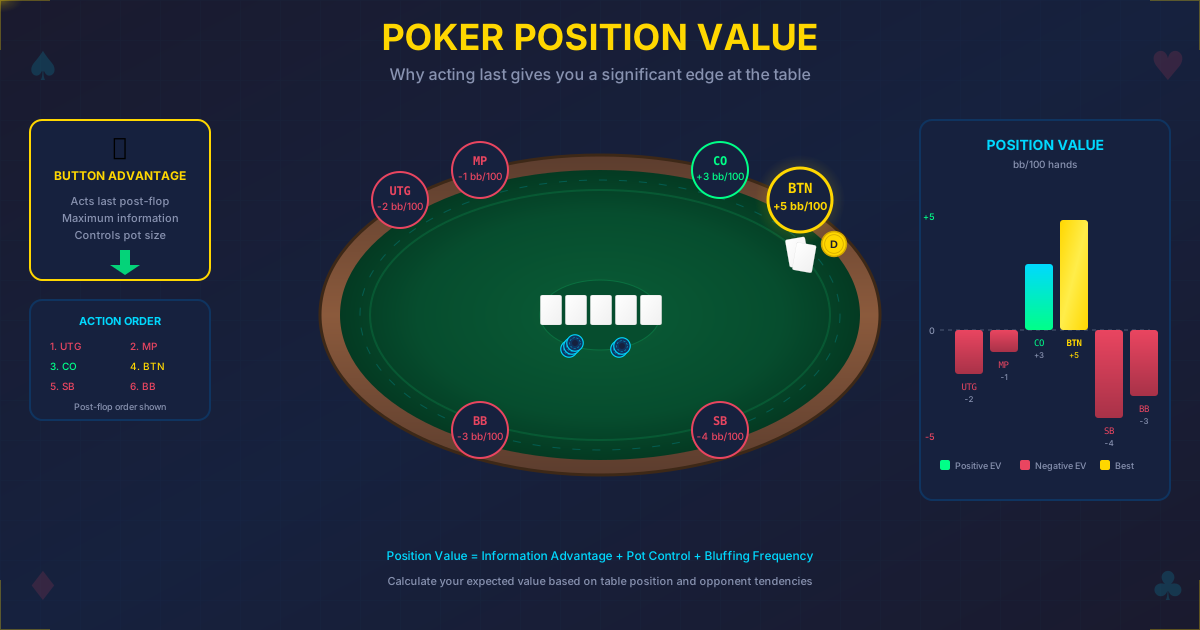
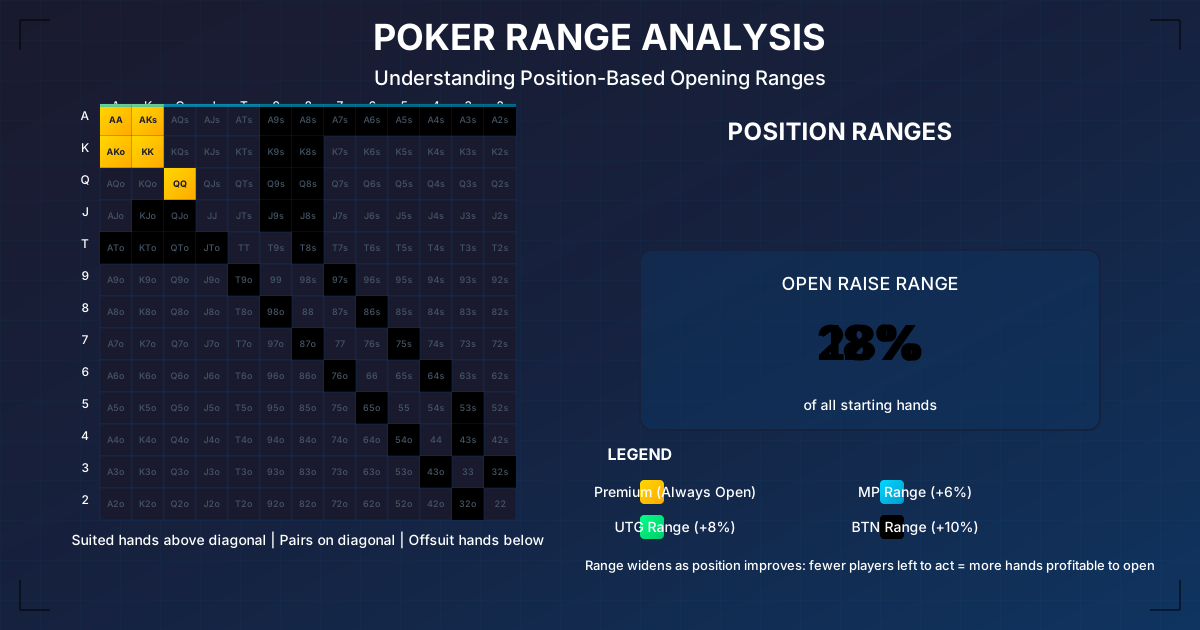
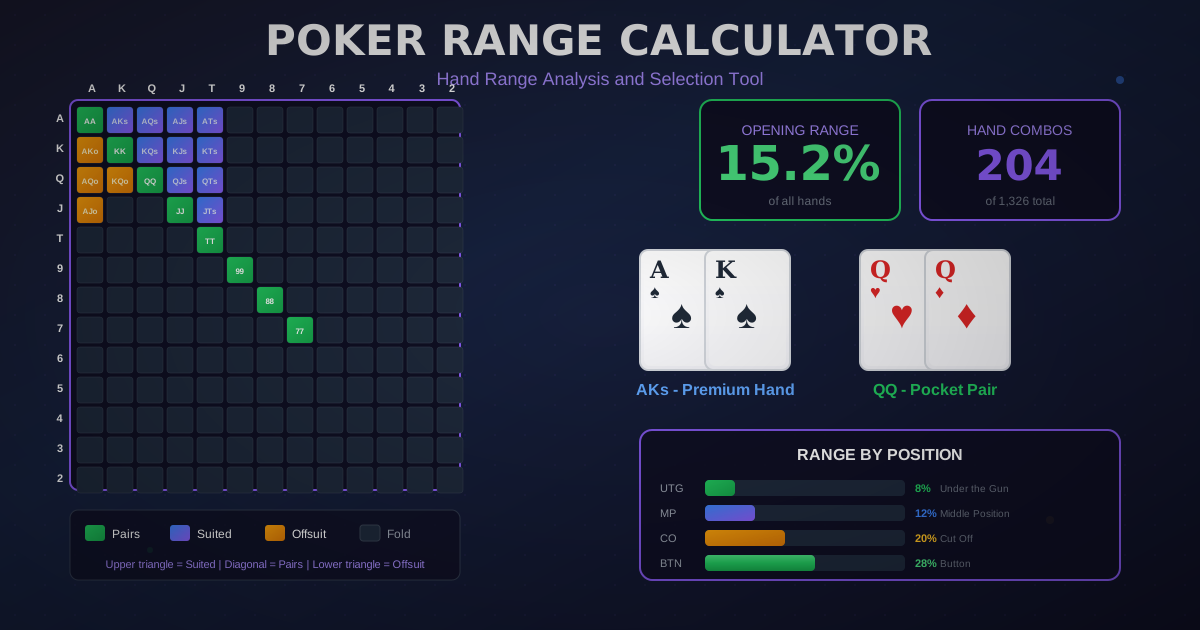
Starting Ranges by Position
Opening ranges by position:

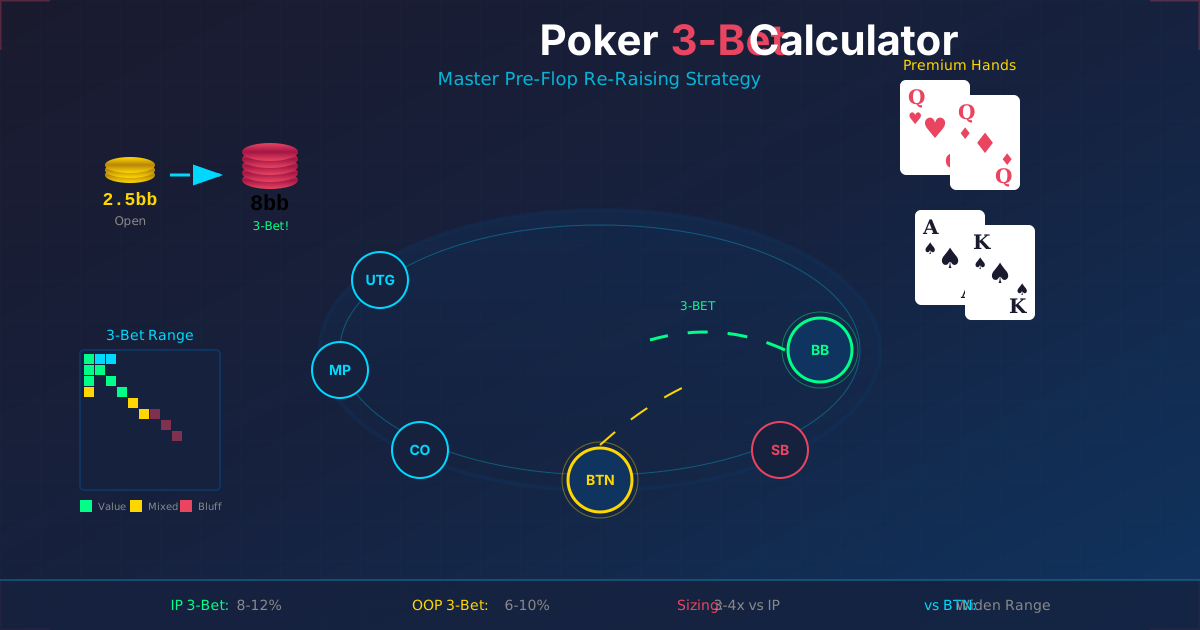
UTG: ~12% (AA-77, AKo-AJo, AKs-ATs)
MP: ~18% (Add 66, KQo, suited broadways)
CO: ~27% (Add suited connectors, weak Aces)
BTN: ~40%+ (Wide stealing range)
SB: ~25-30% (3-bet or fold often)

Starting point for reads
Each action modifies this
Action-Based Elimination
How actions narrow range:

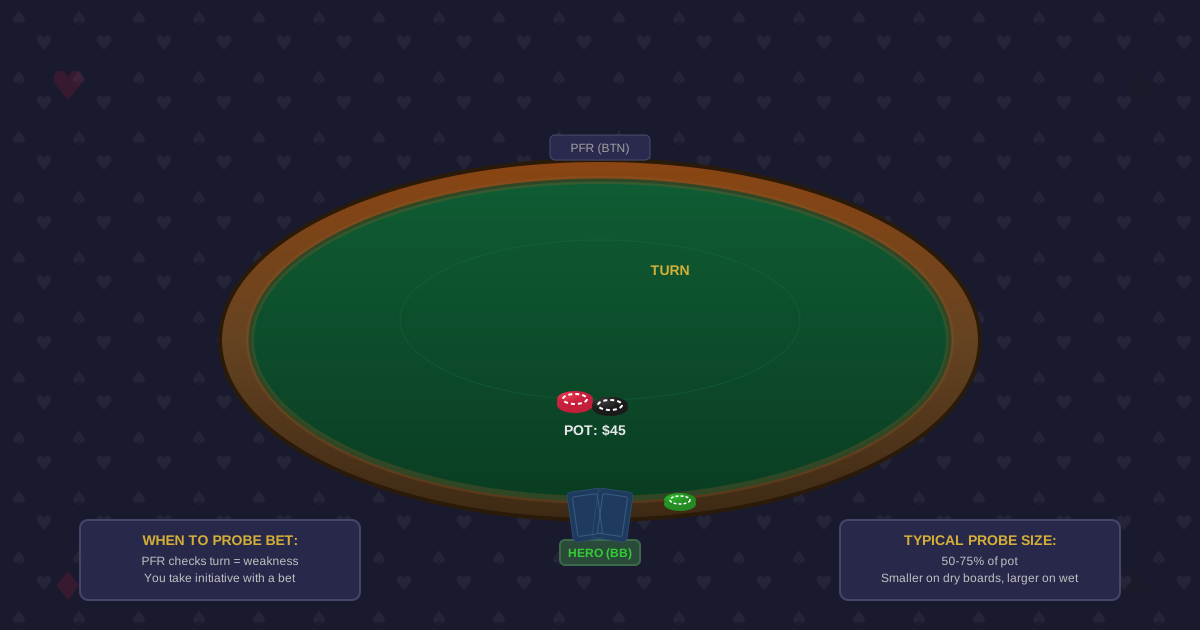
Check = Usually weakness
Bet = Strength or bluff
Raise = Very strong or bluff
Call = Medium/draw

Each action eliminates hands:
Would villain check with nuts? No.
Would villain bet with nothing? Sometimes.
Would villain raise with middle pair? Rarely.

Use logic to eliminate
Bet Sizing Tells
What sizing reveals:

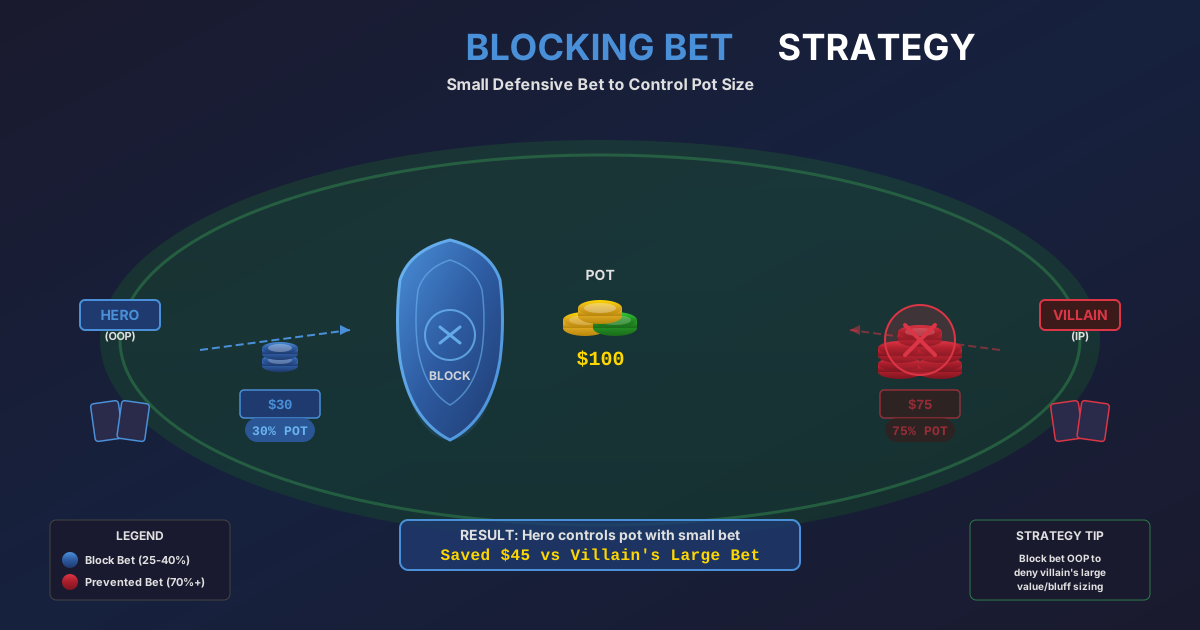
Small bet (25-33% pot):
Value with monsters
Probing with medium
Blocking with weak

Medium bet (50-66% pot):
Standard value/bluff
Merged range
Less polarized

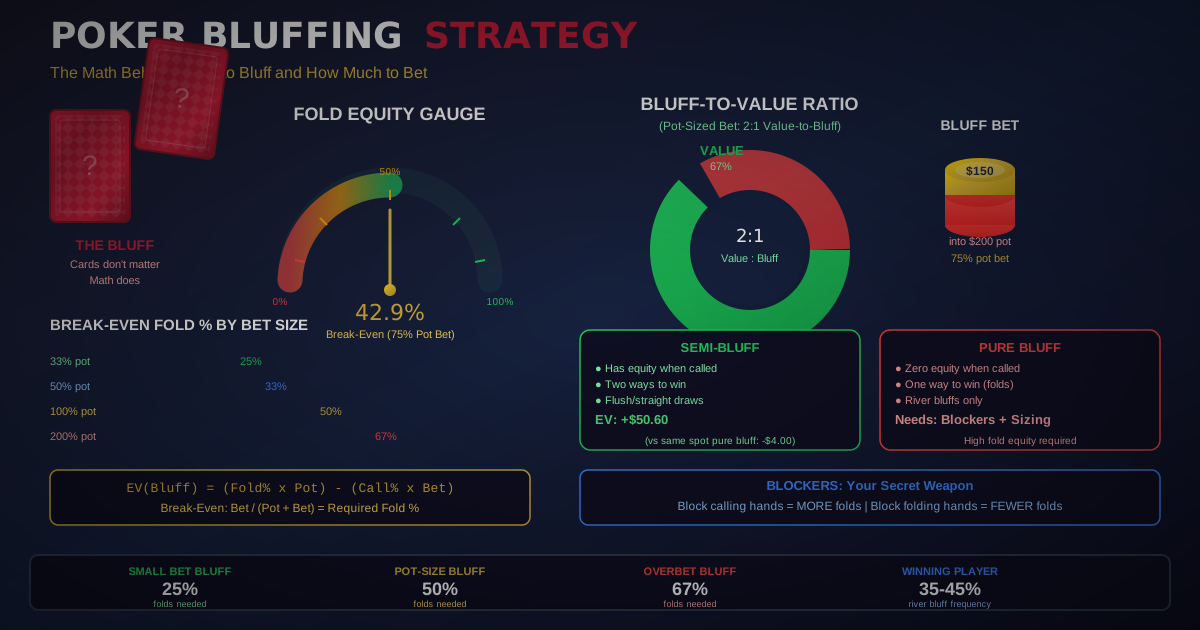
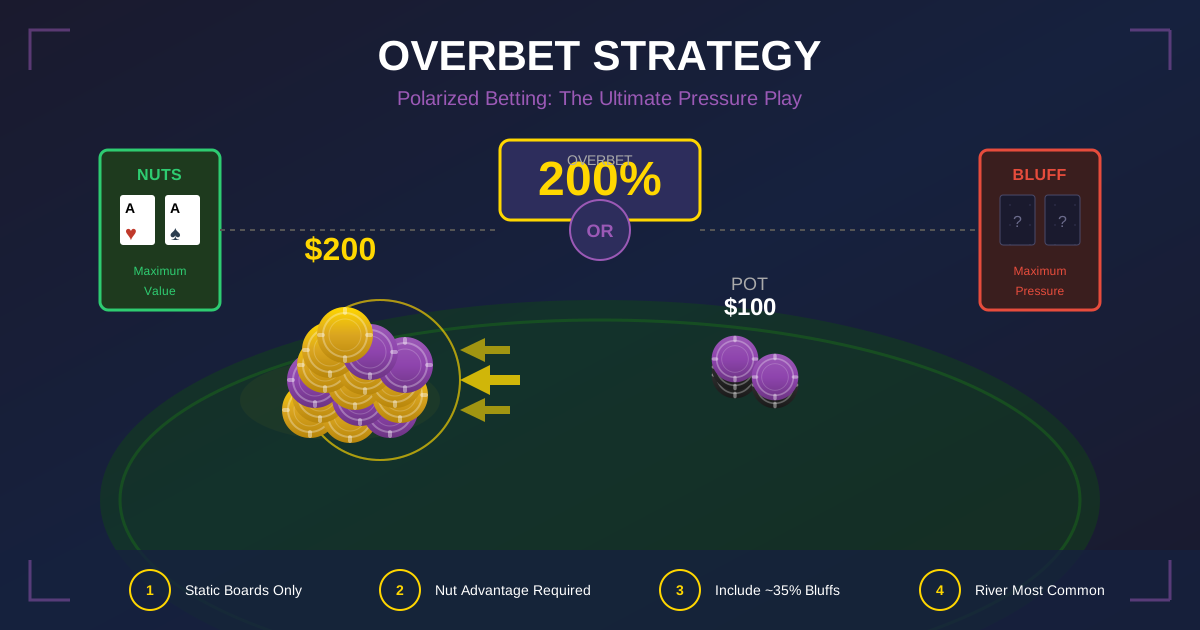
Large bet (75%+ pot):
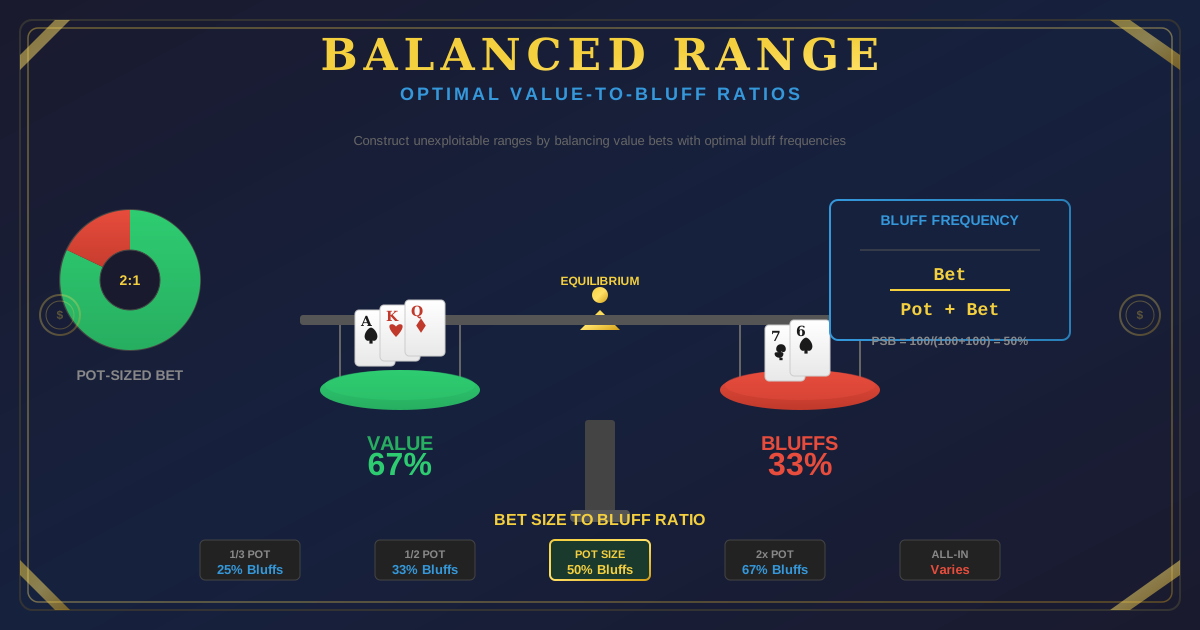
Polarized: Nuts or bluffs
Very strong or nothing
Medium hands check
Narrowing Through Streets
Preflop Range Assignment
Assign starting range:

UTG opens:
Range = ~12% (tight)
AA-77, AK-AJ, KQs, QJs, JTs

BTN opens:
Range = ~40% (wide)
Any pair, any Ace, suited, broadways

3-bet from SB:
Range = ~8-12%
AA-TT, AK-AQs, some bluffs
Flop Range Updates
Flop narrows dramatically:

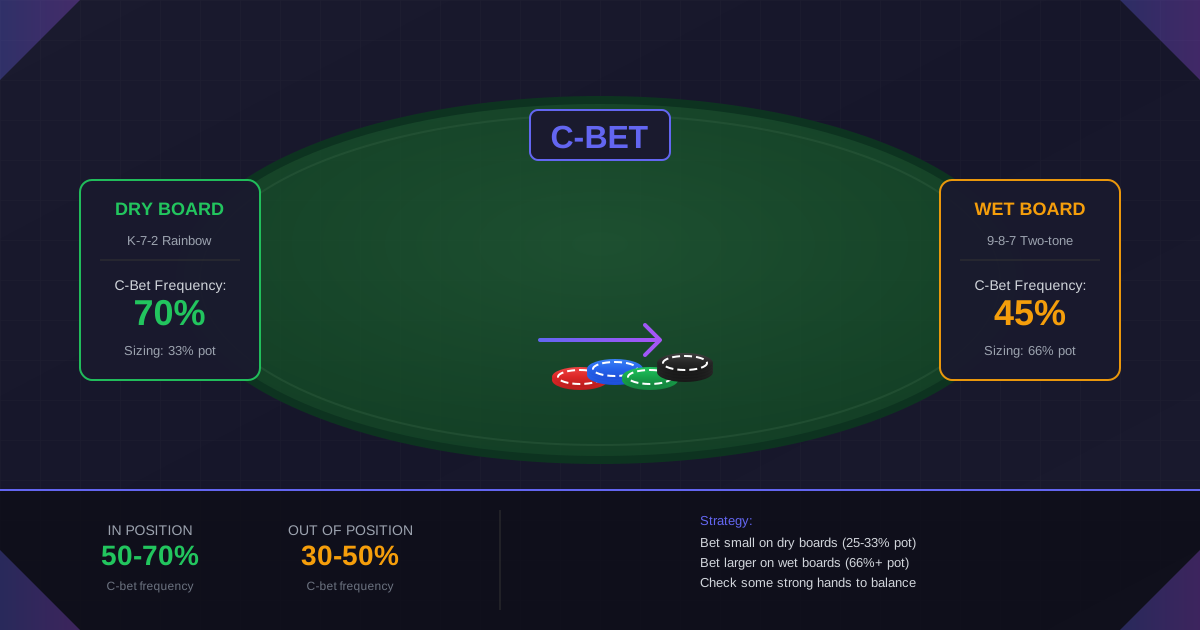
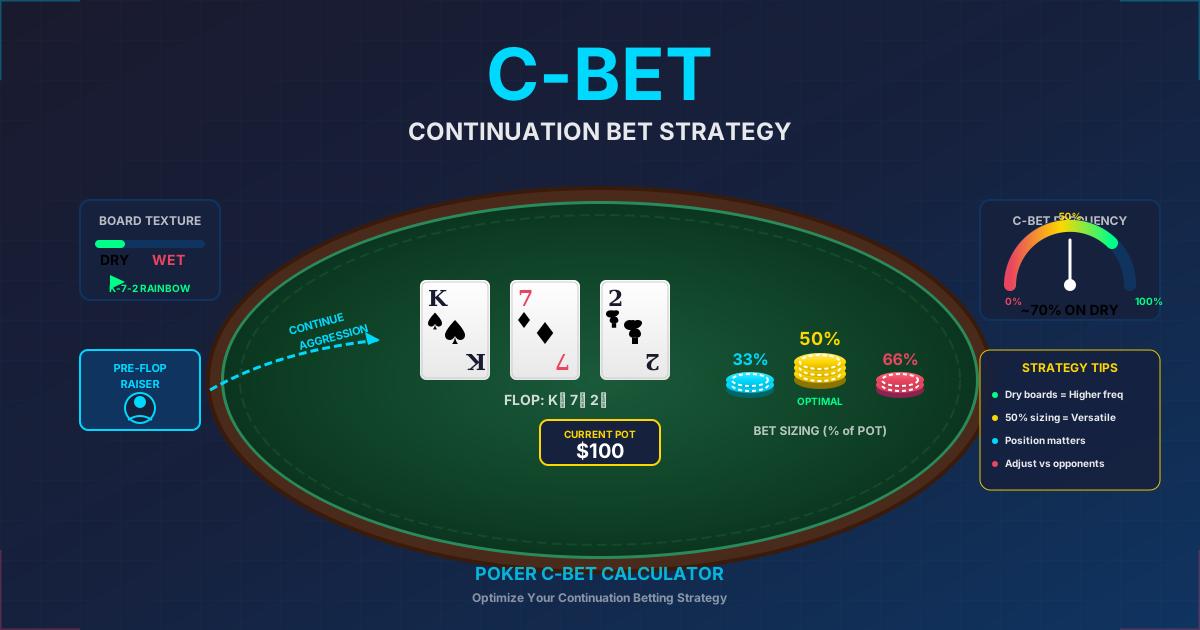
Board: K♠7♦2♣
BTN c-bets 66%

Remove:
Missed hands they'd check (low pairs)
Some draws they'd check

Keep:
Kx, 77, 22, AK (value)
A-high bluffs, flush draws

Range narrowed 30-40%
Turn Range Updates
Turn refines further:

Turn: 5♥
BTN barrels 70%

Remove:
Missed draws giving up
Medium pairs checking

Keep:
Strong Kx (K9+)
Sets and two pair
Flush draws
Pure bluffs

Range now much narrower
River Range Finalization
River is most revealing:

River: Q♣
BTN bets 80%

Polarized bet size means:
Strong value (KQ, sets, two pair)
Or complete bluffs (missed draws)

Middle ground hands check
You can narrow to 10-15 combos
Make informed decision
Reading Specific Actions
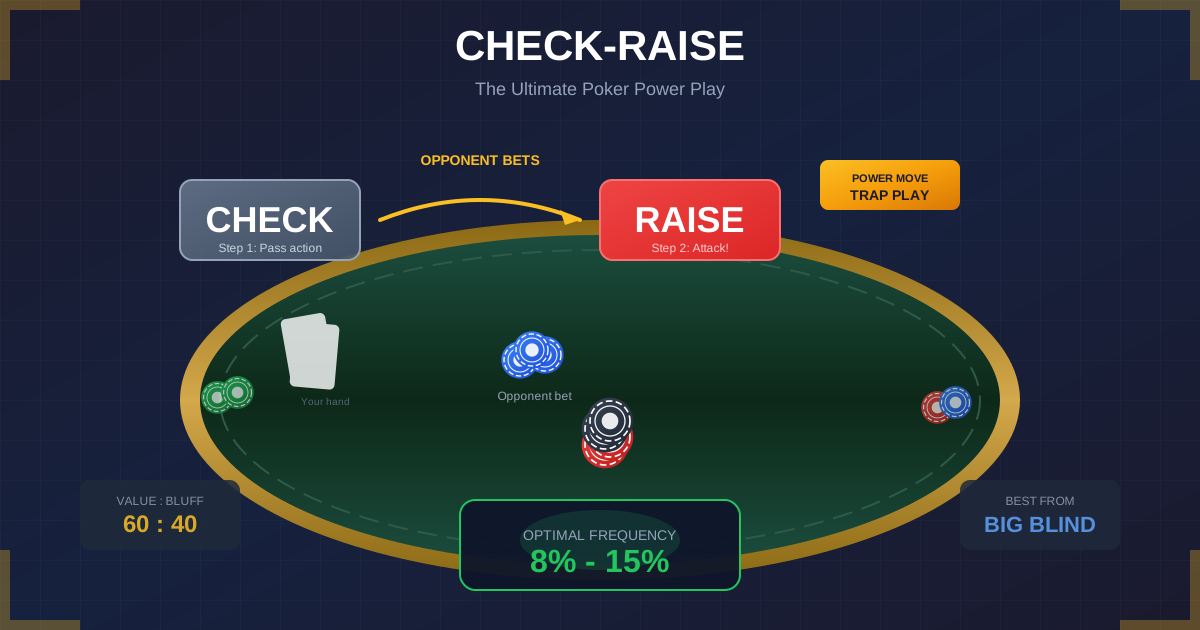
Check-Raise Tells
Check-raise reveals:

Flop check-raise:
Sets, two pair
Strong draws
Some bluffs

Turn check-raise:
Even stronger value
Completed draws
Less bluffing

River check-raise:
Almost always value
Very few bluffs
Be careful!
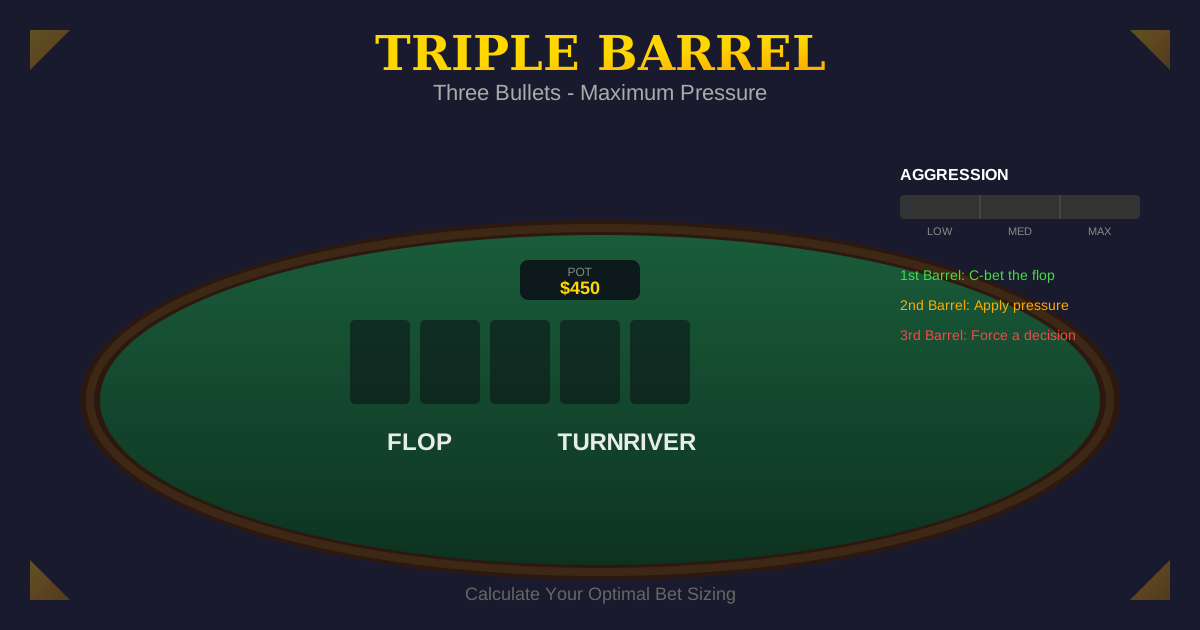
Bet-Bet-Bet Lines
Triple barrel analysis:

Value triple barrels:
Overpairs
Top pair top kicker+
Sets, straights, flushes

Bluff triple barrels:
Busted draws
Complete air (rare)

Triple barrel range:
Very polarized
Nuts or nothing
Medium hands don't do this
Check-Call Lines
Check-call reveals:

Passive line suggests:
Medium pairs
Weak top pair
Drawing hands
Trapping (rare)

If they check-call three streets:
Usually marginal made hand
Rarely trapping
Plan value bets accordingly
Real-World Examples
Example 1: Read the Value Range
Narrow to strength:
Villain UTG raises
You call BB with 7♠7♣
Flop: K♣8♦4♥
Villain bets 60%
Turn: 2♠
Villain bets 70%
River: 9♦
Villain bets 80%

Read the range:
UTG open = tight (12%)
Triple barrel = polarized
Value: AA, KK, AK, KQ
Bluffs: AQ, AJ with no pair

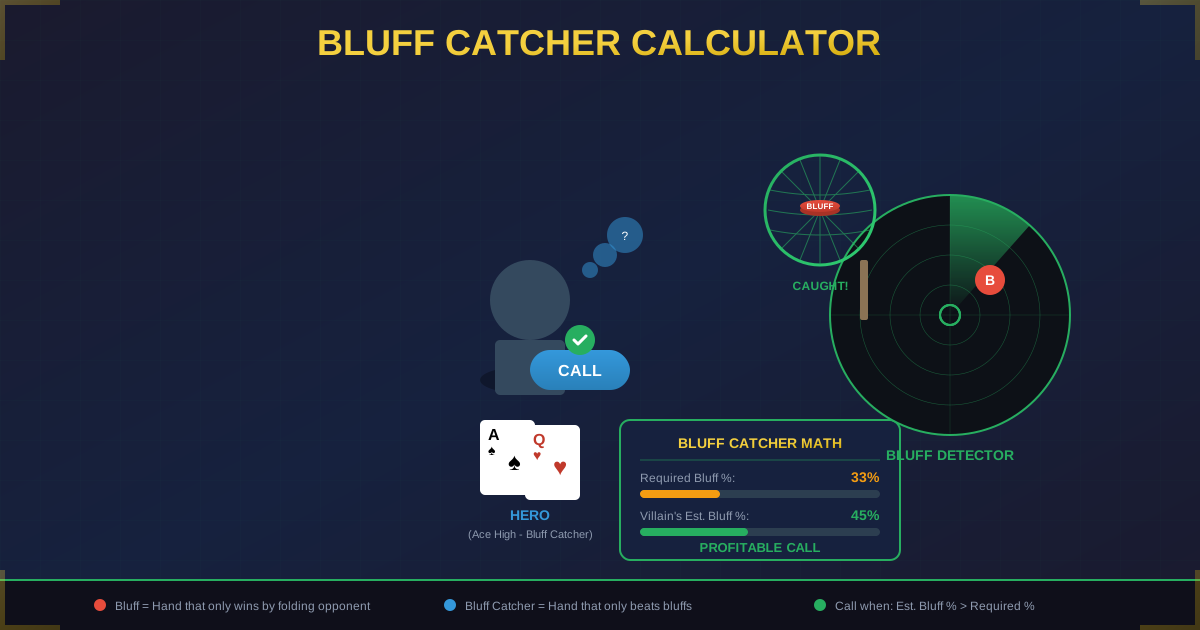
Your 77 beats bluffs only
Roughly 25-30% bluffs
Usually a fold
Example 2: Spot the Weakness
Identify giving up:
Villain BTN opens
You call BB with A♠T♣
Flop: J♣7♦3♥
Villain c-bets 33%, you call
Turn: 5♦
Villain checks

Read: Check shows weakness
BTN range was wide (40%)
C-bet was automatic
Turn check = gave up
Likely: small pairs, Ax no pair

Your AT could be best
Bet for value or bluff
Attack the weakness
Example 3: Player-Specific Read
Use history:
Villain is a known bluffer
They 3-bet preflop
You call with JJ
Flop: A♣K♦7♥
Villain bets 50%
Turn: 2♠
Villain bets 60%

Standard read: AA, KK, AK
But this player bluffs too much
Their range includes: QQ, bluffs

Your JJ plays well here
Call and evaluate river
History informs reads
Example 4: Timing Tell
Villain tanks then bets big

River: A♣K♣J♦8♥3♠
Villain tanks 30 seconds
Then bets 100% pot

Long tank + big bet often = bluff
Strong hands bet faster
They're building courage

But some players tank with value
Know your opponent
Timing tells are player-specific
Common Mistakes
1. Too Wide Initial Range
Mistake: Assigning any two cards Problem: Can't narrow effectively Fix: Start with position-based range
2. Ignoring Bet Sizing
Mistake: Same read regardless of size Problem: Missing polarization tells Fix: Size matters for range reading
3. Not Updating on Each Street
Mistake: Static range through hand Problem: Missing elimination opportunities Fix: Update range after each action
4. Results-Based Reading
Mistake: "They showed bluff so they always bluff" Problem: One hand isn't a pattern Fix: Need many observations
Frequently Asked Questions
How do I start hand reading?
Begin with position-based opening ranges. Then eliminate hands that don't match each action. By the river, you should have a narrow range.
Are bet sizing tells reliable?
Generally yes, but player-specific. Most players bet bigger with stronger hands and smaller with weak. Some reverse this.
How do I read unknowns?
Use population tendencies. Most players c-bet frequently, don't bluff enough rivers, and overvalue top pair. Adjust as you learn more.
Can I read online players?
Yes, but fewer physical tells. Focus on sizing, timing, and patterns. Use tracking software if allowed.
How long to develop hand reading?
Years of practice. Start simple: assign ranges, narrow through streets. Experience improves reads dramatically.
What if my read is wrong?
You'll make mistakes. Focus on process, not results. Correct reads lose sometimes; wrong reads win sometimes.
Pro Tips
-
Start with position: Opening ranges matter
-
Every action narrows: Update constantly
-
Sizing tells: Big = polarized, small = merged
-
Player-specific: History informs reads
-
Practice off-table: Review hands, assign ranges
Related Calculators
- Poker Range Calculator - Starting ranges
- Equity Calculator - Range vs range
- Pot Odds Calculator - Calling decisions
- Bluff Catcher Calculator - Catching bluffs
- Poker EV Calculator - Expected value
Conclusion
Hand reading transforms poker from guessing to deduction—each action narrows your opponent's range until you can make informed decisions. Our calculator guides you through the elimination process, from preflop ranges to river reads.
Calculate Opponent Ranges Now →
They opened UTG, c-bet dry flop, barreled turn, and bombed the river. Our calculator helps you narrow their range to exactly the hands that take this line—and whether your hand beats enough of them.