Dutching Calculator: Multi-Selection Betting Strategy (2026)
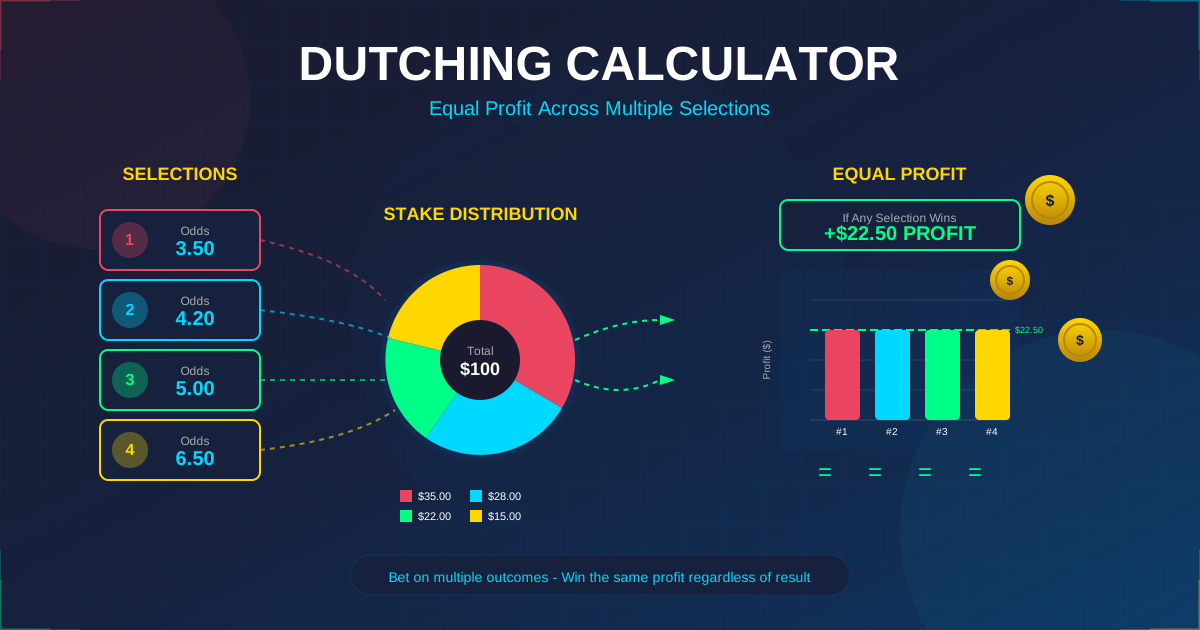
Dutching Calculator: Profit from Multiple Selections
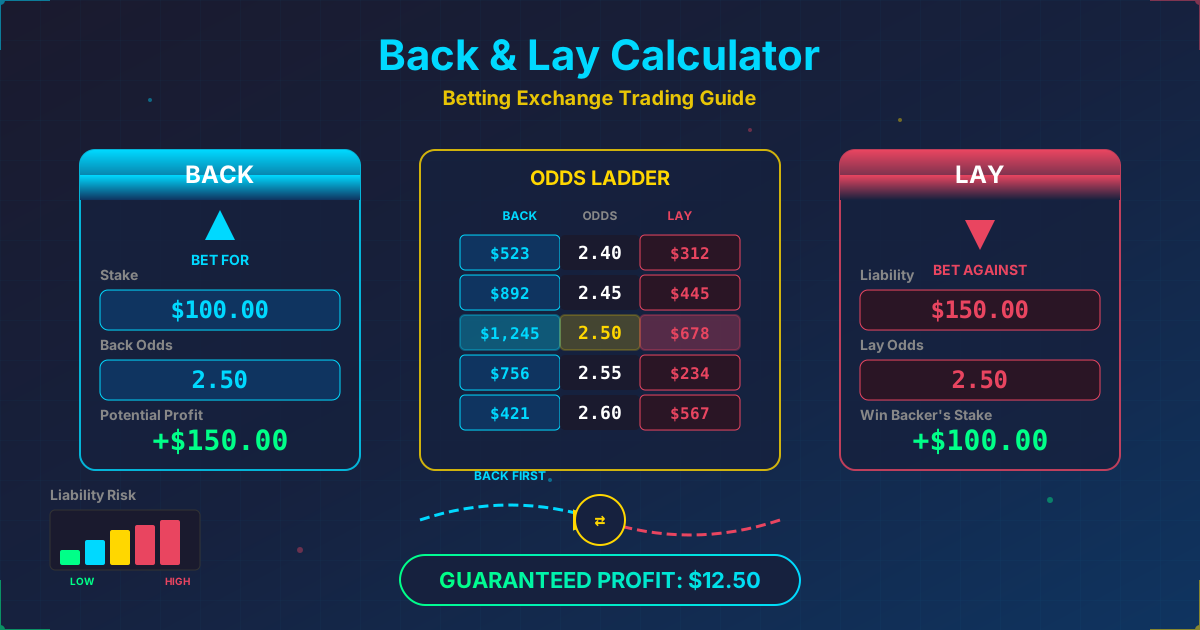
Dutching lets you back multiple selections in the same race or event, distributing stakes so you win the same profit regardless of which selection wins. Our calculator determines exact stake amounts for any number of selections.
What Is Dutching?
Dutching involves betting on multiple outcomes in the same event, with stakes calculated so each winning selection returns the same profit. Named after infamous gambler Dutch Schultz.
Quick Answer: Dutching distributes your total stake across multiple selections proportionally to their odds. If you dutch two horses at 3.00 and 5.00, you'd stake 62.5% on the 3.00 horse and 37.5% on the 5.00 horse, winning the same profit either way. Dutching works when combined implied probability is under 100%.
How to Use Our Dutching Calculator
Enter selections and odds to calculate optimal stake distribution.
Step-by-Step Instructions
-
Add Your Selections: Horses/teams you want to back
-
Enter Decimal Odds: For each selection
-
Input Total Stake: Amount to distribute
-
View Stakes: Individual bet amounts
-
See Guaranteed Profit: Equal return on any winner
Input Fields Explained
| Field | Description | Example |
|---|---|---|
| Selection 1 Odds | First pick | 3.50 |
| Selection 2 Odds | Second pick | 4.00 |
| Selection 3 Odds | Third pick | 6.00 |
| Total Stake | Amount to bet | $100 |
| Stake on #1 | Calculated | $42.86 |
| Stake on #2 | Calculated | $37.50 |
| Stake on #3 | Calculated | $25.00 |
Dutching Math
Basic Formula
For each selection:
Individual Stake = Total Stake × (1/Odds) / Sum(1/All Odds)
Calculating Combined Probability
Combined Implied % = Σ(1/Decimal Odds) × 100
If < 100%, dutching is profitable
If > 100%, dutching guarantees loss
Example Calculation
Selections:
- Horse A: 3.00 (33.3%)
- Horse B: 4.00 (25.0%)
- Horse C: 5.00 (20.0%)
- Total: 78.3%
Dutching $100:
Sum of inverses = 1/3 + 1/4 + 1/5 = 0.783

Stake A = $100 × (1/3) / 0.783 = $42.66
Stake B = $100 × (1/4) / 0.783 = $31.99
Stake C = $100 × (1/5) / 0.783 = $25.35
Profit if A wins: $42.66 × 3.00 - $100 = $27.98 Profit if B wins: $31.99 × 4.00 - $100 = $27.96 Profit if C wins: $25.35 × 5.00 - $100 = $26.75
When Dutching Works
Profitable Dutching Scenarios
| Scenario | Why It Works |
|---|---|
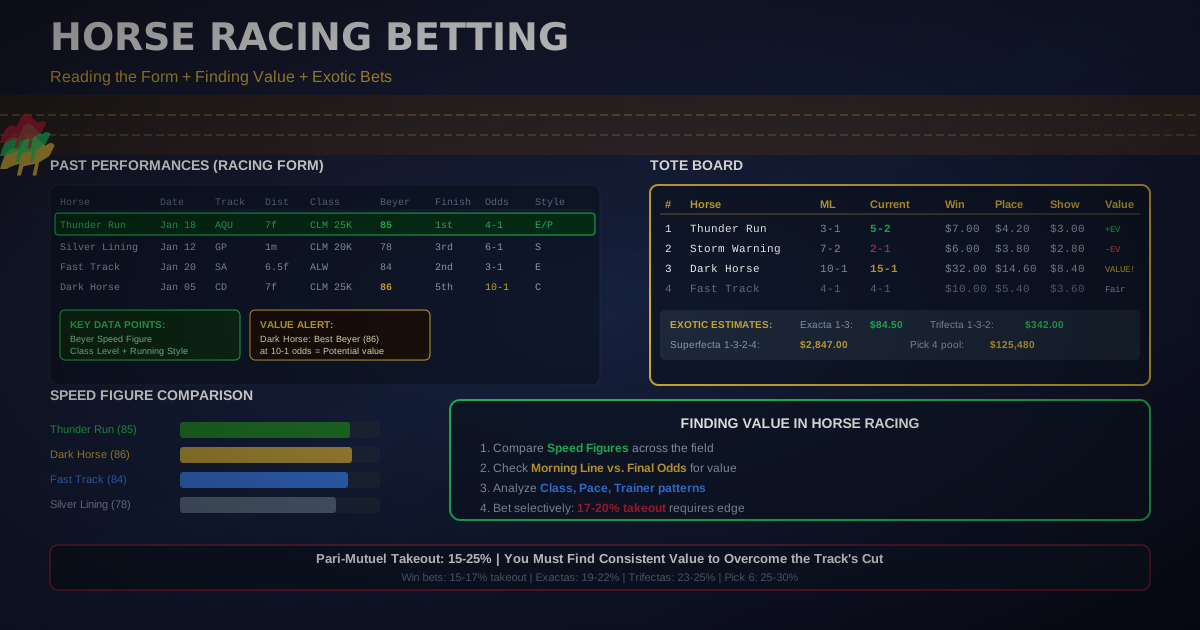
| Wide-open race | No clear favorite |
| Multiple value plays | More than one good price |
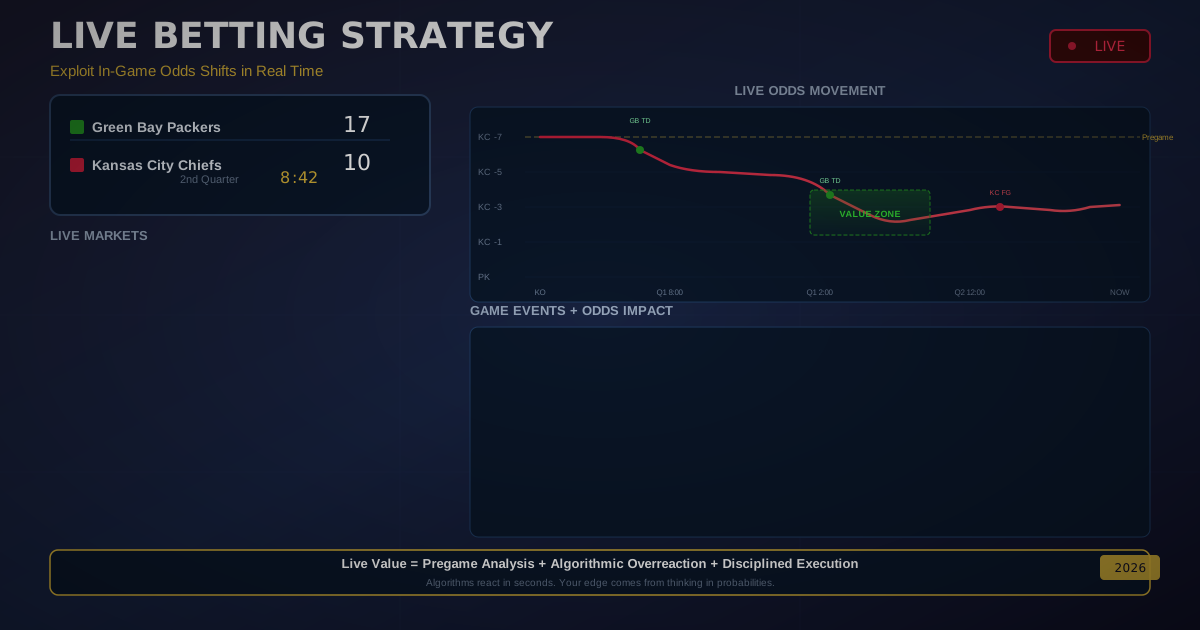
| Volatile market | Odds shift creates opportunity |
| Excluding weak favorites | Back field against over-bet horse |
Dutching vs Single Bets
| Approach | Risk | Reward |
|---|---|---|
| Single bet | High | High |
| Dutching 2 | Medium | Medium |
| Dutching 3+ | Low | Lower |
Combined Probability Threshold
| Combined % | Dutching Result |
|---|---|
| < 90% | Strong profit |
| 90-95% | Moderate profit |
| 95-100% | Marginal profit |
| > 100% | Guaranteed loss |
Real-World Examples
Example 1: Horse Racing (3 Selections)
Race: 8-horse field, you like 3 horses
| Horse | Odds | Implied % |
|---|---|---|
| Horse A | 4.00 | 25.0% |
| Horse B | 5.00 | 20.0% |
| Horse C | 8.00 | 12.5% |
| Total | 57.5% |
$100 Dutch:
- Horse A: $43.48
- Horse B: $34.78
- Horse C: $21.74
Profit: ~$73.90 regardless of winner (from 57.5% coverage)
Example 2: Soccer Match
Match: Three-way market
| Outcome | Odds | Implied % |
|---|---|---|
| Home | 2.50 | 40.0% |
| Draw | 3.40 | 29.4% |
| Away | 3.00 | 33.3% |
| Total | 102.7% |
Result: Combined > 100% = can't profitably dutch all three
Example 3: Tennis (2 Players)
Match: Two-way market
| Player | Odds | Implied % |
|---|---|---|
| Player A | 1.90 | 52.6% |
| Player B | 2.05 | 48.8% |
| Total | 101.4% |
Result: Over 100%, but arbitrage possible if you find better odds elsewhere
Example 4: Field Dutch (Horse Racing)
Strategy: Dutch the "field" against a false favorite
| Selection | Odds | Implied % |
|---|---|---|
| Horse B | 5.00 | 20.0% |
| Horse C | 6.00 | 16.7% |
| Horse D | 8.00 | 12.5% |
| Horse E | 10.00 | 10.0% |
| Horse F | 12.00 | 8.3% |
| Field Total | 67.5% |
Note: Exclude favorite (Horse A at 2.50) who is over-bet
Dutching Strategies
Value Dutch
| Step | Action |
|---|---|
| 1 | Identify overpriced selections |
| 2 | Calculate combined implied % |
| 3 | If < 100%, dutch those selections |
| 4 | Skip selections without value |
Elimination Dutch
| Step | Action |
|---|---|
| 1 | Identify horses that CAN'T win |
| 2 | Dutch all others |
| 3 | Profit if you're right about eliminations |
Market Movement Dutch
| Timing | Strategy |
|---|---|
| Early morning | Lock in prices before shortenings |
| Before off | Catch late steamers |
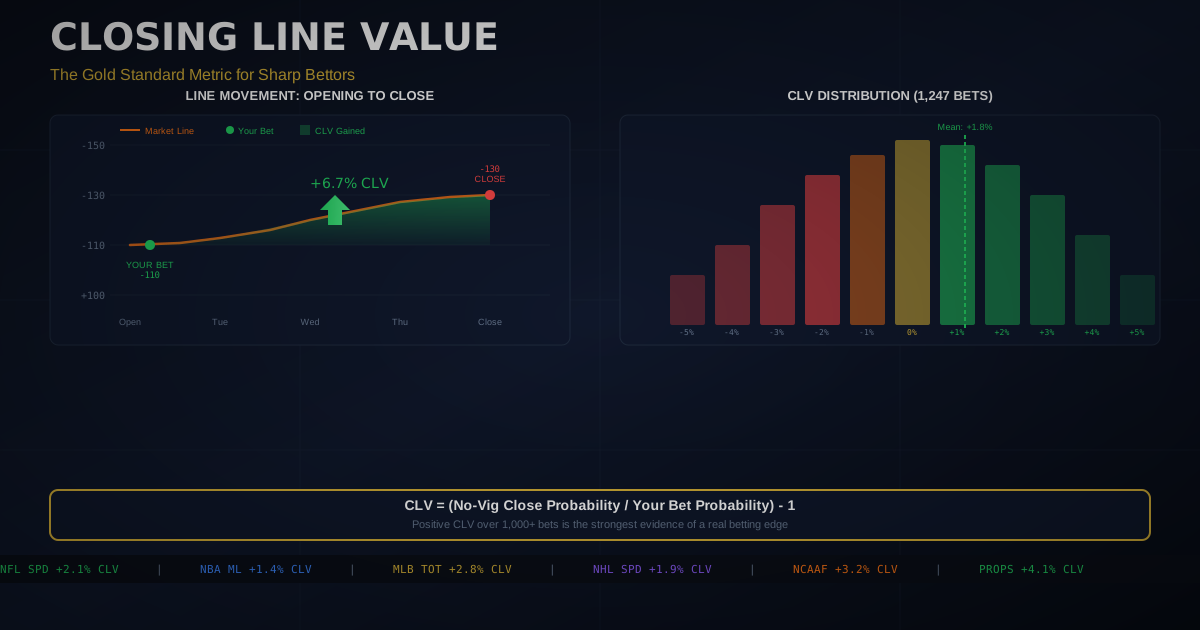
| Cross-book | Best odds per selection |
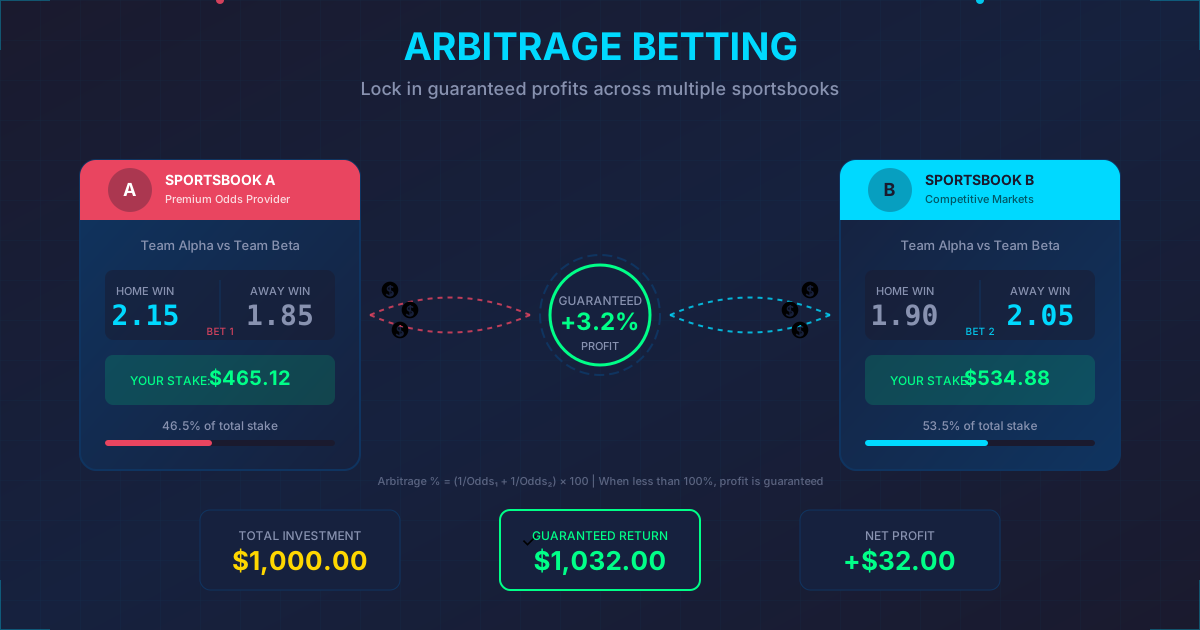
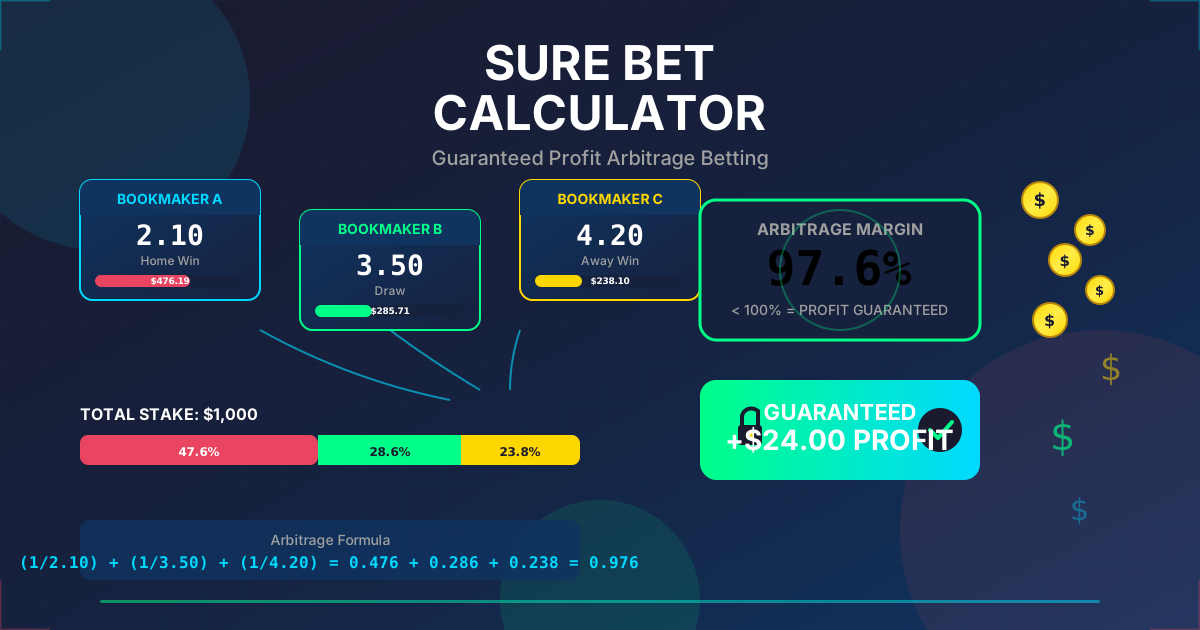
Dutching vs Arbitrage
| Aspect | Dutching | Arbitrage |
|---|---|---|
| Books | Same book OK | Different books required |
| Coverage | Partial field | All outcomes |
| Risk | Some selections lose | Zero risk |
| Odds needed | Value selections | Odds gap |
Common Dutching Mistakes
1. Dutching Poor Value
Mistake: Including selections just to increase coverage Problem: Reduces overall edge Fix: Only dutch genuine value selections
2. Ignoring Combined %
Mistake: Not checking total implied probability Problem: May guarantee a loss Fix: Always verify < 100% before betting
3. Over-Dutching
Mistake: Dutching 5+ selections for minimal risk Problem: Tiny profit, high stakes Fix: Focus on 2-3 value selections
4. Wrong Stake Calculation
Mistake: Equal stakes on all selections Problem: Unequal returns Fix: Use proportional staking (calculator)
Frequently Asked Questions
Is dutching the same as arbitrage?
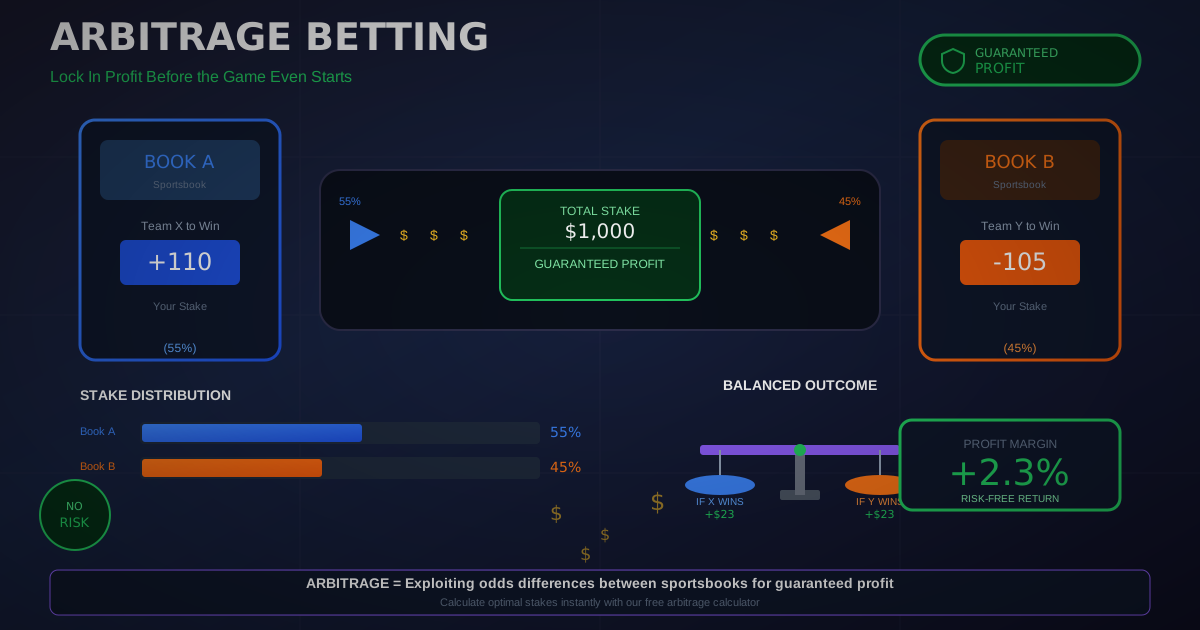
No. Dutching backs multiple selections (not all) at one book for value. Arbitrage covers all outcomes across multiple books for guaranteed profit.
Can I dutch on bet exchanges?
Yes, and often with better odds. Exchanges like Betfair offer true market prices without built-in margins.
How many selections should I dutch?
2-3 is optimal. More selections dilute returns significantly.
What's the minimum profit margin worth dutching?
Target 5%+ profit margin. Below that, one bad result wipes gains from multiple wins.
Should I include the favorite?
Only if the favorite offers value. Often the best dutching opportunities involve excluding an over-bet favorite.
How do I track dutching results?
Track as single bets with combined probability. Record: selections, odds, stakes, result, total P/L.
Advanced Dutching
Cross-Book Dutching
| Selection | Book A | Book B | Best Odds |
|---|---|---|---|
| Horse 1 | 4.00 | 4.20 | 4.20 |
| Horse 2 | 5.00 | 4.80 | 5.00 |
| Horse 3 | 6.00 | 6.50 | 6.50 |
Use best odds per selection for maximum profit
Partial Dutching
Cover only selections you believe have value, not trying to guarantee profit:
| Selection | Odds | Your Estimate | Value? |
|---|---|---|---|
| Horse A | 4.00 | 30% (3.33) | ✓ Yes |
| Horse B | 5.00 | 25% (4.00) | ✓ Yes |
| Horse C | 6.00 | 10% (10.00) | ✗ No |
Dutch A and B only
Dynamic Dutching
Adjust stakes as odds change:
| Time | Horse A | Horse B | Action |
|---|---|---|---|
| Morning | 4.00 | 5.00 | Initial dutch |
| Noon | 3.50 | 5.50 | Rebalance |
| Before off | 3.20 | 6.00 | Final adjustment |
Pro Tips
-
Verify combined probability: Must be < 100% for profitable dutch
-
Best odds per selection: Use multiple books for optimal prices
-
Quality over quantity: 2-3 value picks beats 5 marginal ones
-
Calculate before betting: Small stake errors compound
-
Track separately: Dutching results need their own analysis
Related Calculators
- Arbitrage Calculator - Guaranteed profit
- Odds Converter - Format conversion
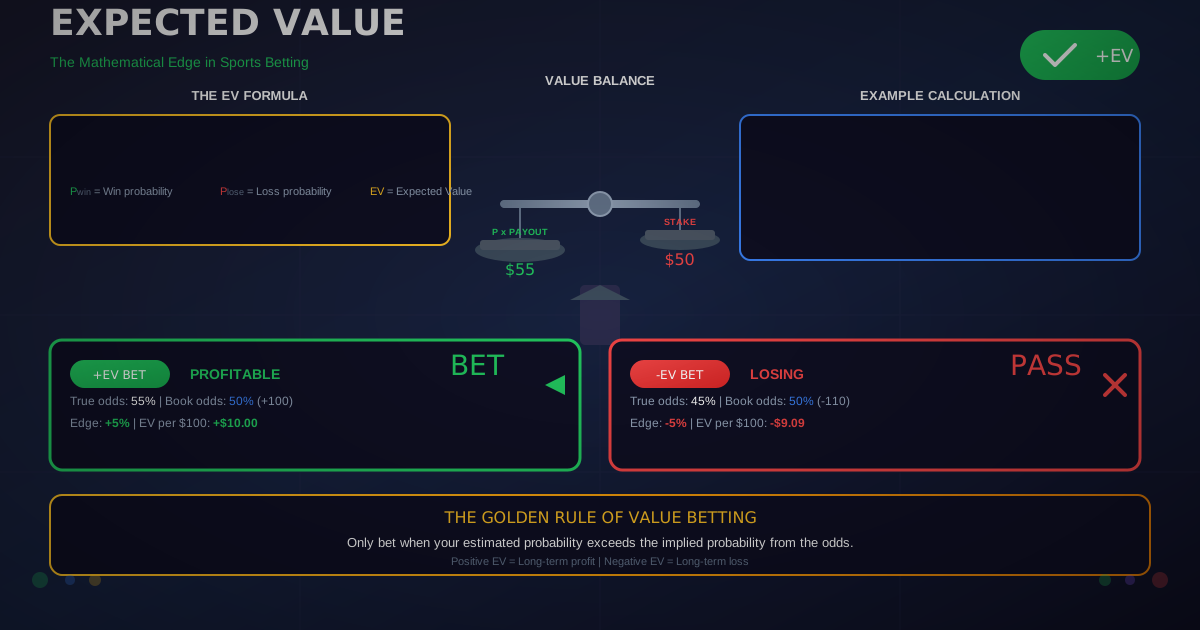
- Expected Value Calculator - EV analysis
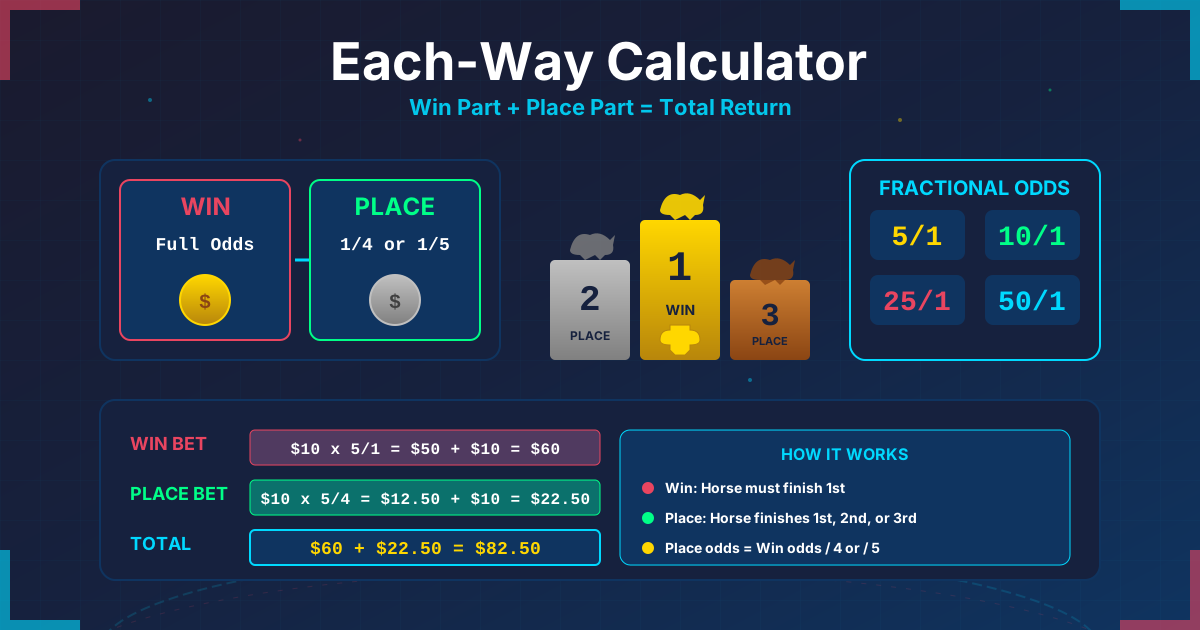
- Each-Way Calculator - Place dutching
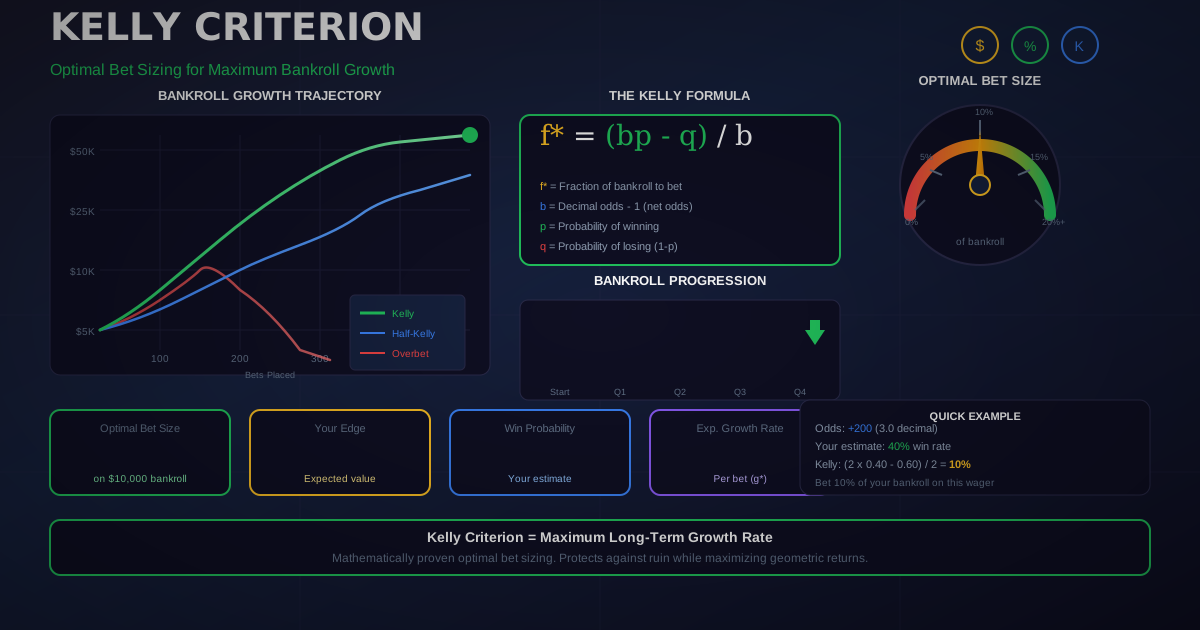
- Kelly Criterion Calculator - Stake sizing
Conclusion
Dutching distributes stakes across multiple selections for equal profit from any winner. Our calculator determines exact stake proportions based on odds. Success requires identifying genuine value selections with combined implied probability under 100%.
Calculate Your Dutching Stakes Now →
The best dutching opportunities occur in wide-open fields where multiple selections offer value. Calculate your combined probability, verify it's profitable, and let mathematics guide your stake distribution.