Middle Bet Calculator: Win Both Sides Strategy (2026)
Middle Bet Calculator: Profit When Both Bets Win
Middling exploits line movement to win both sides of a bet when the final result lands between your two positions. Our calculator identifies middle opportunities and calculates expected value when spreads or totals gap creates a winning corridor.
What Is a Middle Bet?
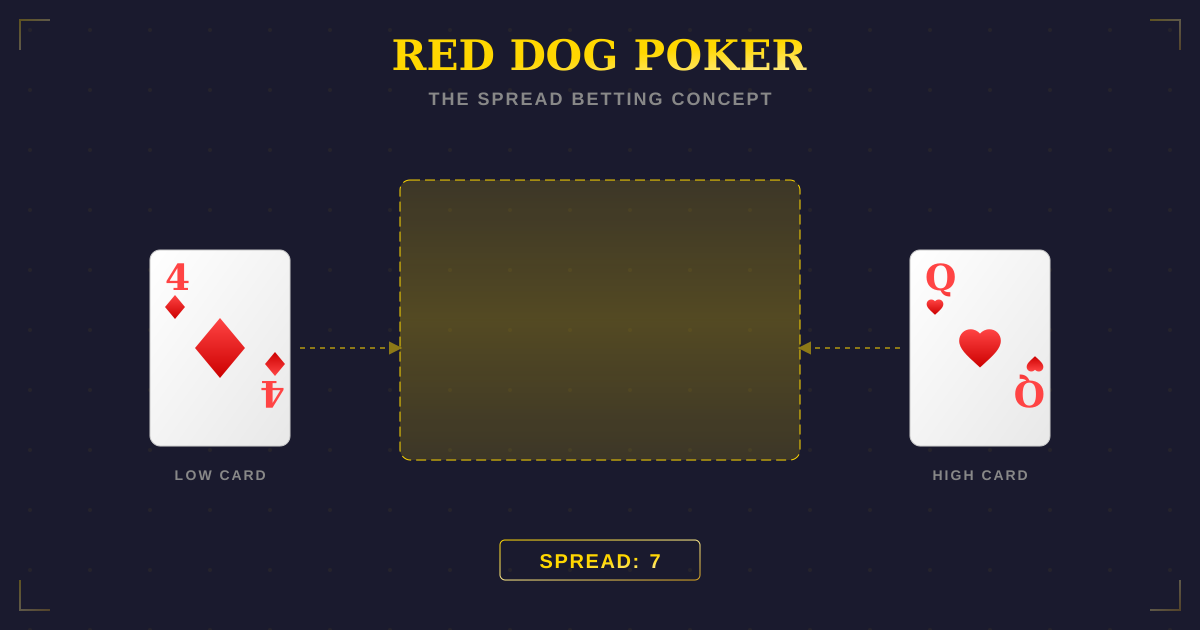
A middle occurs when you bet both sides of a game at different spreads, creating a range where both bets win. Unlike arbitrage, middles carry risk—but when they hit, you win big.
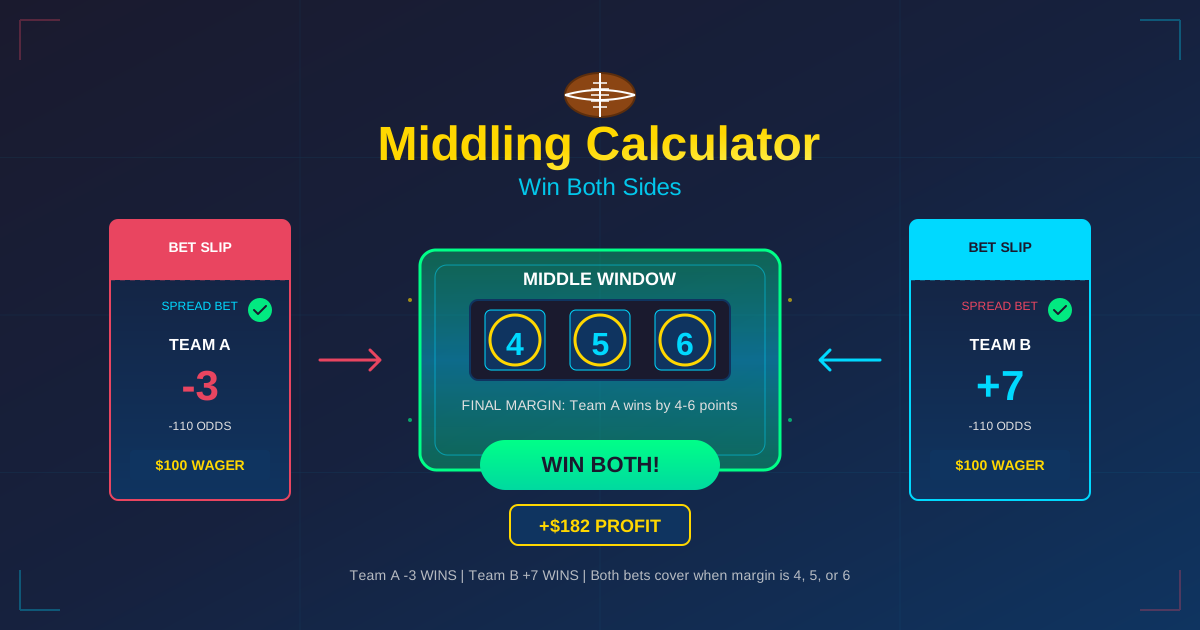
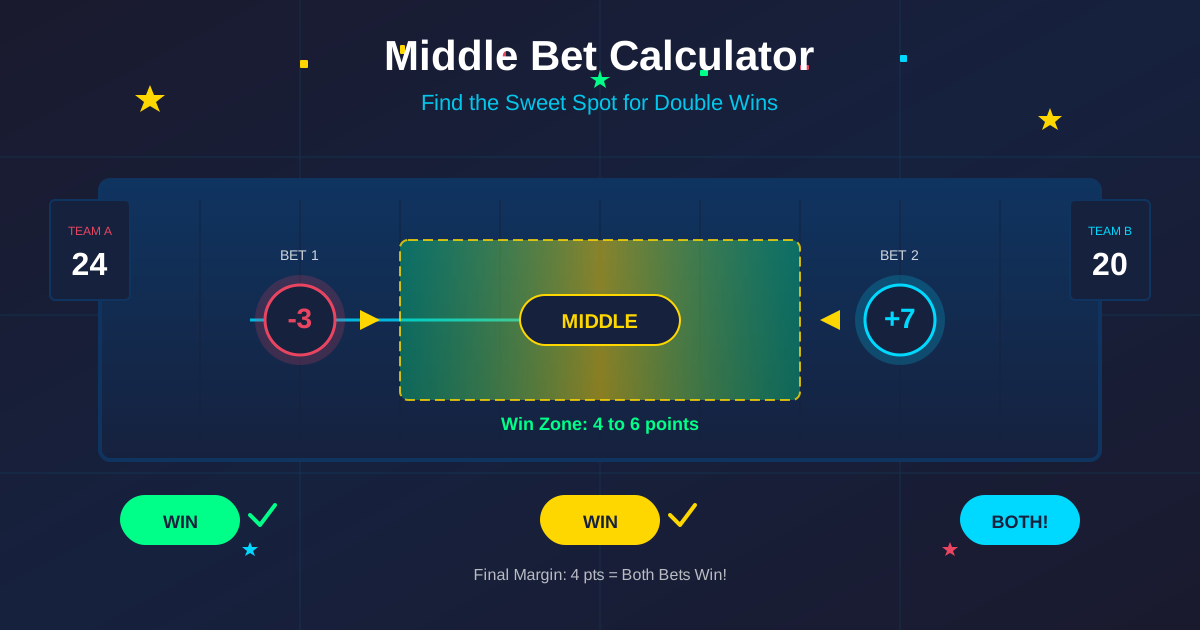
Quick Answer: A middle opportunity exists when you have Team A -3 and Team B +7 at different books or times. If Team A wins by 4, 5, or 6 points, you win BOTH bets. You've created a 4-point middle. Even when the middle doesn't hit, you've hedged with minimal loss or small profit.
How to Use Our Middle Calculator
Use the Middle Bet Calculator →
Enter both positions to see middle range, breakeven requirements, and expected value.
Step-by-Step Instructions
-
Enter Position 1: First spread/total and odds
-
Enter Position 2: Second spread/total and odds
-
Input Stakes: Amount on each side
-
View Middle Range: Numbers where both win
-
Calculate EV: Expected value of the middle
Input Fields Explained
| Field | Description | Example |
|---|---|---|
| Bet 1 Spread | First position | Team A -3 |
| Bet 1 Odds | First odds | -110 |
| Bet 2 Spread | Second position | Team B +7 |
| Bet 2 Odds | Second odds | -110 |
| Middle Range | Win-both window | 4, 5, 6 |
| Middle Probability | Estimated % | ~15% |
Middle Bet Math
Identifying a Middle
Middle exists when:
Favorite Spread < Underdog Spread + Dog Points
Example: -3 and +7 → 3 < 7 ✓ (4-point middle)
Calculating Middle Size
Middle Size = |Underdog Spread| - |Favorite Spread|
Example: +7 and -3 → 7 - 3 = 4 point middle
Outcome Matrix
| Team A Wins By | Bet 1 (-3) | Bet 2 (+7) | Result |
|---|---|---|---|
| 8+ | Win | Lose | Small profit/loss |
| 4-6 | Win | Win | BIG WIN (middle) |
| 1-2 | Lose | Win | Small profit/loss |
| Team B wins | Lose | Win | Small profit/loss |
Real-World Examples
Example 1: NFL Point Spread
Monday: Bet Chiefs -3 (-110) for $110 Thursday: Line moves to Chiefs -7 Action: Bet Bills +7 (-110) for $110
Total Investment: $220
| Outcome | Chiefs -3 | Bills +7 | Profit |
|---|---|---|---|
| Chiefs by 10 | +$100 | -$110 | -$10 |
| Chiefs by 5 | +$100 | +$100 | +$200 |
| Chiefs by 2 | -$110 | +$100 | -$10 |
| Bills win | -$110 | +$100 | -$10 |
Middle (4-6): Win $200 Miss middle: Lose ~$10
Example 2: NBA Total
Morning: Bet Over 212.5 (-110) for $110 By game time: Total drops to 208.5 Action: Bet Under 208.5 (-110) for $110
Middle Range: 209-212 points
| Total Score | Over 212.5 | Under 208.5 | Profit |
|---|---|---|---|
| 215 | +$100 | -$110 | -$10 |
| 210 | Win | Win | +$200 |
| 205 | -$110 | +$100 | -$10 |
Example 3: Cross-Book Middle
Book A: Patriots -2.5 (-110) Book B: Jets +6.5 (-110)
Same time, different lines = 4-point middle opportunity
| Patriots Win By | -2.5 | +6.5 | Net |
|---|---|---|---|
| 10 | W | L | -$10 |
| 4 | W | W | +$200 |
| 1 | L | W | -$10 |
Expected Value of Middles
Middle EV Formula
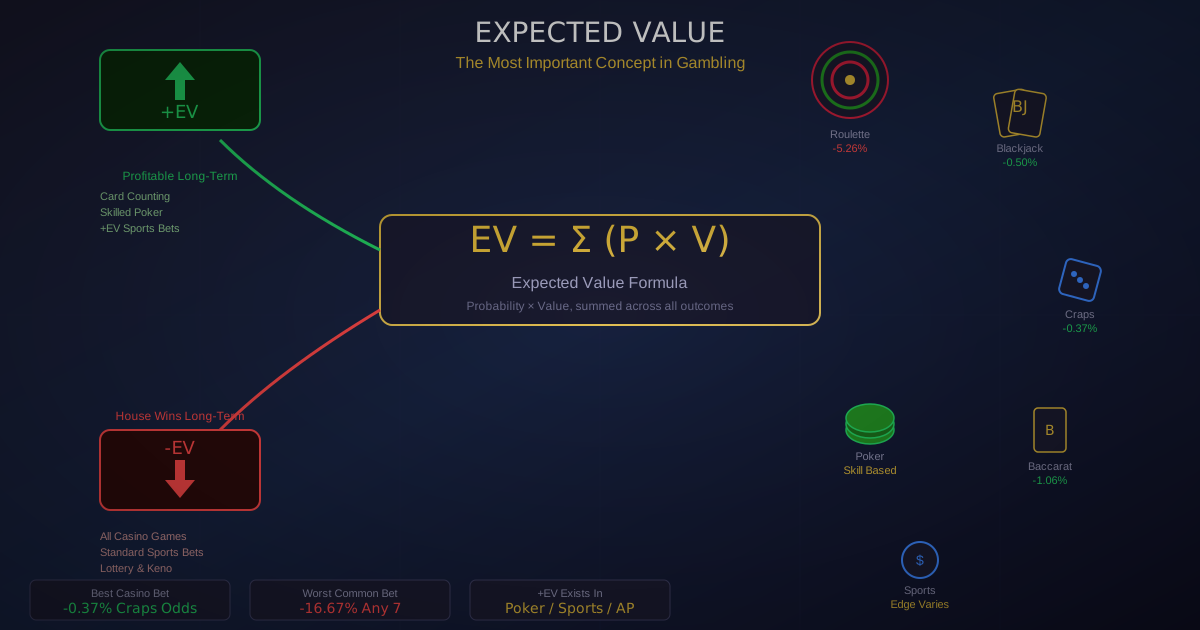
EV = (Middle Probability × Both Win Profit) +
     ((1 - Middle Probability) × Average Loss)
Middle Size and Probability
| Middle Size | Approximate Hit % | EV at -110/-110 |
|---|---|---|
| 1 point | 3-5% | Negative |
| 2 points | 6-9% | Marginal |
| 3 points | 10-13% | Positive |
| 4 points | 14-18% | Good |
| 5+ points | 18%+ | Excellent |
Breakeven Middle %
To break even on a standard middle:
Win both: +$200 (on $220 total stake)
Lose: -$10

Breakeven: 10 / 210 = 4.76%
Need middle to hit ~5% of time to break even.
Finding Middle Opportunities
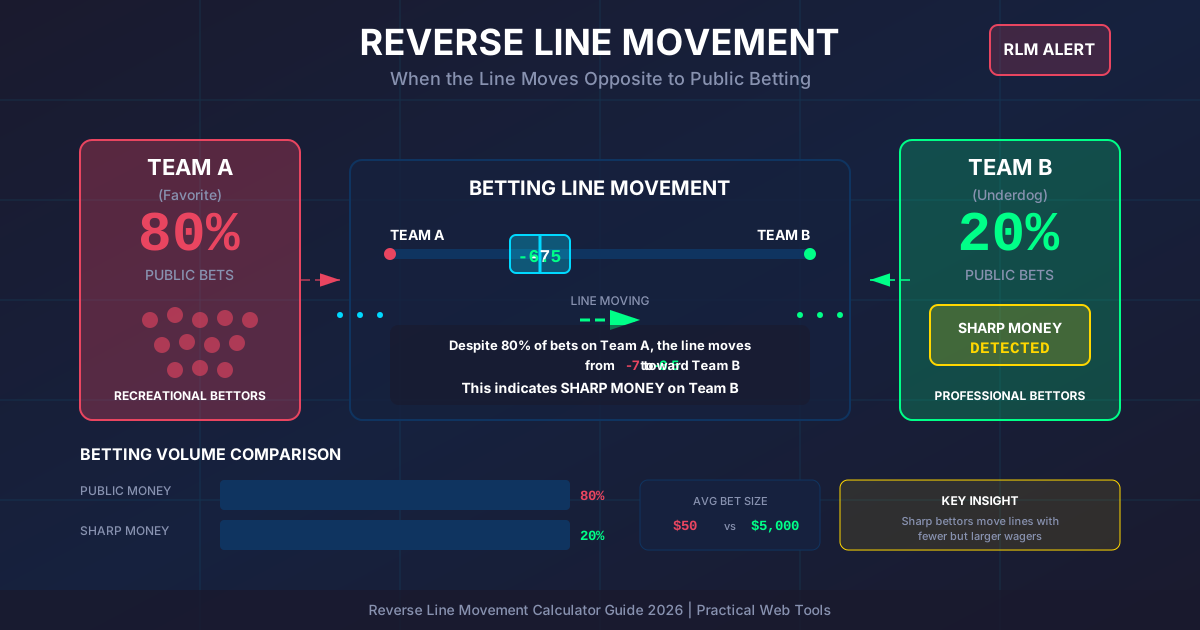
Line Movement Middles
| Timing | Opportunity |
|---|---|
| Sharp action early | Bet early, middle later |
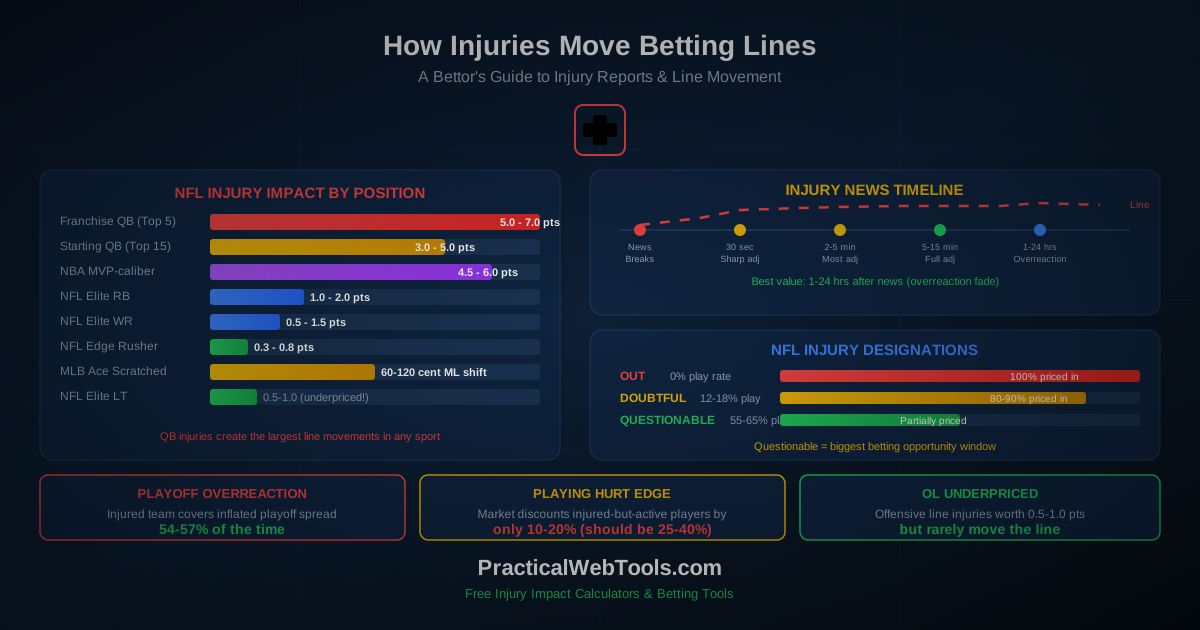
| News-driven moves | Injury/weather shifts lines |
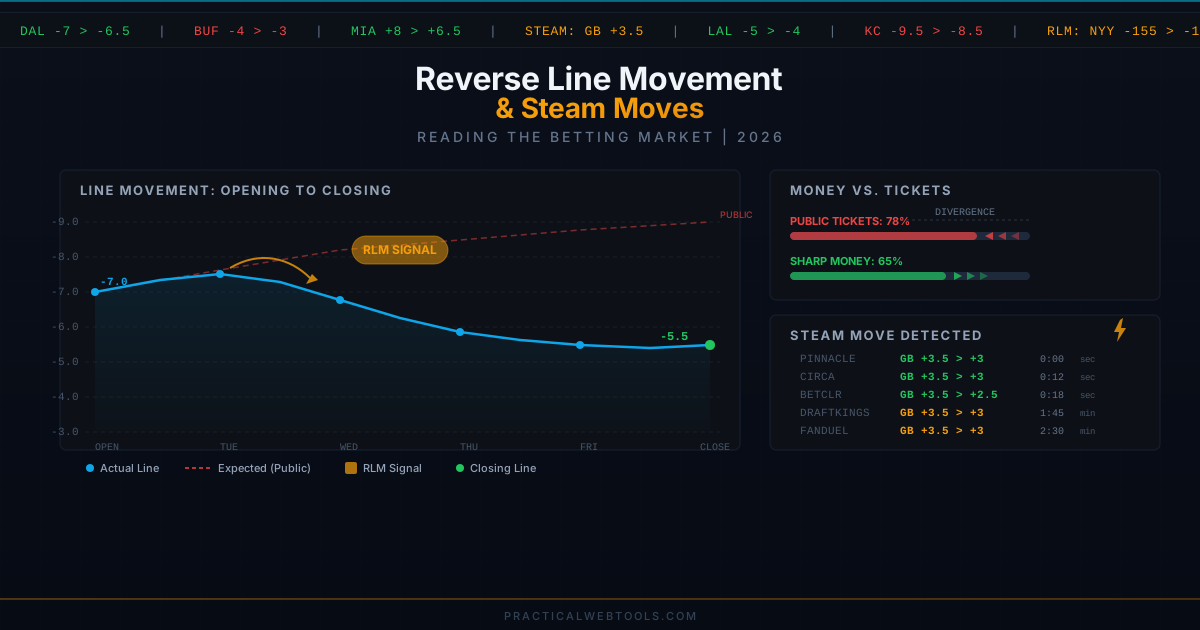
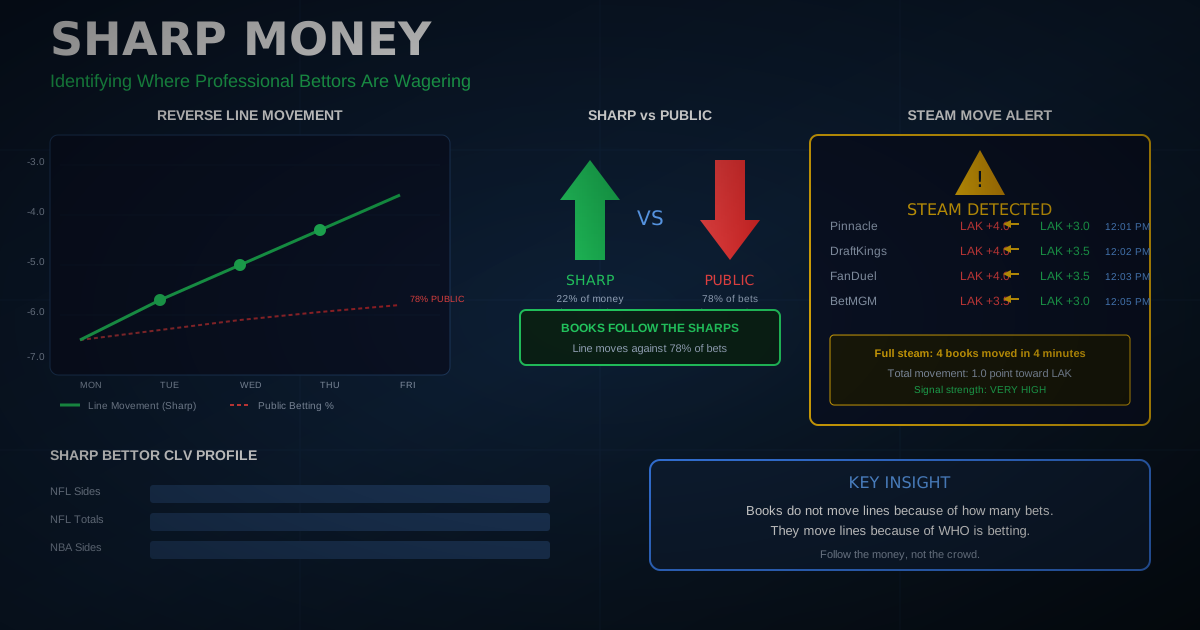
| Steam moves | Quick moves create gaps |
Cross-Book Middles
| Strategy | Action |
|---|---|
| Different lines | Compare multiple books |
| Alternate spreads | Use alternate lines |
| Live betting | Pre-game + live combination |
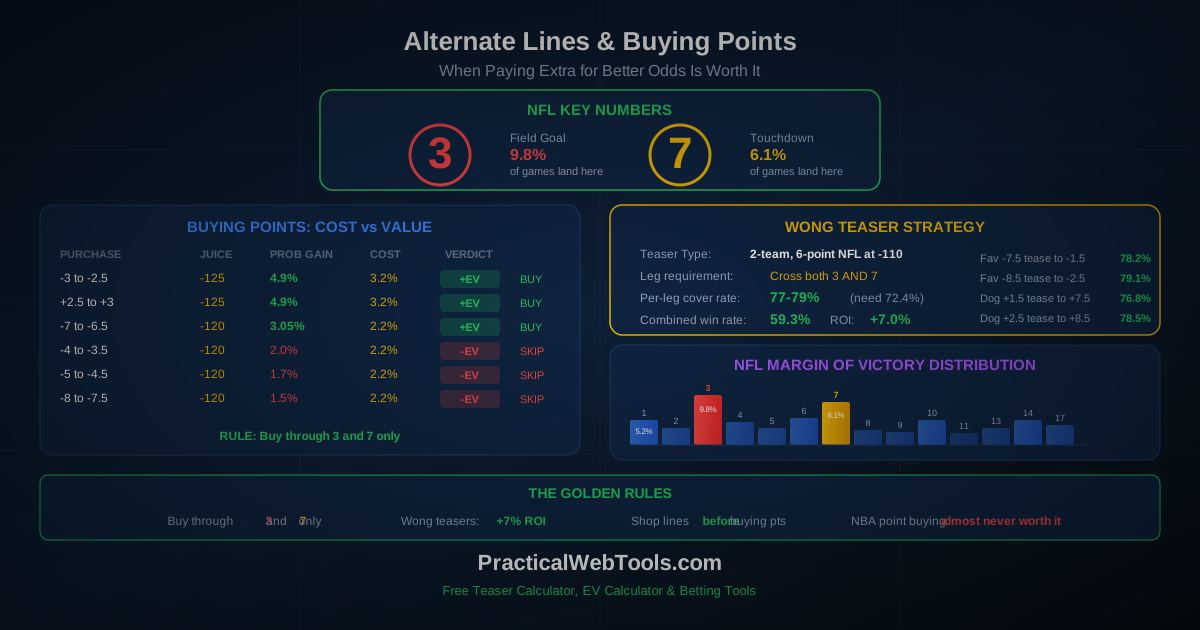
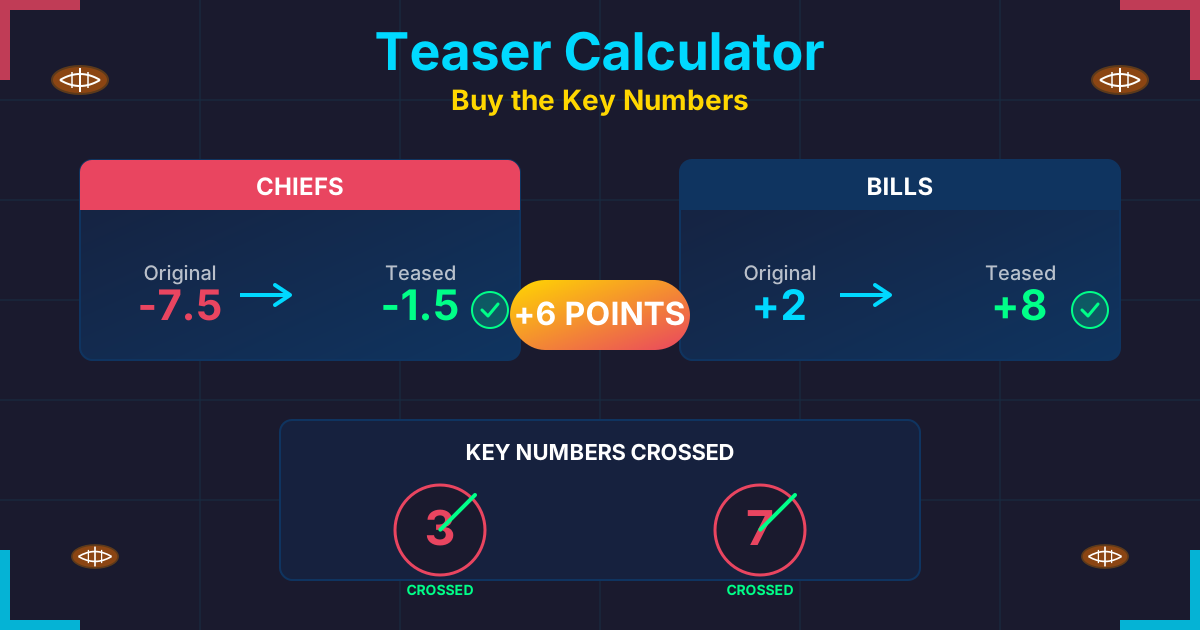
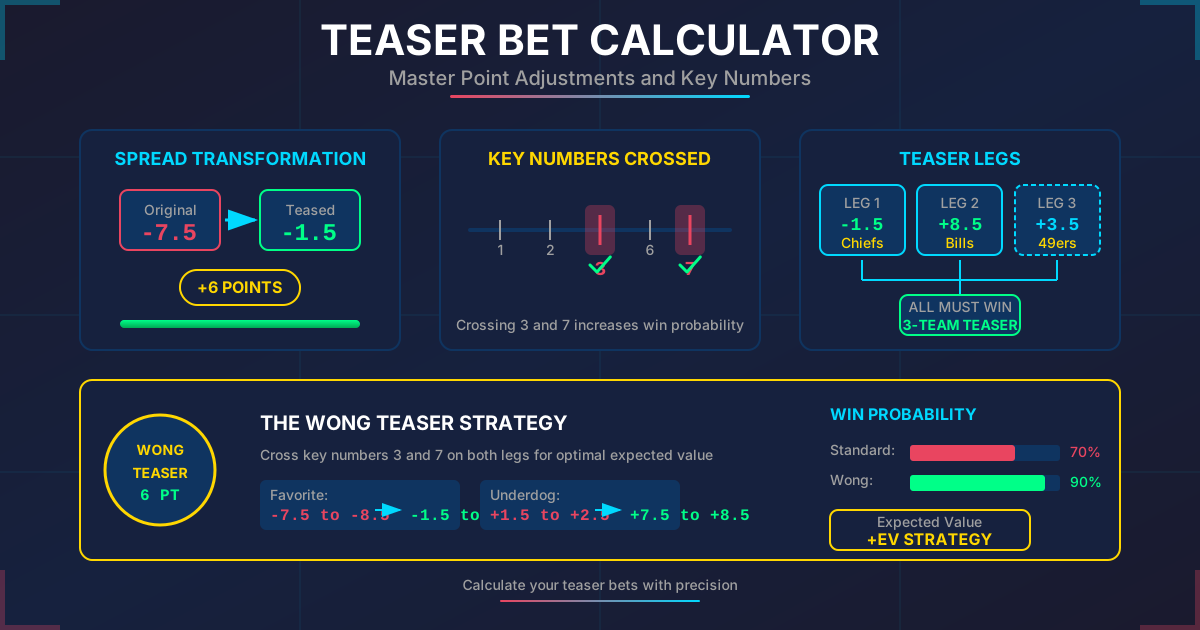
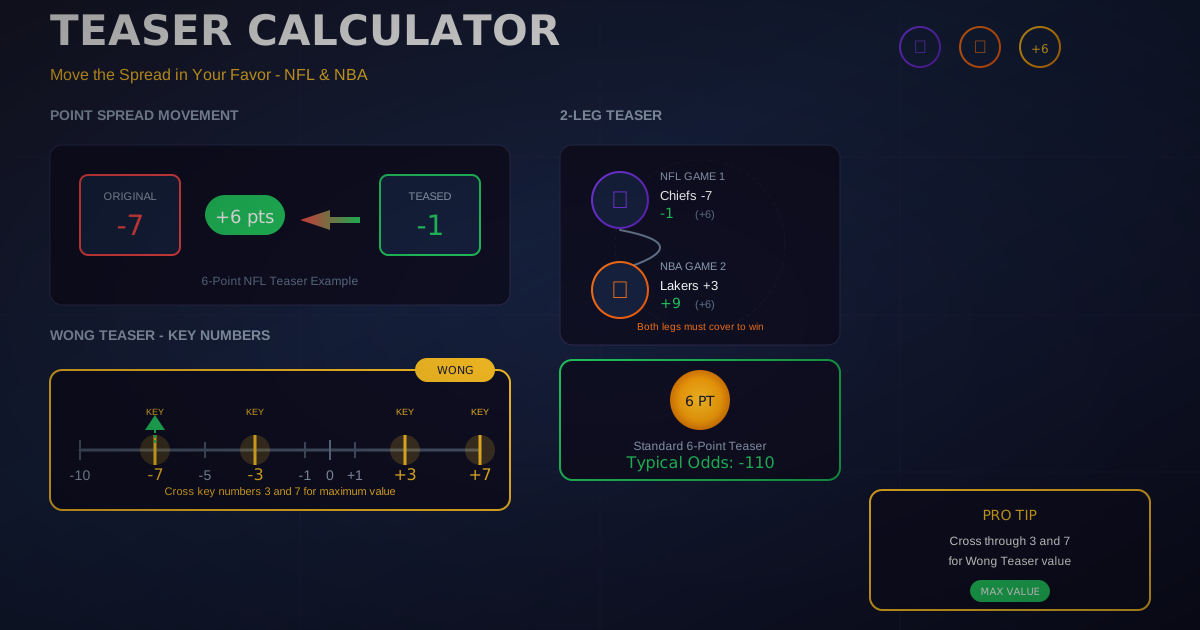
Key Number Considerations
| Sport | Key Numbers |
|---|---|
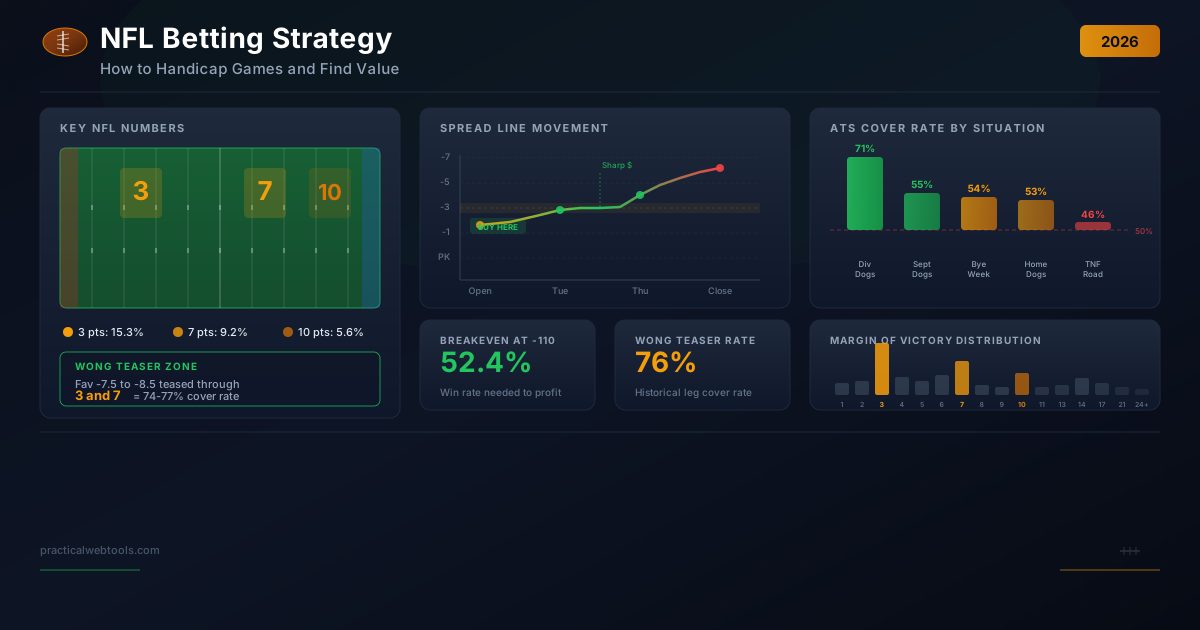
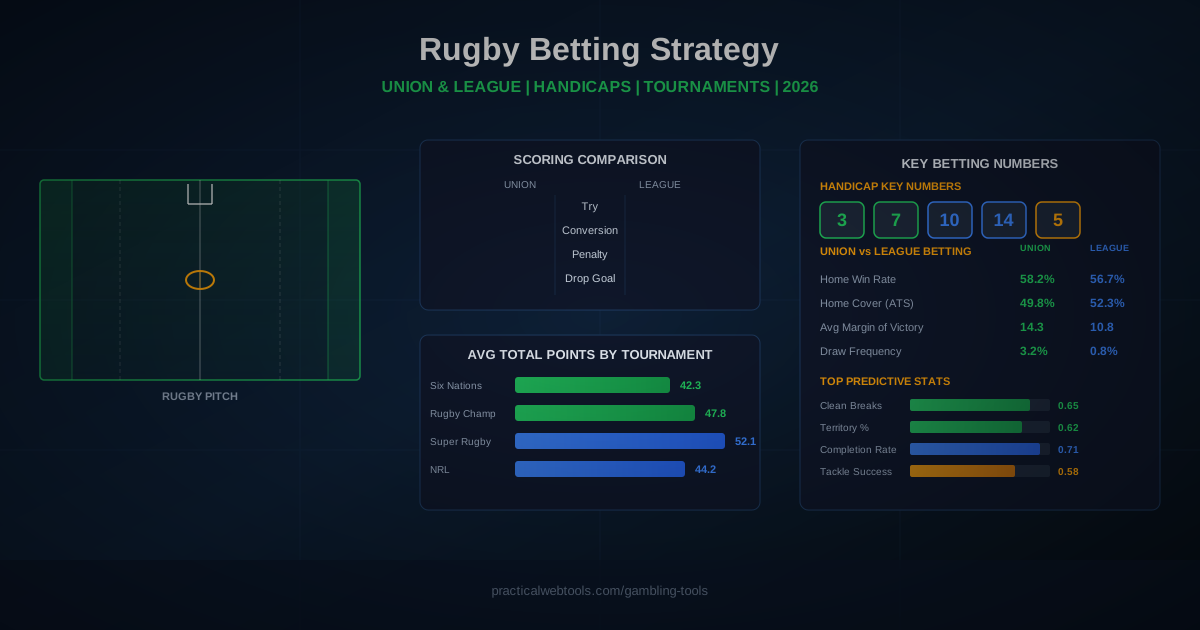
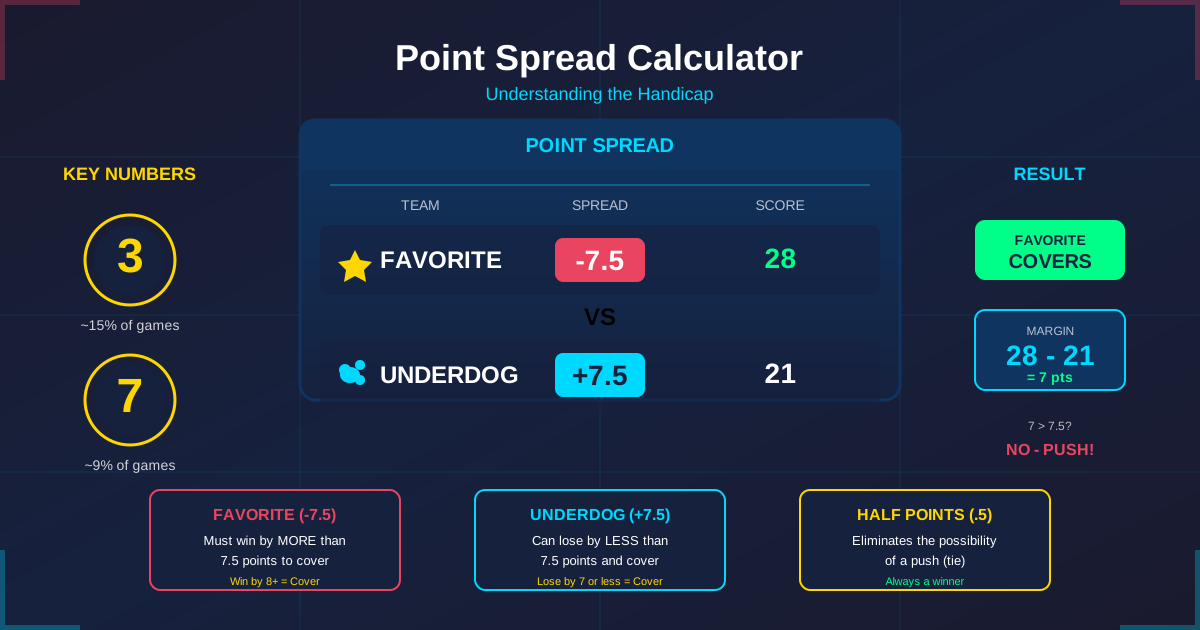
| NFL | 3, 7, 6, 10, 14 |
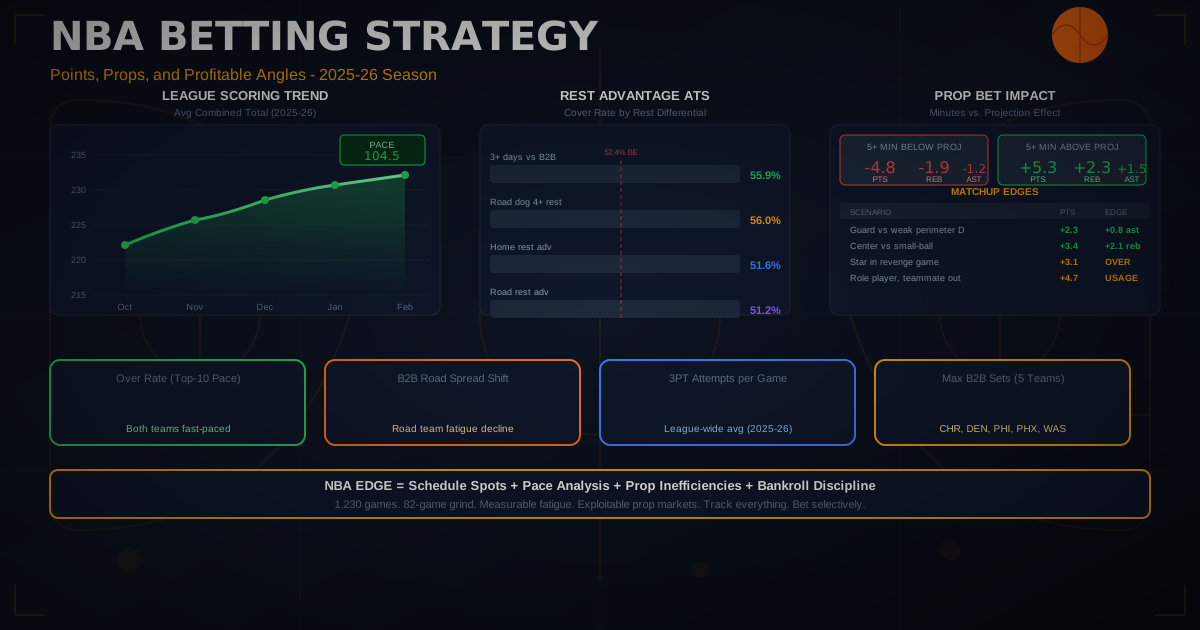
| NBA | 5, 7, 8 |
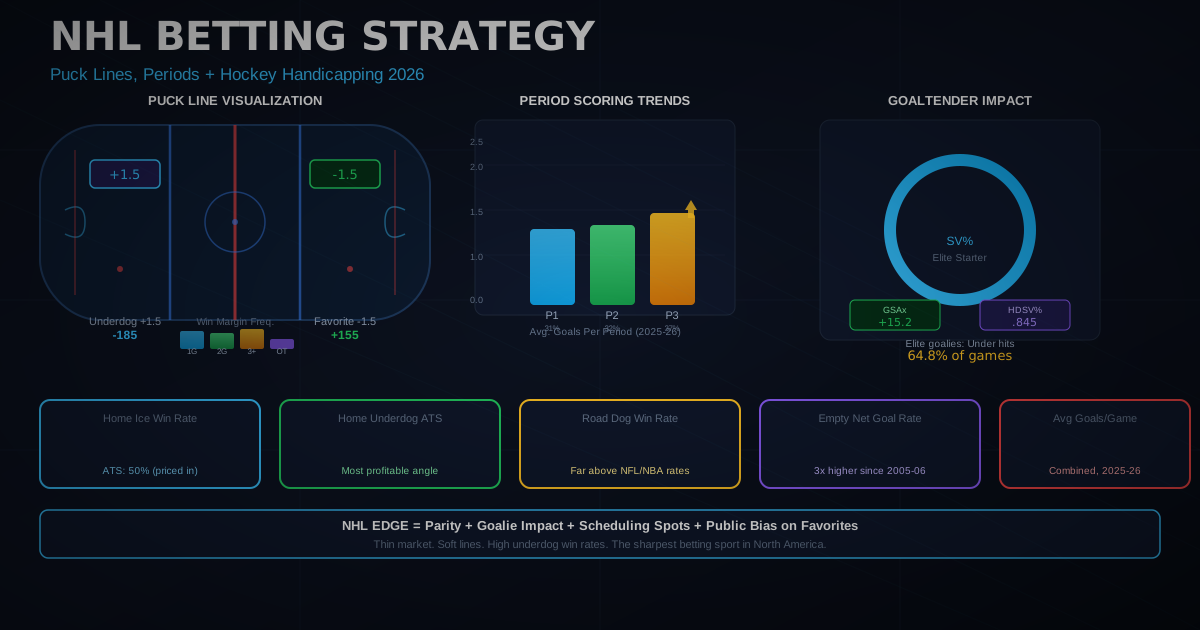
| NHL | 1, 2 |
Middles through key numbers are more valuable.
Middle Betting Strategies
Time-Based Middling
| Step | Action |
|---|---|
| 1 | Identify likely line movement direction |
| 2 | Bet early on expected move side |
| 3 | Wait for movement |
| 4 | Bet opposite side at new number |
Intentional Middle Setup
| Criteria | Requirement |
|---|---|
| Initial bet | Strong position at good number |
| Expected move | 3+ points of movement |
| Exit point | Know when to complete middle |
Risk Management
| Middle Size | Recommended Stake |
|---|---|
| 1-2 points | Minimal or skip |
| 3-4 points | Standard stake |
| 5+ points | Larger stake justified |
Totals Middles
Over/Under Middle
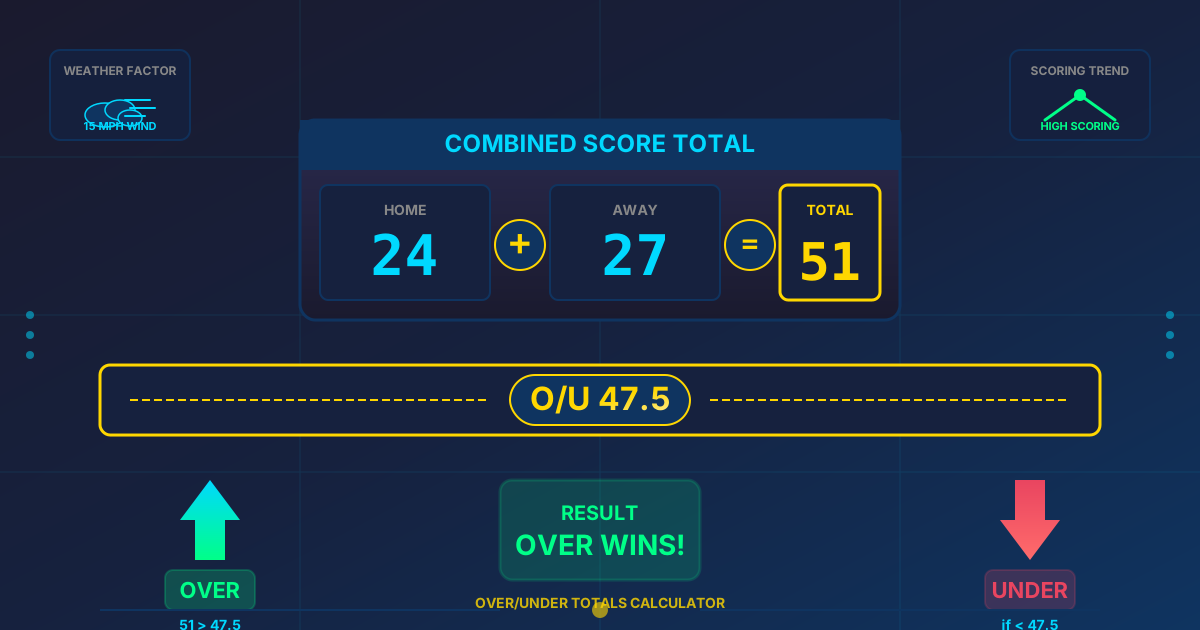
Initial: Over 44.5 (-110) Line moves to: 48.5 Action: Under 48.5 (-110)
Middle: 45-48 total points
NFL Totals Movement
| Factors | Impact |
|---|---|
| Weather change | 3-7 point moves |
| QB injury | 2-5 point moves |
| Wind reports | 2-4 point moves |
Common Middle Mistakes
1. Forced Middles
Mistake: Creating 1-point middles for action Problem: Negative EV; rarely hits Fix: Only middle 3+ point gaps
2. Ignoring Juice
Mistake: Not factoring vig into EV Problem: Actual profit lower Fix: Calculate true cost of both sides
3. Wrong Stake Sizing
Mistake: Equal stakes when one side is better Problem: Suboptimal profit structure Fix: Weight toward more likely winner
4. Chasing Middles
Mistake: Completing middle at bad odds Problem: Worse EV than single bet Fix: Let bad middles go; don't force
Frequently Asked Questions
How often do middles actually hit?
A 4-point NFL middle hits roughly 15% of the time. Smaller middles hit less; larger hit more.
Is middling profitable long-term?
With proper selection (3+ point gaps through key numbers), middling can be +EV. Random middling is not.
Should I bet equal amounts on both sides?
Usually yes for simplicity, but you can weight toward the side you favor if you're also making a play.
Can I middle totals?
Yes, same concept. Over early, under late (or vice versa) when totals move significantly.
What's the best sport for middling?
NFL—key numbers matter most, and lines move significantly throughout the week.
Is middling the same as arbitrage?
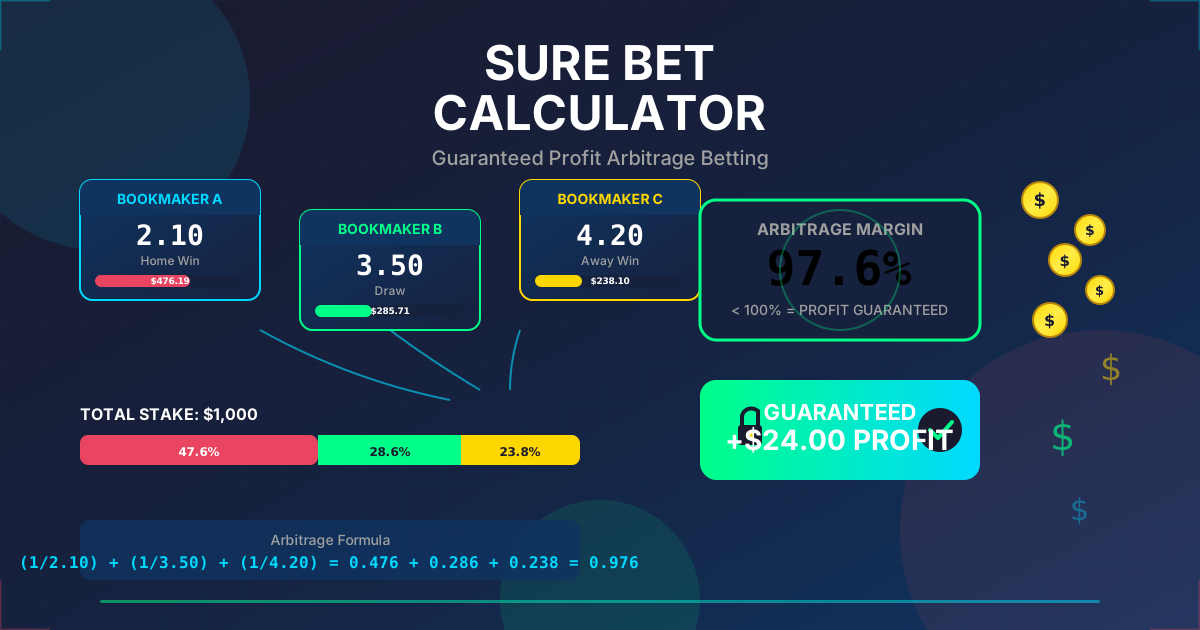
No. Arbitrage guarantees profit; middling risks a small loss for a chance at big win.
Advanced Middling
Calculating Optimal Stakes
For weighted middles where one outcome is more likely:
| If Favorite | Favored Side | Hedge Side |
|---|---|---|
| More likely to cover | 60% weight | 40% weight |
| Less likely | 40% weight | 60% weight |
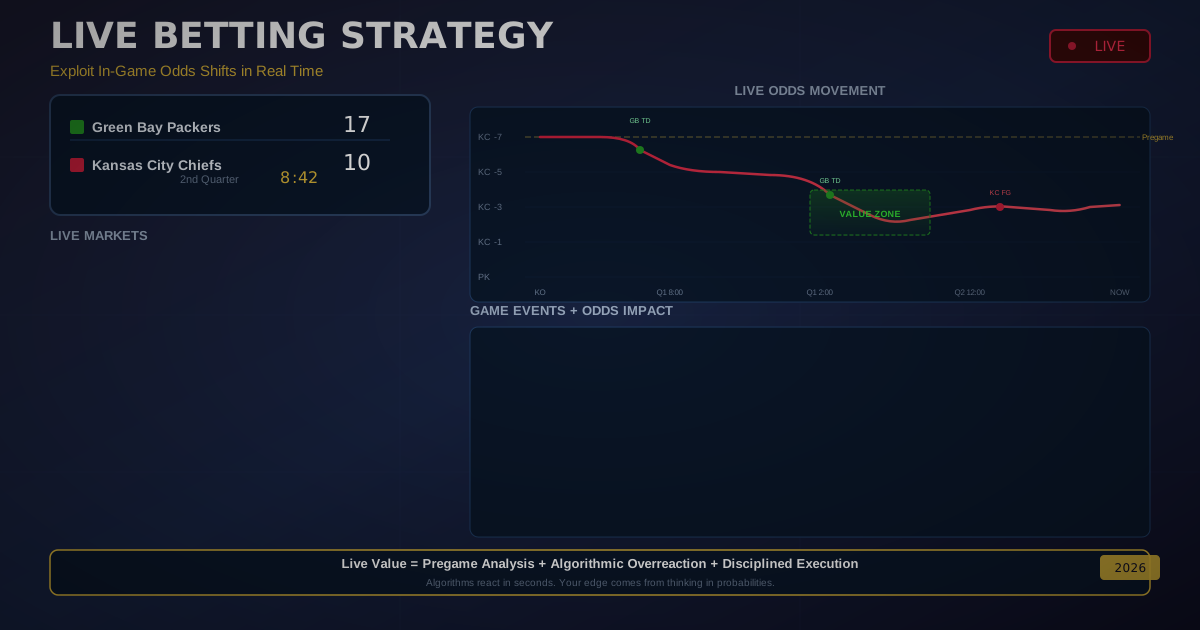
Combined with Live Betting
| Pre-game | Live Opportunity |
|---|---|
| Favorite -3 | Underdog +10 (down early) |
| Over 215 | Under 230 (fast start) |
Partial Middles
Close out part of position, let rest ride:
| Strategy | Action |
|---|---|
| 50% hedge | Middle half, let half ride |
| Progressive | Add middle as spread moves |
Pro Tips
-
Target 3+ point gaps: Smaller middles aren't worth the capital
-
Value key numbers: Middles through 3 and 7 in NFL are premium
-
Watch line movement: Early bettors create middle opportunities
-
Don't force it: Bad middles are worse than single bets
-
Calculate EV first: Know the math before placing bets
Related Calculators
- Hedge Calculator - Lock in guaranteed profit
- Arbitrage Calculator - Risk-free betting
- Point Spread Calculator - Spread betting
- Expected Value Calculator - EV analysis
- Odds Converter - Format conversion
Conclusion
Middle betting creates the opportunity to win both sides of a wager when results land in your corridor. Our calculator identifies middle ranges, calculates expected value, and helps you evaluate whether a middle opportunity justifies the risk. Focus on 3+ point gaps through key numbers for +EV middling.
Calculate Your Middle Bets Now →
The best middles come from patience—betting early positions and waiting for significant line movement. When you create a 4+ point middle through key numbers, you're in the best position sports betting offers: win big if you hit, lose small if you don't.