Your First Time at a Casino: What to Expect and How to Prepare (2026)
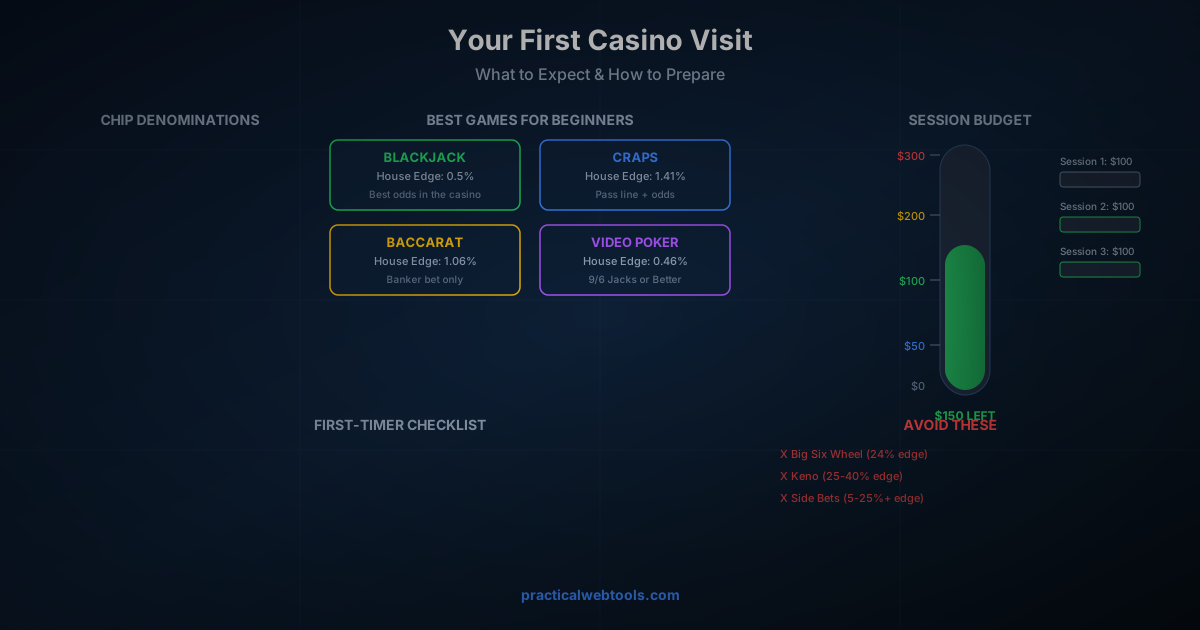
First-time casino visitors lose an average of 2-3 times more money than experienced players, not because of bad luck, but because of poor preparation. A 2024 American Gaming Association survey found that 62% of first-time gamblers had no predetermined budget, 78% did not know the house edge of the games they played, and 45% stayed at least two hours longer than originally planned. Every one of those statistics represents avoidable mistakes.
This guide will prepare you for every aspect of your first casino visit, from what to bring and what to wear to which games give you the best odds and how to handle yourself at the table. By the time you finish reading, you will walk into any casino with confidence, a plan, and a realistic set of expectations.
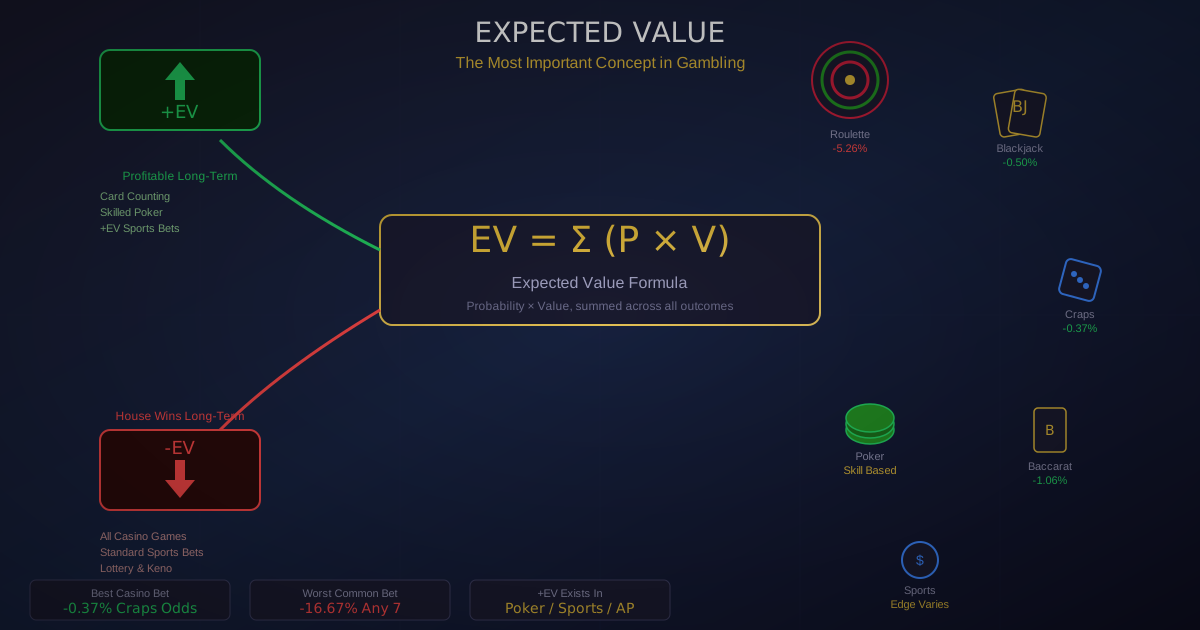
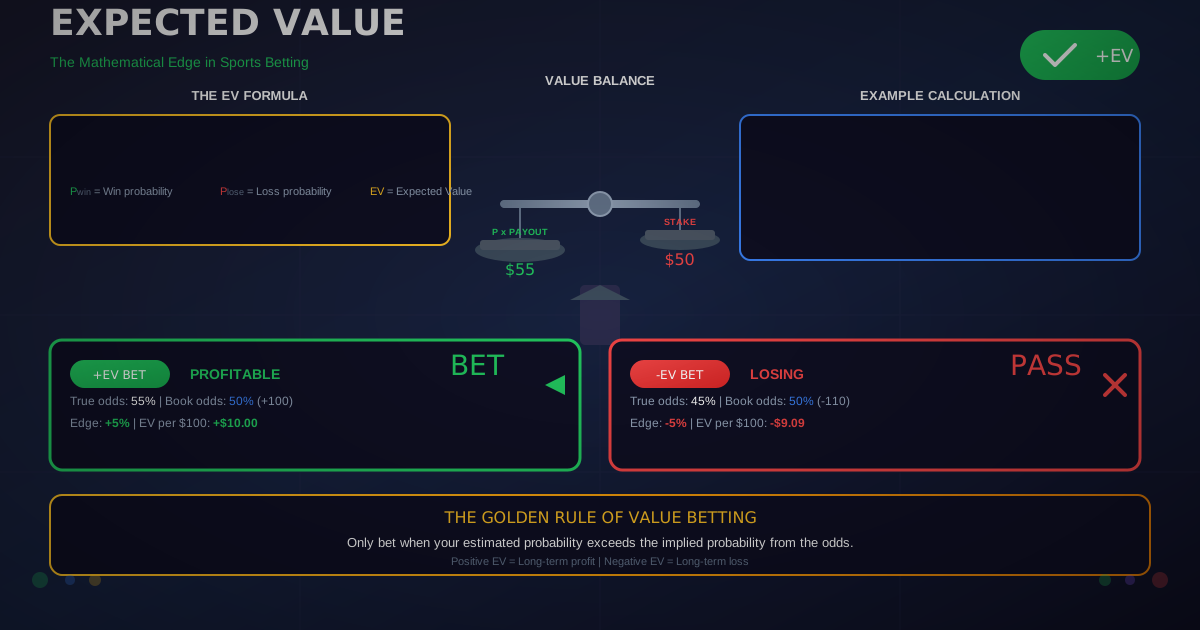
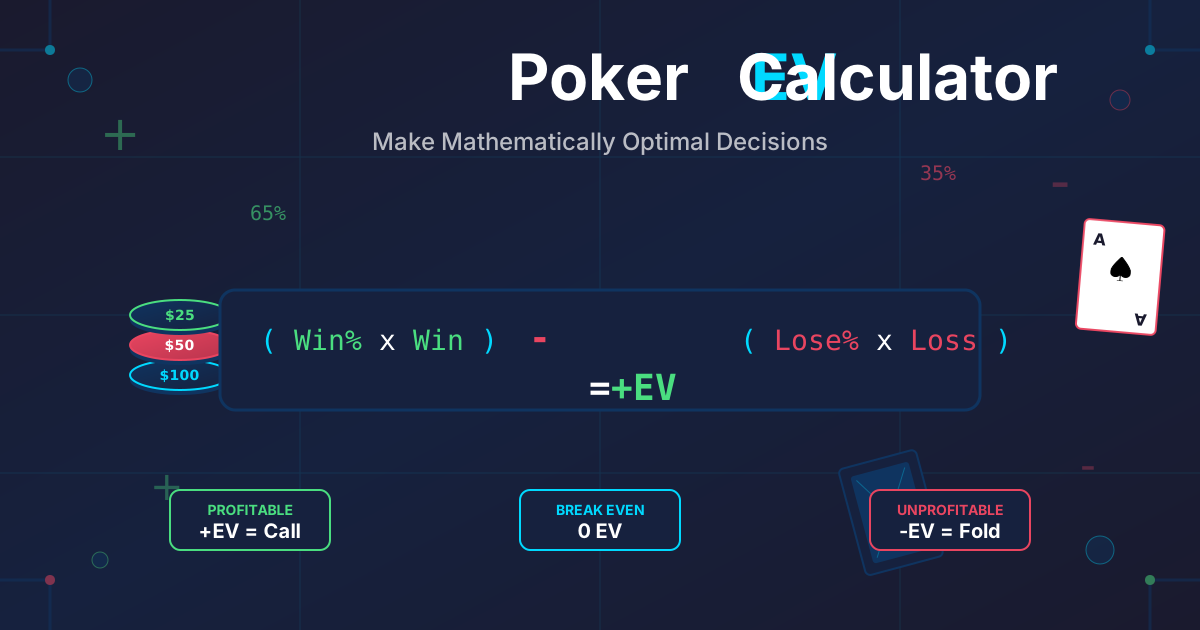
Before you go, calculate exactly what your session will cost with our free Expected Value Calculator.
What Should You Bring to a Casino for the First Time?
Bring a valid government-issued photo ID, a predetermined cash budget, your phone (for time tracking), and nothing else of financial value. Leave credit cards, debit cards, and extra cash at home or locked in your hotel room safe.
Essential Items Checklist
| Item | Why You Need It | Pro Tip |
|---|---|---|
| Government-issued photo ID | Required for entry, cashing large wins, joining player clubs | Passport also works; check if your state ID is accepted if traveling |
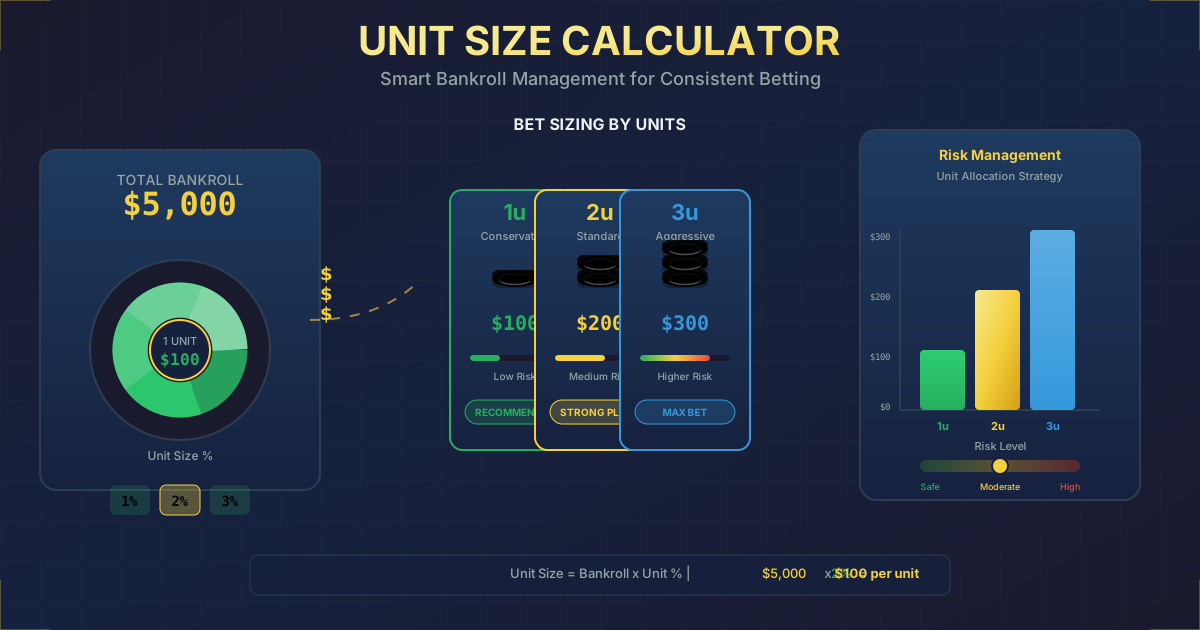
| Predetermined cash budget (in cash) | Prevents overspending, creates hard stop | Divide into session envelopes ($100 per session is a common starting point) |
| Phone with alarms set | Time tracking, rideshare, emergency contact | Set alarms every 30-60 minutes to check your bankroll |
| Comfortable shoes | You will walk and stand more than expected | Average casino visitor walks 3-5 miles per visit |
| Small wallet or money clip | Easier than a bulky wallet at tables | Avoid carrying items that could be lost or pickpocketed |
| Water bottle (if allowed) | Stay hydrated; dehydration impairs judgment | Many casinos allow sealed bottles on the floor |
What to Leave Behind
| Item | Why to Leave It |
|---|---|
| Credit cards | ATM cash advances at casinos carry 3-5% fees plus high interest |
| Debit card | Too easy to withdraw beyond your budget |
| Extra cash | If it is in your pocket, you will spend it |
| Expensive jewelry | Theft risk, distraction |
| Laptop/tablet | Unnecessary weight, theft risk |
| Large bags | Most casinos discourage or restrict them |
ID Requirements by Jurisdiction
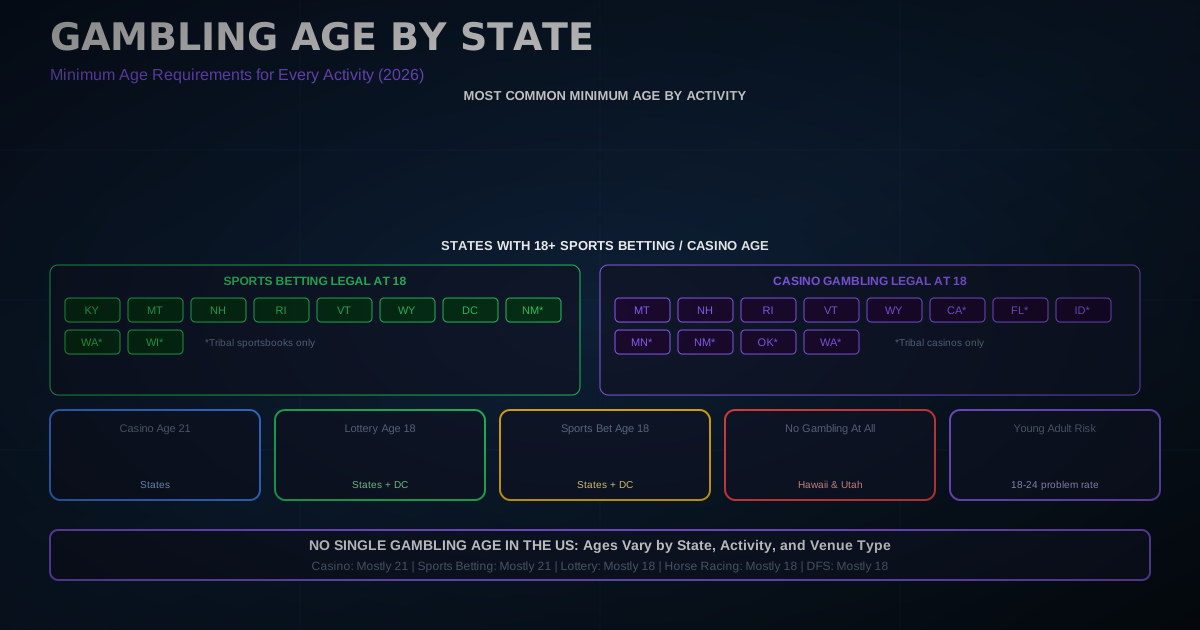
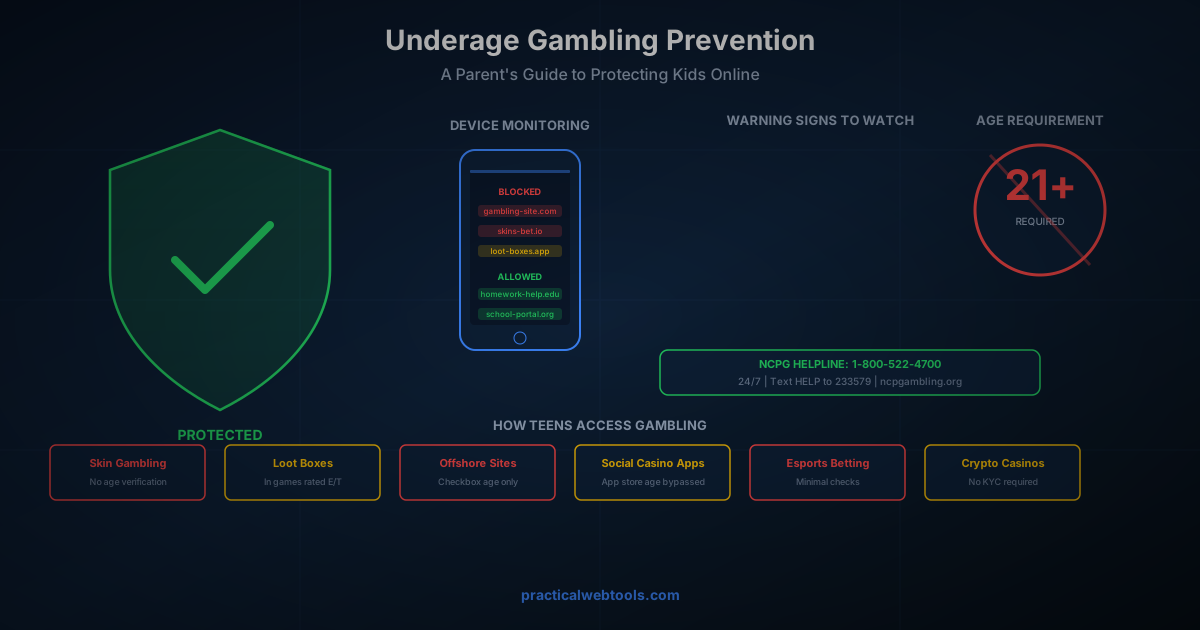
Every casino in the United States requires you to be at least 21 years old to gamble (18 in some tribal casinos and a few states for specific games). You must carry valid photo identification at all times on the gaming floor.
| ID Type | Accepted Everywhere | Notes |
|---|---|---|
| State driver's license | Yes | Must be current, not expired |
| State ID card | Yes | Non-driver equivalent |
| US Passport | Yes | Also accepted for international visitors |
| Military ID | Yes | Active duty and veteran |
| Tribal ID | Varies | Accepted at most tribal casinos |
| Foreign passport | Yes | With valid visa if required |
| Student ID | No | Never sufficient as sole identification |
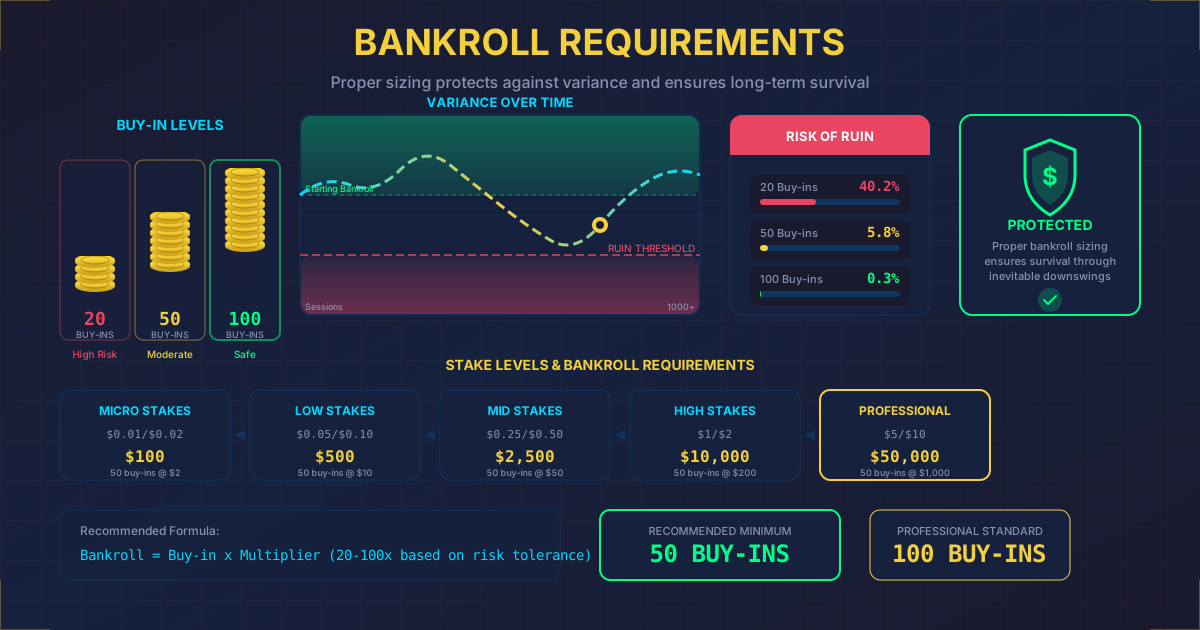
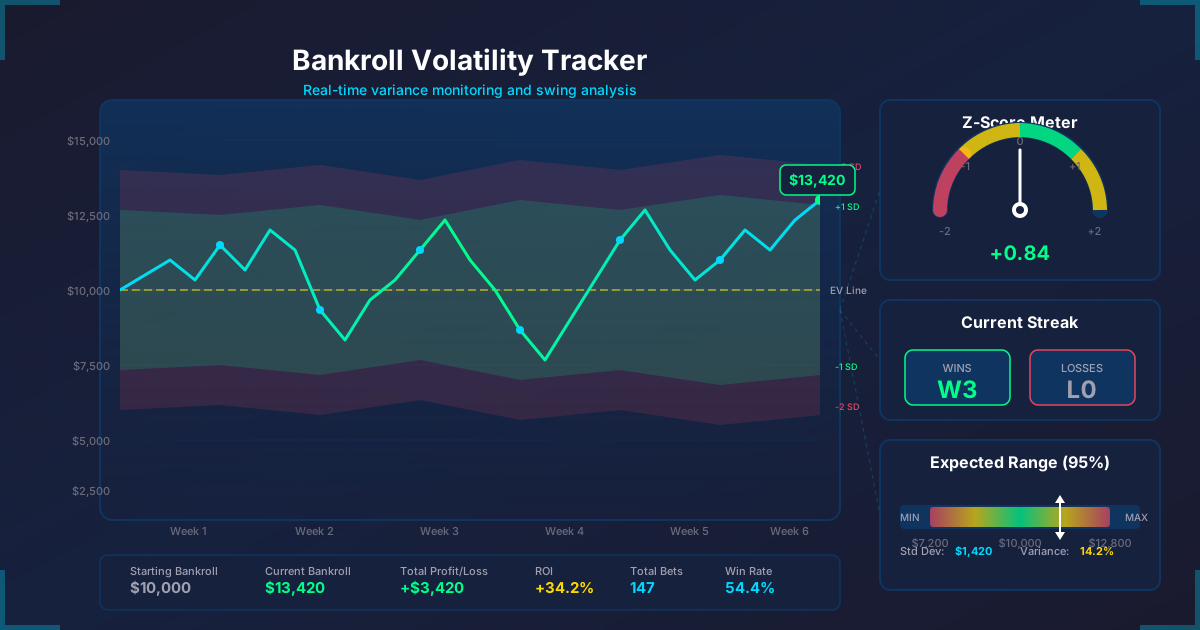
Use our Bankroll Volatility Tracker to model how your budget will perform across different games and bet sizes before you leave home.
How Much Money Should You Bring to a Casino?
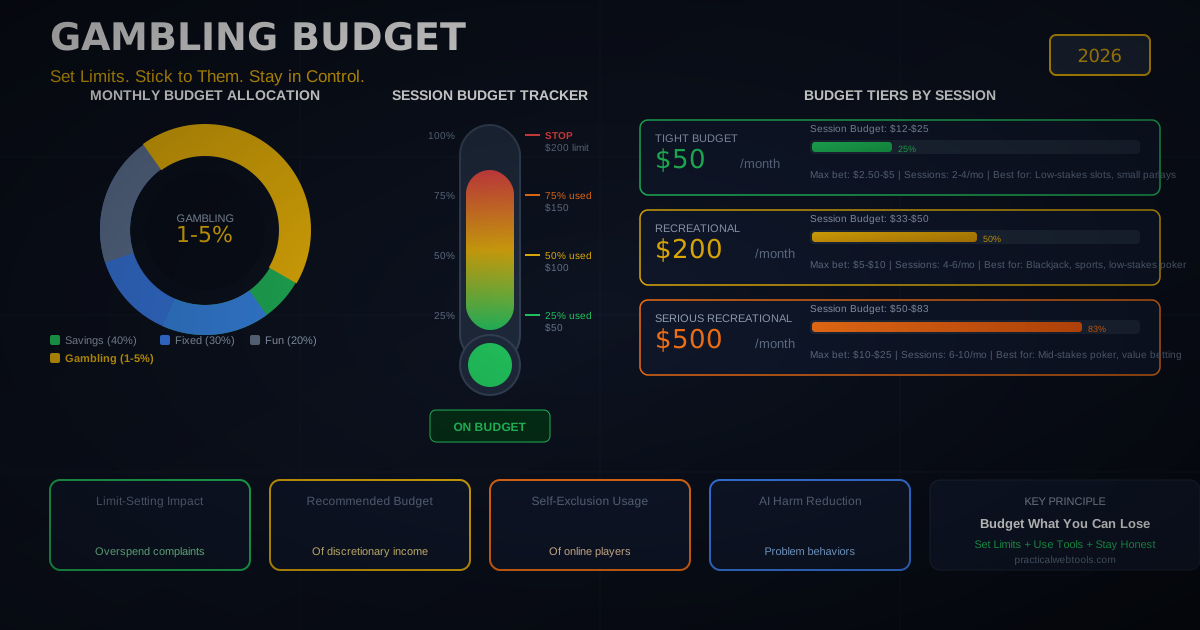
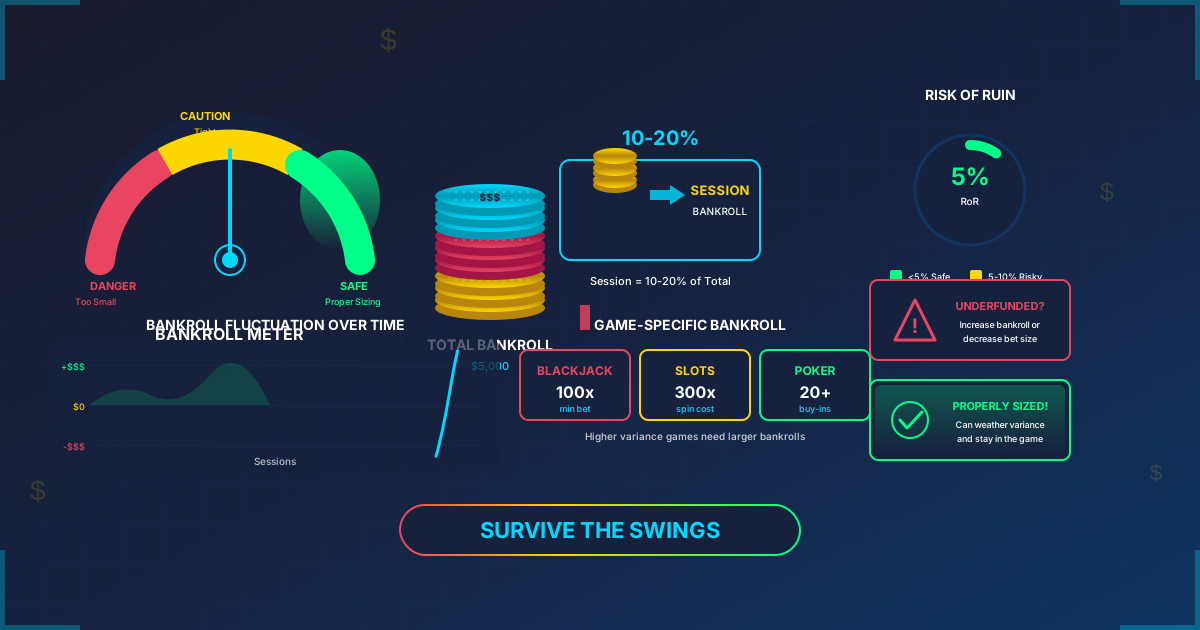
Bring only what you can afford to lose completely, and assume you will lose all of it. A reasonable first-time casino budget is $100-$300 for a 2-4 hour visit. This amount provides enough play time to experience multiple games without causing financial stress if lost entirely.
Budget Planning by Game Type
The amount of time your budget lasts depends entirely on which games you play and how much you bet per hand or spin. Here is what to expect:
| Game | Min Bet (Typical) | Decisions/Hour | Cost/Hour at Min Bet (Expected) | $200 Budget Lasts |
|---|---|---|---|---|
| Blackjack (basic strategy) | $10-15 | 60-80 | $3-6 | 33-66 hours* |
| Craps (pass line) | $5-10 | 30-40 | $2-6 | 33-100 hours* |
| Roulette (outside bets) | $5-10 | 30-40 | $8-21 | 9-25 hours* |
| Baccarat (mini) | $10-25 | 40-60 | $4-16 | 12-50 hours* |
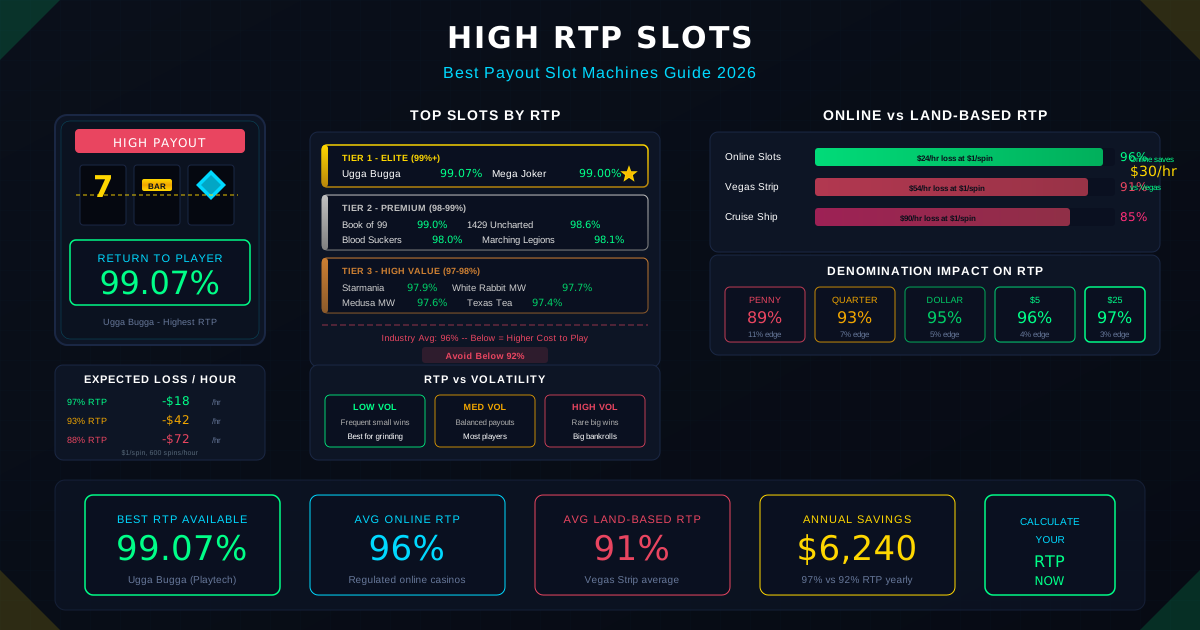
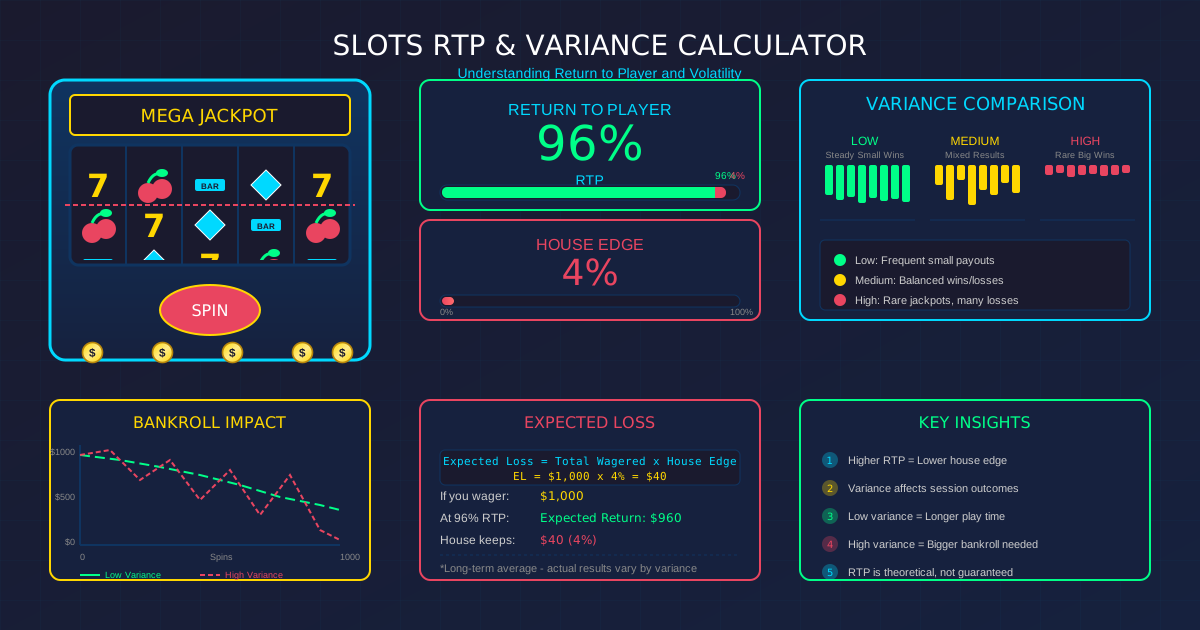
| Slots (penny/nickel) | $0.25-1.00 | 400-600 | $20-48 | 4-10 hours* |
| Slots ($1 denomination) | $1-3 | 400-600 | $32-144 | 1.4-6 hours* |
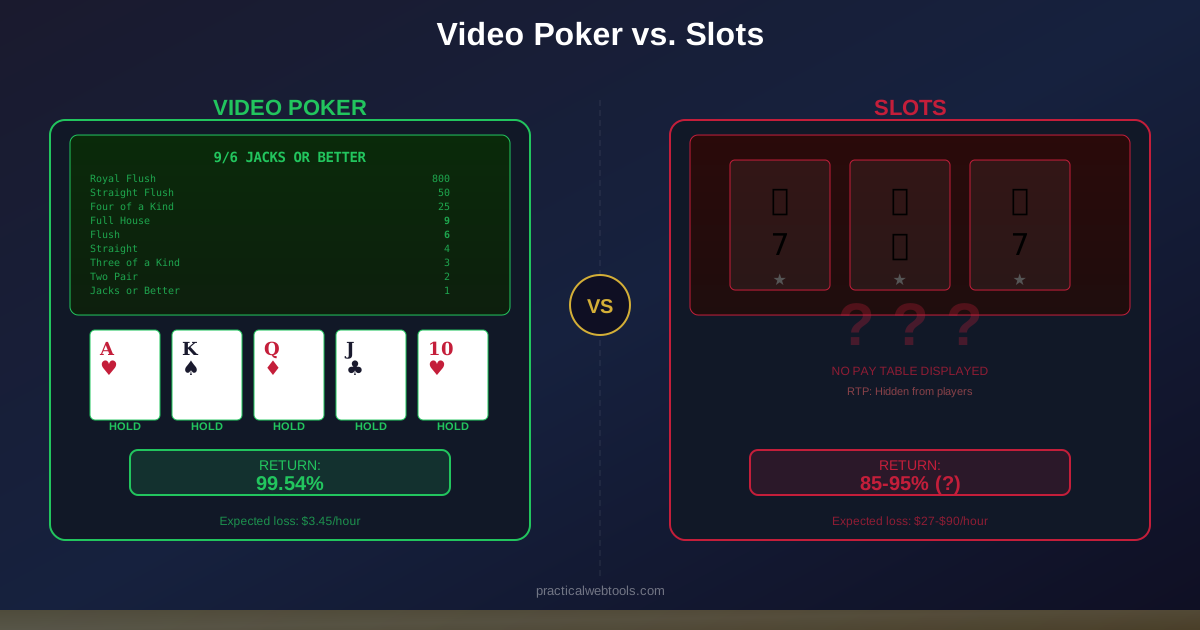
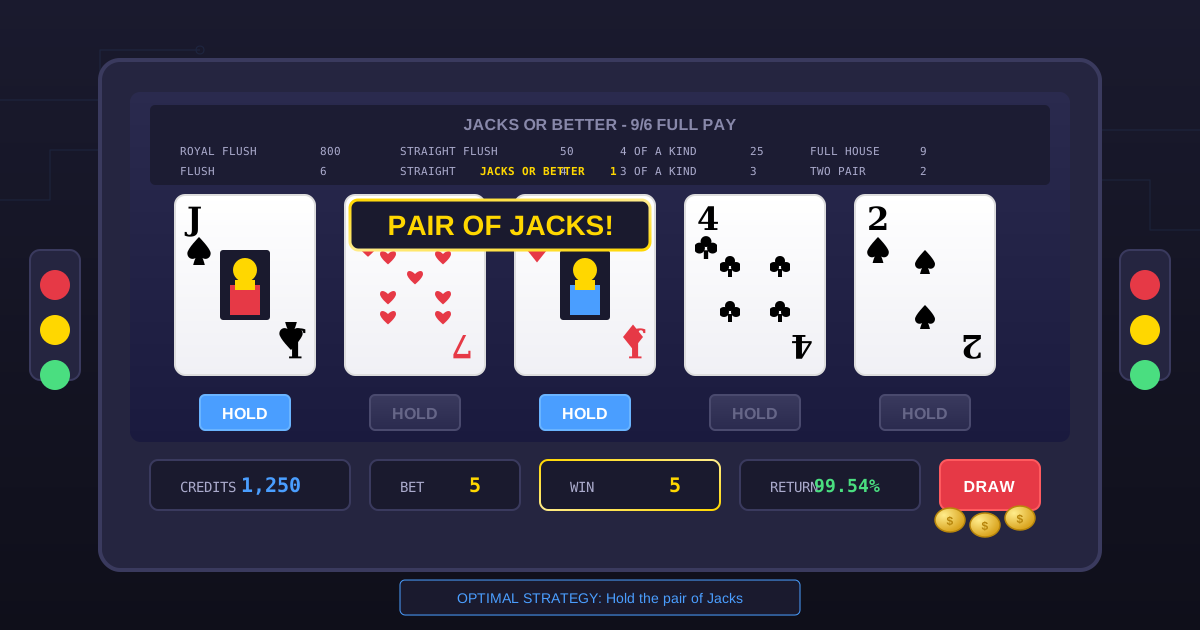
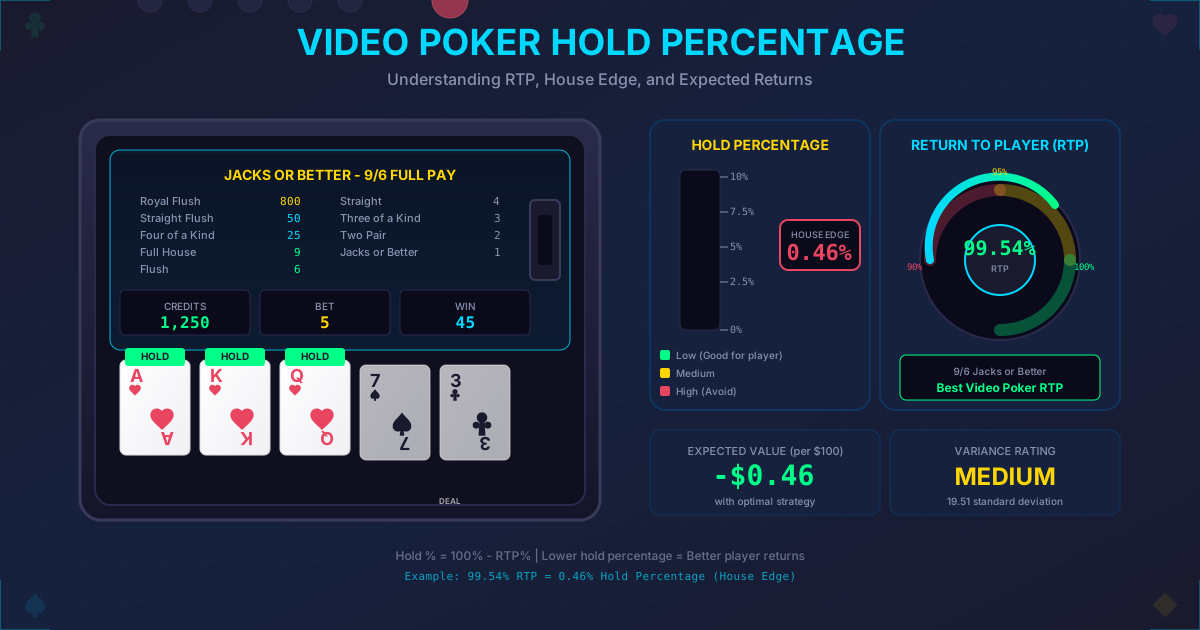
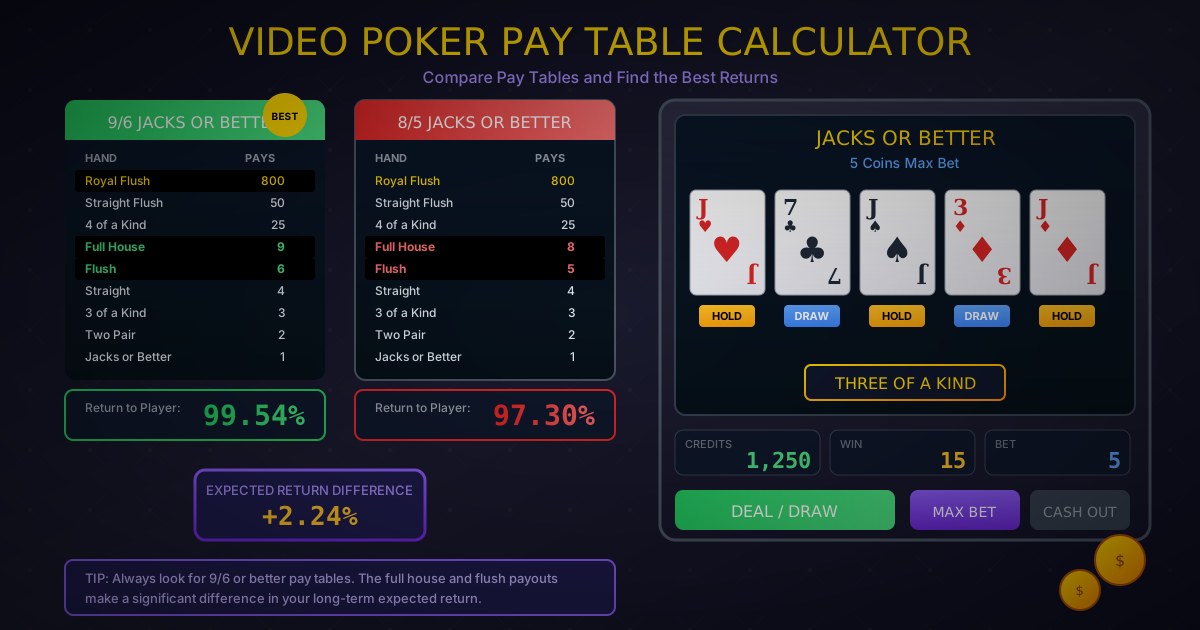
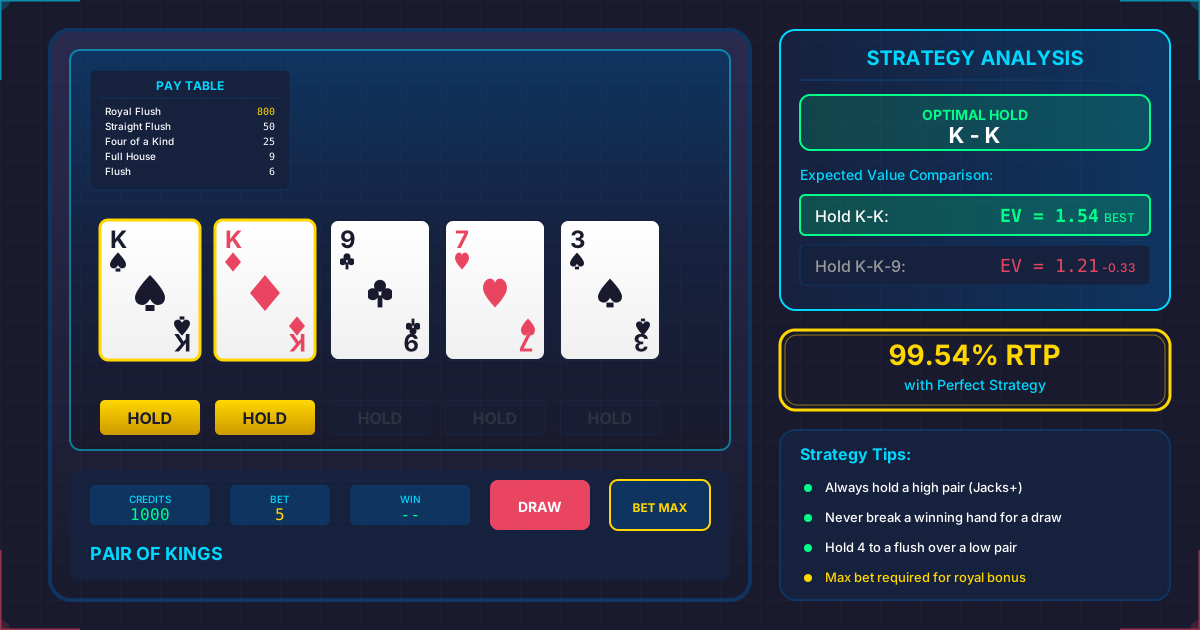
| Video Poker (9/6 JoB) | $1.25 (max bet) | 300-400 | $2-6 | 33-100 hours* |
| Poker (low stakes) | $1/2 blinds (buy-in $100-200) | 25-35 | Varies (skill game) | 2-8+ hours |
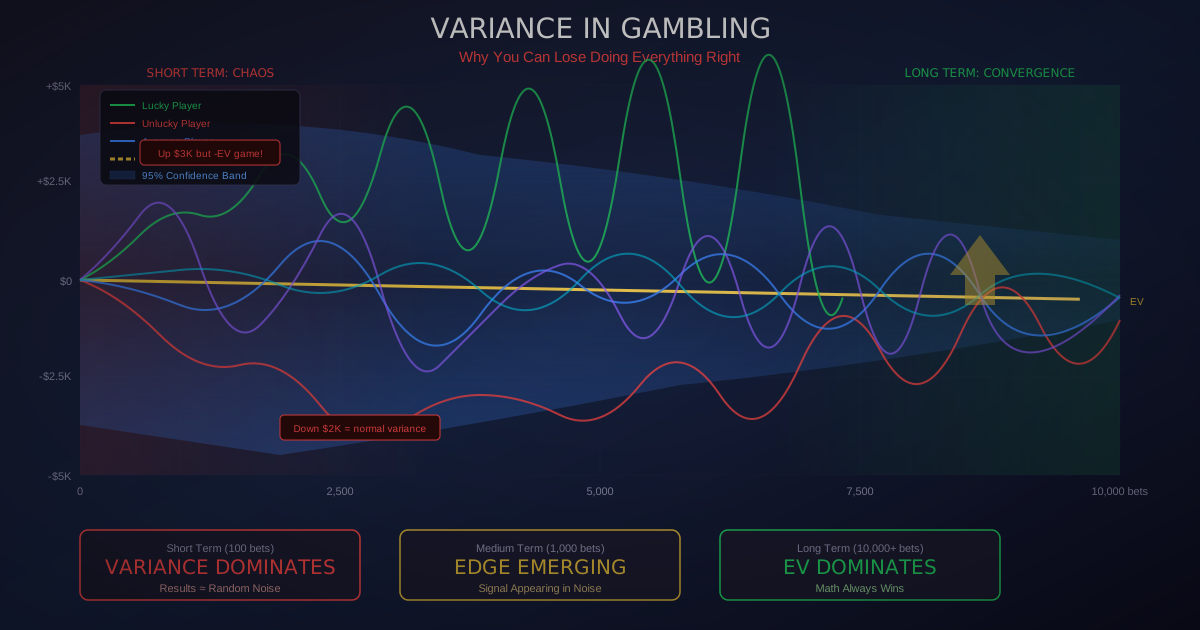
*Expected values based on house edge and average variance. Actual results will vary significantly from session to session due to short-term variance.
The Session Envelope System
This is the single best budgeting method for first-time visitors:
- Decide your total budget (example: $200)
- Decide how many sessions you want (example: 2 sessions of 2 hours each)
- Divide the cash into envelopes ($100 per envelope)
- Each session, use only one envelope
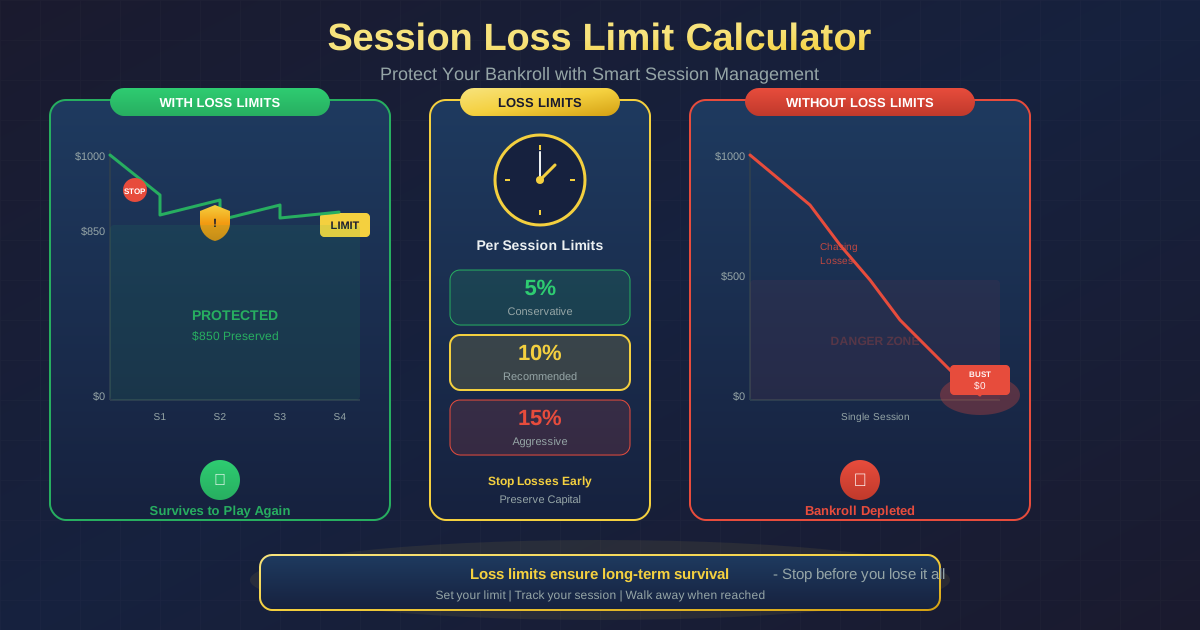
- When the envelope is empty, that session is over regardless of what is happening
- If you win, separate your original stake back into the envelope and pocket the profit
- Never open the next envelope early
What If You Win?
First-time visitors often ask what to do if they are ahead. The answer is simple: set a win limit. If you brought $200 and you are up to $350, consider pocketing $150 (your profit) and continuing to play with your original $200. If that $200 is gone, you walk away $150 ahead instead of chasing a bigger win.
Model exactly how your bankroll will swing using our Bankroll Volatility Tracker.
What Should You Wear to a Casino?
Most casinos in the United States have a casual dress code. Clean, presentable clothing is sufficient for general gaming floors. High-limit rooms and upscale properties may have stricter requirements.
Dress Code by Casino Type
| Casino Type | Acceptable Attire | Avoid |
|---|---|---|
| Las Vegas Strip (general floor) | Smart casual to casual: jeans, collared shirt, clean sneakers | Swimwear, flip-flops, torn clothing, athletic wear (some properties) |
| Las Vegas Strip (high-limit rooms) | Business casual: slacks, dress shoes, blazer optional | Shorts, baseball caps, casual sneakers |
| Regional/tribal casinos | Casual: jeans, t-shirts, comfortable shoes | Swimwear, offensive graphic tees |
| Atlantic City | Smart casual to casual | Same as Las Vegas general floor |
| European casinos (Monte Carlo, etc.) | Formal: suit and tie, cocktail dress | Casual wear is often prohibited entirely |
| Cruise ship casinos | Resort casual to smart casual | Check specific cruise line policies |
Practical Clothing Tips
- Pockets matter. Wear clothing with secure pockets for chips, cash, and your phone. Cargo pants or a jacket with inside pockets work well.
- Layer up. Casino floors are aggressively air-conditioned (typically 68-70F/20-21C). A light jacket or sweater is wise.
- Comfortable shoes are essential. You will be standing at table games and walking the floor more than you expect. Leave the dress heels at home unless you are heading to a show.
- Avoid anything that jingles or dangles. Bracelets, long necklaces, and dangling accessories can interfere with chip handling and card play.
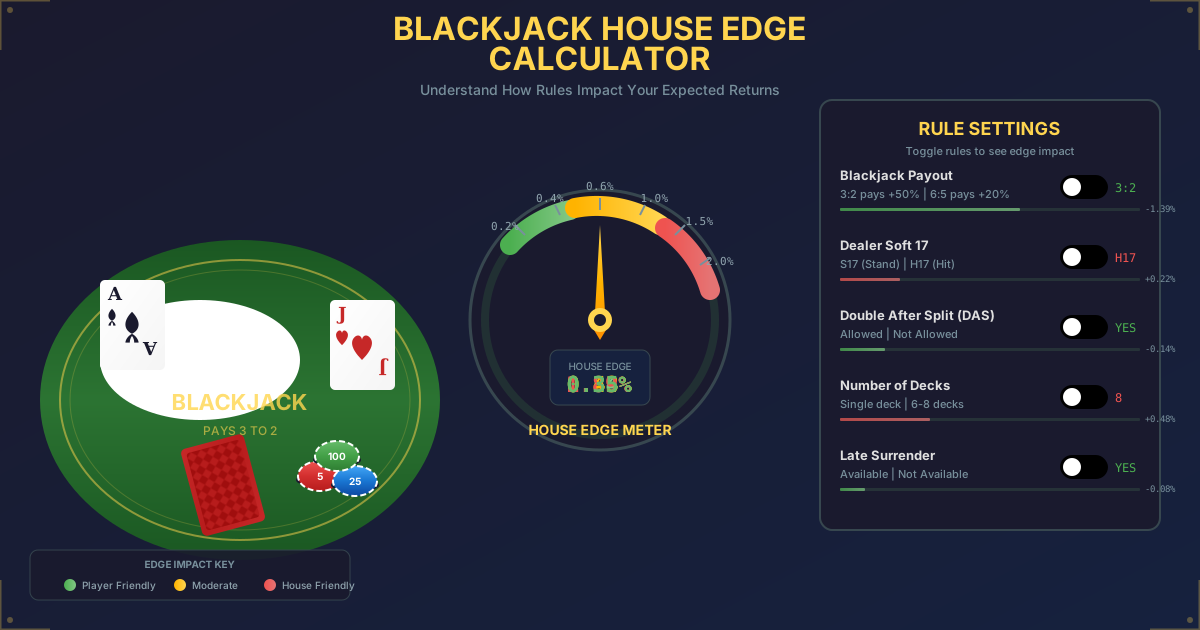
Understand which games are worth dressing up for with our Blackjack House Edge Calculator and Roulette House Edge Calculator.
Which Casino Games Should a First-Timer Play?
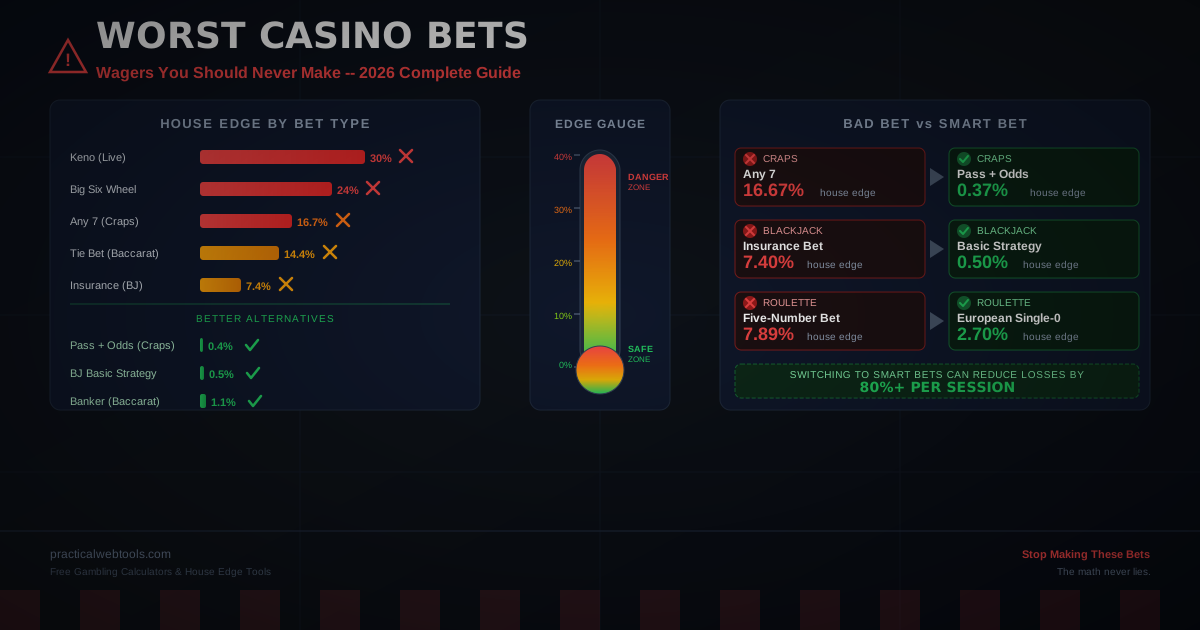
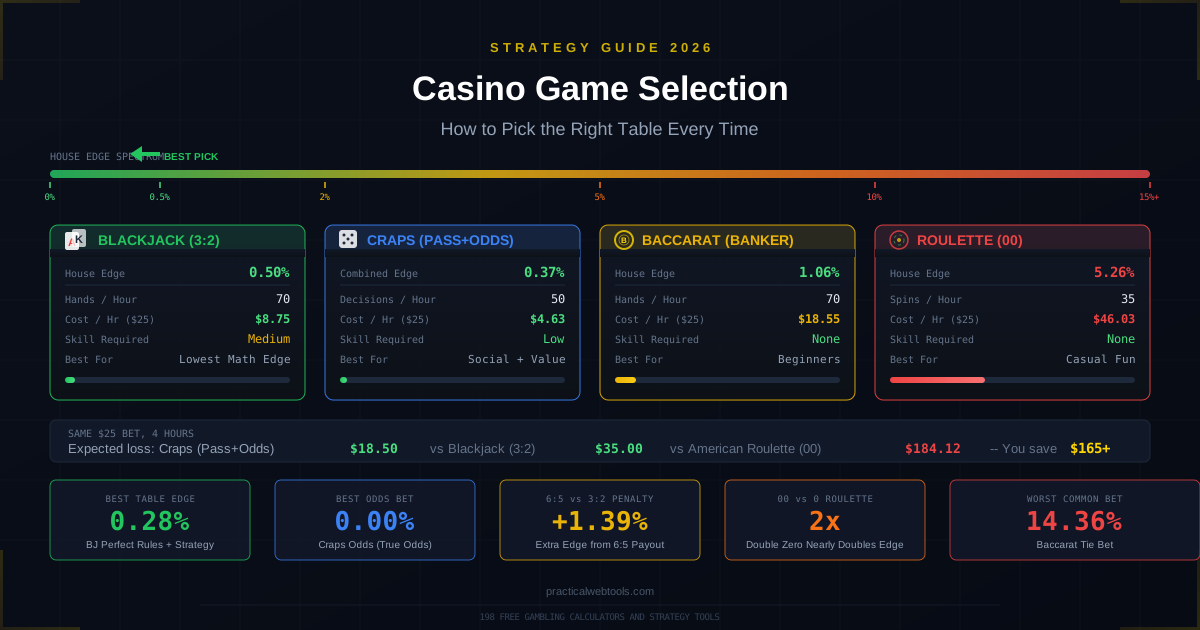
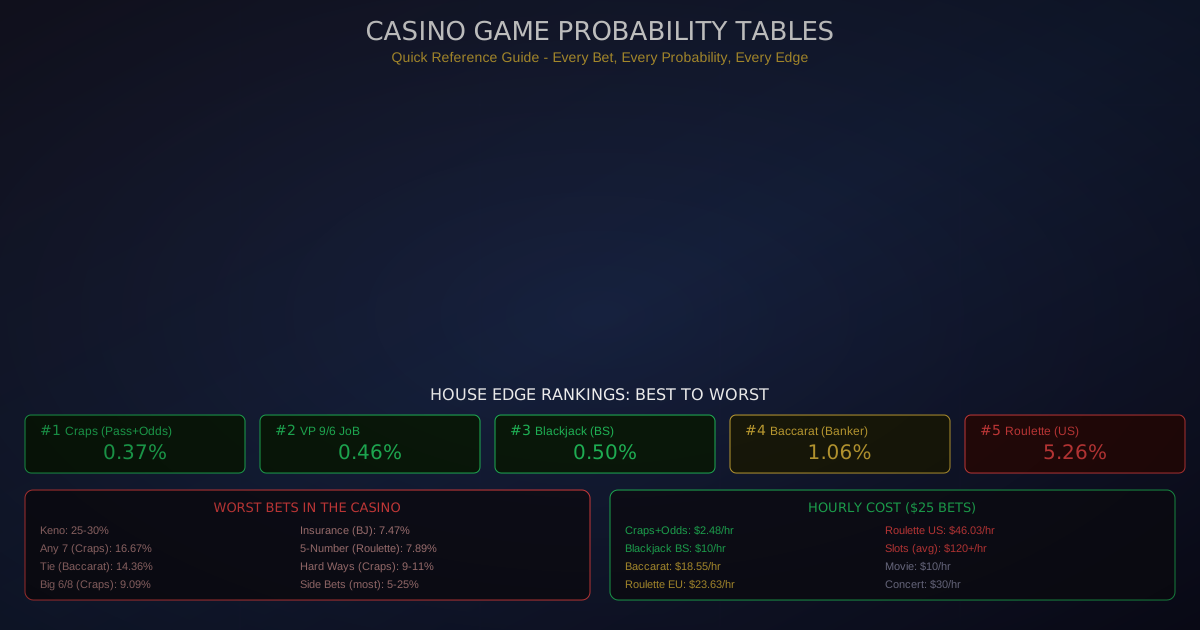
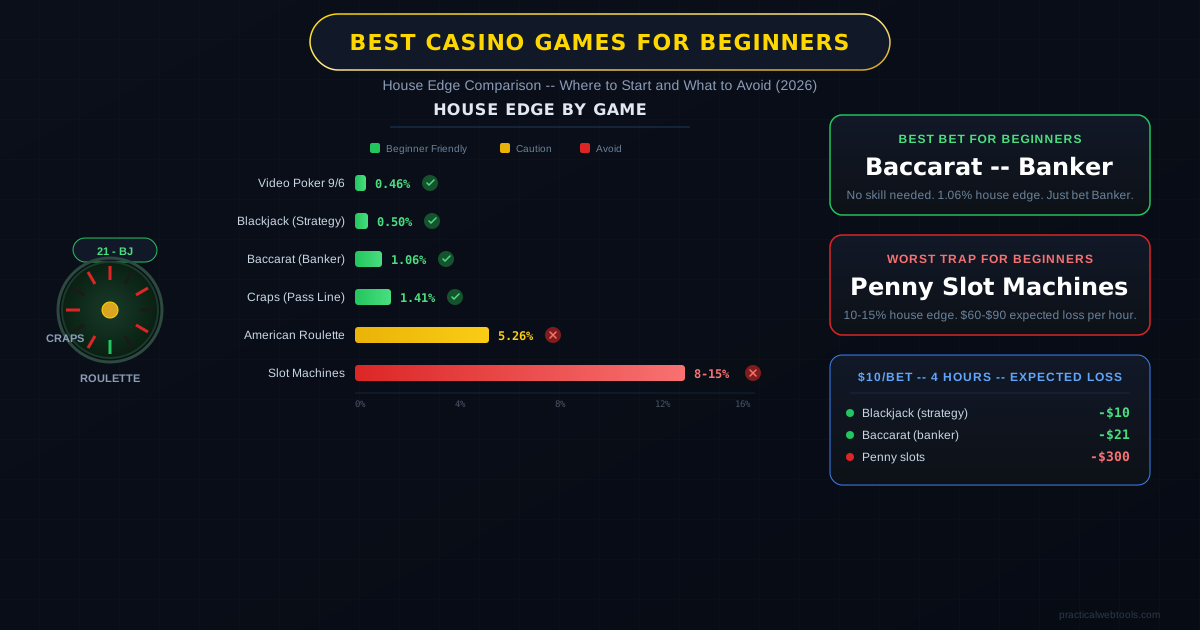
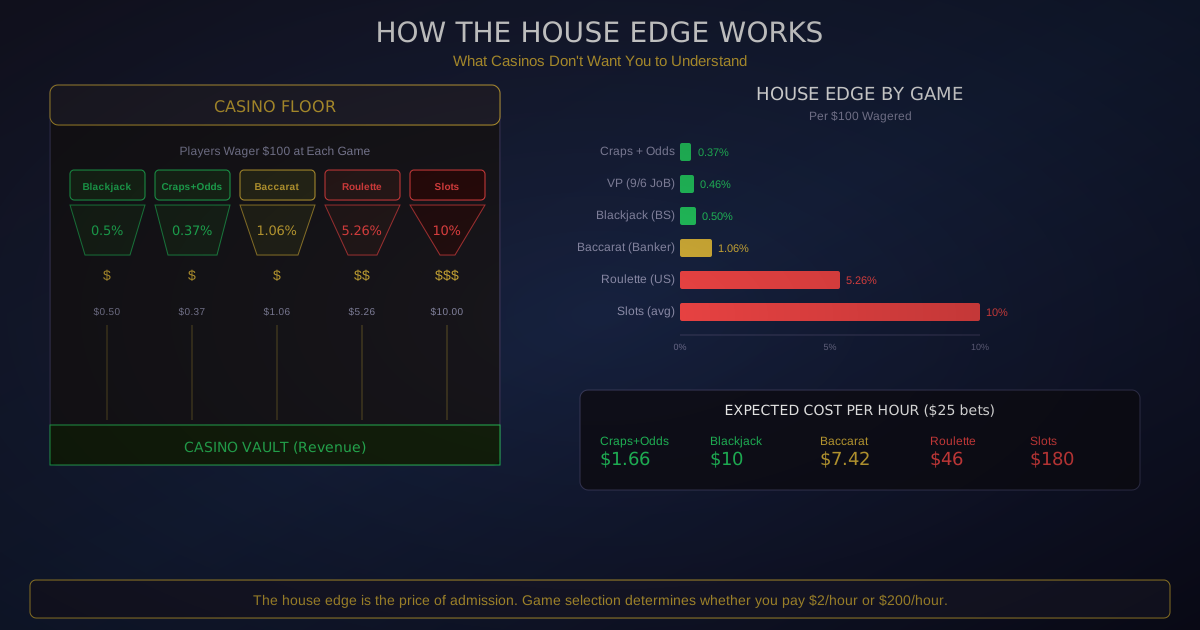
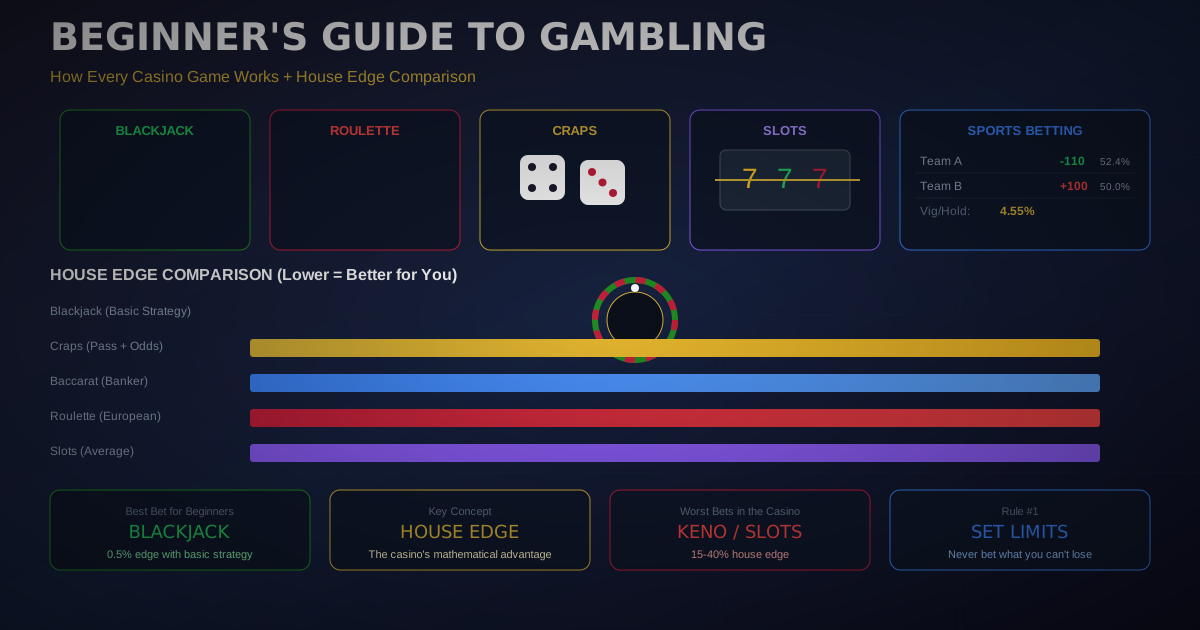
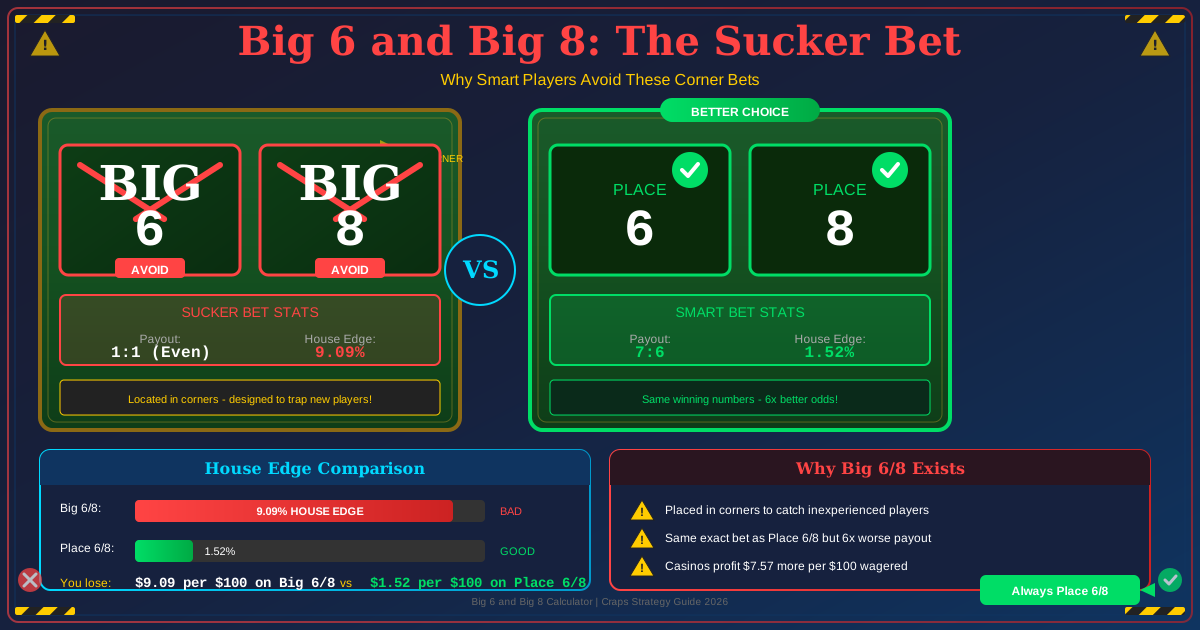
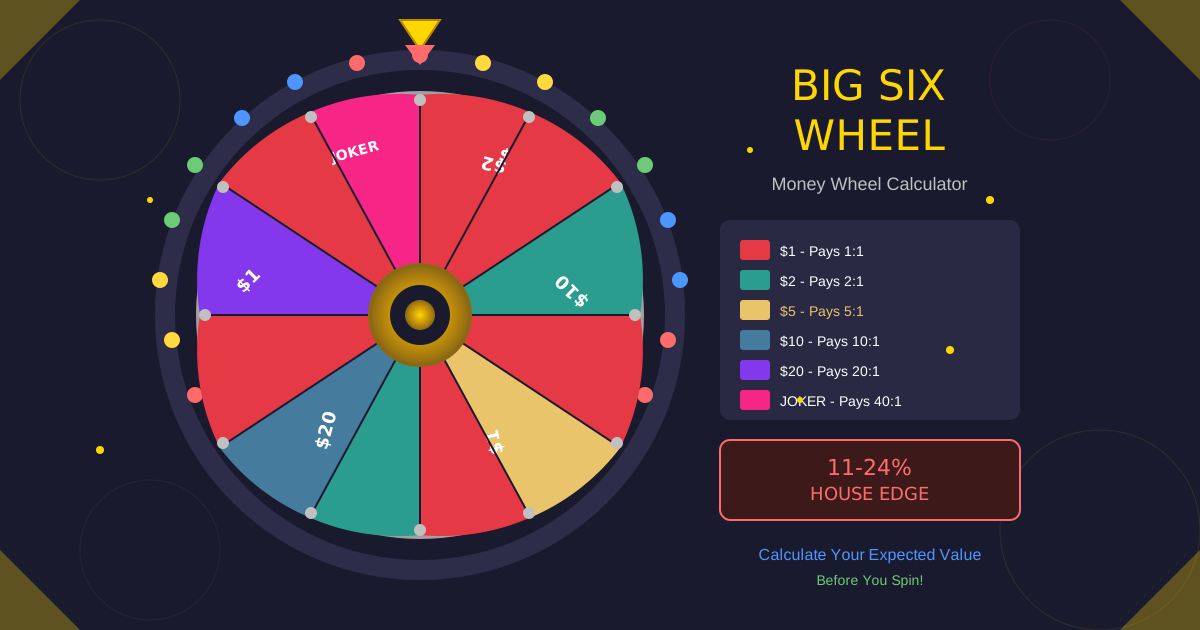
Start with games that have the lowest house edge and the simplest rules. Blackjack with basic strategy, craps pass line bets, and baccarat banker bets give you the best mathematical odds in the casino. Avoid slot machines, the Big Six wheel, and any side bet or novelty game.
First-Timer Game Rankings
| Rank | Game | House Edge | Difficulty | Why It Is Good for Beginners |
|---|---|---|---|---|
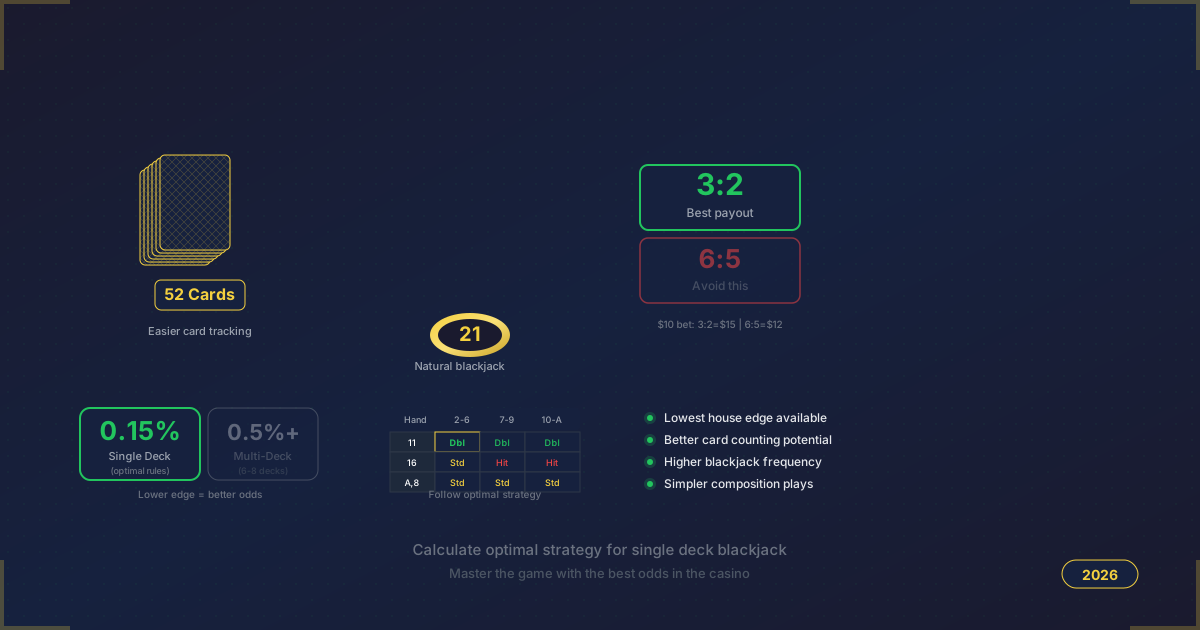
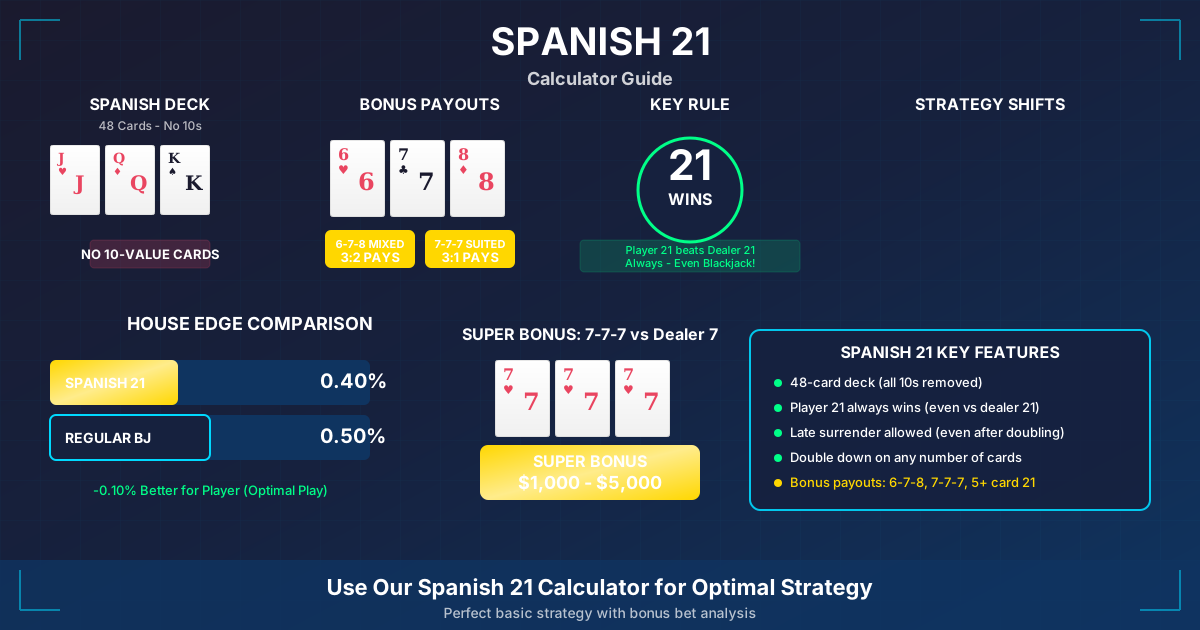
| 1 | Blackjack (basic strategy) | 0.5% | Moderate | Lowest house edge, strategic, social |
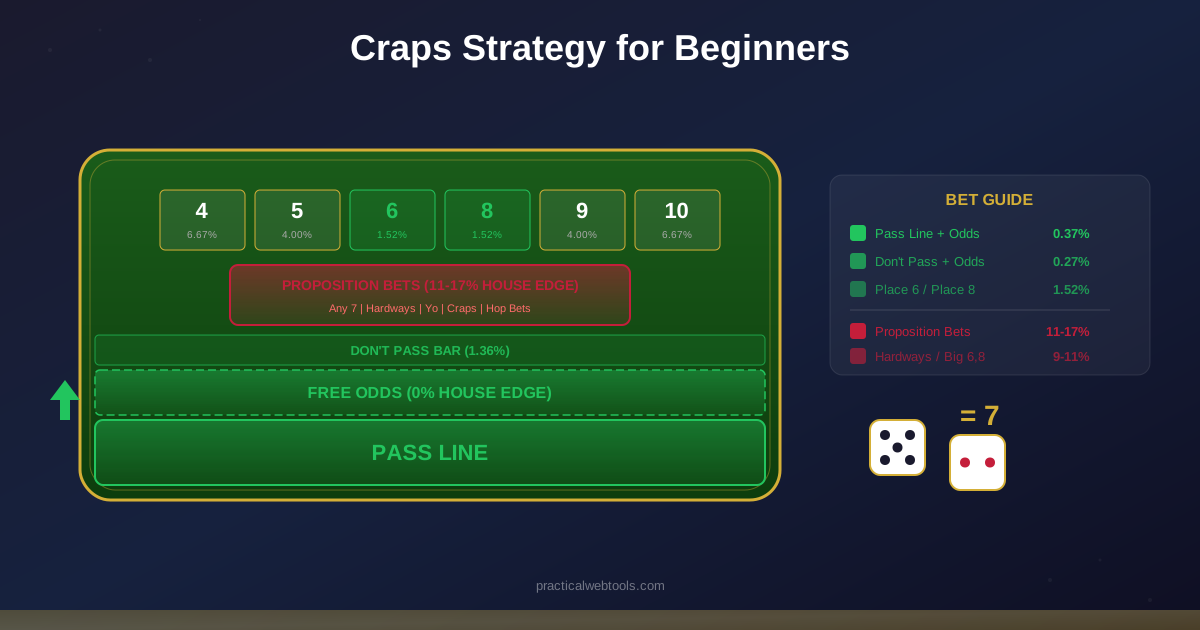
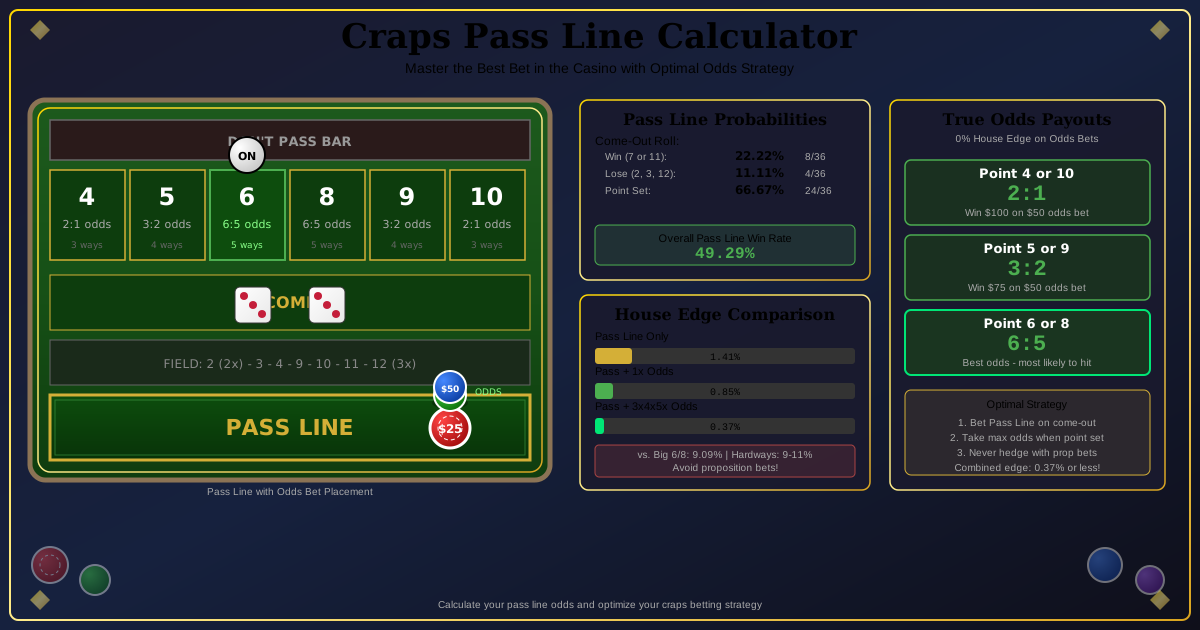
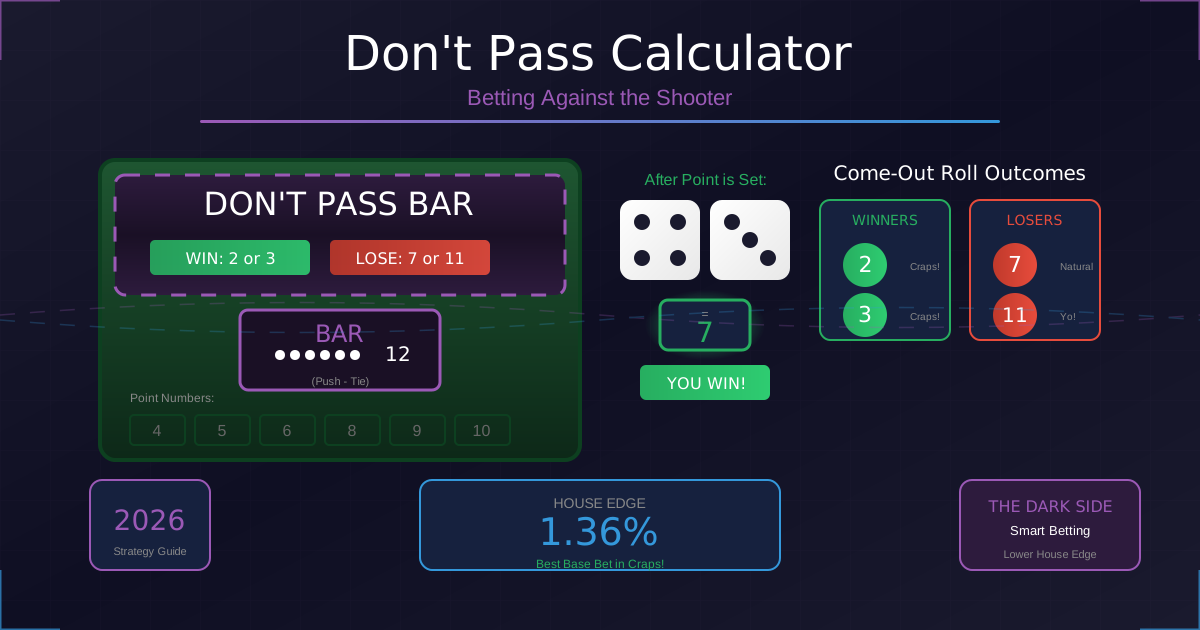
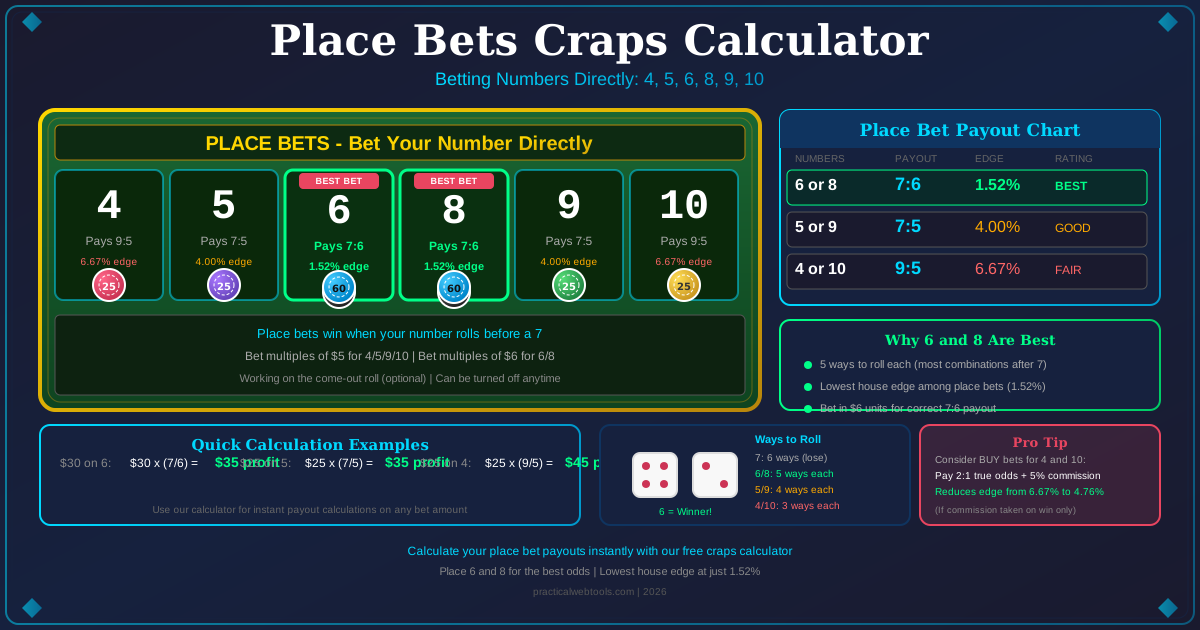
| 2 | Craps (pass/don't pass + odds) | 0.37-1.41% | Moderate | Great odds, exciting atmosphere |
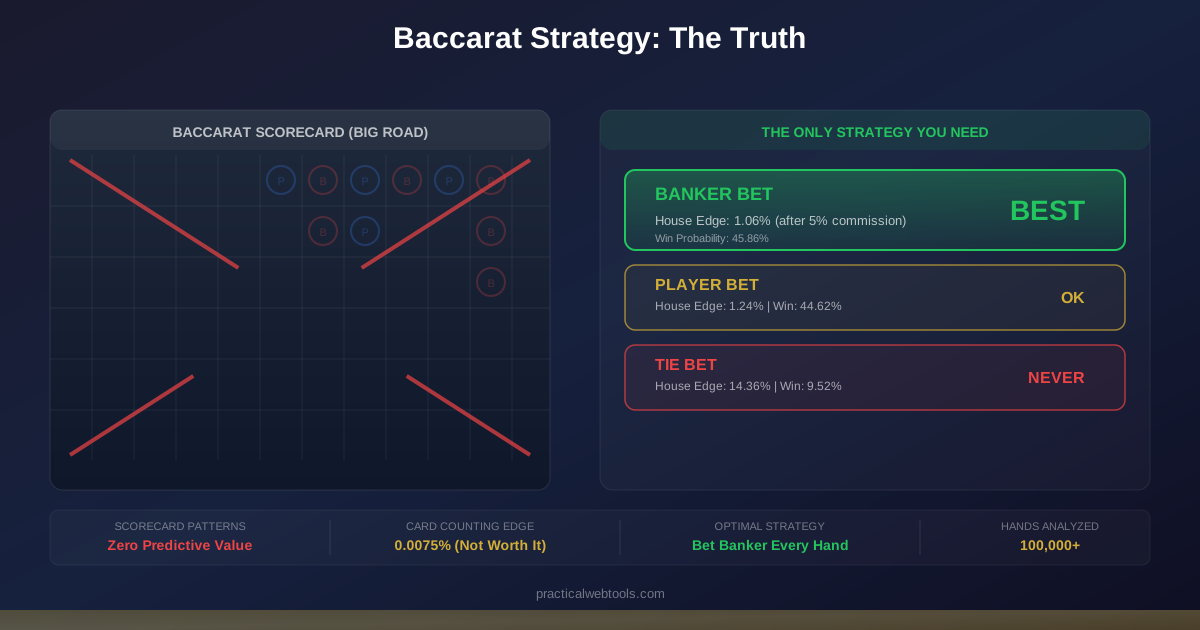
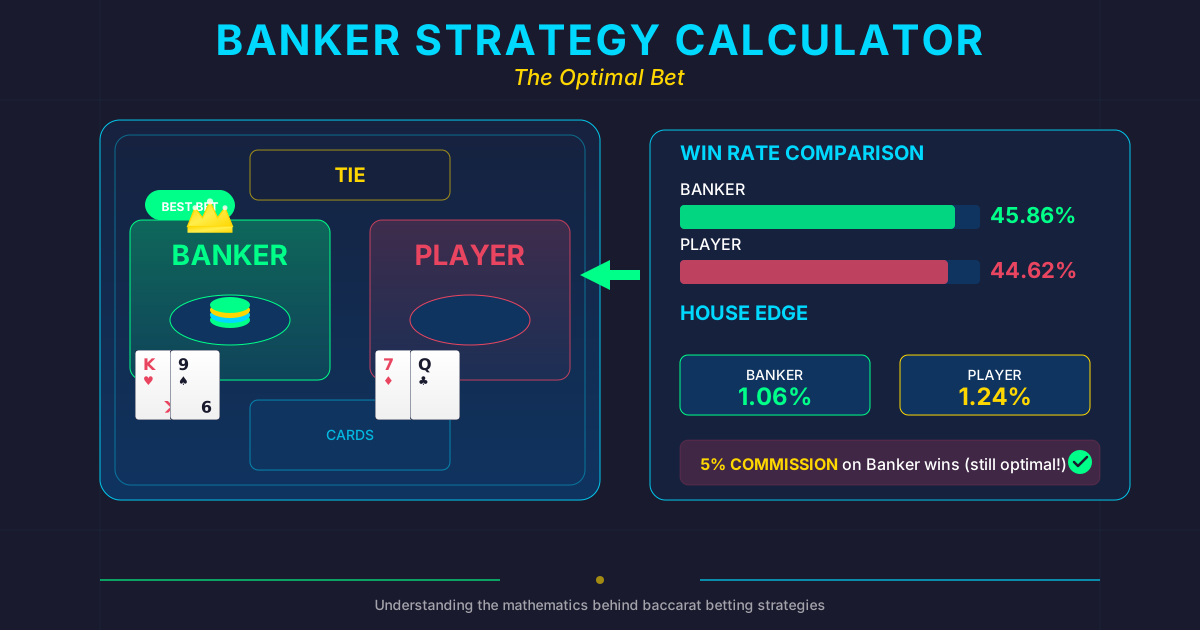
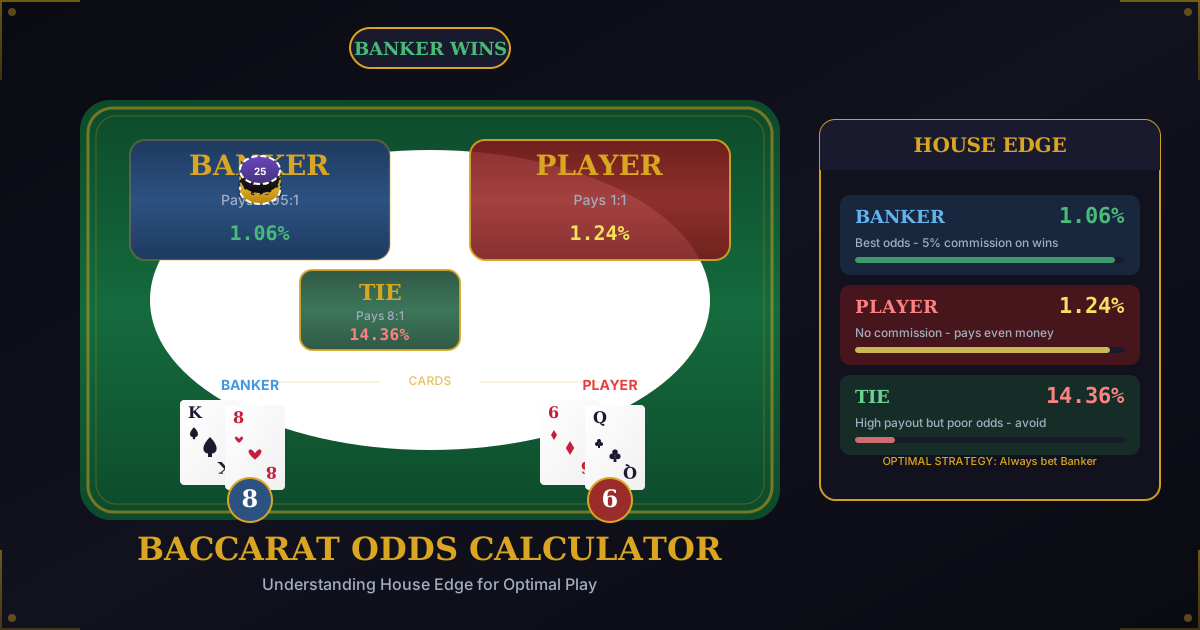
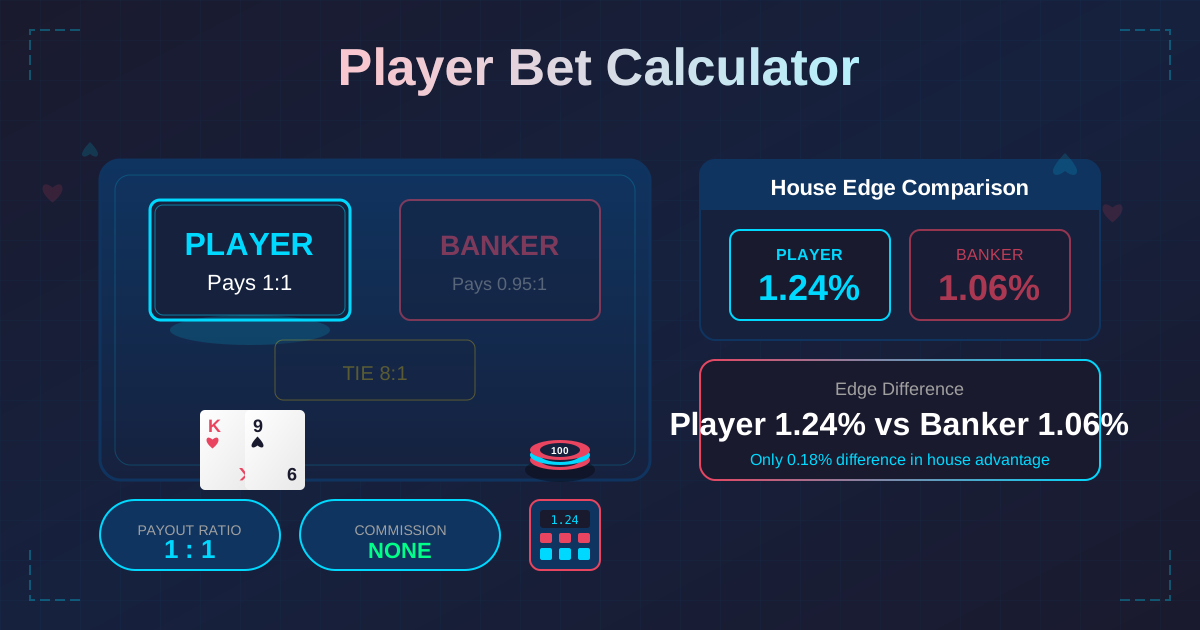
| 3 | Baccarat (banker bet) | 1.06% | Easy | Simple rules, low house edge |
| 4 | Video Poker (9/6 JoB) | 0.46% | Moderate | Low edge with correct play, solo pace |
| 5 | Roulette (European, outside bets) | 2.70% | Easy | Simple, slow pace, social |
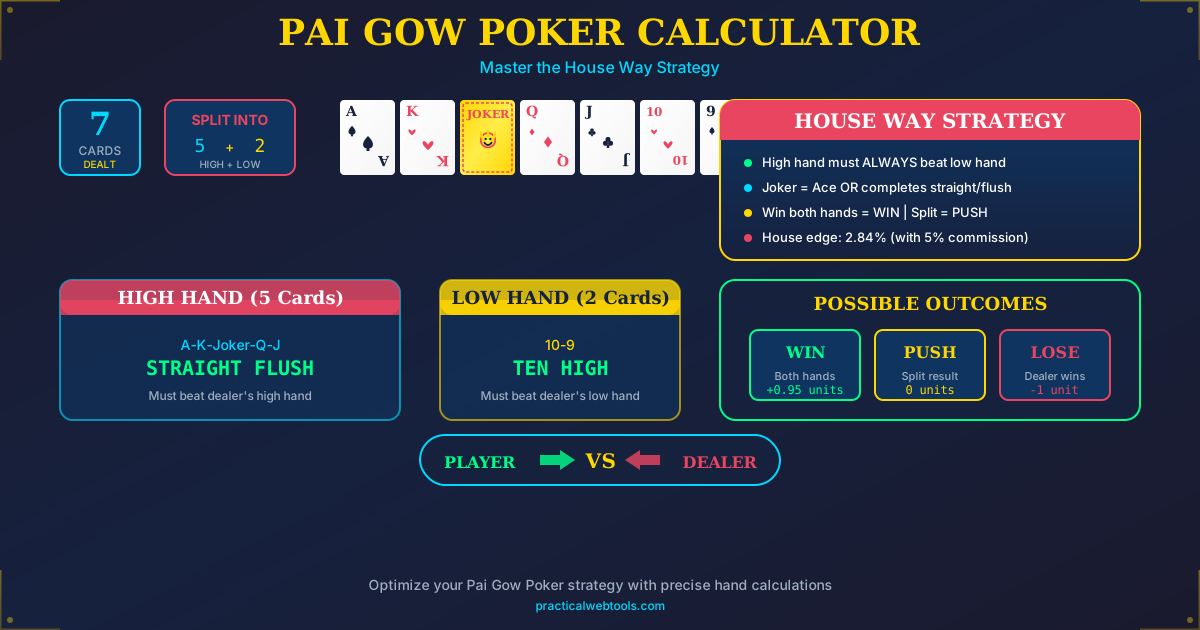
| 6 | Pai Gow Poker | 2.5% (with banking) | Moderate | Slow pace, many pushes, low volatility |
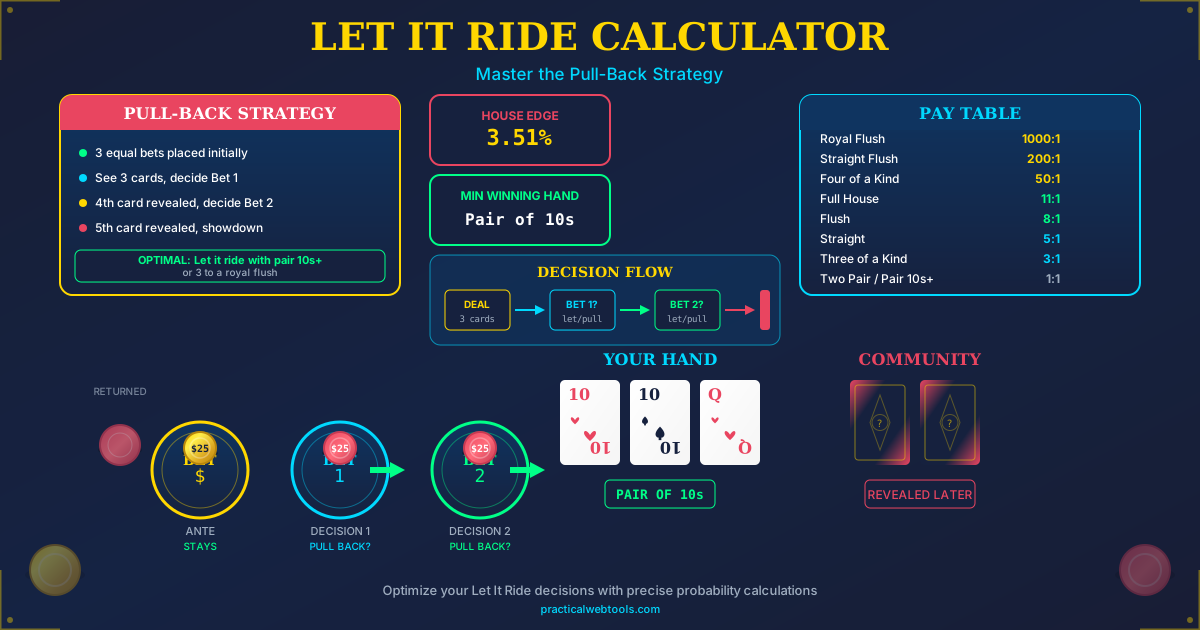
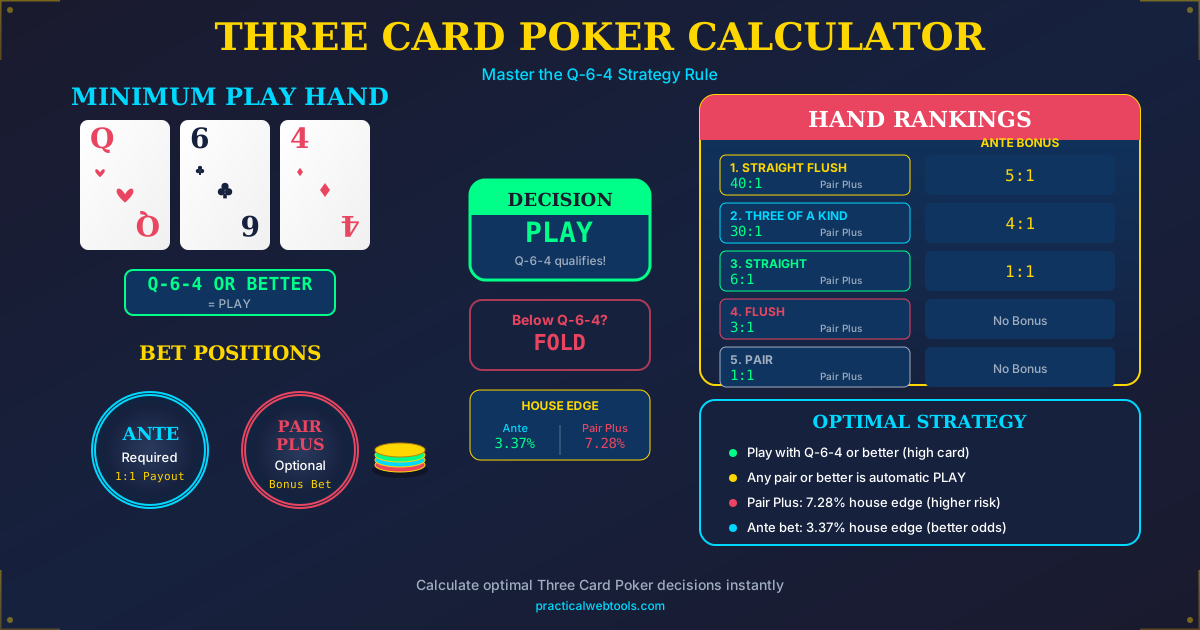
| 7 | Three Card Poker (ante/play only) | 3.37% | Easy | Simple rules, fast |
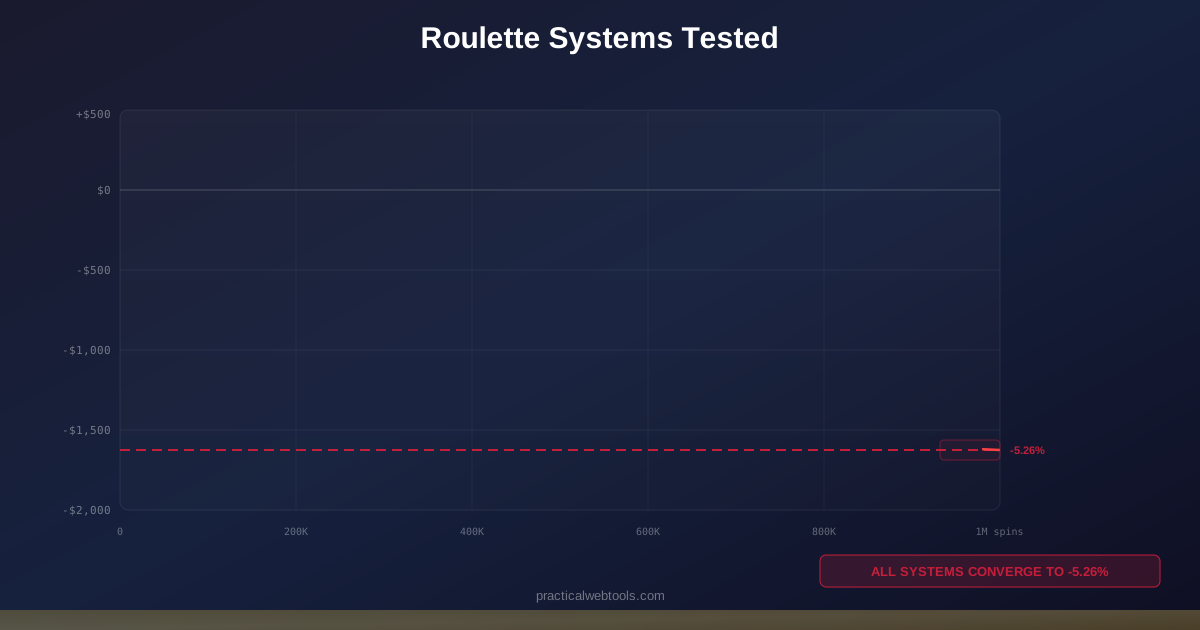
| 8 | Roulette (American, outside bets) | 5.26% | Easy | Avoid if European is available |
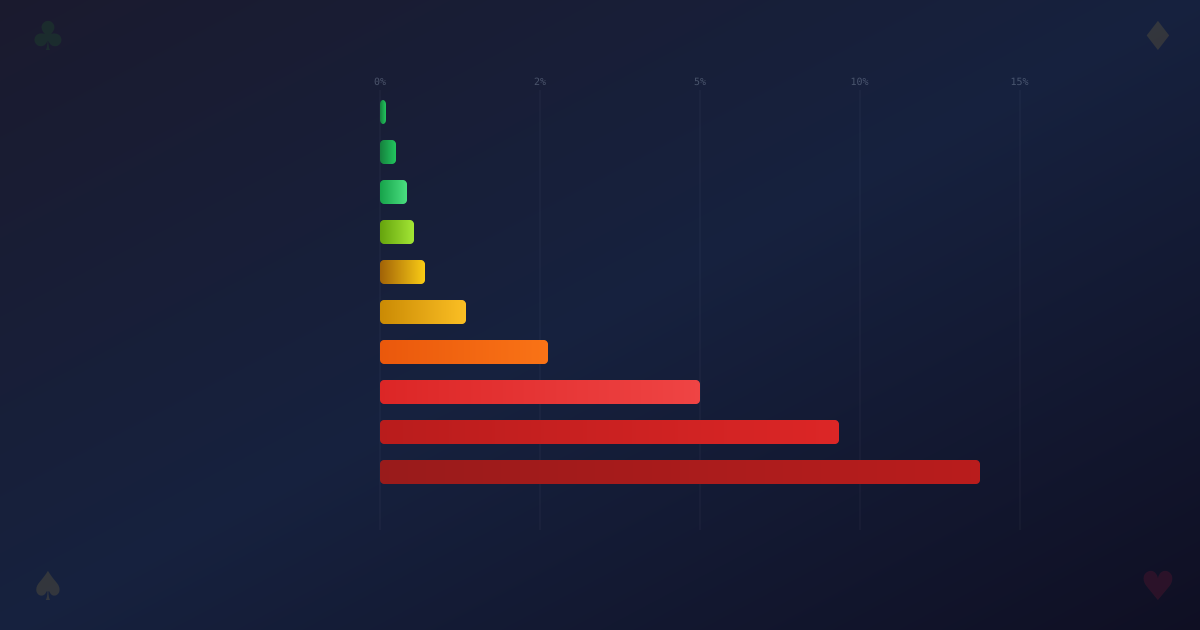
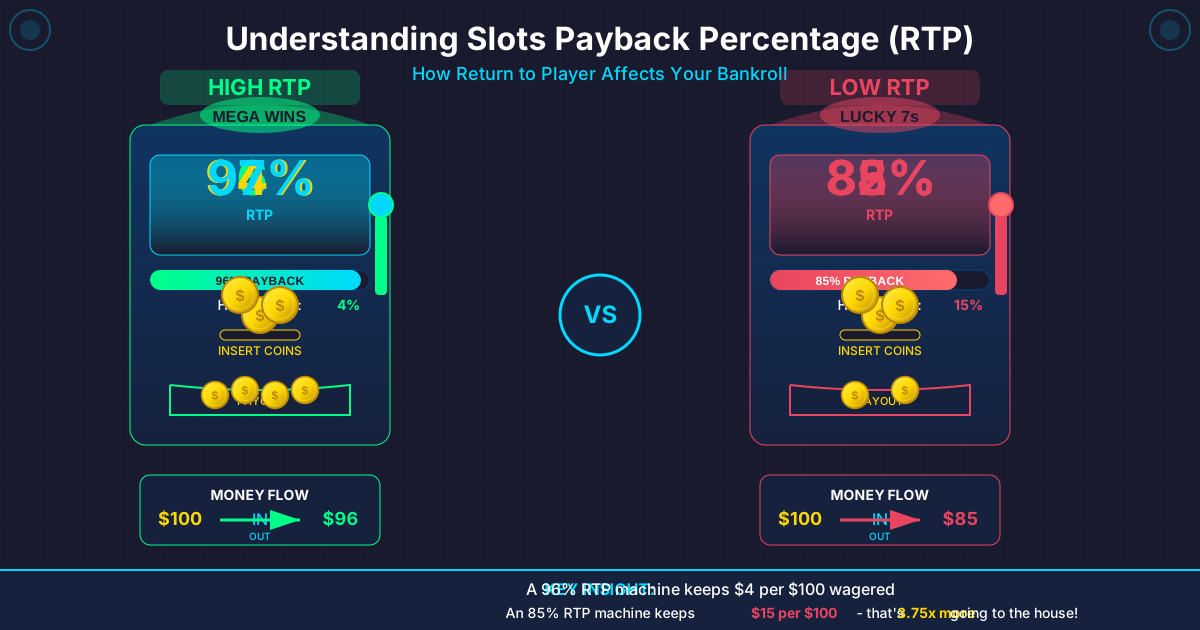
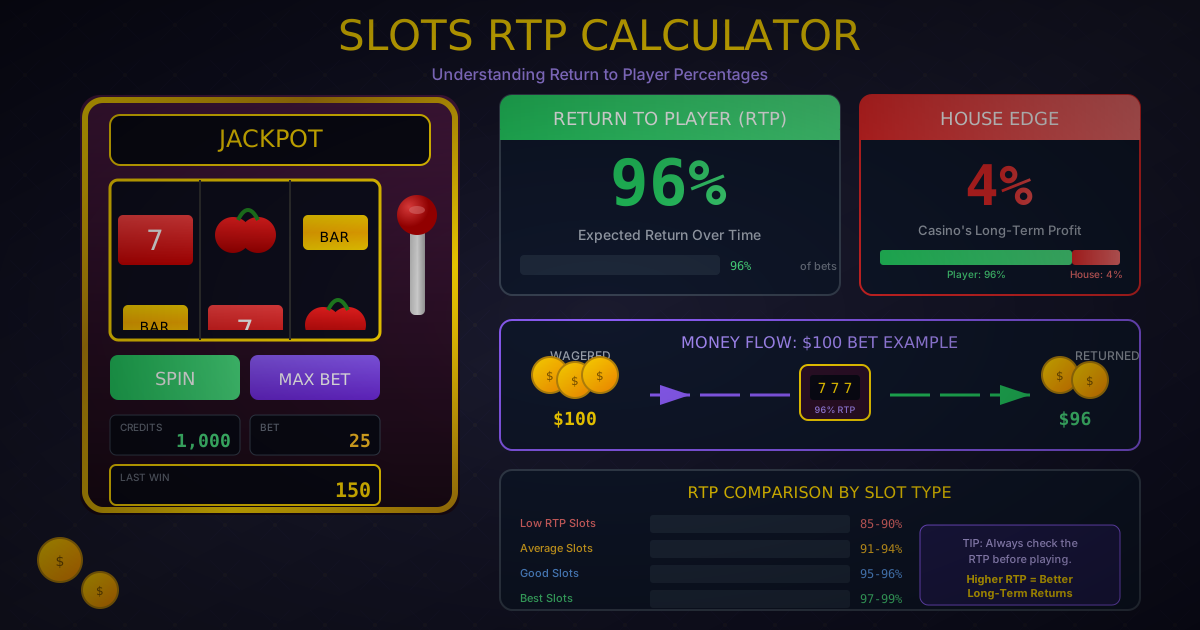
| 9 | Slots (higher denomination) | 4-8% | Easy | No skill required but high house edge |
| 10 | Slots (penny/multi-line) | 8-15% | Easy | Entertainment only, expect to lose quickly |
Games to Avoid on Your First Visit
| Game | House Edge | Why to Avoid |
|---|---|---|
| Big Six / Wheel of Fortune | 11-24% | Worst odds on the casino floor |
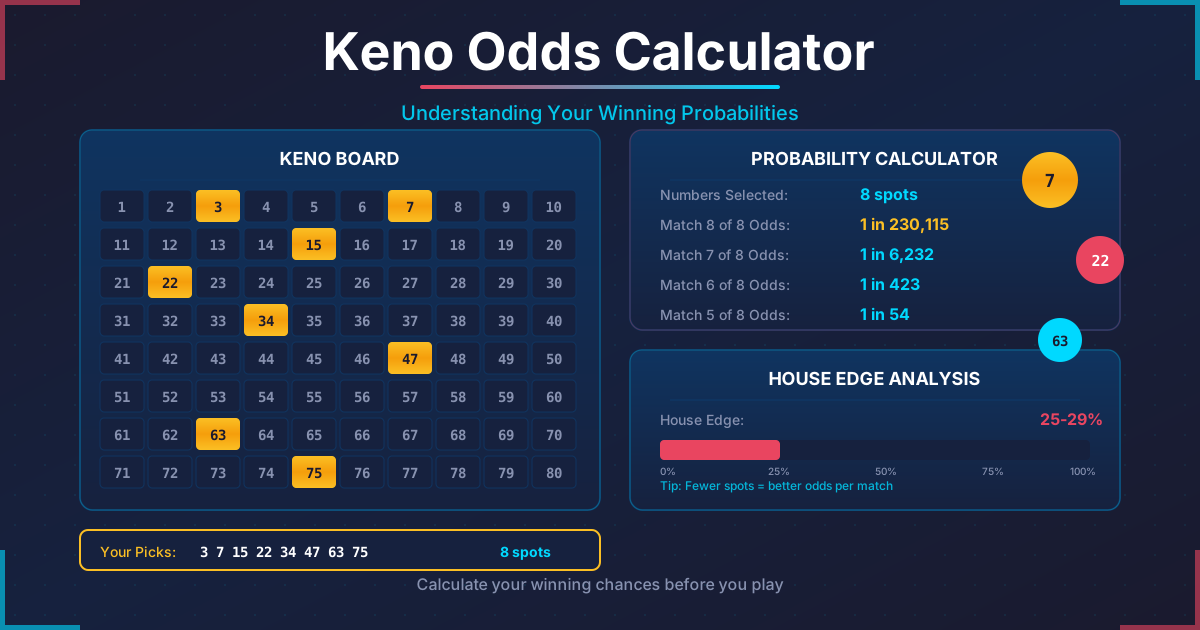
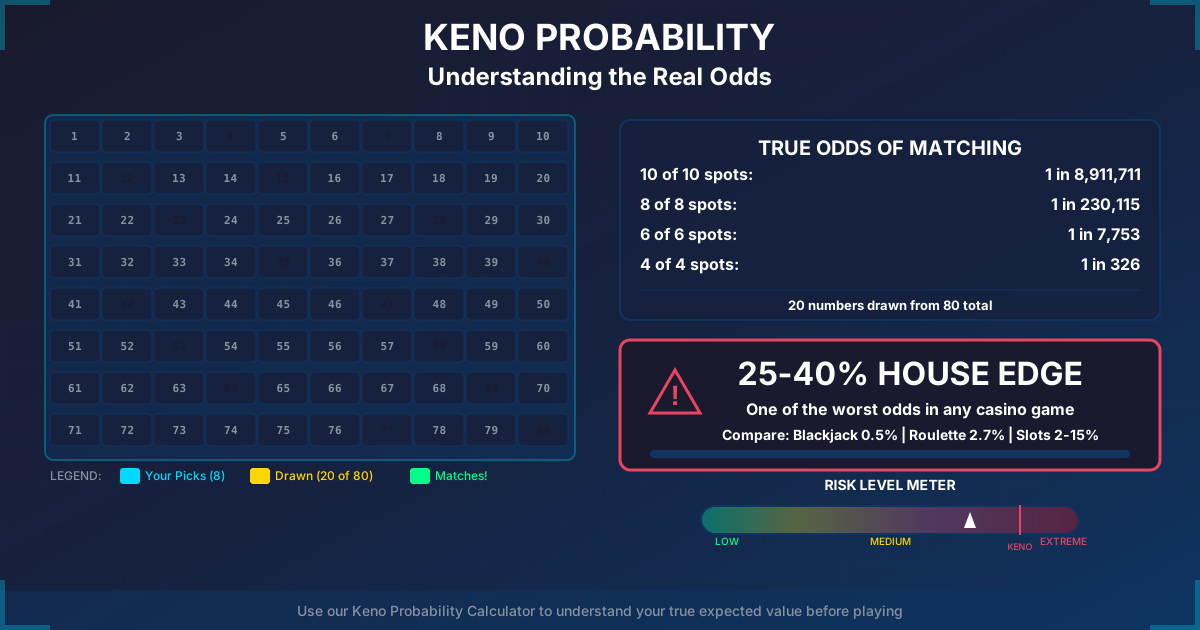
| Keno | 25-40% | Equivalent to a very expensive lottery |
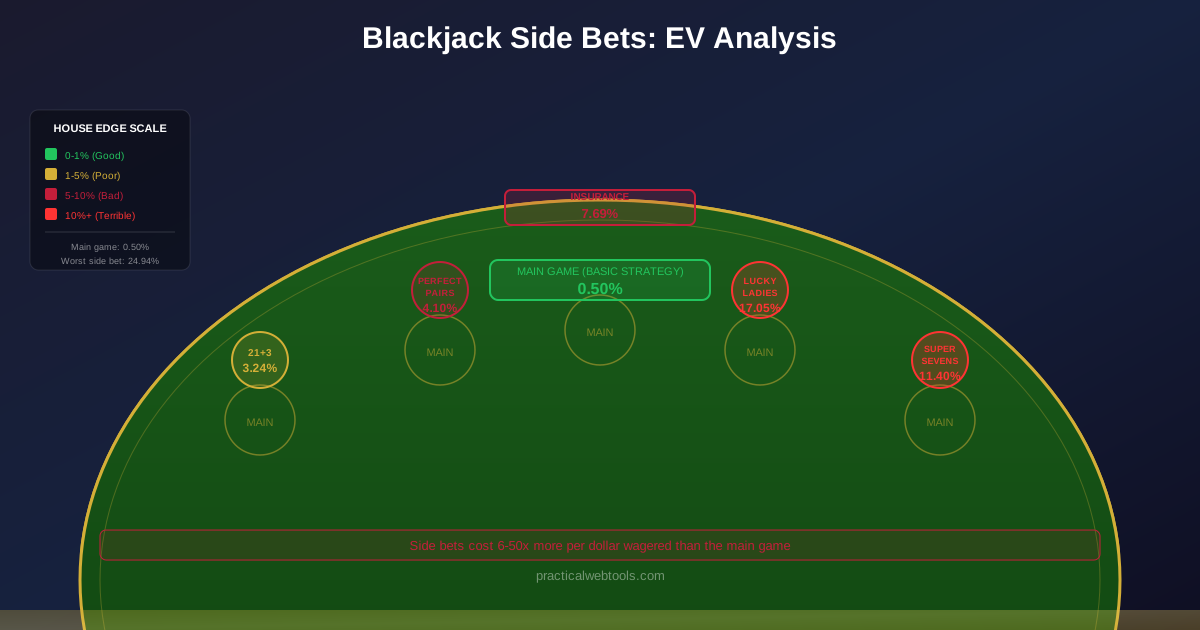
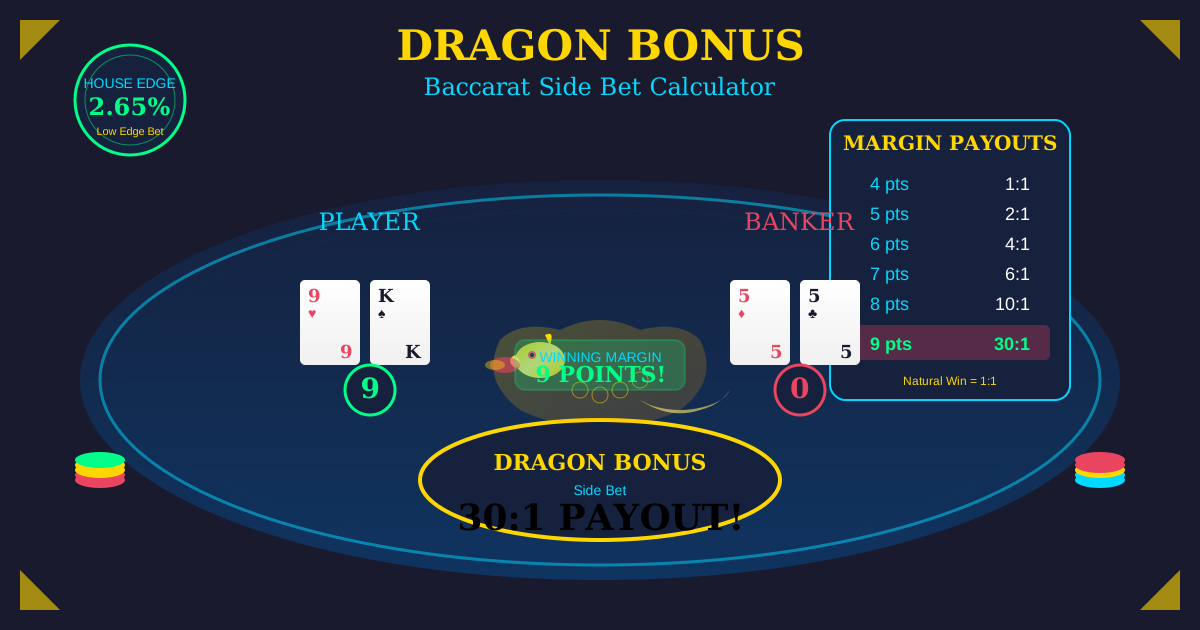
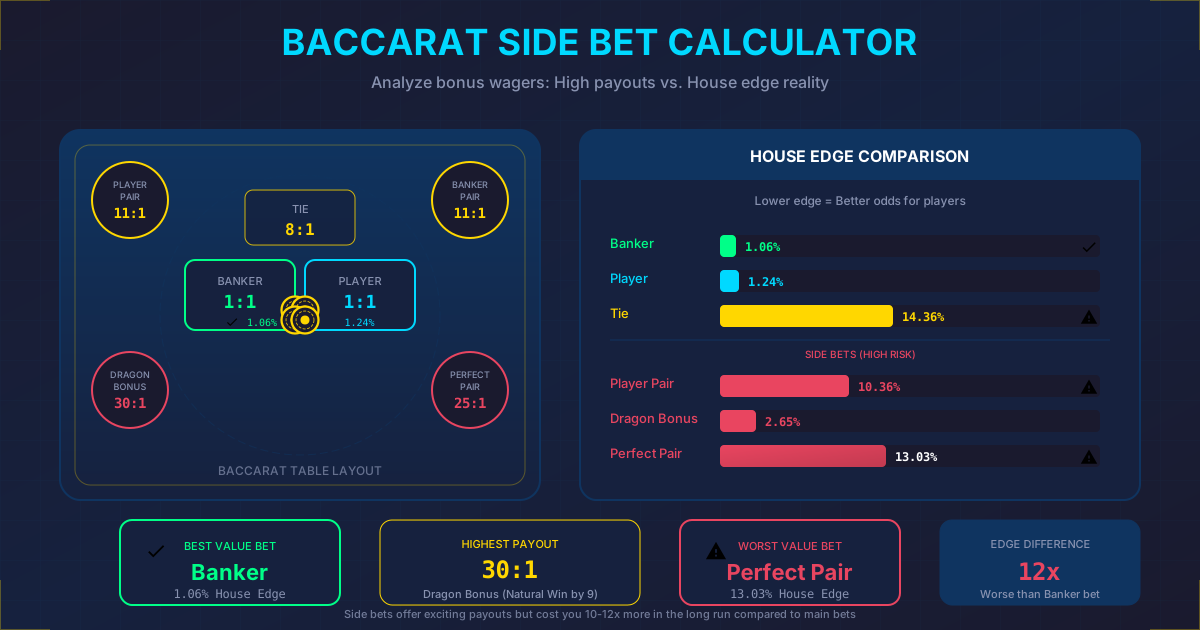
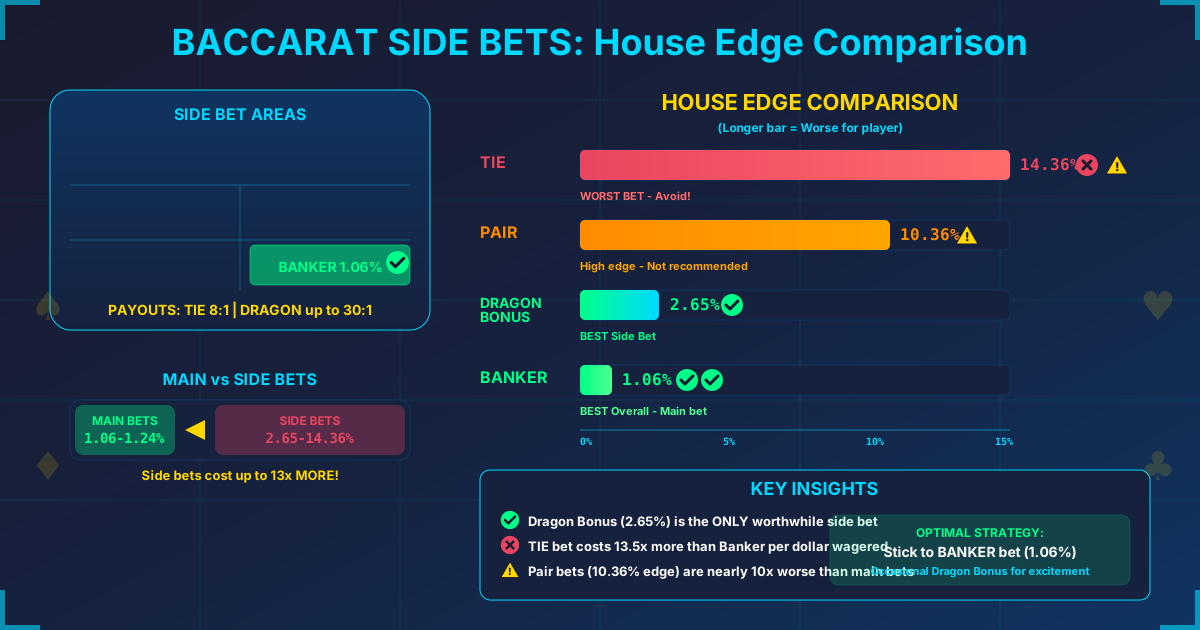
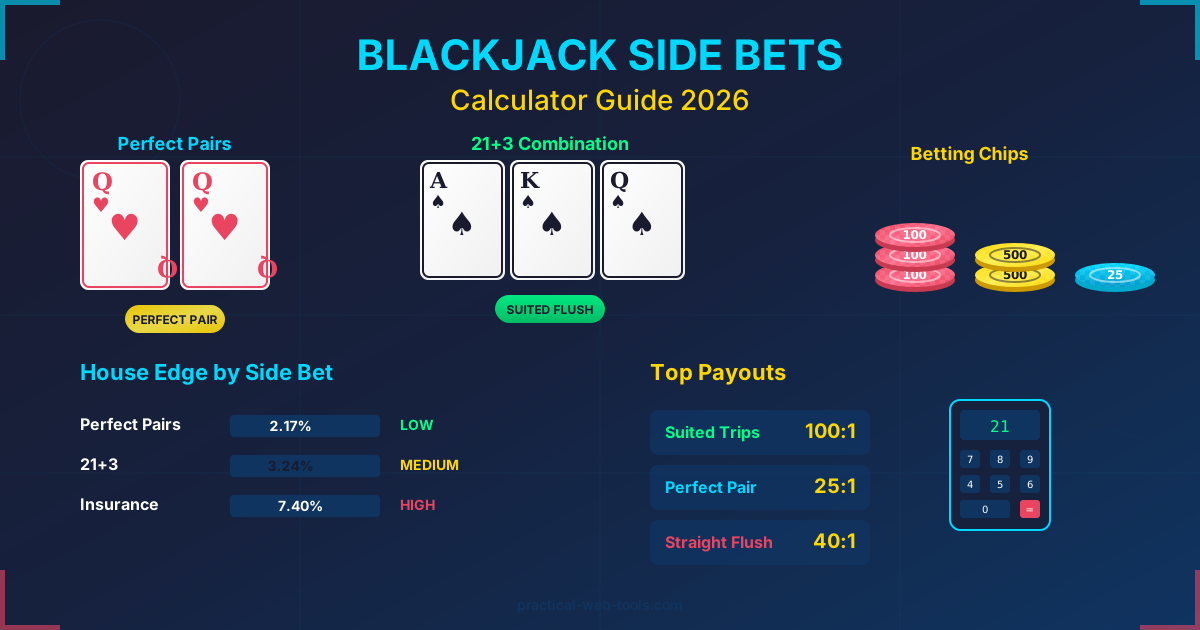
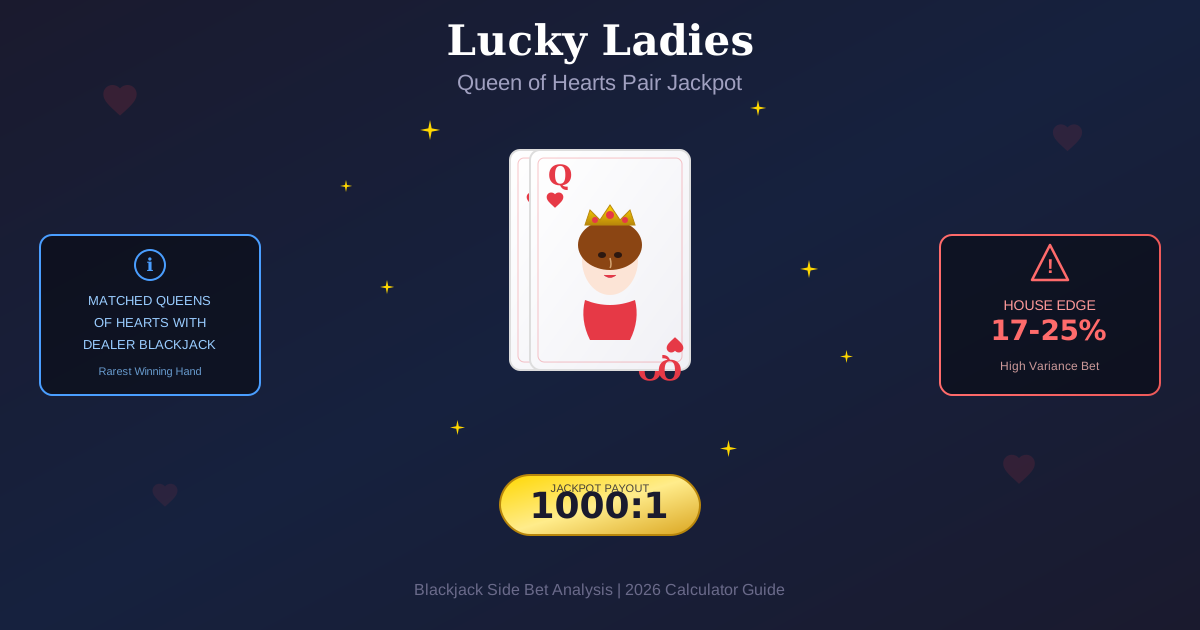
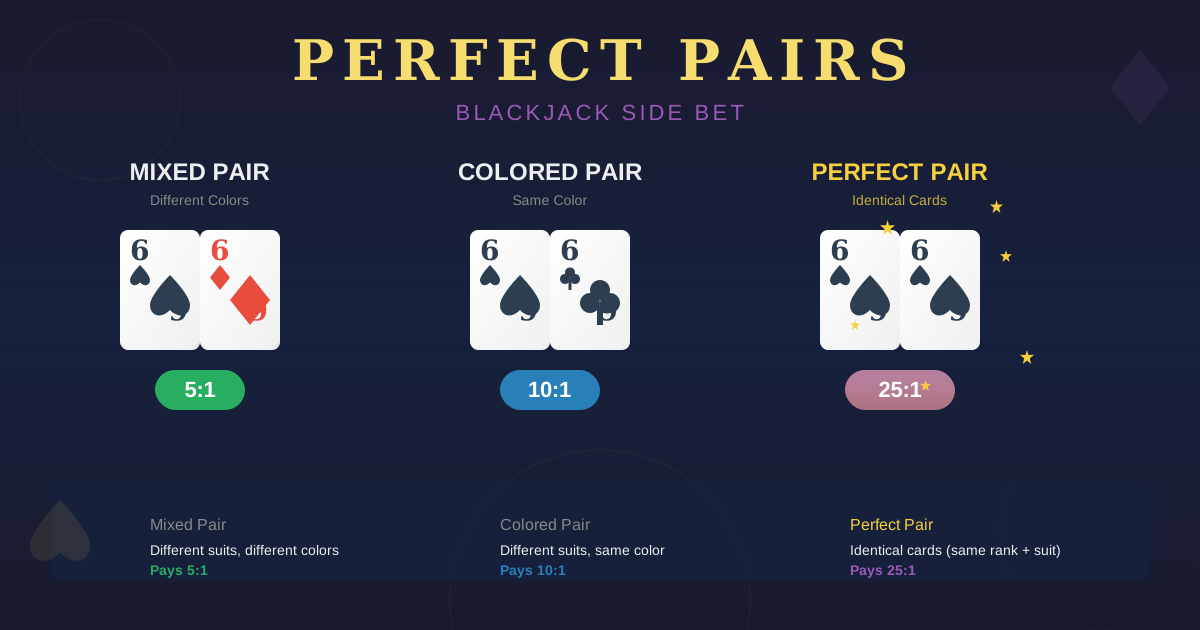
| Side bets (any game) | 5-25%+ | Always have dramatically higher house edge than the base game |
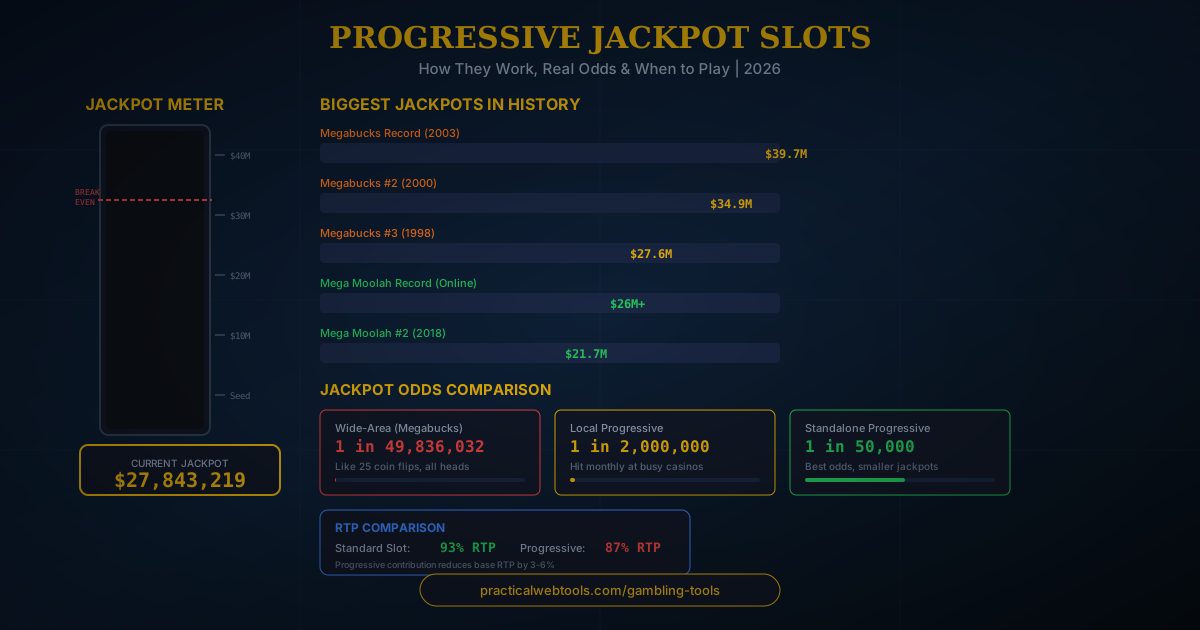
| Progressive slot machines | 8-12% | Jackpot odds are lottery-level; base game pays less |
| Any game you do not understand | Unknown | Never bet real money on a game you cannot explain |
How to Approach a Table Game for the First Time
- Watch first. Stand behind the table and observe 5-10 hands before sitting down. Note the minimum bet, the pace, and how players interact with the dealer.
- Ask the dealer. Dealers are trained to help beginners. Approach during a slower period (early afternoon on weekdays is ideal) and say, "I'm new to this game. Can you walk me through a few hands?"
- Sit at third base last. Third base is the seat to the dealer's right (last to act in blackjack). Some experienced players blame third base for bad outcomes (irrationally), so sitting elsewhere reduces social pressure.
- Start at the minimum. Always bet the table minimum until you are comfortable with the flow.
- Use hand signals, not words. In most casinos, verbal instructions are not accepted at table games. Tap the table to hit in blackjack, wave your hand to stand.
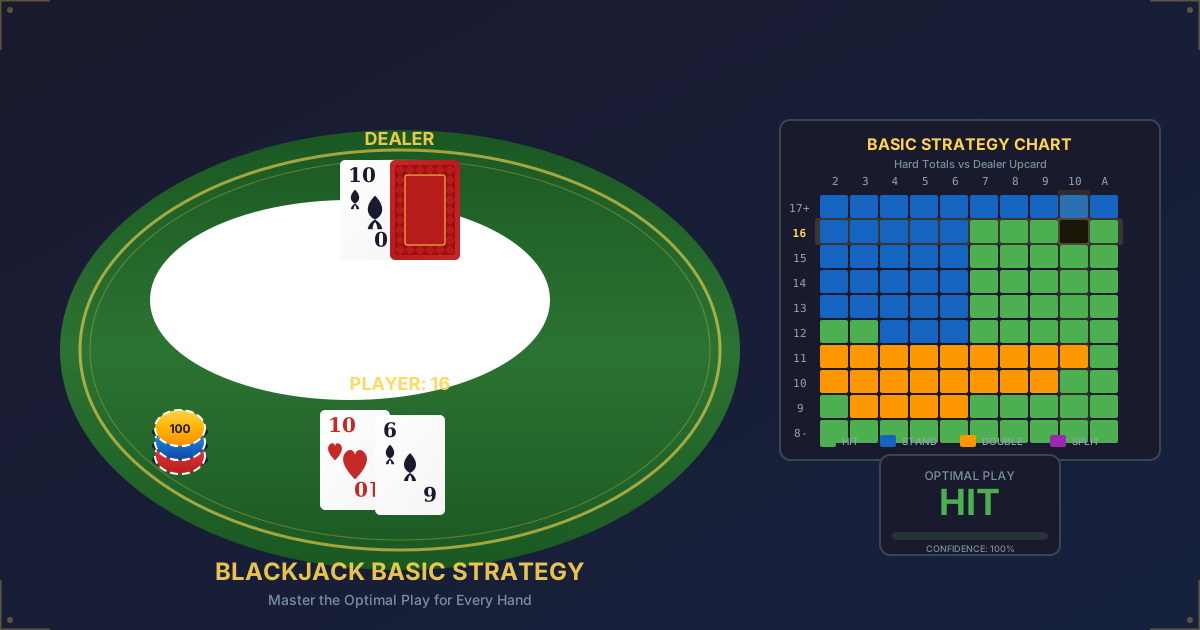
Print the complete basic strategy chart from our Blackjack Basic Strategy Calculator and bring it with you. Casinos allow strategy cards at the table.
How Do Casino Chips and Denominations Work?
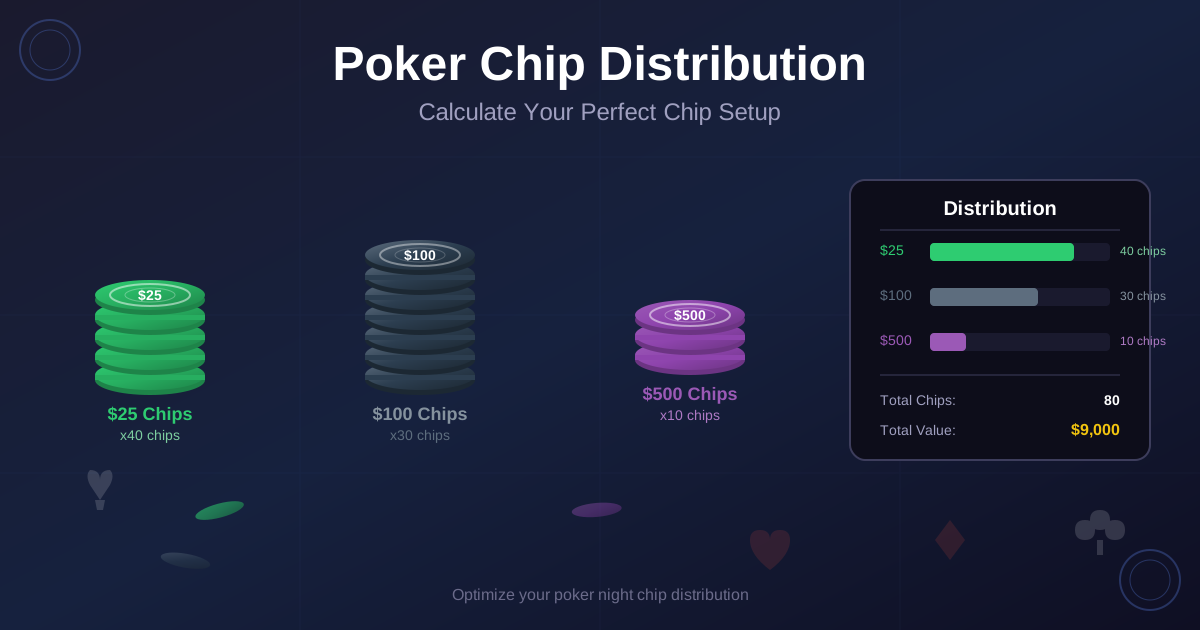
Casino chips are color-coded tokens that represent specific dollar amounts. You exchange cash for chips at the table or at a cashier cage. Understanding chip colors and handling etiquette is essential for a smooth first visit.
Standard Chip Color Denominations
| Chip Color | Standard Denomination | Common At |
|---|---|---|
| White | $1 | Low-stakes tables, poker rooms |
| Pink | $2.50 | Some blackjack tables |
| Red | $5 | Most common table game chip |
| Green | $25 | Standard for mid-range play |
| Black | $100 | Higher-stakes tables |
| Purple | $500 | High-limit rooms |
| Orange | $1,000 | VIP and high-roller areas |
| Gray/Dark Blue | $5,000 | Ultra-high-limit |
Note: Colors can vary between casinos. Always check the printed denomination on the chip.
How to Buy Chips at a Table
- Wait for a break in the action. Do not place cash on the table mid-hand.
- Place your cash on the felt. Lay it flat in front of you, outside the betting area. Never hand cash directly to the dealer.
- The dealer will count it and announce the amount. "Changing $100."
- The dealer or pit boss will approve the transaction.
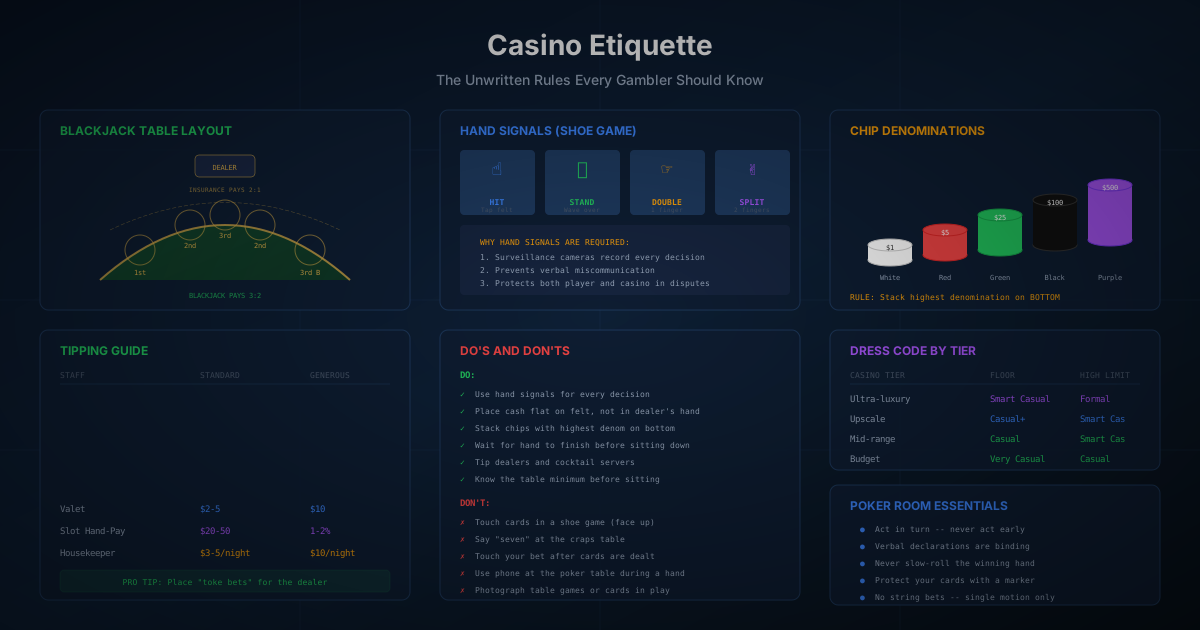
- Your chips will be pushed to you. Arrange them in stacks by denomination with the highest denomination on the bottom.
Chip Handling Etiquette
| Do | Do Not |
|---|---|
| Stack chips neatly by color | Splash chips into the pot messily |
| Place bets clearly in the betting circle | Touch your bet after the hand begins |
| Keep chips visible on the table | Put chips in your pocket mid-session (this is called "ratholing" and is frowned upon in poker) |
| Cash out at the cage when done | Ask the dealer to cash you out at the table (unless it is a small amount) |
| Protect your chips | Leave chips unattended at a table |
Understand the true value of every chip you bet with our Expected Value Calculator.
What Are the Basic Rules of Casino Etiquette?
Casino etiquette is mostly common sense, but there are unwritten rules that first-timers often violate unknowingly. Following these guidelines will make your experience smoother and more enjoyable.
Universal Casino Etiquette Rules
| Rule | Why It Matters |
|---|---|
| Know the game before you sit down | Slowing down the game frustrates other players and costs the casino money |
| Do not touch your bet after it is placed | Altering a bet mid-hand is a serious violation; the eye in the sky is always watching |
| Do not touch the cards in a shoe game | In games dealt from a shoe, cards are face-up and players never touch them |
| Use hand signals for all decisions | Verbal commands alone are not accepted because security cameras cannot record audio |
| Do not use your phone at the table | Most casinos prohibit phone use during active play; never photograph the table |
| Do not give unsolicited advice | Other players do not want to hear your strategy opinions unless they ask |
| Respect the dealer | Dealers do not control the cards; blaming them for bad luck is inappropriate |
| Tip the dealer | Not mandatory but expected (see tipping section below) |
| Do not celebrate excessively when others lose | Read the room; restrained reactions are appropriate |
| Cash out chips at the cashier cage | Do not ask the dealer to convert large amounts of chips |
Table Game-Specific Etiquette
Blackjack:
- Never touch your cards in a shoe game (multi-deck dealt face up)
- In hand-held games (1-2 decks), pick up cards with one hand only
- Place your bet before cards are dealt, not after
- Do not touch the discard tray
- Tapping the table means "hit"; waving your hand flat means "stand"
Craps:
- Handle dice with one hand only
- Throw dice so they hit the far wall
- Do not say "seven" at the table (superstition, but widely observed)
- Keep your hands away from the layout during a throw
- Do not dangle hands or drinks over the table edge
Roulette:
- Each player gets a different colored chip to avoid confusion
- Place bets before the dealer announces "no more bets"
- Do not reach across other players' bets
- Wait for the dealer to remove the marker before placing new bets
Poker:
- Act in turn (do not act before it is your turn to decide)
- Announce "raise" before adding chips if you are raising
- Do not "string bet" (adding chips in multiple motions without announcing)
- Protect your cards at all times
- Do not discuss your hand during play
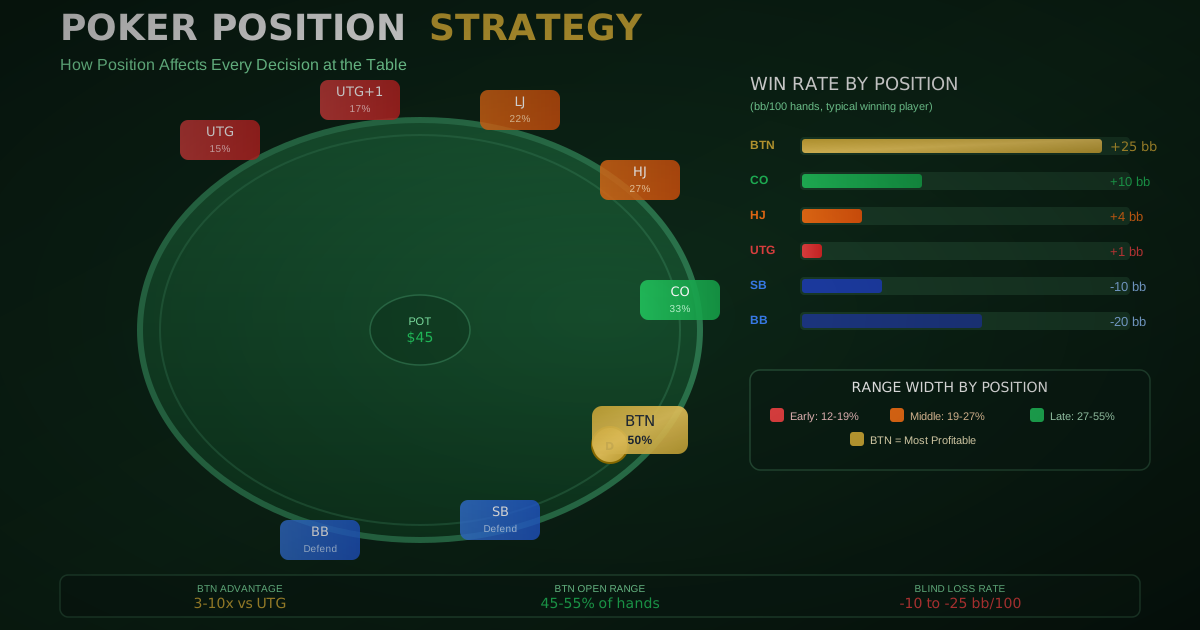
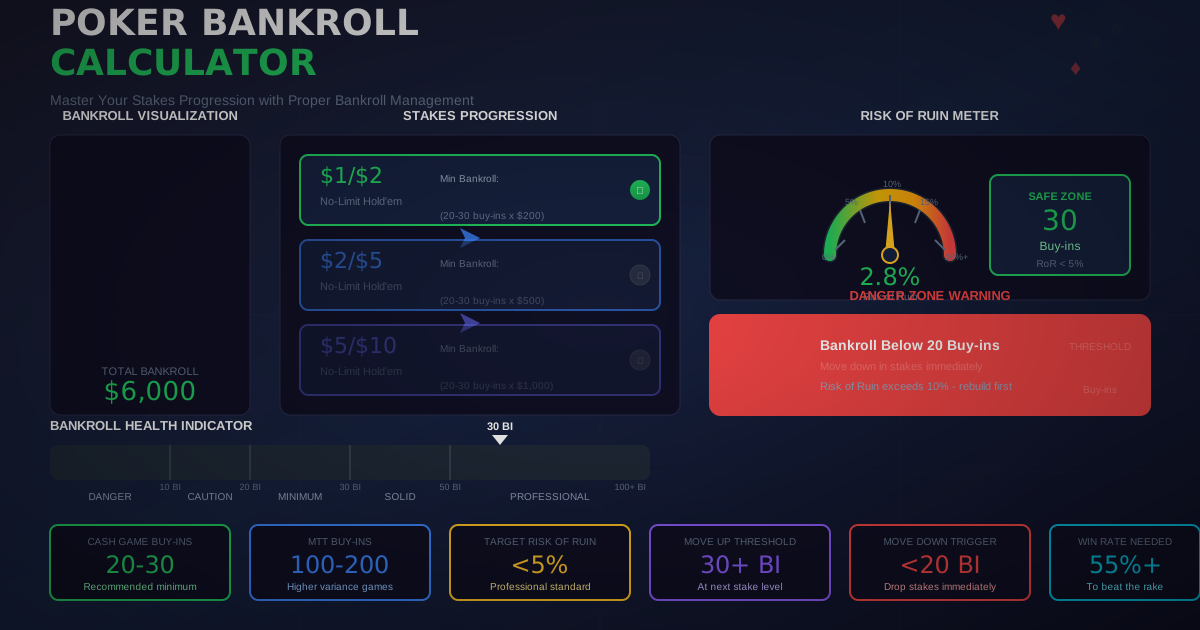
Use our Poker Bankroll Requirements Calculator to determine how much you need for your first poker session.
How Much Should You Tip at a Casino?
Tipping is a significant part of casino culture in the United States. Dealers, cocktail servers, valets, and other staff rely on tips as part of their income. Knowing when and how much to tip prevents awkward situations and ensures good service.
Casino Tipping Guide
| Who | When | How Much | How to Tip |
|---|---|---|---|
| Table game dealer | After winning hands, when leaving the table | $1-5 per winning hand, or 5-10% of a big win | Place a chip on the betting line for the dealer or hand it directly |
| Slot attendant | When they pay a hand jackpot | 1-3% of jackpot amount | Hand cash or chips directly |
| Cocktail server | Every drink delivery | $1-2 per drink | Hand cash or chip when they bring the drink |
| Poker dealer | After winning a pot | $1-2 per pot won | Toss chip toward dealer after pot is awarded |
| Valet | When car is returned | $2-5 | Hand cash when you receive your keys |
| Hotel housekeeping | Daily or at checkout | $3-5 per night | Leave on the pillow with a note |
| Cage cashier | When cashing out large amounts | $5-20 (optional, not expected) | Hand directly or slide under the window |
| Bellhop | Per bag | $2-3 per bag | Hand directly upon delivery |
Tipping Strategies for Budget-Conscious Beginners
- Tip from winnings, not your bankroll. If you are losing, smaller tips are perfectly acceptable.
- Place "dealer bets" instead of direct tips. Many games allow you to place a bet for the dealer. If it wins, the dealer keeps the winnings plus the original bet, which is more generous than a simple tip and gives the dealer a stake in your success.
- Cocktail server tips are non-negotiable. Even if drinks are "free," the server depends on tips. $1 per drink is the absolute minimum.
- Tip at the end of your session. Some players prefer to tip once when leaving rather than after every hand. This is perfectly acceptable and may be more budget-friendly.
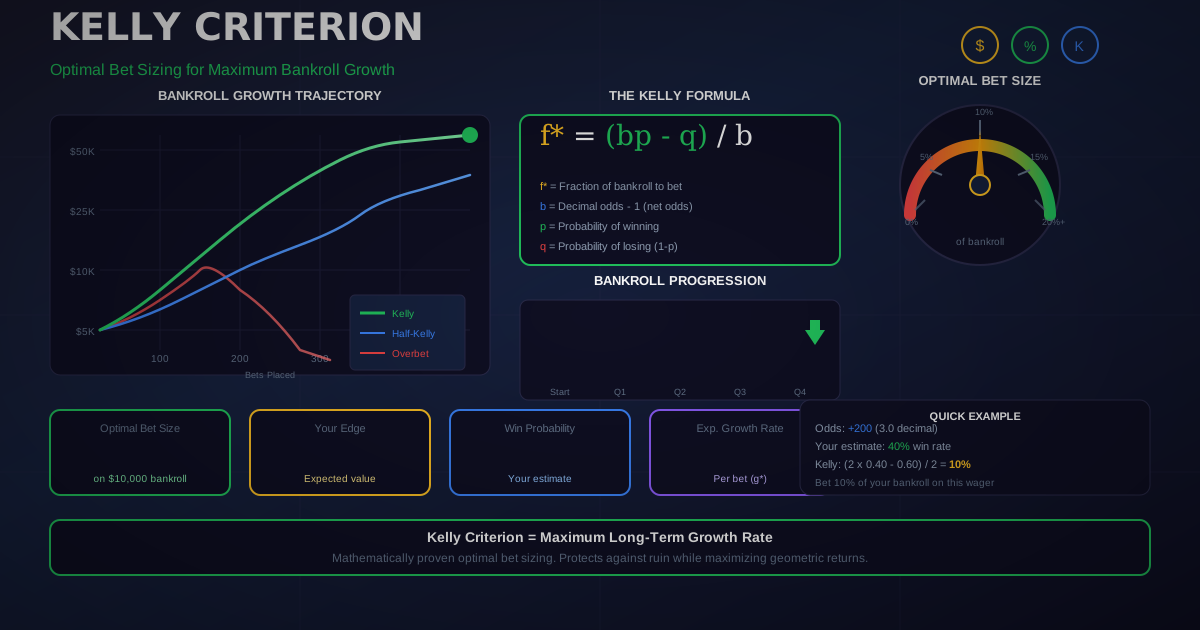
Track your total spending including tips with our Kelly Criterion Calculator to stay within your overall budget.
What Is the Casino Players Club and Should You Join?
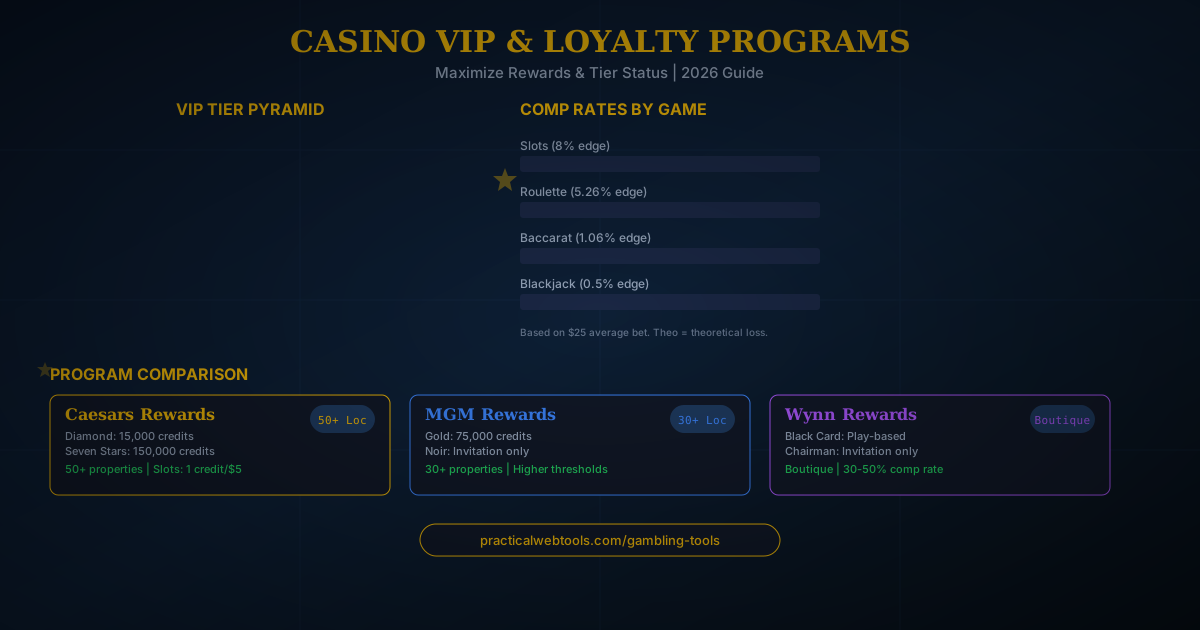
Yes, you should always join the casino's loyalty program (players club, rewards card). It is free, it tracks your play, and it returns a small percentage of your wagering in comps (free meals, room discounts, free play). There is no mathematical downside.
How Players Clubs Work
When you sign up for a players club card (free at the rewards desk), the casino tracks your play through the card. For table games, a pit boss manually rates your play. For machines, you insert the card directly.
| Metric Tracked | How It Is Measured | What It Determines |
|---|---|---|
| Average bet size | Pit boss observation (tables) or machine tracking (slots) | Comp rate calculation |
| Time played | Start/end times recorded by staff | Total theoretical loss |
| Game type | Recorded by staff or machine | House edge applied to calculation |
| Win/loss | Machine tracking or estimate | Secondary factor in comp decisions |
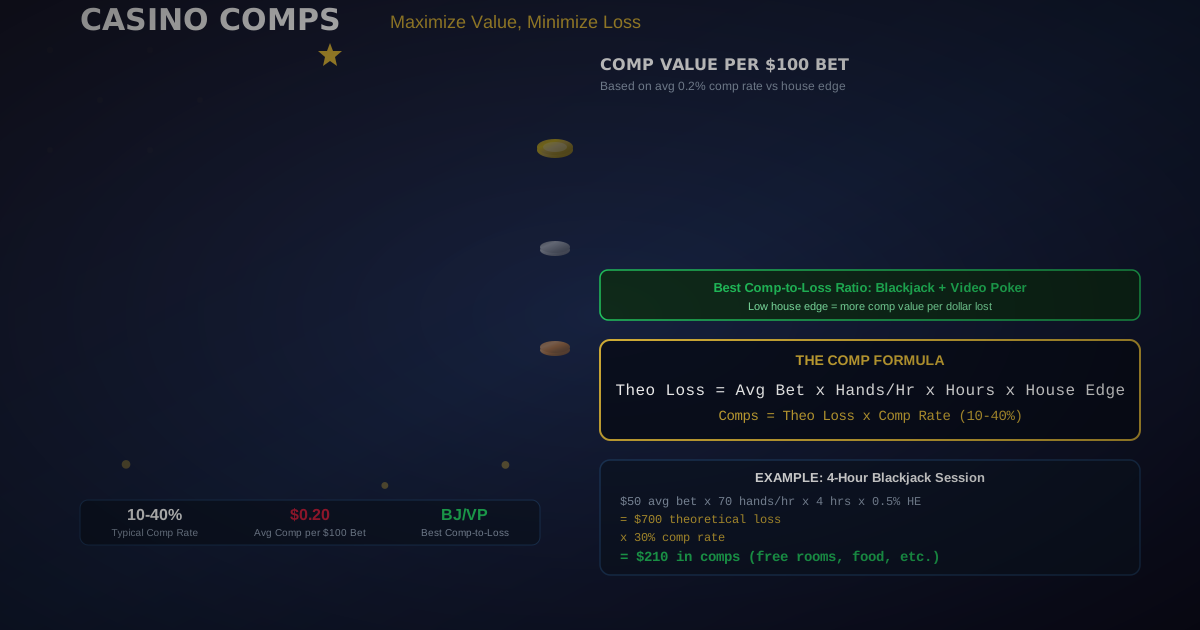
| Total theoretical loss | Average bet x decisions/hour x hours x house edge | Primary comp determination |
Comp Rates by Casino Tier
| Casino Tier | Typical Comp Rate | What $200/Hour Play Earns |
|---|---|---|
| Budget/regional | 10-20% of theoretical loss | $1-4/hour in comps |
| Mid-range | 20-30% of theoretical loss | $4-6/hour in comps |
| Premium Strip properties | 30-40% of theoretical loss | $6-8/hour in comps |
| High-end (Wynn, Bellagio) | 40%+ of theoretical loss | $8-15+/hour in comps |
"Theoretical loss" is calculated as: Average bet x hands per hour x house edge x hours played. For example, a $15 blackjack player making 70 hands/hour at 0.5% house edge over 4 hours: $15 x 70 x 0.005 x 4 = $21 theoretical loss. At a 30% comp rate, that earns about $6.30 in comps.
Players Club Tips for First-Timers
- Sign up before you play a single hand or spin
- Always insert your card into slot machines before playing
- Ask the pit boss to rate your table play (politely give them your card when you sit down)
- Check your offers and tier status after your visit; many casinos send first-visit bonus offers
- Consolidate play at one property when possible to maximize tier progression
Calculate the true cost behind your comps using our Expected Value Calculator.
What Should You Know About Casino Drinks and Dining?
Complimentary drinks are standard on the gaming floor of most US casinos. However, "free" drinks come with hidden costs, primarily their effect on your judgment and decision-making.
Complimentary Drink Policies
| Casino Type | Drink Policy | Typical Offering |
|---|---|---|
| Las Vegas Strip casinos | Free while actively gambling | Beer, well drinks, wine; premium available at a charge |
| Regional casinos | Free while gambling (most); some charge for all drinks | Beer, basic well drinks |
| Tribal casinos | Varies widely; some free, some no alcohol | Depends on tribal regulations |
| Atlantic City | Free while gambling | Similar to Las Vegas |
| Online casinos | N/A | No complimentary beverages |
The Real Cost of "Free" Casino Drinks
Alcohol impairs mathematical reasoning, risk assessment, and self-control. The research is clear:
| Number of Drinks | Effect on Gambling Behavior |
|---|---|
| 0 (sober) | Baseline: best decision-making capacity |
| 1 | Minimal impairment; slight reduction in risk aversion |
| 2 | Noticeable: 15-20% increase in average bet size, basic strategy deviations begin |
| 3 | Significant: 25-35% increase in average bet, frequent strategy errors |
| 4+ | Severe: 40%+ increase in average bet, abandonment of strategy, chasing losses likely |
Recommendation for first-timers: Limit yourself to zero or one alcoholic drink. If you want to enjoy free drinks, switch to non-alcoholic options after your first. Cocktail servers also bring water, coffee, and soda.
Casino Dining Tips
- Eat before gambling. Hunger makes you impulsive and more susceptible to casino manipulation.
- Casino restaurants are generally overpriced. Budget $30-60 per person for a sit-down meal on the Strip.
- Buffets are a popular first-timer experience. Expect $30-50 per person at mid-range properties.
- Use comps for dining when possible. Even a small amount of play can earn a buffet credit.
- Food courts offer better value. Many casinos have food court areas with more affordable options.
Plan your full visit budget including food and entertainment with our Bankroll Volatility Tracker.
How Do You Handle Wins and Losses at a Casino?
Managing your emotional response to wins and losses is perhaps the most important skill for your first casino visit. The casino environment is designed to amplify winning emotions and minimize the pain of losing, making it easy to lose control.
Win Management Strategy
| Situation | What to Do | Why |
|---|---|---|
| Up 50% from buy-in ($200 becomes $300) | Pocket $100, continue playing with original $200 | Locks in guaranteed profit |
| Up 100% from buy-in ($200 becomes $400) | Pocket $200, play with original $200 | Ensures you walk away even at worst |
| Hit a big single win ($500+) | Consider ending the session | Big wins are rare; the house edge will erode gains over time |
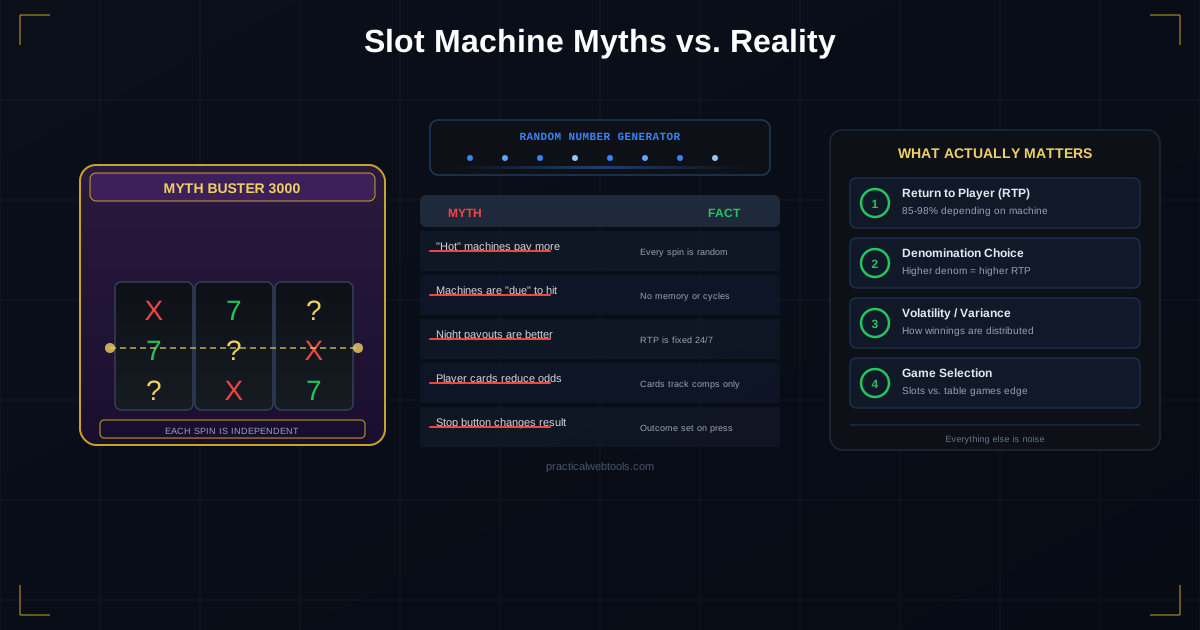
| Winning streak feels "hot" | Set a stop-win amount and honor it | There is no such thing as being "hot"; every bet is independent |
Loss Management Strategy
| Situation | What to Do | Why |
|---|---|---|
| Down 50% of session budget | Reduce bet size to table minimum | Extends remaining play time |
| Session budget gone | Stop playing, period | This is your hard limit; honor it absolutely |
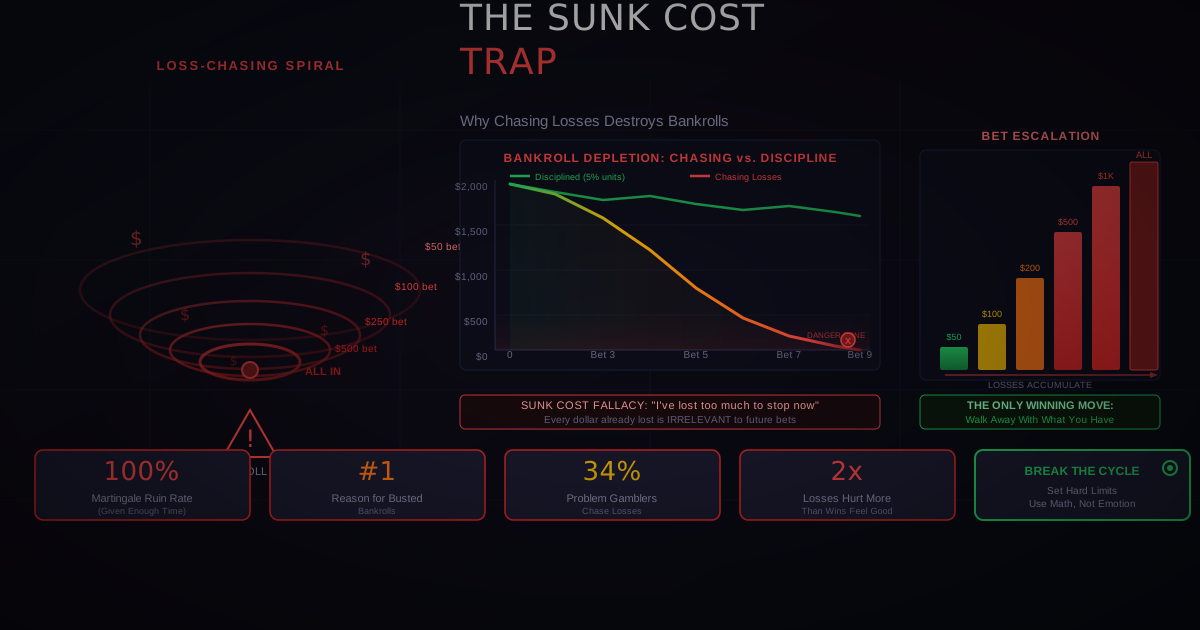
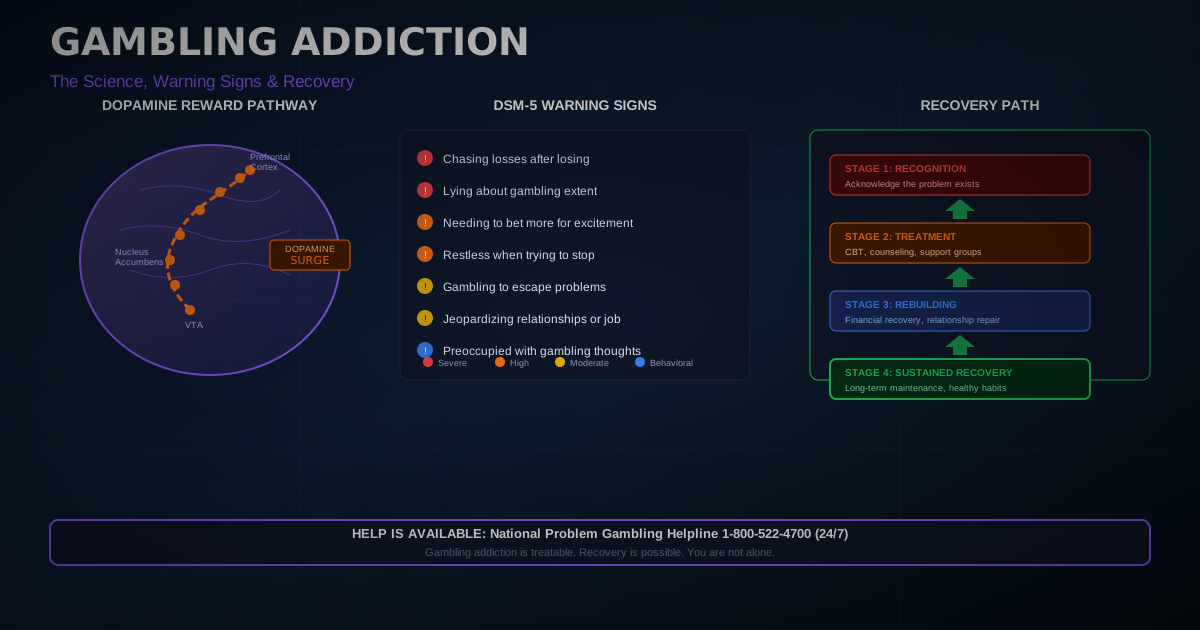
| Tempted to get more money | Leave the casino immediately | Chasing losses is the #1 cause of gambling problems |
| Frustrated after a bad beat | Take a 15-minute break away from the floor | Emotional decisions lead to bigger losses |
| Urge to switch to higher-stakes game | Do not switch; this is desperation behavior | Higher stakes accelerate losses, not recovery |
Tax Implications of Casino Wins
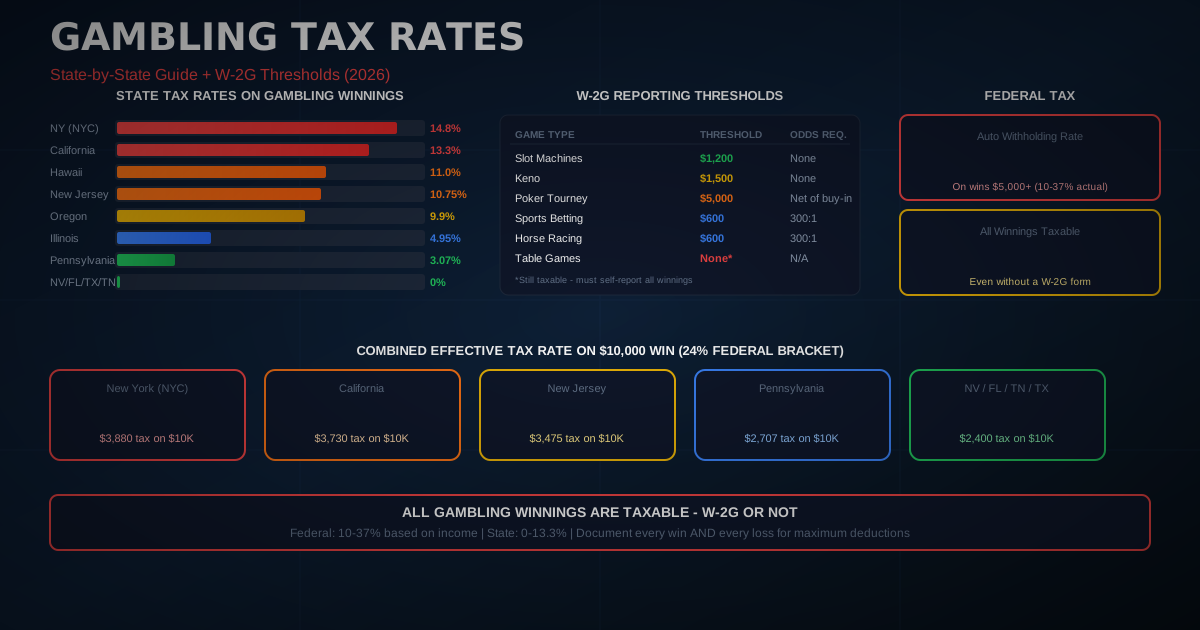
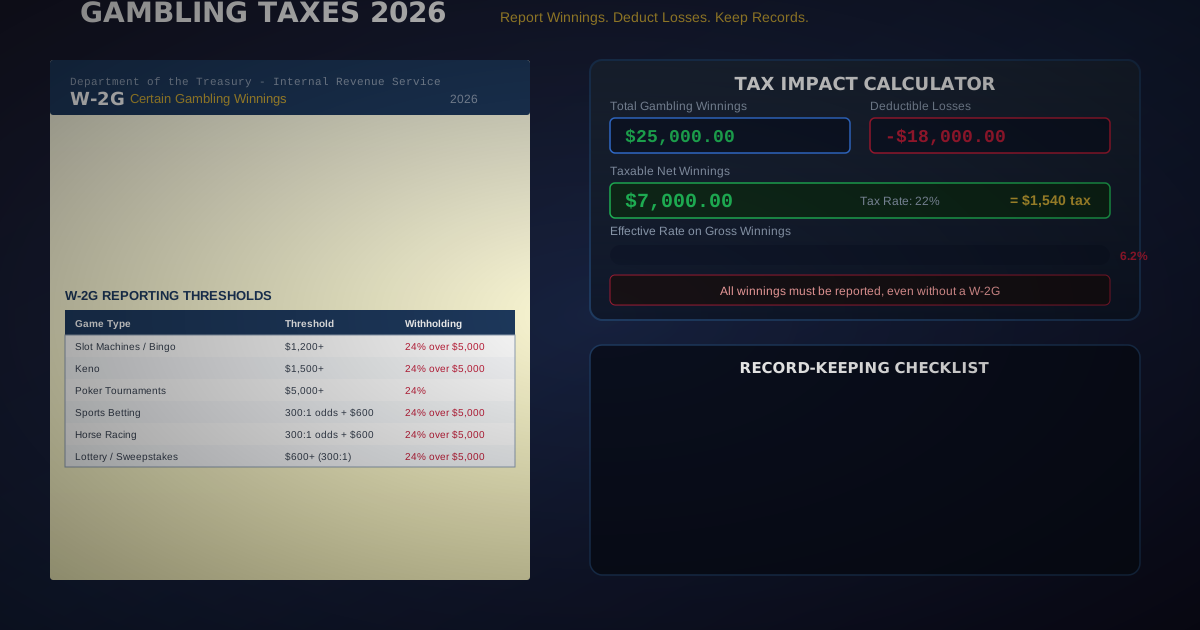
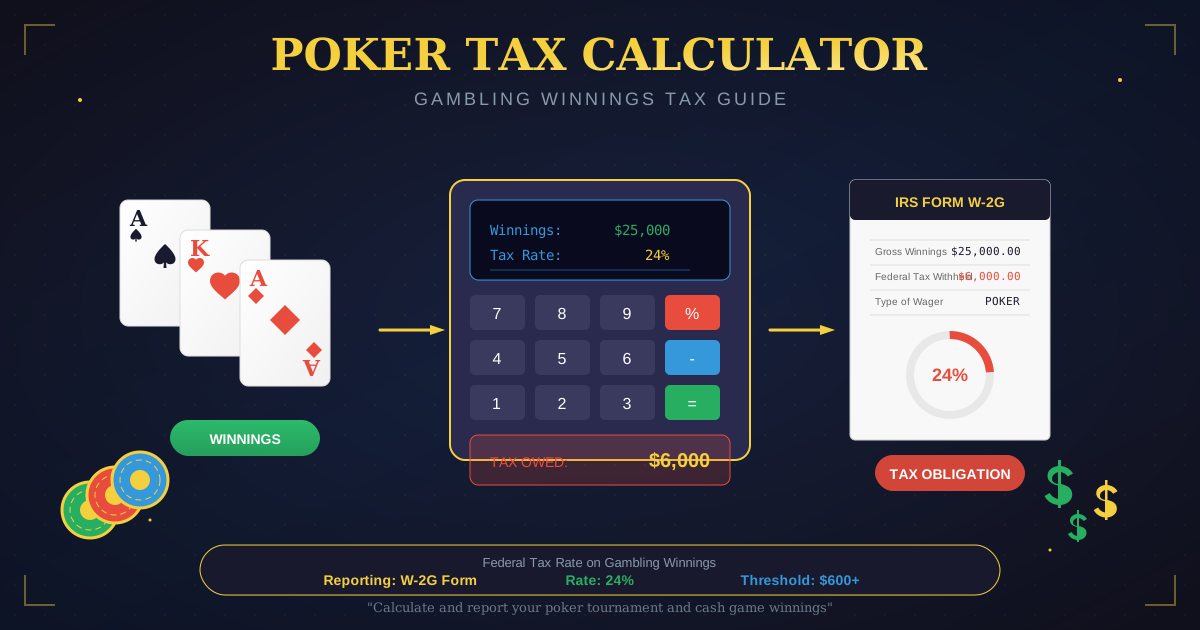
In the United States, gambling winnings are taxable income. Casinos are required to report certain wins to the IRS:
| Win Type | Reporting Threshold | Form Issued |
|---|---|---|
| Slot machine jackpot | $1,200 or more | W-2G |
| Keno | $1,500 or more | W-2G |
| Poker tournament | $5,000 or more (net of buy-in) | W-2G |
| Table game wins | $600+ at 300:1 odds or greater | W-2G |
| Sports betting | $600 or more at 300:1+ odds | W-2G |
You can deduct gambling losses up to the amount of your winnings, but you must itemize deductions and keep detailed records. Save all receipts, players club statements, and win/loss statements.
Track your session results for tax documentation with our CLV Tracker.
What Are the Most Common First-Timer Mistakes to Avoid?
Learning from others' mistakes is cheaper than making your own. These are the most common errors first-time casino visitors make, along with how to avoid each one.
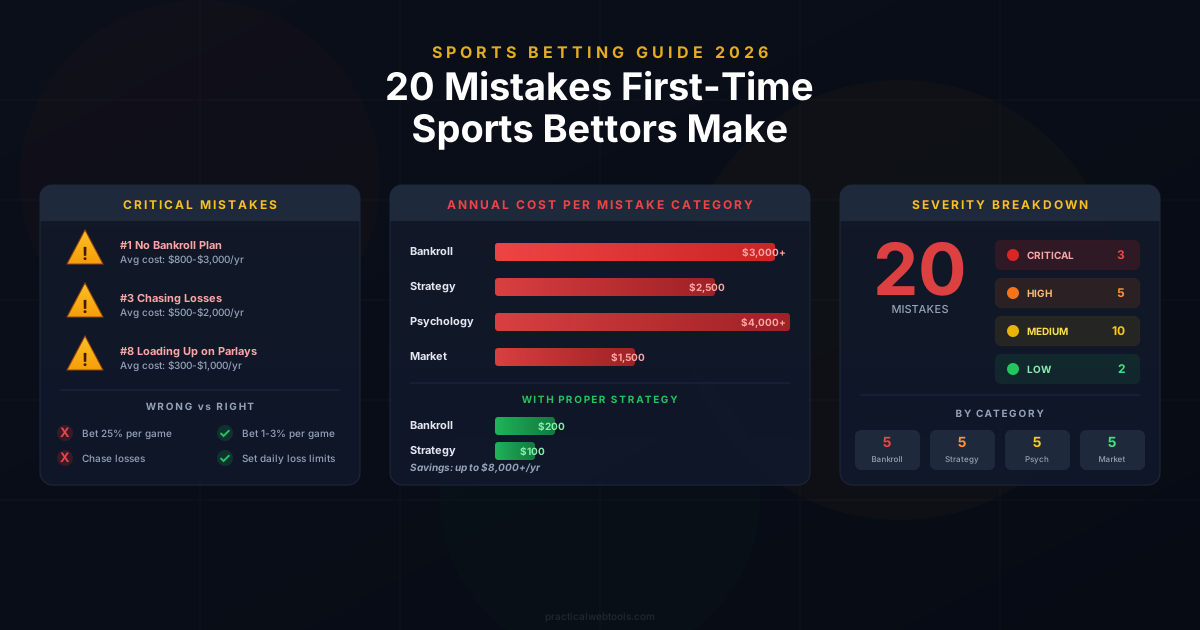
Top 15 First-Timer Mistakes
| Mistake | Why It Happens | How to Avoid It |
|---|---|---|
| No budget before arrival | "I'll play it by ear" mindset | Set a hard number and bring only that amount in cash |
| Playing games they do not understand | Excitement, social pressure | Watch first, learn the rules, ask the dealer |
| Not using basic strategy | Unaware it exists | Print our strategy chart and bring it to the table |
| Playing side bets | Dealer or signage promotes them | Side bets always have dramatically higher house edge |
| Drinking too much | Free drinks + excitement | Limit to 0-1 alcoholic drinks |
| Not joining the players club | Do not know about it | Sign up before your first bet |
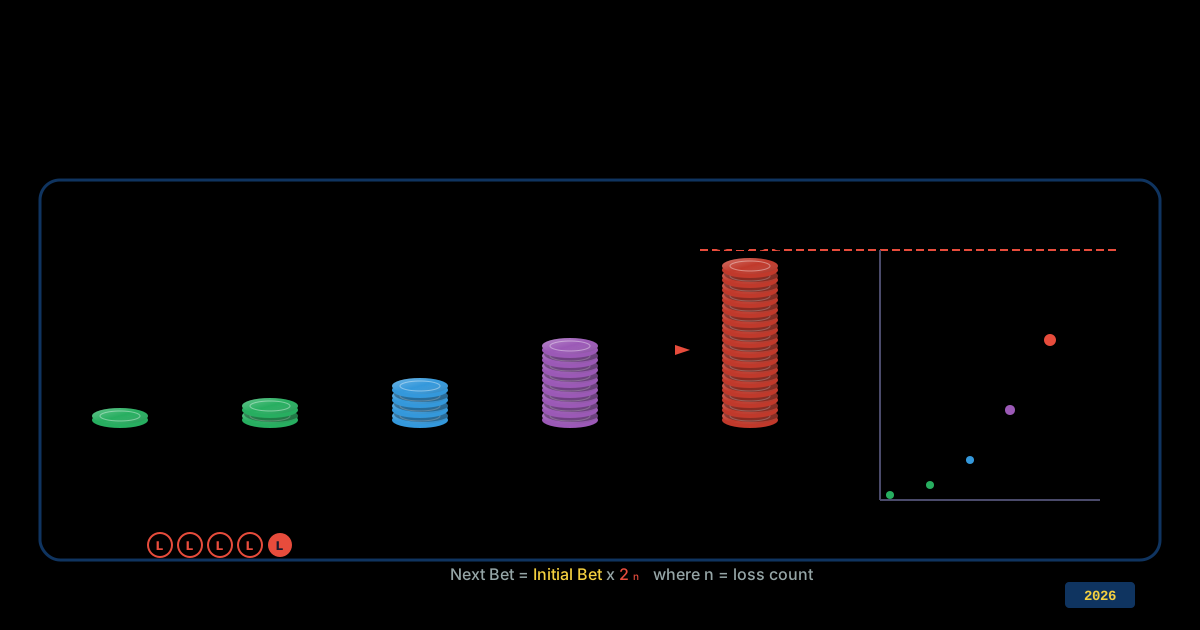
| Chasing losses | Emotional response to losing | When your budget is gone, leave |
| Playing slots exclusively | Easiest game to find | Slots have the highest house edge; try table games |
| Betting too much per hand | Want to win big fast | Start at the table minimum, always |
| Ignoring the clock | Casino has no clocks by design | Set phone alarms every 30 minutes |
| Carrying credit/debit cards | "Just in case" | Leave them behind; there is no good "just in case" at a casino |
| Not taking breaks | Absorbed in the action | Walk, eat, hydrate every 60-90 minutes |
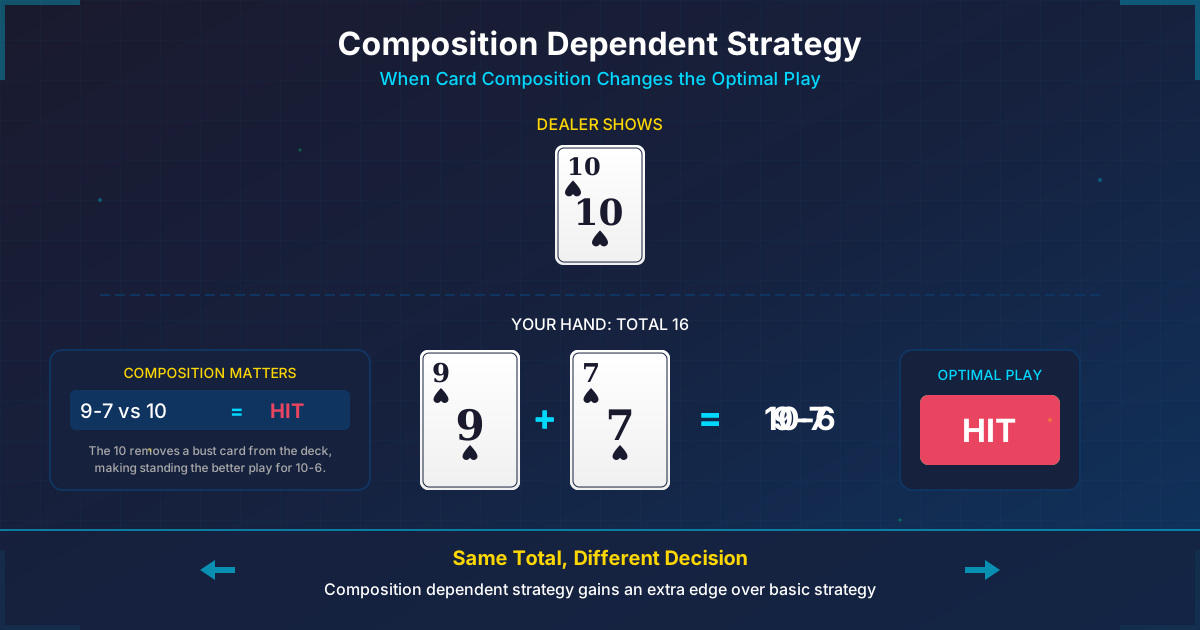
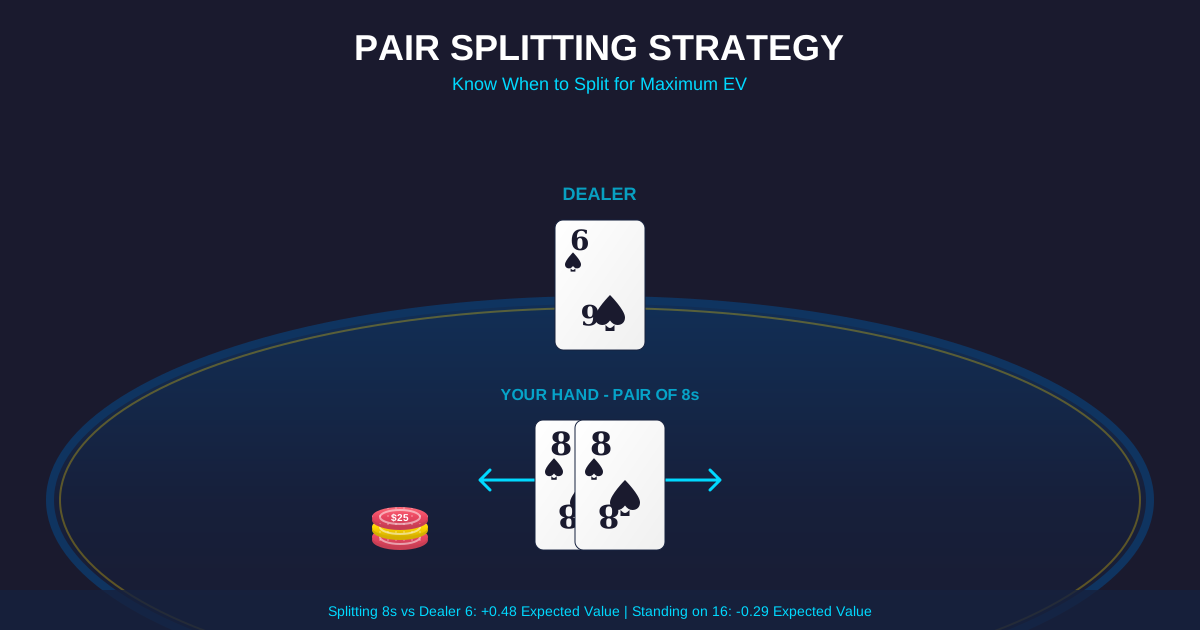
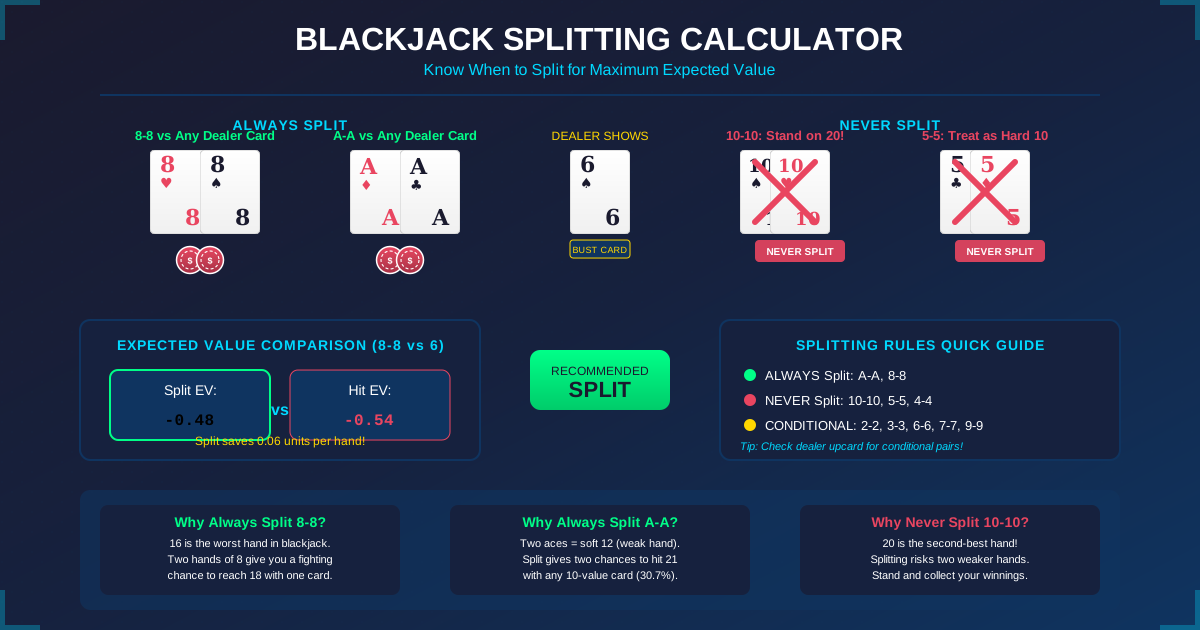
| Splitting 10s | Seems logical (two chances to win) | Never split 10s; a 20 is the second-best hand in blackjack |
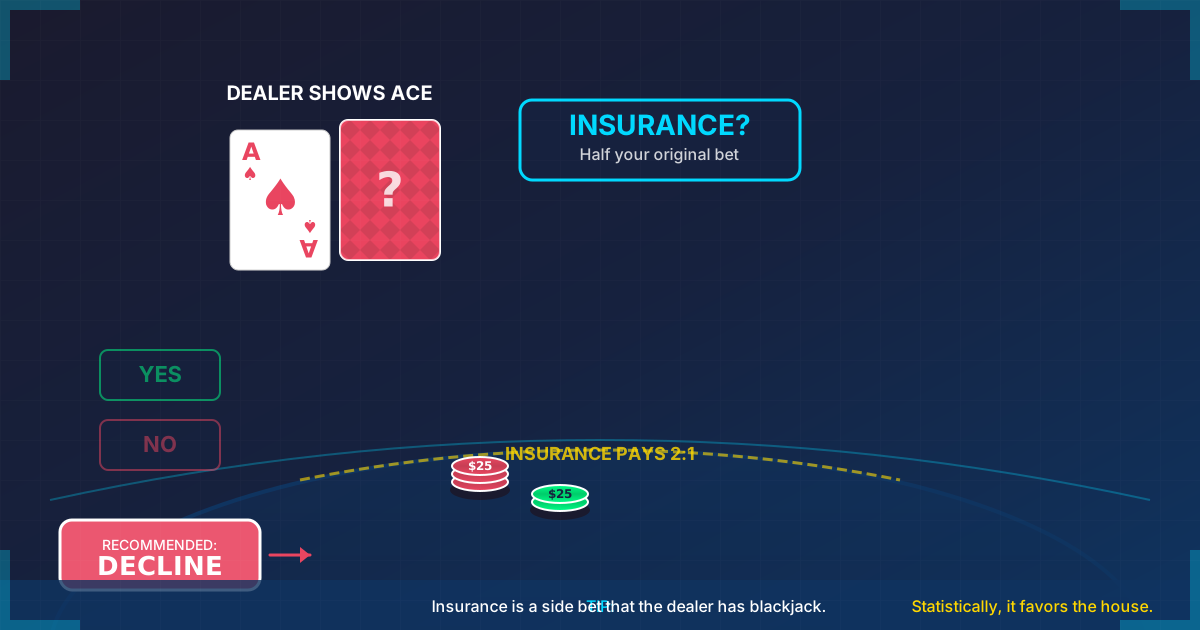
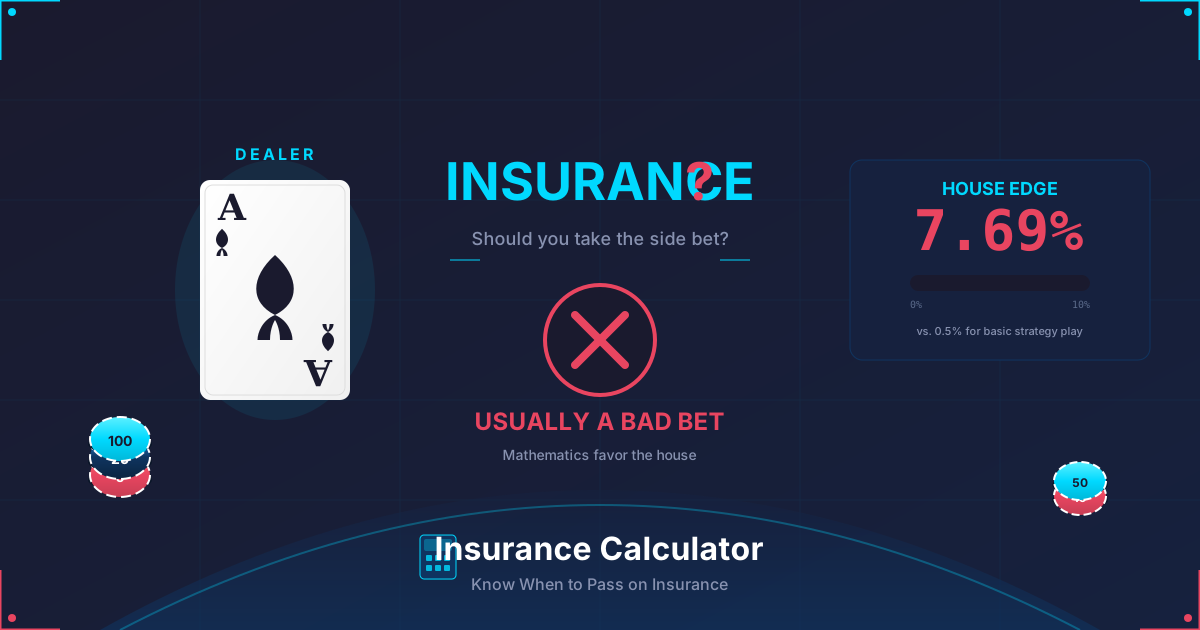
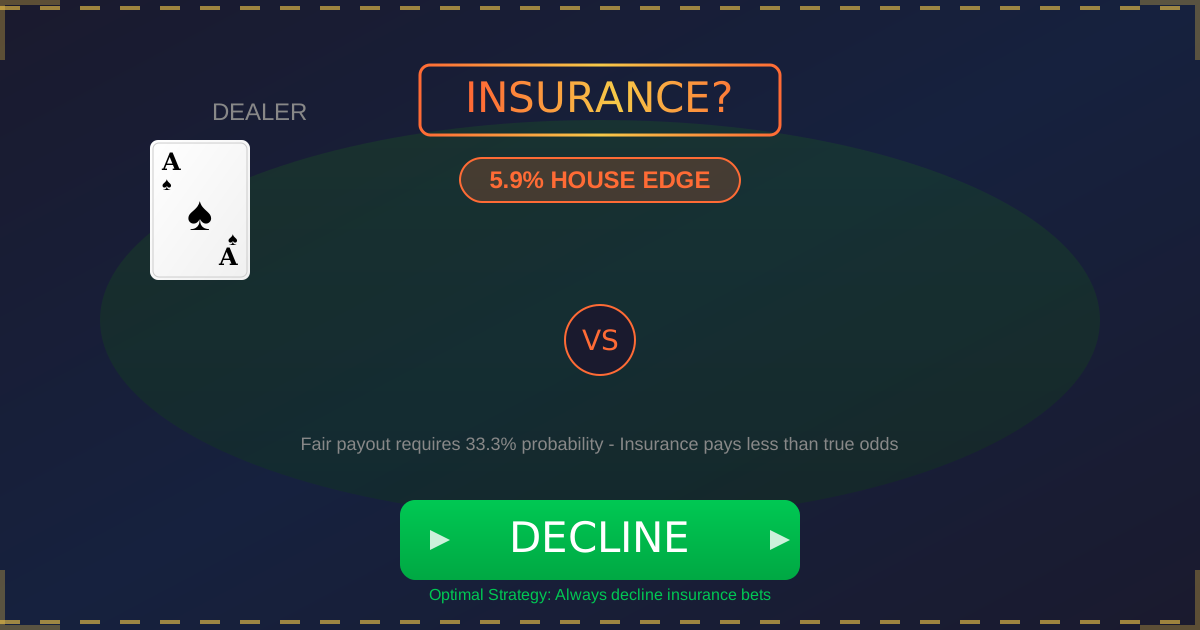
| Taking insurance in blackjack | Dealer offers it persuasively | Insurance is a side bet with a 7.7% house edge; always decline |
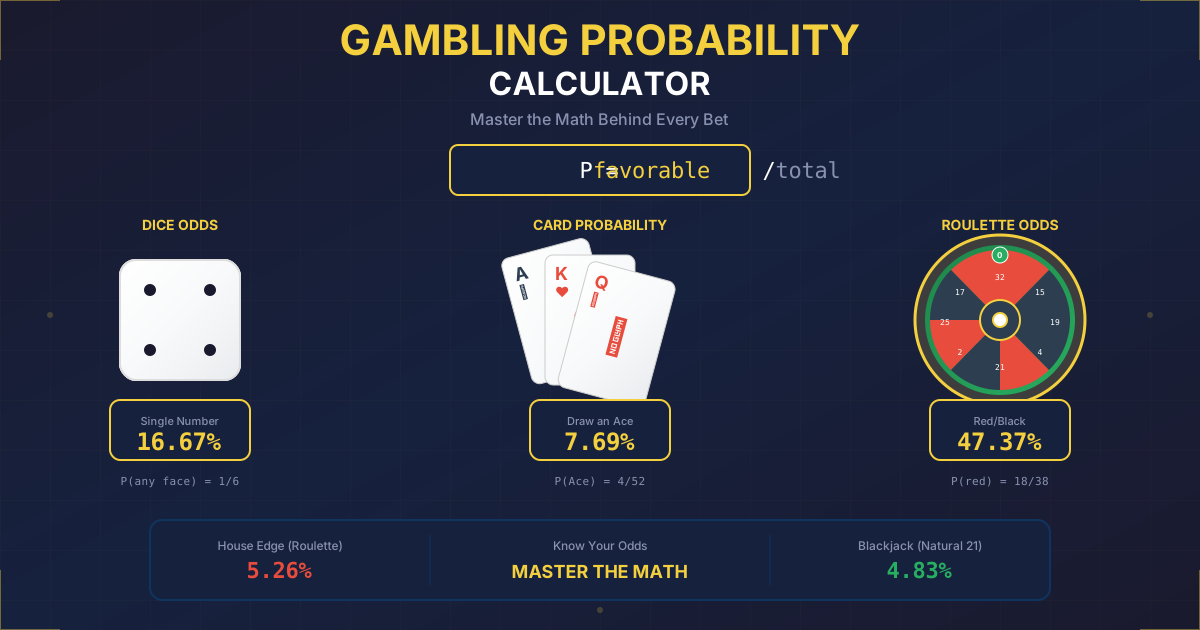
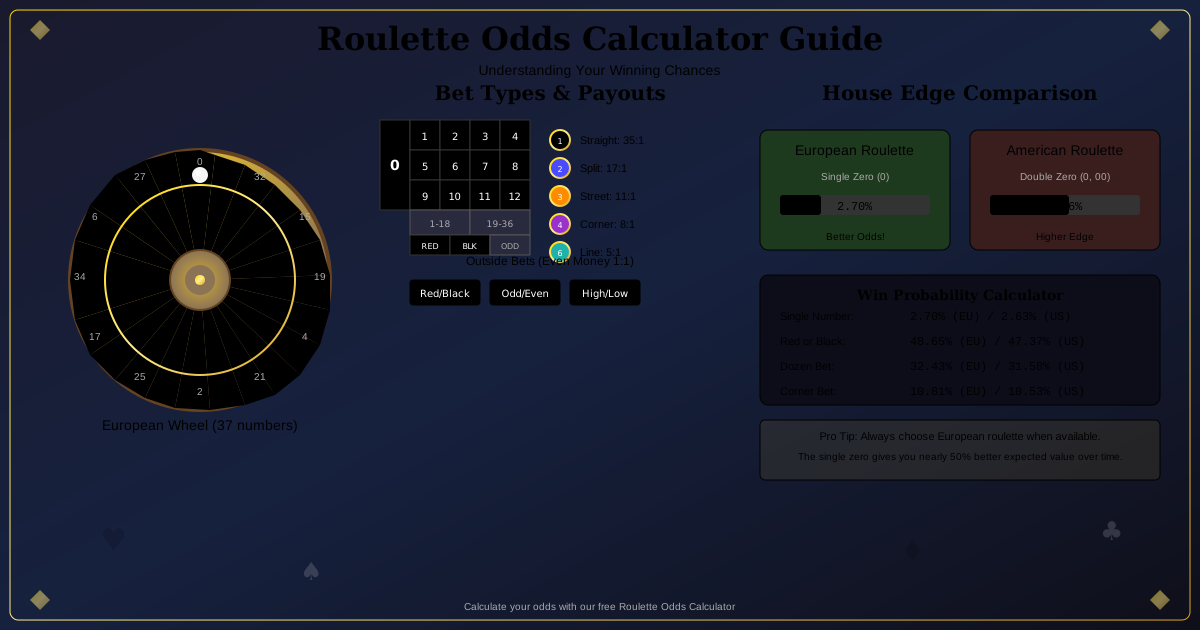
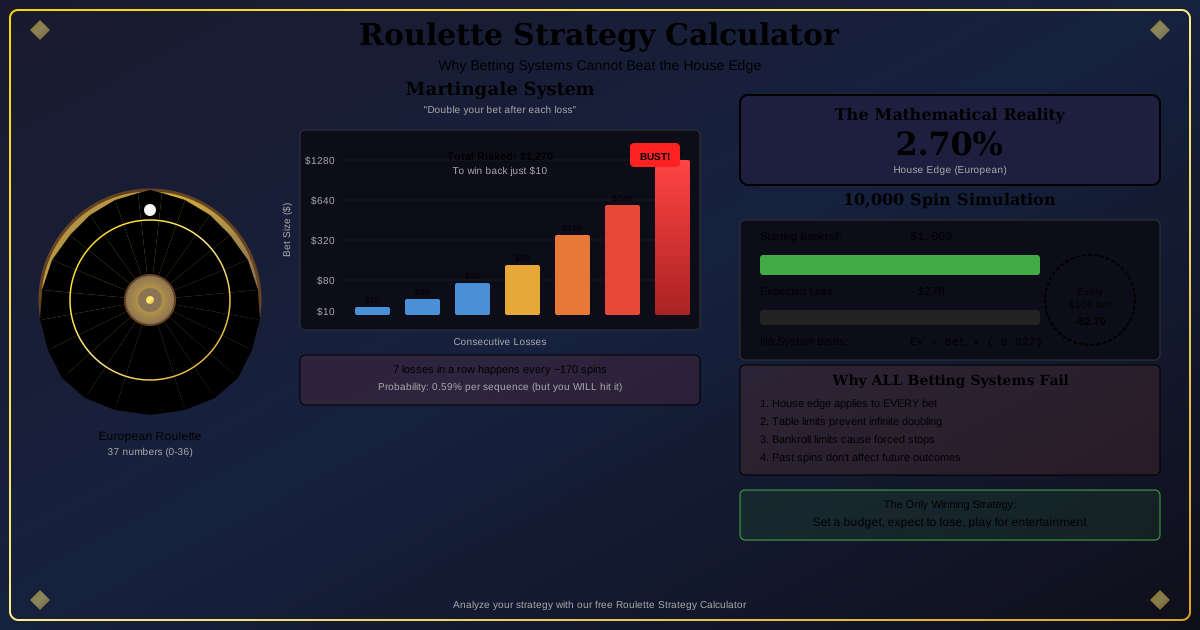
| Playing American roulette when European is available | Do not know the difference | European has one zero (2.70% edge) vs. American's two zeros (5.26%) |
The Single Best Piece of Advice
If you remember only one thing from this guide: decide how much you are willing to lose before you enter the casino, bring only that amount in cash, and leave when it is gone. This single rule prevents more gambling-related financial harm than any strategy, system, or lucky charm ever could.
Prepare for every game on the floor with our Blackjack Basic Strategy Calculator, Roulette Odds Calculator, Craps House Edge Calculator, and Baccarat House Edge Calculator.
What Are the Best Times to Visit a Casino?
The best time for a first-time visitor is a weekday afternoon (Tuesday through Thursday, 1-4 PM). Tables are less crowded, dealers have more time to help beginners, and the atmosphere is more relaxed.
Casino Atmosphere by Time of Day
| Time | Crowd Level | Table Minimums | Atmosphere | Best For |
|---|---|---|---|---|
| Weekday morning (6-11 AM) | Very low | Lowest | Quiet, mostly regulars | Learning games at your own pace |
| Weekday afternoon (11 AM-5 PM) | Low to moderate | Low | Relaxed, dealers are helpful | First-time visitors (best choice) |
| Weekday evening (5-11 PM) | Moderate to high | Moderate | Energetic, social | Experiencing the casino atmosphere |
| Weekday late night (11 PM-6 AM) | Moderate | Moderate | Mixed energy, some intoxicated players | Not recommended for first-timers |
| Weekend afternoon (11 AM-5 PM) | High | High | Crowded, fast-paced | Only if weekday is not an option |
| Weekend evening (5 PM-2 AM) | Very high | Highest | Loud, crowded, exciting | Experiencing peak casino energy (not ideal for learning) |
| Weekend late night (2-6 AM) | Moderate | Moderate | Unpredictable, many intoxicated visitors | Not recommended for first-timers |
How Table Minimums Change
Table minimums are driven by demand. The same blackjack table might have a $10 minimum on a Tuesday afternoon and a $25 minimum on a Saturday night. For budget-conscious first-timers, this makes weekday visits significantly more affordable.
| Day/Time | Typical Blackjack Minimum (Strip) | Typical Blackjack Minimum (Regional) |
|---|---|---|
| Weekday morning | $10-15 | $5-10 |
| Weekday afternoon | $10-15 | $5-10 |
| Weekday evening | $15-25 | $10-15 |
| Weekend afternoon | $15-25 | $10-15 |
| Weekend evening | $25-50+ | $15-25 |
| Holiday weekends | $25-100+ | $15-25+ |
Calculate how table minimum changes affect your expected session cost with our Expected Value Calculator.
How Do You Know When to Leave the Casino?
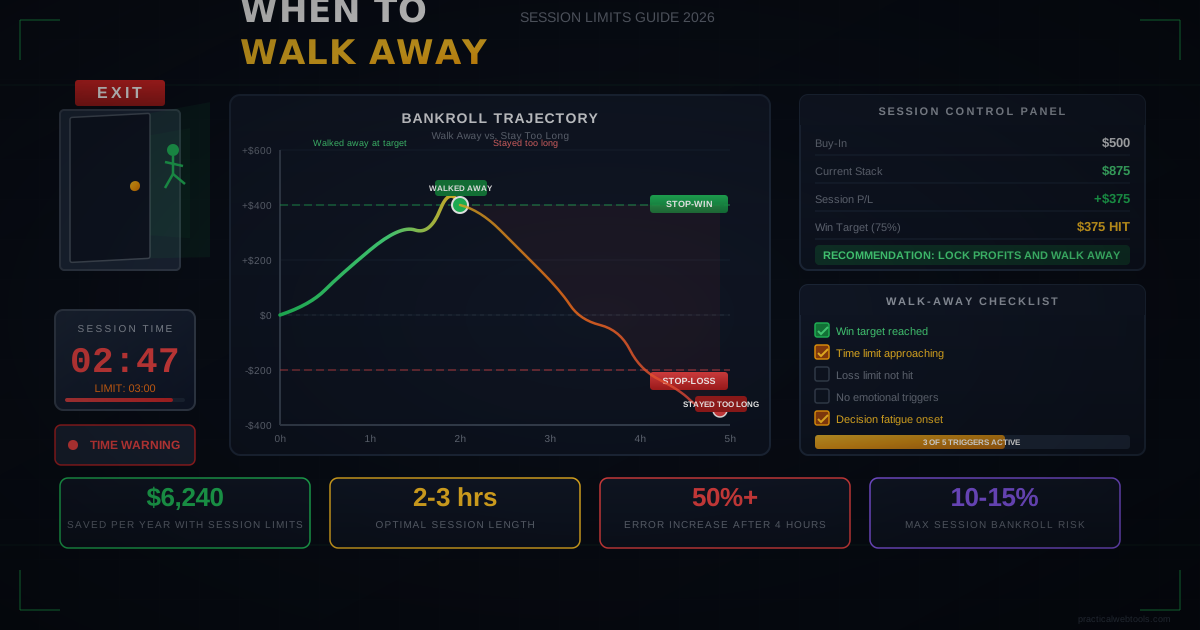
Leave when any one of these conditions is met: your budget is gone, your time limit is reached, you have hit your win goal, you are no longer having fun, or you are feeling any negative emotion (frustration, desperation, or anger). The hardest part of casino gambling is walking away, and it is also the most important skill.
Your Exit Checklist
Before entering, commit to leaving when:
- Budget depleted: Your session envelope is empty. Non-negotiable.
- Time limit reached: Your phone alarm goes off for the final time. Honor it.
- Win goal achieved: You are up a predetermined amount. Lock in the profit.
- Emotional shift: You feel anything other than entertainment. Frustration, desperation, and the urge to "win it back" are danger signals.
- Alcohol impairment: If you feel the effects of alcohol, stop gambling immediately.
- Fatigue: If you are tired, your decision-making is impaired. Leave.
Common Excuses to Keep Playing (And Why They Are Wrong)
| Excuse | Why It Is Wrong |
|---|---|
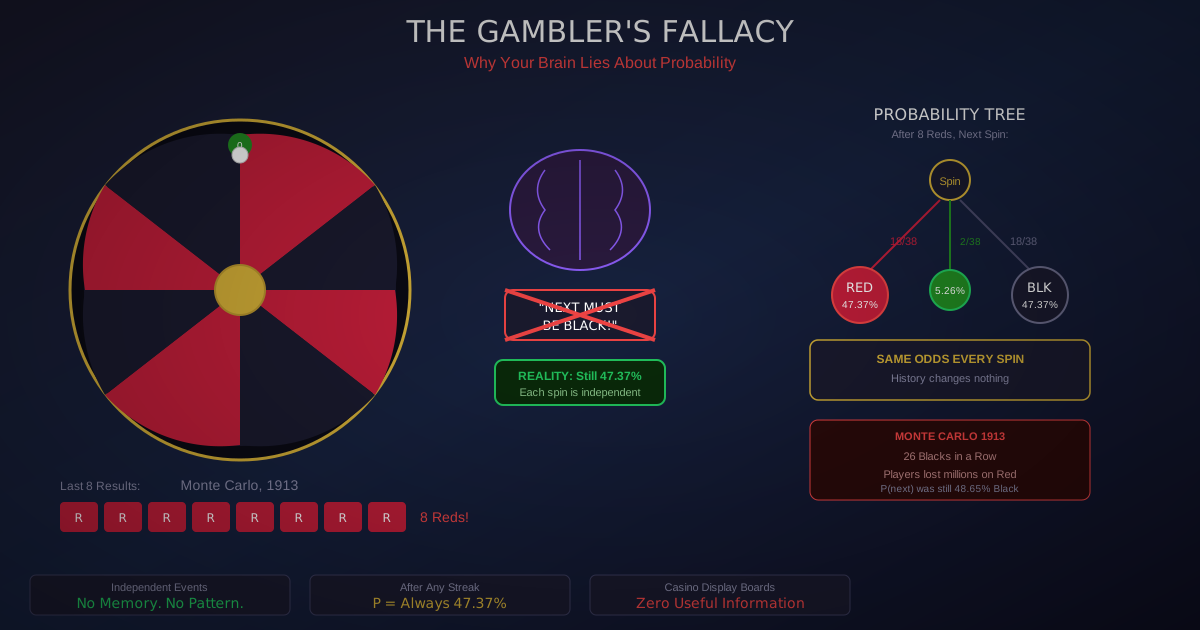
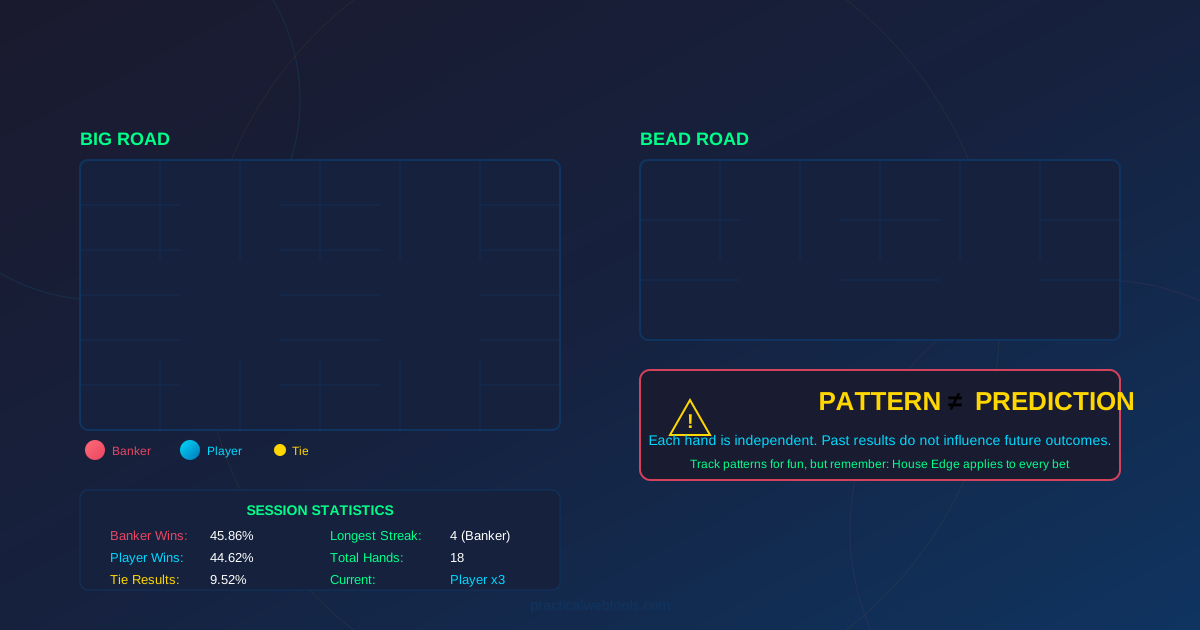
| "I'm due for a win" | The gambler's fallacy. Every bet is independent; previous results do not affect future outcomes. |
| "I'm on a hot streak" | There is no such thing. Winning streaks are random clusters that feel meaningful but are not predictive. |
| "I just need to win back what I lost" | Chasing losses is the fastest path to financial harm. The house edge guarantees you will lose more. |
| "The table is about to turn" | Tables do not "turn." Outcomes are random. This is superstition, not strategy. |
| "I'll just play one more hand" | One more hand becomes ten more hands. Honor your limits. |
| "I can afford to lose a little more" | If you are renegotiating your limits mid-session, you have already lost control. |
Model your walk-away scenarios in advance using our Bankroll Volatility Tracker so you have a plan before emotions take over.
Frequently Asked Questions
Can I bring a basic strategy card to the blackjack table? Yes, almost every casino in the United States allows players to use basic strategy cards at the table. You can purchase small laminated cards in the casino gift shop or print one from our Blackjack Basic Strategy Calculator. Using a card may slow play slightly, but no one will stop you. It is one of the smartest things a beginner can do.
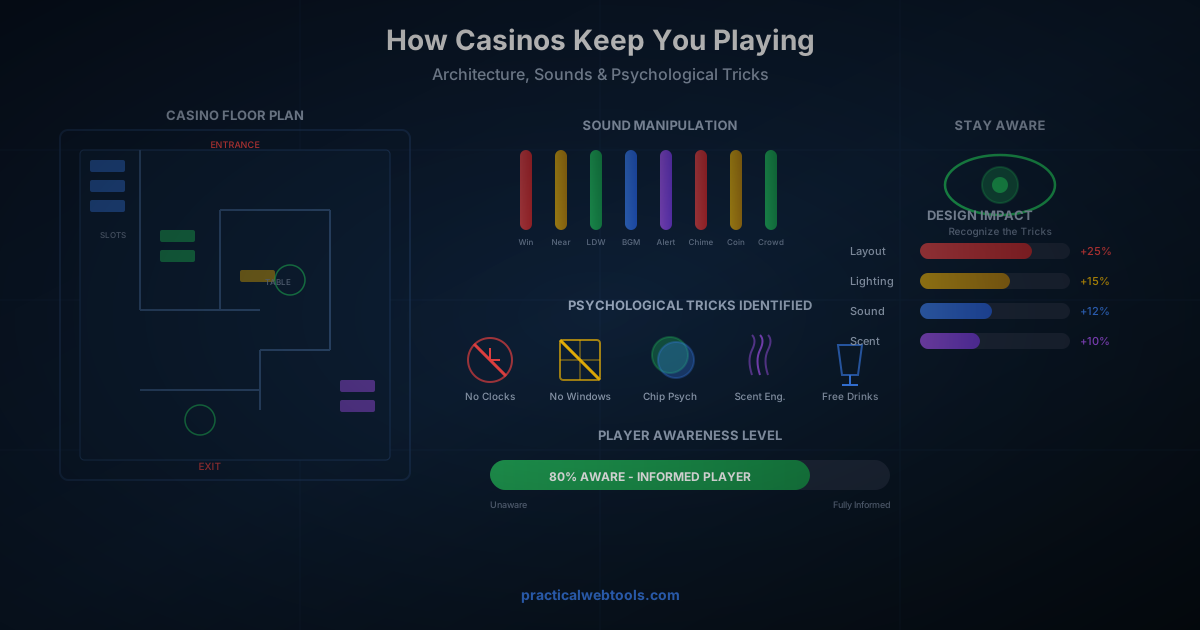
Is it true that casinos pump oxygen into the air to keep you awake? This is a persistent myth. Casinos do not pump additional oxygen into the air. However, they do use scent engineering (pumping pleasant fragrances through HVAC systems) and carefully controlled lighting and temperature to reduce fatigue. The "oxygen" myth likely originated from the observation that people feel unusually alert on the casino floor, which is actually caused by sensory stimulation, adrenaline, and designed environmental factors.
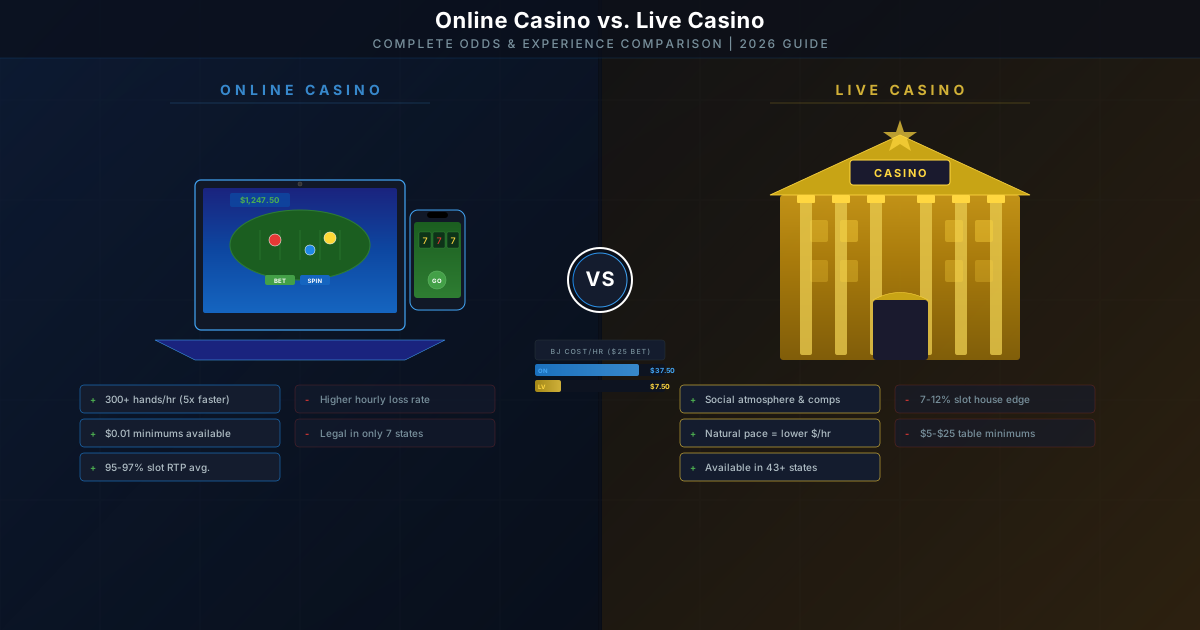
Should I play online before visiting a physical casino? Playing free/demo versions of casino games online can help you learn the rules and practice basic strategy without risking real money. However, the physical casino experience is very different from online play. The social dynamics, pace of play, chip handling, and environmental stimulation are all unique to in-person gambling. Consider free play as rule practice, not as a full simulation of the real experience.
How much should I tip the dealer if I am losing? Tipping when losing is appreciated but not expected at the same rate as when winning. A $1-2 tip when leaving the table is a courteous gesture even after a losing session. If you are on a strict budget and losing, dealers understand reduced tipping. The key is to be polite and appreciative regardless of your results.
Can I sit at a table and just watch without playing? Generally, no. Casino table seats are for active players. However, you can stand behind the table and observe. This is common and accepted behavior. Some casinos have designated viewing areas near popular table games. Watching several hands before sitting down is one of the smartest things a first-timer can do.
What happens if I make a mistake at the table? The dealer will correct you. If you accidentally touch cards you should not, bet incorrectly, or make an illegal play, the dealer will politely explain the correct procedure. Surveillance cameras record everything, so mistakes are easily resolved. Dealers deal with beginners every day and are generally patient and helpful. Do not let fear of mistakes prevent you from trying table games.
Is there a minimum amount of time I need to play to earn comps? Most casinos begin rating your play after about 30 minutes at a table game. For slot machines, tracking begins immediately when you insert your card. The longer you play and the higher your average bet, the more comps you accumulate. Even a short session earns something, so always use your players club card.
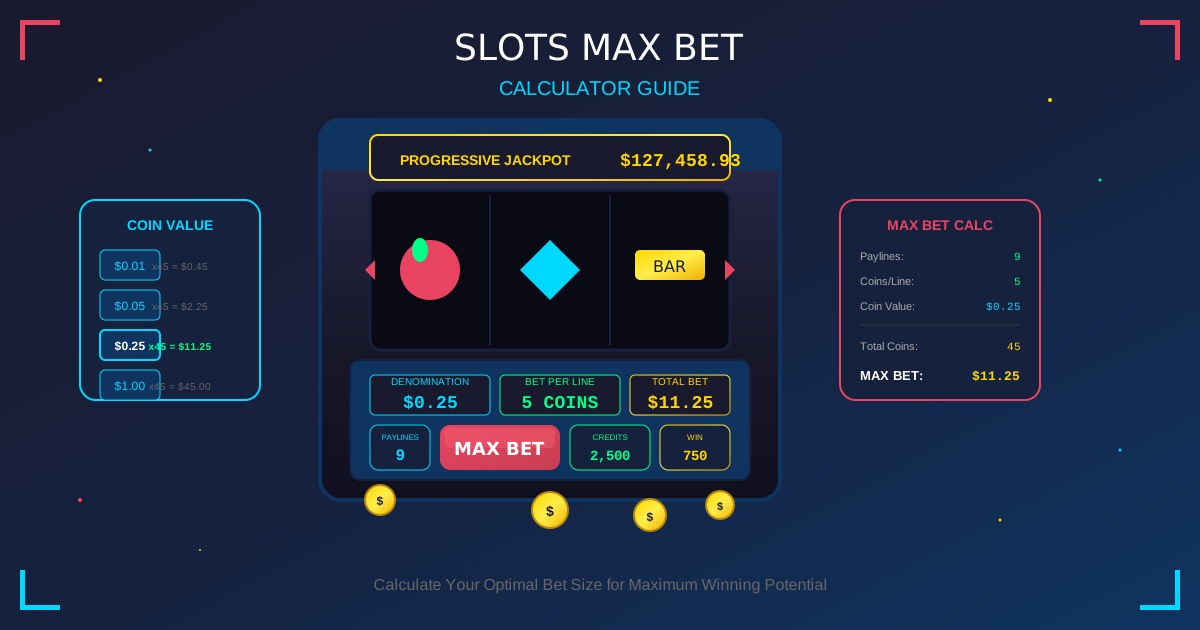
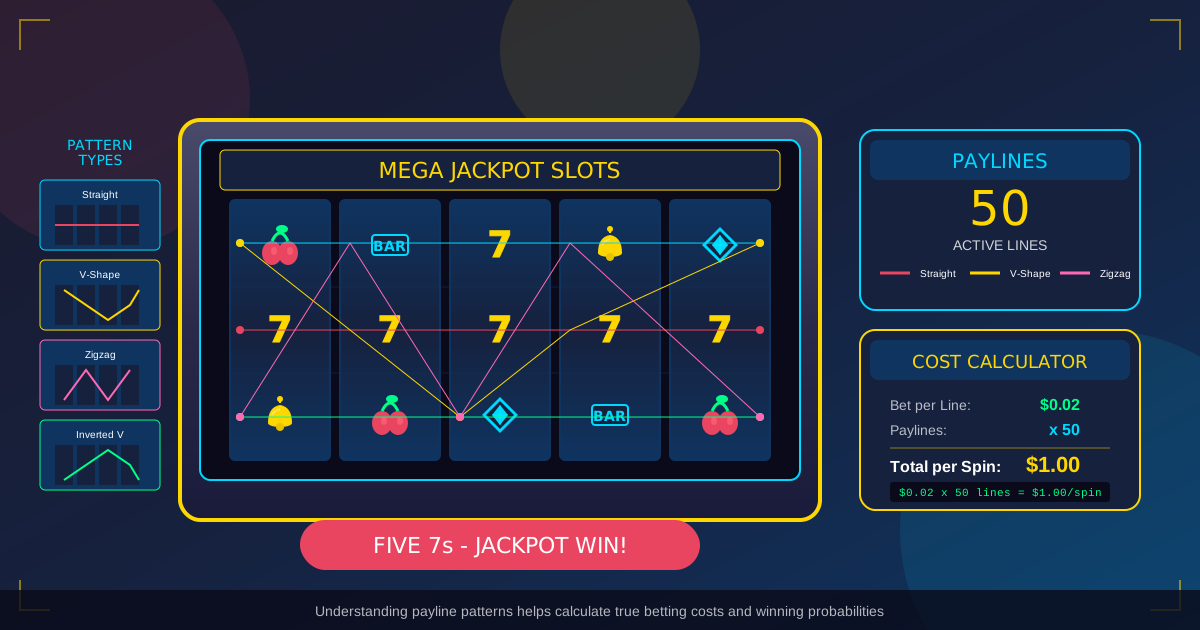
Are penny slots really cheap to play? Misleadingly so. While the base denomination is one cent, most penny slot machines have 20-50 paylines. The "minimum bet" is often $0.20-$0.50 per spin, and many features only activate at higher bet levels. At 500-600 spins per hour, even penny slots can cost $100-$300 per hour in action. Read the machine's information screen to understand the true cost per spin before playing.
Related Tools
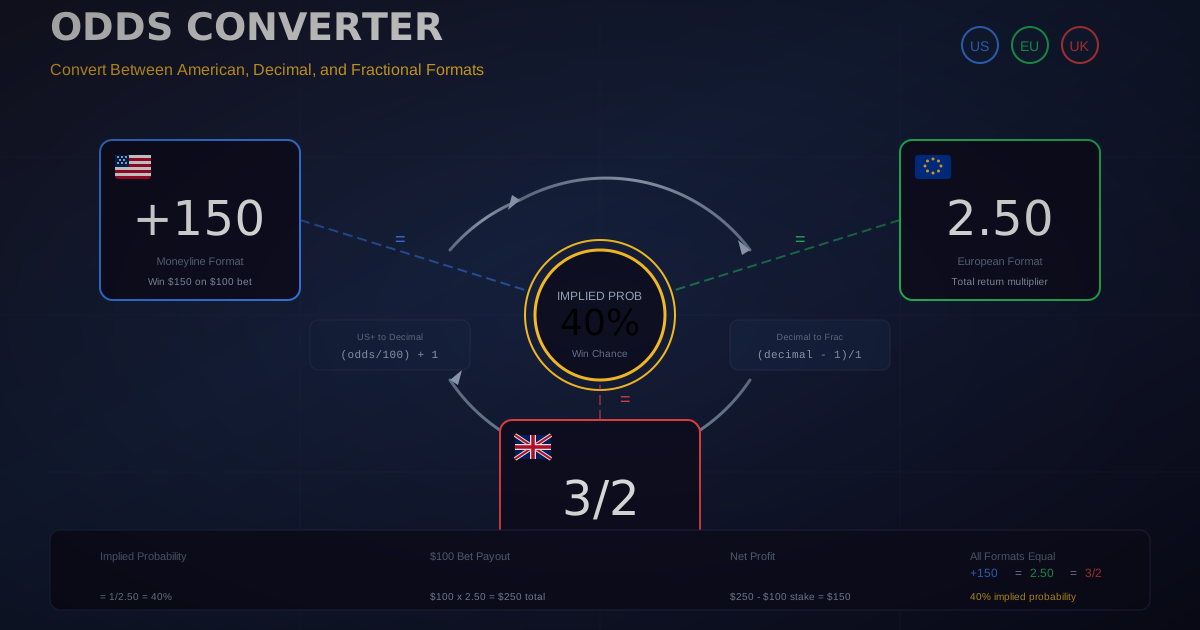
- Odds Converter: Convert between American, decimal, fractional, and implied probability formats instantly.
- Expected Value Calculator: Calculate the mathematical expectation of any wager to understand your true cost of play.
- Bankroll Volatility Tracker: Model your bankroll's expected swings and set session limits based on your risk tolerance.
- Blackjack Basic Strategy Calculator: Get the mathematically optimal play for every hand combination and rule set.
- Blackjack House Edge Calculator: See the exact house edge for any set of blackjack rules.
- Roulette House Edge Calculator: Compare house edges across European, American, and French roulette variants.
- Roulette Odds Calculator: Calculate the probability and payout for every roulette bet type.
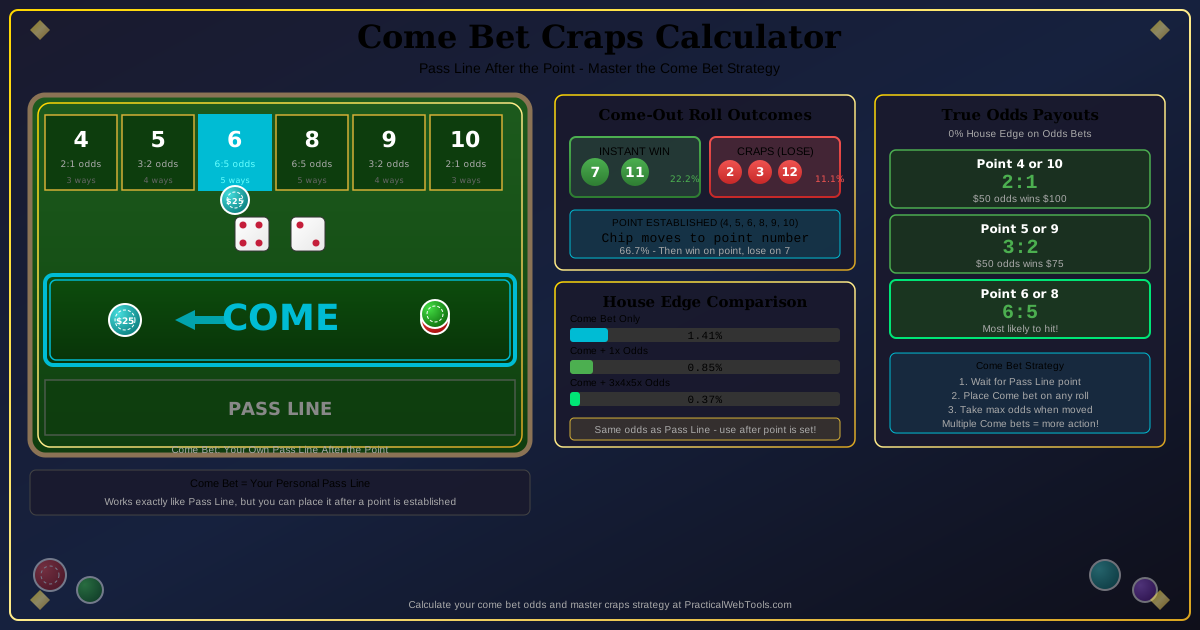
- Craps House Edge Calculator: Analyze every craps bet from pass line to proposition bets.
- Baccarat House Edge Calculator: Compare banker, player, and tie bet house edges with commission variations.
- Kelly Criterion Calculator: Determine mathematically optimal bet sizing to protect your bankroll.
- Poker Bankroll Requirements Calculator: Calculate how much you need for your first poker session.
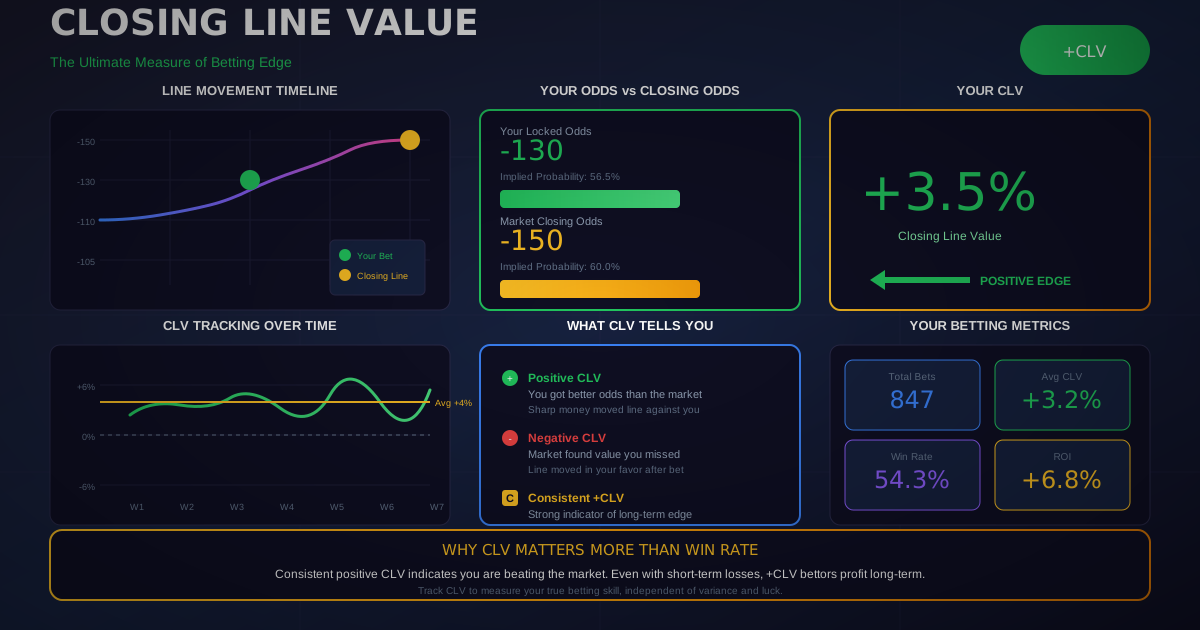
- CLV Tracker: Track your closing line value over time to measure decision quality objectively.
Your first casino visit should be an entertaining experience, not a financial disaster. With proper preparation, a firm budget, and realistic expectations, you can enjoy the atmosphere, try new games, and walk away with a great story regardless of whether you won or lost.
Explore all of our free gambling calculators and tools at Practical Web Tools to make your first casino visit a well-prepared one.
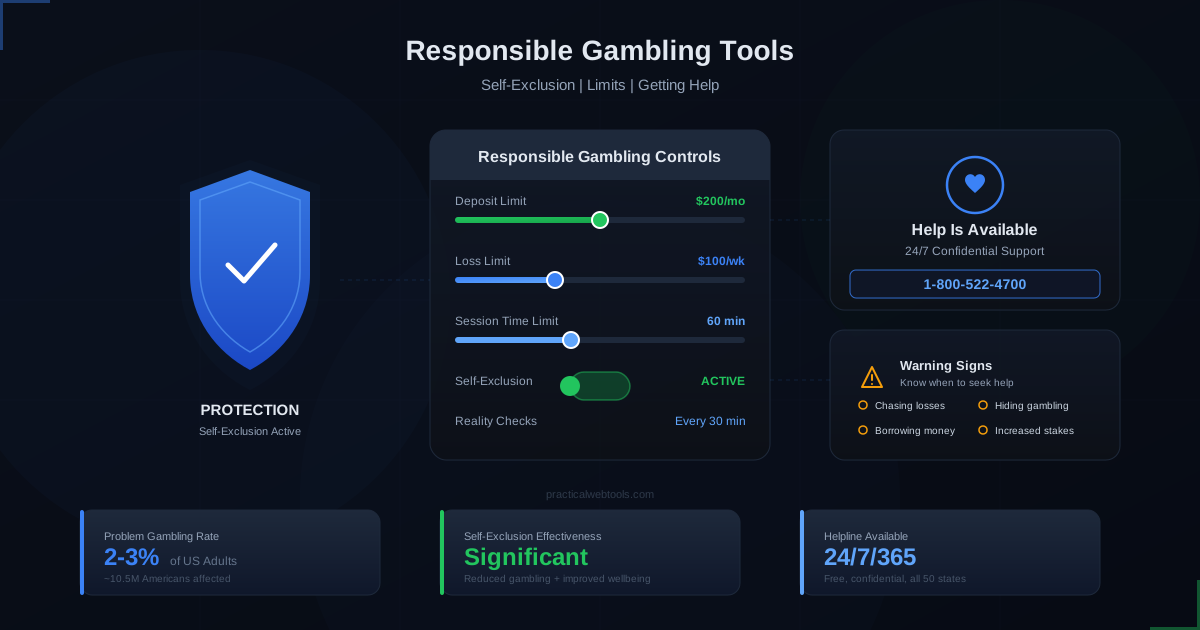
Gambling involves risk and should be approached as entertainment, not as a source of income. Always bet within your means, set strict bankroll limits, and never chase losses. If you or someone you know has a gambling problem, contact the National Council on Problem Gambling at 1-800-522-4700 or visit ncpgambling.org. Must be 21+ to gamble in most US jurisdictions. Please play responsibly.