Slots Volatility Calculator: Understanding Variance and Risk (2026)
Slots Volatility Calculator: Match Risk to Your Style
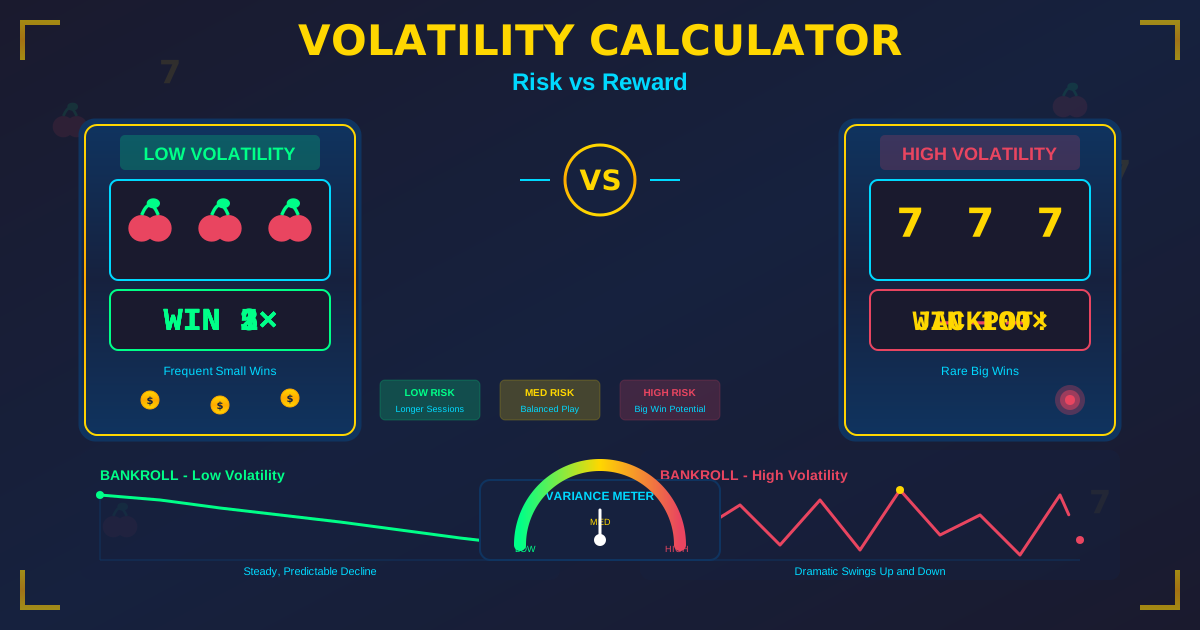
Volatility determines how slot wins are distributed—frequent small wins or rare big jackpots. Our calculator helps you understand variance levels and choose games that fit your bankroll and risk tolerance.
What Is Slot Volatility?
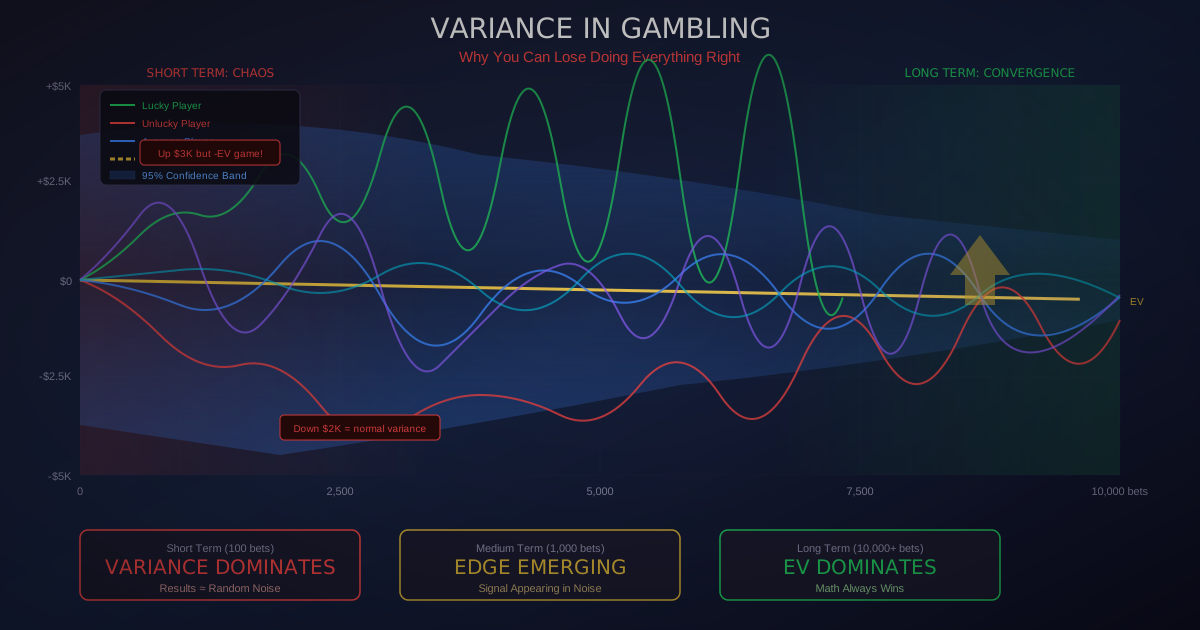
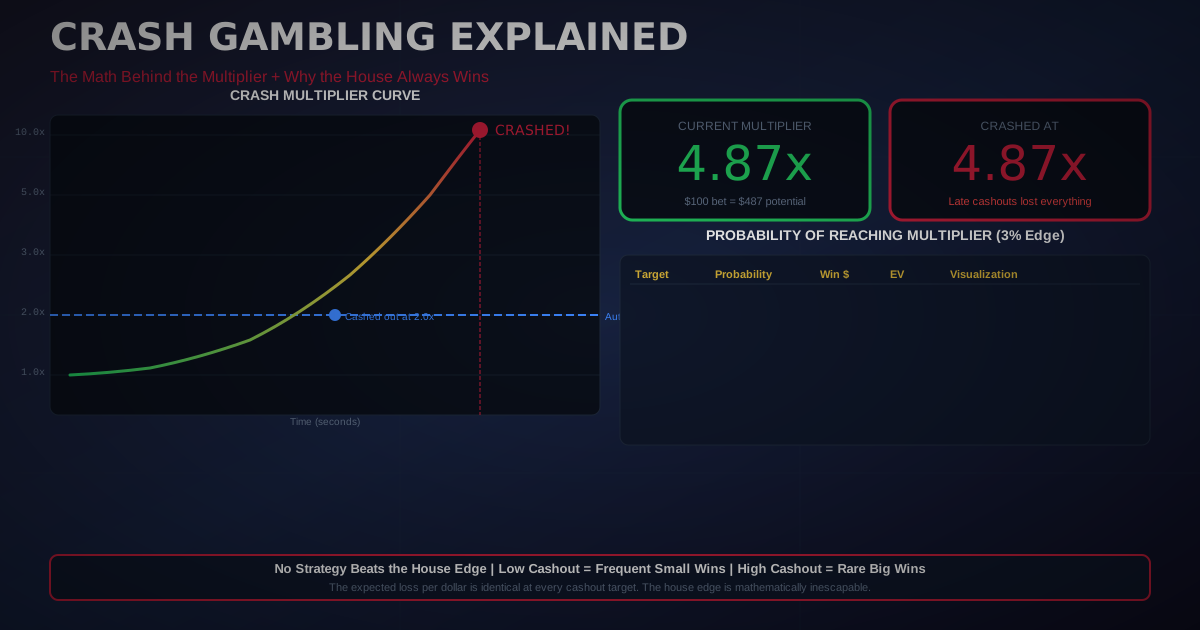
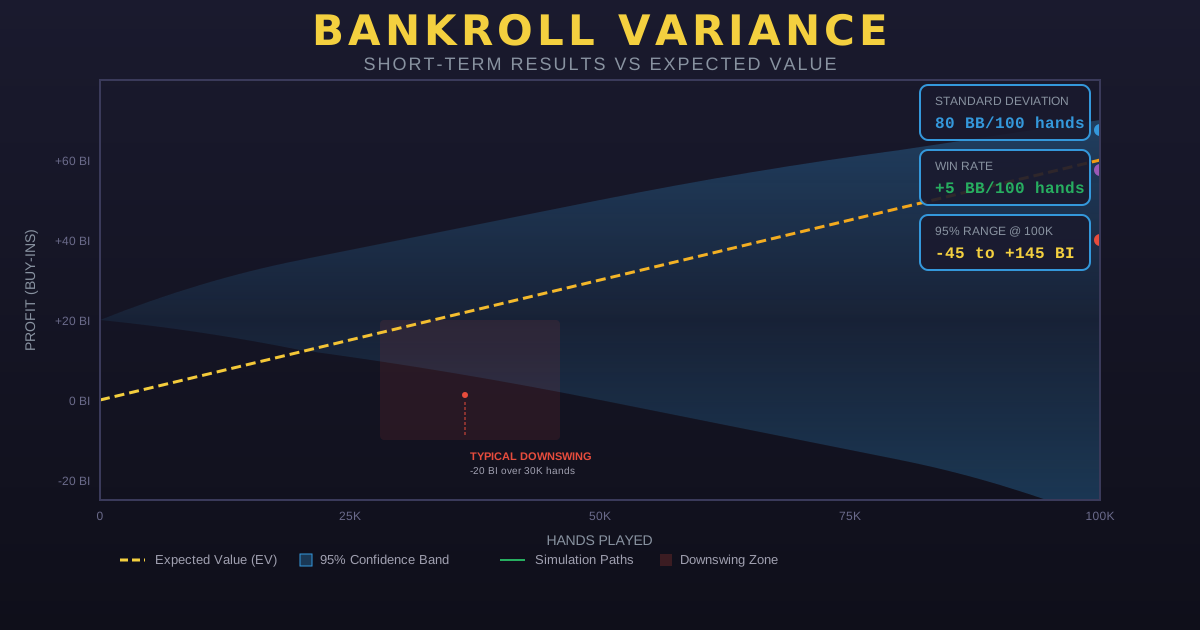
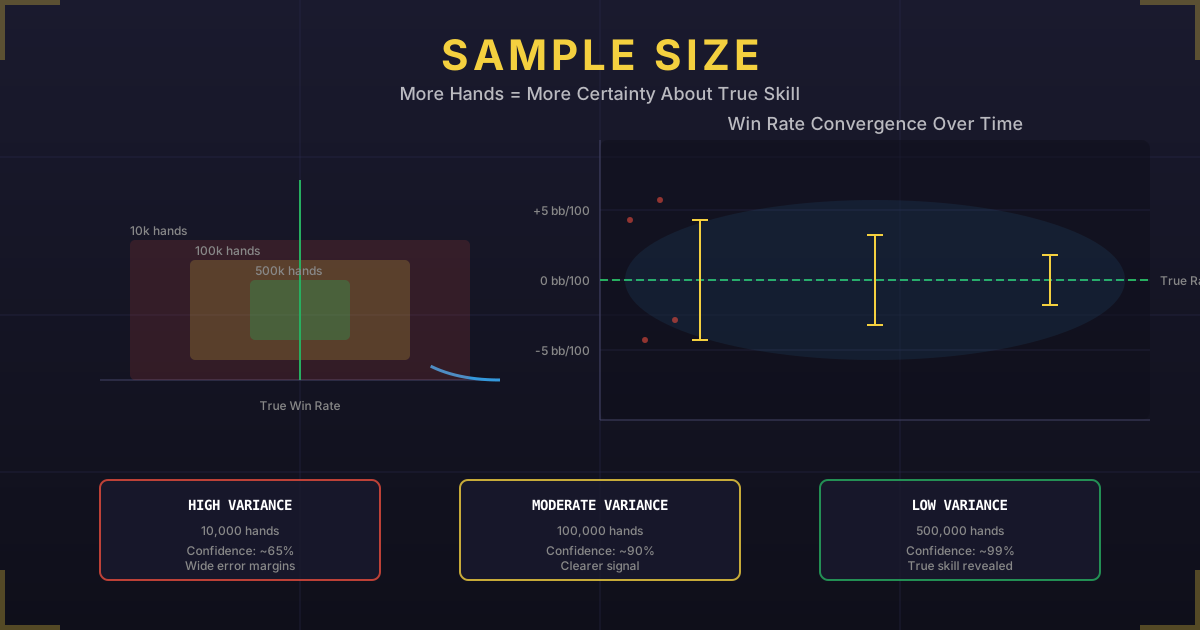
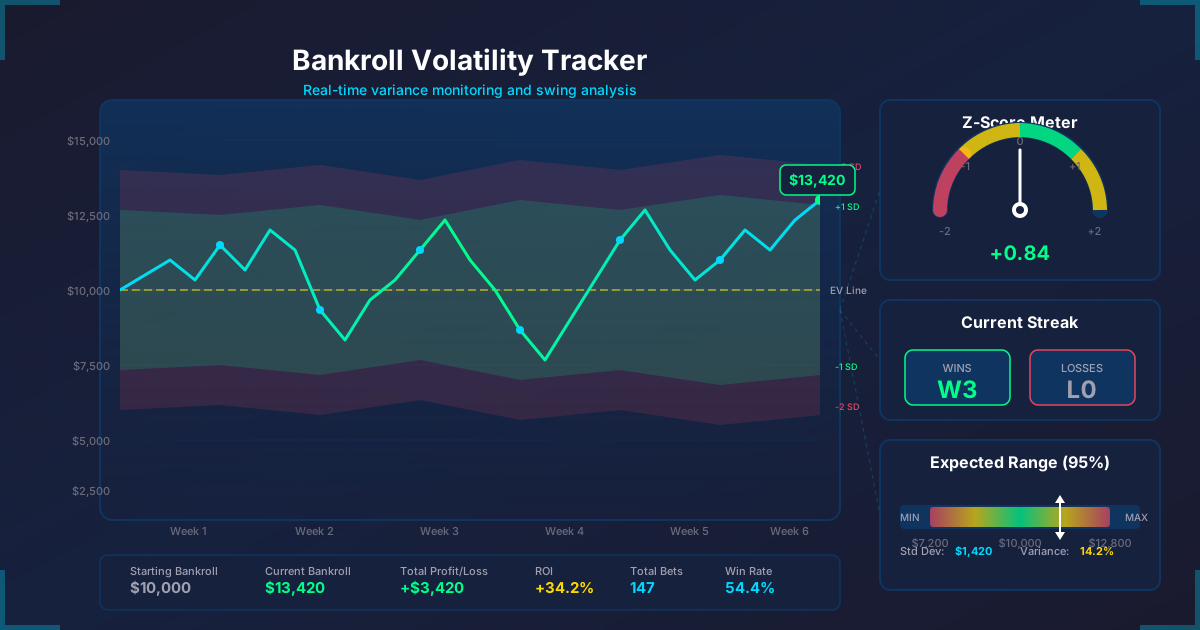
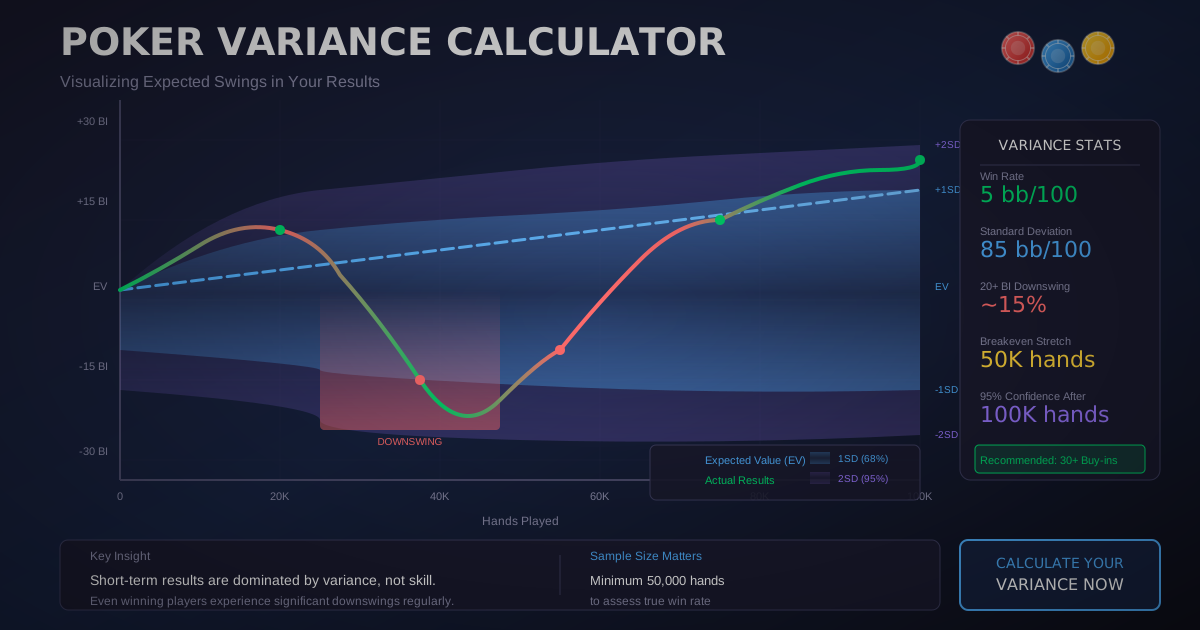
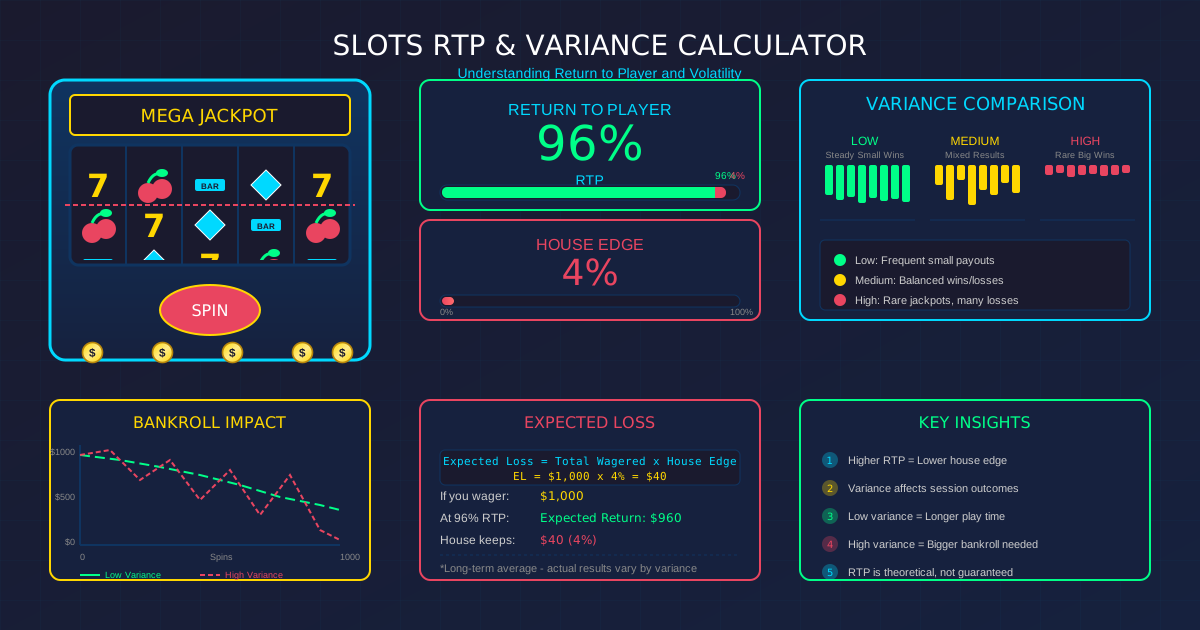
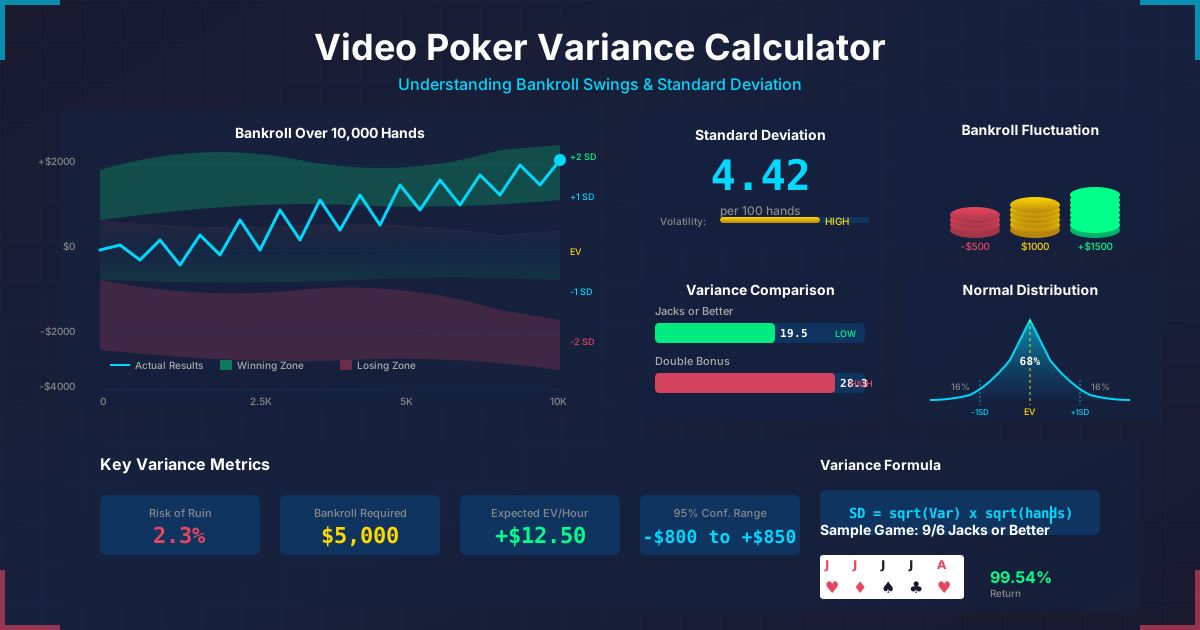
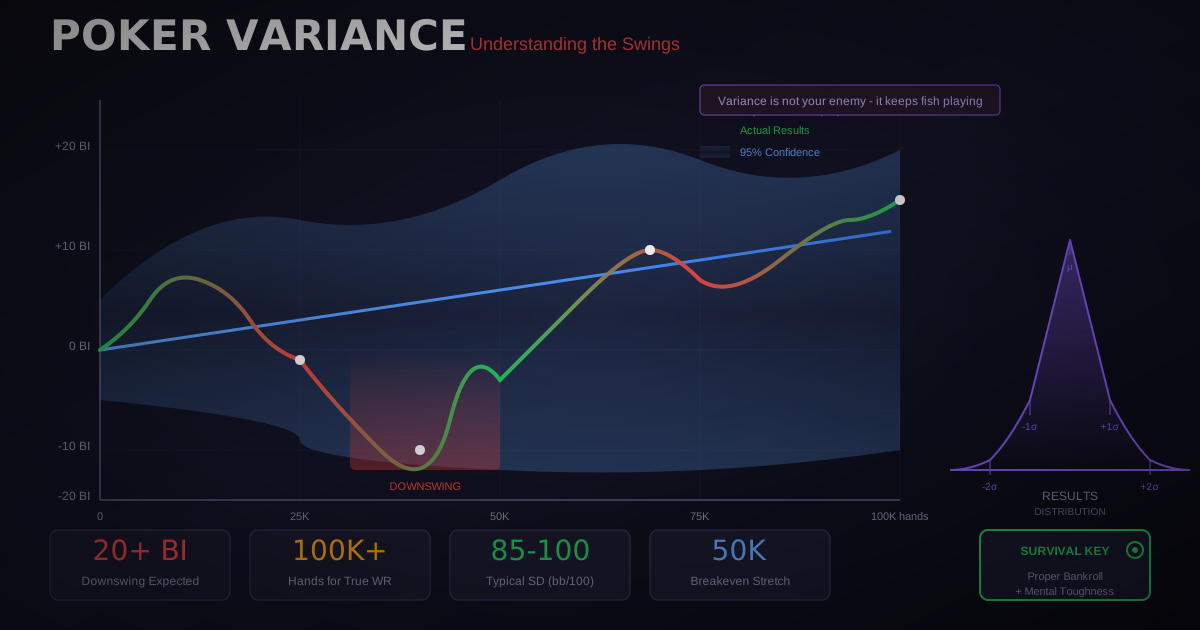
Volatility (or variance) measures the risk profile of a slot game. Low volatility means frequent small wins; high volatility means rare but larger payouts. Same RTP can feel completely different depending on volatility.
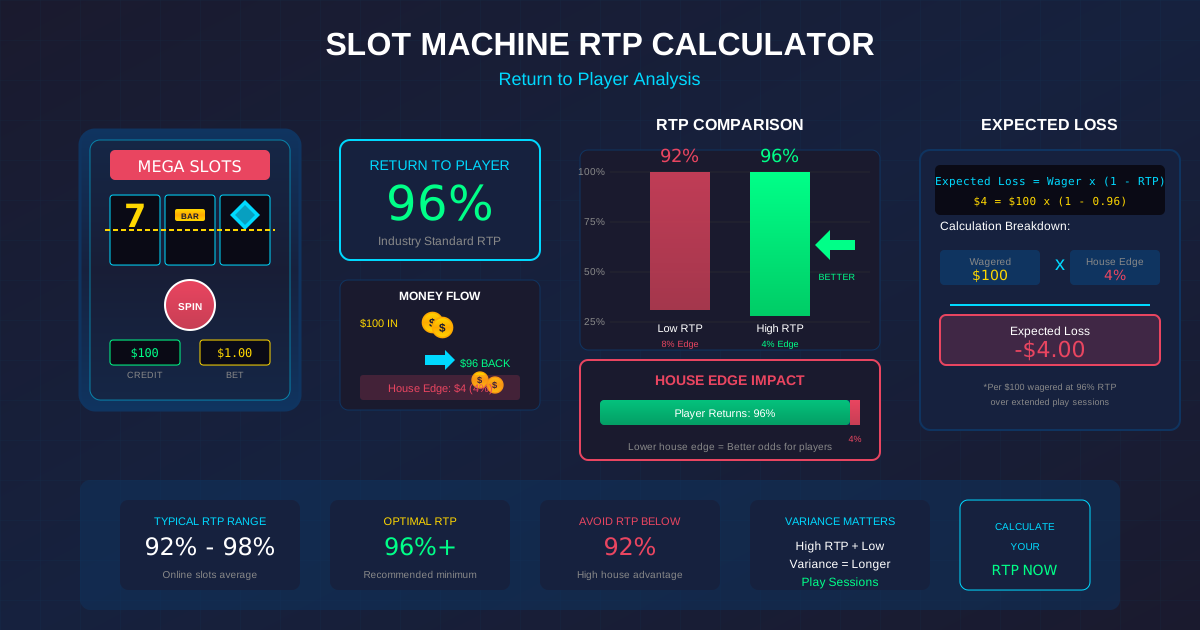
Quick Answer: Low volatility = steady play, frequent small wins, bankroll lasts longer. High volatility = boom or bust, long dry spells, potential big hits. Medium = balanced approach. A 96% RTP slot can be high or low volatility—same long-term return, completely different experience. Choose based on your session goals: entertainment time (low vol) or jackpot chasing (high vol).
How to Use Our Calculator
Use the Slots Volatility Calculator →
Enter game parameters to analyze volatility impact on your session.
Step-by-Step Instructions
-
Select Volatility Level: Low, medium, or high
-
Enter Bankroll: Your session budget
-
Set Bet Size: Per spin amount
-
View Expected Swings: Bankroll fluctuation range
-
See Session Duration: Estimated spins
Input Fields Explained
| Field | Description | Example |
|---|---|---|
| Volatility Level | Game risk profile | High |
| Session Bankroll | Starting amount | $100 |
| Bet Per Spin | Wager amount | $0.50 |
| Hit Frequency | Wins per spins | 25% |
| Expected Swings | Variance range | ±$80 |
| Session Length | Estimated spins | 150-400 |
Volatility Levels Explained
Low Volatility
Characteristics:
- Hit frequency: 35-45%
- Small to medium wins
- Rarely more than 50× bet
- Long sessions, gradual decline
- Good for limited bankrolls

Best for:
- Casual entertainment
- Meeting wagering requirements
- Extended play time
- Risk-averse players
Medium Volatility
Characteristics:
- Hit frequency: 25-35%
- Mix of small and medium wins
- Occasional 100×+ bet wins
- Balanced swings
- Moderate bankroll needs

Best for:
- Most players
- Balanced experience
- Some excitement, some stability
- Flexible budgets
High Volatility
Characteristics:
- Hit frequency: 15-25%
- Long losing streaks
- Potential massive wins (1000×+)
- Rapid bankroll swings
- Large bankroll required

Best for:
- Jackpot chasers
- Large bankrolls
- Risk-tolerant players
- Short session goals
Mathematical Breakdown
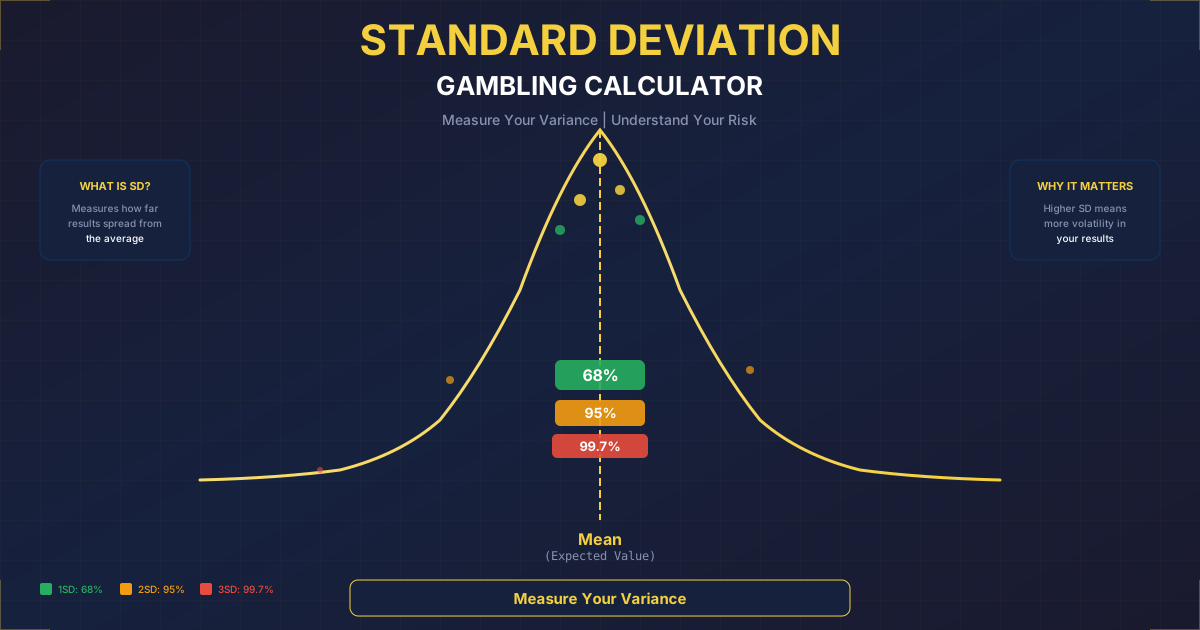
Standard Deviation
Low volatility SD: 3-5× bet
Medium volatility SD: 5-10× bet
High volatility SD: 10-20× bet

Higher SD = wider outcome distribution
Same average, different spread
Session Outcome Distribution
100 spins, $1 bet, 96% RTP:

Low volatility:
Expected: -$4
Likely range: -$15 to +$10
Rare: -$30 or +$30

High volatility:
Expected: -$4
Likely range: -$70 to +$100
Rare: -$100 or +$500
Real-World Examples
Example 1: Low Volatility Session
Game: Classic fruit slot Bankroll: $50 Bet: $0.25/spin
Typical session:
200 spins over 45 minutes
Hit 75 winning spins (37.5%)
Most wins: $0.25-$2.50
Largest win: $6.25 (25×)
Final bankroll: $42

Gradual decline, long entertainment
Example 2: High Volatility Session
Game: Megaways slot Bankroll: $50 Bet: $0.25/spin
Typical session:
Scenario A (common):
80 spins over 15 minutes
Hit 15 winning spins (19%)
Bankroll depleted quickly

Scenario B (occasional):
120 spins
One bonus round: $75 win
Final bankroll: $95

Feast or famine experience
Example 3: Same RTP, Different Feel
Two 96% RTP slots:
Slot A (Low Vol):
100 spins, $1 bet
65 wins averaging $0.90
10 wins averaging $2.50
Final: $83.50

Steady, predictable decline
Slot B (High Vol):
100 spins, $1 bet
18 wins averaging $1.50
2 bonus rounds: $0 and $45
Final: $72 OR $117

Wild swings, unpredictable
Example 4: Bankroll Requirements
Target: 2-hour session, $0.50 bets
Low volatility:
~400 spins needed
Bankroll: $50-75 likely sufficient
95% chance of 2+ hours

High volatility:
Could last 50 spins or 500
Bankroll: $150+ recommended
50% chance of 2+ hours
Choosing the Right Volatility
For Entertainment Time
Priority: Maximum play time
Choose: Low volatility
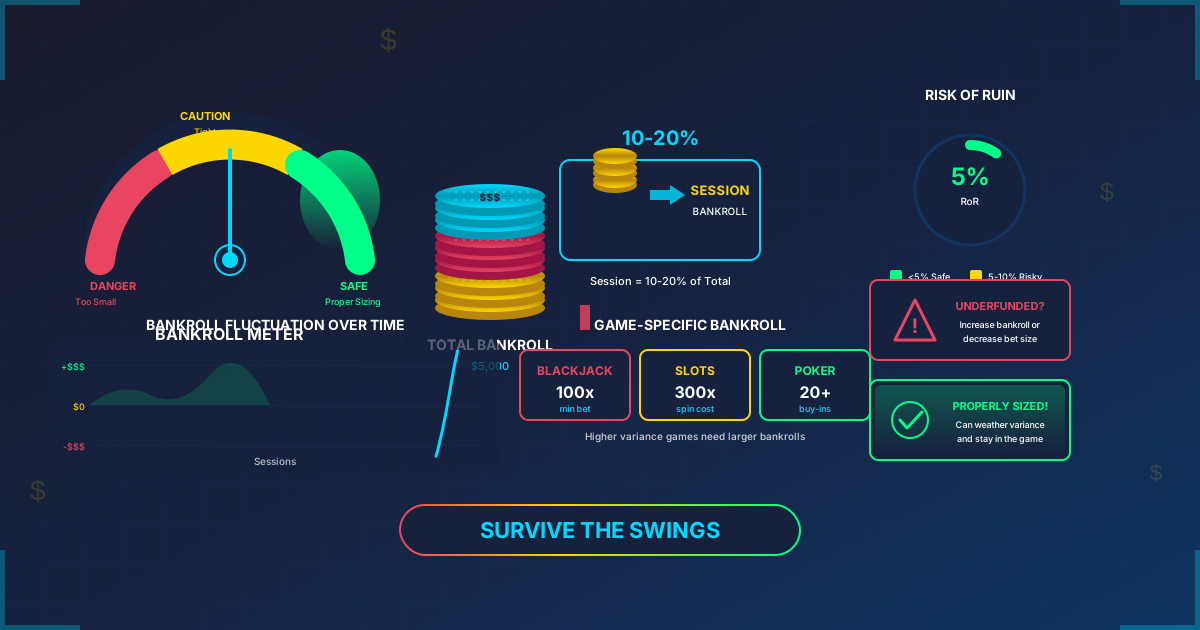
Bankroll: 100-150× bet size
Expect: Slow grind, occasional small wins
For Bonus Wagering
Priority: Meet requirements efficiently
Choose: Low volatility
Why: Fewer big swings, predictable loss rate
Avoid: High vol could bust before clearing
For Jackpot Hunting
Priority: Life-changing win potential
Choose: High volatility
Bankroll: 300-500× bet size minimum
Accept: Most sessions will lose
For Balanced Play
Priority: Some excitement, reasonable duration
Choose: Medium volatility
Bankroll: 150-200× bet size
Expect: Mix of outcomes
Identifying Volatility
Check Game Information
Most slots display volatility:
- Low / Medium / High
- 1-5 scale rating
- Variance indicator

Check paytable or game info screen
Analyze Paytable
High volatility indicators:
- Top symbol pays 50×+ per line
- Big gap between high/low symbols
- Fewer mid-range wins
- Bonus-heavy structure

Low volatility indicators:
- Top symbol pays 10-20× per line
- Many medium-paying symbols
- Frequent small multipliers
- Base game focused
Game Type Clues
Usually high volatility:
- Megaways slots
- Progressive jackpots
- Bonus-heavy games
- Grid/cluster slots

Usually low volatility:
- Classic 3-reel slots
- Simple fruit machines
- Frequent wild games
- Hold & spin features
Volatility and RTP Interaction
Same RTP, Different Experience
| Metric | Low Vol 96% | High Vol 96% |
|---|---|---|
| 100-spin range | -$20 to +$10 | -$80 to +$200 |
| Hit frequency | 40% | 20% |
| Max win potential | 500× | 10,000× |
| Bust risk (100 spins) | 5% | 30% |
| Big win chance | 1% | 5% |
Effective RTP Perception
Low volatility at 96%:
Most sessions return 90-100%
Feels "fair"

High volatility at 96%:
Most sessions return 0-50%
Occasional sessions return 300%+
Feels "rigged" or "amazing"

Same math, different experience
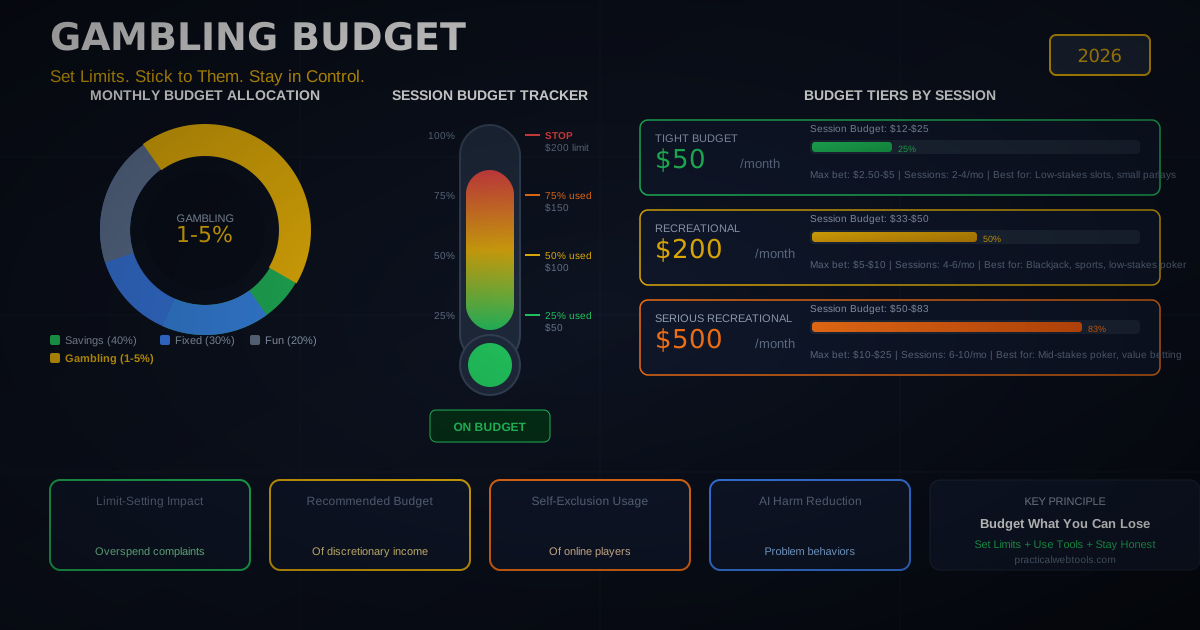
Bankroll Management by Volatility
Low Volatility
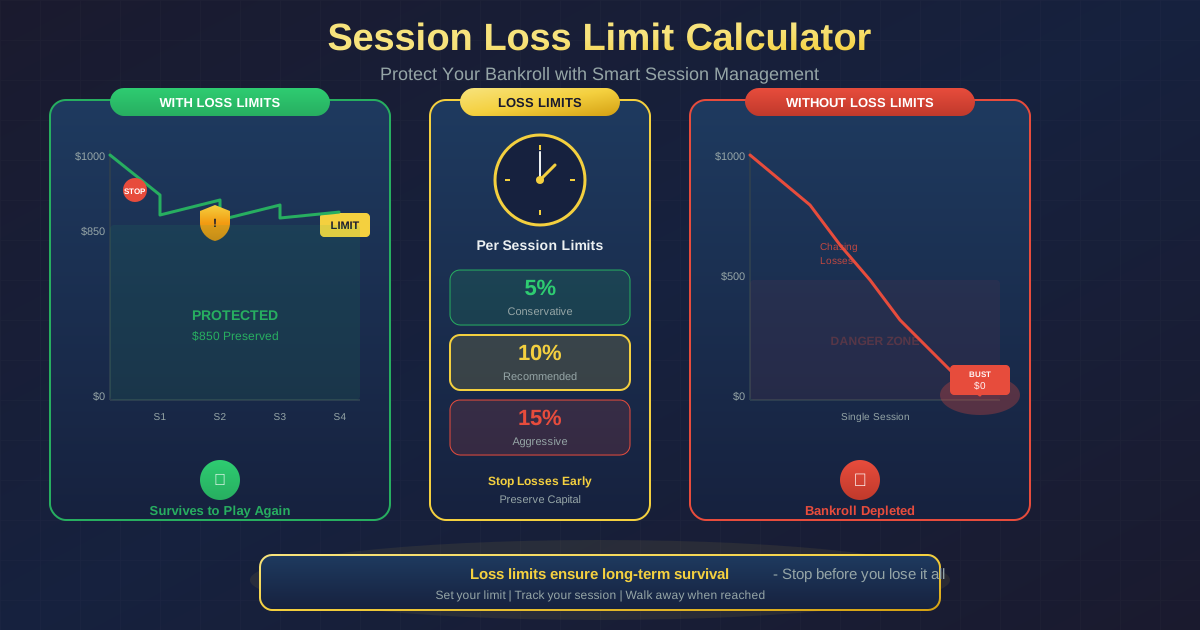
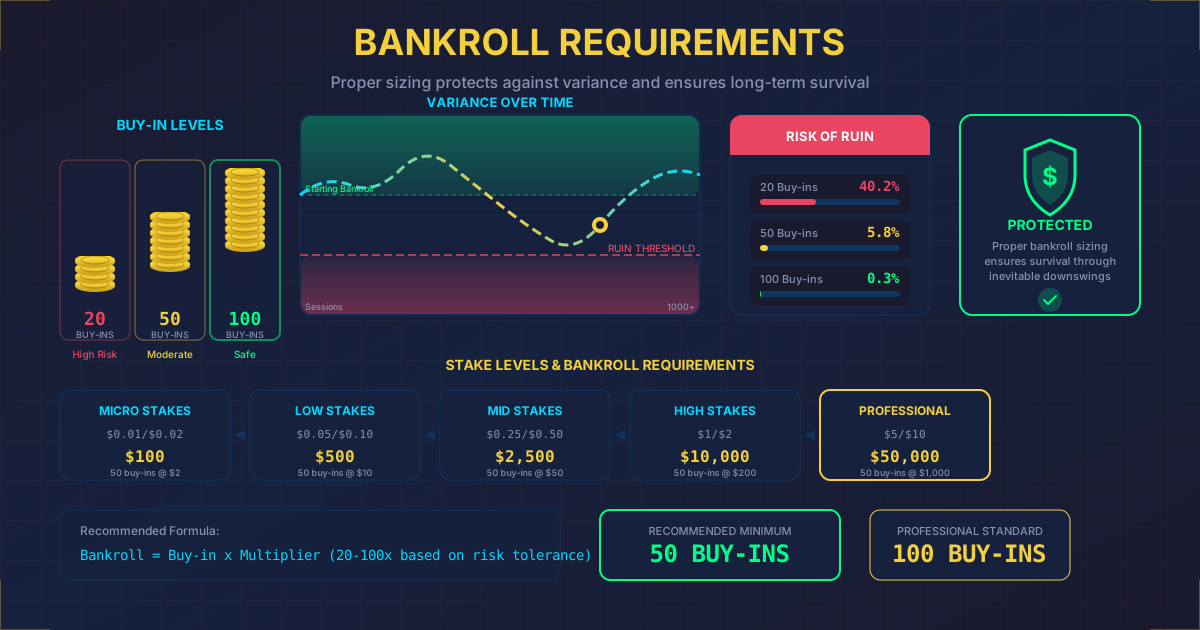
Session bankroll: 100× bet size
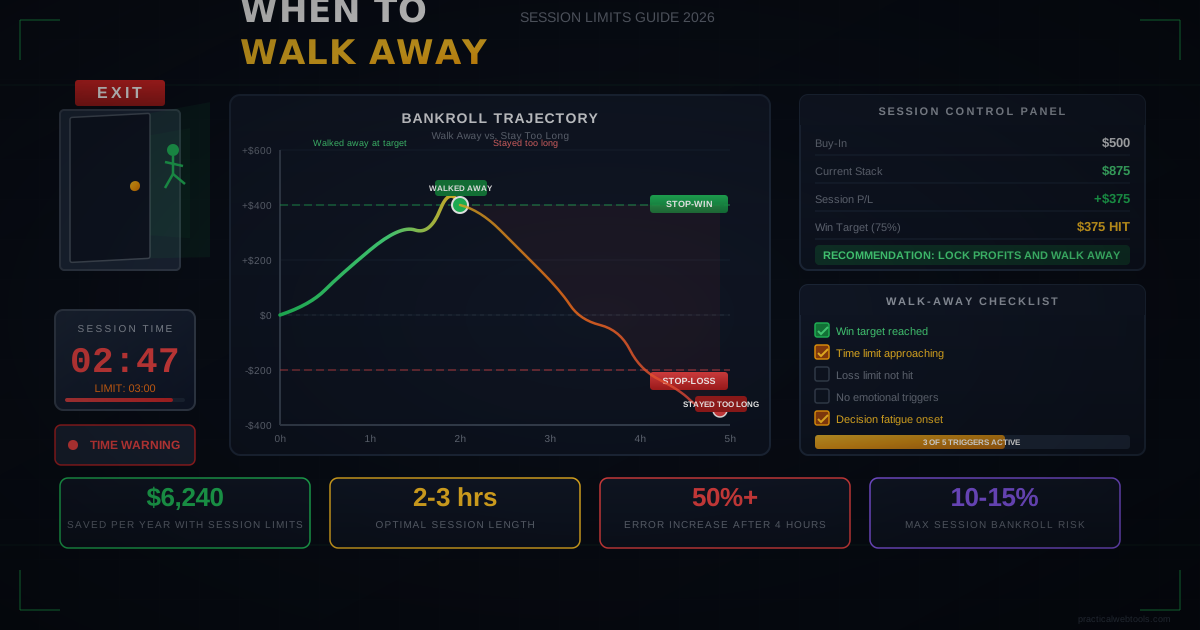
Stop-loss: 50% of bankroll
Take profit: 150% of starting

$50 bankroll, $0.50 bets
Stop at: $25 remaining
Profit goal: $75
Medium Volatility
Session bankroll: 150× bet size
Stop-loss: 60% of bankroll
Take profit: 200% of starting

$75 bankroll, $0.50 bets
Stop at: $30 remaining
Profit goal: $150
High Volatility
Session bankroll: 250-300× bet size
Stop-loss: Accept total loss
Take profit: 300%+ or nothing

$125 bankroll, $0.50 bets
Accept: Might lose it all
Goal: Major win or bust
Common Mistakes
1. High Vol on Small Bankroll
Mistake: Play high volatility with limited funds Problem: Likely bust before any big win Fix: Match volatility to bankroll size
2. Low Vol Expecting Jackpots
Mistake: Chase big wins on low volatility Problem: Max wins are capped lower Fix: Accept trade-off: stability vs upside
3. Ignoring Volatility Entirely
Mistake: Choose slots by theme only Problem: Mismatch between expectation and experience Fix: Check volatility before playing
4. Changing Volatility Mid-Session
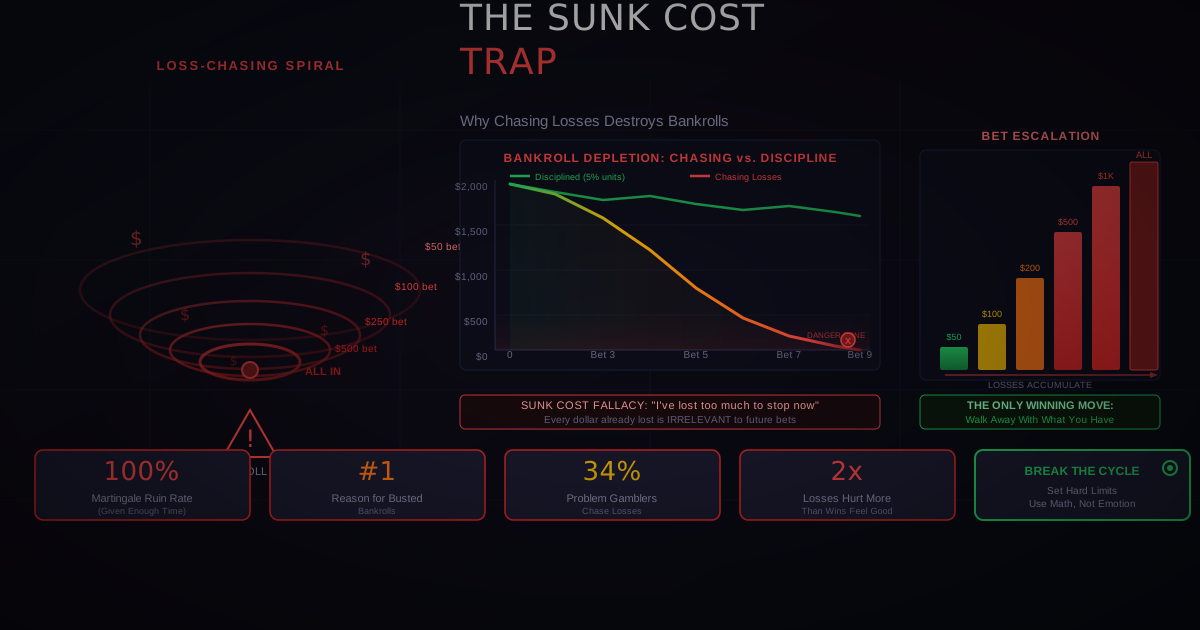
Mistake: Switch from low to high after losses Problem: Chasing losses with more risk Fix: Decide volatility before starting
Frequently Asked Questions
Does higher volatility mean lower RTP?
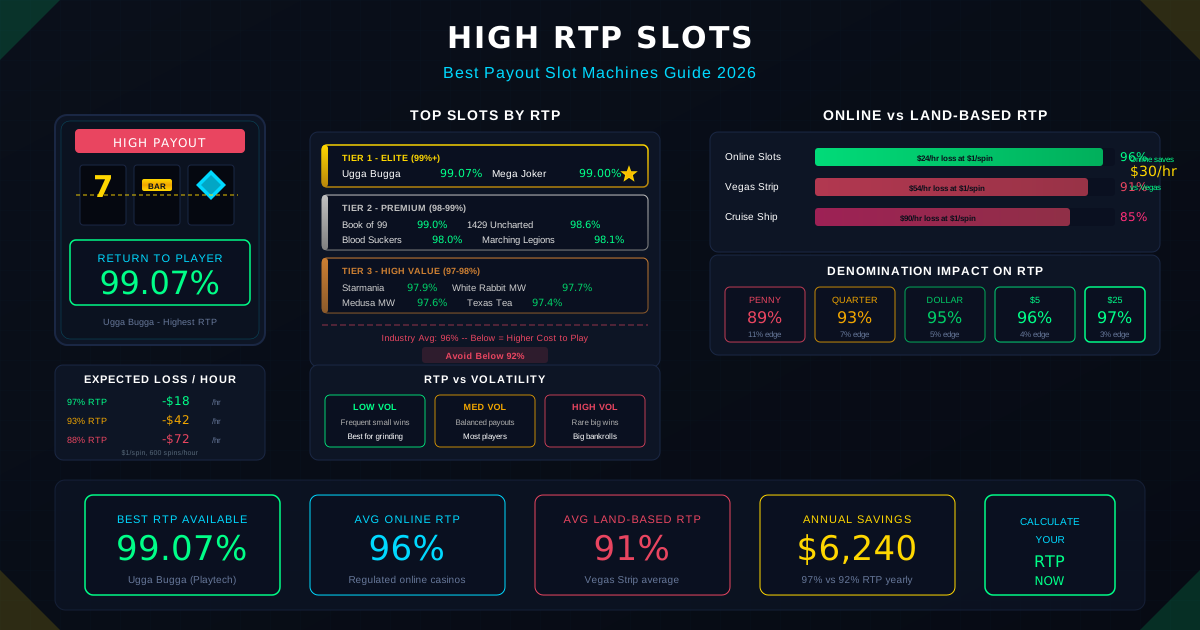
No. Volatility and RTP are independent. A high-volatility slot can have 96% RTP just like a low-volatility slot.
Which volatility is "best"?
Neither. Low volatility suits entertainment seekers; high volatility suits jackpot chasers. Choose based on your goals.
Can I tell volatility from playing?
Eventually. If you're hitting wins frequently but they're small, it's low volatility. Long dry spells with occasional big hits = high volatility.
Do online and land-based slots differ?
Online slots often display volatility clearly. Land-based machines rarely do. Online tends to have more high-volatility options.
How does volatility affect bonus rounds?
High-volatility slots often have higher bonus potential but trigger less frequently. Low-volatility bonuses trigger often but pay less.
Should beginners play low volatility?
Generally yes. Low volatility provides longer entertainment on smaller bankrolls, letting you learn without rapid losses.
Pro Tips
-
Check volatility before playing: Know what you're getting into
-
Match bankroll to volatility: Higher variance needs more cushion
-
Set realistic expectations: High vol usually loses, occasionally wins big
-
Time your goals: Entertainment = low vol, jackpot dreams = high vol
-
Don't chase volatility: Stick with your choice for the session
Related Calculators
- Slots RTP Calculator - Return analysis
- Slots Bonus Calculator - Bonus math
- Gambling Bankroll Calculator - Session sizing
- Expected Value Calculator - EV fundamentals
- House Edge Calculator - Edge comparison
Conclusion
Slot volatility determines your session experience more than almost any other factor. Our calculator helps you understand variance levels, estimate bankroll requirements, and choose games that match your playing style and goals.
Calculate Slots Volatility Now →
Same RTP, completely different experience. Low volatility gives you time; high volatility gives you potential. Neither is better—just different tools for different goals. Our calculator ensures you pick the right variance for your session.