Poker Continuation Bet Calculator: C-Bet Strategy Guide (2026)
Poker Continuation Bet Calculator: Master the C-Bet
The continuation bet is poker's most fundamental post-flop play. Our calculator helps you determine optimal c-bet sizing, frequency, and whether a specific board favors betting or checking.
What Is a Continuation Bet?
A continuation bet (c-bet) is a bet made by the pre-flop aggressor on the flop, continuing their aggression regardless of whether the flop helped their hand. It's both value bet and bluff simultaneously.
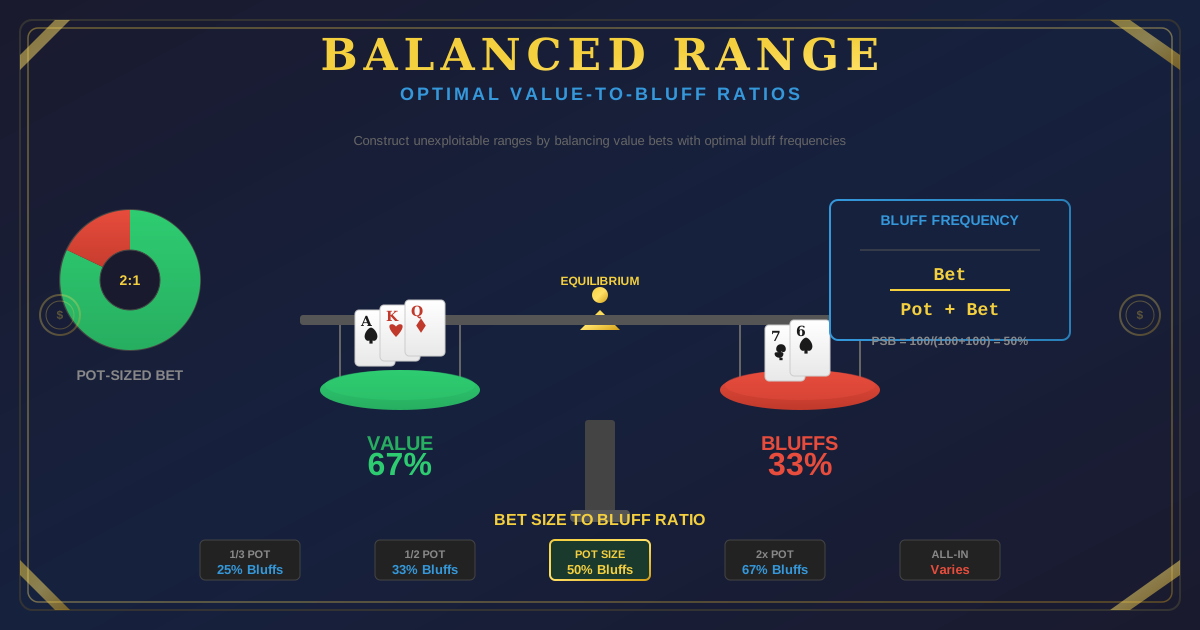
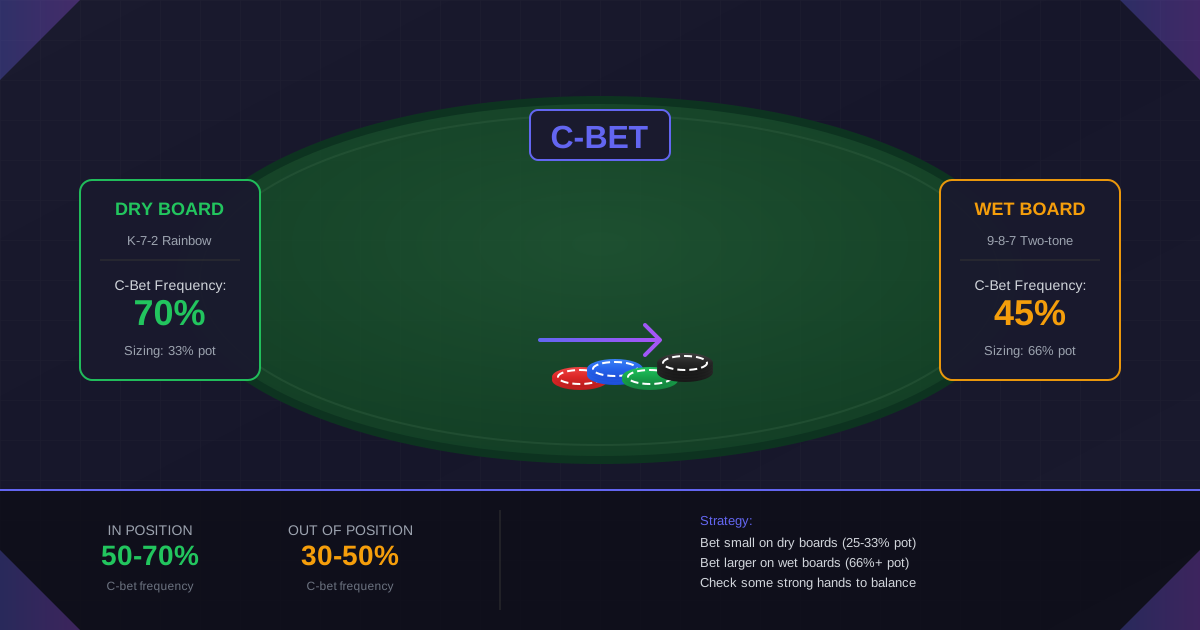
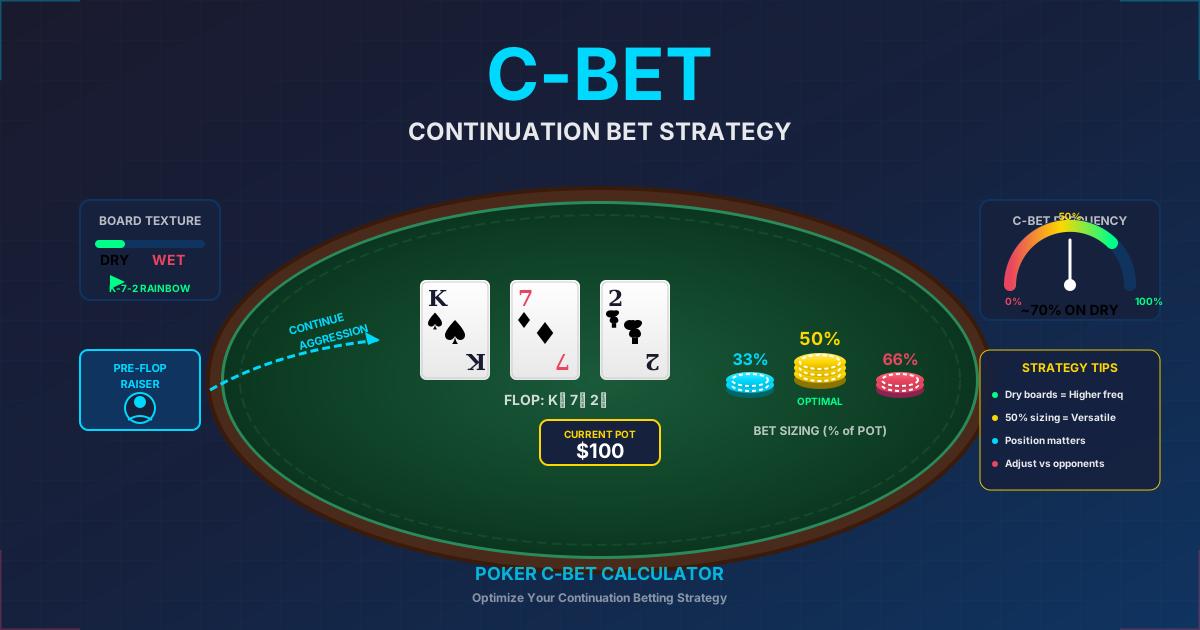
Quick Answer: Optimal c-bet frequency is 50-70% heads-up, 30-50% multi-way. Size should be 25-75% of pot depending on board texture. Dry boards (K72r) favor smaller, frequent c-bets. Wet boards (JT9ss) require larger, less frequent c-bets. Your c-bet range should contain both value hands and bluffs—typically 2:1 ratio on most boards.
How to Use Our C-Bet Calculator
Use the Poker Continuation Bet Calculator →
Enter hand details and board texture to get optimal c-bet sizing and frequency.
Step-by-Step Instructions
-
Enter Board Cards: Flop texture
-
Input Pot Size: Current pot
-
Select Position: IP or OOP
-
Specify Opponents: Heads-up or multi-way
-
View Recommendation: Size and frequency
Input Fields Explained
| Field | Description | Example |
|---|---|---|
| Board | Flop cards | K♥ 7♦ 2♣ |
| Pot Size | Current pot | $50 |
| Position | In/out of position | In position |
| Opponents | Number facing | 1 |
| Recommended Size | Optimal bet | $17 (33%) |
| C-Bet Frequency | How often to bet | 70% |
C-Bet Sizing by Board Texture
Dry Boards (Unconnected, Rainbow)
| Board Example | Sizing | Frequency |
|---|---|---|
| K-7-2 rainbow | 25-33% pot | 70-80% |
| A-6-2 rainbow | 25-33% pot | 65-75% |
| Q-4-3 rainbow | 30-40% pot | 60-70% |
Why small bets work:
- Few draws to protect against
- Opponents have limited calling range
- Small bets achieve same fold equity
Wet Boards (Connected, Suited)
| Board Example | Sizing | Frequency |
|---|---|---|
| J-T-9 two-tone | 60-75% pot | 40-50% |
| 8-7-6 rainbow | 55-70% pot | 45-55% |
| K-Q-J suited | 65-80% pot | 35-45% |
Why larger bets needed:
- Many draws to charge
- Opponents have wider continuing ranges
- Need to deny equity
Medium Boards
| Board Example | Sizing | Frequency |
|---|---|---|
| Q-9-4 two-tone | 40-50% pot | 55-65% |
| T-7-2 two-tone | 35-45% pot | 60-70% |
| A-8-5 rainbow | 33-45% pot | 55-65% |
C-Bet Frequency Guidelines
Heads-Up (IP)
| Situation | Frequency |
|---|---|
| Dry ace-high | 70-80% |
| Dry king-high | 65-75% |
| Paired boards | 55-70% |
| Medium texture | 55-65% |
| Very wet | 35-50% |
Heads-Up (OOP)
| Situation | Frequency |
|---|---|
| Dry ace-high | 55-65% |
| Dry boards | 45-60% |
| Medium texture | 40-55% |
| Wet boards | 25-40% |
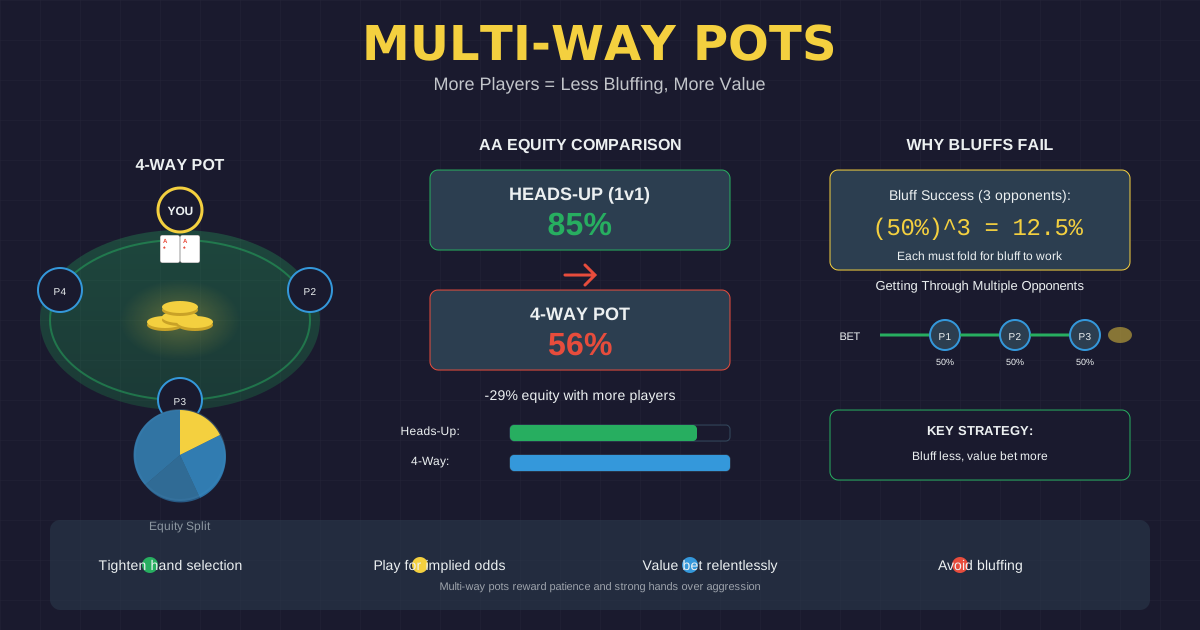
Multi-Way Pots
| Opponents | Frequency Reduction |
|---|---|
| 2 opponents | Reduce by 20-30% |
| 3+ opponents | Reduce by 40-50% |
Example:
- HU frequency: 70%
- 3-way frequency: 35-45%
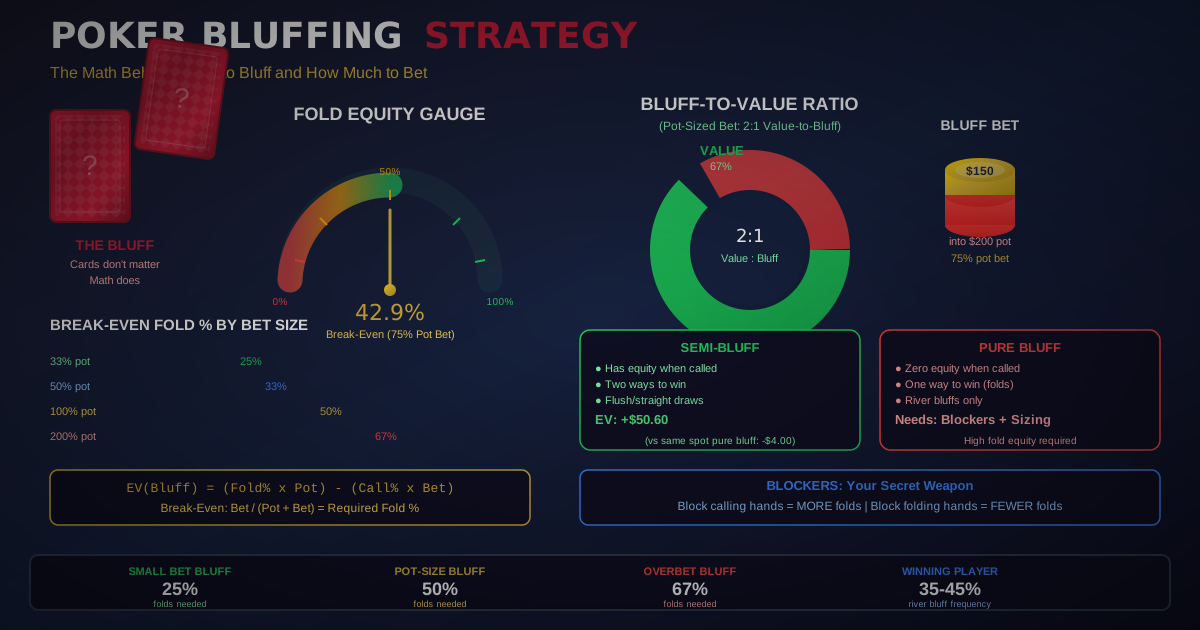
Value-to-Bluff Ratio
Optimal C-Bet Range
Board: K♥ 7♦ 2♣
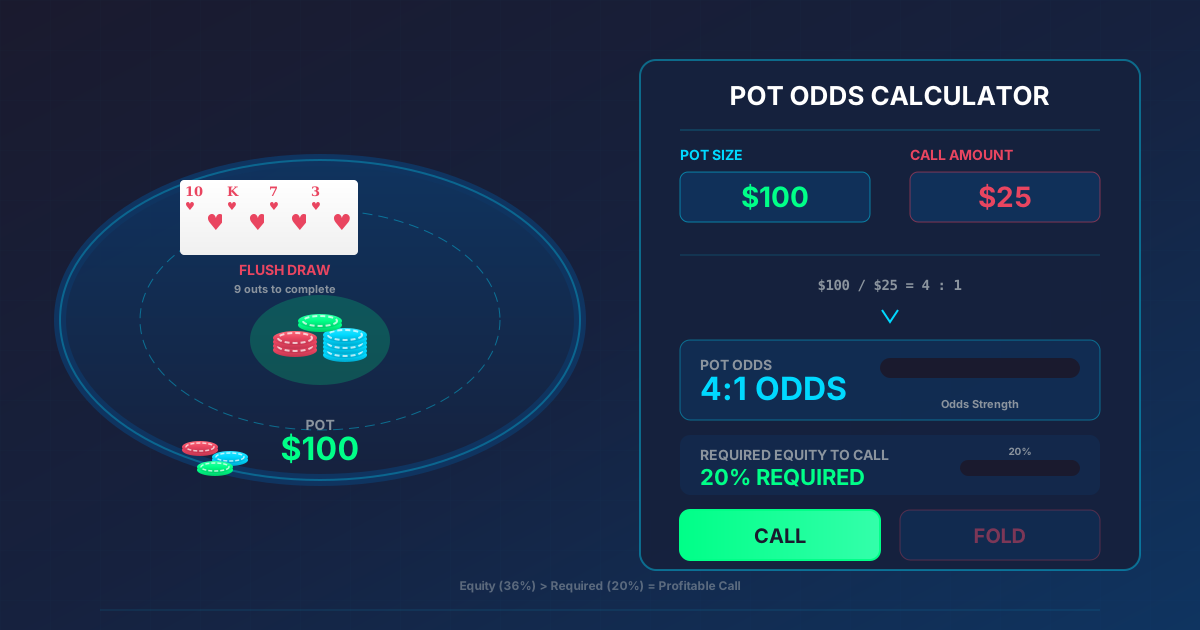
Bet size: 33% pot (offering 4:1)

Opponent needs 20% equity to call
Your range should be ~80% value, ~20% bluff? No...

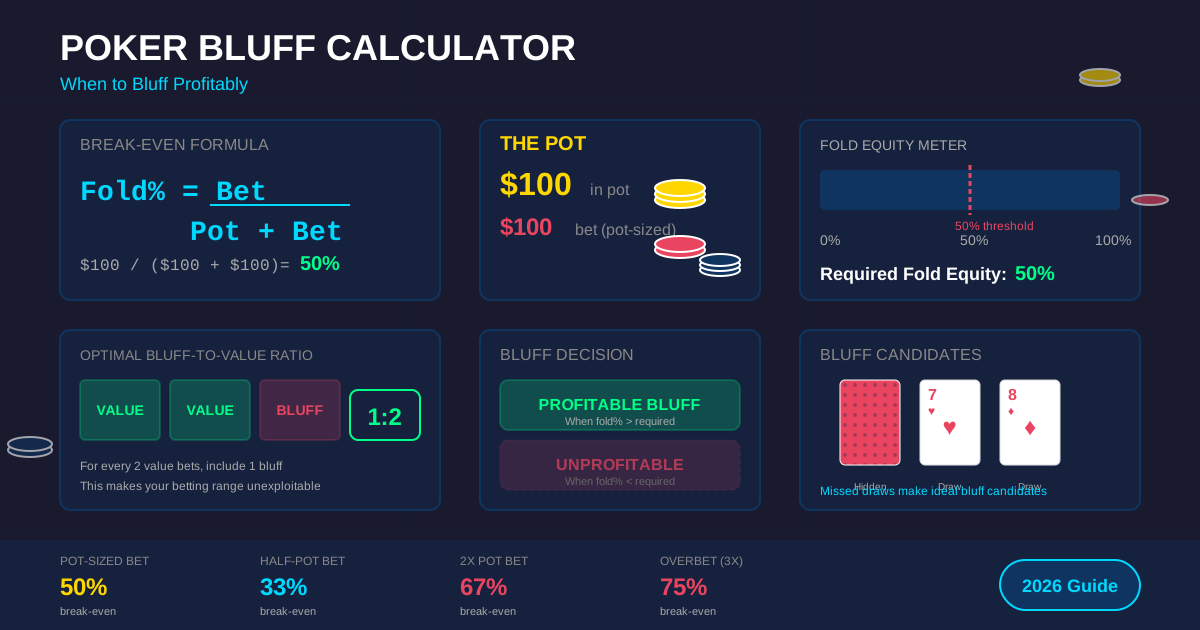
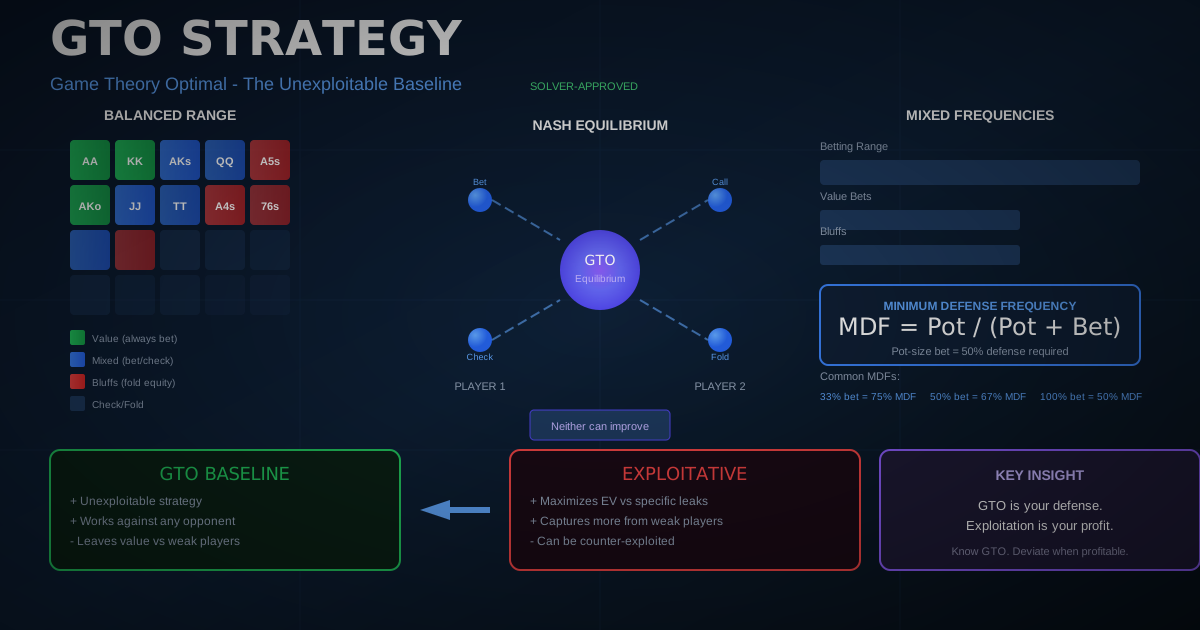
Defense frequency: 1 - (bet / (pot + bet))
= 1 - (33 / 133) = 75% defense

Your bluffs should be: hands with equity when called
Simplified Ratios
| Board Type | Value : Bluff |
|---|---|
| Dry | 1 : 1 |
| Medium | 1.5 : 1 |
| Wet | 2 : 1 |
Real-World Examples
Example 1: Dry Board C-Bet
Situation:
- You raised pre: AK
- Flop: K♥ 8♣ 3♦
- Pot: $30
- Heads-up, in position
Analysis:
- Dry board favors pre-flop raiser
- Small sizing achieves fold equity
- High frequency correct
Action: Bet $10 (33%), c-bet with 75% of range
Example 2: Wet Board Check
Situation:
- You raised pre: A♦Q♦
- Flop: J♣ T♠ 9♥
- Pot: $40
- Heads-up, in position
Analysis:
- Wet board hit opponent's calling range
- You have gutshot but no pair
- Many better hands continue
Action: Check (this hand specifically, but c-bet range still 40-50%)
Example 3: Multi-Way C-Bet
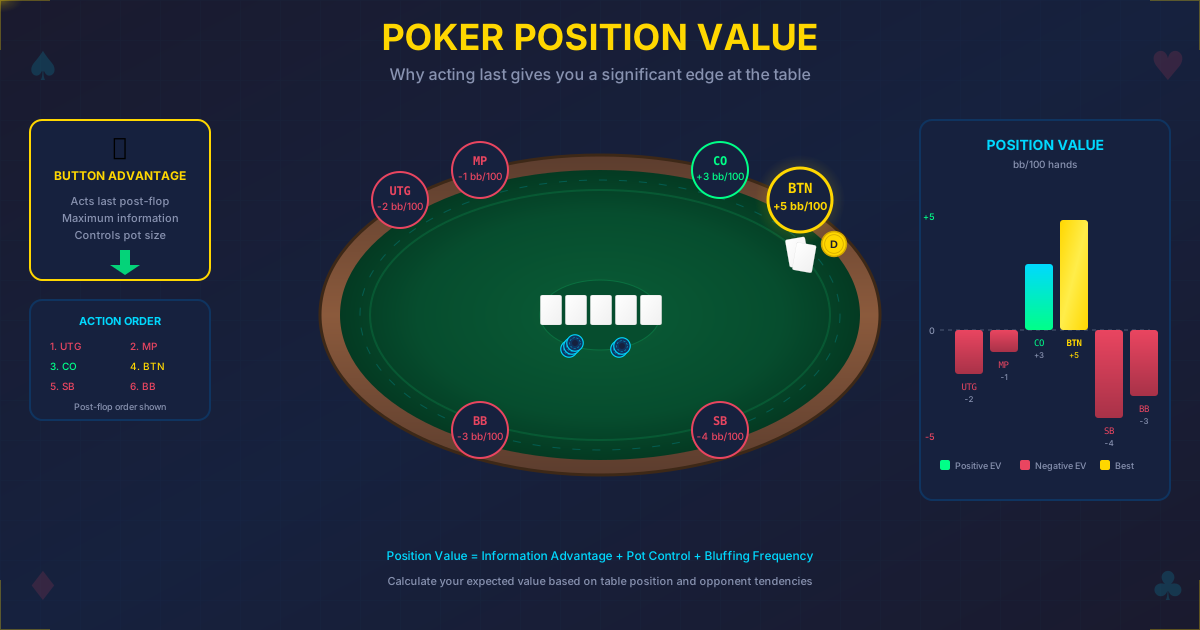
Situation:
- You raised pre: QQ
- Flop: Q♥ 6♣ 2♠
- Pot: $45
- 3-way pot
Analysis:
- Top set on dry board
- But multi-way reduces c-bet frequency
- This specific hand is clear value bet
Action: Bet $20-25 (45-55%), but only c-betting ~35% of total range
Position Impact
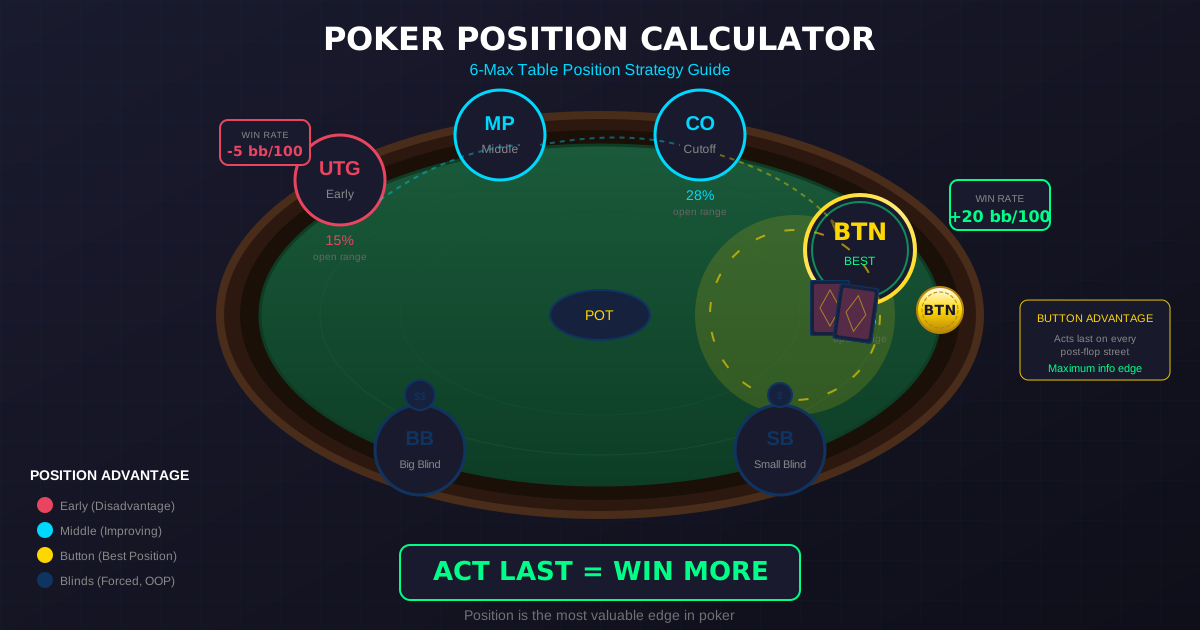
In Position Advantages
| Factor | Benefit |
|---|---|
| Last to act | See opponent's action first |
| Pot control | Can check back |
| Delayed c-bet | Turn bet option |
| Information | More data for decisions |
Out of Position Adjustments
| Adjustment | Reason |
|---|---|
| Lower frequency | Defensive check range needed |
| Smaller sizing | Risk less when vulnerable |
| Stronger value range | Fewer bluffs succeed |
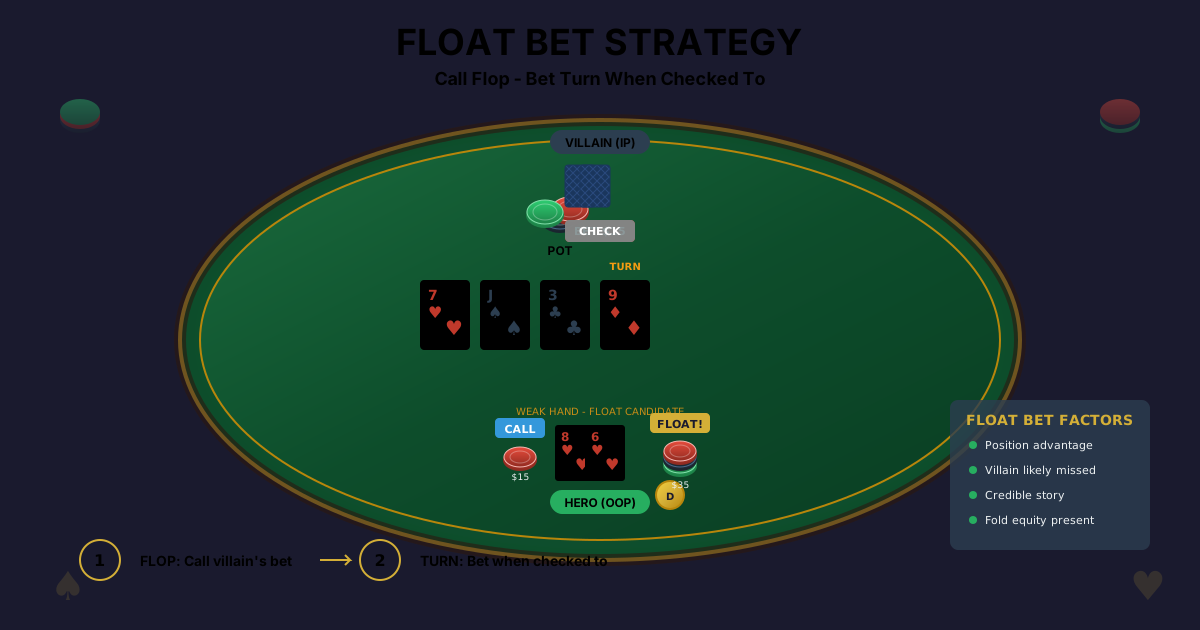
Delayed C-Bet
When to Check-Flop, Bet-Turn
| Situation | Why Delay |
|---|---|
| Wet flop, dry turn | Board improved for you |
| Opponent likely bluffs | Induce aggression |
| Showdown value hand | Don't need protection |
| Turn card changes texture | New betting opportunity |
Turn C-Bet Sizing
Turn c-bet after flop check:
- Polarized range
- Sizing: 60-75% pot
- Lower frequency than flop c-bet
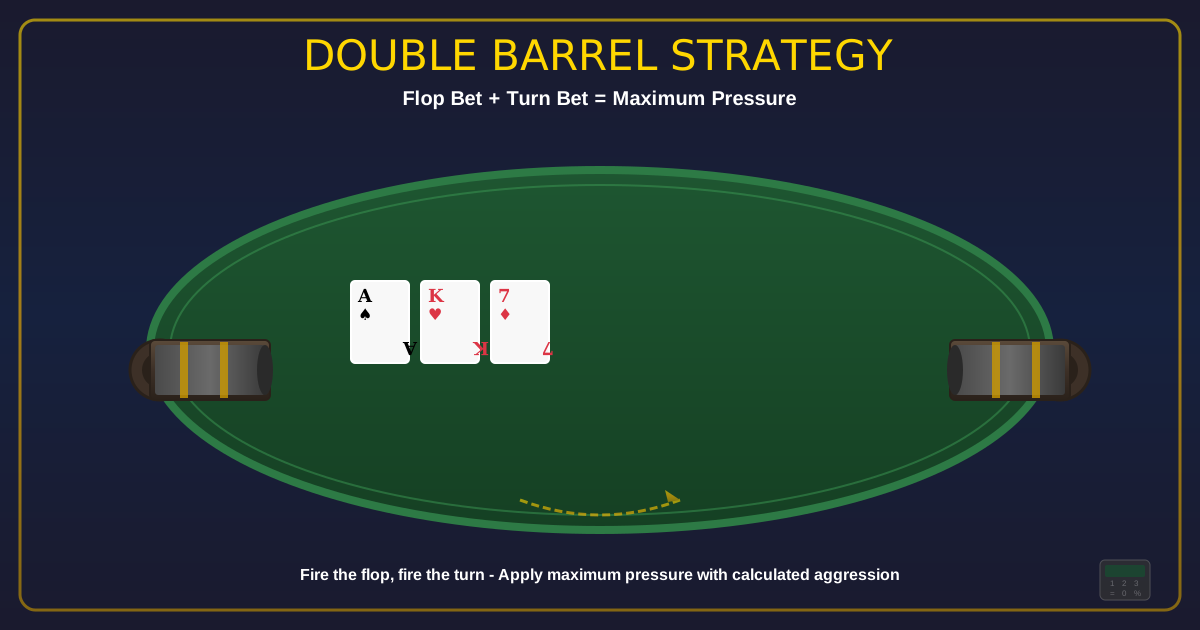
Double and Triple Barrel
Second Barrel Criteria
| Factor | Bet Turn |
|---|---|
| Turn improves your hand | Yes |
| Turn scary for opponent | Yes |
| Opponent showed weakness | Often |
| Draw completed | Usually no |
Third Barrel Criteria
| Factor | Bet River |
|---|---|
| Made hand for value | Yes |
| Missed draw, blocks calls | Maybe |
| River completes obvious draws | Usually no |
| Opponent's range weak | Yes |
Common C-Bet Mistakes
1. C-Betting 100% Flops
Mistake: Betting every flop when pre-flop aggressor Problem: Predictable, exploitable, no check range Fix: Check-back weakest hands, some medium hands
2. Same Size Every Board
Mistake: 50% pot regardless of texture Problem: Suboptimal sizing loses value and equity Fix: Adjust sizing to board (25-75% range)
3. C-Betting Multi-Way Like Heads-Up
Mistake: High frequency 3-way Problem: Someone usually connected Fix: Reduce frequency dramatically
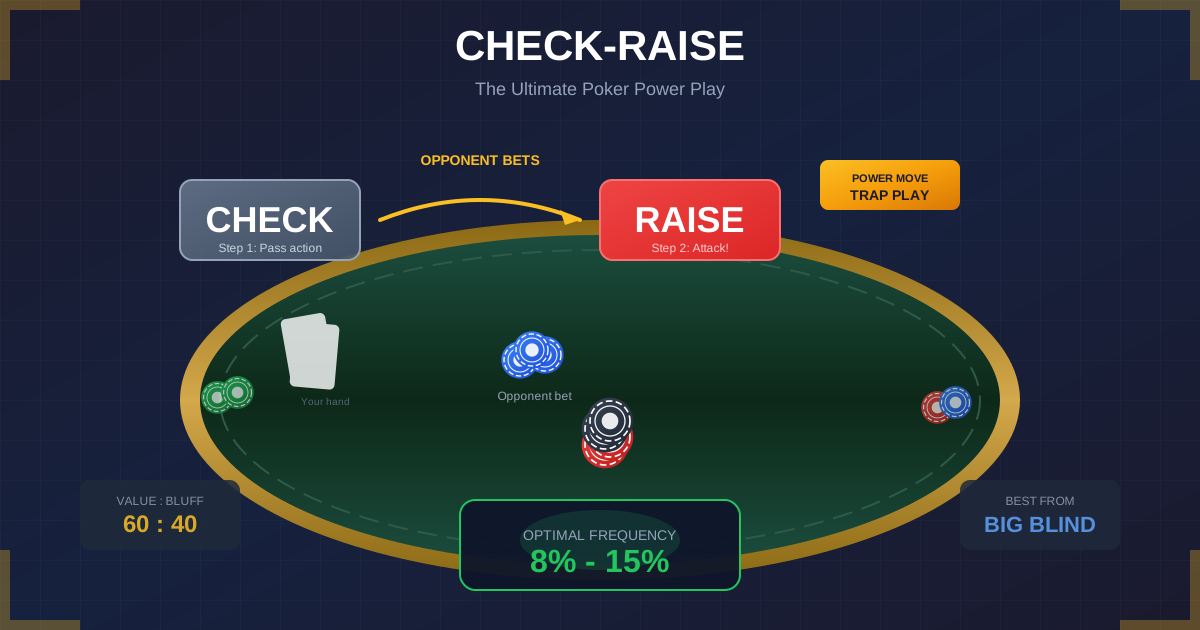
4. Never Check-Raising
Mistake: Always leading with strong hands Problem: No protection for check range Fix: Check-raise some value and draws
Frequently Asked Questions
How often should I c-bet overall?
50-70% heads-up in position, 35-55% out of position, 25-45% multi-way. Adjust based on board texture and opponent tendencies.
What size c-bet is best?
Small (25-33%) on dry boards, large (55-75%) on wet boards. Most modern strategy favors smaller, more frequent bets.
Should I c-bet with no pair?
Often yes—that's bluffing. Your c-bet range should include air with backdoor draws or blockers. The key is having a balanced range.
When should I check strong hands?
On very wet boards or multi-way, checking some strong hands protects your check range. Also when opponent is likely to bet if you check.
Does opponent type affect c-betting?
Yes. C-bet more vs tight/passive opponents who fold too much. Less vs calling stations. Adjust sizing vs opponents who only respond to certain bet sizes.
What about c-betting paired boards?
Moderate frequency (55-70%). You have more overpairs, opponent less likely to have trips. Size can be smaller since board is dry.
Advanced Concepts
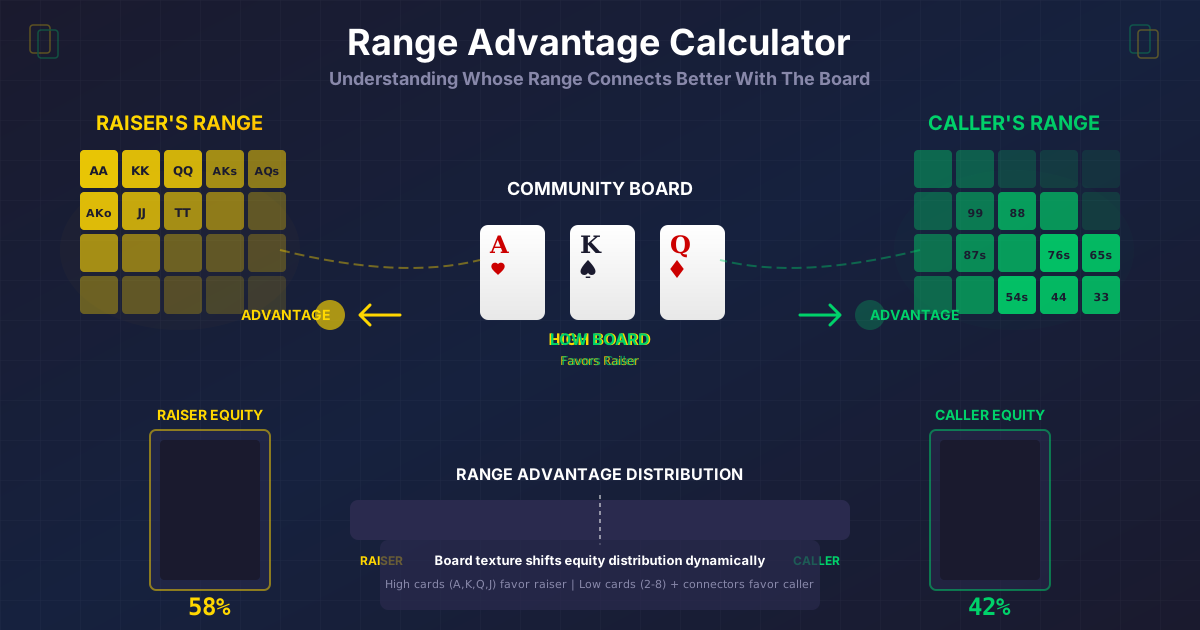
Range Advantage
Range advantage: Whose range benefits from board

Pre-flop raiser has advantage on:
A-K-x, K-Q-x, A-x-x (high cards)

Caller has advantage on:
7-6-5, 8-7-4 (connected low cards)

C-bet more on advantageous boards
GTO vs Exploitative C-Betting
| GTO | Exploitative |
|---|---|
| Balanced value/bluff | Adjust to opponent |
| Consistent sizing | Size based on opponent |
| Mixed frequencies | 0% or 100% based on reads |
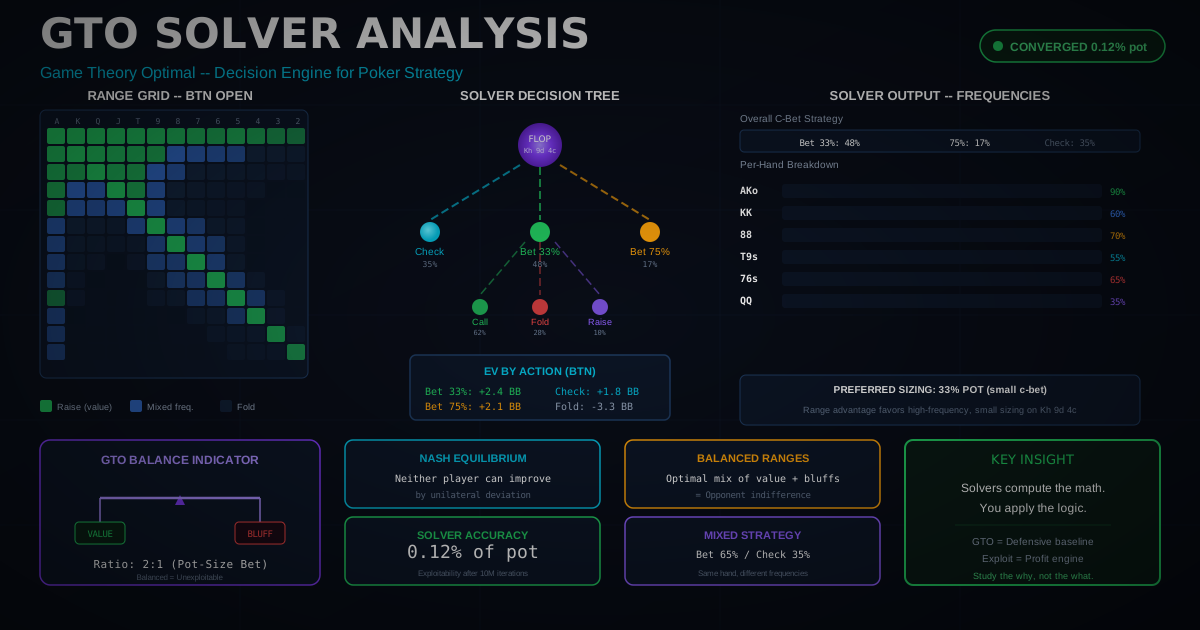
Solver-Approved C-Bet Sizing
Modern solvers often prefer:

Very dry boards: 20-25% pot
Semi-dry boards: 33% pot
Medium boards: 50% pot
Wet boards: 66-75% pot

Smaller sizes more frequent
Larger sizes less frequent
Pro Tips
-
Board texture is king: Sizing and frequency follow texture
-
Position matters: IP allows more aggression
-
Multi-way = careful: Dramatically reduce frequency
-
Balance your checks: Don't always c-bet your strong hands
-
Watch for bet-sizing tells: Opponents often size differently with value vs bluffs
Related Calculators
- Poker Equity Calculator - Hand equity
- Poker EV Calculator - Expected value
- Poker Pot Odds Calculator - Pot odds
- Poker Outs Calculator - Counting outs
- Poker Hand Odds Calculator - Matchup odds
Conclusion
The continuation bet is fundamental to winning poker. Our calculator helps you size bets appropriately and determine optimal frequency based on board texture, position, and number of opponents. Master c-betting by varying your sizing, maintaining balanced ranges, and adjusting to multi-way pots where hitting is more likely.
Calculate Optimal C-Bet Strategy Now →
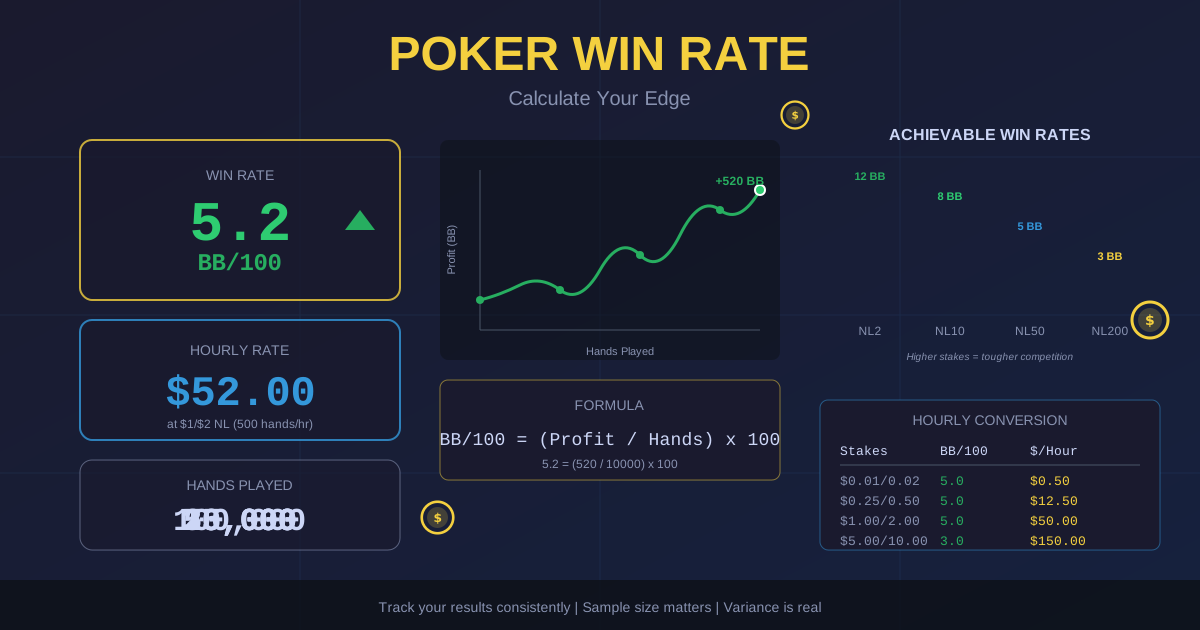
C-betting correctly separates thinking players from button-pushers. Our calculator guides your post-flop decisions based on the specific situation, helping you extract value when you're ahead and deny equity when bluffing. Master board texture, size appropriately, and watch your win rate climb.