Poker Fold Equity Calculator: Semi-Bluff Strategy (2026)
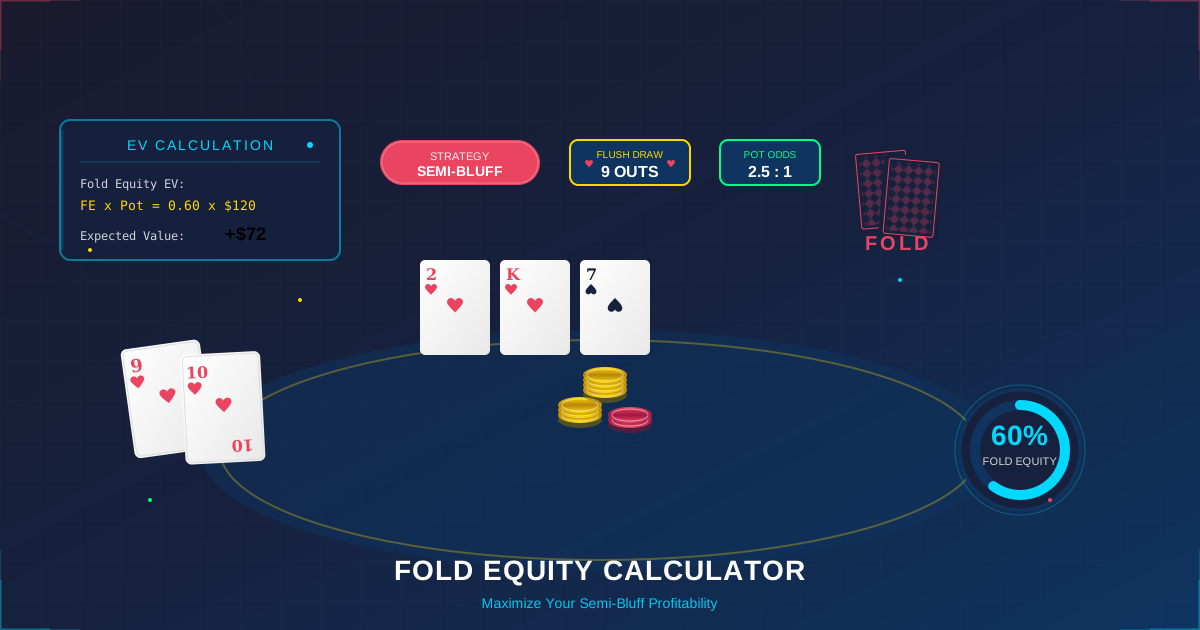
Poker Fold Equity Calculator: When Aggression Pays
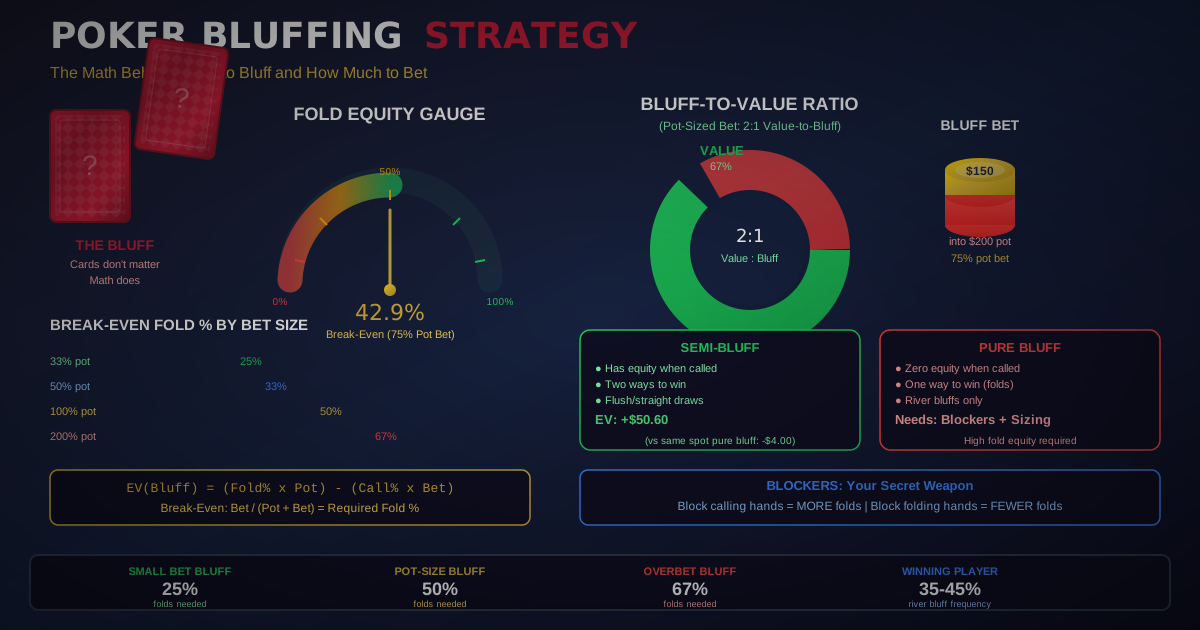
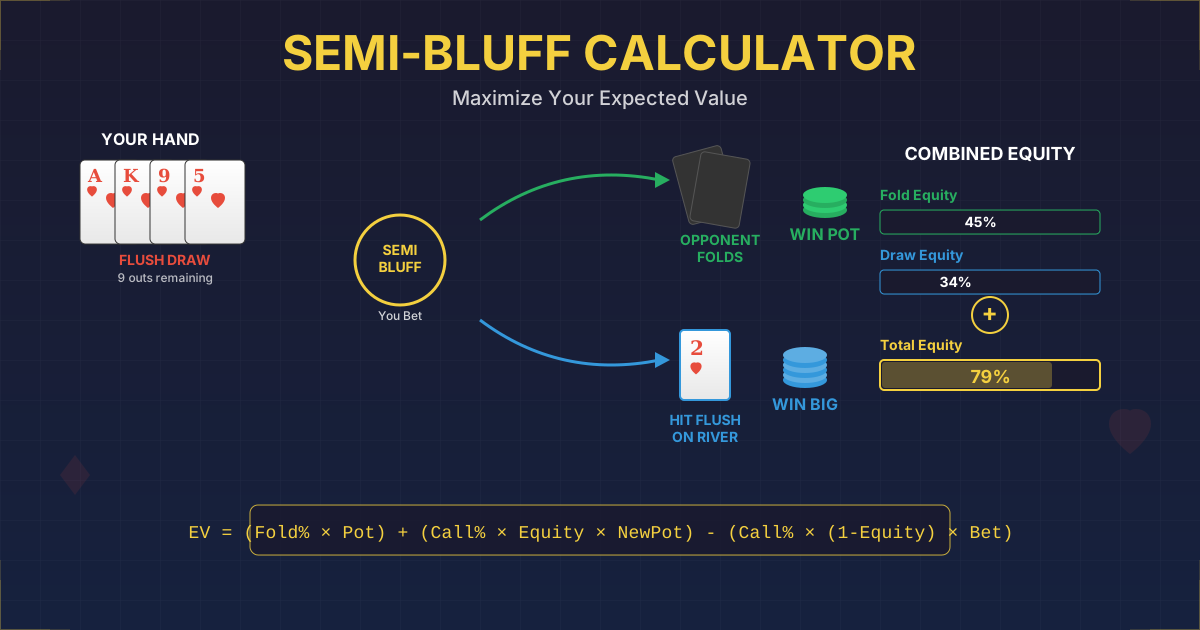
Fold equity is the value gained when opponents fold to your bet. Our calculator determines when semi-bluffs and pure bluffs are profitable by combining fold equity with pot equity to find positive expected value situations.
What Is Fold Equity?
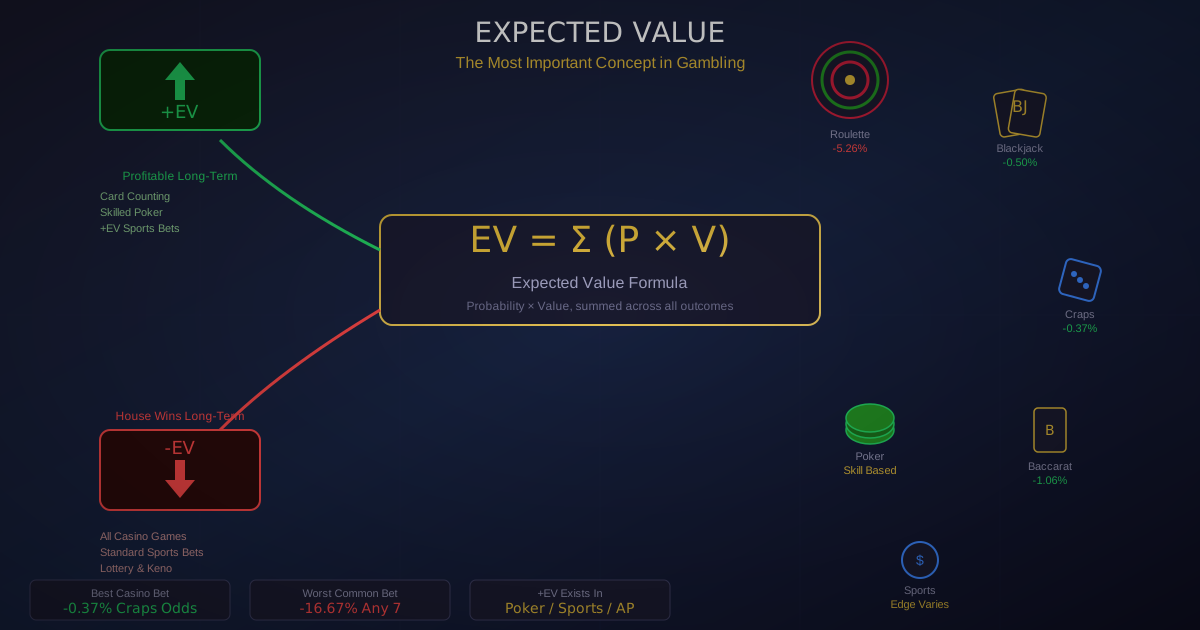
Fold equity is the portion of a pot you win when your opponent folds. Combined with your showdown equity, it determines whether aggressive plays (bets and raises) are more profitable than passive plays (checks and calls).
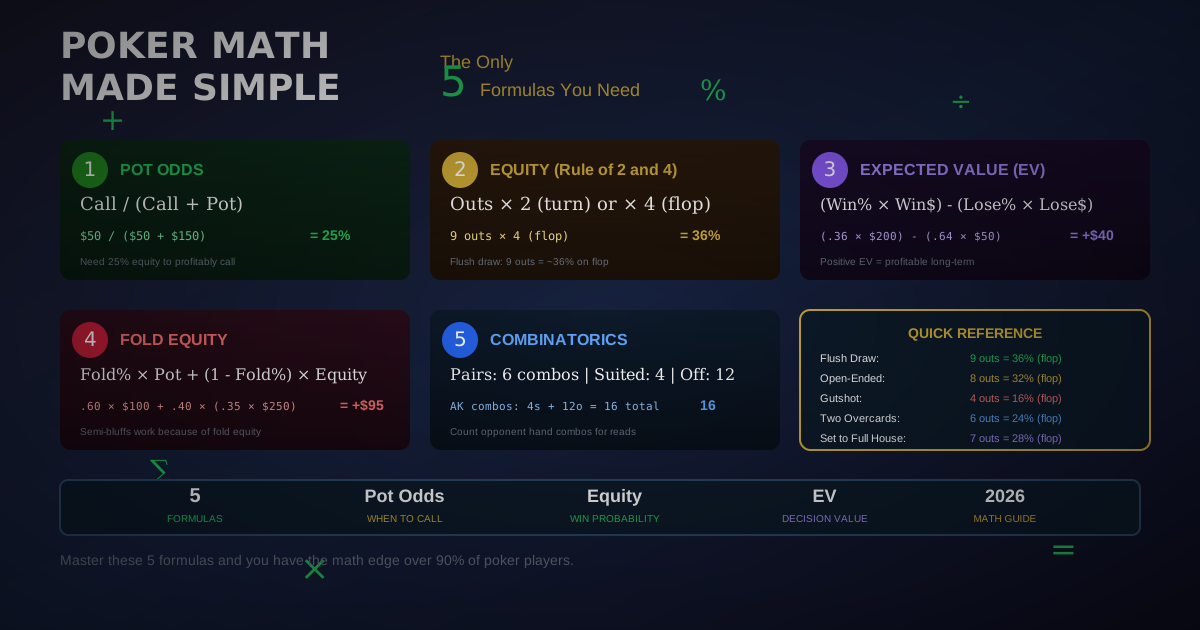
Quick Answer: Fold Equity = Fold Percentage × Pot Size. If you bet $50 into a $100 pot and villain folds 40% of the time, your fold equity is $40 (40% × $100). Add this to your showdown equity to determine total EV. Semi-bluffs are profitable when fold equity + pot equity > 0.
How to Use Our Fold Equity Calculator
Use the Fold Equity Calculator →
Enter pot size, bet amount, and opponent tendencies to calculate fold equity.
Step-by-Step Instructions
-
Enter Pot Size: Current pot before your bet
-
Input Bet Amount: Your intended bet
-
Estimate Fold %: How often opponent folds
-
Enter Pot Equity: Your winning chances if called
-
View Total EV: Combined fold + pot equity
Input Fields Explained
| Field | Description | Example |
|---|---|---|
| Pot Size | Current pot | $100 |
| Bet Amount | Your bet | $75 |
| Fold Percentage | Opponent folds | 45% |
| Pot Equity | Your showdown % | 35% |
| Fold Equity | Value from folds | $45 |
| Total EV | Bet's value | +$12.75 |
Fold Equity Math
Basic Formula
Fold Equity = Fold % × (Pot + Dead Money)
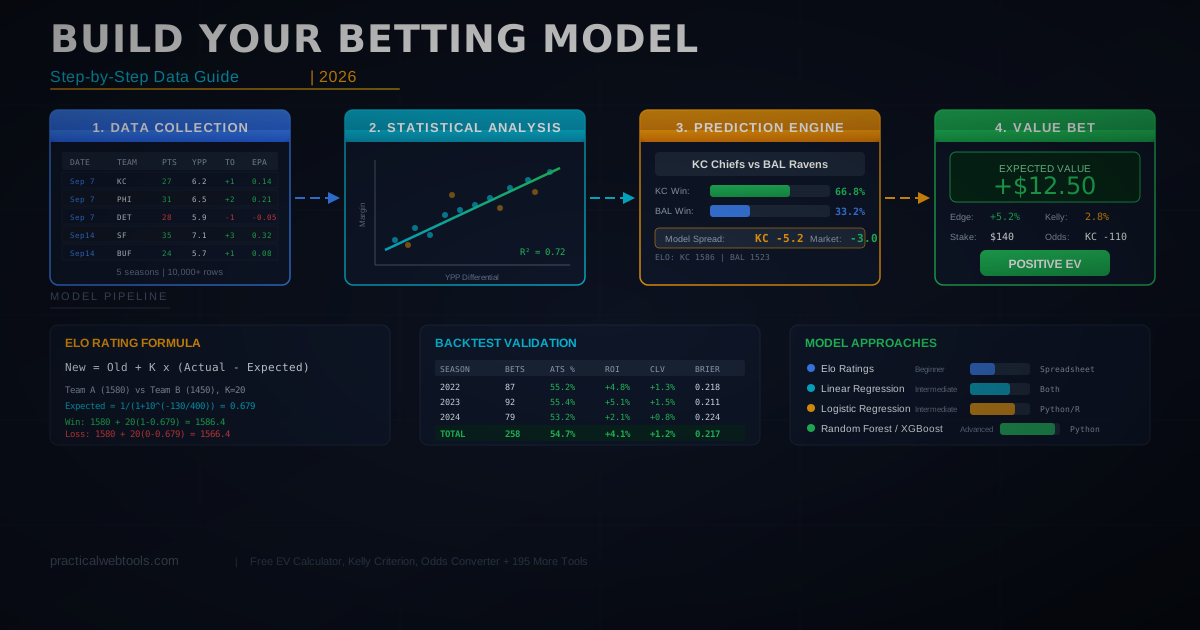
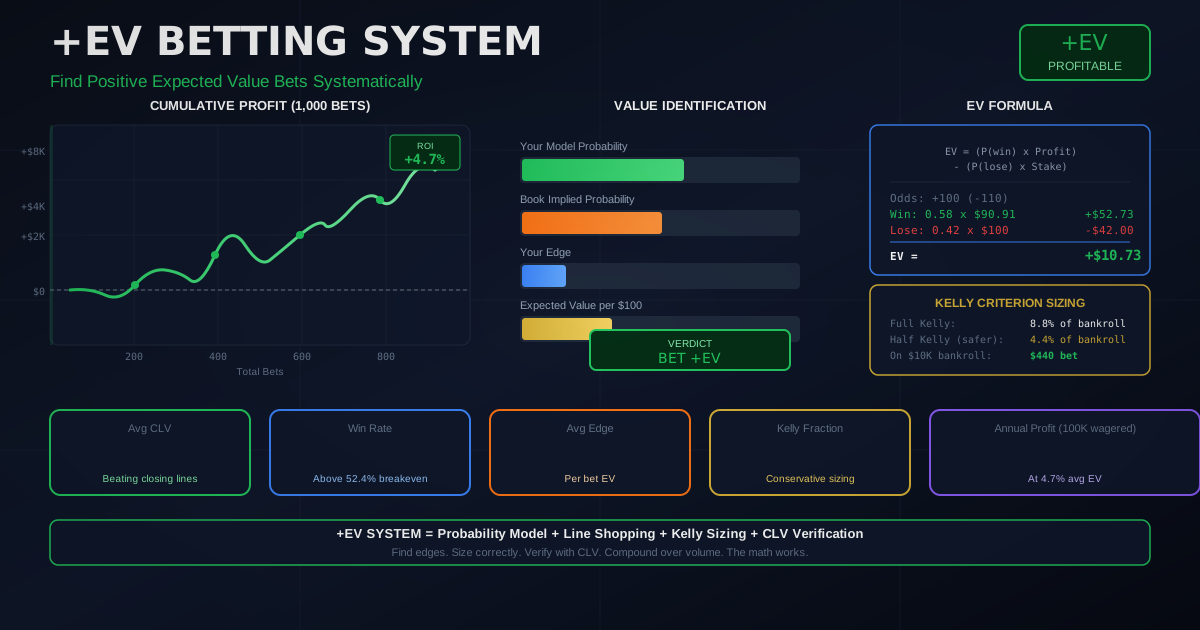
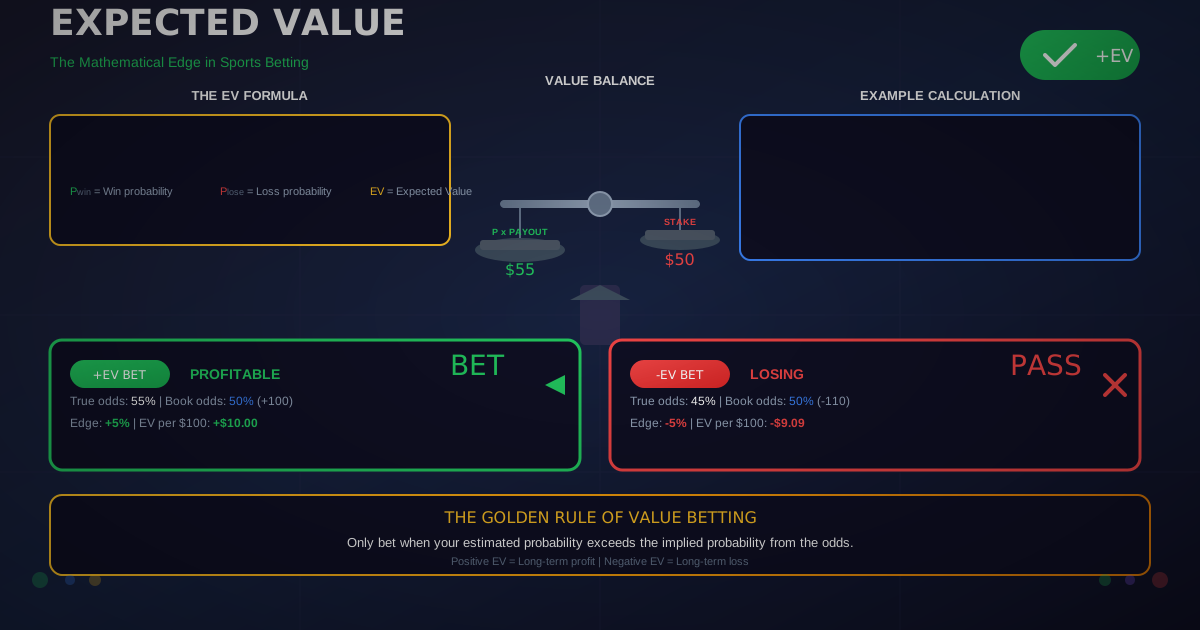
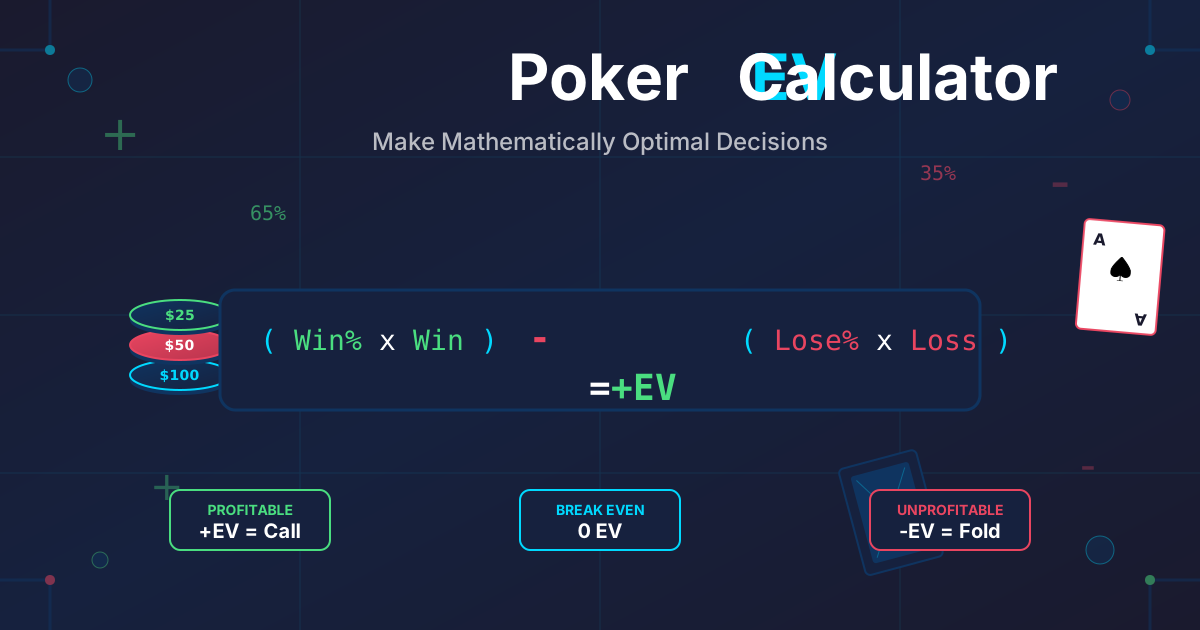
Total EV = (Fold % × Pot) + (Call % × Equity × New Pot) - (Call % × (1-Equity) × Bet)
Simplified Calculation
EV of Bet = (Fold% × Pot) + (1-Fold%) × [(Equity × (Pot + Bet)) - Bet]
Example Calculation
Situation:
- Pot: $100
- Your bet: $75
- Opponent folds: 40%
- Your equity when called: 30%
Calculation:
- Fold EV: 0.40 × $100 = $40
- Call scenarios: 0.60 × [(0.30 × $175) - $75]
- Call EV: 0.60 × [$52.50 - $75] = 0.60 × (-$22.50) = -$13.50
- Total EV: $40 - $13.50 = +$26.50
Semi-Bluff Situations
What Makes a Good Semi-Bluff
| Factor | Requirement |
|---|---|
| Fold equity | Opponent can fold |
| Pot equity | You have outs |
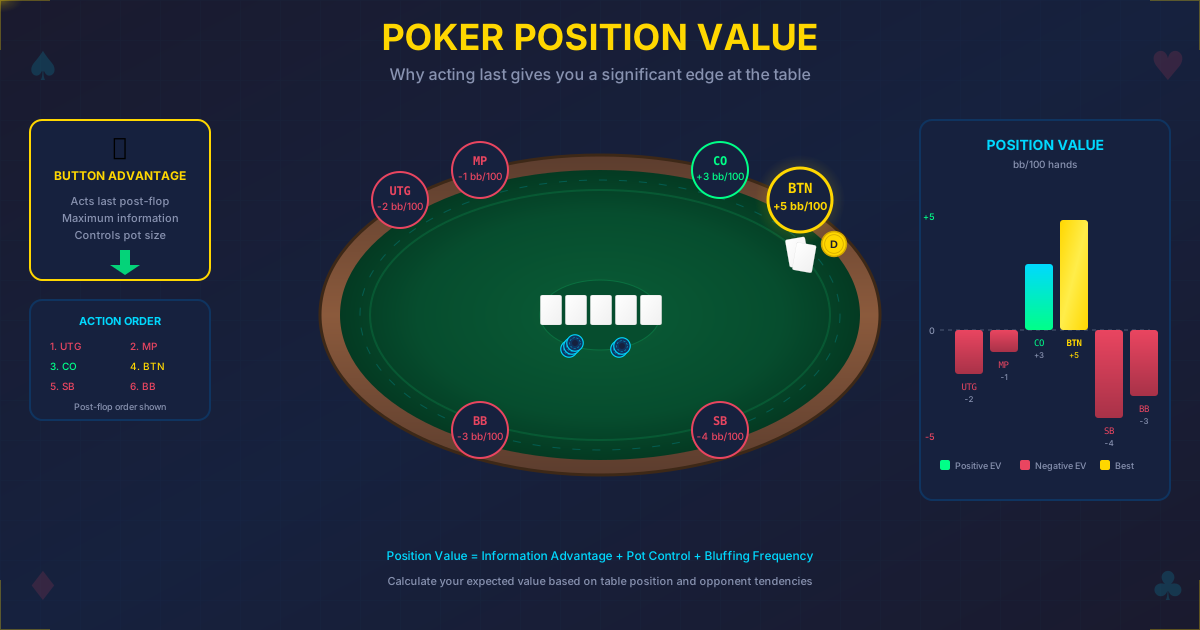
| Position | Preferably in position |
| Stack depth | Room to apply pressure |
Ideal Semi-Bluff Hands
| Hand Type | Example | Equity |
|---|---|---|
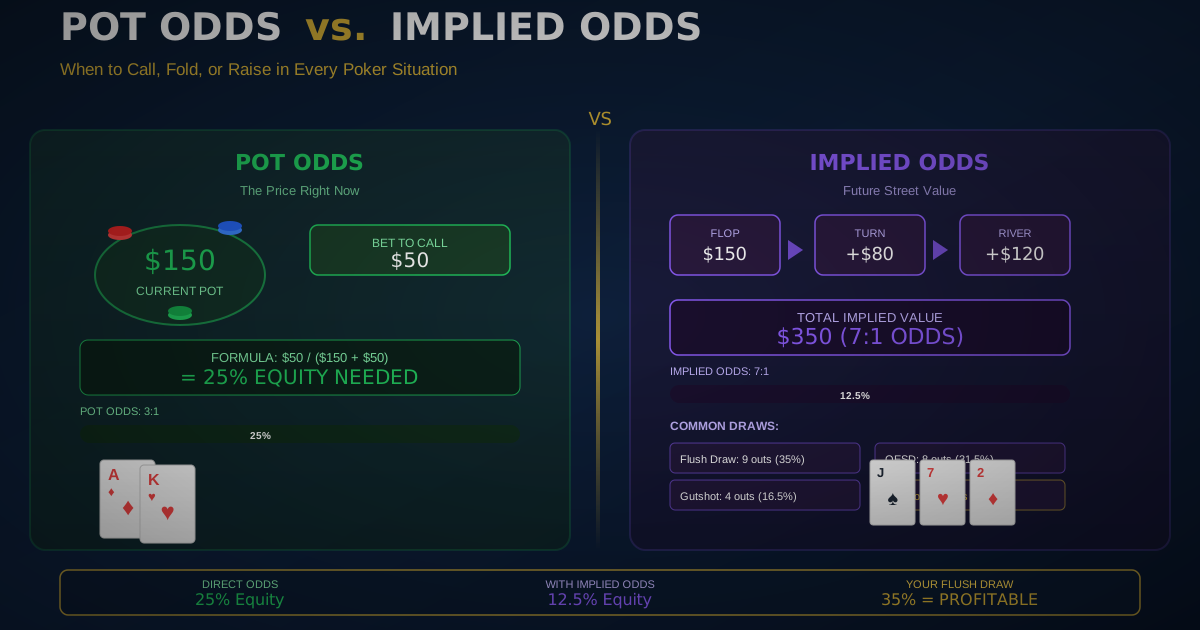
| Flush draw | A♥K♥ on T♥7♥2♣ | ~35% |
| OESD | 9♠8♠ on T♥7♦2♣ | ~32% |
| Combo draw | J♥T♥ on Q♥9♦3♥ | ~50%+ |
| Gutshot + overcards | KQo on JT4r | ~25% |
Minimum Fold % Needed
| Your Equity | Min Fold % for Break-Even |
|---|---|
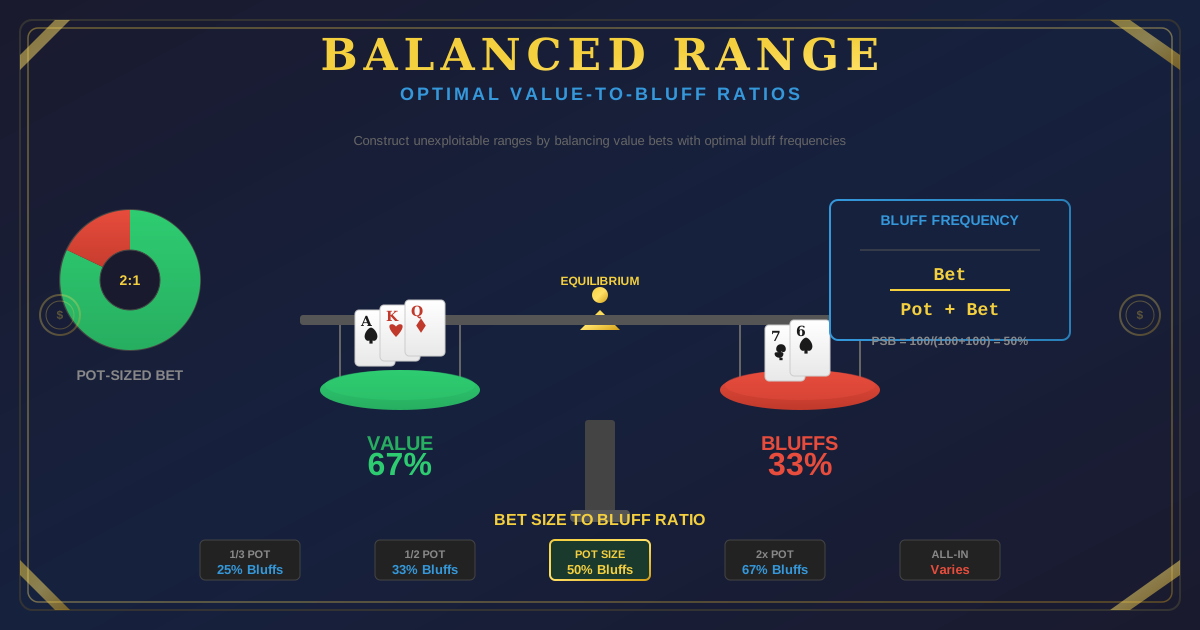
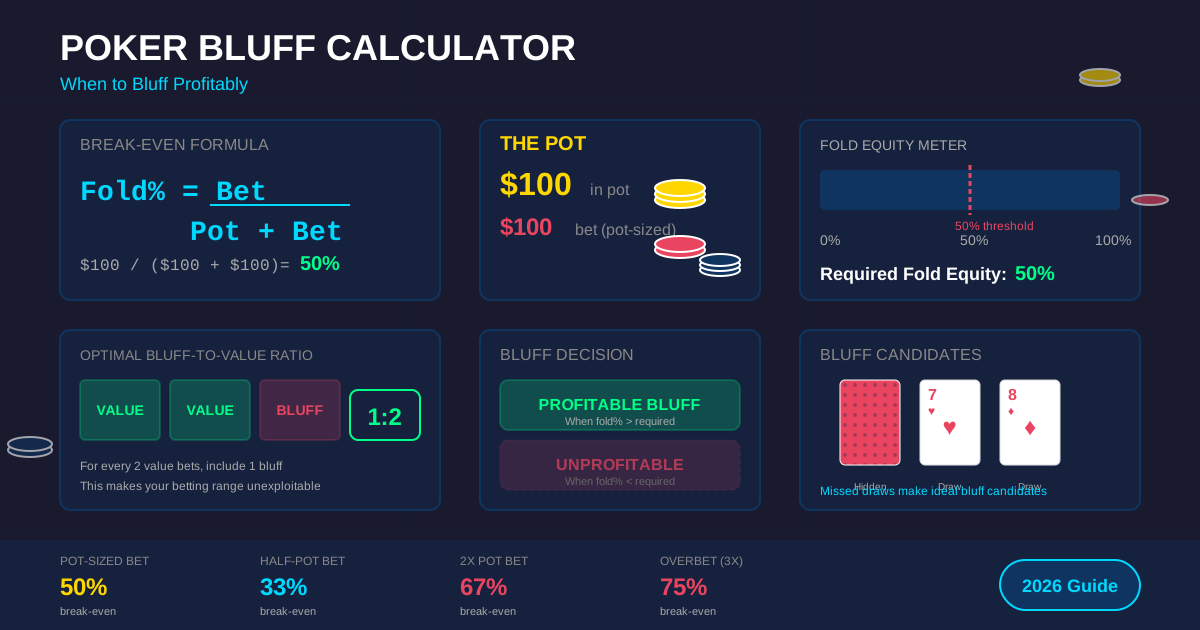
| 0% (pure bluff) | Bet / (Pot + Bet) |
| 20% | Lower threshold |
| 35% | Even lower |
| 50%+ | Often +EV regardless |
Real-World Examples
Example 1: Flush Draw Semi-Bluff
Board: K♥7♥2♦ Your hand: A♥J♥ (nut flush draw) Pot: $50 Villain bets: $30
Analysis:
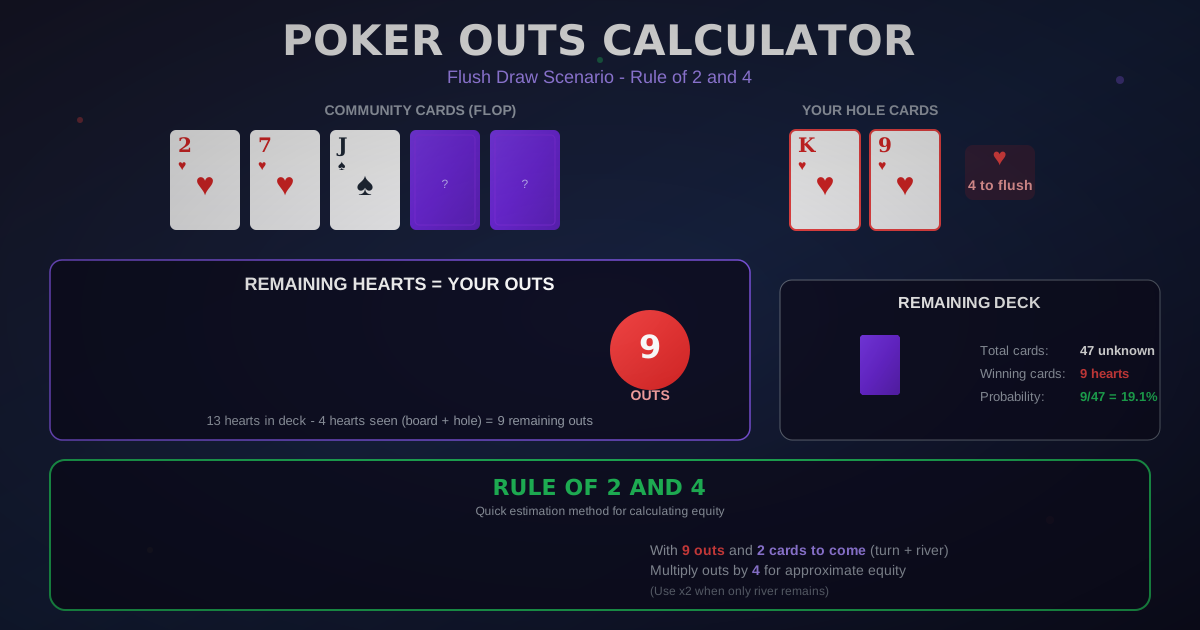
- Your equity: ~35% (9 flush outs + 3 aces)
- Raising to $90 (pot-sized)
- Villain folds estimated 35%
EV Calculation:
- Fold EV: 0.35 × $80 = $28
- When called with 35% equity in $170 pot: Positive
- Result: +EV semi-bluff raise
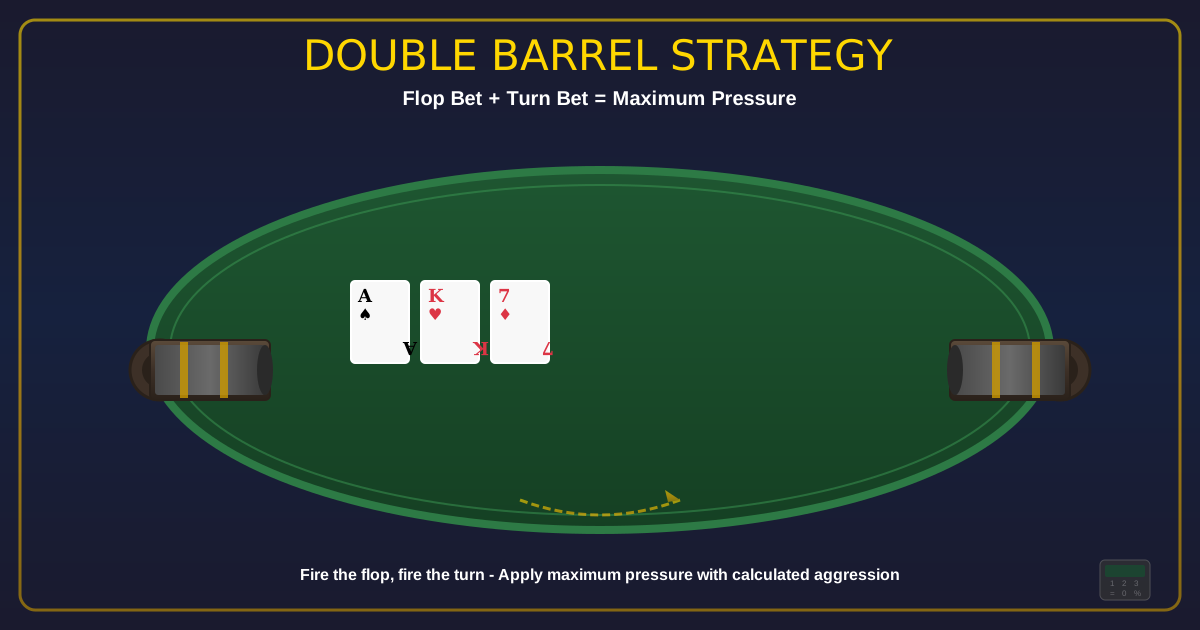
Example 2: Turn Barrel
Board: Q♠8♦4♣3♥ Your hand: A♠K♠ (overcards, backdoor) Pot: $80 after flop bet Your equity: ~18%
Analysis:
- Need higher fold frequency with low equity
- Bet $55 (68% pot)
- Villain must fold 41%+ for break-even
If villain folds 50%:
- Fold EV: 0.50 × $80 = $40
- Total EV likely positive
Example 3: River Bluff
Board: Q♠8♦4♣3♥2♠ Your hand: Missed draw (0% equity) Pot: $150
Pure bluff requires:
- Bet $100, need 40% folds (100/250)
- Bet $75, need 33% folds (75/225)
- Bet $50, need 25% folds (50/200)
Factors Affecting Fold Equity
Opponent Tendencies
| Player Type | Fold Frequency | Adjust Strategy |
|---|---|---|
| Calling station | Very low | Don't bluff |
| Tight-passive | High | Bluff more |
| LAG | Variable | Be selective |
| Thinking player | Board-dependent | Balance needed |
Board Texture
| Board | Fold Equity Level |
|---|---|
| Dry (K72r) | Higher |
| Coordinated (JT8ss) | Lower |
| Ace-high | Medium-high |
| Paired | Variable |
Position
| Position | Impact |
|---|---|
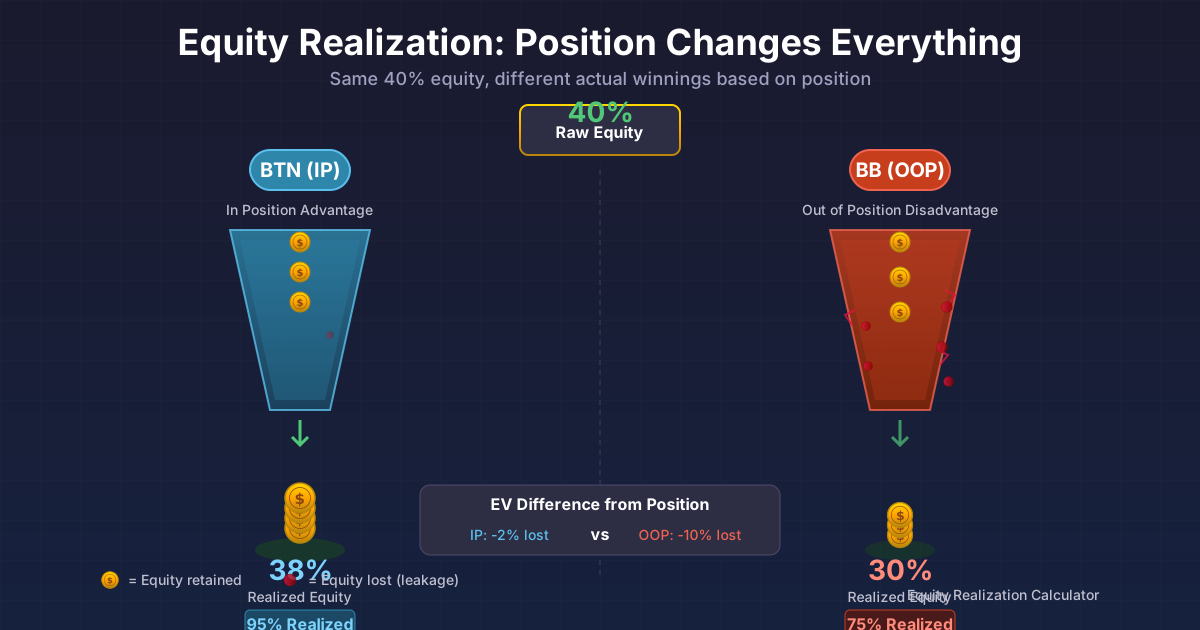
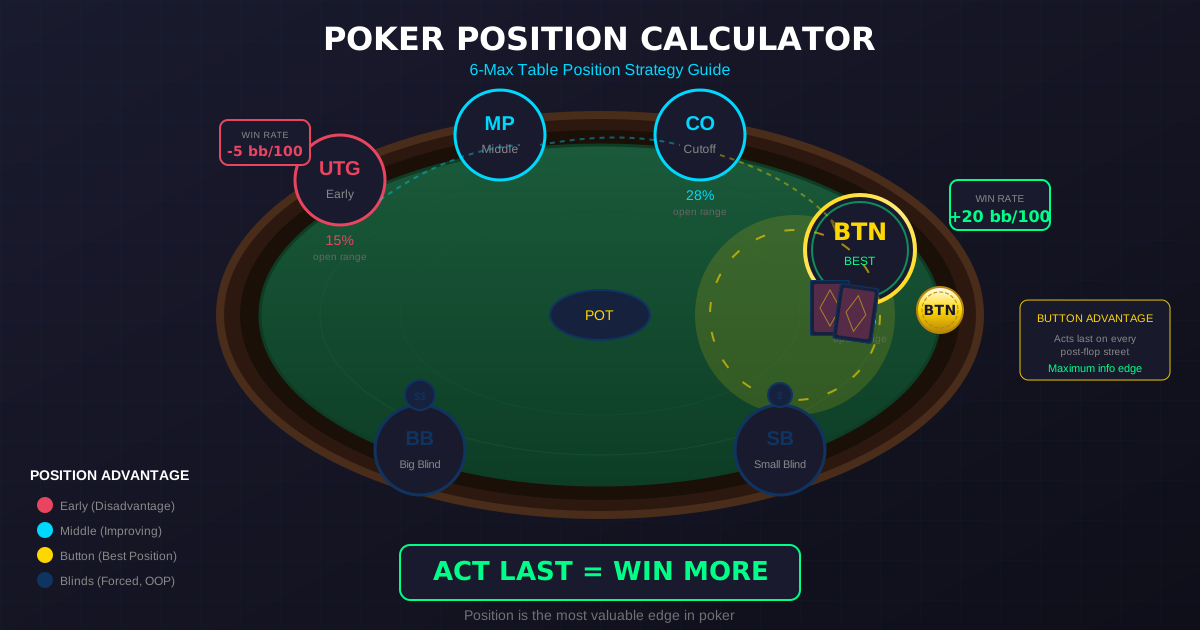
| In position | Higher fold equity |
| Out of position | Lower fold equity |
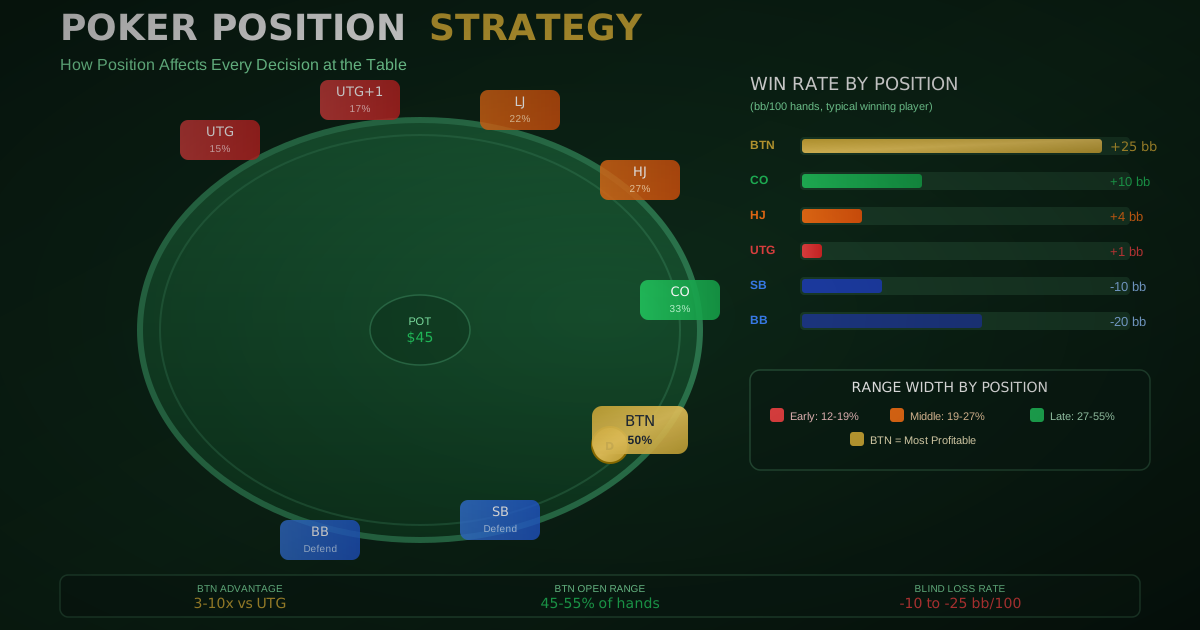
| Button vs blinds | Highest |
Bet Sizing
| Size | Message | Fold Equity |
|---|---|---|
| 25-33% pot | Blocking/value | Lower |
| 50-75% pot | Standard | Medium |
| 100%+ pot | Polar | Higher |
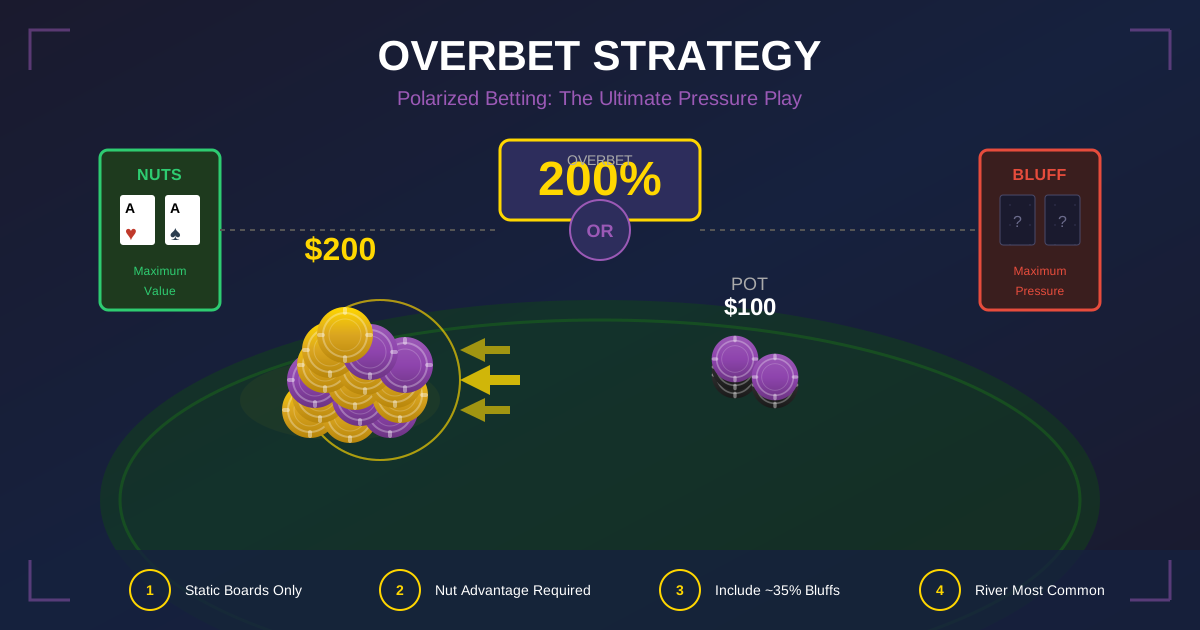
| Overbet | Very strong | Highest |
Common Fold Equity Mistakes
1. Overestimating Folds
Mistake: Assuming opponents fold as much as theory suggests Problem: Real players are stickier, especially at low stakes Fix: Adjust for actual observed folding frequencies
2. Semi-Bluffing with No Fold Equity
Mistake: Betting draws against calling stations Problem: Fold equity is zero; only pot equity matters Fix: Check/call or check/fold against stations
3. Ignoring Stack-to-Pot Ratio
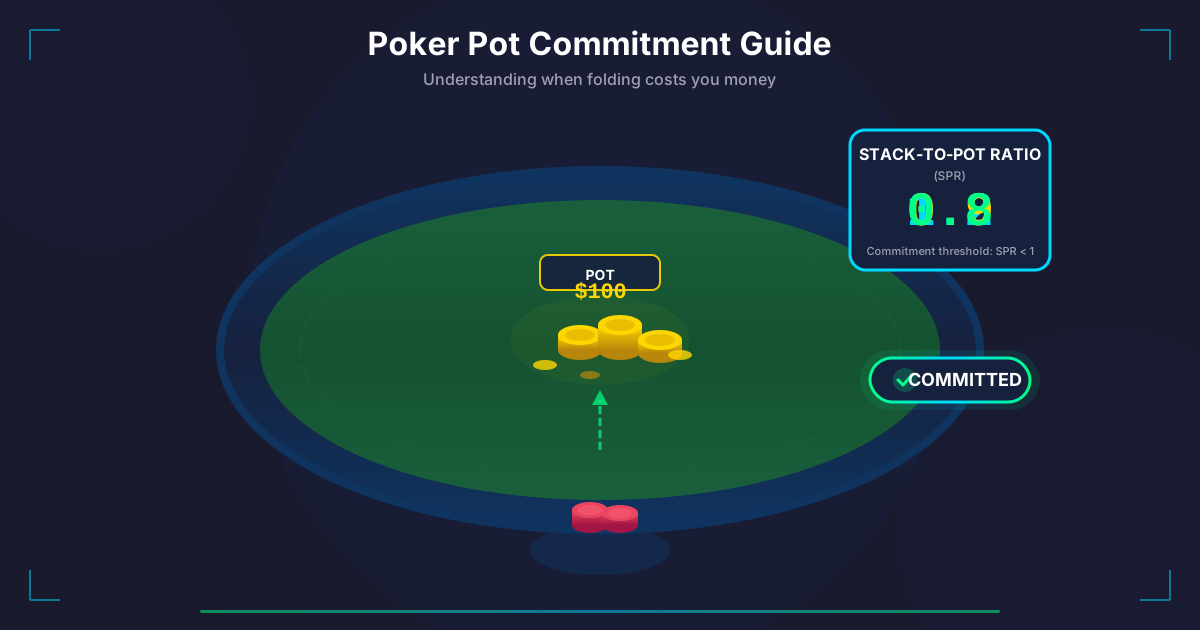
Mistake: Semi-bluffing when stacks are short Problem: No room for fold equity; pot committed Fix: Need deeper stacks for fold equity plays
4. Wrong Sizing
Mistake: Betting too small on bluffs Problem: Giving good odds to continue Fix: Size bets appropriately for desired fold frequency
Frequently Asked Questions
What's the minimum fold equity needed for a bluff?
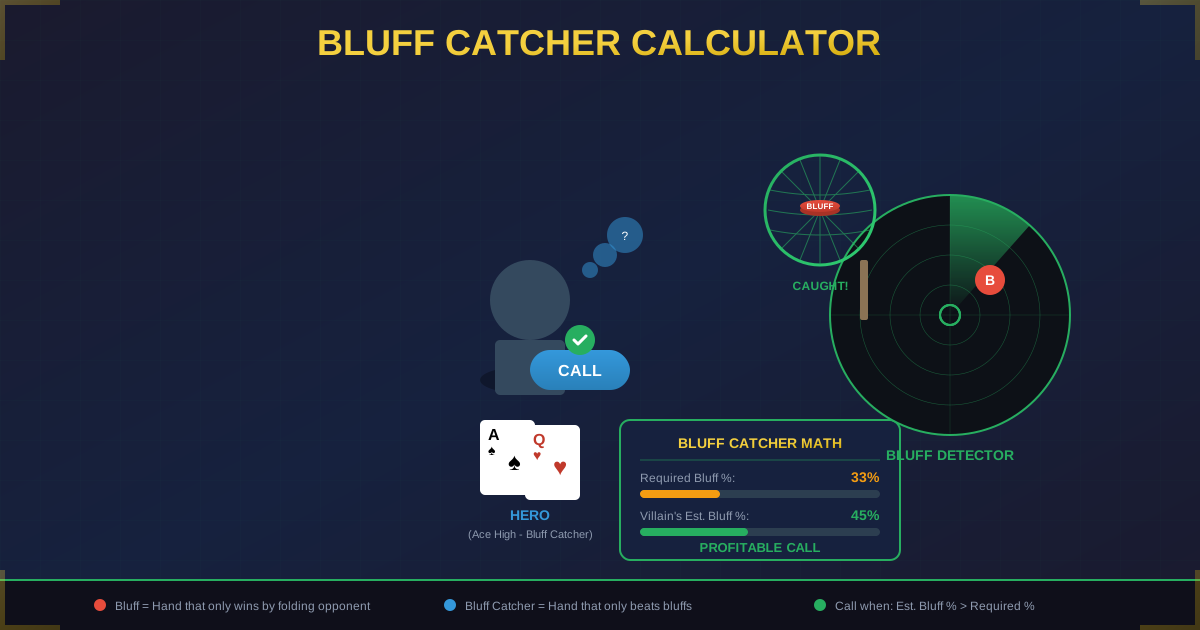
For pure bluffs: Bet / (Pot + Bet). A $50 bet into $100 pot needs 33% folds. Semi-bluffs need less because you have backup equity.
When should I not rely on fold equity?
Against calling stations, when stacks are shallow, or when the board heavily favors your opponent's range.
Is fold equity more important than pot equity?
Depends on situation. Deep stacked: fold equity matters more. Short stacked: pot equity matters more.
How do I estimate opponent's fold frequency?
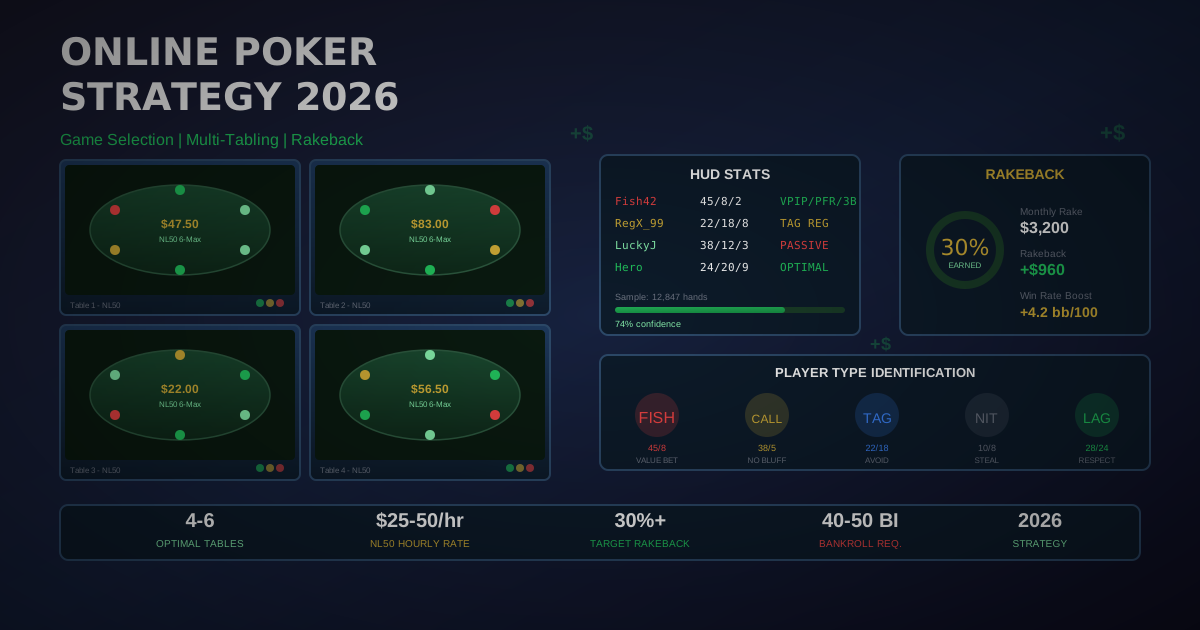
Track hands, note tendencies to fold to c-bets, turns, rivers. Online players use HUD stats; live players observe.
Should I always semi-bluff draws?
No. Against stations, you often profit more by checking and realizing equity. Aggression needs fold equity to be profitable.
How does position affect fold equity?
In position has more fold equity—you can apply more pressure with information advantage. Out of position bluffs face tougher decisions.
Advanced Fold Equity Concepts
Combining Fold Equity Sources
| Source | Value |
|---|---|
| Immediate fold | Opponent folds now |
| Continued pressure | Future street folds |
| Implied fold equity | Sets up later bluffs |
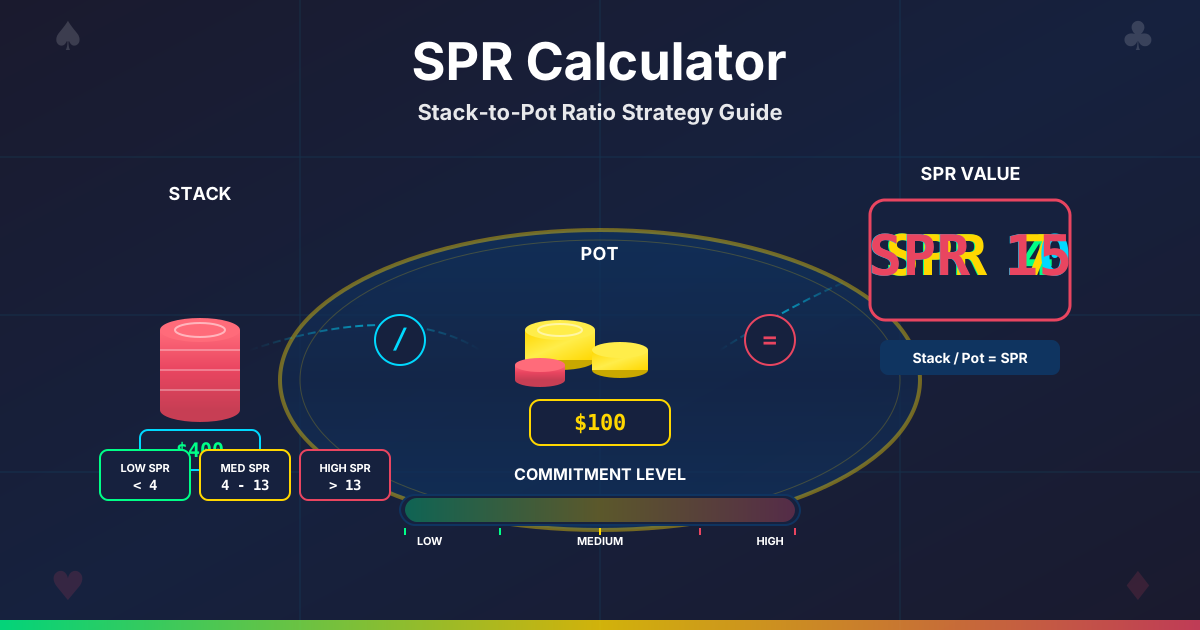
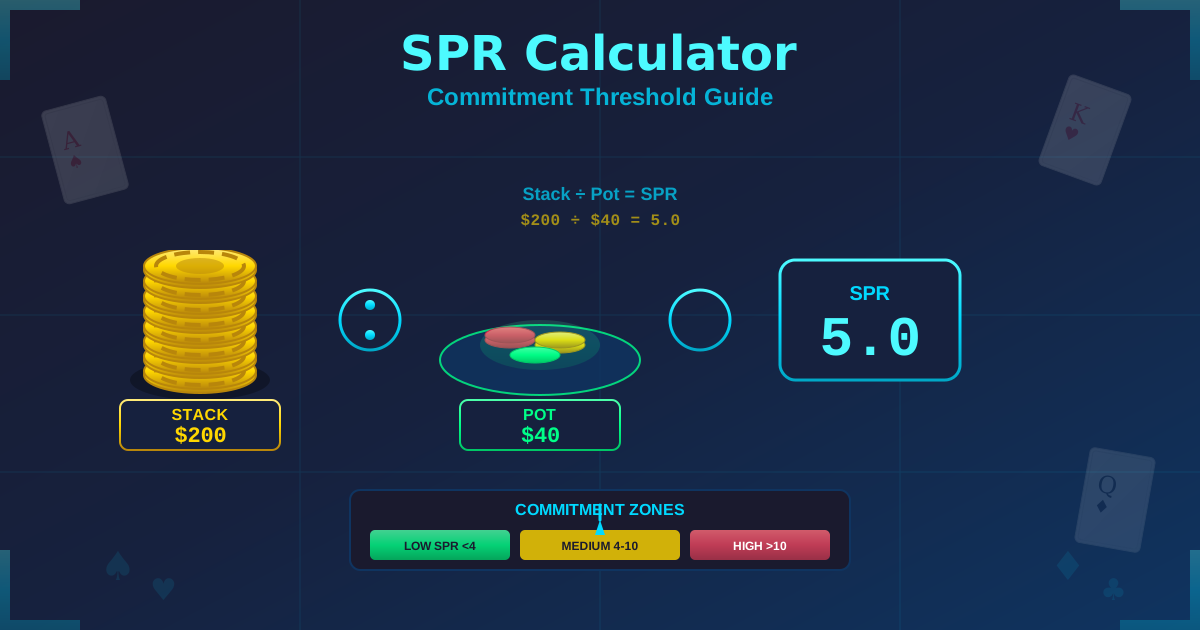
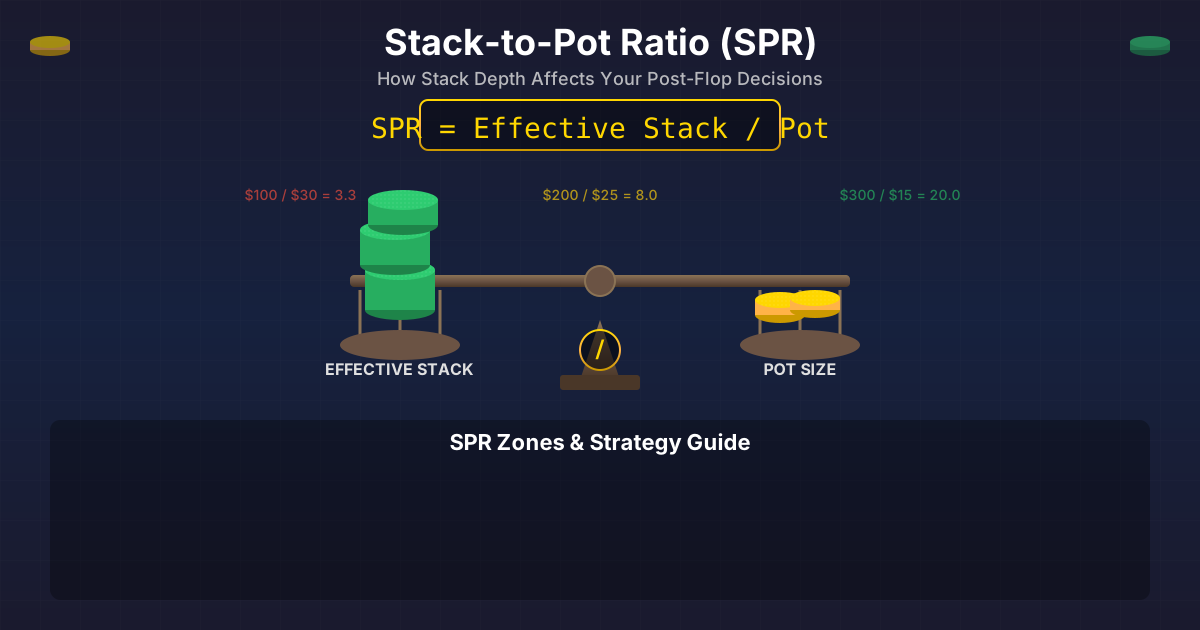
Stack-to-Pot Ratio (SPR) Impact
| SPR | Fold Equity Plays |
|---|---|
| <3 | Very limited |
| 3-8 | Moderate |
| 8-15 | Optimal |
| >15 | Most powerful |
Multi-Street Fold Equity
Planning for fold equity across streets:
| Street | Your Play | Goal |
|---|---|---|
| Flop | Bet | Build pot, gather info |
| Turn | Bet | Apply pressure |
| River | Shove/big bet | Maximum fold equity |
Pro Tips
-
Know your opponent: Fold equity is opponent-dependent
-
Position matters: IP bluffs succeed more often
-
Board reading: Scary boards = more fold equity
-
Bet sizing tells stories: Size appropriately for your range
-
Backup plan: Best bluffs have pot equity too
Related Calculators
- Poker EV Calculator - Complete EV analysis
- Poker Equity Calculator - Showdown equity
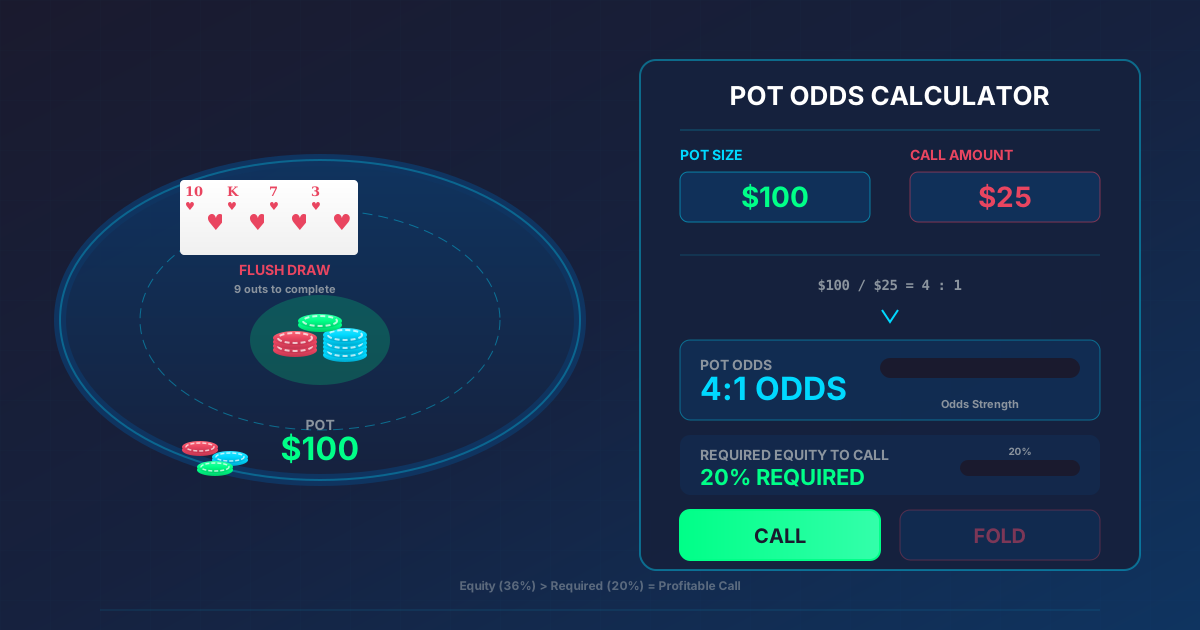
- Pot Odds Calculator - Pot odds math
- Poker Outs Calculator - Draw outs
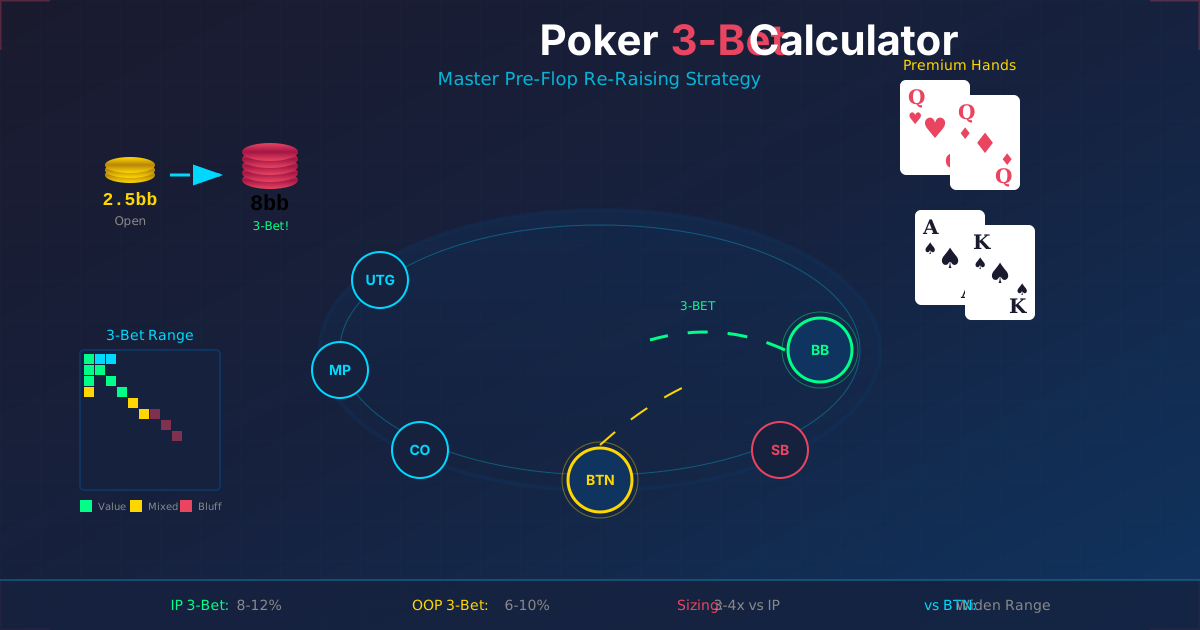
- Poker 3-Bet Calculator - Pre-flop aggression
Conclusion
Fold equity transforms marginal hands into profitable opportunities through aggression. Our calculator combines fold frequency with pot equity to determine when bets and raises are +EV. Understanding fold equity is essential for moving from passive, predictable play to aggressive, winning poker.
Calculate Your Fold Equity Now →
The best poker players maximize fold equity by identifying opponents who fold too much, choosing boards that favor aggression, and sizing bets to extract maximum value from opponent mistakes. Master fold equity, and you'll find profit in situations others miss.